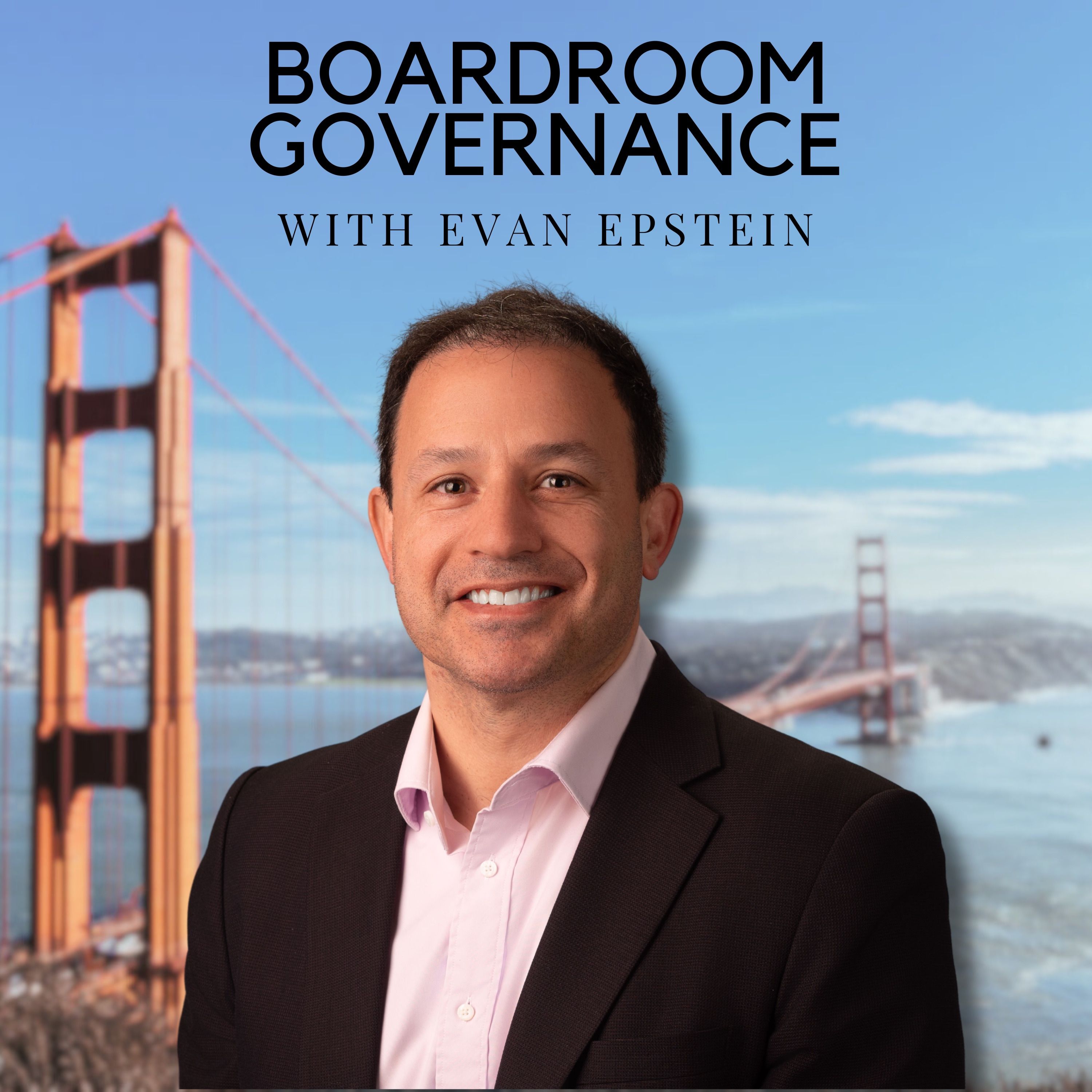
Boardroom Governance with Evan Epstein
220 episodes — Page 5 of 5
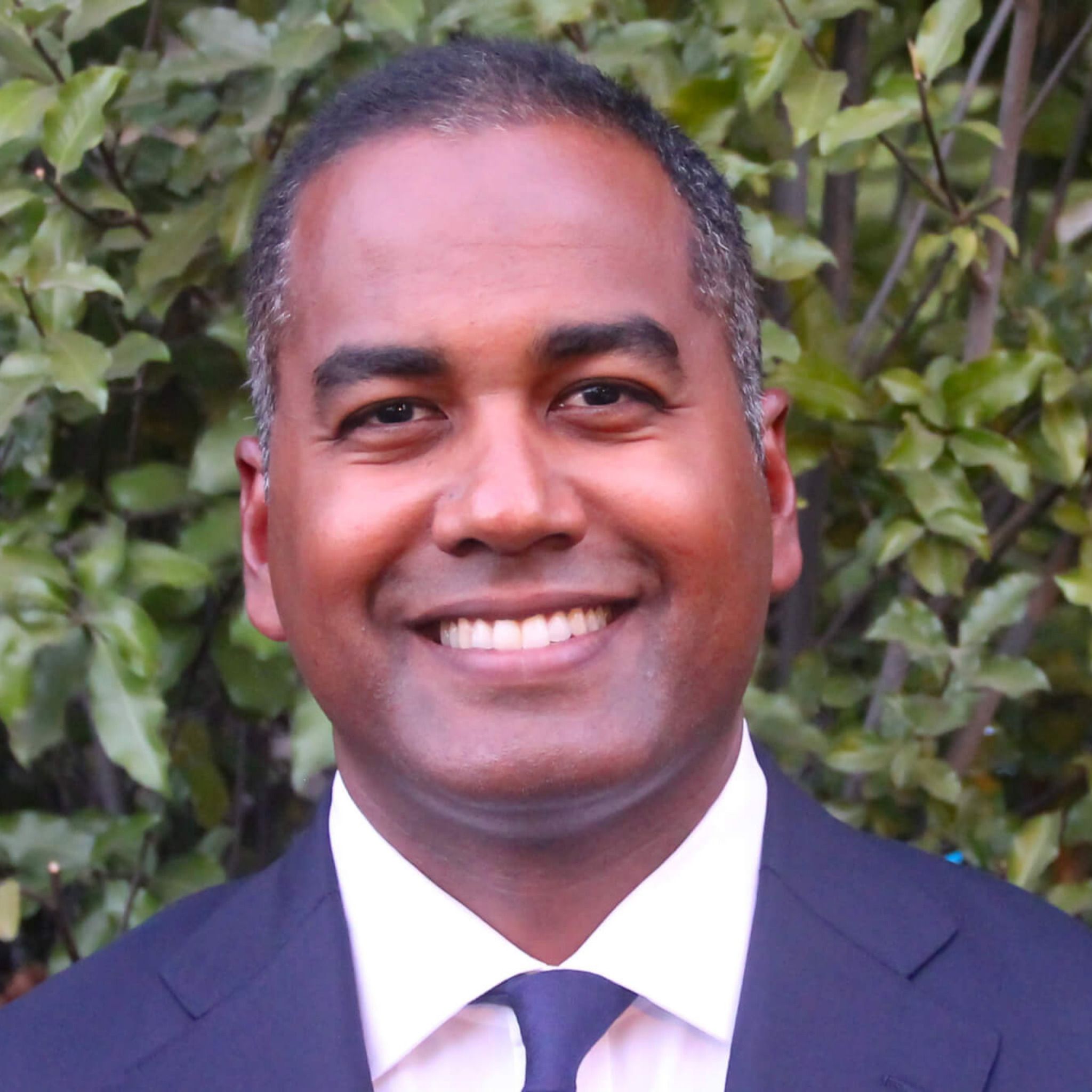
Ep 19Ahmad Thomas: "We Made a Decision to Stand on the Side of Progress by Supporting AB-979"
Start of interview [1:11]Ahmad's "origin story" [1:52]His experience as senior aide to U.S. Senator Dianne Feinstein in Washington, D.C. (2005-2010) [4:29]TARP ProgramsDodd Frank ActHis experience with Barclays Investment Bank covering public sector infrastructure (2010-2020) [7:41]Led Barclays’ California and Silicon Valley regional municipal banking team.Led Barclays' public sector coverage of social impact engagements in the 13 western U.S. states.Served as a lead banker on several innovative transactions, most notably executing the first ever Social Bonds issue for a non-profit in the U.S. municipal bond market.Introduction of the Silicon Valley Leadership Group, founded in 1977 by David Packard of HP [11:19]Membership of the SVLG: about 360 companies. [13:39] "That's where the juice comes from. When we speak on behalf of these Silicon Valley companies, there is a real opportunity to impact positive change not only in Silicon Valley but also in corporate America."Board of SVLG "represents some of the best and brightest of Silicon Valley" [15:15]The new AB-979 California Board Diversity Legislation [16:27]Introduced by CA AssemblyMember Chris Holden.On September 30, 2020, Governor Newsom signed AB 979, which requires publicly held corporations headquartered in CA to diversify their boards of directors with directors from “underrepresented communities” by December 31, 2021.AB 979 defines “director from an underrepresented community” as “an individual who self-identifies as Black, African American, Hispanic, Latino, Asian, Pacific Islander, Native American, Native Hawaiian, or Alaska Native, or who self-identifies as gay, lesbian, bisexual, or transgender.”"What's so significant [for SVLG] is that we made a decision to stand on the side of progress" [18:35]The precedent of SB-826 [19:13]"I'm just so proud to stand with our executives and member companies to drive some serious change in a smart and responsible manner." [20:26]What piqued his interest in corporate board diversity: "some of this is very personal" [21:29]"The statement being made [with AB-979] was one that we [SVLG] wanted to stand in line with" [24:20]"The shareholder oversight questions are extremely serious and significant for public companies, especially for tech companies" [27:30]SVLG is developing tools to help on diversity initiatives (such as a database/repository of resumes) [29:09]Impact of Black Lives Matter movement in corporate America and SVLG [30:26]"There is overwhelming research that demonstrates a clear tie between increased profitability, increased market leadership, and more innovation with diverse executive leadership teams" "There is a business imperative to act, and also a moral imperative." [32:30]SVLG Is working on a pledge to improve diversity numbers in both public and private companies [35:56]Shareholder primacy vs stakeholder capitalism [43:44]: "What I would hope is that a business association like ours might be a proponent of tying social responsibility in every way, shape and form, and very strategically, to the business and to the bottom line."What's next for SVLG [46:40]: In terms of racial justice and equity: "It is about hiring, it's about funding, and it's about measuring results."His favorite books: [49:27]Endurance, by Alfred Lansing.To Sell is Human, by Daniel Pink.Bad Blood, by John Carreyrou.Total Leadership, by Stewart Friedman.His professional mentor: [51:23]Dianne FeinsteinHis favorite quotes: [52:27]"Luck is where preparation meets opportunity" (attributed to Roman philosopher Seneca)"You've got to get comfortable being uncomfortable in roles like this""There is nothing more uncommon than common sense" (attributed to Frank Lloyd Wright)What is an unusual habit or an absurd thing that you love?Two Beyond Burgers a day!Which living person do you most admire? His Dad, who grew up in the segregated south.Music/Soundtrack (found via Free Music Archive): Seeing The Future by Dexter Britain is licensed under a Attribution-Noncommercial-Share Alike 3.0 United States License You can follow Evan on social media at:X: @evanepsteinLinkedIn: https://www.linkedin.com/in/epsteinevan/ Substack: https://evanepstein.substack.com/__To support this podcast you can join as a subscriber of the Boardroom Governance Newsletter at https://evanepstein.substack.com/__Music/Soundtrack (found via Free Music Archive): Seeing The Future by Dexter Britain is licensed under a Attribution-Noncommercial-Share Alike 3.0 United States License
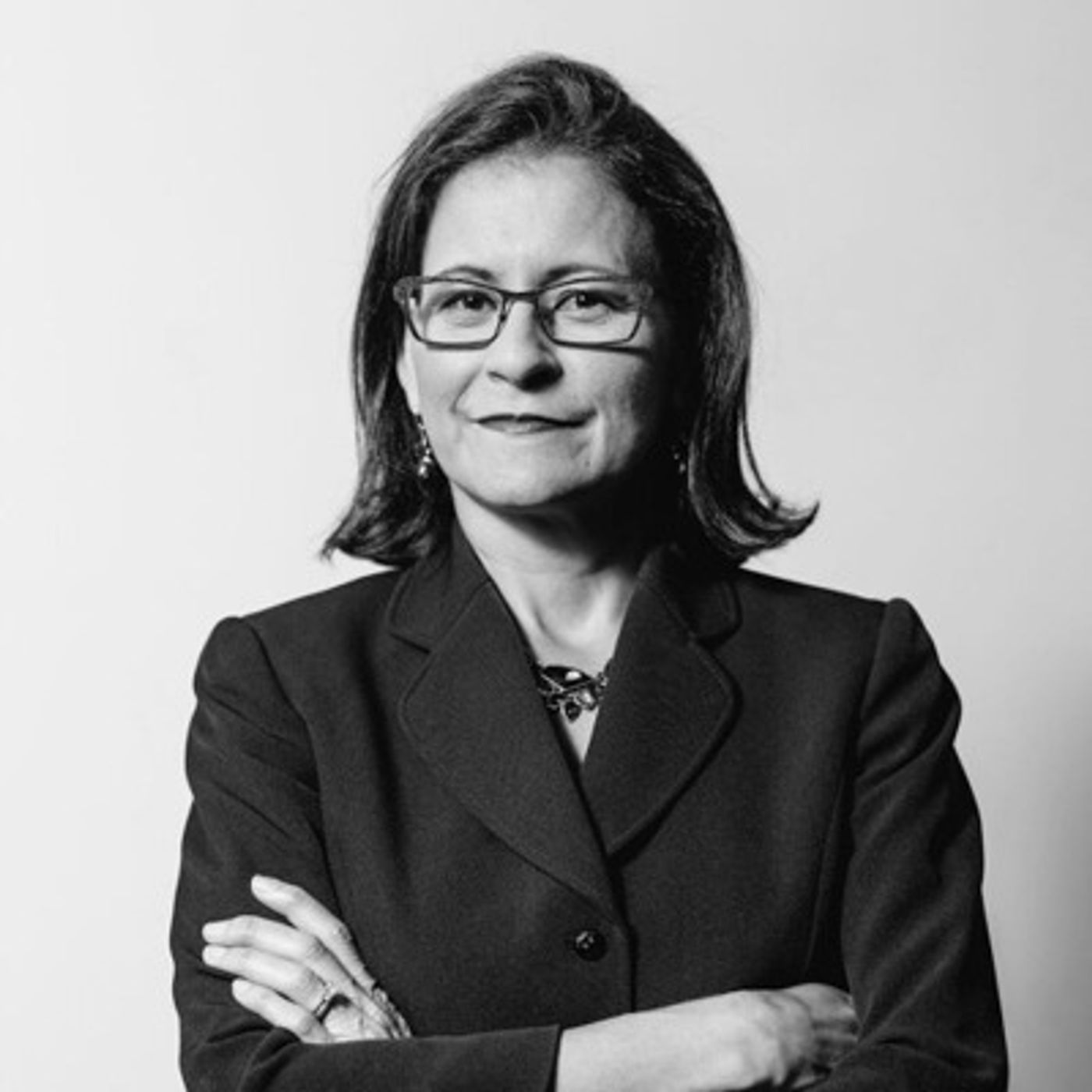
Ep 18Esther Aguilera: "Latinos Are The Most Underrepresented Minorities on U.S. Corporate Boards"
Start of interview [1:25]Esther's "origin story" [1:50]Her experience at Occidental College [3:55]Her transition from CA to Washington DC [4:36]Introduction of the Latino Corporate Director Association (LCDA), founded in 2016 [6:20]History of LCDA [7:15] Links with the Hispanic Association of Corporate Responsibility (HACR)The Mission of LCDA is to 1) develop, 2) support & 3) increase the number of Latinos on Corporate Boards [8:56]LCDA Pillars [9:06]: 1) Increase supply (Latinos hold less than 3% of Fortune 1000 company board seats) 2) Increase demand, 3) Research and Raising Awareness, 4) Engage with Companies.The LCDA Board Ready Institute for aspiring directors [12:10]LCDA Memberships (115 current members: 2/3s corporate directors, 1/3 aspiring directors):Aspiring Directors (executive membership).Corporate Directors (as of 2019, Latino directors held 275 board seats in F1000 companies for a total of only 209 individuals)CA's Women on Boards Legislation (2018): SB-826 (Gender) [21:16]LCDA found that out of 511 seats filled by women on California public company boards since SB 826 was enacted, just 17 (3.3%) are Latina, compared to 77.9% white women.CA's Corporate Boards Diversity Legislation (2020) (pending signature): AB-979 (Minorities)LCDA found that out of 662 California companies registered on the NYSE, NASDAQ, and AMEX, 35%, or 233 companies have all white boards of directors.LCDA also found that out of these 662 CA companies, only 13% had at least one Latino on their board."What ends up happening is that you're setting up winners and losers: if there is only a focus on gender, Latinos and African-American lose out." [24:50]LCDA's Latino Voices for Boardroom Equity Initiative in partnership with leading business and civic leaders [28:41] The Latino Voices initiative asserts that diversity without the inclusion of Latinos is not acceptable:Call to triple Latino representation on public company boards by 2023 (currently Latinos hold only 2.2% of Russell 3000 companies per ISS)Act to target corporations with no Latino representation (for example, Del Taco, Chipotle and el Pollo Loco)Track progress through publication of a quarterly scorecard."If Latinos were a nation, they would be the 8th largest economy in the world, right behind India. IThey are growing at ~5% (similar to India)""Diversity is a business and governance imperative"LCDA has a national campaign (starting in CA). They have a Latino Board Tracker. [36:40]Her favorite authors: [38:30]Maya Angelou (poetry)Rodolfo Anaya (history)Martin Luther King (struggle)Her professional mentors: [40:12]Bill Richardson (former Governor of New Mexico, US Ambassador to the UN, Energy Secretary and U.S. Congressman)Xavier Becerra (current Attorney General of the State of CA)Ed Pastor (former U.S. Congressman for Arizona)Her favorite quote: [43:46]Bernard Tyson (former Chair and CEO of Kaiser Permanente): "When Corporate America lets us Into the room, our contributions are going to be massive when we're given a shot and a chance."Music/Soundtrack (found via Free Music Archive): Seeing The Future by Dexter Britain is licensed under a Attribution-Noncommercial-Share Alike 3.0 United States License You can follow Evan on social media at:X: @evanepsteinLinkedIn: https://www.linkedin.com/in/epsteinevan/ Substack: https://evanepstein.substack.com/__To support this podcast you can join as a subscriber of the Boardroom Governance Newsletter at https://evanepstein.substack.com/__Music/Soundtrack (found via Free Music Archive): Seeing The Future by Dexter Britain is licensed under a Attribution-Noncommercial-Share Alike 3.0 United States License

Ep 17Dr. Roger Barker: Corporate Governance in the U.K. and Europe.
Start of interview [1:15]Roger's "origin story" [1:50]Introduction of the Institute of Directors of the UK (IoD founded in 1903) [4:56]On the evolution of director education and professionalization in the UK. "Modern" corporate governance in the UK was kickstarted by high profile scandals in the late 1980s such as Robert Maxwell's media empire collapse, Polly Peck, BBCI, etc. which led to the Cadbury Committee in 1992 [7:00]No certification required to be a director in the UK "this is why I think we're still a little bit in the Dark Ages or the Medieval period in terms of directorships and what the pre-requisites for directorship should be" [8:32]"I think in 20-30 years from now it will be taken for granted that before you step into any significant directorship role you will have to have some type of professional credentials or pre-requisites like in any other profession" "there will be a proper professional structure" [9:12]Three stages to the current qualification process offered by the IoD: [10:42]Certificate in Company Direction (knowledge)Diploma in Company Direction (practical: skill development)Qualification as Chartered Director (experience with board for at least 2 years)Director education in Europe [15:44]. "It's been a real patchwork of approaches per country" Examples: ecoDa (Confederation of European Institutes of Directors), IFA (France), etc.How has the role of directors changed in the UK [17:14] "It has hugely expanded in scope and complexity" (including technology/disruption, sustainability, etc)The effect of Brexit in Corporate Governance [22:00]Top priorities for boards in the UK per Roger: [24:33]Corporate purpose as an organizing principle for corporations (example: British Academy)Technological change, what does it mean for their companies (beyond cybersecurity and data protection).Climate change and sustainability.More on the purpose of the corporation from the UK's perspective. "The UK is now in a middle ground, between the strong EU "stakeholder" perspective (with significant employee representation) and the Anglo-Saxon tradition of shareholder primacy. The duty of the UK director is to promote the success of the company in the interest of shareholders while paying due regard to a range of other stakeholders" [28:32]The role of institutional investors in shaping the corporate governance agenda in the UK and the rise of ESG [34:20]How does Roger see the surge of benefit corporations and B corps [37:43]The rise of private markets and the state of tech entrepreneurship in the UK. Discussion about the Wates Corporate Governance Principles for Large Private Companies (2018). Collapse of BHS and Monarch Airlines. [42:14]The impact of COVID-19 in corporate governance in the UK [47:01]There was a policy to keep companies going as long as possible (abandoning "any creative destruction" by market dynamics). Measures to support employees, changes in insolvency laws, etc.Shareholders took the back seat. Stopped paying dividends, particularly for banks and financial institutions.Boards have had to switch to virtual meetings. Many pros/cons around the effect of these measures.His favorite book: [51:21]1984 (1949) (by George Orwell)His professional mentors: [52:30]Neville Bain (former Chairman of the IoD)Peter Montagnon (former shareholder advocate and policymaker)His favorite quotes: [54:33]Upton Sinclair: "It is difficult to get a man to understand something when his salary depends upon his not understanding it..."William Faulkner: "The past is never dead, it's not even past" One of the living people that he most admires: Jürgen Klopp (GM Liverpool FC) [56:14]Music/Soundtrack (found via Free Music Archive): Seeing The Future by Dexter Britain is licensed under a Attribution-Noncommercial-Share Alike 3.0 United States License You can follow Evan on social media at:X: @evanepsteinLinkedIn: https://www.linkedin.com/in/epsteinevan/ Substack: https://evanepstein.substack.com/__To support this podcast you can join as a subscriber of the Boardroom Governance Newsletter at https://evanepstein.substack.com/__Music/Soundtrack (found via Free Music Archive): Seeing The Future by Dexter Britain is licensed under a Attribution-Noncommercial-Share Alike 3.0 United States License
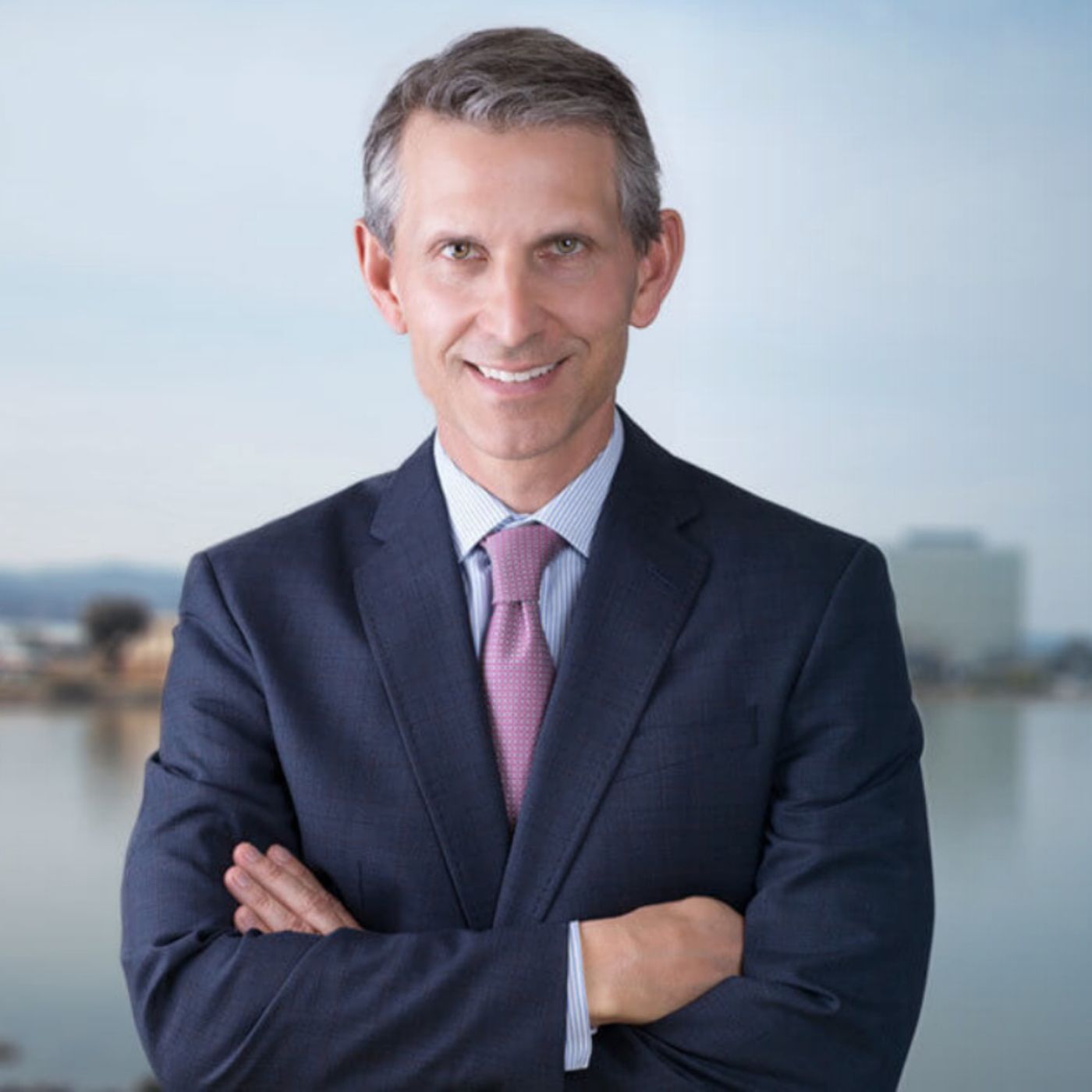
Ep 16Mark Molumphy: "Boards of Directors Routinely Fail to React Properly in Times of Crisis"
Start of interview [1:12]Mark's "origin story" [2:02]How he got started with Cotchett, Mitre & McCarthy (1993) [3:40]His current practice focusing on corporate governance cases [5:03]His opinion on current state of corporate governance in public companies:Increased focus on diversity on boards [7:27]Data Breaches, Privacy and Cybersecurity "one of the hottest areas" [10:03]His take on the current TikTok situation (forced sale by US President) [12:08]"The CISO is the most important executive after the CEO [in IT companies]" [13:27]In 20 years of practice, he sees the same familiar patterns: "there seems to be [when things go wrong] an inability to react properly by directors in times of crisis. A failure of the board to have some type of process in place to deal with something that was unforeseen." [15:30]His take on dual-class shares and the WeWork case. How going public puts the company at "a whole other level in terms of scrutiny of governance practices." "The dual-class is a red flag." [17:15]They are looking for "an imbalance in voting power", questionable transactions, inspections demands (books and records), conflicts of interest, self-dealing, insider-trading [21:29]How they investigate their cases: books and records requests, private investigators, disgruntled employees, experts in the field. [24:21]Litigation in private companies, including venture-backed companies: "there has been an uptick in the last year or two" [27:14]"If you think it's difficult to get information [for litigation purposes] from a public company (with shareholder inspection demands), it's 10x worse in the case of private companies." [33:11]His experience deposing directors of private venture-backed companies [36:12]His opinion around the debate of the purpose of the corporation [38:40]How he sees the future of shareholder litigation: more cybersecurity litigation (companies should have specific cybersecurity committees) and board committees litigation. [40:20]His take on exclusive federal forum provisions (bylaw amendments) [42:12]His take on trend of California companies and employees leaving the state [47:40]His favorite books: [48:50]Team of Rivals (on Abraham Lincoln) (2006) (by Doris Dearns Goodwin)Dead Wake: The Last Crossing of the Lusitania (2016) (by Erik Larson)His professional mentors: [51:40]Susan IllstonJoe CotchettHis favorite quotes: [53:59]John Madden: "Don't worry about the horse being bling, just load the wagon."Warren Buffett: "Only when the tide goes out do you discover who's been swimming naked.”His "unusual habit" that he loves: walking with his bulldog every morning to pick up the newspaper. [56:26]The living person he most admires: his parents from "the Greatest Generation" [57:14]Music/Soundtrack (found via Free Music Archive): Seeing The Future by Dexter Britain is licensed under a Attribution-Noncommercial-Share Alike 3.0 United States License You can follow Evan on social media at:X: @evanepsteinLinkedIn: https://www.linkedin.com/in/epsteinevan/ Substack: https://evanepstein.substack.com/__To support this podcast you can join as a subscriber of the Boardroom Governance Newsletter at https://evanepstein.substack.com/__Music/Soundtrack (found via Free Music Archive): Seeing The Future by Dexter Britain is licensed under a Attribution-Noncommercial-Share Alike 3.0 United States License
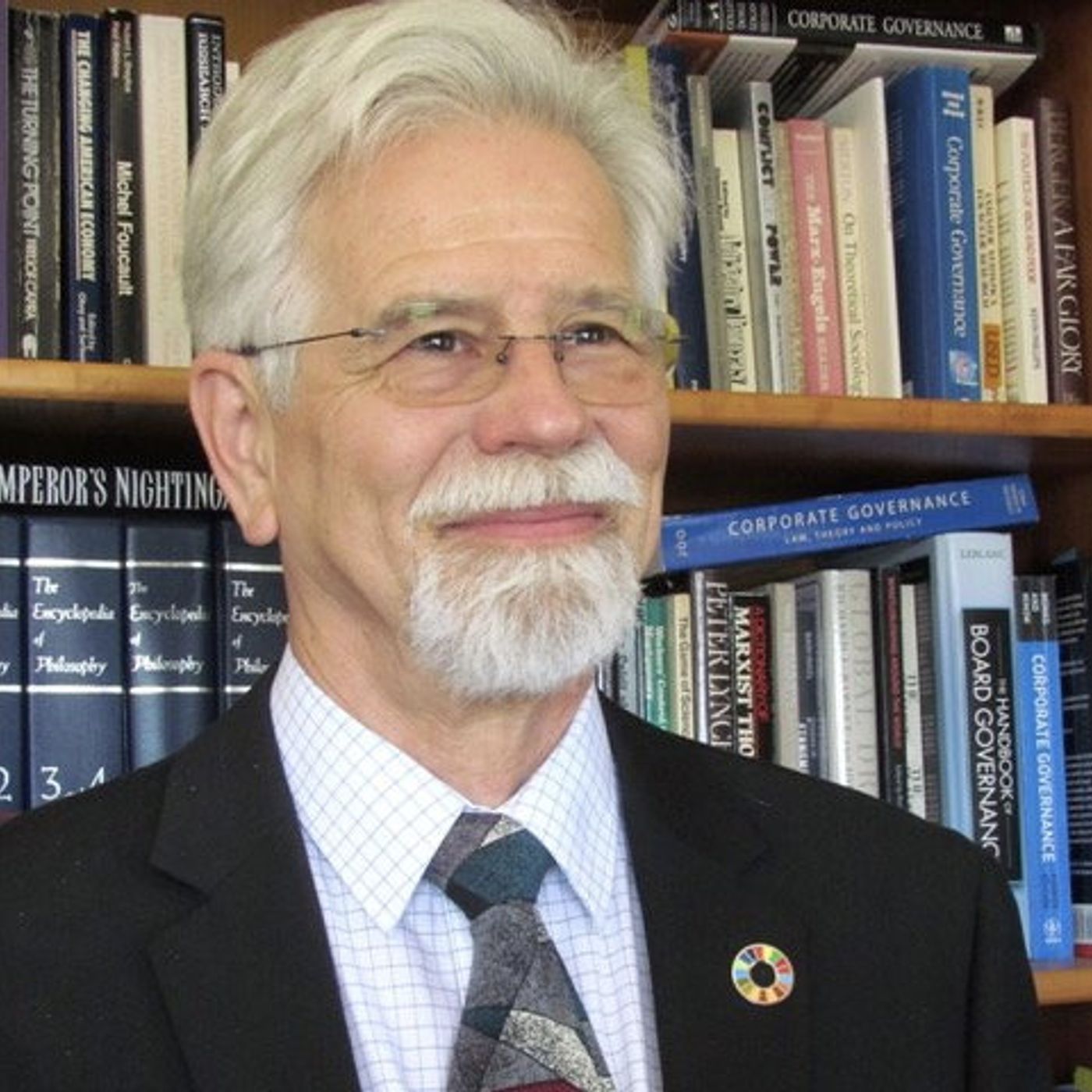
Ep 15James McRitchie: The Gadfly Seeking Corporate Change Via Shareholder Proposals
Start of interview [1:30]Jim's "origin story" [2:12]How his experience at CalEPA led him to become a shareholder advocate [6:07]His experience with Mark Latham, a former Berkeley Prof and Salomon Brothers banker on developing and promoting a new shareholder proposal method [8:03]His efforts to get elected to the CalPERS board [11:33]CalPERS and the increasing influence of institutional investors in corporate governance [12:53]"Thirty years ago no shareholder proposal had ever passed." Last year [McRitchie] filed 50 proposals and in 26 of them he got majority vote or else he worked an agreement with the company. [14:21]His Proxy Access petition to the SEC in 2002 [15:28]Why his friends from social responsible investment (SRI) funds started filing shareholder proposals [16:57]Pax World Funds was the first socially responsible investment fund. "Later on, SRI funds started engagement campaigns." [18:55]"ISS and Glass Lewis don't set the agenda, it's the public opinion that sets the agenda." "ISS is not driving the vote, they simply hold up a mirror to its customers" [20:28]Jim's take on "stakeholder capitalism" and BRT's restatement of the purpose of the corporation. [21:56]Jim's shareholder proposals at BlackRock: His "hypocrisy proposal." [23:46]Jim's approach for his shareholder proposals, and why he's getting majority support. How he compares with John Chevedden and the Steiners. He keeps a spreadsheet with 150 target companies. [25:27]Why he does what he does: "I am really pissed off with all these injustices" [27:20]The influence of the book "A Nation of Small Shareholders" by Janice Traflet (2013) [28:47]The problem of dual class shares [31:15]Jim is taking a page from Elizabeth Warren. He'd like companies to elect a director who can serve as a liaison to employees ("Rooney rule but including employees"). [32:33]Jim's Rulemaking Petition to the SEC for Real-Time Disclosure of Proxy Votes [34:19]Why he files around 50 shareholder proposals per year [36:14]The impact of COVID-19 on his work, and the advent of virtual shareholder meetings [37:14]"There has been tremendous corporate governance progress on paper (not so much in reality)" [38:22]How his work has enabled hedge funds to go after companies [39:18]His favorite books: [44:42]The Social Construction of Reality (1966) (Peter Berger & Thomas Luckmann)Participation and Democratic Theory (1970) (Carole Pateman)Power and Accountability (1992) (Bob Monks and Nell Minow)His favorite study: NSF meta-study from 45 years ago: workplace should be more democratic, employees should have more say. [44:42]The living person he most admires: [48:05] Nell Minow.The people that have most influenced his work: [49:06]Bob MonksNell MinowRich KoppesThe Gilbert brothers.Music/Soundtrack (found via Free Music Archive): Seeing The Future by Dexter Britain is licensed under a Attribution-Noncommercial-Share Alike 3.0 United States License You can follow Evan on social media at:X: @evanepsteinLinkedIn: https://www.linkedin.com/in/epsteinevan/ Substack: https://evanepstein.substack.com/__To support this podcast you can join as a subscriber of the Boardroom Governance Newsletter at https://evanepstein.substack.com/__Music/Soundtrack (found via Free Music Archive): Seeing The Future by Dexter Britain is licensed under a Attribution-Noncommercial-Share Alike 3.0 United States License

Ep 14Frederick Alexander: Benefit Corporations, B-Corps and the Shareholder Commons.
Start of interview [1:38]Rick's "origin story" [1:55]His "traditional" corporate law practice for 25 years with Morris Nichols in Delaware ("the core of our advice followed two simple rules: shareholders get to elect the directors, and directors run the company for the benefit of those shareholders... all the rest is commentary") [3:45]How his focus changed in 2010 with B Lab's effort to push legislation in DE on benefit corporations [5:45]How B Lab's benefit corporations proposal differed from "constituency statutes" [07:50]Three sets of cases worth thinking about: 1) Pre-constituency statutes (shareholder primacy); 2) Constituency statutes ("it's a may, not a shall"); 3) Benefit corporations (only one case has been filed, in Virginia, and it quickly settled) [10:41]The first benefit corporation statute was enacted in Maryland in 2010 [12:59]B Lab's push in Delaware, and how Rick joined B Lab. Some influence from Lynn Stout's "The Shareholder Value Myth." [13:50]Although originally shunned by VCs, public benefit corporations incorporated in Delaware have raised ~$2.5bn between 2013 and 2019 per a recent study (based on 275 early-stage financings). Per Rick, total US fundraising by benefit corporations is in the order of $4 billion. [15:54]Evolution of legal structures for benefit corporations, expanding the BJR: B Lab's proposed MBCL, PBCs in Delaware, ABA version, British Columbia, etc.) [17:55]Accounting for social value "what gets measured, gets managed": SASB (sustainability metrics), GRI Standards, B Impact Assessment (score and certification). Pressure on the SEC and EU's metrics [26:16]Distinguishing benefit corporations (generic term, ~10,000 companies around the world), public benefit corporations (Delaware form, ~2,000 companies) and B-corps (certification by B Lab, ~3,500 internationally, of which only ~300 are benefit corporations). Danone's conversion to "Entreprise à Mission." [29:57]Traditional VC investors are investing in benefit corporations (not only impact investors) [34:20]Benefit corporations in public markets (3 IPOs, 3 conversions): Laureate Education (2017), Lemonade (2020), Vital Farms (2020). Brazil's Natura (certified B Corp) acquisition of Avon (2019), Danone and Amalgamated Bank [36:22]How does Rick respond to criticism of the benefit corporation model and the need to get support from institutional investors to succeed [40:43]How to reconcile the current debate of the purpose of the corporation, plus ESG trends, with the benefit corporation movement [45:51]The focus of Rick's new project The Shareholder Commons (2019), with initial funding from the Ford Foundation. "We want to change the paradigm for institutional investors (through advocacy, guardrails, policy and litigation)" [50:03]His book "Benefit Corporation Law & Governance: Pursuing Profit with Purpose." (2017) [56:41]His favorite books: [58:36]The Mind's I (Douglas Hofstadter and Daniel C. Dennett)Wherever You Go, There You Are (Jon Kabat-Zinn)Morality, Competition and the Firm (Joseph Heath)His mentors: [01:01:07]John Johnston (Former partner at Morris Nichols)Lewis Black (Former partner at Morris Nichols)His favorite quote: [1:02:54]"No effort is wasted""Strategy is what you don't do"Music/Soundtrack (found via Free Music Archive): Seeing The Future by Dexter Britain is licensed under a Attribution-Noncommercial-Share Alike 3.0 United States License You can follow Evan on social media at:X: @evanepsteinLinkedIn: https://www.linkedin.com/in/epsteinevan/ Substack: https://evanepstein.substack.com/__To support this podcast you can join as a subscriber of the Boardroom Governance Newsletter at https://evanepstein.substack.com/__Music/Soundtrack (found via Free Music Archive): Seeing The Future by Dexter Britain is licensed under a Attribution-Noncommercial-Share Alike 3.0 United States License
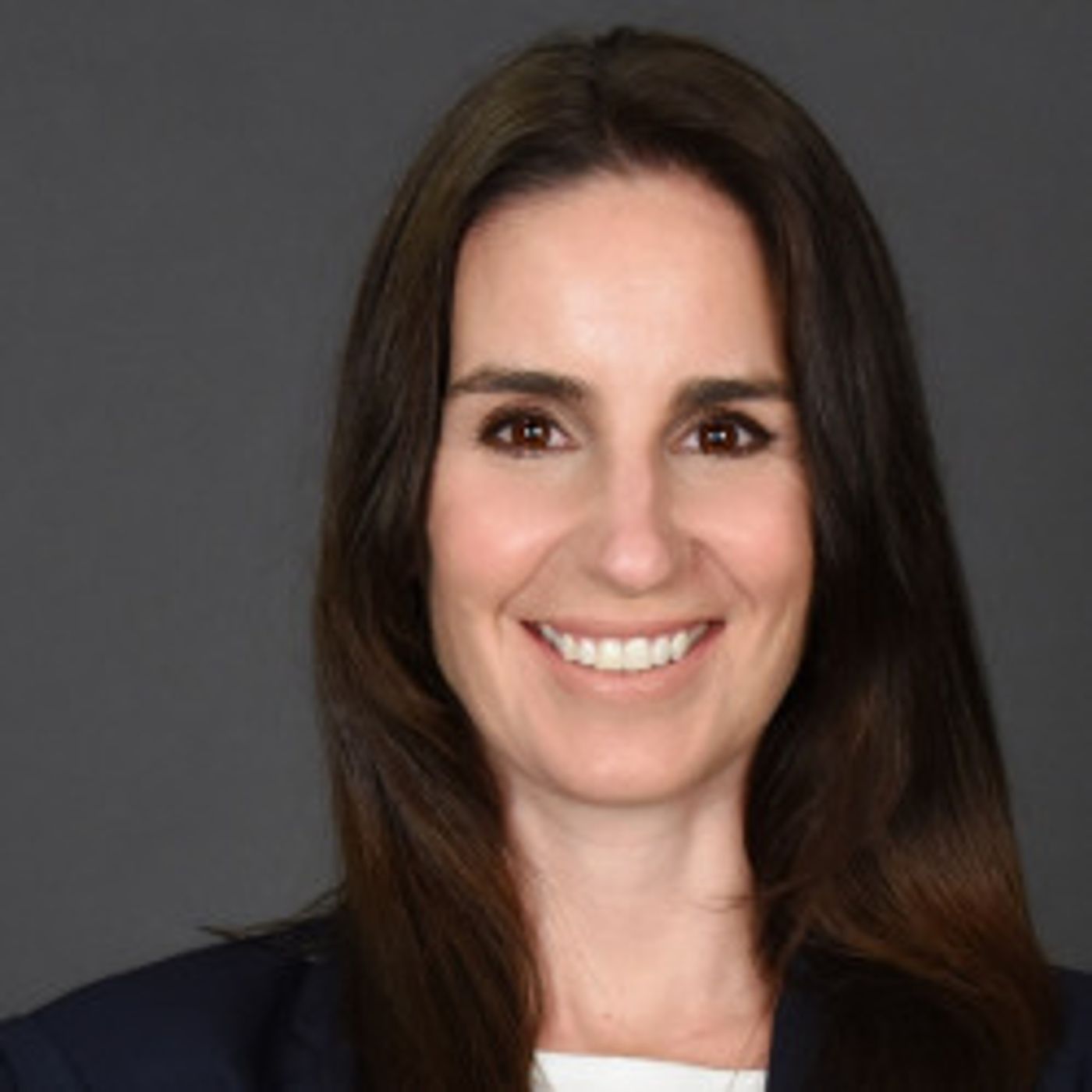
Ep 13Marta Viegas: Focusing on Corporate Governance in Latin America and the Caribbean with IDB Invest.
Start of interview. [1:40]Marta's "origin story" from Brazil to Washington DC [2:21]Her involvement with corporate governance education in Brazil with IBGC [6:31]The impact of Lava Jato (operation car wash) in Brazilian corporate governance (2014) [8:33]Her role coordinating the "comply or explain" Brazilian Corporate Governance Code [11:07]What made her transition from Tozzini Freire to IDB Invest in 2017? [16:31]What is IDB Invest? [19:13]Description of the Corporate Governance Development Framework adopted by 34 development finance institutions (DFIs) that manage ~$850B [23:13]IDB Invest's corporate governance framework: "The art is always trying to separate the essential from the desirable, the must-have from the nice-to-have." [25:45]How to coordinate the investment focus from the governance focus (time-management) [28:47]The state of corporate governance and some common issues in Latin America: lack of diversity, smaller capital markets, predominance of controlling shareholders, SOEs, and reliance on bank financing [33:24]The challenges for foreign investors in Latin American listed companies: protection of minority shareholder rights, transparency and related-party transactions [39:41]Controlling shareholders in Latin America have an incentive to improve corporate governance to attract investment in order to compete in a globalized market: "those are the winners in the market." [44:24]IDB Invest has a special focus on small countries and islands ("S&I countries") [47:12]The impact of Covid-19 in Latin America and IDB Invest's role in helping the region [49:39]IDB Invest article and guidance for the role of the Board during Covid-19 [51:43]Her favorite books: [55:54]The Trusted Advisor (Meister, Green & Galford)Crime and Punishment (Dostoyevsky)Her mentors: [58:01]Marcio Mello Silva Baptista (TozziniFreire)Maria Elisa Gualandi Verri (TozziniFreire)Luis Valdes (Principal - Brasilprev)Sandra Guerra (Better Governance)Rachel Robboy (IDB Invest)Her favorite quotes: "The ultimate measure of a man is not where he stands in moments of comfort and convenience, but where he stands at times of challenge and controversy." Martin Luther King Jr. [1:00:01]Music/Soundtrack (found via Free Music Archive): Seeing The Future by Dexter Britain is licensed under a Attribution-Noncommercial-Share Alike 3.0 United States License You can follow Evan on social media at:X: @evanepsteinLinkedIn: https://www.linkedin.com/in/epsteinevan/ Substack: https://evanepstein.substack.com/__To support this podcast you can join as a subscriber of the Boardroom Governance Newsletter at https://evanepstein.substack.com/__Music/Soundtrack (found via Free Music Archive): Seeing The Future by Dexter Britain is licensed under a Attribution-Noncommercial-Share Alike 3.0 United States License

Ep 12Dr. Linda Maxwell: "The Lack of Inclusion in Healthcare is Present at All Levels, including on Boards of Directors"
Start of interview. [1:40]Linda's "origin story" from Beresford, New Brunswick, Canada. [2:15]The record of five Maxwell sisters at Harvard. [3:56]Her start as a head and neck surgeon. [6:28]Why an MBA at Oxford? [07:20]Her work on life sciences tech transfer at Oxford University Innovation and NHS. [08:25]Her time with the London (UK) Harvard Business School Angels. [11:24]Working with Medtronic in Sao Paulo, Brazil. [12:07]Her work founding the Biomedical Zone in 2015 (Ryerson University & St. Michael's Hospital) [14:30]Her take and experience with non-profit boards (Medic Alert Canada, CEE Centre for Young Black Professionals, Gardiner Museum): "one of my important philosophies to be on a board is that I want to be able to contribute, but I also want to learn." "Non-profit board service is very diverse, it is driven by passion and it requires a lot of work, if you do it right." [22:21]Her take on startup boards. [27:05]Her take on med tech / biotech public company boards. [28:21]Her take on the Canadian ICD.D certification "it was transformational." [29:45]Her experience getting into her first public board: Profound Medical (TSX: PRN) [33:01]The cross-listing process (TSX-NASDAQ) [35:46]Her take on social unrest and lack of diversity in boards (her experience in healthcare) [38:39]"When I'm involved in a board recruiting process, I always ask why do you want me in this Board" [42:13]The lack of inclusion for the Black community in tech (opportunity in biotech) [45:08]"The role of the board is critical to support underrepresented minority CEOs" [46:13]Her take on mentors: "I am not a huge believer or fan of mentorship, I am a fan of mentorship plus sponsorship, ie. champions that open doors." "It's the saying of your name, when you are not in the room, to people who matter and that make the decisions." [48:13]Her favorite quotes: "You will face many defeats in life, but never let yourself be defeated" by Maya Angelou [53:24]Her unusual habit: "I eat the same thing for breakfast everyday, the same thing for lunch everyday, and the same thing for dinner everyday." [55:33]The living person she most admires: Barack Obama. [01:00:00]___Music/Soundtrack (found via Free Music Archive): Seeing The Future by Dexter Britain is licensed under a Attribution-Noncommercial-Share Alike 3.0 United States License You can follow Evan on social media at:X: @evanepsteinLinkedIn: https://www.linkedin.com/in/epsteinevan/ Substack: https://evanepstein.substack.com/__To support this podcast you can join as a subscriber of the Boardroom Governance Newsletter at https://evanepstein.substack.com/__Music/Soundtrack (found via Free Music Archive): Seeing The Future by Dexter Britain is licensed under a Attribution-Noncommercial-Share Alike 3.0 United States License

Ep 11Nicholas Benes: "We Need to Redesign the Corporation to Provide Better Incentives"
Start of interview [1:40]Nick's "origin story", from New Jersey to California to Japan [3:33]His first board experience with Alps Mapping ('00-'06) [7:34]Why he founded the Board Director Training Institute of Japan in 2009 [12:40]His WSJ article on "Japan's Coming Shareholder Revolution" (2001) [19:42]Japan's keiretsu system ("a defensive cross-shareholding wall") [21:04]The historical resistance against having independent directors in Japan companies [23:25]The effect of the ACCJ's white paper that led to Japan's Stewardship Code (2014) and Corporate Governance Code (2015) [24:40]Why Japan needed a corporate governance code (to enhance corporate disclosure) [32:20]Japan's change in board composition (now one third are independent directors) [34:52]His take on executive pay, particularly around the approval of "Say-on-Pay" in the US and distinctions with exec comp in Japan [36:51] His take on ESG and "stakeholder capitalism" [39:50]Nick's opinion of dual class share structures: "I dislike them vehemently, I think they make a mockery of the concept of shareholder democracy" [45:34]Nick's recent proposal: "Redesigning corporations: Incentives Matter" (published in Harvard Law School Forum on Corporate Governance) [47:50]The use of blockchain technology to track beneficial share ownership [57:17]How to find Nicholas Benes online:Website: https://bdti.or.jp/en/Email: [email protected] Twitter: @benesjp ___Music/Soundtrack (found via Free Music Archive): Seeing The Future by Dexter Britain is licensed under a Attribution-Noncommercial-Share Alike 3.0 United States License You can follow Evan on social media at:X: @evanepsteinLinkedIn: https://www.linkedin.com/in/epsteinevan/ Substack: https://evanepstein.substack.com/__To support this podcast you can join as a subscriber of the Boardroom Governance Newsletter at https://evanepstein.substack.com/__Music/Soundtrack (found via Free Music Archive): Seeing The Future by Dexter Britain is licensed under a Attribution-Noncommercial-Share Alike 3.0 United States License
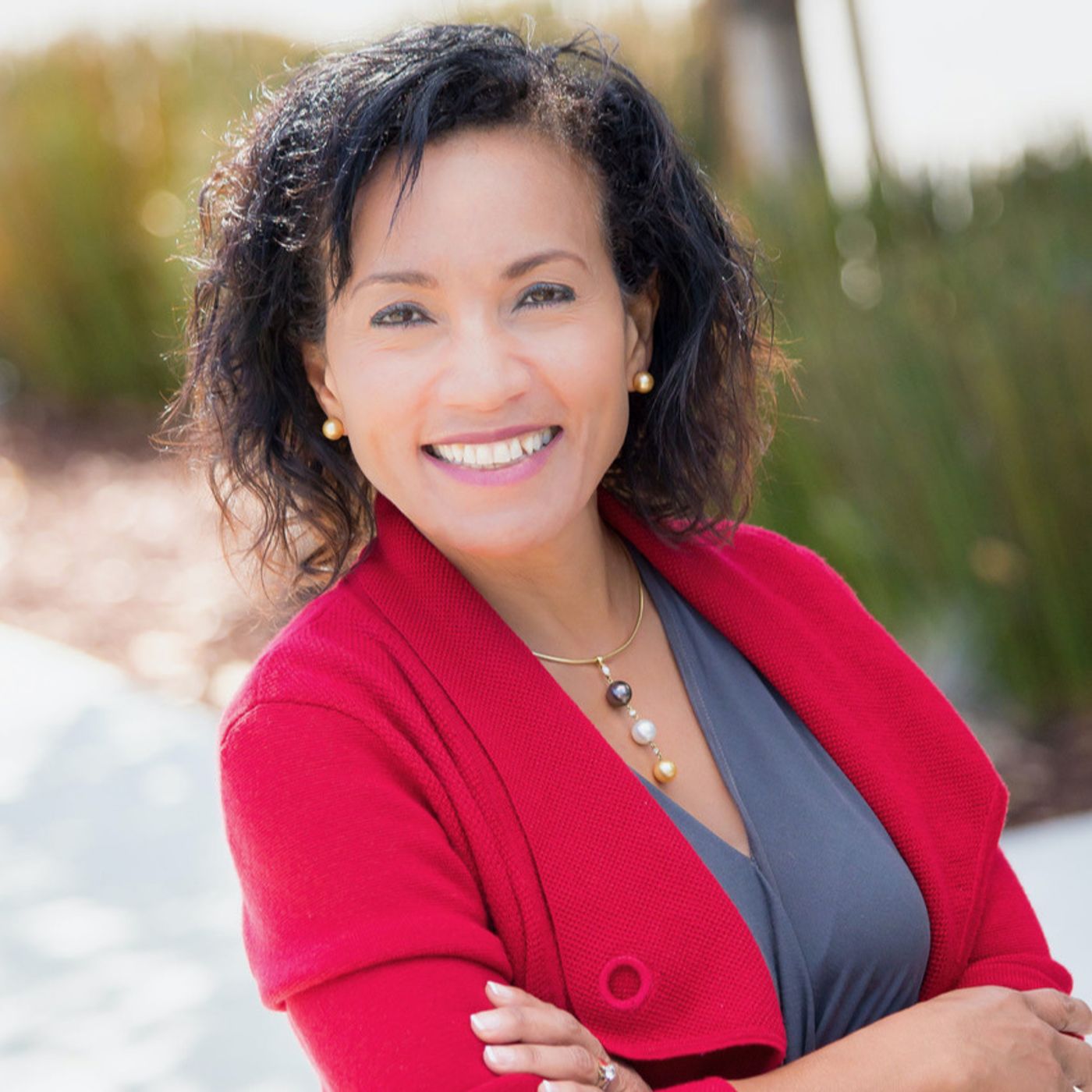
Ep 10Miriam Rivera: "If You Invest In Diverse Teams, It Will Lead to Financial Outperformance"
Start of interview [1:44]Miriam's "origin story" from Puerto Rico to the U.S. mainland [2:17]Her pick for a dual JD/MBA degree [3:16]Her experience as a startup founder in the late 1990s [5:17]Her early experience at Google starting 2001 [07:08]Her focus on angel investing and entry into the VC industry [08:09]Her experience with the Kauffman Fellows Program "they were at the forefront of diversifying VC" [10:18]How to think about corporate boards from the seed stage onward [12:37]The problem with lack of diversity of skill sets and backgrounds in startup boards [14:27]The approach of Ulu Ventures with board seats [15:22]"In the last 10 years, seed stage capital has become a real part of the VC ecosystem." [16:00]"There are ~900 Micro VC firms that have been established in the U.S. in the last 10 years" [18:44]Her reaction to Fred Wison's (Union Square Ventures) proposal to diversify startup boards [20:15]"When we join a board, we generally will cede that board seat at the Series A investment" [23:30]Miriam's take on dual class shares "You are no Jack Kennedy" [25:53]"We've passed on companies that [at the seed stage] are commanding dual class shares." [27:43]"At Google, Larry Page brought on E. Schmidt even though he knew he wanted to be CEO ultimately" [30:13]Her response to concerns by founders/entrepreneurs of potential bad behavior by VCs. Mention of Prof Ilya Strebulaev article "Squaring VC Valuations with Reality" [31:52]Miriam's take on diversity in Silicon Valley. "In the early days, Google was a relatively diverse team and I think it was under-reported how Google's diversity (at the top) lead to the success of the company." "Almost every leader at the company had a right hand woman" [38:31]"If you invest in diverse teams, it will lead to financial outperformance" Kauffman Fellows Analysis: "Deconstructing the Pipeline Myth and the Case for More Diverse Fund Managers" [41:13]The change in attitudes and expectations from Limited Partners in terms of diversity standards [43:06]"Public pensions are among the most diverse pool of capital out there" (ie. police, teachers, etc) [44:20]Books that have greatly influenced her life [46:00]:"Seven Habits of Highly Effective People" by Stephen Covey."Biased: Uncovering the Hidden Prejudice that Shapes What We See, Think and Do" by Jennifer Eberhardt."Illusions" by Richard Bach.Miriam's mentors [49:34]Her favorite quotes: "Your children are not your children" by Khalil Gibran [51:09]Goat yoga! [53:40]The living person she most admires: Brian Stevenson, founder of the Equal Justice Initiative, a human rights organization in Montgomery, Alabama. [54:55]How to find Miriam online:Website: www.uluventures.comTwitter: https://twitter.com/miriamulu1___Music/Soundtrack (found via Free Music Archive): Seeing The Future by Dexter Britain is licensed under a Attribution-Noncommercial-Share Alike 3.0 United States License You can follow Evan on social media at:X: @evanepsteinLinkedIn: https://www.linkedin.com/in/epsteinevan/ Substack: https://evanepstein.substack.com/__To support this podcast you can join as a subscriber of the Boardroom Governance Newsletter at https://evanepstein.substack.com/__Music/Soundtrack (found via Free Music Archive): Seeing The Future by Dexter Britain is licensed under a Attribution-Noncommercial-Share Alike 3.0 United States License
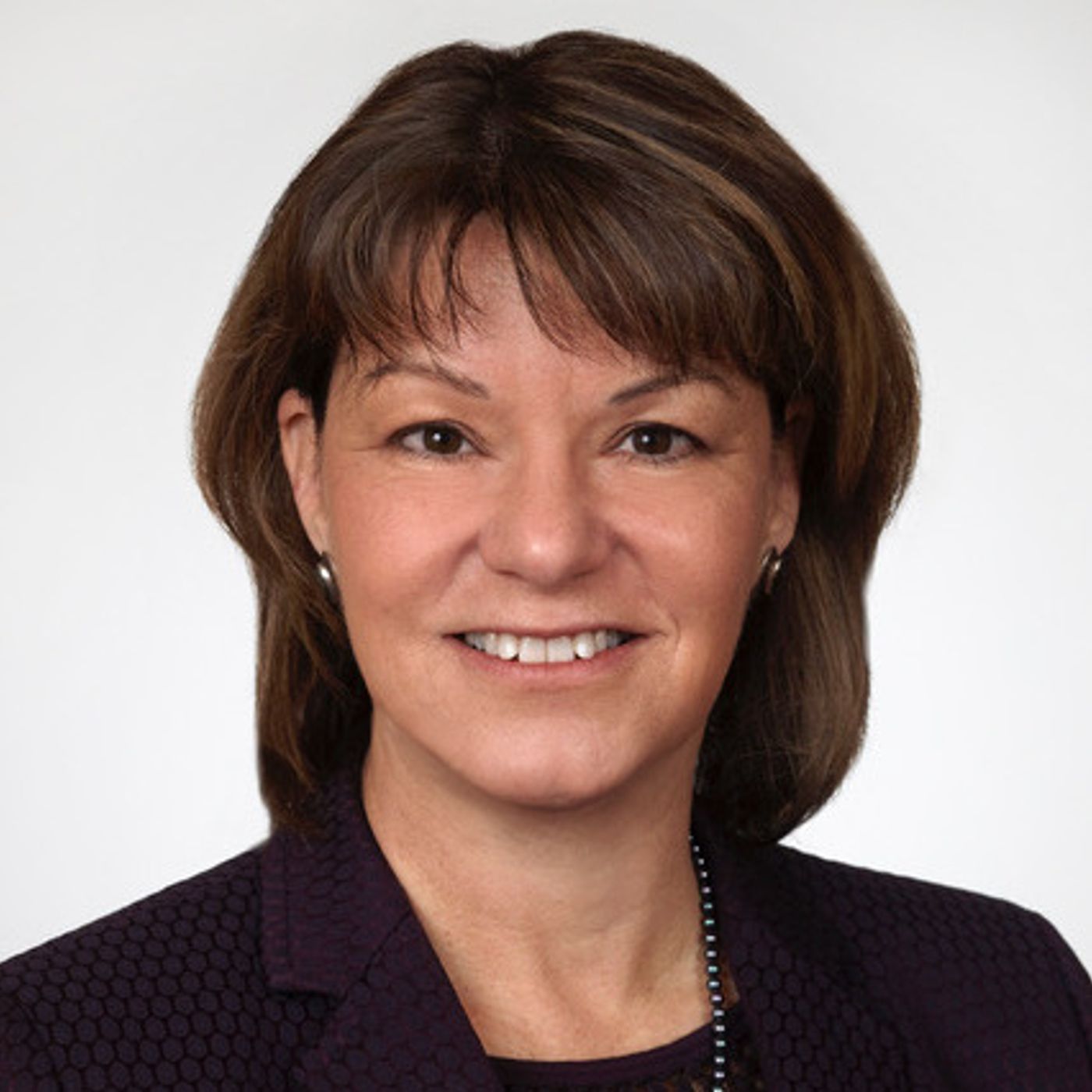
Ep 9Suzanne Vautrinot: From the Military to the Corporate Boardroom, with a Focus on Cybersecurity.
Start of Interview [1:33]Suzanne's start in the U.S. Air Force [2:50]Her transition to cyber operations [4:25]Suzanne's take on transitioning from the Military to corporate boardrooms [7:25]Adding former military leaders in the boardroom adds to "diversity of thought": "[Board composition] should seek concinnity, rather than falling into the lowest common denominator which would be consensus" [09:07]At the time of Suzanne's transition to the private sector, "the Government had recognized that [cyber] was an area where there was going to be significant change and significant attention was needed" [11:15]Collaboration in the Cybersecurity field: "The private sector wants to protect who they are, the Government wants to protect how they know" [13:19]How to think about offensive and defensive capabilities in cybersecurity: "On the offensive side of cybersecurity you only have to succeed once, on the defensive side you have to protect everything, all the time." [15:42]General Alexander: "the difference between bolting it in on and baking it in" [16:00]"In 2020 we are in the half-way point, we still have an architecture that relies on technology that is fundamentally at risk but technology is getting better and more secure" [17:58]How sitting on boards in different industries shapes her cybersecurity approach: Battelle Memorial Institute, Parsons Corporation, Wells Fargo, CSX [19:38]How to think about cybersecurity expertise in the boardroom [22:52]Cybersecurity education for corporate directors [24:39]What is the best way for the board to address cyber risk [28:30]"You want to have good baseline security systems, plus resilience and redundancy" [30:25]Recommended cybersecurity resources for directors: [33:03]Cybersecurity & Infrastructure Security Agency (CISA)Cyber ScoopSans NewsBitesSecureworks Recommended Frameworks: [36:48]National Institute of Standards and Technology (NIST)National Initiative for Cybersecurity Education (NICE)"The people in your organization are the greatest risk vector because that's the easiest path in" [38:56]How COVID-19 has impacted cybersecurity risks [39:30]The increase in cyber risks, particularly with "work from home" trend. "the vectors have increased for ransomware attacks involving health professionals. Sans "Work from Home" Guide. [42:45] Her take on greatest cyber challenges moving forward: [46:12]Critical shared infrastructure (power, transportation, etc.)Supply chains (praising DARPA doing bug bounty program for hardware)Her recommendations to other directors on cybersecurity matters [51:14]Ask about current tech or framework and what are the risks to such foundations/systemsWhere are you most at risk for litigation (for example: privacy)Her favorite books [53:21]:She's a Malcolm Gladwell fan, most recently read "Talking to Strangers" and "David & Goliath.""Thomas Jefferson: The Art of Power" by Jon Meacham."First Ladies" by Margaret Truman."Dr Seuss and Philosophy" by Jacob Held.Suzanne's mentors [55:35]:Earlier in her career: Gen. Thomas S. Moorman, Jr., Gen. John Shalikashvili, and Col Adelbert Buz" Carpenter"As a board member: Dan Schulman and Doug Baker.Her favorite quotes: early in life "Here is Edward Bear coming downstairs now, bump bump bump..." Later: Colin Powell's "Eternal optimism is a force multiplier." John Schofied: "The discipline which makes the soldiers of a free country reliable in battle is not to be gained by harsh or tyrannical treatment..." [59:40]The living person she most admires: Condoleeza Rice [01:02:25]___Music/Soundtrack (found via Free Music Archive): Seeing The Future by Dexter Britain is licensed under a Attribution-Noncommercial-Share Alike 3.0 United States License You can follow Evan on social media at:X: @evanepsteinLinkedIn: https://www.linkedin.com/in/epsteinevan/ Substack: https://evanepstein.substack.com/__To support this podcast you can join as a subscriber of the Boardroom Governance Newsletter at https://evanepstein.substack.com/__Music/Soundtrack (found via Free Music Archive): Seeing The Future by Dexter Britain is licensed under a Attribution-Noncommercial-Share Alike 3.0 United States License
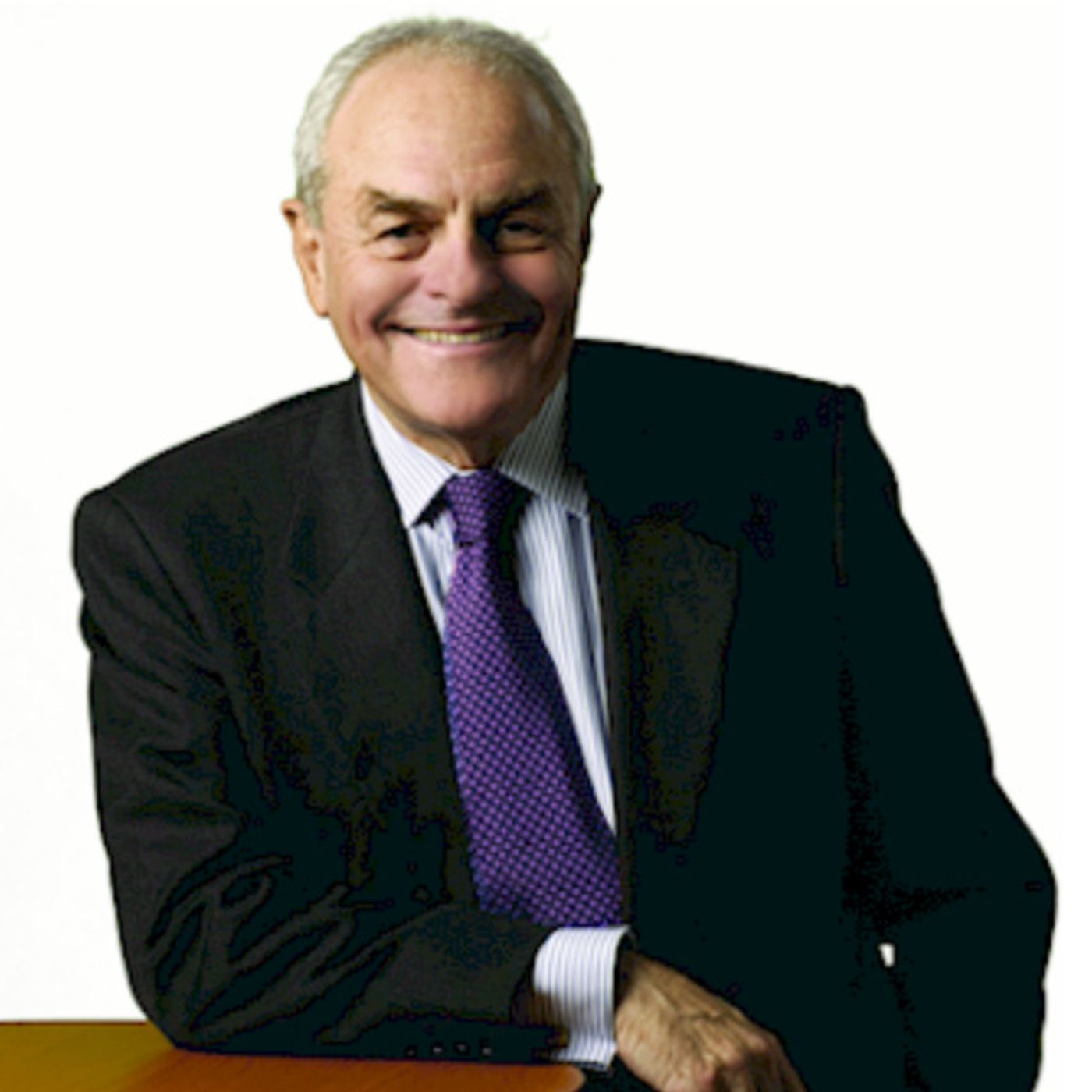
Ep 8Mervyn King: "Integrated Thinking and Reporting is Critical for Corporate Directors"
Start of Interview [1:45]Mervyn King's origin story as an attorney in South Africa [2:51]His first foray into corporate boards and later senior management roles [4:30]Why he was asked to form a Corporate Governance Committee in 1992 [5:30]The call from Nelson Mandela [06:07]Professor Lynn Paine's article: The Error at the Heart of Corporate Leadership [9:43]How King framed the role of the corporation in the first King I Report in 1992 [12:10]"Decisions by the Board need to be made in the best long term interest of the company, this incapacitated artificial person that has no mind, no heart, no soul and no conscience." "The directors must make a decision in the long term interest of the health of the company, rather than just in the wealth of the shareholders" [13:10]"The 20th century became the century of unsustainable development" [14:02]Joining the U.N. by invitation of Kofi Annan to review governance of U.N. agencies: "that's where I started learning about sustainability" [16:15]The premise of the King II Report: to address sustainability reporting in South Africa (2002) [17:22]King on Larry Fink's (BlackRock) Letters to CEOs [21:17]Accounting for sustainability was started as "Connected Reporting" by Sir Michael Peat [22:18]The premise of the King III Report, to include integrated reporting (2009) [23:02]Addressing Accounting for Sustainability organized by Prince Charles in the U.K. [24:30]The IIRC Integrated Reporting Framework (2013) [25:06]"One of the proudest things in my life is that integrated thinking has been achieved" [26:21]King on the BTR Statement on the Purpose of the Corporation "You are not accountable to the stakeholders, you are accountable to the company" [26:45]"Boards have to spend more time understanding financials, including the three critical dimensions for sustainable development in a resource constrained world: 1) Economy, 2) Environment and 3) Society." [30:05]The premise of the King IV Report: reporting should be outcome based. [32:00] Focus on four outcomes:Value creation in a sustainable manner in a resource constrained world.Effective Controls (with informed oversight by the Board).Trust and confidence of the community in which the company operates (legitimacy).Effective Leadership.King on race, inter-generational ("add millenials on your board") and gender diversity on boards [35:44]"The first thing on the minds of Gen Z is climate change. That's the elephant in the room" [39:12]"The mindset of boards has to be collaborative, compromising, with a long term outlook (particularly on climate change)" [41:13]The lessons from South Africa on racial diversity in boards [42:53]Governments should amend corporate laws to reflect that being a director is a very important profession.[44:24]King has tried to persuade governments to create apprenticeship programs for directorships "the U.S. should do this to help young African American professionals get into boards, creating a wider pool of candidates" [46:00]A book that influenced his life: "The Principles of Modern Company Law" by L.C.B Gower (1954) [48:57]Living person he most admires: Lynn Forrester de Rothschild, the founder and CEO of the Coalition of Inclusive Capitalism [53:38]King on ESG and inclusive capitalism [56:44]How to find Mervyn King online:https://www.mervynking.co.za/ https://www.wits.ac.za/staff/academic-a-z-listing/k/mervynkingwitsacza/___Music/Soundtrack (found via Free Music Archive): Seeing The Future by Dexter Britain is licensed under a Attribution-Noncommercial-Share Alike 3.0 United States License You can follow Evan on social media at:X: @evanepsteinLinkedIn: https://www.linkedin.com/in/epsteinevan/ Substack: https://evanepstein.substack.com/__To support this podcast you can join as a subscriber of the Boardroom Governance Newsletter at https://evanepstein.substack.com/__Music/Soundtrack (found via Free Music Archive): Seeing The Future by Dexter Britain is licensed under a Attribution-Noncommercial-Share Alike 3.0 United States License
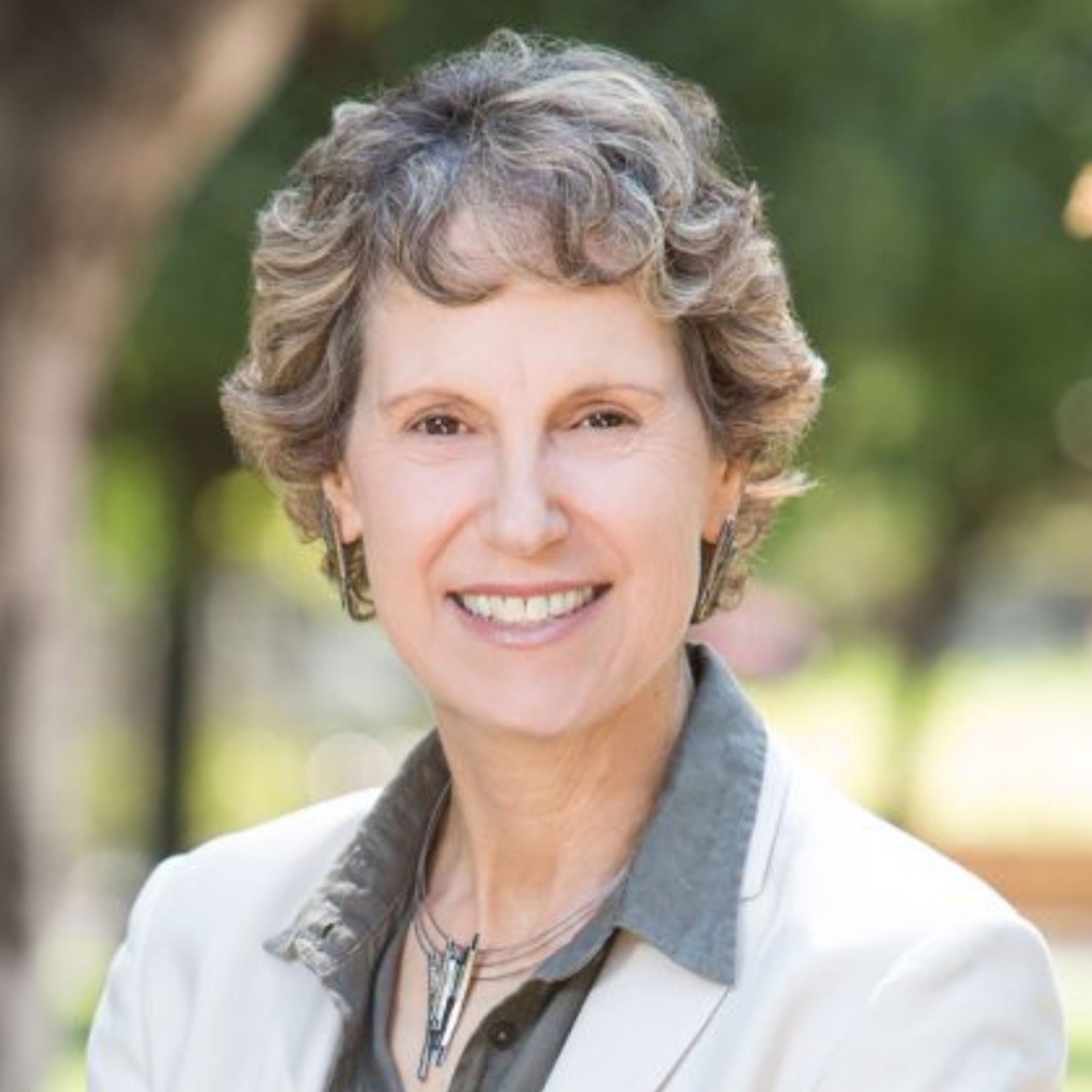
Ep 7Anat Admati: "I Don't Want CEOs to Solve Society's Problems, I Want the Government to Solve Them"
Start of Interview [1:30]How Anat's research evolved from corporate finance to corporate governance [3:40]How the Financial Crisis ignited her research interest in the banking sector [4:25]What's "special" about the finance and banking industries? [8:31]Why the lack of equity funding in banking? [10:12]The premise of her book "The Bankers' New Clothes" [11:28]"In banking you can be insolvent forever if you don't default" [13:27]"JPM's assets on balance sheet: ~$2.5T, plus off balance sheet: $4T! "that is unfathomable." [14:08]"The regulators are failing so miserably, and they are so used to failing that they perpetuate their failures" [16:02]Over a decade after the financial crisis, "the financial system is a disaster" [16:54]"We are going to have zombies everywhere" [19:06]"Deutsche Bank is the classic zombie" [22:08]How to understand the decoupling of the stock markets from the "real economy": [23:45]Rise of private market financing. Sliding to opacity.Rise of big tech"Saving glut of the rich": the money of the world is going into the US stock market.Fed support is propping up the corporate debt market, helping the stock market.Anat's take on the BRT Statement on the Purpose of the Corporation: "I am skeptical" [29:00]Anat's take on B-corps [32:04]"I don't want CEOs to solve society's problems, I want the Government to solve them." Premise of the Corporations and Society Initiative at the GSB [33:47]Anat's take on ESG: "It's all nice and well, but it has its limits" [36:24]"If men were angels, no Government would be necessary" (James Madison) [40:05]Paul Polman's search for "Heroic CEOs" [41:09]Why cross-disciplinary research matters "I was in a bubble of finance" [41:58]Senator Sherrod Brown's book recommendation for Banking Committee: "The Color of Law" [43:18]Anat's article "A Skeptical View of Financialized Corporate Governance" (2017) [44:31]Katharina Pistor's "The Code of Capital" book [46:58]Anat's take on the current push-back against stock buybacks and dividends. Her article: "The Leverage Ratchet Effect." [48:03]"Where you see financialized corporate governance at its worst is paying shareholders in a crisis." "Bank regulators have to put a complete and utter ban on payouts for all the banks." [51:15]"We must abolish the corporate tax interest deductibility" ("we shouldn't prefer debt over equity for funding for tax reasons") [54:17]How to find Anat online:https://admati.people.stanford.edu/Corporations and Society Initiative at the Stanford Graduate School of Business.___Music/Soundtrack (found via Free Music Archive): Seeing The Future by Dexter Britain is licensed under a Attribution-Noncommercial-Share Alike 3.0 United States License You can follow Evan on social media at:X: @evanepsteinLinkedIn: https://www.linkedin.com/in/epsteinevan/ Substack: https://evanepstein.substack.com/__To support this podcast you can join as a subscriber of the Boardroom Governance Newsletter at https://evanepstein.substack.com/__Music/Soundtrack (found via Free Music Archive): Seeing The Future by Dexter Britain is licensed under a Attribution-Noncommercial-Share Alike 3.0 United States License

Ep 6Heidi Roizen: "A Good Board Member Has to Be Willing to Speak Truth, Even When It Is Unpopular"
Start of Interview [1:32]Heidi's origin story and career pre-venture capital [2:00]Heidi's first board experience: Great Plains Software prior to its IPO in 1997 [6:01]Joining Softbank Venture Capital (Mobius Venture Capital) in 1999 [09:09]The HBS Heidi Roizen Case Study [12:50]Her experience with foreign boards (UK, Canada) and take on transnational directors [16:21]Re-entering the VC market with DFJ and Threshold Ventures [23:25]Private tech company board governance challenges [25:36]Startups staying private for longer, and getting bigger [25:48]Change of terms based on cyclical nature of the market ("dual class shares is a grey area") [26:31]Founder-friendly terms [29:55]To be a good investor or board member "you have to be willing to speak truth even when unpopular" [31:48]Dealing with "dual fiduciary duties": be clear about what hats you wear (investor vs company) [32:08]There will be a "flight to quality" in venture investing [37:06]Director Independence in Silicon Valley, social ties and networks [38:56]Distinctions between serving on public and private venture-backed boards [42:27]Her joke-caution to entrepreneurs: "be careful what VC you pick, because it's harder to divorce your VC than your spouse!" [45:34]Board self-evaluation. "Collegiality doesn't mean that you're only nice and friendly to each other, but it also means that you have to have a working relationship where you can be honest with each other." [46:16]On the CA corporate board gender diversity bill (SB-826) [48:35]Heidi's views on stakeholder capitalism or ESG: "I think that companies earn the right to satisfy a broader stakeholder base by also remaining viable." Big difference between private and public companies in this regard [51:47]Her favorite books: "Thinking Fast and Slow" by Daniel Kahneman, "Atomic Habits" by James Clear, "Loving What Is" by Byron Katie with Stephen Mitchell, "Never Split the Difference" by Chris Voss [56:15]Heidi's mentors: her father, Bill Gates, Ann Winblad, Tina Seelig, Emily Melton and Josh Stein [57:25]Her favorite quote is The Shirley MacLaine 20/40/60 Rule: “At 20, you care what everyone is thinking about you. At 40, you don't give a damn what people are thinking about you. At 60, you realize no one is thinking about you." [58:38]Her "unusual habit": she's a glass artist [01:00:15]The living person she most admires: Bill and Melinda Gates "In 100 years from now, when people look back to Bill and Melinda, Microsoft is only going to be a footnote. What they do as philanthropists is really what people will talk about." [01:01:05]How to find Heidi online:www.heidiroizen.comEmail: [email protected]___Music/Soundtrack (found via Free Music Archive): Seeing The Future by Dexter Britain is licensed under a Attribution-Noncommercial-Share Alike 3.0 United States License You can follow Evan on social media at:X: @evanepsteinLinkedIn: https://www.linkedin.com/in/epsteinevan/ Substack: https://evanepstein.substack.com/__To support this podcast you can join as a subscriber of the Boardroom Governance Newsletter at https://evanepstein.substack.com/__Music/Soundtrack (found via Free Music Archive): Seeing The Future by Dexter Britain is licensed under a Attribution-Noncommercial-Share Alike 3.0 United States License
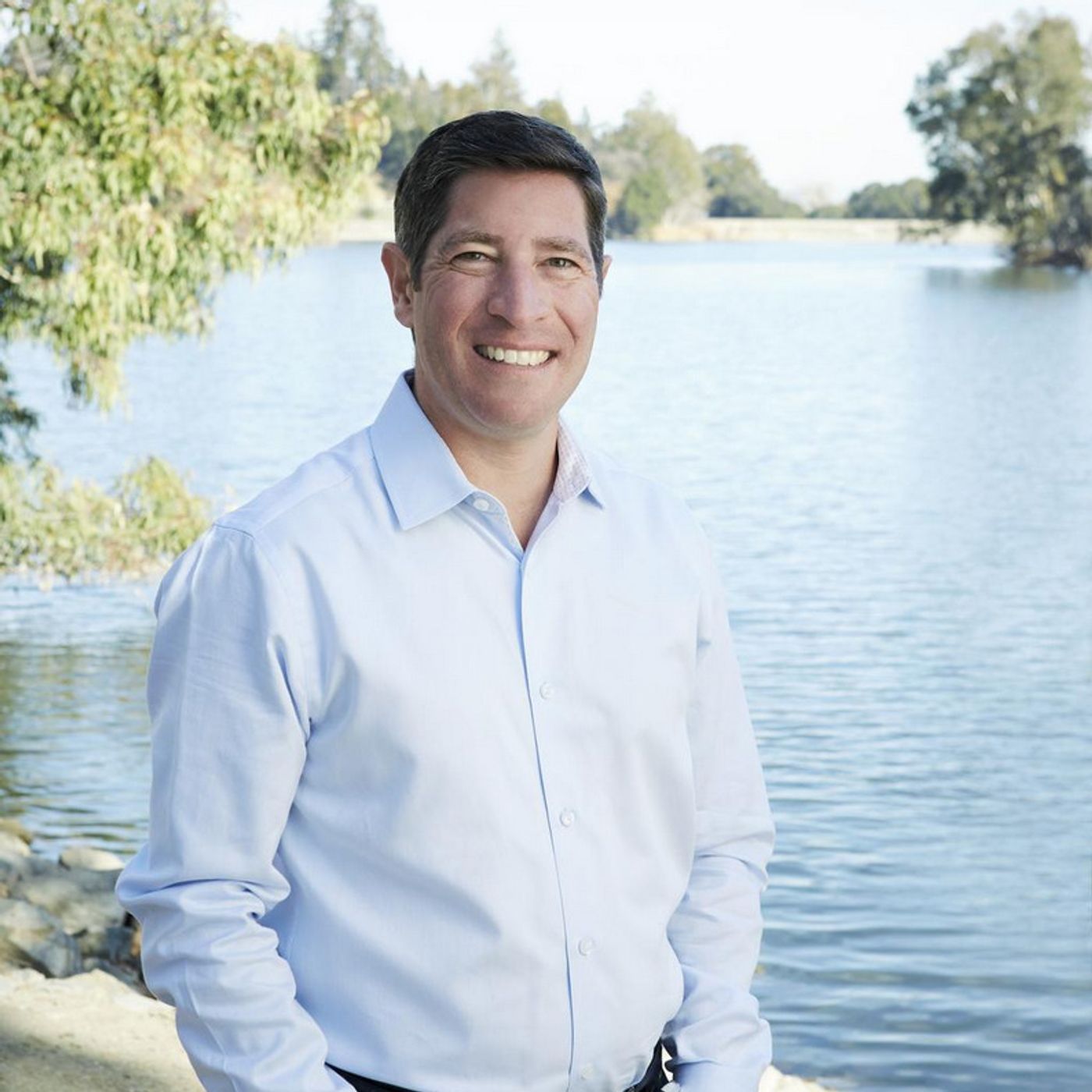
Ep 5Scott Kupor: The Secrets of Sand Hill Road.
Start of Interview [1:51]How is a16z dealing with COVID-19, plus its new Talent & Opportunity Fund [2:31]Scott's professional background [3:48]The shift from traditional VC firm to Registered Investment Advisor (to pursue investment opportunities beyond traditional equity, such as crypto) [6:00]The governance chapters of his book The Secrets of Sand Hill Road. Distinctions between public and private venture-backed boards [12:11]:The contrast in board composition in the private and public board context [12:38]Dual fiduciary duties owed by VC directors [13:48]"Common controlled" boards vs "preferred controlled" boards [14:50]Andreessen Horowitz' different approach to support its portfolio CEOs post-investment (institutionalizing the network) [17:03]Number of boards seats held by VC investors (and why it's different to public boards) [20:33]Scott's take on dual-class shares, and distinctions in the private and public company context [25:13]Scott's take on tenure-voting ("rethinking what's fair in corporate governance") [29:10]Why a16z invested in the Long Term Stock Exchange [32:35]Scott's recommendations to boards of venture-backed companies in down-rounds and M&A [36:09]Trends of independent directors in venture-backed companies [40:00]The rise of private markets in the tech financing ecosystem [42:46]The new governance challenges of late stage private companies [44:20]The Purpose of the Corporation and the Governance of Cryptonetworks [47:06]Two of his favorite books: "The Lost Lawyer" by Anthony Kronman, and "The Master of the Senate: the Years of Lyndon Johnson" by Robert Caro [54:06]His mentors: Marc Andreessen, Ben Horowitz. Early (informal mentor): Armin Weinberg [55:38]His favorite quote “In the long run, we are all dead” by John Maynard Keynes. [57:13]Scott Kupor is the managing partner at Andreessen Horowitz where he is responsible for all operational aspects of running the firm. He has been with the firm since its inception in 2009 and has overseen its rapid growth, from three employees to 180 and from $300 million in assets under management to more than $12 billion.Scott is chairman of the board of Genesys Works; cofounder and co-director of the Stanford Venture Capital Director’s College; Executive in Residence at Haas School of Business and Boalt School of Law; and a Lecturer at Stanford Law School. He is vice-chair of the investment committee of St. Jude’s Children’s Cancer Research Hospital and also serves as a member of the investment committees for Stanford Medical Center, the Silicon Valley Community Foundation, and Lick Wilmerding High School.Scott served as Chairman of the Board of the National Venture Capital Association (2017-2018). He is the author of the national bestselling book Secrets of Sand Hill Road: Venture Capital and How to Get It, published by Portfolio, a division of Penguin.___Music/Soundtrack (found via Free Music Archive): Seeing The Future by Dexter Britain is licensed under a Attribution-Noncommercial-Share Alike 3.0 United States License You can follow Evan on social media at:X: @evanepsteinLinkedIn: https://www.linkedin.com/in/epsteinevan/ Substack: https://evanepstein.substack.com/__To support this podcast you can join as a subscriber of the Boardroom Governance Newsletter at https://evanepstein.substack.com/__Music/Soundtrack (found via Free Music Archive): Seeing The Future by Dexter Britain is licensed under a Attribution-Noncommercial-Share Alike 3.0 United States License

Ep 4Kate Mitchell: Applying a Growth Mindset to Boards.
Start of Interview [1:22]Kate's path to the Venture Capital ("VC") industry [2:00]Kate's path to serving on boards [5:18]Distinctions between serving on private and public boards [8:43]The investor nominated director [9:10]The role of the independent director [12:47]Directors representing preferred stock, and longer term horizons [13:51]In a startup board, "all constituents are around the table, or right outside the door coding" [15:10]Startups staying private for longer, and effects on liquidity (secondary markets) [18:25]History of the JOBS Act: 5 capital formation bills to improve access to capital for startups [25:50]Kate's take on dual class shares [32:53]The Long Term Stock Exchange [38:26]The importance of IR and leadership. Example: Jeff Bezos' Amazon shareholder letters. [35.33]Sunset Provisions [37:12]The Governance of Unicorns [43:17]Diversity and inclusion initiatives. Examples: ILPA, NVCA, Him for Her, SWB, etc. [47:10]Her favorite book: "The Tale of Two Cities" by Charles Dickens [53:36]Her take on "Composite Mentors" [55:36]Her favorite quote [59:01] “Kites rise highest against the wind, not with it” Sir Winston Churchill.The living person she most admires: the Notorious RBG [01:01:00]Kate Mitchell is a co-founder of Scale, a Silicon Valley-based firm that invests in early-in-revenue technology companies that are looking to scale. She and the Scale team have backed successful, high growth companies including ExactTarget (Salesforce), RingCentral (NYSE:RNG), HubSpot (NYSE:HUBS), Box (NYSE: BOX), DocuSign, and Omniture (Adobe). Kate is past chairman and board member of the National Venture Capital Association (NVCA) and is active in policy matters that impact entrepreneurship, start-ups, innovation and inclusion. She co-authored the IPO section of the 2012 JOBS Act and is currently working on additional legislation to help small company IPOs. In 2014, Kate co-founded the NVCA Inclusion & Diversity Task Force (now called VentureForward), which focuses on advancing opportunities for women and minorities across the venture ecosystem. Mitchell received the NVCA Outstanding Service Award in 2013 for her policy work on behalf of the venture industry. She currently serves on the boards of SVB Financial Group (NASDAQ:SIVB), Fortive Corporation (NYSE:FTV) and the Silicon Valley Community Foundation, and she is a charter member of Environmental Entrepreneurs (Silicon Valley). Kate is also a Kauffman Fellows mentor, a member of the NASDAQ Private Market Advisory Board, and a commentator on technology trends for CNBC Squawk Alley.___Music/Soundtrack (found via Free Music Archive): Seeing The Future by Dexter Britain is licensed under a Attribution-Noncommercial-Share Alike 3.0 United States License You can follow Evan on social media at:X: @evanepsteinLinkedIn: https://www.linkedin.com/in/epsteinevan/ Substack: https://evanepstein.substack.com/__To support this podcast you can join as a subscriber of the Boardroom Governance Newsletter at https://evanepstein.substack.com/__Music/Soundtrack (found via Free Music Archive): Seeing The Future by Dexter Britain is licensed under a Attribution-Noncommercial-Share Alike 3.0 United States License

Ep 3Elizabeth Pollman: Startup Governance & Regulatory Entrepreneurship
Start of Interview [1:51]Motivation for writing her Startup Governance Article [3:22]Why are companies "staying private" for longer [6:18]The JOBS Act amendment of Section 12(g) of the Exchange Act [7:30]Discussion on secondary markets for private shares [10:00]Challenges of startups "staying private forever" [11:54]Distinctions between public and private market regulatory frameworks [13:36]The vertical and horizontal startup governance issues [18:14]Distinctions between preferred and common shares in VC-backed companies [19:54]Monitoring failures in startup companies [27:50]Dual Class Shares and Sunset Provisions [32:43]The Premise for Regulatory Entrepreneurship Article (with Jordan Barry) [37:42]Breaking the law and/or taking advantage of legal gray areas [39:20]Seeking to grow "too big to ban" = "guerilla growth" [40:06]Mobilizing users and stakeholders as a political force [41:20]Legal Factors that affect regulatory entrepreneurship [44:18]Books that have influenced her life: On The Road and Ownership of Enterprise [46:30]Her mentors [50:50]Her favorite quotes [55:02] Yoda's "Do. Or Do Not, There is No Try!" and Walt Whitman's “Dismiss Whatever Insults Your Own Soul”Unusual habit or an absurd thing that she loves: Yayoi Kusama's art [57:05]Where can people find Elizabeth's research [1:01]Profile University of Pennsylvania Law SchoolSSRN PageElizabeth Pollman is an expert on corporate law, governance, and rights. She teaches and writes on a wide variety of topics in business law, with a particular focus on corporate governance, purpose, and personhood, as well as startups, entrepreneurship, and law and technology. Her recent work has examined the distinctive governance of venture-backed startups, director oversight liability, corporate disobedience, companies that have business models aimed at changing the law, the trading of private company stock, corporate privacy, and the history of corporate constitutional rights. You can follow Evan on social media at:X: @evanepsteinLinkedIn: https://www.linkedin.com/in/epsteinevan/ Substack: https://evanepstein.substack.com/__To support this podcast you can join as a subscriber of the Boardroom Governance Newsletter at https://evanepstein.substack.com/__Music/Soundtrack (found via Free Music Archive): Seeing The Future by Dexter Britain is licensed under a Attribution-Noncommercial-Share Alike 3.0 United States License

Ep 2David Beatty: "Boards Should Invest More Time on Foresight"
His experience in Papua New Guinea [3:57]Sailing in the South Pacific [7:17]His first board: the OK Tedi Development Corporation [12:20]His management roles: Gardiner Capital Group and Weston Foods [17:53]The founding of the Canadian Coalition for Good Governance [19:29]Peter Drucker's "Follow the Wagon Train Strategy" [21:35]Board Games (Globe and Mail's ranking of Canada's corporate boards) [23:12]Joining the Rotman School of Management (University of Toronto) [25:34]The story of the ICD-Rotman Director Education Program [26:47]Cultural advantage of Canada for director education [32:18]Separating Chair/CEOs in Canada [33:41]Short/Long term strategies for boards. His article in the Globe and Mail [35:37]His take on dual-class share structures [40:07]His take on ESG [47:00]The job of a director: hindsight, oversight and foresight [49:30]Directors as "gifted amateurs" [54:00]His recommendation on director education [57:21]On rowing [58:29]His current state of mind: "most boards will never work" [01:00]How to find David Beatty online: [01:02]LinkedInPersonal website: chairmanofboard.comThe David and Sharon Johnston Centre for Corporate Governance InnovationDavid R. Beatty is a Professor at the University of Toronto’s Rotman School of Management and is the Faculty Director of the David and Sharon Johnston Centre for Corporate Governance Innovation. He is also the Founder of the ICD-Rotman Directors Education Program. The 12-day course is delivered across Canada in partnership with 10 other Universities and has trained over 6,000 senior Canadians. For his work in Corporate Governance he was made a Member of the Order of Canada in 2014. In 2018, the International Corporate Governance Network (ICGN), representing 80 asset managers and pension funds from 15 nations with a total of $35 trillion of assets under management, awarded him a Lifetime Achievement Award. You can follow Evan on social media at:X: @evanepsteinLinkedIn: https://www.linkedin.com/in/epsteinevan/ Substack: https://evanepstein.substack.com/__To support this podcast you can join as a subscriber of the Boardroom Governance Newsletter at https://evanepstein.substack.com/__Music/Soundtrack (found via Free Music Archive): Seeing The Future by Dexter Britain is licensed under a Attribution-Noncommercial-Share Alike 3.0 United States License

Ep 1Joe Grundfest: "Without Luck, Nothing Good Happens."
EStart of Episode [1:31]Luck and skill: "Without luck nothing good happens" [3:21]Joe's experience as a Commissioner of the Securities and Exchange Commission [5:33]Transition from the S.E.C. to Stanford Law School [8:16]The story of Financial Engines [11:04]Taking Financial Engines private [14:54]The Oracle Derivative Litigation Case (2003) [17:17]The KKR board [20:19]The story of Stanford's Directors' College [23:31]Federal-forum selection charter provisions and the Sciabacucchi case [27:34]Elon Musk's coverage of D&O insurance for Tesla directors [32:24]The rise of stakeholder capitalism and ESG [37:55]Global warming [40:38]Conflicts of interests in public and private companies [43:17]Control in startups [48:28]Rapid-fire questions [50:57]Joseph A. Grundfest is the William A. Franke Professor of Law and Business at Stanford Law School and is a Senior Faculty of the Rock Center for Corporate Governance at Stanford University. Professor Grundfest is a nationally prominent expert on capital markets, corporate governance, and securities litigation. __ Music/Soundtrack (found via Free Music Archive): Seeing The Future by Dexter Britain is licensed under a Attribution-Noncommercial-Share Alike 3.0 United States License You can follow Evan on social media at:X: @evanepsteinLinkedIn: https://www.linkedin.com/in/epsteinevan/ Substack: https://evanepstein.substack.com/__To support this podcast you can join as a subscriber of the Boardroom Governance Newsletter at https://evanepstein.substack.com/__Music/Soundtrack (found via Free Music Archive): Seeing The Future by Dexter Britain is licensed under a Attribution-Noncommercial-Share Alike 3.0 United States License

Introducing Boardroom Governance with Evan Epstein
trailerIntroducing Boardroom Governance with Evan Epstein:Short introduction of host.Premise of the podcast.Description: in-depth interview podcast to learn from some of the top corporate governance experts, including world-class founders, scholars, board members, executives, investors and more.Thank you for tuning-in, and I encourage you to subscribe to this podcast if you're interested in corporate governance, board related matters, or leadership generally.Music/Soundtrack (found via Free Music Archive): Seeing The Future by Dexter Britain is licensed under a Attribution-Noncommercial-Share Alike 3.0 United States License You can follow Evan on social media at:X: @evanepsteinLinkedIn: https://www.linkedin.com/in/epsteinevan/ Substack: https://evanepstein.substack.com/__To support this podcast you can join as a subscriber of the Boardroom Governance Newsletter at https://evanepstein.substack.com/__Music/Soundtrack (found via Free Music Archive): Seeing The Future by Dexter Britain is licensed under a Attribution-Noncommercial-Share Alike 3.0 United States License