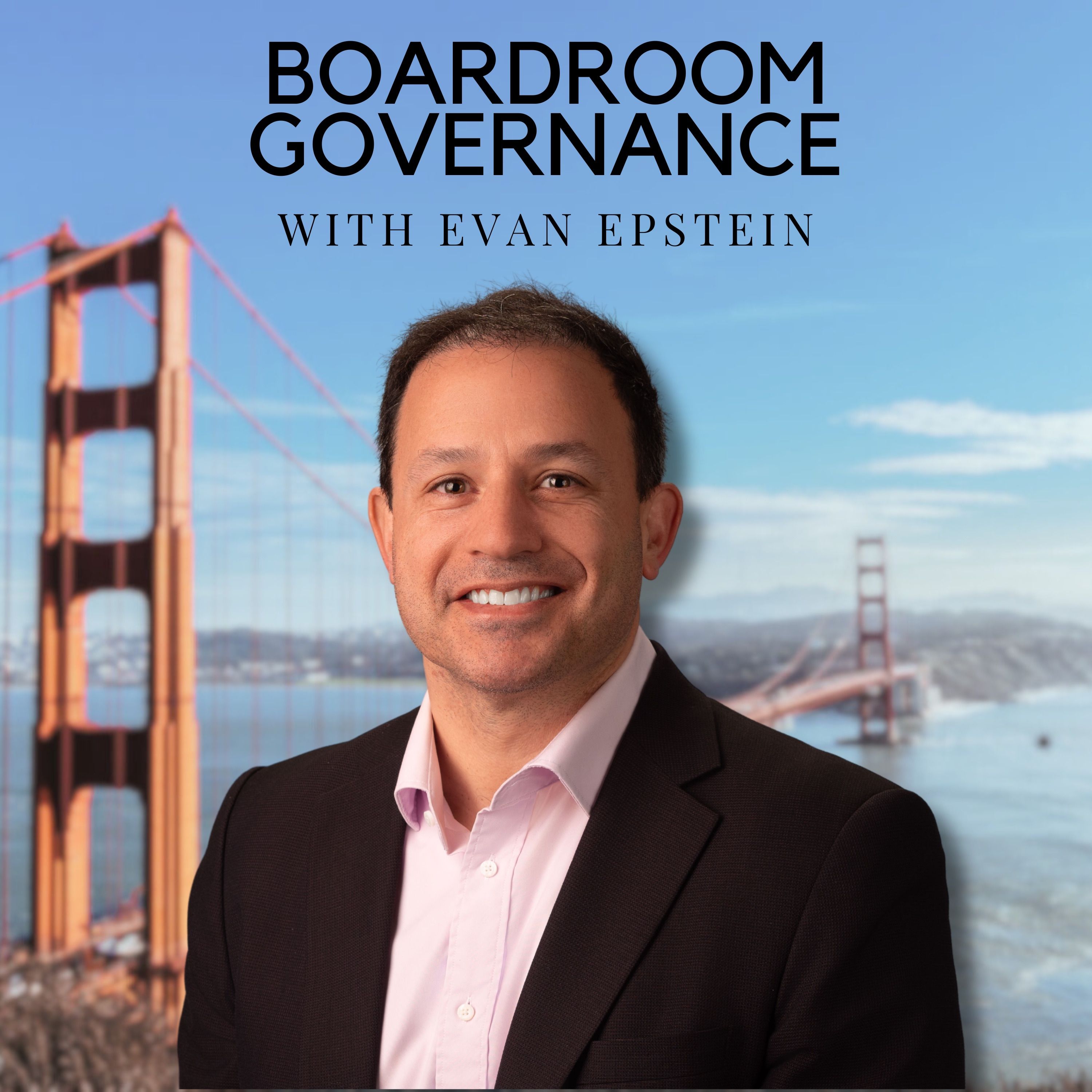
Boardroom Governance with Evan Epstein
220 episodes — Page 3 of 5
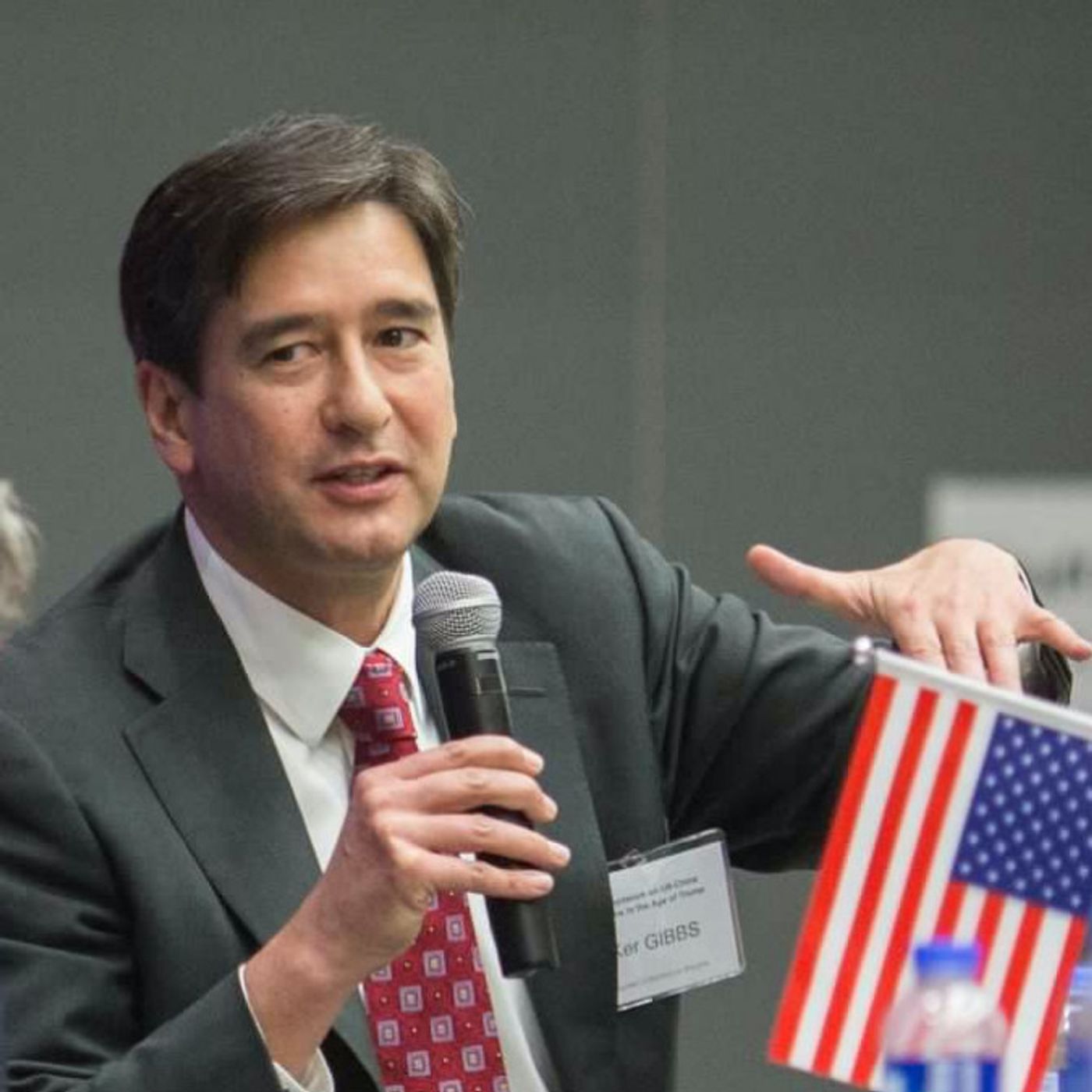
Ep 119Ker Gibbs: On Geopolitics and US-China Relations.
0:00 -- Intro.1:26-- About the podcast sponsor: The American College of Governance Counsel.2:13 -- Start of interview.3:47 -- Ker's "origin story." 7:41 -- His history with the American Chamber of Commerce in Shanghai (AmCham).9:42 -- About his book “Selling to China. Stories of Success, Failure and Constant Change.” (2023). "We felt that it was important to remind people why we're doing this in the first place, you know, what's good about our relationship with China. We wanted bring the commercial issues back into the conversation."13:31 -- On the current idea of “uncoupling” or “de-risking” the US economy from China."I think it is good to talk about 'de-risking' rather than 'decoupling'." "I don't think a complete decoupling is realistic and it's certainly not in the interest of either side. But I think the de-risking term is helpful, in the sense that it aims at communicating the intent. {The intent] here is not to punish China or isolate China or decouple from China, but it is to protect our interests, whether they're military interests or strategic economic interests."16:46 -- On whether the US policies and sanctions towards China are effective."The narrative is that the export controls and sanctions and de-risking coming out of Washington DC is simply pushing China to be more self-sufficient." "This has to be seen as a temporary measure, that gives us time to resolve the actual conflicts that exist."21:21 -- On the US responding with its own industrial policy to catch up with China (e.g. in batteries and EVs). "We've got to be careful not to slip into outright protectionism and allow this to change who we are as a country and how we've been successful as an economy." "[I]f we get into a situation where we are indeed trying to limit China's economic rise, and literally keep China economically contained, that is a dangerous path, and it's a bad narrative, because it inevitably leads to conflict.""I'm basically conservative when it comes to economic issues and fiscal policy, but I have actually been saying for quite a long time that the US needs to get over its aversion to industrial policy and put some planning in place."30:38 -- On China’s private sector."[B]eijing actually kept a remarkably light hand [in the development of the internet industry]. I give the Beijing policymakers full credit there for knowing that they needed to stay out of the way and let that happen." "Now we've seen the pendulum swing back the other way." "Jack Ma was going around visiting countries and he would almost be treated like a head of state. I think Jack Ma must have, because his company is publicly listed in New York, he might have confused himself with a Western CEO. He's not. China is China and the West is the West, especially in the tech sector. So yeah, he's been disciplined as have some other tech leaders."36:21 -- On the fate of TikTok in the US.40:38 -- On the recent APEC meeting in SF, and his take on Presidents Biden and Xi Jinping meetings. "I put it in the category of huge success that the meeting happened, that Xi Jinping actually showed up." "It's critical that Xi and Biden meet face-to-face because of the Chinese political system, it is so concentrated at the top."46:09 -- On the risks of a military conflict between the U.S. and China over Taiwan. "We should not underestimate [China's] willingness to take the island and take it by force. I think at some point you have to just take them at their word. If you listen to the domestic media and domestic speeches that Xi and others make in China, it's quite clear that they're highly motivated to take the island and willing to." "[But] I don't think it's imminent, mostly because of the difficulty of taking the island and of the probability of success on the Chinese side.""I think the probability of an accidental conflict [is] high. And until the agreement of the last week or so, the ability to de-escalate and de-conflict, low." "In other words, without that military-to-military hotline, there would be no way for it to de-escalate."50:35 -- How should boards think about de-risking its China exposure."They should be thinking about what are the hard assets that they have, both in mainland China and in Taiwan? What I'm hearing boards do is that some of them are converting their businesses to more asset light. So, in other words, converting a wholly owned subsidiary to maybe selling off some of the shares to make that into a minority investment or a full asset light model might be literally selling factories and hard assets and then maybe licensing them back or something like that to where they wouldn't have to literally write them off the way many companies had to do in Russia when that took place, and you saw large companies writing off literally billions of dollars of assets off their balance sheets because they could no longer have access to them.""Again, I don't think that we are on the brink here, but it would be wise to have plans in place in the case of, especia
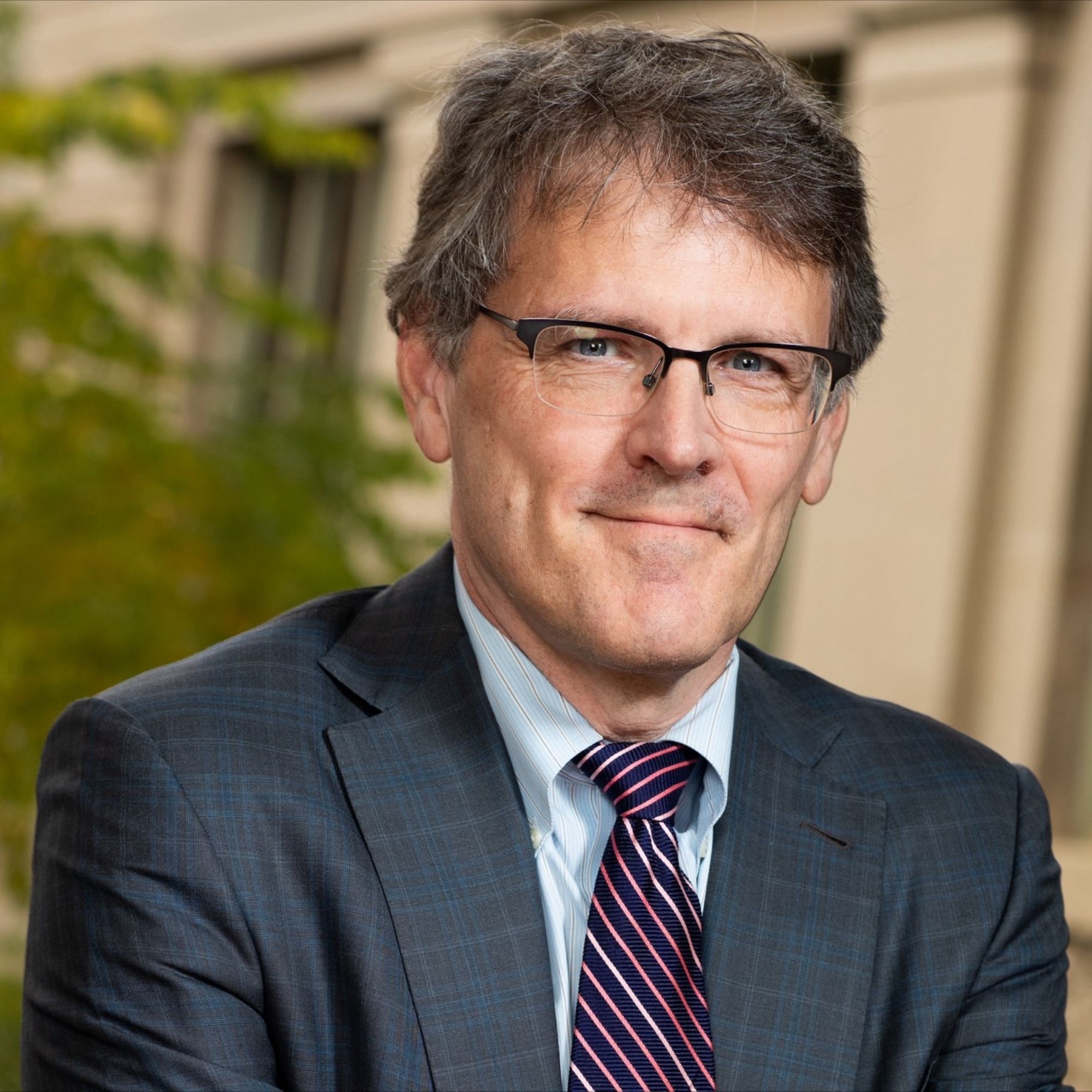
Ep 118John Coates: The Problem of Twelve, Index Funds and Private Equity.
0:00 -- Intro.1:26-- About this podcast's sponsor: The American College of Governance Counsel.2:13 -- Start of interview.2:45 -- John's "origin story." His time at WLRK and at the SEC.4:15 -- His focus at Harvard Law School and Harvard Business School.4:39 -- About his book THE PROBLEM OF TWELVE: When a Few Financial Institutions Control Everything (2023). Publisher: Columbia Global Reports. "Around the year 2000 [Index Funds and Private Equity Funds] began a sustained takeoff and the book is motivated to tell the story of how that happened and then more importantly what's happened since 2000 with 10-15% compound annual growth every single year for both kinds of funds which is much bigger and much faster than the economy or the capital markets or corporations.""The problem of twelve is just trying to get a catchy way to get people to understand that it's not just growth, that'd be one thing, but it's concentration."11:22 -- On "What came before: the Twentieth Century's Public Company" and the rise of private markets."Actually, the public markets have gotten bigger, even though the number of companies has fallen. It's not like they're shrinking, which sometimes is the way people talk about it. But what's different is their autonomy is declining. So in 1990, the board of a public company and its CEO were the centers of power. If anything, the CEO was probably the most dominant player and the board was kind of a check. The shareholders were kind of out there, but they really only mattered in a hostile takeover. That was it." "[By year] 2000, 2010, and definitely today what I just described is not true. Boards are now more powerful than CEOs in general. They have a greater influence over setting strategy today.""[The] power started and ended with the CEO in the boardroom. And that really has, I think, dramatically declined and continues to decline as a way of describing how the US economic system works."15:39 -- Evolution of US boardrooms since the 1970s."I think of boards as becoming more important during that period because businesses were stumbling. As long as CEOs were successful in running their empires, I don't think the pressure to provide a different governance system would have been nearly as powerful.""Jay Lorsch at HBS wrote an early study suggesting that boards really were not doing much. Jay was very much part of the movement to get boards to be more active, because he thought that was better than the alternatives of either continued stagnation in economic activity or worse solutions, which other people were proposing."20:19 -- On the impact and evolution of Index Funds."[T]he key thing is scale. It's not as if there's like 55 different index funds all competing with each other. No, there's really just a small number of families [ie. the Big Four, BlackRock, Vanguard, State Street and Fidelity] that are achieving these scale levels. So that's the basic problem of the book.""[W]hen Jack Bogle set up Vanguard, he wasn't setting out to take over half of all the stocks in the country. It took him 30 years just to get to 2%. It's just a side effect and so the system was not designed with that kind of concentration in mind. "[W]e're now having to go through a period where we've already started and it will continue for people as these things continue to grow and get even bigger to really rethink where should the governance power sit. Should it sit, at the board? Should it sit at the fund portfolio manager who doesn't really exist in an index fund, it's just a guy who has a list? Should it sit with a corporate governance professional that the fund advisor hires, that the fund then gives the power to? Or should it be something more complicated, some set of interactions between different people over time? And I tend to think that last thing I said is the right answer, but getting exactly the solution is hard, which is why I didn't call the book The Solution to the Problem at all, because I don't really have a perfect solution."27:12 -- On the polarization of corporate governance and the ESG backlash."If it had not been climate, which is Larry Fink's, of course, major focus that generated most of the pushback, it would have been something else." "State Street a few years ago made a point of saying publicly that if the boards that they voted for were not sufficiently diverse and they had some specific criteria, they would withhold votes from the nominating committee chair. And you can see in the data, if you look at the way boards are formed, the impact of State Street's intervention."30:35 -- On the pass-through voting initiatives."If you look at the websites that BlackRock and Vanguard and State Street all have up about what they're doing, they're not really passing the votes through or even getting close to it. They're going to let their own investors once a year pick a policy from a limited menu of policies, and then they're going to look how many people pick which policy, and then that will inform how the
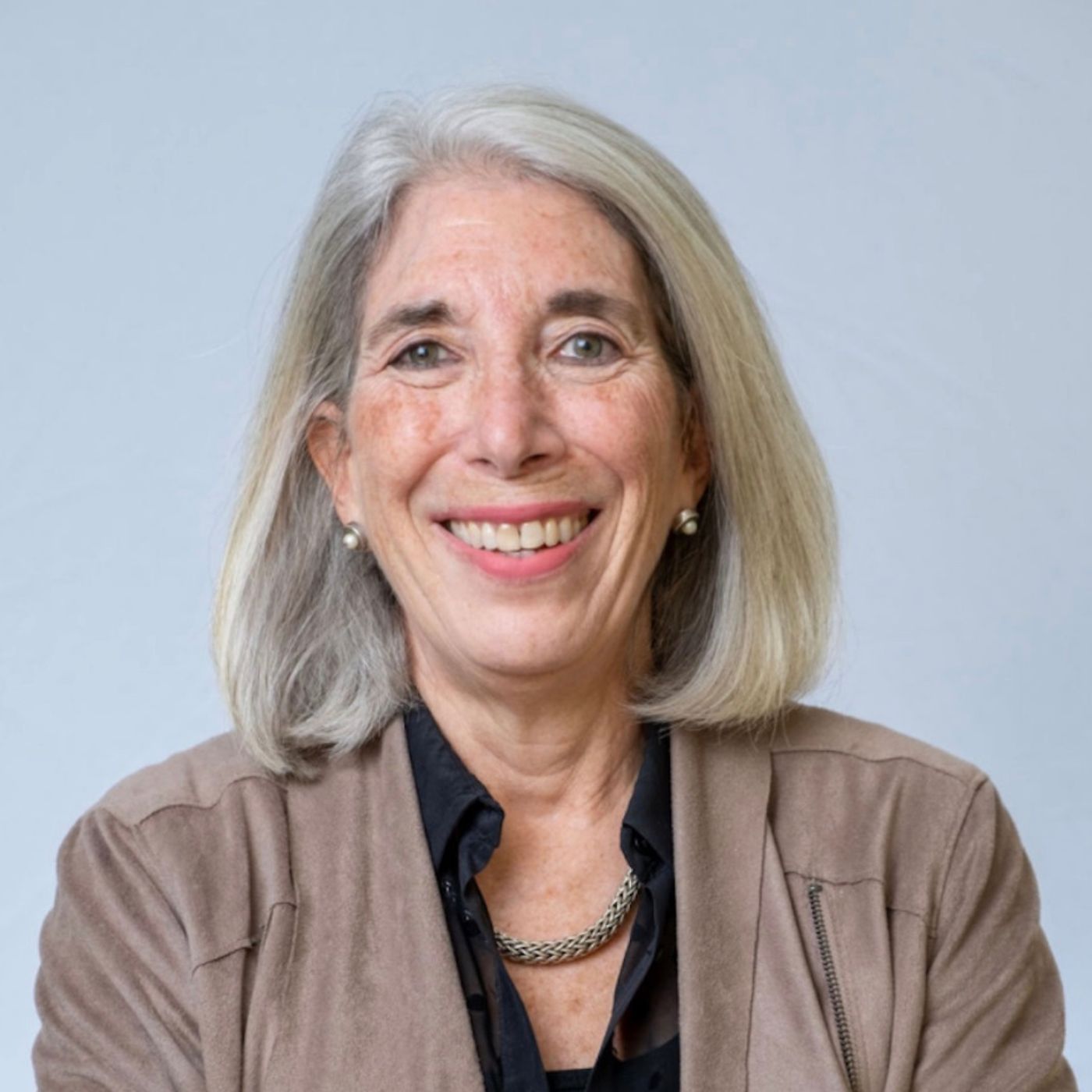
Ep 117Abby Adlerman: On Board Oversight, Accountability, Risk Mitigation and Strategy (OARS).
0:00 -- Intro.1:14-- About this podcast's sponsor: The American College of Governance Counsel.2:09 -- Start of interview.2:41 -- Abby's "origin story." 4:11 -- Her time at Hambrecht & Quist. Distinctions between IPO market in the 1990s and the current environment. Her time as a CEO of a venture-backed e-commerce company. Her time at Russell Reynolds (7 years).10:36 -- The history, mission and current focus of her company Boardspan, founded in 2014. "To help boards succeed." "[The focus is a mixture of] a traditional service business [board recruiting] and a very modern brand new IT business, around assessments and information gathering and marry those two." "And I think that was the hardest part quite honestly, is how you marry both the service and a software business and deliver both at the same time."14:24 -- On high performing boards and board culture."We developed a framework to talk about high -performing boards. [It is] really simple. I call it OARS, which is like rowing a boat, just to make it easy for people to remember. 'O' stands for oversight, 'A', accountability, 'R' is risk mitigation, and 'S' is strategy.""We all know that board work is a team sport. So, if board members are not aligned, it's really hard for them to do their work. It's not an individual sport and everybody knows that."17:24 -- Differences in board dynamics between public and private (venture-backed) boards.23:28 -- On the importance of board committees. "Committees are where the vast majority of the board's work is done, and they're really important. I often refer to them as the workhorses of the board.""I just want to remind your listeners that committees don't make decisions. They make recommendations when it comes to the major actions. And so it's not that control is transferred to a committee, it's the leaning on them, the leverage, the expertise that is transferred.""If a board member really wants to have influence on a particular issue that a committee is undertaking, then join the committee, don't discount their value to the board."26:42 -- On board evaluations. "[W]e are big believers in having objective data. Now, objective data can be quantitative and qualitative, but you still want that objectivity as a way to sort of lead you onto a path of growth. So we like the number side because it helps put a stake in the ground. You can measure progress and critically, you can benchmark to peers, which is something that we find and hear back from our clients is absolutely invaluable." "We have found the act of doing an evaluation with a third party is the biggest step forward."30:48 -- On the Board/CEO relationship. "It's the most important relationship of all. And personally, I'm not a believer that the board's job is simply to hire and fire the CEO. I think that's, in all due respect, an old school perspective."34:25 -- On the role of the Chair or Lead Independent Director. "The role of the chair, independent chair or lead independent is critical. And that's true whether it's a large public company, a small private company and everything in between, because they're often in that role of helping to facilitate the board's contributions, the board's role." "Figuring out where's the line and how [the board can] add value, that tone gets set by the partnership between the CEO and the chair."36:53 -- On CEOs moving to Chairman role. "It is really hard for people to take off one hat and put the other one on. So it really has to be discussed."40:02 -- On the evolution of boardroom diversity. "Another metaphor I often use for boards are tapestries, meaning that you're kind of weaving together different threads. I referred to the team sport earlier, but perhaps the better metaphor really is it's a small symphony, not a big one, but a relatively small symphony where you're bringing different skills, perspectives and ways that board members can contribute that makes the group as a whole stronger. And back to our prior conversation about board chairs, they're the conductor of that symphony and that's an invaluable role. But it doesn't mean that that conductor or any one other person who plays the violin is a great percussionist or a great woodwind or something like that. So it's about bringing all of these together. We've made a lot of progress in board diversity."43:04 -- Abby's take on ESG and the ESG backlash ("green hushing").45:59 -- On the question of single issue directors from a board composition perspective. "[Y]ou and your listeners are well aware of the QFE requirement to have a qualified financial expert. I do believe that at some point we're gonna see those requirements in other areas. Now, cybersecurity might be one of the first ones where we see a "QCSE" requirement." "I think people need to remember that a good board member grows with the board [...] and they can grow and figure out how to contribute in other ways."49:45 -- On geopolitics in the boardroom. "We use a really simple model with our clients and it's based on

Ep 116Private Companies and Startup Governance: with Evan Epstein, Heidi Roizen and Dan Siciliano.
0:00 -- Intro.1:27 -- About this podcast's sponsor: The American College of Governance Counsel.2:23 -- Intro of Webinar (and speakers) by Nancy Easterbrook, Executive Director of SVDX.5:33 -- Start of webinar by Dan Siciliano, Chair of SVDX.6:40 -- Some differences between private (VC-backed) and public boards.9:23 -- The role of independent directors in venture-backed companies. 14:00 -- Specific issues in VC industry: preferred vs common shares and impact on director fiduciary duties and dual-fiduciary duties. The Trados case (2013).18:14 -- An edge-case proposed by Heidi Roizen: voting as a director vs voting as a shareholder. The "sanctity of the preference stack" vs management carve-out.23:44 -- How "bad" directors can negatively impact companies and the proper use of special independent committees to "cleanse transactions." The role company counsel. Funding managing incentive plans (MIPs).29:39 -- Two lessons for independent directors from Heidi Roizen: 1) "avoid messing with waterfall distributions" and 2) run a thorough process.33:52 -- Important take-away from the Trados case: fiduciary duties are owed to the common stockholders.40:00 -- The Basho case (2018), where a VC investor was ordered to pay ~$20m in damages for using contractual consent rights granted to it as a preferred shareholder together with “hardball” negotiating tactics to force the company to the brink of insolvency and leave it with no choice but to accept “oppressive” financing terms. Inside rounds vs outside rounds.42:27 -- Other thoughts to encourage independent directors in venture-backed companies from Heidi Roizen. "You have to understand the payouts." "As a VC: lead, follow or get out of the way." "We can either be the crusher, or the crushee, but either way something is going to get crashed here." "Sometimes (...) the best thing you can do is say, look, I'll get out of the way.You guys do what you want. We're in the risk business (...) almost half of our deals don't return the capital we put in. And so to be assholes about stuff is a bad idea. You may win the battle, but lose the war, right? You may, you know, twist somebody's arm and get your couple million back, but no entrepreneur is going to want to work with you anymore."49:09 -- On director education for venture-backed companies. New program to launch from UC Law SF and Cooley in San Francisco in March 2024! *For more details: contact Evan Epstein at [email protected]:03 -- Why there are so few independent directors in venture-backed companies? Heidi Roizen: "I think they're undervalued by both investors and entrepreneurs." On board education: Heidi recommends Brad Feld's books, including Venture Deals and Startup Boards. Book mentioned by Evan: Founder vs Investor (by Zalman and Neumann).56:03 -- Heidi's recommendation for independent directors of companies running out of cash: "If the company you're on the board of has only a year or less of runway, you already should be speaking up. If your company has nine months or less of runway, you should already be beginning a process to be sold. And if your company has four months or less of runway, I would resign from that board as an independent. I would speak early, speak often, and if nobody's paying attention to you, I would actually get off that board." "[A]ll the problems happen when you have bad process and when you run out of money."59:06 -- The enhanced role of the board in this downmarket. Heidi: "Structured deals are board for startups."__ You can follow Evan on social media at:Twitter: @evanepsteinLinkedIn: https://www.linkedin.com/in/epsteinevan/ Substack: https://evanepstein.substack.com/__ You can follow Heidi on social media at:Twitter: @HeidiRoizenLinkedIn: https://www.linkedin.com/in/heidiroizen/ The Startup Solution: https://threshold.vc/podcastThreshold VC: https://threshold.vc/__ You can follow SVDX on social media at:Twitter: @svdx1LinkedIn: https://www.linkedin.com/company/silicon-valley-directors'-exchange/Website: https://www.svdx.org/__You can join as a Patron of the Boardroom Governance Podcast at:Patreon: patreon.com/BoardroomGovernancePod__This podcast is sponsored by the American College of Governance Counsel.__Music/Soundtrack (found via Free Music Archive): Seeing The Future by Dexter Britain is licensed under a Attribution-Noncommercial-Share Alike 3.0 United States License You can follow Evan on social media at:X: @evanepsteinLinkedIn: https://www.linkedin.com/in/epsteinevan/ Substack: https://evanepstein.substack.com/__To support this podcast you can join as a subscriber of the Boardroom Governance Newsletter at https://evanepstein.substack.com/__Music/Soundtrack (found via Free Music Archive): Seeing The Future by Dexter Britain is licensed under a Attribution-Noncommercial-Share Alike 3.0 United States License
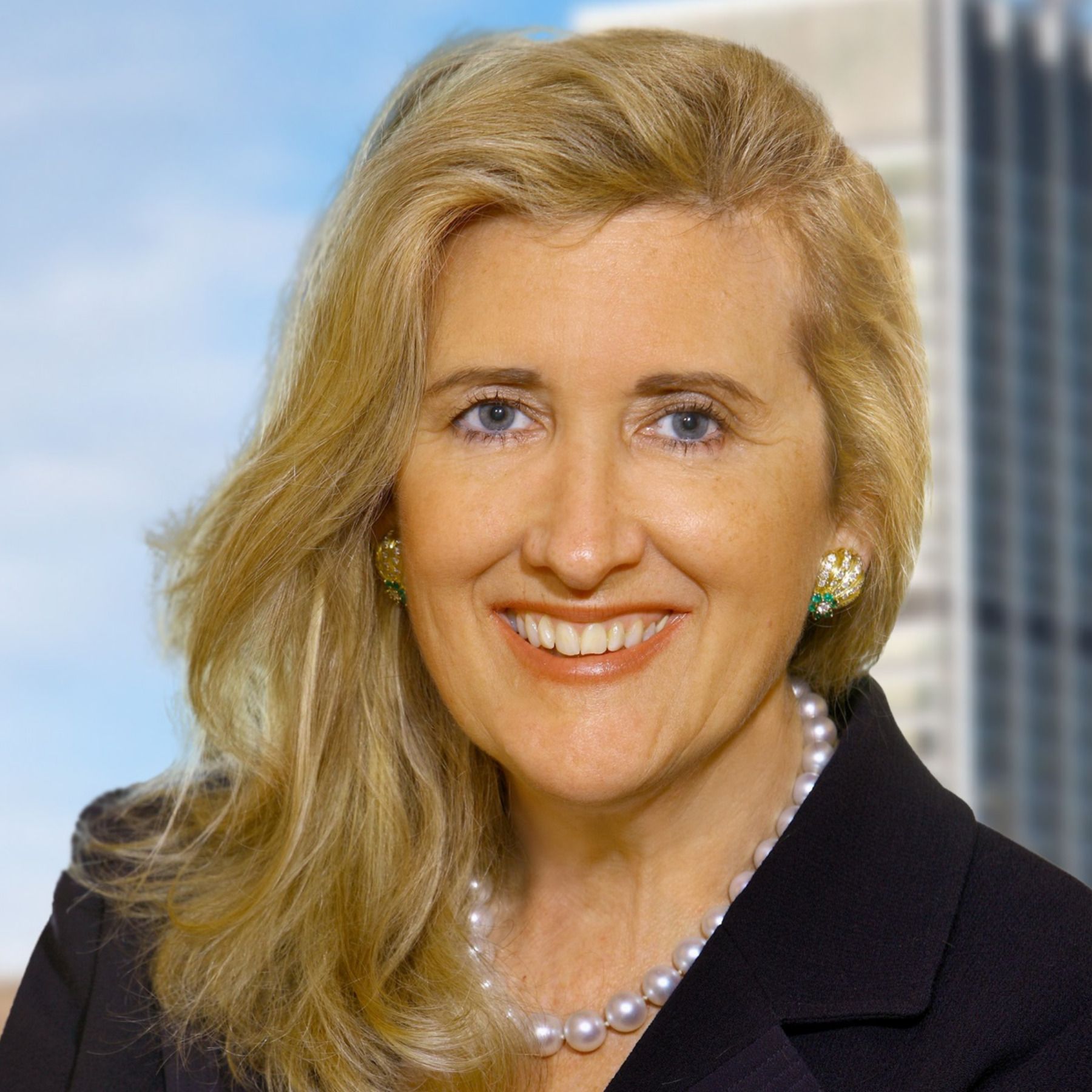
Ep 115Julie Daum: "The Aging of U.S. Boards and Lack of Turnover is a Real Issue."
0:00 -- Intro.1:11-- About this podcast's sponsor: The American College of Governance Counsel.2:08 -- Start of interview.2:47 -- Julie's "origin story." She started her work with boards in the early 1980s with Catalyst (a non-profit women's organization whose mission is to promote women in corporate America).5:46 -- Now she's leading the Board Practice at Spencer Stewart.6:15 -- About the 2023 U.S. Spencer Stuart Board Index. Now in its 38th year, this index examines the latest data and trends in board composition, board governance practices and director compensation among S&P 500 companies.7:46 -- Comparing and contrasting board practices in S&P 500 companies with mid or small cap companies. Example: Spencer Stuart S&P MidCap 400 Index. "The trends are set in the bigger companies, and the smaller companies follow."10:08 -- Highlights from the 2023 U.S. Spencer Stuart Board Index.Skills: return to the desire to have CEOs and financial skills in the boardroom. "The recruitment of retired or active CEOs rose this year to 30% of the incoming class, which was a big uptick. And boards also recruited more directors with financial backgrounds, and they accounted for about 27% of the new directors. In both categories, retirees outnumbered active executives." "42% of S&P 500 CEOs serve on a board, meaning 58% do not. So when boards are looking for active or retired CEOs, like they were this year, they tend to look more in the retired category because they're just more available."On the practice of overboarding: "It has changed dramatically." "Now there's a restriction on how many boards a CEO can serve on. They can serve on one." "I think now most boards think that [an outside] director can serve on three total, [due to the] time [required] to devote to the company."[14:33] On companies restricting executives on serving on outside boards: "[Some] companies restrict board membership, but they don't forbid it generally."[15:58] Increase in time and commitment for board members: "It is a much more time-intensive job than it used to be." "There was a survey that was out a while ago that said board members spent 210 hours or something like that, we just did a pulse survey of directors It came back saying they think it's 350 hours now." "So it's a very time intensive job and much different than it used to be."[16:58] Survey on NomGov Chairs: "CEO experience is at the top of their list and financial experience for next year."[18:34] International experience: "International experience has really gone up among independent directors this year, 54% had spent time working outside the US, 18% were from outside the US. So that's a big changeover. If you looked for 10 years ago, that number would have been 8%."[20:18] Low turnover in boardrooms and mandatory retirement age: "We had really low turnover in the boardroom [which I find to be concerning]. This year was 7% of boards seats turned. Yet last year it was 8%, the year before it was 9%." "So boards don't change, they are evolutionary bodies. And not many people leave, which means not many people join." "[Boards] overwhelmingly use mandatory retirement as their refreshment tool. So while the percentages of boards disclosing a mandatory retirement age for directors declined a little this year, it's about 70%, the retirement age of boards with these policies goes up every year. And so now over half of boards with age limits have a mandatory retirement age of 75 or older. And a decade ago, that was 24% or so had that retirement age. So we just keep pushing, pushing the retirement ages up."[22:18] Term limits: "Very few have term limits, 8% have term limits. We get asked this question all the time because obviously, companies overseas or countries have different term limits. And it just doesn't take off here."[23:09] Average board tenure: It hasn't changed a lot [7.8 yrs]. I would say, which is kind of surprising because, you know, people are staying longer. If you look at boards right now, they tend to be a third, a third, a third: a third under five years, a third five to 10 years, and then a third over 10 years. And some of those can be very high, but that's kind of what it looks like."[24:18] On board evaluations: "98% this year reported that they had a board evaluation process. But I guess the real question is, okay, they do a board evaluation of the whole, but how many of them are doing individual assessments and are they using those to try to encourage turnover in the boardroom?"[27:35] On boardroom diversity: "Two thirds of the independent director appointments were diverse and 48% of all directors now are diverse. So it was still a pretty high number this year. But you're right, it was a pullback from the last two years where the numbers were in the 72%. And I think that George Floyd had a lot to do with that and really bringing this issue to the forefront." "I think that boards are recognizing more of the value of having diversity in the room and the value of the message
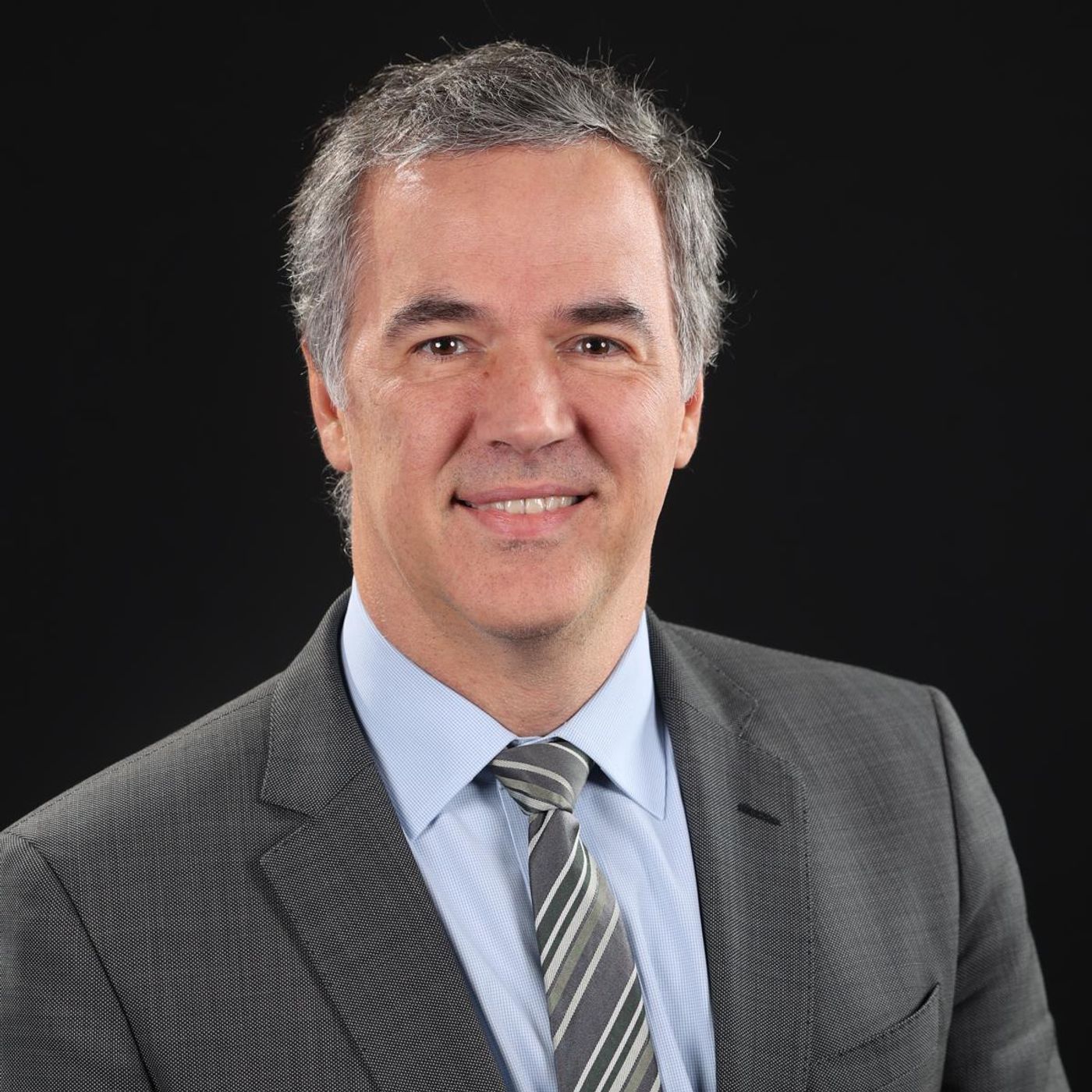
Ep 114Mauro Cunha: Governance and Board Experience from Brazil.
0:00 -- Intro.1:38-- About this podcast's sponsor: The American College of Governance Counsel.2:34 -- Start of interview.3:13 -- Mauro's "origin story." 4:11 -- About AMEC, and his time as CEO of the organization (2012-2017). Prior, he was Chairman of IBGC (2008-2010). "My first mission as CEO of AMEC was to become the first independent director at Petrobras" (which he served from 2013 to 2015).9:02 -- On the differences between shareholder engagement/activism in the U.S. and Brazil. 10:04 -- The corporate governance changes introduced by Novo Mercado (special listings segment created in Brazil in 2000).11:39 -- About the Petrobras corruption scandal ("Lava Jato" or "Car Wash"). He was the first independent director in Petrobras (2013) and they elected a second independent director in 2014. "1+1 in that situation equals 4." "The board simply did the Government's bidding." "But it's all gone now, there has been a huge backlash. There is no one in jail anymore." "Just like what happened in Italy with the Clean Hands Operation, there is a political wave of acquittals." "There was a class action settlement in the U.S. for $3.5 billion (2016) and PwC settled for $50 million (2018)."18:58 -- His joining the board of Vale (2021-2023), post Brumadinho dam disaster (2019). "I was elected to the board as part of an activist campaign, led by Capital Group." 23:28 -- On the SEC's action against Vale for greenwashing (settled in 2023 for $55.9 million). "Vale became a lightning rod and it is a rich company in a poor country and in a poor region of a poor country." "One executive of the company used the expression that was Vale is the peacock in the Favela." "[Vale] gets a lot of attention and focus and sometimes not fairly. It does some amazing things in terms of ESG." "Vale is actually an example that responsible mining is not only essential for the energy transition, but it actually can be good for the environment. But there's a lot of bad press around it."24:40 -- His take on ESG: "ESG should not be driven by rankings, reports and ratings. It must be driven by owners."28:50 -- On the ESG backlash. "Part of the problem has to do with the architecture of the institutional investors." "The productive way for investors to ensure that companies are doing the right thing is one-on-one engagements that cannot be done wholesale. It needs to be done in a more retail way. So this increases the value of specialized asset managers that have a smaller portfolio, that may or may not be called activists."32:11 -- On joining the board of Embraer. The impact of the Pandemic and 'work from home' in Brazil.34:55 -- On the evolving geopolitical landscape, China/US tensions and where Brazil stands in this picture. 39:17 -- On the role of independent directors, and evolution in Brazil in the last 20 years:"When you get into a situation like I was in Petrobras, you need to know where your red lines are and what to do when they're reached. You can fight and in some cases it may be the case that you need to leave and do a noisy withdrawal as I've done several times in my career so.""I fear that in many situations we have lots of companies reporting larger percentages of independent directors on their boards, but these are not really independent.""[You have to] be true to your values, know your red lines, but at the same time, try to work with people. And some things will not be the way you want. So a director who simply says no when the board goes in a way that he or she doesn't agree with is not going to be productive. So you have to, in Brazil we say we need to swallow some frogs every once in a while. You just have to watch out to make sure what are the sizes of frogs that you can swallow to make it for productive mandate on the board, but at the same time not compromising your values."43:44 -- On the question of single issue directors. "I think it's a big mistake for a number of reasons. First, because it's not enough space for all the issues to be on the boards. The other problem is that if you have a specialist on the board, say in cyber security, every time the issue of cyber security comes up, everybody will look at this guy and say, whatever he or she is telling us to do, you're outsourcing your fiduciary duty, which is terrible."45:45 -- "Brazil today has very different companies. This means that the governance structure for each one of them has to be different. And we have to understand, it's case by case, and we need to build the governance structures that are adequate to each company." "I think when we think about ESG, we're really talking about E&S, and people are forgetting the G. The G is what gets E&S done. E&S without the G is greenwashing."47:49 -- Book that has greatly influenced his life: Atlas Shrugged by Ayn Rand (2003)48:00 -- His mentors, and what he learned from them: André Jacurski and Paulo Guedes (founders of Banco Pactual).48:33 -- Quotes that he thinks of often or lives his life by: "We didn't come this far jus

Ep 113Brian Stafford, CEO of Diligent: "Companies That Do ESG The Right Way, Tie It Back To Their Strategy."
0:00 -- Intro.1:21-- About this podcast's sponsor: The American College of Governance Counsel.2:17 -- Start of interview.2:49 -- Brian's "origin story." He founded a startup that sold cars online in the dot com era (CarOrder) based out of Austin TX. He later worked at McKinsey & Co. From there he moved to Diligent as CEO.6:17 -- The history, mission and current focus of Diligent Corporation. "The role of governance oversight has become much more of an exercise in risk management."11:48 -- About their new product: The Diligent One Platform.14:42 -- About his book Governance in the Digital Age. A Guide for the Modern Corporate Board Director (co-authored with Dottie Schindlinger.)17:02 -- On ESG and its political backlash. On stakeholders (BRT Restatement of the purpose of the corporation, 2019). "If you do well for your stakeholders, you're going to do well for your shareholders over a long period of time."20:00 -- How to think about ESG: "The companies that do it the right way, tie it back to their strategy." "In the US, [ESG] is much more tied to climate."23:32 -- His experience working with and serving on a private equity backed company. Distinctions with public company boards. "In PE-backed boards, you get to experience radical transparency around data and information with your board." [reference on Netflix case study by Stanford GSB]. "The longer time nature and longer term hold period of private investors can set the right mindset of management and the company around long term."29:36 -- On international distinctions in corporate governance, and running global companies. "Half our clients are located outside of the US and Canada, and more than half of our employees are located outside of US/Canada."31:47 -- On geopolitical risks, and how boards should address the rapidly changing landscape.34:16 -- On board composition: 1) They should look like customers or employees or some combination of the two, 2) technology fluency of the board should increase. How to tackle board diversity. "I look for board members who can help me see things that I'm not seeing." (achieved through directors with different backgrounds)38:05 -- Book that has greatly influenced his life: Moneyball by Michael Lewis (2003)39:09 -- His mentors, and what he learned from them: a few different partners at McKinsey & Co.40:14 -- Quotes that he thinks of often or lives his life by: "People won't remember what you said or did, they will remember how you made them feel." by Maya Angelou.41:13 -- An unusual habit or an absurd thing that she loves: he gets up super early (4am or earlier).43:00 -- The living person he most admires: his mother.Brian Stafford is the Chief Executive Officer at Diligent, a leading GRC SaaS company providing solutions across governance, risk and compliance.__This podcast is sponsored by the American College of Governance Counsel.__ You can follow Evan on social media at:Twitter: @evanepsteinLinkedIn: https://www.linkedin.com/in/epsteinevan/ Substack: https://evanepstein.substack.com/__You can join as a Patron of the Boardroom Governance Podcast at:Patreon: patreon.com/BoardroomGovernancePod__Music/Soundtrack (found via Free Music Archive): Seeing The Future by Dexter Britain is licensed under a Attribution-Noncommercial-Share Alike 3.0 United States License You can follow Evan on social media at:X: @evanepsteinLinkedIn: https://www.linkedin.com/in/epsteinevan/ Substack: https://evanepstein.substack.com/__To support this podcast you can join as a subscriber of the Boardroom Governance Newsletter at https://evanepstein.substack.com/__Music/Soundtrack (found via Free Music Archive): Seeing The Future by Dexter Britain is licensed under a Attribution-Noncommercial-Share Alike 3.0 United States License

Ep 112Joyce Cacho: "ESG Provides An Opportunity To Do Some Hard Work."
0:00 -- Intro.1:10 -- About new podcast sponsor American College of Governance Counsel.2:28 -- Start of interview.3:17 -- Joyce's "origin story" 5:22 -- Joyce's academic focus and executive career before joining boards of directors.8:12 -- On her board journey. "It began with non-profit board work." On serving in different types of boards. "They all offered an opportunity to collaborate with board colleagues, very smart people - learning from them, with a clear focus on growth of the institutions through innovation and being intentional about them."11:15 -- On the state of agtech. 13:54 -- Her experience serving on the board of Sunrise Banks, and more generally on the board of a Certified B Corporation.19:54 -- On the ESG and DEI backlash. "Politics is part of the system in which corporations operate."25:51 -- Her take on the current state of board diversity.33:43 -- Opportunities in Africa. 39:19 -- On the current geopolitical landscape, particularly with the U.S. decoupling/de-risking from China. Impact on global supply chains. "Near shoring, and on-shoring are critical (instead of investing in long supply chains)."45:33 -- How should corporate directors approach AI technologies.50:08 -- Book that has greatly influenced her life: Of Mice and Men by John Steinbeck (1937)51:38 -- Her mentors, and what she learned from them: her mother, dad and Robert "Bob" Bucklin (her former boss at Rabobank International).53:45 -- Quotes that she thinks of often or lives her life by: "There is no failure, only lessons."54:40 -- An unusual habit or an absurd thing that she loves: white water rafting and classical music.Joyce Cacho is an experienced executive and director, and currently serves as Board Chair of Sistema.bio.__This podcast is sponsored by the American College of Governance Counsel.__ You can follow Evan on social media at:Twitter: @evanepsteinLinkedIn: https://www.linkedin.com/in/epsteinevan/ Substack: https://evanepstein.substack.com/__You can join as a Patron of the Boardroom Governance Podcast at:Patreon: patreon.com/BoardroomGovernancePod__Music/Soundtrack (found via Free Music Archive): Seeing The Future by Dexter Britain is licensed under a Attribution-Noncommercial-Share Alike 3.0 United States License You can follow Evan on social media at:X: @evanepsteinLinkedIn: https://www.linkedin.com/in/epsteinevan/ Substack: https://evanepstein.substack.com/__To support this podcast you can join as a subscriber of the Boardroom Governance Newsletter at https://evanepstein.substack.com/__Music/Soundtrack (found via Free Music Archive): Seeing The Future by Dexter Britain is licensed under a Attribution-Noncommercial-Share Alike 3.0 United States License

Ep 111Suzanne Brown: The NYSE Board Diversity Initiative.
0:00 -- Intro.1:43 -- Start of interview.2:11 -- Suzanne's "origin story" "One of my proudest jobs was working with the NJ Pandemic Relief Fund"14:12 -- Joining the NYSE Board Diversity Initiative. *reference to Chief ("the only private membership network focused on connecting and supporting women executive leaders")15:22 -- Three key NYSE ESG Initiatives:The NYSE Sustainability Advisory Council (tackling the "E" in ESG)The NYSE/Syndio collaboration (tackling the "S" in ESG)The NYSE Advisory Board Council (tackling the "G" in ESG). It was created to help identify and place diverse candidates to serve on boards (*it has placed 38 board candidates, as of the date of this recording).Council: 25 members ("it launched in 2019 with 16 CEOs of the NYSE")Candidates: ~700 CEO vetted candidates.Companies: all ~2,400 NYSE listed companies + private PE/VC backed companies.25:04 -- On placing directors on cross-listed (international) companies. "Over 15% of our candidates are international"26:39 -- On the impact of SB-826, AB-979 and other board diversity efforts. "Intentionality [on this topic] works"28:47 -- On the ESG and DEI backlash. "ESG really suffers from a branding problem."31:46 -- Board dynamics, age and generational shifts in the boardroom. "The avg age of directors has remained at 64 years old."33:57 -- On the evolution and trends in board diversity. On the "pipeline falacy."36:33-- Current state of capital markets. History of the NYSE.40:27 -- Other corporate governance trends: term limits, board evaluations ("it's what you do with it afterwards"), global supply chain, green energy transition and cybersecurity expertise. *reference to E107 with David Larcker and Brian Tayan46:00 -- Books that have greatly influenced her life: Don Quijote by Miguel de Cervantes (1605 and 1615)Start with Why by Simon Sinek (2009)47:54 -- Her mentors, and what she learned from them: "it's more of a collective with other women."48:41 -- Quotes she thinks of often or lives her life by: "Success is not final, failure is not fatal, it's the courage to carry on that counts." Winston Churchill. 49:18 -- An unusual habit or an absurd thing that he loves: "I love to research obscure dogs."51:35 -- The living person she most admires: Jimmy Carter.Suzanne Brown currently leads the NYSE's effort to place more diverse candidates on corporate and private company boards. __ You can follow Evan on social media at:Twitter: @evanepsteinLinkedIn: https://www.linkedin.com/in/epsteinevan/ Substack: https://evanepstein.substack.com/__You can join as a Patron of the Boardroom Governance Podcast at:Patreon: patreon.com/BoardroomGovernancePod__Music/Soundtrack (found via Free Music Archive): Seeing The Future by Dexter Britain is licensed under a Attribution-Noncommercial-Share Alike 3.0 United States License You can follow Evan on social media at:X: @evanepsteinLinkedIn: https://www.linkedin.com/in/epsteinevan/ Substack: https://evanepstein.substack.com/__To support this podcast you can join as a subscriber of the Boardroom Governance Newsletter at https://evanepstein.substack.com/__Music/Soundtrack (found via Free Music Archive): Seeing The Future by Dexter Britain is licensed under a Attribution-Noncommercial-Share Alike 3.0 United States License
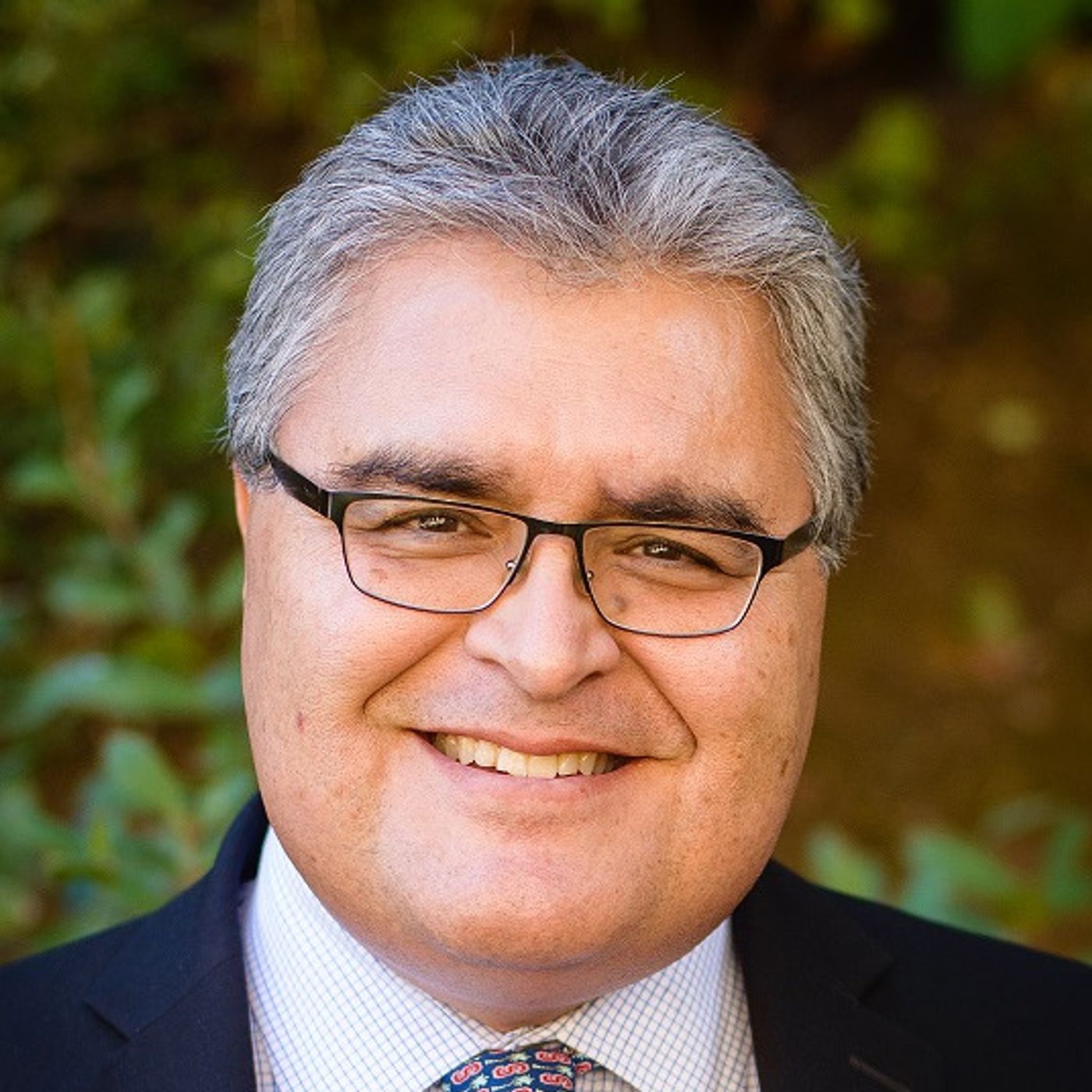
Ep 110Victor Arias: "Boards Are Looking For Strong Core Values: Integrity, Ethics, Leadership and Judgment."
0:00 -- Intro.2:02 -- Start of interview.3:02 -- Victor's "origin story" 5:30 -- Joining Stanford University's Board of Trustees, and later the board of Popeye’s Louisiana Kitchen (NASDAQ: PLKI).9:06 -- His current position as Managing Director and Practice Leader, Consumer and Retail at Diversified Search Group, working primarily in the Board of Directors practice. He is the leader of the firm’s Dallas-Fort Worth office.9:53 -- Differences between executive and board searches. "We find people for jobs, not jobs for people"13:01 -- The role of data and automation in the search business.14:48 -- Distinctions between board searches for private and public company boards.17:27 -- Economics of search firms on executive and board placements.20:15 -- On working with Nomination and Governance Committees and the evolution of Board Matrices. On overboarding. On board expertise: cybersecurity, digital, legal, international, etc.28:38 -- Boardroom trends in 2023: Flexibility on C-suite experience, broader demand for specialized expertise (cyber, AI, ESG, etc). On the ESG and DEI backlash. "Companies are looking for supply chain expertise." On geopolitics in the boardroom.32:36 -- What are boards looking for in new directors. "They are looking for really strong core values: integrity, ethics, leadership and judgment." How to build your brand as a director. Functional expertise. "Search firms probably fill 30-40% of open board seats, that tells you that 60-70% are done the old-fashioned way (ie. by other members of the board)."37:35 -- Recommended resources for board members or aspiring board members. Latino Corporate Director Association (LCDA).39:30 -- On boardroom diversity and the state of Latin@s on corporate boards.42:17 -- Measuring effectiveness of board members.44:40 -- Books that have greatly influenced his life: Built to Last, by Jim Collins and Jerry Porras (1994).The Haj, by Leon Uris (1984)The Empire of the Summer Moon, by S. C. Gwynne (2010)46:17 -- His mentors, and what he learned from them: Art Gonzalez (president of the first bank that he worked at)Jerry Porras (Latino Action Business Network)48:35 -- Quotes he thinks of often or lives his life by: "Keep your friends close, and keep your enemies closer." 49:07 -- An unusual habit or an absurd thing that he loves.49:43 -- The living person he most admires: Pope Francis.Victor Arias is a Managing Director and Practice Leader, Consumer and Retail at Diversified Search Group, working primarily in the Board of Directors practice. He is the leader of the firm’s Dallas-Fort Worth office.__ You can follow Evan on social media at:Twitter: @evanepsteinLinkedIn: https://www.linkedin.com/in/epsteinevan/ Substack: https://evanepstein.substack.com/__You can join as a Patron of the Boardroom Governance Podcast at:Patreon: patreon.com/BoardroomGovernancePod__Music/Soundtrack (found via Free Music Archive): Seeing The Future by Dexter Britain is licensed under a Attribution-Noncommercial-Share Alike 3.0 United States License You can follow Evan on social media at:X: @evanepsteinLinkedIn: https://www.linkedin.com/in/epsteinevan/ Substack: https://evanepstein.substack.com/__To support this podcast you can join as a subscriber of the Boardroom Governance Newsletter at https://evanepstein.substack.com/__Music/Soundtrack (found via Free Music Archive): Seeing The Future by Dexter Britain is licensed under a Attribution-Noncommercial-Share Alike 3.0 United States License

Ep 109HBO’s Succession with Sean Berkowitz and Kate O’Leary (Season 3)
0:00 -- Intro. *reference to our episodes reviewing Succession Season 1: E98 of this podcast (May 22, 2023) and Season 2: E102 (June 26, 2023).2:00 -- Start of interview. 3:50 -- About Sean Berkowitz and the Enron Case: prosecuting Ken Lay and Jeff Skilling (2006).7:05 -- On whistleblowers and avoiding retaliation. "Whistleblowers are one of the trickiest things you can deal with as counsel representing a corporation."11:05 -- Kendall's whistleblower scenario. Conducting internal investigations.15:02 -- On government relations and political interference with federal investigations. "It essentially doesn't work." "The discretion and judgment of a line prosecutor is always going to rule the day."17:22 -- Cooperating with Federal investigations. 21:12 -- The role of the board of a public company under federal investigation.22:52 -- On "shifting to legals", internal investigations by outside counsel, and creating a special committee of the board to remove conflicts of interest.29:16 -- Explaining joint defense agreements. The Archer-Daniels-Midland case (reference to movie The Informant).33:34 -- On the link between good governance and how shareholders value the company, including activists (Josh Aronson scene) and the proxy battle.43:36 -- On sexual harassment complaints (situation between Roman and Gerri involving explicit pictures). The factor of CEO succession and how the board should conduct their selection.50:30 -- On potential GoJo red flags and need for due diligence, including leadership assessment and kicking the tires on their numbers. What could/should board be doing in this situation?55:33 -- Dealing with moguls and founders like Lukas Matsson. "I think that one of the elements at the heart of corporate governance is personal integrity and character... and Matsson is not a good guy."59:49 -- Family governance within public companies. "Ultimately it all comes down to the documents: who can vote what, who has control, who has the ability in a tie break, etc." The problem with "rubber stamping boards." Question: "would any of us invest in a company run by Kendall or Roman?"01:06:11 -- Kendall's Unreliable Testimony to the DOJ ("Queen for a day" opportunity) and Preparation Failure.Kate O'Leary is the Global Executive Litigation Counsel at General Electric Company.Sean Berkowitz is a Partner at Latham & Watkins and the Global Chair of the Complex Commercial Litigation Practice. He represents clients in complex litigation and regulatory investigations.__ You can follow Evan on social media at:Twitter: @evanepsteinLinkedIn: https://www.linkedin.com/in/epsteinevan/ Substack: https://evanepstein.substack.com/__Music/Soundtrack (found via Free Music Archive): Seeing The Future by Dexter Britain is licensed under a Attribution-Noncommercial-Share Alike 3.0 United States License You can follow Evan on social media at:X: @evanepsteinLinkedIn: https://www.linkedin.com/in/epsteinevan/ Substack: https://evanepstein.substack.com/__To support this podcast you can join as a subscriber of the Boardroom Governance Newsletter at https://evanepstein.substack.com/__Music/Soundtrack (found via Free Music Archive): Seeing The Future by Dexter Britain is licensed under a Attribution-Noncommercial-Share Alike 3.0 United States License
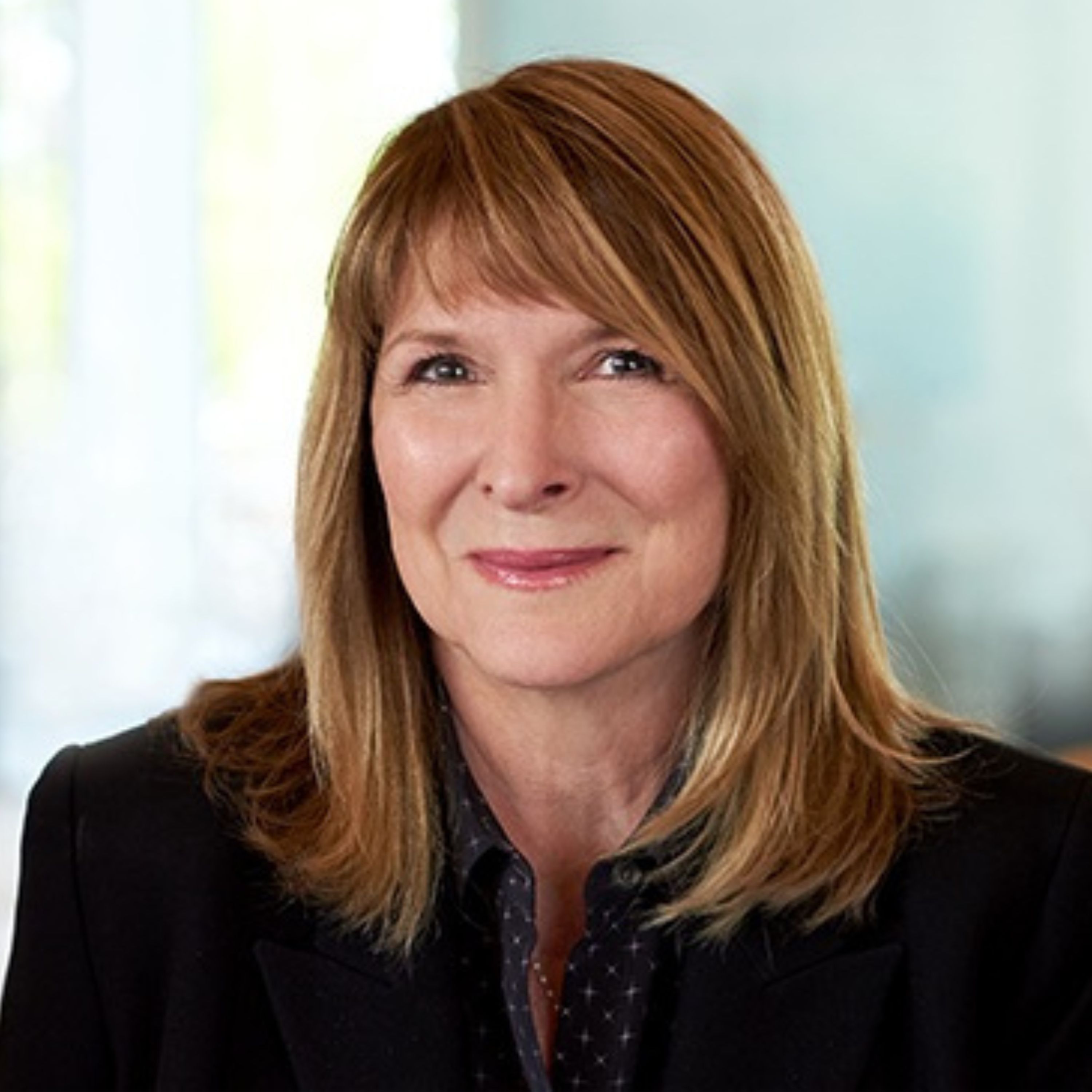
Ep 108Heidi Roizen: On Startup Governance and The Startup Solution.
(0:00) Intro.(1:35) Start of interview. *Link to our first episode: E6 from June 2020.(2:18) On the origin story of her new podcast: The Startup Solution with Heidi Roizen. (4:23) The Case of the Boardroom Blow-Up. How entrepreneurs should go from 'pitching' to 'partnering' with their investors. "Entrepreneurs get stuck in pitch mode." On terms "happy ears" and "jazz handy." On the golden rule of the boardroom: no surprises. "A board meeting should be a working meeting, it should not be a performance." On "Boardzillas."(15:55) What should entrepreneurs know about how VC funds works? On VCs wearing two hats in the boardroom (as a board member and as an investor). On the Trados case and the Rule of Common Maximization.(19:42) The Case of the Downer Round. On the preference stack and nuances of venture financing. On "structured terms" or "dirty terms." "When an entrepreneur trades structure for valuation, they are almost always giving downside protection in order to get more of the upside." [Heidi's more detailed blog post on down-rounds. Take by Janelle Teng]. On the pendulum of influence from founder-friendly to investor-friendly.(33:00) On secondary transactions of private company shares. On reasonable and/or rational options. On removing founders. "Inside a market there is always is a sub-market, and right now generative AI is very hot."(41:51) The Case of the In-Law Investors. What to consider when doing an angel investment. "When anyone asks me whether they should make a seed investment, I tell them to do so only if 1) they can do so with money they can afford to lose; 2) they don’t mind tying up those funds for seven years or more (it's an illiquid investment); and 3) they have enough additional money to put about 30-40% more in a future round if the opportunity or need arises. More importantly: founders should consider how they would feel if 'family & friends' lost the money as a result of their startup failing. (45:26) The Case of the Strategic Sucker-Punch. The difference between a strategic investor (corporate venture capital investor) vs a pure venture investor: the latter only makes money by buying the stock low and selling the stock high while the former also makes money if its stock also goes up. "They are called strategic investors for a reason: they are using investment dollars to drive strategy that should be additive to their strategy."(49:07) On best practices with board observers. ROFRs.(51:07) On the role of independent directors in startups. Promoting diversity in startup boards. Fred Wilson (USV)'s board diversity proposal.(57:44) On cross-over and PE board governance and cultural distinctions with VC.Heidi Roizen is a venture capitalist, corporate director and ‘recovering’ entrepreneur. She’s a partner at Threshold Ventures__ You can follow Heidi on social media at:Twitter: @HeidiRoizenLinkedIn: https://www.linkedin.com/in/heidiroizen/ The Startup Solution: https://threshold.vc/podcastThreshold VC: https://threshold.vc/ You can follow Evan on social media at:X: @evanepsteinLinkedIn: https://www.linkedin.com/in/epsteinevan/ Substack: https://evanepstein.substack.com/__To support this podcast you can join as a subscriber of the Boardroom Governance Newsletter at https://evanepstein.substack.com/__Music/Soundtrack (found via Free Music Archive): Seeing The Future by Dexter Britain is licensed under a Attribution-Noncommercial-Share Alike 3.0 United States License

Ep 107David Larcker and Brian Tayan on "The Art and Practice of Corporate Governance."
0:00 -- Intro.1:38 -- Start of interview.2:26 -- On the origin story of their latest book: "The Art and Practice of Corporate Governance." 7:32 -- About the Boeing 737Max case. The cultural shift. "Safety was just a given."12:29 -- About Netflix's "Radical Transparency in the Boardroom." Reference to their 2010 case study "Equity on Demand, the Netflix Approach to Compensation." 18:37 -- On the question of CEOs moving up to the Chairman position, (the role of Executive Chairman).22:39 -- On the evolution of CEO compensation, Say-On-Pay and CEO-to-worker pay ratios.27:06 -- On the practice of awarding "mega grants" to CEOs (particularly with founder-led tech companies, emulating Elon Musk's Tesla case).30:42 -- On compensation issues regarding the recent SVB and other bank collapses. "Incentives are more than just the dollar value."35:11 -- About the "epic misbehavior at Uber", unicorns and other private venture-backed company governance issues.42:42 -- On the double-edged sword of CEO activism. 45:05 -- Engaging employee activists. The Coinbase example. The General Counsel View on ESG Risk (2021).52:35 -- On the backlash on ESG (see previous episode E50 "The Seven Myths of ESG.")57:51 -- Corporate governance topics that they are currently working on: 1) SEC overreach and disclosure, 2) DEI, and 3) What's going on at the board level: new data and insights will be released soon!David Larcker is the James Irvin Miller Professor of Accounting Emeritus at the Stanford Graduate School of Business and he’s a Senior Faculty at the Arthur and Toni Rembe Rock Center for Corporate Governance. His research focuses on executive compensation, corporate governance, and managerial accounting. Brian Tayan is a member of the Corporate Governance Research Program at the Stanford GSB. He has written broadly on the subject of corporate governance, including boards, succession planning, executive compensation, financial accounting, and shareholder relations.__ You can follow the Stanford Corporate Governance Research Initiative on social media at:Twitter: @StanfordCorpGovLinkedIn: https://www.linkedin.com/showcase/corporate-governance-research-initiative/about/__ You can follow Evan on social media at:Twitter: @evanepsteinLinkedIn: https://www.linkedin.com/in/epsteinevan/ Substack: https://evanepstein.substack.com/__You can join as a Patron of the Boardroom Governance Podcast at:Patreon: patreon.com/BoardroomGovernancePod__Music/Soundtrack (found via Free Music Archive): Seeing The Future by Dexter Britain is licensed under a Attribution-Noncommercial-Share Alike 3.0 United States License You can follow Evan on social media at:X: @evanepsteinLinkedIn: https://www.linkedin.com/in/epsteinevan/ Substack: https://evanepstein.substack.com/__To support this podcast you can join as a subscriber of the Boardroom Governance Newsletter at https://evanepstein.substack.com/__Music/Soundtrack (found via Free Music Archive): Seeing The Future by Dexter Britain is licensed under a Attribution-Noncommercial-Share Alike 3.0 United States License

Ep 106Lisa Shalett: "We Are in a High Velocity Environment of Tremendous Change."
0:00 -- Intro.1:21 -- Start of interview.2:10 -- Lisa's "origin story" 2:59 -- Her connection to Japan.6:29 -- Her experience in investing banking, mostly with Goldman Sachs (20-year career).15:55 -- On her board journey, and the distinctions between serving on private (VC or PE backed) and public boards.19:57 -- On Extraordinary Women on Boards, the organization she co-founded in 2017 to amplify the impact of women inside boardrooms and beyond. "To be clear, I did not set out to start an organization, this has been totally organic." "There was just a desire for a community of peers who already had a seat at the table in the boardroom." 25:04 -- On current market conditions and impact of pandemic in boardrooms. "I think we are in a high velocity environment of tremendous change, there is a lot of uncertainty." "The remit for directors exploded during the pandemic." "What has changed most for directors is the pace of change, how do you keep up with that?"31:55 -- On the role of the board on growth and down cycles. "One of the hardest things to do when things are going well is making sure to ask a lot of (tough) questions." "There is an opportunity to institutionalize in the boardroom the role of somebody to ask the tough questions, to play the devil's advocate."36:40 -- Her take on ESG, the anti-ESG backlash and the politicization of corporate governance.42:27 -- On boardroom dynamics and progress on boardroom diversity.46:43 -- On geopolitics in the boardroom, particularly on "decoupling" or "de-risking" supply chains with China.48:52 -- Topic in her mind: thinking about the board as a team. 50:58 -- Her take on board evaluations: The good, the bad and the ugly. "You only know as much as you've experienced."53:38 -- A book that has greatly influenced her life: The Choice, by Dr. Edith Eger (2017). 54:43-- Her mentors, and what she learned from them: "I have a lot of mentors who are my peers."56:01 -- Quotes she thinks of often or lives her life by: "To live your life by design not default" (from The Decade Game by Carolyn Buck Luce) and "Define yourself by your aspirations, not your limitations" (Cathie Black).57:45 -- An unusual habit or an absurd thing that she loves.58:54 -- The living person she most admires: her sons.Lisa Shalett is a former Goldman Sachs Partner who serves as a corporate advisor and independent board director. She’s also the co-founder of Extraordinary Women on Boards (EWOB), an organization whose mission is to amplify the impact of women inside boardrooms and beyond. __ You can follow Lisa on social media at:Twitter: @lisashalettLinkedIn: https://www.linkedin.com/in/lisashalett/Extraordinary Women on Boards: https://www.ewobnetwork.com/__ You can follow Evan on social media at:Twitter: @evanepsteinLinkedIn: https://www.linkedin.com/in/epsteinevan/ Substack: https://evanepstein.substack.com/__You can join as a Patron of the Boardroom Governance Podcast at:Patreon: patreon.com/BoardroomGovernancePod__Music/Soundtrack (found via Free Music Archive): Seeing The Future by Dexter Britain is licensed under a Attribution-Noncommercial-Share Alike 3.0 United States License You can follow Evan on social media at:X: @evanepsteinLinkedIn: https://www.linkedin.com/in/epsteinevan/ Substack: https://evanepstein.substack.com/__To support this podcast you can join as a subscriber of the Boardroom Governance Newsletter at https://evanepstein.substack.com/__Music/Soundtrack (found via Free Music Archive): Seeing The Future by Dexter Britain is licensed under a Attribution-Noncommercial-Share Alike 3.0 United States License
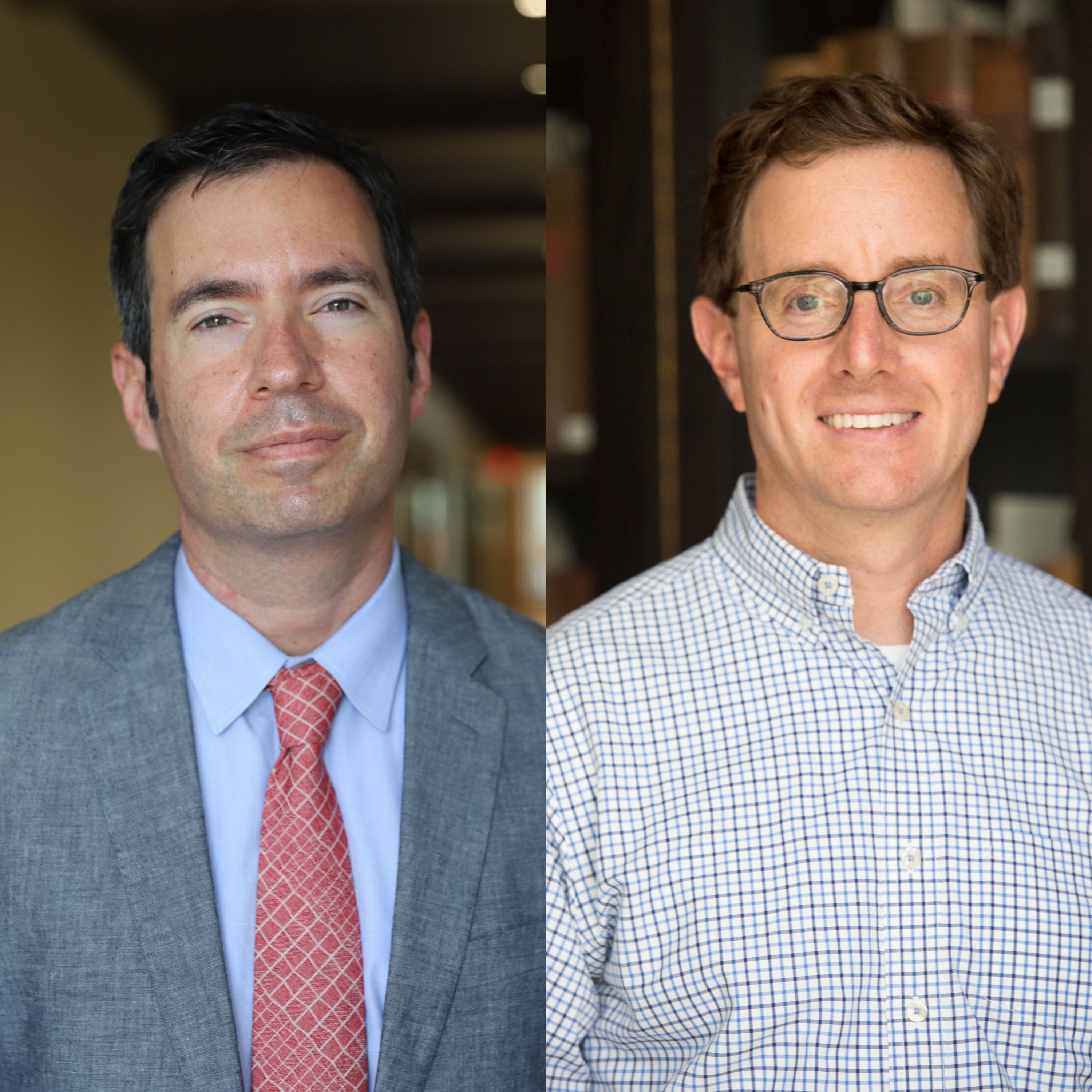
Ep 105Benjamin Means and Douglas Moll: Governance in Closely Held Corporations.
0:00 -- Intro.1:38 -- Start of interview.2:31 -- Benjamin Mean's "origin story." He is a Professor of Law and the John T. Campbell Chair in Business and Professional Ethics at the University of South Carolina School of Law.4:14 -- On family businesses, legal education and the Family and Small Business Program at the University of South Carolina School of Law.5:55 -- Douglas Moll's "origin story." He is the Beirne, Maynard & Parsons, L.L.P. Professor of Law at the University of Houston Law Center. 9:41 -- Most corporations in the US are closely held. [There are 33.2 million small businesses in the US, which account for 99.9% of all US businesses (SBA, 2022). The Small Business Administration (SBA) defines a small business as a firm that has fewer than 500 employees.] [Half of all U.S. employees work for small businesses.] Moll: "Think of business organizations on a spectrum: on one end of the spectrum you have public corporations, on the other end you have a wide range of corporations whose stock is not publicly traded."12:37 -- Definition of a "closely held corporation": "It's a surprisingly not easy to answer question." "The easiest way to define a closely held corporation is to say that it is a corporation whose stock is not traded on a public market." It is typically taught to have three elements: 1) no market, 2) having a small number of shareholders, and 3) most shareholders also participate in management.14:36-- On the classic problem of minority shareholder oppression in closely held corporations. Also referred to "freeze-outs" or "squeeze-outs." "A controlling owner typically makes all the decisions, controls the company, and there is no exit because of a lack of a market." (Oppressive behaviors are sometimes referred to as freeze-out or squeeze-out tactics, all synonyms.) "The classic freeze-out/oppression problem is that the majority denies the minority shareholder of both financial rights and participatory rights."20:55 -- How these problems have been solved ex-ante (contractual arrangements).22:58-- On ex-post solutions (as a matter of equity, common law fiduciary duty protection or statutory oppression protection). "In the US, depending how you count them, there are about 40 states that have a statute that allows a minority shareholder to seek the dissolution of a company or some other less drastic relief such as a buyout on the grounds of oppressive conduct by the directors or those in control." "There are another dozen states (and some allow both) that provide relief to minority shareholders via the rubric of fiduciary duties owed by controlling shareholders."26:46 -- On the jurisprudence on oppressive conduct, particularly since the Donahue v Rodd case, 367 Mass. 578 (Mass. 1975) 328 N.E.2d 505.29:19 -- On the influence of F Hodge O'Neal and his treatise on Oppression of Minority Shareholders (first published in 1961).31:29 -- On the "Reasonable Expectation" approach. "It's now the dominant approach when a court is evaluating a shareholder dispute in closely held corporations." What does "oppressive conduct" mean. 35:39 -- On conflict of interest transactions and related-party transactions. "Most states regulate these transactions, they are not per se illegal, but require more scrutiny. They typically require all material information to be fully disclosed and: 1) approved by disinterested directors, or 2) approved by disinterested shareholders; or 3) they must be fair (to be decided by a judge or jury)."39:58 -- On the lack of independent directors in closely held corporations, and hence lack of deference to the business judgment rule.43:51 -- On litigation in closely held corporations: "Most disputes litigated in jurisdictions (outside of Delaware) involve closely held corporations."46:10 -- On Ben and Doug's latest paper: Against Contractual Formalism in Shareholder Oppression Law, U.C. Davis L. Rev. __ (forthcoming 2023).49:30 -- Other important issues to highlight for directors of closely held corporations. Per Doug Moll: "The business judgment rule might not protect you in all scenarios." "There is a whole specialty around contractual protections in closely held corporations." Per Benjamin Means: "Directors have to think about oppression issues in M&A deals involving closely held corporations."52:40 -- What are the 1-3 books that have greatly influenced your life: Doug:Academic work: Oppression of Minority Shareholders by F.Hodge O'Neal & Thomson Treatise.Non-academic books: Dave Eggers and children's books that he read to his kids (Mr. Happy).Ben: Isaiah Berlin's "Value Pluralism"55:04 -- Who were your mentors, and what did you learn from them?Doug: his colleagues collectively.Ben: Douglas Moll!56:48 -- Are there any quotes you think of often or live your life by? Ben: "Don't ask, don't get" by Judge William B. Traxler, Jr.Doug: "It's either good or it's a good story." 58:14 - An unusual habit or an absurd thing that they love: Ben: daughter singing Gimme! Gimme! Gimme! (A Man After Mi
Ep 104Cynthia Jamison: "In this Downturn Boards Should Focus on Liquidity and Incentive Plans."
0:00 -- Intro.1:09 -- Start of interview.1:37 -- Cindie's "origin story."3:41 -- On her executive career before joining boards.5:31 -- On her turnaround CFO career. Joining Tatum, an executive services firm, and her CFO turnaround/crisis practice. 15:14-- Her transition to public company board service. Her first board role in 2003 with Horizon Organic Holdings (based in Denver, CO). "The CEO wanted a financial expert and a mom in the boardroom." Her second board, also in 2003, was with Tractor Supply. She later joined B&G Foods as it went public (based in New Jersey). She retired from her day job in 2013 and focused on her board career with four boards, including Office Depot, Darden Restaurants and Big Lots.23:34 -- Her experience with high profile activist campaigns led by Jeffrey Smith from Starboard Value in Office Depot (2013) and Darden Restaurants (2014). "Darden is a tremendous success story, and it's really thanks to management [Gene Lee who became CEO, and Rick Cardenas who is the CEO now. They are the ones that made it happen."30:15 -- Her thoughts on how to address the market downturn from the boardroom's perspective. "Boards should look at liquidity (~24 months) and incentive comp plans."34:13 -- Her take on ESG. "I don't know who put E, S, and G together because they are three completely separate areas." "A lot of the political pressure is just a communications challenge." "Any topic du jour [and ESG falls in this category] is a luxury that you can only have when times are good." "When times get tough [like in current market down cycle], the focus is all on the top line and bottom line, anything else is a luxury. So I'm not surprised that people have pushed back against ESG, since they want better results and earnings, giving back to shareholders what they want to be getting." 36:54 -- On the role of corporations in society. "ESG may be really important for society, but is it the company's job or the Government's job? Who should be policing it?" Reference to Milton Friedman's 1970 letter "The Social Responsibility of Business is to Increase its Profits."39:11 -- On boardroom dynamics involving generational shifts (both on boards and C-suite), diversity and post pandemic trends. "The dynamics of human capital have changed." "I personally think that the next big push for board members is going to be human capital experts." 47:25 -- On the evolution, opportunities and challenges of boardroom diversity.55:10 -- The books have greatly influenced her life: she's a big fan of Anna Quindlen and Edith Wharton.55:50 -- Her mentors, and what she learned from them.56:48 -- Quotes she thinks of often or lives her life by: "You're never as good as you think you're are and you're never as bad as you think you are."57:37 -- An unusual habit or an absurd thing that she loves: Orange Theory.58:26 -- The living person she most admires: "The unsung hero."Cynthia Jamison is a public company chair and board member; financial expert and retired turnaround CFO. She currently serves on the boards of Office Depot, Darden Restaurants and Big Lots.__ You can follow Evan on social media at:Twitter: @evanepsteinLinkedIn: https://www.linkedin.com/in/epsteinevan/ Substack: https://evanepstein.substack.com/__You can join as a Patron of the Boardroom Governance Podcast at:Patreon: patreon.com/BoardroomGovernancePod__Music/Soundtrack (found via Free Music Archive): Seeing The Future by Dexter Britain is licensed under a Attribution-Noncommercial-Share Alike 3.0 United States License You can follow Evan on social media at:X: @evanepsteinLinkedIn: https://www.linkedin.com/in/epsteinevan/ Substack: https://evanepstein.substack.com/__To support this podcast you can join as a subscriber of the Boardroom Governance Newsletter at https://evanepstein.substack.com/__Music/Soundtrack (found via Free Music Archive): Seeing The Future by Dexter Britain is licensed under a Attribution-Noncommercial-Share Alike 3.0 United States License

Ep 103Alicia Syrett: "The Chair Should Focus the Agenda Primarily on Strategic Discussions."
0:00 -- Intro.1:18 -- Start of interview.1:53 -- Alicia's "origin story" and her career in finance and search/recruiting industry.4:52 -- Her role founding investment firms. She was the first employee and CAO at Mount Kellett Capital Management and founded Pantegrion Capital, an investment vehicle focused on seed and early stage investments. 7:02 -- Her journey in the corporate board world. She's now the Chair at Digimarc (Nasdaq: DMRC).8:11 -- On the distinctions between private and public boards.12:24 -- On the NY tech scene.17:02 -- On the exodus of finance/tech executives from NY post-pandemic.18:47 -- The origin and mission of the Madam Chair, a collaborative group of 200+ female Chairs and Lead Directors of publicly-traded companies.29:11 -- Some lessons after joining a public company board.33:32 -- Her take on the role of the board in strategy and innovation. "It's absolutely the board's role to ask very smart questions." "Innovation should be baked into a risk review process."37:48 -- Her take on ESG, the anti-ESG backlash and the politicization of corporate governance.43:00 -- On the geopolitical concerns in the boardroom, particularly on "decoupling" or "de-risking" with China.45:32 -- Her thoughts on board education, and staying up to date (for example, with feedly app).47:56 -- The books have greatly influenced her life: the classics from high school (1984, The Bell Jar, A Confederacy of Dunces, The Catcher in the Rye, etc.)49:37 -- Her mentors, and what she learned from them: "It's more of a mindset for me where I see people doing great things and I think wow, how do I do that."51:00 -- Quotes she thinks of often or lives her life by: "This too shall pass." "The best is yet to come."51:42 -- An unusual habit or an absurd thing that she loves: Mac and cheese.52:18 -- The living person she most admires: Volodymyr Zelenskyy.Alicia Syrett currently serves as the Chair of Digimarc (Nasdaq: DMRC) and founded the Madam Chair group, an organization with 200+ female Chairs and Lead Directors of publicly traded companies. __ You can follow Alicia on social media at:Twitter: @AliciaSyrettLinkedIn: https://www.linkedin.com/in/aliciasyrett/Madam Chair: www.madam-chair.com__ You can follow Evan on social media at:Twitter: @evanepsteinLinkedIn: https://www.linkedin.com/in/epsteinevan/ Substack: https://evanepstein.substack.com/__You can join as a Patron of the Boardroom Governance Podcast at:Patreon: patreon.com/BoardroomGovernancePod__Music/Soundtrack (found via Free Music Archive): Seeing The Future by Dexter Britain is licensed under a Attribution-Noncommercial-Share Alike 3.0 United States License You can follow Evan on social media at:X: @evanepsteinLinkedIn: https://www.linkedin.com/in/epsteinevan/ Substack: https://evanepstein.substack.com/__To support this podcast you can join as a subscriber of the Boardroom Governance Newsletter at https://evanepstein.substack.com/__Music/Soundtrack (found via Free Music Archive): Seeing The Future by Dexter Britain is licensed under a Attribution-Noncommercial-Share Alike 3.0 United States License

Ep 102HBO’s Succession “The Dumpster Fire Pirate Death Ship” (Season 2)
0:00 -- Intro. *Note: you can check out our analysis of Succession's first season in E98 of this podcast (published on May 22nd, 2023).1:43 -- Start of interview.4:03 -- Governance challenges to family-owned companies.5:50 -- On Kendall's car accident and legal implications. Issues of corporate wellness, mental issues and drug-use. *Story on Tyson Foods' CFO.10:55 -- Waystar’s response to “bear hug” offer from Maysberry. “I saw their plan, but my father's was better.” On disclosure process and vetting of public statements.17:34-- Impact of explosion of Waystar rocket in Japan (after Roman rushed the launch).18:45-- On Shiv's prospects as CEO of Waystar.20:13 -- On the role of the board in the "bear hug," conflicts of interests, and lack of an independent committee of the board.21:25 -- The Pierce acquisition to block Sandy and Stewy. On the role of third-party advisors (investment banks) and the Jamie Laird character.27:46 -- On sovereign wealth funds looking to control the news through ATN. On the character of Mark Ravenhead.33:10 -- The Vaulter shutdown and question on unions.41:04 -- Revelation of cruise line issues (press report) lead to loss of business opportunities (Pierce, etc.) and loss of key employees (Rhea’s departure). The accounting whistleblower. Rhea, worrying that she’s agreed to be CEO of a “dumpster fire pirate death ship” says, “Either they did know, which is terrible, or they didn’t know, which is an unconscionable lack of control.” (Caremark standard) 47:17 -- The Congressional hearing. How should CEOs and/or management prepare for congressional hearings? "This is not a court house, it's a stage." "Testifying in Congress is much more similar to being on a Sunday morning news show." "The clock is your friend here." "In circumstances like that, sometimes the best answers are yes, no, or I don't recall - as opposed to speechifying about something."54:35 -- The questionable decision of having a general counsel testify in Congress. On waivers of attorney-client privilege.1:00:26 -- The "blood sacrifice" offered by Waystar Royco after the Congressional hearing. Caremark standard and the fallacy of "what you don't know can't hurt you" (willful blindness). The NRPI ("No Real Person Involved") notations in shadow logs.1:09:26 -- Cultural and reputational issues and the way the show connects them to shareholder value. Culture of fear and bullying. Sexual harassment and improper behavior.Kate O'Leary is the Global Executive Litigation Counsel at General Electric Company.__ You can follow Evan on social media at:Twitter: @evanepsteinLinkedIn: https://www.linkedin.com/in/epsteinevan/ Substack: https://evanepstein.substack.com/__Music/Soundtrack (found via Free Music Archive): Seeing The Future by Dexter Britain is licensed under a Attribution-Noncommercial-Share Alike 3.0 United States License You can follow Evan on social media at:X: @evanepsteinLinkedIn: https://www.linkedin.com/in/epsteinevan/ Substack: https://evanepstein.substack.com/__To support this podcast you can join as a subscriber of the Boardroom Governance Newsletter at https://evanepstein.substack.com/__Music/Soundtrack (found via Free Music Archive): Seeing The Future by Dexter Britain is licensed under a Attribution-Noncommercial-Share Alike 3.0 United States License

Ep 101Georgia Stewart: On Stewardship, Pass-Through Voting and Shareholder Democracy.
0:00 -- Intro.1:16 -- Start of interview.1:55 -- Georgia's "origin story". 2:42 -- The founding story of her company Tumelo.5:37 -- On their differentiation with the divestment movement. Referenced: ShareAction, AMNT.8:01-- On her role as a member of Aviva's Independent Governance Committee.10:15 -- On the rise of institutional investors and their impact on corporate governance, along with concentration of power. Reference to E89 with Jan Van Eck: "Some Index Fund Companies Have Become Too Large To Be Left Unchecked."16:54 -- On large asset managers passing-through voting power to beneficial owners (ie. BlackRock's Voting Choice). The opt-in model.23:15 -- The contrast of ESG vs anti-ESG trends in the US and the UK. Reference to Vivek Ramaswamy (founder of Strive Asset Management) and Konstantin Kisin (UK-based commentator, anti-woke positions).26:44 -- On the influence of the UK Stewardship Code.30:34 -- On the role of proxy advisors (ie ISS and Glass Lewis) in proxy voting. "I think more diversification in that space is going to be important and inevitable (and technology will help with that)."37:14 -- On the rise of retail investing post-pandemic and the impact of voting technologies. "The future of retail investor voting is all about the experience on the platform." Reference to Robinhood's acquisition of Say ($140m).42:13 -- Issuers and directors will need to think about the new paradigm of investor communications.43:33 -- The books that have greatly influenced her life: Chimamanda Ngozi Adichie books. "They changed and improved the way I think about race."44:21 -- Her mentors, and what she learned from them: Her dad.45:27 -- Quotes she thinks of often or lives her life by: "You only live once, but if you do it right, once is enough." (Mae West).45:46 -- An unusual habit or an absurd thing that she loves: Foraging. 46:45 -- The living person she most admires: Paula Radcliffe.Georgia Stewart is the CEO and co-founder of Tumelo, a UK based fintech company seeking to change the landscape of stewardship and investor voting. __ You can follow Georgia on social media at:Twitter: @IAmGeorgiaSLinkedIn: https://www.linkedin.com/in/georgia-stewart-861697107/Tumelo: www.tumelo.com__ You can follow Evan on social media at:Twitter: @evanepsteinLinkedIn: https://www.linkedin.com/in/epsteinevan/ Substack: https://evanepstein.substack.com/__You can join as a Patron of the Boardroom Governance Podcast at:Patreon: patreon.com/BoardroomGovernancePod__Music/Soundtrack (found via Free Music Archive): Seeing The Future by Dexter Britain is licensed under a Attribution-Noncommercial-Share Alike 3.0 United States License You can follow Evan on social media at:X: @evanepsteinLinkedIn: https://www.linkedin.com/in/epsteinevan/ Substack: https://evanepstein.substack.com/__To support this podcast you can join as a subscriber of the Boardroom Governance Newsletter at https://evanepstein.substack.com/__Music/Soundtrack (found via Free Music Archive): Seeing The Future by Dexter Britain is licensed under a Attribution-Noncommercial-Share Alike 3.0 United States License
Ep 100Leo E. Strine, Jr.: Good Corporate Citizenship We Can All Get Behind?
0:00 -- Intro.3:45 -- Start of interview.5:09 -- Leo's "origin story". His focus on public service, and work for then Delaware Governor (now U.S. Senator) Tom Carper.9:41 -- On his time at Skadden's Wilmington office.11:52 -- On his time at the Delaware Court of Chancery and as Chief Justice of the Delaware Supreme Court. 15:32-- His views on the evolution (and strengths) of the Delaware Court of Chancery. Its symbiosis with the SEC. "The courts in Delaware are not infected by partisanship." "Our brand is everything." "Delaware is not a tax haven."24:40 -- On companies leaving Delaware or the US (via inversions). "We do not impede the flow of capital."28:34 -- Why he wrote his new paper "Good Corporate Citizenship We Can All Get Behind?: Toward A Principled, Non-Ideological Approach To Making Money The Right Way." (December 7, 2022). 78 Bus. Law. 329 (2023), "The old word for ESG was CSR, this is not a new debate." "ESG is a proxy for good corporate citizenship, it's about making money the right way."38:28 -- His proposed Model of Good, Non-Ideological Corporate Citizenship. "Make money without making harm". Reference to paper "Companies Should Maximize Shareholder Welfare Not Market Value" by Hart & Zingales. 44:49 -- On corporate political spending. "Corporate law has often policed conflict transactions." The role of the board in this process. The function of independent directors. Jack Bogle: "Institutional investors should insist that the proxy statement of each company in which they invest contain the following: Resolved: That the corporation shall make no political contributions without the approval of the holders of at least 75 percent of its shares outstanding.” "Citizens United is sort of a white whale of mine." "I would like to see Profs Lucian Bebchuk, Rob Jackson and Frank Partnoy push shareholder proposals to curb corporate political spending."58:16 -- On institutional investors' role (and challenges) in corporate governance. "I don't like the fact that [large asset managers] may be trying to escape their responsibility by passing through the voting." "With power should come responsibility."1:08:27 -- The complexity of climate change discourse: "actuaries and scientists agree on this problem." "Thanksgiving dinner behavior needs to be where we are on the business community."1:12:03 -- The books that have greatly influenced his life: Down and Out in Paris and London, by George Orwell (1933)Road to Wigan Pier, by George Orwell (1937)Simple books that his parents gave him when he was a child.1:14:30 -- His mentors, and what he learned from them: The two judges that he clerked for, Rod Ward (founder and longtime leader of Skadden's Wilmington office), Senator Tom Carper, his colleagues at the Delaware Chancery Court, Marty Lipton, Bob Clark and Michael Wachter, his wife.1:18:30 -- Quotes he thinks of often or lives his life by: "Clown time is over." (Elvis Costello). "Be yourself, unless of course you are an asshole, in which case be someone else."1:20:23 -- An unusual habit or an absurd thing that he loves: Lyrics. "I have stuck in my head pretty much every pop song of the 1970s" ("life is stuck in two decades: for me, it's the 1970s and the 1990s"). 1:23:13 -- The living person he most admires: the people who do the hardest jobs with no public glory. Leo E Strine, Jr. is Of Counsel in the Corporate Department at Wachtell, Lipton, Rosen & Katz. Prior to joining the firm, he was the Chief Justice of the Delaware Supreme Court from early 2014 through late 2019. Before becoming the Chief Justice, he served on the Delaware Court of Chancery as Chancellor since June 22, 2011, and as a Vice Chancellor since November 9, 1998.__ You can follow Evan on social media at:Twitter: @evanepsteinLinkedIn: https://www.linkedin.com/in/epsteinevan/ Substack: https://evanepstein.substack.com/__You can join as a Patron of the Podcast at:Patreon: patreon.com/BoardroomGovernancePod__Music/Soundtrack (found via Free Music Archive): Seeing The Future by Dexter Britain is licensed under a Attribution-Noncommercial-Share Alike 3.0 United States License You can follow Evan on social media at:X: @evanepsteinLinkedIn: https://www.linkedin.com/in/epsteinevan/ Substack: https://evanepstein.substack.com/__To support this podcast you can join as a subscriber of the Boardroom Governance Newsletter at https://evanepstein.substack.com/__Music/Soundtrack (found via Free Music Archive): Seeing The Future by Dexter Britain is licensed under a Attribution-Noncommercial-Share Alike 3.0 United States License
Ep 99Barrett Cohn: "Companies Now Stay Private Long."
0:00 -- Intro.1:30 -- Start of interview.2:12 -- Barrett's "origin story".6:11 -- His start in finance. First in Stone & Youngberg then in Lehman Brothers in SF. His first secondary market transactions in private company stock (Facebook) in 2007.8:54-- His experience working at SVB (internship with wine finance team) and Lehman Brothers (business development).12:10 -- The early days of secondary market transactions for private company stock with SecondMarket, later acquired by Nasdaq in 2015 (now Nasdaq Private Market).14:25 -- His entrepreneurial stint as CEO of Juno Company, a children's educational media company.15:56 -- His VC stint as an advisor with Maveron.17:20 -- On the founding of his firm Scenic Advisement in 2013.18:12 -- History of investment banks in SF helping founders to get liquidity (the Four Horsemen of Silicon Valley’s financial community: Alex.Brown, Hambrecht & Quist, Robertson Stephens & Co. and Montgomery Securities underwrote a large number of IPO offerings, both before and during the dotcom boom.)20:36 -- The ethos and vision behind Scenic Advisement. "The opportunity was to build a bank that really was the standard bearer, establishing best practices so that [institutional investors] had a counter-party or a middleman who could speak their language and conversely, the people building great companies had a partner who they could trust, because that partner had empathy: they were ex founders, ex VCs or from the community, not some transactional banker who lives 3,000 miles away and knows nothing of the company but knows that there is a big fee to be had and a league table to be on." "Our plan was to drive hard empathy."24:17 -- On the current state of private markets. "It's been a boom marked by irrational exuberance, and then a correction, as markets do." "But I can tell you, and I do so with great thanks, that the market is thawing and we are starting to see investors come back." "I could have taken all of 2022 off, and from a stress perspective, it would have probably been beneficial, but I just didn't have a crystal ball."27:42 -- On the regulation of unicorns and private markets generally. Going dark speech by SEC Commissioner Lee (Oct 2021).33:08 -- On the Stay Private for Longer ("SPL") advice in Silicon Valley ["The worst advice" per Gurley and Rabois]. "Companies now stay private long. That's it. This is not a trend, it is a market reality at this point." "It's also totally business dependent."37:52 -- The opportunities and challenges for founders, investors and employees in private markets. "The Sequoia move to an evergreen fund structure is a brilliant idea." "The Stripe multi-billion financing was the company being really proactive to options expiry, to ensure that the most important asset at Stripe, the people, are made whole or don't loose the benefit of the bargain (that would be awful for everyone and for morale)." "We are going to see more and more of that." 39:39 -- How companies treat employees vs ex-employees on stock options: "It varies from company to company and from founder to founder. My advice typically is to be egalitarian."41:21 -- On regional differences in tech ecosystems in the US.43:47 -- The impact of the collapse of SVB and First Republic in the SF/Bay Area tech ecosytem. "I believe in diversification. I believe in selling early and often. I want to implore founders and investors to take chips off the table when you can, because you can't always and things go away. People forget that."47:40 -- Thoughts on crypto and digital assets market.49:17 -- Thoughts on Artificial Intelligence (AI) market. "It's the next major wave. Unlike crypto and digital assets, this is not a fad."51:05 -- The books that have greatly influenced his life: Everything by Philip Roth.Exodus, by Leon Uris (1958)Everything is Illuminated, by Jonathan Safran Foer (2002)51:38 -- His mentors, and what he learned from them: the most impactful mentor for him has been his mother.52:58 -- Quotes he thinks of often or lives his life by: "Have hard conversations early and often." "Empathy is a very important tool even when delivering difficult messages."53:25 -- An unusual habit or an absurd thing that he loves: sneaker collection and tequila ("it's like love in a bottle").58:14 -- The person he most admires: entrepreneurs.Barrett Cohn is the CEO and co-founder of Scenic Advisement, a San Francisco based investment bank specializing in servicing the liquidity needs of high growth, late-stage technology companies, their investors, and founders. __ You can follow Evan on social media at:Twitter: @evanepsteinLinkedIn: https://www.linkedin.com/in/epsteinevan/ Substack: https://evanepstein.substack.com/__Music/Soundtrack (found via Free Music Archive): Seeing The Future by Dexter Britain is licensed under a Attribution-Noncommercial-Share Alike 3.0 United States License You can follow Evan on social media at:X: @evanepsteinLinkedIn: https://www.linkedin.com/in/epsteinevan/ Substack: https
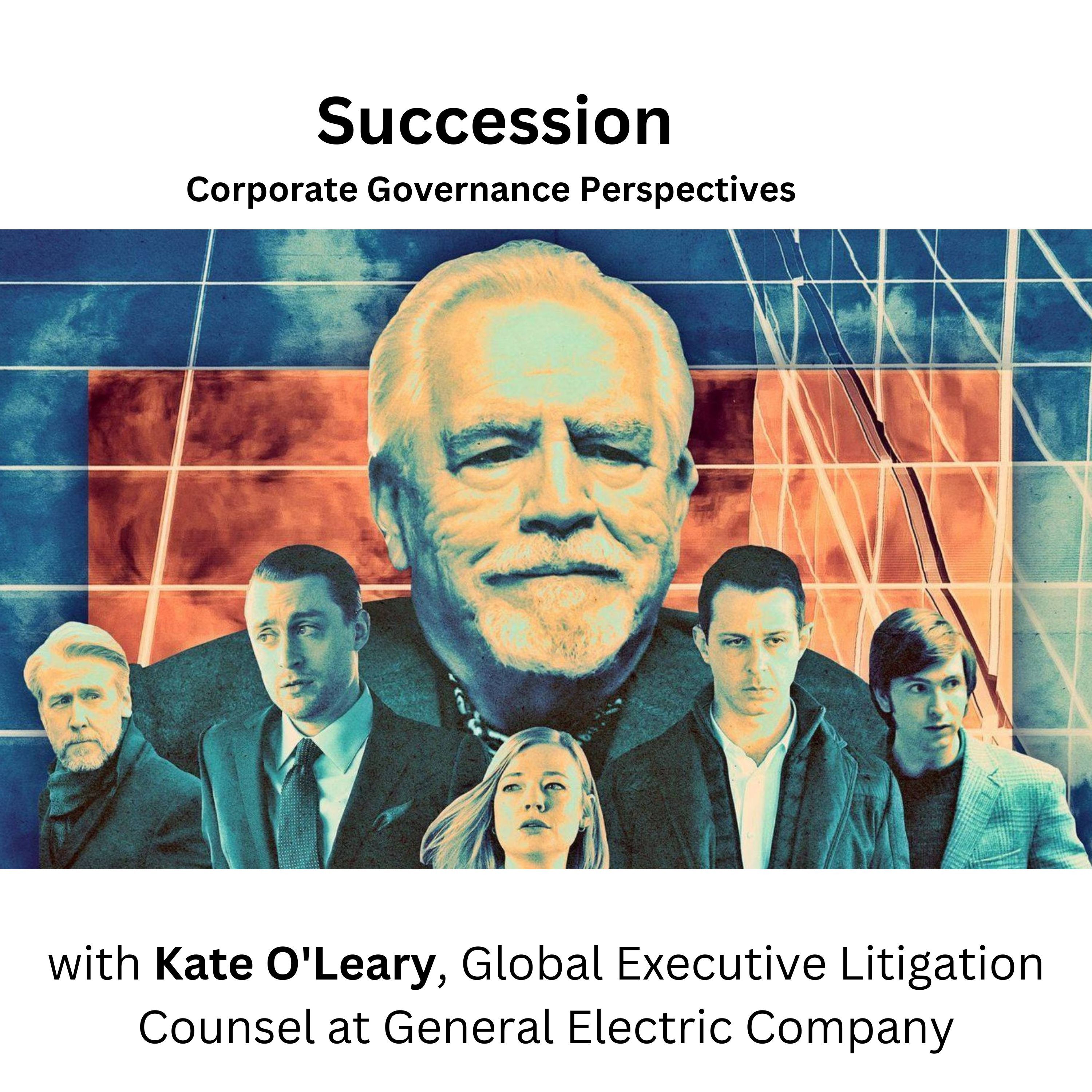
Ep 98Kate O'Leary: HBO's Succession from the Perspective of an Experienced In-House Lawyer (Season 1).
0:00 -- Intro.1:38 -- Start of interview.3:23 -- Kate's origin story and her professional background.4:54 -- About the ESG & Law Institute led by David Curran from Paul Weiss (Kate serves as an advisory board member).7:08 -- Premise of HBO's Succession show. "It's a show about power dynamics. But it's also a show about governance, and how power is or not constrained in the corporate world, the political world and within a family." "It is also a show about governance, which should operate as a constraint on abuse of power, if it’s working effectively." "The show does a very good job in linking governance with shareholder value."10:30 -- The role of the board in CEO succession. Two issues: 1) Who should take over, 2) What's the proper timing. Also, how to handle health matters of current CEOs.15:24-- The role of the family (Trust) in governance matters of Roystar RoyCo.20:43-- The “Death Pit”. How should employees and officers react when they learn about serious misconduct? What internal controls are missing at Waystar Royco that would have potentially led to a different outcome? What are potential consequences of covering up past serious misconduct? The role of compliance and reporting channels in corporations. Caremark doctrine in Delaware ("once you know something, you have to act"). "The sin cake eater" advice. The SEC whistleblower program.27:51 -- On proper disclosure controls, and open reporting. Internal investigations. Ineffective training.30:56 -- On "disclosure committees" of material non-public information (link to the board's Audit Committee). Multi-functional committees (legal, finance, communications, IR, etc.) Theme throughout Succession (the show): "How do you make responsible decisions in the face of imperfect information?" "This show is like a giant final exam on governance."36:25 -- On the interaction between Legal, Finance, Communications, IR and PR. "Effective governance comes down to people, processes and policies: you need to have the right people in the room, an appropriate process for them to come together and make a decision, and policies that guide that decision making."39:18 -- On the role of the general counsel (played by character Gerri Kellman in the show). "Gerri is secret keeper for Logan, rather than gatekeeper as expected by SEC/DOJ. She helps to cover secret loan not authorized by Board, as well as “death pit” issues on cruise ships – counsels Tom to keep quiet." "She's such a compromised character. She's not effective at all."45:41 -- The deal with private equity (activist?) “friend” of Kendall, Stewy Hosseini (including board seats). "Kendall's big downfall is that he tries to be the same type of leader as his father [and he's also just not as good, he's not Logan]." The conflict of interests.50:31 -- The Vaulter acquisition (and Lawrence joining the board of Roystar RoyCo.). "There was no process around it." "The board would traditionally look at the deal strategically and in terms of price (ie. is this the right acquisition target; what are some of the other companies in this space; is this the right strategy; why this now, does it fit with where the company is going; what is the company like, etc.)54:31 -- Board vote on no-confidence motion against Chairman & CEO Logan Roy. What is appropriate process for this type of Board action against a CEO? "The corporate governance aspect that really stands out here is the lack of appropriate board process." How should the Board and GC have reacted Kendall’s request for a delay and Logan’s refusal to recuse himself? How else could/should situation have been handled? What special procedures might be appropriate given impact of family relationships on governance issues? How are these family relationships analogous to other kinds of relationships in corporations? What does this suggest to in terms of importance of robust procedures and controls? 1:01:00-- Other thoughts for directors from Season 1 of Succession:Litigation risks from M&A. Leadership.Company Culture.Government and Regulatory matters. Corporate Purpose and ESG (and political interplay).Kate O'Leary is the Global Executive Litigation Counsel at General Electric Company.__ You can follow Evan on social media at:Twitter: @evanepsteinLinkedIn: https://www.linkedin.com/in/epsteinevan/ Substack: https://evanepstein.substack.com/__Music/Soundtrack (found via Free Music Archive): Seeing The Future by Dexter Britain is licensed under a Attribution-Noncommercial-Share Alike 3.0 United States License You can follow Evan on social media at:X: @evanepsteinLinkedIn: https://www.linkedin.com/in/epsteinevan/ Substack: https://evanepstein.substack.com/__To support this podcast you can join as a subscriber of the Boardroom Governance Newsletter at https://evanepstein.substack.com/__Music/Soundtrack (found via Free Music Archive): Seeing The Future by Dexter Britain is licensed under a Attribution-Noncommercial-Share Alike 3.0 United States License

Ep 97Dan Siciliano: The Banking Crisis and Governance Implications.
0:00 -- Intro.1:41 -- Start of interview.2:58 -- On current market conditions. Impact of interest rate hikes by the Federal Reserve, particularly on banks.3:35 -- The gap between news coverage, what people think is happening and what actually is happening on the ground. The example of First Republic.15:37-- How 'bank runs' have changed. The Meme Run. "A meme is a first impression decision-making instrument."18:43 -- The media/general confusion over regulatory/supervisory agencies overseeing banks. FDIC and the Federal Reserve.20:50 -- On the Federal Reserve's Report on SVB (April 28, 2023). "Capital buffers are a universal antibiotic for all of these problems [but they are costly and represent a trade-off]." The role of the board in considering risks.32:48-- Should risk-management experts for risk-management committees of bank board be mandated? "Sometimes engaged, informed and thoughtful (but non-expert) directors ask the best questions."40:25 -- On executive compensation and incentives of bank executives (in light of the SVB Report). "The lack of a clawback (in this case) for a risk management failure is amiss."45:56 -- On whether short sellers in banks should be curtailed in these market conditions. 52:04 -- On the fate (and crisis) of regional banks. "Regional banks are the heart and soul of the American banking system." "I don't think that it's a good thing that big banks get any bigger." 57:34 -- On JP Morgan's acquisition of First Republic.1:00:24 -- How Silicon Valley will be impacted with the loss of SVB and First Republic. The "Industry Vertical Contagion": failure of banks that serve particular industries. "I don't think there is enough appreciation yet on how catastrophic it would have been to let depositors in the tech industry get wiped out or receive significant hair cuts [on SVB's failure]." "I'm glad that the Fed did the call that they did."1:07:59 -- Banking alternatives given low interest rates paid by banks to depositors. "It's an existential question for the entire industry." "Central bank digital currencies will really move the needle." [The Brazilian Central Bank created Pix, the Brazilian IP scheme that enables its users — people, companies and governmental entities — to send or receive payment transfers in few seconds at any time, including non-business days.]1:13:26 -- The future impact of U.S. fiscal policy and the national debt as it has surpassed $31 trillion (US Debt Ratio to GDP is currently at ~120%)Dan Siciliano is the Vice-Chair of the Federal Home Loan Bank of San Francisco, the Chair of the Silicon Valley Directors’ Exchange and the co-founder and CEO of Nikkl, a company that provides capital to unicorn employees.__ You can follow Evan on social media at:Twitter: @evanepsteinLinkedIn: https://www.linkedin.com/in/epsteinevan/ Substack: https://evanepstein.substack.com/__Music/Soundtrack (found via Free Music Archive): Seeing The Future by Dexter Britain is licensed under a Attribution-Noncommercial-Share Alike 3.0 United States License You can follow Evan on social media at:X: @evanepsteinLinkedIn: https://www.linkedin.com/in/epsteinevan/ Substack: https://evanepstein.substack.com/__To support this podcast you can join as a subscriber of the Boardroom Governance Newsletter at https://evanepstein.substack.com/__Music/Soundtrack (found via Free Music Archive): Seeing The Future by Dexter Britain is licensed under a Attribution-Noncommercial-Share Alike 3.0 United States License

Ep 96Bethany Mayer: On Cybersecurity Governance, Risk and Strategy.
0:00 -- Intro.1:35 -- Start of interview.2:15 -- Bethany's "origin story".3:35 -- Her experience working at Lockheed Martin.5:55-- Her transition to Apple Computer, Cisco, startups in networking technologies and Blue Coat.8:17 -- Her time at HP, where ended running the Networking division.8:55 -- Her role as CEO of Ixia (later sold to Keysight Technologies for $1.6bn in 2017)10:17 -- On her board journey. Her first public company experience with Ixia, under the mentorship of Chairman Errol Ginsberg.11:07 -- Her experience serving on the board of Sempra Energy and as an Executive Advisor with Siris Capital (a PE firm). Her board positions with Box, Marvell Semiconductor and Lam Research.13:38 -- On her decision to complete a Masters Program in Cybersecurity Risk and Strategy from NYU: "to be a good board member in this area [in addition to technical issues] you need to understand issues related to technology, law, regulation and governance."17:09 -- The current cybersecurity landscape from the board's perspective. "Over the last ~10+ years, the incidence, frequency, sophistication and damage of cybersecurity breaches has continued to significantly escalate." "For companies, it has been very costly (examples: Equifax, Target, Home Depot, Colonial Pipelines, Solar Winds, etc.)" "The attacks will continue and they are getting easier to do, ie. ransonware as-service-attack." "This is only going to get worse." "Nation states are also involved, and it's very hard to keep up."21:15 -- Where does cybersecurity fit in board committees? Audit committees vs special cybersecurity committees and full board discussions.25:05 -- On cybersecurity experts on boards. "It's important to have someone on your board who has a reasonable technical understanding of what the CISO and/or CIO is talking about re cybersecurity (ability to translate technical discussion to board level discussion.)" It's different to raw technology expertise. "Why wouldn't you have someone in the room with cybersecurity expertise (when the cybersecurity risk is so high)?"28:39 -- On cybersecurity challenges going forward. 1) Nation-state risks (ie Russia, China, North Korea, Iran), 2) AI risks (ie. using certain automated AI-based coding could insert malicious code into software source-code).34:30 -- On staying updated on the latest cybersecurity threats. Recommended experts: Bob Zukis from the Digital Directors Network (he was guest speaker on my E81 of the Boardroom Governance Podcast) and Ed Amoroso with Tag Cyber / NYU. You should also pay attention to the Cybersecurity & Infrastructure Security Agency (CISA). *Other sources:The Cipher BriefCyber Initiatives GroupHarvard Business Review ("a lot of good articles on cyber governance")The Cyberwire37:41 -- On the enhanced duties of directors in the market downcycle. "Innovation will continue despite the economic crisis." "The pendulum swings back and forth, and there will be a recovery."42:28 -- On the increasing geopolitical risks with China and how boards should approach this "decoupling" or "de-risking". "As a board member, this is a risk issue and it has to be managed and mitigated."47:56 -- The books that have greatly influenced her life: A Tree Grows in Brooklyn, by Betty Smith (1943)Let My People Go Surfing, by Yvon Chouinard (2006)The Outsiders, by William N. Thorndike Jr. (2012)51:04 -- Her mentors, and what she learned from them. Her FatherJudy Estrin (a networking technology pioneer and Silicon Valley leader)54:55 -- Quotes she thinks of often or lives his life by: "The best way out is always through." (Robert Frost)56:20 -- An unusual habit or an absurd thing that she loves: Bird watching (influenced by her husband).58:14 -- The person she most admires: Ruth Bader Ginsburg.Bethany Mayer is a Silicon Valley-based corporate director with 30 years of experience in general management, marketing, product development and operations. She previously held executive roles at HP, Cisco, Blue Coat, Apple, and start-ups. Bethany has served on several public and private company boards, including at Ixia, Pulse Secure and Marvell Semiconductor. She currently serves as the Chair of the Board of Box, and is a director at Sempra Energy, Ambri and Lam Research.__ You can follow Evan on social media at:Twitter: @evanepsteinLinkedIn: https://www.linkedin.com/in/epsteinevan/ Substack: https://evanepstein.substack.com/__Music/Soundtrack (found via Free Music Archive): Seeing The Future by Dexter Britain is licensed under a Attribution-Noncommercial-Share Alike 3.0 United States License You can follow Evan on social media at:X: @evanepsteinLinkedIn: https://www.linkedin.com/in/epsteinevan/ Substack: https://evanepstein.substack.com/__To support this podcast you can join as a subscriber of the Boardroom Governance Newsletter at https://evanepstein.substack.com/__Music/Soundtrack (found via Free Music Archive): Seeing The Future by Dexter Britain is licensed under a Attribution-Noncommercial-Share Alike 3.0 Unit
Ep 95Karen Francis: "An Effective Lead Director Needs to Have Excellent EQ (Emotional Quotient)."
0:00 -- Intro.2:00 -- Start of interview.2:28 -- Karen's "origin story".3:24 -- Her management career at Procter & Gamble, Bain & Co (focusing on property and casualty insurance), Berol, GM, ICG and Ford (where she led the Corporate Venture Capital Group).11:12 -- Her transition to SF/Bay Area and tech as CEO of Publicis & Hal Riney and AcademixDirect.13:23 -- Distinctions between operating in startups and public companies.14:20 -- On her board journey:Past board positions: portfolio companies from Ford's Corporate Venture Capital Group, Hanover Insurance (NYSE), AutoNation (NYSE), Circle Graphics, Telenav (ex Nasdaq), Dynamic Signal, and Renivent TechPartners Y (SPAC on Nasdaq).Current Board positions: Nauto, Metawave, Wind River, TPG Global (*Sr Advisor), CelLink (Chair), Vontier (Chair)(NYSE) and Polestar (Nasdaq).16:57 -- On distinctions between PE-backed and VC-backed company boards (and the role of independent directors in each).21:00 -- On serving as a director of a SPAC company (and distinctions between SPAC companies and the resulting public company from de-SPAC transactions. She's served on both capacities: with Reid Hoffman's Renivent TechPartners Y and Polestar (joining after it went public via a de-SPAC transaction).24:34 -- On serving in international company boards.30:50 -- The challenges and opportunities of the automotive industry's transition to EV. The impact of Tesla and Government incentives.36:02 -- On the role of Chair and/or lead independent directors. "Fundamentally, the Chair or Lead Independent Director is the CEO's Person."39:19 -- On the separation of the Chair and CEO roles. 41:47 -- Her advice on board evaluations.45:50-- Her take on ESG and the anti-ESG backlash. "The #1 target audience for this work is the employee base." "In today's world, talent is one of the most important and scarce assets that a company has, and any shareholder should care if the company is retaining talent."51:49 -- The books that have greatly influenced her life: The Rise and Fall of Great Powers, by Paul Kennedy (1987)Her Economics and French books in college.52:57 -- Her mentors, and what she learned from them. John Smale, former CEO of P&G and Chair of GM.Shelly Zimbler, former head of sales at P&G.53:56 -- Quotes she thinks of often or lives his life by: "Life is short."54:58 -- An unusual habit or an absurd thing that he loves: wine making. She owns a winery, Limerick Lane Cellars, in Healdsburg, California.56:42 -- On the impact of the collapse of SVB in the wine and tech industry.59:39 -- The living person she most admires: Oprah Winfrey.Karen C. Francis is a Silicon Valley based corporate director with a strong track record of successfully building companies and businesses across multiple industries. Karen has deep domain knowledge in the automotive and advertising sectors and has embraced the opportunities that technology disruption is creating globally.__ You can follow Evan on social media at:Twitter: @evanepsteinLinkedIn: https://www.linkedin.com/in/epsteinevan/ Substack: https://evanepstein.substack.com/__Music/Soundtrack (found via Free Music Archive): Seeing The Future by Dexter Britain is licensed under a Attribution-Noncommercial-Share Alike 3.0 United States License You can follow Evan on social media at:X: @evanepsteinLinkedIn: https://www.linkedin.com/in/epsteinevan/ Substack: https://evanepstein.substack.com/__To support this podcast you can join as a subscriber of the Boardroom Governance Newsletter at https://evanepstein.substack.com/__Music/Soundtrack (found via Free Music Archive): Seeing The Future by Dexter Britain is licensed under a Attribution-Noncommercial-Share Alike 3.0 United States License
Ep 94Alan Jagolinzer: "Having a Holistic Approach to Information is Critical."
0:00 -- Intro.1:35 -- Start of interview.2:05 -- Alan's "origin story".2:43 -- On his background as a U.S. Air Force pilot.4:42 -- On the evolution of his academic career, including at and Stanford GSB and U. of Colorado Boulder.7:01 -- On his Professorship at Cambridge Judge Business School and his role as Co-Director of the Centre for Financial Reporting and Accountability.9:16 -- About the Cambridge Disinformation Summit, on July 27-28, 2023. "I would characterize fraud and greenwashing as disinformation." The difference between disinformation and misinformation.14:49-- His research on fraud is based mostly on public markets (because public market data is more available than private market data).18:18 -- On ESG, anti-ESG and (the accounting and auditing of) greenwashing. On creation of the Cambridge Executive Master of Accounting to focus on some of these emerging matters.24:36 -- Challenges of ESG Ratings. "Despite the fact that it is challenging to measure, I think it's still worth engaging in it."30:24 -- On the SVB collapse, and its accounting/financial reporting issues.37:03 -- On geopolitics, the "uncoupling"/"re-balancing" of US/EU and China and the broader geopolitical landscape. "This is the highest geopolitical risk environment that I've ever lived through." 39:00 -- On microtargeting, and research by his colleague David Stillwell, the director of the Cambridge Psychometrics Centre.40:25 -- On the challenges with TikTok.42:12 -- On the disinformation challenges of Artificial Intelligence (AI).44:35 -- On the SEC amendments to modernize Rule 10b5-1 insider trading plans and related disclosures.47:58 -- Final take-aways for corporate directors: "You need to be paying attention to the information environment, more than just PR." "Your company is a both a political actor and a political target." "Having a Holistic Approach to Information is Critical."50:03 -- The (recent) books that have greatly influenced his life: Power, by Jeffrey Pfeffer (2010)Corruptible, by Brian Klaas (2021)Foolproof, by Sander Van Der Linden (2023)52:19 -- His mentors, and what he learned from them. Annette Beatty, Professor Fisher College of Business at Ohio State University.Joe Olenoski and Peggy Carnahan, (USAF retired)Greg Russo, USAF Captain during his pilot training.54:00 -- Quotes he thinks of often or lives his life by: "The Absence of Negative is Positive." 54:50-- An unusual habit or an absurd thing that he loves: he has watched every single episode of The Bachelor and Survivor franchises (including Australian Survivor). "It's a huge social manipulation game."56:12 -- The living person he most admires: "I sadly don't have an answer. I am waiting for some personality to start building community again."Alan Jagolinzer is a Professor of Financial Accounting and the Co-Director of the Centre for Financial Accounting and Accountability at Cambridge's Judge Business School. His research interests include insider trading, financial reporting, corporate governance, and executive compensation and incentives.__ You can follow Alan on social media at:Twitter: @jagolinzerLinkedIn: https://www.linkedin.com/in/jagolinzer/__ You can follow Evan on social media at:Twitter: @evanepsteinLinkedIn: https://www.linkedin.com/in/epsteinevan/ Substack: https://evanepstein.substack.com/__Music/Soundtrack (found via Free Music Archive): Seeing The Future by Dexter Britain is licensed under a Attribution-Noncommercial-Share Alike 3.0 United States License You can follow Evan on social media at:X: @evanepsteinLinkedIn: https://www.linkedin.com/in/epsteinevan/ Substack: https://evanepstein.substack.com/__To support this podcast you can join as a subscriber of the Boardroom Governance Newsletter at https://evanepstein.substack.com/__Music/Soundtrack (found via Free Music Archive): Seeing The Future by Dexter Britain is licensed under a Attribution-Noncommercial-Share Alike 3.0 United States License
Ep 93Penny Herscher: "The Chair of the Board has to Exercise Leadership by Listening rather than by Speaking."
E0:00 -- Intro.1:35 -- Start of interview.2:05 -- Penny's "origin story".3:38 -- Her experience as CEO of Simplex including its IPO (2001) and later sale (2002).6:32 -- Her experience as CEO of FirstRain.7:57 -- On her board journey. Public boards (past and present): Rambus, JDSU, Faurecia (France), Lumentum, Smart Global, Forvia, Embarck Trucks. Private tech software company boards: Delphix and Modern Health.9:17 -- On distinctions between private and public boards. "A private VC-backed board is much more of a heavy lift than a public board... it's very interesting and you may not get paid [because it's based on stock]."13:35-- On serving as an independent director in a private VC-backed company during the down-cycle. How VCs are reacting. "It's better to take a lower valuation from a high-quality strategic individual than it is to chase the highest valuation because a bad investor will hurt you faster than anything else."16:00 -- On serving as Chair of public companies. "The biggest difference [between Chair and other directors] is that as Chair, you are the last to speak. It's really important to know that the role of the Chair is [to seek] the high quality functioning of the board and the participation of all the directors, not to share your opinion." "Leadership by listening rather than by speaking."18:12 -- On the separation of Chair and CEO roles. "It's really important that you really do have an independent board."20:29 -- On dual-class stock and founder control. "The benefit of dual-class stock with the benefit of a good founder is clarity of the strategy [preventing distraction]." "But there is a trade-off."23:35 -- On the role of the board in strategy and innovation. "You have to create a culture to challenge at the board level."26:30 -- Her take on ESG and the anti-ESG backlash. "I'm very pro-ESG, particularly E." "You have to have courage to lead." 33:33 -- On geopolitics and tensions with China. "We need more of a balancing than a decoupling (which is naive and unhealthy)." "The US has a complete chokehold on China for semiconductor manufacturing." "The semiconductor equipment comes from the US and Holland, and the software to design chips comes from California (dominated by two companies: Synopsis and Cadence)."39:06 -- On the transition to EVs in the automotive industry.40:38 -- On the evolution of boardroom diversity. "The California laws (SB-826 and AB-979), whether constitutional or not, brought great momentum for more board diversity."42:59 -- On her experience serving on French (and EU) company boards (which have board diversity quotas and union representatives on the board).47:55 -- How the automotive industry will change through technology and innovation. 50:24 -- The books that have greatly influenced her life (in this case, these books re-wired her brain on European history): From the Holy Mountain, by William Dalrymple (1997)The Silk Roads, a New History of the World, by Peter Frankopan (2015)52:10 -- Her mentors, and what she learned from them. Harvey Jones, former CEO of Synopsis. "the power of the great strategy."53:40 -- On founders or CEOs transitioning to the Chair role of the board. "I think it really depends on the founder."56:00 -- Quotes she thinks of often or lives his life by: "Damn the torpedoes, full speed ahead." 56:30 -- An unusual habit or an absurd thing that he loves: She loves the city of Rome.57:13 -- On the differences between the US and the UK/EU from a professional and cultural perspective. "As a woman, I couldn't imagine working in Europe in the 1980s or 1990s, and having any kind of career." "California is the best employment environment in the world for women in tech." "But to your general question: I would like to work in California and live in Europe."58:22 -- The living person he most admires: her father.Penny Herscher serves on four public company boards: Lumentum, SGH (Smart Global), Embark Trucks and Forvia SA and two private company boards, Delphix and Modern Health. She was President & CEO of two technology companies, Simplex and FirstRain, over the last 25 years. She is an experienced technology CEO, based in Silicon Valley, who took her first company, Simplex Solutions, public and then sold it to Cadence Design Systems in 2002. She sold her second company, FirstRain, to Ignite Technologies in 2017. Prior to Simplex, Penny was a member of the executive leadership team at Synopsys, through the IPO, on the way to becoming the #1 EDA company.__ You can follow Evan on social media at:Twitter: @evanepsteinLinkedIn: https://www.linkedin.com/in/epsteinevan/ Substack: https://evanepstein.substack.com/__Music/Soundtrack (found via Free Music Archive): Seeing The Future by Dexter Britain is licensed under a Attribution-Noncommercial-Share Alike 3.0 United States License You can follow Evan on social media at:X: @evanepsteinLinkedIn: https://www.linkedin.com/in/epsteinevan/ Substack: https://evanepstein.substack.com/__To support this podcast you can joi
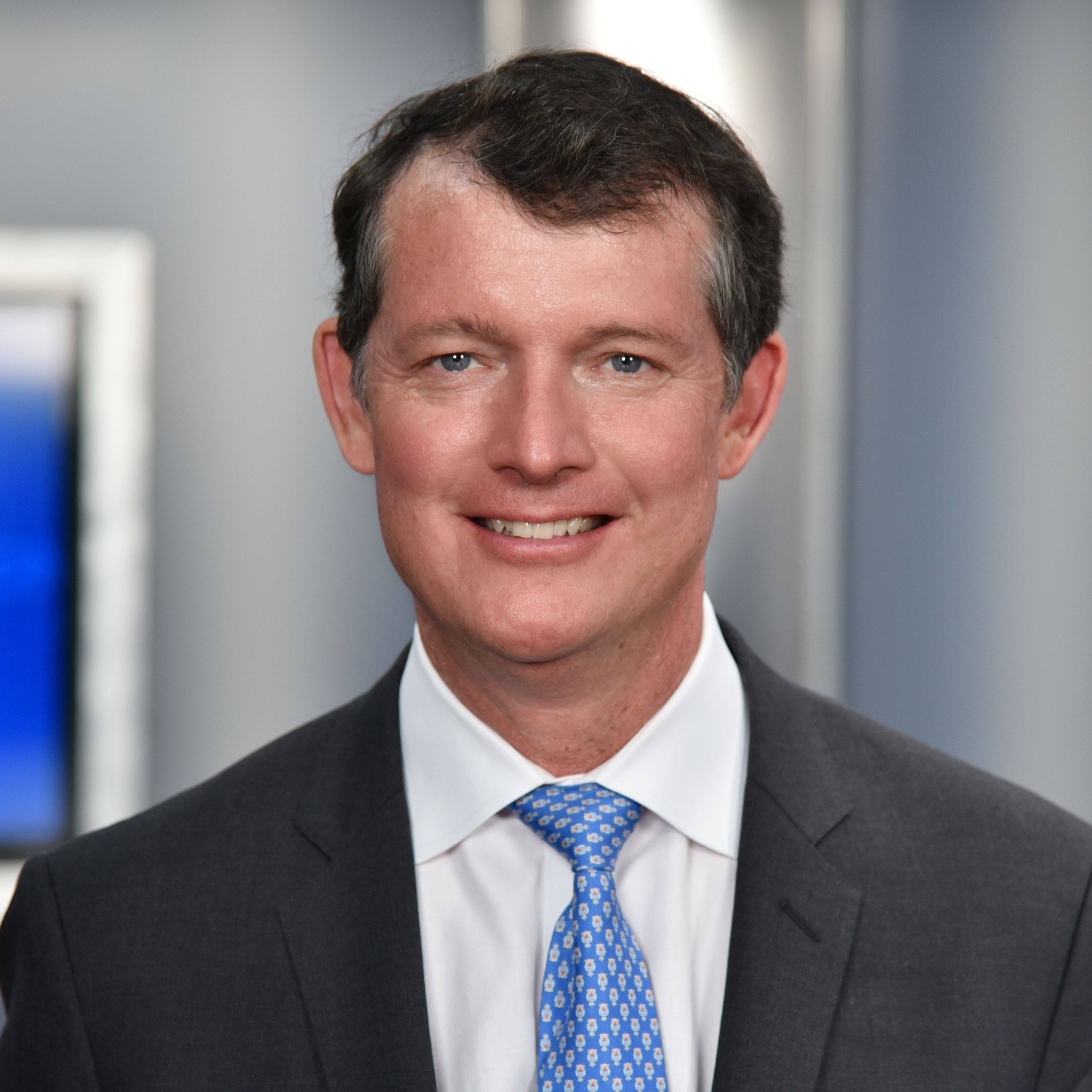
Ep 92Paul Washington: "The Roles of the Board in the Era of ESG and Stakeholder Capitalism."
0:00 -- Intro.2:00 -- Start of interview.2:36 -- Paul's "origin story".4:13 -- On the SVB collapse and current banking crisis.8:04 -- On his time as a senior executive and corporate secretary at Time Warner (20 years).11:28 -- About The Conference Board (founded in 1916) and his role as the Executive Director of its ESG Center (founded in 2019).14:15 -- About their recent article “The Roles of the Board in the Era of ESG and Stakeholder Capitalism” (Feb, 2023). Focus on "the whom" (stakeholders) and "the what" (ESG).18:40 -- Paul's take on the BRT Restatement of the Purpose of the Corporation (2019) and corporate directors' fiduciary duties under Delaware law.23:51 -- On improving board evaluations.27:54 -- Enhancing Board Information and Stakeholder Engagement in the Era of ESG and Stakeholder Capitalism.30:03 -- Optimizing Board Composition, Structure, and Capabilities in the Era of ESG and Stakeholder Capitalism. "The leadership of your board is more critical than ever."33:50 -- Incorporating ESG and Stakeholder Interests into Board Business Decisions. 36:02 -- The dangers of greenwashing. "ESG does not eliminate the business cycle."40:02 -- On the "anti-ESG" backlash. "I would breakdown ESG backlash (resistance) into three components: 1) Healthy skepticism, 2) Philosophical or ideological opposition (the Milton Friedman stance), and 3) Opportunistic opposition: making ESG part of the culture wars: calling it "woke" or "elitist". "But if the question is re-framed as a question of economic opportunity, fairness and security (the #1 social issues for CEOs per TCB research). That's how you de-fang the opposition." "How can you be against the G in ESG? Do you really want bad governance? No."44:41-- On large asset managers passing-through voting power to beneficial owners. 48:00-- On geopolitics in the boardroom. "Boards need to do scenario planning."51:30 -- The books that have greatly influenced his life: He doesn't read biographies. He likes to read primary documents: other peoples' mail, letters and diaries. 53:57 -- His mentors, and what he learned from them ("in a meeting, park your ego at the door"). Judge David Tatel (DC Circuit)Justice David Souter (US Supreme Court)Dick Parsons (ex CEO of Time Warner)Jeff Bewkes (ex Chairman and CEO of Time Warner)Stan Lundine (former Lieutenant Governor of NY)55:31 -- Quotes he thinks of often or lives his life by: "I wish to be useful, and every kind of service necessary to the public good becomes honorable by being necessary." ~ Nathan Hale.56:42 -- An unusual habit or an absurd thing that he loves: "British murder mysteries."57:30 -- The living person he most admires: his 7-year old son Jacob.Paul Washington has led The Conference Board ESG Center, a US-based nonprofit think tank addressing corporate governance, sustainability, and citizenship, since 2019. Before joining The ESG Center, he served for nearly 20 years as an executive at Time Warner Inc., including as Senior Vice President, Deputy General Counsel, and Corporate Secretary, as well as Chief of Staff for the company’s Chairman and CEO.__ You can follow The Conference Board on social media at:Twitter: @ConferenceboardLinkedIn: https://www.linkedin.com/company/the-conference-board/__ You can follow Evan on social media at:Twitter: @evanepsteinLinkedIn: https://www.linkedin.com/in/epsteinevan/ Substack: https://evanepstein.substack.com/__Music/Soundtrack (found via Free Music Archive): Seeing The Future by Dexter Britain is licensed under a Attribution-Noncommercial-Share Alike 3.0 United States License You can follow Evan on social media at:X: @evanepsteinLinkedIn: https://www.linkedin.com/in/epsteinevan/ Substack: https://evanepstein.substack.com/__To support this podcast you can join as a subscriber of the Boardroom Governance Newsletter at https://evanepstein.substack.com/__Music/Soundtrack (found via Free Music Archive): Seeing The Future by Dexter Britain is licensed under a Attribution-Noncommercial-Share Alike 3.0 United States License

Ep 91Stephen Bainbridge: "The Profit Motive: Defending Shareholder Value Maximization."
0:00 -- Intro.1:35 -- Start of interview.4:35 -- About his new book "The Profit Motive, Defending Shareholder Value Maximization" (2023). He wrote it to offer context for the current debate about corporate purpose and ESG. He argues that shareholder value maximization is not only required by law, but what the law ought to require.9:23 -- His take on why we should care about corporate purpose.13:54 -- The legal arguments and foundation for directors' duties to maximize shareholder value. 16:26 -- On the merits of the Business Roundtable Restatement of the Purpose of the Corporation (2019). "It can't really be justified." "The concern is that directors that are accountable to everybody, are accountable to no one."20:54 -- On public benefit corporations. "The core problem of PBCs is that it's still the shareholders that elect directors, it's still the shareholders to whom the directors owe fiduciary duties, and that becomes a particular problem when a PBC goes public [they become vulnerable to shareholder activists.]" Example: Etsy case. "Hobby Lobby strikes me as an ideal [private company] to become a PBC [because they have a small number of shareholders, all of whom share the same social/political/religious point of views, and are willing to sacrifice profits to carry out those views and support a board of directors that seeks to advance those views."]26:33 -- On the influence of EU/international views on U.S. corporations, and vice-versa (for example, influence of Delaware corporate law on international corporate law, ie. in Israel). On diversity quotas on boards.31:07 -- The take-aways from his book: "be deeply skeptical about what CEOs say in this area [ESG], and watch what they do." The phenomenon of greenwashing. The case of Marc Benioff and Salesforce.35:33 -- On the SVB collapse and the current financial crisis. "I think it's really important that directors be focused on enterprise risk management." 42:07 -- On the Credit Suisse collapse and merger with UBS. "It's been a banking industry problem child for a long time."44:56 -- On the expansion of Caremark Duties and the McDonald's case. "There are two rulings from the case that are interesting but also controversial: 1) Officers also have Caremark duties (oversight obligations), and 2) Sexual harassment claims were breaches of fiduciary duty. We are potentially opening the door to treating employment discrimination cases as breaches of fiduciary duties. So what's next is sort of the question. I think [VC Laster] has opened a real Pandora's box in terms of [where this may be going]."51:57 -- On the compliance industry. The rise of the Master of Legal Studies "M.L.S." with a focus on compliance at UCLA School of Law. "Compliance is a growth industry."53:50 -- On large asset managers passing-through voting power to beneficial owners. "I'm deeply skeptical."55:44 -- The books that have greatly influenced his life: Mere Christianity, by C.S. Lewis (1952)Insider Trading and the Stock Market, by Henry G. Manne (1966)Fundamentals of Corporation Law, by Michael Dooley (1995)56:07 -- His mentors, and what he learned from them. Michael Dooley, who taught at the University of Virginia School of Law.56:48 -- Paraphrasing Winston Churchill: "I'm prepared to settle for the very best" [the exact quote: “My tastes are simple: I am easily satisfied with the best.”]57:07 -- An unusual habit or an absurd thing that he loves: he's an amateur chef, and loves designing meals, matching food with wine. Tropical fish.57:46 -- The living person he most admires: Bishop Robert Barron.Stephen Bainbridge is the William D. Warren Distinguished Professor of Law at UCLA School of Law. Professor Bainbridge is a prolific scholar, whose work covers a variety of subjects, but with a strong emphasis on the law and economics of public corporations. He has written over 100 law review articles and 20 books, including seven in multiple editions.__ You can follow Stephen on social media at:Twitter: @PrawfBainbridgeBlog: https://www.professorbainbridge.com/__ You can follow Evan on social media at:Twitter: @evanepsteinLinkedIn: https://www.linkedin.com/in/epsteinevan/ Substack: https://evanepstein.substack.com/__Music/Soundtrack (found via Free Music Archive): Seeing The Future by Dexter Britain is licensed under a Attribution-Noncommercial-Share Alike 3.0 United States License You can follow Evan on social media at:X: @evanepsteinLinkedIn: https://www.linkedin.com/in/epsteinevan/ Substack: https://evanepstein.substack.com/__To support this podcast you can join as a subscriber of the Boardroom Governance Newsletter at https://evanepstein.substack.com/__Music/Soundtrack (found via Free Music Archive): Seeing The Future by Dexter Britain is licensed under a Attribution-Noncommercial-Share Alike 3.0 United States License

Ep 90Lawrence Cunningham: "Amid Heightened Uncertainty, Directors Should Expect To Be Second Guessed."
0:00 -- Intro.1:51 -- Start of interview.2:44 -- On Larry's move from academia to private practice as Special Counsel in Mayer Brown’s New York office. His writings in Mayer Brown's Across the Board's blog.4:58 -- His message at the 37th Annual Francis G. Pileggi Distinguished Lecture in Law at Delaware Law School to the state’s corporate bench and bar. 9:02 -- Shareholder Typologies and demographics (long/short term, low/high conviction): Indexers, Transients, Activists and Quality Shareholders.14:51 -- Attributes of directors: #1 requirement is business savvy, per Warren Buffett. | Pat formulas in corporate governance, ie. check-the-box approach "mandated by central command": why they should be viewed with great skepticism.18:59 -- On the politicization of ESG, and Delaware's approach: "directors’ fiduciary duties run to shareholders, but they may promote the interests of others when those are rationally related to shareholder interests.” Delaware VC Laster's opinion in McDonalds II (dismissing all shareholder claims that directors violated their oversight duties amid a toxic corporate culture.) 25:00 -- Some reasons for increase in ESG debate: 1) Declining trust in government, 2) Rising concern about climate change, 3) Powerful social movements, and 4) Powerful institutional asset managers leaning on ESG. But Delaware remains a shareholder primacy state, "and that's a good thing", per former Chancellor of the Delaware Court of Chancery Andre Bouchard, now a partner at Paul Weiss partner, cited from a speech at a Directors' & Board event.27:00 -- Directors' personal values "don't matter at all" when it comes to fiduciary duties, "what matters is only what is best for the company [corporate interests]."30:58 -- On the SVB collapse, and the ongoing financial crisis (Silvergate, Signature, FRB, CS, etc). Larry's advice for boards who have been or could be affected, on the fundamentals of governance amid this heightened uncertainty. His firm's client alert: Maintaining Perspective: Governance and Disclosure Reminders for Public Companies. In the Vicinity of Insolvency: "When a company is insolvent, creditors may obtain standing to bring a derivative action on behalf of the company for breach of fiduciary duties. Although the fiduciary duties of care and loyalty to the company remain the same, the beneficiaries of those duties shift. Since it can be hard to tell in real time when a company becomes insolvent, directors of a company in the vicinity of insolvency should view their duties through the lens of the different beneficiaries of those fiduciary duties."36:07 -- The case of Credit Suisse's acquisition by UBS. The precedence of the US Government taking over AIG.40:11 -- On his article: "Share Buybacks, Directors Should Stick with Economics, Avoid Politics."46:32 -- On Warren Buffett, and whether the White House and/or bankers will seek him out for advise and/or dealmaking in this financial crisis: "He's waiting for the phone to ring with an attractive offer on the other end of the line."50:27 -- Final words of advice for directors: "Directors of public companies are stewards of a business and they need to act with business judgement and not on personal preferences, political and social issues of the day."Lawrence A. Cunningham is Special Counsel in Mayer Brown’s New York office. Larry is a member of the firm’s Capital Markets and Public Companies & Corporate Governance practices. Recognized as an authority on corporate governance and corporate law, Larry advises public companies and boards of directors in those areas and advises investment managers and shareholders on investor relations.If you like this show, please consider subscribing, leaving a review or sharing this podcast on social media. __ You can follow Larry on social media at:Twitter: @CunninghamProfLinkedIn: https://www.linkedin.com/in/lawrence-cunningham-68b7574b/__ You can follow Evan on social media at:Twitter: @evanepsteinLinkedIn: https://www.linkedin.com/in/epsteinevan/ Substack: https://evanepstein.substack.com/__Music/Soundtrack (found via Free Music Archive): Seeing The Future by Dexter Britain is licensed under a Attribution-Noncommercial-Share Alike 3.0 United States License You can follow Evan on social media at:X: @evanepsteinLinkedIn: https://www.linkedin.com/in/epsteinevan/ Substack: https://evanepstein.substack.com/__To support this podcast you can join as a subscriber of the Boardroom Governance Newsletter at https://evanepstein.substack.com/__Music/Soundtrack (found via Free Music Archive): Seeing The Future by Dexter Britain is licensed under a Attribution-Noncommercial-Share Alike 3.0 United States License
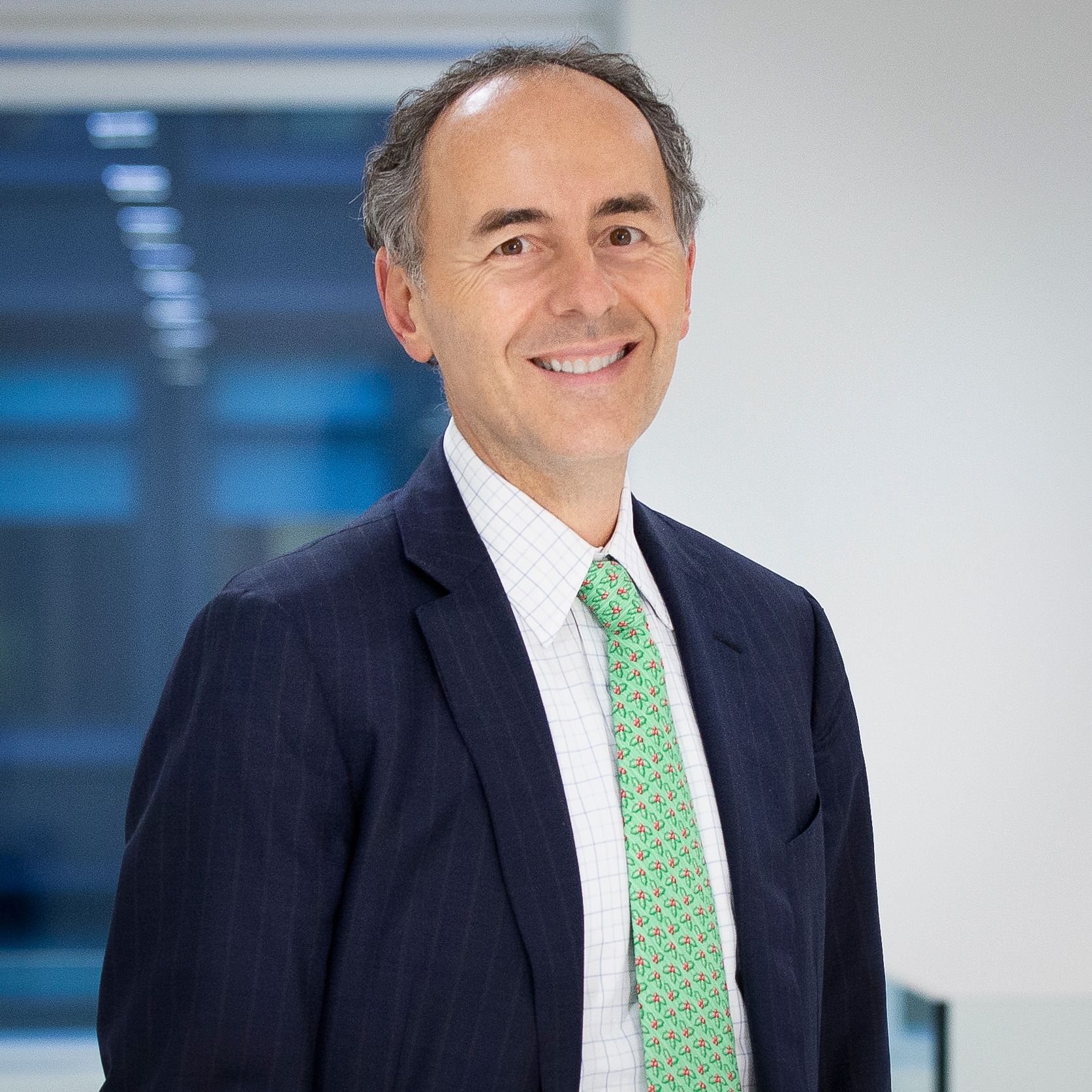
Ep 89Jan Van Eck: "Some Index Fund Companies Have Become Too Large To Be Left Unchecked."
0:00 -- Intro.1:36 -- Start of interview.2:22 -- Jan's "origin story".6:34 -- On the background of the investment firm Van Eck, founded by his father John Van Eck in 1955.10:32 -- About Van Eck today (~$75 billion in AUM, 90% in ETFs). Jan started the ETF business in 2006.11:45 -- About his article "ESG Died in 2022: CEO Op-Ed." The problem of concentration of power by the big three (BlackRock, Vanguard and SSGA). Reference to the article: Bogle Sounds a Warning on Index Funds (WSJ, 2018).18:05 -- How to fix the problem of concentration of power. Some solutions provided by Jack Bogle.20:17 -- Jan's proposal: 5% ownership cap to deal with concentration of power. "We in the industry have to address this." Legislation is also needed to do this.23:22 -- The practice of large asset managers passing-through voting power to beneficial owners. 27:52 -- On geopolitics and China. "The sanctions risk is definitely a friction point with China." "China has an 'uncatchable' lead in energy transition technologies."37:23 -- On crypto regulation. "It's a rapidly changing situation." The promotion of safe practices from the NY regulator DFS. Example: its recent $100m settlement with Coinbase for significant failures in its compliance program ($50m fine and $50m to invest in its compliance program). "The SEC is started to make a look of power moves to grab more jurisdiction over crypto matters, expanding to banks (ie. proposed rules on custody of crypto assets.)"42:05 -- On restrictive crypto regulation in the US vs offshore.46:07 -- On the rise of private markets vs. public markets. "I'd love to see more companies go public."48:34 -- On dual-class share structures and founder control.50:01 -- The books that have greatly influenced his life: Two Cheers for Capitalism, by Irving Krystol (1978)51:45 -- His mentors, and what he learned from them. His father John Van EckJoe Grundfest, SLS.52:49 -- Quotes he thinks of often or lives his life by. From his mom: "Everyone needs love."54:09 -- An unusual habit or an absurd thing that he loves: he teaches a 16-unit class on history (financial structure) to summer interns at Van Eck.55:48 -- On his time in Silicon Valley, and economic cycles.57:35 -- On the trend of WFH, employee mobility post-pandemic, and the future of NY as a hub for finance.Jan Van Eck is the President & CEO of Van Eck Associates Corporation, an investment firm based in New York with about $75 billion in assets under management and 400 employees.__ You can follow Jan on social media at:Twitter: @JanvanEck3LinkedIn: https://www.linkedin.com/in/janfvaneck/__ You can follow Evan on social media at:Twitter: @evanepsteinLinkedIn: https://www.linkedin.com/in/epsteinevan/ Substack: https://evanepstein.substack.com/__Music/Soundtrack (found via Free Music Archive): Seeing The Future by Dexter Britain is licensed under a Attribution-Noncommercial-Share Alike 3.0 United States License You can follow Evan on social media at:X: @evanepsteinLinkedIn: https://www.linkedin.com/in/epsteinevan/ Substack: https://evanepstein.substack.com/__To support this podcast you can join as a subscriber of the Boardroom Governance Newsletter at https://evanepstein.substack.com/__Music/Soundtrack (found via Free Music Archive): Seeing The Future by Dexter Britain is licensed under a Attribution-Noncommercial-Share Alike 3.0 United States License
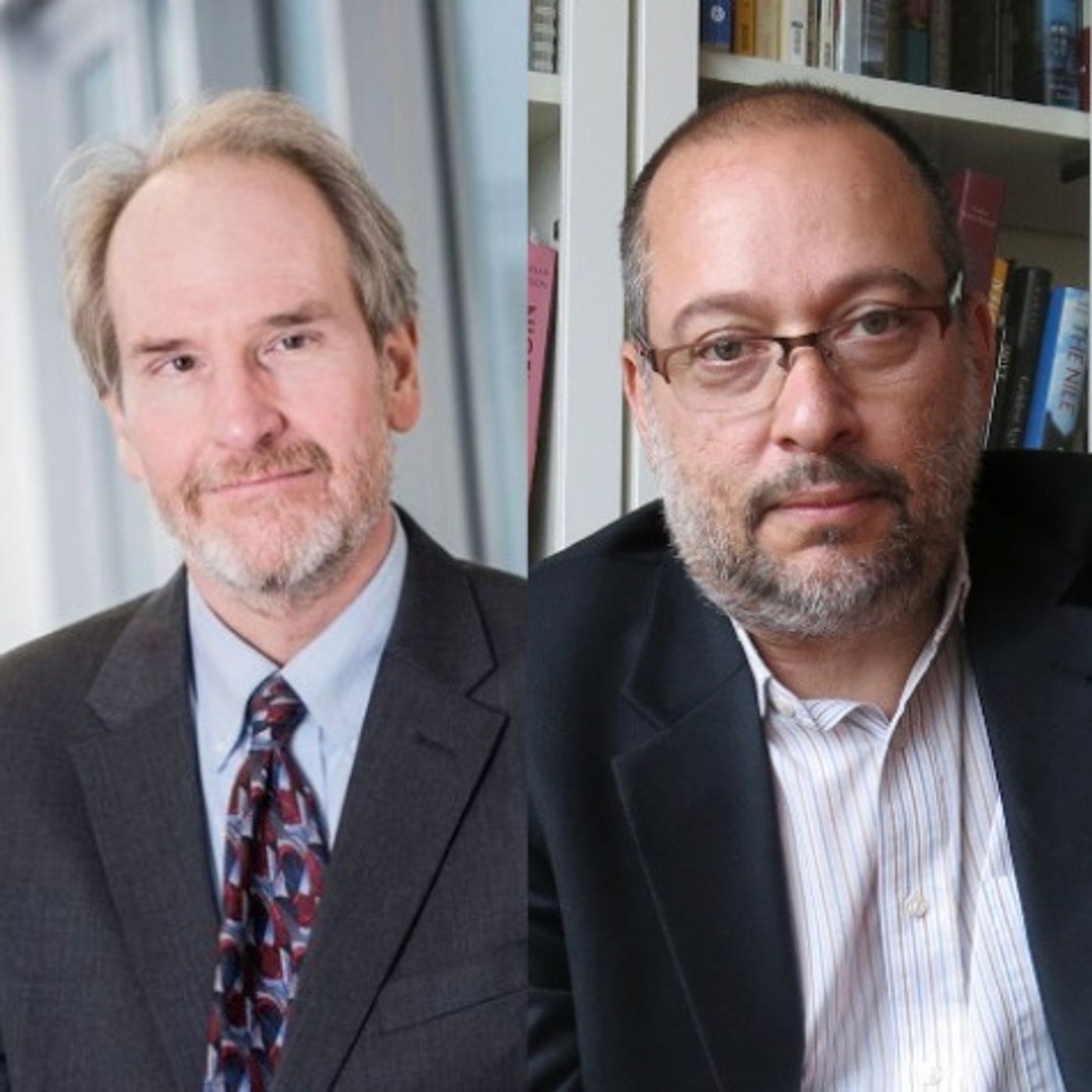
Ep 88George Dallas and Mike Lubrano: Governance, Stewardship & Sustainability.
0:00 -- Intro.1:38 -- Start of interview.2:56 -- George's "origin story." He's based in London since 1988. About his new role at the European Corporate Governance Institute (ECGI).7:24 -- Mike's "origin story." On his experience with ADRs and cross-listings with Latin American companies. His experience working at NYC and Mexican law firms, the World Bank, the International Finance Corporation (IFC), OECD-Latin America Roundtable on Corporate Governance and Cartica Management.15:52 -- On the origin and focus of their book "Governance, Stewardship and Sustainability." (2nd edition 2022). Based on (and used for) the ICGN course of the same name.20:37 -- How they define stewardship, sustainability and ESG.27:22 -- On ICGN Global Stewardship Principles and ICGN Global Governance Principles. The G20/OECD Principles of Corporate Governance.31:07 -- On their ESG methodology, proposed in their book.34:52 -- The Volkswagen Dieselgate scandal and case study.39:51 -- On two-tiered boards, employee representation on boards, and purpose of the corporation (stakeholder v shareholder visions).43:00 -- On the politicization of governance and the "anti-ESG" trend in the U.S. 48:20 -- On large asset managers passing-through voting power to beneficial owners (see BlackRock's Voting Choice). 51:17 -- Thoughts and recommendations for directors regarding shareholder activism (from Mike Lubrano)53:44 -- Activism in emerging markets, and/or in controlled companies.56:58 -- Thoughts and recommendations for directors (from George Dallas).59:20 - What are the 1-3 books that have greatly influenced your life: George:The Art of Loving, by Erich Fromm (1956)Author: Amor Towles.Mike:Author: Terry Pratchett (valued for his irreverence)Author: Tony Judt (historian)Author: Enrique Krauze (Mexican historian)01:00:51 - Who were your mentors, and what did you learn from them?George: John Holcomb (academic), Bob Monks and Nell Minow, Prof Christian Strenger (Germany)Mike: Stephen Davis, George Dallas, Mats Isaksson (ex OECD)01:03:46 - Are there any quotes you think of often or live your life by? George: From Galatians 5:22-23, the fruit of the Spirit: “But the fruit of the Spirit is love, joy, peace, patience, kindness, goodness, faithfulness, gentleness and self-control.”Mike: "Good is good, too good is no good." (from his Sicilian grandmother)01:05:12 - An unusual habit or an absurd thing that they love: George: he plays in the banjo in local bluegrass band.Mike: backyard pizza maker.01:06:14 - The living person they most admire:George: John Lewis (recently passed) and Jimmy Carter.Mike: Barack Obama.George Dallas is the Head of Content at the European Corporate Governance Institute (ECGI) and former Policy Director at the International Corporate Governance Network (ICGN).Mike Lubrano is a Managing Director of Valoris Stewardship Catalysts and former Managing Director of Corporate Governance and Sustainability at Cartica Management, LLC.__ You can follow Evan on social media at:Twitter: @evanepsteinLinkedIn: https://www.linkedin.com/in/epsteinevan/ Substack: https://evanepstein.substack.com/__Music/Soundtrack (found via Free Music Archive): Seeing The Future by Dexter Britain is licensed under a Attribution-Noncommercial-Share Alike 3.0 United States License You can follow Evan on social media at:X: @evanepsteinLinkedIn: https://www.linkedin.com/in/epsteinevan/ Substack: https://evanepstein.substack.com/__To support this podcast you can join as a subscriber of the Boardroom Governance Newsletter at https://evanepstein.substack.com/__Music/Soundtrack (found via Free Music Archive): Seeing The Future by Dexter Britain is licensed under a Attribution-Noncommercial-Share Alike 3.0 United States License
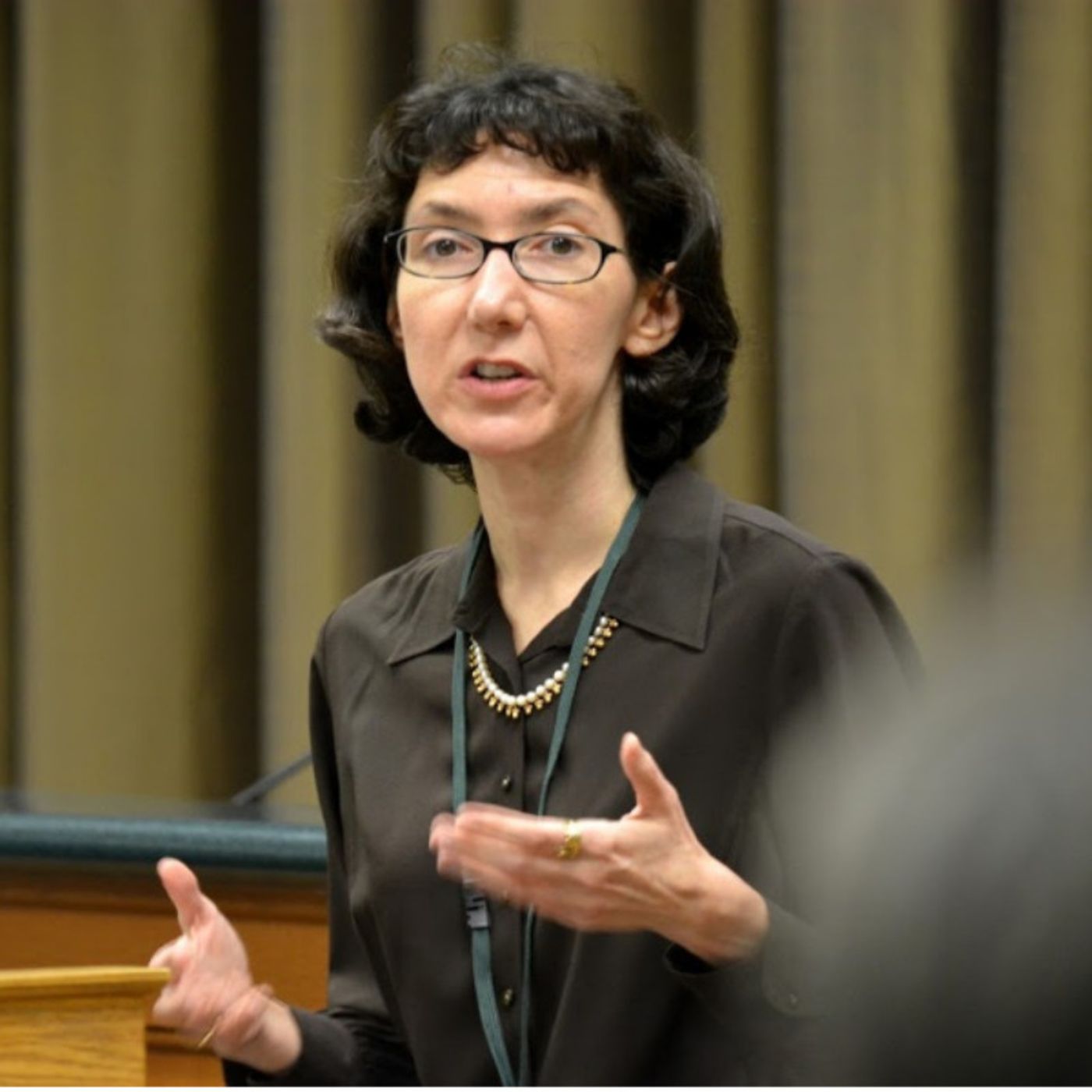
Ep 87Ann Lipton: "The Twitter v. Musk Case is both a Vindication and a Condemnation of Corporate Law."
0:00 -- Intro.1:47 -- Start of interview.2:19 -- Ann's "origin story". 4:10 -- Her background working with plaintiff law firms, and how that experienced has informed her scholarship.7:02 -- Take-aways from the Twitter v Musk case, the "trial of the century that wasn't." "The broader lesson for me is that it's both a vindication and a condemnation of corporate law":Vindication: The outcome should not have been in doubt (for any expert in that area of law). Musk's case was extremely weak. It's thus a vindication because even Elon Musk, the richest man in the world (at least at the time), cannot evade the law."Condemnation: The take-over has been disastrous for everyone but for the shareholders. That's what corporate law is designed to do: maximize shareholder value. It's been a destructive force, and it is negative for society.15:00 -- On tech layoffs, and Elon's massive layoffs at Twitter. "I don't think we have to accept the pain that he inflicts in order to get the benefits. That isn't necessary."16:57 -- On private equity and take-private transactions. "It's unhealthy."20:44 -- On public benefit corporations and B-corps. "They will solve nothing at all." "Some of the issues: 1) It's opt-in for shareholders, and 2) it does not have enforcement mechanisms that are remotely useful (duties are unenforceable)." "The reasons that corporations advance shareholder wealth has very little to do with a duty of loyalty of the board and very much to do with the structure of corporations: who has voting rights -governance rights- and so forth."28:57 -- On crypto, and the SEC v Sam Bankman-Fried case (FTX). "It's a story of defrauding investors in a private company." "The meta purpose of securities regulation is to make sure that capital is allocated efficiently throughout society. Good companies should get money, and bad companies should not get money, so that our economy can grow appropriately."35:49 -- Litigation in private (venture-backed) companies. Questions on enforceability of information rights restrictions (Delaware section 220 books and records). "Silicon Valley operates under a degree of reputational capital." "[Generally, for these cases] to make it into court there would have to be 1) no arbitration agreement, 2) access to shareholder information rights, and 3) an employee (or other common stockholder) who thinks that there is enough money on the table [to offset] the reputation that they would get if they would sue (their employer or investors)."41:29 -- Litigation in SPACs. "I think we have seen the end of SPACs." The Multiplan and Delman cases.45:45 -- On the McDonald's case and the expansion of Caremark duties owed by officers. "What [the judge] hasn't decided is whether this is the board's decision to make a disciplinary decision or whether it should be instead decided by private lawsuits... now, if he changes the standard of when shareholders can sue -if he adopts a new kind of flexible standard- that would be significant, but we have no idea of whether he is going to do that."49:46 -- On ESG, anti-ESG, and politicization of corporate governance. 56:15 -- On large asset managers passing-through voting power to beneficial owners. 59:02 - The books that have greatly influenced her life: Make No Law: the Sullivan Case and the First Amendment, by Anthony Lewis (1991)Gideon's Trumpet, by Anthony Lewis (1963)59:45 - Her mentors, and what she learned from them. In academia: Jim Cox, Shu-Yi Oei and Ernie Young at Duke Law School.In practice: Bill Fredericks.1:00:32 - Quotes she thinks of often or lives her life by. From Angel (1999 TV Series): "If nothing we do matters, all that matters is what we do.”1:01:07 - An unusual habit or an absurd thing that he loves: free pizzas from Domino's (a measure of the economy!).1:03:46 - The living person she most admires: her mom.Ann M. Lipton is the Michael M. Fleishman Associate Professor in Business Law and Entrepreneurship, and Associate Dean for Faculty Research at Tulane University School of Law. __ You can follow Ann on social media at:Twitter: @AnnMLipton__ You can follow Evan on social media at:Twitter: @evanepsteinLinkedIn: https://www.linkedin.com/in/epsteinevan/ Substack: https://evanepstein.substack.com/__Music/Soundtrack (found via Free Music Archive): Seeing The Future by Dexter Britain is licensed under a Attribution-Noncommercial-Share Alike 3.0 United States License You can follow Evan on social media at:X: @evanepsteinLinkedIn: https://www.linkedin.com/in/epsteinevan/ Substack: https://evanepstein.substack.com/__To support this podcast you can join as a subscriber of the Boardroom Governance Newsletter at https://evanepstein.substack.com/__Music/Soundtrack (found via Free Music Archive): Seeing The Future by Dexter Britain is licensed under a Attribution-Noncommercial-Share Alike 3.0 United States License
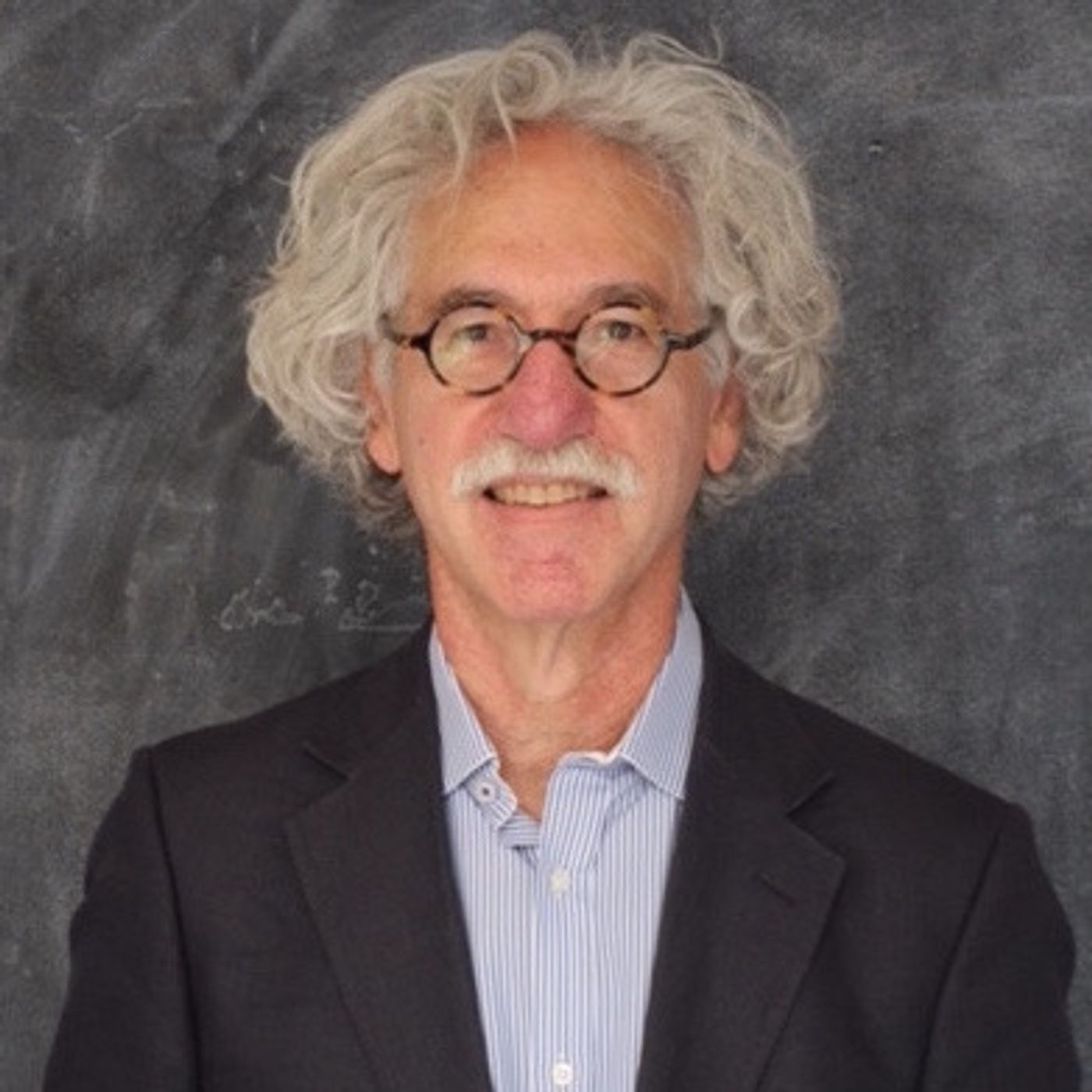
Ep 86Stephen Davis: On the Rise of Investor Stewardship.
0:00 -- Intro.2:12 -- Start of interview.3:00 -- Stephen's "origin story". His start with IRRC in Washington, DC (1988). His focus on international corporate governance.7:01 -- The anti-Apartheid divestment campaign in South Africa. "Most people don't quite realize that in the U.S. the real corporate governance movement -what we might call today the ESG movement- stems from the campaign for anti-Apartheid sanctions and divestment." (early 1970s).10:27 -- On the historical background of investor advocacy, and his book on Isaac Le Maire "the first short seller and shareholder activist." The conflict with the Dutch East India Company (VOC) in the early 1600s (the first joint-stock company in the world).15:19 -- On the evolution of U.S. corporate governance and the rise of institutional investors since the late 1980s (particularly the big four: BlackRock, Vanguard, State Street and Fidelity). "[F]or most of the time (from late '80s to about 7 years ago), corporate governance has been more or less an exercise in throat clearing, a box-checking exercise, a compliance/legal matter that had to be done because of the DOL Avon Letter in 1988 [pointing out that proxy voting, like buy/hold/sell decisions, is a fiduciary act, and must be for “the exclusive benefit of plan participants."] "There was a lot of corporate governance talk, but it was at the margins."19:27 -- What changed in large asset managers to go from "passive investors" to more active with investment stewardship. Some factors (in the last decade): 1) Influence from Europe, where they insisted that these large funds sign up for commitments such as the UN Principles for Responsible Investment, and "to demonstrate bona fides when it comes to ESG factors," 2) Many of their institutional clients were becoming more aware of the importance of ESG factors; 3) Biggest factor: rising class of millennial investors, who have a different set of expectations on their financial agents.25:54 -- On the new policies such as from BlackRock and Vanguard to pass-through voting power to beneficial owners. 28:50 -- "One of the most exciting development in the capital markets is that in the last few decades we made a lot of progress on 1) management accountability to boards; 2) boards better equipped to oversee management; and 3) boards responsiveness to institutional investors. But the last piece of the puzzle is the accountability of institutional investors to the real sources of capital (beneficial owners) - the governance of institutional investors or stewardship governance." [see article Agency Costs of Agency Capitalism, by Gilson and Gordon (2013)] Citizen investors initiatives (to give them a voice), for example Tumelo (in the UK) or Say Technologies in the US (purchased by Robinhood).32:30 -- On proxy advisors and the Best Practices Principles for Shareholder Voting Research and its Oversight Committee (where he was the founding Chairman until 2022). This is an example of "monitored self-regulation." Konstantinos Sergakis is now the Chair.38:34 -- On the practice of dual-class share structures (supermajority voting structures). "A perennial issue in corporate governance." The case of Elsevier and Robert Maxwell. 42:25 -- On "corporate governance with Chinese characteristics."44:37 -- Challenges and opportunities of corporate governance in regions such as the Middle East and Africa (where he has been active). "There has been progress at a pace that in my wildest dreams I would have not anticipated." The sovereign wealth funds are the next stage of progress, where they will go from passive to more active. Examples of stewardship from Malaysia, Singapore, Norway and South Africa.50:25 - The books that have greatly influenced his life: The Battle for the Soul of Capitalism, by John Bogle (2005) (and others by John Bogle)Presidential Power and the Modern Presidents, by Richard Neustadt (1991)The Torah.51:44 - His mentors, and what he learned from them. Paul Leventhal (Nuclear Control Institute)Richard Schneller (former Senate Majority Leader Connecticut State Senate)Ira Millstein, (partner Weil Gotshal)Jonathan Charkham (formerly with the Bank of England)53:17 - Quotes he thinks of often or live his life by. From his high school teacher "Never trust the magic of the printed word.”53:50 - An unusual habit or an absurd thing that he loves: olive picking.54:28 - The living person he most admires: his wife.Stephen Davis is a senior fellow at the Harvard Law School Programs on Corporate Governance and Institutional Investors__ You can follow Stephen on social media at:Twitter: @StephenM_DavisLinkedIn: https://www.linkedin.com/in/stephen-davis-6282424/__ You can follow Evan on social media at:Twitter: @evanepsteinLinkedIn: https://www.linkedin.com/in/epsteinevan/ Substack: https://evanepstein.substack.com/__Music/Soundtrack (found via Free Music Archive): Seeing The Future by Dexter Britain is licensed under a Attribution-Noncommercial-Share Alike 3.0 United States License You ca
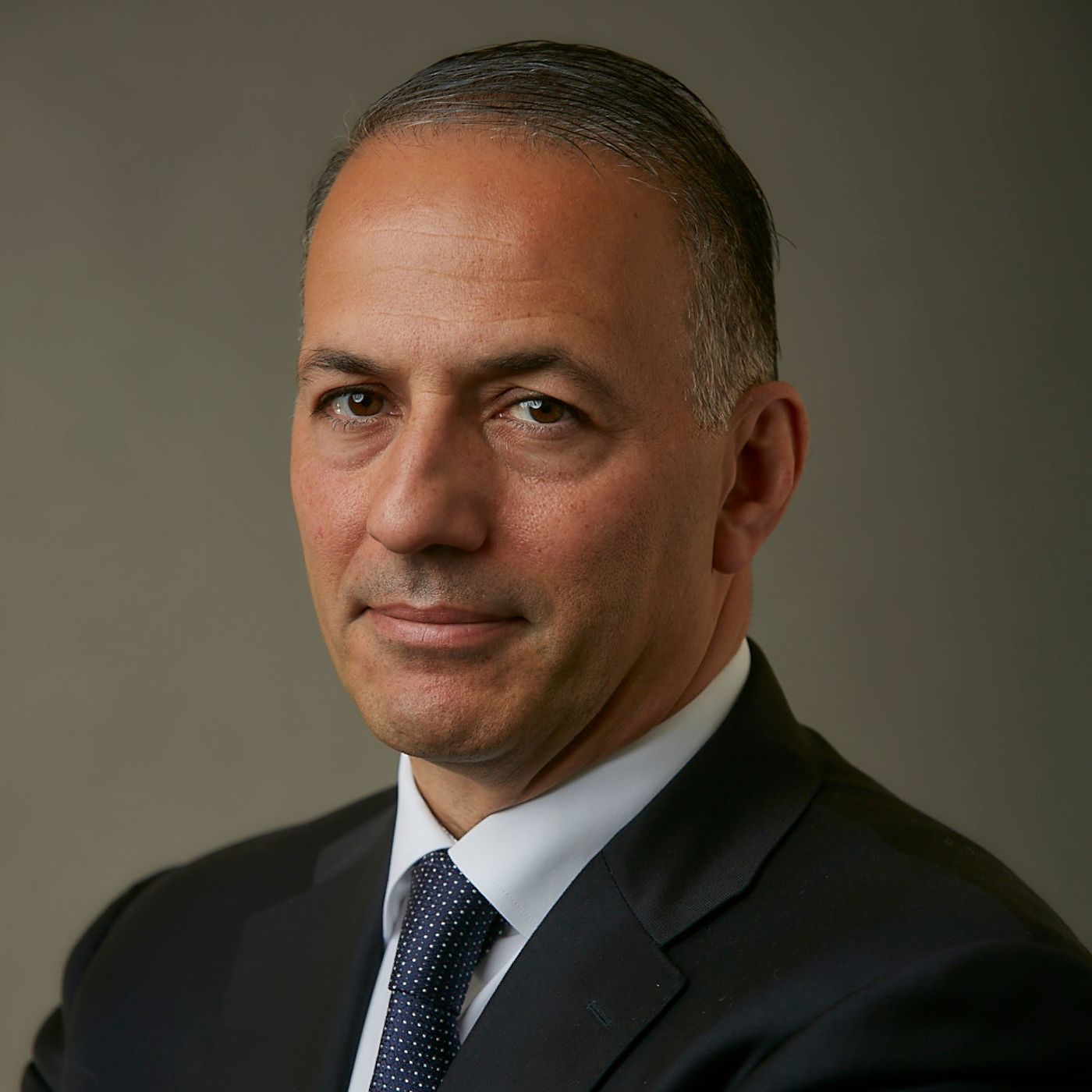
Ep 85Mario Mancuso: Geopolitics, National Security and Strategy in the Boardroom.
0:00 -- Intro.1:42 -- Start of interview.3:31 -- Mario's "origin story". 9:25 -- The origin, evolution and impact of CFIUS. "The (regulatory) process is the bottle, national security is the wine." The driver of CFIUS is national security.13:11 -- On the Foreign Investment Risk Review Modernization Act of 2018 (FIRRMA). 18:18 -- His recommendation on how boards should think about CFIUS matters. His book: "A Dealmaker’s Guide to CFIUS: Answers to Common Questions from Boards, Bankers and Investors." 21:40 -- On the new CFIUS Enforcement Guidelines (Fall 2022). "Since FIRRMA, CFIUS has been significantly resourced by the U.S. Government and today there is an independent office within CFIUS that is entirely focused on transactions that were not notified to the Committee." (see CFIUS annual reports to Congress). There are hundreds of transactions reported per year at this stage.25:58 -- The proposed outbound investment screening regulatory framework. "[It may impact] a U.S. person sitting in a Chinese board (for example)." "The U.S. has jurisdiction over U.S. capital, U.S. persons, U.S. technology, etc and the U.S. wants to slow down adversary countries." "We will know a lot more about this framework by the end of February 2023 when the report comes out."29:47 -- On the different approaches to industrial policies by China and the U.S. The Chips and Science Act and IRA Act of 2022.36:36 -- On how boards should consider geopolitical risks and opportunities ("how to optimize outcomes"): Three questions to consider: 1) The U.S.- China relationship, 2) What the US is doing with its allies / What China is doing with its allies, and 3) What are national governments doing to independently enhance their own sovereignty and security resilience.39:17 -- On US jurisdiction over U.S. foreign-listed companies. Example of Canada ordering divestment from Chinese investments in Canadian lithium companies.43:30 -- Final thoughts for directors on geopolitics and national security issues. 44:24 - The books that have greatly influenced his life: Moby Dick, by Herman Melville (1851)The Closing of the American Mind, by Allan Bloom (1987)45:56 - His mentors, and what he learned from them. Donald Rumsfeld (former U.S. Secretary of Defense)Aviva Diamant (retired, Fried Frank)Norm Augustine (former Chairman and CEO of Lockheed Martin)48:20 - Quotes he thinks of often or live his life by. From his mother "This is the day the Lord has made; let us rejoice.” (psalms)49:05 - An unusual habit or an absurd thing that he loves: early rising and journaling at a coffee shop or diner.50:06 - The living person he most admires: his dad.Mario Mancuso is a Partner of Kirkland & Ellis and leads the firm’s international trade and national security practice. A former senior member of the President’s national security team, Mario provides strategic and legal advice to companies, private equity sponsors, and financial institutions operating or investing across international borders.__ You can follow Mario on social media at:Twitter: @MancusoOnlineLinkedIn: https://www.linkedin.com/in/mariomancuso/__ You can follow Evan on social media at:Twitter: @evanepsteinLinkedIn: https://www.linkedin.com/in/epsteinevan/ Substack: https://evanepstein.substack.com/__Music/Soundtrack (found via Free Music Archive): Seeing The Future by Dexter Britain is licensed under a Attribution-Noncommercial-Share Alike 3.0 United States License You can follow Evan on social media at:X: @evanepsteinLinkedIn: https://www.linkedin.com/in/epsteinevan/ Substack: https://evanepstein.substack.com/__To support this podcast you can join as a subscriber of the Boardroom Governance Newsletter at https://evanepstein.substack.com/__Music/Soundtrack (found via Free Music Archive): Seeing The Future by Dexter Britain is licensed under a Attribution-Noncommercial-Share Alike 3.0 United States License
Ep 84Joe Grundfest: 2022 in Review and Governance Trends for 2023.
0:00 -- Intro.1:50 -- Start of interview.4:09 -- His take on the state of capital markets. From the highs of 2021 to the lows of 2022: the impact of interest rates in asset valuations.6:59 -- On tech layoffs. "The effects on the labor market are not as large as the numbers suggest."8:34 -- The impact of downturn on public and private investors.10:07 -- On AI, ChatGPT and the emergence of this new technology.12:45 -- On the crypto industry and its regulation challenges. "There is going to be more carnage, more blood on the streets." "The number of people in this industry that are willing to show you their code but refuse to show their financials should make your head spin."20:01 -- On the SEC’s proposed climate change regulation, and his take that "The SEC Is Heading Toward a Climate Train Wreck." "I am profoundly concerned." "Investors need these climate disclosures but I'm extraordinary skeptical that the courts as currently constituted will uphold the rules that the SEC will adopt. In other words, the rules will get adopted, but they will get staid, vacated and we are going to get nothing (and I don't think that's the best result for investors, that's just wrong)."24:36 -- Joe's climate change proposal. Instead of the SEC requiring its own climate change rules, it should require investors to disclose the data that is already in the public domain.28:04 -- On the ESG / anti-ESG trend and the politicization of corporation governance. "I think it is simultaneously disastrous and hilarious." "The important thing to recognize is that it is all political."30:52 -- On institutional Investors passing-through voting power to beneficial owners. "It's politically a very smart thing to do from some of these intermediaries."32:37-- On the impact of the new SEC universal proxy rules for director elections on shareholder activism. "It will have a meaningful effect, but it will take some time to manifest itself" "It shifts power to the investor community."33:30 -- The best corporate governance trend of 2022: boardroom diversity.34:13 -- The worst corporate governance trend of 2022: the political whiplash.34:54 -- The biggest corporate governance trend to watch out for in 2023 and going forward: "a combination of universal proxy and the politicization of the boardroom."36:57 -- His take on how to deal with the politicization of the boardroom: "The short answer is that you can't generalize. Every corporation's situation is unique."38:58 - The biggest winner in business in 2022: Prince Harry (monetizing family dysfunction!)40:34 - The biggest looser in business in 2022: Elon Musk. "If it wasn't perfectly obvious that of all the people in the world that should not be running Twitter, he shouldn't be running it." He gives it a 43.96% chance of being in bankruptcy by this time next year. Joseph A. Grundfest is an expert on capital markets, corporate governance, and securities litigation. Professor Grundfest founded the Stanford Securities Class Action Clearinghouse, which provides detailed, online information about the prosecution, defense, and settlement of federal class action securities fraud litigation. He launched Stanford Law School’s executive education programs and continues to co-direct Directors’ College, the nation’s leading venue for the continuing professional education of directors of publicly traded corporations. He is also a senior faculty member with the Arthur and Toni Rembe Rock Center for Corporate Governance. Additionally, he is co-founder and director of Financial Engines and a director of Kohlberg, Kravis, Roberts & Co. Before joining the Stanford Law School faculty in 1990, Professor Grundfest was a commissioner of the Securities and Exchange Commission, served on the staff of the President’s Council of Economic Advisors as counsel and senior economist for legal and regulatory matters, and was an associate at Wilmer, Cutler & Pickering. Early in his career he was a research associate at the Brookings Institution and an economist and consultant with the RAND Corporation.If you like this show, please consider subscribing, leaving a review or sharing this podcast on social media. __ You can follow Evan on social media at:Twitter: @evanepsteinLinkedIn: https://www.linkedin.com/in/epsteinevan/ Substack: https://evanepstein.substack.com/__Music/Soundtrack (found via Free Music Archive): Seeing The Future by Dexter Britain is licensed under a Attribution-Noncommercial-Share Alike 3.0 United States License You can follow Evan on social media at:X: @evanepsteinLinkedIn: https://www.linkedin.com/in/epsteinevan/ Substack: https://evanepstein.substack.com/__To support this podcast you can join as a subscriber of the Boardroom Governance Newsletter at https://evanepstein.substack.com/__Music/Soundtrack (found via Free Music Archive): Seeing The Future by Dexter Britain is licensed under a Attribution-Noncommercial-Share Alike 3.0 United States License
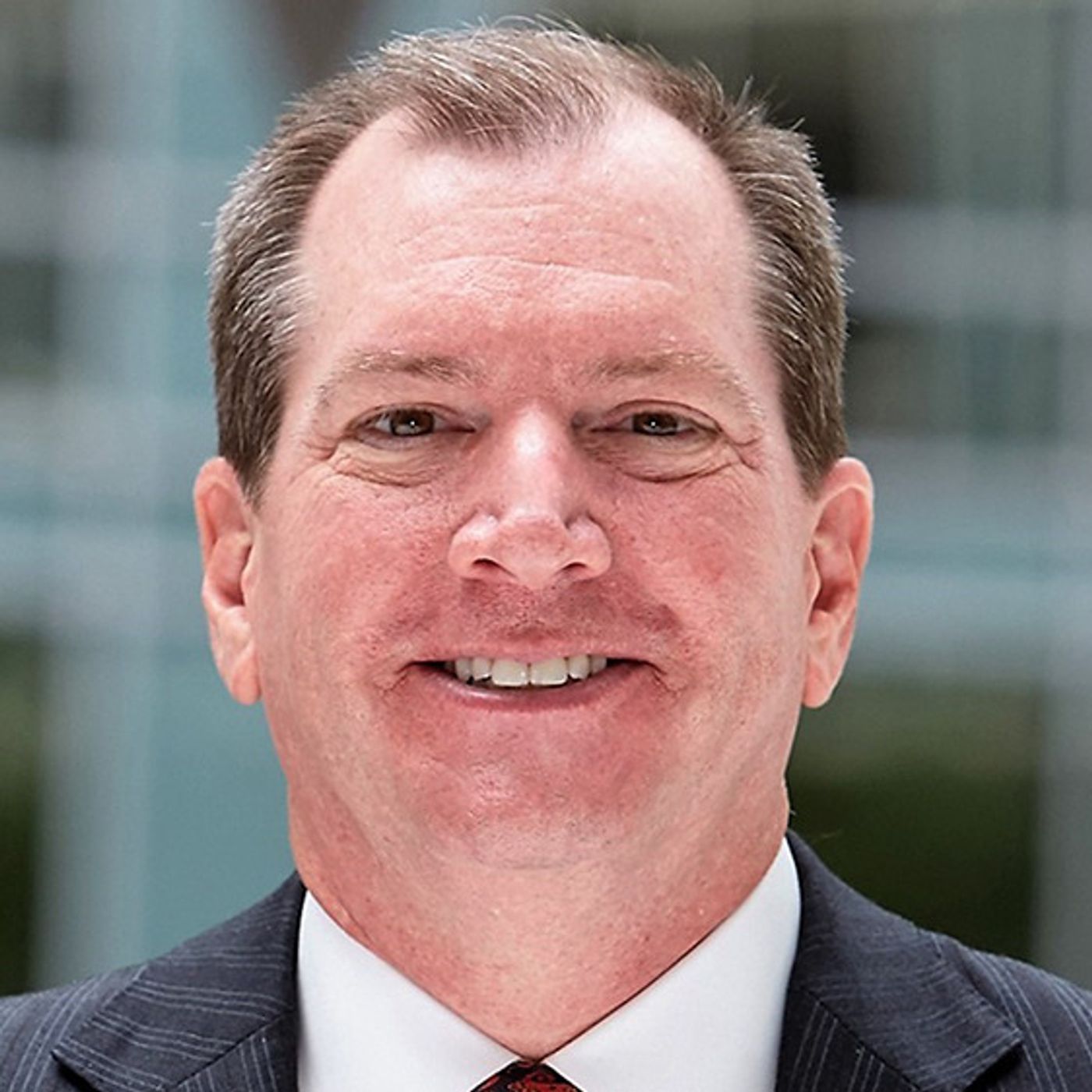
Ep 83Peter Gleason: "We Look at Board Directorships as a Profession with Accountability and Expectations."
0:00 -- Intro.1:31 -- Start of interview.1:57 -- Peter's "origin story". 2:40 -- His career prior to NACD, including at Institutional Shareholder Services (ISS). Peter joined NACD in 2000.4:52 -- On the origin and mission of the National Association of Corporate Directors (NACD). Founded in 1977 by John Nash. Today the organization has grown to 23,000+ members. 7:02 -- About the NACD Directorship Certification (created three years ago). About 2,800 candidates have registered, and about ~1,100 have graduated with the certification.10:38 -- On the evolution of corporate governance in the last 30 years from his vantage point. “Everything has changed [about boards] – it used to be more of an honorary position, we look it now as a profession with accountability and expectations.” The precedent of the ISS corporate governance quotient (CGQ).14:36 -- About NACD’s Future of the American Board Report: A Framework for Governing into the Future. 20:07 -- On NACD's Summit 2022 and lessons from 2022 from a corporate governance perspective. The impact of the pandemic and getting back to in-person events.24:29 -- About NACD's 20 chapters throughout the US. Mostly in "NFL cities."27:53 -- On ESG and the anti-ESG trend and the politicization of corporation governance.30:30 -- On Institutional Investors passing-through voting power to beneficial owners, retail investors and the Universal Proxy Rule. A revolution in shareholder democracy?41:01 -- On the increasing influence of private markets and its corporate governance implications. "From NACD's 23,000 members, about 8,000 are directors of private companies." There is a lot of informationsharing between public and private company directors.43:49 -- On the challenges of founder-led private companies. The case of FTX.47:20 -- On dual-class share structures (supermajority voting structures). "The NACD doesn't have an official position." The example of Meta and Mark Zuckerberg. On the role of the board in non-profits. "I always recommend to go get a few independent directors for boards, because they will tell you what they are thinking (unvarnished opinions) but you have to listen to their independent advice."52:10 -- Focus on social issues (pressure on CEOs speaking out). The framework that CEOs and boards must use to communicate their positions.55:39 - The books that have greatly influenced his life: Good to Great, by Jim Collins (2001)To Kill a Mockingbird, by Harper Lee (1960)The Industries of the Future, by Alec Ross (2016)57:17 - His mentors, and what he learned from them. His parents.Ken Daly, former CEO of NACD from 2007-2017.Ira Millstein59:32 - Quotes he thinks of often or live his life by. "If at first you don't succeed, try, try again." (from his parents)"It ain't about how hard you hit. It's about how hard you can get hit and keep moving forward." Rocky Balboa."Man in the Arena" by Teddy Roosevelt (1910).1:00:59 - An unusual habit or an absurd thing that he loves: he watches TV to unwind (noise in the background).1:01:52 - The living person he most admires: his mother and his wife.Peter Gleason is the President and CEO of the National Association of Corporate Directors (NACD).__ You can follow the NACD on social media at:Twitter: https://twitter.com/NACDLinkedIn: https://www.linkedin.com/company/national-association-of-corporate-directors/YouTube: https://www.youtube.com/user/NACDVideos1__ You can follow Evan on social media at:Twitter: @evanepsteinLinkedIn: https://www.linkedin.com/in/epsteinevan/ Substack: https://evanepstein.substack.com/__Music/Soundtrack (found via Free Music Archive): Seeing The Future by Dexter Britain is licensed under a Attribution-Noncommercial-Share Alike 3.0 United States License You can follow Evan on social media at:X: @evanepsteinLinkedIn: https://www.linkedin.com/in/epsteinevan/ Substack: https://evanepstein.substack.com/__To support this podcast you can join as a subscriber of the Boardroom Governance Newsletter at https://evanepstein.substack.com/__Music/Soundtrack (found via Free Music Archive): Seeing The Future by Dexter Britain is licensed under a Attribution-Noncommercial-Share Alike 3.0 United States License

Ep 82Lydia Beebe: On Corporate Secretaries and the Evolution of Corporate Governance.
0:00 -- Intro.1:40 -- Start of interview.2:25 -- Lydia's "origin story". 3:35 -- On her career at Chevron, particularly as Corporate Secretary and Chief Governance Officer. She was the first woman elected Officer at Chevron.7:22 -- On board agendas.10:28 -- On how the Corporate Secretary and Chief Governance Officer roles have evolved in U.S. public corporations. 13:56 -- Her personal path to corporate board memberships.[14:36] HCC Insurance Holdings (acquired one year after she joined)[15:19] Aemitis, a renewable fuels and biochemicals company that commercializes innovative technologies to replace traditional fossil fuels.[17:05] Kansas City Southern Voting Trust, a cross-border freight railway company.[19:30] EQT Corporation, a natural gas producer energy company. *She joined the board as part of the dissident slate of shareholder activists.24:36 -- On the evolution of shareholder engagement in large U.S. public corporations.29:46 -- Lessons from the Exxon proxy fight with Engine No.1.32:39 -- On ESG and the anti-ESG trend and the politicization of corporation governance.36:28 -- On board evaluations.43:30 -- On board committees. 47:22 -- On the FTX collapse and its lack of a board and governance generally.49:25 - The books that have greatly influenced her life: The Autobiography of Eleanor Roosevelt, by Eleanor Roosevelt (1961)50:11 - Her mentors, and what she learned from them. "You've got to have a board of mentors."53:34 - Quotes she thinks of often or live her life by. "It's 25% the decision you make and 75% what you make of the decision."54:10 - An unusual habit or an absurd thing that she loves: She's a big KU Jayhawks fan, plus a Peloton user/fan.55:37 - The living person she most admires: Volodymyr Zelensky (also Liz Cheney and Henry Kissinger).Lydia Beebe is a public company corporate director and currently serves as Principal of LIBB Advisors LLC, a corporate governance consulting firm. Lydia previously held a number of senior roles at Chevron Corporation, including Corporate Secretary and Chief Governance Officer, from 1995 to April 2015. She previously was Co-Director of Stanford Institutional Investors’ Forum and Senior Counsel for Wilson Sonsini Goodrich & Rosati P.C. __ You can follow Evan on social media at:Twitter: @evanepsteinLinkedIn: https://www.linkedin.com/in/epsteinevan/ Substack: https://evanepstein.substack.com/__Music/Soundtrack (found via Free Music Archive): Seeing The Future by Dexter Britain is licensed under a Attribution-Noncommercial-Share Alike 3.0 United States License You can follow Evan on social media at:X: @evanepsteinLinkedIn: https://www.linkedin.com/in/epsteinevan/ Substack: https://evanepstein.substack.com/__To support this podcast you can join as a subscriber of the Boardroom Governance Newsletter at https://evanepstein.substack.com/__Music/Soundtrack (found via Free Music Archive): Seeing The Future by Dexter Britain is licensed under a Attribution-Noncommercial-Share Alike 3.0 United States License
Ep 81Bob Zukis, CEO of the Digital Directors Network: On Cybersecurity in the Boardroom.
0:00 -- Intro.1:38 -- Start of interview.2:06 -- Bob's "origin story". His professional career with PwC and management consulting globally.4:31 -- On globalization, China and current geopolitical tensions.6:14 -- His career post PwC. He led a venture-backed SaaS company and became an Adjunct Professor at USC.7:28 -- About the Digital Directors Network, focused on digital and cybersecurity in the boardroom. "It's an educational/training, advocacy and advisory platform."11:40 -- The value of digital and cybersecurity in the boardroom.13:35 -- The background and scope of his book "Digital and Cybersecurity Governance Around the World."15:38 -- The digital value business case for corporate boards.17:43 -- Some of the digital and cyber governance leading practices. "It's usually around three areas: 1) Who's on the board, 2) how is the board structured around these issues, and 3) how does the board understand risk."18:32 -- How to define a digitally savvy director. His "director framework" (8 domains). Reference to MIT research that found that "companies with digitally savvy boards had at least 34% higher performance on market cap growth, revenue growth, and ROA." Critical mass of three digitally savvy directors on one board.21:42 -- Where to place cybersecurity in board committees. His recommendation: a separate technology and cybersecurity committee (cites examples of GM, WalMart, FedEx, Hasbro). He questions its placement in audit committees.24:17 -- His thoughts on quotas for boards (on cybersecurity expertise). "Quota is such a dirty word [in governance circles] but they work and force the issue." "Gary Gensler was a senior advisor to Senator Paul Sarbanes, so the Statement on Proposal for Mandatory Cybersecurity Disclosures comes directly from his SOX days (he knows it works, it's a comply or explain provision)."27:05 -- On international vs US boardroom cybersecurity practices. Skills, structure, scope.30:06 -- On some of the techniques employed by hackers to infiltrate corporate systems. 32:16 -- On state and government level vs private corporate cybersecurity practices and collaboration.33:59 -- Directors' oversight duties on cybersecurity and cyber insurance. "Our estimate is that only 9-10% of the economic exposure to cyber risk has been accepted or transferred to the cyber insurance risk industry [the company is on the hook for ~90% of the financial impact of this threat]." Individual liability of directors for cyber breaches (standard is high in the US). Del. Court Dismisses Cybersecurity-Related Oversight Claim Against SolarWinds Board.38:19 -- Cybersecurity experts in the boardroom: "In US boards: 10-14%, it's inching up but it should be 100%" "For $315k per year [avg comp of S&P500 director] any corporate board can materially improve a critical control point in their cybersecurity system by putting a cyber expert on the board. It's a no-brainer, a slam dunk."40:43 -- The "unfair" bias against CIOs and CISOs in the boardroom (as one-trick ponies).43:49 -- "Digital and cybersecurity is part of the G in ESG, and we have not made nearly as much traction as some of the E and S folks have, so we still have some work to do."45:05 -- "If you're a corporate director you should understand the skills, structure and scope of risk oversight that you have to address to govern these [digital and cybersecurity] issues."45:57 - The books that have greatly influenced his life: The History of Pi, by Petr Beckman (1970)The Nature of Technology, by W. Brian Author (2010)47:45 - His mentors, and what he learned from them: his teams and clients.49:02 - His favorite city (and why): Hong Kong.50:20 - Quotes he thinks of often or live his life by: Robert's Frost The Road Not Taken. 50:55 - An unusual habit or an absurd thing that she loves: "I'm a workout maniac."51:50 - The living person he most admires: Volodymyr Zelensky.Bob Zukis is the Founder and CEO of the Digital Directors Network and an Adjunct Professor at the USC Marshall School of Business where he teaches strategy, structured problem solving, global business issues and corporate governance.__ You can follow Bob on social media at:Email: [email protected]: www.digitaldirectors.networkLinkedIn: https://www.linkedin.com/in/bobzukis/__ You can follow Evan on social media at:Twitter: @evanepsteinLinkedIn: https://www.linkedin.com/in/epsteinevan/ Substack: https://evanepstein.substack.com/__Music/Soundtrack (found via Free Music Archive): Seeing The Future by Dexter Britain is licensed under a Attribution-Noncommercial-Share Alike 3.0 United States License You can follow Evan on social media at:X: @evanepsteinLinkedIn: https://www.linkedin.com/in/epsteinevan/ Substack: https://evanepstein.substack.com/__To support this podcast you can join as a subscriber of the Boardroom Governance Newsletter at https://evanepstein.substack.com/__Music/Soundtrack (found via Free Music Archive): Seeing The Future by Dexter Britain is licensed under a Attributio
Ep 80Mary Cranston: "A Good Strategic Lawyer Should Be a Requirement on Every Board."
0:00 -- Intro.1:34 -- Start of interview.2:28 -- Mary's "origin story". About her legal career at Pillsbury Winthrop Shaw Pittman LLP. On the influence of Toni Rembe on her board career. 9:13 -- On her transition to a board career, and lawyers as corporate directors. "Boards have prejudice against putting lawyers on boards. I think that is wrong and extremely short sighted [But I think we are starting to see a real trend of more lawyers on boards.]" The ABA and Catalyst's DirectWomen Initiative (its mission is to increase the representation of women lawyers on corporate boards.)11:57 -- On the evolution of gender diversity at law firms. "I see progress, but probably not as fast as the most enlightened corporate environments."13:49 -- On boardroom diversity. "In America we have a cultural norm against quotas." 19:01 -- On the evolution of shareholder engagement and the empowerment of corporate directors.22:24 -- On the shareholder and stakeholder governance debate [BRT restatement of the purpose of the corporation 2019] "I've always thought that this was a little bit of a circular tempest in a teapot because in my mind companies need to be run for the medium to long-term interest of the shareholders."24:23 -- On ESG and the latest "anti-ESG" trend.25:45 -- How should [technology company] boards approach the current downturn.29:46 -- On supervisory boards in Europe and the advantages (flexibility) of US corporate governance standards.32:27 -- On tech companies staying private or going public. "There is a fair legitimate bias against going public now." "We've got to be clear on whether some of our regulation of public markets is worth the candle." "[But] the American economy [to be the dominant force in the world] needs both the public and private markets."36:23 -- On private equity boards. [For extra background, see Boards 3.0 by Profs Gilson and Gordon]40:07 -- On founder-led companies and the practice of dual-class share structures.41:35 -- Her pitch for more lawyers on boards: "Lawyers are often phenomenal directors." "A good strategic lawyer should be a requirement on every board [but that's not how the current board world sees it]."44:47 - What books have greatly influenced your life: Good to Great, by Jim Collins (2001)Start Where You Are, by Pema Chodron (2001)46:01 - Who were your mentors, and what did you learn from them?Her mother and sister.Toni RembeMargaret Gill46:43 - Are there any quotes you think of often or live your life by? "Don't believe your thoughts until you really look at them."46:53 - An unusual habit or an absurd thing that she loves: meditation (she's been doing it for 40 years)47:46 - The living person she most admires: "A group: the women who were first into their professions"Mary Cranston is a seasoned corporate director and attorney. She is the retired CEO and Chair Emeritus of Pillsbury Winthrop Shaw Pittman LLP. As CEO from 1999 to 2006, she expanded PWSP internationally, doubling its size and profitability. She currently serves as a director of Visa, The Chemours Company and TPG. She previously served on the public boards of MyoKardia and McAfee Corp. In addition, she serves or has served on several private and non-profit boards. __ You can follow Evan on social media at:Twitter: @evanepsteinLinkedIn: https://www.linkedin.com/in/epsteinevan/ Substack: https://evanepstein.substack.com/__Music/Soundtrack (found via Free Music Archive): Seeing The Future by Dexter Britain is licensed under a Attribution-Noncommercial-Share Alike 3.0 United States License You can follow Evan on social media at:X: @evanepsteinLinkedIn: https://www.linkedin.com/in/epsteinevan/ Substack: https://evanepstein.substack.com/__To support this podcast you can join as a subscriber of the Boardroom Governance Newsletter at https://evanepstein.substack.com/__Music/Soundtrack (found via Free Music Archive): Seeing The Future by Dexter Britain is licensed under a Attribution-Noncommercial-Share Alike 3.0 United States License

Ep 79Insights from Silicon Valley: Who’s Up, What’s Down & Why it Matters.
0:00 -- Intro [Evan Epstein]1:30 -- Intro [David Beatty]3:50 -- Start of interview.4:55 -- Discussion on unicorns. [see research on unicorn exits]. 9:17 -- On the rise of private markets.11:57 -- On startup governance.15:31 -- The importance of governance in downturns (in contrast to bull markets).16:32 -- Elon Musk and his companies.18:42 -- On layoffs in the tech industry this year.20:05 -- How boards are adapting to the "digital tsunami" (board composition: age, 'tech savvy' directors, etc).23:21 -- On cybersecurity in the boardroom.29:00 -- On the surge of the electric vehicle (EV) industry and the IRA Act. Geopolitics and supply chain divestment from China. 36:26 -- The impact of the pandemic in Silicon Valley, particularly on remote work and tech migration. An opportunity for Canada.38:36 -- On Sam Bankman-Fried (FTX collapse). 41:15 -- Innovation by large established tech companies vs entrepreneurs/startups. Zero to One and The Power Law books.46:34 -- On dual-class share structures.50:58 -- On climate tech and Silicon Valley. 53:39 -- B-corps and public benefit corporations. [You can also check out E14 with Frederick Alexander on this topic]56:37 -- On ESG and shareholder activism. The Exxon Mobil proxy fight. The "anti-ESG" movement in the US (for example: Florida pulling $2B from BlackRock in largest anti-ESG divestment)58:23 - Final words.__David R. Beatty is a Professor at Rotman School of Management at the University of Toronto and the Faculty Director of the David and Sharon Johnston Centre for Corporate Governance Innovation.You can find a video recording of this event [for a limited time] in this link.__ You can follow Evan on social media at:Twitter: @evanepsteinLinkedIn: https://www.linkedin.com/in/epsteinevan/ Substack: https://evanepstein.substack.com/__Music/Soundtrack (found via Free Music Archive): Seeing The Future by Dexter Britain is licensed under a Attribution-Noncommercial-Share Alike 3.0 United States License You can follow Evan on social media at:X: @evanepsteinLinkedIn: https://www.linkedin.com/in/epsteinevan/ Substack: https://evanepstein.substack.com/__To support this podcast you can join as a subscriber of the Boardroom Governance Newsletter at https://evanepstein.substack.com/__Music/Soundtrack (found via Free Music Archive): Seeing The Future by Dexter Britain is licensed under a Attribution-Noncommercial-Share Alike 3.0 United States License

Ep 78Bill McNabb: Talent, Strategy and Risk. How Investors and Boards Are Redefining TSR.
(0:00) Intro(2:21) Start of interview.(3:14) Bill's "origin story"(6:57) On why he joined Vanguard in 1986, and what makes the company so special. "Intellectual rigor of Wall Street with mid-western values."(10:30) On Bill's board career. He first joined the Philadelphia Zoo (he stepped down this summer after 16 years) and currently serves on the boards of UnitedHealthcare Group and IBM, plus other PE and VC-backed companies and non-profit boards. The connection between public and private boards.(13:03) On his book Talent, Strategy, Risk: How Investors and Boards Are Redefining TSR and what made him write it. The early governance stewardship by Vanguard (Jack Brennan's letter to 450 CEOs in 2002 laying out Vanguard's governance expectations on governance matters). The Common Sense Governance Principles (2016). His work with the Raj & Kamla Gupta Governance Institute at Drexel University, where he met his co-authors Ram Charan and Dennis Carey.(17:13) On shareholder engagement and why directors should understand their investor base. Traditionally, the only times there would be shareholder engagement was when an activist would get involved (and how their role has evolved), and with say-on-pay. The role of permanent capital (index funds).(21:21) Why some of the best-run public companies operate with a private company mindset. Some advantages of private equity boards.(26:51) His take on dual-class stock structures. The good and the bad. "But making them permanent is a mistake."(29:30) The focus on Talent, Strategy and Risk (TSR) in his book:(30:06) How to think about Talent.(31:58) How to think about Strategy. "Being agile around strategy is really important"(35:20) How to think about Risk. Example of cybersecurity.(38:46) On creating a capable board: board composition and expertise. "Having a couple of former CEOs serve on a board is very valuable.""You've got to push back on the over reliance of expertise, for an example, if you have a cyber expert who only knows about cyber, they will not add much more value to the board.""Having some domain expertise in the particular business area of the company is very important."(45:59) On the work and focus of board committees: "Talent, Comp and Execution Committee" & "Strategy and Risk Committee."(48:43) On the rise of Chief Human Resources Officers (CHROs). Talent and culture is critical. It has become a strategic function more than just an administrative function.(52:14) On how to reduce the information asymmetry between management and the board. The Netflix case study by Larcker & Tayan (2018). "This is where having a couple of domain experts on your board is important because they can at least open some doors and give ideas to pursue." You need to be creative and bring in experts to present to the board (example: cybersecurity, geopolitics, activists, buy-side analysts, venture-capitalists, etc).(56:52) On the new trend of large institutional investors delegating voting power to beneficial owners. "If you delegate to sovereign wealth funds or large pension funds who have staffs that can vote in a thoughtful way I see no problem with that. But the problem is delegating to individual investors (99.9% will not vote and the proxy advisors will determine how this is all done [and I don't think they do a great job.]" "I'm glad that Vanguard does the voting with its long-term value creation approach."(01:01:28) His take on ESG, and the distinction between shareholder and stakeholder value. The pushback from governments failing on some large macro issues, asset managers seeking new fees, and its politization. "ESG is just a subset of the shareholder and stakeholder debate." The 'E' in ESG is the most complicated because it is so tied to these very specific climate goals. I think that this is a reaction to the fact that governments have not been able to come to any agreement on some of these issues, and I'm skeptical that companies can achieve some of these goals. It's going to be very difficult for companies to manage their businesses accordingly."(01:07:16) The books that have greatly influenced his life: The Leaves of Grass, by Walt Whitman (1855)The Odyssey, by Homer (8th century BCE)Mindset, by Carol Dweck (2007)(01:10:22) His mentors, and what he learnt from themHis rowing coach after College. ("always demanding excellence")Jim Gately (formerly with Vanguard)Jack Brennan (ex CEO Vanguard)(01:13:23) The quotes he thinks of often or lives his life byTwo last lines of Invictus poem: "I am the master of my fate, I am the captain of my soul."(01:14:02) An unusual habit or an absurd thing that he loves: Analog and Asimov's Science Fiction magazines.(01:14:39) The living person he most admires:Warren Buffett, on the business side.Tony Blair.Condoleeza Rice (maybe his favorite interview ever)Bill McNabb served as chairman of Vanguard from 2008 until his retirement in 2018 and served as CEO from 2008 to 2017. He is a corporate director of UnitedHealth Group and IBM. Bill also
Ep 77Susan Angele and Stephen Brown: Insights from the KPMG Board Leadership Center.
0:00 -- Intro.2:09 -- Start of interview.2:54 -- Susan's "origin story". 4:18 -- Stephen's "origin story". 6:24 -- The origin and mission of the KPMG Board Leadership Center. It started with the Audit Committee Institute in 1999.12:12 -- The progress on board diversity and onboarding insights for new directors. Example: Board Readiness Program from LCDA. "Two important elements for new directors to think about: 1) to deeply understand the role of the board and how that differs from management, and 2) to deeply understand what the company needs and what is the value that the director adds that no one else either on board or management is currently providing."14:07 -- The path to the board and director performance. In Fortune 500 companies and beyond.19:19 -- Board oversight on climate change. In this NACD’s Governance Challenges report, Susan Angele offers areas for focus and questions to consider as boards enhance their governance to integrate climate change issues into risk, strategy, culture, values, and relationships with stakeholders.24:54 -- On whether "climate change" experts will be recruited for corporate boards.27:53 -- Lessons from the 2022 Proxy Season on ESG. To help boards understand and shape the total impact of the company’s strategy and operations externally—on the environment, the company’s consumers and employees, the communities in which it operates, and other stakeholders—and internally, on the company’s performance, KPMG offers a five-part framework: 1) Level Setting, 2) Assessment, 3) Integration, 4) Stakeholder Communications, and 5) Board Oversight.31:48 -- On the "anti-ESG" trend. "You have to recognize the political play on this."36:15 -- How should CEOs and boards approach the "S" in ESG, particularly regarding employee and social matters. From Edelman data: "Employees really want to be engaged in these issues."42:38 -- On BlackRock (and other institutional investors) stating that a new era of “shareholder democracy” is coming with technology increasing voting power and expanding voting choice for investors (see BlackRock's Voting Choice). Thoughts on this trend: "this is an issue of concentration of power." The proposed Investor Democracy is Expected (Index) Act.48:27 -- Final thoughts and recommendations for current and aspiring directors: "The job of a director is tougher than it was 20 years ago, but what we know from evidence today is that it is still a pretty good and important job (people are not leaving it)."50:18 - What are the 1-3 books that have greatly influenced your life: Stephen:I Came As A Shadow, Autobiography of John Thompson with Jesse Washington (2020)The Secret Lives of Church Ladies, by Deesha Philyaw (2020)Susan:Unsafe at Any Speed, by Ralph Nader (1965)The Silent Spring, by Rachel Carlson (1962)The Nancy Drew Mystery Stories.53:44 - Who were your mentors, and what did you learn from them?Stephen: Mom & Dad.Susan: her corporate governance mentor, Ann Mulé (ex corporate secretary at Sonoco, now at the University of Delaware).54:50 - Are there any quotes you think of often or live your life by? Stephen: "I always tell directors that one of the most powerful questions that you can ask is 'why' and 'how do you know'." [to practice cooperative skepticism]Susan: "The future is already here, it's just not evenly distributed" [William Gibson, The Economist 2003] "There is a special place in hell for women who don't help other women" [Madeleine Albright]56:03 - An unusual habit or an absurd thing that they love: Stephen: College sports.Susan: British royalty.58:12 - The living person they most admire:Stephen: his wife.Susan: Volodymyr ZelenskySusan Angele and Stephen Brown are Senior Advisors of the KPMG Board Leadership Center.__ You can follow Evan on social media at:Twitter: @evanepsteinLinkedIn: https://www.linkedin.com/in/epsteinevan/ Substack: https://evanepstein.substack.com/__Music/Soundtrack (found via Free Music Archive): Seeing The Future by Dexter Britain is licensed under a Attribution-Noncommercial-Share Alike 3.0 United States License You can follow Evan on social media at:X: @evanepsteinLinkedIn: https://www.linkedin.com/in/epsteinevan/ Substack: https://evanepstein.substack.com/__To support this podcast you can join as a subscriber of the Boardroom Governance Newsletter at https://evanepstein.substack.com/__Music/Soundtrack (found via Free Music Archive): Seeing The Future by Dexter Britain is licensed under a Attribution-Noncommercial-Share Alike 3.0 United States License

Ep 76Henry Sanderson: Volt Rush, the Winners and Losers in the Race to Go Green.
0:00 -- Intro.2:10 -- Start of interview.3:00 -- Henry's "origin story". His other book "China's Superbank: Debt, Oil and Influence - How China Development Bank is Rewriting the Rules of Finance") (2012)5:03 -- His current role at Benchmark Mineral Intelligence.6:09 - The origin of his book Volt Rush: The Winners and Losers in the Race to Go Green (2022).10:09 -- On the new battery age and the origin of lithium-ion batteries for EVs.12:53 -- On Contemporary Amperex Technology (CATL) and its founder Robin Zeng.18:34 -- On the Chinese lithium industry and its champions Ganfeng Lithium and Tianqi Lithium. "They had a golden period where they could pick up assets globally, but now the West is catching up." Example: Government of Canada orders the divestiture of investments by foreign companies in Canadian critical minerals companies.21:10 -- About Tianqi's $4bn acquisition of SQM's stake in Chile. [Disclosure: I wrote about this case in 2018 here, here and most recently in my latest newsletter, here.] On the future of the Lithium Triangle (Chile, Argentina and Bolivia) for the global lithium supply chain. The unclear future of lithium in Chile, the government has hinted on the creation of a new Chilean national lithium company. "It's a once in a 100-year opportunity, are they just going to sit back and lose out on market share? This opportunity does not come very often."27:09 -- On the new US industrial policy to foster the EV and battery industry (and divest from China). The Bipartisan Infrastructure Law, CHIPS & Science Act, and the Inflation Reduction Act (“the single largest investment in climate and energy in American history”) combined will invest more than $135 billion to build America’s EV future, including critical minerals sourcing and processing and battery manufacturing. The impact for the global supply chain, particularly in Latin America, Africa and rest of the world.33:03-- On geopolitics, ESG and sustainability of the global battery supply chain and EVs generally. The problem of greenwashing. Amnesty International's report on Cobalt in Africa (2016) "This is What We Die For" (on human rights abuses in the Democratic Republic of the Congo and the global trade in Cobalt). "Chinese consumers are also getting more environmentally conscious."38:02 -- On the challenges of the energy transition from ICE vehicles to EVs. The importance of renewable energy. "Clean energy clusters will become very important."40:09 -- On energy security, cleaner battery producers (example Northvolt from Sweden), the rise of Gigafactories, the shift to EVs from global OEMs (A Reuters analysis of 37 global automakers found that they plan to invest nearly $1.2 trillion in electric vehicles and batteries through 2030) and the future of jobs in this industry. "Vehicle manufacturing employment, which stands at 13.6 million globally, already employs 10% of its workforce in the manufacture of EVs, their components and batteries." (see IEA world energy employment report). "It is a race for the jobs of the future, and that's where the West has lost out. That's what making this industry so critical." "But the West will definitely catch up, I'm very optimistic about the U.S."46:03 -- On whether the U.S. will encourage more mining in the US to bridge this gap. "The mining industry has not done a good job at convincing the public that this is what is needed. People who support clean energy find it hard to support mining. That's the crux of the issue."48:14 -- On Tesla, and whether they will move upstream in the supply chain with more refining or mining. And their China operations and supply chain dependence.53:19 -- The 1-3 books that have greatly influenced his life:The Quiet American, by Graham Greene (1955)Books by Somerset MaughamDeng Xiaoping and the Transformation of China, by Ezra Vogel (2011)Other books he recommends on the battery global supply chain:Bottled Lightning: Superbatteries, Electric Cars, and the New Lithium Economy, by Seth Fletcher (2011)The Powerhouse: America, China, and the Great Battery War, by Seth Levine (2016)The Shadows of Consumption: Consequences for the Global Environment, by Peter Dauvergne (2008)55:28 -- Who were your mentors, and what did you learn from them? Michael Forsythe, now with the NYT. When he was in China working for Bloomberg, working with investigative journalists.56:23 -- Are there any quotes you think of often or live your life by? "Sooner or later...one has to take sides – if one is to remain human." by Graham Greene.57:18 -- The person he most admires: Greta Thunberg.Henry Sanderson is a journalist and author of Volt Rush, the Winners and Losers in the Race to Go Green. He's currently an Executive Editor at Benchmark Mineral Intelligence, the leading provider of data and information on the battery industry. Before that he covered commodities and mining for the Financial Times for seven years in London. He was previously a reporter for Bloomberg News in Beijing, where he co-authored a b
Ep 75Alison Davis: "U.S. Boards Could Benefit From More Listening Sessions With Key Stakeholders."
0:00 -- Intro.2:08 -- Start of interview.2:45 -- Alison's "origin story". 5:07 -- Her experience in management consulting with McKinsey & Co and Kearney.5:49 -- Her experience as CFO at Barclays Global Investors (now BlackRock) and with private equity as the managing director of Belvedere Capital, focused on investing in US banks and financial services firms. The challenges of banking post-financial crisis and Dodd-Frank (2010).9:26 -- Her pivot to fintech and blockchain investing. Since 2014 she's been investing in crypto. She co-founded Blockchain Coinvestors with her husband Mathew Le Merle.11:57 -- Her take on the future of blockchain "I think that it's completely inevitable that fully digital assets and fully digital payments are coming, it's just a matter of time [but timing is everything if you're an investor]." "There is no doubt in my mind that blockchain technology is a massively important component of the next generation of our global digital economy." "We will have fully digitally enabled payment and assets as part of our next generation web [some referred it as Web 3.0]."13:38 -- On her experience with public company board service. Her first board was in 1998 with Dispatch Management Services Company [Founded in 1994 by Linda Jenkinson and Greg Kidd. DMSC was a publicly traded company that handled point-to-point delivery services]. At the time she was CFO at BGI. Since then, she has served on 22 corporate boards, over half of them public companies, the others in private companies. "It's been fascinating and I really enjoy [this work] enormously."16:51 -- In 2011 she was invited to join the board of the Royal Bank of Scotland. That was her introduction to U.K. corporate governance. She was on the board for 9 years, because there are term limits in the U.K. [after 9 years, a director is no longer considered 'independent'].20:25 -- On dual-class share structures adopted in the UK (against the long standing "one share, one vote" principle).21:24-- On the role of the board in strategy and innovation. "When public companies lose a lot value, 80% of the time it's because of strategy missteps."25:51 -- How should boards deal with crisis management. "From the crisis that I've experienced as a director, ~40% of them have been due to exogenous factors, and ~60% have been due to self-inflicted wounds (such as bad culture, personality clashes, single person failure, etc)." In the latter case, a lot of them could have been spotted earlier by a really engaged board that was connected enough to the company to understand that these things were arising."28:21 -- On whether having more inside (executive) directors on boards impacts at all the governance of the company.29:54 -- On the idea of having employee representatives on corporate boards of directors. "We explored this seriously at RBS, but we decided instead that a sub-committee of the board spend time on 'employee listening sessions' and we created a workers' council to connect on these matters." "I think that U.S. boards could really benefit from more listening sessions with key stakeholders."32:47 -- On the evolution of sustainability and ESG. Her experience with Barclays Global Investors, and the vision of then CEO Patty Dunn, who questioned the idea of companies having great short term value but leaving a wake of damage that later society and/or tax payers had to pay. She posited having a more active role as stewards of long term capital for a more sustainable future. The case of RBS, going from darlings of Wall Street to almost the world's biggest bank failure. "That was a wake up call." "I am a big fan of ESG broadly defined." "I am really excited that [big institutional investors] have leaned in and are tipping this discussion."38:58 -- On the growing influence of large institutional investors in corporate governance: "The [beneficiaries of large index funds] do not want short-term high profit at long-term costs to the economy and people's lives." "I'm very supportive of large institutional investors focusing on broader societal issues and the health of capitalism." "Can capitalism retain the trust of the people that live in a capitalist system?" "I mean, you could democratize the whole thing and say everyone has a vote but your average person is not investing the time to get really educated on these issues."41:35 -- On the books that she's co-authored with her husband Matthew Le Merle: Build your Fortune in the Fifth Era,Corporate Innovation in the Fifth Era,Blockchain Competitive Advantage, andThe Intelligent Investor – Silicon Valley.44:55 -- No specific books "that have changed her life", but she's a big reader of The Economist.45:42 -- Who were your mentors, and what did you learn from them? Patty Dunn, ex CEO of BGI. "She touched my heart, as well my [mind]. She was a great leader and was very inspirational."Ross McEwan, ex CEO of RBS47:26 -- Are there any quotes you think of often or live your life by? From Desiderata (1927): "With all its sh
Ep 74Nora Denzel: On the Future of the American Board.
0:00 -- Intro.1:38 -- Start of interview.2:06 -- Nora's "origin story". 4:33 -- How she got started on her board journey. 6:25 -- The distinctions between serving on advisory boards and private venture-backed company boards.11:27 -- On serving on non-profit company boards. Nora has served on the boards of NACD, YWCA of Silicon Valley and the Anita Borg Institute.13:50 -- On serving on private equity (PE) backed company boards. *Prof Ron Gilson's article on Boards 3.0.16:34 -- On serving on public company boards. The evolution of shareholder primacy vs stakeholder capitalism.18:05 -- Distinctions between serving on U.S. boards vs international boards. "The 'what' is very similar or the same, however the biggest distinction is the 'how'." "When I started on my first board in Europe 10 years ago there was a strong focus on 'double materiality' (a more stakeholder driven approach) which was not discussed on US boards." Nora currently serves on boards of Ericson and SUSE Linux. Thoughts on employees serving on boards.23:17 -- The new NACD report "The Future of the American Board" (released on Sept 27, 2022). Nora served as one of the Commissioners for this report. "This initiative was created to reassess and, where needed, redefine the effectiveness of the board in response to the seismic societal, economic, technology and climate changes affecting business. "NACD established a diverse, influential group of directors and notable governance practitioners drawn from the investor, regulatory and academic communities to issue guiding principles that will help boards achieve high performance in a much more turbulent future."26:21 -- Why all the principles flow from Principle #1: Corporate Purpose. "Shareholders are value based, not values based." "The noise is in the media."34:02 -- Thoughts on founder-control and dual-class share structures in tech companies. "It serves a purpose at a certain time, but once you meet a threshold is it really that important? It's not one-size-fits-all. Maybe it's milestone-based or time-based sunsets." *CII's "reasonable 7-year sunset provision" position.38:53 -- On the rise of ESG and more recent "anti-ESG" movement. "The investors are doing what's right in the long term, and I think it will prevail in the long term." 41:51 -- On the growing influence of large institutional investors in corporate governance. "Communication [both during and outside the proxy season] is the key, these investors (and the companies) are rational."44:05 -- On the evolution of boardroom diversity. "Europe took the lead with quotas, and their representation of women on boards was surpassing the U.S." "This year about 500 board positions opened up and ~50% went to diverse (gender and minorities) candidates." "Boards are valuing heterogeneous composition."46:29 -- The books she recommends: Factfulness, by Hans Rosling, Anna Rosling Rönnlund and Ola Rosling (2018)Talent, Strategy, Risk, by Dennis C Carey, Bill McNabb and Ram Charan (2021)NACD's "The Future of the American Board" (2022)47:25 -- Who were your mentors, and what did you learn from them? Lynn M. Yates, her first mentor at IBM.48:19 -- Are there any quotes you think of often or live your life by? "Everyone dies, but not everyone Lives" (you want to Live with a capital L)50:23 -- An unusual habit or an absurd thing that you love: "I'm extraordinarily talented at finding things that I'm not extraordinarily talented at." 52:55 -- The person(s) she most admires: after pandemic, the front line workers.Nora Denzel is a Silicon Valley technology executive who has served on eight public company boards and is currently an independent director of AMD, Ericsson, SUSE Linux and NortonLifeLock. She also serves on the board of the National Association of Corporate Directors (NACD) in Washington, D.C.__ You can follow Evan on social media at:Twitter: @evanepsteinLinkedIn: https://www.linkedin.com/in/epsteinevan/ Substack: https://evanepstein.substack.com/__Music/Soundtrack (found via Free Music Archive): Seeing The Future by Dexter Britain is licensed under a Attribution-Noncommercial-Share Alike 3.0 United States License You can follow Evan on social media at:X: @evanepsteinLinkedIn: https://www.linkedin.com/in/epsteinevan/ Substack: https://evanepstein.substack.com/__To support this podcast you can join as a subscriber of the Boardroom Governance Newsletter at https://evanepstein.substack.com/__Music/Soundtrack (found via Free Music Archive): Seeing The Future by Dexter Britain is licensed under a Attribution-Noncommercial-Share Alike 3.0 United States License

Ep 73Louis Lehot: "It All Happens Outside of the Boardroom."
0:00 -- Intro.1:28 -- Start of interview.2:04 -- Louis's "origin story". 4:14 -- His current role at Foley & Lardner.5:48 -- On the question of "compromised independent directors." Reference to the Delaware case Goldstein v. Denner.10:25 -- The higher scrutiny over independent directors in this downturn (particularly on M&A, downrounds and recaps).14:22 -- How venture terms have changed in this environment. From "founder-friendly" to "investor-friendly." Supervoting shares, liquidation preferences and participation rights.20:39 -- How should (independent) directors handle "empowered" founders or CEOs. "It all happens outside of the boardroom and its absolutely about relationships."24:44 -- On the rise of ESG. "[Almost every VC termsheet] will now include a requirement to adopt a ESG policy." "It is indisputable and undeniable that this movement is very strong."29:28 -- The increasing political pressure on management and boards. "Irrespective of politics, the single largest pressure that exists for CEOs and investors is the financial performance of the company."31:53 -- What should directors be considering in this environment. "How to adjust in the face of different multipliers applied to revenues" and "increased risk of failing to meet the financial targets that were set out." 37:23 -- On the crypto regulatory landscape. "The meltdown of crypto prices was triggered by three big drivers: 1) interest rates (macro environment pushed capital away from riskier assets), 2) the crash of Terra/Luna stablecoin, and 3) enforcement actions from the SEC (whether tokens are securities is still not a settled question). On the plus side, Ethereum's Merge and Surge (next year). "The digital markets are here to stay."42:34 -- What are the books that have greatly influenced your life: The Pilgrimage, by Paulo Coelho (1987)44:43 -- Who were your mentors, and what did you learn from them? Father James V. Schall (Professor at Georgetown University)45:50 -- Are there any quotes you think of often or live your life by? "Think for yourself to decide 1) what you want, 2) what is true, and 3) what you should do to achieve #1 in light of #2." Ray Dalio.47:10 -- An unusual habit or an absurd thing that you love: to garden.47:58 -- The person he most admires: his mother.Louis Lehot is a partner and business lawyer with Foley & Lardner, based in the firm’s Silicon Valley, San Francisco and Los Angeles offices. He focuses his practice on advising entrepreneurs and their management teams, investors and financial advisors at all stages of growth, from garage to global. __ You can follow Louis on social media at:Twitter: @lehotlouisLinkedIn: https://www.linkedin.com/in/louislehot/__ You can follow Evan on social media at:Twitter: @evanepsteinLinkedIn: https://www.linkedin.com/in/epsteinevan/ Substack: https://evanepstein.substack.com/__Music/Soundtrack (found via Free Music Archive): Seeing The Future by Dexter Britain is licensed under a Attribution-Noncommercial-Share Alike 3.0 United States License You can follow Evan on social media at:X: @evanepsteinLinkedIn: https://www.linkedin.com/in/epsteinevan/ Substack: https://evanepstein.substack.com/__To support this podcast you can join as a subscriber of the Boardroom Governance Newsletter at https://evanepstein.substack.com/__Music/Soundtrack (found via Free Music Archive): Seeing The Future by Dexter Britain is licensed under a Attribution-Noncommercial-Share Alike 3.0 United States License

Ep 72Claudia Fan Munce: "The Board's Role is to Challenge Management to Think Outside of the Box."
0:00 -- Intro.1:30 -- Start of interview.2:27-- Claudia's "origin story". She was born in Taiwan and grew up in Brazil. She came to the US after college. She studied CS and later went to work for IBM, where she had a 30 year career including founding the firm's Venture Capital Group. Post IBM, she joined NEA as a venture advisor, and has served on several corporate boards.8:31 -- On the evolution of corporate venture capital (CVC) at IBM, and the industry generally. In 2012, she was the first CVC partner to join the board of the NVCA.11:54 -- How CVC investors fit in the boardroom of venture-backed companies ("usually via board observer seats").15:40 -- How should boards approach the current downturn.19:15 -- On Silicon Valley's "growth at all costs" mantra. "It's a phenomena of too much money in the market."23:32 -- On supermajority voing stock and founder control. "VCs don't build companies, founders do." 29:25 -- The role of the board in strategy and innovation. "The strategy is owned by management, the board's role is to continuously help calibrate that strategy."33:22 -- The oversight duties of directors relating to cybersecurity. "We can't throw enough money at it."36:31 -- On the evolution of ESG. "It started with very positive tones where everyone was supporting it." "Good companies can do both: good financial results and good corporate social responsibility." ("this is not a new phenomenon").39:40 -- On stakeholder governance. "I don't know who influenced who" in connection with Hubert Joly, former Chair and CEO of BestBuy (where she serves as a board member.) [Check out this interview that I did with Hubert Joly for the Sciences Po American Foundation in 2021]. "Great companies like IBM have held up its cultural values consistently for a very long time."41:38 -- On the evolution of boardroom diversity. "The board's role is to ask questions to really challenge management to think outside of the box." "Diversity of gender, life experience, expertise or age [is critical for this purpose]." "The California boardroom diversity policies set up momentum that have helped improve people's ability to think outside of the box in terms of board composition. Hopefully this continues to happen without the need to have these laws in place."44:26 -- How directors should think about geopolitical risks in the current environment. "You have to have a very strong local team." "The risk is considerably higher."45:52 -- What are the 1-3 books that have greatly influenced your life: Crossing the Chasm, by Geoffrey Moore (1991) (and others by this author).47:07 -- Who were your mentors, and what did you learn from them? "People who care enough about me to give me very honest feedback." (difference between mentors and sponsors).48:20 -- Are there any quotes you think of often or live your life by? "People will forget what you said, people will forget what you do, but people will never forget how you made them feel."49:46 -- An unusual habit or an absurd thing that you love: she loves cleaning.50:30 -- The living person she most admires: Hillary Clinton.Claudia Fan Munce is a venture advisor at NEA, and serves as a board member at Best Buy, CoreLogic, the Bank of the West/BNP Paribas, the Energy Impact Acquisition (SPAC) and the National Association of Corporate Directors/Northern California. She’s also a Lecturer in Management at the Stanford Graduate School of Business.__ You can follow Evan on social media at:Twitter: @evanepsteinLinkedIn: https://www.linkedin.com/in/epsteinevan/ Substack: https://evanepstein.substack.com/__Music/Soundtrack (found via Free Music Archive): Seeing The Future by Dexter Britain is licensed under a Attribution-Noncommercial-Share Alike 3.0 United States License You can follow Evan on social media at:X: @evanepsteinLinkedIn: https://www.linkedin.com/in/epsteinevan/ Substack: https://evanepstein.substack.com/__To support this podcast you can join as a subscriber of the Boardroom Governance Newsletter at https://evanepstein.substack.com/__Music/Soundtrack (found via Free Music Archive): Seeing The Future by Dexter Britain is licensed under a Attribution-Noncommercial-Share Alike 3.0 United States License
Ep 71Beatriz Infante: "There Is A Very Clear Bright-Line Between Management And Governance."
0:00 -- Intro.1:26 -- Start of interview.2:01 -- Beatriz' "origin story". She was born in Cuba, grew up in NY and Miami. She was part of a NSF pilot program in Miami to "raise the next generation of scientists," starting in middle school. She learned to program computers in high school, and from there she got into Princeton where she studied computer science. She then went on to Caltech to continue her CS graduate studies. Her first job after grad school was with HP. She later founded a startup called Momenta Computers ("think of it as an iPad but in the 1990s"). She transitioned to Oracle, where she reported directly to Larry Ellison and was responsible for Oracle's open systems group. Later, she joined Aspect Communications as a CEO from 1998 to 2003. How she pivoted the company during the dotcom era and 9/11. She later became CEO of three private companies which she successfully exited, and has served on corporate boards in addition to doing some business consulting.15:33 -- The difference between CEO coaches or mentors, and serving as a corporate director. Why it's good to separate the role of Chair and CEO. On the bright line between management and governance.22:05 -- Distinctions between serving as an independent director in public and private (venture-backed) companies. "Both are equal amount of work, it just that the work is different."28:41 -- On the debate between staying private for longer and going public. "Too much regulation too early will kill companies." "More companies should be going public, the incentives have shifted very much to staying private and exchanging companies between private equity firms." "There is [also too much] regulatory compliance in public companies and that's become a disincentive."31:51 -- Recommendations for directors in private venture-backed companies facing layoffs, down-rounds, recaps or fire-sales. "Cash is king." "It is possible to get yourself into a situation where the company is unsolvable." 40:25 -- On Silicon Valley's "growth at all costs" mantra. "It's only appropriate for a very small number of companies, not the other 99% of companies." The example of Amazon.44:17 -- The role of the board in strategy and innovation.48:34 -- On the evolution of ESG. "Environmental is a totally different topic than social, so I view [the acronym of] ESG as a failure of marketing." "It lends itself to polarization because you have put two completely unrelated things in the same bucket". On carbon emission disclosures: "Folks will start figuring out how to monetize the metrics that make it look like you're meeting your metrics but you're not actually doing that."54:00 -- "The data for growth of cybercrime went from $3 trillion in 2015 to an expected ~$10-11 trillion in 2025."55:29 -- How to add ESG expertise to the boardroom. Cybersecurity got added in the audit committee. Most companies have added the "S" in ESG in NomGov or Comp committees (more related to human capital management). "I would envision that 10 years from now we will not have ESG as a thing, the E and S will be separate since they don't belong in the same bucket."1:00:28 -- On the evolution of boardroom diversity. 1:06:15 -- What are the 1-3 books that have greatly influenced your life: Caligula, by Albert Camus (1944)Crossing the Chasm, by Geoffrey Moore (1991)Who We Are and How We Got Here, by David Reich (2018)1:09:18 -- Who were your mentors, and what did you learn from them?Ray Lane, former exec at Oracle and KPCB partner.Merrill Brooksby, former exec at HP.1:13:53 -- Are there any quotes you think of often or live your life by? "Be the change you want to see in the world" (attributed to Mahatma Gandhi)1:14:35 -- An unusual habit or an absurd thing that you love: she grows roses.1:15:31 -- The living person she most admires: currently, Volodymyr Zelenskyy ("he has backbone and he is willing to be in the lead in a dangerous and highly volatile situation but you can't get people behind you if you're hiding in the bushes and I think that is admirable.")Beatriz Infante currently serves on several public and private company boards including 1010Data, Emulex, Ultratech, Sonus Networks, Liquidity Services (NASDAQ:LQDT), Ribbon Communications (NASDAQ:RBBN) and PriceSmart (NASDAQ:PSMT). She's also the CEO of Business Excelleration, a consulting firm founded to help the next generation of CEO’s excel and accelerate their company’s growth. __ You can follow Evan on social media at:Twitter: @evanepsteinLinkedIn: https://www.linkedin.com/in/epsteinevan/ Substack: https://evanepstein.substack.com/__Music/Soundtrack (found via Free Music Archive): Seeing The Future by Dexter Britain is licensed under a Attribution-Noncommercial-Share Alike 3.0 United States License You can follow Evan on social media at:X: @evanepsteinLinkedIn: https://www.linkedin.com/in/epsteinevan/ Substack: https://evanepstein.substack.com/__To support this podcast you can join as a subscriber of the Boardroom Governance Newsletter at https:/
Ep 70Kris Pederson and Jamie Smith: Takeaways from the 2022 Proxy Season.
0:00 -- Intro.1:40 -- Start of interview.2:20 -- Kris' "origin story". 5:20 -- Jamie's "origin story". 7:30 -- About the EY Americas Center for Board Matters. It has three mandates: To conduct primary research in corporate governance (Jamie is the research lead). They have a proprietary proxy database and benchmarking database. Insights for directors.To support boards of directors. For example with board committee work, new board formation (IPO, divestitures, spin-offs, etc.)To organize and participate in director convenings (events, committees, industry, etc.)10:19 -- Deep dive into their article "Four key takeaways from the 2022 proxy season."10:58 -- On E&S Shareholder Proposals. "While there were more proposals in these categories, support for them became more targeted."14:34 -- Focus on climate risk/energy transition, DEI and corporate political responsibility. 17:07 -- On boardroom diversity trends (including legal challenges to SB-826 and AB-979 in California and the Nasdaq Diversity Rules). "Today, 1/4 of the Fortune 100 directors is racially diverse and 1/3 is gender diverse; 61% of SP 1500 companies have 3 or more women on boards (up from 28% in 2018, that's a 30 point increase in three years)." "We have seen tremendous progress on all aspects of board diversity."19:37 -- Support for directors remained stable despite signals that opposition would increase, with average votes against S&P 500 directors inching up to 4.2% compared with 3.9% over the same time period in 2021. "This year average voting opposition for nominating and governance chairs at S&P 500 companies was 8.2%, up from 4.6% in 2017. Similarly, average voting opposition for compensation committee chairs at S&P 500 companies was 7.3%, up from 3.8% over the same period. In addition, opposition to independent board leaders (i.e., independent chair, lead or presiding director) rose to 7.0% from 4.3%." "The stakes for directors are really going up, and that's including around ESG matters." "Overall trends we think are pointing to director votes as a lever of change that investors may be more inclined to use going forward to express their views and accelerate their stewardship goals." 23:28 -- On investor pressure and pending SEC regulations (on climate change). "All of this is a wake-up call for directors."27:00 -- On adding ESG expertise in the board. "I think it's critical for companies with board oversight to think about materiality." "Materiality assessments and matrices have been a good outcome of the ESG dialogue." 29:34 -- On institutional investors, stakeholders and the "disconnect" with the Anti-ESG political push-back. 36:03 -- On the new Universal Proxy Rules for Director Elections. 38:51 -- On shareholder engagement. "We really see investor engagement as a vital tool for companies to understand their key shareholders' perspectives on the company's governance and its strategy and also an opportunity to enhance the company's communication and deepen those relationships." 42:57 -- On shareholder activism. "We counsel boards to run different programs to think like an activist." "Companies need to be smart about what drives their own TSR." "Activists will often look at the board, to bring different dissidents and/or target individual directors." "There is a deep scrutiny around the E&S agenda areas."45:51 -- On recommendations for directors in these volatile times, and how to increase the board’s impact in volatile times. "It's important to have a framework in place grounded in the company's purpose and its values so that it's ready in terms of how they are going to make decisions, what issues they are going to weigh-on, what stakeholders they need to think about, and what constituencies they are hearing from."49:28 -- On boards adding value (strategy and innovation).51:53 - What are the 1-3 books that have greatly influenced your life: Kris:Start with Why, by Simon Sinek (2009)Gone with the Wind, by Margaret Mitchell (1936)Talent, Strategy, Risk: How Investors and Boards Are Redefining TSR, by Bill McNabb, Ram Charan and Dennis Carey (2021)Jamie:Doughnut Economics, by Kate Raworth (2017)This is Water, by David Foster Wallace (2009)53:30 - Who were your mentors, and what did you learn from them?Kris: Peggy Vaughan (former partner and board member PwC)Jamie: Allie Rutherford (partner PJT Camberview)55:16 - Are there any quotes you think of often or live your life by? Kris: "Just say yes"Jamie: "We are the ones we've been waiting for"56:28 - An unusual habit or an absurd thing that they love: Kris: She's a flutist, and has passed that skill over to her daughter so they play flute duets together.Jamie: Having her hair and make-up done by her 5-year old daughter.57:41 - The living person they most admire:Kris: Greta ThunbergJamie: "Working mothers (and especially those of the pandemic) that are working to make the future more sustainable and equitable for future generations."Kris Pederson is the EY Americas Center for Board Matters Lead