
BirdNote Daily
1,282 episodes — Page 8 of 26
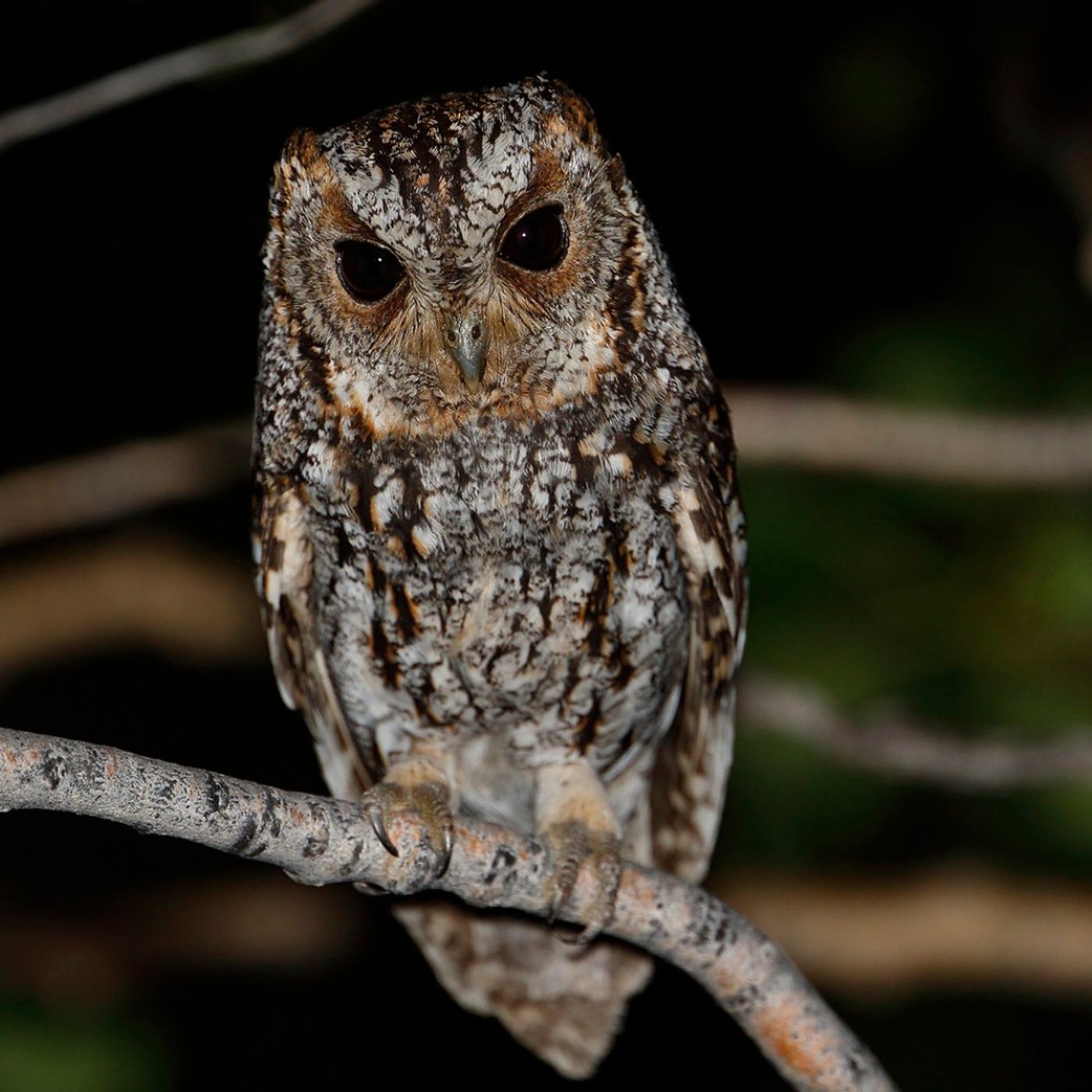
Quirky Words for Patterned Birds
Descriptive names can be a great help when you’re getting to know a new bird. Some species have common names that put their plumage pattern front and center – like the Five-striped Sparrow. If you encounter a bird described as flammulated, lineated, banded, or barred, keep an eye out for their namesake stripes and streaks!BirdNote is grateful to the many contributions of Dr. Gordon Orians, and for his ongoing support of the show.More info and transcript at BirdNote.org.Want more BirdNote? Subscribe to our weekly newsletter. Sign up for BirdNote+ to get ad-free listening and other perks. BirdNote is a nonprofit. Your tax-deductible gift makes these shows possible. Hosted by Simplecast, an AdsWizz company. See pcm.adswizz.com for information about our collection and use of personal data for advertising.
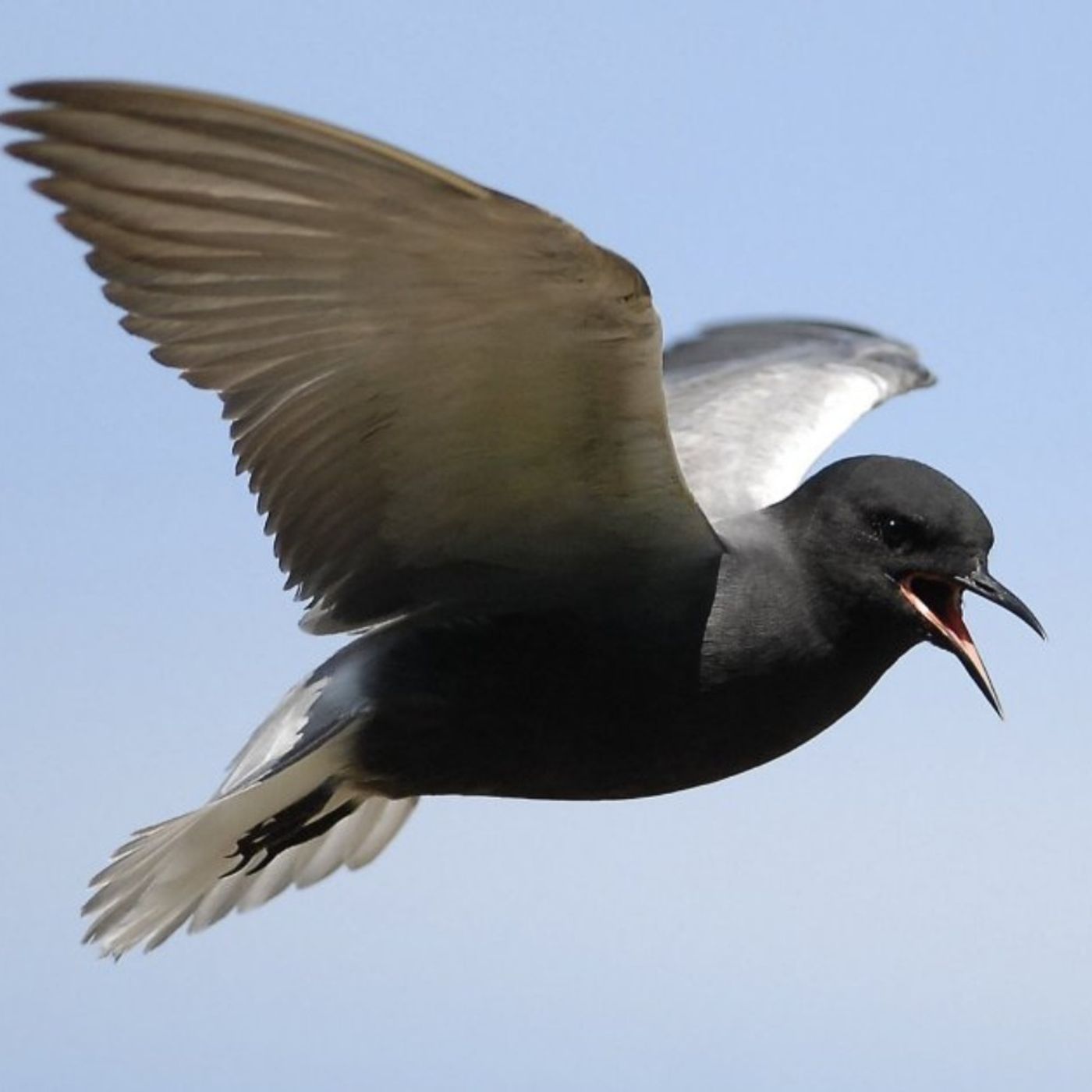
The Elegant Black Tern
Elegant Black Terns breed in summer on secluded wetlands across the northern states and Canada. Because of major losses of wetlands in their breeding range — especially in Canada's prairie provinces — Black Tern numbers have dropped dramatically since the 1960s. The future of this beautiful bird depends on protecting and restoring high-quality wetlands. Recent research shows that artificial nest platforms can enhance the terns' breeding success.More info and transcript at BirdNote.org.Want more BirdNote? Subscribe to our weekly newsletter. Sign up for BirdNote+ to get ad-free listening and other perks. BirdNote is a nonprofit. Your tax-deductible gift makes these shows possible. Hosted by Simplecast, an AdsWizz company. See pcm.adswizz.com for information about our collection and use of personal data for advertising.
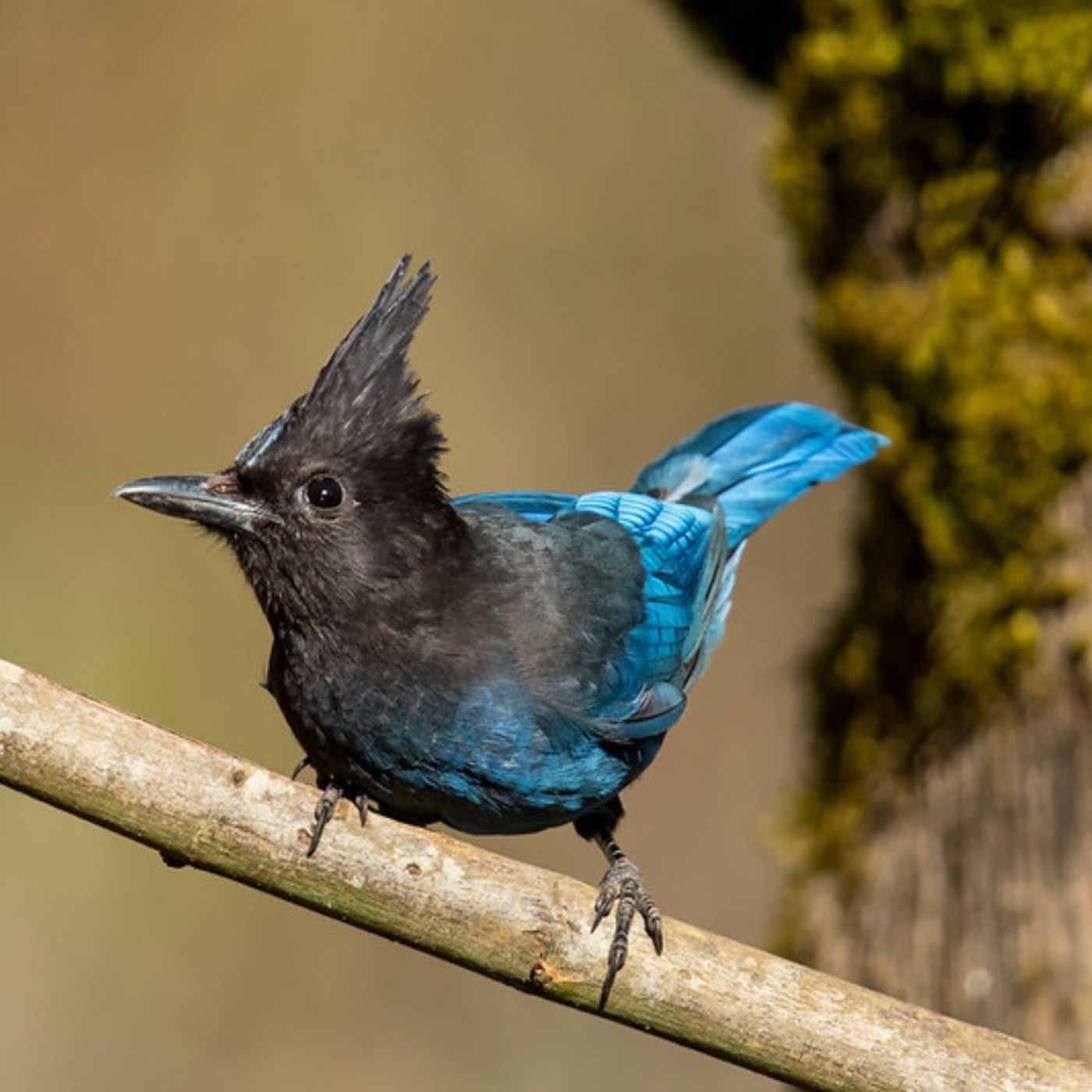
Dave Mull and the Courage of Steller’s Jays
Skateboarder and birder Dave Mull remembers the first time he heard a Steller’s Jay imitating a Red-tailed Hawk. “These Steller's Jays were pretending to be something they were not, kind of tricking the world,” he says. It got him into the mindset that he could attempt a terrifying new skateboard trick called the “stump jump.”Music in today's episode is by Dave Mull, inspired by the endemic species on Santa Cruz Island, CA.More info and transcript at BirdNote.org.Want more BirdNote? Subscribe to our weekly newsletter. Sign up for BirdNote+ to get ad-free listening and other perks. BirdNote is a nonprofit. Your tax-deductible gift makes these shows possible. Hosted by Simplecast, an AdsWizz company. See pcm.adswizz.com for information about our collection and use of personal data for advertising.
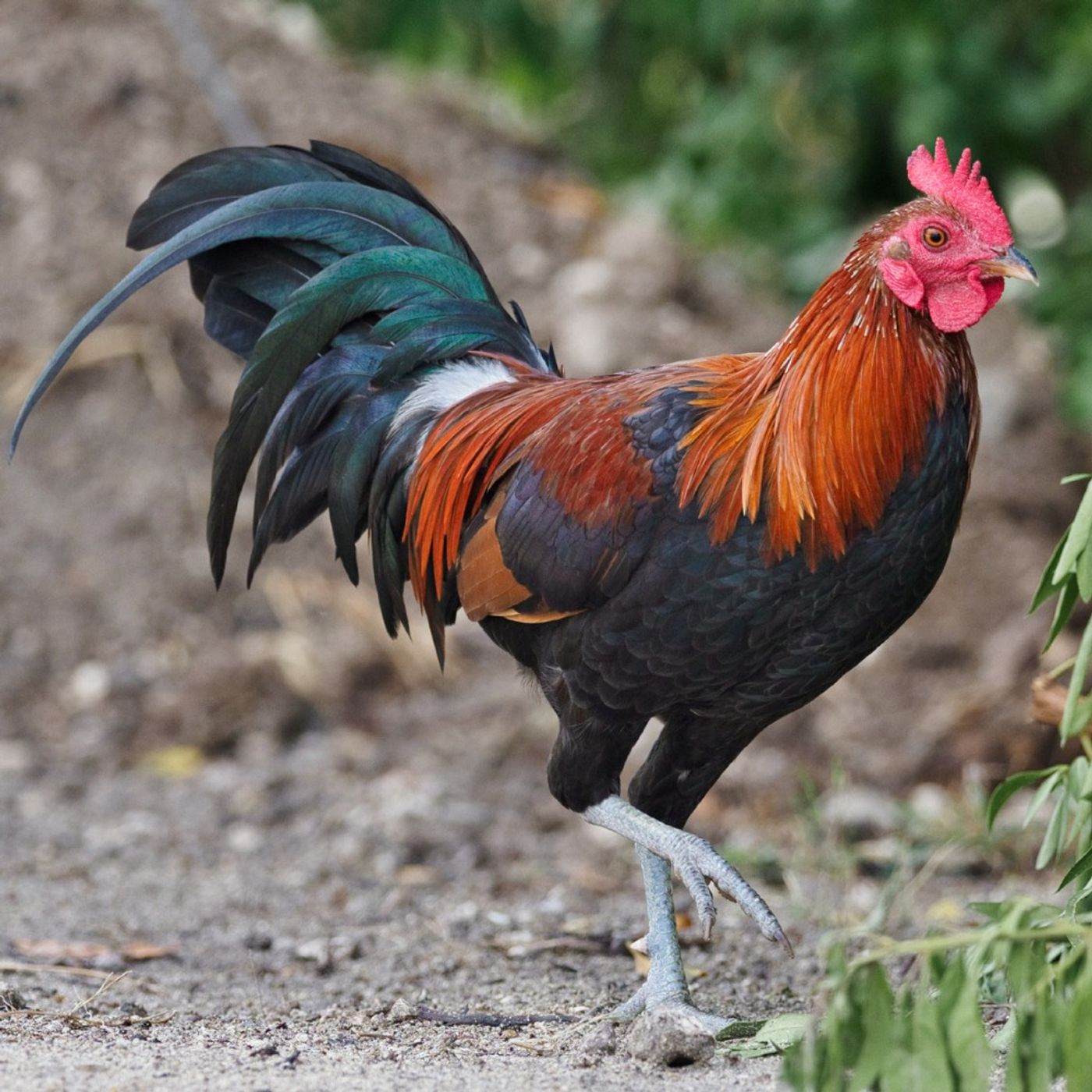
Nature’s Alarm Clock: Which Rooster Crows First?
Roosters don’t need to set an alarm to tell them when it’s time to crow — their internal circadian clock lets them anticipate sunrise with remarkable accuracy. To us sleepy humans, it may seem like they all start crowing at once. But scientists have found that roosters follow a strict social hierarchy: only the top bird can issue the first cock-a-doodle-doo of the day!More info and transcript at BirdNote.org.Want more BirdNote? Subscribe to our weekly newsletter. Sign up for BirdNote+ to get ad-free listening and other perks. BirdNote is a nonprofit. Your tax-deductible gift makes these shows possible. Hosted by Simplecast, an AdsWizz company. See pcm.adswizz.com for information about our collection and use of personal data for advertising.
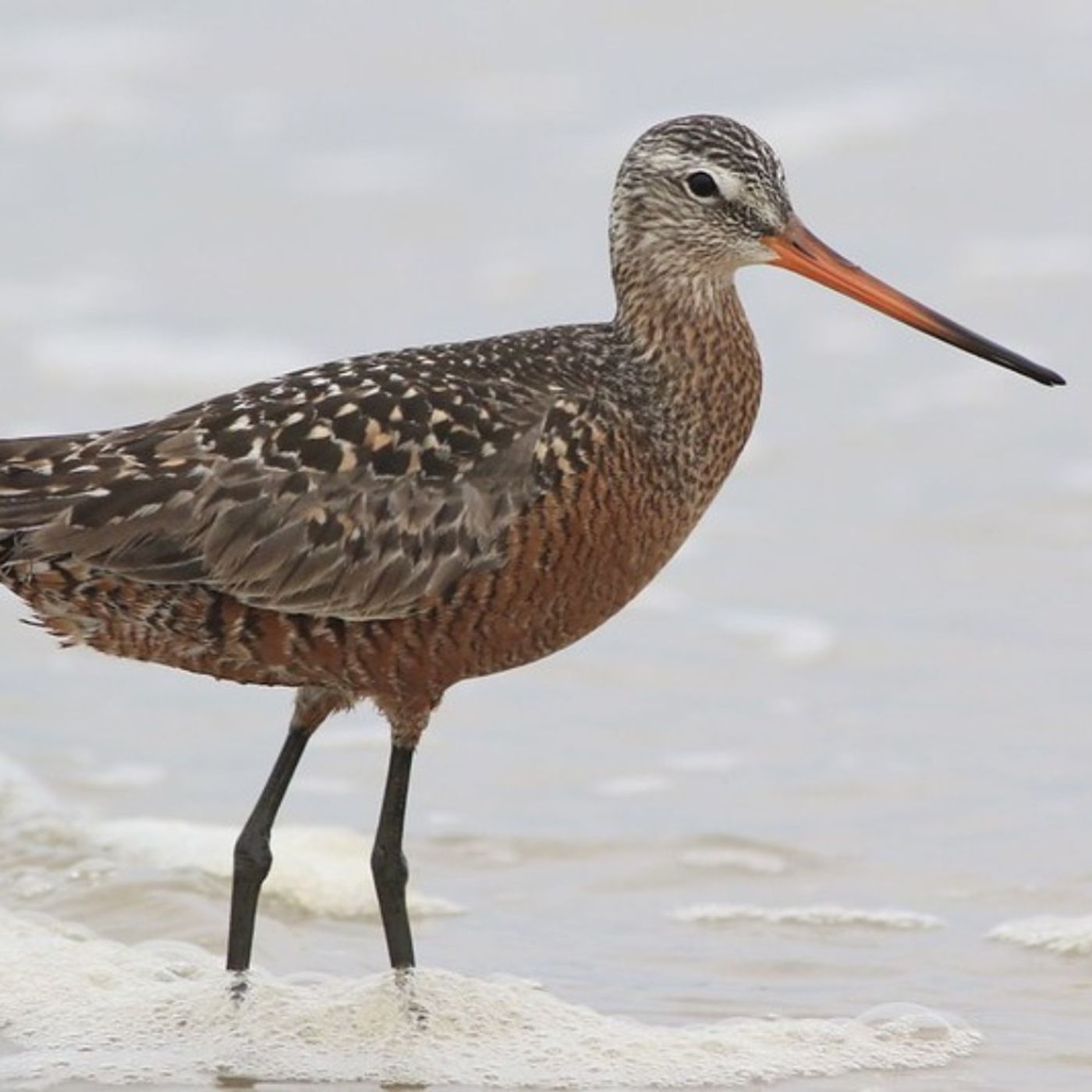
Hudsonian Godwit
Hudsonian Godwits are tough birds to find, and they were once thought extinct due to overhunting. After nesting at sites scattered in the High Arctic, they migrate south on a route that takes them over the ocean from Canada to South America. In spring, they head north through the Great Plains. Populations are estimated to be in the tens of thousands today, but like many arctic nesters, they are a threatened species.This episode is brought to you in memory of longtime BirdNote fan and supporter, Philip Stoller, and with thanks to his family for their support.More info and transcript at BirdNote.org.Want more BirdNote? Subscribe to our weekly newsletter. Sign up for BirdNote+ to get ad-free listening and other perks. BirdNote is a nonprofit. Your tax-deductible gift makes these shows possible. Hosted by Simplecast, an AdsWizz company. See pcm.adswizz.com for information about our collection and use of personal data for advertising.
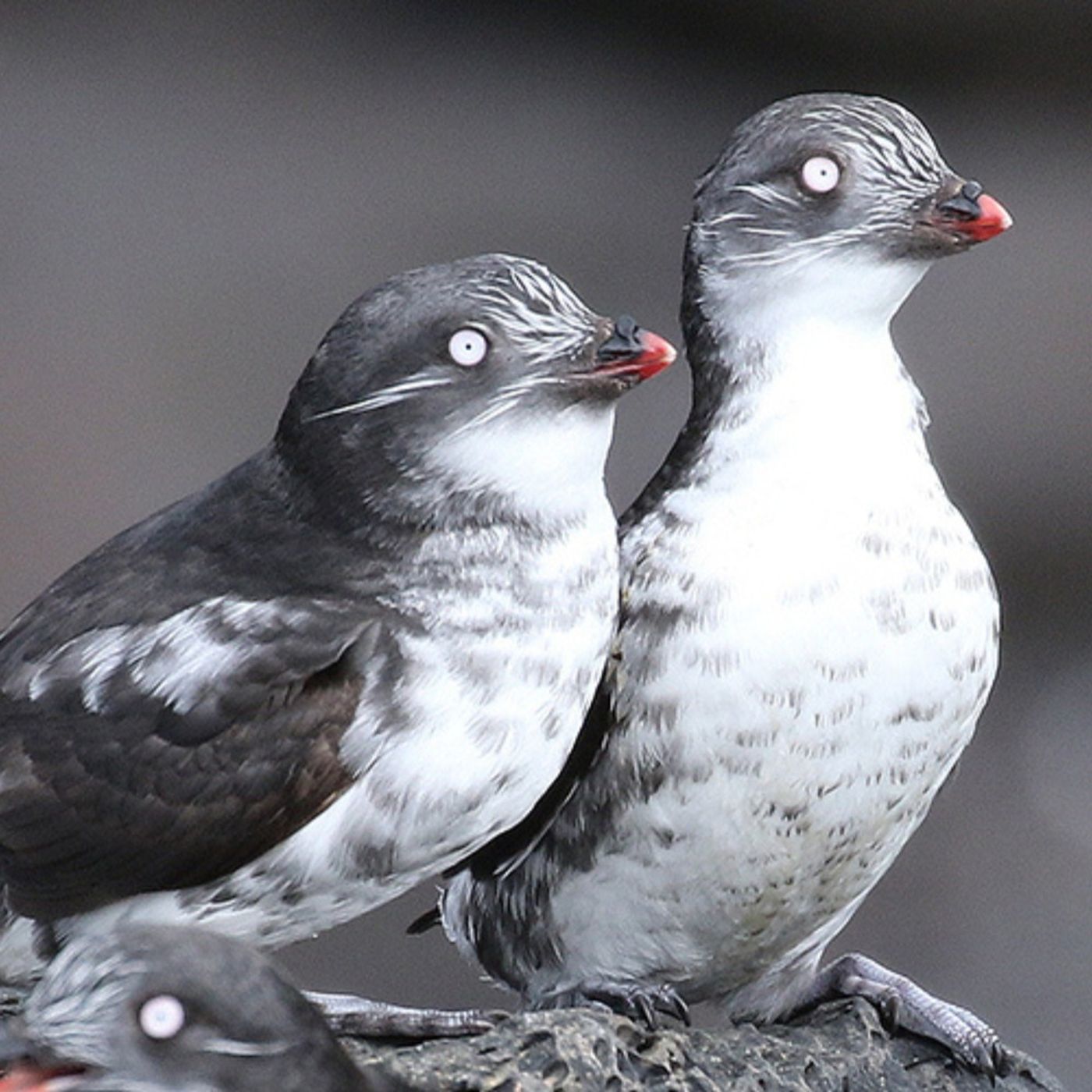
Seabirds Thriving on Volcanic Slopes
In August 2008, Kasatochi Island erupted in the middle of auklet breeding season, burying tens of thousands of chicks in hot ash. At first, the auklets’ future on the island appeared bleak. But in just a few years, the birds had returned in force. Thousands nested within the innumerable chambers left behind by sea-cooled lava.More info and transcript at BirdNote.org.Want more BirdNote? Subscribe to our weekly newsletter. Sign up for BirdNote+ to get ad-free listening and other perks. BirdNote is a nonprofit. Your tax-deductible gift makes these shows possible. Hosted by Simplecast, an AdsWizz company. See pcm.adswizz.com for information about our collection and use of personal data for advertising.
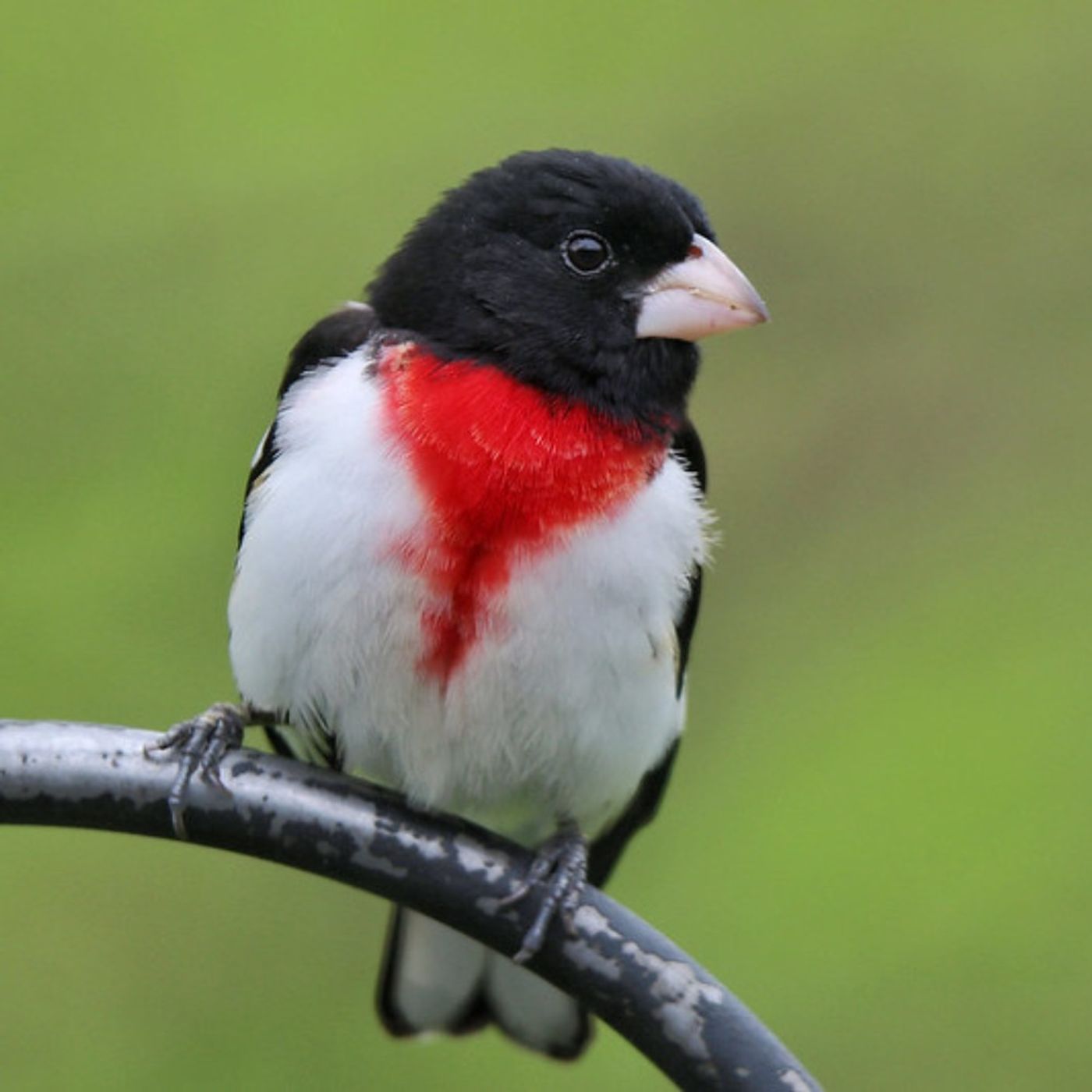
Beaks and Grosbeaks
Beaks suited for opening tough, hard seeds — thick, conical beaks — evolved in more than one lineage of birds. Rose-breasted Grosbeaks are related to cardinals, which also have powerful beaks. Evening Grosbeaks belong to the finch family, which includes goldfinches and crossbills — an entire family of seedeaters. But both these grosbeaks were named before their family connections were fully understood.More info and transcript at BirdNote.org.Want more BirdNote? Subscribe to our weekly newsletter. Sign up for BirdNote+ to get ad-free listening and other perks. BirdNote is a nonprofit. Your tax-deductible gift makes these shows possible. Hosted by Simplecast, an AdsWizz company. See pcm.adswizz.com for information about our collection and use of personal data for advertising.

Seeing the Rainbow in a Bird’s Feathers
We make it a habit to detail the broad and beautiful spectrum of bird colors, but iridescent feathers are undoubtedly among the most mesmerizing. When sunlight hits the Bufflehead’s dark head feathers at the right angle, their colors transform into shades of the rainbow, from deep violet to green and gold. Common Grackles, caught in natural light, gleam gold, green and blue-purple. Starlings, too. And the dull gray Rock Pigeons shuffling around a city park might reveal a glimpse of the electric teal and lavender, shifting shades on their throat.More info and transcript at BirdNote.org.Want more BirdNote? Subscribe to our weekly newsletter. Sign up for BirdNote+ to get ad-free listening and other perks. BirdNote is a nonprofit. Your tax-deductible gift makes these shows possible. Hosted by Simplecast, an AdsWizz company. See pcm.adswizz.com for information about our collection and use of personal data for advertising.
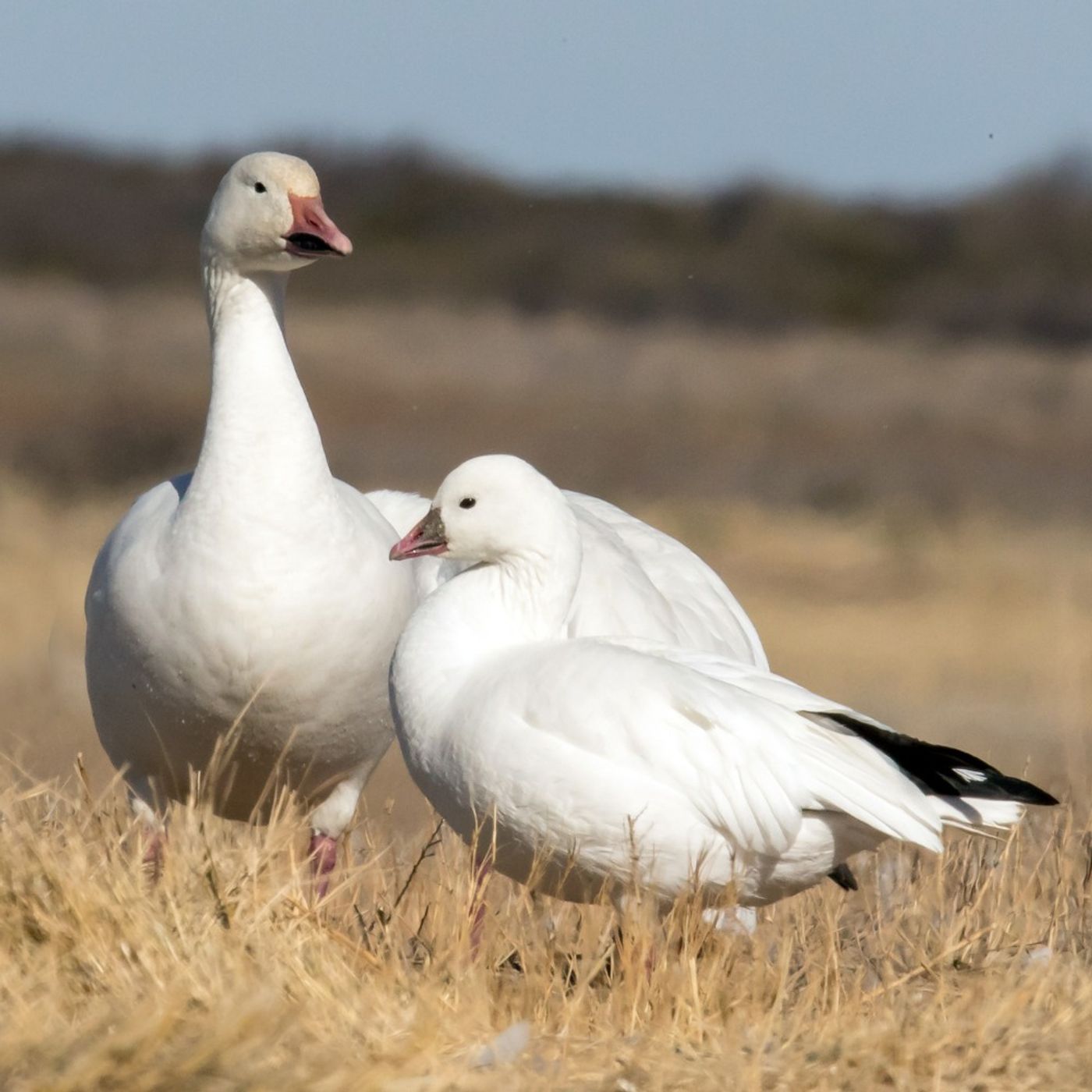
Sister Species: Snow Goose and Ross’s Goose
Ross’s Geese and Snow Geese are both white-bodied waterfowl with black wingtips that can be difficult to tell apart. The pair are a great example of what science calls sister species, which occur when a portion of one species takes an evolutionary step away from the rest, resulting in a species split. In this case, genetic studies suggest that the Ross’s Goose branched away from their Snow Goose relatives more than two million years ago, possibly because advancing glaciers separated the two populations. After spending millennia in isolation, the Ross’s Goose evolved to be about ⅔ the size of a Snow Goose, with a noticeably shorter neck, smaller bill, and higher-pitched voice, too.More info and transcript at BirdNote.org.Want more BirdNote? Subscribe to our weekly newsletter. Sign up for BirdNote+ to get ad-free listening and other perks. BirdNote is a nonprofit. Your tax-deductible gift makes these shows possible. Hosted by Simplecast, an AdsWizz company. See pcm.adswizz.com for information about our collection and use of personal data for advertising.
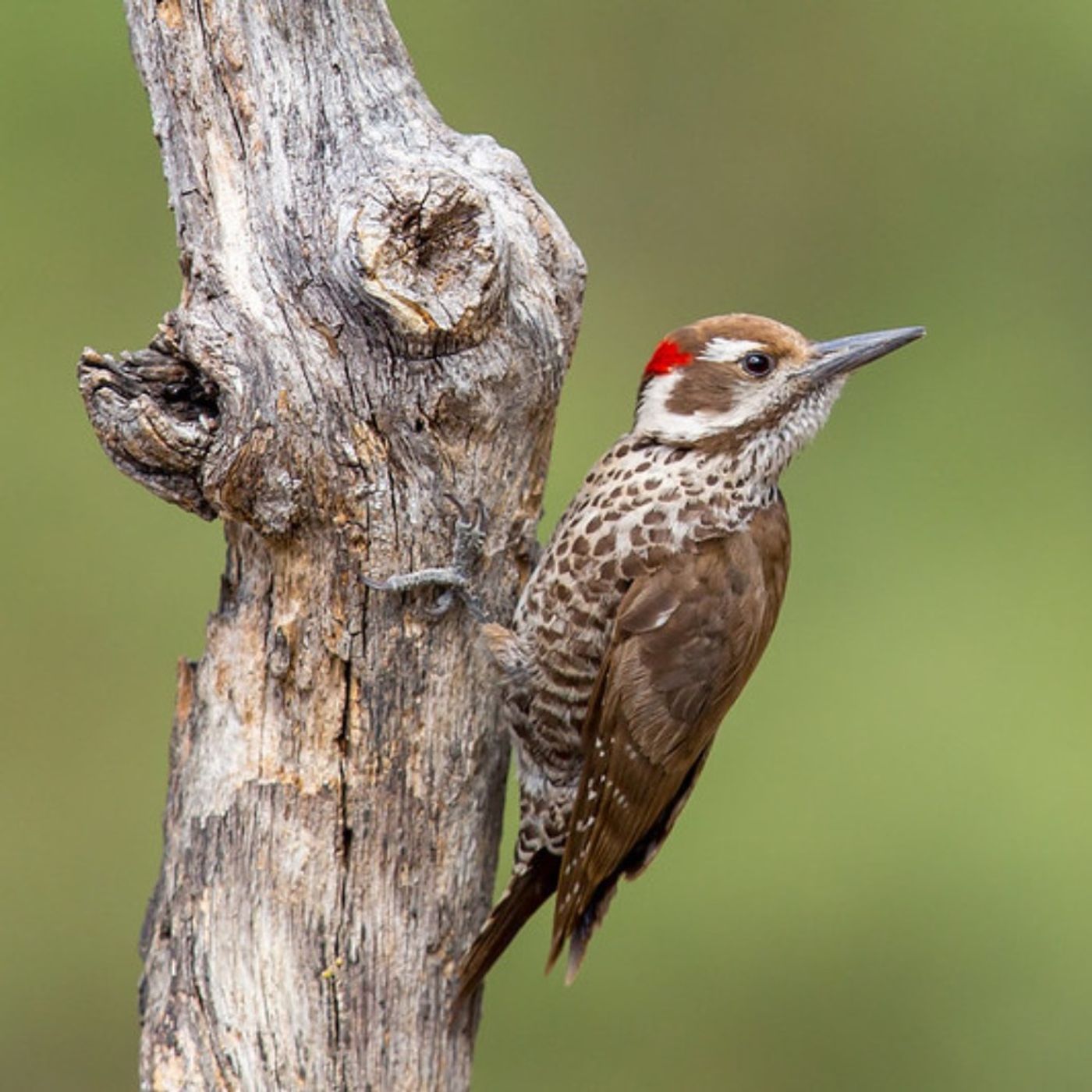
Arizona Woodpecker and the Sierra Madre
Found in the Sierra Madre, the Arizona Woodpecker has a special connection to the mountain range. Sharing mid-elevation pine and oaks with fellow border straddlers, these small brown birds with white and brown cheeks stand out from other Woodpeckers with their heavily marked white underparts. Uniquely, they forage by flying to the base of a tree and then spiraling up the trunk. And in courtship, the male turns himself into a paper airplane, holding his wings steady and gliding toward his mate.More info and transcript at BirdNote.org.Want more BirdNote? Subscribe to our weekly newsletter. Sign up for BirdNote+ to get ad-free listening and other perks. BirdNote is a nonprofit. Your tax-deductible gift makes these shows possible. Hosted by Simplecast, an AdsWizz company. See pcm.adswizz.com for information about our collection and use of personal data for advertising.
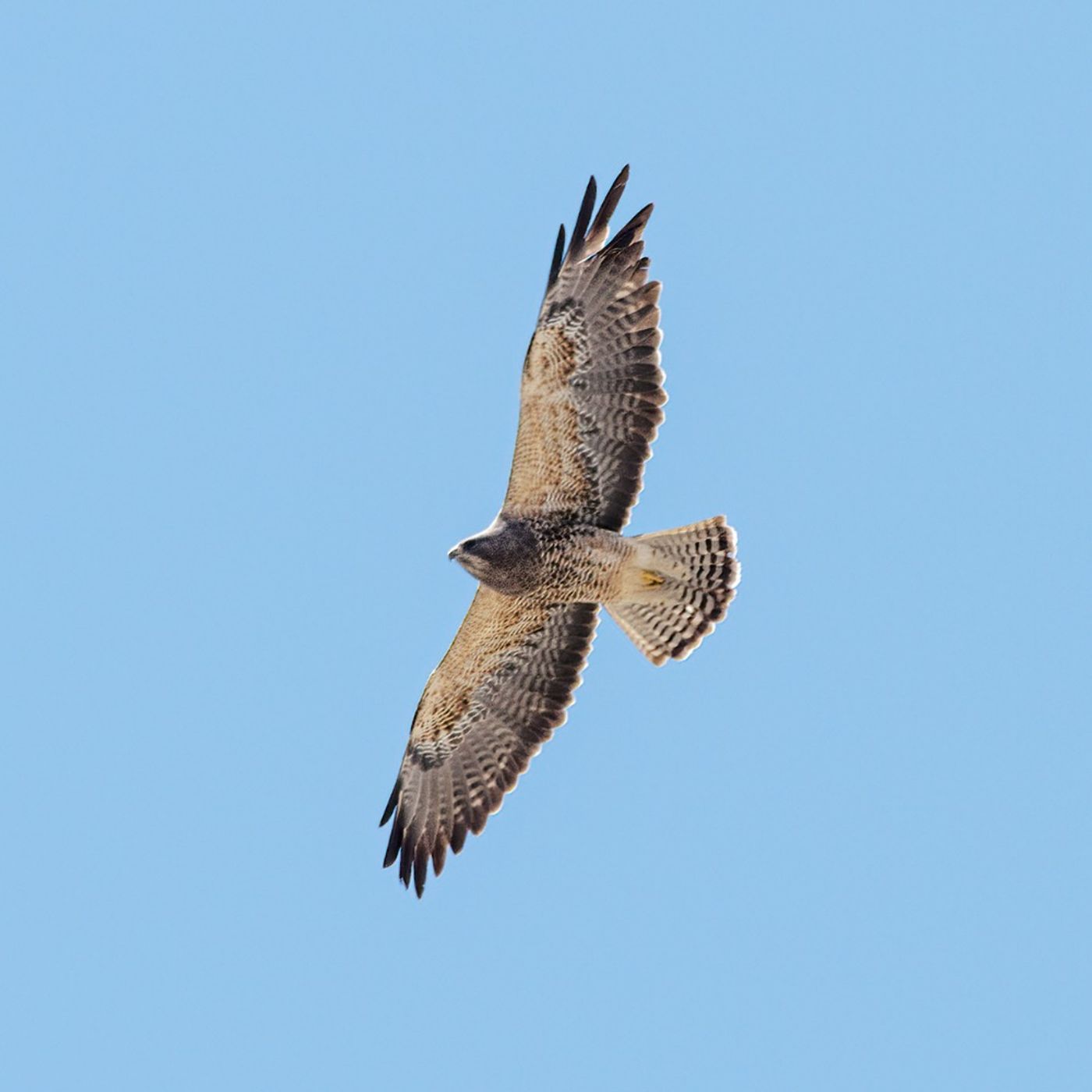
The 'Grasshopper' Hawk's High-Stakes Migration
Swainson’s Hawks make an incredible journey every year, migrating 12,000 miles round-trip from North America’s prairies to Argentina’s pampas. What makes them truly unique is their diet. Most hawks hunt rodents and reptiles, but Swainson’s Hawks switch to insects, feasting on grasshoppers and locusts in South America. In the 1990s, this diet nearly led to disaster when pesticides in Argentina killed over 20,000 hawks in two years. But a successful international conservation effort saved them.More info and transcript at BirdNote.org.Want more BirdNote? Subscribe to our weekly newsletter. Sign up for BirdNote+ to get ad-free listening and other perks. BirdNote is a nonprofit. Your tax-deductible gift makes these shows possible. Hosted by Simplecast, an AdsWizz company. See pcm.adswizz.com for information about our collection and use of personal data for advertising.
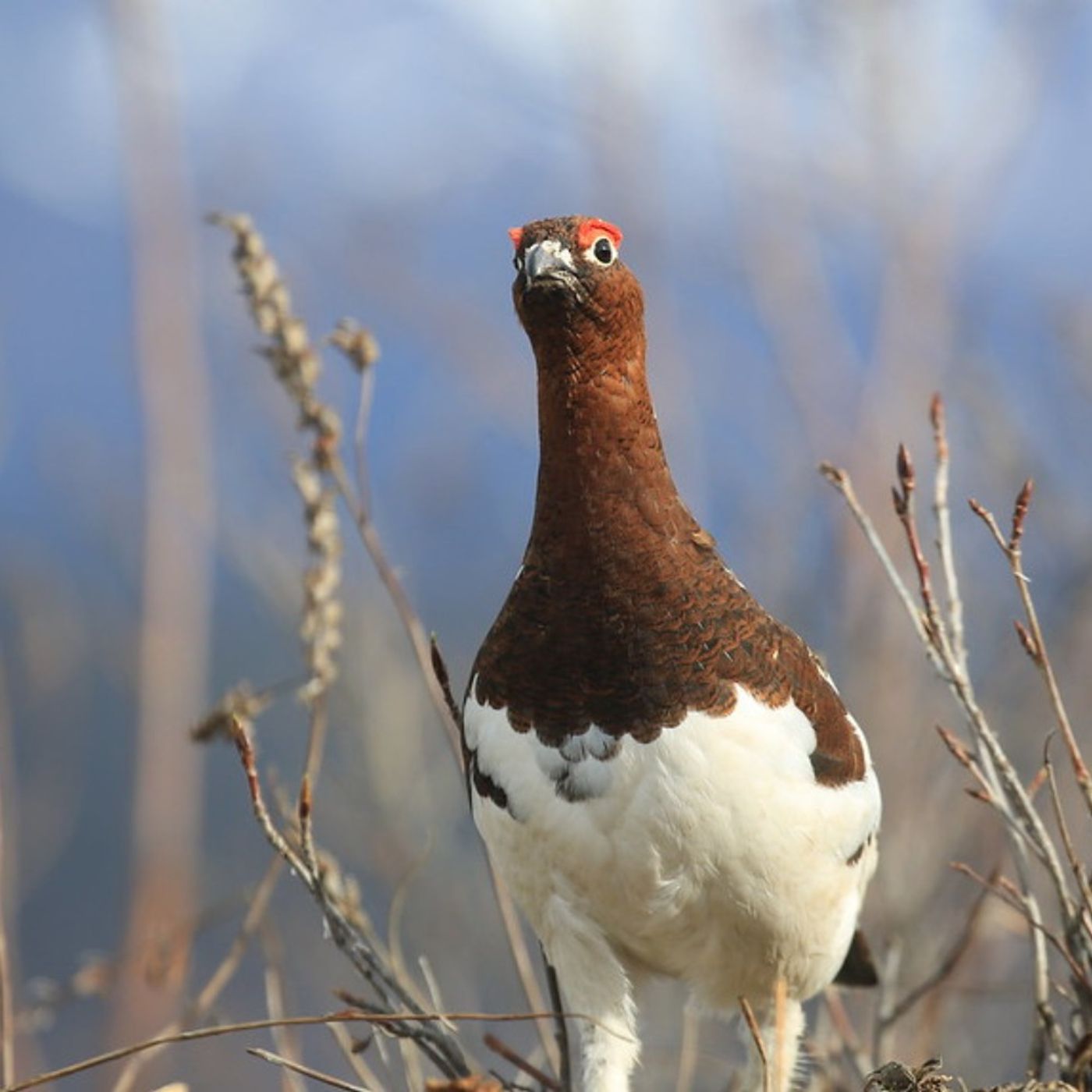
Silly Willow Ptarmigan
Some bird songs leave us in admiration of their beauty, some with a sense of wonder at their complexity—and others are downright comical. As a maker of silly sounds, the male Willow Ptarmigan beats the Three Stooges hands down. But these sounds are no laughing matter. Where it nests in the shrubby willow tundra of Alaska and Canada, the Willow Ptarmigan crows to attract females and show other males he’s in charge of his territory.This episode is brought to you by the Tuttleman Foundation with thanks for their generous support.More info and transcript at BirdNote.org.Want more BirdNote? Subscribe to our weekly newsletter. Sign up for BirdNote+ to get ad-free listening and other perks. BirdNote is a nonprofit. Your tax-deductible gift makes these shows possible. Hosted by Simplecast, an AdsWizz company. See pcm.adswizz.com for information about our collection and use of personal data for advertising.
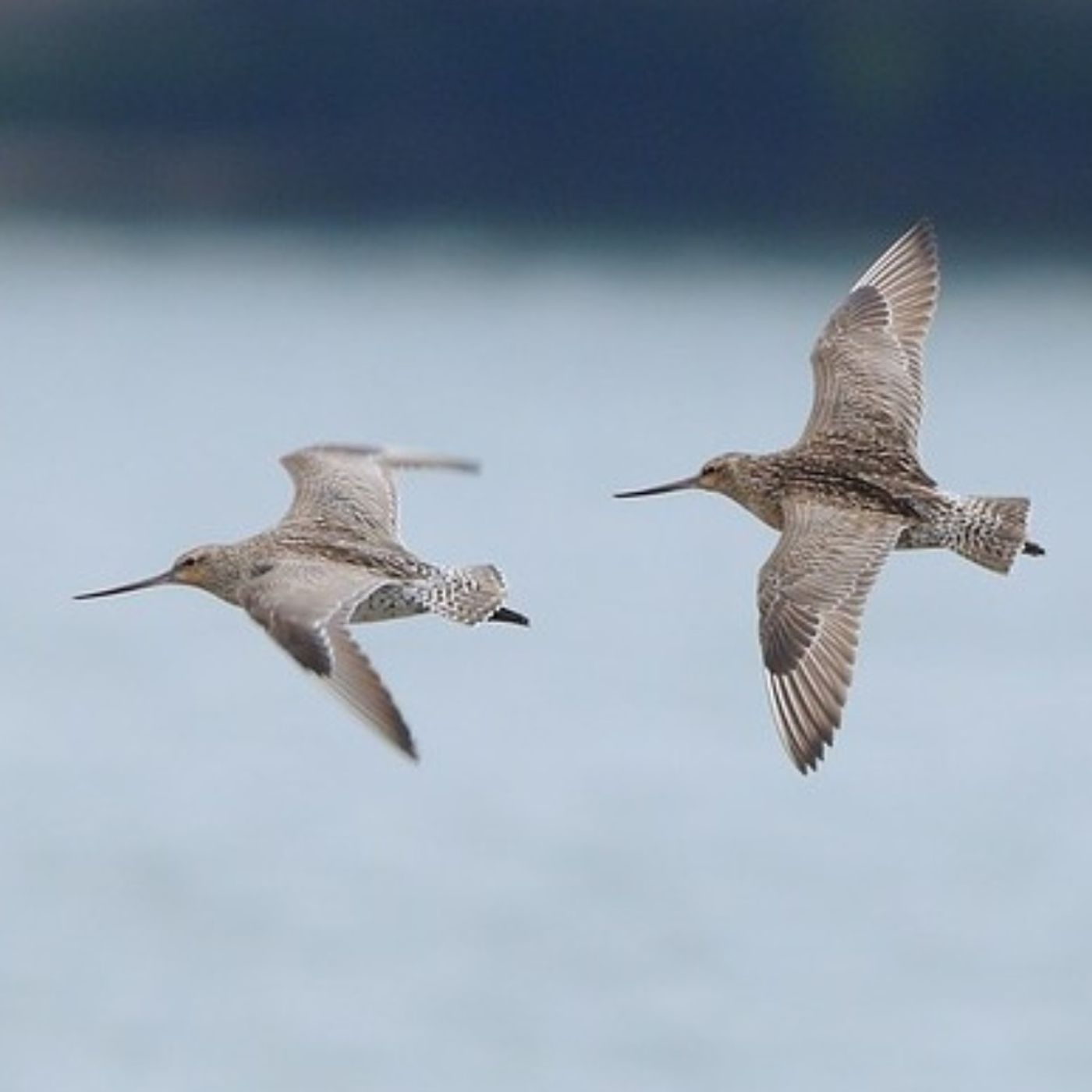
Birds Crossing the Pacific
Over 12,000 miles across at its widest point, you might think the Pacific Ocean is a barrier that even high-flying birds can’t cross. Think again – some species make the trip every year as part of their life cycle. During the spring, Bar-tailed Godwits break up their trip from New Zealand to Alaska with a stop in the Yellow Sea off the coast of East Asia. But for their winter migration, they fly from North America to New Zealand without stopping. The longest recorded godwit journey is over 8,000 miles of uninterrupted flight.More info and transcript at BirdNote.org.Want more BirdNote? Subscribe to our weekly newsletter. Sign up for BirdNote+ to get ad-free listening and other perks. BirdNote is a nonprofit. Your tax-deductible gift makes these shows possible. Hosted by Simplecast, an AdsWizz company. See pcm.adswizz.com for information about our collection and use of personal data for advertising.
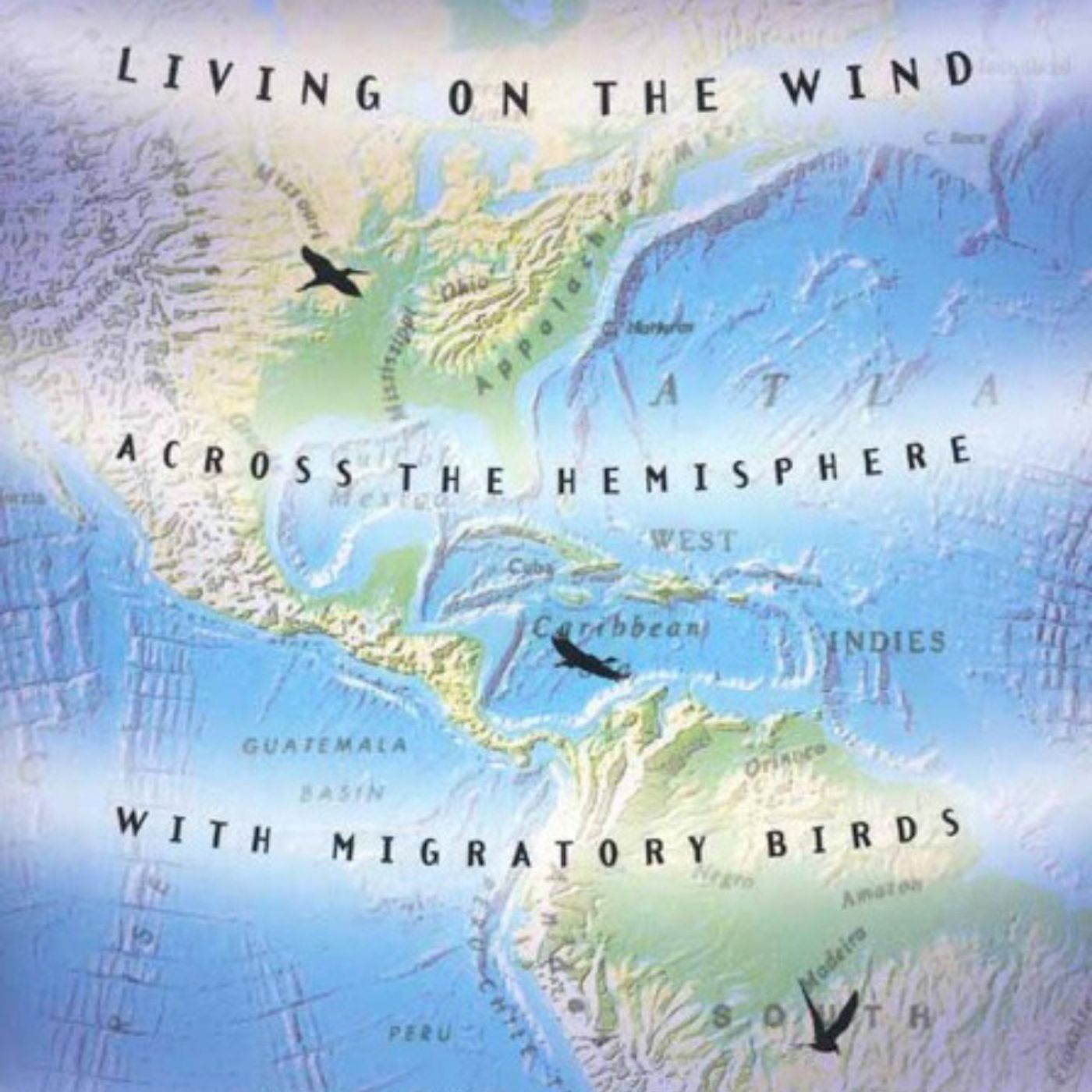
Migration Routes Evolve
Why do birds consistently follow certain routes in their migrations? Pathways of migration evolved, shaped by the wind. During the height of the last ice age, ice-free breeding habitat for songbirds remained in what is now Alaska and parts of Western Canada. Studies of fossil pollen show that consistent winds blew across the continent on a northwest-southeast heading of 155 degrees. Scott Weidensaul recounts in his book Living on the Wind, “A powerful high-pressure center over central Canada pumped strong northwest winds, precisely the conditions that would aid migrants.” The birds rode these tailwinds to traverse the ice fields. And today, the birds still follow this bearing on their migration to South and Central America and the Caribbean.More info and transcript at BirdNote.org.Want more BirdNote? Subscribe to our weekly newsletter. Sign up for BirdNote+ to get ad-free listening and other perks. BirdNote is a nonprofit. Your tax-deductible gift makes these shows possible. Hosted by Simplecast, an AdsWizz company. See pcm.adswizz.com for information about our collection and use of personal data for advertising.
Stand-still Birding
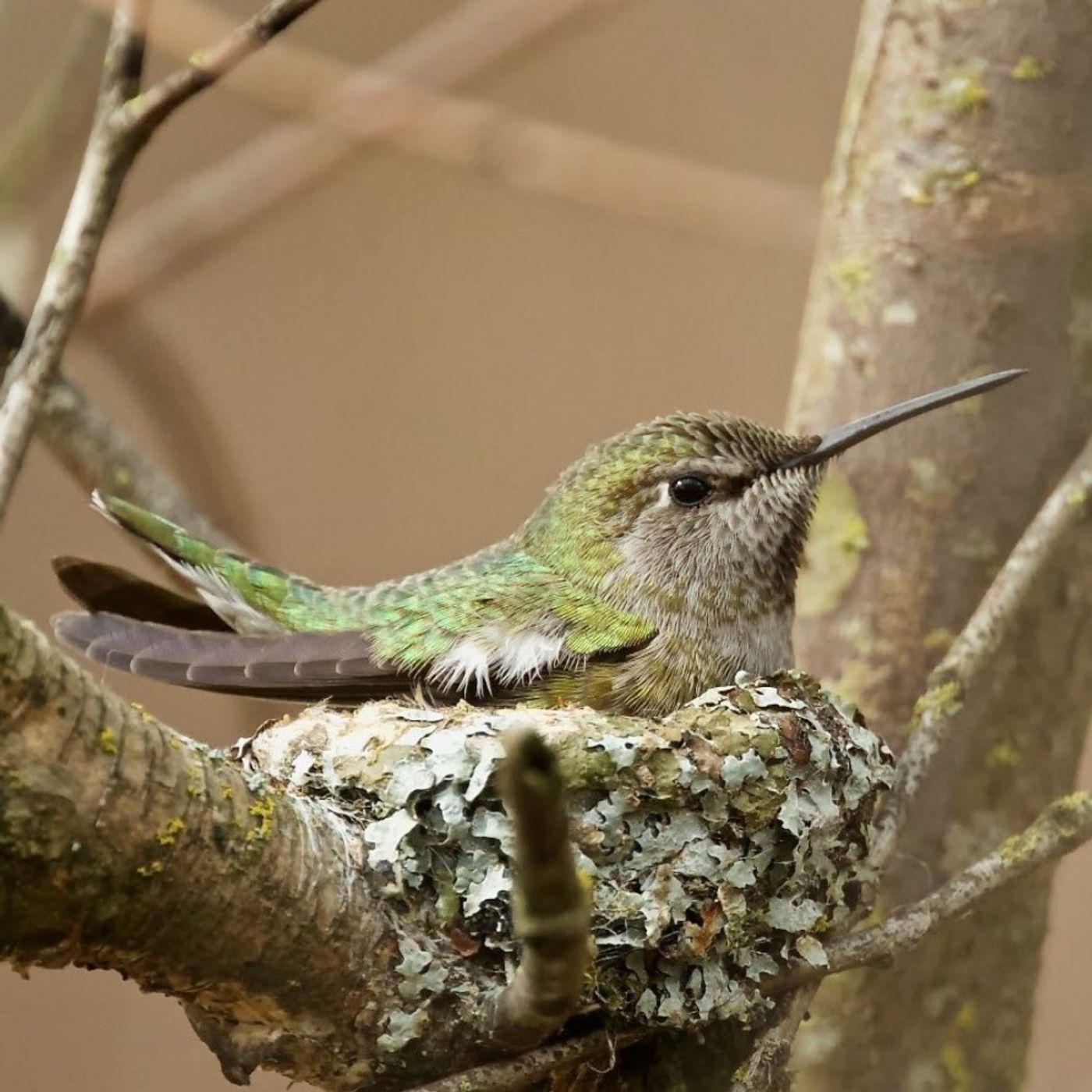
While full-speed-ahead birding can mean spotting a large number of species, there's quiet joy in stand-still birding. Pick a place-forest, field, or marsh. Find a seat that's dry, and hold your binoculars to your eyes. Be still and blend in. After perhaps 20 minutes, birds accept you as part of the landscape and go back to the business of being birds. You might even see a bird like this female Anna's Hummingbird fly to her secret nest.More info and transcript at BirdNote.org.Want more BirdNote? Subscribe to our weekly newsletter. Sign up for BirdNote+ to get ad-free listening and other perks. BirdNote is a nonprofit. Your tax-deductible gift makes these shows possible. Hosted by Simplecast, an AdsWizz company. See pcm.adswizz.com for information about our collection and use of personal data for advertising.
A Closer Look at Sparrows
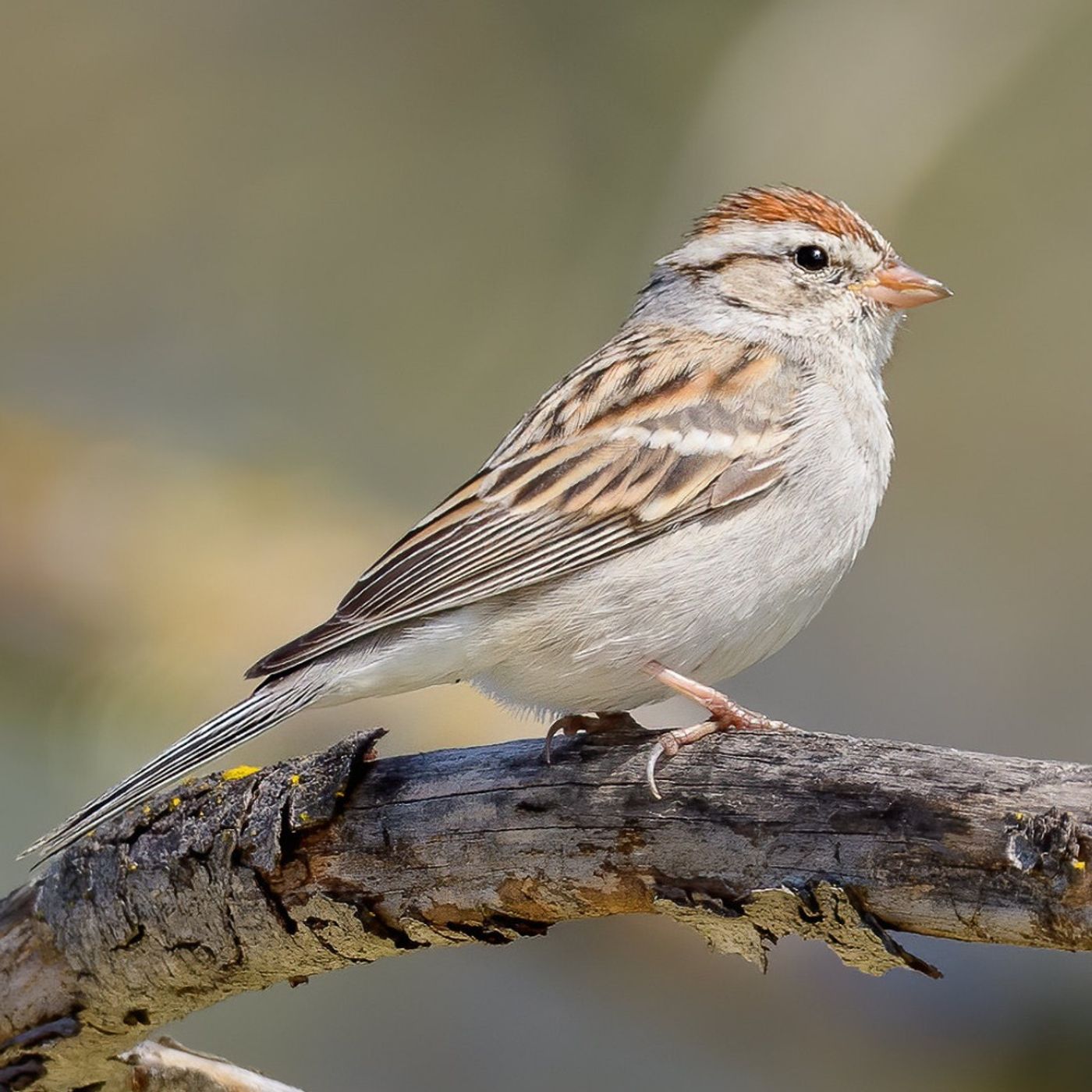
At first glance, many of the sparrows in North America look pretty much the same: like small, drab-colored songbirds hanging out on the ground. But these “little brown jobs” can be fun to identify if you know what field marks to look for!More info and transcript at BirdNote.org.Want more BirdNote? Subscribe to our weekly newsletter. Sign up for BirdNote+ to get ad-free listening and other perks. BirdNote is a nonprofit. Your tax-deductible gift makes these shows possible. Hosted by Simplecast, an AdsWizz company. See pcm.adswizz.com for information about our collection and use of personal data for advertising.
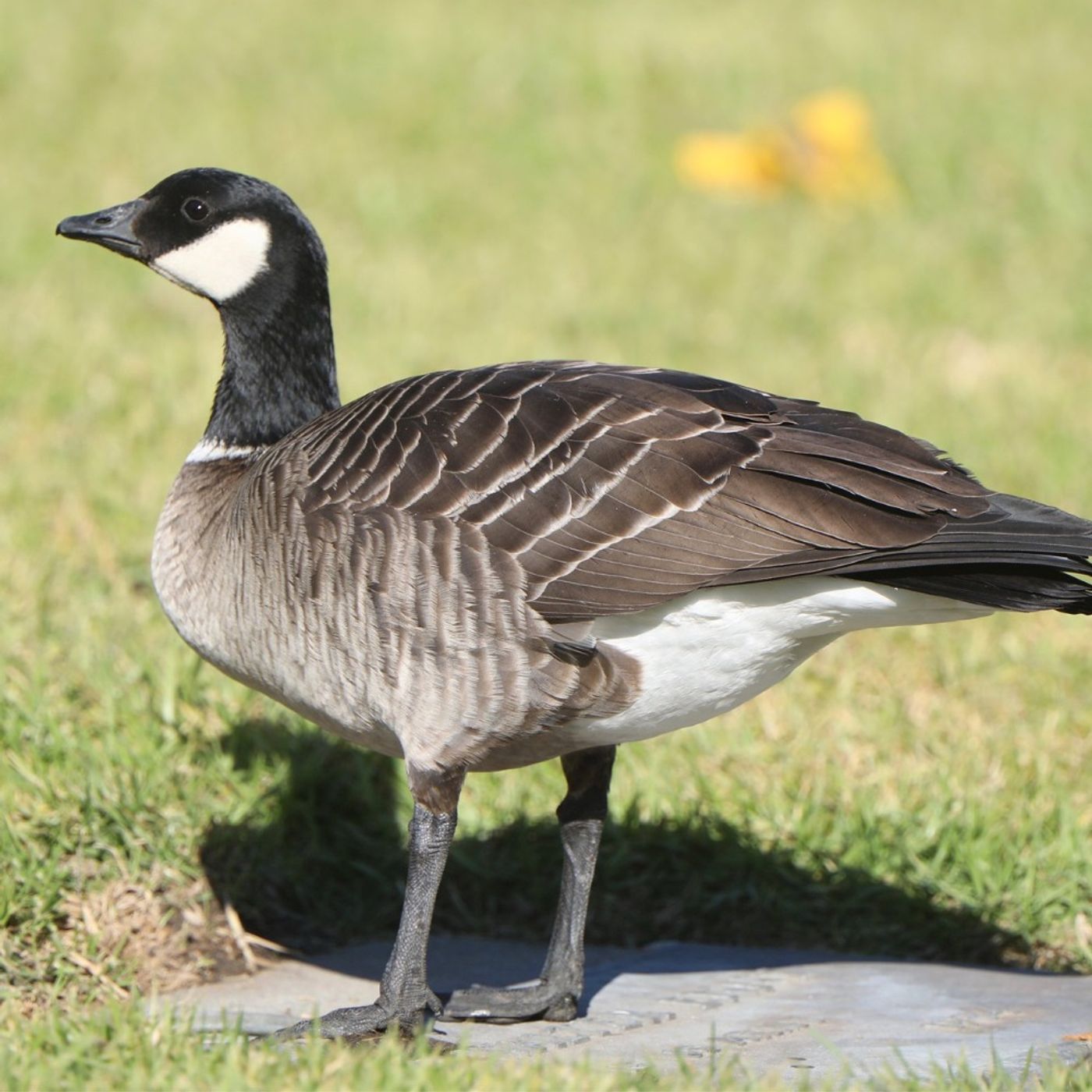
Migrations: The Triumphant Comeback of the Aleutian Cackling Goose
Aleutian Cackling Geese, which have a slighter build and shorter beak than Canada Geese, build their nests on a chain of islands off the western coast of Alaska. In the 1700s, fur traders introduced foxes to the islands, nearly wiping out the geese. For decades, they were believed to be extinct. But in the 1960s, a biologist discovered about 300 birds nesting on Buldir Island. Habitat protections have allowed their populations to recover.More info and transcript at BirdNote.org.Want more BirdNote? Subscribe to our weekly newsletter. Sign up for BirdNote+ to get ad-free listening and other perks. BirdNote is a nonprofit. Your tax-deductible gift makes these shows possible. Hosted by Simplecast, an AdsWizz company. See pcm.adswizz.com for information about our collection and use of personal data for advertising.
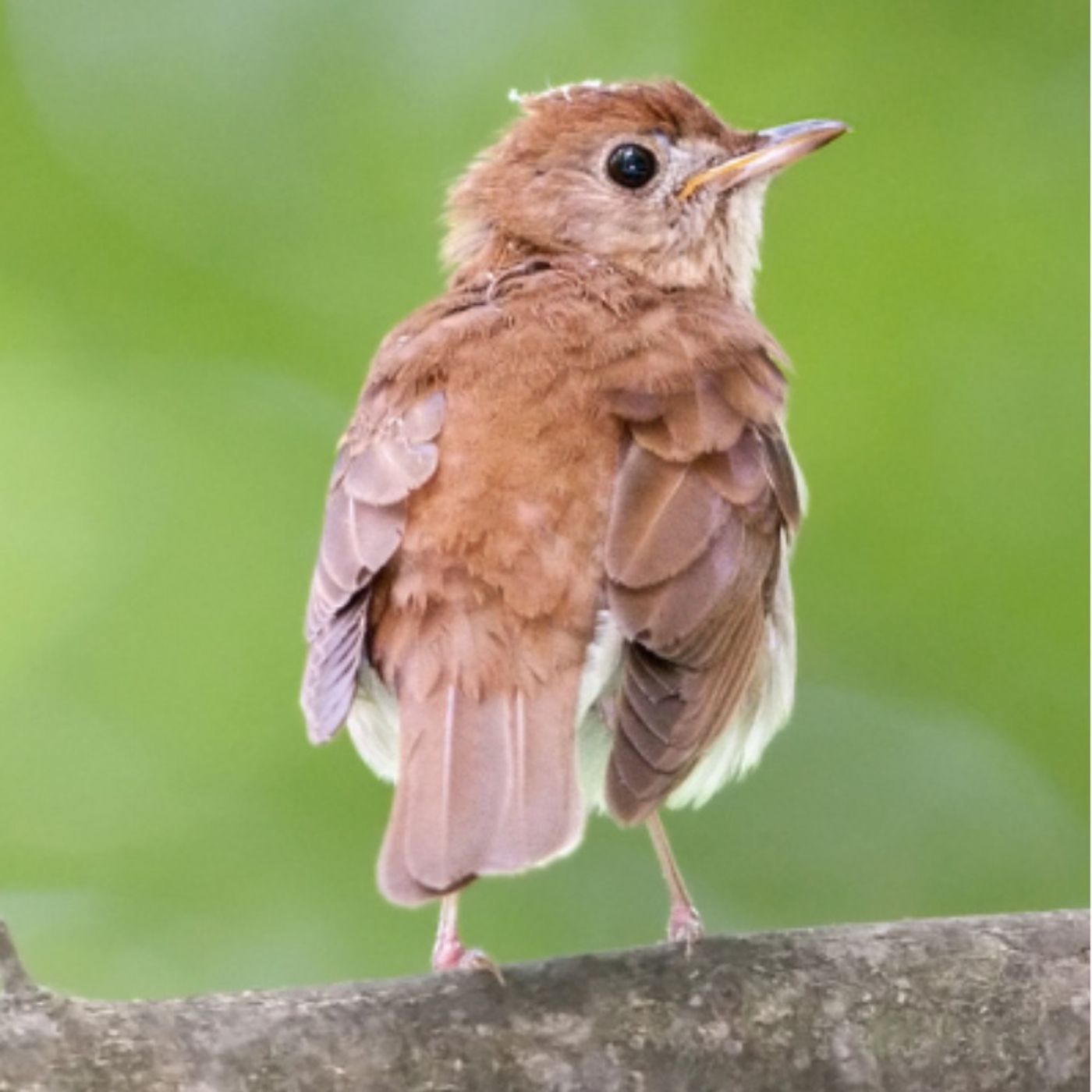
Migrations: Veeries Predict Hurricanes
In some years, tawny-colored thrushes called Veeries cut their breeding season short. Researchers discovered that Veeries tend to stop breeding early in the same years that the Atlantic hurricane season is particularly severe. Surprisingly, Veeries are sometimes better at predicting hurricane conditions than computer models! Despite their forecasting prowess, though, Veeries are vulnerable to climate change.More info and transcript at BirdNote.org.Want more BirdNote? Subscribe to our weekly newsletter. Sign up for BirdNote+ to get ad-free listening and other perks. BirdNote is a nonprofit. Your tax-deductible gift makes these shows possible. Hosted by Simplecast, an AdsWizz company. See pcm.adswizz.com for information about our collection and use of personal data for advertising.
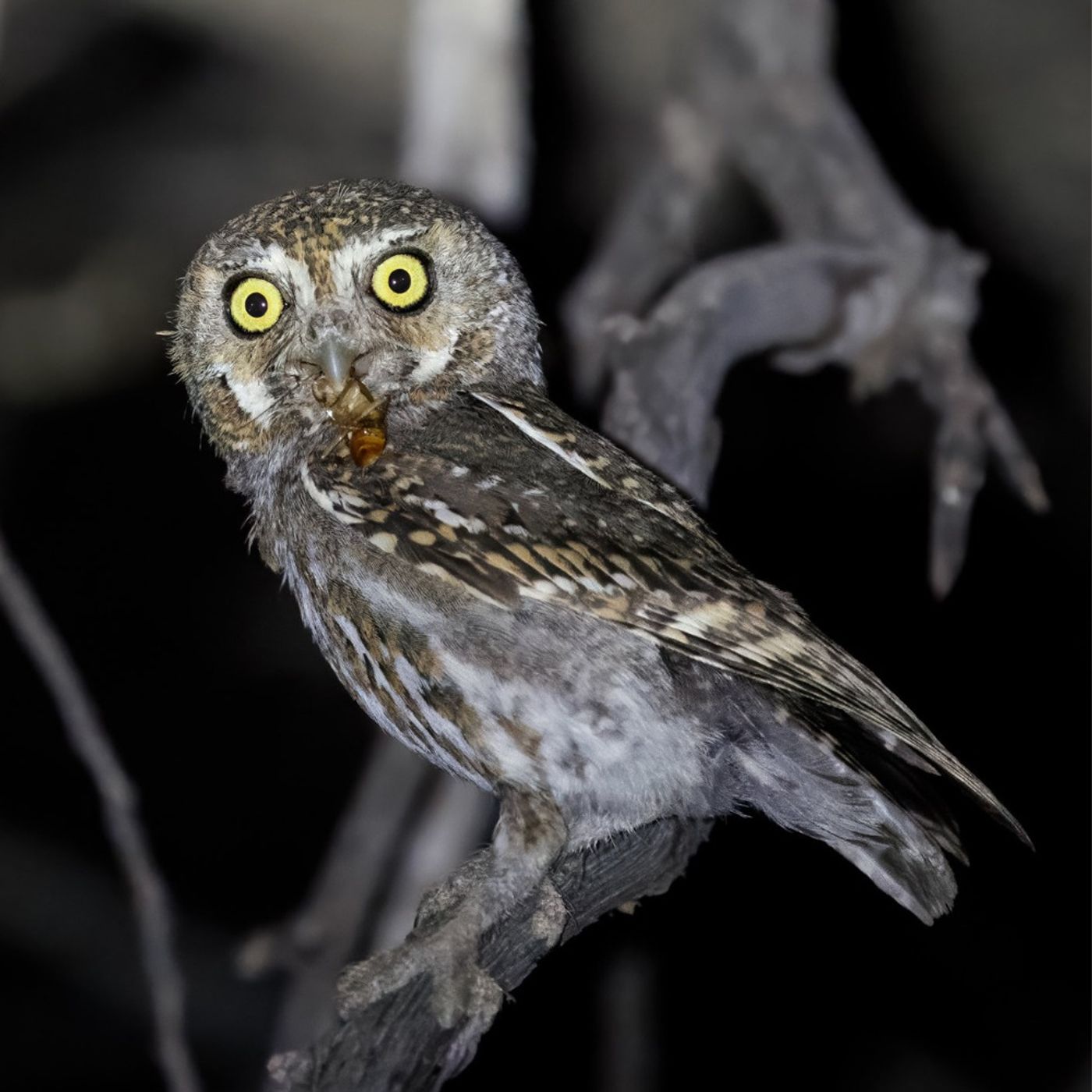
Nineteen Owls
Owls have a reputation for hooting and hunting at night. But when you take a look – and listen – to the 19 species that live in the U.S. and Canada, it’s clear that these raptors defy stereotypes.More info and transcript at BirdNote.org.Want more BirdNote? Subscribe to our weekly newsletter. Sign up for BirdNote+ to get ad-free listening and other perks. BirdNote is a nonprofit. Your tax-deductible gift makes these shows possible. Hosted by Simplecast, an AdsWizz company. See pcm.adswizz.com for information about our collection and use of personal data for advertising.
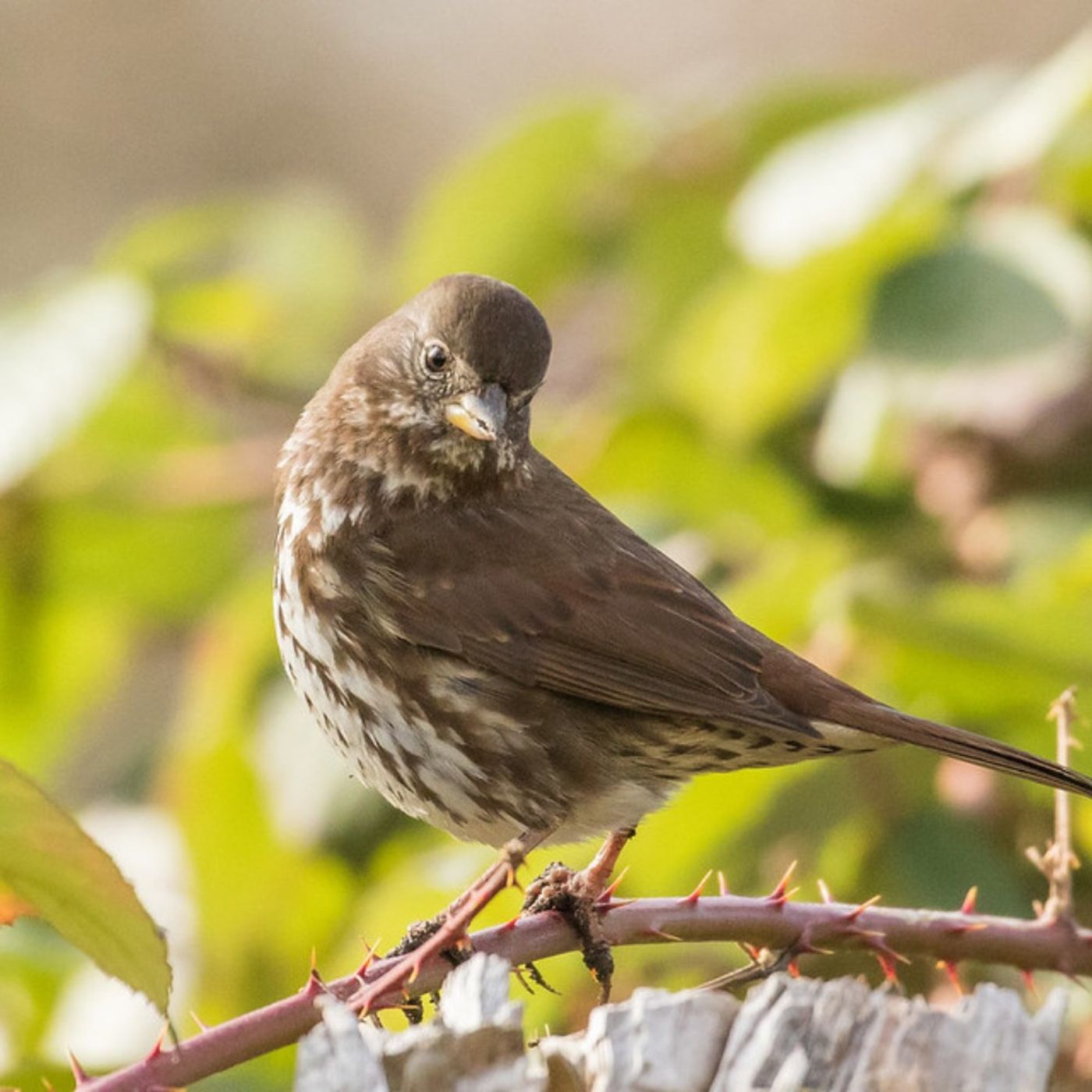
Creating an Inviting Habitat
Bird feeders and birdbaths are great ways to attract birds to your yard, but they aren’t the only ways to entice our feathered friends. Planting an area densely with native shrubs, trees, and other vegetation can create a natural look that some birds are more likely to feel at home in because it resembles their native habitat. Shy singers, like the Fox Sparrow or Veery, will repay you with their beautiful songs.More info and transcript at BirdNote.org.Want more BirdNote? Subscribe to our weekly newsletter. Sign up for BirdNote+ to get ad-free listening and other perks. BirdNote is a nonprofit. Your tax-deductible gift makes these shows possible. Hosted by Simplecast, an AdsWizz company. See pcm.adswizz.com for information about our collection and use of personal data for advertising.

The First North American Wildlife Refuge
In the center of Oakland, California, is Lake Merritt. People row in it, picnic and jog around it, and it's a place of respite within the city. And it hosts waterbirds such as ducks, geese, egrets, pelicans, cormorants, and coots. A beautifully illustrated field guide by Alex Harris, Birds of Lake Merritt, describes the birds found around the waters of Lake Merritt, its history since the Ohlone peoples have populated it, all the way till today.More info and transcript at BirdNote.org.Want more BirdNote? Subscribe to our weekly newsletter. Sign up for BirdNote+ to get ad-free listening and other perks. BirdNote is a nonprofit. Your tax-deductible gift makes these shows possible. Hosted by Simplecast, an AdsWizz company. See pcm.adswizz.com for information about our collection and use of personal data for advertising.
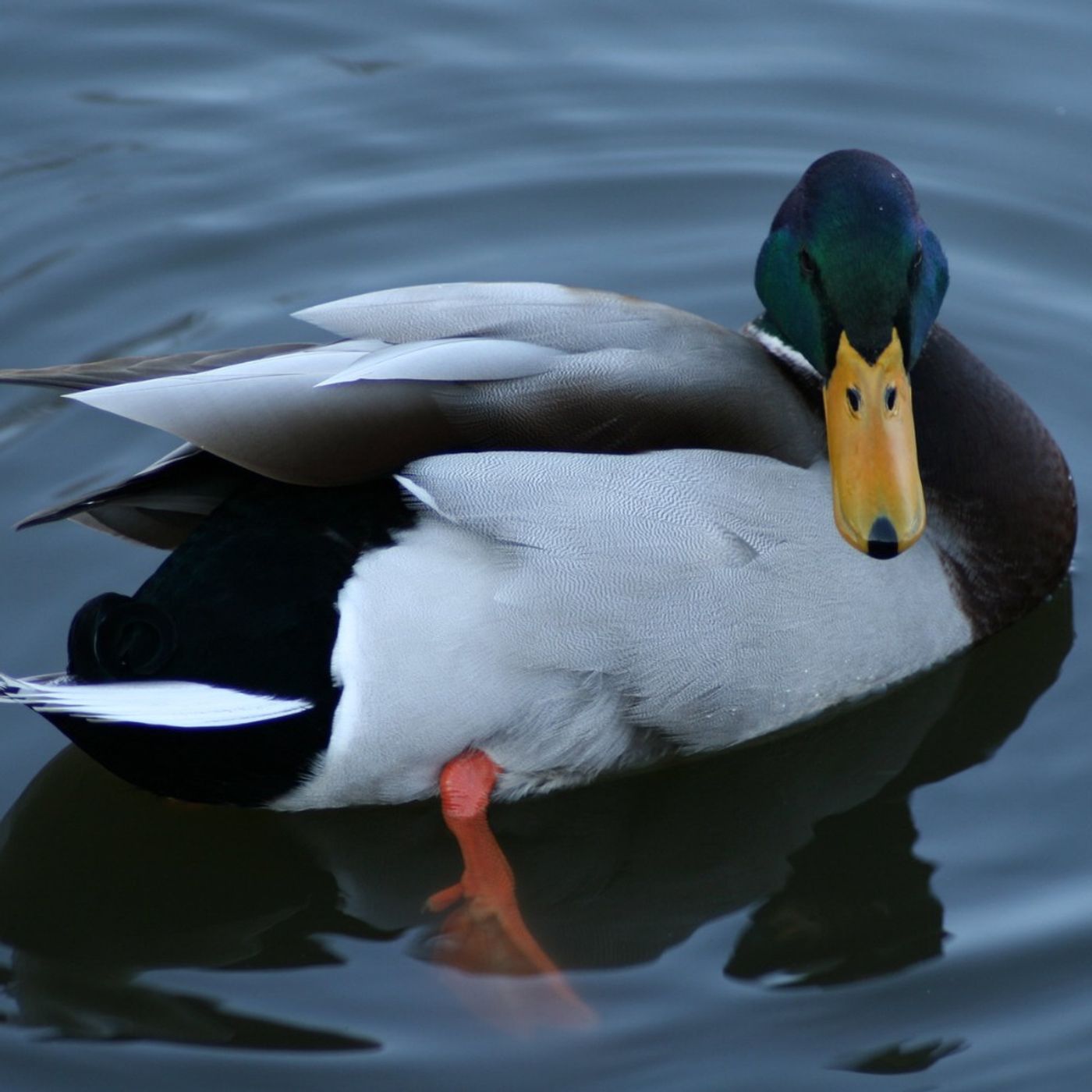
Waterfowl heritage with Kelsey Leonard
Kelsey Leonard is a leading scholar in Indigenous water governance, climate justice, and Earth law. In the latest season of Bring Birds Back, Kelsey explores the storied relationship between Indigenous people, wetlands, and birds. Kelsey says waterfowl hunters have helped to document that natural history. In many Indigenous hunting traditions, duck decoys are crafted to look so life-like that they can lure free-flying ducks to wetlands where hunters lie in wait. Some of the decoys carved at Shinnecock are more than 100 years old and depict species that are no longer found on Long Island. Listen to the full conversation in our episode about Indigenous Water Justice in season 7 of Bring Birds Back! More info and transcript at BirdNote.org.Want more BirdNote? Subscribe to our weekly newsletter. Sign up for BirdNote+ to get ad-free listening and other perks. BirdNote is a nonprofit. Your tax-deductible gift makes these shows possible. Hosted by Simplecast, an AdsWizz company. See pcm.adswizz.com for information about our collection and use of personal data for advertising.
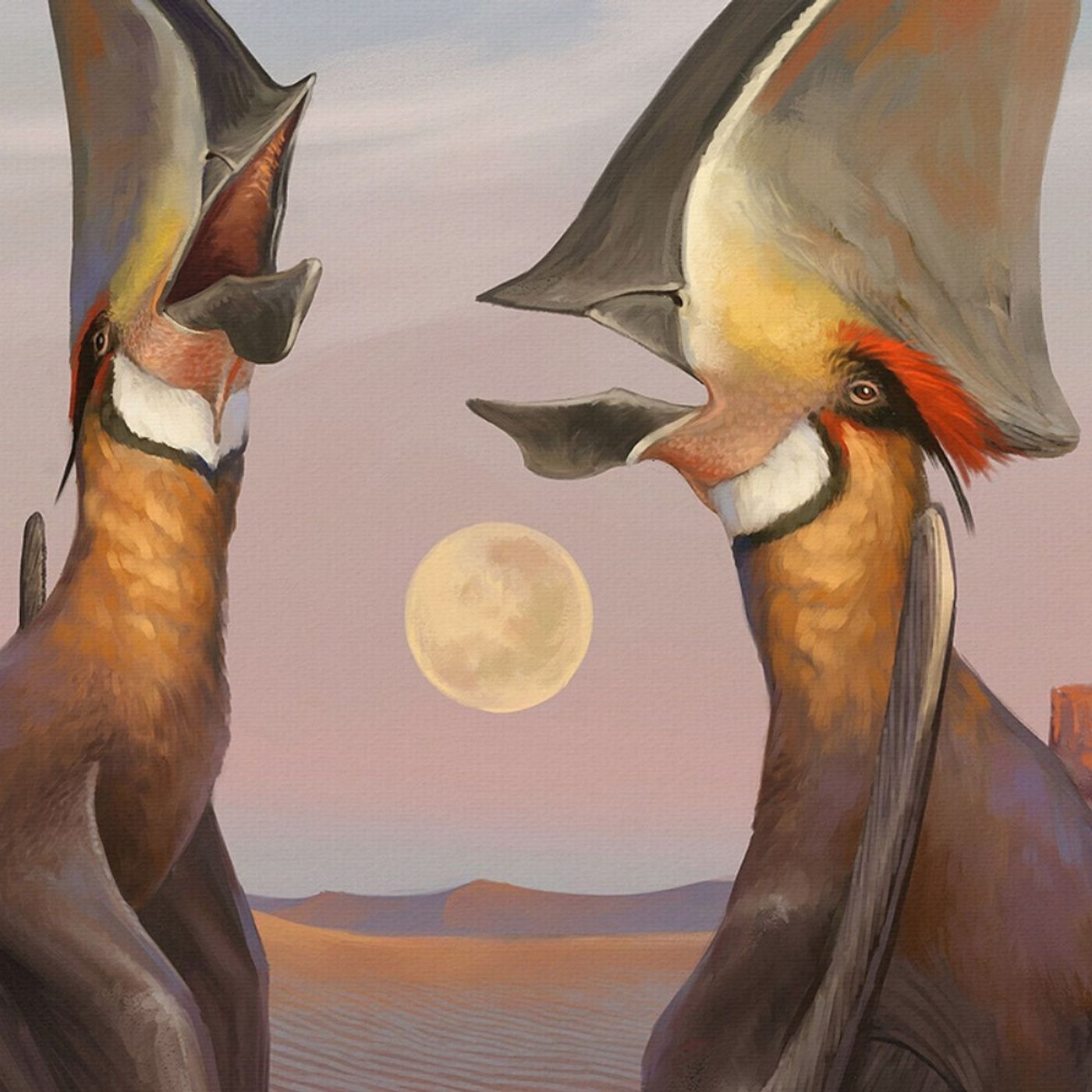
Júlia d’Oliveira on Recreating Extinct Animals
Júlia d’Oliveira is a paleoartist who brings extinct species to life in artwork. For each species she illustrates, she learns everything she can about the species to come up with a realistic portrait. Júlia hopes her paleoart offers something different from the grotesque versions of dinosaurs in movies she remembers from growing up.More info and transcript at BirdNote.org.Want more BirdNote? Subscribe to our weekly newsletter. Sign up for BirdNote+ to get ad-free listening and other perks. BirdNote is a nonprofit. Your tax-deductible gift makes these shows possible. Hosted by Simplecast, an AdsWizz company. See pcm.adswizz.com for information about our collection and use of personal data for advertising.
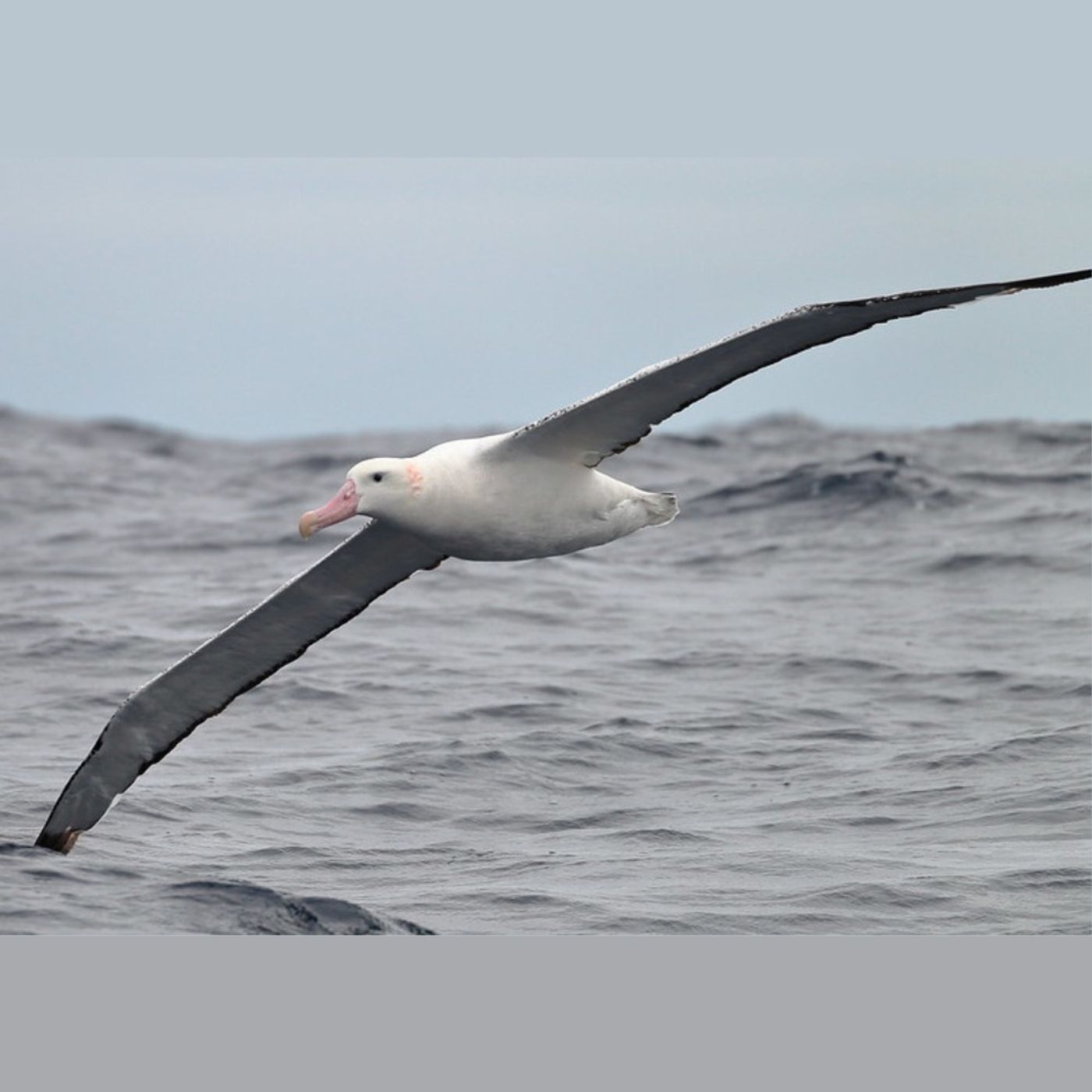
Snowy Albatross Molt
Most birds molt and regrow their flight or wing feathers — one at a time along each wing — to stay in prime condition for flying. But for a Wandering Albatross, with a whopping 10-to-12-foot wingspan, that’s a big job! It takes the large albatrosses a full year to molt, and they have to put off breeding until the next year. It’s one or the other. But they make the birds incredibly efficient flyers and true masters of the wind.¡Escuche este episodio en español aquí!More info and transcript at BirdNote.org.Want more BirdNote? Subscribe to our weekly newsletter. Sign up for BirdNote+ to get ad-free listening and other perks. BirdNote is a nonprofit. Your tax-deductible gift makes these shows possible. Hosted by Simplecast, an AdsWizz company. See pcm.adswizz.com for information about our collection and use of personal data for advertising.
Why Are There Flightless Birds?
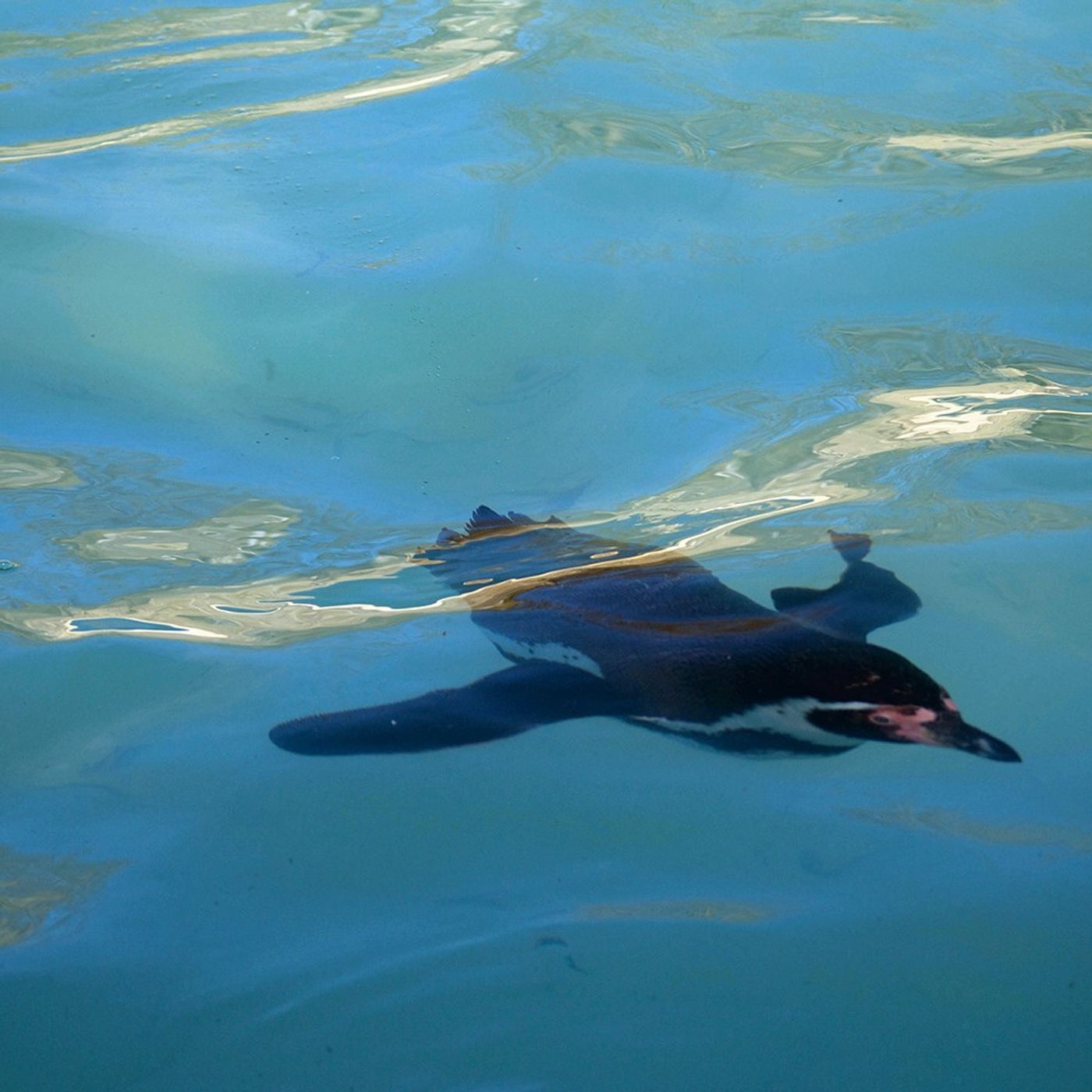
The ability to fly seems to define birds. But there are more than 50 species of flightless birds throughout the world — from the Ostrich and Kiwi to flightless rails, ducks, and this Humboldt Penguin. Why did they evolve the inability to fly? Many dwelt on islands. Others evolved until they were huge, like the extinct 12-foot-tall Moas of New Zealand. And the penguins? Unlike most flightless birds, they still have the strong flight muscles and keeled breastbones of flying birds. They are supremely graceful flyers — but they do it under water!More info and transcript at BirdNote.org.Want more BirdNote? Subscribe to our weekly newsletter. Sign up for BirdNote+ to get ad-free listening and other perks. BirdNote is a nonprofit. Your tax-deductible gift makes these shows possible. Hosted by Simplecast, an AdsWizz company. See pcm.adswizz.com for information about our collection and use of personal data for advertising.
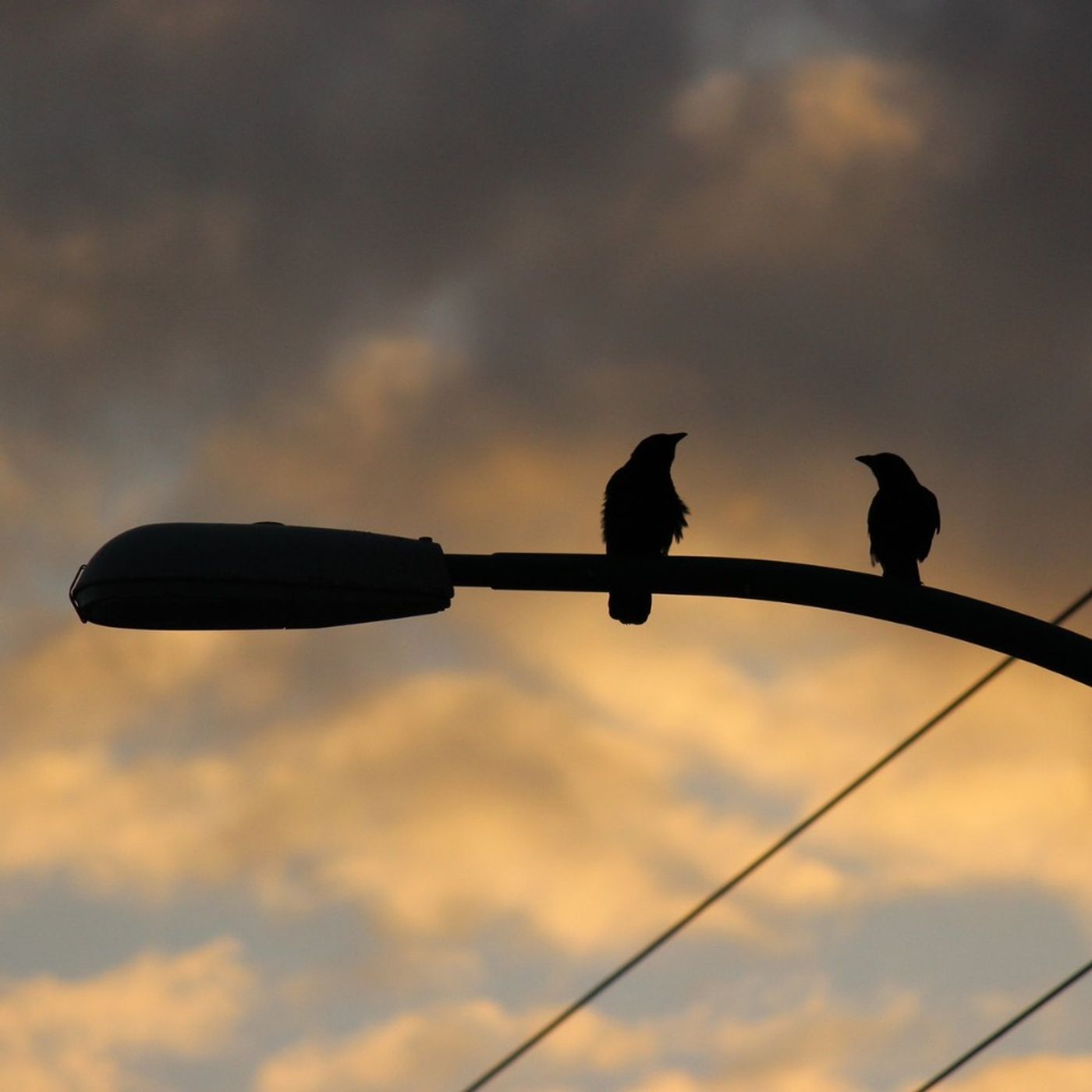
Spark Bird: Birding from the Bus
Kelsen Caldwell drives a bus in and around Seattle for King County Metro. As a bus driver, sometimes there’s downtime if your bus is moving too fast. What do you do with all that extra time? If you’re Kelsen, you fall in love with birds.More info and transcript at BirdNote.org.Want more BirdNote? Subscribe to our weekly newsletter. Sign up for BirdNote+ to get ad-free listening and other perks. BirdNote is a nonprofit. Your tax-deductible gift makes these shows possible. Hosted by Simplecast, an AdsWizz company. See pcm.adswizz.com for information about our collection and use of personal data for advertising.
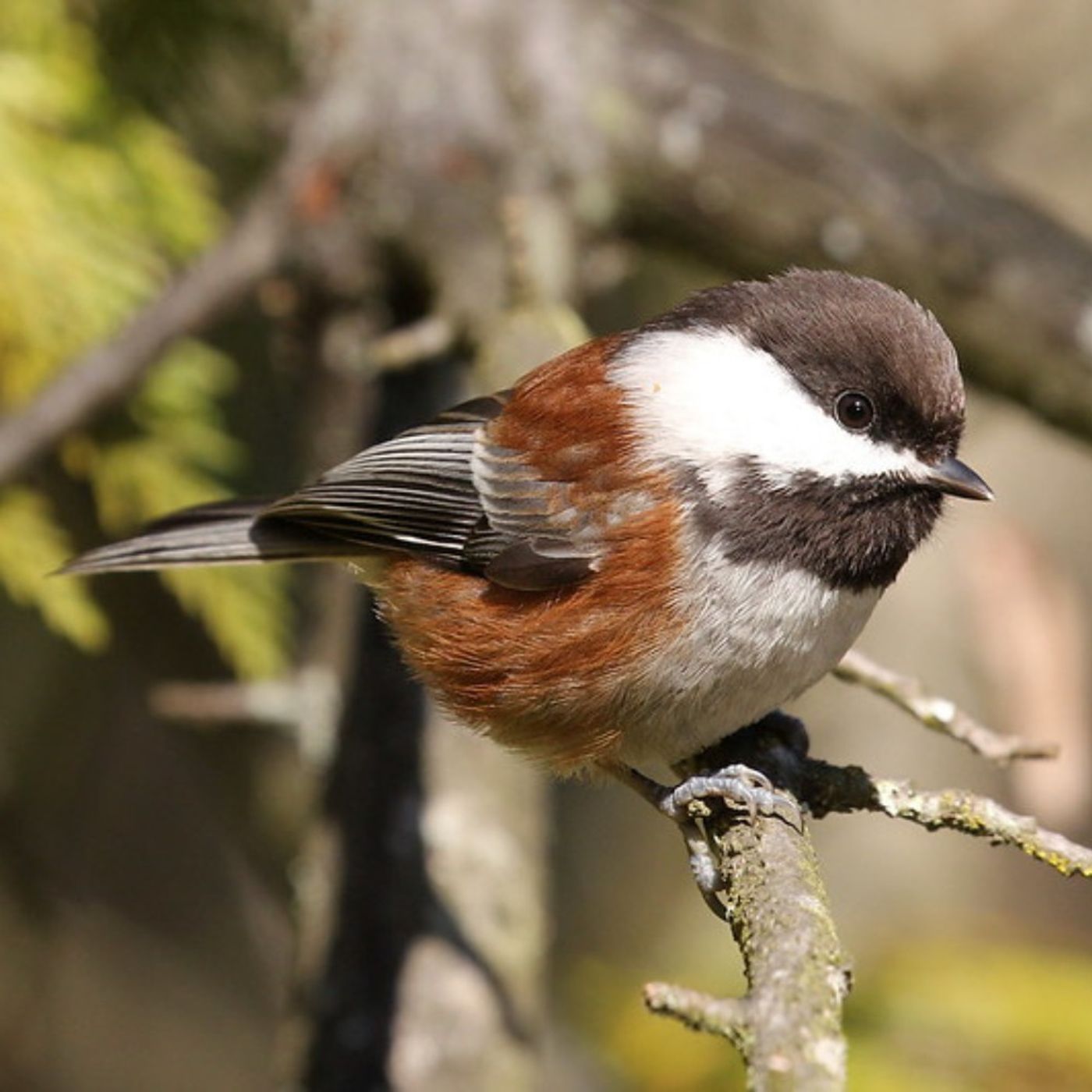
Chickadee Line-up
Chickadees are tiny songbirds named for their characteristic song and there are seven species found in North America. You'll find the Black-capped Chickadee across the northern U.S. into Canada. The Carolina Chickadee holds sway in the Southeast. Hear the husky voice of a Mountain Chickadee in the Rockies. Travel to Canada for the Boreal Chickadee. This Chestnut-backed Chickadee calls the Pacific Northwest home. The Mexican Chickadee just nudges into southeast Arizona. And the Gray-headed Chickadee turns up north of the Arctic Circle. Which of these chickadees sings near you?More info and transcript at BirdNote.org.Want more BirdNote? Subscribe to our weekly newsletter. Sign up for BirdNote+ to get ad-free listening and other perks. BirdNote is a nonprofit. Your tax-deductible gift makes these shows possible. Hosted by Simplecast, an AdsWizz company. See pcm.adswizz.com for information about our collection and use of personal data for advertising.
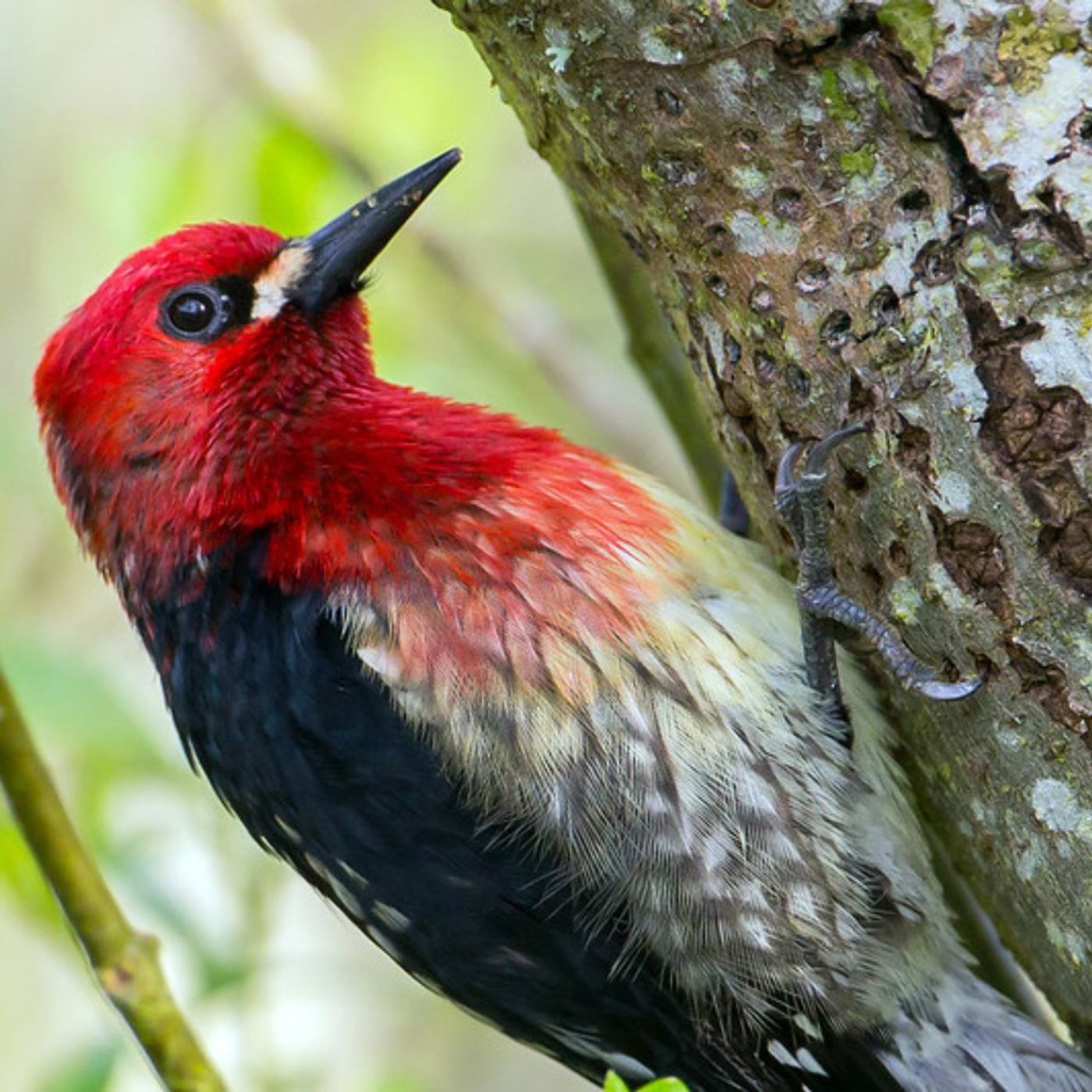
Sapsuckers
Sapsuckers drill small holes in the bark of favored trees, then return again and again to eat the sap that flows out. And hummingbirds, kinglets, and warblers come to the sap wells to eat the insects trapped in the sap. Although a sapsucker (like this Red-breasted Sapsucker) may suck a tree's blood, so to speak, the drilling usually doesn't damage an otherwise healthy tree.More info and transcript at BirdNote.org.Want more BirdNote? Subscribe to our weekly newsletter. Sign up for BirdNote+ to get ad-free listening and other perks. BirdNote is a nonprofit. Your tax-deductible gift makes these shows possible. Hosted by Simplecast, an AdsWizz company. See pcm.adswizz.com for information about our collection and use of personal data for advertising.
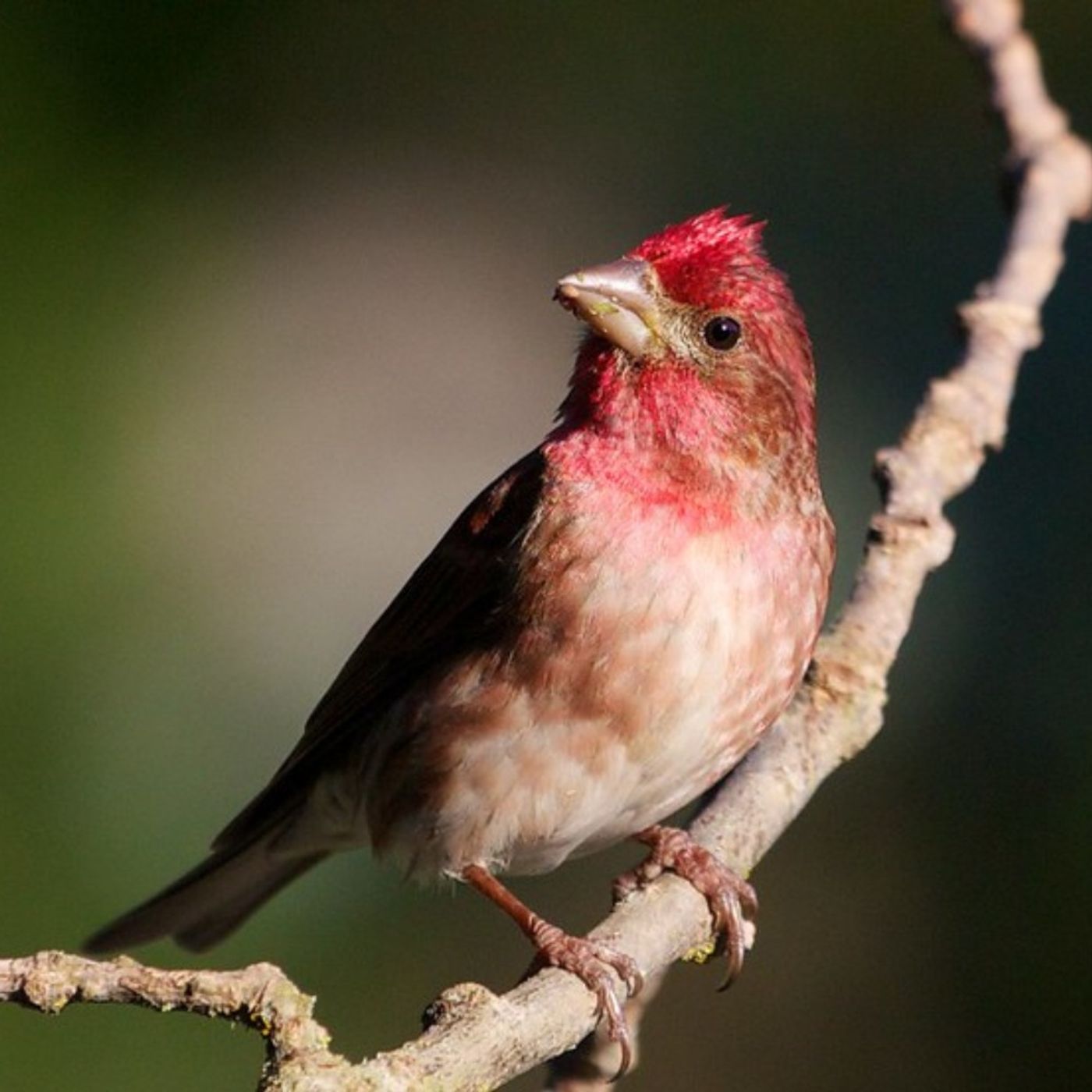
An Ever-Growing Library of Bird Sounds
Most of the bird sounds you hear on BirdNote come from the Macaulay Library, a vast collection of over one million bird calls and songs curated by the Cornell Lab of Ornithology. The library relies on both professional field recordists and dedicated volunteers to capture the sounds of birds all over the world.Support for BirdNote is provided by Marjorie and Ed Ringness from Seattle, Washington — and generous listeners around the world. More info and transcript at BirdNote.org.Want more BirdNote? Subscribe to our weekly newsletter. Sign up for BirdNote+ to get ad-free listening and other perks. BirdNote is a nonprofit. Your tax-deductible gift makes these shows possible. Hosted by Simplecast, an AdsWizz company. See pcm.adswizz.com for information about our collection and use of personal data for advertising.
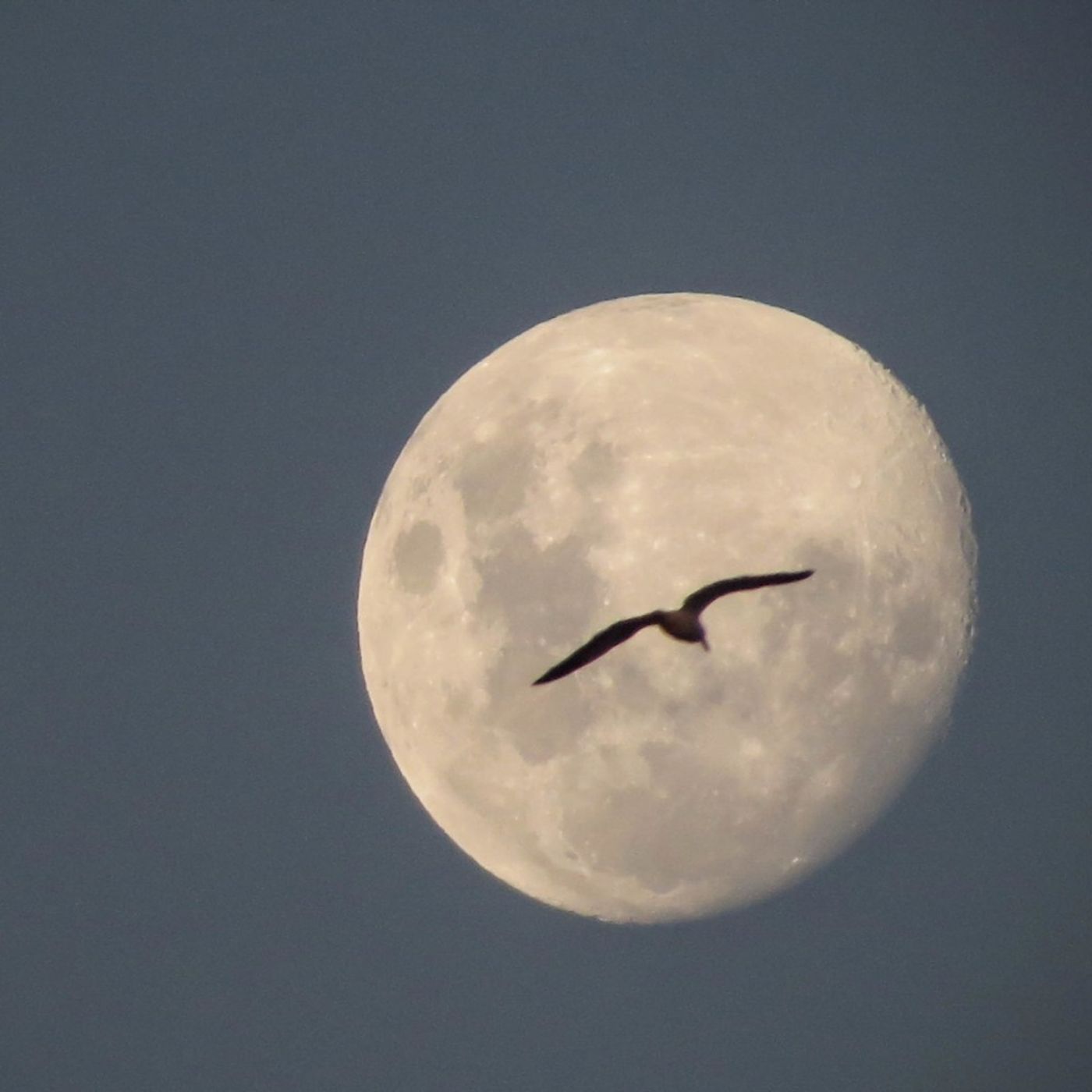
Moon-Watching for Migrating Birds
Before the high-tech gadgets used to track bird migration today, there was moon-watching: a technique dreamed up in the 1940s by ornithologist George Lowery. Using telescopes pointed at the moon to see the silhouettes of migratory birds, Lowery helped show that birds regularly migrate across the Gulf of Mexico and organized the first continent-wide survey of migration in North America. Learn more about the history of bird migration research in Rebecca Heisman’s book Flight Paths: How a Passionate and Quirky Group of Pioneering Scientists Solved the Mystery of Bird Migration.More info and transcript at BirdNote.org.Want more BirdNote? Subscribe to our weekly newsletter. Sign up for BirdNote+ to get ad-free listening and other perks. BirdNote is a nonprofit. Your tax-deductible gift makes these shows possible. Hosted by Simplecast, an AdsWizz company. See pcm.adswizz.com for information about our collection and use of personal data for advertising.
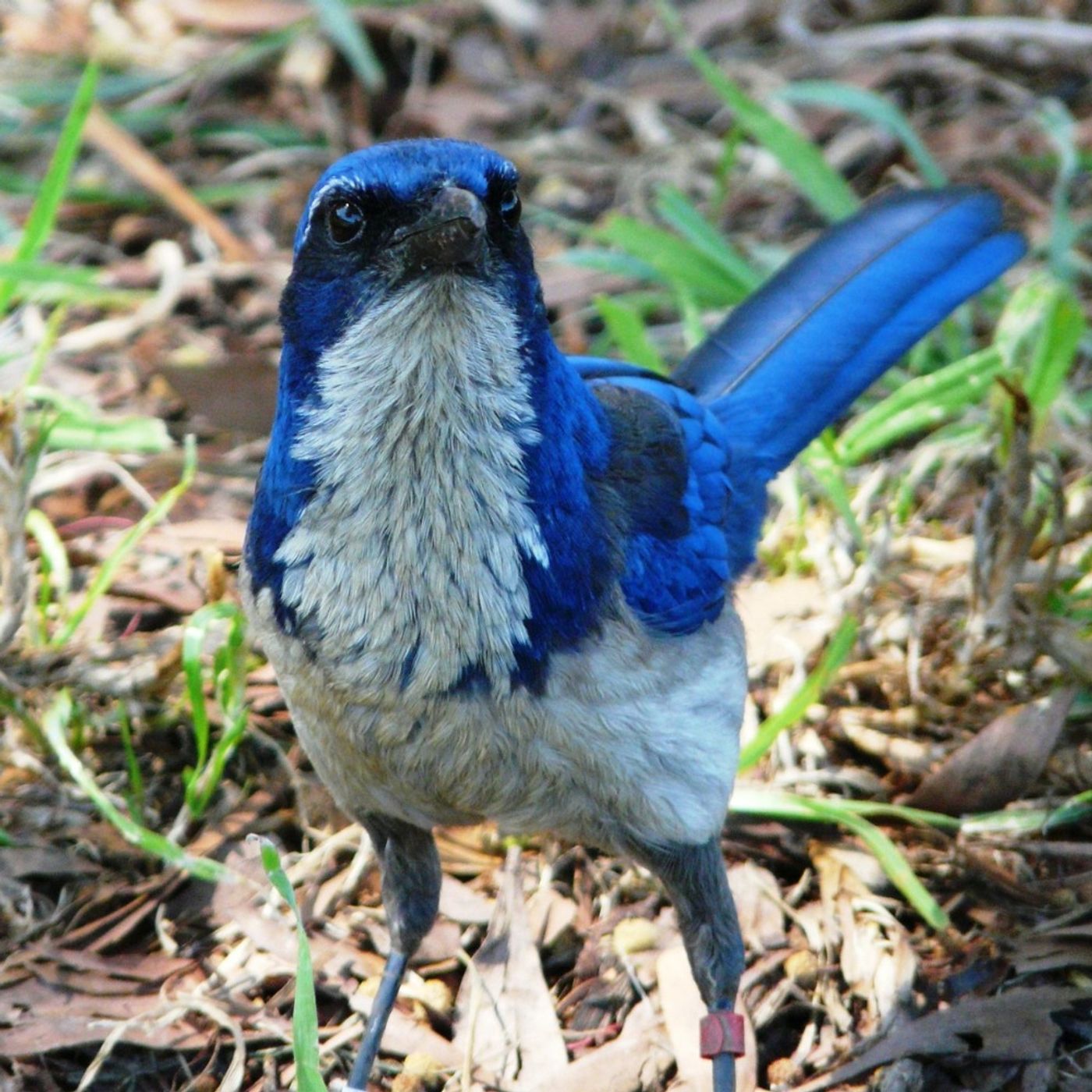
How Jays Helped Restore an Oak Forest
Corvids, like crows and jays, are known for caching seeds instead of eating them immediately. Sometimes, those seeds take root before the birds return. Mario Pesendorfer, a forest and behavioral ecologist at BOKU in Vienna, says that’s what happened on Santa Cruz Island in southern California. It’s part of Channel Islands National Park where native shrub oak habitats were largely decimated by grazing livestock. After these animals were removed in the 80s and 90s, Santa Cruz Island regained vegetation faster than its neighbors — thanks to seed-dispersing Island Scrub-Jays! It’s just one example of how birds could help restoration ecologists regrow forests around the world. Learn more about restoration ecology in the latest season of Bring Birds Back!More info and transcript at BirdNote.org.Want more BirdNote? Subscribe to our weekly newsletter. Sign up for BirdNote+ to get ad-free listening and other perks. BirdNote is a nonprofit. Your tax-deductible gift makes these shows possible. Hosted by Simplecast, an AdsWizz company. See pcm.adswizz.com for information about our collection and use of personal data for advertising.
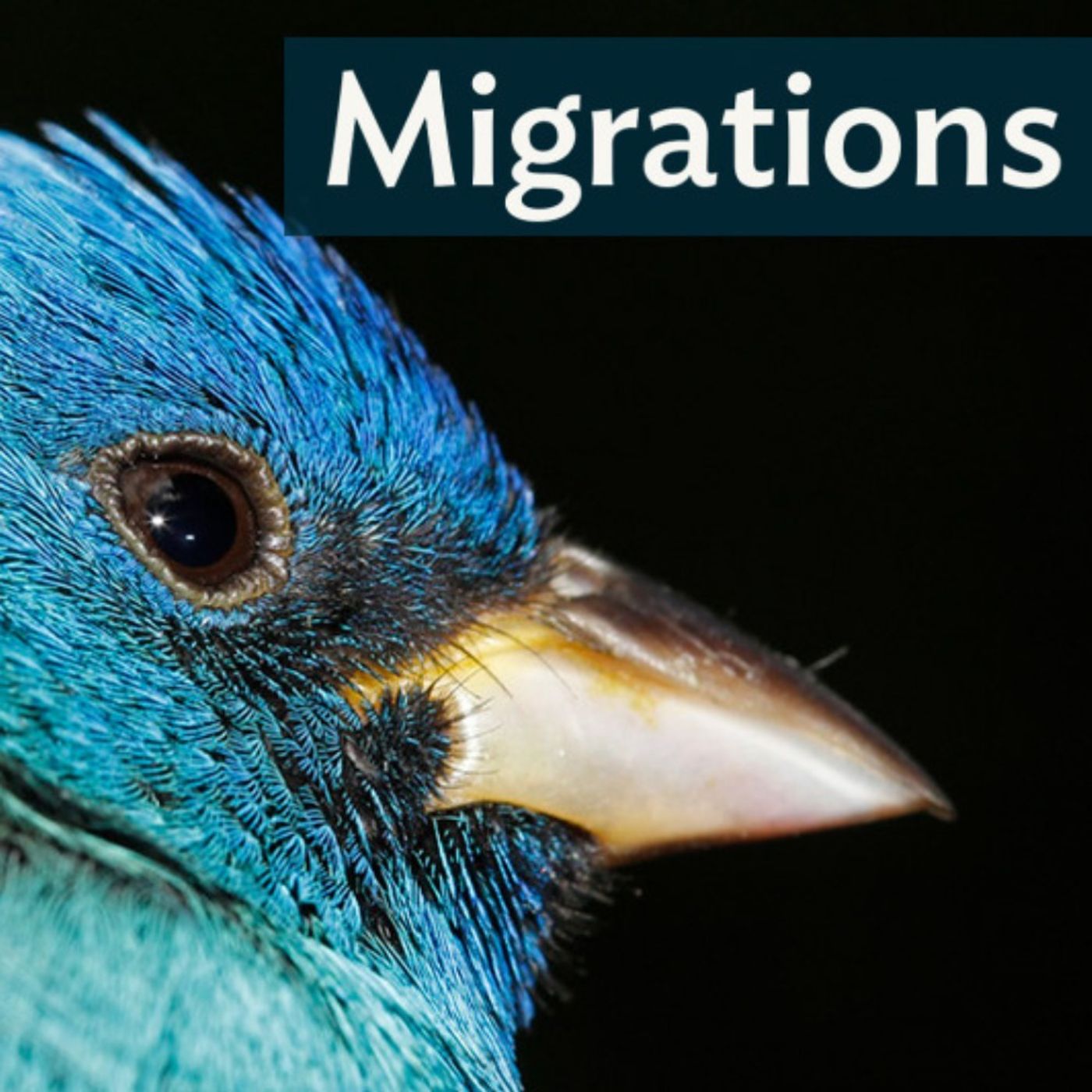
Migrations: Indigo Bunting, Master Stargazer
The stars appear to rotate in the sky, raising the question of how birds can use stars to navigate during migration. Ornithologist Stephen Emlen brought Indigo Buntings to a planetarium, tracking their movements as the simulated night sky changed above them. The buntings oriented themselves using star patterns that appear to rotate the least — especially the North Star, Ursa Major and Cassiopeia.More info and transcript at BirdNote.org.Want more BirdNote? Subscribe to our weekly newsletter. Sign up for BirdNote+ to get ad-free listening and other perks. BirdNote is a nonprofit. Your tax-deductible gift makes these shows possible. Hosted by Simplecast, an AdsWizz company. See pcm.adswizz.com for information about our collection and use of personal data for advertising.
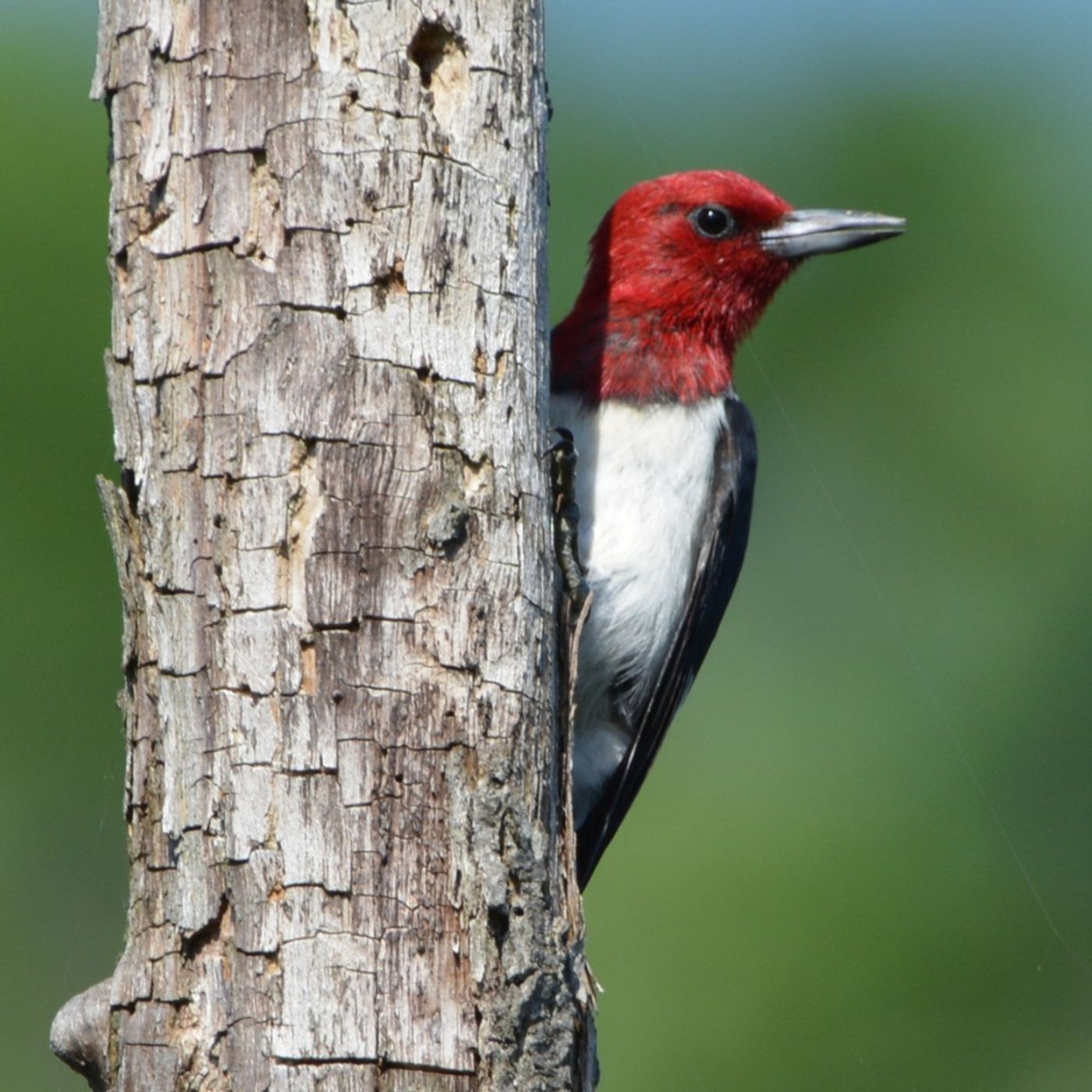
Lee Ann Roripaugh: Utsuroi
Today is the Autumnal Equinox, when the sun crosses the equator and day and night are of approximately equal length across the globe. In her poem ‘Utsuroi’, writer Lee Ann Roripaugh reflects on how, as the days grow shorter, the remaining light feels that much more beautiful.More info and transcript at BirdNote.org.Want more BirdNote? Subscribe to our weekly newsletter. Sign up for BirdNote+ to get ad-free listening and other perks. BirdNote is a nonprofit. Your tax-deductible gift makes these shows possible. Hosted by Simplecast, an AdsWizz company. See pcm.adswizz.com for information about our collection and use of personal data for advertising.
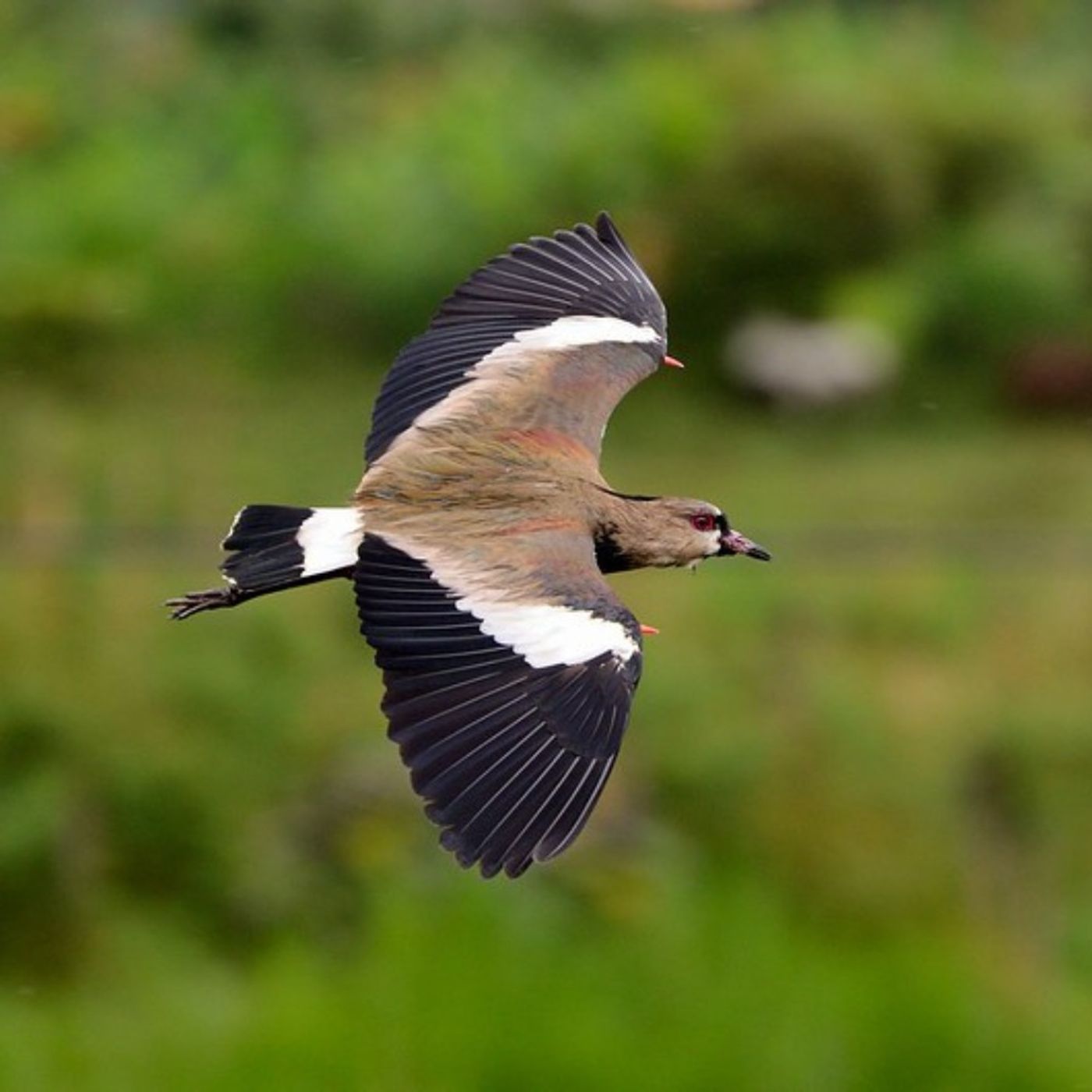
Southern Lapwings Defend Their Nest
Nature educator Johanne Ryan shares her observations of Southern Lapwings, shorebirds that make their nests on the ground in open areas and vigorously defend them. If a potential predator approaches, the parent will sound a piercing alarm call. If that doesn’t work, the lapwing will charge the opponent, using a secret weapon – sharp, bony spurs on the bird’s “wrists.”More info and transcript at BirdNote.org.Want more BirdNote? Subscribe to our weekly newsletter. Sign up for BirdNote+ to get ad-free listening and other perks. BirdNote is a nonprofit. Your tax-deductible gift makes these shows possible. Hosted by Simplecast, an AdsWizz company. See pcm.adswizz.com for information about our collection and use of personal data for advertising.
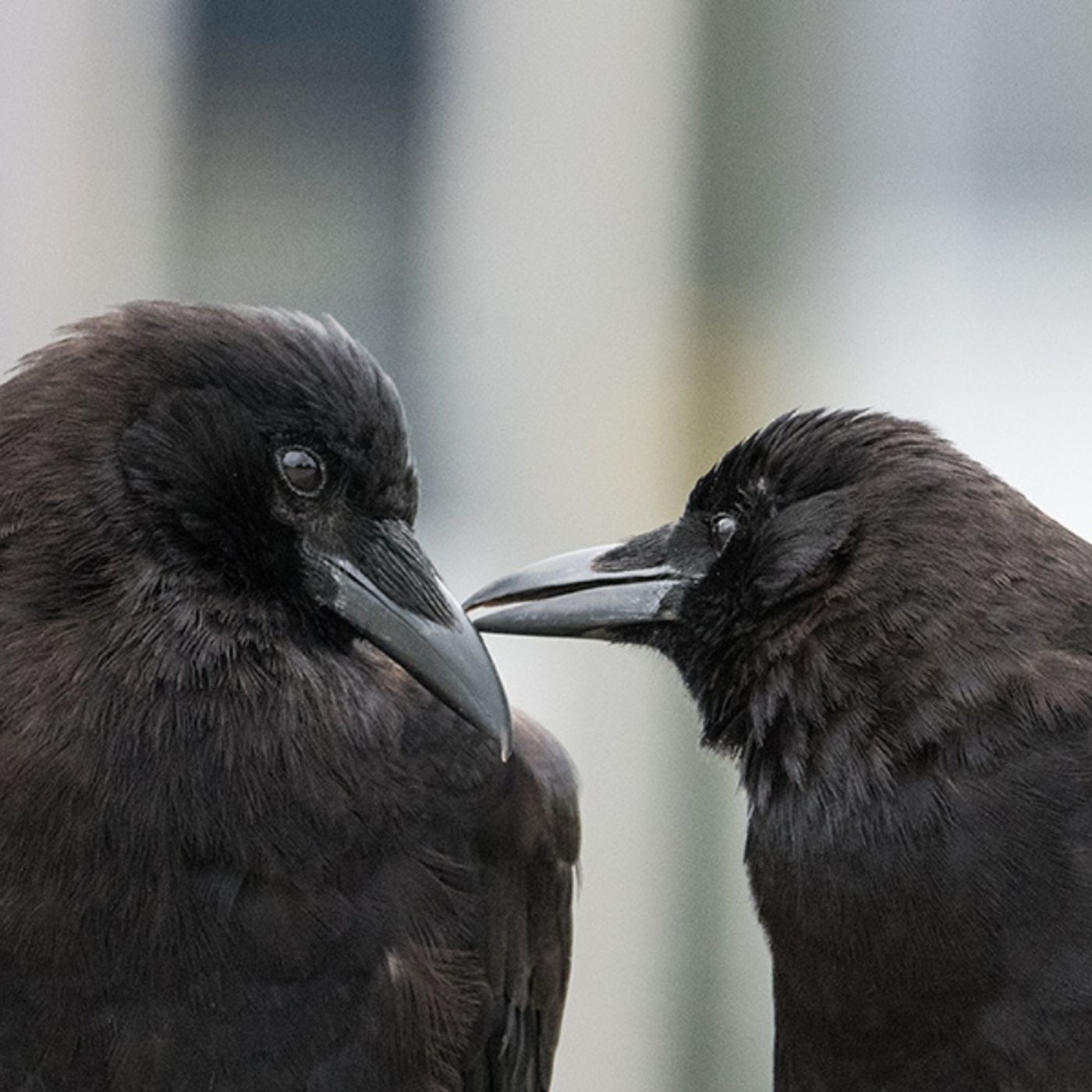
T and Dart
Author Kira Jane Buxton loves crows — so much that she’s written two novels about a crow named S.T. navigating the extinction of humanity. When she was writing those books, she tried befriending the crows in her neighborhood and wound up bonding with a pair of them. She named them T and Dart. T, the female, is clumsy and playful. Dart, her mate, is more aloof towards Kira but always shares his food with T. This crow couple helped inspire the fictional crows in Kira’s books.More info and transcript at BirdNote.org.Want more BirdNote? Subscribe to our weekly newsletter. Sign up for BirdNote+ to get ad-free listening and other perks. BirdNote is a nonprofit. Your tax-deductible gift makes these shows possible. Hosted by Simplecast, an AdsWizz company. See pcm.adswizz.com for information about our collection and use of personal data for advertising.
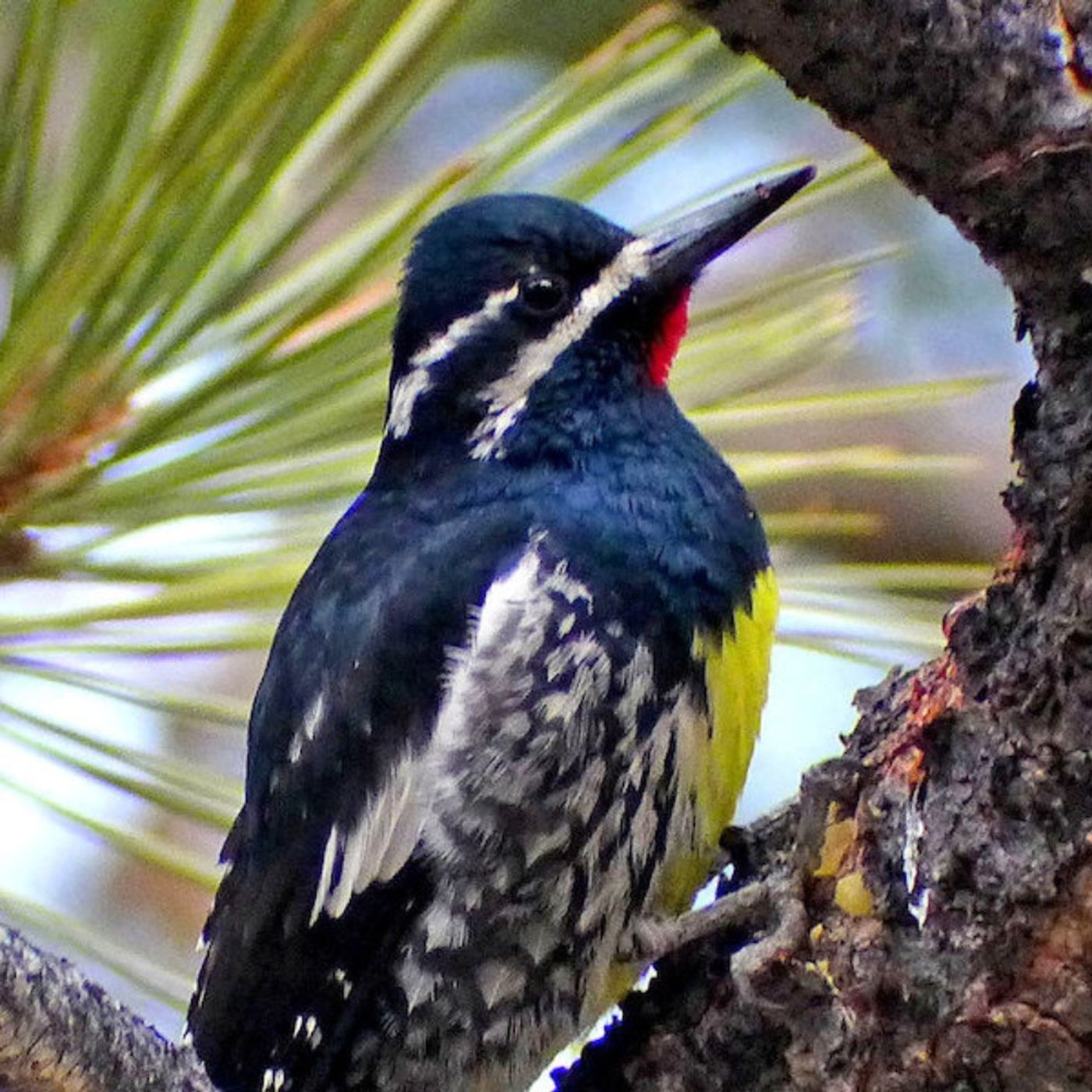
Williamson's Sapsucker
Williamson's Sapsuckers nest in western mountain forests. The radically different plumages of the male and female so confounded 19th-century naturalists that, for nearly a decade, the birds were thought to be of different species. Sapsuckers are unique among woodpeckers in drilling neat rows of tiny holes — or sapwells — in the trunks of trees. The sap provides food for the sapsuckers and snags small insects that are eaten by hummingbirds and warblers.More info and transcript at BirdNote.org.Want more BirdNote? Subscribe to our weekly newsletter. Sign up for BirdNote+ to get ad-free listening and other perks. BirdNote is a nonprofit. Your tax-deductible gift makes these shows possible. Hosted by Simplecast, an AdsWizz company. See pcm.adswizz.com for information about our collection and use of personal data for advertising.
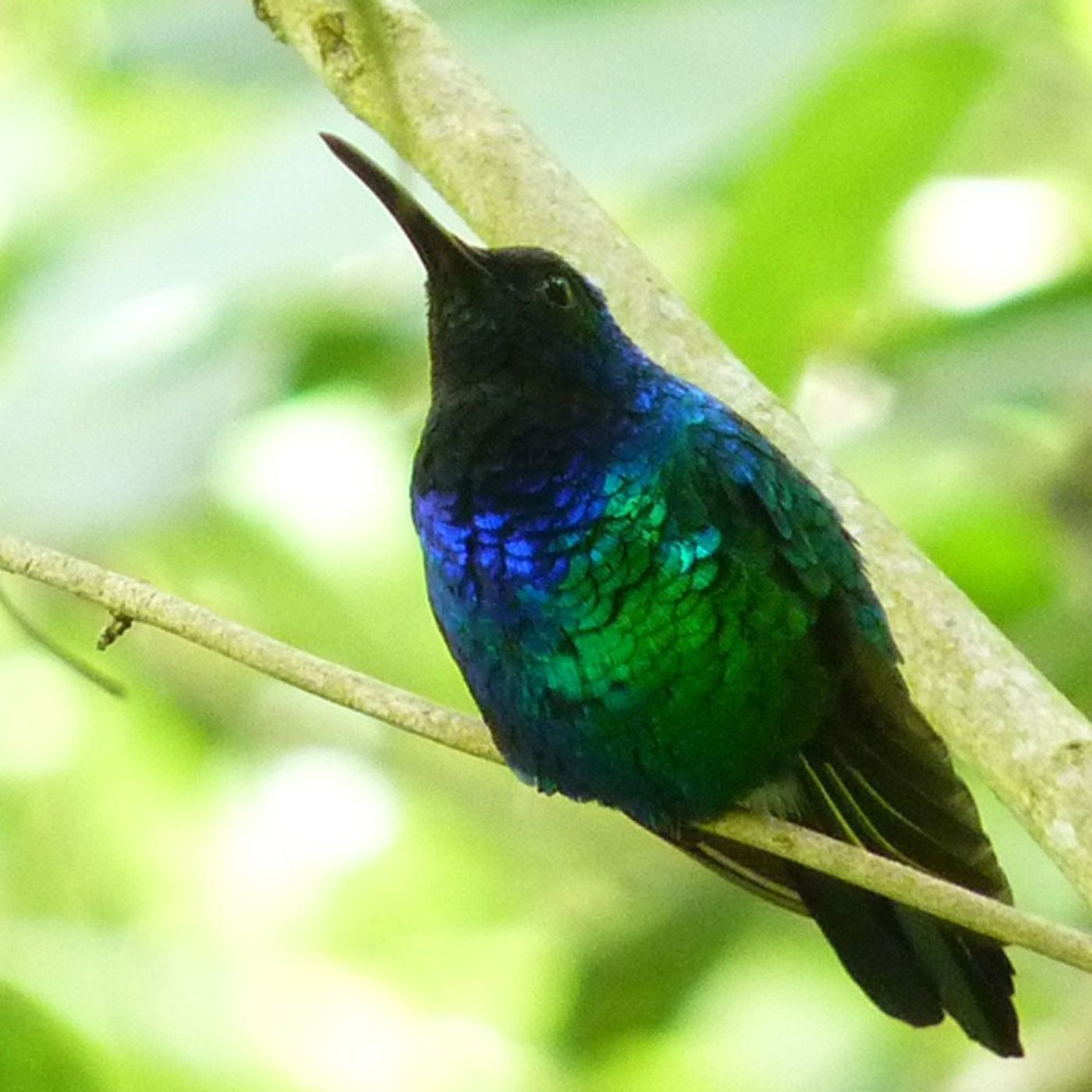
A Lost Hummingbird is Found Again
The Santa Marta Sabrewing is a hummingbird species so rare, they’ve only been documented twice in recent years. Native to the mountains of Colombia, they were officially described in 1946. No one reported another sighting until 2010. They became a “lost” species, eluding every attempt to find them. Then in 2022, Yurgen Vega was studying the birds of a mountain range called the Sierra Nevada de Santa Marta. He snapped a photo of an unusual, large hummingbird – and the sabrewing was lost no more.BirdNote is grateful to former board member and photographer extraordinaire Owen Deutsch and his wife Rona Talcott for their strong support over the years.More info and transcript at BirdNote.org.Want more BirdNote? Subscribe to our weekly newsletter. Sign up for BirdNote+ to get ad-free listening and other perks. BirdNote is a nonprofit. Your tax-deductible gift makes these shows possible. Hosted by Simplecast, an AdsWizz company. See pcm.adswizz.com for information about our collection and use of personal data for advertising.
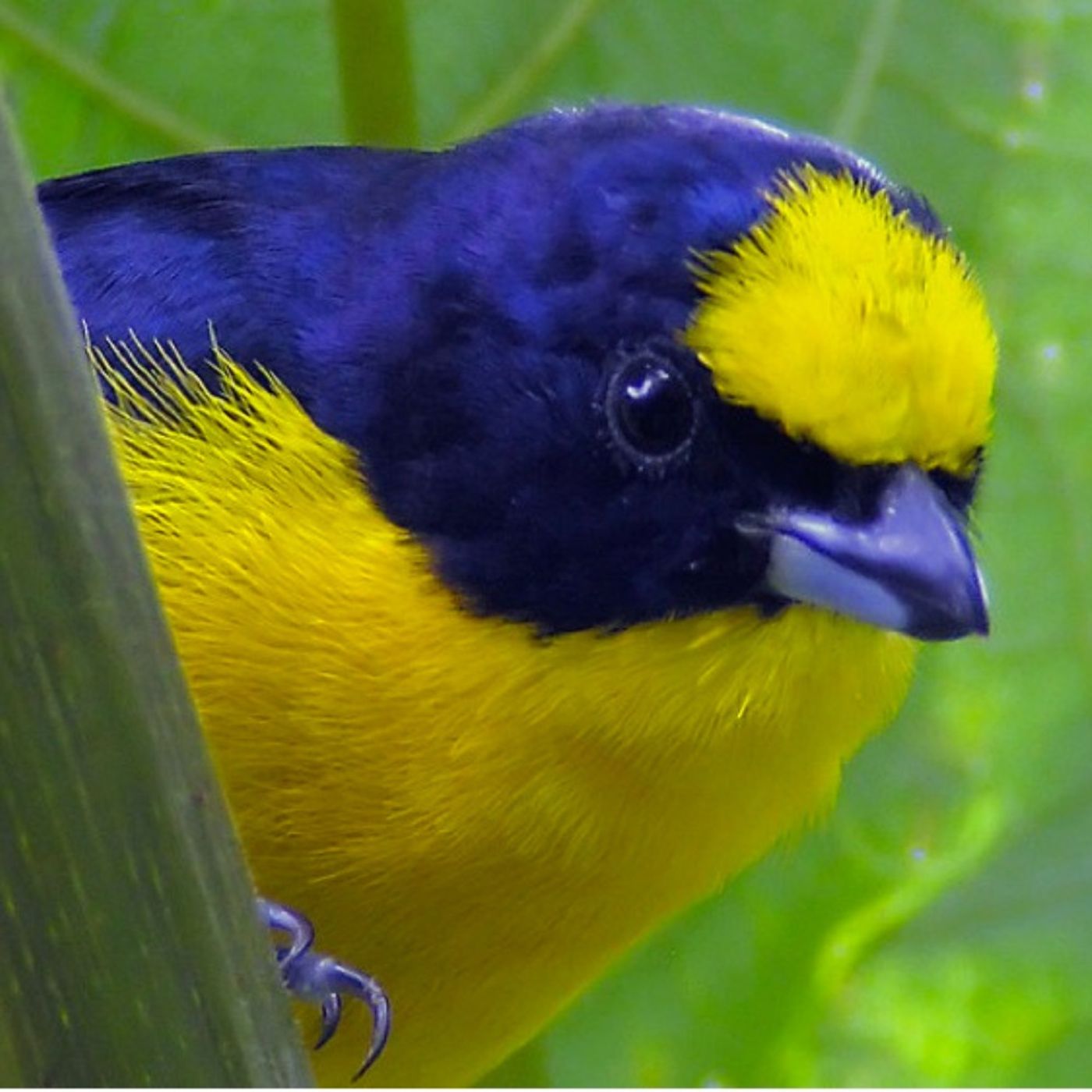
Thick-billed Euphonia – Deceitful Mimic
Northern Mockingbirds can learn to mimic the sounds of just about any bird. They mimic to show off, not to deceive. But this Thick-billed Euphonia, a tiny songbird in South America, employs what scientists call “deceitful mimicry.” When frightened by a predator near its nest, a Thick-billed Euphonia imitates the alarm calls of other birds nesting nearby. This stirs them into action as they rush in to harass the predator. The euphonia, meanwhile, sits tight while others do the dirty work.¡Escuche este episodio en español aquí!More info and transcript at BirdNote.org.Want more BirdNote? Subscribe to our weekly newsletter. Sign up for BirdNote+ to get ad-free listening and other perks. BirdNote is a nonprofit. Your tax-deductible gift makes these shows possible. Hosted by Simplecast, an AdsWizz company. See pcm.adswizz.com for information about our collection and use of personal data for advertising.
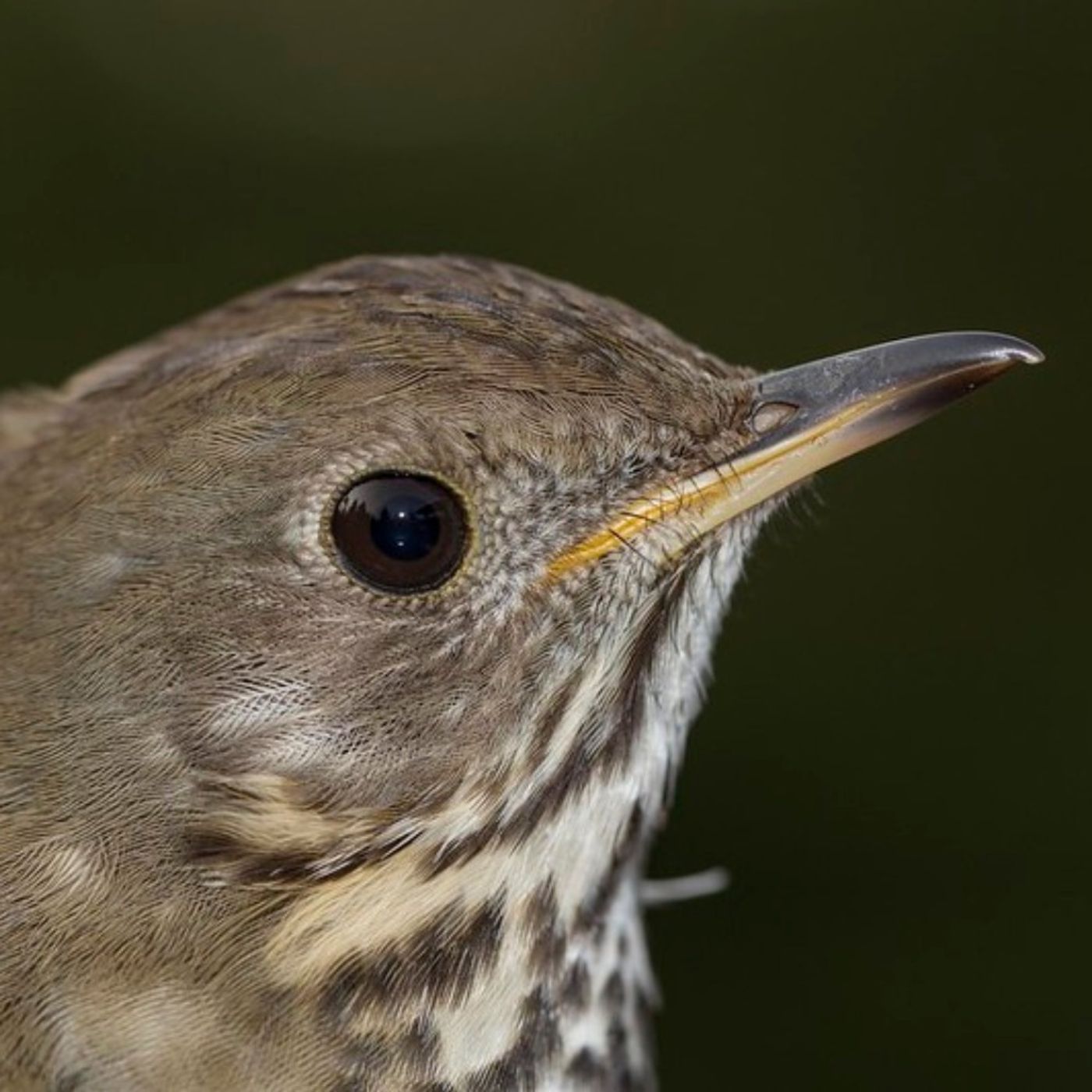
Bicknell's Thrush
The Bicknell’s Thrush is known for scarcity… and promiscuity. Unlike most songbirds, the female thrush establishes a territory and then mates with males that happen by. She then lays eggs that have been fertilized by multiple different males. Many of those males will stick around and help feed the young, even if they are not their own. Each year, these little songbirds make the long journey from the Caribbean Islands to the forests of the northeastern coasts of North America.Support for BirdNote is provided by Sarah Merner and Craig McKibben from Seattle, Washington — and generous listeners around the world.More info and transcript at BirdNote.org.Want more BirdNote? Subscribe to our weekly newsletter. Sign up for BirdNote+ to get ad-free listening and other perks. BirdNote is a nonprofit. Your tax-deductible gift makes these shows possible. Hosted by Simplecast, an AdsWizz company. See pcm.adswizz.com for information about our collection and use of personal data for advertising.
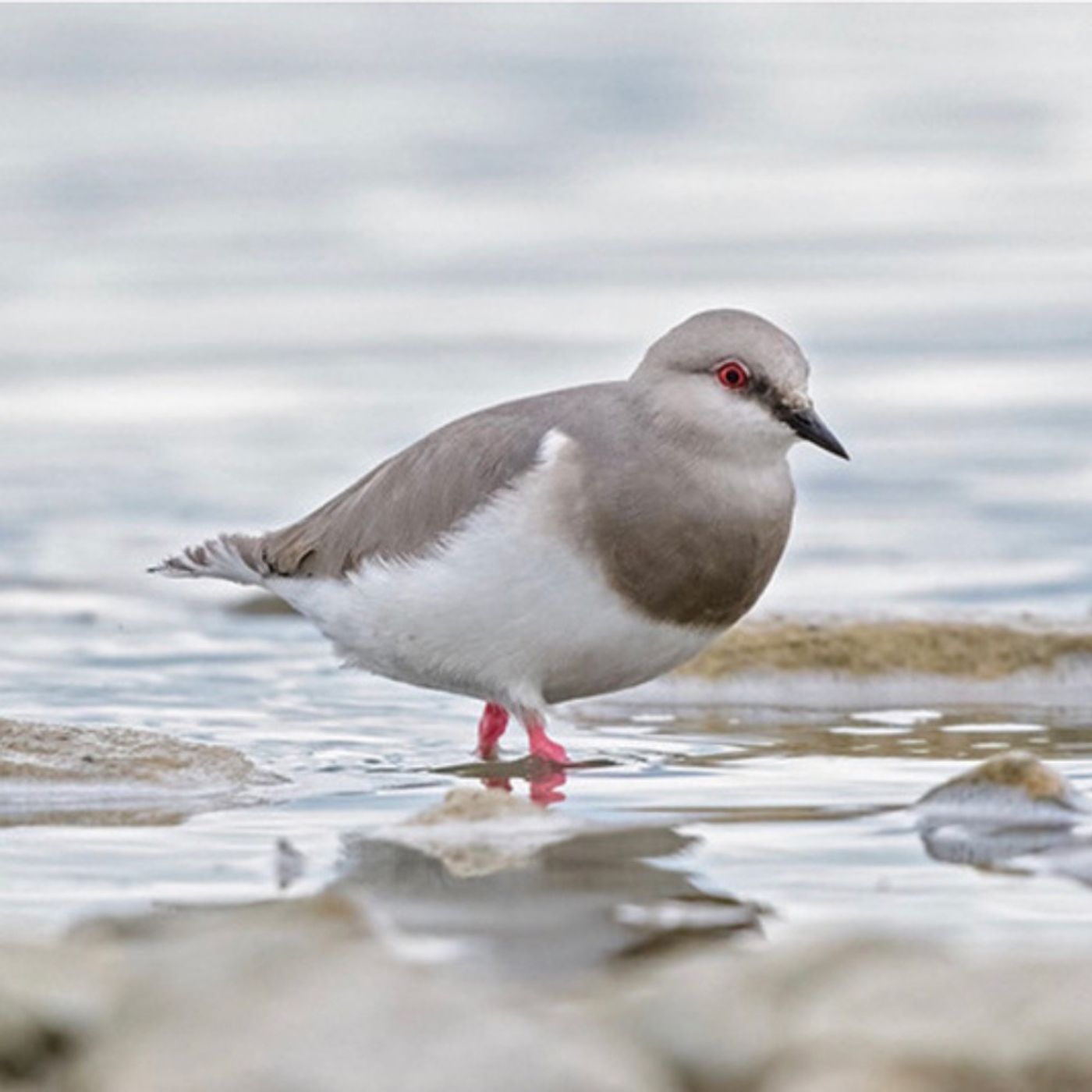
The Delightfully Odd Magellanic Plover
The Magellanic Plover is known for being a bit of an oddball. These shorebirds have a round body like a dove and even feed their young with milk produced in a part of their digestive system called the crop — a rare trait they share with doves. But genetic data revealed that Magellanic Plovers are neither plovers nor doves — they’re the only species in the family Pluvianellidae. Genetically speaking, they’re one of a kind.This episode is dedicated to Kit Ellis, of Gig Harbor, Washington, with thanks for her generous support of BirdNote.More info and transcript at BirdNote.org.Want more BirdNote? Subscribe to our weekly newsletter. Sign up for BirdNote+ to get ad-free listening and other perks. BirdNote is a nonprofit. Your tax-deductible gift makes these shows possible. Hosted by Simplecast, an AdsWizz company. See pcm.adswizz.com for information about our collection and use of personal data for advertising.
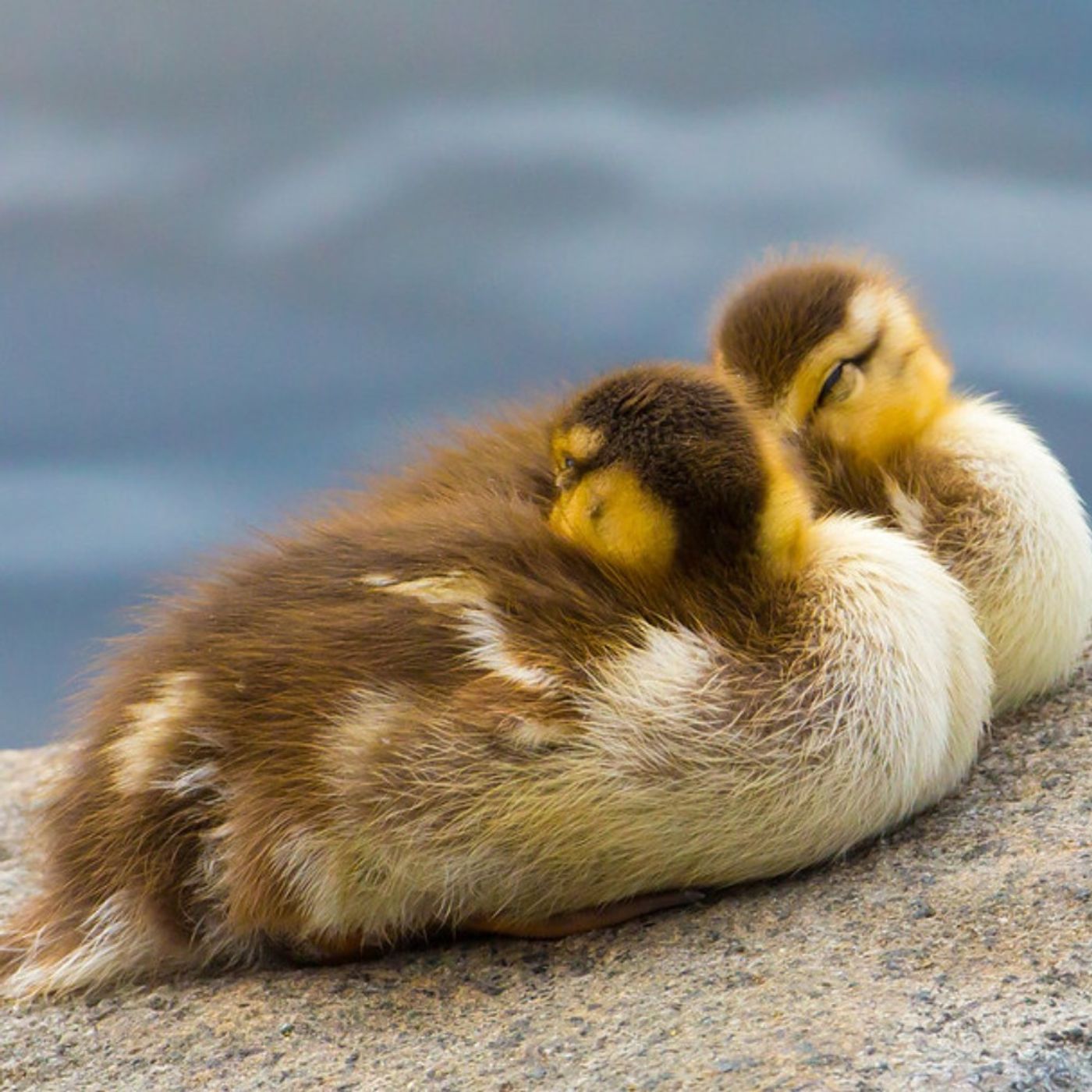
Where Birds Sleep
All birds need to sleep — or at least snooze — sometime during each 24-hour period. And most sleep at night. A bird, like a Mallard Duckling, may turn its head around and warm its beak under its shoulder-feathers. Songbirds find a protected perch, sheltered from rain and nighttime predators. Small forest birds often spend the night in tree cavities. Ducks sleep while floating in protected bays.More info and transcript at BirdNote.org.Want more BirdNote? Subscribe to our weekly newsletter. Sign up for BirdNote+ to get ad-free listening and other perks. BirdNote is a nonprofit. Your tax-deductible gift makes these shows possible. Hosted by Simplecast, an AdsWizz company. See pcm.adswizz.com for information about our collection and use of personal data for advertising.
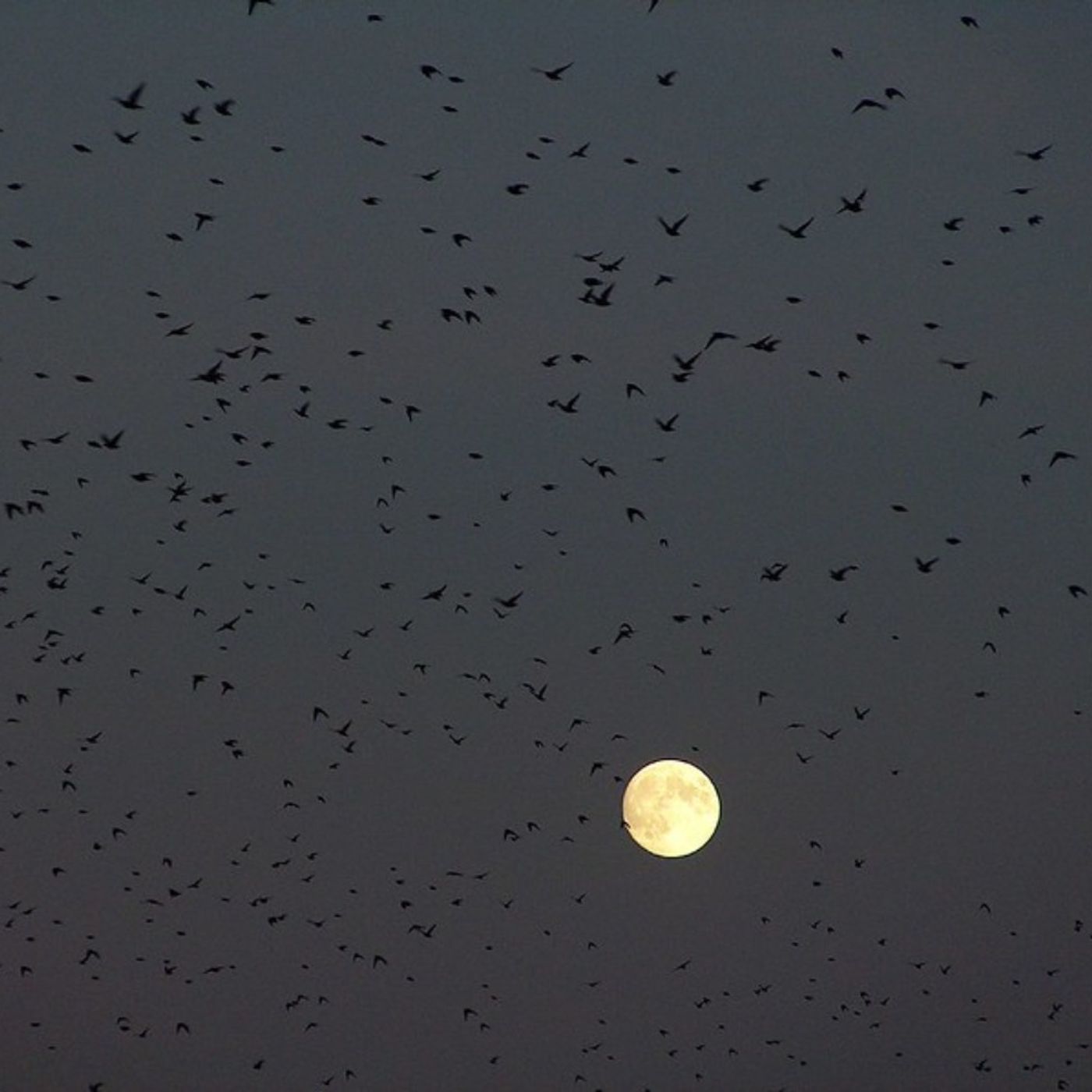
The Music of Birds Migrating in the Night
Ornithologist Bill Evans has helped us better understand the sounds that birds make as they migrate at night. Known as nocturnal flight calls, many species can be identified based on their signature sound. Using special handmade microphones left outside overnight, Evans, his colleagues and many volunteers recorded countless nocturnal flight calls — and not all of them have been identified yet. Let's take a moment to revel in the beauty of the calls that birds make as they fly high in the air.More info and transcript at BirdNote.org.Want more BirdNote? Subscribe to our weekly newsletter. Sign up for BirdNote+ to get ad-free listening and other perks. BirdNote is a nonprofit. Your tax-deductible gift makes these shows possible. Hosted by Simplecast, an AdsWizz company. See pcm.adswizz.com for information about our collection and use of personal data for advertising.
There's a BirdNote for that!
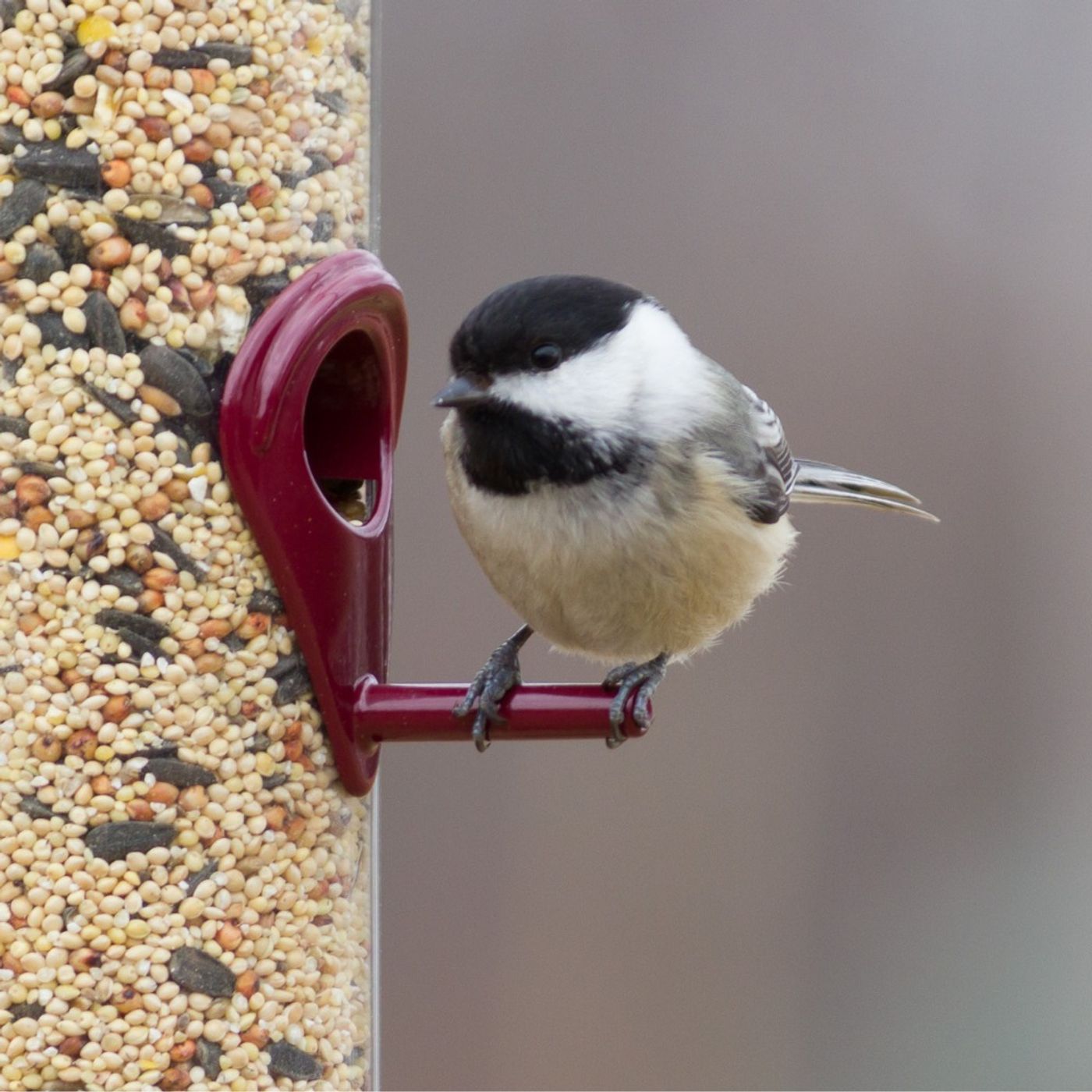
Do you have a question about birds? BirdNote’s Content Director Jonese Franklin says that when people bring her bird queries, she often finds the answer in a BirdNote Daily episode. Over the last 20 years, BirdNote has produced more than 2,400 episodes covering tons of topics – and there are still more stories to tell! BirdNote is an independent nonprofit that relies on the generosity of its listeners. Your support allows us to continue to make informative and immersive shows that hopefully inspire folks to fall in love with birds.More info and transcript at BirdNote.org.Want more BirdNote? Subscribe to our weekly newsletter. Sign up for BirdNote+ to get ad-free listening and other perks. BirdNote is a nonprofit. Your tax-deductible gift makes these shows possible. Hosted by Simplecast, an AdsWizz company. See pcm.adswizz.com for information about our collection and use of personal data for advertising.
Helping BirdNote Continue Its Journey
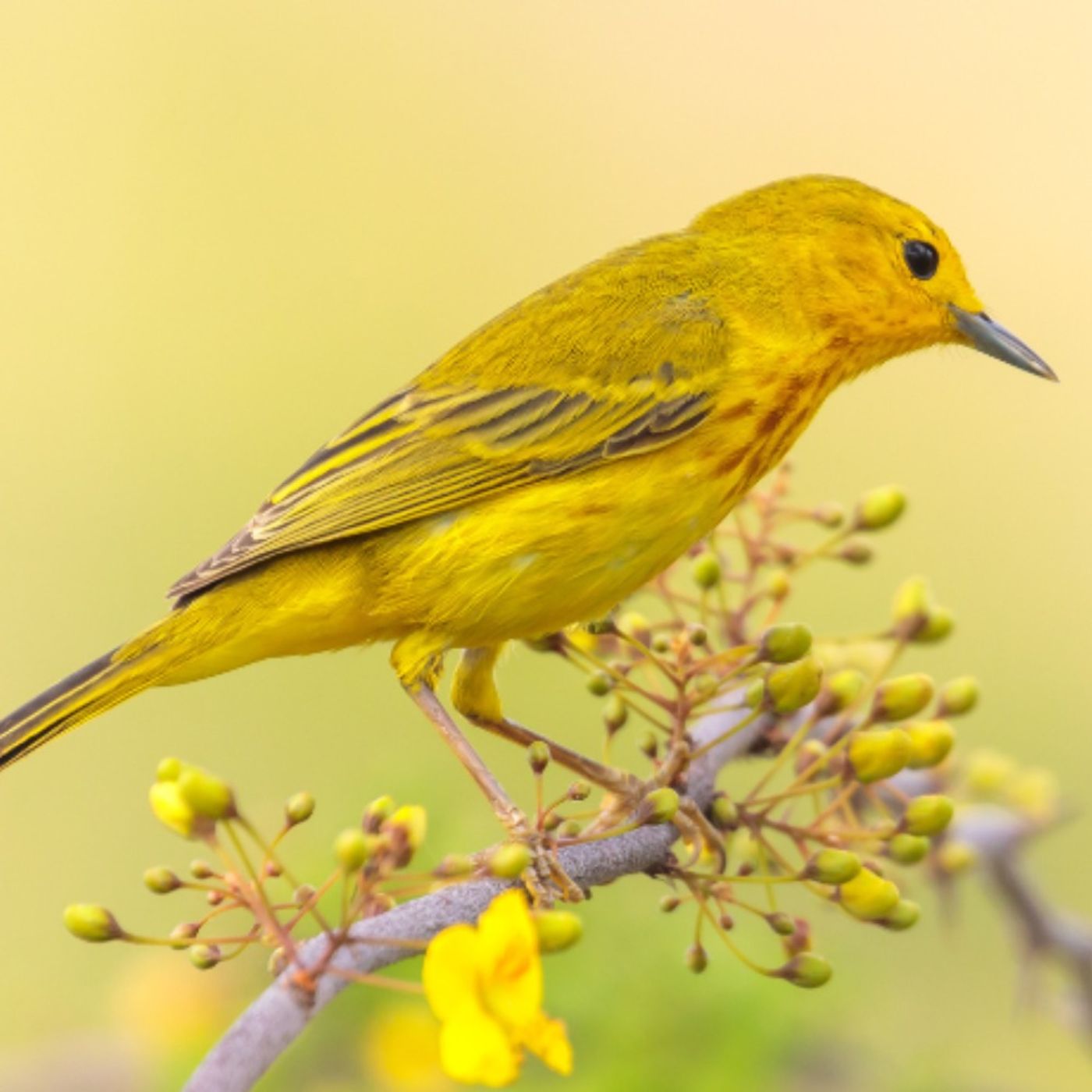
When you provide places for migratory birds to rest and refuel, you’re helping them complete their long journeys and reach their destination safely. In a similar way, BirdNote also relies on your generosity. As an independent nonprofit, we depend on support from listeners like you to keep us going. This week, we’re asking you to make a donation of any amount to help us continue sharing the joy and wonder of birds with people everywhere.More info and transcript at BirdNote.org.Want more BirdNote? Subscribe to our weekly newsletter. Sign up for BirdNote+ to get ad-free listening and other perks. BirdNote is a nonprofit. Your tax-deductible gift makes these shows possible. Hosted by Simplecast, an AdsWizz company. See pcm.adswizz.com for information about our collection and use of personal data for advertising.
Bird Books with BirdNote
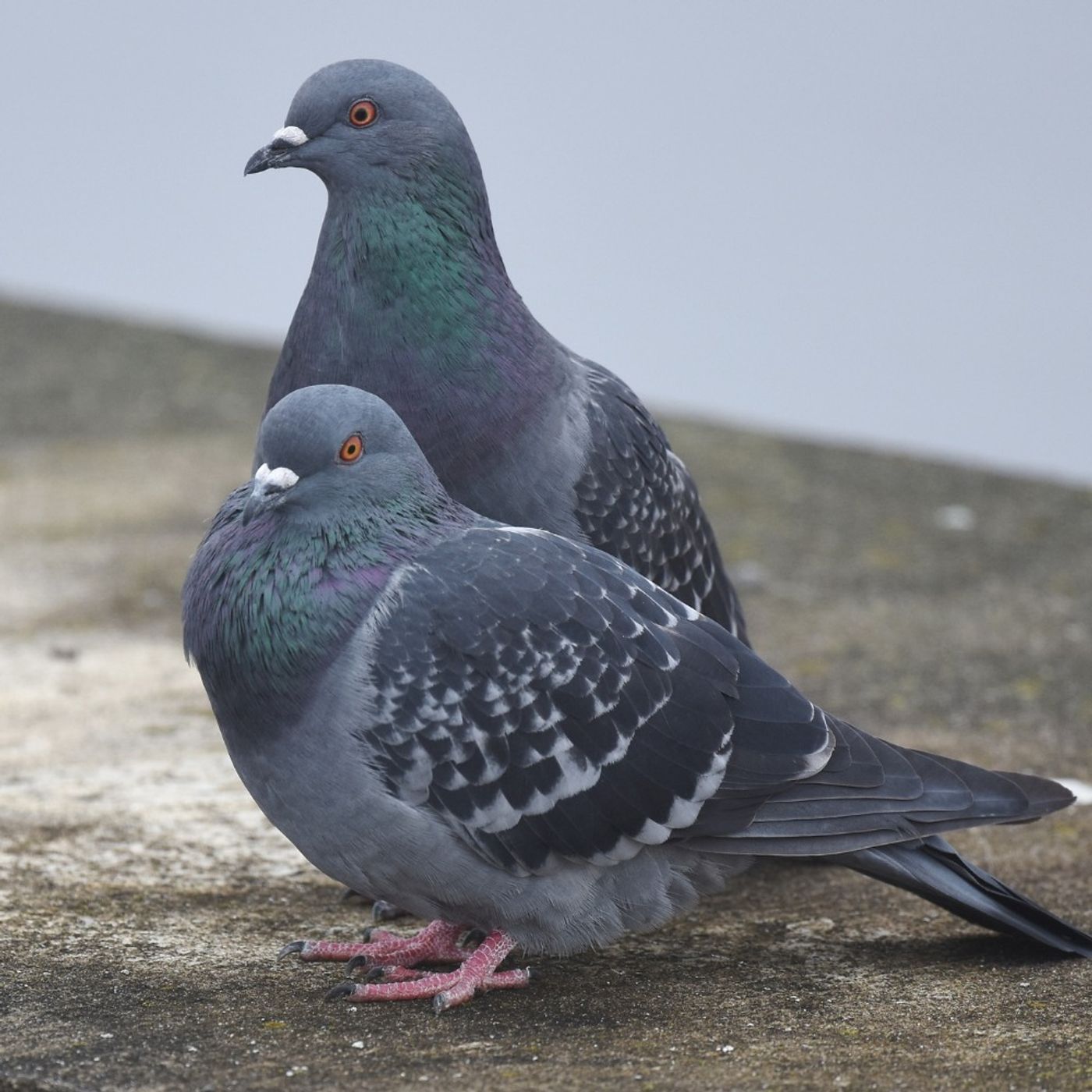
For many of us nature nerds, books and birds go hand in hand. That’s why BirdNote brings you conversations with award-winning writers about how birds inspire their work. This week, we are asking you to support the show so that we can keep providing daily stories about birds – and the books they’ve inspired – to your local station for free.More info and transcript at BirdNote.org.Want more BirdNote? Subscribe to our weekly newsletter. Sign up for BirdNote+ to get ad-free listening and other perks. BirdNote is a nonprofit. Your tax-deductible gift makes these shows possible. Hosted by Simplecast, an AdsWizz company. See pcm.adswizz.com for information about our collection and use of personal data for advertising.
BirdNote Helps You Get to Know Your Neighborhood
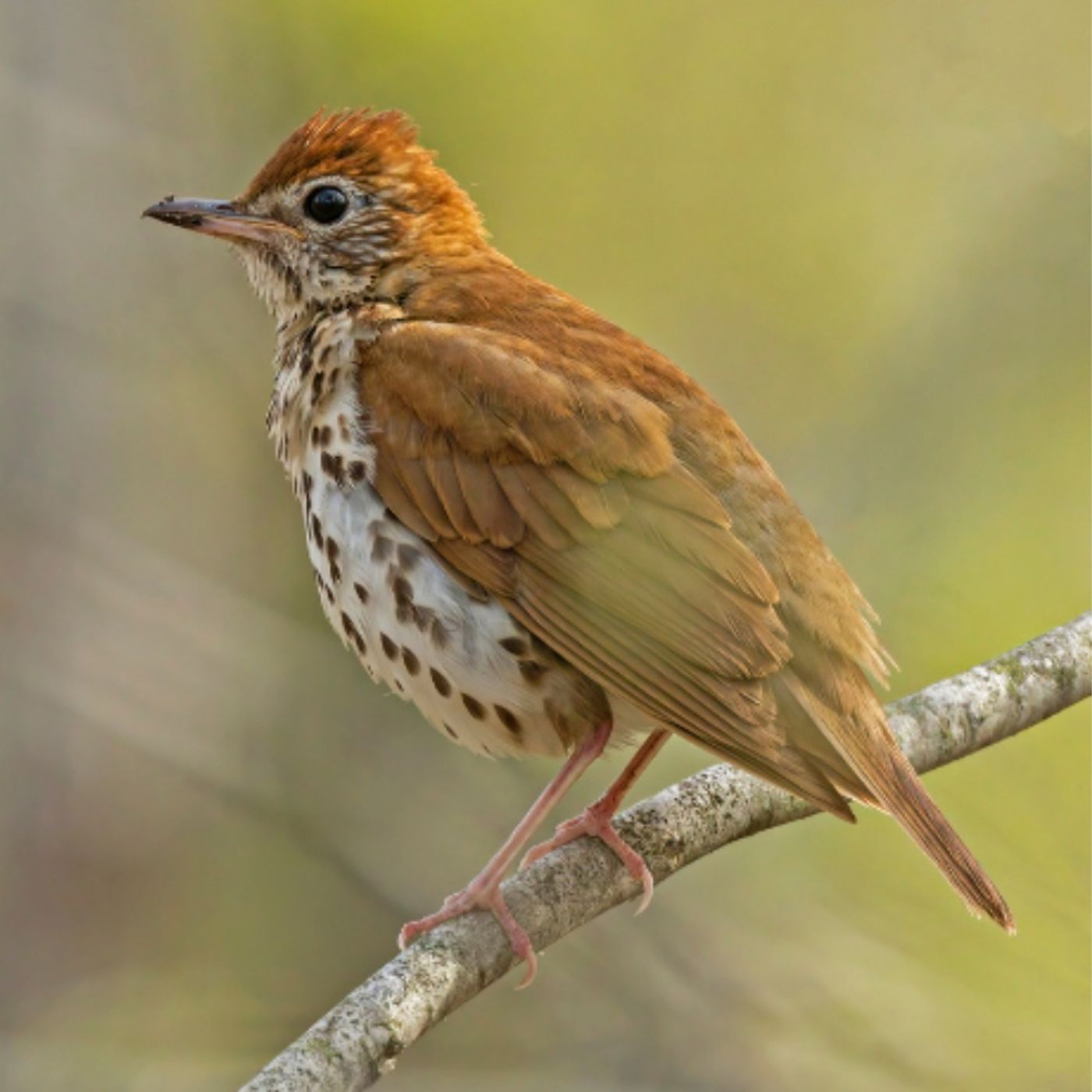
Whether you know your neighborhood inside-out or you just moved and are getting to know the area, BirdNote adds another dimension to how you understand the place you live — by understanding the birds. Our hope is that by spreading knowledge about birds, BirdNote is helping you become more connected to your local ecosystems. A gift of any amount helps us continue to accomplish this goal.More info and transcript at BirdNote.org.Want more BirdNote? Subscribe to our weekly newsletter. Sign up for BirdNote+ to get ad-free listening and other perks. BirdNote is a nonprofit. Your tax-deductible gift makes these shows possible. Hosted by Simplecast, an AdsWizz company. See pcm.adswizz.com for information about our collection and use of personal data for advertising.
The Multiplier Effect
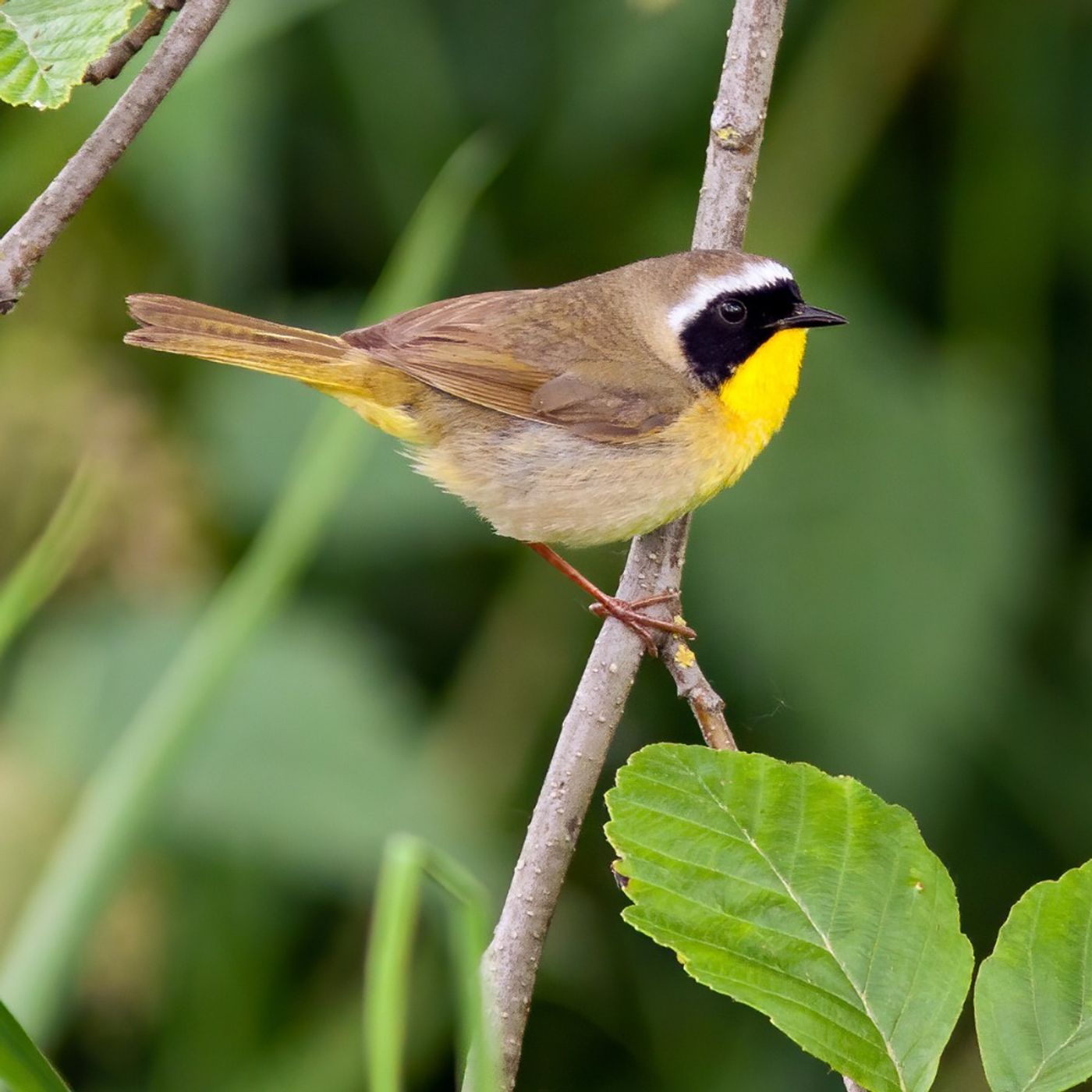
This summer, the U.S. Congress revoked more than $1 billion in previously allocated funding for public media. Because BirdNote provides its shows to stations for free, a gift to BirdNote has a multiplier effect: It helps produce a show you love and it helps provide free programming for the local public radio station you love.More info and transcript at BirdNote.org.Want more BirdNote? Subscribe to our weekly newsletter. Sign up for BirdNote+ to get ad-free listening and other perks. BirdNote is a nonprofit. Your tax-deductible gift makes these shows possible. Hosted by Simplecast, an AdsWizz company. See pcm.adswizz.com for information about our collection and use of personal data for advertising.
Darwin's Birds
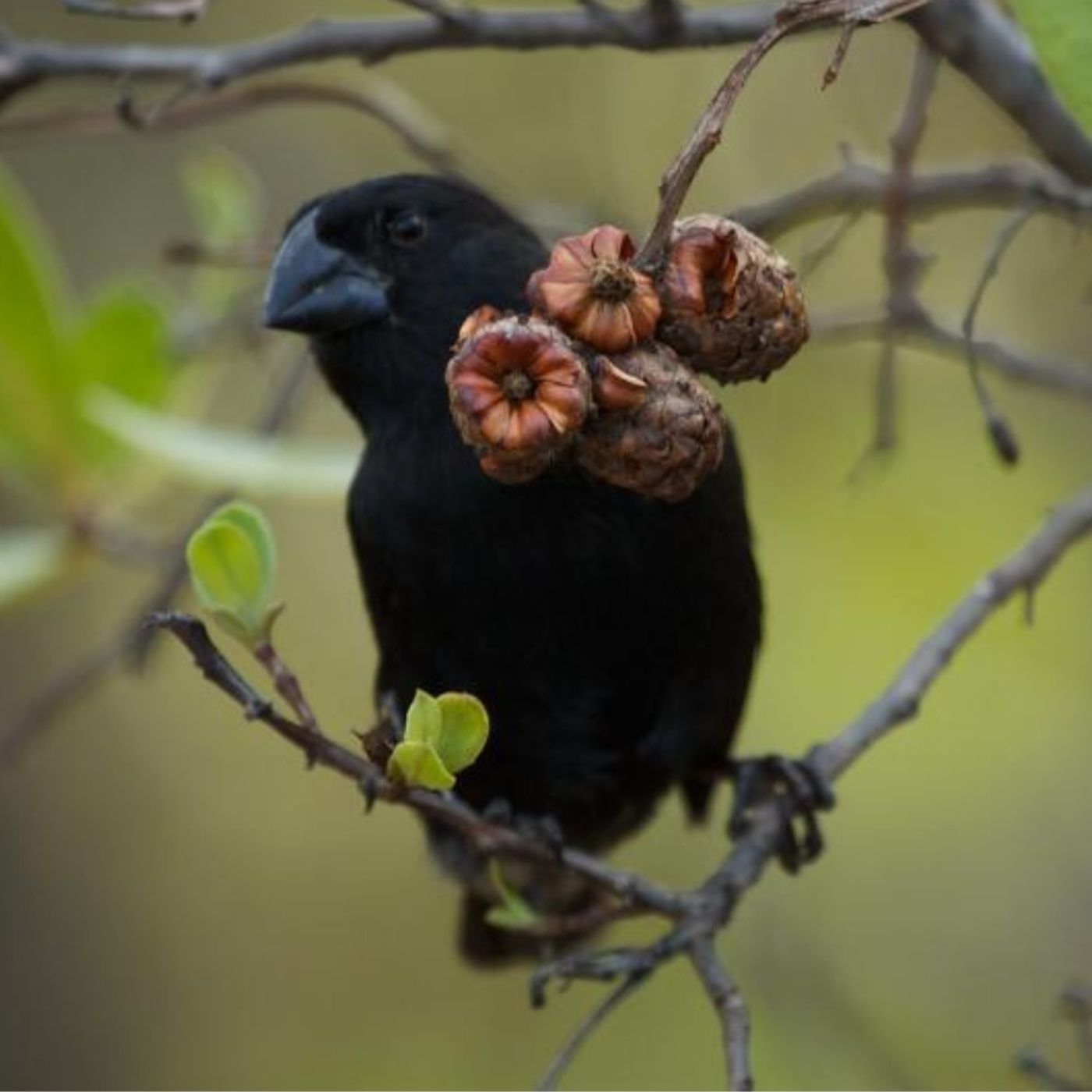
The finches of the Galapagos Islands are famous in the history of evolutionary theory. But Charles Darwin spent four years studying other birds as well, as the Beagle circumnavigated southern South America before reaching the Galapagos in 1835. It was not just the birds, but a lifetime of attending to all the wild things in his path that brought Darwin to his great idea.More info and transcript at BirdNote.org.Want more BirdNote? Subscribe to our weekly newsletter. Sign up for BirdNote+ to get ad-free listening and other perks. BirdNote is a nonprofit. Your tax-deductible gift makes these shows possible. Hosted by Simplecast, an AdsWizz company. See pcm.adswizz.com for information about our collection and use of personal data for advertising.
Henry David Thoreau and the Wood Thrush
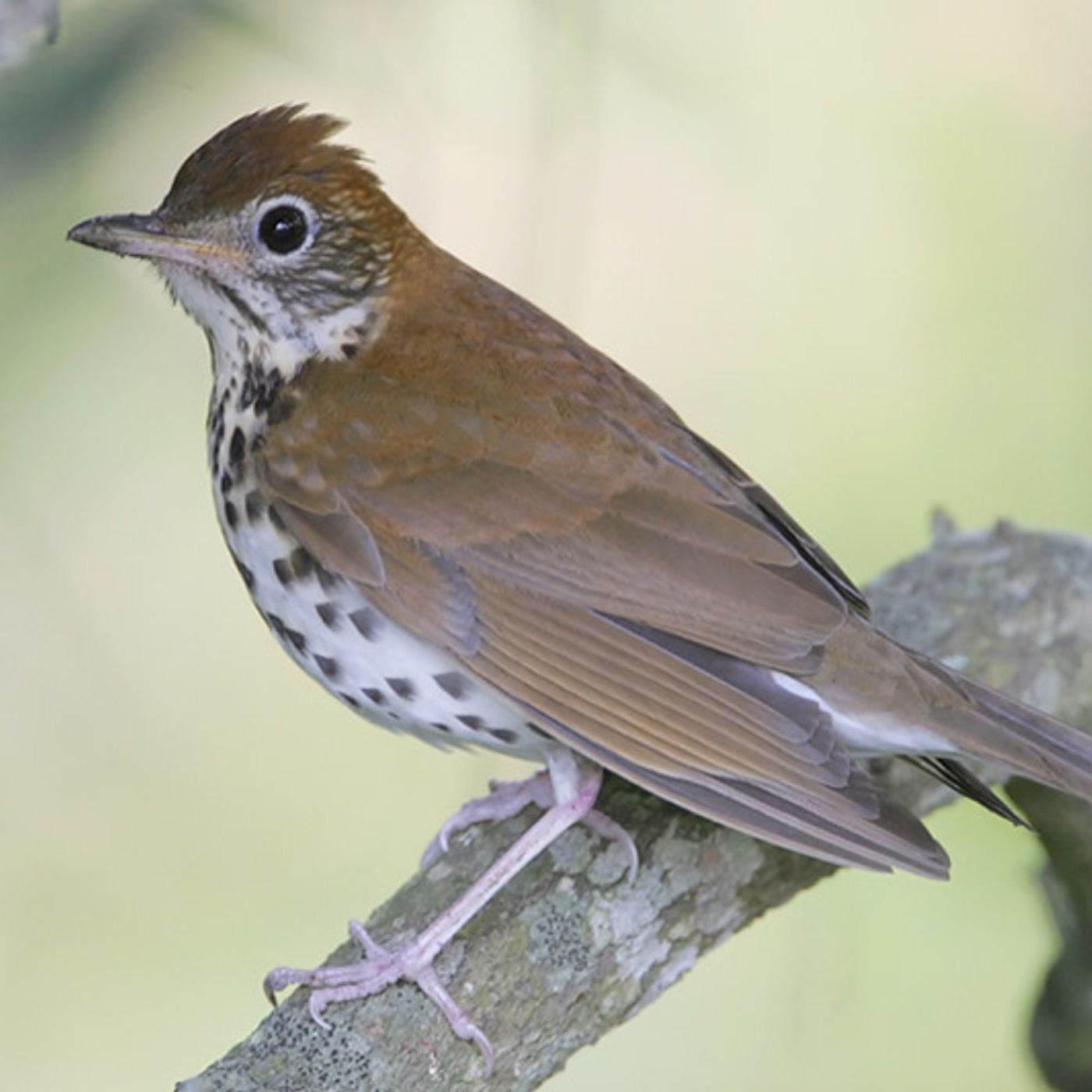
In June 1853, Thoreau wrote of an enchanting encounter with the Wood Thrush: "This is the only bird whose note affects me like music. It lifts and exhilarates me. It is inspiring. It changes all hours to an eternal morning." Wood Thrushes thrive in large expanses of forest. And their numbers have declined as forests have been cut on their breeding grounds. Protected areas like Adirondack Park, Great Smoky Mountains National Park, and Ozark National Forest give them a chance to thrive.More info and transcript at BirdNote.org.Want more BirdNote? Subscribe to our weekly newsletter. Sign up for BirdNote+ to get ad-free listening and other perks. BirdNote is a nonprofit. Your tax-deductible gift makes these shows possible. Hosted by Simplecast, an AdsWizz company. See pcm.adswizz.com for information about our collection and use of personal data for advertising.
Raptors in the Mojave Desert
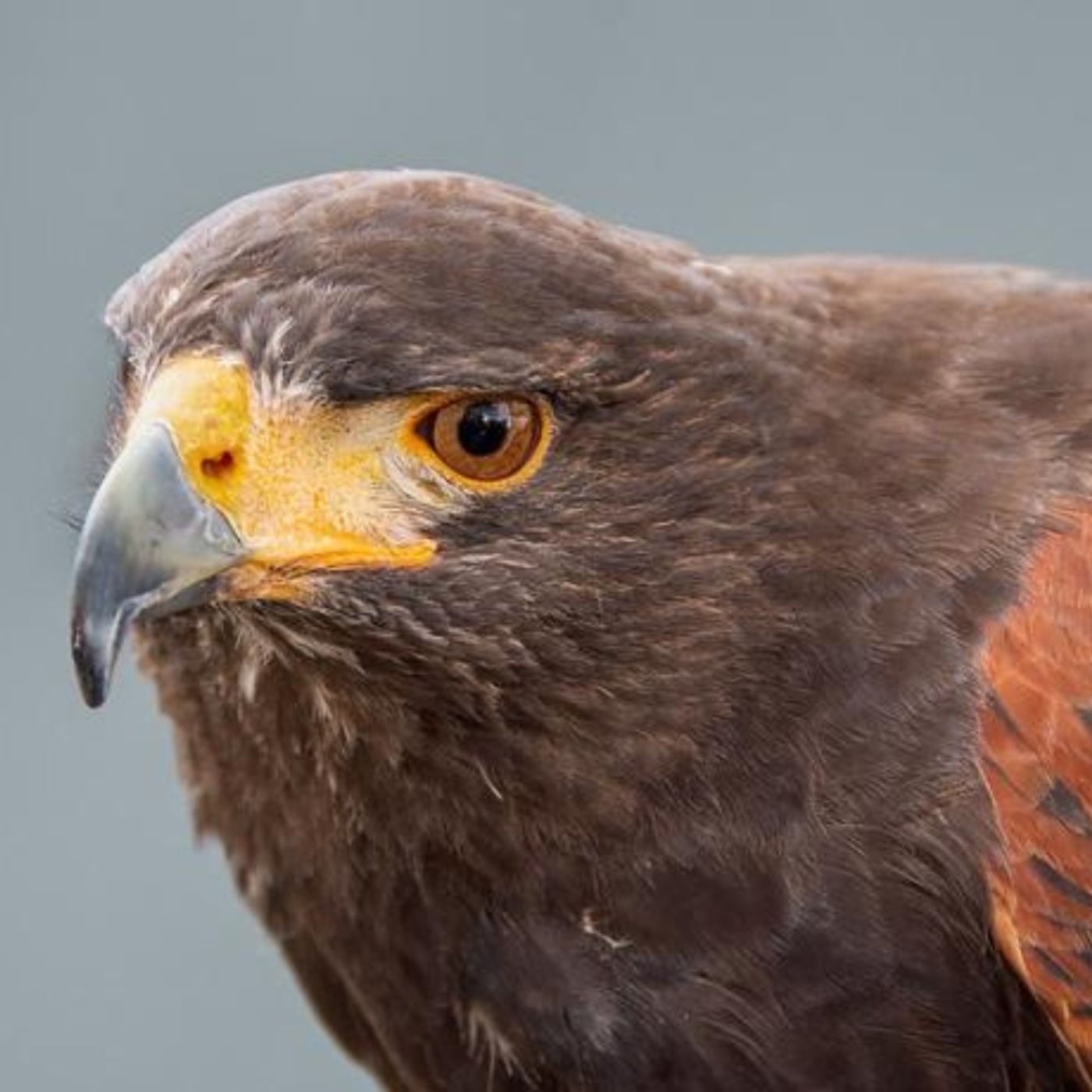
Desert raptors get most of their water from eating prey animals. Biologist Blair Wolf explains, “if you think of any insect or a mouse or something like that, they’re maybe 75% water.” Those animals become less plentiful in a hotter, drier climate. Extreme warming poses a direct danger to the raptors (such as this Harris's Hawk) and leads to lower rates of reproduction. Lacking sufficient water, they may not be able to produce eggs, and there must be enough food for their nestlings to thrive.More info and transcript at BirdNote.org.Want more BirdNote? Subscribe to our weekly newsletter. Sign up for BirdNote+ to get ad-free listening and other perks. BirdNote is a nonprofit. Your tax-deductible gift makes these shows possible. Hosted by Simplecast, an AdsWizz company. See pcm.adswizz.com for information about our collection and use of personal data for advertising.