
BirdNote Daily
1,282 episodes — Page 7 of 26
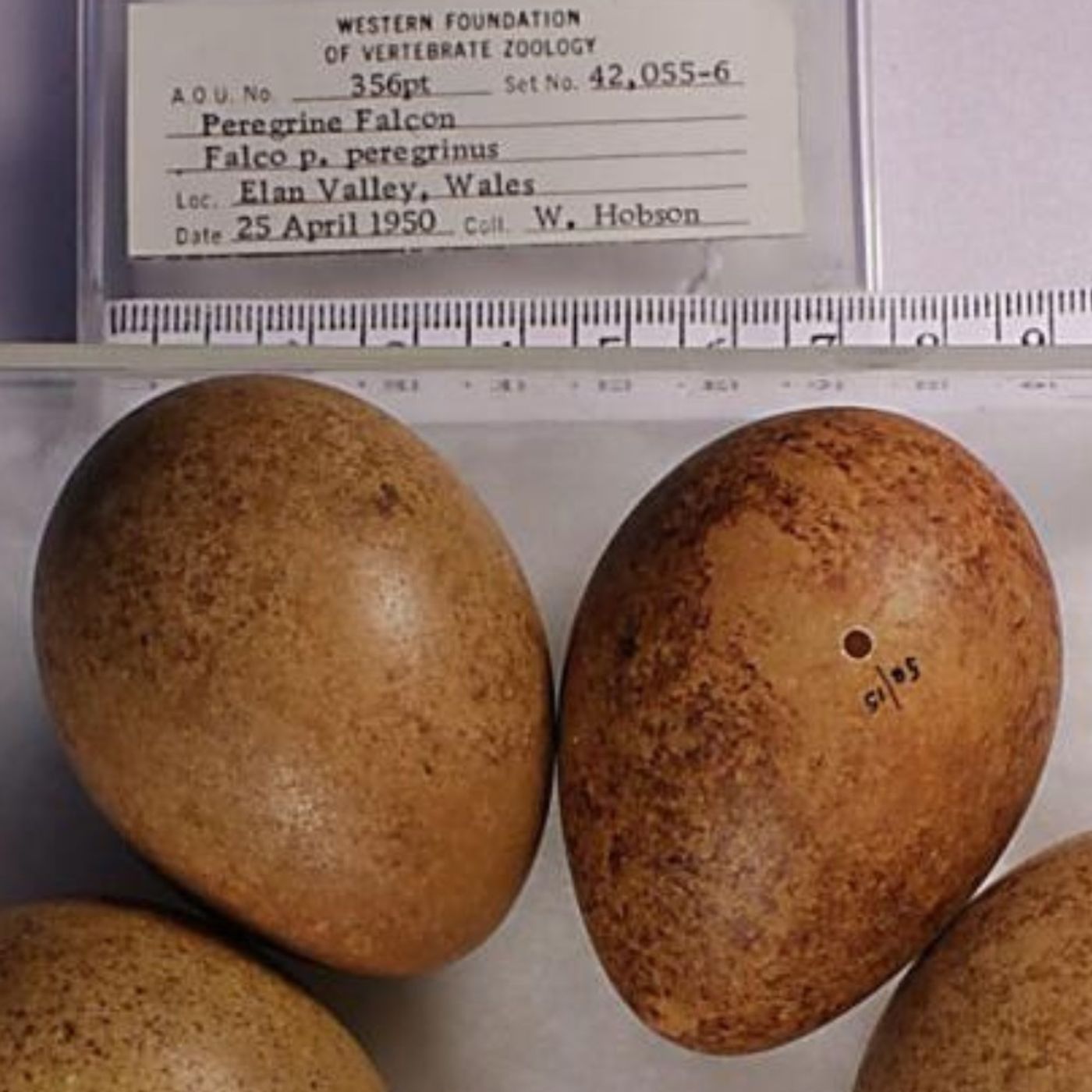
Museum Eggs Help Solve Mysteries
There are five million bird eggs stowed away in museums across the world — and the study of eggs, called oology, can give us great insight into birds. The link between DDT and the decline of Peregrine Falcon populations was identified in part using museum and personal egg collections, and this evidence helped lead to a ban on DDT. And today, Peregrines can still be seen zipping across the sky.More info and transcript at BirdNote.org.Want more BirdNote? Subscribe to our weekly newsletter. Sign up for BirdNote+ to get ad-free listening and other perks. BirdNote is a nonprofit. Your tax-deductible gift makes these shows possible. Hosted by Simplecast, an AdsWizz company. See pcm.adswizz.com for information about our collection and use of personal data for advertising.
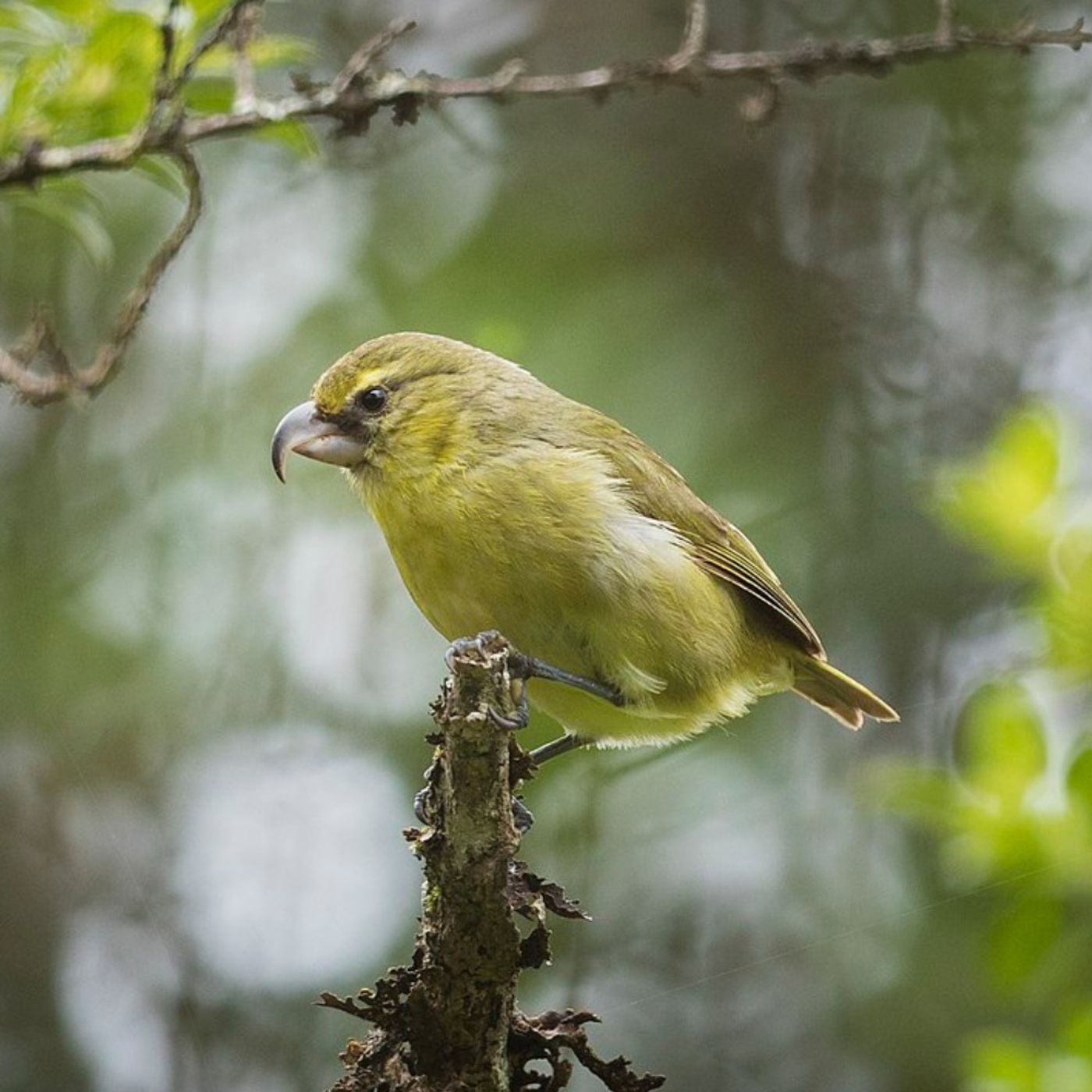
Kiwikiu
Kiwikiu, also known as Maui Parrotbill, used to be found all over Maui and Molokaʻi. Now, fewer than 150 individuals exist and kiwikiu are currently restricted to a tiny region of high elevation forest on the slopes of Haleakalā. A translocation effort to expand their range was unsuccessful due to the rapid spread of mosquito-borne avian malaria.More info and transcript at BirdNote.org.Want more BirdNote? Subscribe to our weekly newsletter. Sign up for BirdNote+ to get ad-free listening and other perks. BirdNote is a nonprofit. Your tax-deductible gift makes these shows possible. Hosted by Simplecast, an AdsWizz company. See pcm.adswizz.com for information about our collection and use of personal data for advertising.
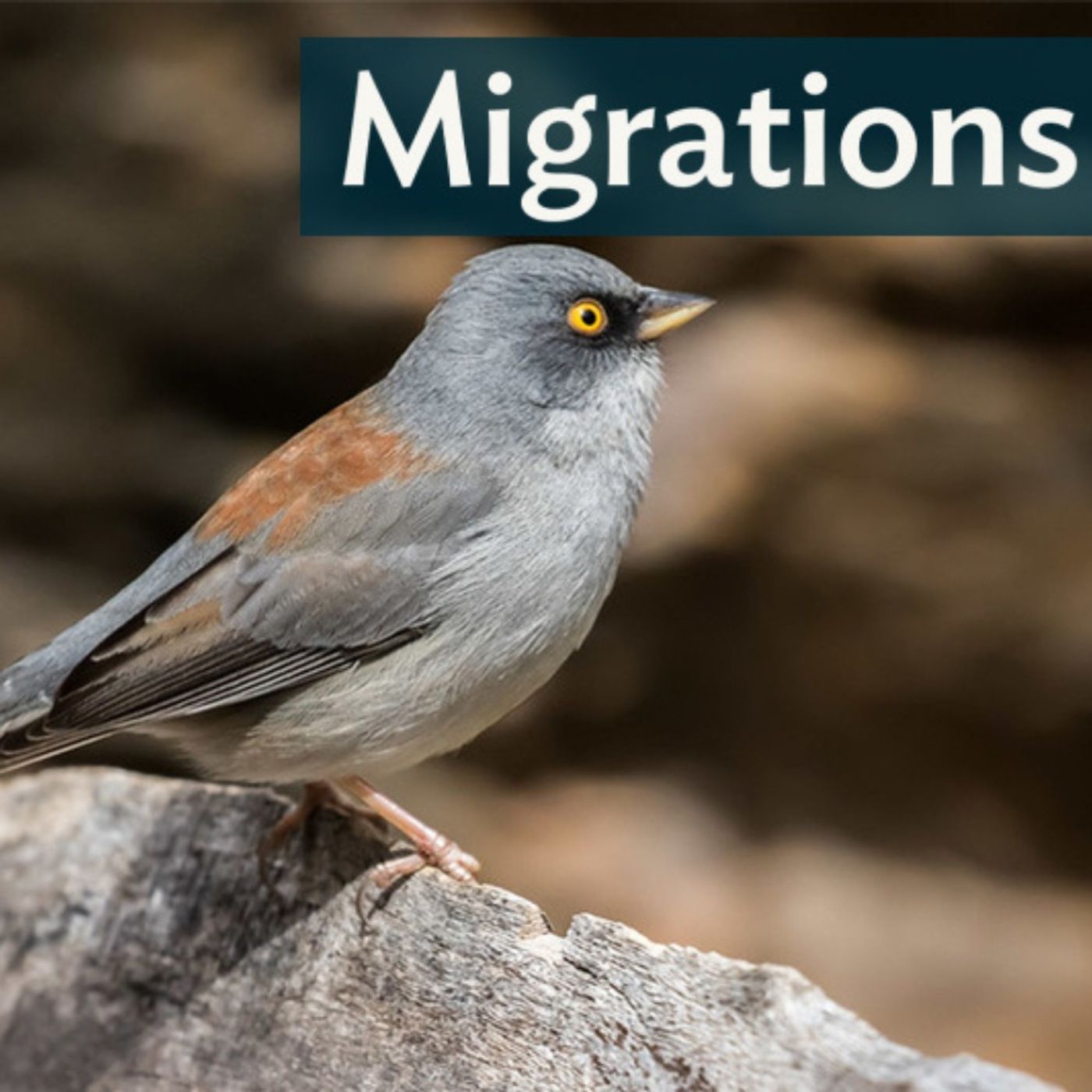
Altitudinal Migration
Yellow-eyed Juncos sometimes make a migration of sorts — not from north to south, but from the high mountains to the lowlands or the other way around. It’s called altitudinal migration. In the warm summer months, some Yellow-eyed Juncos prefer to nest at higher elevations. In winter, however, the scarcity of food pushes them back down to the valleys.More info and transcript at BirdNote.org.Want more BirdNote? Subscribe to our weekly newsletter. Sign up for BirdNote+ to get ad-free listening and other perks. BirdNote is a nonprofit. Your tax-deductible gift makes these shows possible. Hosted by Simplecast, an AdsWizz company. See pcm.adswizz.com for information about our collection and use of personal data for advertising.

How Art Inspired a Young Birder
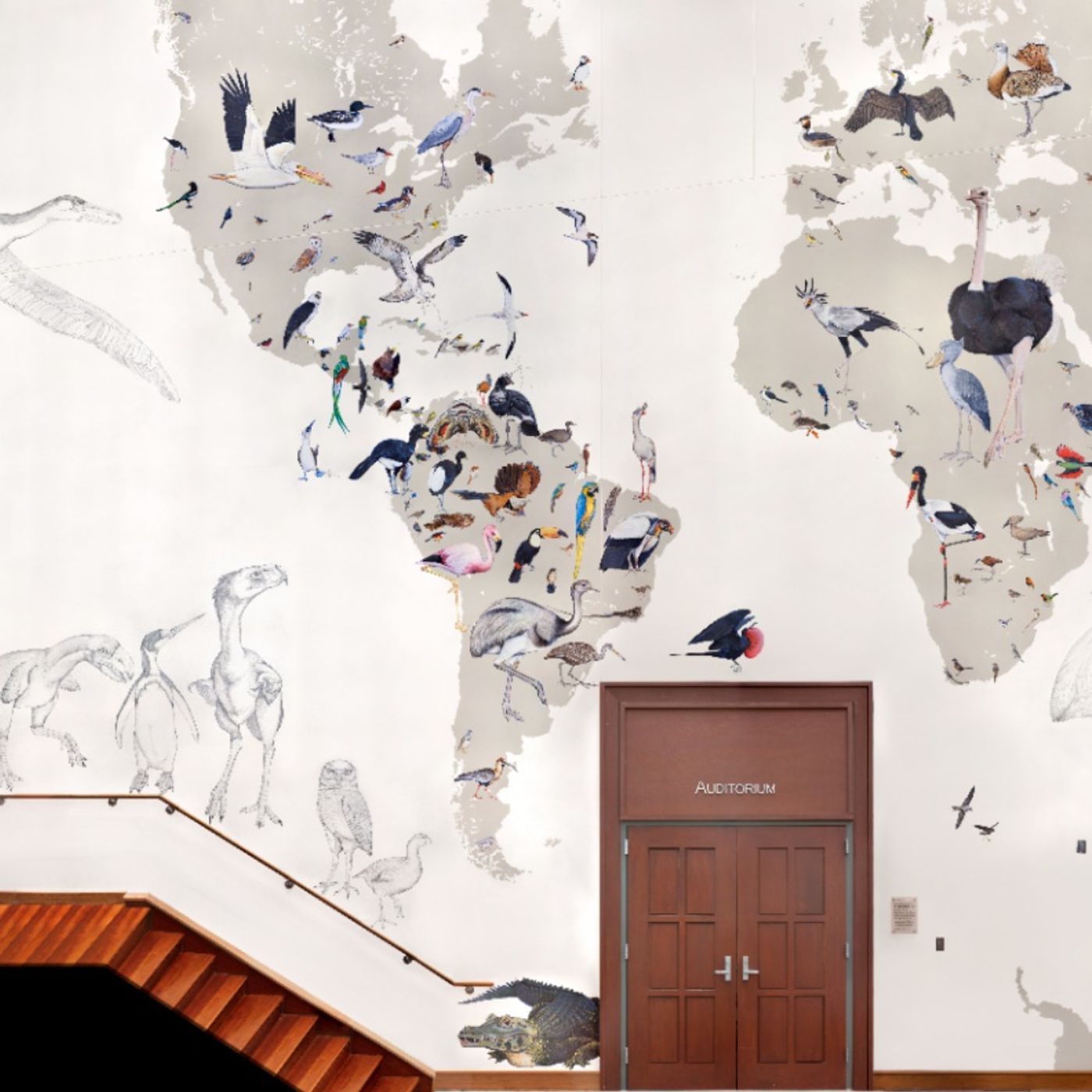
Isaiah Scott was in middle school when his family took him to visit the Cornell Lab of Ornithology. He remembers seeing a huge mural showing hundreds of colorful birds spread across a map of the world. That painting, called the Wall of Birds by Jane Kim, got Isaiah curious about how many of those species he might see for himself. In this episode, Isaiah shares how the artwork sparked his love of birding.There’s more to our conversation with Isaiah Scott in season 4 of Bring Birds Back!More info and transcript at BirdNote.org.Want more BirdNote? Subscribe to our weekly newsletter. Sign up for BirdNote+ to get ad-free listening and other perks. BirdNote is a nonprofit. Your tax-deductible gift makes these shows possible. Hosted by Simplecast, an AdsWizz company. See pcm.adswizz.com for information about our collection and use of personal data for advertising.
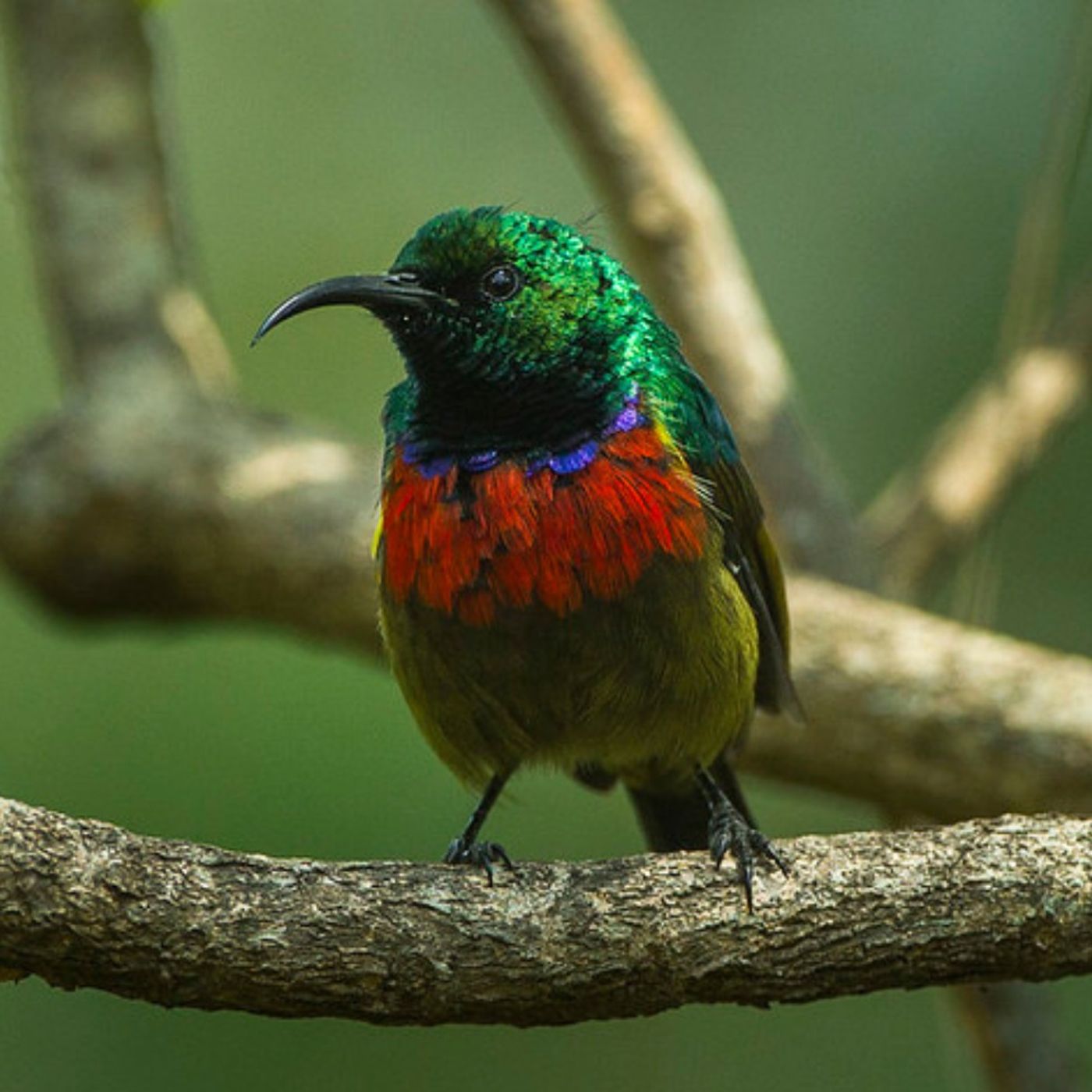
A Song That Has Survived for Thousands of Years
Sometimes, a species’ song changes over the course of a few decades. But a bird that lives in the mountains of eastern Africa, the Forest Double-collared Sunbird, appears to have kept the same song for at least 500,000 years. That’s the amount of time that two populations of the species split up into two separate mountain ranges. Despite a lack of contact between those populations, they sing a nearly identical song, suggesting that it’s very similar to the one their ancestors sang long ago.More info and transcript at BirdNote.org.Want more BirdNote? Subscribe to our weekly newsletter. Sign up for BirdNote+ to get ad-free listening and other perks. BirdNote is a nonprofit. Your tax-deductible gift makes these shows possible. Hosted by Simplecast, an AdsWizz company. See pcm.adswizz.com for information about our collection and use of personal data for advertising.
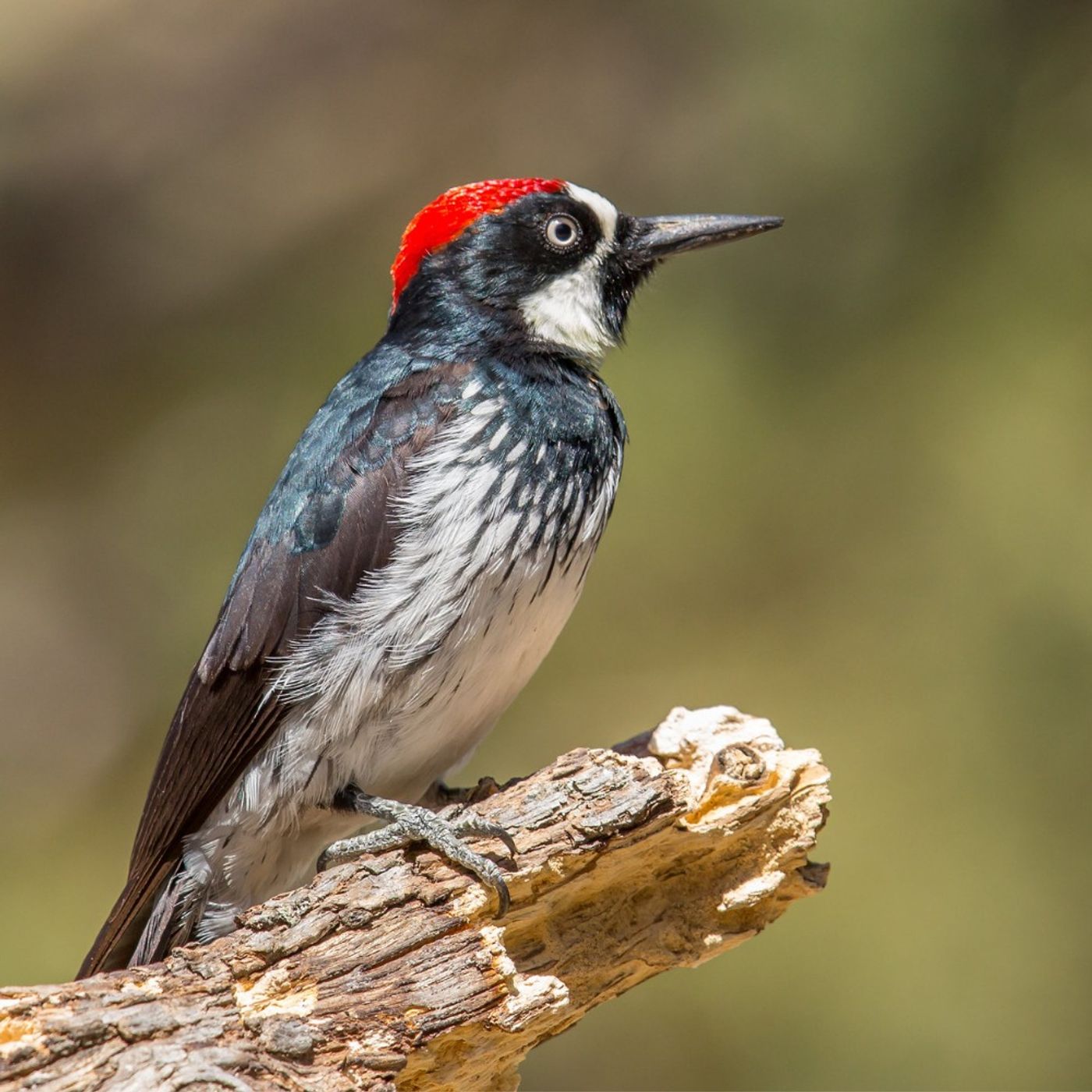
What Do Woodpeckers Do on Smoky Days?
When the air is thick with wildfire smoke, people are advised to stay home. At Hastings Natural History Preserve in California, Acorn Woodpeckers do the same. These gregarious birds live in family groups and frequently visit their neighbors while foraging. Using tiny radio transmitters, scientists tracked the movements of Acorn Woodpeckers during the summer of 2020 when wildfire smoke blanketed the preserve. On smoky days, woodpeckers spent more of their time at home. And when they did leave their territories, they didn’t venture far and visited fewer neighbors than usual. Published in Current Biology in 2023, the findings suggest that harm caused by wildfires go far beyond the blaze itself. As megafires become more common in our changing climate, even more birds could be affected by wildfire smoke in the future.More info and transcript at BirdNote.org.Want more BirdNote? Subscribe to our weekly newsletter. Sign up for BirdNote+ to get ad-free listening and other perks. BirdNote is a nonprofit. Your tax-deductible gift makes these shows possible. Hosted by Simplecast, an AdsWizz company. See pcm.adswizz.com for information about our collection and use of personal data for advertising.
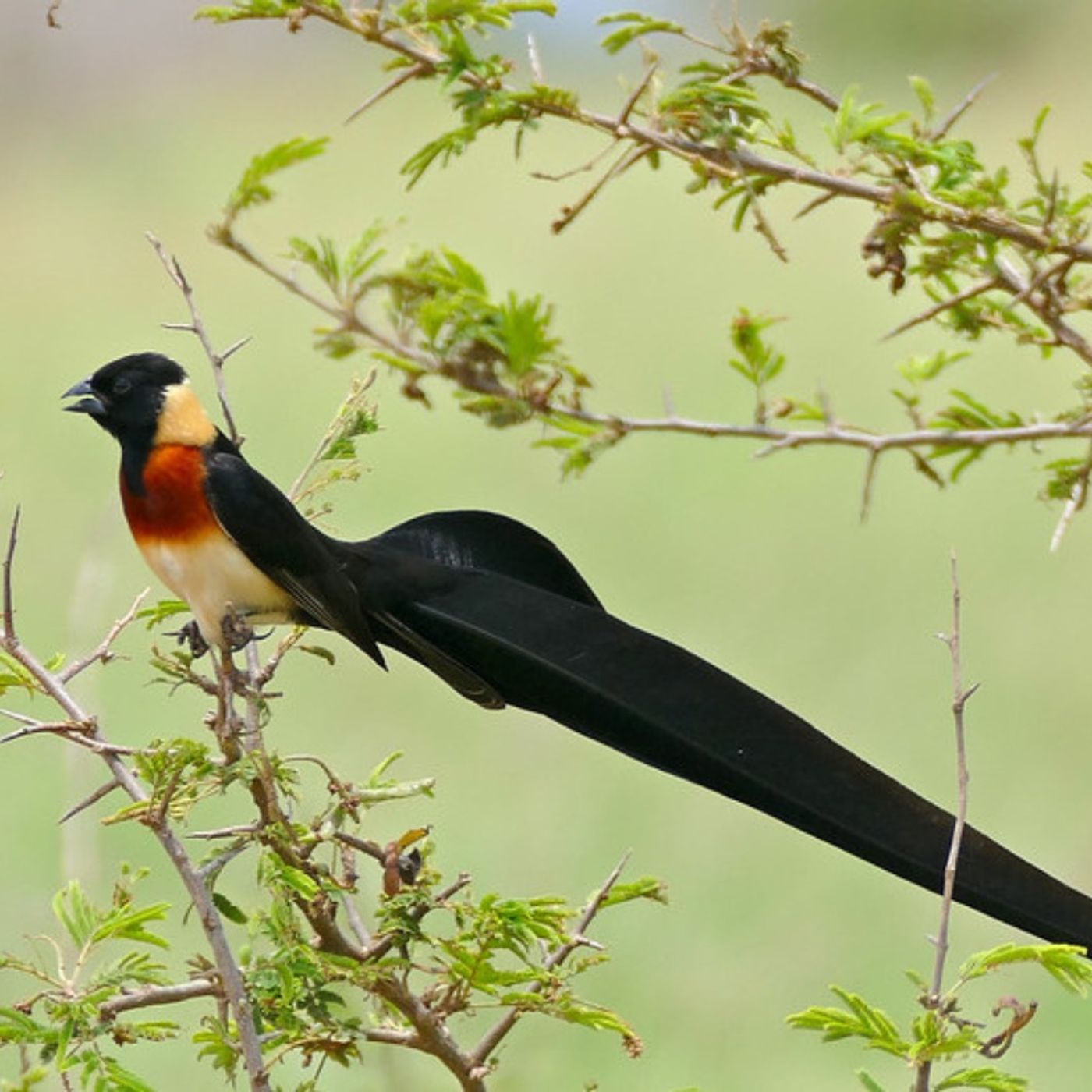
Paradise-Whydah
A few times each year, the Eastern Paradise-Whydah puts on his party clothes. This small finch is found in East Africa, and males and females generally share the same nondescript appearance. But when it’s time to mate, the male sprouts extravagant, long, black tail feathers two or three times the length of his body. The feathers make it look like he’s wearing a long black cape, thus the nickname, “widow bird.”More info and transcript at BirdNote.org.Want more BirdNote? Subscribe to our weekly newsletter. Sign up for BirdNote+ to get ad-free listening and other perks. BirdNote is a nonprofit. Your tax-deductible gift makes these shows possible. Hosted by Simplecast, an AdsWizz company. See pcm.adswizz.com for information about our collection and use of personal data for advertising.
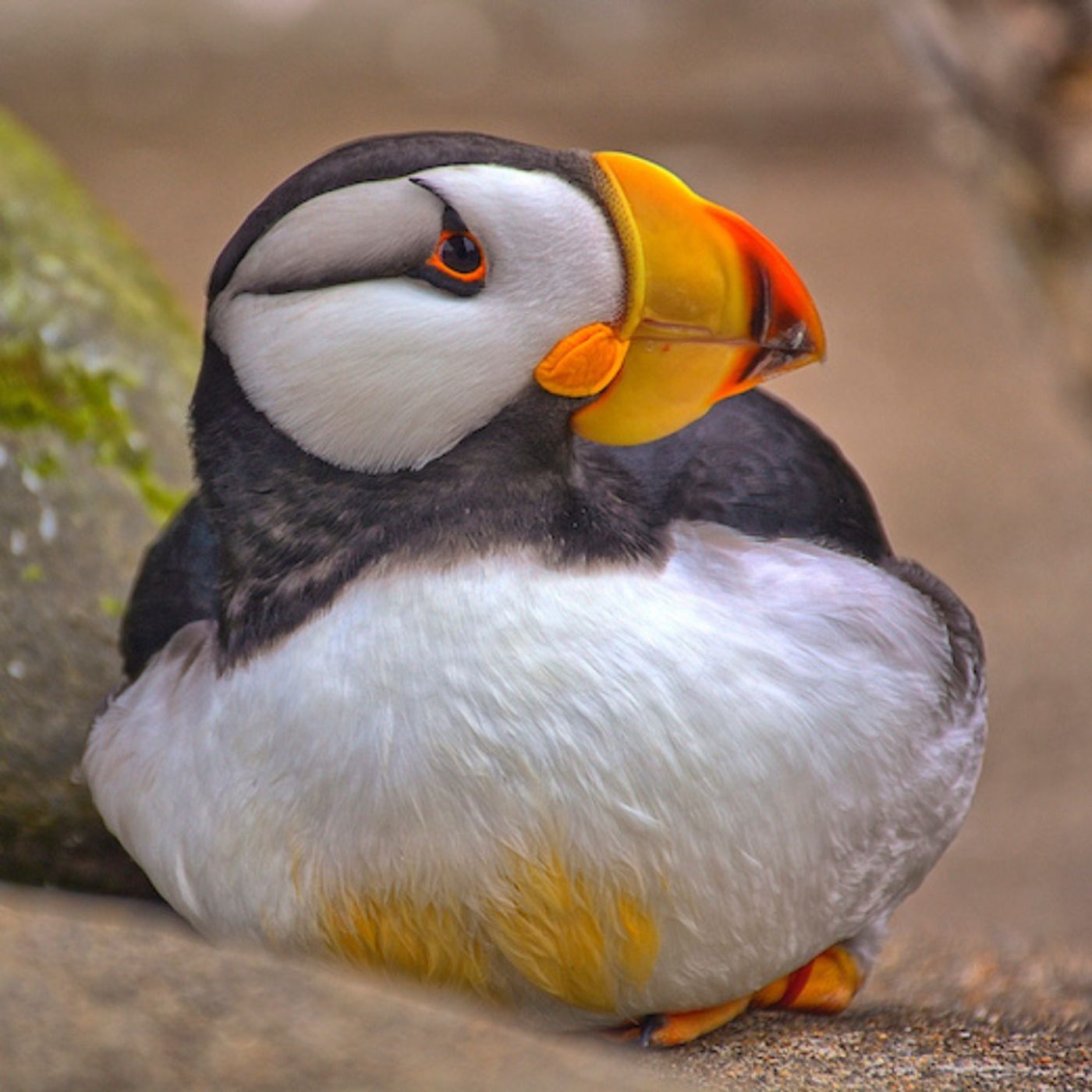
In Winter, Puffins Lead Very Different Lives
Every summer, puffins — like this Horned Puffin — grow blazingly colorful layers over the bases of their huge beaks. But in the winter, puffins lead very different lives, and they shed their bright ornamentation. Puffins in winter are largely solitary — and silent. They spend about seven months alone at sea, before returning once again to their colonies to breed.More info and transcript at BirdNote.org.Want more BirdNote? Subscribe to our weekly newsletter. Sign up for BirdNote+ to get ad-free listening and other perks. BirdNote is a nonprofit. Your tax-deductible gift makes these shows possible. Hosted by Simplecast, an AdsWizz company. See pcm.adswizz.com for information about our collection and use of personal data for advertising.
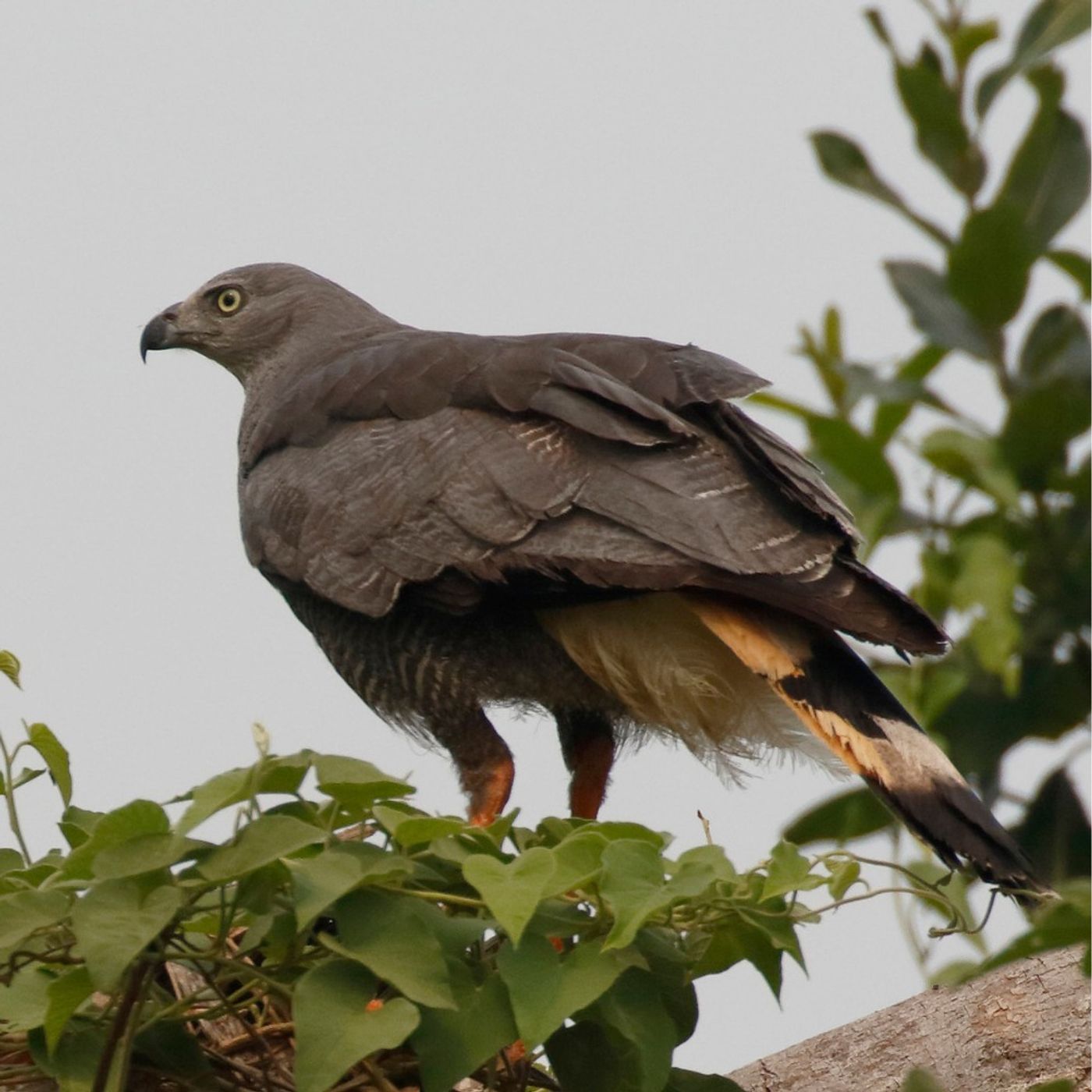
Double-jointed Hawks and Convergent Evolution
Crane Hawks of Central and South America and African Harrier-Hawks both have legs that bend forward and backward. Each bird’s wonderfully peculiar leg adaptation is completely original — it evolved all on its own — even though the end result is the same. It's a fascinating example of a phenomenon called convergent evolution.More info and transcript at BirdNote.org.Want more BirdNote? Subscribe to our weekly newsletter. Sign up for BirdNote+ to get ad-free listening and other perks. BirdNote is a nonprofit. Your tax-deductible gift makes these shows possible. Hosted by Simplecast, an AdsWizz company. See pcm.adswizz.com for information about our collection and use of personal data for advertising.
Protecting the Madagascar Fish-Eagle
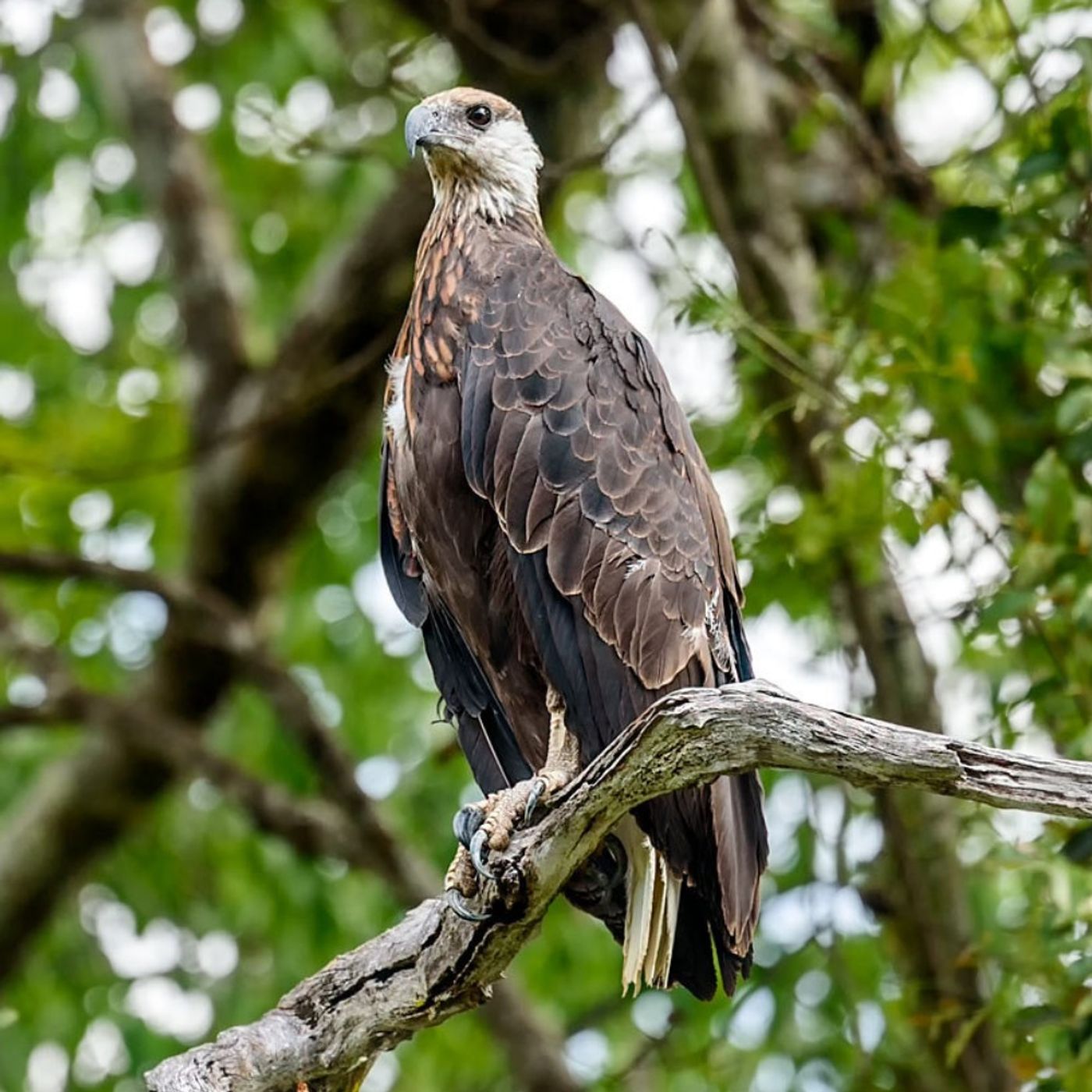
Biodiversity conservationist Lily-Arison Rene de Roland works with some of the rarest birds in the world. He’s the Madagascar program director for the Peregrine Fund, a non-profit conservation organization that protects imperiled birds of prey like the Madagascar Fish-Eagle. These large raptors only eat fish, which means they rely on the same diminishing wetlands and natural resources as some fishing communities. In this episode, Lily shares how community-centered conservation programs are helping to support Madagascar’s fishers and fish-eagles.More info and transcript at BirdNote.org.Want more BirdNote? Subscribe to our weekly newsletter. Sign up for BirdNote+ to get ad-free listening and other perks. BirdNote is a nonprofit. Your tax-deductible gift makes these shows possible. Hosted by Simplecast, an AdsWizz company. See pcm.adswizz.com for information about our collection and use of personal data for advertising.
Common Potoo: Branch or Bird?
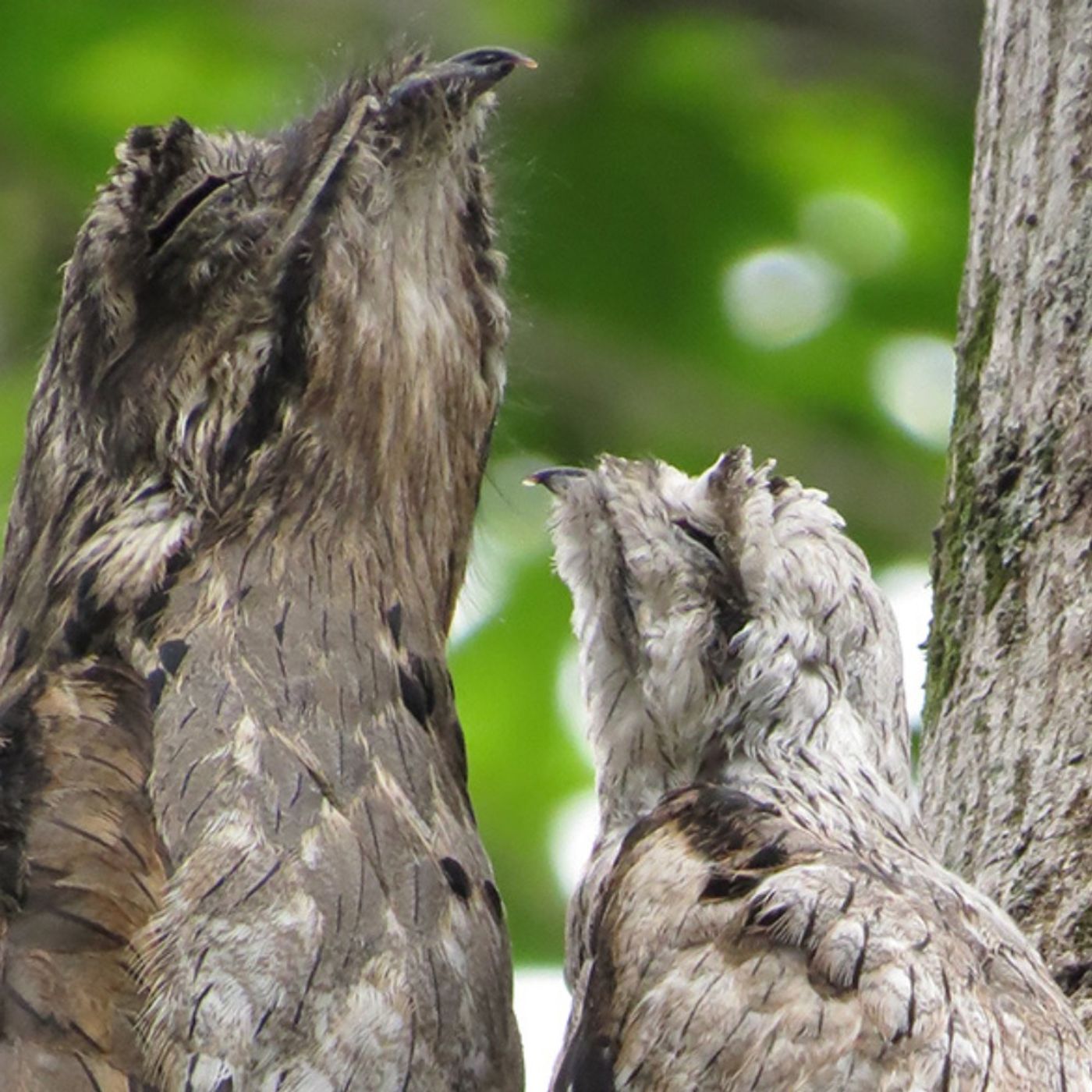
Common Potoos are champions of camouflage. In the daytime these nocturnal creatures perch perfectly still on branches: heads pointed upward, bodies outstretched, and eyes closed down to tiny slits. It’s hard to tell where the branch ends and the bird’s body begins — which helps them avoid predators. They’re birds more often heard than seen; with a melodious but mournful song, made at dawn, dusk and by the light of the moon. The song earned potoos the name ‘Poor-me-one’ in Trinidad and Tobago.More info and transcript at BirdNote.org.Want more BirdNote? Subscribe to our weekly newsletter. Sign up for BirdNote+ to get ad-free listening and other perks. BirdNote is a nonprofit. Your tax-deductible gift makes these shows possible. Hosted by Simplecast, an AdsWizz company. See pcm.adswizz.com for information about our collection and use of personal data for advertising.
The Gyrfalcon – A Circumpolar Raptor
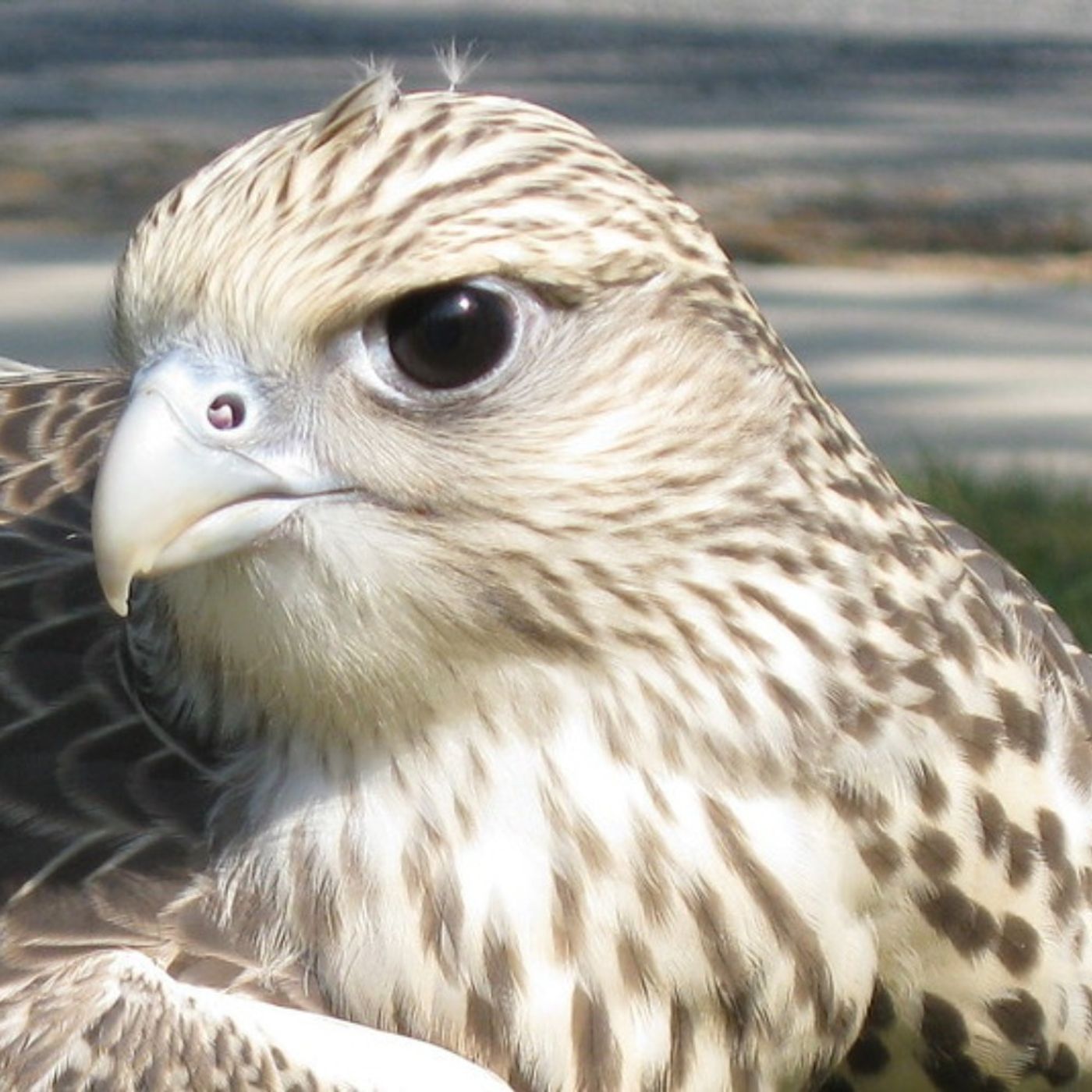
Gyrfalcons are circumpolar, nesting in the far north of Asia, North America, and Europe, including Iceland and Greenland. They evolved as a distinct species in the Pleistocene Era, around 100,000 years ago. Their large size and warm feathering gave them an edge for nesting high in the Arctic. Gyrfalcons reuse the same nesting site year after year, and some nests have been occupied for 2,500 years!More info and transcript at BirdNote.org.Want more BirdNote? Subscribe to our weekly newsletter. Sign up for BirdNote+ to get ad-free listening and other perks. BirdNote is a nonprofit. Your tax-deductible gift makes these shows possible. Hosted by Simplecast, an AdsWizz company. See pcm.adswizz.com for information about our collection and use of personal data for advertising.
Jane Kim and the Wall of Birds
Walk into the visitor center at the Cornell Lab of Ornithology and you’ll be greeted by a massive mural called the Wall of Birds. About the size of a tennis court, the mural shows a map of the world covered in 270 life-sized portraits of birds and their relatives — ranging in size from the 30-foot-long, feathered dinosaur Yutyrranus hauli to the tiny Marvelous Spatuletail hummingbird. Artist and scientific illustrator Jane Kim partnered with the Cornell Lab to create this epic celebration of the evolution and diversity of birds, which was completed in December 2015.Read more about Jane in Field Notes!More info and transcript at BirdNote.org.Want more BirdNote? Subscribe to our weekly newsletter. Sign up for BirdNote+ to get ad-free listening and other perks. BirdNote is a nonprofit. Your tax-deductible gift makes these shows possible. Hosted by Simplecast, an AdsWizz company. See pcm.adswizz.com for information about our collection and use of personal data for advertising.
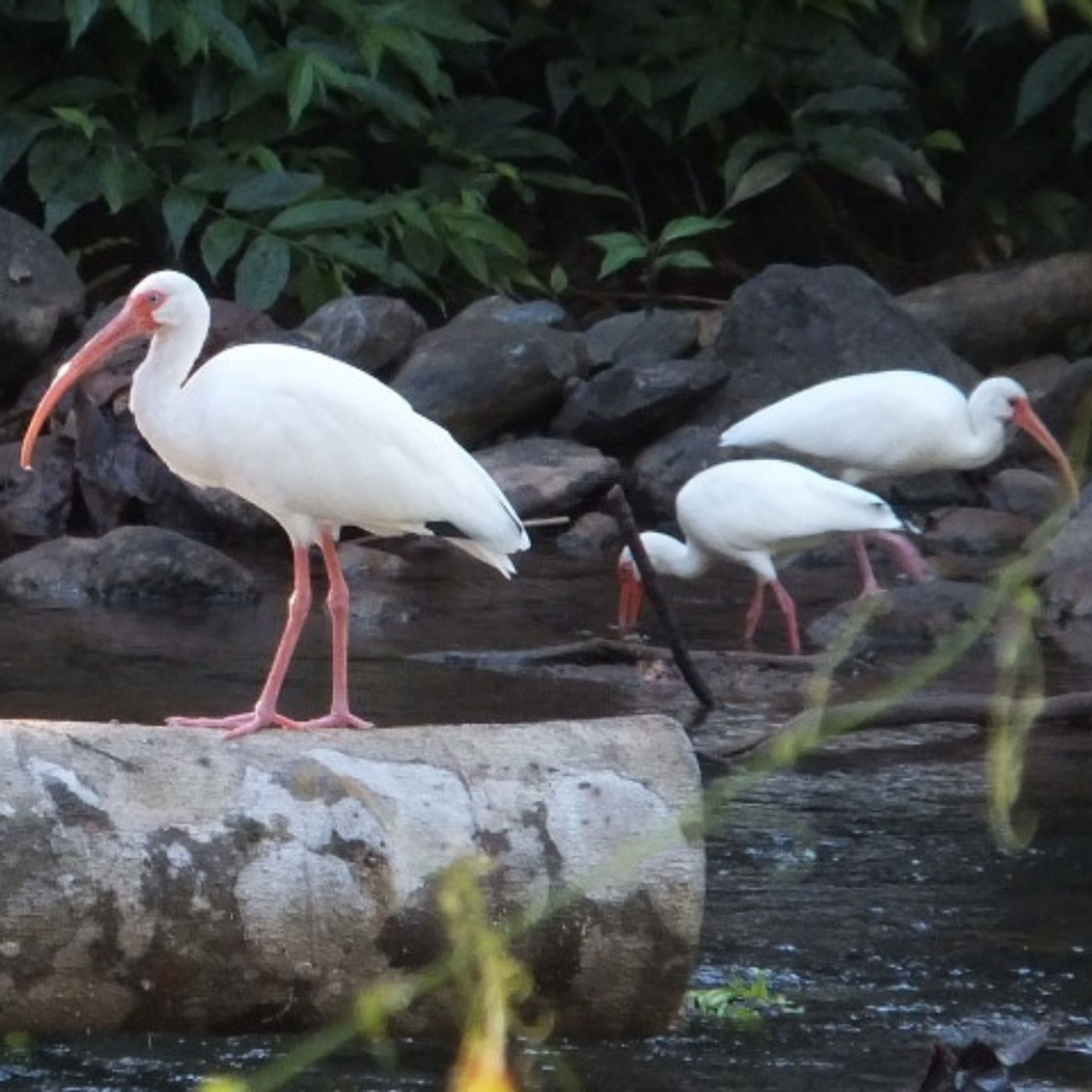
Costa Rica Pulses with Life
It’s early morning in Costa Rica. Tiny bats nestle in a tree after a night on the wing. A Great Kiskadee calls. Gray-capped Flycatchers sally forth from willow-like shrubs to catch insects in mid-air. White Ibis forage at the water's edge. Deep in a thicket, Black-hooded Antshrikes call. By noon, Chestnut-mandibled Toucans will shift lazily from one tree to another. In the evening, the sounds of cicadas give way to the sounds of crickets and a chorus of Marine Toads pours forth like no other. The land is pulsing with life!More info and transcript at BirdNote.org.Want more BirdNote? Subscribe to our weekly newsletter. Sign up for BirdNote+ to get ad-free listening and other perks. BirdNote is a nonprofit. Your tax-deductible gift makes these shows possible. Hosted by Simplecast, an AdsWizz company. See pcm.adswizz.com for information about our collection and use of personal data for advertising.
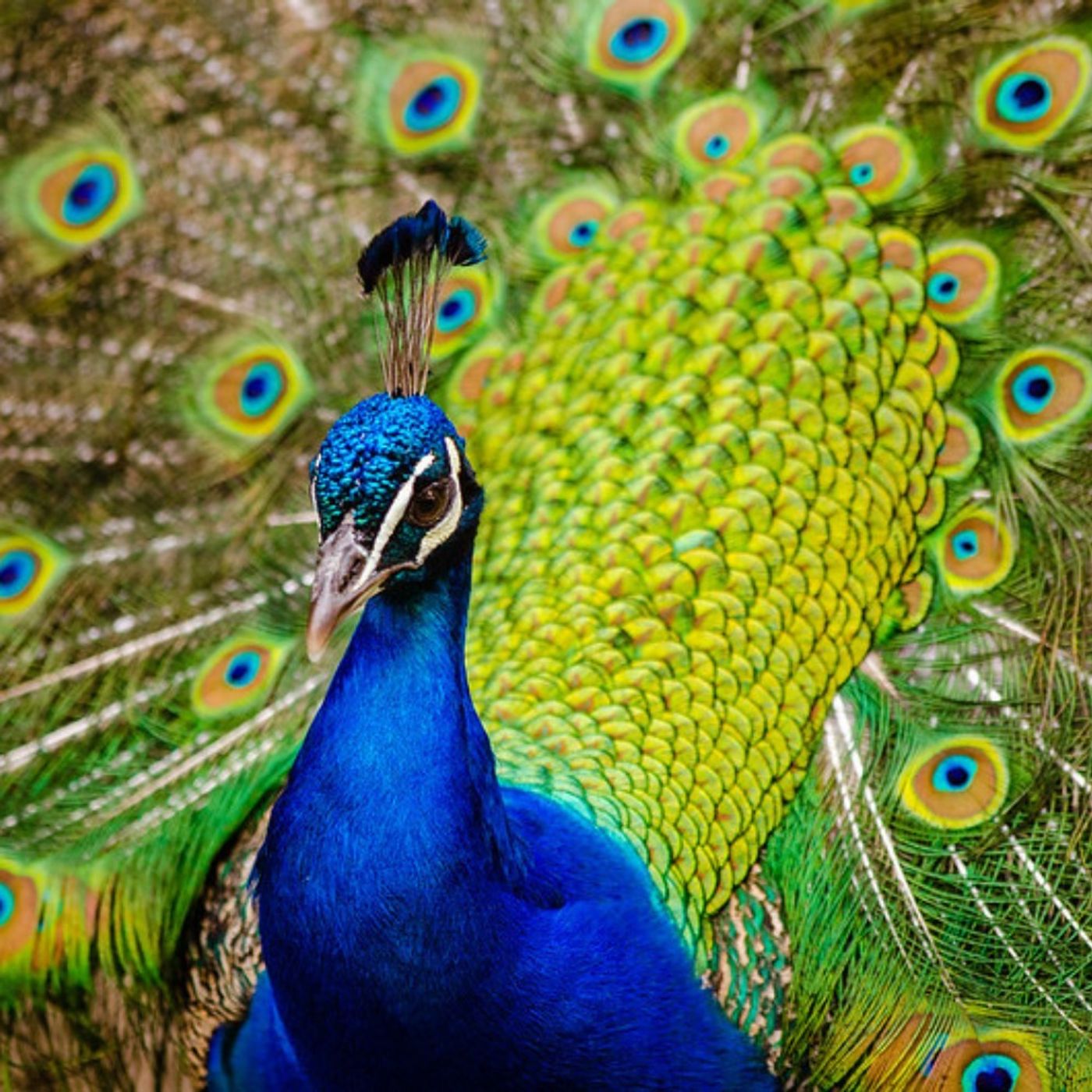
The Birds of Yoga
Pigeon Pose. Crow Pose. Eagle pose. Bird of paradise. Writer Trisha Mukherjee, who is also a yoga teacher, discusses the connections these bird-inspired yoga poses have with Hindu mythology and philosophy.More info and transcript at BirdNote.org.Want more BirdNote? Subscribe to our weekly newsletter. Sign up for BirdNote+ to get ad-free listening and other perks. BirdNote is a nonprofit. Your tax-deductible gift makes these shows possible. Hosted by Simplecast, an AdsWizz company. See pcm.adswizz.com for information about our collection and use of personal data for advertising.
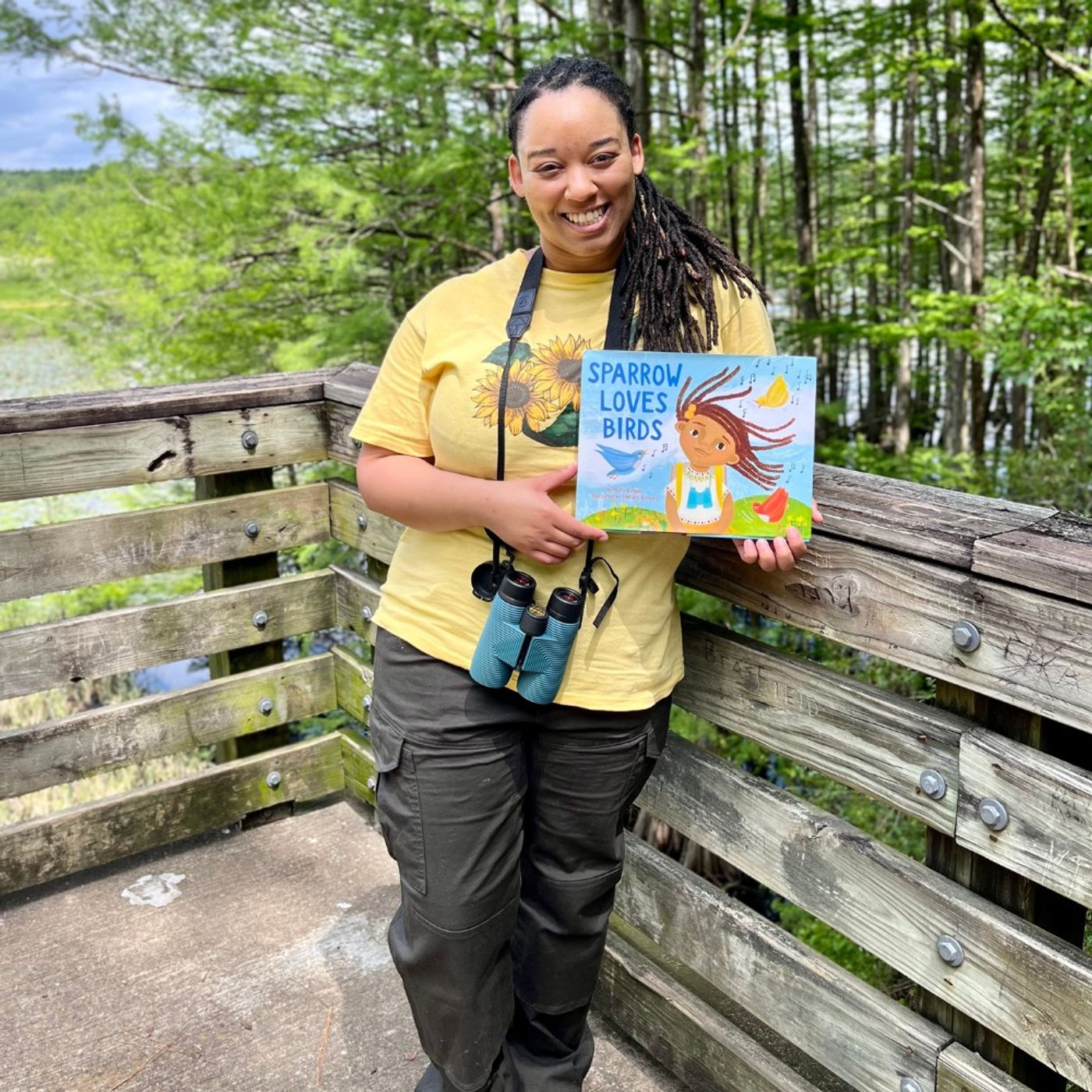
Sparrow Loves Birds
From an early age, urban ornithologist Murry Burgess loved to draw and tell stories – and that passion stayed with her as her love for birds grew as well. The joy Murry found in both art and science inspired her to write the children’s book Sparrow Loves Birds. The story follows the adventures of a curious 5-year-old girl named Sparrow as she meets her neighborhood birds. The book includes a field guide so that birders of all ages can learn to identify birds, too.More info and transcript at BirdNote.org.Want more BirdNote? Subscribe to our weekly newsletter. Sign up for BirdNote+ to get ad-free listening and other perks. BirdNote is a nonprofit. Your tax-deductible gift makes these shows possible. Hosted by Simplecast, an AdsWizz company. See pcm.adswizz.com for information about our collection and use of personal data for advertising.
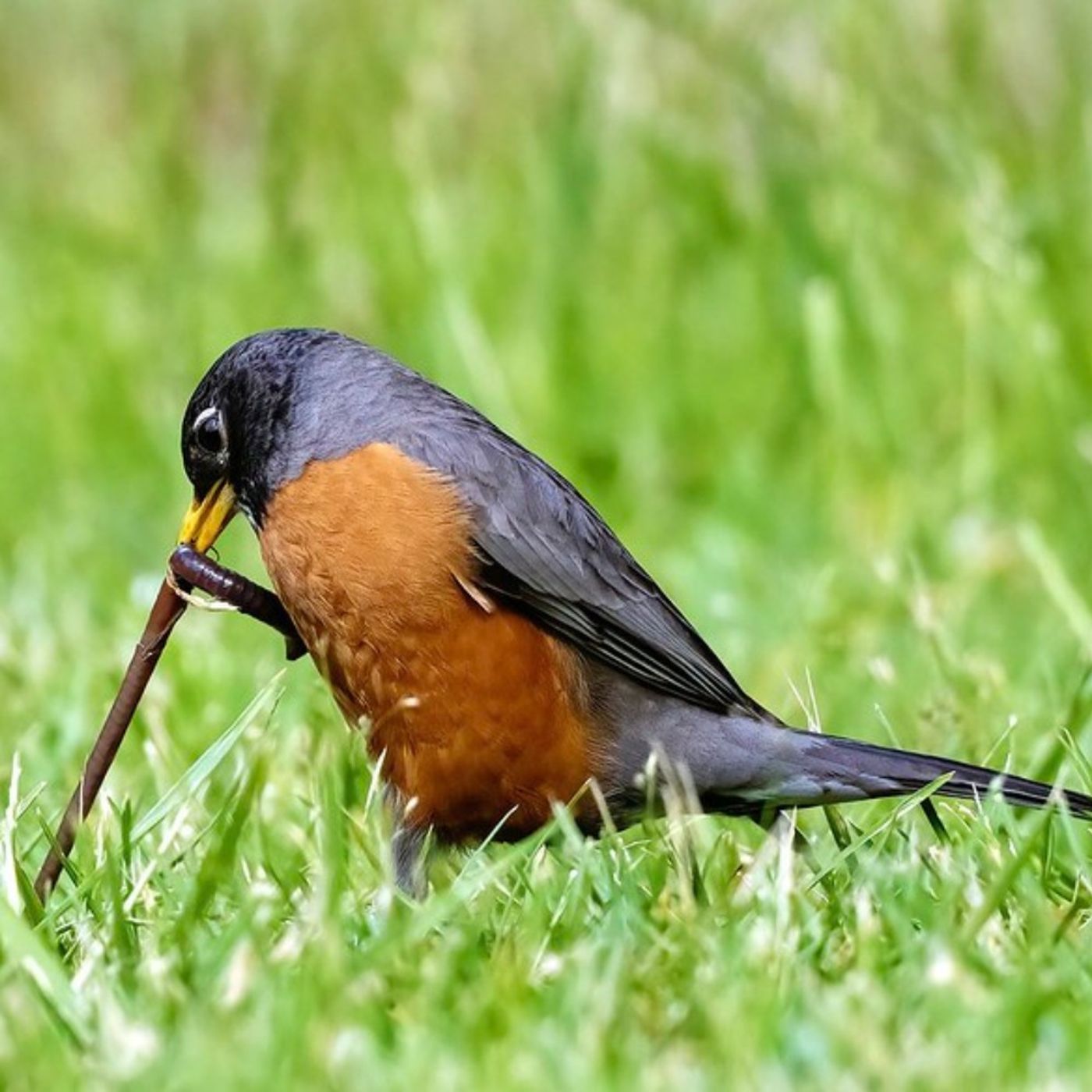
A Grandchild’s Song for Robins
Ray Young Bear is a writer, musician and a member of Meskwaki Nation. He considers himself a word collector, writing poetry in both English and Meskwaki, his first language. And he enjoys taking photos of the birds around his home in Iowa. In the spring of 2021, he was spending time with his grandson, Ozzy Young Bear. He composed a song in Meskwaki about how his grandson enjoyed watching the robins hunt for earthworms. He later recorded the song for a music collection called, For the Birds: The Birdsong Project. Over 200 musicians, artists and writers contributed, with proceeds going to the National Audubon Society.More info and transcript at BirdNote.org.Want more BirdNote? Subscribe to our weekly newsletter. Sign up for BirdNote+ to get ad-free listening and other perks. BirdNote is a nonprofit. Your tax-deductible gift makes these shows possible. Hosted by Simplecast, an AdsWizz company. See pcm.adswizz.com for information about our collection and use of personal data for advertising.
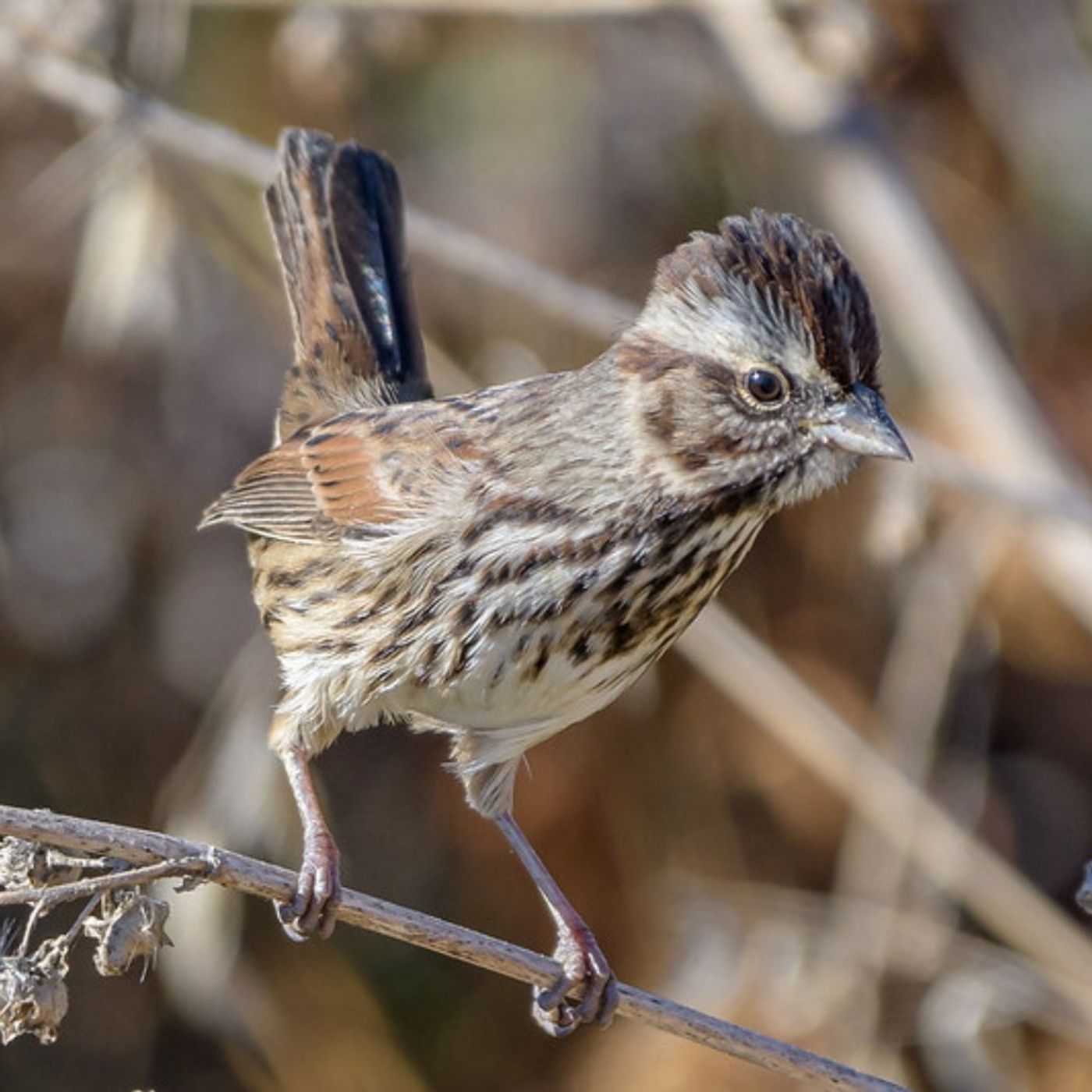
Why Do Birds Flick Their Tails?
The way that some birds flick, wag, or flare their tails can be distinctive. A flicking or flashing tail might suggest to a predator that a bird is particularly alert or hard to catch, while also warning others in the flock of danger. Tail flicking can also help flush out prey. A Hooded Warbler — or a Song Sparrow, like this one — may flare its tail while foraging low to the ground to cause insects to jump, making them easier prey.¡Escuche este episodio en español!More info and transcript at BirdNote.org.Want more BirdNote? Subscribe to our weekly newsletter. Sign up for BirdNote+ to get ad-free listening and other perks. BirdNote is a nonprofit. Your tax-deductible gift makes these shows possible. Hosted by Simplecast, an AdsWizz company. See pcm.adswizz.com for information about our collection and use of personal data for advertising.
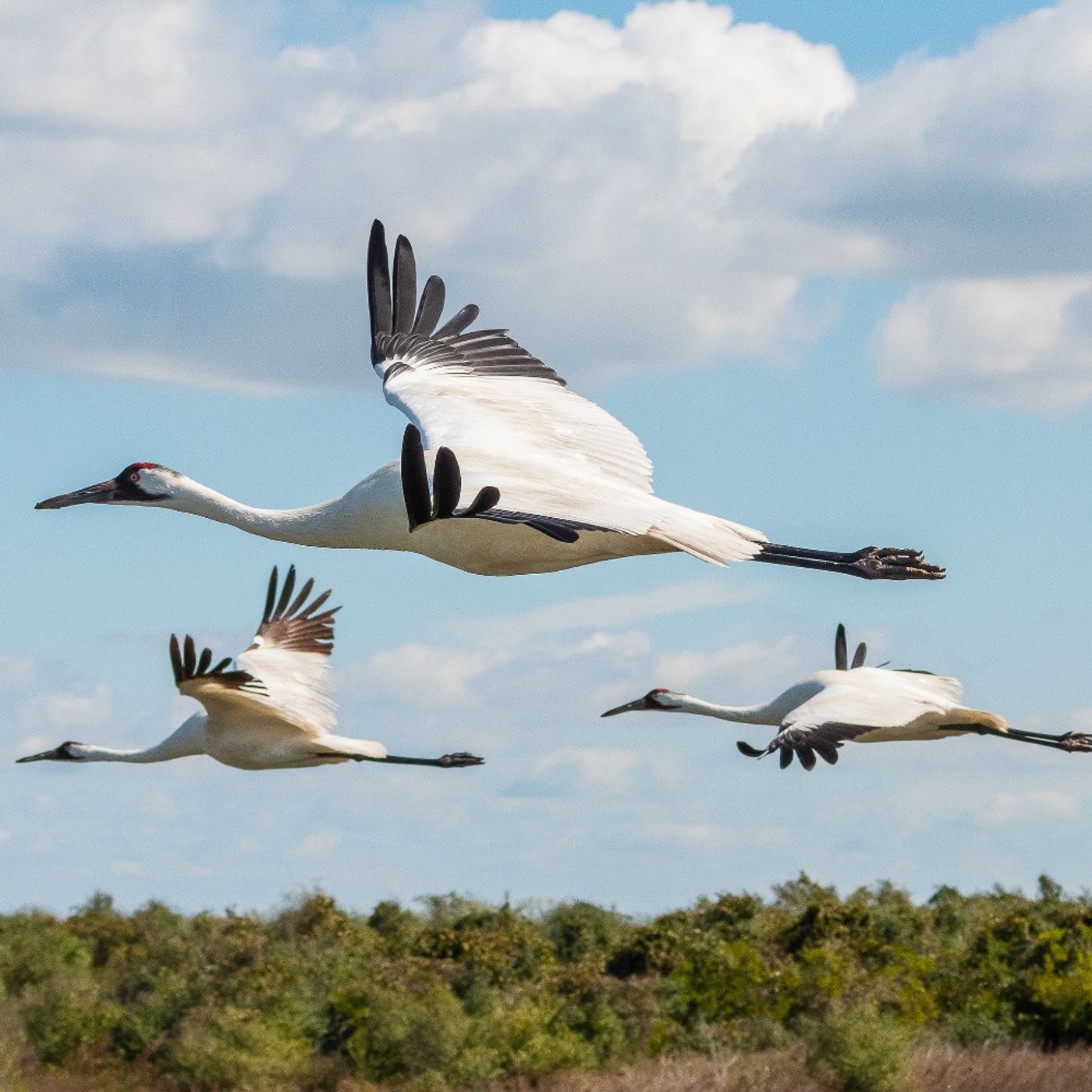
Whooping Cranes: A Song That Was Nearly Silenced
The Whooping Crane is the tallest flying bird in North America. These huge white cranes with a black mask and a splash of red on the crown came perilously close to extinction. By the 1940s, just 15 individuals remained in the wild. Decades of conservation efforts – both kooky and conventional – have helped their number grow to nearly 800. Today, the only self-sustaining wild flock migrates between Canada and Texas, while other populations survive with help from captive breeding programs.More info and transcript at BirdNote.org.Want more BirdNote? Subscribe to our weekly newsletter. Sign up for BirdNote+ to get ad-free listening and other perks. BirdNote is a nonprofit. Your tax-deductible gift makes these shows possible. Hosted by Simplecast, an AdsWizz company. See pcm.adswizz.com for information about our collection and use of personal data for advertising.
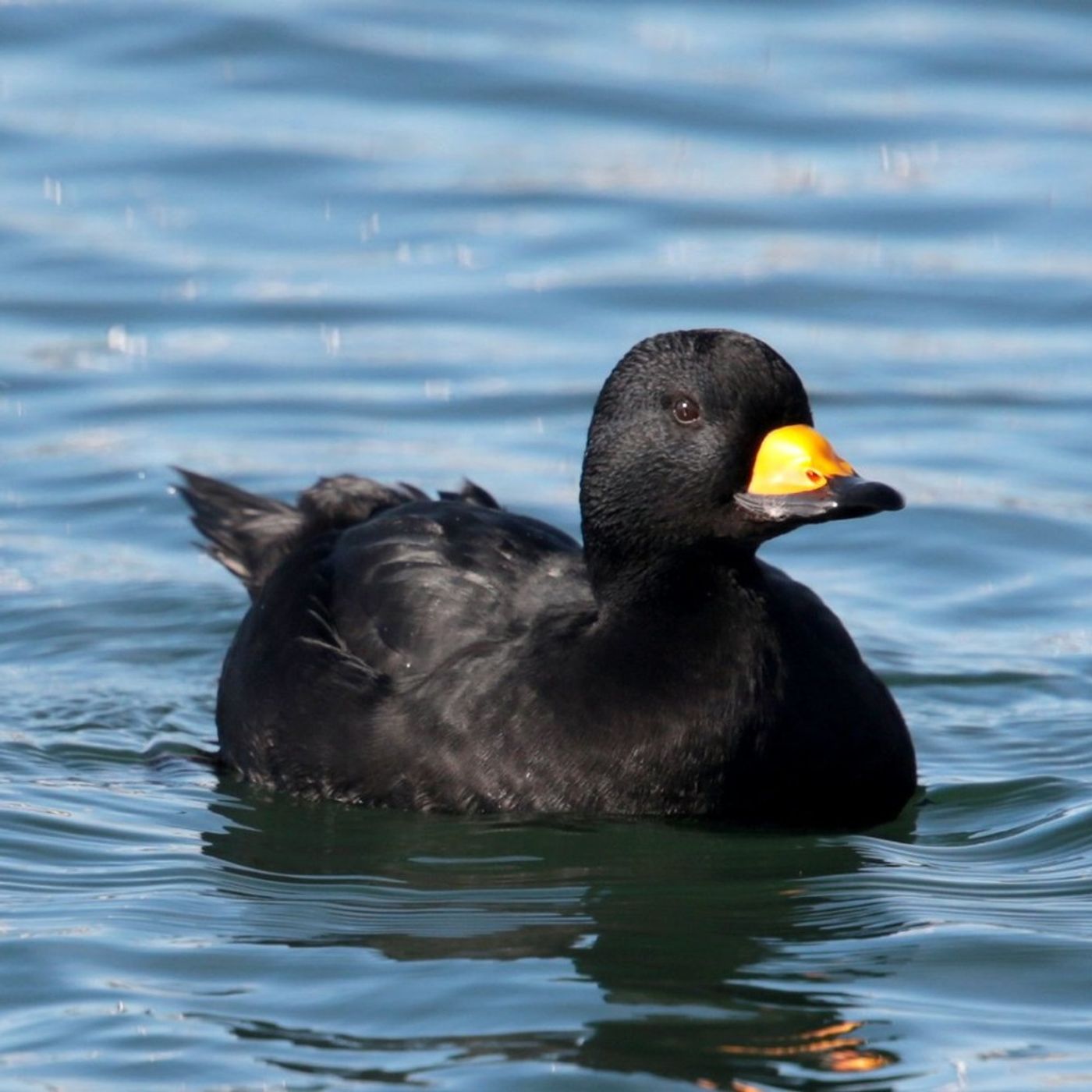
The Music of Black Scoters
Black Scoters are sea ducks that spend the winter on saltwater bays. They are large, strong ducks and buoyant swimmers with a habit of cocking their tails upward. Black Scoters nest each summer on freshwater tundra ponds. Each fall, they can be found on bays all across the Northern Hemisphere. An unmistakable clue to their presence? Their mysterious, musical wail.More info and transcript at BirdNote.org.Want more BirdNote? Subscribe to our weekly newsletter. Sign up for BirdNote+ to get ad-free listening and other perks. BirdNote is a nonprofit. Your tax-deductible gift makes these shows possible. Hosted by Simplecast, an AdsWizz company. See pcm.adswizz.com for information about our collection and use of personal data for advertising.
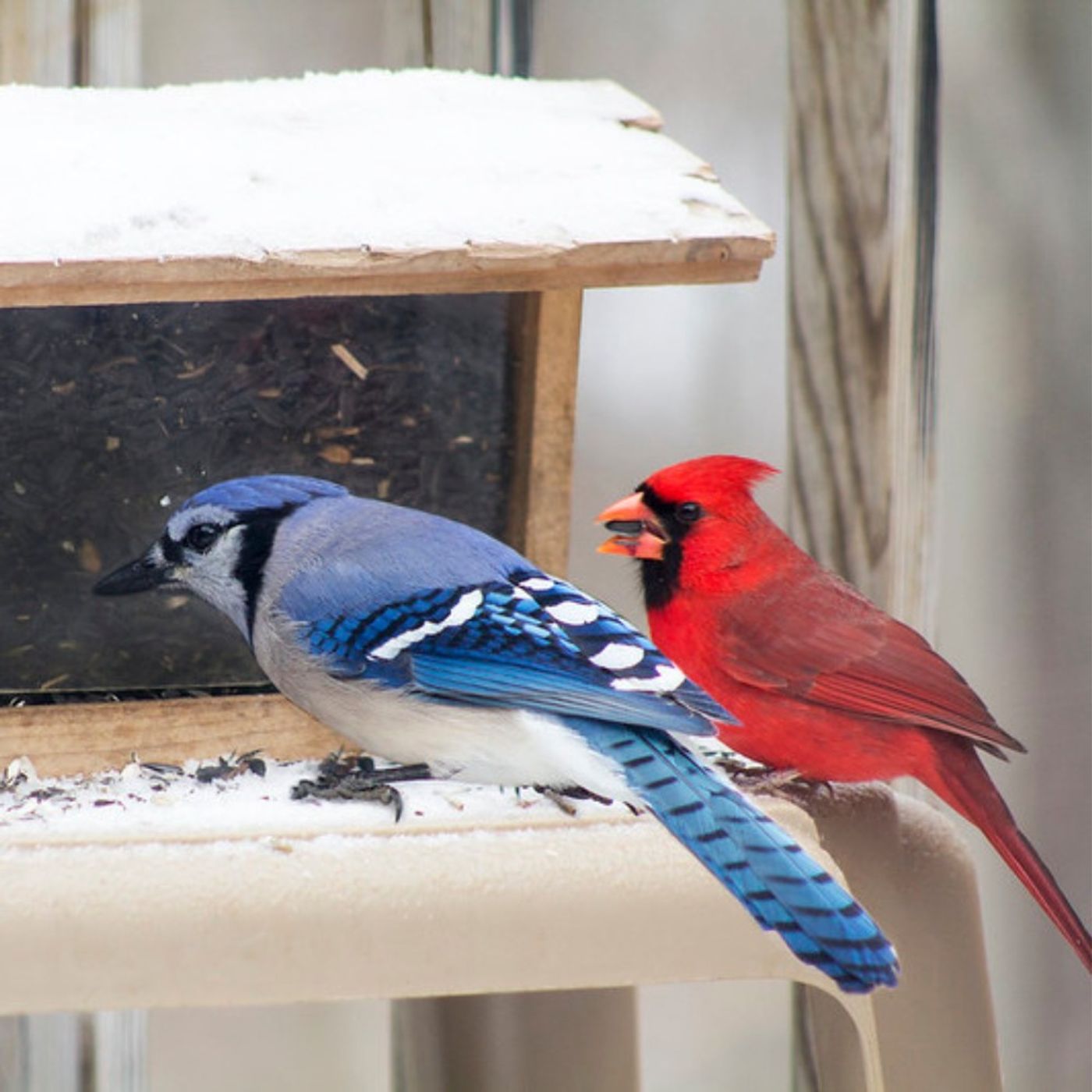
Pulling Rank at the Bird Feeder
Bird feeders full of seeds or suet can spark nonstop action. Chickadees flitter in and out. Finches expertly crack one seed after another, while jays, doves, woodpeckers and sparrows all join the flurry. This might bring to mind a neighborly picnic — but it’s not quite as friendly. At any given moment, there’s a distinct hierarchy in effect. More dominant birds are usually able to displace lower-ranking birds. But not always! The next time you’re watching a bird feeder, try to figure out who’s in charge.More info and transcript at BirdNote.org.Want more BirdNote? Subscribe to our weekly newsletter. Sign up for BirdNote+ to get ad-free listening and other perks. BirdNote is a nonprofit. Your tax-deductible gift makes these shows possible. Hosted by Simplecast, an AdsWizz company. See pcm.adswizz.com for information about our collection and use of personal data for advertising.
Left Foot or Right? Handedness in Birds
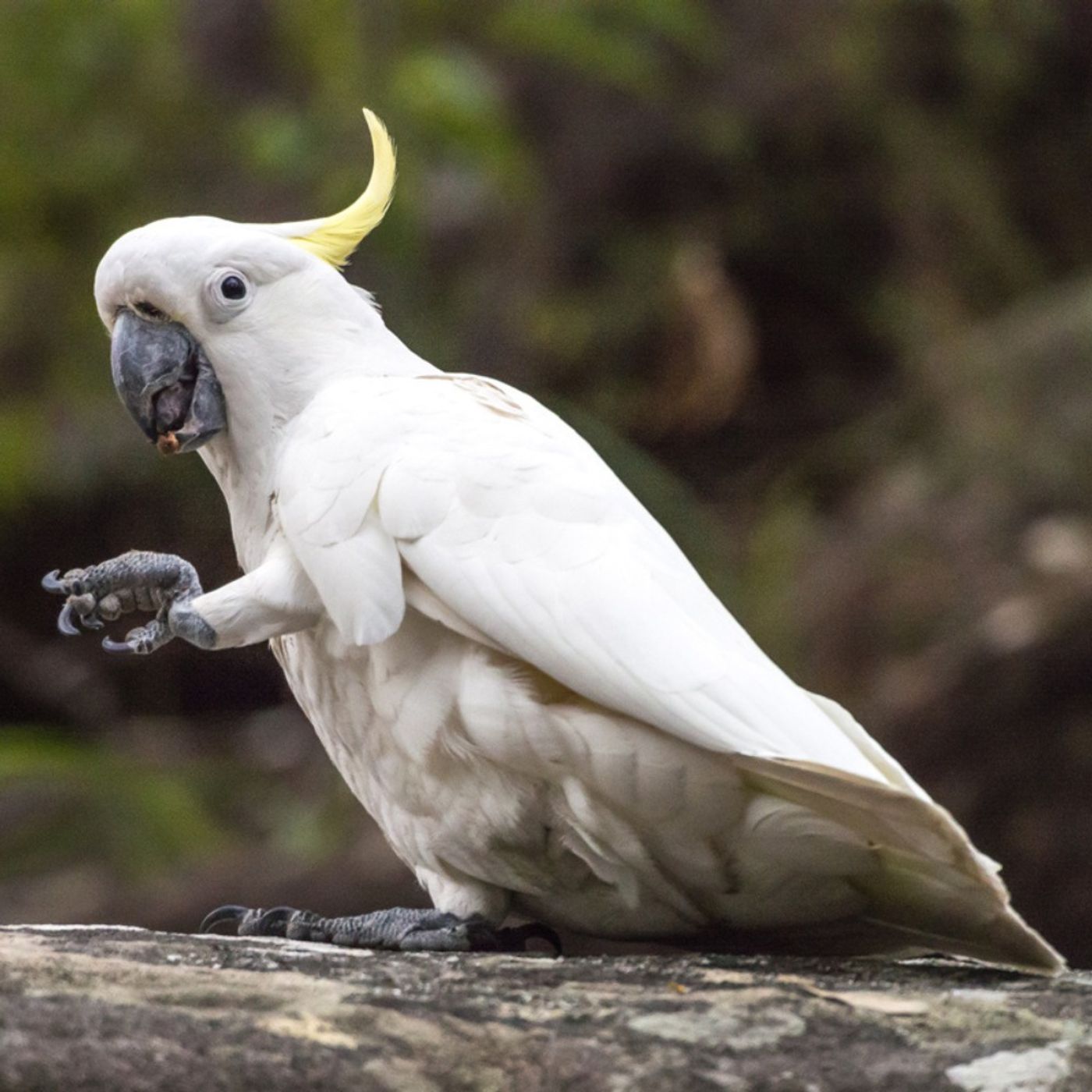
A parrot’s eyes are located on the sides of its head. So, if it wants to look at something — say, a delicious piece of fruit — it has to cock its head one way or the other do it. And if it looks with its left eye, then it uses its left foot. Scientists call this handedness. That’s when one hand or foot is used consistently over the other for doing complex tasks. Sulphur-crested Cockatoos are almost all left-handed ... that is... left-footed!More info and transcript at BirdNote.org.Want more BirdNote? Subscribe to our weekly newsletter. Sign up for BirdNote+ to get ad-free listening and other perks. BirdNote is a nonprofit. Your tax-deductible gift makes these shows possible. Hosted by Simplecast, an AdsWizz company. See pcm.adswizz.com for information about our collection and use of personal data for advertising.
Yellow Warblers in a Changing World
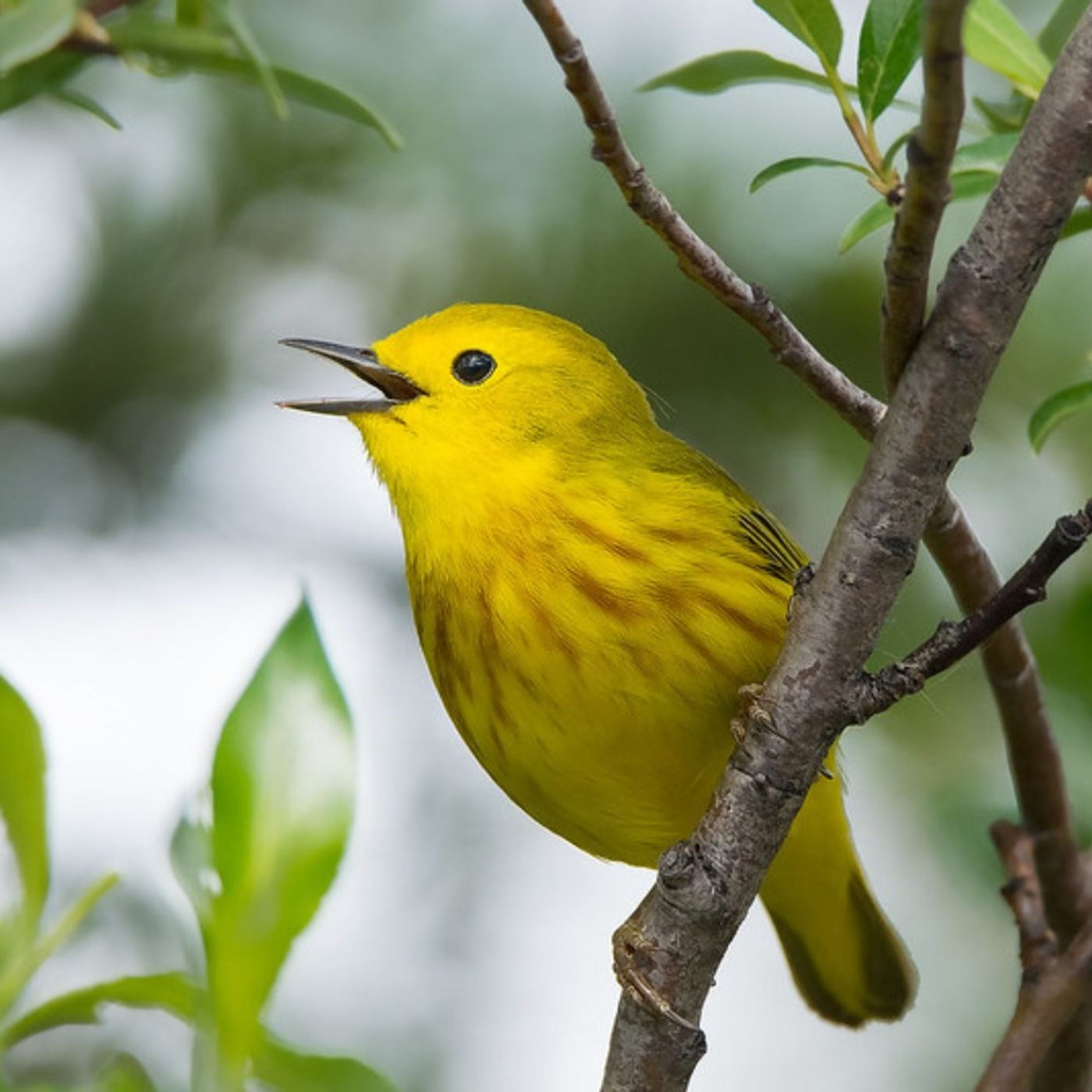
In spring and summer, Yellow Warblers sing from treetops to stream sides. While their beauty and songs commonly light up our most vibrant months, they face imminent challenges. Yellow Warbler populations have adapted genetically to their local climates. That makes them vulnerable to environmental shifts, which could cause the species to lose much of its breeding range in the U.S. by 2080.A special thank you to artist Heidi Stavrevski for designing our 20th Anniversary Logo, which beautifully captures two decades of BirdNote Storytelling.¡Escuche este episodio en español!More info and transcript at BirdNote.org.Want more BirdNote? Subscribe to our weekly newsletter. Sign up for BirdNote+ to get ad-free listening and other perks. BirdNote is a nonprofit. Your tax-deductible gift makes these shows possible. Hosted by Simplecast, an AdsWizz company. See pcm.adswizz.com for information about our collection and use of personal data for advertising.
Birdsong Mnemonics with Christian Cooper
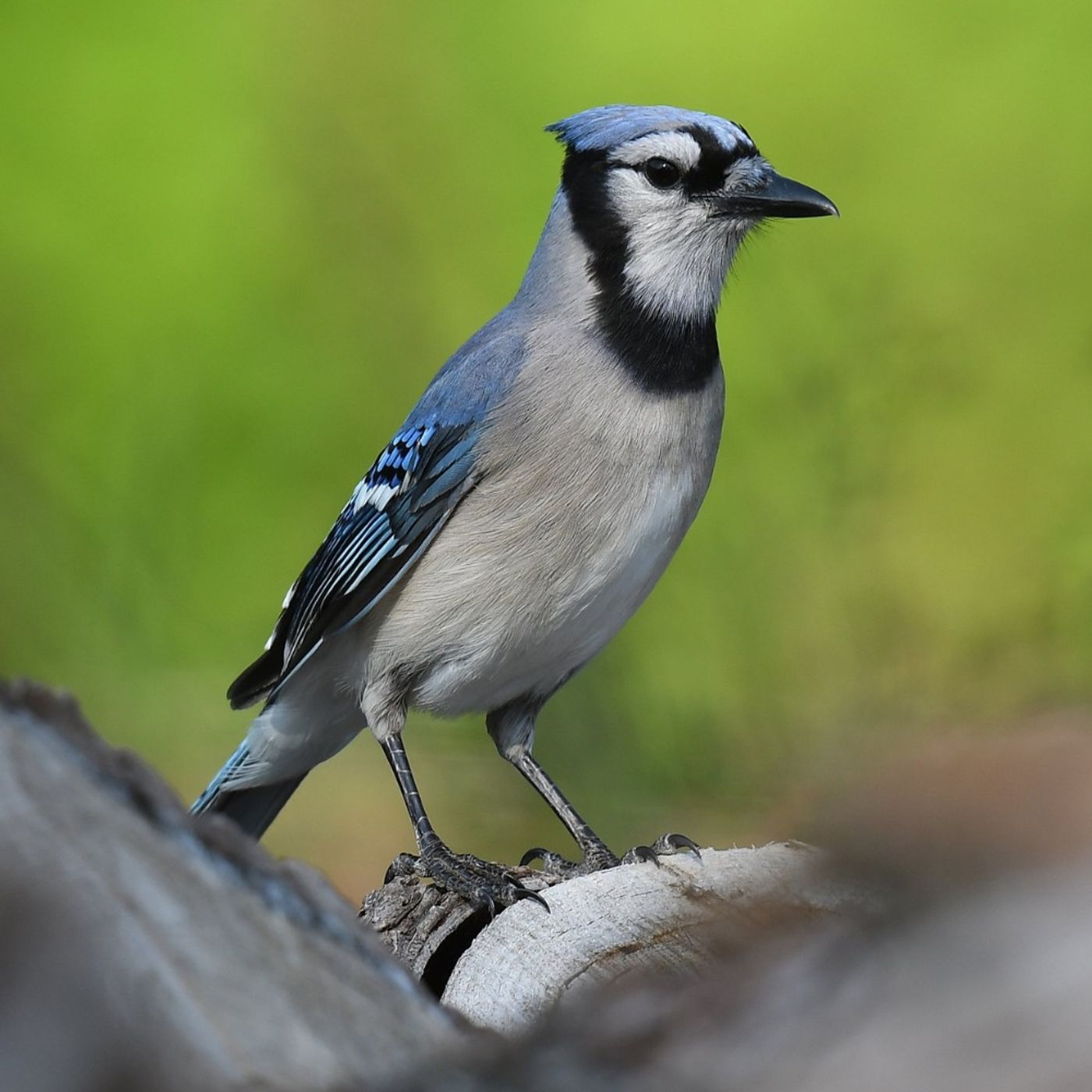
Birder and author Christian Cooper says learning to identify bird calls feels like unlocking a sixth sense. Birding by ear is a skill that takes time to develop, but you’ll start to recognize patterns with practice. Christian says mnemonics are a great way to remember bird calls. Some birds have well-known mnemonics, like the “Oh sweet Canada Canada Canada” of the White-throated Sparrow. But if those don’t work for you, make up your own!More info and transcript at BirdNote.org.Want more BirdNote? Subscribe to our weekly newsletter. Sign up for BirdNote+ to get ad-free listening and other perks. BirdNote is a nonprofit. Your tax-deductible gift makes these shows possible. Hosted by Simplecast, an AdsWizz company. See pcm.adswizz.com for information about our collection and use of personal data for advertising.
Play and Brain Size
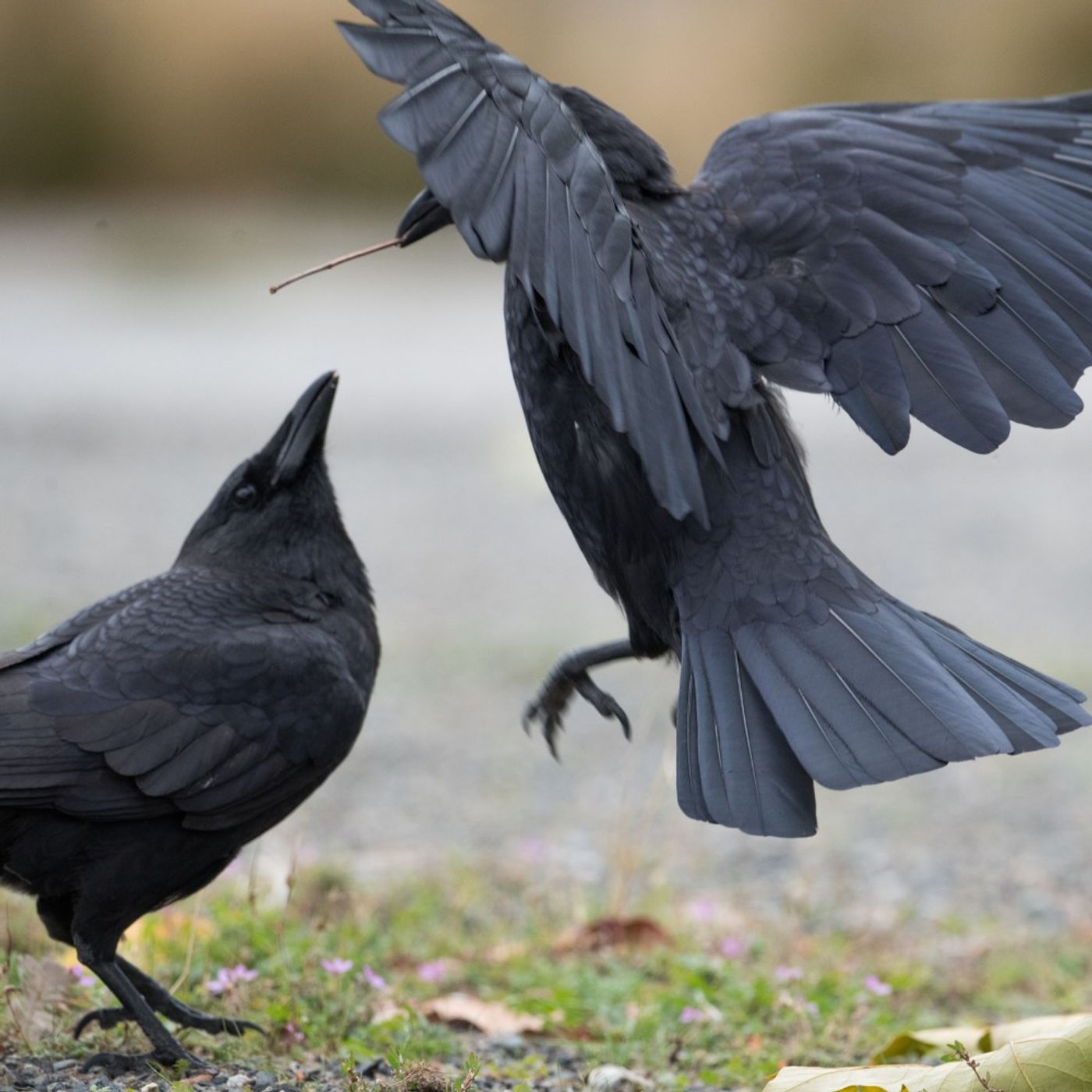
Many birds that play do it alone by swinging, sliding, or rolling around. Some species interact with objects, like dropping a stone and picking it up again. But a select few birds – like these crows – play with other members of their species. Scientists call this social play. It appears to have implications for the evolution of brain size among birds as well as our own species.¡Escuche este episodio en español!More info and transcript at BirdNote.org.Want more BirdNote? Subscribe to our weekly newsletter. Sign up for BirdNote+ to get ad-free listening and other perks. BirdNote is a nonprofit. Your tax-deductible gift makes these shows possible. Hosted by Simplecast, an AdsWizz company. See pcm.adswizz.com for information about our collection and use of personal data for advertising.

The Eagle, the Cactus, and the City on the Lake
In one of the most iconic founding legends of the Americas, a Golden Eagle devouring a serpent atop a cactus marked the spot where the Mexicas would build Tenochtitlan, capital of the Aztec Empire. Over the centuries, that ancient metropolis transformed into what we now call Mexico City. Though the mythical eagle is now commemorated on the national flag of Mexico, real Golden Eagles need our help through conservation research and habitat protections.¡Escuche este episodio en español!More info and transcript at BirdNote.org.Want more BirdNote? Subscribe to our weekly newsletter. Sign up for BirdNote+ to get ad-free listening and other perks. BirdNote is a nonprofit. Your tax-deductible gift makes these shows possible. Hosted by Simplecast, an AdsWizz company. See pcm.adswizz.com for information about our collection and use of personal data for advertising.
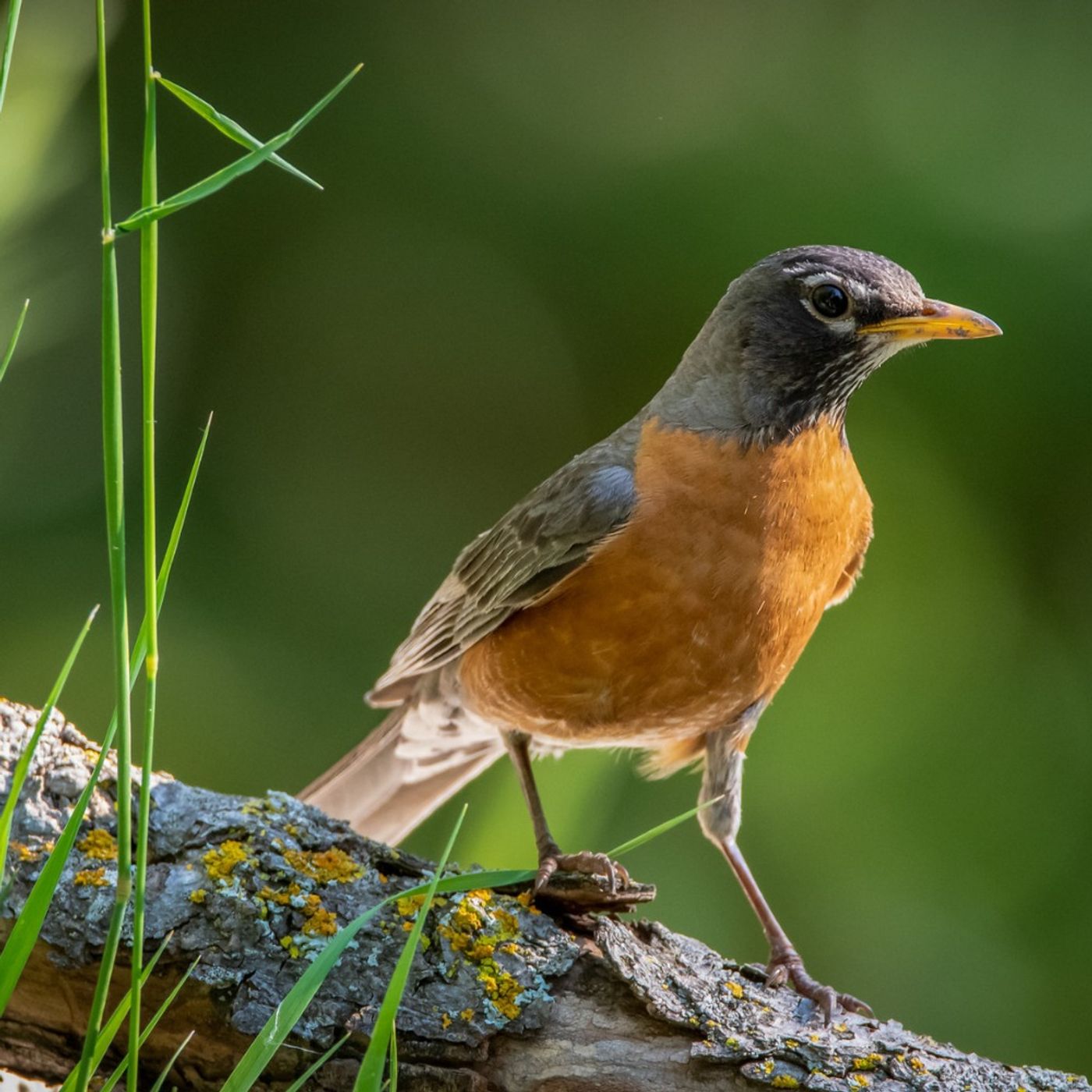
The Joy of Robins with J. Drew Lanham
J. Drew Lanham is a poet and ornithologist whose work intertwines his lived experience as a Black man in the American south and his love of wilderness. Both have taught him that joy is a source of strength. On Bring Birds Back, Drew describes how he finds radical joy in spending time with birds like the American Robins.Hear more from Drew about radical joy in season 7 of Bring Birds Back!More info and transcript at BirdNote.org.Want more BirdNote? Subscribe to our weekly newsletter. Sign up for BirdNote+ to get ad-free listening and other perks. BirdNote is a nonprofit. Your tax-deductible gift makes these shows possible. Hosted by Simplecast, an AdsWizz company. See pcm.adswizz.com for information about our collection and use of personal data for advertising.
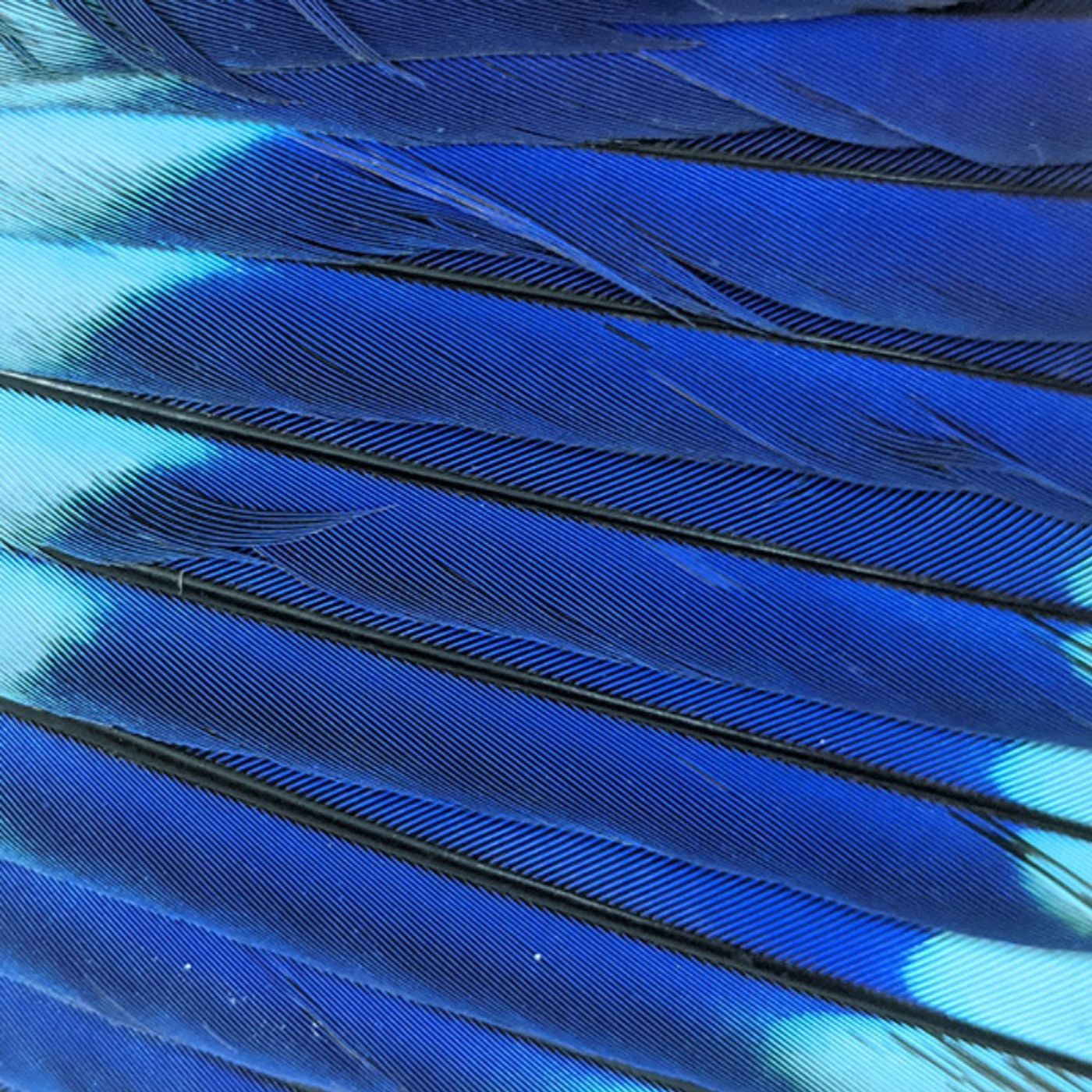
A Library of Feathers
Esha Munshi co-founded the Feather Library, a digital library that collects and documents the feathers of Indian birds. Launched in 2021, the library has high-resolution photographs of more than 100 bird species. This library is open to everyone — whether you’re a researcher, birdwatcher, conservationist, or an ordinary person who came across a feather.More info and transcript at BirdNote.org.Want more BirdNote? Subscribe to our weekly newsletter. Sign up for BirdNote+ to get ad-free listening and other perks. BirdNote is a nonprofit. Your tax-deductible gift makes these shows possible. Hosted by Simplecast, an AdsWizz company. See pcm.adswizz.com for information about our collection and use of personal data for advertising.
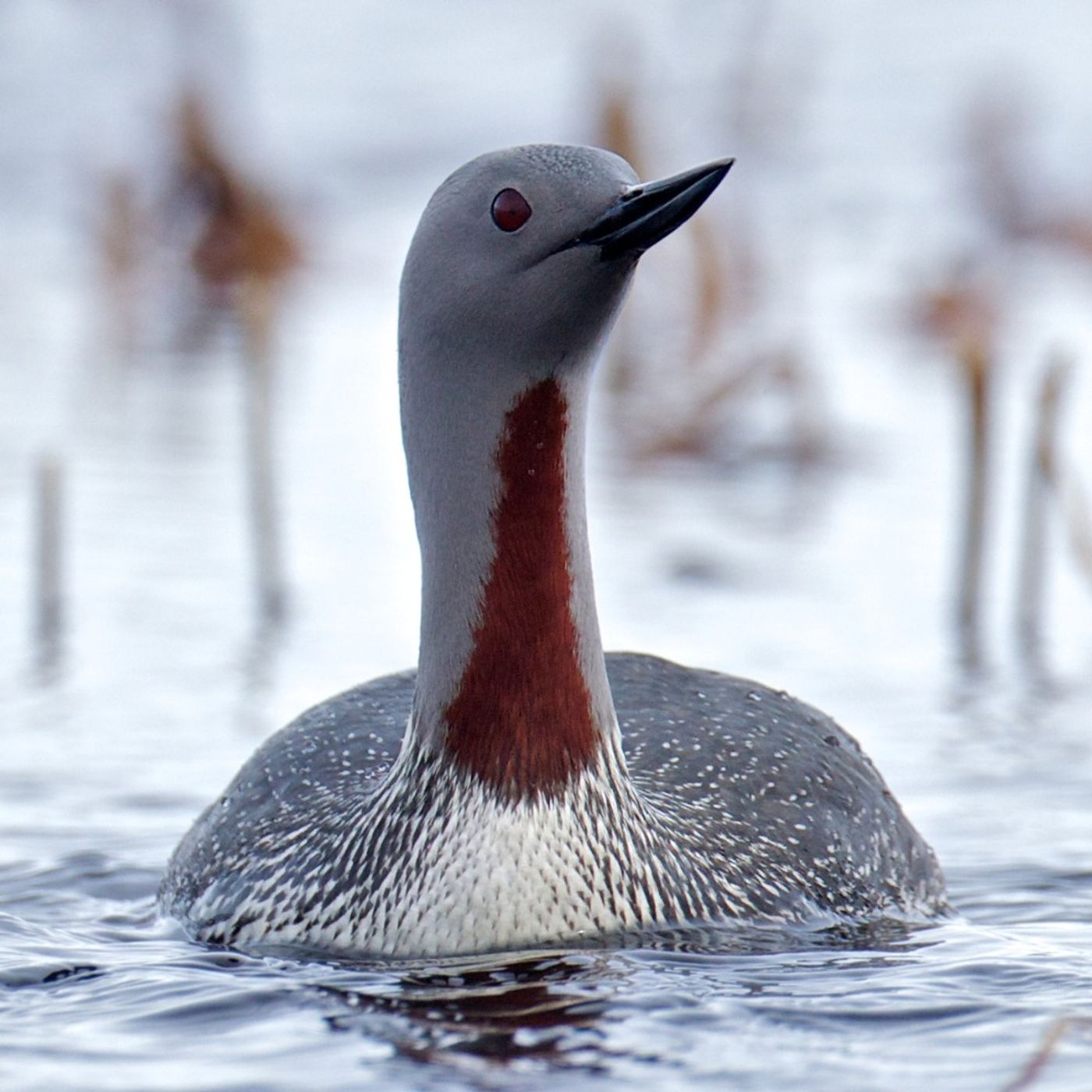
Red-throated Loons of Deception Pass
The word “loon” comes from the Old Norse word for “lame.” Because their feet are so far back on their bodies, loons cannot walk on land. But in flight, they’re graceful, and under water, they're swift in pursuit of fish. Red-throated Loons – like this one – breed in the far north and winter along both coasts of the United States.More info and transcript at BirdNote.org.Want more BirdNote? Subscribe to our weekly newsletter. Sign up for BirdNote+ to get ad-free listening and other perks. BirdNote is a nonprofit. Your tax-deductible gift makes these shows possible. Hosted by Simplecast, an AdsWizz company. See pcm.adswizz.com for information about our collection and use of personal data for advertising.
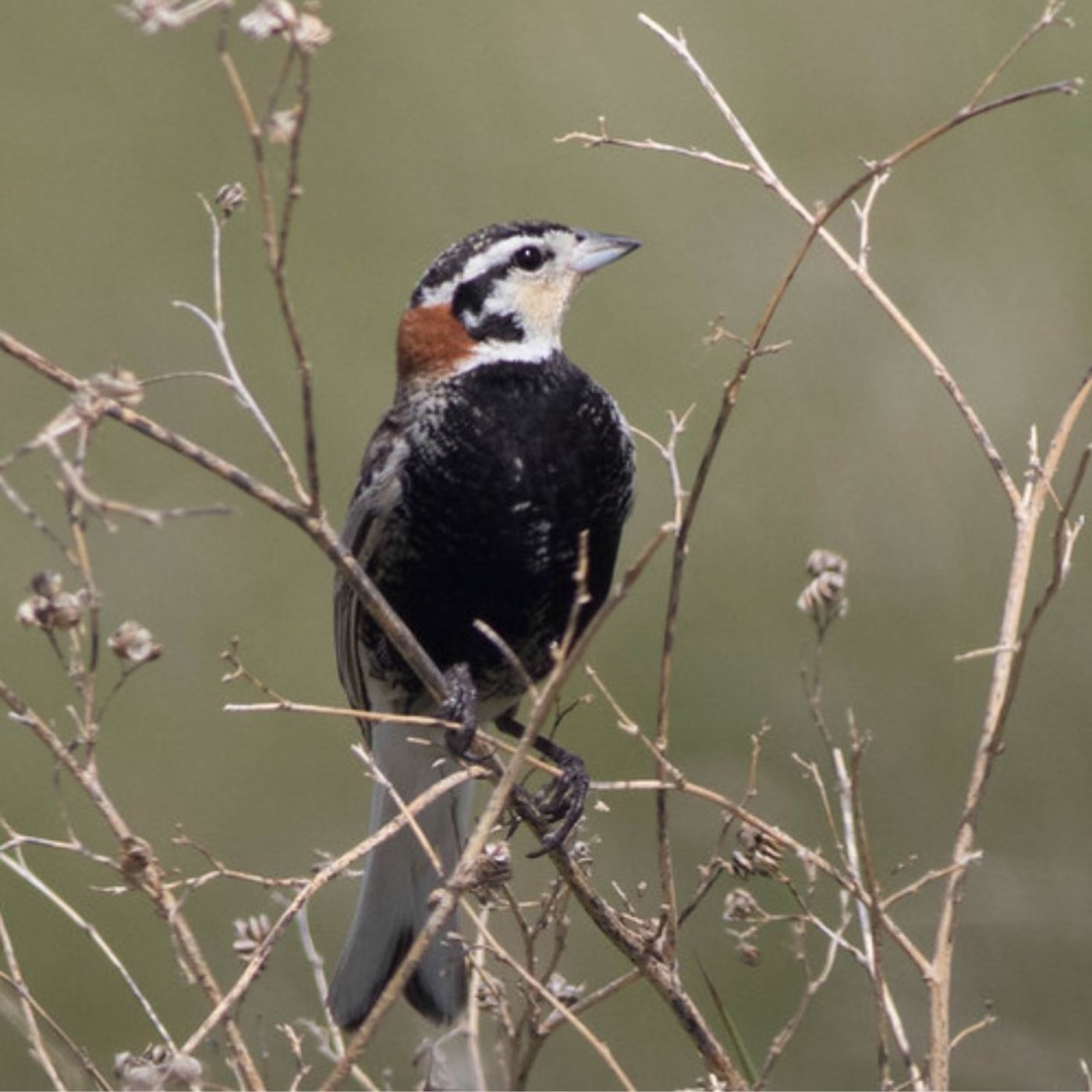
Chestnut-collared Longspur
The cheerful-voiced Chestnut-collared Longspur shares their northern prairie breeding range with grazing cattle. Although heavy grazing can have adverse effects, breeding densities of longspurs jump by two, three, or even 10 times when ranchers graze their cattle responsibly on native prairies. Two centuries ago, the birds were probably more abundant on prairies used by bison than on untouched stands of tall grass.More info and transcript at BirdNote.org.Want more BirdNote? Subscribe to our weekly newsletter. Sign up for BirdNote+ to get ad-free listening and other perks. BirdNote is a nonprofit. Your tax-deductible gift makes these shows possible. Hosted by Simplecast, an AdsWizz company. See pcm.adswizz.com for information about our collection and use of personal data for advertising.
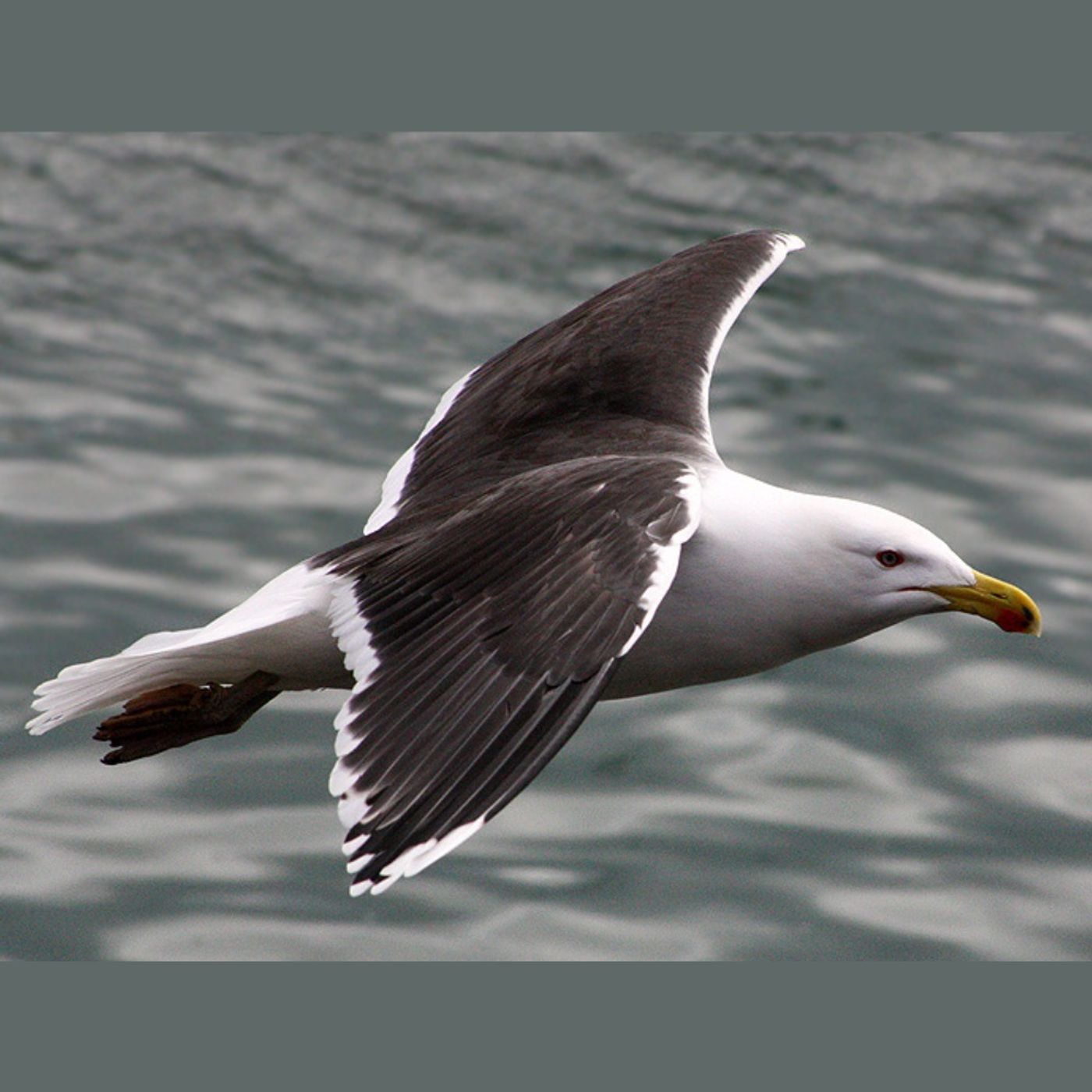
Great Black-backed Gull
Great Black-backed Gulls have a reputation as serious predators of other birds like puffins, grebes, and songbirds as big as a grackle. Just over a century ago, these birds were nearly wiped out by feather hunters and egg collectors. And though their populations recovered with help from environmental protections, Great Black-backed Gulls are in decline once again — and scientists are still trying to figure out why.More info and transcript at BirdNote.org.Want more BirdNote? Subscribe to our weekly newsletter. Sign up for BirdNote+ to get ad-free listening and other perks. BirdNote is a nonprofit. Your tax-deductible gift makes these shows possible. Hosted by Simplecast, an AdsWizz company. See pcm.adswizz.com for information about our collection and use of personal data for advertising.
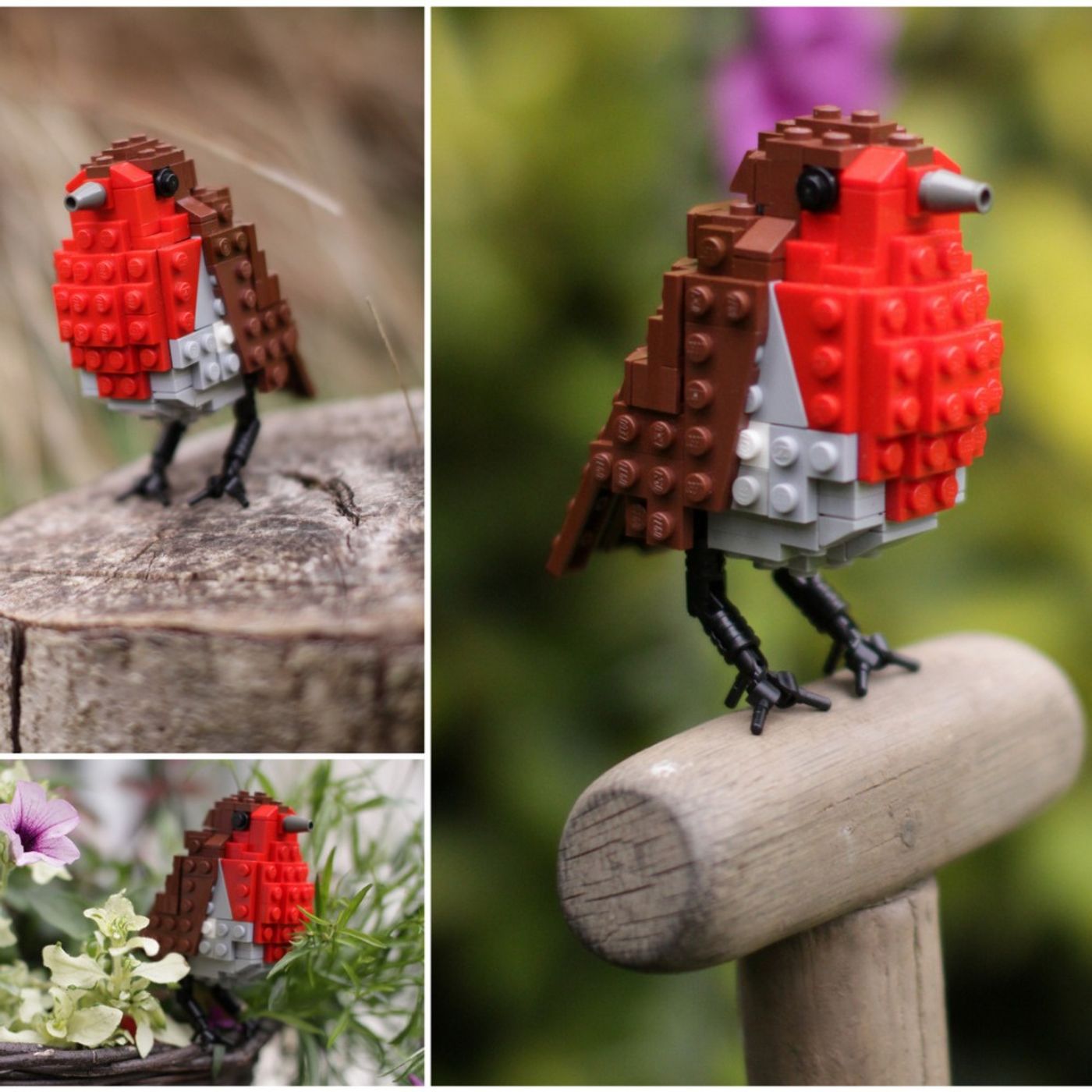
Spark Bird: Thomas Poulsom and the LEGO Robin
As he trained to be an arborist, Thomas Poulsom started developing two new interests: birds and building with LEGO bricks. After first building a European Robin, he went on to create LEGO models of more than 75 species. Thomas became one of the first LEGO fans to have his designs produced as an official set.More info and transcript at BirdNote.org.Want more BirdNote? Subscribe to our weekly newsletter. Sign up for BirdNote+ to get ad-free listening and other perks. BirdNote is a nonprofit. Your tax-deductible gift makes these shows possible. Hosted by Simplecast, an AdsWizz company. See pcm.adswizz.com for information about our collection and use of personal data for advertising.
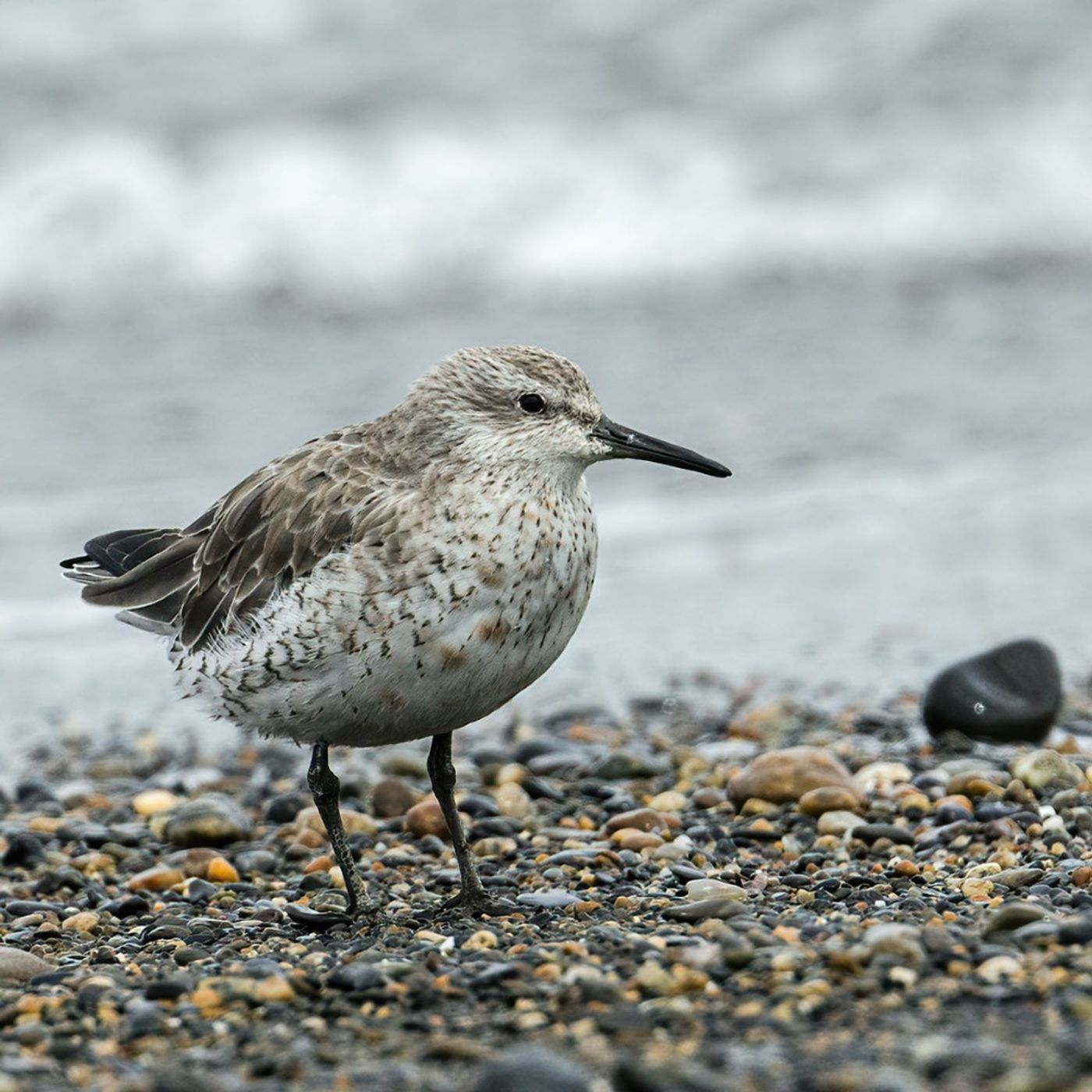
Red Knots Refuel in the Delaware Bay
The Red Knot is a true marathon traveler, flying up to 9,000 miles between the Arctic tundra and Tierra del Fuego. But their journey depends on a critical stopover: Delaware Bay, where they feast on horseshoe crab eggs to refuel. Overharvesting of horseshoe crabs once drastically reduced this essential food supply, but thanks to ongoing protections, Red Knots still have a fighting chance.¡Escuche este episodio en español!More info and transcript at BirdNote.org.Want more BirdNote? Subscribe to our weekly newsletter. Sign up for BirdNote+ to get ad-free listening and other perks. BirdNote is a nonprofit. Your tax-deductible gift makes these shows possible. Hosted by Simplecast, an AdsWizz company. See pcm.adswizz.com for information about our collection and use of personal data for advertising.
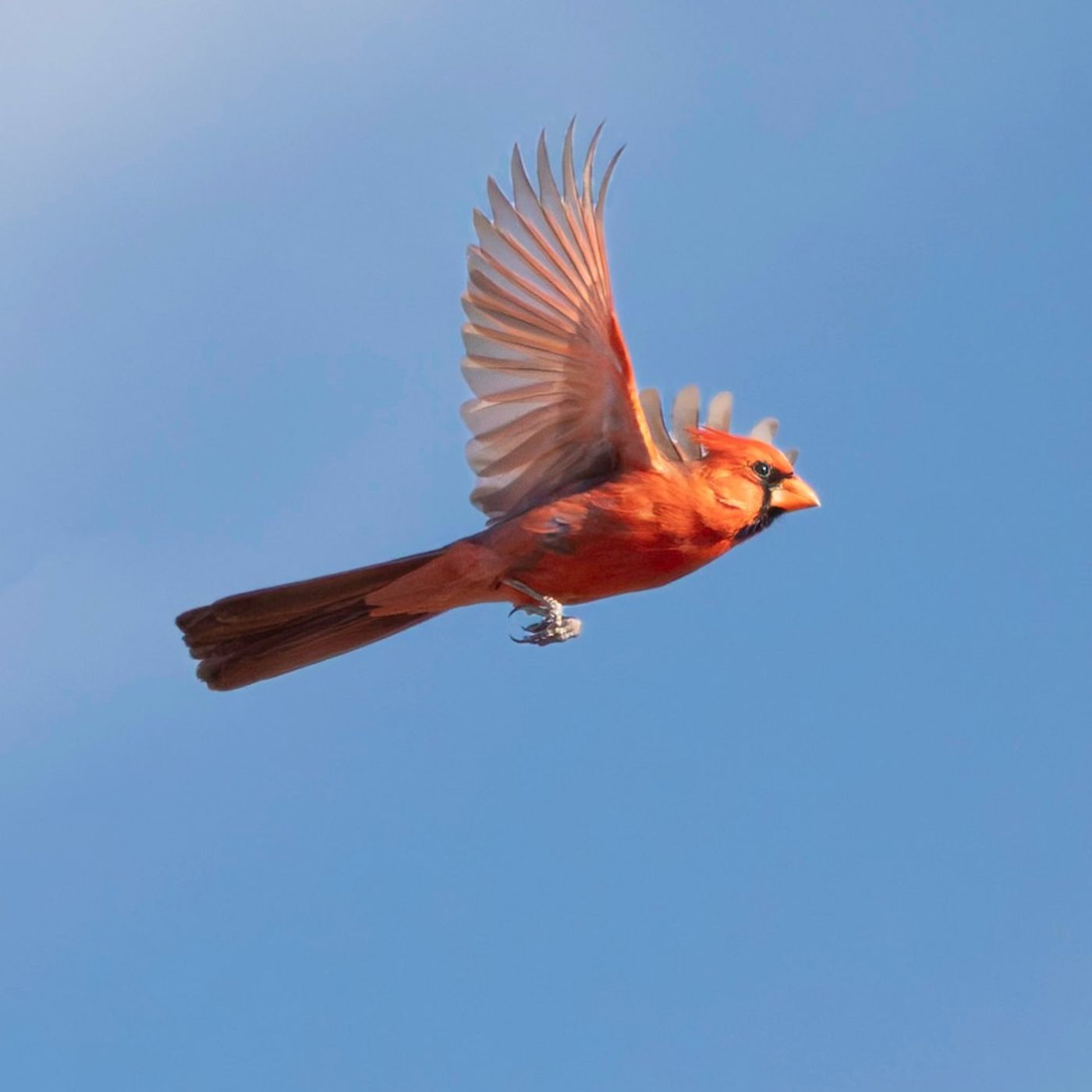
Art and Environmental Activism
Mustafa Santiago Ali has been an environmental activist and policymaker for nearly three decades. The work has taught him that everyone has a story to tell – and those stories can drive change. For Bring Birds Back, Mustafa shares a poem about the interconnection between people and nature called, The Birds Been Prayin’ For Us.Listen to the full episode in season 7 of Bring Birds Back!More info and transcript at BirdNote.org.Want more BirdNote? Subscribe to our weekly newsletter. Sign up for BirdNote+ to get ad-free listening and other perks. BirdNote is a nonprofit. Your tax-deductible gift makes these shows possible. Hosted by Simplecast, an AdsWizz company. See pcm.adswizz.com for information about our collection and use of personal data for advertising.
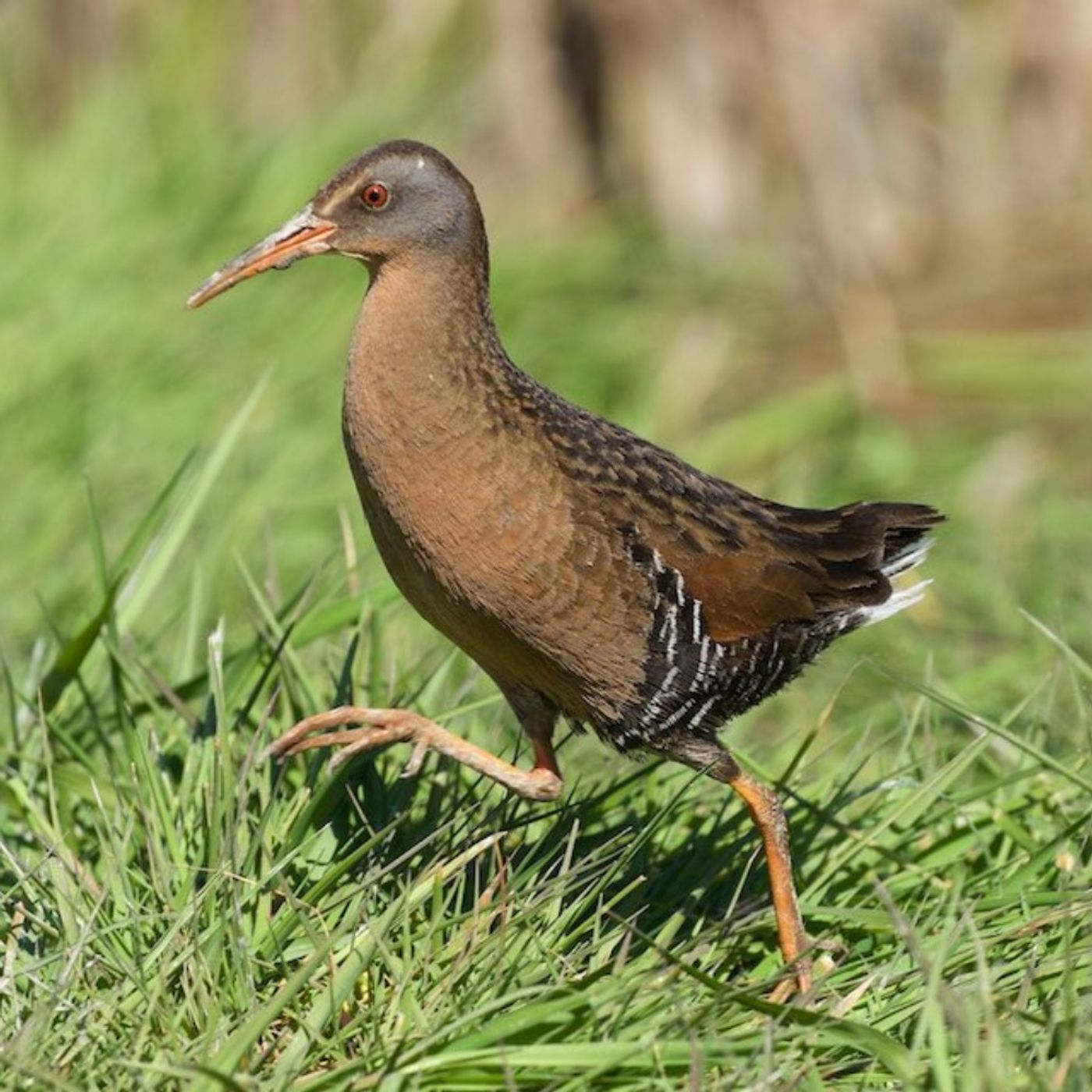
The Elusive Virginia Rail
The Virginia Rail is a secretive bird, a relative of coots and cranes. And it's a bird you'll more often hear than spy. The rail takes its name from its narrow body (you know the saying, "as skinny as a rail") an adaptation to its favorite marshy habitats. A Virginia Rail walks hidden, squeezing through dense reeds and grasses. You can count yourself lucky if you have actually seen a Virginia Rail.More info and transcript at BirdNote.org.Want more BirdNote? Subscribe to our weekly newsletter. Sign up for BirdNote+ to get ad-free listening and other perks. BirdNote is a nonprofit. Your tax-deductible gift makes these shows possible. Hosted by Simplecast, an AdsWizz company. See pcm.adswizz.com for information about our collection and use of personal data for advertising.
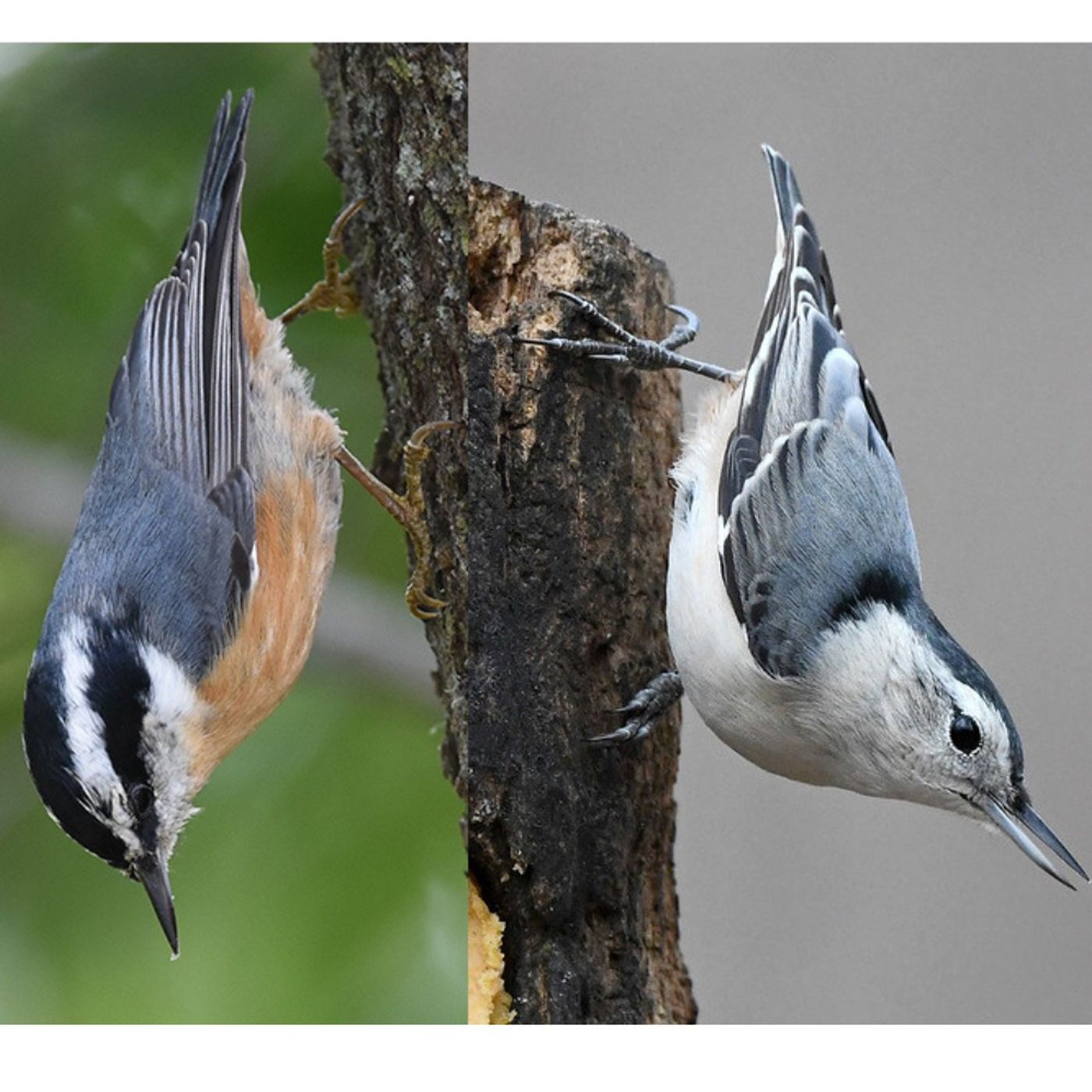
Clever Nuthatches
Of the four nuthatch species living in the United States, the most common are the Red-breasted Nuthatch and the White-breasted Nuthatch. The nuthatch's insistent call matches its aggressiveness. As they work their way down a tree trunk, nuthatches can spot — and eat — all the tasty morsels missed by the rest of the birds working their way up the tree.More info and transcript at BirdNote.org.Want more BirdNote? Subscribe to our weekly newsletter. Sign up for BirdNote+ to get ad-free listening and other perks. BirdNote is a nonprofit. Your tax-deductible gift makes these shows possible. Hosted by Simplecast, an AdsWizz company. See pcm.adswizz.com for information about our collection and use of personal data for advertising.
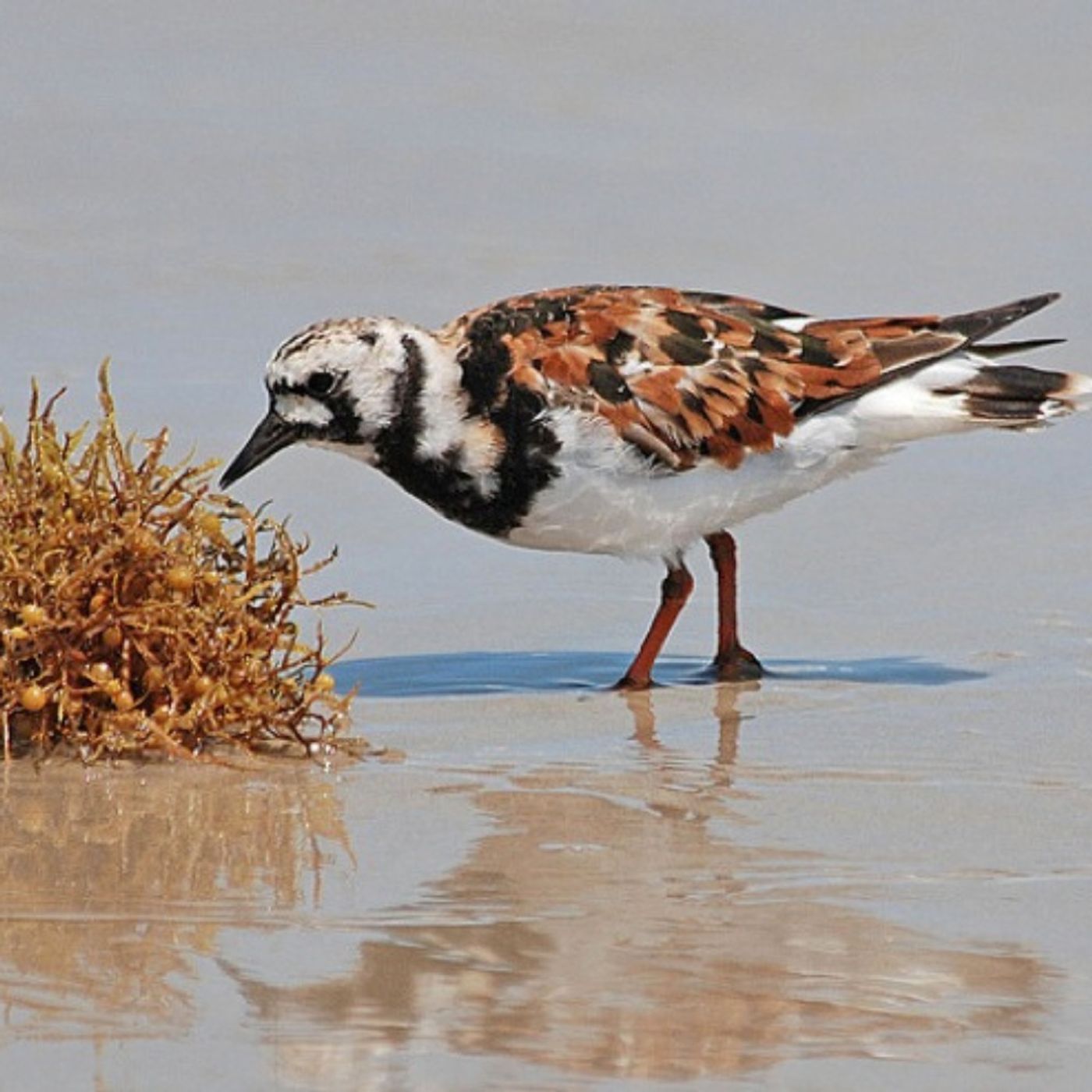
The Unmistakable Ruddy Turnstone
The Ruddy Turnstone stands out among sandpipers. On taking flight, the turnstone flashes a vivid and unmistakable pattern of dark and light striping across its wings and tail. And that comical chatter is one of a kind too. Unlike most sandpipers, Ruddy Turnstones favor rocky beaches and jetties rather than tidal sand or mud. They breed in the Arctic all across North America, Europe, and Asia, and winter along the coastlines of all the continents except Antarctica. And about that curious name? Turnstones do indeed use their stout bills to flip over stones, shells, and mats of seaweed, exposing small crustaceans and other food.¡Escuche este episodio en español!More info and transcript at BirdNote.org.Want more BirdNote? Subscribe to our weekly newsletter. Sign up for BirdNote+ to get ad-free listening and other perks. BirdNote is a nonprofit. Your tax-deductible gift makes these shows possible. Hosted by Simplecast, an AdsWizz company. See pcm.adswizz.com for information about our collection and use of personal data for advertising.
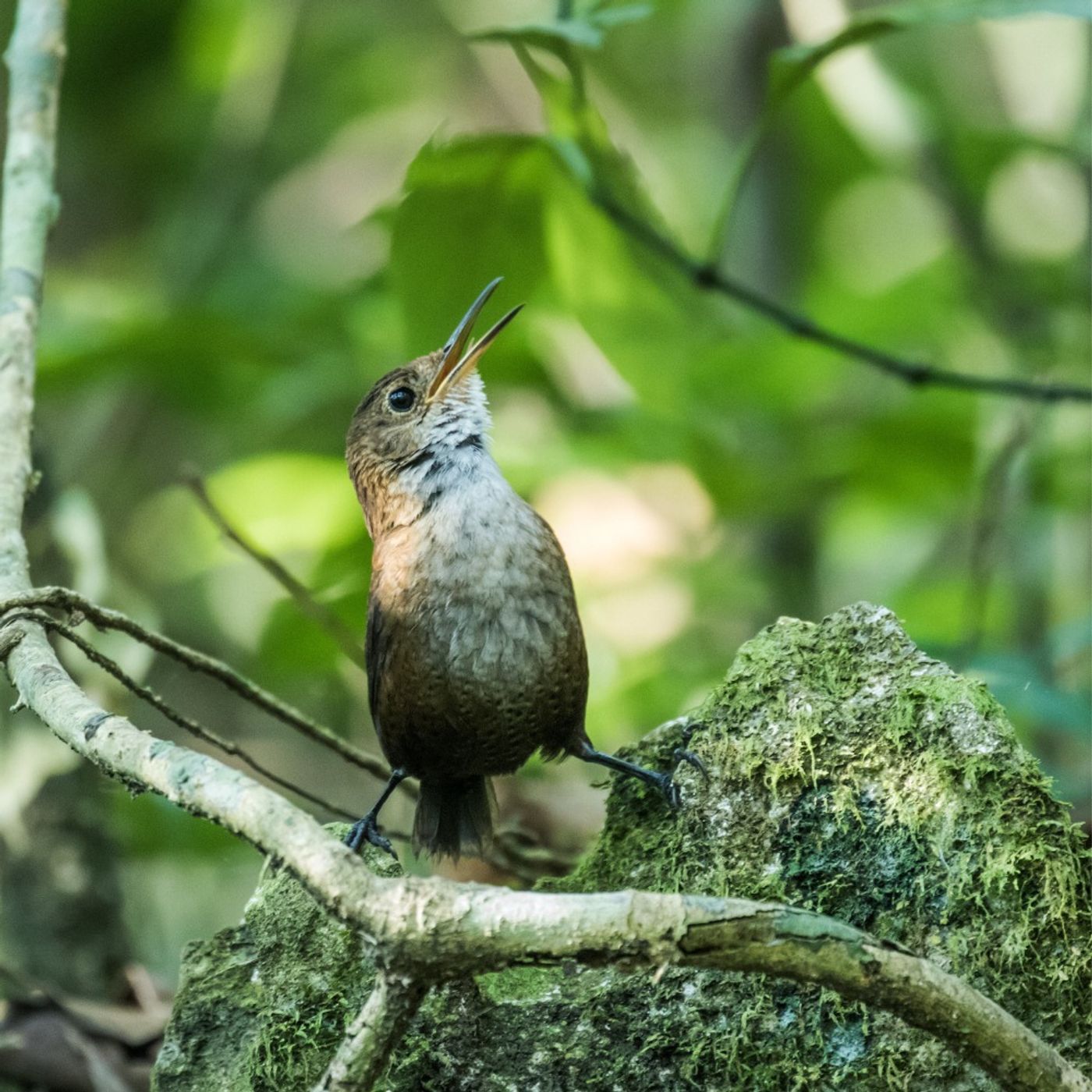
Two Rare Wrens Serenade Southern Mexico
Sumichrast’s Wren and Nava’s Wren are both sooty-brown songbirds of southern Mexico. They both live in tropical forests where limestone outcrops provide a natural amphitheatre to show off their vocal feats. Yet the two have very different songs and are never found in the same place. Though scientists once thought they were the same species, genetic studies eventually proved that the two wrens are distinct — each with their own way to serenade their forest homes.More info and transcript at BirdNote.org.Want more BirdNote? Subscribe to our weekly newsletter. Sign up for BirdNote+ to get ad-free listening and other perks. BirdNote is a nonprofit. Your tax-deductible gift makes these shows possible. Hosted by Simplecast, an AdsWizz company. See pcm.adswizz.com for information about our collection and use of personal data for advertising.
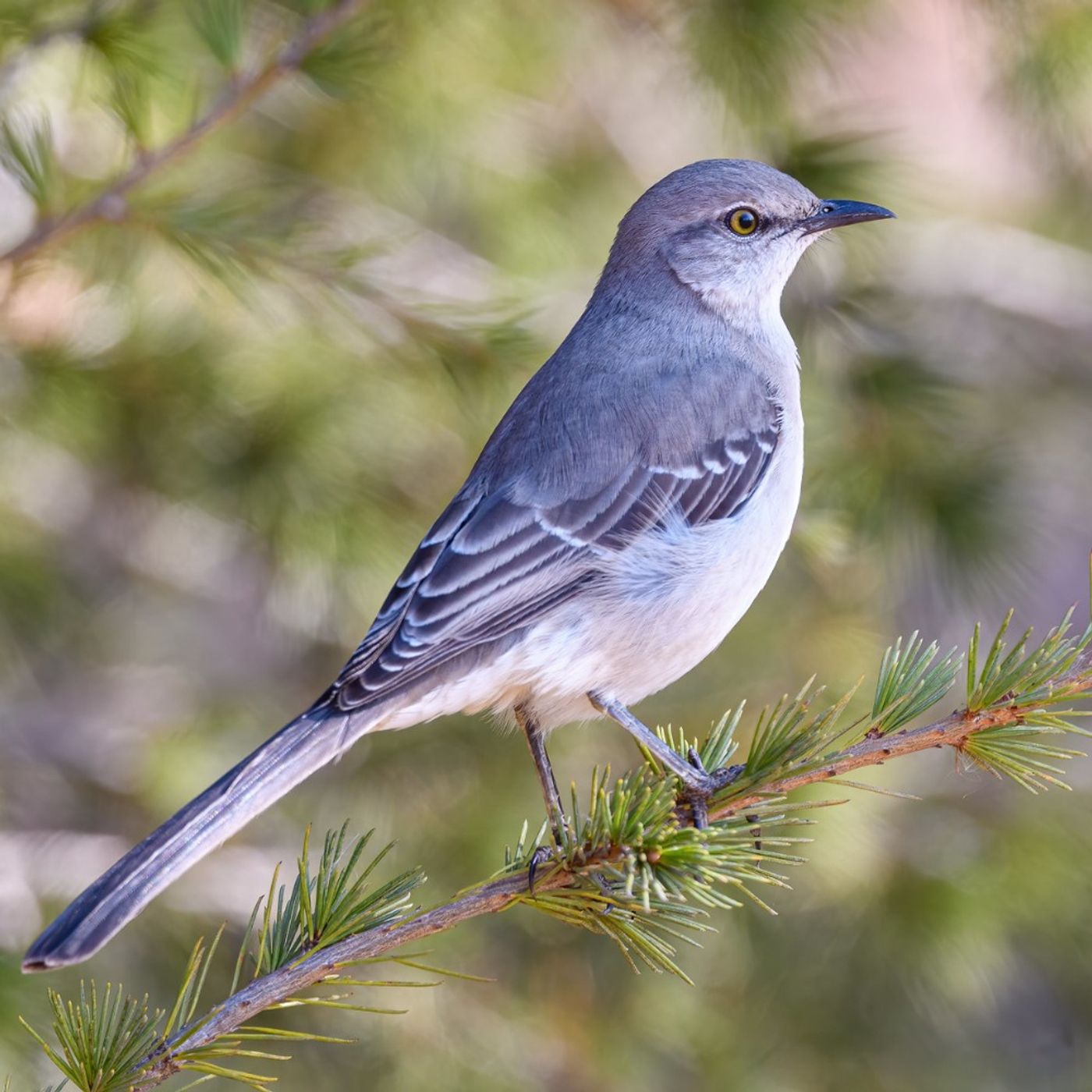
Vocal Learning is for the Birds
Humans and songbirds are among a small group of animals that can learn to imitate the sounds we hear. It’s an ability called vocal learning that makes language possible. Scientists who study human speech often start with birds that share our vocal learning skills, says neurobiologist Erich Jarvis. On Bring Birds Back, Erich discusses his research into the evolutionary origins — and unexpected benefits – of vocal learning for people and birds.Listen to the full episode with Erich Jarvis in season 7 of Bring Birds Back!More info and transcript at BirdNote.org.Want more BirdNote? Subscribe to our weekly newsletter. Sign up for BirdNote+ to get ad-free listening and other perks. BirdNote is a nonprofit. Your tax-deductible gift makes these shows possible. Hosted by Simplecast, an AdsWizz company. See pcm.adswizz.com for information about our collection and use of personal data for advertising.
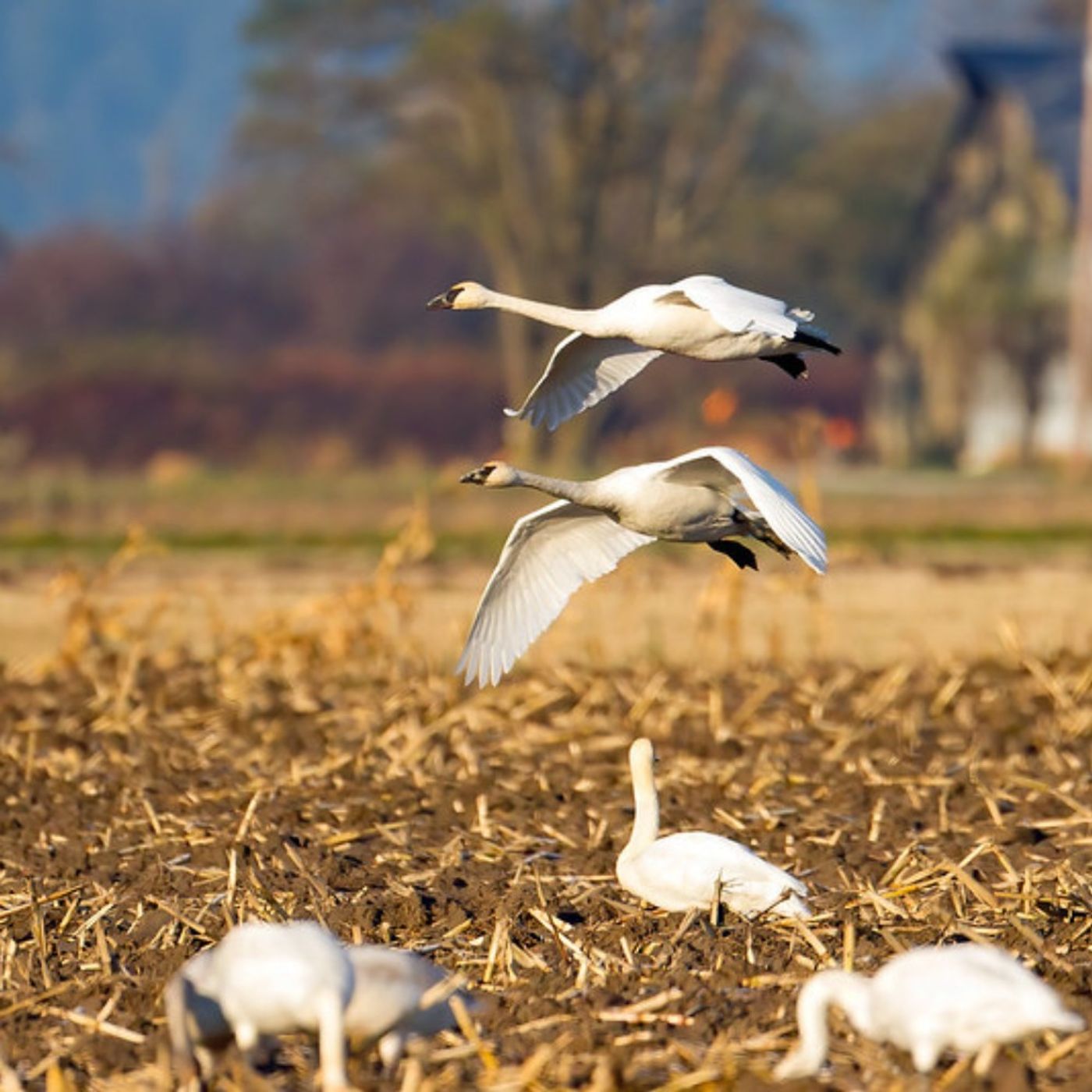
Swans Come Calling
Trumpeter Swans are among the world's largest flying waterfowl. They can weight up to 25 pounds and have a wingspan of nearly seven feet! These swans migrate in family groups each fall from nesting sites in Canada and Alaska to wintering grounds in the central U.S. Trumpeter Swans are sometimes accompanied by their smaller cousins, the Tundra Swan. Both swan species look similar to each other, but their voices are distinct!More info and transcript at BirdNote.org.Want more BirdNote? Subscribe to our weekly newsletter. Sign up for BirdNote+ to get ad-free listening and other perks. BirdNote is a nonprofit. Your tax-deductible gift makes these shows possible. Hosted by Simplecast, an AdsWizz company. See pcm.adswizz.com for information about our collection and use of personal data for advertising.
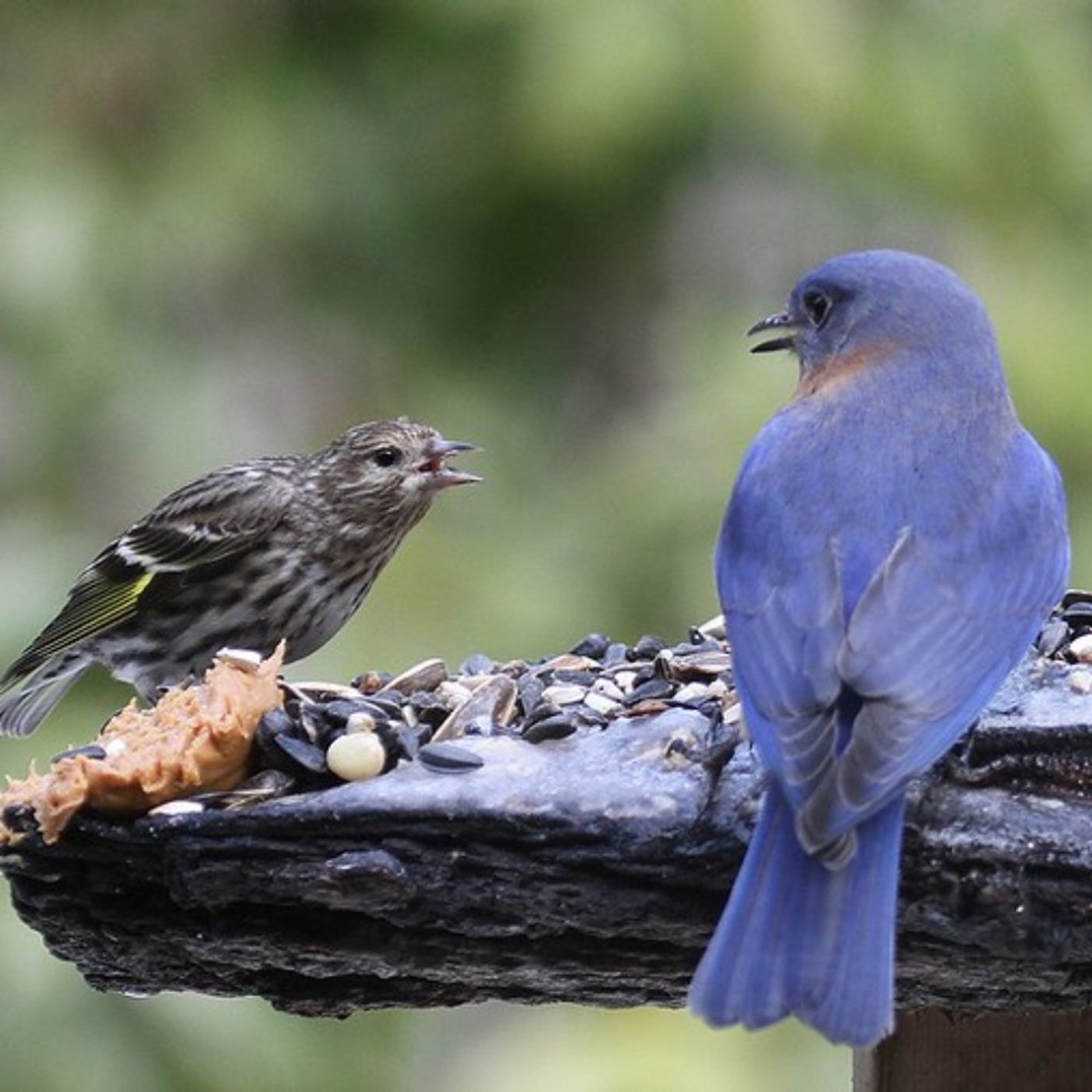
Volunteer for Project FeederWatch
Project FeederWatch is a community science project studying over 100 species of birds that spend their winters in North America. From November through April, people count the birds they see at a bird feeder, whenever and wherever they’re able, and submit their bird list to the project.More info and transcript at BirdNote.org.Want more BirdNote? Subscribe to our weekly newsletter. Sign up for BirdNote+ to get ad-free listening and other perks. BirdNote is a nonprofit. Your tax-deductible gift makes these shows possible. Hosted by Simplecast, an AdsWizz company. See pcm.adswizz.com for information about our collection and use of personal data for advertising.
State Birds
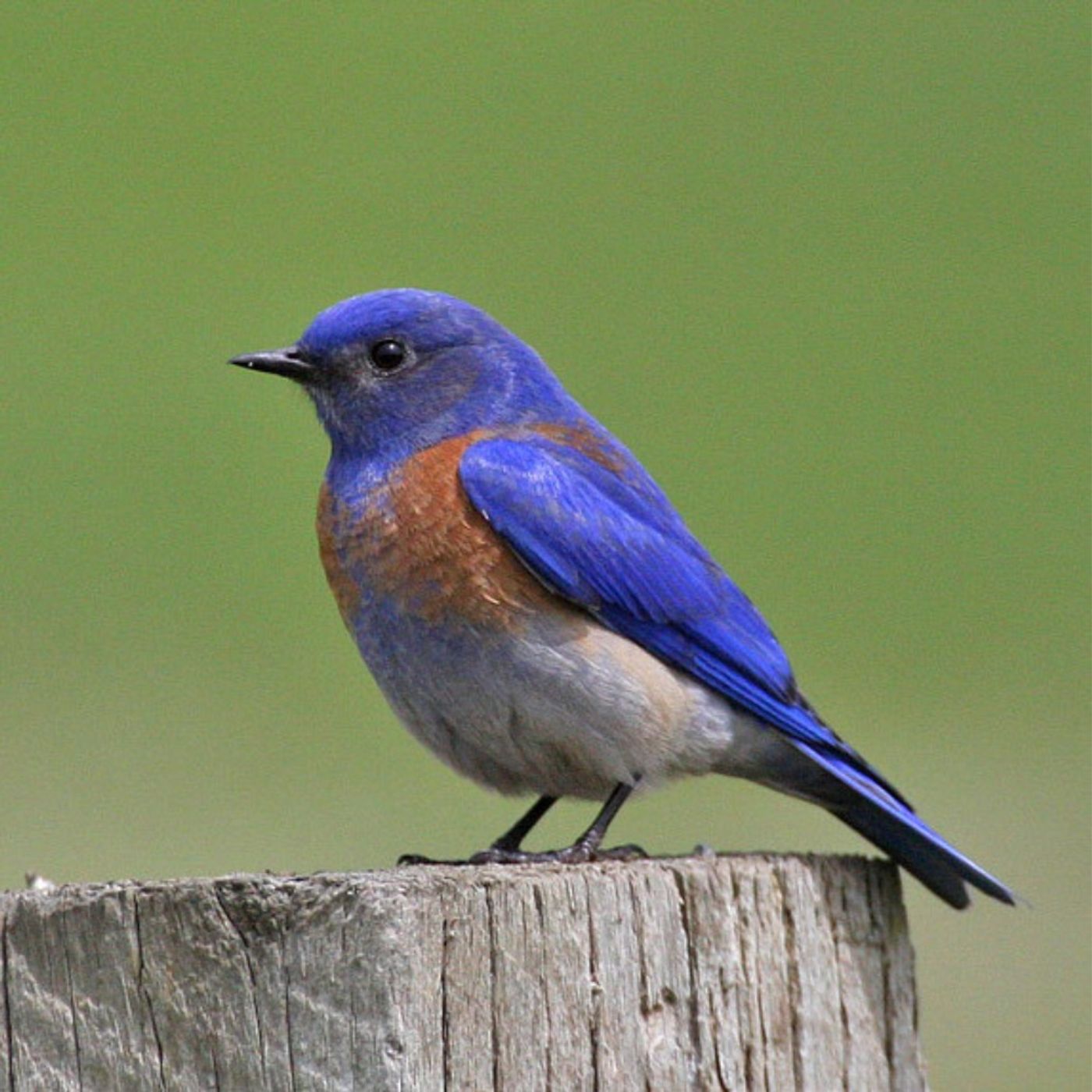
All 50 states and the District of Columbia have official birds. To become a state bird, it helped to be familiar, colorful, and have a punchy song. The Northern Cardinal perches as state bird in seven eastern states, the Western Meadowlark in six western states. Bluebirds — like this Western Bluebird — and goldfinches are mascots of another seven. The country's most insistent songster, the Northern Mockingbird, holds down five states. And Washington, D.C.'s official bird? The shy Wood Thrush! Find out which bird is your state bird.More info and transcript at BirdNote.org.Want more BirdNote? Subscribe to our weekly newsletter. Sign up for BirdNote+ to get ad-free listening and other perks. BirdNote is a nonprofit. Your tax-deductible gift makes these shows possible. Hosted by Simplecast, an AdsWizz company. See pcm.adswizz.com for information about our collection and use of personal data for advertising.
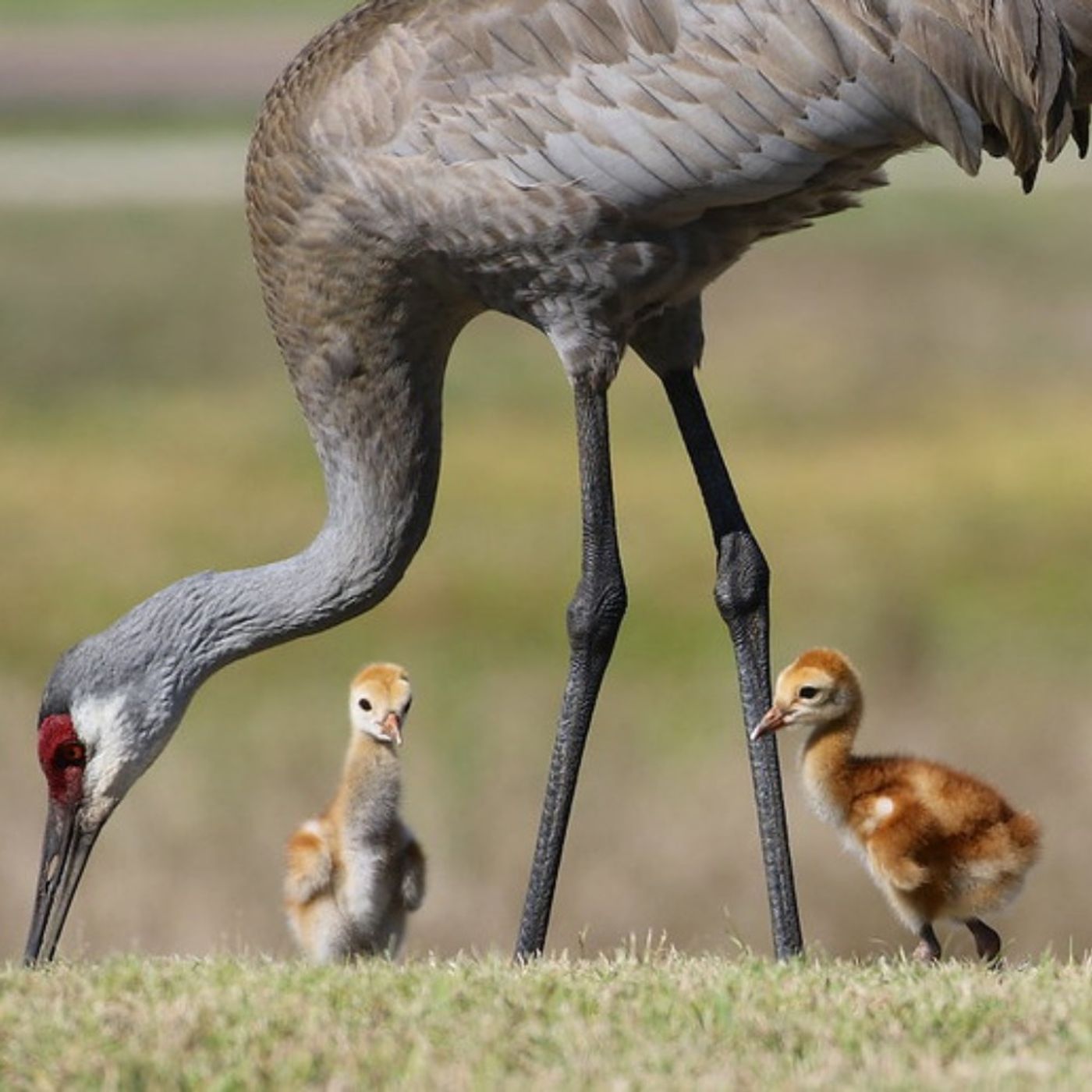
The Mississippi Sandhill Crane Makes a Comeback
While most Sandhill Cranes migrate, the Mississippi population lives year-round in wet pine savanna near the Gulf Coast. Their dependence on this unique habitat caused their population to plummet to just 35 when the savanna began to disappear. Through the Endangered Species Act, an almost 20,000-acre wildlife refuge was established for the cranes and the population has begun to recover.More info and transcript at BirdNote.org.Want more BirdNote? Subscribe to our weekly newsletter. Sign up for BirdNote+ to get ad-free listening and other perks. BirdNote is a nonprofit. Your tax-deductible gift makes these shows possible. Hosted by Simplecast, an AdsWizz company. See pcm.adswizz.com for information about our collection and use of personal data for advertising.
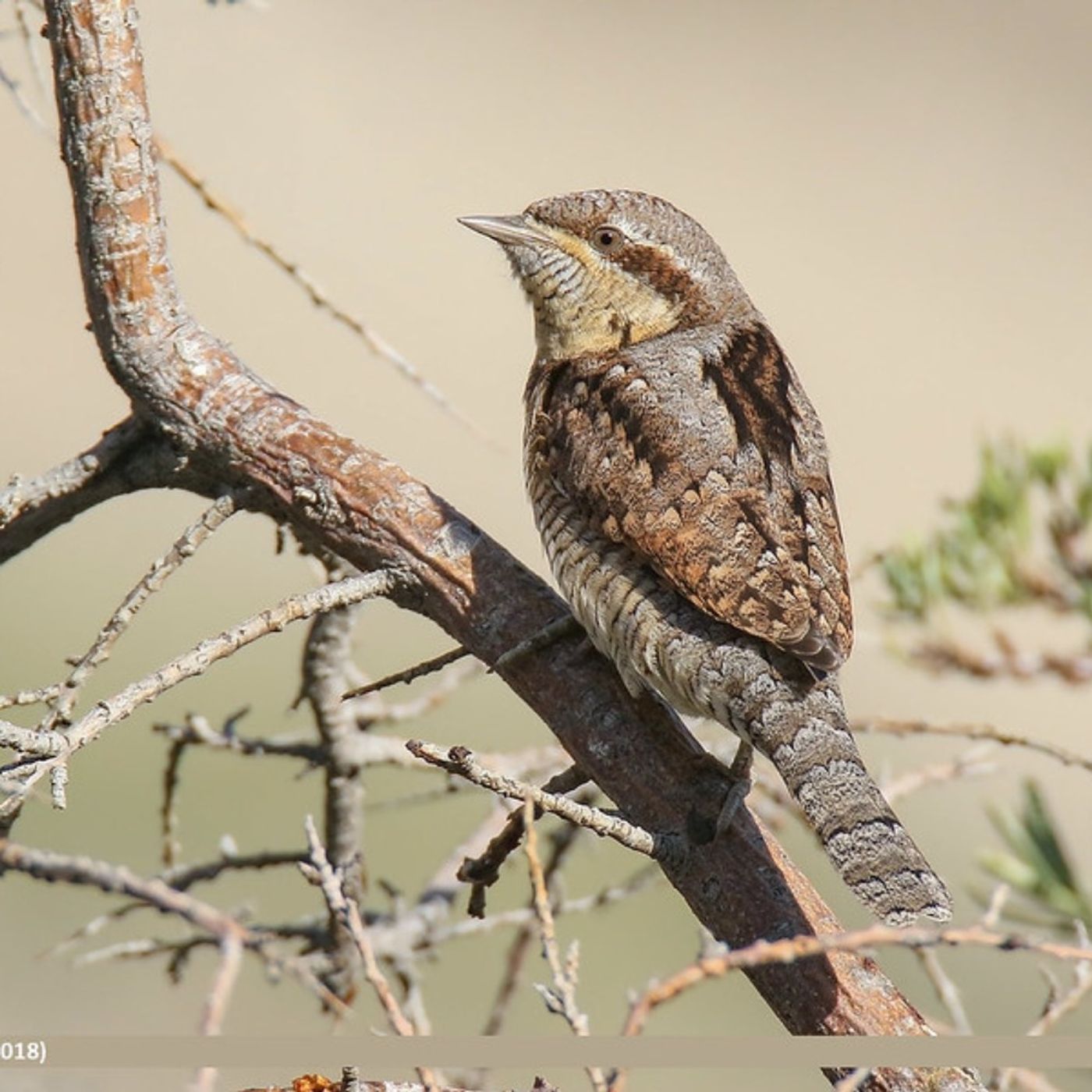
Jynx!
A birder may have a target bird so elusive that the bird becomes a kind of "jinx bird." But there was a real bird by that name! The bird once called the "jynx" is known today as the Eurasian Wryneck. When a wryneck is threatened, it twists its head like a snake and hisses. This behavior led to the wryneck being invoked in witchcraft to put a spell or a jinx on someone.More info and transcript at BirdNote.org.Want more BirdNote? Subscribe to our weekly newsletter. Sign up for BirdNote+ to get ad-free listening and other perks. BirdNote is a nonprofit. Your tax-deductible gift makes these shows possible. Hosted by Simplecast, an AdsWizz company. See pcm.adswizz.com for information about our collection and use of personal data for advertising.
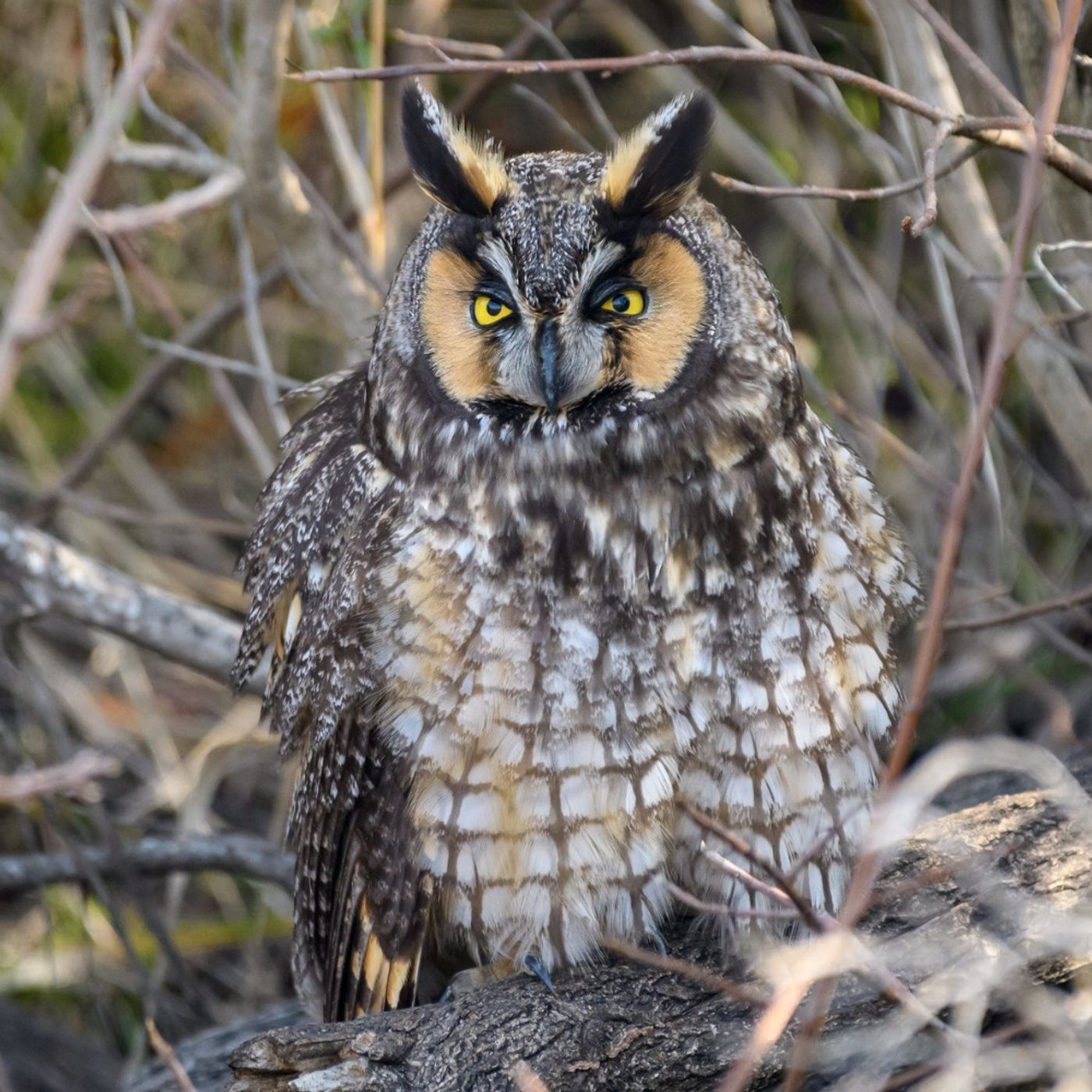
Owl Sounds with Becca Rowland
When author and illustrator Becca Rowland first started learning to identify bird calls, they were delighted to discover that owls say more than just ‘who’! In her new book, Bird Talk: Hilariously Accurate Ways to Identify Birds by the Sounds They Make, Becca dedicates a whole chapter to the wonderful world of owl calls.Support for Bird Note is provided by Jim and Birte Falconer — and generous listeners around the world. More info and transcript at BirdNote.org.Want more BirdNote? Subscribe to our weekly newsletter. Sign up for BirdNote+ to get ad-free listening and other perks. BirdNote is a nonprofit. Your tax-deductible gift makes these shows possible. Hosted by Simplecast, an AdsWizz company. See pcm.adswizz.com for information about our collection and use of personal data for advertising.
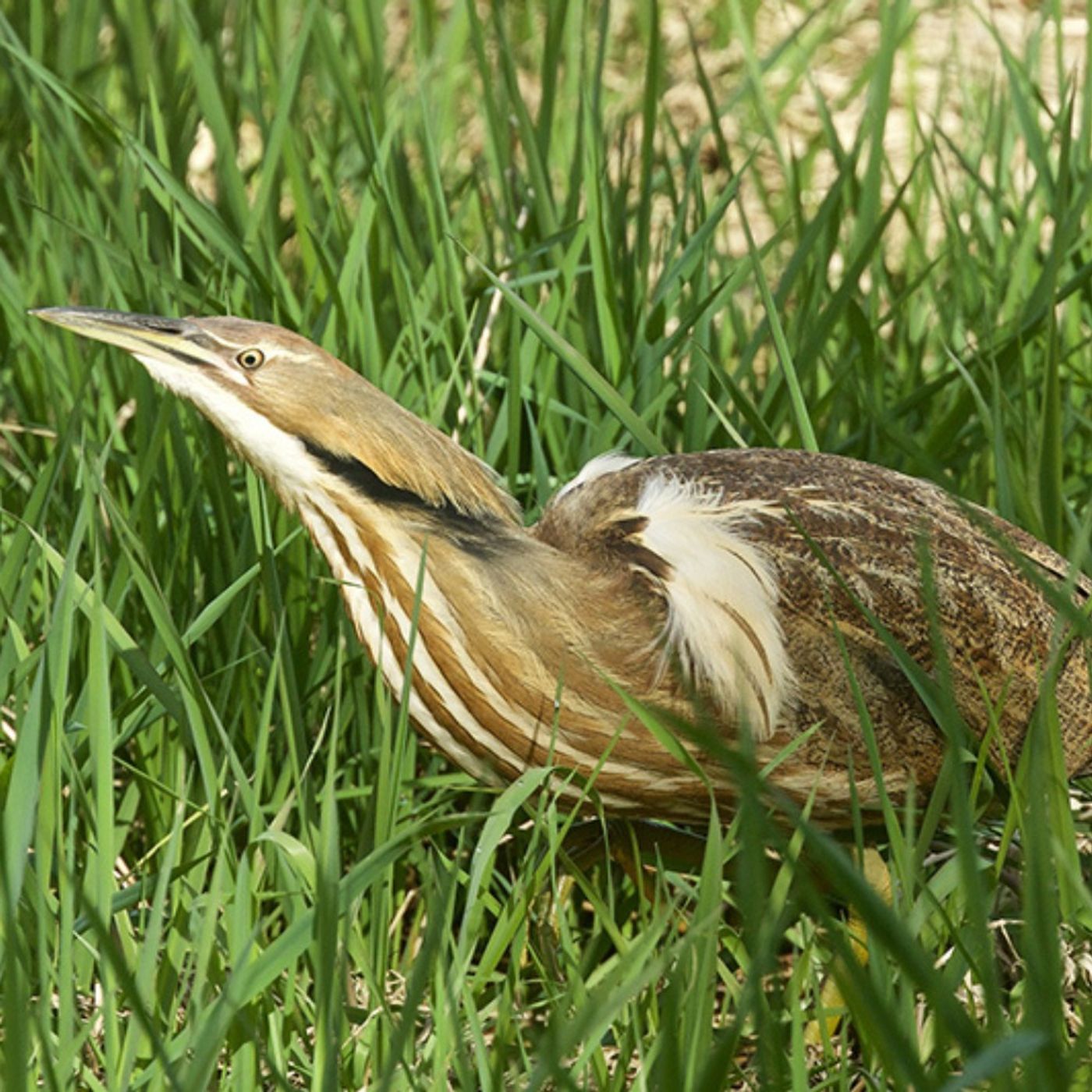
American Bittern: Thunder-Pumper
American Bitterns nest in marshes across the northern half of the United States and throughout much of Canada, and they winter along both US coasts south into Central America. But in some places, bitterns are in serious trouble. Much of the extensive, shallow marshland they once bred in has been drained or degraded by chemicals and silt.BirdNote is supported by the Lenore Hanauer Foundation of Seattle.More info and transcript at BirdNote.org.Want more BirdNote? Subscribe to our weekly newsletter. Sign up for BirdNote+ to get ad-free listening and other perks. BirdNote is a nonprofit. Your tax-deductible gift makes these shows possible. Hosted by Simplecast, an AdsWizz company. See pcm.adswizz.com for information about our collection and use of personal data for advertising.
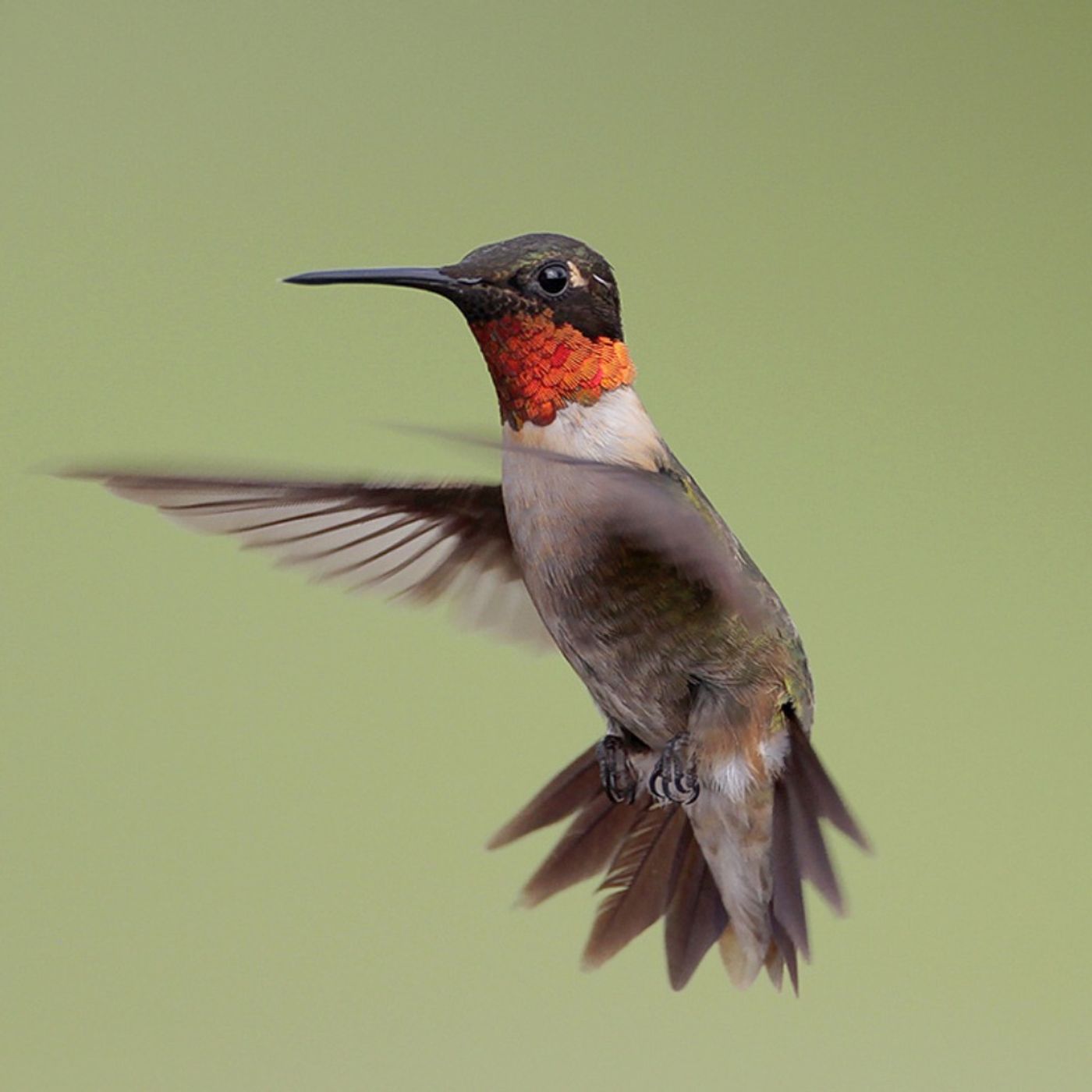
Hummingbirds Caught in a Dark World of Love Spells
Hummingbirds are celebrated for their beauty and grace, but in some places, they are trapped in a dark and deadly tradition. In parts of Mexico, hummingbirds are captured and killed to be used in love spells called chuparosa charms, a practice that has crossed borders and made its way to the United States. Conservationists are working to save these birds from this brutal fate, enforcing laws and raising awareness.More info and transcript at BirdNote.org.Want more BirdNote? Subscribe to our weekly newsletter. Sign up for BirdNote+ to get ad-free listening and other perks. BirdNote is a nonprofit. Your tax-deductible gift makes these shows possible. Hosted by Simplecast, an AdsWizz company. See pcm.adswizz.com for information about our collection and use of personal data for advertising.
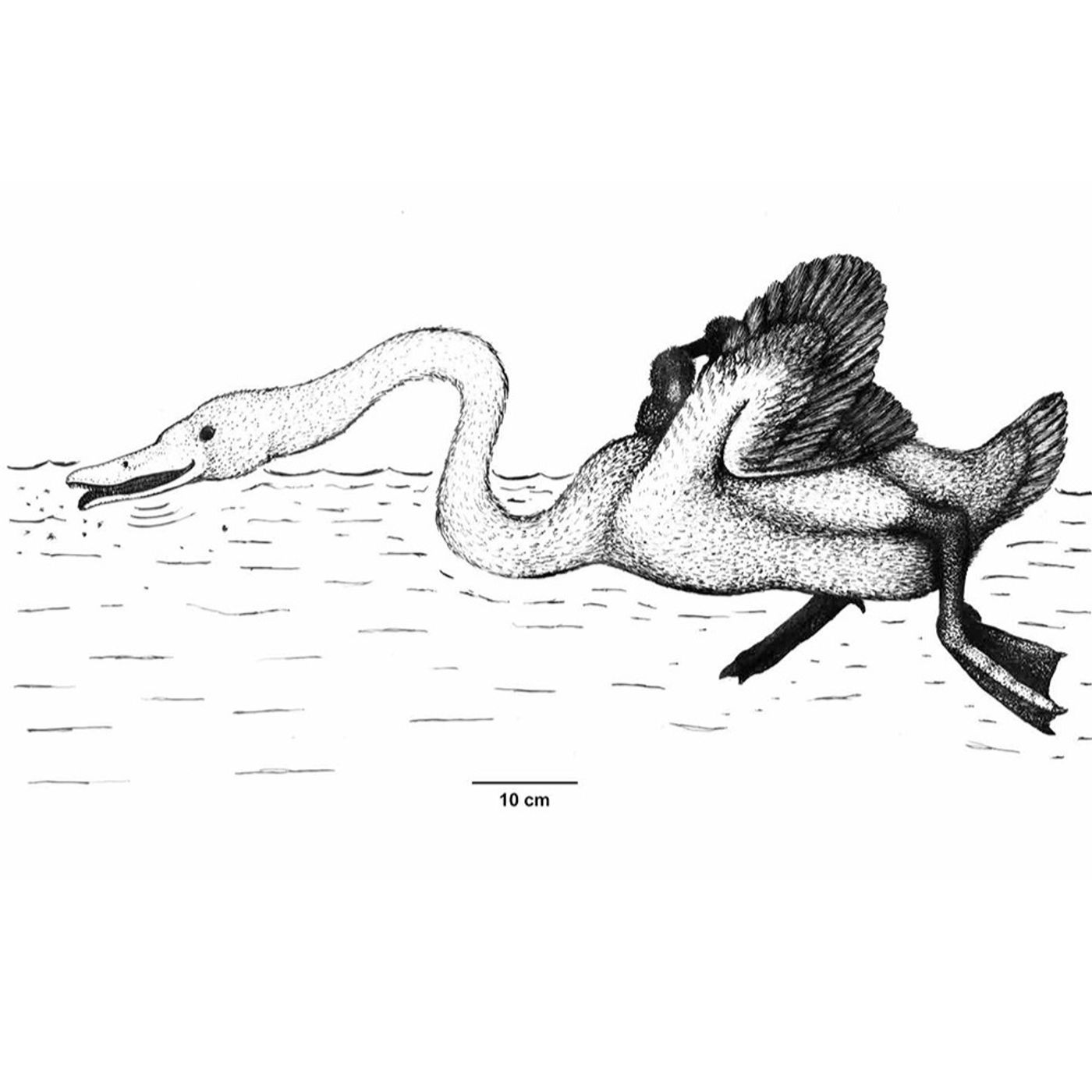
Annakacygna – The Ultimate Bird
Like today’s swans, the extinct species Annakacygna hajimei and Annakacygna yoshiiensis were quite large. But unlike their modern relatives, these birds lived most of their lives out at sea, and their fossils reveal remarkable adaptations to this unusual lifestyle. This led the researchers who first described these species to dub them “the ‘ultimate bird’ that ever existed.”More info and transcript at BirdNote.org.Want more BirdNote? Subscribe to our weekly newsletter. Sign up for BirdNote+ to get ad-free listening and other perks. BirdNote is a nonprofit. Your tax-deductible gift makes these shows possible. Hosted by Simplecast, an AdsWizz company. See pcm.adswizz.com for information about our collection and use of personal data for advertising.
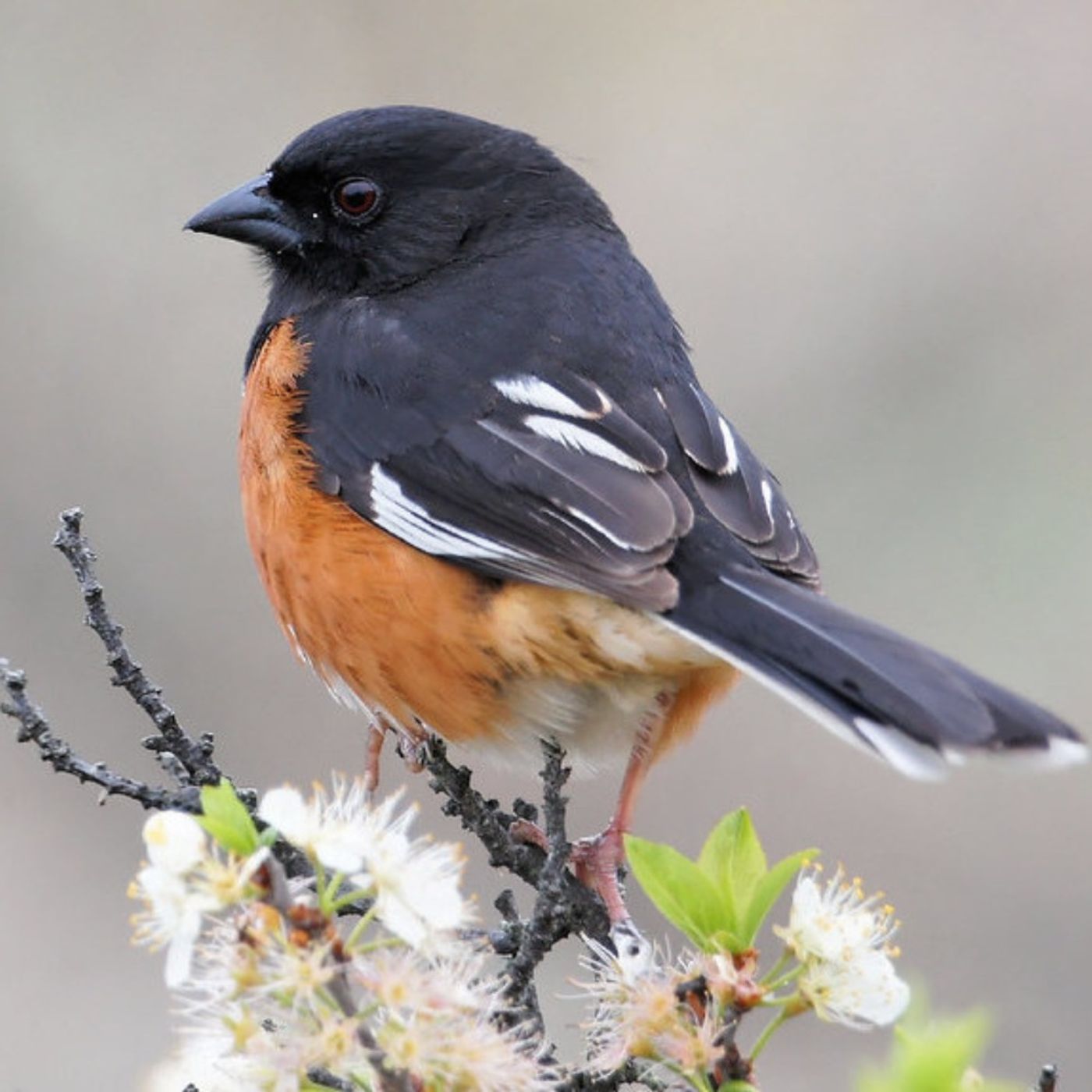
Towhees' Distractive Plumage
Both this Eastern Towhee and the Spotted Towhee of the West sport a black or dark brown hood and back. And when they fly, their tails flash white. When a hawk gives chase, the towhee's flashing tail-feathers draw the predator's attention. Momentarily distracted, the hawk may come up with just a couple of tail feathers — as the towhee escapes into the underbrush. So if you see a towhee missing a couple of tail feathers, it may be that the flash of white — the distractive plumage — saved its life.More info and transcript at BirdNote.org.Want more BirdNote? Subscribe to our weekly newsletter. Sign up for BirdNote+ to get ad-free listening and other perks. BirdNote is a nonprofit. Your tax-deductible gift makes these shows possible. Hosted by Simplecast, an AdsWizz company. See pcm.adswizz.com for information about our collection and use of personal data for advertising.
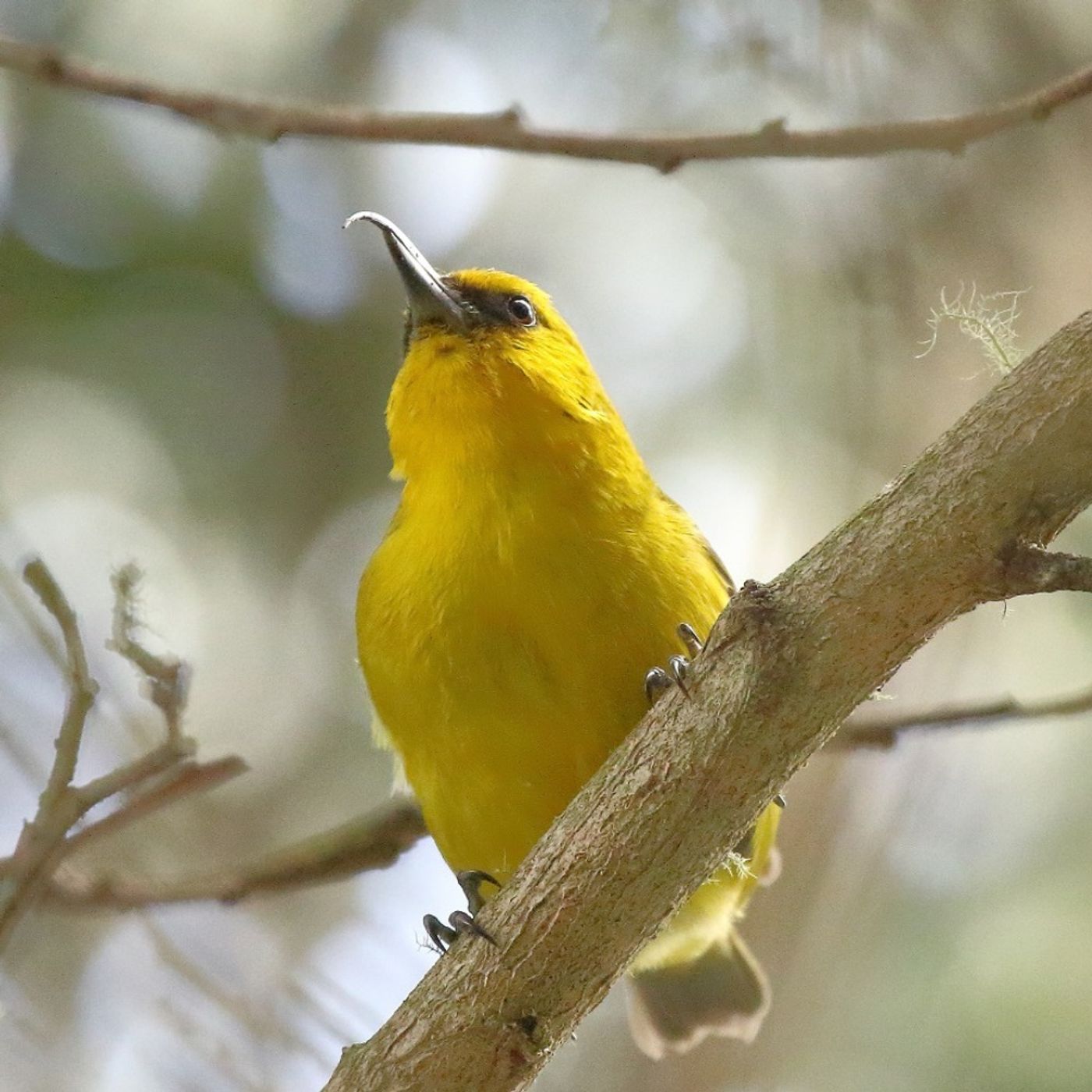
The Endangered 'Akiapōlā'au
The 'Akiapōlā'au is a bright yellow bird with a black eye mask, found only in the upper elevations on the Big Island of Hawai'i. But its most distinct feature is its totally unique, uneven bill. The top of the bill is long, skinny, and curved like a sickle. Once abundant, habitat loss and disease from mosquitoes has taken a toll on the 'Akiapōlā'au population. In a race against extinction, people are working to restore habitat and control deadly invasive species to save Hawai'i’s rarest birds.More info and transcript at BirdNote.org.Want more BirdNote? Subscribe to our weekly newsletter. Sign up for BirdNote+ to get ad-free listening and other perks. BirdNote is a nonprofit. Your tax-deductible gift makes these shows possible. Hosted by Simplecast, an AdsWizz company. See pcm.adswizz.com for information about our collection and use of personal data for advertising.