Behavioral Grooves Podcast
538 episodes — Page 3 of 11
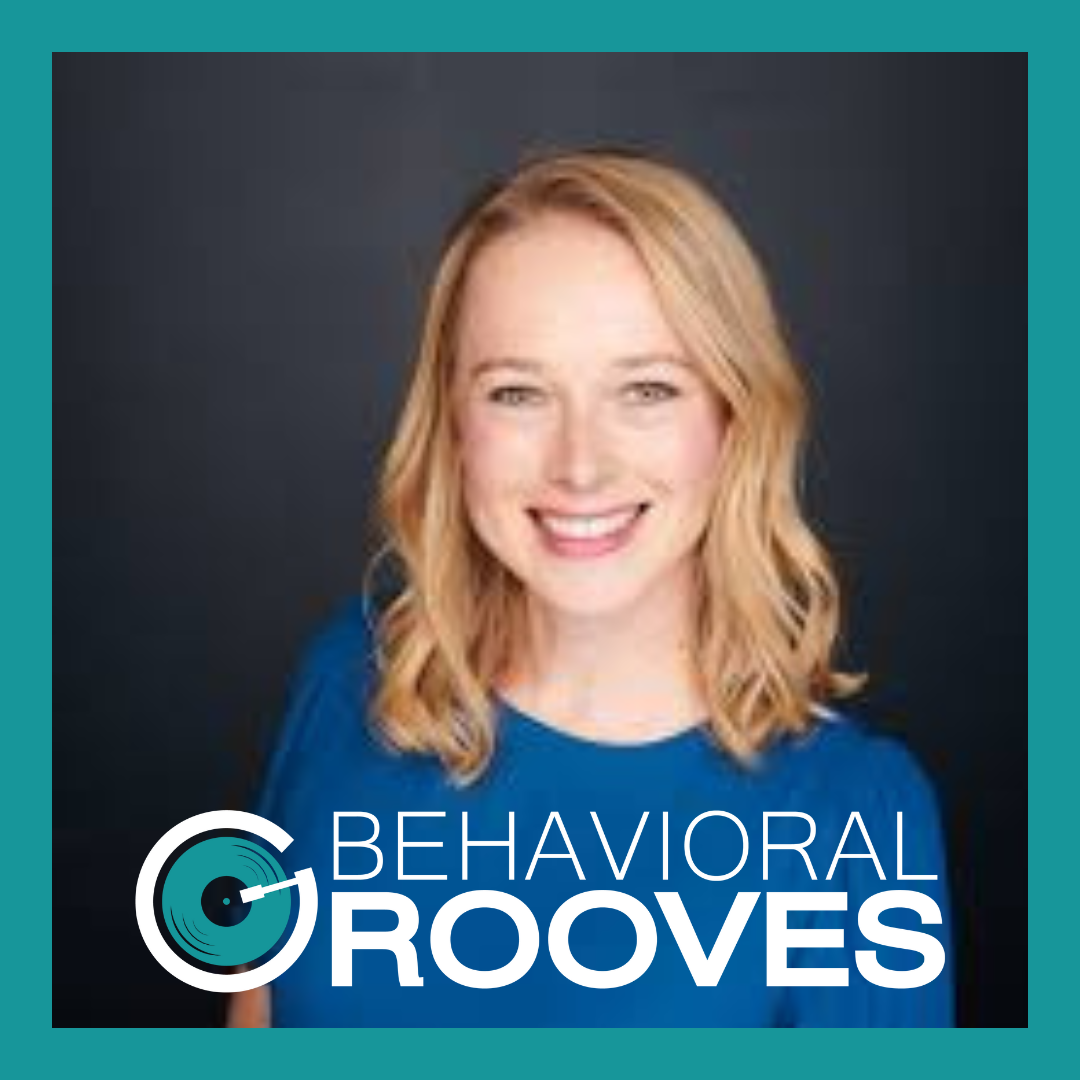
Ep 481Can You Change Your Personality? | Olga Khazan
What if your personality isn’t fixed? Olga Khazan shares how she deliberately set out to become more extroverted, agreeable, and emotionally stable—using improv, mindfulness, and science-backed strategies. Based on her book Me, But Better, this conversation explores how real change happens, and why connecting with others may be the key to becoming who you want to be. Topics [0:00] Intro and Speed Round with Olga Khazan [5:59] Experiment: Can I Change My Personality? [9:59] Results: What Changed, What Didn’t? [17:43] Nature vs. Nurture in Personality [21:46] Personality Traits as Tools for Life [29:31] Can Older Adults Still Change? [38:39] Solitude vs. True Connection [43:45] Olga’s Music Playlist [45:46] Grooving Session: Working on the Personality We Want ©2025 Behavioral Grooves Links About Olga Me, But Better by Olga Khazan Big 5 Personality Test Nathan Hudson’s Research Join the Behavioral Grooves community Subscribe to Behavioral Grooves on YouTube Musical Links ODESZA - The Last Goodbye Chapell Roan - Good Luck, Babe
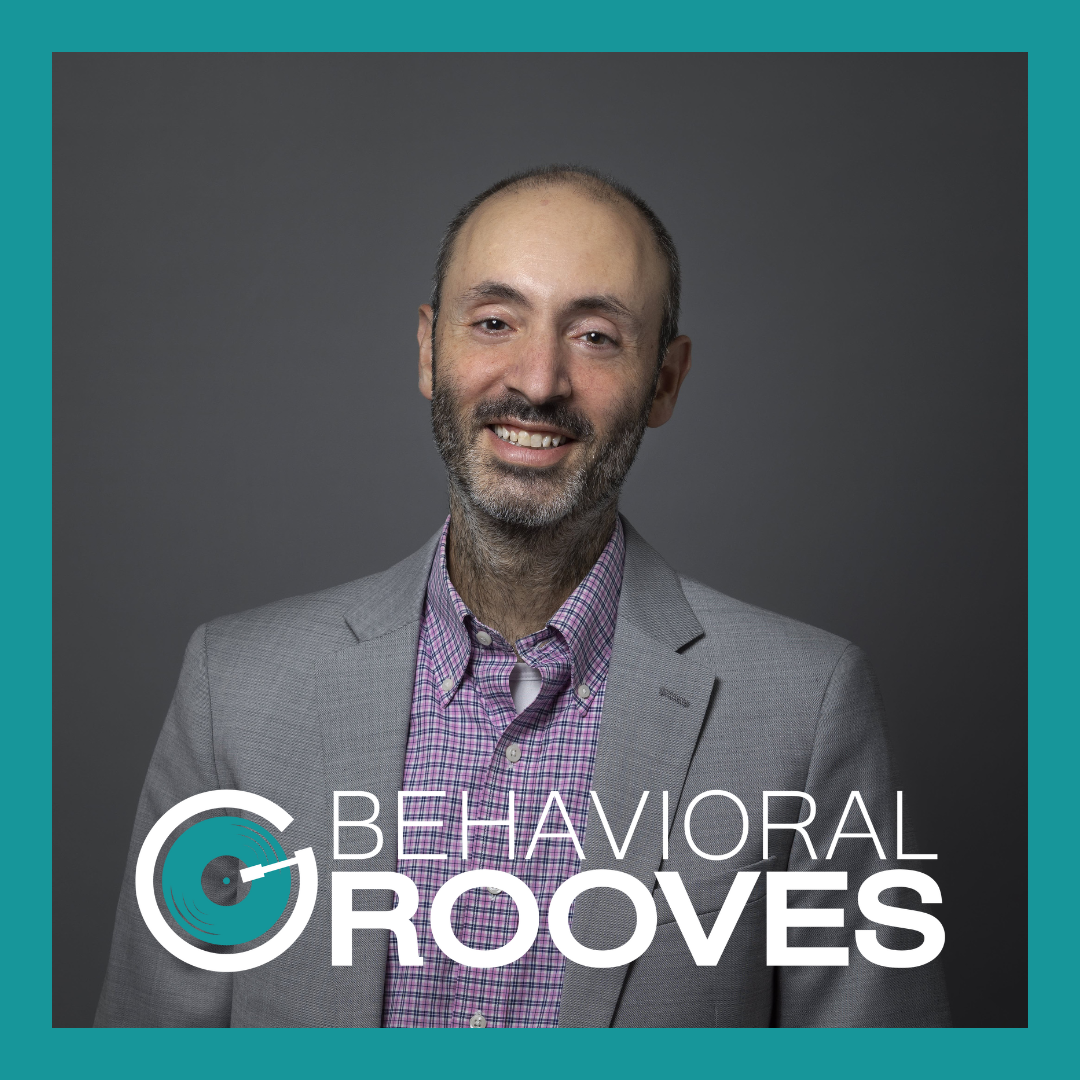
Ep 479Lessons on Life From Hospice Patients | Jordan Grumet
Hospice doctor, podcaster, and author Jordan Grumet joins us to explore why the traditional idea of “finding your purpose” might actually be making us miserable. Drawing from his work with patients at the end of life, Jordan challenges the pressure to chase big, lofty goals—or what he calls “big P” Purpose—and instead invites us to embrace “little p” purposes: the simple, joyful activities that ground us and connect us to others. From childhood passions to quiet regrets, Jordan shares practical ways to identify what truly lights you up and how to build a life that feels meaningful—without overhauling everything. Topics [0:00] Intro and Speed Round with Jordan Grumet [7:01] Why Is Purpose So Important? [10:52] Why Big P Goals Can Cause Anxiety [16:43] Childhood Joys, Baseball Cards, & Writing [19:32] You Can’t Fail Little P Purpose [24:09] Overcoming Barriers to Purpose [34:41] Regret vs. Disappointment [46:25] Grooving Session: Creativity, Cadence, and Purposeful Context ©2025 Behavioral Grooves Links More About Jordan Earn & Invest Podcast The Purpose Code by Jordan Grumet Join the Behavioral Grooves community Subscribe to Behavioral Grooves on YouTube Musical Links Public Enemy - Don’t Believe the Hype Third World - Underdog
Ep 480How to Get Unstuck: Behavioral Science Strategies
In this monthly bonus episode, we tap into insights from our Facebook community to explore what keeps us feeling stuck in our habits and goals. With help from behavioral science, we unpack the hidden forces behind inertia, fear, and comfort zones — and share practical strategies to break free. If you're ready to stop spinning your wheels and get back in your groove, this one’s for you. Topics [0:00] Behavioral Boot Camp! [2:15] Insights from Groove Questions [6:34] Self-Confidence [10:03] Risk Aversion and Community Support [13:25] Final Thoughts - Trust Your Instincts! ©2025 Behavioral Grooves Links Behavioral Grooves on Substack Join the Behavioral Grooves community Subscribe to Behavioral Grooves on YouTube
Ep 477The Top Reason You Make Bad Decisions - And How to Stop | Emily Falk
How do our brains choose what’s important to us? Emily Falk, neuroscientist and author of What We Value, joins us to decode what goes on behind the scenes with our decisions - everything from what to eat for breakfast to how to respond to trolls on social media - and how emotional, rational, and social information is integrated by the brain to guide our choices. ©2025 Behavioral Grooves Topics [0:00] Intro and Speed Round with Emily Falk [8:29] Understanding Value Calculations [12:58] Research Methods and fMRI [18:01] Self-Relevance and Social Relevance Systems [28:41] Defensiveness and Social Norms [40:49] The Importance of Being "In Sync" [58:17] The Role or Music in Self/Social Relevance [1:07:45] Grooving Session: Communication, Social Norms, and Behavioral Science at Work ©2025 Behavioral Grooves Links About Emily What We Value by Emily Falk Communication Neuroscience Lab Join the Behavioral Grooves community Subscribe to Behavioral Grooves on YouTube Music Links Indigo Girls - Galileo Dar Williams - As Cool As I Am
Ep 478Our Best Hope for Global Change | Faisal Naru
Faisal Naru traces the explosive growth of behavioral science in policy from 2010 to today, highlighting how Global South nations are using it to address complex problems like poverty and public health. He makes the case for embedding behavioral science teams into organizations long-term—moving from quick “silver bullet” fixes to enduring “golden nuggets” of insight. Topics [0:00] Intro and Speed Round with Faisal Naru [6:42] Behavioral Science Policy Units and Global Trends [15:23] Global Approaches - North vs. South [24:33] How Different Systems Support Behavioral Science [36:25] The Golden Nuggets of Behavioral Policy [48:55] Desert Island Music [51:22] Grooving Session: The Future of Behavioral Science Links About Faisal OECD Join the Behavioral Grooves community Subscribe to Behavioral Grooves on YouTube Musical Links Bob Marley - Is This Love Dizee Rascal - Baseline Junkie

Ep 4766 Ways Questions Can Transform Your Life | Elizabeth Weingarten
What if the key to growth isn’t finding better answers, but asking better questions? In this episode, Elizabeth Weingarten shares insights from her book How to Fall in Love with Questions, exploring how embracing uncertainty can lead to greater self-awareness, resilience, and connection. Blending personal stories, behavioral science, and wisdom from poet Rilke, she introduces the idea of a “questions practice” — a mindset shift that helps us navigate life’s toughest moments with curiosity and clarity. ©2025 Behavioral Grooves Topics [0:00] Intro and Speed Round with Elizabeth Weingarten [11:04] The Power of Loving Questions [15:50] The Biological Need for Certainty [21:48] The Role of Patience in Asking Questions [39:18] Questions and the Role of Behavioral Science [47:57] Desert Island Music [50:38] Grooving Session: The Value of Sitting With Questions ©2025 Behavioral Grooves Links More About Elizabeth Better Life Lab How to Fall in Love with Questions Torch Leadership Join the Behavioral Grooves community Music Links Steely Dan - Do It Again Chapell Roan - Pink Pony Club
Ep 475The #1 Reason You Aren’t Happy - Yet. | Mark Fabian
Economist and philosopher Mark Fabian joins the show to explore how we can move beyond the pursuit of happiness toward a deeper, values-driven life. Drawing from behavioral science, philosophy, and his new book Beyond Happy, Mark challenges the idea of happiness as an end goal and introduces the concept of “generalized flow.” From escaping the hedonic treadmill to cultivating self-awareness and community, this episode is a guide to rethinking what it means to live well. ©2025 Behavioral Grooves Topics [0:00] Intro and Speed Round with Mark Fabian [8:56] Concept of Well-Being and Happiness [15:45] How to Live a Valuable Life [25:19] How to Discover Your Core Self [32:54] Self-Actualization and Community [42:42] The Role of Flow and Zest in a Good Life [51:05] Desert Island Music [56:18] Grooving Session: Zest, Identity, and Reframing Happiness ©2025 Behavioral Grooves Links More about Mark Beyond Happy by Mark Fabian Mihaly Csikzentmihalyi’s research on Flow Join the Behavioral Grooves community Subscribe to Behavioral Grooves on YouTube Musical Links The Weeknd - House of Balloons Yuzo Koshiro - Streets of Rage Hamilton - Wait For It

Ep 4734 Powerful Ways to Make Conflict Less Stressful | Dr. Joel Salinas and Bob Bordone
What if we stopped trying to win or avoid conflict—and instead built the resilience to grow through it? In this episode, neurologist Joel Salinas and conflict resolution expert Bob Bordone offer a powerful reframe on disagreement, showing how neuroscience and self-awareness can help us break old patterns and build stronger relationships. Topics [0:00] BG Special Announcement! [1:15] Intro and Speed Round with Joel and Bob [6:29] What is Conflict Resilience? [10:41] The Neuroscience Behind Conflict [18:35] Understanding Our Reflexive Conflict Responses [25:03] Practical Applications and Examples [32:15] Neuroplasticity and Changing How We Handle Disagreement [42:15] Building a Culture of Conflict Resilience at Work [49:45] Dolly Parton: A Model for Growth? [53:15] Desert Island Music Picks [55:15] Grooving Session: Conflict Resilience at Work and Beyond ©2025 Behavioral Grooves Links Conflict Resilience: Negotiating Disagreement Without Giving Up or Giving In More About Joel Salinas More About Bob Bordone Join the Behavioral Grooves community Subscribe to Behavioral Grooves on YouTube Music Links Lady Gaga - Abracadabra Billie Eilish - Birds of a Feather Philip Glass - Prophecies Kelly Clarkson - Because of You
Ep 474The Most Effective Way to Change People's Minds | David McRaney (Republish)
In this special republish episode science journalist David McRaney joins us to explore the surprising science behind belief, persuasion, and why minds change. We discuss tribal truth, perceptual differences (remember the dress?), and why Step Zero—examining why you want to change someone’s mind—is essential for meaningful dialogue. Topics [4:18] Welcome and speed round questions. [11:18] How minds change vs. how to change minds. [14:35] How is elaboration different from learning? [27:27] Mini Grooving Session on the difference between beliefs, opinions and attitudes. [34:09] Why do you want to change someone’s mind? [41:03] The moment David realized he should question why, not just how to change minds. [52:55] Mini Grooving Session on why to change minds. [57:27] Why some see the dress as gold & white and some see it as blue & black. [1:18:28] Mini Grooving Session on the dress and the crocs. [1:22:15] Truth is tribal. [1:35:33] Mini Grooving Session on having a social safety net. [1:40:38] What was the catalyst for David becoming interested in conspiracy theories? [1:46:19] How to get people off the conspiratorial loop? [1:51:23] What musical artists would David take to a desert island? ©2025 Behavioral Grooves Links How Minds Change: The Surprising Science of Belief, Opinion, and Persuasion by David McRaney More on David McRaney You Are Not So Smart Podcast Wallisch, Pascal & Karlovich, Michael. (2019). Disagreeing about Crocs and socks: Creating profoundly ambiguous color displays The dress Join the Behavioral Grooves community Subscribe to Behavioral Grooves on YouTube Music Links Radiohead - No Surprises Colin Stetson - Spindrift

Ep 472Want to Close the Gender Gap? Start Here | Kweilin Ellingrud
Kweilin Ellingrud, McKinsey’s Global Chief of Diversity and Inclusion, joins us to discuss The Broken Rung—the missed first promotion that derails many women's careers before they even begin. She shares how to build “experience capital,” why soft skills matter more than we think, and how the right first moves can lead to long-term equity and empowerment. With practical advice for women and leaders alike, this episode is a call to action to fix the ladder from the bottom up. Topics [0:00] Intro and Speed Round with Kweilin Ellingrud [5:39] What is the “Broken Rung”? [12:00] Strategies for Overcoming the Broken Rung [20:36] Building Skills to Future-Proof Careers [30:39] Addressing Biases and Cognitive Biases [35:47] Personal Health and Financial Well-being [41:10] Desert Island Music [43:19] Grooving Session - Networking, Bias, and Building Experience Capital ©2025 Behavioral Grooves Links The Broken Rung - by Kweilin Ellingrud, Lareina Yee, and Mareia del Mar Martinez More About Kweilin Join the Behavioral Grooves community Subscribe to Behavioral Grooves on YouTube Musical Links Shakira - La Tortura Ed Sheeran - Shape of You

Ep 471Are You Being 'Reasonable' -- Or Just Privileged? | Dr. Rosalind Chow
Dr. Rosalind Chow joins us to explore how status, power, and perspective shape what we view as “reasonable”—and why marginalized voices are often held to a different standard. From stalled DEI efforts to the illusion of objectivity among dominant groups, Rosalind challenges us to rethink who gets to define what counts as change. Topics [0:00] Intro and Speed Round [6:26] The difference between sponsorship and mentorship [10:13] Why corporate relationships are important [16:05] Why DEI efforts often stall [27:00] The moral cost of assimilations [31:20] Well-meaning allies [46:56] Desert Island music [50:15] Grooving Session - The importance of Mentorship ©2025 Behavioral Grooves Links About Rosalind Chow The Doors You Can Open - by Rosalind Chow The Social Psychology of Inequality - CUNY Graduate Center Join the Behavioral Grooves community Subscribe to Behavioral Grooves on YouTube Music Links Rent - La Vie Boheme Beatles - Revolution
Ep 470Reclaim Your Brain and Escape Digital Chaos | Richard Cytowic
Neuroscientist Richard Cytowic takes us on a journey through the world of synesthesia and how it reveals the fascinating ways our brains interpret reality. But that’s just the beginning. We dive into the challenges of our Stone Age brains in the digital age, busting the multitasking myth, exploring the cognitive costs of social media, and discovering why silence and imagination are more crucial than ever. Tune in to reclaim your focus and rethink your relationship with technology. ©2025 Behavioral Grooves Topics [0:00] Intro: Synesthesia and Richard Cytowic [4:11] Speed Round: Nature vs Nurture? [10:06] Social Media - Necessary evil? [17:52] The myth of multitasking [28:54] The importance of boredom [37:06] Why silence is essential [45:32] Emotional intelligence and resilience [52:31] Grooving Session: Digital media, mental health, and what lies ahead ©2025 Behavioral Grooves Links Your Stone Age Brain in the Screen Age About Richard Cytowic Synesthesia The Shallows by Nicholas Carr Join the Behavioral Grooves community Subscribe to Behavioral Grooves on YouTube Musical Links Babbling Brook - Background Noise for Work Forest and River Sounds - Relaxing Background Noise

Ep 469How to Spark Creativity in Work & Life | Matt Arnold and Adam Hansen
Creativity isn’t reserved for the select few—it’s in all of us. This episode explores the science behind innovation with experts Matt Arnold and Adam Hansen, uncovering why we doubt our creative abilities and how to overcome the cognitive barriers that stifle new ideas. From breaking free of negativity bias to embedding innovation into workplace culture, this conversation is packed with insights to help you unlock your full creative potential. ©2025 Behavioral Grooves Topics [0:00] Introduction - Are We Natural Innovators? [6:57] What Blocks Innovations [12:28] The Power of Brain Breaks [19:34] Leadership and Fostering Innovation [29:44] The Interaction of Behavioral Science and Innovation [40:20] Practical Tips to Foster Creativity [49:10] How Organizations Can Utilize Innovation [58:15] How to Overcome Negativity and Bias in Brainstorming [1:08:09] Innovation Challenges at Big Companines [1:17:00] Psychological Safety in Innovation [1:34:45] Why Businesses Struggle with Long-Term Innovation [1:42:15] Practical Steps for Bringing Innovation to Work [1:47:30] Grooving Session: Innovation, Science, and How to Manage ©2025 Behavioral Grooves Links Contact Matt Arnold Contact Adam Hansen How to Write One Song by Jeff Tweedy Orbiting the Giant Hairball by Gordon Mackenzie Predictably Irrational by Dan Ariely Join the Behavioral Grooves community Subscribe to Behavioral Grooves on YouTube Music Links Billie Holiday - Blue Moon Woody Guthrie - Tear the Fascist Down
Ep 468Your Behavioral Science Questions (and more!) Answered.
It’s about time we put Kurt and Tim in the hot seat! This week, we’re turning the tables and making them answer your questions. Pulling from our recent listener survey, they sit down with their producer to tackle everything from the making of Behavioral Grooves to insights on behavioral science—and, of course, the all-important question of what they’d do with a hippo-sized corgi. Tune in for a fun, behind-the-scenes bonus episode! Check out our YouTube for a video version of this episode! Topics [0:00] New to BG - Ask Us Anything! [2:03] How Kurt and Tim Met [4:24] Inspiration to Join Behavioral Science [8:08] Behavioral Grooves’ Origin Story [19:28] Behavioral Science Myths and Misconceptions [30:04] Adopting Behavioral Science in Workplaces [43:15] Fields That Need Behavioral Science [47:34] Rhino or Corgi? Have a Question? Fill out this survey for a chance to be featured on our next AMA!
Ep 467The Existential Playbook: How to Make Sense of Your Life | Dr. Steve Heine
Dr. Steve Heine, cultural psychologist and author of Start Making Sense, joins us to explore the psychology of meaning. We discuss the four essential connections that shape a fulfilling life, why existential anxiety is on the rise, and how nostalgic reflection and storytelling help us make sense of our experiences. Plus, we dive into his “meaning audit” tool—a practical way to strengthen purpose and connection. Topics [0:00] Intro - Did Kurt take a psychology class? [5:24] Speed Round with Dr. Steve Heine [8:54] Was Sisyphus actually happy? [10:37] The importance of process over destination [19:48] Cultural differences in meaning-making [25:10] Why we rationalize our life choices [31:17] How storytelling shapes our identity [42:46] Practical tips for building a meaningful life [48:42] Grooving session: Building community and connecting with each other ©2025 Behavioral Grooves Links Start Making Sense by Dr. Steve Heine More about Dr. Steve Heine Joseph Campbell's The Hero’s Journey Join the Behavioral Grooves community Subscribe to Behavioral Grooves on YouTube Music Links Talking Heads - Once in a Lifetime The Beatles - Don’t Let Me Down
Ep 466Work Isn’t Fair—Here’s How to Fix It | Iris Bohnet
Can we design workplaces to be truly fair? Behavioral economist Iris Bohnet joins us to explore how implicit biases, stereotypes, and in-group preferences shape decision-making in the workplace—and what we can do about it. From the impact of blind auditions to the power of small structural changes, we dive into science-backed strategies for fostering more equitable organizations. Topics [0:00] Episode Intro - Can We Make Work Fair? [5:58] Speed Round with Iris Bohnet [7:29] The Hidden Impact of In-Group Bias [14:35] Implicit Bias and the IAT Test - Explained [18:44] Nature vs. Nurture in Bias [24:45] Case Study: NYC Fire Department and Hiring Reform [35:41] The Power (and Pitfalls) of Incentives and Fairness [41:35] Desert Island Music [45:23] Grooving Session: The Impact of In-Group Bias on Organizations ©2025 Behavioral Grooves Links Iris Bohnet’s book: Make Work Fair Take the Implicit Association Test (IAT) Study on NYC Fire Department’s hiring process About Iris Bohnet Join the Behavioral Grooves community Subscribe to Behavioral Grooves on YouTube Music Links Adele - Make You Feel My Love Bob Marley - Is This Love Taylor Swift - Cruel Summer
Ep 465The 10 Conversations You Need to Master at Work | Melody Wilding
Managing up isn’t about sucking up—it’s about taking control of your career. This week, executive coach and author Melody Wilding joins us to break down the ten essential workplace conversations that help you set boundaries, advocate for yourself, and navigate office dynamics with confidence. From understanding communication styles to negotiating your worth, Melody shares practical scripts and psychological insights that can help you work smarter—not just harder. ©2025 Behavioral Grooves Topics [00:00] Introduction to Melody Wilding [01:15] Redefining Managing Up: What It Really Means [02:52] The 10 Conversations That Matter Most at Work [04:47] How You Teach People How to Treat You [10:32] Communication Styles: The Key to Navigating Workplace Dynamics [22:25] The Money Conversation: How to Ask for a Raise the Right Way [28:15] How to Push Back Diplomatically on Low-Value Tasks [33:50] The Role of Visibility and Navigating Office Politics [41:58] The "Me Manual": Understanding & Asserting Your Own Style [50:16] Finding Your Groove: Melody's Career Journey [57:35] Grooving Session: Managing Up ©2025 Behavioral Grooves Links Melody Wilding's Website Managing Up (Book) Join the Behavioral Grooves community Subscribe to Behavioral Grooves on YouTube Musical Links Arcade Fire - Reflektor Death Cab For Cutie - Soul Meets Body
Ep 463Why Self-Improvement Is Holding You Back | Oliver Burkeman
Oliver Burkeman joins us to explore the power of imperfectionism and why waiting for the “perfect moment” is a trap. We discuss how perfectionism, productivity myths, and self-improvement frameworks can hold us back—and why embracing uncertainty is the key to doing meaningful work. Whether you’re looking to improve daily habits or rethink your approach to time and purpose, this conversation will inspire you to take action despite life’s inevitable messiness. ©2025 Behavioral Grooves Topics [00:00] Introduction & Why We Wait for the Perfect Moment [4:15] Meet Oliver Burkeman: Author of Meditations for Mortals [9:40] The Illusion of Control & The Productivity Trap [15:30] What “Imperfectionism” Really Means [22:45] Why Life Isn’t a Problem to Be Solved [30:10] How Small Actions Create Big Meaning [38:00] The Power of Letting Go & Taking the First Step [45:50] Oliver’s Music Picks & The Importance of Everyday Moments [1:00:00] Grooving Session: Final Takeaways & How to Apply This Philosophy Today ©2025 Behavioral Grooves Links Oliver Burkeman Meditations for Mortals: Four Weeks to Embrace Your Limitations and Make Time for What Counts Four Thousand Weeks: Time Management for Mortals Join the Behavioral Grooves community Subscribe to Behavioral Grooves on YouTube Musical Links The Divine Comedy - To The Rescue Fountains of Wayne - Someone To Love Lin Manuel Miranda - Surface Pressure
Ep 464Groove Jams: What's Your Vice?
If you could remove one vice from your life, what would it be? In this month's Groove Jams, Tim and Kurt are joined by friend of the show Brad Shuck to explore the vices that hold us back. From overworking to doomscrolling, the trio unpacks what they struggle with giving up. Except for Tim, who somehow avoids the question. From tacos to self-doubt, tune in for an eye-opening look at the fine line between indulgence and discipline. ©2025 Behavioral Grooves
Ep 462Lost Touch? How to Rebuild Friendships and Strengthen Your Social Life | Adam Dorsay
Dr. Adam Dorsay joins us to explore what it truly means to connect in a digital age. From the four key types of connection—self, others, the world, and something greater—to rekindling friendships and embracing technology for deeper bonds, this episode is packed with insights on building a more fulfilling life. Plus, we (of course) discuss the power of music, social comparison, and why sometimes, all it takes to make someone's day is a simple phone call. ©2025 Behavioral Grooves Topics [0:00] Introduction to Dr. Adam Dorsay [5:41] Speed Round: Instruments, Languages, and Coffee [22:36] The Four Types of Connection [37:12] The Psychology of Savoring and Gratitude [45:24] Why Are Modern Friendships So Hard? [1:00:25] - The Driveway Test for Relationships [1:03:45] - The Power of Music and Live Experiences [1:12:00] - Key Takeaways on Connection and Joy [1:30:02] - Closing Thoughts ©2025 Behavioral Grooves Links Learn more about Dr. Adam Dorsay Super Psyched by Adam Dorsay Super Psyched Podcast Join the Behavioral Grooves community Subscribe to Behavioral Grooves on YouTube Musical Links George Michael - Faith Sigur Rós - Sæglópur Mumford & Sons - Lover of the Light
Ep 461Fact-Checking Love: The Truth About Romance Movies | Eli Finkel and Paul Eastwick
How accurate are rom-coms when it comes to love? Relationship scientists Paul Eastwick & Eli Finkel, co-hosts of Love Factually, put movie romance under a scientific lens, separating fact from fiction and revealing how Hollywood shapes our real-life expectations about love. Topics [0:00] Intro & Welcome to Paul Eastwick & Eli Finkel [2:00] Coffee, Unicycles, and Speed Round Fun [6:40] Introducing Love Factually: A Relationship Science Podcast [10:05] Do Movies Teach Us About Love or Just Reflect Culture? [15:35] The Rom-Com Myths That Hollywood Keeps Selling [22:50] What Movies Get Surprisingly Right About Relationships [30:10] The Power of Micro-Cultures in Romantic Relationships [35:40] Relationship Science & The Challenges of Studying Love [41:00] Personal Insights & Favorite Movies from Paul & Eli [47:45] Music Preferences: The Soundtrack to Love & Life [49:57] Closing Thoughts & Where to Find Love Factually ©2025 Behavioral Grooves Links Listen to Love Factually Follow Paul Eastwick Follow Eli Finkel The All-or-Nothing Marriage by Eli Finkel Musical Links Peter Gabriel - In Your Eyes Pearl Jam - Daughter Nirvana - Smells Like Teen Spirit
Ep 460The Science of a Thriving Relationship | Rachel Glik
Can love alone sustain a relationship? Probably not. In this pseudo-Valentine’s Day episode, therapist Rachel Glik explores the pillars of a soulful marriage: personal growth, prioritization, and shared purpose. We unpack the “duck effect” of social media’s relationship illusions, the value of embracing friction for deeper connection, and how self-responsibility and communication can turn struggling relationships into thriving ones. Plus, Rachel shares insights from Kabbalah and psychotherapy—because love is in the air, and so is science! ©2025 Behavioral Grooves Topics [0:00] Relationships, Social Media, and the Duck Effect [6:00] Speed Round with Rachel Gilk [8:46] Exploring the Four Pillars of a Soulful Marriage [15:40] Embracing Friction: Why Conflict is a Growth Opportunity [22:00] The Role of Kabbalah in Relationships [35:00] Practical Tips for Enhancing Relationships [40:50] The Love Seat Method [50:13] Music Preferences [1:00:00] Grooving Session: Love, Communication, and Personal Growth ©2025 Behavioral Grooves Links Rachel Glik A Soulful Marriage: Healing Your Relationship with Responsibility, Growth, Priority, and Purpose Duck Syndrome Musical Links Joni Mitchell - Big Yellow Taxi Maggie Rogers - Fallingwater Angus & Julia Stone - Big Jet Plane

Ep 459Why Is Everyone So Angry? The Science of Outrage | Kurt Gray
Why do we see some people as victims and others as villains? Kurt Gray joins us to explore moral typecasting, the prey vs. predator mindset, and why harm is at the heart of all moral debates—whether it’s immigration, free speech, or gun rights. We uncover how our evolutionary instincts shape outrage and polarization and discuss practical strategies for bridging moral divides with personal stories instead of statistics. Topics [0:00] Moral Typecasting and Its Implications [6:47] Intro to Kurt Gray and Speed Round [10:30] Understanding Outrage and Moral Foundations [18:30] Evolutions of Moral Psychology and Harm [30:55] Moral Typecasting and Its Impact [37:30] The Power of Personal Stories [46:00] Practical Tips for Navigating Moral Discussions [53:27] Grooving Session: Empathy, Understanding, and Discussing Divides ©2025 Behavioral Grooves Links Kurt Gray Outrage: Why We Fight About Morality and Politics and How to Find Common Ground Behavioral Grooves YouTube Channel Join our Groove Community on Facebook! Musical Links Daft Punk – Tron Legacy Soundtrack My Chemical Romance - The Black Parade Bach - Trumpet Voluntary

Ep 458Turn a Negative Trait into Your Greatest Strength | Jenny Wood
What if personality traits deemed “negative” were actually the key to success? In this captivating conversation, former Google exec and author of Wild Courage, Jenny Wood, challenges us to redefine traits like “weird,” “selfish,” and even “manipulative” into powerful strengths. Discover how “nosiness” can spark meaningful connections, “brutal honesty” can establish essential boundaries, and strategic “window-gazing” can unlock breakthroughs in work and life. With humor, actionable tips, and even a surprising oatmeal cookie recipe, this episode will help you embrace your unique path to success. ©2025 Behavioral Grooves Topics [0:00] Introduction [2:07] Speed Round with Jenny Wood [4:34] Jenny’s experience with Wild Courage [16:52] Challenging Traditional Definitions of Traits [23:03] Practical Applications of Traits in the Workplace [39:38] The Importance of Being Brutal [43:23] Playing to Win [50:34] Grooving Session: The Role of Language and Cultural Shifts ©2025 Behavioral Grooves Links Wild Courage: Go After What You Want and Get It by Jenny Wood Jenny Wood Musical Links Lin-Manuel Miranda - The Room Where It Happens Snow Patrol - Chasing Cars Pink Floyd - The Great Gig in The Sky
Ep 457Groove Jams: Inside the Creation of Rock’s Greatest Albums
If you’ve ever wondered what puts the “Groove” in Behavioral Grooves, this episode has the answer! We’re diving headfirst into the mesmerizing world of music with the legendary John Bargh to tackle the ultimate question: If you could sit in on the recording of any album in history, which one would you choose? From the legendary sessions at Island Records to the eternal brilliance of Led Zeppelin’s Stairway to Heaven, we explore the artistry, spontaneity, and sheer magic behind music’s most iconic moments. Whether you’re a die-hard classic rock fan or just curious about the creative process, this episode will take you straight to the heart of music’s golden age. ©2025 Behavioral Grooves We Made a Playlist for You! Check out all the artists we discussed this week, here
Ep 456The Data and Influence Behind Your Digital Footprint | Sandra Matz
What if every digital interaction you had—every like, purchase, or GPS ping—could be used to create a detailed map of who you are? Sandra Matz, a leading behavioral scientist and data researcher, joins us to explore the fascinating world of behavioral residue, the digital traces we leave behind, and their profound impact on our lives. This episode is a deep dive into the intersection of psychology, technology, and ethics, offering thought-provoking ideas for anyone interested in the future of data and its role in shaping our behavior and society. ©2025 Behavioral Grooves Topics [0:00] - Introduction to Sandra Matz and the concept of behavioral residue. [4:46] - Speed Round with Sandra Matz [10:20] - Algorithms vs. human predictions of behavior. [28:11] - How marketing firms adopted psychological profiling. [34:56] - Personalized ads: A 55% increase in purchases. [40:04] - Using data to improve savings habits and mental health. [44:52] - The concept of echo chamber swaps to reduce polarization. [49:30] - What lies ahead: Regulation, data co-ops, and taming the digital storm. [55:18] - Desert Island Music [57:59] - Grooving Session: Asking for more control over personal data. ©2025 Behavioral Grooves Links Sandra Matz Mindmasters: The Data-Driven Science of Predicting and Changing Human Behavior The Open Data Institute Check Your Digital Footprint! Musical Links Taylor Swift - Fortnight (feat. Post Malone) Kolektiv Turmstrasse - Sorry I Am Late Linkin Park - The Emptiness Machine
Ep 454Behavioral Science Hacks for Everyday Life | Eva van den Broek and Tim den Heijer
How can a tiny fly in an airport urinal transform human behavior? This week, we sit down with Eva van den Broek and Tim den Heijer, authors of The Housefly Effect, to uncover how subtle environmental cues can shape our decisions in powerful and surprising ways. With Eva’s expertise in behavioral economics and Tim’s background in advertising, they reveal the fascinating impact nudges have on our daily lives. From casino design to placebo crosswalk buttons, the world around us is filled with real-life applications of behavioral science that influence our behavior—even when we know they’re at play. Join us for practical tips, captivating stories, and thought-provoking insights into how these small interventions can make a big difference in your life. So sit back, relax, and discover the invisible forces of behavioral science all around you. ©2025 Behavioral Grooves Topics [0:00] Intro - Flies in Urinals? [6:57] Speed Round with Eva and Tim [10:58] Exploring the House Fly Effect [22:07] Why Knowing About Nudges Doesn’t Stop Them [32:20] Regulating Nudges in Online Casinos [41:36] Personal Applications of Behavioral Science [50:37] Desert Island Music [56:17] Grooving Session: The Bigger Picture of Behavioral Science ©2025 Behavioral Grooves Links The Housefly Effect: How Nudge Psychology Steers Your Everyday Behaviour Illusion of control: Why the world is full of buttons that don’t work Have You Been Nudged? Musical Links David Bowie - Space Oddity Prince - When Doves Cry Arooj Aftab - Mehram Benjamin Britten - Mozart: Symphony No. 25 in G minor, K.183 - 1. Allegro con brio
Ep 455Kickstart the New Year and Achieve Your Goals | Ayelet Fishbach
Happy New Year, Groovers! The start of a new year often brings fresh goals, ambitious resolutions, and a renewed sense of motivation. But what’s the psychology behind this goal-oriented mindset? In our first episode of the year, we’re joined by Dr. Ayelet Fishbach, a renowned expert in behavioral science, to explore the science of achieving goals and rethink the traditional belief that success is all about willpower. Whether you’re a leader looking to energize your team, a professional pursuing career aspirations, or someone striving to stay on track with personal resolutions, this episode will inspire you to think differently about motivation. Discover how to align your efforts with purpose, make progress more enjoyable, and build lasting momentum to achieve meaningful goals in the year ahead. ©2025 Behavioral Grooves Topics [0:00] Motivation and Willpower - a New Perspective with Ayelet Fishbach [3:19] The Marshmallow Test and Its Misinterpretation [7:52] Meta Motivation and Its Implications [14:28] The Role of Intrinsic and Extrinsic Motivation [18:17] Problems Around Goal Achievement [32:41] The Important of Aspirational Goals [42:58] Strategies for Overcoming the Problem of "the Middle" [48:33] Key Takeaways Links Get It Done: Surprising Lessons from the Science of Motivation Motivation Isn’t About Being Strong, It’s About Being Wise Understanding the Power of Intrinsic Motivation NIH: Intrinsic Motivation
Ep 453Building Better Conversations | David Robson [Republish]
Happy Holidays from Behavioral Grooves! We're taking a week off to get ready for all the new and exciting content we have in store for our listeners coming in 2025. If you'd like to help us make next year's show amazing please help us by filling out the Behavioral Grooves survey here! In the meantime, please enjoy this republish of one of our favorite episode this year, enjoy! How can we turn disagreements into opportunities for growth and connection? In this episode, Kurt and Tim dive into the science of meaningful conversations with David Robson, author of The Laws of Connection. Together, they explore how to deepen our understanding and build stronger connections with the people around us. Disagreements don’t have to signal the end of a conversation. Instead, with compassionate curiosity and a willingness to listen, we can turn them into constructive dialogues that bridge divides. © 2024 Behavioral Grooves Topics [0:00] A message from Tim [3:05] Welcome back, David! [5:27] Intro and speed round [10:05] Misconceptions about connecting with strangers [16:59] The importance of social connections [25:43] The art of successful conversation [31:09] Creating a shared reality [34:44] Effective communication strategies for disagreements [38:42] Using personal experience to persuade others [42:17] Effective feedback delivery [53:55] Grooving session: Building connections, overcoming fear, and improving relationships © 2024 Behavioral Grooves Links Kwame Christian’s “Compassionate Curiosity” approach Trotsky’s principle on empathy and statistics The Laws of Connection David Robson Music Links Judy Collins - Spellbound Taylor Swift - Fortnight West Side Story - America
Ep 4522024's Best Books to Transform Work, Life, and Thinking
Want to help us improve Behavioral Grooves? Take our listener survey here! Looking for your next great read? We’ve got you covered! It’s time for our annual Best Books episode, where we share the standout reads that inspired and informed us this year. We’ve organized our picks into four categories—Leadership, Work Life, Relationships, and Critical Thinking—to help you find the perfect book for your personal or professional journey. Whether you’re looking for fresh ideas, practical insights, or even a last-minute gift, this curated list has something for everyone. Join us as we explore the year’s most impactful reads and get ready to turn the page on some life-changing ideas! ©2024 Behavioral Grooves Topics [0:00] Welcome back to Best Books! [2:37] Best Books for Leadership [11:56] Best Books for Work Life [19:23] Best Books for Relationships [30:05] Best Books for Critical Thinking [43:18] Wrap up - Happy Holidays from Behavioral Grooves! ©2024 Behavioral Grooves Links Both and Thinking by Wendy Smith and Marianne Lewis The Friction Project by Huggy Rao and Robert Sutton Likable Badass by Alison Green Is Your Work Worth It? by Christopher Michaelson and Jennifer Tosti-Kharas Burnout Immunity by Kandi Wiens The Ritual Effect by Mike Norton Tightwads and Spendthrifts by Scott Rick The Laws of Connection by David Robson 12 Questions for Love by Topaz Adizes May Contain Lies by Alex Edmonds You Only Die Once by Jody Wellman Third Millennium Thinking by Saul Perlmutter, Robert M. Coon, and John Campbell A Year of Living Constitutionally by AJ Jacobs Musical Links Kurt's Song of the Year: Ren - Money Ties Tim's Song of the Year: Lake Street Dive - Nick of Time
Ep 451Groove Jams: Hypothetical Hangouts – Who Would You Choose?
If you could spend a whole day with any historical figure, who would it be—and why? In this solo-sode of Groove Jams, we dive into this fascinating question, blending philosophy, psychology, and a bit of fun as we unpack our companion picks. From deep questions to unexpected lessons, we explore the impact of history’s iconic figures and the timeless wisdom they could offer. Who would you choose? Tune in for a playful and thought-provoking journey into the "what ifs" of history. Check out the video version of this episode on YouTube! Want to win a free book? Write us a review, screenshot it, and send it to our producer [email protected] for your chance to win!
Ep 450Toxic Productivity Is Sabotaging Your Success | Israa Nasir
What happens when the pursuit of productivity begins to harm your health, relationships, and happiness? In this episode, Israa Nasir joins us to discuss Toxic Productivity—the unhealthy obsession with achievement that can take a toll on your well-being. She outlines key warning signs, like disengagement and emotional dysregulation, and explores how societal pressures perpetuate this cycle. But it’s possible to break free. Israa shares practical strategies for reconnecting with your motivations, setting boundaries, and cultivating a healthier, more balanced relationship with productivity. ©2024 Behavioral Grooves Want to win a free book? Write us a review, screenshot it, and send it to our producer [email protected] for your chance to win! Topics [0:00] Introduction and a Behavioral Grooves giveaway! [6:59] Speed Round with Israa Nasir [12:36] Red Flags of Toxic Productivity [18:04] Slowing Down to Speed Up [24:47] Generational and Social Influences [30:07] Myths of Productivity [35:00] Emotional Awareness and Self-Reflection [45:23] Practical Advice for Avoiding Toxic Productivity [53:01] Desert Island Music [57:50] Grooving Session: Awareness, slowing down, and finding balance ©2024 Behavioral Grooves Links Take the Behavioral Grooves Survey! More About Israa Toxic Productivity: Reclaim Your Time and Emotional Energy in a World That Always Demands More The Spotlight Effect and Social Anxiety Let’s End Toxic Productivity Musical Links Ella Fitzgerald - Summertime John Mayer - Free Fallin’ Ghazal Music - Rafta Rafta Wo Meri
Ep 449What If There’s a Better Way to Solve Your Hardest Problems? | Wendy Smith
Have you ever felt stuck between two seemingly opposite choices or found yourself seeing the world in absolutes? This week, we’re joined by Dr. Wendy Smith, author of Both/And Thinking, to uncover how embracing paradoxes can help us tackle life’s toughest problems. Wendy shares how shifting from an “either/or” to a “both/and” mindset can unlock better decision-making, foster creativity, and provide solutions to today’s complex challenges—from personal dilemmas to organizational leadership. In our Grooving Session, we dive deeper into the concept of “both/and” thinking and explore its applications in leadership, personal decision-making, and workplace dynamics. We examine the evolutionary roots of black-and-white thinking and discuss why embracing nuance is more important than ever in our interconnected world. Whether you’re navigating hybrid work policies, parenting challenges, or major life decisions, this perspective offers a fresh lens to solve problems both big and small. The easiest choice you’ll make today? Saying yes to this episode! Join us for an insightful conversation with Wendy and find out why even ice cream dilemmas are worth a second thought. ©2024 Behavioral Grooves Topics [0:00] Introduction - Ice Cream Dilemmas and Both/And Thinking [6:14] Speed round with Wendy Smith [14:22] Understanding Paradoxes and Both/And Thinking [23:19] Practical Applications of Both/And Thinking [33:25] Challenges and Emotional Complexity [40:12] Using Both/And Thinking in Leadership and Personal Life [45:58] Desert Island Music [47:42] Grooving Session: How to Embrace Both/And Thinking in Your Everyday Life ©2024 Behavioral Grooves Links Both/And Thinking: Embracing Creative Tensions to Solve Your Toughest Problems Wendy Smith, PhD Thinking, Fast and Slow - Daniel Kahneman What is Both/And Thinking? Musical Links The Clash - Should I Stay or Should I Go Wicked - Defying Gravity
Ep 448The Influence Equation: Simple Steps to Persuade Better | Steve Martin
How can the science of persuasion reshape your workplace? This week, we sit down with Steve Martin to discuss the principles behind his latest book, Influence at Work, and unpack the “influence equation”—a powerful framework that blends evidence, economics, and emotion to drive ethical and effective persuasion. Steve shares actionable strategies for crafting influence, highlighting how small tweaks in incentives and timing can lead to surprising and meaningful behavioral shifts. We also dive into why behavioral insights shouldn’t be confined to a single department. Steve argues for embedding these principles across an organization, emphasizing how doing so can elevate decision-making, foster collaboration, and drive positive outcomes at every level. Whether you're leading a team, managing a project, or navigating workplace dynamics, this conversation is packed with actionable wisdom to help you integrate behavioral science into your day-to-day decisions and harness the power of influence for good. Tune in to learn how understanding and applying these insights can transform not just your organization, but your role within it. ©2024 Behavioral Grooves Topics [0:00] Intro: The Power of Influence in Behavioral Science [3:51] Speed Round with Steve Martin [10:56] The Influence Equation and its Applications [17:12] Everyday Applications of Behavioral Science [35:41] The Role of Emotion and Timing in Influence [42:35] Desert Island Music [46:21] Grooving Session: Influence, the Importance of Incentives, and the Future of Behavioral Science ©2024 Behavioral Grooves Links Influence At Work: Capture attention, connect with others, convince people to act About Steve Martin Global Association of Applied Behavioral Scientists Influence by Robert Cialdini Musical Links ELO - Mr. Blue Sky New Order - Blue Monday The Beatles - Come Together
Ep 447Stress-Busting Tips for the Holidays (and Beyond!)
Between job uncertainty, political tension, holiday anxiety, and the general state of the world, stress and emotional exhaustion are at an all-time high. In this special ‘emergency episode’ ahead of the holidays, we break down why humans often unintentionally create stress through perception—and how our brain’s negativity bias amplifies it. As you prep your holiday meal, tune in for science-backed strategies to reduce stress, from naming emotions and reframing self-talk to cultivating gratitude. We’ll also explore the power of healthy habits like sleep, exercise, and digital detoxes, plus how social connections—whether with loved ones or strangers—can help build resilience. Later in the episode, producer Caroline shares her inspiring journey fostering rescue dogs and how it strengthened her sense of purpose and self-efficacy during tough times. Join us for this timely discussion, and connect with the Groove Community on Facebook to share your own stress-busting tips. Wishing you a happy and healthy Thanksgiving! ©2024 Behavioral Grooves Topics [0:00] Emotional exhaustion and stressors [5:25] Coping with stress and emotional awaredness [15:27] Gratitude and journaling practices [26:08] Healthy habits and reducing stress [34:58] Social connection and purpose [39:51] Volunteering and personal growth [45:12] Conclusion: Managing stress and finding community ©2024 Behavioral Grooves Links Daily Shift Journal Join our Groove Community! “A Life Worth Breathing” by Max Strom Follow Caroline’s Foster Journeys!
Ep 446The Simple Shift That Transforms Employee Engagement | Brad Shuck
What makes a workplace truly thrive? This week, Brad Shuck returns to share how practicing gratitude as an intentional discipline can transform employee engagement and appreciation. We dive into Brad’s three key factors driving workplace culture and productivity, exploring real-world examples illustrating how companies can breathe new life into struggling cultures. Brad challenges the traditional approach to workplace morale—hint: pizza parties won’t cut it. He emphasizes that culture isn’t a top-down directive; it grows from the ground up. While managers and team leaders may not control the entire organizational culture, their influence at the team level is powerful. They play a vital role in fostering belonging and purpose for employees. If you’re ready to spark a workplace revolution—one where employees feel safe to speak up, innovation thrives, and gratitude becomes second nature—tune in to hear Brad’s firsthand strategies for transforming your company culture today. ©2024 Behavioral Grooves Topics [0:00] Intro - Gratitude in corporate culture [5:35] Speed Round with Brad Shuck [10:54] The role of gratitude in organizational success [14:42] What role do leaders play in shaping culture? [22:31] The challenges of cultivating gratitude in a fast-paced work culture [37:18] Desert Island Music [41:02] Grooving Session: Work, gratitude, and psychological safety ©2024 Behavioral Grooves Links Brad Shuck Studies by Brad (et al…) Above the Line vs Below the Line Leadership What is Psychological Safety? Musical Links Leonard Cohen - Hallelujah Mumford & Sons - Ghosts That We Knew Woody Guthrie - Tear the Fascists Down
Ep 445Groove Jams: Immortality–Blessing or Curse?
What would you do differently if you could live for 1,000 years? In this episode of Groove Jams, we’re joined by fan-favorite Annie Duke to dive headfirst into the wild possibilities of a much longer life. The conversation kicks off with a controversial babysitting prank that sparked Annie’s lifelong fear of death, leading to a lively debate about how immortality could reshape society. Would 80-year-old presidents be no big deal? Would archaeology become the most boring subject ever? Join us as we unravel ethical dilemmas, debate questionable life choices, and find out if Annie can finally conquer her fear of mortality. Don’t wait 1,000 years to tune in—hit play now while it’s still relevant!
Ep 444The Downside of Dream Jobs | Jennifer Totsi-Kharas
This week, we continue exploring jobs, careers, and callings with Jen Totsi-Kharas, co-author of Is Your Work Worth It? For a deeper dive into this topic, check out our conversation with Jen’s co-author, Christopher Michaelson, on last week’s episode! We sit down with Jen to explore the complex nature of work and how it can be defined as a job, career, or calling, with a particular focus on the potential downsides people face when they try and pursue their “callings”. While having a strong calling can boost engagement and life satisfaction, it also has its risks, including over-commitment, burnout, and a disconnection from the practical realities of one’s career. Discover who has stronger work satisfaction - orchestral musicians or prison guards, and explore how expectations and daily demands shape well-being across professions. Together with Jen, we discuss how calling can change over time and the importance of self-discovery in aligning work with personal values and aspirations. There is value in finding meaningful work, even if it’s not a perfect calling, and Jen helps us explore the need for a balanced approach that considers both passion and practicality in our career choices. ©2024 Behavioral Grooves Topics [0:00] Intro: Dream job or prison guard? [4:44] Speed Round with Jen Totsi-Kharas [10:17] Happiness in “callings” vs. “jobs” [15:27] The benefits and downsides of callings [29:46] The difference between callings and jobs [34:42] The role of callings in different professions [40:44] The importance of finding meaningful work [46:37] Grooving session: understanding the nuances of work satisfaction ©2024 Behavioral Grooves Links Jennifer Tosti-Kharas Is Your Work Worth It?: How to Think About Meaningful Work Zookeepers, Callings, and the Double-edged Sword of Deeply Meaningful Work Musical Links Indigo Girls Closer to Fine Tori Amos Cornflake Girl (Live)
Ep 443The Truth About Work and Life Balance | Christopher Michaelson
Is Your Job a Calling or a Burden? This week, we jump into the deep and sometimes challenging question: what role does work play in a meaningful life? Christopher Michaelson, one of the co-authors of Is Your Work Worth It? joins us to explore the philosophical and practical aspects of how we view work—as a job, a career, or a calling—and the impacts each perspective can have on our sense of purpose and fulfillment. While a calling can give us profound motivation, Christopher warns that it can also lead to burnout and even exploitation. One of the most poignant moments in our conversation reflects on research from 9/11, which reveals that for two-thirds of the victims, work was not a defining element in their life stories. This insight reminds us of the importance of balancing work with other meaningful aspects of life. Christopher also shares insights from his personal family history and invites us to redefine success beyond professional or financial achievements. Together, we consider how our “90-year-old self” might view the decisions we make about work and purpose today, and how these choices impact our journey toward a balanced life. Join us as we dig into the importance of examining our relationship to work to ensure it truly aligns with our broader life goals and values. ©2024 Behavioral Grooves Topics [0:00] Intro [4:11] Speed round [12:32] Exploring the nature of work [22:40] Is having “a calling” a bad thing? [36:24] Redefining success [48:30] Desert island music [53:48] Grooving Session: Work-life balance and living in the moment ©2024 Behavioral Grooves Links Is Your Work Worth It?: How to Think About Meaningful Work Christopher Michaelson 9/11 Portraits of Grief Project Musical Links Phillip Glass “Prophecies” Allison Russell “Nightflyer” Boy Genius “Not Strong Enough
Ep 442Democracy at the Crossroads: Beyond Party Lines
Has Behavioral Grooves turned into a political podcast? Not really (ok, maybe kinda it has - but for just a few weeks, we promise ). With the 2024 election days away, however, it’s felt nearly unavoidable for many people, including us. Attending the Norms and Behavior Change Conference (NoBeC), titled, Democracy Under Threat, sparked some essential thoughts and insights that we feel compelled to share. Democracy relies on fragile social norms that are under serious threat right now. From startling statistics about the rise of autocracies worldwide to the surge in misinformation, it’s clear that a renewed commitment to democratic norms is needed now more than ever. So, here’s a crucial question for all of us to consider: Is party loyalty more important than the stability of our democracy? Join us to rethink democracy—not just as a system but as a collective responsibility – bound together by shared beliefs. Your voice matters, your vote is essential, and together, we can help fortify democracy. If you don’t have a plan for where and when you’re going to vote, put one together. Get a friend to vote with you. You may feel disenfranchised or fatigued or angry or sad…just make sure you vote. And put a happy spin on your voting experience: celebrate the fact that we can vote by baking an election cake (or election pie or even election cookies) to bring to the polls! Democracy is fragile, please treat it with respect. ©2024 Behavioral Grooves Special Thanks to: Cristina Bicchieri, Kaushik Basu, Diana Mutz, Gretchen Helmke, Horacio Larreguy, Christoph Abels, Ryan Enos, Robert Talisse, Giulia Maimone, Erik Groenendyk, Nikos Nikiforkis, Cesar Nuñez, Karine Nyborg, Jan Voelkel and Ryan Enos for their participation in NoBeC and their fascinating research! Topics [0:08] Understanding Democracy and Social Norms [3:07] The Fragility of Democracy [9:34] Polarization and Media Influence [17:43] The Role of Political Elites [19:55] Gratitude and Closing Thoughts ©2024 Behavioral Grooves Links Find Your Polling Place Polarization Series Center for Social Norms and Behavioral Dynamics Cristina Bicchieri Kaushik Basu Diana Mutz Gretchen Helmke Horacio Larreguy Christoph Abels Ryan Enos Robert Talisse Giulia Maimone Erik Groenendyk Nikos Nikiforkis Cesar Nuñez Karine Nyborg Jan Voelkel
Ep 441Get Out and Vote!
A special message from Kurt and Tim, all the way from Philadelphia: November 5th is fast approaching, and now, more than ever, participating in democracy matters. Casting your vote isn’t just a civic duty—it’s a way to find your groove in American democracy. Tune in to this short episode for practical advice and inspiration to make your vote count, and join in celebrating the great American experiment!
Groove Jams: We're Throwing Out the US Constitution!
What if you could give the U.S. Constitution a makeover? Ahead of the 2024 U.S. election, AJ Jacobs joins Kurt and Tim to dive into the lighter side of politics, taking a playful look at what really needs fixing in America’s founding documents (hint: it starts with grammar). While the spelling of Pennsylvania is no longer up for debate, the trio tackles plenty of other things that could — and maybe should — be changed for the better. What does the 2nd Amendment really mean? Should cabinet members have veto power? Are we missing out on some much-needed retirement parties for Supreme Court justices? Tune in to Groove Jams for a lively conversation and share your thoughts! After all, it’s a free country! Want to watch along? Check out the video version on YouTube
Ep 440How Can We Revive Our Democracy? | AJ Jacobs
Ahead of the 2024 US Election, Kurt and Tim sit down with bestselling author and serial experimenter AJ Jacobs to discuss his latest project, The Year of Living Constitutionally. AJ spent a year living life according to the principles of the U.S. Constitution, adopting 18th-century customs along the way. From wearing tricorn hats and writing with quill pens to exploring the deeper philosophical underpinnings of democracy, AJ brings history to life while reflecting on the balance between rights and responsibilities, a concept that feels more urgent than ever today. AJ also shares his mission to revive one of America’s sweetest (and largely forgotten) traditions—Election Cakes! In the 1700s, Election Day was a festival of civic pride, complete with parades, music, and community-baked cakes shared at the polls. In true AJ fashion, he’s on a quest to bring this tradition back, reminding us that democracy can be both a serious and joyful act. Throughout the episode, AJ, Kurt, and Tim dive into the importance of ‘epistemic humility’ - aka, the acknowledgment that we don’t have all the answers and must remain open to learning. From Benjamin Franklin’s introspection to modern-day challenges of misinformation, AJ challenges listeners to approach life and democracy with curiosity, gratitude, and a willingness to improve both ourselves and our society. So grab a slice of election cake (or pie!) and join us for this thought-provoking, timely conversation on what it means to live constitutionally. Need help finding a voting location near you? Check here! ©2024 Behavioral Grooves Topics [0:00] Election day traditions [4:25] Speed round with AJ Jacobs [9:44] Living Colonially: What I learned [18:56] Epistemic humility and political perspectives [23:52] Constitutional originalism [36:29] How do we frame the constitution? [40:40] Election cakes and celebrating democracy [48:52] Embracing experimentation in everyday life [52:56] Grooving session: open-mindedness, civic duty, and cake recipes ©2024 Behavioral Grooves Links Join our Facebook Group! AJ’s Substack The Year of Living Constitutionally More about AJ The History of Election Cakes The US Constitution Musical Links Royal American Medley - Songs of the Revolutionary War Yankee Doodle
Ep 439The Loneliness Epidemic: Why Are We Avoiding Social Interactions? | Nick Epley
Why do we avoid the very thing that could bring us more joy—connecting with others? In this episode, behavioral scientist and human interaction expert Nick Epley returns to the podcast to help Kurt and Tim explore the paradox of social connection. Despite living in a time often described as a loneliness epidemic, many of us still choose to limit our social interactions and shy away from new experiences. While we’re hardwired to thrive on positive connections, anxiety and inaccurate assumptions often hold us back. Nick sheds light on why we consistently underestimate how enjoyable social interactions will be—and how this leads to missed opportunities for meaningful connection. Drawing from his research at Chicago’s Mindworks facility, where people from all walks of life participate in behavioral experiments, Nick shares fascinating insights into our social nature. His team’s real-world studies have uncovered how our expectations and assumptions can prevent us from fully engaging in new social experiences. Tune in to learn how our beliefs can shape our social lives and how curiosity and openness can transform any interaction into something rewarding. Nick offers practical advice on how behavioral science can help us lead more connected, fulfilling lives. And hey, next time you’re getting your morning coffee, say hi to the barista—you never know where that small interaction might lead! ©2024 Behavioral Grooves Topics [0:00] Intro: Connecting with strangers [9:50] Nick Epley and Mindworks research facility [23:16] Experiments at Mindworks [30:55] Insights from social interaction experiments [39:34] The role of expectations in social interactions [47:01] How to create positive interactions [51:18] Grooving session: Curiosity, compassion, and engaging with strangers ©2024 Behavioral Grooves Links Mindworks About Nick Epley Mistakenly Seeking Solitude Join our Facebook Group!
S1 Ep 1Groove Jams: History’s Biggest What-ifs
Ever wondered what it would be like to snag a backstage pass to history’s biggest moments? In Groove Jams' maiden voyage, Kurt, Tim, and special guest Christian Hunt take on the ultimate bucket list item: time travel. Prepare for a wild ride that’s part history lesson, part “what could possibly go wrong?” Tune in for a rollercoaster of laughs, deep thoughts, and ethical dilemmas as we explore the slippery slope of time-hopping. What are the risks and rewards? Could curiosity lead to chaos? And most importantly, could we save the Beatles from Yoko Ono?
Ep 438Top Secrets to Customer Success | Arsanas Savas and Dave Norton
Co-hosts, meet co-creation! This week, Kurt and Tim are joined by special guests Aransas Savas and Dave Norton, hosts of the Experience Strategy Podcast. Together, they take on one of the biggest challenges companies face: truly understanding what their customers want and need. Data can be valuable, but how useful is it if you don’t fully grasp the “what” or “why” behind those numbers? Aransas and Dave explain why co-creating with customers is a more effective approach than relying solely on data or assumptions. They dive into how blending behavioral science with experience strategy can create lasting value for both customers and companies, while also breaking through common barriers like internal fears, egos, and dreaded groupthink (shudder). Listen in to discover how experience strategy complements behavior change and why clinging to past successes can lead to blind spots in a rapidly evolving market. Ready to take your customer experience strategy to the next level? Tune in and join the conversation—because the future of your business depends on truly understanding your customers. And share your thoughts with Kurt and Tim in our new Facebook Group! © 2024 Behavioral Grooves Book a time to talk to Tim about Behavioral Grooves here Topics [0:00] Introduction: Customer needs and preferences [3:14] Housekeeping: BG Updates! [5:29] Speed Round [9:35] Customer trends and the importance of outside perspectives [20:51] Challenges in engaging customers and the role of behavior change [26:42] Common pitfalls to avoid [30:30] Grooving session: customer engagement, listening, and considering needs © 2024 Behavioral Grooves Links The Experience Strategy Podcast Subscribe to our YouTube for Groove Jams! Join our Groove Community!
Coming Soon: Groove Jams!
trailerAnd now, the moment we’ve all been waiting for (even if you didn’t know you were waiting)... Introducing Groove Jams! Tim and Kurt are launching an exciting new video-first mini-series where they dive into wild hypothetical scenarios and tackle thought-provoking questions about human behavior—and so much more. With help from some fan-favorite guests, each episode kicks off with an intriguing question that pushes the limits of imagination and reveals fresh perspectives on the world. Get ready for laughs, “aha” moments, and maybe even a few WTFs, every few weeks starting this October! Subscribe on YouTube to be the First to See Groove Jams!
Ep 437Top Tips to Transform Your Business | Scott Young
Now…back to work! We’re back to the weekly grind this week on Behavioral Grooves and exploring a topic Kurt and Tim know like the back of their hands - Behavioral Science in the workplace. Joined by Scott Young, a seasoned behavioral science practitioner with years of experience in the private sector, they dive into how we can improve work environments by tweaking work policies rather than replacing them entirely. Scott shares insights from his work and a recent paper he authored for the Behavioral Science Policy Association about the real-world challenges behavioral science practitioners face when working with large corporations. From defining behavior change to navigating organization resistance, the trio explore the challenges of their work and offer practical solutions to overcome these barriers. Throughout the conversation, Scott walks listeners through a multi-step process for workplace success, focusing on defining goals, understanding content, ideating interventions, and rigorously testing solutions. Tune in for a roadmap for business leaders on how to leverage these concepts effectively by aligning them with existing challenges and integrating them into everyday operations. © 2024 Behavioral Grooves Topics [0:00] Intro and Behavioral Grooves announcements! [7:39] Speed round with Scott Young [11:41] Behavioral science in the real world [15:10] Potential of behavioral science in business [21:41] Challenges to applying behavioral science in the real world [31:02] How to frame behavioral science to business leaders [36:50] Solutions and looking to the future [41:59] Desert Island music [46:18] Grooving Session: Integrating behavioral science into organizations © 2024 Behavioral Grooves Links Bridging the Divide - Scott's Paper BeScy.org BASF commercial BSPA Join our Facebook Group! Join the Patreon! Musical Links Dire Straits - Sultans of Swing Counting Crows - Hanginaround
Ep 437Breaking the Cycle of Polarization: What You Can Do for the 2024 Election
So…is there hope? Kurt and Tim think so! In this wrap-up of our polarization series, Kurt and Tim reflect on how much the political landscape has changed since they started recording last December. With the presidential campaign in full swing and November’s election approaching, it’s more important than ever to critically evaluate the news and information we consume. In this quick, engaging episode, they revisit the most impactful ideas from their conversations with researchers. From “nut-picking”—focusing on extreme examples of the opposing side—to the challenge of living in a fragmented reality, Kurt and Tim discuss how we can push back against the media’s efforts to keep us divided. Instead, they urge us to focus on bridging divides and coming together for the sake of democracy. Polarization is powerful, but it’s not unbreakable. So, stay informed, talk to each other, and most importantly—register to vote! Links Register to Vote! Ep. 434 – What’s Really Driving Political Polarization? The Science Explained Ep. 435 - Are We Acting Differently Because of Politics? Here’s What the Research Shows Ep. 436 - A Less Polarized Future: Real Solutions to Heal Our Divided World
Ep 437A Less Polarized Future: Real Solutions to Heal Our Divided World
In the final episode of the polarization series, Kurt and Tim delve into "affective polarization," where emotional distrust, rather than ideological differences, has deepened the divide between political parties. Drawing on insights from the recent MIT conference, they explore how these negative feelings have escalated over time. Stanford postdoc Jan Voelkl shares eye-opening research showing a marked decline in positive feelings across party lines over the past few decades. But there's hope on the horizon! Kurt and Tim explore proven interventions aimed at reducing polarization by fostering cooperation and shared identities. Through game-based approaches and collaborative strategies, they demonstrate that cross-party cooperation is not only possible but achievable. Featured researcher Josh Green explains how his game-based method helps bridge the partisan divide, offering an optimistic outlook for improving political discourse. The duo also speaks with Kati Kish Bar-On, a postdoc at MIT, who provides a philosophical perspective on polarization and how we engage with one another, while Yph Lelkes offers historical context and a dose of optimism for the future based on the 2022 election results. The series concludes with a compassionate, forward-thinking conversation, offering practical strategies to critically assess polarized messaging and steps toward healing the growing political divide. © 2024 Behavioral Grooves Topics [0:00] Introduction: A final look at polarization [4:07] Hope for American democracy - Jan Voelkl [12:23] Game-based interventions - Josh Greene [20:28] Polarization: a philosophical perspective - Kati Kish Bar-On [28:28] History and hope: Yph Lelkes [31:54] Grooving session - America, democracy, and critical thinking [41:30] BONUS TRACK: Young scientists look at polarization - Miles and Isaac Rand © 2024 Behavioral Grooves Links Kati Kish Bar-on Jan Voelkl Josh Greene Yph Lelkes Register to Vote Here!