
Another Life with Joy Marie Clarkson
312 episodes — Page 6 of 7
Ep 2626: Why You Should Chant Psalms and Sing Spirituals
Peter and Susannah chat with Brittany Petruzzi about her interview with Susannah in the current issue of the magazine, Chanting Psalms In the Dark. During the past year, Brittany went permanently blind as the result of a brain tumor, and in the midst of that diagnosis, she started a psalm-chanting YouTube channel. Inspired by her love of and need for God’s word as well as her musical theater background, she discusses this project’s origins and future. The three of them also talk with Paul Buckley about the challenge of incorporating psalm chanting into Protestant worship, and how ingraining psalms into your life can allow them to show up for you when you need them. Then, Pete and Susannah speak with Stephen Michael Newby about the tradition of Black spirituals, about the absolute necessity of racial reconciliation, and about the role of music in that reconciliation. They discuss how spirituals work: their theology and their practice of bringing the events of Scripture into the immediate lives of those who are singing them.
The PloughRead: The Lion’s Mouth by Edwidge Danticat
Edwidge Danticat on the way mass shootings have made violent death seem normal, and how to resist it. Read the article.
Ep 2525: Singing in Dungeons; and Dolly Parton Is Magnificent
Peter and Susannah open the Music issue podcast series with a discussion of Anabaptist music: the beautiful and occasionally grim songs of the Radical Reformation. But what is music for anyway? They talk about music as a crucial aspect of the human Telos, and the need for the body of Christ to worship Him in song. The sheer power of music has been recognized in all the philosophical traditions of the world as well: music can call out the best in you, and can make you worse. It is not something to be taken lightly. Then they bring on Mary Townsend to talk about Dolly Parton and her exhibition of the Aristotelian virtues of magnificence and magnanimity: the way in which she spends money out of thoughtful love for the public good, and the way that her generosity in song reflects a fundamentally Christian experience of having been given a gift of song. In this way, Dolly may serve as a truly Christian corrective of Aristotle’s more masculine and humorless magnanimous man. The petite blonde woman from Tennessee may be the closest thing we have to a living example of public and thoughtful greatness that is also good and beautiful.

The PloughRead: How Funerals Differ by Eugene Vodolazkin
Russian novelist Eugene Vodolazkin finds the ludicrous and the heartening even in the funeral of his own father. Read the article here.

The PloughRead: Stranger in a Strange Land by Kelsey Osgood
Kelsey Osgood on looking for Jewish community, still finding that her family is set apart, and wondering how much to let the world in. Read it here.

The PloughRead: The Art of Disability Parenting by Maureen Swinger
What’s it like to raise a child with profound physical disabilities? Six mothers around the world talk about the hard days... and the amazing ones. Read the article.

The PloughRead: The Hidden Costs of Prenatal Screening by Sarah C. Williams
At twenty weeks there were only two things I knew about my daughter, both of them scientifically derived facts: her physical abnormality and her biological sex. Read the article.

The PloughRead: Mary’s Song by Victoria Reynolds Farmer
Victoria Reynolds Farmer on the Magnificat and how her disability taught her to trust a God who raises up the weak and brings down the mighty. Read it here.
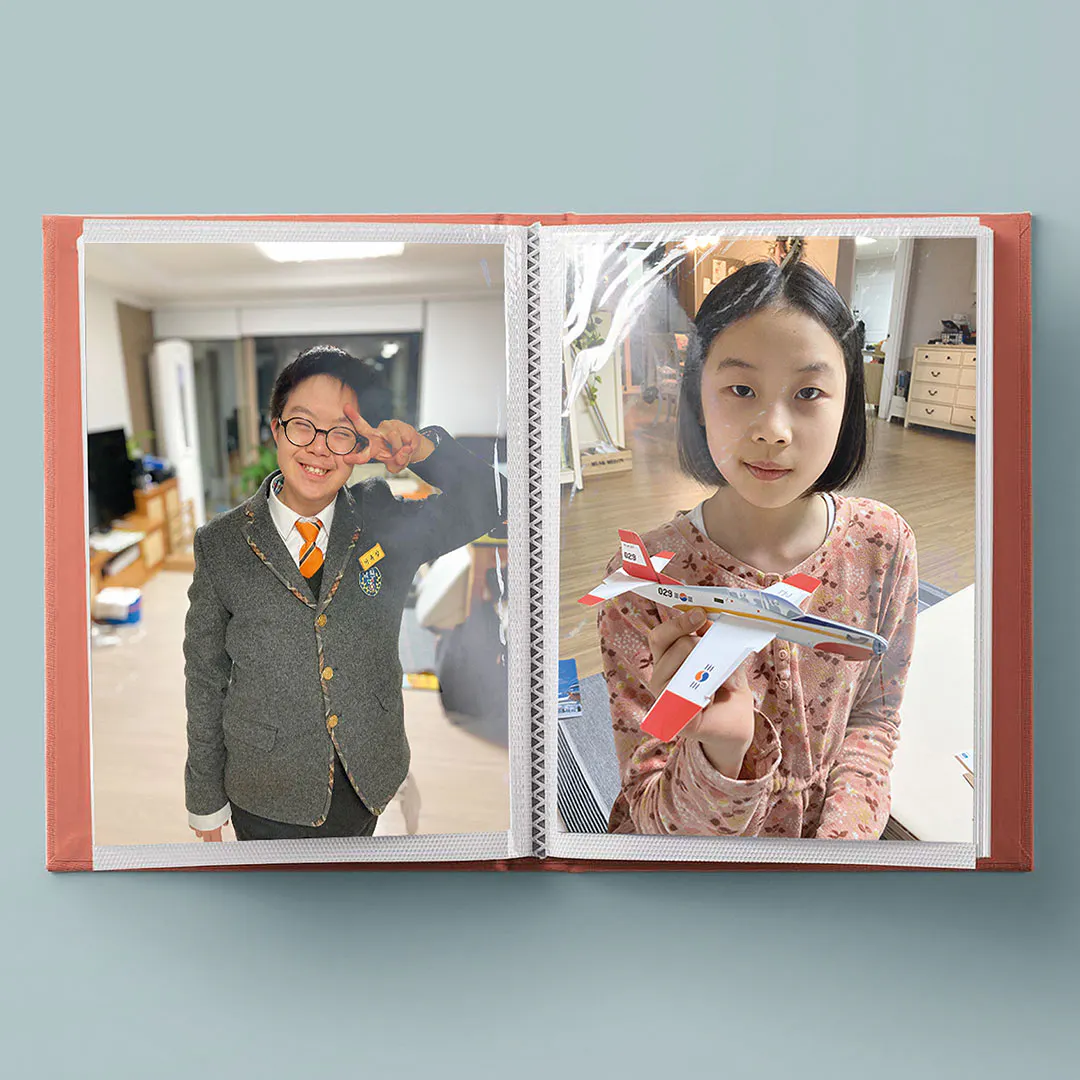
The PloughRead: The Baby We Kept by Heonju Lee
Faced with a frightening diagnosis, a couple was hours away from an abortion when one conversation made them reconsider. Their daughter owes her life to a young man with Down syndrome. Read it here.
Ep 2424: Takeaways: Why Disability is about Being Human
Peter and Susannah answer listener questions: How should we think about the so-called “social model” of disability? Why shouldn’t we abort children who may not live long? How can we talk about human worth with those who don’t share our Christian convictions? And are there any downsides to designing for disability? They also reflect on what they’ve learned in doing this issue. As it turns out, disability is not a “niche” topic: it cuts to the heart of what it means to be human, and to the heart of Christian hope. Thinking well about disability also challenges us in our times of ability to realize that making the most of our talents, developing our strengths, in order to be able to help others, is an obligation: we need to be needed, and we need to give, in order to be fully human.
Ep 2323: Resident Aliens and the Illiberalism of the Body
Peter and Susannah discuss Kelsey Osgood’s piece “Stranger in a Strange Land” with her, about her adult conversion to Orthodox Judaism and her family’s attempt to find a place where, practicing that faith, they can feel at home. Then, they speak with Leah Libresco Sargeant about her three most recent pieces for Plough: on dependence and illiberalism, on the question of whose bodies matter in our public discussions, and on how design for those with and without disabilities can make a welcoming world. How do we raise our children in a faith without driving them away from it? How can we make a world that is welcoming to all human people, not just those who match the pattern of the adult male liberal subject?
Ep 2222: Velvet Eugenics and Parenting Kids with Down Syndrome
Pete and Susannah speak with Emory bioethicist Rosemarie Garland-Thomson about her ongoing philosophical journey into bioethical questions, and her critique of market-and-autonomy based ideas about human worth. Might an ethic of caution, care, and doing no harm provide a path forward for disagreement about personhood in the case of abortion? They also discuss Denmark’s famed “eradication” of Down syndrome, and its cost: the eradication of people with Down syndrome. Then, they speak with J. D. Flynn about a recent Times piece exposing the extreme unreliability of prenatal genetic testing, and the assumptions that the piece makes (by implication) about the value of human selves. Flynn also describes his and his wife’s own experiences as parents of two adopted children with Down syndrome and one biological child without it: how can we receive all children, adopted and not, of all “kinds,” as gifts?
Ep 2121: Disability, Embodiment, and What It Means to Be Human
Susannah and Peter talk with O. Carter Snead about his book What it Means to be Human: The Case for the Body in Public Bioethics. They examine the question of the anthropology of expressive individualism as the framework for our current legal bioethical regime, and look at hot-button cultural issues including abortion, assisted reproduction, assisted suicide, and end-of-life care. How should we die? How can we value and care for those who no longer have the same abilities they had when they were younger, but who are still vital members of the human family? How should we make babies? How can we guard the mystery and gift of children from a false sense of our own mastery over their creation? How should we live? How can we become the people we are meant to be by exercising care towards those who need our help, and by receiving care from those who love us?
Ep 2020: Suffering, Reality, and Rehumanization
Peter and Susannah discuss Aimee Murphy’s Rehumanize, an organization dedicated to a consistent life ethic, and the intersection between the pro-life movement and the disability rights movement. How does the utilitarian obsession with quality of life and rejection of those who suffer attack the dignity of all of us? And how can an awareness of the existence of sufferers pull us out of our own meritocratic prisons? Then, the hosts talk with Ross Douthat about his chronic Lyme disease and the way that official science can be limited. What does the experience of suffering teach us about the reality of the divine, and how do these liminal states open us up to transcendent reality?
Ep 1919: On Ability and Disability, Personhood and Motherhood
Peter and Susannah discuss Peter’s lead editorial, describing his friendship with and care for a profoundly disabled young man. They consider the simultaneous truths of the good of health, the resurrection of the body, and the full image of God in the bodies and lives of disabled people. They discuss the phenomenon of the “Ugly laws” of the 19th and 20th centuries, the Nazi eugenics program, the limitations of communitarianism, and the way that questions of disability touch on everybody, because they are about what it means to be a human in a body. Then they welcome Plough contributor Victoria Reynolds Farmer, a writer with cerebral palsy who discusses her Marian devotion, her recent Catholic conversion, and what that has meant for her marriage and the prospect of motherhood.
The PloughRead: The Three Young Kings by George Sumner Albee
Three boys play the Three Kings who deliver gifts on the eve of Epiphany. But what will they give the poor children they pass on the street? A delightful story of strong tradition broken by the power of love.
The PloughRead: The Christmas Rose by Selma Lagerlöf
This story is one of several Swedish legends explaining why the Christmas Rose blooms in winter.
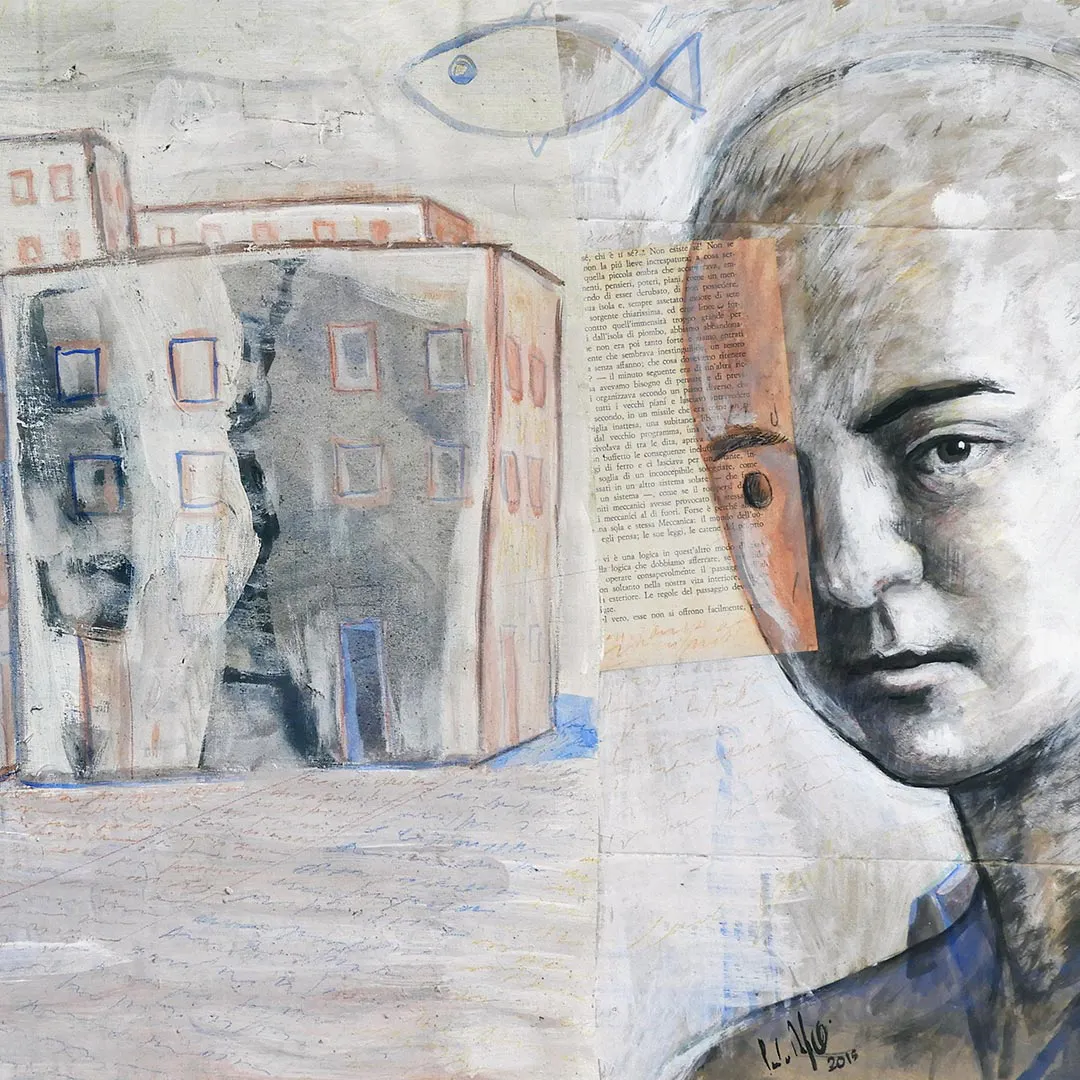
The PloughRead: The Quest for Home by Santiago Ramos
Santiago Ramos on his outsiderness, the double homelessness immigrants live with that points to the eternal home. Read it here: https://www.plough.com/en/topics/justice/social-justice/immigration/the-quest-for-home
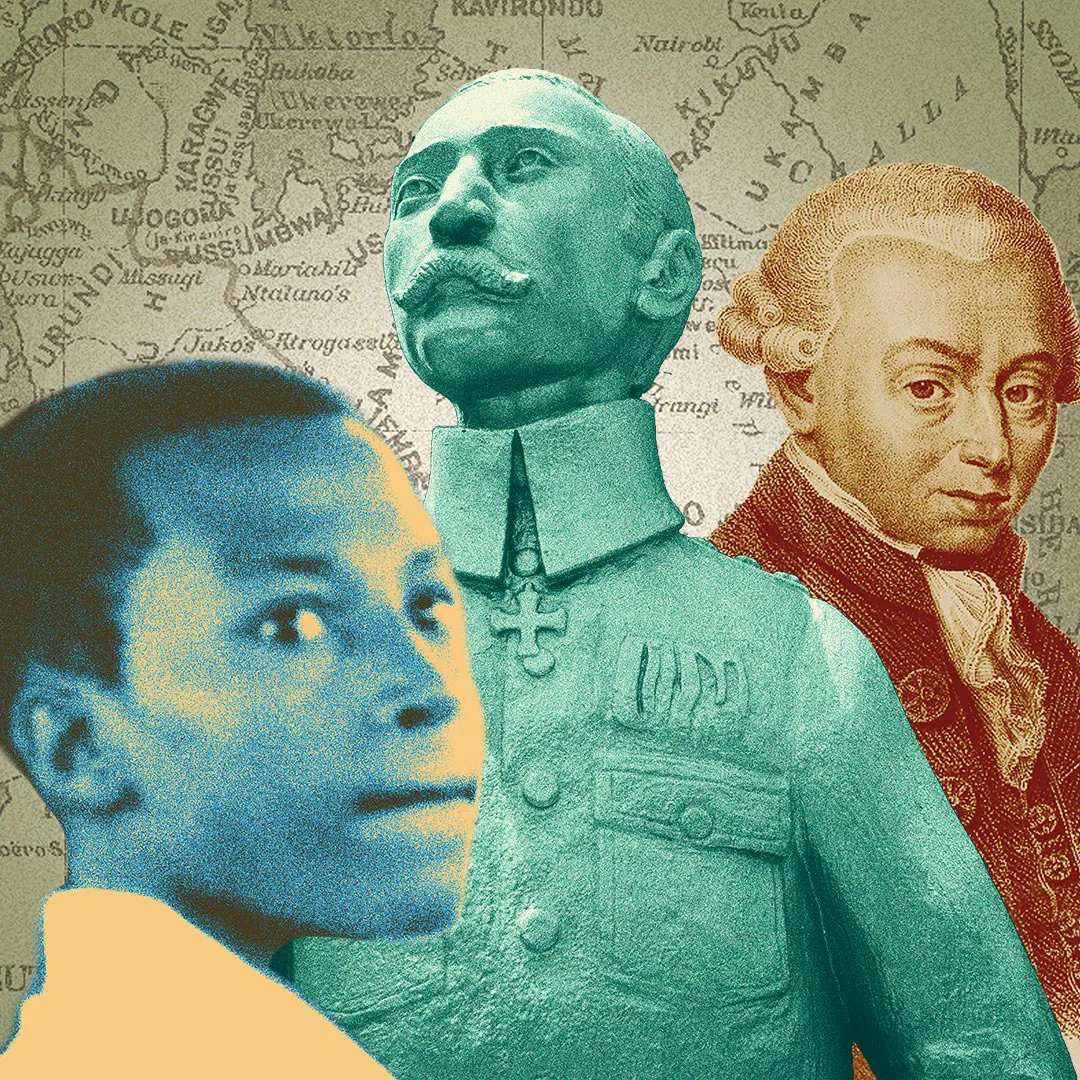
The PloughRead: Three Kants and a Thousand Skulls by Simeon Wiehler
Simeon Wiehler, university dean in Rwanda, reflects on cruelty and healing in a land scarred by genocide, drawing on philosopher Immanuel Kant; Richard Kandt, a German colonialist obsessed with craniometry; and a young student, also named Kant. Read it here: https://www.plough.com/en/topics/justice/politics/human-rights/three-kants-and-a-thousand-skulls

The PloughRead: In Search of Lost Fig Trees by Stephanie Saldaña
Far from home, one father transplants fig trees. Another crafts chocolates. A third creates places of welcome. Stephanie Saldaña, Naomi Shihab Nye, and Nour Al Ghraowi: three daughters give voice to each man's story, as their lives interweave. Read it here: https://www.plough.com/en/topics/justice/reconciliation/in-search-of-lost-fig-trees
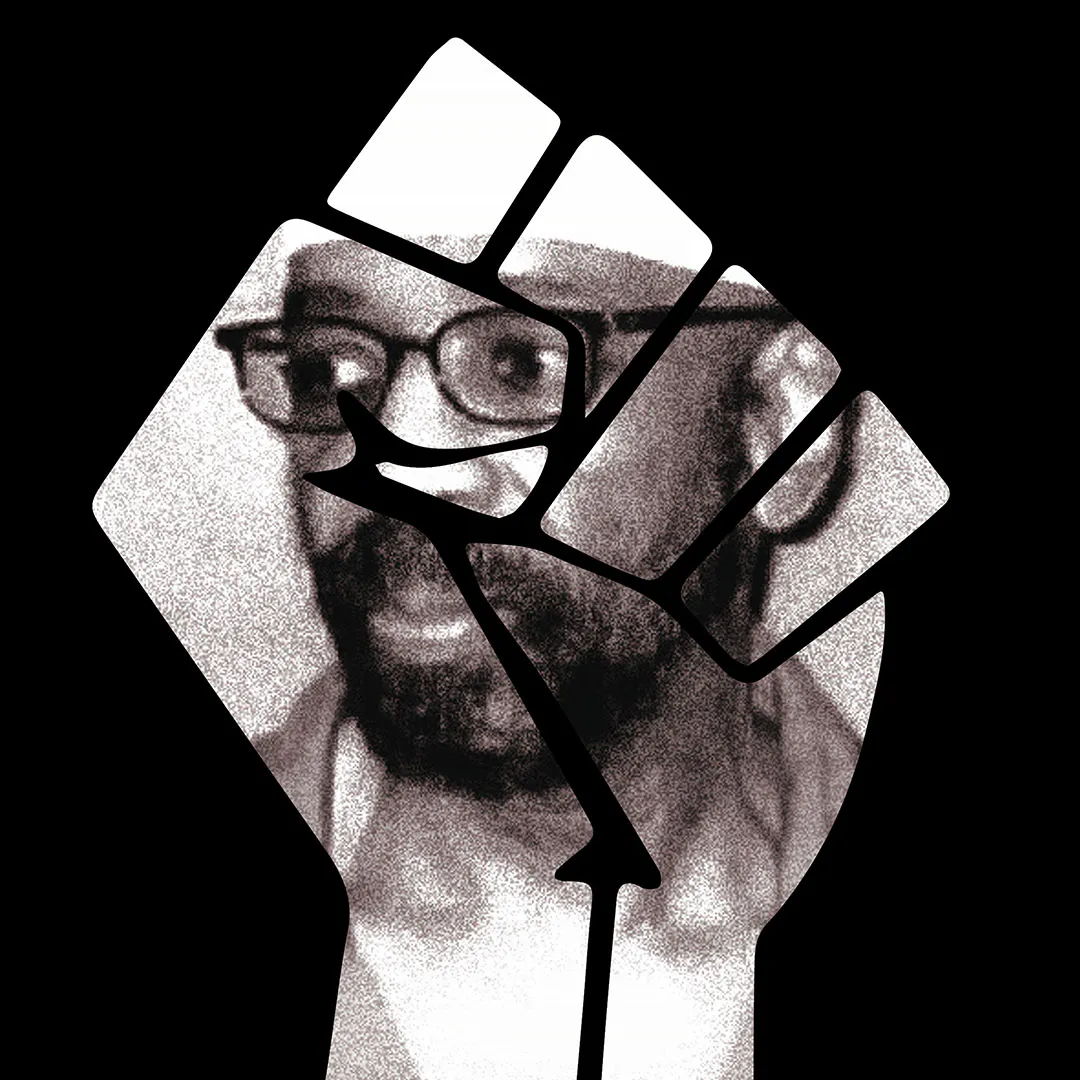
The PloughRead: The End of Rage by Ashley Lucas
Ashley Lucas on the story of Russell Maroon Shoatz, a former Black Panther who spent three decades in solitary confinement, and the reckoning with violence past and present. Read it here: https://www.plough.com/en/topics/justice/social-justice/criminal-justice/the-end-of-rage
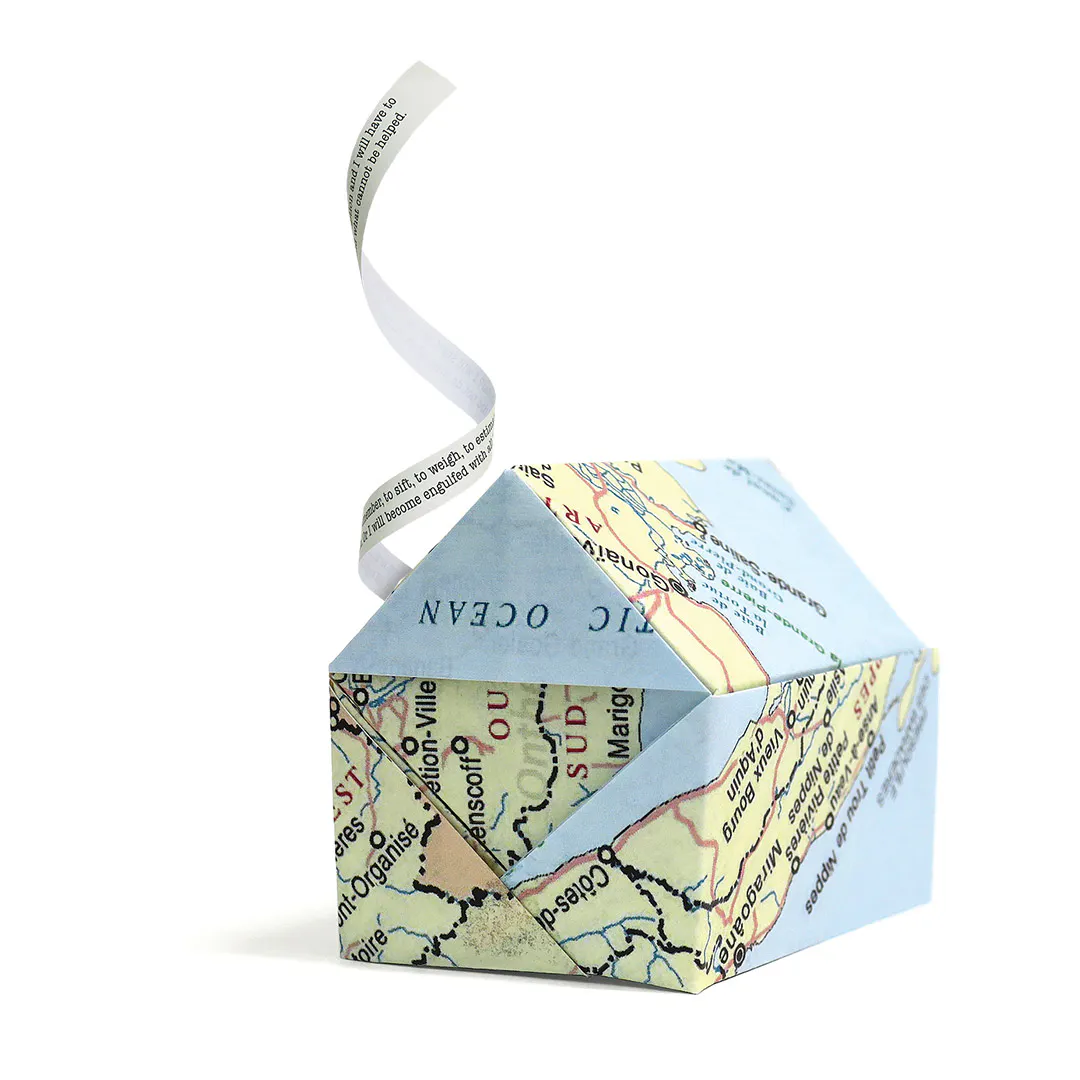
The PloughRead: Home Is Not Just a Place by Edwidge Danticat
Edwidge Danticat on the stories that anchor us, the homes we build with words that no separation can take away. Read it here: http://www.plough.com/en/topics/justice/social-justice/immigration/home-is-not-just-a-place
The PloughRead: Integrity and the Future of the Church by Russell Moore
Russell Moore discusses the future of Christianity and the church in a rapidly secularizing society. He explores why young people in particular are “losing their religion.” The reasons, he argues, are not just the cultural hedonism that Christians usually blame, but lie closer to home: young people realize that too often the church itself doesn’t really believe what it claims to believe. Read it here: http://www.plough.com/en/topics/faith/witness/integrity-and-the-future-of-the-church
Ep 1818: Are National Borders Unchristian? And Other Imponderables.
Peter and Susannah tackle our hardest listener questions: What are your hesitations about Christendom? Do you think that all national borders are unchristian? What IS the Bruderhof doing about Afghan refugees? Is it OK for a community to have insiders and outsiders? Is Plough just a bunch of SJWs? Then, they revisit the question of the reality of nations - What’s important about national identity? Is it always dangerous? How is it related to family identity? How can we love, be rooted in, and derive some of our identity from imperfect - profoundly imperfect - countries? Then we move into speculation. Do nations have specific angels looking out for them? Is there such a thing as a national calling in history? If so, what is America’s?
Ep 1717: Christian Nationalism
Peter and Susannah discuss Christian nationalism, and whether there might be a good version of this thing which so many books have recently been at pains to dismiss. They also talk about the reality of the bad version: Christianity which is nothing more than a tribal signifier. Then they talk about Oscar Romero as a potential model for an “integralism” which would be attractive to both Anabaptists and Roman Catholics. Russell Moore comes on to discuss the church’s own infidelity as a cause of plummeting enrollment, and Susannah presses him on what the relationship of church and state ought to be.
Ep 1616: The End of Rage: Prison & Radicalism
In 1972, Russell Maroon Shoatz went to prison for the murder of a police officer. He spent 29 years in solitary confinement. Ashley Lucas, whose own father was imprisoned when she was growing up, reported and wrote a deep-dive piece on Shoatz’s life, his ongoing activism on behalf of Black liberation, and his relationship with his family. Pete and Susannah speak with Ashley about the process of writing the piece, and about the various issues that Shoatz’s life and story bring up. Can we acknowledge the wrongness of the murder, the pain of the murdered man’s family, and at the same time see the man behind the convict? The episode also features Russell’s son, Russell III. He tells the story of the two fathers in his life: the imprisoned former Black Panther, and the police officer/minister who adopted him.
Ep 1515: On Rooted Cosmopolitanism
Peter and Susannah welcome Tara Isabella Burton and Dhananjay Jagannathan to discuss the intersections of their recent pieces. Tara’s cosmopolitan upbringing led her to yearn for the connectedness of place, and yet she’s cautious about the potential dark side of that chthonic urge. Meanwhile, Dhananjay’s immigrant story and thoughtful loyalty to the America of the American idea will not let him dismiss patriotism. Then, John Milbank brings us to the deepest of deep roots, with a full-throated defense of a nation that is linked to a place, and which is not based on an idea. His piece is a hymn to the mythic geography of England.
Ep 1414: Empire and its Discontents
Peter and Susannah speak with novelist, journalist, and Iraq vet Phil Klay about the US withdrawal from Afghanistan, the folly of nation-building, and the promise of soft power. Then they welcome historian Tom Holland, author of Dominion, to discuss the difference Christianity made to the mind of the West and the idea of Empire. What is the unique capacity Christianity has for appealing to both fighters and pacifists? How have those two strands in its history woven together, and what can we make of the profound subversion of Roman ideals of power represented by the Cross? And in what sense can virtually every person in what was once Christendom call him or herself a Christian? Wokeness, Holland claims, can best be understood as a Christian heresy; Hitler, the head of the first movement to thoroughly repudiate Christianity not just institutionally but in principle, becomes a substitute for Satan. And we begin to look to the most marginalized, the most powerless, as Christ figures.
Ep 1313: One Cheer for the Nation-State
Are national cultures something God values? What do we owe the sojourner? And is there something to this idea of Christendom? In this episode of The PloughCast, Peter and Susannah talk about Peter’s lead editorial’s controversial anti-Esperanto take, the perils and joys of Christian nationalism, and whether it’s coherent for an Anabaptist to be in favor of the idea of Christendom. Then, they welcome Plough’s favorite integralist, Pater Edmund Waldstein, to discuss his piece on the natural law case for welcoming refugees, what relationship that has to the Gospel imperative to do so, and how to think about those obligations in relationship to the integrity of the cultures and places and people who receive those sojourners. Also covered: Gustav Landauer’s surprising atheist Jewish anarchist pro-Christendom position, the relationship between the nation and the political state, and how to think about national borders.
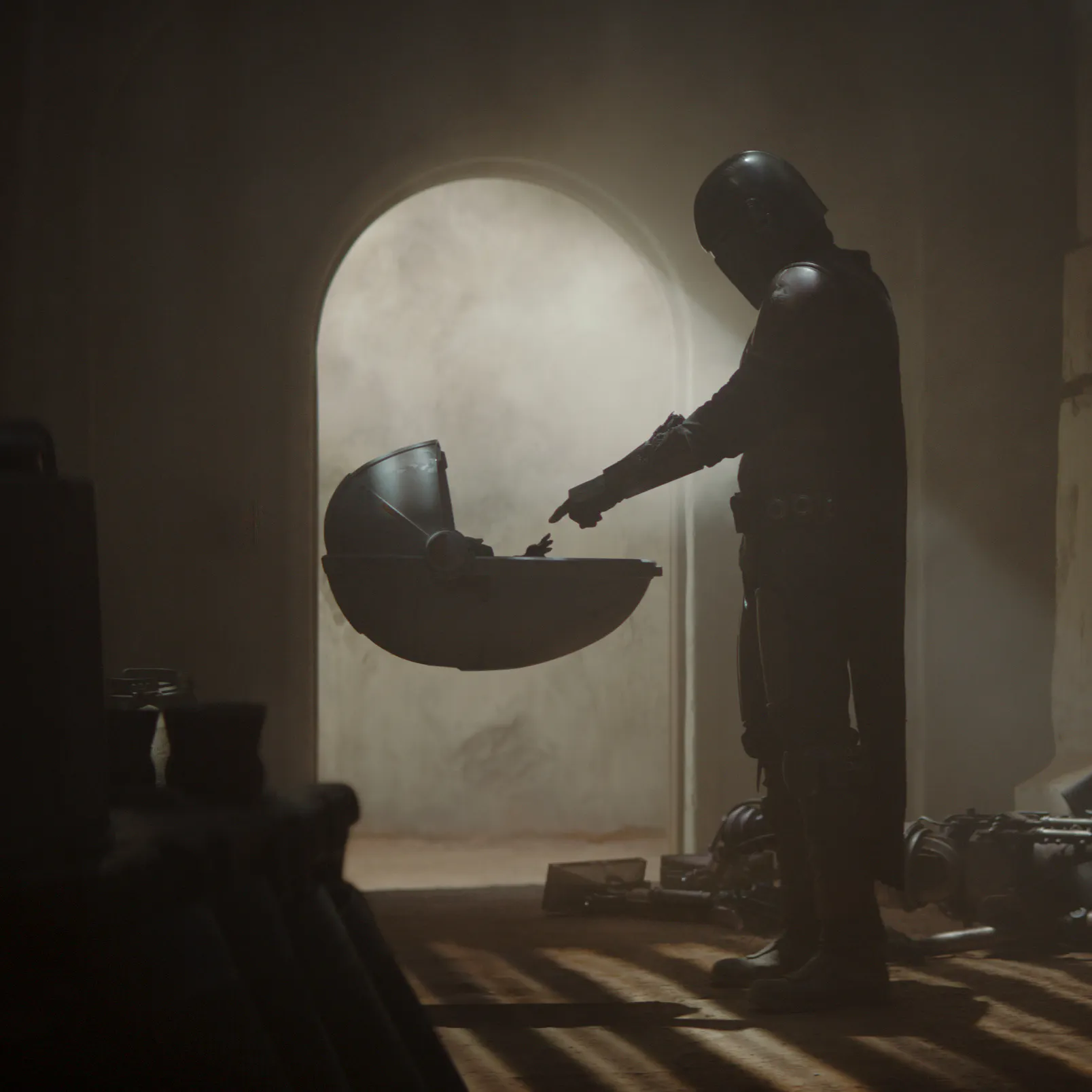
The PloughRead: Behold the Mandalorian by Josh Seligman
Father–son relationships in The Mandalorian and Return of the Jedi sagas illustrate meekness as a healthy model for manhood. Manly Virtues by Noah Van Niel: https://www.plough.com/en/topics/community/leadership/manly-virtues
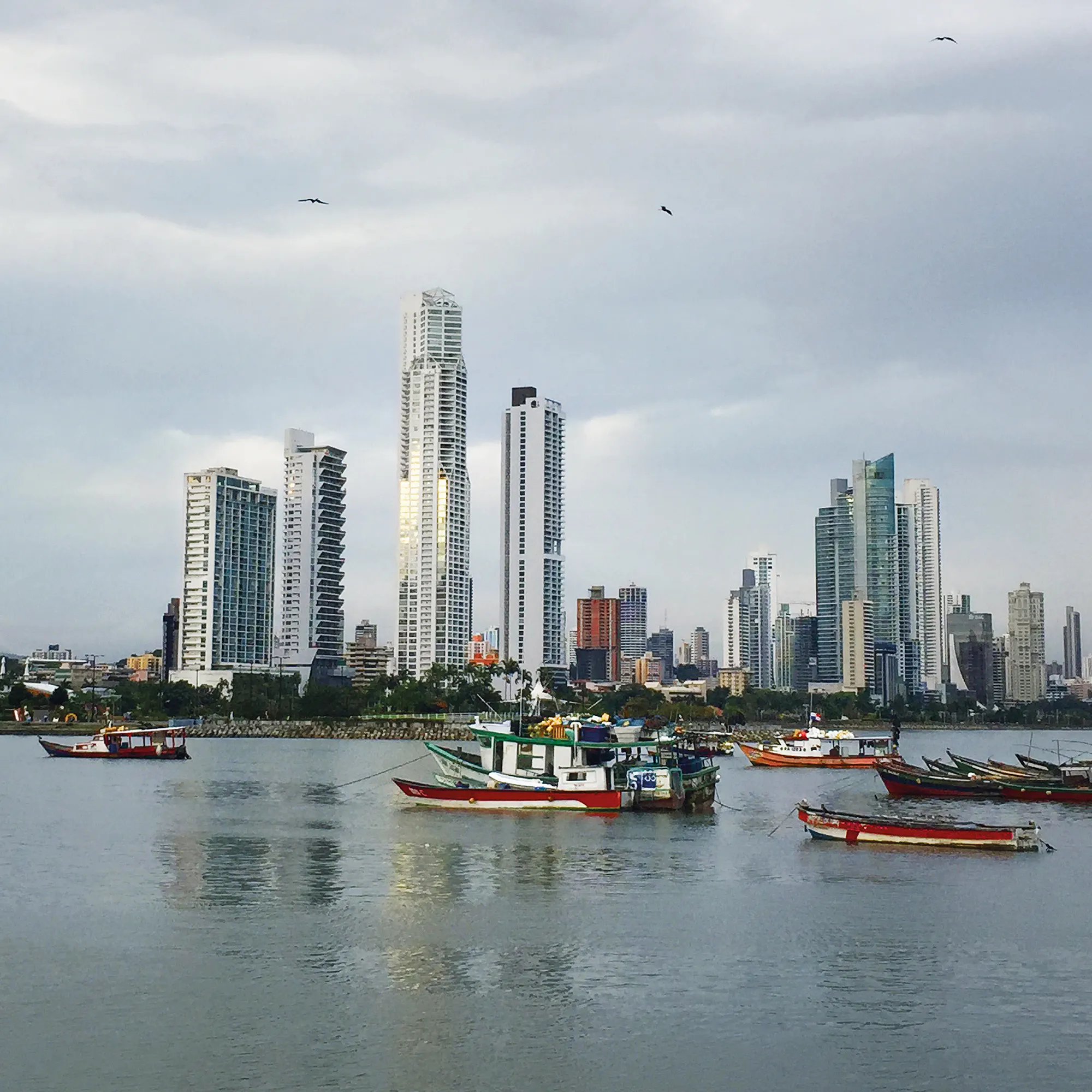
The PloughRead: More Fish Than Sauce by Iván Bernal Marín
Beneath Panama City’s gleaming skyscrapers, traditional fishermen still venture out to sea for a hard-won catch.

The PloughRead: Return to Idaho by Gracy Olmstead
“When I went back to Idaho, I connected with more than just the land.” An excerpt from Gracy Olmstead’s Uprooted: Recovering the Legacy of the Places We’ve Left Behind.
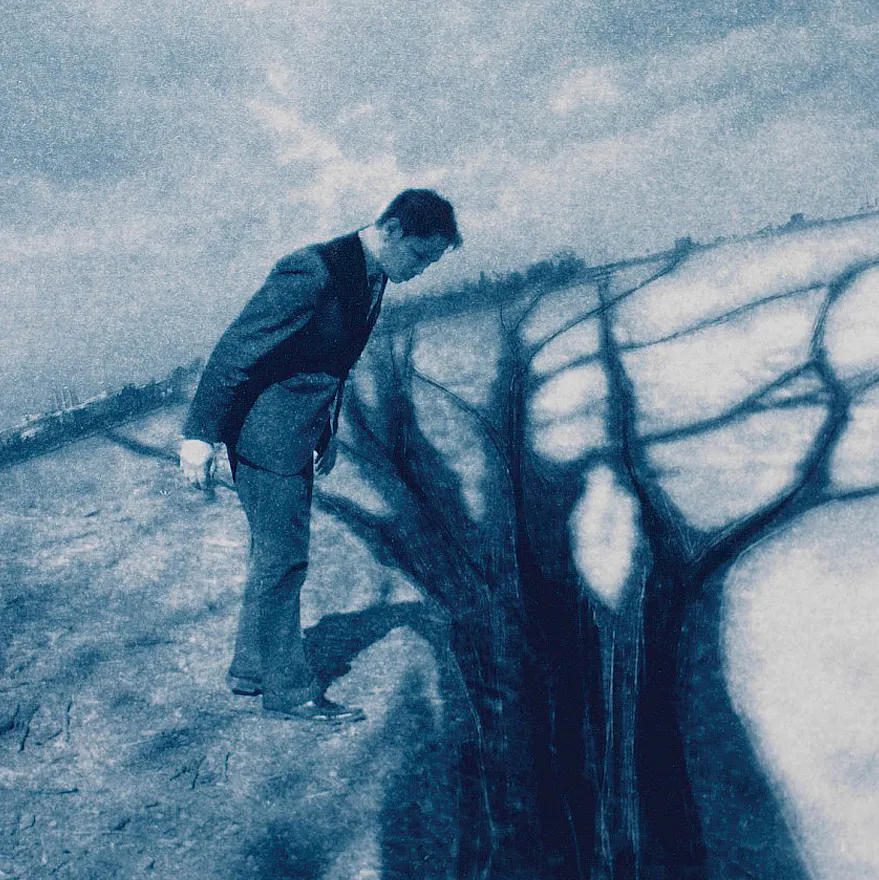
The PloughRead: Writing in the Sand by Christian Wiman
Christian Wiman reads the parable of Jesus writing in the sand as poetry, and unpacks poetry of doubt and faith by Yehuda Amichai, Kay Ryan, and Les Murray.
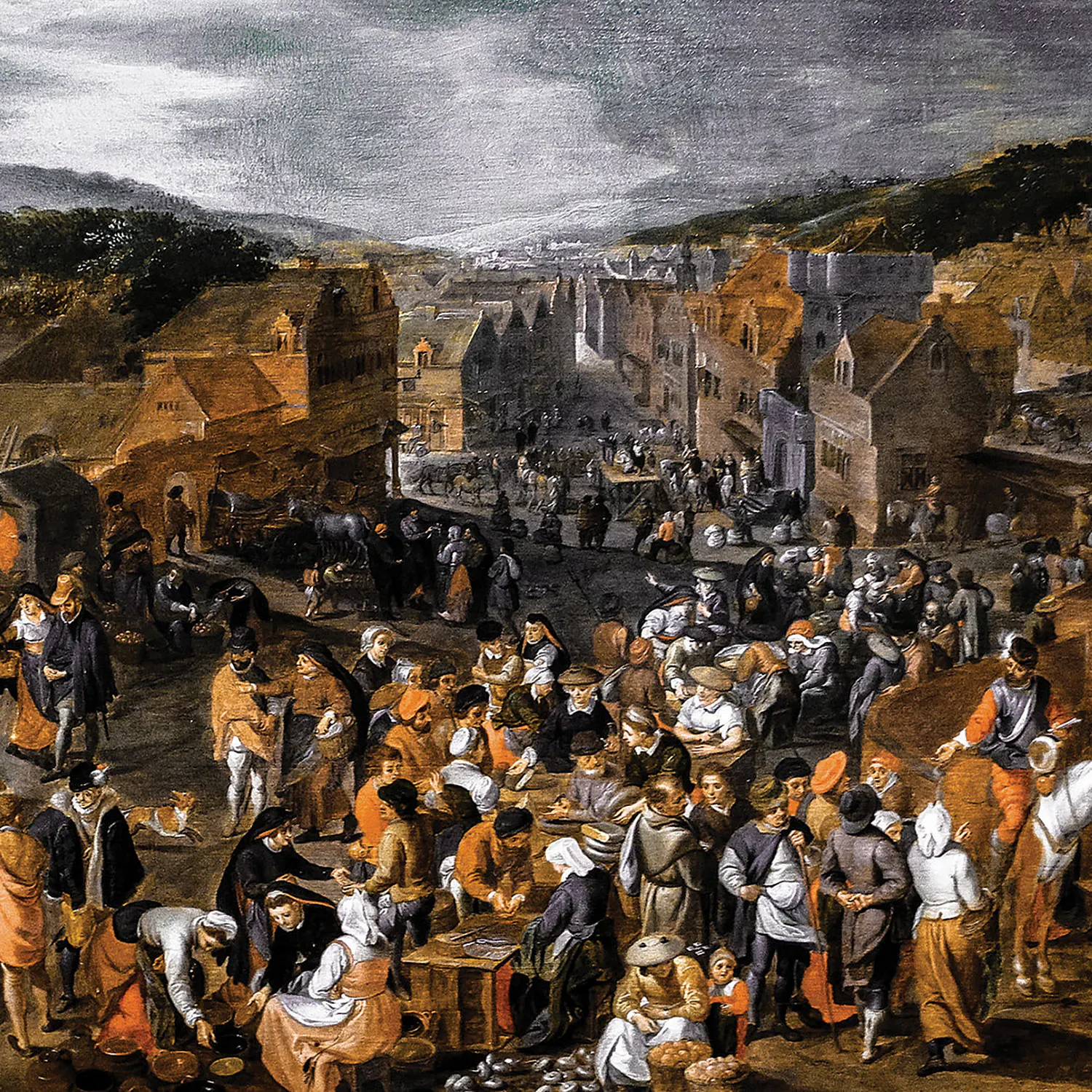
The PloughRead: Love in the Marketplace by Mary Harrington
Mary Harrington on what’s for sale on online dating sites.
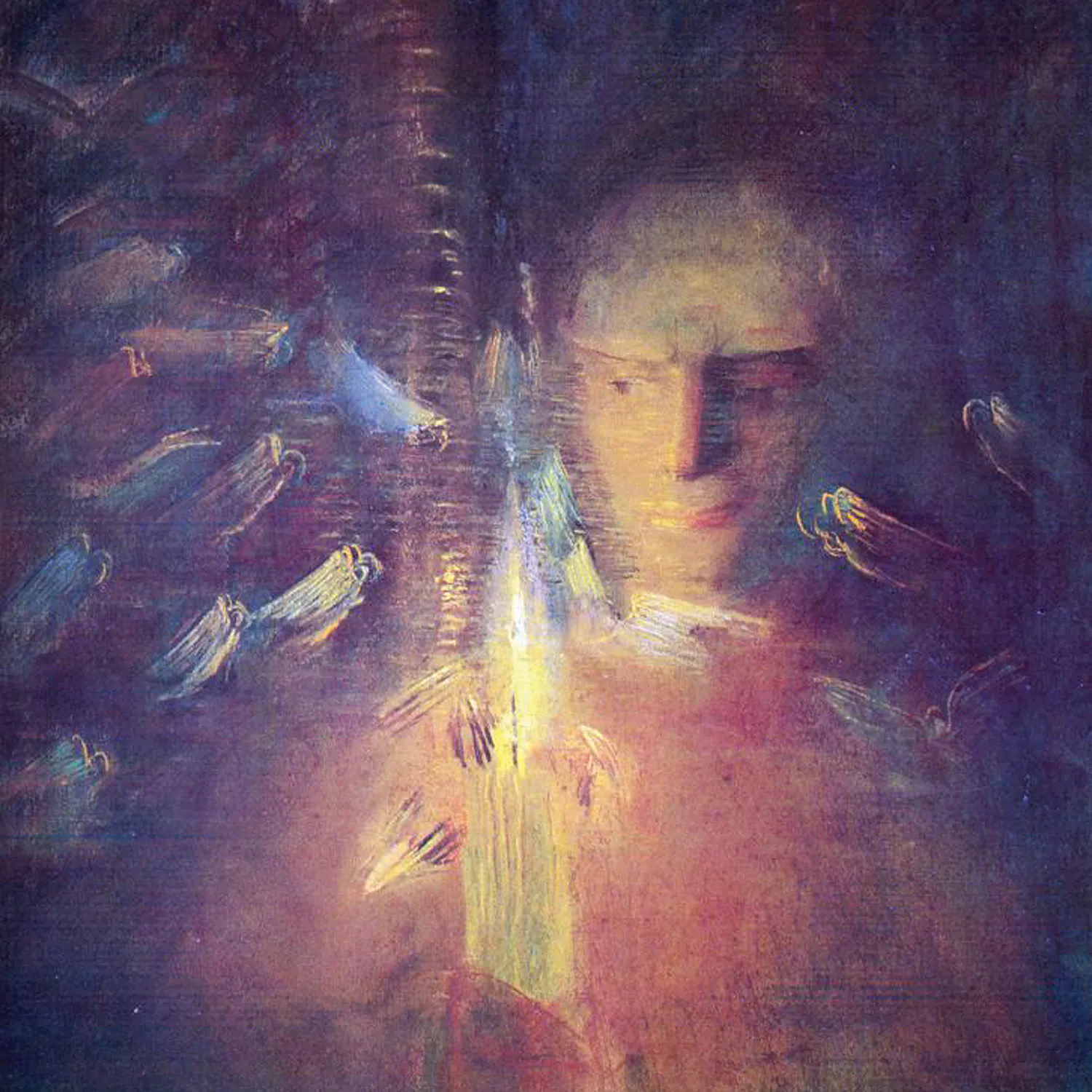
The PloughRead: Ernest Becker and Our Fear of Death by Kelsey Osgood
In The Denial of Death, Ernest Becker says it’s in our nature to fear death – and to transcend that fear of death through faith.
Ep 1212: Can Nature Be Evil? and Other Listener Questions
Peter and Susannah address listener questions. First, what do we make of natural evil? Things like parasites seem to call into question the idea of nature as designed by a loving God. What’s the relationship of the fall of man to the theodicy of cicada-killing wasps? Then they turn to the question of the nature of online worlds. Can we talk coherently about the nature of Twitter, say? What does the way we behave online say about us? Is online a “place” with its own identity? Next: Why not let children be feral? What’s the point of school, and doesn’t it just ruin our ability to be naturally and fully human? Related to that, why read anything but scripture? Then, they return to the question of UFOs: if they were proved to exist, would their existence affect Peter and Susannah’s faith? Finally, they turn to the big questions: what is nature anyway? And what have they learned from doing this podcast series? What are their takeaways?
Ep 1111: Gracy Olmstead on her book Uprooted and Norann Voll on putting down roots in Australia
Pete and Susannah speak with Gracy Olmstead about her new book Uprooted. In this age of unrootedness, what does it mean to have a home – to be from somewhere? Gracy’s book talks about her own story: her family’s farm in Idaho, and what it means to have that be an important part of her life, even though she’s moved away. Can she go back to the land her ancestors farmed? Gracy’s work has been fundamentally shaped by her friendship with Wendell Berry, and by Berry’s own work. Is his agrarianism mere romanticism? Can there be a kind of love of the local that is not agrarian? Then, the hosts speak with Norann Voll about her move from Upstate New York to rural Australia. How can we learn to love a new place? What does it look like to put down roots when you’re ambivalent about where you are? Norann also discusses the process by which the Danthonia Bruderhof has learned how to manage their land: to regenerate the soil and to create a fertile homeplace in the midst of the badlands.
Ep 1010: Amish Regenerative Agriculture and Transhumanist Medicine
Pete and Susannah discuss Pater Edmund Waldstein’s piece “Lords of Nature.” What does it mean to respect the nature of human beings, including the integrity of their bodies? If we can reshape our own bodies and customize our children using new genetic technologies – should we? What does it look like to honor human nature rather than seek to dominate it? Then, the hosts speak with John Kempf about his piece “Regenerative Agriculture: An Amish Farmer’s Quest to Heal the Land.” What is regenerative agriculture? How is it distinguished from organic farming? Isn’t it more labor intensive, and doesn’t that mean that it will require some unrealistic percentage of people to return to farming? Above all, can it feed the world? Don’t we depend on high-input farming, complete with fertilizers and pesticides, to be able to produce as much as we do? Kempf makes a strong case that not only is regenerative agriculture – which seeks to rebuild soil health and plants’ own immune systems, as opposed to depending on chemical fertilizers and pesticides – the only kind of agriculture that will enable our farmland to feed many generations in the future, it’s also more productive now. And it honors the intricate interdependency of plant, animal, human, and microbial life that reflects the wisdom of the Creator.
Ep 99: Sohrab Ahmari, Ernest Becker, and the Meaning of Tradition
Pete and Susannah discuss Kelsey Osgood’s piece on Ernest Becker’s Denial of Death. How did Becker, as a Jew struggling through secularism, face the fact of our slavery to the fear of death - and how did his refusal of the cold comforts of distraction open the way for real meaning to emerge? Then, the hosts speak with friend of the pod Sohrab Ahmari, about his recent book The Unbroken Thread: Discovering the Wisdom of Tradition in an Age of Chaos. The traditions we are raised to respect shape us. How did the birth of Ahmari’s son encourage him to write a book wrestling with the ways that traditions can help answer some of the basic questions of human life? What does it mean to be rooted in tradition, and why would one want to be? What happens when traditions are bad? And how can we understand “traditionalism” not as a good in itself, not as a bespoke lifestyle choice, but as the guiderails of a community in which we, and our children, can flourish?
Ep 88: Animal Slaughter, Online Dating, and Embodiment
Peter and Susannah talk about Mary Harrington’s piece on the business of online dating. What happens when butchering is removed from the marketplace? And what are we doing when we swipe right on someone, treating him or her as a commodity which might or might not pass muster? Then they talk with Plough contributing editor Leah Libresco Sargeant about her piece “Let the Body Testify.” Are we disembodied wills unrelated to our bodies, using them as meat robots? Or are we embodied souls whose selfhood persists even if we are unable to advocate for ourselves?
Ep 77: Dogs, Ross Douthat, and UFOs
Can nature teach us how to live, or is the universe random and meaningless? In the first episode of The PloughCast’s new 6-part series about nature and creatures, Susannah quizzes Peter about his dog Hektor, who plays a starring role in Peter’s Plough editorial “The Book of Creatures.” They discuss the evolution of dogs, especially the way dogs’ faces have evolved to hack into human emotions of tenderness – and ask whether this should make us more cynical about nature, or more open to the possibility that it is freighted with meaning and purpose. The imprisoned Czech dissident Vaclav Havel, not a religious believer, nevertheless had a mystical experience of nature that changed his life. The Boston writer Ian Marcus Corbin tells Havel’s story in an ambitious Plough essay “The Abyss of Beauty,” which the hosts discuss, prompting Susannah to describe her own, distinctly urban, version Havel’s conversion experience. The New York Times columnist Ross Douthat then joins The PloughCast for a wide-ranging discussion of nature-related topics. First up is a debate whether there is such a thing as natural law, and if there is, why it fails to move public opinion on controversial questions such as bioethics. Ross then recounts his personal story of the dark side of nature: a harrowing experience of long-term Lyme disease which led him to write his forthcoming book The Deep Places: A Memoir of Illness and Discovery (October 2021). On a lighter note, Ross agrees to talk about the paranormal: UFOs (now also known as UAPs or “Unidentified Aerial Phenomena), space aliens, and alien abductions. What are we to make of the US military’s recent official confirmation of UFO sightings? Are aliens part of the natural world, or are they supernatural – perhaps the same beings formerly called fairies and elves? Finally, an important warning: Don’t anger the Good People.
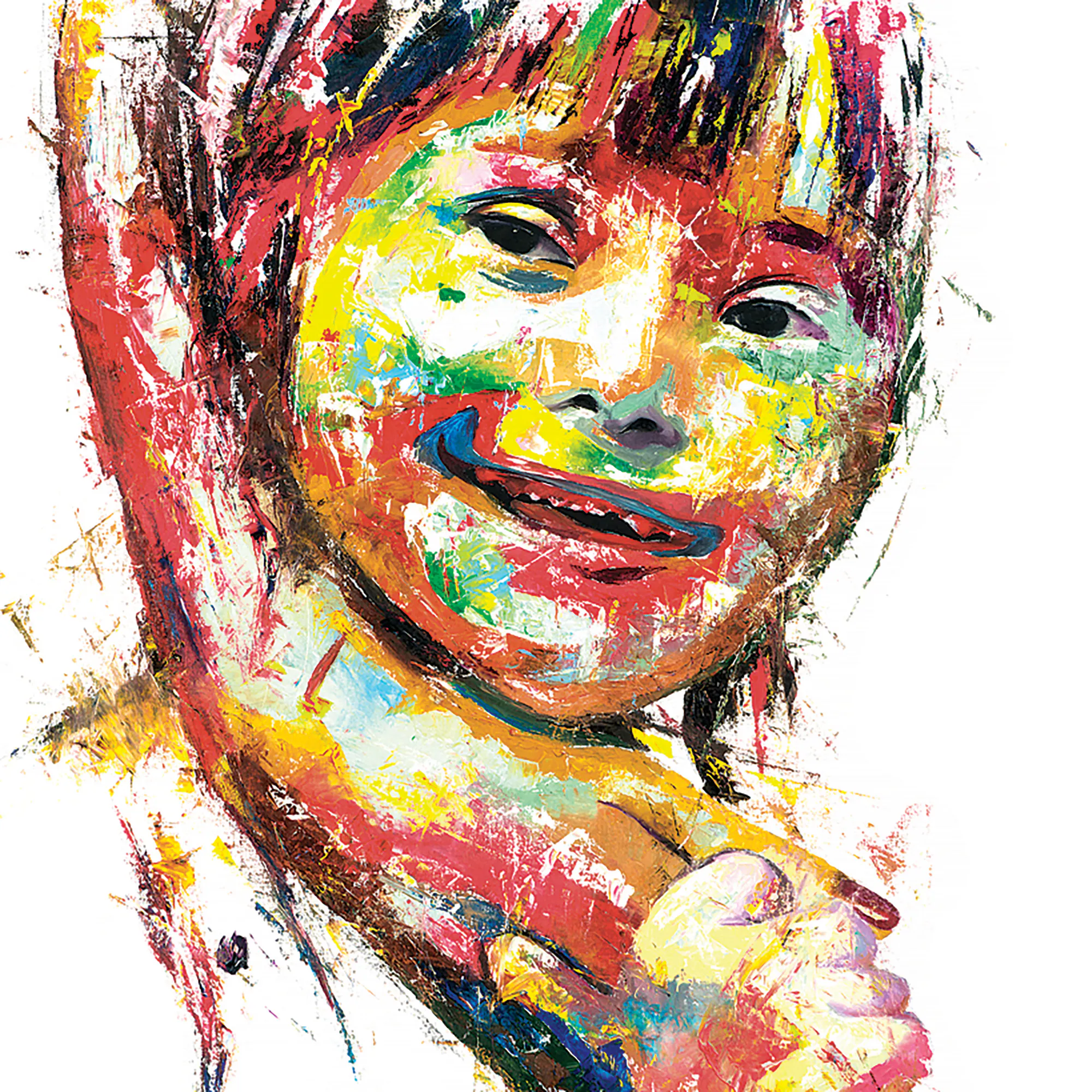
The PloughRead: Let the Body Testify by Leah Libresco Sargeant
Leah Libresco Sargeant offers a feminist critique of how modern society pushes women to change their bodies, in an essay that also covers anorexia, surrogacy, gender bias in medicine, and gender dysmorphia.
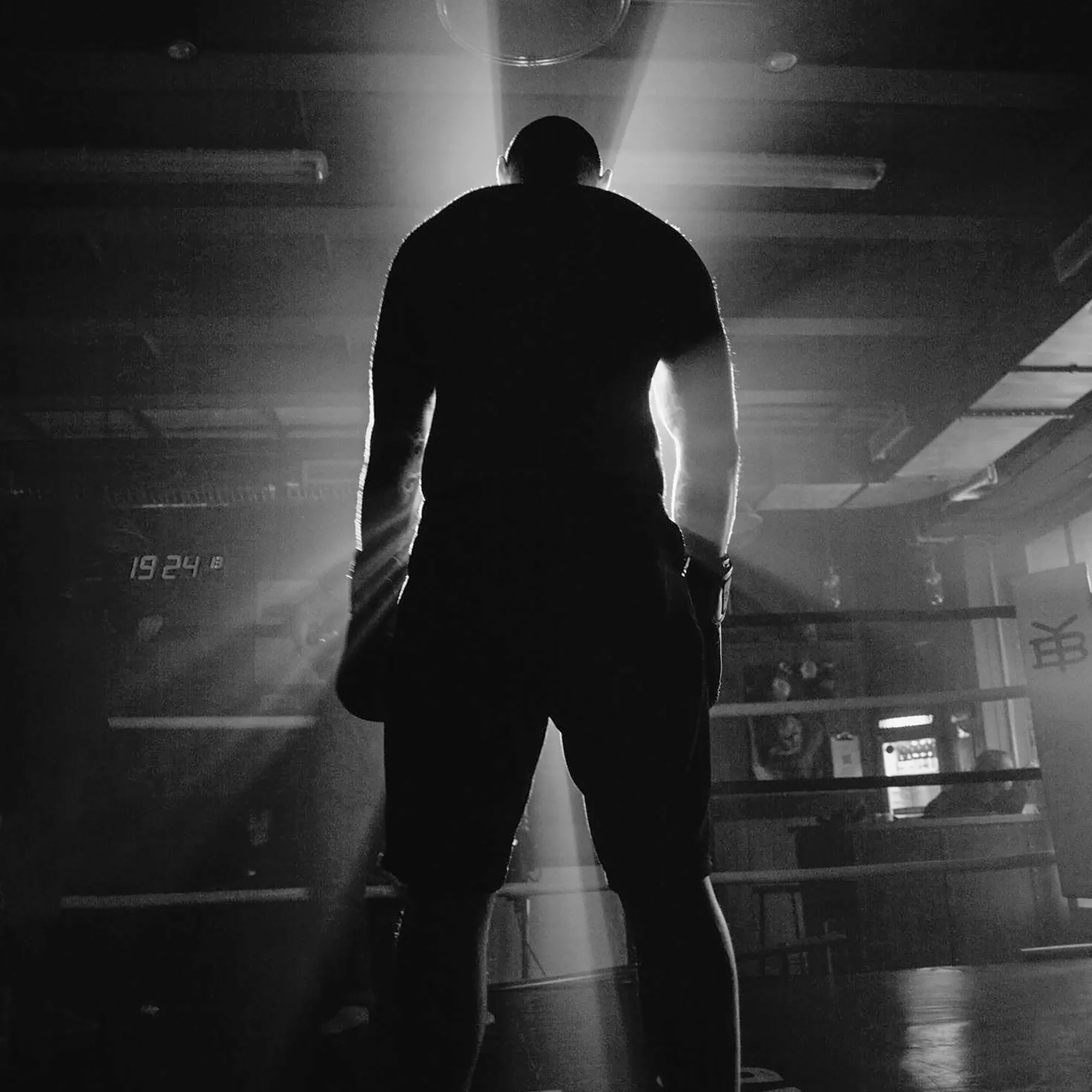
The PloughRead: The Minimalist by Springs Toledo
Springs Toledo on his defeat to and friendship with the boxer Stonewall Strickland.
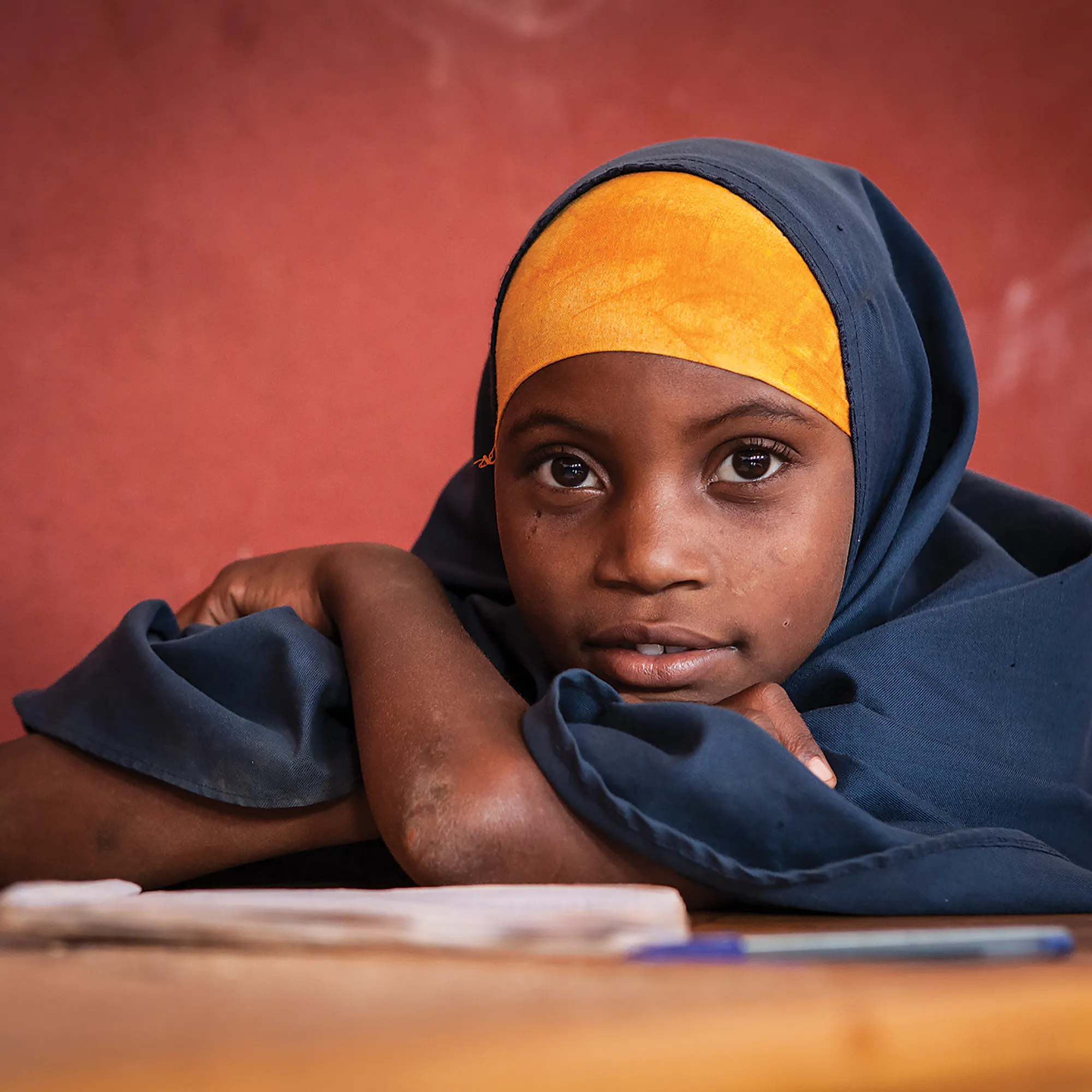
The PloughRead: Call to Prayer, Call to Bread by Rachel Pieh Jones
Eighteen years among Somali Muslims in the Horn of Africa have taught an American Christian that Islam’s five pillars apply to Christianity as well. In this excerpt from a new Plough book, Pillars, she describes what she has learned about one of these five pillars, prayer.
The PloughRead: Beyond Pacifism by Eberhard Arnold
Can it ever be a Christian’s duty to kill? For Plough’s founding editor Eberhard Arnold, this question goes to the core of the meaning of Christianity, and of human life. His seven theses on the Biblical basis of pacifism were written in Germany, during dangerous years.
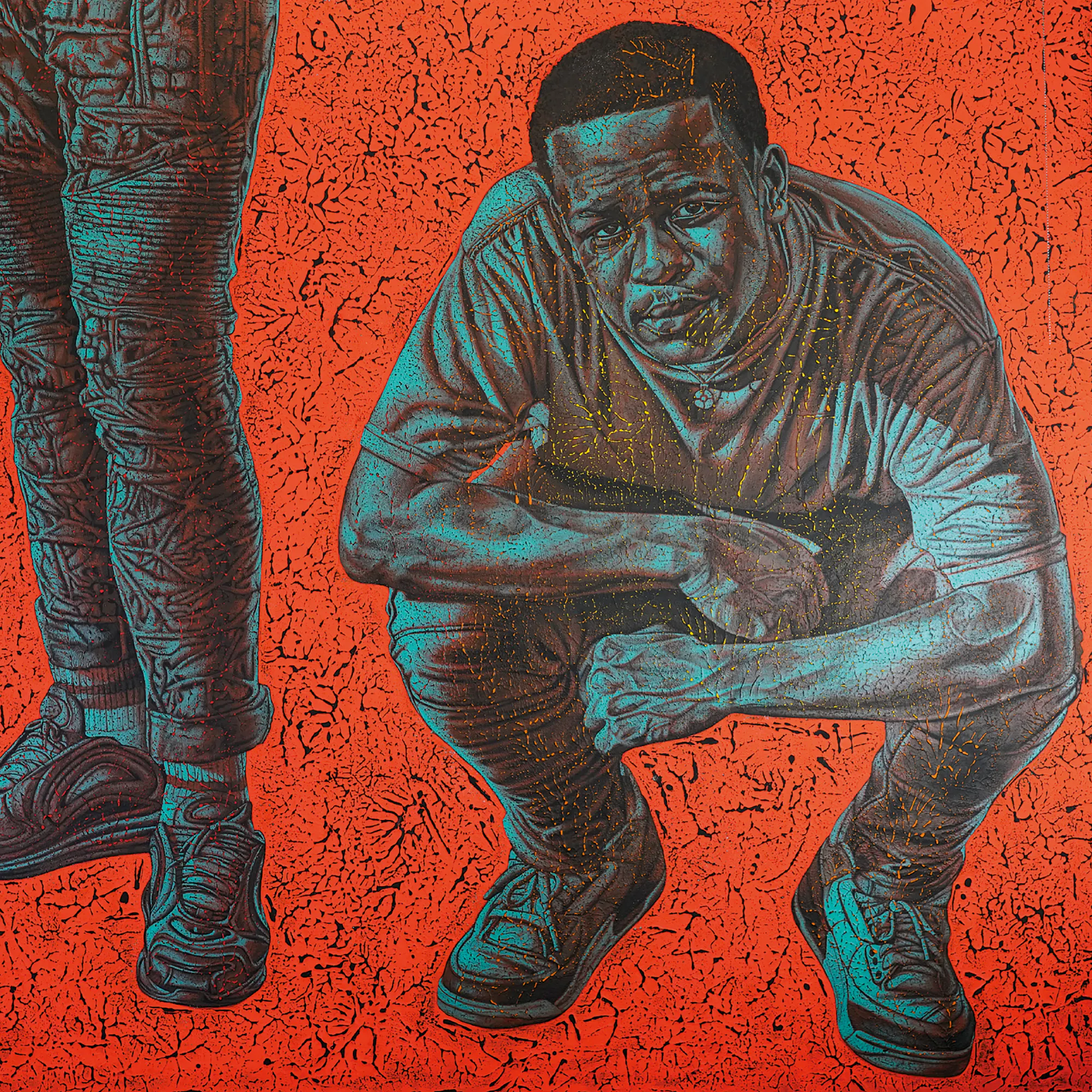
The PloughRead: With Love We Shall Force Our Brothers by Anthony Barr
“The love of the peacemaker is a love that has force, that will not accept the injustices of the status quo.” Anthony Barr on love and justice through the lens of James Baldwin and Ta-Nehisi Coates.
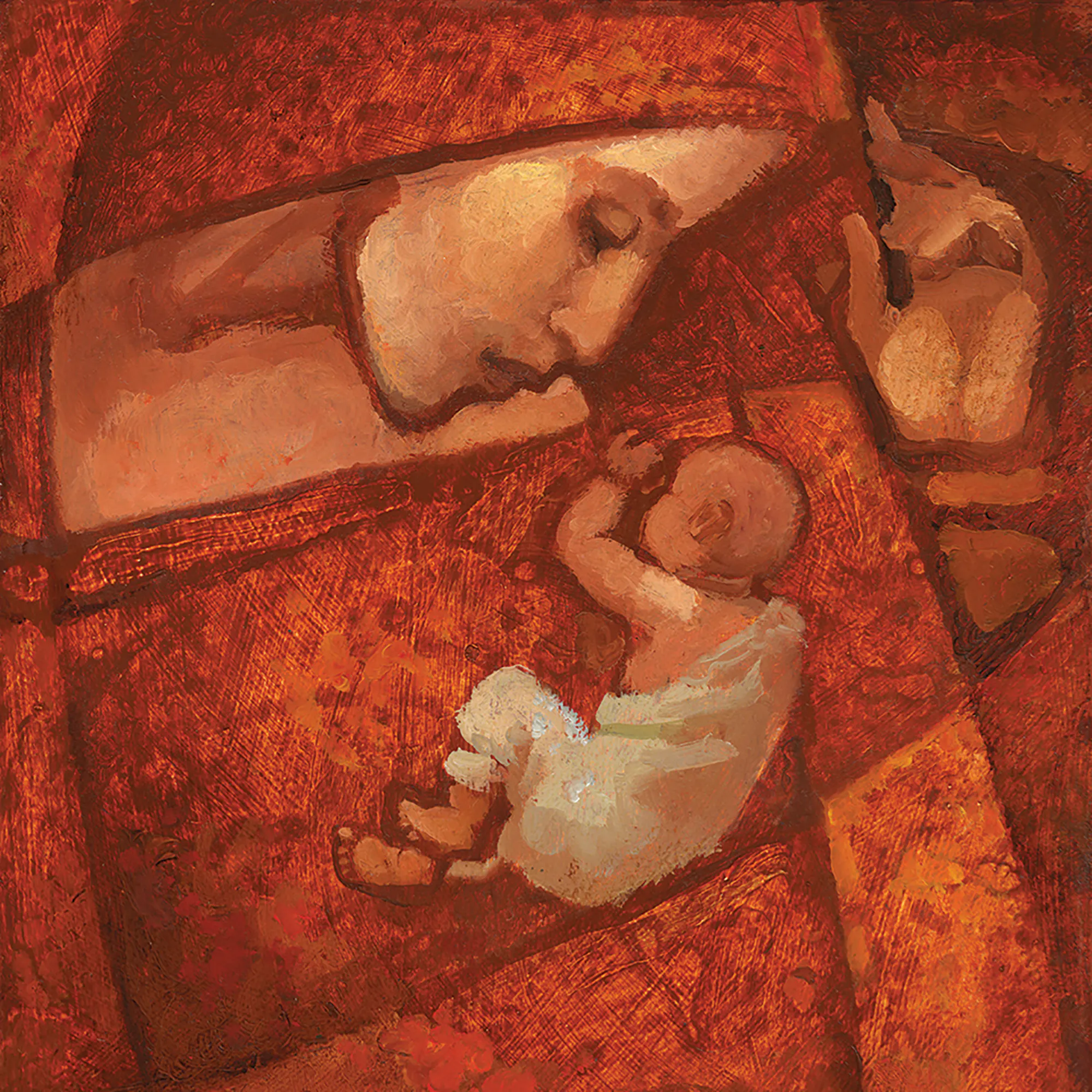
The PloughRead: The Risk of Gentleness by Gracy Olmstead
Gracy Olmstead on welcoming the baby she did not want.
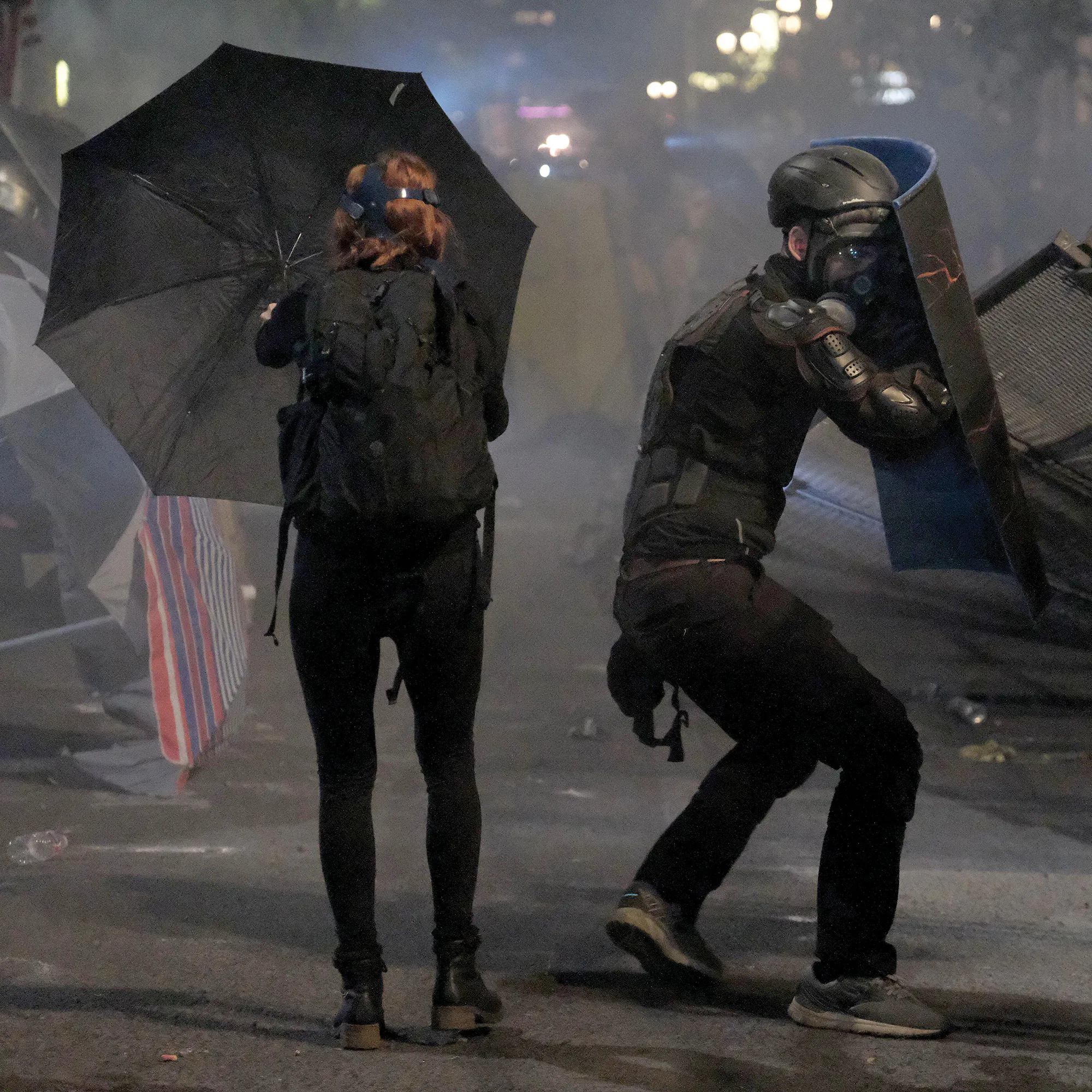
The PloughRead: Behind the Black Umbrellas by Patrick Tomassi
Patrick Tomassi discusses the definition of violence with Portland’s Antifa movement, the local Proud Boys, and some of the people caught in between.
Ep 66: Does Just War ever work? & other Listener Questions
This episode included an Anabaptist and an Anglican in conversation as they attempted to address listener questions include the following: I'm convinced that Christians should not use lethal violence. Does scripture outline what those who don't follow Jesus, acting on behalf of the state, should or shouldn't do with regard to levels of violence to restrain evil? How do we read the violence in the Old Testament? What about Just War Theory? Does the state have a moral obligation to use violence, to prevent or reduce the possibility of greater violence? Was the Second World War justified? Plus: Striped bass fishing, the Lambs Club, creative minorities, beer-making, and why Susannah can’t be shunned.
Ep 55: From Zurich to Somaliland
Felix Manz was the first martyr of the Radical Reformation, drowned by his fellow Christians for performing adult baptisms. His story is a story of a world on fire with commitment to Christ, with friends who became enemies wrestling over nonviolence, justice for the poor, and the meaning of the gospel. Pete and Susannah discuss what his time has to say to ours. Then, they catch up with Rachel Pieh Jones, whose eighteen years living among Somali Muslims has taught her more than she could have imagined about her own Christian faith. Her book, Pillars, released recently with Plough Books, describes this journey of friendship and discovery. Pete and Susannah also talk about Bruderhof Easter Gardens, and almost-post-vaccination life in New York City.