
Another Life with Joy Marie Clarkson
312 episodes — Page 7 of 7
Ep 44: Unplanned Pregnancy and Rap as Escape
This time last year, Plough contributing editor Gracy Olmstead, unexpectedly, found that she was pregnant. With two toddler daughters and the Covid pandemic picking up steam, what does it take to welcome a child you did not plan for – or even want? What does radical hospitality look like, and how do the demands of carrying a child open our hearts? Pete and Susannah discuss Gracy’s piece exploring a different way of being pro-life, as well as her new book, Uprooted. Then they have a conversation with Plough regular contributor Zito Madu about the violence that poverty visits on the marginalized. Zito discusses his piece focusing on rap as a survivor’s art form, focusing on Styles P, whose songs give voice to the difficulty of simple survival in a culture of poverty. The essay discusses the ways in which poverty itself is a kind of violence – and how this violence is both similar and dissimilar to the kind familiar to Greek legendary hero Oedipus as imagined by André Gide.
Ep 33: The ScottCast & Rhina Espaillat
An excerpt from Scott Beauchamp’s memoir of his time in the military, Did You Kill Anyone? highlights what it was that he found in his service: meaning, the sense of a non-trivial life, a life that was not just about his own curated experience. Meanwhile, Scott Button’s account of his own grandfather’s commitment to pacifism, and the adventures on which his conscientious objection sent him reminds us of the risk and demanding commitment to be found in the service of Christ, as our commanding officer. Peter and Susannah discuss the nature of the Christian life as a kind of military service, and the need that we have to live a life of commitment to something beyond ourselves. Then they welcome Rhina Espaillat, Dominican-American poet, in whose name the annual Plough poetry contest has been founded; she reads several of her poems and talks about the nature of poetry and her inspirations; Rhina and Susannah get into a debate about martyrdom.
Ep 22: Beyond Pacifism and Debating Antifa
In 1920, Eberhard Arnold founded both the Bruderhof and the magazine and publishing house that are now called Plough. From the beginning, Christian nonviolence was a core part of his understanding of what it was to be a Christian and a witness to the Gospel. But this peaceful living was in no way passive, safe, or milquetoast. Learn more about Eberhard Arnold’s understanding of what he was up to. Is there such a thing as Nietzschean Anabaptism? Probably not, but this was nonviolence with a backbone – and he practiced it, and led others, in what was surely one of the most dangerous places and times to insist on that way of life in the past several hundred years. And what does it mean to oppose, or practice, political violence today? Should one punch Nazis? And if so, who is a Nazi? What is Antifa, what are the Proud Boys, and how and why did they make Portland their battleground this summer? Patrick Tomassi, a native Portlander, did the unthinkable: he actually talked with all of those involved. Hear about his interviews with Antifa, with Proud Boys, with BLM activists and with local business owners and police. Learn about the way that these groups use each other, and the media, to create narratives, which reinforce their own understanding of the conflict, and learn about how they understand what they are aiming at.
Ep 11: Political Violence and the White Rose
This time last year, almost everyone was convinced that, here in the USA, we don’t do political violence: we solve our political problems without blood in the street. But since then, on both left and right, “it’s not real violence if the good guys are doing it” has become a common argument. How did this happen, is it wrong to see parallels between the BLM-related riots and the Capitol riot on January 6th, and how can we come back from that? Is it naive to seek to maintain Martin Luther King's nonviolence? Has his stance been overtaken by the seriousness of current problems? And what about other kinds of political violence? Can we condemn riots and still, in principle, be open to the idea of a just war? Can a Christian ever kill? Peter and Susannah get into these questions, and then turn to discussing the White Rose, a student movement of German Christians whose leaders were executed in 1943. The White Rose was a nonviolent movement passionately opposed to the Nazi regime, arguably the ancestor of today's antifa movements. But their philosophy and approach were very different. Drawing from the heights of German culture and the political philosophy of Aristotle and Aquinas, these young people articulated a vision of opposition to the Nazis based on an embrace of the best of traditional Western, and human, thought. They accused Hitler of being a tyrant, by which they meant something very specific: that he had rejected the values they argued for, which had characterized Germany and the West – learning, discourse, indeed Christianity and “traditional values” – and embraced pure power and barbarism. To be a humanist, for these young people, and to be a Christian, and to be an antifascist: these were all different aspects of the same calling. And they ultimately gave their lives to answer that call. What would it look like to pattern our activism on their lives?
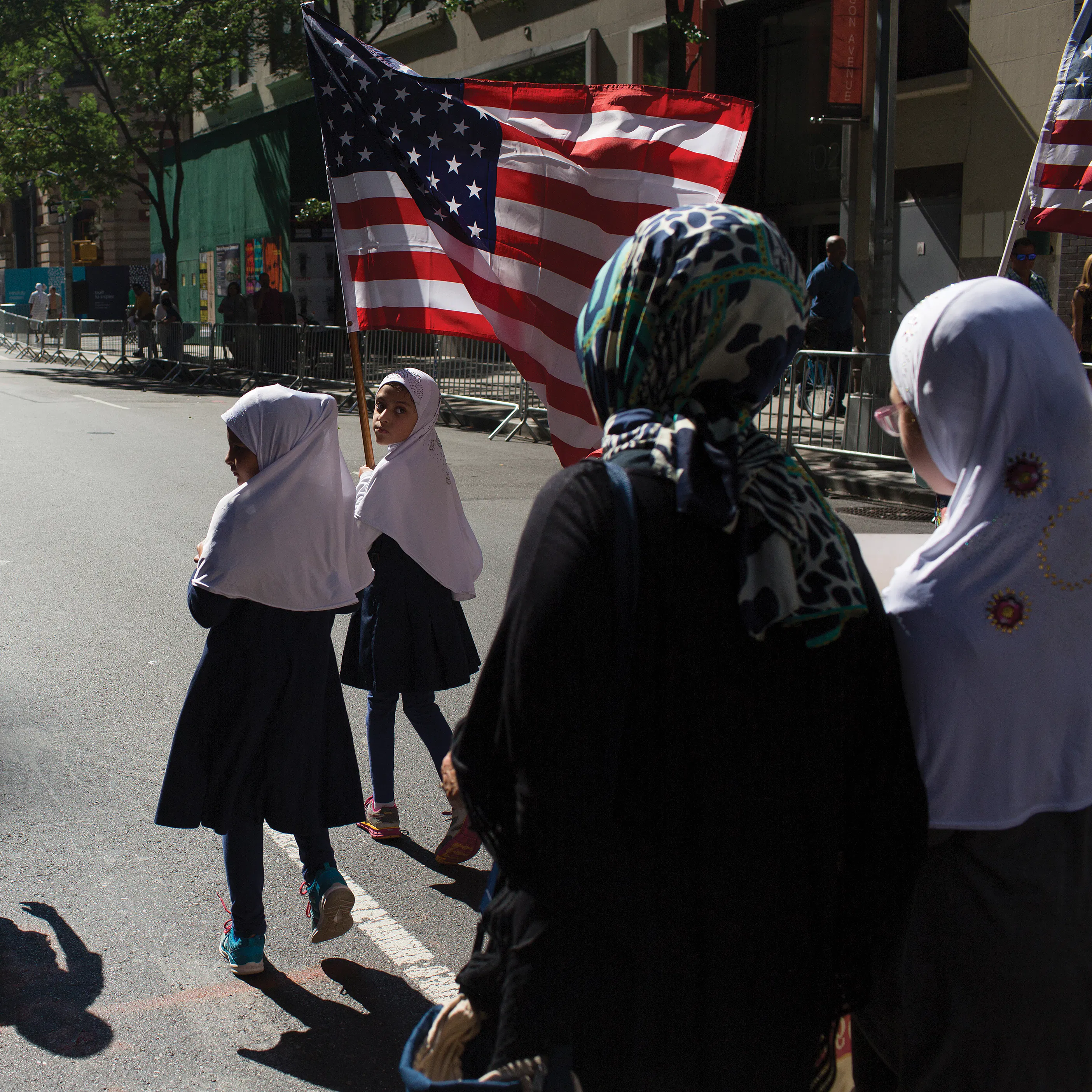
The PloughRead: Holding Our Own by Shadi Hamid
For American Muslims, embracing their role as a creative minority may prove their greatest source of strength, allowing them to carve out a small space of their own in a secular world.
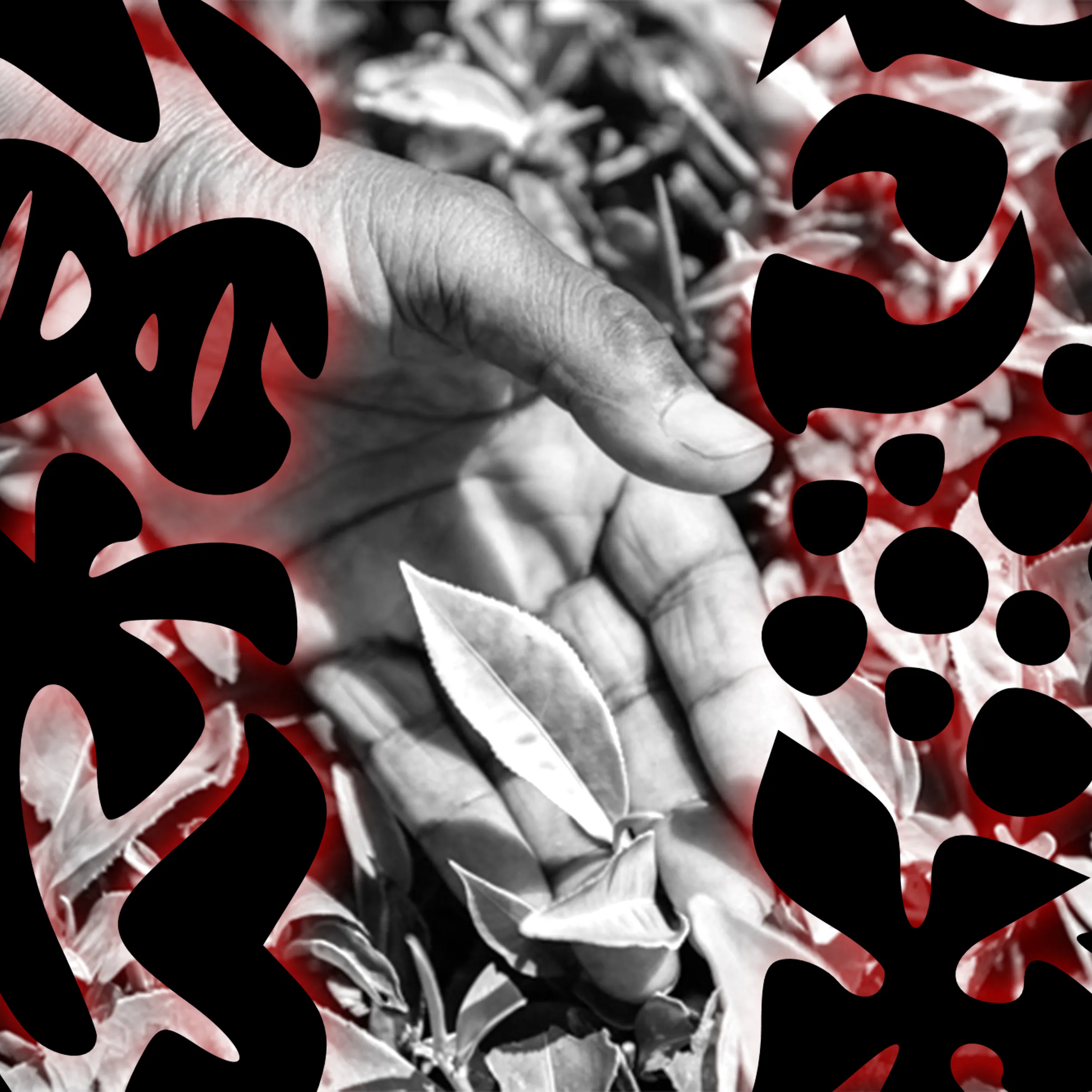
The PloughRead: The Corporate Parent by Maria Hengeveld
Maria Hengeveld reports on the legal challenges to Unilever surrounding an attack on its Kenyan workers, and the implications for corporate social responsibility or lack thereof.
The PloughRead: The Gift of Death by Leslie Verner
Observing the death of a dear friend, Leslie Verner reflects on chronos (clock time) versus kairos, moments that reveal what truly matters. She draws on Madeleine L’Engle’s Walking on Water, Thornton Wilder’s Our Town, C. S. Lewis’s Mere Christianity, George Eliot’s Middlemarch, When Breath Becomes Air, Sayings of the Desert Fathers, Jean-Charles Nault, Kathleen Norris, Saint Benedict, Evagrius, and the New Testament.

The PloughRead: When Dvořák Went to Iowa to Meet God by Nathan Beacom
Antonín Dvořák’s New World Symphony, written on his journey through America, expresses many layers of homesickness: the composer’s for his motherland. American Indians’ for their stolen lands and way of life. Slaves’ alienation and displacement from their families and homeland. The universal human longing for our reunion with God.
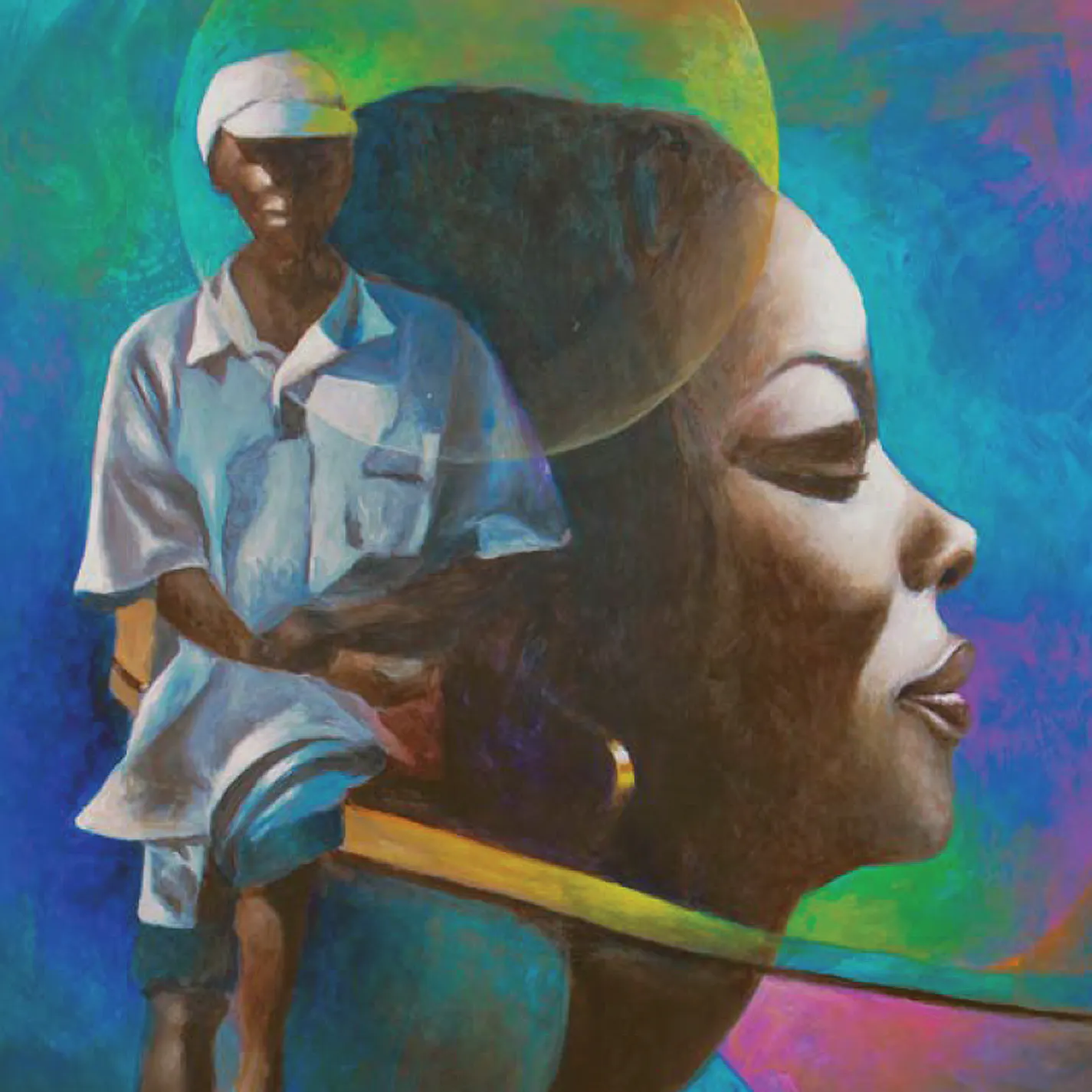
The PloughRead: Not Just Nuclear by Edwidge Danticat
Edwidge Danticat: Families are elders long buried and generations yet unborn.
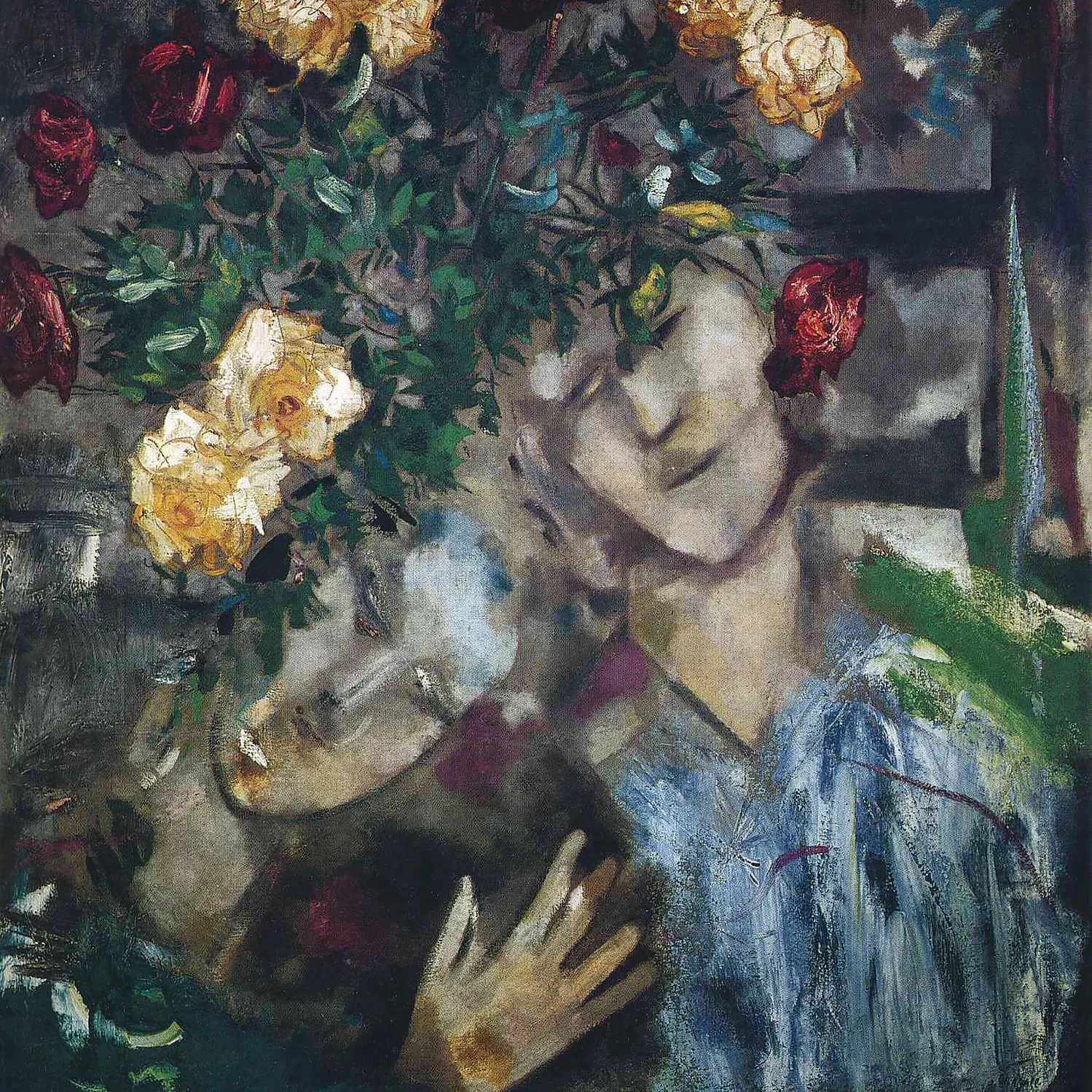
The PloughRead: The Beautiful Institution by Jonathan Sacks
Rabbi Lord Jonathan Sacks on the story of marriage in seven key moments. A meditation and midrash on evolution, monogamy in the Bible, the Genesis Creation story of Adam and Eve, and the meaning of marriage and the traditional family today.
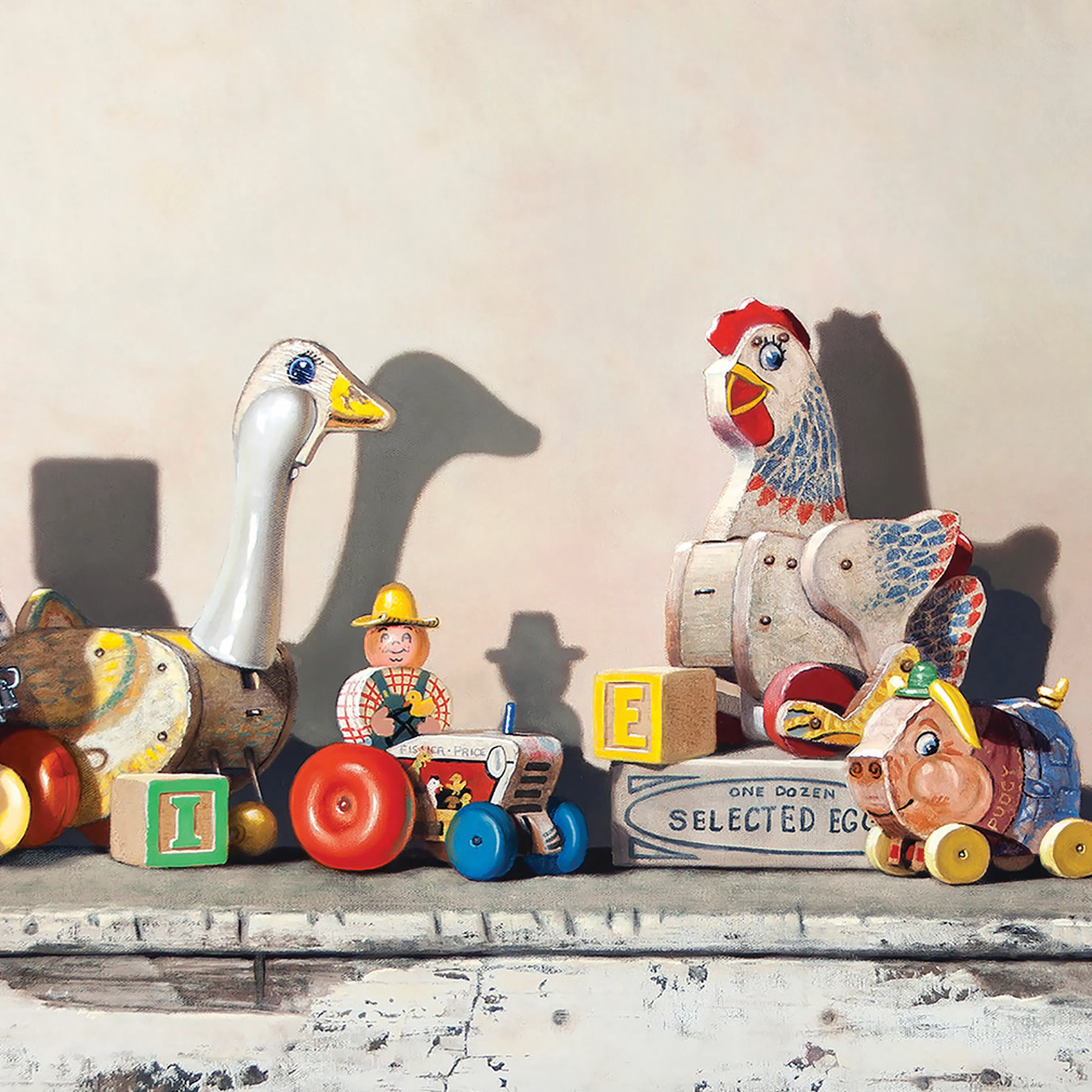
The PloughRead: The Case for One More Child by Ross Douthat
Ross Douthat: Our society’s future would be radically different if people simply had as many kids as they desire. What’s stopping them?
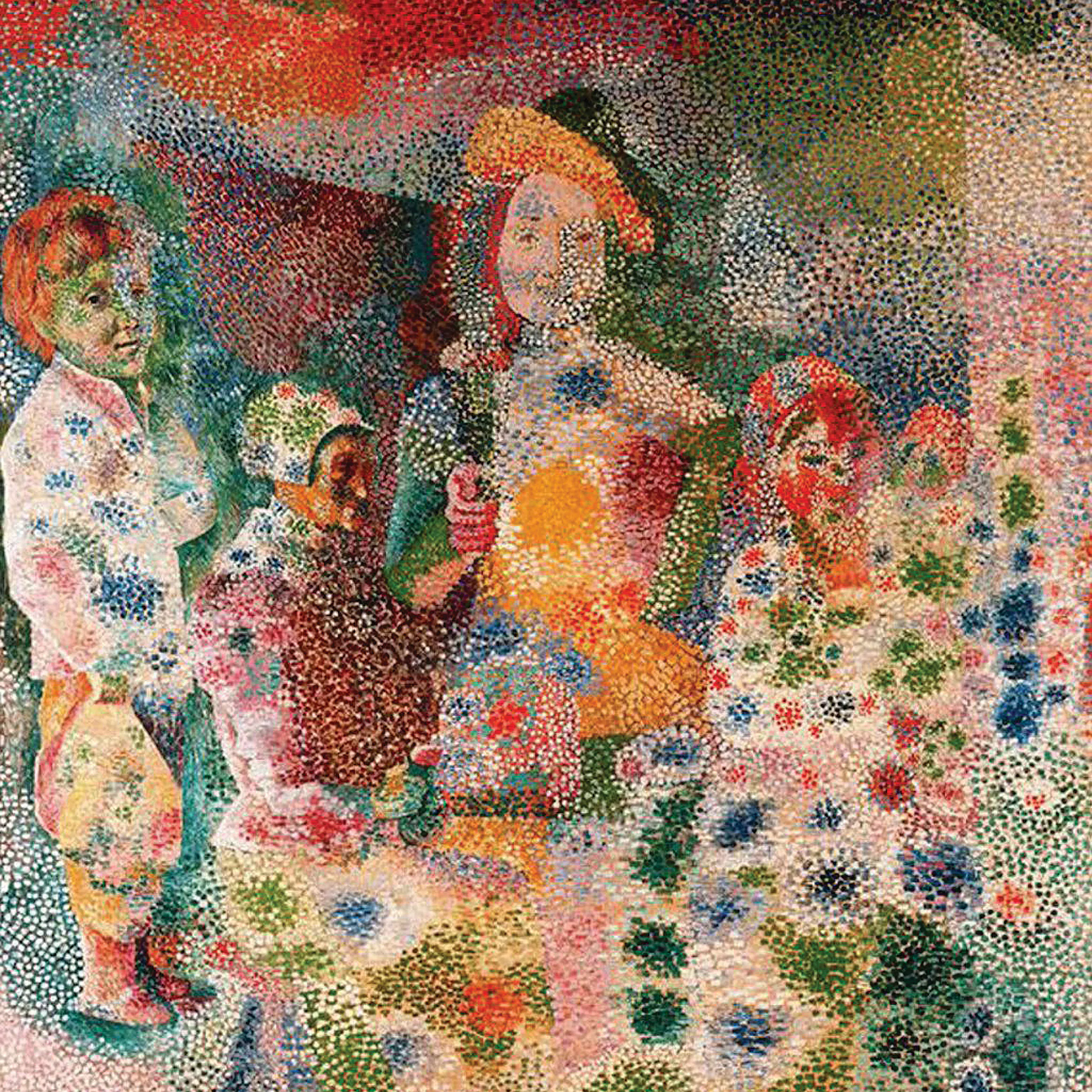
The PloughRead: Family Matters by Peter Mommsen
Peter Mommsen introduces Plough Quarterly 26 in an editorial: What are families for?