
Another Life with Joy Marie Clarkson
312 episodes — Page 3 of 7

The PloughRead: Three Pillars of Education by Heinrich Arnold
Heinrich Arnold writes that in the Bruderhof, as in any society, children flourish when family, school, and community align.
Ep 7777: The New Eugenics
Rosemarie Garland-Thomson and Alexander Raikin discuss euthanasia and eugenics. What has happened in the law and society in Canada since 2016 such that MAID has exploded, becoming one of the most common causes of death there? What is the relationship of national healthcare to this expansion? Alexander Raikin brings in a review of the statistics over the past decade or so. Rosemarie Garland-Thomson then discusses the history of the euthanasia movement, beginning in the late nineteenth century with its connection to eugenics, through its fall into disfavor subsequent to its association with Nazism, through its rise again in the 1970s. What are the different kinds of arguments that have been used, and how can we think about those arguments? Raikin and Thomson then discuss the relationship between voluntary and involuntary euthanasia, and Thomson discusses the particular vulnerability of disabled people to pressure to choose MAID.

The PloughRead: The Joy of Mending Jeans by Leah Libresco Sargeant
Leah Libresco Sargeant writes about Grace Russo and her philosophy of mending clothes with beauty.

The PloughRead: What Is Time For? by Zena Hitz
Zena Hitz on our time, its value, and how we might spend it if we had more of it.

The PloughRead: The Home You Carry with You by Stephanie Saldaña
Stephanie Saldaña writes that though the members of her church have been scattered by war, the church lives on.
76: Restoring a Farm
Adam Nicolson has been rehabilitating his farm in Sussex for many years now, and he discusses the difficulties and rewards of this, and the piece that he wrote about it for Plough’s issue on repair. They go on to discuss the topics of some of Nicolson’s books: Sissinghurst, the farm and garden owned by Nicolson’s grandmother, Vita Sackville-West; Homer; the pre-Socratic philosophers; and sailing.

The PloughRead: Architecture for Humans by Norman Wirzba
Norman Wirzba writes that our homes and workplaces should nurture and celebrate life.

The PloughRead: To Mend a Farm by Adam Nicolson
Adam Nicolson tells of reversing the destructive agricultural damage done to his farm in the past.

The PloughRead: Ifs Eternally by Christian Wiman
Christian Wiman writes that the “if” is what any honest faith looks like in this life.
Ep 7575: Does Tikkun Olam Mean What You Think?
Zohar Atkins discusses the real meaning of tikkun olam. Susannah and Zohar discuss the contemporary progressive vision of this idea, which means (or does it?) “to repair the world.” Where did that contemporary interpretation come from? And what was the original meaning? They go through the Rabbinic concept of Tikkun as equity, as a kind of emergency legal decree to be used when the law as written would lead to socially destructive outcomes. They discuss the mystery of how this legal concept became the contemporary vision of Tikkun olam as, essentially, a progressive vision of social justice. Zohar gives a brief description of the development of Rabbinic Judaism after the fall of the Second Temple in 70 AD, and relates it to the later development of the Jewish mystical tradition of Kabbalah. Then they discuss the progress of the idea of Tikkun olam through the Kabbalistic tradition, when Tikkun becomes an endeavor to repair the shattered world.
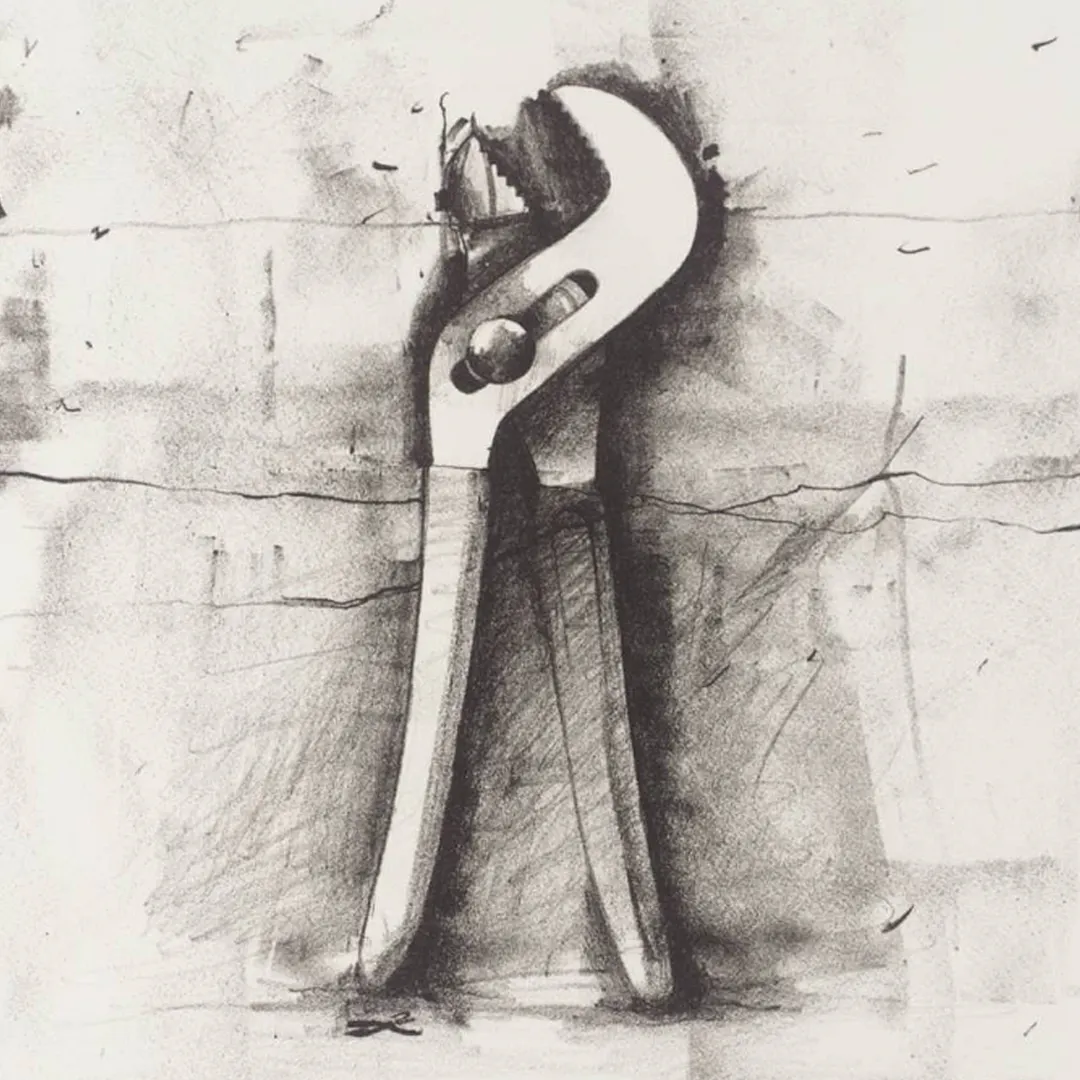
The PloughRead: Not Everything Can Be Fixed by Carlo Gébler
Carlo Gébler writes that we should try to repair the lives of others, even if things in our own lives seem broken.
The PloughRead: Impractical Christianity by Clarence Jordan
Words written by Clarence Jordan, founder of Koinonia Farm, a pacifist interracial Christian community in Georgia, taken from a Plough book, The Inconvenient Gospel.

The PloughRead: Just Your Handyman by Kurt Armstrong
Kurt Armstrong writes that not everyone can build skyscrapers; someone has to address that damp spot on your kitchen ceiling.
74: Friends Don’t Let Politics End Friendships
Matthew Sitman and Sohrab Ahmari discuss friendship across political divides. Both men have made their careers in political media and have made significant changes in their politics over the course of their lives – in Sohrab’s case, very publicly. These changes have affected some friendships and have left others intact. Sohrab and Matt and Susannah discuss the phenomenon of friendship that transcends politics, how difficult that can be, how painful when it doesn’t work, but how good when it does. They also discuss the social peculiarities of Left and Right, and challenge Jonathan Haidt’s moral foundationalism. They reflect on what Christianity must say to enmity and friendship, and end with an excursus on Dimes Square.

The PloughRead: Zero Episcopalians by Benjamin Crosby
Benjamin Crosby, a young minister in a declining church, looks for reasons to hope.

The PloughRead: Hunger by Narine Abgaryan
In a short story by Narine Abgaryan, survivors of war in 1990s Armenia find a reason to go on living.

The PloughRead: In Praise of Repair Culture by Peter Mommsen
Peter Mommsen writes that modern life depends on the habit of discarding things. What if we fixed them instead?

The PloughRead: Demining the Sahara y Maria Novella De Luca, Alice Pistolesi and Monica Pelliccia
Saharawi Mine Action Team members remove mines and plant trees in the Algerian Desert of Western Sahara.

The PloughRead: Heaven Meets Earth by Rowan Williams
Rowan Williams reminds us that in the birth of Christ, God comes to restore and set free every person and all creation.

The PloughRead: Students Brave the Heat by Leah Libresco Sargeant
Leah Libresco Sargeant discusses conflict as a part of debate and the activities of the Braver Angels Debates and Discourse program.

The PloughRead: Walls behind Bars by Antoine E. Davis and Aaron Olson
Antoine E. Davis and Aaron Edward Olson, both inmates, took risks to withstand the racism within the prison.

The PloughRead: The Witching Hour by Kathleen A. Mulhern
Kathleen A. Mulhern considers how we should spend our time in the evenings. We start the day intentionally and prayerfully, but all bets are off after five o’clock p.m.

The PloughRead: My Mind, My Enemy by Sarah Clarkson
Sarah Clarkson says that when mental illness struck, her mind became her enemy. She shares her struggle to love it again.
Ep 7373: Achieving Disagreement and Other Tips for Political Conversation
Susannah Black Roberts speaks with Stephanie Summers about how political opponents can disagree well. Stephanie is the head of the Center for Public Justice (CJP), a DC-based group that works with faith organizations and other organizations, as well as with Congress, to help craft a public culture and political culture that supports the Kuyperian idea of principled pluralism. We don’t all agree on issues of religious and moral import – is there a way that we can nevertheless work together on things where we do agree, and can we provide protections for all organizations to live out their idea of the good life, and in particular their faith commitments, well? Stephanie describes her approach to conversation and disagreement, and gives several case studies regarding the work that the CPJ has done over the past several years, most notably in light of the Dobbs decision. Susannah and Stephanie also discuss what happens when you reach the limits of pluralism: is there room for actually seeking common justice, justice that we can all agree on despite our differing commitments?
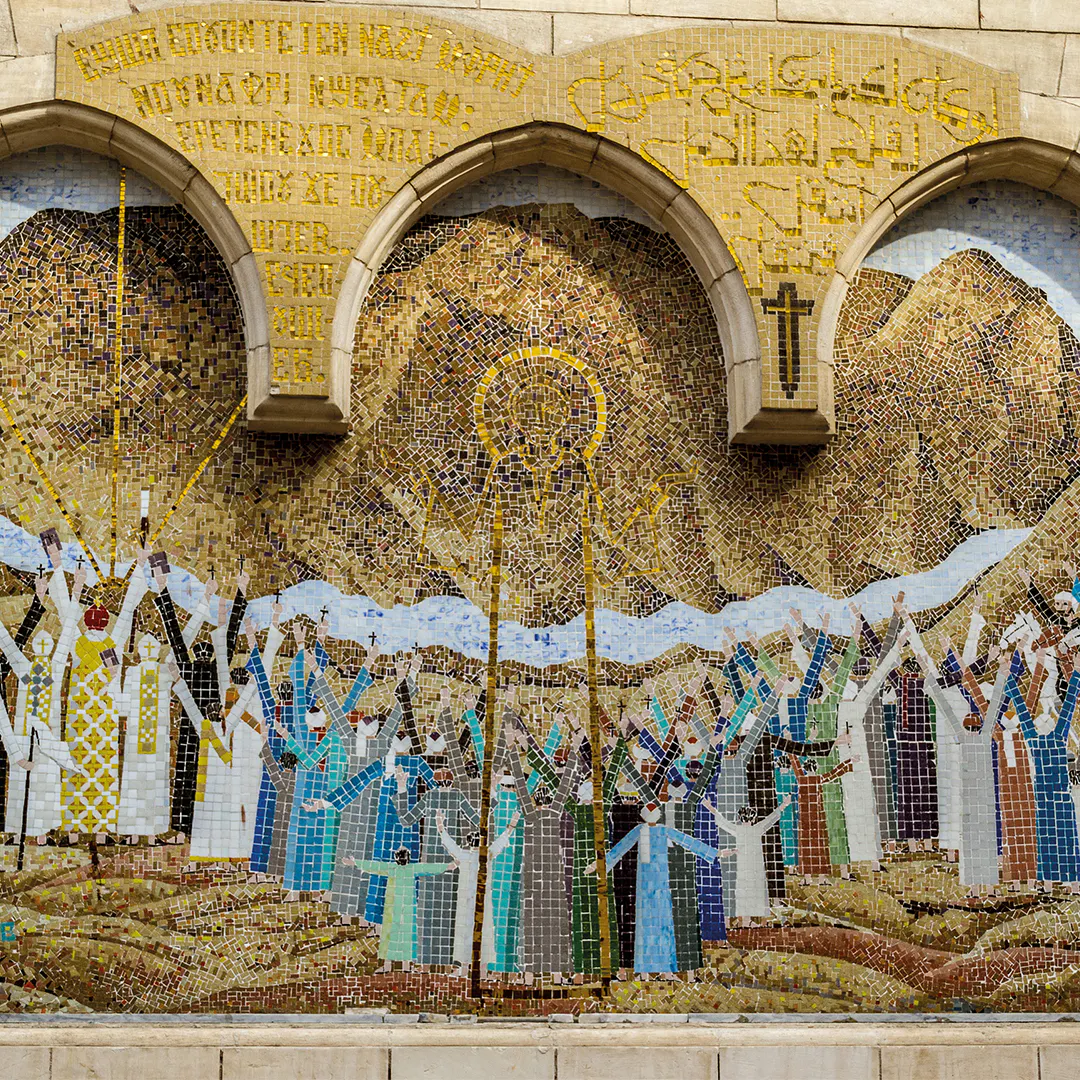
The PloughRead: Just Doing What Christians Do by Archbishop Angaelos
In an interview, Archbishop Angalelos speaks about the Coptic Christians’ legacy of forgiving their enemies and those who persecute them.

The PloughRead: Macedonia Morning by Dana Wiser
Staughton Lynd and other radical visionaries experiment with communal living in the hills of Georgia.
Ep 7272: Tyranny, Inc.
The hosts speak with Sohrab Ahmari about how private power crushed American liberty. Sohrab’s new book, Tyranny, Inc., is a thoroughly reported look at the way that private economic power, especially the conditions of employment, has taken away workers’ abilities to have agency over their own lives. How did we get here, and what can we do about it? Sohrab looks at the history of the last several hundred years, from the enclosure movement on, and looks as well at many stories of contemporary economic tyranny. They discuss the tendency of conservative genealogies of social ills to focus on ideas to the exclusion of material forces, and discuss as well the connections between this book, Sohrab’s earlier work on liberalism, and his Catholic faith. They end in discussing the conflict between neoliberalism and the Christian tradition, and Susannah recites a poem about a goose.

The PloughRead: Hating Sinners by Mary Townsend
Mary Townsend explores the concept of loving sinners, hating sins, and what our response as Christians should be.

The PloughRead: A Russian Christian Speaks Out by Rachel Cañon Naffziger
Rachel Cañon Naffziger tells the story of Egor Redin, a Baptist lawyer from Russia who spoke out against the war.
Ep 7171: On Giving Up All One’s Money
Susannah speaks with Clare Stober and Marianne Wright about living without money. Clare didn’t grow up in the Bruderhof – she made the decision to join when she was in her early thirties, after a successful career. She describes her spiritual quest, and the doubts and worries that came with considering joining – and the freedom that she has felt since then. Marianne is fourth-generation Bruderhof, has never had her own bank account, but the decision to join was no less personal and intense. What these two women experience in their day-to-day lives, how they relate to work, to security, to each other, and to God, in this lifetime commitment, is the subject of this podcast.
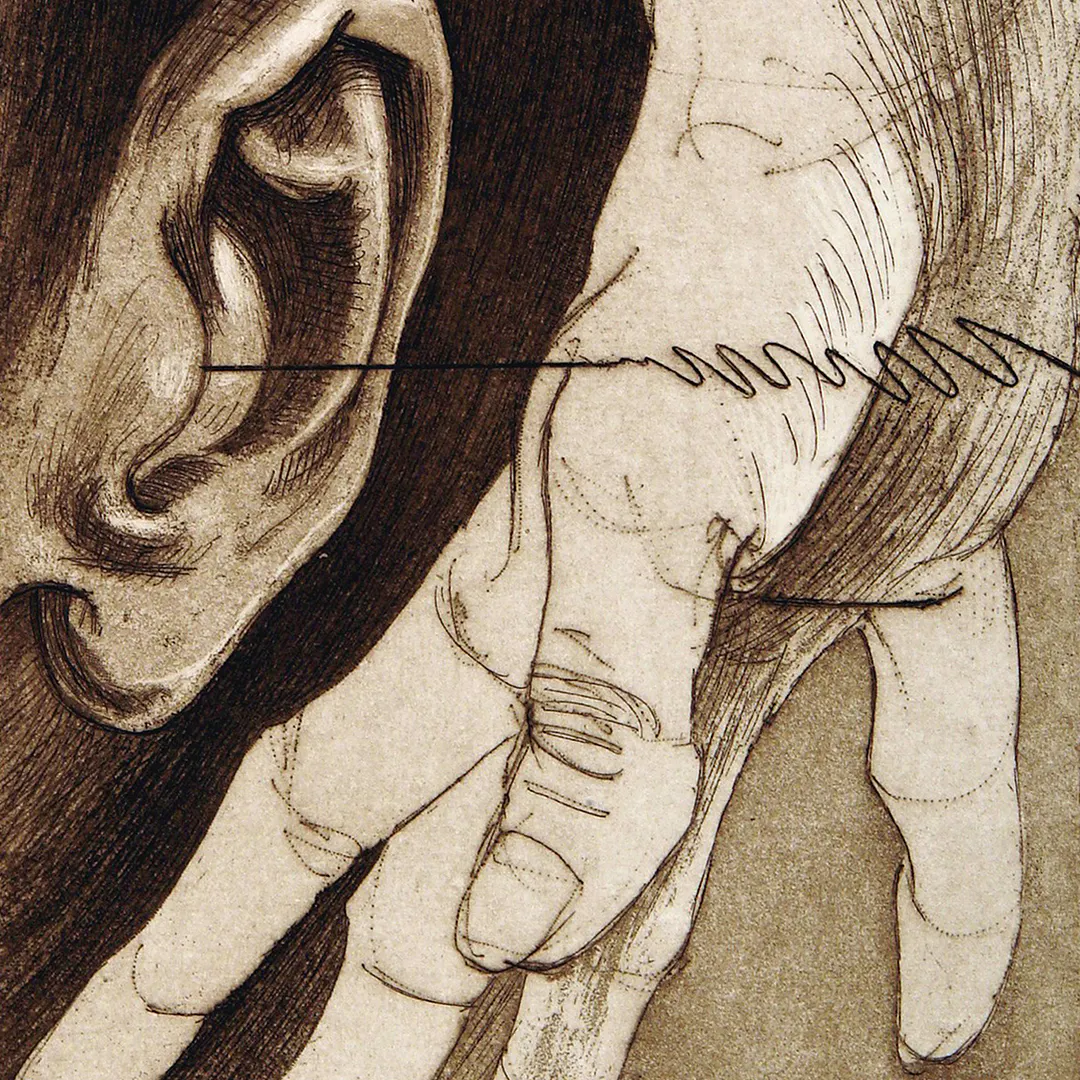
The PloughRead: Foolhardy Wisdom by Benjamin Crosby
Benjamin Crosby asks if we can afford to love our enemies in an unforgiving society?

The PloughRead: Tough Love on the Mount by Timothy J. Keiderling
Timothy J. Keiderling reflects from Israel on the teachings of Jesus and who are the enemies we should love.
Ep 7070: How Should Christians Relate to the Consumer Economy?
Peter and Susannah talk with Dr. William Cavanaugh about his book Being Consumed. What is the nature of the consumer economy? That’s what this short book seeks to explore. William Cavanaugh discusses his argument with the hosts, asking questions such as: When is a market free? Is our problem that we are too attached to consumer products? Should we be aiming at a local economy? Do we live in a world of scarcity? Along the way they discuss Saint Augustine and stealing pears, Rene Girard, and whether an Anthropologie window display can point Susannah toward the kingdom of God. They also discuss strategies for becoming more aware of the things we use, the production process, and the people who are producing them.
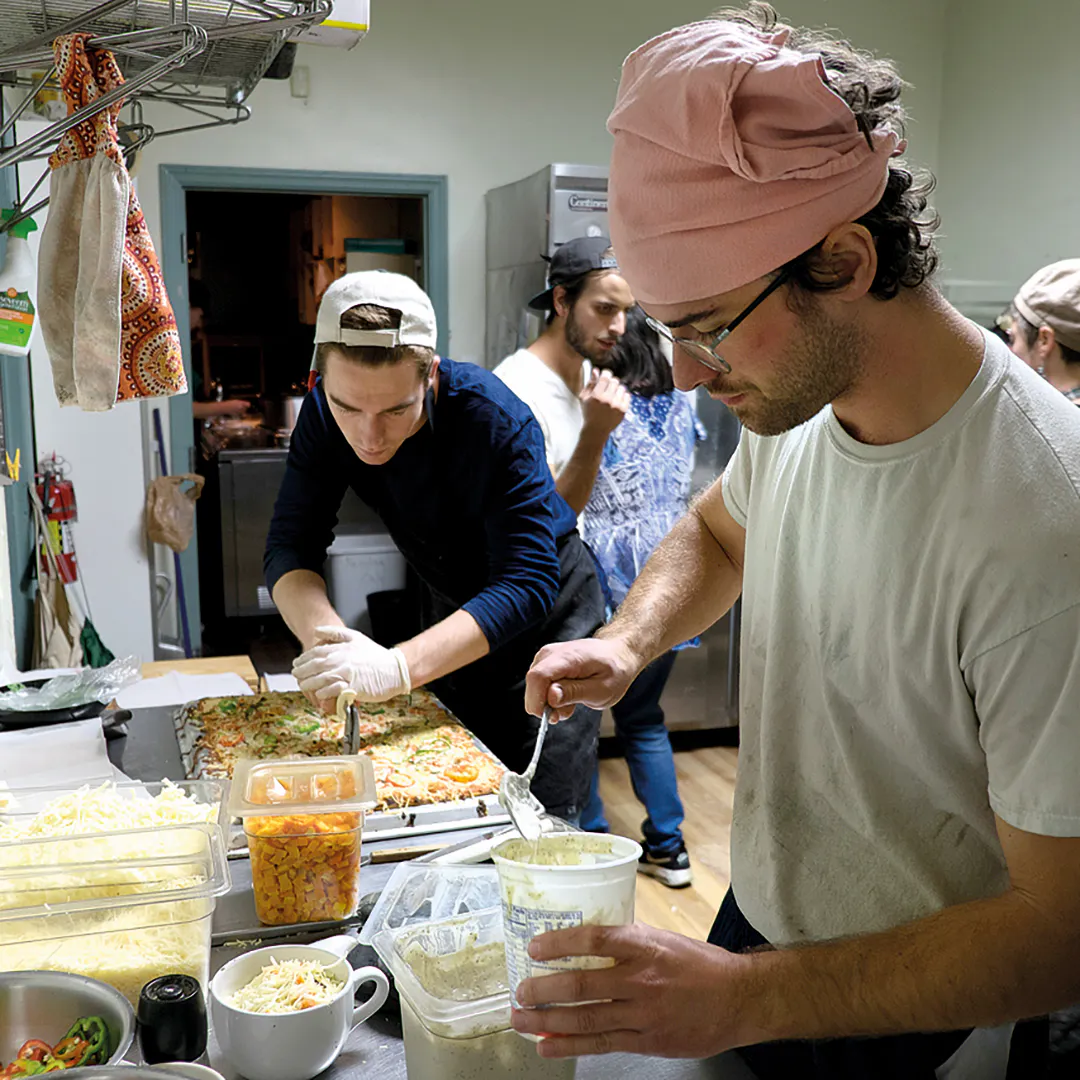
The PloughRead: Pay As You Can by Robert Lockridge
Robert Lockridge and his family share their homegrown food with the people who live in their urban neighborhood, whether or not they can afford it.

The PloughRead: The Effective Samaritan, A Parable by Phil Christman
Phil Christman has a Tradcath, an exvangelical influencer, a mainliner, and a conservative megachurch pastor star in this retelling of Luke 10:30–37.
Ep 6969: Creating Our Identities
Tara Isabella Burton comes on the pod to ask, How did we become a world of self-makers? Susannah, Pete and Tara discuss her new book, Self-Made: Creating Our Identities from Da Vinci to the Kardashians. What were the intellectual and imaginative and social currents that led us from a world where the self was something given or discovered to one in which it was made? What is the role of America’s Gilded Age millionaires in this story, and how did their own vision of themselves as able to harness the energy of the economy and maybe of the Cosmos contribute to our current vision of the good life? Finally, via many other rabbit trails, they discuss why you should not eat a bat, and speculate about Albrecht Dürer’s hypothetical hair care videos
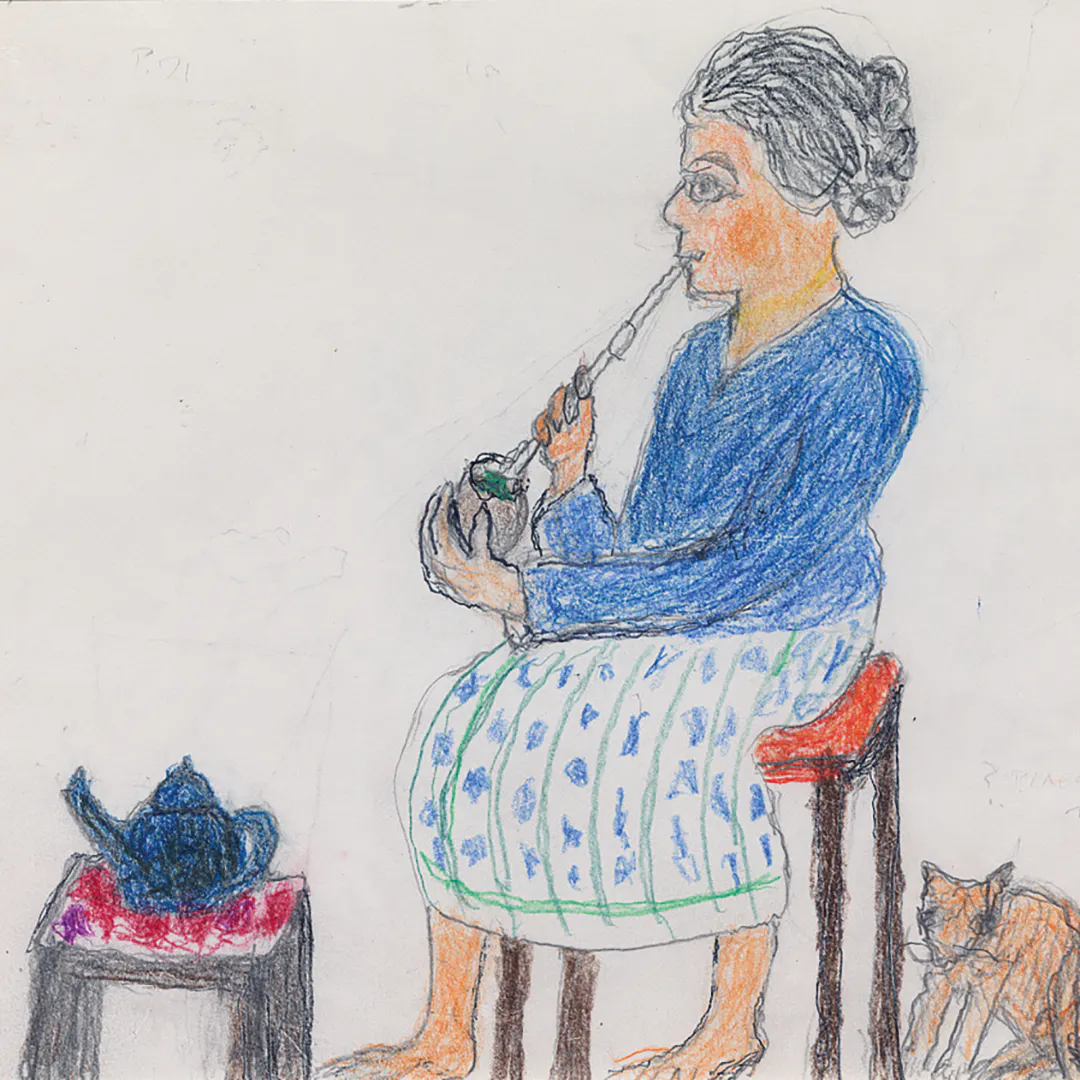
The PloughRead: Leper Colony Sketches by Maria Weiss and Maureen Burn
Maria Weiss finds pain and friendship in the enforced community of outcasts at a Paraguayan leper colony.

The PloughRead: The Library at Home by Zito Madu
Zito Madu describes how his parents’ insistence on reserving an entire room in their small house for books expanded his world.
Ep 6968: The State of the Left
Leah and Susannah grill Fredrik deBoer on the state of leftist politics. What happened in 2020 and why have things not changed more? How does a self-described leftist perceive the stakes and priorities of America’s political divide? What happens when labor power is no longer at the center of leftist politics? They then discuss his 2020 book The Cult of Smart, and Leah presses him on where he derives his sense of the existential worth of each human being.

The PloughRead: On Owning Twenty-Two Cars by Maureen Swinger
Maureen Swinger describes what it is like to live in a Bruderhof community where you possess nothing but share everything.
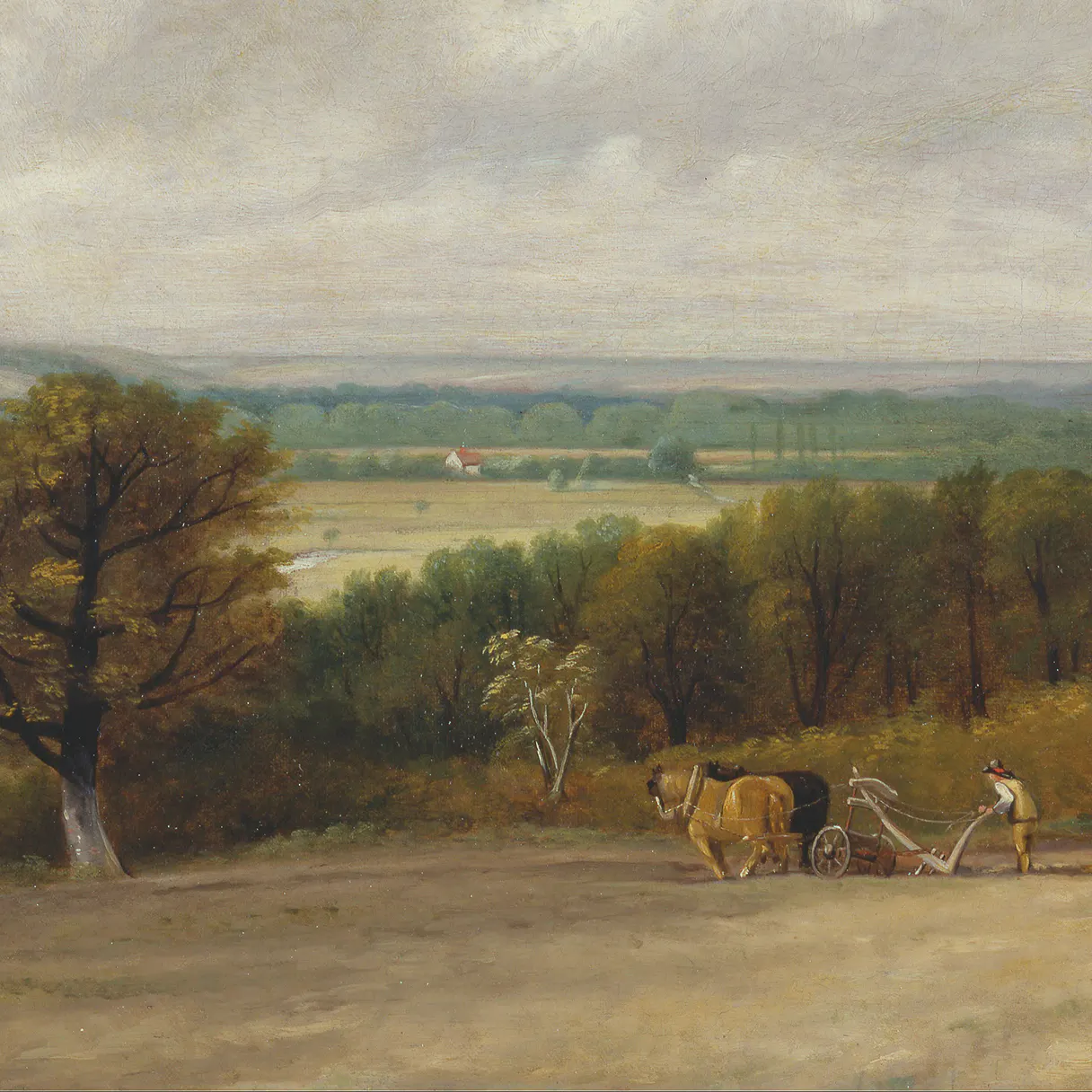
The PloughRead: Saving the Commons by Jack Bell
As the Industrial Revolution took off, writes Jack Bell, William Cobbett rose in defense of the cottage economy.
PloughCast Bonus Episode: Is Barbie a confused mess or deeply insightful?
Hannah Long, Leah Libresco Sargeant, Alastair Roberts, and Susannah Black Roberts discuss the Barbie Movie. Does it have a moral? What is Gerwig trying to say about feminism, men and women, capitalism, and so on? Is it a confused mess or deeply insightful? The primary problem that the movie is designed to critique is the deeply unsatisfying nature of contemporary masculinity and femininity, and the poverty of the “Girlboss” as a model for female adulthood. But what does it offer as an alternative? Is there a vision for a way forward for Ken as well as Barbie? And what does it imply about the disembodiment of contemporary life?

The PloughRead: Selling Friends by Clare Coffey
Clare Coffey says that in multilevel marketing, friendship is not the means to the sell – it is the thing being sold.
Ep 6767: David Bentley Hart and the Worship of Mammon
The PloughCast team talks with a philosopher and cultural commentator about money. David Bentley Hart reflects on how his experience translating the New Testament impacted his understanding of Jesus’ teaching on mammon. How are we supposed to live out these extreme and demanding teachings? What is the role of Proverbs-style Old Testament prudence in the life of a New Testament disciple? They also discuss why joining a community like the Bruderhof is not enough, and why the separation between private piety and political economy makes no sense. In a world where we are still waiting for the kingdom to finally come, how can we pursue living in that kingdom?

The PloughRead: History Arrives on the Island by Eugene Vodolazkin and Lisa C. Hayden
The first chapter of Eugene Vodolazkin’s new novel, A History of the Island, the chronicle of an island from medieval to modern times.
Ep 6666: The Technology of Demons
The PloughCast team talk with Paul Kingsnorth about artificial intelligence and demons. Kingsnorth, an environmental activist, novelist, former Wiccan priest, and recent Christian convert, joins Susannah, Madoc, and Alan to talk about the eternal temptations represented by technological society. How has his recent conversion changed the way he experiences the world? What insights from his earlier life and work have persisted, which ones have been transformed, and what is the relationship between the worship of Mammon and the dangers posed by AI? They also discuss how to live well in the coming age, and the lessons to be drawn from the Desert Fathers.

The PloughRead: The Religion of Mammon by Eberhard Arnold
In this excerpt from his book Salt and Light, Eberhard Arnold writes that God and money are enemies. We must choose one or the other.
Ep 6565: Buying and Selling Friends
Clare Coffey and Dan Walden discuss influencer culture, MLMs, and the monetization of friendship. They also go entirely off script and end up in so many different rabbit trails that it is frankly difficult to write a podcast description that even begins to reflect the reality here. Among the topics covered: Whether Blackwater is kind of a MLM for guys, whether Clare is willing to take CIA money to write mean essays about Mary McCarthy for The Partisan Review (she is), the plight of the lumpen bohemian, and what it would take to make a really good American Iberico cured ham.

The PloughRead: Princess of the Vatican by Sharon Rose Christner
Sharon Rose Christner speaks with Anna, a woman who lives in a former Roman palazzo that has been converted into a homeless shelter.
Ep 6464: Mary of Bethany and the Virtue of Magnificence
Alastair, a biblical theologian and Susannah’s husband, examines the story of Mary of Bethany’s anointing of Jesus’ feet before Holy Week as a powerful image of what our relationship with money in the Kingdom ought to be. It’s not that prudence and careful management are bad things. They are very good. But overflowing generosity, the Christian version of the Classical virtue of magnificence, is the most proper response to Christ’s own overflowing generosity. They then discuss the life of the late Tim Keller as an example of this generous investment of time, talent and treasure in the kingdom.