
250 and Counting
660 episodes — Page 6 of 14
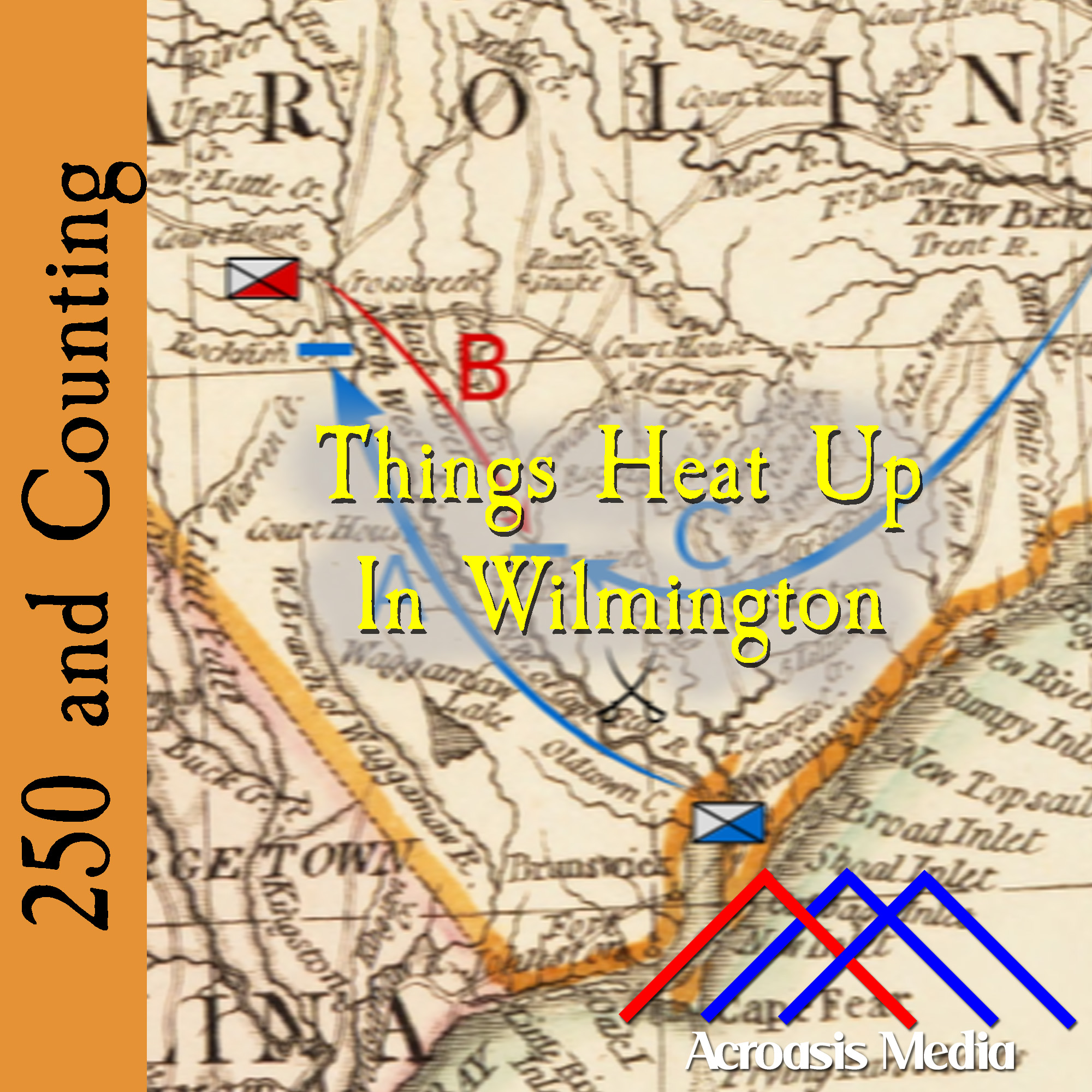
Things Heat Up in Wilmington–February 15, 1776
We should confess that by the time we actually get to the Battle of Moore’s Creek Bridge, it’s not going to be as big a battle as anyone thought it was going to be. But the buildup was something else again. It seemed pretty clear to everyone involved that this was going to be epic and a veritable cast of thousands would be involved. But, things happen. Motivations change. Cynicism and even capriciousness sets in. And there’s still a battle, but it involves hundreds, not thousands. So from a battle standpoint, it wasn’t a lot. But by many other standards, which we’ll explore a little further down the line, there was a huge lasting impact. The post Things Heat Up in Wilmington–February 15, 1776 appeared first on 250 and Counting.

Washington Goes Mail-Order Shopping–February 14, 1776
There were many reports from George Washington over the course of the Revolutionary war, but for the most part I think they were carefully crafted and frankly not always worthy of the reactions they proposed. The careful craftsmanship does makes sense, though, because Washington was a diligent collector and reader of books. As an autodidact, he was constantly learning, and he was the teacher. It’s just a huge shame that when Washington died, his book collection was broken up and sold off. In recent years, author Kevin Hayes tracked down a huge portion of those books, largely to see what kind of notes he’d left in the margins, as he was prone to doing. The post Washington Goes Mail-Order Shopping–February 14, 1776 appeared first on 250 and Counting.
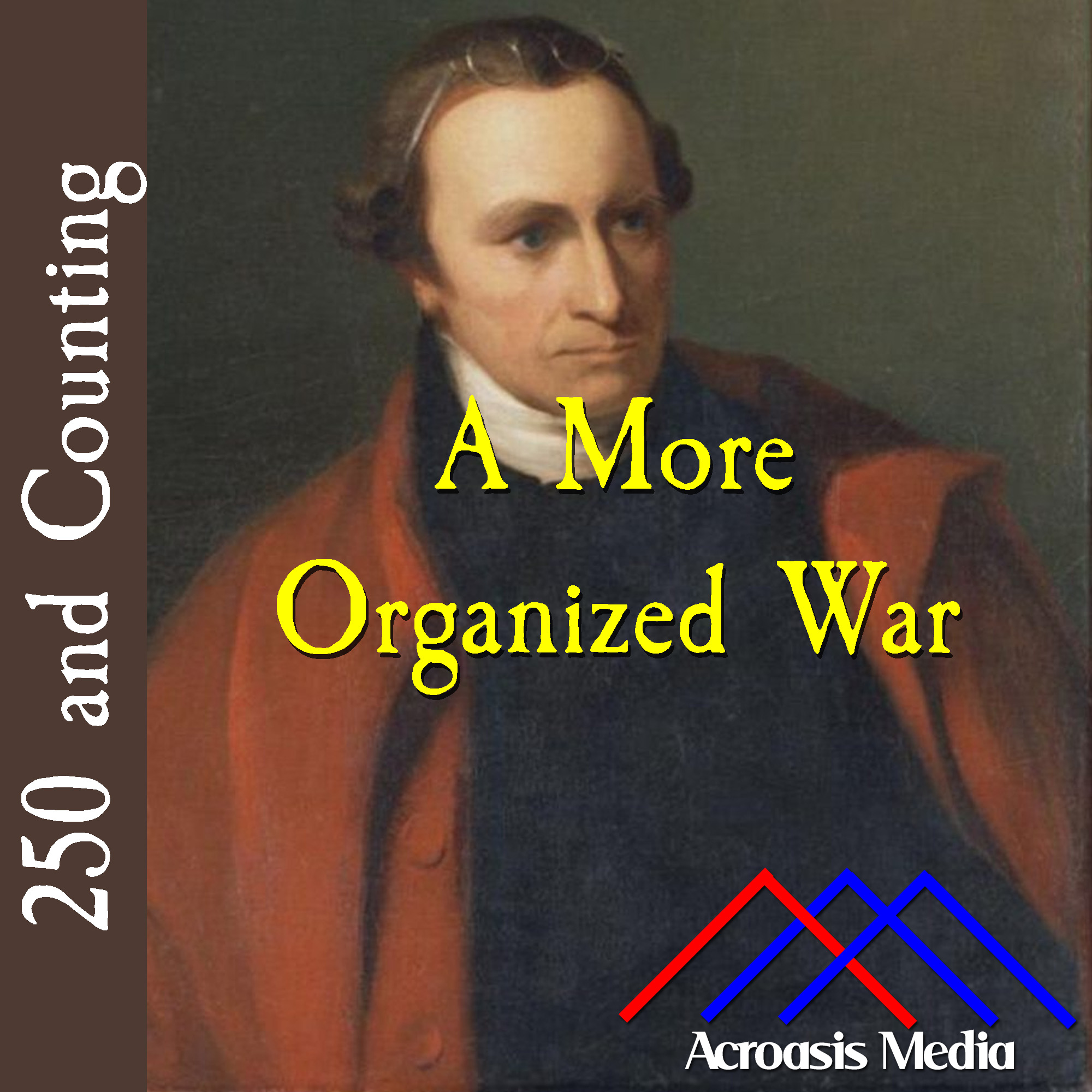
A More Organized War–February 13, 1776
So nearly a year ago, in March 1775, Patrick Henry said “Give me Liberty or give me death.” Today the Continental Congress said “Bet,” and sent him to lead troops in Virginia. That was a coincidence, of course: practically anyone who showed any real leadership skills was given the opportunity to lead troops. Henry had the leadership and the oratory skills to get his troops into shape. We mentioned the various committees and their reports today. One of them was the committee that was directed to draft an address to the Colonies. John Dickinson wrote the first draft; James Wilson wrote the second. His version was much like the first, except he added the part about preparing for eventual separation from England. Dickinson was still mostly in denial about that but while Wilson wasn’t a strong personality, he was pragmatic in the end and figured he could see that ending coming. The post A More Organized War–February 13, 1776 appeared first on 250 and Counting.
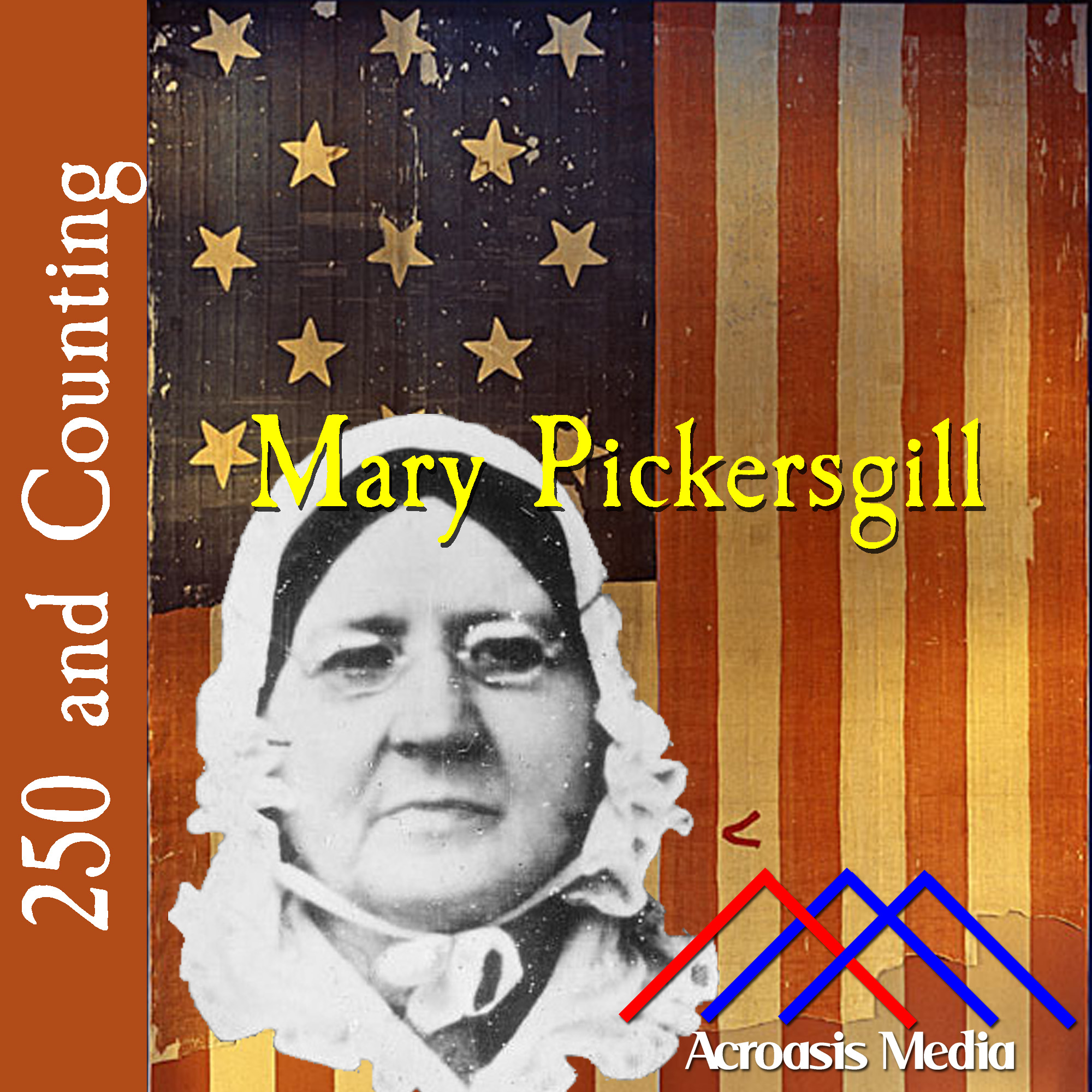
Mary Pickersgill–February 12, 1776
The thing that’s hard to understand when considering the flag that Mary Pickersgill put together, and that inspired our National Anthem, is that it’s huge. Mike says specifically that this flag is 17 feet by 42 feet, but that’s hard to picture. When the flag was first displayed at the Smithsonian, it hung out in the open, against the atrium wall. But a flag that big, and that old, eventually begins to give in to gravity. So the Smithsonian folks took it down and spent a couple of years restoring it. Part of the work involved undoing the restoration job from 1914: Now, a lot of it had been cut away for souvenirs (you can see the frayed bottom partially disguised by the painted stripes in the cover art today), and that red “V” shape is really meant to be an “A” for General Armistead. But the flag is back on display, lying flat at an angle making it easier to see, in a temperature- and humidity-controlled setting. The parts that have been cut away are still missing, and the “A” has been removed. but even with nearly half of it gone, this thing is still enormous. And an original-size replica often flies over Fort McHenry, weather permitting. The post Mary Pickersgill–February 12, 1776 appeared first on 250 and Counting.
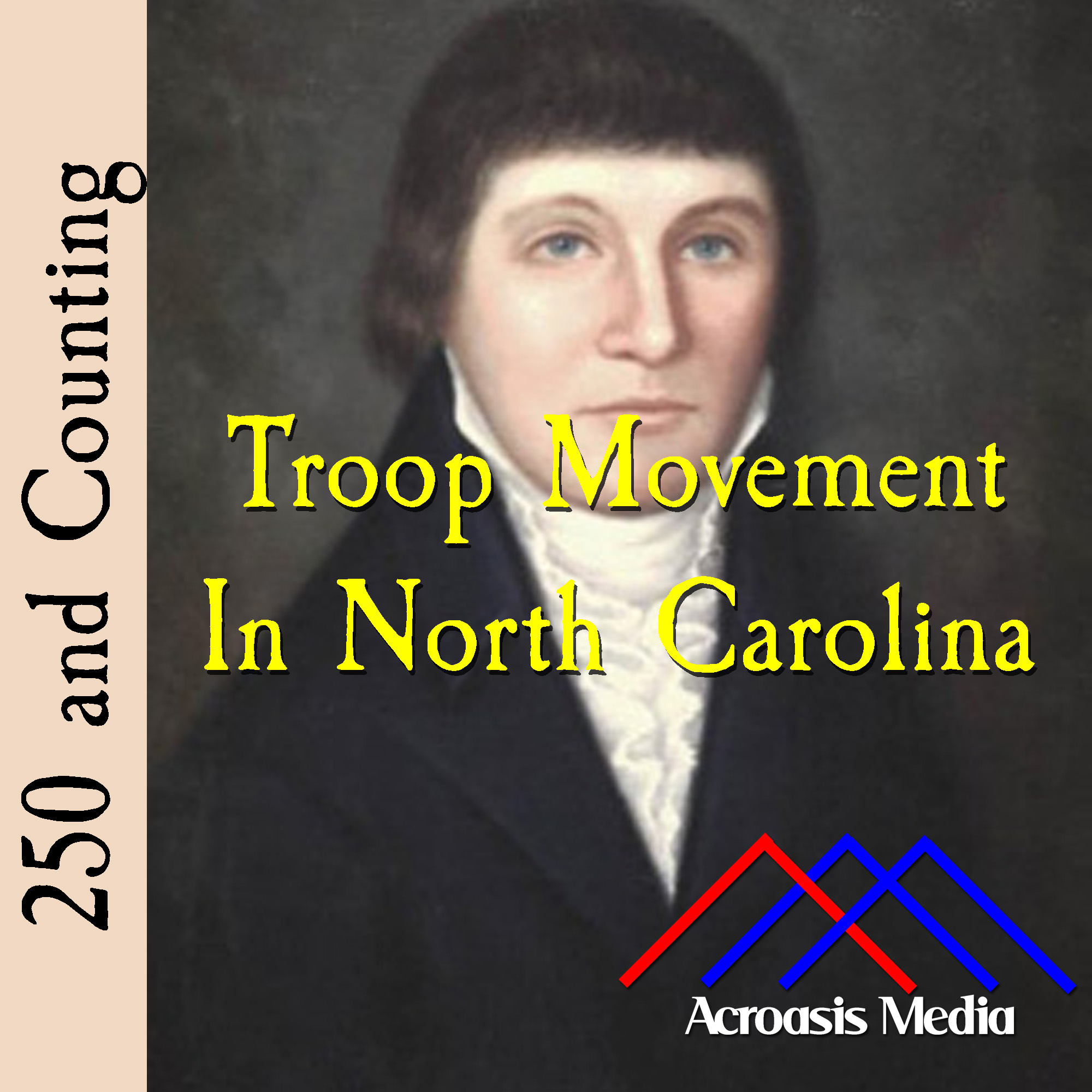
Troop Movement in North Carolina–February 11, 1776
Richard Caswell was in charge of the Minutemen in New Bern, North Carolina until the Battle of Moore’s Creek Bridge. Not long after that, the Provincial Congress did away with the Minutemen in favor of a more broadly-trained milita. From that point, his position in the Continental Congress was pretty much over for good. Caswell remained active in the military throughout the Revolution, and was in charge of the Provincial Congress when it came time to write their first State Constitution. Shortly thereafter he became the state’s first governor. And after a couple of one-year terms, he stepped down from that position, since he was term-limited. But he remained active in state politics until he died in 1789 at the age of 60. The post Troop Movement in North Carolina–February 11, 1776 appeared first on 250 and Counting.

Common Sense Comes to NC–February 10, 1776
As the ideas behind Common Sense spread through the country, it’s an interesting coincidence that Common Sense came to both North and South Carolina a day apart. What’s curious is the way it caught on very quickly in South Carolina, but was more of a slow burn in North Carolina. It’s possible that the difference is as simple as Christopher Gadsden presenting the pamphlet orally before the Provincial Congress, whereas John Penn took more of a backdoor approach, giving a copy to a colleague and hoping word gets out. Sure enough it did, and while there was no hard line of “Wow! We need to act on this!,” it proved to be quite the influential pamphlet that led to a gradual changing of minds regarding whether or not the Colonies should be free from England. The post Common Sense Comes to NC–February 10, 1776 appeared first on 250 and Counting.
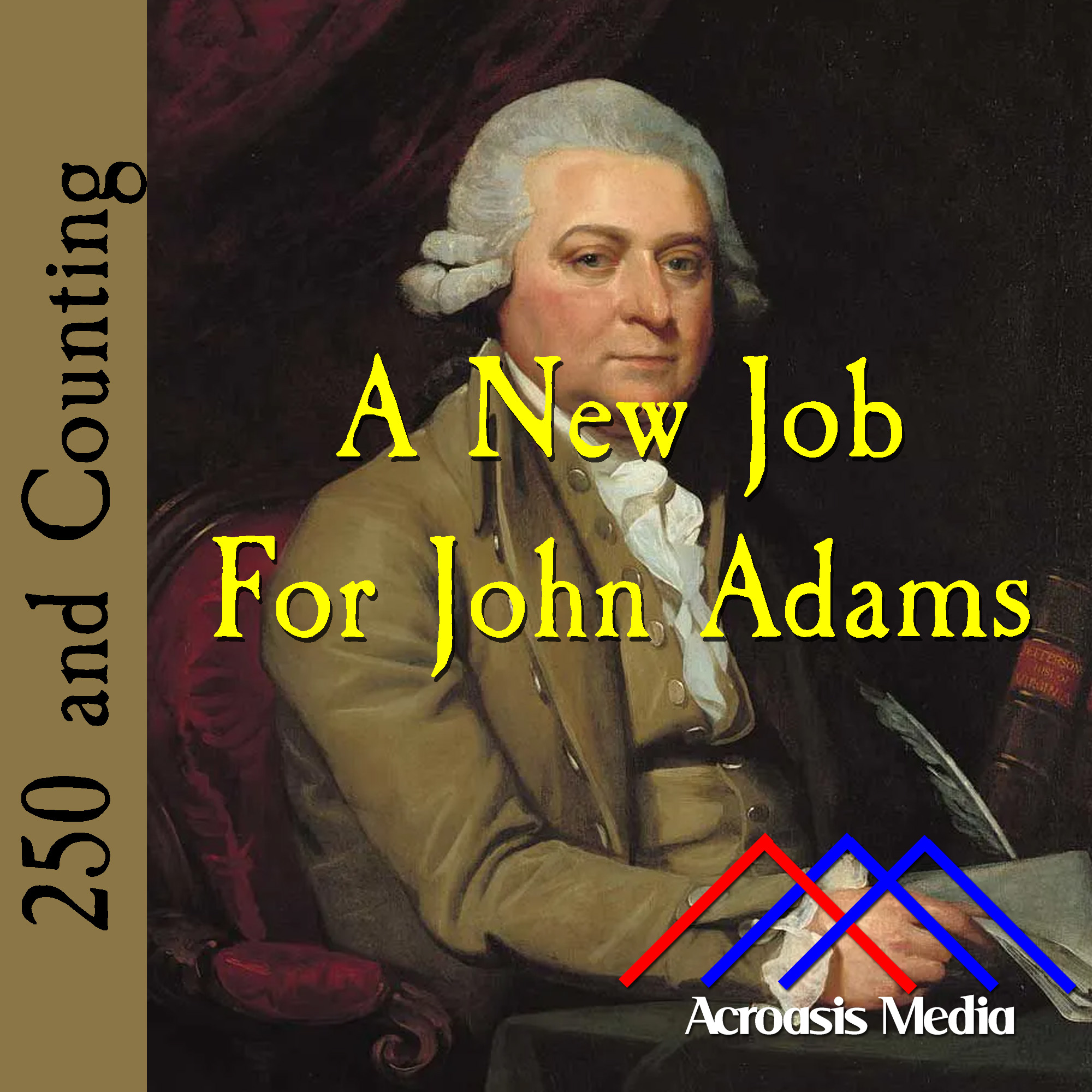
A New Job For John Adams–February 9, 1776
One of John Adams’ stronger talents was being able to see the motivation behind the action, and because of this he was usually able to thwart unattractive actions somehow. In today’s case, he was able to thwart people who opposed him by simply agreeing with them. As a newly-minted Chief Justice of Massachusetts, some Loyalist (if not Loyalist, then certainly in the Don’t Declare Independence crowd) delegates from Maryland suggested that because he worked for Massachusetts, he had an inherent conflict of interest and therefore couldn’t vote in Congress. Now, at that time a colony’s quorum was exactly one delegate, so if he was the only person from Massachusetts attending that day, Massachusetts wouldn’t be able to cast a vote. So, Adams did the sensible thing and agreed with the Marylanders. Then he resigned from the position they thought he’d never give up. The post A New Job For John Adams–February 9, 1776 appeared first on 250 and Counting.

Gadsden, Come Home–February 8, 1776
Christopher Gadsden is famous almost entirely for the “Don’t Tread On Me” flag. But even for that, most people don’t know that the flag was named after a person. And those who do, don’t necessarily know Gadsden’s first name. And yet, he was instrumental in getting America to break away from England. Christopher Gadsden was the one who got South Carolina more excited about Independence. He was a Brigadier General in that colony during the war. He helped draft a state constitution and was then elected Lieutenant Governor. When Charleston was overrun by the British, Gadsden stuck around so he could surrender the city like a gentleman. For his gentlemanly act, he was allowed to return home on parole. But when the next British leader came in and broke the parole by arresting him, he refused new parole because they’d already lied to him about the first one, so why believe them now? That cost him the better part of a year in solitary confinement. In short, he was a badass. Go listen to part of the reason why. The post Gadsden, Come Home–February 8, 1776 appeared first on 250 and Counting.
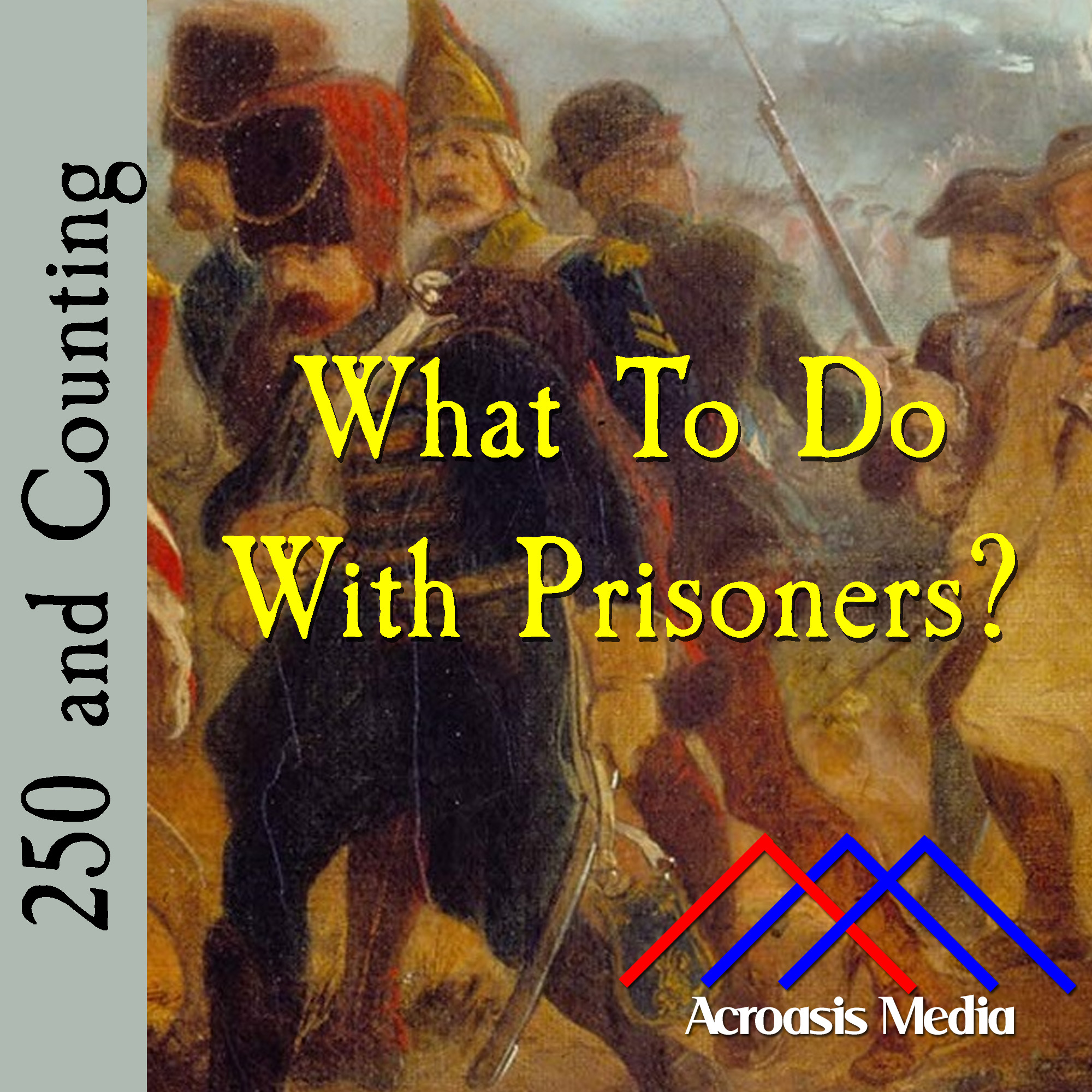
What To Do With Prisoners?–February 7, 1776
Detail from “The Battle of Bennington” by Grandma Moses, 1953, depicting British prisoners being taken. Originally commissioned by the Daughters of the American Revolution but rejected because of some inaccuracies. Now at the Bennington Museum. When I mentioned in today’s episode that American prisoners were left to disease or neglect, I wasn’t telling you the half of it. The British used captured, damaged or obsolete ships as their prisons. Conditions were so bad that more Americans died as a result of disease than died on the battlefield. Over 10,000 men died that way, and their bodies were either dumped overboard or buried in shallow graves along the shoreline. At that time, supplies for combatants were expected to be supplied by their own side, or through the largesse of private resources. But when the prison is a ship off-shore, getting those supplies through was nearly impossible. British prisoners, on the other hand, were generally treated much better. This isn’t to say that there weren’t instances of them being abused, but it wasn’t the norm. The post What To Do With Prisoners?–February 7, 1776 appeared first on 250 and Counting.

Vive La France–February 6, 1776
Much like the Hessians of our last episode, the story involving our getting French recognition and friendship is longer and more complex than most people realize. The events of today were important, but they laid the groundwork for so much more in the future. France was already annoyed with Britain over the Seven Years’ War, so supporting the Colonies was the shrewd thing to do: France would annoy Britain with the treaty, America would get arms and soldiers (and naval support), and we wound up with a good friend later on for trade and merchant support. The French were reluctant to cooperate at first, in part because they were hedging their bets about the war’s outcome. But with a little luck and a few battle victories, a lot of formerly-clandestine activites became more overt. What’s more, without French assistance throughout the war, we might all be speaking British now. Oh, wait. The post Vive La France–February 6, 1776 appeared first on 250 and Counting.

Here Come The Hessians–February 5, 1776
I think I need to clarify something that I said during today’s episode. I mentioned that about 2200 Hessian soldiers fought in the Revolution. That number is accurate, but it only refers to the soldiers who came from Hesse-Hanau and were affected by the treaty alluded to today. Another big chunk came from Hesse-Kassel and the rest came from elsewhere in Germany. In all, more than 30,000 Hessians fought in the Revolutionary War, comprising about a fourth of the British land forces. According to the now-defunct website Mad Mike’s America, only a little more than half of these soldiers made it home: 5000 opted to remain in America; about 6300 died from illness or accident, and the rest died in battle or as a result of their wounds. Incidentally, a Hessian features in one of the New York downstate area’s favorite stories, The Legend of Sleepy Hollow. The headless ghost in that story is said to be a Hessian soldier whose head was struck off by a cannonball “in some nameless battle during the Revolutionary War.” The post Here Come The Hessians–February 5, 1776 appeared first on 250 and Counting.
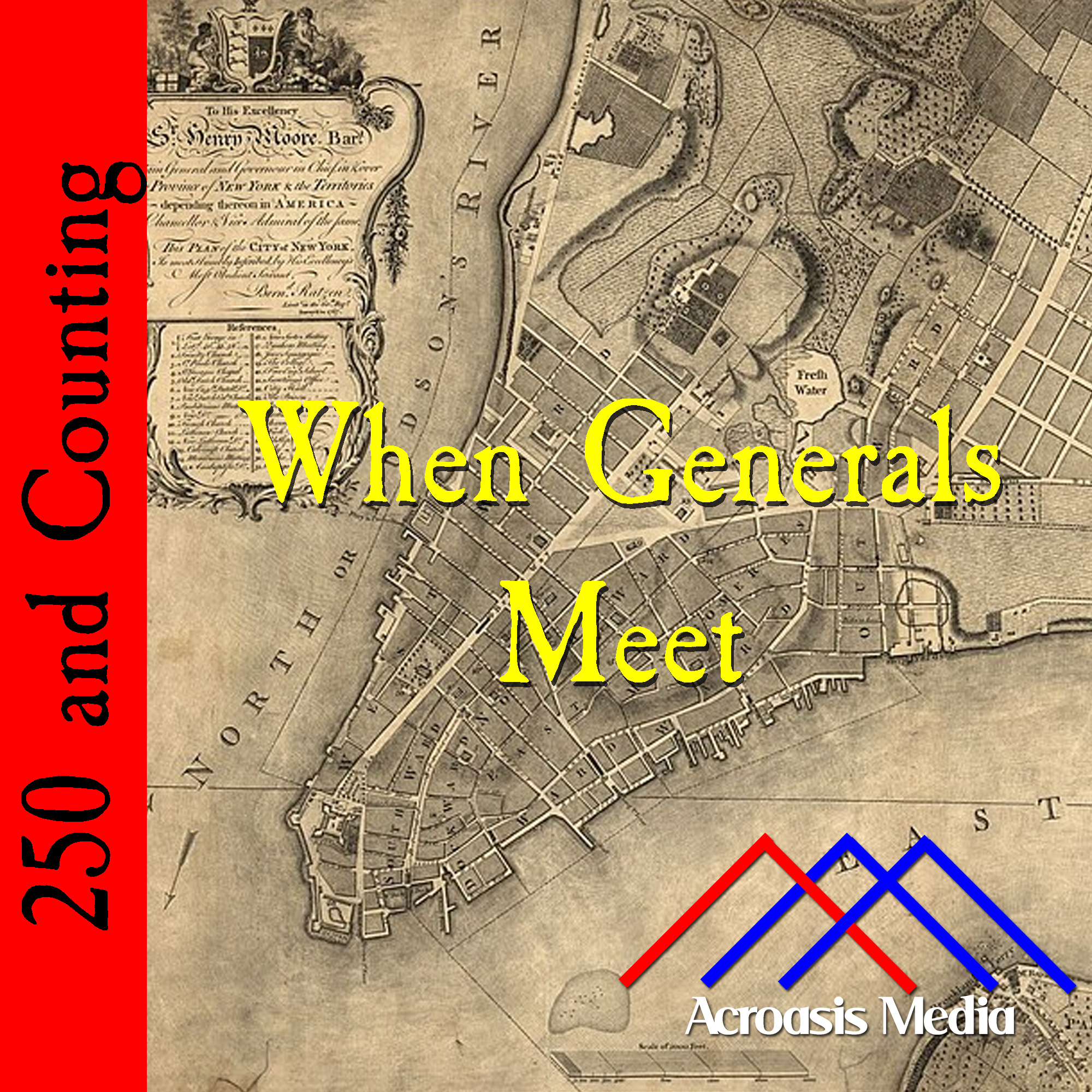
When Generals Meet–February 4, 1776
A war map of New York City from 1776. This was almost the entire city at that time. OK, I’ll admit I cheated the title a little bit. The fact is, both General Charles Lee, who was part of George Washington’s inner circle, and General Henry Clinton, who was a British general, did arrive in New York City on the same day. The odds are pretty low that, despite how small New York City is compared to today, they actually encountered one another on this day. The post When Generals Meet–February 4, 1776 appeared first on 250 and Counting.
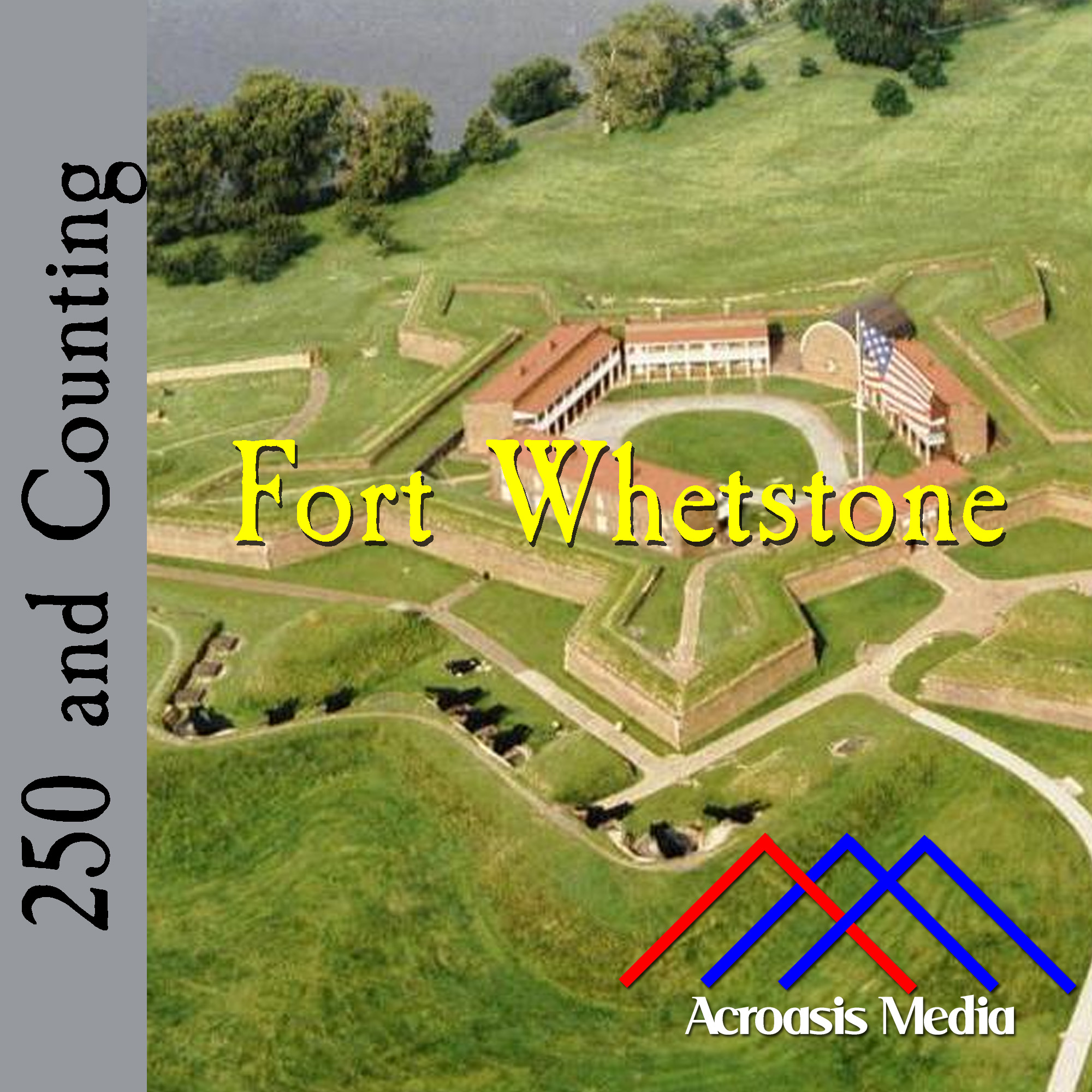
Fort Whetstone–February 3, 1776
Aerial view of Fort McHenry. The curved earthworks wall along the bottom third of the picture is a remnant of Fort Whetstone. via Wikimedia Commons. I was actually rather disappointed not to be able to find any images of Fort Whetstone. Surely there are some pictures from that time, but the Internet was not in a giving mood today. In today’s artwork you can see some remnants of the original fort (most of what you see is modern-day Fort McHenry). Those are along the bottom of the photo, but there are other artifacts that are tough to see from aerial photos. For instance, the location of the original barracks is visible at ground level. They’re marked out by the bricks which are still embedded in the ground. The end of Whetstone/Locust Point is just out of picture range to the left. And if you visit, look out across the water to the remnants of the Francis Scott Key Bridge. That’s about where the British ships were when they were bombarding Fort McHenry during the War of 1812. It’s also about where Francis Scott Key himself was at that same time. You’re looking at roughly four miles of distance as the crow flies. Those ships’ cannons had some range. Fun Fact: as recently as November 2025, an unexploded cannonball, likely from the 1814 battle, was found in the ground. The park had to be closed for a day while the Baltimore Bomb Squad came in and rendered it safe. The post Fort Whetstone–February 3, 1776 appeared first on 250 and Counting.

Salisbury Iron Furnace–February 2, 1776
A typical iron factory setup, This image is generally used to represent the Salisbury Furnace. via National Park Service. In early 1775 when hostilities first broke out, the Salisbury Iron Furnace was owned by an Englishman named Richard Smith. By the end of the year he’d cleared out and gone back home to England, and remained there for the rest of the war. After an inspection in early January, the Committee of Safety formally recommended that the Salisbury Iron Furnace be confiscated and made ready for the production of cannon. The first cannon rolled out on May 27, and by the time the war ended, about 850 cannon—about 75% of all the cannons made in the colonies—had come from Salisbury, not to mention ammunition and other armaments. The post Salisbury Iron Furnace–February 2, 1776 appeared first on 250 and Counting.

William Montgomery Crane–February 1, 1776
Portrait of William Montgomery Crane. By Unknown author – The National Cyclopaedia of American Biography, Volume XII, 1904, page 422, via Wikimedia Commons. If you’re going to have a kid in 1776, you’re probably going to be feeling a little patriotism when you do so. Such was the case with William Montgomery Crane, who got his middle name from General Richard Montgomery, under whom his father served around this point in the Revolutionary War. Crane’s father was General William Crane, but at that time he was a lieutenant in the expedition to Quebec, and was part of the New Years Eve assault on that city. Crane was badly wounded in the ankle, an injury that bothered him for decades and eventually led to the foot being amputated, and his eventual death in 1814. As far as his son William is concerned, we had to gloss over this, but Crane spent a few years in the Mediterranean during the Barbary War, working on protecting ships from piracy. After the Revolution, American ships naturally lost protection from the British Navy and were vulnerable to pirate attacks when they refused to pay protection. President Thomas Jefferson relied on a strategy of using the US Navy to put together blockades, patrols and even direct assaults on the pirate ships. Eventually the tactic worked and Crane was recognized for his efforts when his gunboat endured heavy fire to destroy a battery’s walls in Tripoli in just a couple of hours. The post William Montgomery Crane–February 1, 1776 appeared first on 250 and Counting.

The Fate of a Crew–January 31, 1776
Etching of William Alexander, Lord Stirling, as a Major General. Etching by H.B. Hall, 1892. via New York Public Library. The capture and ultimate disposition of the HMS Blue Mountain Valley and her crew was, in the bigger scheme of things, a relatively minor event in the American Revolution, however it did suddenly bring both New Jersey and New York into more active participation in the war. And even though the Blue Mountain Valley was beset by storms that they couldn’t possibly control, the fact that the ship was so easily captured despite the protections they’d put in place so far became a major point of debate back in England. It led to a policy prohibiting the use of transport ships to America unless they had a Naval escort. A policy like that is pretty good for keeping the ship and cargo losses down, but it wreaks havoc on the Naval resources. So this event was a win in the short run for the Americans, but it was a long-run win as well because of the way it inconvenienced the British over the next several years. The post The Fate of a Crew–January 31, 1776 appeared first on 250 and Counting.

Enlisting Apprentices–January 30, 1776
“Colonial Blacksmith, 1776”. Wood engraving, attributed to “Granger” though this may be the name of the collection. While we’re talking about enlisting apprentices today, it should be noted that there was precious little difference between an apprentice and an indentured servant, except maybe their age. Thus, the rules that applied to apprentices when it came to enlistment could also be applied to indentured servants, especially inasmuch as some of those rules seemed designed more for them than apprentices. Also: Mike mentioned James Mease and his ketchup recipe. To clarify, ketchup had been around for hundreds of years, originating in China (or Vietnam; it’s a little fuzzy). What Mease did was add a tomato base, giving us the ketchup that we’re used to putting on our cookout foods. The Chinese stuff, commonly called “kê-chiap” was a fish-based sauce. Mease’s recipe involved brandy and spices; no sugar or vinegar. Here’s the recipe he published: Slice the apples* thin, and over every layer sprinkle a little salt; cover them, and let them lie twenty-four hours; then beat them well, and simmer them half an hour in a bell-metal kettle; then add mace & allspice. When cold, add two cloves of raw shallots cut small, and half a gill of brandy to each bottle, which must be corked tight, and kept in a cool place. *Mease called them “apples” because he was using the French word for tomatoes, “pommes d’amour” or “love apples.” Anyway, try it out and get back to us. The post Enlisting Apprentices–January 30, 1776 appeared first on 250 and Counting.
From John To George–January 29, 1776
A letter written by John Hancock. Letters from John Hancock to George Washington weren’t especially scarce, nor were letters going the other way. However, today’s letter takes on a few important topics for Washington that one hopes came greatly appreciated. There was commendation that Washington had the foresight to send troops to New York, there was some good financial news, there was also good news in the realm of troop recruitment, and there was a warning about likely military action coming fairly soon. All in all, it was a letter packed with information, and if we had to guess (because we don’t know), it was likely conveyed by courier rather than the postal system, which was still prone to interception by the British. The post From John To George–January 29, 1776 appeared first on 250 and Counting.

Arrest of a Franklin–January 28, 1776
Portrait of William Franklin, 1790, attributed to Mather Brown. via Wikimedia. It used to be rumored that Benjamin Franklin had over 30 children out of wedlock, but that’s since been debunked. (And there goes a perfectly good “lightning rod” joke.) But William Franklin was considered illegitimate, though he was raised by his father and his common-law wife Deborah Read. There are some breadcrumbs here and there that lead some historians to believe that Deborah was, in fact, William’s mother, but nothing thick enough exists to confirm that. At any rate, William was one of the last great Loyalists, and while his arrest and move to Connecticut was alluded to in the play 1776, it didn’t quite happen the way it was described there. Or at the time the viewer was led to believe. Tune in to get the real story from Mike. The post Arrest of a Franklin–January 28, 1776 appeared first on 250 and Counting.

Rules for Native American Trade–January 27, 1776
Engraving titled Washington and Fairfax and a War-Dance by John Rogers, 1857. The event depicted actually took place in 1779. As noted in the episode, there were several different rules laid down for trading with Native Americans at that time, and some of them were designed to ensure that they remained on our side or, at worst, that they remained neutral in Revolution-based matters. But the rules wound up working out well for both sides: the various tribes were able to get the materials they wanted, and trade was conducted under better-controlled conditions. In addition, they led to trade-related treaties with several tribes up and down the coast during the next year or so. And with over 80 tribes east of the Mississippi River at that time, that’s a lot of treaties to negotiate. The post Rules for Native American Trade–January 27, 1776 appeared first on 250 and Counting.

Our First Memorial–January 25, 1776
The monument erected to honor Richard Montgomery outside St. Paul’s Chapel at Trinity Church. The inscription reads: This Monument is erected by the order of Congress, 25th, Janry, 1776, to transmit to Posterity a grateful remembrance of the patriotism conduct enterprise & perseverance of Major General Richard MontgomeryWho after a series of successes amidst the most discouraging Difficulties Fell in the attack on Quebec. 31st, Decbr, 1775. Aged 37 Years. We weren’t even a nation yet and Congress had already commissioned the Richard Montgomery Memorial. And while the memorial itself was completed rather quickly by the commissioned artist, the war interfered with its transport and it took nearly ten years to find all the pieces. (Dirty Secret: they never found all of them; the urn at top center was a reproduction.) Montgomery was generally known to be a good general even if his death was practically inevitable, given the circumstances. But that didn’t stop people from turning him into a martyr for the cause of Independence. PS. Trinity Church’s website has a page dedicated to the monument, which aided my research for this episode. There’s a huge, fascinating segment dedicated to the 2011 restoration process for this memorial. The post Our First Memorial–January 25, 1776 appeared first on 250 and Counting.

Jean-Guillaume Hyde–January 24, 1776
Detail of an 1830 lithograph by Ducarme after a portrait by Legrand. While the United States has had its share of international mishaps, not all of them have been created by Americans. Jean-Guillaume Hyde, more properly known as “Jean-Guillaume, baron Hyde de Neuville”, would be an early example of this. Hyde was probably a textbook case of failing upward, as he appears to have suffered multiple setbacks and still managed to come out ahead later on. As early as 1793, when he was 17, Hyde liked to work behind the scenes, trying to nudge people into saying and doing things that would benefit France, and oftentimes failing. This eventually led to his being made to move to the United States in 1800. In 1814 when the Bourbons returned to power in France, he was allowed to return. That’s where his diplomatic career began, and he spent six years as the ambassador to the US, where he was rather universally despised. From there he went to Portugal, where he was again a disaster as a diplomat. This time it only took about three years to kick him out. In 1828 Hyde became Minister of the Navy and the Colonies where he did appear to have some luck improving the way the French Colonial Empire was organized and run, but he eventually resigned from the position as a symbol of protest. Hyde was involved with the internal discussions to decide whether a new commercial treaty with the US was a worthy idea, though we don’t think he did any of the actual negotiating with America. Hyde died in Paris in 1857 and the book of his “memoirs” is actually a collection of letters and notes compiled by his nieces. The post Jean-Guillaume Hyde–January 24, 1776 appeared first on 250 and Counting.

A Most Dreadful Voyage–January 23, 1776
“An English Ship at Sea Lying-To in a Gale,” painted by Willem van de Velde the Younger, late 17th century. The HMS Blue Mountain Valley—which probably got its name from the place in eastern Jamaica—had rather a rough trip to America from London in late 1775 and early 1776. They left London in mid-October 1775 and ran into multiple storms before arriving somewhere near Boston nine or ten weeks later. Damage to the ship was such that it was judged unsafe to enter the Massachusetts Bay because safe navigation there couldn’t be guaranteed. They decided to head further south, arriving near Egg Harbor, NJ on January 18. Given that they were under orders not to approach the coast without an escorting warship (or reassurance from a warship that a given harbor was safe), they chose to take the Blue Mountain Valley a few miles north to Sandy Hook, where they could get a refit to navigate the ship safely. Bad luck for them; Patriot forces knew they were coming and laid a trap, capturing them easily. By that point, the sailors were hungry and thirsty, much of their cargo had died or gone rotten, and it’s entirely possible that the crew actually viewed capture as a kind of rescue. The ship was moved to Elizabethtown (now known as just Elizabeth, just south of modern-day Newark Airport) and the crew given parole in the town. PS: much of my research for this episode came from Eric Wiser’s Journal of the American Revolution article “Blue Mountain Valley and the Rise of Lord Stirling,” which goes into much greater depth than I could provide either here or in the episode. It’s a pretty fascinating read. The post A Most Dreadful Voyage–January 23, 1776 appeared first on 250 and Counting.

“Which Will Be Your Choice?”–January 22, 1776
Portrait of Francis Lightfoot Lee. Artist and date unknown, however the original painting is thought to have been created during his lifetime. This is the basis for many images of Lee. Francis Lightfoot Lee is another one of those Founding Fathers who was there for much of the main action, but who doesn’t seem to get as much press as Jefferson, Franklin, Adams and a few others. That’s not to say he didn’t have any influence. In fact, as we learn today, he was one of the first to suggest the inevitability of a clean break with Britain. At least, one of the first to actually put it in writing, which was pretty brave considering the British habit of reading people’s mail. The post “Which Will Be Your Choice?”–January 22, 1776 appeared first on 250 and Counting.

Elisha Haley–January 21, 1776
Portrait of Elisha Haley, artist unknown, created approximately 1860. Elisha Haley wasn’t necessarily a lawmaker at either the State or the Federal level who made such a huge mark that he’s become a kind of household name, but he appears to have been solid enough that he could get elected multiple times at both levels. I did discover, after recording the episode, that Haley is not, in fact, buried in Crary Cemetery but rather in the Wightman Cemetery, which is also in Groton. His wife and four of his children are also buried there. The post Elisha Haley–January 21, 1776 appeared first on 250 and Counting.

Charles Pinckney Sumner–January 20, 1776
Charles Pinckney Sumner was a man ahead of his time, in the sense that he knew not only that slavery was wrong, but that slaves need not only to be freed, but to be treated as equal citizens. He also carried a rather Utopian view of what society should be like, that Nature was at least as important as Nurture, if not more so. Although he and his wife Relief Jacob had at least nine children, they were considered to be not especially demonstrative with one another, even described by some as “formal.” The post Charles Pinckney Sumner–January 20, 1776 appeared first on 250 and Counting.
Busy Day In Congress–January 19, 1776
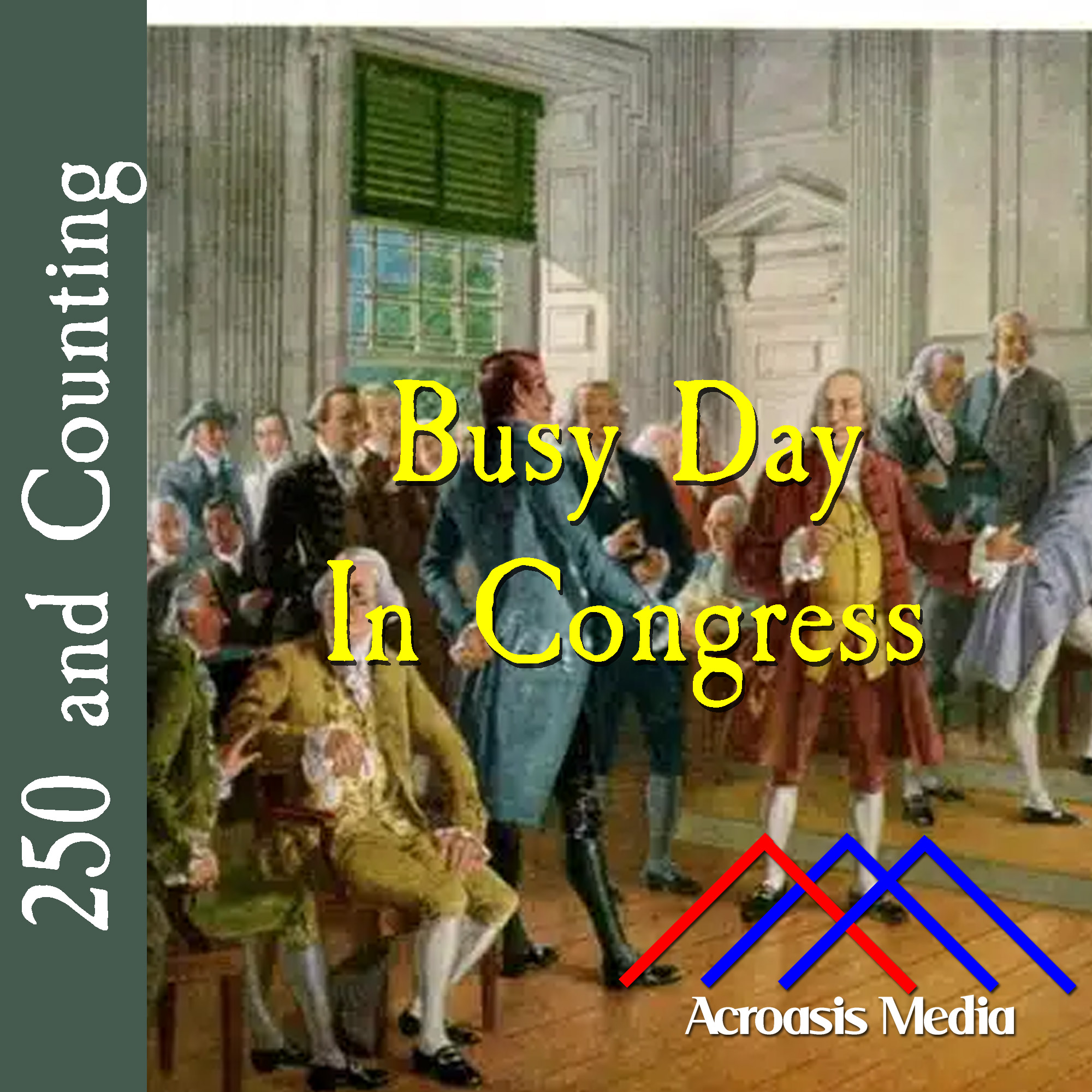
Painting of the Continental Congress by John Trumbull, created around 1819. This painting depicts a date several months after today. Trumbull was especially insistent on painting subjects from life whenever he could. The Second Continental Congress Committees, several of them anyway, reported out on this day in 1776 and it was starting to become clear that the individual colonies had some needs when it came to defense. There were issues with prisoners possibly being mistreated, word had gotten back regarding what had happened in Quebec on New Year’s Day, South Carolina had some need for sailors to defend the Charleston Bay…there was a lot going on, and while we view the large number of committees, with names that are either too obvious or a little silly, to be a bit much, we’re also viewing it through a modern-day lens. Not that life was simpler—though it was, in a sense—but that the Congress was quite pragmatic and direct in the way they operated. The post Busy Day In Congress–January 19, 1776 appeared first on 250 and Counting.
Church Gets Out–January 18, 1776
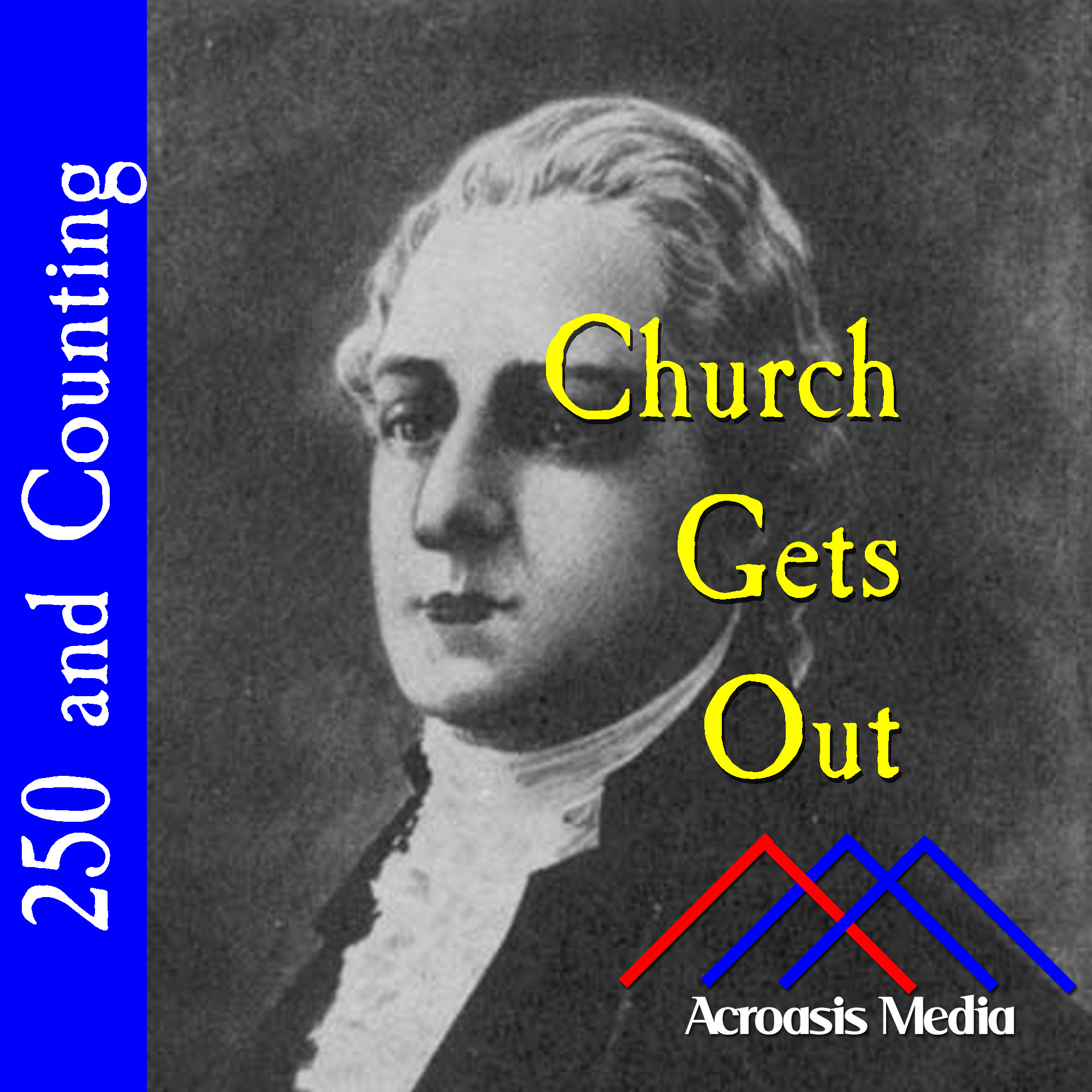
Given that Benjamin Church was discovered to be a traitor long before Benedict Arnold was, it’s a little peculiar that Arnold’s name has carried down through history much more than Church’s was. Maybe it’s because Church was a little less prominent in the Revolution before he was caught. Maybe “Benedict Arnold” has a better ring to it as something to hurl at someone who’s broken your trust. It’s also possible that, at that time, nobody really knew the extent of the damage Benjamin Church had done, while Arnold’s treachery was immediately apparent. (For what it’s worth, it’s been postulated that Benedict Arnold’s traitorous activities were pushed on him by his wife, but nobody gets called a “Peggy Shippen,” so in the end, who knows?) The post Church Gets Out–January 18, 1776 appeared first on 250 and Counting.

Many Letters to George–January 17, 1776
Copy of a letter sent in April 1776 by Washington to the Continental Congress. via Library of Congress. George Washington was a prolific letter writer, and as such he also tended to receive a great number of letters. We have to day three missives sent to George Washington on this day in 1776. (Pardon my brevity for this episode; as I write this my wife has spent the better part of the day in the hospital for a surgical procedure, and I’m too exhausted to be my usual clever self.) The post Many Letters to George–January 17, 1776 appeared first on 250 and Counting.

A Council of War–January 16, 1776
This appears to be a colorized print taken from a monument relief. This is actually Washington’s Council of War from shortly before the Battle at Monmouth. George Washington was a good leader in the sense that he knew what his troops needed, but he was also a good leader because he sought the counsel of others before making decisions. Washington would call a Council of War before he made big movements, and the Boston Council of War was no exception. Washington knew that the Siege of Boston wasn’t going to last forever. Before much more time would pass, the weather was going to break and it would start to get warmer, and in his eyes, that’s when there’d be a huge infusion of British soldiers to come in from the harbor side and bust the whole thing wide open. And this is one of the things he discussed with his Boston Council of War. (To be fair, I don’t think that’s what he actually called it; I’m just using that phrase to make a distinction between this group and other Councils he called.) In addition, Washington changed his mind about recruiting soldiers who’d previously been banned. The post A Council of War–January 16, 1776 appeared first on 250 and Counting.

Sam Adams Also Has Concerns–January 15, 1776
Samuel Adams in 1772, painted by John Singleton Copley. via Wikimedia Commons and the Museum of Fine Arts in Boston. Samuel Adams made a point of telling his second cousin John Adams that he didn’t have a lot of time to write. Then he cranked out 570 words of worries about the language in the New Hampshire constitution, which had been ratified ten days earlier. Then the next day he tacked on another 250 words. If he’d typed all 820 words out, it would be about three pages (double-spaced). The script for this episode is 219 words; even when Adams was in a hurry he was verbose. But Samuel Adams kinda-sorta had a point, in that the New Hampshire constitution hedged its bets a little bit. Clearly he had this in mind when he worked on the original Articles of Confederation (the document that preceded the US Constitution), and when he joined the Constitutional Convention for Massachusetts a couple of years later. The post Sam Adams Also Has Concerns–January 15, 1776 appeared first on 250 and Counting.

Washington Has Concerns–January 14, 1776
Correspondence from Charles Thompson, Secretary to the Second Continental Congress, to George Washington. via Library of Congress. As George Washington’s aide-de-camp, Joseph Reed was privy to a lot of things on his Commander-in-Chief’s mind. And it shows in the level of prose that Washington uses when writing to Reed, because it’s much less formal. Compare that to the letter he sent to the Continental Congress the same day. In both cases he was expressing concerns regarding his troops, but in one case it’s a criticism of their readiness (Joseph Reed), and in the other it’s concern for their well-being (John Hancock). Washington’s troops would remain relatively undisciplined for several months, until the winter encampment at Valley Forge. But I’m getting waaaaay ahead of the story, so stick around. Meanwhile, put this in your ears. The post Washington Has Concerns–January 14, 1776 appeared first on 250 and Counting.

John M. Snowden–January 13, 1776
Portrait of John Maugridge Snowden, Third Mayor of Pittsburgh. From the Snowden Family Collection via Wikimedia Commons. What can I say about John M. Snowden that I didn’t tell you about in the episode itself? The truth is, he’s not a well-documented man, nor is his family, even though (as I noted) his wife was an advisor to George Washington for awhile. I can note that I foreshortened his career a little bit, in that he had done a little public service before he was the mayor of Pittsburgh. He also spent some time as the Allegheny County Recorder and Treasurer before he was elected mayor. It should be noted, however, that until 1835 mayors were appointed by the City Council. It wasn’t necessarily a bad thing, but it could lend itself to corruption. And the incumbent won the first election, so chances are the process wasn’t too bad. We also spend a little time with Henry Knox, who (you might remember) began the Noble Train of Artillery journey back on December 17. His arrival in Cambridge is still about two weeks out; we don’t know a lot about what happened during that time because today is the day that his diary stops. But when he arrives, we’ll all be there to greet him. The post John M. Snowden–January 13, 1776 appeared first on 250 and Counting.

Prudence Island Under Attack–January 12, 1776
Prudence Park on Prudence Island, from a 1930s-era postcard. Via Wikimedia Commons. Prudence Island, in the Narragansett Bay off Rhode Island, didn’t have a lot of strategic value to anyone. What it DID have was livestock, and the British were hard-pressed to get supplies, especially for Boston, which had been under siege since mid-April. And, as Mike notes during the episode, neither army was really shy about stealing what they needed to advance their cause. While the residents of Prudence Island managed to repel the British on their second engagement, everyone just pretty much noped out of there, with only a few ever returning. So in the long run, it was a win for the British. The post Prudence Island Under Attack–January 12, 1776 appeared first on 250 and Counting.

Rush To The Altar–January 11, 1776
Portrait of Julia Stockton Rush by Charles Willson Peale, painted in 1776. Sure, most of the episode is about Benjamin Rush, but who would YOU rather look at? Right. Although she was quite young when she married Benjamin Rush, Julia Stockton was probably as brilliant and opinionated as her husband was. Not long after they married on this day in 1776, Benjamin was appointed Surgeon General to his friend George Washington, and as the war got more intense and involved, and American losses began to pile up, Benjamin would occasionally hear soldiers complaining about them, and he would repeat that information to her in both letters and in conversation. But sooner or later, she warned him in early 1778, some of this backbiting was going to get back to General Washington. He did promise to take this advice to heart, but it was already too late. One of his letters did get back to Washington’s camp, and he was never forgiven for it. Benjamin Rush is perhaps more well-known for being America’s answer to Hippocrates, because of his popularity as both a doctor (especially for the poor) and as a teacher. But there’s so much more to him, and his relationship with Julia, than most might consider. If you get an opportunity and you enjoy reading about history, consider picking up a copy of Rush: Revolution, Madness & the Visionary Doctor Who Became a Founding Father, by historian Stephen Fried. It’s about $20 via Amazon, or the Kindle edition is under $5, quite the bargain. The post Rush To The Altar–January 11, 1776 appeared first on 250 and Counting.

It’s Just…You Know…–January 10, 1776
The original cover of Common Sense. via Wikimedia Commons. Okay, so here’s the thing about Common Sense: It’s not as though Thomas Paine came up with prose so extraordinarily clear that everyone suddenly smacked their foreheads and said, “My God! Independence! Of COURSE!” In fact, many people thought Common Sense was crazy, and others considered it an incitement to the all-out war that everyone was trying to avoid. There were complaints that what Paine had written was dangerous, even violent. But the pamphlet was heavily advertised, and Paine was involved in a very ugly, very public feud with his publisher Robert Bell. Those two things, combined with the accusations of scandalousness, meant that sales were going through the roof. And people weren’t just buying it, they were reading it. And as time went on, the argument made by Paine became more and more palatable. And by the time July came around, Paine’s ideas largely stood up to reason. P.S. One time years ago, when I lived in New York, I came home from work in a powerful rainstorm. When I entered the house, rather than track my wet feet throughout the house, I opened up my newspaper and dropped it on the floor, and I stepped lightly a few times on it. When my wife asked what I was doing, I told her, “These are the Times that dry men’s soles.” I’ll let myself out, now. The post It’s Just…You Know…–January 10, 1776 appeared first on 250 and Counting.

A Plan Is Hatched–January 9, 1776
A miniature portrait of Josiah Martin, artist unknown, circa 1775. Josiah Martin was the last Royal Governor of North Carolina, and while he spent the first few months of the job in New York, he probably wouldn’t have a reputation as an especially bad governor if he hadn’t been hampered so much by circumstances that were in place before he got the job. There were money issues that his predecessor had left behind, and the rest of the government was plagued by internal squabbling that pretty much ensured nothing got done. It’s actually kind of amazing that there were any Loyalists left in North Carolina by the time 1776 rolled around. But there were, and so Josiah Martin began to put together a nearly foolproof plan to get himself back in power. Nearly. P.S. You know you watched a lot of The West Wing when you hear the name “Josiah” and your mind immediately goes to “Bartlet.” Just sayin’. The post A Plan Is Hatched–January 9, 1776 appeared first on 250 and Counting.
The Play’s The Thing–January 8, 1775
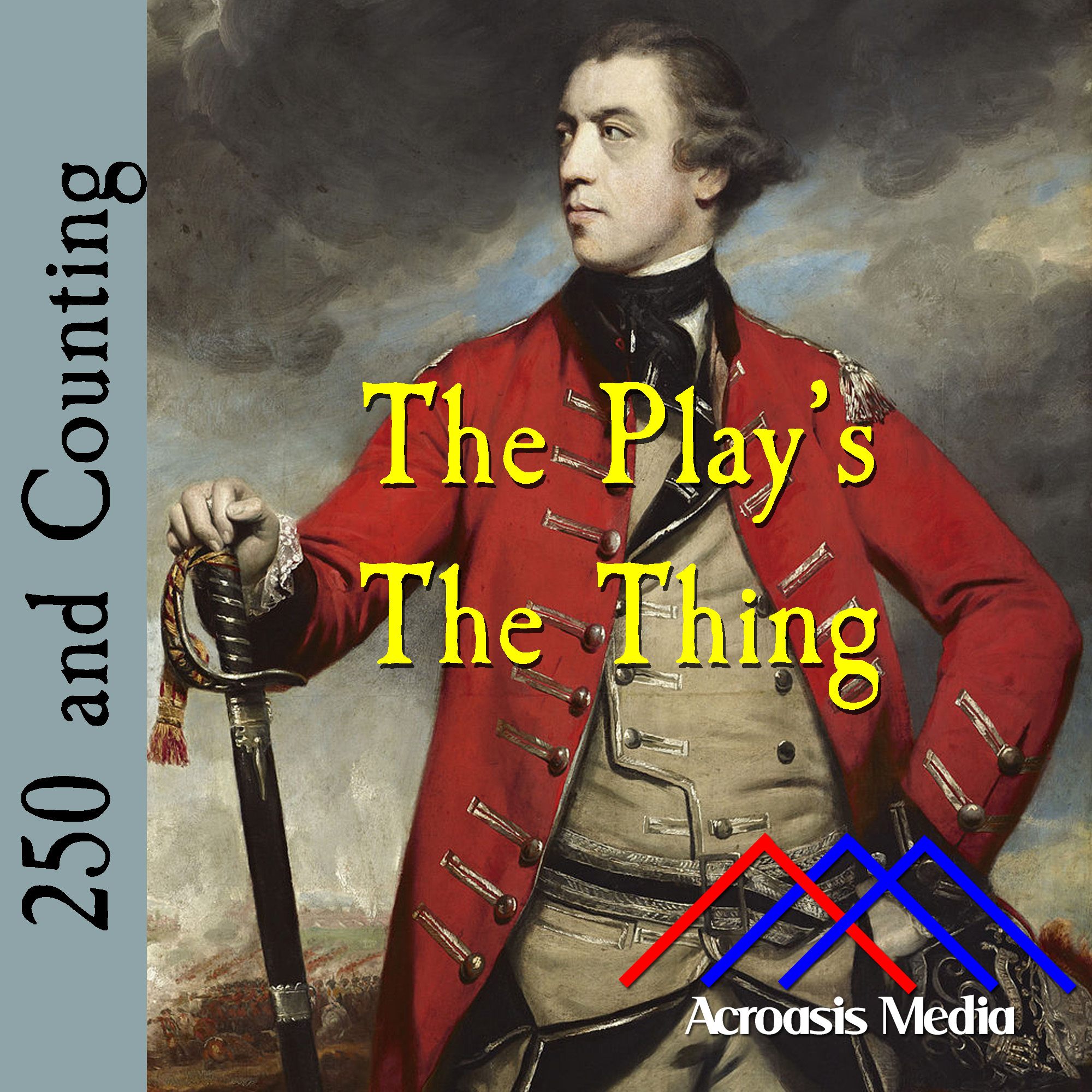
Portrait of John Burgoyne c. 1766, by Joshua Reynolds. Via the Frick Collection. Mike wasn’t kidding when he said that, had it not been for his part in the Revolution, John Burgoyne would be best known as a playwright. He wrote several plays, most of them quite successful. Interestingly enough, the play Mike cites today is not often listed among his oeuvre. So we get the feeling that “The Blockade to Boston” was more of a one-act, or a skit-level kind of show meant specifically for that day’s audience. But he was a general during the Revolution, and he was actually a pretty good one, although for the longest time he got the blame for the British loss. (You may still think this is the case, but more recently historians have moved away from this.) The post The Play’s The Thing–January 8, 1775 appeared first on 250 and Counting.
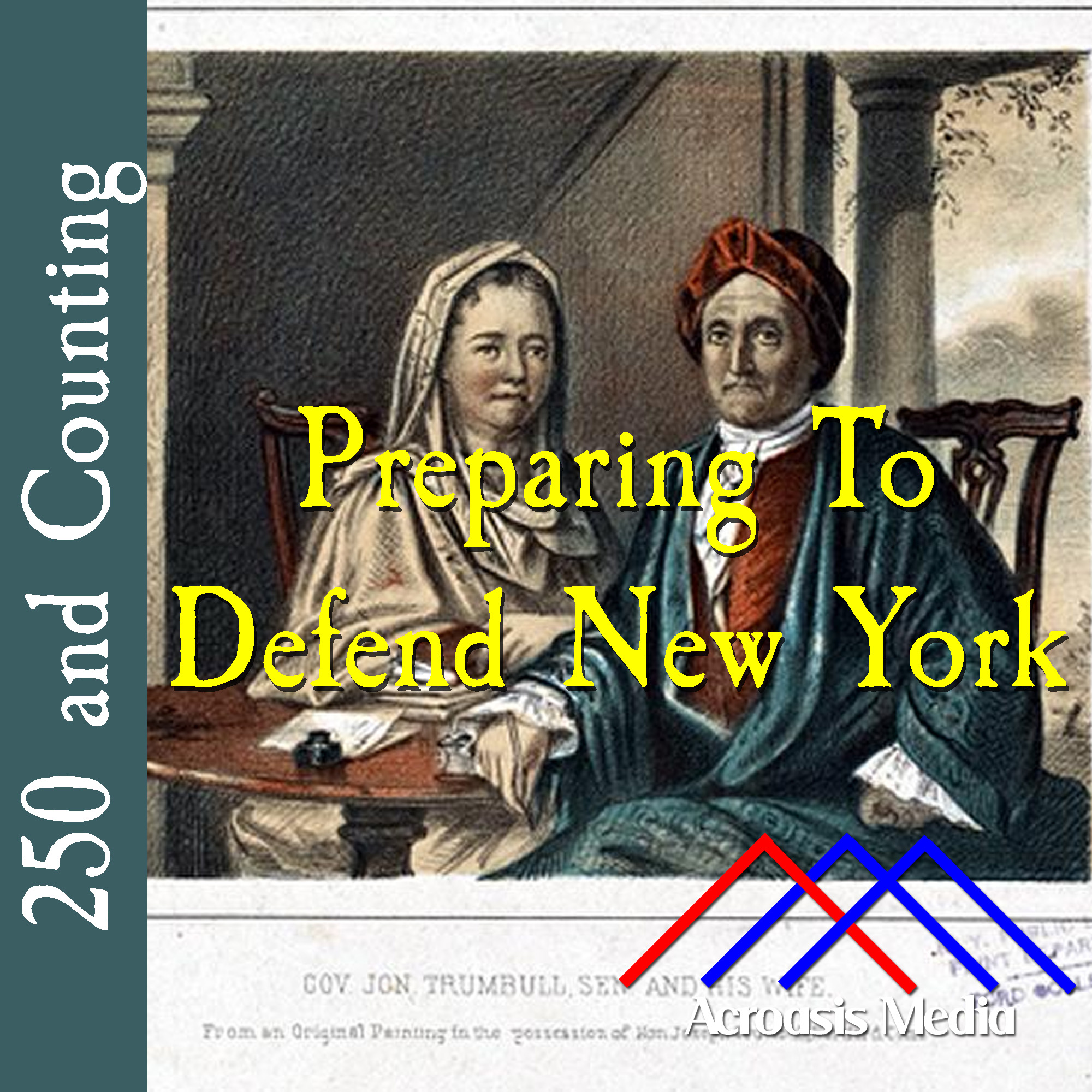
Preparing To Defend New York–January 7, 1775
Portrait of Jonathan Trumbull and his wife Faith, painted by his son John Trumbull, 1778. via New York Public Library. There are many letters between George Washington and Connecticut Governor Jonathan Trumbull. Presumably something as simple as proximity to another leader was attractive to both of them, especially in an age where letters took several days to go a hundred miles. We have to presume that the two men had very reliable people transporting these letters, given how much detail is in this one regarding Washington’s guesses about British troop movements and exactly what he was going to do about it. It’s certainly been the case before that correspondence has been intercepted by the British in the past, and the Postal Service hadn’t been up and running for very long by that point. At any rate, Washington was correct in that the British were taking a hard look at New York City (still mostly just the southern tip of Manhattan, mind you) and the palisades along the Hudson River, which was still called the North River then. Where he was likely incorrect was in the timing of that move, which may have resulted in a little complacency. The post Preparing To Defend New York–January 7, 1775 appeared first on 250 and Counting.
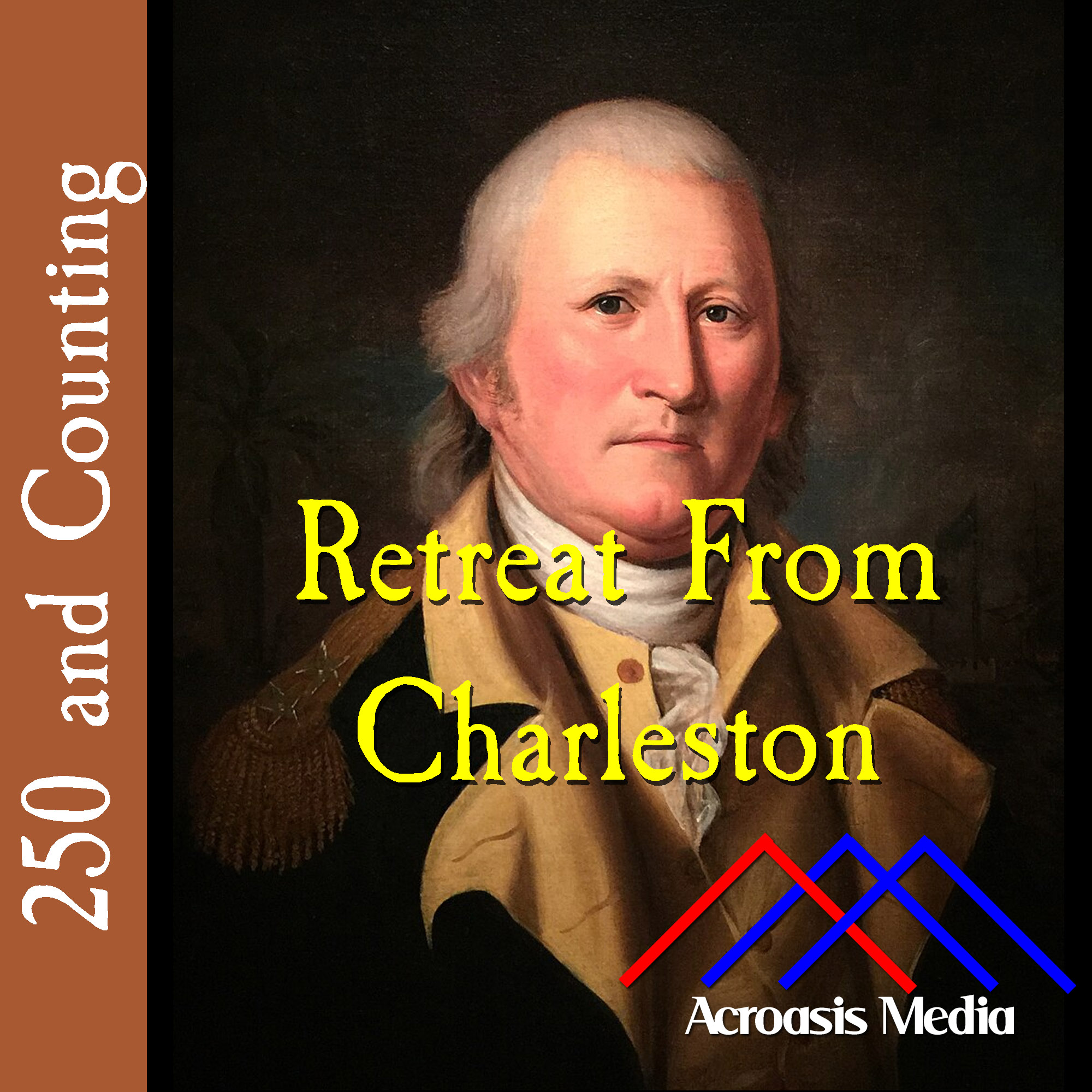
Retreat From Charleston–January 6, 1776
Oil painting of William Moultrie, who was a General when this was painted by Charles Wilson Peale in 1782. From a strategic standpoint, Charleston Bay was probably much more attractive to the British than Boston Harbor was. The northern harbor was more open to the sea, there were a bunch of small islands to navigate around, and the weather could get quite treacherous. Meanwhile in South Carolina, there was a definite entry/exit point, there were fewer islands to deal with, and while it can still get cold in that area, the winters are still much milder. But from a shipping standpoint, both cities were attractive and needed to be controlled, as far as the British were concerned. It’s interesting, in retrospect, that the Patriots would attack the British ships as they departed the harbor area in Charleston, though. If nothing else, they more or less gave away the fact that Sullivan’s Island was fortified, which wasn’t necessarily common knowledge. And sure enough, there was an attack there by the British, which we’ll talk about in June. Stay tuned! The post Retreat From Charleston–January 6, 1776 appeared first on 250 and Counting.

The First State Constitution–January 5, 1776
The manuscript for the first New Hampshire constitution. Via New Hampshire Secretary of State social media account. It’s fun to say that the New Hampshire Constitution was the first time that an American commonwealth constitution, and that several of the others quickly followed, as though a dam had broken. But the fact is, the various colonies were putting together their own constitutions at the urging of the Second Continental Congress, and New Hampshire just happened to be the first. That said, let’s not take away from them the fact that they managed to get it done with a great deal of efficiency, and I’m also impressed at the way they got the subsequent documents done. But you’ll have to listen to the episode to hear that. Oh, yes: I promised you the recipe for Martha Washington’s cake she served for her Twelfth Night party. This comes from the New England Historical Society. Take 40 eggs and divide the whites from the yolks and beat them to a froth. Then work four pounds of butter to a cream and put the whites of eggs to it a Spoon full at a time till it is well work’d. Then put 4 pounds of sugar finely powdered to it in the same manner then put in the Yolks of eggs and 5 pounds of flour and 5 pounds of fruit. 2 hours will bake it. Add to it half and ounce of mace and nutmeg half a pint of wine and some fresh brandy. It was a big honkin’ cake. Bon appetit! The post The First State Constitution–January 5, 1776 appeared first on 250 and Counting.

Marines On A Mission–January 4, 1776
Historic US Marine Corps portrait of Samuel Nicholas, their first Commandant. Artist and date of creation unknown. Although he held the title “Captain of Marines” at this point, Samuel Nicholas was the first officer commissioned to the Continental Marines (later the US Marine Corps), and by tradition is therefore considered to be the first Commandant of the Marines. Hey, are YOU going to argue with the USMC? I didn’t think so. Not me, either. Nicholas was commissioned on November 28, 1775, and almost immediately began setting up his recruitment operations in Philadelphia. His first major mission, which began on this day in 1776, took him hundreds of miles from the action in America, but with good reason. We’ll hear from Samuel Nicholas again in the future, as he was involved in at least one other important battle. The post Marines On A Mission–January 4, 1776 appeared first on 250 and Counting.

A Plan For Reconciliation–January 3, 1776
A 1913 painting of the Continental Congress in session, by John Ward Dunsmore. This is supposed to be the moment that John Adams recommends George Washington to lead the Continental Army. I couldn’t find any images of Lord Drummond, at least not the correct Lord Drummond. It was called “A Plan of Accommodation,” and it had been in the works for most of the previous year before Lord Drummond tried to present it to the Second Continental Congress. Taxation was the big ticket item originally, but they managed to work that out with a perpetual grant of a percentage of revenues of certain items. Once the Americans got past that, the negotiations moved quickly: Britain would modify many of its restrictions on the Colonies, and the Colonies would in turn observe certain trade rules and provide Britain with military support when needed. All of this was under the table, though: the next step was to begin formal negotiations. Drummond wanted the Americans to send an official delegation, but the delegates pointed out that they were likely to be arrested if they went to England, so Drummond offered himself as a hostage. It was all looking good until several pieces of bad news came in. The post A Plan For Reconciliation–January 3, 1776 appeared first on 250 and Counting.

A Furnace for Arms–January 2, 1776
The Mount Riga Ironworks Furnace in Salisbury, CT. There was more than one furnace at this location; this is the surviving one. It’s on the National Register of Historic Locations and a lovely place to visit if you’re in the northwest corner of the state. The Mount Riga Iron Furnace isn’t an especially unique artifact on the east coast of the US. In fact, as someone who lives in Baltimore, I get to see one of them regularly when I visit my mother-in-law, who lives about a half-hour’s drive away in a more rural part of the state. Unfortunately, that one (the Northampton Furnace is in bad shape because of its location close to a modern-day reservoir, so it’s in the water a lot of the time. But it got me curious enough to wonder what they did, and how they worked. In the oversimplified version, you layer the iron ore and limestone, along with the fuel, usually charcoal or coke, into a tall stack. Once the fire is lit, air is pushed into the bottom and forced upward, creating superheated air which gets it to about 4000 degrees. The ore melts down and the limestone collects the impurities in the ore. The limestone and impurities float to the top as slag, and the molten iron can be removed as pig iron. This is the raw material for making iron and (later on) steel. (Steel did exist in the 18th century, but it would be nearly 100 years before Henry Bessemer came up with the mass production process that made the Industrial Revolution possible.) Iron furnaces aren’t unique, but they’re not especially common either, so it was important in the Revolutionary Era to locate them and ensure that they were adequate for creating the raw materials for producing weapons. The post A Furnace for Arms–January 2, 1776 appeared first on 250 and Counting.

The Burning of Norfolk–January 1, 1776
“Incident in the Burning of Norfolk,” engraving, artist unknown. Originally appeared as an illustration in Cassell’s History of the United States in the late 1870s. Happy New Year to you! The burning of Norfolk was the follow-up to the Battle of Great Bridge and the Patriot occupation of that town. Colonel Howe probably overplayed his hand with this one, and the consequences were catastrophic for the town. The Declaration of Independence is just a few months away, now, and (spoiler alert) the part you may be most anticipating doesn’t happen on July 4. But in the meantime, there’s lots and lots of extremely historic things for us to talk about in the run-up to the Declaration, and the immediate aftermath. Running through 1775, one day at a time, has been a huge privilege for us, and we hope you’ll stay with us through 1776. This was a project that I’d been thinking about for a long time, longer than I’ve known my partner, Mike Messner. And when I suggested to him that we team up, he jumped on the idea immediately. He’s been instrumental in helping with the research, with brainstorming the ideas, and with keeping me committed to the idea of actually doing a podcast that runs every single day. We put a couple of hours into researching, writing, recording, (sometimes re-writing and re-recording) and editing these episodes, and I hope the effort shows. Thank you so much for taking this ride with us, and here’s to the next year. Have a wonderful 2026! The post The Burning of Norfolk–January 1, 1776 appeared first on 250 and Counting.
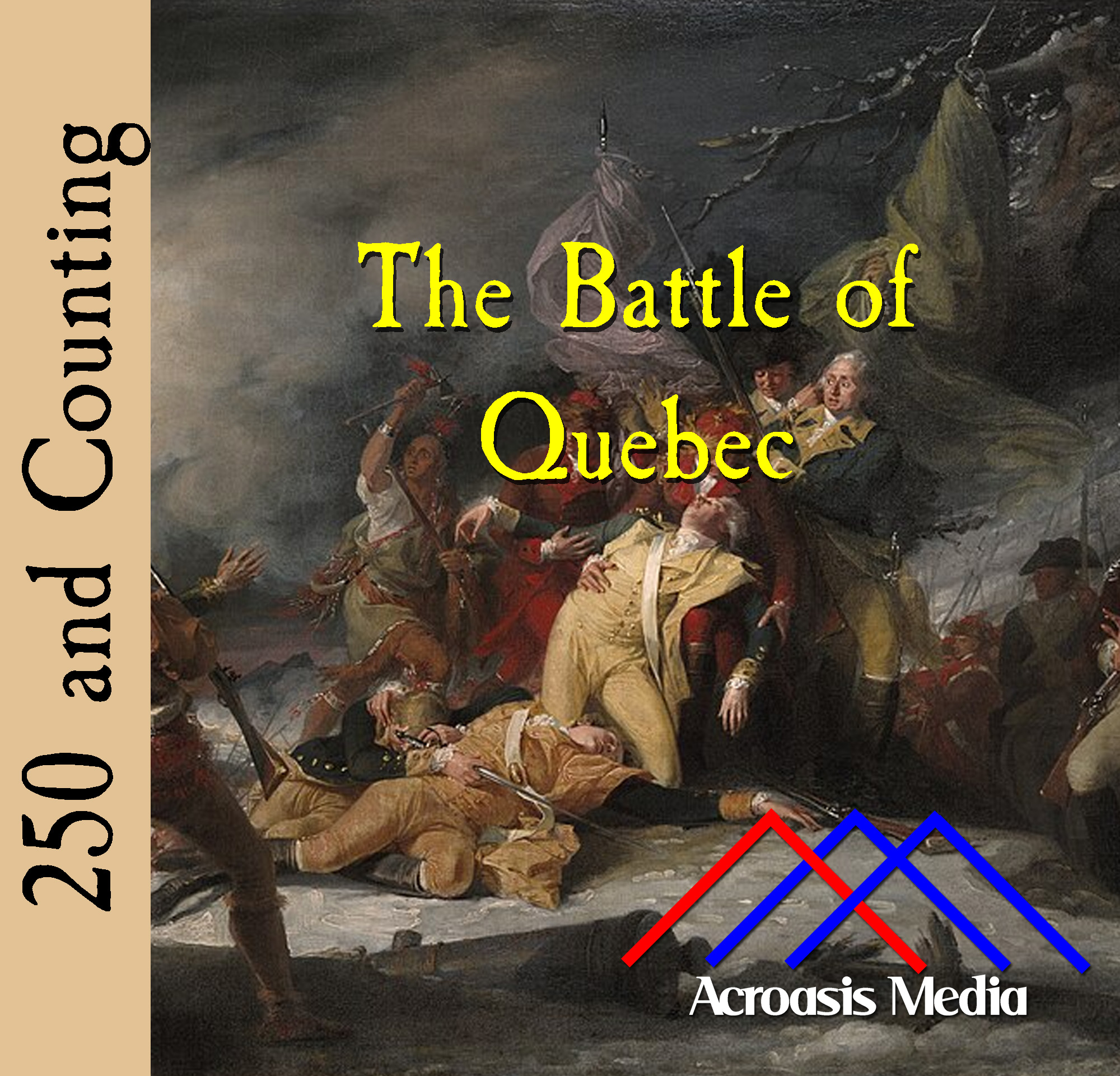
The Battle of Quebec–December 31, 1775
The Death of General Montgomery in the Attack on Quebec (detail), by John Trumbull, 1786. Montgomery was struck in the head by grapeshot, so it probably wasn’t nearly as tidy as this. While hindsight is very much a 20/20 vision, it’s still worth exploring why the Battle of Quebec went so poorly for the American side: While General Montgomery was clever enough to attack during a storm, he didn’t necessarily expect Nor’easter blizzard conditions, which made it tough for his men to see where they were going without lanterns… …which meant that there were likely sentries who probably got curious about a bunch of lanterns coming their way. Many of the men on the American side were literally on their last day of enlistment, so they probably weren’t motivated to give it their all. In fact, only about 50 Americans (including General Montgomery) were killed, and 34 wounded (including Benedict Arnold), but over 400 men were missing or captured. “Missing” could easily mean “went home.” Many of the Americans were probably unprepared for the relatively close quarters of fighting in a city, which meant that they were unprepared for attacks from above. Now, I am by no means a military expert, but these are the things that stood out for me just based on a quick read of the situation. It was hubris, and a brand of short-sightedness that this particular city got deep into the heads of Montgomery and Arnold, and they refused to let it go. The post The Battle of Quebec–December 31, 1775 appeared first on 250 and Counting.
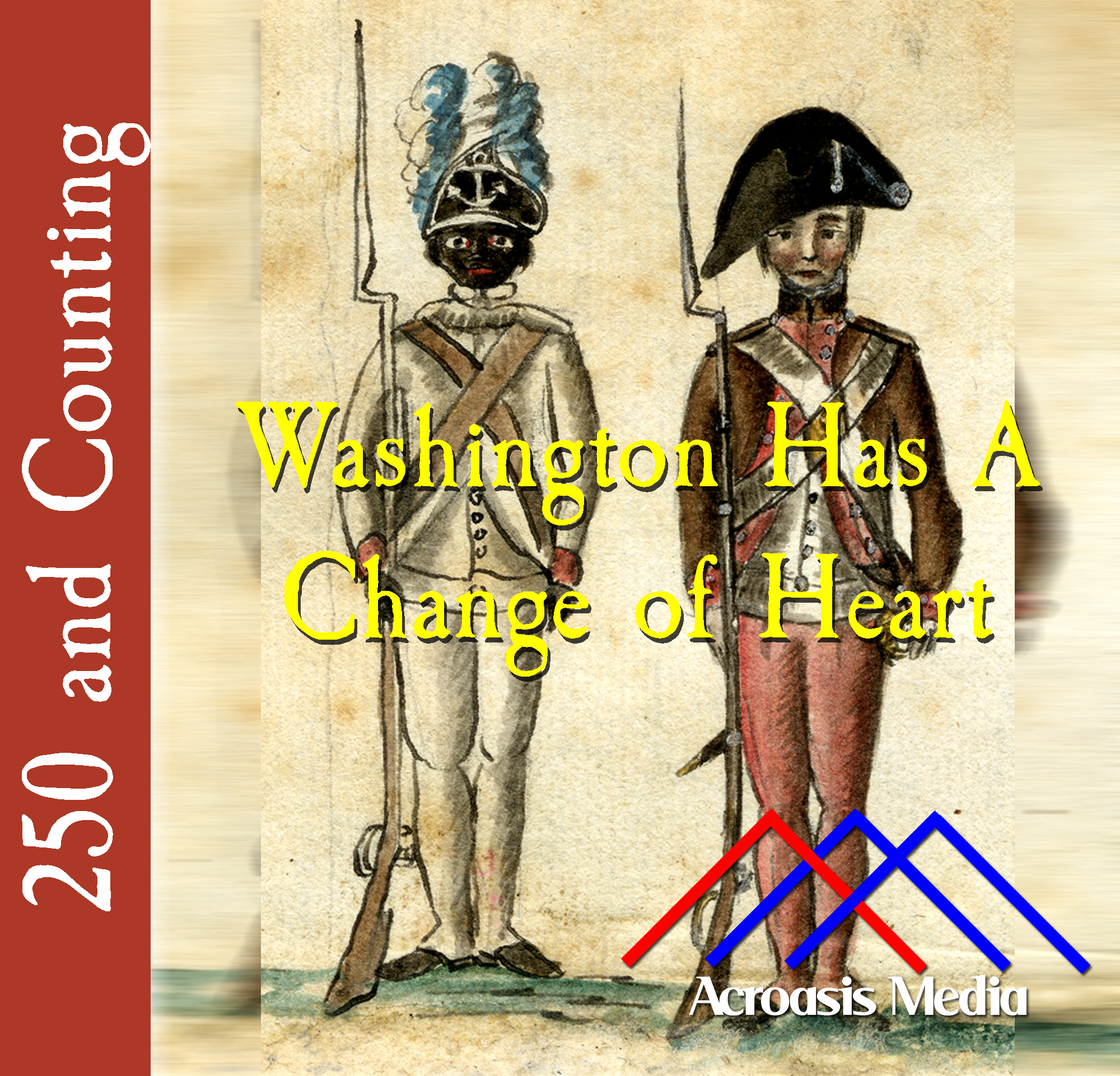
Washington Has A Change Of Heart–December 30, 1775
Back on October 8, the Continental Army determined that Blacks were no longer to be permitted to enlist, and that existing soldiers would not be allowed to re-enlist. But on this date, George Washington changed his mind. Was he suddenly an abolitionist? Not a chance. He owned slaves until the day he died. This was a more pragmatic decision. It was borne of the fact that he and his staff suddenly realized that a lot of soldiers were going to end their enlistment come January. That October decision was starting to look rather short-sighted. Add to that the fact that word had gotten about about Lord Dunmore’s offer to free slaves who fought on the British side. Now, he really couldn’t do anything for slaves who came from anywhere other than Virginia, but the offer was still hanging out there. Finally, it was quite apparent that there was a growing number of Blacks, whether slave or free, who had shown interest in fighting for the Patriot cause. It suddenly looked like a whole lot of bodies were getting turned down by the Continental Army for no good reason. The post Washington Has A Change Of Heart–December 30, 1775 appeared first on 250 and Counting.

Birth Of A Navy–December 29, 1775
The Pine Tree Flag, which was the ensign of the Massachusetts State Navy. There are a few variations of this, because the original was destroyed by the British. While the Massachusetts Naval Militia was pretty much wiped out in 1779 (oops, spoiler alert), it wasn’t the end of a state-based Navy for Massachusetts. Massachusetts began to rebuild, but in 1780 a new state constitution was adopted, and just as the navy was delayed in its original inception by bureaucracy, the Massachusetts State Navy wound up dissolved the next year. They were re-established for the War of 1812, but again disbanded when that war ended. Nowadays, any state naval militia are automatically part of the United States Militia, and in Massachusetts specifically, any attempt to reactivate a naval militia in Massachusetts must be done either by the governor of Massachusetts or the Massachusetts General Court. There are five state naval militia extant, so far as I can tell: Alaska, New York, Ohio, South Carolina, and Texas. The post Birth Of A Navy–December 29, 1775 appeared first on 250 and Counting.
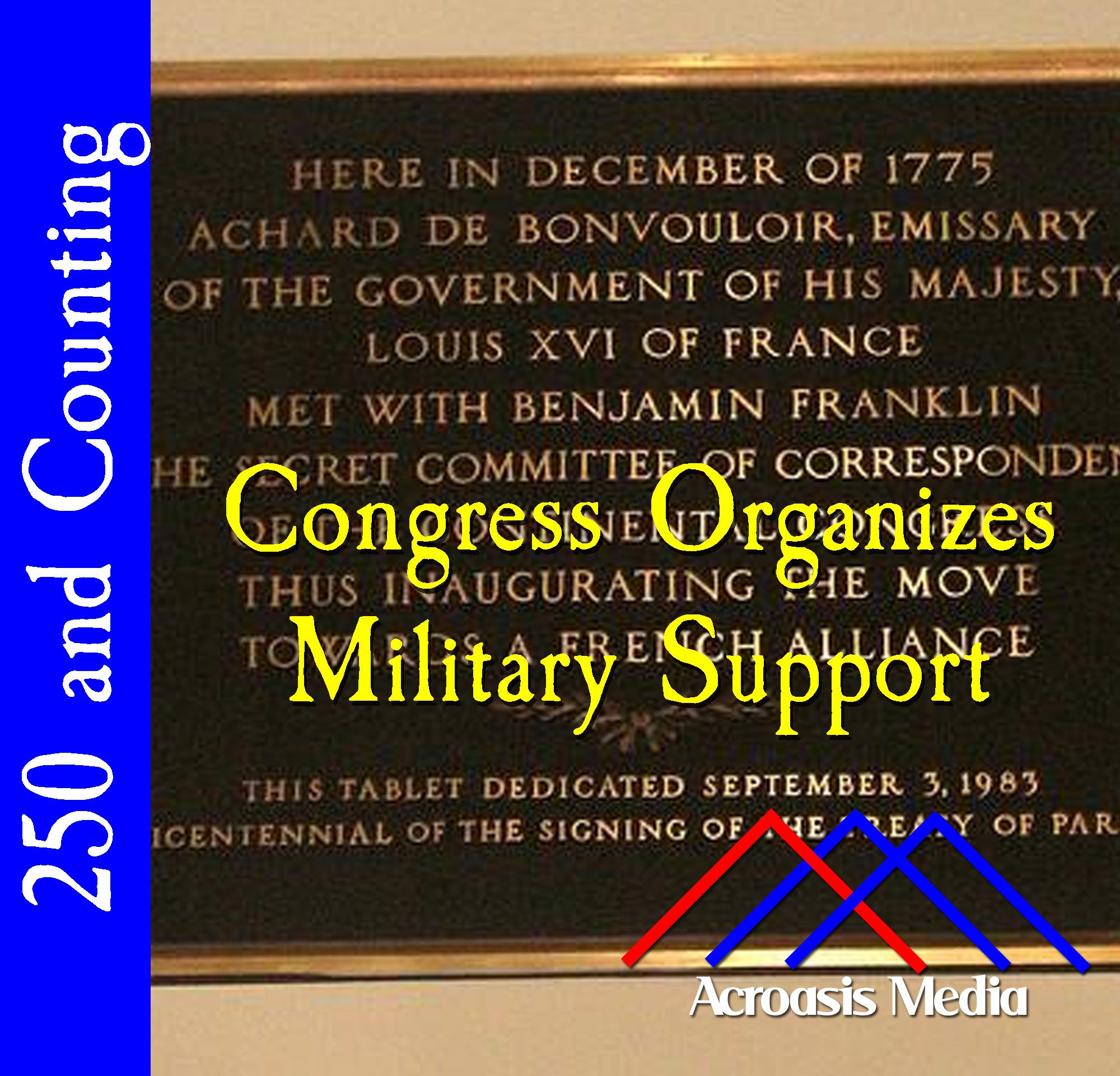
Congress Organizes Military Support–December 28, 1775
The plaque in Carpenters Hall, commemorating the table where the Secret Committee met with Julien Alexandre Achard de Bonvouloir. You’ll remember I mentioned Samuel Adams in this space a couple of days ago, as a member of the Continental Congress, and as a member of several committees, most of them related to defense. He was almost certainly at the heart of the events of today that took place in Congress which Mike describes in our episode, even though he isn’t named directly in conjunction with either of them. But organizing the military, and forging alliances with other nations are activities that are definitely in Samuel Adams’ wheelhouse, so it’s likely that he was in the middle of both of these. The post Congress Organizes Military Support–December 28, 1775 appeared first on 250 and Counting.
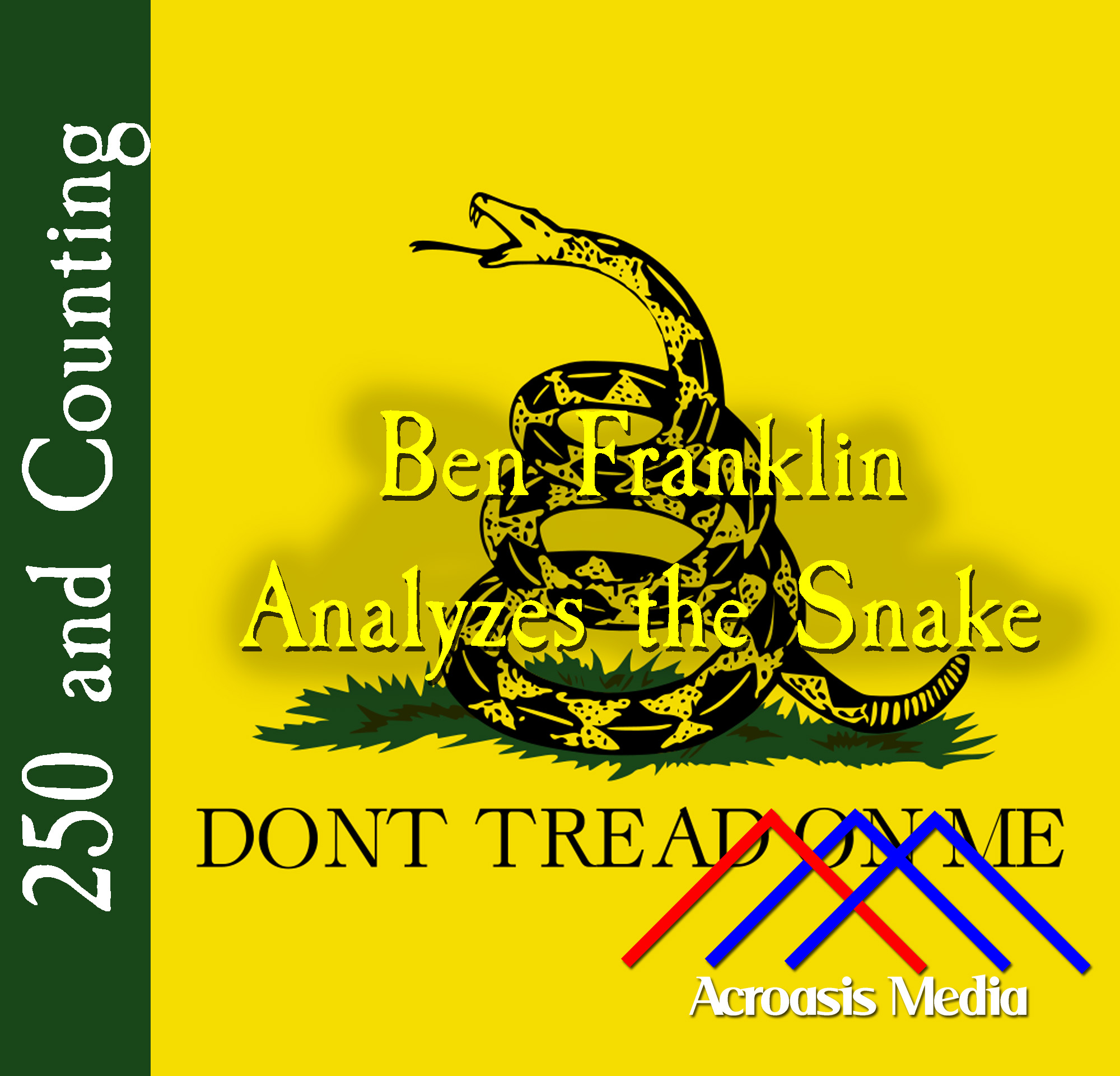
Ben Franklin Analyzes the Snake–December 27, 1775
Yeah, I cheated and used the same image from last week. While he didn’t use a rattlesnake, Benjamin Franklin was the guy who came up with the original “Join or Die” snake image [right]back in 1754. (At least most people give him credit for it.) It was based in a superstition that if you cut up a snake into pieces and then reassembled those pieces before sunset, the snake could be resurrected. In 1754, during the French and Indian War, Delaware was part of Pennsylvania and New England’s four colonies were simply grouped together. Georgia was altogether omitted and nobody knows why. At any rate, it’s only fitting that when the Gadsden Flag, which we talked about in the December 20th episode, made its debut, Franklin was the one who took the time to opine on why a snake was so appropriate; what’s more why a rattlesnake was the best choice. He published an essay in a local newspaper under a pen name, but his identity was figured out anyway. The post Ben Franklin Analyzes the Snake–December 27, 1775 appeared first on 250 and Counting.