Witness History
2,139 episodes — Page 17 of 43
The year of the vuvuzela
The vuvuzela was notorious during the 2010 football World Cup.It became the subject of debate when it was labelled as 'the world's most annoying instrument'. Freddie 'Saddam' Maake claims to have invented the horn.He became known as 'Mr Vuvuzela'. He tells Gill Kearsley his story.(Photo: Football fans play vuvuzelas during a World Cup match in 2010. Credit: Jung Yeon-Je/AFP via Getty Images)
Kenya: Nairobi shopping mall attack
In 2013, gunmen from a Somali Islamist group known as Al-Shabab attacked a shopping centre in Kenya’s capital Nairobi. They took hundreds of people hostage during the siege which lasted four days. More than 60 people were killed, with many more injured. In 2021, Rebecca Kesby spoke to Daniel Ouma who was a paramedic on duty at the time.(Photo: A Kenyan police officer deployed near the Westgate mall. Credit: Uriel Sinai/Getty Images)
The first person inside the 'Gates of Hell'
In November 2013 George Kourounis arrived in the Turkmenistan desert.He was determined to become the first person to enter the Darvaza Crater.The crater is a burning natural gas field that has been on fire for at least 50 years and has become known as the 'Gates of Hell.'On 6 November, George put on a giant silver aluminium suit and began his descent into the crater.He says he felt like a giant baked potato!George shares memories of the adventure with Anoushka Mutanda-Dougherty.(Photo: George Kourounis in the Darvaza Crater. Credit: George Kourounis)
Fighting for legal abortion in Italy
In 1978, campaigners won their long fight to legalise abortion in Italy. Emma Bonino and other members of the Radical Party went on hunger strike and were even jailed, after helping women access illegal abortions across the country. But they faced fierce opposition in the Catholic country, as the church was heavily integrated into Italian politics.Emma Bonino was so passionate about the cause that it led her to become a politician. She speaks to Reena Stanton-Sharma about her role in the campaign. (Photo: Emma Bonino in 1976. Credit: Vittoriano Rastelli/CORBIS/Corbis via Getty Images)
Nazi eugenics
In July 1933, the new German Chancellor, Adolf Hitler, passed 'The Law for the Prevention of Offspring with Hereditary Diseases'.It required the sterilisation of Germans with physical and mental disabilities. Helga Gross was one of those sterilised.Ben Henderson uncovers archive interviews from the United States Holocaust Memorial Museum, recorded in 2003.(Photo: Helga Gross as a child. Credit: United States Holocaust Memorial Museum)
The Ramallah concert
In August 2005, an unusual orchestra performed an extraordinary concert in the city of Ramallah.The West-Eastern Divan orchestra was founded in 1999 by Israeli conductor, Daniel Barenboim and Palestinian literary critic and philosopher, Edward Said.Their belief was that music has the power to bring people together.Violinists, Tyme Khelefi and Daniel Cohen tell their stories to Gill Kearsley.(Photo: The West-Eastern Divan Orchestra perform in the West Bank city of Ramallah. Credit: Abbas Momani/AFP via Getty Images)
The siege at the Church of the Nativity
The Church of the Nativity in Bethlehem is on the site believed by Christians to be the birthplace of Jesus Christ.But in 2002, it was at the centre of one of the most dramatic sieges of the Israeli-Palestinian conflict.For almost six weeks, Palestinian gunmen and civilians were holed up in the church.In 2015 Louise Hidalgo spoke to Father Amjad Sabbara, a Franciscan friar who lived in the compound, and to Carolyn Cole, an American photojournalist who managed to get inside the church in the last days of the siege.(Photo: Journalists stand behind barricades guarded by Israeli soldiers metres away from where Palestinians are holed up in the Church of the Nativity. Credit: Gali Tibbon/ AFP via Getty Images)
Ariel Sharon visits al-Aqsa
Rioting broke out in 2000 after the Israeli opposition leader Ariel Sharon made a controversial visit to the al-Aqsa Mosque compound in Jerusalem’s old city.In 2012, Mike Lanchin spoke to an Israeli and a Palestinian who were there that day.(Photo: Ariel Sharon is flanked by security guards as he leaves the al-Aqsa Mosque compound. Credit: AWAD AWAD/AFP via Getty Images)
Camp David Summit: How Middle East peace talks failed
In 2000, President Bill Clinton led a major effort to end the Israel-Palestinian conflict. The two sides were brought together at the leafy presidential retreat in Maryland. The Israeli leader, Ehud Barak and the Palestinian leader, Yasser Arafat, failed to reach any agreement and the summit ended in failure. In 2017, Farhana Haider spoke to senior American diplomatic interpreter and policy adviser, Gamal Helal, who attended the Camp David summit.(Photo: US President Bill Clinton with Israeli leader, Ehud Barak and the Palestinian leader, Yasser Arafat, at Camp David. Credit: Getty Images)
Oslo Peace Accords: The secret talks behind Middle East deal
In September 1993, a peace agreement was signed between Israel and the Palestinians after months of secret negotiations.The historic handshake between Chairman of the Palestinian Liberation Organisation (PLO) Yasser Arafat and Israeli Prime Minister Yitzhak Rabin took place on the lawn of the White House.Mona Juul and her husband were part of the team that planned and orchestrated top-secret meetings that culminated in the signing of the Oslo Accords.She spoke to Louise Hidalgo in 2010.(Photo: Israeli Foreign Minister Shimon Peres signs the historic Oslo Accords looked on by (from left) Israeli Prime Minister Yitzhak Rabin, unidentified aide, US President Bill Clinton and PLO Chairman Yasser Arafat. Credit: J David Ake/AFP via Getty Images)
Victor Jara: killed in Chile's coup
On 11 September 1973, General Augusto Pinochet deposed Chile's President Salvador Allende in a military coup.Thousands of people were tortured and killed in the months after the coup, including the folk singer Victor Jara. His widow, Joan Jara, spoke to Gideon Long in 2013.(Photo: Victor Jara. Credit: Gems/Redferns via Getty Images)
Organising Chile's 1973 military coup
On 11 September 1973, General Augusto Pinochet deposed Chile's democratically elected president, Salvador Allende, in a violent military coup.Hermógenes Pérez de Arce was a politician and helped organise the coup. He speaks to Jane Chambers.(Photo: Hermógenes Pérez de Arce. Credit: sourced)
Murder of Swedish politician Anna Lindh
In 2003, Swedish Foreign Minister Anna Lindh was stabbed to death in a department store in the middle of Stockholm. The 46-year-old member of the ruling Social Democratic party, was tipped as successor to Swedish Prime Minister Göran Person, and an important international career was likely around the corner. Her murder caused national trauma in Sweden. Her press secretary and best friend, Eva Franchell, witnessed the murder. She speaks to Marie Fjellborg.An SMT production for BBC World Service, produced by Anna Iverson.(Photo: Anna Lindh in 2001. Credit: Getty Images)
Bi Kidude: Zanzibar's 'golden grandmother of music'
In the 1980s, Bi Kidude burst onto the international music scene, when she was in her 70s. She was one of the first women from Zanzibar to sing in public without wearing the veil, in the traditional Muslim country. She was born Fatuma binti Baraka, known as Bi Kidude or "little madame" in Swahili, and fondly referred to as the "golden grandmother of music". Maryam Hamdani was one of her oldest friends and helped launch Bi Kidude's career globally. Maryam spoke to Reena Stanton-Sharma about the charismatic musician who died in 2013.(Photo: Bi Kidude at the Sauti za Busara Music Festival. Credit: Mwanzo Millinga/AFP via Getty Images)
Arctic 30: Russian arrest of Greenpeace campaigners
On 14 September 2013, the Arctic Sunrise - a ship belonging to the environmental group Greenpeace - embarked on an Arctic expedition.Its aim was to disrupt the first day of drilling on a newly built oil rig. This would be the first to drill for Arctic oil - something that had only been made possible in recent years by melting ice in the region.Frank Hewetson, a Greenpeace campaigner, was on board. He tells the story of the protest and arrest of 30 people by the Russian authorities.A Falling Tree production for BBC World Service.(Photo: Sign asking for Frank Hewetson's release. Credit: In Pictures Ltd/Corbis via Getty Images)
Leaving China to study after the Cultural Revolution
Launched in 1966 by Communist leader Mao Zedong, the Cultural Revolution plunged China into a decade of chaos. The education of millions of young people was disrupted and China was cut off from the rest of the world. When students first started venturing out, it was still a country feeling the after effects of the Cultural Revolution. Farhana Haider spoke to writer Zha Jianying in 2021. She was one of the first batch of Chinese students to arrive in the USA in the early 1980s.(Photo: Zha Jianying. Credit: Simon Song/South China Morning Post via Getty Images)
Saving Guadalupe from goats
In 2000, an expedition to the Mexican island of Guadalupe launched a fight to save its ecosystem from being eaten by goats.Russian whalers had introduced the goats to the island in the 19th Century and the population exploded as they ate their way through Guadalupe’s plants, shrubs and trees.Several species of birds were already extinct when a group of scientists, from the San Diego Natural History Museum, visited to inspect the damage.Their expedition would begin the campaign to save the island’s wildlife from extinction, as Professor Exequiel Ezcurra tells Jane Wilkinson.(Photo: Goats on Guadalupe Island. Credit: Northern Light Productions)
Egypt's Rabaa massacre
On 14 August 2013, Egypt's army killed hundreds of protestors in Cairo's Rabaa al-Adawiya Square. They were protesting against a military coup that had taken place a month earlier, in which the democratically elected president, Mohamed Morsi, was ousted.Sameh Elbarky was in the square that day. He speaks to Ben Henderson.(Photo: A poster of Egypt's ousted president, Mohamed Morsi, among debris in Rabaa Square. Credit: NurPhoto/Corbis via Getty Images)

North and South Korean leaders meet for the first time in decades
In June 2000, a historic meeting took place between South Korean president Kim Dae-jung and North Korea's leader Kim Jong Il.This was the first inter-Korean summit since the Korean War, almost 50 years earlier.Professor Chung-in Moon from South Korea was a special delegate at the summit. He told Gill Kearsley about his experience in North Korea.(Photo: North Korean leader Kim Jong Il and South Korean President Kim Dae-jung. Credit: Newsmakers)
The Bristol bus boycott
Sixty years ago, there was a boycott of local bus services in the English city of Bristol. The bus company had specified that it did not want to employ black bus drivers. The boycott ended on 28 August 1963 and the campaign helped to bring about Britain's first laws against racial discrimination.In 2013, Louise Hidalgo heard from Paul Stephenson and Roy Hackett, who died in 2022.This programme contains some racist language, used at the time.(Photo: Bus on Park Street in Bristol in the early 1960s. Credit: Fox Photos/Getty Images)
Women invade Dublin's male-only swimming spot
The Forty Foot is a famous sea swimming spot in Ireland’s capital city of Dublin. For hundreds of years, only men had the privilege of bathing in its deep, icy waters – naked if they chose.That was until one day in the summer of 1974, when a group of women decided to plot an invasion.At a time when Irish women couldn’t even access contraception, why did this group of hardy feminists decide to fight this particular battle for equality?Rosie Blunt speaks to poet, writer, women’s rights activist, and swimmer Mary Dorcey.(Photo: Woman diving at the Forty Foot in 2019. Credit: David Fitzgerald/Sportsfile via Getty Images)
Celtic Tiger: Ireland's 'ghost estates'
In 2006, Michele Burke and her fiancé William were looking forward to moving into their dream home in the picturesque town of Killaloe, in Ireland. But when Ireland's economic boom - known as the Celtic Tiger - ended and the global financial crisis of 2008 hit, construction on Michele and William's new house abruptly stopped. The couple were stuck paying a mortgage on a home they couldn't move into. They were not the only ones struggling. During the recession, there were more than 1,000 abandoned 'ghost estates' in Ireland. Michele tells Vicky Farncombe about her eight-year fight to move into her house.(Photo: Michele Burke outside her abandoned home in Killaloe in 2013. Credit: BBC)
The first Rose of Tralee
In 1959, Tralee, in Ireland, hosted a festival to promote the town and build Irish connections around the world. It became known as the Rose of Tralee and is now one of Ireland’s oldest and largest festivals, as well as one of the most watched TV programmes. Last year, more than 30 international ‘roses’ or contestants took part, including representatives from Toronto, Sydney and Dubai. Rachel Naylor speaks to the first woman to be crowned the Rose of Tralee, an unofficial ambassador of Ireland, Alice O’Sullivan, from Dublin.(Photo: Alice O'Sullivan at the Rose of Tralee in 1959. Credit: George Doyle, Paudi Cronin (Neustock Media). From Kerry County Museum’s photo library, created with support from the Department of Culture, Heritage and the Gaeltacht through their 2020 Audience Engagement Fund)
How electricity came to rural Ireland
In May 1948, Canon John Hayes flicked a switch and brought electricity to the parish of Bansha, in Ireland. The village was the first in County Tipperary to be connected to the grid, under the Rural Electrification Scheme. The ambitious programme ran from 1946 to 1964 and saw 300,000 homes powered up. Vicky Farncombe produced this episode of Witness History using archives from Irish electricity board, the ESB.(Photo: Erecting electricity poles in rural Ireland. Credit: ESB Archives)
Easter Rising in Ireland
At Easter 1916, a small army of Irish rebels attempted to start a revolution against British rule.They held out for more than a week against a massive British military response.Simon Watts brings together eye-witness accounts of the Easter Rising.(Photo: Irish rebels lying in wait on a roof getting ready to fire during the Easter Rising. Credit: Mondadori via Getty Images)

The Wizard of Oz: The stolen ruby slippers
The ruby slippers from the 1939 movie 'The Wizard of Oz' are some of the most treasured film memorabilia of all time. There are thought to be four pairs from the film that have survived. This is the story of the slippers that were stolen from the Judy Garland Museum in Minnesota, USA in 2005. John Kelsch is one of the people who started the museum. He tells Gill Kearsley the story of the stolen slippers.(Photo: Publicity still from 'The Wizard of Oz', Credit: Silver Screen Collection/Getty Images)
Judy Garland: The final shows
Judy Garland ended her long and glitzy stage and screen career at a London theatre club in January 1969. She was booked for five weeks of nightly shows at the 'Talk of the Town', but by that time, the former child star of the 'Wizard of Oz' was struggling with a drug and drink addiction. In 2019, Mike Lanchin heard the memories of Rosalyn Wilder, then a young production assistant, whose job was to try to get Judy Garland on stage each night.(Photo: Judy Garland performing in one of her final shows. Credit: Daily Mirror/Mirrorpix via Getty Images)
Returning Benin Bronzes
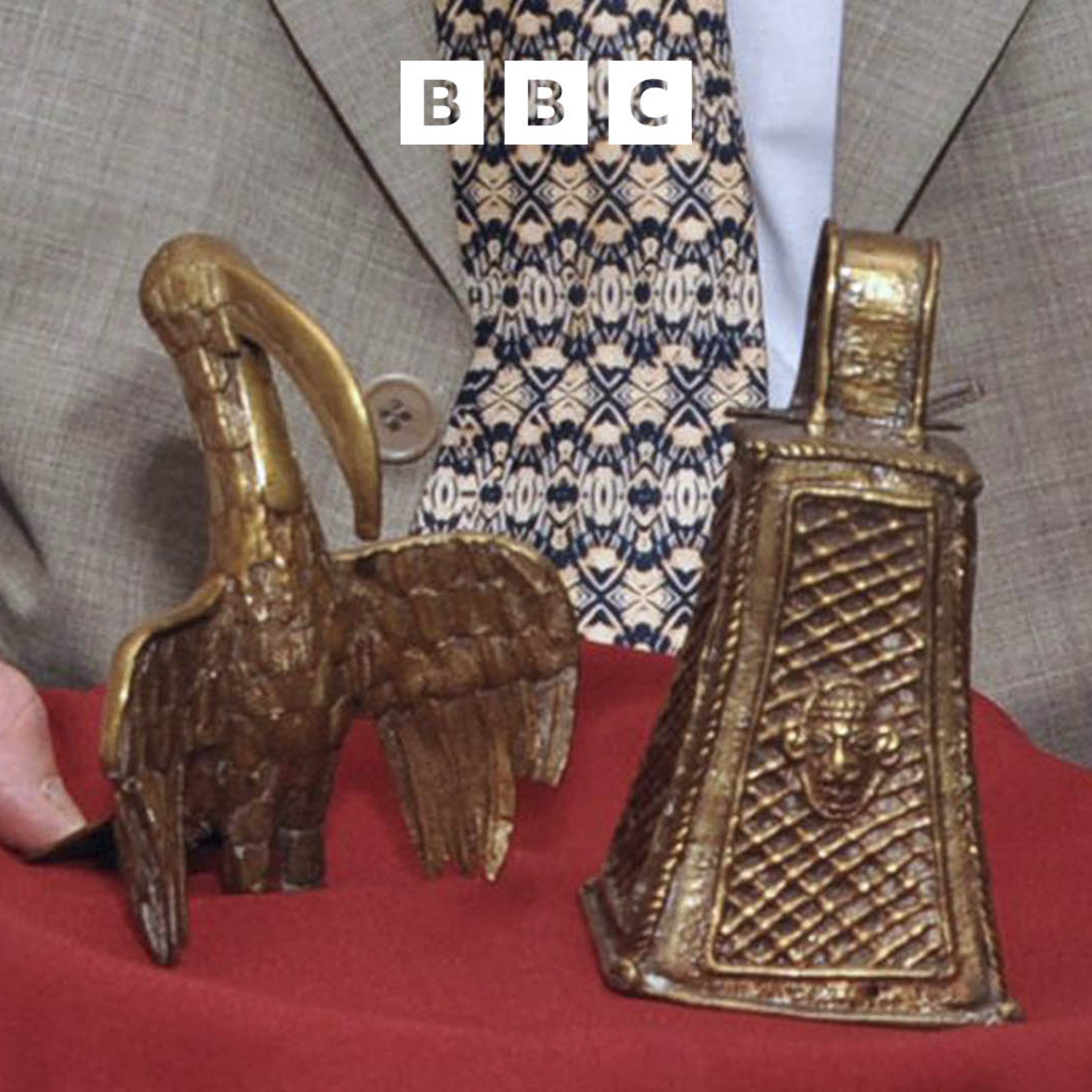
In 2004, a chance encounter in Nigeria led to the return of two of the country’s ancient artworks, the looted Benin Bronzes.The treasures were among thousands stolen from Benin City by the British Army in 1897, and acquired by museums around the world.More than a century later, Tim Awoyemi and Steve Dunstone were on a charity trip when they were approached by campaigners demanding the bronzes return. The two men vowed to help, but it took them 10 years before they were able to fulfil that promise, as Tim Awoyemi tells Jane Wilkinson.(Photo: Benin Bronzes, Nigeria, 2014. Credit: Kelvin Ikpea/AFP via Getty Images)
Iran: How the prime minister was overthrown in 1953
The coup of 1953 changed the course of Iranian history. The USA - with British help - overthrew a nationalist prime minister and installed the Shah in power. In 2010, Alan Johnston heard archive recordings of the CIA officer who played a part and spoke to Hedayat Matine-Daftary, the grandson of Mohammed Mossadeq, the deposed prime minister.(Photo: crowds of people protest against the Iran coup in 1953. Credit: Getty Images)
The boy who discovered a new species of human ancestor
On 15 August 2008, nine-year-old Matt Berger tripped over a fossil that would lead to one of the most important discoveries in the history of human evolution.The young adventurer had been exploring the Cradle of Humankind, in South Africa, with his father Lee, a paleoanthropologist."I didn't really know what was happening. I was just there for fun. But my dad was so excited. So obviously that made me excited too," said Matt.The fossil turned out to be from a new species of hominid called Australopithecus sediba.Matt speaks to Vicky Farncombe about his memories of the day.(Photo: Matt Berger, son of Prof Lee Berger, found the fossil of a new hominid species that lived 1.95 million years ago. Credit: Foto24/Gallo Images via Getty Images)
Jean-Michel Basquiat bursts onto the New York art scene
In the early 1980s, the young black graffiti artist Jean-Michel Basquiat took the New York art world by storm. Soon, his paintings were selling for huge sums of money, but he would die before the decade was out on the 12th August 1988.Tom Esslemont hears from Patti Astor who knew him in his heyday. This programme was first broadcast in 2014.(Photo: Jean-Michel Basquiat in 1985 Credit: Getty Images)
Valéry Giscard d'Estaing's diamonds scandal
In 1979, French journalist Claude Angeli and his colleagues discovered Valéry Giscard d'Estaing, the French President, received gifts of diamonds worth hundreds of thousands of dollars from the grisly and deposed former Emperor Bokassa of the Central African Republic. The scandal damaged Giscard d’Estaing’s reputation and contributed to him losing the French Presidential election in 1981. Ben Henderson speaks to Claude Angeli.(Photo: Giscard d'Estaing and Bokassa in 1975. Credit: William Karel/Gamma-Rapho via Getty Images)
Sarajevo’s haven of peace
After the collapse of former Yugoslavia, Bosnian Serb forces laid siege to the Bosnian capital, Sarajevo, in 1992. More than a quarter of a million people lived under almost constant bombardment and sniper fire for more than four years. Over 10,000 were killed. Hunger and destitution took hold quickly. So, a small Jewish charity stepped in to provide essential food and medicine and evacuate elderly people and children from all sides of the conflict. In peace time, Sarajevo’s Jewish community had maintained good relations with Bosnian Muslims, Serbs and Croats. This enabled them to provide a haven of peace for everyone. In this episode, Jacky Rowland hears from Jakob Finci, who was the vice president of the Jewish community at the time. Part of their motivation, he says, was that many Jews in Sarajevo had been sheltered by Bosnian Muslims during the Nazi occupation in the 1940s. This is a CTVC production for the BBC World Service.(Photo: members of the Jewish community being evacuated by bus to Croatia in 1993. Credit: Getty Images)
The Great Train Robbery
On 8 August 1963, a gang of thieves held up a British Royal Mail train on its journey from Glasgow to London. They stole more than £2 million. It was the biggest ever raid on a British train.Most of the robbers ended up behind bars, but most of the money has never been recovered.The robbery still occupies a unique place in the history of British crime. In 2012 Chloe Hadjimatheou spoke to Reginald Abbiss who was a young BBC journalist who covered the story.(Photo: The train involved in the robbery. Credit: Getty Images)
Brownie Wise: The creator of Tupperware parties
In the 1950s, self-made businesswoman Brownie Wise transformed the fortunes of Tupperware by inspiring thousands of housewives to sell it at parties.Her methods for motivating staff included selling the dress off her back and holding annual parties at the company's headquarters.But as she became a star - appearing on magazine covers and chat shows - Brownie's relationship with her boss, Earl Tupper, soured.Author Bob Kealing speaks to Vicky Farncombe about Brownie's rise and fall from grace.(Photo: Brownie Wise tosses a bowl filled with water at a Tupperware party. Credit: Getty Images)
Dinosaur in court
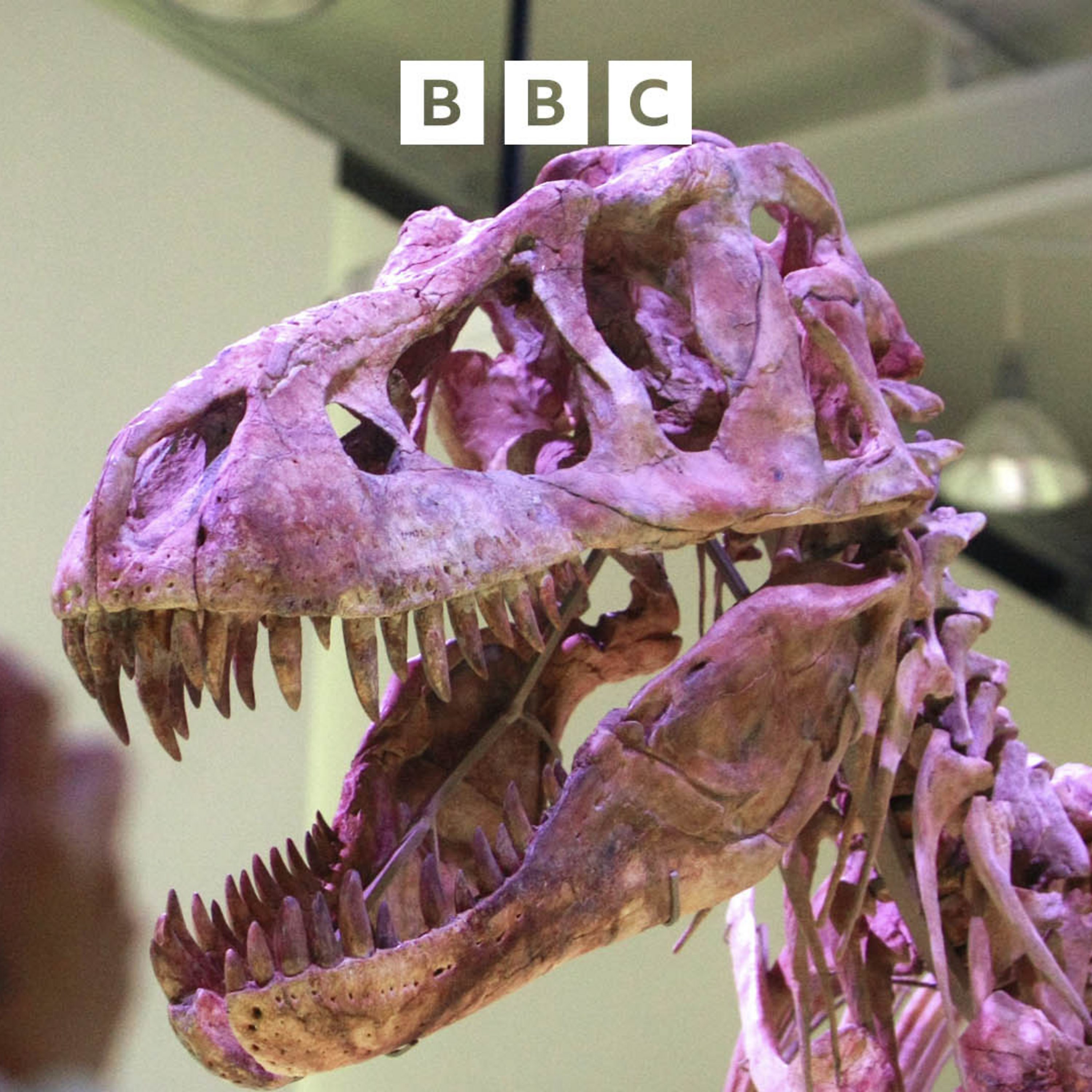
In 2012 a dinosaur skeleton became the subject of both a restraining order and a court case.Mongolian palaeontologist, Dr Bolortsetseg Minjin helped stop the dinosaur falling into the hands of a private buyer after spotting a photo of the skeleton on TV in the United States.The case became known as United States v One Tyrannosaurus Bataar Skeleton.She told Gill Kearsley her extraordinary story.(Photo: The 70-million-year-old Tyrannosaurus bataar on display in Ulan Bator. Credit: Byambasuren Byamba-Ochir/AFP via Getty Images)

Treehouse on the Berlin Wall
In the 1980s, a Turkish worker in Germany, Osman Kahlin, provoked controversy when he turned a patch of disputed land against the Berlin Wall into a makeshift farm. The land was owned by East Germany, but lay on the Western side of the wall due to a quirk in the wall's hurried construction. Kahlin fought a running battle with both East and West German police to keep hold of the land, and kitted it out with a fully functioning treehouse that became a local symbol of resistance to authority. Alex Eccleston speaks to Osman's son, Mehmet. A Whistledown production for BBC World Service.(Photo: Osman's treehouse. Credit: Schlemmer/ullstein bild via Getty Images)
Birth of a new language
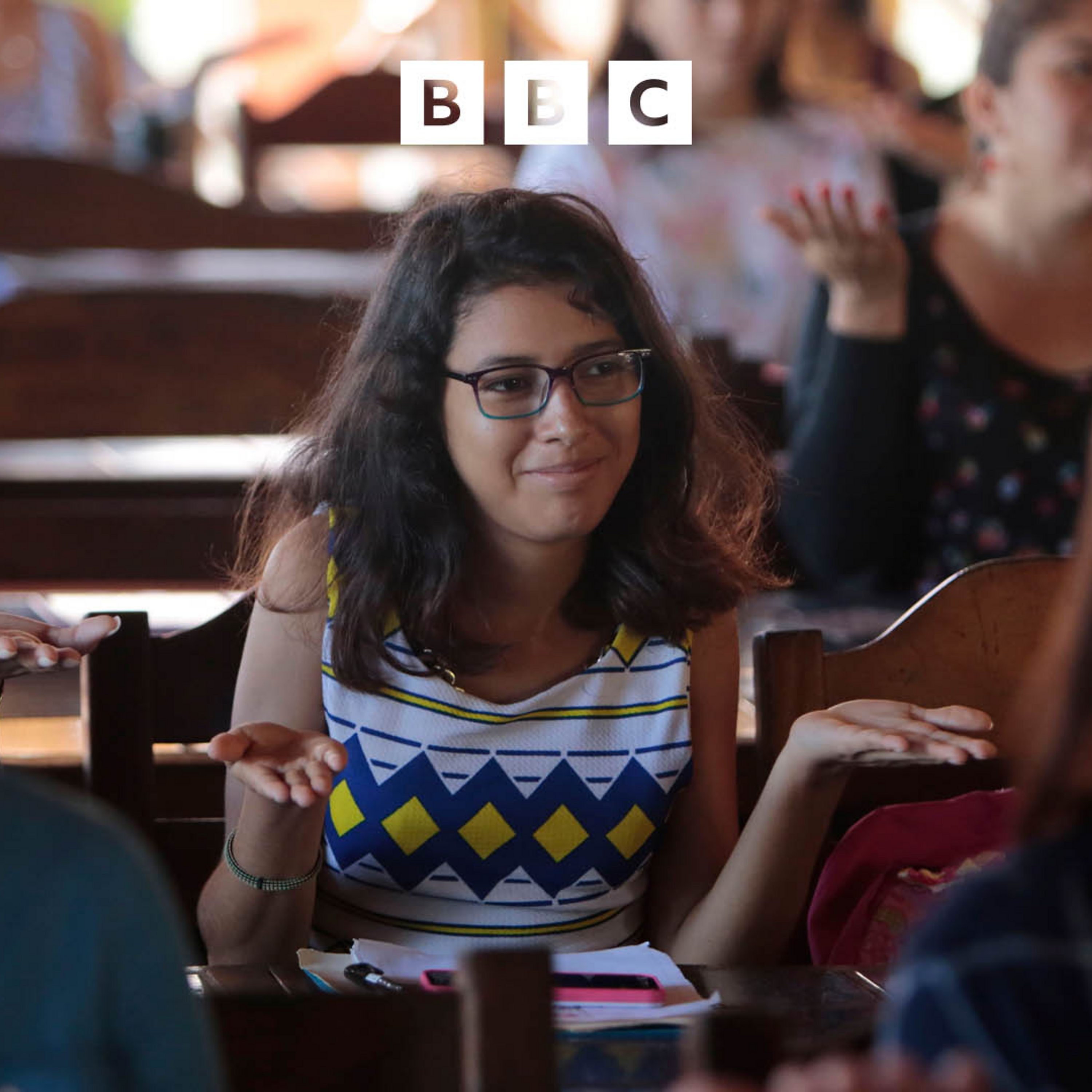
In the early 1980s deaf children in Nicaragua invented a completely new sign language of their own.It was a remarkable achievement, which allowed experts a unique insight into how human communication develops.In 2020, Mike Lanchin spoke to an American linguist Judy Shepard-Kegl, who documented this process.(Photo: Sign language class in Nicaragua. Credit: INTI OCON/AFP via Getty Images)
First dinosaur eggs identified in India
In 1982, nests of dinosaur eggs were identified for the first time in India. They were found in Jabalpur, on a historic fossil site and former British military cantonment. The eggs were from Titanosaurs, living at the end of the Cretaceous Period.Palaeontologist Professor Ashok Sahni made the discovery, he’s been speaking to Laura Jones.(Photo: Ashok Sahni at home with fossilised dinosaur eggs. Credit: BBC)
José Mujica: Prison break to president
In the 1960s and '70s, José Mujica was a leading member of a notorious left-wing militant group in Uruguay called the Tupamaros. He survived multiple bullet wounds, torture, and executed a daring prison escape. After years held in solitary confinement, Mujica was released from prison in 1985 and entered politics. He became Uruguay’s president in 2009. He speaks to Ben Henderson.(Photo: José Mujica at home in Montevideo. Credit: Ricardo Ceppi/Getty Images)
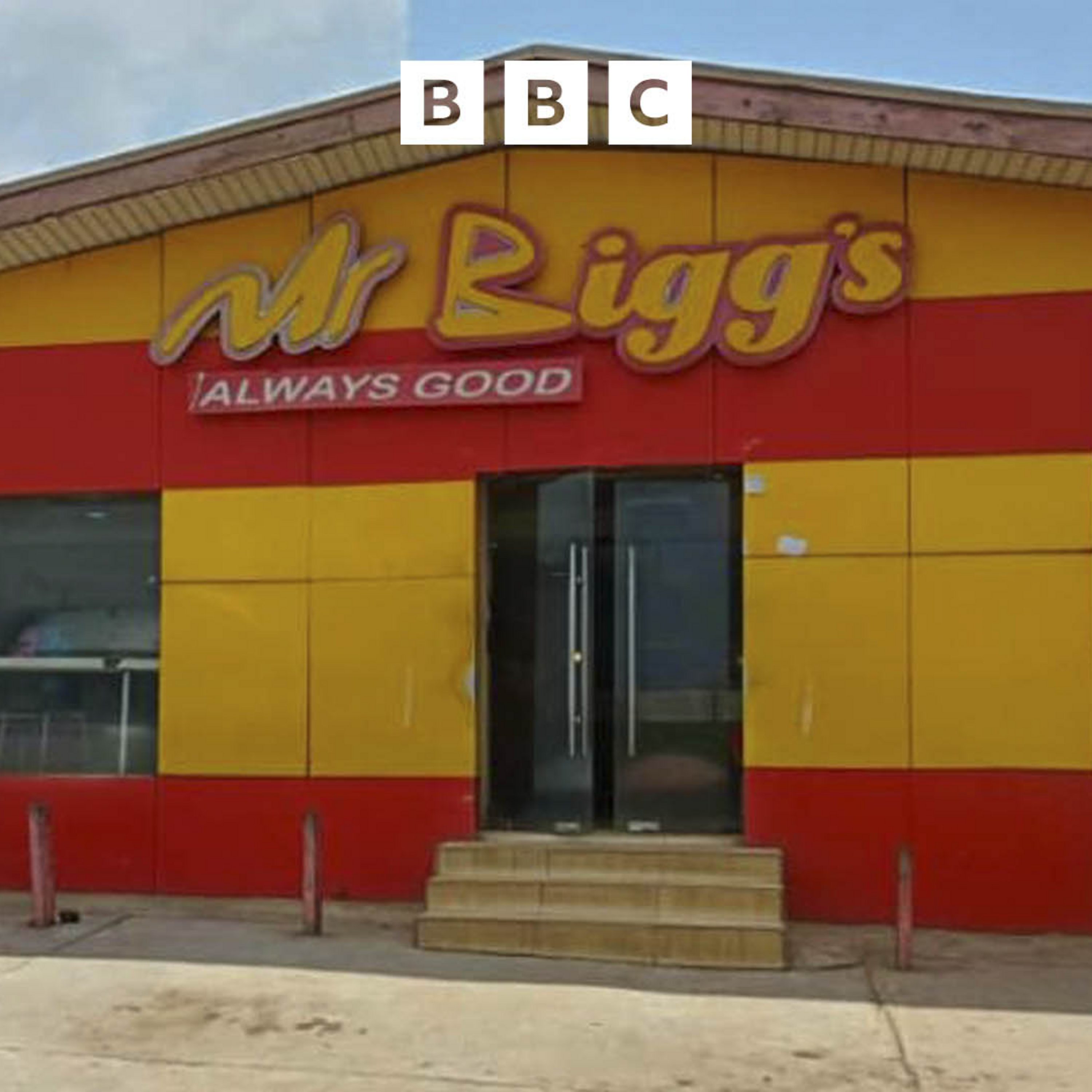
Mr Bigg's: The birth of Nigeria's iconic takeaway
It’s been 50 years since a popular Nigerian fast food chain which later became known as Mr Bigg's was first launched. The restaurants began as coffee shops in department stores in the 1960s and were later rebranded in 1986. Mr Bigg's currently has more than 170 locations in 40 cities around Nigeria, and there were also restaurants in other African nations at one time. Justice Baidoo spoke to Emmanuel Osugo, one of the pioneers of the chain. A Made in Manchester production for BBC World Service. (Photo: A Mr Bigg's restaurant. Credit: Adebola Familusi)

The 1960 coup against Haile Selassie
In December 1960, there was an attempt to dethrone the Ethiopian emperor Haile Selassie and replace him with his son. While the emperor was out of the country, the crown prince was taken to the headquarters of the military unit, the Imperial Bodyguard. The conspirators, led by the troops' commander and his brother, also took top government officials hostage. In 2015, Alex Last spoke to Dr Asfa-Wossen Asserate, the grandnephew of Haile Selassie, about the failed coup.(Photo: Emperor Haile Selassie of Ethiopia. Credit: Terry Fincher via Getty Images)
The Pope’s controversial Nicaragua visit
In 1983 Pope John Paul II visited Nicaragua as part of an eight-day tour of Central America. His trip came at a time of heightened tensions between the ruling Sandinista revolutionaries and the country’s Roman Catholic hierarchy. The Pope, a staunch anti-communist, condemned members of the Nicaraguan clergy serving in the left-wing government and was heckled by Sandinista supporters during a large open-air mass in the capital, Managua. Mike Lanchin has been hearing the memories of Nicaraguan Carlos Pensque, who turned out to protest as the Pope passed by, and of former US Catholic News Service reporter, Nancy Frazier O’Brien, who covered the papal visit. A CTVC production for BBC World Service.(Photo: Pope John Paul II. Credit: Bettmann via Getty Images)

Brain: A personal computer virus
'Welcome to the dungeon' was the message that flashed up on computer screens in 1986.This was widely reported as the first virus for PCs and became known as 'Brain'.'Brain' spread around the world and became infamous when it was featured in newspapers and magazines. Amjad Farooq Alvi tells Gill Kearsley how he and his brother, Basit, came to develop this accidental virus from their shop in Lahore, Pakistan.(Photo: The 'Brain' computer virus. Credit: Amjad and Basit Alvi)
Escaping the Nazis in Greece
The Greek city of Thessaloniki, or Salonica, was once known as the Jerusalem of the Balkans.It was previously home to a large and thriving Sephardi Jewish population whose ancestors had been expelled from Spain in 1492. However, the Nazi occupation of Greece from 1941 to 1944 almost completely wiped out that culture and community.More than 90% of the approximately 50,000 Jews living in Salonica in 1943 were deported to Auschwitz and killed. Yeti Mitrani was a young teenager at the time.She speaks to Maria Margaronis about her family's escape and her childhood.(Photo: Yeti as a child. Credit: Doris Mitrani)

The US singer who became the Soviet Union’s Red Elvis
In 1966, at the height of the Cold War, American singer Dean Reed became the first western rock and roll star to tour the Soviet Union. His visit was such a success that over the next two decades Dean became known as ‘Red Elvis’. His concerts behind the Iron Curtain were sell-outs and he was mobbed by fans. But when he wanted to return home to the United States, the reaction he faced was very different, as Dean’s daughter Ramona told Jane Wilkinson. (Photo: Dean Reed in East Berlin, 1976. Credit: Getty Images)

The birth of Barbie
The first Barbie doll was sold in 1959. It took Ruth Handler, who created it, years to convince her male colleagues that it would sell.The plastic creation sold 350,000 in the first year and went on to take the world by storm selling millions. It’s now been turned into a live action film starring Margot Robbie which hits the cinemas on Thursday 20 July. Ruth and husband Elliot Handler spoke to the BBC’s Alan Dein in a 1990s documentary which Claire Bowes used to make this programme first broadcast in 2014.(Photo: A Barbie doll from 2009. Credit: Victor Chavez/WireImage via Getty Images)
Japan surrenders in China
In the autumn of 1945, World War II surrender ceremonies took place across the Japanese Empire. The one in China was held at the Forbidden City in Beijing bringing an end to eight years of occupation. Thousands of people watched the incredible moment Japanese generals handed over their swords. The United States, China, Russia and the United Kingdom were all represented. John Stanfield, now 103, is the last surviving British person who was there. He recalls to Josephine McDermott how he signed the surrender declaration documents on behalf of the British.Eye-witness accounts brought to life by archive. Witness History is for those fascinated by the past. We take you to the events that have shaped our world through the eyes of the people who were there. For nine minutes every day, we take you back in time and all over the world, to examine wars, coups, scientific discoveries, cultural moments and much more. Recent episodes explore everything from football in Brazil, the history of the ‘Indian Titanic’ and the invention of air fryers, to Public Enemy’s Fight The Power, subway art and the political crisis in Georgia. We look at the lives of some of the most famous leaders, artists, scientists and personalities in history, including: visionary architect Antoni Gaudi and the design of the Sagrada Familia; Michael Jordan and his bespoke Nike trainers; Princess Diana at the Taj Mahal; and Görel Hanser, manager of legendary Swedish pop band Abba on the influence they’ve had on the music industry. You can learn all about fascinating and surprising stories, such as the time an Iraqi journalist hurled his shoes at the President of the United States in protest of America’s occupation of Iraq; the creation of the Hollywood commercial that changed advertising forever; and the ascent of the first Aboriginal MP.
The ‘Barricades’ of Latvia
In January 1991, more than half a million people protested in Riga, the capital city of Latvia. They wanted to stop Soviet troops taking over important landmarks, so they built barricades and camped out on the streets. Vents Krauklis was among the demonstrators. He’s been speaking to Laura Jones.(Photo: People filling the streets of Riga during the Barricades. Credit: 1991 Barricades Museum, Riga/Ilgvars Gradovskis)
Tamoxifen: Breast cancer ‘wonder drug’
The story of how tamoxifen went from a failed contraceptive pill, to being used to prevent and treat breast cancer around the world. It was the first ever targeted cancer drug. Laura Jones speaks to Professor V. Craig Jordan, who helped bring it to the world’s attention in the 1970s.