Witness History
2,139 episodes — Page 18 of 43

Creating the first emoji
In 1999, Japanese software developer Shigetaka Kurita created the first emoji. The umbrella was one of 176 original images, featuring weather, transport signs, numbers and emotions.He was inspired after noticing the popularity of a pager, aimed at teenagers, that used a heart symbol. The idea took off.Now, more than 10 billion emoji are sent by people across the world every day, and World Emoji Day is celebrated each year on 17 July. It's the date marked on the emoji calendar.Shigetaka told Jane Wilkinson of his pride in the creation.(Photo: Umbrella emoji, 1999. Credit: Copyrighted by NTT DOCOMO)
When disposable nappies were invented
In 1947, after the birth of her third child, Valerie Hunter Gordon, from Surrey decided she was sick of the drudgery of cloth nappies. She came up with a solution – a reusable outer garment, initially made out of parachute material, with a disposable, biodegradable pad inside. She named it the Paddi and once her friends saw it, they all wanted one, so she went into business. Rachel Naylor speaks to Nigel Hunter Gordon, Valerie’s son, who modelled them as a baby in the first adverts.

Inventing Rubik’s Cube
In 1974, a Hungarian architect, Ernő Rubik invented his very popular puzzle. Nearly 50 years later, more than 450 million Rubik’s Cubes have been sold worldwide. In 2015, Ernő told Dina Newman how he came up with the idea and how it became a global phenomenon.(Photo: Rubik's Cube. Credit: BBC)
Invention of the ballpoint pen
In 1938, László Bíró, a Hungarian journalist, invented the ballpoint pen, because he was sick of smudging the ink from his fountain pen.Inspired by the rollers of the printing press at his newspaper, he came up with the idea for a small ball at the end of the pen, which would stop ink from leaking. Thanks to a chance meeting with the Argentine president Agustín Justo, László was invited to Argentina to manufacture his pen. They soon took off and now around 15 million of them are sold every day around the world. Rachel Naylor speaks to László’s daughter, Mariana Bíró.(Photo: Ballpoint pens. Credit: Bernard Annebicque/Sygma/Sygma via Getty Images)
A right royal night out
The tale of an extraordinary night at a legendary British gay pub.Princess Diana, disguised as a man, along with star broadcaster Kenny Everett and Queen singer Freddie Mercury enjoyed a drink in London’s Royal Vauxhall Tavern one night at the height of their fame in 1988. The veracity of the event has been questioned but Cleo Rocos, who co-starred with Kenny in his hit TV show, described the celebrity night out in her in her book The Power of Positive Drinking.Cleo tells her story to Alex Collins.(Photo: Kenny Everett and Cleo Rocos. Credit: Tom Wargacki/WireImage via Getty Images)
When tourism came to the Maldives
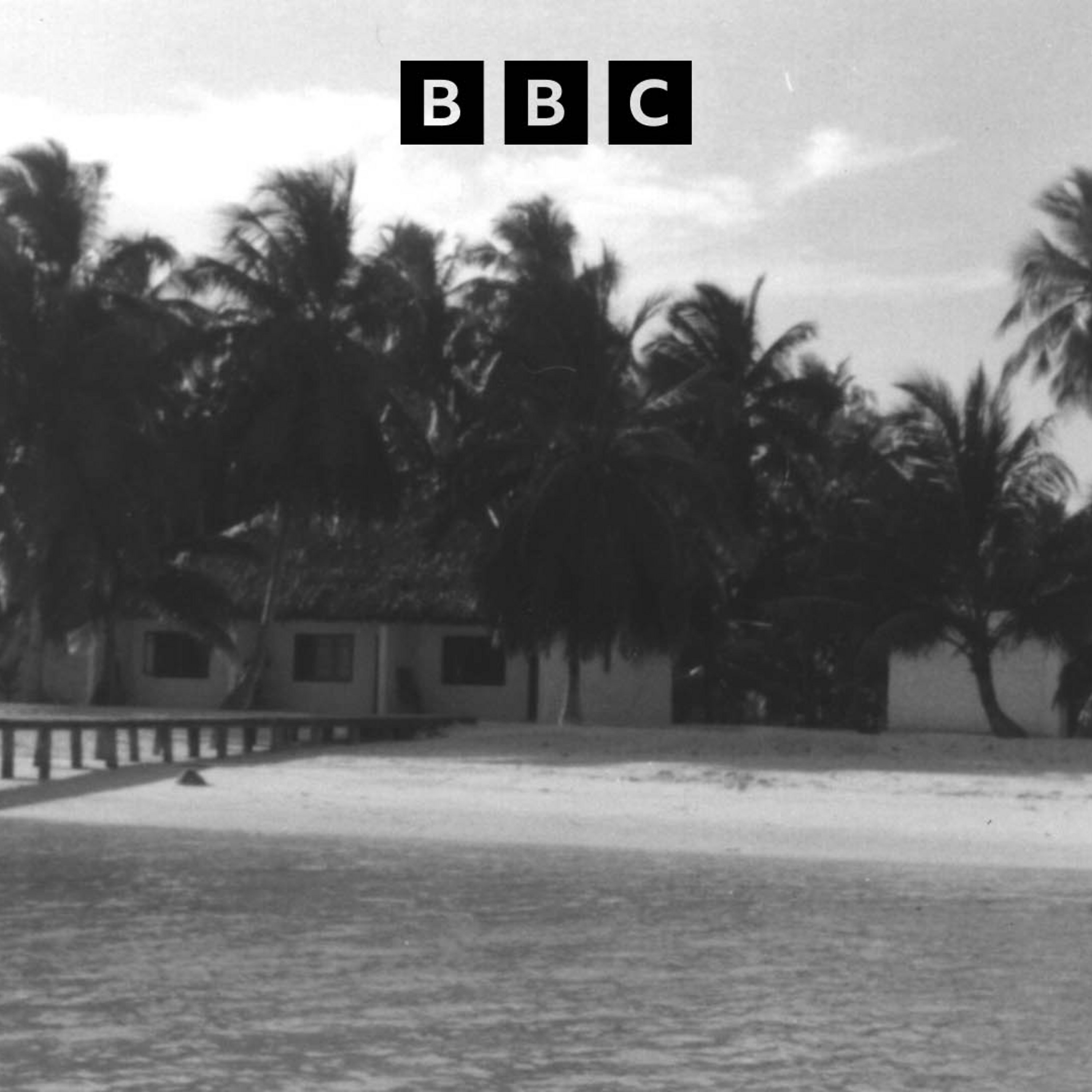
In 1972 the first tourists arrived in the Maldives.They stayed in humble lodgings in three houses, looked after by young Maldivians including Ahmed Naseem, Mohamed Umar Maniku and their friends.Perfect for sunbathing, swimming and fishing. Tourists loved it. Italian travel agent George Corbin promised to bring more travellers if they had a place to stay. On 3 October 1972, the first hotel resort called Kurumba opened, changing the islands forever. Now, more than 1.5 million visitors enjoy the Maldives every year.Ahmed Naseem, one of the pioneers of the industry, shares his memories with Nikola Bartosova.(Photo: Kurumba in the 1970s. Credit: Kurumba)
The National Health Service begins
On 5 July 1948, the UK’s National Health Service began as part of a series of reforms with the aim of supporting and protecting Britain's citizens from the “cradle to the grave”.The architect of the NHS was the health minister in the post-war Labour party government, Aneurin Bevan. The care was to be free for all and paid for by taxation. The birth of the NHS was not without controversy, the British Medical Association worried that doctors would be turned into civil servants.On the same day that the NHS was born, John Marks qualified as a doctor.Dr Marks spoke to Louise Hidalgo about the early days of the NHS in this programme first broadcast in 2009.(Photo: Prime Minister Aneurin Bevan meets staff at Park Hospital, Manchester on the opening day of the NHS Credit: Trafford Healthcare NHS/PA Wire)

Longest-serving democratically elected communist government
In 1977 what was to become the world’s longest-serving democratically elected communist government came to power in eastern India.Poverty and absolute rule by the central government led to West Bengal embracing a different political ideology to the rest of the country. Their rule lasted until 2011 when they were voted out. Communist Party of India (Marxist) official Mohammad Salim shares his memories of when his party came to power with Rumella Dasgupta.(Photo: Mohammed Salim. Credit: Biswarup Ganguly/Pacific Press/LightRocket via Getty Images)
The trial of John Demjanjuk
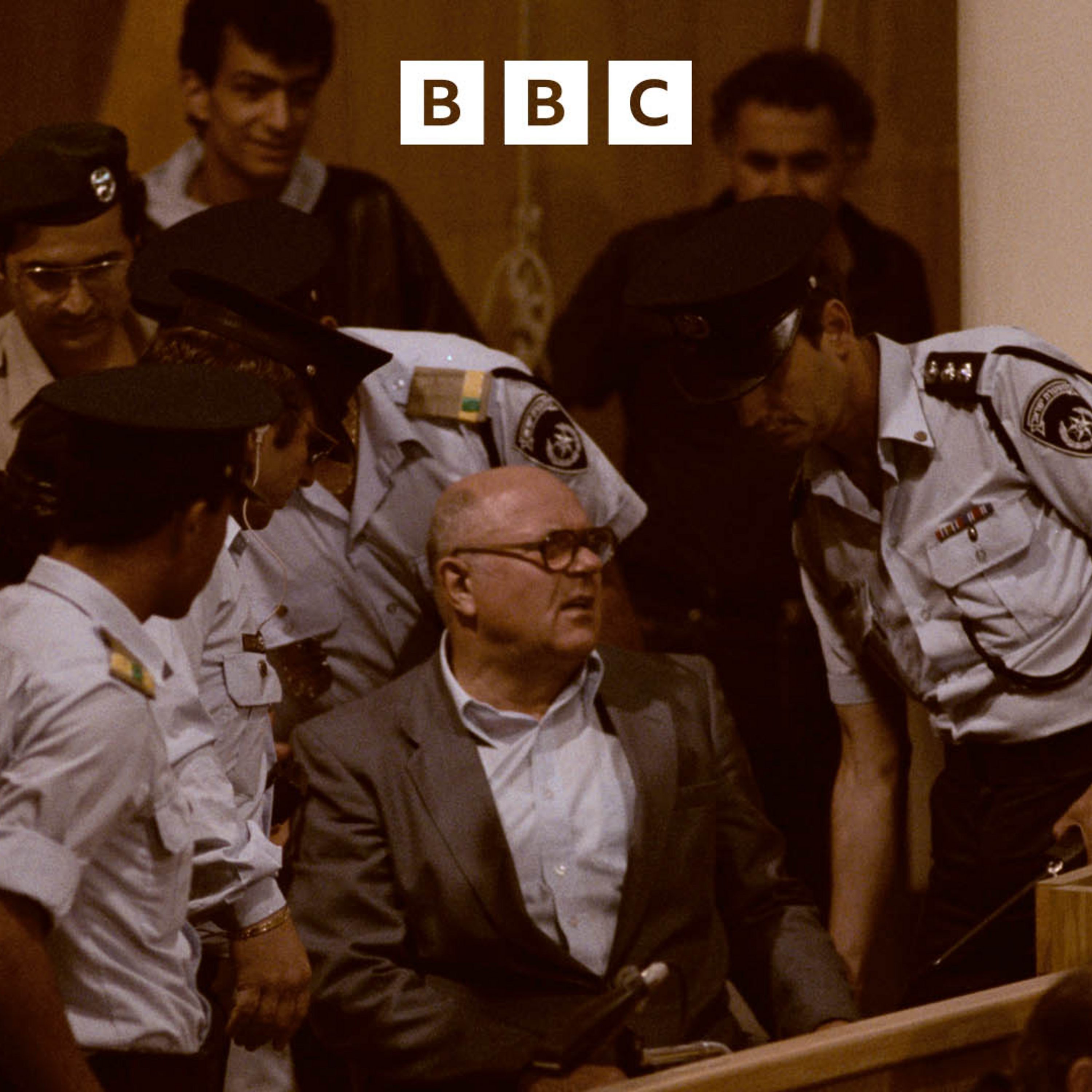
In 1986 a car factory worker from the United States was accused of being ‘Ivan the Terrible’, a notorious concentration camp guard at Treblinka during the Holocaust.John Demjanjuk was extradited from the United States to Israel. His trial became one of the most high profile cases in Israel’s history. He was convicted, then later acquitted and then re-convicted in a German court for having worked in a different camp, Sobibor. Lawyers for the defence, Yoram Sheftel, and prosecution, Eli Gabay, in the Israeli trial tell Dan Hardoon about the process of trying Demjanjuk, and the impact it made on their country’s society. A Whistledown production for BBC World Service. (Photo: John Demjanjuk in the Supreme Court of Israel. Credit: David Turnley/Corbis/VCG via Getty Images)
I made Lady Gaga's meat dress
On 12 September 2010 Lady Gaga, won the MTV Video Music Award for Video of the Year. She accepted the award in a dress made entirely out of beef. 13 years later Franc Fernandez, the man behind the meat dress, speaks to Anoushka Mutanda-Dougherty about his memories of designing the fleshy frock. He says, pulling apart the flesh and stitching it back together, had "serial killer vibes"!(Photo: Lady Gaga in the meat dress. Credit: Getty Images)
The 'graveyard' for communist statues
The Hungarian city of Budapest's communist statue 'graveyard' opened on 29 June 1993. Statues representing communism were not destroyed, instead they were relocated to a specially designed park on the outskirts of the city.Laura Jones has been speaking to Judit Holp, who runs Memento Park.This programme has been updated since the original broadcast. In the original version, we said Budapest is in Eastern Europe. We should have said that it is in Central Europe.(Photo: Republic of Councils Monument in Memento Park Credit: Getty Images)
Sampoong department store disaster
On 29 June 1995, the Sampoong Department Store in Seoul, South Korea, collapsed due to structural failures.The disaster killed 502 people and injured more than 900. It provoked national outrage as the building's construction was riddled with corruption and malpractice.Sun Minh Lee was working at the shop that day. She speaks to Ben Henderson.(Photo: Sampoong Department Store after the collapse. Credit: Choo Youn-Kong/AFP/Getty Images)

First reports of Ebola
In 1976 in a small Belgian missionary hospital in a village in the Democratic Republic of the Congo, then known as Zaire, people were dying from an unknown disease which caused a high temperature and vomiting. It was the first documented outbreak of Ebola the virus.About 300 people died. Dr Jean Jacques Mueyembe and Dr David Heymann worked to bring the outbreak under control. Claire Bowes spoke to them in this programme first broadcast in 2009.(Photo: Residents who were being examined during the Ebola outbreak in Zaire in 1976. Credit: Public domain/Centers for Disease Control and Prevention)
JFK’s Ich Bin Ein Berliner speech
United States President John F Kennedy gave a speech in Berlin at the height of the Cold War on 26 June 1963.It galvanised the world in support of West Berliners who had been isolated by the construction of the Berlin Wall. Tom Wills speaks to Gisela Morel-Tiemann, who attended the speech as a student. A Whistledown production for BBC World Service.(Photo: John F Kennedy making his speech in Berlin. Credit: Lehnartz/ullstein bild via Getty Images)
My dad played golf on the moon
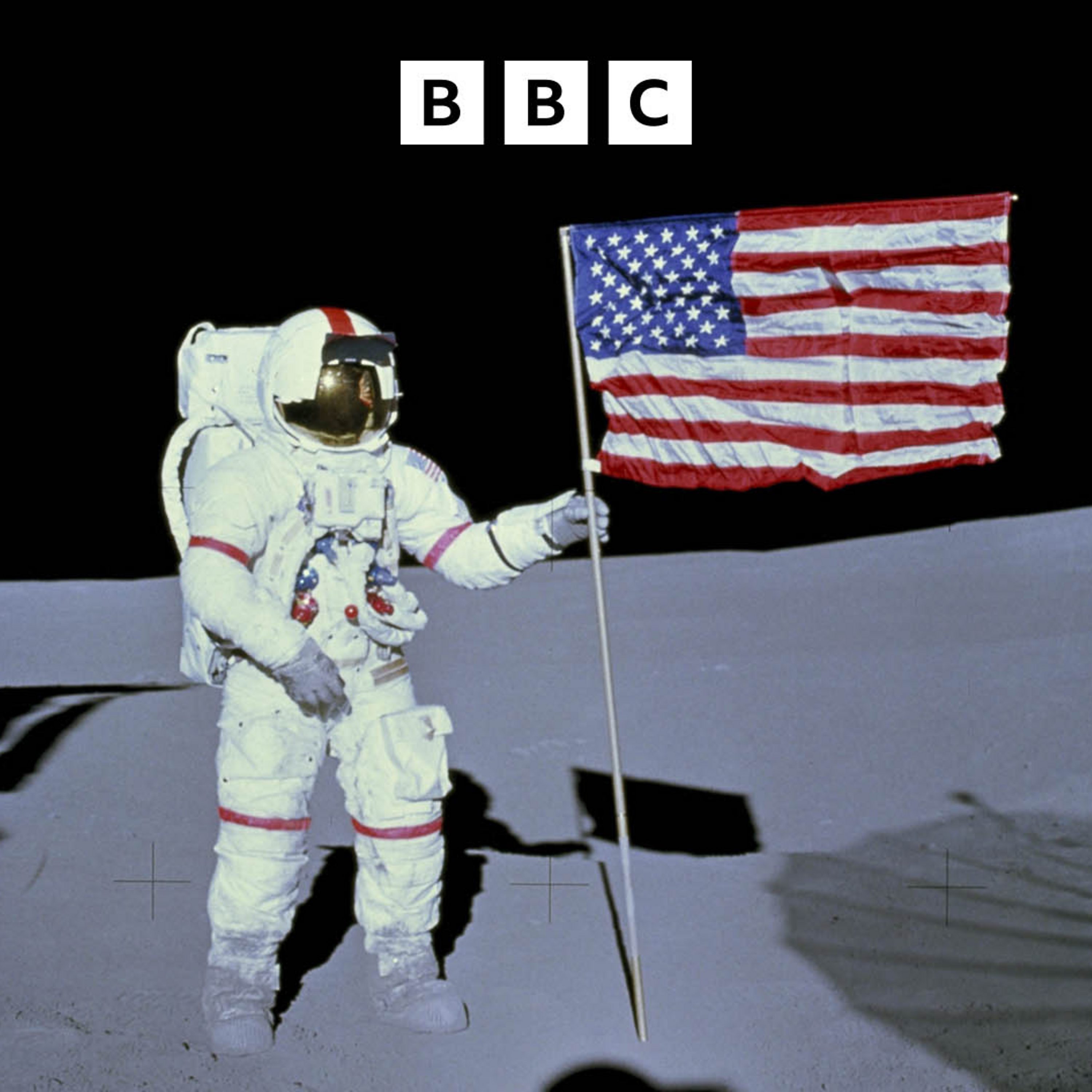
Alan Shepard played golf on the moon in 1971.He became the first and only person to enjoy the sport on the lunar surface.The astronaut golfer’s daughter Laura Shepard Churchley was inspired by her father’s big journeys and later travelled to space herself, although she didn’t pack golf clubs.Tricia Penrose hears Laura’s recollections of life with her father and his unique sporting space trip. A Moon Road production for BBC World Service.(Photo: Alan Shepard on the moon. Credit: NASA)
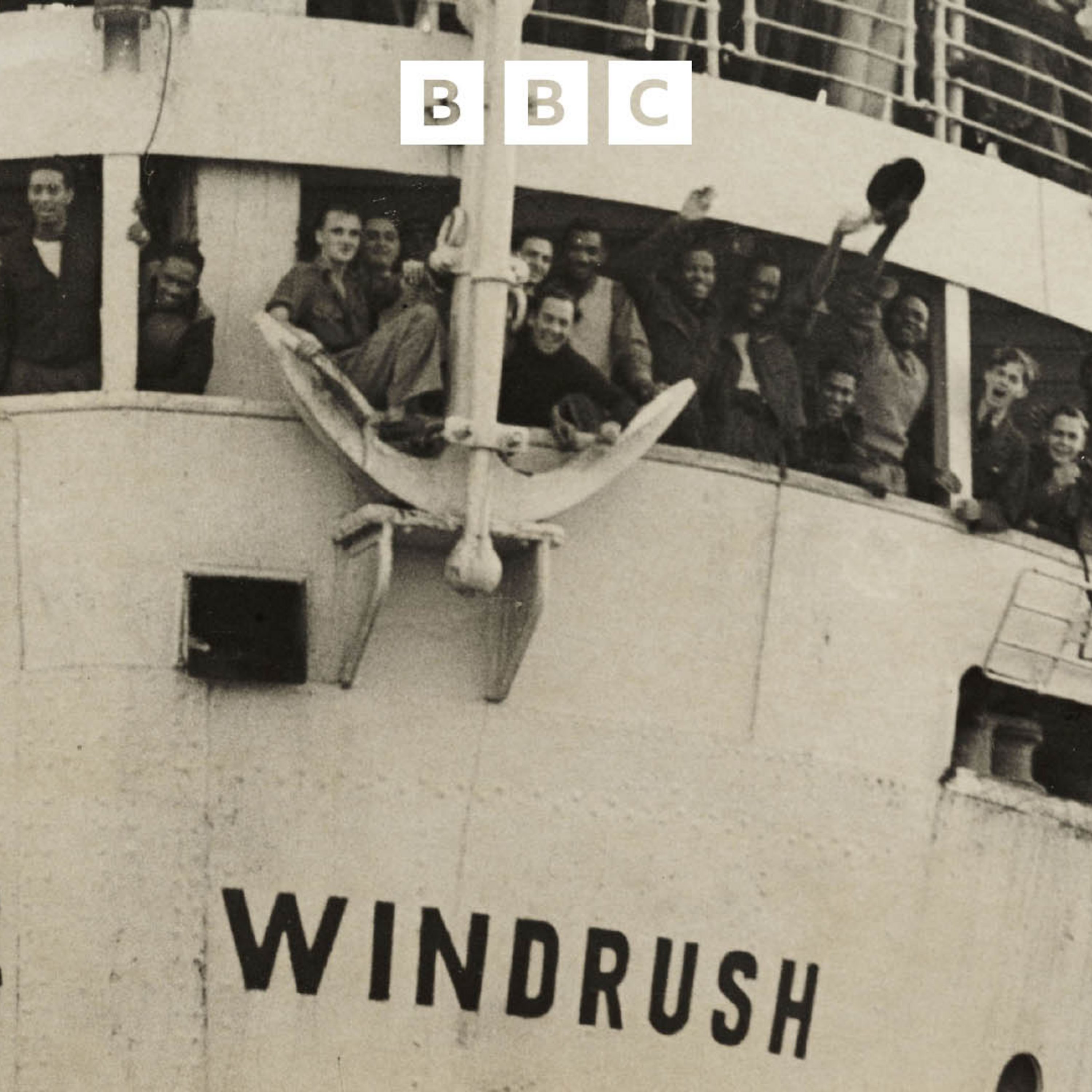
The Empire Windrush arrives
The Empire Windrush docked at Tilbury in England on 22 June 1948 with 802 people on board from the Caribbean.The former passenger liner's arrival on that misty June day is now regarded as the symbolic starting point of a wave of Caribbean migration between 1948 and 1971 known as the "Windrush generation".Sam King was one of the passengers. He describes to Alan Johnston the conditions on board and the concerns people had about finding jobs in England. In this programme first broadcast in 2011, Sam also talks about what life was like in their adopted country once they arrived.(Photo: Empire Windrush at Tilbury docks in 1948. Credit: Daily Herald Archive/SSPL/Getty Images)
Anti-gay police raid at Tasty nightclub
In the early hours of 7 August 1994, police raided Tasty, a gay nightclub in downtown Melbourne, Australia. On the hunt for drugs they strip-searched more than 450 people in a raid that lasted hours. Many people felt what happened was homophobic and that the police had abused their powers. Some of those searched took legal action. Damages were awarded and years later Victoria Police gave a formal apology. Gary Singer who was in Tasty when the raid happened and was the organiser of the class-action lawsuit tells Alex Collins about how his night out on the town went from joy to despair once the police entered the club.(Photo: People being searched by police in Tasty)
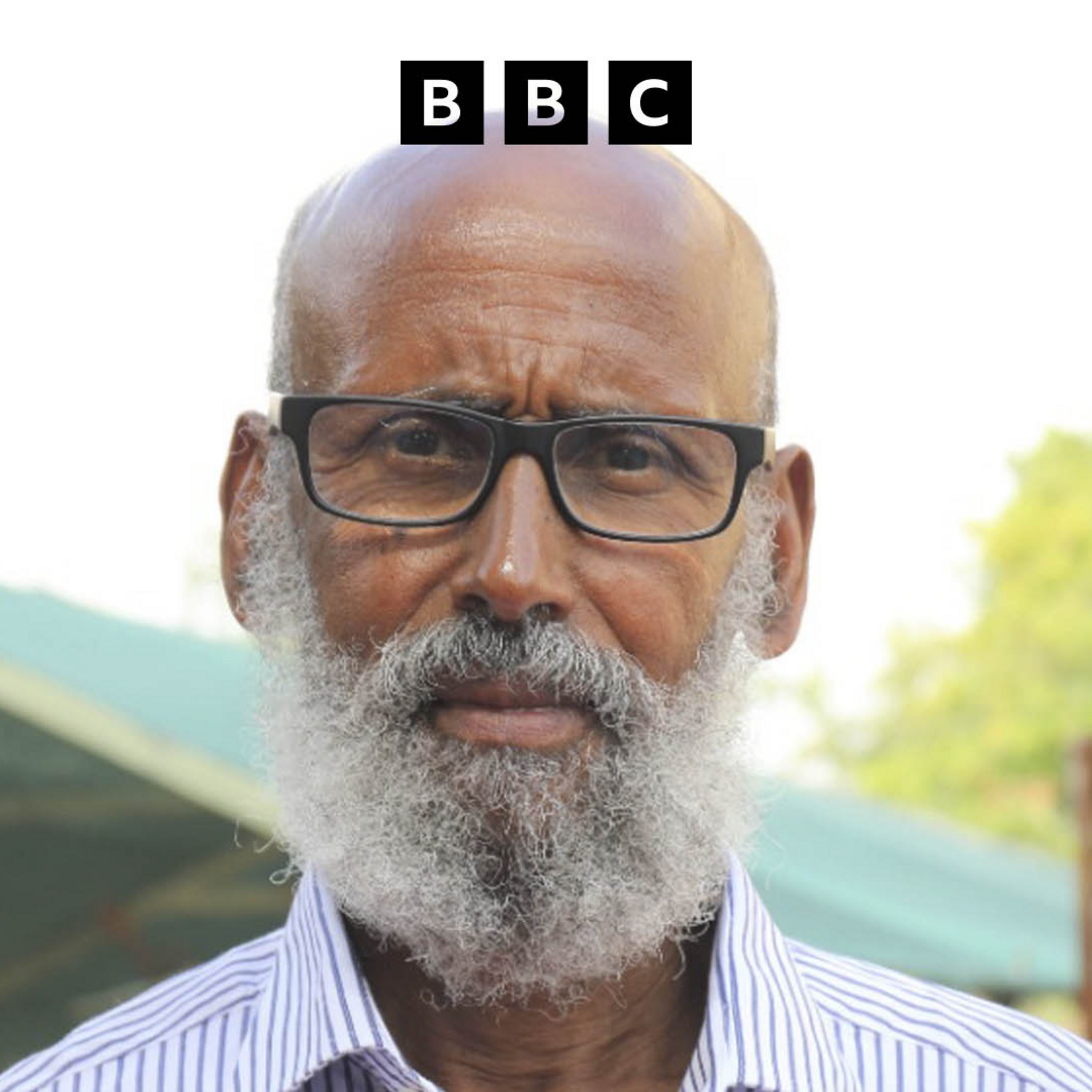
The Somali pilot ordered to bomb his own country
At the end of May 1988, rebels from the Somali National Movement launched a series of lightning attacks on cities in northern Somalia - the area that today is the self-declared republic of Somaliland. The rebels were fighting against the military dictatorship of President Siad Barre. By the start of June, they had taken control of most of Hargeisa, the biggest city in the north. Government forces fell back to Hargeisa airport and other areas on the outskirts and were ordered to begin the indiscriminate bombardment of the city. At the time Ahmed Mohamed Hassan was a fighter pilot in the Somali air force. He now faced a choice: join other pilots in bombing the city or refuse and face the prospect of being shot. He’s been talking to Rob Walker. (Photo: Ahmed Mohamed Hassan in 2023. Credit: Ahmed Mohamed Hassan)
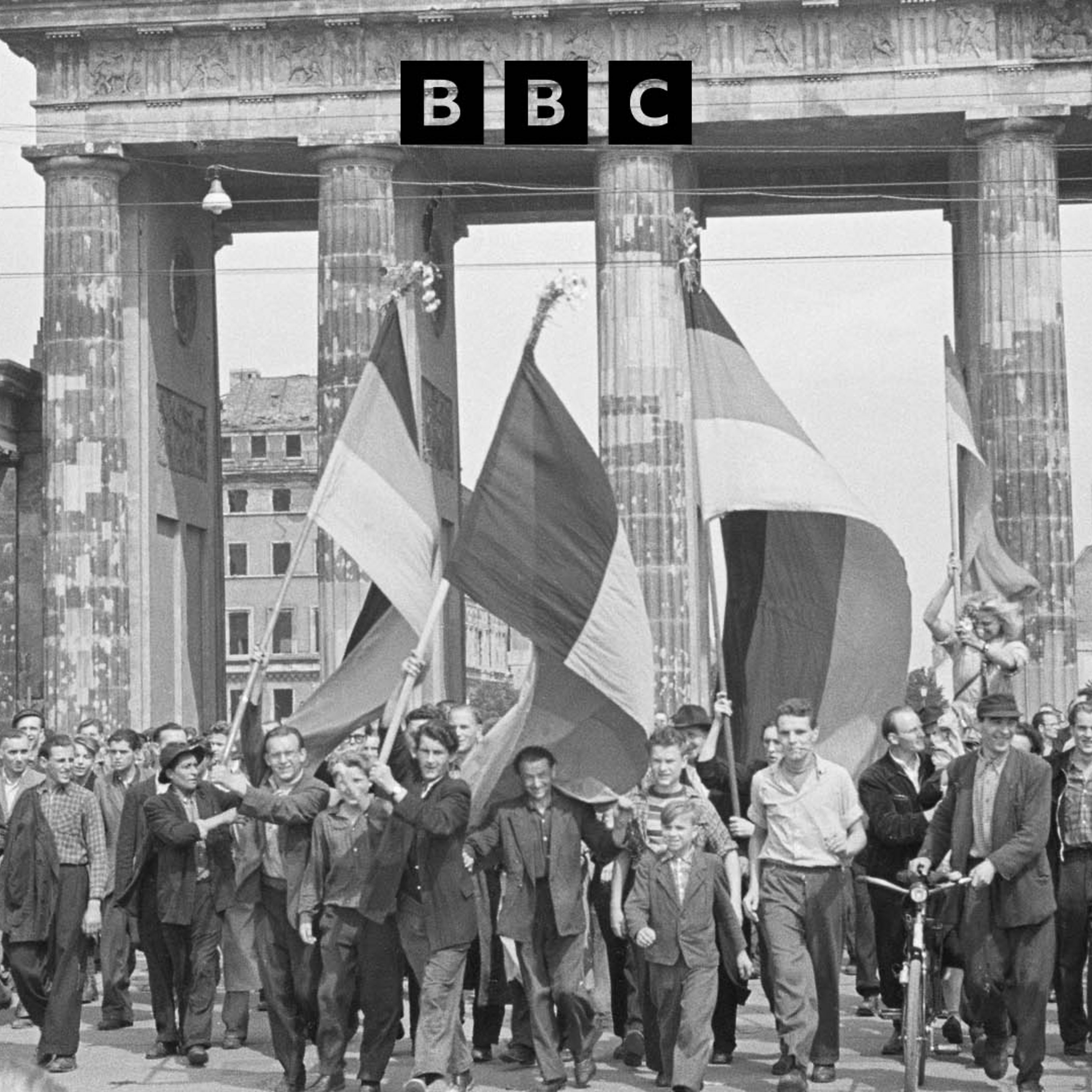
Uprising in East Germany
East German workers went on strike in protest at Soviet rule on 16 June 1953.Demonstrations spread throughout the country but were soon crushed by communist troops. Martial law followed. In 2011, Nina Robinson spoke to Helmut Strecker who was a 21-year-old student and the son of communist party supporters. Helmut was on the streets of East Berlin trying to persuade marchers to go home.(Photo: East Germany demonstrators march through Brandenburg Gate. Credit: Bettmann via Getty Images)
Ming Smith makes history at MoMA
In 1979, The Museum of Modern Art, (MoMA) purchased photographs from an African-American woman for the first time in its history. Ming Smith was famous for capturing her subjects with slow shutter speeds and using oil paints to layer colour onto her black and white photos.She worked as a model in New York in the 1970s, while pursuing her passion for photography and was friends with Grace Jones.Ming took a powerful image of Grace performing at the iconic Studio 54 nightclub in 1978 after meeting her at an audition. Ming was also a backing dancer in Tina Turner’s music video for What’s Love Got to Do with It, where she captured Tina glancing away from the camera, in front of Brooklyn Bridge wearing a leather skirt, denim jacket and patent stilettos with huge spiky hair. Ming speaks to Reena Stanton-Sharma about graduating with a degree in microbiology, modelling and struggling to make a living, and then becoming a famous photographer with a retrospective at MoMA in 2023. (Photo: Tina Turner, What’s Love Got to Do with It. Credit: Ming Smith)

Sir Don McCullin’s photo of a US marine
In 1968, British photographer Sir Don McCullin travelled to Vietnam for his second ever war assignment. His graphic photographs of the fighting made his reputation and influenced public opinion in the West.Sir Don produced some of his most powerful work during the visit including 'Shell-Shocked US Marine, The Battle of Hue'.The photograph shows an American soldier, gripping his rifle whilst the carnage of one of the war’s most intense battle surrounds him.Speaking to Louise Hidalgo in 2012, Sir Don describes how he took several frames of this man and how the soldier didn’t blink once. (Photo: Sir Don McCullin in front of his photographs including 'Shell-Shocked US Marine, The Battle of Hue'. Credit: Daniel Leal/AFP via Getty Images)

Malick Sidibé: Mali’s star photographer
The Malian photographer, Malick Sidibé, is one of Africa’s most celebrated artists. His most famous photographs show black and white scenes of young people partying in the capital Bamako in the joyful, confident era after Mali’s independence from France in 1960. In the 1990s, a chance encounter with a French curator brought Sidibé’s work international acclaim. The wider world had been used to seeing a narrow range of images from Africa, so when Sidibé’s work went on show in Western galleries, audiences were stunned by the exuberant world they revealed. In 2022, Manthia Diawara, the Malian filmmaker and professor at New York University, who knew Malick when he was a roving nightlife photographer spoke, to Viv Jones.(Photo: Danser le Twist, 1963 by Malick Sidibé. Credit: Galerie MAGNIN-A, Paris)
A Great Day in Harlem: The story behind the iconic jazz photo
It's 65 years since aspiring photographer Art Kane persuaded 58 of the biggest names in jazz, including Count Basie, Dizzy Gillespie and Thelonious Monk to line up for a photo outside a townhouse in Harlem.The resulting photo officially called Harlem 58 became known as 'A Great Day in Harlem' and appeared in Esquire magazine's Golden Age of Jazz edition. But making it wasn't easy. Jonathan Kane, Art Kane's son, tells Vicky Farncombe the obstacles his late father had to overcome to create the iconic image.(Photo: Harlem 58. Credit: Art Kane)
Lee Miller in Hitler's bath
Vogue's war correspondent Lee Miller found herself in Adolf Hitler's Munich apartment when the news broke that he was dead.Earlier that day, she and fellow photographer David Scherman had witnessed the harrowing scenes at the liberated Dachau concentration camp. Lee Miller's son and biographer, Antony Penrose, explains to Josephine McDermott the significance of the photograph taken in the final days of World War II in Europe.(Photo: Lee Miller in Hitler's bathtub. Credit: David E. Scherman © Courtesy Lee Miller Archives)

1955 Le Mans disaster
On 11 June 1955, more than 80 people were killed and 100 injured at the Le Mans 24-hour race.A car driven by Pierre Levegh crashed into the crowd of around 300,000 causing the deaths. John Fitch was an American racing driver on the Mercedes team at the centre of the tragedy.After the crash, racing was banned in several countries. John Fitch spoke to Claire Bowes in 2010.(Photo: Crash at Le Mans. Credit: Fox Photos/Getty Images)
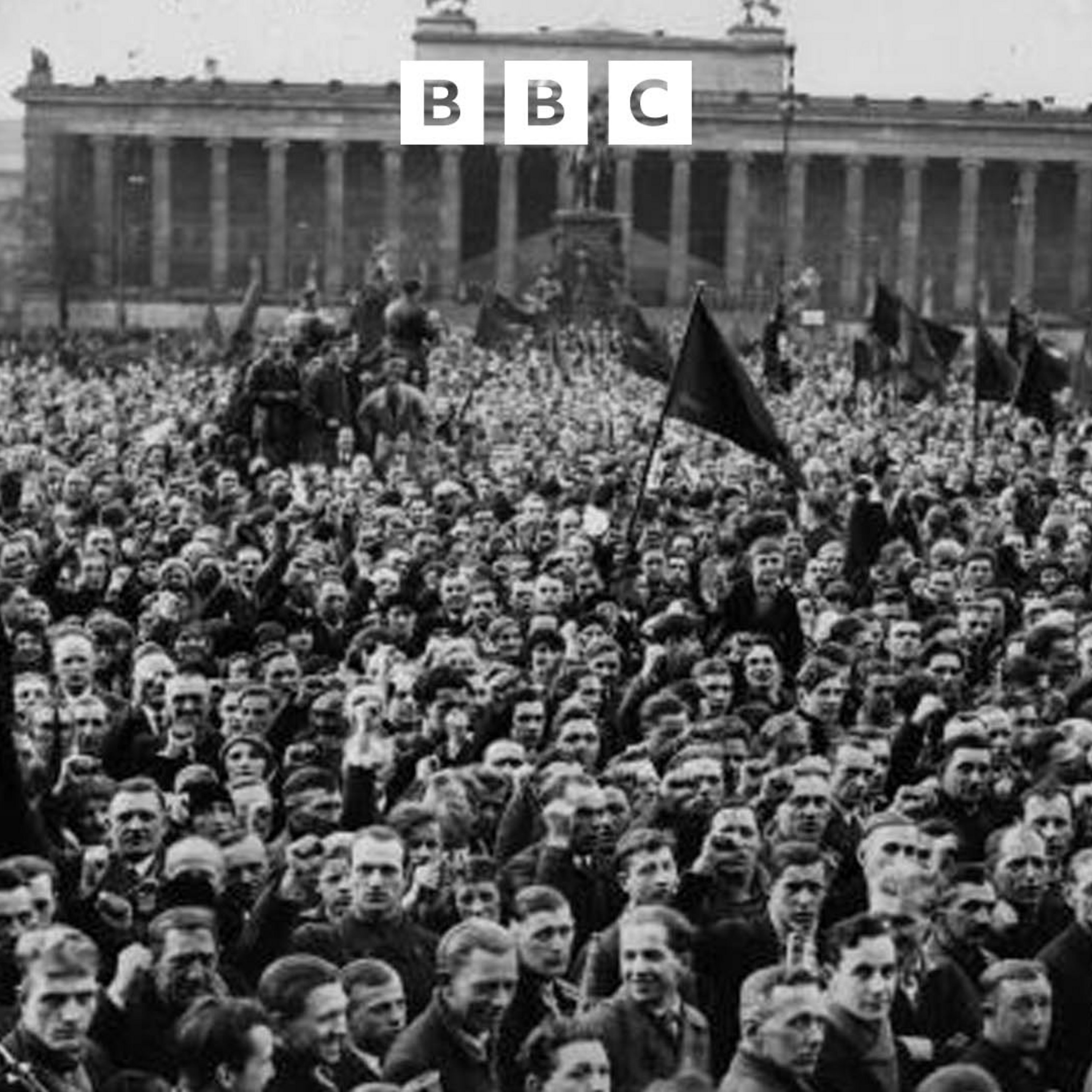
Last communist march before Hitler
On 25 January 1933 the last legal communist march was held in Berlin.Just a few days later Adolf Hitler became Chancellor of Germany.Soon the Communist Party was banned and the Nazi grip on power was complete.Eric Hobsbawm was a schoolboy communist at the time. He spoke to Andrew Whitehead in 2012.(Photo: Communist rally 1932. Credit: Hulton Archive/Getty Images)
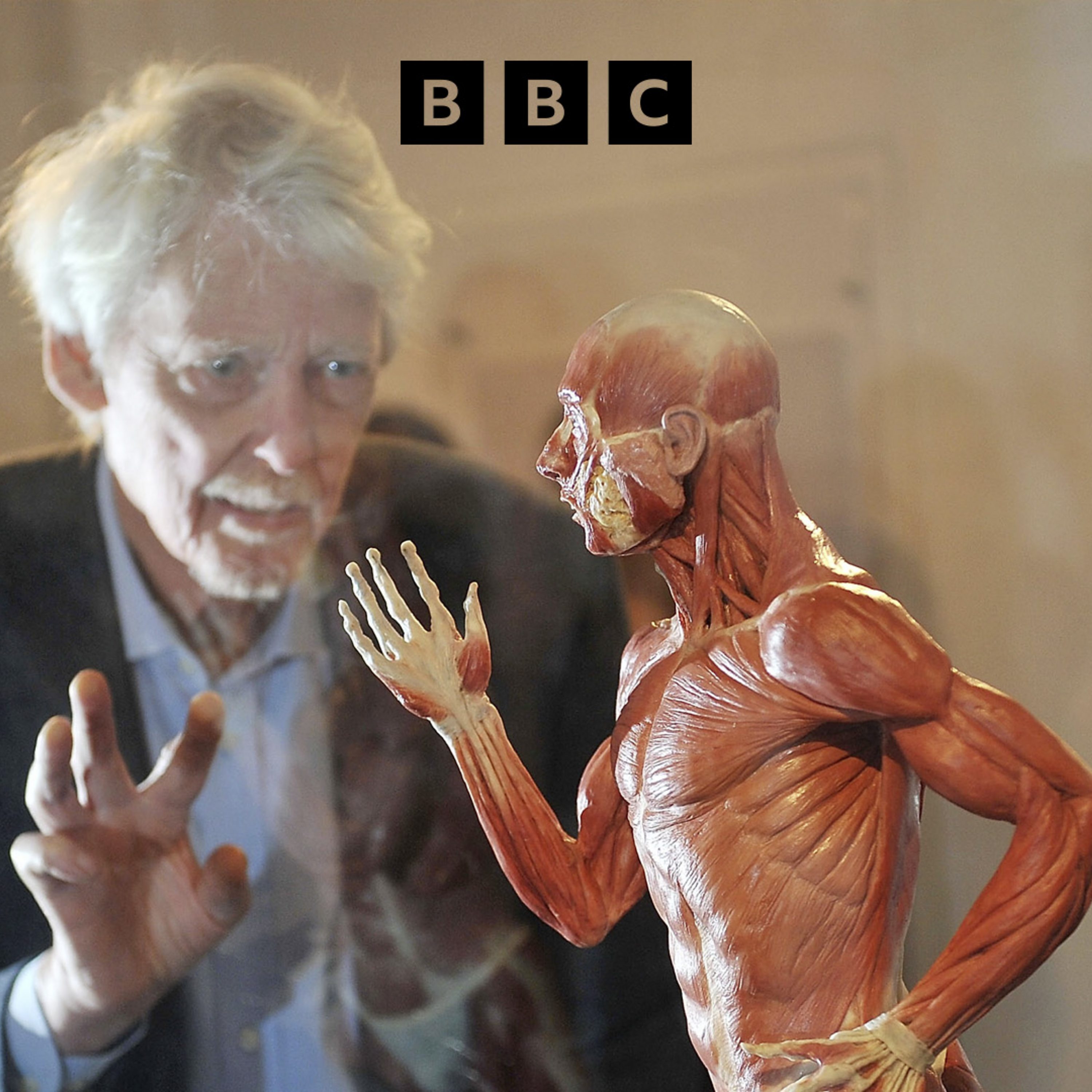
Facial reconstruction: From mummy to murder
In 1975, British forensic artist Richard Neave used a pile of modelling clay, two prosthetic eyes and a woman’s wig to reconstruct the face of an Egyptian mummy. It was to be the start of a 40-year career recreating the faces of the dead using the pioneering ‘Manchester technique’ that he invented. And as his reputation spread worldwide, the police came calling. They needed Richard’s skills to help catch a killer, as he told Jane Wilkinson.(Photo: Richard Neave in 2012. Credit: Bethany Clarke/Getty Images)
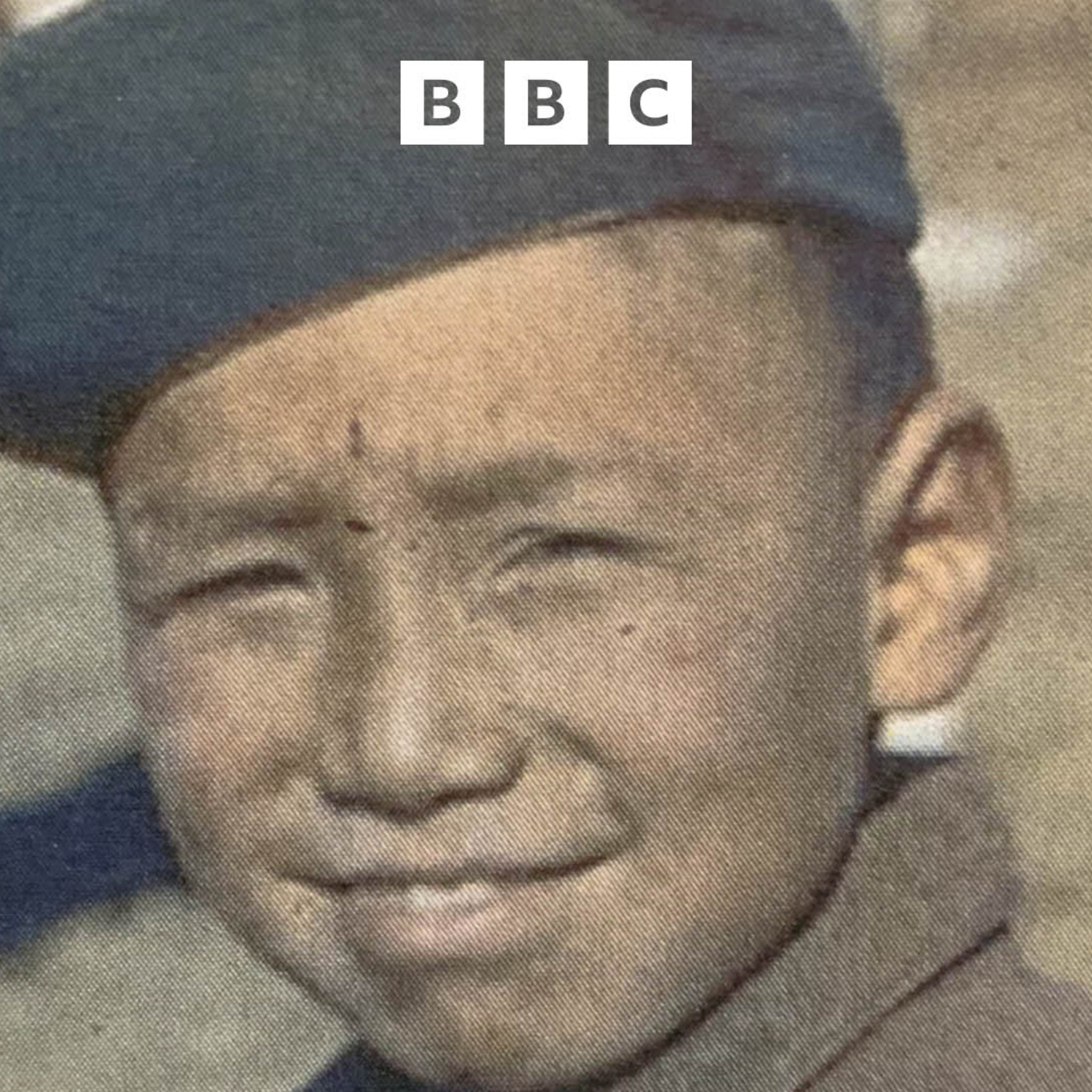
Inuit children taken from families
In the early 1960s, the Canadian government launched an experimental programme to take academically promising Inuit children from their homes to be educated in Canada’s cities. The aim was to produce administrators who could spearhead development in the north of the country, but the project came at a great cost for the children and their families. Adamie Kalingo, born and raised in Nunavik, Northern Quebec, speaks to Maria Margaronis about being taken away at the age of 12 in 1964, his years living with a white family in Ottawa, and his eventual return.(Photo: Adamie Kalingo in 1963. Credit: Maureen Bus)
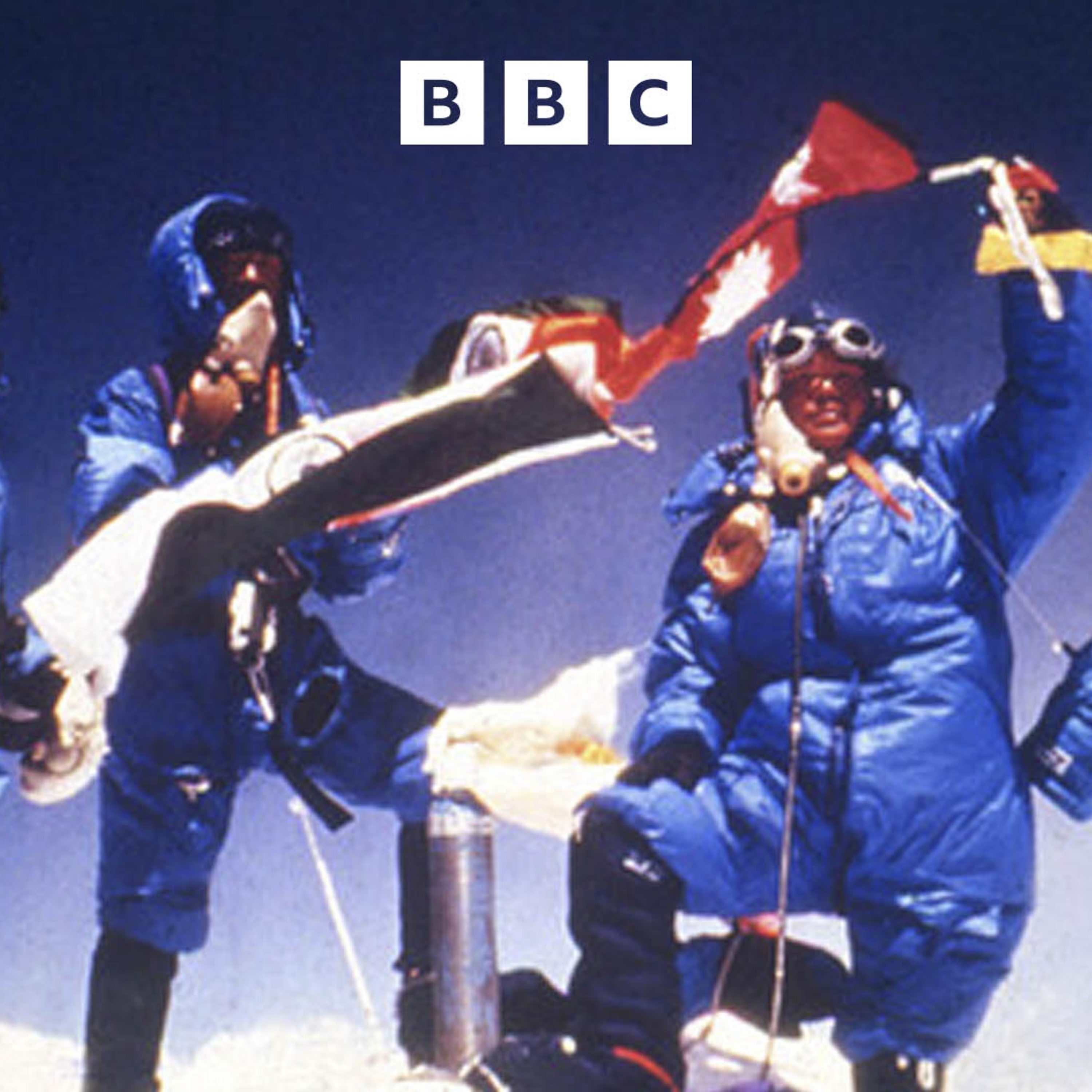
The first Indian woman to conquer Everest
As a child, Bachendri Pal never dreamt of conquering mountains but a chance meeting with a climber changed all that.She applied for a mountaineering course and was chosen to be part of India’s first mixed-gender team to climb Mount Everest. On the journey, she faced icy winds, freezing temperatures and an avalanche that destroyed the camp.But finally, on 23 May 1984, Bachendri became the first Indian woman to reach the summit of Everest. It was an achievement that changed her life, as she told Jane Wilkinson.(Photo: Bachendri Pal, pictured on right, on Everest 1984. Credit: Sonam Paljor)
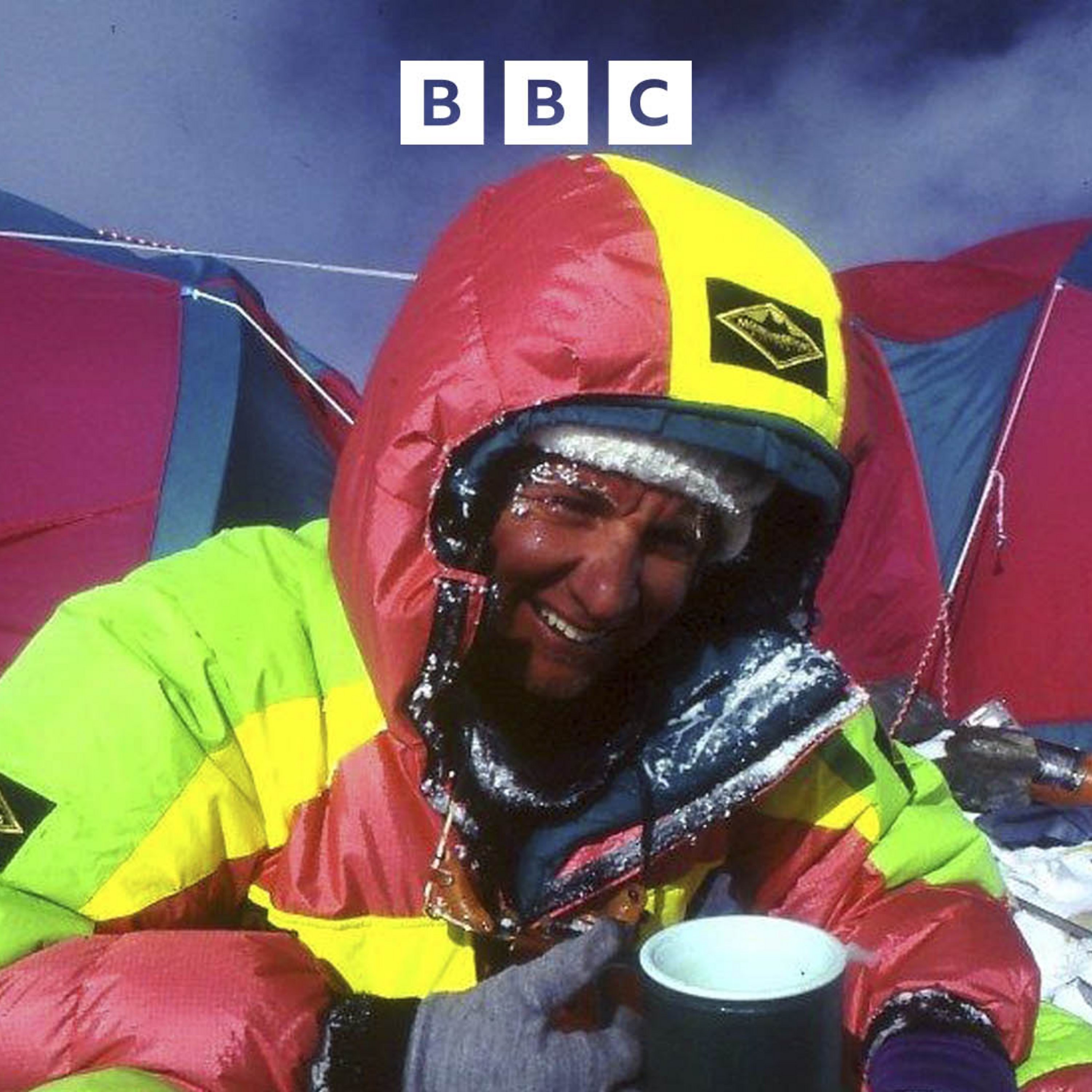
Tragedy on Everest
Michael Groom is one of the survivors of a tragic climbing expedition to Mount Everest in Nepal. In 2010, Jonny Hogg spoke to Michael Groom about the moments that went badly wrong when a storm struck the world's highest mountain on 10 May 1996.(Photo: Michael Groom on Everest in 1993. Credit: Guy Cotter)
Mallory on Everest
In 1999 the body of the legendary British mountaineer, George Mallory, was found on Mount Everest. Mallory disappeared on the mountain in 1924 after making a final push for the summit with his fellow climber Andrew Irvine. They were never seen again. Farhana Haider has been speaking to Jochen Hemmleb one of the original members of the team that discovered George Mallory's remains.Photo: George Mallory. Credit: Getty
Tenzing Norgay conquers Everest
Sherpa Tenzing Norgay had tried to climb Mount Everest, the highest mountain in the world, six times before his successful climb with Edmund Hillary in 1953. His son, Jamling Norgay, spoke to Louise Clarke about the spiritual importance of the mountain for his father, and how Tenzing Norgay saved Hillary’s life when he fell down a crevasse on the mountain. (Photo: Tenzing Norgay and Edmund Hillary. Credit: BBC)
Edmund Hillary conquers Everest
On 29 May 1953 Edmund Hillary, climbing with sherpa Tenzing Norgay, became the first people to reach the summit of Everest.The two men instantly became famous all over the world. Edmund Hillary’s son, Peter Hillary, tells Louise Clarke about his father's heroic climb. (Photo: Tenzing Norgay and Edmund Hillary. Credit: BBC)
The deadliest glacial avalanche in the world
On 31 May 1970, the Huascarán avalanche, caused by the Ancash earthquake, destroyed the town of Yungay, in Peru.Only 400 people, out of a population of 18,000, survived. A clown, named Cucharita, saved approximately 300 children, who were at a circus performance, by leading them to higher ground. Rachel Naylor speaks to his son, Christian Peña. (Photo: Statue of Christ at the cemetery overlooking Yungay, after the avalanche. Credit: Science Photo Library)
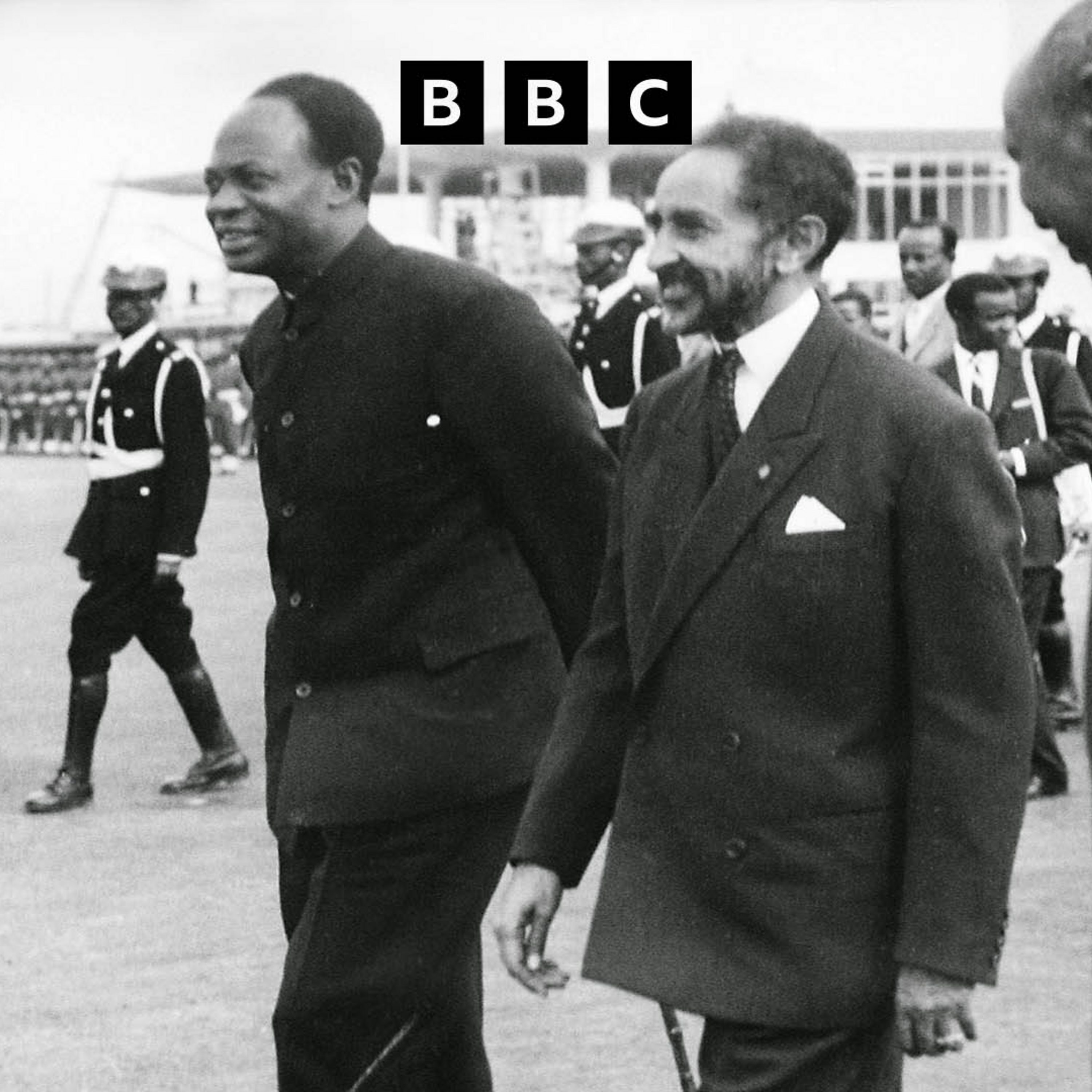
Trying to unite Africa
On 25 May 1963, leaders of 32 newly-independent African nations came together for the first time in the Ethiopian capital Addis Ababa.At stake was the dream of a united Africa. In 2013, Alex Last spoke to Dr Bereket Habte Selassie who took part in that first gathering.(Photo: Haile Selassie, centre, and Ghana's first President Kwame Nkrumah, left, during the formation of the Organisation of African Unity. Credit: STR/AFP via Getty Images)
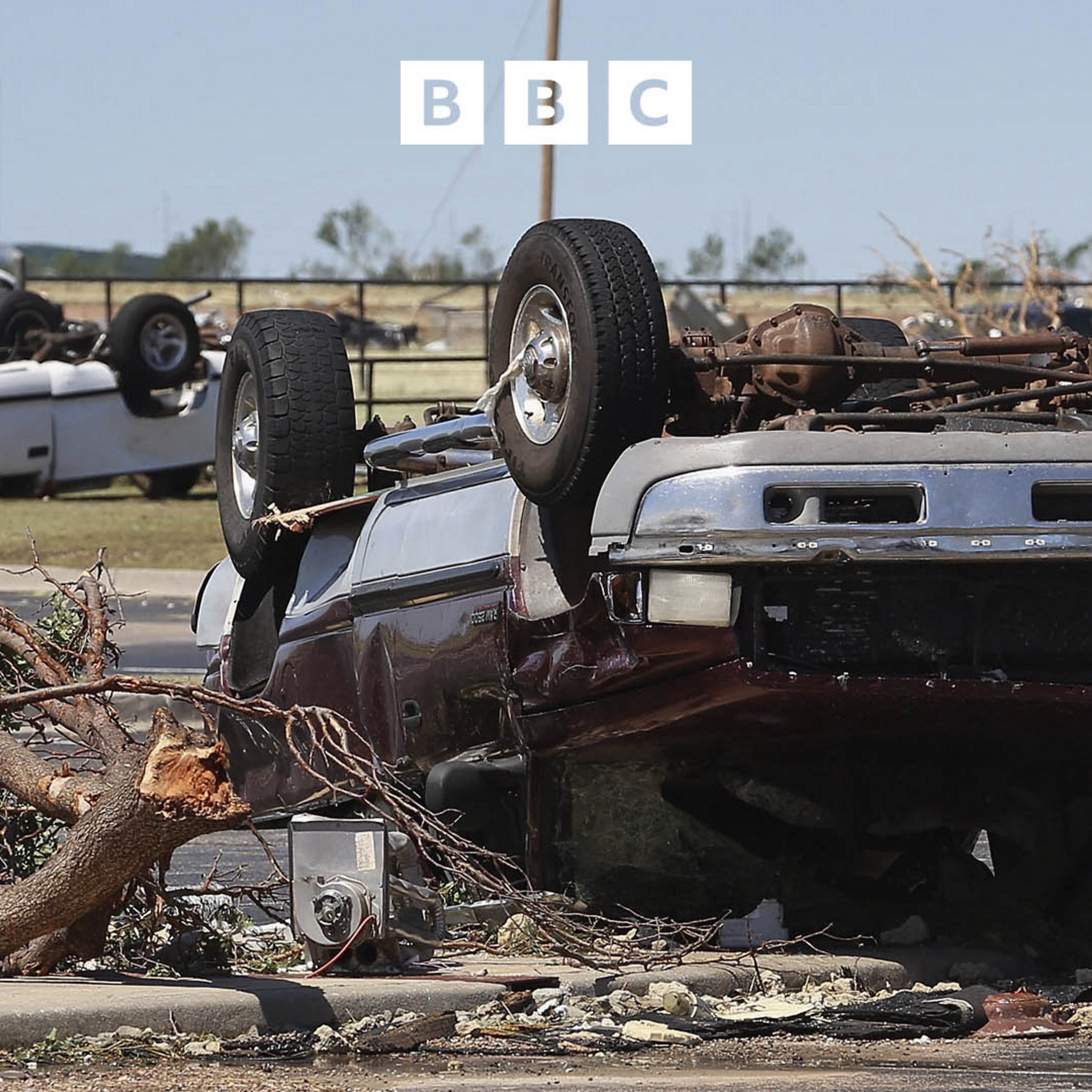
Chasing the world’s biggest tornado
On 31 May 2013, a huge tornado hit an area close to El Reno in the US state of Oklahoma.It was the widest tornado ever recorded and produced extreme winds of more than 400 kilometres an hour.Eight people were killed, including three storm chasers. One of the people tracking the storm was Emily Sutton, a meteorologist with KFOR-TV in Oklahoma City.She’s a member of the station’s storm chasing team and was caught in the tornado. She tells Rob Walker about the impact that day had on her and other storm chasers.Archive: KFOR-TV/Nextstar Media Group(Photo: Cars damaged by the El Reno tornado. Credit: Joe Raedle via Getty Images)
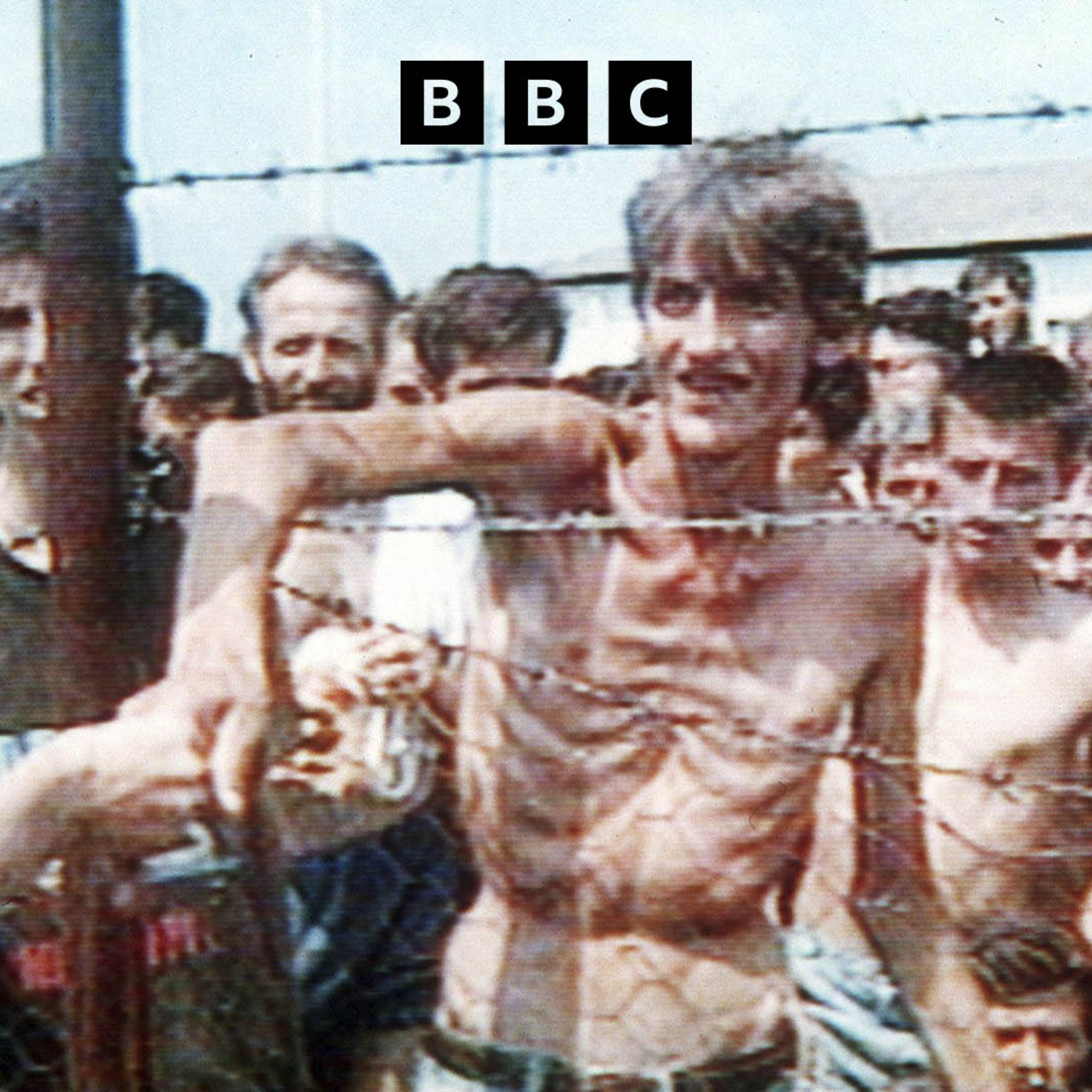
Fikret Alić
EIn August 1992, a shocking photograph of a starving, emaciated man behind a barbed wire fence of a Bosnian concentration camp stunned the world. The picture, taken from an ITN TV report was of Bosniak Muslim Fikret Alić. Reporter Ed Vulliamy was there when the photograph was taken. Ed reunites with Fikret and hears how the picture, which was published around the world, eventually helped Fikret flee to safety. This programme contains descriptions of sexual violence.It was produced by Anna Miles. (Photo: Fikret Alic in a Bosnian refugee camp. Credit: ITN/Shutterstock)
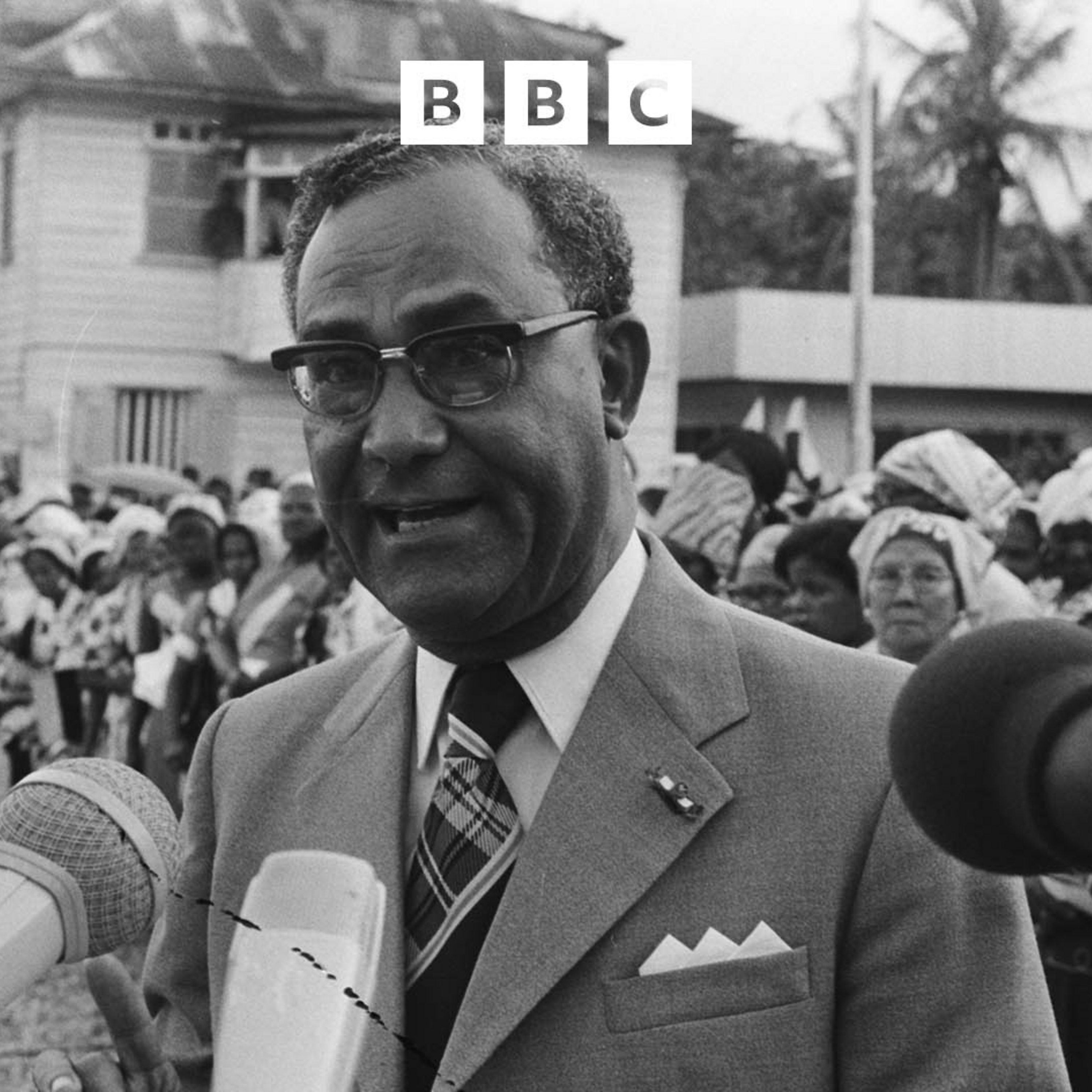
The sergeants' coup in Suriname
In 1980, a group of 16 army sergeants, led by Dési Bouterse, seized power in the small South American country of Suriname, overthrowing the government in a swift and violent coup d’état. The coup came just five years after the country was granted independence from the Netherlands. The country’s first president, Johan Ferrier, was forced to leave Suriname after the coup. Rosemarijn Hoefte, professor of the history of Suriname at the University of Amsterdam, and Johan Ferrier's daughter, Cynthia, have been sharing their memories of that time with Matt Pintus.(Photo: Johan Ferrier. Credit: Alamy)
Pippi Longstocking
In Stockholm in 1941, Astrid Lindgren made up a story for her seven-year-old daughter, Karin, about a young girl who lived alone and had super-human strength. Karin named her Pippi Långstrump, or Pippi Longstocking in English. Four years later, Astrid submitted her story into a competition and it won. Her book, Pippi Långstrump, was published and became an overnight success. It’s now been translated into more than 70 languages, as well as being made into more than 40 TV series and films. Rachel Naylor speaks to Astrid’s daughter, Karin Nyman.(Photo: Astrid Lindgren. Credit: Getty Images)
Creating New Zealand's national walking trail
In 2011 a 3,000 km long walking trail was opened in New Zealand. Geoff Chapple had spent years lobbying for the creation of Te Araroa. He’d written articles in newspapers and tested out routes in the country's rugged landscape. The process of exploring where it could go sometimes put him in danger as he tells Alex Collins.(Photo: Geoff wading in the Waipapa River in the far north of New Zealand while on the Te Araroa trail. Credit: Amos Chapple)

The Dambusters
In the early hours of 17 May 1943 a bold World War II attack destroyed two dams in the Ruhr Valley in Germany's industrial heartland, causing 1,600 casualties and catastrophic flooding which hampered the German war effort.The dams were highly protected but 617 Squadron of the Royal Air Force had a new weapon – the bouncing bomb. Invented by Barnes Wallis, the weapon was designed to skip over the dams' defences and explode against the sides. The Dambusters mission was a huge propaganda success for Britain and later inspired a famous film.In 2013, Simon Watts spoke to George "Johnny" Johnson, the last survivor of the Dambusters squadron.(Photo: Squadron Leader George "Johnny" Johnson. Credit: Leon Neal via Getty Images)
German child evacuees of World War Two
Beginning in 1940 thousands of German children were evacuated to camps in the countryside to avoid the bombs of World War Two.These camps were seen as safe places where they could continue their education but also where Nazi beliefs could be taught. Alex Collins has listened to archive recordings from "Haus der Geschichte der Bundersrepublik Deutschland" in Bonn one of Germany's national history museums and hears the stories of former camp residents Gunter Stoppa and Klaus Reimer.You may find some of the contents distressing. (Photo: German children being evacuated to Prussia. Credit: Getty Images)
Singapore executes Filipina maid
In 1995, the execution of Flor Contemplacion caused protests, a government resignation and a diplomatic crisis between the Philippines and Singapore. Flor, who worked in Singapore, was convicted of killing another domestic helper, Delia Maga, and the four-year-old boy Delia looked after, Nicholas Huang. While Singapore stood by the conviction, millions of Filipinos believed Flor was innocent and had been let down by their government as an overseas worker.Flor’s daughter Russel Contemplacion, who was 17 at the time, and Flor's lawyer Edre Olalia give Josephine McDermott their account.(Photo: The coffin of Flor Contemplacion is carried to church prior to her funeral. Credit: Getty Images)
World War II victory in North Africa
Peter Royle, 103, endured a month of solid fighting in the hills outside of Tunis in 1943. Eventually the Allies prevailed and took more than 250,000 German and Italian prisoners of war. They declared victory in Tunisia on 13 May. Peter came close to dying many times. He recalls how he once hummed God Save the King to prevent himself being shot by friendly fire. He was under the command of Field Marshal Bernard Montgomery, fresh from victory in the North African desert, and recalls him being inspirational to the troops.This episode is presented by Josephine McDermott. Ahead of the 80th anniversary of the end of World War II in 2025, the BBC is trying to gather as many first-hand accounts from surviving veterans as possible, to preserve for future generations. Working with a number of partners, including the Normandy Memorial Trust and the Royal British Legion, the BBC has spoken to many men and women who served during the war. We are calling the collection World War Two: We were there.(Photo: Peter Royle in battle kit in 1941. Credit: Peter Royle's family)
Warsaw Ghetto uprising
In May 1943, the uprising in the Jewish Ghetto in Warsaw in Poland came to an end. The Germans had crushed the uprising and deported surviving ghetto residents to concentration camps.Simha "Kazik" Rotem was one of the Jewish fighters who survived to tell his story.He spoke to Louise Hidalgo in 2010.(Photo: Warsaw Ghetto. Credit: HUM Images/Universal Images Group via Getty Images)
The last commercial flight out of Kai Tak
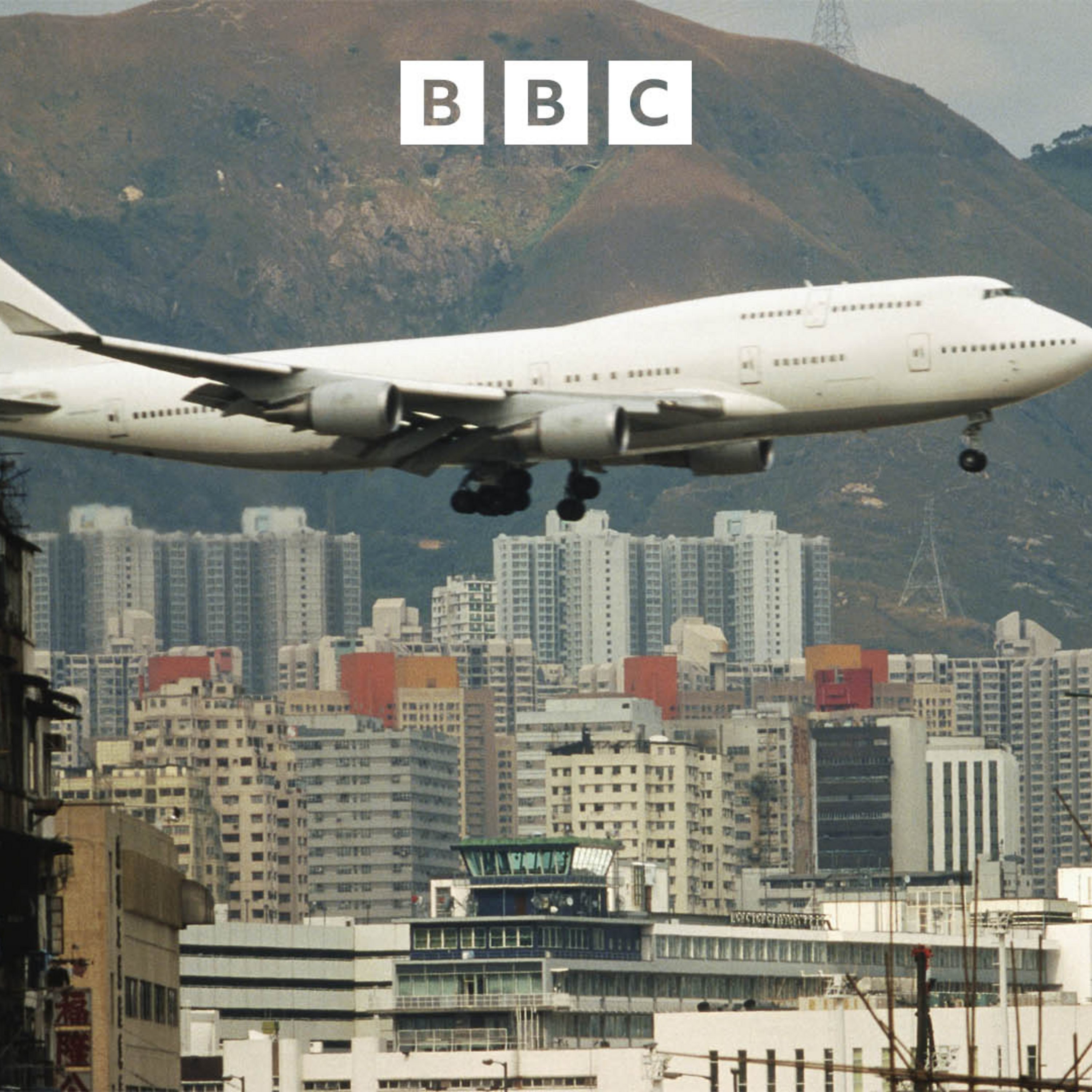
In 1998, one of Hong Kong’s best known landmarks, Kai Tak airport, closed after 73 years. Kai Tak, which was built between the mountains and the city, was world-famous for its unique landing approach that became known as 'the Kai Tak heart attack’. Captain Kim Sharman was the pilot of the last commercial flight out of Kai Tak.During his career he landed at the airport more than 1,000 times. Twenty-five years on he shares his memories with Gill Kearsley.(Photo: Boeing 747 landing at Kai Tak Airport. Credit: Russ Schleipman via Getty Images)
The sinking of the SS Tilawa: the ‘Indian Titanic’
On 23 November 1942, in the middle of the Second World War, a ship called the SS Tilawa was carrying more than 950 passengers and crew from India to East Africa when it was sunk by Japanese torpedoes. Two hundred and eighty people died. The ship became known as the 'Indian Titanic'. Ben Henderson speaks to the last two known survivors, Arvind Jani and Tej Prakash Mangat.(Photo: Arvind Jhani and Tej Prakash Mangat. Credit: their families)
United States bomb the Chinese embassy in Belgrade
In 1999, NATO carried out a bombing campaign in Yugoslavia during the Kosovo War. On 7 May, five American bombs hit the Chinese embassy in Belgrade, killing three people and damaging relations between China and the West. Ben Henderson speaks to Hong Shen, a Chinese businessman, who was one of the first on the scene.(Photo: Protesters hold pictures of Chinese journalists killed in the embassy bombing. Credit: Stephen Shaver/AFP via Getty Images)
The removal of Scotland's Stone of Destiny
On Christmas Eve 1950, four young Scottish students took the 'Stone of Destiny' from Westminster Abbey in London.The symbolic stone had been taken from Scotland to England centuries earlier and had sat beneath the Coronation Chair in the abbey ever since. In 2018, Anya Dorodeyko spoke to the late Ian Hamilton who took part in the daring escapade in order to draw attention to demands for Scottish home rule.(Photo: Ian Hamilton. Credit: BBC)
Last King of Bulgaria
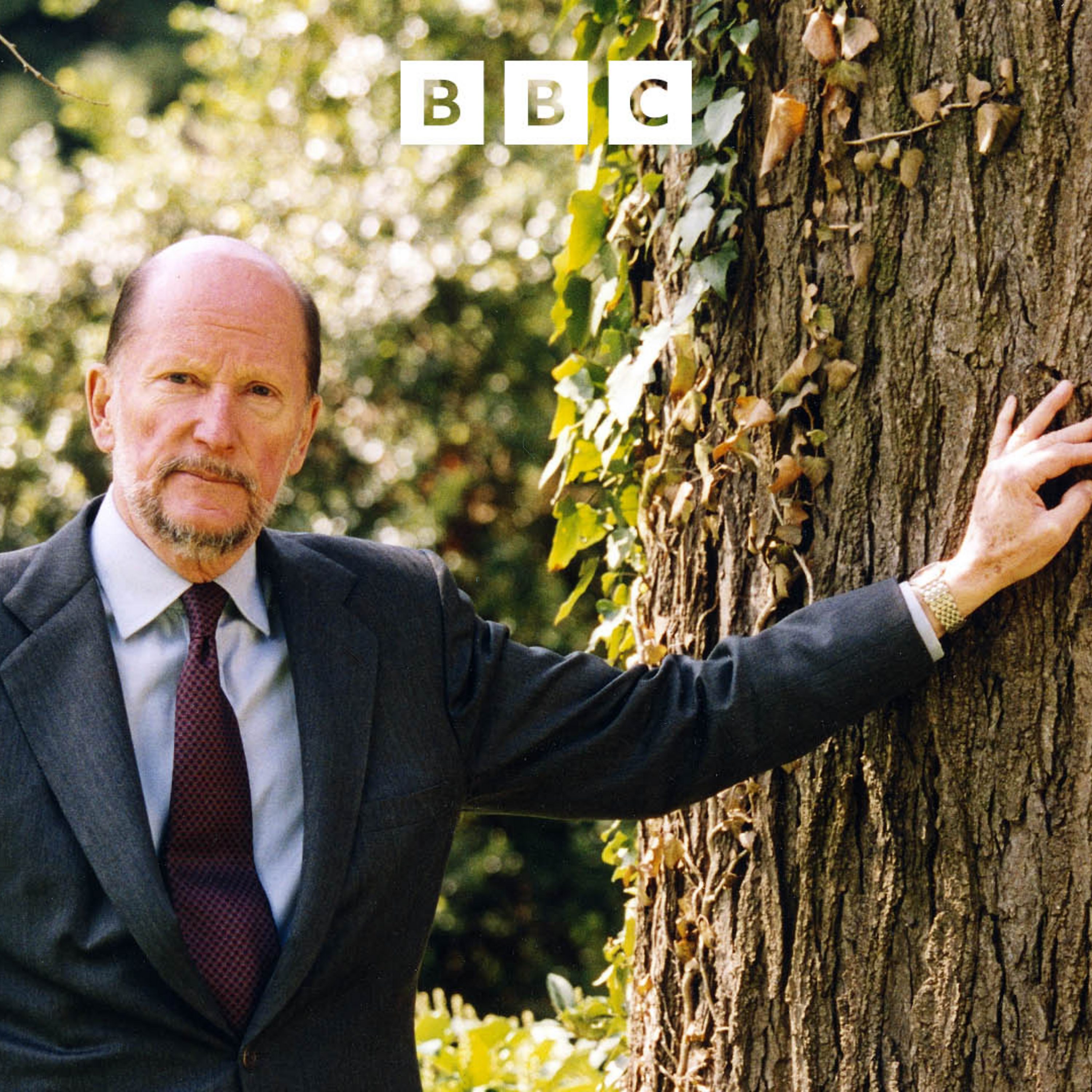
In June 2001, more than half a century after being driven into exile by communists, Bulgaria’s former King Simeon II made a dramatic comeback by winning the country’s parliamentary election. In 2018, Farhana Haider spoke to Simeon Saxe-Coburg-Gotha about his remarkable journey from child king to prime minister.(Photo: Former King Simeon II of Bulgaria. Credit: Luc Castel/Getty Images)