wise athletes podcast
195 episodes — Page 2 of 4
S4 Ep 136#136 | Live Long Strong; Dodge the #1 Killer (CVD) | Michael Twyman MD
Pro Level Supplements for WiseAthletes The USA declared war on heart disease in 1955. 70 years later it is still the leading cause of death. What about statins and all that medical progress we’ve had. Exactly, what about it? Dr Michael Twyman is a board certified cardiologist who runs Apollo Cardiology, a clinic serving patients from all over the world. His approach is to understand cardiovascular health from a whole body perspective. Rather than focus on LDL and HDL and apoB, he says we need to look at the bigger picture of cardiovascular health….namely cardiovascular health as a marker of whole body health. He says plaques can start building early in life....stop the progression now to eliminate the need for dramatic interventions with significant side effect later in life. We discuss specific behaviors and supplements and even medications to signal the body to stop building plaques. A statin is only one of many potential solutions. Since recording this episode, I have stopped taking my low-dose statin that was significantly reducing my muscle power, and replaced it with better tools. Stop damaging the Glycocalyx (the protective barrier to the lining of arteries) Stop making so many ApoB particles Make more receptors to remove more ApoB particles Lower reabsorption and absorption of cholesterol from food in gut Bullet points Damage to glycocalx Causes: high oxidative stress (mitochondrial disfunction), inflammation from any source: gut related, infection (COVID), smoking, high insulin, high glucose Signs: high BP, erectile dysfunction Supplements to consider Vit k2 - keep calcium in bone not arteries Garlic - support glyocalix health Berberine — increase LDL receptors (like a weak pcsk9) Bergomot - lower LDL production (like a weak statin) Ezetimibe (not supplement) — reabsorption of cholesterol Aspirin (81 mg) - complicated. Had an event? Aspirin for life. No event yet? Higher CAC? Aspirin. Unless high risk of bleeding. Blood markers review Homocysteine <10 GGT high means low glutathione (high oxidative stress) Uric acid. High means poor metabolism. A marker of gout but also damaging to glycocalyx. Oxidized LDL — 5 alarm code hsCRP — good to know but if high doesn't point to the problem Myeloperoxidase (increase with infection) — HDL dysfunction Boston heart panel Related info and episodes: Episode 103 | Boosting Nitric Oxide Episode 105 | UV Light for Health Episode 112 | Simple Solutions for AGEs More Dr Twyman info: drtwyman.com - Dr Michael Twyman's website Want to support the show? If you are enjoying WiseAthletes, please leave us a review. And, be sure to check out our <a href="h

S4 Ep 135#135 | What’s your Healthy Fat %? | Vyvyane Loh MD
Pro Level Supplements for WiseAthletes If you look around you can see that body fatness is a bigger problem now than it used to be. Officially the statistic is approximately 45% of Americans are obese measured by BMI. But if we measure body fat as a percentage of total body weight, the metric is closer to 90 percent. because of the many people who don’t look obese but have high fat combined with low muscle mass. What's even more concerning for wise athletes is that the level of body fatness that is unhealthy varies dramatically between people because the location of the fat is what matters. Some people have a very low threshold for fatness before they start to experience metabolic problems that are associated with obesity including higher rates of Cancer, t2d, and CVD. So what is my threshold for unhealthy fat? What is yours? Today on episode 135, Dr Vyvyane Loh joins the show to explain what is happening to our bodies and why, and thankfully she shines a bright light on the pathway to metabolic health and athletic longevity. Dr Loh is board certified in internal and obesity medicine, and she runs a medical practice helping people of all shapes and sizes to solve metabolic health challenges. And she has answers to my questions on how to know if this applies to you, and how to avoid the excessive catabolism that comes from sitting too much, over weighting endurance exercise, eating too little protein, intermittent fasting, frequent dieting, and more. Bullet points People generally think their body fatness is lower than it really is. The “pinchable” fat under the skin isn’t the problem. Fat can be hidden under the abdominal wall and in organs: muscles, heart, lungs, liver, pancreas …wherever your body could put it after your “under the skin” (subcutaneous) fat storage filled up. Note: Ectopic (abnormal place) fat includes visceral (in the abdomen) fat Obesity measurements based on weight miss the key point. It’s the amount of ectopic or "out of place" fat that drives metabolic illness. And each person has a different amount of healthy fat storage before the unhealthy storage begins. So the amount a person weighs can be misleading if the fat increase is offset by muscle and bone losses, and for people who have very low healthy fat storage. In fact, muscle and bone losses on top of fat increases is an even bigger problem even though BMI is “normal”. Obesity definition — body fat % Men: 25% or higher Women: 35% or higher If you are using a bio-impedance device add 10-15 points (men) or 20-25 points (women). Use Dexa “body scan” to get an accurate reading. Very low radiation. You can’t get an accurate assessment with body fat photo comparisons or bio impedance or using blood markers of inflammation The key: find your body fat % and where is the fat located Dexa breakdown Fat mass Lean mass (muscle, organs, protein in bone, water) Mineral mass of bone A dual-energy X-ray absorptiometry (DEXA) scan can measure bone mineral density and body composition, including lean mass, fat mass, and muscle mass. Lean mass is made up of everything that isn't bone mineral or body fat, including organs, skin, connective tissue, and water. However, DEXA scans don't show body water as a separate component. People lose 3-8% of muscle mass per decade of aging On top of that loss, “catabolic crises” cause additional muscle (and bone) loss. Illness, injury, surgery. Also weight loss is a catabolic crisis. Catabolic crises “Aging” Injury & I
S4 Ep 134#134 | Testosterone Envy & Longevity | Rick Cohen MD
Pro Level Supplements for WiseAthletes Should I take TRT? Should my testosterone be higher? I've been thinking about testosterone for 15 years, and of course the issue goes way beyond athletic performance enhancement ... wise athletes have serious questions about testosterone's impact on health and longevity. We all want to be better athletes, to be stronger and recover like we used to. Is there a way to boost testosterone that gives me all the benefits of getting back to my youthful levels of testosterone without injuring my ability to be a strong and healthy athlete throughout a long life? To answer those questions and more, on Episode 134 I am rejoined by Rick Cohen MD, a longevity and hormone health expert who works with athletes of all ages to find a safe and sustainable path to being the strong athlete we all want to be. Bullet points On one hand, there’s the TRT advocates who say “everyone should have 1000 ng/dl testosterone”…”don’t let your doctor scare you”….these guys usually also say ..”come to my low-T clinic”….or “buy my testosterone book”…These guys focus on making HIGH T a badge of honor and promote “testosterone envy”… But just as annoying is the old school doctor who says…aging is natural, and falling sex hormones is a normal part of the life trajectory that everyone goes through. People need to get used to these changes. See a psychiatrist if you need help. This group deals in fear… talks about getting cancer and losing natural testosterone production Testosterone Envy is bogus: Higher T is not better unless it is too low. Too high is not healthy but too low is also bad. Each man has a T level that suits his body. The body works hard to maintain the “right” level of sex hormones (symptoms tell the story better than blood tests). But current T level is affected by two overlapping buckets of issues: (1) health status (chronic inflammation, low mitochondrial function) and modern life issues (constant stress, sedentary lifestyles, nutrient shortages, medicines) Adding in TRT creates a lot of side effects that have to be worked out plus it is a lifetime commitment to continuing it because the body will stop making its own T. This should be the action of last resort, not the first or second action The body knows what to do….i just need to make myself as healthy as possible, and not screw up the program by not providing enough of the right nutrients and stimulus for my body to recognize that a “strong Joe” amount of testosterone is warranted. Get sleep, move, lift heavy things, get off of toxic foods, don't over-train...quick fixes. Lifting heavy and sprinting are the big levers. Fasting all the time isn't a good idea, but periodic fasting can fit into a good overall program of repeating cycles of growth and repair Traditional low testosterone symptoms: falling asleep after dinner, no sex drive, no motivation to exercise, losing muscle mass, no morning wood. Low T is the warning light that something is wrong. You have to fix the problem to signal the body to go back to making a desirable level of testosterone. Sometimes people need a short treatment of medication to stimulate natural T production to boost motivation and mood so that they can do what is needed to do to increase testosterone production back to normal without drugs. Enclomiphene. Human chorionic gonadotropin (hCG). Supplements mentioned: Akarkara root, Pine pollen, Tongat Ali Do not take iron supplements. Donate blood to keep iron from getting too high. Related
S4 Ep 133#133 | Higher VO2Max via Postbiotic Metabolites | Ross Pelton, R.PH, Ph.D., CCN
WiseAthletes Fullscript Store Gut health is all the rage now but it is so complicated and everybody has a different solution…from eating lots of fiber to eating only meat to taking probiotics. How can we figure out what to do? Is improved athletic performance possible from gut health? Today in episode 133 I am joined by Ross Pelton, the Natural Pharmacist who recently published a paper on the microbiome theory of aging in the medical journal Integrative medicine. Ross shares his deep knowledge about improving gut health and also his knowledge about an emerging topic for me….postbiotics which are beneficial substances made by bacteria that our bodies rely upon and respond well to when we do have an optimal gut. We’ve all heard of SCFA (short chain fatty acids), well that is only one of many substances made by bacteria in a healthy gut but now are available in supplement form to help us all get our gut back on track. Ross works with Dr Ohhira's Probiotics & Postbiotic Metabolites which are available in the Wise Athletes Fullscript store if you’d like to check it out. Ross shares several medical studies using Dr Ohhira's including one with athletes that showed significant increases in vo2max and lactate threshold.....legal doping! Paper: The Microbiome Theory of Aging, January 2023 Link to get free copy of book: Dr. Ohhira's Probiotics & Postbiotic Metabolites Ross's website: naturalpharmacist.net
S4 Ep 132#132 | Measuring Metabolism | Hari Mix PhD of Calorify
WiseAthletes Fullscript Store Everybody knows exercise is good for us but why? And why doesn't my food tracker balance my calories even when I weigh my food and use a power meter and heart rate monitor to track energy usage? Do I really have to step on a scale everyday to know if I am eating too much? And how can I tell if I'm eating too little to build muscle and to avoid bone and immune function issues down the road? Today on episode 132 I am joined by Hari Mix, a Stanford University PhD and the Founder and CEO of Calorify, an emerging technology company providing athletes and sports teams with the world's most accurate measurement of energy expenditure, powered by doubly labeled water. Only by accurately measuring metabolic activity can athletes and everyday people know if we are consuming too much or too little food to power our athletic pursuits and the bodily functions that repair our bodies and keep us healthy for a long time. Hari Mix explains that professional athletes are shifting from "how little can I eat and still perform" to "how much can I eat to perform better", and he walks us though what is known about these complicated and vexing questions about balancing calories in vs. out, and why exercise is not a great tool for losing weight. The image below is a weak illustration of the idea that your metabolism changes in response to changes in energy availability / left over after exercise. It works both ways: too little available energy will turn down metabolic rate while too much energy availability will turn up the metabolic rate. The metabolic rate of energy usage is indicative of bodily function activity level: energy surplus: growing muscles and bones and other organs, energy shortage: scavenging of old and damaged proteins in muscles, bones, immune cells, etc. (autophagy, mitophogy): Related info and episodes: Episode 131 - Supplement Quality & Efficacy Episode 129 - Bone Health Example Calorify report Metabolism by Age chart (full image) More Hari Mix & Calorify info: Exercise Paradox article by Dr Pontzer calorify.com Want to support the show? If you are enjoying WiseAthletes, a great way to support the show is by leaving a review on the Apple Podcasts. It only takes a minute and helps more people find the episodes.
S4 Ep 131#131 | Winning with Supplements | Jeff Gladd, MD
Fullscript for WiseAthletes I think it is clear that nutritional supplements are a useful and medically legitimate way for me to meet my nutritional needs and support my efforts to be a strong athlete for a long time. Yet, the question of which nutritional supplements to buy turns out to be much more complicated than it appears … my conversation today will make that challenge less overwhelming. If you have ever dared to wonder if that nutritional supplement you have been taking for the last year with no or little effect really contains the real botanical or amino acid or whatever you wanted and expected, then you have already realized you have no idea and no way to find out. Sure, you can use 3rd party services like ConsumerLab but that can’t tell you if the bottle in your hand is the same as the one they tested. So what is a wise athlete to do? Today on episode 131 I am interviewing Dr Jeff Gladd who is a medical doctor with his own clinic and the chief medical officer of Fullscript, a wholesale nutritional supplement fulfillment service serving over 6 million patients through 100,000 healthcare providers. Dr Gladd knows the ins and outs of the nutritional supplement business, and he shares his tips for how to find brands and to source product that provides the best chance of having the purity and potency you and I seek. And he also shared his advice on specific supplements for the older athlete. And be sure to explore the WiseAthletes Fullscript site where you can see for yourself if the product selection and pricing is as good as the quality control offered by FullScript. I am no longer buying from Amazon as I have done for years. It's time for me to make sure I am getting the purity and potency I need. Bullet points: Navigate the nutritional supplement industry by focusing on quality first and then cost. A quality product in your hand can only come through quality control maintained throughout the manufacturing and distribution process...any step along the way with a company you can't trust and that hasn't been checked by 3rd party certifiers means you don't know what you are getting. Start with goals: what are you trying to accomplish: (1) do everything you can through lifestyle improvement, (2) then turn to supplements to fill in gaps: start at the top...what are the most important things to address, (3) don't take 25+ supplements...take 5-6 high quality nutritional aids that you can expect to work, and then test to be certain, (4) move onto the next thing to address. Certifications available: Certified Gluten Free, Vegan, Vegetarian, cGMP, NSF, Kosher Check, Certified Vegan, Certified Halal. UL, Informed-Choice, Informed-Sport, Friend of the Sea, Certified B Corporation, Non GMO Verified, USP, USDA Organic, GOED, IFOS, ISO, Certified Organic, Certified B Corporation®, NSF Certified for Sport, MOSA Certified Organic, QAI, Homeopathic, Clean Label Project™, MSC Fish, 1% For The Planet, Non-GMO, NSF Certified, Halal, Keto Certified, Plant-Based Certified Allergen indicators. Animal product free, Artificial color free, Artificial flavor free, Artificial preservative free, Artificial sweetener free, Casein free, Corn free, Crustacean/shellfish free, Dairy free, Egg free, Fish free, Gluten free, GMO free, Grain free, Grass-fed, Hydrogenated oil free, Hypoallergenic, Keto friendly, Kosher, Mustard free, Organic, Paleo friendly, Peanut free, Preservative free, Rice free, Salicylate free, Salt free, Sesame free, Soy free, Starch free, Sugar free, Tree nut free, Wheat free, Whey free, Yeast free Related info: As Chief Medical Officer, Dr. Jeffrey
S4 Ep 130#130 | Protecting Lung Health | MeiLan K. Han MD
Fullscript for WiseAthletes Breathing is the essence of life. Yet lung function declines as we age. The chemicals and small particles breathed into our lungs leave a mark and reduce lung function, a little here and a little there. But we can slow the decline, and we can even recover lost function with targeted effort. Do you know how to protect and strengthen your lungs? Today I am joined by MeiLan K. Han, MD, a pulmonologist and the Chief of Pulmonary and Critical Care at the University of Michigan, and a national spokesperson for the American Lung Association. Dr Han is also the author of Breathing Lessons ... a rallying cry for lung health. With the authority that only a practitioner and medical researcher can deliver, Dr Han reveals the latest scientific thinking about the leading respiratory risks — including indoor and outdoor pollution, smoking and vaping, and wildfire smoke during outdoor exercise — and offers practical advice on how to protect the lungs. Listen in to learn about treating your lungs well and maintaining or recovering effortless breathing as you age. Related info and episodes: Episode 103 - Nitric Oxide w/Beth Shirley Episode 50 -- Breathing is a Skill w/ George Dallam, PhD Air Quality Index info More Dr MeiLan K. Han info: DrMeilanHan.com Dr Meilan Han on X (Twitter) Breath Lessons book on Amazon Dr Melan Han website @meilanhan on both Instagram and Facebook Want to support the show? If you are enjoying WiseAthletes, a great way to support the show is by leaving a review on the Apple Podcasts. It only takes a minute and helps more people find the episodes. And, checkout the discount codes provided by show guests who offer unique products that I or Glen use. Click here: DISCOUNTS
S4 Ep 129#129 | Optimal Human & Bone Health | Dr Doug Lucas DO
Fullscript for WiseAthletes This is part 2 of my bone health exploration, and this time the question is what should I do if I have osteoperosis? Is it game over? No. Absolutely not. But you will need to work hard to recover the bone health you lost. Doug Lucas, DO, Board Certified Orthopedic Surgeon and Anti-Aging Specialist, will give you insight into the lifestyle, nutrition, testing, and medical solutions for Osteoporosis management and yes, possibly, even reversal. Avoiding pharmaceuticals if at all possible. Dr Doug Lucas is a double board certified physician specializing in optimizing healthspan and bone health. Seven years after completing his training at Stanford and starting his career as an orthopedic surgeon Dr Doug left the traditional medical model to pursue a second fellowship and board certification in anti-aging and regenerative medicine and achieve the status of fellow in Anti-Aging and Metabolic Medicine. Dr Doug has gone on to build a team of experts to help optimize patient's health and help them to live better, longer. The vision has come to fruition with 100s of patients seeing success by reversing chronic diseases like osteoporosis and diabetes but also by improving energy, performance and vitality. Bullet points Layers for building health…start at the foundation and build up…. Lifestyle (sleep, diet, stress mgmt., activity, sunshine, social, spiritual)…lots of these things can be done together…time efficiency is important.Keys to get right: enough protein, enough calcium, the right dairy (A1 vs A2 casein) if possible? Fermented …full fat is better? a calm immune system, the right exercise/activity, sleep, stress mgmt stuff to avoid: alcohol, salt, caffeine, fasting, yo-yo dieting, HPF highly processed food…antibiotics? Proton pump inhibitors? NSAIDs (aspirin?) Supplements based on need, which means testing (how do you test? Anything beyond the standard panels? How do you assess status or need? I’m used to my doctors who say anything in the “normal range” is good enough…what other biomarkers do you use….BP, RHR, …any functional markers like grip strength or balance? Other related to testingWhat about allergies? I’ve heard food allergies are an issue but is it the same for airway allergies like pollen or dust creating histamines? Do antihistamines help?Melatonin? Help with sleep and bones?What about non-chemical interventions? Red/NIR light, UVB lamps, vibration plates, etc. Hormone optimization — lifestyle then replacement based on real need. But hormones affect more than bone….right? Estrogen is the key for bone health? How do men get enough estrogen for bones? Peptides – gray area….is this an area people should be careful about? Stuff you can get online…can you trust it? Pharma – medications tend to be very powerful and have side effects. Anything common that you find contributed to the bone health issues? How do you deal with polypharmacy issues….accumulation of drugs taken forever? Longevity interventions? Off-label? Optimization of biomarkers vs. “normal range”? (rapamycin? MB? ….a long list of off-label medications found to extend healthspan and lifespan in mice: acarbose, metformin (when combined with rapa), SGLT2 inhibitors (canagliflozin)…and others. Related info and episodes: Episode
S4 Ep 128#128 | Mitochondrial Power-up w/Methylene Blue | Scott Sherr MD
Fullscript for WiseAthletes Mitochondria are the powerhouse of the cell, as we learned in high school biology. What's emerging from science more recently is how unhealthy mitochondria are at the heart of many diseases, and even shows up in our daily lives as feeling chronically fatigued or having brain fog. Improving mitochondrial function is at the heart of everything we do for athletic performance, health, and athletic longevity. Heck, mitochondrial dysfunction is one of the 12 hallmarks of aging...so what can we do? Today I am speaking with Dr. Scott Sherr who says "he is a conductor of all things optimal health & performance"....he says everything he does for his patients...whatever their issues are...is usually aimed at improving mitochondrial dysfunction. Dr Sherr is not just a medical doctor …his unique background has led him to build a medical practice combining the best of traditional and alternative medicine. Dr. Scott Sherr is a Board Certified Internal Medicine Physician and a specialist in Hyperbaric Oxygen Therapy (HBOT). His clinical practice includes Health Optimization Medicine as its foundation plus an integrative approach to hyperbaric oxygen therapy, trargeted supplementation, synergistic new & ancient technologies, and more. He is the perfect doctor to speak to the Wise Athletes podcast. But there is still more. Dr. Scott is also the COO of Smarter Not Harder, the company behind Troscriptions, a line of unique supplements to optimize brain and body energy production and to relax and calm when needed. And, as you will soon hear, Dr Sherr is the person who convinced me to try Methylene Blue, which has served to banish afternoon brain fog from my life. Bullet points (from Smarter Not Harder's THE ULTIMATE GUIDE TO METHYLENE BLUE) THE MAGIC HAPPENS AT LOW DOSES At low doses (<3mg/kg), Methylene Blue (MB) is called an electron cycler. It acts as an electron donor to the electron transport chain in your mitochondria, increasing ATP production. MB also works as an acceptor of free electrons from reactive oxygen and nitrogen species (i.e. it works like an antioxidant...one as powerful as vitamin C or glutathione, in fact). There are very few compounds that cycle electrons (i.e. donates and accepts them) as effectively as MB. MB also increases the cytochrome oxidase (complex IV) function in your mitochondria and drives increased glucose consumption. The latter occurs because, when the mitochondria are making more energy, they need more substrate to supply electrons to the electron transport chain. While increasing glucose consumption and energy production, MB also increases the supply of NAD+. At <2mg/kg, MB causes the release of nitric oxide and the dilation of blood vessels so that more oxygen-rich blood flows to the area of increased glucose consumption. MB can bypass potentially dysfunctional mitochondrial complexes I and II. This is why MB works to reverse or compensate for mitochondrial damage. MB concentrates in tissues with the most mitochondria (e.g. the brain where it readily crosses the blood-brain barrier) the heart, muscles, the liver, and kidneys. But...at moderate doses (3mg to 10mg/kg in most studies), MB becomes an electron donor and a pro- oxidant that facilitates the generation of singlet oxygen and peroxide radicals, especially in the presence of certain spectrums of light. This is likely the way MB works in septic shock (via nitric oxide synthase inhibition) and possibly in cancer treatment. Moderate doses can be useful for addressin
S4 Ep 127#127 | How to get Great Bones | Dr Keith McCormick
Fullscript for WiseAthletes The surprising truth is that bone health is one of the key levers of health and longevity for men and women. Bone health is a driver AND a symptom of overall health that declines steadily past the age of 30. Yet, it is slow to give us feedback on our mistakes...it is a lagging indicator that is hard to fix once low bone density and/or quality have arrived. Do. Not. Let. It. Happen. I used to think I didn't need to worry about my bone health because I was a strong and active athlete my whole life. But I was wrong. Osteoporosis afflicts 50% of all women and 20% of all men, including life-long athletes who "did everything right". Today, on episode 127, I am joined by Dr. R. Keith McCormick to talk about Great Bones. Dr McCormick was an Olympic athlete who discovered 1st hand how "doing everything right" does not keep you safe from osteoporosis. His journey from Olympic athlete to bone fractures from osteoporosis at 45 years old, and back to competitive athlete at 69 years old has informed his deep knowledge about losing and regaining bone health. In his book, Great Bones, Dr McCormick explains not just the fundamentals of osteoporosis and the mechanics of bone loss and regaining skeletal health, but also what you and I can do to slow the decline in bone density and quality so we can keep our bone great bones well into our 60s, 70s, and beyond. In our chat today, Dr McCormick share a little of this knowledge with us. This episode is a bit long and we get into the weeds but there is important information shared all the way to the end. Take your time, and get to the end. You will learn a ton about the hows and whys about having great bones. And how to avoid weak bones and fractures and the fear of fractures that may come for you if you are not careful. I can promise you that I am being careful starting now. Bullet points Bone health is a symptom and a driver of overall health Bone health drugs can buy time if you've fallen too far, but they are not a long term solution. Don't need them.. Bone breakdown and bone building is an all the time thing, just like muscle; if either breakdown or buildup gets out of wack you lose the balance and you lose bone density and quality. You have to signal to the body that you need strong bone. But you also need the substrates to build bone AND a clear signaling to the bone stem cells (immune system issues, inflammation issues, fat cells in bone marrow, etc) For Great Bones, you need: 1.2g/kg/day of high quality protein (collagen is good but doesn't count toward protein intake). Can take leucine and alpha ketogluterate to boost anaerobic effect of protein Low chronic inflammation; over-active immune system is bad for bone (watch gluten and dairy). Also, long cardio sessions increase inflammation which is bad for bone. Frequent high impact activity (2x/day for 30 minutes is ideal); resistance exercise is the key A healthy gut for absorption of nutrients & avoiding immune system over-activation: lots of fiber, digestive enzymes (acidic digestion), herbs: berberine (good for gut and for bone) Sufficient nutrients, including calcium (not carbonate; 150-200mg a few times a day), magnesium (not carbonate); keep sodium in check; watch iron Get enough Vit D (test for 40-60 nanograms/ml; commonly 1000-5000iu/day) and Vit K (1 & 2 MK- 4&7). Omega 3 are helpful. Healthy sex hormone leve
S4 Ep 126#126 | Precision Medicine via AI Health Simulations | Nathan Price PhD of Thorne HealthTech
Fullscript for WiseAthletes Healthspan is all the rage now but beyond a healthy lifestyle what does that really mean? How can it be done? And what can I do now to ward off problems before the illness shows up? Today on episode 126, I am joined by Nathan Price, PhD, Chief Scientific Officer of Thorne HealthTech and co-author of the book, The Age of Scientific Wellness (2023). If there is anyone on the planet who can tell us how we can make this shift from merely treating illness to keeping ourselves healthy for a long, active life......Dr Price is just that person. Dr Price has been at the forefront of creating Precision Medicine as a co-founder of Arivale and Associate Director of the Institute of Systems Biology, and now he is helping Thorne to bring Precision Medicine to you and me. In case you don't remember, Arivale was that way ahead of its time company that offered ongoing wellness and nutritional coaching tailored to the results of each person’s genetic, blood and microbiome tests. Actual personalized medicine. Today, most doctors wait for clinical symptoms to appear before they act, and the ten most commonly prescribed medications confer little benefit to most people taking them. Nathan Price (and his co-author Leroy Hood) argue that we must move beyond this reactive, hit-or-miss approach to usher in real precision health―a form of highly personalized care they call “scientific wellness.” Using information from our blood and genes and tapping into the data revolution made possible by AI, doctors can catch the onset of disease years before symptoms arise, revolutionizing prevention. They say this approach is just getting started but has already had amazing results: diabetes reversed, cancers eliminated, Alzheimer’s avoided, autoimmune conditions kept at bay. All right, let's talk to Nathan Price about the technologies emerging this year and his thoughts on what wise athletes can do right now to slow the rate of aging. Bullet points Scientific Wellness -- a remaking of healthcare from reactive, reductionist reducing of symptoms ... to... figuring out how to keep people healthy while they are healthy...extend the span of time in health..."healthspan" Thorne Ventures...dedicated to launching a platform for health ventures Learned a ton from thousands of measurements over many years The most commonly prescribed drugs have a wide variety of effectiveness on individuals for many reason: microbiome, genome, etc. In 13% of prescribed drugs (including statins), the drug is transformed in the gut by bacteria before being absorbed. So the effect on each person is dependent upon the bacteria in the gut Once a person hits 50, a healthy person's gut microbiome begins to be less and less like anyone else's gut microbiome. There is no average person Examples: LDL cholesterol lowering: Genome identification of individuals with predisposition for high LDL....no way to lower LDL by lifestyle alone...need medication Weight loss: People with gut microbiome's (identified with fecal matter testing) that produced more SCFA lose weight more successfully Individual testing to find personalized health solutions: Genetic testing Normal blood markers for health Metobolomics --- 1000 small molecules....chemical markers in blood Several 100 Proteins -- Proteomics in blood (for discovery purposes) "Digital Twin" simulations -- a computer model of a human being that can comprehend status and changes in biomarkers to predict health issues and identify health interventions for individuals based on
S4 Ep 125#125 | Make Your Kidneys Last a Lifetime | Dr Rick Johnson
Fullscript for WiseAthletes I haven't given my kidneys a second thought until now. It's easy to take care of your kidneys as long as you start early enough. Today on episode 125, Glen and I are speaking with the amazing Rick Johnson MD about all things kidney and more. This is Dr Johnson's third time on the show...this time to drill down into how to keep our kidneys healthy (and a little bit about avoid Alzheimers). Declining kidney function is a normal feature of aging...perhaps it is a driver of agings. I am trying to age as slowly as possible, which means I must keep my kidneys healthy. Are you taking care of your kidneys? Do you even know how to take care of your kidneys? Do your blood tests show a dropping eGFR year after year? Is your blood pressure going up as you get older? Do you ever get dehydrated? Do you ever take ibuprofen? This episode is for you Take care of your kidneys so they can take care of you! Dr. Richard Johnson is a practicing physician and clinical scientist and a world expert on sugar, and especially fructose, and its role in health. His research has been largely supported by the National Institutes of Health (NIH). He is one of the most cited scientists in his field and has published more than 750 papers and lectured in over 45 countries. He has authored three books on sugar and its health effects--The Sugar Fix with Timothy Gower in 2008; The Fat Switch in 2012, and Nature Wants Us to Be Fat (2022) in which Dr Johnson details his group's discovery of a switch that controls obesity and how it can be turned on and off. He is currently Professor of Medicine at the University of Colorado in Denver. He lives in Aurora, Colorado with his wife, Olga, children, Tracy and Ricky, and two goldendoodles, Charlie Brown and Apollo 11. For more information, visit www.drrichardjohnson.com Bullet points What causes kidney disease? High sugar diets / Metabolic syndrome / Diabetes (cut back on sugar in food) Gout / High Uric acid: stay hydrated, avoid fructose (sugar is ½ fructose), minimize the purines (beer, shellfish, sardines, processed meats, gravy, bacon), take vit C (500 mg / day), quercetin, certain diuretics, SGLT2 inhibitors lower uric acid "Aging" (may be related to high sugar or high carbohydrate diets) High blood pressure NSAIDs (ibuprofen is bad for kidneys; aspirin and Tylenol are okay) Proton Pump Inhibitors (PPI) Dehydration (drink 8-10 glasses of water every day, and drink before consuming salty foods). Don't drink too much too fast, especially after getting behind (being dehydrated). Spikes in blood sodium leads to temporary increases in BP which can progressively develop damage in the kidneys. Fat is a storage of calories and a source of water (metabolic water) Mild dehydration (can be from eating salty food) causes the body to want to accumulate fat (makes you hungry); but drinking water eliminates this effect. Drink 8-10 glasses of water per day. Dehydration Test: (1) urine color in the bowl mixed with the toilet water should be clear or just slightly yellow, (2) low specific gravity of urine (<1010...your doctor can order), (3) high "normal" (138-141 is good; 142 or higher is not good) serum sodium in blood test indicates dehydration and indicates increased risk for kidney disease, heart disease, dementia, diabetes, and more. A sign of kidney disease is have to pee more often but not as much volume...having to get up more often to pee at night. It
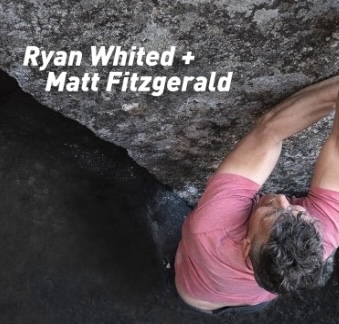
S4 Ep 125#124 | Pain and Performance | Ryan Whited & Matt Fitzgerald
Fullscript for WiseAthletes Pain is a terrible word. Four little letters that I used to believe mean I can't or I'm broken or worse. But, today on episode 124, I speak with Ryan Whited and Matt Fitzgerald, co-authors of Pain and Performance, to hear the origin story behind "Training as Treatment" and the 3-step process that we all can use to get on the path to better performance and less downtime and less hassle with pain solutions that don't work. While pain is communication, it does not mean "injury" or "imbalance" or "wear and tear"...and we can be more self sufficient in managing pain. Pain and Performance on Amazon Related info and other Matt Fitzgerald episodes: Paragon Athletics Pain and Performance on Amazon Episode 82 -- Mind Over Muscle w/Matt Fitzgerald Episode 76 - Body Comp w/Matt Fitzgerald Some of the many Wise Athletes episodes about Pain Episode 92 - Knee Magic w/Ebonie Rio Episode 83 - PainScience w/Paul Ingraham Episode 73 - End to Pain w/Rick Olderman PT Episode 52 - Make Your Joints Last w/Howard Luks MD Episode 14 - Pain is Not What You Think w/Charlie Merrill PT Want to support the show? If you are enjoying WiseAthletes, a great way to support the show is by leaving a review on the Apple Podcasts. It only takes a minute and helps more people find the episodes. And, checkout the discount codes provided by show guests who offer unique products that I or Glen use. Click here: DISCOUNT CODES Thanks.
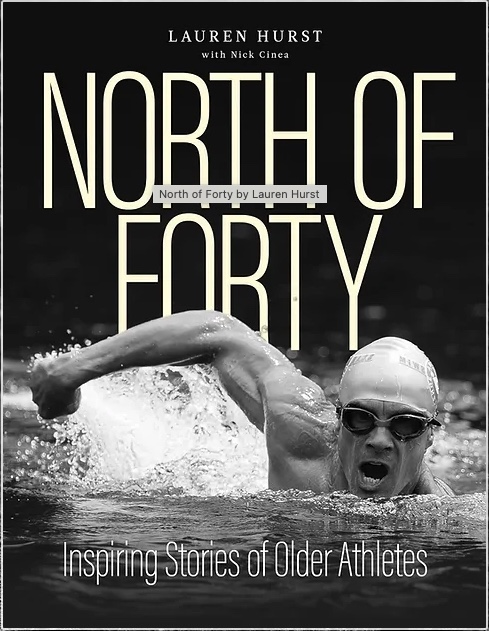
S4 Ep 123#123 | Inspiring Stories of Older Athletes | Lauren Hurst
Fullscript for WiseAthletes This isn’t the sort of topic I usually cover on the Wise Athletes podcast but it should be. Enjoy my talk with Lauren Hurst, author of North of Forty. In North of Forty, senior fitness expert Lauren Hurst and photographer Nick Cinea tell the stories of over 50 senior athletes ranging from ages 54 to 103, marathoners to martial artists to mountaineers, ordinary and extraordinary people. Told through captivating interviews and illustrated by stunning black and white portraits, their stories will inspire anyone who's made it "north of forty" and kept climbing. https://www.northfortyfitness.com/
S4 Ep 122#122 | How to Stay Young (or Die Laughing) | Bill Gifford
Fullscript for WiseAthletes I often say I don't want to LIVE forever, I just don't want to stop having fun. Today on episode 122 I am speaking with Bill Gifford, the author of “Spring Chicken: Stay Young Forever (Or Die Trying)” and the co-author of the recent best-seller "Outlive: The Science and Art of Longevity" written with Peter Attia MD. Bill wrote Spring Chicken back in 2015 when he was just beginning on his exploration of healthspan and longevity, and used his journalistic skills to share his findings with us all. And more recently, Bill worked with Peter Attia to write the latest longevity blockbuster with the latest, best scientific knowledge about how each of us can slow the rate of aging ...and keep having fun for a long, long time. Spring Chicken is a super fun read and a rip-roaring journey into the world of anti-aging science - a murky place filled with extraordinary breakthroughs (new) and dangerous deceptions (new and old). Bill Gifford is a journalist comfortable writing for periodicals on lifestyles and health, who has the chops to tackle an in-depth look at the complexities surrounding aging and what we can (and can't) do about it. Gifford leaps deftly into the fray, sifting through both the nonsense and the sensible, all while learning some things about his own aging body along the way. Gifford’s analysis takes into account the fact that the concept of old age has changed over the millennia, with life expectancy expanding, meaning more old people are alive now than ever before. Unfortunately, with longer lives has come the increased need for a daily medication of some sort, and heart disease, cancer, diabetes and Alzheimer’s disease are acting as the inevitable escorts down the last stretch to the pearly gates. Bullet points Don't be weak in any area of health...sometimes you have to do what you don't want to do You don't have to make health a full time job Don't focus on exercise. Instead find something fun to do that moves your body Longevity medicine has come a long way. Be safe when you venture off the map Related info and episodes: Outlive on Amazon Spring Chicken on Amazon Episode 109 - Physical Intelligence Episode 115 -- Winning the Longevity Game More Bill Gifford info: Twitter (X): @billgifford Want to support the show? If you are enjoying WiseAthletes, a great way to support the show is by leaving a review on the Apple Podcasts. It only takes a minute and helps more people find the episodes. And, checkout the discount codes provided by show guests who offer unique products that I or Glen use. Click here: DISCOUNT CODES Thanks.

[Re-release: Solving Athlete Pain | Charlie Merrill, PT]
bonusI just re-listened to this episode from 3 years ago with Charlie Merrill, PT as a part of my preparation for another amazing episode I will publish very soon. I was stunned at how great this episode was. It is no wonder that this chat with Charlie is the #1 episode of all time on the Wise Athletes podcast. Do yourself a favor....listen to Charlie. Original Show Notes from Episode #14, January 2021 Today, Glen and I are joined by Charlie Merrill, PT in Boulder, Colorado. Charlie is a Physical Therapist who has been serving the Boulder community and athletes for over 20 years. Over the past few years, Charlie has added pain science and more psychologically informed modalities to his manual therapy and biomechanical toolkits. He emphasizes the body and mind in identifying physical AND psychological/social factors that result in physical symptoms, like pain. Charlie says the source of most athlete’s pain is often not what you’d expect and you can now work with him remotely at Lin Health, a new pain management platform. Charlie's website is Mperformance.com Charlie's new pain management platform: https://www.lin.health/ Charlie's Youtube channel has nearly 200 videos with free content: https://www.youtube.com/channel/UCinoyk46RyzA1v6PqbUl8_w Charlie's and Dr Howard Schubiner's upcoming professional training for clinicians: https://adlpages.lpages.co/beyond-pain-education-registration/ I learned from Charlie that there is a disconnect between pain and structural damage in the body. What regular people think is true is that pain indicates something wrong, something damaged...that pain is a signal to slow down, be careful, let the damage heal. But that is not always true. Pain comes from the brain. Listen in as Charlie explains the science and practice of solving pain issues for athletes. Some topics we touch on: What is pain and where does it come from? Is pain the same as damage to the body? What is pain that seems to come out of nowhere? What is chronic pain? Is it caused by damage to the body? Are overuse injuries real? Is Wear and Tear for athletes a thing? How to tell and how to deal with pain that is not related to damage in the body? Advice for the older athlete who wants to remain strong and active for a long time? (Hint: add fun, pursue novelty, connect with your psychology) The twin peaks model I referenced from the book "Explain Pain"Which can be downloaded here. It's excellent for anyone to read: https://www.noigroup.com/product/explain-pain-second-edn-epub/ Other Resources: Wise Athletes Recovery Deep Dive <a href="https://www.wiseathletes.com/podcast/recovery-why-is-it-so-hard-to-do-right/" target="_blank"
S3 Ep 121#121 | Recovery for Performance Longevity | Brian MacKenzie of ShiftAdapt
Fullscript for WiseAthletes As we kick off the new year in 2024, I continue my pursuit of better stress management with one of the legends in the space. Today on episode 121, Glen and I speak with the great Brian MacKenzie...a best-selling author and recognized expert on stress adaptation…to help me to better understand how to rebalance my ability to perform well under stress and recover quickly to create greater performance longevity. Brian explains his practice of stress adaptation to improve performance AND the quality of life. Brian says we have to see what we really want so that we will be willing to do what it takes create sustainable performance. Higher HRV is not enough; know your why to have the motivation and staying power needed to make it happen. And, if you do it right, you'll get higher HRV. Brian is the Founder & CEO of Shift. He is also the President and Co-Founder of The Health and Human Performance Foundation, a non-profit organization dedicated to researching how breath and innate tools can optimize and help health and human performance. Brian has also co-authored the book Power Speed Endurance, The New York Times Best Seller UnBreakable Runner, and UnPlugged. And, Brian is the co-founder of The Art of Breath, a course he teaches through SH//FT that teaches a principles based approach to breath & performance. Bullet points Eagle Story -- Don't be an Eagle that lived like a Chicken Do more non-exercise movement: 10k steps a day, or 2 sessions of zone 1 cyclings a day (max 15 breaths per minute; nasal breathing) Build in cycles of up/down stress every day. Find time for recovery snacks: drive the speed limit, don't take the smartphone into the bathroom, breathing exercises several times a day Breathing Gears: Gear one: 2 seconds inhale; 2 seconds exhale...nasal breathing Gear two: power nasal breathing...fast inhale/exhale (only for 25 breaths before shifting to mouth breathing) Test CO2 tolerance to check your nervous system status. Then build a plan to recapture your ability to flex between stress and relaxation / recovery Brian's Speed Power Endurance book: https://a.co/d/3LKSEQL Peter Crone YouTube channel: https://www.youtube.com/channel/UCcakm7T9YgnrWYL4g15Drgw Ernest Rossi - Ultradian: https://www.ernestrossi.com/interviews/ultradia.htm Anthony De Mello -- Awareness book (I saw $6 used copies on Amazon) Related info and episodes: Brian MacKenzie website shiftadapt The Health and Human Performance Foundation Episode 68 - becoming-anti-fragile-w-dr-mike-t-nelson <a href="h
S3 Ep 120#120 | Recover from Holiday Food Madness | Glenn Livingston, PhD
Fullscript for WiseAthletes It’s that time of year when my carefully manicured and effortless diet of healthy foods with just the right amount of calories is destroyed in an orgy of holiday indulgence. But that’s okay, the trick is to get back on track quickly. To help me I thought I would talk with an absolute expert, a true genius in helping to build a solid defense against the relentless whisperings of my more primal self…the emotional brain that worries about impending famine and the need for deep fat stores to survive the winter. Today in episode 120 I talk with Dr Glenn Livingston, the author of Defeat Your Cravings, who has developed a program that gives us control while not making us feel deprived. It’s not a weigh loss program; it’s a how to stick with your plan program. So, enjoy your holiday celebrations, but be sure to listen in to make your New Year’s resolutions easier to keep. Defeat Your Cravings....one-liners: Have a plan (or you are a part of someone else’s plan) Character beats willpower If you can form a craving, you can extinguish a craving; you are not powerless Feeling aren’t facts Don’t try to put out the fire, build a fireplace around the fire Move your difficult food decisions from your impulses to your intellect Add "crunch to your lunch" "Hand over the chocolate and no one gets hurt" "When you’re in a hole, stop digging". Always use the present moment to be healthy Aim with perfection (don't just try...do your best with every shot) Teach your brain that you are willing to endure any suffering in order to follow your own rules Overeating and addiction are biological errors. Teach the brain where to get enough healthy food Attitude, Judgement and Responses. These are the only things completely under your control. Embrace them. Use them. The Process...a summary: Start with a simple rule. Don’t worry about losing weight at first Raising the bar slowly but surely Pry yourself away from the inner craving at the moment of temptation. Use 7-11 breathing. Use your words. Count to ten Disempower the justifications of the inner craving to make the right decisions. Write them down; write down why it doesn’t make sense. Wait 24 hours before implementing a change to the food plan. Don’t believe that your happiness in life from eating your favorite indulgences will be lost forever. It isn’t true. Reset your response to super stimuli Other: stop eating highly processed foods (HPF), do food prep, create signals for ending eating at night Related info and episodes: Defeatyourcravings website Get a Free Copy of Defeat Your Cravings Episode 45 - build-strong-habits-with-samuel-salzer Want to support the show? If you are enjoying WiseAthletes, a great way to support the show is by leaving a review on the Apple Podcasts
S3 Ep 119#119 | Stress Resilience via HRV | Marco Altini, PhD, HRV4Training
Fullscript for WiseAthletes HRV or heart rate variability has made a come-back in my pursuit of health, longevity, and athletic performance. Years ago I discarded HRV as one-less-thing-to-fuss-with, but I have been reborn as believer in the power of HRV to guide me in rebalancing my nervous system for the benefit of better stress management and better sleep. All thanks to Marco Altini, PhD Today on episode #119, I am speaking with the one and only Marco Altini, PhD. Marco says he is a scientist and developer mainly working at the intersection between health, technology and performance. He is also the founder of HRV4Training, which is trusted by more than 150 000 athletes, including olympic medalists and professional teams, to measure physiology and quantify stress, helping people of all ages and athletic pursuits to better balance training and lifestyle stressors. In our discussion, Marco illuminates the many factors that impact the calculation of heart rate variability, how stress impacts the autonomic nervous system, and how we can use HRV as a biofeedback tool with deep breathing exercises to help us learn or re-learn how to self-regulate and better cope with stressful situations. How to do HRV right: "Pick one good tool, be consistent in usage, be patient" Devices: fingertip, ring, wrist, chest strap (only way to get actual HRV) Phone apps: be sure to get proper error correction, and avoid conversion of standard algorithms to proprietary indexes Different algorithms …rMSSD is best but SDNN (used by Apple Watch) is fine. Skip the "readiness scores" and "indexes" Time of day: all night sleep or upon wakeup (nothing is perfect; consistent is good enough) Body position: Sitting is best if done after wakeup Breathing method (for HRV baseline): breath naturally, somewhere between "resonance" (6 bpm) and sleeping (12-20 bpm). Breath however you normally breath...nasal/mouth, and try not to breath more deeply than normal Do not over-breathe: if you blow off too much co2 it will increase stress; activate sympathetic ANS HRV biofeedback: "Rebalance the autonomic nervous system; build resilience and capacity to self-regulate & deal with life stress." Identify resonant frequency try 4.5-6.4 bpm. Inhale belly; exhale pursed lips. “Deep abdominal breathing following a pacing stimulus”. The apps will provide a sensory guide to time your inhale/exhale to match targeted frequency Synchronize breathing and heart rate. Maximize oscillations in heart rate that you see on the app 2x/day for 20 minutes (work up to this...a few minutes before bed will have an impact) Continue for as long as you want to be healthy Related info and episodes: HRV4biofeedback.com/the-app HRV4Training Circadian Rhythms of the Autonomic Nervous System Episode 107 - using-music-for-a-better-brain-body (relaxing after workouts) <a href="https://www.wiseathletes.com/podcast/70-hea
S3 Ep 118#118 | One Antioxidant to Rule Them All — Glutathione | Ross Pelton
Fullscript for WiseAthletes Intense exercise takes a biochemical toll. Research has shown that intense activity results in decreased levels of glutathione, our body’s homemade master antioxidant. And, that happens even when you start the day with enough glutathione despite the naturally declining levels found in the older athlete. Without sufficient glutathione, the oxidative stress associated with exercise can reduce athletic performance and delay recovery. Heck, low glutathione can make you look and feel old. Today we have invited Ross Pelton the Natural Pharmacist to educate us about Glutathione, the master antioxidant and a key biomarker of aging. Glutathione is made by the body to act as the master regulator of other antioxidants....when you have enough glutathione, your body can make or recycle all the antioxidants it needs. What's more, low glutathione is a marker for aging and a higher likelihood of disease. The older we get, the less glutathione our bodies make, and the more glutathione our bodies need. Glutathione IV drips are all the rage these days, but do we need it? Ross is the Natural Pharmacist and his website, bio and blog are at naturalpharmacist.net. He is passionate about life extension and anti-aging science and technology. He has written 12 books including “Rapamycin, mTOR, Autophagy & Treating mTOR Syndrome” and in 1999, he was named one of the Top 50 Most Influential Pharmacists in the U.S. by American Druggist magazine The Critical Roles of Glutathione Direct chemical neutralization of singlet oxygen, hydroxyl radicals, and superoxide radicals Cofactor for several antioxidant enzymes Regeneration of vitamins C and E Neutralization of free radicals produced liver metabolism of chemical toxins Transportation of mercury out of cells and the brain Regulation of cellular proliferation and apoptosis (think: cancer) Vital to mitochondrial function and maintenance of mitochondrial DNA (mtDNA) A few of the benefits an athlete can expect from glutathione. Improved Endurance and Performance -- Glutathione has been shown to improve physical exercise endurance and increase energy Reduced Muscle Soreness and Inflammation -- Glutathione helps to rebuild damaged & tired muscles, so it can reduce the time in pain Enhanced Recovery Time -- It’s easy to get stuck in a cycle of soreness. Reduce your recovery time to accelerate your training progression Energy Production -- Glutathione is vital to the body’s ability to create energy as it is a key ingredient in the function of ATP, which is used by our bodies to create energy Improved Immune System Function -- A healthy and efficient immune system is key to athletic performance. If you’re feeling unwell, your perform will suffer Considering how important glutathione is to health, researchers have looked for ways to increase intracellular and intramitochondrial levels. Here are the effective approaches: Decrease the need for glutathione, which means decreasing toxic load (e.g., limit alcohol). The most obvious is limiting alcohol consumption. Less obvious is decreasing exposure to persistent organic pollutants, the primary source of which are conventionally grown foods. Another strategy is to provide other antioxidants to decrease oxidative stress. A good example is α-lipoic acid, supplementation of which increases mitochondrial glutathione levels even though ALA is not used in the synthesis or recycling of glutathione. Consuming glutathione does not work, but we can pr
S3 Ep 117#117 | The Hunt for More Life | Mitchell Lee, PhD, CEO of Ora Biomedical
Fullscript for WiseAthletes For centuries the search for eternal youth or elongated life has been a frequent topic of various myths and legends from around the world. Adventurers looked in far away lands for clues to the healing waters. In modern times, pharmaceutical companies hunted in jungles and tropical islands for exotic molecules that could be used to solve human disease. Now Ora Biomedical is searching among chemicals and combinations of chemicals laying in plain sight for clues to massive life (and health) extension. And now you can participate by sponsoring a compound that you know or just think is worth $100 to take a look. Today we are talking with Mitchell Lee, PhD about Ora Biomedical's Million Molecule Challenge and its new citizen science fundraising approach that allows everyone to participate in completing the moonshot Million-Molecule Challenge (assess 1,000,000 longevity interventions in 5 years vs. just under 1,100 compounds tested so far by modern science). In addition, Dr Lee and I discuss my question of how to be "bold but safe" regarding the high-wire act of using off-label pharmaceuticals and OTC nutritional supplements to get a fast start (i.e., start now) on the pursuit of extended human healthspan. This question has been burning my brain as I personally search for a path that avoids the slippery slope of wishful thinking, marketing overpromises (lies) and the dangers of combining too many powerful chemicals. From Ora Biomedical's website: "...from a small pilot screen of a few mTOR inhibitors, Ora has already identified one that works better than rapamycin....our preliminary data lead us to believe that combinations of 2-5 different longevity interventions have the potential to be twice to ten times as effective as the current best-in-class." Related episodes: Episode 95: The Next Rapamycin w/Dr Mitchell Lee Episode 115: Being Bold & Safe w/Dr Rick Cohen & Daniel Tawfik More Ora Biomedical Info: Ora Biomedical website orabiomedical.com/sponsor-mmc/ youtube.com/watch?v=kEzRU_jTKl8 Dr Lee on X, formerly known as Twitter @michellblee33 Want to support the show? If you are enjoying WiseAthletes, a great way to support the show is by leaving a review on the Apple Podcasts. It only takes a minute and helps more people find the episodes. And, checkout the discount codes provided by show guests who offer unique products that I or Glen use. Click here: DISCOUNT CODES Thanks. Dr Mitchell Lee Bio Dr Lee received his PhD in Experimental Pathology from the University of Washington School of Medicine, where he trained with Matt Kaeberlein . He is the Co-founder and CEO of Ora Biomedical, a new
S3 Ep 116#116 | Grow old–Get fast–Don’t die | Phil Cavell: The Midlife Cyclist
...it's a fool's errand to try and make older people young. But it's enormously fun to try and make older people fast. That's fun. And it's very good for you, almost certainly. And, do the work; shortcuts tend not to turn out very well or for very long in older athletes. The better cyclist you want to be past 50, the more you probably have to drop cycling sessions out and put something else in to compensate. So you probably need to drop a cycling session now and put in a gym session, or a running session, or some other sport to work on bone density and muscle fibre loss. So it's a counterintuitive thing. The more you cycle and the more you seek cycling performance, the more you probably need to cast your net a bit wider. Sometimes you need to slow down to go fast. Phil Cavell is the author of The Midlife Cyclist', a book for the 40+-year-old cyclists who want to train hard, ride fast and stay healthy. It's less of a how-to and more of a philosophy of the older athlete...a collection thoughts and ramblings. It's what you’d talk about with a doctor friend who knew everything about the body and cycling the bike. Phil says to stop by Cycle Fit to say hello if you are ever in London. I know I will. Links: Cycle Fit website: https://www.cyclefit.co.uk/ Episode 88 - Strong Heart w/Dr Ben Levine: https://www.wiseathletes.com/podcast/88-how-to-get-a-strong-heart-for-performance-and-health-much-more-w-dr-ben-levine/ Episode 63 - Boosting Testosterone: https://www.wiseathletes.com/podcast/63-boosting-testosterone-right-with-rick-cohen-md/ Episode 32 - Metabolic Flexibility: https://www.wiseathletes.com/podcast/32-helping-older-athletes-feel-young-again-via-metabolic-and-physiologic-flexibility-with-dr-mike-t-nelson/ Phil Cavell Bio: Phil Cavell is the CEO of the London-based bike fitting studio, Cycle Fit. As well as being an expert on the biomechanics of cycling, Phil has recently written 'The Midlife Cyclist', a book for the 40+-year-old cyclists who want to train hard, ride fast and stay healthy. Want to help the show? If you are enjoying WiseAthletes, a great way to support the show is by leaving a review on the Apple Podcasts. It only takes a minute and helps more people find the episodes. And, checkout the discount codes provided by show guests who offer unique products that I or Glen use. Click here: DISCOUNT CODES Thanks. Detailed Show Notes Go slow to go fast Do less cycling to get better at cycling Do the work; don’t resort to shortcuts which always backfire in the end Sleep is the key to health and performance; work it out and never give up (or resort to drugs) Video yourself in action; see your disfunction Be careful of alcohol and hard exercise for the older athlete heart
S3 Ep 115#115 | Winning Athletic Longevity | Dr Rick Cohen & Daniel Tawfik of Healthspan
A healthy athlete is a strong athlete, and athletic longevity requires a long life. To achieve our athletic longevity goals, almost all of us resort to the optimistic usage of pills and powders. One of the major bummers for the older athlete, is that no one knows how to make people younger. All we can do is slow down the rate of aging. The healthier we are, the slower we age….meaning the more slowly we progress toward that visit to the pearly gates. How can we balance risk and reward, prioritize which interventions to pursue first, how to tell is we are getting a positive or negative result from our interventions including pharmaceuticals and nutritional supplements. These are the questions answered by Daniel and Rick, who also share their thoughts about Rapamycin dosing, cycling interventions to restore beneficial cycles of growth and autophagy, and how Healthspan is delivering a platform to help clients to set proper goals and stay on course over time including taking corrective action when interventions (type and dose) don't deliver results. Links: Healthspan Longevity Medicine website: https://www.gethealthspan.com/ Episode 96 - Healthspan Longevity Medicine: https://www.wiseathletes.com/podcast/96-what-is-longevity-medicine-w-daniel-tawfik-co-founder-of-healthspan/ Episode 63 - Boosting Testosterone: https://www.wiseathletes.com/podcast/63-boosting-testosterone-right-with-rick-cohen-md/ Dr Rick Cohen & Daniel Tawfik Bios: Dr. Rick Cohen, M.D. is a leading authority in the fields of nutrition, sports performance and longevity medicine. He received his undergraduate degree in Biomedical Engineering with honors of distinction from Duke University in Durham, North Carolina and his medical degree from Hahnemann Medical University in Philadelphia, Pennsylvania. Rick is also a leader in the field of male functional hormone health and the author of the book “Be All the Man You Can Be” with over 100k copies sold in the past five years. Daniel Tawfik is the founder, developer, and CEO of HealthSpan. Daniel holds a BS degree from UCLA in molecular, cellular, and developmental biology and physics. Daniel did his graduate research at UCLA's Protein Expression Technology Center where he studied neurometabolic disorders. Want to help the show? If you are enjoying WiseAthletes, a great way to support the show is by leaving a review on the Apple Podcasts. It only takes a minute and helps more people find the episodes. And, checkout the discount codes provided by show guests who offer unique products that I or Glen use. Click here: DISCOUNT CODES Thanks. Detailed Show Notes Today we are talking about one particular aspect of acquiring and retaining healthiness: the chemicals we put into our bodies. Chemicals include: pharmaceuticals, botanicals, herbs, spices, concentrated foods, vitamins, minerals. Today, we are NOT going to talk about specific recommendations for specific chemicals…rather we are going to discuss how to think about using chemicals in a way that is safe and responsible, while also bein
S3 Ep 114#114 | Moringa — The Miracle Tree | Lisa Curtis & Dr Jed Fahey
Moringa is known as the miracle tree because of its many beneficial features, which include: it helps to increase the blood antioxidants and reduce the blood sugar as well as chronic inflammation. It provides 7 times more vitamin C than oranges, 10 times more vitamin A than carrots, 17 times more calcium than milk, 9 times more protein than yoghurt, 15 times more potassium than bananas, and 25 times more iron than spinach. Rightly so it is on everybody’s superfood list because Moringa truly is a miracle tree. Links: KuliKuliFoods website: https://www.kulikulifoods.com/ (use discount code: wiseathletes) Episode 94 - Phytonutrients: https://wiseathletes.com/podcast/94-phytonutrients-the-1-that-makes-all-the-difference/ Episode 100 - Phytonutrients Practical Tips: https://wiseathletes.com/podcast/100-practical-tips-for-phytonutrients-and-fiber-w-dr-jed-fahey/ Dr Jed Fahey’s website Lisa's & Jed's Bios: While working with women farmers in Niger, Kuli Kuli’s founder Lisa Curtis was introduced to the energizing and healing powers of Moringa. Out of that experience, Lisa dreamed of a business that would help Americans experience the power of superfoods like Moringa while empowering female farmers around the world. Out of that dream, Kuli Kuli was born. Dr. Fahey is THE INTERNET FAMOUS nutritional biochemist with extensive background in plant and human nutrition and phytochemistry. Want to help the show? If you are enjoying WiseAthletes, a great way to support the show is by leaving a review on the Apple Podcasts. It only takes a minute and helps more people find the episodes. And, checkout the discount codes provided by show guests who offer unique products that I or Glen use. Click here: DISCOUNT CODES Thanks.

S3 Ep 113#113 | Pulsed Electro Magnetic Field (PEMF) for Pain & Healing | Bob Dennis, PhD
I'm sure you've heard something, somewhere about magnetic field therapies providing pain and healing through noninvasive anti-inflammatory effects. To my ears, this all sounded a little too much like those X-Ray glasses that I ordered in 1975 that never arrived. Today I am talking with Bob Dennis, PhD, Professor of Biomedical Engineering at the University of North Carolina at Chapel Hill, and Founder of Micro-Pulse, about his work with NASA on PEMF and his pursuit of a non-drug solution to his own back pain. Bob is a scientist and an old-school tinkerer on a mission to bring affordable PEMF technology to Wise Athletes and people in pain everywhere. The original NASA TVEMF - PEMF systems were developed by Dr. Robert Dennis for NASA under contract in 1997 - 1998. Recently corrected NASA patents verify his status as original inventor. Four additional patents (1 2 3 4) demonstrate the recent advances that have been made since the original work at NASA, leading to modern ICES® DigiCeutical® technology developed in 2013 - 2014. ICES is the new PEMF. Founded by Dr. Robert Dennis (LinkedIn profile) to provide biomedical technology research & development to bridge the gap from academic research to industry, Micro-Pulse LLC has evolved into an independent core technology origination company for a wide range of products, including specialized test apparatus for basic scientific research, robust products for military applications, and low-cost high-performance commercial products for medicine, research, and education. Links: Micro-Pulse.com website: https://www.micro-pulse.com/ PEMF Forum: https://forum.fluxhealth.co/ Bob Dennis's article on PEMF: https://www.josam.org/josam/article/view/69 Bob's University of North Carolina bio: https://bme.unc.edu/bme-person/bob-dennis/ Bob's Bio: Bob Dennis is a Professor of Biomedical Engineering at the University of North Carolina at Chapel Hill. He is a medical scientist and tissue engineer, and consultant in medical device design. He has worked in the aerospace and defense industries, the automotive industry, and the medical device industry. He co-founded the Biomechatronics Group in the Harvard-MIT HST program in the original MIT Artificial Intelligence Laboratory, where he <a href="http://biomech.media.mit.edu/wp-c
S3 Ep 112#112 | Simple Solutions for A.G.E.s…Advanced Glycation End-products | The Anti-A.G.E. Foundation
A.G.E.s are extremely damaging to our health. You are wise to become "A.G.E. aware". A.G.E.s is an acronym for Advanced Glycation End-products or "glycation". Most people wrongly think A.G.E.s is only a problem for people with a high HbA1c score measuring average blood glucose levels over the last 3 months. A.G.E.s affect us all. A.G.E.s are now known to be a cause of cancer and of many chronic diseases, including: type 2 diabetes, heart disease, painful joints, erectile disfunction, cataracts, and even wrinkling of the skin. Our bodies make A.G.E.s as an unavoidable consequence of making energy to live, and we eat foods containing a wide range of A.G.E volumes. Avoiding the A.G.E.s in our food is the easiest way to control the accumulation of A.G.E.s. The volume of AGEs in our food is dependent upon the type and amount of food and how it is prepared. Cooking food slowly, wet, with acidic marinades (such as lemon, lime, tomato sauce, vinegar, wine) and/or certain spices (such as Indian) makes all the difference. Eating food raw is even better. And regular exercise may be the only way to reduce the retention of A.G.E.s. The Anti-A.G.E. Foundation says research suggests up to 30% of the A.G.E.s we consume in our food remains inside our bodies. Over our lifetime, very slowly these A.G.E.s build up in our tissues. Very slowly but very surely. The organs of a 50 year old will have far more A.G.E.s than a 20 year old. Initial studies in healthy individuals suggest that consumption of 15,000 to 20,000 A.G.E.s per day may be a healthy limit, as the body can detoxify some amount of A.G.E.s. But research has not concluded a safe level, so “less is more” applies. 15,000 A.G.E.s may sound like a lot but a single fast-food meal contains 22,000 A.G.E.s. Fried, grilled, and baked foods...and in particular fatty meats ... generate the most A.G.E.s. Learn about A.G.E.s from Dr Turner's TEDx Talk: https://youtu.be/LvwMXqyrKG0?feature=shared Anti-AGEs / Dr Turner / Dr Findlay Info: Dr. David Turner's Lab: https://surgery.vcu.edu/research/surgery-research/turner-lab/ Dr Victoria Findlay's Lab: https://surgery.vcu.edu/research/surgery-research/findlay-lab/ Anti-AGEs Foundation website: https://anti-ages.org/ Dr. David Turner is President & Co-Founder Anti A.G.E Foundation (non-profit) and Vice Chair of Research in the Department of Surgery at the Virginia Commonwealth University Massey Cancer Center. His strong British accent was honed growing up in the North of England where he completed his Honors Science Degree in Molecular Biology and Doctorate in Biochemistry at the University of Newcastle in the United Kingdom. His passion is combining his scientific research on A.G.E.s with a total commitment to making the world “A.G.E. aware”. Dr. Victoria Findlay is a Co-Founder of Anti-A.G.E. Foundation (non-profit) and is an Associate Professor in the Department of Surgery and a Co-Leader of the Cancer Prevention & Control Program at the Massey Cancer Center at the Virginia Commonwealth University. She earned her BSc in Edinburgh, Scotland and her doctorate in Genetics at the University of Newcastle in England. Her passion is to educate and inspire the next
S3 Ep 111#111 | Cannabidiol for Better Recovery | Don Moxley of Longevity Labs
Recovery from too much exercise or stress in life can be a hard problem to solve. Trying hard to relax is not only an oxymoron but is also impossible. Wise Athletes need some external signal to trigger our brain's unconscious program for relaxation and recovery. This is critical for athletic performance as well as for longevity. Listen in as Don Moxley explains how the cannabis plant includes compounds that work with our body's signaling infrastructure to switch on recovery mode, and to resolve anxiety-led sleep interference. If you've tried CBD before but didn't get any benefit, you probably weren't taking a large enough dose. Don also explains the difference between CBD and CBDa, and why CBD is the wrong target. CBDa is what you need for affordable recovery support. Learn about CBD: https://projectcbd.org/ Don Moxley Bio: Mode+Method website: www.modemethod.com (use discount code -- wise15) SpermidineLife website: https://spermidinelife.us/ LinkedIn: https://www.linkedin.com/in/donmoxley/ Facebook: https://www.facebook.com/donmoxley/ Twitter: https://twitter.com/donmoxley?lang=en Mode+Method's HRV+ Includes cannabinoids CBD, CBDa, BCP (50mg cannabinoids per capsule; daily dose = 3 capsules per day) Formulated with Curcumin, Magnesium and Omega-3 to reduce inflammation Don is a regarded longevity science leader known for making the complex simple. Don Moxley is Director of Applied Science and Brand Development at Longevity Labs Inc. in the United States. Operating with the personal mission of helping individuals understand the changes necessary to alleviate suffering and contribute to the betterment of all people, Moxley draws upon his career as an athlete, a sports scientist, and an instructor to lead and educate on the science of autophagy and longevity. Throughout his life and career, Moxley has applied science to enhancing well-being. A former captain and Big 10 Championship winner with the Ohio State University wrestling team, Don served as the university’s first sport scientist. By giving athletes the ability to track their progress in strength, cardiovascular and resilience training, he helped the wrestling team win a national title and three Big 10 Championships. He has helped athletes achieve two Olympic metals, four World Championships, seven National Championships and 23 All-Americans. Want to help the show? If you are enjoying WiseAthletes, a great way to support the show is by leaving a review on the Apple Podcasts. It only takes a few minutes and helps more people find the episodes. And, checkout the discount codes provided by show guests who offer unique products that I or Glen use. Click here: DISCOUNT CODES Thanks.
S3 Ep 108#110 | Mental “Fitness” for Sport (& Life) | Kate Allgood of Quantum Performance
Mental fitness is much like physical fitness in many ways. As athletes we are also human beings living in a stressful world. Building mental fitness can come randomly over many years of experience, but structured training can make all the difference. Getting professional help can produce the fastest results, but be sure to have a training plan to get you where you want to do. Listen into Kate Allgood of Quantum Performance, as she explains her approach and answers my questions about how to think about mental fitness and some mental tools to deploy to accomplish specific goals. Kate Allgood Bio: Kate's Website: www.qpathlete.com Instagram: www.instagram.com/qpathlete/ LinkedIn: www.linkedin.com/in/sportpsychology/ Kate delivers mental training solutions to overcome the demands faced by elite athletes and other high performers in the military and business. Kate's life has always involved balancing a healthy body and mind. After a successful athletic career, Kate found her passion for helping others to improve and enhance their mental health and performance. Kate earned two Masters degrees with honors in psychology, specializing in applied sport psychology, and general psychology with a concentration in family psychology. She graduated with distinction for both degrees. And, in 2010 Kate launched Quantum Performance Inc, a high performance coaching firm specializing in the mental training of high performers. Current and past clients have included professional athletes in the MLB, NFL, NHL, AHL, Supercross, PGA, LPGA, skateboarding, the Anaheim Ducks & San Diego Gulls hockey teams, Olympic, college, & high school athletes, Navy SEALs and Marine fighter pilots to ironman triathletes. And, Kate is the author of 3 books that provide all the details behind her approach. Kate's books: The Athlete Within: How to build Your Mental Game for Peak Performance Get Into The Zone: The Essential Guide To High Performance Through Mental Training Fortitude: The Essential Guide to Building and Sustaining Mental Toughness What is Mental Training for Peak Performance? Multiple levels of framework, from highest level to lowest: Self-awareness. Confidence. What helps with Self-awareness? Medication What helps with Confidence? Self talk, focusing on small successes Focus....at the core of everything. Tools for training attention. Energy...energy level and type of energy to synch mind and body Imagery and visualization Perspective. Mindset falls into perspective. Respond vs. react. Lot's of skills and techniques to pull all of this together Outline of Discussion Kate's background Mental performance in sport vs. in life...separate but connected Kate's framework for mental training for peak performance Growth mindset: athletes succeed through effort, not talent Growth mindset: constant improvement is at the core of all great athletes. Every experience is an opportunity to grow, not good vs. bad Growth mindset: help others to improve Stress is not good or bad, it is a physiological response. We can learn to have the right response, and use tools to modulate the response to be more appropriate for the situation when necessary Getting centered: feel the grass/dirt, smell the grass/dirt
[re-release] Becoming Anti-Fragile w/Mike T Nelson PhD
bonusI have a number of amazing episodes coming up (mental strength, CBD, avoiding glycation/AGEs, PEMF and more) but I haven't been able to get any of them ready. It's been too long since I published anything so I thought I'd share an great one from last year done with one of my favorite people, Dr Mike T Nelson. Enjoy! Mike T Nelson, PhD Dr Mike is a well known expert on Metabolic Flexibility, and I have had him on Wise Athletes twice out of pure admiration for his amazing body of work. On episode #68, Glen and I spoke with Dr. Mike T Nelson about building anti-fragility across a range of physical and mental functions. If you missed this one or the 2021 episode on Metabolic Flexibility, be sure to listen in. If you already heard it, you wouldn't be wasting your time to check out Dr Mike's advice again. Episode 32: https://www.wiseathletes.com/podcast/32-helping-older-athletes-feel-young-again-via-metabolic-and-physiologic-flexibility-with-dr-mike-t-nelson/ Bio Creator of the Flex Diet Certification & Phys Flex Certification, kiteboarder, lifter of odd objects, metal music lover. PHD IN EXERCISE PHYSIOLOGY FROM UNIVERSITY OF MINNESOTA BA IN NATURAL SCIENCE FROM ST. SCHOLASTICA MS IN BIOMECHANICS FROM MICHIGAN TECHNOLOGICAL UNIVERSITY ASSOCIATE PROFESSOR AT CARRICK INSTITUTE FOR CLINICAL NEUROLOGY AND MUCH MORE Dr. Mike's Website https://miketnelson.com Dr. Mike's Instagram drmiketnelson Physiological Flexibility The 4 main regulators pH, temp, blood gas oxygen and CO2, and blood glucose. The 8 interventions (2 for each) are: Hot -such as warm temps outside or sauna Cold - cold water immersion, cooler temps, cold showers HIIT -high intensity exercise as Wingates (aka Beast Mode) LISS - as Dr Mike's buddy Luke from Muscle Nerds calls it "Least Mode" aka lower intensity exercise Low blood glucose - via fasting protocols High(er) blood glucose challenge - 2 pop tart test Slow breathing techniques and breath holds Fast (supra ventilation) techniques like Wim Hoff and others -------- Met Flex = Flexible Diet + metabolic flexibility. The focus is Body composition and athletic performance, which are intertwined. Body composition is good for health, self esteem and performance. Athletic performance is good for (1) health (body is built to move), (2) longevity (3 factors) and (3) body composition (burning calories Key Principals: Speed of adaptation reflects health status and resilience: fuel switching speed, sugar tolerance, temperature tolerance, HR capacity (max vs. resting), endurance, mobility and strength provides headroom to recover from problems. Benefit stacking: getting multiple benefits from our actions and food Health maintenance is the real goal. Achieving goals is nice, but sustaining fitness and health is the real achievement. The key is fuel matching and non-linear calorie imbalance. (Practice maintenance) No suffering; stay within yourself but push a little most days. “Better is better”. Optimal is elusive but will slowly be ac
S3 Ep 109[Re-Release] #109 | Physical Intelligence for Heathy Aging | Dr. Scott Grafton
Fullscript for WiseAthletes Exercise is not the same as physical activity. Wise Athletes must continue to use all of our physical skills to retain them long into life. Instead of investing in carefully planned strength training, cardio training, balance training, mobility training....just get out into nature and use your body in ways that are unpredictable...that challenge your brain. Dr. Scott Grafton Dr. Scott Grafton, Distinguished Professor of Psychological & Brain Sciences at the University of California, Santa Barbara, directs the Action Lab, which works on the neuroscience of goal-directed movement. Professor Grafton is also the author of Physical Intelligence: The Science of How the Body and Mind Guide Each Other Through Life. Physical Intelligence book (Amazon) Action Lab Website What is Physical Intelligence? Dr. Grafton shares how ‘physical intelligence’ works, what you can do to hold on to old physical skills as well as learn new fun things to do, and why it’s so important for all of us as we age. Physical intelligence is the brain's ability to figure out how to perform physical skills better and better. It learns by doing. But we forget. We lose skills we don’t use. That results in losing basic life skills if we withdraw from life. The more we pull back from activities that might result in injury the less capable we become over time. We have to find a way to stretch ourselves in what we already know or in learning new activities. Exercise is not enough. We need unpredictable environments. An opponent across the net. An unstable trail. Something that engages the brain in adapting skills to accommodate new information. We retain physical skills and we exercise the brain. Smart Practice -- spending time wisely that provide the best result....only practicing the hardest skills...not wasting time on the easy stuff because it's fun Variability in Practice -- it's good to have randomness in the practice to maximally stimulate the brain to learn faster Good sleep is important for consolidating new physical skills We are born to learn physical skills. We are great at it. But we are also great at forgetting. Use it or lose it. Find a way to stretch your physical capabilities (which will stretch your mental capabilities as well) to keep from shrinking down to a fragile person who is afraid and incapable of operating in the world Why do people fall down? Strength? Balance? Vision? No: its a loss of skill in moving through real-world environments. Outline of Discussion you were talking about how exercise is not the same as physical activity ….as a “exerciser” I found that a little annoying eventually I understood that you were diagnosing the problem I have been complaining about publicly for the last 6 months… about how I have lost athleticism as I have focused more and more on just lifting weights and riding a stationary bike, and not doing sports anymore you just returned from a trip to the mountains. How did it go? Was this your annual trip to you mentioned in your book? And, when you tell us about that also tell our audience how you came to know so much about physical intelligence I admit to being a bit jealous of your trip. So much so that I had to brag to you earlier about the mountains I have climbed in my life, but the truth is I regret feel
S3 Ep 108# 108 | Red & NIR Light Therapy Really Works, But How? | Dr Zulia Frost
Red Light & Near-Infrared Light Therapy delivers amazing healing and pain-relief along with many other benefits Dr. Zulia Frost Dr. Zulia Frost is a medical doctor and clinical director at Recharge Health. Dr. Frost explains that red light & near infrared light technology has many applications, including treating injuries, resolving age-related pains, improving sleep and much more. drzulia.com recharge.health What is Red & NIR Light? Sun exposure has long been valued for its healing properties. But the dangers of sunburn, skin aging and skin cancer, and just the modern, indoor lifestyle has dramatically reduced the exposure we get to the sun. The largest proportion of sunlight is infrared light which we feel as heat. The reason we can feel it is the infrared wavelengths can penetrate through clothing and through our skin and even through bone, down into our muscles and organs. It turns out that our bodies react to this light, as well as to other wavelengths including red light which is at the longest wavelength end of visible light. The technology for replicating red and NIR light is called photo biomodulation. It used to be called “cold laser” therapy because it relied on low power lasers, but eventually it was discovered that LEDs worked as well. This is where all the consumer products are coming from. Red & IR light are of wavelengths that do not create heat in the body but do have a photobiomodulation effect Mechanisms of benefit include: Increases energy in cells impacted by red & IR light Via nitric oxide release, improves blood flow, which is critical for healing Release of anti-inflammatory cytokines (to reduce inflammation related to healing) Rapid pain reduction in certain circumstances via reduction in inflammation Increased production of collagen: higher quantity and quality Dosing is important to get any effect Power of LEDs Distance from skin Time of exposure Biphasic dosing: the benefits build up over time but too much for too long can be counterproductive. Not injury but lost effect. Take a break to recover ability to get benefits. Key Details: Near-Infrared (NIR) Light is considered to be about 750nm-1200nm. NIR's longer-wavelength, lower-energy light can reach deeper tissues of the body like muscles, joints, and even brain tissues. The most effective wavelengths of NIR are 810-850nm. Red Light is typically considered to be 620nm-750nm. Red light's shorter-wavelength, higher energy light will penetrate a little less than NIR but can help with shallower parts of the skin, like skin repair and rejuvenation. The most effective wavelengths of Red Light are 635-670nm. Outline of Discussion What is sunlight made up of in terms of wavelengths? How did red / NIR light therapy get started as a treatment? What are the benefits? How does it help? Pain reduction, improved skin quality, blood glucose control, better sleep, lower anxiety, faster muscle recovery, recovery from TBI. How do we know it really works, and is not just a placebo effect? (this was my fear, originally) How does it work? Multiple mechanisms: improved blood flow, higher cellular energy, activated immune resp
S3 Ep 107#107 — Dr Phil Maffetone: Using Music for a Better Brain & Body
Song Credit: Twice in One Lifetime by Phil Maffetone Dr Phil Maffetone Dr. Phil Maffetone’s credo is that “everyone is an athlete.” As a health and fitness trendsetter, Dr Phil has had as much positive impact on a wider variety of people than anyone in modern history. Dr. Phil is a long-time respected pioneer in the field of complementary medicine, bringing the latest advances to health-care professionals around the world. He is an internationally recognized researcher, educator, clinician and author in the field of nutrition, exercise and sports medicine, and biofeedback. In 2003, Dr. Maffetone was presented with the prestigious Statuette award by the International Academy for Child Brain Development. He was named Triathlete Magazine’s coach of the year in 1995, and in 2000 was honored by Inside Triathlon magazine as one of the top-20 most influential people in endurance sports worldwide. Since the 1970s, Dr. Phil Maffetone has warned against sugar addiction and carbohydrate intolerance along with pioneering the use of biofeedback via heart-rate monitoring devices. His approach has been proven successful by thousands of MAF devotees. Dr. Phil is committed to making the Maffetone Method available to everyone. Music can positively influence intensity, fat-burning, as well as encouraging overall brain and body benefits. However, it needs to be used intelligently. Best to avoid the stress-induced pounding drums and driving bass lines. While a no-pain, no-gain approach to exercise and music can be enjoyable, be careful out there. If you want an aerobic workout to burn more fat and increase energy capacity, listening to intense music can be problematic. Lower heart rate exercise increases fat-burning and builds mitochondria capacity for superior aerobic performance. Consider songs that help promote warmups — slower, easy music allows your body to ease into the session, increasing the workout benefits. Likewise, with your cool down. For aerobic workouts, a more moderate beat is great, and for high intensity a faster song helps move you along. The most important music choice is always the music you enjoy. However, the choice. Personalize. Most importantly, always avoid junk music. Dr Phil has created some playlists of his music. The two playlists are for an Easy Aerobic Workout, and for Higher Intensity Training. And, it’s all free. Links: www.Maffetonemusic.com www.philmaffetone.com Dr. Phil's B Sharp! book on Amazon Outline of Talk The main topic today is music, which a newer aspect of your amazing career….a career which I think can be summarized as: helping athletes to be faster by being healthier. Before we get into the music side of this story... can you give us a high level understanding of the MAF Method. …. Why did you see a need for it and why does it work? MAF Method -- The point is not to see how fast your body can move. The point is to change the way your body gets energy. You want to burn more fat and less sugar. MAF stands for Maximum Aerobic Function and combines exercise, nutrition, and stress to build your aerobic system, the fat-burning engine responsible for fueling the body. A well-functioning aerobic sys
S3 Ep 106#106 — Pain-free Cycling w/Kevin Schmidt PT, MSPT, PedalPT
The journey to happiness always includes a bicycle. And a bicycle that fits you is the most important part. A bike is a marvelous extension of the human body. Riding a bike is a like full-body meditation. When you do it right you are immersed in the present….lost in the pleasure of your body working well. That is, as long as your bike doesn’t cause pain. Some people never have problems but others have to struggle to get the right combination of gear, body function, and set up. For those of us in that last category, a good bike fitter is priceless. So why is good bike fitting so hard to come by? It turns out that it isn’t hard if you know what to look for. Kevin Schmidt knows bikes, and he knows bodies. He's a good friend to the cyclist. I have to admit that I didn't think this episode would apply to me. I mean my bike fits me already. But after my discussion with Kevin, on my very next bike ride, I noticed I had to scoot back on my saddle. Suddenly I was reminded of Kevin's advice about saddle tilt. I got off my bike and looked at my saddle for the 1000th time, and it looked good. But I decided to make the smallest possible adjustment to my saddle tilt, and BINGO! Suddenly my bike felt 100% better, and no more sliding. Yeah, you should listen to Kevin. Kevin Schmidt, PT, MSPT, CMP, Bike Friendly Physio and owner/founder of Pedal PT Kevin Schmidt is a physical therapist, clinical bike fitter, bike adventurer, and entrepreneur. Since 2007, Kevin has dedicated himself 100% to living the 'bike life' and has not driven a car to a workday in over 12 years. He Founded Pedal PT in 2012 in Portland, Oregon, which became America's very first Physical Therapy clinic ever to be certified as a 'Gold-Level' Bike Friendly Business from the League of American Cyclists. In his pursuit of ‘Bike Friendly Physical Therapy” Kevin has written and been featured in numerous articles and speaking events on Bike Fit and managing the cycling population, and is also the creator of the ‘Pedal PT Online Academy’, and “The Portlander” Bike Fit training stand. Kevin lives in southeast Portland, OR with his family. Links: www.pedalpt.com Pedal PT YouTube Channel Pedal PT Blog on Medium Email: Kevin [at] pedalpt.com Kevin's Pedal PT Academy: https://pedal-pt.mykajabi.com Outline of Talk Kevin’s journey from PT to Pedal PT and commuting to work by bike for 16 years. A bike fit is not always about buying new gear. This is why getting a bike fit from a person who understands the human body and physical mechanics makes too much sense to ignore. But find a PT who lives for bikes and can use a wrench. Pain is not a normal part of cycling. The solution can be equipment/ bike size related but mostly (80%) it’s about some body issue that needs a tweak to the existing bike parts that can move or some rehabilitation of some muscle imbalance or other body issue. Priorities of bike adjustment Get the pedals and cleats right first. Feet first because the foot affects seat height and handlebars reach. Don’t have cleats too far forward. Saddle position. The biggest problem is saddle tilt nose down causes slipping forward which changes everything as well as pressure on hands. Flatter saddles are better for most people, and wider saddles for more upright positions and problems with undercarriage pain and numb
S3 Ep 105#105 — UV Light Sweetspot for Health w/Prof Prue Hart
You can't get sunshine in a pill. Vitamin D is not enough. Prof Prue Hart Professor Prue Hart is a photoimmunologist and researcher investigating the beneficial effects of ultraviolet (UV) light on health and disease. Prof Hart agreed to come onto the Wise Athletes podcast to share an important message…despite the fear mongering about skin cancer and skin aging, the research has shown that TOO LITTLE sun exposure is linked to increased mortality and multiple chronic diseases, including autoimmune and cardiovascular diseases. In addition, Vitamin D is only one of many molecules made by our bodies in response to UV light (others include nitric oxide and urocanic acid). You can't get sunshine in a pill. Vitamin D is not enough. Listen in to learn how to find the sweet spot of UV light for the many health benefits while avoiding the harmful effects of too much UV light. Links: Avoidance of Sun is a Risk Factor for Major Causes of Death More Than Effects in Skin: Ultraviolet Radiation-Induced Changes in Immune Cells in Human Blood Alfredsson L, Armstrong BK, Butterfield DA, et al. Insufficient Sun Exposure Has Become a Real Public Health Problem. Int J Environ Res Public Health. 2020;17(14):5014. Published 2020 Jul 13. doi:10.3390/ijerph17145014 Hart PH, Norval M. The Multiple Roles of Urocanic Acid in Health and Disease. J Invest Dermatol. 2021;141(3):496-502. doi:10.1016/j.jid.2020.07.017 Outline of Talk What is sunlight? The sun is a big ball of fire throwing off many wavelengths of light. UV (don’t see but notice the effects later), visible (all colors together appears as white light), and infrared (which we don’t see but feel as heat) We’ve been hearing about the dangers of UV light for decades: cancer, wrinkles. Only 60% of melanomas is from sun exposure. You do need to be vigilant. Get the cancers taken off if they arrive. The skin knows how to deal with sun damage. The skin is always being replaced. Our immune system fights the damage. Immune compromised people need to be extra careful. What are the negative effects of too little UV light? How can people tell if they are getting too little? What are the risks of continuing to get too little UV? Does the harm get worse as we age? How is UV light on skin is good? Vit D, clear up acne, attractive suntan…we know about these. What else? Molecules activated by UV light, and how do they help or how do we know they help? So it’s more than vit D? How do we know? Too much or too little UV light is the problem. So how much UV light should we aim for? Every day? How to get enough for regular people who work indoors? Avoid the middle of the day…the brightest sun? Get some early morning sun to prepare the skin (melatonin?)? Each person is different because of many factors including latitude and season, and skin color and tendency to burn People with the most sun exposure live the longest. Aim for 70% of an amount of sun that would cause a redness of the skin. It’s different for each person and each person adapts over time. Only a few minutes at a time can be enough. Want to support the show? If you are enj
S3 Ep 104#104 — A Wise Mindset for Joy in Athletics at any Age w/Bill Clement, Hockey Legend
Bio William H. Clement is a former professional ice hockey player who became an author, speaker, actor, entrepreneur, and hockey broadcaster. Clement played 11 seasons in the National Hockey League (NHL), and was named an All-Star twice. He spent his first four years with the Philadelphia Flyers, with whom he won two Stanley Cup championships (1974, 1975). Clement later played for the Washington Capitals, whom he captained, and the Flames, both in Atlanta and Calgary. Clement has broadcast five different Olympic Games and has worked for ESPN, NBC, ABC, Versus, Comcast SportsNet and TNT in the U.S., and CTV, CBC, Rogers Sportsnet and Sirius XM Radio in Canada. His acting credits include work on the ABC daytime drama All My Children and more than 300 television ads for clients such as Chevrolet, Bud Light, and Deepwoods Off. He was also one of the in-game announcers on EA Sports' NHL video games from NHL 07 through NHL 14, as well as on 2K Sports' NHL 2K series in ESPN NHL Hockey and ESPN NHL 2K5. Bill talks about: How to pronounce "Clement" Learning from failure Never quit but reset goals for maximum motivation and satisfaction Always look through the windshield not the rear view mirror to find opportunities Use goals and reward for motivation and good habits Nobody gets out alive Adopt a positive yet adaptable mindset that allows each of us to make physical activity an act of joy Make every day the best day of your life The Arc of Haywood Country, a non-profit making the world a better place Links: The Arc of Haywood Country EveryDay Leadership by Bill Clement Think and Grow Rich by Naponeon Hill
S3 Ep 103#103 — Better Bloodflow & Healing for the Older Athlete w/Beth Shirley, RPh, CCN
Efficiency in training, in health, and in life comes of finding solutions that solve multiple problems at once. If only there was one thing that: improved athletic performance, faster recovery from exercise, lower blood pressure, less plaque buildup in arteries, and improved immune function? It is called Nitric Oxide, and you have much less of it now than you did when you were young. The good news is you can get more, and the answer is simple. It isn't easy, but it is simple. Beth Shirley Beth Shirley, RPh, CCN, is a Registered Pharmacist and Certified Clinical Nutritionist who has developed unique expertise during a distinguished 40+ year career which includes wellness department development and management, new product formulation and integrative medical practice development and marketing. Also includes educational programs for distribution to health practitioners and consumers. She has been a pioneer at the cutting edge of the evolution of what has now come to be known as ‘Integrative Pharmacy’… the junction between traditional pharmacy and the critical use of nutritional supplementation. As a practitioner and educator, her specialties include stress-induced hormonal imbalance, intestinal dysfunction, autoimmune and chronic inflammatory issues and super-normal oxidative stress. Increasing focus on the integration of genetic characteristics and related nutrigenomics into clinical protocols. Since 2009, Beth has worked in close collaboration with some of the world’s thought leaders in the field of nitric oxide research, and has developed in-depth knowledge on the topic and its potential beneficial application in multiple aspects of patient care. Links to checkout: berkeleylife.com (they don't sell direct to consumers so you'll need to register with this link to buy. At checkout, use discount code: "WISE20" ...it is a one-time 20% savings, and, for disclosure, I might get a commission (I didn't ask). Beth Shirley YouTube playlist LinkedIn -- Beth Shirley Outline of Discussion Beth Shirley's background Why is nitric oxide important to health and performance? Who has low nitric oxide? Why? Is nitrate a bad thing? No Why people are losing their nitric oxide production? What is the difference between nitrates and nitrites? What can people do to make more nitric oxide? How can people get test strips to evaluate nitrite produced by oral microbiome needed to make nitric oxide? How can people get nitrate supplementation that is good? Want to support the show? If you are enjoying WiseAthletes, a great way to support the show is by leaving a review on the Apple Podcasts. It only takes a few minutes and helps more people find the episodes. And, checkout the discount codes provided by show guests who offer unique products that I or Glen use. Click here: DISCOUNT CODES Thanks.
S3 Ep 102# 102 — Maximizing Performance Health w/James LaValle R.Ph.,C.C.N.M.T.
"Exceptional performance health isn't easy, but it's worth it" James LaValle R.Ph.,C.C.N.M.T. is an internationally recognized clinical pharmacist, author, board-certified clinical nutritionist, and expert and educator in integrative and precision health with 35 years of experience. Jim is best known for his expertise in uncovering metabolic issues keeping people from feeling healthy and vital. In episode 102, Jim talks about his soon to be released book for athletes with an emphasis on solving whole body issues by building a resilient gut. James P. LaValle James LaValle's experience covers super athletes to individuals struggling with chronic health complaints. LaValle is currently affiliated with George Washington University as a clinical instructor in the Masters of Integrative Medicine Program, James has authored 16 e-books and 20 books including the most recently released, Your Blood Never Lies, as well as his best seller, Cracking the Metabolic Code, along with Smart Medicine for Healthier Living, Nutritional Cost of Drugs and The Cox 2 Connection. He was named one of the “50 Most Influential Pharmacists” by American Druggist magazine and has done well over 1000 media appearances on T.V. and radio. Links: jimlavalle.com/ metaboliccode.com/ Discussion outline: Jim’s background and history of helping people to get healthy and improve performance Working with thousands of people Working with professional athletes Athletic Performance improvement Bio markers for sports performance. Biomechanics and biochemistry need to intersect in order to have a healthy person who is training. You can start an inflammation cascade due to an injury or you can get injured because you have inflammation in your body. Key takeaways: Many common medications are detrimental to gut health (antibiotics, statins, contraceptives, metformin, proton pump inhibitors, SSRIs, laxatives) Joint & muscle pain can come from a leaky gut and food sensitivities Eat more plants for fiber and other phytonutrients (3 vegetables for every 1 fruit) While you are fixing your gut, target a modified low-carb (not keto), low allergen (avoid dairy, corn, soy, gluten shellfish, pea protein powder), anti-inflammatory diet. Have a varied diet; don't eat the same foods all the time. Stress = feel overcommitted, trouble sleeping, crave carbohydrates, eat past feeling full, get dizzy upon standing Slower recovery from exercise as we age is not inevitable, it is related to poor gut health which contributed to unmanaged stress (HGH, testosterone decreases) Help for gut: glutamine for athletes, cat's claw (500-1000mg), berberine (fix leaky gut and more), digestive enzymes for bloating & gas, chew food well (better digestion) Blood markers of poor gut health and chronic inflammation: MPV, hsCRP, MEBs: monocytes, eosinophils, and basophils (add up to >9%, have gut issue), basophils>1% means stuck in inflammation and repair mode (over training), insulin > 5 or 10 means excessive adrenaline, cortisol near or over 22 means probable leaky gut, low ferritin (even with normal iron) is a sign of inflammation (which is lowering red blood cell production) Long COVID and other brain fog c
S3 Ep 101#101 — Biometric Scorecard: Personalized Health & Longevity w/Chris Wikman
Tracking your biological age factors is the best way to zero-in on what works to improve your athletic performance, and extend your own healthy lifespan Chris Wikman Chris Wikman is a long-time biometric tracker, and a pursuer of longevity and healthspan using hard data. His articles published on Vince Giuliano's website led me to ask Chris to join us on the WiseAthletes podcast to share his story, and to help others find a path to use data, instead of marketing messages, to identify where to put our attention and invest our money in our health. The old adage: “What gets measured gets improved”. Every wise athlete is experimenting with techniques, equipment, diets, supplements and more. The only way to make progress is to keep track. This is Chris's approach, and it's one I want to adopt for my health which is the foundation of athletic performance. Chris Wikman is a semi-retired “renaissance man.” He is a medical writer and consultant with interests in longevity, anti-aging, and anti-aging interventions, and founder of the firm Biometrics for Healthy Aging. Further, Chris employs several anti-aging interventions in his daily life. He believes in medical practices which are backed up by good science, and he is very open minded about those practices which have a long and seemingly successful tradition, but which may as yet be unexplained by Western science. This is also an area of his continuing interest. In other aspects of his life, Chris is a musician, multi-media artist, engineer, and world-wide high-adventure traveler. He strives to get daily sunshine and time outdoors in nature. Episode 99: Vince Giuliano (93 years young): the Ultimate Longevity Warrior. Want to support the show? If you are enjoying WiseAthletes, a great way to support the show is by leaving a review on the Apple Podcasts. It only takes a few minutes and helps more people find the episodes. Thanks. Links to checkout: Vince Giuliano Anti-Aging website: anti-agingfirewalls.com/ Chris Wikman's blog posts: managing-your-health-by-analyzing-your-personal-health-and-fitness-data biometrics-and-aging Discussion Outline (not in order) Biological aging vs. chronological aging Various ways to assess biological age Chris's success in slowing his aging HRV
S3 Ep 100#100-Practical Tips for Phytonutrients (and fiber) w/Dr. Jed Fahey
I just had to get Dr. Jed Fahey to come back to give us some practical tips on getting the benefits of phytonutrients (and fiber) into our diet. Too many of us, myself included, do not get enough variety of plants or enough fiber to maintain a diverse, resilient gut microbiome. The negative result on our health can be enormous. We not only don’t feel well, we have achy joints and foggy brains that suffer from a ever worsening, chronic and systemic inflammation in our bodies. Thankfully, Jed agreed to come back to talk about some diet guidelines (things to do and not do) that we can follow to get pointed in the right direction and to keep making progress over time for better and better results. Phytonutrients are the good stuff in plants that isn’t counted as carb, fat or protein, or as fiber or vitamin or mineral. Episode 94: Phytonutrients are the 1% that make all the difference w/Dr Jed Fahey. Want to support the show? If you are enjoying WiseAthletes, a great way to support the show is by leaving a review on the Apple Podcasts. It only takes a few minutes and helps more people find the episodes. Thanks. Dr Jed Fahey Bio Dr. Fahey is a nutritional biochemist with extensive background in plant and human nutrition and phytochemistry. Links to checkout: Wikipedia on phytochemicals Dr Jed Fahey's website Food Compass -- Tufts Dr B -- Fiber Fueled Gerard E. Mullin, M.D.-- Gut Balance Revolution The Rainbow Diet - Deanna M. Minich PhD What Color is Your Diet -- David Heber MD PhD Discussion Outline (not in order) What do you get in different colors of fruits and vegetables...why "eat the rainbow"? Some generally understood “good” things to add or increase or emphasize, such as “eat the rainbow” Some generally understood “bad” things to avoid and why, such as UPF and antibiotics Talk a bit about how the preparation of foods impacts the benefits we can get from our foods Touch on other possible ways to get phytonutrients: mixed greens powder, supplements, juicing vs. blending, prebiotics (food for biome), other? [We didn't get to this topic due to time constraints] Talk a little bit about athletic performance improvements from phytonutrients, such as NO from nitrites in food. Stimulants, blood flow boosters, not to mention anti-inflammatory and antioxidant effects Below are my rough notes from Dr Fahey's discussion about “sources and benefits of phytonutrients” Today is for the person who wants to build a more resilient health status, to get the most benefit from the diet lever of health an
S3 Ep 99#99–Vince Giuliano (93 years young): the Ultimate Longevity Warrior
Vince Giuliano Bio Vince Giuliano is one of the original contributors to the Computer Revolution starting in the 50's and the Internet Revolution starting in the late 80's. In his latest career starting 15 years ago, Vince has become a personally-interested connoisseur and interpreter of the emerging science of longevity in his incredibly successful effort to extend his own life and healthspan. Vince says his remarkable success comes from practicing what he preaches, some of the details of which he will share with us today. Outline of Discussion Vince’s background What is aging? We know what it looks like but what is happening and why? Phases of human life; aging in a human Inflammation is the key problem to solve Vince’s inflammation solution that has taken him to 93yo in good health Other “prudent” anti-aging interventions used by Vince: supplements, exercise, autonomic nervous system work, diet, heat and cold use Be sure to checkout Vince's website. He has published a lot of books and papers (~200) as well as over 500 substantive entries in his blog. There's a lot there, and all of it is very well thought-out and written. Discount Code: Here are two discounts from Vince (expire Aug 2024): a one-time 20% off discount for new customers & 20% discount on a 1-year subscription . Link to Vince’s website: Synergybioherbals.com. When placing an order, use discount code “NewUser20” (1-time purchase by new customers) or “WiseAtheletes12” (or, use this to use to save 20% on a 1-year subscription for up to 5 bottles; 1 year only). Each person can only use 1 of these codes. Links to Vince's Writings & Proprietary Supplement anti-agingfirewalls.com/ vincegiuliano.com giulianoart.com synergybioherbals.com/
S3 Ep 103#98 –MyVeloFit: Professional Quality Bike Fit from Home w/Jesse Jarjour
Leveraging Computer Vision & AI via your Mobile Phone! The technology behind MyVeloFit has been designed to identify the same body segments and joint angles that professional bike fitters use to evaluate your position on the bike. MyVeloFit uses those measurements to first assess your mobility off the bike, then analyse your position on the bike. Paired with the expert knowledge on bike fitting built into the system, the result is a custom bike fit specific to each rider. jesse Jarjour is MyVeloFit's CEO and Co-Founder. Jesse's love for bike fit started when he bought his first road bike which turned out to be two sizes too big. He fell for cycling but was plagued by chronic injuries due to the poor positioning. Once he finally got a fit and set up the bike somewhat functionally, he was amazed by what changes could be made to improve his comfort and enjoyment of the sport. As Jesse's affinity for cycling grew, he decided on a career change from economics to bikes. Recalling how much bike fit improved his cycling experience, Jesse devoted himself to learning everything he could about achieving the optimum fit. Fast forward almost 15 years later and Jesse now holds Level 2 certification from the International Bike Fit Institute as well as fit certifications from Retul and Trek. https://www.myvelofit.com/ https://new.dynamiccyclist.com/my-velo-fit
S3 Ep 97#97–The Natural Pharmacist: a Passion for Life Extension
Bio: Ross Pelton, R.Ph., Ph.D., CCN Ross Pelton received his BS degree in pharmacy from the University of Wisconsin, has a Ph.D. in psychology and is a Certified Clinical Nutritionist (CCN). In October 1999, Ross was named one to the Top 50 Most Influential Pharmacists in America by American Druggist magazine for his work in natural medicine. Ross is nearly 80 and looks much younger. Ross is the Natural Pharmacist and his website, bio and blog are at naturalpharmacist.net. He is passionate about life extension and anti-aging science and technology He has written 12 books including “Rapamycin, mTOR, Autophagy & Treating mTOR Syndrome” and in 1999, he was named one of the Top 50 Most Influential Pharmacists in the U.S. by American Druggist magazine Want to support the show? If you are enjoying WiseAthletes, a great way to support the show is by leaving a review on the Apple Podcasts. It only takes a minute and helps more people find the episodes. Thanks a ton! Additional Info The 2nd edition of Ross's book on rapamycin has a lot of new information. mTOR and autophagy are such critical regulators of cellular metabolism and health that I proposed the mTOR/Autophagy Theory Of Aging in the 2nd edition. To order, call Life Extension at (866) 598-6747. Remember to ask for your FREE 6-month subscription to Life Extension magazine. Here is the link to the article titled Lactobacillus fermentum ME-3: A New Era in Glutathione Therapy that appeared in June 2017 issue of Townsend Letter https://www.townsendletter.com/June2017/glutathione0617.html Here is the link to the article titled Postbiotic Metabolites: The New Frontier in Microbiome Science that was published in the June 2019 issue of the Townsend Letter which explains the topic of postbiotics and why Dr. Ohhira’s Probiotics is so unique and different than all the others. https://essentialformulas.com/wp-content/uploads/2019/06/The-Real-Benefits-of-Probiotics-Ross-Pelton-Townsend-Letter-June-2019.pdf Here is the link to the paper titled The Microbiome Theory of Aging, which was published in the peer-reviewed medical journal Integrative Medicine. Here is the open access link for The Microbiome Theory of Aging. This provides the science that explains why Dr. Ohhira’s Probiotics is the best probiotic in the world. http://imjournal.com/oa/index.html?fid=Microbiome_Theory_of_Aging
S3 Ep 96#96 — What is Longevity Medicine?…w/ Daniel Tawfik, Co-Founder of Healthspan
Today we are talking with Daniel Tawfik about the emerging longevity medicine industry in which his company, Healthspan, is a leading provider. This conversation is aimed at the lay-person to allow us non-scientists to understand the process and safety of working with a provider of Longevity Medicine. Why does "Longevity Medicine" exist...what void is being filled?How does the off-label use of pharmaceuticals provide solutions for extending the healthy period of life? How does Healthspan support people who want to explore this field? Want to support the show? If you are enjoying WiseAthletes, a great way to support the show is by leaving a review on the Apple Podcasts. It only takes a minute and helps more people find the episodes. Thanks a ton! Links to checkout: Healthspan on Twitter @healthspanmedHealthspan websiterapamycin.newsSend an email to Q [at] WiseAthletes.com if you have an idea for a podcast topic Outline of Discussion with Daniel Tawfik of Healthspan Daniel’s backstory. Why start Healthspan?Regular medical doctors scoff at the idea of taking these pharmaceuticals for longevity Create telemedicine practice to provide off-label use of proven pharmaceuticals known to have healthspan benefits along with high touch care to patients to make sure the drugs are being used safely. Blood tests regularly to monitor impact. The focus of Healthspan is reducing the chronic inflammation from cellular senescence by recovering immune system functionalityCell growth is good to provide repair and muscle growth. But we need pulses of autophagy to rebuild the immune system. Rapamycin taken once a week provides the pulse. It’s been very safe for the roughly 1,000 clients of Healthspan. Benefits of rapamycin: delay functional declines (prophylactically) and recover functional declines related to aging. Hypergrowth. A failure to get enough autophagy leads to accelerated aging which leads to improper repair and maintaining of body systems. Leads to compounding errors that show up as inflammation which then leads to addition damage. Exercise is good for this. Fasting is good for this. Rapamycin is good for this. Use all the levers. going to be adding CGM to the offerings soonFollow healthspan on Twitter @healthspanmedGethealthspan.com
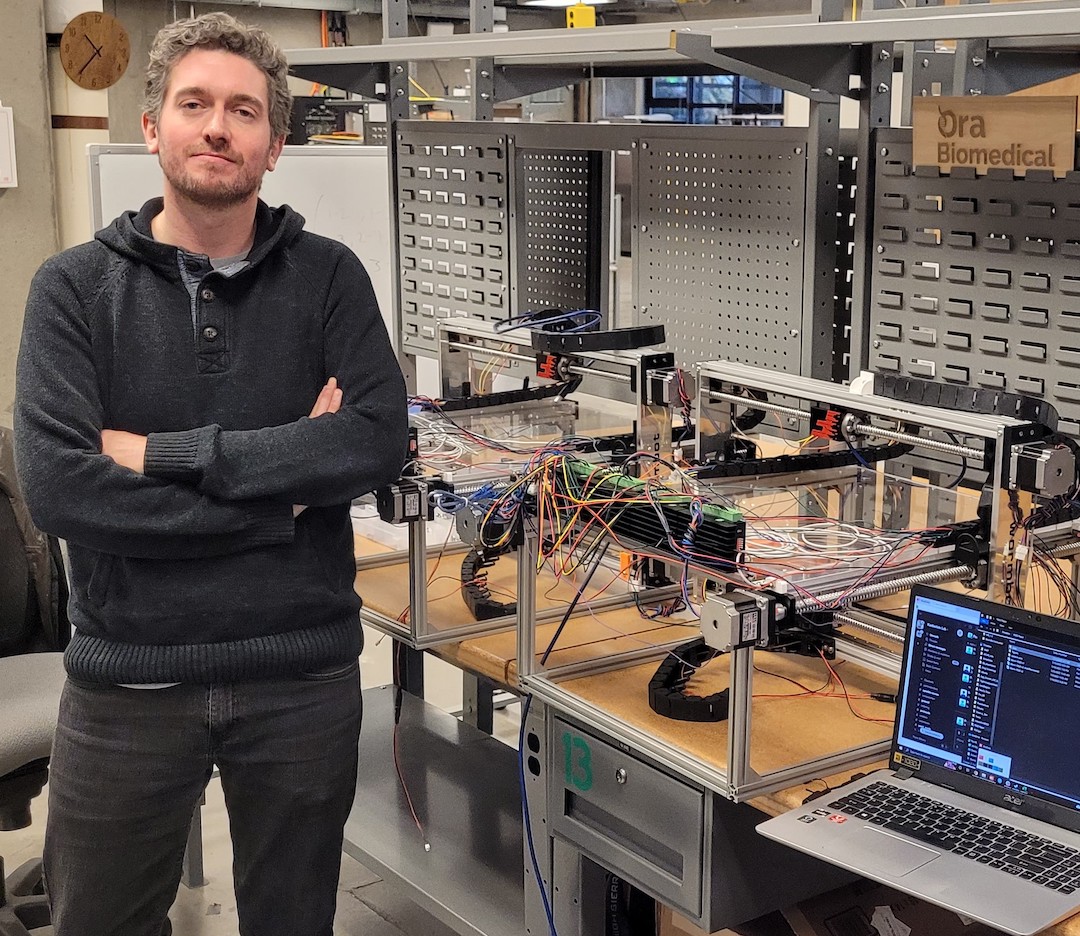
S3 Ep 95#95 — The Next Rapamycin?: Ora Biomedical’s Million Molecule Moonshot w/CEO Mitchell Lee, PhD
Today we are talking with Mitchell Lee, PhD about the biology of aging and how pharmaceutical and natural product interventions can help older athletes prolong our healthy, active lives while fighting disease by addressing the root causes of aging. This conversation is aimed at the lay-person to allow us non-scientists to benefit from Dr Lee's deep knowledge of this topic. What biological aging really is...what is actually happening in the bodyRecent progress made in aging science Longevity and healthspan interventions available today and where is the research going Want to support the show? If you are enjoying WiseAthletes, a great way to support the show is by leaving a review on the Apple Podcasts. It only takes a minute and helps more people find the episodes. Thanks. Dr Mitchell Lee Bio Dr Lee received his PhD in Experimental Pathology from the University of Washington School of Medicine, where he trained with Matt Kaeberlein . He is the Co-founder and CEO of Ora Biomedical, a new pharmaceutical company seeking to realize the full potential of healthy aging therapeutics by developing "a new generation of broad use small molecule healthy aging interventions for humans, companion pets, and all other organisms for which prolonged healthy survival is desired." Links to checkout: Dr Lee on Twitter @michellblee33Ora Biomedical websiteNIA ITP programrapamycin.news Lifespan extending chemicals confirmed by NIA ITP: Rapamycin Acarbose (males>females)17a-estradiol (males only)Canagliflozin (SLGT2 inhibitor; males only)Smaller but significant benefits from three other agents: NDGA, Protandim, glycineMany more currently being tested (see website for details) The National Institute on Aging Interventions Testing Program was designed to be the most exhaustive testing framework and system to evaluate whether longevity molecules extend longevity in mice and understand the underlying mechanisms leading to those benefits. Outline of Discussion: Intro 00:08Discussion begins 2:15Dr Lee’s background 3:00Aging is more than entropy 3:48Modeling aging 4:44What can we learn from studying worms? 5:18What is aging, really? 7:25Lifespan vs healthspan / chronological vs biological age 8:24Hallmarks of aging 12:45More on aging process 15:39Dr Lee’s advice 23:13National Institute of Aging / Dog Aging project / Interventions Testing Program 26:49Rapamycin deep dive 32:38How to accelerate the search for better interventions? 36:18What can older athletes do now to take advantage of longevity interventions 46:30Watch out for over exuberance 48:29How much of a benefit is possible? 49:47How to learn more about ora 51:47 Aging hallmarks Genomic instability – DNA damage that mutates cells and can potentially cause cancer a
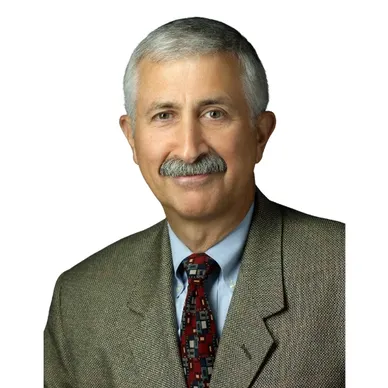
S3 Ep 94#94–Phytonutrients: The 1% that makes ALL the Difference (w/Dr Fahey)
Today we are talking about phytonutrients, which is science speak for the good stuff in plants that isn’t counted as carb, fat or protein, or as fiber or vitamin or mineral. Phytonutrients are the 1% that make all the difference. Want to support the show? If you are enjoying WiseAthletes, a great way to support the show is by leaving a review on the Apple Podcasts. It only takes a few minutes and helps more people find the episodes. Thanks. Dr Jed Fahey Bio Dr. Fahey is a nutritional biochemist with extensive background in plant and human nutrition and phytochemistry. Links to checkout: Wikipedia on phytochemicalsDr Jed Fahey's website Phytonutrients you've heard about (there's 1-5 million more): curcumin in turmericquercitin in onionsresveratrol in grapessulforaphane in broccolifisetin in strawberriesEGCG in green teaApigenin in chamomileAstaxanthin in algae Books Dr Fahey recommends: MetabolicalAnimal Vegatable Junk Why We Sleep Keep Sharp LifespanChickenizing of America
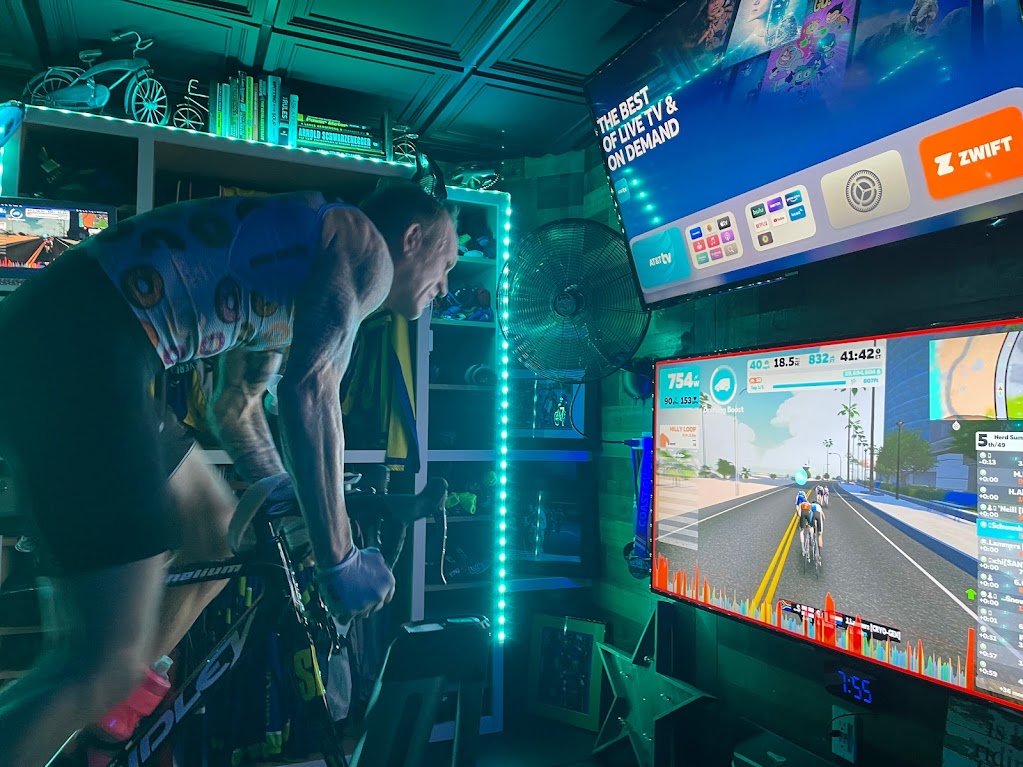
S3 Ep 93#93 — 55,500 Miles on Zwift w/Chris Schwenker, P.T.
Chris Schwenker, P.T. info. Episode 44 w/Chris in 2021: https://www.wiseathletes.com/podcast/44-chris-schwenker-pt-virtual-cyclings-biggest-fan/ 55,500 Miles Going Nowhere article: https://www.cyclingweekly.com/news/55500-miles-going-nowhere-confessions-of-an-unapologetic-zwift-indoor-specialist Zommunique: https://thezommunique.com/ The Zommunique' has become a reputable source of health-related cycling information and virtual cycling news, with almost 500 published articles to dateThe DIRT Dad Fund, a 501c3 non-profit I created to support members of the virtual cycling community, has provided almost $20,000 in financial assistanceZwift awarded the fund a grant recognizing its impact on the community. You can check it out here, plus an overview of our good work. Our recent "Land Lucy a Bike DIRT Dad Fund Drive" met its goal in under 24 hours. You can learn more about how 4 yr old Lucy, the daughter of a DIRT member who suffers from a rare disease, will walk one day with the help of the adaptive cycle the community's generosity purchased for her here.Host the Virtual Velo Podcast highlighting members of the cycling esports community and discussing virtual cycling topics of interest. The DIRT Dad Fundo Across America-Last summer, I rode across the US and raised $12,000 for the DIRT Dad Fund. You can take a look at my daily blog here with perspective and some cool pictures.Freelance Cycling Writer: I've published over 20 articles on well-known sites, like CyclingWeekly, CyclingNews, road.cc, Bicycling, and Zwift Insider.
S3 Ep 92#92 — Knee Magic (science, really) w/Ebonie Rio
Topics Tendon vs. "Under the kneecap" painHow to tell what the problem isHow to deal with the painHow to build back to low or no pain with athleticism and strength Key Learnings Single leg exercising instead of double legProgress by working as hard as you can without lingering pain (recover in 24 hours)Don't use painkillers while trainingBe optimistic: you can get better. Exercise is critical to healthy joints and tendonsRest makes you weaker and more susceptible to pain About Dr. Ebonie Rio Dr Rio is a post doc researcher at La Trobe University and has completed her PhD in tendon pain, Masters Sports Phys, B. Phys (Hons) and B. App Sci. Dr Rio has a clinical career that has taken her to the Australian Institute of Sport, the Australian Ballet Company, Australian Ballet School, Melbourne Heart Football Club, Alphington Sports Medicine Centre, 2010 Vancouver Winter Olympics and much more. In approaching the full spectrum of training, the field of tendons and connective tissue represent an area that not much is known relative to others, such as muscle physiology. This results in knee pain being hard to rehabilitate because knees do not “play by the same rules” as muscles and bones. The goal is to improve the capacity of joints and tendons to sustain and handle loads. 5 Tips for Kneecap Pain: https://youtu.be/8vv3VY7ceS0 Managing My Kneecap Pain Portal: https://mykneecap.trekeducation.org/ Contact Info https://scholars.latrobe.edu.au/erio linkedin.com/in/ebonie-rio-436474224
S3 Ep 91#91 — Successful Aging w/Dr Alan Castel
Outline of discussion What is mindset, and how does it relate to aging?How is mindset similar to or related to placebo or nocebo effects? Why does belief make such a difference? Why is “believing is seeing” so powerful?How can we take advantage of this human mechanism of our brain …to enjoy our lives more, and accomplish more of what we want in our lives? How can we focus on adapting to our changing abilities without dwelling on the lose of ability? As we get older we seem to get slower for some reason. How do we keep from feeling badly about that? Where’s the upside to aging as an athlete? ABC's of Aging (A)ttitude - positive attitude to facilitate doing the things that make you happy vs. dwelling on what you cannot do any longer due to age (B)alance - physical and mental balance. Physical balance is the sense of balance that can weaken as we get older, and can be trained to avoid falls which may put us out of the game. But also finding balance in life is important. (C)onnection -- connect with the things you find important and the people who make life meaningful. Dr. Alan D. Castel Alan D. Castel is a Professor in the Department of Psychology at the University of California, Los Angeles. His research focuses on how cognition changes with age and how people selectively remember important events. His work has been supported by the National Institute on Aging and has been featured in The New York Times and Time Magazine. He received his PhD from the University of Toronto in 2004, completed a post-doctoral fellowship at Washington University in St. Louis, and has been a faculty member in the Department of Psychology at UCLA since 2006. Age is an important number, but it can also be deceiving. After 40, most people say they feel younger than their years, some lie about their age, and many attempt to hide the signs of growing old. Although most people think of their later years in terms of decline, they can be one of the best times in life. We are all aging, and many people are concerned about what to expect with advancing years. Retirement, happiness, and brain health are some of the many topics covered in this book. Better with Age shows what we can do now, at any stage in life, to make sure we enjoy old age. Contact Book Better with Age: The Psychology of Successful Aging TEDx Talk How We Learn as We Age UCLA Department of Psychology http://castel.psych.ucla.edu
S3 Ep 90#90 — In Search of Lost Athleticism with Menachem Brodie
What is athleticism? Aerobic Endurance — also known as cardiovascular fitness and stamina, is the ability to exercise continuously for extended periods without tiring.Muscular Endurance — the ability to repeat a series of muscle contractions without fatiguing.Muscle Strength — the ability to carry out work against a resistance.Explosive Power — the ability to exert a maximal force in as short a time as possible, as in accelerating, jumping and throwing implements.Speed / Quickness — the ability to move quickly across the ground or move limbs rapidly to grab or throw.Anaerobic Capacity — long sprinting ability, or the ability recover from repeat sprints (glycolytic system)Flexibility — the capacity of a joint to move through its full range of motion, which is important for execution of the techniques of sports.Agility — the ability to quickly change body position or direction of the body.Balance and Coordination — the ability to stay upright or stay in control of body movement is an important component of many sports skills.Reaction Time — the ability to respond quickly to a stimulus.Analytic and Tactical Ability— the ability of the mental system to evaluate and react to strategic situations (tactical ability).Motivation and Self Confidence — a motivated and focused athlete, with a level of belief in themselves, often seen as arrogance in athletes.Coping with Pressure — the ability to stay focused and perform up to expectations while under increasing pressure, and under changing conditions.Skill and Technique — the specific skill set and technique required to be successful in a particular sport. Contact Info Website: humanvortextraining.comYouTube: https://www.youtube.com/user/HVTraining\Instagram: http://instagram.com/hvtrainingFacebook: https://www.facebook.com/HVT412/Strength training certification course: http://s.bl-1.com/h/dl5nV3pk?url=https://strength-training-for-cyclist-certification.mykajabi.com/hvt-launch-closed Menachem Brodie Bio With over 20years of coaching experience and a sports-medicine background spanning from Emergency Medicine & Physical Therapy settings, to the NCAA Division I Strength & Conditioning setting, Coach Brodie brings with him an incredibly unique & diverse skill set, which has led to his work as a Health & Fitness Engineer for international companies in the Health, Wellness, & Fitness fields. Coaching since 2000, Menachem Brodie has been working with athletes in a number of settings, and a broad variety of sports. From Basketball and Cycling, to CrossFit and Triathlon, Brodie has helped numerous athletes to attain their goals, and beyond. With his belief that one should Train Smarter, Not Harder, he has developed and polished his training philosophy over the last 2 decades, in order to allow his clients and athletes to not only excel in their sport of choice, but also in their professional lives. Having earned a degree in
[re-release] Breathing Well is a Skill (w/George Dallam, PhD from 2021)
bonusThis is re-release of a shortened version of Episode 50 (1.5 hours long)....I cut out the good and left the great. If you haven't listened to the full episode, start with this one and then graduate to the full story from George Dallam, PhD. Nasal breathing is not a trick or hack to get an unnatural advantage. Nasal breathing is the designed in way to breathe properly. Not nasal breathing causes health and performance problems. But it's never too late to do it right. Learn the why's and how's of nasal breathing from George Dallam, PhD. Dr. Dallam says, "One simple rule: breath through nose all the time, or as much as possible." Benefits of nasal breathing: Better filtering of particles and viruses (less nasal infection, bronchitis). Filtering becomes even more important when exercising because we take in so much more air.Less water lost though breathingLess energy spent on breathing (more energy for locomotion); higher O2 extracted per breath (higher efficiency)Recovery from "EIB" exercise induced bronchoconstriction (exercise induced asthma)Provides a powerful training stimulus to improve fitness…make you faster even if you go back to mouth breathing in high intensity efforts, such as racesImproved stress managementBetter sleep, and overall improved recovery from exercise (lower stress, avoidance of snoring)Better posture and movement ability with improved diaphragm activityFunctional movement benefits —diaphragm is a major core muscle that is under strength when we mouth breathe. Avoids possible damage to the heart from over breathing (a hypothesis from Dr Dallam) Notes from discussion with George Dallam, PhD Myths about breathing: I feel the need to breath faster when I need more oxygen — mostly false. It is the presence of higher than usual CO2 in the blood that causes the “air hunger”CO2 is bad, and needs to be removed as fast as possible — false; CO2 is necessary for normal bodily functions. Too much AND too little CO2 are bad for the body.Breathing faster brings in more oxygen (superoxygenation) — no; red blood cells are generally 95-98% oxygenated after passing by lungs. You don’t get more oxygen into red blood cells, you just lose more CO2 from blood plasma, which creates problems for the bodyBreathing doesn’t take much energy or oxygen to do — false. During exercise, breathing can use as much as 15% of the total energy burn of the body…15% of the oxygen being used. If we can save 25% of that by breathing more efficiently (less breathing for same oxygen), we’ll have more oxygen left over for other muscles to use.An athlete cannot get enough oxygen for exercise though just nasal breathing — false. It is easy to see why people would come to this conclusion after one attempt, but with adaptation, many elite athletes compete using just nasal breathing. What does the nose do for us? Conditioning of the air: humidifying the air and warming up the air. Reduce lung dehydration and related wheezing and breathing problemsFiltering: particulates (dust, smoke), viruses are captured instead of putting in lungs. Avoid damaging lungs long-term (emphysema, cancer) and reduce infections impacting lungs.Increasing air resistance…forces a recruitment of the diap