wise athletes podcast
195 episodes — Page 4 of 4
S1 Ep 40#40 – Power Meter? Find your Superpower with Hunter Allen
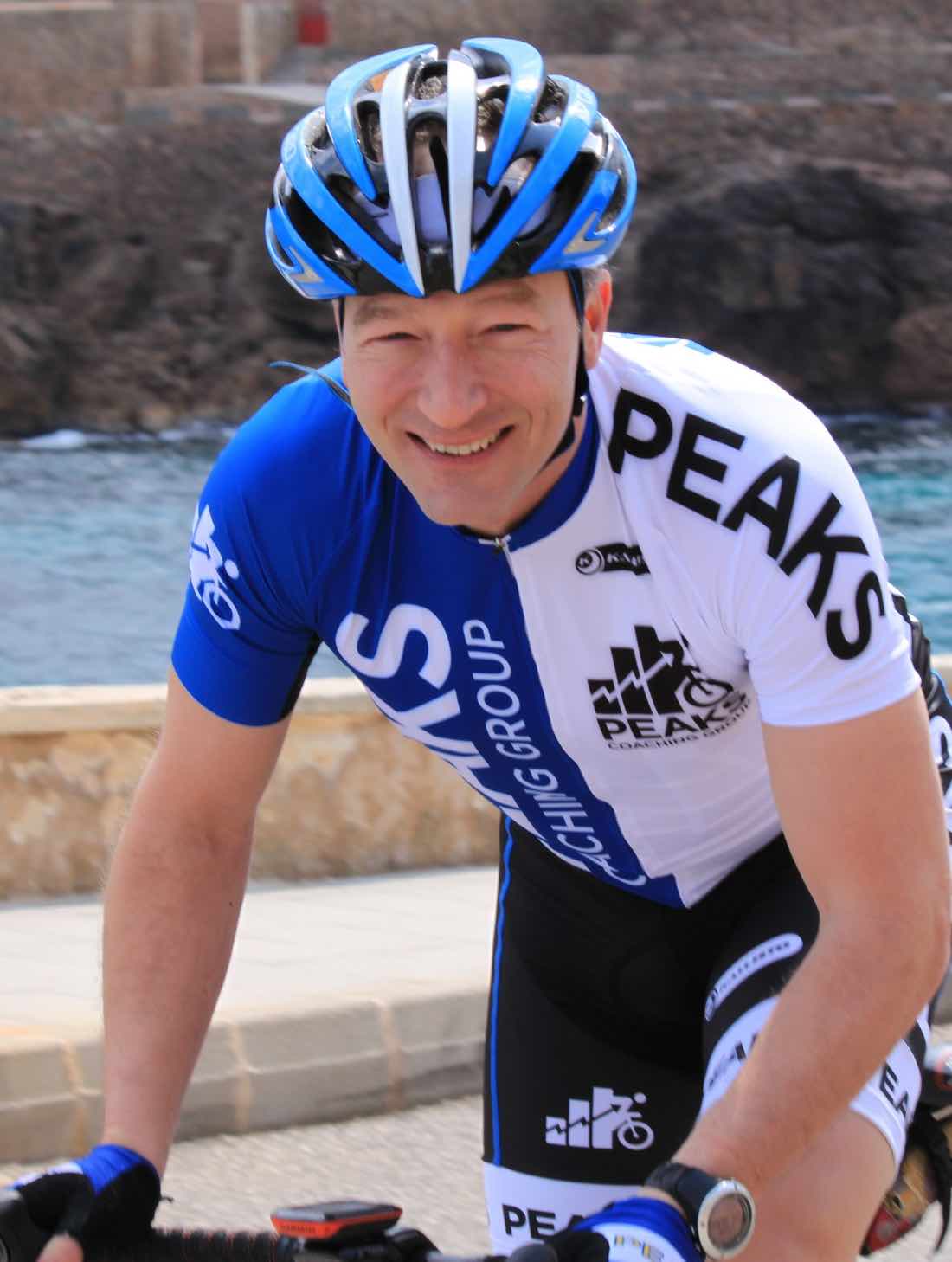
Sponsor: RePowerU -- FREE Fitness Practices Assessment (a 10-minute questionnaire): https://formfaca.de/sm/SR_8_j7es Power meters are everywhere, but few people really know how to use one to get higher performance Using a Power Meter to find your super power on a bike.... with Coach Hunter Allen Hello, and welcome back to the Wise Athletes podcast with Joe Lavelle and Dr. Glen Winkel. On today’s episode, number 40, we are joined by the one and only, the legendary cycling coach Hunter Allen. Hunter was co-author of the book “Training and Racing with a Power Meter” (with Dr. Andy Coggan) which has been translated into 8 languages and sold over 120,000 copies. He also co-wrote “Cutting-Edge Cycling” with Dr. Stephen Cheung, was the co-developer of TrainingPeaks WKO software, and was the founder of Peaks Coaching Group. Widely known as one of the top experts in the world in coaching endurance athletes using power meters, Hunter Allen has been instrumental in developing and spreading the power training principles. Hunter is a USA Cycling Level 1 coach, was the 2008 BMX technical coach for the Beijing Olympics and has taught the USA Cycling Power Certification Course since 2005. A former professional cyclist for 17 years on the Navigators Team with over 40 road victories to his credit, Hunter has been coaching endurance athletes since 1995, and his athletes have achieved more than 2000 victories and numerous national, world championship titles and Olympic Medals. If there is one person on the planet who can help us get more from our power meters, it is Hunter. Listen in as Hunter walks us through the basics of what to track and how to use the information to get faster on your bike. Outline of Discussion To get benefit from owning and using a power meter, you need to collect data. Just ride it in various ways; go up hill, do some sprints, what does 300 watts mean, that is the first step. You have to test. Testing is training; training is testing. Test a few different areas of philology: Neuromuscular power: ability to contract a muscle as hard as you can for a very short amount of time. Do a 15 second sprint. Use the best 5 second portion of that 15 second effort.Anaerobic ability. Test for about 1 minutes for as hard as you can do for 1 minute. Average power for 1 minutes. A 6-8% hill or ride into the wind. The last 30 seconds will be hell, but push through.VO2Max: the volume of oxygen you can bring into the lungs and deliver to the muscles. 3-8 minutes. Use 5 minutes. Go hard but pace yourself. Remain at your VT2 threshold at the end.Functional threshold power. FTP. The hour of power. The original thinking was that the gold standard for endurance efforts was the 40k time trial, which takes about 1 hour. Less if you are really strong (25 mph with no draft). Hard. That’s the baseline. This also correlates will with a threshold and seemed to be a good metric for ability to be successful as a cyclist. One of the key mistakes people make relates to the short cuts used to estimate FTP in less than an hour. They came up with a 20 minute test and subtract 5% off the result to estimate FTP. The problem comes in where people forget to the the 5 minute test before doing the 20 minute test. Cannot do the 20 minute test fresh…will result in too high FTP as a result of too much anaerobic power available to artificially
S1 Ep 39#39 – Sports Hypnosis with Wendi Friesen, CHT
Sports Hypnosis Sports Hypnosis is not the magic show you’ve seen in the movies or on TV. Sports hypnosis is a form of mental training and can used by a hypnotherapist or by the athlete using self-hypnosis to improve athletic performance. Wikipedia - Definition of Sports Hypnosis "Sports hypnosis refers to the use of hypnotherapy with athletes in order to enhance sporting performance. Hypnosis in sports has therapeutic and performance-enhancing functions.[1] The mental state of athletes during training and competition is said to impact performance.[1] Hypnosis is a form of mental training[2] and can therefore contribute to enhancing athletic execution. Sports hypnosis is used by athletes, coaches and psychologists.[2]" Background paper on Sport Hypnosis science: https://medcraveonline.com/JPCPY/a-review-of-the-development-of-sport-hypnosis-as-a-performance-enhancement-method-for-athletes.html Outline of Discussion Athletes can develop (or even carry forward from childhood) certain thought patterns that are detrimental to their sports performance. Something triggers a certain fear of failure or of embarrassment or whatever, and the thought is a distraction or directly impairs the skill deployment or physical act of performing the sport.A patient experience in little league baseball was impairing his golf performance. Wendi helped him to avoid that connection and negative impact on his performance.Via hypnosis, people can make changes that they think is impossible. Like the smoker who has tried many times to quit smoking and now thinks it’s impossible. Using hypnosis, that person can acquire the feeling of being so proud of having quit…and that feeling gives them extra strength of will to stop smoking.With a hypnosis strategy….having a anchor to bring them back to a balanced state. Using hypnosis to create a anchor word to reestablish control…..such as golfers when they address the ball, or the cyclists when descending and the bike starts to wobble.The hypnosis strategy can remove the distraction problems so athletes can perform to the full level of their skill..Also able to get faster, cleaner feedback for skill improvement.Golfers went from 0-1 out of 5 to 3-4 out of 5. Basketball free-throws can also be improved dramatically.The trigger should be initiated automatically, not just by remembering to think of a trigger word. The dimples on the golf ball, the front of the rim on the basketball court. Something that will always be there and be noticeable without remembering to look or think of it.Everybody is hypnotizable, and everybody can learn how to do self-hypnosis to create these effects on themselves. You don’t have to be in some zonked out state.Just relax in a recliner. A comfortable chair. But not a bed because you might fall asleep. Then relax your body. Start at the top of your head. Relax your face, your neck, then your shou
S1 Ep 38#38 – Truth in Strength Training for Masters Cyclists with Menachem Brodie
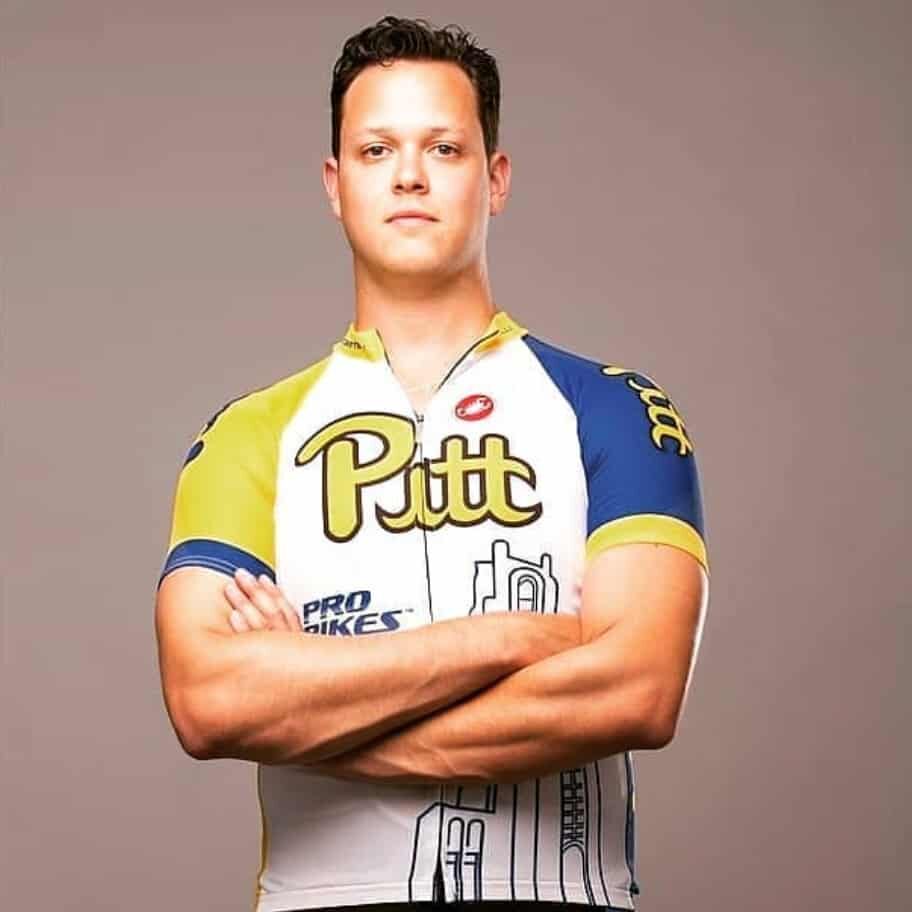
Sponsor: RePowerU -- FREE Fitness Practices Assessment (a 10-minute questionnaire): https://formfaca.de/sm/SR_8_j7es Outline of discussion - How to really use strength training to improve endurance athletics Strength training for cyclists, done the right way, is not sexy. Upper body and rotatory stability (ability to lock the hips and ribcage together to resist twisting that would result in power leakage) work plus some other function movement pieces form a holistic approach to making a cyclist stronger. Need to counteract adaptations you get on the bike and counter balance the parts of the body not being trained by riding on the bike. “Niche strength training” We went from low weight , high reps to high weight, low reps. From endurance sets to “lift heavy shit” Research is hard to do in a way that shows real benefits to cyclists. The main point is technique matters more than weight lifted. What are you thinking: push weight up, push floor down, brace core? This is what matters. Its hard for people to do it because they have already been brainwashed into thinking that lifting heavy weights is what will make them better athletes. First athletes have to learn the skill to create intra-abdominal pressure to stabilize the core, bracing / locking / using the glutes to create power before you start to load them with weights. These are skills that translate into improved performance on the bike even before starting to lift heavy weights. People are getting hurt by lifting heavy when they are not ready. Resistance training is not just about getting stronger, it is about learning to move properly to apply the greater strength in just the right way to make power on the bike. But you need the bike skills too. Braking, cornering, climbing out of the saddle. When you learn how to move well as a human being, that will translate into feeling better, more powerful on the bike. Then, when you also get stronger by lifting heavier weights, that will also translate into more power on the bike. It might just manifest as a much easier feeling when riding or it might show up as a bigger number on the power meter. Maybe it shows up as no pain anymore, which is hard to recognize unless someone asks you about it. Resistance training has two big benefits: teaches the rider to lock the hips to the rib cage to reduce power lost (power going into moving the body vs power going down into the pedals) and strengthening muscles makes the body more resilient (less prone to injury and faster at recovery to allow for harder and more consistent training). The “core” is everything between the neck, elbows and knees. Will share a video on the shielded breath. http://s.bl-1.com/h/dl5nVkCZ?url=https://youtu.be/6X3zkh66KVo This plus the McGill curl up done properly. http://s.bl-1.com/h/dl5nVpdc?url=https://youtu.be/2naoyUMxE20 This is where most of the benefit form strength training for cycling will come from. Call it 3-5 exercises, that doesn’t include: squat, deadlift, …. It being able to coordinate things between the shoulders and the hips. http://s.bl-1.com/h/dl5nVt1f?url=https://
S1 Ep 37#37 – An Adventurous Heart with Shawn Anderson
Sponsor: RePowerU -- FREE Fitness Practices Assessment (a 10-minute questionnaire): https://formfaca.de/sm/SR_8_j7es This is episode 37 with Shawn Anderson, who is just back from a 250 mile trek across Spain. Shawn is a guy who does things. Big things that most people wouldn’t dream of doing. But Shawn thinks we all should get out of our comfort zone….do something, anything bigger than we are comfortable doing. If only just to stretch ourselves a little bit. And once you start, who knows where you’ll go. I asked Shawn to join us on the wise athletes podcast because I was feeling that I had lost my own adventurous heart, and I hoped he could help me see a path back to being that person who did adventures. I gave up doing adventures some years ago because I was getting “too old”. But that was a mistake. Shawn Anderson Bio: Shawn is a #1 ranked motivational author with a history of inspiring others. A seven-time author, Shawn is also the creator of Extra Mile Day...a day recognizing the power we each have to create positive change when we "go the extra mile." (On 11/1/20, 512 cities made the declaration and recognized local extra-mile heroes.). Shawn walks his talk. Besides having inspired tens of thousands through his speaking and writing, Shawn’s pedaled a bike solo across the U.S. (twice), and created adventures in 50+ countries including having walked over 3,000 miles across eight countries since 2014 (England, Ireland, Spain (twice), Portugal, Italy, France and 750 miles around Shikoku, Japan.) Still...he believes his greatest adventures and success are waiting to be lived. Book titles: The Four FibsSOAR to the Top!Amicus 101: A Story About the Pursuit of Purpose and Overcoming Life’s ChaosExtra Mile America: Stories of InspirationPossibility and PurposeLessons From A. FriendA Better Life: An Inspiring Story About Starting Over Twitter: @ToShawnAnderson Extra Mile Day & Extra Mile America History: In 2009, in order to symbolize the "go the extra mile" message, Shawn Anderson (a non-bicyclist) pedaled 4,000 miles ocean-to-ocean, interviewed 200+ people along the way whom had been identified as having gone the extra mile, and then gave $10,000 of his own money to the people and organizations whose stories most inspired him. As a part of that cross-country extra-mile ride, Extra Mile Day (11/1)......a day recognizing the capacity we each have to create positive change in our families, our organizations, our communities and ourselves when we "go the extra mile"... was created with 23 inaugural cities. The momentum of this unique day has continued to build each year since, and on November 1, 2020, 512 mayors and cities made the "Extra Mile Day" declaration and recognized people who are "going the extra mile" to make a difference in volunteerism and service in their community. Facebook:www.facebook.com/ExtraMileAmericaLinkedIn:<a href="http://www.linkedin.com/in/gotheextramile"
S1 Ep 36#36 – Dr. Jeff Sankoff (TriDoc) on Masters Athletic Performance
TriDoc Jeff Sankoff is the TriDoc, an emergency physician, triathlete and USAT and Ironman University certified triathlon coach. Jeff is an accomplished triathlete with more than 75 70.3 finishes including six World championship finishes and six Ironmans including one World Championship finish. He has been a medical contributor to Triathlete, Inside Triathlon and Beginner Triathlete magazines and websites; and now produces the TriDoc podcast, a bi-weekly show covering health and wellness issues as they relate to the endurance athlete. CREDENTIALS Board Certified Emergency PhysicianUSAT Level 1 CoachIRONMAN University Certified CoachLifeSport mentored coachExperienced triathlete; national age group team member.Founder, Tri-Doc PodcastRegular contributor to Training Peaks and other publications Discussion Outline Training Secrets from the TriDoc — Jeff Sankoff Consistent Training is the key to endurance successReverse J Curve -- do enough work but not too muchHRV - not that useful yetStrength training is super importantNo supplementsLots of tech for measuring effort in workoutsAlcohol impairs performance and recoveryBiggest mistakes of masters athletes (beware shortcuts)Eat food on the bike (not just fluids)Mostly plant-based. Some fish too.Sleep is a challenge but importantTraining is a key stress management toolAge is a state of mind (you are as old as you think you are) Keys to athletic longevity: Keep a youthful mindsetKeep weight under controlKeep moving, alwaysFind something you love, and just do it. Contact info for TriDoc www.tridoccoaching.com www.tridoccoaching.com www.tridocpodcast.com www.tridocpodcast.com http://twitter.com/triathmagtridoc https://www.facebook.com/tridoccoach https://www.instagram.com/tridoccoaching
S1 Ep 35#35 – Personalized Health & Athletic Performance with Gil Blander, PhD
The Science and Practice of Extending Healthspan and Athletic Performance Longevity for Older Athletes via Biomarker and DNA Analysis Today’s WiseAthletes episode is with one of the leading minds in the basic biology of aging and translating scientific discoveries into new ways of detecting and preventing age-related conditions. Gil Blander, PhD. Gil is the founder of InsideTracker, the only fitness program that analyzes a sample of blood and, in conjunction with your DNA and your wellness and lifestyle goals, provides a personalized diet, nutrition, exercise plan, which is best for your body and your goals. Outline of discussion In general, what are the things that older athletes can do to shift their trajectory toward better health and athletic performance, both now and for a healthy aging future? The discussion was broken into 3 buckets (with timestamp): 2:50 — Nutrition13:50 — Lifestyle27:32 — Movement (1) Nutrition (starts at 2:50) We'll start with what not to do. Packaged foods aren’t the best. In addition, too much sugar, too much fat, too much sodium in foods prepared in restaurants — make your own food to have more control over what goes into your foodAnd, don’t drink liquids full of chemicals..no sodas, etc. Just drink water.USDA database has 8000 food items Average American in an average day eats only 20 food items, and the variation between people tends to be low. Meaning there are only a small number of things nearly all of us actually eat.Eat more variety of foodsFind for each person the superfood that works for them. Is it kale? Is it a Paleo diet? We can find out by looking at what is happening inside the bodyGeneral rules can get you 60% of the way there, but to refine e even more takes more personalized data.And it’s more than what you eat. It’s also when you eat and how often you eat.Social pressures can be difficult, so one solution is to try to do these changes with your family.Oatmeal and blueberries are generally thought of as excellent food choices partly because they are high fiber foods which help us even out the rise in blood glucose (avoid spikes) and absorb some of the fats eaten at the same time.Glucose is one of the key biomarkers for longevity.Oatmeal and blueberries are some of Dr. Blander’s superfoods but other people’s could include: avocado, beans, kale.It’s a 60/40 rule. 60% of superfoods are good for all of us, but the other 40% is individual, which can only be discerned by looking at the body’s biomarkers. (2) Lifestyle (starts at 13:50) Sleep is so important and people are not paying close enough attention to it.The body is like a machine. We have to maintain it at least as well as we maintain our car. Sleep is like regular maintenance. If you want to be healthy, let your body sleep more.Plus, we can look at your blood to see what is going on inside, just as the car technician can plug into the car computer to see what needs repair.In addition to getting enough sleep, consistent sleep is also important.Enable this by getting the technology out of your life when its time for bed. For most of us, we can live without it for a few hours.Other factors: temperature of room, light coming through windowsHave to manage stress as well. So much of our stress is manufactur
S1 Ep 34#34 – Greater Endurance with Chest Expansion — Bob Prichard
Can you achieve greater endurance with improved chest expansion? Today’s WiseAthletes episode is with Bob Prichard of Somax Performance Institute. Bob, Glen and I talk to about a Microfiber Reduction treatment he developed for improving restricted chest expansion. Microfibers are scar tissue, which Bob says is very common, especially among those who have ever had injuries to their ribcage and surrounding muscles. Even though I have had broken ribs in my past, I was certain my chest expansion was good. I was surprised to find I had rather severe restricted chest expansion. It turns out that restricted chest expansion is not something you can feel....you have to measure it. Measure yourself and find out if this applies to you. Bob Prichard, President of Somax Performance Institute Bob has worked with over 5,000 athletes to improve performance by improving flexibility and efficiency. His 18 Olympic athletes have won 43 Gold Medals and set 11 World Records. Bob has made original contributions to the sports fields of running, swimming, cycling, golf, tennis, rowing and others. He is the author of The Efficient Golfer and the forthcoming Beyond Muscle and The Great Brain Robbery. Check out the Somax website (www.somaxsports.com) to see before and after photos and videos of athletes who have completed his program. Somax Performance Institute website www.somaxsports.com
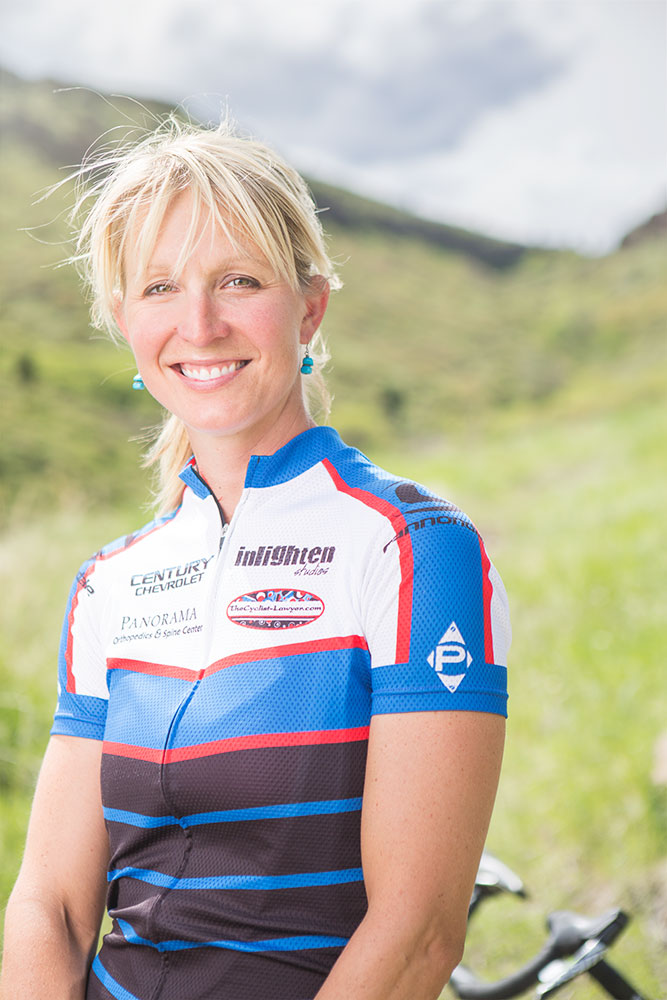
S1 Ep 33#33 – Megan Hottman on Road Cycling Safety
Topics in today's episode: How can the cyclist be safer on the road?How can the cyclist get justice (and compensation) if injured in a bike-car crash?What are the cyclists' rights and obligations on the road?What insurance should the cyclist have, just in case? The Cyclist-Lawyer, Megan Hottman, Attorney at Law Megan Hottman has represented over 160 cyclists in their individual legal cases. She has also provided counsel to other lawyers, and to cycling groups and other organizations. Megan has also co-authored a cycling-law resource book, Bicycle Accidents, Crashes & Collisions: Biomechanical, Engineering, and Legal Aspects (Rev.Ed), (Aug 2016). Megan handles cases in all 50 states, and is licensed in Missouri, Colorado, Arizona and Nebraska. She provides frequent legal education seminars on biking laws, trends she sees in her cases and those nationwide. She also provides education to law enforcement officers. A competitive cyclist and cycling enthusiast ," Megan leads by example in the cycling community, whether mentoring newbie cyclists, or sponsoring cycling teams and events. Megan was featured in an Outside Magazine article in March 2015 titled "Broken Spokes". Megan was interviewed in a HBO Real Sports episode titled "Bike Wars". Many great resources on Megan's website https://www.hottmanlawoffice.com Crash Advice: https://www.hottmanlawoffice.com/crash-adviceInsurance Coverage: https://www.hottmanlawoffice.com/insuranceWhen you see a crash: https://www.hottmanlawoffice.com/cycling-crash-bystanders Megan has been racing her bike for 20ish years now. She has raced in 4 cycling disciplines: road, track, mountain biking and cyclocross (and has competed in 3 of their national championships), plus gravel worlds and fat bike worlds. A sampling of Megan's cycling career highlights (so far): 2009 Masters Track National Champion, Pursuit2010 Colorado Best All-round Rider, Road (Cat 1/2)2007 & 2010 Colorado State Time Trial Champion2010 Colorado State Criterium Champion2014 Colorado Best All-round Rider, Cyclocross (W35+)2015 Gravel Worlds Female Single Speed Champion2018 & 19 Gravel Worlds, Age Group, 2nd place2019 World Record holder: longest static cycling class (28 hours) https://www.hottmanlawoffice.com/megan Hottman Law Office, P.C. 1211 Avery Street, Suite 103 Golden CO 80403 (p)303 273 5297 (LAWS) (f)866 590 2837 <a href="http://www.thecyclist-lawyer.com/" target="_blank" rel="norefe
S1 Ep 32#32 – Helping Older Athletes Feel Young Again with Dr. Mike T Nelson
My motivation to starting Wise Athletes was to uncover knowledge that would help older athletes like myself to slow the progression of the symptoms of aging on athletic performance and on life in general. I don’t particularly like the idea of getting old, and I’m happiest when I can forget my age because my body is working well…..working like it did when I was younger. Dr. Mike T Nelson's programs for building metabolic and physiologic flexibility are just the thing for helping the older athlete “reset the clock”. I have taken Dr. Mike's FlexDiet certification program (I paid full price for it) and have followed the program for the last 3 months. I have gained a lot of muscle and lost a lot of body fat in the process, so I know quite a bit about how effective it is. Send me an email if you'd like to know more about my own experience. Key Concepts (train your body to be able to:) Burn body fat when resting or doing low intensity exerciseBurn glucose for high intensity efforts (and whenever you eat carbs)Switch between fat and glucose burning quicklyBuild and maintain muscle mass for strength when you want and need it (and for metabolic benefits)Shift between high energy (exercise, work) and low energy states (relaxation, sleep, recovery) with & without chemical interventions (e.g., caffeine)Expand your comfort zones in temperature, oxygenation (CO2 tolerance), muscle pH, and heart rate reserve (max HR - resting HR) to build physiologic headroom Dr. Mike T Nelson Creator of the Flex Diet Certification & Phys Flex Certification, kiteboarder, lifter of odd objects, metal music lover. PHD IN EXERCISE PHYSIOLOGY FROM UNIVERSITY OF MINNESOTABA IN NATURAL SCIENCE FROM ST. SCHOLASTICAMS IN BIOMECHANICS FROM MICHIGAN TECHNOLOGICAL UNIVERSITYASSOCIATE PROFESSOR AT CARRICK INSTITUTE FOR CLINICAL NEUROLOGYMEMBER OF THE AMERICAN COLLEGE OF SPORTS MEDICINE (ACSM)CERTIFIED SPORTS NUTRITIONIST FROM THE INTERNATIONAL SOCIETY OF SPORTS NUTRITION (CISSN)INSTRUCTOR AT ROCKY MOUNTAIN UNIVERSITYPROFESSIONAL MEMBER OF THE AMERICAN SOCIETY OF NUTRITION (ASN)PROFESSIONAL SPORTS NUTRITION MEMBER OF THE INTERNATIONAL SOCIETY OF SPORTS NUTRITION (ISSN)NATIONAL STRENGTH AND CONDITIONING ASSOCIATION (NSCA) CERTIFIED STRENGTH AND CONDITIONING SPECIALIST (CSCS) Dr. Mike's Website https://miketnelson.com Dr. Mike's Instagram drmiketnelson
S1 Ep 31#31 – Sleep Mastery with Dr. Amy Bender
Mastering Sleep for Better Recovery The one thing the masters athlete needs to do to speed up recovery is sleep, which is the one thing most of us just cannot do well anymore. Listen in as Dr Bender shares the tools you need to master your sleep. Amy Bender, MS, PhD Director Clinical Sleep Science at Cerebra, a digital health company focused on improving access to advanced digital sleep analysis and diagnostic sleep technology. Award winning sleep scientist Dr. Amy Bender is our source of evidence based insights that will play an integral role in creating your new sleep strategy. After spending over 15 years studying sleep through many avenues including work as a sleep technician, clinical research, written publications, interviews for stories in Oprah Magazine and public speaking appearances including her Ted Med talk, Dr. Bender has an intimate relationship with the science. Her ability to translate the science to the field is evident through her successful work with NHL, Canadian national team athletes and Olympic athletes. How much sleep? Everyone is different, but 7 hours seems to be the sweetspot for most. What is quality sleep? Falling asleep in less than 30 minutesWaking up no more than 1 time per night for 20 minutes or lessSleeping 85% or more of your time in bed. Does Sleep Timing Matter? Yes, although people are different. There is no one-size-fits-all formula for when you need to go to sleep. Sleep Supplements? melatonin (0.5mg is a dose similar to what your body makes...more is too much) -- good for sleep time shifting. Get a reliable brand to get accurate dosing.magnesium -- can help, especially if you don't get enough in your diettart cherry juice -- 1 oz taken an hour before bedtime (also suggested to take in morning)prescription sleep meds are powerful....best if only taken for a short time Sleep Skills? 4-7-8 breathing -- breathe in for 4 seconds, hold for 7 seconds, breathe out for 8 seconds. repeat 4 timescognitive shuffle - start with a word "bed-time". start with the first letter "b" and think of as many objects as possible that start with "b"...ball, bat, bear, button, bed, etc., then move to "e", and continue until you fall asleep.if nothing is working, get out of bedroom, and go do a relaxing activity such as reading in low light until you feel sleepy before returning to bed.20-minute naps to catchup on lost sleep can help taken in the 1-4pm to not be too close to normal sleep time. Set alarm for 30 minutes...try to wake up before alarm.have a sleep routine....get ready for sleep What's a Sleep Routine? Set a one-hour time before bed to start winding down each nightA warm bath or shower can helpStretching, reading, making a to-do list to clear your mind of things you need to remember Sleep Environment? Dark room: keep the sun out of the room and get the lights out of the room when you sleepQuiet: ear plugs can help, white noise machines or fansCool: find a way to keep the room cool at night; if you warm up during sleep, you will wake upNo phone: noises, tempting distraction Learn more from Dr. Amy Bender below as well as find ac
S1 Ep 30#30 – Mushrooms: The Missing Ingredient for Recovery?
Our topic today is mushrooms, and whether mushrooms are a missing element in the older athletes' arsenal of performance, recovery, and longevity. Helping Glen and I to better understand mushrooms is Jeff Chilton, an expert in the study of historical uses and impact of medicinal mushrooms, and who is also the Founder of Nammex, the very first company to supply medicinal mushroom extracts to the nutritional supplement industry. Who is Jeff Chilton? Jeff Chilton studied Ethno-mycology at the University of Washington in the late sixties and in 1973 began a 10 year career as a large scale commercial mushroom grower. Jeff is the co-author of The Mushroom Cultivator, published in 1983. In 1989 Jeff established Nammex, the first company to supply medicinal mushroom extracts to the Nutritional Supplement industry. In 1997 he organized the first organic certification workshop for mushroom production in China. Jeff is a founding member of the World Society for Mushroom Biology and Mushroom Products in 1994 and a Member of the International Society for Mushroom Science. Nammex extracts are used by many supplement and food companies and are noted for their high quality based on scientific analysis of the active compounds. Nammex website: www.nammex.com Consumer website for buying Nammex mushroom extracts: www.realmushrooms.com Additional information about Mushrooms What Mushrooms to try? Chaga (Inonotus obliquus)Reishi (Ganoderma lucidum)Turkey Tail (Trametes versicolor)Maitake (Grifola frondosa)Shiitake (Lentinula edodes) Cordyceps (Cordyceps militaris) Lion’s Mane (Hericium erinaceus) The key active compounds of medicinal mushrooms are: Beta-glucans, which support immunity, and are considered to be antibiotic and antiviral.Triterpenoids, which are found to be liver protective, lipid lowering, antioxidant, anti-inflammatory and inhibit histamine release.Ergosterol, which has antitumor and antioxidant properties, and is a precursor to Vitamin D2.
Bonus: SBT GRVL with Amy Charity
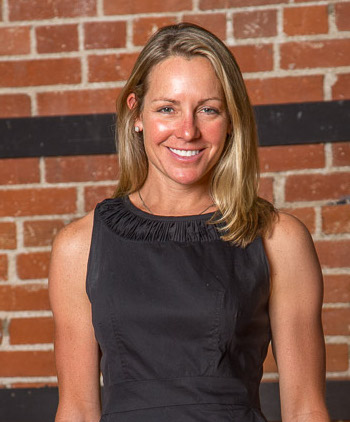
bonusSBT GRVL is a world-class gravel race experience held on the amazing gravel roads in and around the iconic Steamboat Springs, CO. The combination of the great views and fun people make for an unforgettable gravel riding experience. Listen in as Glen and I talk to Amy Charity about the 2021 SBT GRVL (Steamboat Gravel race). She even reveals how you might guarantee a spot in the 2022 event. Amy Charity is an American professional racing cyclist. She rode for the Optum-Kelly Benefit Strategies team. She raced in the 2015 UCI Road World Championships. Wikipedia Amy's personal website: amymcharity.comSBT GRVL website: sbtgrvl.comSBT GRVL Volunteers: https://sbtgrvl.com/registration/volunteers/Amy is the Co-founder and Owner of SBT GRVL
S1 Ep 29#29 – Dr. Seiler on Athletic Performance Longevity
I asked Dr. Stephen Seiler to join me on Wise Athletes to discuss Athletic Performance Longevity. We discuss his research and speculate about how older athletes can keep the machinery healthy for performance today while also doing the right things for athletic longevity, which is way more than just healthspan. You and I, we all want to be strong, healthy, and athletic as long as we live. Guidelines for Older Athletes Seeking Athletic Longevity Do What You Love, what gives you joy. If you do the thing that provides camaraderie or whatever you love, you’ll keep doing it. If you are not smiling and enjoying yourself while doing your training or sport, at least on most days, then figure out why not. Be Kind to Yourself. You can’t go hard every day. And you shouldn’t wrap your self-worth in your ability to go hard all the time. Enjoying it is far more important than extracting the last 1% of performance. If you enjoy yourself, you'll be better in the long-run. And here are some details to get it right: Keep At It. Exercise is good for your quality of life and longevity, and stopping will just make it harder to start again.Tone Down the Risk Taking. Don’t "die of stupid", but also don’t get hurt because then you’ll have to stop exercising.Seek a Flow or Rhythm in the Training Process that accommodates actual (which might be slower) recovery from the hard efforts. Earn the right to go hard by going easy and recovering well. Working out too hard, too often can turn exercise into an unhealthy behavior.Lengthen the Workouts to Emphasize Muscular and Cardiovascular Endurance over pure power to compete better with the younger athletesAdopt a Preventive Maintenance Mindset to keep the machine healthy and avoid nagging pain and injury that will interrupt consistency and sap the joy from athletics. Take time to do some strength training, some mobility work, some core work and some daily stretches to keep you in the game. And do some body weight-based, speed/power and agility/balance work to hang on to it longer.If You are Not an Athlete yet, then Get Going. It just gets harder later. You'll never be as young as you are today. Find one or more things you love and get going. And, as a bonus, the newer athlete can make fast progress, and keep getting better for a long time. Dr. Stephen Seiler YouTube presentation on Aging Athletes Dr. Seiler published a YouTube presentation called “Does Our Endurance Machinery Slow Down At Different Rates as we Get Old?” Dr. Seiler's presentation concluded that athletic performance does drop due to 3 primary factors: https://youtu.be/bzphy5EN8lg My Notes from Dr. Seiler's presentation: (1) Maximum Heart Rate Falls As We Get Older. The drop is steady after age 30 but accelerates after 55. The good news is: (1) at VT1 (the maximum endurance pace, older guys can achieve higher % of VO2Max at the same lactate as younger guys. And, at VT2 (FTP), while older guys have less range in BPM above VT1, old guys can still use a higher % of VO2Max (less advantage than at VT1), perhaps due to larger proportion of slow twitch muscle fibers. More good news, looking at multiple biometric factors for older athletes vs. younger athletes with the same performance, older athletes seem to have better cardio adaptation from more years of trai
S1 Ep 28#28 – 24-Hour Countdown: How to be ready for your race
In part 1 (Episode 24) of this 2-part series about what to do in the 24 hours before a race or big event, we talked mostly about the “warmup”. Glen talked in detail about what he does in his extensive warmup that he needs to perform his best, which is complicated by many old injuries (to his back and heart, primarily) and just simply, a body that is getting older. Episode 24: The 4-Step Winkel Warmup: https://www.wiseathletes.com/podcast/how-to-warm-up-the-older-body-to-prepare-for-a-hard-cycling-event/ Today, in part 2, we’re going to finish up by covering more variables that impact the day’s athletic performance, especially for the older athlete, and tactics that can be implemented to try to maximize performance. Why bother, you say? Well, here’s the thing. Racing is a special opportunity. As an adult, you don’t get to feel this alive very often. Yeah, sure there are other things you can do but this is one of them. Enjoy it, and avoid wasting it or turning it into a disaster you’ll regret. So, if you want to do your best, after all your training and paying your money and bothering to show up, why not remove impediments that CAN be removed quite easily. This stuff isn’t hard or expensive. It just requires a little planning ahead. And a little discipline. Again, in the 24 hours prior to an event/race, you can do a set of things to get your body ready to perform maximally for your event. So aside from the warmup that we discussed in detail in part 1, what are those tactics, those things we could do well to maximize our performance? Why does they matter? How does it matter even more for older athletes? We are not going to talk about training for an event, or tapering for an event. We’re just talking about the 24 hours before. And there are a lot of things you can do that will probably help, yet, for all of us, time is a luxury. We’ll discuss 10 categories, and then we’ll put them into a timeline for implementation. The categories are: Exercise: Goldie locks: not too hot and not too cold. You don’t want dead legs, but you don’t want a tired heart. People are different. You are different from year to year, and race to race. Figure it out by seeing how you feel in advance.Food – macros: carbs, fat, protein. No big changes. Nothing new. No alcohol. Focus on carbs. You already have plenty of fat, and fat is slow to digest. Protein can also be slow to digest and is a poor fuel. Eat real food, like oatmeal, in the final meal before the race. Most carb sources have fat and protein but not too much. Some protein before training has a protective effect, but get enough carbs. Stay away from sugary junk until you are exercising. Many people suffer from dropping blood sugar if they eat 1-2 hours before warmup due to the compounding effect of insulin and muscle pulling in sugar during exercise. It makes you feel very tired.Hydration: avoid dehydration. No alcohol. maybe drink extra water the day before and morning of. Beware impact on sleep. And need for toilet at race. It isn’t cool to pee in the bushes at a race.Supplements: nothing new, caffeine,Nerves: adrenaline is good, but…(need a toilet, can’t concentrate, etc.)Logistics – driving, parking, sign-in, toilet, water, food, ….Race / course: know the course (ride i
Bonus – NedGravel with Gavin Coombs
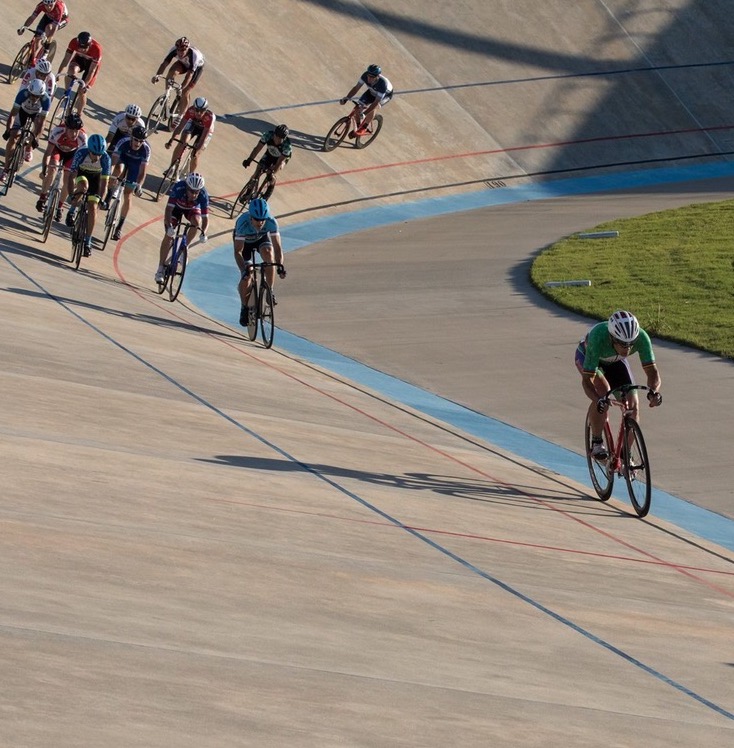
bonusIt wasn't 6 months ago that I was thinking that someone should organize a gravel race somewhere along the Peak-to-Peak highway above the Denver-Metro area. I was starting to think I might have to do it myself when I heard about NedGravel. It sounds amazing. I'm definitely going to ride in this one. Listen in as I talk to Gavin Coombs, Founder and Race Director of NedGravel about how he and his team have pulled out all the stops to make this a great ride or race, whether you are a beginner or a hardcore gravel racer. Coming July 31, 2021 (80% full as of the end of April) Gavin and his team built one of the most challenging gravel races in the world. They built organized rides for all of us out of their regular fun rides, which have a ton of climbing and technical sections, and all at an elevation of 8,000-10,300 feet. The 3 courses pay homage to the hardened miners, dreamers and misfits who came before us as we ride through ghost towns, past mines and up mountains. The 3 courses vary in length and difficulty to accommodate a wide range of skills and desires for suffering. A fun, inclusive and challenging event in beautiful Nederland, CO (in the foothills above Boulder, CO) https://www.nedgravel.com/
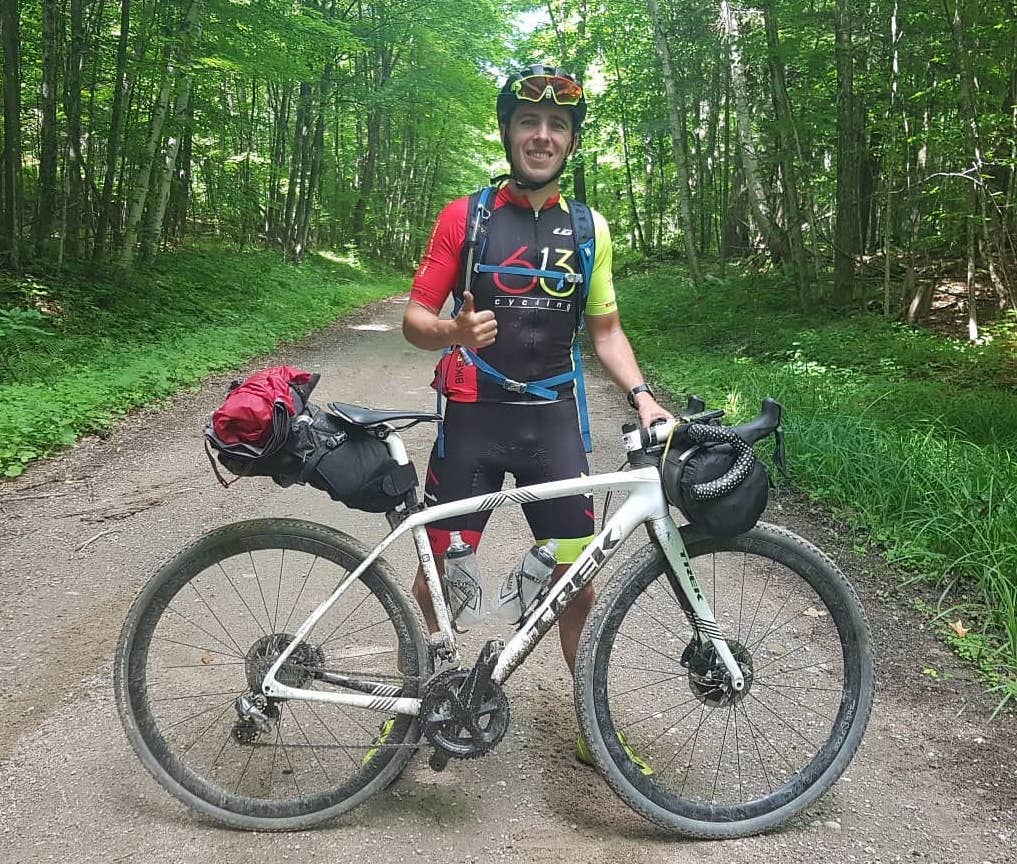
S1 Ep 27#27 – World’s First AI-Powered Online Bike Fit with Jesse Jarjour of MyVeloFit
Today Glen and I are joined by Jesse Jarjour of MyVeloFit, the recently publicized “ World's First AI Powered Online Bike Fit.” I tried the MyVeloFit system to test my own fit.....I learned a ton, and you should do the same. It is an amazing bit of technology. www.myvelofit.com Jesse and his team designed the MyVeloFit system to mirror the process you would experience during a professional bike fit. This starts with assessing your mobility, then analyzing your on-bike position, making adjustments to that position, assessing the changes, and repeating this process until you find a fit that works for you. Jesse Jarjour has been fitting bicycles to people for over a decade. He holds certifications from Retul, Trek Precision Fit, and has a level 2 certification from the International Bike Fitting Institute. Jesse has fit over 3000 individuals of many different athletic backgrounds. Jesse embraces technology in bike fitting. His Studio in Ottawa, Ontario, Canada is one of the most technologically advanced fit studios in Canada. He uses the MyVeloFit technology alongside technology from industry leaders such as Gebiomized, Retul, and Dartfish. He uses MyVeloFit to to take a baseline of his clients and give them visual reports of how the measurements work while they are in the studio and as a "pre fit" tool to ensure the clients are in a relatively sound position before coming in. Sample output from MyVeloFit analysis:
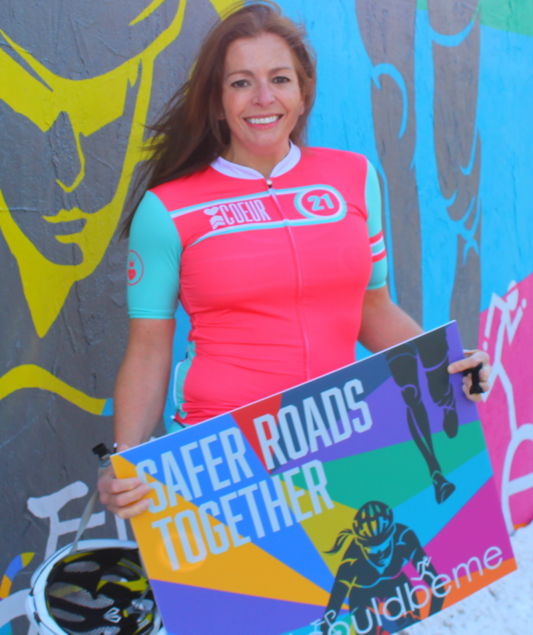
S1 Ep 26#26 – Inspirational Athlete, ItCouldBeMe Founder, Triny Willerton
Glen and I are joined today by Inspirational athlete, Triny Willerton, who is the founder of ItCouldBeMe (itcouldbeme.org), a non-profit on a mission to change the relationship between drivers and vulnerable users of the road by re-humanizing cyclists and creating a movement of mutual responsibility and respect to make roads safer together. Just a few years earlier, Triny decided to get back into shape after gaining weight during multiple pregnancies, and changed the course of her life. She met her husband, Nigel, in a race; she progressed to being a high-performing age group triathlete with a goal of qualifying for the IRONMAN Triathlon World Championship in Kona, Hawaii. On the cusp of achieving her goal, she was nearly killed by a speeding driver while she was training on her bike. Her story was already inspirational, but now Triny had only 5-months to recover from immobility in her hospital bed to race in Kona as the representative of Women for Tri. With her signature determination, Triny achieved her dream of racing in Kona. With this experience, her passion for bike safety led Triny to found, ItCouldBeMe, a non-profit working to improve road safety for cyclists. To find out more, please visit us at www.itcouldbeme.org To join us as an ambassador: https://www.itcouldbeme.org/ambassador-program/ Coeursports: https://www.coeursports.com/collections/new-arrivals Newton Running: https://www.newtonrunning.com Headsweats: https://www.headsweats.com/collections/it-could-be-me Rudy Project: https://www.rudyprojectna.com/ Bicycle Colorado https://www.bicyclecolorado.org/ Rachel Joyce and Dana Platin workshops : http://www.thewarmiproject.com/reinas Cycliq Upride : https://upride.cc/ Secretary of Transportation- Pete Buttigieg https://www.transportation.gov/office-of-secretary Articles: https://303triathlon.com/tag/triny-willerton/ https://www.coeursports.com/blogs/latest/it-could-be-me
S1 Ep 25#25 – LoveYourBrain for Hope & Resilience
Our talk today will be about the nonprofit LoveYourBrain. I wish everyone, and especially cyclists, knew about LoveYourBrain and its fantastic support of the traumatic brain injured…but they don’t…at least not yet. While I had heard of LoveYourBrain through a friend of mine who was hit by a car while riding his bike in the mountains of Colorado, I didn’t really understand how important it was until now. Resilience won't make your problems go away ... but resilience will help you see past your problems, find enjoyment in life and handle the stresses of life. About LoveYourBrain: LoveYourBrain (LYB) is a non-profit that improves the quality of life of people affected by traumatic brain injury (TBI) and raises awareness about the importance of brain health. LYB's evidence-based programs and resources are designed to create community, foster resilience, and help people understand the importance of loving your brain. Guided by their family’s experience, brothers Kevin and Adam Pearce established LYB following Kevin’s severe TBI from a snowboarding accident prior to the 2010 Vancouver Olympics. Kevin’s remarkable resilience was documented and transformed into the award winning HBO Documentary, “The Crash Reel,” which brought to light the experience of TBIs. Why this matters Isolation, unemployment, failed relationships, and suicidal ideation is reality for the brain injured. And since brain injury is often invisible, affected people are misunderstood and often poorly served by the standard medical system. LoveYourBrain website: https://www.loveyourbrain.com/ For today's podcast, I am joined by 3 people who have had deep personal connection to brain injury as well as to LoveYourBrain. We’re going to hear about their journeys, AND the story of LoveYourBrain, we will also find out how any of us can benefit from the resources provided by LoveYourBrain should we need it, and how we can help the LoveYourBrain team to continue doing their good works. My guests today are: Adam Pearce, who is the co-Founder and Executive Director of LoveYourBrain. David Adler, who is a business leader and an avid cyclists and skier. In 2013, he was hit by a car while riding his bike….leaving him with more than 20 broken bones, two collapsed lungs and a TBI. Brett Tivers who is a high school sports coordinator and teacher now in New Zealand, but was a professional cyclist, and winner of the 2011 Tour of Battenkill in NY. In 2012, while racing in Fayetteville, Arkansas, Brett crashed at 38 mph and was knocked unconscious, resulting in a brain injury which ended his professional cycling career. Virtual Ride for Resilience info: Landing page link: https://www.loveyourbrain.com/ride-for-resilience Participant Guide link: https://my.visme.co/view/epdnp44x-loveyourbrain-ride-for-resilience-toolkit#s1 Sign up/fundraising link: https://www.classy.org/event/virtual-ride-for-resilience/e325
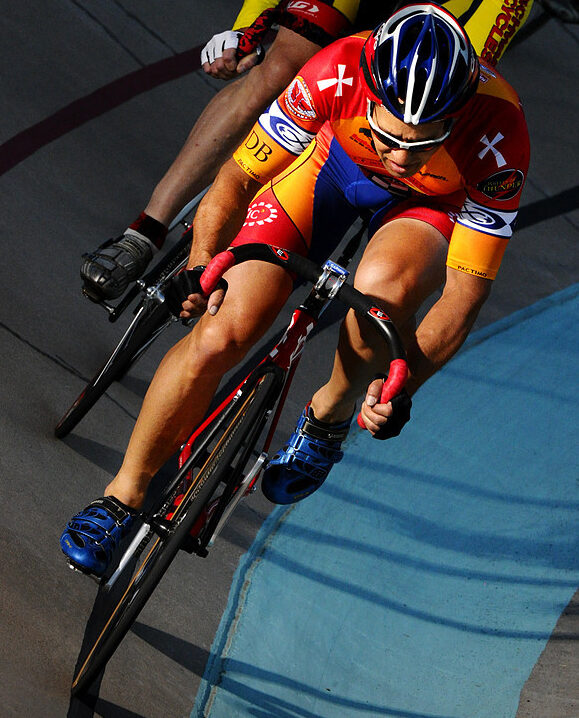
S1 Ep 24#24 – The 4-Step Winkel Warm-up
The Warm Up for the Older Athlete-- by Glen Winkel When I first started bike racing 40 years ago, I didn’t know anything about the warmup, stretching, etc. Sometimes, I would literally jump out of my car, pin my numbers on and hit the start line. And then drill it from the start! Nowadays, I am much more methodical in my warmup and I want to share with you what I have learned and tie in the cardiovascular and muscular aspect of it all. But now I have to warmup to keep from getting injured and to wake up my body so I can perform well. So, how do I do it? First question I ask: Will you be going full speed from the gun? For a time trial, since the clock is running from the final countdown till you cross the finish line, you have to get to your maximum speed and stay there the whole time, so the answer would be “YES”! What about a Criterium, Road Race, Gran Fondo, Hill Climb, Track race (points race, pursuit, sprints) or gravel ride, cycle cross or mountain bike race? For some of these, you might answer that depends. For example, let’s take the Morgal Bismark RR. “Normally” it starts off pretty leisurely (for masters) and we mosey over to the bottom of the wall, and then all hell breaks loose! Or some criteriums, start off fairly easy as everyone gets oriented and then someone attacks after the 2nd, 3rd or 4th lap into the race. Or sometimes, the race goes from the gun, so in that case you better be ready to go! The mountain bike races I have done, the start is a full on sprint till the single track and then it settles down somewhat. Often, you will make the decision before hand and you’ll get it wrong… therefore if doing well in an event is important to you, it would be prudent to be fully prepared to go hard at the start. With that concept in mind, let’s get you ready to go, so no matter how the race starts from the gun, whether it starts off leisurely or like a field sprint you will be ready. Now the next question you must be able to answer is: What type of riding will I be doing in this race? Steady state Time Trial effort, hill climb, road race with hills, criterium with large bursts of power plus lots of short intervals. Once you have answered this question, you now know what type of riding you are preparing for. Let me describe what I do and why. You may have your own warmup method that works great for you and you may want to stick to that. Or you might want to try out my method instead of what you are accustomed to or you might want to pick and choose those aspects to add to what you are already doing. Each cyclist has their own tried and true method of warmup. My hope is that you learn another method of warming up and if your results are not what you want them to be, perhaps due to a poor warmup, then try to incorporate some of these suggestions and see if it makes a difference. If you find that it’s beneficial, then make it a part of your regular program. TimingI now have a rule of thumb about when I arrive at races. I like to have a minimum of 1.5 hours to get warmed up. Which means that I have to arrive at the race venue 2 hours before my race starts to get my race number, find the porta-potties, get the bike ready, put my gear on and start my warmup. This wasn’t true years ago when I was younger, but now it’s a general rule. You may find this a bit extreme, but then perhaps you are not over age 65 either, so plan your warm up time accordingly. So assuming I have 1.5 hours to warmup. There are 6 phases to my warmup: These are 1) general warmup, 2) stretching 3) warmup ramp, 4) cardiovascular 5) muscles 6) Final warmup General warmup (1)Basically, I get on my trainer and I just turn the pedals. You might see me in my sneakers (I often don’t wear my cycling shoes during this phase). This is because I don’t need them. For this phase, I am only getting the blood starting to flow, loosening up the legs from the drive, warming up the muscl
S1 Ep 23#23 – Patrick Bohan: Overachieving in Life and Cycling
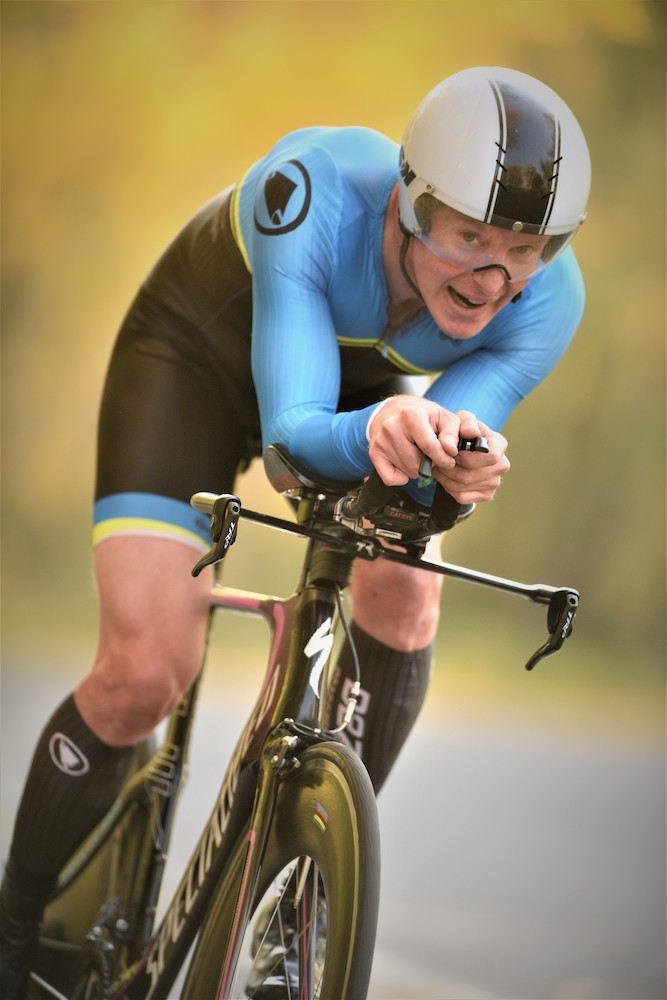
I am joined today by Patrick Bohan, the author of “How a Neurological Disorder Changed My Life for the Better.” Patrick is a writer and an avid cyclist who has won state and national championships despite being afflicted by two neurological disorders. While it’s true that Patrick has two neurological disorders, but they do not have him. Listen in as Patrick explains how his outlook on life and a simple philosophy of always overachieving allows him to do more than seems possible. His story is amazing. We all can learn from his example in not making excuses, never feeling sorry for himself, and never giving up. When you look up the word “Grit” in the dictionary, you should see a photo of Patrick standing atop a podium after he has beaten completely healthy, very strong cyclists in state and national level time trial events. Patrick lives by the philosophy of over achieving in whatever he does, and the results speak for themselves. Patrick suffers from the neurological disorder, multifocal motor neuropathy (MMN) from which there is no cure. MMN is marked by muscle atrophy, difficulty walking or lifting items, cramping, muscle twitching and muscle spasms, muscle tightness and discomfort, lack of mobility in the affected muscles, loss of Achilles reflex. And if that wasn't enough, Patrick also suffers from cramp fasciculation syndrome (CFS) and Peripheral Nerve Hyper-excitation (PNH) … a major symptom of which is paresthesia (par-uhs-thee-zhuh) in hands and feet, cold hands and feet, numbness in all affected muscles, stabbing pains, buzzing sensations among other annoyances. As a result of his medical conditions, Patrick is required to spend 14 or 15 hours a day laying down in discomfort and fatigue. We all can learn from his example in not making excuses, never feeling sorry for himself, and never giving up. Patrick's Bio I am an engineer by trade and avid cyclist who has won state and national championships despite being inflicted with two neurological disorders. Currently, my diagnosis is both cramp fasciculation syndrome (CFS) and multifocal motor neuropathy (MMN), but the diagnosis can change since my disorder does not fit into any one bucket of disorders. I am the author of several books including the Adventures of a Bike and his Boy. I enjoy the outdoors and love living in Colorado. It is possible to improve athletically over the age of 50 with a debilitating neurological condition. Furthermore, improvement may come in the absence of athletic genes (or slightly favorable). I achieved athletic success with a debilitating neurological condition for four reasons. First, training techniques can alter muscle protein composition overcoming physical limitations. Second, training can teach the body to bypass diseased cells by creating alternate neural pathways for the brain and muscles to communicate. Third, cycling is the great equalizer in sports. What I mean by this is that cycling is a sport that enables older individuals and people with disabilities to remain fast and competitive. Finally, disease influences personality traits such as resiliency, grit, and mental toughness to overcome physical limitations such as pain. Patrick's Facebook page: https://www.facebook.com/patrick.bohan.9 Patrick's book on Amazon: https://www.amazon.com/Neurological-Disorder-Changed-Life-Better/dp/B08WK51VNB/ref=sr_1_1?dchild=1&keywords=patrick+bohan&qid=1617135941&sr=8-1 Patrick's children's book: <a href="https://www.amazon.com/ADVENTURES-BIKE-HIS-BOY-Castle/dp/B08VFJ5YJL/ref=sr_1_2?dch
S1 Ep 22#22 – Back Health for Masters Cyclists
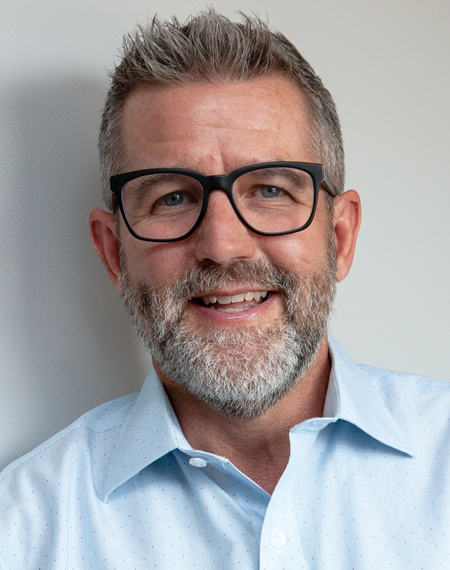
Your body has adapted to sitting in a chair. Learn how to become strong again for life, and how to capture more power on the bike. Oh yeah, and eliminate back pain. What do masters cyclists have in common with professional cyclists? Did you hear about the study of 116 professional cyclists to see who had back pain? 58% had experienced lower back pain in the previous 12 months. 41% had sought medical attention for back pain. Unfortunately, even if you are not a professional cyclist sitting on your bicycle for 20 or more hours a week, you ARE sitting in a chair and/or a bike for 50, 60 or more hours a week, and year after year. After so many years of sitting, our bodies have adapted to the sitting position, making us older athletes susceptible to injury and pain, and making us weaker on the bike and in life. There is no time like the present to get the wheels of progress working in the right direction. A cyclist with a healthy back is a strong cyclist. I am joined today by Doug Hanna, President of Physical Therapy of Boulder (ptofboulder.com), the largest private practice in Boulder County. Doug brings over 30 years of clinical experience to his clients as well as a deep education in the field. Doug received a Bachelor of Science degree from Nebraska Wesleyan University and a Graduate Certificate in Physical Therapy from the Mayo School and Health Related Sciences in Rochester, Minnesota. Doug later completed Certification in Competency in Manual Therapy from the Institute of Graduate Health Sciences and a post-professional Masters of Science degree from the University of St. Augustine in Saint Augustine, Florida. Doug can relate to the masters athlete because he is one. Doug rides and competes in gravel cycling, MTB, and bike pack races. Doug knows well the subject of back pain for cyclists. Listen in as Doug talks about why our backs hurt and what we can do to have a healthier and stronger spine. Link to Wise Athletes podcast website: www.wiseathletes.com Here are the two episodes mentioned in this episode: Dealing with Pain with Charlie Merrill: https://www.wiseathletes.com/podcast/athlete-pain-is-real-but-not-what-you-think/ Bike Fit Case Study with Natalie Collins: https://www.wiseathletes.com/podcast/12-physical-therapist-bike-fitter-stop-pain-boost-power-a-case-study/
S1 Ep 21#21 – Nutrition for Athletic Performance
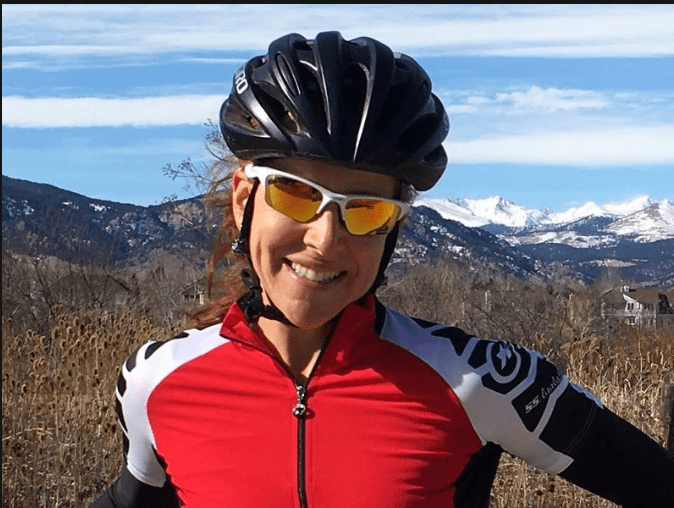
Glen and I are joined today by Lauren Costantini. Lauren has a PhD in Neuroscience, was CEO of a wearable sensors company, has been a nationally-ranked professional bike racer (including a bronze at Worlds), and now own 3 businesses: a biotech consulting firm (LCC Consulting, LLC), an adventure tour guide company (P.E.D.A.L. Adventures), and a nutrition and wellness coaching company (Confluence). http://www.confluencecoach.com/ https://pedal-mtb.com/ Lauren is still riding hard despite a challenging surgery in 2019. As a scientist, Lauren was able to investigate the available research to find the optimal diet for rapidly returning to an elite level after her back surgery. What she found was not only a diet that helped her recover, but also helped her to be stronger than ever! Listen in as Lauren describes her investigation and personal experience in find the best diet for her athletic performance and longevity. A bit more about Lauren: Lauren has been known to ‘Take the Leap’ many times in her life. Her circuitous path started as a singer and dancer in New York, followed by a PhD in Neuroscience, and was on faculty at Harvard Medical School developing treatment for Parkinson's and Alzheimer's diseases. She moved to San Francisco to climb the corporate ladder, then headed to Boulder where she became the CEO of a wearable sensors company. She was a nationally-ranked professional bike racer, winning the bronze medal at the Masters World Championships, and often pondered how to make cycling part of her career.After 5 years as CEO, and realizing the top of the career ladder was not as fulfilling as expected, she resigned her position, got a sprinter van, traveled the country solo for 4 months, and hatched P.E.D.A.L. Mountain Bike Adventures, which quickly because as successful as it was fulfilling. After facing back fusion surgery last year, she spent 3 solid months researching scientific peer-reviewed journals to identify the best foods to enhance her recovery. She did not realize that her findings would not only provide a miraculous recovery from surgery, but also elevate her performance after her recovery. With changes in her nutrition, fine-tuning her strength work, and focusing her mindset, she became stronger on the bike and trails, leaner and more defined in body composition, found unlimited energy, and overcame her troubled sleeping. She’s literally turned back the clock. Lauren’s entrepreneurial spirit told her it was time to take another leap: she has just launched Confluence, a nutrition and wellness coaching company where she takes her science and human performance expertise, and cuts through the media hype to identify what works and what doesn't. She is constantly studying the latest research in nutrition, exercise, sleep, and body-mind connection, and provides her clients with a personalized step-wise approach to reach peak performance and vitality. Her TedXTalk describes her passion: our bodies are constantly radiating data, and Lauren believes that through accessing that data, we can elevate ourselves to our highest potential.
S1 Ep 20#20 – Making Cycling Better for Boulder
Glen and I are joined today by Rob Andrew and Joseph Vigil of Cyclists 4 Community. C4C was founded only 7 years ago; how C4C has accomplished so much in such a short time is a fascinating story of camaraderie and generosity and determination to make cycling safer on the roads of Boulder county. If you are in the Boulder County area, you have to hear Rob and Joseph tell the C4C story. If you live in another city or state and want to make your community better for cyclists, you also need to hear this. Maybe you've heard of Wednesday Morning Velo? Listen in to hear the whole amazing story. Rob Andrew One of the founders of C4C along with Russ Chandler. By day a corporate insurance guy: partner at Lockton Companies. Early morning or after work, tooling around Boulder on Road, Gravel and MTB. Racing masters for the Full Cycle FCX team. Also one of the organizers of WMV the pre-eminent cycling/business networking ride in Boulder Joseph Vigil Joined the C4C Board in 2015 after being super impressed with the great work and effort done for the communities of Jamestown and Lyons, where he went to high school. Joseph stepped up to become the C4C Board President 2019, and then has stayed on through 2020-2021 when the president elect for this term had to step down for family reasons. He is an architect and founder of WORKSHOP8 in Boulder, and rides his bike as much as he can, before, during and after. He joined the Wholesome Masters Racing team in 2018 at the behest of Rob Andrew, who then left and joined Full Cycle. Outline of Discussion: Wednesday Morning Velo – started 20 years ago as the Bankers Ride. Evolved and grew over time: today would get up to 200 riders on some summer mornings. Pandemic has put a halt to that for a short time. Now have 4+ rides each week, moto medics, sponsorships, kits every 2 years, coffee and snacks after each ride. Annual budget close to $20,000Cyclists 4 Community – started in 2013 after the floods. Looked for a way to give back to the communities most impacted and build a better relationship between cyclist and drivers in those communities. Cyclists 4 Jamestown was the beginning raising over $250,000 to help solve big problems there and in Lyons. Both locations were staples of the WMV routes we commonly road on. Other notes:Incorporated in 2016 501c3 non profitBig event: Crank-it-Forward started in 2017Hired 1st Becca Blay and next Matt Muir as staffWorked with Boulder County extensively on rebuild of LHC, James Canyon, and 4 mile to be re-build bike friendlyPortable sign on 36 every springSignage around Boulder county (3 feet law, cross yellow line)Lights on bikesLights at key intersectionBicycle Friendly Driver Education program developed – now working with Bicycle Colorado and potentially nationalPorta potty in JamestownC4C today: Very engaged board and staff working on making Boulder County safer for cyclists and for better relationships with all users.Boulder to Lyons bike way study (LyBo)Matching Fundraiser going on right nowCrank-it-Forward Oct. 1 at the JCCMay bike Auction – fundraiser and virtual eventSt Vrain road workJeffco to Boulder bikeway discussions
S1 Ep 19#19 – Nutrition for Recovery with EC Synkowski
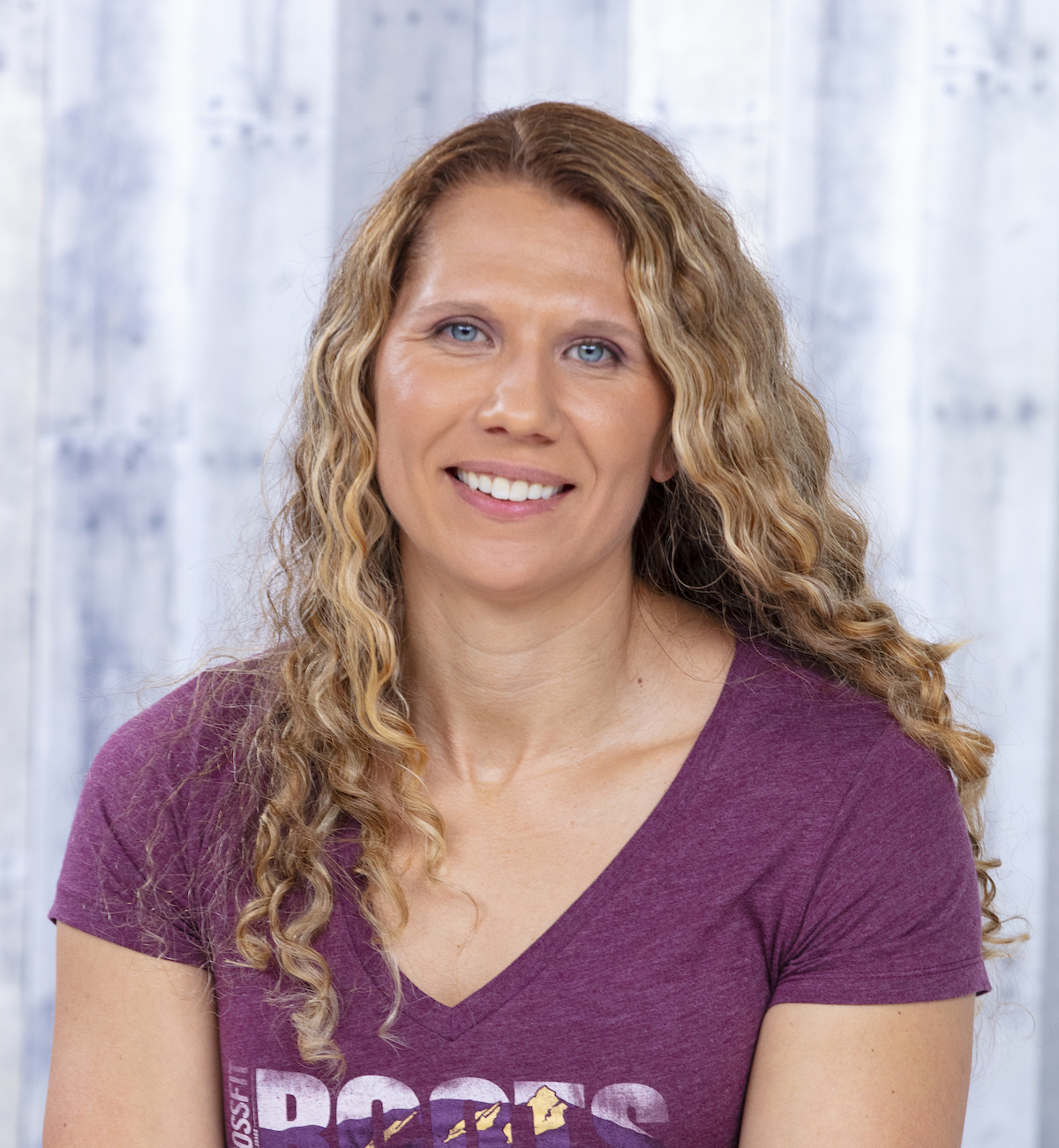
The perfect nutrition plan is so simple that there are obviously no oversights, not so complex that there are no obvious oversights. (borrowed from Tony Hoare). Today we’ll focus on considerations for how to use nutrition to improve the older athlete’s ability to recover from exercise. The nutritional knowledge we discuss will be useful to any athlete on any diet. But still, each of us has to make our own trade-off decisions. Recovering faster and getting stronger is not all we want in life. Some of you may decide that you’d rather enjoy what you are currently eating and drinking instead of improving your athletic performance or even your longevity. So be it. At least you can make an informed decision. Nutritional topics impacting recovery Recovery from exercised induced damage: refueling, repairing damage, reducing chronic inflammation Keeping / building muscle mass: eating enough protein (leucine), hormone support, sarcopenia Nutrition has been described as a pseudoscience masquerading as a religion. So much new information and interpretations and conspiracy theories come out that people don’t know what to do except stay out of it or choose sides. I’ve done it myself more than once. EC’s perspective is refreshingly simple. She doesn’t advocate for extremes or even for any particular diet. EC’s advice is to keep it simple when it comes to choosing a formula for choosing what to eat and how much. Don’t make a list of 1000 rules of things to avoid and do. Instead, EC approach to focus on what matters the most, and then fine tune as you get closer to your personalized diet that best fits your goals and lifestyle. As John Von Neuman said, “There’s no sense in being precise when you don’t even know what you’re talking about.” EC Synkowski OptimizeMe Nutrition | Home of the #800gChallenge®M.S., Nutrition & Functional Medicine Certified CrossFit Level 4 Coach EC Synkowski runs OptimizeMe Nutrition, a company dedicated to making nutrition easy through digital education products and corporate wellness programs. The mission of OptimizeMe Nutrition is to provide solutions to improve weight, health, and overall well being through sustainable diet methods. Thousands have used her #800gChallenge®, a diet free of restrictive rules, to eat healthily and have reported weight loss, increased energy, and improved performance! She has extensive education in the life sciences with a BS in biochemical engineering, a first MS in environmental sciences (with a focus in genetics), and second MS in Nutrition & Functional Medicine. EC holds the Certified CrossFit Level 4 Coach (CF-L4) credential. Her professional experience includes working as a Program Manager for CrossFit Inc (2011-2017) authoring their training course materials and serving as a subject matter expert for their certifications. She has accumulated more than 600 hours of public speaking teaching fitness and nutrition all over the world, including at TEDx (Boulder). With more than 20 years of experience and academic training, EC seamlessly translates the evidence-based scientific data into practical solutions for everyday success. This: End Your Nutrition Confusion – Learn My 10 Principles of Nutrition - <a href="https://optimizemenu
S1 Ep 18#18 – The Art of Training with Power for Masters Cyclists
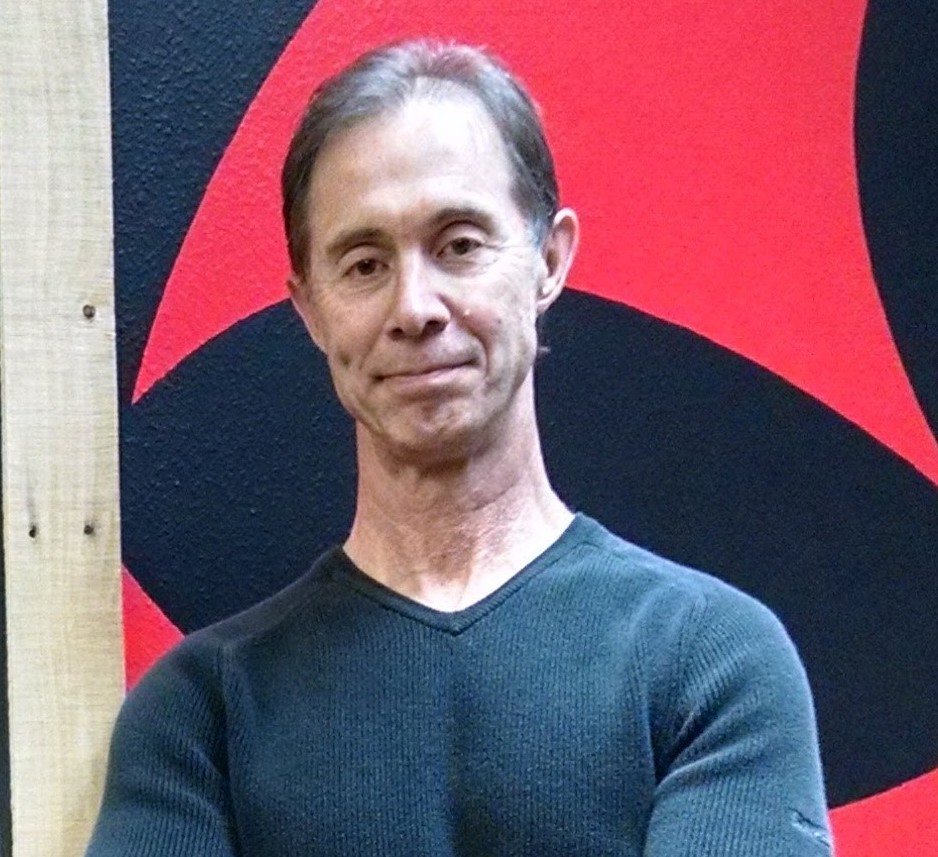
Glen and I are joined today by Rich Voss of Voss on Track Coaching. Rich is a highly accomplished track cycling racer and coach. Rich is a 5x masters world champion, 14x masters national champion, and he has coached 5 masters world champions plus many masters national champions. And, Rich has set 5 masters world records over the years. Yeah, Rich knows power: how to train with power, how to build and recruit fast-twitch muscle fibers, how to get the most out of what you got from “mom and dad”. But that’s not all, Rich is a master at athletic longevity….knowing how to stay in the athletic game for a long time by focusing on camaraderie and health as the basis for long-term high performance and enthusiasm for sports. Be sure to listen to the entire episode as Rich offers his best advice for improving your sprint near the end of our talk. It is definitely worth your time. In our talk with Rich, we discuss the following topics (in order): GeneticsMuscle Fiber trainabilityVO2 Max trainingGoals vs. interestsTime managementGym workRecoveryBuilding a better sprint, even if you are not a sprinter.Camaraderie I think you’ll find it interesting, and you might even pick-up a few tricks for getting stronger on the bike. You can find Rich and the Hammer Racing Team at: http://hammerracing.club/
S1 Ep 17#17 – Biggest Mistakes by Masters Athletes
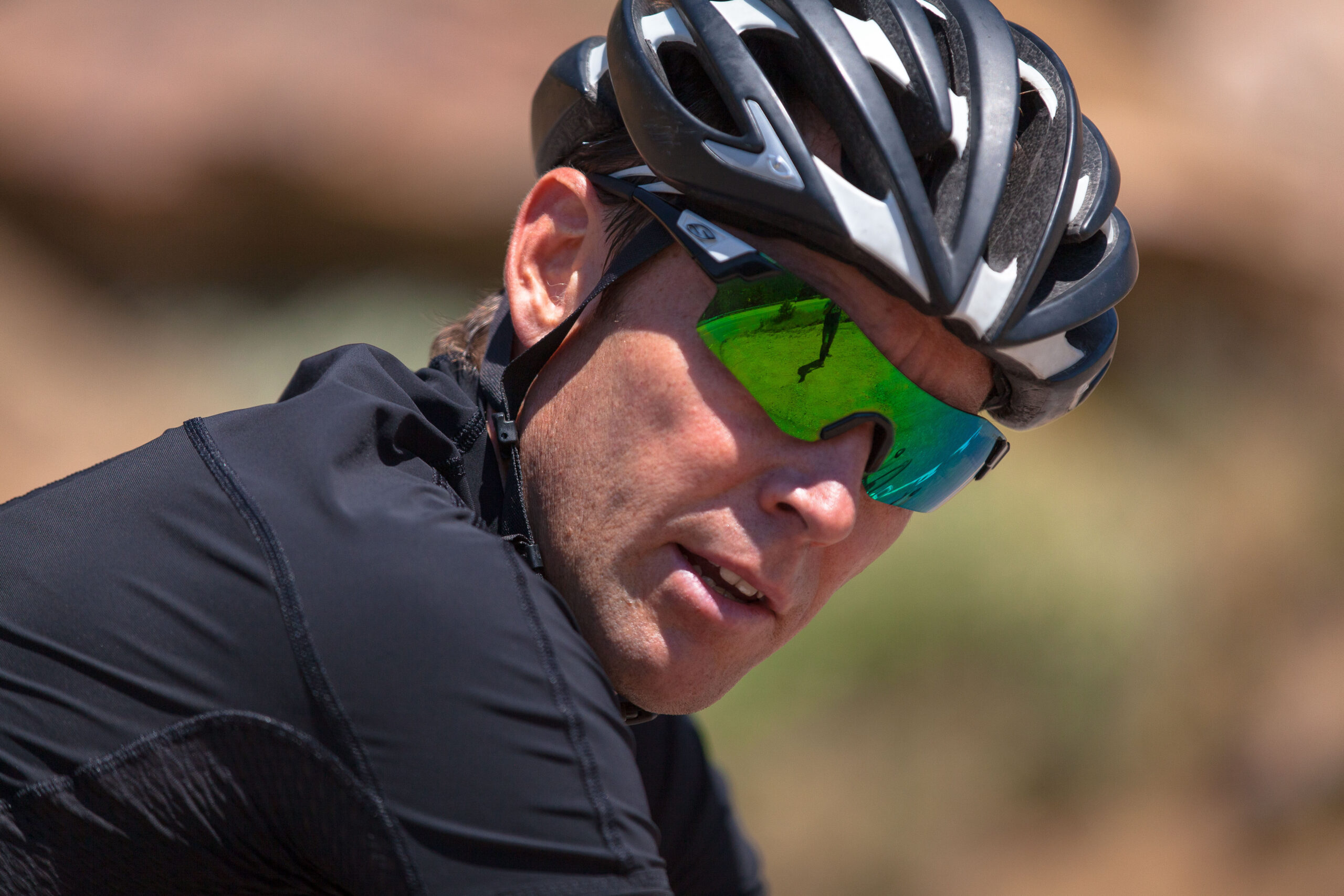
Glen and I are joined once again by Jeff Winkler of Winkler Cycling (winklercycling.com) in Boulder, Colorado. You’ll recall that Jeff is a Category 1 USAC coach who has over 30 years of experience in bicycle racing. He started racing as a junior athlete and rose up through the ranks to become a professional cyclist racing in the U.S. and Europe. As a coach, Jeff has worked with racers in road, track, cyclocross and mountain bike disciplines, working with novice to professional athletes. I thought it would be easy to come up with a list of common mistakes made by masters athletes, but I was wrong. “Mistakes” per se are contextual, and masters athletes in particular have a wide variety of goals. We settled on discussing a set of areas where mistakes are easy to make for masters athletes in particular as a result of aging or health issues that seem to arise or become more prominent as we get older. In general, I think it is safe to say that we are speaking to masters athletes who fall into a range defined as: At one end is the masters racer, who is emphasizing athletic performance but is also interested in not undermining health and wellness.At the other end is the masters athlete who is emphasizing health and wellness but also interesting in getting better / stronger / faster in his or her sport, and improving over time or limiting losses that may be unavoidable due to aging or shrinking time allocated to athletics. Health issues that tend to appear later in life due to aging: Sleep issues/ recovery slowing / more aches and painsIncreasing body fat – slowing metabolism (drives a desire to burn calories)Emerging general health issues: cardiovascular issues, metabolic (diabetes), brain health, joint health, cancerDecreasing testosterone, muscle mass…this becomes a serious issue eventually. The lost muscle mass is mostly fast-twitch fibersDropping VO2 max….decreasing max heart rate, 10% per decade after 30 (can lower to 5% with exercise)Decreasing elasticity in connective tissue: getting stiffer and less flexibleWorsening posture and muscle imbalances (stiffness, maybe pain) Other issues that emerge over time: Doing the same thing year after year – a loss of novelty & fun…losing the passionEgo caught up in athletic performance – a loss of fun as performance declines…More time constraints; limited time for exercise or less willing to spend as much time . Biggest Mistakes made by Masters Athletes: Not enough high intensity training (vs. endurance, tempo, and threshold)Too much high intensity training (thinking that HIIT is enough)Insufficient cross training (strength, mobility, balance, muscle activation)Buying into the "I'm getting old" story (no longer testing limits, playing it too safe)Not being proactive about recovery and health. You can find Jeff Winkler at https://winklercycling.com/
S1 Ep 16#16 – It Takes a Team to Beat Cancer
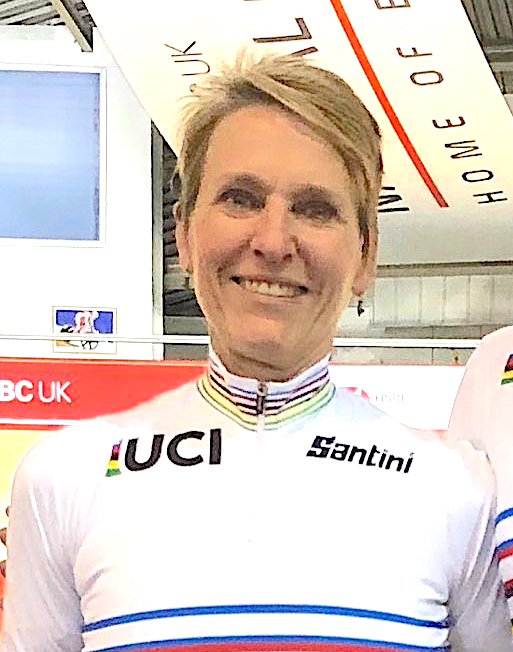
Today, we are joined by Mindee Stevenson, who is the current masters world champion in the team pursuit. Mindee has been winning races on the velodrome for many years. After winning the Masters World Championship in the Team Pursuit in 2019, Mindee discovered she had bladder cancer. Listen in as Mindee walks us through her racing as an elite cyclist, and her later return to racing as a masters athlete to become world champion. Mindee also describes her battle with cancer, and how her coach and team are so important to her fight.
Bonus: Error of the False Proxy
bonusBack when I was a mountaineer and rock climber, and looking for funny but true sayings to help guide me in moments of need…moments of high risk…moments of trying to explain to other people why the hell was I doing these crazy death defying acts of adventure. I came up with a list of rules and laws…principles that I found helpful. Some of these are I think helpful just in general, and once in a while I’ll share one here on the Wise Athletes podcast. Here’s the second one, which I should have mentioned first as it is central to the Wise Athletes idea: Don’t confuse measurements of what is commonly or conveniently called ‘success’ such as race wins, racing category upgrades, miles run or ridden, Strava Achievements, feet skied, PRs, 14ers climbed, etc. with your true goals, which should be something like: happiness, health, full & long life. The former are just metrics, which are useful for easy tracking of progress, and perhaps for motivation. But don’t forget what you really want from your athletic endeavors. It is easy to mistakingly substitute one for the other when you aren’t paying attention. I call this the Error of the False Proxy:
S1 Ep 15#15 – Concussion: Yes or No?
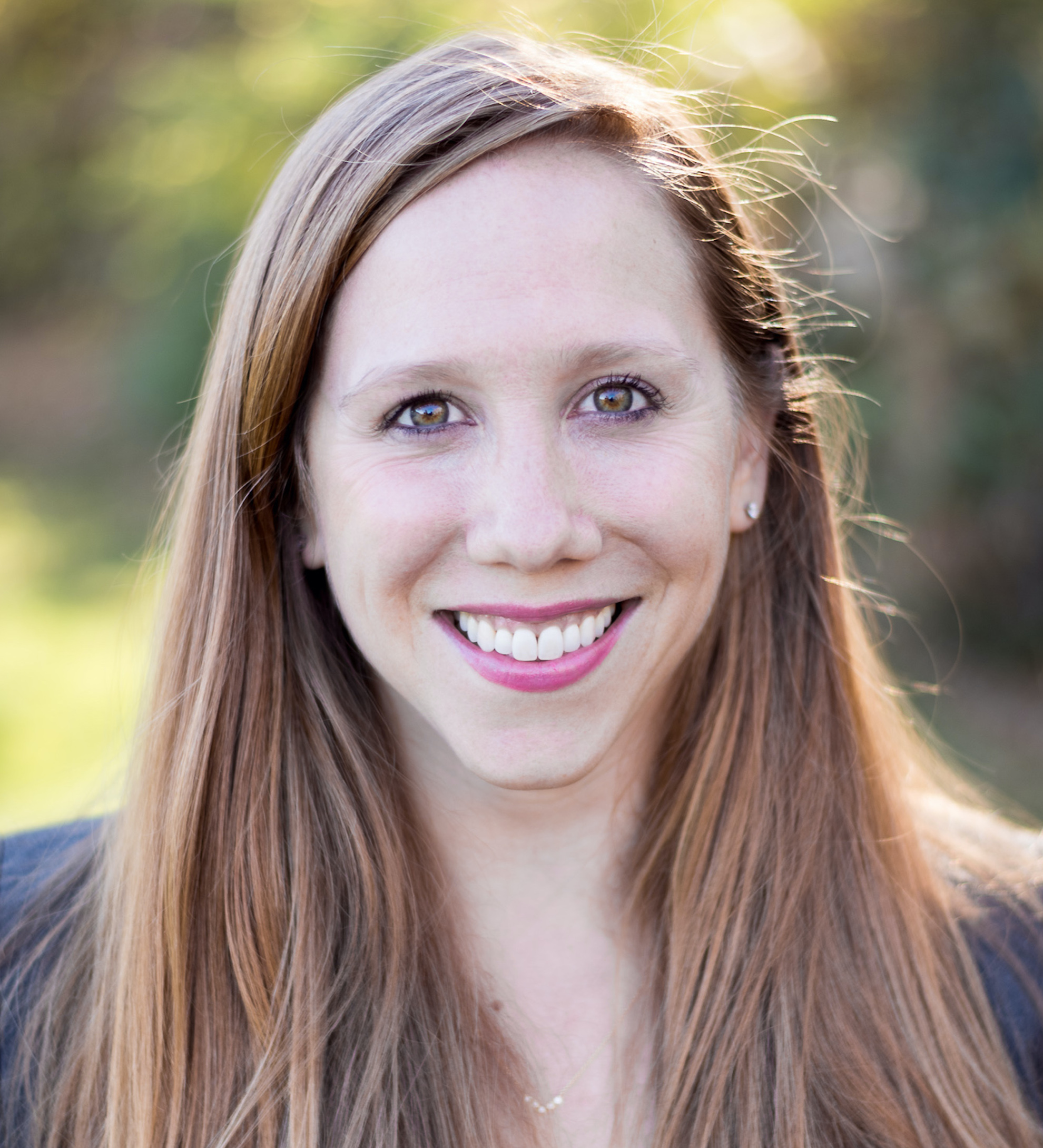
Today, I am joined by Sarah Brittain is the founder and CEO of Colorado Concussion Clinic, a clinic that provides evidence based care to people with head injuries. Sarah Brittain has a Master of Science degree in Communication Science and Disorders from MGH Institute of Health Professions in Charlestown, Massachusetts and a Bachelor of Science degree in Biomedical Engineering from Washington University in St. Louis. She is an active member of the Brain Injury Alliance of Colorado's (BIAC) board. Joining in the discussion with Sarah is Brian Heber, a cycling friend who was hit on his bike by a vehicle 7 years ago resulting in a traumatic brain injury from which he is still recovering. Brian agreed to share his story and lessons learned. According to the CDC, a concussion is a type of traumatic brain injury—or TBI—caused by a bump, blow, or jolt to the head or by a hit to the body that causes the head and brain to move rapidly back and forth. This sudden movement can cause the brain to bounce around or twist in the skull, creating chemical changes in the brain and sometimes stretching and damaging brain cells. Listen in as Sarah explains the causes and consequences of brain injury, which can be particularly bad for children and older adults. She shares her knowledge about what to look for immediately and in the days afterward, and what to do to heal as fast and as well as possible. After listening to Sarah, you’ll be armed with the critical information we all need for quickly assessing and helping friends make good decisions in the immediate aftermath of a crash. Are they okay to get back on the bike? Should they go to the ER? Should you call 911? All of this information and more is on today's episode. Colorado Concussion Clinic: healmyconcussion.com [email protected] phone: (303) 932-2030 UCI Concussion Protocol: https://www.uci.org/docs/default-source/medical/2020-uci-cycling-specific-sport-related-concussion-protocol.pdf Bicycle Helmet Safety Institute: https://www.bhsi.org/buying.htm Virginia Tech Helmet Ratings: https://helmet.beam.vt.edu/bicycle-helmet-ratings.html Mayo Clinic on Concussion: https://www.mayoclinic.org/diseases-conditions/concussion/symptoms-causes/syc-20355594
S1 Ep 14#14 – Solving Athlete Pain with Charlie Merrill, PT
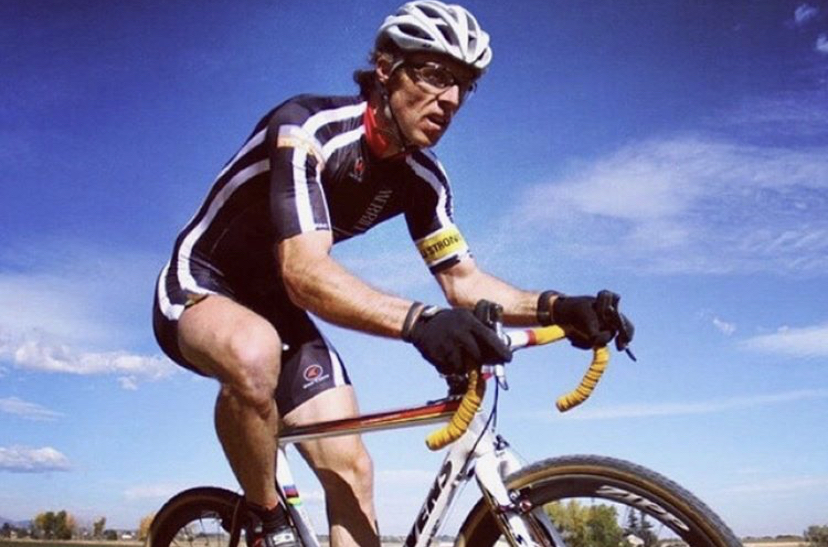
Today, Glen and I are joined by Charlie Merrill, PT in Boulder, Colorado. Charlie is a Physical Therapist who has been serving the Boulder community and athletes for over 20 years. Over the past few years, Charlie has added pain science and more psychologically informed modalities to his manual therapy and biomechanical toolkits. He emphasizes the body and mind in identifying physical AND psychological/social factors that result in physical symptoms, like pain. Charlie says the source of most athlete’s pain is often not what you’d expect and you can now work with him remotely at Lin Health, a new pain management platform. Charlie's website is Mperformance.com Charlie's new pain management platform: https://www.lin.health/ Charlie's Youtube channel has nearly 200 videos with free content: https://www.youtube.com/channel/UCinoyk46RyzA1v6PqbUl8_w Charlie's and Dr Howard Schubiner's upcoming professional training for clinicians: https://adlpages.lpages.co/beyond-pain-education-registration/ I learned from Charlie that there is a disconnect between pain and structural damage in the body. What regular people think is true is that pain indicates something wrong, something damaged...that pain is a signal to slow down, be careful, let the damage heal. But that is not always true. Pain comes from the brain. Listen in as Charlie explains the science and practice of solving pain issues for athletes. Some topics we touch on: What is pain and where does it come from? Is pain the same as damage to the body?What is pain that seems to come out of nowhere?What is chronic pain? Is it caused by damage to the body?Are overuse injuries real? Is Wear and Tear for athletes a thing?How to tell and how to deal with pain that is not related to damage in the body? Advice for the older athlete who wants to remain strong and active for a long time? (Hint: add fun, pursue novelty, connect with your psychology) The twin peaks model I referenced from the book "Explain Pain"Which can be downloaded here. It's excellent for anyone to read: https://www.noigroup.com/product/explain-pain-second-edn-epub/ Other Resources: Wise Athletes Recovery Deep Dive Wise Athletes Recovery https://www.stitchttps://www.stitcher.com/show/cycling-in-alignment/episode/4-charlie-merrill-the-psycho-social-considerations-of-pain-70104112her.com/show/cycling-in-alignment/episode/4-
S1 Ep 13#13 – Racing on Zwift: For Fun, Fitness & Safety
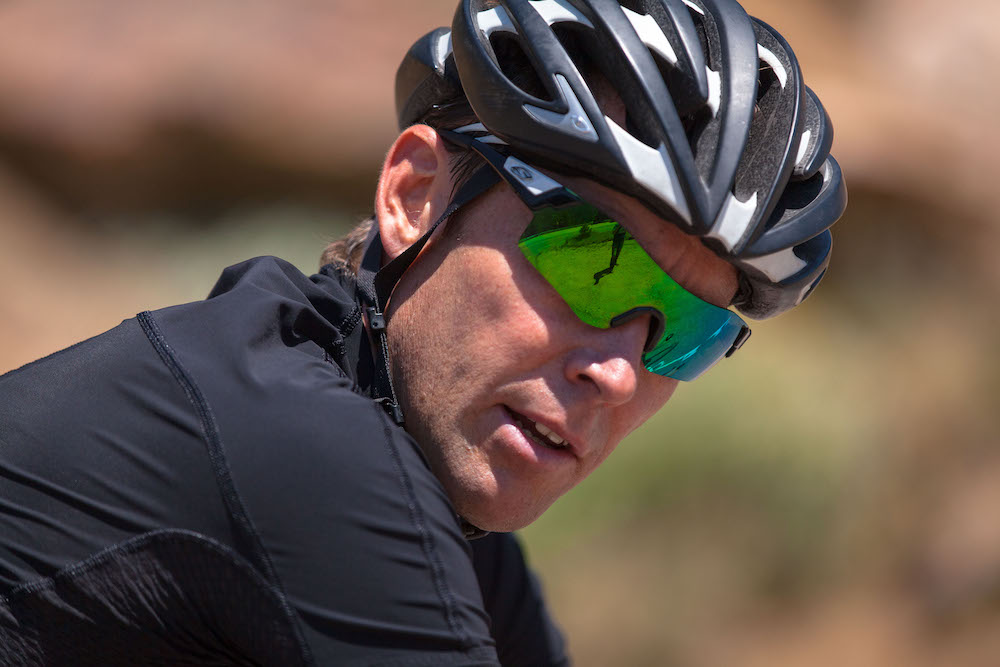
Today, Glen and I are joined by Jeff Winkler of Winkler Cycling in Boulder, Colorado. Jeff is a Category 1 USAC coach who has over 30 years of experience in bicycle racing. He started racing as a junior athlete and rose up through the ranks to become a professional cyclist racing in the U.S. and Europe. As a coach, he has worked with racers in road, track, cyclocross and mountain bike disciplines, working with novice to professional athletes. I met Jeff racing on Zwift, the largest of the social, riding virtual platforms. In this episode, we will discuss Zwift and the benefits of virtual training and racing. Listen in to hear us discuss how Zwift and other virtual platforms can aid you in your efforts to be stronger / faster / better in your sport, while adding advantages not found in the “real” world. Jeff Winklerwww.winklercycling.comFB: winklerjeffIG: jeffwinkTwitter: jeffwink Glen WinkelBRAC: www.coloradocycling.org/Website: www.glenwinkel.com/ ------ Here is a summary of the Zwift on a Budget video below: 1) Software: Download the Zwift app to your laptop or desktop. It can also run on your iPad, or phone. 2) Trainer: Zwift works best with smart trainers, but it can work well with traditional trainers too. You will need sensors for Zwift to understand how fast and hard you are riding. 3) Sensors: Be sure to have a rear wheel speed sensor that is Bluetooth or ANT+. It is best if you also have a cadence sensor that does the same. A power meter and/or a heart rate monitor that has Bluetooth / ANT+ are great extras / alternatives, but not necessary for a basic setup. 4) Zwift Companion App: Download this one to your phone. YES, Zwift uses TWO Apps to work! It helps you to find races and rides, and has many other functions you can use while you are riding.
S1 Ep 12#12 – Physical Therapist Bike Fitter: Stop Pain & Boost Power, A Case Study
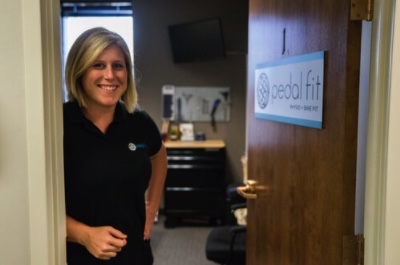
Bike Fitting has always seemed like a high art. There is definitely something to it, and a few bike fitters seem to have it but most don’t for some reason. It must be hard to know how to put an asymmetrical body built for walking and running upon a perfectly symmetrical bicycle which requires perfect circles of power deployed in a bent-over, aerodynamic position without compromising the ability to breathe. And that would be the easy scenario with a perfect body that has no dysfunctional neuromuscular patterns, no muscle imbalances, no adaptations to an old, bad bike fit, unresolved injuries, or compensated weaknesses. Well, it’s the rare cyclist or triathlete who feels a perfect connection to the bike. If you are like me, you’ve been tinkering with your setup for years, and reluctantly sought out experts once in a while only to continue tinkering. Surely there is a better way. Recently, I’ve been hearing about the existence of bike fitters who are experts in the human body first, and then experts in fitting a bike to a body. When I discovered that a friend of mine, Brian Heber, was getting a bike fit from a doctor of physical therapy, I just had to tag along. Listen in as Brian and I talk to the physical therapist bike fitter, Natalie Collins, PT, DPT, COMT, Cert. FDN, BikePT, owner of PedalFit in Denver, Colorado. Natalie and Brian talk about their experience working together to resolve Brian’s pain and increase his power via a combination of targeted exercises for Brian and a few small but important changes to his position on his bike. Brian was even able to keep his aggressive handlebar position! I think you’ll be amazed at how much improvement is possible by making a few, perfect changes. Natalie Collins, PT, DPT, COMT, Cert. FDN, BikePT https://www.pedalfitpt.com/ (720) 460-1106 [email protected]
The Rule of Adventure
bonusBack when I was a mountaineer and rock climber, and looking for funny but true sayings to help guide me in moments of need…moments of high risk…moments of trying to explain to other people why the hell was I doing these crazy death defying acts of adventure, I came up with a list of rules and laws…principles that I found helpful. Some of these are I think helpful just in general, and once in a while I’ll share one here on the Wise Athletes podcast. The first one is this: Rule of Adventure: being ‘too smart’ to take a chance is no excuse for missing out on ‘life’; it is only impossible until it isn’t. “Opportunities multiply as they are seized” — Sun Tzu
S1 Ep 11#11 – Endurance Athlete’s A-Fib, Part 2
A-Fib in Endurance Athletes…part 2 Hello and welcome. You are listening to the Wise Athletes podcast, where we invite you to join our journey to understand how older athletes can achieve high performance AND longevity in athletics…… I am Joe Lavelle with Dr Glen Winkel, and this is episode 11 of our podcast. If you are like me, you know a disconcerting and growing number of older endurance athletes who have A-Fib, which stands for atrial fibrillation. Perhaps you already have it, like our own Dr. Glen Winkel. In any case, if you have been paying attention, you have legitimite questions about the possibility of too much exercise or too much high intensity exercise injuring your health. After all, the last thing any of us want is to cause our own heart health problems through our efforts to remain strong and active. Today we will hear from Dr Glen Winkel in part 2 of a two-part podcast about his personal journey with A-Fib. When Glen discovered he had A-Fib in 2004, he went deep into the science to uncover solutions that have worked for him to retain his ability to be an endurance athlete well into his 6th decade, and he’s not done yet. Listen in as Glen describes his experience starting with confusion and disbelief. At first he ignored the strange feeling he had in his body, and the impact it had on his athletic performance. Glen expected, and later merely hoped the symptoms would go away. But as the symptoms became worse, Glen eventually accepted that he needed help. Glen describes his symptoms and the medical treatments he eventually received: some were helpful and others were not. Glen describes the techniques he developed for himself and the supplements he found to manage and reduce the symptoms of A-Fib. The potential for A-Fib to cause strokes is a scary outcome for anyone but especially for the endurance athlete who works so hard to stay healthy, and for whom being strong and active is such an important part of life. We present this information so all wise athletes can watch for symptoms and make good decisions in balancing risk and reward. In part 1 we covered (https://www.wiseathletes.com/podcast/dr-glen-winkels-personal-journey-with-a-fib/): What is atrial fibrillation? Why ignoring AFib is a bad strategy.What may have caused and worsen Glen’s AFib as an endurance athletes?Some potential triggers for Glen’s A-Fib episodes In part 2 we cover: Supplements that have helped Glen reduce the occurrence and severity of A-Fib episodesMore potential triggers of Glen’s A-Fib episodesGlen’s symptoms of A-Fib: in exercise and during restWhat Glen would have done differently if he could get a do-overGlen’s medical treatments: some that helped, some that didn’t This information is not offered as medical advice as we are not medical practitioners. Health, Redefined. by Thorne When you log in please use link https://www.thorne.com/u/moxiemoms and create an account. You will receive 20% off all products except bundles (buy items separately to receive the discount) and tests (small margins on incredible tests so they are unable to offer discounts).
S1 Ep 10#10 – Endurance Athlete’s A-Fib, Part 1
A-Fib in Endurance Athletes…part 1 Hello and welcome. You are listening to the Wise Athletes podcast, where we invite you to join our journey to understand how older athletes can achieve high performance AND longevity in athletics…… I am Joe Lavelle with Dr Glen Winkel, and this is episode 10 of our podcast. If you are like me, you know a disconcerting and growing number of older endurance athletes who have A-Fib, which stands for atrial fibrillation. Perhaps you already have it, like our own Dr. Glen Winkel. In any case, if you have been paying attention, you have legitimite questions about the possibility of too much exercise or too much high intensity exercise injuring your health. After all, the last thing any of us want is to cause our own heart health problems through our efforts to remain strong and active. Today we will hear from Dr Glen Winkel in part 1 of a two-part podcast about his personal journey with A-Fib. When Glen discovered he had A-Fib in 2004, he went deep into the science to uncover solutions that have worked for him to retain his ability to be an endurance athlete well into his 6th decade, and he’s not done yet. Listen in as Glen describes his experience starting with confusion and disbelief. At first he ignored the strange feeling he had in his body, and the impact it had on his athletic performance. Glen expected, and later merely hoped the symptoms would go away. But as the symptoms became worse, Glen eventually accepted that he needed help. Glen describes his symptoms and the medical treatments he eventually received: some were helpful and others were not. Glen describes the techniques he developed for himself and the supplements he found to manage and reduce the symptoms of A-Fib. The potential for A-Fib to cause strokes is a scary outcome for anyone but especially for the endurance athlete who works so hard to stay healthy, and for whom being strong and active is such an important part of life. We present this information so all wise athletes can watch for symptoms and make good decisions in balancing risk and reward. In part 1 we cover: What is atrial fibrillation? Why ignoring AFib is a bad strategy.What may have caused and worsen Glen’s AFib as an endurance athletes?Some potential triggers for Glen’s A-Fib episodes In part 2 we cover: Supplements that have helped Glen reduce the occurrence and severity of A-Fib episodesMore potential triggers of Glen’s A-Fib episodesGlen’s symptoms of A-Fib: in exercise and during restWhat Glen would have done differently if he could get a do-overGlen’s medical treatments: some that helped, some that didn’t This information is not offered as medical advice as we are not medical practitioners. Health, Redefined. by Thorne When you log in please use link https://www.thorne.com/u/moxiemoms and create an account. You will receive 20% off all products except bundles (buy items separately to receive the discount) and tests (small margins on incredible tests so they are unable to offer discounts).
S1 Ep 9#9 – Pedaling a Bike: Glute your way to bigger power & less fatigue
Today we will hear from our own Dr Glen Winkel about an innovative pedaling technique he developed from his experience with speed skating. Glen says the key is glute recruitment, and the ability to use glutes in addition to quads and other leg muscles to apply power to the pedals for as much of the pedal stroke as possible. Glen says he was seeking a way to use more of his muscle mass to save his quads for his finishing sprint, and he learned about using his glutes in speed skating. He thought he would try to find a way to make it work on a bike to increase power while reducing the stress on any single muscle group. On our podcast today, hear Glen tell his story and describe his technique for becoming more efficient and powerful in pedaling a bike. Health, Redefined. by Thorne When you log in please use link https://www.thorne.com/u/moxiemoms and create an account. You will receive 20% off all products except bundles (buy items separately to receive the discount) and tests (small margins on incredible tests so they are unable to offer discounts).
S1 Ep 8#8 – Sarah Fader of Speed Logic: FTP is NOT enough
Today we will hear from Sarah Fader, owner and coach at Speed Logic, which provides provides Olympic Caliber Cycling coaching, specializing in Speed, Power, and Strength. A few of the topics discussed: FTP is a poor metric for prescribing training plans, especially for the sub-hour event athlete. "Increasing FTP" is not a useful goal for most cyclistsNot enough time is NOT a problem for the older athlete: if experienced, focus on weaknesses; if new, gains will come easilyFun = motivation. There are many ways to achieve targeted adaptation...it's the coaches job to keep the fun in cycling while working toward goalsHealth = Performance = Health. Training / eating / sleeping for performance is the same as for healthRecovery is key, and is incorporated into workout design via measured stress, leveraging one energy system to recover the next, and engineered cool-downs Sarah has been an Olympic Development Program Coach for USA Cycling, she Managed and Directed a UCI professional Women's team, and she was a Professional Cyclist for 11 years. Her accomplishments as an athlete and as a coach are certainly impressive, but what brings her to Wise Athletes is her work with Masters Athletes. Sarah somehow squeezes in a lucky few older athletes into her practice. I personally know two of her masters athletes who rave about the results they’ve had. We asked Sarah to join us on Wise Athletes to share her wisdom about cycling training for the masters athletes, and in particular her thoughts about FTP as a singular metric and guide to training. Sarah is not a fan of FTP, and she explains her thinking about what she doesn't like about FTP as a basis for training programming. Sarah has a mature perspective on the masters athlete, and she knows how to help the masters athlete reach their goals while staying motivated and healthy. She says data is important but it isn’t enough. Listen in as we hear Sarah’s background and benefit from her experience and wisdom. You can find Sarah at these links: Email- [email protected] Website- speedlogicperformance.com Instagram - speed_logic_performance
S1 Ep 7#7 – Brian Hannon of Boulder Bicycle Works: Bike Maintenance Guru
Today we will hear from Brian Hannon, the owner / mechanic at Boulder Bicycle Works, which just happens to be my favorite bike maintenance and repair shop. I’ve been a customer of Brian’s for several years now; I have learned to respect his deep knowledge of bikes and come to lean on him more and more. Of course Brian is a very knowledgeable and capable bike guy, but it turns out his cycling roots go back a long way and cover big chunks of the globe. I shouldn’t have been so surprised but I was, and I bet you’ll be amazed as well. We asked Brian to join us on Wise Athletes to share his wisdom about bike maintenance. I have often found the watch-like nature of today’s high-end bikes to be frustrating when I wasn’t just simply amazed at how awesome these machines can be. Brian reveals the low hanging fruit / the stuff that even I can manage to do to keep my bike working well and safely without spending a lot of money. Listen in as we hear Brian’s story and benefit from his wisdom. As always, Glen and I hope you find this information helpful in your quest to become a wise athlete. Brian's recommended products: (1) Rohloff Caliber 2 chain wear indicator. This tool will last a lifetime, is quick and easy to use and instantly shows how much wear you have on your chain. (2) Park Tool ATD-1.2 adjustable Torque Driver. This is great for home use. Will do the common toque specs for stem/bar fasteners and includes all the common bits. (3) Squirt Lube (wax based dry lube). For petroleum based dry lubes I like Rock-N-Roll Absolute Dry. Contact info: www.boulderbicycleworks.com 2886 Bluff St.Boulder, CO 80301 720.287.2884 https://www.facebook.com/boulderbicycleworksbikeshop https://www.instagram.com/boulderbicycleworks/
S1 Ep 6#6 – John Ooyen, 78 yo Wise Athlete: The Value of Social Connection in Athletics
Join Dr. Glen Winkel and Joe Lavelle on Wise Athletes as we hear from John Ooyen (@OoyenJohn), a Nederland, Colorado resident and 78 year old Wise Athlete about the real value of athletics in living a long, healthy, and meaningful life. Glen and I have known John for several years. We asked John to join us on Wise Athletes to share with us his secrets to athletic longevity. I was hoping for secret elixirs and lost recovery techniques, but John surprised me. John’s pearls and rubies on the value of remaining athletic throughout life are far more meaningful and central to the philosophy of Wise Athletes than the rough garnets I hoped to find. Listen in as we hear John’s tale and benefit from his wisdom about the value of camaraderie and social connection, and in the rich opportunities to make and help athletic friends...and how that makes all the difference in achieving and enjoying a long, healthy and meaningful life. Health, Redefined. by Thorne When you log in please use link https://www.thorne.com/u/moxiemoms and create an account. You will receive 20% off all products except bundles (buy items separately to receive the discount) and tests (small margins on incredible tests so they are unable to offer discounts).
S1 Ep 5#5 – Strength Training with Erin Carson
On episode 5 of the Wise Athletes podcast, Dr. Glen Winkel and I are joined by Erin Carson, Owner of ECFIT and RallySport to discuss strength training for the older endurance athlete. Erin is a highly respected strength coach serving masters athletes as well as elite and professional athletes. She joins us on episode 5 to talk about the importance of strength training for the older athlete who wants to be faster / stronger / better AND look better in the mirror. We'll hear about how strength gains can come from simple body adjustments as well as safe weight lifting practices. Erin can be found at ECFITstrength.com and on social media as ECFIT. Erin's fitness app is ECFITondemand, which can be found on iTunes and the Google Playstore. Use code WISEATHLETE for a 25% savings on the price of a subscription to ECFITondemand.
S1 Ep 4#4 – The carbohydrate conundrum
Listen in to hear Dr Glen Winkel describe his journey to use a ketogenic diet to improve his health and his cycling racing results. Health, Redefined. by Thorne When you log in please use link https://www.thorne.com/u/moxiemoms and create an account. You will receive 20% off all products except bundles (buy items separately to receive the discount) and tests (small margins on incredible tests so they are unable to offer discounts).
S1 Ep 3#3 – A Deeper Dive on Recovery
How to need less recovery? How to make your body better at recovery? What to do after exercise to accelerate recovery? All of that and more on episode 3 of the Wise Athletes podcast with Dr. Glen Winkel and Joe Lavelle. Health, Redefined. by Thorne When you log in please use link https://www.thorne.com/u/moxiemoms and create an account. You will receive 20% off all products except bundles (buy items separately to receive the discount) and tests (small margins on incredible tests so they are unable to offer discounts).
S1 Ep 2# 2 – Recovery: Why is it so hard to do right?
What is recovery? Why do we need to recover from exercise? Why is recovery especially important for older athletes? Listen in as Dr. Glen Winkel and I discuss this critical topic for older athletes. Health, Redefined. by Thorne When you log in please use link https://www.thorne.com/u/moxiemoms and create an account. You will receive 20% off all products except bundles (buy items separately to receive the discount) and tests (small margins on incredible tests so they are unable to offer discounts).
S1 Ep 1# 1: Wise Athletes Podcast Begins
Join Dr. Glen Winkel and I as we perform our first recording, and attempt to explain why we are doing Wise Athlete. Health, Redefined. by Thorne Use link https://www.thorne.com/u/moxiemoms and create an account. You will receive 20% off all products except bundles (buy items separately to receive the discount) and tests (small margins on incredible tests so they are unable to offer discounts).
Episode 0: About Wise Athletes
trailerA brief description of the Wise Athletes podcast. I recommend you listen for 2 minutes to find out if Wise Athletes promises to share the information you are looking for. If you are an older athlete, like me, I predict you will be interested.