wise athletes podcast
195 episodes — Page 1 of 4
#185 | GLP-1: Microdosing? | Vyvyane Loh MD
#184 | Aging Athlete Heart Health | Guido Claessen PhD
#183 | VO2Max or What? | Mike T Nelson, PhD
#182 | Leveraging Energy Stress | Jose Areta, PhD
#181 | No Time for Pain | Rick Olderman MSPT
#180 | The Art of Avoiding Injury | Jeremy Bettle, PhD
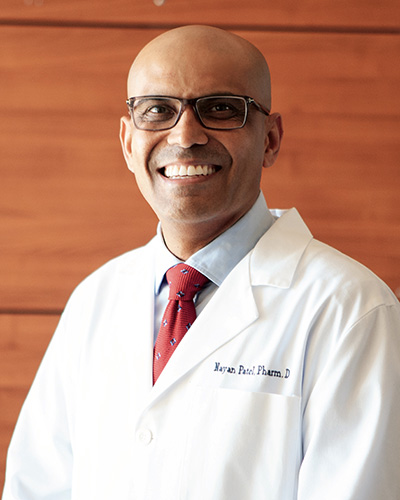
S6 Ep 179#179 | TRT: Less is More | Nayan Patel PharmD
Professional Supplements for Wise Athletes (click to see the "always on" discount) Nayan Patel, PharmD Doctor of Pharmacy (PharmD) degree from the University of Southern California School of Pharmacy and serves as adjunct faculty there. Hormone health influences everything from energy and sleep to mood, metabolism, and libido—yet mainstream treatments are often driven by generic protocols and limited lab interpretations. Dr. Patel has helped thousands of patients find clarity and results by looking beyond “normal” hormone levels and building therapy around how people actually feel and function. He offers a practical view into what personalized hormone care should look like—and where most systems are getting it wrong. He is globally regarded as an expert on glutathione, a molecule often referred to as the “master antioxidant,” and is recognized for research into its absorbable forms. He has authored a book titled The Glutathione Revolution: Fight Disease, Slow Aging & Increase Energy with the Master Antioxidant. Find Dr Patel here: centraldrugsrx.com and here: aurowellness.com Discussion Points The hard truth is that you cannot inject your way out of a broken lifestyle Sex hormone optimization is a necessary but small piece of the puzzle. Extra (more than the minimum) TRT is a poor solution to overcome poor lifestyle for stress and diet, and it comes with extra negative side effects. Find the least effective dose for your physiology; use bio-identical hormones (have to use every 1-3 days) How to “feel” like the young you. The solution pyramid is: Sex hormones— 10% (necessary for older athletes but not sufficient) Thyroid mgmt — 20% (pollution, autoimmune) Diet / insulin - 30% (over eating, visceral fat) Adrenals / Stress mgmt - 40% (lifestyle; sleep) Also have to address oxidative stress issues (glutathione). Related Episodes & Links: Episode 178 | Athletic Longevity isn't Easy | Brenden Egan PhD Episode 155 | Hormonal Triple Whammy | Kyle Gillett MD Episode 144 | Muscle for Athletic Performance | Mark Tarnopolsky MD PhD Episode 115 | Winning Athletic Longevity | Rick Cohen MD & Daniel Tawfik, Healthspan Episode 102 | Maximizing Performance Health | Jim Lavalle R.Ph. Help the show: 3 ways to support our show: Leave a review (or share this episode) Check out our Fullscript site to save big on high quality supplements. Thank you! Email us your questions at [email protected].
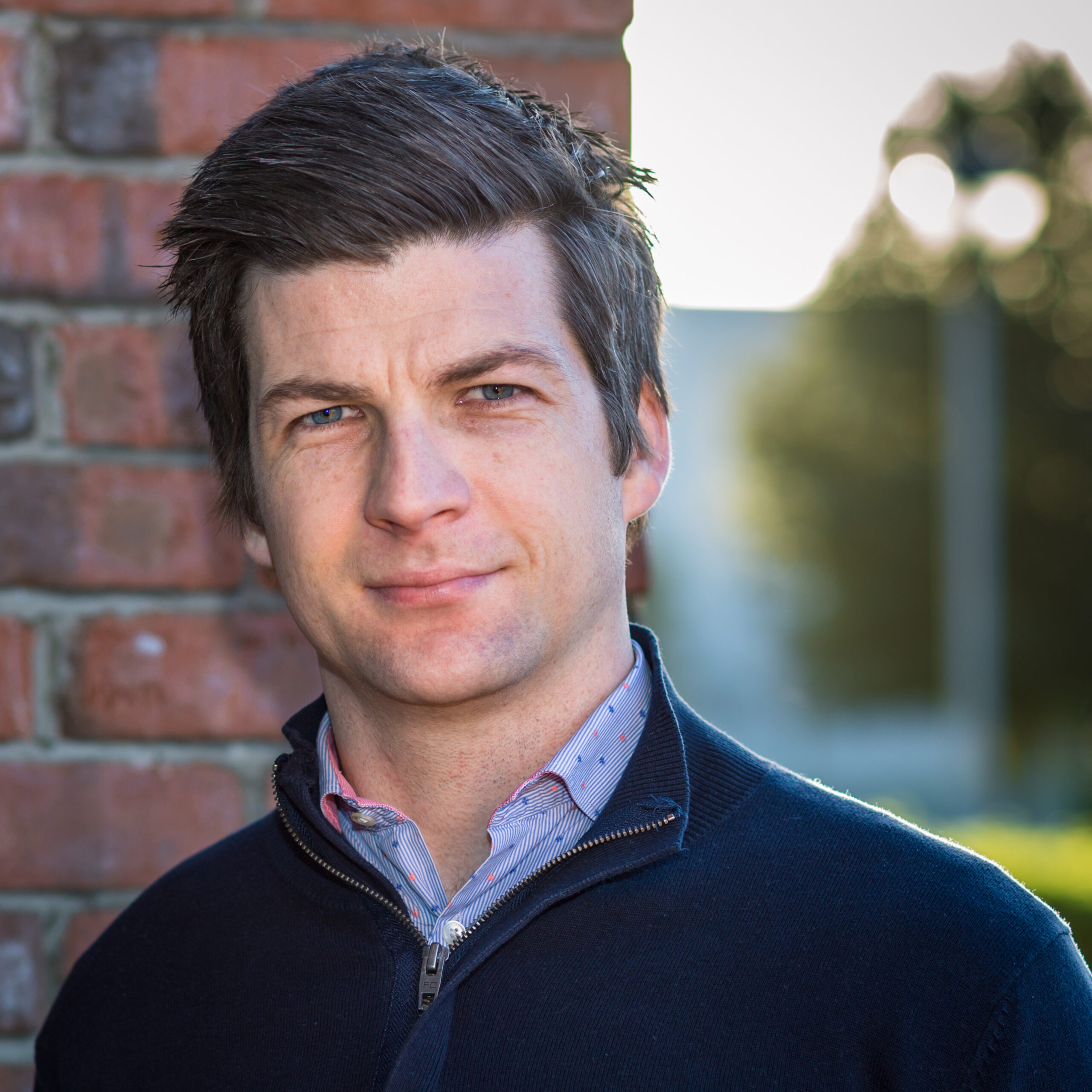
S6 Ep 178#178 | Athletic Longevity isn’t Easy | Brendan Egan, PhD
Professional Supplements for Wise Athletes (click to see the "always on" discount) Brendan Egan, PhD Associate Professor of Sport & Exercise Physiology at Dublin City University Associate Dean for Research (Faculty of Science & Health) Current research investigates skeletal muscle function and adaptation across the life course, with special interest in the synergy between nutrition and exercise interventions ranging from athletes to older adults. Nutrients investigated include caffeine, creatine, omega-3 fatty acids, resveratrol, leucine, protein hydrolysates, beetroot juice, and exogenous ketones. Outside of academia, through his sporting career as an Gaelic footballer, Brendan has had a lifelong association with sport, training and performance at all levels of competition from grassroots to elite level, and also practices in the field as a performance nutritionist with emphasis on intermittent field-based team sports, and endurance athletes, most recently with the Dublin Hurlers and the Irish Paratriathlon team. Find Brendan's work here: https://www.researchgate.net/profile/Brendan-Egan and contact info here: https://www.dcu.ie/researchsupport/research-profile?person_id=35443 https://sigmanutrition.com/episode591/ Discussion Points Personal Peak & Glide Path— peak as high and as late as possible, then hang on baby. “Use it or lose it”. It’s an old thing but now we lose faster and it’s harder to get back. Consistency is the name of the game now. Spikes in training load and intensity lead to injury which leads to inconsistent training. DO NOT GET INJURED! “I’m not what I was” — so true. I can't train like I used to because I can’t recover as quickly. (And don’t have as much time?)... and my body doesn’t respond to stimulus as well as it used to either...ergo, I'm not what I was. What to consider for improved recovery? Sleep, adequate protein, adequate carbohydrate fueling, hot/cold exposure, hydration, hypoxia exposure. Dr Egan likes a hot bath (me too). Testosterone falling? What else isn’t what it was? How important to get back to more youthful function of the body? Balancing calories surplus against calorie deficit. Keep fat and protein steady; ramp carbs to match activity (“fuel for the work required") Protein load: active older athletes probably don’t have anabolic resistance. May not need extra protein for age but probably do need extra for extra exercise. (1.5-1.6g/kg per day). It’s not a silver bullet of course. Collagen for tendons? It can t hurt. Get collagen into bloodstream right before (30 min?) workouts. Wallsits might help. Periodization of training. (3-5 weeks cycles). Keep it fun. Cover your bases. Build in time for recovery day to day as well as deep recovery every few weeks. Minimum effective dose? What is the least attention I can put into an area of fitness to keep it alive. Is there Inverted U shaped curve for fitness. More is better but too much is possible. Is that true? Too little time in other key elements of fitness? Performance vs. health and athletic longevity: with time and recovery constraints, older athletes in particular have serious limitations. If you put too much into one area of athleticism, you necessarily have to neglect others. What don’t you care about losing? What is happening beyond Use It or Lose It? gradual loss of recovery / healing / muscle growth ability declining growth hormone / sex hormones (anabolic resistance?) declining melatonin (sleep quality?) poorer blood flow (lower NO, damage to blood vessels) gradual increase in metabolic dysfunction less autophagy/ mitophagy (senescence, aging blood factors, ROS, lower cellular energy) higher insulin resistance higher chronic inflammation (over active immune function, visceral fat, viral load) Related Episodes & Links: Episode 154 Adaptive Range Expansion for Peak Performance | Mike T Nelson PhD Episode 144 | Muscle for Athletic Performance | Mark Tarnopolsky MD PhD Episode 116 | Grow Old -- Get Fast -- Don't Die | Phil Cavelle Episode 115 | Winning Athletic Longevity | Rick Cohen MD & Daniel Tawfik, Healthspan Episode 102 | Maximizing Performance Health | Jim Lavalle R.Ph. Episode 71 | Framework for Durability | Dr Nick Dinubile Episode 65 | Optimizing Aging Muscle | Brendan Egan PhD Help the show: 3 ways to support our show: Leave a review (or share this episode) Check out our Fullscript site to save big on high quality supplements. Thank you! Email us your questions at [email protected].

S6 Ep 177#177 | Bodycomp FMD | Renee Fitton MS RD
Professional Supplements for Wise Athletes (click to see the "always on" discount) Renee Fitton MS RD Renee is a Longevity Dietitian (she holds a masters degree in longevity nutrition earned with Dr Longo at UCLA) and she is the Director of Education at L-Nutra, the ProLon FMD company Using Fasting-Mimicking Diet (FMD) to manage body comp I’m not alone in my struggle to build muscle while reducing body fat. I recently completed an 18 month effort to do just that starting and ending with a Dexa scan to avoid any self deception. The results were not bad (16 —> 15% body) but I did not achieve my goal (I had essentially zero muscle growth and lost no visceral fat). I have always struggled with balancing calorie surplus (for recovery and adaption to exercise), with calorie deficit for body composition and achieving my goal of zero visceral fat. I guess I need more help, eh? In my talk with Renee we explore the topic of finding the minimum calorie and protein consumption (over time; not everyday) needed for the life I, you, anyone may want, And the use of cycles of growth (calorie surplus, high protein, hard exercise overload) and then rejuvenation (calorie deficit, low protein, fat loss, autophagy, mitophagy) to find the path that preserves vitality and health and builds a platform for a good life. The devil is in the details but in my mind the key is avoiding becoming addicted to the parts that makes us feel good about ourselves: the group we belong to, the way we look, the feeling of accomplishing something important. Such addiction leads to short term misallocation of invested time which leads to long term straying from the selected path. This is my own battle. Episode Resources fittennutrition.com Related episodes & links: Episode 142 | Balance Muscle & Longevity w/FMD | Joseph Antoun MD PhD Episode 137 | #1 Secret to Healthy Fat Loss | Vyvyane Loh MD Episode 135 | What's Your Healthy Fat%? | Vyvyane Loh MD Episode 144 | Muscle for Athletic Performance | Mark Tarnopolsky MD PhD Help the show: 3 ways to support our show: Leave a review (or share this episode) Check out our Fullscript site to save big on high quality supplements. Thank you! Email us your questions at [email protected].
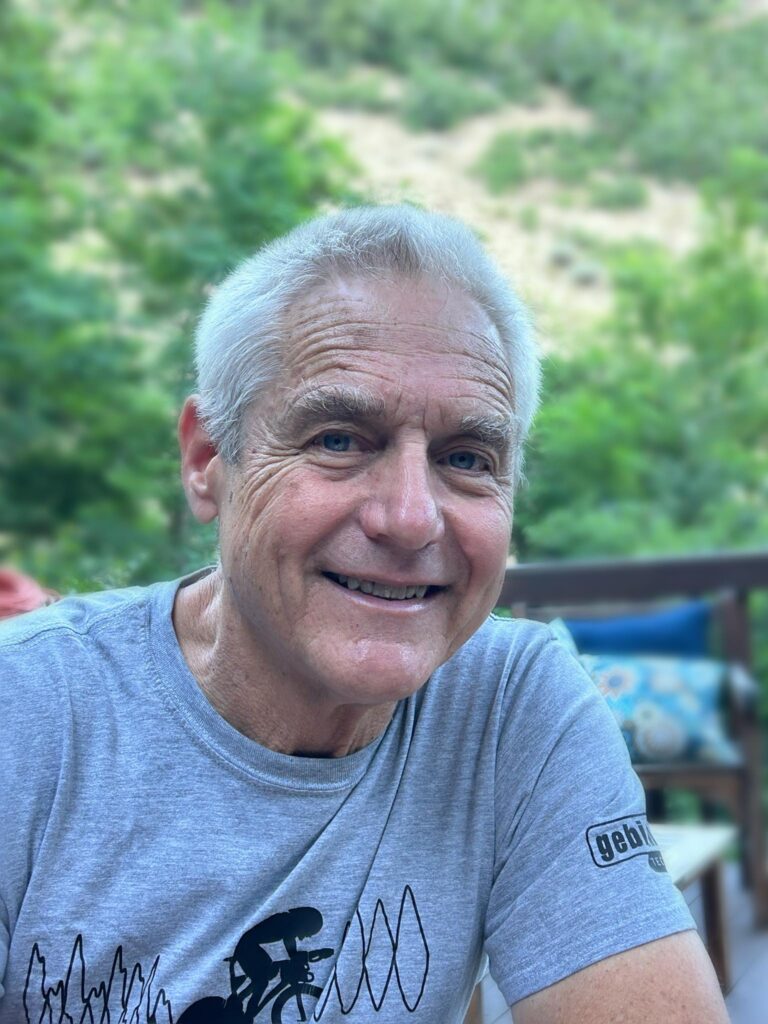
S6 Ep 176#176 | Truth in Cycling | Jim Martin PhD
Professional Supplements for Wise Athletes (click to see the "always on" discount) Jim Martin – The Cycling Scientist Dr. Jim Martin is a life-long competitive cyclist and well-known professor and researcher in exercise science whose work has had a strong impact on understanding cycling biomechanics and pedaling mechanics. He’s especially recognized for applying scientific methods to questions that many cyclists and coaches debate — like crank length, cadence, pedal stroke, and how muscles produce power on a bike. Topics Discussed? Crank length (mechanical advantage? Same crank length on all bikes for neuromuscular optimization? Cadence (higher cadence allows faster response to attacks vs. standing up to accelerate which reduces muscular endurance). Faster cadence reduces variation in power generated during pedal stroke which preserves muscle endurance Quad vs. glute power dominance / pedaling technique: unweight hands. Pedaling technique: perfect circles like a mountain bike rider, mashing (like when standing up), pulling up to “unweight” the pedal coming up, and “scraping mud off shoe” (LeMond) Any training recommendations? Single leg training? Why? How? Eccentric or muscle lengthening training? How to train it? Papers Reprint Determinants of Metabolic Cost JAP Reprint Determinants of Maximal Cycling Power Crank Length and Submaximal Biomechanics Related episodes & links: Episode 106 | Pain Free Cycling | Kevin Schmidt PT MSPT-CMP Episode 98 | Myvelofit Professional-Quality Bike Fit from Home | Jesse Jarjour Episode 87 | The Bike: Fun & Fitness Part 2 | Hunter Allen Episode 86 | The Bike: Fun & Fitness Part 1 | Hunter Allen Episode 9 | How to Pedal | Glen Winkel PhD, Masters World Champion Help the show: 3 ways to support our show: Leave a review (or share this episode) Check out our Fullscript site to save big on high quality supplements. Thank you! Email us your questions at [email protected].

Clip of Misfiring Mitochondria (shortened version)
bonusProfessional Supplements for Wise Athletes (click to see the "always on" discount) Hemal H. Patel, PhD Professor & Vice-Chair for Development and Advancement Director, UCSD Cardiac/Neuro Protection Laboratories VA Research Career Scientist, VA San Diego Healthcare Systemss Chief Scientific Advisor for Versea Discovery MeScreen -- Why Measure Mitochondria? Mitochondria live inside your cells and regulate energy, metabolism, and cellular signaling to drive your body’s physiology, endurance, and resilience. The function, dynamics, and efficiency of mitochondria correlate with either health and well-being or poor health and sickness. Normal aging, diet, exercise, exposure to stressors, and other variables have been proven to impact mitochondrial function (energetics) and dynamics (shape and size).¹⁻³ The maintenance of mitochondrial function and dynamics are essential to health.⁴ Individuals who have a disease, are sick, or are in poor health will have poorly functioning mitochondria and compromised dynamics. Individuals who eat properly, have good sleep hygiene, train, or exercise demonstrate improved mitochondrial function and dynamics. The mescreen™ is a mitochondrial efficiency screen that provides an energetic profile of your cells and ultimately of you. Establishing a baseline mescreen™ score and tracking it over time provides you with a tool to assess your mitochondrial function. mescreen™ is also part of an ongoing research project that will allow you to compare your mescreen™ score in the future against other populations that are sick, healthy, elite performance, and other to gauge where your cellular health and mitochondrial function are at. Episode Resources MeScreen.com (use "WiseAthletes" for a $100 discount on a mescreen test) @hemalpatelphd Related episodes & links: Episode 175 | Misfiring Mitochondria | Hemal Patel PhD Episode 168 | Mito Boosters | Healthspan Episode 161 | Omega 3 | Bill Harris PhD Episode 154 | Adaptive Range Expansion for Peak Performance | Mike T Nelson PhD Episode 144 | Muscle for Athletic Performance | Mark Tarnopolsky MD PhD Help the show: 3 ways to support our show: Leave a review (or share this episode) Check out our Fullscript site to save big on high quality supplements. Thank you! Email us your questions at [email protected].
S5 Ep 175#175 | Misfiring Mitochondria | Hemal Patel PhD
Professional Supplements for Wise Athletes (click to see the "always on" discount) Hemal H. Patel, PhD Professor & Vice-Chair for Development and Advancement Director, UCSD Cardiac/Neuro Protection Laboratories VA Research Career Scientist, VA San Diego Healthcare Systemss Chief Scientific Advisor for Versea Discovery MeScreen -- Why Measure Mitochondria? Mitochondria live inside your cells and regulate energy, metabolism, and cellular signaling to drive your body’s physiology, endurance, and resilience. The function, dynamics, and efficiency of mitochondria correlate with either health and well-being or poor health and sickness. Normal aging, diet, exercise, exposure to stressors, and other variables have been proven to impact mitochondrial function (energetics) and dynamics (shape and size).¹⁻³ The maintenance of mitochondrial function and dynamics are essential to health.⁴ Individuals who have a disease, are sick, or are in poor health will have poorly functioning mitochondria and compromised dynamics. Individuals who eat properly, have good sleep hygiene, train, or exercise demonstrate improved mitochondrial function and dynamics. The mescreen™ is a mitochondrial efficiency screen that provides an energetic profile of your cells and ultimately of you. Establishing a baseline mescreen™ score and tracking it over time provides you with a tool to assess your mitochondrial function. mescreen™ is also part of an ongoing research project that will allow you to compare your mescreen™ score in the future against other populations that are sick, healthy, elite performance, and other to gauge where your cellular health and mitochondrial function are at. Episode Resources MeScreen.com (use "WiseAthletes" for a $100 discount on a mescreen test) @hemalpatelphd Related episodes & links: Episode 168 | Mito Boosters | Healthspan Episode 161 | Omega 3 | Bill Harris PhD Episode 154 | Adaptive Range Expansion for Peak Performance | Mike T Nelson PhD Episode 144 | Muscle for Athletic Performance | Mark Tarnopolsky MD PhD Help the show: 3 ways to support our show: Leave a review (or share this episode) Check out our Fullscript site to save big on high quality supplements. Thank you! Email us your questions at [email protected].
S5 Ep 174#174 | Dodging Dementia in the Older Athlete | Amanda Wiggins, PhD
Professional Supplements for Wise Athletes (click to see the always discount) Amanda Wiggins, PhD Amanda Wiggins completed a BSc(Hons) in Neuroscience at University of Otago in New Zealand. University of Otago She then earned a PhD in neuroscience at the University of Melbourne in Australia. University of Otago Her interest lies in turning neuroscience/brain research into useful products — especially given the rising prevalence of neurological conditions as populations age. In our conversation..... What “brain-fitness” means in the context of an athlete who’s been training for years and now faces the extra variable of aging and brain-health risk. How to measure risk. The research-based links between physical activity, vascular health, cognitive resilience, and how athletes might benefit—or in some cases put themselves at risk—if they don’t pay attention. Practical, actionable habits and interventions that older athletes can adopt today to sharpen their mind, and guard against memory loss, dementia or cognitive decline. And lastly: how to take all this science and apply it to training, recovery, lifestyle and mindset in a way that feels meaningful, sustainable and empowering. cGP Supplement -- Why take it? (from cGP Health website) From around the age of 50, IGF-1 activity naturally begins to decline, and this process can be accelerated by stress, poor lifestyle choices, or specific genetic conditions. When IGF-1 levels or function are reduced, the body’s demand for cGP increases, yet it becomes harder to produce enough. Without adequate cGP, IGF-1 cannot work effectively, which may affect brain health, cardiovascular wellbeing, and energy levels. Episode Resources Foodforthebrain.org www.cgp-health.com How to Order cGP: https://cgpmax.com/ https://www.thelancet.com/journals/lancet/article/PIIS0140-6736(24)01296-0/abstract Related episodes & links: Episode 161 | Omega 3 Science vs Hype | Bill Harris PhD Episode 154 | Adaptive Range Expansion for Peak Performance | Mike T Nelson PhD Episode 147 | Solving Inflammaging | Dwayne Jackson PhD Episode 135 | What's Your Healthy Fat %? | Vyvyane Loh MD Help the show: 3 ways to support our show: Leave a review (or share this episode) Check out our Fullscript site to save big on high quality supplements. Thank you! Email us your questions at [email protected]. *This content is never meant to be medical advice
S5 Ep 173#173 | Optimizing Body Composition | Michael Ormsbee, PhD
Professional Supplements for Wise Athletes (click to see the always discount) Michael J. Ormsbee, PhD Michael J. Ormsbee is a professor in the Department of Nutrition, Food & Exercise Sciences at FSU. He serves as the Graduate Program Director and is the Director for the FSU Institute of Sports Sciences & Medicine (ISSM). He holds the Margaret A. Sitton Endowed Professorship at FSU. Professor Ormsbee’s work focuses on how exercise, nutrition, and supplementation interact to influence: Body composition, metabolism, and performance Pre-sleep (nighttime) feeding strategies and their effects on recovery, metabolism, and body composition The role of macronutrients (especially protein and types of carbohydrates) in fat metabolism, hormonal responses, and performance across both healthy and clinical populations Applications in athlete populations, as well as in metabolic disease, obesity, and clinical scenarios Today I have the exact right person to talk about targeting optimal body composition. Mike Ormsbee PhD. Mike is a scientist athlete, researching health, body comp and human performance as the Director of the Florida State University’s Institute of Sports Sciences and Medicine. Dr Ormsbee agreed to join me to help us Wise Athletes to understand how exercise, nutrition, and supplementation can be used to optimize metabolism, body composition and performance Principals Speed of adaptation reflects health status and resilience: fuel switching speed, sugar tolerance, temperature tolerance, HR capacity (max vs. resting), endurance, mobility and strength provides headroom to recover from problems. Benefit stacking: getting multiple benefits from our actions and food Health maintenance is the real goal. Achieving goals is nice, but sustaining fitness and health is the real achievement. The key is fuel matching and non-linear calorie imbalance. (Practice maintenance) No suffering; stay within yourself but push a little most days. “Better is better”. Optimal is elusive but will slowly be achieved for each person Little things add up. Start with easy to gain momentum and motivation for harder change. Exercise doesn’t have to dominate your life; you just need to do enough of cardio/ endurance and HIIT/ strength work. More variability = better resilience Consistency of effort (we are forming new habits, need time to obtain positive feedback) Progressive overload (change is painful, but only a little and only some of the time, if done right) Modulated workload (for recovery, adaptation, mental health, and practice for maintenance mode) Episode Resources Mike's Body Composition training course ---Link to Amazon or Great Courses Related episodes & links: Episode 172 | Levers of (Food) Satiety | Ted Naiman MD Episode 142 | Fasting Mimicking Diet | Joseph Antoun MD PhD Episode 137 | The #1 Secret to Healthy Fat Loss | Vyvyane Loh MD Episode 135 | What's Your Healthy Fat %? | Vyvyane Loh MD Help the show: 3 ways to support our show: Leave a review (or share this episode) Check out our Fullscript site to save big on high quality supplements. Thank you! Email us your questions at [email protected]. *This content is never mea
S5 Ep 172#172 | Levers of (Food) Satiety | Dr Ted Naiman
Professional Supplements for Wise Athletes (click to see the always discount) Dr Ted Naiman Bio: Dr. Ted Naiman is a board-certified Family Medicine physician in the department of Primary Care at a leading major medical center in Seattle. Dr. Naiman holds an undergraduate degree in mechanical engineering, which influences his analytical approach to medicine. He earned his medical degree from Loma Linda University in 1997 . Initially raised in a near-vegetarian Seventh-day Adventist household, he experienced personal health challenges that led him to explore alternative nutritional strategies. This journey culminated in the development of the P:E Diet, focusing on the protein-to-energy ratio in foods, and now, Satiety per Calorie: Eating, solved, to promote fat loss and muscle gain. For decades, diet books have focused on what to eat—low-carb, low-fat, paleo, keto, and everything in between. Today learn what really works for anyone who wants to improve health, body composition, athletic performance....longevity in sport. What You’ll Learn Today: ✅ The four key factors that determine satiety per calorie ✅ Why protein and fiber are the ultimate weight-loss levers ✅ How to structure your diet for maximum satiety and effortless fat loss Episode Resources Satiety per Calorie website -- SatietyperCalorie.com Dr Ted Naiman's personal website -- TedNaiman.com Related episodes & links: Episode 145 | Food for Thought | William Li MD Episode 142 | Fasting Mimicking Diet | Joseph Antoun MD PhD Episode 137 | The #1 Secret to Healthy Fat Loss | Vyvyane Loh MD Episode 135 | What's Your Healthy Fat %? | Vyvyane Loh MD Help the show: 3 ways to support our show: Leave a review (or share this episode) Check out our Fullscript site to save big on high quality supplements. Thank you! Email us your questions at [email protected]. *This content is never meant to serve as medical advice.
S5 Ep 171#171 | Managing Glucose for Athletes | Hunter Allen, Peaks Coaching Group
Professional Supplements for Wise Athletes (click to see the always discount) Hunter Allen Bio: Hunter Allen, ex-pro cyclist, coach and author has recently authored “Training and Competing with a Continuous Glucose Monitor”. Hunter is best known for his work with power meters and for developing the power training principles. He’s the co-author of “Training and Racing with a Power Meter”, along with “Cutting Edge Cycling” and “Triathlon: Training with Power”. Hunter was one of the co-developers of TrainingPeaks WKO software and a co-founder of TrainingPeaks. He founded and currently operates The Peaks Coaching Group. Key Ideas: Managing blood glucose is not only important for health and longevity, it impacts athletic performance in real time Wearing a CGM provides access to the raw data needed to manage glucose via diet, feed schedule, activity For athletic performance, keeping blood glucose in the high performance zone means no bonking or premature fatigue. Episode Resources Hunter's Coaching Website -- PeaksCoachingGroup.com CGM Book Website - TrainingandCompetingwithaCGM.com Key Discussion Points: Discover how and why seeing your continuous blood glucose with a CGM in real time will give you an edge in your sport with the ability to: Optimize the timing of nutrition intake (for exercise, for sleep…?) Determine the correct serving of foods to positively impact energy levels Understand the proper type of foods to use to “prime” your system before training or an event (“top off glycogen stores” without causing hypo-glycemic rebound?) Recognize patterns of poor nutrition and correct them (food combos, volume of fast carbs) Learn your blood glucose highs and lows throughout the day to correct them for better glucose stability (why correct them?) And so much more Related episodes & links: Episode 87 | Zeroing in on Fun AND Fitness part 2 of 2 | Hunter Allen Episode 86 | Make Training Fun for Better Performance part 1 of 2 Hunter Allen Help the show: 3 ways to support our show: Leave a review (or share this episode) Check out our Fullscript site to save big on high quality supplements. Thank you! Email us your questions at [email protected]. *This content is never meant to serve as medical advice.
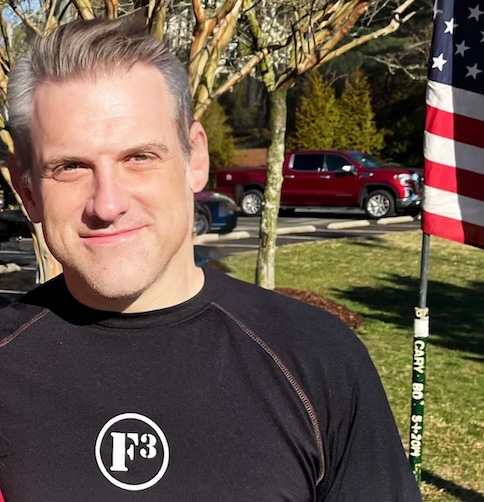
S5 Ep 170#170 | Sweat Equity: Fitness is a Good Start | Frank Schwartz, Nant’an of F3
Professional Supplements for Wise Athletes (click to see the always discount) About the guest: Frank Schwartz, Nant'an (CEO) of F3 Nation Frank Schwartz, known in the F3 community by his nickname "Dark Helmet," serves as the CEO (referred to as "Nant’an") of F3 Nation. F3 Nation is a free, peer-led movement designed to help men get fit, build bonds of friendship, and learn how to join forces to serve the community. As Nant'an, Frank leads the strategic vision and cultural stewardship of F3, which has grown into a global network supporting thousands of men across the U.S. and internationally. Frank’s F3 journey began like so many others: a early morning workout, a goofy nickname, and a gut-level recognition that something life-changing was underway. Since then, he’s become a guiding voice in shaping F3 Nation: 100's of independently operating chapters around the USA and the World. He’s all-in on helping men become what they always wanted to be. Key Ideas: If you change a man, you change the world Leave no man behind; leave no man where you found him No rules; only principals to guide men remaking themselves Episode Resources The Starfish and The Spider -- Link to Amazon Freed to Lead 2 - Link to Amazon F3 Website -- F3Nation.com Key Discussion Points: Why is this happening…this lack of close friends among men? What is the effect of not having good friends? Is a close friend for a man the same as a close friend for a woman? How does F3 work? What are the rules and methods that have been stolen and honed to craft the experience that served men? Why does it work so well, and I speak from personal experience. What is to be gained from a men’s group like F3? Starting or joining one? What is the stair-step of benefits that are available to men who participate, who maybe are just looking for fitness, but if they want to change their lives more profoundly, they can get much more than mere fitness. Related episodes & links: Episode 122 | How to Stay Young or Die Laughing | Bill Gifford Episode 91 | Successful Aging | Dr Alan Castel Help the show: 3 ways to support our show: Leave a review (or share this episode) Check out our Fullscript site to save big on high quality supplements. Thank you! Email us your questions at [email protected]. *This content is never meant to serve as medical advice.
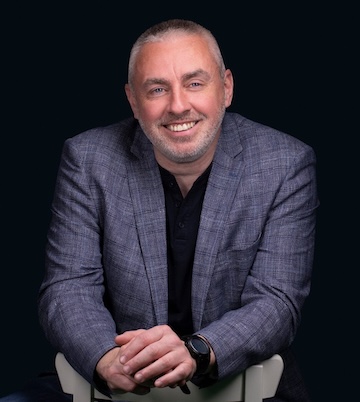
S5 Ep 169#169 | A Big Life | Adrian Kelly
Professional Supplements for Wise Athletes (click to see the always discount) Do you feel like you are drifting through life always waiting on something? Do you feel dissatisfied and unfulfilled? Is time flying by? About the guest: Adrian Kelly, Author of The Success Complex Drawing from his experiences as a solicitor, entrepreneur, and sports coach, Kelly examines the skills essential for overcoming challenges and achieving sustained success. Adrian joins me to discuss how to shift into living a big life, rather than merely a long one. Adrian says: Most of us don’t just want simple happiness; we want intensity. We want to feel that sense of existential urgency we get when we are engrossed in some meaningful project, when we know you are doing something important and good. Link to Amazon: Success Factor Episode Summary: Adrian Kelly’s Success Complex explores the hidden emotional and psychological burdens that often accompany outward success, especially for men. It challenges the traditional view that success—defined by wealth, career, and achievements—automatically leads to happiness. Instead, Kelly argues that many high-performing individuals are silently struggling with stress, disconnection, and a lack of purpose. Core Aspects of Spirituality Connection: A feeling of being linked to a higher power, nature, or the collective human experience. Purpose and Meaning: An ongoing quest to understand one's role and significance in the world. Transcendence: Experiences that go beyond the ordinary, often described as profound or mystical Inner Peace: Cultivating a sense of calm and contentment through practices like meditation, mindfulness, or prayer. Key Themes: The Illusion of Success -- Success is often externally validated—money, titles, status—but it can mask deep dissatisfaction, anxiety, or emotional repression. Many men achieve success only to find it unfulfilling. Performance-Based Identity -- Men often tie their self-worth to performance. When they stop achieving or face setbacks, they feel worthless or lost. Emotional Suppression -- A major cost of the “success complex” is emotional disconnection. Men learn to suppress vulnerability, which leads to isolation and strained relationships. The Masculine Mask -- the “mask” successful men wear to appear confident, in control, and stoic. Behind it, many feel burned out or uncertain. Breaking the Pattern -- Healing begins by questioning the cultural narrative around masculinity and success. This includes: Reconnecting with emotions Seeking genuine relationships Redefining success through internal values rather than external metrics Authentic Living -- shift from achievement-driven living to values-driven living—embracing meaning, connection, and self-awareness. The ABC Framework: Activity (A): Engaging in purposeful actions…a means to an end Balance (B): Maintaining equilibrium between various life aspects. Congruence (C): Aligning actions and values to achieve a state where success is both sustained and sustaining Prior

S5 Ep 168#168 | Mito Boosters: Methylene Blue & Urolithin A | Richard LaFountain, Phd & Brandon Fell, MS
Professional Supplements for Wise Athletes (click to see the discount) About the guests: Richard LaFountain, PhD & Brandon Fell, MS Clinical Staff at Healthspan (gethealthspan.com) Rich LaFountain, PhD - Health coach and science writer; his academic and research focus centers on metabolic health, cardiovascular physiology, and the optimization of physical performance through dietary and exercise interventions. Education: Ph.D. in Kinesiology from The Ohio State University; Bachelor of Science in Biology from the College at Brockport, State University of New York. Research: His academic and research focus centers on metabolic health, cardiovascular physiology, and the optimization of physical performance through dietary and exercise interventions. Current Role: Senior Scientist on Healthspan's clinical staff Brandon Fell, MS - Wellness Coach, with expertise in keto nutrition, clinical research, and longevity science. Education: M.S. in Kinesiology (OSU, 2020); Dietetic Internship with rotations through Volek’s lab. Research: Graduate Research Associate in Dr. Jeff Volek’s ketogenic diet studies; major controlled trials. Current Role: Head of Metabolic Coaching at Healthspan Episode Summary: In my followup chat with Healthspan, we talk about Methylene Blue and Urolithin A, the darlings of the mitochondrial boosting party set. Healthspan offers both supplements as a part of its suite of longevity and healthspan offerings. Methylene Blue is very edgy, so I wanted to understand how Healthspan came to believe it was safe for their clients/patients (I take Methylene Blue) Urolithin A is very new and somewhat controversial. I wanted to know how Healthspan came to believe it was effective (I take Urolithin A). Some important notes: Webinar for healthspan onboarding gethealthspan.com MB What is it, and how it is used in medicine? Why does Healthspan believe it is a useful supplement to use chronically? What are the targeted symptoms and effects of MB? Dosing? Take regularly or only when symptoms arise? How long to feel an effect? Does it help athletic performance? (I found it makes exercise feel harder) What are the side effects to be cautious of? Who should not take MB? Urolithin A What is it, and why do people need to supplement it? Why would a bacteria post biotic signal the mitochondria to scavenge old mitochondria? Is it similar to an internally made chemical used for the same purpose? I’ve heard a lot of marketing of Urolithin A by the company that patented its delivery mechanism, and I’ve heard scientists say there is no real proof it works. What did Healthspan uncover to prompt it to offer it? What are the targeted symptoms and effects of UA? Dosing? Take regularly or only when symptoms arise? How long to feel an effect? Does it help athletic performance? What are the side effects to be cautious of? Who should not take UA? Related episodes & links: <a href="https://www.nature.com/articles/s41430
S5 Ep 167#167 | Navigating Bloodwork | Richard LaFountain, PhD & Brandon Fell, MS of Healthspan
Professional Supplements for Wise Athletes (click to see the discount) About the guests: Richard LaFountain, PhD & Brandon Fell, MS Clinical Staff at Healthspan (gethealthspan.com) Rich LaFountain, PhD - Health coach and science writer; his academic and research focus centers on metabolic health, cardiovascular physiology, and the optimization of physical performance through dietary and exercise interventions. Education: Ph.D. in Kinesiology from The Ohio State University; Bachelor of Science in Biology from the College at Brockport, State University of New York. Research: His academic and research focus centers on metabolic health, cardiovascular physiology, and the optimization of physical performance through dietary and exercise interventions. Current Role: Senior Scientist on Healthspan's clinical staff Brandon Fell, MS - Wellness Coach, with expertise in keto nutrition, clinical research, and longevity science. Education: M.S. in Kinesiology (OSU, 2020); Dietetic Internship with rotations through Volek’s lab. Research: Graduate Research Associate in Dr. Jeff Volek’s ketogenic diet studies; major controlled trials. Current Role: Head of Metabolic Coaching at Healthspan Episode Summary: Blood testing isn't perfect but it's one of the best tools available to shine a light into the black box of your personal physiology to see how your body is doing: compared to other healthy people and compared to yourself over time as you age and implement health and longevity interventions. Healthspan now offers an online Longevity Pro Panel blood testing and analysis service to provide expert guidance into lifestyle-based health enhance, and as a gateway into more aggressive interventions to recover lost athleticism, extend healthspan, and maybe even life a long healthy life. Healthspan comprehensively analyzes pivotal longevity biomarkers to help you optimize your metabolic and cellular health. Examining over 100 biomarkers, Healthspan identifies health insights, enabling personalized recommendations for a successful longevity journey. Some important notes: Webinar for healthspan onboarding gethealthspan.com What is Healthspan, and why does it offer the blood testing / evaluation service? Blood panel is a big part, but what else is needed to fully assess biological age status (identify areas for improvement)? BP, DEXA: bone, lean mass, visceral fat, VO2Max, grip strength (bar hang time), etc. Reliability of blood tests for identifying “optimal” vs. “problems”? wide ranges based on population “normal” (40% obesity rate), different labs/procedures, test result variability, time of day test taken, workouts / foods eating in proximity to testing, blood is only a proxy (not the same thing as organs) Personal trends vs. “vs. normal” vs. low ACM? Or centenarian typical blood marker ranges? Need to look at multiple blood markers and understand context to interpret blood test results Example of a blood panel review session (using Joe Lavelle's data) Related episodes & links: Episode 141 | You
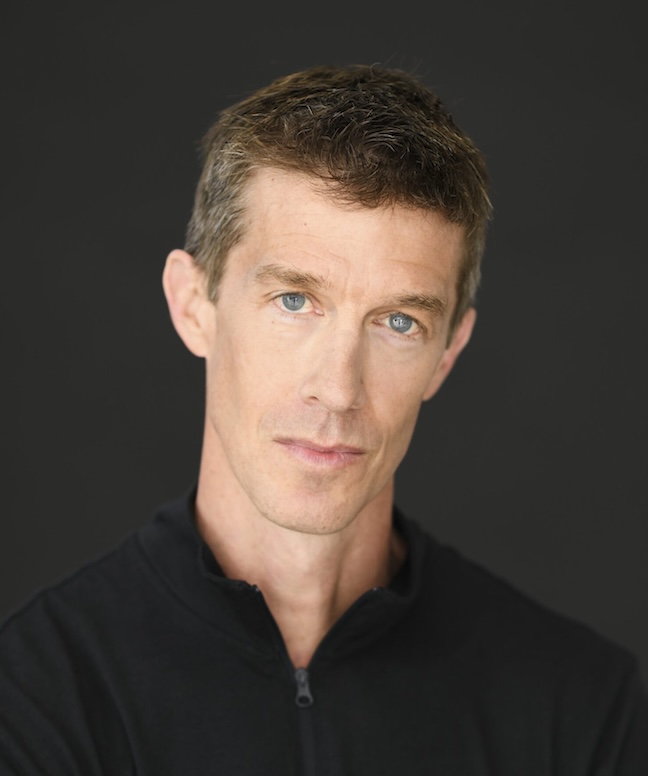
S5 Ep 166#166 | Don’t “Act Your Age” | Matt Fitzgerald
Professional Supplements for Wise Athletes About the guest: Matt Fitzgerald Author of over 30 books on running & endurance Matt Fitzgerald, a certified sports nutritionist, started running on April 19, 1983, one day after watching his father complete the Boston Marathon. This began a lifelong love affair with the sport. Having completed 50 marathons of his own, authored more than 30 books, cofounded the world’s largest online provider of endurance training resources, and coached dozens of his fellow runners to their goals, Matt lives by the motto, “Let your passion, not your ability, decide how far you go.” That’s why he created Dream Run Camp–to enable runners of all abilities who share his passion for the sport to see just how far they can go. Episode Summary: How do you know what you are capable of doing if you don't try? Matt Fitzgerald trains athletes of all ages, including older athletes, but he doesn't have "older athlete training plans". Matt says everyone has limiters...you have to choose to go at them or around them, or let them define you. Older athletes often self-limit themselves to play it safe but with careful attention to building up capacity, older athletes are proving themselves to be capable of more speed, more strength and more endurance than ever before. Our talk today is about how can the older athlete avoid settling for being older...how to find compensations and motivations and expert tricks for retaining or regaining the athletic capacity of yesteryear. Some important notes: Don’t let the expectations of declining athletic capacity turn. Into a self fulfilling prophecy …”not every man truly lives” You have to push the envelope regularly or the envelope shrinks in on you Focus on the big rocks: training hard frequently (finding your own way that works for you), keeping the joy in it, setting and reaching for big goals ) Everyone has limiters. They are unique to the individual and they change over time. You have to treat the training process as an open ended experiment. You have to identify the limiters and then work towards or around them. But find out what they really are not what you think they are because you are older. Keep moving. But use different forms of movement to spread the load. Scale back the volume but maintain the intensity Treat “niggles” with care. Incremental Retreat — backed progressively to be careful without being fearful and losing big chunks of fitness. Training as treatment - ryan whited. Motion is lotion. Disadvantages AND advantages of being older: youth is wasted on the young. Compensate for losing some athletic capacity by tightening down the lifestyle that you couldn’t bother to do when younger. Diet, sleep, better training protocols. Diet: eat enough of a wide range of whole foods with enough of all macros. Avoid processed foods. Avoid reductionist rabbit holes. Supplements: case by case. Most people can benefit from: fish oil , iron (if you need it), creatine Cross training: lifting weights, physical skill acquisition, balance and coordination, don’t stop playing Periodization is a good practice. Weekly / monthly / seasonal cycles Related episodes & links: Stronger, Faster, Older <a href="https
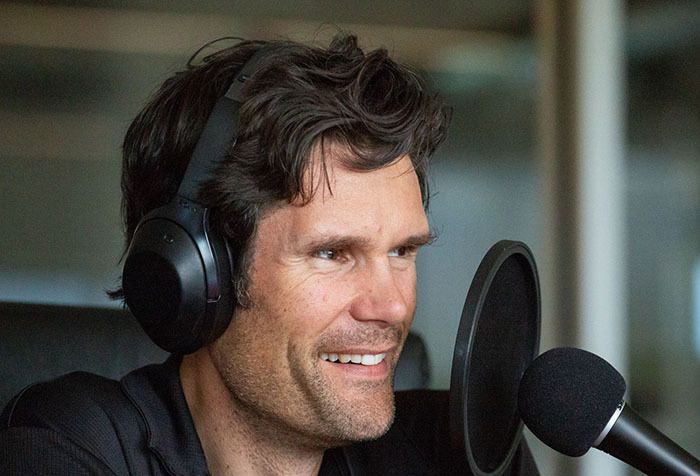
S5 Ep 165#165 | Right Way to Paleo | Trevor Connor, CEO of The Paleo Diet & Fast Talk Labs
Professional Grade Supplements for Wise Athletes About the guest: Trevor Connor is an exercise physiologist, endurance sports coach, and former professional cyclist with nearly 20 years of racing experience. He has coached at national performance centers in both Canada and the U.S., managed teams such as Team Rio Grande, and holds a master's degree in exercise bioenergetics and nutrition. He is also the co-host of the Fast Talk podcast, which focuses on the science of endurance performance. Trevor earned his master's degree in exercise bioenergetics and nutrition from Colorado State University, where he was the final graduate student of Dr. Loren Cordain, the originator of the Paleo Diet. His research focused on the effects of a Paleo-style diet on autoimmune conditions, including multiple sclerosis and Crohn’s disease CEO of The Paleo Diet, LLC: Since 2018, Connor has led the company, overseeing its programs, certifications, and branding initiatives Co-founder and CEO of Fast Talk Laboratories: He co-founded this platform dedicated to endurance sports science, offering resources on training, nutrition, and performance Cycling Career: A former semi-professional cyclist, Connor trained at the Canadian National Center and managed Team Rio Grande, a top-ranked amateur team in the U.S. Episode Summary: The Paleo Diet. Initially skeptical of the Paleo Diet, Connor's perspective shifted after personal experimentation led to improved health and a return to competitive cycling at age 40. He now advocates for whole-food nutrition and challenges traditional high-carbohydrate sports diets, emphasizing the benefits of healthy fats and reduced sugar intake Our talk today is mostly about how can the older athlete get the most out of the Paleo Diet and how to personalize it to make it work for each of us. What are the most important guidelines of the Paleo Diet that should guide and simplify our food decision-making. Foods to emphasize and minimize. Eating (and not eating) patterns that matter. Some important notes: Macronutrient based diets are hard to get right because there are healthy and unhealthy versions of all macronutrient diets. Paleo is not about macros, but instead about whole foods that mimics the food supply 10,000 years ago. Fruits, vegetables, naturally grown meat and fish, and nuts and seeds sparingly. Limit grains and minimize dairy. Some people should also limit legumes (beans / pulses / lentils / etc) Eating whole foods means not just getting the vitamins and minerals and macronutrients but also the food matrix....all the other stuff in things that were once alive. Everything provides some benefit as long as we don't overdo it. But eating processed foods without the food matrix is a poor health choice. An ancestral diet is hard to define exactly and impossible to replicate today, but some features can be mimicked: not eating the same things all the time or out of season, not eating the full daily calorie requirements every single day, eating foods that were recently alive are hard to chew (good for oral health and is satiating), not over-eating foods that didn't exist (dairy, processed food) or were in short supply (grains, beans). Eat more potassium and less sodium (people generally get too much sodium; avoid processed food with sodium) Eat more magnesium and less dairy (less calcium). Target 2:1 calcium to magnesium; most people are 4:1 calcium to magnesium. Supplements recommended by Trevor: Vitamin D, Fish Oil (EPA/DHA), Magnesium (especially if consuming dairy: heavy calcium source), Taurine (especiall
S5 Ep 164# 164 | Medicine Impact on Athletic Performance | TriDoc, Dr Jeff Sankoff
Professional Grade Supplements for WiseAthletes About the guest: The TriDoc Podcast is a bi-weekly show hosted by Dr. Jeff Sankoff, the host of the TriDoc podcast, is an emergency physician, Ironman triathlete, certified coach, and older athlete (58). Dr Sankoff is the exact type of expert for the Wise Athletes podcast. Dr Sankoff specializes in providing athletes with evidence-based insights into health, wellness, and training, and helping us all distinguish scientific facts from marketing hype. TriDoc Podcast TriDoc Coaching Tempo Talks Podcast Episode summary: OTC Drugs -- impact on exercise performance -- aspirin, ibuprofen, Tylenol, anti-histamines Pharmacutical Drugs - impact on exercise performance -- cholesterol, BP, heart rhythm, prostate meds, ED meds Jeff's 3 Supplements Related episodes & links: Episode 36 | Dr Jeff Sankoff is the TriDoc Help the show: 3 ways to support our show: Leave a review (or share this episode) Check out our Fullscript site to save big on high quality supplements. Thank you! Email us your questions at [email protected]. *This content is never meant to serve as medical advice. Episode 36 | Dr Jeff Sankoff is the Tri-Doc
S5 Ep 163#163 | Good Sleep: What is it & How to get it | Merijn van de Laar (“Sleep Like a Caveman”)
Professional Grade Supplements for WiseAthletes On today's show, Dr. Merijn van de Laar, a recovering insomniac, sleep therapist, and the author of How to Sleep Like a Caveman: Ancient Wisdom for a Better Night’s Rest, will tell us how learning about our prehistoric ancestors’ sleep (via studying the Hadza) can help us relax about our own imperfect sleep. He explains that the behaviors we think of as sleep problems are actually normal, natural, and adaptive. Merijn destroys the myth that you have to get 7-9 hours of sleep a night, and how being awake during the night is normal, and how efforts to change normal healthy sleep into "perfect" sleep scores is detrimental to our health. Today’s episode is not for those few, lucky souls who fall asleep the moment their head hits the pillow, cruise through the night, and bounce out of bed in the morning ready to take on the world. Good for you—but seriously, get out of here. This one’s for the rest of us wise athletes who work hard to be fit and healthy—through exercise, through diet—only to be undone by poor sleep. The poor sleep that slows your recovery, ramps up your risk of illness, and leaves you reaching for caffeine just to survive the day, and then something else entirely just to shut down at night and squeeze 7-9 hours into the 6-hour window we allow for. This talk is not a list of sleep hygiene factors and discount codes for fancy tools that work well to lighten your wallet without addressing the real reasons for poor sleep. Dr. Merijn van de Laar says "sleep is cheap" and that we've been sold a bunch of BS about sleep. This isn’t about chasing perfection. This is about letting go of the pressure and easing into realistically healthy sleep—the kind your ancestors would recognize—without needing to track every blink and breath. So unplug, lie back, and listen up—because it’s time to learn how to Sleep Like a Caveman. About the Guest Dr Merijn van de Laar (https://merijnvandelaar.com/the-sleep-scientist/) Merijn van de Laar studied biological psychology at the University of Maastricht and obtained his PhD on the subject of personality and sleep and the treatment of insomnia. He worked for years at Kempenhaeghe, Center for Sleep Medicine, and treated people with insomnia, parasomnia and delayed sleep phase syndrome. He is now adjunct director at the University of Maastricht. Merijn’s professional and personal mission is to create restful nights across the world. His motivation to give people a better night’s sleep arose when he experienced what it was like to have chronic insomnia in his twenties. He did not receive the right care and, in retrospect, not the right scientifically substantiated information that could have helped him get rid of the problem much sooner. Merijn’s slogan is “Sleep is Cheap”. By this he means that most people with insomnia do not need expensive products, apps or medication at all and that these often don’t help or even worsen the problem. For most people, a good night’s sleep can be achieved through natural solutions that cost little but are very effective. In many ways, we should learn to sleep like Cavemen again. Merijn van de Laar website Episode Summary: Why do modern people report worsening sleep quality, despite the emergence of optimized sheets, mattresses, sound machines, and sleep trackers have emerged during that time, and despite the fact that the amount of time people are sleeping hasn’t decre
S5 Ep 162#162 | NEWSTART Pillars of Health | Roger Seheult MD of MedCram
Professional Grade Supplements for WiseAthletes About the Guest Roger Seheult, MD, MedCram Co-Founder & Instructor (MedCram.com website) Dr. Seheult is currently an Associate Clinical Professor at the University of California, Riverside School of Medicine, and an Assistant Clinical Professor at the School of Medicine and Allied Health at Loma Linda University. Dr. Seheult is also quadruple board-certified in Internal Medicine, Pulmonary Diseases, Critical Care Medicine, and Sleep Medicine through the American Board of Internal Medicine. Episode summary: NEWSTART Pillars of Health are different than any other "pillars" I've encountered....the typical pillars, and there are so many, are so generic as to be useless. NEWSTART is different in two ways: (1) it brings attention and priority to aspects of health that are missed by the generic pillars, and (2) uniquely, it brings a focus to the entire point of remaining healthy or returning to health and fitness....and that is "purpose". Why do you want to be a fit, strong athlete? Is winning races really that important, or is health and fitness ultimately an means to an end. Where will your fitness take you? What will you do with the gift of life you have been given? This is what I am thinking about after my conversation with Dr Roger Seheult of MedCram. I hope you get as much to think about as I did. Related episodes & links: Episode 148 | Adventure for Life | Brian Keane Episode 143 | Nasal Breathing | George Dallam PhD Episode 144 | Muscle for Athletics & Healthspan | Mark Tarnopolsky MD PhD Episode 149 | Near Infrared Light is the Missing Puzzle Piece | Scott Zimmerman Yield and Overcome Mindset https://newstart.com/home Help the show: 3 ways to support our show: Leave a review (or share this episode) Check out our Fullscript site to save big on high quality supplements. Thank you! Email us your questions at [email protected]. *This content is never meant to serve as medical advice.
S5 Ep 161#161 | Omega 3: Science vs. Hype | Bill Harris PhD
Professional Grade Supplements for WiseAthletes About the guest: Bill Harris, PhD in Human Nutrition Dr. William (Bill) S. Harris is an internationally recognized expert in omega-3 fatty acid research, particularly concerning cardiovascular health. He earned his Ph.D. in Human Nutrition from the University of Minnesota and completed post-doctoral fellowships in Clinical Nutrition and Lipid Metabolism at the Oregon Health Sciences University. In 2009, Dr. Harris founded OmegaQuant, a company specializing in omega-3 blood testing, notably the Omega-3 Index test, which he co-invented in 2004. This test measures the levels of omega-3 fatty acids in red blood cells and has been widely used in research and clinical settings. Over his 40-year career, Dr. Harris has authored more than 300 scientific papers on fatty acids and health. His significant contributions have earned him recognition as one of the top 2% of scientists worldwide based on research impact. In late 2020, Dr. Harris transitioned from his role at OmegaQuant to establish the Fatty Acid Research Institute (FARI), where he serves as President and focuses on conducting and publishing research on fatty acids and health. Dr. Harris is also a Fellow of the American Society for Nutrition and has co-authored multiple American Heart Association scientific statements on fatty acids and cardiovascular disease. Episode summary: Omega 3. EPA/DHA. Our talk today is mostly about how can the older athlete get the most out of the omega 3 nutrient…sources, forms of supplements, how to dose, what to take it with for better bioavailability, and anything else we should know. We also explore three other areas: what does our body do with omega 3’s? Is more better? should we take only EPA or only DHA? what’s the real story behind the recent negative headlines on omega 3’s (failed pharma studies, Afib risks, DHA is detrimental)? what’s the deal with the new stuff being marketed to us now such as SPMs (specialized pro resolving mediators) and Fatty 15 (they sure are good at marketing…is this a replacement for EPA/DHA?) EPA & DHA are not "essential fatty acids" but if you are interested in any of the many available benefits, eat more fish....or take fish oil or algae oil. Don't let your body be short of these vital nutrients. Lower resting HR (resulting in better oxygen to heart) Anticoagulation like aspirin but without stomach issues Reduced homocysteine Lower triglycerides Improved mitochondrial energy production Lower chronic inflammation Speeds resolution of acute inflammation (from injury or training) Related episodes & links: Nature article: Blood n-3 fatty acid levels and total can cause specific mortality from 17 prospective studies OmegaQuant website Help the show: 3 ways to support our show: Leave a review (or share this episode) Check out our Fullscript site to save big on high quality supplements. Thank you! Email us your questions at [email protected]. *This content is never meant to serve as medical advice.
S5 Ep 160#160 | Whole Body Creatine | Mark Faulkner
Professional Grade Supplements for WiseAthletes About the guest: Mark Faulkner, President & Founder of Vireo Systems. After graduating college with a degree in physics, accompanied by a heavy emphasis on biochemistry and research, Mark began his career in the “business of science” at one of the largest publicly traded multinational diagnostics, pharma, and medical device businesses. Mark later co-founded a forensic toxicology and healthcare laboratory that provides science-driven drug testing, post-mortem, and consulting services. Based on that experience, Mark founded Vireo System to manufacture CON-CRET, the only US manufacturer of creatine to provide athletes and everyone else high quality creatine formulations. https://vireosystems.com/ https://con-cret.com/pages/science Episode summary: Creatine is no longer just for muscle building or improving power; creatine makes cells everywhere in the body more efficient at making energy. Creatine is now at the top of my supplement list, but I've been taking it incorrectly for 30 years. Check out my conversation with Mark Faulkner, Founder & CEO of the only US manufacturer of creatine. We discuss how creatine helps the muscles, brain, bones, immune system and more, how to dose, what to mix creatine powder with to improve absorption, and much more. Discussion points: What is creatine? Arginine, Glycine, Methionine in a chemical structure. How does it help so many aspects of health? The body makes creatine so it is expecting it. More than we can make or eat can be used. How to dose and take creatine to get the benefits desired? The key is solubility via chemical make-up or via temperature of mixing liquid. What are the various types of creatine....why not just use the regular variety (monohydrate)? Consider, gut issues / bioavailability (do you have stomach upset?) vs cost (modesty higher expense for higher solubility and US/European manufacture) Considerations for quality? Testing certifications. Country of origin. ## Creatine's Role in Energy Efficiency and Oxidative Stress Creatine does make cells more efficient at energy production, particularly during high-intensity activities, while also potentially reducing reactive oxygen species (ROS) and inflammation through several mechanisms: 1. **Energy buffer system improvement** Creates a rapid ATP regeneration pathway independent of oxygen Reduces the demand on other energy systems (glycolysis, oxidative phosphorylation) during intense efforts This metabolic efficiency means less byproduct formation per unit of work 2. **Mitochondrial protection** Recent research suggests creatine helps stabilize mitochondrial membranes May improve mitochondrial function and reduce electron leakage (a major source of ROS) Can potentially increase mitochondrial efficiency, reducing the oxygen required for ATP production 3. **Direct antioxidant properties** Some studies indicate creatine has mild direct free radical scavenging abilities May help neutralize certain ROS, though this is not its primary mechanism 4. **Anti-inflammatory effects** By reducing cellular stress and improving energy efficiency, there's less metabolic disruption Less disruption means reduced inflammatory signaling cascade activation Studies sho

S5 Ep 159#159 | The Fat-Burning Athlete | Bob Seebohar MS, RD, CSCS
Professional Grade Supplements for WiseAthletes About the guest: Bob Seebohar is a board-certified specialist in sport dietetics, an exercise physiologist, a strength and conditioning coach, and a USA Triathlon certified elite, youth, and junior coach and a competitive endurance athlete. Bob Seebohar was the director of sport nutrition at the University of Florida and a Sports Dietitian for the US Olympic Committee where he traveled to the 2008 Olympic Games as the sports dietitian for the U.S. team. He now runs his own practice eNRG Performance (enrgperformance.com) and serves as the consulting sports dietitian for the Las Vegas Golden Knights professional hockey team and the consulting dietitian for the entire University of Denver athletics program. He has authored many books including: Nutrition Periodization for Athletes, Metabolic Efficiency Training: Teaching the Body to Burn More Fat, Caffeine Protocol for Endurance Athletes, Sodium Loading for Endurance Athletes, Metabolic Efficiency Recipe Book, Neuromuscular, Dynamic and Functional Exercises for Athletes, Prehab Exercises for Athletes, Fuel4mance Smoothie Recipe Book, Performance Nutrition: Applying the Science of Nutrient Timing, and Sports Nutrition for Young Triathletes. He currently also owns & operates Fuel4mance, a sports nutrition consulting company (www.fuel4mance.com), Elite Multisport Coaching, an adult endurance coaching company (www.teamemc.com) and Kids that TRI, a non-profit youth triathlon organization (www.kidsthattri.org). Episode summary: Teach your body to burn more fat to improve health and performance. The concept of Metabolic Efficiency (ME) can be applied to individuals just beginning exercise, fitness enthusiasts and the seasoned athlete. Metabolic Efficiency describes the relationship between the body's ability to use fat and carbohydrate as energy sources across a variety of exercise intensities. ..more than ability…it’s the training of the body to use the right fuels at the right time. Being more of a "fat burner" will allow you to improve your health, reduce risk for chronic disease, lose weight and body fat, improve athletic performance and eliminate gastrointestinal (GI) distress. According to Bob Seebohar, older male athletes looking to improve fat burning and reduce insulin resistance should focus on these specific strategies: Train in Zone 2 consistently - Prioritize longer, lower-intensity aerobic sessions (heart rate around 60-70% of max) to enhance mitochondrial function and fat oxidation Implement "fuel timing" - Practice strategic carbohydrate periodization by limiting carbs during easy training and saving them for around higher-intensity sessions Practice overnight fasting - Extend the natural overnight fast (12-14 hours) to enhance fat adaptation, potentially combined with some fasted morning training Focus on protein quality and timing - Consume adequate protein (1.6-2.0g/kg bodyweight) distributed throughout the day to maintain muscle mass, which is crucial for metabolic health in aging males Include strength training - Incorporate 2-3 weekly sessions of resistance training to support muscle mass and insulin sensitivity Address testosterone naturally - Support natural testosterone production through adequate dietary fat intake (especially monounsaturated sources), zinc-rich foods, qua
S5 Ep 158#158 | Hidden Elixir of Health: Saliva | Ellie Phillips DDS
Professional Grade Supplements for WiseAthletes About the guest: Ellie Phillips DDS is a dentist with over four decades of experience, focusing on empowering patients to stop cavities and heal gum disease naturally. She recommends a specific collection of commercially available oral care products, but ONLY when used in a particular synergistic sequence to balance mouth biochemistry, protect enamel, and fight plaque (without harming nitric oxide production). DrEllie.com Dr Ellie's credentials: Graduated as a Dentist from Guy’s Hospital Medical School in London Worked in three countries: the U.K., Switzerland and the United States during the 40 years of my career, serving a wide array of patients including: special needs, seniors in nursing homes, babies and preschool kids. Previously a faculty member at the University of Rochester in New York Creator of Zellie’s - a line of dental mints and gum sweetened only with 100% pure xylitol. Founding Member of the American Academy For Oral Systemic Health (AAOSH) Author of: Kiss Your Dentist Goodbye and Mouth Care Comes Clean Episode summary: Dr Ellie is a highly experienced dentist and a leading advocate for people to take such good care of their mouths that they don't need dentists. Dr Ellie agreed to help Wise Athletes by explaining the basics of how the human mouth repairs damage to keep teeth and gums strong and healthy over a long lifetime, while also not allowing oral bacteria to infect the body which leads to heart disease, dementia, and diabetes. Dr Ellie also explains how people undermine those natural functions with entirely avoidable errors....leading to tooth decay, gun disease, and poor nitric oxide production. For the older athlete, oral health is low hanging fruit for higher performance. The upside is a better smile, a healthy mouth, and a long, healthy life. After talking to Dr Ellie, I am convinced that oral health is a missing pillar of health that is so easy to do right if we only knew what to do. You've come to the right place to find out how. Impact of Oral Health on Overall Health Cardiovascular Disease: Poor oral health, particularly gum disease, has been associated with an increased risk of heart disease. The bacteria from inflamed gums can enter the bloodstream, potentially leading to arterial plaque formation and heart complications. Diabetes: There is a bidirectional relationship between diabetes and periodontal disease. Individuals with diabetes are more susceptible to infections, including gum disease, which can, in turn, affect blood sugar control. Respiratory Infections: Inadequate oral hygiene can lead to the inhalation of bacteria from the mouth into the lungs, increasing the risk of respiratory infections such as pneumonia. Cognitive Decline: Emerging research suggests a connection between oral health and cognitive functions. For instance, a study found that individuals with fewer natural teeth at age 70 had a higher risk of cognitive impairment and mortality. The 4 Keys To Oral Health: Daily oral care, Good saliva, Lifestyle & daily habits, Repair & Maintenance Key #1 -- Daily Oral Care -- oh so important. But before you rush to "brush and floss", consider a few important things about your choice of toothbrush and toothpaste and how (or if) you should rinse or floss Toothbrushes <st

S5 Ep 157# 157 | nnEMF: Smarter, Not Harder | Prof Olle Johansson, PhD
Professional Grade Supplements for WiseAthletes About the guest: Olle Johansson, PhD, is a former associate professor at the department of neuroscience, Karolinska Institutet. His research focuses on the biological effects of electromagnetic fields and the potential consequences of unbridled expansion of global communications networks. He is outspoken in his desire to inform the public of the known dangers of electronic devices and wireless technologies, particularly to children, who are more susceptible to the effects. Please consider funding Prof. Johansson’s research: https://research.radiation.dk Olle is a past associate professor at the Karolinska Institute, Department of Neuroscience, and head of The Experimental Dermatology Unit as well as a guest and adjunct professor in basic and clinical neuroscience at the Royal Institute of Technology, Stockholm. He has published more than 600 original articles, reviews, book chapters and conference reports within the fields of basic and applied neuroscience, dermatology, epidemiology, and biophysiology. Article from Johansson O, "Stop! In the Name of Life!”, Jan 9, 2025 -- https://newsvoice.se/2025/01/radiation-exposed-bacteria/ Episode summary: How can you protect yourself and family from possible harms of nnEMF without giving up every modern convenience? Look for opportunities to reduce power, increase distance, and eliminate exposure wherever the inconvenience is low: while you sleep, what you didn't even know was turned on....or the exposure is high (cell phone in your pocket all day everyday) Help the show: 3 ways to support our show: Leave a review (or share this episode) Check out our Fullscript site to save big on high quality supplements. Thank you! Email us your questions at [email protected]. *This content is never meant to serve as medical advice. Pro Level Supplements
S5 Ep 156#156 | Re-integrating the Patchwork Man | Gage Banks, VooDoo Magic Healer
Professional Grade Supplements for WiseAthletes About the guest: Gage Banks's expertise encompasses the complex relationships between airway function, hearing, vision, dental occlusion (how teeth align), and tongue positioning—all of which play crucial roles in regulating body tension and balance. By integrating this specialized knowledge with his foundation in orthopedic care, breathwork, and neurovisceral techniques, Gage helps patients understand how these systems influence their movement patterns and daily function. His comprehensive approach addresses various conditions, including TMJ dysfunction, sleep apnea, breathing disorders, and dental-related pain, working collaboratively with local dentists to provide coordinated care for optimal results. "Just mobilizing joints, giving patients stretching and strengthening exercises, or having a patient participate in 'core stabilization' is not sufficient to address the complex interrelationship between the available mobility of the human system and the integration of automatic and volitional motor strategies.” Gage's Credentials: Gage Banks website - kinectphysicaltherapy.com Master of Science in Physical Therapy (MSPT) Manual Therapy Certification (MTC) Certified Functional Manual Therapy (CFMT) Fellow of Functional Manual Therapy (FFMT) Fellow of the American Academy of Orthopedic Manual Therapy (FAAOMPT) Episode summary: Gage Banks came recommended to me as a voodoo healer, a bringer of solutions for inscrutable problems. I found Gage to be an intelligent problem solver who opened my eyes to the problems we create for ourselves by living a modern, habitually unbalanced life. Our physiology is a magnificent thing. Billions of years of trial and error have led to a self repairing and adapting mechanism that is us. Our modern world has changed the game faster than our instinctive mechanisms can change so it is up to our conscious selves to know what can go wrong to take corrective action. Bullet point summary: It’s when we get so out of balance that we cannot find balance when we need it Reintegrate ourself in the world so we can flow in the world Stand on one leg with your eyes closed to see if you are overly focused on central vision Tongue extension: deviation and impression of teeth Grabbing the pen with your eyes closed Watching your feet when you walk to be careful Looking at the stairs when you walk on them. Being too careful means you are locked up. Walk with a forward head. Not swinging arms when you walk. How to put yourself in the world? (1) Look at your heels (or the underside of the chair) the entire time while you stand up or sit down (avoid the "plop") (2) Walk and notice what you do: look at the ground near your feet? just notice what you do. (3) Walk and pick a place to look off in the distance while noticing the peripheral vision (without looking at the things in the periphery) (4) Walk and swing your arms forward and backward while rotating shoulders....see your arms with your peripheral vision (5) Then look for tension where you don't need it....let it go. Emphasize rhythm and flow. Related episodes: <a href="https://www.wiseathletes.com/podcast/151-pain-is-not-all-in-yo
S5 Ep 155# 155 | Hormonal Triple Whammy | Kyle Gillett, MD
Professional Grade Supplements for WiseAthletes About the guest: Dr. Gillett enjoys providing holistic individualized care to his patients. His practice includes preventative medicine, aesthetics, sports medicine, hormone optimization, obstetrics and infertility, integrative medicine, precision medicine including genomics, and aesthetics. He believes that each human is a unique creation that requires attention to their body, mind, and soul. He uses shared decision-making and an evidence-based approach. He firmly believes “food is medicine” and “exercise is medicine”. Dr. Gillett describes the “7 pillars of health”: exercise, diet, sleep, stress, social, sunlight, and spirit. These are more powerful than any medication or supplement. He enjoys spending time outdoors on the farm with his wife, two sons, daughter, and wolfhound. Kyle's website: kylegillettmd.com/ Gillett Health website: gilletthealth.com/ Kyle's YouTube Channel Kyle's Credentials: Dr. Kyle Gillett is a dual board-certified physician specializing in family medicine and obesity medicine. He earned his medical degree from the University of Kansas School of Medicine and completed his residency at Cox Family Medicine Residency Episode summary: Kyle walks me through the details behind: hair loss, BPH (benign prostate hyperplasia), and low T, what we can do to keep it from happening or stop it, and his perspective on choosing between finasteride and dutasteride....two of the major players in solving the big 3. Key Points: General recommendations for older m once a week 1mg dutasteride is a good preventative program (hair and prostate) with limited side effects (sunflower lethicin ) Low dose tadalafil EOD or daily TRT if needed and risks (cancer) are low Hair loss regiment ( 3 layers) anti androgen (dutasteride) growth agonist (minoxidil) micro needling Big 3: hair loss, prostate growth (and cancer), and low T. Related? People with insulin resistance, higher IGF-1, more pronounced metabolic syndrome (pre-diabetes, type 2 diabetes) are more prone to issues Metabolic syndrome and sleep apnea are the two leading causes of low total testosterone (but not necessarily causing low free testosterone) Free T and DHT matters more for athletic performance and body composition Total T matters more for how you feel, and for delivery of androgens to the prostate (growth) Several different types of 5 alpha reductase enzyme; finasteride and dutasteride have different effects on each which is why they can have different effects. It mostly about the ratio of testosterone plus dht vs estrogen. If the ratio changes you are more likely to have symptoms of high estrogen Free T = calculated with total T and SHBG (tightly binding) and albumin (loosely binding) Free T should be 2-3x lower than estrogen (in normal, not same units). If 4-5 lower estrogen too high. free t of 15 ng/dl
S5 Ep 154#154 | Adaptive Range Expansion for Peak Performance | Mike T Nelson PhD
Professional Grade Supplements for WiseAthletes About the guest: Dr. Mike T Nelson is a research-fueled Fitness and Nutrition educator. Dr. Mike has spent 18 years of his life learning how the human body works, specifically focusing on how to properly condition it to burn fat and become stronger, more flexible, and healthier. Better health as a foundation for better athletic performance is his specialty. He is the legendary creator of the Metabolic Flexibility and Physiological Flexibility programs. Dr Mike T Nelson Website Dr Mike's Credentials: PhD in Exercise Physiology from University of Minnesota BA in Natural Science from St. Scholastica MS in Biomechanics from Michigan Technological University Adjunct Professor in Human Performance for Carrick Institute for Functional Neurology Adjunct Professor & Member of American College of Sports Medicine Instructor at Broadview University Professional Nutritional Member at the American Society for Nutrition Professional Sports Nutrition Member at the International Society for Sports Nutrition Professional NSCA Member at the National Strength and Conditioning Association Episode summary: Dr Mike is famous for his ability to develop training protocols that bridge the gap between scientific research and actual results for his athletes. Dr Mike joins me to provide a framework for the crazy stuff we've all heard about and done....that might even make a big difference in reducing biological age and unlocking peak athletic performance. Some of this these therapies you may already be doing, such as sauna or cold therapy, or Wim Hof breathing or breathholds. But listen in to understand why these interventions work and how to organize them intelligently to enhance your resilience, longevity, and physical potential. Whether you’re an athlete or someone striving to feel younger and stronger, this episode is packed with insights to help you thrive. ----- Rebuild your Physiological Flexibility -- the 4 regulators to train: pH, temperature, CO2 tolerance, and expanded fuels. TEMPERATURE --Cold and heat exposure – embrace the temperature extremes. Turn your body into a machine that thrives under temperature duress. Hot -get hot outside or sauna Cold - cold water immersion, get cold outside, cold showers (see protocol below) pH -- ACIDIC vs. BASIC -- teach your body to handle high intensity exercise ("the burn") as well low-CO2 from hyperventilating Acidic: HIIT -high intensity exercise (Maximum Effort for a short time) Basic: Fast Breathing (supra ventilation) techniques like Wim Hoff and others, lower intensity exercise (Sustainable Effort for a long time) O2 & CO2 REGULATION -- expand your tolerance of higher CO2 with restricted and nasal breathing High CO2 Tolerance: light exercise with nasal breathing, slow/restricted breathing techniques and breath holds Low O2: high altitude training if you have access, shallow breathing for 10 minutes to bring SpO2 down and hold under 90% EXPANDED FUELS -- train your body to burn everything (fat / ketones vs. carbohydrates / lactate), and switch between fuels easily. Intermittent fasting and keto cycling aren’t di

S5 Ep 153#153 | The Physionical Man | Nic Verhoeven PhD
Professional Grade Supplements for WiseAthletes About the guest: Nic Verhoeven PhD is the host of Physionic, an educational platform on YouTube dedicated to making medical research understandable to empower individuals to make informed health decisions. Dr. Verhoeven's specialty is translating hard data from complex scientific studies into understandable and actionable information for the lay public. In this mission, Nic is entirely successful. Youtube.com/physionic NIc's Credentials: Ph.D. in Molecular Medicine / Cell & Molecular Physiology Cell & Molecular Biology Researcher [10 years] M.S. Exercise Physiology Professor of Physiology, Nutrition Episode summary: Nic and I boil the ocean on many topics that needed answers from the best source of scientific research findings. Nic is the best science communicator in the business. Our chat ran a bit long but it will be worth your time. Enjoy! Below are my notes that Nic referred to during our conversation....Nic agreed with some of my thoughts but not all...listen to Nic, not me. Layer #1 – the base layer…stuff to avoid… interventions with the fewest side effects are the stupid things you stop doing….any thoughts on the stuff to avoid? Avoid narrow diets for long periods of time…eat a variety of foods Avoid pollution / toxins….no smoking or any smoke in lungs, avoid heavy metals, plastics, nnEMFs, other? Stop screwing up your circadian rhythm…don’t need stimulants to wake up and drugs to feel sleepy…nighttime lighting, eating late, etc…”coffee is good for you” yeah, but don’t need it Stop drinking poisons…using alcohol (in drinks, in mouthwash) that kills NO production from diet. Stop sitting all the time … Move throughout the day not just during workouts. And don’t wear shoes all the time…your feet will thank you Stop being inside all the time …losing out on NIR/UV…too much blue spectrum from “white” LEDs. Get sunlight …open a window, go outside, use a full spectrum lamp if you cannot get out enough Layer #2 – the stuff where the max or min is better (no U shaped curve)…so much of biology is about the sweetspot…not too high or too low…but some things DO fall into the bucket of extremes are best …. any thoughts on these? apoB low as possible? Polyphenols… high as possible? 30 plants every week Fiber …for SCFA, for bowel transit…keep chronic inflammation low Advanced glycation end products (keep blood glucose in normal range & minimize burned foods) Fat isn’t bad…Visceral fat is bad … keeping / building muscle while losing / avoid adding visceral fat Alcohol doesn’t help much…reduces glutathione, impairs sleep, …learn how to relax without drugs Smoke in lungs – smoking, fires, etc Mouth breathing… Minimize mouth breathing….filtering, moisturizing, NO from nasal passages Viral load – exposome? Stimulants – caffeine, nicotine – double edge sword…don’t need it Max Mitochondria / ATP production – energy to power the cells to live and function properly…see layer #3 Layer #3 –a vigorous life for a dynamic physiology…the older athlete does not have the resilience of the young….we have to be more mindful…more purposeful in providing the right stimulus to the body to encourage the adaptations we want. A steady state is only for dead people…. So, what can we do to cre
S4 Ep 152#152 | Skin: A Window into Healthspan | Cory S. Goldberg MD, MASc, FRCS(C), FACS, MBA
Professional Grade Supplements for WiseAthletes About the guest: Dr. Cory S. Goldberg BSc, MD, MASc, FRCS(C), FACS, MBA is a Plastic Surgeon with a fellowship in the Royal College of Physicians and Surgeons of Canada. He is a diplomat of the American Board of Plastic Surgeons and is also a Fellow of the American College of Surgeons. He earned his MD degree from Queen’s University, Canada and completed his Plastic Surgery residency training at the University of Toronto, including a Master’s of Applied Science in Biomedical Engineering. He subsequently did sub-specialty fellowship training in Craniofacial Plastic Surgery at University of Southern California in Los Angeles, California. https://www.corygoldbergmd.com/ https://www.beautyspan.com Episode summary: Dr Goldberg explains his journey from plastic surgeon to longevity medicine, and explains how skin is a two-way window into our health status today and our trajectory for healthspan in the future. The short version is take care of your skin, and be careful of popular beauty products that only fake the look of health while actually injuring your skin. How are you doing in your health trajectory? You are doing well if you: have healthy looking skin (not: thin, crepey, spotty) are strong enough in all muscles have endurance for movement have little pain in your body have regular (daily at least) bowel movements are able to sleep and wake on a natural circadian rhythm without drugs can go without eating for a day without a problem GliSODin Study undertaken to examine the effects of an orally effective antioxidant supplement consisting of vegetable origin SOD chemically combined with wheat gliadin, GliSODin, on parameters of muscle damage, inflammation, and work performance in elite rowers during intensive physical activity. https://www.mdpi.com/2079-7737/11/10/1437 Link to a website for a research community dedicated to the understanding and advancement of GliSODin SOD / gliadin complex Related episodes: Episode 123 | Inspiring Stories of Older Athletes | Lauren Hurst Help the show: 3 ways to support our show: Leave a review (or share this episode) Check out our Fullscript site to save big on high quality supplements. Thank you! Email us your questions at [email protected]. *This content is never meant to serve as medical advice. Pro Level Supplements
S4 Ep 151# 151 | Pain is NOT “All in Your Head” | Rick Olderman MSPT
Professional Grade Supplements for WiseAthletes About the guest: Rick Olderman, a licensed physical therapist with over 25 years of experience, is a best-selling author and respected speaker in chronic musculoskeletal pain. Rick transformed countless lives at his Denver clinic with his innovative approach to treatment. Rick is also the creator of a online programs revolutionizing treatment for chronic back, knee, head, shoulder, hip, foot, and migraines. Rick's latest book, Pain Patterns: Why You Are in Pain and How to Stop It, is a groundbreaking guide for overcoming chronic back pain, sciatic pain, and SI joint pain. Rick shares the insights and techniques that have helped thousands of patients solve pain problems without giving up what they love to do. rickolderman.com Episode summary: Rick walks me through his journey to solving pain problems remotely....without hands-on treatment....and his confirmation of the importance of first identifying the root cause of pain before launching into a series of generic solutions to find something that helps the symptoms. There are no one-size-fits-all solutions for pain. During the chat Rick walks me through a low back test and solution, and an upper back test and solution...both of which have been helpful to me. Do you have low back pain or upper back or neck pain? You will get immediate help from this episode. Click the book to read more on the Amazon website. Related episodes: Episode 73 | An Easy End to Pain | Rick Olderman Help the show: 3 ways to support our show: Leave a review (or share this episode) Check out our Fullscript site to save big on high quality supplements. Thank you! Email us your questions at [email protected]. *This content is never meant to serve as medical advice. Pro Level Supplements
S4 Ep 150#150 | NIR & Deep Red Light to Preserve Eye Health | Glen Jeffrey PhD
WiseAthletes on FullScript Hey Everyone, welcome to WiseAthletes, your source for discovering how to flourish as an older athlete, and find your path to longevity in sport. I'm your host Joe Lavelle. Today on Episode 150 I am presenting Part 2 in my series on Near Infrared (NIR) light, an important environmental factor that our bodies expect to have and need for our health. But in a narrowly focused effort to improve energy efficiency, our society has shifted our indoor lighting to LEDs which are the least power hungry way to illuminate our homes and offices....but in focusing on visible light, we have lost something very important to our health. This loss is compounded by the increase in time spent indoors (estimated at 90%). Part Two of the series is with Professor Glen Jeffrey PhD, an research biologist, who has been focused on using Deep Red/NIR light to preserve and improve eye health. His lab has also discovered that a short exposure to deep red (670nm) light measurably reduces blood sugar. Deep Red (670 nm)/NIR (700-2,500nm) light acts to increase ATP production and while blue light reduces ATP production. Low ATP production leads to, in the short term, lower visual acuity, while in the long-term, to photo receptor death (macular degeneration). "Retina has an enormous metabolic rate...things that burn a lot of energy age fast...by the time you are 70 years old, you've lost 25%-30% of the central photo receptors in your eye....even if you are healthy" "Retina is a sports car....goes like crazy, burns vasts amounts of energy, but also has a frailty in it. It needs a lot of looking after." You cannot recover lost photo receptors but you can slow the rate of decline by preserving the function of mitochondria in the retina. And you can improve eye function within 3 hours with as little as 1 minute of exposure to deep red and NIR light (targeted LEDs and the effect lasts for days. Incandescent lights also work (if your government hasn't banned them), and natural light is the best solution (if you live far enough South, or it's the right time of year). The morning is the best time of day for red light to improve mitochondria energy production (it doesn't work after norming!) Overall metabolic health PLUS deep red light ---> helps the mitochondria in the retina to produce a youthful level of energy to continue to function well enough to survive and allow us to see. The scary bit is you and I have already lost a lot of our photo receptors (vision)...we just cannot tell yet. Now is the time to stop it. Meet Glen Jeffrey Professor of Neuroscience, Institute of Ophthalmology, University College London (UCL Profile) Professor Jeffery researches the intricate relationship between light, mitochondria, and health. Mitochondria (the “powerhouses of the cell”) are responsible for producing nearly all of the energy produced in the body. Sufficient exposure to red light / NIR lightwave frequencies can significantly boost mitochondrial function, leading to a range of health benefits, including: Improved cellular energy production Reduced inflammation Accelerated tissue repair Enhanced cognitive function Anti-ageing effects Social Media (Glen and others mentioned) Glen Jeffery (@glen_jeffe5111) — biologist specializing in NIR light effect on the body Bob Fosbury (@BobFosbury) — astrophysicist expert in light (electromagnetic waves in frequencies from UV to IR) and penetration into the human body Scott Zimmerman (@SZimmZoo)— optical e
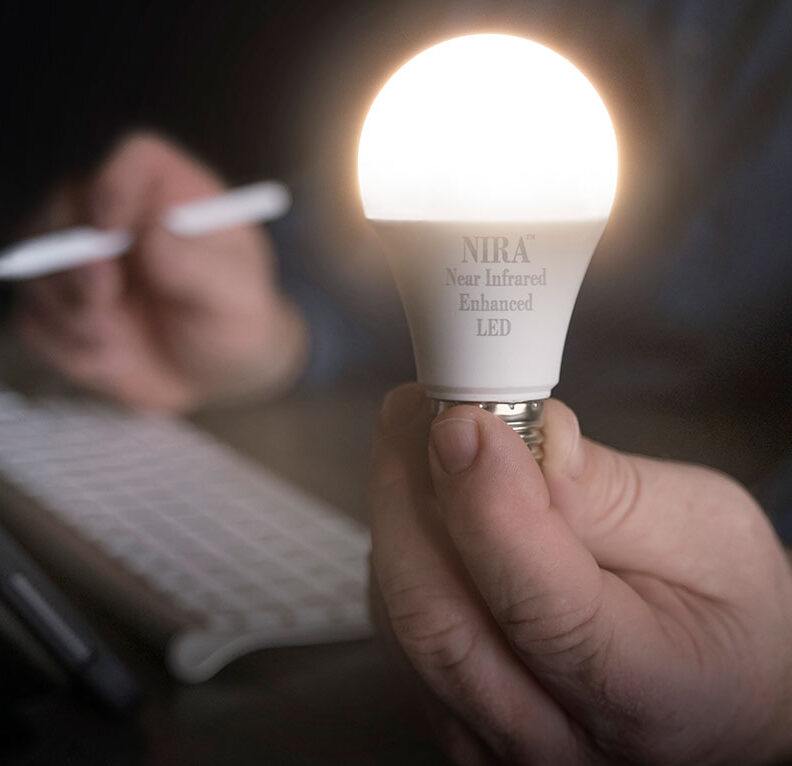
S4 Ep 149#149 | Near Infrared Light (NIR) is the Missing Puzzle Piece | Scott Zimmerman
WiseAthlete Supplements Hey Everyone, welcome to WiseAthletes, your source for discovering how to flourish as an older athlete, and find your path to longevity in sport. I'm your host Joe Lavelle. Today on episode 149 I am starting a 2-part series on Near Infrared (NIR) light, an important environmental factor that our bodies expect to have and need for our health. But in a narrowly focused effort to improve energy efficiency, our society has shifted our indoor lighting to LEDs which are the least power hungry way to illuminate our homes and offices....but in focusing on visible light, we have lost something very important to our health. This loss is compounded by the increase in time spent indoors (estimated at 90%). Part One of the series is with Scott Zimmerman, an optical engineer, who has been focused on quantifying the health effects of natural sunlight and designing indoor lighting that reintroduces near-infrared into our homes and offices (that does not run afoul of the Department of Energy). NIR light acts to increase ATP production and while blue light reduces ATP production. But blocking blue is a half-measure The real problem is the missing NIR light that you can get in the sun (or better yet, shade) if you would only spent a lot more time outside. Or, you can fix your indoor lighting. Meet Scott Zimmerman Founder of Silas, Inc., maker of NIRA lighting (https://niralighting.com/). Scott has more than 35 years of experience in the fields of lighting and displays. His innovations and inventions have been used successfully in a wide range of military and commercial products that include night vision displays, liquid crystal display backlighting designs, and lighting fixtures. Scott Zimmerman (@SZimmZoo)— optical engineer specializing in building light sources which minimize the health detriments of indoor lighting Glen Jeffery (@glen_jeffe5111) — biologist specializing in NIR light effect on the body Bob Fosbury (@BobFosbury) — astrophysicist expert in light (electromagnetic waves in frequencies from UV to IR) and penetration into the human body Website & MedCram videos https://niralighting.com/ https://youtu.be/6Win49aeh8A?feature=shared https://youtu.be/16UHK1gPUO8?feature=shared https://youtu.be/isz2IQs_EPg?feature=shared https://youtu.be/wadKIiGsDTw?feature=shared Related info and episodes: Episode 108 Red-NIR Light Therapy w/Dr Zulia Frost Episode 105 -- UV Light Sweetspot w/Prof Prue Hart/ Relevant Scientific Articles: Dallaghan, Paul. “Mitochondria (Cellular Energy Batteries) Enhancement with Red Light and Near-Infrared (NIR) Light Therapy.” Samahita Retreat, www.samahitaretreat.com/mitochondria-cellular-energy-batteries-enhancement-with-red-light-and-near-infrared-nir-light-therapy/. Accessed Jan. 26, 2021. Reiter, Russel J. and Zimmerman, Scott. “Melatonin and th
S4 Ep 148#148 | Adventure for Life | Brian Keane
Professional Grade Supplements for WiseAthletes Hey Everyone, welcome to WiseAthletes, your source for discovering how to flourish as an older athlete, and finding your path to longevity in sport. I'm your host Joe Lavelle. Socrates warned us to beware the barrenness of a busy life. I understand that all too well these days. If you are like me, you are so busy doing the many things you HAVE to do plus your athletic longevity efforts to live long strong, including getting good sleep, eating a good diet with enough of this and not too much of that, and getting enough high and low intensity exercise … that the days just flash by. Time is flying by. Which is the exact opposite of what I am after. The missing ingredient, I think, is marking time with powerful memories: and for me powerful memories come of adventures that provide experiences that had such powerful emotions that my brain stored the memories very securely. These experiences mark time and give my life a sense of fullness. This idea is why invited Brian Keane to the show for episode 148. You probably know Brian. He is famous for his epic adventures in the Sahara desert and the arctic and more. In our chat we discuss how to pick adventures and how to up your game to prepare for them while accomplishing your health and fitness goals for life. I have to say that Brian is amazing and my conversation with Brian has had a big impact on my thinking. My mind is now focused on returning to my roots as an adventurer. I hope Brian has a powerful effect on you too Who said “Life is either a daring adventure or nothing at all”? Why do Adventures? Powerful memories to mark time for a full life Feel proud of overcoming fears Motivation to up your fitness game, both mentally and physically Find your people; make life friends Bio: Brian Keane Brian has also completed some of the worlds most gruelling endurance challenges, such as six back to back marathons through the Sahara desert, a 230km through the Arctic and multiple ultra-marathons, including a 100 mile ultra-marathon in the desert in Nevada. Brian is the host of one of Ireland and the UK’s top health podcasts, which is regularly featured #1 on the iTunes Health Charts. Brian is a three time best-selling author with The Fitness Mindset, Rewire Your Mindset and The Keane Edge: Mastering the Mindset for Real Lasting Fat Loss. Over the past ten years, Brian has become one of the most recognised faces in the Irish health and fitness industry. He has spoken at major wellness events such as Wellfest Ireland and Mefit Dubai, was a Keynote speaker at Google HQ and has done corporate wellness talks for Allianz Partners, SAP and Acorn Insurance. briankeanefitness.com @brian_keane_fitness - Instagram Links: Joe & Pete's Matterhorn & Mont Blanc trip report 5 14ers on my 40th Birthday with Brian trip report The 2 Joes Bolivia Peak Bagger trip report <a href="https://thepeakmind.com/2009/03/01
S4 Ep 147#147 | Solving Inflammaging | Dwayne Jackson PhD
Professional Grade Supplements for WiseAthletes Hey Everyone, welcome to WiseAthletes, your source for discovering how to flourish as an older athlete, and finding your path to longevity in sport. I'm your host Joe Lavelle. Chronic low grade inflammation underlies all states of sickness and disease associated with aging. Everything that is "healthy" is probably good for chronic inflammation but eating blueberries or taking magnesium or focusing on nasal breathing are just too specific... not fundamental enough. What I want to know is what is the #1 best way to target inflammaging that will make a difference....I can worry about the marginal gains later. Having said that.....what would you ask if you got a chance to talk to a PhD who is a retired academic researcher in multiple areas of human physiology, was a professional athlete in two sports, has been a lifelong bodybuilder, and who is now coaching top level athletes and older high performing older around the world? What would you ask him? Right....so would I. On episode 147 I took a deep dive into inflammaging with Dr. Dwayne Jackson to understand his approach to stop chronic inflammation from reducing our ability to perform and recover, and improve our health along the way. He did not disappoint. Dr Jackson even shared his secret breakfast feast that I have been eating every morning ever since. Be ready to take some notes. This episode will definitely help if you find that you are.... Recovering from exercise more slowly? Cutting calories but still cannot lose that last bit of visceral fat? Eliminating healthy foods because you can't digest them well...feel bloated...get constipated? All right, let's talk to Dr Dwayne Jackson about resolving chronic inflammation. Bristol Stool Chart Monash FODMAP Info & App Bio: Dwayne Jackson, PhD Dr. Dwayne N. Jackson is a dad, athlete, health specialist, medical educator, scientist, and entrepreneur. He has over 12 years of university education in exercise/human physiology, medicine, and nutritional biochemistry. Dr. Jackson holds a PhD in neurovascular physiology and has been educated at some of the top academic institutions in North America including University of Ottawa, the University of Western Ontario, and Yale University School of Medicine. drdwaynejackson.com [email protected] @drdnjackson - Instagram @drdnjackson - Twitter / X Notes: Lower inflammation gut health : healthy poops How to get a healthy gut? Don’t major in the minors. Focus on what matters. Highly processed food isn’t ideal but it won’t make a big difference if it is occasional. Mostly eat a whole food mostly plant based diet. Seed the biome with diversity and fertilize / feed the biome a diverse diet to provide food for the

S4 Ep 146#146 | A Strong Foundation for Athleticism | Tyler Benner of Strong Feet Athletics
Professional Grade Supplements for WiseAthletes If you are like me you have been investing time and effort into getting stronger and building a foundation of health with a variety of activities including resistance training, endurance exercise, high intensity intervals, and playing games requiring hand-eye coordination. I thought that was enough but what I haven't been doing is working directly on my foundation as an athlete....my feet. In my daily routine I do not have a single drill or protocol for making my toes and feet stronger to better control my body. And when I look at my feet I can see the impact of a life of wearing shoes that are pointy and tight. I have shoe shaped feet, and it turns out that shoe shaped feet are not very good for what I need my feet to do...control my balance, agility and dexterity. Oh, and it turns out that shoe shaped feet are also not good for producing power. Dang. Today is going to be a treat. On episode 146 I am joined by Tyler Benner, who is an athlete just like us who discovered that his athletic performance, which was world class in archery, was sub-optimized by his poor foot strength. Tyler joins us today to explain his long journey to figure out how to improve himself and his feet to improve his athleticism. "Athletes deserve to know"....what do strong feet look like and what can strong feet do? how do you know if you have strong feet? "Performance isn't always what we think it is"... In other words, how much performance improvement are we missing by only focusing on just strength or power output? Power is important, but what else is important in athletic performance? Where does agility and balance and dexterity come into play in your sport? Here's two great videos for strengthening your feet: Foot Mobility Fix (3 Fast, Effective Exercises!) Build Big Toe Strength Strong feet must have space to spread your toes for optimal force production, agility, power, and balance. Bio: Tyler Benner Strong Feet Athletics was founded by Tyler Benner, internationally competitive Olympic archer and author. With a deep study of the human body, Tyler believes good posture and daily movement help people do life better. Tyler takes a holistic approach to posture and foot health. Inspired by Katy Bowman’s concept of Nutritious Movement, or how movement variety can be thought of like food groups, Tyler believes a well-rounded movement diet is required for optimal foot strength and balance. https://youtu.be/d262lidaOPo?feature=shared (foot transformation) https://www.strongfeetathletics.com Follow: 1) @venndesign 2) @astraarchery 3) @strongfeetathletics Bullet points: Foot Mobility Fix (3 Fast, Effective Exercises!) by Z-Health Build Big Toe Strength The number of

S4 Ep 145#145 | Food for Thought | William Li, MD
Professional Grade Supplements for WiseAthletes Food as medicine is an old idea...it's the original idea on how to be a healthy person dating back more than 2000 years, but can food be the way to achieve athletic longevity? Can wise athletes target certain foods to target faster recovery, better health, and longer life? Can it be done without extreme or highly restrictive diets? Today on episode 145, I am joined by Dr William Li...a physician, scientist and author of "eat to beat disease" and "eat to beat your diet" to discuss his research on using plant and animal based foods to boost our 5 body defense systems to fend off the chronic diseases associated with aging. And, in particular, I asked Dr Li to talk about combating chronic inflammation and activating stem cells to rebuild our body. All right, let's talk to Dr Li . Bio: William Li, MD William W. Li, MD, is a physician, scientist and author of the New York Times bestsellers “Eat to Beat Disease: The New Science of How Your Body Can Heal Itself” and “Eat to Beat Your Diet: Burn Fat, Heal Your Metabolism, and Live Longer.” His research has led to the development of more than 40 new medical treatments that impact care for more than 70 diseases including diabetes, blindness, heart disease and obesity. His TED Talk, “Can We Eat to Starve Cancer?” has been viewed more than 11 million times. He is President and Medical Director of the Angiogenesis Foundation, and he is leading global initiatives on food as medicine. Bullet points: Science shows many foods can prevent, halt or even reverse cancer, heart disease, diabetes, obesity, and other life-threatening chronic diseases. Over the past decade, the Angiogenesis Foundation has discovered and gathered evidence that fruits, vegetables, herbs, seafood, tea, coffee, and even chocolate contain natural substances — bioactives — that can prevent and intercept disease by influencing angiogenesis and other defense systems in the body. What we eat and drink is enormously impactful when it comes to preventing disease. 5 body defense systems -- key pillars Each of these systems is influenced by diet. When you know what to eat, to support each system, you can then use your diet to maintain health and beat disease. The five defense systems are angiogenesis, regeneration, microbiome, DNA protection, and immunity. Angiogenesis: The process by which blood vessels are formed. Angiogenesis keeps the sixty thousand miles of blood vessels found in your body working to support health and fight disease. This is the common component in cancer tumors. Barley and mushrooms are good for growing blood vessels where you need them. Regeneration: The process of creating and renewing 750,000 stem cells that power our bodies. Stem cells maintain, repair and regenerate our bodies. Avoid too much salt, saturated fat, alcohol, smoking. Do eat dark chocolate, barley, mushrooms, fruit skins (apple, pear, peach, strawberry...also anti-inflammatory)...to get stem cells to come out to heal the body. Microbiome: The bacteria that is found within our bodies that act to defend our health. DNA Protection: This is our genetic blueprint. Foods can help repair damaged DNA caused by daily living, but can also help lengthen our telomeres, which protect DNA and slow aging. Imm
S4 Ep 144#144 | Muscle for Athletics & Healthspan | Mark Tarnopolsky MD, PhD, FRCP(C)
Professional Grade Supplements for WiseAthletes Mitochondria are the powerhouse of the cell....yes, but what does that mean? What can we do, as Wise Athletes, to have enough healthy mitochondria in our muscles and everywhere else powering our bodily functions for optimal brain power, energy levels, we well as muscle power and endurance? These questions and more are addressed by Dr. Mark Tarnopolsky, neurologist, mitochondrial researcher, lifelong elite athlete. Mark is the real deal who knows both sides of the story....the science and the practice of building muscle and VO2Max for performance today and a long stay on the planet as a strong athlete. All right, let's talk to Dr Tarnopolsky about the single best way to stay healthy and strong as we get older....exercise. BIO: Mark Tarnopolsky, MD, PhD, FRCP(C) Professor of Pediatrics and Medicine, CEO and CSO, Exerkine Corporation, Director of Neuromuscular and Neurometabolic Clinic, McMaster University Medical Center Bullet points -- Muscle & Mitochondria "We all are suffering from the mitochondrial disease called aging" "An ounce of prevention is worth a ton of cure"...Muscle loss prevention is ideal but it’s never too late to restart exercising; benefits accrue to everyone who starts exercising at any age. Aerobic training is very good, but we also need weight training. Exercise provides a modest 4-year lifespan extension but a 10-year healthspan extension as it lengthens the time in life we can be mobile and take care of ourselves. Do at least 30 minutes of exercise everyday VO2Max is a function of and delivery of oxygen (heart stroke volume and heart rate) and extraction of oxygen (capillarization of blood vessels into muscle and mitochondrial volume to use oxygen) Vo2max: At rest: 3.5 milliliters of oxygen per kg of body weight per minute Min. to live without assistance: 12 ml/kg/min Mark's VO2Max at his athletic peak: 88.2 ml/kg/min VO2Max falls from 25/30 yo but older athletes have higher vo2max than sedentary young people But VO2Max isn’t enough for longevity. We need 3x/week of endurance training for VO2Max and 2-3x week of resistance training to build and maintain muscle mass. Longevity metrics: VO2Max, leg strength, waist-to-hip circumference Elite athletes need 2x the protein of sedentary people Don’t train with futility: Get enough high quality protein (aim for 1.2g/kg), don’t be deficient in Vit D (take a supplement), get sufficient calcium in diet. Milk and egg whites are the best quality proteins. Collagen is low quality protein (used as the no-protein control in experiments) Running or cycling at 65% of VO2Max (approx. lactate threshold; top of zone 2) 3-5x per week for 30-60 minutes a day will increase mitochondria. Interval training will increase the pace and HR possible at a zone 2 (“all day pace” of work) by increasing the lactate threshold. Once lactate starts to accumulate, it is only a matter of time before exhaustion sets in. Weight training in untrained older people does build mitochondria, and there is a spill over into VO2Max development Weight training for endurance athletes is about building muscle mass for strength and healthspan Fast vs. Slow twitch: Slow are the endurance fibers that are full of mitochondria, can go all day without fatigue, can burn every fuel we have with oxygen, but are smaller (to allow better oxygen delivery) and slower to turn fuel into
S4 Ep 143#143 | Heart, Lung & Brain Injury from Chronic Over-Breathing | George Dallam, PhD
Professional Grade Supplements for WiseAthletes We all want a healthy heart, lungs, and brain. Can you guess at the single behavior that connects the dots on solving: the ability to run or ride at the same speed using 25% less breathing, reducing the occurrence of the so called exercise induced asthma or bronchoconstriction (EIB), eliminating side stitches while running, avoiding frequent sinus infections and bronchitis, and even dodging aFib and dementia?...and what if it cost you nothing but your attention? Well, listen to this: The latest science is showing us that while breathing with an open mouth allows for an increase in ventilation, increases work capacity (think: vo2max), and actually feels more comfortable and normal, doing so also predisposes us to a variety of potential health problems over time. Right, today we are going to talk about nasal breathing. while nasal breathing may have fallen off the internet talk circuit as a popular biohack, wise athletes should always pick the low hanging fruit. so coming back to our show on episode 143, the one and only Dr George Dallam walks us through his personal benefits from adapting to nasal breathing nearly 20 years ago, and the latest research into the health and physical performance benefits available to us all...without ingesting any chemicals, or changing our diet, or buying a single thing. All you have to do is breath through your nose. Its a simple prescription; ....if only it was easy to learn.... i say since i have failed to fully adapt in the two years since i first spoke with dr dallam... All right, let's talk to George Dallam, author of the just published book, the-nasal-breathing-paradox-during-exercise George Dallam PhD Dr. Dallam holds the rank of Distinguished Professor in the School of Health Science and Human Movement at Colorado State University - Pueblo (CSUP). Dr. Dallam has been involved in numerous research studies examining various aspects of triathlon performance and training, diabetes risk factor modification, and the effects of functional movement improvement on running. His primary research interest recently is focused on the capability of human beings to adapt to nasal only breathing during exercise as a way to improve both health and performance. Dr. Dallam has received both the United States Olympic Committee's Doc Counsilman Science in Coaching award (2004) and the National Elite Coach of the Year award (2005) for triathlon. Finally, Dr. Dallam has been continuously training and competing in triathlon since 1981. Bullet points -- The Nasal Breathing Paradox Benefits of nasal breathing: Better filtering of particles and viruses (less nasal infection, bronchitis). Filtering becomes even more important when exercising because we take in so much more air. Less water lost though breathing Less energy spent on breathing (more energy for locomotion); higher O2 extracted per breath (higher efficiency) Recovery from “EIB” exercise induced bronchoconstriction (exercise induced asthma) Provides a powerful training stimulus to improve fitness…make you faster even if you go back to mouth breathing in high intensity efforts, such as races Improved stress management Better sleep, and overall improved recovery from exercise (lower stress, avoidance of snoring) Better posture and movement ability with improved diaphragm activity Functional movement benefits —diaphragm is a major core muscle that
S4 Ep 142#142 | Fasting Mimicking to Balance Muscle & Longevity | Joseph Antoun, MD PhD
Professional Grade Supplements & 5-Day FMD Kits for WiseAthletes Like so many people, I have struggled to lose my visceral fat while I have continued to put on muscle.... but there is more to being a wise athlete than having maximum muscle. I also want to live LONG as a strong athlete. The prevailing wisdom says that when you fast or when you cut calories, you lose fat and muscle. So the challenge remains….how to thread the needle on losing the visceral fat while keeping my muscle. And what about the battle between the high protein for maximum muscle growth vs low protein for low IGF-1 and life extension? Is there any way to get the best of both worlds? Today on episode 142 I am joined by Dr Joseph Antoun, a medical doctor who is now the CEO at L-Nutra, the company that makes Prolon, the 5-day FMD food kits (wwwprolonlife.com). Could fasting mimicking be the answer to losing visceral fat while retaining muscle and at the same time extending lifespan as a strong athlete? After talking to Dr Antoun, I am convinced it is…and as of today, I am on day 2 of my initial 5-day FMD. Listen in to see if you come to the same conclusion. And please forgive the inconsistent recording quality….but if you want to give the Prolon FMD a try, click on the link at the top of the show notes to get a great discount. All right, let’s talk to Dr Joseph Antoun about fasting mimicking for athletes. Joseph Antoun, MD, PhD, MPP Joseph Antoun, MD, PhD is the CEO of L-Nutra, a Food as Medicine leader using Science to Nutrition research first to uncover what humans should eat to live healthier longer and second to help patients achieve better health outcomes. Bullet points Food as medicine & muscular longevity Use your body's built-in system to renew and fine-tune cells. ProLon, a 5-day precision nutrition program, and Fast Mimicking Technology formulation, is designed to trigger your body's built-in system to renew and fine-tune cells - by mimicking a fast. Fasting mimicking (not fasting per se) to get the renewal signal without resource depletion (Joe's take: long water only fasts are the equivalent of overtraining…too much signal without enough recovery) Periodic fasting mimicking turns on cellular renewal without forcing the body into restructuring into a low resource phenotype GH is a stress hormone. In water only fasting the body doesn't have the resources to maintain muscle. With FMD the minimal resources provided are enough to work with GH to maintain muscle while getting fat loss and autophagy Eat the least protein necessary to build and maintain the body and lifestyle you want. Any more than the minimum is age accelerating without muscle benefit. The amino acid composition matters. Focus on plants with some fish protein. That’s good enough for muscle building when combined with FMD a few times a year. Eat 0.8-0.9 g/kg on average per day (less if you aren't an athlete). Perhaps cycle between higher and lower amounts of protein around resistance training. For me, that means i'm cutting back from 200g/day to an average of 100g/day (I'll adjust after seeing how my body reacts)... I already started. I'm on day 2....looking in the box I can tell you it would be hard to pull it together myself. For now I will buy the box to see if it really does work for me. It’s pricy but tolerable. And the Fast Bar is delicious. Prolon info Clinical studies have shown that the ProLon formulation can specifically t
S4 Ep 141#141 | Your Blood Test Results May Vary | Austin Baraki MD
Pro Level Supplements & At-Home Tests for WiseAthletes "In science and engineering, convention dictates that unless a margin of error is explicitly stated, the number of significant figures used in the presentation of data should be limited to what is warranted by the precision of those data." Why don't I see error bars on my blood test results...? We love to say that what is measured, improves. It is a fine idea that applies to many walks of life including athletic performance. Starting with Inside Tracker in 2009, an industry has emerged to help wise athletes and longevity seekers alike to measure, track changes over time, and even optimize lifestyle behaviors, supplements and pharmaceuticals to target “low all cause mortality” levels for blood based bio markers. And since the human body relies on many organs and biological processes to survive and thrive, scientists have developed biological age calculators that combine a set of the actual vs optimal blood markers to assess overall health status relative to “normal” to calculate a biological age or rate of aging. In longevity circles, a biological age lower than chronological age is a badge of honor. And it’s a booming business. But just how accurate are these blood tests that all of this science and my own blood test results are based on? It’s a question that has been haunting my thoughts over the last year as I have aggressively measured my blood markers and calculated my biological age every 3 months in an effort to fine tune my longevity interventions. So, today on episode 141 I am joined by Dr Austin Baraki who argues that blood testing is an important but challenging area of medicine. He argues that people should not put too much faith in imprecise technology measuring indirect markers of biological function. False precision can lead to over confidence, and distract people from the lifestyle improvements that would really make a difference. And he also shares his tips on reducing the variability and error in your own blood test results. British Medical Journal: your results may vary: the imprecision of medical measurements (20 February 2020) Dr Austin Baraki Bio Dr. Austin Baraki is a practicing Internal Medicine Physician, competitive lifter, and strength coach located in San Antonio, Texas. Originally from Virginia Beach, Virginia, he completed his undergraduate degree in Chemistry at the College of William & Mary, his doctorate in medicine at Eastern Virginia Medical School, and Internal Medicine Residency at the University of Texas Health Science Center in San Antonio. After a 15 year career as a competitive swimmer through the collegiate level, he discovered the barbell and began training for strength and competitive powerlifting. He also coaches individuals ranging from beginners of all ages to national and internationally competitive athletes. His interests include the application of strength training in the context of complex medical conditions, sarcopenia, pain neuroscience & rehabilitation, as well as cognitive and sport psychology. Related Episodes Episode 35 Inside Tracker More Dr Baraki info: <a href="https://www.barbellmedic
S4 Ep 140#140 | Solving Low Vitamin D | Grant E. Fraser MD
Pro Level Supplements & At-Home Tests for WiseAthletes Updated edition: we had to fix a few spots in the recording so this episode is the (slightly) revised one. Vitamin D isn’t a vitamin but a hormone, and it plays an important role in our bodies including the building and repair of muscle. Can you just take a vitamin D pill and forget about it? Do you have to get sunshine to get sufficient vitamin D? Can you be low on vitamin D despite getting lots of sunlight? How much vitamin D can you take before you are risking getting too much? 2k, 5k, 10k every day? The big question: is low vitamin D a cause or an effect of poor health? These questions and more get answered or at least discussed in detail in my followup chat with Dr Grant Fraser who is passionate advocate for vitamin D supplementation. To be honest, I've been a vitamin D supplementation skeptic for a long time, in part based on scientific studies that say supplementation doesn’t affect outcomes. Dr Fraser says …not so fast, pal! Well, one thing is clear, everyone should get their vitamin D levels tested to see where they stand. If yours is low, today’s talk can provide a path forward. Fortunately the at home test only costs $37…mine is already on the way. Grant E. Fraser MD, ABAARM, DABFM, FRACGP, FACRRM, GEM Grant E. Fraser, M.D. is Board Certified in Anti-Aging & Regenerative Medicine, and more and is passionate about helping patients improve their quality of life, reverse health conditions, and live longer and happier. Related Episodes Episode 139 Finding Your Iron Sweetspot w/Dr Grant Fraser Episode 105 UV Light Sweetspot (more than Vitamin D) w/Prof Prue Hart More Dr Fraser info: https://www.grantfrasermd.com/ https://www.grantfrasermd.com/blog Want to support the show? If you are enjoying WiseAthletes, please leave us a review. And, be sure to check out our FullScript supplements link to see the amazing prices on the best brands on the planet. FullScript Site for WiseAthletes
S4 Ep 139#139 | Finding your Iron Sweetspot for Performance and Health | Grant Fraser MD
Pro Level Supplements & At-Home Tests for WiseAthletes We’ve all heard about anemia and iron deficiencies hurting our athletic performance and our overall energy level. But the latest thing is iron overload and dumping iron. So is iron good or bad??…the answer is yes. Iron is both a toxin and a nutrient. What I’ve learned for myself is the older athlete needs just enough iron but no more. So the right question is …how to tell where you are on iron storage in your body, and how can you help your body not hold too much iron while avoiding having too little. We all need 3-5 grams or 3000-5000 mg of iron in our bodies every second of every day and we only can absorb 1-2mg of iron per day from our food and supplements…plus or minus a bit using various techniques to raise or lower iron. Too little iron can mean chronic fatigue, brain fog, and breathlessness. Diets low in animal proteins, frequent hard workouts, low stomach acid, gut issues causing poor nutrient absorption, and of course bleeding can lead to lower iron. Too much iron, unless dramatic, is harder to feel and more likely for older athletes. Without blood loss, iron tends to accumulates in organs during aging and leads to dementia, heart disease, T2D and much more, and is worsened by drinking alcohol. Donating whole blood can lower iron but moves the needle very slowly as only 100-250mg of your total 3000-5000mg of iron is lost at each donation. That’s the equivalent effect of not absorbing iron from food for 3 months, so it’s something. The key is to plan ahead. So how to know if you are low or high? Or on the verge of being low or high? How to know if donating whole blood every 8 weeks is a good idea or a bad idea? How can you make donating blood less unpleasant? And what else can you do to stay in your iron sweetspot and to avoid both of these terrible outcomes for athletic performance, quality of life, and overall health? To answer these questions and more today on episode 139 I am joined by Dr Grant Fraser who is board certified in the United States in anti-aging and regenerative medicine and in family medicine. Listen in while Dr Fraser helps me to sort out what is going on and how to plan ahead to get into the iron sweetspot. Grant E. Fraser MD, ABAARM, DABFM, FRACGP, FACRRM, GEM Grant E. Fraser, M.D. is Board Certified in Anti-Aging & Regenerative Medicine, and more and is passionate about helping patients improve their quality of life, reverse health conditions, and live longer and happier. Bullet points What is iron? Iron is a very common mineral on Earth It has a highly stable nucleus and is capable of accepting and donating electrons easily, which makes it react with water to form rust and is very useful for biological organisms. We use it to grab oxygen from air and carry it around the body, we use it in the chemical chain that makes ATP or energy the body uses to power itself, and iron is a necessary part of many proteins. Our bodies need iron every second of our lives, so we keep extra on board just in case… we have 3-5grams in our bodies and we absorb about 1-2mg a day. That’s 1-2 mg vs. 3000-5000mg…we can’t get much very fast. So mostly we recycle it, and we keep some stored away in protective cages that keep the reactive iron from damaging our cells. So it’s like calcium (stored in bones) and proteins (stored in muscle and elsewhere) that we scavenge when we need some. But iron is so reactive it will damage our cells, so we lock it away and convert it to less reactive forms?
S4 Ep 138#138 | Internal Arts: More than Stress Management | Jeff Patterson, author of The Yielding Warrior
Pro Level Supplements for WiseAthletes Jeff Patterson….martial arts expert and author of The Yielding Warrior. After teaching 25,000 students ni his martial arts academy and earning the equivalent of black belts in the martial arts of Brazilian Jiu-Jitsu, Eskrima, Tai Chi, Qigong, Muay Thai, and Kenpö, Jeff now shares personal experiences, age-old wisdom, and the philosophies of meditative arts with his readers. In The Yielding Warrior, you will learn how to: attain a higher level of proficiency in any sport or physical activity enhance emotional control and sharpen intuition for increased happiness and self-acceptance deepen self-awareness and esteem through the benefits of yielding apply meditative practices to excel in interpersonal communication and business relationships improve your focus by applying the skills attained through yielding awareness The Yielding Warrior is about the concept of yielding and how it can be applied to almost any area of life --> "everyone should meditate for 20 minutes a day unless you are too busy, then you should meditate for an hour" Related episodes: Episode 121 | Brian Mackenzie of ShiftAdapt Episode 119 | HRV Biofeedback w/ Marco Altini Episode 110 | Mental Fitness w/ Kate Allgood Episode 70 | Healing Yourself w/Joe Taft More Jeff Patterson info: https://www.theyieldingwarrior.com/ - Jeff Patterson's website Want to support the show? If you are enjoying WiseAthletes, please leave us a review. And, be sure to check out our FullScript supplements link to see the amazing prices on the best brands on the planet. Pro Level Supplements for WiseAthletes

S4 Ep 137#137 | The #1 Secret to Healthy Fat Loss | Vyvyane Loh MD
Pro Level Supplements for WiseAthletes As a followup to my chat with Dr Vyvyane Loh, Glen and I sat down with Dr Loh to get into the HOW of losing excess body fat without losing muscle. Dr Loh does not disappoint as she shares her tips on how she has helped so many people successfully navigate the changes needed to get to a healthy body fat level AND a healthy body muscle level...both are necessary for health and athletic performance. Check out my own Dexa Scan at the bottom of the show notes that reveals the details we all need to know to assess bone and fat and muscle health status, and to set improvement goals. I used dexascan.com via a provider in my area. My scan showed that while my body fat % is only 16.3%, I still need to lower my visceral fat from 87.7 cm2 to 70.0 cm2. I'm working on it. Episode #135 | What's Your Healthy Fat % Dr Loh is board certified in internal and obesity medicine, and she runs a medical practice helping people of all shapes and sizes to solve metabolic health challenges. Bullet points How to lose excess fat while retaining or gaining muscle? Good Sleep #1 (to keep cortisol and sex hormones healthy; recovery) 8-9 hours of good sleep for athletes (consistent sleep schedule every day & avoid use of sleep drugs that interfere with sleep architecture (melatonin okay)…eye mask, noise protected, test for sleep apnea Circadian rhythm— set by light and eating. Be consistent everyday. Respecting the timing of meals: Eat breakfast (within an hour of waking) with protein to end catabolic state Protein: eat 30-35 grams of complete protein per meal, up to 5 meals per day. Everyday. Animal sources of protein allows for lower calorie burden to get the protein. Exercise Resistance training is key (3X/week) Work at end range (maximum range of motion under tension but be careful) Essentric (lengthening) movement better than concentric (shortening) Also isometrics (good during injury recovery) Cardio is good also (do after resistance training if on same day) HIIT 2x/week (20-45 minutes) targets visceral fat. Has to be really hard. Dread it. Diet: Higher percentage body fat — with a calorie deficit in diet doesn’t mean less availability of calories. Still need enough protein to hold onto muscle Near goal body fat — eat 5 times day and getting enough protein. Working out. No calorie deficit. If fat is okay but low muscle? Get extra protein everyday. Maybe extra protein before bed to reduce muscle loss. Low carbs to manage calories but need enough carbs. No keto. Low carb is good for calorie control. 80-100g of carbs. Need more carbs if alot of high intensity. Insulin is a growth factor. Extra protein to get extra insulin to stimulate muscle growth. And extra protein can be turned into glycogen The key is to be clear about goals. Changing lifestyle is hard. Start with identity and making it hard to cheat. Everyone is ready when they seek help. It’s after they’ve lost weight at people lose focus. “Just ….” means you are in trouble because you are rationalizing. Just a little…just this one time…etc. watch out. Moderation is a loser strategy. We’ve tried that experiment across the country. Now we are all obese.