Tricycle Talks
211 episodes — Page 3 of 5

From Despair to Possibility with Rebecca Solnit
These days, with catastrophe after catastrophe, it can be easy to turn to despair and to believe that there is nothing we can do. But writer Rebecca Solnit is determined to change that narrative. Over the course of her career, Solnit has published twenty-five books on feminism, popular power, social change and insurrection, and hope and catastrophe. Her most recent project, "Not Too Late: Changing the Climate Story from Despair to Possibility," brings together climate scientists and activists from around the world to address the social, political, and spiritual dimensions of our current crisis—and to envision a path forward. In this episode of Life As It Is, Tricycle’s editor-in-chief, James Shaheen, and co-host Sharon Salzberg sit down with Solnit to discuss the power of hope in times of catastrophe, the dangers of hyperindividualism, and why she believes beauty is an essential piece of activist work.

Writing in the Bardo with Tenzin Dickie
When Tenzin Dickie was growing up in exile in India, she didn’t have access to works by Tibetan writers. Now, as an editor and translator, she is working to create and elevate the stories she wished she had had as a young writer. Her new book, "The Penguin Book of Modern Tibetan Essays," offers a comprehensive introduction to modern Tibetan nonfiction, featuring essays from twenty-two Tibetan writers from around the world. Taken as a whole, the collection provides an intimate and powerful portrait of modern Tibetan life and what it means to live in exile. In this episode of Tricycle Talks, Tricycle’s editor-in-chief, James Shaheen, sits down with Dickie to discuss the history of the Tibetan essay, why she views exile as a kind of bardo, and how modern Tibetan writers are continually recreating the Tibetan nation.

Listening Fearlessly with Meredith Monk
For the past sixty years, composer and interdisciplinary artist Meredith Monk has been expanding the possibilities of the human voice. A pioneer of extended vocal technique and interdisciplinary performance, she has created collaborative performance pieces that stretch the limits of music, inspiring figures from Björk to Merce Cunningham. Her most recent work, "Indra’s Net," draws from her decades of Buddhist practice and explores themes of impermanence and interdependence against the backdrop of our ecological crisis. In this episode of Life As It Is, Tricycle’s editor-in-chief, James Shaheen, and co-host Sharon Salzberg sit down with Monk to discuss the relationship between her art and her meditation practice, the importance of listening fearlessly, and why she believes art is a bodhisattva activity.

When the Baptists Came to Burma with Alex Kaloyanides
In July 1813, a young American couple from Boston arrived in the Buddhist kingdom of Burma to preach the gospel. Although Burmese Buddhists largely resisted Christian evangelism, members of minority religious communities embraced Baptist teachings and practices, reimagining both Buddhism and Christianity in the process. In her new book, "Baptizing Burma: Religious Change in the Last Buddhist Kingdom," religious studies scholar Alex Kaloyanides explores this history of power and conversion through the lens of sacred objects. Previously Tricycle’s managing editor, Kaloyanides now serves as an assistant professor of religious studies at the University of North Carolina at Charlotte. In this episode of Tricycle Talks, Tricycle’s editor-in-chief, James Shaheen, sits down with Kaloyanides to discuss the religious material culture of 19th-century Burma, what we miss when we study religion solely through texts, and how her research has shaped how she thinks about religious conflict today.

Casting Indra's Net with Pamela Ayo Yetunde
Pamela Ayo Yetunde has worked as an activist, lay Buddhist leader, chaplain, pastoral counselor, practical theologian, and teacher. In each of these roles, she has witnessed how our humanity has been distorted and how distraction and delusion keep us from our true purpose of caring for one another. Drawing from Buddhist and Christian teachings on mutuality and liberation, Yetunde believes that we need a compassion revolution to counter the rising tides of oppression and exploitation. In her new book, "Casting Indra’s Net: Fostering Spiritual Kinship and Community," she explores how contemplative practices can help us adopt one another as kin. In this episode of Life As It Is, Tricycle’s editor-in-chief, James Shaheen, and co-host Sharon Salzberg sit down with Yetunde to talk about how we can become caregivers to our community, what she has learned from Martin Luther King Jr.’s vision of mutuality, and how rituals can support us in cultivating community and connection.

Living at the Edge of Chaos with Neil Theise
Neil Theise is a professor of pathology at the NYU Grossman School of Medicine and a practicing Zen Buddhist. For the past twenty years, he has been fascinated by the science of complex systems from the infinitesimal level of quantum foam to the vastness of our entire universe. In his new book, "Notes on Complexity: A Scientific Theory of Connection, Consciousness, and Being," Theise provides a comprehensive introduction to complexity theory, outlining its synergies with Buddhist principles and teachings. In this episode of Tricycle Talks, Tricycle’s editor-in-chief, James Shaheen, sits down with Theise to discuss his journey to Buddhism, what it means to live at the edge of chaos, and how complexity theory can help us navigate the unpredictability of our everyday lives.

Opening to Freedom with Sharon Salzberg
A world-renowned meditation teacher, Sharon Salzberg is the founding teacher at the Insight Meditation Society in Barre, Massachusetts. In her new book, "Real Life: The Journey from Isolation to Openness and Freedom," she weaves together Buddhist psychology, her own experiences, and insights from a variety of contemplative traditions to examine how we can live with greater creativity, connection, and joy. Through exploring the forces that keep us trapped in constriction, she lays out a path toward what she calls “real life,” or a life of spaciousness and freedom. In today’s episode of Life As It Is, Tricycle’s editor-in-chief, James Shaheen, sits down with Salzberg to talk about what it means to live a real life, how we can break free of our habitual patterns, and how expansiveness makes love more available to us.

The Magic of Vajrayana with Ken McLeod
For the past forty years, Ken McLeod has worked as a translator of Tibetan texts, practices, and rituals. With his new book, "The Magic of Vajrayana," McLeod takes a more personal approach, drawing from his own experience to provide readers with a taste of Vajrayana rituals and practices. Through practice instructions, evocative vignettes, and stories from his own life, McLeod offers a practical introduction to many of the rituals that may seem obscure to contemporary Western practitioners, including protector practice and guru yoga. In this episode of Tricycle Talks, Tricycle’s editor-in-chief, James Shaheen, sits down with McLeod to discuss how rituals can take us to the edge of the unknown, what we risk when we ignore the presence of gods, and how Vajrayana helps us uncover the clear, empty knowing that is always present in experience.

Joy as a Practice of Resistance and Belonging with Ross Gay
It can be so easy to dismiss joy as frivolous or not serious, especially in times of crisis or despair. But for poet Ross Gay, joy can be a radical and necessary act of resistance and belonging. In his new essay collection, "Inciting Joy," Gay explores the rituals and habits that make joy more available to us, as well as the ways that joy can contribute to a deeper sense of solidarity and care. In this episode of Life As It Is, Tricycle’s editor-in-chief, James Shaheen, and co-host Sharon Salzberg sit down with Gay to talk about finding joy in the midst of grief and sorrow, the dangers of believing ourselves to be self-sufficient, and how joy can dissolve the boundaries between us.

An Antidote to Despair with Emma Varvaloucas
According to the recently released COVID Response Tracking Study, Americans are the unhappiest they’ve been in fifty years. Between the pandemic, mass shootings, and ongoing environmental catastrophes, it can be easy to feel like we’re always in crisis—and to believe that the world is coming to an end. But journalist Emma Varvaloucas believes that this pessimism can become a self-fulfilling prophecy, and if we want to build a better future, we have to change how we relate to the news. Previously an executive editor at Tricycle, Varvaloucas now serves as the executive director of the Progress Network, a nonprofit media organization dedicated to countering the negativity of the mainstream news cycle. In this episode of Tricycle Talks, Tricycle’s editor-in-chief, James Shaheen, sits down with Varvaloucas to discuss how her Buddhist practice informs how she engages with the news, how we can stop doomscrolling, and what can happen when we pay attention to what’s going right.

How Art Can Liberate Our Perception with Charles Johnson
Charles Johnson is a novelist, essayist, screenwriter, professor, philosopher, cartoonist, and martial arts teacher—and he’s also a Tricycle contributing editor. Over the course of his career, he has published ten novels, three cartoon collections, and a number of essay collections that explore Black life in America, often through the lens of Buddhist literature and philosophy. In the February issue of Tricycle, Johnson published a short story called “Is That So?,” which is a contemporary retelling of a classic Zen tale. In this episode of Tricycle Talks, Tricycle’s editor-in-chief, James Shaheen, sits down with Johnson to discuss his path to writing, how Buddhism finds its way into his work, and why he believes that art should liberate us from calcified ways of thinking and seeing.

A Practical Guide to the Zen Precepts with Nancy Mujo Baker
The Zen precepts of non-killing, non-stealing, and non-lying can sometimes be presented as a list of rules and regulations. But Zen teacher Nancy Mujo Baker prefers to see them as expressions of enlightened reality. Drawing from the work of 13th-century Zen priest Eihei Dogen, Baker believes that working with the precepts can be a way of revealing our inherent buddhahood. In her new book, "Opening to Oneness: A Practical and Philosophical Guide to the Zen Precepts," Baker offers practical exercises for compassionately acknowledging the liar, stealer, and killer within each of us. In this episode of Tricycle Talks, Tricycle’s editor-in-chief, James Shaheen, sits down with Baker to discuss Dogen’s commentary on the precepts, the importance of getting to know our anger, and how we can cultivate compassion for the parts of ourselves we tend to reject.

It's Never Too Late to Be Happy with Robert Waldinger
As a psychiatrist and Zen priest, Robert Waldinger has devoted much of his professional career to the question of what makes a good life. He currently serves as director of the Harvard Study of Adult Development, which is the longest scientific study of happiness. The study has tracked the lives of participants for over 75 years, tracing how childhood experiences and relationships affect health and well-being later in life. In his new book, "The Good Life: Lessons from the World’s Longest Scientific Study of Happiness," Waldinger shares what he’s learned from directing the study. In this episode of Tricycle Talks, Tricycle’s editor-in-chief, James Shaheen, sits down with Waldinger to discuss what makes a good life, the common regrets that people have toward the end of their lives, and how his Zen practice informs his work as a psychiatrist.

Searching for Paradise with Pico Iyer
For 50 years, Pico Iyer has been traveling the globe, seeking out sacred sites from the hidden shrines of Iran to the funeral pyres of Varanasi. Iyer believes that travel can help us confront questions that we tend to avoid or bypass when we’re at home, forcing us out of our usual routines and bringing us into contact with the “crisscrossing of cultures.” In his latest book, "The Half Known Life: In Search of Paradise," Iyer investigates how different cultures have understood the notion of paradise, recounting his travels to contested places including Jerusalem, Kashmir, Sri Lanka, and Ladakh. In this episode of Tricycle Talks, Tricycle’s editor in chief, James Shaheen, sits down with Iyer to discuss the risks of the commercialization of paradise, the power of not knowing, and how we can find paradise in the midst of impermanence.

Learning to Live without Shame with Sandra Cisneros
This past fall, writer Sandra Cisneros published her first book of poetry in 28 years, "Woman Without Shame." Cisneros, best known for her 1984 novel "The House on Mango Street," is a poet, novelist, performer, and artist—and she’s also a Buddhist. In her new poetry collection, she offers insightful and characteristically blunt meditations on desire, memory, and how she has learned to love her aging body. In this episode of Tricycle Talks, Tricycle’s editor in chief, James Shaheen, sits down with Cisneros to discuss her writing process, how she combines Buddhist practice with the indigenous spirituality of her childhood, and what it means to be a woman without shame. Plus, at the end of the episode, Cisneros reads two poems from her new collection.

The Thousand and One Lives of the Buddha with Bernard Faure
Over the course of the past century, many scholars have published historical biographies of the Buddha, attempting to present a simplified, chronological narrative. But according to Bernard Faure, these attempts to uncover the historical Buddha neglect the rich literary, mythological, and ritual elements of the story. Faure, a professor of Japanese religion at Columbia University, believes that the Buddha’s life story is one of the great myths of modern times. In his new book, "The Thousand and One Lives of the Buddha," he traces how the life story of the Buddha has been told across cultures, from early Buddhist texts to contemporary art forms of manga and science fiction. In this episode of Tricycle Talks, Tricycle’s editor in chief, James Shaheen, sits down with Faure to discuss his favorite myths about the Buddha’s life, the risks of searching for a historical Buddha, and the creativity of the Buddhist tradition.
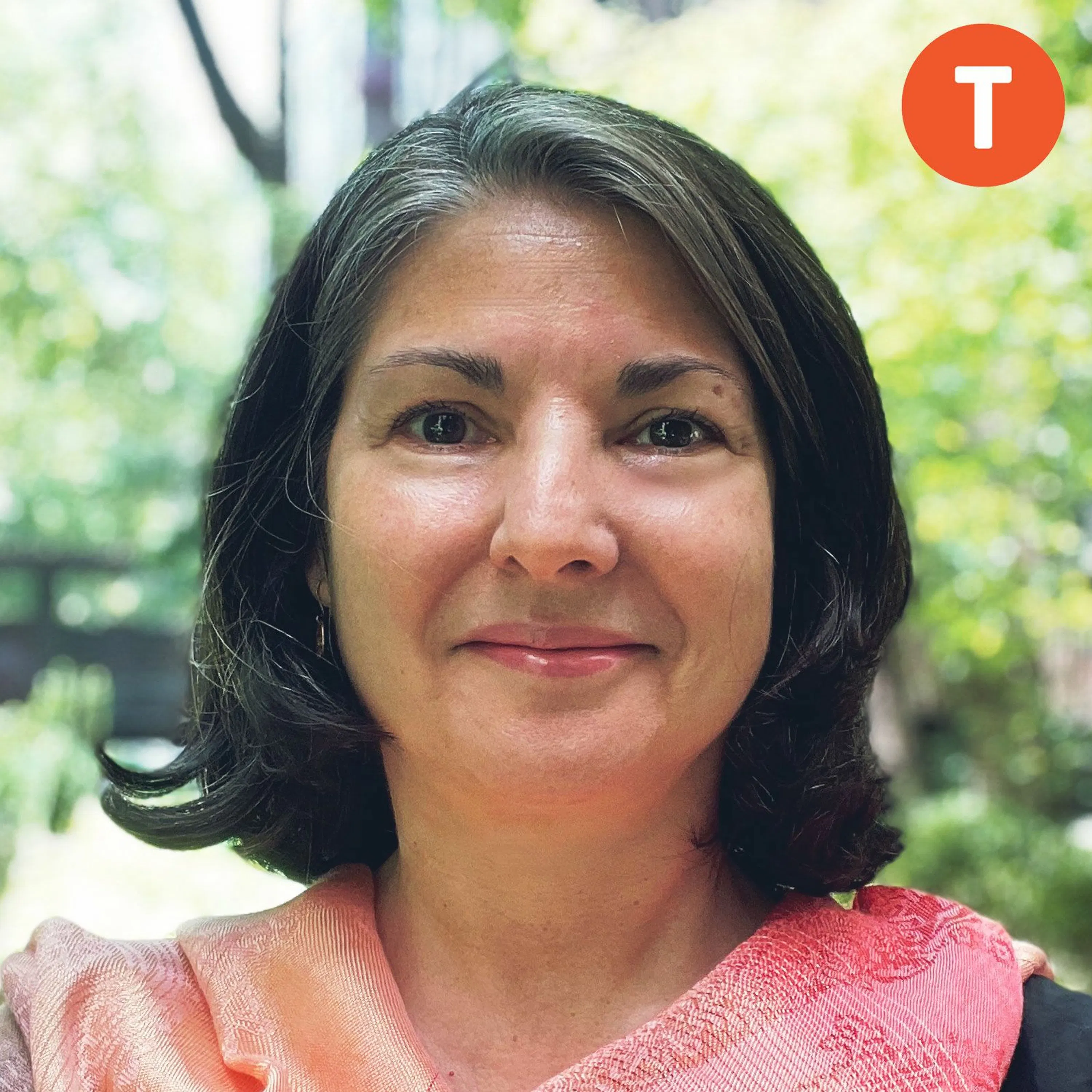
Navigating Grief and Loss with Kimberly Brown
Over the course of the past few years, many of us have found ourselves dealing with loss. Yet our contemporary culture often doesn’t allow us the space we need to grieve. Meditation teacher Kimberly Brown believes that mourning takes time, and she works as a grief counselor to support people through difficult and complicated losses. In her new book, "Navigating Grief and Loss: 25 Buddhist Practices to Keep Your Heart Open to Yourself and Others," Brown lays out concrete tools to help us become better friends to ourselves as we grieve. In this episode of Life As It Is, Tricycle’s editor in chief, James Shaheen, and co-host Sharon Salzberg sit down with Brown to talk about how we can learn to stay with our grief, why it can be so hard to ask for help, and how rituals can help us honor the losses in our lives.

The Role of the Artist in Times of Crisis with Ben Okri
When poet Ben Okri was just seven years old, he and his family moved back to Nigeria on the eve of civil war. Ever since, he has been fascinated by what he calls “cusp moments,” the periods just before catastrophe strikes. His new novel, "The Last Gift of the Master Artists," takes place in an African society just before the Atlantic slave trade. In the book, he sets out to examine the spirit of a culture on the eve of its destruction. In today’s episode of Tricycle Talks, Tricycle’s editor in chief, James Shaheen, sits down with Okri to discuss how writing can help us face what we refuse to see, how Buddhist teachings have influenced his work, and why he believes that art is most powerful when it brings us to a point of crisis.
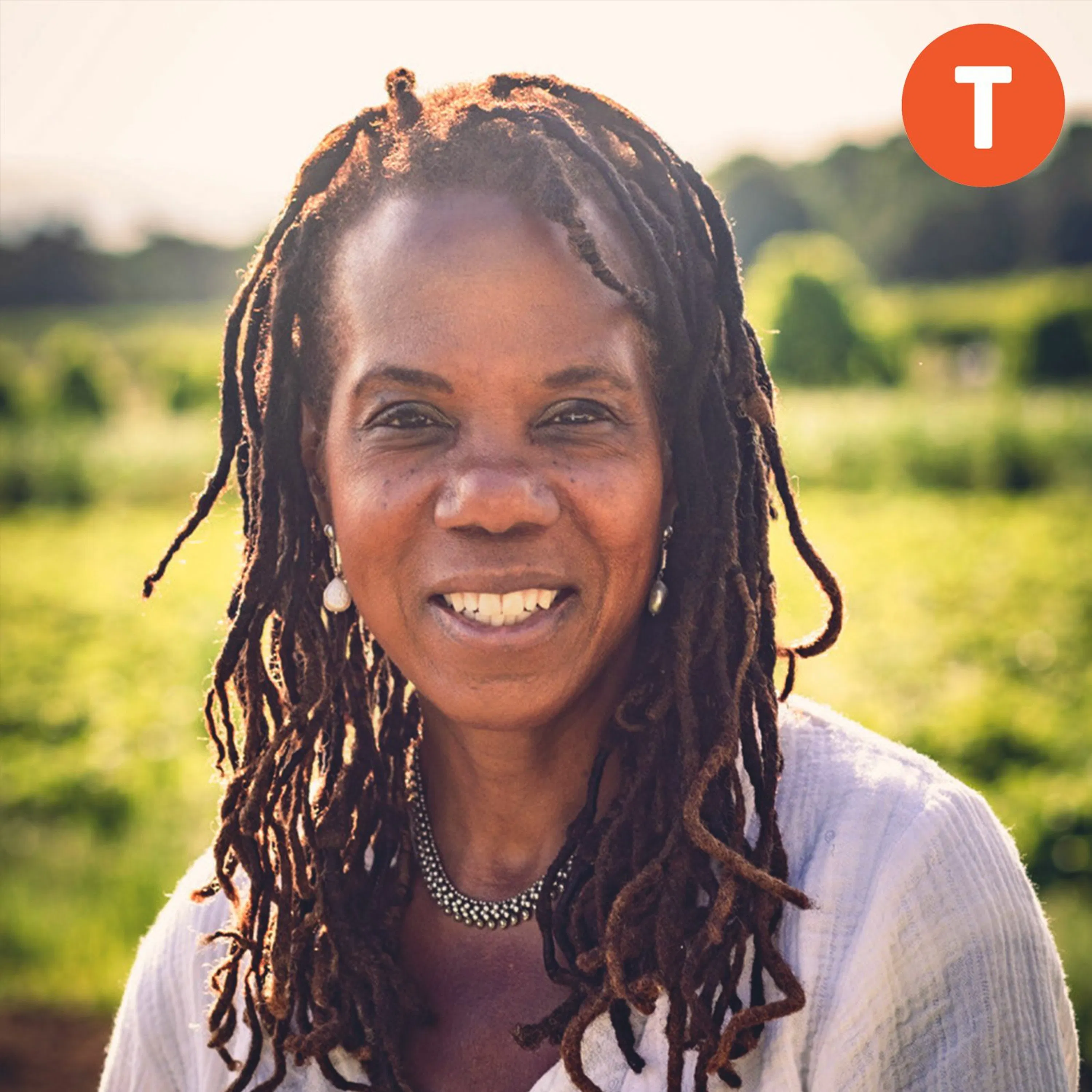
Making Peace with Our Longing to Belong with Valerie Brown
For twenty years, Valerie Brown worked as a lawyer lobbyist, persuading politicians on Capitol Hill. But after a chance encounter with the teachings of Thich Nhat Hanh, she began searching for a deeper sense of meaning and purpose. Eventually, she quit her job and became ordained as a dharma teacher in the Plum Village tradition. In her new book, "Hope Leans Forward: Braving Your Way toward Simplicity, Awakening, and Peace," Brown shares her journey through personal loss and how she has grappled with the question, “Where is hope now?” In this episode of Life As It Is, Tricycle’s editor-in-chief James Shaheen and co-host Sharon Salzberg sit down with Brown to talk about the distinction between active and passive hope, her unique blend of Buddhist and Quaker traditions, and how she has learned to listen to her soul’s voice.
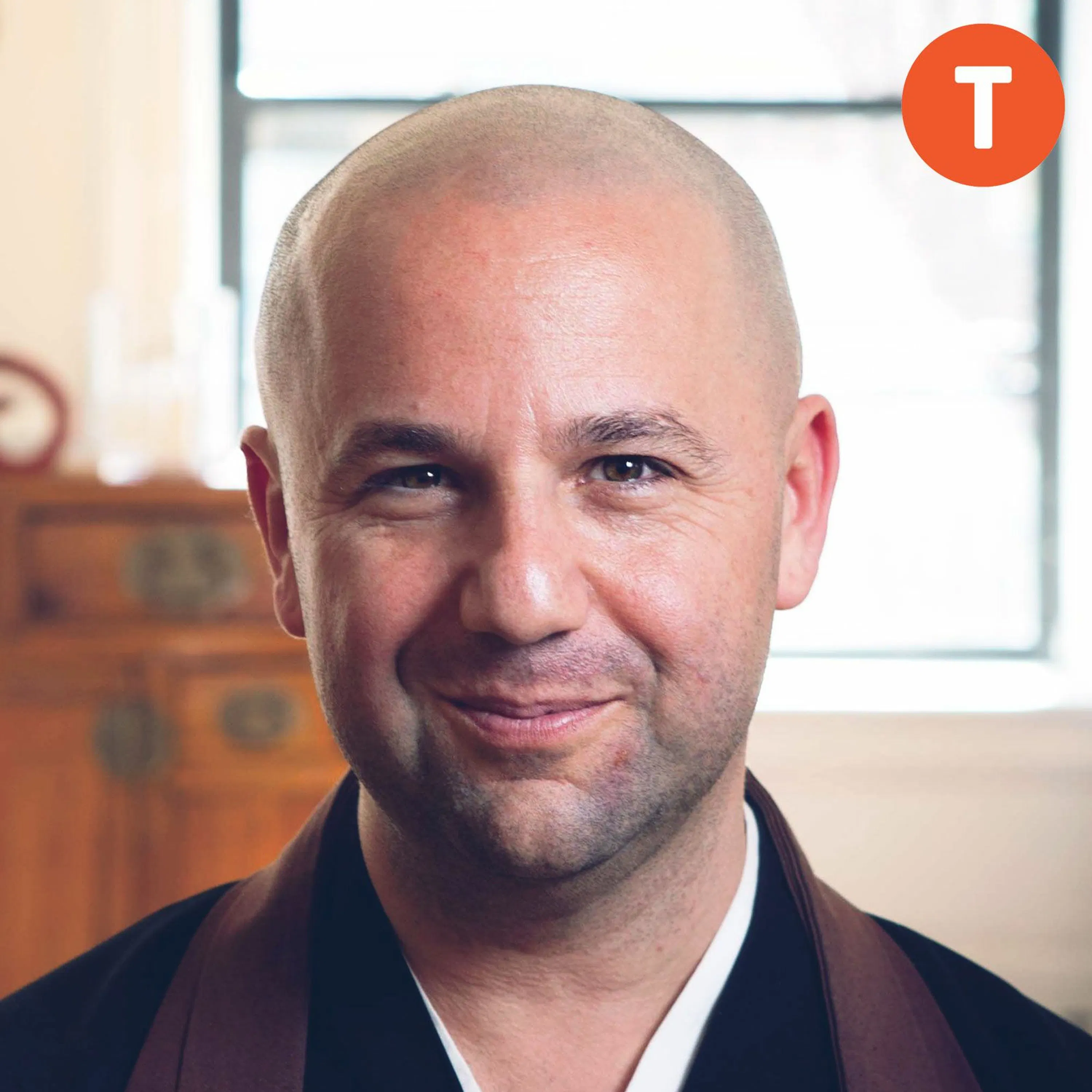
Getting Untangled with Koshin Paley Ellison
When Koshin Paley Ellison was just eight years old, he already knew that he wanted to become a Zen Buddhist monk. He began practicing meditation after a karate teacher insisted that he could never be free until he could be still with his pain. Now, Ellison serves as a Zen teacher, chaplaincy educator, and cofounder of the New York Zen Center for Contemplative Care, and in these roles, he helps others learn to be still with their pain. In his new book, "Untangled: Walking the Eightfold Path to Clarity, Courage, and Compassion," Ellison lays out how Buddhist practice can free us from our destructive patterns and help us access a greater sense of pleasure. In this episode of Tricycle Talks, Tricycle’s editor-in-chief, James Shaheen, sits down with Ellison to talk about the tangles that ensnare us, the power of learning to become intimate with our suffering, and how every aspect of our lives can become a place of practice.

Not Enlightened, But Lighter with Yung Pueblo
It can be so tempting to be pessimistic about our present moment. But poet Diego Perez believes that we live in an unprecedented time of global healing. Perez publishes his poems using the pen name Yung Pueblo, or “young people,” because he believes that humanity as a whole is still young and has a lot of maturing to do. In his new book, "Lighter: Let Go of the Past, Connect with the Present, and Expand the Future," Perez shares his personal path to healing from addiction and lays out practices to help us cultivate what he calls structural compassion. In today’s episode of Life As It Is, Tricycle’s editor-in-chief James Shaheen and cohost Sharon Salzberg sit down with Perez to talk about the connection between personal and global transformation, the difference between self-love and narcissism, and what gives him hope about our present moment.

Transforming Anger into Compassion with Allison Aitken
There are lots of reasons to be angry right now. It’s often said that if you’re not outraged, you’re not paying attention. But according to scholar Allison Aitken, anger only leads to further harm, no matter how justified it may feel in the moment. As a professor of philosophy, Aitken believes that Buddhist texts offer valuable resources for working with our anger and healing contemporary divisions. Drawing from the work of the eighth-century Indian philosopher Shantideva, she positions compassion as a substitute attitude for anger and lays out methods for moving beyond righteous rage. In this episode of Tricycle Talks, Tricycle’s editor-in-chief, James Shaheen, sits down with Aitken to talk about how anger distorts our perceptions, why anger can be so seductive, and how we can transform our rage into compassion.

Breaking Free of the Stories We Tell Ourselves with Catherine Burns
Catherine Burns is a firm believer in the power of stories. For the past 20 years, she has served as the artistic director at The Moth, a nonprofit dedicated to the art of storytelling. In this role, she has helped hundreds of people craft their stories, including a New York City sanitation worker, a Nobel Laureate, a jaguar tracker, and an exonerated prisoner. For Burns, listening to stories can be a way of cultivating empathy and healing from trauma. In today’s episode of Life As It Is, Tricycle’s editor-in-chief, James Shaheen, and co-host Sharon Salzberg sit down with Burns to talk about how to tell a good story, how we can break free from harmful narratives, and how stories can help us find community in the midst of isolation.

Sarah Shaw on the Jhanas and Awakening through Joy
A few days before the eminent scholar Lance Cousins passed away in 2015, he revealed to one of his students, Sarah Shaw, that he had been working on a book on Buddhist meditation. After his death, with the permission of his family, Shaw found the manuscript on his desktop and prepared it for publication. The book, "Meditations of the Pali Tradition," is the first comprehensive exploration of meditation systems in Theravada Buddhism, and it offers an in-depth analysis of the ritual, somatic, and devotional aspects of Theravada practice that are often overlooked. In today’s episode of Tricycle Talks, Tricycle’s editor-in-chief, James Shaheen, sits down with Shaw to discuss a system of Buddhist meditation known as the jhanas, a strain of Buddhist mysticism called Tantric Theravada, and the underappreciated role of joy in meditative practice.

Healing Burnout with Jan Chozen Bays
Over the past few years, the pressures placed on healthcare workers have mounted steadily, and rates of burnout and exhaustion are on the rise. According to Jan Chozen Bays, a pediatrician and Zen priest, mindfulness practices can provide an antidote to burnout and support those who are working on the frontlines of human suffering. In her new book, "Mindful Medicine: 40 Simple Practices to Help Healthcare Professionals Heal Burnout and Reconnect to Purpose," Bays presents short, simple practices to help healthcare workers reconnect with themselves and their patients in the midst of demanding workdays. In this episode of Life As It Is, Tricycle’s editor-in-chief, James Shaheen, and co-host Sharon Salzberg sit down with Bays to discuss her own experience of burnout, her work in creating supportive communities for physicians, and how we can experience a greater sense of presence and flow in our daily lives.

Revisiting Ritual with Anne Klein
Ritual is a foundational component of many Buddhist traditions, yet Western Buddhists are often reluctant to engage in ritual practice. According to Buddhist teacher and professor Anne Klein, this resistance can actually be generative. In fact, Klein believes that working with our resistance to ritual can open us to spaces of wonder, liberation, and belonging. In today’s episode of Tricycle Talks, Tricycle editor-in-chief James Shaheen sits down with Klein to discuss why so many of us are resistant to ritual, the types of freedom that ritual makes possible, and how ritual practices can support us in the face of loneliness and alienation.

Tapping Into Our Collective Wisdom with Sumi Loundon Kim
For chaplain Sumi Loundon Kim, sangha, or community, is the foundation of Buddhist practice. As a child, Kim grew up in a Soto Zen community in rural New Hampshire, and her immersive experience of Buddhism has informed her understanding of how we engage with the dharma. Kim later went on to found Mindful Families of Durham, a meditation community that supports parents, caregivers, and children. She currently serves as the Buddhist chaplain at Yale University, where she has been experimenting with alternative models of sangha. In today’s episode of Life As It Is, Tricycle editor-in-chief James Shaheen and co-host Sharon Salzberg sit down with Kim to discuss how to tap into the collective wisdom of a sangha, the power of storytelling, and how spiritual friendship can support us in facing the crises of our world today.
A Beginner's Guide to Rebirth with Roger Jackson
The idea that we are born again after death has been a source of fascination within and beyond the Buddhist world for millennia. Yet the history and scope of Buddhist approaches to rebirth hasn’t been widely explored by Western scholars. In his new book, "Rebirth: A Guide to Mind, Karma, and Cosmos in the Buddhist World," scholar Roger Jackson offers the first complete overview of Buddhist understandings of rebirth. Jackson has dedicated much of his professional life to examining interpretations of rebirth in different Buddhist contexts across cultures, including how Buddhists today wrestle with the concept. In this episode of Tricycle Talks, Tricycle editor-in-chief James Shaheen sits down with Jackson to discuss views of rebirth across Buddhist traditions, how you can be reborn without having a self, and whether you have to believe in rebirth to be a Buddhist.

The Radical Power of Just Showing Up with Shelly Tygielski
On March 14, 2020, just after COVID was declared a national emergency, meditation teacher and activist Shelly Tygielski wanted to find a way to support her community in South Florida. She created two simple Google forms—one to give help and one to get help—and shared both on social media. The next morning, each form had over 500 responses from around the country, and the mutual aid organization Pandemic of Love was born. Since Pandemic of Love’s conception, the organization has connected over 2 million donors with individuals and families in need and has responded directly to global crises including hurricanes, mass shootings, and the ongoing war in Ukraine. Just this past month, Tygielski returned from the Poland-Ukraine border, where she was supporting Ukrainian refugees displaced by war. In this episode of Life As It Is, Tricycle editor-in-chief James Shaheen and co-host Sharon Salzberg sit down with Tygielski to discuss her work in Ukraine, the history of mutual aid movements, and the radical power of just showing up.

Remembering the Forgotten War with Marie Myung-Ok Lee
In contemporary American culture, the Korean War is often referred to as the “Forgotten War,” but according to Korean American novelist Marie Myung-Ok Lee, the war is still very much alive for those who lived through it—and their descendants. In her new novel, "The Evening Hero," Lee examines the forgotten history of the Korean War and the ensuing displacement and loss that so many Korean families were forced to endure. Weaving together an exploration of Korean religious traditions, contemporary political commentary, and a critique of the commercialization of healthcare, the book follows the story of a middle-aged Korean American obstetrician, Yungman Kwak, as he navigates a changing world. In this episode of Tricycle Talks, Tricycle editor-in-chief James Shaheen sits down with Lee to discuss Korean rituals of honoring one’s ancestors, the generational impact of wartime trauma, and her own journey through diverse spiritual traditions.

Getting Close to the Terror with Ocean Vuong
For Buddhist poet and novelist Ocean Vuong, being an artist requires a willingness to get close to what scares him. As a writer, he sees language as an architecture to reckon with loss, both personal and communal, and his poetry is informed by his decades-long practice of death meditation. His latest collection, "Time Is a Mother," was written in the aftermath of his mother’s death from breast cancer in late 2019 and offers an intimate portrait of grief, loss, and survival. In today’s episode of Life As It Is, Tricycle editor-in-chief James Shaheen and co-host Sharon Salzberg sit down with Ocean to discuss Buddhist rituals of mourning, the poem as a death meditation, and how he protects his sense of wonder. To close, Ocean reads a poem from his new collection.

Learning to Live Without a Self with Jay Garfield
We often hear about the Buddhist teaching of no-self. But what does it actually mean to live without a self? In his new book, "Losing Ourselves: Learning to Live Without a Self," scholar Jay Garfield argues that shedding the illusion of the self can actually make you a better person. Drawing from Buddhism, Western philosophy, and cognitive neuroscience, Garfield unpacks how the notion of self is not only wrong but also morally dangerous. Once we let go of this illusion, he argues, we can lead healthier and more ethically skillful lives. In today’s episode of Tricycle Talks, Tricycle editor-in-chief James Shaheen sits down with Garfield to talk about the ethical perils of the self illusion, the freedom that can come from moments of selflessness, and how we can let go of our selves to reclaim our humanity.

Dwelling in the Casita of Equanimity with Daisy Hernández
In this episode of Life As It Is, Tricycle editor-in-chief James Shaheen and co-host Sharon Salzberg are joined by journalist, professor, and Tricycle contributing editor Daisy Hernández. Daisy’s latest book, "The Kissing Bug," blends together memoir and investigative journalism to tell the story of Chagas disease, an insect-borne illness that disproportionately impacts marginalized communities. The book recently won a PEN/Jean Stein Book Award and the National Book Foundation Science + Literature Award. Today, James and Sharon catch up with Daisy to reflect on the past two years of the pandemic, her practices of equanimity, and how she finds refuge in times of war.

Finding Beauty in Asymmetry with Playwright Sarah Ruhl
After giving birth to twins, playwright Sarah Ruhl was diagnosed with Bell’s palsy, a paralysis of the seventh cranial nerve that severely limits facial expression, even—and especially—one’s ability to smile. Though most suffering from this condition get better within a year, for Ruhl, the road to recovery has been much slower. In her new memoir, "Smile: The Story of a Face," Ruhl reflects on her journey of reoccupying her body and reclaiming her capacity for joy. In today’s episode of Tricycle Talks, Tricycle editor-in-chief James Shaheen sits down with Ruhl to discuss Zen koans, the overlooked beauty of asymmetry and imperfection, and how Tibetan Buddhism brought her back to her Catholic roots.

Quan Barry on Desire, Doubt, and Faith in a Changing World
Born in Saigon, poet and novelist Quan Barry grew up in Danvers, Massachusetts and currently teaches creative writing at the University of Wisconsin—Madison. Her latest novel, "When I’m Gone, Look For Me in the East," follows the story of two telepathic twins as they journey across the vast Mongolian landscape in search of a tulku, or reincarnate lama. Along the way, the twins grapple with questions of desire, doubt, and the place of faith in a changing world. In today’s episode of Life As It Is, Tricycle editor-in-chief James Shaheen and co-host Sharon Salzberg sit down with Barry to discuss the joys and responsibilities of writing fiction, the tensions between monasticism and modernity, and her travels across the Mongolian steppe.

Dharma Songs to Stir and Settle with Trent Walker
The Theravada tradition of Buddhism is typically associated with monastic purity and austerity. But according to Trent Walker, a scholar of Southeast Asian Buddhist music, this is only a half-truth, as it ignores the rich and vast traditions of Theravada liturgical music. In his article in the spring issue of Tricycle, “Dharma Songs to Stir and Settle,” Walker offers an introduction to the Cambodian dharma song tradition, with a particular emphasis on the affective states that dharma songs elicit. For Walker, dharma songs strike a balance between aesthetic expression and monastic austerity. In today’s episode of Tricycle Talks, you’ll hear Walker perform a couple of dharma songs and discuss classical South Asian theories of emotion, his hopes for the future of Buddhist studies, and how music and aesthetics fit into the Buddhist path to salvation.

On the Road to Awakening with the Traveling Nunk
On September 15, Buddhist monastic Sister Clear Grace Dayananda set out across the United States in the Great Aspiration, a Chevy van she has converted into a portable meditation hall. This mobile monastery is the centerpiece of a project she calls the Traveling Nunk, which aims to make dharma teachings accessible to marginalized communities. Through chanting in public parks, collaborating with local faith groups, and giving out meals to those in need, she aspires to act with compassion and equanimity. In today’s episode of Life As It Is, Tricycle editor-in-chief James Shaheen and co-host Sharon Salzberg sit down with Sister Clear Grace to talk about her travels through the American South, the practice of meeting people where they are, and how we can learn to love those with whom we disagree.

The Zen of Therapy with Mark Epstein
Psychotherapist Mark Epstein is often asked how he incorporates his Buddhist practice into his therapy sessions. His latest book offers an answer to that question. In "The Zen of Therapy: Uncovering a Hidden Kindness in Life," Epstein documents dozens of therapy sessions over the course of a year, tracing the Buddhist themes that arise. Weaving together psychoanalytic theory, Zen poetry, and the music of John Cage, Epstein presents a compelling model of therapy as spiritual friendship. In today’s episode of Tricycle Talks, Tricycle editor-in-chief James Shaheen sits down with Epstein to discuss Zen koans, the improvisational nature of therapy, and the art of listening.

Coming Back to Embodiment
We often hear meditation described in terms of mindfulness. But Buddhist teacher and writer Martin Aylward playfully offers bodyfulness as an alternative. In his latest book, "Awake Where You Are: The Art of Embodied Awareness," Aylward invites readers into their own embodied experience, offering what he calls “a guidebook for an embodied life.” In today’s episode of Life As It Is, Tricycle’s editor-in-chief James Shaheen and co-host Sharon Salzberg sit down with Aylward to discuss the power of embodied attention, how the pandemic has changed our relationship with our bodies, and how we can work with physical pain and discomfort in our practice.

Inside the Issue: Embracing Our Interdependence
In this special series of episodes of Tricycle Talks, editor-in-chief James Shaheen sits down with three contributors to the Winter issue of Tricycle. In today’s episode, he’s joined by Suzannah Showler, a writer, cultural critic, and poet. In “Bechdel’s Quest,” Showler reviews Alison Bechdel’s new graphic memoir, "The Secret to Superhuman Strength." Shaheen and Showler talk about exercise obsessions, toxic work habits, and the dangers of the American myth of self-reliance.

Inside the Issue: Suzuki Roshi's Approach to Disagreement
In this special series of episodes of Tricycle Talks, editor-in-chief James Shaheen sits down with three contributors to the winter issue of the magazine, out this month. In today’s episode, he’s joined by Zen teacher and writer Lew Richmond. Richmond’s article in the magazine, “Food Is Very Important,” offers a Buddhist approach to disagreement based on a line he heard from his teacher, Suzuki Roshi. Shaheen and Richmond discuss strategies for working with disagreement and conflict inspired by Suzuki Roshi’s example.

Inside the Issue: Sarah Ruhl on Finding Her Original Face
In this special series of episodes, editor-in-chief James Shaheen sits down with three contributors to the winter issue of the magazine, out this month. In today's episode, he's joined by Sarah Ruhl, an award-winning playwright and poet interviewed in the issue. Shaheen and Ruhl discuss the relationship between the face and the self, the role of theater in building empathy, and the power of not praying for outcomes.
Solving the Climate Crisis in One Generation
It can be so easy to become demoralized or even apocalyptic about the state of our planet. But entrepreneur and activist Paul Hawken believes we have less reason to despair than we think. In fact, Hawken asserts that if we act together, we can end the climate crisis in decades to come. In his new book, "Regeneration: Ending the Climate Crisis in One Generation," Hawken offers a model of climate activism that puts life at the center of every act and decision. After all, writes Hawken, if we want to save the world, we have to create a world worth saving. In today’s episode of Life As It Is, Tricycle’s editor-in-chief James Shaheen and co-host Sharon Salzberg sit down with Hawken to discuss the Buddhist teachings that underpin his activism, the role of reverence in solving the climate crisis, and how he stays motivated in the face of burnout.

What Reality TV Can Teach Us About Surviving Ourselves
Sallie Tisdale is a Zen teacher, writer, and Tricycle contributing editor—and she has seen nearly every season of the award-winning reality TV show Survivor. In her latest book, "The Lie About the Truck: Survivor, Reality TV, and the Endless Gaze" (out October 26), Sallie brings her keen eye and characteristic wit to the series, which she calls “the greatest social experiment on television.” In today’s episode of Tricycle Talks, Tricycle’s editor-in-chief James Shaheen sits down with Sallie to talk about the dharma lessons of Survivor and what it can teach us about perception, performance, and surviving ourselves.

Accepting Death to Live More Fully
When her closest childhood friend was diagnosed with cancer, writer and interfaith minister Barbara Becker set out on a quest to live a year of her life as if it were her last. Drawing from a variety of wisdom traditions, Becker explored questions of what it means to be mortal and how turning towards death can help us live more fully. This journey eventually led her to train as a hospice volunteer and interfaith minister, accompanying patients at the bedside and helping families make sense of their loss. In today’s episode of Life As It Is, Tricycle’s editor-in-chief James Shaheen and co-host Sharon Salzberg sit down with Becker to discuss the power of ritual in coping with loss, the Buddhist teachings that help her turn towards death, and how the pandemic has changed the way we grieve.

'Music or Madness, It's Up to You'
“A book must start somewhere. One brave letter must volunteer to go first, laying itself on the line in an act of faith, from which a word takes heart and follows, drawing a sentence into its wake. From there, a paragraph amasses, and soon a page, and the book is on its way, finding a voice, calling itself into being. A book must start somewhere, and this one starts here.” So begins Ruth Ozeki’s new novel, "The Book of Form and Emptiness," which follows the story of a young boy, Benny Oh, who starts hearing voices after his father’s death. In this poignant exploration of grief, Ozeki weaves together Zen Buddhism, pop culture, environmental politics, and the writings of German philosopher Walter Benjamin—not to mention a cacophony of voices that calls into question our understanding of what is “real.” In this episode of Tricycle Talks, Tricycle’s editor-in-chief James Shaheen sits down with Ozeki to reflect on the redemptive power of writing, the interplay between creativity and madness, and relational modes of healing.

Every Moment Is a Bardo
For many of us, this past year has felt like an in-between state, as our usual routines and realities have been upended. Tricycle contributing editor and writer Ann Tashi Slater likens this suspension to the bardo journey, the transitional path between death and rebirth outlined in "The Tibetan Book of the Dead." Born in Andalusia, Spain to an American father and a Tibetan mother, Slater, who was raised in the US, is no stranger to navigating in-between spaces. In her writing, Slater explores themes of ancestral pilgrimage and the bardo journey, and her connection to the bardos has deepened in recent years through personal encounters with illness and loss. In today’s episode of Life As It Is, Tricycle editor-in-chief James Shaheen and co-host Sharon Salzberg sit down with Slater to discuss near-death experiences, end-of-life rituals, and what the living can learn from "The Tibetan Book of the Dead."

The Anxiety of Return
After months of isolation, many of us are in a moment of transition, whether we’re attending larger social gatherings again, seeing relatives, or preparing to head back to the office for the first time in months. While there’s a lot to be excited about, such changes are also likely to stir some fear and anxiety. If anyone can explain how anxiety grips us, it’s Josh Korda, a counselor and the guiding teacher of Dharma Punx NYC. In today’s episode of Tricycle Talks, Tricycle’s editor-in-chief James Shaheen sits down with Korda to unpack what he calls the “anxiety of return.” Drawing from early Buddhist teachings, neuroscience, and evolutionary biology, Korda offers a more skillful way to manage life’s stressors and live with greater ease.

Inside Tricycle's Fall 2021 Issue
In this special episode of Tricycle Talks, editor-in-chief James Shaheen is joined by three contributors to Tricycle’s 30th anniversary issue, out this August. First, Jordan Quaglia, a neuroscientist and experimental psychologist who runs the Cognitive and Affective Science Lab at Naropa University in Boulder, Colorado, talks about a video game he reviews in the issue that teaches unexpected lessons on impermanence. Quaglia and Shaheen discuss virtual friendships, cultivating compassion in the digital world, and the unique opportunities video games can offer contemplative practitioners. Next up is Vanessa Zuisei Goddard, a Zen teacher and writer based in New York City. In “Just Love Them,” Goddard writes about a time when her job at a Buddhist monastery was getting in the way of what she calls the “real work.” She joins Tricycle Talks to talk about the dangers of perfectionism, the transformative power of lovingkindness, and practical tools for dealing with burnout. Finally, Ira Helderman, a religious studies scholar, psychotherapist, and lecturer at Vanderbilt University, comments on his feature article, “The McMindfulness Wars: What’s a Psychotherapist to Do?,” which lays out contemporary debates about the ethics of mindfulness-based interventions. Shaheen and Helderman explore the long histories of these debates, as well as possible paths forward. Also in this issue: Stephen Mitchell demonstrates the thrill of “dharma combat” and how it can reveal a student’s understanding of the truth—until the truth changes again; teacher and writer Stephen Batchelor explores the rituals and mysteries of creativity with novelist and Zen priest Ruth Ozeki; we learn how some of Tricycle’s contributing editors’ opinions have evolved over the last 30 years; and psychologist and science journalist Daniel Goleman speaks with His Holiness the Dalai Lama.

Diseases of the Heart
Welcome to Tricycle’s new podcast series, Life As It Is. Each month, Tricycle’s editor-in-chief James Shaheen and co-host Sharon Salzberg will speak with Buddhist practitioners about their work, practice, and everyday life—and, perhaps most importantly, how they're navigating these uncertain times. In today’s episode, Sharon and James sit down with Buddhist writer, cultural activist, and Tricycle contributing editor Daisy Hernández to discuss her new book, "The Kissing Bug: A True Story of a Family, an Insect, and a Nation's Neglect of a Deadly Disease." Equal parts memoir and investigative journalism, "The Kissing Bug" tells the undertold story of a parasitic disease that disproportionately affects Latinx communities.