Tricycle Talks
211 episodes — Page 2 of 5

The Grieving Body with Mary-Frances O'Connor
Grief is often thought of as a psychological phenomenon. Yet loss also has a profound impact on our bodies, often affecting our cardiovascular, endocrine, and immune systems. As a Professor of Clinical Psychology and Psychiatry at the University of Arizona, Mary-Frances O’Connor specializes in studying the physiology of grief. In her new book, The Grieving Body: How the Stress of Loss Can Be an Opportunity for Healing, she draws from her clinical research and her personal experience to explore the toll that loss takes on our bodies—and what this can teach us about care, compassion, and interdependence. In this episode of Life As It Is, Tricycle’s editor-in-chief, James Shaheen, and meditation teacher Sharon Salzberg sit down with O’Connor to discuss the phenomenon of dying of a broken heart, how grieving can be thought of as a form of learning, how meditation can change how we show up for others, and the challenges of rediscovering a sense of purpose in the wake of loss.

A Journey through Buddhist History with Donald S. Lopez Jr.
Donald S. Lopez Jr. is the Arthur E. Link Distinguished University Professor of Buddhist and Tibetan Studies in the Department of Asian Languages and Cultures at the University of Michigan and a longtime Tricycle contributing editor. In his new book, Buddhism: A Journey through History, he lays out a comprehensive introduction to the history of Buddhism, tracing its development across continents and centuries. In this episode of Tricycle Talks, Tricycle’s editor-in-chief, James Shaheen, sits down with Lopez to discuss the challenges in attempting to tell any single history of Buddhism, how translation has contributed to Buddhism’s survival as a tradition, the debates surrounding Buddhism’s decline in India, and the story of the Buddha’s nemesis and would-be assassin.

Uprooting Harmful Habits with Valerie (Vimalasara) Mason-John
Valerie (Vimalasara) Mason-John is a senior teacher in the Triratna Buddhist Community, and their work focuses on how Buddhist teachings can support a sustainable path to recovery. In their new book, First Aid Kit for the Mind: Breaking the Cycle of Habitual Behaviors, they lay out practical tools for uprooting harmful habits, building emotional resilience, and reconnecting with our bodies. In this episode of Tricycle Talks, Tricycle’s editor-in-chief, James Shaheen, sits down with Mason-John to talk about how they first developed a practice of meditation after their experience in solitary confinement, how the Buddha’s teachings have supported their path to recovery, and how they’ve come to understand addiction from a Buddhist perspective. Please note that this episode includes mentions of sexual assault and suicidal ideation.

Planting the Seeds of Happy Relationships with Kimberly Brown
Kimberly Brown is a meditation teacher and author based in New York City. In her new book, Happy Relationships: 25 Buddhist Practices to Transform Your Connections with Your Partner, Family, and Friends, she lays out a practical guide to help us cultivate and maintain healthy relationships with the people who matter most to us. In this episode of Life As It Is, Tricycle’s editor-in-chief, James Shaheen, and meditation teacher Sharon Salzberg sit down with Brown to discuss how mindfulness can help us navigate conflict in relationships, the power of changing how we pay attention to the people around us, and why she believes happy relationships are possible for everyone. Plus, Brown leads a guided meditation.

How to Lose Yourself with Jay Garfield
No-self is a core teaching across Buddhist traditions. Yet what does it look like to actually live without a self? In How to Lose Yourself: An Ancient Guide to Letting Go, scholars Jay L. Garfield, Maria Heim, and Robert H. Sharf present a series of accessible and engaging translations of key Buddhist texts on why we are selfless persons—and why this insight leads to greater freedom and compassion. In this episode of Tricycle Talks, Tricycle’s editor-in-chief, James Shaheen, sits down with Garfield to discuss why our preoccupation with the self causes us so much suffering, how dismantling the self is a project of moral development and spiritual freedom, and what it means to be a person without a self.
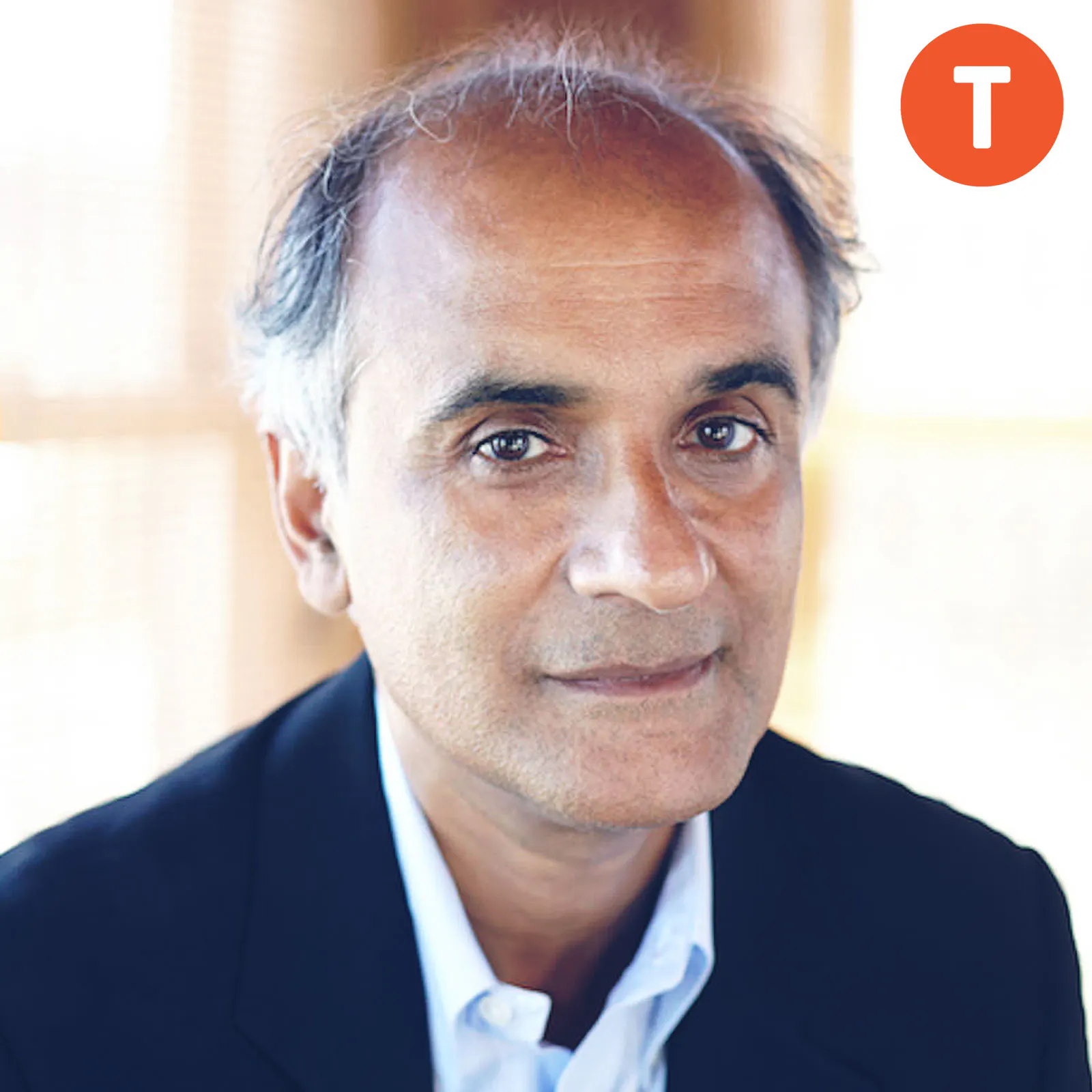
Learning from Silence with Pico Iyer
After his family home burned down in a California wildfire in the 1990s, journalist Pico Iyer found refuge in an unlikely location: a small Benedictine hermitage outside of Big Sur. Though Iyer initially arrived looking for a bed to sleep in, he soon found the silence of monastic life transformative, and over the course of the past thirty-three years, he has returned to the hermitage more than one hundred times. In his new book, Aflame: Learning from Silence, he explores the profound insights that come from silence—and how sitting in stillness can train us to care for one another in a world on fire. In this episode of Tricycle Talks, Tricycle’s editor-in-chief, James Shaheen, sits down with Iyer to discuss how silence facilitates letting go of the self, why he sees monastic life as the true counterculture, and what his time at the hermitage has taught him about learning to love in the midst of loss.

Embracing Our Limitations and Making Time for What Counts
Oliver Burkeman is an author and journalist based in northern England. In his new book, Meditations for Mortals: Four Weeks to Embrace Your Limitations and Make Time for What Counts, he lays out a practical guide for living meaningful and fulfilling lives as finite, imperfect humans. In this episode of Life As It Is, Tricycle’s editor-in-chief, James Shaheen, and meditation teacher Sharon Salzberg sit down with Burkeman to discuss what we gain by letting go of the delusion that life is something we have to solve, how our attempts at avoiding our anxieties often backfire, and why everything is much worse than we think—and why that’s OK.

Everything Is Buddha with Noelle Oxenhandler
Noelle Oxenhandler is a writer and longtime Tricycle contributing editor based in northern California. Recently, she has been thinking a lot about what it means to be ready to die—and what will happen to all her belongings when she does. In her article in the November issue of Tricycle called “Everything Is Buddha,” she explores the sense of obligation she has toward the objects she has accumulated over the years, including a rubber zebra in a sailor suit and an intricately carved moose donning flannel trousers. Using the teachings of Suzuki Roshi as her guide, she asks what it means to treat everything around us as Buddha. In this episode of Tricycle Talks, Tricycle’s editor-in-chief, James Shaheen, sits down with Oxenhandler to discuss how to let go of an object without devaluing it, what we can learn from Suzuki Roshi’s notion of everything existing in the right place, and what it means for things to be more than just things.

Finding Joy in Everything We Do with Dzigar Kongtrul Rinpoche
Dzigar Kongtrul Rinpoche is a Tibetan Buddhist teacher and author based in southern Colorado. In his new book, Diligence: The Joyful Endeavor of the Buddhist Path, he draws from the teachings of the 8th-century Buddhist philosopher Shantideva to explore how we can meet the world with joy and openheartedness. In this episode of Tricycle Talks, Tricycle’s editor-in-chief, James Shaheen, sits down with Kongtrul Rinpoche to discuss the power of aspiration, how joy and steadfastness can protect us against laziness and low self-esteem, the importance of taking breaks, and how we can learn to find true joy in everything we do.

Saraha, Poet of Blissful Awareness with Roger R. Jackson
When Roger R. Jackson was an undergraduate at Wesleyan, he came across the verses of Saraha, a 10th-century mystic known for his fierce exhortations to cut through the layers of delusion in order to experience the true nature of mind directly. While Saraha is considered one of the founders of the Vajrayana tradition and has been incorporated into a number of Tibetan Buddhist lineages, there have been relatively few academic examinations of his full body of work and its ongoing legacy. With Saraha: Poet of Blissful Awareness, Jackson presents the first thorough treatment of Saraha’s context, life, works, poetics, and teachings, including new translations of nearly all of Saraha’s dohas, or spontaneous songs. In this episode of Tricycle Talks, Tricycle’s editor-in-chief, James Shaheen, sits down with Jackson to discuss the many legends surrounding Saraha, Saraha’s fierce critique of nearly every possible religious and social standpoint, and how to situate Saraha’s radical claims in the context of the Buddhist movements of his time.

How to Grieve What We've Lost with Sameet Kumar
Sameet Kumar is a clinical psychologist at the Memorial Cancer Institute and Moffitt Hematology and Cellular Therapy program. His work focuses on mindfulness-based approaches to grief and loss. In his new book, How to Grieve What We’ve Lost: Evidence-Based Skills to Process Grief and Reconnect with What Matters, which he co-wrote with four other therapists, he lays out concrete strategies for finding meaning and cultivating resilience in the face of loss. In this episode of Life As It Is, Tricycle’s editor-in-chief, James Shaheen, and meditation teacher Sharon Salzberg sit down with Kumar to discuss how we can work with the embodied experience of grief, what feelings of powerlessness can teach us about equanimity, and how distress can motivate us to examine what really matters.

Abortion and Buddhist Ethics with Katy Butler
When journalist Katy Butler first committed to the Buddhist precepts, it didn’t occur to her to consider her two abortions in their light. Now, fifty years later, she has come to understand abortion in the context of harm reduction and the alleviation of suffering. In her article in the November issue of Tricycle called “Abortion and the First Precept,” she discusses the Buddhist ethics of abortion and why she believes abortion can be a wrenching, sacred, and even morally necessary act. In this episode of Tricycle Talks, Tricycle’s editor-in-chief, James Shaheen, sits down with Butler to discuss the stigmas and hurdles she encountered in her experience of abortion, how the realities of women’s lives have long been overlooked by Buddhist teachers and communities, and how she thinks about Buddhist ethics in terms of harm reduction.
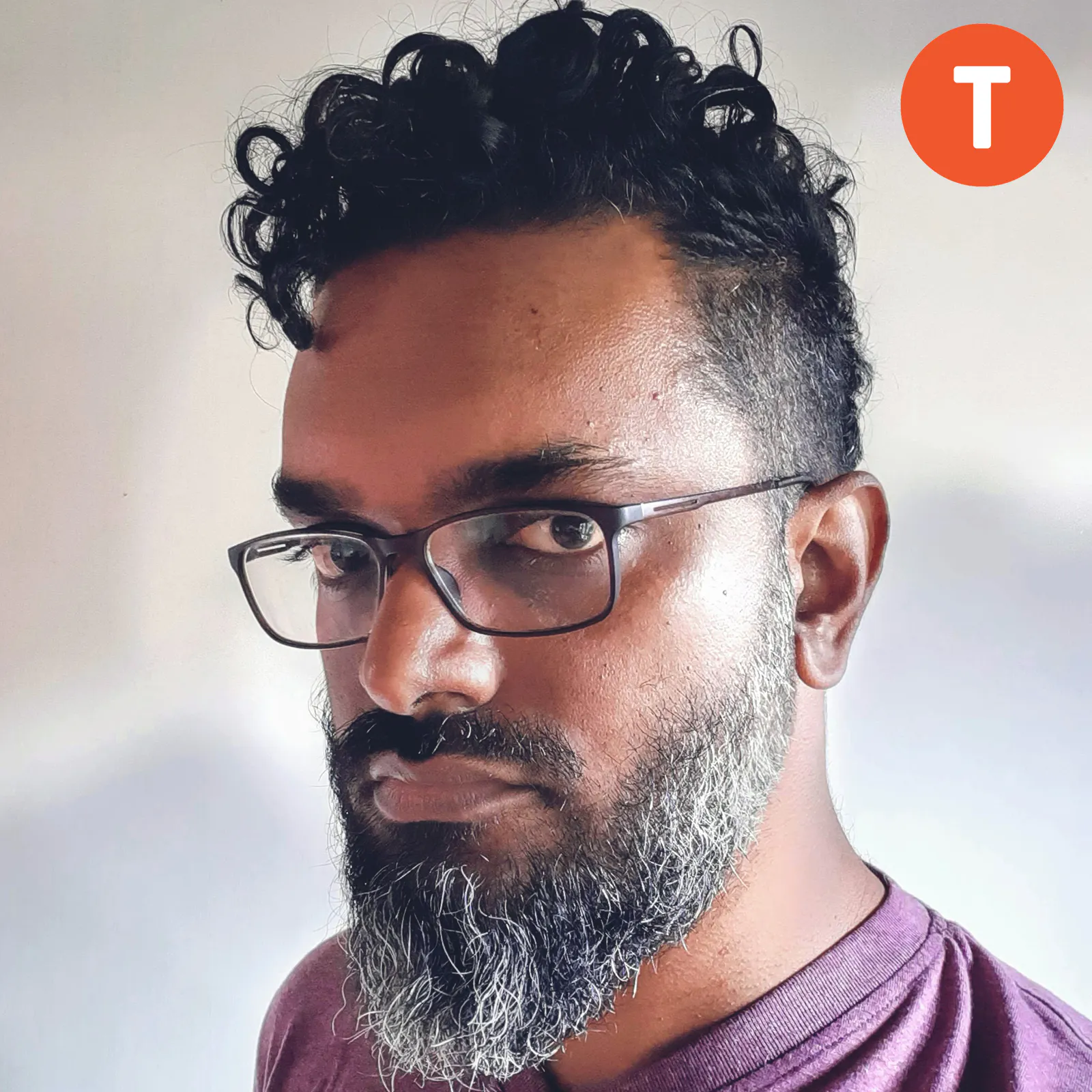
Picking Up the Pieces in a Postapocalyptic World with Vajra Chandrasekera
Vajra Chandrasekera is a novelist based in Colombo, Sri Lanka. His new novel, Rakesfall, follows two characters as they're reincarnated across histories and worlds from the mythic past to modern Sri Lanka to the far future Earth through endless epicycles of love, violence, and betrayal. In this episode of Tricycle Talks, Tricycle’s editor-in-chief, James Shaheen, sits down with Chandrasekera to discuss the weaponization of religious myths in Sri Lankan Buddhism, why he describes himself as an “unbuddhist,” how rituals anchor and retell history, and the role of haunting and possession in his work.

A Safe Place to Fall Apart with BJ Miller
When BJ Miller was a sophomore in college, he climbed atop a commuter train and was immediately electrocuted, causing him to lose both legs and half an arm. In the aftermath of his own near-death experience, he turned to the arts to make sense of his injuries and to grapple with questions of disability and what it means to live a good life. Miller is now a palliative care physician and the cofounder of Mettle Health, a multidisciplinary group providing support for people confronting illness, disability, and death. He previously served as the executive director of San Franciscos’s Zen Hospice Project and the founder of the Center for Living and Dying. In this episode of Life As It Is, Tricycle’s editor-in-chief, James Shaheen, and meditation teacher Sharon Salzberg sit down with Miller to discuss how he’s come to view recovery as a creative act, how studying art history and architecture radically shifted how he thinks about disability, what he’s learned from Buddhist approaches to death, and how working with dying patients has changed the way he lives his own life.

Becoming Thay with Adrienne Minh-Châu Lê
Thich Nhat Hanh was one of the most influential figures in contemporary Buddhism, from his founding of the Order of Interbeing and the Plum Village Tradition to his popularization of Engaged Buddhism. Yet his background is often overlooked. Adrienne Minh-Châu Lê, a Columbia University PhD candidate in international history, is one of the first scholars to examine Thich Nhat Hanh in the context of the global Cold War and Vietnam’s anticolonial movement. In an interview in the August issue of Tricycle, Lê discusses Thich Nhat Hanh’s background and the religious and political landscapes that shaped him. In this episode of Tricycle Talks, Tricycle’s editor-in-chief, James Shaheen, sits down with Lê to discuss the role that Buddhism played in building and promoting Vietnamese cultural identity in the face of colonial rule, the origins of Engaged Buddhism, how exile shaped Thich Nhat Hanh’s approach to teaching, and why he chose to return to Vietnam at the end of his life.

A Meditator's Guide to Buddhism with Cortland Dahl
Cortland Dahl is a Buddhist scholar, translator, meditation teacher, and contemplative scientist based in Madison, Wisconsin. In his new book, A Meditator's Guide to Buddhism: The Path of Awareness, Compassion, and Wisdom, he offers an accessible introduction to Buddhist principles and practices through the lens of the three yanas, or vehicles. In this episode of Tricycle Talks, Tricycle’s editor-in-chief, James Shaheen, sits down with Dahl to discuss how meditation allows us to be honest with ourselves, practical methods for experiencing abstract concepts of no-self and emptiness, how different schools of Buddhism understand enlightenment, and what it means to be fully awakened within the messiness of samsara.

Breaking Bias with Anu Gupta
Anu Gupta is an educator, lawyer, research scientist, and meditation teacher, and his work focuses on harnessing mindfulness and compassion practices for social change. In his new book, Breaking Bias: Where Stereotypes and Prejudices Come From—and the Science-Backed Method to Unravel Them, he weaves together Buddhist teachings and insights from modern neuroscience to lay out practical tools for dismantling bias within ourselves and in the world around us. In this episode of Life As It Is, Tricycle’s editor-in-chief, James Shaheen, and meditation teacher Sharon Salzberg sit down with Gupta to discuss what it looks like to imagine a world without bias, how our fundamental ignorance of our interconnectedness distorts our perceptions, the dangers of getting stuck in outdated stories about ourselves and others, and how we can access and strengthen our innate capacity for compassion.

I'm Mindful, Now What? with Andrew Holecek
Mindfulness has become ubiquitous as a practice. Yet according to meditation teacher Andrew Holecek, mindfulness is not enough to meet the challenges of the modern world. Holecek is a teacher in the Tibetan Buddhist tradition who leads workshops on meditation, dream yoga, and preparing for death. In his new book, I'm Mindful, Now What?: Moving Beyond Mindfulness to Meet the Modern World, he lays out the limitations of mindfulness and offers an overview of a variety of meditation techniques that can lead to deeper transformation, including the esoteric practices of reverse meditation and bardo yoga. In this episode of Tricycle Talks, Tricycle’s editor-in-chief, James Shaheen, sits down with Holecek to discuss why meditation is the most natural thing we can do, how we can learn to nurture our meditation by destroying it, and the importance of “waking down” into the messiness of embodied life.

US Poet Laureate Ada Limón on Returning to Wonder
Ada Limón is the 24th Poet Laureate of The United States and the author of six books of poetry. Her most recent project, You Are Here: Poetry in the Natural World, is a collection of poetry that she edited in collaboration with the Library of Congress focused on how poetry can help us reconnect to the world around us. In this episode of Tricycle Talks, Tricycle’s editor-in-chief, James Shaheen, sits down with Limón to discuss how poems bring us into the present moment, her practice of loving-kindness and how it influences her writing, why she believes poetry can help us decenter our sense of self, and how writing can be an act of offering something back to the planet. Plus, she reads a few poems from her recent collections.

'There Is No Enemy' with George Mumford
It can be so easy to get trapped in feelings of jealousy and envy, particularly in the context of competitive environments. According to meditation teacher George Mumford, one of the best practices for working with envy is cultivating mudita, or sympathetic joy. Mumford has worked as a mindfulness coach and sports psychologist for three decades, and he has taught meditation in a wide variety of settings, from the US prison system to the NBA. In his view, mudita is an inner wellspring that is available under any circumstances, and it can help counter divisions and dualistic thinking. In this episode of Life As It Is, Tricycle’s editor-in-chief, James Shaheen, and meditation teacher Sharon Salzberg sit down with Mumford to discuss how his history of addiction brought him to Buddhism, the importance of beginner’s mind in the process of recovery, why he believes freedom is a state of mind, and how we can cultivate mudita in our daily lives.

Transforming Grief into Wisdom with Sister Dang Nghiem
Born in Central Vietnam at the height of the Vietnam War, Sister Dang Nghiem grew up singing made-up songs to comfort herself and express her suffering. After moving to the US, she began writing poetry at the encouragement of an English teacher, and eventually, she ordained as a nun in the Plum Village tradition following the sudden death of her partner. Her latest book, The River in Me: Verses of Transformation, brings together over three decades of her poetry, charting her own journey from turmoil and loss to tranquility and compassion. In this episode of Tricycle Talks, Tricycle’s editor-in-chief, James Shaheen, sits down with Sister D to discuss how writing has helped her process the violence she witnessed, why she hopes her poetry can offer not just a description of suffering but a way out of it, and how gathas, or verses, can transform mundane activities into moments of awareness. Please note that this episode includes discussion of sexual abuse and suicide.

Practical Tools for Uprooting Anger with Thubten Chodron
In tumultuous times, it can be easy to turn to anger. But according to Venerable Thubten Chodron, from a Buddhist perspective, anger is never useful. Venerable Chodron has been a nun in the Tibetan Buddhist tradition since 1977, and she is the founder and abbess of Sravasti Abbey in Washington State. In her book, Working with Anger: Buddhist Teachings on Patience, Acceptance, and Transforming Negativity, she draws from the teachings of the 8th-century Buddhist philosopher Shantideva to offer practical tools for uprooting anger and cultivating patience and compassion. In this episode of Tricycle Talks, Tricycle’s editor-in-chief, James Shaheen, sits down with Venerable Chodron to discuss how anger distorts our perception of reality, why the ultimate root of anger is ignorance of our interconnectedness, how we can learn to abandon negative emotions without suppressing them, and how the wisdom of emptiness can help us eradicate anger entirely.

Everyday Enlightenment with Susan Kaiser Greenland
Enlightenment can often sound like an unattainable goal. But mindfulness teacher and author Susan Kaiser Greenland believes that we can find enlightenment in every moment. In her new book, Real-World Enlightenment: Discovering Ordinary Magic in Everyday Life, she draws from various wisdom traditions to lay out practical tools for easing anxiety and tapping into our innate goodness. In this episode of Life As It Is, Tricycle’s editor-in-chief, James Shaheen, and meditation teacher Sharon Salzberg sit down with Kaiser Greenland to discuss why she believes that we already have what we need to be free, the power of getting out of our own way, and how we can learn to take ourselves less seriously.

Already Free with Bruce Tift
Bruce Tift is a psychotherapist and longtime practitioner of Vajrayana Buddhism. In his book, Already Free: Buddhism Meets Psychotherapy on the Path to Liberation, he lays out why he believes that the approaches of Buddhism and Western psychotherapy are fundamentally irreconcilable—and what we can learn from holding these contradictory energies simultaneously. In this episode of Tricycle Talks, Tricycle’s editor-in-chief, James Shaheen, sits down with Tift to discuss the differences between what he calls the developmental and fruitional approaches to freedom, how attempts at self-improvement distract us from our fundamental liberation, and what it means to know that we’re already free.

Warrior Zen with Cristina Moon
At the age of 25, Cristina Moon sat her first ten-day meditation retreat to prepare for the possibility of arrest and torture inside military-ruled Burma. While Moon acknowledges the naïveté of her initial intent, on the retreat she nevertheless discovered not only a method to withstand pain but also a new way of seeing the world that set her on a decades-long spiritual path. Eventually, Moon found her way to Daihonzan Chozen-ji, a Rinzai Zen temple and martial arts dojo in Honolulu that emphasizes warrior Zen training. Her new book, Three Years on the Great Mountain: A Memoir of Zen and Fearlessness, follows her first three years at Chozen-ji as she learns ferocity and grace through swordsmanship, ceramics, and the rigors of all-night training. In this episode of Tricycle Talks, Tricycle’s editor-in-chief, James Shaheen, sits down with Moon to talk about the importance of learning to face challenges directly, why the highest directive of a Zen priest is to give courage and take away fear, and how she’s learning to take herself less seriously while remaining entirely sincere.

Weathering the Eight Worldly Winds with Ethan Nichtern
In the midst of constant change, it can be easy to feel knocked around by forces outside our control. In Buddhist terminology, these forces are often referred to as the eight worldly winds: pleasure and pain, praise and blame, fame and insignificance, and success and failure. According to meditation teacher Ethan Nichtern, working with these pairs of opposites can help us develop genuine confidence in the face of life’s challenges. In his new book, Confidence: Holding Your Seat Through Life’s Eight Worldly Winds, he explores how we can navigate the vicissitudes of life with trust and resilience. In this episode of Life As It Is, Tricycle’s editor-in-chief, James Shaheen, and meditation teacher Sharon Salzberg sit down with Nichtern to discuss how the worldly winds of pleasure and pain can ground us in felt experience, the interplay between hope and fear, how we can learn to tap into our own enoughness, and what self-confidence looks like in the absence of a stable self.

Awakening in Every Moment with Kazuaki Tanahashi
Kazuaki Tanahashi is an artist, translator, calligrapher, and environmental activist and peaceworker. In his new book, Gardens of Awakening: A Guide to the Aesthetics, History, and Spirituality of Kyoto’s Zen Landscapes, he explores the contemplative art form of Zen gardening and discusses why he believes gardens are an essential instrument of awakening. In this episode of Tricycle Talks, Tricycle’s editor-in-chief, James Shaheen, sits down with Tanahashi to discuss what first drew him to calligraphy and translation, the relationship between his art and his activism, why he believes the qualities of Zen aesthetics are manifestations of awakening, and how we can appreciate the miracle of each moment.

Why Actor Michael O’Keefe Renounced His Buddhist Vows
Michael O’Keefe is an actor, poet, and lyricist—and he’s also a former Zen priest. In his article in the Spring issue of Tricycle, “The Lost Robe,” he explores what led him to renounce his vows and leave the priesthood. In this episode of Tricycle Talks, Tricycle’s editor-in-chief, James Shaheen, sits down with O’Keefe to discuss his path to ordination in the Zen Peacemaker Order, his subsequent disillusionment with the order and its teacher, Bernie Glassman, how becoming a parent transformed his relationship to the priesthood, and how he views the connections between acting and Buddhist practice.

Calling on Our Ancestors with Kaira Jewel Lingo
When she was just 11 years old, Kaira Jewel Lingo already knew that she wanted to be a nun. Fourteen years later, she ordained in the Plum Village tradition, where she trained closely with her teacher, Thich Nhat Hanh, for fifteen years. In her new book, Healing Our Way Home: Black Buddhist Teachings on Ancestors, Joy, and Liberation, which she co-wrote with Valerie Brown and Marisela B. Gomez, Lingo reflects on her own spiritual path and explores how embodied mindfulness practice can support us in coming home to ourselves. In this episode of Life As It Is, Tricycle’s editor-in-chief, James Shaheen, and meditation teacher Sharon Salzberg sit down with Lingo to discuss how we can learn to care for ourselves when we feel like we don’t deserve love, the power of calling on our ancestors, and what the concept of store consciousness can teach us about processing inherited grief and trauma.

At the Crossroads of Buddhism and America with Helen Tworkov
Helen Tworkov grew up in a family of artists where art was considered the religion. Yet from an early age, she sought another kind of religion—one that would address deeper questions of the nature of truth and the self. After traveling throughout Asia and experimenting with a variety of New Age practices, Tworkov eventually arrived at Buddhism—and went on to found The Tricycle Foundation in 1990. In her new book, Lotus Girl: My Life at the Crossroads of Buddhism and America, she uses her own spiritual journey to explore how Buddhism has developed in the West over the past sixty years. Set against the cultural backdrop of the Vietnam War and the American counterculture, the book offers a portrait of Tworkov’s search for meaning and truth as she travels through Japan, India, and Nepal and encounters the great Buddhist luminaries of her time, including the Dalai Lama, Pema Chödrön, Chögyam Trungpa, Dudjom Rinpoche, and Yongey Mingyur Rinpoche. In this episode of Tricycle Talks, Tricycle’s editor-in-chief, James Shaheen, sits down with Tworkov to talk about what first brought her to Buddhism, the dangers of exoticizing Buddhist traditions, the radical nature of Buddhist teachings in a relentlessly capitalist economy, and how she understands the bardos of old age and death.

Facing Injustice with Joy with Dr. Kamilah Majied
Dr. Kamilah Majied is a mental health therapist, clinical educator, and consultant on advancing equity and inclusion through contemplative practice. In her new book, Joyfully Just: Black Wisdom and Buddhist Insights for Liberated Living, she draws from Black cultural traditions and the teachings of Nichiren Buddhism to lay out a path to liberation that is grounded in courage, curiosity, and deep joy. In this episode of Tricycle Talks, Tricycle’s editor-in-chief, James Shaheen, sits down with Majied to discuss the parallels between Buddhism and Black wisdom traditions, why she believes joy is a mode of self-transcendence, how we can learn to suffer without being insufferable, and the importance of not taking ourselves so seriously.

Transmuting Generational Grief with Jungwon Kim
In the face of global crises and catastrophes, how can we work with our anger effectively? And how can we channel our grief and rage without becoming consumed by it? These questions are at the core of Jungwon Kim’s practice. Kim is a multidisciplinary communications strategist and advocate who has chronicled frontline environmental and human rights movements for the past two decades. She previously worked at the Rainforest Alliance and Amnesty International, and she also co-founded two BIPOC Buddhist communities. In this episode of Life As It Is, Tricycle’s editor-in-chief, James Shaheen, and co-host Sharon Salzberg sit down with Kim to discuss her work integrating spiritual practice and social action, the importance of embodied practice, the cathartic power of joy, and what we can learn from the Korean concept of han, or inherited grief and rage. Plus, Kim reads a poem by Thich Nhat Hanh.

Pulitzer Prize Finalist Arthur Sze on Translating Loss and Renewal
Unlike many contemporary American poets, Arthur Sze did not attend a traditional MFA program to learn to write poetry. Instead, he turned to translation to hone his craft. His latest collection, The Silk Dragon II: Translations of Chinese Poetry, compiles fifty years of his translations, illustrating the vitality and versatility of the Chinese poetic tradition across nearly two millennia. In this episode of Tricycle Talks, Tricycle’s editor-in-chief, James Shaheen, sits down with Sze to discuss the ruptures and continuities between classical and contemporary Chinese poetry, the destruction and renewal inherent in the process of translation, and why Sze believes that we need translation now more than ever. Plus, he reads a few poems from his new collection.

Awakening to What We Already Are with Gaylon Ferguson
Gaylon Ferguson is an acharya, or senior teacher, in the Shambhala International Buddhist community and a faculty member in Religious Studies at Naropa University. In his new book, Welcoming Beginner's Mind: Zen and Tibetan Buddhist Wisdom on Experiencing Our True Nature, he uses the classic Zen oxherding pictures as a way of illustrating the stages of the spiritual journey, exploring the paradox of how we can awaken to what we already are. In this episode of Tricycle Talks, Tricycle’s editor-in-chief, James Shaheen, sits down with Ferguson to discuss how he as a teacher of Tibetan Buddhism came to write a book about Zen, why he believes dissatisfaction is actually a sign of awakened intelligence, what we can learn from welcoming and staying with our boredom, and the role of desire on the path to awakening.
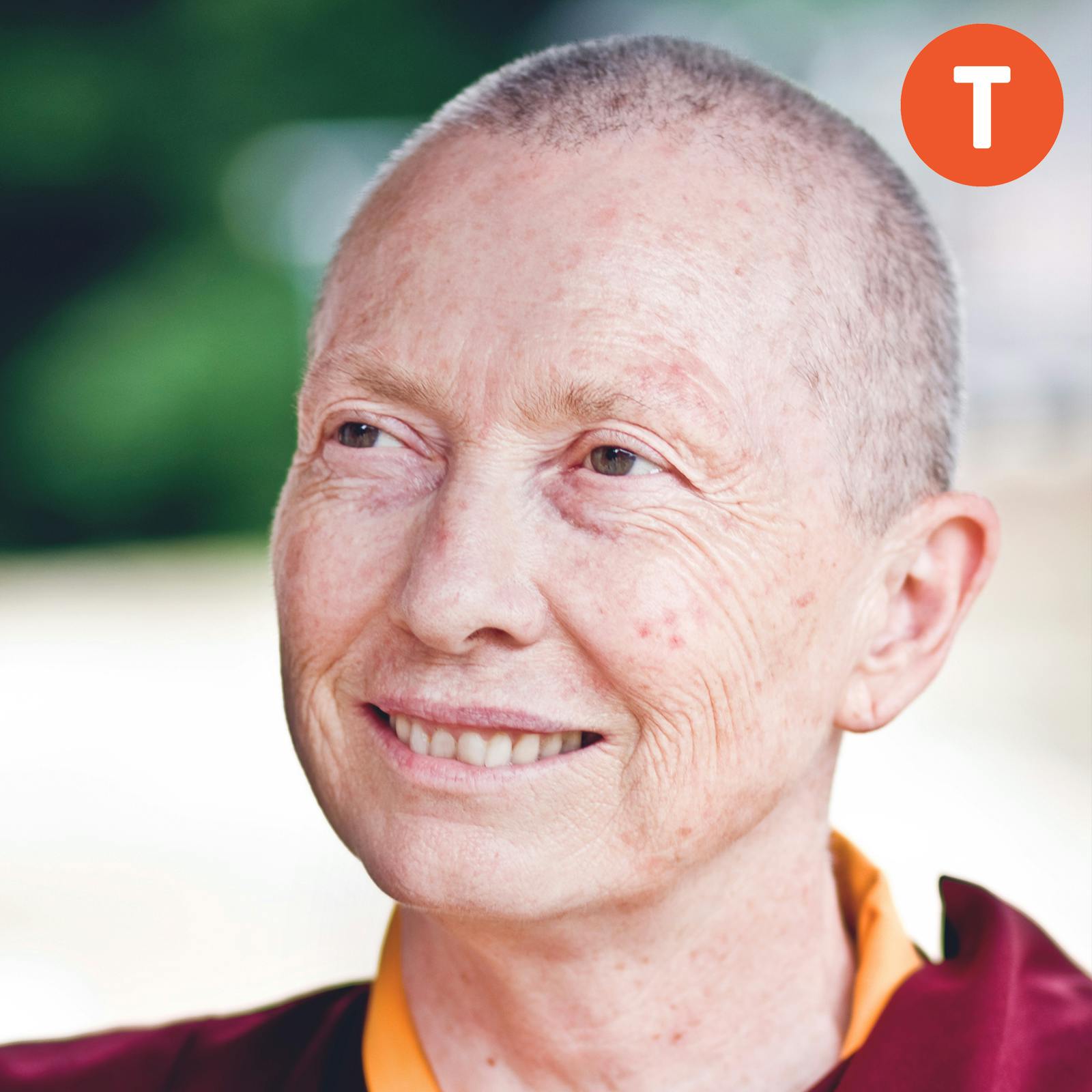
A Call for the Full Ordination of Women with Karma Lekshe Tsomo
Karma Lekshe Tsomo came to Buddhism because of a typo: years ago, her family name had been mistakenly changed from Zinn to Zenn. When her classmates started teasing her about being a Zen Buddhist, she took to the library to learn more about Buddhism and was instantly sold. After deciding to dedicate her life to Buddhist practice, she ordained as a nun and went on to found the Sakyadhita International Association of Buddhist Women and the Jamyang Foundation, which supports educational programs for Buddhist women and girls around the world. In this episode of Life As It Is, Tricycle’s editor-in-chief, James Shaheen, and meditation teacher Sharon Salzberg sit down with Tsomo to discuss her unlikely path to Buddhism at a young age, her work advocating for women’s education internationally, how she integrates spiritual practice and political activism, and her hopes for the future of women’s ordination.

Living Between Worlds with Amy Yee
In March 2008, journalist Amy Yee was assigned to cover a press conference in Dharamsala following the Chinese government’s crackdown on protests throughout Tibet. After an unexpected personal encounter with the Dalai Lama at the conference, she set out to highlight the stories of Tibetans living in exile in Dharamsala and around the world. Her new book, Far from the Rooftop of the World: Travels among Tibetan Refugees on Four Continents, follows the stories of four Tibetans as they forge new lives in exile in India, the United States, Belgium, and Australia. In this episode of Tricycle Talks, Tricycle’s editor-in-chief, James Shaheen, sits down with Yee to discuss how the Tibetan communities she encountered preserve their cultural heritage in exile, what happens when a religious tradition takes root in a new environment, and how she hopes the book will contribute to larger conversations around forced migration.
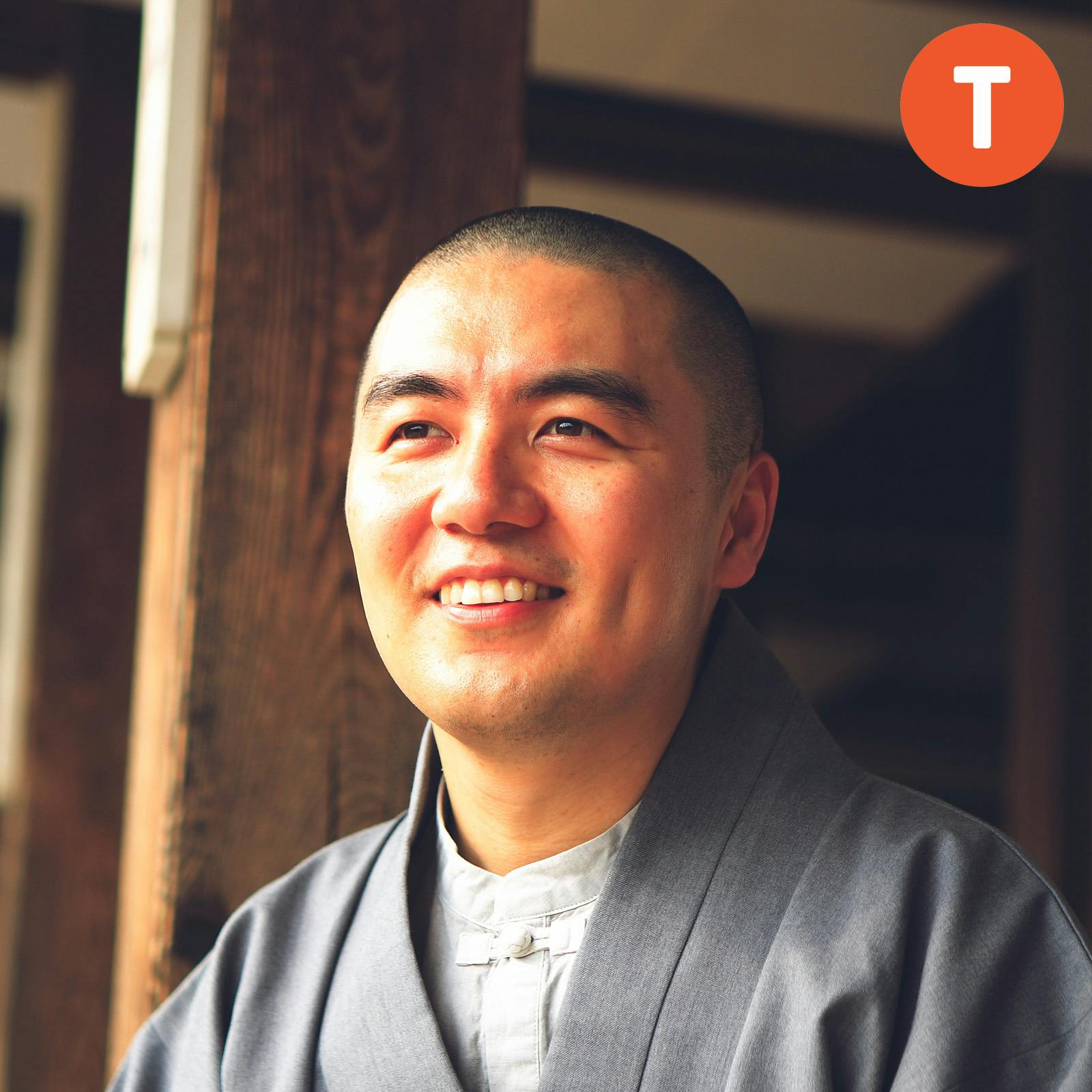
A Guide for When Things Don't Go Your Way with Haemin Sunim
Haemin Sunim is a Korean Zen monk based in Seoul, where he founded the School of Broken Hearts and the Dharma Illumination Zen Center. In his new book, When Things Don't Go Your Way: Zen Wisdom for Difficult Times, he offers a guide to transforming life’s unexpected challenges into opportunities for awakening. In this episode of Life As It Is, Tricycle’s editor-in-chief, James Shaheen, and co-host Sharon Salzberg sit down with Haemin to talk about the importance of learning to welcome unpleasant experiences, how giving up can actually open us to new possibilities, and how we can find happiness when we stop looking for it.

What Makes a Good Life with Seth Segall
What does it mean to live an ethical life? And how can cultivating wisdom and virtue support us in navigating the crises of today’s world? These questions are at the center of Zen priest and psychologist Seth Segall’s new book, The House We Live In: Virtue, Wisdom, and Pluralism. Drawing from Aristotelian, Confucian, and Buddhist ethical traditions, Segall outlines a vision of liberal pluralism grounded in human flourishing. In this episode of Tricycle Talks, Tricycle’s editor-in-chief, James Shaheen, sits down with Segall to discuss what we can learn from comparing Aristotelian, Confucian, and Buddhist understandings of virtue; how he understands the relationship between enlightenment and human flourishing; and how cultivating philosophical wisdom can impact our everyday lives.
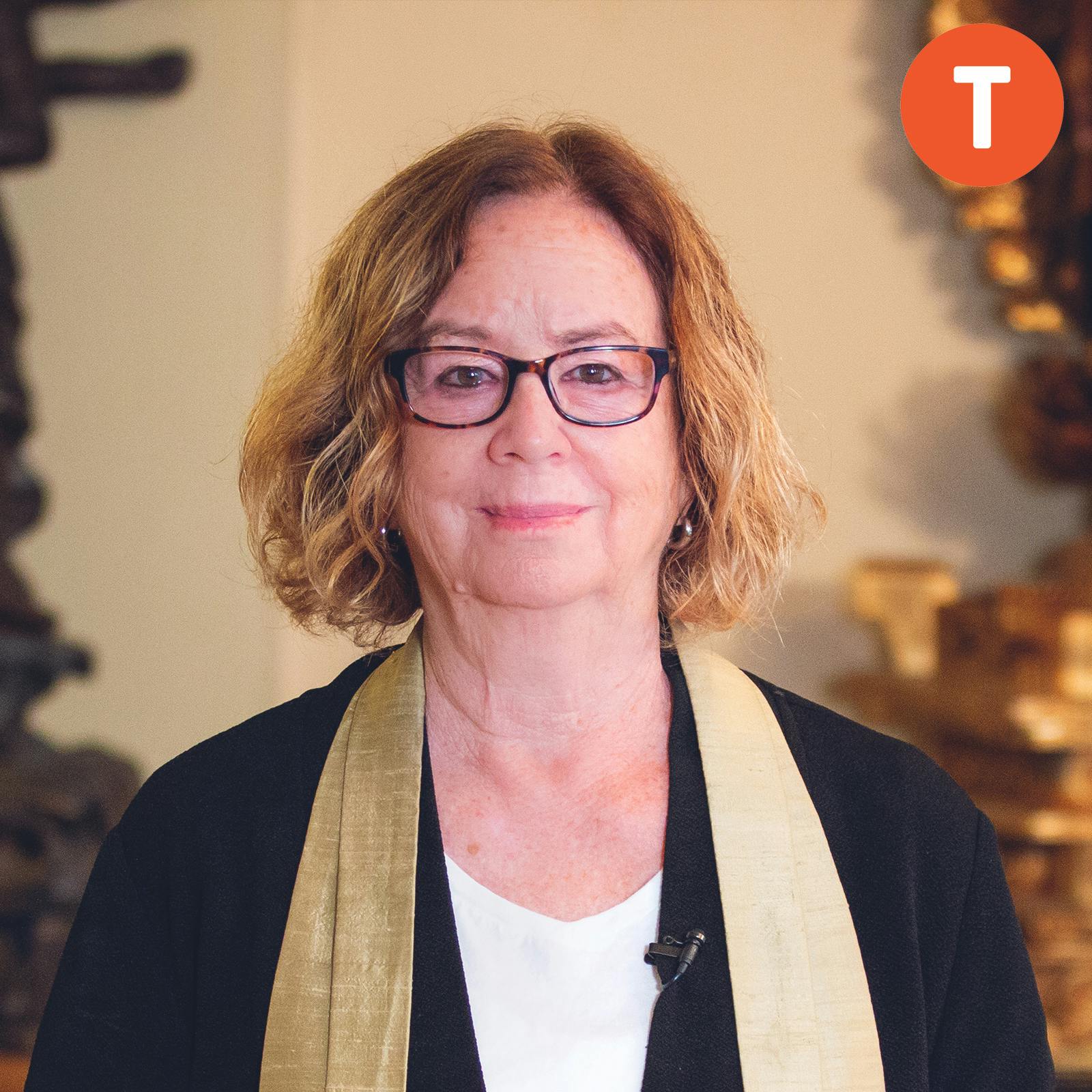
The Zen Way of Recovery with Laura Burges
Laura Burges is a lay-entrusted teacher in the Soto Zen tradition, and she has been leading retreats on recovery at the San Francisco Zen Center for over twenty years. In her new book, The Zen Way of Recovery: An Illuminated Path Out of the Darkness of Addiction, she brings together Buddhist wisdom and the teachings of recovery programs to lay out a sustainable path to sobriety and freedom. In this episode of Life As It Is, Tricycle’s editor-in-chief, James Shaheen, and meditation teacher Sharon Salzberg sit down with Burges to discuss her own story of overcoming addiction, the central role of surrender in both Zen and recovery, how atoning for past wrongs can free us to live more fully in the present, and why she believes humor is an essential component of Buddhist practice.

Revisiting Radical Acceptance with Tara Brach
It can be so easy to feel like we’re not enough or that we’re somehow insufficient. According to meditation teacher Tara Brach, this feeling of unworthiness is fundamentally a disease of separation, as it alienates us from ourselves and the people around us. For Brach, one way to free ourselves from this trance of unworthiness is the practice of radical acceptance. In the twentieth-anniversary edition of her classic book, Radical Acceptance: Embracing Your Life with the Heart of a Buddha, she uses a blend of psychology and Buddhist insights to lay out a path to freedom in the face of pervasive feelings of inadequacy and isolation. In this episode of Tricycle Talks, Tricycle’s editor-in-chief, James Shaheen, sits down with Brach to discuss what she’s learning by revisiting the book now, why she believes we’re living in a collective spiritual crisis, and how we can learn to recognize our own basic goodness.
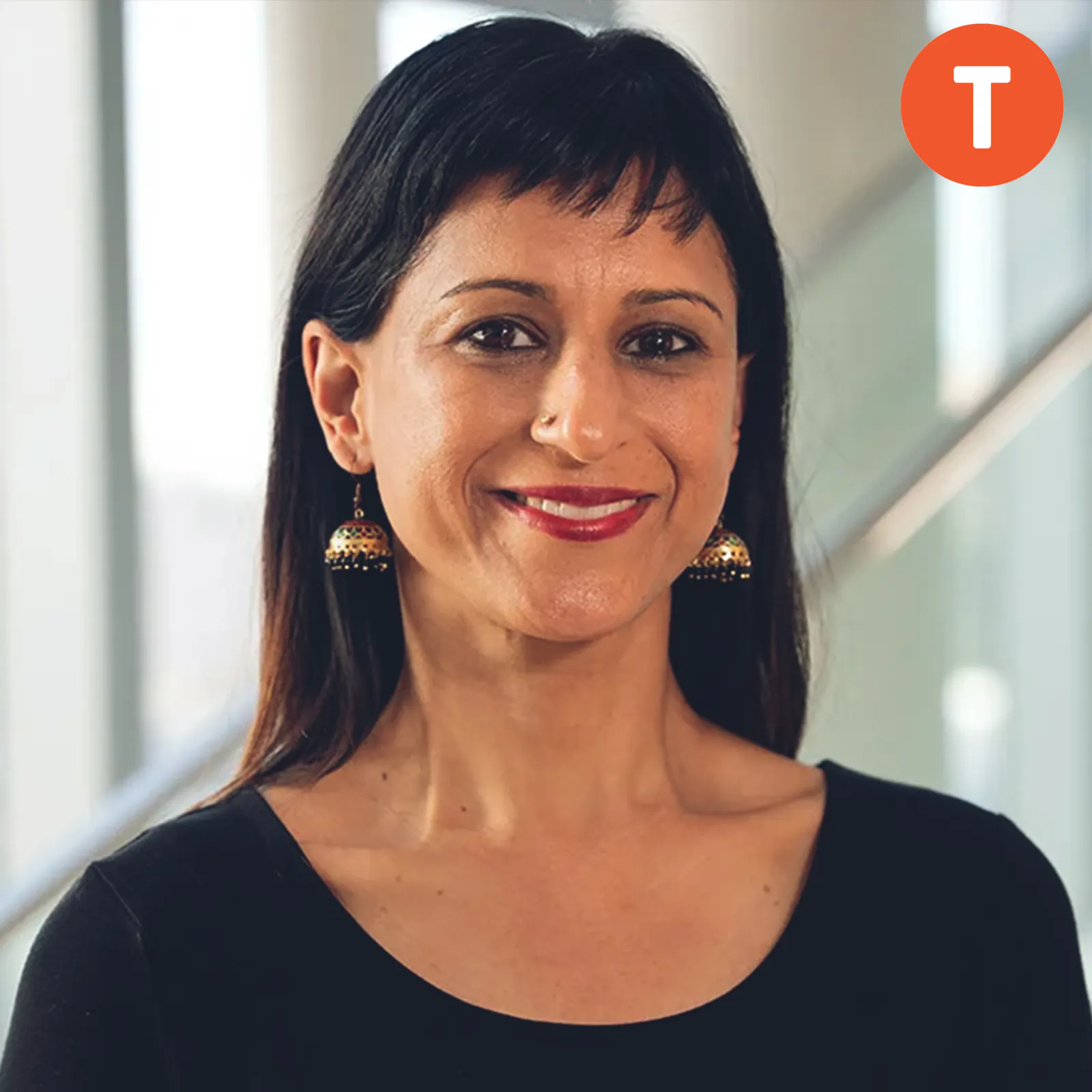
Restoring Dignity at the End of Life with Sunita Puri
Sunita Puri is a writer, a palliative medicine physician, and an associate professor at the UMass Chan Medical School. In her memoir, That Good Night: Life and Medicine in the Eleventh Hour, she explores her journey of helping patients and families redefine what it means to live and die well in the face of serious illness. In her article in Tricycle’s Winter 2023 issue, “A Gift,” she explores how she has learned to navigate love and loss through the lens of impermanence. In this episode of Life As It Is, Tricycle’s editor-in-chief, James Shaheen, and co-host Sharon Salzberg sit down with Puri to discuss the importance of unlearning our assumptions around death, how language can shape people’s experience of illness, her journey of learning to regard death with reverence instead of fear, and how working with dying patients influences how she lives her daily life.

How the First Buddhist Women Became Free
After the Buddha’s enlightenment, his aunt and adoptive mother, Mahapajapati Gotami, asks him to ordain women and welcome them into his new monastic community. The Buddha declines to fulfill her request. But Mahapajapati Gotami doesn’t give up—accompanied by a large gathering of women, she sets out to ask him again. In her new novel, The Gathering: A Story of the First Buddhist Women, scholar Vanessa R. Sasson offers an imaginative retelling of the women’s request for ordination, following the women as they travel through the forest together seeking full access to the Buddha’s teachings. Building on decades of research and drawing from the poems of the Therigatha, the novel explores how the women navigate the paradox of seeking ultimate liberation while still bound by social inequality. In this episode of Tricycle Talks, Tricycle’s editor-in-chief, James Shaheen, sits down with Sasson to discuss what we can learn from the first Buddhist women’s resilience, how contemporary women monastics understand this story, why she first started writing fiction, and the role of mythology and storytelling in the Buddhist world.

Meeting Crisis with Compassion with Oren Jay Sofer
What is the role of contemplative practice in times of crisis? And how can meditation actually support us in meeting the greatest challenges of our time? Oren Jay Sofer takes up these questions in his new book, Your Heart Was Made for This: Contemplative Practices for Meeting a World in Crisis with Courage, Integrity, and Love. As a meditation teacher and a member of the Spirit Rock Teachers Council, Sofer has spent decades exploring the relationship between contemplative practice and nonviolent communication. In his new book, he lays out twenty-six qualities of the heart that can expand our capacity to respond to the challenges of oppression, overwhelm, burnout, and injustice. In this episode of Life As It Is, Tricycle’s editor-in-chief, James Shaheen, and meditation teacher Sharon Salzberg sit down with Sofer to talk about how spiritual practice can help us navigate personal and political crises, the power of everyday devotion, how we can reclaim our right to rest, and how curiosity can open the door to empathy and connection.

Becoming the New Saints with Lama Rod Owens
Lama Rod Owens is an author, activist, and authorized lama in the Karma Kagyu School of Tibetan Buddhism. In his new book, The New Saints: From Broken Hearts to Spiritual Warriors, he draws from the bodhisattva tradition to rethink the relationship between social liberation and ultimate freedom, putting forth the notion of the New Saint. In the process, he pulls from the wisdom of the Old Saints of Tibetan Buddhism and the legacy of Black liberation movements. In this episode of Tricycle Talks, Tricycle’s editor-in-chief, James Shaheen, sits down with Owens to discuss why he believes that the apocalypse is an opportunity for awakening, the power of connecting with our ancestors and unseen beings, why the New Saint is not necessarily a good person, and how fierceness can be a form of awakened care.

How to Save Time (By Doing Nothing) with Jenny Odell
In her first book, How to Do Nothing, writer and artist Jenny Odell examined the power of quiet contemplation in a world where our attention is bought and sold. Now, she takes up the question of how to find space for silence when we feel like we don’t have enough time to spend. In her new book, Saving Time: Discovering a Life Beyond the Clock, Odell traces the history behind our relationship to time, from the day-to-day pressures of productivity to the deeper existential dread underlying the climate crisis. In the process, she explores alternative ways of experiencing time that can help us get past the illusion of the separate self and instead open us to wonder and freedom. In this episode of Life As It Is, Tricycle’s editor-in-chief, James Shaheen, and meditation teacher Sharon Salzberg sit down with Odell to discuss the social dimensions of time, how paying attention can unsettle the boundaries between us, why she views burnout as a spiritual issue, and how love can bring us out of linear time.
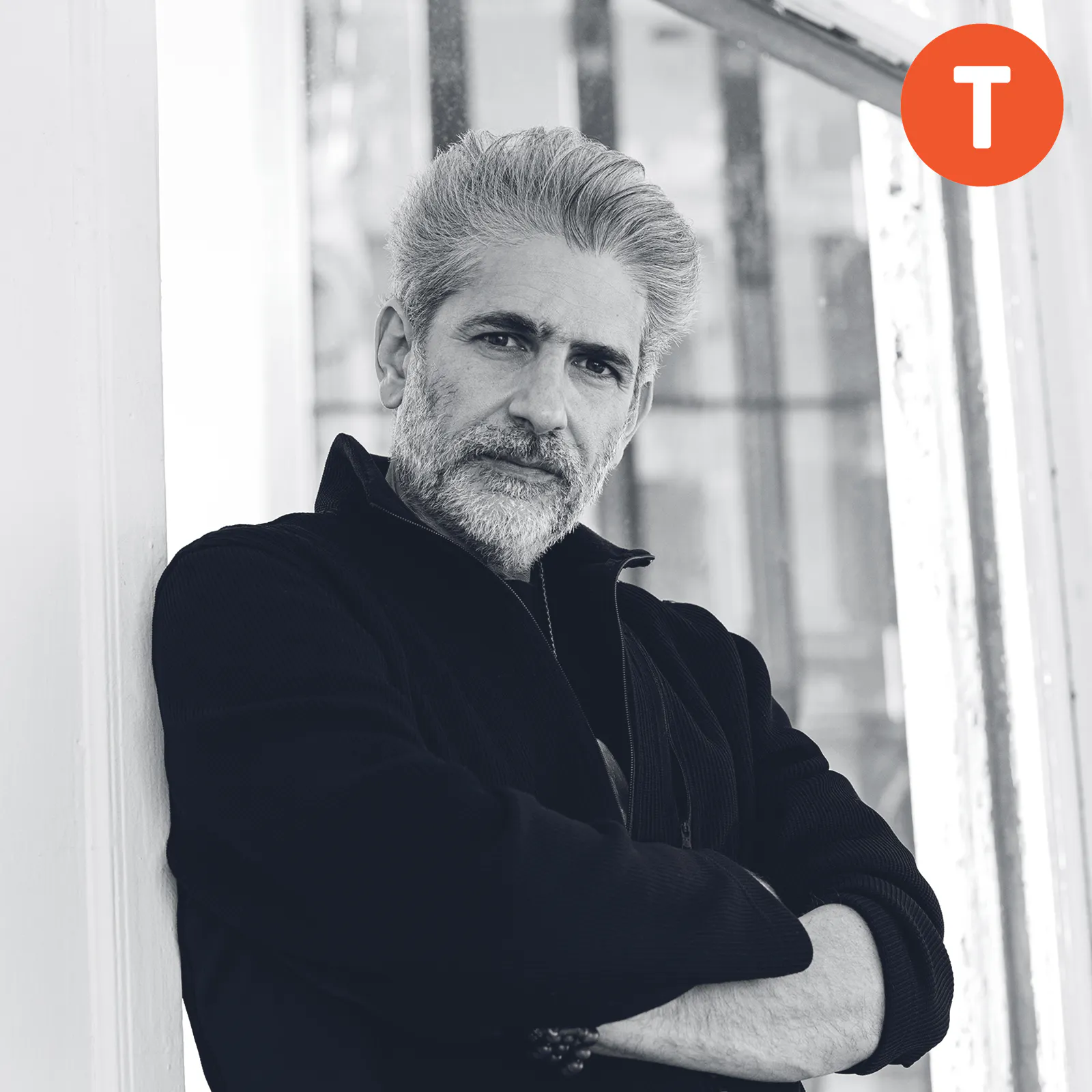
Actor Michael Imperioli on Patience, Practice, and Liberation
Michael Imperioli has a knack for playing mobsters and villains. Best known for his roles as Christopher Moltisanti on The Sopranos and Dominic Di Grasso on The White Lotus, the Emmy Award–winning actor has made a career out of exploring addiction and afflictive emotions on screen. Offscreen, though, Imperioli is a committed Buddhist practitioner. In 2008, he and his wife took refuge with Garchen Rinpoche, and during the pandemic, they began teaching online meditation classes together, exploring Tibetan Buddhist texts like The Thirty-Seven Practices of a Bodhisattva. Though his practice no doubt influences his creative work, Imperioli prefers to focus on the everyday ways that Buddhism has restructured his life. For him, Buddhism offers a way to liberate harmful emotions and cultivate patience and compassion on a day-to-day level. In this episode of Tricycle Talks, Tricycle’s editor-in-chief, James Shaheen, sits down with Imperioli to talk about the dangers of the instrumentalization of Buddhist practice, what The White Lotus can teach us about craving and dissatisfaction, and whether he believes that liberation is possible in this lifetime.
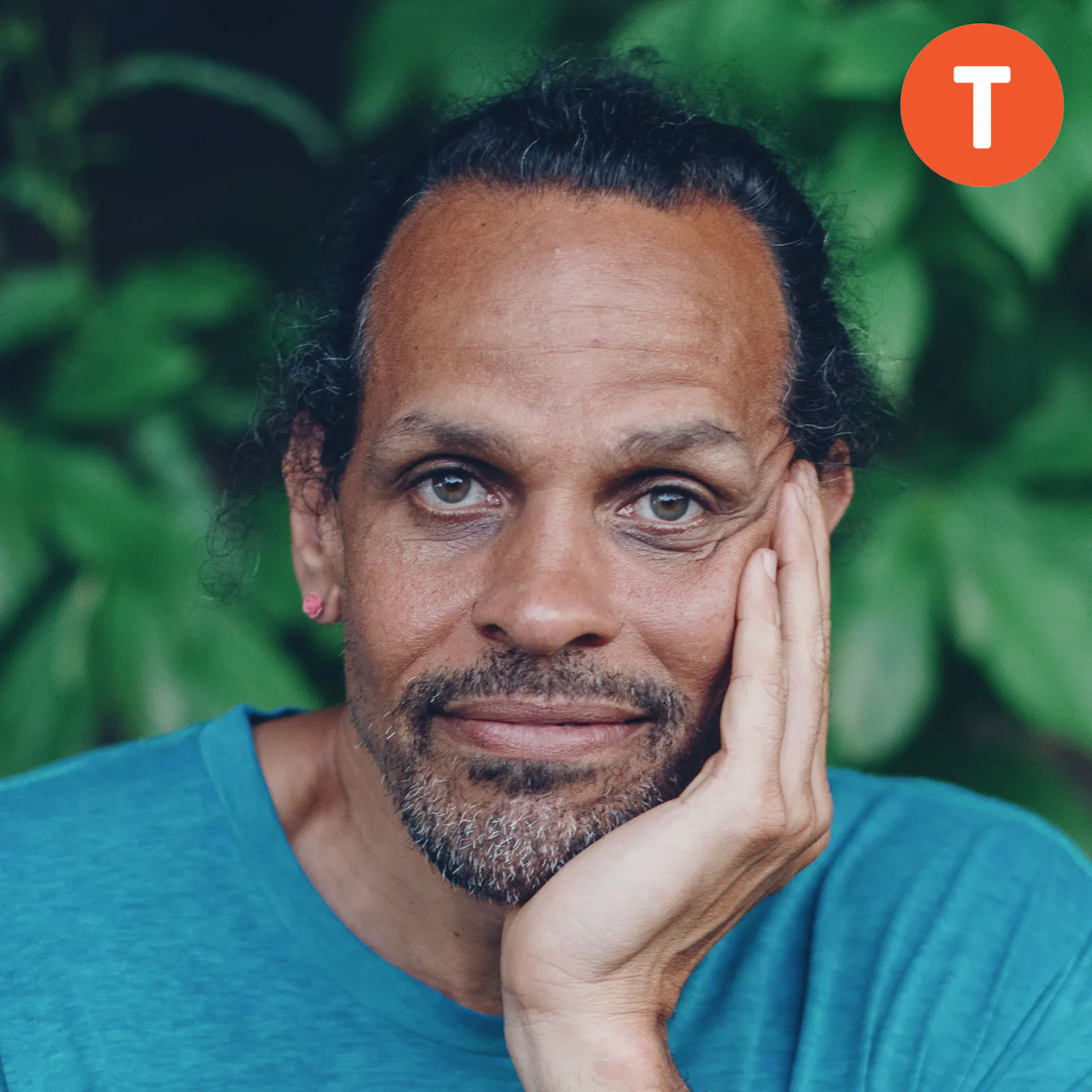
Attending to the Fullness of Life with Ross Gay
In 2016, poet Ross Gay set out to document a delight each day for a year. After he published The Book of Delights, his friend asked him if he planned to continue his practice. Five years later, he began The Book of (More) Delights, demonstrating that the sources of delight are indeed endless—and that they multiply when attended to and shared. For Gay, delight serves as evidence of our interconnectedness, and it is inextricable from the fact of our mortality. With characteristic humor and grace, he chronicles his everyday encounters with joy and delight, from the fleeting sweetness of strangers to the startling beauty of the falsetto to the unexpected joys of aging. In this episode of Life As It Is, Tricycle’s editor-in-chief, James Shaheen, and meditation teacher Sharon Salzberg sit down with Gay to talk about the relationship between delight and impermanence, how he understands faith, and how delight has restructured how he pays attention. Gay also reads an essay from his new collection.

“Don’t Despair of This Falling World” with Jane Hirshfield
When poet Jane Hirshfield first arrived at Tassajara Zen Mountain Center nearly fifty years ago, a Zen teacher told her that it was a good idea to have a question to practice with. She’s been asking questions ever since. Both in her Zen practice and in her poetry, Hirshfield is guided by questions that resist easy answers, allowing herself to be transformed through the process of asking. With her latest poetry collection, The Asking: New and Selected Poems, she takes up the question, “How can I be of service?,” inviting readers to resist fixity and certainty and instead to dwell in not-knowing. In this episode of Tricycle Talks, Tricycle’s editor-in-chief, James Shaheen, sits down with Hirshfield to talk about the questions she’s been asking recently, why she views poetry as an antidote to despair, and how Zen rituals have informed her creative process. Plus, she reads a few poems from her new collection.

A Different Kind of Healing with Anthony Back
As a young oncologist, Anthony Back turned to Buddhism as a practical way of processing the suffering he encountered each day. Over time, his practice has become an essential support to his work in accompanying patients as they navigate illness and death, and it has radically transformed his understanding of what it means to provide care. Back currently serves as co-director of the University of Washington Center for Excellence in Palliative Care, where he trains clinicians to communicate more openly and effectively about serious illness. In addition, he regularly leads retreats on being with dying at the Upaya Zen Center with Roshi Joan Halifax. In this episode of Life As It Is, Tricycle’s editor-in-chief, James Shaheen, and co-host Sharon Salzberg sit down with Back to discuss how he integrates his practice into his work as a physician, how he deals with burnout and moral injury, and what James Joyce and Virginia Woolf have taught him about paying attention.

Being Human and a Buddha Too with Anne C. Klein
When Anne C. Klein (Rigzin Drolma) first read that everyone, including her, was already a buddha, she was so shocked that she put down the book she was reading. Now, as a professor of religious studies at Rice University and a teacher at Dawn Mountain Center for Tibetan Buddhism in Houston, she continues to grapple with the relationship between our buddhahood and our humanity. In her new book, "Being Human and a Buddha Too: Longchenpa’s Sevenfold Mind Training for a Sunlit Sky," she takes up the question of what it actually means for each of us to be a buddha, as well as what happens to our humanity when we seek awakening. In this episode of Tricycle Talks, Tricycle’s editor-in-chief, James Shaheen, sits down with Klein to discuss how she has come to understand buddhahood, the difference between wholeness and perfection, and why she believes that we are all backlit by completeness.