
Time To Say Goodbye
355 episodes — Page 4 of 8
Tammy and Mai’s last hurrah!
Hello from the “White Projects”! For Tammy’s final ep as co-host, we answer questions from our beloved subscribers. Thank you for asking us to ponder: * Vice, Jezebel, and the loss of irreverent digital media* What makes podcasting so terrifying (and freeing) * Biden vs. Trump in early polls + in Tammy’s reporting on young voters * Our worst takes from 3.5 years of blabbering * Whether TTSG was a guerilla marketing campaign for Jay’s bookTo get Tammy’s infrequent writing updates (soon replacing her TinyLetter, R.I.P.), sign up here, and find links to her older work here. You can also keep in touch via email and follow her on Instagram for eventual zine-y things! Mai can be reached via email, but apologizes in advance for her dismal reply rate. Subscribe on Patreon or Substack to join the TTSG Discord community. You can also follow us on Instagram, TikTok, and X (Twitter), and email us at [email protected]. This is a public episode. If you'd like to discuss this with other subscribers or get access to bonus episodes, visit goodbye.substack.com/subscribe
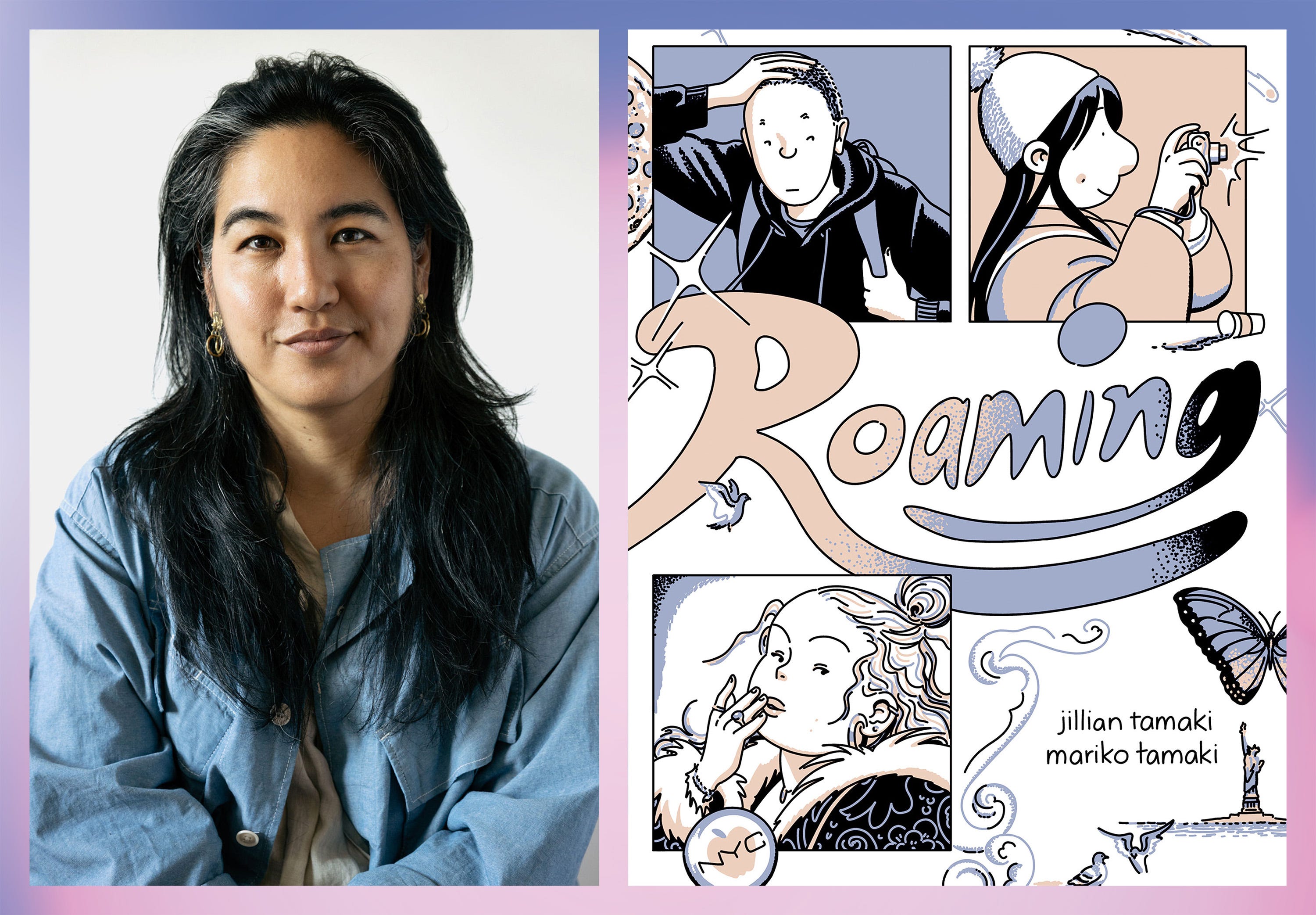
BOOK TIME with Jillian Tamaki
For Tammy’s last TTSG book club as pod host (!), we welcome Jillian Tamaki, award-winning author and a key member of our early-COVID Discord crew. Jillian’s new graphic novel, Roaming, published with her cousin and co-author, Mariko Tamaki, follows three Canadian college freshmen on a spring break trip to New York. We hear about Jillian’s use of vernacular tourist archives like Flickr and YouTube to build scenes of NYC from afar; the complex dynamics among young women friends, especially when traveling; and what makes a good artistic collaboration. [Note: From 3:15 to 26:10, Jillian presents a slideshow, but the BTS is great even without the visuals!] 🎧 Heads-up: Tomorrow (Monday, Dec. 4) Tammy and Jay will record their final co-host ep, and take listener questions! Ask away here: https://forms.gle/bVtcVVyyNKz7Epe76 Subscribe on Patreon or Substack to join our Discord community. You can also follow us on Instagram, TikTok, and X (Twitter), and email us at [email protected]. This is a public episode. If you'd like to discuss this with other subscribers or get access to bonus episodes, visit goodbye.substack.com/subscribe

“Everything is collapsing around the world,” with Andy Liu
Hello from Philly! This week, Andy joins us for one of Tammy’s last eps as a host of TTSG. 🥲 After catching up on dog COVID, [6:10] we discuss how China’s historical self-identification as a vanguard of the Third World has given way, through decades of technological and economic growth, to a more general anti-West position. [29:00] We also reflect on the various pockets of U.S. public opinion on Gaza and Zionism, from Andy’s college students to our elected officials (and their press secretaries). [53:30] Finally, we debate whether the term “barbaric” has been selectively applied since October 7, along with larger questions of media bias. In this episode, we ask: Where does China’s relatively strong support of Palestine come from, and is it actually as strong as it seems? How does the movement for a free Palestine fit into the idea of what it means to be a good leftist? Should media outlets rethink when to publish gruesome images of victims of violence? For more, see: * Times coverage of the Biden-Xi Summit (and Blinken’s reaction to a Biden gaffe) * More on the three young Palestinian American students who were shot in Vermont, the NYU doctor who was fired over his racist social media posts, and the friendship between a Palestinian and a pro-Israel chef in Philly that has soured* Words from Lydia Polgreen and from Jay on the question of publishing graphic photos of children killed in Gaza Reminder: Tammy is hosting a virtual TTSG book club meeting for subscribers tonight at 5pm PST // 8pm EST (9am in Shanghai) with cartoonist, illustrator, and Discord OG Jillian Tamaki! We’ll get some BTS insight from Jillian on the graphic novel she just published with her cousin and co-author, Mariko Tamaki, Roaming. You can find the Zoom info on Discord or in this post! Subscribe on Patreon or Substack to join our Discord community. You can also follow us on Instagram, TikTok, and X (Twitter), and email us at [email protected]. This is a public episode. If you'd like to discuss this with other subscribers or get access to bonus episodes, visit goodbye.substack.com/subscribe
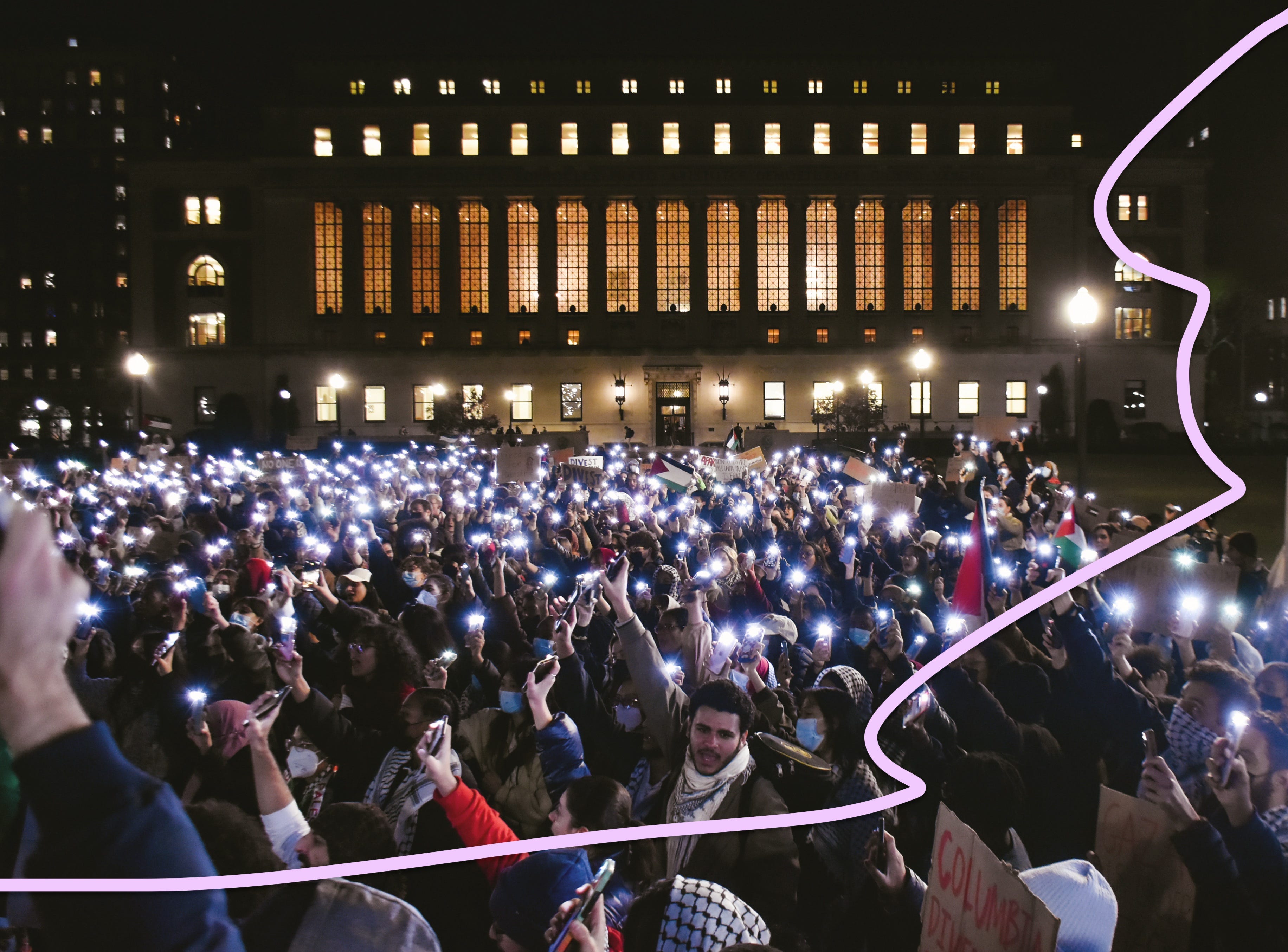
A crackdown on campus
Hello! This week, Jay talks to a student organizer for Columbia University Apartheid Divest, a coalition of seventy five student organizations who have been organizing and putting on protests on campus. Last week, the administration of Columbia University suspended two of the student groups – Students for Justice in Palestine and Jewish Voices for Peace. The organizer and Jay talk about why Columbia made this decision, what the climate is like on campus, and what the administration has been telling students about the suspensions. We also talk about divestment, broadly, as an organizing tactic and discuss the anti-apartheid divestment protests for South Africa. Tammy will be back next week for three more episodes!Reminder: On Nov. 29, Tammy will host her last TTSG book club event over Zoom with cartoonist, illustrator, and Discord OG Jillian Tamaki—on Jillian’s new graphic novel, Roaming! Check out the Discord for details and a book discount.Subscribe on Patreon or Substack to join our Discord community. You can follow us on Instagram, TikTok, and X (Twitter), and email us at [email protected]. This is a public episode. If you'd like to discuss this with other subscribers or get access to bonus episodes, visit goodbye.substack.com/subscribe
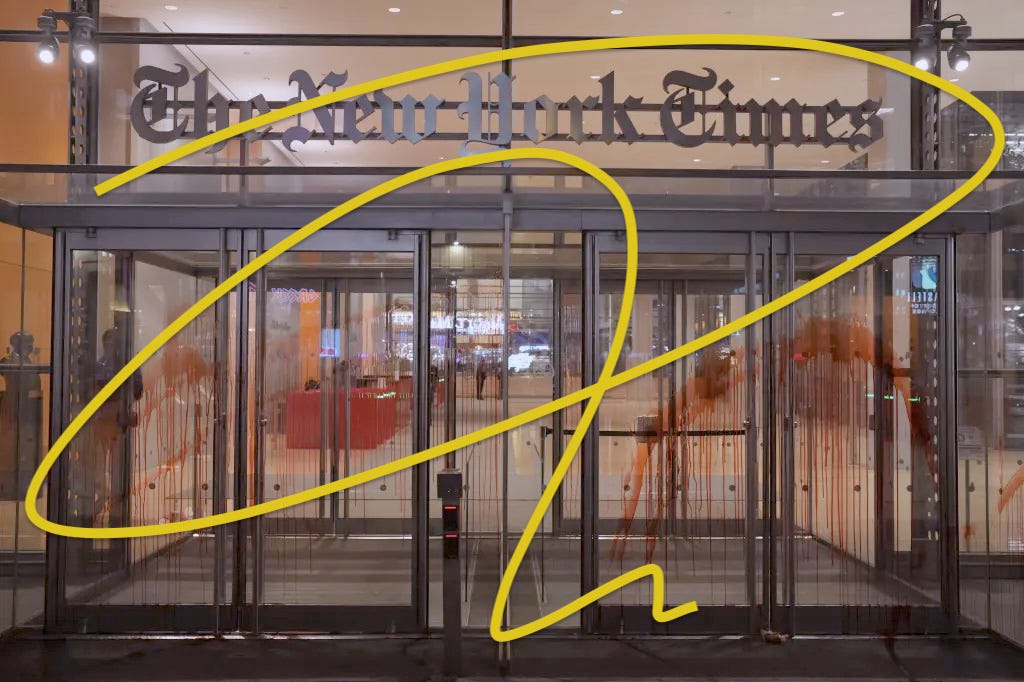
Free speech and contingent labor, with Jamie Lauren Keiles
This week, we’re joined by our friend Jamie Lauren Keiles, a former contributing writer at the New York Times Magazine who is working on a book about nonbinary identity in America and posting at the archival Instagram account @sexchange.tbt. [4:45] Jamie discusses his resignation from the Times Magazine, and why he signed the recent open letter by WAWOG (the Writers Against the War on Gaza) as well as an earlier letter criticizing NYT’s trans coverage. [47:40] We also talk about the process of unlearning pro-Israel propaganda and where a trans, anti-Zionist, observant Jew finds himself today, both institutionally and spiritually. In this episode, we ask: How is the presumed “objective” position within a media institution created and reinforced?What good (if any) can an open letter do? And how much does it matter what an American Jew thinks about all of this? How do people’s minds actually get changed on Israel-Palestine? For more, see: * Jamie’s latest Substack post: Do I believe that there are questions that should never be asked? * Jamie and Jazmine Hughes on Democracy Now! discussing their resignations from the Times Magazine * Jay’s recent piece on the chilling of pro-Palestine speech within journalism * AP coverage of the Writers Bloc action in the New York Times building last week[1:04:00] And a big announcement! Listen to the end to catch Tammy and Jay present a new phase for the podcast. (Spoiler: Tammy is moving on in early December; Jay is continuing and wants your feedback.) As always, subscribe on Patreon or Substack to join our Discord community, which we hope to continue cultivating into the future. Also: On Nov. 29, Tammy will host her last TTSG book club event with cartoonist, illustrator, and Discord OG Jillian Tamaki—on Jillian’s new graphic novel, Roaming! Check out the Discord for details and a book discount.You can follow us on Instagram, TikTok, and X (Twitter), and email us at [email protected]. This is a public episode. If you'd like to discuss this with other subscribers or get access to bonus episodes, visit goodbye.substack.com/subscribe
What can be questioned within Israel, with Tania Hary
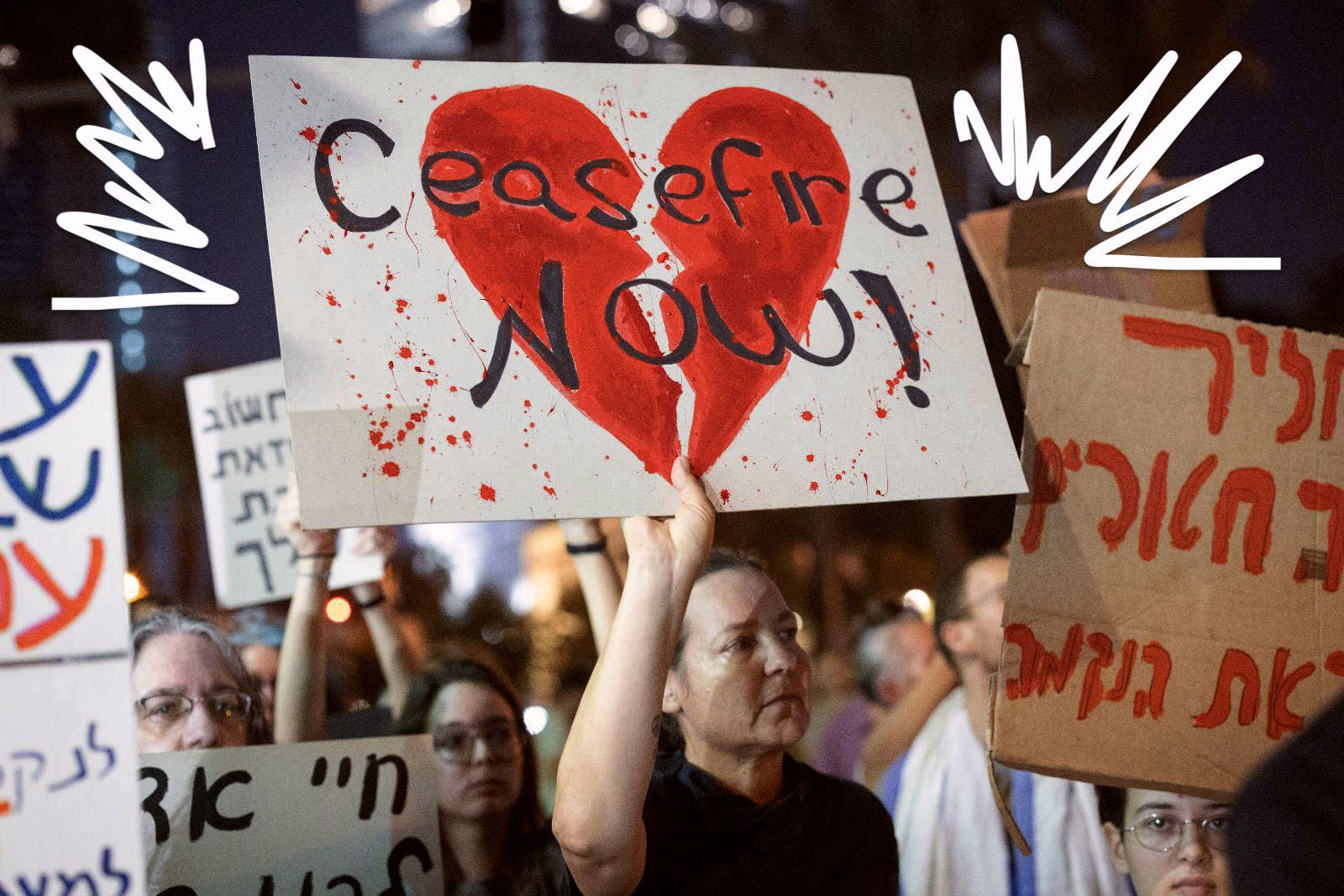
This week, we are joined by Tania Hary, the executive director of Gisha (“access”), an Israeli legal organization that fights for the freedom of movement of Palestinians. [2:25] We discuss the restrictive status quo that was in place long before October 7, in which Israel controlled travel in and out of the occupied territories, the flow of goods and food into Gaza, and the Census-like registry of the Palestinian population (that is implicated in the questioning of Gazan fatalities). [30:45] Tania explains how political repression and compulsory military service convince many Israelis that theirs is the “most moral army in the world.” In this episode, we ask: How are Israelis consuming images from and narratives about Gaza? What does it mean for politicians and media to dispute information, namely death counts, coming from sources in a besieged Gaza? What does this war reveal about the world order, humanitarian law, and human rights? For more, see: * A recent press conference on how to report accurately on Gaza, featuring Tania* Reporting from Haaretz on the backlash against Arab Israelis* Tania’s testimony before the UN Security Council earlier this year* Protesters braving it in Tel Aviv this past weekSubscribe on Patreon or Substack to join our Discord community and participate in our upcoming IRLish book event. You can also follow us on Instagram, TikTok, and X (Twitter), and email us at [email protected]. This is a public episode. If you'd like to discuss this with other subscribers or get access to bonus episodes, visit goodbye.substack.com/subscribe
Responding to the responses to Gaza, with Rozina Ali
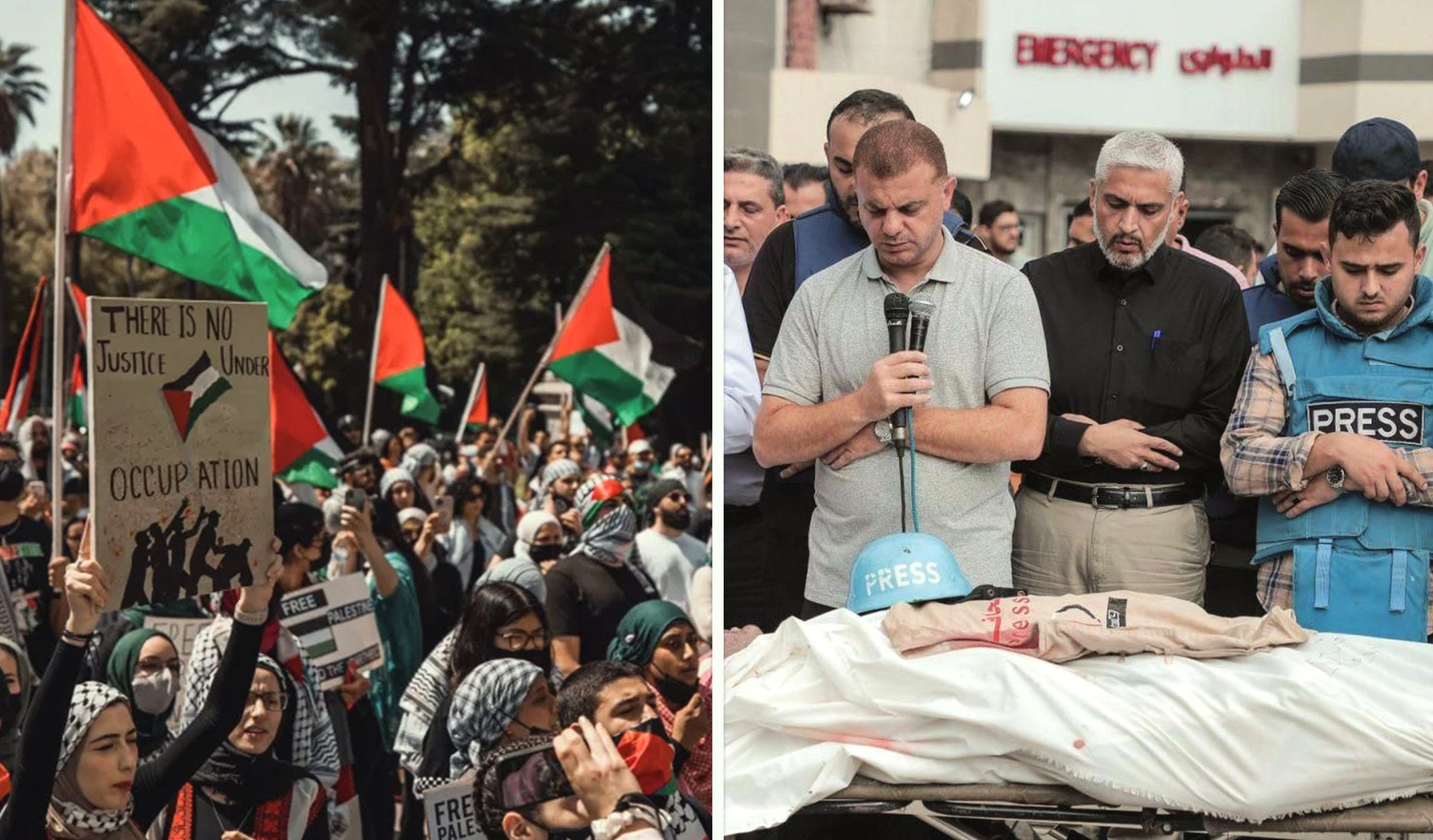
Hello! This week, New York Times Magazine contributing writer and repeat guest Rozina Ali talks with us about media coverage of the war in Israel and Gaza as well as the challenges faced by journalists, more than twenty of whom have been killed in the region over the past two weeks. We also discuss whether there has been a chilling of speech in the West, the history of suppressed expression when it comes to Israel and Palestine, and how all this may shake out in politics and public sentiment. In this episode, we ask: How accurate are the comparisons of this moment to 9/11, in terms of media suppression, Islamophobia, and our ability to parse complicated political issues? Does social media incentivize checking certain boxes around Israel-Palestine over moving dialogue forward? Why are U.S. elected officials so out of touch with public opinion? For more, see: * Retaliation within Israel (Crackdown on Freedom of Speech of Palestinian Citizens of Israel), on U.S. college campuses (A “McCarthyite Backlash” Against Pro-Palestine Speech), at the 92Y (92NY Pulls Event With Viet Thanh Nguyen Over Criticism of Israel), and more (A Surge in Suppression)* A growing list of journalist casualties since October 7, from the Committee to Protect Journalists * Mona Chalabi’s visualization of deaths in the war versus New York Times coverage of those deaths* Articles on the killings of synagogue president Samantha Woll in Detroit and of Muslim six-year-old Wadea Al-Fayoume in Chicago * Egyptian comedian Bassem Youssef, interviewed by Piers Morgan* Rozi’s Times Magazine profile of Rashida Tlaib, from March 2022 * Our first episode with Rozina, from March 2021: Kimchi nationalism, Biden on immigration and foreign policy, and Desi identities * Plus, our episode with Viet Thanh Nguyen, from August 2020: Ethnic Studies, Revolutionary Politics, and the Third World Liberation Front* A recent U.S. opinion poll on the war, from CBS News/YouGov (compared with lackluster support for a ceasefire in Congress)* Last week’s episode with Amjad Iraqi, a policy analyst and Palestinian citizen of Israel: The siege in Gaza and Israel’s end gameIf you’re a writer, journalist, or media worker who has faced retaliation for expressing your views on the war in Gaza, you can reach out to the National Writers Union for support by filling out this survey. Subscribe on Patreon or Substack to keep us going and join our Discord community. You can also follow us on Instagram, TikTok, and X (Twitter), and email us at [email protected]. This is a public episode. If you'd like to discuss this with other subscribers or get access to bonus episodes, visit goodbye.substack.com/subscribe
The siege in Gaza and Israel’s end game, with Amjad Iraqi
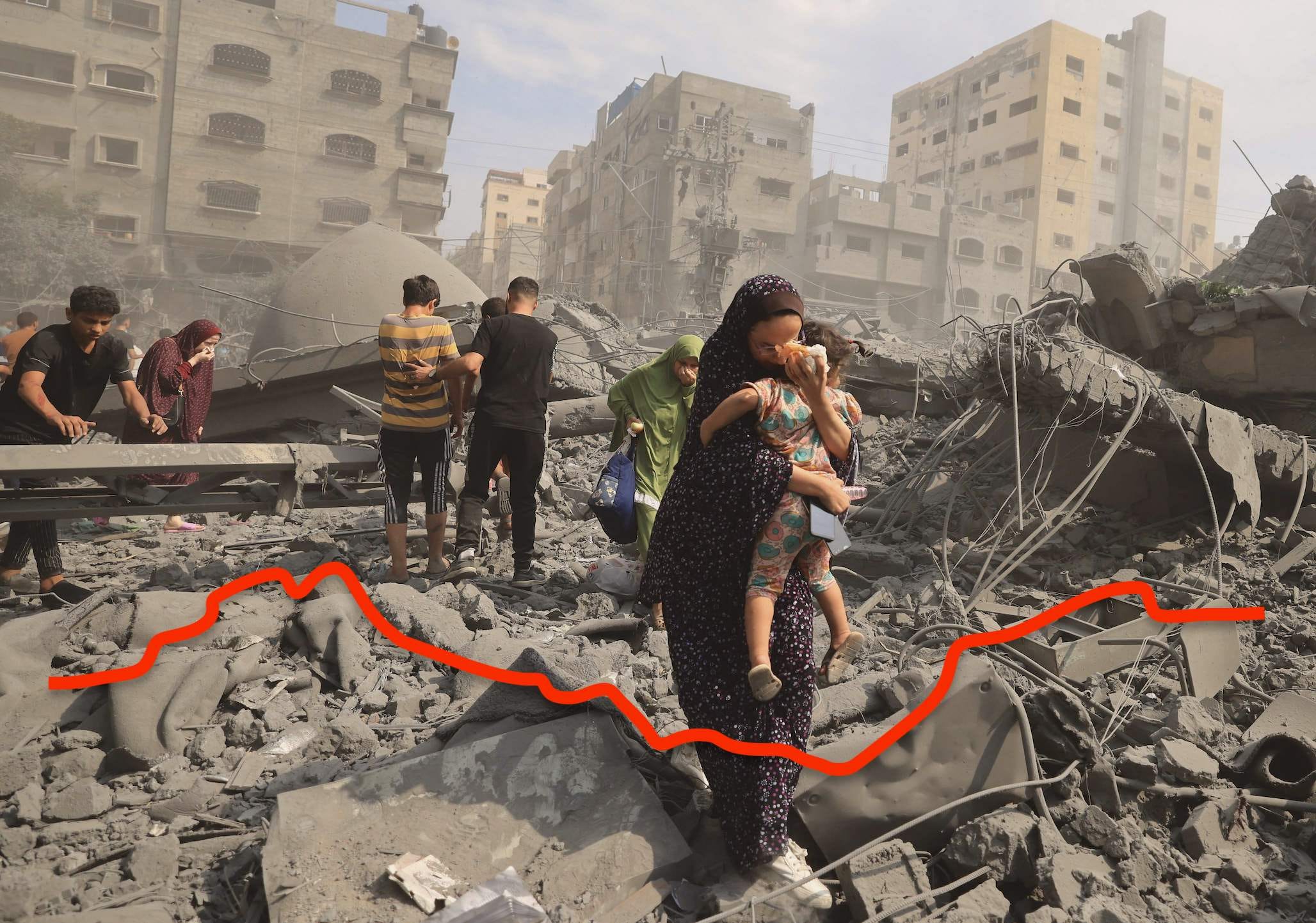
This week, we’re joined by Amjad Iraqi, a senior editor at +972 Magazine and a policy analyst at the think tank Al-Shabaka. Since Hamas’s brutal attack and Israel’s declaration of war, thousands of people in Gaza, the West Bank, and Israel have been killed. More than a million people have been ordered to leave the northern Gaza Strip; more than two million Gazans are being denied food, water, electricity, and fuel. [3:10] Amjad, a Palestinian citizen of Israel based in London, explains what’s different about this moment for both Palestinians and Israeli Jews. [32:30] He also untangles the international context in which Hamas operates, both in relation to its Arab neighbors and global powers like the United States—the only country, he believes, with the power to stop Israel from committing genocide. [47:20] Finally, Amjad highlights the need to reject colonial and statist frameworks in fighting for Palestinian liberation. In this episode, we ask: How was Israel able to manufacture a forgetting of occupied Palestinians by Israeli Jews?How has the politics in Israel shifted following Hamas’s attack? How should we understand this latest wave of violence, given the violence required to maintain Israel’s “status quo”? What are the freedom dreams of Palestinian people?For more, see: * Amjad’s writing in the wake of Hamas’s attack in southern Israel—‘Get out of there now’—and an older piece he wrote about “the worn-out aphorism of a ‘cycle of violence’” in Israel-Palestine* A useful conversation with Tareq Baconi, Amjad’s colleague at Al-Shabaka* Our previous TTSG conversations on Israel-Palestine: * Embracing U.F.O.s and rejecting Zionism, with Arielle Angel (August 2023)* Loving Palestine, with Esmat Elhalaby (May 2021) * Sheikh Jarrah and What Feels Different This Time about Israel/Palestine, with Josh Leifer (May 2021) Subscribe on Patreon or Substack to join our Discord community. You can also follow us on Instagram, TikTok, and X (Twitter), and email us at [email protected]. This is a public episode. If you'd like to discuss this with other subscribers or get access to bonus episodes, visit goodbye.substack.com/subscribe
Judging Laphonza Butler and the Democrats’ record on labor
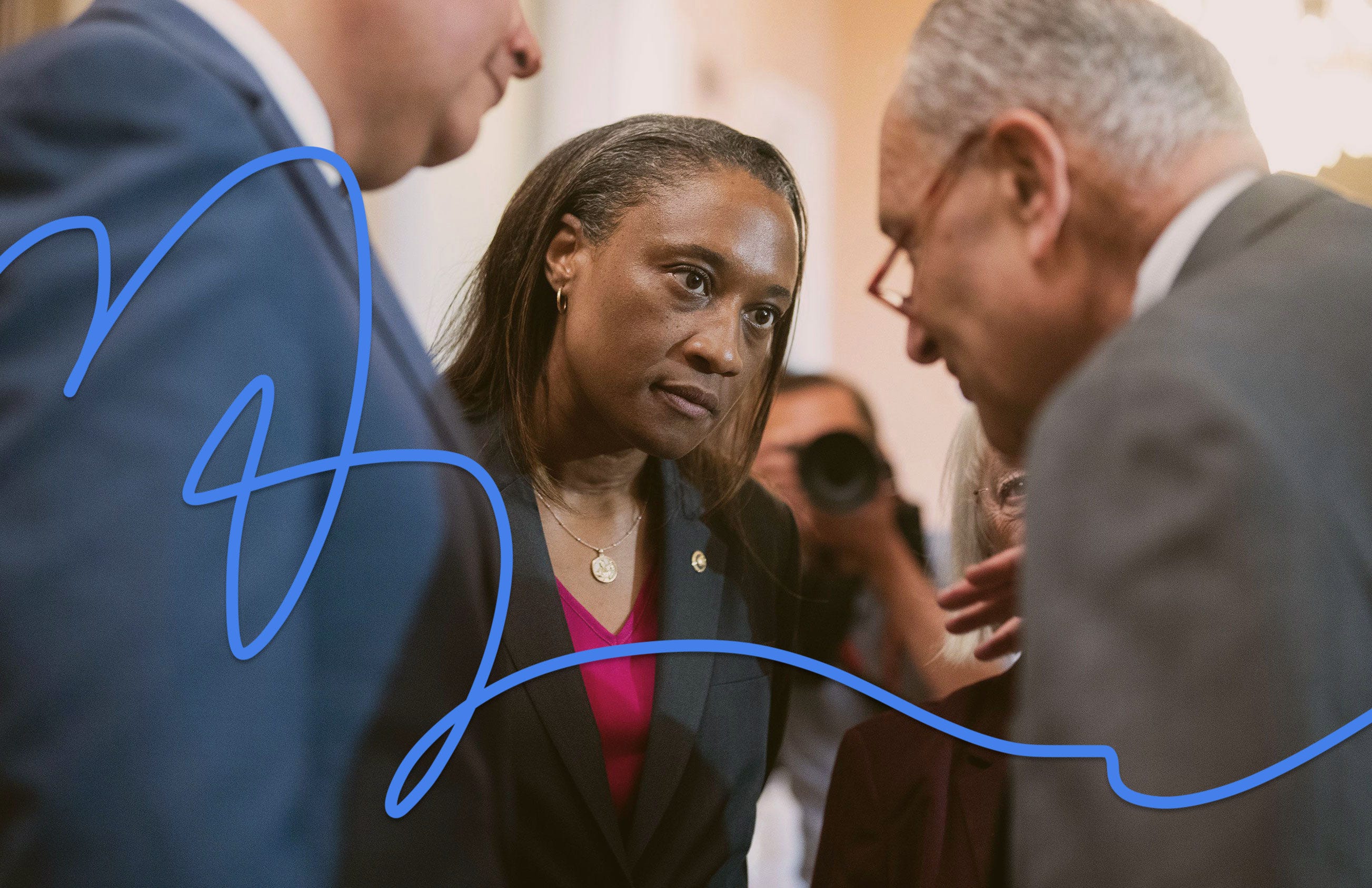
Hello from yet another devastating news week! [0:30] We begin by addressing Hamas’s recent attack on Israel, to which Netanyahu responded with a declaration of war. (We’ll have an area expert on the show next week to talk about all this at greater length.) [12:10] In the second half of the episode, we discuss the new U.S. Senator from California, Laphonza Butler, and how her appointment by Gavin Newsom (following Dianne Feinstein’s death) factors into next year’s race for that seat. We explore the organizer-to-politician career path and ponder how labor-y a labor candidate has to be. In this episode, we ask: What would unbiased media coverage of Israel/Palestine actually look like? Has the (online) left overcorrected on identity politics and started to judge “diverse” figures too harshly? For more, see: * More on where Laphonza Butler fits into the California Senate race and her labor-world connections * An excerpt from Regarding the Pain of Others, by Susan Sontag* Manufacturing Consent, by Noam Chomsky and Edward S. HermanSubscribe on Patreon or Substack to join our Discord community. You can also follow us on Instagram, TikTok, and X (Twitter), and email us at [email protected]. This is a public episode. If you'd like to discuss this with other subscribers or get access to bonus episodes, visit goodbye.substack.com/subscribe
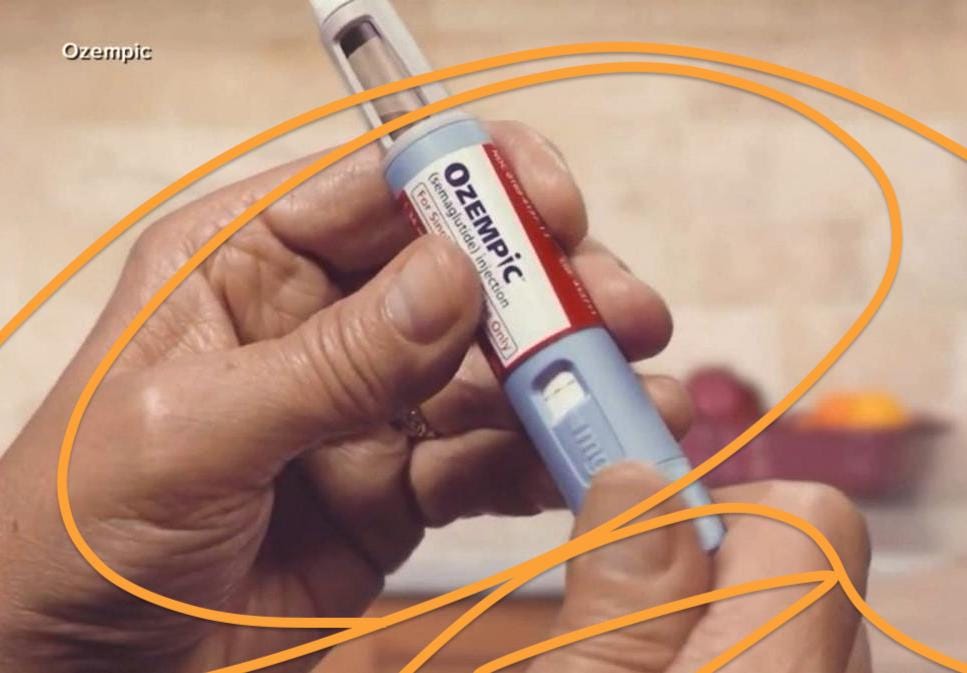
Ozempic and body positivity, with Samhita Mukhopadhyay
Hello from the Condé cafeteria! This week, our guest is Samhita Mukhopadhyay, a writer and editor and the former executive editor at Teen Vogue. [5:30] Samhita’s personal essay in The Cut explores how being prescribed the new weight-loss drug Mounjaro, not long after her father died of complications from diabetes, challenged her thinking around health and body image. [36:00] We also discuss the decline(?) of the girlboss—Samhita is writing a book on women and work culture—and the enduring power of individualistic corporate feminism. Plus, we hear about Samhita’s tenure at Teen Vogue as the outlet expanded its political coverage and tried to change the culture of fashion magazines. (Apologies for the slightly worse-than-usual audio quality on this ep.)In this episode, we ask: Has the body image discourse around Ozempic and Mounjaro limited the drugs’ real, life-changing possibilities? What does it mean for both weight-loss culture and health access that these are pricey prescription medications? When is hating on girlboss culture classist and racist? For more, see: * Samhita’s essays on the weight-loss drug Mounjaro and The Demise of the Girlboss* Jia Tolentino’s take: Will the Ozempic Era Change How We Think About Being Fat and Being Thin? Subscribe on Patreon or Substack to join our Discord community and to hear about IRL hangouts with Jay, Tammy, and other listeners! You can also follow us on Instagram, TikTok, and X (Twitter), and email us at [email protected]. This is a public episode. If you'd like to discuss this with other subscribers or get access to bonus episodes, visit goodbye.substack.com/subscribe
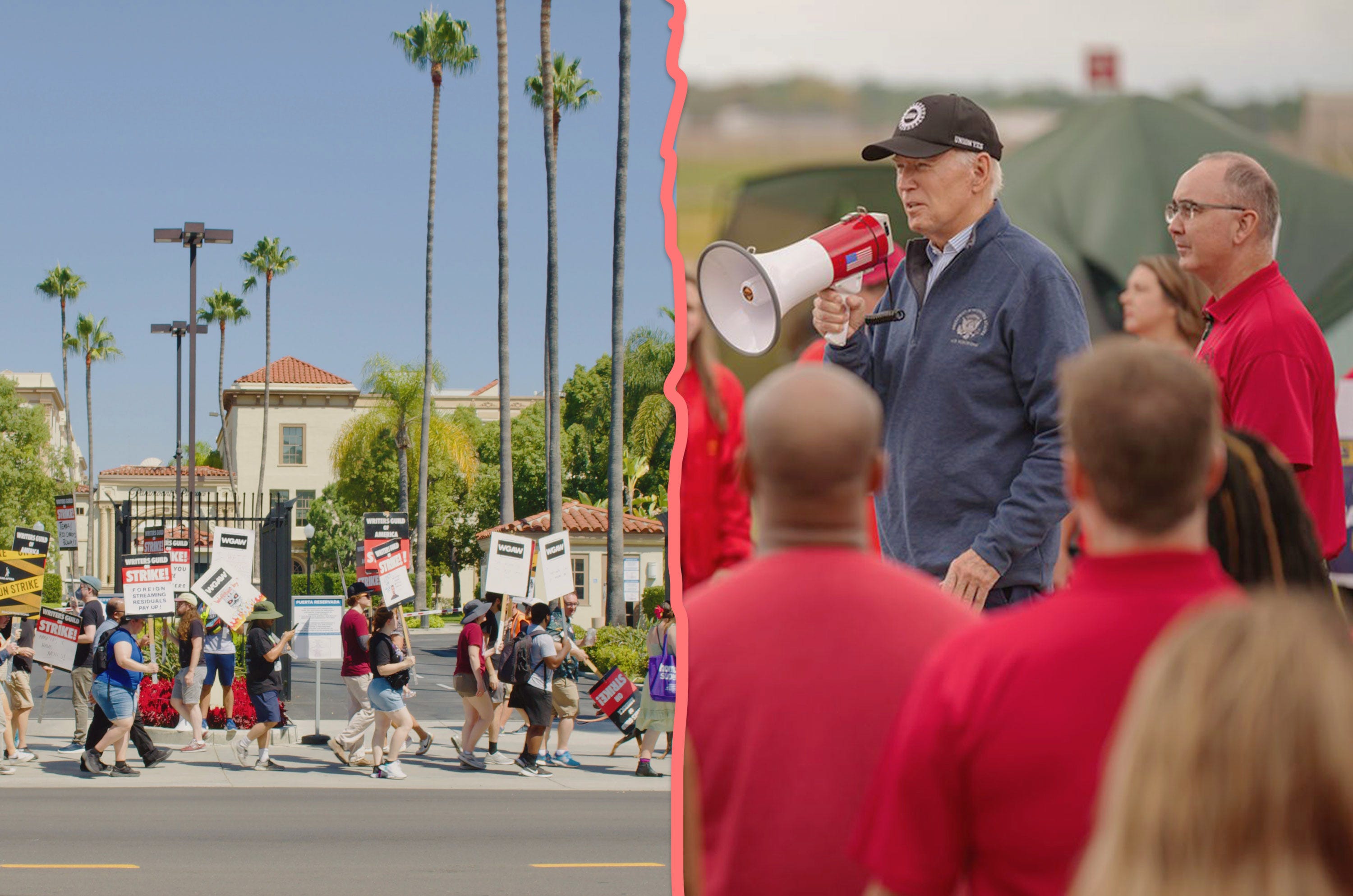
More labor power—and the Biden of it all
Hello from the negotiating table! This week, it’s just us, talking more hot labor summer and a bit about poetry (Tammy recommends the work of Mai Der Vang!). [9:00] After 146 days on strike, the Writers Guild of America, which represents about 11,000 screenwriters, announced on Sunday that they’d reached a tentative agreement with the AMPTP studio group. (Forgive the timing of this ep: the WGA released details of the tentative agreement on Tuesday night, after we had recorded; members will still have to vote on the deal.) [23:00] Meanwhile, as one strike (maybe) ends, another expands! Nearly 20,000 United Auto Workers members across 40 states have walked off the job to demand a fairer share of record profits from the Big 3 automakers, seeking to reverse Great Recession-era losses and prove the might of a new and improved UAW. In this episode, we ask: Why does so much of the public support the WGA strike, a white-collar union whose ranks include very highly paid (less sympathetic?) members? How sturdy is the very new, seemingly democratic operation of the UAW under Shawn Fain?Can this union wave bring back American manufacturing, or are we just buying time before another big offshoring push? What’s with EVs and the enviro dimensions of car-making? For more, see: * Tammy’s dispatch on the WGA strike and animation labor for the New York Review of Books* An In These Times podcast that touches on UAW’s unionization push within higher ed * Previous TTSG convos we reference in this ep, about the WGA, UAW, Labor Notes unionism, deaths of despair, and more: * Listener Qs: Barbenheimer, hot labor summer, & white-Asian relationships in film (July 2023) * A.I. scab-bot$, with Max Read (June 2022) * Is it finally Strikevember?! (November 2022) * Inflaaaation, cool unions, and "We Own This City" (June 2022) * SCOTUS trouble, working-class white people, and Taiwan's military (October 2020) * Some background on Walter Reuther’s UAW, from 2009Subscribe on Patreon or Substack to join our Discord community and meet us IRL. You can also follow us on Instagram, TikTok, and X (Twitter), and email us at [email protected]. And if you’re a freelancer, consider organizing with Tammy & the Freelance Solidarity Project! This is a public episode. If you'd like to discuss this with other subscribers or get access to bonus episodes, visit goodbye.substack.com/subscribe

Olivia Rodrigo + Pinay pop, with Karen Tongson
Hello from karaoke! This week, we bring you more Olivia Rodrigo content–with Karen Tongson, USC professor, podcast co-host, and lover of all singable musics! [28:50] Jay and Tammy* go deep with Karen on her childhood with musician parents, AzNs in California’s Inland Empire, overseas Filipino workers (OFWs), transpacific music circuits, and why it’s racist to pile on a twenty-year-old Pinay pop star. [3:25] But first, some takes on Hasan Minhaj’s “emotionally true” standup act. (*Sorry for Tammy’s absence partway, then fully halfway, through the ep… and all the water noise, lol. NY apartment life, what can you do?) In this episode, we ask: * Why are Filipinos so often accused of copycat artistry? * How does Filipino music resist the long tail of American colonization?* What makes Olivia’s music so delectable (and so suburban Asian American?!)? * When is race comedy funny?For more, see: * A 2021 TTSG episode about the Inland Empire (Environmental justice, Amazon logistics, and immigrant workers, with Andrea Vidaurre) * Bruno Mars doing Pandora on SNL (at 23:50)* Jay’s review of “GUTS” on behalf of Gen X dads * Karen’s newest book, out this November, Normporn: Queer Viewers and the TV That Soothes Us, and an earlier exploration of her namesake in Why Karen Carpenter Matters [excerpt here]* More on Filipino performance and colonial histories in Puro Arte: Filipinos on the Stages of Empire, by Lucy Mae San Pablo Burns* Clare Malone’s story on Minhaj and his slippery “emotional truths” Subscribe on Patreon or Substack to join our Discord community. You can also follow us on Instagram, TikTok, and X (Twitter), and email us at [email protected]. This is a public episode. If you'd like to discuss this with other subscribers or get access to bonus episodes, visit goodbye.substack.com/subscribe

Testing our politics through K-fine dining and “The Retrievals”
Hello from British Columbia! This week, [4:15] we start with the latest concerning video of Mitch McConnell and whether the conversation around fitness for office can (and should) cut across party lines. [21:45] Next, we talk about the Korean fine-dining wave in NYC, the effect of soft power, and why you won’t see us at Naro anytime soon. [45:05] In our final segment, we discuss the Serial podcast “The Retrievals,” which explores questions of gendered pain and corrupt healthcare through the true stories of women deprived of pain medication during IVF. Jay takes us BTS of this caliber of narrative podcast. In this episode, we ask: Is it reasonable to expect basic verbal competency from our elected officials?If you’re a leftist, are there some luxuries (like dining at $$$$$ restaurants) that should be off-limits? Or is that a needlessly moralistic stance? Why is women’s pain continually dismissed, and what’s the right punishment for the infliction of non-lethal harm? For more, see: * The older and more recent videos of Mitch McConnell, and some doctors’ hypotheses about the cause* Pete Wells’s article about How Korean Restaurants Remade Fine Dining in New York * The Times investigation into A Deadly Epidural, Delivered by a Doctor With a History of Mistakes * Books on pain and how it’s addressed: Sick: A Memoir, by Porochista Khakpour, and The Body in Pain, by Elaine Scarry* Past TTSG episodes we refer to: * A recent discussion on Asian food trends in the U.S., from June* Lux magazine and lockdowns with Sarah Leonard, from December 2020We’ll be off next week as our hosts attend to other business (their full-time jobs), but watch out for a non-audio note! Subscribe on Patreon or Substack to join our Discord community to chat about “authentic” Asian food, and to see footage of the noraebang you heard at the end of today’s episode! You can also follow us on Instagram, TikTok, and X (Twitter), and email us at [email protected]. This is a public episode. If you'd like to discuss this with other subscribers or get access to bonus episodes, visit goodbye.substack.com/subscribe
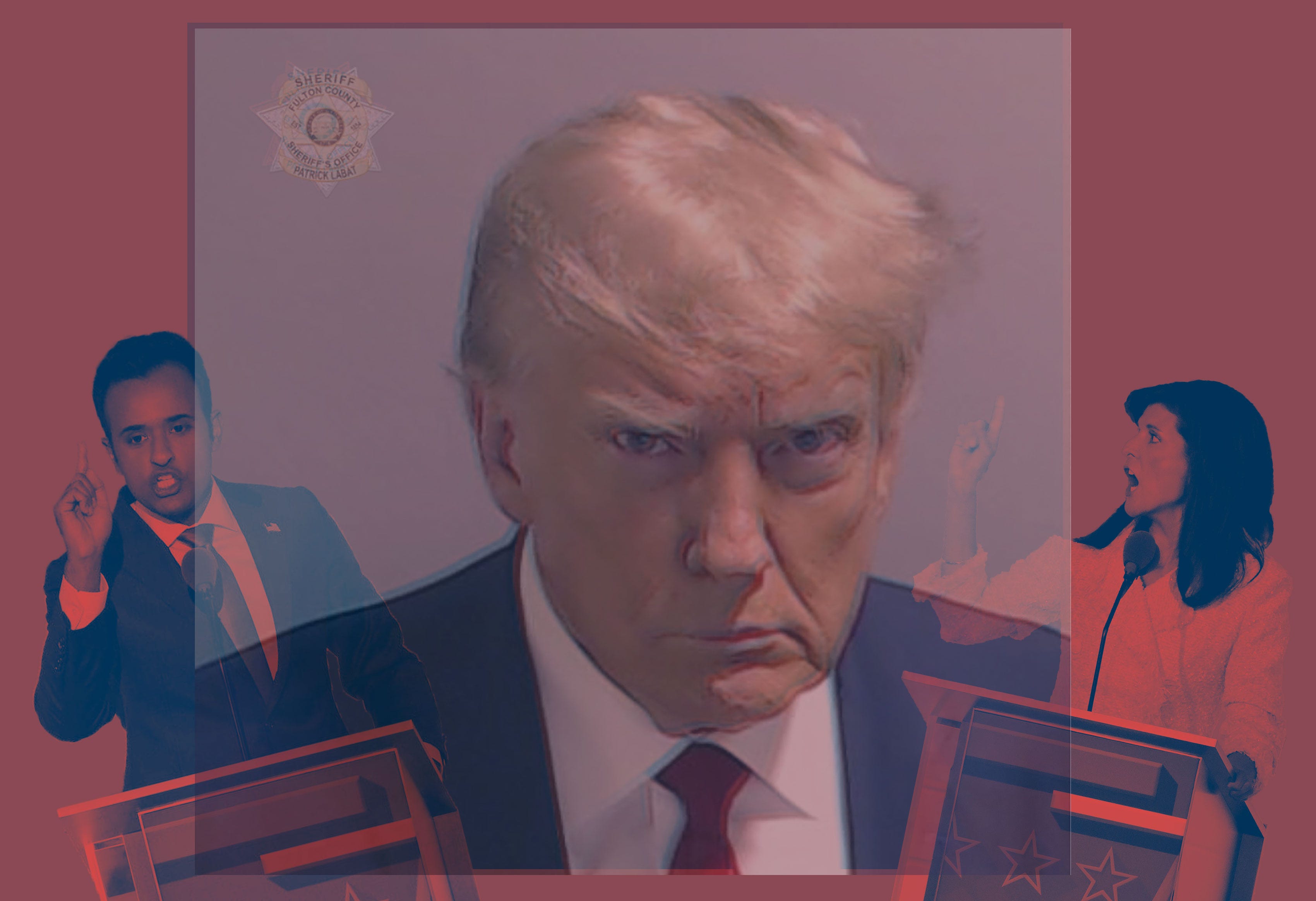
Wake us up when Trump goes to jail, with Vinson Cunningham
Hello from three far-flung cities! This week, we’re joined by our pal Vinson Cunningham, staff writer and theatre critic for The New Yorker. After briefly interrogating Jay’s recent pivot to dad-hiker fashion (pic for subscribers only), we hear Vinson’s take on the Trump mugshot. [4:05] The image gets us talking about aesthetic self-perception, the celebrity accused in popular culture, and the lack of a good analysis of Trump’s true appeal. [41:45] Next, we discuss last week’s G.O.P. primary debate, which causes Jay to confront what fascinates him about Vivek Ramaswamy, Tammy to question her EMILYs List impulses, and Vinson to call b******t on right-wing claims of populism. In this episode, we ask: How does the Trump mugshot, a visual anomaly in the history of presidential imagery, reflect on our political system? What’s the value of similar pix in countries where former leaders are regularly imprisoned? Is there any ceiling on this Trump thing? Why didn’t the G.O.P. primary debate feature more culture-war talk? For more, see: * Vinson’s recent piece about the Trump mugshot, plus older ruminations on presidential imagery: * From 2017: Pete Souza and the Politics of Looking at Barack Obama* From 2018: The Politics of Race and the Photo That Might Have Derailed Obama* Jay’s recent articles about integration in Shaker Heights, Ohio and Vivek Ramaswamy’s debate performance * A Q&A by Isaac Chotiner (apols for the New Yorker plugs) about the constitutional case for barring Trump from the presidency* Previous TTSG episodes featuring Vinson: * “Tár,” a film for the chattering class (February 2023) * "Mare of Easttown" special impromptu episode! (May 2021) * Vinson Cunningham on the NBA, Yang, and IRL theatre (May 2021) And pre-order Vinson’s forthcoming novel! * Out of respect for our many repeat guests, we note that this episode marks Vinson’s fourth TTSG appearance, which ties him with Hua Hsu and Jenny Wang Medina. Subscribe on Patreon or Substack to join our Discord community (and see photo evidence of Jay’s newfound style). You can also follow us on Instagram, TikTok, and Twitter, and email us at [email protected]. This is a public episode. If you'd like to discuss this with other subscribers or get access to bonus episodes, visit goodbye.substack.com/subscribe
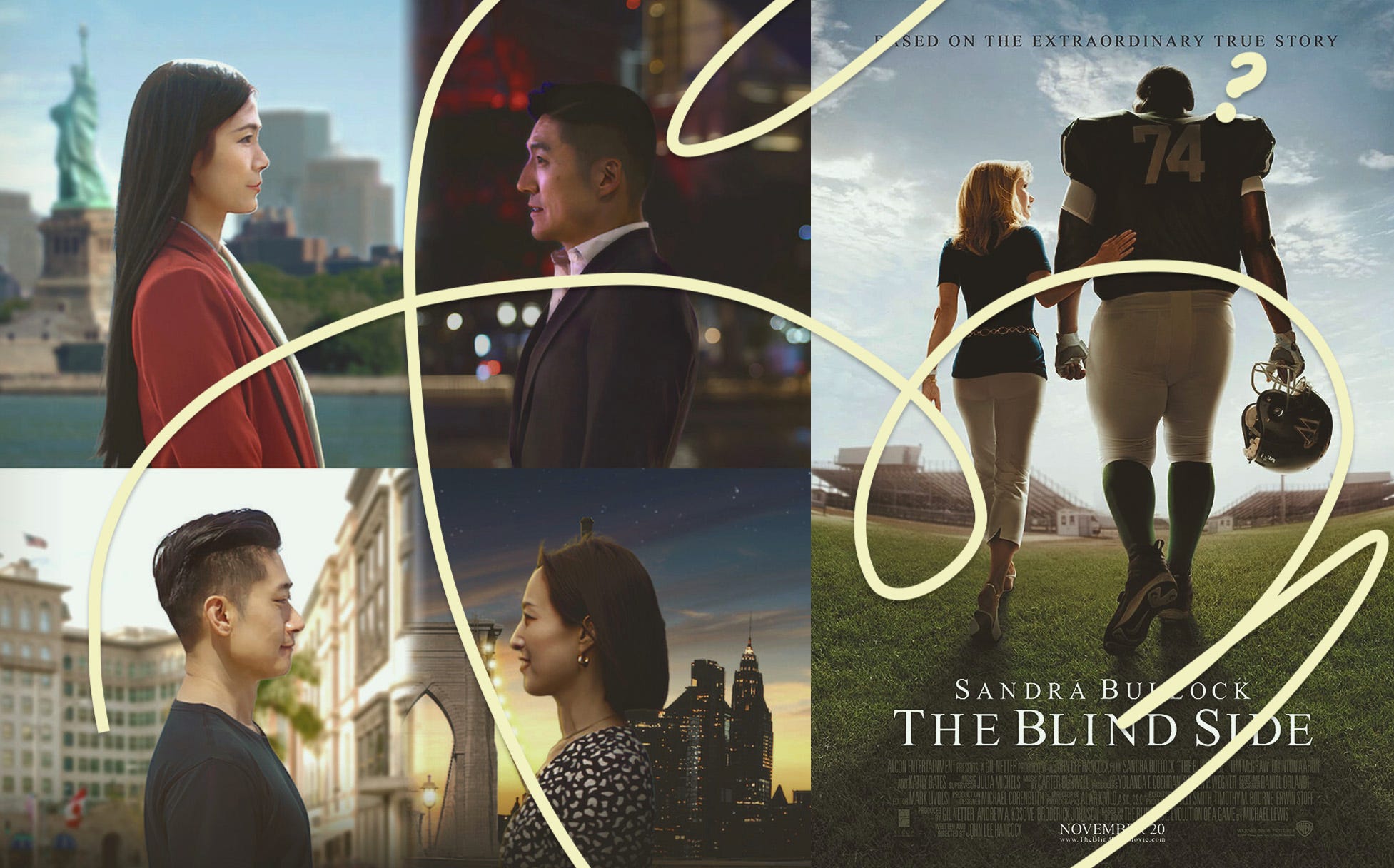
Notes from Martha’s Vineyard, North Korea, and K-reality TV
Hello from a Cessna! This week, it’s just us, on a grab-bag anthropological journey. [2:55] First, Jay unpacks his recent trip to Martha’s Vineyard and what he learned about the academic elite on a panel about affirmative action. [23:35] Next, we discuss Season 4 of “Love After Divorce”, in which Korean-American divorcees shack up and speak subpar Korean. [42:30] Then we catch up on the sad saga of former NFL player Michael Oher, who has claimed that the film purportedly based on his life, “The Blind Side,” misrepresented his story and unethically enriched his white "adoptive" family. [55:10] Last, we talk about the U.S. soldier who crossed into North Korea, allegedly because he was “disillusioned at the unequal American society,” and the trilateral summit at Camp David. On this episode, we ask: Is it wrong to eliminate legacy admissions just as Black students and other students of color stand to benefit? Are people becoming more tolerant of gyopos and their (our) broken Korean?! Will the Michael Oher claims force writers to be more critical of savior stories? What do we make of the U.S. perspective on Asia as a theater of war and deterrence? For more, see: * The panel Jay participated in last Thursday: ‘The Rise and Fall of Affirmative Action’ - The 2023 Hutchins Forum * Michael Oher’s claims against the Touhy family, and Blind Side author Michael Lewis’s subsequent comments defending the family* Coverage of Travis King, the U.S. soldier who crossed over into North Korea, and the recent U.S.-Japan-Korea summit at Camp David * The latest TTSG appearance by K-drama expert Jenny Wang Medina, from July: K-content spectacular Subscribe on Patreon or Substack to support the show and join our Discord community. You can also follow us on Instagram, TikTok, and Twitter (RIP), and email us at [email protected]. This is a public episode. If you'd like to discuss this with other subscribers or get access to bonus episodes, visit goodbye.substack.com/subscribe
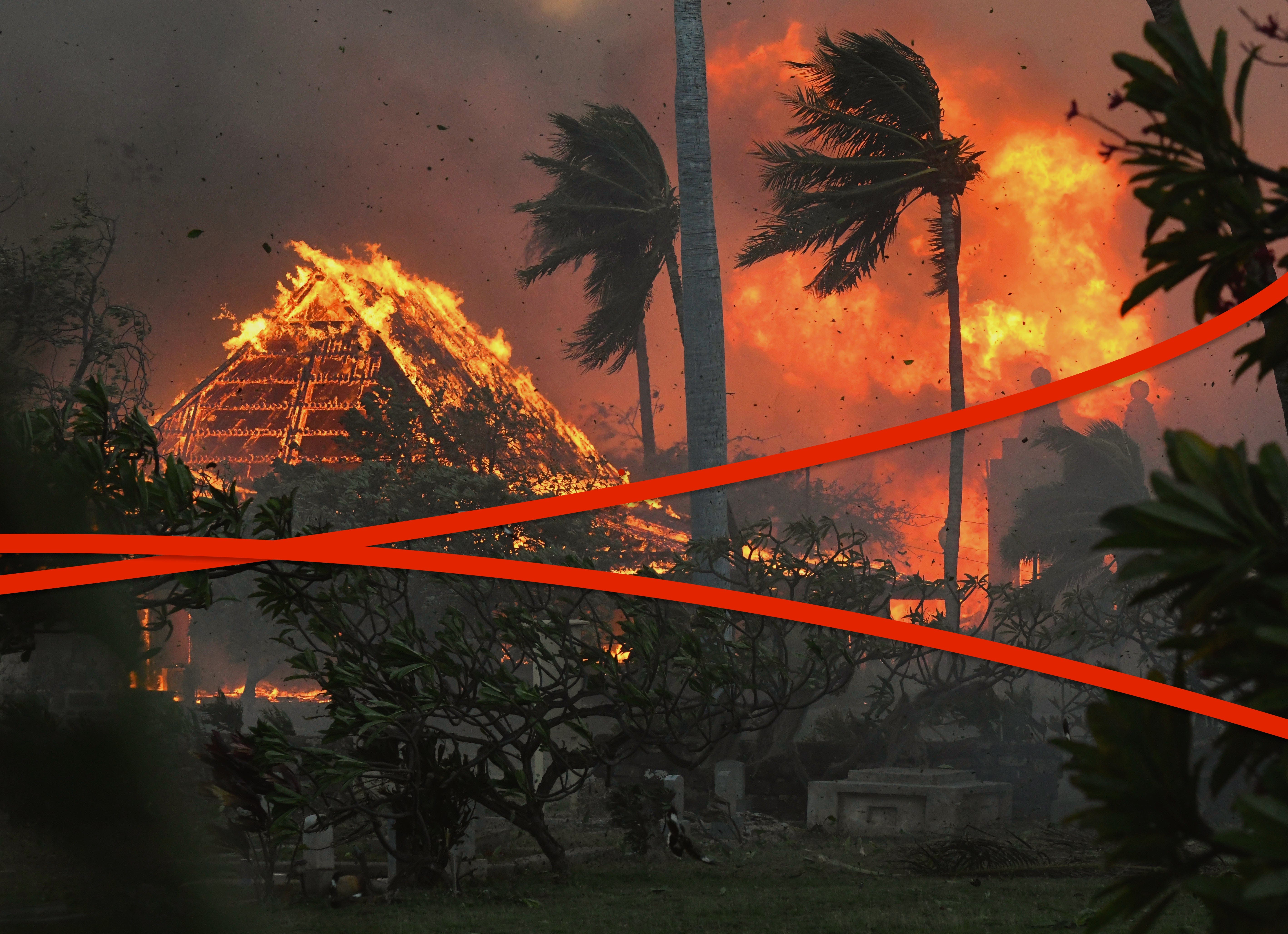
The Maui fires were inevitable, with Kaniela Ing
Hello again from the ongoing climate crisis! Kaniela Ing is a Kānaka Maoli (Native Hawaiian) organizer and former state legislator who now works as the national director of the Green New Deal Network. Kaniela joins us just days after a fire ripped through the island of Maui, decimating the town of Lāhainā and killing a yet unknown number of people. (10:40) Kaniela tells us about his relationship to the affected area and community; (13:55) the systemic causes of this tragedy, including aging infrastructure, theft of land and water, and climate change; and (24:25) what needs to happen to both support people in acute crisis and put those same people at the center of our fight for a better world. In this episode, we ask: Is this a climate turning point in Hawaiʻi? Why is a narrative of resistance, not resilience, more appropriate to this moment? What is the role of Native people in this resistance? For more: * Donate to the Maui Fire Relief + Recovery Fundraiser * Watch Kaniela’s interview with Amy Goodman of Democracy Now!* Listen to a parallel TTSG discussion about Guam with writer Julian Aguon, from March 2021: Loving Guam, fighting empireSubscribe on Patreon or Substack to support the show and join our Discord community. You can also follow us on Instagram, TikTok, and Twitter, and email us at [email protected]. This is a public episode. If you'd like to discuss this with other subscribers or get access to bonus episodes, visit goodbye.substack.com/subscribe
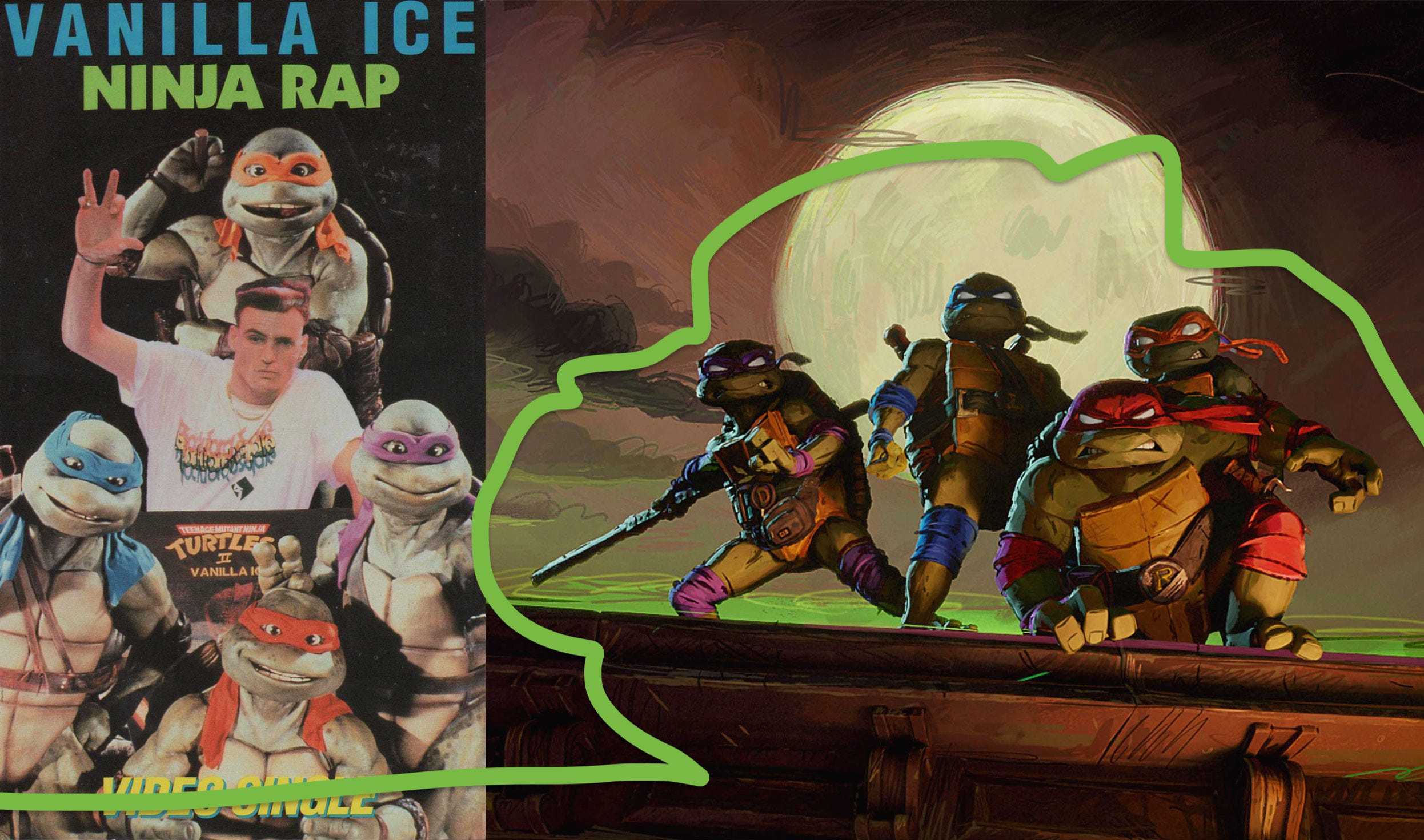
’90s nostalgia, Ninja Turtles, and a red-baiting revival
Hello from an East Bay movie theatre! This week, it’s just us, trying to dodge yet another COVID surge. (A note from our producer, Mai: Lots of people are getting sick, and testing is hard to come by and not always accurate. It’s never too late to mask up again—if not for yourself, then for your more vulnerable neighbors!) (3:25) Jay went to see “Teenage Mutant Ninja Turtles: Mutant Mayhem” with his daughter, Frankie. We talk about the film’s pleasing animation style and nostalgia-packed soundtrack. (24:45) Next, we address a recent New York Times investigation into lefty tech millionaire Neville Roy Singham’s ties to China and consider, yet again, how a good leftist should avoid both McCarthyism and Tankieism.In this episode, we ask: Has Madeline (of the Madeline children’s books) been canceled yet?!Should Jay spend hours systematically indoctrinating his kids into musical connoisseurship? Is it possible to critique U.S. hegemony without being called a brainwashed propagandist? For more, see: * CoComelon, or the stuff of every parent’s nightmares * Why Neil Diamond is cool Dad Rock, by Tammy* Previous episodes on the tankie problem, from June 2020 (Tankies! with Brian Hioe, New Bloom Magazine) and November 2020 (Vaccine apartheid, tankies redux, and the TTSG manifesto) Thanks to everyone who’s come out to recent meet-ups in NYC and Chengdu! Check out the Discord for upcoming events in Texas and other IRL hotspots. Subscribe on Patreon or Substack to join our Discord community, and follow us on Instagram, TikTok, and Twitter. You can email us at [email protected]. This is a public episode. If you'd like to discuss this with other subscribers or get access to bonus episodes, visit goodbye.substack.com/subscribe

Embracing U.F.O.s and rejecting Zionism, with Arielle Angel
Hello from a freezer full of “non-human biologics”! This week, we speak with Arielle Angel, editor-in-chief of Jewish Currents and known alien stan. (3:30) We get her thoughts on last week’s Congressional hearings (nothing a true believer like Arielle didn’t already know) and what aliens are up to when they visit Earth. (26:15) In our main segment, we discuss the democratic crisis in Israel spurred by Netanyahu’s far-right coalition and (34:00) what this moment could mean for the Palestinian national movement, both in Israel/Palestine and the U.S. diaspora. (43:00) We also hear how Arielle arrived at her current politics. In this episode, we ask: If aliens are real, why didn’t Trump tell us?!Have the centrist protests against the Israeli government made BDS seem less extreme? What can the Jewish left teach us about doing identity-based organizing while simultaneously denouncing the validity of identitarian nationalism? For more, see: * The 2017 Times story that convinced Jay that aliens are real* Some background on the Roswell incident from the History Channel * Ezra Klein’s interview with U.F.O. reporter Leslie Kean* Explainers from Jewish Currents on the ongoing judicial crisis in Israel (by Elisheva Goldberg) and the Israel-Palestine rift within DSA (by Alex Kane)* A forced apology from Congresswoman Pramila Jayapal after she called Israel “a racist state”* Arielle’s article on grievance politics from last fall, and our episode discussing the piece: Grievance politics, why we love “Mo,” and the YYYs’ return * Our previous conversations with the lovely folks at Jewish Currents, from May 2021: * Sheikh Jarrah and What Feels Different This Time about Israel/Palestine with Josh Leifer of Jewish Currents * Jewish Currents in Conversation with Time To Say Goodbye! If you’re feeling extra inspired, you can read Arielle’s fiction, Jay’s novel, and Tammy’s poetry. Thanks for listening! Follow us on Instagram, TikTok, and Twitter, and email us at [email protected]. This is a public episode. If you'd like to discuss this with other subscribers or get access to bonus episodes, visit goodbye.substack.com/subscribe
Listener Qs: Barbenheimer, hot labor summer, & white-Asian relationships in film
This is a free preview of a paid episode. To hear more, visit goodbye.substack.comHello from Jay’s final week in paradise! In this bonus episode, we answer questions from subscribers.
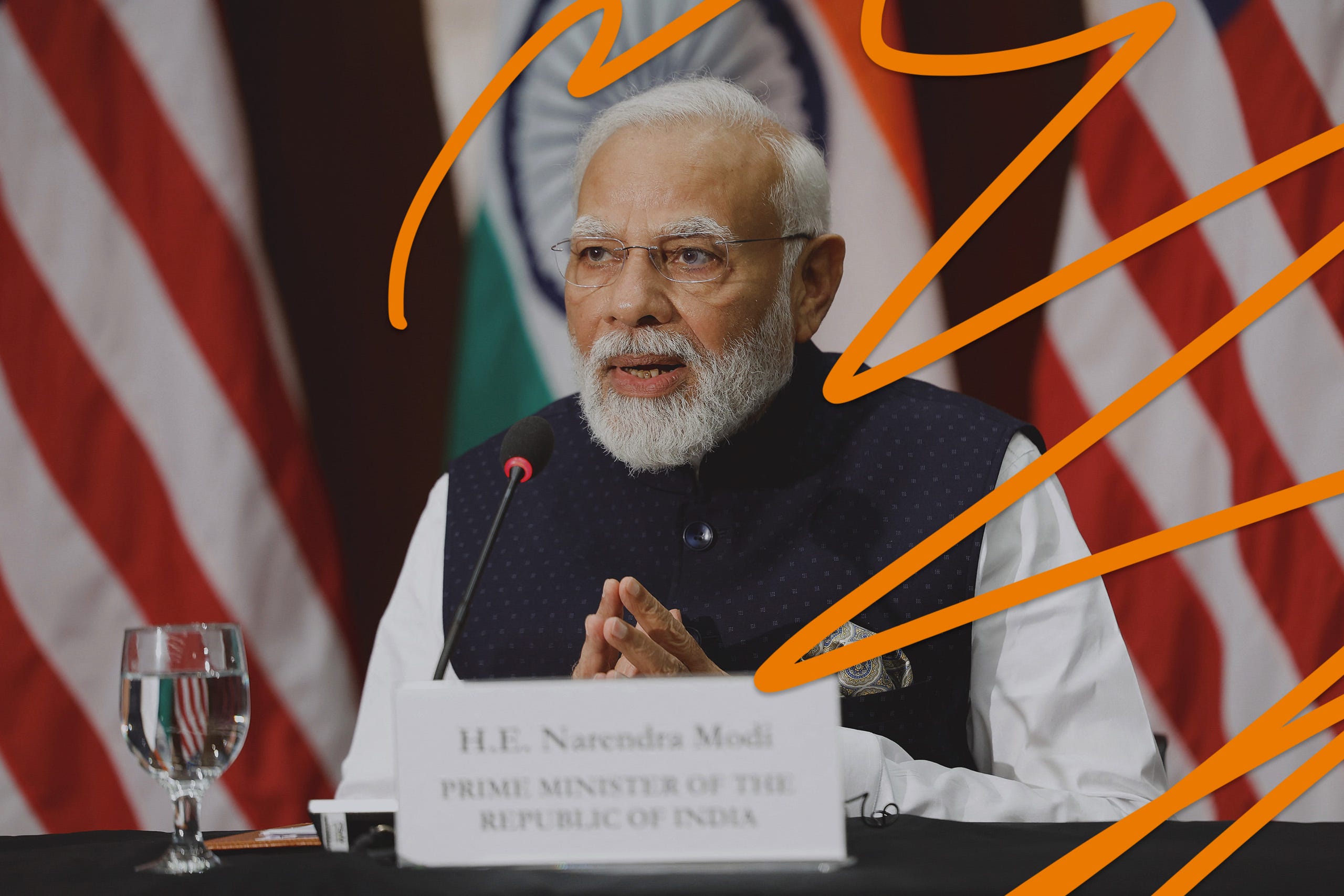
Modi’s India, with Anjali Kamat
Hello from the diasporic battleground! This week, we’re joined by investigative journalist and filmmaker Anjali Kamat to discuss Prime Minister Narendra Modi’s red-carpet state dinner and the spread of his Islamophobic, anti-democratic Hindutva ideology. (1:45) We start with a short history since Modi was elected in 2014, (12:20) dig into the conspiratorial lynchings that mirror right-wing campaigns in other countries, and (26:15) consider how Indian diasporic communities help maintain (and challenge) Modi’s power. We also track the responses of U.S. politicians, from Trump’s “Howdy Modi” rally in Texas, celebrating the Prime Minister’s reelection in 2019, to progressive Representative Ro Khanna’s unwillingness to critique and Obama’s surprising willingness to do so. In this episode, we ask: What differentiates the last nine years under Modi from previous periods of large-scale sectarian violence in India? Why do the myths around Modi persist, despite cracks in the facade of him as an efficient and non-corrupt leader? What was the dream of Indian multiculturalism?How do Indian diasporic communities influence Modi’s ability to consolidate power? For more, check out: * Aparna Gopalan in Jewish Currents, on how Hindu nationalists are using the pro-Israel playbook* An opinion piece by Maya Jasanoff: Narendra Modi Is Not Who America Thinks He Is* Background on the rise of Hindu nationalism in the U.S. * The first installment in our White House State Dinner critique series, from May: Karaoke soft power + left media cowardice 🎧 Heads-up: Next week’s episode will be a subscriber-only listener Q&A! Subscribe on Patreon or Substack to ask a question and hear the episode. Thanks for listening. As always, you can follow us on Instagram, TikTok, and Twitter, and email us at [email protected]. This is a public episode. If you'd like to discuss this with other subscribers or get access to bonus episodes, visit goodbye.substack.com/subscribe
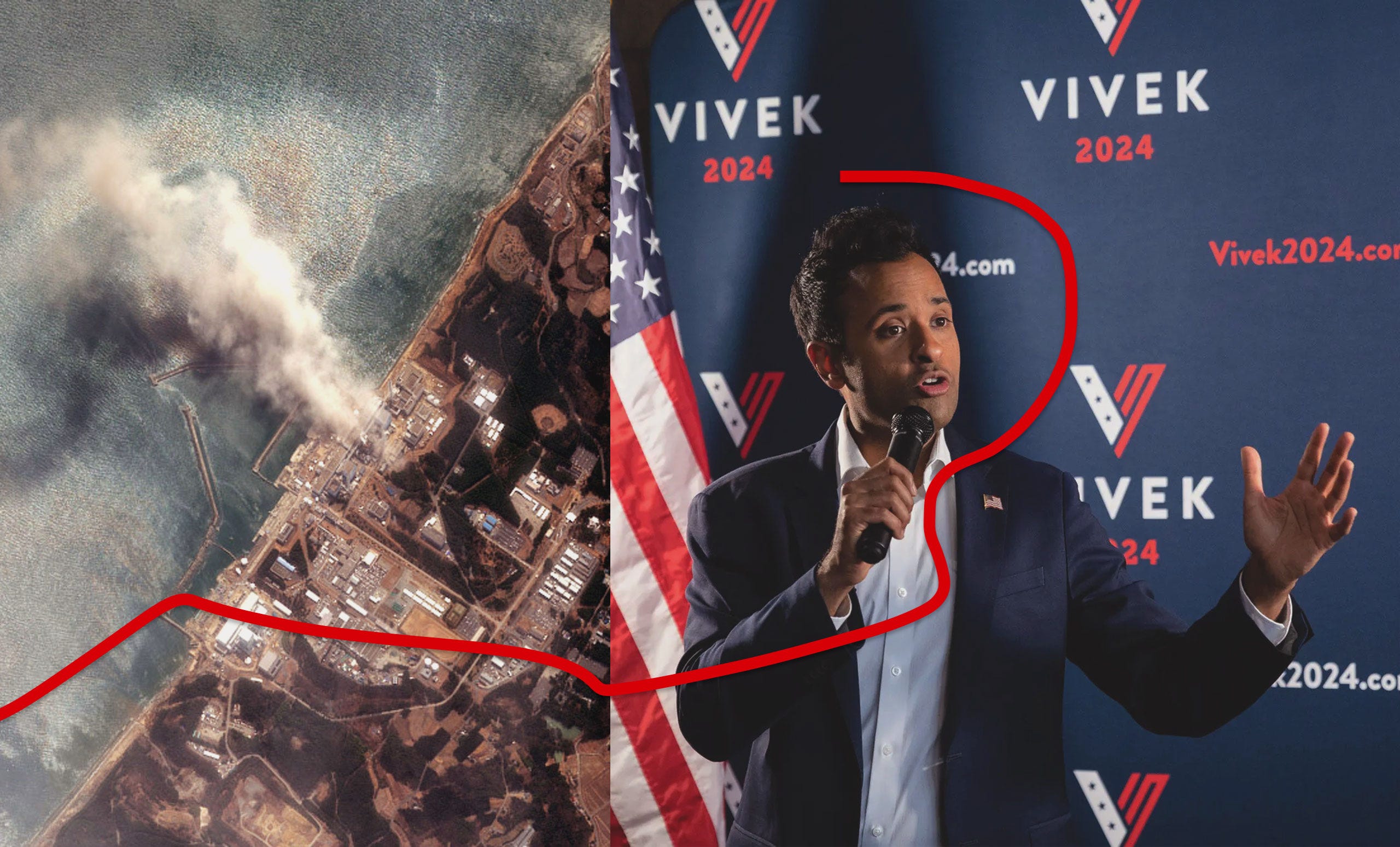
Fukushima’s toxic tail and Ramaswamy’s media blitz
Hello from Honolulu! It’s just us this week, trading places: Tammy is home in humid Brooklyn, and Jay is on the road, visiting family in Hawaii! (6:00) First, we discuss the planned release of 500 swimming pools’ worth of radioactive(?) wastewater from Fukushima, which has spurred lousy takes from Beltway types and a run on salt in South Korea. (19:10) Next, we look at Vivek Ramaswamy’s long-shot candidacy for President and try to discern what the entrepreneur brings to a flailing Republican Party. In this episode, we ask: Was “Mad Men” a good show? How does the Fukushima conversation serve as a barometer for China–Japan–South Korea relations? Is Trumpism analogous to Modi-ism? Are we doomed to have an amoral, debate-brained candidate in every Republican primary? For more, dig into: * Regional reactions to the wastewater plan at Fukushima * Images of Vermont’s floods and the proximate climate apocalypse * Sheelah Kolhatkar’s jealousy-inducing profile of Vivek Ramaswamy for The New Yorker* DeSantis’s jump-the-shark hate ad* Our May ep about the American Prospect’s Tucker Carlson piece (and its backlash): Karaoke soft power + left media cowardice Thanks for listening! Subscribe on Patreon or Substack, and follow us on Instagram, TikTok, and Twitter. Email us at [email protected]. This is a public episode. If you'd like to discuss this with other subscribers or get access to bonus episodes, visit goodbye.substack.com/subscribe
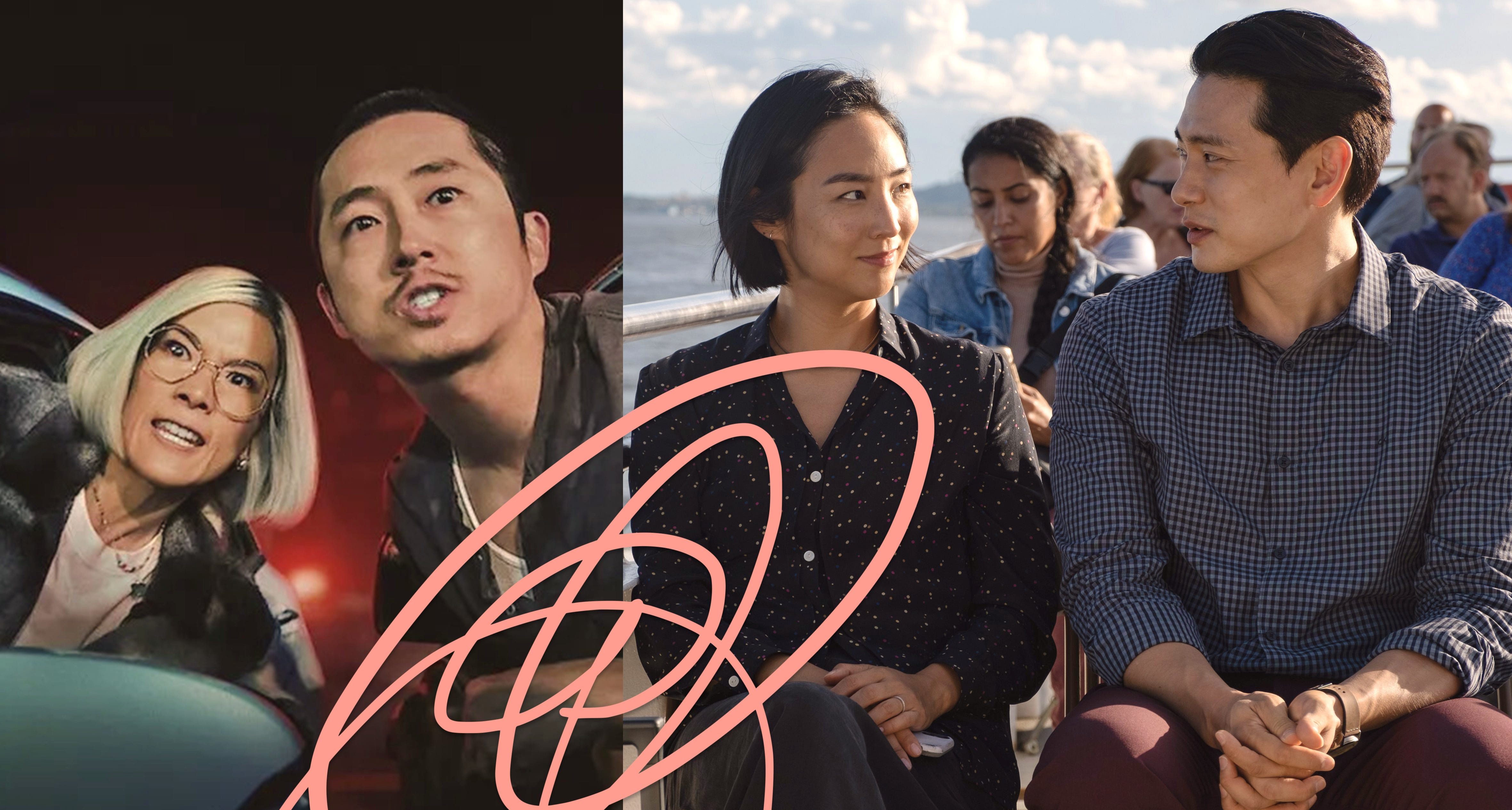
K-content spectacular, with Jenny Wang Medina
Hello from the South Korean Ministry of Culture’s Brooklyn satellite office! This week, Tammy welcomes back Jenny Wang Medina, our resident scholar of Korean cultural exports and semiotics, for a record-tying fourth appearance on TTSG / third-anniversary spectacular! We talk about a few recent Korean/Korean American/Asian American productions: (8:30) the Netflix hit “Beef,” with Ali Wong and Steven Yeun; (31:40) the new transnational A24 flick “Past Lives,” starring Greta Lee; and (1:03:00) Hansol Jung’s adaptation of Romeo and Juliet, featuring an all-Asian American cast (which recently had a run in NYC). We tried to avoid spoilers, but couldn’t avoid some “Past Lives” reveals! In this episode, we ask: What makes “Beef” feel so authentically West Coast Asian American? How do you know when Shakespeare is Asian American?Who’s behind today’s transnational TV and film productions? What will the next “untranslatable” Korean concept be?!For more, see: * Jenny’s previous TTSG appearances: Korean wig stores (October 2020), A feminist(?) K-drama about abortion (June 2022), and Fantasies of progress on K-TV (September 2022)* The sexual assault allegations against “Beef” actor David Choe and a look at his cult-like online community * Jenny’s latest K-drama rec: Tale of the Nine Tailed 1938Also, Tammy highly recommends “Behind Every Star,” the Netflix K-drama remake of the excellent French comedy “Call My Agent.”Thanks for listening! Subscribe on Patreon or Substack, and follow us on Instagram, TikTok, and Twitter. Email us at [email protected]. This is a public episode. If you'd like to discuss this with other subscribers or get access to bonus episodes, visit goodbye.substack.com/subscribe
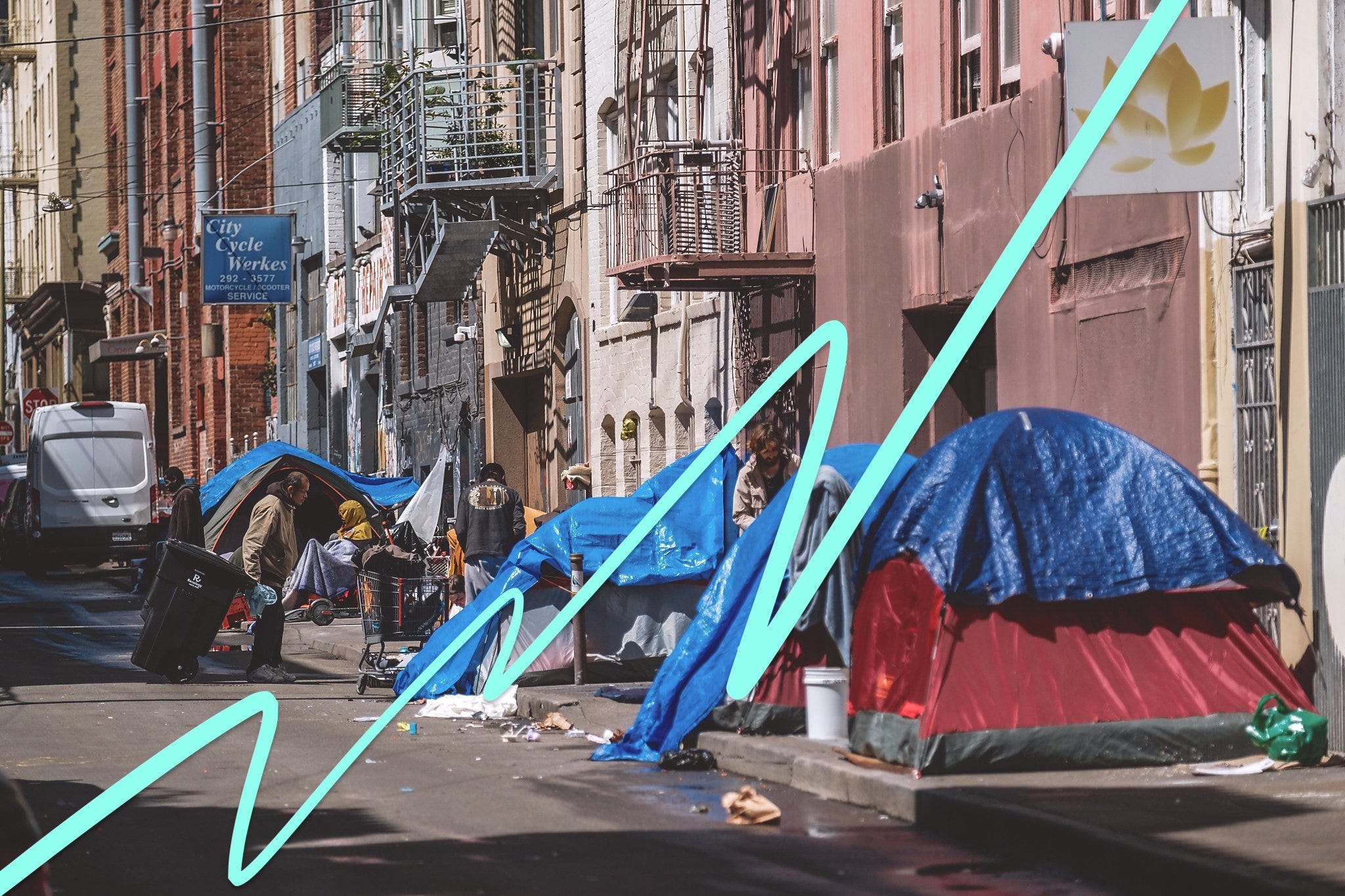
Seeking clarity in Cali’s homelessness crisis, with Darrell Owens
Hello from the East Bay! It’s just Jay this week, chatting with friend of the pod Darrell Owens, a Berkeley-based housing expert. We discuss a new study from the Benioff Homelessness and Housing Initiative at UCSF on the causes and consequences of homelessness in California. In this episode, we ask: Can the revelations in this study—or any new evidence, for that matter—finally move the needle on reducing homelessness? How do “Housing First” advocates address the desire for immediate solutions to a crisis that has been decades in the making? Why are people who are older, disabled, and from certain racial and ethnic groups so vastly overrepresented among the homeless population? For more, see: * The full UCSF study, Toward a New Understanding: The California Statewide Study of People Experiencing Homelessness * Our previous episode with Darrell, from July 2021: The Fight to End Single Family Zoning and the YIMBY/NIMBY/PHIMBY War* The book Homelessness Is a Housing Problem, by Gregg Colburn and Clayton Page Aldern * California YIMBY’s December 2022 report on Housing First policies Thanks for listening! Subscribe on Patreon or Substack, and follow us on Instagram, TikTok, and Twitter. Email us at [email protected]. This is a public episode. If you'd like to discuss this with other subscribers or get access to bonus episodes, visit goodbye.substack.com/subscribe
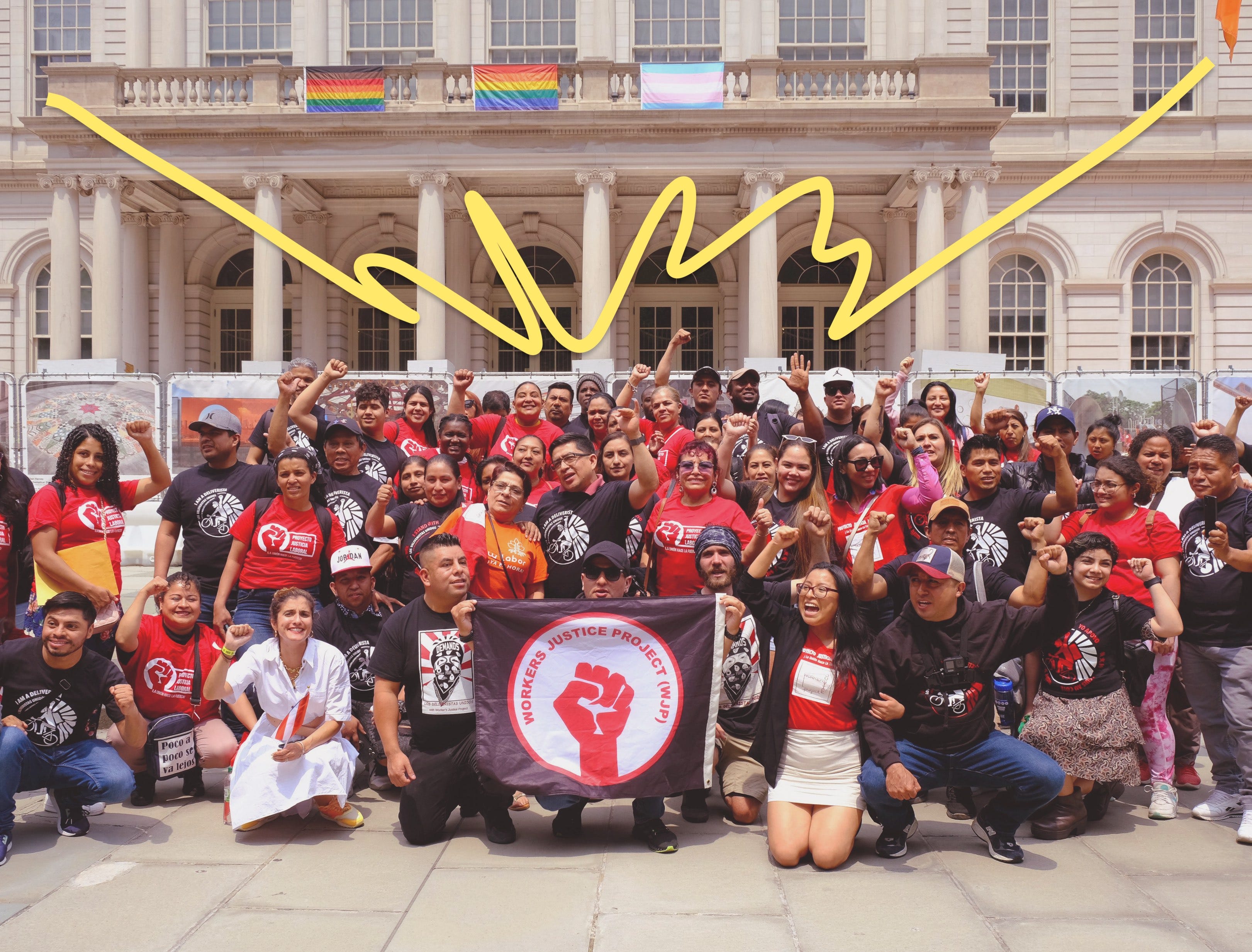
How NYC delivery workers won a minimum wage, with Ligia Guallpa
Hello from the Hill! This week, we’re joined by Ligia Guallpa, executive director of Workers Justice Project (WJP), a group that organizes low-wage, immigrant workers in New York City, including the app-based delivery workers who call themselves Los Deliveristas Unidos. WJP and the Deliveristas just won the passage of a mandatory minimum wage, a huge improvement for e-bike and car delivery workers on GrubHub, Uber Eats, and other platforms. (13:30) Ligia details the unique dangers that spurred the emergence of the Deliveristas as COVID hit New York and (31:00) offers some lessons learned from going against these big-tech titans and their algorithms. In this episode, we ask: How substantial was the shift towards app-based gig work during COVID, and what did that mean for workers? Is it necessary to focus on fighting worker misclassification?How did delivery workers overcome the immense challenge of organizing in a disparate, deliberately siloed workforce? For more, read: * A 2021 piece in The Verge about the early days of organizing among Los Deliveristas Unidos * Another horrific fire this week that may have been caused by improperly maintained e-bike batteries* A report on the backlash that threatened to derail WJP’s minimum-wage fight * News that the NLRB recently reverted to an Obama-era test that could make it easier for gig workers to organize Thanks for listening! Subscribe on Patreon or Substack, and follow us on Instagram, TikTok, and Twitter. Email us at [email protected]. This is a public episode. If you'd like to discuss this with other subscribers or get access to bonus episodes, visit goodbye.substack.com/subscribe
Final thoughts on affirmative action
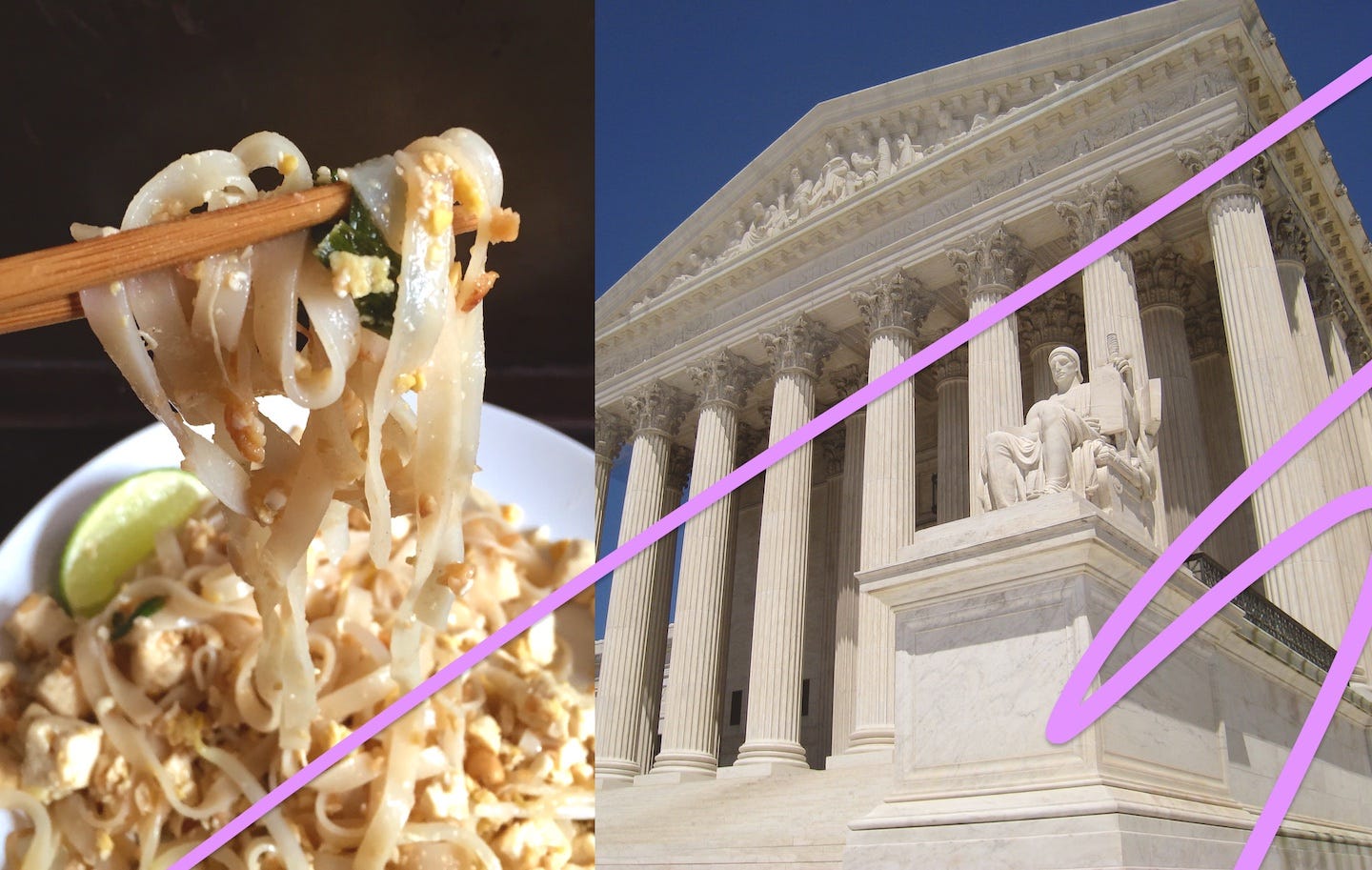
Hello from clear-skied Brooklyn! Thank you to everyone who attended our (first) third-anniversary TTSG summer picnic! And thanks to all who subscribe, listen, spread the word, and otherwise support the show. It’s just Tammy and Jay this week, unpacking some complex cultural shifts in Asian American food and education. (5:15) First, Tammy guesses which Asian cuisines dominate Asian restaurants in the U.S. (according to a recent Pew Research Center study). We also discuss what it means for food to be “elevated,” Americanized, kept “authentic,” or *gasp* made into some kind of “fusion.” (24:40) Next, we go cynical on the likely end of affirmative action and debate the merits of other methods of increasing diversity at universities and beyond. In this episode, we ask: Why has Thai food proliferated in the U.S. while other Asian cuisines trend and fade? What’s behind the idea that “authentic” Asian food should be cheap? What does the lack of energy around affirmative action tell us about racial solidarities and class recognition? For more, see: * A dispatch from last week’s apocalyptic smoke in NYC* The full Pew study about Asian restaurants in the U.S. * Zak Cheney-Rice on affirmative action's past and present, plus Jeannie Suk Gersen on The Secret Joke at the Heart of the Harvard Affirmative-Action Case * An older piece from Jay about the long, slow death of affirmative action * Tammy on the recent Supreme Court ruling that could dampen workers' right to strike And, if you find yourself in Portland, visit some of Tammy’s favorite authentic(?) Thai spots: Eem and Hat Yai! Support TTSG on Patreon or Substack to attend future subscriber events like last weekend’s picnic! Keep in touch via Instagram, TikTok, and Twitter, and email us at [email protected]. This is a public episode. If you'd like to discuss this with other subscribers or get access to bonus episodes, visit goodbye.substack.com/subscribe
A.I. scab-bot$, with Max Read
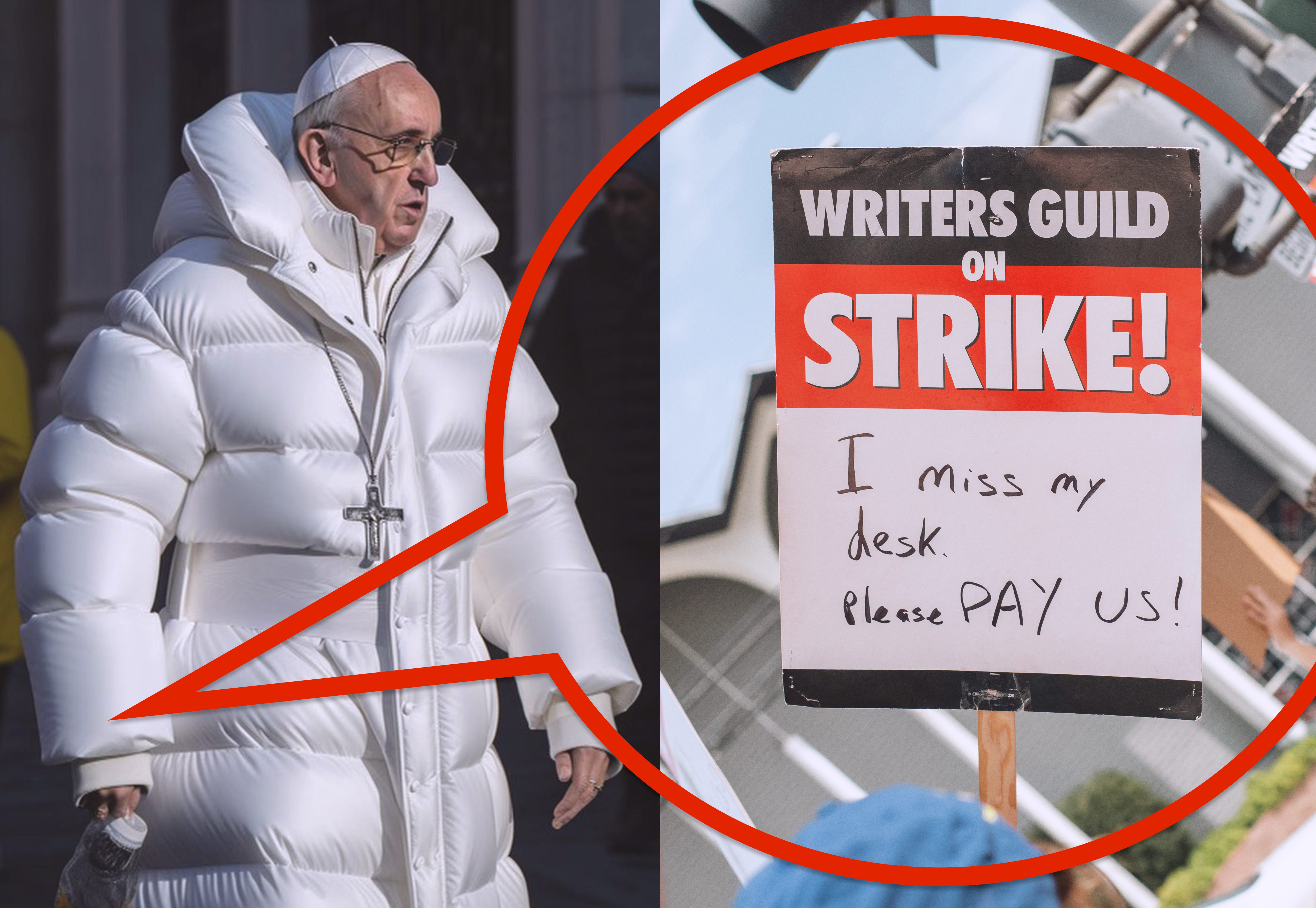
Hello from Montréal! 🥳 Reminder: Join us THIS SATURDAY, June 10th, in Brooklyn, for our subscriber picnic! Subscribe on Patreon or Substack for more details. This week, we welcome back our friend Max Read—dad, Twitter lurker, hat seller, and creator of the incredible Read Max newsletter—for an anniversary chat. (12:30) We speculate about the next phase of A.I. ascendancy and (28:25) large language model pioneers, and (44:00) unpack the labor dimensions of these technological shifts. Speaking of labor, (45:30) we get Max’s inside perspective on the WGA strike (in which, again, A.I. …) and express solidarity with the Insider journalists who just went on strike for a fair contract! In this episode, we ask: Will the next generation be expected to know how to write? Who will ChatGPT threaten to (awkwardly, inadequately, terrifyingly) replace? Is A.I. doing to writing what earlier technologies did to the music industry? Are we getting schooled in notions of collective authorship? For more, see: * Max’s newsletters on the WGA strike and A.I.: * Why I'm on strike* I cannot believe the s**t that morons are getting up to with ChatGPT* Yet more of what I'm reading about A.I., a great mixed-reality TV show, and a great new music newsletter* His previous TTSG appearances! * Crypto fraudsters with Max Read* TTSG disinformation campaign with Max Read * John Herrman’s New York piece about Google’s in-search generative A.I. experiment* Our last episode about A.I., in which Ben Recht gets skeptical: What can’t A.I. replaceThanks for listening! Keep in touch via Instagram, TikTok, and Twitter, and email us at [email protected]. This is a public episode. If you'd like to discuss this with other subscribers or get access to bonus episodes, visit goodbye.substack.com/subscribe
“Succession,” edibles, and immigrant stories, with Hua Hsu
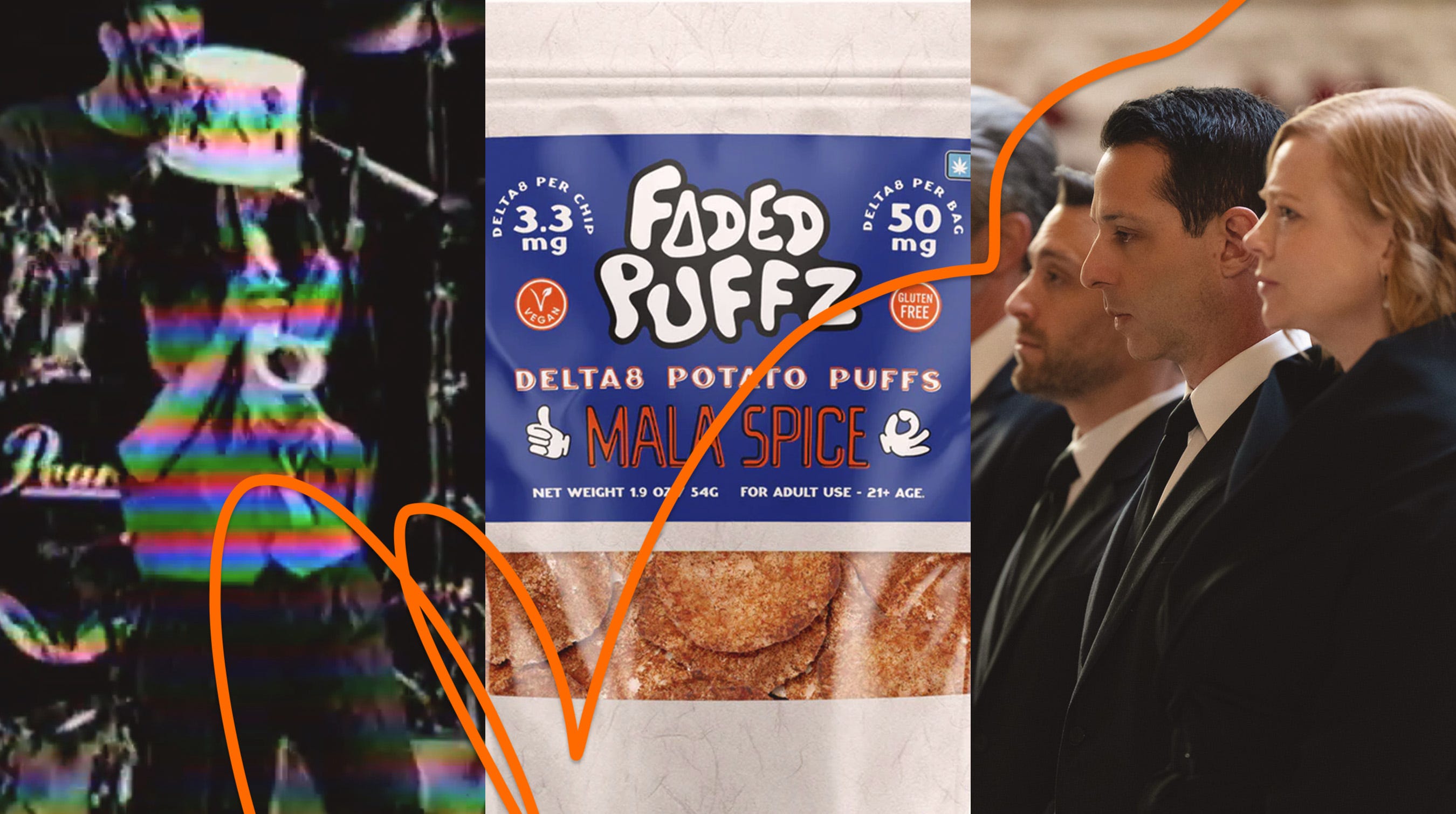
Hello from Jay’s dried-out basement (finally)! This week, writer Hua Hsu joins us for a record fourth appearance on the pod as part of our neverending anniversary celebration. In a wide-ranging chat, we touch on (7:08) how podcasting has influenced our interview styles, (16:55) the "Succession" series finale [SPOILER ALERT], and (27:30) Tammy’s accidental encounter with edibles. (38:22) We also look back at a previous conversation with Hua, from January 19, 2021, and reflect on major changes in Asian American media representation.In this episode, we ask: Which “Succession” character deserved to win?!Whom has the Internet erased from Asian American art? Who is Jay's (extremely specific) target audience?For more, see: * The full episode we excerpted, from January 2021: "That identity s**t, that’s old news, man": belated Capitol takes + "Chan is Missing" with Hua Hsu* Our longer convo (and Jay’s full rant) about drugs, from July 2022: More Dem failings + a shifting drug culture * Hua’s piece on Frank Chin and “Aiiieeeee!”, plus his profile of Maxine Hong Kingston* Jay’s profile of Zappos executive Tony Hsieh* A 1993 performance by Lynbrook’s local ska band, Janitors Against Apartheid * The 1990s Godzilla collective Join us on June 10th, in Brooklyn, for our subscriber picnic! Subscribe on Patreon or Substack for more details. Keep in touch via Instagram, TikTok, and Twitter, and email us at [email protected]. This is a public episode. If you'd like to discuss this with other subscribers or get access to bonus episodes, visit goodbye.substack.com/subscribe
America’s war on the poor
Hello from Mai’s COVID den! It’s just Jay and Tammy this week. (3:25) First, we chat about a mini-generation of Asian women named after Connie Chung and the news anchor’s professional legacy. (22:18) Then, we discuss the public killings of Banko Brown in SF and Jordan Neely in NYC—and the disturbing turn against poor (particularly Black) people in our cities. We ask: Has America so devalued the lives of homeless people that any offense now seems to warrant vigilante murder?How do these conversations play out on the West versus the East Coast? Does urban topography affect these dynamics? For more, read: * Reporting from the S.F. Chronicle: Banko Brown: Video shows what led to S.F. Walgreens shooting; D.A. won’t file charges * Jay’s recent New Yorker piece on Jordan Neely’s death and an older article that discusses California’s housing-first approach to homelessness * Friend-of-pod Darrell Owens’s take on homelessness and vigilante violence on public transitSome TTSG housekeeping: First, we’re having a subscriber picnic on June 10th in NYC! Subscribe on Patreon or Substack for more details. Second, get a TTSG tote for yourself and all your pals! You can either get it shipped to you directly or select "Ship to TTSG" and pick it up at the June 10th picnic. If you’re shipping internationally, use this link instead. Order by this Friday and rep the pod wherever you go!Thanks as always for listening! Keep in touch via Instagram, TikTok, and Twitter, and email us at [email protected]. This is a public episode. If you'd like to discuss this with other subscribers or get access to bonus episodes, visit goodbye.substack.com/subscribe
Three years of bad takes, with Andy Liu
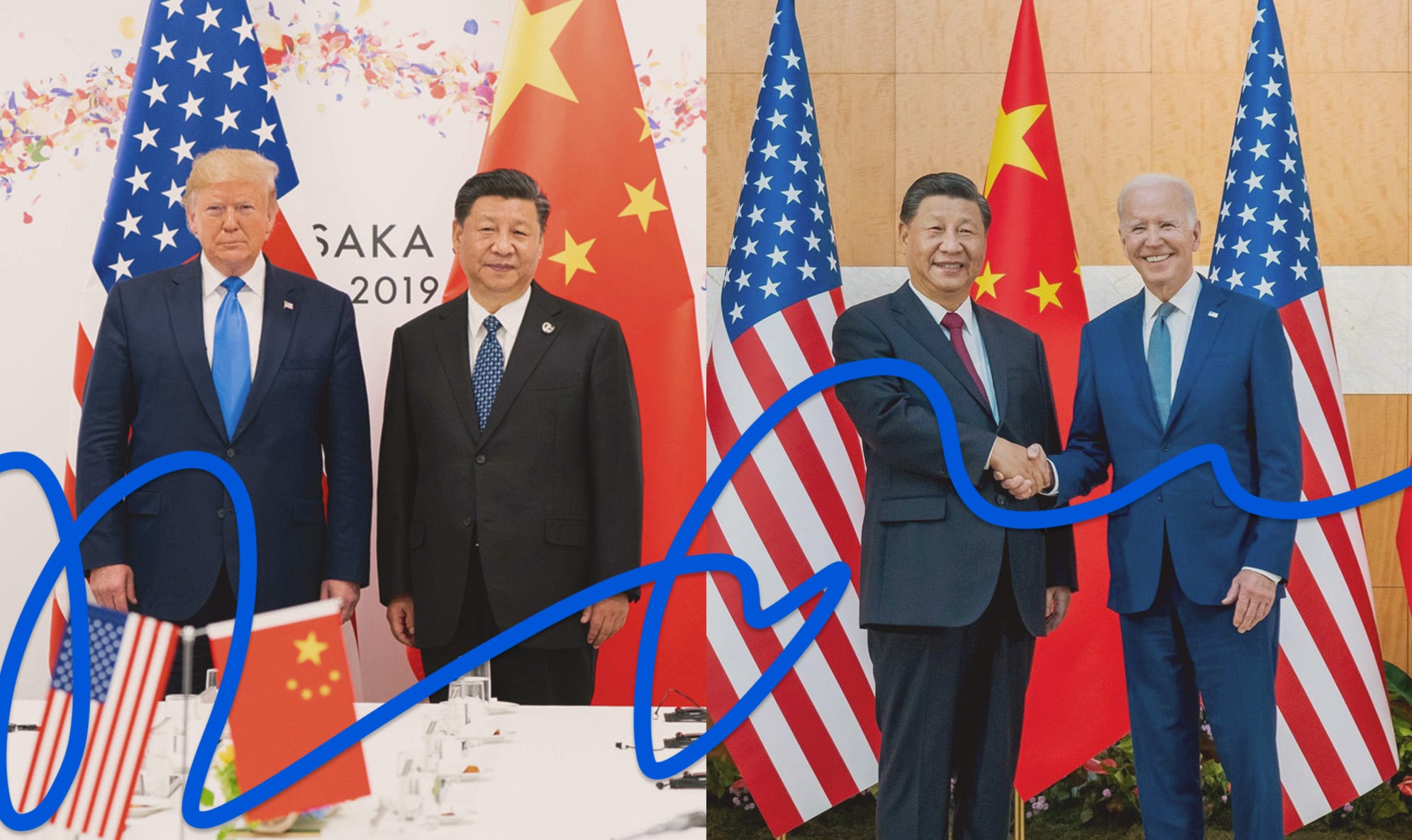
Hello from the vault! In the first of a series of episodes commemorating TTSG’s third anniversary, OG Andy Liu returns. 🎉We look back at the first episode we ever released, on April 13, 2020, and ask: (9:30) Was Andy right to attribute both the spread of the coronavirus and the backlash against Asian Americans to China’s growing power? (34:30) Has COVID diminished the concept of U.S. exceptionalism—if not within the U.S., at least in the rest of the world? (56:30) Is it possible for leftists to embrace national industrial policy without replicating the same kinds of neoliberalism that led us here? For more, see: * That fateful first episode, Pangolin Panic and Why the West Said "No" to Masks * Our episode analyzing Dan Wang’s U.S.–China 2020 newsletter, plus his 2022 assessment * Commentary on recent China-related legislation and National Security Advisor Jake Sullivan’s speech, outlining a new Washington consensusA couple big TTSG announcements! First, we’ll be having a subscriber picnic on June 10th in NYC to celebrate our anniversary and Jay’s “American Son” premiere (movie tix here!). Subscribe on Patreon or Substack for more details. Next, we’re finally releasing TTSG MERCH, starting with a PMC staple: a TTSG tote! When you place your order, you can either get it shipped to you directly or "Ship to TTSG." Please only select the latter option if you plan to attend the NYC picnic on June 10th! (Apologies to all non-locals.) Buy one (or two or three) to rep the pod, and share the link with friends & family! As always, keep in touch via Instagram, TikTok, and Twitter, and email us at [email protected]. This is a public episode. If you'd like to discuss this with other subscribers or get access to bonus episodes, visit goodbye.substack.com/subscribe
Karaoke soft power + left media cowardice
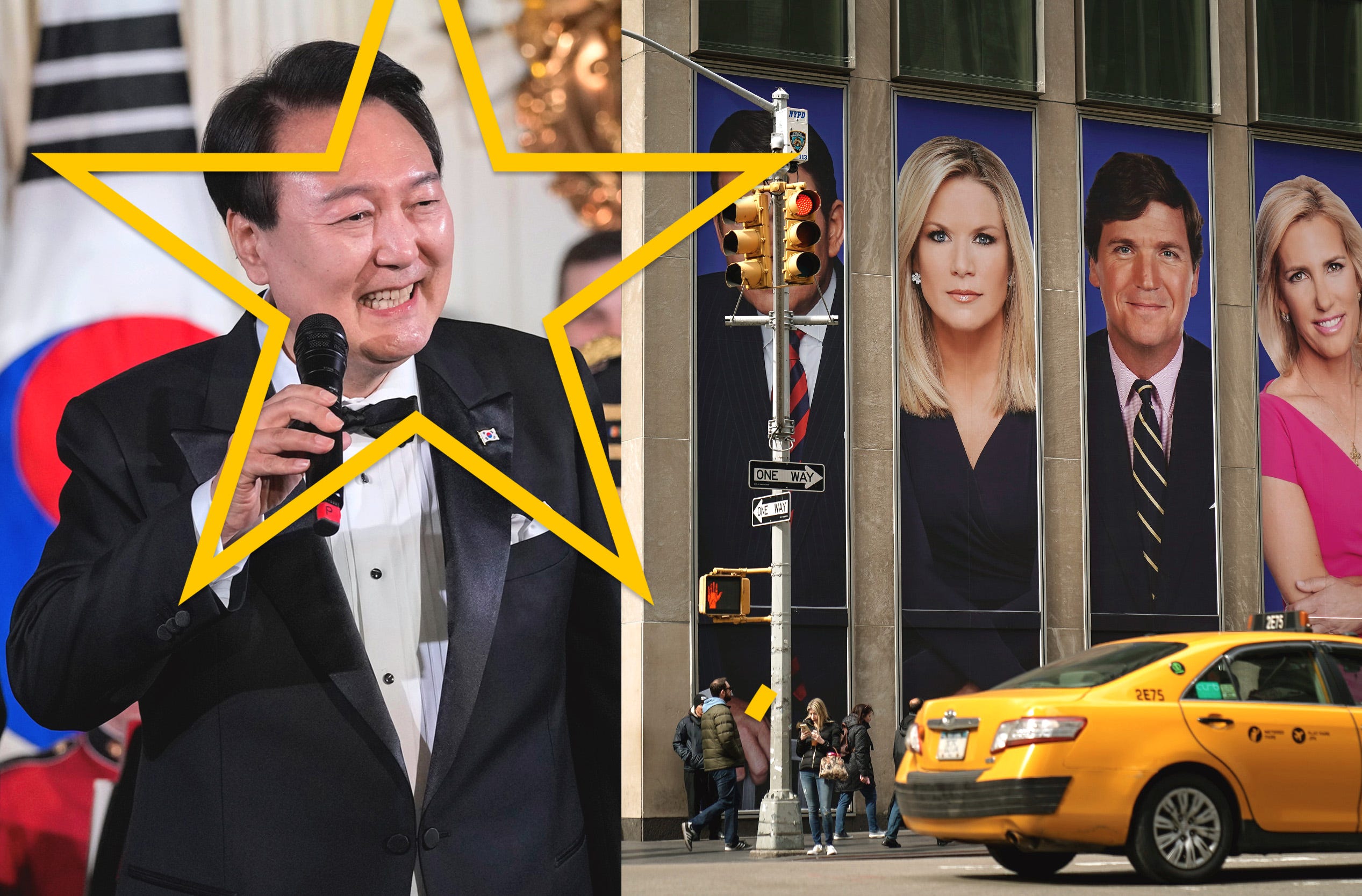
Hello from the start of AANHPIXYZ Heritage Month! It’s just Jay and Tammy this week, going long on two of our favorite topics: U.S.-Korea relations and progressive media. [3:15] First, we address the carefully crafted viral moment from Korean President Yoon’s debut at the White House, and the sanitizing of human rights realities in Asia. [17:30] Next, we discuss the controversy over an article about Tucker Carlson published by the American Prospect—and mea culpa’d by the top editor following online criticism. We touch on [28:10] virtue-signaling disclaimers and [38:55] the tiptoeing endemic to our fractured news industry. In this episode, we ask: Why did a misogynistic, anti-labor president get such a glowing White House welcome? Do we agree with the central argument of the Prospect article: that there is some value to Tucker Carlson types’ espousing of “populist” views on Fox News? Is Jay less cancellable because he’s not white? For more, read: * “South Korean president sings ‘American Pie’” * About Korea’s legislative and symbolic agenda on this U.S. trip* Background on President Yoon when he first entered office, by Tammy* The American Prospect article: “The Smuggest Man On Air”* David Dayen’s editor’s note and the response by two other Prospect writers: “The Real Tucker Carlson”Thanks for listening! Subscribe on Patreon or Substack, and follow us on Instagram, TikTok, and Twitter. Email us at [email protected]. Join us at the premiere of Jay’s movie, “American Son,” at the Tribeca Film Festival, in NYC, in June! Purchase tix here! This is a public episode. If you'd like to discuss this with other subscribers or get access to bonus episodes, visit goodbye.substack.com/subscribe

Wellness frauds and James Harden, with Jennifer Wilson
Hello from a cruise ship! This week, we welcome book critic and Philly basketball devotee Jennifer Wilson back to the show. We discuss [1:00] the epidemic of belligerent airline passengers; [6:25] the surprising (and not so surprising) firings of Tucker Carlson from Fox News and Don Lemon from CNN; [15:10] Jen’s favorite 76er, James Harden, and his ejection for nut-punching; and [27:40] journalist Lauren Oyler’s recent piece on Gwyneth Paltrow’s Goop cruise and the sexist genre of wellness writing. In this episode, we ask: Why do so many basketball players punch and kick one another in the crotch? Are the Tucker Carlsons and Don Lemons of the world easily replaceable?What (besides capitalism, duh) makes us so obsessed with wellness? How is vulnerability (especially in women) used to sell products, activate people online, and smooth out social relations? For more, see: * This week’s viral airplane video (baby screams; man yells) * A breakdown of James Harden's and Joel Embiid's fouls * Lauren Oyler’s dispatch from the Goop Cruise* The David Foster Wallace cruise piece that the Goop story references * Oyler’s 2021 essay on writer W. G. Sebald * How Goop’s Haters Made Gwyneth Paltrow’s Company Worth $250 Million, by Taffy Brodesser-Akner * The TikTok influencer video that led to the intense doxxing of two young women * A rumination on the rise of astrology among millennials by Christine SmallwoodThanks for listening! Subscribe on Patreon or Substack, and follow us on Instagram, TikTok, and Twitter. Email us at [email protected]. This is a public episode. If you'd like to discuss this with other subscribers or get access to bonus episodes, visit goodbye.substack.com/subscribe
What Chicago can teach us, with Alex Han
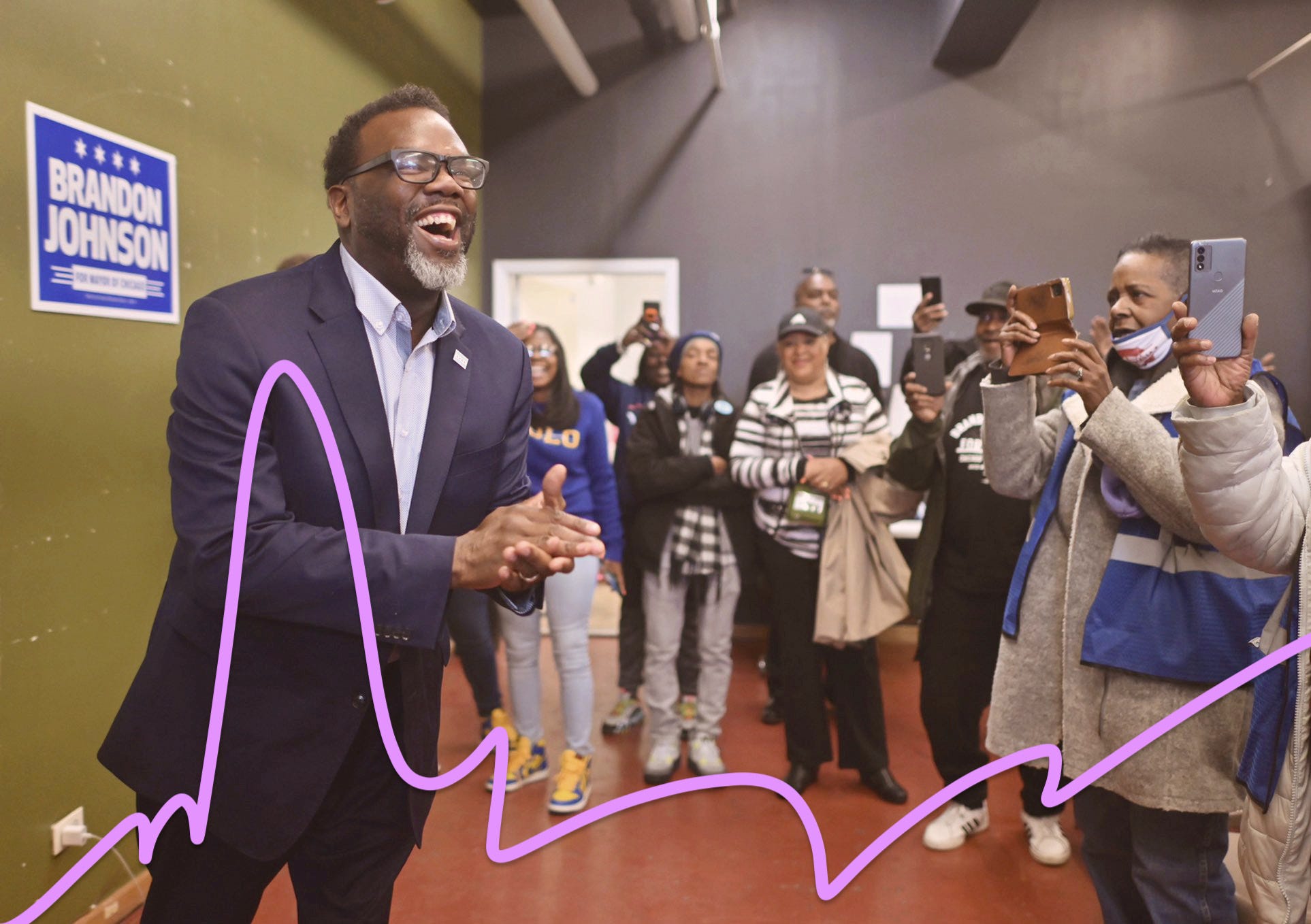
Hello from a 90-degree day in New York!This week, we’re joined by Alex Han, executive director of In These Times and a longtime organizer based in Chicago. Alex previously worked for Bernie’s 2020 campaign and SEIU Healthcare Illinois and Indiana. We get into the context behind the surprise mayoral win by former teacher and organizer Brandon Johnson, over “corporate reformer” Paul Vallas. We discuss [15:45] the values (neoliberal versus progressive) at stake in this race, [25:08] which strategies can, and can’t, be reproduced by other candidates, and [1:01:30] the role of left-labor publications like In These Times in counteracting corporate media.In this episode, we ask: What made the Chicago Teachers Union become such a central player in city politics? How has “defund the police” evolved, rhetorically, on the left? How do you build a coalition that’s led by progressives but populated by centrists? What should left media do to engage young people and other big yet hard-to-reach groups? For more, read: * Alex’s post-election editorial for In These Times* This reflection on bargaining for the common good and the influence of the CTU * More on the deep, grassroots organizing behind Johnson’s victory: 'It Was 100-Percent People Power' (Block Club Chicago) and Chicago’s Rich Organizing Tradition Paid Off (The Nation) * An interview with Alex on the past and present of In These Times: What Do Movements Need from Progressive Media?* The book Jay mentions, After Black Lives Matter: Policing and Anti-Capitalist Struggle, by Cedric G. Johnson* Horrifying news of the shooting of 16-year-old Ralph Yarl in Kansas CityThanks for listening! Subscribe on Patreon or Substack, and follow us on Instagram, TikTok, and Twitter. Email us at [email protected]. This is a public episode. If you'd like to discuss this with other subscribers or get access to bonus episodes, visit goodbye.substack.com/subscribe

“The border itself is the crisis,” with Silky Shah
Hello from Jay’s COVID den!Mai would like you to know that she begged Jay to skip recording and rest after he tested positive for COVID, and did the same with Tammy a few weeks ago. They did not listen. Please don’t follow their bad example!This week, Tammy and Jay chat with repeat guest Silky Shah, executive director of Detention Watch Network and longtime organizer for immigrant rights. [1:45] We start, though, with a discussion of “Veep,” which Jay has been rewatching—a show that continues to be relevant and prescient ten-plus years on. [14:40] Then we talk about Biden’s disappointing policies on immigration, including the continuation of Title 42 and other policies designed to exclude asylum seekers, [50:00] and reflect on some small wins that follow years of organizing by groups like the National Day Laborer Organizing Network (NDLON). In this episode, we ask: How do anti-immigration policies actually worsen the same border conditions that some claim to be fighting through deterrence? What makes immigration intersectional? How might the immigrant-rights movement adopt a broader framework of immigrant justice? For more, see: * More on the Biden administration’s anti-immigrant moves, including a potential reinstatement of family detention * Hannah Dreier’s NYT report about migrant child labor in the U.S.* The fire at a Juárez migrant detention center that killed dozens* A glimmer of good news: DHS expands protections for whistleblowers * The Tennessee GOP’s attack on two Black legislatorsPlus, listen to Silky’s August 2022 TTSG appearance, Immigration’s “catalyst moments,” and a September episode where we discuss Ron DeSantis’s migrant-busing stunt: GOP cruelty gone wild. Thanks for listening! Subscribe on Patreon or Substack, and follow us on Instagram, TikTok, and Twitter. Email us at [email protected]. This is a public episode. If you'd like to discuss this with other subscribers or get access to bonus episodes, visit goodbye.substack.com/subscribe
Palo Alto’s ghosts, with Malcolm Harris
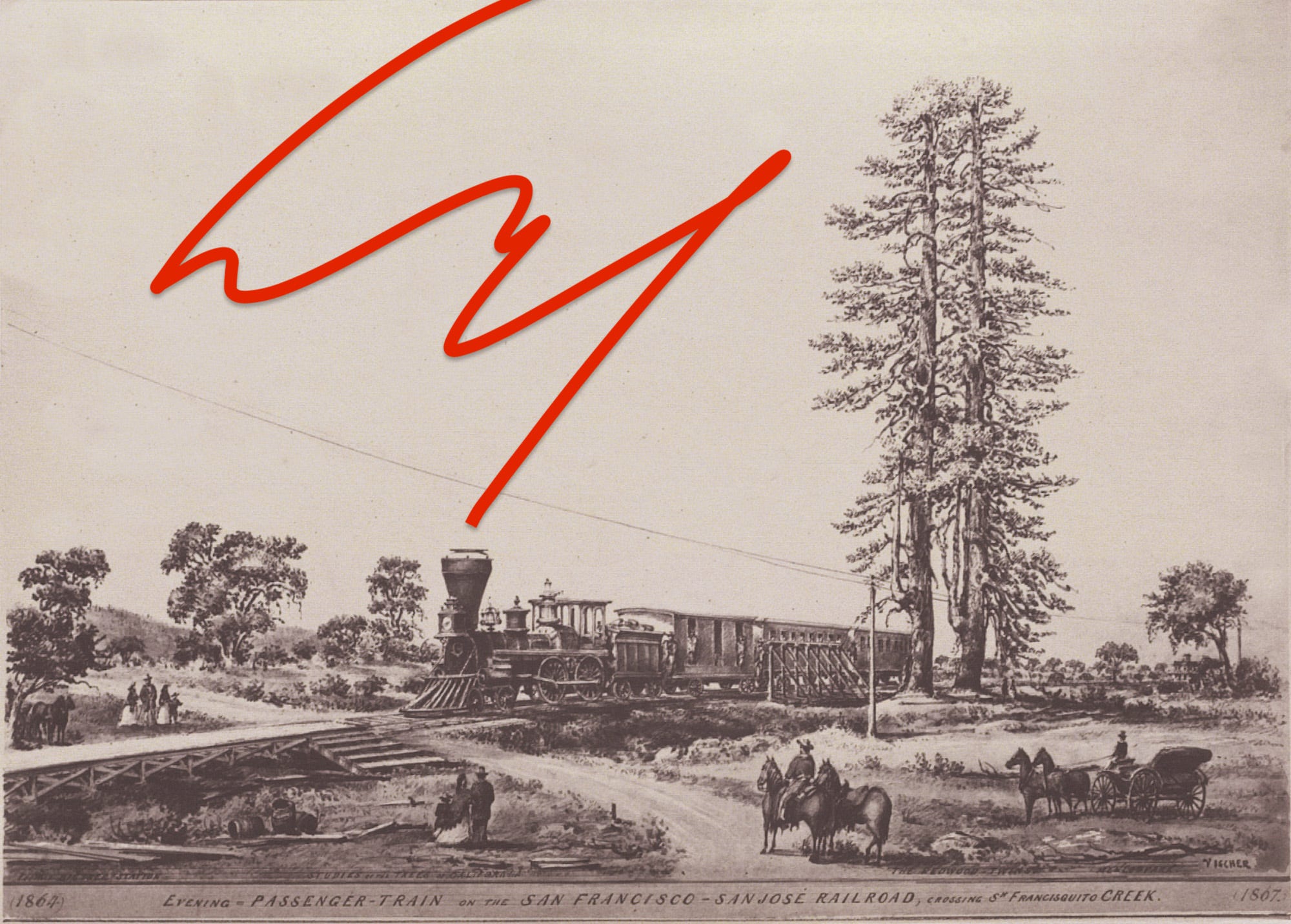
Hello from the Bay Area! This week, it’s just Jay speaking with Malcolm Harris, the author of the recently published Palo Alto: A History of California, Capitalism, and the World. We talk about [5:40] why Malcolm wrote a 600-plus-page epic instead of a shorter, more personal book; [27:25] Palo Alto’s origin story, including Leland Stanford and immigrant labor on the railroads; and [43:20] what mainstream histories get wrong about the New Left and Silicon Valley’s development. (Heads-up: There is a brief discussion of suicide between 11:30 and 14:10.)In this episode, we ask: Why does Palo Alto give off such a weird vibe, and how does Stanford University's approach to real estate contribute? What did Jay and his daughter learn about the exploitation of Chinese rail workers at the California State Railroad Museum? Is Malcolm worried that AI could take his job? For more, read: * Malcolm’s colossal Palo Alto: A History of California, Capitalism, and the World* An archetypal business book: Barbarians at the Gate, by Bryan Burrough & John Helyar* Mae Ngai’s book on Chinese migration and the gold rush, The Chinese Question—and listen to Andy’s episode with Mae! 'History is not a straight line': on the Chinese Question with Prof. Mae Ngai Thanks for listening! Subscribe on Patreon or Substack and follow us on Instagram, TikTok, and Twitter. And email us at [email protected]. This is a public episode. If you'd like to discuss this with other subscribers or get access to bonus episodes, visit goodbye.substack.com/subscribe

The kids (and parents) aren’t all right, with Bryce Covert
Hello from Jay’s flooded basement! (Apologies for our less-than-ideal audio.) This week, our guest is Bryce Covert, a writer who covers the culture and work of child care (and its increasingly dire state) in the U.S. Bryce tells Jay and Tammy [14:50] what she’s been hearing from providers as pandemic-stimulus funding dwindles; [27:55] why care workers haven’t been able to win better pay, even in a strong labor market; and [52:25] how private-sector incentives might help—but don’t go nearly far enough. (A lot of our references are to hetero nuclear families, but the pain is universal!)In this episode, we ask: Why do Jay and Bryce have to apply to 94 summer camps to make sure their kids aren’t marooned?What would an ideal child care system look like? At what age would public care and schooling begin? What can we learn from previous U.S. policy and experiments elsewhere?Why does an adequate child care system feel politically impossible? For more, see Bryce’s writing… In The Nation: The Childcare Crisis Is Getting WorseChild Care Providers Are Organizing, Demanding More, and Winning In Early Learning Nation: "I Can't Compete": Child Care Providers are Losing Staff to McDonald's and TargetIn Lux: Child Care: The Radical is PopularAlso read:* James Butler on the social care crisis in the U.K. * Dana Goldstein on child care and private equity * The ‘Fleishman Is in Trouble’ Effect (i.e. wealthy parents’ version of this crisis) * More on the childcare provision in the CHIPS ActThanks for listening! Subscribe on Patreon or Substack and follow us on Instagram, TikTok, and Twitter. And email us at [email protected]. This is a public episode. If you'd like to discuss this with other subscribers or get access to bonus episodes, visit goodbye.substack.com/subscribe

Ten long years of socialist politicking, with Kshama Sawant
Hello from Tammy’s COVID bunker! This week, after a short tribute to Montana’s “dean of journalism,” Chuck Johnson, R.I.P., Tammy speaks with Kshama Sawant, the three-term socialist Seattle City Councilmember who recently announced that she will not seek reelection after this year. Instead, she has launched Workers Strike Back, “an independent, rank-and-file campaign” to support organizing nationwide. We discuss [9:42] the Amazonification of Seattle, [31:05] a historic municipal bill banning caste discrimination, and [38:28] critiques of Sawant’s approach to politics and organizing. Plus: Tammy and Kshama debate union strategy.In this episode, we ask: Does socialism provide answers to today’s woes? What did the Black Lives Matter protests in 2020 reveal about identity politics? How might the Dobbs ruling and other failures of Democratic leadership help us envision a new political party? What does DSA get right and wrong? For more, read: * Tammy’s 2019 mini-profile of Kshama * Kshama’s labor history fave: Teamster Rebellion by Farrell Dobbs * A Kentucky worker on “How We’re Fighting for a Union at Amazon’s Biggest Air Hub”* Kshama’s recent bill, making Seattle “the first U.S. city to ban caste discrimination"And some extras from the TTSG team: * Tammy and Mai recommend the French-German-Belgian film, “Return to Seoul,” currently playing in some U.S. theaters.* Tammy semi-recommends the return of the LA-catering comedy “Party Down” (though the first two seasons remain vastly superior) and really recommends these sly, tingly novellas, translated from the Japanese, by Yoko Ogawa. * A happy follow-up to the housing episode with Ritti Singh and Navneet Grewal, reported by TTSG guest Wilfred Chan: “‘It’s legal, there’s just no precedent’: the first US town to demand a rent decrease”* More news in racial impostors, via Andy: “Raquel Evita Saraswati pretended to be a woman of color. Her deception traumatized the communities she claimed to help.”* Some devastating TikToks by college applicants, courtesy of Jay Thanks for listening! As always, follow us on Instagram, TikTok, and Twitter, and get in touch via email at [email protected]. This is a public episode. If you'd like to discuss this with other subscribers or get access to bonus episodes, visit goodbye.substack.com/subscribe
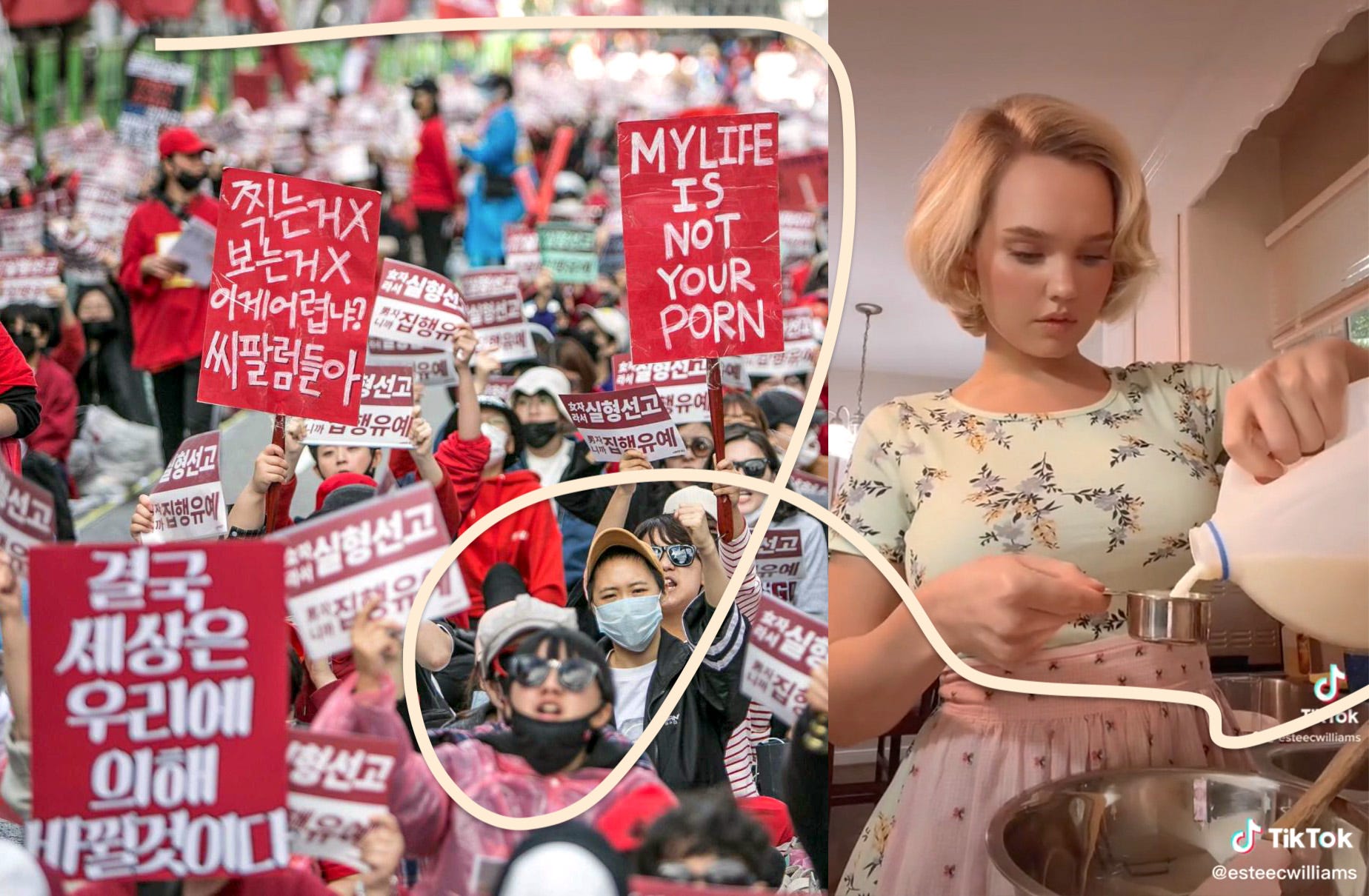
The Asian Oscars, tradwives, and Korean feminists
Hello from Jay’s tradlife mancave! It’s just us this week, dissecting all the ways our culture has gone too far. We begin with [0:20] a debrief of the most Asian (American?) Oscars ever. Then, updates [20:40] on feminism in South Korea and [40:38] the Stepford wives of TikTok. In this episode, we ask: Are Asians now overrepresented in Hollywood?! What happens when electoral politics revolves around gender relations? Why doesn’t anyone want to give birth in South Korea, despite myriad family supports? How much of the “tradwife” lifestyle movement is about aesthetics, as opposed to a particular politics? For more, see: * Anna Louie Sussman’s article about the 4B movement in Korea* An interview with Hawon Jung, author of Flowers of Fire: The Inside Story of South Korea’s Feminist Movement and What It Means for Women’s Rights Worldwide* Zoe Hu on the tradlife movement and its “central hero,” the tradwifeAnd revisit these TTSG episodes: * "Everything Everywhere All At Once" deep dive * “Tár,” a film for the chattering class, with Vinson Cunningham* On Korean feminism—* Fantasies of progress on K-TV, with Jenny Wang Medina * A feminist(?) K-drama about abortion * Harper's, Boba Bros, Korean Feminism, and the NBA bubble If you’re in NYC this Sunday, come to BAM for a screening of Bong Joon-ho’s “Parasite,” with Q&A by Tammy! Info and tix here: https://www.bam.org/film/2023/parasiteThanks for listening. As always, you can subscribe on Patreon or Substack, follow us on Instagram, TikTok, and Twitter, and get in touch via email at [email protected]. This is a public episode. If you'd like to discuss this with other subscribers or get access to bonus episodes, visit goodbye.substack.com/subscribe
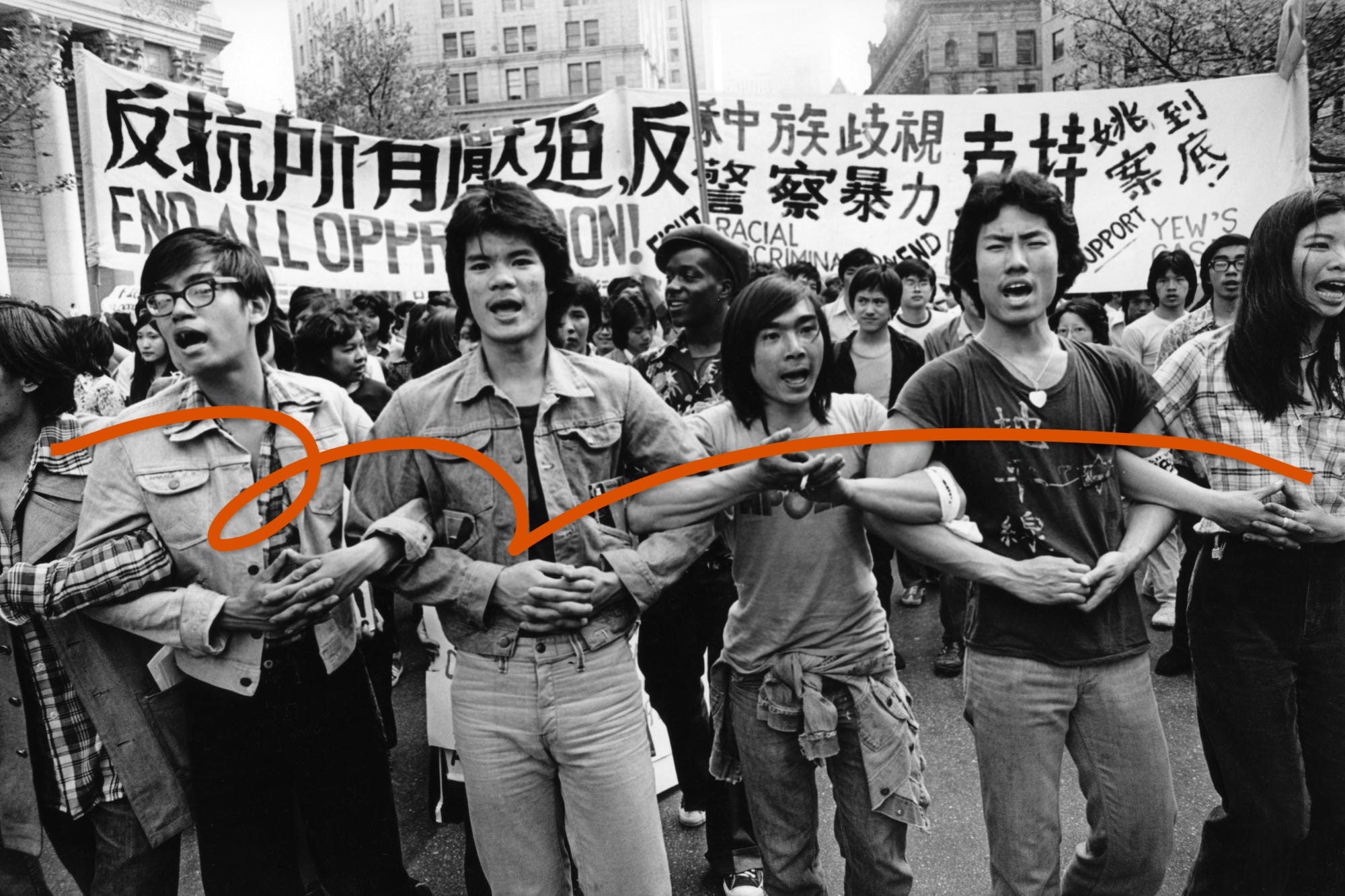
‘100% authentic fake:’ Corky Lee’s Asian America, with Ken Chen
Hello from a D.C. hotel! This week, our guest is Ken Chen, writer, professor, and former director of the Asian American Writers' Workshop (AAWW). We discuss [6:45] Ken’s recent piece for n+1, about photojournalist and activist Corky Lee and the deep histories of class, race, and violence woven into his work, centered in Manhattan’s Chinatown. [1:03:20] We also chat about writing, publishing, and Asian American literature as a social-realist project. In this episode, we ask: When does a photo achieve representation?What if we thought of Corky not as a photojournalist, but as a durational artist? Can an identity be created through accumulation and aspiration, even through economic shifts?Why are there so many books by Asian Americans coming out now, compared to a few decades ago? For more, see: * Ken on Theresa Hak Kyung Cha’s Dictée* Repeat guest Hua Hsu on Maxine Hong Kingston, author of the classic novel, The Woman Warrior* Ryan Lee Wong on Corky Lee’s photos of protests against police brutality And revisit these TTSG episodes: * Our book club with Lisa Hsiao Chen, wherein we discuss the work of performance artist Tehching Hsieh * Working-class unity, with organizer JoAnn Lum, the director of NMASS (the National Mobilization Against Sweatshops)* "I want you to care when people are still alive," with Yves Tong Nguyen of Red Canary SongOur first-ever TTSG Movie Club is happening THIS FRIDAY, March 10th, at 8pm ET / 5pm PST! We’ll be watching "Better Luck Tomorrow," and you can join our TTSG Discord to attend the viewing by subscribing on Patreon or Substack. Thanks for listening! As always, follow us on Instagram, TikTok, and Twitter, and get in touch via email at [email protected]. This is a public episode. If you'd like to discuss this with other subscribers or get access to bonus episodes, visit goodbye.substack.com/subscribe
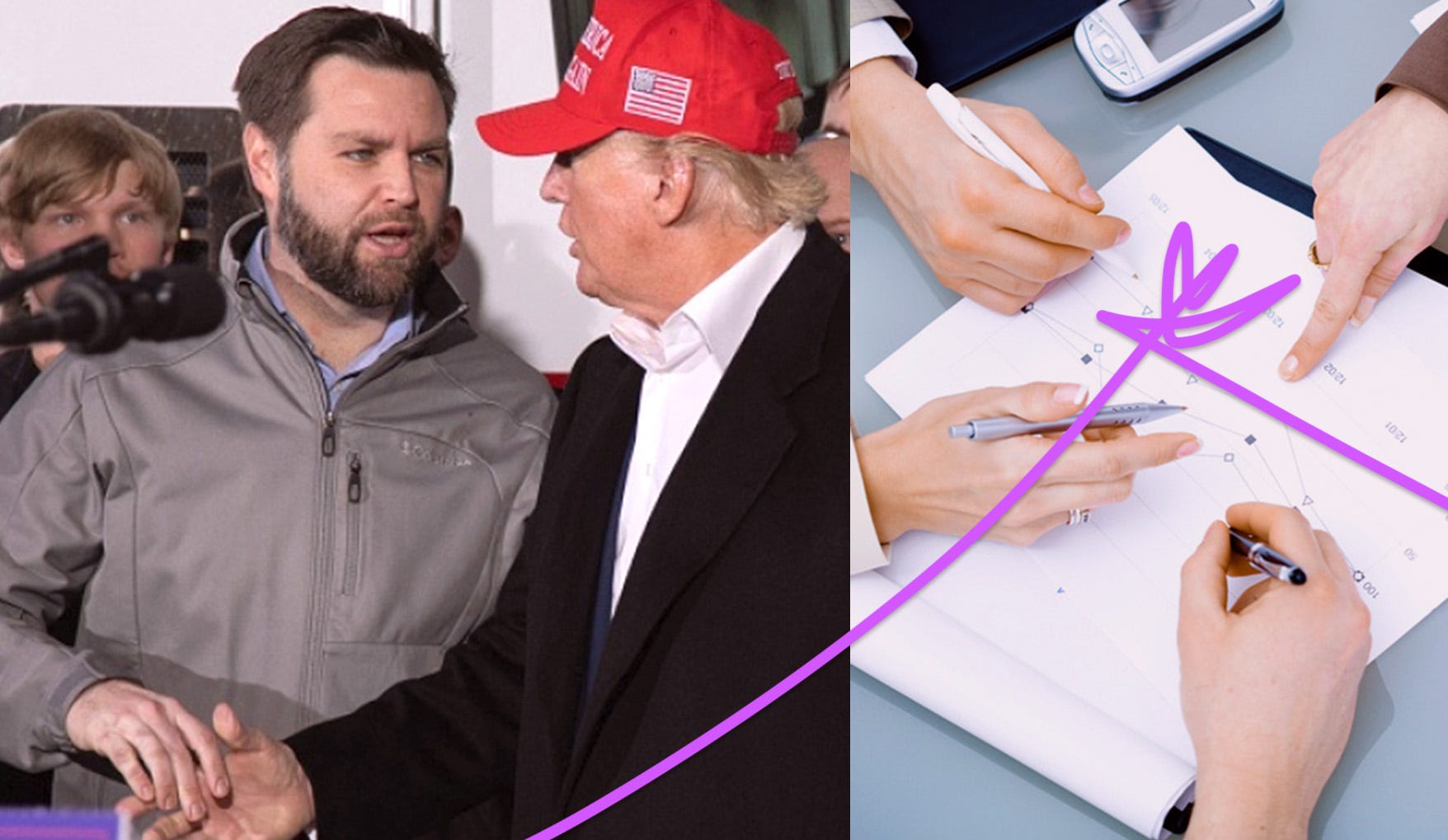
When the right wing co-opts identity politics
Hello from our normal, boring lives! Tammy returns from her reporting trip out West, and Jay is back at work after taking half his parental leave. It’s just us this week, talking through [3:20] the political disaster that has unfolded around the derailment and chemical release in East Palestine, Ohio. Plus, [28:25] a new Intercept interview with D.E.I. consultant Tema Okun, about her viral paper “White Supremacy Culture.”In this episode, we ask: Have we learned anything since the 2016 election about the risk of ignoring working-class communities? How should the Democrats have responded to the derailment? Why are people so obsessed with the term “white supremacy”? What anxieties does it mask? Are diversity trainings really necessary? For more, see: * Our recent episode with train conductor Nick Wurst* Field trips to East Palestine, Ohio, by Senator J.D. Vance and Trump* Tema Okun’s interview with Ryan Grimm of The Intercept* Okun’s original paper, plus the updated websiteFor our first-ever TTSG Movie Club, happening March 10th at 8pm ET / 5pm PST, we’ll be watching "Better Luck Tomorrow"! Join the TTSG Discord to attend the viewing. You can subscribe on Patreon or Substack. Thanks for listening! As always, follow us on Instagram, TikTok, and Twitter, and get in touch via email at [email protected]. This is a public episode. If you'd like to discuss this with other subscribers or get access to bonus episodes, visit goodbye.substack.com/subscribe

What can’t A.I. replace, with Ben Recht
Hello from a sci-fi future!Tammy’s on a reporting trip this week, so it’s just Jay talking to our guest Ben Recht, a professor of computer science and electrical engineering at UC Berkeley. We talk about the history of artificial intelligence, the new bots from Open AI (ChatGPT) and Microsoft (Bing A.I.), and share some of the reasons why they are both skeptical but also kinda impressed. In this episode, we ask:Well, what really is A.I., and how does it differ from machine learning?Is this Silicon Valley hype cycle any more believable than those we were sold on crypto, Web3, and the metaverse?What is the actual technology behind ChatGPT? What’s so special about it?Where do we get our doomsday fantasies from, and how worried should we really be?Is the remedy for bad AI takes just better science fiction? How is A.I. Doomerism like Scientology? To read more, see: * Ted Chiang on super intelligence and capitalism * Maciej Ceglowski with a funny and comprehensive breakdown of why people talk about A.I. in the way they do. As well as the case for better science fiction. * A compelling history of A.I. by Stephanie Dick * James Vincent on the idea of A.I. as a mirrorThanks for listening! Subscribe on Patreon or Substack and follow us on Instagram, TikTok, and Twitter. As always, feel free to email us at [email protected]. This is a public episode. If you'd like to discuss this with other subscribers or get access to bonus episodes, visit goodbye.substack.com/subscribe
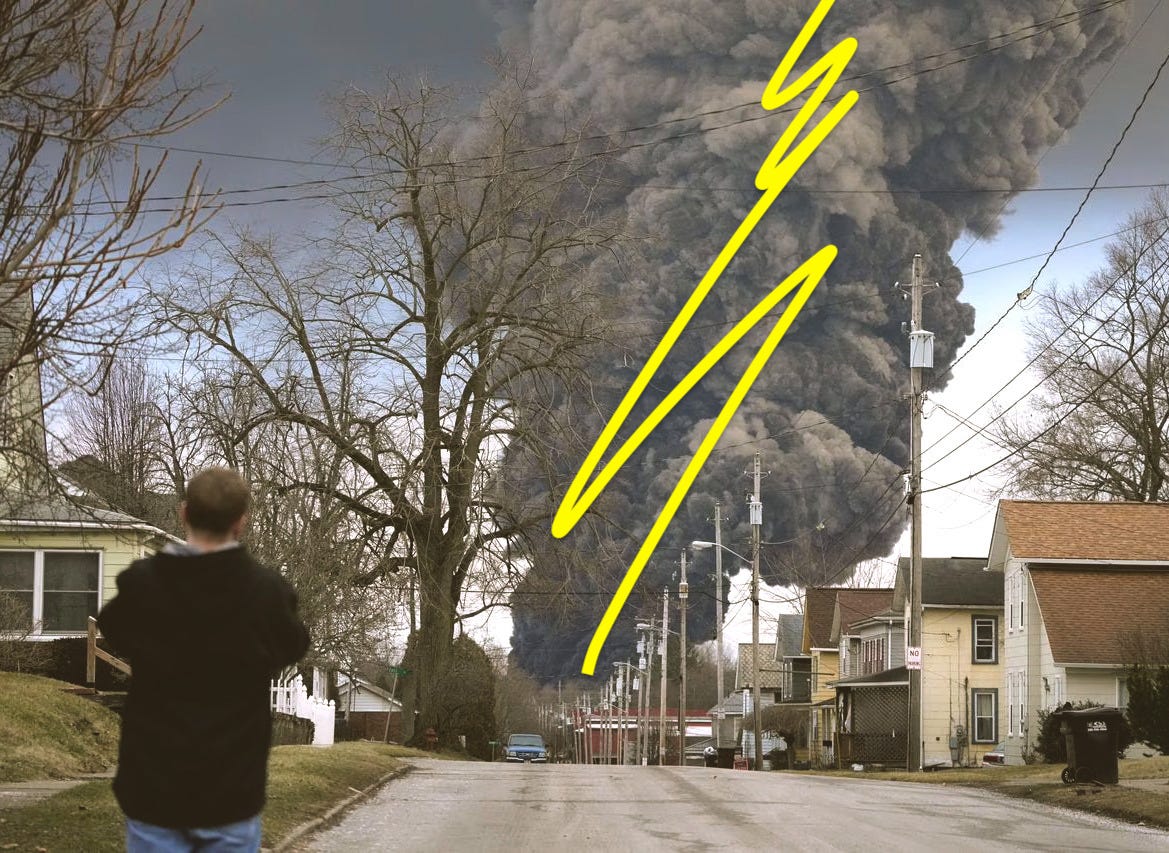
Another train derails, with freight conductor Nick Wurst
Hello from an ongoing ecological disaster! Our guest this week is Nick Wurst, a freight-rail conductor and a member of the SMART-TD union, who joined Tammy and Jay after an overnight shift. Nick is also a socialist and a member-organizer with Railroad Workers United, a cross-union solidarity organization. He was featured in Tammy’s recent New Yorker piece about the state of union power in the U.S. On Friday, February 3, a train carrying volatile chemicals derailed in East Palestine, Ohio, releasing dangerous fumes and forcing the town to evacuate. State and federal authorities encouraged residents to return to their homes after a “successful” controlled release of the substances, but many are skeptical that the air is safe to breathe, given reports of animals dying en masse, highly acidic rain, and the post-industrial area’s baseline pollution levels. Nick explains how corporate avarice—encapsulated in the ideology of “precision scheduled railroading”—and government complicity led to this dangerous derailment. He tells Jay and Tammy how railroad companies successfully lobbied against common-sense safety regulations, and what feels different about this disaster, despite rising rates of train derailment. Nick connects the accident in Ohio to last year’s threatened rail strike, a fight which was widely mischaracterized and eventually squashed by Biden and a Democratic Congress. How drastically has precision scheduled railroading changed conditions on the railroads? What can be done to rein in this greedy industry and the existential dangers it poses to us all? Thanks for listening. Subscribe on Substack or Patreon to join our Discord and participate in an upcoming movie night with Jay, Tammy, and fellow listeners, and to vote on the movie pick! As always, you can follow us on Instagram, TikTok, and Twitter, and stay in touch via email at [email protected]. This is a public episode. If you'd like to discuss this with other subscribers or get access to bonus episodes, visit goodbye.substack.com/subscribe
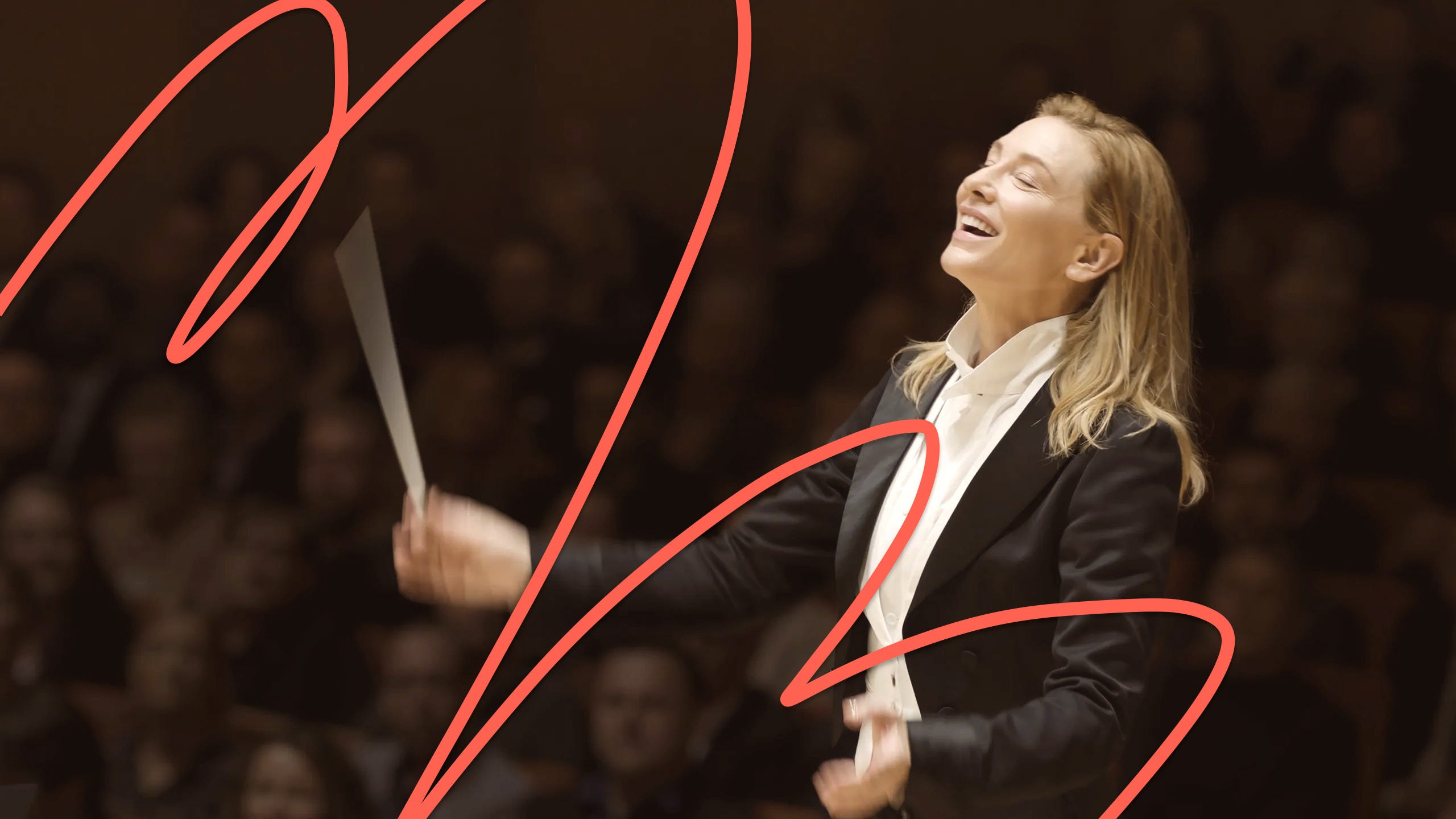
“Tár,” a film for the chattering class, with Vinson Cunningham
Hello from Juilliard! This week, our friend Vinson Cunningham, award-winning critic at The New Yorker, joins Tammy and Jay to discuss 2022’s wokest(?) film, “Tár.” (Spoiler alert!) [1:00] Before we get into it, we address Kyrie Irving’s request for a trade from the Brooklyn Nets… and what makes him so annoying. (We recorded before Irving’s move to the Dallas Mavericks was announced.) Plus: What does his situation say about workers’ rights, in the context of highly-compensated NBA players? [12:50] In our main segment: “Tár,” the dark portrait of a high-powered orchestra conductor’s fall from grace, starring Cate Blanchett. How does the film see the dangers of artistic personas (with a #MeToo plotline reminiscent of James Levine’s abuses), “cancel culture” (per Richard Brody’s review), and labor relations? And how do the movie’s heavy-handed academic scenes compare to Vinson’s experience as a college teacher? [33:40] The film also critiques a specific type of (aging? resentful? arrogant?) second-wave feminist, as Zadie Smith argues in her illuminating piece in the New York Review of Books. We also discuss Becca Rothfeld’s analysis of “Tár” and the obsession with reputation management. Plus: the orientalist narrative of a Western (anti-)hero finding herself in the East. Thanks for listening! Subscribe on Patreon or Substack to join our Discord and participate in an upcoming movie night with Jay, Tammy, and fellow listeners. As always, you can follow us on Instagram, TikTok, and Twitter, and stay in touch via email at [email protected]. This is a public episode. If you'd like to discuss this with other subscribers or get access to bonus episodes, visit goodbye.substack.com/subscribe

How many cops is enough?
Hello from our culture of violence! This week, Tammy and Jay talk through some painful questions following the fatal beating of Tyre Nichols by Memphis police officers. For more on the cases and reports mentioned in this episode, see: * San Francisco’s attempt to expand police surveillance: Breed and New DA Jenkins Pushing Hard to Expand Police Access to Private Security Cameras All Over Town* Accusations of racism in the prosecution of NYPD officer Peter Liang* More people killed by police in 2022 than in any other year in the past decade, according to Mapping Police Violence* Oakland’s Anti Police-Terror Project* Cultures of violence in police departments and special units: * Rise Of The Warrior Cop by Radley Balko* The Riders Come Out at Night by Ali Winston and Darwin BondGraham* We Own This City by Justin Fenton* The killing of Amadou Diallo, which led to the disbanding of NYPD’s Street Crimes Unit* The L.A. County Sheriff’s Deputy-Gang Crisis* Similar dynamics within the military (correction: from NYT, not ProPublica): Death in Navy SEAL Training Exposes a Culture of Brutality, Cheating and Drugs * The Oakland Police Department’s extended recruitment video* A worker shortage across government: It’s Not Just a Police Problem, Americans Are Opting Out of Government Jobs* Jeet Heer’s take in The Nation: The Killing of Tyre Nichols Is an Indictment of the Entire Political System And revisit these TTSG essays and episodes: * Racial dynamics in recent mass shootings: Monterey Park, Half Moon Bay, and who owns a tragedy* Police killings across race, a provocation by Barbara Fields and Adam Rothman in Dissent, and discussed in “SCOTUS trouble, working-class white people, and Taiwan's military”* Abolition as practice: * How not to think like a cop, with Naomi Murakawa* "I want you to care when people are still alive," with Yves Tong Nguyen of Red Canary Song* "A world where prisons serve no purpose," with Kony Kim of the Bay Area Freedom CollectiveAs always, please subscribe via Substack or Patreon to support the podcast and access our listener Discord. You can also follow us on Instagram, TikTok, and Twitter, and email us at [email protected]. This is a public episode. If you'd like to discuss this with other subscribers or get access to bonus episodes, visit goodbye.substack.com/subscribe

Health is not possible, with Beatrice Adler-Bolton
Hello from Tammy’s dark apartment! This week, Jay and Tammy are joined by Beatrice Adler-Bolton, co-host of the podcast Death Panel, with Artie Vierkant, and co-author, also with Artie, of the new book Health Communism, a manifesto that reimagines our systems of care. [2:00] But first, we try to process the horrific mass shooting at a dance studio in Monterey Park, California, in which eleven people were killed on Lunar New Year. We discuss Asian America’s reactive hyperfocus on racial identification and hate-crime designations and ponder alternatives. (We recorded on Monday evening, just before news broke of yet another mass shooting—this time, in Half Moon Bay, killing seven people. Jay expanded on these ideas in this essay for TTSG.) How should the left respond to violence that doesn’t fit into a predetermined, racialized narrative? [18:00] In our main segment, Beatrice takes us through the theory of Health Communism and its promise to save us from our financialized care nightmare. We discuss the transformation of “health” into an aesthetic commodity and the dogma of personal responsibility that keeps us from making population-level change. Though the book does not discuss COVID-19, Beatrice explains how our pandemic response has highlighted the left’s blind spots with respect to disability. She endorses a "margin to center" / “edge case” method, drawing on Black feminism, and a global approach to social determinants of health. Plus: how mainstream talk of Medicare for All falls short, a Supreme Court case about nursing homes, and the meaning of “extractive abandonment.”Speaking of communism: On Tuesday, January 31, at 5pm EST, Tammy joins sci-fi novelist and activist China Miéville for a conversation about “contemporary capitalism’s rapidly multiplying crises and the Communist Manifesto’s enduring relevance,” in celebration of his new book, A Spectre, Haunting. Register here! Thanks for listening! Subscribe on Patreon or Substack and follow us on Instagram, TikTok, and Twitter. As always, feel free to email us at [email protected]. This is a public episode. If you'd like to discuss this with other subscribers or get access to bonus episodes, visit goodbye.substack.com/subscribe
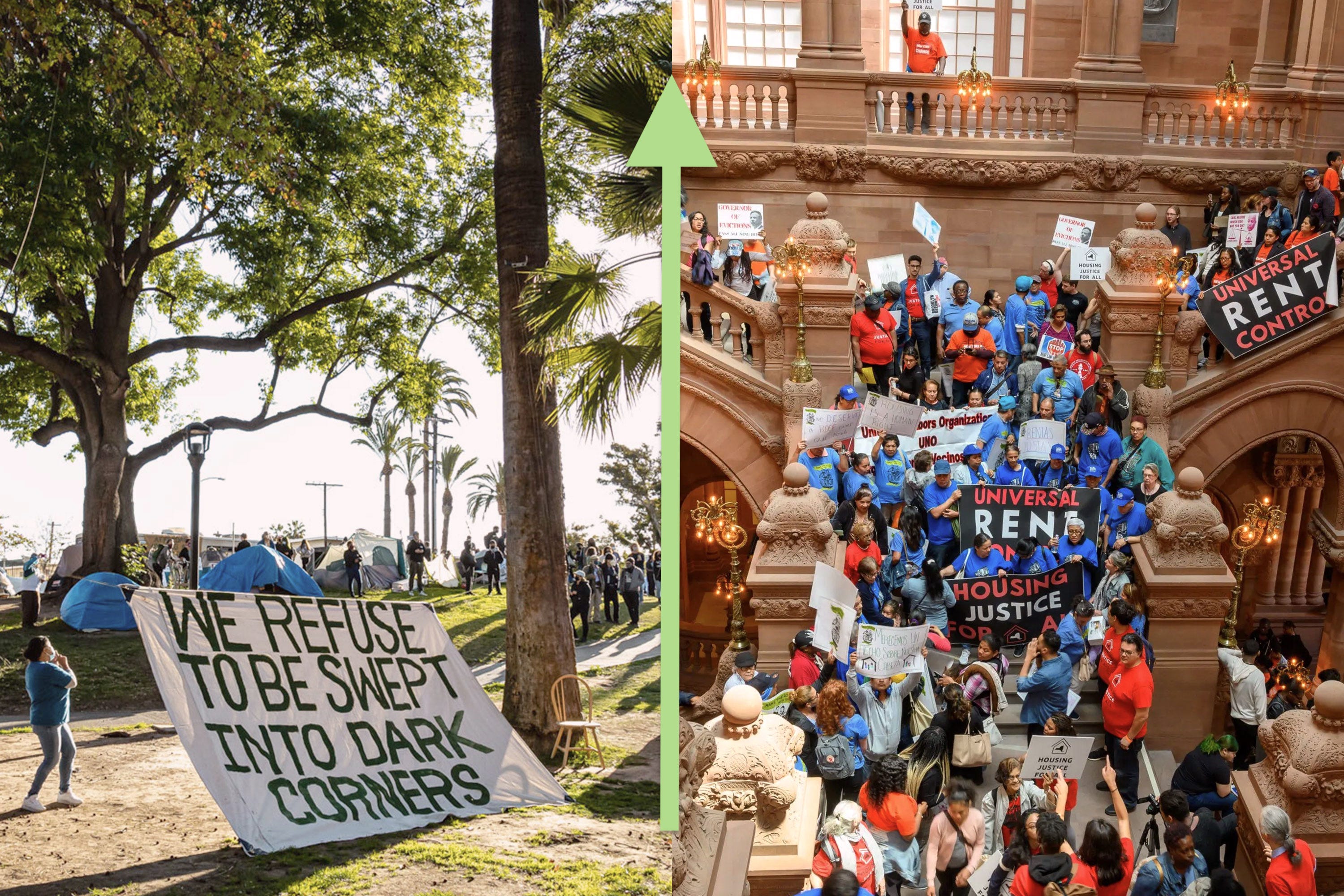
Capital vs. capital in today’s housing crisis, with Ritti Singh and Navneet Grewal
Hello from rental hell! This week, Tammy is joined by two friends of the pod who work in housing: Ritti Singh, a tenant organizer in Rochester for Housing Justice for All (and a TTSG Discord leader), and Navneet Grewal, a longtime attorney currently working for Disability Rights California. [5:30] Ritti breaks down the role of a housing organizer, particularly in a majority-tenant city, and Navneet explains her role as a lawyer supporting on-the-ground groups. We discuss the momentum against the commodification of shelter over the past decade, plus organizing successes at the state and local levels regarding rent stabilization, funding for affordable housing, and tenant protections. [34:02] Both guests emphasize the need to diversify the types of housing that exist outside of the private market. We also discuss the various strategies needed to to get out of this crisis—from robust tenant protections to social housing, coops, community land trusts, and tenant purchases of property. What are the connections between housing activism and the environmental justice movement? What if everyone who lives in a place, not just homeowners, could decide what happens to their homes?[41:10] Ritti and Navneet also say what they make of NIMBY-vs.-YIMBY activist fights and the horrific policies being implemented against our homeless neighbors (CARE Court in California and Eric Adams’s increased use of forced institutionalization in NYC). How should we address this aspect of the housing crisis? (Hint: Definitely not like that!) Get involved in the fight in New York! If you want to hear more, we’ve previously talked housing with Darrell Owens, on the fight to end single-family zoning; Paul Williams, on social housing; and Jia Tolentino, on the nightmarish rental market in NYC. We also asked Mike Davis about housing back in 2020, inspired by input from Navneet (who wrote about Mike just before he died).Thanks for listening! Subscribe on Patreon or Substack to join our Discord and participate in our ongoing chats about housing, organizing, and more. As always, you can follow us on Instagram, TikTok, and Twitter, and stay in touch via email at [email protected]. This is a public episode. If you'd like to discuss this with other subscribers or get access to bonus episodes, visit goodbye.substack.com/subscribe

Jay’s back! + GOP dysfunction and Biden on immigration
Hello from a Berkeley basement! This week, Jay takes a break from being his daughter’s personal helper to catch up with Tammy. [5:25] We start by discussing right-wing obsession with gender and sexuality. What do recent attacks on librarians tell us about older moral panics and Republican strategy? (Check out this Vice News video of a librarian in Michigan, a ProPublica piece from June about the targeting of an educator in Georgia, and a New York Times piece on a Hamline University adjunct’s firing.) We also touch on [21:32] the circus surrounding the votes for House speaker and [23:30] Jay’s short-lived boycott of Twitter following Elon Musk’s suspension of journalists. [34:25] Next, we talk about Biden’s recent move to expand Title 42, the Trump-era policy that limits immigration under the guise of COVID prevention. Tammy relays what she’s heard from people in the immigrant-rights space, who have been continually disappointed by Biden’s policy choices, and speculates on the intractability of U.S. politics around immigration and labor. [43:25] Jay offers some free advice to the Dems about the mendacious Republican representative-elect George Santos. Thanks for listening! Please subscribe on Patreon or Substack, stay in touch via email ([email protected]), and follow us on Instagram, TikTok, and Twitter. This is a public episode. If you'd like to discuss this with other subscribers or get access to bonus episodes, visit goodbye.substack.com/subscribe
The OG podsquad reflects on 2022
Hello from what feels like the distant past! This week, erstwhile co-host Andy Liu joins Jay and Tammy to look back on 2022. (A note from Mai, our producer: Paid subscribers can get the full version of this ep, with some bonus banter about gambling, parental virtue signaling, etc.! Also, we recorded a week ago, so please forgive dated references to Morocco in the World Cup, Elon, and Jay’s not-yet-born second child.)Twenty twenty-two was big for TTSG’s resident parents. Andy and his wife Reiko had their second kid in May, and Jay and his wife Casey just welcomed their second child this week! Speaking of kids, [14:10] Andy gets the podsquad to analyze Fear of Falling, Barbara Ehrenreich’s 1989 study of U.S. middle-class identity and the “professional managerial class.” We dissect Ehrenreich’s theories about educational capital, anxiety over class decline, and how this feeling of precarity animates many Americans’ concepts of the family. Plus: Malcolm Harris’s contribution to the discourse; and [31:30] Andy’s take on labor unrest in academia and a less exploitative vision for higher education. [41:10] Next, Tammy talks geopolitics and the bellicose, paranoid shift spurred by the war in Ukraine. Have we moved past the era of “stateless” threats (i.e., the War on Terror) and returned to a global order that pits the U.S. against China and Russia? What of the super-statist international cooperation we imagined in our youth, and what does the Ukraine war mean for small countries? We also talk about the ever-increasing (and rarely disputed) defense spending in the U.S. as well as Korea's rising profile as an arms dealer to the world. [52:50] Last, Jay observes that race and identity have recently come to feel less central to our national discourse. Why the lackluster defense of affirmative action? Why is there so little public anger over police killings? We try to unpack the many possible causes—anxiety about the midterms, inflation, media skew—and ask whether the shift is ultimately good or bad. Subscribe via Patreon or Substack for access to the full conversation and to join our Discord. You can also follow us on Instagram, TikTok, and Twitter, or email us at [email protected]. Thanks for a great year! This is a public episode. If you'd like to discuss this with other subscribers or get access to bonus episodes, visit goodbye.substack.com/subscribe
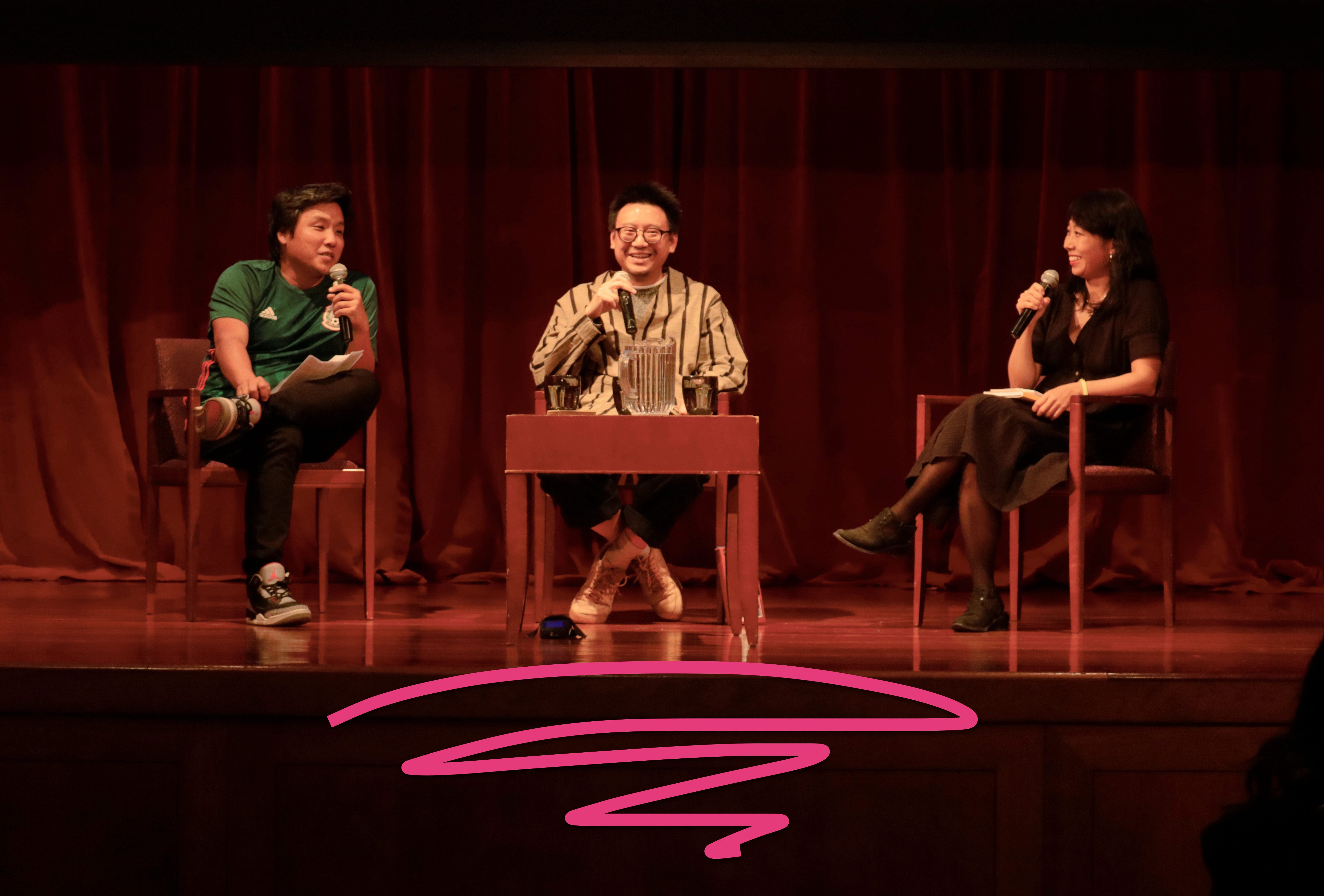
LIVE with Hua Hsu: Writing in grief’s minor key
Hello from somewhere other than Jay’s basement! This week, we’re excited to release the episode we recorded in New York with Hua Hsu, as part of Tammy’s residency at the A/P/A Institute at NYU. Hua is a TTSG regular and the author of a new memoir, Stay True. The book focuses on Hua’s friendship with Ken, a classmate at Berkeley who was killed the summer before their senior year. We probe the book’s depiction of Asian male friendship, or, as Hua experienced it, “two Asian American people working through stuff.” We discuss questions of craft, how to assemble two decades of documentation, and the intense highs and lows of young adulthood. Plus: Hua on pre-Internet zine-making and private worlds, emulating Maxine Hong Kingston (who’d emulated Walt Whitman), and the joy of putting his parents and Ken in textual proximity to Aristotle, Jacques Derrida, and Charles Taylor. You can also watch a video of our conversation, professionally produced by A/P/A, here: Big thanks to Amita Manghnani, Crystal Parikh, and Laura Chen-Schultz! And thanks for your support. We were psyched to see TTSG on Slate’s list of best chat podcasts of 2022! Please share the pod with anyone who might enjoy “a solid balance between the troubling and the absurd.” ☺️You can follow us on Twitter, Instagram, and TikTok, and subscribe via Patreon or Substack to join our Discord, where you can be a part of our conversation about TTSG merch! As always, feel free to email us at [email protected]. This is a public episode. If you'd like to discuss this with other subscribers or get access to bonus episodes, visit goodbye.substack.com/subscribe
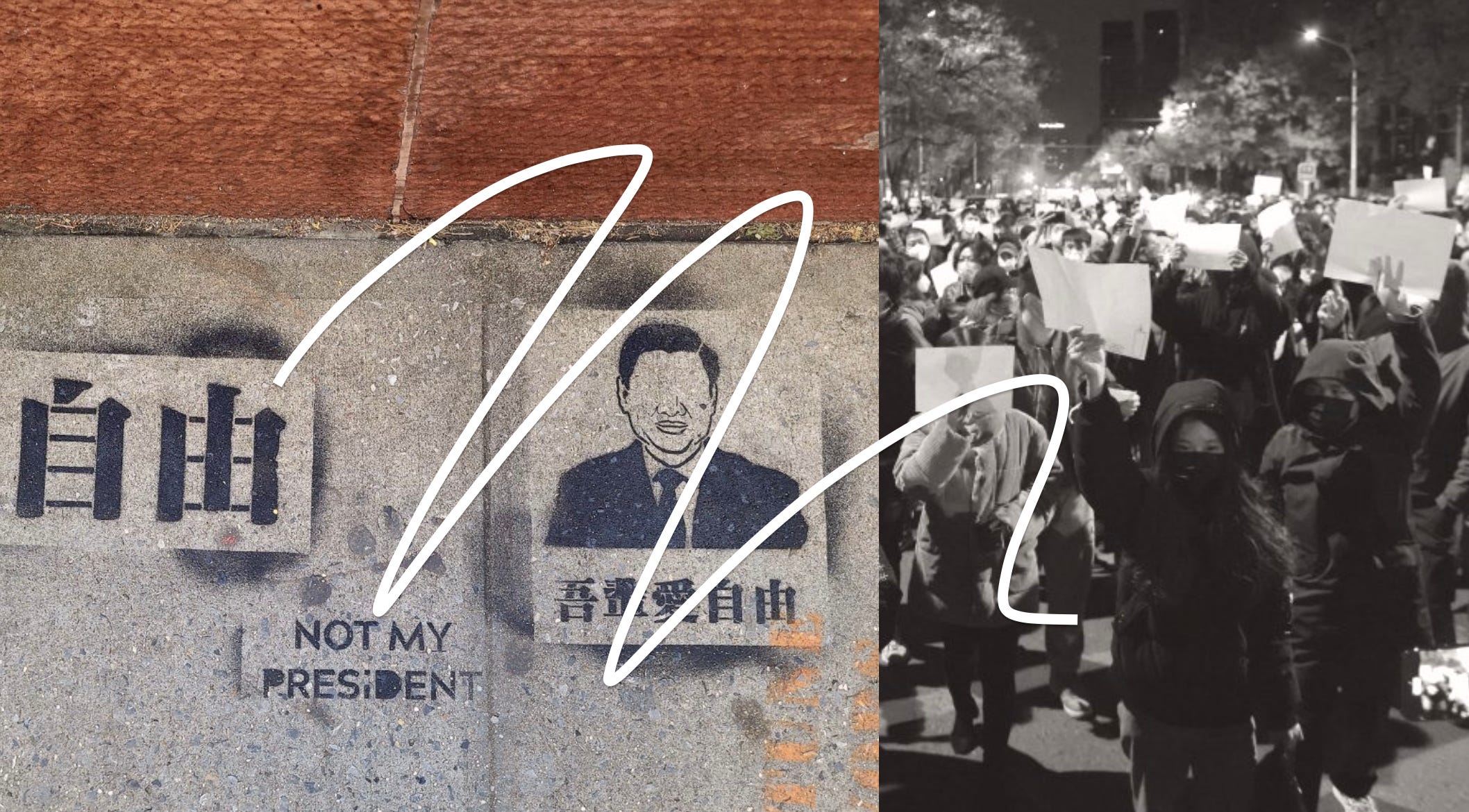
A reckoning and sparkle of hope in China, with Ting Guo
Hello from South Korea’s sad World Cup cheering section! This week, we talk about the unrest in China with Dr. Ting Guo, a scholar at the University of Toronto who studies religion, politics, and gender in transnational Asia. Ting is also great on Twitter and co-hosts a Mandarin podcast called "in-betweenness" (@shichapodcast).[7:50] The protests in mainland China—and, in solidarity, throughout the world—began late last month, after an apartment fire killed ten people in the city of Urumqi and workers at a Foxconn factory in Zhengzhou scaled the factory fence. Protestors have expressed anger and grief about the country's Zero-COVID policy and much else besides. Ting situates this movement(?) within a long history of resistance—from Tiananmen to the Toilet Revolution to Bridge Man—while explaining why it also feels so unprecedented. We talk about the leadership of feminists and queer activists in recent mobilizations, the emblematic struggle of migrant laborers in China’s surveillance system, solidarity with Uyghurs, and the long-held anguish that imbues every white-paper gesture. (Check out Eli Friedman’s terrific Boston Review essay for more context.) How has transnational and intersectional support helped to widen the protestors’ aims? If you’d like to follow the protests, Ting recommends: 公民日报 Citizens Daily CNChinese queers will not be censored.和姐妹们颠覆父权暴政 We Are All Chained Women 北方广场 Northern Square 女权中国 Feminist ChinaAs Jay mentions at the end of the episode, he and his wife are expecting a second kid any day now (yay!), so we may be off the air over the holidays. We’ll make sure to keep you posted here, in Discord, and on social media. Thanks for your support. Please subscribe on Patreon or Substack, stay in touch via email ([email protected]), and follow us on Twitter—and now Instagram and TikTok! This is a public episode. If you'd like to discuss this with other subscribers or get access to bonus episodes, visit goodbye.substack.com/subscribe
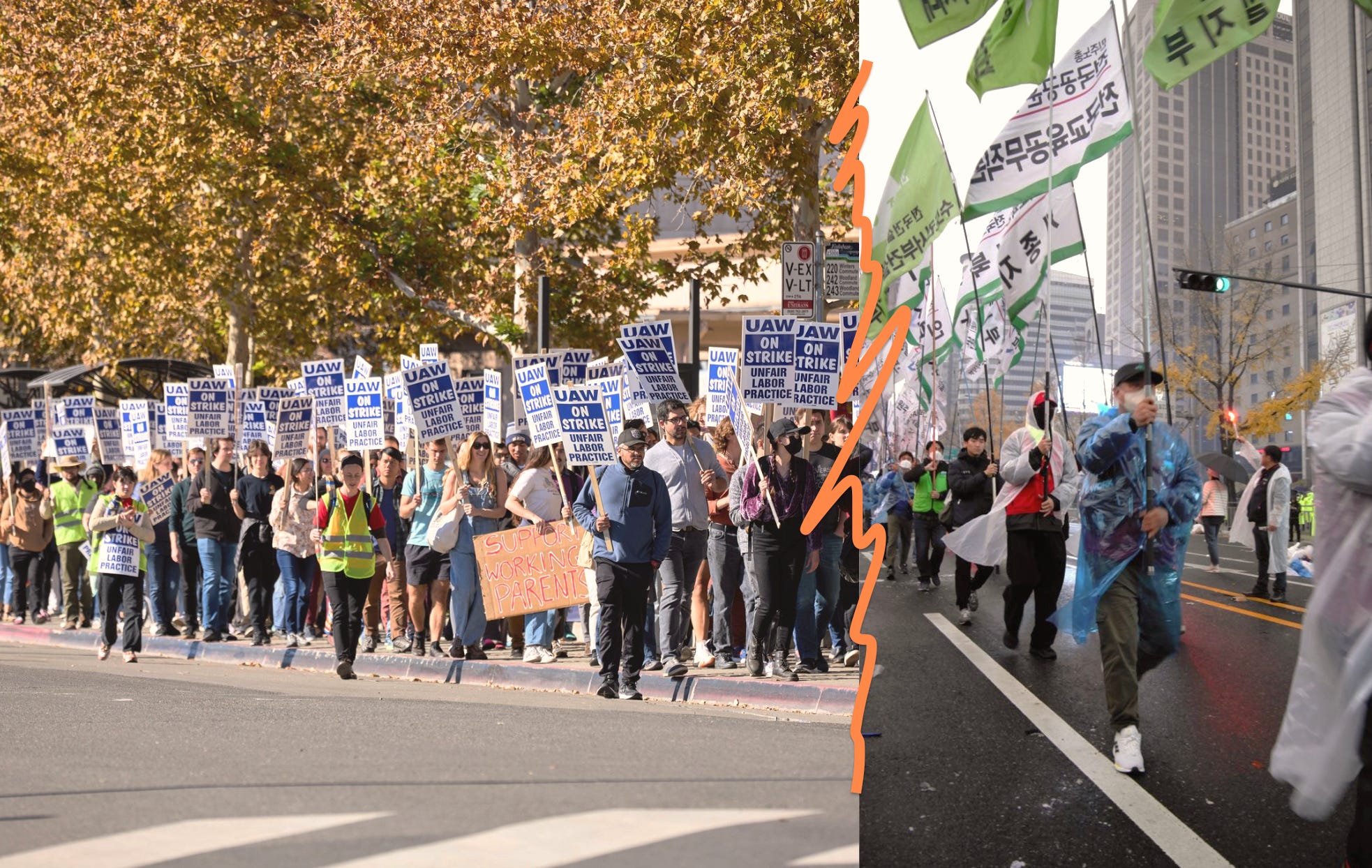
Is it finally Strikevember?!
Hello from the picket lines! This week, Jay and Tammy report on labor actions on the streets of Berkeley and Seoul. [4:30] First, Jay tells us what he’s heard from striking student workers at the University of California. More than forty-five thousand UAW union members are drawing attention to their financial precarity and austerity in academia. We parse the possible fault lines among this remarkably large group of workers: the relative resources and prestige of different UC campuses, disciplinary biases, and disparate access to jobs after graduation. Why should we believe universities’ pleas of poverty, when their money so clearly goes to bloated administrative positions, campus police, and extravagant sports facilities? [38:58] We also discuss strikes at Starbucks, The New School, and HarperCollins, and the revived possibility of a rail strike next month. Something’s clearly in the air—will US labor law and the NLRB limit or bolster worker power? [45:27] Next, Tammy fills us in on the annual labor rally in Seoul, which, this year, targeted President Yoon Suk Yeol’s malfeasance and the mass deaths in Itaewon. As the new administration promises to concentrate wealth even further and avoids interacting with the public, how should the Korean working class respond? What kind of government is the Yoon administration, and what is the government for, anyway? [53:02] Lastly, we remember Staughton Lynd, a key leftist intellectual and organizer who passed away last week. Lynd and his wife, Alice, were key figures in movements for civil rights and labor and against incarceration and war. RIP. Next week, we’ll be taking a break from recording. Our next episode will be a live recording with Hua Hsu, so be sure to pick up his book—and please join us in person next week, if you’re in NYC! This is a public episode. If you'd like to discuss this with other subscribers or get access to bonus episodes, visit goodbye.substack.com/subscribe