
This is Money Podcast
663 episodes — Page 8 of 14
Meaning Business: Craig Wilson on the Ventilator Challenge and Williams Advanced Engineering
Meaning Business is a new podcast series, where Simon Lambert speaks to people from the world of business, who are doing interesting, innovative and meaningful things.It will appear in your feed, in addition to our usual weekly This is Money podcast.In these interviews, Simon will find out more about the other side of business away from profits and growth - and how it can be a force for good. Meaning Business will uncover the stories behind business ideas, the inspiration driving entrepreneurs and how those interviewed cut their path to where they are today.On this first episode, Meaning Business gets topical and speaks to Craig Wilson, Managing Director of Williams Advanced Engineering and part of the Ventilator Challenge UK project.Williams Advanced Engineering draws on the motorsport heritage, knowledge, technology and way of working of the Williams Formula One team, and it has been involved in Ventilator Challenge UK – working with other high-tech British engineers to get more ventilators built quickly to deal with the coronavirus outbreak. Hosted on Acast. See acast.com/privacy for more information.

Is investing instead of saving worth the risk?
Should you save cash and accept low interest rates, or invest and take the risk that you could lose money?This is the perennial dilemma for those with some money to set aside, who are looking to build their wealth. And it’s not been made easier by a rollercoaster 20 years.Since the turn of the millennium, we’ve had three hefty stock market crashes, but we’ve also had the past decade of historically low interest rates.In response to paltry savings rates, more people have been encouraged to invest in shares for a better return, but the coronavirus crash has left the UK’s flagship stock market index, the FTSE 100, below its level on 31 December 1999, and burnt the fingers of many recent investors.So, is it worth investing, or should you just stick with the relative stability of cash?On this episode of the This is Money podcast, Simon Lambert, Lee Boyce and Georgie Frost look at our exclusive statistics on who is investing, who is bowing out of the market, and what the new generation of younger investors are doing.They also dive back into the question asked last week: how long do you need to invest for to avoid losing money?With some charts and data sent through to the team by Duncan Lamont, head of research and analytics at Schroders, they compare how putting money into either cash or the stockmarket fared over the past 150 years against inflation – and what the likelihood was of losing money over varying time periods.The team also look at what might happen next to house prices after the coronavirus lockdown put the property market into a deep freeze. Simon dives into the varying predictions of how much property prices could fall – and the bullish suggestion of one estate agent that it’ll all be fine.And finally, we discuss the businesses that we spoke to this week who are fighting veteran insurer Hiscox, because they believed they should be covered against coronavirus with policies that cite infectious or contagious disease… but it says they are not. Hosted on Acast. See acast.com/privacy for more information.

How bad will recession be and what will recovery look like?
The economic destruction of the coronavirus crash was laid bare in reports from the Office of Budget Responsibility and IMF this week.Lockdown has already wiped £50billion off the UK economy and is costing the nation £2billion a day, said the OBR.Meanwhile, the IMF warned the global economy would take the biggest hit since the Great Depression in the 1930s, with advanced economies shrinking 6.1% this year and developing countries by 1%. But although the OBR forecast an astonishing 35% slump in UK output in the second quarter of this year - with a three-month lockdown - the other side of its chart showed a substantial bounce-back.What will we need to do for that recovery to happen – and what will it look like?On this week’s podcast, Simon Lambert and Georgie Frost look at the reports on the economic impact of Covid-19 and at the potential bounce back, along with which sectors and businesses could seize the day when it comes.They also discuss the big tech firms that have benefitted from lockdowns and working from home around the world. The lofty valuations of these companies marked the top of the previous stock market boom, but their shares have fared better than most in the coronavirus crash. Can the FAANG stocks (and Tesla) pick up where they left off?And finally, investors are told to think long-term with the minimum investment period traditionally cited as five years. But have the events of the past 21 years on the stock market shown that now we need to think in decades instead? Hosted on Acast. See acast.com/privacy for more information.

The looking for good news episode
It can be tough to find good news at the moment but on this special Easter podcast we go looking for some.And amid the coronavirus gloom, there are some good news stories to tell, from how Britain has adapted to working from home, to the appreciation shown to our valued frontline workers and NHS staff, and those volunteering to help others.On the podcast, Simon Lambert, Lee Boyce and Georgie Frost discuss this and tell the stories of some of the small businesses that have been sought opportunity in adversity.From the pub doing meals and pints to go, to the garden centre that has stared delivering and the milkman who has seen business boom, these are inspiring stories of entrepreneurial spirit and helping out the local community.The team also reveal how you can visit the world from the comfort of your sofa – it’s not a real holiday but you can at least do some sight-seeing. Meanwhile, Lee goes on the trail of the apps keeping us social in the lockdown: from Slack at work, to Zoom video chats, and Houseparty fooling around with friends, which are the ones worth trying?And finally, if you are feeling really brave maybe you could peruse a cheap French manor house while you are stuck at home and weigh up your own move to a chateau. Hosted on Acast. See acast.com/privacy for more information.
Is furloughing workers the best way to save jobs in the coronavirus crisis?
Every year Collins Dictionary chooses its word of the year and just three months into 2020, it feels like coronavirus might be a shoe-in for the title.But among the other words likely to be picked as high-fliers, it seems that furlough will also be in with a shout.Until a few weeks ago, it's unlikely many people had ever considered what being furloughed would mean, but now it's the topic on many workers’ minds.The concept of asking workers to go on furlough lies at the heart of the government’s coronavirus jobs rescue scheme – as it seeks to stall firms making people redundant and offers to pay 80% of their wages up to £2,500 a month.But is picking up the wage bills of big businesses a wise move, will it help save jobs and is the price worth paying because the cost of not doing it is worse?On this week’s podcast, Simon Lambert, Lee Boyce and Georgie Frost discuss what it means to be furloughed and whether the emergency plan can work.They also look at the travel industry chaos and how airlines attempts to dig themselves out of a hole by dodging cash refunds is backfiring.Why aren’t people getting money back for cancelled flights – and is there a way forward that could help airlines and customers?Also on the agenda are the household bills rising at just the wrong time – and finally, at the opposite end of the scale, how did Agent Million deliver this month’s Premium Bond jackpot news to the lucky winners while still managing social distancing? Hosted on Acast. See acast.com/privacy for more information.

Will coronavirus sink the property market?
Britain is on lockdown and so is the property market.The Government has told people not to move home while the coronavirus lockdown is on, and the property market has been frozen as estate agents are instructed not to do viewings and valuations and surveys can’t happen.Meanwhile, banking giants Barclays and Halifax have axed a big chunk of their mortgage ranges – only offering new deals through brokers to those with the largest deposits – and the industry says it has been overwhelmed with requests for mortgage holidays.Amidst all this, many are asking the inevitable question: ‘What will happen to house prices?’On this week’s podcast, Simon Lambert, Lee Boyce and Georgie Frost look at what buyers and sellers can do, how the freeze is affecting those due to move, and explore what could happen next for the property market.They also discuss Chancellor Rishi Sunak’s rescue package for the self-employed and why it is a welcome measure that seems to have some glaring gaps.And finally, among all this coronavirus chaos, the team remind listeners not to forget the tax deadline and why in troubled times it’s even more important to use the tax-friendly investing and saving that pensions and Isas provide.We won’t send a drone round to make sure you do it, but you’ve been warned. Hosted on Acast. See acast.com/privacy for more information.

Will helicopter money save us from the coronavirus crisis?
Britain has been told to stay at home, pubs have been ordered to shut and you’re not even allowed to go to the gym instead.The coronavirus crisis has turned the consumer economy upside down. Businesses and workers risk going bust on an almost unprecedented level, unless a rescue plan that works can be cooked up.Cutting interest rates and quantitative easing was the medicine in the financial crisis, but that’s not working this time round, so is it time to start up the helicopter and drop some money.Helicopter money, people’s QE and a universal basic income are three of the highly unusual measures suggested, as we go through the back of the financial looking glass.All involve handing out money directly to people and businesses to combat a global economic crisis triggered by pressing the pause button, but is that wise?On this week’s podcast, we discuss why rescue attempts so far have failed to stop share prices falling, how Chancellor Rishi Sunak stepped things up with a £350billion bailout plan, and what might happen next, with ideas such as helicopter money, people’s QE and universal basic income.We also discuss how the interest rate cut to a historic low of 0.1 per cent will affect borrowers and savers, how brave investors can buy in if they are willing to risk some money on a future bounce back, and why supermarkets are unable to keep up with panic buying.And finally, if the podcast audio isn’t up to the usual standards, please accept our apologies, we are working hard to make sure we can keep recording without access to a studio. Hosted on Acast. See acast.com/privacy for more information.

The Budget, the base rate cut and the stock market crash
Well, what a week. We've had a Budget, a 0.5 per cent base rate cut and stock markets going haywire thanks to coronavirus and oil price crashes.Why did the Bank of England cut rates to 0.25 per cent on the morning of the Budget and what are policymakers hoping to achieve?How did Rishi Sunak perform in his first Budget as Chancellor and what was announced in his speech?On Thursday, the FTSE 100 saw its second biggest dive on record. What is happening to the markets and where does it end?On this week's podcast, Simon Lambert, Lee Boyce and Georgie Frost, dissect what has been one of the most turbulent weeks in living memory.In the Budget, we had a number of coronavirus measures – but also some titbits of personal finance news that could hit the pound in your pocket.We also look at what coronavirus means for travel insurance and your refund rights to events Hosted on Acast. See acast.com/privacy for more information.

Does Nationwide's savings lottery show there's still life in the cash Isa?
Every year, between March and April, there used to be a cash Isa season. Banks and building societies clambered over each other in the race to top the best buy tables.This hasn't been the case for a while. However, Nationwide - with a new savings lottery - and Coventry - with a new deal - have offered signs of some green shoots this year, but is it even worth having a tax-free savings account anymore?On this week's podcast, Simon Lambert, Lee Boyce and Georgie Frost go to Isa-town, to talk cash savings deals, the best services to invest, and how to overcome the fear that coronavirus-induced stock market falls have delivered. Elsewhere, the coronavirus also hit the Geneva Motor Show, but the motor industry decided many of the launches could take place online instead. What cars were unveiled? Well it broadly fell into two camps, very expensive limited edition hypercars and electric cars that might be the future for the mass market. Simon and Lee talk through the best of them.Meanwhile, a reader takes the taxman to court over a child benefit penalty and finally Lee cracks open a low-alcohol beer at Adnams brewery, in Suffolk, and asks: has the taste become better... and why? Hosted on Acast. See acast.com/privacy for more information.

Making the Money Work: Shappi Khorsandi on getting comedy to pay the bills?
On this episode of Making the Money Work podcast, comedian Shappi Khorsandi joins Andi Peters and Simon Lambert to discuss how she built a career in comedy, her unusual life as the daughter of an exiled Iranian poet - and how she once hired Alan Carr to work in a charity call centre.This is the final episode of five in the Making the Money Work series, in partnership with FSCS, that has appeared in the This is Money podcast feed every fortnight since the start of the year. We hope you have enjoyed them. Your usual This is Money podcast will continue to be published every FridayHow do you make comedy pay the bills?That’s not a problem for the handful of star names with giant arena tours, but what about the majority of comedians who’ve dedicated a life’s work to standing up and making people laugh without raking in millions?Shappi tells of her route to becoming a comedian and how she realised a job in an office wasn’t for her early on, swapping that for being a cleaner and nude life model for art students - because she could do those jobs while daydreaming. Later on, she says having stripped off to sit for artists meant she was less worried about getting up on stage and doing stand-up in front of a crowd.The comedian, who has appeared on popular TV shows including Have I Got News for You, QI, Live at the Apollo and Mock the Week, is a single mother-of-two who supports her and her two children alone and has struggled to make ends meet.Shappi says she spent many years being ‘skint’ but that when her career took off, she was so taken aback at suddenly having money that she had to learn she had earned it and was worth it, and not to be overly generous in giving it away.She says she loves her work so much that she cannot imagine ever doing anything else, but now plans her comedy and writing so that the money she earns enables her to spend the time she wants to with her children.And as for the money she earned for doing I’m A Celebrity Get Me Out of Here? That, says Shappi, bought her entire year of bedtimes with her children. Hosted on Acast. See acast.com/privacy for more information.

Bull markets don't die of old age, but do they die of coronavirus?
Bull markets don't die of old age, we've been told countless times in recent years, but do they die of coronavirus?That is the question that rattled investors are asking themselves after an astonishing week in which the FTSE 100 has fallen 12 per cent.Stock markets around the world have sold off, as investors dump shares driven by a combination of the fear that a crash is finally arriving and the forecasts that coronavirus and attempts to stop it spreading will cause a global slowdown.The UK stock market is down 15 per cent from its mid-January recent peak - what should investors do at times like these?On this week's podcast, Simon Lambert, Lee Boyce and Georgie Frost discuss why coronavirus has hit markets so hard, why investors should not act rashly out of fear and panic, and consider the advice from investing experts.Elsewhere, we reveal how we helped a couple get their £25,000 savings back after their phone number was ported away without consent.Things get a little silly as we talk about how to deal with those difficult and bizarre interview questions that don't have a correct answer.And finally, the 100 most iconic cars of all time have been named in a survey voted for by Boundless members – previously known as the Civil Service Motoring Association. We reveal what topped the charts. Hosted on Acast. See acast.com/privacy for more information.

NS&I and Marcus Bank cut rates - what's the point of saving?
This week, savings have been in the spotlight with National Savings and Investments cutting rates on a number of its offerings, including popular Premium Bonds.Both Marcus Bank and Saga also cut easy-access rates.On this week's podcast, Simon Lambert, Lee Boyce and Georgie Frost look at what's behind the cuts and question: should savers head elsewhere, and what is the point of tucking money away for little interest?Nationwide Building Society has launched a Start to Save easy-access account with a £100 lottery – is it any good and can it help get people into the savings habit?We cover a curious case of one reader who found their Spotify infiltrated by someone with appalling music taste.Simon reveals how he was stung by the loyalty penalty when a renewal letter came through from his insurer Halifax.It hiked his premium, but after weeks of back-and-forth, couldn't give him a concrete reason as to why.And Lee looks at whether a Fitbit is worth the money and how a fitness tracker helped his mum, with an underlying health condition, become healthier. Hosted on Acast. See acast.com/privacy for more information.
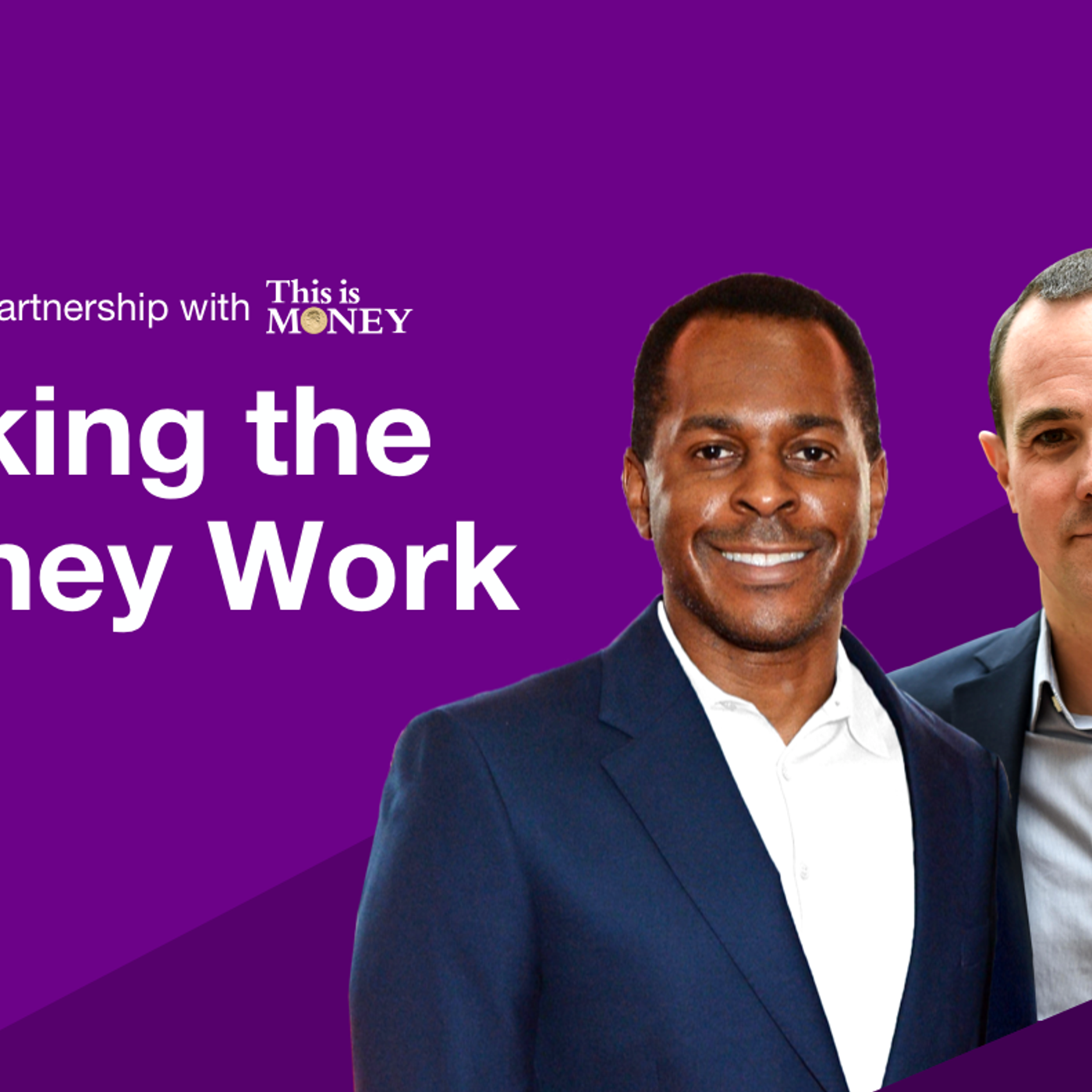
Making the Money Work: How to make being a comedian, writer and podcaster pay with Tessa Coates and Stevie Martin
From hosting their podcast Nobody Panic, to being in comedy trio Massive Dad, writing scripts and articles, and putting on Edinburgh shows, Stevie and Tessa have a lot of things to juggle.The pair tell Andi Peters and Simon Lambert their tales of living on a shoestring to get ahead in the London publishing world, including sharing a one-bedroom flat and sleeping under the kitchen table.The duo also explain how to set up an Edinburgh Fringe show and why it is similar to launching a small business, from fronting the cost to book a venue, to selling tickets and hoping you can break even or maybe even make a little money.And Tessa tells of the difficulties of trying to get a mortgage, even with a contract to write a pilot season of a new show for US television. In the Making the Money Work series, in partnership with the Financial Services Compensation Scheme, we talk earnings, budgeting and savings with those whose lives and finances roam far from the norm.The five podcasts are hosted by Andi Peters, alongside This is Money’s Simon Lambert, and every fortnight you can listen to a new interview with different special guests talking about their financial lives. Hosted on Acast. See acast.com/privacy for more information.

Will the new Chancellor give pension tax relief the chop? This is Money podcast
This week started with rumours of a pension tax relief cut and mansion tax, saw the Chancellor fall on his sword, and ended with people none the wiser about whether a Budget tax raid is more or less likely after all that.Sajid Javid exited the stage to be replaced by one of his own men, Rishi Sunak, after an attempt by Boris Johnson and Dominic Cummings to take back control at the Treasury was rebuffed by the short-lived Chancellor.The question now is just whose idea the pension tax relief and mansion tax plans were and whether they are now on the cards or not (or was the whole shebang just a bit of Machiavellian manoeuvring)?What we do know is that a Budget is due in less than a month, so other than the national purse strings being loosened for the ‘levelling-up’ agenda what are we likely to see?On this week’s podcast, Simon Lambert, Tanya Jefferies and Georgie Frost delve into the Chancellor saga, what we know about the new man, and what could happen in the Budget that will affect your finances, from a stamp duty cut, to IR35 easing and a tax raid on the wealthier.Also on the show, the team discuss an inheritance puzzler where a reader asked if it’s possible to challenge his father’s will that would leave him £25,000, while his brother would get £5million.Another reader problem about paying for care is answered too, where a reader fears losing the house they live in now his mother requires care for dementia.And finally, on a lighter note, do you drive one of Britain’s most popular second hand cars? And what makes a car a contender to get onto that list? Hosted on Acast. See acast.com/privacy for more information.

Are you ready for an electric car? From range anxiety, to Tesla’s boom, and how to buy at 40% off
Would you swap your car for an electric one? If the government gets it way, soon many more of us will have to.The proposed ban on selling new petrol and diesel cars was dragged forward by five years to 2035 this week – and hybrid cars were bundled into the showroom clear-out too.If that sticks, this means that by 2030 – just a decade from now – it’s highly likely the vast majority of cars being sold new will be pure electric.For a modern world that has been shaped by the internal combustion-engined motor car that’s quite the change.On this week’s podcast, we deliver an electric car special. Simon Lambert, Georgie Frost and Lee Boyce look at the logic behind banning the sale of petrol and diesel cars, whether the move can be pulled off and why hybrids are now also on the naughty list.Charging infrastructure, range anxiety and questions over their lifecycle environmental costs are issues flagged by electric car sceptics, are they right?Meanwhile, the thing holding many people back from buying them, argues Simon, is cost. Second hand supply of electric cars is thin and choice is limited; and while the pipeline of new models is picking up dramatically, they remain pricey compared to a standard petrol car.But there could be a game-changer in the form of a salary sacrifice perk combined with a change to benefit-in-kind rules, so should you be badgering your boss to sign the company up so that you can buy a new electric car at 32% or 42% off?Fittingly, this week the great Tesla adventure tale delivered another riveting chapter. In the first two days of the week, shares rocketed more than 35 per cent and have doubled since the start of 2020. Can Elon Musk’s stock heading for the moon be justified in any way?Also, on this week’s show we talk about the 5 per cent interest offered by Zeuk – and our exclusive on the Financial Conduct Authority hitting back at adverts.And finally, why did Lee Boyce take his wife and daughter out to lunch with a set of scales to eat a watermelon steak? Hosted on Acast. See acast.com/privacy for more information.
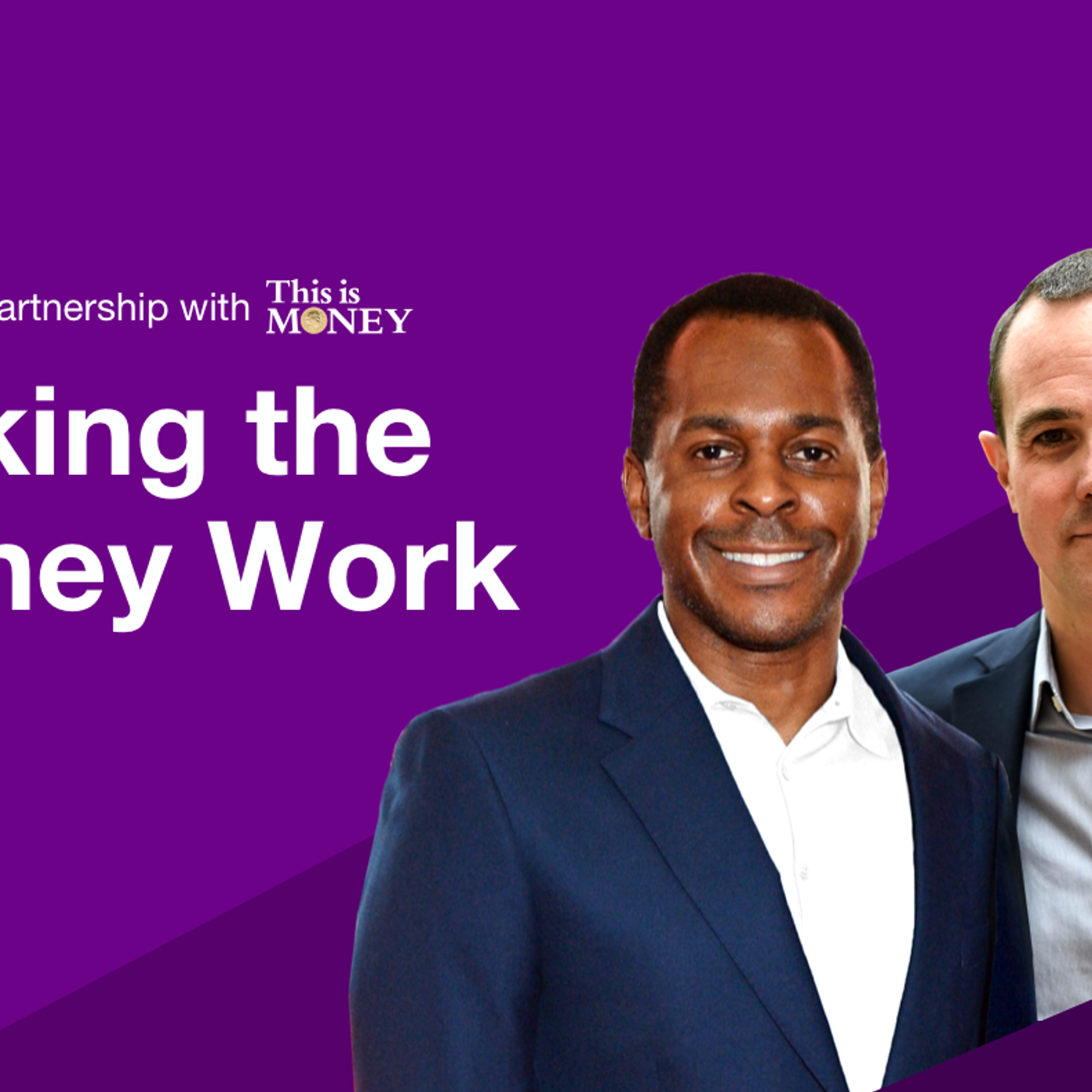
Making the Money Work: Alastair Humphreys on how to fund a life of adventure:
How do you decide to become an adventurer? For Alastair Humphreys, the decision in his twenties stemmed from his love of a challenge, the outdoors and curiosity about the world.The decision led to a life of adventure, in which Alastair has spent four years cycling round the world, run six Sahara Desert marathons, been on an Arctic expedition, busked his way round Spain, spending only money he could earn, and has written 13 books.But Alastair’s adventure philosophy isn’t about big expensive trips, he would rather do things on a shoestring - and wrote a book encouraging others to have their own cheap ‘microadventures’ close to home.Alastair joins Andi Peters and Simon Lambert on the third episode of the Making the Money Work podcast to tell us about funding the life of an adventurer and building a career out of his exploits.He also explains why he wants to help people live more adventurously – even if that’s just heading out of town and sleeping under the stars on a hillside.As well as talking microadventures - and encouraging Andi to try out sleeping in his garden - Alastair reveals how he comes up with ideas and money for his feats, whether it is walking a desert or rowing the Atlantic.He tells Andi and Simon about how he once headed for Spain without a euro in his pocket and no bank or credit cards, with the aim of busking his way round and only spending the money that he could earn from playing the violin.Alastair also reveals how he manages his money and saves, shares his thoughts on writing books and why self-publishing can pay off, and explains why being told he was an idiot for not having a pension - after a talk to a pensions firm - spurred him into saving for retirement. Hosted on Acast. See acast.com/privacy for more information.

It's Brexit Day, so what happens next?
It’s Brexit Day – and whether you voted leave or remain, are celebrating, or commiserating, we wish you a happy one.After 11pm on Friday 31 January 2019, Britain is officially no longer a member of the European Union. The big question is, what happens next?On this week’s podcast, Simon Lambert, Lee Boyce and Georgie Frost discuss both what Brexit means immediately for consumers and travellers, and how things may pan out for the economy and our finances over the year ahead.Where do we stand on Ehic medical cover in Europe, driving on the continent, mobile phone roaming, flight compensation and expat pensions?And what will the trade discussions on our future relationship with Europe and the rest of the world mean for the nation’s finances, businesses, inflation, the pound and interest rates?Also on this week’s podcast, the team dive much deeper into house prices than the usual survey, with a look at 174 years of property affordability and whether we can learn anything from a 70 year period when they got cheaper.They discuss Neil Woodford’s investors getting some money back and finding out how much they have lost so far and the curious case of the Lloyds customer of years who won a surprise bumper PPI payout that proved to be the ultimate loyalty penalty for being ripped off. Hosted on Acast. See acast.com/privacy for more information.

Are tax returns too taxing - and could you not know you need to do one?
Are tax returns too taxing, why did new overdraft rules backfire, are challenger banks biting and what are the cars that hold their value best? We answer these questions on this week’s This is Money podcast. It’s tax return time. The organised will have safely filed their tax returns long ago, but there are still plenty of people who don’t yet feel the last minute has arrived.But what if you are meant to fill in a tax return and don’t realise?On this week’s podcast, Simon Lambert, Lee Boyce and Georgie Frost discuss the ten reasons that people may have to fill a tax return in, even though they are employees paid through PAYE.The team also discuss whether much of the tax return is really needed, or whether people are needlessly spending time filling in an over complicated form for an overly complex system.Also on this week’s podcast is the overdraft row that’s blown up on the back of the FCA’s attempt to improve borrowing and bank’s deciding that 39.9 per cent rates sounded about right.The team discuss whether the challenger banks are starting to bite and why people are attracted to them.The ten cars that should hold their value best are also revealed, from a Dacia to a Bentley.But remember that even the best of these will lose you 35 per cent.And finally, Simon tells us about the new episode of the Making the Money Work podcast with London 2012 Olympic-medal winning boxer Anthony Ogogo. Hosted on Acast. See acast.com/privacy for more information.
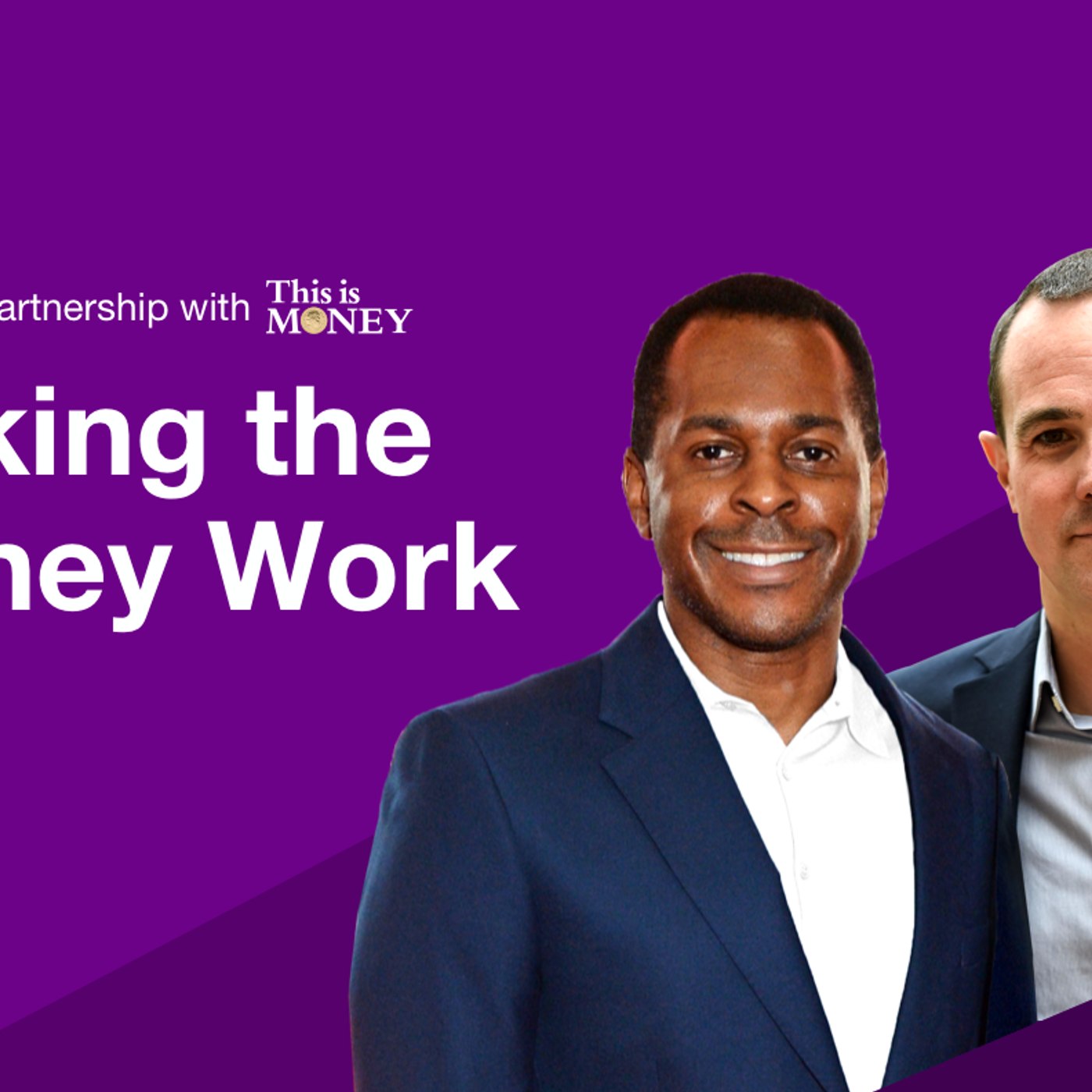
Making the Money Work: Boxer Anthony Ogogo on what happened after the London Olympics
In this second Making the Money Work episode, Andi Peters and Simon Lambert talk to Olympic bronze medal winner and former professional boxer Anthony Ogogo about how people fund a boxing career and whether an Olympian makes much money. Anthony tells us about building his boxing career and how an amateur boxer has to support themselves on a shoestring – even when they are heading for the Olympics. He discusses his subsequent professional career and how after injury forced his retirement, he is swapping the boxing ring for the wrestling ring. The 30-year-old was one of the sportsmen and women celebrated by Britain as the nation enjoyed the thrill of the London 2012 Olympics and a slew of medals. Then aged 23, the middle-weight boxed his way to a bronze medal to add to the gold that he had won in the Junior Olympics in 2004. Anthony, who was also a promising footballer who played for Norwich City’s youth team, had taken up boxing at the age of 12 and by the time he arrived at the London Olympics he had also won a silver medal at the 2010 Commonwealth Games. He turned professional after the 2012 Olympics and had a short but successful career in which he challenged to be world champion. He suffered a number of injuries before a fractured eye socket forced his retirement from the sport in 2019, with 11 wins and just one loss in his professional career. In a statement on his retirement, Anthony said: ‘I’ve been through a lot in my career. I’ve had 17 operations and suffered every pain imaginable. I’ve won, lost, cried and hurt. But if you were to ask me would I do it again? In a heartbeat. I love this game’ He signed off with the words ‘Never give up’. Anthony discusses how he got through hard financial times when he was injured, why he’s been careful with money and tried to save, and what it’s like being a cash-strapped up-and-coming fighter in the boxing world where those at the top are making millions. Unable to box anymore due to his eye problems, Anthony is now on the path to a new career as a professional wrestler with All Elite Wrestling and he tells us how he intends to build that and what his financial resolutions for the future are.About Making the Money WorkIn our new podcast series Making the Money Work, in partnership with the Financial Services Compensation Scheme, we talk earnings, budgeting and savings with those whose lives and finances roam far from the norm. The five podcasts are hosted by Andi Peters, alongside This is Money’s Simon Lambert, and every fortnight over the next ten weeks you can listen to a new interview with a different special guest about their financial lives.This is Money’s Podcast will continue to appear each Friday as usual, and the Making the Money Work podcasts will be published fortnightly as a bonus episode in the feed. Hosted on Acast. See acast.com/privacy for more information.

Has Santander signalled the end of current accounts with benefits?
Santander is to cut the rate of interest customers can earn with its 123 current account.It will mean one of Britain's most popular accounts will have dropped from a top tier 3 per cent when it launched in 2012 to 1 per cent.Why has the high street banking giant done this and could it result in an exodus of people moving? Does it signal the end of current accounts with benefits?It is also capping the level of cashback customers can earn while putting a blanket 39.9 per cent overdraft rate in place – following a similar move from its banking rivals.Simon Lambert, Lee Boyce and Georgie Frost take a look at what it means for the current account market, whether there are other – better – accounts to switch to and how it managed to become so popular.Also on this week's podcast, we look at the rise of the buy now, pay later form of credit and whether it is another debt trap to watch out for.Why have nearly 40,000 people put in retrospective planning applications? And can you really hide a castle behind a haystack…Lastly, the love affair with car buyers and SUVs shows no signs of abating – sales continue to grow at a faster rate than any other group.We list the five reasons, allegedly, not to snap one up and whether you should consider an alternative. Hosted on Acast. See acast.com/privacy for more information.

Is this the plan that will finally help savers?
Savers had a resoundingly duff deal over the decade that just ended, as they paid the price for the borrowing binge that proceeded it.Understandably, many feel somewhat aggrieved – like a moderate drinker who got the hangover that should have gone to the party animal.But it’s not just ‘emergency’ low interest rates that turned permanent that delivered the pain, banks and building societies paying little respect to loyal customers and undermining them with rock bottom rates on legacy accounts has also played a major part.Now, the financial watchdog has a plan to deal with the so-called loyalty penalty. A standard savings rate across all easy access accounts and Isas, with the ability to offer better rates over limited periods, for example, 12 months.When bonus time was up, that standard rate would act a floor to protect savers against the 0.01 per cent-paying accounts of this world.Is this a solution to the problem, or just some tinkering that all but mandates bonus accounts and does nothing to tackle saver inertia?Simon Lambert, Sarah Davidson and Georgie Frost tackle the plan to improve the savings market on this week’s podcast – and discuss whether this is a wise idea for a new decade or a recipe for more of the same.Also, on this week’s podcast, as a decade ends and one begins, we look at the property market: what happened to house prices in the 2010s and how did it compare to the 2000s, 1990s and 1980s, and also what will happen this year and in years to come?The team also look ahead to the 11 March Budget and what may crop up for our personal finances, along with the growing population of over-90s and how we look after our nonagenarians properly. Hosted on Acast. See acast.com/privacy for more information.
Making the Money Work: Kiko Matthews on how you fund rowing the Atlantic
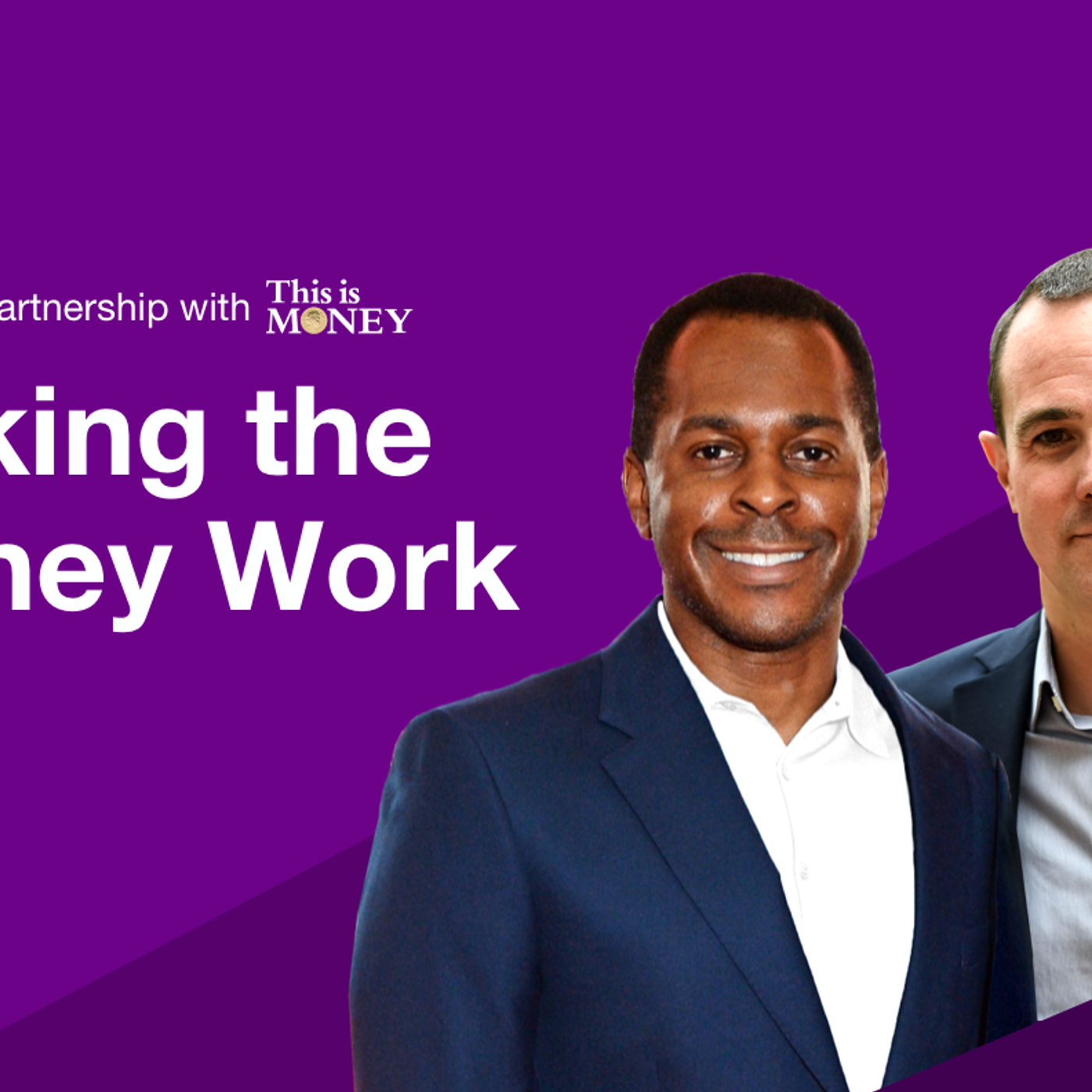
This bonus podcast episode is from This is Money's new special series Making the Money Work, in partnership with the Financial Services Compensation Scheme. Andi Peters and Simon Lambert talk to record-breaking Atlantic solo rower Kiko Matthews.How do you fund a life less ordinary?For most of us financial life means paydays, bills, mortgages and attempts to save or invest, but for others it is very different.If you decide to row the Atlantic, are an Olympic boxer, or have made a career out of having adventures or doing comedy, what on earth do you do with your finances?In our new special podcast series Making the Money Work, in partnership with the Financial Services Compensation Scheme, we talk earnings, budgeting and savings with those whose lives and finances roam far from the norm.The five podcasts are hosted by Andi Peters, alongside This is Money’s Simon Lambert, and every fortnight over the next ten weeks you can listen to a new interview with a different special guest about their financial lives.This is Money’s Podcast will continue to appear each Friday as usual, and the Making the Money Work podcasts will be published fortnightly as a bonus episode in the feed.The first episode features Kiko Matthews, who on 22 March 2018, became the fastest woman to row the Atlantic, solo and unsupported, over 49 days, 7 hours and 15 minutes. Through sponsorship of her world record attempt she raised more than £105,000 for King's College Hospital by the end of that year.But that isn’t even half the story, because in 2009 Kiko had been diagnosed with Cushings Disease, a rare and life-threatening condition, which causes tumours on the pituitary gland that controls the body’s hormones.That life-changing discovery led her to quit her job as a science teacher, qualify as a paddle-boarding instructor and set up her own business, before deciding to row the Atlantic, despite not being a rower.Midway through her training in 2017, her Cushings Disease returned and although she had to undergo neurosurgery, Kiko pushed on with her Atlantic rowing attempt.Since then, Kiko has focussed on environmental campaigning and recently cycled round the coasts of Britain and Ireland completing beach cleans.On this podcast, Kiko tells us her fascinating story, discusses her finances - and reveals just how you go about funding rowing the Atlantic. Hosted on Acast. See acast.com/privacy for more information.

The biggest financial stories of 2019
Does Woodford trump Brexit and the election, were you more concerned about the wealth gap, or do all those pale into insignificance next to the challenges of climate change?On this week’s podcast, Simon Lambert, Georgie Frost and Tanya Jefferies discuss the money stories that shaped the final year of a tumultuous decade.Fallen star fund manager Neil Woodford dominated the financial headlines after his fund was frozen at the start of June, with investors still waiting to find out how much they will get back as it is wound down.That saga was enough to push Brexit and politics out of the main headlines for a while, but they loomed large over the whole year. January triggered a period of fretting over no deal, March saw the Brexit deadline come and pass, summer saw Theresa May out the door of Number 10 Downing Street and Boris Johnson in, only for the new Prime Minister to miss his own Brexit deadline and gamble on an election that he won handsomely.Where does that take us next – and will the set of negotiations we are about to enter into with the EU, after Brexit finally happens on 31 January 2020, prove even tougher.The election also brought campaigning on wealth and inequality – and this topic has also never been far from the agenda in 2019, whether it’s the gap between rich and poor or young and old. Should we worry more about it? What is triggering the problem? How much do high house prices have to do with it?The team discuss that and the defining global issue of the year: climate change. How will countries stepping up their attempts to reduce carbon emissions shape the next decade – and does it present an investment opportunity?We hope you enjoy this final podcast of 2019, thanks for listening, and have a very merry Christmas. We’ll be back in the next decade. Hosted on Acast. See acast.com/privacy for more information.

Does the Boris bounce have legs? What the election means for your finances
The stock market and the pound bounced as Boris Johnson claimed his 80 seat majority in a better-than-expected election win.But will the honeymoon period last into the New Year, beyond Brexit on 31 January, through a Budget in early February and past the negotiations about how exactly our future relationship with the EU will pan out?The Conservative manifesto was thin on detail, but on this podcast we discuss what was in there, what else we know Boris might do and what we think he could do with the big majority this general election delivered him.And we ask whether the man who wants to be a great Prime Minister, can deliver the goods on the NHS, reshape the economy and get stuff done? Hosted on Acast. See acast.com/privacy for more information.

Are the rich really getting richer and poor becoming poorer?
The combined wealth of British households is up 13 per cent between 2016 and 2018 - with the average standing at £286,600.But it's not all about house prices. In fact, the bulk of the rise is thanks to private pensions rather than property inflation, according to the Office for National Statistics.And it says that despite plenty of election claims to the contrary the rich aren't getting richer - but does that claim stack up? On this week’s podcast, Simon Lambert, Lee Boyce and Georgie Frost delve into the figures and ask: is financial inequality growing?We look at whether a reader can retire at 58 with a £6,000 pension – but £420,000 in a savings account.Meanwhile, as Vanguard reveals details of its new self-invested personal pension is this now the best home for cheap and easy retirement savings outside of the workplace?On the not so bright side for investors, M&G has suspended trading on its commercial property fund as savers dash for their cash.And finally, away from the serious stuff, we ask do you have to pay inheritance tax on a stamp collection - and just how much do you need to hold in Premium Bonds to have a strong chance of winning a £1million jackpot prize. Hosted on Acast. See acast.com/privacy for more information.

What does the election mean for your finances?
Will this election really prove to be about Brexit? That issue was predicted to define the vote, but while each party’s Brexit stance will be at the forefront of people’s minds there are many other factors that now seem to be heavily influencing how the 12 December general election is shaping up.One of the biggest is the battle over the economy and our personal finances. There’s a sizeable difference between Labour’s tax and spending plans and those of the Tories.Meanwhile, the Liberal Democrats propose their own sizeable tax and spending rises but at less than half the Labour increase.So what do all these promises and plans mean for you? On this week’s podcast, Georgie Frost, Simon Lambert and Lee Boyce dig into the Labour, Conservative and Liberal Democrat manifestos to find out.The Conservatives have already said they will spend an extra £34billion a year by 2024 and added a further £3billion to that in their manifesto.But Labour plan an extra £82.9billion of spending – with a further £58billion bill for compensating so-called Waspi women hit by the rising state pension age.Both parties claim they can fund their plans through tax – the Tories by halting corporation tax cuts and Labour by radically overhauling the tax system, including 45p tax for many more people and a new 50p ‘super rich rate’.The Lib Dems have their own proposals to add a bit to income tax and hike capital gains tax.What is the chance of any of these plans working? Will the tax rises pull in the money expected – and can the spending be used wisely?And what of the other things Britain needs to achieve? Is more housebuilding compatible with combatting climate change, protecting the environment and looking after the countryside – and what have beavers got to do with it?Listen to this week’s podcast to find out. Hosted on Acast. See acast.com/privacy for more information.

How does Labour plan to raise taxes and spend?
Labour's election manifesto has been revealed and it involves a huge £82.9billion spending spree – to be funded by a similar tax rise.It outlined a 45p income tax rate above £80,000 and to leave no one in any doubt about its intentions opted to call its new 50p level above £125,000 the Super-Rich Rate.On this podcast, Simon Lambert, Georgie Frost and Lee Boyce run through the main financial points of Labour's manifesto, with a look at all the parties' plans due at a later date after the Tory manifesto lands.They look at the other Labour moves, including for capital gains will be taxed at the same level as income – with the annual allowance axed - sending the current 10 and 20 per cent CGT rate for investors in shares and funds – and 18 and 28 per cent for property investors - up to 20, 40, 45 or even 50 per cent.Entrepreneurs would lose their special 10 per cent capital gains tax rate that rewards them for building businesses. Dividends would also be taxed the same as income, with the dividend allowance removed.Inheritance tax reforms would be reversed, taking the amount a married home-owning couple can potentially leave tax-free down from almost £1million to £650,000.Elsewhere, corporation tax will rise to 26 per cent, VAT will be added to private school fees, second home council tax will treble, 10 per cent of company shares will be put into employer funds with workers and the state sharing dividends, and a transaction tax would be brought in for the financial sector.On the other side of the coin, Labour has promised billions for the NHS, infrastructure, public sector pay rises, free broadband for all, a rent cap for tenants and to nationalise the energy, water and rail industries.The team also discuss the Conservative's bid to fend off an NHS winter crisis caused by pension taper rules that are forcing older doctors to avoid doing work so that they do not get hit with big tax bills.Also on the agenda, how buy-to-let repossessions are rising as landlords feel the squeeze and why falling house prices in London and South East mean some families are managing to reclaim inheritance tax after homes sell for less than originally thought.And finally, we discuss the reg plate lotto, where drivers can try to win an entire lifetime's worth of free petrol or diesel, worth almost £280,000. Hosted on Acast. See acast.com/privacy for more information.

What would you spend a lottery win on? It could be you (but it probably won't)
It could be you. It probably won't, of course, but maybe, just maybe, it could be. That's the attraction of Britain's lottery for its millions of players and this week it reached its 25th birthday. For self-proclaimed Lottery mug, Simon Lambert, that's two-and-a-half decades of spending money on the draw week-in, week-out because foolishly he has six numbers committed to memory.For some lucky people though, it's meant winning a life-changing sum of money, albeit for a handful it probably didn't change life for the better.On this week's podcast, Simon, Georgie Frost and George Nixon look at 25 years of the lottery and the story of a couple, Elaine and Derek, from Newcastle who won £2.7million shortly after the game started.So what did they do with the money - and what would our podcast team do?Also, this week we discuss the 100 per cent mortgages for students who want to try their hand at becoming buy-to-let landlords.Meanwhile, providers that know your new card details before you hand them over and Black Friday scams are also on the agenda. Hosted on Acast. See acast.com/privacy for more information.

Motoring special: Buying electric cars and are insurers gaming drivers?
What’s the best new or used electric car on the market, would buying your insurance on the day you need it drive up the price, and does London’s diesel-crunching ULEZ make sense?Those are the questions and more on this motoring special edition of the This is Money Podcast. On it, Georgie Frost and Simon Lambert are joined by deputy motoring editor Rob Hull to talk cars and money.First up, is our exclusive on how insurers are sneakily pushing up prices for those who buy cover close to when they need it - bad news if you want to choose and buy a car and then drive it away.The team also look at attempts to crack down on older petrol and diesel cars, such as London’s ULEZ – soon to be extended all the way out to the North and South Circular – and ask whether the crop of electric car alternatives available now are enough to tempt people en-masse.Simon argues that one of the key problems is not how good new electric cars are (albeit they are now pretty good) but the issue of buying second hand and the limited choice and consumer concerns.Meanwhile, Rob says that although a brand new electric car may be tempting to those committed to greener motoring, many buyers are likely to sit on their hands expecting a better choice of longer range vehicles to arrive soon.One of those won’t carry a Golf badge, as VW is ditching its trusty model name for its new ID range of electric cars.But before they arrive a new Golf will. The Golf is a car that has long set the benchmark for family hatchbacks, so with the wraps coming off the next eighth generation one what can we expect inside, outside, and - all importantly nowadays - in terms of tech? Hosted on Acast. See acast.com/privacy for more information.

How to burglar proof your home with thefts soaring in the winter months
Insurance claims for burglary rise by a third in the winter months and sometimes it can be down to households not doing basic checks. This week, editor Simon Lambert, assistant editor Lee Boyce and host Georgie Frost take a look what you can do to protect your home.Elsewhere, can you use Section 75 when booking a holiday on a credit through a third party?We take a look at what common myths many have when it comes to consumer rights, including: if a shop prices an item up wrong, is it obliged to sell it for the lower amount?We tackle a question that could be on the minds of parents – should you pay off your child's student loan, or help them buy a home? And just how bonkers is the current student finance system?Savers aged over 50 are being sent newly-revamped and shortened 'wake-up packs' about their pensions – a good idea?And finally, could you have an old comic book gathering dust worth a pretty penny? Hosted on Acast. See acast.com/privacy for more information.

Does loyalty pay? As Nationwide axes its savings rewards and Tesco brings in paid-for Clubcards, we take a look
What's the difference between loyalty and inertia? Do we get too little reward for the former and show too much of the latter when it comes to shopping and banking?That's the question Simon Lambert, Lee Boyce and host Georgie Frost tackle in the podcast this week.It comes as Tesco – one of the original loyalty scheme pioneers – revealed its new paid-for Clubcard Plus, costing £7.99 per month.Meanwhile, Nationwide Building Society has also announced it is scrapping its hugely popular loyalty savings accounts held by 1.6million people.Which are the firms and organisations the team feel some loyalty too - and what are the ones they stick with out of sheer laziness? And with another small energy firm going bust, should we in fact be staying 'loyal' to some of the established giants for peace of mind?Elsewhere, we look at a study comparing the costs of buying and renting a home claiming the former could leave you £350,000 better off: do we finally have conclusive evidence?Also, when you buy shares in a company, do you need to check what bosses of the business are up to? Are they themselves buying into their own company – and if not… why not?We also run the rule over statistics showing how many cars there are with more than 250,000 miles on clock with a full MOT. The team reveal the best workhorse cars, the high-milers they've owned and ask listeners to tell us below: what is the biggest mileage you've racked up on a car? Hosted on Acast. See acast.com/privacy for more information.

Will investors benefit from Woodford being axed and what happens next?
Neil Woodford's Equity Income Fund, which has locked in investors' money since June, will never reopen – the star fund manager has seen his empire toppled.Editor Simon Lambert, assistant editor Lee Boyce and host Georgie Frost, ask: what is next for investors and what lessons will be learnt?We also talk about where it went wrong and what it could mean for the investment industry.Elsewhere, we reveal what makes a 'comfortable' retirement – and what changes you can make to ensure that you are doing enough to secure one.We reveal whether you can find rare quarters from the US in your change while visiting.Meanwhile, a reader asks whether they need to come clean to their car insurer as they're about to tick over the mileage they quoted when they started their annual policy. Hosted on Acast. See acast.com/privacy for more information.

Does buying a property at auction really get you a good deal?
If you want a good deal, an undervalued gem, or a fixer-upper to make money on - buy a home at auction.That's the common theory, but does it actually work in practice?There's a chance you might find an underrated home, but there's also the risk that you may get caught up in competition with another buyer and overpay - as many who end up in a bidding war do.On this week's podcast, we switch off Homes Under the Hammer and go watch some real life homes go under the hammer at a property auction.Reporter Grace Gausden tells us about the auction room atmosphere, and Simon Lambert, Georgie Frost and George Nixon discuss tips to make sure you stay on the right side of a bargain hunt.Also on this week's podcast, the team discuss whether those owed money from before Thomas Cook went bust can get flight compensation and why Barclays is stopping customers taking out cash at the post office.Plus, Simon explains the circular economy and why it's important to get capitalism on side to stop trashing the planet.And finally, buying a brand new car isn't very green, but you could save a lot of money on them at the moment as dealers are pre-registering them to meet sales targets and then selling them at up to 40 per cent off. The team explain why. Hosted on Acast. See acast.com/privacy for more information.

It's crunch time for Brexit, but should you protect your finances or try to profit?
It’s crunch time for Brexit and things could go one of three ways.Theoretically, a no-deal Brexit shouldn’t be able to happen and the Prime Minister has to ask for an extension instead, but we are faced with the bizarre prospect of the Government saying it might be able to dodge the law… and so maybe no-deal could still happen.And then, of course, there is the possibility that instead of no-deal or an extension, we actually get a deal.Amid all this, we’ve had news that the UK economy slowed earlier this year and fresh fears over recession, global trade war worries have stepped up a bit, an election’s on the cards, the stock market’s been tumbling and interest rates are going to head down not up.So, is it time to batten down the hatches, or should you be optimistic and aim to be greedy while others are fearful?On this week’s podcast, Simon Lambert, Tanya Jefferies and Georgie Frost look at what the latest episode in the Brexit soap opera means for our money, from savings and investments, to mortgages and holiday money.They also discuss the question of whether it is too late to protect your finances against no-deal?Also on this week’s show, the women’s state pension age case defeat and what it means, the almost certain 4 per cent rise for the state pension next year, and what Drastic Dave’s departure from Tesco means for the UK’s biggest supermarket.And finally, you might fancy a classic car but think you can’t afford one – but the team have got ten bargain cars tipped for future classic status that put one in reach (and Simon explains how man maths means they’re almost free). Hosted on Acast. See acast.com/privacy for more information.

How much do you need to save into a pension?
We are regularly told that we aren’t saving enough into a pension, but how much is enough? A recent report suggested that while auto enrolment has dragged more people into saving for retirement, it has also lulled them into a false sense of security. Currently, the system means 8 per cent of a worker’s salary must be going into a pension – unless they opt out – but that includes their contribution, basic rate tax relief and what their employer puts in. Experts suggest that depending on when you start that number needs to be more like a minimum of 12 per cent or even 15 per cent.So how can you make sure you are salting away enough to live in the style you’d like in retirement? On this week’s podcast Simon Lambert and Georgie Frost dive into the world of pension saving and the tricks you can use to get more going into your retirement pot. Also this week, they talk Brexit-proofing your pension, wills – and how to get one if you don’t have one, and what you need to think about if you are moving house to try to get your kids into school. Hosted on Acast. See acast.com/privacy for more information.

Is a tough property market the best time to buy a home?
The best time to get a good deal on buying something is when other people don’t want to.That should theoretically make now a decent time to try to buy a property, but will that work in practice?The property market has run out of steam and house prices are rising at a far more moderate rate than in recent years While the headline figures mask regional differences – London and the South East have seen prices fall, while cheaper areas are still seeing gains – even drilling down into the numbers shows most places are slowing.Rightmove reported this week that the traditional back to school bounce was cancelled, as asking prices failed to rise for the first time in September since 2010 this month.Meanwhile, the ONS, Nationwide and Halifax reports have all pointed to a period of much slower house price inflation.The problem is that often to buy a house you need to sell one and- even if you can do that - estate agents and analysts point to a distinct lack of properties being put up for sale.On this week’s podcast, Simon Lambert, Georgie Frost and Grace Gausden dive into the reports on what is going on in the property market, to try to answer the question of whether now is a good time to buy.Also on this week’s show, the team discuss energy vampires and what’s true and what’s false in energy saving claims. The delay to the smart meter rollout is on the agenda too.As the Climate Strike arrives, they debate whether buying carbon credits to make up for flying is wise - or whether we should just be flying less instead.And finally, if you fancy doing the complete opposite, the podcast finishes with a look at why now is the best time to book Christmas flights… or do your bit and get the train instead. Hosted on Acast. See acast.com/privacy for more information.

Should we rip up capital gains tax rules? And how to save 40% off a new car
Entrepreneurs and investors pay less tax on their profits to reflect the risk they take. That’s the principle that lies behind capital gains tax being lower than the rates charged on employment income. But the influential think-tank, the Institute for Public Policy Research, wants to rip up that system and charge the same rate on gains from selling shares or property as income tax – and hack back the annual capital gains tax allowance to just £1,000. It even wants to remove the special low entrepreneur rate given to those who have sold a business that they built up. Is this the kind of For the many not the few move that Britain needs to level the playing field between those with plenty of capital and the ability to make investments and those who don’t? Or is it just another planned tax raid on those putting their money to productive use and growing our collective wealth? On this week’s podcast, Simon Lambert and Georgie Frost dig into the IPPR’s proposals and look at whether this is the kind of thing that could become Labour party policy? They also look at long-term investments that have paid off, risky investments to be wary of and the one thing plenty of people are happy to sink thousands of pounds into knowing that they will lose a big chunk of their money – a brand new car. The good news is that due to a perfect storm of a deadline on new regulation and crashing sales, there are some astonishing deals on pre-registered ‘new’ cars with as much as 40% off. The bad news is that you’ll still almost certainly lose money. Hosted on Acast. See acast.com/privacy for more information.

Was that as good as it gets for savers this time round?
Savers have been dealt a series of blows over the summer and the latest came this week with an NS&I cut, so was that as good as it gets this time round? On this week’s podcast, Simon Lambert, Sarah Davidson and Georgie Frost look at why savings rates have started to slip again, and how the mortgage price war, stuttering UK property market and even Donald Trump’s trade spat with China fit in with that. Meanwhile, after one of the most tumultuous weeks in British politics in a decade – at the end of which we are still unsure whether a no-deal Brexit or General Election are on the cards or out of the question – the team look at how to protect yourself against the fallout. Should you act to bolster your savings, mortgage, pension and investments against potential risks? Is that just good financial planning anyway? Does stock piling food ever make sense? The trio look at the expert advice and share their opinions on those topics. Away from the Brexit row, a domestic political hot potato was being thrown around at the beginning of this week too, Labour Shadow Chancellor John McDonnell’s idea for right to buy for tenants to purchase their landlord’s buy-to-let property a discount. The team look at what the concept is, whether this could ever work and who would foot the bill? And finally, are electric cars greener once you factor in the build and the battery? A new survey says it has the answer. Hosted on Acast. See acast.com/privacy for more information.

Those born in the 1980s are financially worse off than the generation before: are they really facing a state pension age of 75?
This week, This is Money takes a look at a raft of inter-generation financial divide stories that have popped up in August.This includes why those born in the 1980s have less disposable income than those born in the 1970s according to the Office for National Statistics and why the Bank of Mum and Dad is creaking.Assistant editor Lee Boyce, reporter George Nixon and host Georgie Frost run the rule over these statistics, along with proposals to raise the state pension age to 75.This was from a right-wing think tank The Centre for Social Justice and has left many industry experts irate.We also discuss data showing that two thirds of older people say they feel hurt by the inter-generational financial criticism that they are lording it up at the expense of younger generations.Elsewhere, why easy-access savings account rates could be a better bet than fixed-rate offers and why you should act if you have a Marcus Bank savings account.We also talk metal bank cards – why on earth would you want one and who is offering them? Hosted on Acast. See acast.com/privacy for more information.

Can consumer power help the planet? Green investing, eco-travel, electric cars and your own back yard
It's fair to say environmental issues have moved to the forefront of the agenda in recent times – a large chunk of households in Britain are becoming more eco-conscious.This week, editor Simon Lambert, assistant editor Lee Boyce and host Georgie Frost take a look at potential changes you can make to help the pound in your pocket turn a little greener.Simon explains his rallying cry for us to be his acronym 'Layby' rather than being labelled 'Nimbys'. Layby – or look after your back yard – is a movement to look after the country we live in.When it comes to investing, there is a growing movement where savers who want to combat climate change invest a small amount of money in the very companies eco-activists traditionally rally against, such as fossil fuel giants Shell and BP – so why?You don't have to do a Greta Thunberg, the young Swedish activist, and sail for two weeks to your holiday destination to lower your travel carbon footprint... what can you do to be a more eco-friendly tourist?And finally… it's hard enough trying to predict how rapidly a normal car will depreciate, but estimating the loss of value of an electric vehicle is a whole other ball game. We reveal all. Hosted on Acast. See acast.com/privacy for more information.

Is there a recession looming, will the pound keep falling and what next for interest rates?
The pound has been battered and bruised of late and it took another blow last week with gloomy news about the UK economy.With a no-deal potentially in the offing, how much more of a pounding will sterling take?Editor Simon Lambert, assistant editor Lee Boyce and host Georgie Frost look at what lies behind the decline, why it's fallen so much when jobs, wages and inflation aren't doing badly and what it could mean for interest rates.We also ask: is a recession coming? And as the cost of living nudged higher, with inflation recorded at 2.1 per cent, what was behind the surprise increase?Elsewhere, should you fix your mortgage for 10 years? Banks and building societies are increasingly catering to the rising demand.One of the biggest last minute holiday hassles is sorting out money and something we often leave to the last minute.But you could avoid all that and sign up for a credit or debit card that comes with no extra fees spending abroad and doesn't load currency conversions in the bank's favour. Hosted on Acast. See acast.com/privacy for more information.

Tricks ruthless scammers use to steal your pension revealed on the This is Money podcast – would you fall victim?
If you think you're too savvy to fall victim to a pension scam - or any scam for that matter - you might want to think again. Almost half of 45-65 year olds would potentially fall victim to six common tactics used by fraudsters, Financial Conduct Authority research claims.Editor Simon Lambert, assistant editor Lee Boyce and host Georgie Frost take a look, as it's revealed the average victim loses £82,000.A psychologist also reveals five common tricks used by scammers to get you to part with your cash, whether it is pension-related or not.Elsewhere, we reveal how one reader was facing his house sale falling through thanks to a little known Cifas fraud marker being attached to his name via telecoms giant Sky.We teach you how to complain properly, as we aim to arm listeners with the knowledge they need to take on big firms when they do something wrong.The RAC launches a new insurance that could beat the car rental rip-off and the AA warns about keeping on the right side of the French driving law. Hosted on Acast. See acast.com/privacy for more information.

Self-employed workers could soon see incomes hit thanks to tax changes – will you be one of them?
Changes in tax rules that will be introduced next year could hit the income of anyone who's self-employed - such as IT experts and business consultants.Editor Simon Lambert, assistant editor Lee Boyce and host Georgie Frost look at why it is being called a 'ticking timebomb' for contractors.Elsewhere, as the PPI deadline fast approaches, what will it mean for banks and consumers – and why you should DIY a claim before it's too late.Things go from bad to worse for Neil Woodford investors, as money will be locked in now until December at the earliest.The Financial Conduct comes in for criticism after failing to warn savers about a scam they knew about for nearly a month resulting in huge financial losses for three of our readers.And John Lewis gives advice on where to stash valuables before heading away with help from six ex-burglars. Hosted on Acast. See acast.com/privacy for more information.

Will there be a Boris bounce or Brexit hangover? How the new PM could affect the pound in your pocket
Out go Theresa May and Philip Hammond, in come Boris Johnson and Sajid David – will it result in your finances falling out of top gear, or going on a grand tour?That's the question editor Simon Lambert, assistant editor Lee Boyce and host Georgie Frost tackle this week, as we have a new Prime Minister at the helm, and a new Chancellor as his sidekick.Boris has hinted at a stamp duty cut, an income tax cut, a fix for the social care crisis and promised more police officers and better infrastructure. Can he deliver on all that?And, more pertinently, will Mr Johnson manage to succeed when it comes to Brexit by Halloween? We discuss all this and what other tricks may he have up his sleeve to help your finances?Meanwhile, we reveal why you may want to think twice before logging into public wifi at coffee shops and hotels.And there are top tips on how you can fight the financial fear of the school holidays.And we also discuss why going for a classic car maybe a better investment when it comes to convertibles and celebrate the mundane vehicles that used to be a common sight on our roads, but no longer are. Hosted on Acast. See acast.com/privacy for more information.

Who’s afraid of a no-deal Brexit? What the next PM taking us out Europe without a deal means for your money
The threat of no deal is looming larger – just a few months after people had decided a softer Brexit was on the cards. This week we had the Office of Budget Responsibility’s verdict on what a ‘benign’ no-deal Brexit scenario might look like for the economy. It would cost us £30billion, unemployment would rise to 5%, the pound would fall 10% and house prices would go down by the same amount. And that’s not based on the IMF’s worst case scenario. The Chancellor said things could actually be more painful, Jacob Rees-Mogg suggested it was the wrong way round and we could be £80billion richer. So could no deal really happen? What would it mean for your money? Are the OBR’s forecasts just more Project Fear? Or is ignoring experts measured forecasts Project Daft? On this week’s podcast Simon Lambert and Georgie Frost dive into Britain’s unpredictable short-term future. Also on the show, we look at what we can learn from a trip back to This is Money a decade ago, consider why Lloyds is getting back into the investment advice business with Schroders Personal Wealth, and answer a couple of reader questions on faking a break-up and staging a divorce to dodge pension tax and whether if you break off an engagement you get to keep the ring. Who said love is dead?Enjoy. Hosted on Acast. See acast.com/privacy for more information.

Inheritance Tax is the most hated of all taxes – should it be overhauled?
It's official: IHT is the country's most hated tax. That's according to the Office of Tax Simplification, who have been looking into the quirks of the system at the request of the Chancellor.What needs to change – and could a Labour plan, bubbling away in the background, really be the answer? Editor Simon Lambert, assistant editor Lee Boyce and host Georgie Frost take a look.Whatever happens with IHT, most want to leave as much of their wealth as possible to loved ones when they pass away – so just how do you do it and how many bend the rules?Elsewhere, we update on what's going on at Deutsche Bank as thousands of jobs across the globe are axed.Eon goes green and says millions of its customers will now receive 100 per cent renewable electricity – but what does that mean?And on the topic of green, we have details of the first all-electric Mini – how much will it cost, what is its range and most importantly... is it any good? Hosted on Acast. See acast.com/privacy for more information.

What have we learnt from the Woodford fiasco - and will anything change?
t’s been more than a month since Britain’s most high profile fund manager Neil Woodford was embarrassingly forced to close the doors to his flagship fund.Since then, investors have been unable to sell out and this week - after the first 28 days of closure rolled round - Woodford Equity Income locked savers in for another four weeks.Over the past month, Woodford, his business, its associates and the entire fund management industry have been thrown under the spotlight, but ultimately, will all this fuss and fiasco make any difference?On this week’s podcast, Simon Lambert, Georgie Frost and Alex Sebastian look at what next for the investment world, what has changed and whether once the noise dies down it will simply be back to business as usual.Can we learn anything from the Woodford mess?Are there other investments we should be looking at?Is this just another reason to ditch active management for passive funds?Will we still continue to love our star managers?All this and more comes under the microscope, as the team look to Woodford and beyond and consider the business of making money from making other people’s money. Hosted on Acast. See acast.com/privacy for more information.

Would you sign up to an estate agent offering to sell your home for free?
The bumper fees we pay to estate agents to sell our homes are a common gripe, so what’s not to like about one that offers to do it for free?Yes, free. Online agent Housesimple says that it will sell your home at no charge, rather than the 1.5 per cent you might pay a traditional High Street agent, or even the £900 or thereabouts that rival fixed fee agents charge.So, what’s the catch and would taking up this kind of offer be a good idea?On this week’s podcast, Simon Lambert, Georgie Frost and Will Kirkman dive into the murky world of selling houses and whether estate agents are worth their fees.They also look at how much it costs to get on the property ladder around the UK and why it’s got more affordable in London, with one major caveat.On the agenda this week, in addition to that, is the help or lack of for mortgage prisoners and how to get your pension to last to 100.The team also take a trip back to the 1970s, to find out why a decade famed for being economically rubbish for the UK also managed to deliver the last time unemployment was this low.And finally, Simon has some tips on how to do well in our £20,000 Fantasy Share Picking Game, which include not copying him thanks to his lowly 1,400th place in the practice league. Hosted on Acast. See acast.com/privacy for more information.

Will there be a mis-selling scandal over final salary pension advice?
Two-thirds of savers are being told to abandon final salary pensions - and this is despite the Financial Conduct Authority saying that advisers should start with the standpoint this is not a suitable option. That revelation arrived this week as the FCA said too much advice on valuable pensions is 'still not of an acceptable standard.' Are people getting the right advice about their gold-plated pensions, or are they right to jump ship? That's the question tackled by editor Simon Lambert, assistant editor Lee Boyce and host Georgie Frost this week. Meanwhile, a reader discovers an old Post Office Savings Bank book from the 1960s – but what is it worth now and can you even take the money out. Premium bonds – how do you really find out you've won the jackpot? Britain has a net zero emissions target for 2050, but what are the best electric cars to buy now? And forget fantasy football, we reveal the details of our fantasy share picking game where the winner will scoop a giant £20,000 grand prize. Hosted on Acast. See acast.com/privacy for more information.

Upsize, downsize: Is swapping your home ever a good idea – and what are the pitfalls?
Much is made of the difficulties faced by first-time buyers to get onto the property ladder, but less talked about is the problem facing second steppers and those looking to downsize.As growing families struggle to afford to move up the property ladder could intergenerational house-swaps be the answer? That's the question editor Simon Lambert, assistant editor Lee Boyce and host Georgie Frost tackle this week.What are the potential stamp duty and inheritance tax traps to look out for, and is it a good idea?Simon debunks the different ways businesses report profits and what to look out for, and updates on Neil Woodford.Lee runs the rule over the top easy-access savings deals as a number now match Marcus Bank's 1.5 per cent rate.Meanwhile, we talk about the plans to protect physical cash, as usage continues to dwindle – that, despite a launch of a new set of Peter Pan 50p capturing the public imagination. Hosted on Acast. See acast.com/privacy for more information.