
This is Money Podcast
663 episodes — Page 10 of 14

Are we seeing a shake-up in the savings world?
The world of savings could be set for a shake-up when a new player comes to town – Marcus.Marcus is an online challenger bank and an offshoot of investment banking giant Goldman Sachs, and may just put a bit of welcome pressure on rates in the savings market.But that’s not the only change afoot in savings.Virgin Money is launching an account where interest is earned in air miles, best-buy fixed rate deals are at a two-year high and Monzo has seen losses quadruple. There’s a lot going on.On this episode of the This is Money podcast, consumer affairs editor Lee Boyce and assistant editor Rachel Rickard Straus join presenter Georgie Frost to discuss all this and what it means for savers.They also talk through hotel booking websites, their tricks and whether they work for or against holidaymakers.The trio also discuss how much we need to save for retirement, why a raffle to win a Brixton flat has just been extended, and finally… could success in the World Cup really boost the economy? Hosted on Acast. See acast.com/privacy for more information.

Tips to make your home look good and get it sold (Podcast cut)
bonusIf you are selling your home you need to make it look as good as possible.And that starts before you welcome any potential buyers through the door, as to even get them to consider visiting it needs to look great in estate agent's photos.In a world where people go online to hunt for properties, how can you do that? In this excerpt from the This is Money podcast we give sellers some tips to make their home shine. Hosted on Acast. See acast.com/privacy for more information.

Would you pay more tax to save the NHS?
The National Health Service is 70 years old this year and most of us are proud of the British institution, leaning on it in our times of need.However, we’re living longer with more complex problems and the service keeps crying out that it needs more money.Where does it come from? Do we make cost-cuttings or plough lots of money in, do we increase income tax, make the rich pay, or introduce a new special ring-fenced tax?Theresa May announced plans for £20.5billion-a-year cash boost – but was a little short on the detail. She hinted at tax rises and mentioned a ‘Brexit dividend’.This is Money editor Simon Lambert, along with consumer affairs editor Lee Boyce and presenter Georgie Frost look at ways to fix the NHS in the latest podcast. Hosted on Acast. See acast.com/privacy for more information.

How to sell your home and get the best price
What's the most important thing when you want to move home?Should you worry more about getting the best price or simply about getting your home sold?On this week's podcast we delve into the art of home selling, looking at how to make sure the price is right, whether to do work before you sell, or just a quick spruce up and why what's happening in the property market near you should be a deciding factor.Another month and another set of mixed messages about the state of the housing market is revealed.First-time buyers who have a deposit and home movers in the North are doing fine. But London is on the ropes and second and third movers are staying put, bringing the market to a standstill.According the Halifax, prices nevertheless managed to rise £3,000 last month in this ‘subdued’ market.Editor Simon Lambert, assistant editor Rachel Rickard Straus and money broadcaster Georgie Frost get into the aural attic to unbox the facts.The villain of the piece, they agree, is stamp duty. It used to be a 1% tax on purchases but it got tweaked into a giant cash cow for the Treasury by successive Chancellors.Stamp duty is stalling the market and needs to change but how?And is it really worth putting in a new kitchen before you put your home on the market if things get desperate?Also on the show: Paddington Bear 50p Gate.An exclusive This is Money report this week found an enterprising student in Caerphilly who had been handed a not-yet-released Paddington Bear 50p coin in her change.The shop happened to be down the road from Royal Mint, where the coin was made. The coin happened to end up on eBay with bidding topping £15,000.Find out how this happened and whether it’s true, spoiler alert: it is, what ridiculous lengths the Mint went to try to get its coin back and how you can get your hands on one.Finally, the clamour to tackle inner-city pollution has taken an unexpected twist with motorists in a huge new area of London bearing the brunt of a proposed new fee.Owners of reasonably new cars that don’t meet the emissions standards of brand new ones, face a £12.50 charge every time they drive - even if they live in the zone and need to take the kids to school.Not everyone is happy. Especially as it looks like the explosion in numbers of online shopping delivery vans and not cars might be the major cause of pollution.Enjoy, Hosted on Acast. See acast.com/privacy for more information.

Whatever happened to bitcoin?
Whatever happened to bitcoin? After the mania at the end of last year when the price spiked to almost $20,000, the cryptocurrency took a tumble but more noticeably attention has drained away.You need no greater sign of that than figures showing bitcoin Google searches are down 90 per cent.That adds weight to the argument that much of the late 2017 big leg-up was driven by mainstream punters jumping on the cryptocurrency bandwagon.So with bitcoin largely out of the headlines, is that it for the cryptocurrency or is it time to buy for the long-term when things are quiet.On this week’s podcast we take a look at who’s buying, who’s holding and who might be waiting for the price to rise again and greater fool theory to deliver someone who will take their bitcoin off their hands.Simon Lambert, Lee Boyce and Georgie Frost also take a look at gold – and why people aren’t buying this traditional form of investment portfolio insurance – and the most consistent investment trusts of the past decade.And finally, the Government’s policy currently appears to be to confuse motorists as much as possible, with new MOT rules recently joining the car tax muddle. Are drivers now being held to ransom by mechanics over ‘dangerous’ faults – surely no garage would do that?Enjoy. Hosted on Acast. See acast.com/privacy for more information.

What on earth has been going on in Italy and what does it mean for your money?
Global financial markets have been flying up and down and all over the place this week and it’s all got to do with one boot-shaped country in the Mediterranean.Italy has found itself embroiled in a power struggle between Eurosceptic populists – winners of the March general election – and the pro-EU establishment.The ramifications have spread across the globe and will affect Britons from big-time investors to anyone building up a pension pot.As we write this a coalition deal has been reached in Italy, likely to avert a proposed snap election. But this story is moving so quickly that just hours ago when we recorded the podcast there was no deal on the table. Even more reason as things helter-skelter forward to step back and work out what is going on and how on earth we got here – as This is Money editor Simon Lambert offers in his back-to-basics explainer.Also in this episode, Simon, presenter Georgie Frost and personal finance editor Rachel Rickard Straus talk about what you can do to stop your dream house move falling through, and whether proposals to make tax on savings and dividends simpler will work – or just see savers pay more tax.And finally, in troubled times for the high street, they look at one retailer bucking the trend.Enjoy. Hosted on Acast. See acast.com/privacy for more information.

What did Charles Ponzi do - and is money flipping the dumbest scheme yet?
Ever heard of money flipping? It’s a new scheme doing the rounds on Facebook and social media that promises to turn your £50 into potentially thousands.So how do you do that? Simple really, you pay others to get onto the bottom rung of a pyramid and then recruit more people to move you up a level and get paid yourself.What makes it so dumb is that it doesn’t even try to have the legitimate veneer of famous pyramid schemes of the past. It’s a Ponzi scheme, plain and simple, but what is one of those and who was Charles Ponzi, the man the scams are named after.On this week’s podcast, Simon Lambert, Lee Boyce and Georgie Frost step back to America in 1920 to find out how Ponzi soared and then crashed – and look at the new money flipping scheme that has brought a trick as old as time to today’s digital age.Also on this week’s podcast, we look at TSB customers who are unfortunate enough to get scammed themselves after the bank’s meltdown and how it is failing them.And we take a look at whether the FTSE 100’s sudden 14% rise on its way to new record highs can still mean it is an unloved investment – and find out where pension millionaires invest.Enjoy. Hosted on Acast. See acast.com/privacy for more information.

How to buy a home with less than £10,000 - but is a small deposit mortgage wise?
High house prices mean that the biggest barrier to buying a home in Britain is raising a deposit.With mortgage interest rates at near record low levels, many would-be homeowners could afford monthly payments - but saving the average £30,000 deposit would take years. For a lot of first-time buyers that means a trip to the Bank of Mum and Dad, but what if that's not an option?It is possible to buy a home without raising tens of thousands of pounds, if you take a 95% mortgage.With one of these deals, a first-time buyer able to pass mortgage affordability tests could put down a 5% deposit of £10,000 and buy a £200,000 home.But is that a good idea? Didn't small deposit mortgages crash the economy a decade ago? Are they not leaving themselves heavily overexposed to falling house prices?In this week's podcast, Simon Lambert and Georgie Frost dig into the world of buying a home with a small deposit mortgage, busting the myths and considering the benefits and the risks. They also look at whether giving buy-to-let landlords a tax cut to encourage them to sell could provide first-time buyers and home movers with a leg up, if a £10,000 bonus for all 25-year-olds would help, and after the dead cert rate rise that never happened, when will the Bank of England move?Enjoy. Hosted on Acast. See acast.com/privacy for more information.

Have you got a pension sorted and are you saving enough?
You don’t need to spend long reading the news to find a warning that Britain isn’t saving enough for retirement.But with a little bit of effort it is possible to get saving so that you can enjoy a richer retirement.On this week’s podcast Simon Lambert, Tanya Jefferies and Georgie Frost discuss how to start a pension, how to improve on the one you’ve got and how to work out if you are investing enough for retirement.They also take a look at how, if you are approaching retirement, you can check up on your state pension – and what to do if you think it's wrong.Enjoy. Hosted on Acast. See acast.com/privacy for more information.

What are 'money mules' and how can we halt this scam in its tracks?
A top bank has formed a 'money mule hunting squad' and is planning to share its secrets with rivals.How does this scam work and what is being done to fight it? Should banks, universities and schools take more action to prevent young people getting sucked into helping hardened criminals hide their cash? And as Nationwide starts turning away grandparents trying to deposit cash for their grandkids, what is behind this new curb on everyday cash transactions?The interest-only mortgage timebomb is a hot topic again after we featured the story of Len and Val, who never missed a mortgage payment but still face losing their home.This is Money Editor Simon Lambert and journalist Tanya Jefferies joined Georgie Frost to debate these issues.Plus, Simon has an impassioned rant about potholes... Hear it all on this week’s podcast. Hosted on Acast. See acast.com/privacy for more information.

Should people cash in on their homes to enjoy life or help their kids?
Should you cash in on your home to help yourself or your kids?As a generation retires with more money in their houses than the bank, this question will only become more pressing.And it’s been a topic of much debate on This is Money this week, as we revealed how a new wave of retirement interest-only mortgages could be about to emerge.Homeowners could use one to have a more comfortable retirement, clear some debt, or hand the kids or grandkids an early inheritance – perhaps to buy a home for their own young family.Is that a good idea or a recipe for disaster – and how did we even end up here?In a conversation that tracks all the way back to the mortgage boom of the Thatcher years, Simon Lambert, Rachel Rickard Straus and Georgie Frost dive into the homes as a cash machine question on this week’s podcast.Plus, they also take a look at what happens when an inheritance doesn’t materialise as thought – can you contest a will if it’s all left to the dogs’ home.The TSB meltdown is also up for discussion, including why it happened, what next and what people’s rights are.And finally, we’re fans of money saving at This is Money and value for money – so a luxury car for the price of a Ford Fiesta sounds pretty good.Big luxury cars depreciate hard, but that is good news for the canny second-hand buyer who can pick up vehicles that might have cost £50,000 for £10,000 a few years down the line.But we’re not talking shed money here, so it needs to be reliable. This week we looked at the best bargain barges as scored by What Car? reliability tests. Which one would you have?Enjoy. Hosted on Acast. See acast.com/privacy for more information.

As inflation falls will the base rate now finally rise?
What has Mark Carney, the governor of the Bank of England, got to do with long-forgotten television soap Eldorado?Find out in the latest This is Money podcast, in which editor Simon Lambert and consumer affairs editor Lee Boyce discuss the inflation figures out this week and whether they have increased the likelihood of a base rate rise.Discover why Simon believes raising interest rates wouldn't be a bad idea but raising rates because the country finally got a pay rise would be.Meanwhile, house prices in London saw their first annual fall in price since 2009 and sellers across the UK are having to accept far less than their asking price.Are values in the capital about to fall even faster?Continuing the property theme, we take a look at new platform Raffle House which gives people the chance to win a home with a fiver – but is it too good to be true?They may be billed as good for the environment but not for our wallets - we look at the hidden costs of electric cars.And lastly, one for the gardening enthusiasts – how much of a drain on energy is the patio heater?Enjoy . Hosted on Acast. See acast.com/privacy for more information.

Big energy firms including British Gas to bump up prices for millions - it's time to fight back!
British Gas have revealed this week that more than four million households face a 5.5 per cent bill increase from the end of May thanks to changes to its standard variable tariff.Hot on its heels, EDF Energy announced it will be hiking the cost of energy bills by 1.4 per cent for 1.3million customers.In this week’s podcast, Rachel Rickard Straus and Lee Boyce say it is time for people to fight back and switch.Energy: The latest podcast looks at the latest energy price rises - and the furore around smart metersOn the energy theme, we talk about our campaign to stop power firms using bullying tactics in order to force households into getting a smart meter – and why it is better to wait until the end of the year.We take a look at some of the methods to make your home more energy efficient, including insulation and wood burning stoves.We also discuss how to give money to charity in a tax efficient way - and whether or not loyalty cards are still worth having.The latter comes as changes to Avios and Nectar are imminent, and Virgin Money unveils two credit cards to garner miles for Virgin Atlantic flights. Hosted on Acast. See acast.com/privacy for more information.

Will you be a tax winner or loser this year?
Good news. Chances are you just got a tax cut.Well an income tax cut at least, problem is your council tax is likely to be rising and if you are an investor the Government is after more of your dividends, or if you’re a landlord it wants your rental income.So who are the winners and losers of the new tax year that rolled round on 6 April? And what are the candidates for dumbest bits of Britain’s tax code.In this week’s podcast, Simon Lambert, Rachel Rickard Straus and George Frost take a look at who is getting the biggest tax cut and who is being hit.They also discuss whether we need a new hypothecated tax to pay for the NHS.Also on this week’s show we look at the best rural places to live in the UK and how to invest in wine without breaking the bank.And finally, Britain’s ten most hated driving moves have been revealed. Parallel parking we get, but why are there so many people who struggle to navigate a roundabout. Hosted on Acast. See acast.com/privacy for more information.

How to save enough for a richer retirement
Building up a pension was once relatively simple, for each year you worked for a company it promised to pay you some money in retirement.The death of the final salary scheme put paid to that and now most people must invest into a pension instead - with their work helping out.But while it is tempting to put off a pension and think you have more pressing financial matters to deal with, that's a mistake.The earlier you start and the more you pay in, the greater your chance of having a richer retirement.So what do you need to know - and do?On this week's podcast, Simon Lambert, Lee Boyce and Georgie Frost talk pensions.Also on this week's show, some last minute Isa tips, how to share an inheritance if you want to divert it and the energy firm told it can't have any more new customers.And finally, selling used cars that are really new ones. Why on earth would a dealer do that? Hosted on Acast. See acast.com/privacy for more information.

Property vs pensions: Does buy-to-let still stack up?
My property is my pension. That was the popular saying when buy-to-let was all the rage and every other person you met fancied their chances as a minor property mogul.But life has got much tougher for landlords, with a series of tax grabs and tougher mortgage rules hitting.So does buy-to-let still stack up as a way to build your wealth?It certainly requires a lot of money upfront, even more now than ever before, and while the taxman will take a big chunk of your buy-to-let investment pot in stamp duty, he’ll give you money back if you invest in a pension instead.Simon Lambert, Sarah Davidson and Georgie Frost take a look at buy-to-let and the property market in this week’s podcast, including how it compares to investing in your Isa or a pension.They also look at investing in property without buying it directly yourself, and whether houses are too expensive now for good profits in years to come, or if there are some areas where an investment still makes sense.Also, tackled on this week’s show is whether interest rates will definitely rise in May and what’s behind the tough times on the High Street.And finally, ever wondered whether you could stick a hypercar on finance. We explain how much that costs and why further down the ladder a lot of those supercars you see are going on the never never. Hosted on Acast. See acast.com/privacy for more information.

Everything you need to know about Isas
It’s not long before the door slams shut on your chance to use this year’s Isa allowance.It’s always best not to leave Isa saving or investing until the last month of the tax year, but many of us will do so.If you do end up fixing your Isa against the deadline, it’s definitely wise not to leave it to the last week – or even the final few days.So, here is our special Isa podcast – with a comfortable three weeks to spare before the 5 April tax year end. In it, Simon Lambert, Rachel Rickard Straus and Georgie Frost dive into everything you need to know about Isas, from cash, to stocks and shares, and Innovative to Lifetime.The podcast tackles the basics and also tips for those who are experienced Isa savers or investors.It also looks at why investing is the best way to get inflation-beating returns over the long term, how savers can eke some precious extra interest from accounts, and why an Isa is worth having. Hosted on Acast. See acast.com/privacy for more information.

Will building more homes make house prices cheaper?
We have a housing crisis. That’s the message, loud and clear, and it was reiterated by the Prime Minister this week.What’s the answer? Build more homes.Or is it? Because once you start digging into the subject, this housing crisis is a pretty ill-defined problem - and it’s not clear that a lack of homes is causing the problem of too high house prices.Many people suspect that actually it’s too much cheap money that made homes so expensive.On this week’s podcast episode, Simon Lambert, Lee Boyce and Georgie Frost get stuck into the housing crisis. They look at what the problem is meant to be, what made homes so expensive, what the plans are to solve the issue, and whether building more homes will make house prices cheaper.And there’s even a defence of the dreaded Nimby in there.Also on this week’s show we discuss why we are calling for action on the state pension top-up fiasco, how your driving licence might get Brexited, and the jobs that desperately need more people.And finally, what should you do in an interview when dealt tricky questions, such as ‘tell me about yourself’.Or even, ‘what fruit are you?’ Hosted on Acast. See acast.com/privacy for more information.
Why it's time to raise interest rates (Podcast cut)
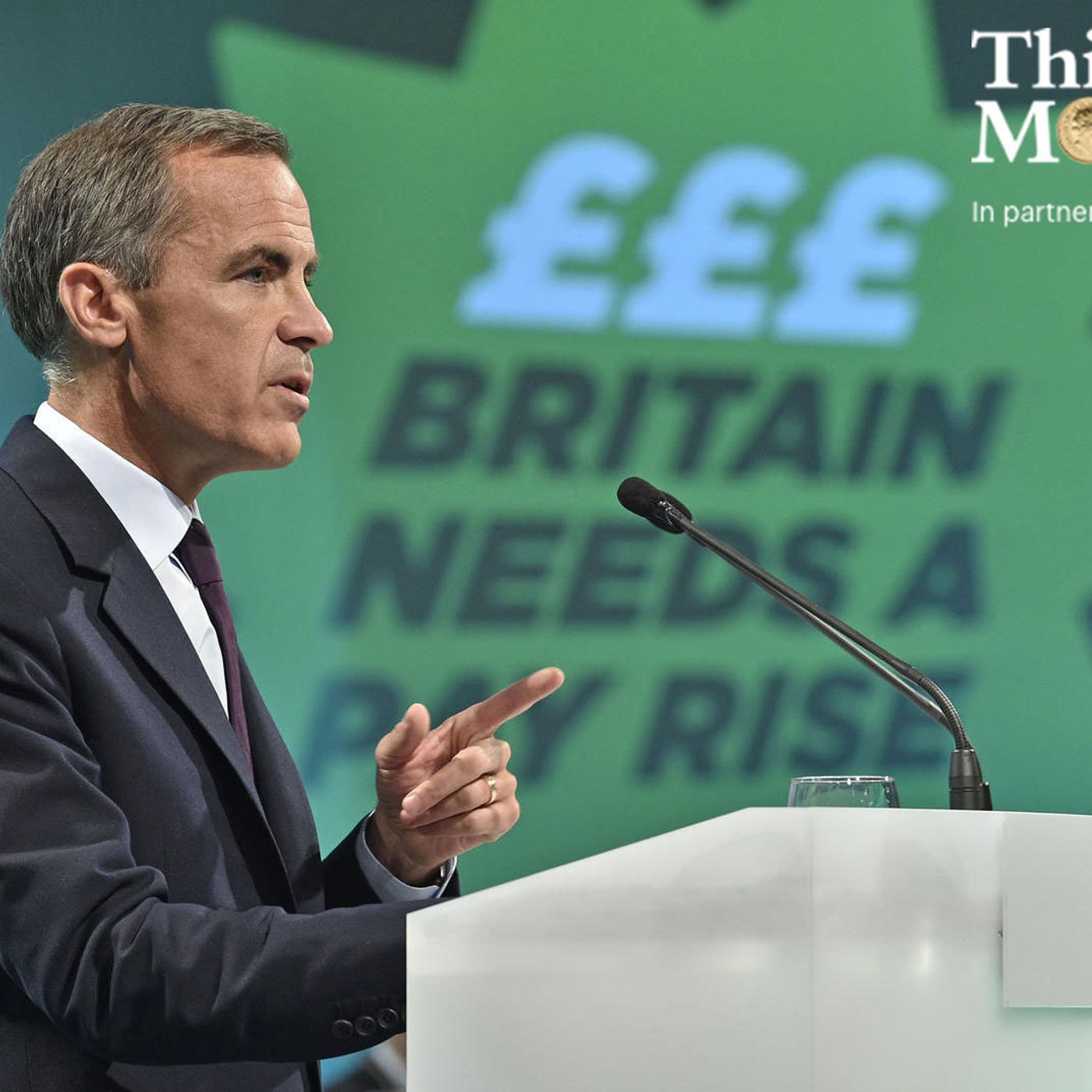
In this excerpt from the This is Money podcast, Simon Lambert outlines why he thinks interest rates should rise and Rachel Rickard Straus explains why savers need to switch to better deals and not just rely on rates going up. Hosted on Acast. See acast.com/privacy for more information.

The slow motion crash on the High Street - and what Buffett learnt from his bet
Toys R Us and Maplin were sunk this week, investors are nervously watching Carpetright and Mothercare, and restaurants from Jamie Oliver’s, to Byron, and now Prezzo are closing their doors.This week’s shop closures could see more than 5,000 jobs lost.It looks like a slow motion crash on the High Street.But at the same time the economy is doing okay, and sales in the housing market are reasonably buoyant, so why the trouble?In this week’s podcast, Simon Lambert, Georgie Frost and Rachel Rickard Straus take a look at Britain’s high street woes and whether it is company debt, consumer confidence, overexpansion gone wrong, or a failure to keep up with the times that is sinking well-known names.Also on the show, we take a look at what Warren Buffett learnt from his ten–year tracker fund bet – and the twist in the tale of how he won it.Plus, how the value of your old £10 note changed through its lifetime and the things most likely to go wrong on a new car. Hosted on Acast. See acast.com/privacy for more information.

Secret world of the credit ratings unmasked – and why it could be Isa, Isa baby this year
Just how does the mythical and bizarre world of credit ratings really work? How can you improve your score and what does the figure even mean?On this week's podcast, personal finance editor Rachel Rickard Straus and consumer affairs editor Lee Boyce join presenter Georgie Frost to discuss this and how one unknown fraud marker on a Cifas file left a reader with a 'do not employ' status when looking for job.Rachel describes how she saw a tourist defrauded at a cash point and what it made her realise.Lee explains why he is fed-up with car insurers taking motorists for a ride and how he beat a 67 per cent annual rise.Whisper it: but there could be a cash Isa season this year. For years, banks and building societies scrambled to offer attractive rates – and 2018 could see the tax-free accounts finally en vogue once more.Pensioner bonds – remember them? Well many are seeing the three-year versions of the accounts mature. But there could be a tax sting in the tail. Hosted on Acast. See acast.com/privacy for more information.

Will a world of rising interest rates make you richer?
Interest rates are going to rise in May, if you believe economists, but will things get better or worse for you if they do?A few years ago, Mark Carney told us to enjoy the low inflation world while it lasted, but now wages are forecast to rise and keep inflation sticky, so interest rates are potentially going to inch up.Rising rates are often painted as bad news but for many a world in which they go up will look more enjoyable.What would be even more pleasurable is being paid more, so is Britain really finally about to break out of its low wage growth trap and get a pay rise?On this week’s podcast, Simon Lambert, Rachel Rickard Straus discuss why we don’t get paid enough, what we can do about it and how to look on the bright side of rising interest rates.Contrasting news on the struggles of first-time buyers, at the same time as they are at their highest level for a decade, is also on the agenda.Plus, there is good financial news for unmarried couples, the new car tax madness that is about to bite and the energy saving myths that apparently mean you shouldn’t turn the heating up to make your home warm up quickly. Hosted on Acast. See acast.com/privacy for more information.

Buy, sell, or hold? What to do when stock markets tumble
Buy, sell, or hold? When stock markets take a tumble, it's decision time.Investors got a shock this week, when the prolonged period without a stock market correction – dubbed the Big Calm – came to an abrupt end.Many were not surprised by the fact that shares fell, after all warnings that a correction must arrive have not been in short supply. But what did catch them off guard was quite how hard they fell and that the only catalyst was the threat of slightly higher interest rates.On Wall Street, the Dow Jones dived 4.6 per cent on Monday, and then after a brief bit of mid-week respite, it tumbled another 4.2 per cent on Thursday.In the UK, shares also fell but not by as much, although some with more high-octane portfolios will be nursing bigger losses.So, is this just a healthy correction, or is it the start of something bigger?On this week’s podcast, Simon Lambert, Alex Sebastian and Georgie Frost look at why shares fell, what investors should do when markets correct, and whether there is any way to dodge a crash.Tying into that stock market storm was the Bank of England’s indication that although it was holding rates this month, they would now rise faster and sooner than expected.We look at when that next rate rise is likely, and why the Bank has changed its tune. There's also a warning on debt from former Bank boss Mervyn King.Also on this week’s show, we discuss the young people falling victim to temptation to launder cash as money mules and the petrol delivery service that comes to you.Listen to the show, tells us if you like it at [email protected] or with a comment and please subscribe and tell your friends. Hosted on Acast. See acast.com/privacy for more information.

Is it time to cut inheritance tax… or raise it?
The Chancellor asked for ideas for inheritance tax to be simplified this week, but should we even have a death tax at all?It is highly unpopular, and some who argue against it say that taxing someone when they are alive and then their estate when they die amounts to double taxation.In contrast, others argue for a lower inheritance tax-free threshold and an even higher tax rate than the current 40%.So how do you solve a problem like inheritance tax? On this week’s podcast Simon Lambert, Lee Boyce and Georgie Frost look at how it works, why it is unpopular, and how you can avoid it.Simon suggests his plan to simplify it and get more people paying by removing those fiddly reliefs and slashing the rate to 20%.But we also consider the argument for taxing inheritance (and unearned property wealth) more heavily.Later on the podcast, we discuss the problem of interest-only timebomb mortgages and whether homeowners are burying their heads in the sand.Also on the agenda is what’s wrong with M&S and investing in emerging markets and why they could still be a good long-term bet, even after funds rose almost 30% last year.And finally, the team dive into the cryptocurrency world again to look at how to play it safe if you are going to buy bitcoin or one of its smaller rivals.Well, as safe as possible with something prone to swing around by daily double-digit percentages. Hosted on Acast. See acast.com/privacy for more information.

Could a fraudster con you into handing over money?
Could you get duped into sending a fraudster thousands of pounds?Many people think of course they wouldn’t, but then it happens to them.In this week’s podcast Simon Lambert, Lee Boyce and Georgie Frost look into the disturbing rise in fraudsters targeting ordinary people’s finances and how you can protect yourself – we also ask if the banks do enough to help.On the other side of the table from those looking to take your money, are the people who promise to make it for you – fund managers.And there has been one name that keeps cropping up in This is Money’s reader comments as someone who doesn’t get his fair dues, Terry Smith.We dive into his Fundsmith fund, why it has been so successful and having had it explained to him first hand by Mr Smith himself, Simon outlines the Fundsmith investing philosophy.He looks at whether investors need to be wary of putting too much faith in an approach that has done well if conditions change, or whether the top global funds run by managers such as Smith, Nick Train and the Baillie Gifford team are worth sticking with come what may.Also up on this week’s podcast is the best car of the year as named by What Car? – and it’s a diesel – and Lee’s once in a lifetime trip to the home of Ikea in Sweden, where he learnt some very interest facts about the flatpack furniture store you either love or hate. Hosted on Acast. See acast.com/privacy for more information.

What protects your pension when a company like Carillion collapses?
The collapse of Carillion this week brought how Britain runs itself into the spotlight, but it also left many workers wondering about their money.And it's not just their wages that are a concern, the safety of people's final salary pensions is a major worry when a company collapses. In this week's podcast, Simon Lambert, Rachel Rickard Straus and Georgie Frost look at how safe your pension is and what backs it up. They also discuss whether it is wise handing over so much of the UK’s public service and projects to private companies looking to turn a profit for shareholders - and what happens to people's finances when that goes wrong?If you’ve always wanted to understand the business of the private finance initiative (PFI) – this week’s show is a must listen.Alongside that we discuss the continuing madness of the cryptocurrency boom, including the alternatives to bitcoin and how ripple rose 84% in 24 hours.We also reveal the savings rate postcode lottery and ask that all important question, should you spend your money now and enjoy it or save it for the kids' inheritance?Enjoy. Hosted on Acast. See acast.com/privacy for more information.

Are the state pension's days numbered?
Planning on relying on the state pension to keep you afloat in retirement? After listening to this week’s podcast, you might want to have a rethink.On this episode, presenter Georgie Frost, consumer affairs editor Lee Boyce and personal finance editor Rachel Rickard Straus discuss what’s in store for the state pension.Will it still be around when they come to retire? A report this week suggests something will have to change to make sure it is, whether that be everyone paying more in National Insurance, the retirement age rising again or a means-tested state pension.The team also discuss getting hold of our state pension forecasts – and if they’re at all reliable.And what about those who are already retired?The trio then discuss a growing trend of retirees extracting money from the value of their homes to pay off credit card debts.But it’s not all gloom.Lee has news of a 50p coin that could be worth considerably more than that – and that you can only get hold of by going on a lovely day out.Enjoy. Hosted on Acast. See acast.com/privacy for more information.

Will house prices rise or fall in 2018? (Podcast cut)
House prices are coming off the boil, but it is London and the South East that are suffering, while some regional cities do well.But what happens next?Simon Lambert takes a look at the house price forecasts for 2018 and whether property will rise, fall or flatline in the year ahead. Hosted on Acast. See acast.com/privacy for more information.

Will you get richer in 2018? From savings to house prices, we look at the forecasts
From savings rates, to property prices and the prospects for the UK economy, this week we take a look at what will (might) happen to our finances in 2018.Predictions – as we all know – are a mug’s game, but as it is the start of a new year, it’s time to have a look at what could happen in 2018 in the world of money.Inflation is forecast to subside, while interest rates are only tipped to rise very gently. That would be a boost to people’s finances if wage inflation can get back up above the rising cost of living.A further boon could come from savings rates, which it is suggested could continue to rise.In the property market, house prices are predicted to be flat across the UK, but that will mask a continuing divergence in fortunes between regional cities, where sales are buoyant, and London and the commuter belt, where the market has suffered.Elsewhere in the economy, car sales are falling, consumer borrowing is rising but at a slower pace, and there will continue to be worries we aren’t saving enough for retirement.That’s what’s meant to happen.But will it?Simon Lambert, Sarah Davidson and Georgie Frost gaze into their crystal balls.Enjoy. Hosted on Acast. See acast.com/privacy for more information.

When facts cause friction: Tim Harford joins us for a special This is Money podcast on fake news and why statistics can be emotive
Facts are either right or wrong, right?...wrong?In this special episode of the This is Money podcast Tim Harford, presenter of the BBC series More or Less and all-round Undercover Economist makes a second guest appearance.We talk about facts and stats - checking them, debunking them, reporting them, baffling with them, battling over them.But that's just the start.Tim argues that we think of facts as being either the truth or lies, but that actually factual claims can form part of our identity.We talk about the importance of factual claims made by those in positions of power - but also of trying to keep some facts out of the political domain altogether.We also discuss the impact of social media on the way in which we consume news and facts. And whether we're too dependent on numbers altogether.Don't believe us? You'll have to listen and see. Hosted on Acast. See acast.com/privacy for more information.

Tim Harford special - the things that created our economy
Have you ever really thought about what it is that creates the modern economy? These are the things that surround us and we interact with, or depend on, everyday but rarely think about.From credit cards, to shipping containers, batteries and double-entry book-keeping, there are a lot of things that are more interesting than you may think.And for this special Christmas edition of the This is Money podcast we have a treat for you. Tim Harford, author of Fifty Things that Made the Modern Economy, presenter of the podcast of the same name, and Undercover Economist makes a guest appearance.He joins Simon Lambert, Rachel Rickard Straus and Georgie Frost in the studio to talk about what it is that shapes the world around us, why it matters, and how what are commonplace things now were dreamed up and then completely changed the way we live. Hosted on Acast. See acast.com/privacy for more information.

The supermarket Christmas taste and value test (plus inflation, rates and house prices)
It’s time for the annual This is Money Christmas taste test – and our look at how the supermarket business is faring.This year, the contenders are Sainsbury’s for the mass market, Waitrose for the upmarket, and Lidl for the discount challenger.But which will come out on top across a range of Christmas food and who delivered the cheapest bill?Simon Lambert and Lee Boyce take on Georgie Frost’s festive feast to find out in this week’s podcast and discuss whether the big supermarkets are doing better after some difficult years, if the rise of Aldi and Lidl will continue, and how Tesco and Sainsbury’s shares compare.And mingled with the Christmas food is a look at the important money news of this week, including whether higher inflation spells more rate rises, how the property market is suffering due to the reversal of the north south house price rise divide and the worst day ever to go shopping. Hosted on Acast. See acast.com/privacy for more information.

How to get an investing Plan B in case of a crash (Podcast cut)
It's been a decent year for investors and major stock markets around the world are trading near record highs.Things may continue to go up, but it always pays to have a Plan B just in case they don't and stock markets take a tumble.Simon Lambert, of This is Money, explains how you can build a disaster plan into your portfolio. Hosted on Acast. See acast.com/privacy for more information.

Can training your brain make you richer?
Could you train your brain to get richer? Behavioural economics tells us that we regularly behave irrationally – and nudge theory has been used by governments and organisations around the world to try to make us better people.But could you take matters into your own hands, tackle your own temptations and make yourself wealthier, or just happier?On this week’s podcast, Simon Lambert, Lee Boyce and Georgie Frost look at some tricks you can deploy – and whether you can actually turn that old chestnut about not spending money on coffee into hard cash in your bank account, pension or Isa.Also on this week’s show, we discuss why Britain is bottom of the world pension league and whether that is actually as bad as it seems.Plus, we look at why NS&I’s new income bonds are proving such a hit with readers.And finally, just in case all that brain training doesn’t go as planned, Simon outlines how you can prepare an investing plan B for when the market inevitably crashes one day.Enjoy. Hosted on Acast. See acast.com/privacy for more information.

Is Bitcoin in a bubble? (Podcast cut)
Bitcoin has risen more than tenfold this year and doubled in just seven weeks. But can it keep rising as adoption gets more widespread, does blockchain's promise justify the price, and does any of this matter as to whether it is in a bubble or not?In this excerpt from the This is Money podcast, Simon Lambert and Georgie Frost discuss Bitcoin's astonishing rise. Hosted on Acast. See acast.com/privacy for more information.

Are diesel cars and bitcoin being demonised?
Britain’s car industry is crying foul, as not a single new diesel car avoids the Budget tax hike because the test they have to pass hasn’t come in yet.Car makers claim that new diesels are fine, but can we believe them? Meanwhile, campaigners want extra taxes and a serious crackdown on diesel drivers, but it’s ended up with councils leading the way with a piece-meal approach.Who should we believe, has the drive to get rid of diesel gone too far, and is it employing bad science? This week, Simon Lambert, Tanya Jefferies and Georgie Frost drive into the murky world of diesel cars.And also on the show, we look at a victory for those with small annuities and how to invest for income with ETFs.Former hedge fund manager Lars Kroijer explains why you should stop trying to beat the market and just be a passive investor.Or if that’s not for you, how about joining the bitcoin boom? We look at what on earth is going on with the cryptocurrency rollercoaster and the gold Rolls-Royce that you can buy for £117,995 but it must be paid for in bitcoin.And you might be surprised quite how little bitcoin you’d need to have bought at the start of 2017, to buy that Roller now.Enjoy. Hosted on Acast. See acast.com/privacy for more information.
Will cutting stamp duty push up house prices? (Podcast cut)
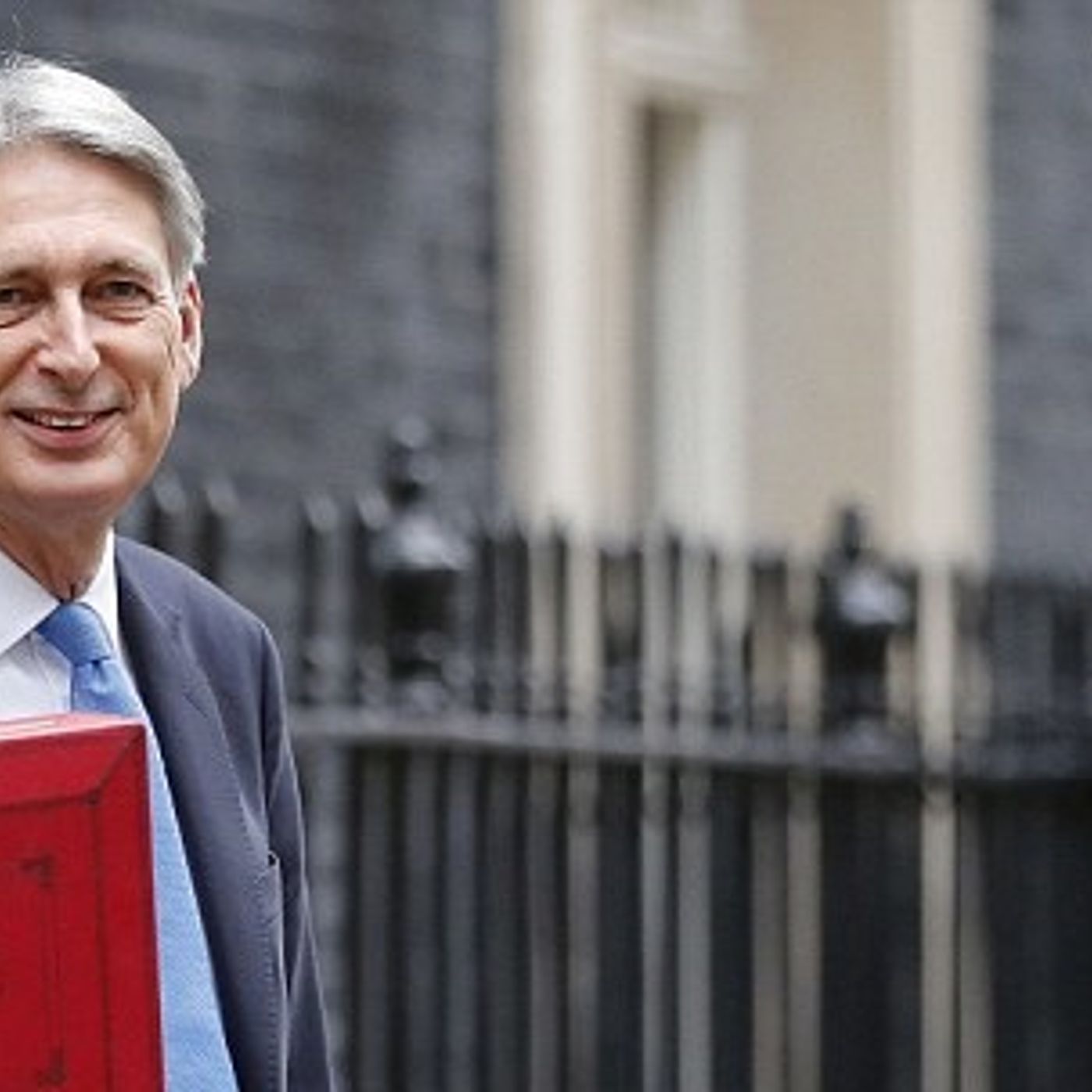
The Chancellor axed stamp duty for first-time buyers in the Budget up to £300,000, but his own watchdog claimed it would drive up house prices.So is the Office of Budget Responsibility right? Simon Lambert says its logic is flawed and that we need to be even more radical on stamp duty - maybe even making the seller pay. Hosted on Acast. See acast.com/privacy for more information.

Will the Budget help you (or anyone)?
It was billed as a make or break Budget, so did the Chancellor pitch it right? Philip Hammond pulled a George Osborne-sized rabbit from the hat at the end with the abolition of stamp duty for first-time buyers, but was that enough to make us to forget the gloomy economic news and the gags?On the plus side, the Budget brought an income tax cut for most, the promise of more homes being built, and no more stamp duty for most first-time buyers.On the negative side, economists say we are due another lost decade, Philip Hammond’s own financial watchdog said he would drive up house prices, and cough sweet jokes might be catching on.This week, Simon Lambert, Rachel Rickard Straus and Georgie Frost pick apart the Budget to try to find out who the winners and losers will be.From an up to £5,000 tax saving on a first home, to railcards for the under-30s, zero mentions of the word saver, and whether Just Eat can really solve the productivity puzzle, they round up what you need to know.Plus, what exactly was Simon’s stamp duty idea that drew 296 reader comments – of which about 295 were calling him an idiot? Listen to the podcast to find out. Hosted on Acast. See acast.com/privacy for more information.
What will be in the Budget (and what should be)?
Yes, it’s another Budget. On Wednesday, November 22, Philip Hammond will stand up and deliver his second Budget of the year and this is his chance to ride to the Conservatives’ rescue.After the last Budget mess, the snap election that went wrong, the unexpected rise of Corbynism, and the Brexit arguments that just won’t go away, the Chancellor will be hoping that he’s the one to get everything back on track.So what could he deliver – and what should he?From help for younger people, to stamp duty cuts, pension tinkering, building more homes and just fixing the roads, Simon Lambert, Rachel Rickard Straus and Georgie Frost take a run through what might come up and what it would mean for you.And they outline what they would like to see.The problem for the Chancellor, as he shifts the Budget to the autumn for the first time, is that there is a tension between his desire to do something and his lack of wriggle room due to Britain’s finances.How will he solve that problem? Listen to the podcast to see what we think – and tell us your thoughts in the comments.Enjoy. Hosted on Acast. See acast.com/privacy for more information.

Could you achieve financial independence and retire early?
Have you ever dreamed of retiring early, or at least choosing to work on your own terms?There is a niche but growing movement that’s all about financial independence - it’s not necessarily about stopping work completely, but it is about having the choice to do so.So, could you achieve financial independence, how hard would it be and how long would it take?And why would you even want to retire early?On this week’s This is Money podcast, Simon Lambert, Laura Whitcombe and Georgie Frost stick it to The Man and dive into financial independence.They look at a reader’s question on whether he could reinvest profits from his business and property to retire by 50.They also discuss just how much of your income you might need to save to get there and whether that sacrifice is worth it.Also on the show:• How to invest your pension in retirement• We ask NatWest about its dreadful savings rate• The good news on savings rates that are risingAnd finally, as the UK’s worst places for using a mobile have been revealed, how can you avoid becoming someone who has to lean out the window to call people? Enjoy. Hosted on Acast. See acast.com/privacy for more information.
How fast will UK interest rates rise? (Podcast cut)
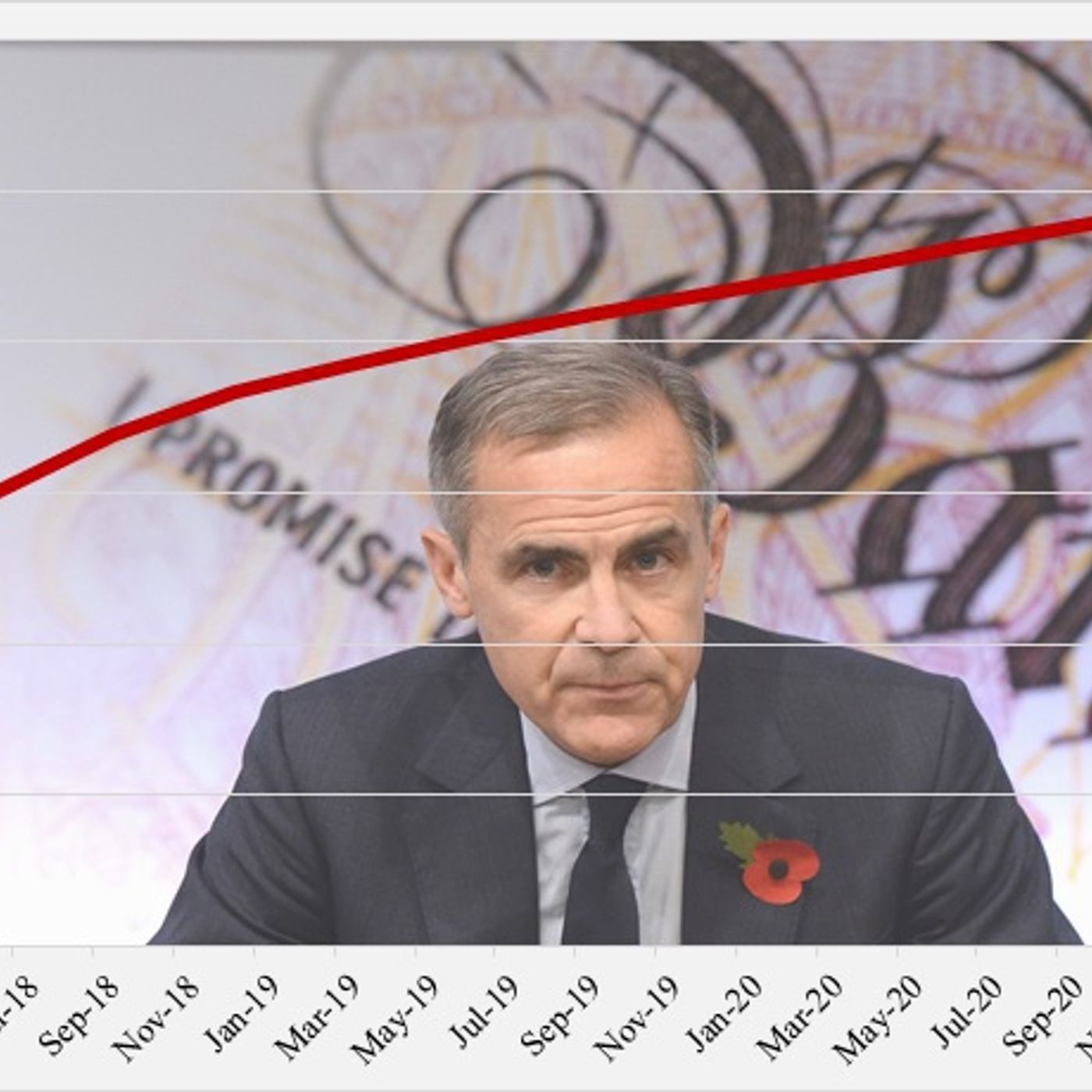
How quickly does the Bank of England think that the base rate will rise after its first move up? Simon Lambert looks at the figures and outlines the good, the bad and the awkward, in this excerpt from the This is Money podcast. Hosted on Acast. See acast.com/privacy for more information.

What the interest rate rise means for you
It finally happened. The Bank of England raised interest rates for the first time in more than a decade this week.But what was the point of that rate rise? It was certainly a curiosity, coming alongside a decidedly downbeat Inflation Report.Was it to dampen inflation, to send a warning sign to borrowers, or just to put a tiny smile on beleaguered savers’ faces?On this week’s podcast, Simon Lambert, Rachel Rickard Straus and Georgie Frost look at why the Bank raised rates and what it means for you.They also dive into the really crucial question: how high will the base rate go from here and how fast will it rise?There’s also some ideas to get richer whatever happens next with interest rates, a jargon-busting look at what on earth is the bank of England talking about in its reports, and tips on how to find the best savings account… while one of the worst is shamed.And it’s not all interest rates, we’ve also got the state pension trap for those trying to boost payouts and the intriguing question of whether someone has to pay tax on an astonishing £3,995,000 profit on Bitcoin.Enjoy. Hosted on Acast. See acast.com/privacy for more information.

What you need to know about your will
Do you have a will? If not you should probably get one. But if you do have one, do you understand what’s in it?According to Will Aid, MORE THAN HALF (54%) of parents with children under the age of 18 don’t have a will. That’s 54 per cent minus one person now, however, after This is Money editor Simon Lambert finally got his act together and sorted his out.So what do you need to know about getting a will, what’s easy, what’s complicated and what are the things you don’t want to think about but have to? Simon explains what he found out when he got his.Also on this week’s show, Georgie Frost and Lee Boyce discuss the best way to help bank fraud victims – and whether enough is being done to get people’s money back and warn potential victims.Plus, we find out how to invest like one of the most successful investors ever, Warren Buffett, from the Buffettology fund manager who has spent the past five years beating the UK market by doing just that.The cars most people want to ditch through scrappage are also revealed, as we look at the question of whether people are getting themselves a good deal or just being lazy.And finally, it’s time for a last ditch round of ‘will interest rates rise next week?’ Find out which one of our podcast trio says they will by giving it a listen.Enjoy. Hosted on Acast. See acast.com/privacy for more information.

How to beat inheritance tax
Inheritance tax is one of the most hated around.Despite the fact that most people will never leave enough wealth to have it charged on their estates, we really don't like the idea of 40% above a certain amount going to the taxman.But IHT is also a tax that can be avoided. How? Listen to this week's podcast to find out, as Simon Lambert, Georgie Frost and Sarah Davidson discuss all things inheritance.They look at how it works, ways to avoid it and the traps you could fall into.They also have some ideas about what we should do about it.If Chancellor Philip Hammond is listening - and we sincerely hope he does tune in – then he can get some feedback on an idea he was credited with this week: taking some money off the old, to give to the young. What started out as rumours of a lower tax rate for the under-30s, ended up as an apparent Budget plan to cut pension tax relief for older savers and somehow boost what’s on offer to younger people.Our story on this has been the most read of the week and the idea has faced a huge backlash. Why is that, could this work or is it just more shuffling of the deckchairs?Also, up for discussion is the latest economy news, from inflation, to wages, a state pension increase and a November rate rise that may or may not be nailed on.And finally, do you have a favourite motorway service station? It turns out that some of the This is Money team are sad enough to have one – so if you’re like us you’ll be glad to know an astonishing 112 British service stations have been ranked. What is Georgie’s top motorway service station? Listen to the end to find out. (Now, there’s an invitation.)Enjoy. Hosted on Acast. See acast.com/privacy for more information.

Can a nudge make you richer?
Behavioural economists believe a gentle nudge in the right direction can make you richer and over recent years they have managed to win the ears of governments around the world – including the UK’s.This week one of the thinkers who helped spread the word on behavioural economics, Professor Richard Thaler, won a Nobel Prize for economics.In the old world of economics textbooks, people behaved perfectly rationally and made the right choices. In the real world, of course, we don’t. We make irrational decisions that fly in the face of economic theory all the time.Yet, our irrational behaviour can be an asset. It means that we can be nudged into making the best choices.Professor Thaler’s catch-all advice is whether you’re a business or a government, if you want people to do something, make it easy.In Britain, one example adopted by the Government has been pensions. Instead of getting people to opt into a pension, we’re now automatically enrolled and then offered the chance to opt out. It’s now easier to have a pension than not to. Unsurprisingly, more people now save into pensions.On this week’s podcast, Simon Lambert, Rachel Rickard Straus and Georgie Frost take a look at Professor Thaler’s work, his prize, behavioural economics and the whole nudge idea. Does this all really work?Also, on the show we look at the ONS’ new price per square metre map of UK house prices and whether it tells us anything new – and we pick up on an interesting report from estate agent Savills on how to get homes built and sold for less than the market price.With mortgage rates suddenly taking a step up we look at whether now is the time to fix, how to find the best deal and what you should do if you’re already on a fixed rate but think you may miss out on the cheapest deals by the time it finishes.Also on the agenda, we lift the lid on a new batch of ‘better’ savings rates coming to the market and dive into why shares, bonds, property and other asset prices rise.And finally, Simon tells us about the new Great British Entrepreneur’s Challenge in which This is Money and entrepreneur Andy Yates are looking to find a start-up and help it grow.Enjoy. Hosted on Acast. See acast.com/privacy for more information.
The problem with smart meters (Podcast cut)
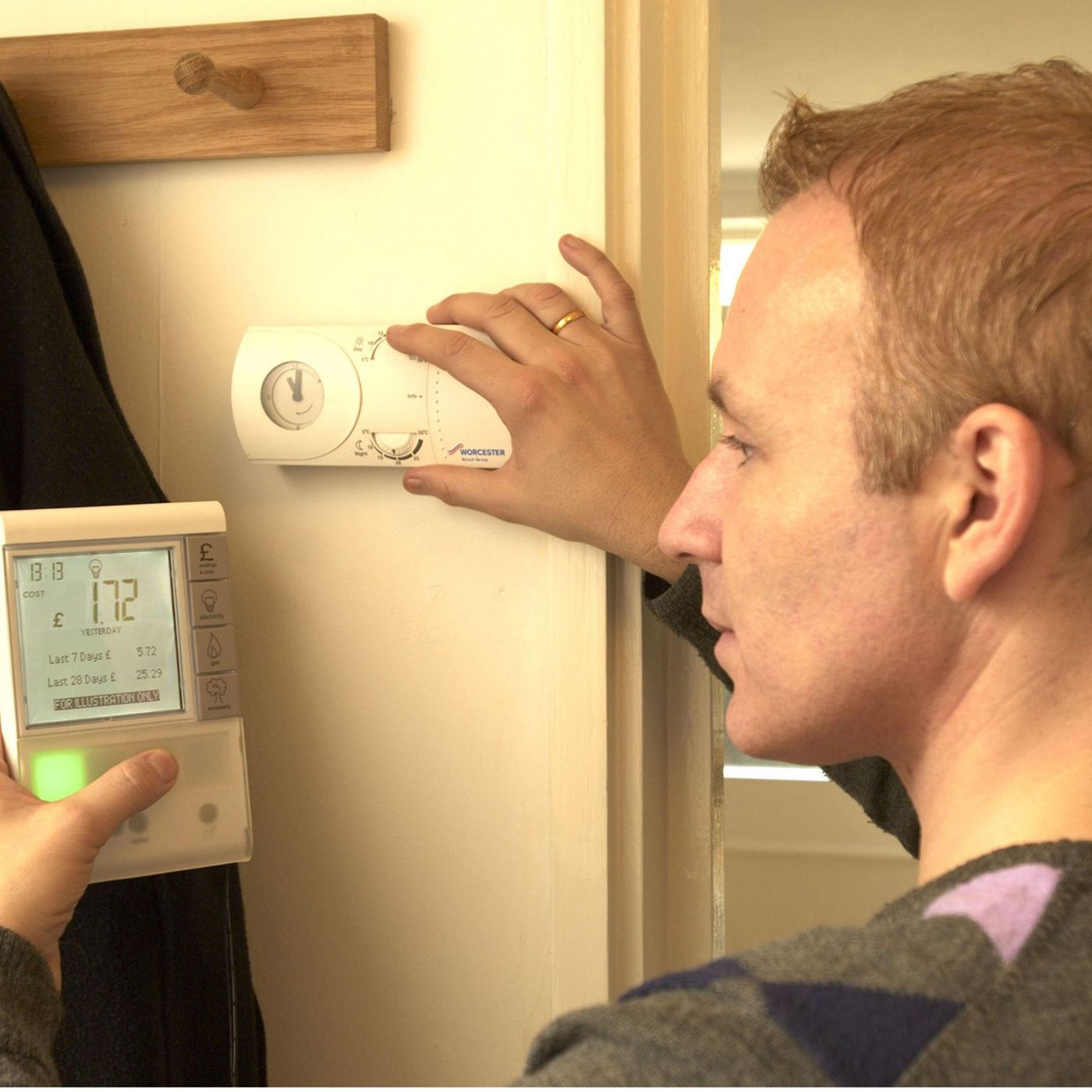
Households are being pushed into having smart meters fitted by energy giants trying to meet their own targets.But despite delivering accurate billing many are unhappy at having the meters fitted. So what's the problem with them?Lee Boyce, Georgie Frost and Simon Lambert, discuss smart meters on this excerpt from the This is Money podcast. Hosted on Acast. See acast.com/privacy for more information.

Can the Tories really fix student loans, housebuilding and energy bills?
Forget coughing fits, pranksters and tumbling letters for a minute. Along with a car crash speech for Theresa May, the Tory party conference also brought a few policies that might make a difference to our financial lives.Student fees, housebuilding and an energy price cap all came up on the agenda.But was this just tinkering around the edges, or a solid plan to improve three highly controversial areas?Last week, the This is Money Podcast asked what Labour would do to the UK economy and your finances, so this week it seems only fair to ask the question of the Conservatives.Listen to the podcast to join Simon Lambert, Laura Whitcombe and Georgie Frost on a tour through those Tory policies – and whether they have any chance of working – alongside the rest of the money news you need to know about this week.Also on the agenda this week, we talk pensions, discussing why a reader’s state pension has been cut even for the years they were contracted in and whether we need to be worried about final salary schemes paying out what they are meant to.'Open banking' and whether banks should be allowed to scan your spending habits to then alert you to better deals is also discussed, along with the things you should avoid doing to your home if you ever want to sell it.And finally, in some breaking news we bring you the information you’ve all been waiting for. How much did the top new £10 note sell for at the Bank of England auction?Was it £700, £3,400, or £7,200? Enjoy. Hosted on Acast. See acast.com/privacy for more information.

How to get a good deal on a car scrappage scheme (Podcast cut)
In this excerpt from the This is Money Podcast, Simon Lambert, Rob Hull and Georgie Frost discuss how new car buyers can get the best deal from the car scrappage schemes being offered by dealers. The This is Money Podcast brings you everything you need to know about money each week, in partnership with NS&I Hosted on Acast. See acast.com/privacy for more information.

What would a Labour Government do to the UK economy?
Labour didn’t win the last General Election but leader Jeremy Corbyn believes it could do next time. In case that comes around anytime soon, the party this week laid out some plans at its conference.Shadow Chancellor John McDonnell also revealed that the leadership would be doing war game planning should a Labour victory cause a run on the pound or a stock market slump.Depending on your point of view, this may sound amusing, scary or exciting. But what does it actually mean and should we be worried?Corbyn's plans are pretty radical and would herald a sharp turn in the country's economic direction but should we be worried about the economy as it is now?Perhaps the rumoured Bank of England rate hike is a sign that things are absolutely fine.On this week’s This is Money podcast, Simon Lambert, Georgie Frost and Lee Boyce take a look at whether the UK’s pint glass is half empty or half full – and whether that means you will get richer or poorer.The team also look at whether the unloved UK is a contrarian investing opportunity and how people taking advantage of pension freedom can make their pot last and enjoy a richer retirement.And for those who enjoyed the driving theory test quiz of a fortnight ago (and the towing a trailer-based knowledge bashing that came with it), it’s question time again: This week, how much do your household appliances cost to run each year?Enjoy. Hosted on Acast. See acast.com/privacy for more information.

Are interest rates really about to rise - and should you fix your mortgage long-term?
This week the team ask the million dollar question: are interest rates really about to rise before the end of 2017?Are house buyers in property 'paradise' after a recent index showed a fall in monthly house asking prices - and should homeowners fix their mortgages for the long term?Brexit has thrown up many potential problems and could private expat pensions be one of them?And note mania is back - last week saw the new polymer £10 note launched. We tell you what serial numbers to look out for to potentially make a tidy profit.Enjoy. Hosted on Acast. See acast.com/privacy for more information.