
This is Money Podcast
677 episodes — Page 11 of 14
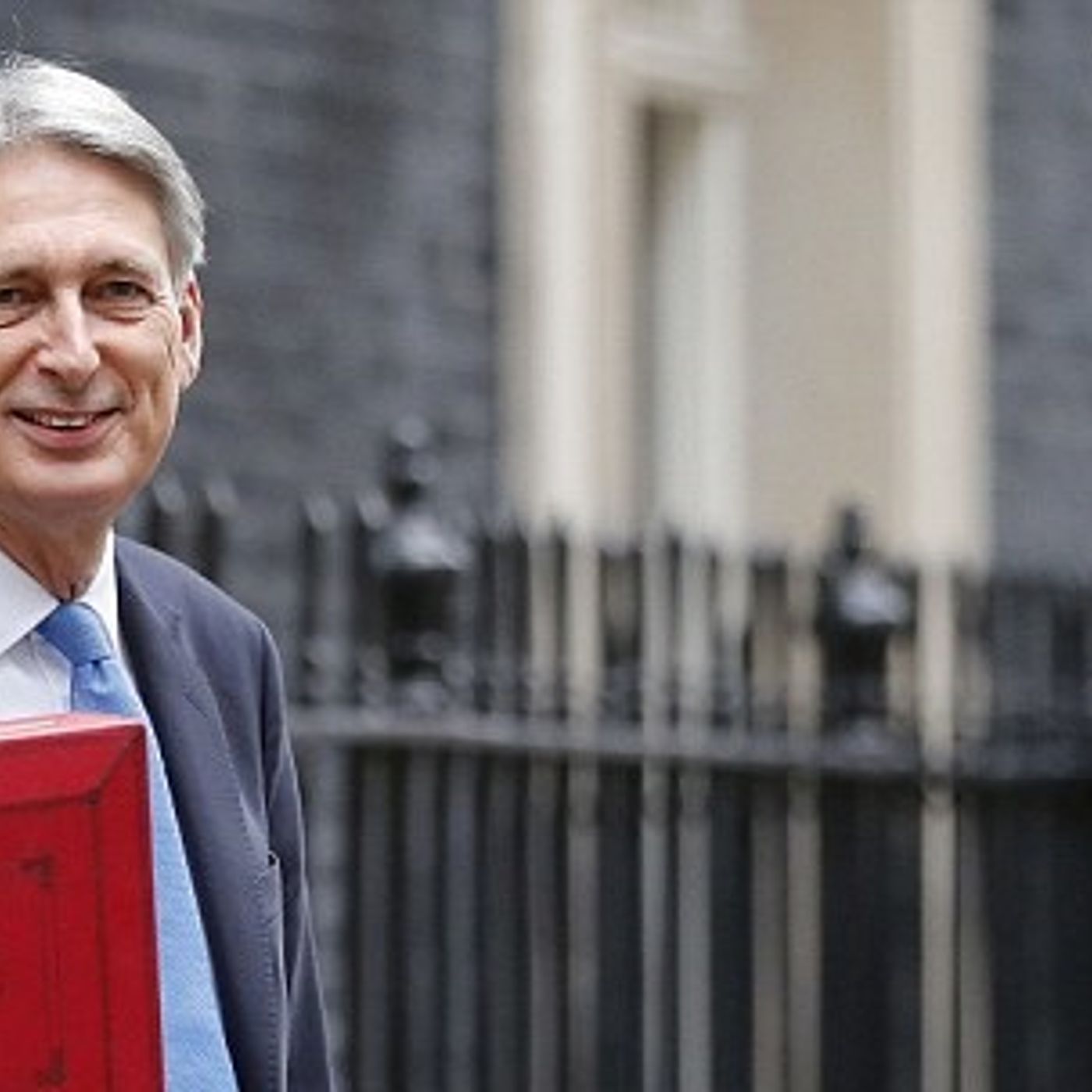
Will cutting stamp duty push up house prices? (Podcast cut)
The Chancellor axed stamp duty for first-time buyers in the Budget up to £300,000, but his own watchdog claimed it would drive up house prices.So is the Office of Budget Responsibility right? Simon Lambert says its logic is flawed and that we need to be even more radical on stamp duty - maybe even making the seller pay. Hosted on Acast. See acast.com/privacy for more information.
Will the Budget help you (or anyone)?
It was billed as a make or break Budget, so did the Chancellor pitch it right? Philip Hammond pulled a George Osborne-sized rabbit from the hat at the end with the abolition of stamp duty for first-time buyers, but was that enough to make us to forget the gloomy economic news and the gags?On the plus side, the Budget brought an income tax cut for most, the promise of more homes being built, and no more stamp duty for most first-time buyers.On the negative side, economists say we are due another lost decade, Philip Hammond’s own financial watchdog said he would drive up house prices, and cough sweet jokes might be catching on.This week, Simon Lambert, Rachel Rickard Straus and Georgie Frost pick apart the Budget to try to find out who the winners and losers will be.From an up to £5,000 tax saving on a first home, to railcards for the under-30s, zero mentions of the word saver, and whether Just Eat can really solve the productivity puzzle, they round up what you need to know.Plus, what exactly was Simon’s stamp duty idea that drew 296 reader comments – of which about 295 were calling him an idiot? Listen to the podcast to find out. Hosted on Acast. See acast.com/privacy for more information.
What will be in the Budget (and what should be)?
Yes, it’s another Budget. On Wednesday, November 22, Philip Hammond will stand up and deliver his second Budget of the year and this is his chance to ride to the Conservatives’ rescue.After the last Budget mess, the snap election that went wrong, the unexpected rise of Corbynism, and the Brexit arguments that just won’t go away, the Chancellor will be hoping that he’s the one to get everything back on track.So what could he deliver – and what should he?From help for younger people, to stamp duty cuts, pension tinkering, building more homes and just fixing the roads, Simon Lambert, Rachel Rickard Straus and Georgie Frost take a run through what might come up and what it would mean for you.And they outline what they would like to see.The problem for the Chancellor, as he shifts the Budget to the autumn for the first time, is that there is a tension between his desire to do something and his lack of wriggle room due to Britain’s finances.How will he solve that problem? Listen to the podcast to see what we think – and tell us your thoughts in the comments.Enjoy. Hosted on Acast. See acast.com/privacy for more information.
Could you achieve financial independence and retire early?
Have you ever dreamed of retiring early, or at least choosing to work on your own terms?There is a niche but growing movement that’s all about financial independence - it’s not necessarily about stopping work completely, but it is about having the choice to do so.So, could you achieve financial independence, how hard would it be and how long would it take?And why would you even want to retire early?On this week’s This is Money podcast, Simon Lambert, Laura Whitcombe and Georgie Frost stick it to The Man and dive into financial independence.They look at a reader’s question on whether he could reinvest profits from his business and property to retire by 50.They also discuss just how much of your income you might need to save to get there and whether that sacrifice is worth it.Also on the show:• How to invest your pension in retirement• We ask NatWest about its dreadful savings rate• The good news on savings rates that are risingAnd finally, as the UK’s worst places for using a mobile have been revealed, how can you avoid becoming someone who has to lean out the window to call people? Enjoy. Hosted on Acast. See acast.com/privacy for more information.
How fast will UK interest rates rise? (Podcast cut)
How quickly does the Bank of England think that the base rate will rise after its first move up? Simon Lambert looks at the figures and outlines the good, the bad and the awkward, in this excerpt from the This is Money podcast. Hosted on Acast. See acast.com/privacy for more information.
What the interest rate rise means for you
It finally happened. The Bank of England raised interest rates for the first time in more than a decade this week.But what was the point of that rate rise? It was certainly a curiosity, coming alongside a decidedly downbeat Inflation Report.Was it to dampen inflation, to send a warning sign to borrowers, or just to put a tiny smile on beleaguered savers’ faces?On this week’s podcast, Simon Lambert, Rachel Rickard Straus and Georgie Frost look at why the Bank raised rates and what it means for you.They also dive into the really crucial question: how high will the base rate go from here and how fast will it rise?There’s also some ideas to get richer whatever happens next with interest rates, a jargon-busting look at what on earth is the bank of England talking about in its reports, and tips on how to find the best savings account… while one of the worst is shamed.And it’s not all interest rates, we’ve also got the state pension trap for those trying to boost payouts and the intriguing question of whether someone has to pay tax on an astonishing £3,995,000 profit on Bitcoin.Enjoy. Hosted on Acast. See acast.com/privacy for more information.
What you need to know about your will
Do you have a will? If not you should probably get one. But if you do have one, do you understand what’s in it?According to Will Aid, MORE THAN HALF (54%) of parents with children under the age of 18 don’t have a will. That’s 54 per cent minus one person now, however, after This is Money editor Simon Lambert finally got his act together and sorted his out.So what do you need to know about getting a will, what’s easy, what’s complicated and what are the things you don’t want to think about but have to? Simon explains what he found out when he got his.Also on this week’s show, Georgie Frost and Lee Boyce discuss the best way to help bank fraud victims – and whether enough is being done to get people’s money back and warn potential victims.Plus, we find out how to invest like one of the most successful investors ever, Warren Buffett, from the Buffettology fund manager who has spent the past five years beating the UK market by doing just that.The cars most people want to ditch through scrappage are also revealed, as we look at the question of whether people are getting themselves a good deal or just being lazy.And finally, it’s time for a last ditch round of ‘will interest rates rise next week?’ Find out which one of our podcast trio says they will by giving it a listen.Enjoy. Hosted on Acast. See acast.com/privacy for more information.
How to beat inheritance tax
Inheritance tax is one of the most hated around.Despite the fact that most people will never leave enough wealth to have it charged on their estates, we really don't like the idea of 40% above a certain amount going to the taxman.But IHT is also a tax that can be avoided. How? Listen to this week's podcast to find out, as Simon Lambert, Georgie Frost and Sarah Davidson discuss all things inheritance.They look at how it works, ways to avoid it and the traps you could fall into.They also have some ideas about what we should do about it.If Chancellor Philip Hammond is listening - and we sincerely hope he does tune in – then he can get some feedback on an idea he was credited with this week: taking some money off the old, to give to the young. What started out as rumours of a lower tax rate for the under-30s, ended up as an apparent Budget plan to cut pension tax relief for older savers and somehow boost what’s on offer to younger people.Our story on this has been the most read of the week and the idea has faced a huge backlash. Why is that, could this work or is it just more shuffling of the deckchairs?Also, up for discussion is the latest economy news, from inflation, to wages, a state pension increase and a November rate rise that may or may not be nailed on.And finally, do you have a favourite motorway service station? It turns out that some of the This is Money team are sad enough to have one – so if you’re like us you’ll be glad to know an astonishing 112 British service stations have been ranked. What is Georgie’s top motorway service station? Listen to the end to find out. (Now, there’s an invitation.)Enjoy. Hosted on Acast. See acast.com/privacy for more information.
Can a nudge make you richer?
Behavioural economists believe a gentle nudge in the right direction can make you richer and over recent years they have managed to win the ears of governments around the world – including the UK’s.This week one of the thinkers who helped spread the word on behavioural economics, Professor Richard Thaler, won a Nobel Prize for economics.In the old world of economics textbooks, people behaved perfectly rationally and made the right choices. In the real world, of course, we don’t. We make irrational decisions that fly in the face of economic theory all the time.Yet, our irrational behaviour can be an asset. It means that we can be nudged into making the best choices.Professor Thaler’s catch-all advice is whether you’re a business or a government, if you want people to do something, make it easy.In Britain, one example adopted by the Government has been pensions. Instead of getting people to opt into a pension, we’re now automatically enrolled and then offered the chance to opt out. It’s now easier to have a pension than not to. Unsurprisingly, more people now save into pensions.On this week’s podcast, Simon Lambert, Rachel Rickard Straus and Georgie Frost take a look at Professor Thaler’s work, his prize, behavioural economics and the whole nudge idea. Does this all really work?Also, on the show we look at the ONS’ new price per square metre map of UK house prices and whether it tells us anything new – and we pick up on an interesting report from estate agent Savills on how to get homes built and sold for less than the market price.With mortgage rates suddenly taking a step up we look at whether now is the time to fix, how to find the best deal and what you should do if you’re already on a fixed rate but think you may miss out on the cheapest deals by the time it finishes.Also on the agenda, we lift the lid on a new batch of ‘better’ savings rates coming to the market and dive into why shares, bonds, property and other asset prices rise.And finally, Simon tells us about the new Great British Entrepreneur’s Challenge in which This is Money and entrepreneur Andy Yates are looking to find a start-up and help it grow.Enjoy. Hosted on Acast. See acast.com/privacy for more information.
The problem with smart meters (Podcast cut)
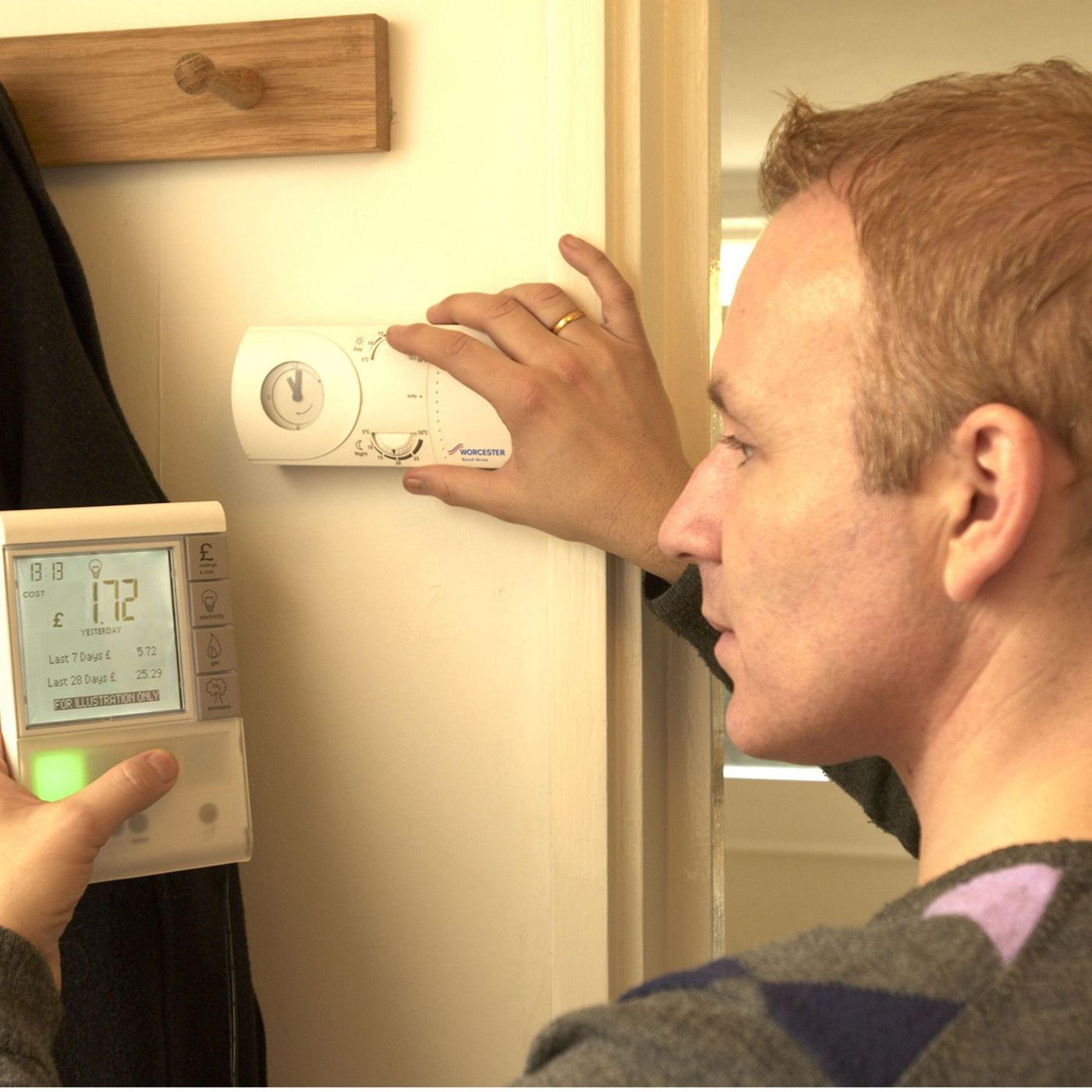
Households are being pushed into having smart meters fitted by energy giants trying to meet their own targets.But despite delivering accurate billing many are unhappy at having the meters fitted. So what's the problem with them?Lee Boyce, Georgie Frost and Simon Lambert, discuss smart meters on this excerpt from the This is Money podcast. Hosted on Acast. See acast.com/privacy for more information.
Can the Tories really fix student loans, housebuilding and energy bills?
Forget coughing fits, pranksters and tumbling letters for a minute. Along with a car crash speech for Theresa May, the Tory party conference also brought a few policies that might make a difference to our financial lives.Student fees, housebuilding and an energy price cap all came up on the agenda.But was this just tinkering around the edges, or a solid plan to improve three highly controversial areas?Last week, the This is Money Podcast asked what Labour would do to the UK economy and your finances, so this week it seems only fair to ask the question of the Conservatives.Listen to the podcast to join Simon Lambert, Laura Whitcombe and Georgie Frost on a tour through those Tory policies – and whether they have any chance of working – alongside the rest of the money news you need to know about this week.Also on the agenda this week, we talk pensions, discussing why a reader’s state pension has been cut even for the years they were contracted in and whether we need to be worried about final salary schemes paying out what they are meant to.'Open banking' and whether banks should be allowed to scan your spending habits to then alert you to better deals is also discussed, along with the things you should avoid doing to your home if you ever want to sell it.And finally, in some breaking news we bring you the information you’ve all been waiting for. How much did the top new £10 note sell for at the Bank of England auction?Was it £700, £3,400, or £7,200? Enjoy. Hosted on Acast. See acast.com/privacy for more information.
How to get a good deal on a car scrappage scheme (Podcast cut)
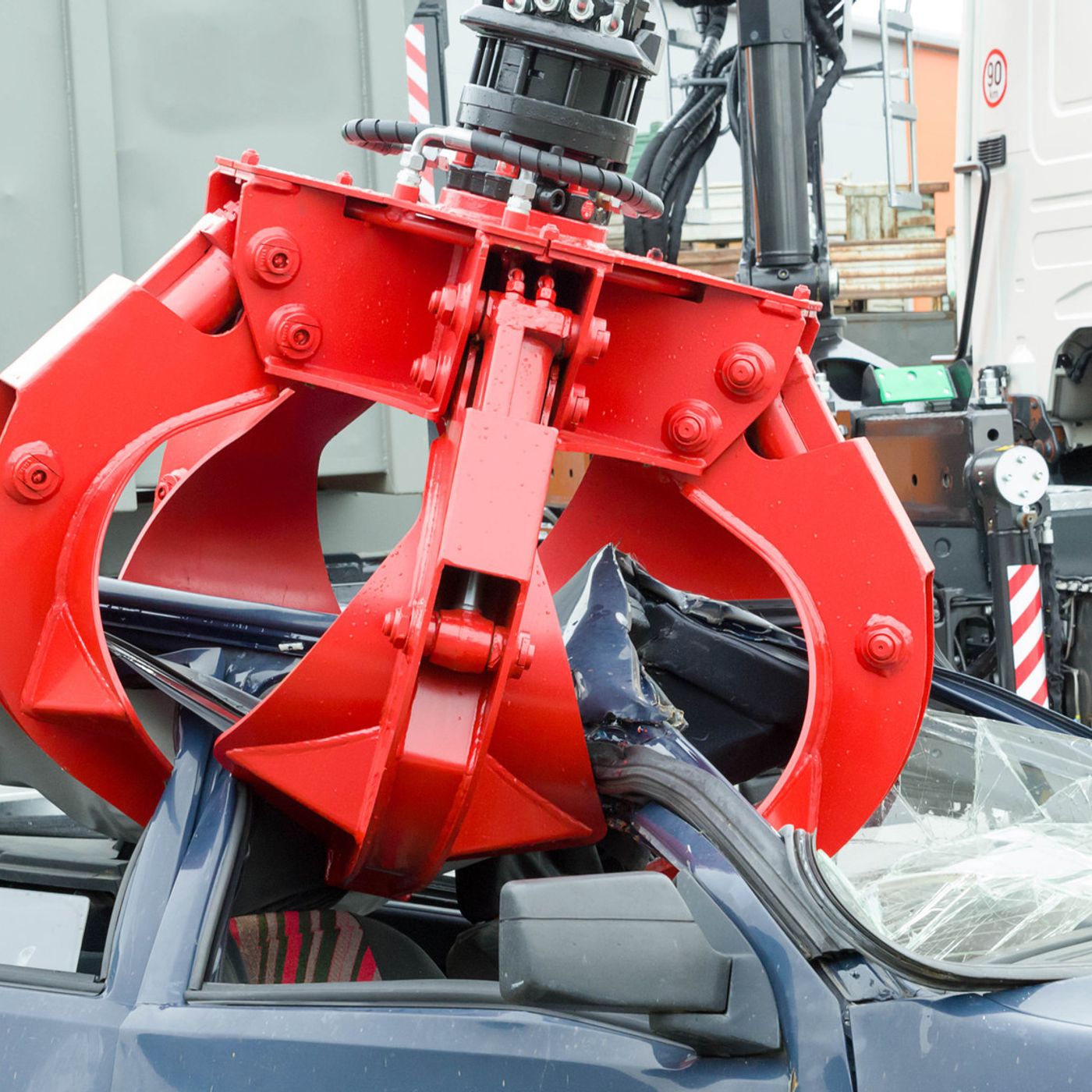
In this excerpt from the This is Money Podcast, Simon Lambert, Rob Hull and Georgie Frost discuss how new car buyers can get the best deal from the car scrappage schemes being offered by dealers. The This is Money Podcast brings you everything you need to know about money each week, in partnership with NS&I Hosted on Acast. See acast.com/privacy for more information.
What would a Labour Government do to the UK economy?
Labour didn’t win the last General Election but leader Jeremy Corbyn believes it could do next time. In case that comes around anytime soon, the party this week laid out some plans at its conference.Shadow Chancellor John McDonnell also revealed that the leadership would be doing war game planning should a Labour victory cause a run on the pound or a stock market slump.Depending on your point of view, this may sound amusing, scary or exciting. But what does it actually mean and should we be worried?Corbyn's plans are pretty radical and would herald a sharp turn in the country's economic direction but should we be worried about the economy as it is now?Perhaps the rumoured Bank of England rate hike is a sign that things are absolutely fine.On this week’s This is Money podcast, Simon Lambert, Georgie Frost and Lee Boyce take a look at whether the UK’s pint glass is half empty or half full – and whether that means you will get richer or poorer.The team also look at whether the unloved UK is a contrarian investing opportunity and how people taking advantage of pension freedom can make their pot last and enjoy a richer retirement.And for those who enjoyed the driving theory test quiz of a fortnight ago (and the towing a trailer-based knowledge bashing that came with it), it’s question time again: This week, how much do your household appliances cost to run each year?Enjoy. Hosted on Acast. See acast.com/privacy for more information.

Are interest rates really about to rise - and should you fix your mortgage long-term?
This week the team ask the million dollar question: are interest rates really about to rise before the end of 2017?Are house buyers in property 'paradise' after a recent index showed a fall in monthly house asking prices - and should homeowners fix their mortgages for the long term?Brexit has thrown up many potential problems and could private expat pensions be one of them?And note mania is back - last week saw the new polymer £10 note launched. We tell you what serial numbers to look out for to potentially make a tidy profit.Enjoy. Hosted on Acast. See acast.com/privacy for more information.

Can you give money away and still control what happens to it?
This is Money has had a string of questions from readers looking to give their cash to children or grandchildren but who also wish to protect it from being squandered or lost in a relationship break-up.Whether the money is for a house deposit or to avoid inheritance tax, or for any other reason, it’s a major modern concern - especially as the sums involved can be tens or hundreds of thousands of pounds.On this week’s This is Money podcast, Simon Lambert, Rachel Rickard Straus and Georgie Frost discuss why people are worried and what they can do – if anything.Can you really control money once it has been given away?Could partners – or even theoretical future partners – get their hands on it?And why give it away in the first place if you’re going to worry about how it’s used?Also, on the agenda is the 10-year anniversary of the run on Northern Rock – when customers feared for the bank’s future and queued up outside branches to withdraw all their cash. It was the birth of the financial crisis in the UK followed by the credit crunch.How did the decade that followed change our financial lives and who have been the winners and losers?With interest rates held again we look at whether they could still rise this year – as Simon has bravely predicted – and why you shouldn’t be suckered in by a stunning looking 7.75% fixed-rate bond claiming official FSCS protection that you found on Google.If it looks too good to be true it surely is – right? That’s the rule. But if someone told you that you could buy into something that’s up 70% in two years at a discount - and it still looks reasonably cheap - you’d walk away wouldn’t you? But that’s the deal with emerging markets investment trusts. Why?And finally, we see whether Simon, Georgie, or Rachel could pass a driving theory test today using the quiz we put to our readers. It sets off more discussions about towing a trailer than you’d ever expect on a money podcast.Enjoy. Hosted on Acast. See acast.com/privacy for more information.
Are scrappage schemes a good deal and could your next car be electric?
Car scrappage schemes are back. After waiting in vain for the government to launch an official scrappage scheme to get dirty diesels off the road, car makers have taken matters into their own hands.But is this an altruistic move to help replace more polluting cars with greener ones, or are they just trying to flog more cars?These new scrappage schemes have coincided with falling sales of new cars, so you could be forgiven for being cynical, which if we’re going to be honest is exactly what This is Money editor Simon Lambert and deputy motoring editor Rob Hull are.But there’s another important question to tackle, are these scrappage schemes a good deal?Simon, Rob and host Georgie Frost take a deep dive into them – and the murky world of cars sales and finance.What you probably won’t be buying if you take advantage of a scrappage scheme is an electric car – but wait a few years and your next one could be. There’s been a string of news on this and in a show that goes more than a little electric we take a look at what the future holds.Will it be Nissan’s new £20,000 Leaf that wins out, Jaguar’s plan to offer every model with an electric or hybrid version, or could it even be a Dyson car that storms the market?If you’d prefer to go a bit off the beaten track and electric motorbike with a detachable battery you can charge in your office might even be the answer. Rob spent a week with a Super Soco to test out that theory and reports back here.And what about your house? This week we told the story of Darren Widdowson, from Northamptonshire, who decided to try generating his own electricity with solar panels and a battery storage unit from Ikea. He now pays just £4.50 every month for electricity to power his home and electric car.Also on this week’s show we look at the case where This is Money’s Tanya Jefferies won £7,000 back from HMRC for a couple who paid to bump up their state pension and then discovered that wasn’t possible and we ask if Neil Woodford, once one of the best performing fund managers in the UK, has lost the Midas touch.And finally, would giving your house a nice name add to its value – and exactly what are the rules on this? We explain what you need to do if you fancy calling your home Trevor, Nigel, or Dunroamin. Hosted on Acast. See acast.com/privacy for more information.
How to boost your finances by claiming free cashback, ditching loyalty and taking heed of a very important deadline…
Hasta La Vista PPI!Arnold Schwarzenegger has been drafted in as a last-ditch attempt to get the millions of us who still haven't claimed compensation for mis-sold PPI to do so.In this episode of the podcast, top financial broadcaster Georgie Frost join Lee Boyce and Rachel Rickard Straus of the This is Money team to talk about Arnie's new PPI advertisement campaign and more.They have a good old chat about the big money stories from the past week and what it all means for you.We've all heard about PPI a million times, but with half of those eligible still yet to claim, could you still be owed a little windfall?Lee gives his back to basics guide on what you can do to check – and how you could still be owed some cash even if you've had a claim declined in the past.Then Georgie makes a case for banning the word 'loyal' when used to describe customers who stay with the same utility or insurance provider for year after year.Are they loyal, apathetic or unaware that they could get a better deal elsewhere?Either way, we explain how you can help family and friends to save hundreds of pounds every year (and perhaps even take you on holiday with the proceeds… you never know).Rachel and Lee also go head to head over cashback websites. Rachel says you can't argue with free cash, Lee finds some arguments against it…All this and plenty more in another packed episode of the unmissable This is Money Podcast. Enjoy! Hosted on Acast. See acast.com/privacy for more information.
What was the financial crisis, the credit crunch - and will it all happen again?
Ten years ago last week the greatest game of hide and seek was about to come to an end. Banks had been lending money to people who had no way of ever paying it back to buy houses they would never be able to afford. But rather than writing off the debts, they packaged them up into complex investments, pretended they were safe and selling them to investors who had no idea of what they were buying. The bad stuff was carefully hidden among a few quality loans and everyone was happy – for a while. It was insane. It was global. It was the financial crisis. Then came the credit crunch where the grease that turns the wheels of economies dried up. Banks collapsed. Governments went bust. Over the past week commentators have been recounting where they were and how they saw it coming. But they didn’t see it coming. Few did. This week, Simon Lambert and Georgie Frost offer up one of the best, honest and understandable accounts of what really happened after BNP Paribas shut down three hedge funds specialising in sub-prime mortgage debt, marking the beginning of the financial crisis when the global economy stared at the precipice. This episode really is a must listen. Enjoy. Hosted on Acast. See acast.com/privacy for more information.
Are banks doing enough to track down fraudsters?
Are banks doing everything that they can to track down fraudsters who con you into transferring them money?They repeatedly tell us that they are, but one man says that’s not true.He got scammed, took matters into his own hands and got £20,000 back. How did Gideon Roseman do it? He used his experience as a barrister to follow the money.So, if he can, why don’t we see more banks doing that?This is Money’s fraud expert Lee Boyce, who has won thousands of pounds back for readers, discusses whether banks are really doing everything they can.Also on the agenda in this week’s podcast with Simon Lambert and Georgie Frost is the exchange traded fund (ETF) that lets you invest in cows, coffee and gold all in one place (but would you want to?)And what you need to know about those bargain-priced ‘Cat D’ second-hand cars you see for sale. What does it mean, why is the system changing and are these previously damaged motors worth taking a punt on if the price is right?If you like the podcast please subscribe, leave us a review, share it, or just tell your friends the old-fashioned way by word-of-mouth. As someone once said, every little helps. Hosted on Acast. See acast.com/privacy for more information.
Will a diesel and petrol car ban work - and what are electric cars like?
Will a diesel and petrol car ban even work?If you believe the Government, in 23 years’ time new diesel and petrol cars will be banned. From 2040 the future is electric.But as these controversial plans were rolled out this week, the first question on many people’s lips was: where’s all that electricity going to come from?Simon Lambert, Lee Boyce and Georgie Frost discuss the prospects for electric cars now that we’re all going to have to learn to drive in near silence. They answer all the questions - with the help of Simon’s adventures in a top-of-the range electric Tesla:Can the power supply and grid cope?How long do electric cars take to charge?What’s it like to drive an electric car?Will carmakers deliver but the Government stuff it up?And is the booming car industry about to bust?Also on the show we look at how to build a pension if you’ve got to 45 and still don’t have any savings, what to do about Japanese knotweed and whether reading fiction can help you be a better investor.And finally…In one of the more intriguing questions This is Money has been sent recently by a reader – can you sue the council if it moves a school catchment area and harm’s your house’s value?Enjoy. If you like the show also please subscribe at your favoured podcast outlet and leave us a review or like us on iTunes. Hosted on Acast. See acast.com/privacy for more information.
Is it fair to keep raising the state pension age?
The state pension age will rise once more, it emerged this week - with those in their 40s set to lose out. But is it fair to continue to raise the state pension age in line with life expectancy, especially for those who cannot work through their 60s?Georgie Frost, Simon Lambert and Rachel Rickard Straus discuss how we handle the thorny and expensive issue of the state pensions.Also on this week’s show:The end of sneaky card chargesTips to avoid the car hire company rip-offs Attempts to solve the work productivity puzzleAnd it’s been a big week for news about gender equality – from the first female Doctor Who, to the FTSE’s most in-demand boss Carolyn McCall taking the top job at ITV, and then those BBC pay revelations. Is there still a lot more work to be done to promote women in business?Should stories about women getting top jobs even mention that they are women or mothers?The last ten minutes looks at how we can get more women to the top in business.Enjoy. Hosted on Acast. See acast.com/privacy for more information.
Could house prices really crash from here?
Mumblings of potential big house price falls have emerged again recently to delight the crashists.The 40% number was even mentioned - and that's not happened in a while.The property market is clearly slowing down - and prices are falling in London - but is all this talk of a crash overdone?After a report emerged from an LSE professor a fortnight ago, This is Money readers have been reliving the old house price crash article dream - and the debate in the comments has been as heated as ever.So what's behind all this? Is the warning too dire, or just a dose of realism? Simon Lambert and Lee Boyce join Georgie Frost in the studio to delve into the figures, Britain's history housing boom and bust and ponder just how overpriced homes are.Also on this week's show, we look at whether the gig economy works or needs an overhaul and more protection, and why Jaguar decided to launch the E-Pace - the new car it expects to ramp up its sales ambitions - into the air at high speed. Hosted on Acast. See acast.com/privacy for more information.
Elvis has left the building, robots are taking over our investments, bozos are running our savings
If you pop into the bookies and bung a quid on Elvis Presley still being alive – he died in 1977 - and he shows up as the support act to his heir apparent Ed Sheeran at Wembley Stadium next year, you’ll win £2,000.Put that pound into a top paying savings account over the same period and you’ll earn just over 1p. This is why stupid savings gimmicks are becoming a thing.It works like this. The provider, bank, building society or app, pays a derisory interest rate but offers a 300% boost to your returns if an improbable event takes place.Not quite as unlikely as a resurrection but not that far off.First there were the Brexit bonds, where your 1% return will be tripled if you bet correctly on the pound / euro exchange rate once Britain leaves the EU and, depending on how you see this bet panning out, all of our successful businesses leave Britain. Now football fans are being targeted. If Manchester United win the FA Cup next year AND the English Premier League, unabashed Newcastle-based Virgin Money will bung you a bung in the form of 2% bonus on the savings rate. Other football clubs are available. As are better savings accounts. Also on the show, Simon Lambert, Lee Boyce and Georgie Frost explain robo investing – the cheap and easy new way of saving money without having to interact with expensive human advisers. And the latest wave of frauds filling an inbox near you are a terrifying as ever. Enjoy. Hosted on Acast. See acast.com/privacy for more information.
The State we’re in: could higher pay for nurses and scrapping university fees boost the economy?
Nurses have had their pay cut every year for the last five years. Students are coming out of our universities with the highest level of debt in the West – higher on average than the USA. Rents are totally out of control. What then are the prospects for our youngsters and for our public sector workers? Is austerity really going to end? It’s complicated and there’s only one person who can explain this in simple, understandable English - Simon Lambert, who, with Georgie Frost and Lee Boyce, get to the bottom of the great public sector pay debate. Perhaps using more taxpayers money to give nurses and firefighters a pay rise will boost the economy? They also turn their attention to… The ‘absolutely hideous’ university fees students face in Britain. Nine grand a year for 4 hours a week and a lifetime of debt. A possible imminent interest rates rise and how one prepares for a battering on your costs of living.And with the dream of home ownership for graduates now pretty much over, rents are in the spotlight for the wrong reasons. What to do?Enjoy. Hosted on Acast. See acast.com/privacy for more information.
Could interest rates really rise this year and do we need to worry about car loans?
What do you mean you’ve never seen The Big Short?It was nominated for five Oscars, won one and features Brad Pitt, Christian Bale and the part-time stripper with five houses and a condo.Watch it. Now! It’s all true. It’s about the financial crisis and it might all be about to kick off again. The Bank of England this week issued its Financial Stability Report and it’s terrifying. We’re in debt again folks. Last time it was houses and condominiums, this time it’s cars and credit cards, house prices and wages. People are buying cars on credit like they take out mobile phone contracts.Car companies have turned into money lenders, egged on by the banks. Yep the bank again. Did they learn nothing?Meanwhile, the Bank of England needs to combat inflation by raising interest rates. How on earth can they do that in this climate?Simon Lambert, Georgie Frost and Lee Boyce do their bejesus to explain. Also on the show, there’s some brilliant stuff on…Cash forever!Can ATMs survive? And what’s your favourite ATM fact? The one that makes Batman appear, maybe?Will the sneaky fund management industry finally reveal what charges they’re really skimming off?The future of final salary pensions and the triple lock. And the Queen’s beard. Enjoy. Hosted on Acast. See acast.com/privacy for more information.
What are stocks and shares? Introducing Big Money Questions - and a lot of enlightening answers
‘If you've ever wondered how you get triangles from a cow,’ sang British music legends Half Man Half Biscuit, ‘you need butter milk and cheese and an equilateral chain saw. ‘It’s obvious when you know the answer!But what about the stuff you think you know the answers to… but do you? Really? The Big Money Questions. That’s the name of our fortnightly video presentation with Rachel Rickard Straus and a host of exceptional guests from the worlds of economics, business, the City and the bookshelves. In a departure from our usual round-up of the week’s money events, this week we introduce you to an audio version of the show. The question: What are stocks and shares? And related…What’s the difference between a stock and a share?Is that different from a bond?Why do they exist?Why are they different prices? What makes the prices move? How do you know if it’s worth buying them?Dividends? Huh? Forget the cheese - this stuff is whey too important to ignore.Listen, learn, enjoy. Hosted on Acast. See acast.com/privacy for more information.
The all new standard of living - and other related problems (and some solutions)
Wherever your heart lies in the debate about Britain’s role in the world, your head cannot escape the fact that we import a lot of what we consume. From the oil and gas that heats our homes and powers our cars to the hops that add flavour to our pints of beer. And that’s fine when you have a strong currency. Thing is, for roughly a year ours has been devalued by about 20% and it affects the price of just about everything. Prices are going up – the official inflation figures released this week show that in black and white in Excel. But wages aren’t going up. They might be in France and Italy but not in Britain. It means……well permit Georgie Frost, Lee Boyce and the undisputed king of financial common sense, Simon Lambert, to explain exactly what it means. Also on the show. Personal debt is spiraling out of control and set to get worse as our low wage economy bites and interest rate rises now look more likely than they have for a long time. For heaven’s sake don’t let the crooks take what little money you have! We review the latest scams and show how easy it is to glean personal information from your Facebook updates. Which card should you use when holidaying abroad? Not Simon’s that’s for sure. There’s a novelty savings account on the market. You get a bonus if you bet correctly on whether sterling will be higher or lower than 1.15 to the pound in two year’s time. Are the overheated markets the result of investor boredom? And finally, Mobile operators are this week spewing over themselves to claim victory in the Europe-wide harmonisation of roaming fees. It’s nothing to do with them. It’s revolting. Merci the EU for that one. Enjoy. Hosted on Acast. See acast.com/privacy for more information.
Election 2017: Young voters changed the economic game plan - and what the DUP can bring to the party
It was meant to be an election about Brexit but it turned into one about new young voters and what they wanted. They wanted change.What they got was a minority Government, a coalition between the Conservatives and Northern Ireland’s Democratic Unionist Party (DUP). But there are five more years until the next election and anyone 14, 15, 16, and 17 years old now will be able to vote in the next one. As well as some 13 year olds. They’re now part of the discussion like never before. Simon Lambert, Georgie Frost and Rachel Rickard Straus discuss how this is likely to affect our finances now and over the next five years. Can this Government even implement anything from their manifestos?How will they tackle impending debt and housing crises?What the hell will Brexit look like?Can they tackle the intergenerational inequality that the new voters clearly crave?Rachel explains the financial and economic plans in the DUP manifesto and how that’s likely to clash with Tory plans.You don’t get stuff like anywhere else.Enjoy. Hosted on Acast. See acast.com/privacy for more information.
The road to our future looks bright if only we were prepared to pay for it
Would you pay more tax for better health, housing, communications, green spaces, roads, social care, railways, education, defence? Or not? The consensus seems to be that we would if only people felt they could trust the people who spend it on our behalf. It’s a complex and fascinating issue for a country living way beyond its fiscal means - allow Georgie Frost, Simon Lambert and Rachel Rickard Straus to explain. Also on the show…A regular minimum payment to all men, women and children in Britain is the panacea for the fair, just and healthy society we’ve all been waiting for.Isn’t it?Enjoy. Hosted on Acast. See acast.com/privacy for more information.
Can you trust pensions, social care or anything else?
A row that erupted over the Tory manifesto social care plans led to accusations of a dementia tax and a swift U-turn.Voters had previously been told they would get a cap on costs, but instead they got a floor of £100,000 to which their wealth could be whittled down to.The issue highlighted a problem we have in planning our finances - trust.Do you trust the framework that the Government puts in place on social care, pensions, investing and saving to still be there in years to come?That was reflected in Simon Lambert's column this week, looking at a reader who asked whether they could bank on the tax-free pension lump sum continuing to exist when they needed it in future.Simon, Rachel Rickard Straus and Georgie Frost discuss whether we can trust pensions, social care or anything else in this week's This is Money podcast.Also on the agenda, on the show that tells you everything you need to know about money each week, is whether the UK economy is doing well, badly or indifferently, the bank accounts that pay you the most money and whether the fuss over Vanguard's new investing charges is justified.Oh, and finally, there's a chance to invest in a deep sea treasure hunt. Listen, enjoy (hopefully), leave us a comment or rating and subscribe. Hosted on Acast. See acast.com/privacy for more information.
Which party do you trust with the economy? Tories, Labour and Lib Dem head to head
The manifestos are out, but which political party would you trust with the UK economy?We look at Labour's plan to hike taxes, the Tories' plan to ditch the triple lock and the Lib Dem's plan to make a bit of cash on the side from selling weed.This week we finally got the triple whammy of what our three main political parties will do, so would any of these plans work and what do people think about them?Simon Lambert, Adrian Lowery and Georgie Frost delve into the details in the latest This is Money podcast.And it's not just the election, also up on this week's show is Lloyds vanishing Avios points, as it moves out of state ownership, the question of whether people should ditch their diesel and whether we should worry about a car finance bubble. Hosted on Acast. See acast.com/privacy for more information.
The next financial crisis is inevitable - isn't it?
In part two of this week’s podcast, Georgie Frost, Rich Browning and Simon Lambert discuss the inevitability of another global financial meltdown and how we’re going to fix it this time round.Meanwhile, what’s in store in Europe now a former investment banker, Emmanual Macron, is president of France and looking to reinvigorate the European project? Perhaps this an opportunity for investors to make a quick buck or euro away from the uncertainty of the outcome of any Brexit negotiations.Is putting bankers in charge of anything within a decade of them bringing the world financial system to its knees a bit foolhardy? Or is this a case of this time it’s different? World War II was the solution to the Great Depression. Enjoy. Hosted on Acast. See acast.com/privacy for more information.
Is this finally it? Have house prices peaked? Dare we mention that word, crash?
The property data is out and it’s not looking good. House prices fell for the first time in five years. Homes are going for less than asking prices.Yet in some areas you need 17 times your salary to buy a place. Where’s it all going to end?Perhaps moving into tiny mobile sheds on trailers or a boat is the only answer. Or will prices start to tumble?Simon Lambert takes one of his legendary forensic looks behind the figures, joined by Rich Browning and Georgie Frost for a fun debate into the doomsday scenarios. Also on the show… Democracy only survives with a strong opposition. It seems Ed Miliband, former Labour leader, was stronger than his message on the tablet suggested. His idea to cap energy prices has now been adopted by the would-be next Tory government. Is this plan put forward by Theresa May really any different? Or is ‘Marxist meddling’ in the markets by the Conservatives really happening?Strange times. Enjoy. Hosted on Acast. See acast.com/privacy for more information.
The supermarket squeeze on the way - and the tax breaks you just lost
Shoppers have enjoyed cheap prices off the back of a supermarket price war, but alarm bells were sounded in Sainsbury’s results this week, showing how cost inflation is squeezing its profits.How long is it before supermarkets give up trying to cushion the blow for households and price rises hit?Simon Lambert, Lee Boyce and Georgie Frost look at what next for our shopping bills and how the big supermarkets are doing, in this week’s This is Money podcast.But how much do we really care about those big chains? It’s independent shops that we say we love and the team also take a look at whether the High Street is changing for the better or worse.Also on this week’s show, we reveal the tax breaks that you just lost as the Government quietly dropped plans to let you earn a bit tax-free on the side.There’s also a look at why 4G mobile is so shonky, rip-off bank charges and whether the house of 0% credit cards will come crashing down.And finally, if you’ve got a parking ticket recently we explain how to beat it… and also why you might be getting more of them.Each week, the This is Money podcast brings you everything you need to know about money and what it means for you. Give it a listen, subscribe if you like it, and please leave us a rating or comment. Hosted on Acast. See acast.com/privacy for more information.

Should we ditch the pensions triple lock? (Podcast excerpt)
The pensions triple lock means that state pensions rise by wages, inflation or 2.5% - whichever is greatest. This promise has raised pensioner incomes but stands accused of being too expensive and has become an election hot potato. Should it be ditched? Simon Lambert, Rachel Rickard Straus and Georgie Frost discuss it on this excerpt from the This is Money podcast. Hosted on Acast. See acast.com/privacy for more information.
How the probate fee hike was dropped (Podcast excerpt)
Plans to massively hike probate fees have been dropped, but was this due to the General Election or the government trying to distance itself from a move that saw a huge backlash? Simon Lambert, Rachel Rickard Straus and Georgie Frost discuss it on this excerpt from the This is Money podcast. Hosted on Acast. See acast.com/privacy for more information.
The election is about your money - not just leadership battles - find out how
The result of the election on June 8 will determine the financial outcome of Britain possibly more than any other in recent memory. So sit down and listen to Simon Lambert, Georgie Frost and Rachel Rickard Straus explain in simple terms what is at stake. On the agenda:Pension triple lock – if you’ve never really understood this, you will nowEnergy price cap – that old thing. The only thing left for Theresa May to do to turn into Ed Miliband is to eat a bacon butty badly. Who will fix the housing crisis and how? Is GDP now suffering at the prospect of Brexit - and is it really best way to measure a country’s performance?Elections in Europe – how may they affect our economy?New probate fees ‘the equivalent of paying £20,000 to renew your passport’ have been scrapped – and other great Tory tax u-turns PlusLet’s increase the speed limit to 80mph on motorways. We need something to look forward to. Enjoy. Hosted on Acast. See acast.com/privacy for more information.
It's not all Brexit... what does the UK election mean for your money?
Brexit this, Brexit that but what about the other stuff we need to worry about. Britain soon gets to vote in another election and inevitably the campaigns surrounding it will be about Brexit. Before you get bombarded with those, this week’s This is Money podcast looks at why Theresa May has even called another election and what that decision means for the economy, the pound and investors?Yet this election should not just be about Brexit, there are other things to consider too. This is Money’s Simon Lambert and Lee Boyce, join Georgie Frost in the Share Radio studios to discuss what they might be.So, if that canvasser rings the doorbell asking for your vote, we run through some of the things from the world of money that you may want to ask them about. (And if Simon’s MP Jeremy Corbyn does come round to ask for his vote, he promises to ask him these questions and report back on the replies.)It’s not all about Brexit and it’s not just about then election though. This week, we also talk about why household debt is worrying the FCA and our banks, the secrets Lee uncovered behind the scenes at Costa coffee’s roaster and small cars for big people.Find out everything you need to know about money this week and what it means for you by listening to the podcast.And if you like it please share it – and also leave us a review. Hosted on Acast. See acast.com/privacy for more information.
This is Money show - the lucky dip of price hikes, the big investing question it's easy to overlook, Lifetime Isas and alarming credit card debt
The price of all sorts is going up this week - from stamps to council tax. This is Money's Rachel Rickard Straus and Lee Boyce play the lucky dip of price hikes - which involves a stop watch, chocolate eggs... and quick explanations of how bills are set to rise. Then it's on to debt - credit card, car... you name it. Is it a worry? Is it a big worry? What's going to happen next? (Spoiler alert - they think it's a worry.)The Lifetime Isa - Lisa - has just launched, so that's next on the agenda. Presenter George Frost and the This is Money team talk through whether Isas have had their day, why Lisas may or may not be a good idea, and the great whopping investing question that it's so easy to forget. And the grand finale... involves a lot of wretching. Well nearly -it would if the team weren't so well behaved. It's the Easter taste test, in which the supermarkets' not-very-finest chocolate eggs and bunnies are compared, as well as four types of hot cross bun. Hosted on Acast. See acast.com/privacy for more information.
It was a historic moment — Britain is leaving the affordable goods market
It was never about economics. But 52% or the 72% turnout voted for the UK to leave the European Union last June and now it’s official. Prime Minister Theresa May has written and delivered a letter that gives the country just two years to renegotiate tens of thousands of laws that took 40 odd years to draw up. It’s about taking control, she said, without expanding what that might mean.In the absence of any credible positive analysis from the 'Leave' fraternity, please allow Simon Lambert, Rebecca Rutt and Georgie Frost to have a go at explaining where our economy now stands. The vote to leave the EU hit the pound immediately and that is likely to continue. Prices of just about everything are rising and are set to rocket. Five percent this year may not sound a lot but cumulatively, petrol, travel, clothes and food make up a lot of what we buy. But on the plus side?Also on the show Britain is in debt, nationally and personally at record levels. Should we be alarmed?The new pound coin is now in circulation. Is it really impossible to forge?What does investing post-Brexit look like? Investing overseas most likely.How much do you pay for a decent bottle of wine? Enjoy. Hosted on Acast. See acast.com/privacy for more information.
We’ve seen the future – and it’s long, we’re poorer and there’s not a bank branch in sight
One thousand years ago, life expectancy was about 30 years. In 30 years’ time, someone will be born who could live to 1,000. This causes a problem for the pensions industry and governments. It’s tough enough finding an income for a few months without working, never mind 935 years.This is the kind of problem experts have been grappling with lately and some of the results are emerging. On the table are joys such as working until you’re 105 years old, abolishing the State pension or coming up with ill-conceived alternatives such as the pointless Lifetime Isa. Most likely, if you’re under 30 now, you’ll probably retire at 70, or under 45 and you’ll work till you’re 68.The triple lock guarantee that ensures the State pension rises by inflation, earnings or 2.5% , whichever is higher, could be scrapped because the Government is ideologically against raising taxes to pay for it. Pensioners will be worse off without a solid alternative. Britain’s pensions used to be best in the world. Like a lot of things, we’ve slipped down that league table too. Women especially continue to lose out. But pensions are boring, right? Not when Simon Lambert, Lee Boyce and Georgie Frost get their hands on the subject. Also on this week’s show… Bank branches? Honestly, when was the last time you went into bank branch? What’s the point of them in 2017? More than 1,000 have closed in the past 12 months and the new thing of paying in cheques by photo could finish the rest off.You’re young, you earn money but never enough. Do you rent / buy a home or pay into a pension - or both? Inflation – it’s higher expected. Will Brexit make it spiral out of control and why did we move from to CPI from RPI? You CAN be a successful investor. If our new guide isn’t the easiest to read, most informative one you’ve read – we failed. We don’t think we did. Allow its author Simon to explain why investing is easier and more profitable than you might think. And finally… Ebay contracts aren’t binding. You can make anonymous joke bids that you never have to honour. It must be time for the online auction house to behave like an auction house. Enjoy #brexit #economy #money #pensions Hosted on Acast. See acast.com/privacy for more information.
10 reasons our finances are in a mess (without even mentioning Brexit)
What a mess we’re in. Without too much effort this week, we spotted 10 messes. It was made pretty easy with the fallout from Chancellor Philip Hammond’s first go at a Budget making news all week. His attack on small business was up there with some of the made-up-as-you-go-along nonsense from his predecessor. Hammond learned well from George Osborne. Mess 1The Budget. Last week we wondered if the whole thing was a joke? It was. The main thrust, a rise in National Insurance contributions for people who don’t have a staff job, is in the bin. This leaves a big gap in the Government finances. They tried austerity, cut taxes for the richest, tried taking it out on small business. None of it has worked. What next? Tax needs to rise somewhere. Mess 2Ill-thought-out tax tweaks from the past come back to haunt policymakers. A change to flat-rate VAT announced in the last Autumn Statement is about to come into force and will be a further blow to small business. Listen for the great VAT explainer on how it works and who’ll be hit. Mess 3 A man who installed mouth-shaped urinals at work is named Britain’s best boss. Mess 4 New complicated emissions-based taxes on cars are coming in. Few motorists know what’s happening or why or how. Here’s an example: an emission-free electric car costing over £40,000 will be due more emissions tax than proud polluter the Ford Mustang V8. Plan for a bigger tax bill. Maybe. It’s a mess. Mess 5 It emerged while we were on air that the Chancellor responsible for some of the above messes – and still a sitting MP - is to become a newspaper editor. Politicians running the Press – and the one responsible for the short-lived sausage roll tax. Brilliant. Mess 6The latest job figures are out and look really good! This would be great news except too many of the jobs are zero hours contracts and wage growth and productivity are rubbish. When inflation caused by the devalued pound starts to bite, it’s likely to ravage spending power and could create a downward spiral of job insecurity and financial misery. Mess 7 Interest rates need to go up but the Bank of England won’t do it. It kind of can’t. Low rates are causing more harm than good, especially keeping wages down. See above. Mess 8Mortgage rates, however, will go up. The way mortgages are calculated isn’t based on the Bank Rate. Learn how they work and impress your friends with your new knowledge. Mess 9 People aren’t saving enough. There are easy ways to save and invest but people see investing as gambling and won’t do that either. Mess 10It’s Isa season – but cash Isas have been killed off. Who did that, George? Your entire £15,240 limit might earn you about one pound fifty a year in interest in the worst accounts. There are alternatives, This is Money editor Simon Lambert picks five ‘dividend heroes’ – but are you brave enough? Also with Georgie Frost and Rachel Rickard Straus.Enjoy. Hosted on Acast. See acast.com/privacy for more information.
Was the whole Budget a joke? Simon Lambert dissects a Chancellor's kamikaze attack on small business
It felt like there was something fishy going on during the Budget speech this week.Chancellor Philip Hammond peppered the few official announcements he made with low-rent panto gags and political jibes. Were these a distraction technique? With the benefit of hindsight, it’s clear that trying to be funny was silly Philly’s way of glossing over one of the more ‘spectacularly dumb’ decisions in modern politics. Big banks brought the economy to its knees in the late noughties, why now go after the self-employed and small businesses to shore up the country’s finances with a National Insurance hike? It was a short, sweet kamikaze mission, especially given the manifesto pledge of no increase in VAT, National Insurance or income tax. A U-turn beckons. As ever, This is Money editor Simon Lambert explains exactly what it all means and how National insurance works for the self-employed. Is it time to merge it with income tax?Also, on the show with Georgie Frost and Lee ‘spreadsheet’ Boyce…A pointless, below-inflation government-backed savings bond was also announced in the Budget. You can get better elsewhere. Diesel cars confusion – we need answers on where exactly the pollution problem lies and who is likely to be penalised and whenSavings deal of the week – Atom bank has an attractive account but it’s only available on a phone appRip-off insurance cover – IPT, the insurance tax, has doubled in two years. Expect to pay hundreds of pounds more to cover your car and home.Can you afford to ever retire? Listen to Simon’s advice and you can save without realising. How should couples manage their joint finances – and what if one has secret debts? And finally, who should pay for dinner if you dine with someone who earns less than you?Enjoy. Hosted on Acast. See acast.com/privacy for more information.
Is this the end of the bull run? A better explanation will be harder to find
A speech this week from President Donald Trump sent the US stock market soaring to a record high.And where the US goes, the rest of the world follows. The FTSE 100 is also impressing investors. Trump stood at the podium, behaved like an adult and explained a little more about some of his less crazy policies, including the fiscal ones. Cash held offshore could start washing back into America and wind up in the pockets of shareholders, who clearly want a piece of that pie. There’s more to it than that. This is Money’s Simon Lambert explains how it all might work as other pundits ponder whether it’s the euphoria before the fall. A ‘bull run’ is when markets rise. ‘Bears’ usually spoil the party. The gloves are off. Also on the show, featuring Lee Boyce and Georgie Frost:Two more years of miserable savings ratesLifetime Isas – a totally flawed Government plot A new Range Rover ‘for women’Car insurance premiums are likely to rise because, oh do they really need an excuse?Hateful parking finesHateful probate fees A chance to win a radio Warm bath of homicideEnjoy. Hosted on Acast. See acast.com/privacy for more information.
Dumb business decisions - banks vs BA, Ferrari and football clubs
There are a lot of laughs this week as Simon Lambert, Lee Boyce and Georgie Frost take a sideways look at some of the week’s potty money stories.Banks are in the spotlight because it’s reporting season and there was a mix of good news, shock news and fraud news from Barclays, HSBC, Lloyds and the rest. But the pathetic attempts by RBS to lure customers to its headline 0.05% interest-paying cash Isa get taken to pieces by the This is Money team. Also on the show… A trendy new bank backed by the tech entrepreneur, haircut wearer and singing coach on TV’s The Voice, Will. i.am, is paying 2% to its savers. It’s a suspiciously high a rate say our judges. To open the account you have to take a selfie. How many moneyed 60-year-olds will take that seriously? Football. Bloody hell! It’s the metaphor for anything. Could the rise and fall of Leicester City be clever economic forecasting at play?A conversation about the state of our banking sector ensues: Tale of two bail outs – RBS v LloydsBritish Airways vs all the other airlines it used to be better than until it got into bed with Marks & Spencer’s sandwich department. Divorce vs capital gains taxScammers vs printer owners The new Ferrari vs critics of its odd new name And finally, How much is a coin worth when the Queen’s face has a goatee beard?Enjoy. Hosted on Acast. See acast.com/privacy for more information.
The three events that could bring about financial misery for millions
It’s the Holy Trinity of money-geddon (to mess up a couple of Biblical metaphors). But this could be big. We’re less well off than in 2008, prices are going up and wages aren’t.This adds up to trouble. The British economy is based on us all spending money on services but it’s increasingly money we haven't got. Join Georgie Frost, Rachel Rickard Straus and Simon Lambert for a cheery look at what lies ahead now that the impact of austerity, inflation and the devalued pound is becoming clear. Also, on the show… SAVE GOODBYE: The only place to get a savings account remotely worth saving money into is likely to be with a bank you’ve never heard of.STOPPING SHOPPING: The Government has mucked up business rates so seismically that many shops are likely to shut down. Surely a u-turn is the only hope. POUND ROUND-UP: Round pound coins are being killed off. If you’ve got a jar full at home you need to spend them now. DEAD MEAN: First they made disabled people pay for tax cuts of the rich and the crimes of the bankers, now the Government is hacking away at a financial lifeline for bereaved parents. It’s not civilised. Enjoy. Hosted on Acast. See acast.com/privacy for more information.
Madness, madness, they call it (housing) madness
The property market is broken. Years of cheap money have allowed lenders to lend more and more to people earning less and less and we’re at crisis point. The politics of trying to boost the housing market to win votes has left us on the brink of potential disaster. Rents are likely to soar too, removing even that alternative to having a roof over our heads, and while all the economic focus rests on London there’s little incentive to move to Stoke-on-Trent. It was with this mess in mind that we’d been looking forward to the latest Government white paper that promised to outline plans for the ultimate rescue package for housing.It might as well have been 104 blank pages for all the piffle it contained. There is no plan. They don’t know what to do.The question is, can Simon Lambert, Rachel Rickard Straus and Georgie Frost come up with any better ideas?Also on the show… Could another idiotic car scrappage deal be on the cards? This time for our once eco-friendly diesels. Our failed energy regulator is allowing the big suppliers to get away with the heating equivalent of murder as nPower claims its seventh most disgraceful company of year award in a row. Aldi opens its door to This is Money as its assault on the Home Counties continues with old-school Tesco-like zeal. Where will it end? Car wars – there’s some prices in the showrooms definitely worth a lookAnd Rachel reveals the best school trip stories you’re ever likely to hear.Enjoy Hosted on Acast. See acast.com/privacy for more information.
REVEALED: There is a way to save your money without losing out
We haven’t left the world’s biggest trading block yet so measuring the success of Brexit is tricky. It hasn’t happened. There’s still no plan.But what we do know is this.The inequality gap between rich and poor in Britain is growing.More than 14million have not been able to save a penny in the last 12 months.And HALF of earners of £25,000 or less haven’t put cash aside for the rainy days ahead.But why would you save when the interest rates available are lower than inflation? It means saving is a way of losing money. Unlike Brexit, there is a plan and it’s possibly an investment plan. And what if there was a timeframe over which you definitely don't lose out?Join Simon Lambert, Georgie Frost and Lee Boyce for a round-up of how to save and invest, why and where, the pitfalls and the safety nets. Also on the show:Simon goes botty potty after an a artificially intelligent computer programme (bot) has beaten a team of leading human poker players. The ramifications for financial tools is colossal. Mini bonds look too good to be true. They probably are.How does pay-as-you go car insurance work and why does car finance fill us with dread?And finally, Lee, our coin correspondent, visited the Royal Mint coin making factory and is won over by the clinking of new pound coins.Enjoy. Hosted on Acast. See acast.com/privacy for more information.
Auf wiedersehen, adieu, so long, au revoir to the banks
We tried hard this week not to talk too much about Britain's exit from the European economic bedrock as it jumps headfirst into bed with Donald Trump’s protectionist America. Instead, and in related news, Georgie Frost, Adrian Lowery and Simon Lambert take a look at the exodus of banks from the UK.Not just those planning on moving to continental Europe post-Brexit, but the latest wave of branch closures announced by HSBC and Yorkshire Bank.But do we really need them? Simon, This is Money’s editor, would happily never set foot in one again. Also on the show.Can you beat inflation with savings?Probably not – so listen to our easy-to-follow look at how anyone can to get into investingEmail hacking sees no sign of relenting - and now there’s a scam based on Amazon to watch out forAnd finally… Tacky bespoke Rolls-Royces are all the rage among the stupid rich. Why?Enjoy. Hosted on Acast. See acast.com/privacy for more information.
From Brexit plans to Trump, it's just got real - what does that mean for your money?
This week will go down in history for a couple of major events.A new US president being sworn in is always big news but that happens every four years. OK, Donald Trump might shake things up a bit if he's able to get his way.Most noteworthy in Britain was the revelation that 'Brexit’ means the total withdrawal from the EU, customs union and single market as a way of controlling immigration. Prime Minister Theresa May laid out her 'plan' for the future of Britain outside the world's largest trading block. How that stacks up economically remains to be seen. This is Money’s Simon Lambert has a pretty good stab at explaining, along with colleague Rachel Rickard Straus and Share Radio’s Georgie Frost. Some say Britain cannot afford to go it alone because of the unsustainable level of Government and industry debt. However, one commentator told This is Money this week that household debt is now a far greater worry than anything the Government can muddle along with. And now prices are starting to rise significantly. Will it all reach a tipping point this year? Also on the show:How will Donald Trump’s presidency affect global business?Why is car tax so complicated? Why don’t we just scrap it?Why do people like Amazon so much and hate Npower?Why are people still Npower customers when they’ve topped the worst customer services league for the 7th year running?Why does Rachel like John Lewis and loath Tastecard in equal measure?How do the train companies get away with it? Are the RAC really that good?% credit cards are just a trap – aren’t they?Enjoy. Hosted on Acast. See acast.com/privacy for more information.