
This is Money Podcast
663 episodes — Page 5 of 14
Will the Government raise state pension age to 68 sooner than planned - and what should those about to retire do about it?
Those aged between 43 and 54 may have been concerned by rumours this week that the Government is planning to increase the state pension age to 68 much sooner than planned. Officially, the rise to 68 is set to happen between 2044 and 2046, but ministers allegedly want to bring forward the change to 2035 with the policy being floated for inclusion in the March Budget. It comes as warnings have been sounded that those retiring in future decades generations will face a gap between the income that pension savings and the state pension will provide, and what they need to live even a moderate retirement. This is Money's pensions and investment editor, Tanya Jefferies, deputy editor Helen Crane and host Georgie Frost discuss how likely this is to actually happen - and what pension savers could do to prepare for it. We also look at mortgage rates which, having gone from all-time lows to unexpected highs in the last year and a half, could now be edging down past the 4 per cent mark. Why have a raft of high street lenders cut their rates in recent days, and will they simply hike them back up again if the Bank of England decides to increase the base rate again next week? And what should borrowers in the unenviable position of needing to remortgage at the moment be factoring in when they make their decision? Another group set to be impacted by next week's base rate decision are savers. With NS&I having increased the interest rate on its ever-popular Premium Bonds from 1 per cent to 3.15 per cent in the space of a year, is that now the best place to keep your rainy day fund?EToro's Sam North also lets us know why next week is going to be a big one for the investment market. Helen gives us the lowdown on which companies are doing right by their customers, and which are not.Once renowned for its tip top service (free coffee, anyone?) John Lewis has taken a battering in Money Mail's wooden spoon awards - but it also placed high on a separate survey of the firms that customers liked best. So what is going on? Finally, we dish out some advice on how to spot bargains in charity shops, haggle down prices at car boot sales and then make money selling things on. Hosted on Acast. See acast.com/privacy for more information.
Could an Isa tax raid really cap savings at £100,000? Plus Bank of Dave's Dave Fishwick on his Netflix hit
An astonishing idea for an Isa tax raid was outlined by the Resolution Foundation this week, with the proposal that tax-free savings and investments should be capped at £100,000.No more aspiring to be an Isa millionaire, it would be £100k and out under this plan.It said that the nominal money out toward not taxing Isa interest, gains and dividends should instead go in the direction of encouraging those without savings to build up a pot.Is that a good idea, would it be a fairer way of doing things, and is there any conceivable way this could actually happen? On this podcast, Georgie Frost, Helen Crane and Simon Lambert discuss the proposal and whether it has any merits.Spoiler alert, Simon strongly disagrees and says this would also perpetuate even greater intergenerational unfairness. Find out why.Also on the show, the team delve into a new American Express and BA card that's been dubbed the best deal ever for Avios points, but are they worth collecting?Sam North, of eToro, joins us to talk through what's been going on in markets over the past week and why newly confident investors had their confidence shaken.Helen fills us in on a very depressing Crane on the Case where Scottish Widows only offered a reader £250 after they were denied their dying wish by its failure to pay out their pension on time.On a much lighter note, why have we been researching the bleeding obvious this week and testing whether putting a jumper on means you could really save money on your energy bills?And finally, we are joined by long-time friend of This is Money, Dave Fishwick, who talks to Simon about the Netflix movie about Bank of Dave and what it's like to see your life portrayed on screen. Hosted on Acast. See acast.com/privacy for more information.
Will you be able to afford the retirement you want?
What do you picture in retirement? Is it an early exit from the rat race to travel the world, a gradual step back and a bit of golf, or working until state pension age and then spending some time treating the grandchildren?We will all have a different image in our heads of what our retirement years might look like, but whatever that is it is important to think about another question: could you afford to do those things?While most of us will be saving into a pension, we often have little idea how much income it will need to provide when we retire and how big the pot will need to be to do that.Stepping into that gap is the now regular report from the Pension and Lifetime Savings Association, which helps paint a picture of what a minimum, moderate and comfortable retirement would look like – and crucially what it would cost.On this week’s podcast, Georgie Frost, Simon Lambert and This is Money’s pension and investment editor, Tanya Jefferies, delve into the report and look at what it found.How do those retirement standards translate into reality, how much will the state pension cover, how much on top of that will people need and why has the minimum retirement income rocketed 20 per cent – far above official inflation?Simon speaks to Sam North, of eToro, for our weekly market update, who explains how a bang on expectations US inflation figure was received and why the FTSE 100 has made a good start to the year.Later on the podcast, the team look at inheritance tax, why it is catching more people in its net, how high house prices mean more families are seeing hundreds of thousands pocketed by the taxman and what can be done to make the much-hated tax work better and feel fairer.And finally, does using cash help you budget or is it a false economy. Simon says for him it’s the latter, but what do Georgie and Tanya reckon? Hosted on Acast. See acast.com/privacy for more information.
Will 2023 be a better year for our finances... or worse?
The New Year has arrived and with it promises of inflation falling and a ray of hope on energy bills.But even if Rishi Sunak halves inflation, as he claims he will, it would still be running at 5 per cent and his promise to get Britain back to growth may prove harder than the simple maths that sees inflation slow.Meanwhile, a slowdown in the rise of the cost of living doesn't mean things will get cheaper and the better energy price forecasts will still see costs at more than double what they were a year ago.So, will 2023 prove better or tougher for our finances? Georgie Frost, Helen Crane and Simon Lambert delve into the prospects for the year ahead on this podcast.Plus, what is on the cards for the property market, for pensions and savers and why is Divorce Day tipped to be even bigger this year?And finally, the year is going to better financially for at least one person: the lucky January £1million Premium Bond winner who bagged the jackpot with less than £5,000 saved. Is it time we all stuck more in Premium Bonds, as the prize find is boosted? Hosted on Acast. See acast.com/privacy for more information.
The big financial events of 2022 and what happens next?
Tumultous is a word that doesn't really do 2022 justice. Most people were looking forward to a year of calm as the Covid pandemic faded, but instead got turmoil and the cost of living crisis.In the UK, we mixed the global unrest dealt by Russia's invasion of Ukraine and the inflation spike, with our own dose of political instability.A year in which you get through three Prime Ministers and four Chancellors is no ordinary one and the mini-Budget chaos led to the UK's own little self-inflicted financial crisis.That was dealt with by new Chancellor Jeremy Hunt and new PM Rishi Sunak reversing all of Kwasi Kwarteng and Liz Truss's giveaways and adding some tax hikes on top for good measure.So, where do we stand at the end of a year of double digit inflation, rapidly rising interest rates and a general sense of gloominess? Will next year be better? Georgie Frost, Helen Crane and Simon Lambert take a look back at the big financial events of 2022 and look forward to 2023 on this special year end podcast. Hosted on Acast. See acast.com/privacy for more information.
Would you be tempted to 'unretire' after quitting work early? The mystery of Britain's missing workers
First we had the great resignation and now we may be seeing a new trend emerge 'unretirement'.Amid the turmoil of the pandemic, Britain's economy threw up the puzzle of a dramatic rise in economic inactivity - as about 565,000 people dropped out of the workforce to a position where they were neither working or looking for work.These missing workers aren't claiming unemployment benefits but are somehow getting by under their own steam. The phenonomen is great enough that the ONS and Bank of England have looked into it and an inquiry by a House of Lords committee says that early retirement among those aged 50 to 64 may be the main driver of the trend.But there are also tentative signs of some of these people 'unretiring', so what is going on?On this podcast, Georgie Frost, Helen Crane and Simon Lambert delve into the issue. Why do people want to take early retirement, why may some now be returning to work - and what would tempt more back to boost productivity and the economy? Plus, the team look at the stock market winners and losers of 2022 - and why the FTSE 100 managed to keep its head while other major markets suffered.Also on the agenda are log burners: can they really be cheaper than your central heating or are they just a feature for the home?And finally, used car prices have continued to defy the usual way of things and rise again this year, is that now coming to an end and what were the models that rose the most in value over 2022?Merry Christmas. Hosted on Acast. See acast.com/privacy for more information.
When will interest rates stop rising? Plus, energy-saving tips to help you afford the heating
The Bank of England has hiked base rate from 0.1 per cent to 3.5 per cent in the space of 12 months, a move that would have been considered unthinkable not so long ago.But with inflation looking as if it has peaked, the economy probably already in recession, households and businesses feeling the squeeze, have we nearly reached the end of the rate hikes?When the mini-Budget chaos struck there was a belief that the Bank may have to go as high as 5.5 to 6 per cent with interest rates, now expectations have been downgraded and some suggest the peak may be 4 per cent.That would mean that we are nearly there.How likely is that and what would it mean for our finances and the economy? On this week's podcast, Georgie Frost, Helen Crane and Simon Lambert look at how close we are to the end of the rate cycle and what it all means for mortgages and savings.Plus, it's not just the rate on their mortgage causing households concerns, the rapid rise in energy bills is hurting them too. Even with the energy price guarantee, bills are double what they were a year ago.A mild autumn cushioned the blow somewhat but as a cold snap and snow rolled in, households across Britain found themselves reluctantly reaching for the heating on button and thermostat.The team look at what people can do to keep themselves warm but save on energy and what might happen next to bills:Is an electric heater in one room cheaper than the central heating?Would insulating your home pay off?Will energy bills go back to normal? All that and more is up for discussion in an affording the heating special section. Hosted on Acast. See acast.com/privacy for more information.
Could house prices really fall 20% and how bad would that be?
The mortgage crunch has stalled the pandemic property boom and sent house prices down, but could they fall 20 per cent?The risk of a severe house price downturn of that magnitude was flagged by Rightmove founder and property market veteran Harry Hill.Hill’s CV includes setting up property giant Rightmove and selling estate agency group Countrywide for £1billion a year before the 2008 banking crisis. Hill told the The Mail on Sunday and This is Money: 'My view on the housing market is that it's going down in every direction. Transactions are going to go down. Prices are going to go down.’ He added that a bad recession would mean ‘we could see 20 per cent price reductions’.Could house prices fall 20 per cent from here? Why would it happen? How bad would that be? On this week’s podcast Georgie Frost and Simon Lambert discuss the prospects for the housing market, how the rapid rise in mortgage rates is affecting it and what prospective home movers or first-time buyers should do.Plus, they are joined by a very special guest: Lee Boyce, now Money Mail editor, is back on the podcast to discuss the Wooden Spoon award for the worst customer service of the year. Who are the runners and riders, what did they do wrong, and why does Simon nominate a couple of firms that aren’t even on the shortlist?Savings rates have been a rare bit of good new recently and Simon talks through the attraction of small building societies and how some are offering market beating rates but you might struggle to secure them.And finally, it’s time for a second special guest, John Mayhead, of classic car specialist Hagerty, who is joins Simon to discuss the insurer’s Bull List of ten classics it tips to rise in value next year.How do these classic cars get on the list, what makes them ripe for appreciation and what’s a Citroen BX doing rubbing shoulders with a Lamborghini Diablo? Hosted on Acast. See acast.com/privacy for more information.
Do you need to worry about tax on your savings and investments?
Many people have not had to worry about paying tax on their savings and investments for some time.The advent of the £1,000 personal savings allowance combined with savings rates near record lows meant basic rate taxpayers would need big cash pots to incur 20 per cent tax on their interest.Meanwhile, even higher rate taxpayers with their lower £500 personal savings allowance needed reasonably large cash pots to pay 40 per cent tax on their interest.Many investors also didn't need to worry too much about capital gains tax, with a tax-free allowance of £12,300 per year.But things have changed: rising savings rates and fiscal drag pulling more people into the higher rate bracket mean that many more savers will now have to pay tax on interest - while Jeremy Hunt's tax raid on investors will see the capital gains tax allowance slashed to £6,000 and then £3,000.So do you now need to worry about tax on your savings and investments and what can you do? Georgie Frost, Tanya Jefferies and Simon Lambert dive into the world of savings and capital gains tax on this podcast.Unsurprisingly, the benefits of an Isa feature strongly, as do some other tips and a discussion of what this means for buy-to-let landlords and second home owners.Plus, there is a special guest podcast appearance from our pensions columnist Steve Webb to talk through a major victory for someone told by the DWP they were owed much less from a delayed state pension than they actually were - and an update on pension credit.And finally, has the used car price boom come to an end? Simon talks us through why some second hand cars - including popular electric ones - have seen their prices drop. Hosted on Acast. See acast.com/privacy for more information.
Have savings and mortgage rates already peaked?
Savings and mortgage rates rocketed after what must now always be known as the 'ill-fated mini-Budget', but even as the Bank of England continues to raise rates have they already peaked.The top fixed rate savings deals have edged down from their highest levels - a five-year fix can no longer be had above 5 per cent, for example, while the best two year fix is at 4.75 per cent.So, if you want to lock into a good savings deal, should you grab one now?Or did rates simply race ahead of the Bank of England and the next round of base rate rises will bump them up some more?On this podcast, Georgie Frost, Helen Crane and Simon Lambert look at the potential future of savings rates and why even if they are slightly off their peak, you should still move your money from old accounts.But if a dip in the top savings rates is bad, the easing of mortgage rates is good news. Average two and five-year fixed rates rocketed all the way to above 6.5 per cent. The best five-year fix is now down to 5.95 per cent.But this is still way higher than it was, so where will mortgage rates settle and is it worth holding off?The team discuss that and the implication for both house prices and first-time buyers.And finally, an energy double header: On a serious note the energy price cap (which we won't pay due to the energy price guarantee) has jumped again, this time to £4,279 for the average household over a year. If we won't pay that, why does this matter?And on a lighter note, what happened when Harry Wallop (who refuses to let his family turn the heating on) tried out a bunch of oddball devices designed to warm the person not the room, ranging from an odd foot warmer, to a heated gilet, and a wearable sleeping bag that makes you look a bit like a crazy caterpillar? Hosted on Acast. See acast.com/privacy for more information.
What does Jeremy Hunt's tax raid budget mean for you?
‘Jeremy Hunt’s mini-Budget was like the tax part of the Corbyn manifesto with none of the benefits of the extra spending.’That was This is Money editor Simon Lambert’s verdict on the Chancellor’s tax-hiking spree that painted a miserable picture of the years ahead, hit higher earners, and hammered small investors.In a blizzard of hikes – through threshold drops and stealth tax freezes – Hunt worked his way through a painful Autumn Statement, where good news was thin on the ground.The silver linings came from the government sticking by the pension triple lock and uprating benefits by inflation but the focus was on painful years ahead.Was this the right move? Why did Hunt feel the need to inflict tax pain – and spending cuts later on? How did we go from Rishi Sunak as Chancellor with a margin to hit his fiscal rules to Rishi as Prime Minister with a fiscal black hole?Georgie Frost and Simon discuss these questions and more and look at what the Autumn Statement means for people’ finances on this podcast.How much more tax will you pay?How much will your energy bills rise by?Who came out best and who came out worst?And can Simon come up with a note of optimism to end the show on?Listen to this Autumn Statement tax raid special to find out. Hosted on Acast. See acast.com/privacy for more information.
The everything tax raid: Will the threat of higher taxes backfire?
‘If they could tax the air you breathe they’d do it.’ That age-old moan about taxes going up has sprung to mind over the past week, as rumours about pretty much any tax you can think of being hiked were spread about.So many kites were flown about potential tax rises that even taxing selling your own home and bringing back the 50p rate were floated as potential Autumn Statement ideas troubling Jeremy Hunt and Rishi Sunak’s minds.If all this came to pass it would surely become known as ‘the everything tax raid’.But will it come to pass? Probably not. You get the sense this is a massive exercise in softening up the nation, so that when some but not all taxes go up on Thursday, people breathe a sigh of relief.Yet could this bout of not-officially-encouraged-but-definitely-not-discouraged speculation do lasting harm to the economy?Simon Lambert argues that case on this week’s podcast, where he says with sentiment already heavily depressed going into a recession, striking the financial fear of God into the population might not be the best move.Simon, Georgie Frost and Tanya Jefferies discuss the tax hikes that have been rumoured and how likely they are to happen: one gets a minus two in five chance of occurring but others seem more likely.Also on this week’s podcast, will Hunt stage a raid on pension, either via tax relief or the triple lock?Plus, the story of how Tanya helped a podcast listener win back money after paying over the odds for her mother’s care home.And finally, if among all this gloom you’ve still got room to save, should you save or invest the money, or overpay your mortgage? Hosted on Acast. See acast.com/privacy for more information.
What do rapid rate rises mean for you - and is this the right move?
Hosted on Acast. See acast.com/privacy for more information.
Have we come down too hard on buy-to-let? Plus, Rishi the PM vs Rishi the Chancellor
The tense situation between tenants and landlords is escalating: the former have seen rents spiral but the latter have faced a big jump in costs jump too.Meanwhile regulation has become a bugbear between the two sides, is there not enough of it or too much?What can be done to improve things in the rental market and have we come down too hard on buy-to-let?That’s the question asked on this week’s podcast, as Georgie Frost, Helen Crane and Simon Lambert debate the problems in the rental market.But before that, it’s time for Rishi Sunak.He was once the Chancellor tasked with calming our nerves during the pandemic, but now Rishi is the Prime Minister expected to settle things down after a bout of financial chaos.Will he be able to pull that off, soothe jittery markets, navigate Britain through a painful cost of living crisis winter, and somehow please the nation while taking money off people instead of dishing it out?The team look at what Prime Minister Rishi could mean compared to Chancellor Rishi – and what the implications for our finances could be.Also on the agenda, there was good news for savers from NS&I this week, as rates were raised across the board, but they can get better deals elsewhere, so what should they do? Plus, what can you do to track down old pension pots and why is John Lewis annoying its loyal credit card customers? Hosted on Acast. See acast.com/privacy for more information.
Is the UK economy heading for stability or just more trouble?
There's a new Chancellor in town and he means business. Serious business.After Kwasi Kwarteng tried to spread some joy to get growth going with tax cuts for all, Jeremy Hunt and the fun police have stepped in to stop the markets freaking out.The fallout from Kwarteng's ill-fated mini-budget has now claimed his Chancellorship and Liz Truss's Premiership - with Britain achieving the rare feat of losing two Prime Ministers in less than four months.But with Hunt's stern reversal of the tax cuts in place and a firm commitment to not come up with any more cunning plans that might upset the markets, is Britain now on a firmer economic footing.Or will our quest for yet another Prime Minister spell more trouble ahead?On this podcast, Georgie Frost, Helen Crane and Simon Lambert look at Hunt's rapid reversal of Kwarteng's cuts and whether they will steady the ship and prove a good idea.The team also discuss the decision to stick with the triple lock - an expensive promise the Government decided to keep, but did it really have any choice after ripping up the guarantee for pensioners last year.Plus, will the rapid rise in mortgage prices sink house prices? Many think so, but our 18 year property cycle guru Fred Harrison says otherwise.And finally, how much does it cost you to use your cooker vs an air fryer or a slow cooker and if you really want to save money is it an energy saving dad you need? Hosted on Acast. See acast.com/privacy for more information.
The Wave founder Nick Hounsfield interview: How I built my £27m surfing lake dream from £500 in the bank
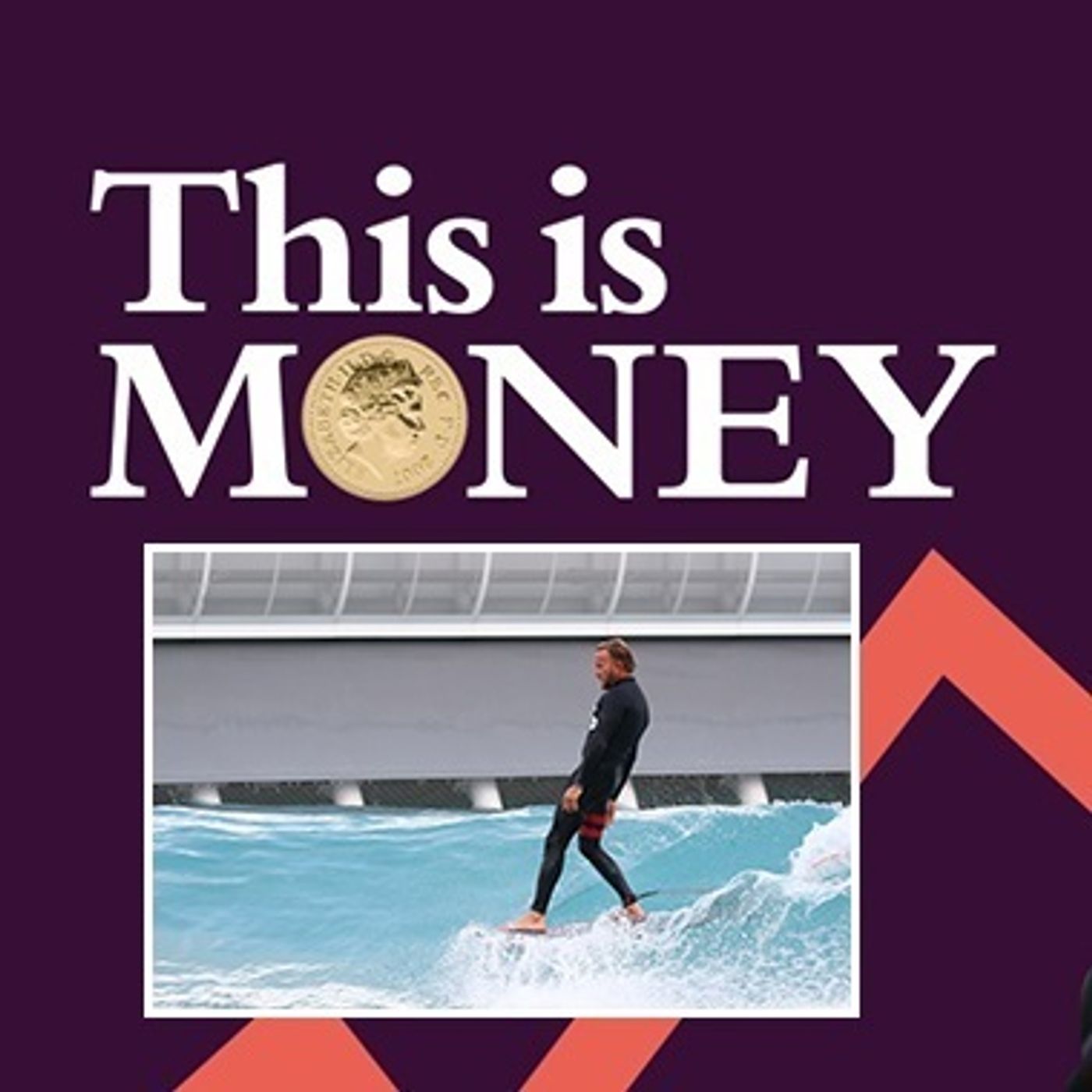
If you were asked to name a world-class place to surf, a field near Bristol isn’t the first location that would spring to mind.But this slice of the English countryside is home to The Wave, an artificial surfing lake that is one of just a handful in the world to use cutting edge technology and was the first of its kind.The Wave is the fruit of the ambitions of Nick Hounsfield, a pioneering British entrepreneur who wanted to build a unique business that had a positive social impact, with improving health and wellbeing for surfers and non-surfers alike baked in.For this special bonus interview episode of the This is Money podcast, Simon Lambert visited The Wave to meet Nick, be shown around and hear the story of his more than decade-long journey to get waves breaking and people riding them.It’s a fascinating tale, not least because Nick didn’t come from a background in property or business, but was an osteopath, who started with £500 in his bank account and managed to raise £27million to build his dream. He tells Simon about the challenge of doing that when potential investors thought it was a great idea but were reluctant to take the risk on it, with a theme of ‘we’ll back the second one, but not the first one’ coming through.Eventually Nick and his business partners got traction in raising the funds to get the Wave off the ground, but he says it was important to find the right people to back it: those who bought into the social impact element as well as making money.‘We talk about profits with purpose’, says Nick. ‘But generally, I think across the finance industry, it seems that people are understanding how important it is to be future facing - from a profit perspective but also looking after people and the planet at the same time and how important that is in building a brand and building a business.’He adds: ‘Right at the beginning we very much set out our stall that we were going to be environmentally conscious and socially conscious, but also be profit making.’But Nick’s rollercoaster ride hasn’t just been about getting a hugely ambitious business off the ground, he also faced a double whammy of unexpected events as it finally opened its doors.The Wave started welcoming surfers in late 2019 but shortly afterwards Covid and lockdowns struck throwing plans into disarray.Yet Nick was already facing his own personal challenge, as he had suffered a stroke in February 2020, which left him in hospital for weeks and then needing six to nine months of rehabilitation at home through the disconcerting times of the first Covid lockdown.Nick tells the story of how he found himself working alone in the water at The Wave, while it was shut during lockdown, and benefitting himself from the impact of ‘blue health’: the idea that spending time in or near water is good for people, which is a cornerstone of his business dream.The Wave has flourished since it was allowed to open again during the Covid lockdowns and there are now plans for more facilities in the UK, including one in north London’s Lee Valley, close to the Olympic water sports facilities.Nick shares more details on those plans, explains more about how The Wave works and what visiting surfers can expect and need to know – and at the end of the podcast Simon – a self-described painfully average on-and-off surfer – explains what it was like to ride the waves. Hosted on Acast. See acast.com/privacy for more information.
What you need to know about gilts and why markets freaked out so much it toppled the Chancellor
When gilts hit the headlines it’s a clear sign that trouble has not only been brewing but has been unleashed.Government bond yields only tend to break through into the mainstream when things aren’t going well and they have been firmly in the spotlight since Kwasi Kwarteng’s ill-fated mini-budget.But what is a gilt, why does its yield matter, what’s that got to do with prices and why do we worry about such things?On this podcast, Georgie Frost, Lee Boyce and Simon Lambert, take a step back from the maelstrom to explain gilts, why investors worry about government bonds, what’s causing ructions in the pensions industry and what this all means for normal people.Chancellor Kwarteng has now departed – in fact, news of his imminent exit from the job while the team were recording the podcast, triggering a breaking news style interruption – but will Chancellor Jeremy Hunt fare any better (and last longer)?The team discuss why the mortgage market is key to the answer to that and also look at what first-time buyers should do in this scenario.There are some for whom the current rapid rate rises aren’t bad news though and that is savers. We now have a top savings rate above 5 per cent for the first time in many years, but is it worth taking?It requires locking in for five years, but that’s the sort of return knocking on what could reasonably be expected from the stock market, where you also have to take the risk of losing money.And finally, investors are hunkering down at the moment, but when share prices fall the stock market is on sale – and if you look at some investment trusts there is a double sale going on, as discounts have widened to 13 per cent on average.Should you be greedy when others are fearful, as Warren Buffett is often quoted as saying, or exercise some caution rather than having your head turned by knockdown prices? Hosted on Acast. See acast.com/privacy for more information.
How bad will the mortgage chaos get and will it sink house prices??
Rocketing rates have sent the average two and five-year fixed rate mortgage through the 6 per cent barrier.This is a level that would have been considered unthinkable a year ago, when there were 50 mortgage deals on the market at below 1 per cent.The Bank of England belatedly playing catching up with inflation has sent base rate from 0.1 per cent last December to 2.25 per cent now - and with inflation far from tamed and the US Federal Reserve going in all guns blazing on monetary policy, rates are likely to keep going up from here.But the catalyst for the past month's big jump in mortgage rates has been the turmoil triggered by the Chancellor's ill-received mini-Budget and the flurry of borrowing Britain will have to do to fund it.So, what happens next to mortgage rates, what should people who need to fix now do, and will this send house prices sinking?On this week's podcast, Georgie Frost, Helen Crane and Simon Lambert dive into the mortgage market to look at what is happening and why - and what borrowers can do about it.Are expensive fixes now worth taking, what should you do if you are buying a home and is a variable rate mortgage really now the answer?They answer these questions and more.Plus, while rate rises are bad for mortgage borrowers they are proving good news for savers, who have been starved of decent deals for many years. The top fixed rate savings are knocking on the door of 5 per cent, but how high will savings rates go and should you fix and risk out on better ones in future?The ill-fated mini-Budget also brought about the abolition of the 45p tax rate, except that's now been abolished itself as Kwasi Kwarteng staged a screeching U-turn this week. Nonetheless, Simon has some middle-class tax cutting ideas that he reckons make more sense and could be popular.And finally, a reader wrote to This is Money telling us they had some letters written to them in the 1960s by a rock star who then died young and they could be worth £20,000... but will they have to pay tax if they sell?And more to the point, who could the mystery rock star be? Hosted on Acast. See acast.com/privacy for more information.
Did the UK stage its own mini-financial crisis... and who was responsible?
As markets went haywire and the Bank of England staged a bond market intervention earlier this week, it felt like a mini-financial crisis had been triggered.It has been an incredibly turbulent week for the UK economy as the Bank of England stepped in to protect pension funds, the pound hit a record low against the dollar before rebounding and lenders pulled mortgage deals to re-price them at far higher rates.So, is the UK economy in crisis… again? How much is the Chancellor's 'mini' Budget to blame? Or was this the culmination of problems that stem from the Bank of England? And what can the Government and Bank do now?This week, Georgie Frost, Simon Lambert and Lee Boyce tackle what has been a truly remarkable one in the world of personal finance with a message of: don't panic.Simon gives an economics 101 on why the pound fell and why the Bank of England stepped in, seemingly with a u-turn on plans for quantitative tightening.What is happening to mortgages? With lenders pulling deals and replacing them with higher rates, how will that impact first-time buyers, those looking to remortgage and the property market in general?Will base rate continue to head higher and what does that mean? And a chink of light for savers: this week, NS&I boosted Premium Bonds, while savings rates continue to race higher. Hosted on Acast. See acast.com/privacy for more information.
In brief: Why is the pound falling and why are UK borrowing costs spiking?
In this excerpt from the This is Money podcast, Simon Lambert and Georgie Frost discuss why the mini-Budget has combined with last week's interest rates decision to send the pound tumbling and UK government borrowing costs spiking.Find the This is Money podcast's full look at the mini-Budget and what it means for you here Hosted on Acast. See acast.com/privacy for more information.
What does the tax-cutting mini-Budget mean for you and the UK?
Britain's new Chancellor Kwasi Kwarteng delivered a blistering mini-Budget this week that was anything that small.A wave of tax cuts were unleashed. Some had been heavily trailed, such as spiking the National Insurance hike and a stamp duty reduction, but there were also two rabbits out of the hat: a cut in basic rate income tax to 19p from April and abolishing the 45p income tax rate too.Those tax cuts joined a wave of spending commitments, most notably the huge energy price guarantee bailout for Britain's households and businesses.Paul Johnson, of the IFS, said: 'Mr Kwarteng is not just gambling on a new strategy, he is betting the house.'On this week's podcast, Georgie Frost, Lee Boyce and Simon Lambert discuss what the going for growth mini-Budget means for people, how much they may save in tax, and whether it will work or cause the UK economy even more problems down the line.One thing was clear in the aftermath, markets didn't like the break from the orthodoxy that they saw: the pound tumbled below $1.10 and UK gilt yields jumped.But how much does that have to do with the mini-Budget and how much does it have to do with the Bank of England's rate decision that delivered a bumper rise of 0.5 percentage points, which was still considered small next to the US Federal Reserve's 0.75 percentage point bazooka?And finally, we've heard lots of the glass half full verdicts on our current economic situation but what is the glass half full one? Simon has a crack. Hosted on Acast. See acast.com/privacy for more information.
The pound, inflation, interest rates and energy bills... what happens next?
The Bank of England is tipped to raise interest rates by at least 0.5 per cent this week, but the pound fell to a 37-year low last week - reaching $1.351, a level not seen since 1985.That comes against a backdrop of inflation edging down slightly to 9.9 per cent - taking Britain out of the double-digit inflation club - with a colossal rescue plan to save households and businesses from spiralling energy prices about to kick in.The details on that energy price guarantee rushed out by new Prime Minister Liz Truss - and how it's potential £150billion cost will be paid for - are still sparse, but are expected to be sketched out in more detail this week.Meanwhile, on Friday a mini-Budget is due to arrive with a rumoured round of tax cuts as Truss and her new Chancellor Kwasi Kwarteng go all out for growth.On this podcast episode, Georgie Frost, Helen Crane and Simon Lambert look at the pound, energy bills, inflation and interest rates, how all these issues connect and what could happen next?Also on the agenda for discussion are rising savings rates and whether savers should fix or stick with short-term easy access deals, and a question over a life-changing £500,000 early inheritance and where the balance lies between saving, paying off the mortgage or investing.And finally, overshadowing all the financial events of a whirlwind fortnight, Queen Elizabeth II died, ending her 70 year reign, and ushering in a period of national mourning that came to a close under the eyes of the entire world with her funeral.But what will happen now to Britain's money and when will we start to see King Charles III on our cash? Hosted on Acast. See acast.com/privacy for more information.
How to get a better pension: Steve Webb answers your questions
This is Money's pensions guru Steve Webb racked up his 300th column answering readers' questions this week.Over the past six years, Steve, with the help of pension and investing editor Tanya Jefferies, has been guiding readers through the retirement maze - with his column regularly among the most popular stories of the week.To celebrate his 300th column, Steve joins Tanya, Georgie Frost and Simon Lambert for a special podcast episode to answer your questions.It's a dive into much of what you need to know about pensions, ranging from saving for retirement, to investing in your pension years and, of course, the state pension and triple lock.Among the questions on the agenda are:Is it better to put money into my pension or pay my house off quicker?Why do people retiring under the new post-2016 system get higher payments than me?My 41-year-old son has started a new job on a four year contract but there is no pension scheme, is that legal?My pension was valued at £94,000 last year now its worth £74,000 - and I was about to take my 25% lump sum , what can I do?I paid £692 into my work pension last month and within ten days my fund had lost over £800, am I throwing good money after bad?Steve and the This is Money podcast team answer all these questions and more and discuss the issues involved. Hosted on Acast. See acast.com/privacy for more information.
The cost of living crisis cutbacks that could harm your long-term wealth
Belts are already being tightened but as bills head even higher more people will look to save where they can.But are there some things that you should avoid doing or cutting back on at all costs?Campaigns to get people not to pay their bills have obvious flaws, but what about only paying for the energy you use, diverting your pension saving elsewhere or cutting back on ditching saving or investing.Some are at breaking point and will have little choice but to do some of these things, but what about those who are still heading off on holidays, going out for dinner and drinks, or getting takeways in - should they hammer down on discretionary spending before stopping saving?In his column this week, Simon Lambert came up with his five false economies to avoid, but was he right to pick them? Simon, Georgie Frost and Lee Boyce discuss them on this podcast episode.Also this week's episode, are buy-to-let landlords all bad or a crucial part of the property market, will an electric car still save you money after the energy price cap hike, and how high will savings rates go as the best buys come in thick and fast. Hosted on Acast. See acast.com/privacy for more information.
Will the Government keep its state pension triple lock promise this time?
Inflation is soaring and if predictions are correct, it would result in the Consumer Prices Index measure hitting 13 per cent this autumn.That could result in a state pension rise of around £1,000 a year to £10,900 while even at the current level of 10.1 per cent it would be upped to £10,600.However, last year, the triple lock was scrapped. Would a new Prime Minister dare do the same this time around? Lee Boyce, Tanya Jefferies and Georgie Frost discuss.Inflation is hitting those with pensions in different ways, we explain how and Tanya unearths yet more errors at the DWP.She explains why – if you, or someone you know, was refused a state pension or given an unexpectedly low award when you turned 66 – it could be worth challenging. Data also suggests that some workers are opting out of private pensions or reducing contributions thanks to the rise in the cost-of-living. Is that a wise decision?Outside of pensions, we had calculations this week that inflation predictions are undercooked and could actually peak at 18.6 per cent early next year, with base rate having to reach 7 per cent to stop it. It comes as the energy price cap is now forecast to reach £5,500 in April 2023. And finally… the number of homes available to rent has halved in two years pushing prices through the roof.According to research, tenants are effectively losing a bedroom if they spend the same amount of money today on a property compared to two years ago. What next for the rental market? Hosted on Acast. See acast.com/privacy for more information.
Inflation hits double digits for the first time since 1982: How does today compare to 40 years ago?
Inflation is up again with CPI now measured at 10.1 per cent, the highest since February 1982, when Margaret Thatcher was Prime Minister. How does this bout of inflation compare to then?Lee Boyce, Helen Crane and Georgie Frost discuss the higher than forecast inflation rate and what is driving it.With that rate of inflation soaring, a majority of economists believe another 0.5 percentage point increase in base rate is on the cards next month.But what would a base rate of 3, 5 or 7 per cent do to mortgage rates and property prices?Britons are estimated to have billions 'lost' in pension, investment and bank accounts – how do you go about tracking it down?And with thousands of students opening their A Level results this week, Lee reveals how he has already built a £10,000 investment pot for his three-year-old, in case she decides to go into further education. Hosted on Acast. See acast.com/privacy for more information.
Will rates keep rising and are cash Isas a good option again? Savings special podcast
Rising bills and the cost-of-living crisis are forcing many to dip into savings pots, if they have one to begin with.At the same time, with base rate rising to try and curb inflation, savings deals have become far better than they have been in the last decade.This week, Georgie Frost and Lee Boyce are joined by a special guest: James Blower, AKA The Savings Guru, who gives his take on where savings rates are heading next.With lesser known challengers paying the best rates, how do you know they’re any good? And should you fix now or wait?He explains how savings rates set, why big banks are slow to pass on base rate movements and with savings deals improving, James explains why a cash Isa might be a good home for your money once more.Elsewhere, times are tough with plenty of misery on the horizon thanks to rising energy bills. Latest predictions suggest the price cap could land somewhere between £4,000 and £5,000 a year.Much has been said this week about households, but what about businesses which are slowly being crushed under the weight of rising costs?Not protected by an energy cap, some hospitality bosses are said to be considering closing down due to unprecedented energy bills while three quarters are thinking about reduced opening hours.And with household prices set to soar, a Don’t Pay UK movement has grown suggesting cancelling direct debits – but is that a wise idea? Hosted on Acast. See acast.com/privacy for more information.
Why is the Bank of England raising interest rates into a recession?
The idea of the Bank of England raising base rate by 0.5 percentage points at the same time as warning about a long and painful recession would have been unthinkable a year ago.But things have dramatically changed and central banks are desperately trying to get a grip on runway inflation that just seems to keeo getting worse.Base rate has risen from 0.1 per cent in December to 1.75 per cent now and is set to keep climbing, but why trigger a recession to get inflation driven by outside forces under control.On this podcast, Georgie Frost, Tanya Jefferies and Simon Lambert discuss the rate rise and potential recession and what it means for borrowers, savers, the economy and our financial near future.Also on this episode, how can you prepare for the mortgage crunch as rate rises hit homeowners and Simon gives his tip on how to take the temperature of the property market... by looking at what's not selling.And Tanya gives an update on two important pensions issues: women's lower retirement savings and how to keep more of your pension pot out of the taxman's clutches. Hosted on Acast. See acast.com/privacy for more information.
Out of the holiday loop? Our overseas summer travel special - top tips for a successful trip
This summer has seen travel demand rebound and for many, it could be their first overseas jaunt since before the pandemic.For that reason, there may be some rusty holidaymakers out there. But fear not, Lee Boyce, Helen Crane and Georgie Frost are at hand to help get you in the holiday mood (kind of).They talk about what you need to think about before a trip, from sorting out your passport with plenty of time to why it is imperative to have good quality insurance. It may not be sexy, but it is vital.Then, while you're away, what to think about in terms of spending money and little tips and tricks to save cash.We also ask if the days of cheap flights are over thanks to fuel price rises, whether chickenpox just before you go away means an automatic refund and more pearls of wisdom from decades of travel experience.Elsewhere, there are dire pension warnings linked to inflation. A new study believes that fewer than two in five households will be on course for a decent retirement due to the soaring cost of living. What can be done about it?And a large factor of that soaring cost of living is energy bills. Next month, we'll fully know just how high the price cap will head.Many are facing bill rises that they simply cannot afford. One part of the cost that is a real bugbear for many are standing charges. What are they and why can they not simply be cut? Hosted on Acast. See acast.com/privacy for more information.

How I became financially independent: An interview with The Escape Artist
In this special bonus This is Money podcast interview, Simon Lambert speaks to Barney Whiter, whose The Escape Artist blog helps others to try to achieve the same financial independence he has.Barney tells Simon what financial independence means to him, relates how he got there and his successes and mistakes along the way, gives some tips for budding FIRE savers, and explains why he still choses to do some work. Hosted on Acast. See acast.com/privacy for more information.
Could you save enough to get financial independence?
Financial independence and retiring early sounds great, but could you sacrifice enough of your spending to get there?The so-called Fire movement involves living a frugal live, saving as much of your income as possible – 50 per cent or more – and investing to build a pot to retire early on.Ideally, this needs to be 25 times your annual spending requirements, so that you can follow the 4 per cent rule on how much of your pot you spend each year.Advocates of financial independence will tell you that this requires giving up much of our modern-day consumer lifestyle but that it’s worth it in the end, as they can then live their lives on their own terms.Could you do this and would the This is Money podcast’s Georgie Frost, Lee Boyce and Simon Lambert be able to stomach the hardcore budgeting and saving it requires?On this podcast, the team discuss financial independence, its attractions and the drawbacks of getting there.And don't miss our second special bonus podcast this week, where Simon speaks Barney Whiter, of The Escape Artist blog, who helps others to try to achieve the same financial independence he has.Also, on this week’s podcast, inheritance tax is catching more people in its net, what can you do about that and is it time for the tax to change?Plus, why inflation is causing problems for the national debt and should a reader use a £60,000 sum sitting in a low rate cash Isa to pay off some of their mortgage? Hosted on Acast. See acast.com/privacy for more information.
What would you teach someone about money?
Hosted on Acast. See acast.com/privacy for more information.
What will Boris's downfall, a new Prime Minister and Chancellor mean for the economy and our finances?
Boris Johnson finally came unstuck this week and resigned as Prime Minister after one scandal too many caught up with him.Whatever you thought of the PM - and he certainly has the ability to divide a room almost as well as he can entertain it - there is no doubt that this ushers in another bout of 'what next?' instability for Britain.The economy is struggling, an inflation crisis is in full swing and the Bank of England is raising rates into a recession, yet at the end of a tumultuous week we are not just down one Prime Minister but a Chancellor and aren't quite sure if the new man in the job will be sticking around very long.The new Chancellor, Nadim Zahawi, reportedly has designs of his own on the job next door at Number 10 and even if he makes an unsuccessful leadership bid, will a rival want him sticking around.On this week's podcast, Georgie Frost, Tanya Jefferies and Simon Lambert look at what the change in Prime Minister could mean for the UK's economy, businesses and households - and what a new Chancellor might do and the challenges they will face.Also, on this week's show, some big UK name household shares have taken a beating this year, but which would the experts pick as having fallen too far and are ripe for a bounce back.The team look at whether with rates rising, a ten-year fixed rate mortgage is a good move and Tanya talks us through the latest round of state pension mistakes and what the DWP is doing.And finally, will you end up with a bit more cash when you get paid this month. Yet, another National Insurance change is kicking in, here's what it means. Hosted on Acast. See acast.com/privacy for more information.
How to battle unfair charges from private parking firms… and win: The This is Money podcast
In recent times, private parking firms have come under scrutiny from motoring organisations, the Government… and This is Money.Many motorists will have received a dreaded charge in the post and in some cases, unjustifiably so. If that’s you, it’s time to fight back.This week Georgie Frost, Simon Lambert and Lee Boyce take a look at whether private parking firms are playing fair.It comes as Lee received a third private parking charge in the post in four years, and for the third time appealed and had it magically cancelled. He explains his case and questions how he was issued the charge despite paying the correct amount and displaying the paid-for ticket in the windscreen. Also, is it fair to remove parking machines and replace them with apps?Halifax has been embroiled in a Twitter storm this week when it comes to pronouns and its bank branches – but what about the move to reduce new build deposits from 10 per cent to 5 per cent? Is it good news for first-time buyers?The energy price cap is set to surge to around £3,000 in October. Is it wise to try and find a fix with your supplier?Simon explains why five FTSE 100 firms have seen their share price fall more than 40 per cent since the start of the year, including Ocado and Royal Mail.And lastly, This is Money business doctor Dave Fishwick answers the question on many small business owner’s lips: how do I pass on price increases without annoying the loyal customer base? Hosted on Acast. See acast.com/privacy for more information.
Is scrapping a mortgage stress test a wise move right now?
A mortgage stress test designed to stop borrowers overstretching themselves will be scrapped, it was revealed this week.The mortgage industry has long bemoaned this supposedly unrealistic test that makes lenders check if borrowers can afford their repayments at a level higher than the fix or tracker deal they may be taking, their lender's standard variable rate plus 3 per cent.Yet, isn't a bit of an odd time to finally get rid of this, just as interest rates are finally rising and the base rate has jumped from 0.1 per cent to 1.25 per cent in six months?What's more, it's forecast by some to keep rising and go as high as 3 per cent by the end of the year - meaning almost that entire 3 percentage point rise the stress test uses.On this podcast, Georgie Frost, Simon Lambert and Lee Boyce discuss why the Bank of England is doing this and whether it is the right move, or could lead to risky lending and even higher house prices?Also, on this episode the team discuss inflation and how to at least try to do something to combat it with your savings - and also why investors are finding it so hard to buy the dip and be greedy when others are fearful in the inflation storm.The renewed fervour for offering bumper deals on current accounts also goes under the microscope, but is a bung to join, an interest rate on your balance, or the ability to categorise your spending the best readon to switch?And finally, you live in an end of terrace house, someone wants to build next door using your wall and making your home a mid-terrace, surely that couldn't be allowed?Or would it?Listen to the end to find out. Hosted on Acast. See acast.com/privacy for more information.
How will rapidly rising interest rates affect you?
Base rate has gone from 0.1 per cent to 1.25 per cent in the space of six months, in a flurry of rate rising that would have been considered unthinkable a year ago.Yet, as the Bank of England delivered another 0.25 percentage point raise, voices were raised in some corners to demand why it hadn't gone further.Why not a 0.5 per cent jump or even a 0.75 per cent one, as the Fed had delivered in the US?With inflation running at 9 per cent and expected to head north into double digits, the onus is on the Bank of England to show it has a grip and we aren't heading back to the 1970s.But is rapidly raising rates the right thing to do and how will it affect savers, borrowers and investors?On this podcast, Georgie Frost, Lee Boyce and Simon Lambert discuss the case for and against rate rises and what the impact is for the economy and people.Mortgage rates have risen even faster than the base rate, so what can those who need to remortgage do - and will this sink house prices? The team assess the prospects for the property amrket and offer their tips on what borrowers should do to prepare and protect themselves.Meanwhile, over in the US, it's the stock market that's suffering as rates rise, why is that and how bad could this bear market be?And finally, petrol prices keep hitting record highs and we want people to switch to electric cars but the government has swiped away the £1,500 grant that helps people buy more affordable models. Will that make a difference, or has electric car demand reached a level where ditching a bung to help out is wise? Hosted on Acast. See acast.com/privacy for more information.
Are you saving enough for retirement? (And another state pension blunder)
Women have already been hit by a huge state pension blunder in recent years, but now it seems the DWP is messing up again.After This is Money's Steve Webb and Tanya Jefferies exposed a £1billion women's state pension scandal, which emerged from a reader question sent in to his column, you'd think the Government would be keeping on top of payments.But it has turned out that more women appear to being told they aren't due the right amount, or in one case that we reported on this week anything at all.On this week's podcast, Tanya joins Georgie Frost and Simon Lambert to talk through the problems.Also, are we saving enough for retirement? Steve sounded a warning this week that auto-enrolment was lulling people into a false sense of security and said that employers need to do more.The team discuss what you can do to make sure you are putting enough into your pension and why the self-employed need to pay particular attention.Also on this episode, the investment themes that could run for years and make you a profit and is it time for investors to weigh up buying back into Scottish Mortgage after its 40 per cent slump this year.And finally, petrol prices are rocketing, so is it time for a VAT cut to ease the double whammy of tax? Hosted on Acast. See acast.com/privacy for more information.
How can you protect against holiday chaos this summer?
Just when you thought it was safe to go back on holiday...Britain descended into holiday chaos this week, as airlines cancelled hundreds of flights, airports struggled to cope and even Eurostar ended up with a day of disruption.For those who suffered at the hands of airline chaos, it was a harsh and unfair experience - with many of those travellers taking their first post-Covid trip abroad and others heading off for what were meant to be celebratory family events.Both airlines and airports let their passengers down - after all, they knew how many would be travelling, as they'd all booked tickets - and then got involved in a finger-pointing blame game with the Government.On this week's podcast, Georgie Frost, Helen Crane and Simon Lambert discuss where the blame lies for the disruption, what people's rights are if their flights are cancelled and what we can all do to protect ourselves if we hope to go away over the summer.Also on the podcast, the team talk about why some of the best mortgages are currently being offered by lesser-known building societies and how long you'd have to wait for an electric car's lower running costs to pay off.And finally, from travel chaos to energy firm blunders: how did Bulb swing from telling someone they were owed almost £2,000 and refunding them their cash when they moved, to declaring six months later that the customer now owed Bulb almost £2,000?Helen talks through a recent Crane on the Case, where Bulb seemingly decided Ofgem's one-year back billing rule didn't apply to it. Hosted on Acast. See acast.com/privacy for more information.
What would you do if you suddenly became super-rich?
Sudden Wealth Syndrome. It's a thing apparently and something that many of us probably wouldn't mind suffering from.That's the term used to describe those who suddenly - and perhaps unexpectedly - come into a very large sum of money. And doing so brings plenty of benefits but also its own problems.Over the past week, we have heard about the couple who won £184million on the Euromillions, but what are the challenges they will face and how do you deal with that sum of money.We spoke to a number of experts about this and on this week's podcast Georgie Frost, Helen Crane and Simon Lambert discuss that they said - and why apparently going public is the right thing to do.The team also conjure up dreams of how they might use so much money, from the long-term, to the first thing they would do.Also on the agenda are the boost to the Premium Bonds prize fund and rate and whether this makes them a good option for savers and why buying a fixer-upper could end up costing you far more than a house that's already 'done'.And finally, just when you thought it was safe to go back on holiday... the car hire crunch has got even worse. How bad is it and why? Hosted on Acast. See acast.com/privacy for more information.
Is a recession inevitable as inflation hammers the UK?
Inflation continues to surge, the Bank of England says there is little it can do to stall it but is raising rates any way, and at the same time is warning of a potential recession looming.It seems safe to say this isn’t the Covid recovery year that many people were hoping for: the longed-for bout of calm and optimism has turned out to be a cost of living crisis instead.So, with inflation now at 9 per cent and set to rise further and central banks swiftly changing their tune on low interest rates, is a recession inevitable?On this week’s podcast, Georgie Frost, Helen Crane and Simon Lambert take a look at what is driving inflation, whether there is anything the Bank of England can do, if it should have acted sooner and whether we can hope for a nice surprise with inflationary pressure subsiding quicker than expected.The new proposal for a four times a year energy price cap change rather than one every six months is also on the agenda, along with the sting in the tail that some say means energy firms will be much less likely to offer cheap fixes once prices start falling.But in one part of the energy market prices are falling already. The cost of gas in Britain has plummeted recently, Simon explains how that has happened and why we can’t take advantage to lower our energy bills now.And finally, Crane on the Case continues to rack up consumer victory after consumer victory, Helen fills us in on her latest cases and what readers are flocking for help on. Hosted on Acast. See acast.com/privacy for more information.
Will rising rates stop the house price boom?
The pandemic house price boom caught almost everyone by surprise and has continued to run for longer that most expected, but is it now about to end.Rising interest rates and the cost of living crunch are putting a serious squeeze on how much buyers can borrow - and that means they can't keep paying ever higher prices for homes.Meanwhile, stories are emerging of banks and building societies getting cold feet on some of the offers that ambitious buyers have had accepted and the lenders are down-valuing properties.What's a down valuation? When the bank or building says, 'we're sorry but that property isn't worth what you have agreed to pay'.Combine that with the best mortgage rates having more than doubled and you might finally have the recipe for the property market running out of steam.On this week's podcast, Georgie Frost and Simon Lambert discuss whether house prices can defy gravity once more.Also on the show, should you sign up to a savings platform to manage your cash in one place and hopefully get a boost on rates?Plus, what should investors do as a slow motion crash hits stock markets and sends the price of many shares and popular funds and trusts sinking.And finally, fed up of being told to cancel your subscriptions to save money? We look at ways to keep your favourite shows and music but cut back on costs. Hosted on Acast. See acast.com/privacy for more information.
Right to buy home revival: How could a revamped scheme work and is it a good idea?
More than 40 years after Margaret Thatcher introduced Right to Buy, the current Prime Minister is considering plans to revamp the scheme.Could it unleash a home buying revolution and help give a much needed boost to the Government, or is it a bad idea rehashing an old scheme?This week, Simon Lambert, Lee Boyce and Georgie Frost discuss the plans, how it could work and why it may be unleashed in the near future.Would it be unfair to private renters? With ever increasing property prices, would people be able to purchase them? And what are the current Right to Buy rules?It's safe to say that green bonds, launched by National Savings and Investments last year, have been a damp squib.Rates on them are low, and a three-year fix is a relatively niche product. Just how far have they missed the mark and could the rate head higher again to make them more attractive?On the other hand, Premium Bonds continue to be an incredibly popular way to save.The two jackpot winners this month had huge sums held in them – is that the only chance you have of winning a £1million, maxing out the holdings?There are calls to claim your pension credit – nearly 1million people are missing out on extra cash and 'the door to more,' by not taking advantage. Could you, or someone you know, benefit?The Bank of England celebrates 25 years of independence – we ask whether New Labour's gamble of making it independent has paid off, just as it hikes base rate to a 13-year high of 1 per cent.Meanwhile, Lee reveals details of a new This is Money columnist signing – businessman Dave Fishwick is ready to take your business and careers questions. Found out how you can contact him. Hosted on Acast. See acast.com/privacy for more information.
What's the point in saving when inflation is so high?
Is there any point trying to save when inflation is so high?Interest rates are rising and savers can now get a far better return than a year ago, but compare those rates to inflation and they are losing even more money.So why bother? That's the question that Georgie Frost and Simon Lambert tackle on this week's podcast.From what the best rates are and where you can get them, to why you should avoid what Simon calls your bank or building society's 'insult account' – with a special mention for Nationwide - and how to turn a savings habit into an investing one that should hopefully get you a better return, the podcast team talk all things saving.Also on the agenda is the best places to start investing a small amount and why that has got so much easier in recent years.Simon shares a bit of behind the scenes knowledge on investing platforms and why they are pushing so hard for new investors – and gives some tips on getting started the easy way.But not everyone will be feeling like they have money to stash away right now: the cost of living crisis is seeing people cut back, the ONS, revealed this week – and that's before most bills spiked.Where are they cutting back and is there anything we can do to help them? (Bonkers two-year MOT ideas excluded).And finally, just when you thought printing at home couldn't get any worse, printer firms came up with a way to make it better… and then made it worse. Hosted on Acast. See acast.com/privacy for more information.
What can we do to tackle soaring energy bills - and are providers playing fair?
Much bigger energy bills are on their way to households for and a warning was sounded this week that there is much worse to come.Energy bosses told MPs that 40 per cent of households could end up in fuel poverty and raised the prospect of a ‘truly horrific’ winter, with the price cap tipped to rise another 30 per cent or more in October just as the heating goes back on.Energy firms are not responsible for the surge in gas and electricity prices but watchdog Ofgem warned that some may not be treating customers fairly on monthly direct debit payments.Meanwhile, This is Money has been contacted by reams of customers struggling to get incorrect bills fixed but being threatened with debt collectors by bullying energy firms.What can be done to help customers struggling with soaring bills? Will Rishi Sunak have to step in with more meaningful help than his £200 off now, pay it back later deal? Should wealthier customers subsidise the bills of the poorer? And how do we make energy firms get their act together?All these questions and more are tackled by Georgie Frost, Lee Boyce and Simon Lambert in this podcast.Also on this show, how do you know if you are saving enough for retirement and are there any positives to encourage you, as more gloom-laden warnings about our pension pots pot being big enough land?Plus, why has the Great British Rail Sale managed to get not one, not two, but all three of our podcasters riled?And finally, why is Netflix having a wobble and does it mark a change in consumer and investor behaviour? Hosted on Acast. See acast.com/privacy for more information.
What to do in the mortgage crunch and will rates keep rising?
For many homeowners it's been the case for some years that each time they remortgage, their rate comes down.But with the Bank of England liftng base rate three times in a matter of months, inflation soaring to 7 per cent, and banks and building societies hiking mortgage rates, that is no longer the case.It must be said that mortgage rates are still low by historic standards, but whereas borrowers with the biggest deposits or equity could fix for under 1 per cent last year, now they will be paying 2 per cent.Not much compared to the sky high rates of the past, but many homeowners can't bag these super cheap deals and will pay rates above 3 per cent. Again, these are low but rising and people may find the same mortgage now sets them back £100 a month more.What can borrowers do, will rates keep rising and how does inflation fit into all of this? On this podcast Georgie Frost and Simon Lambert look at the mortgage market and what's going on.Also on the podcast, is buy-to-let having a mini resurgence? Could you search out a social broadband tariff and save money? And finally, what makes a good home or car insurer and does anybody ever check up before taking out policies? Hosted on Acast. See acast.com/privacy for more information.
Key April changes to your personal finances including NI hike and 'no fault' divorces
This week has seen a number of changes to our personal finances in the wake of energy bill and council tax rises, along with a number of key utilities such as broadband and mobile contracts.It also marks the start of a new tax year and with it a National Insurance rise, a meagre state pension hike and the start of new 'no fault' divorce system.Georgie Frost, Lee Boyce and Helen Crane run through what these changes potentially mean for you and why they're important.Renting is set to become cheaper than mortgage repayments for the first time in 14 years according to a study.This could signal 'trouble ahead,' as the data shows that when this happens, often a recession follows shortly afterwards. We discuss why.The pandemic boom could also leave high-earning homeowners trapped and unable to move, if they've overstretched themselves to buy.They may be unable to remortgage as lenders consider their squeezed incomes during the cost of living crisis.And finally, with the energy price cap soaring, are there gadgets that could help you save money? Lee comes with a warning with his own 'smart' thermostat. Hosted on Acast. See acast.com/privacy for more information.
Pension, Isa or Lifetime Isa: What's the best tax-friendly investment for you?
It's the time of year when we are urged to put our money into an Isa or pension, but faced with the choice which should you pick?After all, most of us don't have the £52,000 needed to max out both (£20,000 into an Isa and £32,000 into a pension plus the £8,000 tax relief added).So, we must make a decision: take the upfront tax relief of a pension and that lovely boost to the money you pay in, but not be able to get the cash until at least age 55, or opt for the tax-free gains of an Isa and its flexibility, but no contribution booster.On this podcast, Georgie Frost and Simon Lambert look at the perks of each, where the drawbacks are and how you can make an informed decision.Plus, is the Lifetime Isa a better option for your hard-earned cash?Also, on the show, they discuss the child benefit mess and how many mums are missing our on vital state pension credits, whether Chase's bank account is now Britain's best, and how to work out if buying an expensive electric car might save you money. Hosted on Acast. See acast.com/privacy for more information.
How to invest in an Isa - and become a smarter investor
Investing in the stock market has been proven over time to be the best way to grow your wealth and doing so in an Isa can turbo-charge those returns.There’s no tax to pay on investment profits or dividends and that means the magic of compounding can work that bit harder – and when you draw on your investment Isa in future the money is tax-free.But what are the essential things you need to know about a stocks and shares Isa and investing in general, whether you are just getting started or an existing investor looking to spruce up their portfolio?On this special Isa investing podcast, Rob Morgan, chief analyst at Charles Stanley, joins This is Money editor Simon Lambert to discuss how to be a smarter investor.One thing investors must know is that this year’s £20,000 Isa allowance runs out in a week, on Tuesday 5 April, when the tax year ends. A fresh year’s allowance arrives on 6 April, but to make the most of the tax shelter it pays to make the most of each year’s allowance.Thinking about how you invest is even more important right now, when a combination low interest rates and high inflation is eroding people’s wealth – and unsettling stock markets.It’s easy at a time like this to think the stock market is too risky, but investing is a long-term game and if you zoom out and look over decades, rather than individual years, months or days, the picture looks far less volatile.Among the topics discussed on the Isa investing podcast are:Why should people invest? What do they need to think about before they start? Should people put off investing at a volatile time like this? Why does investing in an Isa pay off? How easy is it to get started investing in an Isa? What should people think about when building their initial investment portfolio? Do they need to pick lots of shares or funds? What are the traps investors can fall into? What should existing investors do when they look at their portfolio? How important is tailoring investments to your outlook on life? Should you go green? Hosted on Acast. See acast.com/privacy for more information.
Why would you cut tax and raise tax at the same time? The Spring Statement and what it means for you
Why would you cut tax and raise the same tax at the same time? That’s been the slightly baffled response from many people to Rishi Sunak’s Spring Statement.Effectively, the Chancellor both cut and raised National Insurance – lifting the threshold it is paid at but ignoring calls to 'spike the hike' and ploughing ahead with the 1.25 per cent being added to rates.Bizarrely, the tax rate goes up in April, only for the threshold to rise and reduce bills shortly afterwards in July. And we wonder why people find tax taxing?On this week’s podcast, Georgie Frost, Lee Boyce and Simon Lambert dive into the detail of the Spring Budget to explain what the NI hike / cut means for you.Depending on their earnings some will be in the group paying more than now and some will pay less?The team also look at the other measures in the Spring Statement and whether a 5p petrol duty cut and some money off solar panels really cuts the mustard in the face of a cost of living crisis.The Office of Budget Responsibility also had some bad news for us: inflation is tipped to hit almost 9 per cent, energy bills are likely to rise another 40 per cent or so, and there’s the not so trivial matter of the biggest fall in living standards since records began in the 1950s. How bad will this feel?Away from the Spring Statement, the podcast looks at what’s going on with building costs and how to try to get the best quote from a builder, stick to a budget and protect against price rises.And finally, you might not go fully down the secretive POA (price on application) route when selling your home, but should you name an asking price, guide price, or ask for offers over a certain amount? Georgie, Lee and Simon dabble with a bit of estate agentese Hosted on Acast. See acast.com/privacy for more information.
Is raising interest rates the right move and will it slow inflation?
It's a hat trick. After all those years of waiting in vain for a rate rise after the financial crisis, now the Bank of England has the wind in its sails and has raised rates three times since December.The shift up in the base rate to 0.75 per cent hardly takes rates into the stratosphere but moving from 0.1 per cent to here in four months stands at serious odds with the lower for longer mantra that dominated the past decade and a bit of central bank thinking.It's being done to combat inflation that's now forecast to hit 8 per cent (or maybe higher admits the Bank). The irony is that interest rate rises will do little to tackle imported inflation.So is the Bank making the right moves? Is it right to try to crack down on inflation now, or is it putting the Covid recovery at risk? And what does this mean for savers, borrowers and investors?On this week's podcast, Tanya Jefferies, Georgie Frost and Simon Lambert discuss the rate hike - if you can call a quarter point rise a hike - and how much more of this may be coming down the line.Plus, what are the best shares and funds to stash in your Isa in volatile times, do you have to pay tax on a £20,000 bitcoin profit, and would you swap your device trash for cash at Currys? Hosted on Acast. See acast.com/privacy for more information.