Think Inclusive
241 episodes — Page 3 of 5
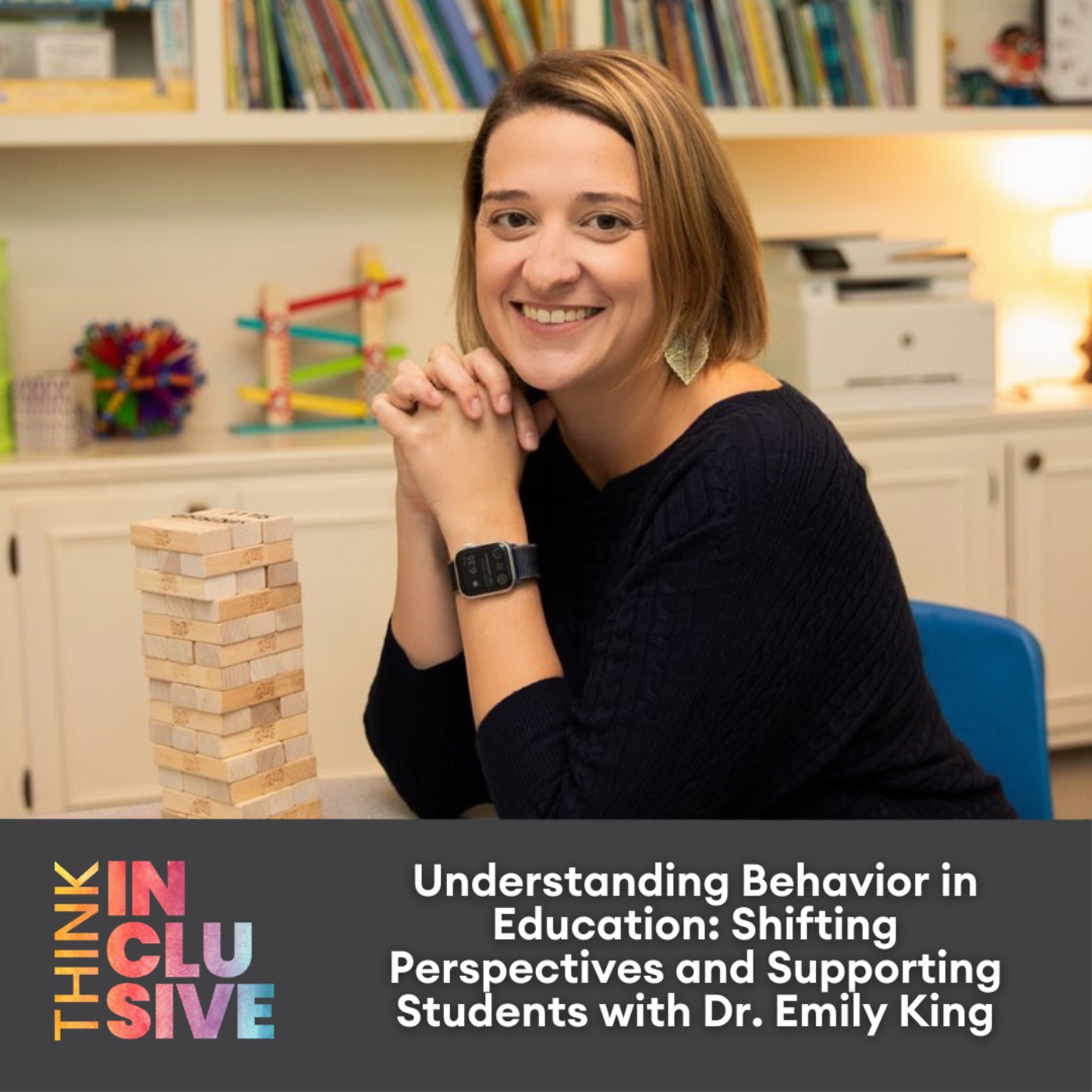
S11 Ep 33Understanding Behavior in Education: Shifting Perspectives and Supporting Students with Dr. Emily King
About the Guest(s): Dr. Emily King is a licensed psychologist with a background in school psychology and a passion for supporting neurodivergent individuals. Her professional history includes working as a school psychologist and providing consultation services for educators and parents. Dr. King focuses on understanding and supporting diverse learners' emotional experiences, utilizing her expertise to equip educators with the knowledge and tools to foster inclusive learning environments. She is also an advocate for parent-teacher collaboration, aiming to improve the education system for neurodiverse students.Episode Summary: In this enlightening episode of the Think Inclusive podcast, host Tim Villegas invites Dr. Emily King to delve into the shifting landscape of educational support for behavior in schools. The conversation offers a compelling snapshot of the evolution that has occurred from a deficit framework towards a more inclusive and neurodiversity-affirming approach in classrooms. Vital concepts such as emotional regulation, behavior prevention, and the influence of neuroscience on understanding student behavior underpin the discussion, offering a rich tapestry of insights into modern educational practices.Dr. King shares her personal journey through the field of school psychology, touching on how her own experiences as a parent and educator have shaped her philosophies on student behavior and discipline. With a significant shift towards understanding anxious behaviors and patterns, the episode uncovers strategies educators can utilize to anticipate and mitigate disruptive behaviors through rooted comprehension of each child's unique needs. Listeners will be guided through the nuances of functional behavior assessments and behavior intervention plans, highlighting the importance of adapting to learners' abilities for effective teaching.Transcript: https://otter.ai/u/WwJu-DxoZpu8AwjwPp830QTjd0sKey Takeaways:The transition from a deficit model to a more compassionate, neurodiversity-focused approach has reshaped support for student behavior.Functional behavior assessments and intervention plans need to align with the child's developmental stage for them to be successful.Preventing disruptive behaviors involves understanding the underlying motives and patterns rather than focusing solely on the behaviors themselves.Educators must strive to create classroom environments where students feel safe learning, expressing themselves, and navigating challenges.Embracing inclusive educational practices calls for training programs that prepare teachers to support an increasingly neurodiverse student population.Resources:Dr. Emily King's website: https://www.learnwithdremily.com/Emily's Substack: https://learnwithdremily.substack.com/The optimum context for learning; drawing on neuroscience to inform best practice in the classroom: https://explore.bps.org.uk/content/bpsecp/33/1/75Thanks to DCMP for being our sponsor this week: https://dcmp.org/MCIE Summer Institute: https://secure.givelively.org/event/maryland-coalition-for-inclusive-education-inc/mcie-summer-institute-2024 Hosted on Acast. See acast.com/privacy for more information.
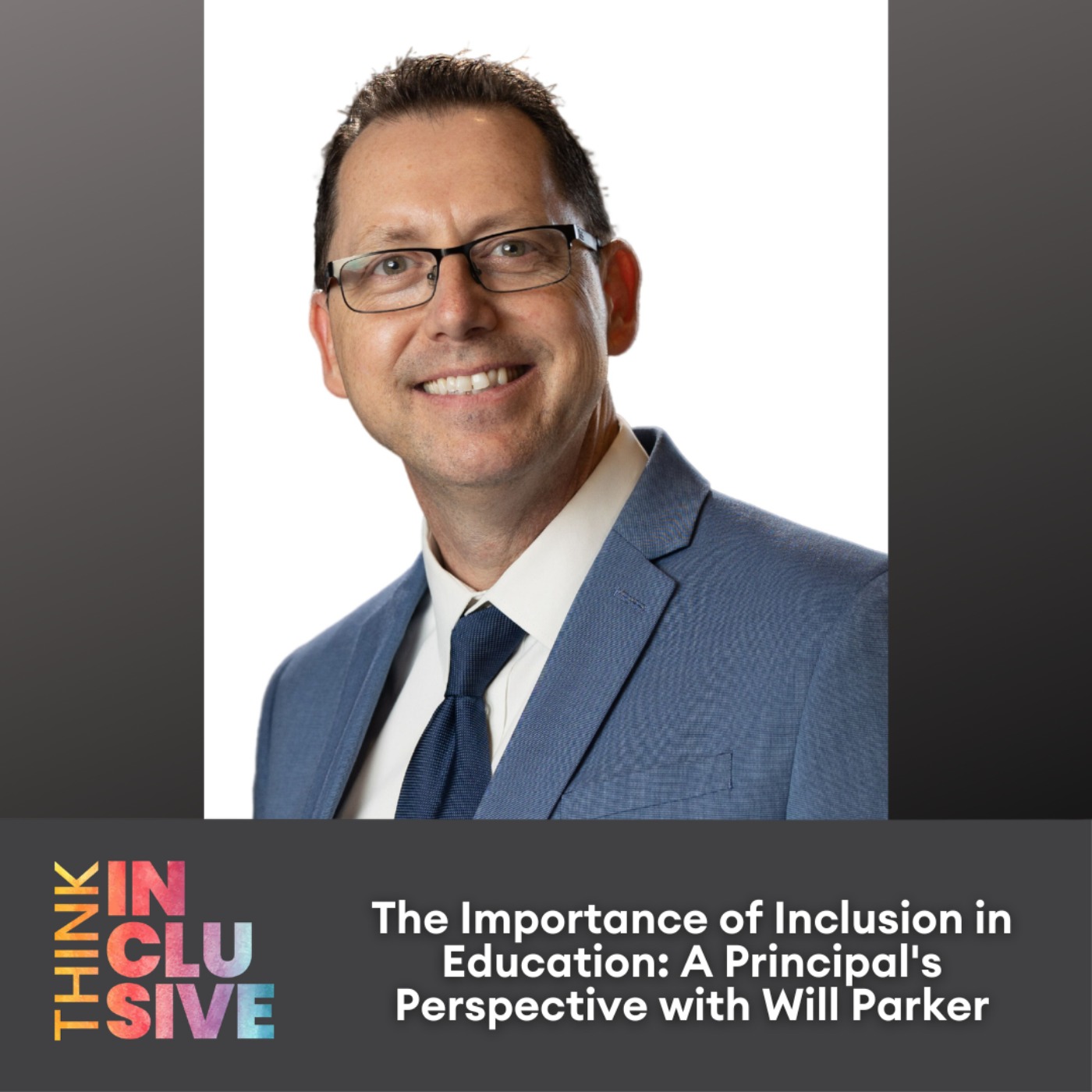
S11 Ep 32The Importance of Inclusion in Education: A Principal's Perspective with Will Parker
About the Guest(s): Will Parker hosts "Principal Matters: The School Leaders Podcast." With a rich background in education spanning over three decades, Will Parker has established himself as a seasoned educator and an influential voice in school leadership. Having served as a high school administrator for over 13 years and then as an executive director for a state Principals association, Parker boasts an extensive understanding of the challenges and triumphs within educational leadership. In his current role, he dedicates himself full-time to Principal Matters LLC, offering consulting services to principals and leaders across schools in the United States and internationally. His podcast has reached an impressive milestone, boasting 1.4 million downloads and nearly 400 episodes.Episode Summary: In this insightful episode of the Think Inclusive podcast, host Tim Villegas welcomes Will Parker, a seasoned educator and podcaster, to delve into the nuanced world of school leadership and the pressing issues facing principals today. Addressing the current climate in educational leadership, Parker brings to light the arduousness of a principal’s role, especially in the aftermath of the COVID-19 pandemic.The conversation begins with Parker highlighting the findings of a survey by the National Association of Secondary School Principals, revealing the staggering stress levels and mental health needs among school leaders. He highlights the complexities of managing safety, inclusivity, and the school environment amidst heightened scrutiny. As the dialogue progresses, they touch on the fundamental importance of inclusion not only for students but also for educators, illustrating how dignity and equitable access in education are central tenets of Parker's ethos. Showcasing real-world experiences, Parker shares poignant narratives reflective of the transformative power of empathetic leadership in schools.Transcript: https://otter.ai/u/K1jQrg_5VWcDKVxWpRWgaQ6Y1RoKey Takeaways:A significant number of school leaders consider career changes due to high-stress levels and confrontations, which sheds light on the current crisis in leadership within the education sector.Inclusion is vital to the fabric of educational environments, emphasizing the human right to education for all children, irrespective of background or ability.Leadership involves a keen understanding of the individuals you serve, requiring differentiation in teaching, disciplinary approaches, and communication.The episode addresses the necessity for educators and leaders to uphold principles of diversity, equity, and inclusion amidst politically charged environments, emphasizing demonstrating unwavering love and support for students.Imaginative thinking and empathetic engagement are foundational strategies for school leaders to support teachers and nurture a successful learning environment, especially regarding inclusion.Resources:Principal Matters with William D. Parker: https://williamdparker.com/NASSP Survey of Principals and Students Reveals the Extent of Challenges Facing Schools: https://www.nassp.org/news/nassp-survey-of-principals-and-students-reveals-the-extent-of-challenges-facing-schools/Thank you to our sponsor, DCMP: https://dcmp.org/MCIE: https://www.mcie.org/ Hosted on Acast. See acast.com/privacy for more information.
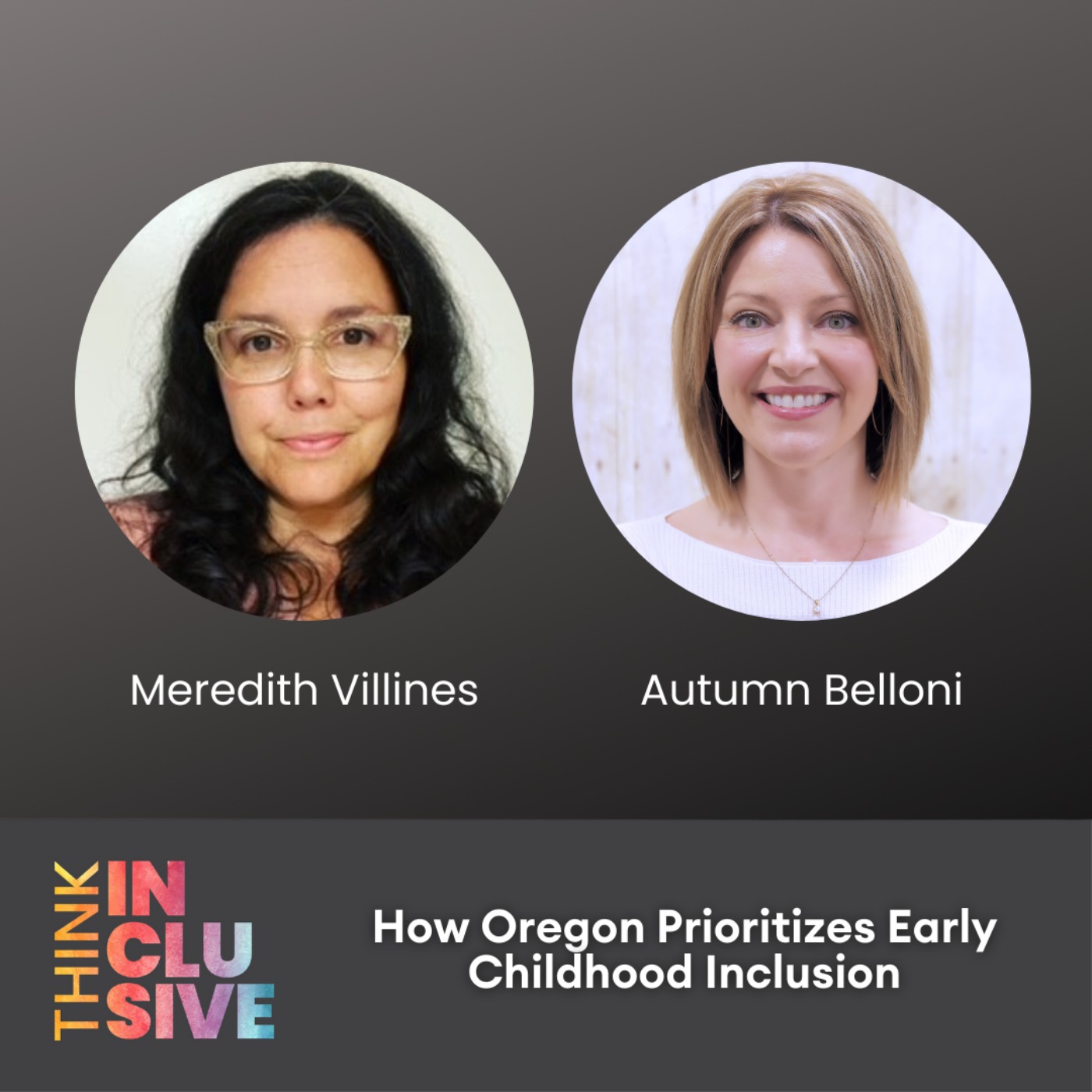
S11 Ep 31How Oregon Prioritizes Early Childhood Inclusion
About the Guest(s): Meredith Villines has 20+ years of working in early care and education and is currently at the Oregon Department of Education in the Office of Enhancing Student Opportunities. Meredith’s primary roles have been a classroom teacher in inclusive childcare and preschools, lead teacher in an Early Childhood Special Education classroom, Itinerant Special Early Childhood Education Teacher and Home Visitor, behavior specialist, trainer, and part-time faculty at Portland Community College.For the past 16 years, Autumn Belloni has focused intensively on working with children from birth to age five and their families and collaborating with staff and community providers who serve this population. Autumn serves as the Director of the Early Intervention/Early Childhood Special Education Program for the Linn, Benton, Lincoln Education Service District. In this role, she oversees and guides various aspects of special education and inclusive practices, leveraging her background as a speech/language pathologist and lead teacher in Early Childhood Special Education settings.Episode Summary: Meredith Villines and Autumn Belloni uncover the strides Oregon has taken toward setting a standard for inclusivity in early education, highlighting the shared belief in the importance of inclusive education right from the onset of a child's educational journey. Autumn and Meredith delve into Oregon's program structure, explaining how nine regions collaborate to provide seamless services for children birth through five and the supportive role of the Oregon Department of Education in fostering these initiatives. They also share valuable revelations on the impact of inclusive settings on children's learning and development, emphasizing the resultant gain in language skills, peer relationships, and teacher growth when children with disabilities are included in general education classrooms.Transcript: https://otter.ai/u/quZESXyivM-ZWkldeBuUiOaGNw4Key Takeaways:Early childhood inclusion in Oregon is experiencing a dynamic shift, pushing the boundaries of traditional special education practices to foster a more inclusive environment for all young learners.Both speakers stress that inclusive education benefits not just the children experiencing disabilities, but also their typically developing peers, families, and the broader community.The Oregon Department of Education has been pivotal in providing direction and support for inclusion initiatives, further enhancing the efficacy of programs at the community level.The partnership between Oregon and the Early Childhood Technical Assistance (ECTA) Center to implement inclusive practices is a notable example of how collaborative efforts can result in significant progress.Personal stories and experiences shared by the guests underscore the real-life impact of inclusion policies on children and their families, cementing the argument for inclusive education.Resources:Oregon Early Childhood Inclusion: https://www.oregon.gov/ode/students-and-family/specialeducation/earlyintervention/pages/oeci.aspxPolicy Statement on Inclusion of Children with Disabilities in Early Childhood Programs: https://sites.ed.gov/idea/files/policy-statement-on-inclusion-11-28-2023.pdfMCIE: https://mcie.org Hosted on Acast. See acast.com/privacy for more information.
S11 Ep 30ECTA: Building High-Quality Systems Supporting Inclusive Education for Young Learners with Disabilities
About the Guest(s): Christina Kasprzak and Dr. Megan Vinh are the Co-Directors of the Early Childhood Technical Assistance Center (ECTA). Christina brings her expertise in leading initiatives to develop equitable and sustainable state systems for children with disabilities and their families. Her personal connection to the cause comes from a family that valued community and respect for all, emphasizing the importance of education in life. Dr. Megan Vinh's drive is equally personal, vaulting from family experiences into a professional passion for inclusion as a human right. She co-directs not just ECTA, but also the STEM Innovation for Inclusion in Early Education (STEMIE) center, championing proactive and inclusive STEM learning for young children.Editorial Note: Christina Kasprzak is Director of the Trohanis TA Projects at FPG. She serves as Co-Director of the Early Childhood Technical Assistance Center (ECTA) and co-leads the FPG subcontract for The Center for IDEA Early Childhood Data Systems (DaSy). The DaSy Center dasycenter.org, led by Grace Kelley at SRI International, supports early intervention and early childhood special education state programs in building high quality data systems and using data to improve results for young children with disabilities and their families.Episode Summary: Christina and Megan discuss their role in shaping inclusive educational systems for early childhood. The episode begins with an exploration into the work ECTA does in supporting state administrators and educators. With a heartwarming emphasis on equitable access, these leaders exemplify the importance of building an all-embracing infrastructure from policy to practice.Christina and Megan delve into the tools and resources provided by ECTA that supports practitioners and families directly, such as the DEC recommended practices guides and family-friendly video materials. As they reveal challenges in creating inclusive systems, including the need for de-siloing state departments, they reaffirm the proven benefits of inclusion for children both with and without disabilities.Transcript: https://otter.ai/u/Vz2ZPx3GpJO_iB8HGeqX51SI9e4Key Takeaways:ECTA predominantly supports state administrators in improving early intervention and preschool special education programs, advocating for all-encompassing and effective practices.Both guests emphasize the profound personal and professional belief in the power and necessity of inclusive education for every child.Christina and Megan discuss the practical tools ECTA offers, which are popular with professionals and families.Inclusion benefits all children, and dismantling myths around it is essential to its advocacy and implementation.The guests point out that everyone has a role to play in advocating for inclusion, and change is possible when people at every level of the system lead from their positions.Resources:ECTA Center: https://ectacenter.org/Practice Improvement Tools: https://ectacenter.org/decrp/Indicators of High-Quality Inclusion: https://ectacenter.org/topics/inclusion/indicators.aspState Examples for Inclusion: https://ectacenter.org/topics/inclusion/stateexamples.aspMCIE: https://www.mcie.org/ Hosted on Acast. See acast.com/privacy for more information.
S11 Ep 29The Autism Society: Promoting Inclusion and Amplifying Autistic Voices
About the Guest(s): Allie Tasche is an advocate and leader in the field of inclusive education. With over a decade of experience that includes six years as a classroom educator followed by various coaching and administrative leadership roles, Allie has specialized in systems-level practices for educational equity. Her background includes working in summer camps, group homes, classrooms, and school districts, all with a focus on disability justice and inclusion. Allie has also served as a board member of her local Autism Society, Greater Wisconsin, and currently plays a crucial role within the national team of the Autism Society as the leader of national programs for an affiliate network.Episode Summary: This episode of the Think Inclusive podcast features a fascinating conversation with Allie Tasche, an impassioned advocate for inclusive education and a key player at the Autism Society. The episode delves into Allie's personal journey, the significance of inclusion in education, and the Autism Society's effort to empower communities. Tim Villegas, the host, and Allie discuss her formative experiences and dedication to creating an inclusive environment, stemming from her family background and firsthand encounters with disability service fields. Allie highlights key insights on the Autism Society's initiatives and strategies for promoting acceptance over awareness.Transcript: https://otter.ai/u/IVFhGZyI4mI53yBCPUyR74pLyNAKey Takeaways:Inclusive education is deeply personal and vital for Allie Tasche, inspired by her family's history and experiences that sparked a commitment to disability justice.The Autism Society has progressed from an old brand that no longer represented its values to a new interconnected threads logo symbolizing the autism community's diversity and strength.Inclusive practices in schools are crucial for building a foundation for a more inclusive society across various community settings.Educators play an essential role in modeling and implementing inclusive practices beyond the classroom environment, influencing other sectors of the community.The Autism Society's National Programs team, led by Allie, is dedicated to filling community gaps by highlighting intersectionality and creating connections through programs, resources, and services.Resources:The Autism Society: https://autismsociety.org/Eric Carter's Ten Dimensions of Belonging: https://promotingprogress.org/sites/default/files/2022-02/Fostering_Belonging_Handout.pdfShelly Moore's Five P's: https://youtu.be/u7FWSMekshcPaul Gorski's Fix Injustice Not Kids Principle: https://www.ascd.org/books/fix-injustice-not-kidsMCIE: https://www.mcie.org Hosted on Acast. See acast.com/privacy for more information.
S11 Ep 28Embracing Neurodiversity in STEM Education for All Learners
About the Guest(s): Dr. Jodi Asbell-Clarke is an esteemed figure in the STEM (Science, Technology, Engineering, Mathematics) community, particularly in the realm of game-based learning. With a background enriched by working on the space shuttle program for its first 25 missions, she has been pivotal in linking computational thinking and neurodiversity, offering unique insights into the talents that neurodivergent learners bring to STEM problem-solving. Asbell-Clarke holds a wealth of experience and has dedicated her career to advancing equity and opportunities in STEM education through innovative methods such as educational gaming. She is a key member of the Educational Gaming Environments group (Edge) at TERC, a non-profit dedicated to STEM education.Episode Summary: Join us on the Think Inclusive Podcast as we delve into the fascinating intersection of STEM education, game-based learning, and neurodiversity with our guest, Jodi Asbell-Clarke. With an intriguing blend of personal anecdotes and professional insights, this episode offers a deep dive into the ways educators can foster inclusive STEM classrooms that empower all learners, including those who are neurodivergent.Asbell-Clarke shares her journey from being a student with a keen interest in math, thanks to a dedicated teacher, to her work on groundbreaking educational games that unlock the potential of neurodivergent learners. This conversation traverses topics from computational thinking to the transformative educational power of project-based learning, presenting novel approaches to teaching that emphasize inclusivity, differentiation, and executive function support.Transcript: https://otter.ai/u/YwCjtk2WqRqgjOS9E-llrBEiskcKey Takeaways:The link between computational thinking skills and the natural talents of neurodivergent learners can create strong competencies in STEM fields.Game-based learning can serve as a gateway to STEM for students who may not traditionally engage with these subjects, leading to improved learning outcomes.Including neurodiversity in STEM education is not about remediation but rather about leveraging individual strengths to foster a community of skilled problem-solvers.Differentiated instruction and multiple entry points into learning activities can help address the diverse needs of students in a STEM classroom.Project-based learning and games like Portal offer powerful frameworks for engrossing students in STEM education while nurturing critical thinking skills.Resources:Educational Gaming Environments group (Edge): https://www.terc.edu/edge/Zoombinis game: Available in the App StoreJodi Asbell-Clarke's book: https://www.routledge.com/Reaching-and-Teaching-Neurodivergent-Learners-in-STEM-Strategies-for-Embracing-Uniquely-Talented-Problem-Solvers/Asbell-Clarke/p/book/9781032562476Education Week Article: https://www.edweek.org/teaching-learning/inside-a-school-that-doesnt-single-out-students-with-special-needs/2024/04Thank you to our sponsor for this week and the month of April: https://autismsociety.org/MCIE: https://www.mcie.org/ Hosted on Acast. See acast.com/privacy for more information.
S11 Ep 27The Participation Specialists: How Occupational Therapists Can Facilitate Inclusive Education
About the Guest(s): Savitha Sundar, an Occupational Therpaist and Ph.D. candidate, specializes in inclusive practices for students with Extensive Support Needs. With over 15 years in public schools, she’s a champion for inclusive education, leveraging her OT expertise to foster access and participation. At Texas Woman’s University, she mentors future OTs and teaches as an adjunct faculty member. Savitha also serves as the Partnerships Officer at Changing Perspectives, promoting social-emotional learning. She also hosts the podcast “Inclusive Occupations,” inspiring the creation of inclusive communities for children and youth with disabilities.Episode Summary: In this episode of Think Inclusive, Savitha and Tim discuss the nuances of including students with extensive support needs in general education. Savitha unpacks her transition from a traditional understanding of educational practices to pioneering inclusive education methodologies. Her commitment to nurturing social contexts that facilitate the engagement and growth of children with disabilities shines through as she retells experiences that reshaped her professional trajectory. Leveraging her background as an occupational therapist, Savitha passionately argues for a system-wide approach, where therapists go beyond addressing motor skills to facilitate comprehensive participation and inclusion within educational settings—making her a vital voice in the call for an educational paradigm shift. Transcript: https://otter.ai/u/WDLWvC8bUiQyl5cXpSDydSh9ag4Key Takeaways:Occupational therapy can play a significant role in inclusive education, especially when focusing on social contexts.True social inclusion cannot be separated from academic inclusion, as interpersonal relationships entail community participation within an educational environment.Participation specialists, a role occupational therapists can embody, actively work against exclusion and for authentic inclusion in education.Utilizing occupational therapists as supplementary services in schools can open pathways for more effective universal design learning and inclusive practices.Hands-on examples demonstrate the potential impact of occupational therapy beyond traditional applications, enhancing engagement for students with extensive support needs in general education.Resources:Inclusive Occupations: https://pod.link/15400741358 Ways Your School Might Be Doing Inclusion Wrong: https://mcie.org/think-inclusive/8-ways-your-school-might-be-doing-inclusion-wrong/Thank you to our sponsor for this episode, the Autism Society: https://autismsociety.org/MCIE: https://www.mcie.org/ Hosted on Acast. See acast.com/privacy for more information.
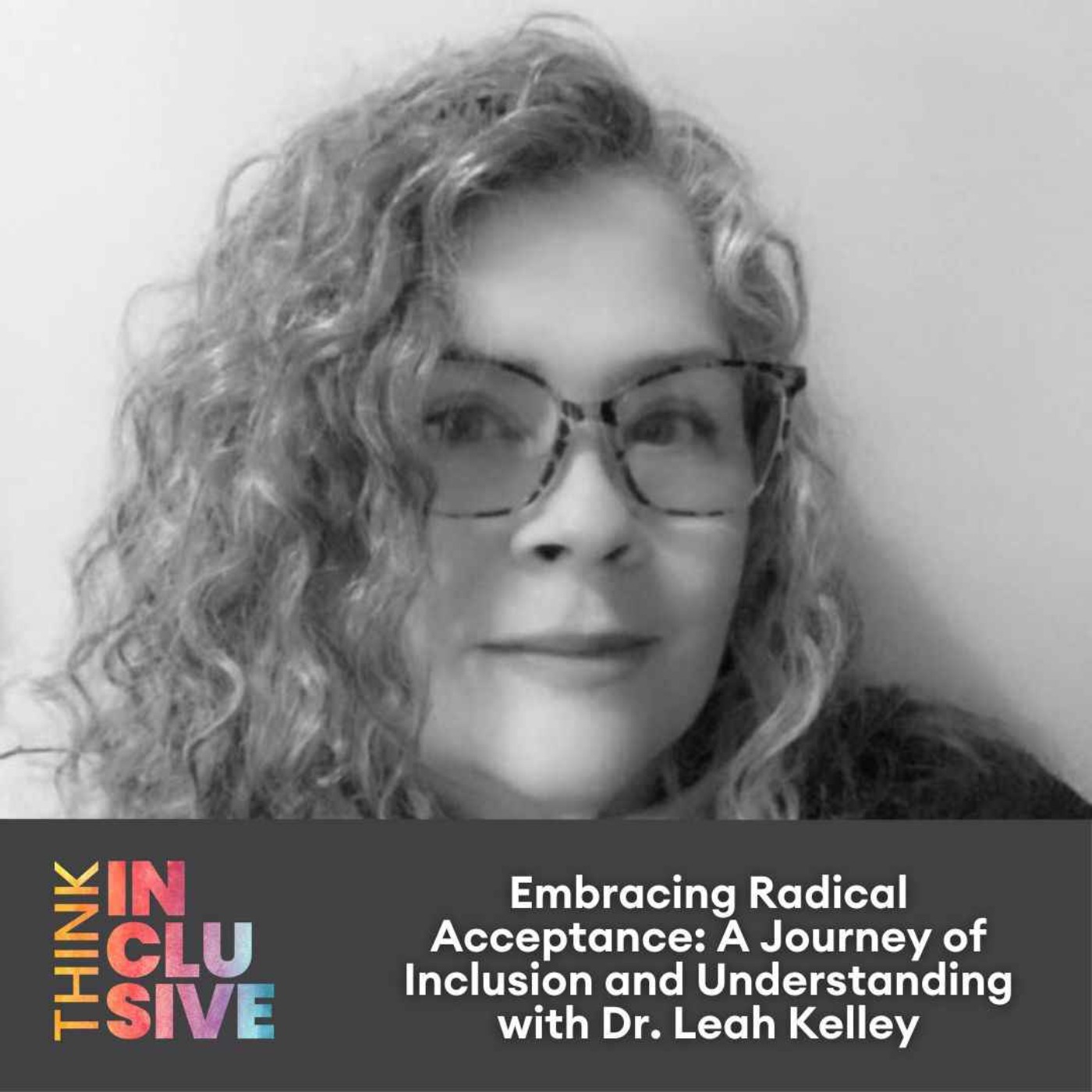
S11 Ep 26Embracing Radical Acceptance: A Journey of Inclusion and Understanding with Dr. Leah Kelley
About the Guest(s): Dr. Leah M. Kelley is a storyteller, writer, activist, teacher educator, education consultant, and parent who identifies as neurodivergent and otherwise disabled. She was a K-12 public school teacher for over 25 years and has extensive experience supporting inclusion. Her newly published book, “The Person Who Arrives: Connecting Disability Studies to Educational Practice for Teachers, Parents, and Others,” evolved from her doctoral research, which she completed at Simon Fraser University in British Columbia. She is currently working as an adjunct professor in the faculty of education - teacher education program at UBC (University of British Columbia) and guest lecturing colleges and other programs and organizations such as CASE (The Canadian Association for Supported Employment). Dr. Kelley’s work focuses on connecting disability studies in education (DSE) to educational practice, strength-based perspectives for supporting neurodiversity, addressing ableism, inclusive practices and pedagogy, and cultivating advocacy. Episode Summary: In this episode of the Think Inclusive podcast, Leah Kelley joins Tim Villegas for a profound discussion on the intersections of storytelling, education, and disability advocacy. Right from the onset, the conversation delves into Leah's unique approach to writing and her pursuit of inclusivity through narratives. The dialogue transitions into exploring the importance of whose story is being told when discussing disability and how storytelling serves as a potent tool for learning and connection.The episode further delves into Leah’s recently published book, which embodies her dedication to inclusion, her disruptive approach to traditional academic formatting, and her belief in the power of bringing diverse voices to the forefront. Touching on topics ranging from relationships being central to learning to questioning stereotypical notions of disability, Leah challenges conventional thought with her ideas of radical acceptance and the continuous process of arrival in educational and personal contexts.Transcript: https://otter.ai/u/TmXEj6c9L3__xIMls4ZJ4c9gVKcKey Takeaways:Storytelling as an Invitational Tool: Leah emphasizes the power of storytelling in altering perspectives and engaging with complex ideas.Whose Story Is It Anyway: The conversation highlights the critical analysis of whose stories are being told, especially in the context of disability.Radical Acceptance and Arrival: Leah explains how radical acceptance of individuals and the concept of continuous arrival are intertwined in educational environments.Disability as Normal: The episode addresses the stigma and language surrounding disability, advocating for acceptance and understanding of disability as a natural human variation.Relational Approach to Education: The exchange reaffirms that nurturing relationships are at the core of inclusion, learning, and advocacy.Resources:Leah Kelley's Book: https://a.co/d/esG2PWKFacebook Group - Parenting Autistic Children with Love and Acceptance: https://www.facebook.com/ParentingAutisticChildrenWithLoveAcceptance30 Days of Autism: https://30daysofautism.blog/Thanks to our sponsor, the Autism Society: https://autismsociety.org/ Hosted on Acast. See acast.com/privacy for more information.
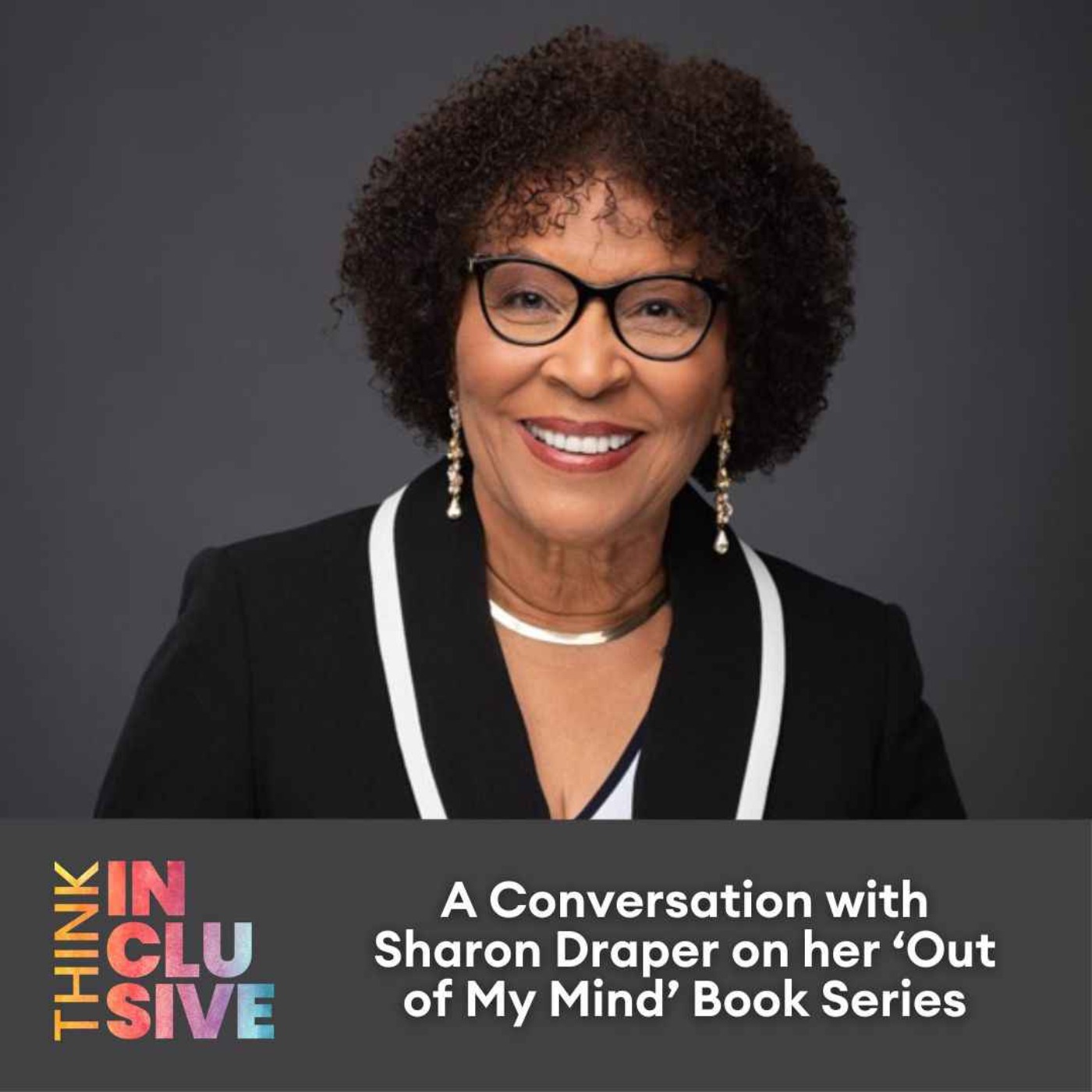
S11 Ep 25A Conversation with Sharon Draper on her 'Out of My Mind' Book Series
About the Guest(s): Sharon M. Draper is an accomplished author and educator, widely recognized for her contribution to young adult literature. Her career as an English teacher spanned over 30 years, engaging with students from sixth to twelfth grade. Draper's literary portfolio includes books that address diverse and compelling topics, with "Out of My Mind" being among her most notable works. She's won awards, including the prestigious Margaret A. Edwards Award for her significant and lasting contribution to writing for teens. With her lifelong devotion to creating profound connections with young readers through her writing, she has touched numerous lives and inspired countless individuals.Episode Summary: In this episode of the Think Inclusive podcast, we are joined by Sharon Draper, an exceptional voice in middle-grade literature whose books have captivated readers around the globe. Draper takes us behind the scenes of her creative process during the conversation, sharing the inspirations and challenges that shape her memorable characters and their stories. The episode begins with a deep dive into Draper's most beloved character, Melody, from the "Out of My Mind" series. The audience is given a unique window into Melody's world, exploring self-acceptance, belonging, and disability representation. Draper outlines her meticulous approach to research, emphasizing the importance of authenticity in crafting a character like Melody, who has cerebral palsy and navigates a myriad of personal and social challenges.We hear about Melody's growth and journey as she searches for acceptance both within herself and in the society around her. The conversation touches on Melody's experiences in summer camp in "Out of My Heart," her friendships, and her quest for inclusion. The episode concludes with an exciting teaser about the upcoming third book in the series, where Melody's adventures will take her out of the country, and Draper's personal stance on the critical issue of book banning.Transcript: https://otter.ai/u/4OjP10FCk_IT0clQqtXndRcQ0PAKey Takeaways:Sharon Draper's long teaching career and journey into writing began with a challenge from a student and led to the publishing of numerous impactful books for young readers.Draper emphasizes the importance of realistic character development, particularly when addressing disabilities in literature.In "Out of My Heart," Melody's character faces new challenges and experiences, such as summer camp, fostering themes of friendship and acceptance.There's an exciting anticipation for the third book in the "Out of My Mind" series, where Melody will continue to break barriers and undertake new adventures.Draper strongly opposes the current trend of book banning and advocates for the freedom to read and access to diverse literature.Sharon M Draper: https://www.sharondraper.com/MCIE: https://www.mcie.org/ Hosted on Acast. See acast.com/privacy for more information.
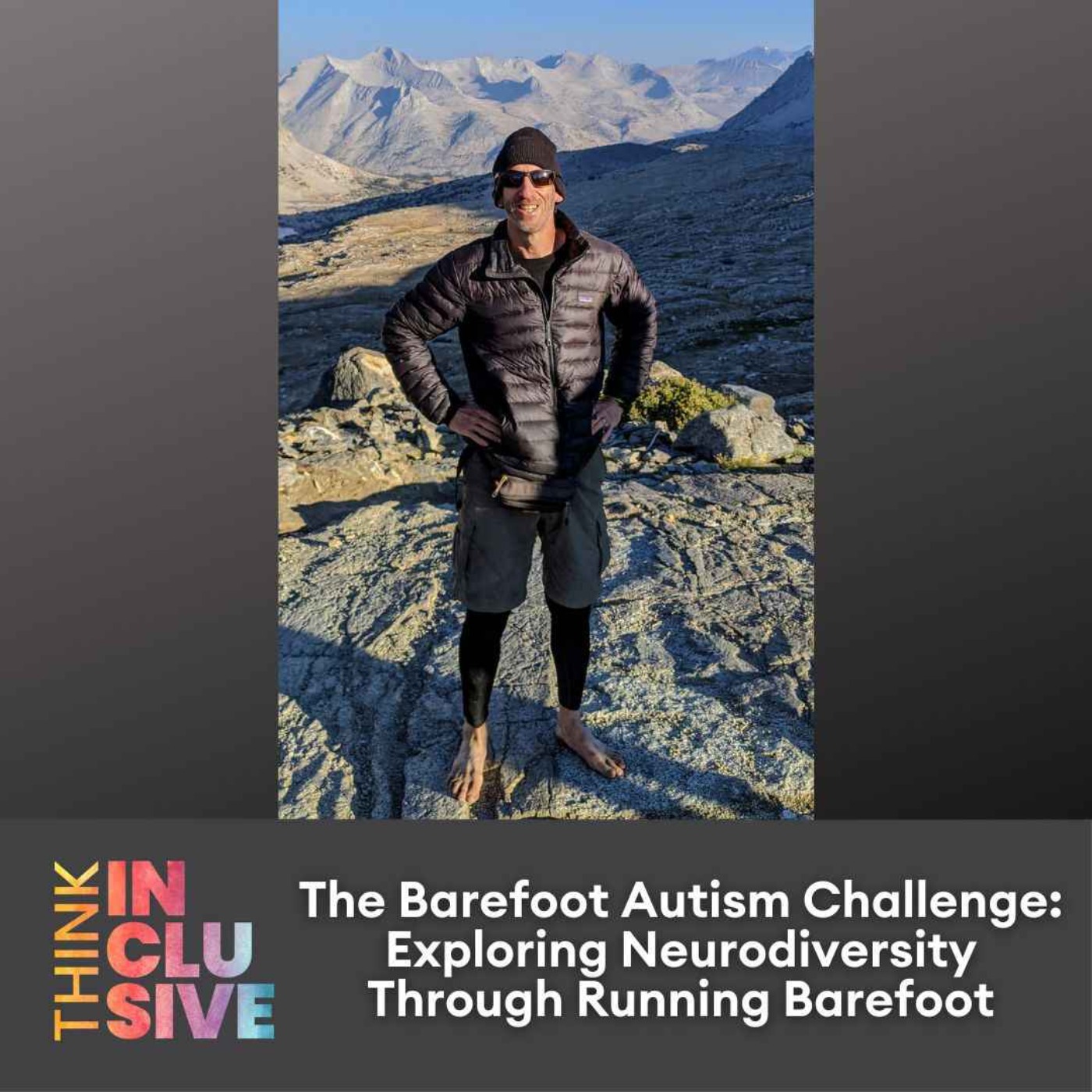
S11 Ep 24The Barefoot Autism Challenge: Exploring Neurodiversity Through Running Barefoot
About the Guest(s): Ken Posner is a passionate advocate for the therapeutic benefits of natural stimulation and mindfulness, particularly through the practice of going barefoot as part of the "Barefoot Autism Challenge." Although not a professional runner, Ken's fervor for barefoot running, stemming from the energy and joy it offers, has led him to adopt it as a lifestyle choice. With an awareness of neurodiversity and its intersections with physical activities, he champions the experience of going barefoot for both neurotypical and neurodiverse individuals, emphasizing the grounding and process-enhancing aspects it offers.Episode Summary: Ken Posner delves into the fascinating world of barefoot living and its unique connection to the autistic community. Ken shares the origins and experiences of the Barefoot Autism Challenge, a movement initiated by Tyler Leach that endeavors to provide sensory stimulation and support for individuals with autism.Discover how Ken's own journey into barefoot hiking and running led him to a deeper understanding of natural stimulation and its effect on processing environmental cues, a phenomenon highly valued among many within the neurodiverse population. The episode illustrates the diverse reactions people have towards going barefoot, ranging from intrigue to disconnect, and highlights the importance of breaking away from conformist behaviors and embracing individuality.Listeners will also be inspired by Ken's running experiences and his comparisons between the discipline of long-distance running and the progression towards more inclusive educational environments. Running is not just an individual sport for Ken, but a powerful metaphor for continuous improvement and the mindfulness required to tackle complex societal issues one step at a time.Transcript: https://otter.ai/u/DfGaq9XImw-9ztUevoR7TAIOMDYKey Takeaways:The Barefoot Autism Challenge is a movement that encourages natural stimulation and grounding for autistic individuals, who may process sensations differently from neurotypical people.Responses to going barefoot vary widely, shedding light on societal norms and the value of accepting non-conformist practices.Neurodivergence can offer unique perspectives that benefit society by challenging the status quo and reintroducing lost natural practices like going barefoot.The full mind-body engagement offered by running and being barefoot is a critical aspect of self-management, mindfulness, and achieving a sense of personal accomplishment.Running can serve as an allegory for tackling educational and organizational challenges, emphasizing the importance of taking things one step at a time and embracing the journey toward inclusivity.Resources:Barefoot Autism Challenge: https://www.facebook.com/BarefootAutismChallengeKen Posner: https://www.barefootken.com/MCIE: https://www.mcie.org/ Hosted on Acast. See acast.com/privacy for more information.
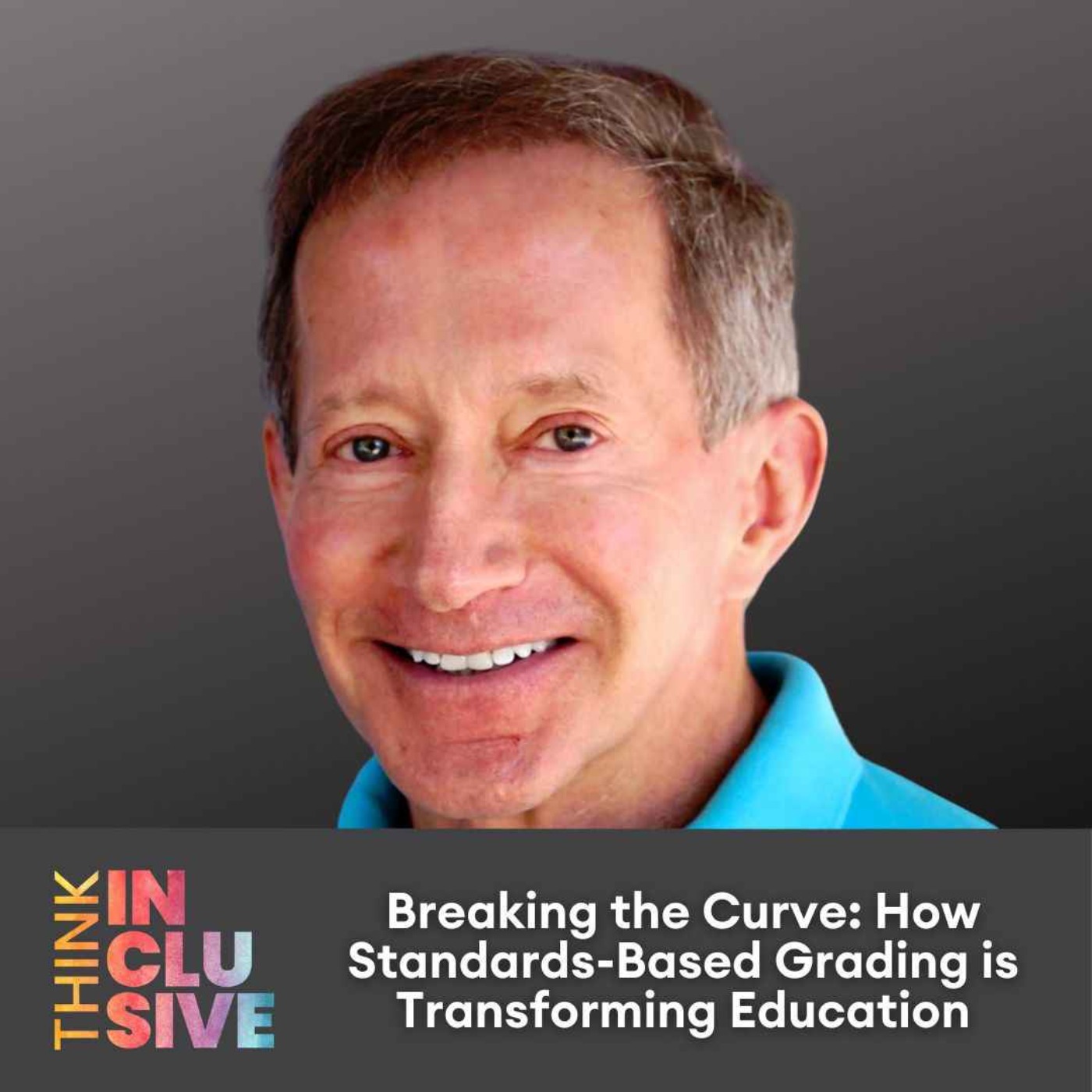
S11 Ep 23Breaking the Curve: How Standards-Based Grading is Transforming Education
About the Guest(s): Thomas R. Guskey, PhD, is Professor Emeritus in the College of Education, University of Kentucky. A University of Chicago graduate and former middle school teacher, he served as an administrator in Chicago Public Schools and was the first Director of the Center for the Improvement of Teaching and Learning, a national educational research center. He is author/editor of twenty-eight books and over three hundred published articles and book chapters. His most recent books include Engaging Parents and Families in Grading Reforms, Implementing Mastery Learning, and Instructional Feedback.Episode Summary: In this insightful episode, Dr. Thomas Guskey delves into the complexities of traditional grading systems and explores the potential of standards-based grading to revolutionize how learners are evaluated. The episode kicks off with Dr. Guskey discussing the gaps between grading knowledge and practices and how the reliance on traditional models has impacted education.The heart of the conversation centers on how existing grading practices, like grading on a curve, do not accurately reflect student learning. Dr. Guskey clarifies this with historical context and emphasizes the need for grading to be based on what students actually learn. He also critiques the reliance on percentage-based grading systems, urging for a shift towards standards-based evaluations that highlight the actual competencies of students across various subjects.Key points discussed include the prerequisites for implementing standards-based grading, the meaning and applications of grade adaptations for exceptional learners, and the necessity for transparency in learning goals. Dr. Guskey also underscores the importance of separating academic achievement from behaviors like class participation and homework completion to provide a clearer picture of student learning.Transcript: https://otter.ai/u/ueqeCXqwukNLCiEOW9qwRcK64DAKey Takeaways:Traditional grading systems are often misaligned with the body of research available on effective grading practices.Innovative solutions like standards-based grading can offer transparency and clarity around student competencies.Moving away from grading on a curve can reduce competitiveness while emphasizing true learning outcomes.Clearly defined learning goals and transparent practices can diminish test anxiety and guessing games in assessments.Accommodations and modifications in grading should be tailored to the individual needs of exceptional learners without stigma or value judgments.Resources:Website: https://tguskey.com/MCIE: https://www.mcie.org/Thanks to Brookes Publishing for being a sponsor this season: https://brookespublishing.com/ (Win a free book: https://bit.ly/brookes-0324) Hosted on Acast. See acast.com/privacy for more information.
S11 Ep 22Beth Leipholtz: Advocate for Inclusion and Accessibility
About the Guest(s): Beth Leipholtz is a multifaceted professional and mother, known for her transparent sharing of personal life experiences on social media. She is the author of the children's book, "The ABCs of Inclusion," and previously penned "Hello, Holland," aimed at parents navigating their children's hearing loss. Beth's journey through motherhood, managing her son's deafness, cochlear implants, and use of sign language, forms the crux of her advocacy for inclusion and accessibility. With a significant following on social media platforms, including a presence on TikTok, Beth leverages her story to make lesser-known conditions more familiar to the general public. She is also a website designer, owns a photography business, and is a voice for sobriety, having been alcohol-free for a decade.Episode Summary: In this heartening episode of the Think Inclusive podcast, Tim Villegas welcomes guest Beth Leipholtz to a dialogue that navigates the intertwining paths of personal narrative, maternal advocacy, and the pursuit of inclusive environments. Beth provides a window into her world as the mother of a deaf child equipped with cochlear implants, touching on the role of American Sign Language (ASL) in their lives and the decisions that have shaped their journey. The conversation reveals the nuances of parenting a child with a disability and the delicate balance between sharing one's personal story and maintaining respect for privacy. Beth and Tim explore the handling of educational and communicative accommodations, from the implementation of captioning in public settings to school involvement and support systems. The talk delves into the highs and lows of social media advocacy, the considerations around generating content, and the power of accessibility tools like captioned content. Beth's insights are a testament to the expansive nature of inclusive practices, challenging the audience to reflect on the diversity of lived experiences.Transcript: https://otter.ai/u/bFrMtlaiPVDrta0EGfTTPHEAYCAKey Takeaways:Beth discusses the capabilities and independence afforded by cochlear implants, including the ability to self-regulate hearing.Insights into the differing views within the community regarding cochlear implants and the concept of deafness as an identity or disability.An in-depth look at the transformative role educators and schools play in accommodating and fostering an inclusive environment for children like Cooper.Beth emphasizes the importance of adapting and evolving based on constructive feedback, especially after the release of her children's book.A candid exploration of the challenges and responsibilities involved in sharing personal stories on public platforms for the cause of awareness and inclusion.Resources:Website: https://bethandcoop.com/Think Inclusive: https://mcie.org/think-inclusive/Thank you to our sponsor for this episode, Bookshare! Learn more at https://www.bookshare.org/. Hosted on Acast. See acast.com/privacy for more information.
S11 Ep 21How PINE is Revolutionizing Professional Learning for Inclusive Education
About the Guest(s): Lauren Hough Williams is the Executive Director of the Program for Inclusion and Neurodiversity Education, better known as PINE, an online platform that offers training and support to schools committed to building more neuro-inclusive schools. Lauren is an autism and inclusion specialist and began her career as a special educator for the NYC Department of Education before working for over a decade to define, refine, and expand the NYU ASD Nest Support Project. She partners with the neurodivergent community to shift the special education paradigm from deficits to strengths. Lauren is committed to helping school systems build inclusive learning environments for neurodivergent students. Episode Summary: In this episode of Think Inclusive, Lauren delves into her origin story and how a research-focused professional found her calling in New York City's public schools, ultimately leading her to champion an education model embracing inclusion and neurodiversity. We talk about PINE's structured professional development solutions and how the organization's systemic approach enables educators across entire school systems to support neurodiverse students effectively. The conversation underscores the transformative potential of inclusive education when professional development becomes a shared language and responsibility.Transcript: https://otter.ai/u/qersgh3UHl-SNecCh48OlUZa8gKey Takeaways:Inclusion is more than just a program or a place; it's a shared school-wide mindset and communal responsibility for all educators.Scaling inclusive practices require empowering every school staff member to contribute to an inclusive culture, beyond special education classrooms.Professional development in neurodiversity and inclusive practices has not caught up with the diversity of student needs in today's classrooms.Educators, including neurodivergent staff, are valuable assets in fostering inclusive environments when provided with ongoing professional support.The school environment, including sensory stimuli, should be designed with an understanding of neurodivergent experiences for the benefit of all students.Resources:PINE (Program for Inclusion and Neurodiversity Education): https://www.pineprogram.org/Contact Lauren Hough Williams: [email protected] Virtual Summitt (May 1-3) https://www.pineprogram.org/summit (registration opens in March)MCIE: https://www.mcie.orgThank you to our sponsor for this episode, Bookshare! Learn more at https://www.bookshare.org/. Hosted on Acast. See acast.com/privacy for more information.
S11 Ep 20Principals Show Disability Discrimination in School Access, Study Finds
About the Guest(s):Lauren Rivera is an esteemed scholar with a focus on discrimination, specifically hiring discrimination, and the complex interplay between social class, gender, and race in social structures. Specializing in sociology, Rivera's professional expertise extends to studying how various forms of discrimination manifest within societal institutions. In a rare blend of personal experience and academic rigor, she has delved into the topic of disability discrimination in educational access through her recent research article published in the American Sociological Review titled "Not in My Schoolyard: Disability Discrimination in Education Access." As a parent of a child with disabilities, Rivera brings a deeply personal perspective to her work, illuminating the substantial barriers faced by families seeking equitable education for their children.Episode Summary:Lauren Rivera shares groundbreaking findings from her study on principals' discriminatory behavior towards families with children with disabilities. The episode opens up with Rivera recounting her groundbreaking research, where over 20,000 school principals in four states were contacted through a field experiment aimed at uncovering discrimination at the very beginning of educational access – the school tour request process.Rivera's study examined the response rate to emails requesting school tours, varying the presence of an Individualized Education Program (IEP) for the child and the perceived race of the parents. The results were eye-opening, revealing a pervasive pattern of discrimination against children with IEPs, which was significantly more pronounced if the child was also perceived to be from a Black family. The research sheds light not only on the discriminatory challenges encountered before enrollment but also on the stressors such experiences impose on families searching for fitting educational settings for their children.Transcript: https://otter.ai/u/rVp3c8HJOXLHdQtwn4WJWd5N3wMKey Takeaways:School officials are less likely to respond to tour requests for children with IEPs, especially if the parents are perceived as Black.Discrimination in educational access occurs before enrollment, influenced by disability status and race.The experiment suggests principals perceive children with IEPs as resource burdens and Black parents as less involved school community members.Rivera's personal experience as a parent of a child with disabilities adds a poignant layer to the discussion and research findings.Resources:For Students with Disabilities, Discrimination Starts Before They Even Enter School: https://insight.kellogg.northwestern.edu/article/students-disabilities-discriminationThank you to our sponsor, Brookes Publishing: https://brookespublishing.com/Enter to win a free book from Brookes here: https://bit.ly/brookes-giveaway-0224.MCIE: https://mcie.org/ Hosted on Acast. See acast.com/privacy for more information.
S11 Ep 19Love is a Classroom: Steps Toward Inclusive Practices with Andrew Goff
About the Guest(s):Dr. Andrew Goff was an educator of children with and without disabilities for twelve years before transferring the knowledge and skills he developed as a teacher to his work as a researcher, author, and college professor. He holds a Bachelor’s in child psychology and a Master’s in early childhood education/special education from the University of Minnesota, Twin Cities. He earned his doctorate in leadership for educational equity with an emphasis in early childhood special education from the University of Colorado Denver. Episode Summary:In this enriching episode of the Think Inclusive podcast, host Tim Villegas welcomes Andrew Goff, an advocate for inclusive education and an author who reflects deeply on his transformative experiences in the classroom. Goff reveals his insights on why the classroom should be a place of love and growth for all children, regardless of their abilities. He shares a powerful narrative centered around his experience with a student named Javon, illuminating the challenges and triumphs of creating a nurturing learning environment. The discussion delves into the complexities of advocacy within an often rigid education system and the transition to leadership roles that can influence change. The episode is a testament to the profound impact that educators like Goff have on shaping inclusive schools, delivering poignant reflections that will resonate with teachers, administrators, and advocates alike.Transcript: https://otter.ai/u/Y5Z0hE2eYJvHfuoSoUEGn5UZHg8Key Takeaways:Inclusive education benefits all children, those with and without disabilities. Goff underscores the importance of creating a classroom environment where each child is given the opportunity to thrive.Goff's journey to inclusion involved a shift from viewing specialized support as necessary for some students to seeing inclusion as beneficial for everyone. This was particularly evident in the growth and kindness exhibited by children without disabilities.Leadership plays a crucial role in educational advocacy. Goff discusses his move from classroom teaching to instructing future teachers, emphasizing the value of leadership in fostering inclusion.Goff also talks about the tensions between being an educator and an advocate within a system resistant to change, sharing strategies for advocating for inclusion while navigating professional survival.The episode also highlights the importance of compassion and humanity, advocating for a future where all individuals, particularly children, see each other as equals deserving of respect and friendship.Resources:Love is a Classroom (Book by Andrew Goff): https://amzn.to/48fpZJLInclusive Schooling (Website): https://www.inclusiveschooling.com/MCIE: https://mcie.org/ Hosted on Acast. See acast.com/privacy for more information.
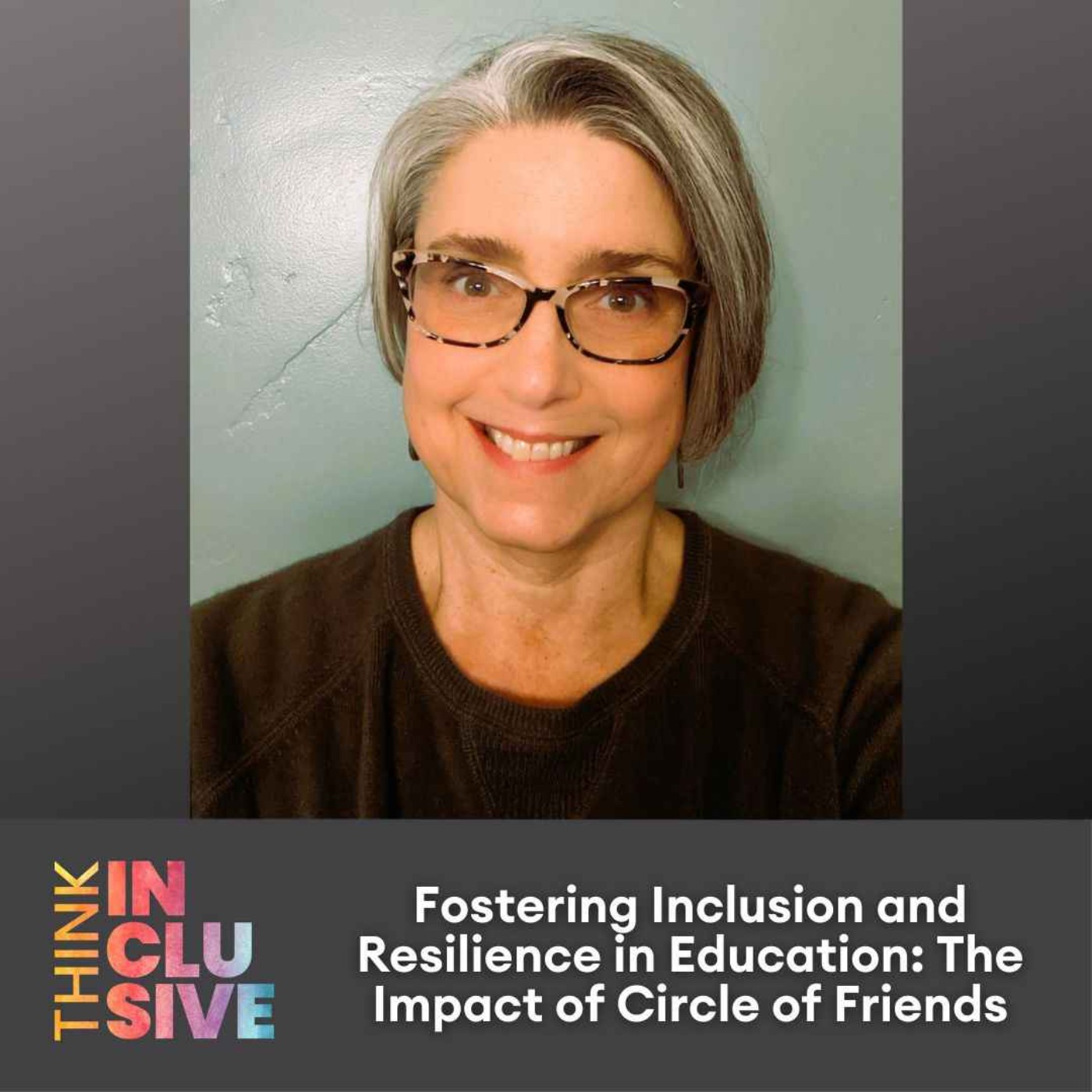
S11 Ep 18Fostering Inclusion and Resilience in Education: The Impact of Circle of Friends
About the Guest(s):Robyn Stack Reagan is the CEO of Circle of Friends, an organization with a mission to promote inclusion for students with disabilities and those living with adversity. With her extensive background in working with youth in residential treatment and fostering youth with mental illness, Reagan brings a wealth of experience to the area of inclusive education and advocacy. Her professional journey includes strategic planning and implementation of programs promoting inclusion, reflecting her passion for supporting students and empowering them to appreciate differences and build authentic relationships.Summary:In this episode, Tim Villegas welcomes Robyn Stack Reagan, the dynamic CEO of Circle of Friends, for an engaging conversation that dives deep into the organization's mission and the tangible impact of inclusion in educational settings. This candid discussion unveils the profound effects that fostering genuine friendships and promoting anti-bullying can have on students of all backgrounds, particularly disabled learners and those facing adversity.Robyn shares the compelling origin story of Circle of Friends, which began with a determination to help one student with Down syndrome make friends in high school. The movement quickly grew into a popular club driven by student leaders eager to encourage inclusion. She also emphasizes the importance of Circle of Friends as a model that transcends disability support and reaches students facing various sorts of adversity, including English language learners, foster youth, and LGBTQIA+ students.An essential facet of this episode is the focus on the misconceptions about inclusion and the reality of its societal benefits. Robyn discusses the organization's approach to eradicating the helper-helpee dynamic by fostering peer-to-peer relationships based on mutual respect and equality—a core value of Circle of Friends. Listeners will leave the conversation with a nuanced understanding of the critical need for safe, inclusive school environments that cultivate long-lasting, positive change.Transcript: https://otter.ai/u/4y9S6I85LUr57ygjk90G6_tRDqUKey Takeaways:Circle of Friends started with the goal of helping one student make friends, embodying the mission to promote inclusion across student populations.The program has expanded to address students living with various adversities, broadening the reach and impact of the organization.The core values of Circle of Friends, including honoring diversity and cultivating friendship, play a vital role in guiding the program's methods and objectives.Overcoming misconceptions about inclusion is a central challenge addressed by the organization, with an emphasis on the shared benefits for all students.The Circle of Friends program serves as both an antidote to bullying and a platform for developing emotional intelligence and advocacy skills among students.Resources:Circle of Friends Website: https://www.circleofriends.org/Hope Building Blocks by Tufts University: https://positiveexperience.org/resource/the-four-building-block-of-hope/MCIE: https://www.mcie.org/Podcast Impact Survey: https://bit.ly/TI-IMPACT Hosted on Acast. See acast.com/privacy for more information.
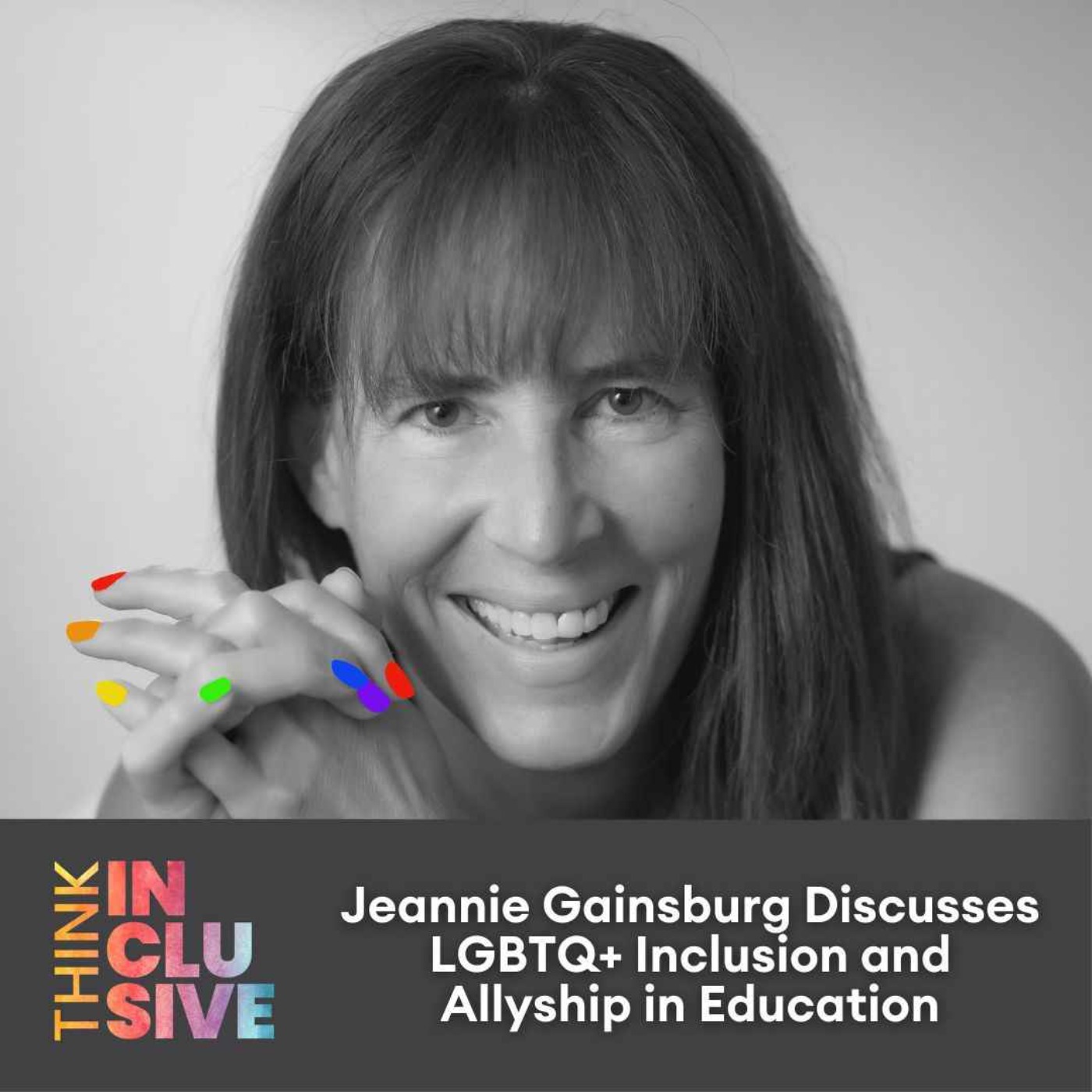
S11 Ep 17Jeannie Gainsburg Discusses LGBTQ+ Inclusion and Allyship in Education
About the Guest(s):Jeannie Gainsburg is an LGBTQ+ advocate and author. She has been actively involved in LGBTQ+ inclusion for over 15 years and has worked with various organizations to promote equality and acceptance. Jeannie is passionate about creating inclusive spaces and educating others on allyship.Episode Summary:In this episode, Tim Villegas interviews Jeannie Gainsburg, an LGBTQ+ advocate and author. They discuss their personal journeys to becoming allies and the importance of disability and LGBTQ+ inclusion. Jeannie shares her experiences and insights on being an effective ally, including tips for respectful conversations and using gender-neutral language. They also discuss the evolving nature of LGBTQ+ initialisms and the significance of pronouns in creating inclusive spaces.Also in this episode, Tim Villegas and Tasslyn Magnusson (PEN America) discuss the recent trend of book banning in schools. They discuss the current state of book banning, its impact on marginalized communities, and what educators can do to fight against it. They also touch on the importance of student involvement and the power of storytelling.Transcript: https://otter.ai/u/PvzH-RQidgOHvbKrA_D-hHsWLG8Key Takeaways:Jeannie Gainsburg and Tim Villegas both came to disability and LGBTQ+ inclusion advocacy later in life but were motivated by the injustice and discrimination they witnessed.Being an ally means actively supporting and advocating for marginalized communities, such as the LGBTQ+ communities and people with disabilities.It is important to use inclusive language and respect people's pronouns to create a welcoming and inclusive environment.Allyship is an ongoing journey, and it is important to be open to learning, making mistakes, and continuously educating oneself.Educators play a crucial role in providing quality instruction and creating an inclusive learning environment for students.Resources:The Savvy Ally: https://amzn.to/3uarECDWebsite: https://www.savvyallyaction.com/Banned in the USA: The Mounting Pressure to Censor: https://pen.org/report/book-bans-pressure-to-censor/MCIE:Website: https://www.mcie.org/Email List: https://bit.ly/MCIE-Email-ListFacebook: https://www.facebook.com/ThinkInclusive/Instagram: https://www.instagram.com/think_inclusive/Threads: https://www.threads.net/@think_inclusiveYouTube: https://www.youtube.com/c/ThinkinclusiveUsLinkedIn: https://www.linkedin.com/company/inclusive-education/Support: https://bit.ly/MCIE-Donate Hosted on Acast. See acast.com/privacy for more information.
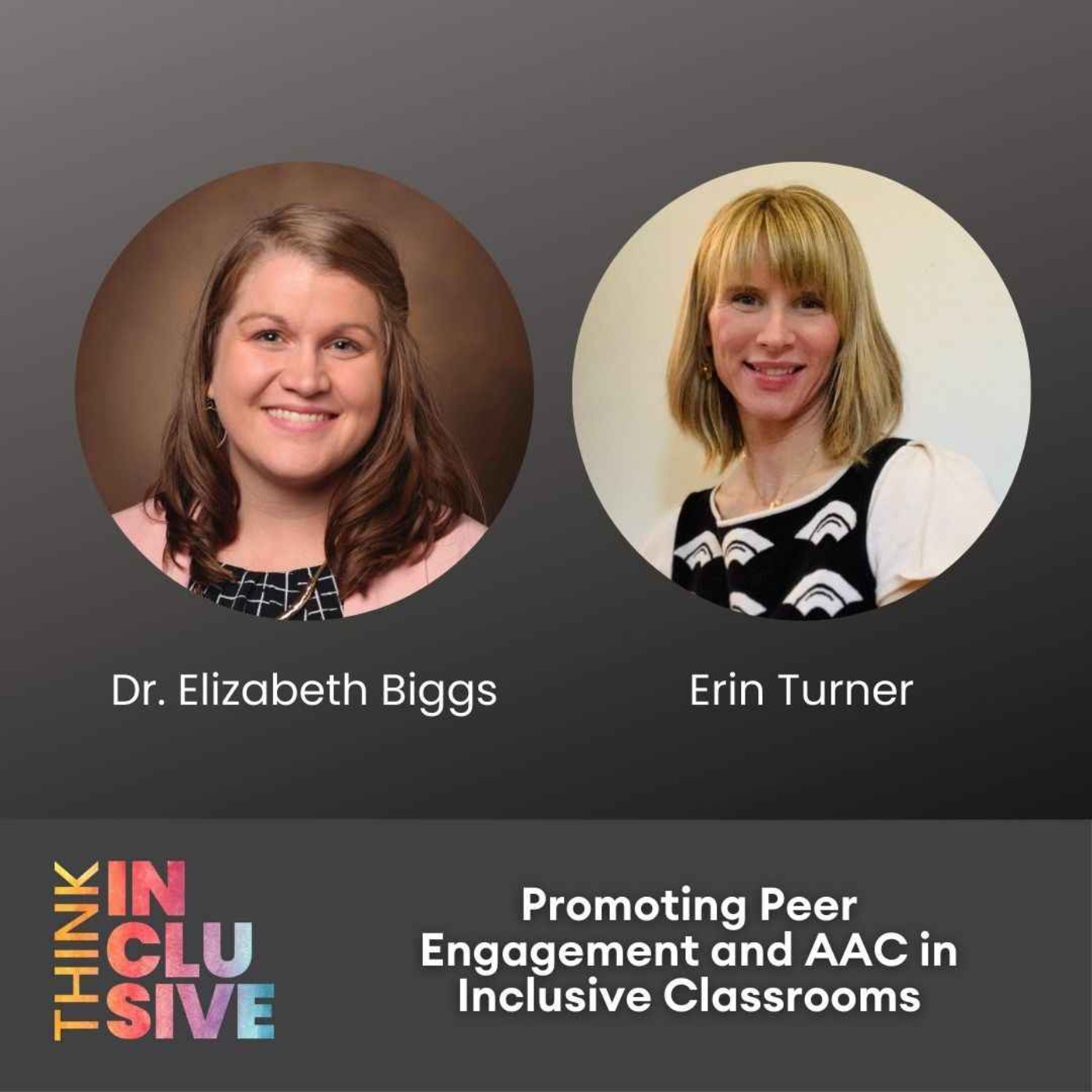
S11 Ep 16Promoting Peer Engagement and AAC in Inclusive Classrooms
About the Guest(s): Elizabeth Biggs, Ph.D., is an Assistant Professor of Special Education at Vanderbilt University. She is also an affiliated faculty member of the Vanderbilt Kennedy Center. Her research focuses on improving social, communication, language, and literacy outcomes for students with complex communication needs, particularly supporting their belonging and inclusion.Erin Turner, MA, is an Educational Consultant for the Enhancing Peer Networks Project at Vanderbilt University. As a special educator for 12 years, Erin served diverse schools and districts across many roles. She taught both general and special education classes, led an inclusion program, and served as a district-wide special education coach. She now collaborates with and provides training to educators and school sites to implement the Enhanced Peer Networks Intervention. Transcript: https://otter.ai/u/bgkXTbRTJPDDE78wJfxWcJubJwwSummary: In this episode, Tim Villegas interviews Elizabeth Biggs and Erin Turner about the importance of fostering peer relationships in inclusive classrooms. They discuss why relationships with peers are often overlooked, the benefits of inclusive classrooms beyond academic progress, and the role of augmentative and alternative communication (AAC) in supporting communication access for students with limited speech. Elizabeth and Erin share insights from their research and provide practical strategies for educators and families to promote peer engagement and friendship in schools.Key Takeaways:Inclusive classrooms often overlook peer relationships due to a focus on academics and a lack of training in social-emotional skills.Friendships promote well-being for students with disabilities.Inclusive classrooms foster relationships between students with disabilities and non-disabled peers.The Enhancing Peer Network Project aims to develop tools and resources to support social communication and foster relationships for autistic students who use AAC.AAC is essential for students with limited verbal speech to communicate and build relationships with peers.Resources:TIES Center - Creating Communities of Belonging for Students with Significant Cognitive Disabilities: https://publications.ici.umn.edu/ties/peer-engagement/belonging/introductionMCIE: Website: https://www.mcie.org/Email List: https://bit.ly/MCIE-Email-ListFacebook: https://www.facebook.com/ThinkInclusive/Instagram: https://www.instagram.com/think_inclusive/Threads: https://www.threads.net/@think_inclusiveYouTube: https://www.youtube.com/c/ThinkinclusiveUsLinkedIn: https://www.linkedin.com/company/inclusive-education/Support: https://bit.ly/MCIE-Donate Hosted on Acast. See acast.com/privacy for more information.
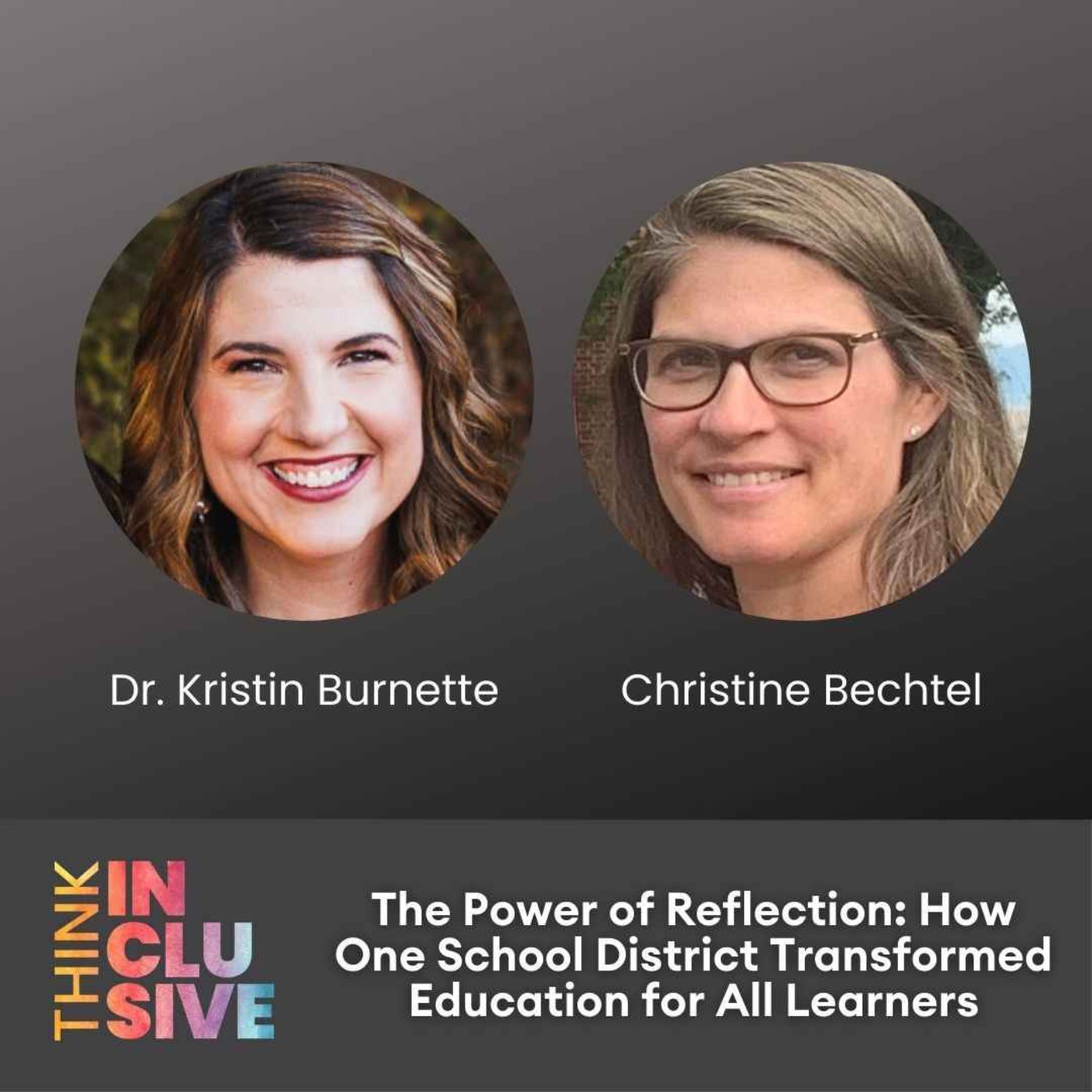
S11 Ep 15The Power of Reflection: How One School District Transformed Education for All Learners
About The Guest(s):Dr. Kristin Burnette is an Assistant Professor of Special Education at ECU. She has 17 years of experience working with students with extensive support needs and 11 years of classroom experience. She completed her Ph.D. at the University of NC Greensboro, focusing on inclusive education for students with extensive support needs. During her doctoral program, she was a graduate assistant for the TIES Center, the OSEP national technical assistance center focused on inclusive education and systemic change.Christine Bechtel is the Supervisor of Special Education for Carroll County Public Schools and has been in the field of Special Education for 28 years. Mrs. Bechtel is dedicated to equity particularly for students with disabilities, earning a Post-Baccalaureate Certification in Equity and Excellence in Education from McDaniel College in 2019. Among many other roles within CCPS, Mrs. Bechtel currently serves as the chair of CCPS’s District Inclusion Team.Summary: Kristin and Christine discussed Carroll County's journey toward inclusive education. They started with targeted technical assistance from the National TIES Center and gradually expanded inclusive practices to multiple schools. Their commitment to collaboration and a mindset shift has led to positive outcomes for both students with disabilities and their non-disabled peers.Transcript: https://otter.ai/u/OfppakyION57qFeebUXEoQ1Cw9AThank you to Brookes Publishing for sponsoring this episode! Book Giveaway: https://bit.ly/brookes-giveaway-0124Key Takeaways:Inclusive education requires multiple layers of leadership at the building, district, and state levels.The district's focus on content areas like science and social studies has led to meaningful inclusion and improved outcomes.Reflection and action planning are essential for sustainable systems change in education.The district has positively impacted school culture and student engagement through inclusive practices.Non-disabled peers have benefited from inclusive education, becoming role models and improving their behavior.TIES Roadmap: https://bit.ly/TIES-RISEMCIE: Website: https://www.mcie.org/Email List: https://bit.ly/MCIE-Email-ListFacebook: https://www.facebook.com/ThinkInclusive/Instagram: https://www.instagram.com/think_inclusive/Threads: https://www.threads.net/@think_inclusiveYouTube: https://www.youtube.com/c/ThinkinclusiveUsLinkedIn: https://www.linkedin.com/company/inclusive-education/Support: https://bit.ly/MCIE-Donate Hosted on Acast. See acast.com/privacy for more information.
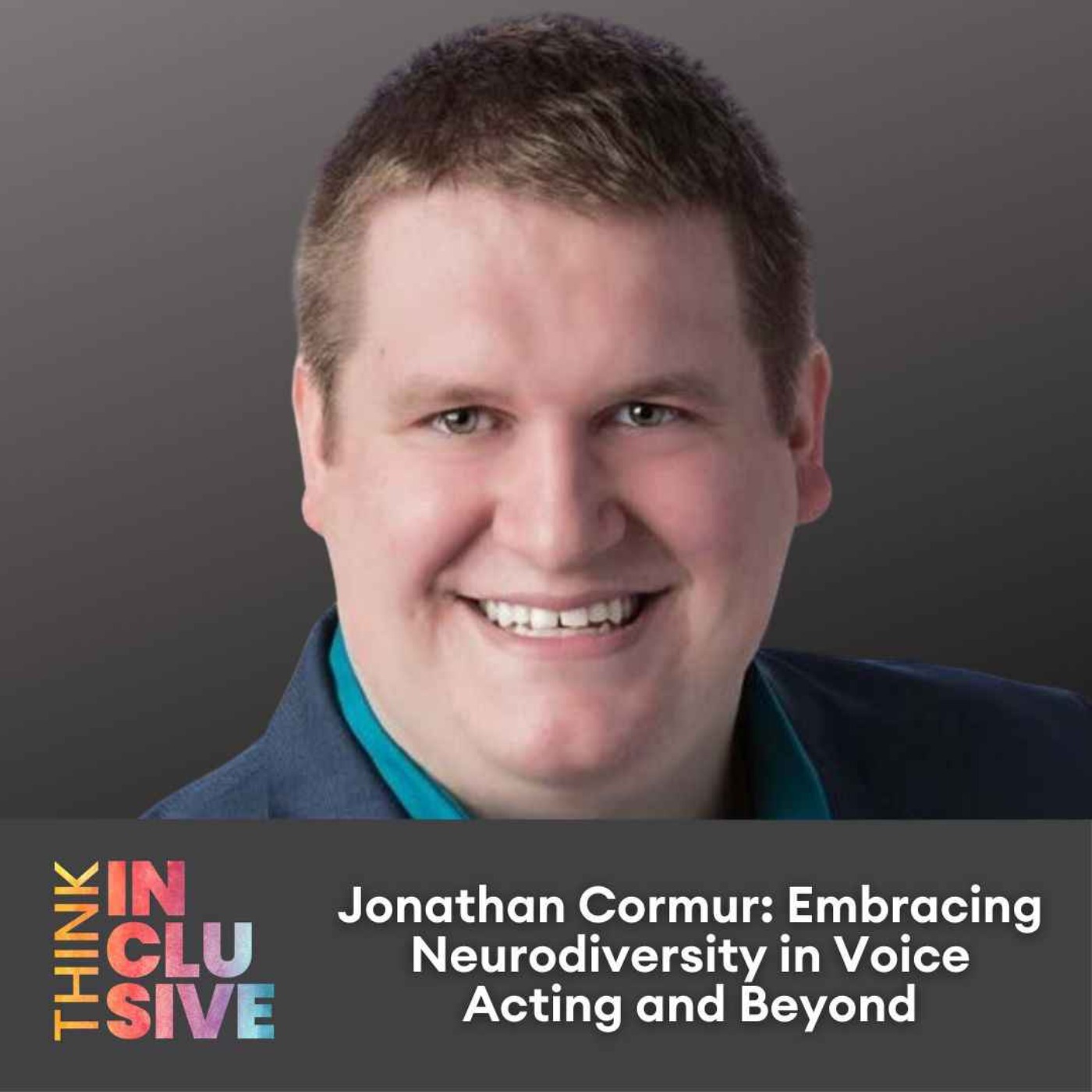
S11 Ep 14Jonathan Cormur: Embracing Neurodiversity in Voice Acting and Beyond
About The Guest(s): Jonathan Cormur is a talented voice actor and the host of the Dorktales Storytime podcast. He has a great passion for storytelling and presents classic fairytales in a unique and geekish way. Jonathan also contributes to the Hidden Heroes of History series, which is part of the Dorktales Storytime feed. Through this series, he highlights important historical figures who are often overlooked.Summary: Jonathan Cormur discusses his work on the Dorktales Storytime podcast, adding a geeky twist to classic fairytales. He emphasizes the importance of authentic representation of disabilities in audio and shares his experiences in voice acting and theater. Jonathan reflects on his journey with autism and the impact of inclusive education and shares his aspirations for his career and the positive message of his podcast.Transcript: https://otter.ai/u/XrZ2JnVA7ZmG0Ah7QYXNHvv87oEKey Takeaways:Dork Tales Story Time podcast puts a geekish twist on classic fairytales, promoting positive role models and embracing uniqueness.Authentic representation of disabilities in audio is important, and more opportunities should be given to neurodivergent individuals.Inclusive education and supportive teachers can make a significant difference in the lives of neurodivergent students.Jonathan's dreams for his career include financial viability for the podcast and more opportunities for positive role modeling.Playing Dungeons & Dragons has become a fun and engaging hobby for Jonathan, enhancing his creativity and enjoyment.Jonathan Cormur: https://jonincharacter.com/Dorktales Storytime: https://pod.link/dorktales-storytimeMCIE: Website: https://www.mcie.org/Email List: https://bit.ly/MCIE-Email-ListFacebook: https://www.facebook.com/ThinkInclusive/Instagram: https://www.instagram.com/think_inclusive/Threads: https://www.threads.net/@think_inclusiveYouTube: https://www.youtube.com/c/ThinkinclusiveUsLinkedIn: https://www.linkedin.com/company/inclusive-education/Support: https://bit.ly/MCIE-Donate Hosted on Acast. See acast.com/privacy for more information.
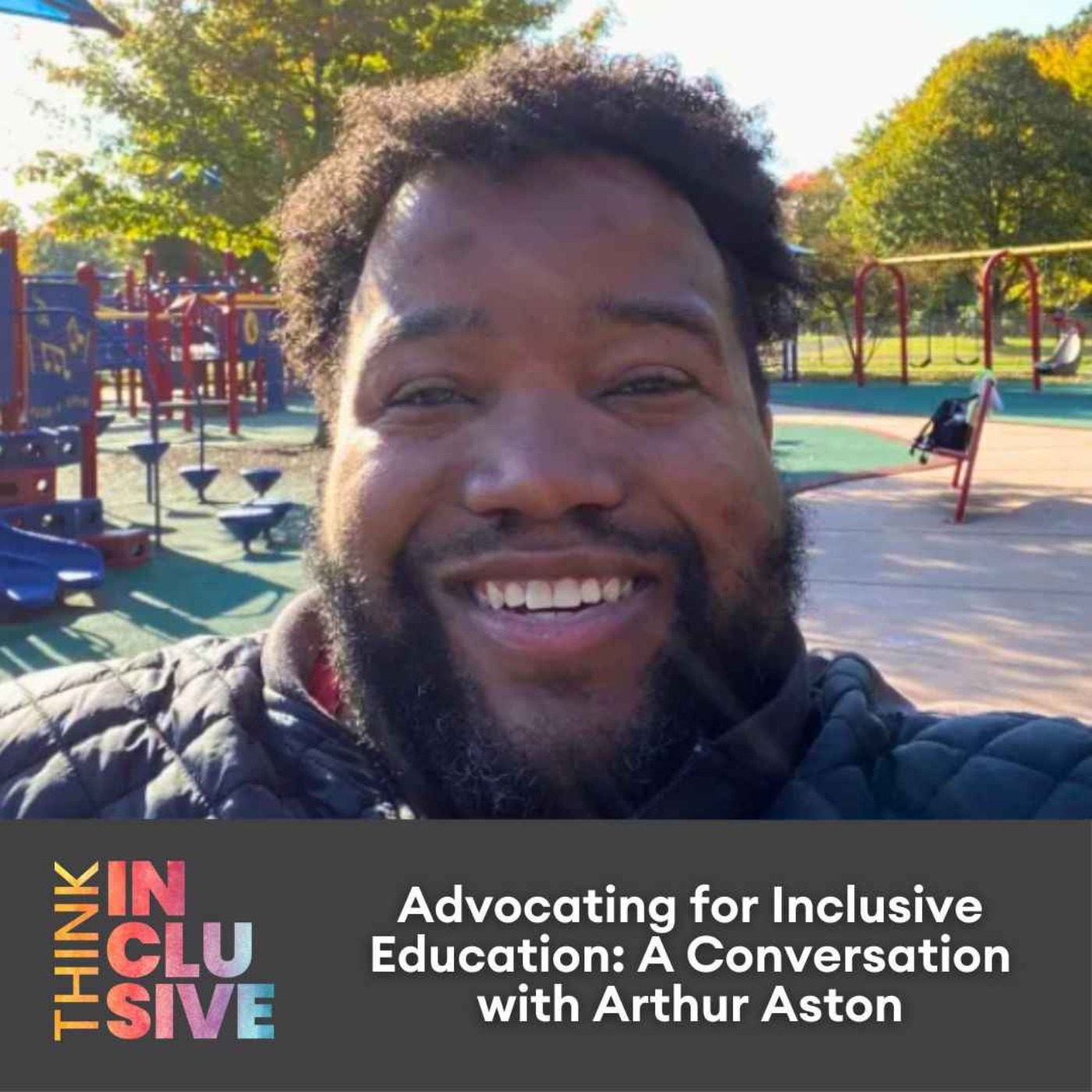
S11 Ep 13Advocating for Inclusive Education: A Conversation with Arthur Aston
About The Guest(s): Arthur Aston is a podcaster and the host of the Inclusion Think Tank podcast for the New Jersey Coalition for Inclusive Education (NJCIE). He was born with spina bifida, a condition that affects his mobility, and has dedicated his life to changing the way people see and interact with individuals with disabilities.Summary: Arthur Aston, host of the Inclusion Think Tank podcast for NJCIE, shares his personal journey of living with spina bifida and how it led him to become an advocate for inclusive education. He discusses the importance of inclusive education and the need for students with and without disabilities to learn together. Arthur also highlights the work of NJCIE in providing professional development and consulting services to promote inclusive education in schools.Transcript: https://otter.ai/u/dcqHcjhDxPQq3gOnBUbUznydM0cKey Takeaways:Inclusive education is a fundamental right for every student and allows for learning and growth for all.Accessibility benefits everyone, not just individuals with disabilities.Inclusive education provides an opportunity for students to learn from each other and realize their similarities.Making changes towards inclusive education takes time, patience, and dedication.It is important to include the voices of individuals with disabilities in the conversation about inclusive education.NJCIE Website: https://www.njcie.org/Inclusion Think Tank Podcast: https://www.njcie.org/podcastAll In (Arkansas): https://sites.google.com/view/inclusive-practices/homeMCIE: Website: https://www.mcie.org/Email List: https://bit.ly/MCIE-Email-ListFacebook: https://www.facebook.com/ThinkInclusive/Instagram: https://www.instagram.com/think_inclusive/Twitter/X: https://twitter.com/think_inclusiveYouTube: https://www.youtube.com/c/ThinkinclusiveUsLinkedIn: https://www.linkedin.com/company/inclusive-education/ Hosted on Acast. See acast.com/privacy for more information.
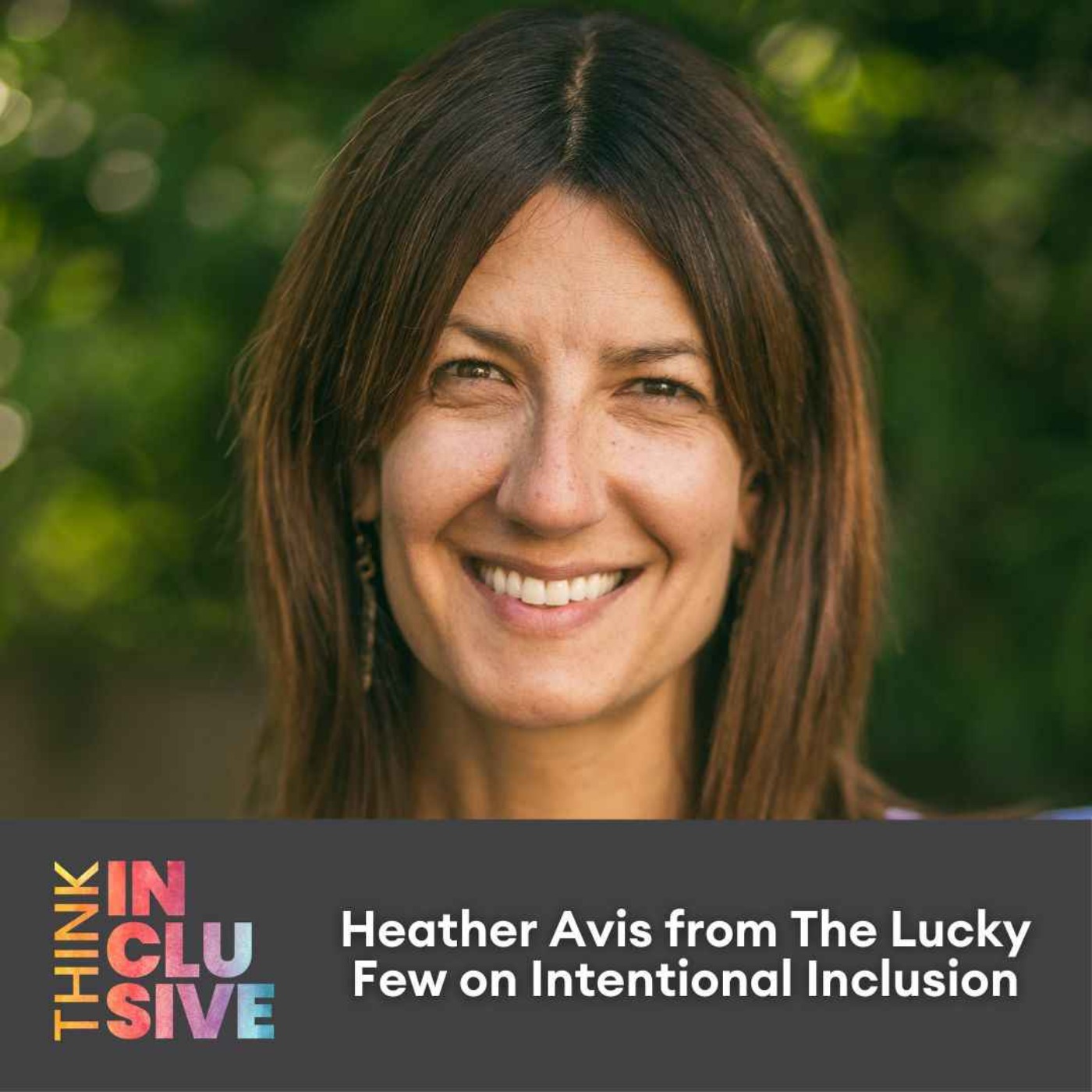
S11 Ep 12Heather Avis from The Lucky Few on Intentional Inclusion
About The Guest(s): Heather Avis is an author, speaker, and advocate for individuals with Down syndrome. She is the founder of The Lucky Few, a foundation that aims to shift the narrative around Down syndrome and create spaces of belonging for everyone. Heather shares her personal experiences as a mother of three adopted children, two of whom have Down syndrome, and uses storytelling to challenge societal perceptions and promote inclusion.Summary: Heather Avis and Tim Villegas engage in a thought-provoking conversation about intentional inclusion and the power of storytelling in transforming perceptions. They delve into the challenges and progress in creating inclusive spaces for individuals with disabilities, as well as the need to address ableism within the disability community itself. Heather emphasizes the importance of intentional adjustments and thoughtful consideration to foster true inclusion. They also discuss the impact of the fight for inclusion on parents and caregivers, highlighting the need to prioritize the well-being and hearts of disabled individuals. Ultimately, the conversation centers around recognizing the full humanity and worth of individuals with disabilities, irrespective of societal expectations.Transcript: https://otter.ai/u/wjkXhhny49k-OJu1BbN1twhWThoKey Takeaways:Inclusion necessitates deliberate adjustments and thoughtful consideration of the impact of decisions.Storytelling is a powerful tool for changing perceptions and creating spaces of belonging.Addressing and dismantling ableism within the disability community is crucial for achieving genuine inclusion.The fight for inclusion can be emotionally taxing for parents and caregivers, emphasizing the importance of prioritizing the well-being of disabled individuals.Inclusion should extend beyond societal expectations and encompass the recognition of the full humanity and worth of individuals with disabilities.Win a copy of "Equitable and Inclusive IEPs" by Andrea Ruppar and Jennifer Kurth from our sponsor Brookes Publishing!Enter Here: https://bit.ly/brookes-giveaway-1223Heather Avis:Website: https://www.theluckyfew.co/Everyone Belongs: https://www.theluckyfew.co/collections/everyone-belongsMCIE:Website: https://www.mcie.org/Email List: https://bit.ly/MCIE-Email-ListFacebook: https://www.facebook.com/ThinkInclusive/Instagram: https://www.instagram.com/think_inclusive/Twitter/X: https://twitter.com/think_inclusiveYouTube: https://www.youtube.com/c/ThinkinclusiveUsLinkedIn: https://www.linkedin.com/company/inclusive-education/ Hosted on Acast. See acast.com/privacy for more information.
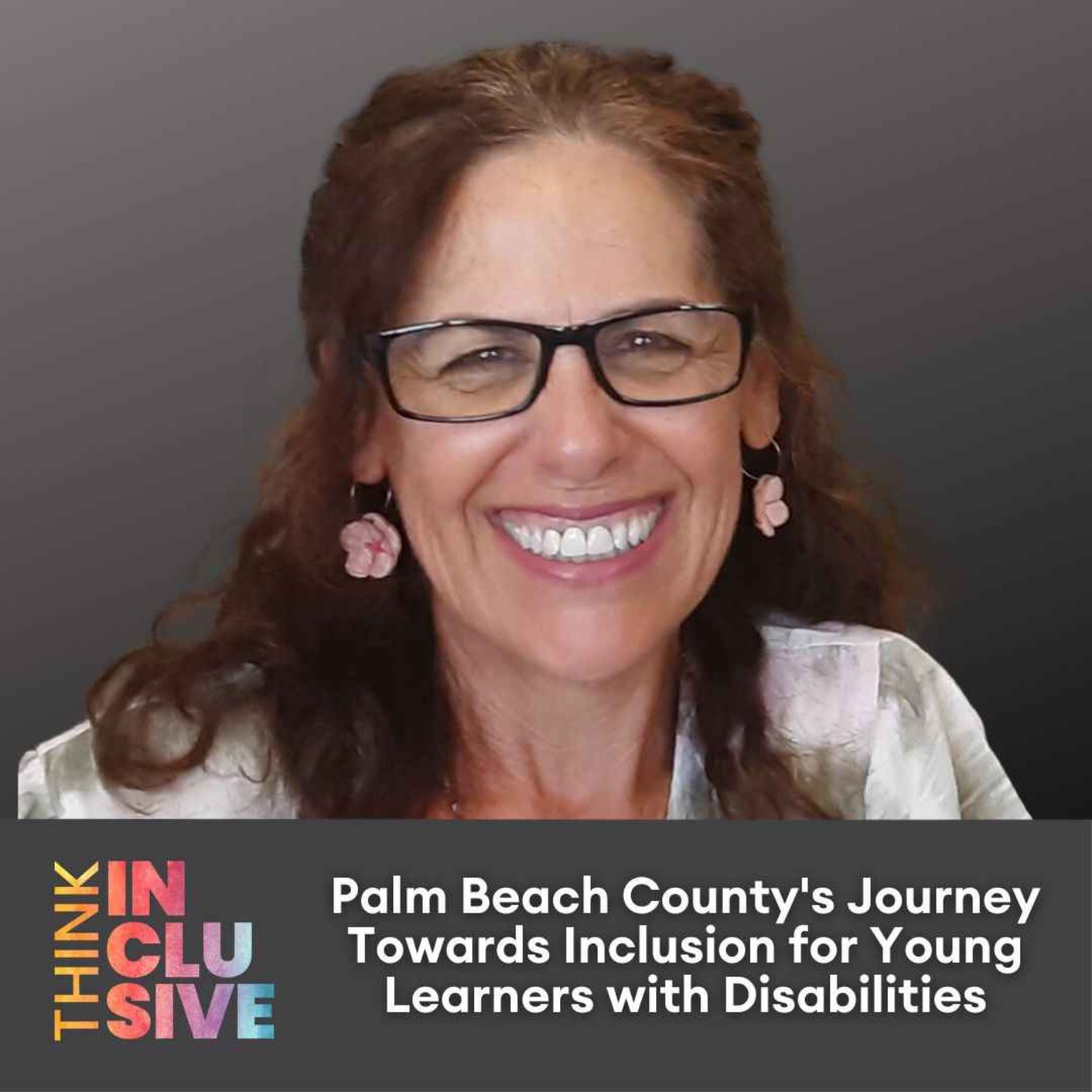
S11 Ep 11Palm Beach County's Journey Towards Inclusion for Young Learners with Disabilities
About The Guest(s): Lori Miranda is an advocate for inclusive education and the Director of Pre-K Exceptional Student Education (ESE) in Palm Beach County, Florida. She has been instrumental in implementing inclusive practices for young children with disabilities in the county's school district, Head Start programs, and community centers.Summary: Lori Miranda discusses the importance of inclusive placements for students with disabilities in Palm Beach County. She explains that the traditional model of removing students from their natural environments and sending them to separate special education programs was disruptive and limited their opportunities for socialization and learning. To address this issue, Palm Beach County implemented a collaborative approach, partnering with community centers and Head Start programs to provide inclusive education for young learners with disabilities.Miranda highlights the challenges they faced in implementing this model, including concerns about behavior management, funding, and teacher buy-in. However, through extensive training, relationship-building, and a commitment to putting children and families first, they were able to overcome these barriers and create a successful inclusive program.She also discusses the positive impact of inclusive placements on students' transitions to kindergarten. By providing support and services in their natural environments, students are better prepared for the general education setting and have a higher likelihood of continuing in inclusive classrooms.Transcript: https://otter.ai/u/2jWLSDDkk-cKV2lPhwr9WbfF1qQKey Takeaways:Inclusive placements allow students with disabilities to remain in their natural environments and receive support and services in community centers and Head Start programs.Building relationships and trust with community partners and teachers is crucial for the success of inclusive programs.Palm Beach County's inclusive model has resulted in 100% of students transitioning to general education kindergarten.Editorial Note: 1. Regarding large waiting lists for evaluation: Recent verification data from Palm Beach County indicate diagnostic teams make every effort to connect with families prior to closing files. This effort takes time and can appear as if families are waiting while diagnostic teams work diligently to make contact and meet with families that can be hard to reach. 2. Regarding there being no cap on class size for FL early childhood special education classrooms: Per Section 1003.03, Florida Statute – Maximum class size (1) CLASS SIZE MAXIMUMS. – Each year, on or before the October student membership survey, the following class size maximum shall be satisfied: (a) The maximum number of students assigned to each teacher who is teaching core-curricula courses to public school classrooms for prekindergarten through grade 3 may not exceed 18 students. The School District of Palm Beach County has a PreK ESE allocation formula that is below Florida's class size requirements. Comments in this podcast episode reference the district allocation formula.Resources:Partners in Education Video (Palm Beach County School District): https://youtu.be/VEpX6EqCV50Palm Beach County School District: https://www.palmbeachschools.org/domain/456MCIE: https://www.mcie.org/ Hosted on Acast. See acast.com/privacy for more information.
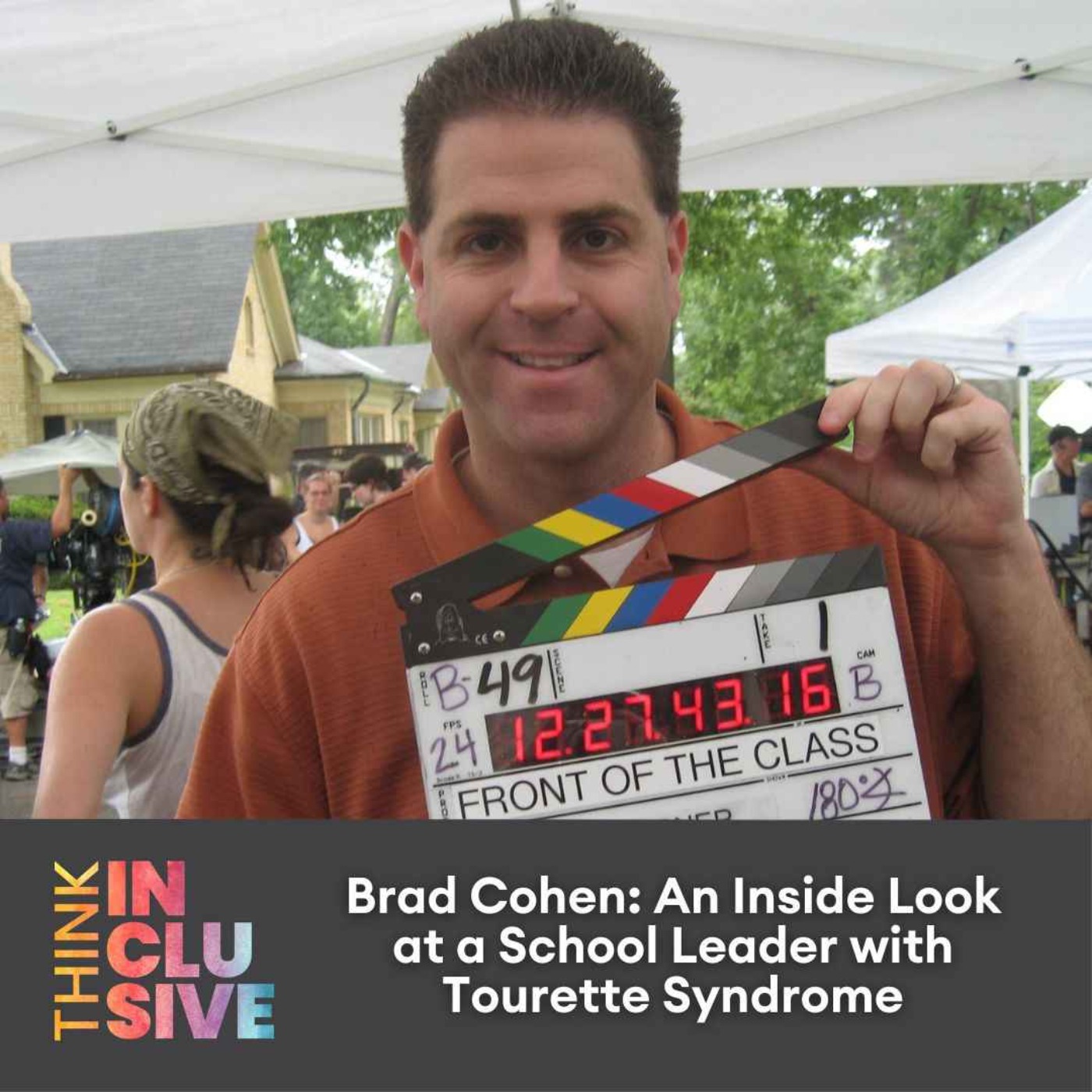
S11 Ep 10Brad Cohen: An Inside Look at a School Leader with Tourette Syndrome
About The Guest(s): Brad Cohen is an educator, author, and motivational speaker. He has Tourette Syndrome and has dedicated his career to advocating for individuals with disabilities. Brad has written a book called "Front of the Class: How Tourette Syndrome Made Me the Teacher I Never Had," and his story has been made into a movie. He has also worked as a mascot for the Atlanta Braves.Summary: Brad Cohen, an educator with Tourette Syndrome, shares his experiences and insights on working with individuals with disabilities. He emphasizes the importance of understanding and acceptance, dispelling misconceptions about Tourette's, and providing support for students with neurological disorders. Brad also discusses his own journey as an educator and the impact he has made in the lives of others.Transcript: https://otter.ai/u/ye6nk1AR0hWIVABR-pqZMwXjDTkKey Takeaways:Misconceptions about Tourette's include viewing it as a behavior problem and assuming individuals with Tourette's are disabled.Educators should educate themselves about Tourette's and communicate with students to understand their needs.Tourette's can be influenced by emotions and stress, leading to increased tics in certain situations.It is crucial for educators to believe in students with Tourette's and provide them with opportunities for success.Families of children with disabilities should educate others, focus on strengths, and promote self-confidence.Brad Cohen: Website: http://www.classperformance.com/LinkedIn: https://www.linkedin.com/in/bradcohentourettefoundation/MCIE: Website: https://www.mcie.org/Email List: https://bit.ly/MCIE-Email-ListFacebook: https://www.facebook.com/ThinkInclusive/Instagram: https://www.instagram.com/think_inclusive/Twitter/X: https://twitter.com/think_inclusiveYouTube: https://www.youtube.com/c/ThinkinclusiveUsLinkedIn: https://www.linkedin.com/company/inclusive-education/ Hosted on Acast. See acast.com/privacy for more information.
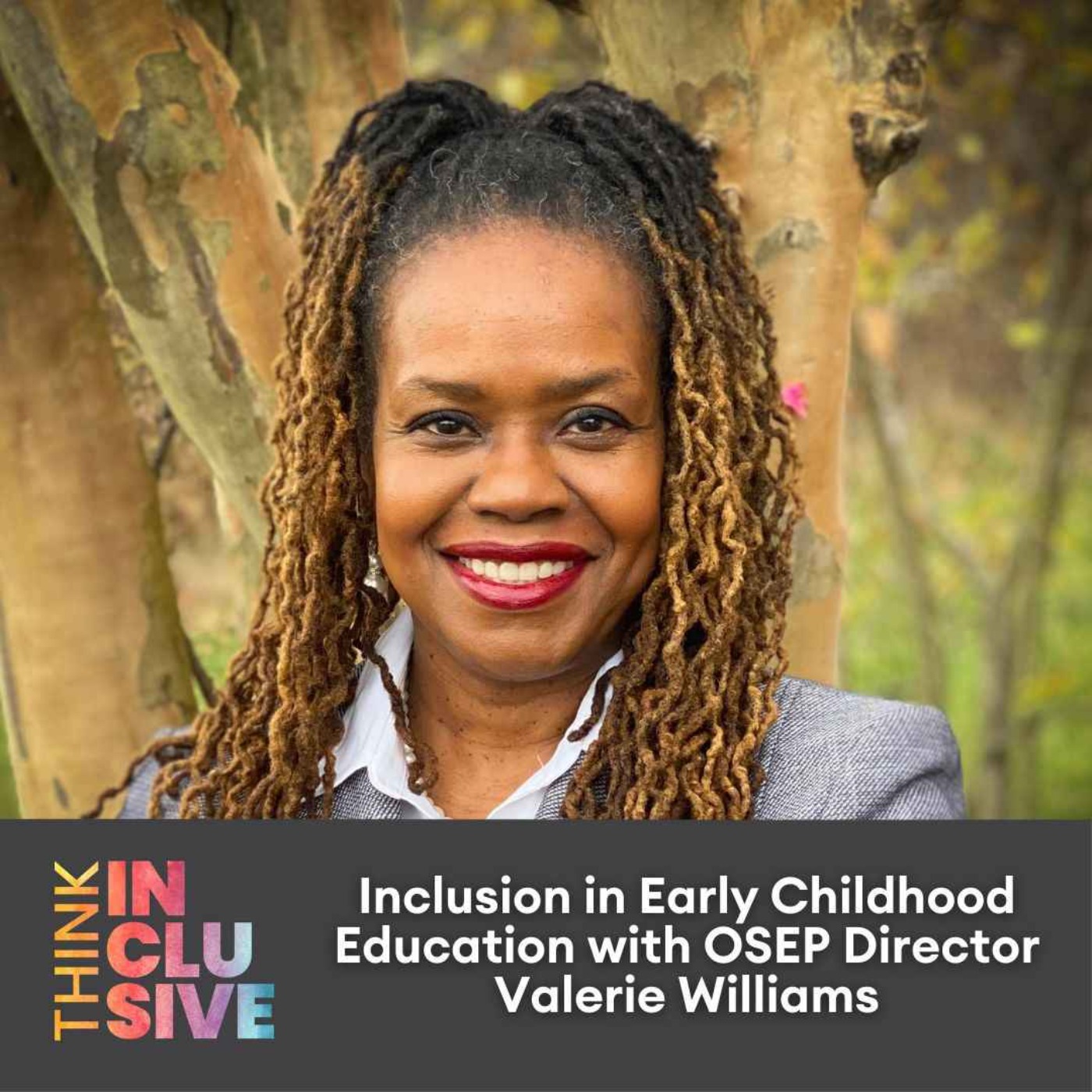
S11 Ep 9Inclusion in Early Childhood Education with OSEP Director Valerie Williams
About The Guest(s): Valerie Williams is the Director of the Office of Special Education Programs (OSEP) at the U.S. Department of Education. She is passionate about early childhood inclusion and ensuring that all children have access to quality education.Summary: Valerie Williams, Director of OSEP, discusses the importance of inclusion in early childhood education. She shares a personal story about finding the right preschool for her son with Down syndrome and highlights the need for a mindset shift among educators and administrators. Valerie emphasizes the importance of providing resources and technical assistance to support inclusive practices. She also discusses the current state of inclusive education in different states and the need for implementation and accountability.Transcript: https://otter.ai/u/aHwtuZFhIyncVjkeHBdVS1Yk-ZcKey Takeaways:Inclusion starts early and should continue throughout a child's education.The mindset of educators and administrators plays a significant role in promoting inclusion.There are federal resources available to support inclusive practices, but there is a need for better dissemination and outreach.Implementation and accountability are crucial for ensuring that inclusive practices are effectively implemented in schools.Resources:Office of Special Education Programs Techincal Assistance Network: https://osepideasthatwork.org/sites/default/files/2023-10/OSEP-IDEAs-Menu-508.pdf This episode was produced in collaboration with the Early Childhood Technical Assistance Center (https://ectacenter.org/) and the Frank Porter Graham Child Development Institute (https://fpg.unc.edu/).MCIE: Website: https://www.mcie.org/Email List: https://bit.ly/MCIE-Email-ListFacebook: https://www.facebook.com/ThinkInclusive/Instagram: https://www.instagram.com/think_inclusive/Twitter/X: https://twitter.com/think_inclusiveYouTube: https://www.youtube.com/c/ThinkinclusiveUsLinkedIn: https://www.linkedin.com/company/inclusive-education/ Hosted on Acast. See acast.com/privacy for more information.
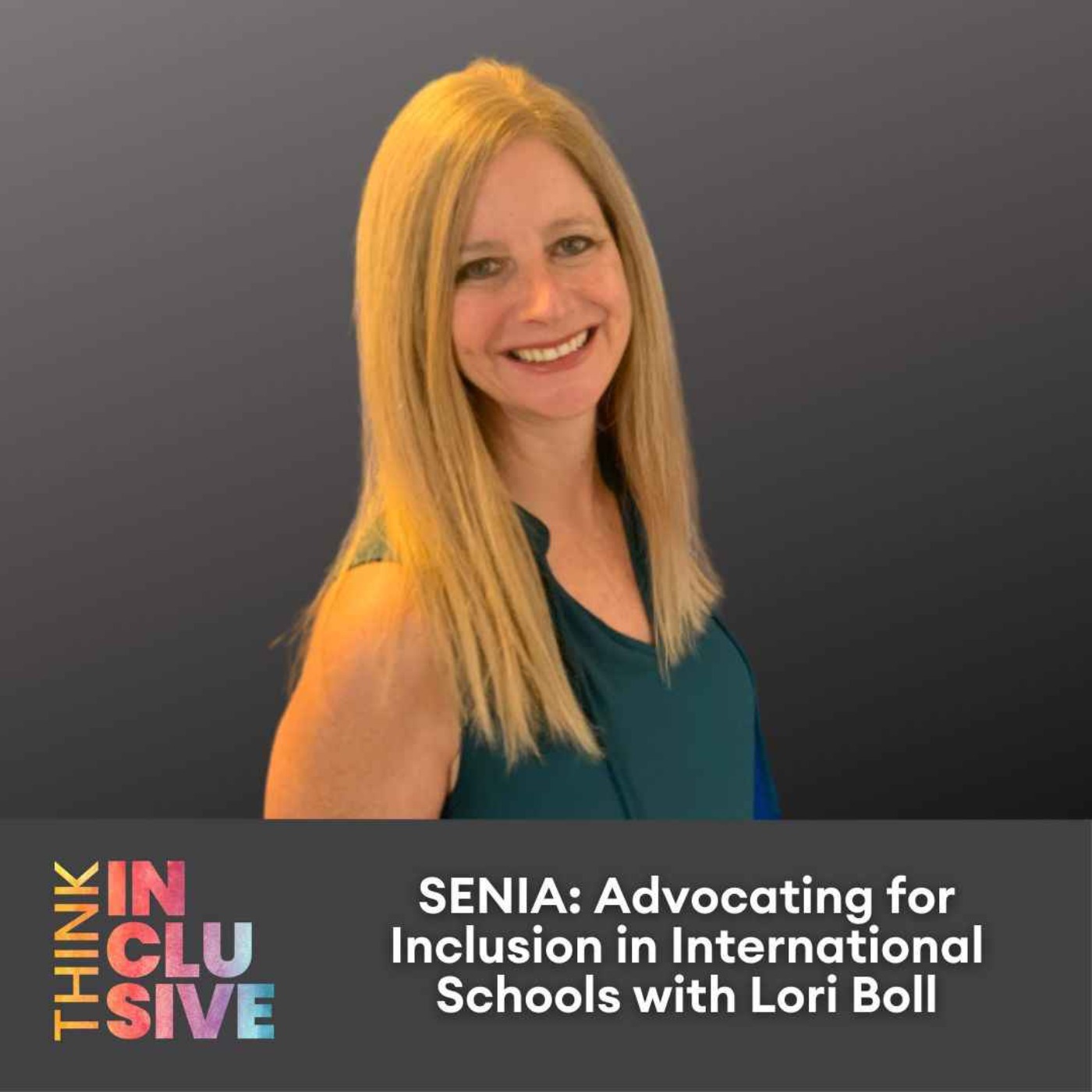
S11 Ep 8SENIA: Advocating for Inclusion in International Schools with Lori Boll
About The Guest(s): Lori Boll is an inclusive education leader with a personal connection to individuals with disabilities. Her son Braden was diagnosed with autism spectrum disorder and an intellectual developmental delay, inspiring her to advocate for all children’s education. Lori has taught in international schools for over 25 years and holds two Masters degrees in Reading Education and Special Education. She is the Executive Director of SENIA International and supports others on their professional development journeys. Her expertise and personal connection help her make a meaningful difference in the lives of others. Summary: Lori Boll, the Executive Director of SENIA, an international nonprofit organization, discusses the importance of inclusion in education and how SENIA supports educators in creating inclusive learning environments in international schools. SENIA provides resources, conferences, and coursework to educate parents, families, and educators on best practices for inclusion. They also offer a membership program for schools and school districts, as well as regional and local chapters worldwide. SENIA's mission is to advocate for and provide resources for individuals with disabilities, with a focus on promoting inclusion and equity.Transcript: https://otter.ai/u/iX5JRQleaRL9s__UsJG-jhy5WJwKey Takeaways:SENIA is an international nonprofit organization that advocates for and provides resources for individuals with disabilities.SENIA's mission is to promote inclusion and equity in education through three pillars: learn, connect, and support.SENIA offers conferences, coursework, and a membership program for schools and school districts to support their inclusion efforts.SENIA is working towards creating an accreditation program for international schools that want to prioritize inclusion.Inclusion benefits all students and helps create a more equitable and diverse learning environment.SENIA:Website: https://www.seniainternational.org/SENIA Virtual Conference (2023): https://www.seniaconference.org/senia-virtual-conference-2023/MCIE: Website: https://www.mcie.org/Email List: https://bit.ly/MCIE-Email-ListFacebook: https://www.facebook.com/ThinkInclusive/Instagram: https://www.instagram.com/think_inclusive/Twitter/X: https://twitter.com/think_inclusiveYouTube: https://www.youtube.com/c/ThinkinclusiveUsLinkedIn: https://www.linkedin.com/company/inclusive-education/ Hosted on Acast. See acast.com/privacy for more information.
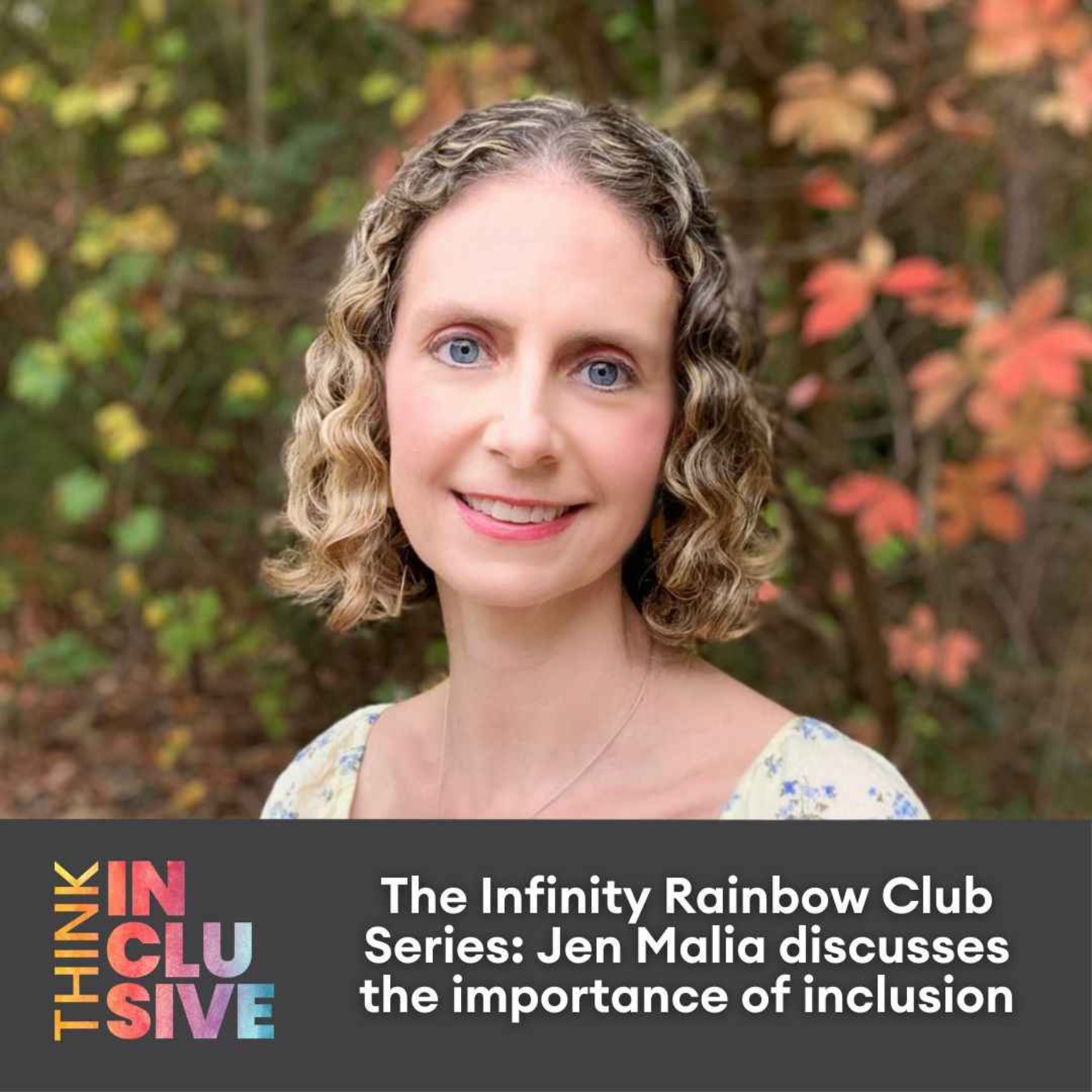
S11 Ep 7The Infinity Rainbow Club Series: Jen Malia discusses the importance of inclusion
About The Guest(s): Jen Malia is a professor of English and a writer of children's books. She started out publishing literary criticism before transitioning to creative writing. Her interest in neurodivergence and autism led her to write personal essays and reported pieces on the topic. This eventually led to the opportunity to write children's books, including the "Infinity Rainbow Club" series.Summary: Jen Malia, a professor of English and writer of children's books, discusses her transition from academic writing to creative writing. She shares how her autism diagnosis influenced her writing and inspired her to create stories about neurodivergent characters. Jen also talks about the inspiration behind her "Infinity Rainbow Club" series and the importance of portraying neurodivergent kids in everyday situations. She emphasizes the need for acceptance and understanding of neurodivergence and hopes that her books will reach a wide audience, including educators and parents.Transcript: https://otter.ai/u/BTHkinTYPaxmxBV_6vl_f50Ng4EKey Takeaways:Jen Malia wanted to write books about neurodivergent characters who go about their everyday lives rather than focusing solely on their neurodivergence.The characters in the "Infinity Rainbow Club" series are inspired by real-life experiences and composite characters.Jen's autism diagnosis later in life changed her view of herself and her parenting approach, emphasizing acceptance and pride in being neurodivergent.The educational experiences of the characters in the series are based on inclusive classrooms with collaboration between general education and special education teachers.Jen hopes her books will be a resource for neurodivergent kids and help promote acceptance and understanding among all students.Jen Malia:Website: https://jenmalia.com/Twitter/X: https://twitter.com/jenmaliabooksInstagram: https://www.instagram.com/jenmaliabooks/Facebook: https://www.facebook.com/MomWithAutism/LinkedIn: https://www.linkedin.com/in/jenmaliabooks/MCIE: Website: https://www.mcie.org/Email List: https://bit.ly/MCIE-Email-ListFacebook: https://www.facebook.com/ThinkInclusive/Instagram: https://www.instagram.com/think_inclusive/Twitter/X: https://twitter.com/think_inclusiveYouTube: https://www.youtube.com/c/ThinkinclusiveUsLinkedIn: https://www.linkedin.com/company/inclusive-education/ Hosted on Acast. See acast.com/privacy for more information.
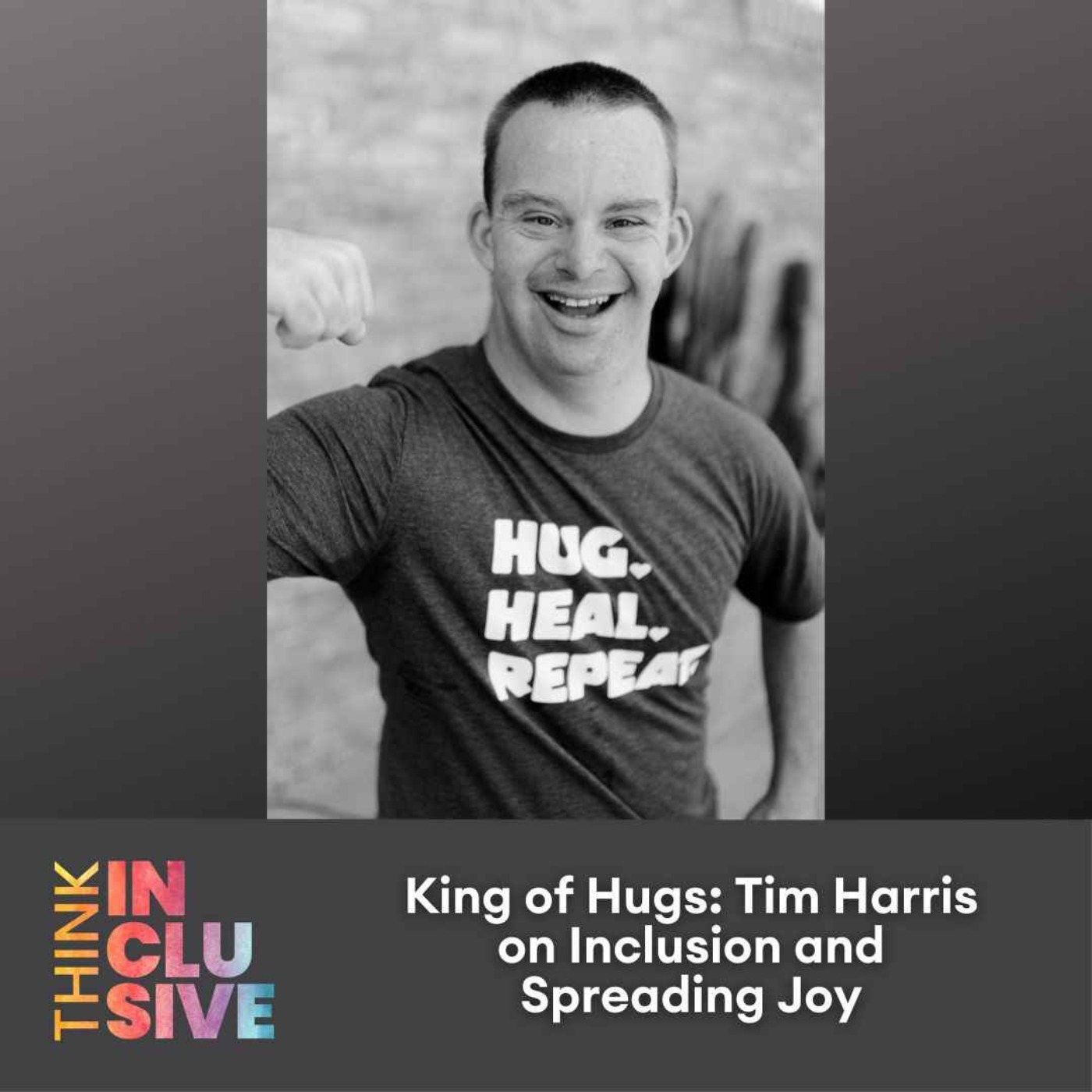
S11 Ep 6King of Hugs: Tim Harris on Inclusion and Spreading Joy
About The Guest(s): Tim Harris is a motivational speaker, author, and former restaurant owner. He gained national attention when he opened Tim's Place, a restaurant in Albuquerque, New Mexico, known for its friendly atmosphere and Tim's signature hugs. Tim has Down syndrome and has used his platform to advocate for inclusion and spread joy through his positive outlook on life.Summary: Tim Harris, a motivational speaker and former restaurant owner, shares his experiences and insights on inclusion and living an awesome life. Tim talks about his favorite memories from his restaurant, Tim's Place, where he was known as the "king of hugs." He discusses the importance of giving hugs and how he kept track of the thousands of hugs he gave. Tim also opens up about the decision to close his restaurant and the impact it had on his life. He shares his love for public speaking and the joy he finds in bringing happiness to others. Tim emphasizes the importance of dreaming big and standing up for oneself, and he encourages people with disabilities to embrace their awesomeness and be a light in the world.Transcript: https://otter.ai/u/EQqgDnFCvtRnzoHFc7eg8mOILs8Key Takeaways:Tim's favorite memory from Tim's Place was seeing people walk through the front door and feeling the world come in.Tim kept track of the hugs he gave by using a hug clicker and adding them to a hug counter on the wall.Tim's decision to close Tim's Place was sad, but his public speaking career has been fulfilling and exciting.Tim encourages people with disabilities to dream big, be awesome, and have fun.Inclusion means being accepted into the world and bringing light into people's hearts.Tim Harris: Instagram: https://www.instagram.com/timsbigheartFacebook: https://www.facebook.com/timsbigheart/MCIE: Website: https://www.mcie.org/Email List: https://bit.ly/MCIE-Email-ListFacebook: https://www.facebook.com/ThinkInclusive/Instagram: https://www.instagram.com/think_inclusive/Twitter/X: https://twitter.com/think_inclusiveYouTube: https://www.youtube.com/c/ThinkinclusiveUsLinkedIn: https://www.linkedin.com/company/inclusive-education/ Hosted on Acast. See acast.com/privacy for more information.
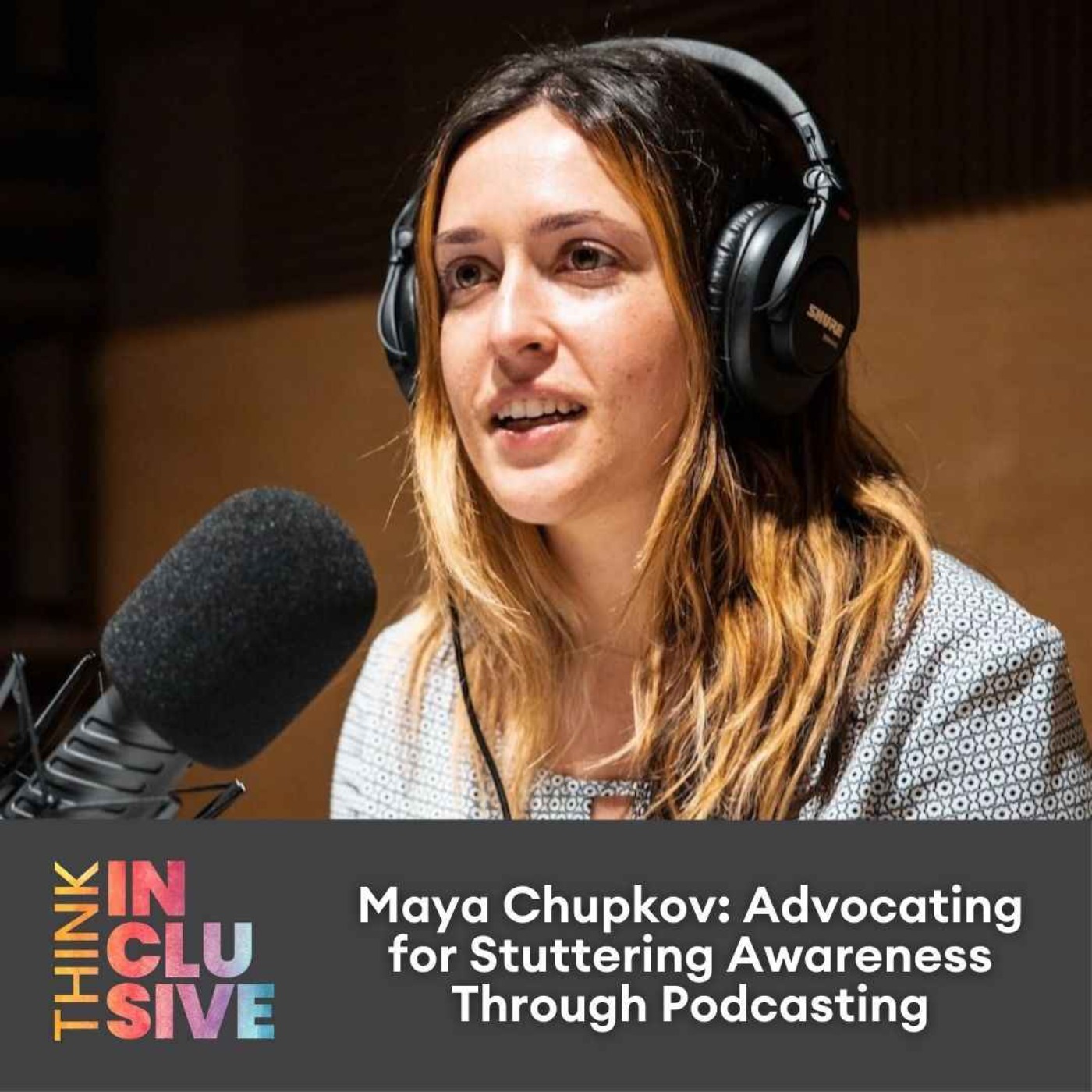
S11 Ep 5Maya Chupkov: Advocating for Stuttering Awareness Through Podcasting
Maya Chupkov (she/her) is the host of the podcast Proud Stutter and Media and Democracy Program Manager at California Common Cause. She advocates for people who stutter and works to raise awareness and build inclusive spaces through storytelling and policy.Maya Chupkov shares her journey of embracing her stutter and using podcasting as a platform for advocacy. She talks about misconceptions around stuttering, her personal growth, and how inclusive environments can make a difference. This episode is a powerful reminder of the importance of visibility, education, and authentic storytelling.Complete show notes and transcript: https://mcie.org/think-inclusive/maya-chupkov-advocating-for-stuttering-awareness-through-podcasting/
S11 Ep 39Judy Heumann's Legacy and the Future of Disability Activism
About The Guest(s):Andy Arias: DEIA expert, national policy advisor, instructor at Georgetown University, actor, and producer.Diego Mariscal: Founder, CEO, and Chief Disabled Officer of 2Gether International, an accelerator that supports disabled entrepreneurs.Emily Ladau: Disability rights activist, author of "Demystifying Disability," and board member of Kids Included Together.Summary: In this episode, Torrie Dunlop hosts a panel discussion with Andy Arias, Diego Mariscal, and Emily Liddell to honor the legacy of Judy Heumann, a pioneer and advocate in the disability rights movement. The panelists discuss how Judy's work has inspired their own activism, the most important issues facing the disability community today, and the impact of intersectionality in disability rights. They also share personal stories and reflections on Judy as a person, highlighting her generosity, humor, and commitment to connecting people. The panelists discuss how they plan to continue Judy's legacy in their own work, emphasizing the importance of authentic representation and collaboration in the disability community.Transcript: https://otter.ai/u/_LOEalVNz27i_mdqvHaNnXHQVqQKey Takeaways:Judy Heumann's legacy is characterized by her commitment to collaboration, community building, and intersectionality in the disability rights movement.The most important issues facing the disability community today are interconnected and require a holistic approach to address barriers in healthcare, employment, education, transportation, and more.Judy's impact as a person extended beyond her advocacy work, as she was known for her humor, generosity, and genuine interest in connecting with others.To honor Judy's legacy, it is crucial to prioritize authentic representation and collaboration in all aspects of disability rights work, including storytelling, filmmaking, and entrepreneurship.Kids Included Together: https://www.kit.org/Andy Arias: https://www.instagram.com/andyswheelz/Diego Mariscal: https://www.linkedin.com/in/Diego-Mariscal/Emily Ladau: https://emilyladau.com/
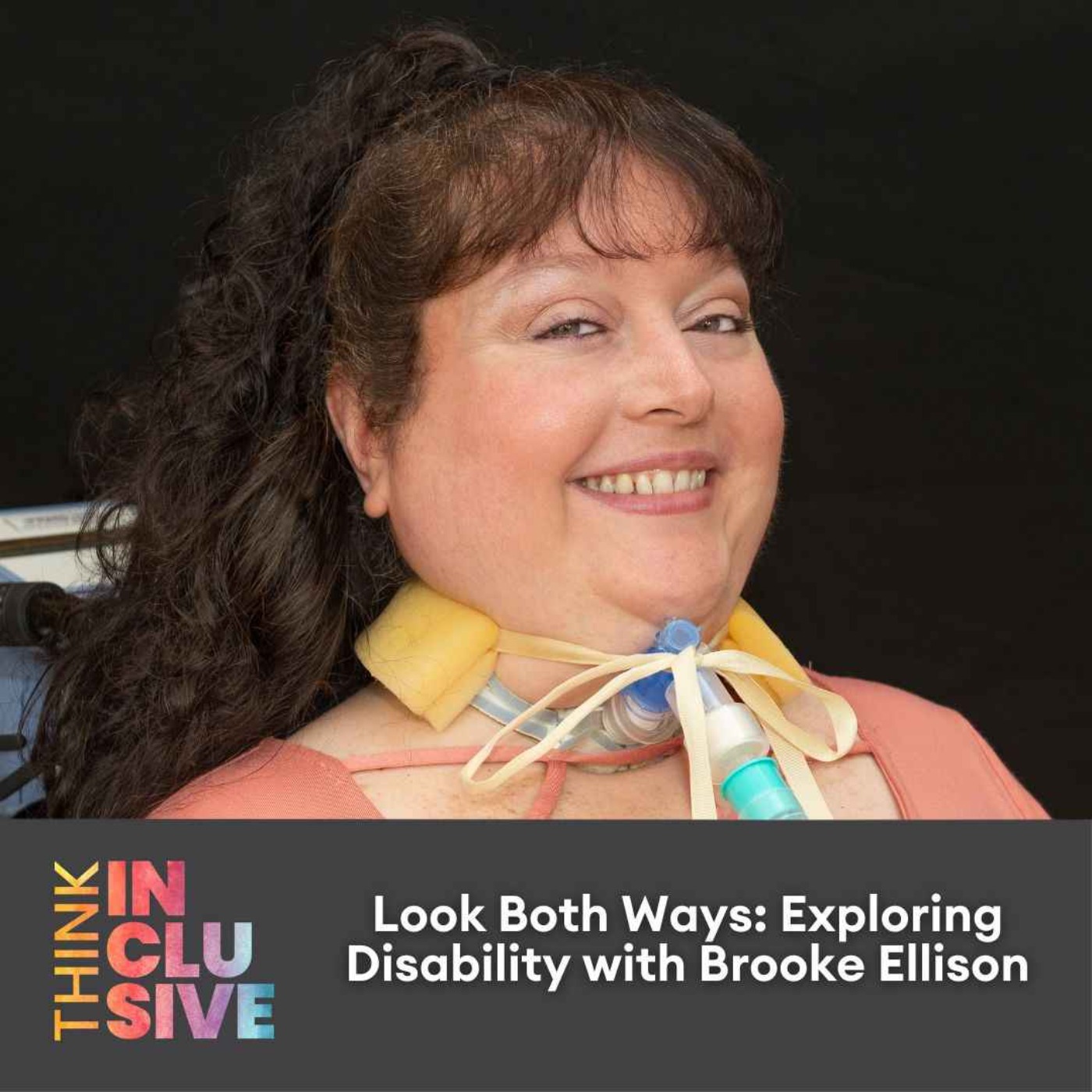
S11 Ep 4Look Both Ways: Exploring Disability with Brooke Ellison
Brooke Ellison — Disability rights advocate, author, and professor at Stony Brook University. Brooke became a ventilator-using quadriplegic at age 11 after being hit by a car, graduated from Harvard, and ran for the New York State Senate; her work matters because she pushes us to see disability as strength, redesign systems with universal design, and center disability across all policy areas. Brooke Ellison joins Think Inclusive to talk about her book Look Both Ways, sharing how living with quadriplegia reshaped her understanding of disability—from shame and pity to resilience and empowerment. She calls for disability to be treated as a cross‑cutting policy issue, highlights the power of universal design, and reminds educators and communities that inclusion benefits everyone. Complete show notes and transcript: https://mcie.org/think-inclusive/look-both-ways-exploring-disability-with-brooke-ellison/
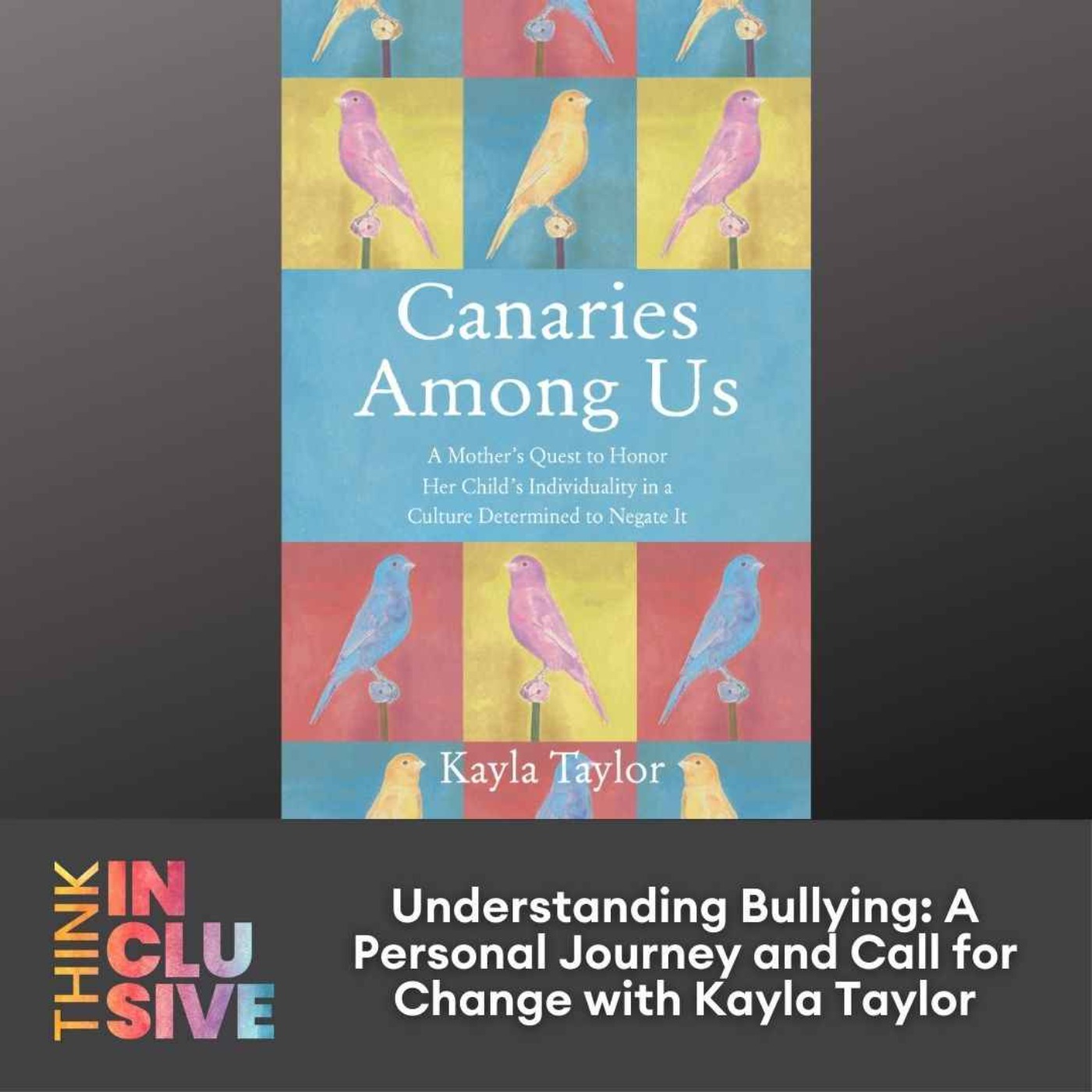
S11 Ep 3Understanding Bullying: A Personal Journey and Call for Change with Kayla Taylor
Kayla Taylor — Writer, researcher, advocate, and parent; author of Canaries Among Us, she blends lived experience with research to help families understand learning differences, bullying, and anxiety and to push schools toward more caring, inclusive cultures.In this conversation, Kayla Taylor shares what she learned while raising a child navigating learning differences, bullying, and anxiety—and why telling these stories in real time (not decades later) helps families feel less alone. She breaks down what bullying really is, why power dynamics matter, and how schools and bystanders can respond in ways that actually reduce harm and build belonging. Complete show notes and transcript: https://mcie.org/think-inclusive/understanding-bullying-a-personal-journey-and-call-for-change-with-kayla-taylor/
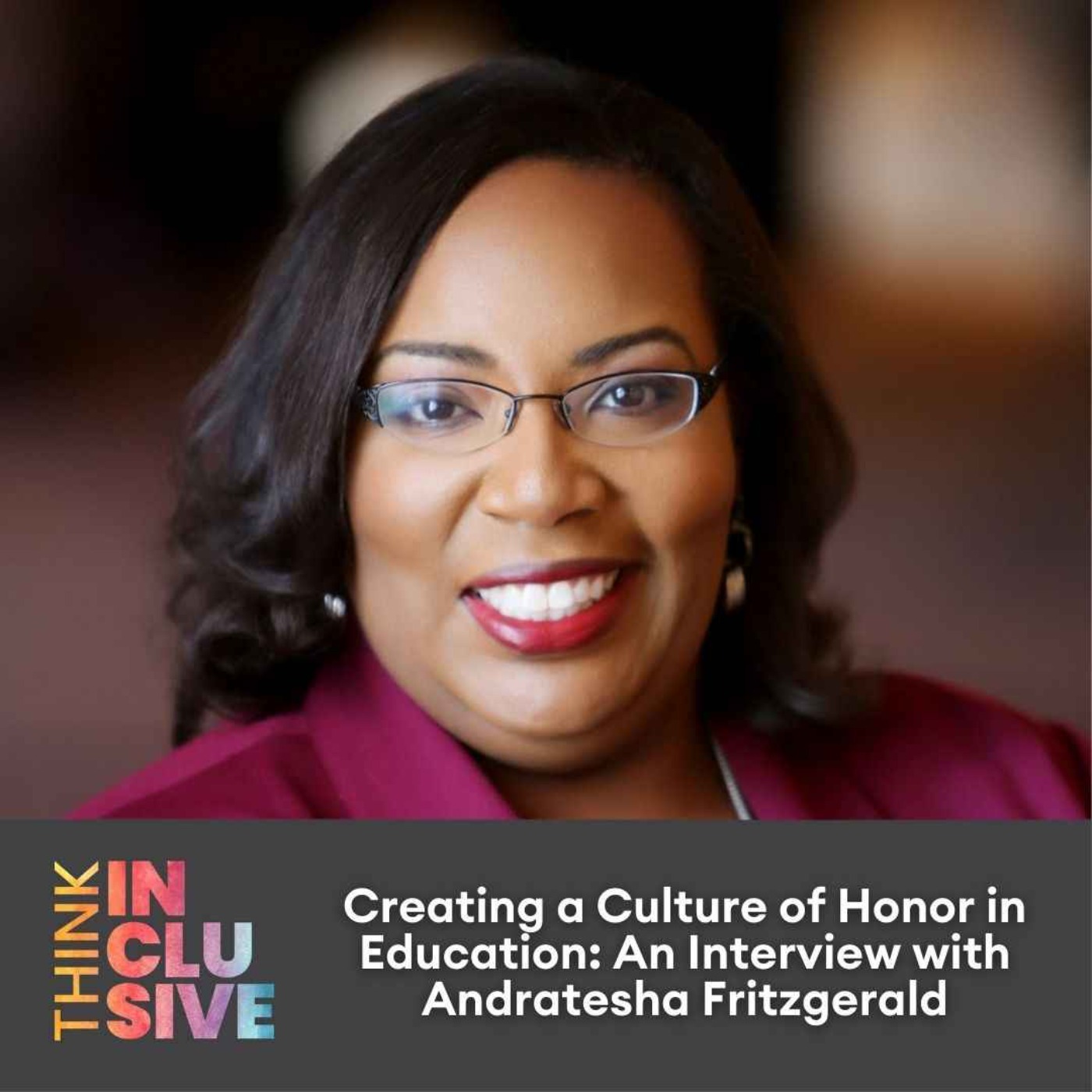
S11 Ep 2Creating a Culture of Honor in Education: An Interview with Andratesha Fritzgerald
Andratesha Fritzgerald — Founder and lead consultant of Building Blocks of Brilliance; international speaker and author of Antiracism and Universal Design for Learning: Building Expressways to Success. Her work pushes schools to move from a culture of power to a culture of honor, combining UDL with anti-racism so every learner is seen, heard, and supported.Tim Villegas interviews Andratesha Fritzgerald about building a culture of honor in schools—shifting power by co‑designing learning with students and pairing Universal Design for Learning (UDL) with anti-racist practice. They dig into how fear-based control harms learning, what “expert learners” look like at any age, and the difference between equality and equity. The episode was recorded June 30, 2023, the day of major Supreme Court rulings, which shaped parts of the conversation; the show closes with a “mystery question” and a Free Time chat with Carolyn Teigland on navigating DEI language in restrictive contexts.Complete show notes and transcript: https://mcie.org/think-inclusive/creating-a-culture-of-honor-in-education-an-interview-with-andratesha-fritzgerald/
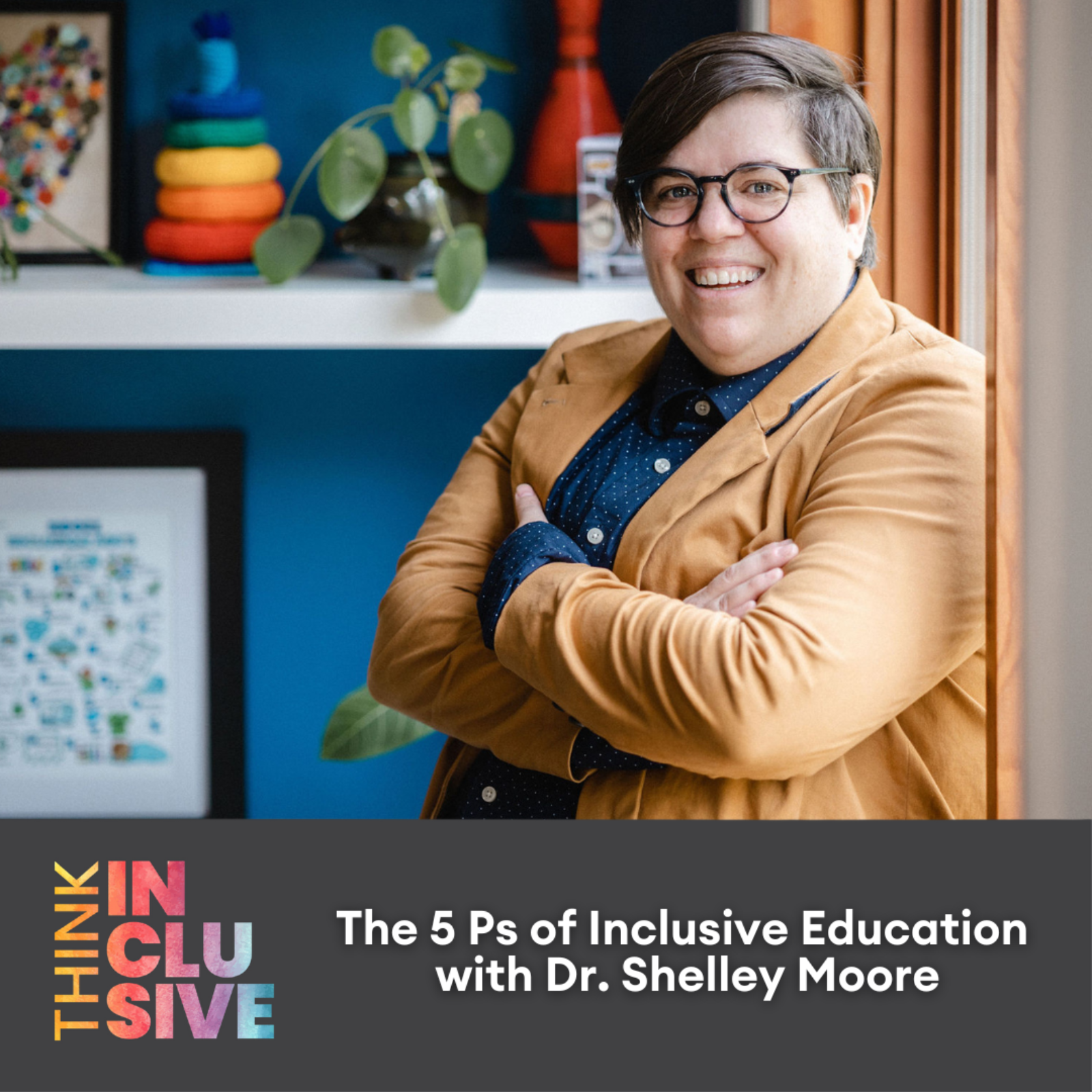
S11 Ep 1The 5 Ps of Inclusive Education with Dr. Shelley Moore
Dr. Shelley Moore (she/her) — Educator, researcher, speaker, and storyteller based in Vancouver, BC. Shelley focuses on equity and inclusion for all learners; her work (including the bestselling One Without the Other) helps schools design learning that’s accessible from the start, not retrofitted later. Season 11 kicks off with Dr. Shelley Moore breaking down the 5 Ps of Inclusive Education—Positive attitude, Placement, Peers, Purpose, and Plan for all—and how these pillars make secondary inclusion real, not just aspirational. She shares research, concrete school examples (including students with intellectual disabilities earning high‑school credit), and a PD approach that actually shifts practice. We also hear about system barriers like LRE misinterpretations and overreliance on one‑to‑one adult support, along with why student voice and universally designed lessons matter for everyone.Complete show notes and transcript: https://mcie.org/think-inclusive/the-5-ps-of-inclusive-education-with-dr-shelley-moore/
S10 Ep 38Exploring the Potential and Ethical Implications of AI in Education
Michael Boll — technology coach and educator who helps teachers learn and use AI. He leads professional learning, focuses on practical classroom use (brainstorming, lesson ideas, tutoring support), and thinks a lot about how to guide—not block—AI in schools. Michael also shares how parenting a son with profound autism shapes his views on learning and support.Tim and Michael unpack what AI can (and can’t) do in schools right now, cutting through hype and fear. They talk about everyday teacher uses (brainstorming, drafting, adapting lessons), the ethics of student use and citation, and the promise of AI tutors to personalize learning—especially for students with disabilities—if educators lead with clear structures and guardrails. The big message: learn the tools, expect some mess, and guide the narrative together.Complete show notes and transcript: https://mcie.org/think-inclusive/bonus-exploring-the-potential-and-ethical-implications-of-ai-in-education/
S10 Ep 37Building Inclusive Classroom Tools: A Conversation with Tany Holzworth
Tany Holzworth is a content designer for inclusive classroom tools at Microsoft. With a background in education and a passion for inclusion, Tany has worked to create tools and programs that support diverse learners and promote accessibility.In this bonus episode of Think Inclusive, Tim Villegas talks with Tany Holzworth, Content Designer for Inclusive Classroom Tools at Microsoft. Tany shares her journey from working as a paraprofessional and building an inclusive volunteer program at Woodland Park Zoo to designing accessible tools for educators. The conversation explores practical strategies for fostering inclusion, lessons learned about mindset and accessibility, and highlights Microsoft tools like Immersive Reader and Reading Progress that support diverse learners.Complete show notes and transcript: https://mcie.org/think-inclusive/bonus-building-inclusive-classroom-tools-a-conversation-with-tany-holzworth/
S10 Ep 34Carolyn Teigland & Carol Quirk on Transforming Schools for Inclusion
Carolyn is the CEO of the Maryland Coalition for Inclusive Education (MCIE). She previously served as the Associate Superintendent for Cecil County Public Schools and has extensive experience in promoting inclusive education. Carol is one of the founders and former CEO of MCIE, having transitioned to Director of Special Projects in 2023. She has worked closely with school districts in Maryland and other states to promote systems change and school transformation. In this episode of Think Inclusive, Tim interviews Carolyn and Carol as they discuss the organization's history and its partnership with school districts since 1990. They highlight the importance of leadership in sustaining inclusive education and share success stories of students who have thrived in inclusive classrooms. The guests also discuss the challenges and trends in the educational landscape, including the focus on equity and the need for universal design for learning. They emphasize the need for comprehensive professional learning and job-embedded coaching to support educators in implementing inclusive practices. The episode concludes with a discussion on how families and educators can advocate for inclusive education and the future plans of MCIE.Complete show notes and transcript: https://mcie.org/think-inclusive/carolyn-teigland-and-carol-quirk-mcie-partners-with-school-districts-to-promote-inclusion-and-equity/
S10 Ep 36Using AI to Support Learners with Disabilities in the Classroom
DJ Nicholson is an experienced educator and advocate for inclusive education. She has a background in special education and has worked with students with disabilities for many years. DJ is passionate about finding innovative ways to support learners with disabilities and believes that technology, including AI, can play a crucial role in creating inclusive learning environments.In this episode, DJ Nicholson and Tim Villegas discuss the use of artificial intelligence (AI) in supporting learners with disabilities. They explore the potential benefits of AI in leveling text and making reading more accessible for students with different reading abilities. They also discuss the challenges and opportunities of using AI in the classroom, as well as the importance of individualized learning and student choice. The conversation highlights the need for educators to embrace AI as a tool to enhance learning experiences and promote independence for students with disabilities.Complete show notes and transcript: https://mcie.org/think-inclusive/bonus-using-ai-to-support-learners-with-disabilities-in-the-classroom/
S10 Ep 33Breaking Barriers: Inclusive Education for Students with Down Syndrome
Luvy Jenkins is the Education Manager and Medical Outreach Manager at the Down Syndrome Association of Central Texas (DSACT). With a background in special education, Louie is passionate about promoting inclusion and providing resources and support to educators and families of children with Down syndrome.Luvy Jenkins, Education Manager at the Down Syndrome Association of Central Texas (DSACT), discusses the importance of inclusion in education and the barriers that families face in achieving inclusive education for their children with Down syndrome. Luvy highlights the need for support and training for teachers, as well as the role of school administrators in promoting inclusion. She also shares her experience working at the RISE School, an inclusive preschool that values diversity and fosters social-emotional growth in all students.Complete shows notes and transcript: https://mcie.org/think-inclusive/luvy-jenkins-down-syndrome-association-of-central-texas-dsact/
S10 Ep 32#NothingSpecial: Why Inclusive Education Should Be the Norm
Oaklee Thiele is a young artist and disability advocate. She co-founded The My Dearest Friends Project with DisArt in March 2020 to create a public platform where disabled people could share their stories and experiences during the COVID-19 pandemic.Lawrence Carter-Long is the Director of Communications for DisArt and has a background in disability advocacy. He joined the organization in 2022 and has been instrumental in expanding the reach and impact of The My Dearest Friends Project.Oaklee and Lawrence discuss The My Dearest Friends Project and its connection to the Nothing Special campaign. The project was created to provide a platform for disabled people to share their stories and experiences during the COVID-19 pandemic. The hashtag #NothingSpecial was developed to challenge the idea that inclusive education is something special and should be the norm. The project aims to collect stories from disabled students and educators to create a curriculum that promotes inclusive education. Oaklee shares her personal experience of facing ableism and inaccessibility at her college, highlighting the need for change in educational institutions. Lawrence emphasizes the importance of listening to disabled people and involving them in the decision-making process to create truly inclusive environments.Complete show notes and transcript: https://mcie.org/think-inclusive/oaklee-thiele-and-lawrence-carter-long-the-my-dearest-friends-project/
S10 Ep 31Beth Liesenfeld on Building Child-Centered, Inclusive IEPs
Beth Liesenfeld (she/her) — Occupational therapist and founder of The IEP Lab, where she equips parents with “insider” understanding of school processes and culture to make IEP teams more collaborative and child‑centered. She hosts The Parent IEP Lab podcast and offers online workshops and courses for families navigating special education. Host Tim Villegas talks with Beth Liesenfeld about why IEP meetings often feel inequitable and exhausting—and how a clear vision statement can re‑center teams on inclusive, practical plans that actually support students. They unpack what makes collaboration work (and fail), including communication habits, paraprofessional training, and making specialized instruction happen in general education through real co‑planning time. Beth offers a step‑by‑step way to craft long‑ and short‑term vision statements, plus tips educators can use to advocate for inclusion—even when families or districts are hesitant.Complete show notes and transcript: https://mcie.org/think-inclusive/beth-liesenfeld-the-parent-iep-lab/
S10 Ep 30How Raúl Krauthausen is Redefining Disability Rights in Germany
Raul Krauthausen is a renowned disability rights activist, social entrepreneur, and founder of the nonprofit organization Sozialhelden (Social Heroes) in Germany. For more than 15 years, Raul has worked to advance accessibility and inclusion through innovative projects and advocacy. He is best known for creating Wheelmap, a crowdsourced online map that identifies wheelchair-accessible places worldwide, and for his campaigns challenging discriminatory laws and practices in Germany.Raul is also a prolific communicator—blogger, podcaster, and author—who uses media to shift perceptions about disability. His work spans technology, design thinking, and social change, with a focus on ensuring that inclusion is recognized as a fundamental right, not a privilege. Through initiatives like Broken Lifts (real-time elevator status for public transport) and media guidelines for journalists, Raul continues to push for systemic change and equal opportunities for people with disabilities.In this episode, Tim Villegas talks with Raul Krauthausen, a German disability rights activist, founder of Sozialhelden (Social Heroes), and creator of Wheelmap, a crowdsourced map for accessible places. Raul shares his journey from attending one of Berlin’s first inclusive schools to becoming a leading advocate for accessibility and inclusion in Germany. The conversation explores cultural differences between the U.S. and Germany regarding inclusion, the role of acceptance, and why inclusion is not “happy land” but a continuous process of learning and equity.Complete show notes and transcript: https://mcie.org/think-inclusive/raul-krauthausen-inclusion-in-germany/
S10 Ep 29Supporting Students with Disabilities in College: Real Talk with Susan Stone & Kristina Supler
Susan Stone — Attorney and co-leader of the Student & Athlete Defense Group at KJK in Cleveland. Susan has over 30 years of experience advocating for students, with a focus on special education law and student discipline. She’s also a nationally published author and co-host of Real Talk with Susan and Kristina.Kristina Supler — Attorney and co-leader of the Student & Athlete Defense Group at KJK. Kristina represents students in academic misconduct and Title IX cases nationwide. She’s passionate about protecting student rights and co-hosts Real Talk with Susan and Kristina.In this episode, Susan Stone and Kristina Supler share what it’s like to advocate for students with disabilities navigating academic and disciplinary challenges. From IEPs and 504 plans to Title IX cases and college misconduct proceedings, they explain why inclusion requires more than good intentions—it demands real systems of support. They also discuss how their podcast tackles tough parenting and student issues.Complete show notes and transcript: https://mcie.org/think-inclusive/susan-stone-and-kristina-supler-real-talk/
S10 Ep 28From Barriers to Belonging: Colleen Tomko’s Journey with Kids Together
Colleen Tomko — Parent advocate, artist, and president of Kids Together, an all-volunteer nonprofit promoting inclusion. A Penn State graduate and Partners in Policymaking alum, Colleen has dedicated her life to ensuring that all children, including her son Shawn, have access to inclusive education and community life.In this episode, Tim Villegas talks with Colleen Tomko about her lifelong advocacy for inclusive education and community belonging. From founding Kids Together to creating powerful advocacy cartoons, Colleen shares her personal journey, the systemic barriers families face, and why inclusion is a civil rights issue—not just an educational choice.Complete show notes and transcript: https://mcie.org/think-inclusive/colleen-tomko-kids-together/
S10 Ep 35How Together Letters Helps You Stay Connected Without Social Media
Adam Walker and Sanjay Parekh are the co-founders of https://togetherletters.com, a platform designed to help people stay connected without relying on social media. Both are seasoned entrepreneurs and podcasters—Adam co-hosts Tech Talk Y’all, and Sanjay brings years of experience in tech and community building. Together, they’re passionate about creating tools that foster authentic, private connections.In this bonus episode, Tim talks with Adam Walker and Sanjay Parekh about Together Letters—a simple, email-based way to keep groups connected without the noise of social media. They share why they built it, how it works, and why it’s a game-changer for educators, teams, and anyone craving authentic connection.Complete show notes and transcript: https://mcie.org/think-inclusive/bonus-together-letters/
S10 Ep 27Reclaiming the Narrative: What Educational Equity Really Means
Mirko Chardin is the Chief Equity & Inclusion Officer at Novak Education. He previously served as the founding Head of School at Putnam Avenue Upper School in Cambridge, Massachusetts. He co‑authored Equity by Design: The Power and Promise of UDL with Dr. Katie Novak and facilitates learning on topics such as implicit bias, microaggressions, Universal Design for Learning (UDL), restorative practices, identity, and courageous conversations about race.In this conversation, Mirko Chardin urges educators and leaders to reclaim the narrative around “equity” by grounding it in clear, shared definitions and everyday practice—what he calls “concept stabilization.” He argues that school is for kids, not adults, and that listening to learner voices and removing barriers must guide decisions at every level. The episode also explores UDL as a framework (not a bag of tips) for building cultures where all learners can become expert learners, supported by leadership that prioritizes humanity, reflection, and authentic impact.Complete show notes and transcript: https://mcie.org/think-inclusive/mirko-chardin-reclaiming-the-narrative-around-educational-equity/
S10 Ep 26Inclusive Education in Australia: Lessons from Dr. Kate de Bruin
Dr. Kate de Bruin — inclusive education academic at Monash University (Melbourne, Australia). Her work focuses on evidence‑informed practices and policies that improve participation and learning for all students, with an emphasis on students with disabilities. She has taught in secondary and higher education, designs inclusive education coursework for Master’s programs, and serves on the academic advisory board of All Means All – The Australian Alliance for Inclusive Education.Tim and Kate unpack how Australia’s highly decentralised education systems shape inclusion, why segregated “special schools” and units persist, and what accountability gaps mean for students with disabilities. They also dig into Kate’s classroom story—rallying a whole staff to create accessible texts and explicit writing supports—and the mindsets, coaching, and MTSS‑style approaches that help inclusion work in real classrooms.Complete show notes and transcript: https://mcie.org/think-inclusive/dr-kate-de-bruin-inclusive-education-in-australia/
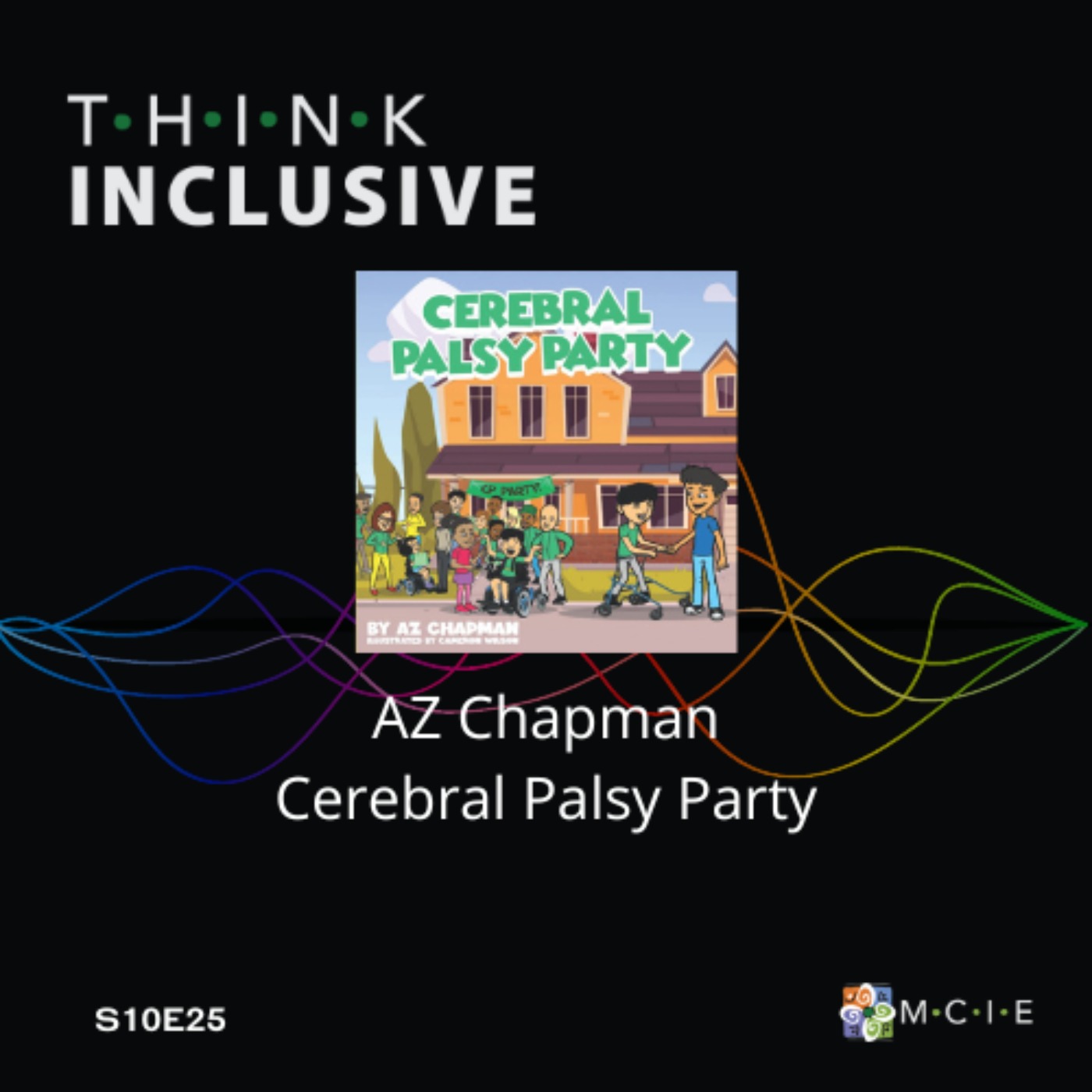
S10 Ep 25Why AZ Chapman Wrote Cerebral Palsy Party: A Children's Book About Inclusion
AZ Chapman is a writer, athlete, and disability advocate from California. Diagnosed with cerebral palsy as a toddler, AZ has navigated life with determination and resilience. She earned her bachelor’s degree in Liberal Studies with a minor in Special Education from California State University East Bay. AZ is also a passionate Special Olympics competitor, having participated in events like swimming, track, basketball, soccer, bocce, bowling, and golf. Her new children’s book, Cerebral Palsy Party, introduces elementary school students to peers with CP in an accessible and engaging way.In this episode, Tim Villegas interviews AZ Chapman about her debut children’s book Cerebral Palsy Party, which aims to educate young students about cerebral palsy and promote inclusion. AZ shares her personal journey through education, the challenges she faced in middle and high school, and her aspirations to become a special education teacher. The conversation also touches on the importance of kindness, accessibility, and advocacy for people with disabilities.Complete show notes and transcript: https://mcie.org/think-inclusive/az-chapman-cerebral-palsy-party/
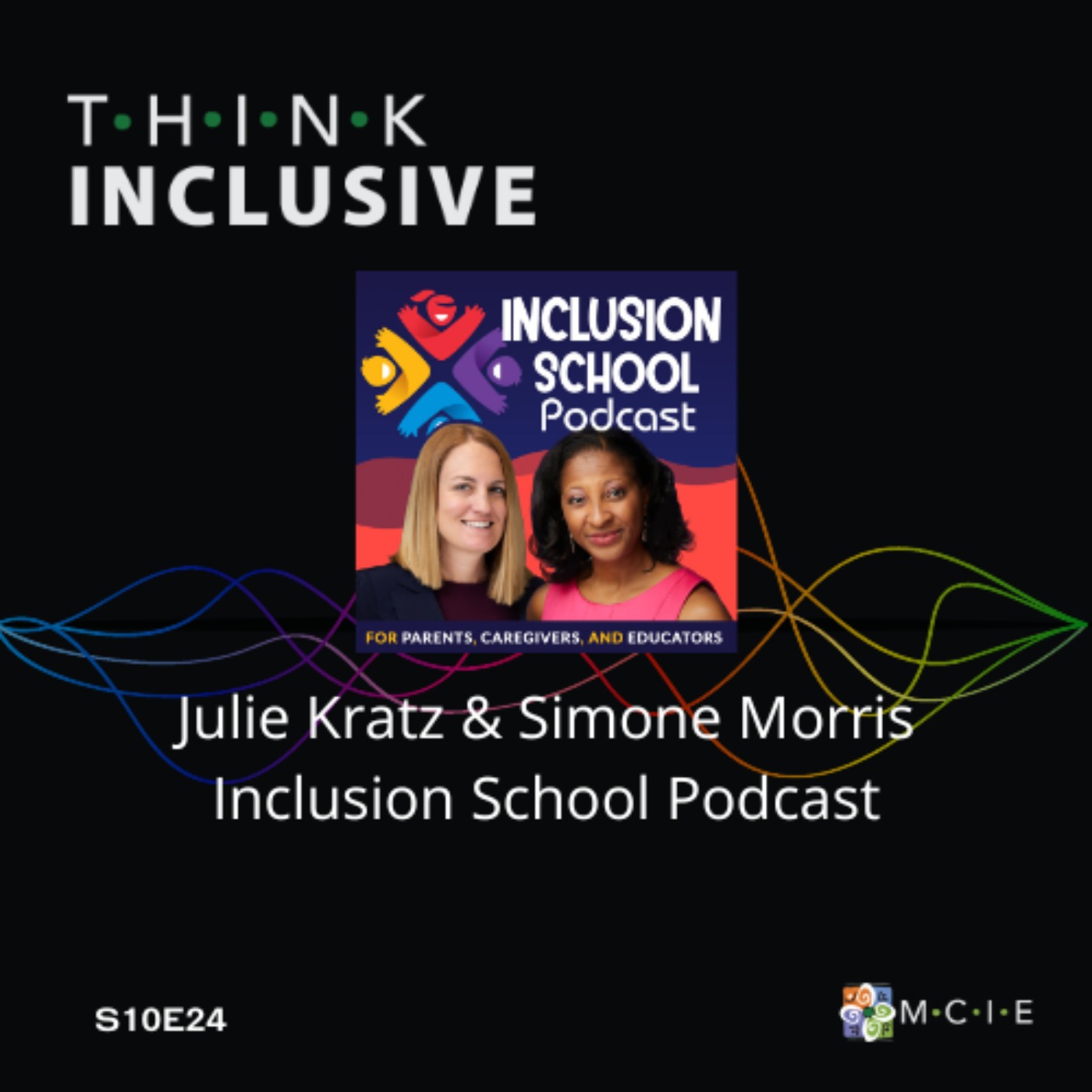
S10 Ep 24Unveiling the Heart of Inclusion: How DEI Transforms Education Forever
Tim Villegas from the Maryland Coalition for Inclusive Education connects with Simone Morris and Julie Kratz, hosts of the Inclusion School podcast, to explore the intersection of inclusive schools and the diversity, equity, and inclusion (DEI) space. They discuss the importance of DEI initiatives in schools, strategies for allyship with marginalized groups, and the significance of addressing racism, sexism, homophobia, and ableism with children. They delve into the societal and educational challenges of promoting inclusion and belonging, with insights into disability and diversity awareness in educational settings.Complete show notes and transcript: https://mcie.org/think-inclusive/julie-kratz-and-simone-morris-inclusion-school/
S10 Ep 23From Segregation to College: Gage Robinson’s Self-Advocacy Journey
Gage Robinson is a 19-year-old college student at Dakota County Technical College in Rosemount, Minnesota. He’s a passionate self-advocate who fought for his right to inclusive education and now shares his story to inspire others. Gage runs a nonprofit called Gage Gives Back, where he educates about traumatic brain injury and shaken baby syndrome, and supports organizations that helped him succeed. He’s also a public speaker who has presented at regional, national, and international conferences.In this episode, Gage Robinson shares his journey from being segregated in a self-contained classroom to advocating for his right to attend college alongside his peers. We talk about his due process battle with his school district, his testimony at the Minnesota State Legislature, and what inclusive higher education looks like for him today.Complete show notes and transcript: https://mcie.org/think-inclusive/gage-robinson-a-self-advocacy-story-2/