Think Inclusive
240 episodes — Page 1 of 5
Shattered and Becoming: Andrew Goff and the Weight of Being Enough
Just Ask: What Inclusive Support Really Feels Like with Jenna and Emma Rufo
Unlocking College Access for Students with Intellectual Disabilities with Think College
Dream Careers: Inside the Minds of Georgia State's IDEAL Students
Redwood SEED Scholars: Roots That Hold Each Other Up
"I Identify as Blind": Lachi on Disability Language, Identity, and Why Words Matter in Schools
Navigating Identity: Poetry, Disability, and Inclusion Advocacy with LeDerick Horne
Building Inclusive Schools: A Journey of Transformation and Belonging with Angela Macklin and Sue Wright
If Not Now, Then When? Early Childhood Education, LRE, and Inclusion with Melissa McCollough and Jani Kozlowski
Shifting Focus from Compliance to Outcomes in Education with Glenna Wright-Gallo
Teaching Regulation as a Developmental Skill in Schools with Leah Kuypers
Inclusion for Students with Visual Impairments: Overcoming Barriers Together with Jonathan Hooper
Fighting to Stop Fighting: What Keeps Advocates Like Ryan Honick Going?
Patrick Mulick: Why "Bad Choice" Is the Wrong Language for Schools
TerpsEXCEED: Making College Possible for All
Rethinking Social Skills: Teaching Social Thinking for All Learners with Michelle Garcia Winner
Advocating for Full Inclusion: Every Student Deserves Belonging with Sandra McElwee
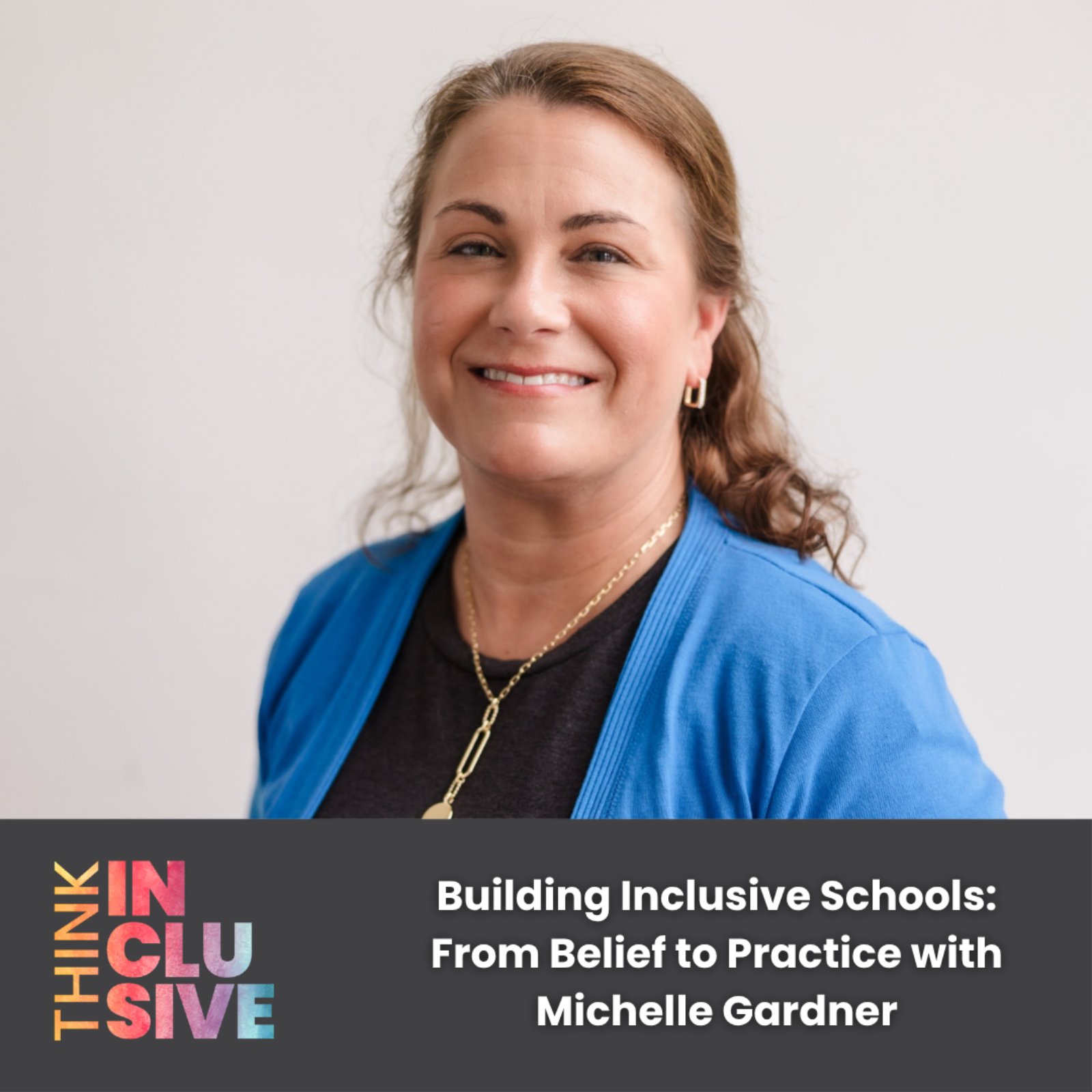
S13 Ep 28Building Inclusive Schools: From Belief to Practice with Michelle Gardner
Michelle Gardner is the interim CEO at All In for Inclusive Education, an organization dedicated to fostering inclusive practices in educational institutions. With over 25 years of experience in the New Jersey public school system, Michelle has held various roles such as special education teacher, paraprofessional, assistant principal, and director of special services. Additionally, she has been an adjunct instructor at the College of New Jersey, teaching future educators, and earning acclaim for her leadership in inclusive education. Her efforts focus on supporting systemic change through coaching, consultation, and professional development for educators and administrators.In this insightful episode of "Think Inclusive," Tim Villegas hosts Michelle Gardner, interim CEO of All In for Inclusive Education, to discuss the intricacies of systemic change towards inclusive education. Tim and Michelle delve into how schools and districts can transform inclusive education from a mere belief to a practice embraced in every classroom. They explore core themes of systems change, capacity building, and mindset shift in educational environments, spotlighting the journey from exclusionary practices to inclusive excellence.Complete show notes and transcript: https://mcie.org/think-inclusive/building-inclusive-schools-from-belief-to-practice-with-michelle-gardner-1328/
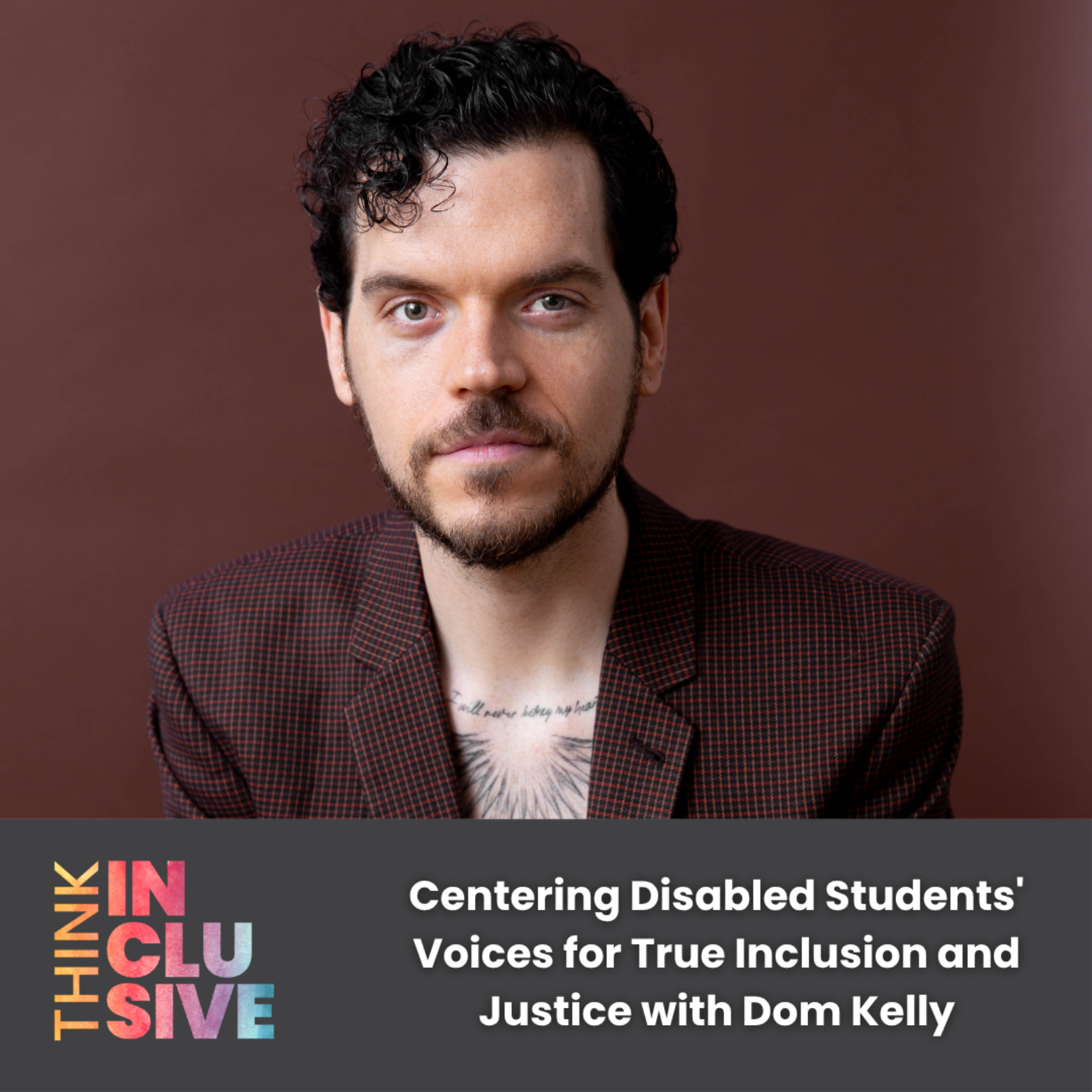
S13 Ep 27Centering Disabled Students' Voices for True Inclusion and Justice
Dom Kelly is the co-founder, president, and CEO of New Disabled South and New Disabled South Rising. A lifelong disability advocate, Dom has made his mark in nonprofit leadership and as a systems thinker who combines lived experience with movement building. Apart from his advocacy work, Dom is an accomplished musician, having toured extensively and shared the stage with renowned artists such as the Indigo Girls and Joan Baez. Amassing an impressive array of fellowships and awards, Dom is also an Atlantic Fellow for Health Equity and a recipient of the JM Kaplan Funds Innovation Prize. He resides in Atlanta with his family.In this powerful episode of Think Inclusive, host Tim Villegas engages in a significant dialogue with Dom Kelly, steering deeply into the realm of disability justice in schools. The conversation navigates the intertwining facets of inclusion, justice, belonging, and how these play out within educational settings. Dom Kelly, drawing from his multifaceted experiences as a disability advocate and co-founder of New Disabled South, speaks on evolving beyond mere compliance to fostering inclusive environments that value the voices and needs of disabled students, especially at the intersection of race and disability.Complete transcript and show notes: https://mcie.org/think-inclusive/centering-disabled-students-voices-for-true-inclusion-and-justice-with-dom-kelly-1327/
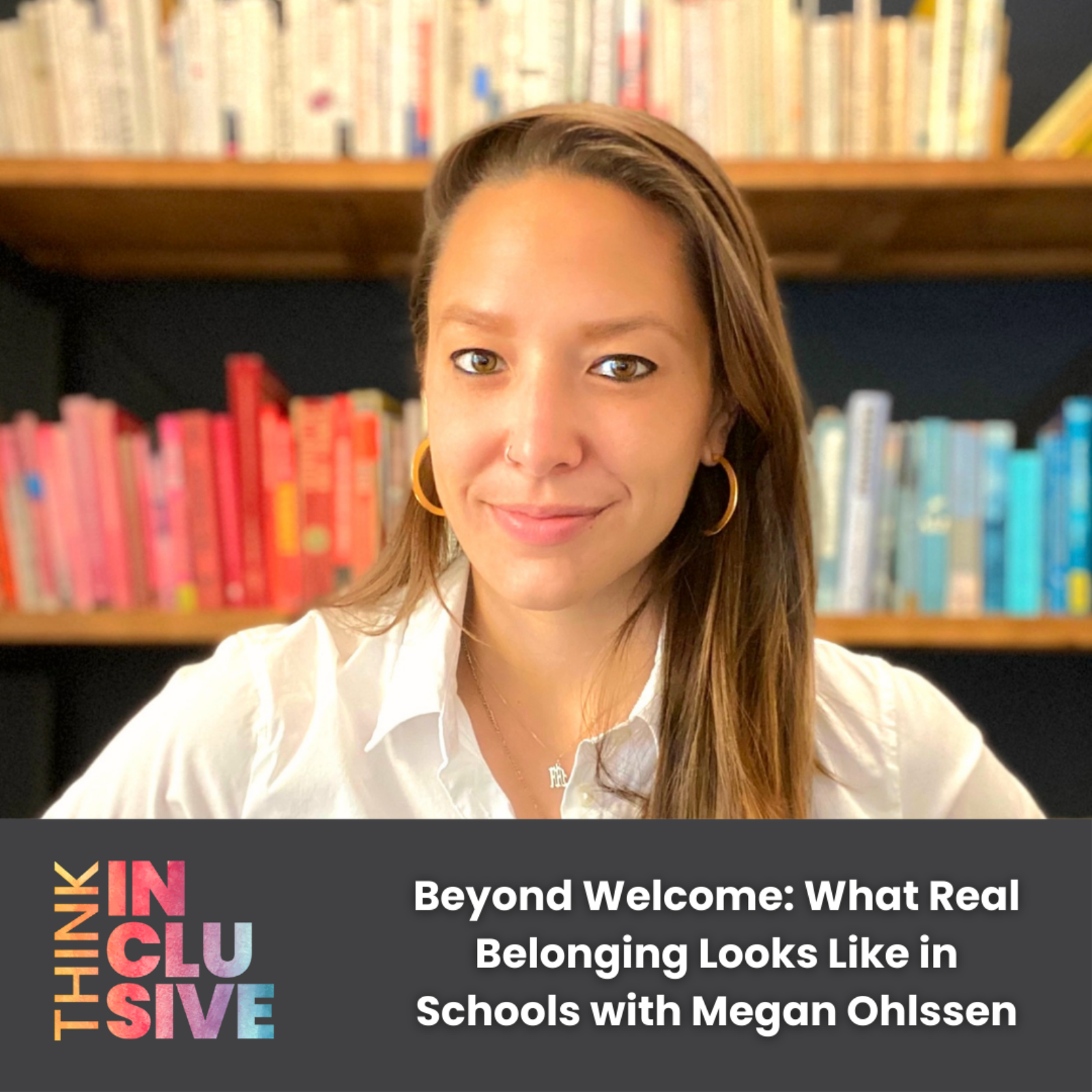
S13 Ep 26Beyond Welcome: What Real Belonging Looks Like in Schools with Megan Ohlssen
Megan Ohlssen is a visionary leader advocating for identity, equity, and belonging within educational spaces. She works dynamically with schools, organizations, and system leaders across the United States to spotlight disability justice and foster meaningful, sustainable change. Her extensive background includes coaching, systems evaluation, and program design, helping teams navigate difficult dialogues and transform intentions into actionable outcomes. Drawing from her personal journey and multifaceted identity, Megan emphasizes the importance of belonging and inclusion for both students and educators.In this compelling episode of the Think Inclusive Podcast, host Tim Villegas converses with Megan Ohlssen, an advocate for disability justice and educational equity, about creating schools where every learner belongs. The discussion unpacks what real belonging means in educational environments and emphasizes the intricate relationship between identity and learning. Megan shares personal insights from her diverse background and sheds light on how holding inclusive spaces for adults—through belonging activities—can significantly alter conversations around inclusion.The episode delves into how ableism subtly permeates educational practices, especially via language and assumptions about rigor. Tim and Megan explore ways educators can responsibly confront these systemic issues using frameworks like Universal Design for Learning (UDL) without feeling overwhelmed. Megan presents practical steps for educators and system leaders to instigate inclusive practices, urging a deep reflection on one’s role in perpetuating systemic inequalities. In her candid dialogue, Megan provides a refreshing yet profound perspective on how schools can evolve into inclusive environments, ultimately making systemic change actionable and tangible.Complete show notes and transcript: https://mcie.org/think-inclusive/beyond-welcome-what-real-belonging-looks-like-in-schools-with-megan-ohlssen-1326/
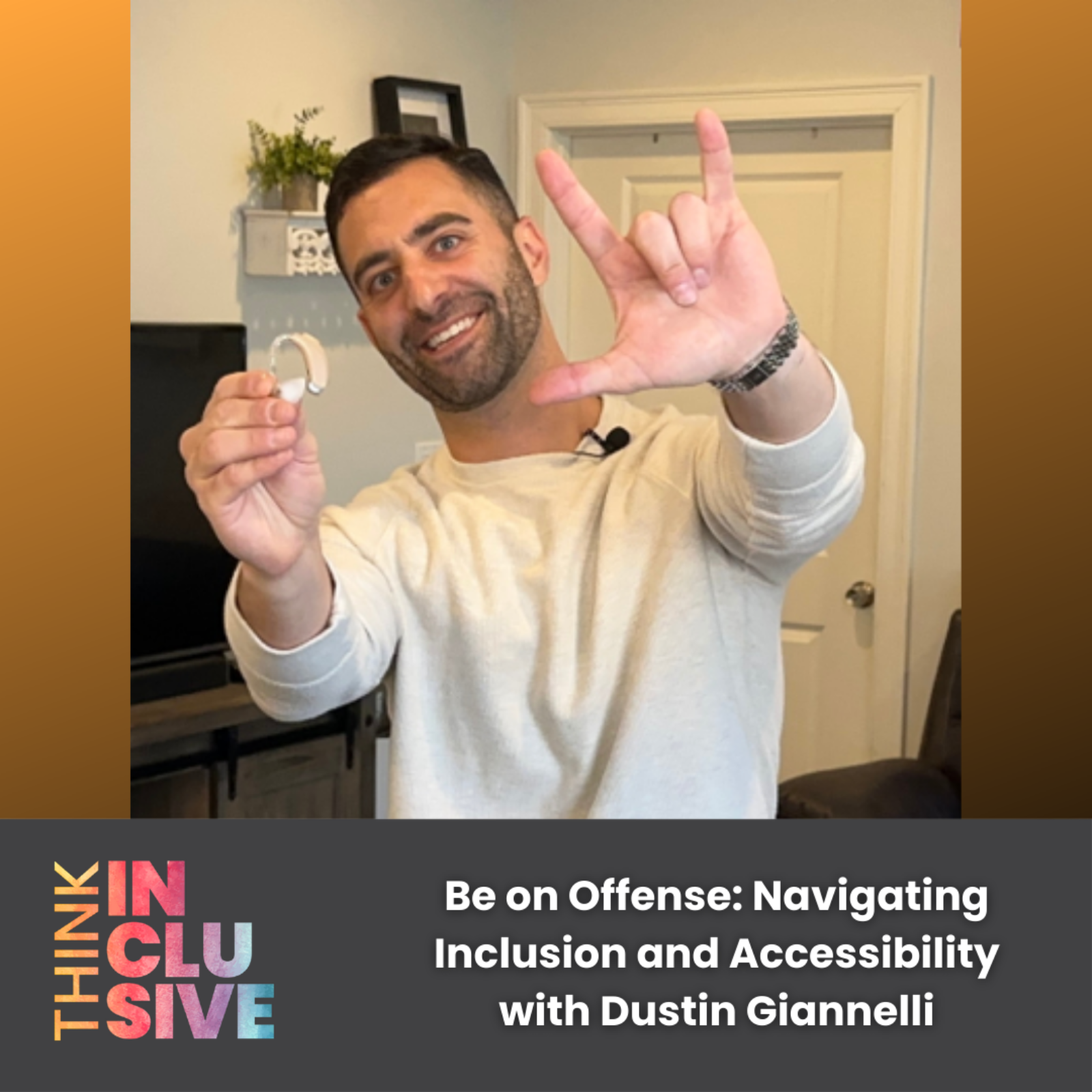
S13 Ep 25Be on Offense: Navigating Inclusion and Accessibility with Dustin Giannelli
Dustin Giannelli is the CEO and founder of Hears Dustin, a consultancy dedicated to helping organizations create more inclusive and accessible workplaces. Profoundly deaf since childhood, Dustin navigates the world through lip reading, captions, and a strong sense of self-advocacy. His professional journey is marked by a commitment to enhancing communication, inclusion, accessibility, and workplace culture. Giannelli is a nationally recognized keynote speaker known for his authentic storytelling and leadership in diversity, equity, and inclusion spaces.In this episode of Think Inclusive, host Tim Villegas engages in a meaningful conversation with Dustin Giannelli, a prominent advocate for inclusion and accessibility, and the founder of Hears Dustin. Dustin, who is profoundly deaf, shares his life journey, highlighting the importance of self-advocacy, the motto of being "on offense," and how inclusion is a continuous journey rather than a destination. This episode sheds light on the nuances of communication for individuals who are deaf or hard of hearing and emphasizes the significance of making small adjustments to daily practices, which can foster inclusivity and participant engagement in various settings, including schools.Complete show notes and transcript: https://mcie.org/think-inclusive/be-on-offense-navigating-inclusion-and-accessibility-with-dustin-giannelli-1325/
S13 Ep 24Building Inclusive Schools Through Community and Universal Design with Andratesha Fritzgerald
Andratesha Fritzgerald is an accomplished author, international speaker, and experienced educator who concentrates her work on dignity, humanity, and inclusive learning design. She is known for her leadership in Universal Design for Learning (UDL) and her focus on anti-racism in educational settings. Andratesha is the author of “Anti-Racism and Universal Design for Learning: Building Expressways to Success” and is the co-founder of Building Blocks of Brilliance Educational Consulting. She collaborates with schools and organizations across the United States to dismantle barriers and create learning environments where all students can thrive.In this episode of Think Inclusive, host Tim Villegas engages in an enlightening conversation with Andratesha Fritzgerald about cultivating inclusion within schools and communities. Andratesha shares her insights on how educators can maintain hope and purpose amidst the challenges of pursuing equity, citing the pressing need to blend humanity and systemic changes into educational practices. Reflecting on her own work, she explains the benefits of involving diverse voices in crafting inclusive educational policies and emphasizes the significance of storytelling in building understanding and connection among students and educators.Complete show notes and transcript: https://mcie.org/think-inclusive/building-inclusive-schools-through-community-and-universal-design-with-andratesha-fritzgerald-1324/
S13 Ep 23Inclusive Education in Faith-Based Schools: Practical Strategies for Supporting All Learners
Colleen McCoy-Cejka and Crystal Brooks are co-founders of Inclusion Solutions. Colleen has experience as a teacher, principal, assistant superintendent, and curriculum director in Catholic schools and has worked closely with dioceses and school leaders on systems change. Crystal is a speech-language pathologist and former state agency specialist whose work focuses on evidence-based instruction, inclusive classroom design, and supporting educators to meet students’ academic, social, and emotional needs. In this episode, the conversation focuses on what it really means for faith-based schools to say yes to inclusion. Colleen McCoy-Cejka and Crystal Brooks talk about how inclusion is often misunderstood and how definitions of inclusion can unintentionally lead to separation instead of belonging. Complete show notes and transcript: https://mcie.org/think-inclusive/inclusive-education-in-faith-based-schools-practical-strategies-for-supporting-all-learners-1323/
S13 Ep 22Inclusive Systems Change in Secondary Schools with Dr. Jennifer Spencer-Iiams
Dr. Jennifer Spencer-Iiams is a prominent educational leader with a focus on transformative change in school inclusion practices. Serving as Deputy Superintendent in a medium-sized school district in Oregon, she co-authored "Leading for All: How to Create Truly Inclusive and Excellent Schools." Her leadership has driven initiatives that foster collaboration among educators to effectively include students with diverse learning needs in general education settings.In this episode of Think Inclusive, host Tim Villegas engages with Dr. Jennifer Spencer-Iiams in an insightful discussion about the journey towards authentic inclusion in school systems. As a leading advocate for inclusive education, Dr. Spencer-Iiams dismantles the myth that inclusion is a "one size fits all" approach. Instead, she underscores the necessity for schools to anticipate variability in classrooms and promote collaboration among educators to cater to diverse educational needs.Complete show notes and transcript: https://mcie.org/think-inclusive/inclusive-systems-change-in-secondary-schools-with-dr-jennifer-spencer-iiams-1322/
S13 Ep 21Decolonizing Education: What It Means for K-12 Teachers and Students
Emily Affolter is an educator and scholar who works at the intersection of culturally responsive pedagogy, decolonizing education, and equity-focused teaching and leadership. She is the director and faculty for Prescott College’s Sustainability Education PhD program, where she works with doctoral scholars around social and environmental justice.In this episode, Tim Villegas talks with Emily Affolter about what it really means to teach in ways that honor students as whole people, especially during a time when equity work is being questioned and challenged. The conversation moves between big-picture ideas—like power, history, and schooling—and the everyday decisions educators make in classrooms and systems.Emily unpacks decolonizing education in plain language, framing it as an examination of history, power, and whose knowledge is treated as normal in schools. She explains how culturally responsive teaching is not a label or endpoint, but an ongoing, reflective practice rooted in curiosity, accountability, and relationship.A major focus of the episode is reflexivity and why educators need trusted people to think alongside as they work within imperfect systems. Together, Tim and Emily explore how fear, expertise, and siloed roles can quietly reinforce segregation, including in special education, and how educators can begin to interrupt these patterns even when they cannot change the entire system.Complete show notes and transcript: https://mcie.org/think-inclusive/decolonizing-education-what-it-means-for-k-12-teachers-and-students-1321/
S13 Ep 20DEI in Schools: Why Belonging Matters More Than Access with Margo Gross
Margo Gross is a national public speaker, educator, certified life coach, and Amazon bestselling author. Her work focuses on DEI, belonging, equity, and culturally responsive teaching. She travels across the U.S. and abroad helping schools and communities better understand identity, student experience, and inclusive practices. Margo is also a former Teacher of the Year and is completing advanced leadership studies at Harvard. Her lived experiences—as a Black woman, mother, educator, and advocate—shape the insight and honesty she brings to her work.In this episode, Tim talks with educator and speaker Margo Gross about staying grounded in your values during a time when DEI, inclusive education, and equity efforts are often misunderstood or pushed aside. Margo shares deeply personal stories about identity, hair, culture, and the emotional journey of finding and creating belonging.The conversation explores how to build school environments where students don’t have to shrink or hide who they are, and why disability justice must be part of any real inclusion work. Margo also talks about grief—grieving relationships that change when values no longer align—and the hope she still sees in people, community, and the next generation.They also dig into practical strategies for talking about DEI when the words themselves are controversial, how to define inclusion through access, and why equity is about giving people what they need—consistently and urgently. The episode closes with a fun mystery question about languages they’ve always wanted to learn.Complete show notes and transcript: https://mcie.org/think-inclusive/the-homework-machine-what-ai-is-really-doing-in-classrooms-1319-2/
S13 Ep 19The Homework Machine: What AI Is Really Doing in Classrooms
Justin Reich is an Associate Professor of Digital Media at MIT in the Comparative Media Studies/Writing program and the director of the Teaching Systems Lab. He is a longtime educator and host of the TeachLab podcast. His research focuses on how learning technologies shape teaching and learning in real classrooms and what actually happens when schools adopt new tools. He brings a thoughtful, historically grounded perspective to how generative AI is transforming education.Jesse Dukes is a journalist, comedian, and audio storyteller with a long career producing narrative audio. He works with MIT’s Teaching Systems Lab on The Homework Machine project, bringing teachers’ and students’ voices into the public conversation about AI in schools. Previously at WBEZ Chicago, he has produced award‑winning radio and documentary work and has a special talent for capturing humanity and humor in complex educational stories.Generative AI is entering classrooms quickly—but not evenly, and not without complications. In this conversation, Justin Reich and Jesse Dukes share what they’ve learned while creating The Homework Machine, a seven‑part narrative podcast about how students and teachers are navigating AI in real time.Complete show notes and transcript: https://mcie.org/think-inclusive/the-homework-machine-what-ai-is-really-doing-in-classrooms-1319/
S13 Ep 18How Instructional Audio Transforms the Inclusive Classroom with Lightspeed Technologies
David Solomon is the President of Lightspeed Technologies and has spent the past 20 years helping schools create clearer, more accessible classroom listening environments. He focuses on simple, effective audio tools that boost attention, confidence, and inclusive learning for all students. Lightspeed Technologies designs instructional audio systems used in classrooms across the country to improve equity, belonging, and student engagement. This episode explores how classroom sound shapes belonging, attention, and access—something we don’t always think about in conversations about inclusion. David Solomon from Lightspeed Technologies explains why clear, natural‑volume audio helps every learner, not just students with hearing differences. We also talk about student confidence, teacher vocal health, and the small design choices that make classrooms more inclusive. Complete transcript and show notes: https://mcie.org/think-inclusive/how-instructional-audio-transforms-the-inclusive-classroom-with-lightspeed-technologies-1318/
S13 Ep 17Blue Engine on Scaling Inclusion: Silos, Safety, and Systems Change
Matt Guerrero and Tiffany Galloway are leaders at Blue Engine, a nonprofit organization that partners with school systems to scale inclusive practices. Their work spans regions across the U.S.—from New York City to Louisiana, Massachusetts, and the Pacific Northwest—supporting districts in building coherent, system‑level approaches to inclusive instruction. Matt and Tiffany bring deep backgrounds as classroom teachers, special educators, coaches, and district‑level leaders focused on equity, learner variability, and instructional design. In this episode, Tim talks with Matt Guerrero and Tiffany Galloway about how Blue Engine has evolved from classroom‑level co‑teaching support to helping entire school systems build the structures, mindsets, and capacity needed for inclusive education. They discuss the surprising differences—and similarities—across districts around the country, the challenges of scaling inclusive practices beyond a single classroom, and the importance of unified vision, shared language, and proactive design. Matt and Tiffany share stories from partnerships in places like New York, Northern California, Massachusetts, Baltimore, and Louisiana, highlighting what it actually looks like when leaders confront silos, build trust, rethink systems, and center learner variability. They also unpack why psychological safety matters in coaching, how systems can move beyond compliance, and what motivates district leaders to pursue real change. The conversation closes with a lighter moment as the guests imagine what job they'd try for just one day. Complete show notes and transcript: https://mcie.org/think-inclusive/blue-engine-on-scaling-inclusion-silos-safety-and-system-change-1317/
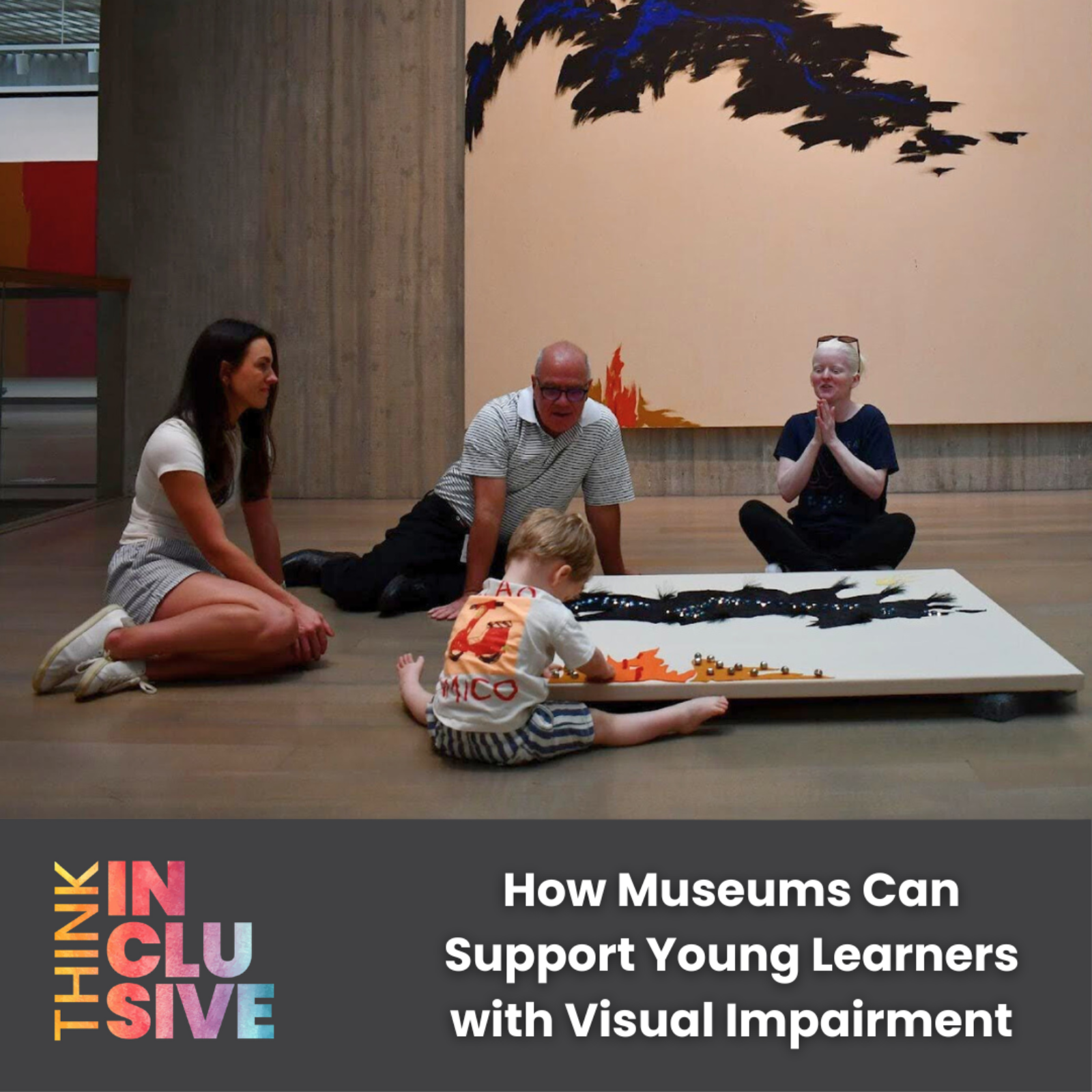
S13 Ep 16How Museums Can Support Young Learners with Visual Impairment
Dr. Michael Barla is an early childhood educator and former higher‑ed faculty member who now works at the Anchor Center for Blind Children in Denver. In 2024, he completed a residential fellowship at the Clyfford Still Museum, where he designed a sensory‑based translation of a Clyfford Still painting for a young child with a visual impairment.Jen Taylor is a teacher of students with visual impairments. She began her career in East Texas, spent several years at the Anchor Center, and now works in the Cherry Creek School District. Jen collaborated with Michael on conceptualizing and designing the multisensory translation of the artwork.Taylor Kingsbery is the parent of Miko, the toddler who explored Michael’s translated artwork. Taylor brings a powerful perspective on accessibility, representation, and what it means to co‑create environments where disabled children can experience belonging and opportunity.This episode explores what it means to translate fine art—not simply replicate it—for young children with visual impairments. Dr. Michael Barla shares how his residency at the Clyfford Still Museum evolved into a hands‑on project: reimagining a Clyfford Still painting (pH‑914) as a fully sensory experience for Miko, a two‑year‑old who is blind.With deep collaboration from VI teacher Jen Taylor and insight from Miko’s mom Taylor Kingsbery, the project transformed color, texture, line, and movement into elements children can feel, hear, and explore with their whole bodies. We follow Miko’s visit to the museum—feet first, face pressed close, mapping the artwork from every angle—and learn how sensory access opens doors to representation, identity, and belonging.The conversation expands from art to universal design, rightful presence, and why inclusion has to begin at the design stage—not as an afterthought. The guests remind us that co‑creation with families and communities is essential if we want places like museums, classrooms, and public spaces to welcome everyone.Complete show notes and transcript: https://mcie.org/think-inclusive/how-museums-can-support-young-learners-with-visual-impairment-1316/
S13 Ep 15Katie Novak on Why UDL Is Not the Goal—but the Tool for Equity
Katie Novak is an internationally recognized education consultant, author, and expert in Universal Design for Learning. She teaches at the University of Pennsylvania and leads Novak Education, helping schools and districts disrupt inequitable systems and embrace inclusive practices. Katie is also a mom of four and a passionate advocate for public education.In this episode, Katie explains why UDL should be seen as a mindset rather than a checklist and how it can dismantle systemic inequities. She uses vivid analogies—like camping trips and tax filing—to illustrate flexibility and access in learning environments. Katie also shares her personal journey from being a struggling student to becoming an education leader, thanks to one teacher’s high expectations. The conversation explores the nuances of inclusion versus inclusive practice, the importance of systemic support for educators, and why high expectations and hope matter most for students.Complete show notes and transcript: https://mcie.org/think-inclusive/katie-novak-on-why-udl-is-not-the-goal-but-the-tool-for-equity-1315/
S13 Ep 14Public Education on the Precipice: Narratives, Inclusion, and What’s at Stake
Jennifer Berkshire: Education writer, author, and co-host of Have You Heard. Known for her sharp analysis of education policy and its impact on communities.Jack Schneider: Historian of education, researcher, and co-host of Have You Heard. Jack brings a deep understanding of the historical and sociological forces shaping public schools.Public education is under pressure like never before. Jennifer and Jack explain why the system is on a precipice, how misinformation and political agendas distort reality, and what’s at stake for students—especially those with disabilities—if privatization wins. Tim shares a powerful story from the Georgia State Capitol about a parent fighting for inclusion, and the trio discusses why educators and advocates must reclaim the narrative. Plus, we dive into the history of school choice, the rise of vouchers and charters, and end with a lighthearted mystery question from Tim’s 12-year-old.Complete show notes and transcript: https://mcie.org/think-inclusive/public-education-on-the-precipice-narratives-inclusion-and-whats-at-stake-1314/
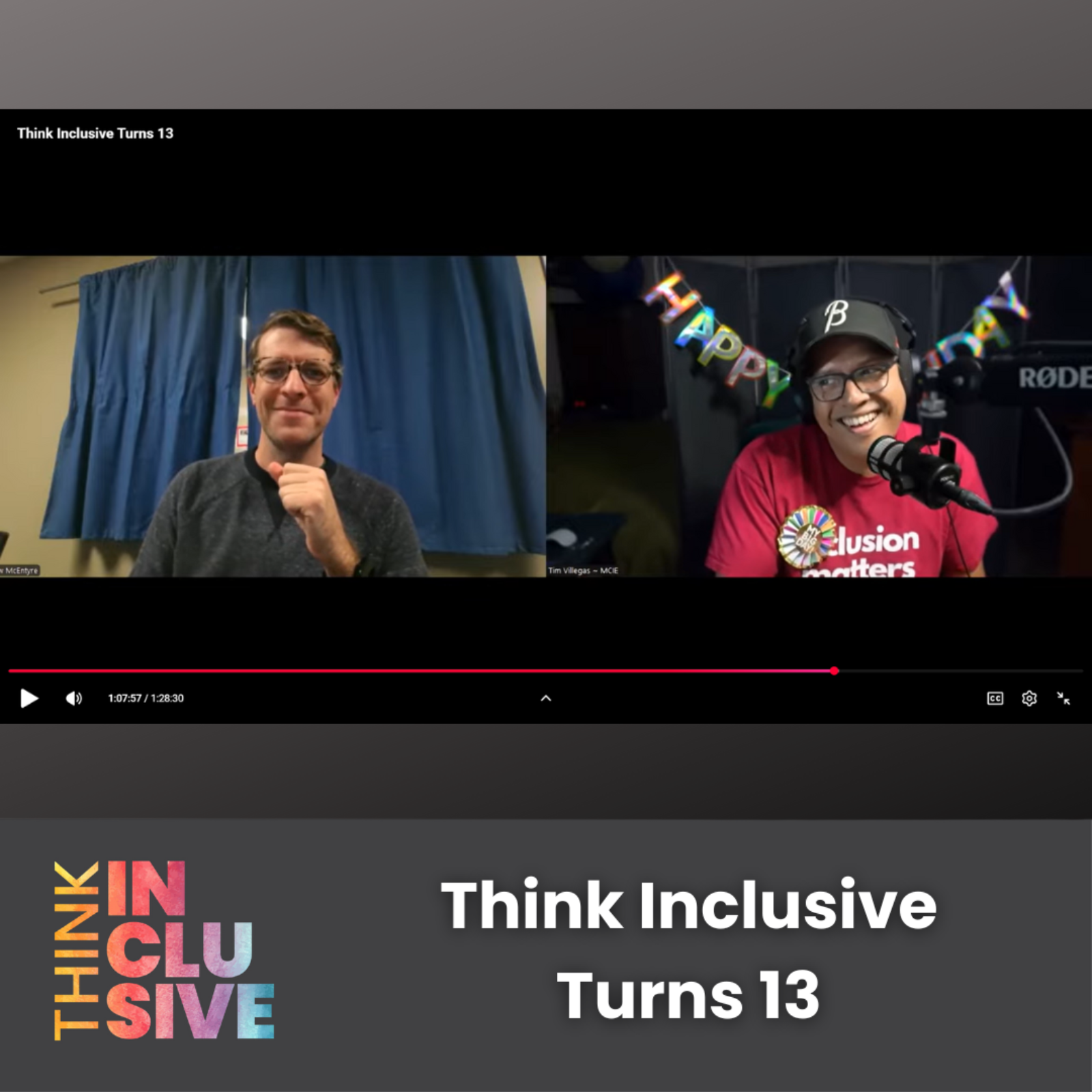
S13 Ep 13Think Inclusive Turns 13
On this special Giving Tuesday edition of Think Inclusive, host Tim Villegas celebrates 13 years of the podcast and the ongoing work of MCIE to advance inclusive education. The live event features interactive games, audience participation, and heartfelt reflections from special guests and supporters. The episode highlights stories of advocacy, legal victories, and personal transformation, while also surpassing fundraising goals for MCIE. Listeners are treated to bold predictions for the future of inclusion, practical tips for educators, and a collaborative spirit that defines the Think Inclusive community.Special GuestsKeith JonesJenna RufoMark CrenshawDiana Pastora CarsonAndrew McEntryeComplete show notes and transcript: https://mcie.org/think-inclusive/think-inclusive-turns-13-1313/
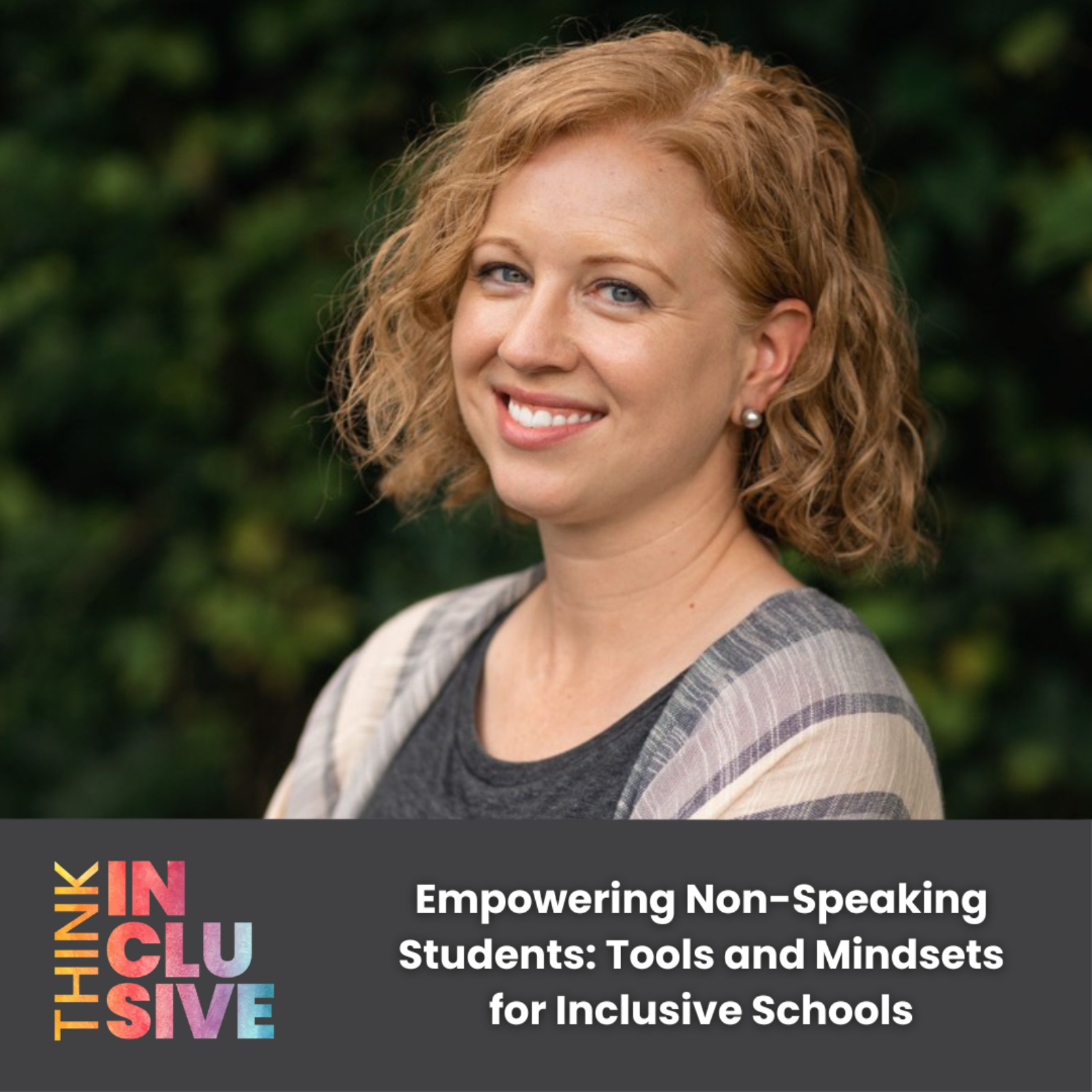
S13 Ep 12Empowering Non-Speaking Students: Tools and Mindsets for Inclusive Schools
Lisa Mihalich Quinn is the founder of Reach Every Voice and co-founder of Adaptiverse. She is a former public school teacher who builds solutions for non-speaking autistic learners. Her work matters because she helps unlock grade-level access and trains educators to presume competence and embrace inclusion.This episode explores how opening up possibilities for communication can transform the lives of non-speaking students. Lisa shares her journey from public school teacher to innovator, highlighting the importance of presuming competence and understanding apraxia and co-regulation. The conversation covers practical strategies, breakthrough stories, and the need for systemic change in education.Complete show notes and transcript: https://mcie.org/think-inclusive/empowering-non-speaking-students-tools-and-mindsets-for-inclusive-schools-1312/

S13 Ep 11Down Syndrome Advocacy in Action: Lessons from Audrey and Jeremy
Audrey and Jeremy are lifelong friends, advocates, and co-hosts of The Audrey and Jeremy Show. Together, they speak up for disability rights, share their experiences as people with disabilities, and work to make schools and communities more inclusive. Their work matters because they show the world that everyone deserves to belong, be valued, and have their voices heard.Audrey and Jeremy join Think Inclusive to talk about their journey as advocates, podcasters, and friends. They share stories about speaking up for Medicaid in Washington, D.C., challenging ableism in schools, and using their podcast to teach others about inclusion. Their message is clear: everyone deserves to belong and be valued.Complete show notes and transcript: https://mcie.org/think-inclusive/down-syndrome-advocacy-in-action-lessons-from-audrey-and-jeremy-1311/
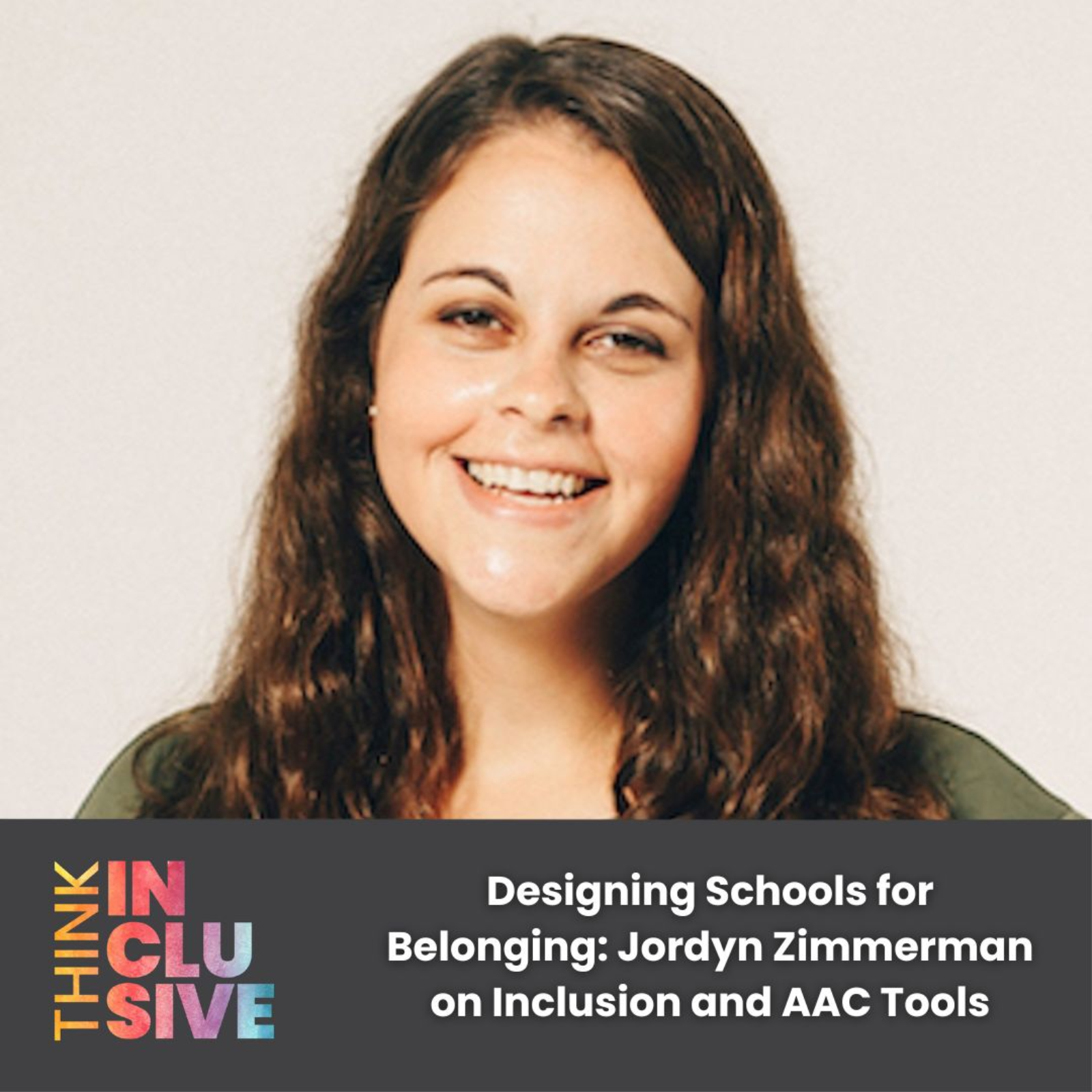
S13 Ep 10Designing Schools for Belonging: Jordyn Zimmerman on Inclusion and AAC Tools
Jordyn Zimmerman is a passionate educator, disability advocate, and accessibility innovator. Diagnosed as autistic and denied access to augmentative and alternative communication (AAC) until age 18, Jordyn’s work centers on ensuring every learner has the tools and supports they need to thrive. Their advocacy is rooted in personal experience with segregation and inclusion, making their voice essential for building more inclusive schools.In this episode, Jordyn Zimmerman shares their journey from segregation to meaningful inclusion in schools. The conversation covers the importance of presuming competence, the need for accessible communication, and how policy and practice must evolve to create truly inclusive communities. Jordyn also discusses their work with the Nora Project and Center for Enriched Living, and what it means to measure success beyond just placement numbers.Complete show notes and transcript: https://mcie.org/think-inclusive/designing-schools-for-belonging-jordyn-zimmerman-on-inclusion-and-aac-tools-1310/
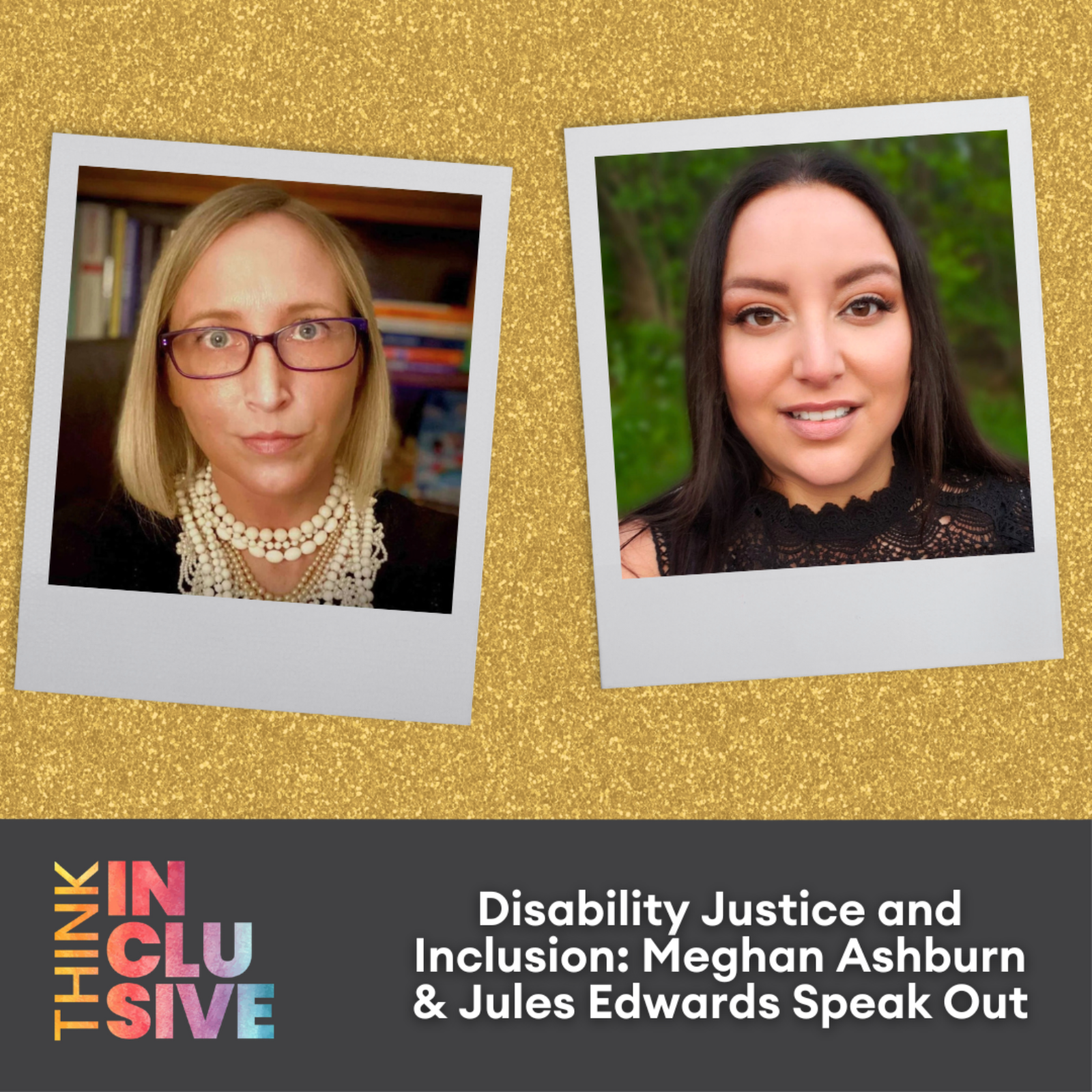
S13 Ep 9Disability Justice and Inclusion: Meghan Ashburn & Jules Edwards Speak Out
Meghan Ashburn is a mother of autistic twins. She's an educational consultant who is passionate about inclusion and accessibility. Meghan is the creator of Not an Autism Mom and hosts That Au-Some Book Club.Jules Edwards is an autistic activist and parent of autistic children. She is the writer of Autistic, Typing, and works to educate the community and influence policy to promote disability justice.Meghan Ashburn and Jules Edwards join Tim Villegas to talk about their journey from online tension to collaboration, co-authoring a book that challenges dominant narratives about autism and disability. They discuss why inclusive classrooms benefit everyone, the ethics of autism research, and the importance of learning out loud.Complete show notes and transcript: https://mcie.org/think-inclusive/disability-justice-and-inclusion-meghan-ashburn-jules-edwards-speak-out-1309/
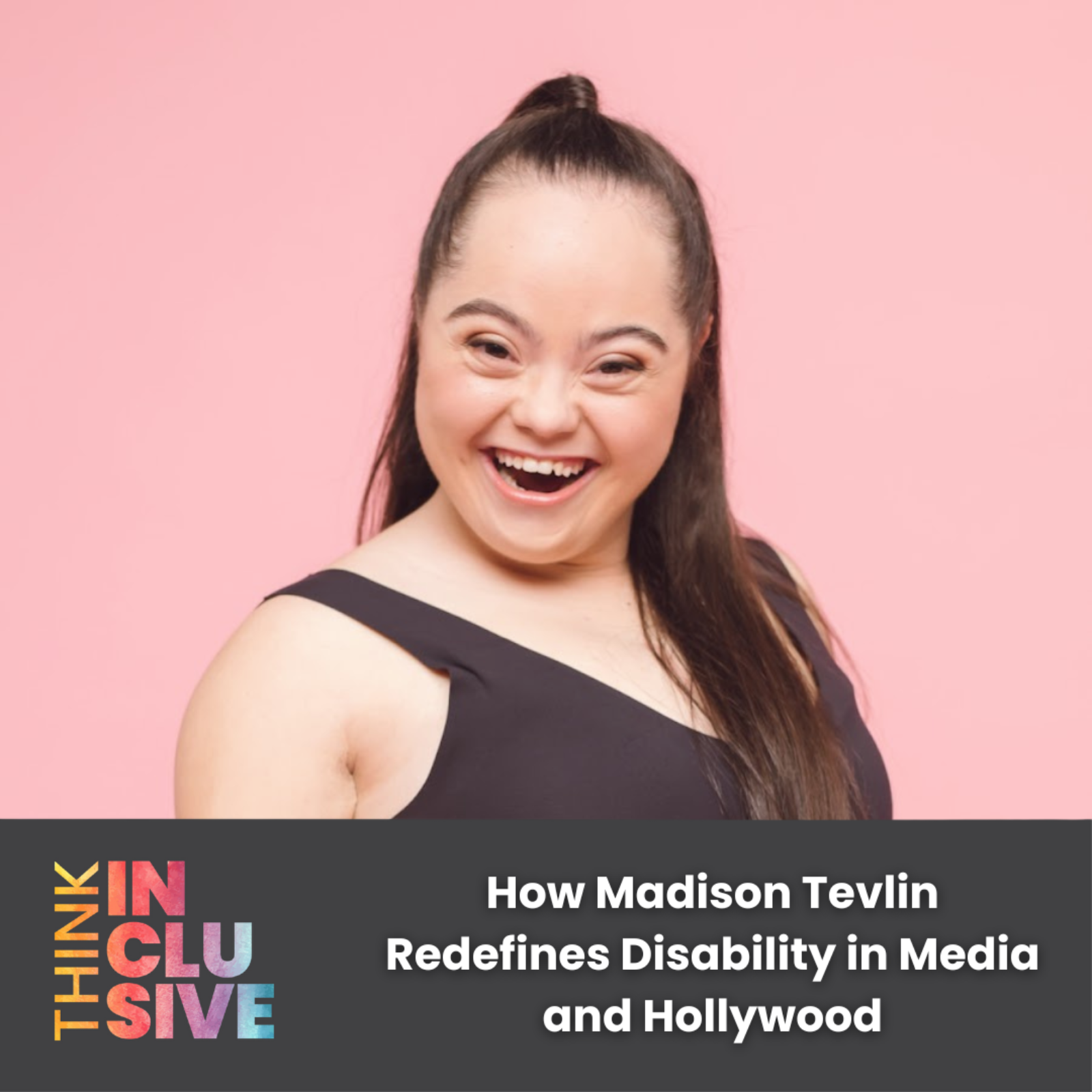
S13 Ep 8How Madison Tevlin Redefines Disability in Media and Hollywood
Madison Tevlin is an actor, advocate, and podcaster known for her breakout role in the film Champions and her viral YouTube performances. Madison’s work centers on authentic representation in media, advocating for inclusion that goes beyond disability. She is the host of the upcoming podcast 21 Questions, which celebrates identity, energy, and connection. Madison’s advocacy extends to inclusive classrooms and authentic storytelling, and she is passionate about being recognized for her personality and talents rather than her diagnosis.In this episode, host Tim Villegas talks with Madison Tevlin about her journey as a performer and advocate. Madison shares insights from her experiences on inclusive film sets, the importance of being seen for who you are, and her vision for representation in media. The conversation explores Madison’s creative process, her new podcast 21 Questions, and her advice for educators on fostering authentic inclusion in schools. Madison’s story is a powerful reminder that the least interesting thing about a person is their diagnosis, and that true inclusion means celebrating everyone’s unique identity.Complete show notes and transcript: https://mcie.org/think-inclusive/how-madison-tevlin-redefines-disability-in-media-and-hollywood-1308/
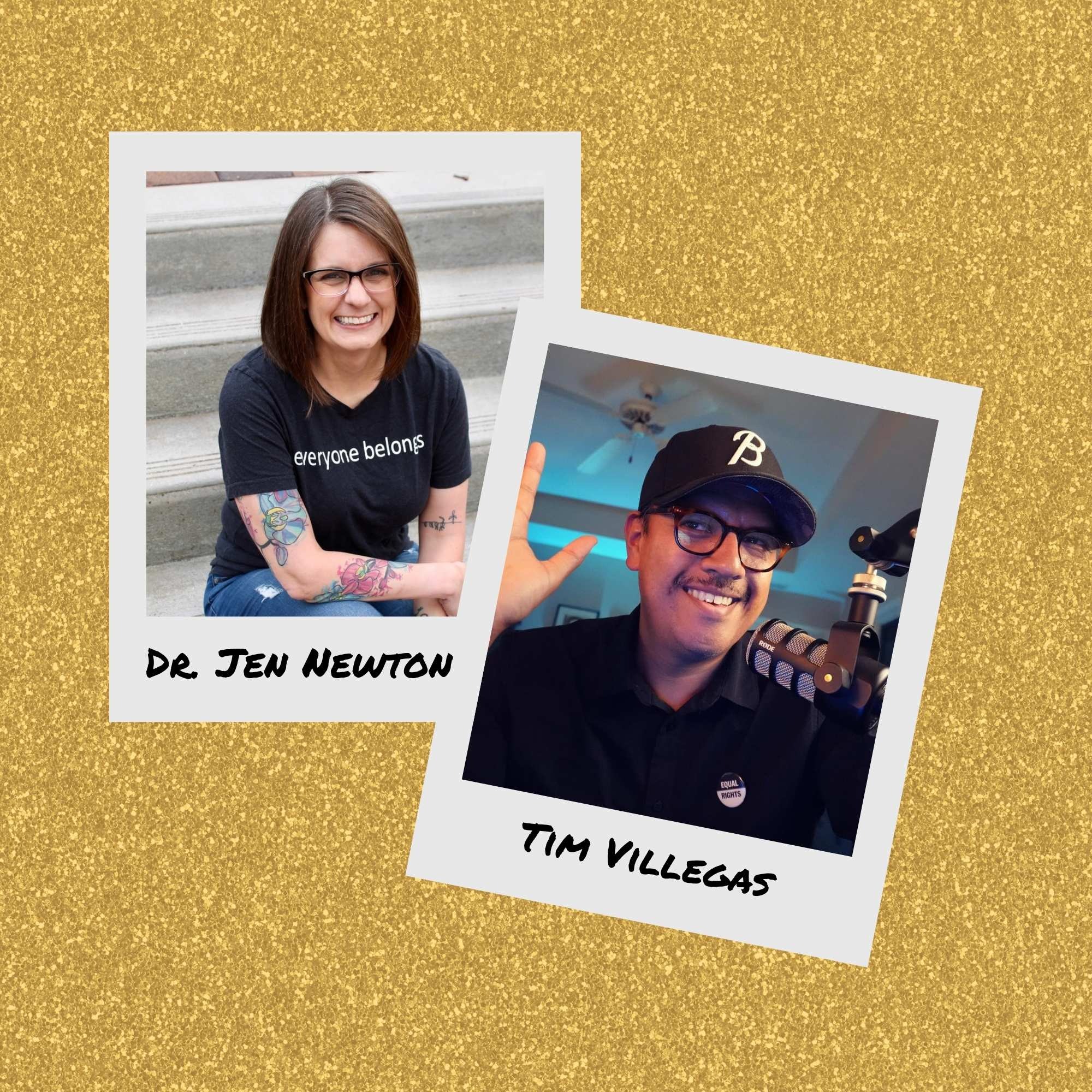
S13 Ep 7General Education Has to Be for Everyone
Dr. Jen Newton is an Associate Professor of Special Education at Ohio University and founder of Teaching is Intellectual. Jen works to re‑imagine general education as the default setting for all learners and centers belonging, access to curriculum, and accountability for systems so that inclusion is real, not just a placement.Tim and Jen unpack what “general education” really means under IDEA: not a room, but the default setting for every learner—with supports, adaptations, and shared responsibility across a school. They clarify why “least restrictive environment” (LRE) is not a place, how ableism shows up in decisions, and what families and educators can do now to advance authentic inclusion.Complete show notes and transcript: https://mcie.org/think-inclusive/general-education-has-to-be-for-everyone-1307/
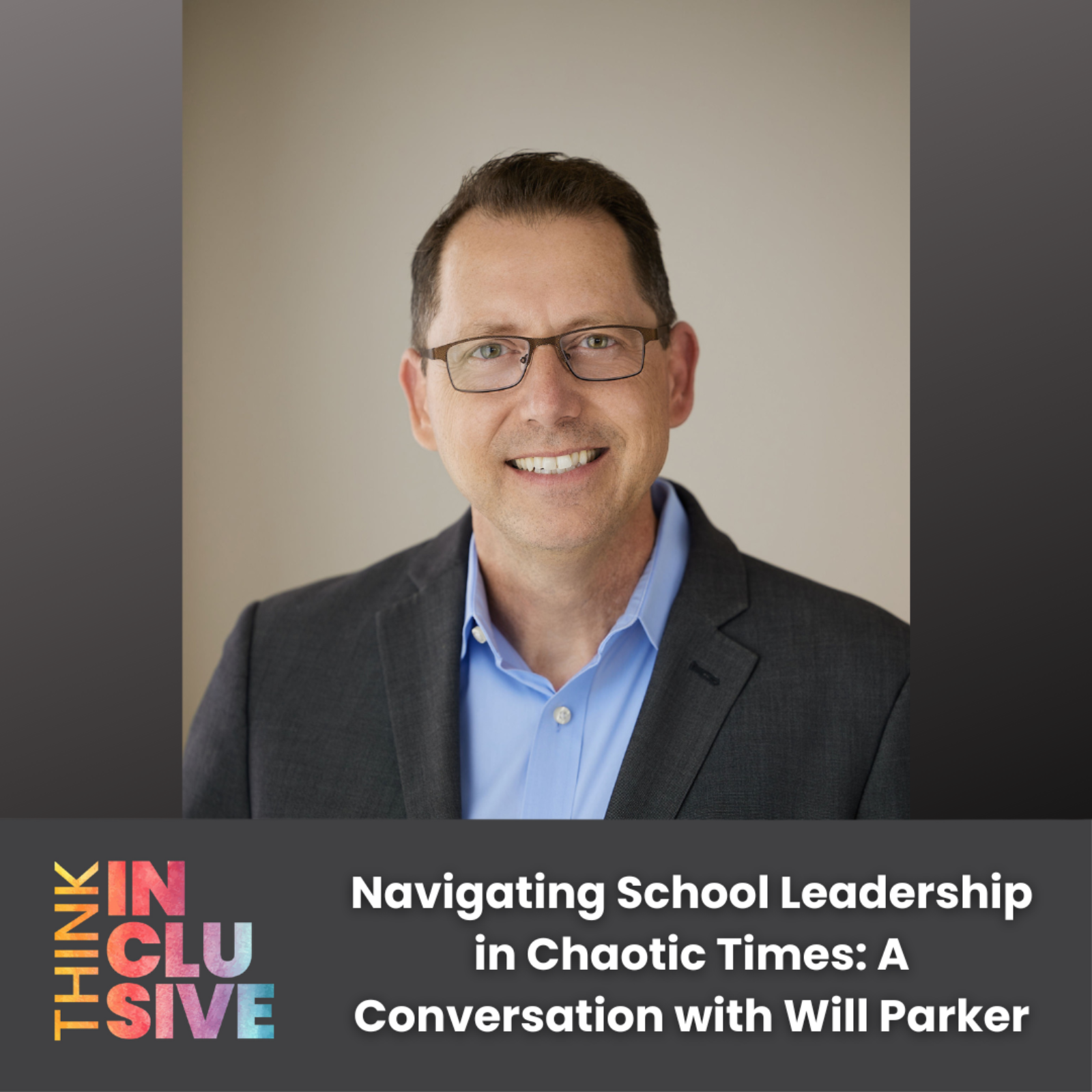
S13 Ep 6Navigating School Leadership in Chaotic Times: A Conversation with Will Parker
Will Parker is an educator, author, and executive coach. Will helps school leaders build strong cultures, communication, and community through his work at Principal Matters. He’s a former principal and host of the Principal Matters podcast. Will’s work matters for inclusion because he supports educators in leading with heart and compassion, especially during challenging times. In this episode, Tim Villegas talks with Will Parker about navigating the emotional weight of current events, the impact of political rhetoric on schools, and how educators can stay grounded in their mission to serve students. The conversation centers on leading with compassion, focusing on local action, and finding hope in everyday relationships. The episode is intentionally broad so listeners can apply the insights to many situations. Complete show notes and transcript: https://mcie.org/think-inclusive/navigating-school-leadership-in-chaotic-times-a-conversation-with-will-parker-1306/
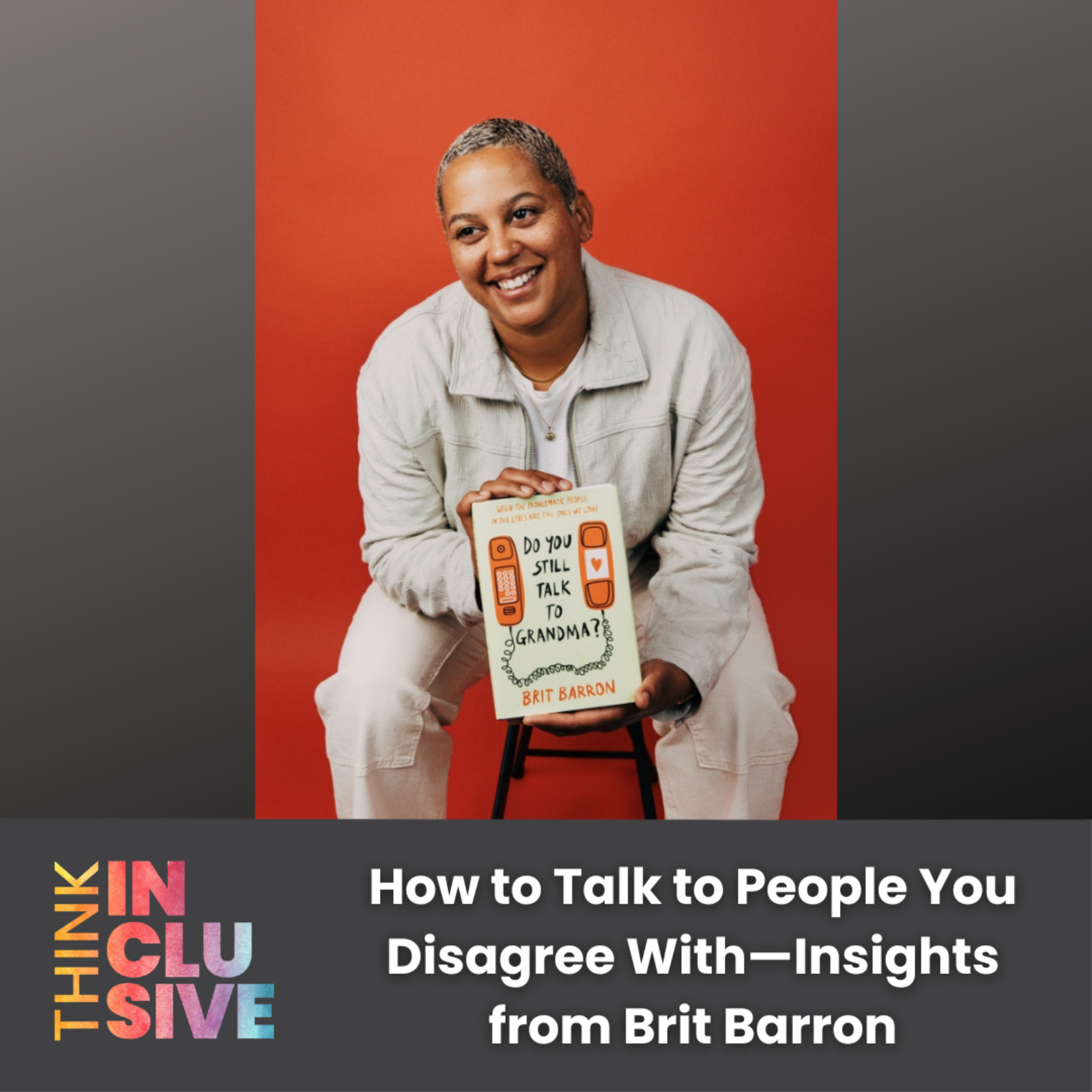
S13 Ep 5How to Talk to People You Disagree With—Insights from Brit Barron
Brit Barron - Speaker, author, and comedian. Brit’s work explores how we stay connected in a polarized world, focusing on empathy, belonging, and liberation for all people. Brit’s book, Do You Still Talk to Grandma?, dives into cancel culture and navigating relationships with people we love but deeply disagree with. Their work matters for inclusion because it helps people build bridges in schools, communities, and families. Brit Barron joins Tim Villegas to talk about how to get better at disagreement—without giving up your values or just being nice. They discuss why empathy isn’t weakness, how our bubbles can hurt us, and how educators can lead with compassion even when values clash. The conversation is honest, friendly, and full of practical wisdom for anyone trying to build more inclusive communities. Complete show notes and transcript: https://mcie.org/think-inclusive/how-to-talk-to-people-you-disagree-with-insights-from-brit-barron-1305/
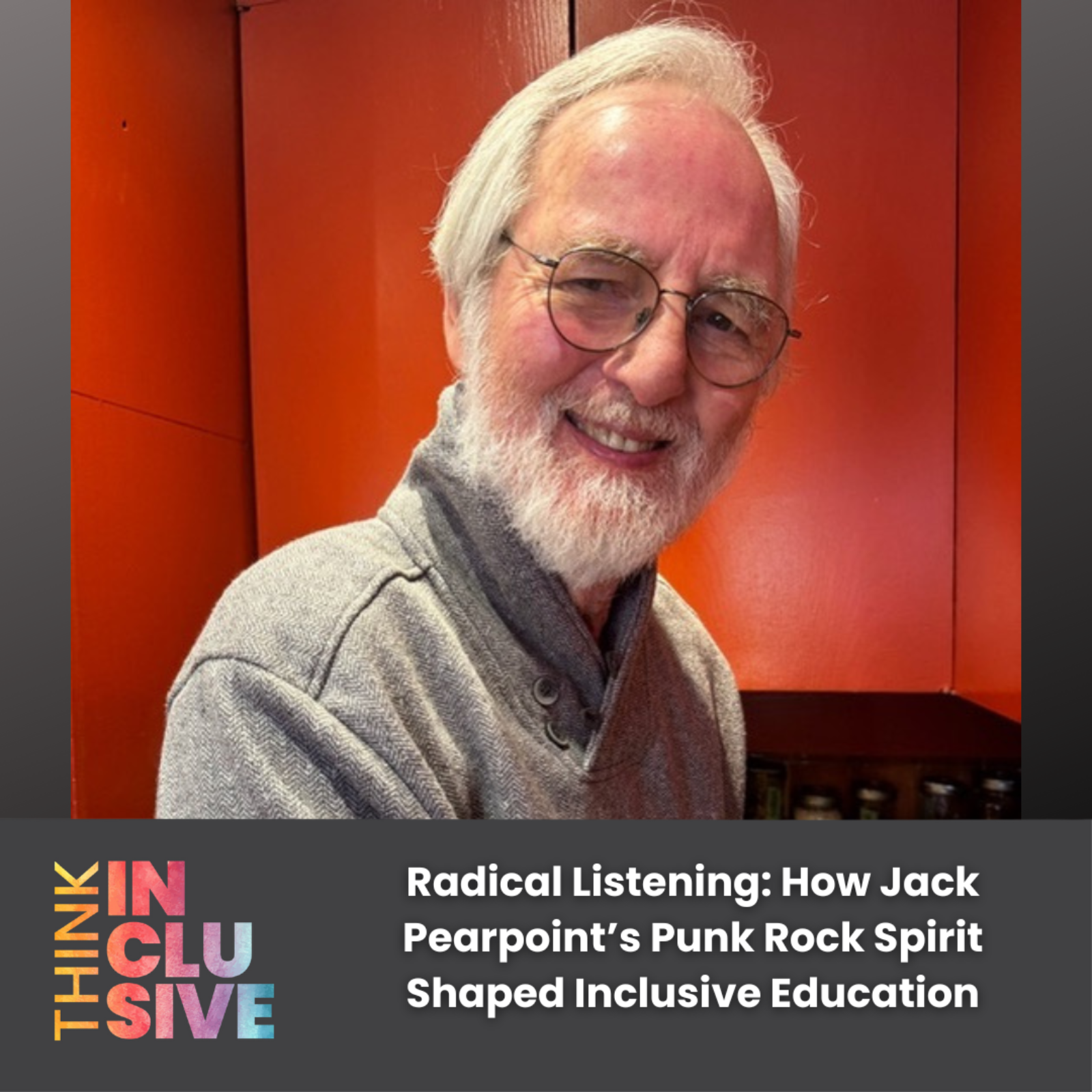
S13 Ep 4Radical Listening: How Jack Pearpoint’s Punk Rock Spirit Shaped Inclusive Education
Jack Pearpoint: Canadian publisher, inclusion advocate, and co‑creator of person‑centered planning tools like MAPS, PATH, and Circle of Friends. Jack’s work centers on relationships and building local leadership for change so every learner belongs. In this episode, Jack Pearpoint and Tim Villegas talk about “inclusion punk rock”—doing what’s right for learners even when systems say no. They dig into the origin of MAPS, PATH, and Circles of Support, how to keep planning deeply personal (not just an app or a checklist), and why change grows from relationships, neighborhoods, and people on the margins. Complete show notes and transcript: https://mcie.org/think-inclusive/radical-listening-how-jack-pearpoints-punk-rock-spirit-shaped-inclusive-education/
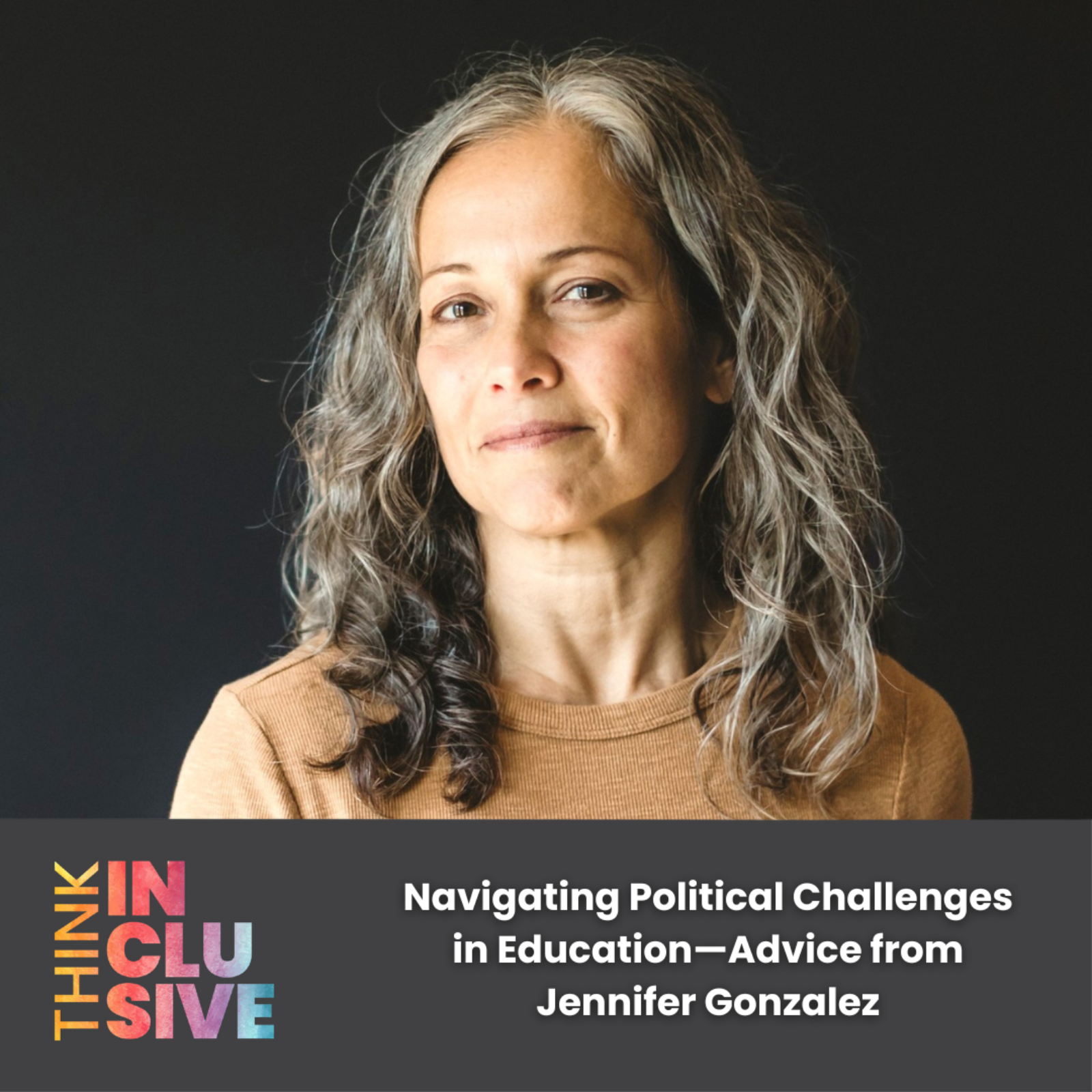
S13 Ep 3Navigating Political Challenges in Education—Advice from Jennifer Gonzalez
Jennifer Gonzalez — National Board Certified Teacher and the voice behind Cult of Pedagogy. After more than a decade in classrooms, she now helps educators sharpen their craft with clear, practical guidance. Her work matters for inclusion because it centers relationships, cognitive growth, and everyday practices that make classrooms safe and welcoming for every learner.In this conversation, Jennifer Gonzalez and host Tim Villegas talk about teaching through a turbulent political moment—putting safety first, staying grounded in real (not performative) inclusion, and finding allies at school and beyond. They share concrete moves teachers can make right now, plus where to find hope when the news feels heavy.Complete show notes and transcript: https://mcie.org/think-inclusive/navigating-political-challenges-in-education-advice-from-jennifer-gonzalez-1303/
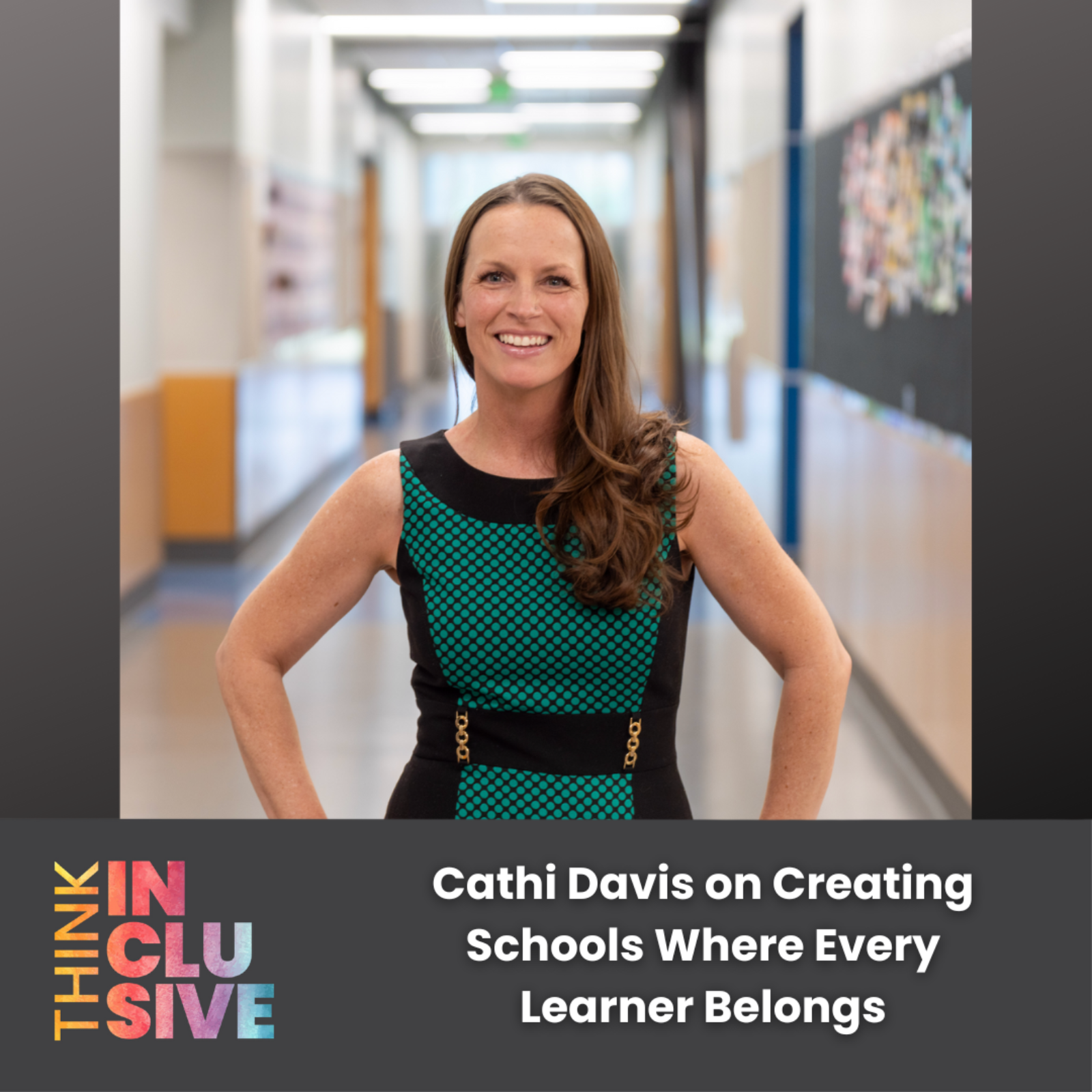
S13 Ep 2Cathi Davis on Creating Schools Where Every Learner Belongs
Cathi Davis is the principal of Ruby Bridges Elementary School in Woodinville, Washington, and the 2025 Washington State Principal of the Year. She leads a school built on the promise “we thought of you when we made this place,” designing for belonging, elevating student voice, and protecting adult collaboration so inclusive practices stick.Principal Cathi Davis shares how Ruby Bridges Elementary purposefully designs for belonging rather than just declaring it—centering student voice, presuming competence, and building systems where every learner is a leader and belongs. She breaks down how leaders protect weekly co‑planning time, model vulnerability, and act with urgency because kids don’t get these minutes back—there are only 188 school days to invest in community.Complete show notes and transcript: https://mcie.org/think-inclusive/cathi-davis-on-creating-schools-where-every-learner-belongs-1302/
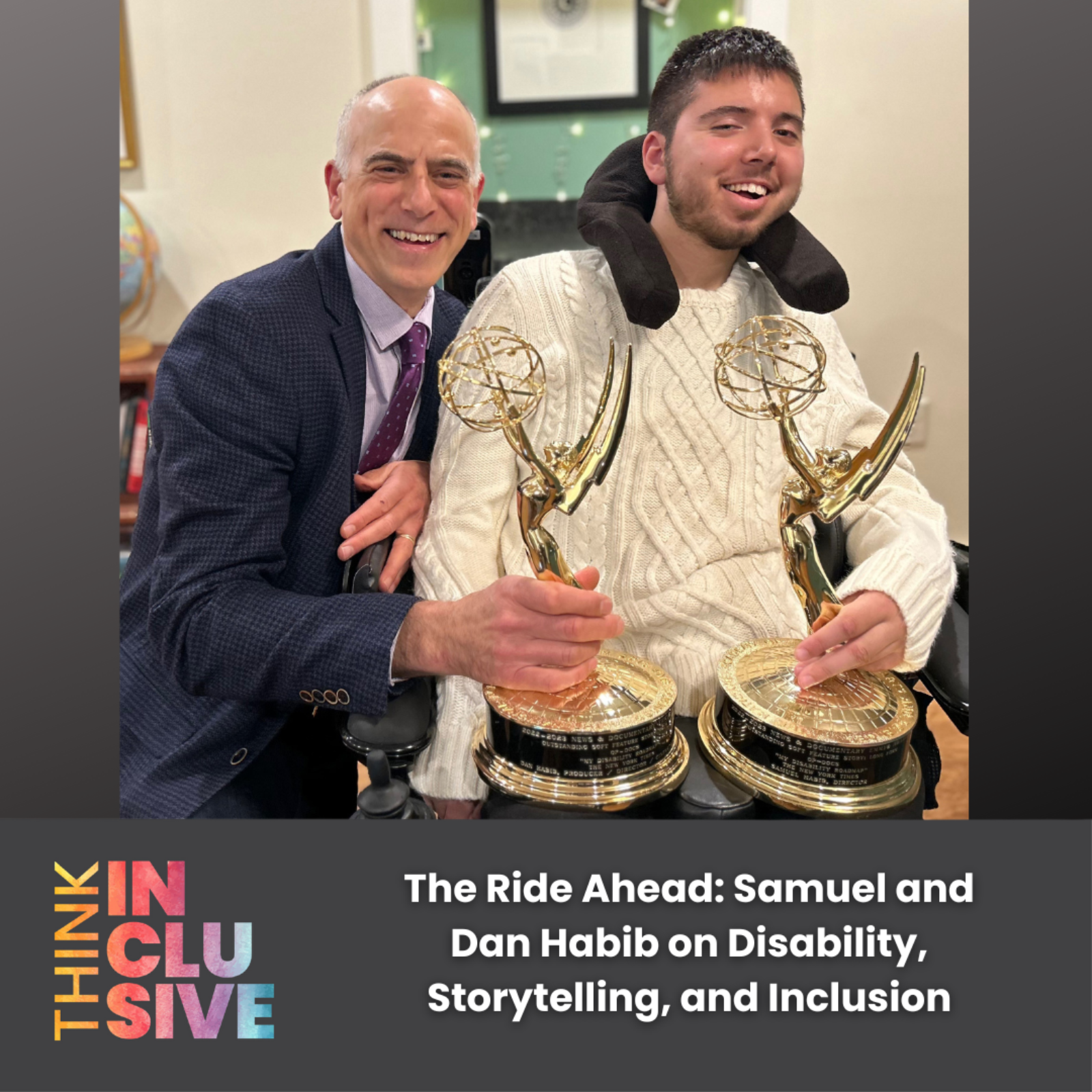
S13 Ep 1The Ride Ahead: Samuel and Dan Habib on Disability, Storytelling, and Inclusion
Samuel Habib is a college student, filmmaker, and disability rights advocate. He co-directed The Ride Ahead, a documentary chronicling his transition into adulthood as a disabled person. Samuel works part-time at the Westchester Institute for Human Development and is pursuing a degree in history at Southern New Hampshire University.Dan Habib is an Emmy-winning documentary filmmaker and longtime advocate for inclusive education. He has directed several impactful films including Including Samuel and Intelligent Lives. Dan co-directed The Ride Ahead with Samuel and has been instrumental in promoting authentic representation of disabled voices in media.In this heartfelt episode, Tim Villegas speaks with Samuel and Dan Habib about their documentary The Ride Ahead, which explores Samuel’s journey into adulthood, the challenges of traveling with a disability, and the importance of mentorship and community. The conversation dives into storytelling, inclusive education, dating and intimacy, and the power of showing up as your full self. The episode also highlights the collaborative nature of filmmaking and the impact of authentic representation.Complete show notes and transcript: https://mcie.org/think-inclusive/the-ride-ahead-samuel-and-dan-habib/
Think Inclusive Trailer
trailerWelcome to Think Inclusive. Each week, we bring together families, educators, and disability rights advocates to build a shared understanding of inclusive education—and what inclusion looks like in real schools and communities.Hosted by Tim Villegas, Director of Communications at the Maryland Coalition for Inclusive Education (MCIE), Think Inclusive shares real stories, practical strategies, and honest conversations that help you move inclusion forward where you are. It’s also a proud production of MCIE.What you’ll hear in this feed:Straight‑talk interviews with educators, advocates, and self‑advocates who are changing systems.Clear, actionable ideas you can use in classrooms, IEP meetings, and leadership teams.Themes we return to often: belonging, presuming competence, UDL, co‑teaching, accessible materials, and shifting mindsets that sustain inclusive schools.Why listen now: Since 2012, Think Inclusive has released over 200 episodes and ranks in the top 2% of podcasts globally—so you’ll find a deep, practical archive to learn from.Our regular season runs September through July, with bonus episodes sprinkled in.Hit Follow/Subscribe so you never miss an episode. Want to share how you’re using the show with your team or district? Email Tim Villegas at [email protected]—we’d love to hear from you.
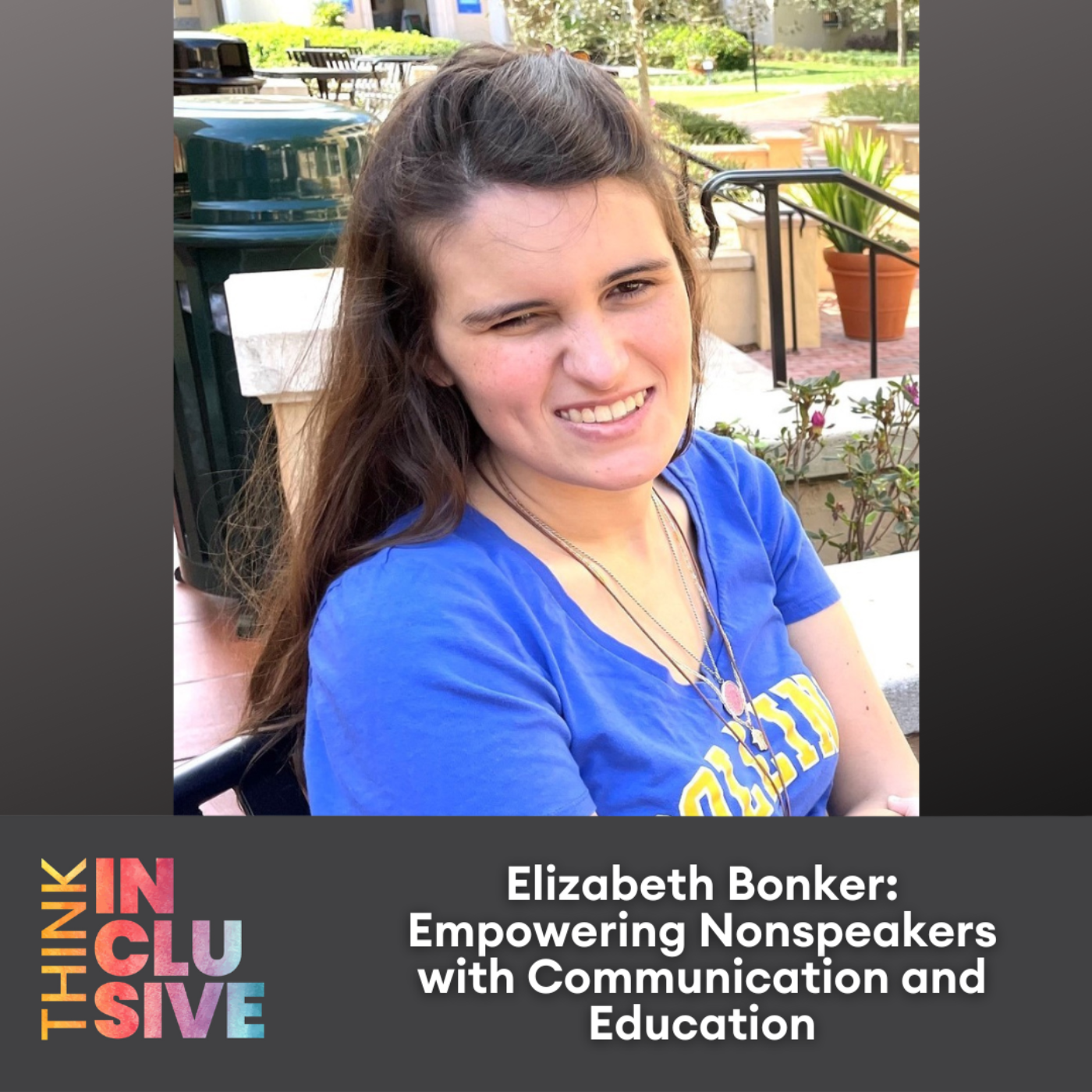
S12 Ep 40Elizabeth Bonker: Empowering Nonspeakers with Communication and Education
In this compelling episode of Think Inclusive, host Tim Villegas engages in an enlightening conversation with Elizabeth Bonker, a prominent advocate for non-speaking individuals. Elizabeth shares her inspiring journey of becoming a voice for non-speakers through typing. Despite the communication barriers she faced, Elizabeth emerged as a powerful force in advocating for inclusivity in education and society. Elizabeth discusses the challenges non-speaking students encounter in schools, particularly the prevalent resistance to recognize typing as a legitimate communication method. She compares typing to Braille for the blind or sign language for the deaf, advocating for its integration into educational settings as a civil rights issue. The episode delves into Elizabeth's personal experiences, emphasizing the significant impact of presuming competence. She underscores the necessity of educational reform to facilitate access to typing for non-speakers, advocating for a shift in perception that acknowledges their potential. Complete show notes and transcript: https://mcie.org/think-inclusive/podcast-episode-template-title/
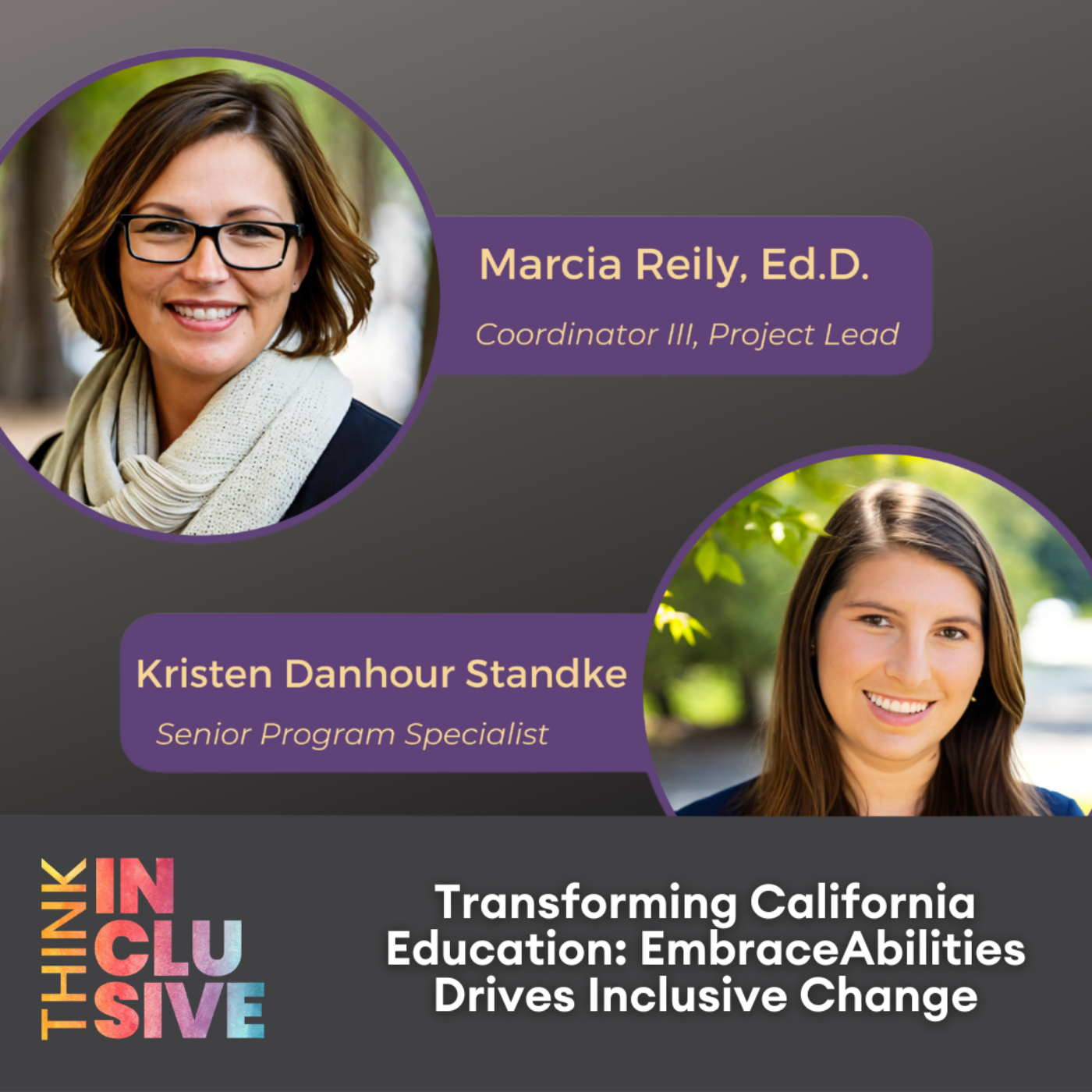
S12 Ep 39Transforming California Education: EmbraceAbilities Drives Inclusive Change
In this riveting episode of Think Inclusive, host Tim Villegas delves into the intricacies of educational inclusivity and innovation in California, spotlighting the transformative EmbraceAbilities project. This initiative is spearheaded by Marcia Reily and Kristen Danhour Stanke, two educational specialists from the Los Angeles County Office of Education. Their mission is to reshape how the educational system supports students with extensive needs, encouraging a shift from segregated learning environments to fully inclusive classrooms.Marcia and Kristen share essential insights into the ongoing journey of the EmbraceAbilities project. Originally funded by the California Department of Education, this initiative aims to empower county offices of education with frameworks and tools to advance inclusive practices. The discussion underscores the significance of “extensive support needs” and how Marcia and Kristen, through statewide engagement and site visits, have co-created solutions that reflect the unique challenges and triumphs of individual counties. From professional development to family engagement, the episode covers critical strategies and real-world applications driving change for students with disabilities.Complete show notes and transcript: https://mcie.org/think-inclusive/embraceabilities-inclusive-education/
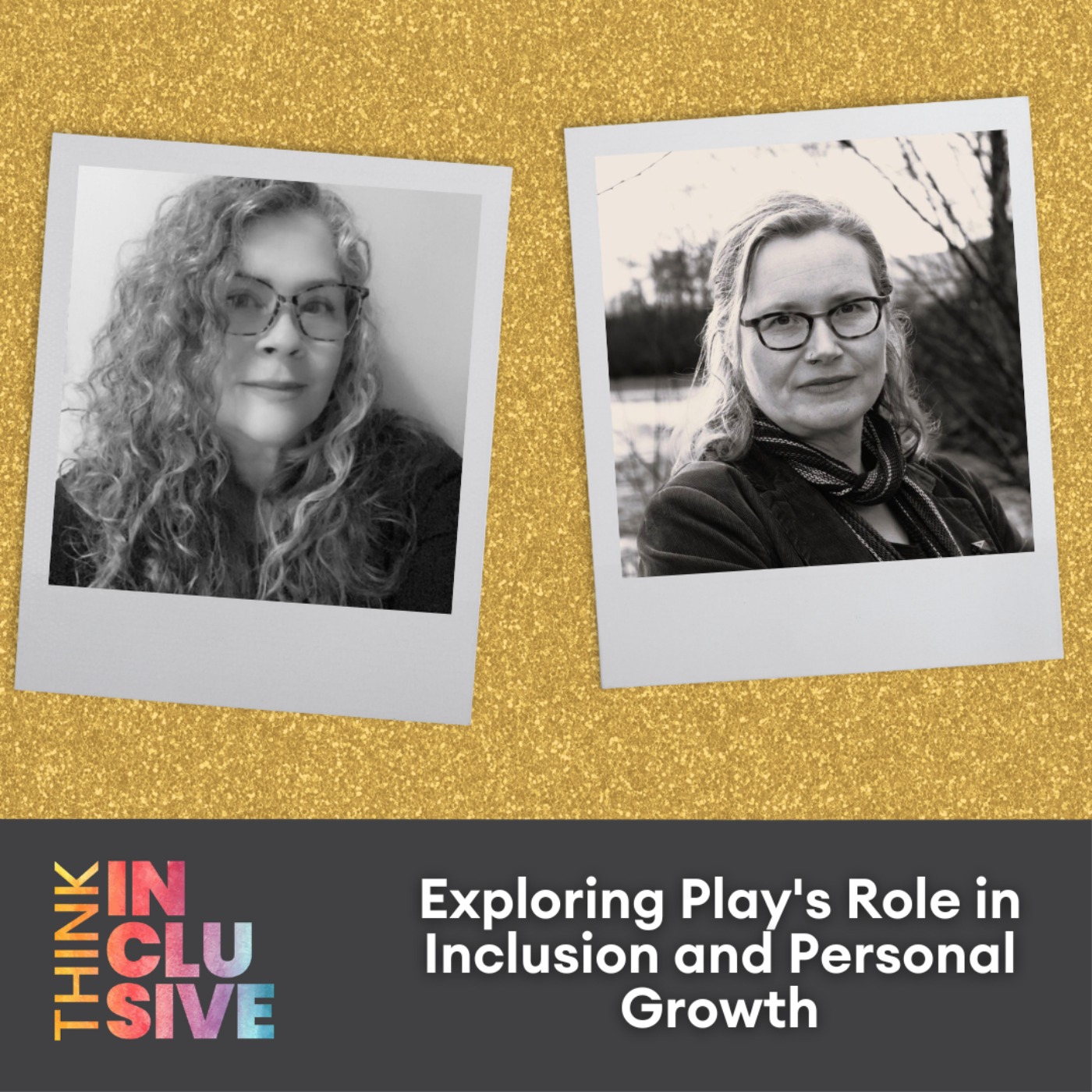
S12 Ep 38Exploring Play's Role in Inclusion and Personal Growth
About the Guest(s):Dr. Leah Kelley is a distinguished neurodivergent education consultant, author, activist, educator, and parent. With 25 years of experience as a public school teacher, her roles have included primary teacher, inclusion resource teacher, and SEL Mental Health helping teacher. Leah is known for her national and international presentations on neurodiversity, advocacy, and inclusion, as well as her popular blog “30 Days of Autism.” She is a sought-after speaker recognized for her storytelling and practical wisdom, encapsulated in her book “The Person Who Arrives: Connecting Disability Studies to Educational Practice for Teachers, Parents, and Others.”Dr. Kari Gustafson is an instructor and researcher specializing at the intersection of neurodiversity, disability studies, education, and role-playing games. Kari holds a Ph.D. in Philosophy of Education from Simon Fraser University, where their dissertation delved into relationality and inclusion within role-playing games like D&D. Currently a faculty member in the Disability and Community Studies program at Douglas College, Kari brings a unique perspective to educational practices that prioritize strength-based collaboration and inclusivity.Episode Summary: In this episode of Think Inclusive, host Tim Villegas engages in a thought-provoking discussion with Dr. Leah Kelley and Dr. Kari Gustafson. The conversation delves into the importance of play and creativity within the context of inclusion, education, and disability studies. As advocates for neurodiversity, Leah and Kari offer insightful perspectives on how play can be an essential tool for both personal growth and collaborative learning, especially for individuals with disabilities.Complete show notes and transcript: https://mcie.org/think-inclusive/exploring-plays-role-in-inclusion-and-personal-growth/Key Takeaways:-Play is a vital tool for imagination, personal growth, and collaborative learning in neurodiverse and inclusive settings.-Societal pressures often replace play with structured therapies, particularly for children with disabilities, emphasizing the need to reclaim play.-Role-playing games, such as D&D, offer collaborative storytelling experiences that promote inclusivity and value diverse strengths.Embracing play can lead to increased joy and energy, benefiting personal well-being and educational outcomes.-Facilitating inclusive environments that prioritize creativity and play helps individuals thrive and fosters strength-based collaboration.Thank you to our sponsor, IXL: https://ixl.com/inclusive Hosted on Acast. See acast.com/privacy for more information.
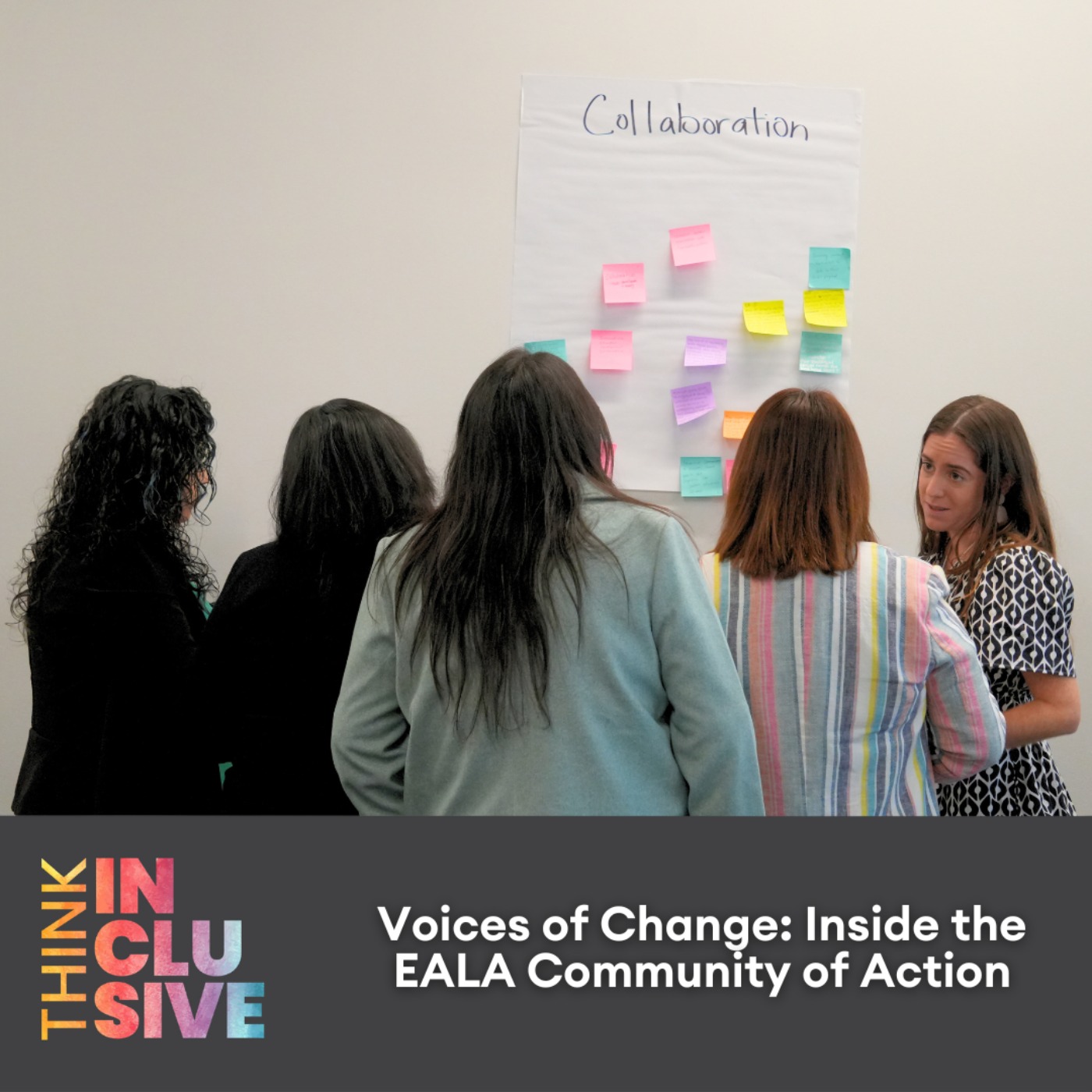
Voices of Change: Inside the EALA Community of Action
bonusEpisode SummaryIn this bonus episode of Think Inclusive, hosted by Tim Villegas, listeners are invited to relive a dynamic and innovative event organized by the Educating All Learners Alliance (EALA). The December 2024 retreat featured 22 mission-aligned organizations gathered for a 36-hour innovation sprint aimed at developing transformative projects in inclusive education. The event emphasized solutions co-designed by those closest to the challenges, offering fresh perspectives and actionable outcomes. With two standout projects each receiving $75,000 in funding, the retreat underscored the power of community-led grant making. This episode captures the behind-the-scenes experiences of participants as they share their reflections on creativity, collaboration, and the pursuit of inclusive education advancements.Throughout the episode, the emphasis is placed on collaboration and the significance of involving educators, families, and students in the co-creation process for meaningful outcomes. Featuring conversations with participants, such as Anna Evancic from the International Youth Foundation and Maribel Gardea of MindShift, listeners gain insight into the innovative solutions proposed, including Youth Action Power and the Transformative Engagement Alliance, both aimed at reshaping educational practices. The episode highlights the intersection of ideas and expertise, conveying the importance of diversity, understanding the needs of learners with disabilities, and fostering a collaborative spirit across educational communities.Complete show notes and transcript: https://mcie.org/think-inclusive/voices-of-change-inside-the-eala-community-of-action/Learn more about EALA's community of action: https://educatingalllearners.org/community-of-action/Thank you to the Educating All Learners Alliance for making Inclusion Today and this bonus episode possible. Learn more at https://educatingalllearners.org/ Hosted on Acast. See acast.com/privacy for more information.