
The WW2 Podcast
326 episodes — Page 4 of 7

173 - The Maritime Struggle in the Mediterranean and Middle East
In this episode of the podcast, we shine a light on the naval conflict in the Mediterranean and the Middle East. This proved to be a prolonged conflict, waged at differing times against the combined forces of Italy, Germany and Vichy France over a wide area stretching from the coastal waters of Southern Europe in the north to Madagascar in the south and Africa's Atlantic coast in the west to the Persian Gulf in the east. Utilizing a variety of weapons, including surface warships, submarines, and aircraft along with sizable merchant fleets, the British and their subsequent American partners would maintain vital seaborne lines of communication, conducting numerous amphibious landings, interdicting Axis supply activities, eventually eliminating all semblances of Axis maritime power within the theatre. I'm joined once more by Brian Walter. If you recall, Brian joined me in episode 127 to discuss the battle of the Atlantic. Brian has a new book Blue Water War: The Maritime Struggle in the Mediterranean. Patreonpatreon.com/ww2podcast

Ep 172172 - The Battle of Stalingrad
The German offensive to capture Stalingrad began in August 1942, using Friedrich Paulus's 6th Army and elements of the 4th Panzer Army. The attack was supported by intense bombing that reduced much of the city to rubble. The battle quickly degenerated into house-to-house fighting, as both sides fought for the city on the Volga. By mid-November, the Germans were on the brink of victory as the Soviet defenders clung to a final few slivers of land along the west bank of the river. Then, on 19 November, the Red Army launched Operation Uranus, targeting the weaker Romanian armies protecting the 6th Army's flank and the Germans in Stalingrad were surrounded and cut off. Hitler was determined to hold the city insisting that Paulus hold out and the 6th Army would be supplied by air. With the airlift a disaster, in February 1943, without food or ammunition, some 91,000 starving Germans surrendered. In this episode of the podcast, I'm joined once more by Jonathan Trigg. Jon specialises in looking at aspects of the war from the German perspective so in episode 147 we looked at Operation Barbarossa, in 115 Jon and I discussed the end of the war and in 102 we talked about D-Day. Jon's new book is The Battle of Stalingrad Through German Eyes: The Death of the Sixth Army. Patreon: patreon.com/ww2podcast

Ep 171171 - Tom, Dick and Harry
I've been trying to slip in an extra episode of the podcast for a while but never seem to manage it! I hope you find this interesting. Running at the Alexandra Palace Theatre this summer is Tom, Dick and Harry, a play telling the story of the great escape. I thought it might be interesting to talk about how you take a story so familiar to many of us - growing up watching endless re-runs of the film - and change that into a stage play. How do you deal with the fantastic, which is true, but on top of that, you need to deal with the legend, which might have little relation to what actually happened? I'm joined by Theresa Heskins. Theresa is the artistic Director of New Vic of the Theatre and also the Writer and Director of Tom, Dick and Harry. You can find details of the play here: https://www.alexandrapalace.com/whats-on/tom-dick-and-harry/ Join me on Patreonpatreon.com/ww2podcast

Ep 170170 - The German Battle of the Bulge
In December 1944 the Germans launched the battle of the Bulge, their last major offensive in the west. Commencing in the depths of winter, with the hope that the weather would neutralise allied air superiority, three German armies attacked through the Ardennes. We have looked at part of the Ardennes offensive before but from the American perspective. In this episode, I'm joined by Anthony Tucker-Jones and we are going to reverse the tables and look at the operation from the German point of view. Anthony has joined us before in episode 156 when we discussed Winston Churchill. This time we are looking at his book Hitler's Winter: The German Battle of the Bulge. Join me on Patreonpatreon.com/ww2podcast

Ep 169169 - The U-Boat War
The usual historical narrative of the U-boats during WWII usually revolves around the 'Battle of the Atlantic', and the struggle over the convoys bringing vital supplies to Britain. But the story of the U-boat war is much more complex, they went into action on the first day of hostilities with Britain and France and operated in nearly every theatre of operation in which the Wehrmacht served, and within all but the Southern Ocean. To discuss the global U-boat war I am joined by Lawrence Paterson, author of The U-Boat War: A Global History 1939–45. Patreon: patreon.com/ww2podcast.com

Ep 168168 - Operation Foxley
Operation Foxley was the name of the secret plan supported by Winston Churchill to assassinate Hitler in 1944-45. Different methods of assassination were considered, such as a sharp shooter or poisoning, through to a more elaborate plan that included hypnotism. I'm joined by Eric Lee. Eric has been with us before, in episode 130, to discuss the Georgian uprising against the Germans on the Dutch island of Texel at the end of the war. His new book is Britain's Plot to Kill Hitler: The True Story of Operation Foxley and SOE. Patreon:patreon.com/ww2podcast

Ep 167167 - John Basilone
In episode 158, I talked to Henry Sledge about his father's experiences with the US Marines in the Pacific, which led me to rewatch the 2010 TV miniseries The Pacific. The show revolves around three lead characters, Eugene Sledge, Robert Leckie and John Basilone. Basilone received the Medal of Honor for heroism above and beyond the call of duty during the Battle for Henderson Field in the Guadalcanal Campaign and would go on to be posthumously awarded the Navy Cross. In this episode, I am joined by Dave Holland. Dave is a former marine and battlefield tour guide on Guadalcanal. On his youtube channel, Guadalcanal - Walking a Battlefield, Dave takes the viewer to Guadalcanal and explains the battlefields and shows you what exists today from WWII.
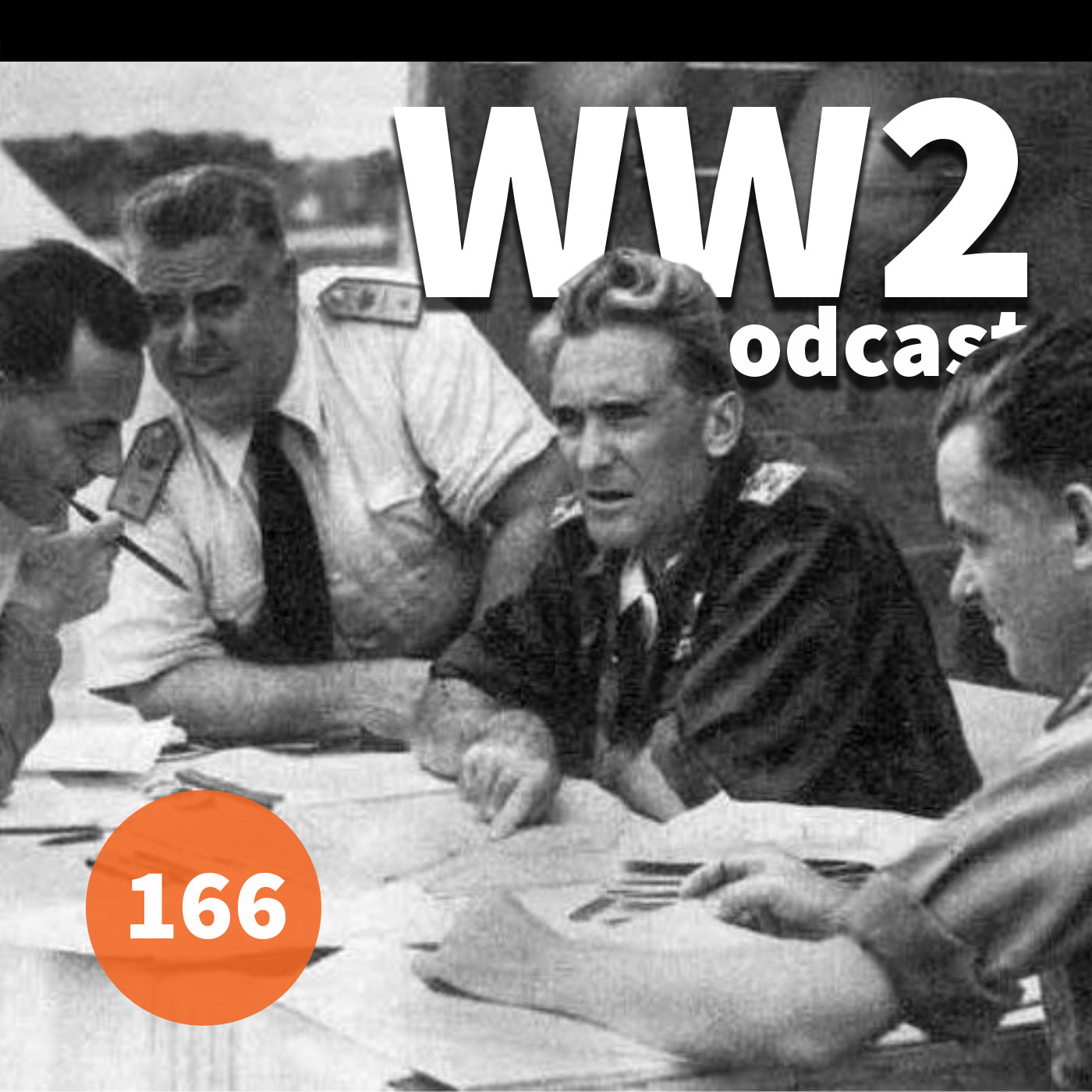
Ep 166166 - Rodolfo Graziani
Rodolfo Graziani, Marshal of Italy, Viceroy of Ethiopia and one of Mussolini's most valued generals remains to this day a divisive figure in his homeland. Revered by some Italians as a patriot and vilified by others as a murderer. From the allied perspective, he was the Italian general whose troops surrendered en masse to the British during operation Compass, which almost knocked the Italians out of North Africa in 1941. But what is the true story of Rodolfo Graziani? Today I am joined by James Cetrullo. For the first time, James has translated from Italian the biography Rodolfo Graziani: Story of an Italian General written by Alessandro Cova. Patreon:patreon.com/ww2podcast
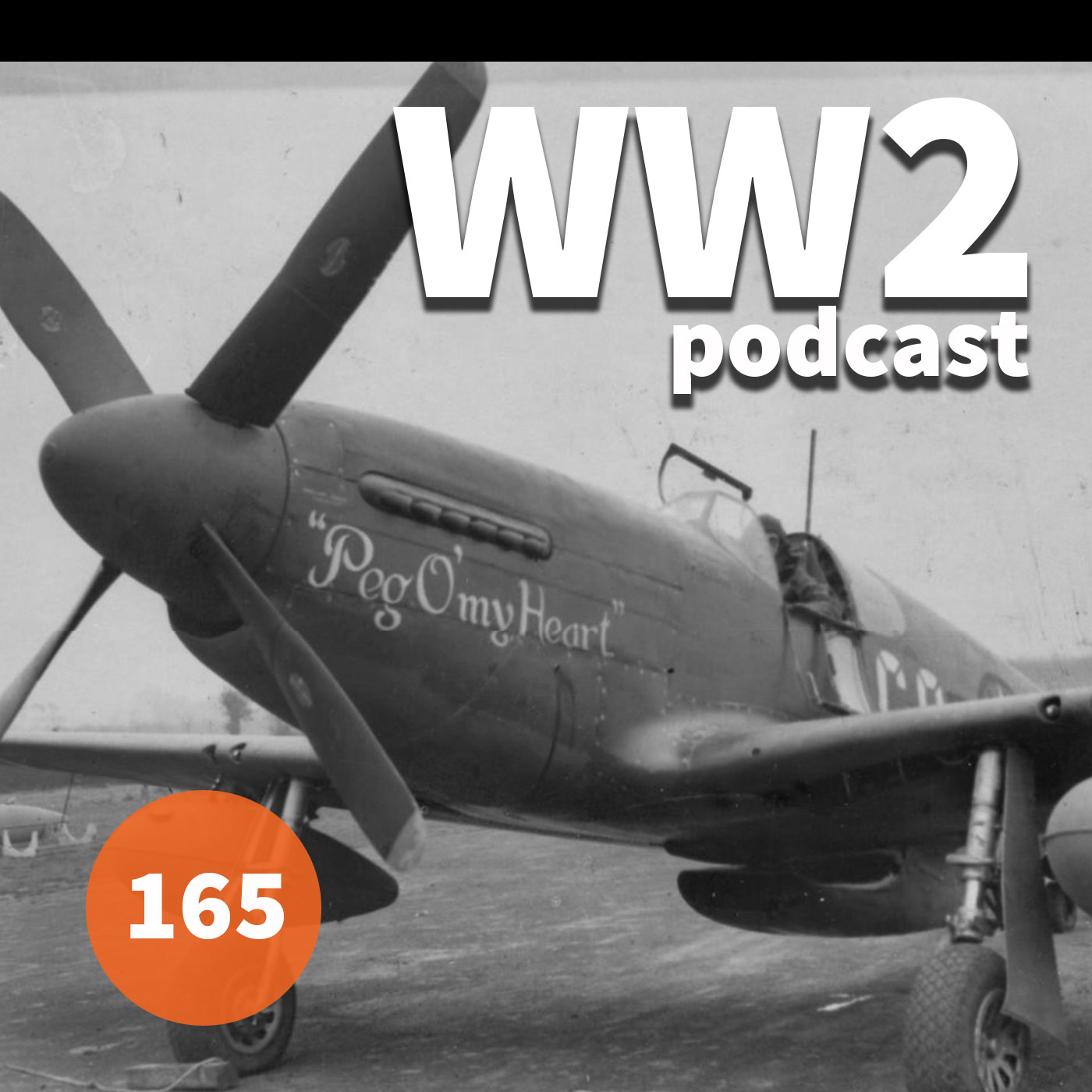
Ep 165165 - P-51 Mustang
In 1940 the British Purchasing Commission approached North American Aviation (NAA) to build under license Curtis P-40 fighters. NAA suggested that rather than produce an old design they proposed a new design, this would become the P-51 Mustang. When fitted with the Roll-Royce Merlin engine, the Mustang would be one of the most important fighters of the war. With its ability to carry tremendous amounts of fuel, the plane was able to fly deep into Europe providing fighter escort for the bomber groups. Over the skies of Germany, it proved more than a match for what the Luftwaffe could throw at them. Joining me is Chris Bucholtz. Chris is an aviation historian with a prolific body of work. He previously joined me in episode 110 to discuss the P-47 Thunderbolt. His new book published by Osprey is P-51B/C Mustang: Northwest Europe 1943-44. Patreon: patreon.com/ww2podcast

Ep 164164 - Marshall and Stimson
On September 1, 1939, the day World War II broke out in Europe, Gen. George Marshall was sworn in as chief of staff of the U.S. Army. Ten months later, Roosevelt appointed Henry Stimson secretary of war. For the next five years, from adjoining offices in the Pentagon, Marshall and Stimson headed the army machine that ground down the Axis. In this episode, we're going to be discussing the relationship between the two men as they negotiated the war. Joining me is Edward Farley Aldrich author of The Partnership: George Marshall, Henry Stimson, and the Extraordinary Collaboration That Won World War II. Patreon: patreon.com/ww2podcast

Ep 160163 - British Wartime Industry
The expansion of British industry to cater for war production began to be put in place in the 1930s. But still with the outbreak of war Britain needed to stretch every sinew to harness, coordinate and maximise its resources. Firstly to defend itself and then to help liberate Axis-occupied countries. In this episode, I'm joined by Neil Storey. Neil is an award-winning social historian and lecturer specialising in the impact of war on twentieth-century society. His new book is Wartime Industry. Patreon: Patreon.com/ww2podcast
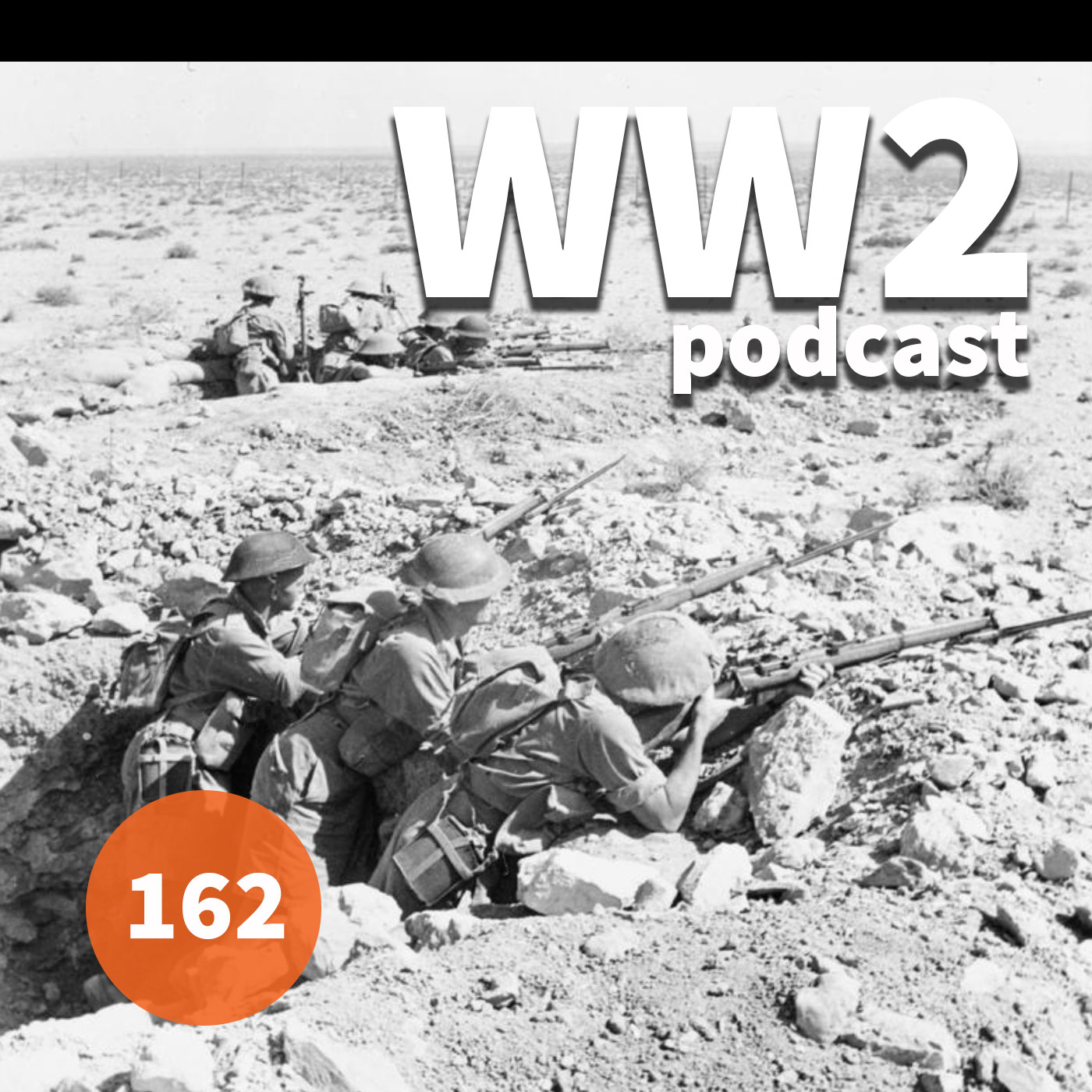
Ep 162162 - Tobruk
Tobruk was one of the greatest Allied victories – and one of the worst Allied defeats – of the Second World War. Almost from the start of producing the podcast I've wanted to do an episode looking at Tobruk. I think it probably first gets a mention in episode 11 when we looked at Richard O'Connor, since then the town has come up in numerous episodes. I'm joined by David Mitchellhill Green David is the author of Tobruk: Rommel and the Battles Leading to his greatest victory. It is a fascinating read which places Tobruk in a wider history to help explain why it was strategically important. Patreon: patreon.com/WW2podcast
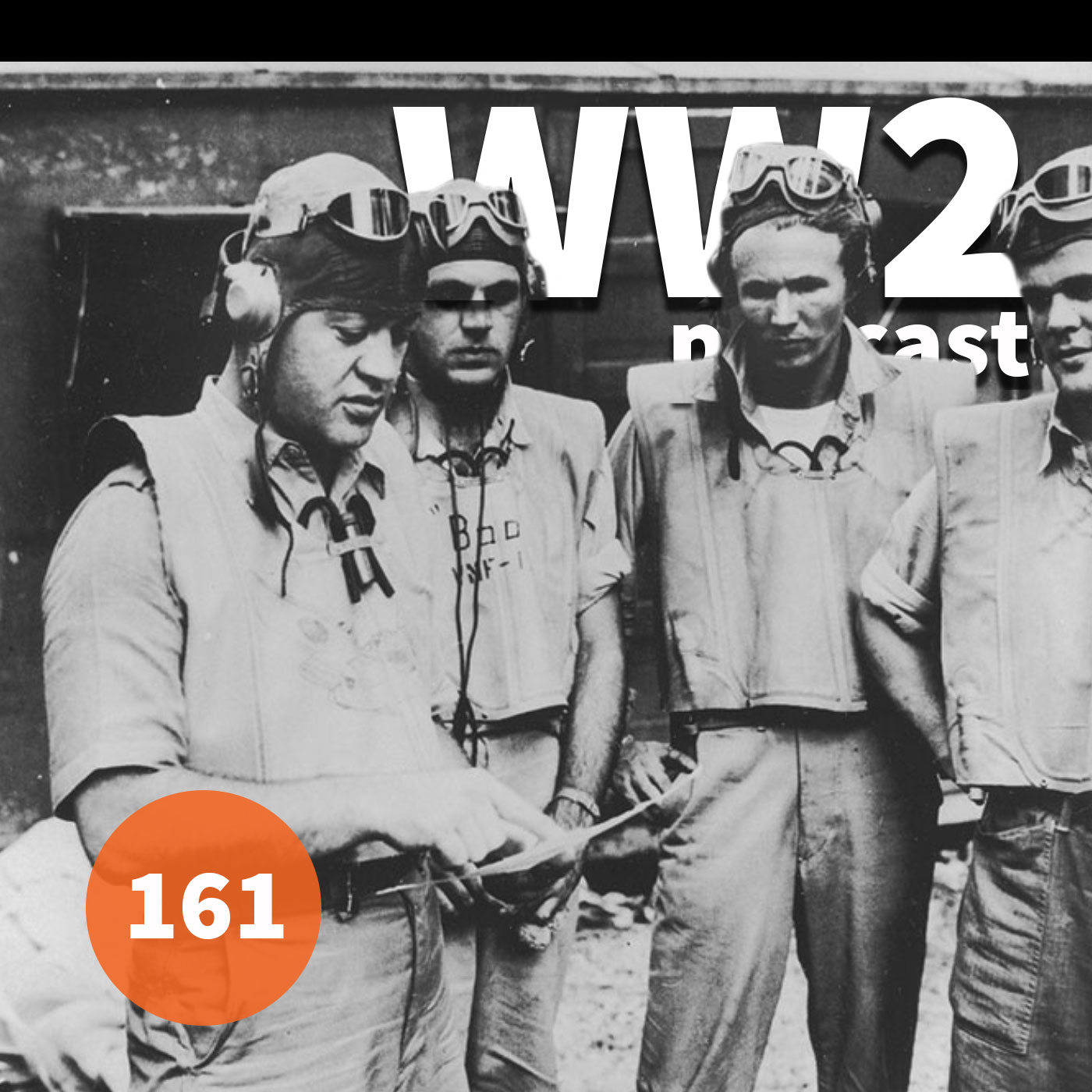
Ep 161161 - Marine Aces of the South Pacific
We are back in the Pacific, this time looking at the air war primarily over Guadalcanal. US Marine aviators landed on the island shortly after the Marine ground forces. As Japanese troops held out on Guadalcanal, the skies over the island were heavily contested. In this episode, we are focusing on the top-scoring marine pilots over Guadalcanal. Joining me is aviation historian Bill Yenne. Bill Yenne is the author of more than three dozen books on historical topics and has contributed to encyclopedias of both world wars. His latest book is America's Few: Marine Aces of the South Pacific. Patreon: patreon.com/ww2podcast

Ep 160160 - African American Medal of Honor Recipients
At the end WWII 473 men had been honoured by the United States for their bravery and sacrifice by receiving the Medal of Honor. The Medal was awarded to men of all ranks - from Lieutenant General Jonathan Wainwright at the top all the way down to 18-year-old Private Joseph Merrell. Although 1 million African Americans served in the military during the war, not one was awarded the Medal of Honor, this being despite some extraordinary acts of valour. In 1993 a US Army commission reviewed cases from recipients of America's second-highest medal, the Distinguished Service Cross, and determined that a number of these men had been denied the Army's highest award simply due to racial discrimination. In this episode, I'm joined by Robert Child author of Immortal Valor: The Black Medal of Honor Winners of World War II. Patreon:patreon.com/ww2podcast

Ep 159159 - The Aztec Eagles
When we think of the allied war effort it is all too easy to overlook some of the junior partners. In this episode, we are going to be looking at Mexico's commitment to the Second World War. The Mexican Expeditionary Airforce would serve in the Philippines as the 201st Fighter Squadron known as the 'Aztec Eagles'. I'm Joined by Walter Zapotoczny whose new book is The Aztec Eagles: The Forgotten Allies of the Second World War. Patreon: Patreon.com/ww2podcast
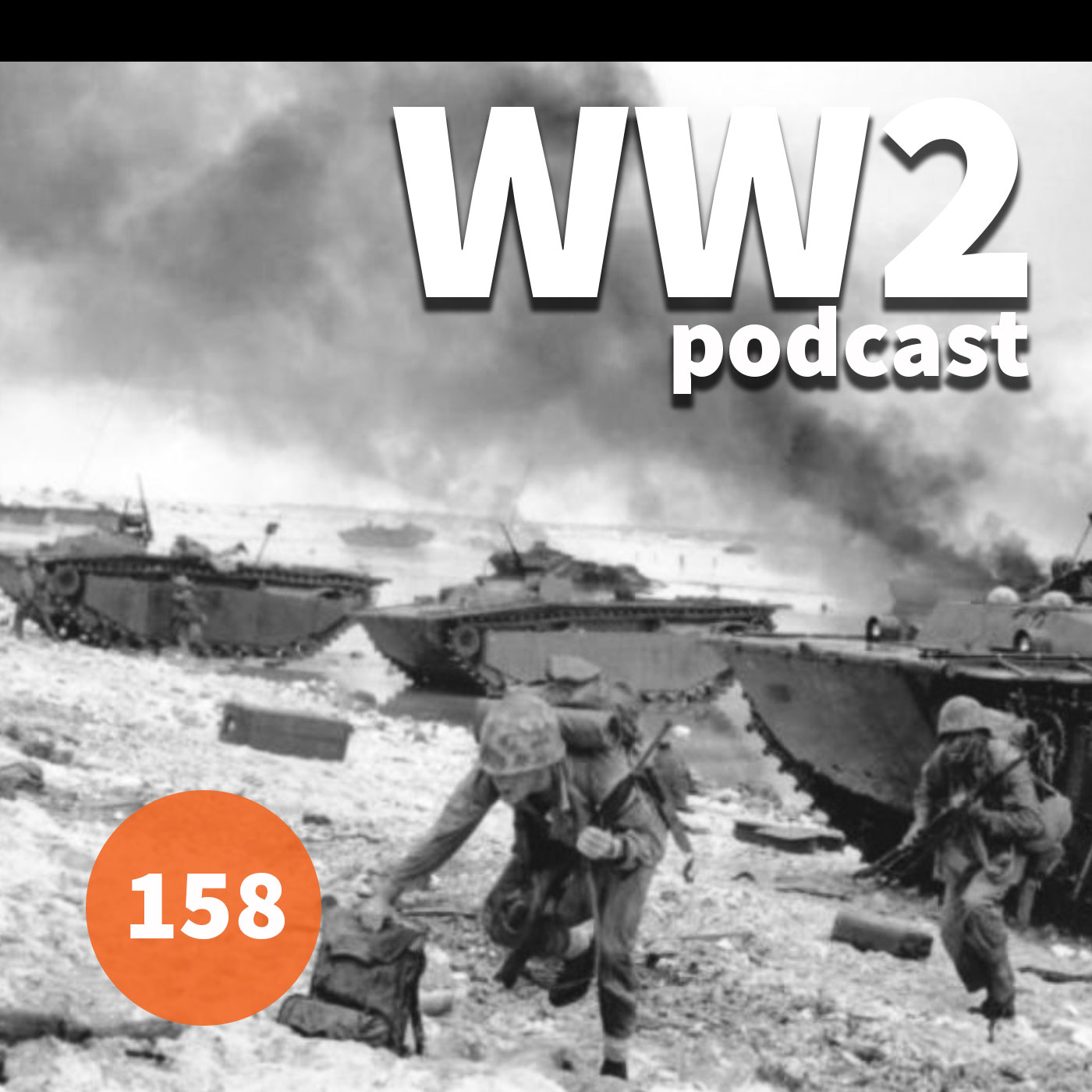
Ep 158158 - With the Old Breed: EB Sledge
In September 1944 a young Marine name Eugene Sledge landed on the Pacific Island of Peleliu. As a mortarman, stretcher-bearer and rifleman Sledge would fight his way across Peleliu then the Japanese island of Okinawa, arguably two of the fiercest and filthiest battles of the Pacific campaign. After the war, Eugene Sledge became a professor at Montevallo University and turned his diary notes from the war into a memoir of his experiences titled With the Old Breed. The book relates the dehumanising brutality displayed by both sides and the animal hatred that each soldier had for his enemy. Sledge writes of the conditions on the islands that meant the Marines often could not wash, stay dry, dig latrines, or even find time to eat. Suffering from constant fear, fatigue, and filth, the struggle of simply living in a combat zone was utterly debilitating for the Marines. With the Old Breed has proved to be highly influential and has been used as source material for the Ken Burns PBS documentary The War (2007), as well as the HBO miniseries The Pacific (2010), where Eugene Sledge was played by Joseph Mazzello. Joining me today is Henry Sledge, Eugene's son. You can also find Henry presenting the podcast What's the Scuttlebutt. Patreon: patreon.com/ww2podcast
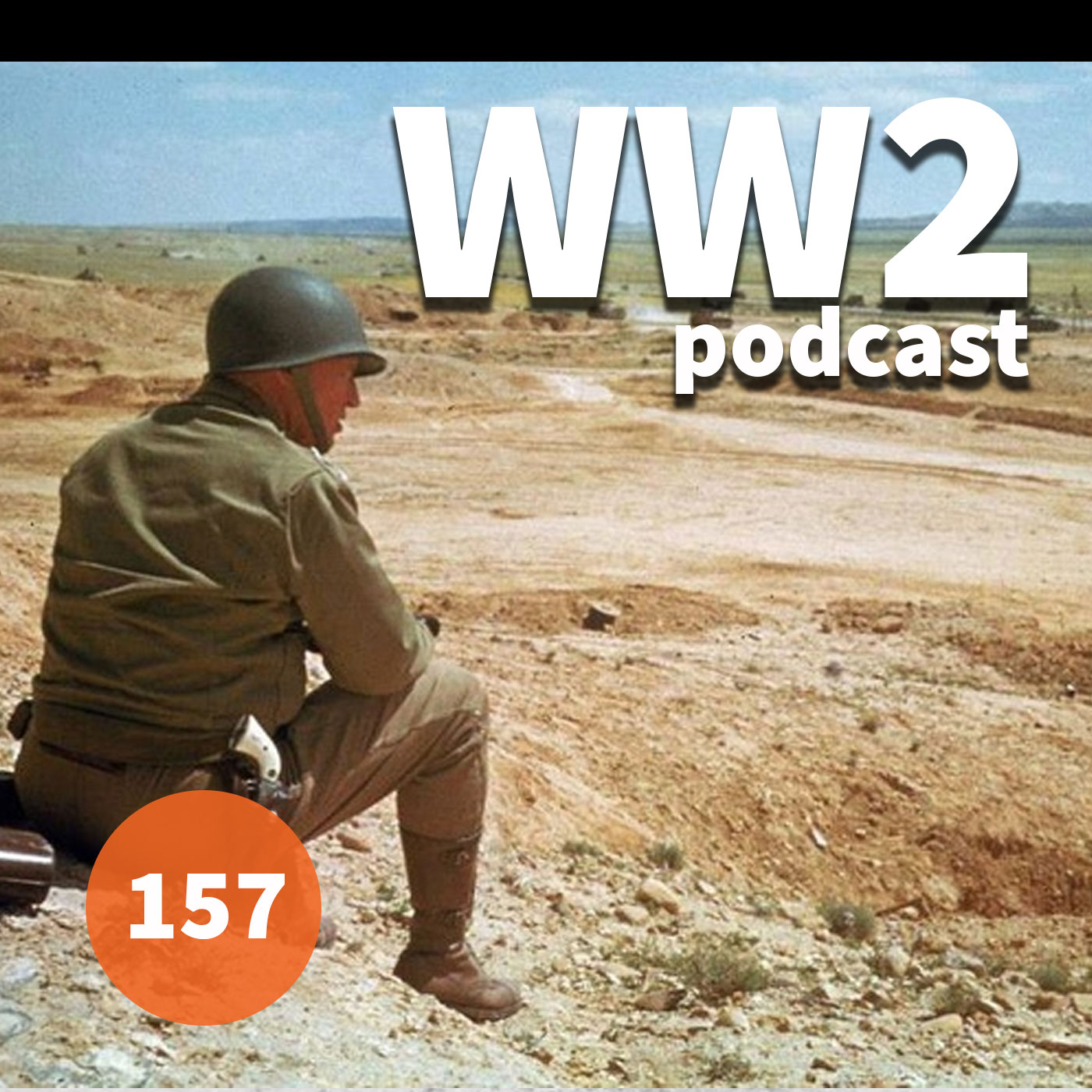
Ep 157157 - General Patton
George S Patton Junior starred as an Olympic athlete in the 1912 Stockholm games. In 1916 under John J. Pershing Patton joined the Mexican Expedition against the paramilitary forces of Mexican revolutionary Francisco "Pancho" Villa. When the US entered the First World War Patton joined the new Tank Corps and commanded the U.S. tank school in France. Leading tanks into combat he would be wounded near the end of the war. But Patton is best remembered for his exploits on the battlefields of WWII, and this is what what we are looking at in this episode, from Morocco, through Sicily to D-Day. Joining me is Kevin Hymel. Kevin has worked as a historian for the US army and is currently doing work for the Arlington National Cemetery. He is also a tour guide for Stephen Ambrose Historical Tours. He is the author of Patton's Photographs: War as He Saw It and his new book is Patton's War: An American General's Combat Leadership, Volume I: November 1942 - July 1944. Patreon: patreon.com/ww2podcast
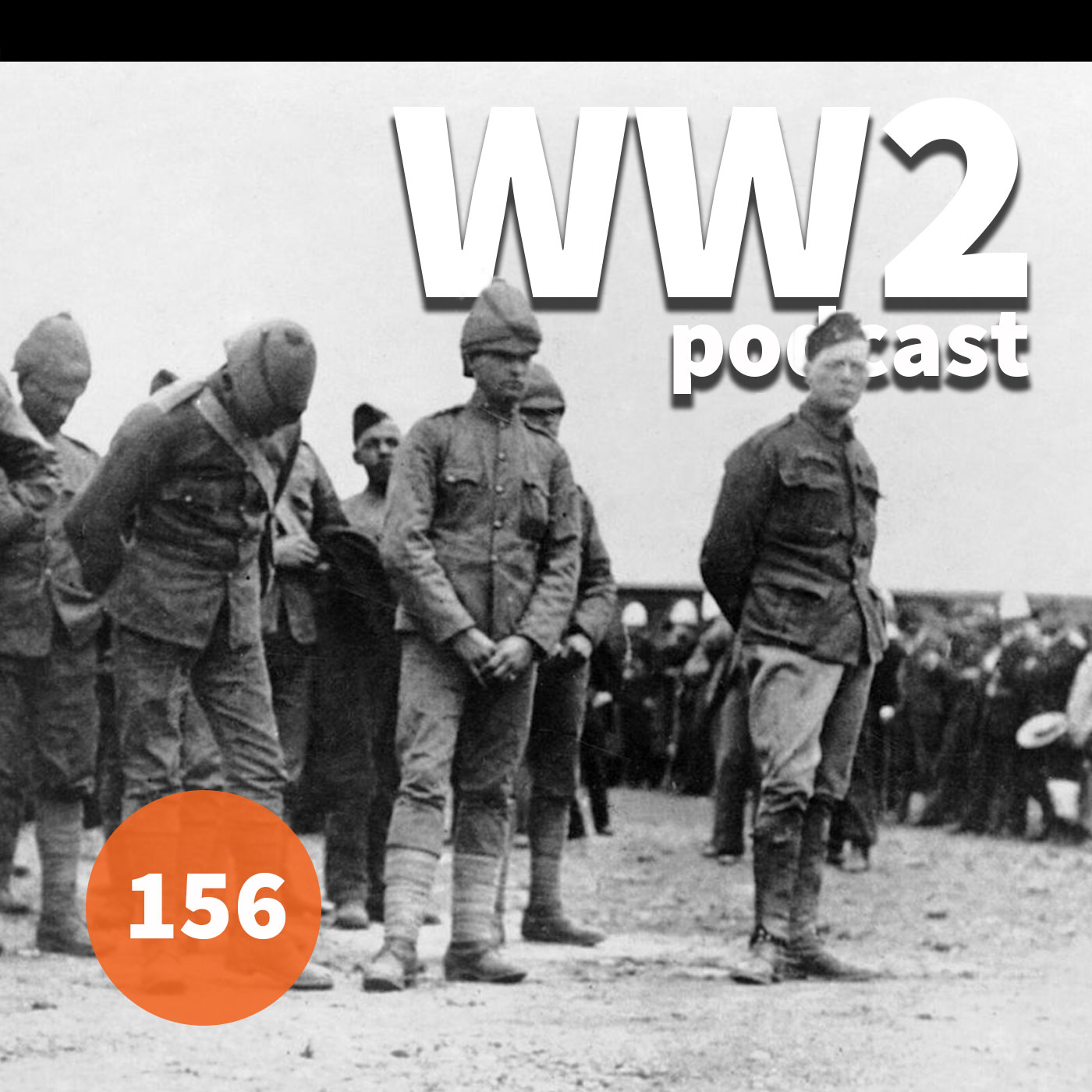
Ep 156156 - Churchill, Master and Commander
From his earliest days, Winston Churchill was a risk-taker. As a young Lieutenant in the army he charged with the cavalry at the battle of Omdurman, he saw action on the North-West Frontier and took a trip to Cuba to observe the war there. As a journalist, he covered the Boer War putting himself in harm's way on numerous occasions. Aged 25 he entered the house of commons and held many of the great offices of state including First Lord of the Admiralty at the outbreak of the First World War, then minister of munitions and at the close of the war Minister for War and Air. I'm joined by Anthony Tucker-Jones. Anthony is a British former defence intelligence officer and a widely published military expert. His new book Churchill, Master and Commander: Winston Churchill at War 1895–1945 assesses how Churchill's formative years shaped him for the difficult military decisions he took when he became Prime Minister in 1940. Find me on Patreon: patreon.com/ww2podcast

Ep 155155 - Pearl Harbor
7th December 2021 marks the 80th anniversary of the attack on Pearl Harbor that brought the United States of America into the Second World War. On the morning of 7th December 1941, just before 8am the Japanese launched their attack on the US naval base of Pearl Harbor in Honolulu, Hawaii. The Japanese planned the attack as a first strike to cripple the US fleet in the Pacific and prevent America from intervening in other Japanese Pacific Operations. From six Imperial Japanese Aircraft carriers, over 350 planes flew in two waves attacked the American base. Eight US Navy battleships would be damaged, four sunk, along with other cruisers and destroyers. Crucially, one element of the US Pacific fleet escaped the preemptive strike. The American Aircraft Carriers were all absent from Pearl Harbor on the day of the attack. Roosevelt would proclaim the 7th December 1941 as a 'date that would live in infamy'. Joining me to discuss the attack on Pearl Harbor is Mark Stille. Mark is a naval historian who is prolific in his studies on the naval war in the Pacific. He has written Tora! Tora! Tora!: Pearl Harbor 1941 for Osprey and has two new books out looking at the whole of the US Naval Campaign in the Pacific The United States Navy in WWII: From Pearl Harbor to Okinawa and Pacific Carrier War: Carrier Combat from Pearl Harbor to Okinawa. Patreon: patreon.com/ww2podcast
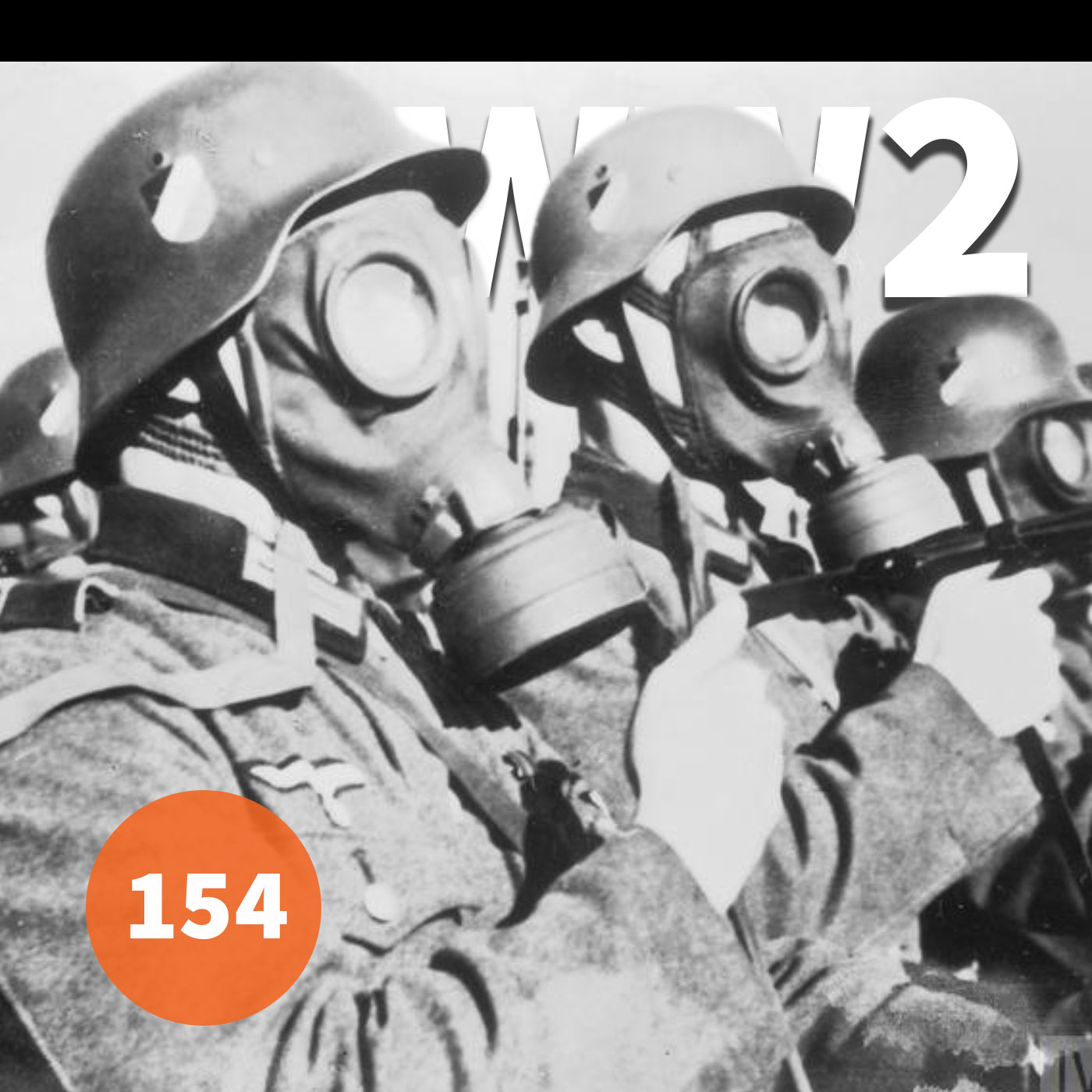
Ep 154154 - Chemical Weapons
In this episode we are discussing chemical weapons. It might seem like an odd topic, unlike the First World War which saw the deployment of gas, chemical weapons were not used on the battlefield of Europe in WWII. But there was a fear of them being used; everyone carried a gas mask and the belligerent nations had huge chemical weapons industries working throughout the war. I'm Joined by Brett Edwards. Brett is a senior lecture at Bath University, he is also the host of the poisons and pestilence podcast.
Ep 153153 - Canadian Army Civil Affairs Units
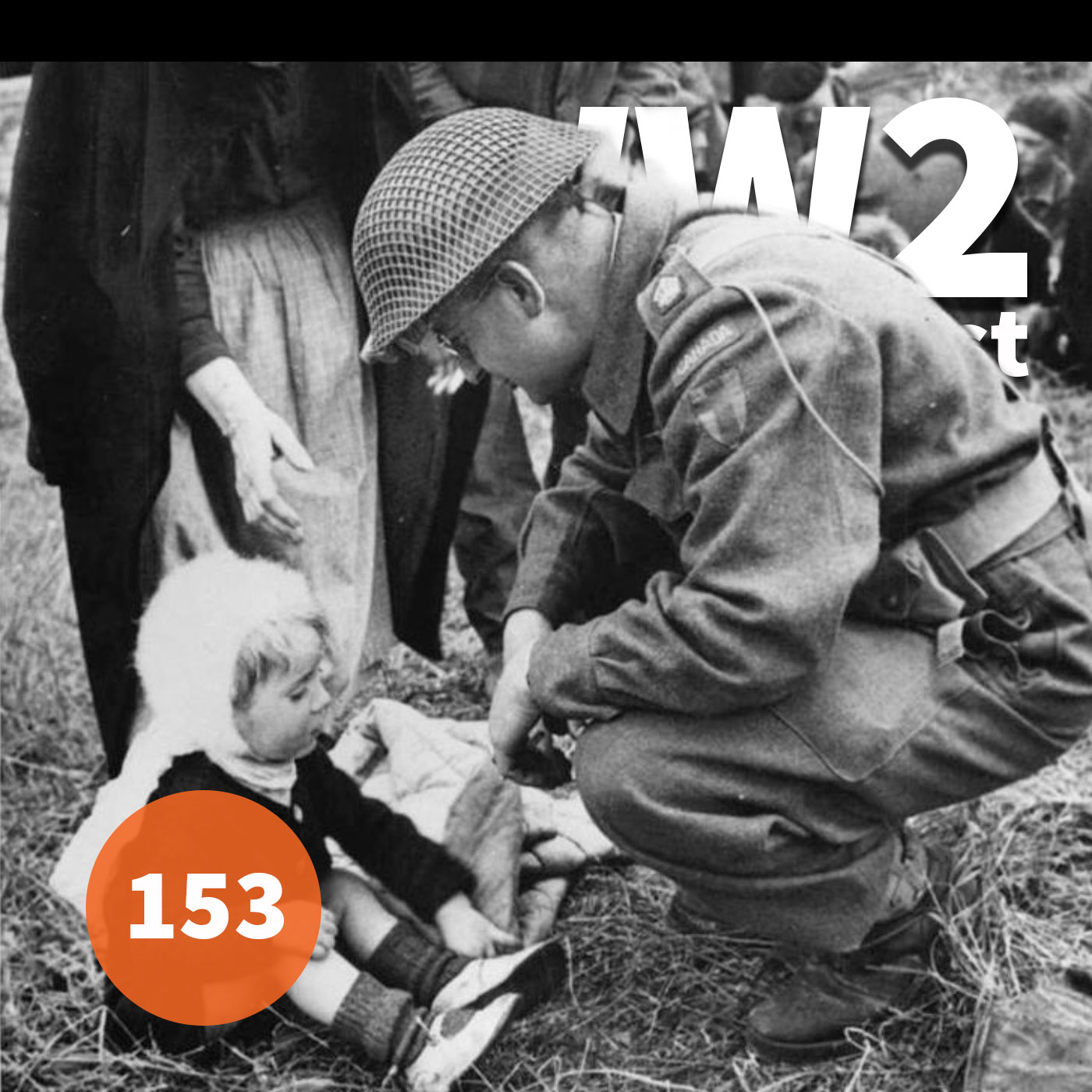
One lesson the allies learned from the fall of France in 1940 was that civilian populations needed managing, to keep them away from military operations. As the allied troops came-a-shore after D-Day in June 1944, with them would be Civil Affairs units. These units were to act as liaisons between the allied combat troops and the civilians they encountered. The remit for the Civil Affairs units was wide and extremely varied, from keeping roads clear of refugees to feeding and housing local populations that war had ravaged. Joining me today is David Borys. David is a Canadian academic whose book Civilians at the Sharp End looks at the experiences of the Civilian Affairs units attached to the Canadian First Army. David is also the host of the popular podcast Cool Canadian History, a bi-weekly podcast on everything and anything to do with Canadian History.

Ep 152152 - U.S. Naval Gunfire Support in the Pacific
Before the outbreak of war, the US Navy and the Marines had put considerable effort into developing a doctrine to support amphibious operations from ship to shore gunfire. When the marines landed on Tarawa in November 1943, it would be the first serious test of this doctrine. In this episode, I'm joined by Donald Mitchener to discuss the doctrine and how it developed from those initial assault landings on Tarawa through to the end of the war. Donald is a lecturer at the University of North Texas and author of U.S. Naval Gunfire Support in the Pacific War. Become a patron: patreon.com/ww2podcast
Ep 151151 - Escape from Greece
I've an incredible story for you in this episode of Shanghai born John Robin Greaves, 'Jack', who emigrated to Australia in 1939 and volunteered for the Australian Imperial Force to serve overseas. The army would send Jack to the Middle East then to Greece, where he would be captured Germans. Australian ABC journalist Stephen Hucheon has researched his uncle's story and produced a fantastic article for ABC available on their website. You can find the full article here: https://www.abc.net.au/news/2021-07-11/the-anzacs-who-beat-the-odds-and-escaped-from-greece/100284226 This discussion is part of a project looking at Australian's in the Mediterranean during WWII. Find out more at historyguild.org. If you enjoyed the episode with Richard James, when we discussed The Australian's fight the French in Syria and the Lebanon, Richard has written an article on the topic for the history guild. You can find it here: https://historyguild.org/australias-war-with-france/ Find me on Patreon: https://www.patreon.com/ww2podcast

Ep 150150 - Eisenhower's Broad Front Strategy
I recently read David Colley's The Folly of Generals: How Eisenhower's Broad Front Strategy Lengthened World War II.David has analysed some of the missed opportunities the allies had in 1944-45 in Europe. He argues that had Eisenhower been more adept at taking advantage of several potential breakthroughs in the Siegfried Line in the autmun of 1944 the war in the European Theatre of Operations might have ended sooner. It was such a fascinating read, so I thought I'd get David onto the podcast to examine Eisenhower's broad front policy. David P. Colley is an award-winning journalist and author who has written for many national publications, including Army, World War II, American Heritage, and The New York Times. Among his books on military history are The Road to Victory, which received the Army Historical Foundation's Distinguished Book Award in 2000, Blood for Dignity, and Safely Rest. He has appeared on the History Channel and Eye on Books. Colley served in the ordnance branch of the U.S. Army.

Ep 149149 - Australia's war with France
Since starting the podcast, I've looked at the aspects of the war from the point of view of various countries. But, one glaring omission has been any Australian narrative of the war. The Australians fought across the world on the land, sea and in the air air; notably in the Pacific and the Middle East, which is what we'll be discussing in this episode. With the fall of France, her overseas territories predominantly remained loyal to the French Vichy regime. This was true for Syria and Lebanon. To the south were the British in Egypt. With Rommel in the Western Desert and Germans fostering an uprising in Iraq, the British feared Germany might take control over of Syria and Lebanon. From there, the Nazis could supply the rebels in Iraq and threaten Egypt from two sides. Churchill ordered General Wavell to go on the offensive and take the French territories. The British didn't envisage the French putting up much of a fight. The Australian 7th Division would make up the bulk of the allied attacking force. Joining me is Richard James. Richard is the author of Australia's War with France: The Campaign in Syria and Lebanon 1941. I'd like to thank David Phillipson, president of the Australian-based History Guild, charity which promotes historical literacy for all. David reached out to suggest I have a chat with James. If you're interested in finding out more about the History Guild, go to historyguild.org. Patreon: patreon.com/ww2podcast

Ep 148148 - Luftwaffe Special Weapons
As the course of the second world war turned against the Third Reich some radical proposals and inventive designs, were put forward by armaments manufacturers, scientists, technicians, aircrew and even private individuals to the German Air Ministry for consideration as weapons to be utilised by the Luftwaffe. Some proposals were destined never to leave the drawing board, while others not only underwent trials but were issued to operational units and used in action. In the episode I'm joined by Robert Forsyth. Robert is an aviation historian who some of you may recall I chatted to in episode 52, when we looked at Luftwaffe units working with the U-Boats. Robert has a sumptuous new book available from Osprey Luftwaffe Special Weapons 1942–45. Patron: patreon.com/ww2podcast

Ep 147147 - Operation Barbarossa
Buoyed by their victories over Poland and France, on the 22 June 1941 the Germans launched Operation Barbarossa, and over 3 millions men advanced over the border to attack Russia. The opening of the Eastern Front would be one of Hilter's most momentous decisions of WWII. Having only signed a nonaggression pact with German in 1939, Stalin was taken by surprise. The opening weeks of the offensive were wildly successful for the Germans, but as the Panzer formations rapidly advanced the infantry struggled, on foot, to keep up. At Kiev, the Germans would take over half a million Russian soldiers prisoner. Barbarossa was a campaign where one Panzer Divisional commander queried if the Germans were 'winning themselves to death'. Joining me for this episode is now regular of the podcast Jonathan Trigg. In episode 55 and 77 Jon and I looked at foreign recruits to the SS, in 102 we looked at D Day from the German perspective and in episode 115115 – To VE Day Through German Eyes we talked about the end of the war for Germany. Jonathan has been busy and has a new book available, Barbarossa Through German Eyes. Patreon: patreon.com/ww2podcast
Ep 146146 - Stop Lines
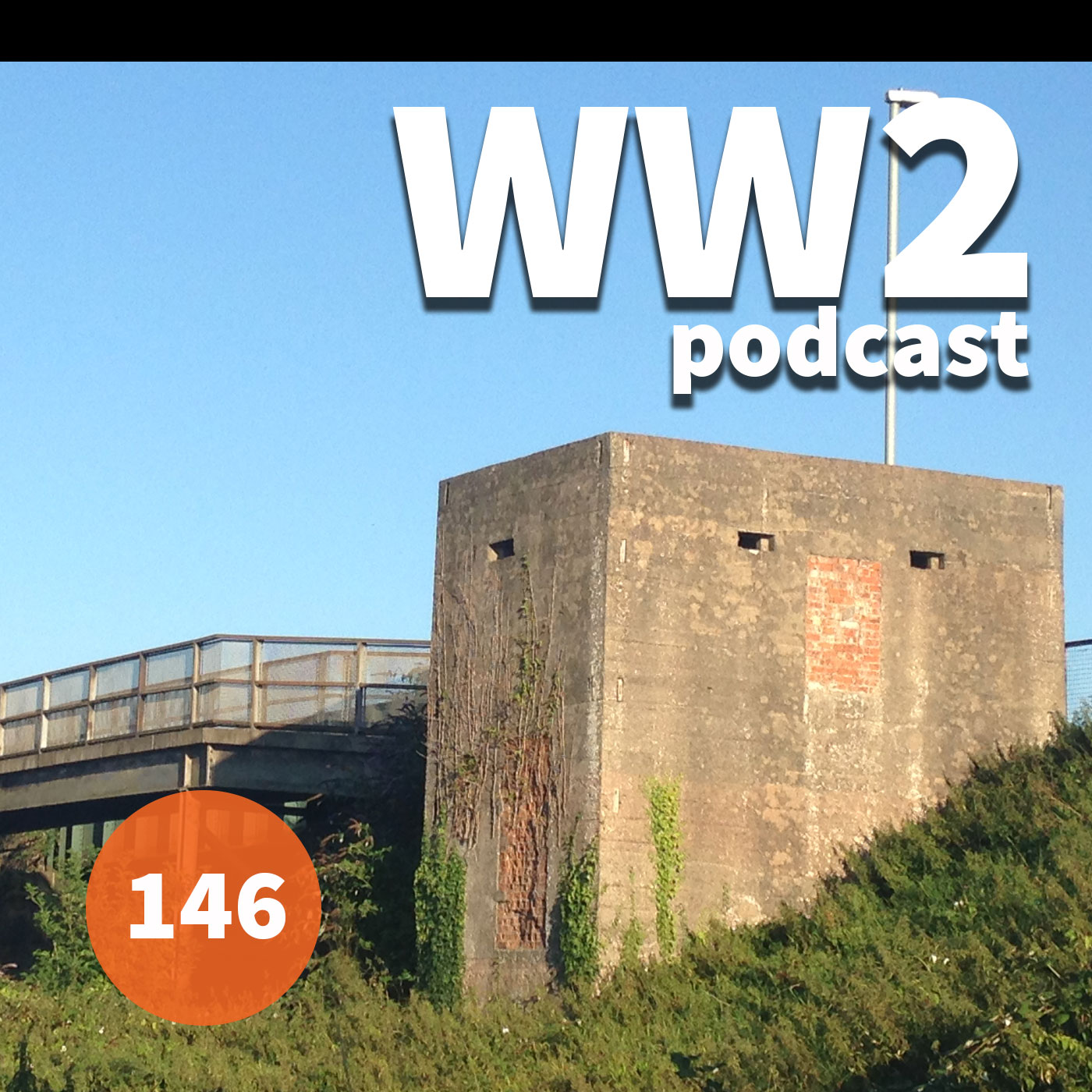
In Britain, after the fall of France, there was the fear that the Germans may attempt a channel crossing and invade in 1940. If the Wehrmacht got shore in the south of England, facing them would have been a series of 'Stop Lines'. These were defensives which comprised a series of pillboxes and anti-tank obstacles. They hoped these static defences would hold up any German advance long enough for the British to bring forward a mobile reserve. During WWII this network of fortifications was spread across the country. Protecting Britain from an invasion in Devon and Cornwall was the Taunton Stop line in the South West of the country. To tell me all about Stop Lines is Andrew Powell-Thomas. Andrew is a military historian specialising in the military history of the West Country. He is also the author of The West Country's Last Line of Defence: Taunton Stop Line. Patron: https://www.patreon.com/ww2podcast Facebook: https://www.facebook.com/ww2podcast Website: https://ww2podcast.com

Ep 145145 - Bomb Aimers
On the heavy bombers the role of the crew members was symbiotic. The pilot needed the flight engineer to fly; the navigator got the plane to the target, and it was the bomb aimer that delivered the ordinance. Wartime films give the impression of the bomb aimer's job being simply to look through the bombsight and press the button to release the bombs at the right time. In actual fact, their job is much more sophisticated. They aided the navigator, took readings to be dialled into their computer connected bomb sight, and often they might also be expected to man a machine gun in the plane's nose. In this episode I'm joined by Colin Pateman. If you recall in episode 76 I talked to Colin about Flight Engineers. Well, he's been busy since then and has just completed a new book Aiming for Accuracy which focuses on bomb aimers in the RAF. Patreon: https://www.patreon.com/ww2podcast Facebook: https://www.facebook.com/ww2podcast Website: https://ww2podcast.com This episode is brought to you by Tactical Tea, for your supplies use promo code WW2PODCAST

Ep 144144 - Alan Brooke: Churchill's Right-Hand Critic
Alan Brooke would take over as the British Chief of the Imperial General Staff in December 1941. For the rest of the war Brooke would organise and coordinate the British military effort, in such a role acted as Winston Churchill's senior military advisor. Brooke's relationship with Churchill could be tempestuous. Brooke was not a 'yes man' and would stand up to Churchill. The two might argue, but Churchill never fired him and appreciated his candour. History now often overlooks the contribution Brooke made to the war, in favour of commanders who were happy to seize the limelight. He is very much the forgotten Field Marshal. Joining me is Andrew Sangster. Andrew is the author of Alan Brooke: Churchill's Right-Hand Critic: A Reappraisal of Lord Alanbrooke. This is a new appraisal and biography of Brooke. This episode is brought to you by Tactical Tea, for your supplies use promo code WW2PODCAST Become a patron of the podcast at: https://www.patreon.com/ww2podcast

Ep 143143 - The Battle for Madagascar
When France capitulated in 1940 and the Vichy government came to power many of the French colonial possessions remained loyal to the new regime. The same was true for the Island of Madagascar in the Indian Ocean. In this episode I'm joined by Russell Phillips. Russell's book A Strange Campaign narrates the story of the battle for Madagascar, where British troops would fight the French for possession of the island. If you want to hear more from Russell, spool back through the WW2 Podcast feed to episode 27. We discussed Operation Anthropoid, the assassination of Reinhard Heydrich and the destruction of the Czech village of Lidice as a reprisal by the Germans. Not only was the village physically destroyed all the visible remains were removed. To find the podcast on patreon go to: https://www.patreon.com/ww2podcast

Ep 142142 - Mackenzie King
Everyone remembers the role of Churchill and Roosevelt throughout the war, but there was a third man key to their relationship and of the three of them the only one to remain in power at the end of the war in August 1945. Mackenzie King was the Prime Minister of Canada, the largest British Dominion and America's closest neighbour. By the start of the war, King knew both FDR and he'd been friends with Churchill since first meeting in 1905. He would serve as a lynchpin between the great powers, yet is now often overlooked. Joining me is Neville Thompson. Neville is a professor emeritus of history at the University of Western Ontario, where he taught modern British and European history. He is also the author of the wonderful book The Third Man: Churchill, Roosevelt, MacKenzie King, and the Untold Friendships That Won WWII which recounts the relationship between the three men based on King's personal diaries. Why not support the show: http://ww2podcast.com/support/
Ep 141141 - Eighth Army versus Rommel
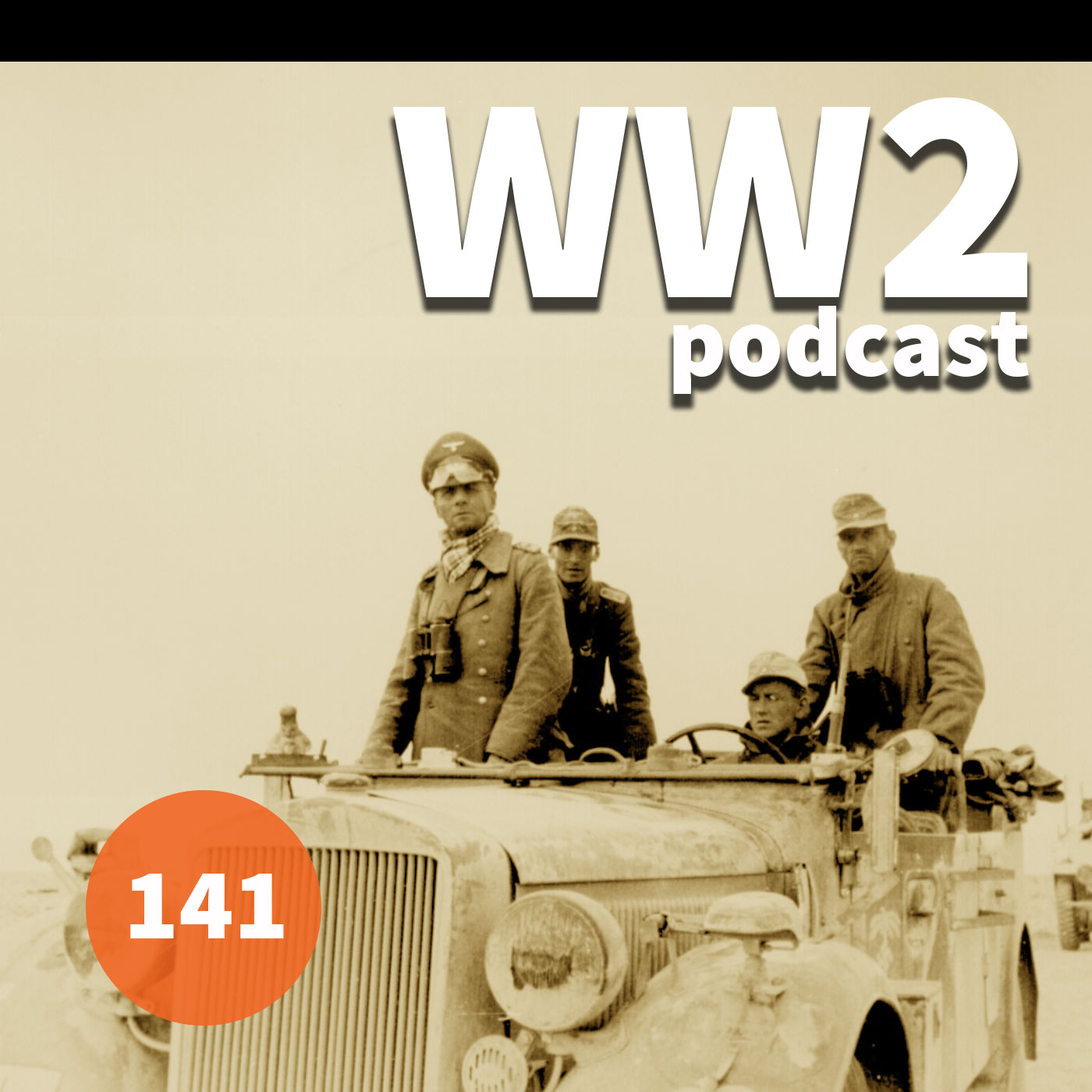
looking at the British Army in North Africa, its tactics and training in an effort to explain the difficulties the 8th Army had fighting the Afrika Korps. Jame's book was released last year but I've only recently managed to find the time to read his book 8th Army vs Rommel. And what a cracking book it is…

Ep 140140 - How to kill a Panther tank
It's a simple question, how do you knock out a Panther tank? When the 'boffins' in Britain got hold of a Panther it's the question they were tasked with finding an answer for. Using official reports and documents, Craig Moore has been through the archives piecing together all the faults that the British saw in the German Panther during WWII. In this episode, I discuss with him the chinks that were found in the amour of the German tank. Craig is the author of How to Kill a Panther Tank and How to Kill a Tiger Tank.
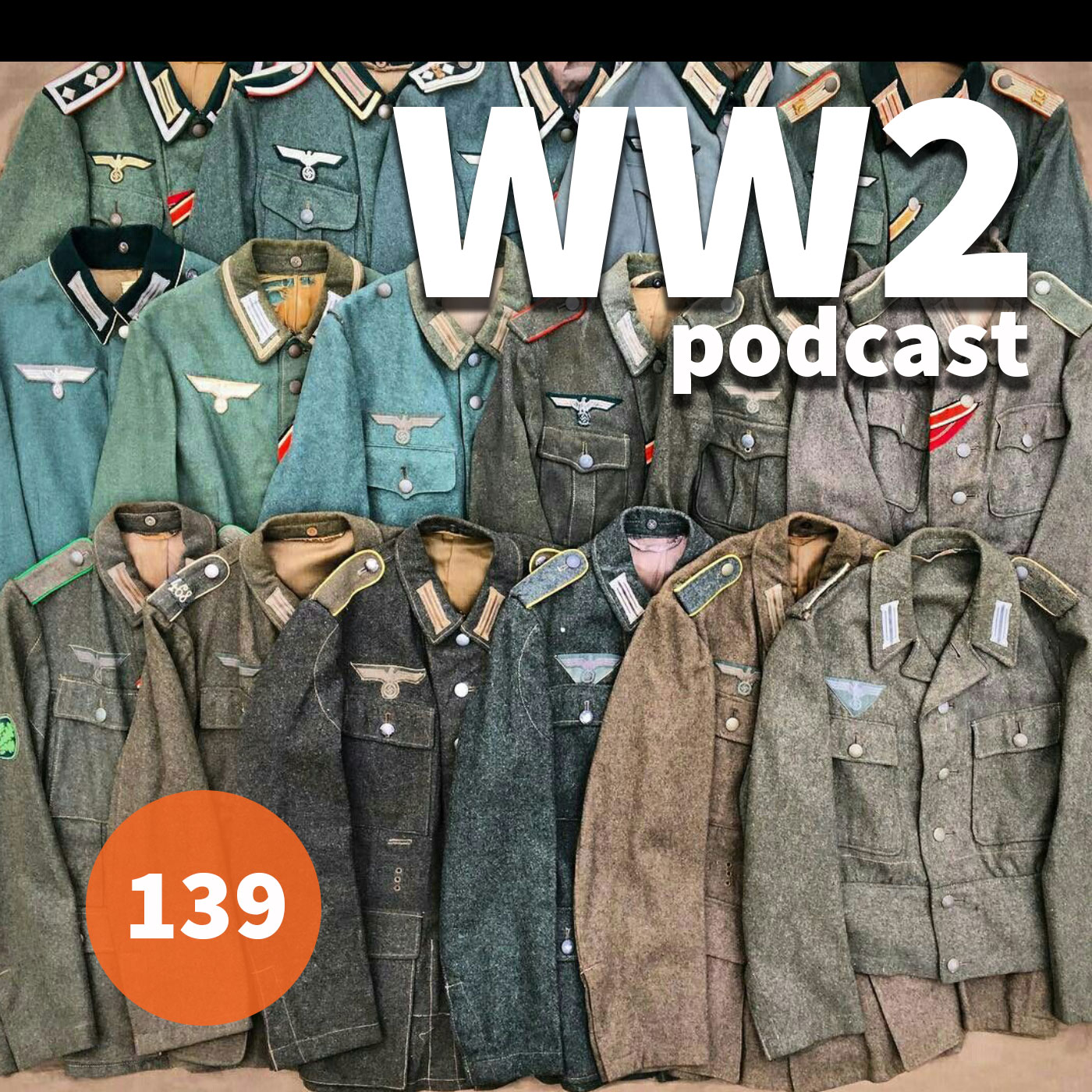
Ep 139139 - German Uniforms of WWII
'In the years after World War I, the defeated and much-reduced German Army developed new clothing and personal equipment that drew upon the lessons learned in the trenches. In place of the wide variety of uniforms and insignia that had been worn by the Imperial German Army, a standardized approach was followed, culminating in the uniform items introduced in the 1930s as the Nazi Party came to shape every aspect of German national life. The outbreak of war in 1939 prompted further adaptations and simplifications of uniforms and insignia, while the increasing use of camouflaged items and the accelerated pace of weapons development led to the appearance of new clothing and personal equipment. Medals and awards increased in number as the war went on, with grades being added for existing awards and new decorations introduced to reflect battlefield feats. Specialists such as mountain troops, tank crews and combat engineers were issued distinctive uniform items and kit, while the ever-expanding variety of fronts on which the German Army fought - from the North African desert to the Russian steppe - prompted the rapid development of clothing and equipment for different climates and conditions. In addition, severe shortages of raw materials and the demands of clothing and equipping an army that numbered in the millions forced the simplification of many items and the increasing use of substitute materials in their manufacture.' Joining me is Dr Stephen Bull. Stephen is the author of Ospreys publishings sumptuous German Army Uniforms of World War II.

Ep 138138 - Hang Tough: Major Dick Winters
Since the HBO WWII miniseries Band of Brothers aired in 2001, Major Dick Winters of the 101st Airborne has garnered international acclaim. His exploits hit key moments of the North Western European campaign in 1944-45 as Winter's took part in D-Day, Operation Market Garden and Battle of the Bulge. A modest hero, he epitomizes the notion of dignified leadership. Winters was a fairly prolific letter writer, one person he wrote to regularly was a young lady called DeEtta Almon. After the war they lost touch but upon the release of Stephen Ambrose book Band of Brothers, DeEtta contacted Winters and presented him with all the letters he had written to her during the war. In this episode I'm joined by Erik Dorr and Jared Frederick. Erik is the owner and curator of the Gettysburg Museum of History, which houses a Dick Winter Collection. Jared Frederick is professional historian and lecturer, with Erik they have written Hang Tough a unique view of Dick Winters based round the letters to DeEtta Almon that are now housed at the Gettysburg Museum of History.

Ep 137137 - Operation Lena and Hitler's Plots to Blow up Britain
The common narrative of the war often completely overlooks Germany's attempts to run spies in Britain. In actual fact, for more or less the whole of the war the German secret service, the Abwehr, were sending agents into Britain. In this episode I'm joined by Bernard O'Connor, author of Operation Lena and Hitler's Plots to Blow up Britain to discuss German espionage activities.

Ep 136136 - The Defeat of Army Group South, 1944
At the start of 1944 the German army on the Eastern Front was reeling after suffering defeats at Stalingrad and Kursk. Hitler was keen to hold on to the territory occupied by the Germans, but all the while the Wehrmacht was forced to give up ground to the Red Army. In this episode we're going to be looking at the fighting throughout 1944 for Army Group South in the Ukraine and Romania. I'm joined by Prit Buttar. Prit is the author of a number of books recounting the fighting in Russia during both world wars, his latest is The Reckoning: The Defeat of Army Group South, 1944.
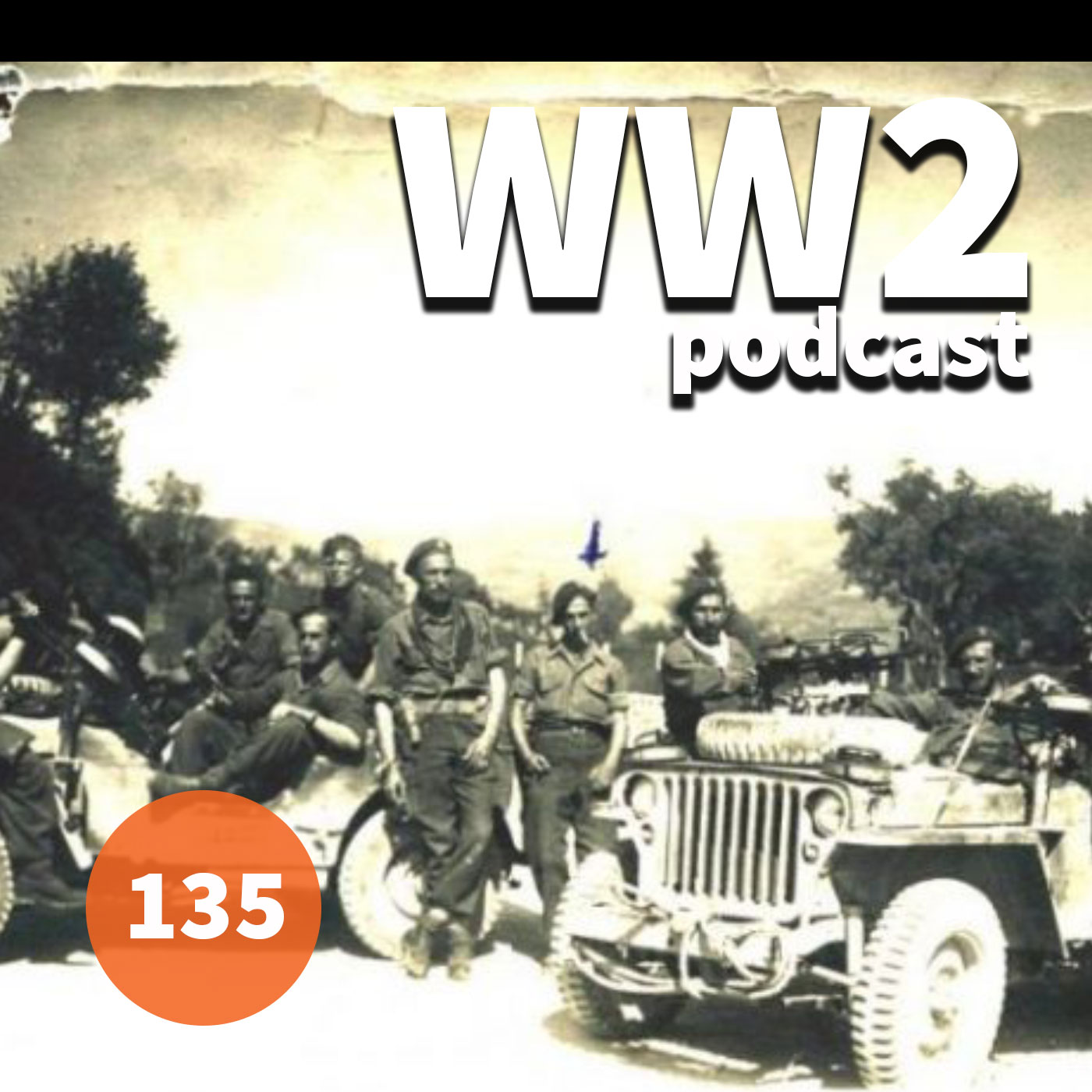
Ep 135135 - Spaniards in the British Army
In previous episodes we've touched upon the Spanish civil war, when the war came to an end there was a large number of displaced Spanish living in France and to a less extent other Europe countries. With the second world war looming, the French began to recruit these displaced men into their armed forces. When France fell in 1940 a sizeable number found themselves in Britain, where they were recruited in to the British Army. But they weren't just in Britain, in North Africa and the Middle East spaniards signed up to fight with the British. In this episode I'm joined by military historian and hispanist Sean Scullion to explore who these men were and their stories.
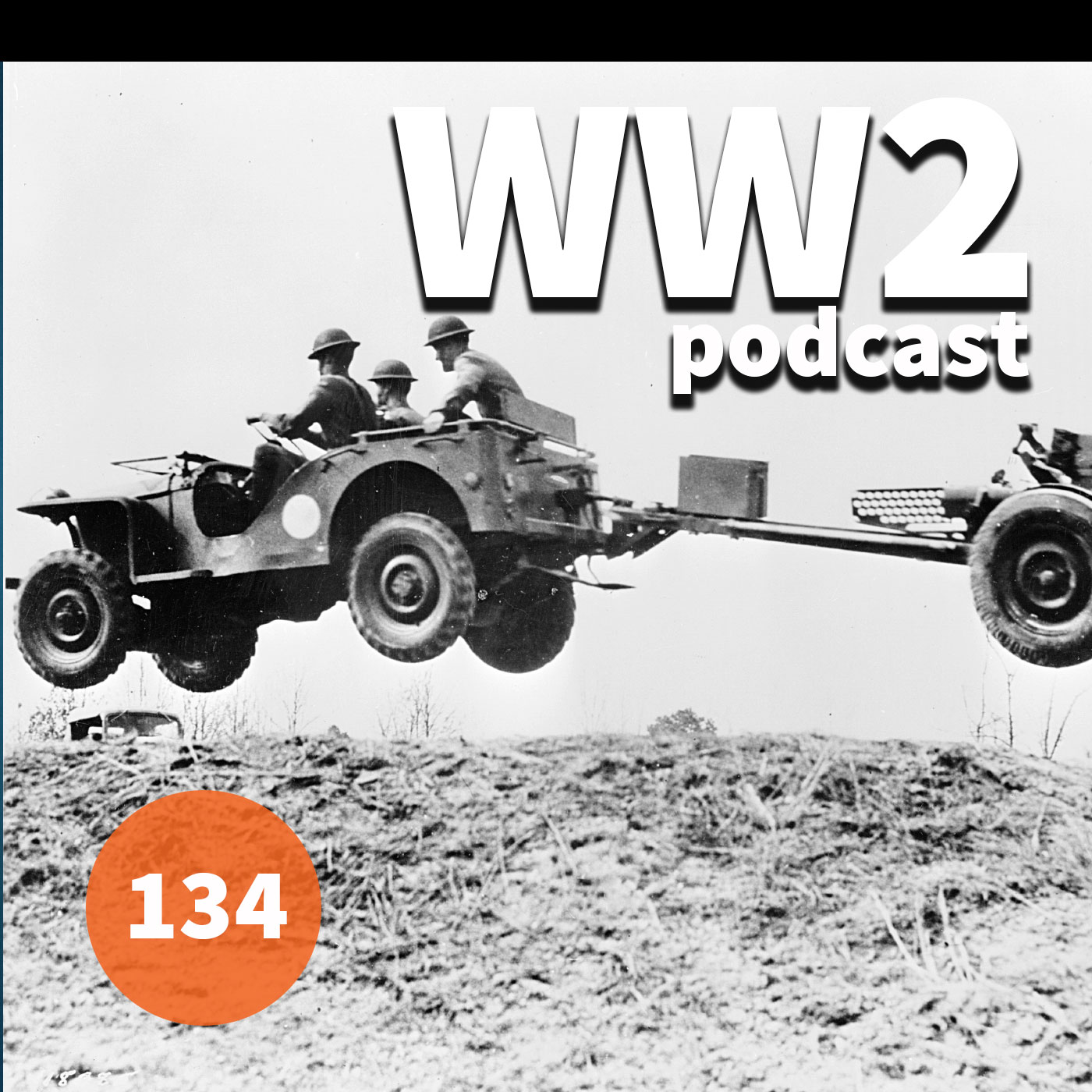
Ep 134134 - The Original Jeeps
During the interwar years the US army had worked to develop a light weapons carrier, but by 1940 the 'perfect' vehicle had not been found. The war in Europe focused minds in the American army and in June it compiled a list of requirements for a revolutionary new truck to replace the mule as the Army's primary method of moving troops and small payloads. In this episode we discuss how the American Bantam Car Company, Willys Overland-Motors and the Ford Motor Company stepped up to the challenge and developed a new vehicle which would eventually become the Jeep. I'm Joined by Paul R. Bruno. Paul has spent twenty years researching, writing and studying early Jeep history. His first book was Project Management in History: The First Jeep, this led him to his next book The Original Jeeps. Like the podcast? Why not become a patron?

Ep 133133 - Rome
Rome, the 'Eternal City', had a peculiar war. With Italy an axis nation it was a target for allied bombers but in the centre is the Vatican, home of the Pope. A neutral state within the capital of a belligerent nation. In deference to the Pope allied bombing operations were curtailed, perhaps more than they might otherwise have have been. When the Italians secretly brokered an armistice with the allies in September 1943, Rome was occupied by the Germans. With the Germans in charge, Italian men would be deported as forced labour and the Jewish population of Rome rounded up to be sent to concentration camps. At the same time the Vatican became a magnet for escaped Prisoners of War who would seek refuge inside the walls of the holy city. I'm joined by Victor Failmezger. Victor is a retired US Naval Officer who served in Rome as the Assistance Naval Attaché. He is also the author of Rome City in Terror: The Nazi Occupation 1943-44.

Ep 132132 - The 746th Far East Air Force Band
Richard Burt was part of the the 746th Far East Air Force Band, based in the Philippines. At the end of WWII just before the band were split up, using a single microphone they recorded a final performance to magnetic wire. Richard Burt he brought these recordings home and had them transferred to 78rpm discs. Burt squirrelled away these discs and were largely forgotten until they were rediscovered after he passed away. In this episode I'm talking to Jason Burt about his grandfather Richard Burt. Jason has made these recordings available, you can find them on Spotify and for sale with original home footage of the band at 746thfeaf.com
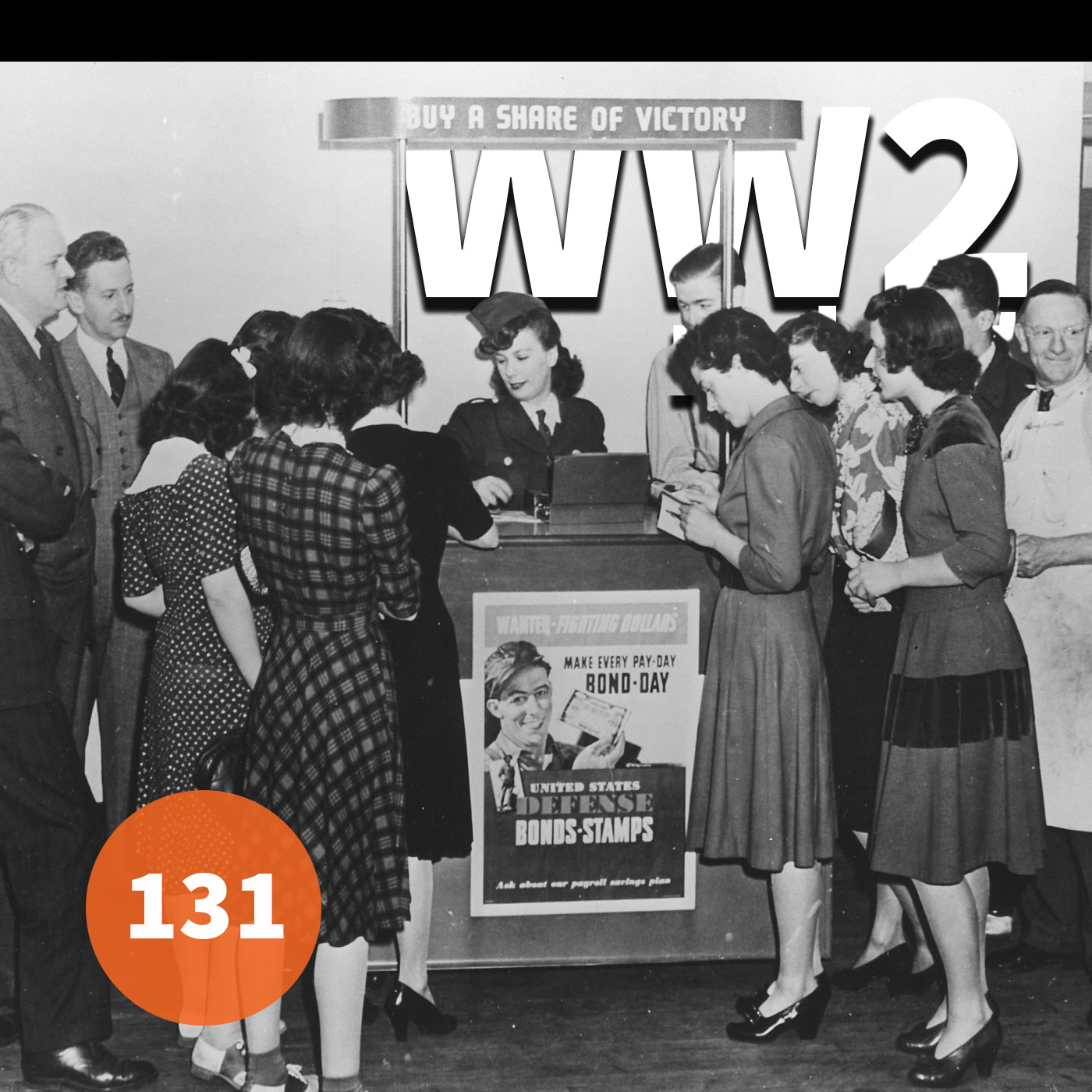
Ep 131131 - Economists at War
Any long protracted conflict is reliant upon the resources that can be brought bear, in which case war is not just about military success. In this episode of the WW2 podcast we'll be looking at economics and the economists who shaped the second world war and the post war world. This story goes beyond simply looking at treasury departments of the belligerent nations, the OSS had a department focusing on the economies of other countries, looking for weaknesses and economists used. Others used their mathematical brilliance in the development of the nuclear bomb. I'm joined by Alan Bollard, author of Economists at War: How a Handful of Economists Helped Win and Lose the World Wars Alan is a Professor of Economics at Victoria University of Wellington, New Zealand. He formerly managed the APEC - Asia-Pacific Economic Cooperation - the largest regional economic integration organisation in the world, and was previously the New Zealand Reserve Bank Governor, Secretary of the New Zealand Treasury, and Chairman of the New Zealand Commerce Commission.
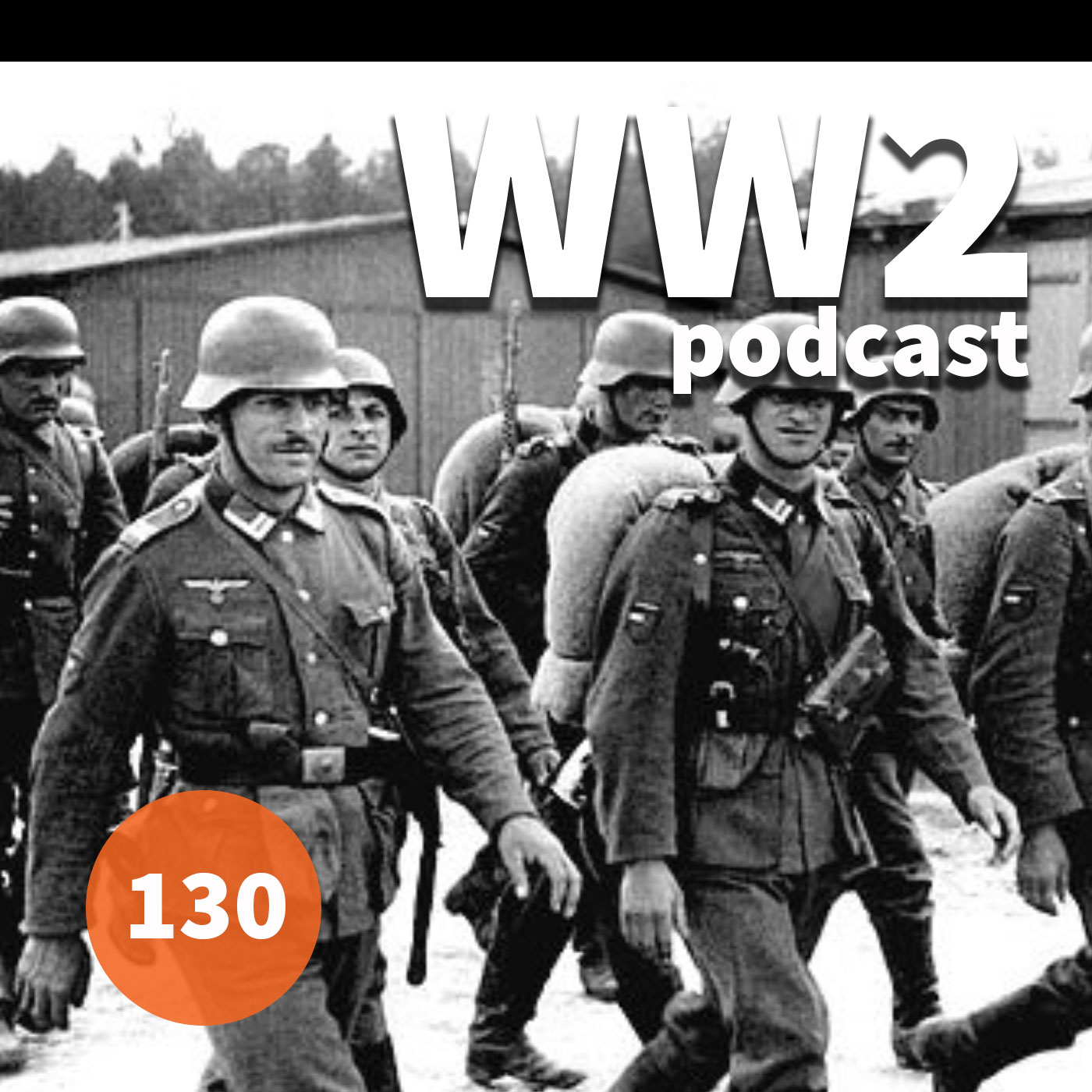
Ep 130130 - The Texel Uprising: Night of Bayonets
In previous episodes 77 and 55 we looked at foreign troops serving in the German army during WWII, in this episode we're going to be discussing the Georgians who came over from the Russian army to fight with the Wehrmacht. A large number of these men would eventually be posted to the Dutch island of Texel to man the Atlantic war. When the war in Europe ended on the 7th May 1945 the fighting on Texel would continue... I'm joined by Eric Lee. Eric is the author of Night of the Bayonets: The Texel Uprising and Hitler's Revenge, April-May 1945.
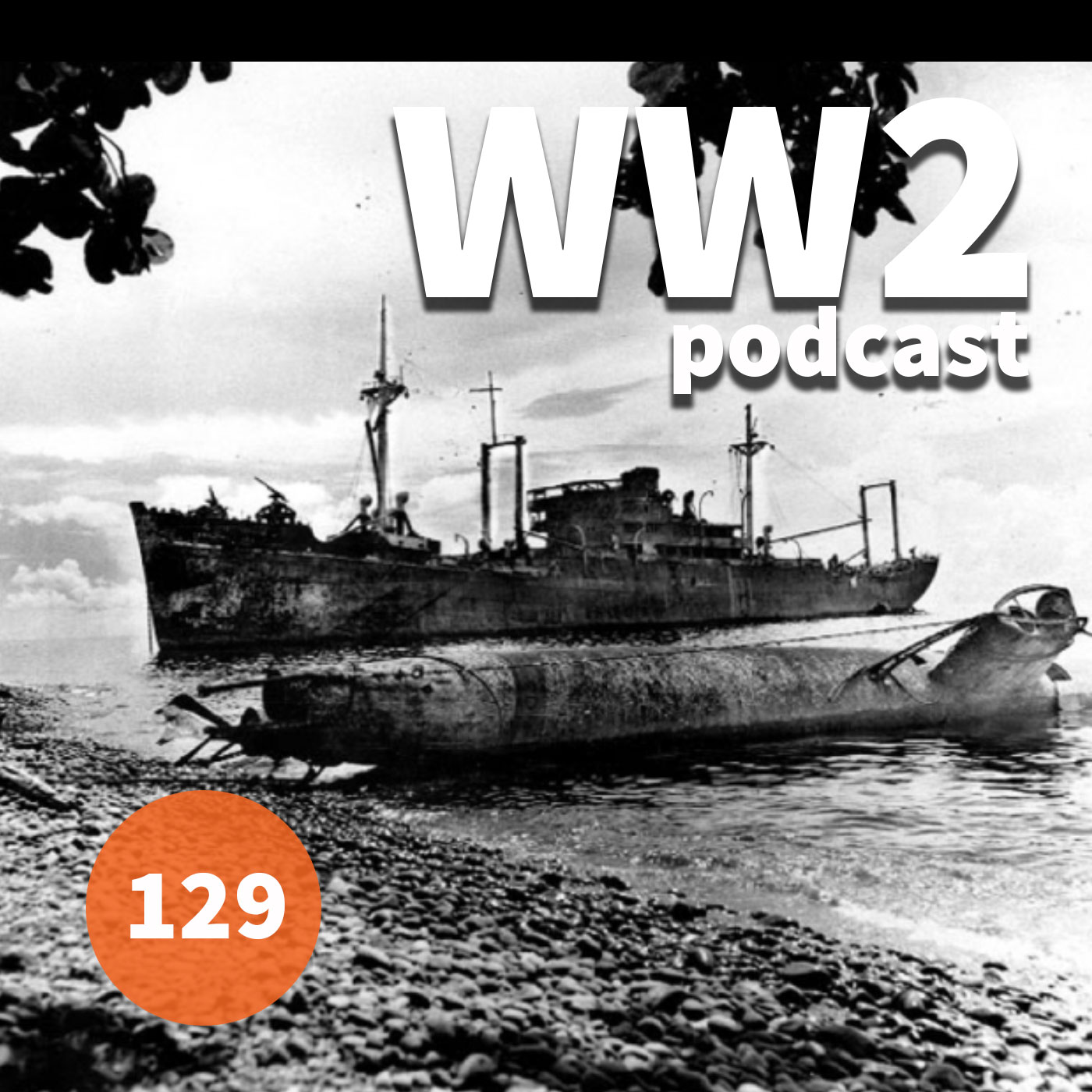
Ep 129129 - The Guadalcanal-Solomons Campaign, November 1942–March 1943
In episode 64 I discussed the start of the Guadalcanal-Solomons campaign with Jeffery Cox. We left that discussion of the campaign unfinished, the Americans were in control of the airfield on Guadalcanal but the Marines had no way secured the island. The US navy had suffered a number of serious losses, including the carrier Hornet and the carrier Enterprise had been seriously damaged forcing her to withdraw for repairs. Jeff has now finished his second book in the series Blazing Star, Setting Sun, so I've got him back to talk about the end of the campaign on Guadalcanal.

Ep 128128 - The Doolittle Raiders and their Fight for Justice
The skill and bravery of the Doolittle raiders during WWII, who bombed Tokyo in 1942 captured the American public's imagination, but not all the crews returned. Eight US flyers became Japanese prisoners of war who were tortured, put on trial for war crimes and found guilty… Not all of these men would make it home. In this episode we're not going to be talking directly about the Doolittle raid but rather focus on the post war, war crimes trial of a number of the Japanese officers who were connected with the treatment of the Doolittle flyers that became Prisoners of War. Joining me is Michel Paradis, author of Last Mission to Tokyo. Michel is a specialist in International Law and Human Rights and has worked for over a decade with the US Department of Defence. He is also a lecturer at Columbia Law School.

Ep 127127 - The Longest Campaign
British Prime Minister Winston Churchill said there was only one campaign of the Second World War that gave him sleepless nights, that was the Battle of the Atlantic. The Battle began on 3 September 1939 and lasted 2074 days until 8 May 1945, when Germany surrendered. With over 70,000 allied seamen killed, lost on 3,500 merchant vessels and 175 warships. This was the longest continuous campaign of the war. Matched against them was the Kreigsmarine. While German surface ships would sally out, this campaign is known for the u-boats that would prey upon allied convoys. Joining me today is Brian Walter, a retired army officer, recipient of the Excellence in Military History Award from the US Army Center for Military History and the Association of the United States Army. Brian is the Author of The Longest Campaign: Britain's Maritime Struggle in the Atlantic and Northwest Europe, 1939-45.
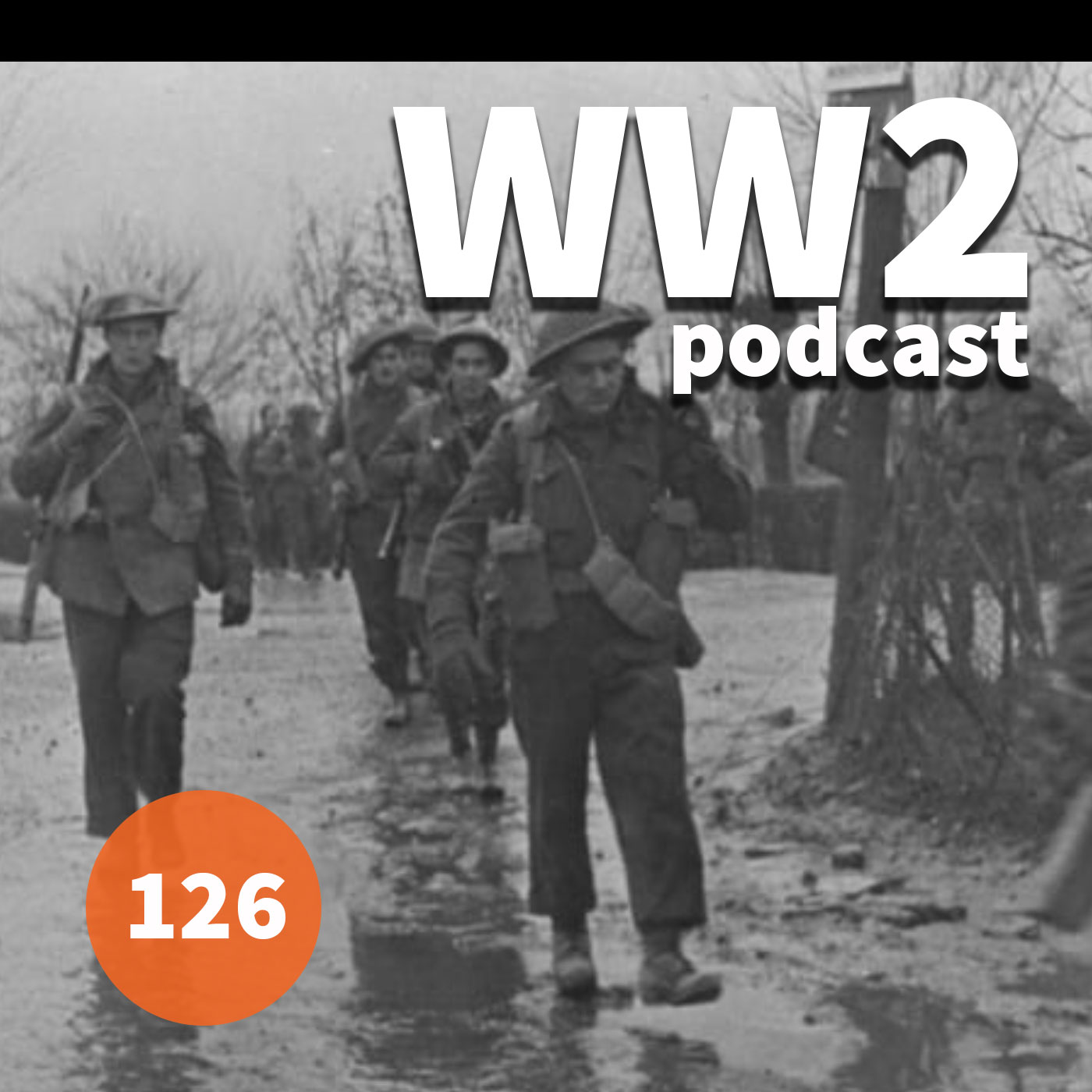
Ep 126126 - The River Battles: Canada's Final Campaign in Italy
After D-Day, the spotlight on the allied fighting was focused on North West Europe, yet the fighting in Italy carried on often overlooked. In this episode we're going to be looking at the Canadians battling across what should have been good tank country at the end of 1944. I'm joined by Canadian military historian Mark Zuehlke, author of 'The River Battles: Canada's Final Campaign in World War II Italy'. If you want more of Mark and I chatting we discussed the Dieppe Raid, way back in episode 5!

Ep 125125 - Mechanisation of British Cavalry Units and Tank Doctrine
In episode 107, I talked to Ian Mitchell about the Battle of the Peaks and Longstop Hill in North Africa. Ian subsequently emailed me suggesting I talk to Sam Wallace, a post graduate researcher at Leeds University, who was working on some interesting stuff; Sam's PhD is titled The Allied Sandbox: The Tunisian Campaign and the Development of Allied Warfighting Methods, 1942-43. After chatting with Sam, we decided to look at his MA thesis which is titled Arme Blanche to Armoured Warfare: The Process of Mechanisation within the British Cavalry and the Construction of British Tank Doctrine, c.1925-45,which covers the interwar decision to mechanise the British cavalry arm, and the impacts this decision had on the resulting development of British armoured doctrine, regimental identity and the effectiveness of British armour in the Second World War. It's a great episode, for patreons we've got almost another 30min of us discussing the universal tank and our opinions of Claude Auchinleck.
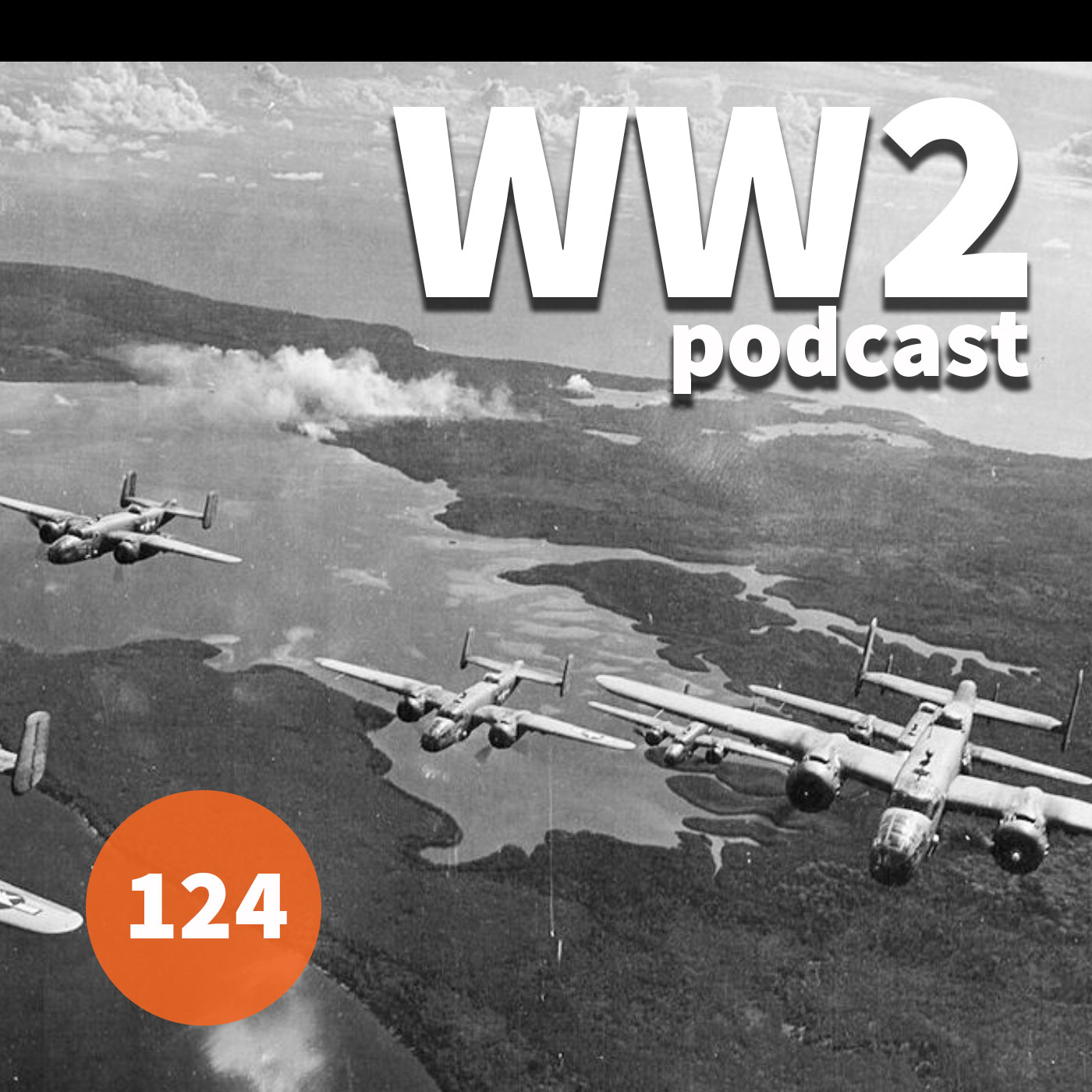
Ep 124124 - Kais: Downed airmen in New Guinea
In 1944, Ira Barnet took off from an airfield in New Guinea. Flying a B-25 Mitchell, from the 48th Tactical Fight Squadron, Ira and the crew were on a regular mission to harry any Japanese shipping they came across. Attacking a barge the Japanese managed to get some luck shots on Ira's plane. Attempting to nurse the Mitchell back to base it became obvious the plane wasn't going to make it. Ira was forced to make an emergency landing in a jungle swamp, miles behind enemy lines. In this episode we're looking at the ordeal the crew went through and the rescue mission that was launched in an attempt to bring the boys back home. I'm joined by Bas Krueger. Bas is an aviation historian and author of Kais, which recounts the story and Bas's own attempts to locate the B-25 over 70 years later... Like the podcast? Why not become a Patron?