The Unmistakable Creative Podcast
1,764 episodes — Page 29 of 36
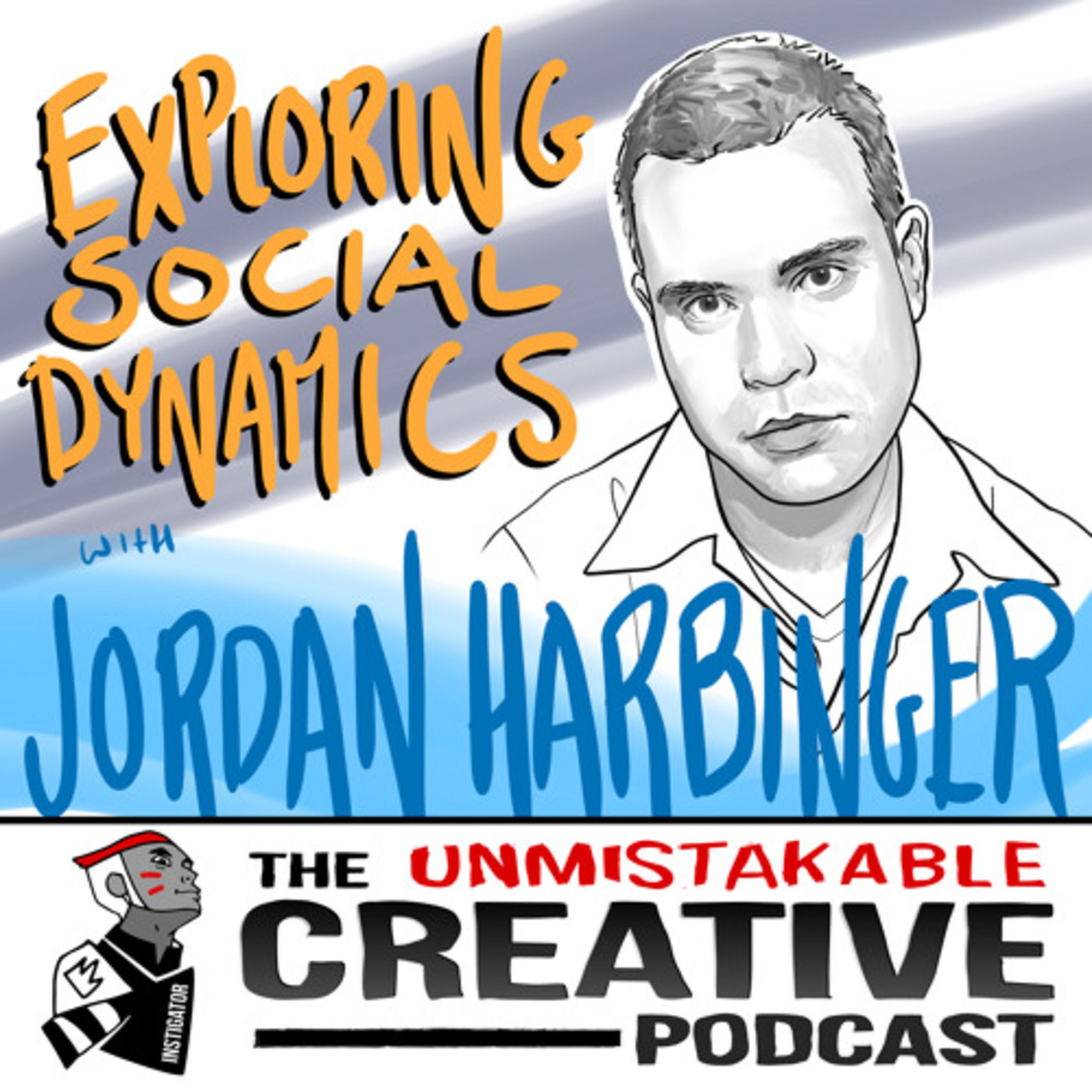
Jordan Harbinger: Exploring Social Dynamics
There are influencers in your office. There are influencers in every social circle, entrepreneur circle. We just don’t think of it as such because it’s bit depressing to think of it that way. But there’s a lot to be said for these influencers and decision makers. It’s not just the person with the highest status. At work you might have an influencer that’s not a manager, or not your manager. It’s never going to be the person with the lowest status…. You see that in most offices. Very rarely is it the boss in fact it’s usually not. Hosted on Acast. See acast.com/privacy for more information.
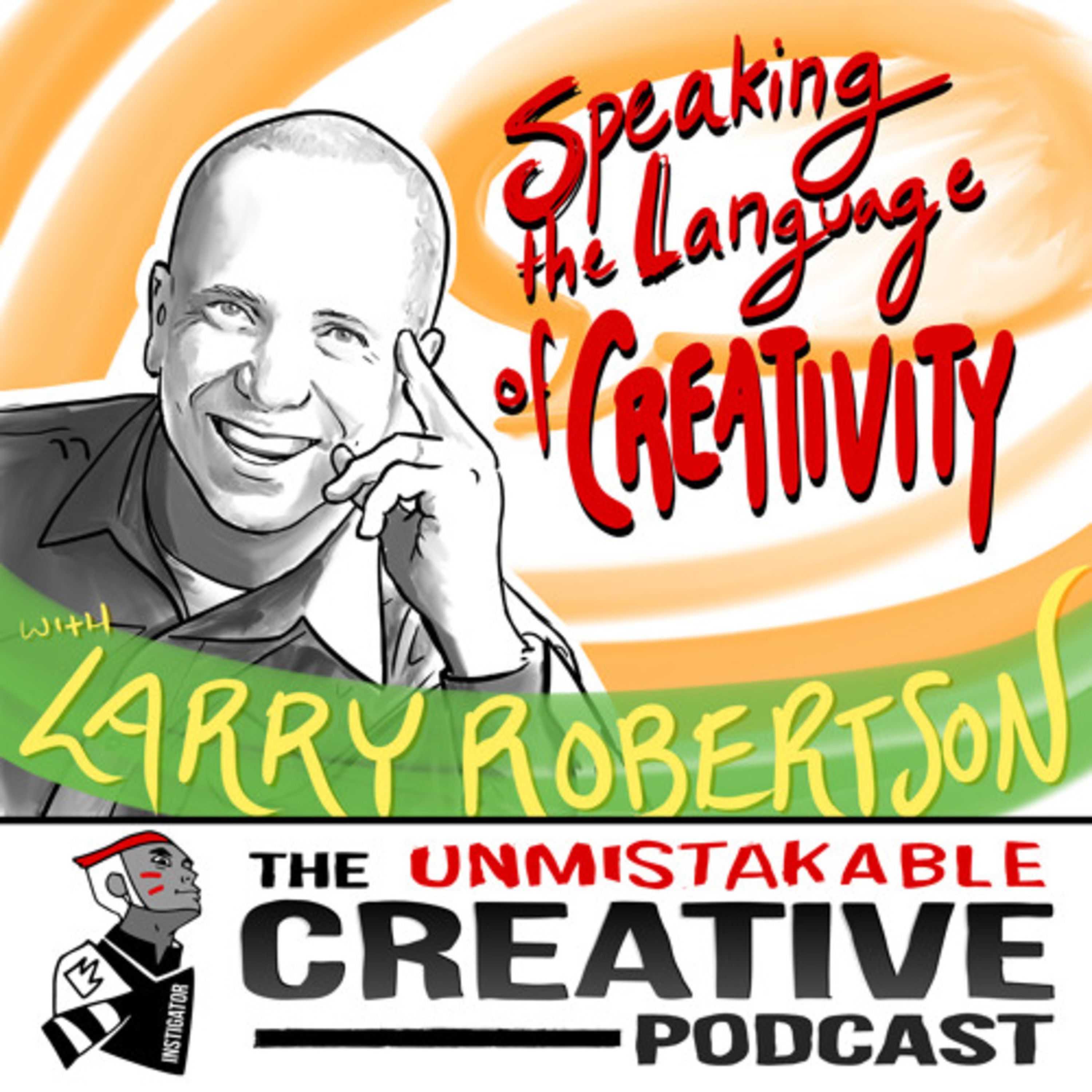
Larry Robertson: Speaking the Language of Creativity
Here’s the mistake that we all make when we look at creativity. We begin with the output. It might be an incredibly painting. It could be a fantastic piece of technology. IT could be a way in which we run a business or advise clients. We tend to look at that output and say “Oh my gosh what a brilliant idea she had to come up with that. Isn’t she creative? How do we do that?” The thing is that none of us want to do that. Nobody wants to reinvent the iPhone. Nobody wants to reinvent Uber. We certainly appreciate the value that such things have created for us. And we’d like to create something that adds value and has a significant impact. But we don’t want to create the same thing. If any of us are honest with ourselves we’ll acknowledge that is true. The difference is when you start to look at creativity from the front end. What is it that leads certain people have what appears be more creative ideas than the rest of us. Larry Robertson is a border crosser. The roles he has played over the course of his career have been and continue to be diverse – innovation advisor, entrepreneur, researcher, educator, business leader, and award-winning author. Hosted on Acast. See acast.com/privacy for more information.
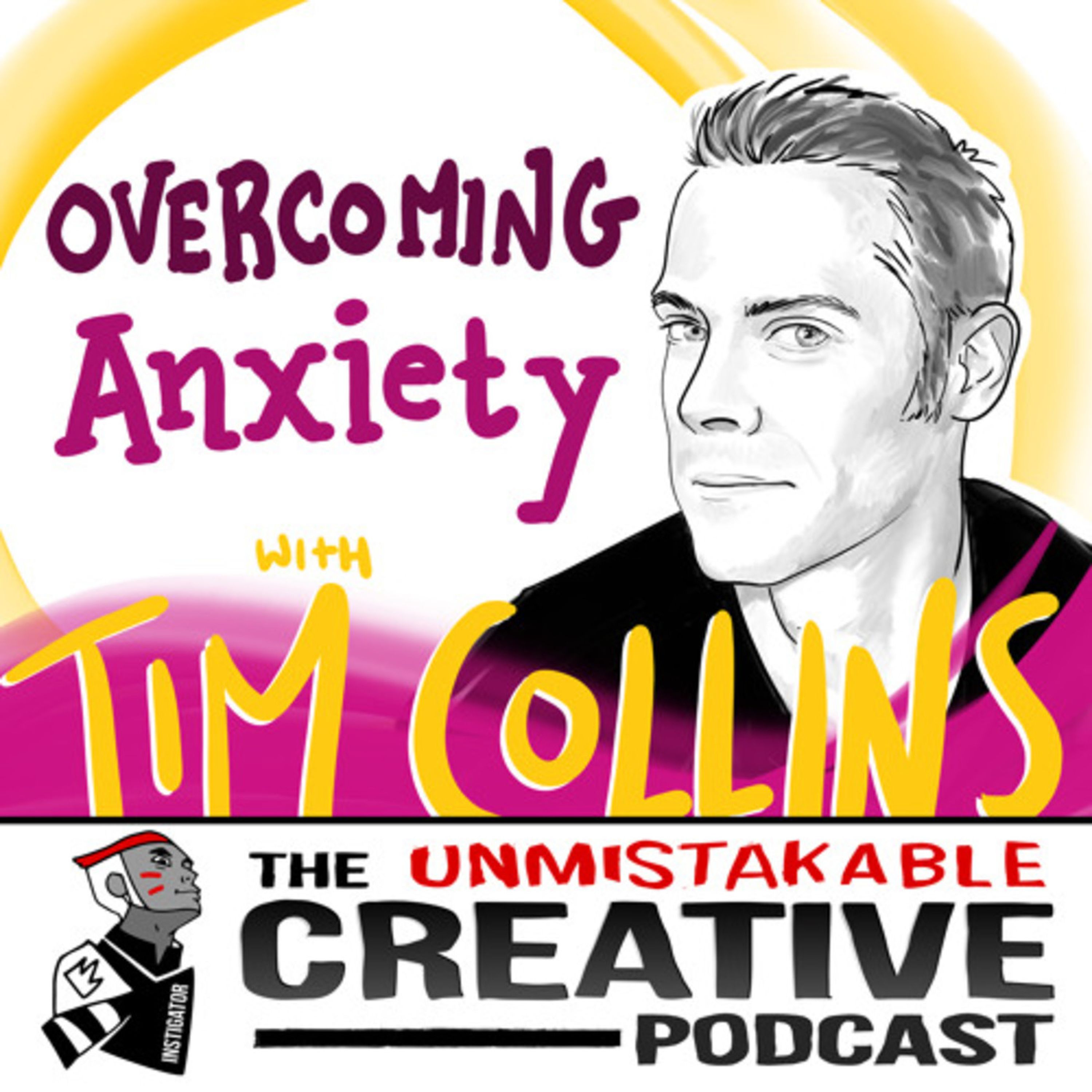
Tim Collins: Overcoming Anxiety
Being extremely hard on ourselves is very common in the very high stress and anxiety space because that’s kind of what got us there in the first place. Now, I love using the word curiosity. So when I get into these instances, I go to a curious place and say “Is this necessary? Does it really impact other people? The people that are impacted, do I really care what they think?” So much of our struggle in life is caring massive about what other people think of us. The reality is that there are only handful of people in the world that can affect my emotions in terms of what I think. Catering to everybody else is to my own detriment. In the midst of overwhelming anxiety, Tim Collins left his 6 figure salary and job as a VP of Sales to lean into his anxiety and in the process overcome it. Hosted on Acast. See acast.com/privacy for more information.
Joe Goodkin: Using Music to Tell Your Story
In this episode, of the podcast we speak with professional guitarist Joe Goodkin about using music to tell stories. We do a deep dive into the creative process of song writing and Joe shares his lessons on what it takes to become a touring musician in this day and age. Joe Goodkin is a Chicago-based singer/songwriter. He tours the country performing his one-man folk-opera interpretation of Homer’s Odyssey (over 200 performances in over 30 states) and for years released music under the name Paper Arrows. In 2015, he released his first solo record, Record of Life, to wide college radio play and positive press. On February 10, 2017, Joe will release a sequel to Record of Life, entitled Record of Loss, on Quell Records. Hosted on Acast. See acast.com/privacy for more information.
Khe Hy: Unwinding Cultural Narratives
Whenever you get to that point, whether it’s a promotion, whether it’s a bonus, yes it feels good for a couple minutes. You realize the fleeting nature of external achievement. Don’t get me wrong having more money is a good thing. It makes life easier. But the marginal utility of an extra dollar flatlines at about 85,000 dollars. It’s not the millions and billions of dollars that bring that shift in happiness. Khe Hy is the creator of Rad Reads, a spiritual guide to Wall Street executives and has been called “Oprah for Millennials.” Hosted on Acast. See acast.com/privacy for more information.
Tamsen Webster: Telling Powerful Stories in a Short Amount of Time
I believe there is a universal filter, and a universal story that we’re all seeking to understand. And I call it the red thread. It’s a phrase borrowed from Scandinavian countries where they used to say “What is the thing that ties all this together? What’s the theme? What’s the message? What’s the through line?” And we all want that. What I’ve discovered is that we all have that. Every organization, every person, every idea has this thing that makes it make sense. But how we make it make sense is fascinating. The best way to think about it is as Mad Libs. When we are trying to make sense of a situation or we’re trying to make sense of what someone is asking us to do, or if we’re in the position of “how do I tell this story in such a way that moves people”? The pattern of that story is universal, like a pre-written mad libs story. But where it becomes unique, where the power is, not only for us to understand what our own red thread is, but as we’re trying to explain things to other people…we don’t have to figure out the whole story. All we have to figure is how we fill in the blanks. – Tamsen WebsterTamsen Webster is an acclaimed keynote speaker, “idea whisperer,” and change strategist. She combined 20 years in marketing with 13 years as a Weight Watchers leader into a simple structure for understanding, talking about, and creating lasting change. She’s the Executive Producer of the oldest and one of the largest locally organized TED talk events in the world, and an in-demand consultant on finding the ideas that move people to action. Hosted on Acast. See acast.com/privacy for more information.
Garrett Gunderson: Moving from Scarcity to Abundance
Money is a byproduct. It’s a byproduct of value creation. Really the biggest way to deliver that value is to create a compelling vision. I think vision is the rarest commodity that there is in the world. When we’re in scarcity it’s hard to have vision. But if you can be more abundant, what you realize is that vision is what drives the most value. – Garrett GundersonGarrett Gunderson is Founder and Chief Wealth Architect of Wealth Factory, and New York Times bestselling author of Killing Sacred Cows: Overcoming the Financial Myths That Are Destroying Your Prosperity. And he’s personally helped countless business owners create efficient wealth strategies that fit their unique strengths. Hosted on Acast. See acast.com/privacy for more information.
Amy Blankson: The Future of Happiness
The question is not whether technology is good or bad for us. I think that might have been the question a few years ago. But now technology is part of our lives, so I think the better question is what do we do with it? As William Shakespeare once said, “there’s nothing good or bad, but thinking it makes it so.” I think positive psychology has some really important lessons for us and what that means in terms of how we use technology, specifically what I call the how, what, where, and why of using technology in our lives. – Amy Blankson Amy Blankson is the only person to be named a Point of Light by two Presidents (President Bush and President Clinton). She received a Presidential appointment to serve a five-year term on the Board of Directors of the Corporation for National Service, and was one of the youngest delegates to the Presidents’ Summit for America’s Future. Amy received her BA from Harvard and MBA from Yale School of Management. In 2007, Amy co-founded GoodThink to bring the science of happiness to life for organizations and individuals. Amy brings both passion and practicality to GoodThink. She is currently doing research in partnership with Google to determine how to make positive psychology strategies stick and create sustainable positive change. She serves as a Visioneer for the Xprize Foundation for Personal Health, and was a featured professor in Oprah’s Happiness course. Amy is the author of two books: Ripple’s Effect and The Future of Happiness: 5 Modern Strategies to Balance Productivity and Well-being in the Digital Era (Spring, 2017). Hosted on Acast. See acast.com/privacy for more information.
Joe Cross: Reboot Your Health
Without plants, we wouldn’t be here. They were here first, we came later. There’s this magical beautiful dance of cooperation, love, and friendship between humanity and plants. If you think about where we got our warmth from, it was from burning logs, during a plant. When we needed shelter we could use plants to create huts and shelter. In the evening they take our CO2 that we pump our during the day and give us Oxygen. You’ve got a beautiful dance of breath there. Apart from many other things, the biggest thing they’ve done is give us nourishment, and provided us with the energy, micronutrients, enzymes, vitamins and minerals that our cellular level of our makeup desires and needs to perform at its best. – Joe CrossJoe Cross is the founder and CEO of Reboot. His personal story of transformation was chronicled in the documentary Fat, Sick & Nearly Dead, which has been seen by more than 25 million people worldwide. The incredible response to screenings of the film inspired Joe to create Reboot with Joe, making the tools, information and support available to enable anyone to reclaim and maintain their well-being. He has since released two further documentaries, Fat, Sick & Nearly Dead 2 and <=”” a=”” >. Joe is a New York Times best-selling author after the success of The Reboot with Joe Juice Diet, and has since written 3 further books. Follow him on twitter @JoetheJuicer, and on Instagram @JoetheJuicer and read his full story. Hosted on Acast. See acast.com/privacy for more information.
Sid Mohasseb: Evolving into the Best Version of Yourself
“We are here to experiment and to learn. If that is the purpose, then we have to constantly evolve to our own best version. You could call that changing. You could all that evolving. You could call it a natural process. When we don’t, we lose our creativity, we lose our momentum, we lose our place in the world, and we lose our purpose in the world, whatever that is. It’s unique for everybody and it’s different ” – Sid MohassebSid Mohasseb serial entrepreneur, venture investor, university professor, , business thought leader, public speaker and author of The Caterpillar’s Edge: Evolve, Evolve Again and Thrive in Business Hosted on Acast. See acast.com/privacy for more information.
Scott Cramton: The Power of Immersive Experience
There’s that great movie up in there with George Clooney. He says one of those BS lines whenever he fires somebody. “Anybody who has ever built an empire has been sitting in the seat you’re sitting in right now.” He says that right after or right before he fires somebody. And he’s right. That’s a completely true statement. To build an empire you have to be at rock bottom. Scott Cramton is the founder of Atmospheric Entertainment. He believes in crafting unforgettable immersive experiences that challenge theater norms. Scott runs The Murder Mystery Company, Princess Parties and Famous for a Day. He hopes to one day have the extensive vocabulary of Srini Rao. Hosted on Acast. See acast.com/privacy for more information.
Jon Levy: The Science of Adventure, Community and Connection
In this captivating episode of Unmistakable Creative, we are joined by the fascinating Jon Levy, a behavioral scientist and author. Get ready to explore the science of adventure, community, and connection as Levy shares his extraordinary insights and experiences.Levy, the founder of The Influencers Dinner, a secret dining experience with renowned guests, delves into the power of community and how meaningful connections can transform our lives. He discusses his groundbreaking research on the science of adventure, revealing how stepping outside our comfort zones can lead to personal growth and memorable experiences.Through thought-provoking anecdotes and practical tips, Levy challenges us to redefine our social interactions and embrace vulnerability as a means of deepening connections. This episode is not just about the thrill of adventure; it's about understanding the importance of meaningful relationships and how they contribute to our happiness and success.Listeners will gain insights into the art of building authentic relationships, fostering a sense of belonging, and creating unforgettable experiences. Whether you're seeking to enhance your social interactions or looking to curate remarkable adventures, this episode offers valuable lessons to enrich your life.Don't miss this episode to learn from one of the leading experts on adventure, community, and connection. Gain insights that could transform your approach to social interactions and discover the science behind building a more fulfilling life with Jon Levy. Hosted on Acast. See acast.com/privacy for more information.
Leveraging Physiology for Human Performance with Greg Wells
If there’s one thing that I could pick that would determine whether or not would reach peak performance, and this after going to 3 Olympics as a media person and working with a couple hundred Olympians, and a dozen expeditions around the world to do crazy stuff… One thing that I would say determines your failure or success in a critical moment of performance is whether or not you’re focused. If you are on task, you have no distractions, doing what you need to be doing and what you’re doing is related to the performance itself you’re going to be fine. As a scientist, broadcaster, author, coach and athlete, Dr. Greg Wells has dedicated his career to understanding human performance and how the human body responds to extreme conditions. Hosted on Acast. See acast.com/privacy for more information.
Failing Your Way to Success with Beate Chelette
We are remembered by how other people remember us. We live only through the memories of the people who we touched. So if we didn’t touch anybody, but we have a really big bank account, we’re not really remembered. But if we are remembered, people say “When I listened to what you said, when I saw what you created, when I read what you wrote, when I got my treatment from you, this is how you made me feel” and I’ve created an emotional with you, and this emotion is creativity. Creativity evokes emotion. In this creativity, in this emotion, within it lies a sort of eternity. – Beate CheletteBeate Chelette is the author of “Happy Woman Happy World: The Foolproof Fix That Takes You from Overwhelmed to Awesome.” (Visualist Publishing, 2013) and a respected speaker, coach, and successful entrepreneur. After selling her creative company in 2006 to Bill Gates for millions of dollars, Chelette pursued her mission of building a global community of women who will collaborate and support each other Hosted on Acast. See acast.com/privacy for more information.
Courtney Carver: How to be More with Less
Your physical surroundings impact you in ways you might not even realize. They did for me. My clutter, my closet, all of that stuff was just this constant reminder of my debt and discontent. When it was gone, the guilt went with it. The frustration or sadness, and all the emotion I had wrapped up in my stuff, that went out the door with my stuff. It just was this felt like an almost immediate solution. Then we were crazy about it and decluttering to the point where we had empty rooms in our house. And finally we had too much house and sold the house and downsized into an apartment less than half the size of our house. And now we’re just vigilant about the stuff that we bring in because we know how destructive it can be. – Courtney CarverCourtney Carver is the creator of the web site Be More With Less and Project 333. Hosted on Acast. See acast.com/privacy for more information.
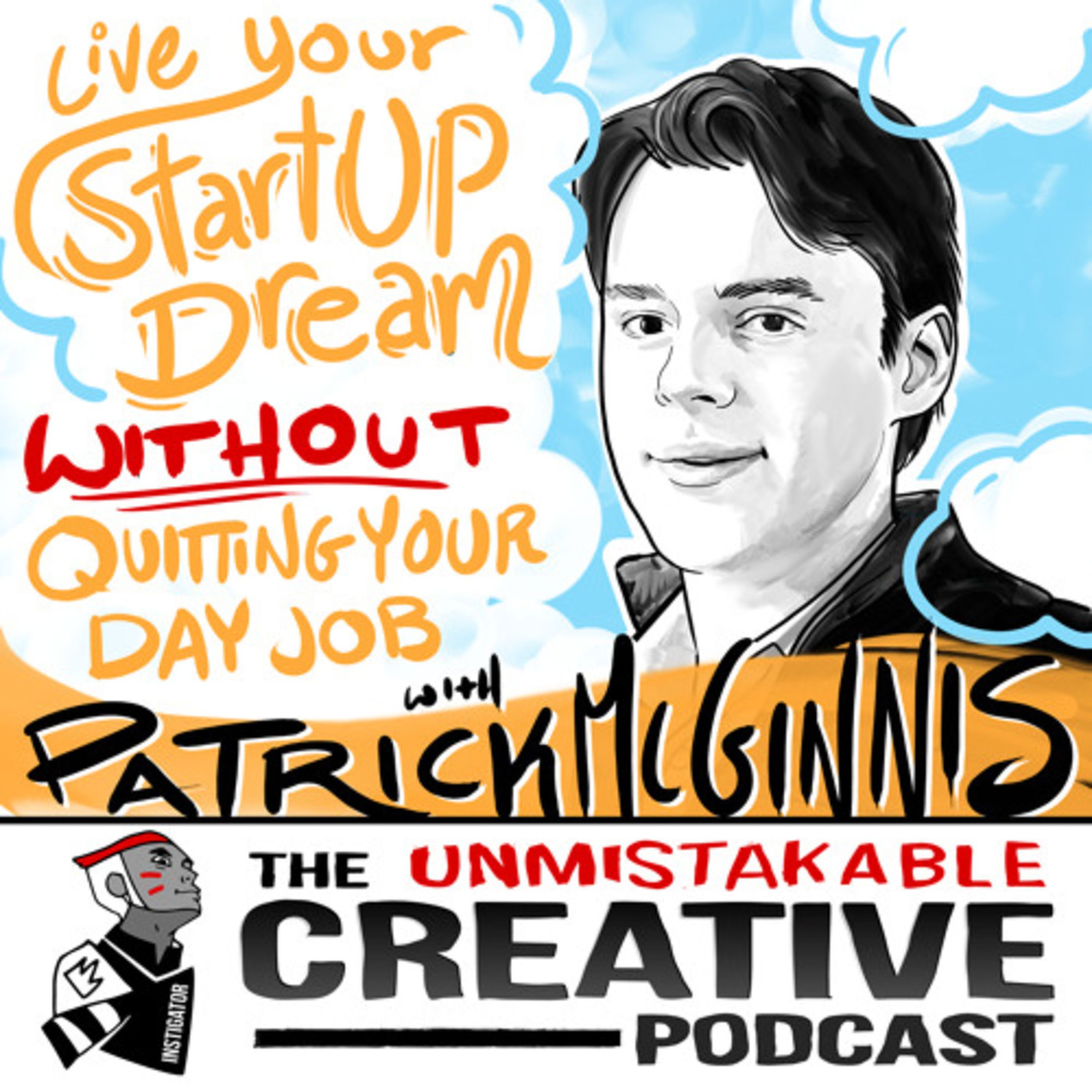
Live Your Startup Dream Without Quitting Your Day Job with Patrick Mcginnis
I was not raised to think like an owner. You had a 401k or something but there was none of the ownership thing. I didn’t really think about that until I didn’t have ownership. But what I realized when I was freelancing is that you’re on a treadmill. I think so many people miss the boat on that. If people are going to create stability for themselves in the long run, they need to own something. – Patrick McginnisPatrick J. McGinnis is a venture capitalist and private equity investor who founded Dirigo Advisors, after a decade on Wall Street, to provide strategic advice to investors, entrepreneurs, and fast growing businesses. In this capacity, he has worked in a range of settings, from building startups from the ground up in Silicon Valley to acting as an expert consultant to the World Bank in Latin America, Africa, and the Middle East. As a 10% Entrepreneur, he has built a diverse portfolio of investments outside of his day job. He is also the author of The 10% Entrepreneur. Hosted on Acast. See acast.com/privacy for more information.
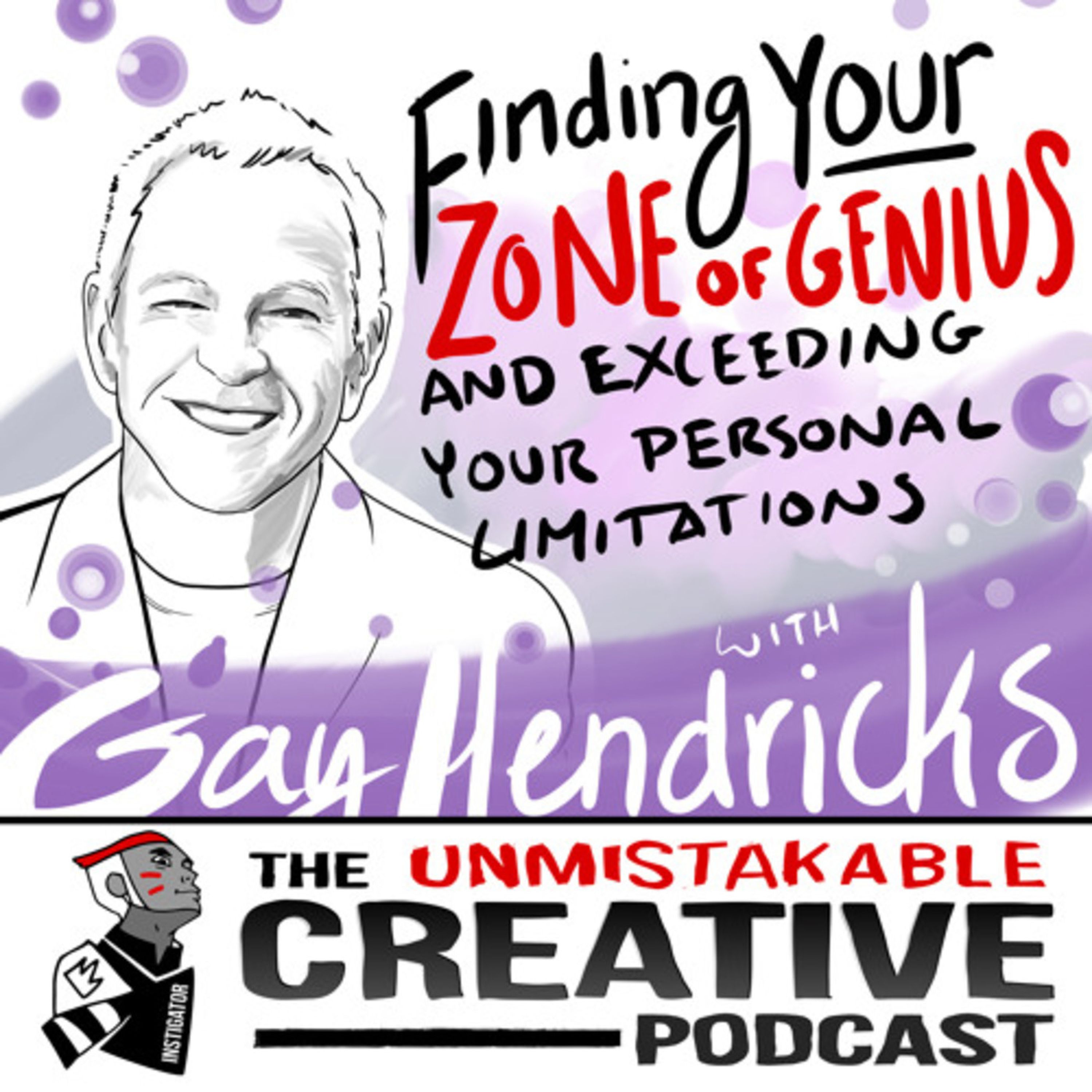
Finding Your Zone of Genius and Exceeding Your Personal Limitations with Gay Hendricks
What’s really important here? How am I using my gifts? What is my genius and how can I bring it forth to bare on my family and my culture and my business? Those genius questions are things that we need to cultivate in ourselves almost as a matter of discipline. It may sound odd to think of disincline as taking some time each day to tune into what you’re really all about. But in a way it’s just as valuable as going to the gym for an hour. Many people have the discipline to go to the gym for a while, but I’ve had it be so much harder for busy business executives, particularly to gift themselves with that 10 minutes of deep reflection. That’s all I ask people to start with is 10 minutes. I ask them to sit there with me for 10 minutes and simply tune into their breathing. Everything else, we put aside and create 10 minutes to focus on breathing. Then we might contemplate one question like “what is that I most love about what I do in my work?” – Gay HendricksGay Hendricks is a psychologist, writer, and practitioner in the field of personal growth, relationships, and body intelligence Hosted on Acast. See acast.com/privacy for more information.
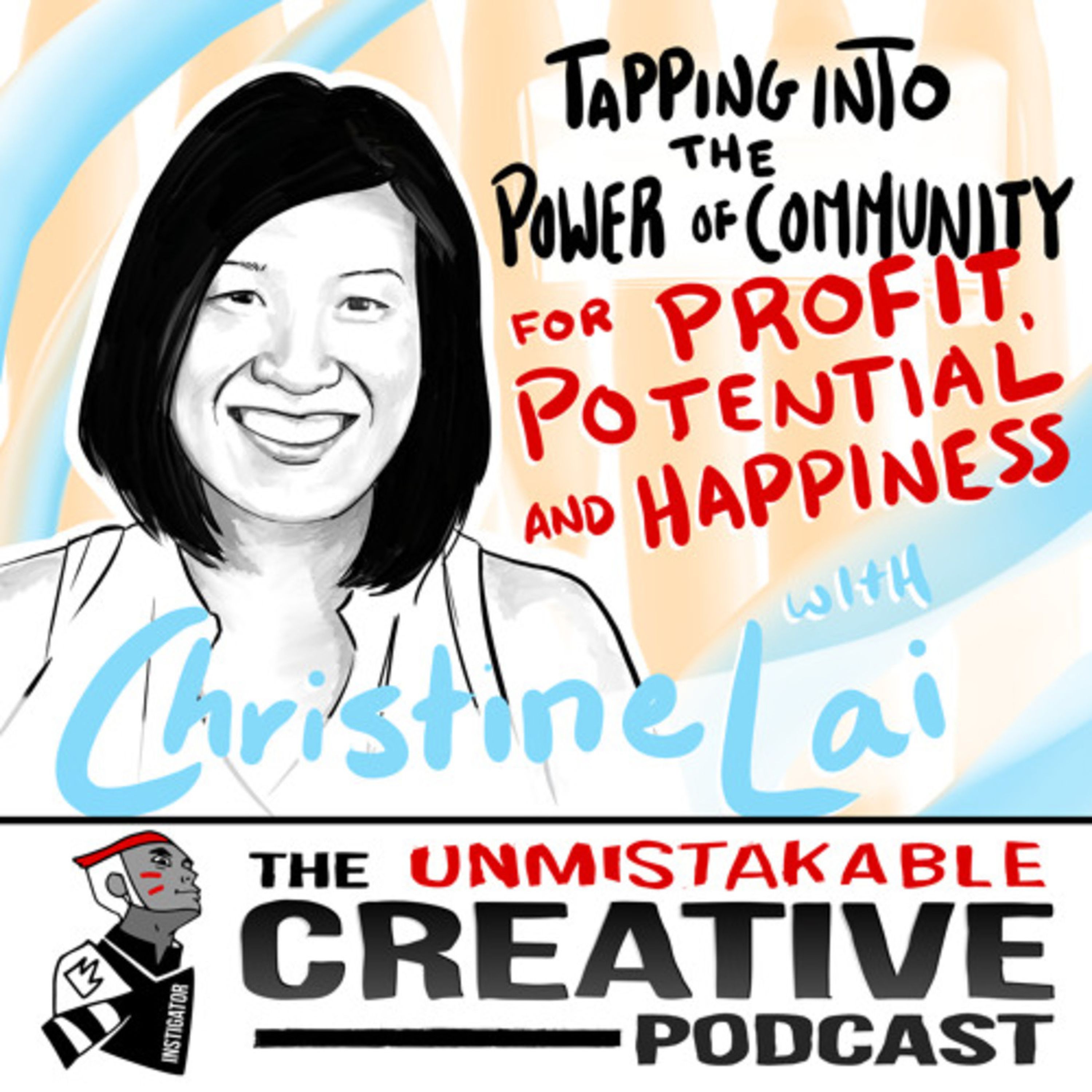
Tapping Into the Power of Community for Profit, Potential and Happiness
For each one of us, there’s something we’re meant to be doing in this world. But if w’ere not in an environment that allows us to explore that, we’re going to be cookie cutter. We don’t need 10 of me or 10 of you, we need 1 of me and 1 of you, and 1 of everybody else around us. Collectively, that’s how we do all of the things that are amazing, and hopefully save this world and make this world a better place. Education, especially a university environment plays a role almost like a lab. There are different pathways. There are people who are very clear on what they want to do like being a teacher, doctor, or lawyer. But then there’s a huge group of people who have no idea. That’s where entrepreneurs, artists and people who are creative come in. That really allows different things to show up. And if there isn’t an environment that allows that, it’s going to be really black and white and boring. – Christine LaiChristine Lai is a collaboration catalyst. At her core, Christine loves identifying and maximizing the true potential of individuals and organizations. Fueled by her passion for uniting people and purpose, Christine blends her experience in the private and social sector to build and strengthen collaboration among impact communities Hosted on Acast. See acast.com/privacy for more information.
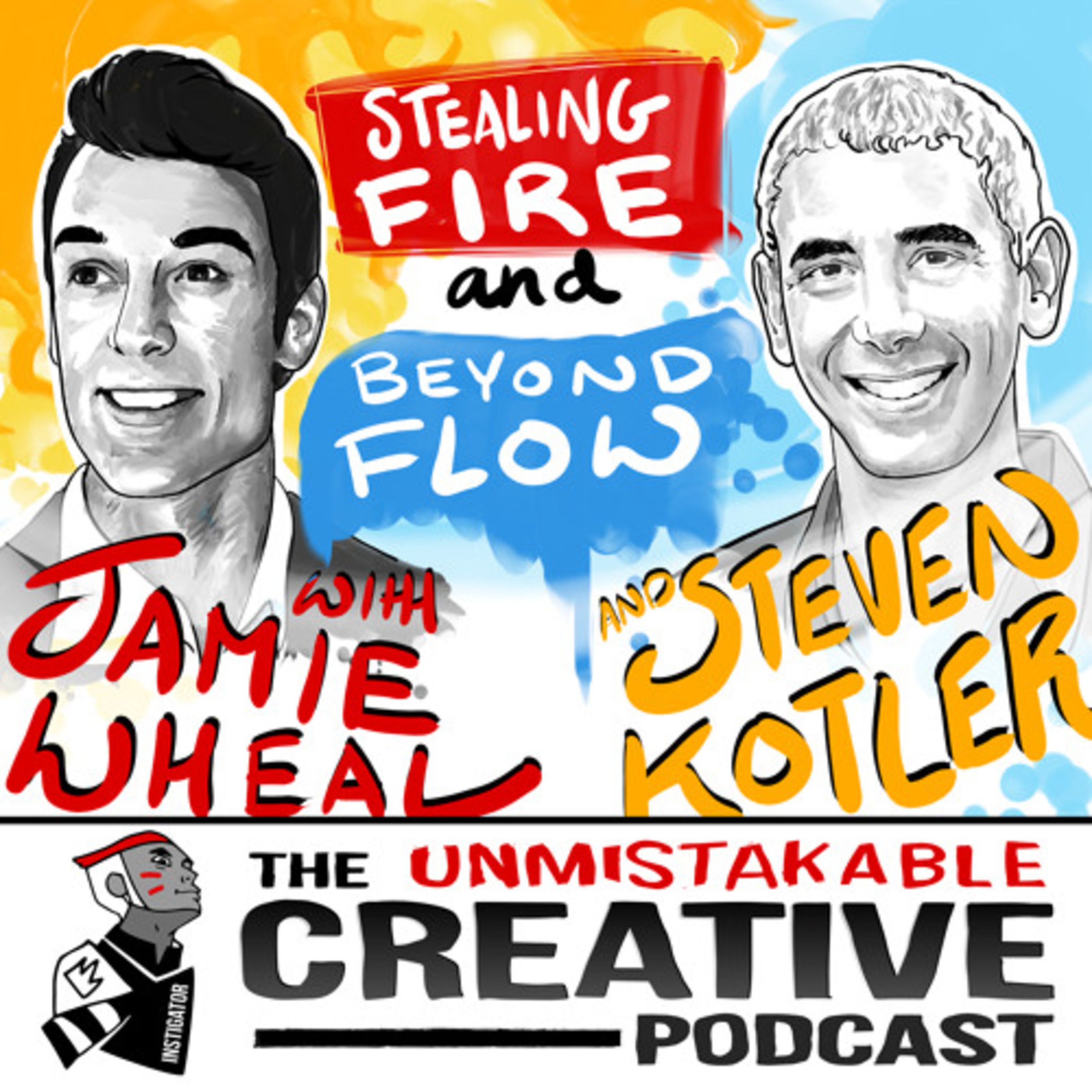
Stealing Fire and Going Beyond Flow with Steven Kotler and Jamie Wheal
Dive into the fascinating world of altered states of consciousness, peak performance, and the pursuit of "ecstasis" with bestselling authors Steven Kotler and Jamie Wheal in this mind-expanding episode of Unmistakable Creative.In their groundbreaking book "Stealing Fire," Steven Kotler and Jamie Wheal explore the revolutionary concept of achieving heightened states of consciousness to enhance creativity, productivity, and overall well-being. Join us as we unravel the secrets behind this provocative idea and its potential impact on human performance and society.Throughout the conversation, Steven and Jamie draw upon their extensive research and experiences with elite athletes, artists, and top performers to reveal the methods and practices employed to access altered states of consciousness. From ancient wisdom to cutting-edge neuroscience, they provide a multi-dimensional understanding of how to transcend ordinary limits and tap into the limitless potential of the human mind.Discover the potential risks and rewards of harnessing altered states, and gain insights into the ethical considerations surrounding the use of these techniques for personal and collective growth. Delve into the science behind flow states, mindfulness, and ecstatic experiences, and learn how these states can be leveraged to optimize creativity, innovation, and problem-solving.Whether you're a curious explorer of human potential or a high-achiever seeking to unlock your peak performance, this episode offers profound insights and practical applications. Explore the boundaries of human consciousness, challenge societal norms, and open your mind to the transformative power of "Stealing Fire." Hosted on Acast. See acast.com/privacy for more information.
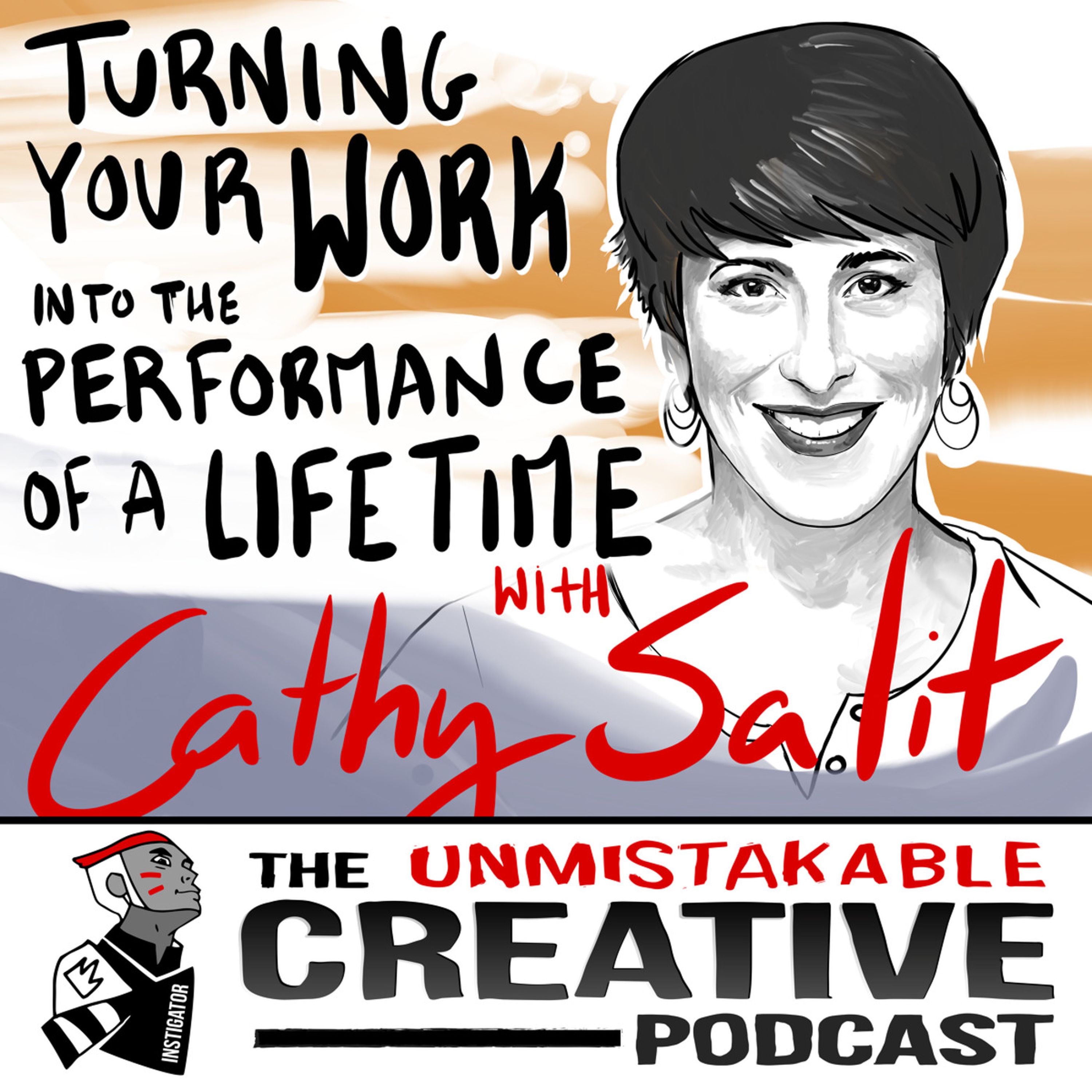
Turning Your Work into the Performance of a Lifetime With Cathy Salit
One of the things that is key to the success of children and I’d say anyone is to be related to. Part of what makes it possible for children to learn, grow and develop is that they are related to as people who can learn, grown, and develop. If you are not related to as a learner, but instead are related to as a loser, a fuckup, as somebody who is not going got go anywhere because of ABCDEFG, that is so much a part of why it is kids don’t succeed and they can’t learn. – Cathy SalitCathy Salit is the CEO of Performance of a Lifetime and author of PERFORMANCE BREAKTHROUGH: A Radical Approach to Success at Work Hosted on Acast. See acast.com/privacy for more information.
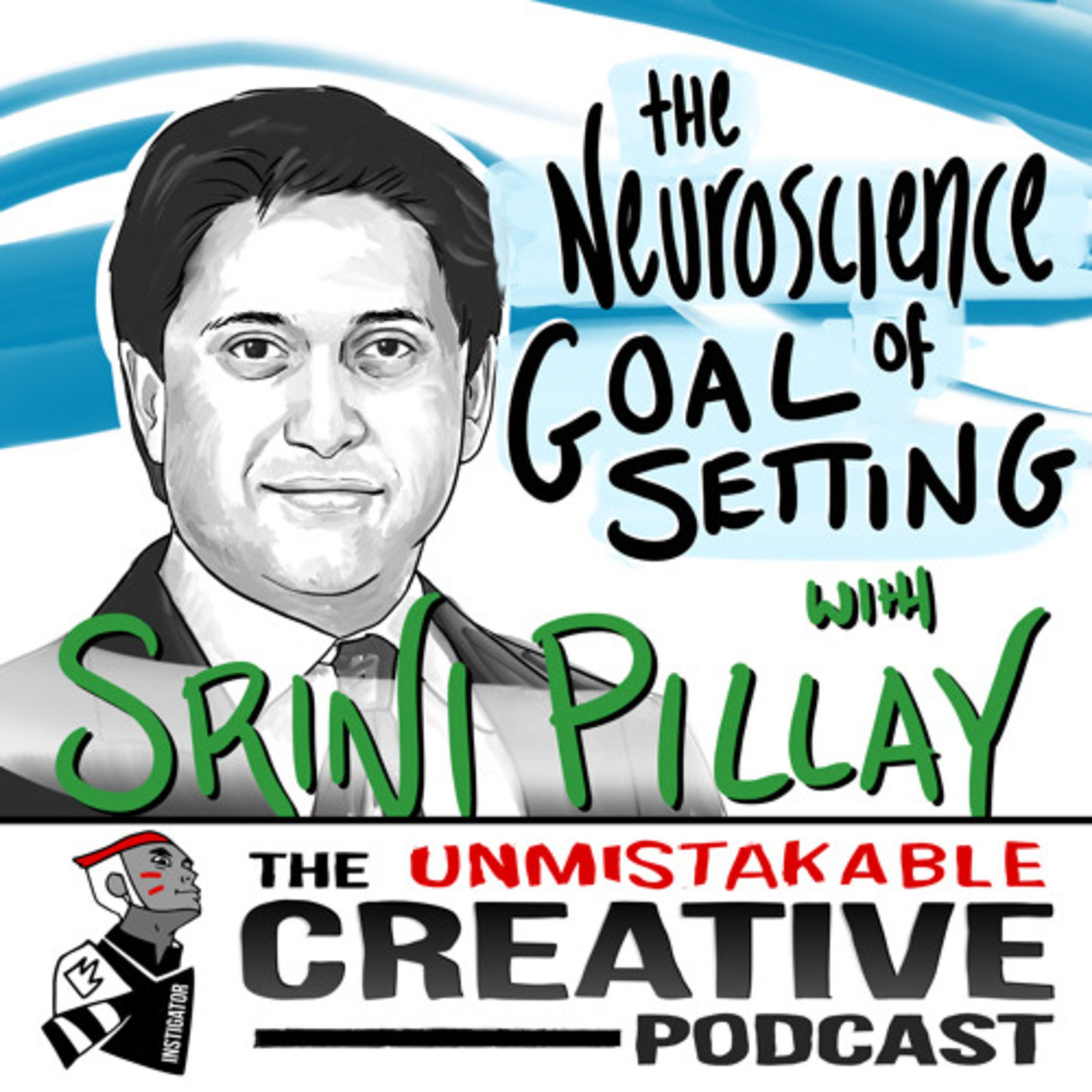
The Neuroscience of Goals with Srini Pillay
In terms of goals, there’s simple cognition and there’s complex cognition. Simple cognition is “I need to go get some bread” or “I need to visit somebody who lives on particular street.” That’s pretty direct. It’s easier to get to that goal. You know where you’re going, you know how to get there and you use simple cognition to get there. But when you say “I want to make an extra 100,000 dollars” or “I want to fall in love” or “I want to enhance my state of happiness” or “I want to find the job that I truly love.” Those are more abstract goals and involve what we call complex cognition. And complex cognition involves more than just following some sort of formula. It really relies heavily on your own sense of ingenuity. – Srini PillaySponsorsHostgator hosts your website. As you have heard on the show, you can get a 30% discount on the hosting of your next creative or business project’s website hosting by clicking here.Dr. Srini Pillay is Assistant Professor of Psychiatry (Part-Time) at Harvard Medical School. He is known for combining “head and heart” (figuratively and literally) in an approach to personal development and goal mastery that blends science, spirituality, and horns-grabbing joie de vivre to combat the stresses faced by ambitious and high-achieving people in academia, business, and life.In terms of goals, there’s simple cognition and there’s complex cognition. Simple cognition is “I need to go get some bread” or “I need to visit somebody who lives on particular street.” That’s pretty direct. It’s easier to get to that goal. You know where you’re going, you know how to get there and you use simple cognition to get there. But when you say “I want to make an extra 100,000 dollars” or “I want to fall in love” or “I want to enhance my state of happiness” or “I want to find the job that I truly love.” Those are more abstract goals and involve what we call complex cognition. And complex cognition involves more than just following some sort of formula. It really relies heavily on your own sense of ingenuity. – Srini PillaySponsorsHostgator hosts your website. As you have heard on the show, you can get a 30% discount on the hosting of your next creative or business project’s website hosting by clicking here.Dr. Srini Pillay is Assistant Professor of Psychiatry (Part-Time) at Harvard Medical School. He is known for combining “head and heart” (figuratively and literally) in an approach to personal development and goal mastery that blends science, spirituality, and horns-grabbing joie de vivre to combat the stresses faced by ambitious and high-achieving people in academia, business, and life. Hosted on Acast. See acast.com/privacy for more information.
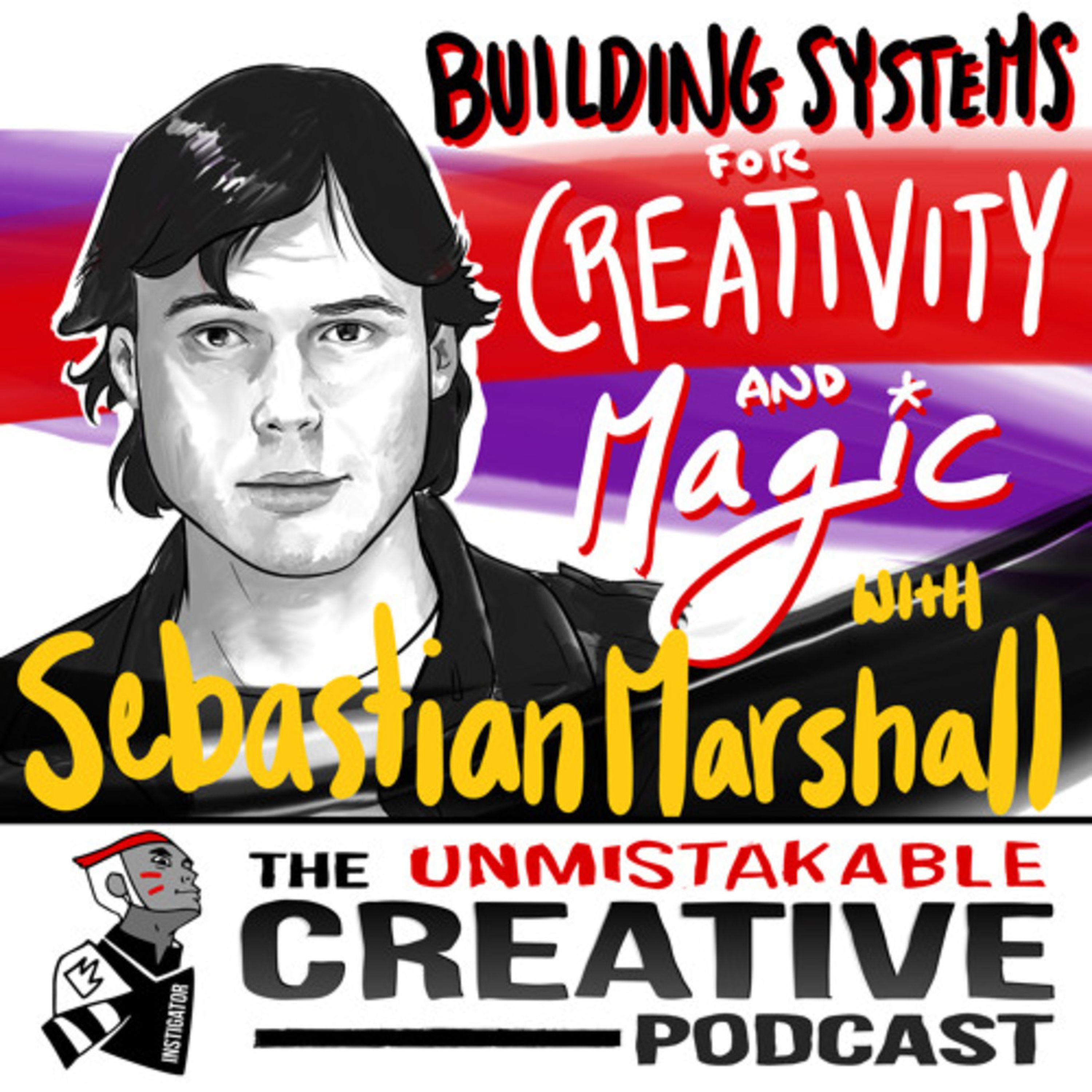
Building Systems for Creativity and Magic with Sebastian Marshall
I think the eventual target you want to hit is at least 2 hours of most important maker work. Everybody I know who does 4 hours of whatever’s most important every single day is very successful. Sometimes your wrong, you go down a rabbit hole, and it doesn’t work. That’s fine. It’s part of the game. As long you as do 10 minutes, you’ve got a placeholder in your life, and things keep moving forward. It’s when you take 2 weeks off, suddenly things get dusty, you don’t remember what you’re going to do. People get busy, forget what’s important and then don’t get what they want. – Sebastian Marshall Sebastian Marshall is an avid student of history and strategy, and digs into historical eras from Sengoku Japan to the Renaissance, the Napoleonic Wars and the Pax Brittanica, the Rise of House Rothschild and John Rockefeller, Bismarck and Moltke’s Unification of Germany, the Roman Republic and its various conflicts and shifting alliances, the Great Dynasties and Inventions of China, through to modern-day information economies, publishers, and pioneers. Hosted on Acast. See acast.com/privacy for more information.
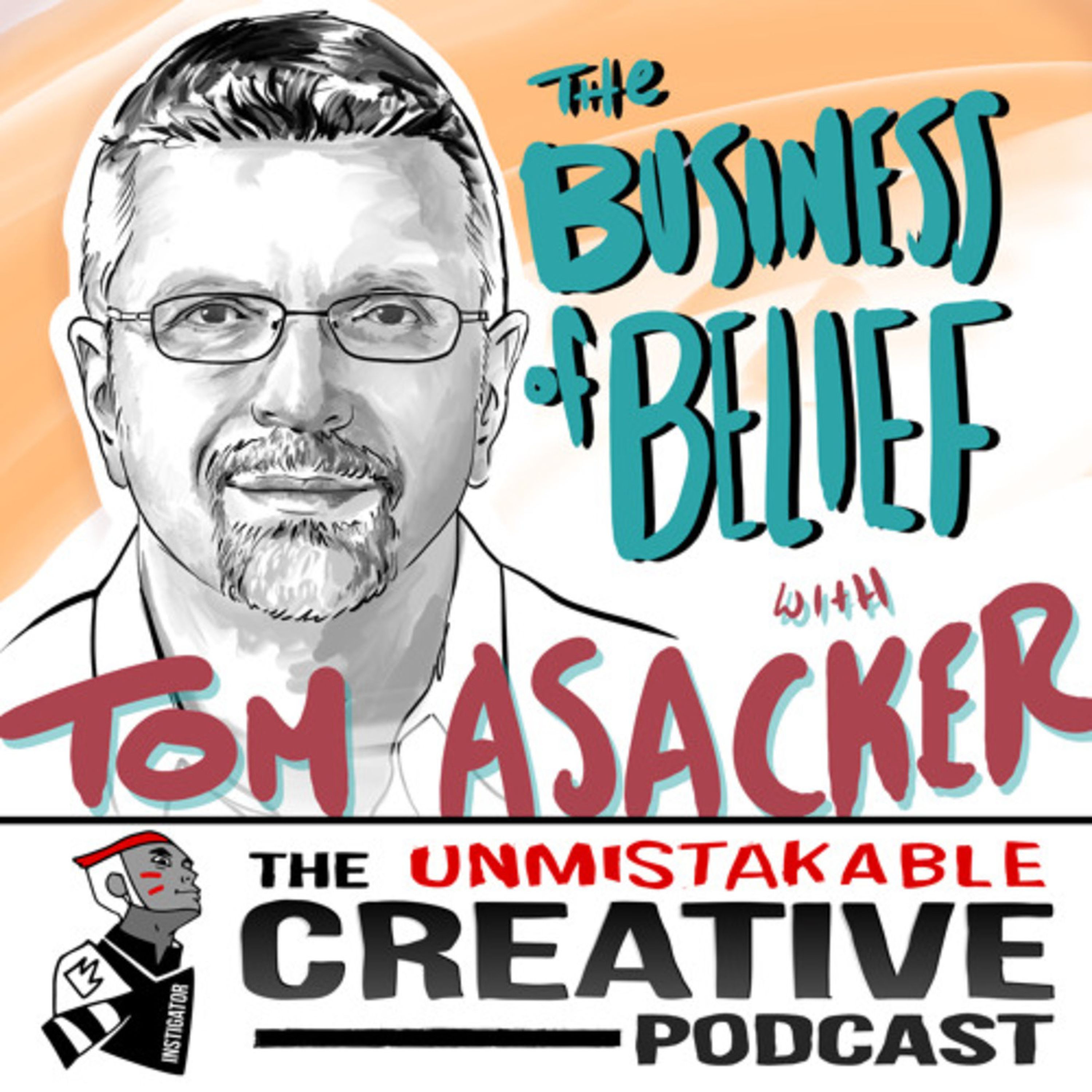
The Business of Belief with Tom Asacker
Belief is what drives people’s decisions. This has to do with people’s desires. Their desires drive their beliefs and their beliefs drive their actions, period. It’s as simple as that and it’s as complex as that that because people are unaware of this. We are being pushed and pulled by our environment. We’re just trying to make it through the day: have a decent day, have nothing go wrong, and at the end of the day flip on Netflix. That’s what’s going on in the marketplace. When you get somebody to adopt what you do, you’re getting somebody to switch one belief for another belief and then going back on autopilot. – Tom Asacker Tom Asacker is the author of The Business of Belief and sought after speaker who has lectured on innovation, strategic communication, the customer experience, and marketplace trends to corporate, association, and university audiences around the world. As an independent business consultant, he’s advised start-up ventures, NPOs, and Fortune 500 companies on innovation, emerging trends and strategic brand development and communication. Hosted on Acast. See acast.com/privacy for more information.
Start Where You Are With Samantha Bennett
You are always getting paid. And you are always getting paid in the currency you are asking for. So maybe the currency you’re asking for is “likes” on Facebook. Or maybe the currency you’re asking for a is a lot of compliments from your friends. Or maybe the currency you’re asking for is neglect. For a long time myself esteem was so slow that it really mattered to me that Iw work hard and kind of have nobody notice. That kind of worked for me in a weird way. When I started the organized artists company, I had this wonderful list of people who were really responsive and they’d write back and they would click and like, but they never bought anything. And finally I realized that the problem was me because I was more invested in their affection than I was in making a living. And the minute I decided “I think it’s possible for me to have their affection and make a living”, I tripled my income. – Samantha Bennett Samantha Bennett is a writer, speaker, actor, teacher and creativity/productivity specialist and author of the bestselling: Get It Done: From Procrastination to Creative Genius in 15 Minutes a Day. Her latest book is, Start Right Where You Are: How Little Changes Can Make a Big Difference for Overwhelmed Procrastinators, Frustrated Overachievers and Recovering Perfectionists Hosted on Acast. See acast.com/privacy for more information.
Using Cognitive Science to Change Your Behavior with Art Markman
The way we form memories is bey adding connections. The more times you perform behaviors you want to perform, the more connections you create that make it easier to perform that behavior again in the future. We have to recognize that a lot of what we’re trying to do is to do the right thing in the contexts that we want to do it. – Art Markman Hosted on Acast. See acast.com/privacy for more information.
The Power of Being Fully Engaged with Tom Sterner
We really have a problem with something that is We have so much on our plate and so many things going that we want closure. We want the report done. We want the kids picked up. We want the house cleaned.Whatever it is we want it done because that way we can take it off our plate and we’ll have one last thing we have to contend with. That’s why something like meditation is difficult for people because they feel like “when will I get done with this, when am I good at it?” When you say “it’s just something you do forever, that’s a very difficult concept and it’s an uncomfortable concept until you begin to see the benefits of it. When you begin to see the benefits of it and how it impacts your life and your self power, then that starts to dissolve and you start say “I get this. I want to participate in this forever because I want this ability to continue to expand – Tom SternerTom Sterner is the founder and CEO of the Practicing Mind Institute. As a successful entrepreneur he is considered an expert in Present Moment Functioning. He’s also the author of Fully Engaged: Using the Practicing Mind in Daily Life. Hosted on Acast. See acast.com/privacy for more information.
Bringing Your True Self to Life and Work with Jennifer Brown
“Work is where we spend most of our time. And it’s where I think so much learning happens. It’s often where people are exposed to difference in a way that they’re not in their personal lives. We’ve got to work on global teams. We have to work with multiple nationalities. We have to figure out how to lead virtually without ever sitting in front of somebody physically. So we have to get really good at noticing and valuing diversity in all of its forms, and then being inclusive leaders. I think we’re a long way off from that. I’m trying to help corporate America specifically try to tell their story differently and prioritize diversity and inclusion as value that’s going to resonate with incoming talent. But I want them to walk the talk. I don’t want them to just use it as a marketing slogan. I want them to do the hard work which is the internal work in their culture. It’s really easy to buy your way on to lists and get awards and control the optics of the story on the outside. But the harder work and more valuable work is “what are we going to be about as a culture?” I think the role of leaders in setting that framework is really important. They have a huge platform they can use. Yet I find most are scared of it or don’t know what to say about it. They just let it go. And it’s a missed opportunity because people are hearing that as “I don’t matter.” Something is happening in their life that’s huge and their expected to come into work and deny it. That’s kind of the core of what we need to solve for.” – Jennifer BrownJENNIFER BROWN is an award-winning entrepreneur, dynamic speaker and diversity and inclusion expert. She is the founder, president and CEO of Jennifer Brown Consulting (JBC), a strategic leadership and diversity consulting firm that coaches business leaders worldwide on critical issues of talent and workplace strategy. She’s also the author of Inclusion: Diversity, The New Workplace and the Will to Change. Hosted on Acast. See acast.com/privacy for more information.
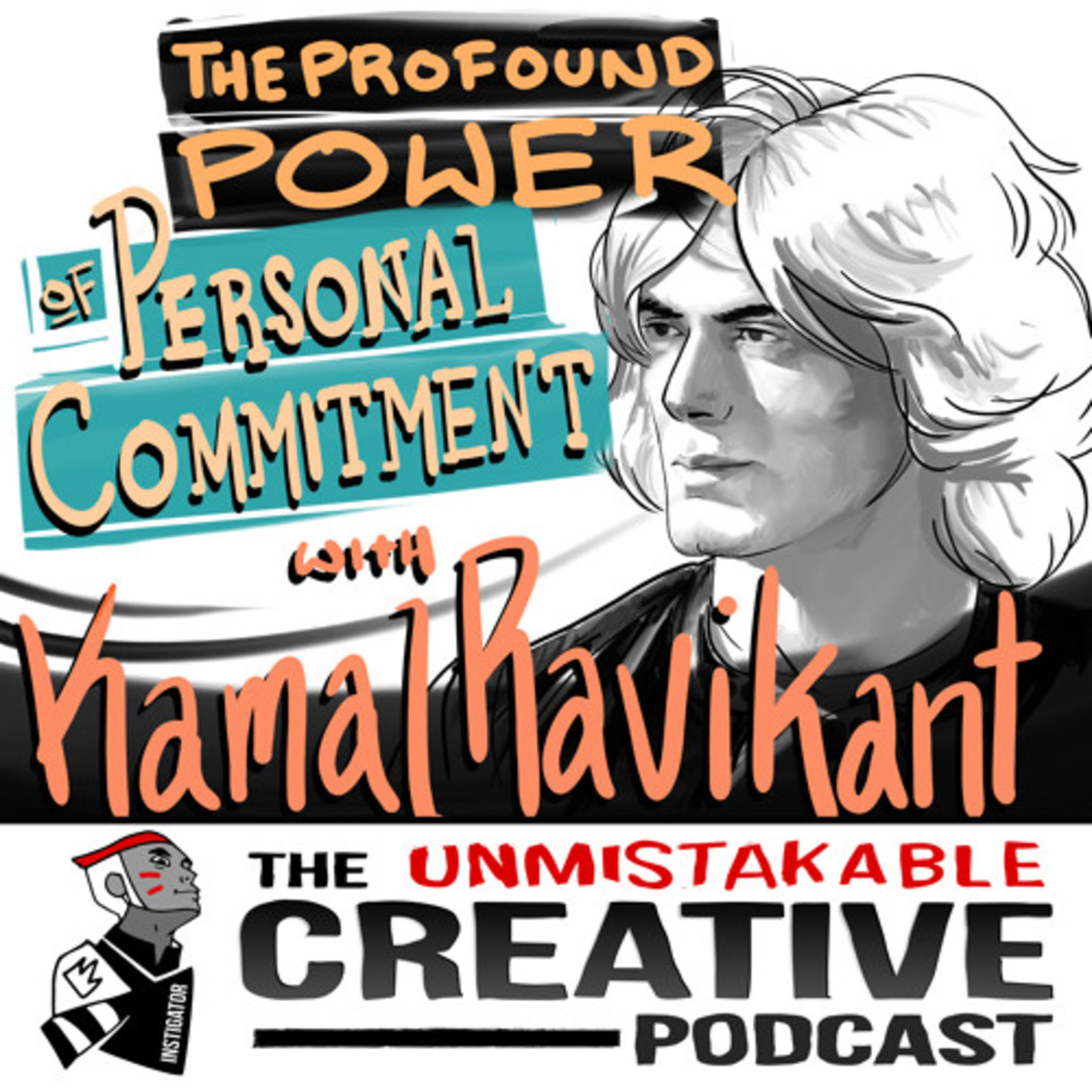
The Profound Power of Personal Commitment with Kamal Ravikant
If we make a practice in our lives, like going to the gym or eating healthy, if you want to lose weight and be fit, or you want to be chiseled, you’ve got to make a practice. It’s a daily practice. You can’t go to the gym for a week and eat cake for 30 days nonstop and say “hey what happened? I was getting in shape.”Whether you’re feeling bad or feeling good, that doesn’t matter. It’s just your practice, like when you wake up and when you go to sleep. There are certain things you do. It’s a fundamental practice. Just like you talk about with writing. It’s a practice. Then you hit the flow state. Same thing in life. You make it a practice. Life hits a flow state.Things in life happen. People die. Nothing we can do to stop that. People we love die. Things happen. When we hit that flow state we bounce back much faster. The things that used to bring us down don’t bring us down like before. Then it’s only the real tragedies in life that bring us down. When a loved one dies, it’s a real tragedy and that should bring you down. It’s good to have loved someone that way and feel the loss. But the other stuff, the other garbage, the 99 percent of the stuff that brings us down that doesn’t matter lessens and its power over us lessens. So, I would say to someone who is either down or up, what matters is a fundamental daily practice of working on your inner self that keeps you in your personal flow. – Kamal RavikantKamal Ravikant is a venture capitalist and author of best-selling books such as Love Yourself Like your Life Depends on It, Live Your Truth and Rebirth: A Fable of Love, Forgiveness and Following Your Heart. Hosted on Acast. See acast.com/privacy for more information.
Why 96 Percent of Personal Development Efforts Fail
When the New Year starts, we’re all thinking about the changes we want to make and the goals we want to accomplish. But after the first 3-4 weeks, the excitement wears off and we find ourselves right back where where we started or in some cases in an even worse position. 96 of personal development efforts fail because people attempt to do life by default instead of by design. When the New Year starts, we’re all thinking about the changes we want to make and the goals we want to accomplish. But after the first 3-4 weeks, the excitement wears off and we find ourselves right back where where we started or in some cases in an even worse position. 96 of personal development efforts fail because people attempt to do life by default instead of by design. Hosted on Acast. See acast.com/privacy for more information.
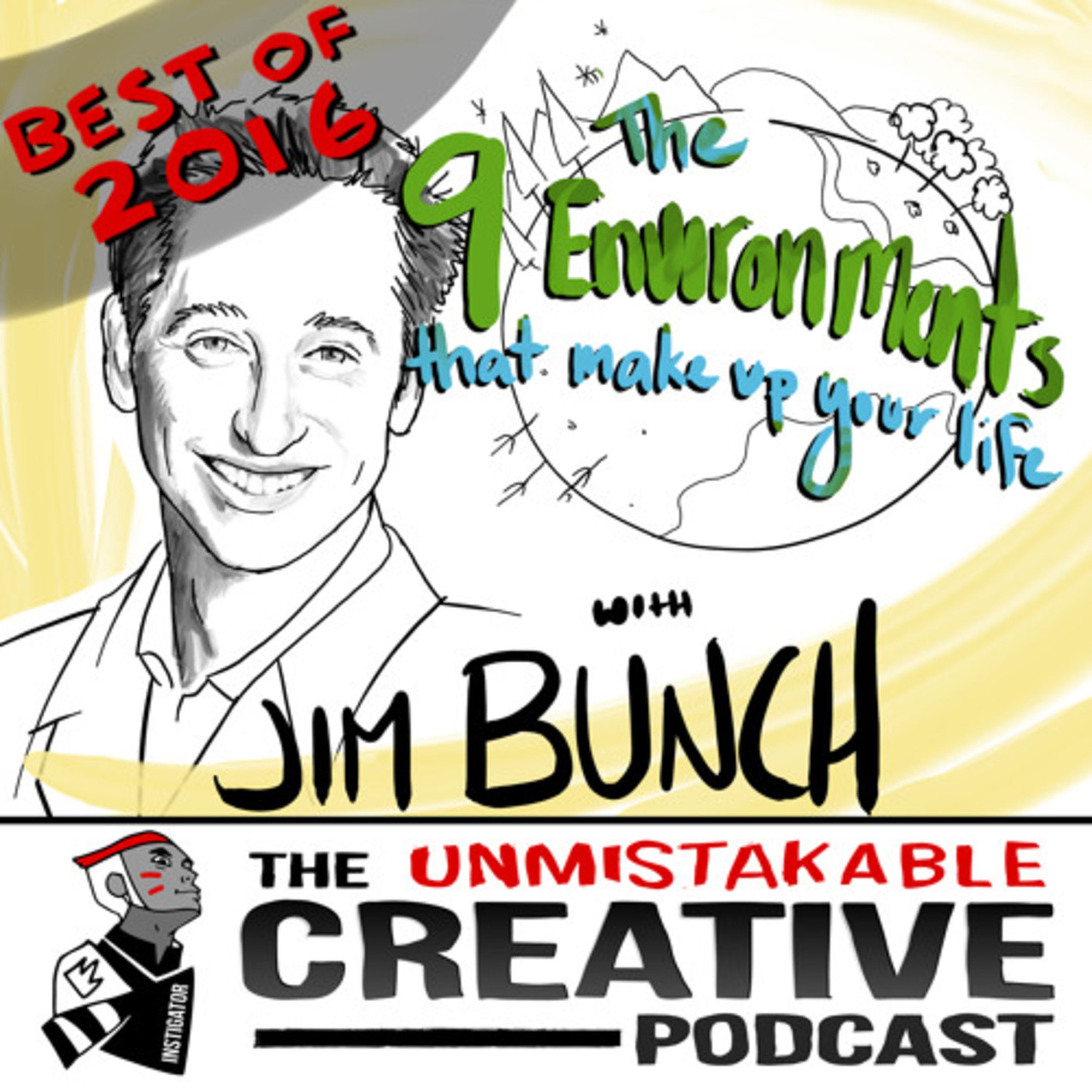
Best of 2016: The 9 Environments that Make Up Your Life With Jim Bunch
Every environment is connected. You can’t change one environment and not have it change another. If you improve one environment it will send a ripple effect through the other environments. If you improve your physical body as an environment, what happens to your self image? It improves. Once your self image improves, what happens to your networks? Your network improve because you quit hanging out with the people that are bringing you down. What happens when your network improves? Your net worth is related to your network. And your financial environment can start to improve. The quality of people you’re hanging out with is better. Your confidence is up. Your strengths, gifts, and talents are up. Your physical health is up so you have more energy to commit to your vision, mission and passion. – Jim Bunch Jim Bunch is the founder of The Ultimate Game of Life. Hosted on Acast. See acast.com/privacy for more information.
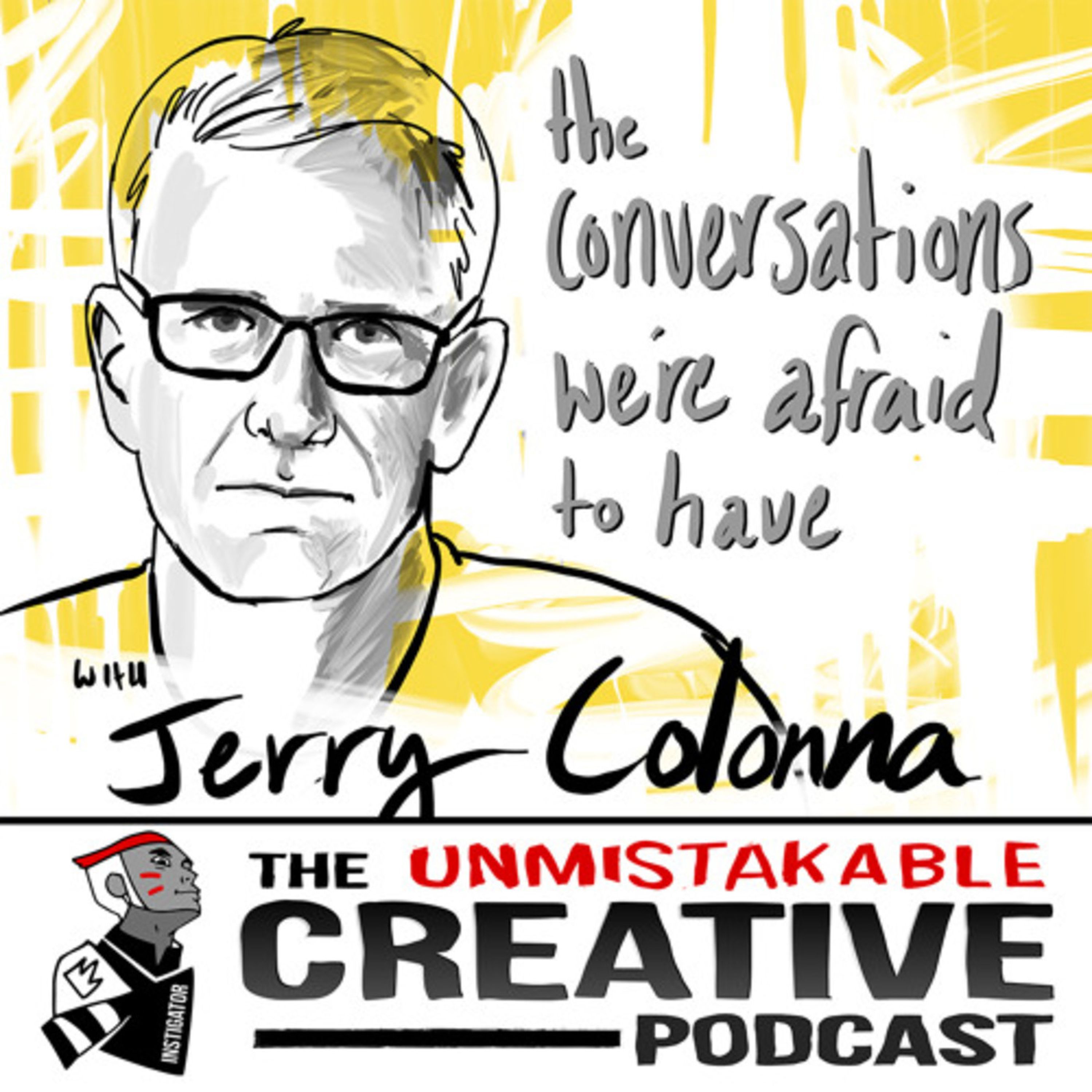
Best of 2016: Conversations We’re Afraid to Have with Jerry Colonna
The “you’re an imposter” mantra is beautiful oft repeated phrase from one’s inner critic. But there are a lot of other phrases the inner critic uses, so it’s kind of a subset of this self loathing that goes on. You correctly linked it to the kind of merging of sense of self and self worth with work. But I would argue that it’s even deeper. It’s merging a sense of self and self worth with almost anything that’s extrinsic to this meatball called me. One of the more profound teachings from Buddhism goes like this: you are lovable, you are worthy. Not because of anything you’ve done, but simply because you exist. – Jerry Colonna Jerry Colonna is an executive coach who uses the skills he learned as a venture capitalist to help entrepreneurs. He draws on his wide variety of experiences to help clients design a more conscious life and make needed changes to their career to improve their performance and satisfaction Hosted on Acast. See acast.com/privacy for more information.
Best of 2016: Keys to Exponential Personal and Professional Growth With Salim Ismail
You have your body which is your hardware. And then you have the external world. At an early age you develop the software or operating system to interact between the hardware and the external world. The operating system is formed during the first 7 years. This is why the Jesuits say “give me the child until the age of 7 and I’ll give you the man. So that early education: did you get bullied, how did you respond, how do you navigate playground dynamics, how do you deal with parental stress or family trauma.. You kind of form this operating system. Then we become adults in we start running applications on it: career, love life, sports, money, finance. And the applications start crashing. We blame the application. But we never go back to rewrite the operating system. In a newer world that we live in today that is infinitely more complex, we need to rewrite our basic operating system. Old tools for that worked when you had a lifetime. But the world is moving too quickly now for somebody to take 10 years to meditate to get to some level of transformation. – Salim IsmailSalim is a sought after speaker, strategist and entrepreneur – his last company, Angstro, was acquired by Google in August 2010. Salim spent two years as SU’s founding Executive Director and currently serves as its Global Ambassador focusing on its global presence. He Twitters his thoughts at @salimismail and blogs infrequently at www.salimismail.com Hosted on Acast. See acast.com/privacy for more information.
Best of 2016: Igniting Change Through Speeches, Stories, Ceremonies and Symbols with Nancy Duarte
Creating a movement doesn’t happen with just doing one talk. Creating a movement is whole series of stories, ceremonies, symbols and speeches, over and over. – Nancy DuarteNancy Duarte is a communication expert who has been featured in Fortune, Forbes, Fast Company, Wired, Wall Street Journal, New York Times, The Economist, LA Times and on CNN. Her firm, Duarte, Inc., is the global leader behind some of the most influential visual messages in business and culture. The largest design agency in the Silicon Valley, and 5th largest woman-owned employer, Duarte, Inc. is estimated to have created more than a quarter of a million presentations. Hosted on Acast. See acast.com/privacy for more information.
Best of 2016: The Neuroscience of Flow with Steven Kotler
Dive into the captivating world of flow and neuroscience with renowned author and peak performance expert Steven Kotler, in this thought-provoking episode of Unmistakable Creative.In this mind-expanding conversation, Steven Kotler takes us on a fascinating journey through the science of flow - a state of optimal human performance where time seems to vanish and individuals feel their best and most creative. Drawing from his extensive research, Steven unveils the neurological processes that underpin this elusive state, shedding light on how we can tap into flow more consistently and unlock our full potential.Join us as we explore the key elements that trigger flow and how it can be harnessed to enhance creativity, productivity, and overall well-being. Steven shares practical tips and strategies for achieving flow in our daily lives, whether at work, in sports, or during moments of creative expression.Throughout the episode, Steven Kotler's deep expertise and passion for the subject shine through, leaving listeners with a profound understanding of how flow can be a game-changer in achieving peak performance.If you're curious about the neuroscience behind flow and eager to explore the possibilities of unlocking your full potential, this episode is a must-listen. Steven Kotler's compelling insights and practical guidance will inspire you to embark on a journey of heightened creativity, productivity, and fulfillment. Hosted on Acast. See acast.com/privacy for more information.
Best of 2016: Creating Work That’s Impossible to Resist with Sally Hogshead
Are you ready to discover the secrets behind creating work that captivates and compels others? Join us in this engaging episode as we dive deep into the realm of irresistible work with the renowned author and speaker Sally Hogshead.Sally Hogshead is a world-class branding expert, best-selling author, and a captivating storyteller. In this thought-provoking interview, she shares her valuable insights into how you can make your work stand out in a crowded market. Through her groundbreaking research, Sally has uncovered the key triggers that elicit fascination in others, and she'll show you how to leverage these triggers to make your work impossible to resist.During the conversation, Sally delves into the science of fascination, explaining how certain individuals and ideas hold our attention more than others. By understanding the seven universal fascination triggers, you'll gain a fresh perspective on how to craft your work in a way that resonates deeply with your audience.Unlocking the secrets of Sally Hogshead's work empowers you to create meaningful connections, increase your influence, and leave a lasting impact on the world. Whether you're an entrepreneur, artist, or creative professional, her expertise will inspire you to tap into your uniqueness and create work that sparks fascination and engagement.Join us in this captivating conversation with Sally Hogshead and discover how you can make your work a magnet for attention, admiration, and success. Get ready to unleash your full potential and create a lasting impact in the hearts and minds of others.Note: This episode contains invaluable insights from Sally Hogshead herself and is a must-listen for anyone looking to elevate their creative endeavors and professional pursuits. Hosted on Acast. See acast.com/privacy for more information.
Best of 2016: Counterintuitive Lessons on Nonconformity with Adam Grant
Join us on Unmistakable Creative for an enlightening conversation with Adam Grant, a renowned Wharton professor, New York Times writer, and influential management thinker. In this episode, Grant delves into the intriguing world of non-conformity, sharing insights from his bestselling book, 'Originals.'Discover how to get comfortable with ideas that may not always align with popular opinion, and learn to appreciate the moments that truly captivate your attention. Grant emphasizes the importance of developing confidence as a learner and challenges the conformist behavioral patterns prevalent in our education system.Explore the impact of system justification theory on our decision-making processes and the difference between instructor-driven and student-led learning. Overcome your fear of failure and understand why Grant believes that confidence is won through success, and in a surprising twist, why he thinks conformity is the new originality.Don't miss this opportunity to learn from one of the world's top-rated professors and gain insights that could transform your approach to success. Tune in now!" Hosted on Acast. See acast.com/privacy for more information.
Best of 2016: Rules for Focused Success in a Distracted World with Cal Newport
“So even if you say “I’m not trying to do deep work now. I”m in line at the supermarket. I’m bored let me look at something.” That actually affects your deep work the next morning or the next day when you actually want to do it. There’s this whole notion of passive training where you basically are embracing boredom. You give your mind plenty of practice in actually resisting the urge for distraction, being bored, and being present. That actually has the same sort of ramifications on your ability to focus down the line, just like smoking having to do with cardio vascular fitness. If you’re smoking outside of your practice as a professional athlete, when you get to your actual game you’re going to struggle. If your attention is constantly shifting towards things that are novel and interesting, if you can’t tolerate boredom, it’s going to be hard when it becomes time for you to focus to actually do it.” – Cal NewportThe Great Courses Plus is a video learning services with access to thousands of lectures. Be sure to check out Fundamentals of Photography and many other courses. Sign up for a one month free trial at TheGreatCoursesplus.com/CreativeCal Newport is an Assistant Professor of Computer Science at Georgetown University, who specializes in the theory of distributed algorithms. He previously earned his Ph.D. from MIT in 2009 and graduated from Dartmouth College in 2004. Hosted on Acast. See acast.com/privacy for more information.
The Power of Doing Things That Might Not Work with Nathan Chan
If somebody wants to change their current situation, one of my favorite quotes is “if you’ve always do what you’ve always done, you always get what you’ve always got.” An that’s from Tony Robbins. You just kind have to try and shake things up and kind of step outside your comfort zone. I know might seem easy looking at it from the outside. But it’s certainly not. You just have to find a way to shake things up. That’s all you can do. And you have to take personal responsibility for where you are at this point in time right now because once you accept responsibility and own your shit, that gives you an opportunity to change that. – Nathan ChanNathan Chan is the Creator of Foundr, a multi-faceted digital media business spreading the love of entrepreneurship through its podcast, digital magazine, training platform Hosted on Acast. See acast.com/privacy for more information.
Lead Sell and Innovate Using Your Visual Mind with Dan Roam
I want to disabuse everyone who is listening to this that you need to be artistic to be able to draw. You don’t. You don’t need even need to be creative. Drawing is not an artistic process, not in the way I’m talking about it. Drawing is a thinking process. And once you get to that point you realize that “I don’t care if you’re drawing looks like the thing that you’re trying to draw. Say that you’re trying to draw a picture of your car and I say “that doesn’t look like a car, that’s a terrible drawing.” If I can get the idea that there are two circles that represent wheels and a box sitting on top of them, if it’s close enough to me for a car for me to say “that’s a car”, that’s all I care about. What I’m interested in is what is the idea of what you’re trying to convey. Not the specifics of does it look exactly like that. – Dan Roam The Great Courses Plus is a video learning services with access to thousands of lectures. Be sure to check out Fundamentals of Photography and many other courses. Sign up for a one month free trial at TheGreatCoursesplus.com/CreativeDan Roam is the founder and president of Digital Roam Inc., a management-consulting firm that uses visual thinking to solve complex problems for such clients as Google, Boeing, eBay, Microsoft, Wal-Mart, Wells Fargo, the U.S. Navy, and the United States Senate. He’s also the author of Draw to Win: A Crash Course on How to Lead, Sell, and Innovate with Your Visual Mind. Hosted on Acast. See acast.com/privacy for more information.
The Richer Life Found in Helping Others with John Certalic
Every behavior has a payoff. I find myself asking “what’s the payoff in behaving the way that I am?” And if Im letting my past control me, there’s a part of me that gives permission to living as a victim, to the point where I’m less responsible. It’s easier to live as a victim then it is to live as a fully empowered agent of someone who can change and create the life that they want to live. When we live as a victim we can have excuses. We can have excuses for why we don’t certain things, virtuous things, because we have this bad past. So I start with, what’s the pay off? Do we want to be a victim or do we want to live a richer life.? – John CertalicJohn Certalic is the executive direct for Caring for Others. He’s also the author of Them: The Richer Life Found in Caring for Others Hosted on Acast. See acast.com/privacy for more information.
Making People More Receptive With Presuasion with Robert Cialdini
I think what we have to do is begin with the strength of our message. We go to our content and decide what it is that is really the strongest feature of what we have to have offer. What’s the strength of what we have to offer? Is it reliability? Is it price? Is it comfort? Is it stability? Is it durability? What is it? Then, we go the moment before deliver that message and bring people’s attention to that concept whatever it is. That will make them receptive to the strength of our message – Robert CialdiniRobert Cialdini is the author of Presuasion: A Revolutionary Way to Influence and Persuade Hosted on Acast. See acast.com/privacy for more information.
Foundations of Unshakable Power with Kasia Urbaniak
On some level we’ve totally neglected primal communication.Cesar Milan can’t communicate with a dog with words. We’ve neglected that there’s an entire conversation happening between bodies that you can not speak over. You can talk talk talk, say powerful things, say disempowering things, do whatever you want. But you can’t neglect that level of communication – Kasia UrbaniakKasia Urbaniak is the founder and CEO of The Academy. She has taught some of the world’s most powerful women how to expand their personal power and influence, ask for anything they want, in all areas of their lives. Hosted on Acast. See acast.com/privacy for more information.
Getting Your Creative Ideas Out Into The World with Peter Himmelman
“What are you telling me that can help me own life? In some ways that comes down to a beautiful axiom about living, which is: What exactly are you doing on the planet? What are you doing for other people? how are you being generous with your resources, skills, and experiences? For me, when I see people lit up by things I talk about, like the music that I play, and they go off and do things by themselves, and it inspires them, that to me gives me goosebumps. It’s the most beautiful thing like a flame. You can extinguish it, but it can also be infinitely renewable by lighting up other people” – Peter HimmelmanPeter Himmleman is the author of Let Me Out: Unlock Your Creative Mind and Bring Your Ideas to Life and the founder of Big Muse Hosted on Acast. See acast.com/privacy for more information.
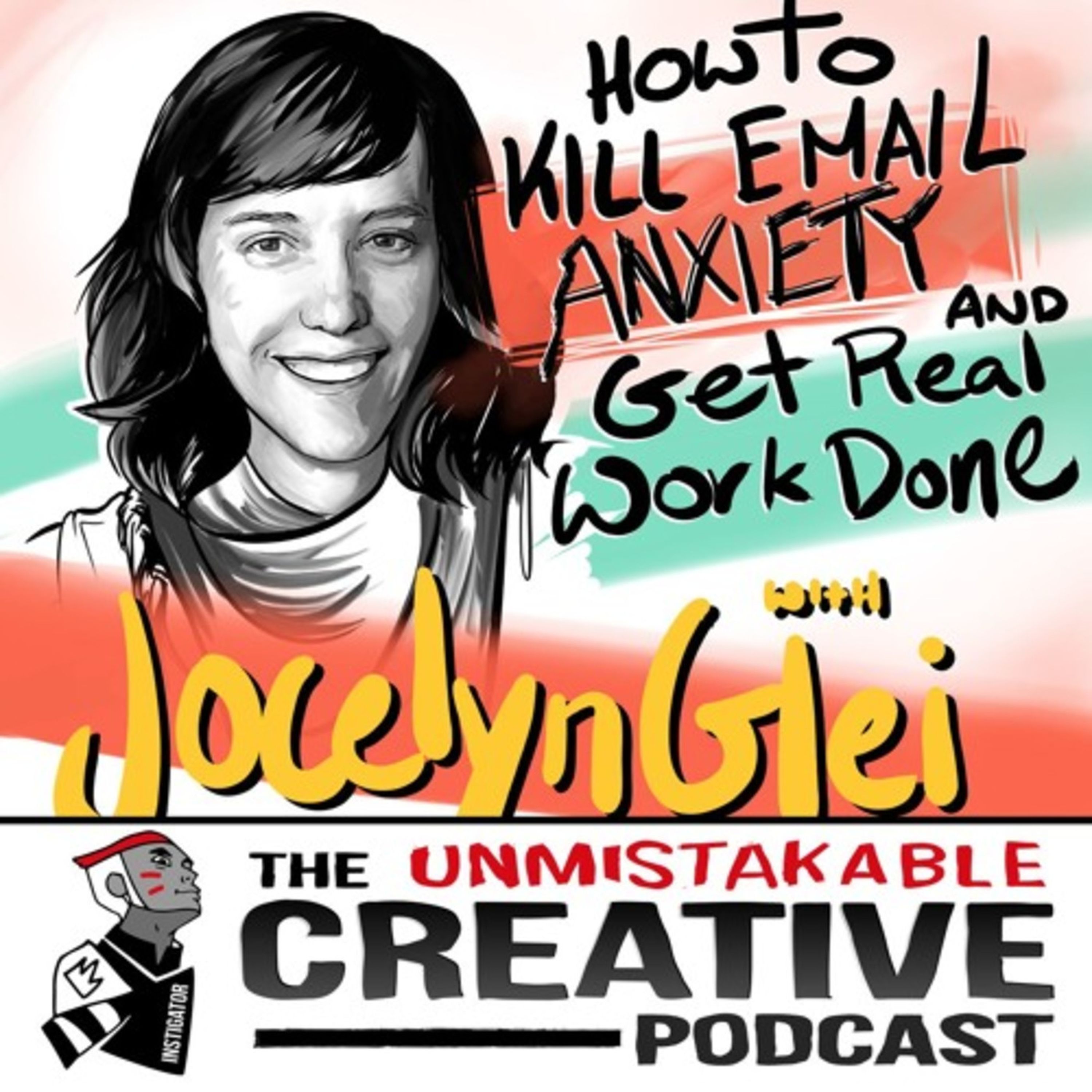
How To Kill Email Anxiety and Get Real Work Done with Jocelyn Glei
In this episode of Unmistakable Creative, we delve into the world of email anxiety with renowned author and creativity expert Jocelyn K. Glei. Jocelyn likens our email inboxes to a slot machine filled with a mix of disappointments and random rewards that keep us hooked. She discusses the psychological mechanisms that drive our email-checking habits and offers insights into how we can break free from this addictive cycle.Jocelyn K. Glei, a writer with a deep fascination for work, careers, and creativity, is the author of four books, including the highly acclaimed 'Unsubscribe: How to Kill Email Anxiety, Avoid Distractions, and Get Real Work Done.' In this episode, she shares her expertise in managing email anxiety, setting boundaries, and prioritizing meaningful work over busy work.This episode is a must-listen for anyone struggling with email overload and seeking strategies to regain control over their inbox. Discover how to transform your relationship with email from a source of stress to a manageable part of your daily routine. Tune in to learn how to kill email anxiety and boost your productivity. Hosted on Acast. See acast.com/privacy for more information.
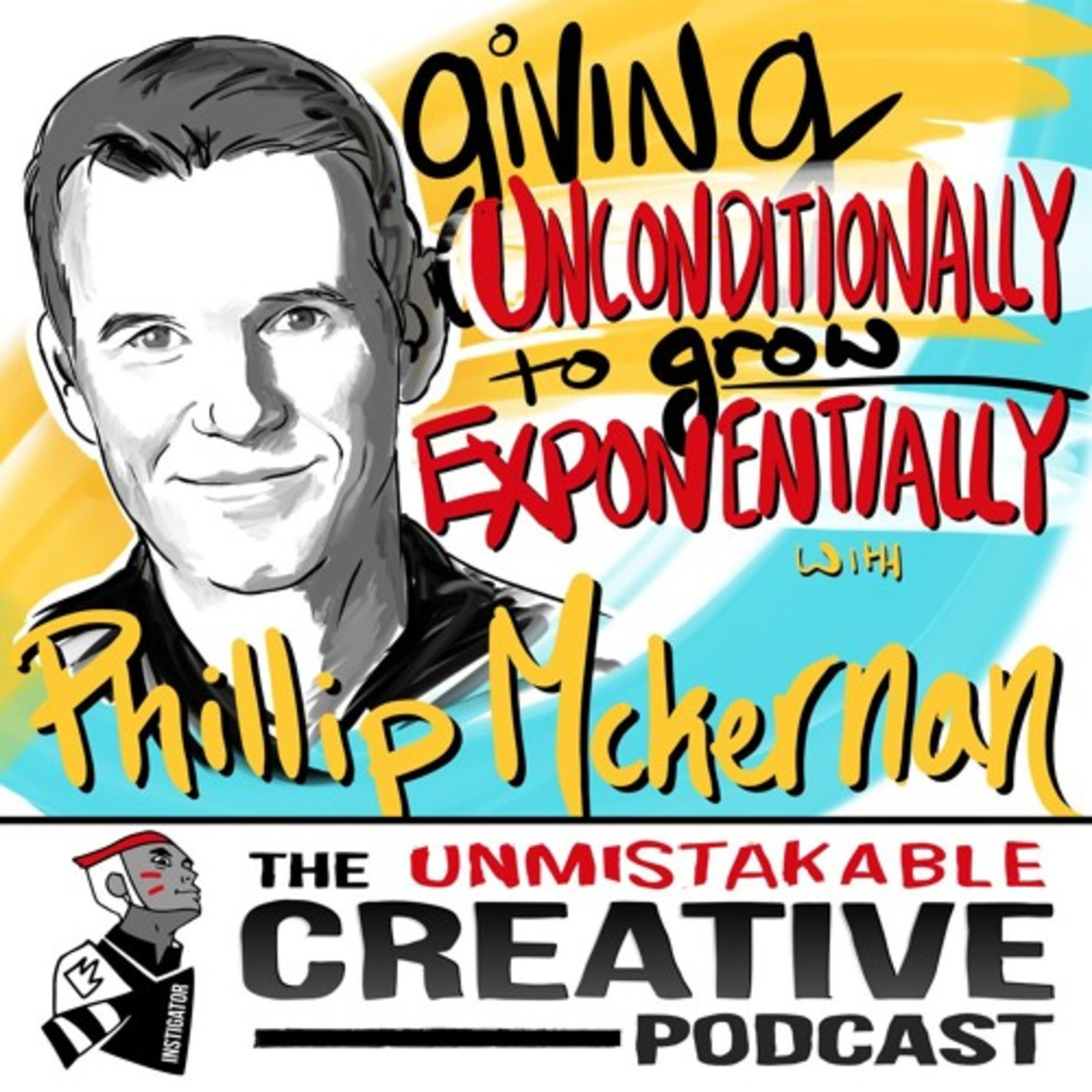
Giving Unconditionally to Grow Exponentially with Phillip Mckernan
Unleash the power of unconditional giving with Phillip Mckernan on the Unmistakable Creative podcast. This episode delves into the profound impact of giving without expecting anything in return. Mckernan, a renowned speaker, coach, and creator of the film 'Give and Grow: A Journey to Uncover Your Gift,' shares his insights on the transformative power of unconditional giving.He discusses the tragedy of self-doubt and the importance of believing in oneself. Mckernan emphasizes that we often underestimate our potential to make a difference in the world. He also explores how people create chaos and distractions to avoid realizing their true selves. This episode is a must-listen for anyone seeking to understand the power of giving unconditionally and its exponential growth potential.Join us as we delve into the heart of unconditional giving, its impact on personal growth, and how it can help us become the best versions of ourselves. Hosted on Acast. See acast.com/privacy for more information.
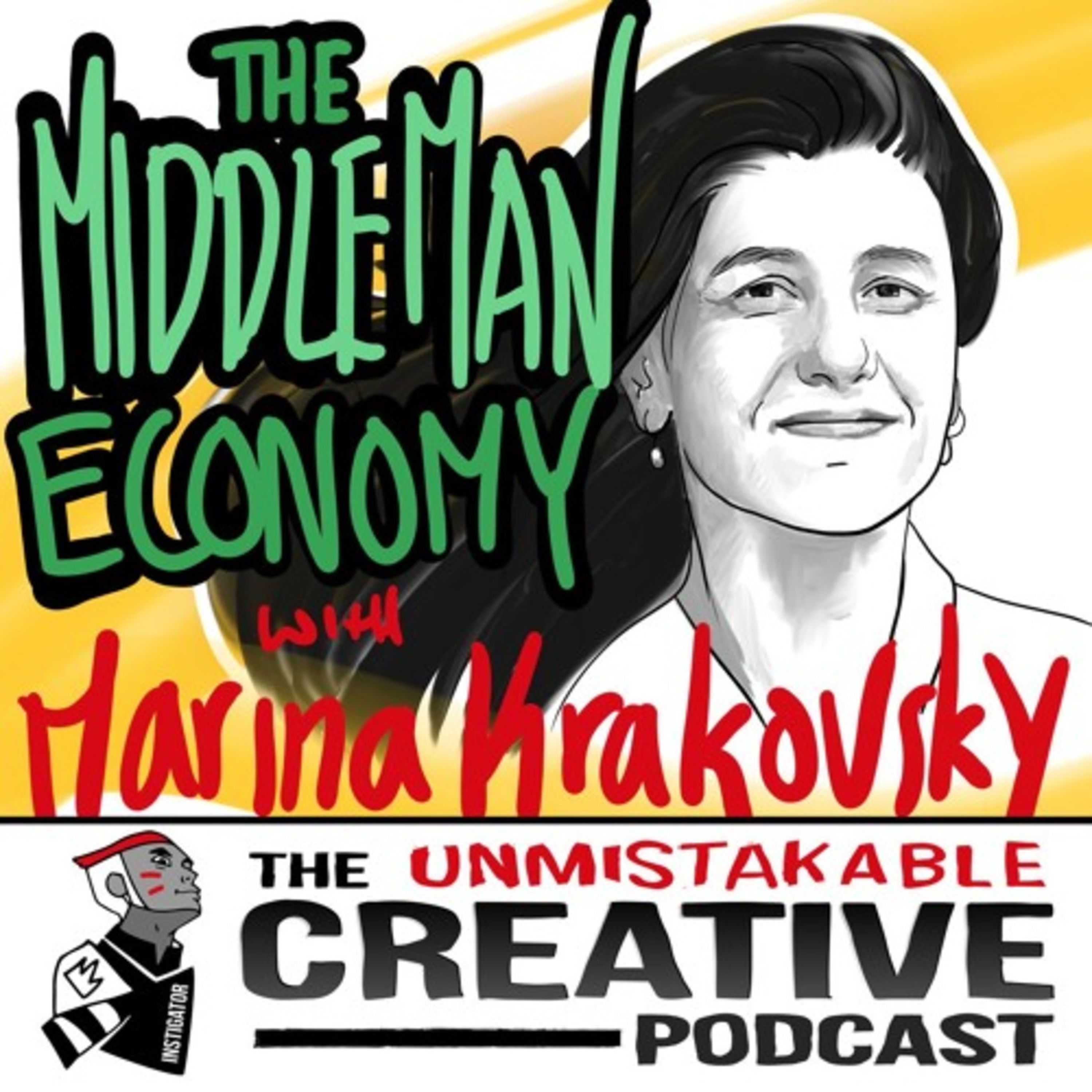
The Middleman Economy by Marina Krakovsky
The way I started thinking about middlemen initially was this very simple definition: the person who connects buyers and sellers in a marketplace. In my reporting I actually came across a more expansive and smarter definition. This came from a VC in the valley named Mike Maples. And he says “a middleman in a network is that node in a network that connects other nodes to increase the value of the network.” That’s looking at it from a more positive view and it’s obviously a network view. It’s really looking at the value of the person who is making those connections because not all middlemen can create value or can increase the value of the network. Even if they do they don’t necessarily help both parties enough to justify their cost. I really like that positive angle. Also, it’s so expansive that it goes beyond buyers and sellers. If I know somebody who I think you should meet, I can make that introduction. I’m a middleman who has improved the value of my network by making both people hopefully better off. – Marina KrakovskyMarina Krakovsky is a social science and business journalist with a degree from Stanford University, and author of The Middlemen Economy Hosted on Acast. See acast.com/privacy for more information.
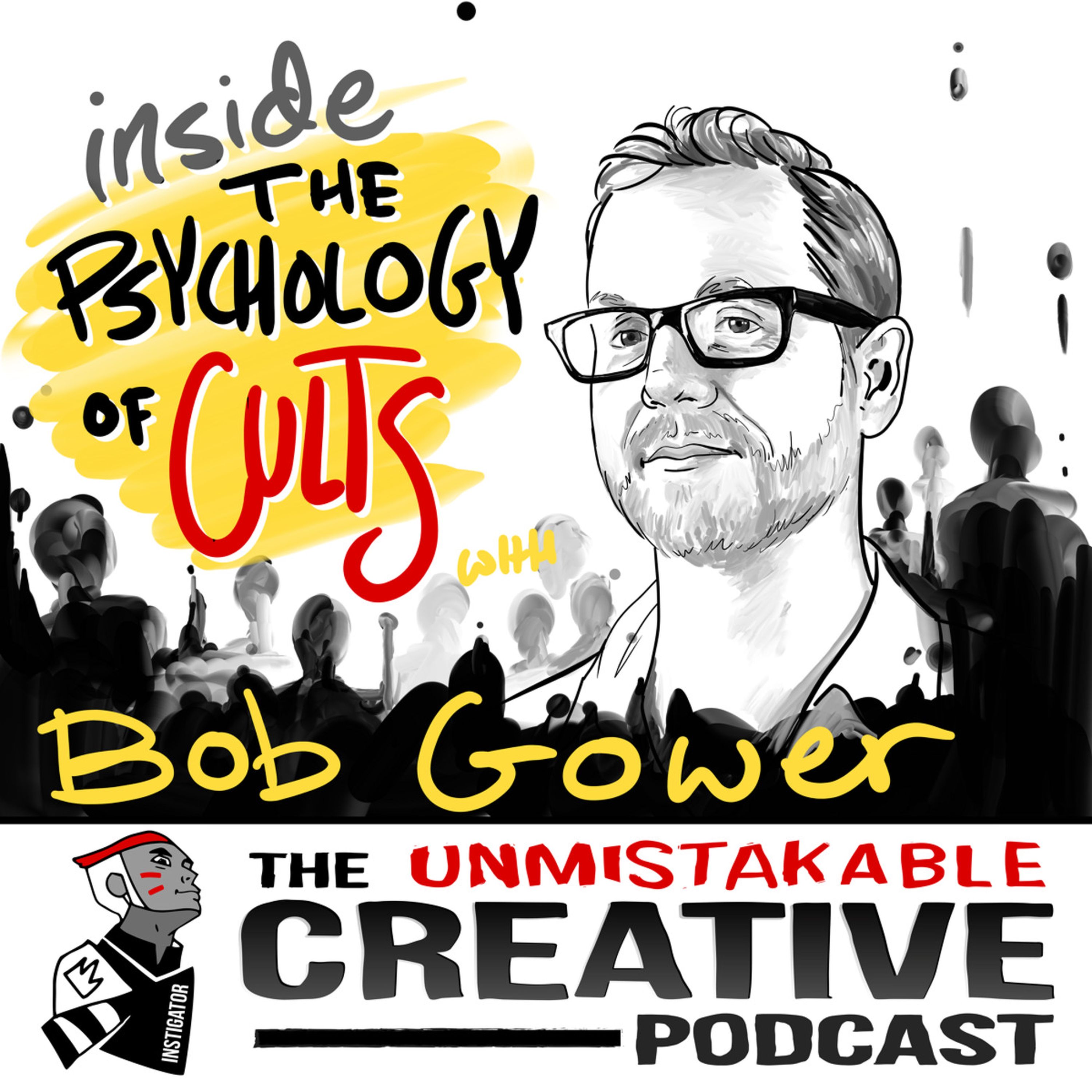
Inside the Psychology of Cults with Bob Gower
In classic cult psychology or cult literature, there’s really two characteristics to a cult. First is that it’s ideologically intense and of course that can describe a lot of organizations. Everything from say something like the Landmark forum to the United States of America. We have an ideology that sits behind the organization. In order to be a part of the US government you have to adopt a certain kind of ideology. There’s this idea that we have an ideology. And cults for that reason pray on people like myself who really want to make the world a better place, want to change the world or feel dissatisfied in some way. There can be political cults. There are quite a few of those out there. There can be spiritual cults. There can be even commercial cults. Real estate is apparently a really common place right now where you find people who are learning how to flip houses and do all this stuff. And they began to develop these really intense ideology around how they approach the world and how they see the world. – Bob GowerSince 2010, Bob Gower has been a coach and consultant, helping apply agile and lean principles at companies like Ford, Travelers, SunTrust, and GE. Hosted on Acast. See acast.com/privacy for more information.
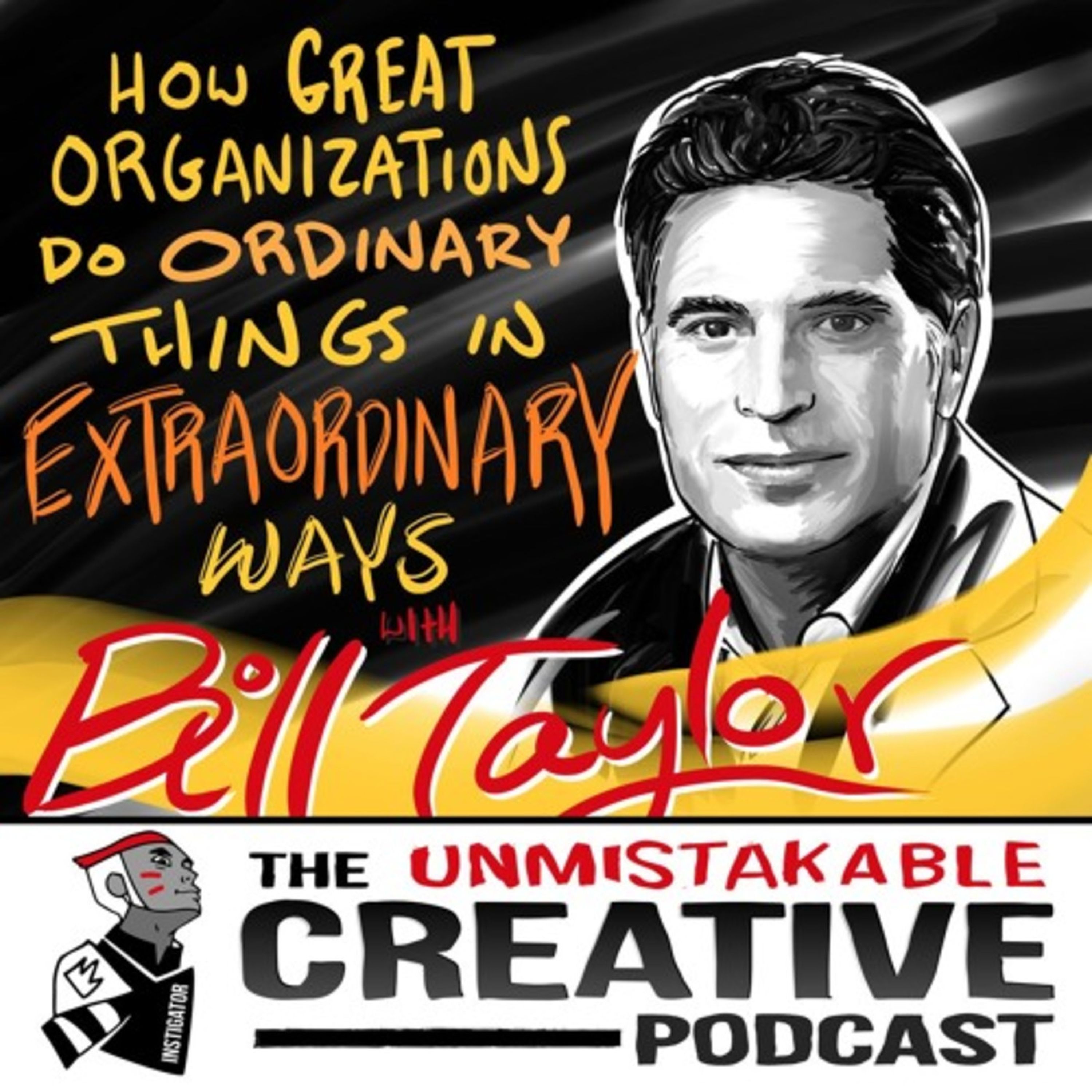
How Great Organizations do Ordinary Things in Extraordinary Ways with Bill Taylor
I’ve become absolutely convinced, when we look at how innovation happens inside organizations or how individuals come up with interesting ideas, where such powerful insights come from the most unexpected places. And the way leaders increase the chances for those insights or innovations to happen is when they can put lots and lots of people from lots of different backgrounds, experiences and perspectives together. And develop this architecture of participation where people who wouldn’t otherwise be talking or otherwise wouldn’t be on a project team, people who otherwise wouldn’t be in the same room are in fact in the same room. It’s amazing the kind of insights that can pop out. I think that way of going through life is a much more enriching and rewarding way of going through life. – Bill TaylorBill Taylor is the co-founder of Fast Company and the author of Simply Brilliant: How Great Organizations do Ordinary Things in Extraordinary Ways. Hosted on Acast. See acast.com/privacy for more information.
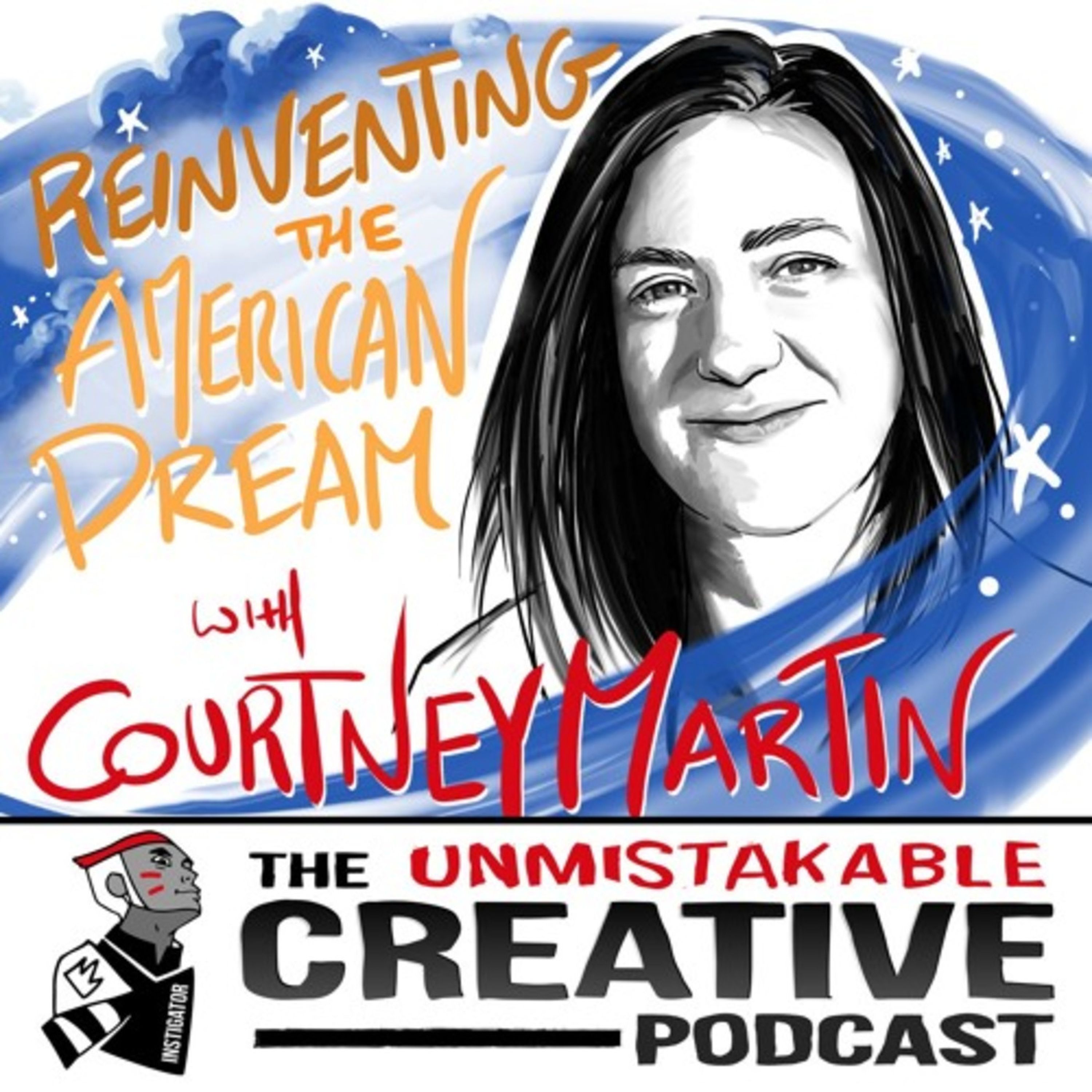
Reinventing the American Dream with Courtney Martin
In terms of of the new definition of success, at its most basic we have previously defined the American dream as one individual creating wealth. And usually we define that monetarily, for themselves and their family. So this is everything from the white picket fence and all of your needs are met within it to having a job that has a very clear trajectory, straight up the ladder, and you get all the glory and it’s all about your individual hard work and giftedness. I think that what i’m trying to argue for is breaking apart that whole idea that success is an individual pursuit and instead thinking of success as interdependent pursuit that is about the quality of life that you can create by doing work that you find meaningful that allows you to earn enough money by creating community around you, whether that’s where you live or in cowering spaces, but really having this sense that wealth is most accurately expressed through your relationships. The more people that you have deep, genuine and even daily relationships with, the safer you’ll be and probably the healthier and happier you’ll be too. – Courtney Martin Resources and Links MentionedCourtney’s TED TalkHow to be a Person in the World by Heather HavrileskyCourtney Martin is an entrepreneur, columnist at On Being and author of The New Better Off: Reinventing the American Dream Hosted on Acast. See acast.com/privacy for more information.
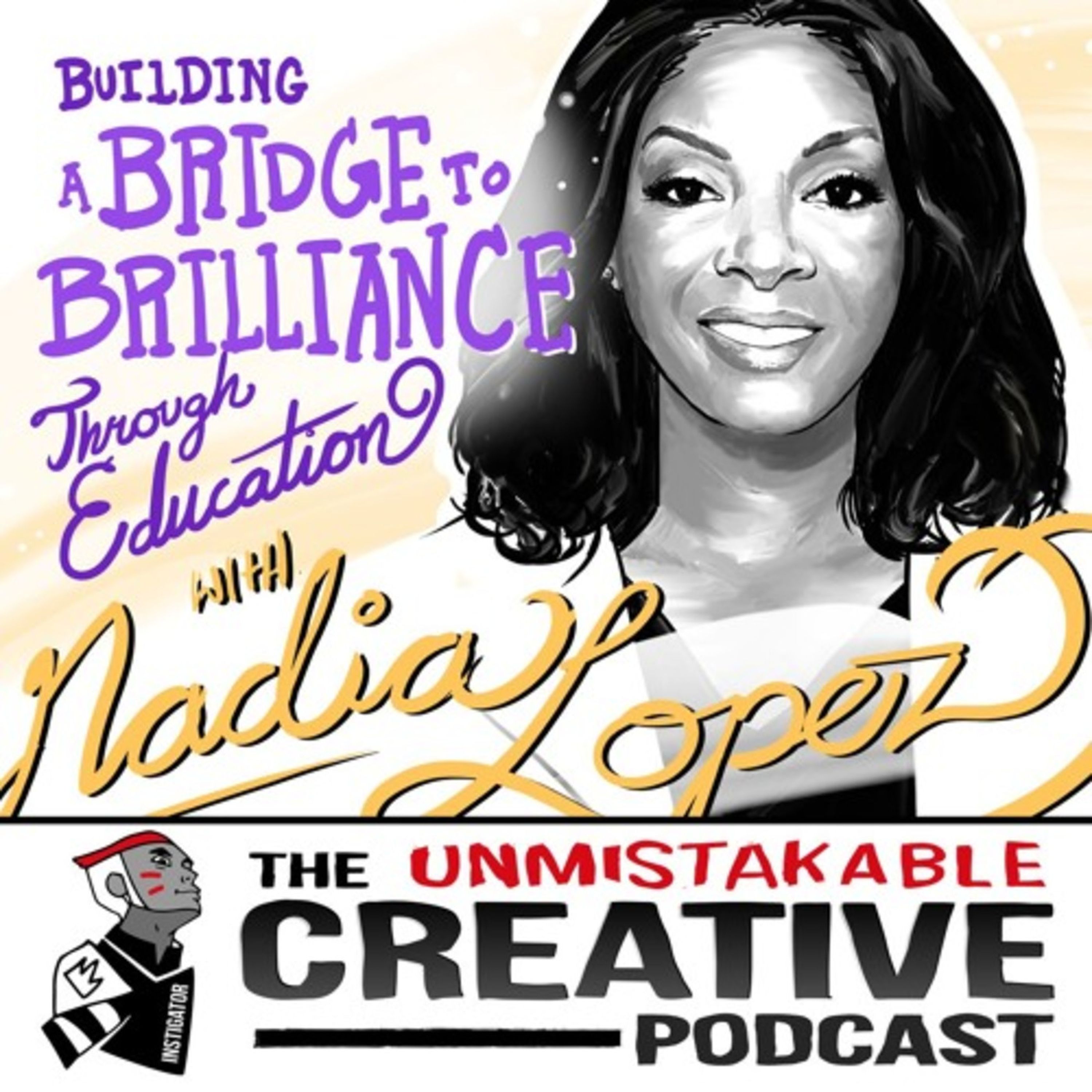
Building a Bridge to Brilliance Through Education with Nadia Lopez
At the core, any community around this world, if you do the simple things that require the human element of caring, loving and being present, it shifts the dynamic and trajectory for the lives of children. And that’s what I do for these kids, just offering hope in a state of what’s considered helpless. – Nadia LopezSponsorsHostgator hosts your website. As you have heard on the show, you can get a 30% discount on the hosting of your next creative or business project’s website hosting by clicking here.As an educator, Nadia Lopez is pioneering a path of inspired leadership to show the world how under-privileged communities can make beat the odds and create positive institutions that have a global impact. She’s the principal of Mott Hall Bridges and the author of The Bridge to Brilliance. At the core, any community around this world, if you do the simple things that require the human element of caring, loving and being present, it shifts the dynamic and trajectory for the lives of children. And that’s what I do for these kids, just offering hope in a state of what’s considered helpless. – Nadia LopezSponsorsHostgator hosts your website. As you have heard on the show, you can get a 30% discount on the hosting of your next creative or business project’s website hosting by clicking here.As an educator, Nadia Lopez is pioneering a path of inspired leadership to show the world how under-privileged communities can make beat the odds and create positive institutions that have a global impact. She’s the principal of Mott Hall Bridges and the author of The Bridge to Brilliance. Hosted on Acast. See acast.com/privacy for more information.