The Pulse
220 episodes — Page 2 of 5

When Should Patients Decide for Themselves?
As patients, we often wonder what our role should be when it comes to getting better. Should we research options, get second opinions, and ask lots of questions? Or should we sit back, and let the health care professionals take charge? When does it make sense to push, and when is it best to do less?On this episode, we examine our role as patients, the choices we make, and charting our path toward better health. A reporter gets a wake-up call while looking into diabetes rates among Latinos in Oklahoma, we hear about one woman’s choice to forgo cancer treatment — and how her family and doctors responded, and we explore a controversial proposed diagnosis for severe, long-term anorexia. SHOW NOTES: First Juliet Wayne's brother died from cancer — then her long-term partner broke up with her. That was followed by a deep depression; and then, the nightmares started. We talk with Wayne about how these nightmares affected her life, why doctors said she couldn't take a drug designed to stop them, and how a chance encounter finally led her to relief. Historian Joy Lisi Rankin talks about her mother’s choice not to pursue treatment for breast cancer — and how Rankin’s own experience years later with breast cancer treatment changed how she felt about her mother’s choices. You can read Rankin’s essay about her mother at Stat News. Anorexia has one of, if not the, highest mortality rates of any mental illness, with a relatively low recovery rate. Patients and their families suffer deeply from this illness, which can last for decades. In 2022, a paper proposed a new and controversial diagnosis: terminal anorexia. Reporter Elizabeth Zwerling tells the story of how this diagnosis came to be proposed, and the difficult conversations it kicked off in the world of eating disorder treatment.

Searching for the Truth — and Finding Unexpected Answers
In 1973, Stanford psychologist David Rosenhan published a bombshell paper called “On Being Sane in Insane Places.” In the paper, Rosenhan described faking symptoms to be admitted to a psychiatric hospital, and recruiting several other pseudo patients to do the same. Could staff tell they were faking? What was it like to be a patient in an institution? The “Rosenhan experiment,” as it came to be known, created a major stir, sparking public debates over the validity of psychiatric diagnoses and contributing to a shift away from institutionalization. Decades later, when journalist Susannah Cahalan began looking into the experiment, she made a startling discovery about Rosenhan’s famous research; he had made up most of it.On this episode, we explore what happens when long-held narratives are upended. For the first time, we hear the voices of the pseudo patients who participated in the famous study, and find out why Cahalan was so passionate about finding them. We’ll also hear a story about one woman’s decades-long search to investigate the Oklahoma City bombing that killed her two grandsons.SHOW NOTES: The reason Susannah Cahalan was so interested in the Rosenhan experiment was personal — she had her own brush with the mental health system. Check out this week’s edition of KQED's Snap Judgment, where she tells that story. It starts with Cahalan waking up in a hospital room, and having no idea why she’s there. Kathy Sanders’ grandsons, Chase, 3, and Colton, 2, were killed in the Oklahoma City bombing on April 19, 1995. Sanders felt numb with grief and sadness — but soon, another emotion crept in: doubt. She felt that the federal investigation was dropping leads, and not pursuing important clues. Reporter Grant Hill talks with Sanders about what she found in her own investigation, and why, 30 years later, she’s still looking for the truth.
Inside the Hidden Wonders of the Shrinking Arctic
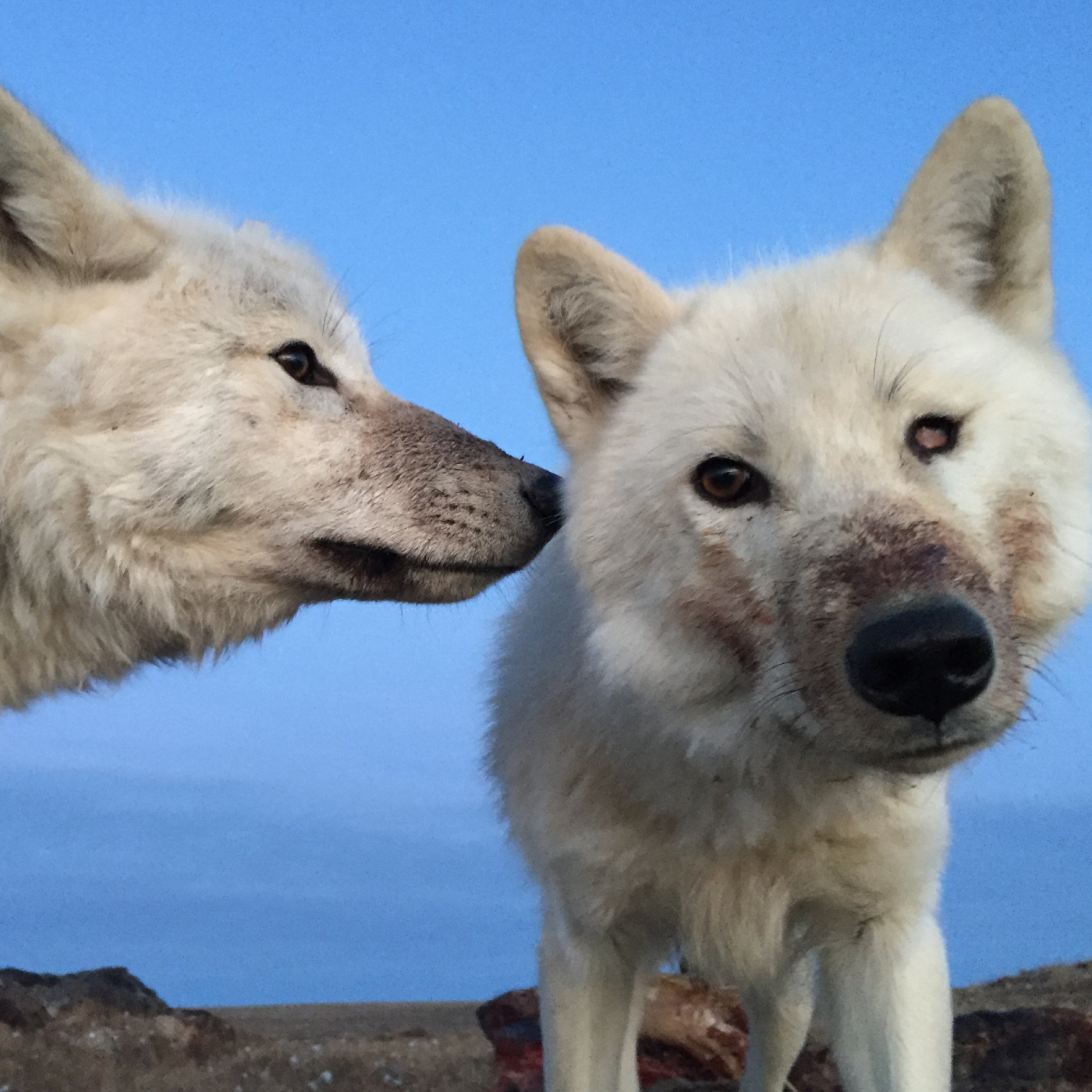
Over the course of 20 years, writer Neil Shea explored the awe-inspiring landscape of the Arctic. He saw narwhals poking their tusks above the water, herds of caribou moving across the tundra, and majestic white wolves raising their young. He documents this fragile beauty in his new book, “Frostlines.” We talk to Shea about his adventures, and how climate change is transforming the region.

Why Nurturing Connection is Good for Your Health
So often, our relationships take a backseat to everything else on our to-do lists — but new research shows that nurturing personal connections plays a central role in our health and well-being. On this episode, we explore the science of connection, from why it’s important, to how we can make it a priority in our lives.

What Science Says About How Much Our Food Choices Matter
Ahead of Thanksgiving, we do a deep dive into what we actually know about diet, and what we should and shouldn’t be eating. We talk with a nutrition and metabolism scientist about recent diet trends and how they affect our health, hear from several chefs about how they balance nutrition and taste, and find out how the avian flu outbreak could be affecting this year’s turkeys.
How to 'Engineer' Your Dreams and End Nightmares
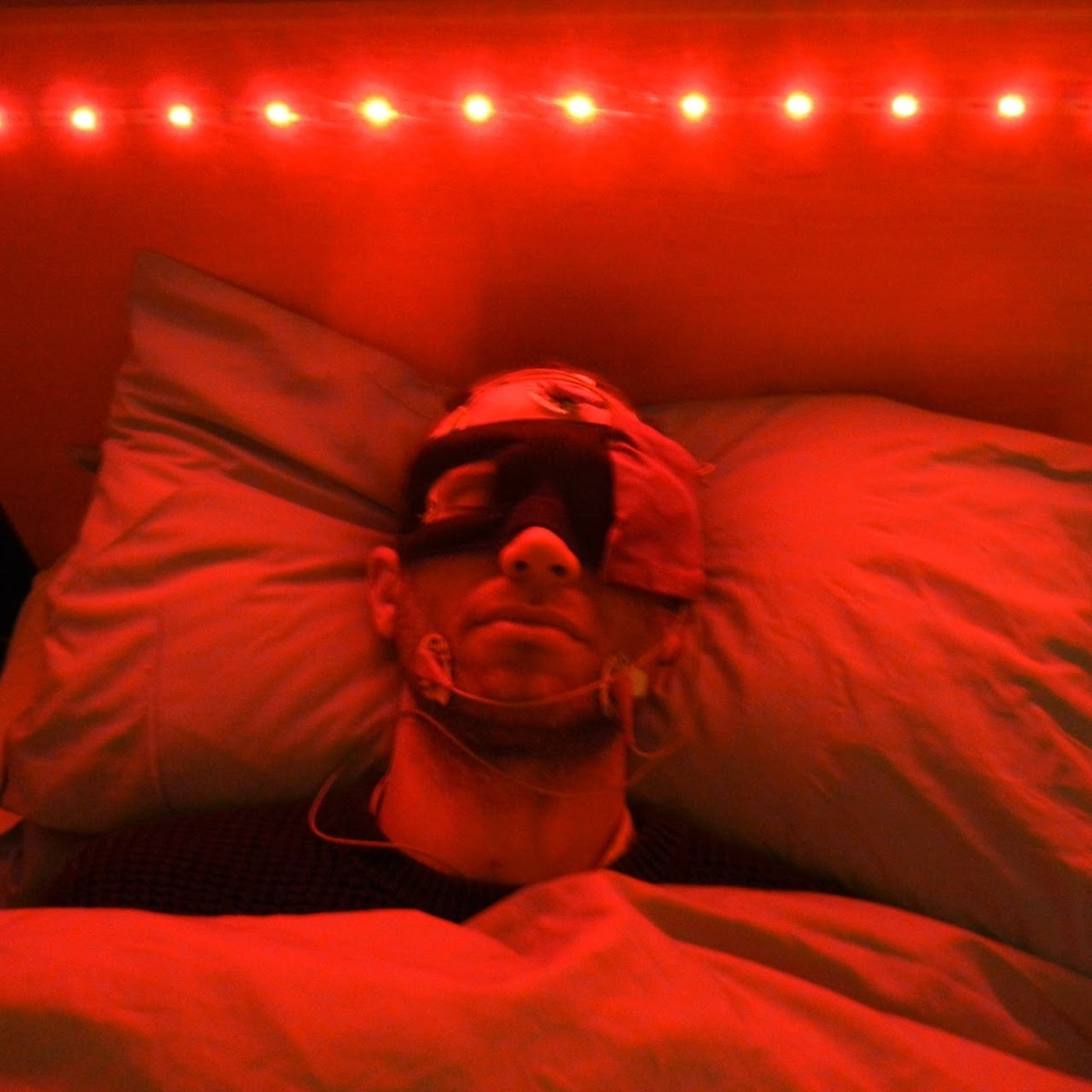
How do our dreams connect to health, and how could “dream engineering” help people get over nightmares? Researcher Michelle Carr writes about that in her new book “Nightmare Obscura: A Dream Engineer's Guide Through the Sleeping Mind.” We talk with Carr about why we dream, the benefits of lucid dreaming, and what she’s learning about our ability to “engineer” our dreams.
How Chatbots Make Us Feel
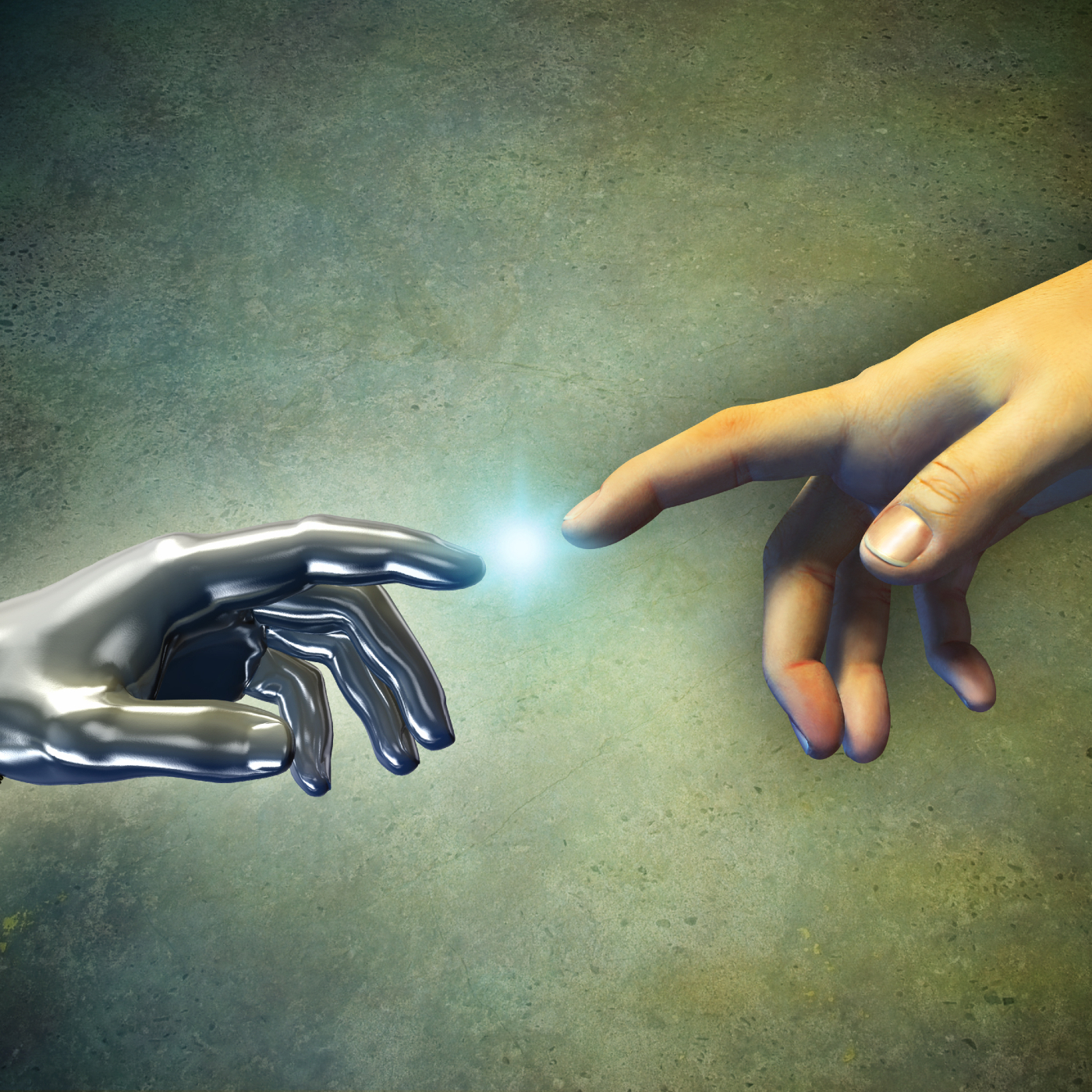
Chatbots don’t have feelings of their own, but they’ve been stirring plenty of emotions in us humans. On this episode, we explore how AI is making us feel, and what those feelings say about us. We hear about using ChatGPT for DIY therapy, what kinds of personalities we prefer in our chatbots, and how both the market and online culture is responding to the spike in AI-generated content.
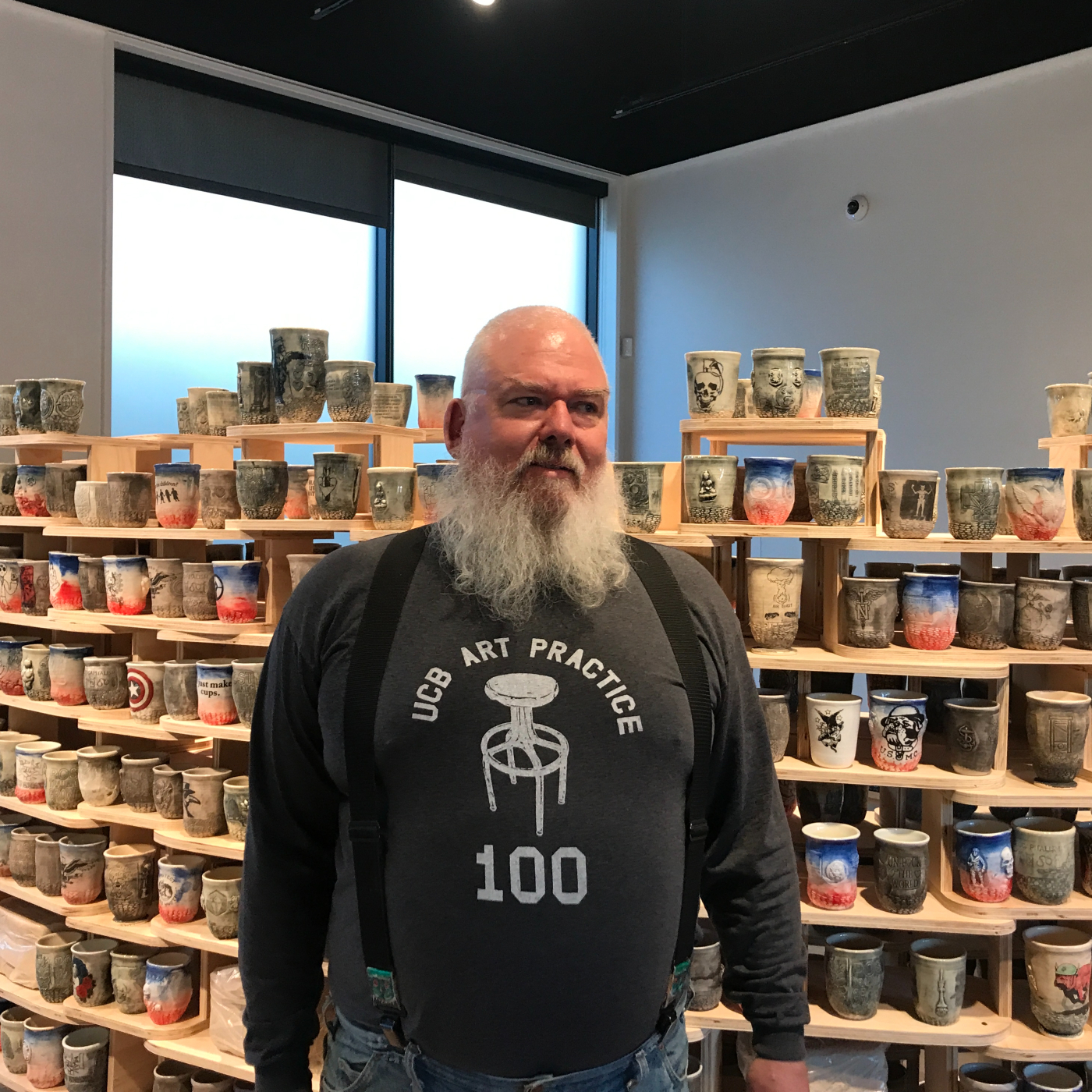
How Veterans Find Healing After War
On this Veterans Day episode, we explore the invisible wounds of war — and the different paths veterans take to heal them. We talk with a Marine Corps vet about how ceramics helped him reconnect with civilian life, a retired Navy SEAL about his experience with psychedelic-assisted therapy, and a Vietnam vet who, decades after the war, found peace in an unexpected place.

Cybercrime and How Hackers Prey on Human Nature
Cybercrime has been around for as long as computers have — but over the past 20 years, it's exploded into a global threat, with staggering financial, political, and even personal consequences. On this encore episode, we hear about the virus that ushered in the age of social engineering attacks, the history of cybercrime, and what led one man to become a hacker.
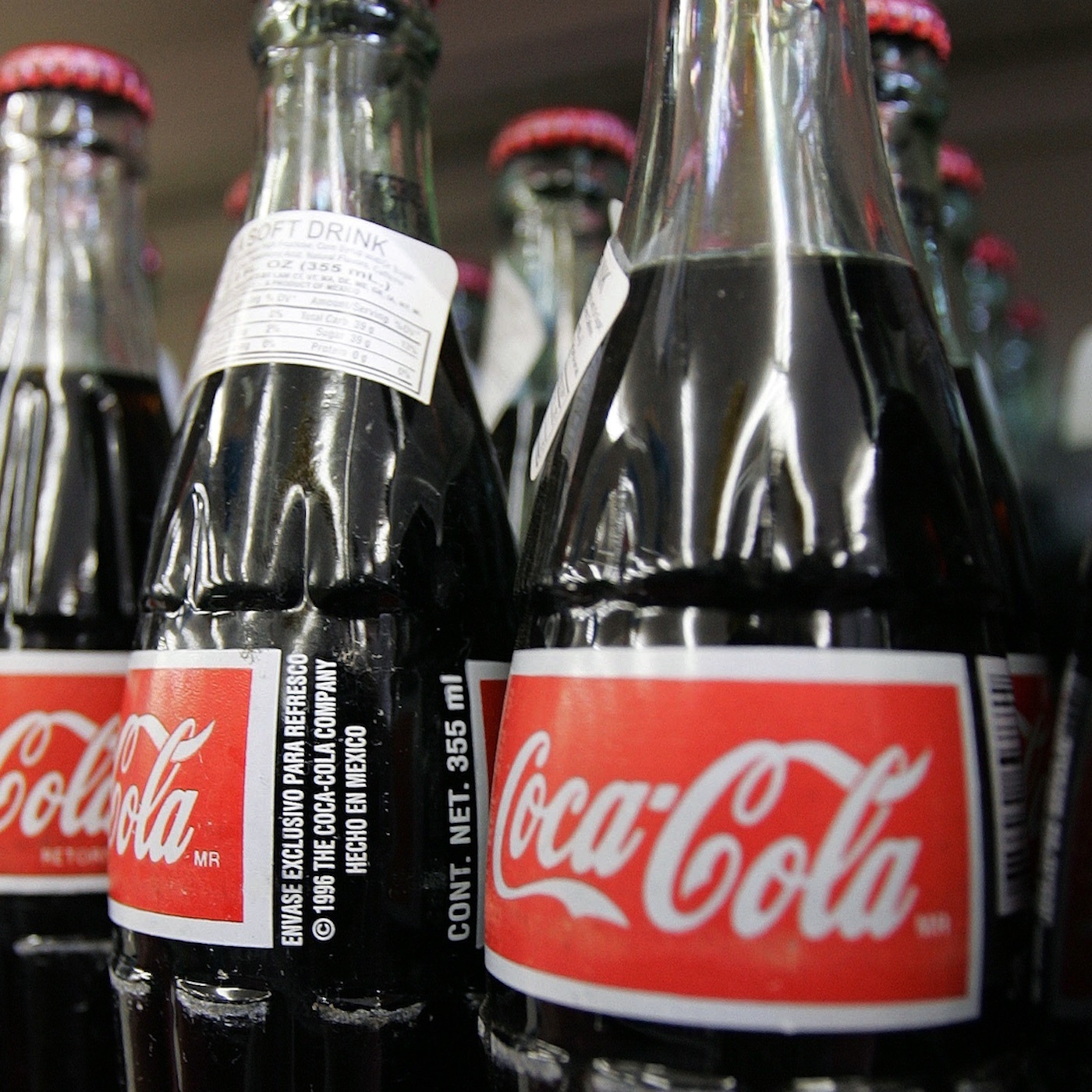
Coca-Cola and a Secret Research Operation Meant to Exonerate Sugar
Coca-Cola is launching a cane sugar version of its classic soda in the U.S. after President Donald Trump urged a switch from high fructose corn syrup. The effort supports the administration's “Make America Healthy Again” initiative — but many experts argue that it won’t make a difference. On this episode, journalist Murray Carpenter discusses his new book, Sweet and Deadly: How Coca-Cola Spreads Disinformation and Makes Us Sick.
Searching for Ghosts: The Quest to Prove the Paranormal
Ghosts seem far out of the realm of science. But small groups of investigators remain committed to proving — or disproving — the existence of paranormal phenomena. On this episode, we find out what motivates these investigators, and we’ll hear about a lab on the UCLA campus that studied paranormal activities.
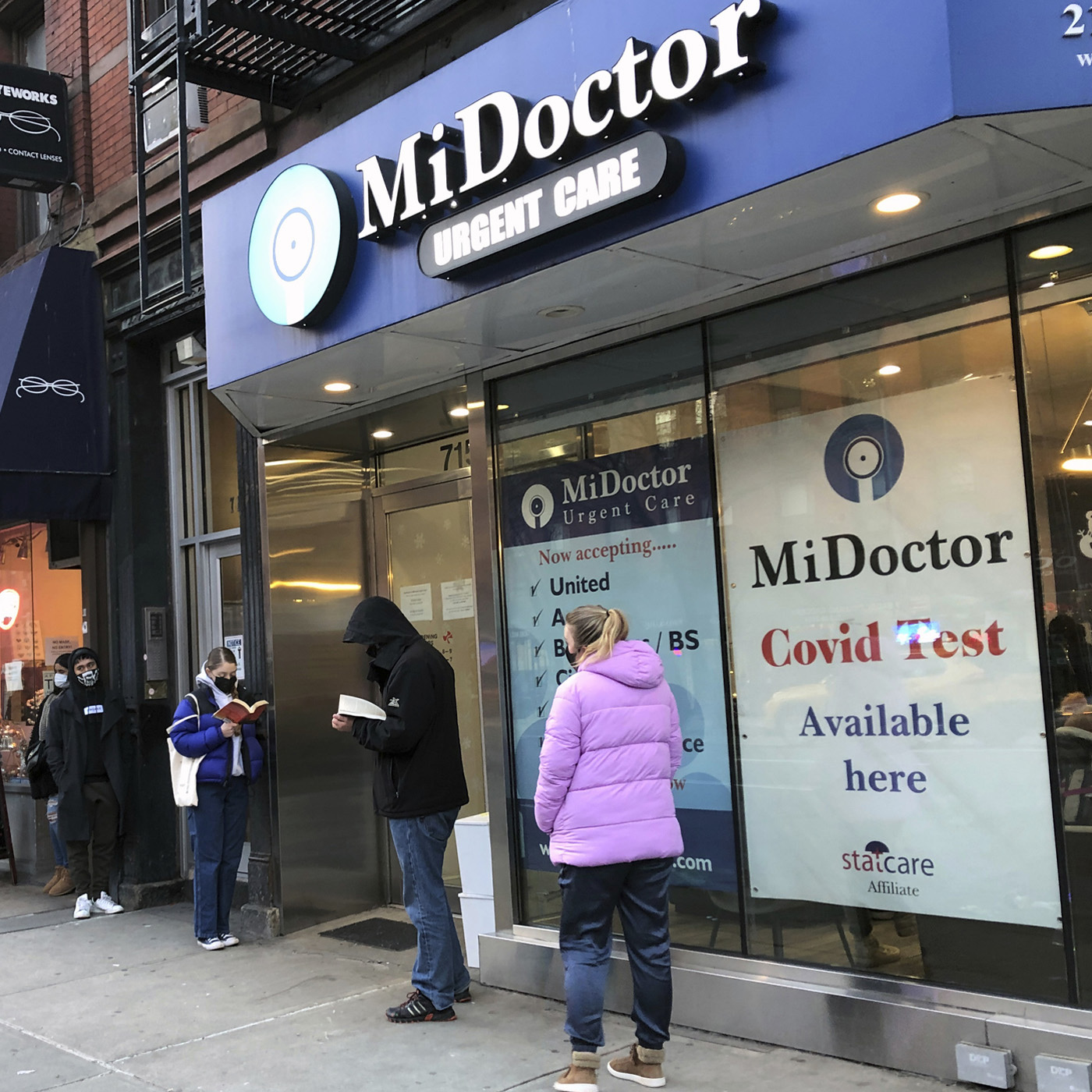
Inside the Boom of Urgent Care: How It’s Changing American Medicine
If it feels like urgent care centers are everywhere these days — that’s because they are. Over the past decade, they’ve exploded in popularity, offering a quick and convenient alternative to long waits at the ER, and even longer waits to see your primary care provider. On this episode, we explore the rise of urgent care, from the role of private equity to its impact on patient care.
How David Fajgenbaum Found His Own Treatment & Launched Every Cure
What if treatments or even cures for devastating rare diseases already existed — and were just waiting to be discovered? On this podcast extra, we dive into the extraordinary journey of physician and researcher David Fajgenbaum, cofounder of Every Cure. After facing death five times due to a rare illness called Castleman Disease, Fajgenbaum not only discovered his own treatment, but also launched an ambitious project using AI to unlock existing drugs for countless other conditions. He has a new TED Talk and was recently featured in Time Magazine’s list of “The World’s Most Influential Rising Stars.” Fajgenbaum’s life is also the subject of an upcoming movie based on his memoir “Chasing My Cure.” Listen to his incredible story of resilience, the profound lessons he’s learned from living in "overtime," and how his work is already saving lives by repurposing treatments hiding in plain sight.

Finding Focus in the Age of Distraction
We often think of digital distractions, from TikTok to newsfeeds, as a way of giving our brains a break. But in reality, they could be doing the opposite. We talk with psychologist Marc Berman about a better way of restoring our focus — spending time in nature. We also try a dopamine fast, to see if it can really improve our attention spans.
The Search for the Golden Toad and Other Adventures in the Wild
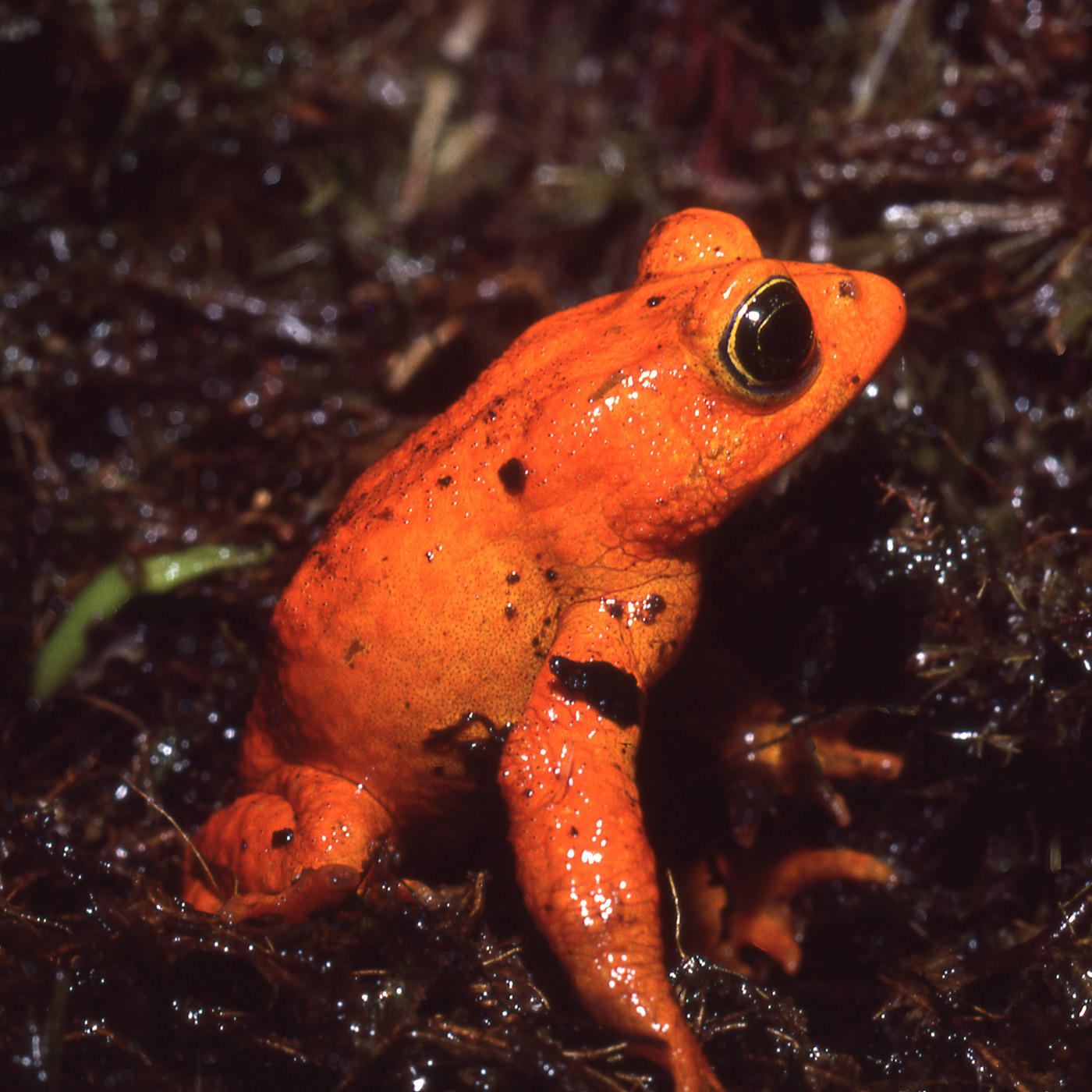
Many adventurers and researchers feel the call of the wild — a force tugging them to explore, climb distant mountains, venture into faraway forests, and discover or rediscover something: a creature, a place, some new clue. On this episode: Adventures in the Wild, featuring the mythical golden toad, raging elephants, and poisonous snakes.
Lessons on Weight Loss from ‘The Biggest Loser’
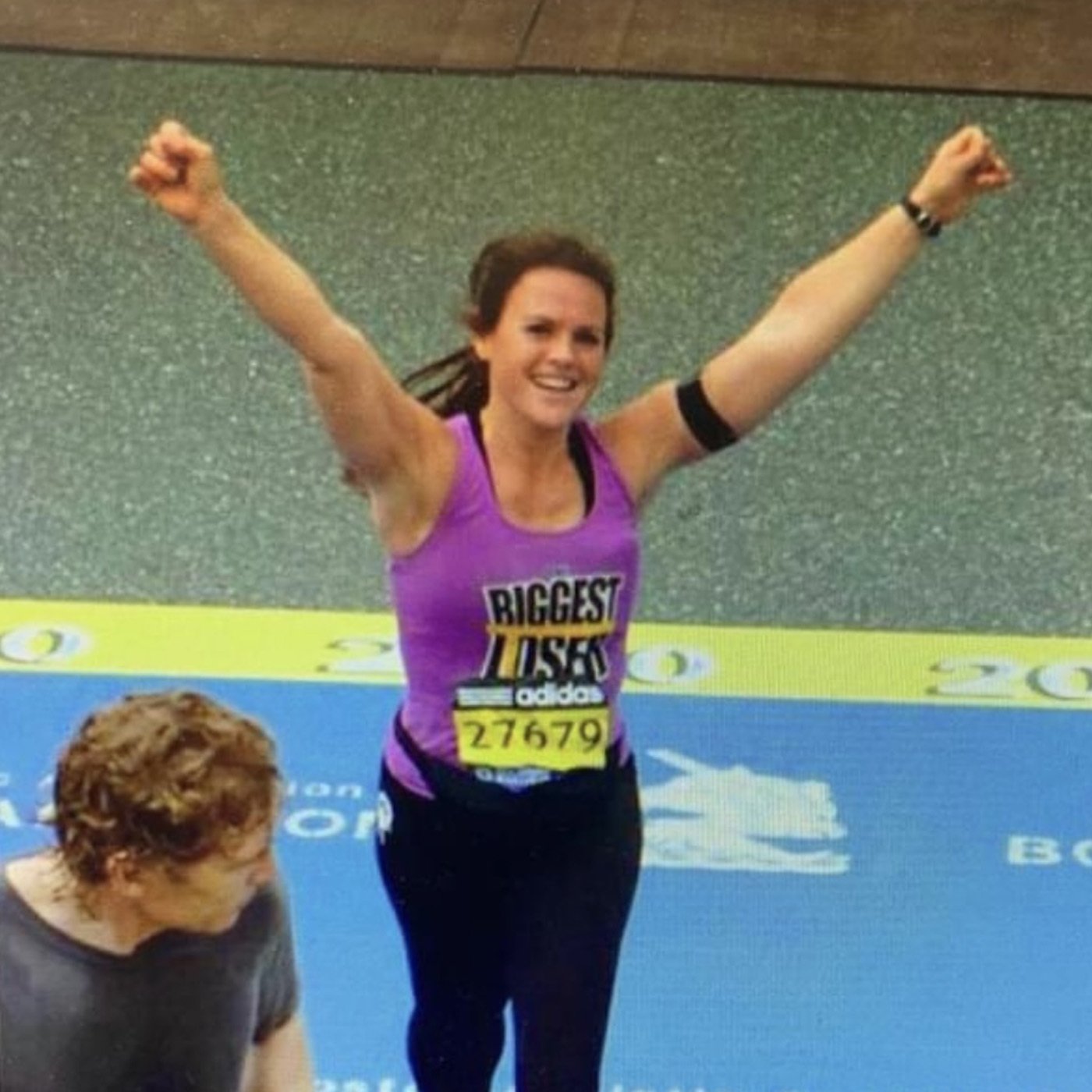
In its heyday, “The Biggest Loser” was one of the biggest shows on TV. But now, nine years after it went off the air, a Netflix docuseries and new book by leading obesity researcher Kevin Hall, are prompting a re-examination of the show’s tactics, and some of the surprising discoveries it led to surrounding metabolism and weight loss.
Different Patients, Different Outcomes
Different Patients, Different Outcomes
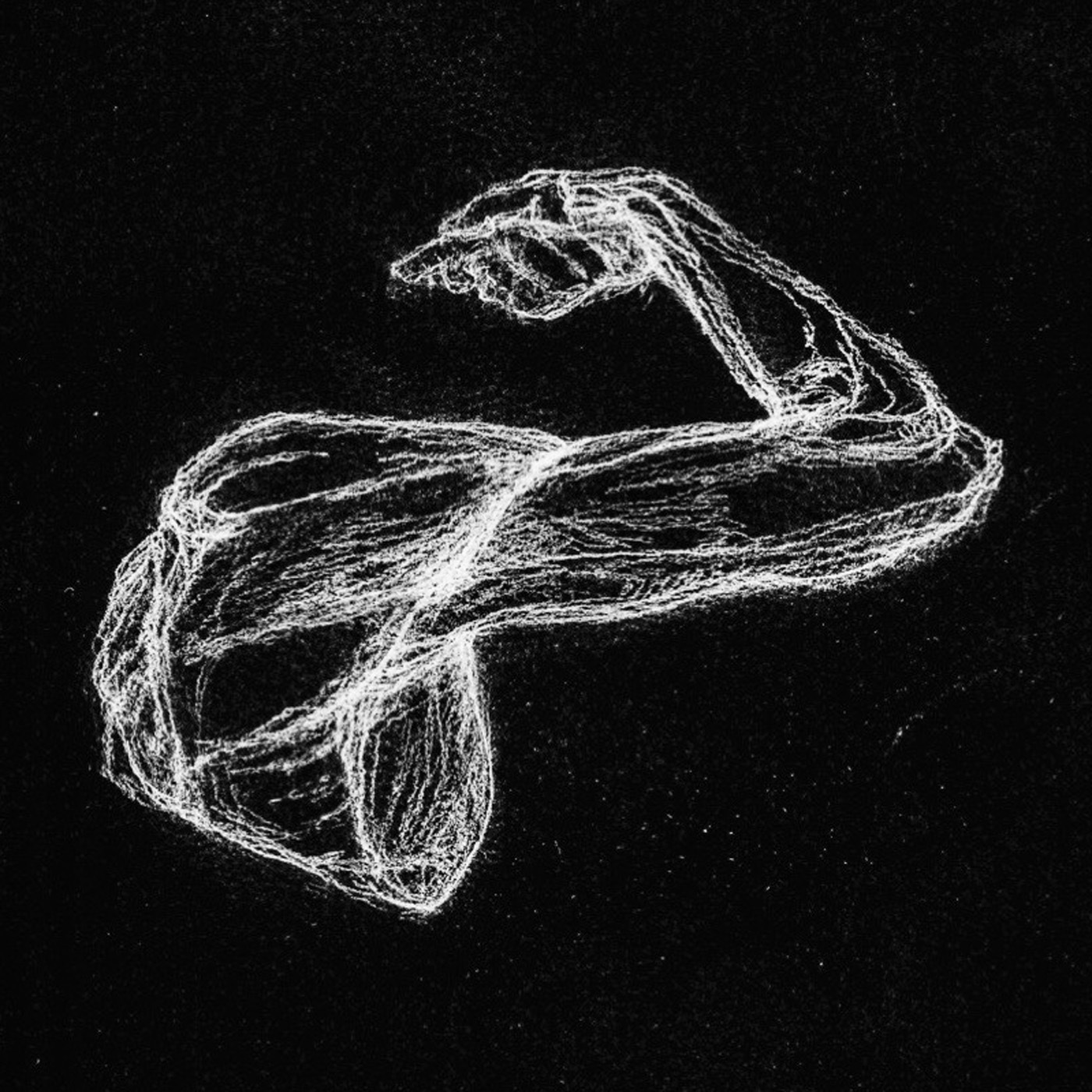
The Science and Beauty of Muscles
Most of us take our muscles for granted, but they play a bigger role in our physical and mental health than most people realize. On this encore episode, we explore their cultural and scientific significance. We hear about the history of weight-lifting, along with how it went from niche hobby to medical treatment, and learn about the intricate biology and beauty of our muscles.
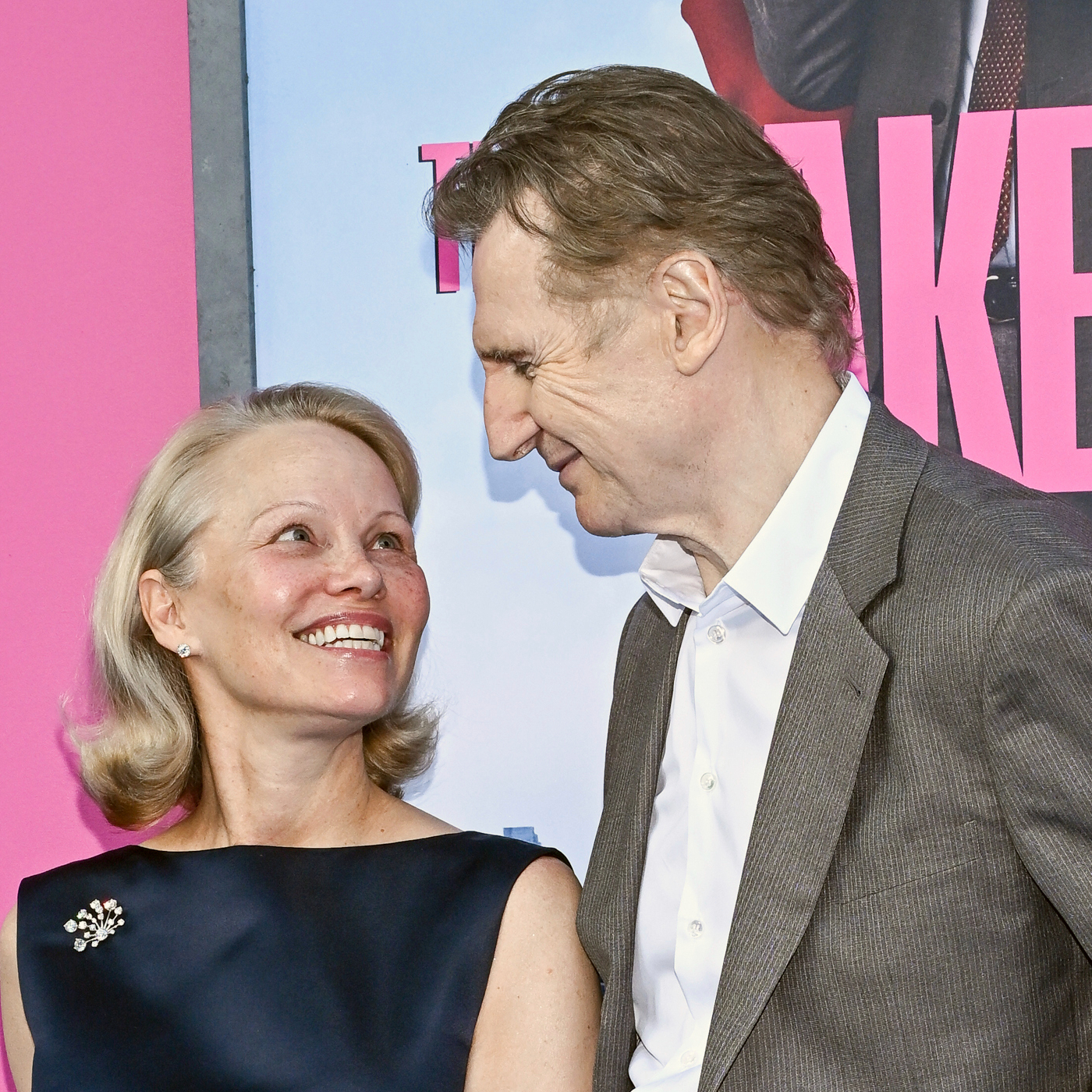
The Science of Attraction and Dating
When we see surprising couples, like Liam Neeson and Pamela Anderson, we can’t help but wonder what brought them together. In this podcast extra, we explore the mysteries of attraction and love. We talk with researcher Paul Eastwick about the idiosyncratic factors that go into attraction, and behavioral scientist Logan Ury coaches us on the science of optimizing online dating.
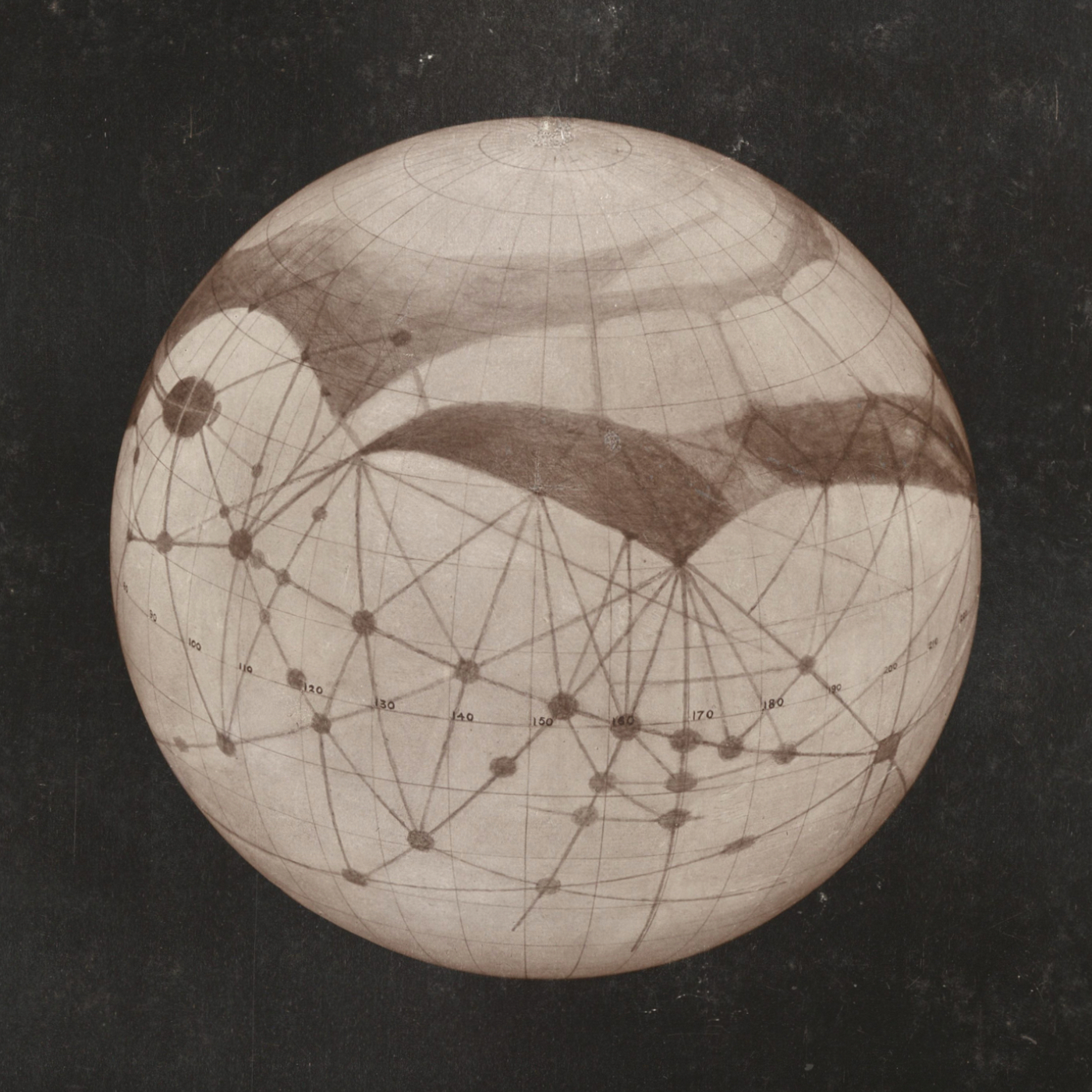
Mars Mania: How America Became Obsessed with Mars
We think of Martians as belonging to the realm of sci-fi — but in the early 1900s, a radical idea swept the nation, scientists included: that Martians weren’t only real, they were intelligent beings with their own sophisticated civilization. On this episode, we hear about the astronomer who pushed “Mars Mania,” and a cautionary tale of what happens when belief trumps science.

Why It’s Time to Rethink Productivity
It seems like we’re all constantly striving to be more productive — to find the right hacks or systems or habits that will allow us to squeeze more from our days. But is maximum productivity really desirable, or are we missing the bigger picture while running on that treadmill? On this episode, we look at productivity — what works, what doesn’t, and how we can redefine it in a changing world.

Back to School in a Rapidly Changing World
It’s back-to-school time, which, for millions of families across the country, means a return to bedtimes, shopping for school supplies, and frantic efforts by kids to finish their summer reading. On this episode, we explore how our fast-changing world is transforming learning and life inside the classroom, from the lingering effects of the pandemic, to the impact of generative AI tools, to the pressures of “Ivy League fever.”Interviews with host Maiken Scott:When COVID-19 hit the U.S. in March 2020, schools across the country closed down — and stayed closed — as part of an effort to stem the pandemic’s spread. At the time, it seemed like the right move for public health — but according to investigative reporter David Zweig, the basis for those closures was a lot shakier than the public knew, the benefits less clear, and the impact on kids more profound than we imagined. He joins us to discuss his new book, “An Abundance of Caution: American Schools, the Virus and a Story of Bad Decisions.”We talk with education reporter Holly Korbey about how the adoption of new technologies — from Smartboards, to laptops, to ChatGPT — are transforming the classroom, and what science has to say about whether those changes are good or bad for learning. Korbey writes The Bell Ringer, a newsletter on the science of learning.
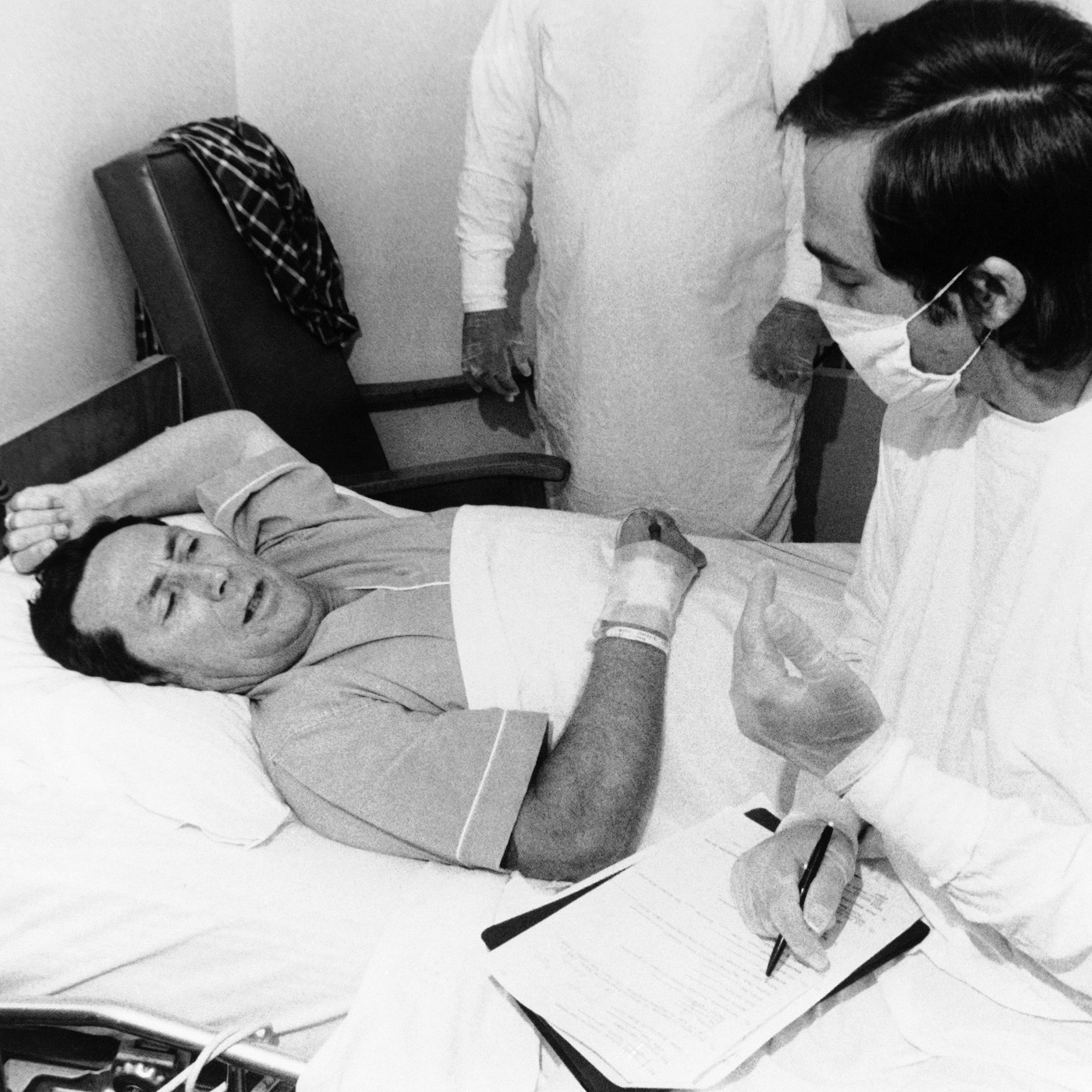
How Scientists Discovered Legionnaires' Disease
In the summer of 1976, when 2,000 people came to Philadelphia for a national convention of the American Legion, a strange illness gripped hundreds of attendees, and more than 30 people died. Symptoms included cough, shortness of breath, and fever. Was it a virus, bacteria, some sort of toxin? A major investigation was launched by the CDC — and the gathering in Philadelphia became forever tied to one of the greatest medical mysteries of our time. Almost 50 years later, reports of Legionnaires' Disease are in the news again. Reporter Elana Gordon tells the story of how scientists — with some serious shoe-leather detective work and a scientific breakthrough — tracked down the origin of this mysterious airborne illness. On this episode, we listen back to her reporting from 2016: Audio Time Capsule: The discovery of Legionnaires’ disease.
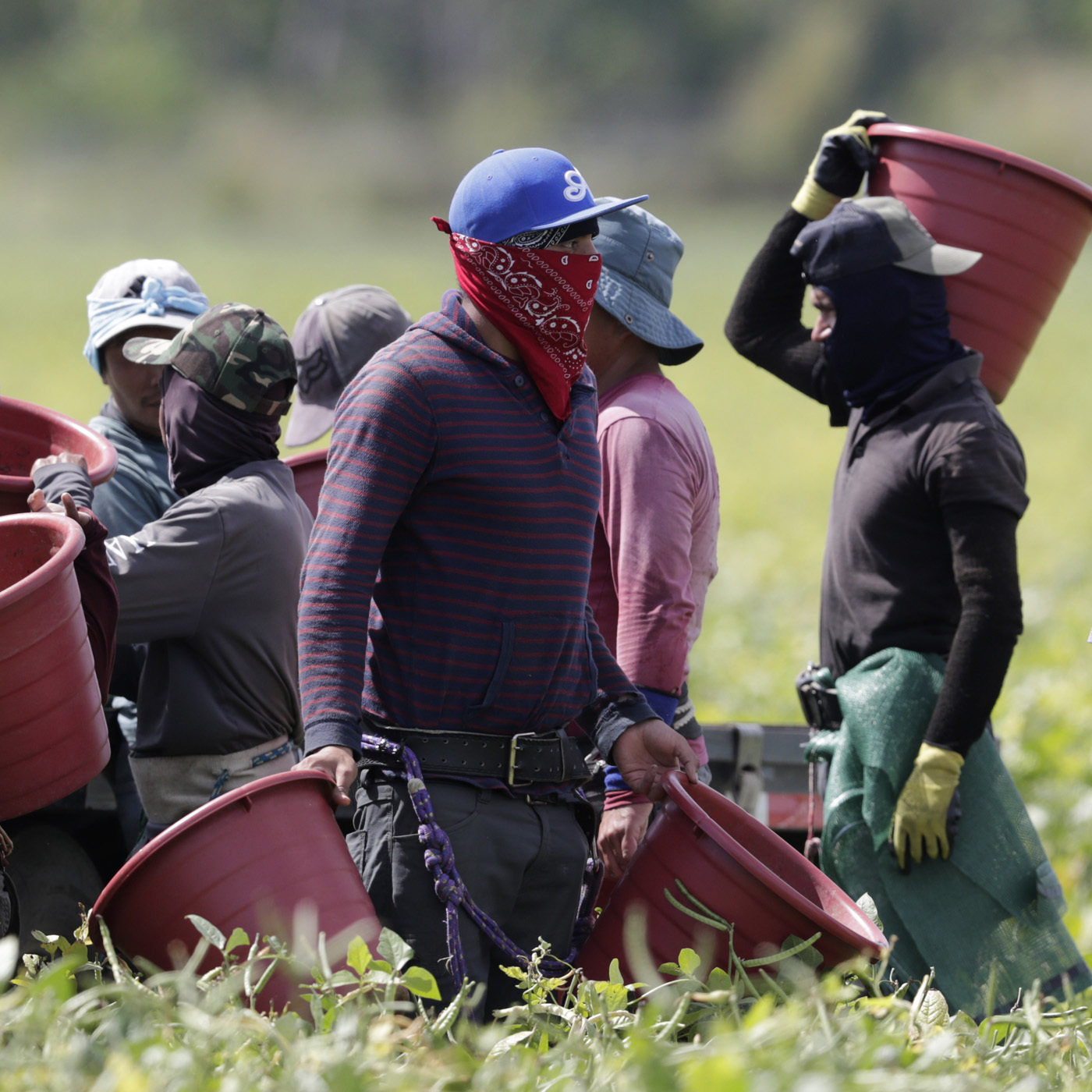
Protecting the People Who Grow Our Food
Farming is a tough gig — physically, and mentally. And it’s only gotten harder in recent years, with the impact of climate change and a shifting political and economic landscape. On this episode, we explore the connection between farming and health, and how these new challenges are affecting the well-being of the people who produce our food.

How Noise Affects Our Health
We live in a noisy world — from the din of busy restaurants, to the roar of traffic, to the clamor of partying neighbors. We’ll explore what researchers are learning about the connections between noise, hearing loss and our well-being.
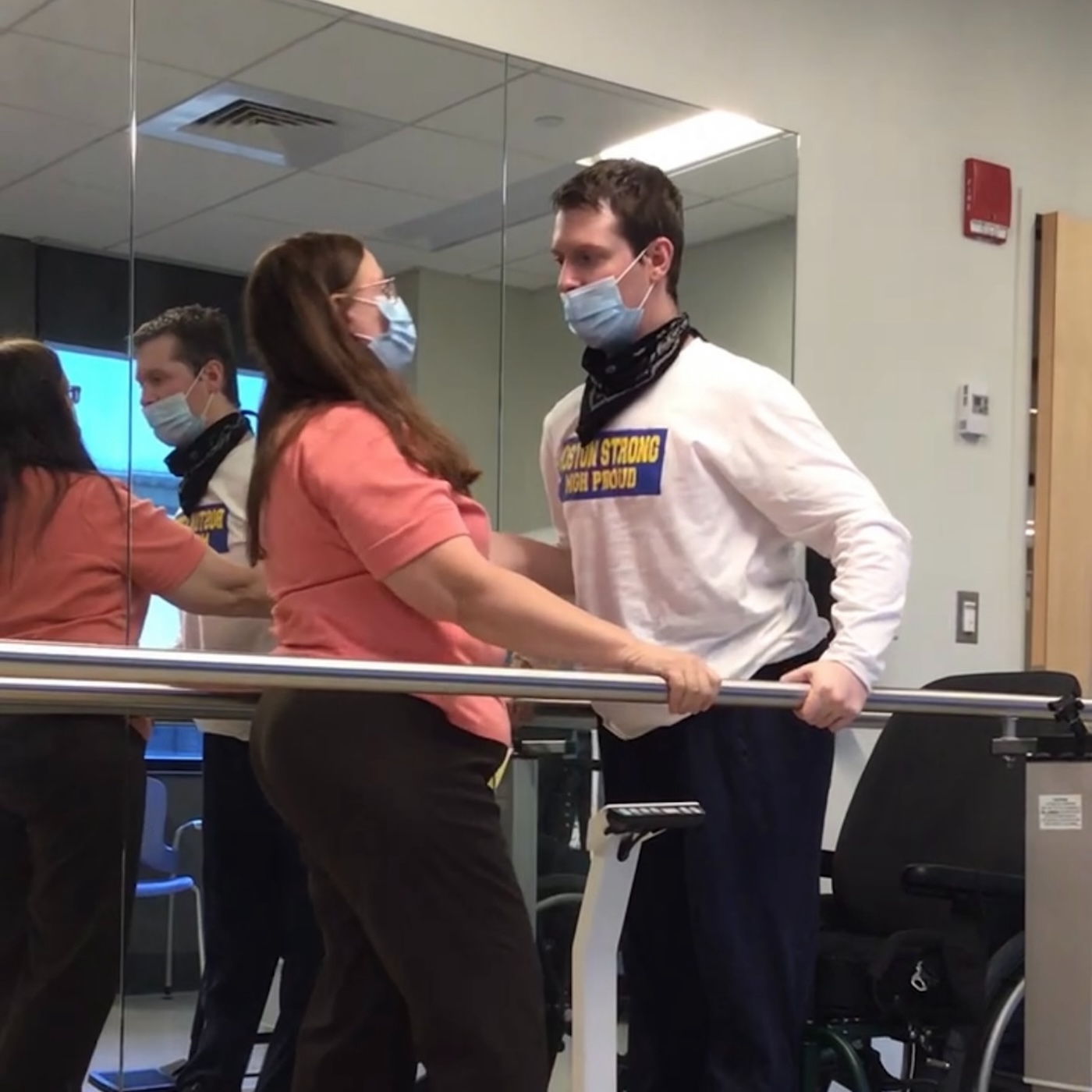
I Survived — Now What?
On this episode, we explore the stories of people who survived extraordinary trials, from life-threatening illnesses to assault, and ask what came after survival. We’ll hear what it’s like to survive — and come back from — locked-in syndrome, explore the emotional roller coaster of being a young cancer survivor, and find out how one writer created guide to intimacy after sexual assault.
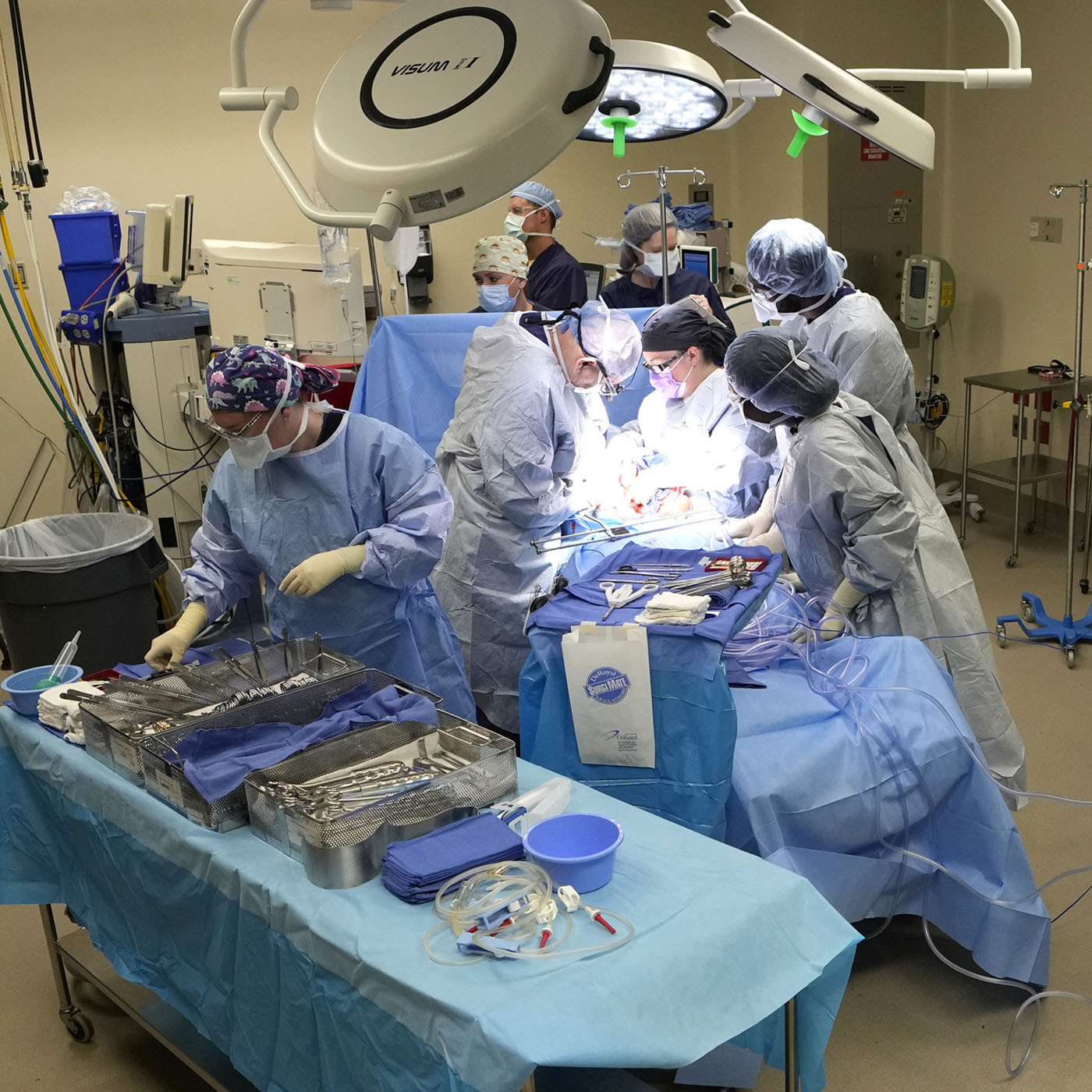
When Organ Donation Goes Wrong
More than a hundred thousand people in the U.S. are on the national transplant list waiting for a life-saving organ. Hospitals across the country transplant more than 45,000 organs each year and there are rules and protocols about how it is supposed to go. But what happens when the process fails?The New York Times investigative reporter Brian Rosenthal joins us to discuss some recent cases where doctors discovered that patients were still alive and conscious when the donation process was underway. He talks with host Maiken Scott about a relatively new method of procuring organs, called circulatory death donation, and new pressures on procurement organizations that could be jeopardizing safety.Rosenthal and his colleague Julie Tate recently published an investigation in The New York Times called, “A Push for More Organ Transplants Is Putting Donors at Risk.”
Untangling Shame and Its Effects On Our Health
Shame has a way of making us feel alone — like we’re the only ones in the world struggling with something. It can make us withdraw or feel depressed, out of control, and helpless. In the worst cases, it can destroy our self-esteem and even lead to self harm. But shame can also be a force for positive change, from enforcing social norms, to pushing us to improve our behaviors and circumstances. On this episode, we untangle why we feel it, where shame comes from, and how it affects our behavior and health. Lots of us have hangups about what we look like in swimsuits — but wait until you hear about what “kind of attire” used to be acceptable at pools. We’ll explore the evolutionary roots of shame, how one woman discovered what was behind her monthly meltdowns, and how shame figures into treatment approaches in the opioid epidemic.
The Inner Workings of the Oceans
What comes to mind when you think of the ocean? Maybe a day at the beach — swimming in the waves, snorkeling through coral reefs, fishing, surfing, and sunsets that kiss the blue horizon. But Earth’s oceans are more than that; they’re our planet’s defining feature, its largest ecosystem, and the original source of all life. On this encore episode, we explore the engine that powers our planet.
Finding Your Body’s Sleep Rhythm
We often think of sleep as the gas that keeps us running. We refuel at night — or whenever we can — run around all day until our tanks are empty, and then do it all over again the next day. But some sleep scientists would like us to think about sleep less as fuel, and more as a biological rhythm — one that’s as essential to our overall health as our heartbeat. On this episode, we’ll explore how finding your body’s unique sleep rhythm can help you get better rest.
The Big Chill and the Future of Refrigeration
We’ve only been able to harness the cold for our benefit for a little over 100 years, but innovations like refrigeration and air conditioning have completely transformed the way we live and eat. But it all comes at a cost — and not just financially. On this encore episode, how advances in cold technology have shaped our lives and changed the world.
Inside the Dramatic Race to Decode the Human Genome
Twenty-five years ago, President Bill Clinton announced a historic achievement: The completion of the first-ever survey of the human genome. The ceremony focused on the power of unity and collaboration — but, behind the scenes, the journey to this generational discovery had been marked by a bitter, cut-throat competition. We look back at the race to decode the human genome — and who really won.
Why Friends Are Good for Your Brain
Friends make us laugh, they have our back, we share memories and stories. Beyond that, scientists are learning that friendships are key in keeping us healthy and thriving. On this episode, we explore why researchers say our brains are wired for connection, and why making our friendships a priority is one of the key pillars of longevity. We’ll get some research-backed advice on making new friends as adults and hear from two friends who love spending time with each other, though they usually can’t remember their adventures.
Why We’re Hardwired for Revenge
When someone wrongs us, getting revenge can feel like the only right move — the only way for us to balance the scales, to set the world right again. But the consequences can be disastrous, especially when payback becomes an all-consuming obsession. On this episode, we talk with lawyer-turned-researcher James Kimmel about his new book, "The Science of Revenge: Understanding the World's Deadliest Addiction — and How to Overcome It." We discuss the evolutionary roots of revenge, the neuroscience behind why it feels so good, and how Kimmel eventually traded vengeance for forgiveness. We also find out what caused a murder of crows to target an unsuspecting woman, and what was behind their years-long grudge.
Exploring the Secrets of Human Creativity
Creativity plays a role in every facet of our lives, from childhood education, to everyday problem-solving, to the artistic works we enjoy and the innovations shaping our future. We explore what human creativity is, how it works, and some of the unexpected ways it’s remaking our world.
Sharks — From Fear to Fascination
Before dinosaurs, before trees — even before Saturn had its rings – there were sharks. The fierce predators have been swimming in our oceans for hundreds of millions of years, standing the test of time as they survived all five of Earth's mass extinction events.Learn more about sponsor message choices: podcastchoices.com/adchoicesNPR Privacy Policy
What It Takes to Prove the Truth
We all want the truth — but how exactly do we know when something's true? Often, the answer relates to evidence or proof, something capable of convincing us and easing our doubts. But whether or not different kinds of proof are accepted can vary widely by person and situation. On this episode, we explore proof and evidence, and how it affects our perception of what is true.Learn more about sponsor message choices: podcastchoices.com/adchoicesNPR Privacy Policy
Cybercrime and How Hackers Prey on Human Nature
Cybercrime has been around for as long as computers have — but over the past 20 years, it's exploded into a global threat, with staggering financial, political, and even personal consequences. We hear about the virus that ushered in the age of social engineering attacks, the history of cybercrime, and what led one man to become a hacker.Learn more about sponsor message choices: podcastchoices.com/adchoicesNPR Privacy Policy
Lightening the Load of Motherhood
We often hear about the joys of motherhood — the incomparable sense of love, the magic of watching your kids discover the world, and the fulfillment of seeing them grow. But motherhood can also be a grind. On this encore episode, we take a look at the experience of modern motherhood — the challenges, the sometimes impossible standards, and the strategies that help moms thrive.Learn more about sponsor message choices: podcastchoices.com/adchoicesNPR Privacy Policy
The Life-Changing Power of Lifting Weights
For a long time, weightlifting was relegated to the realm of muscle heads — but today, it's popular among people of all ages and fitness levels. On this episode, we explore the history of weightlifting, some of its unexpected health and cognitive benefits, and why one woman says it changed her relationship with her body.Learn more about sponsor message choices: podcastchoices.com/adchoicesNPR Privacy Policy
50 Years Later: The Lasting Impact of the Vietnam War
The Vietnam War changed the world — and the lives of millions of people, who remain scarred by the traumas they experienced. On this episode, we mark the 50th anniversary of the war's end with stories that explore its lasting impact, from veterans struggling to reconcile the role they played in the deadly conflict, to Vietnamese refugees who are still working to put the pieces back together.Learn more about sponsor message choices: podcastchoices.com/adchoicesNPR Privacy Policy
Finding Strength and Beauty in Muscles
As the doors of the Vatican were opening, Bonnie Tsui sprinted through the galleries to the Sistine Chapel. She wanted to experience Michelangelo's frescoes alone for 10 minutes. She laid on the floor, looked up and cried. It's just one of many stories she weaves through her new book, "On Muscle: The Stuff That Moves Us and Why it Matters." On this episode, Tsui joins host Maiken Scott for a conversation about the importance of strength, muscles and being comfortable in one's own body, especially as we age.Learn more about sponsor message choices: podcastchoices.com/adchoicesNPR Privacy Policy
Loneliness and How to Rekindle Social Connection
Over the past few years, public health experts have been sounding the alarm over a growing and potentially deadly epidemic: loneliness. On this episode, we explore how and why loneliness is so detrimental to our health, who is most affected, and novel solutions, ranging from cuddle parties to robot buddies.- Short Feed Episode Description: Why researchers say we're facing a "loneliness epidemic ," and novel solutions to fostering social connectionLearn more about sponsor message choices: podcastchoices.com/adchoicesNPR Privacy Policy
The Rise of YouTube and How It's Changed Our Lives
On this episode, we mark the 20th anniversary of YouTube with an exploration of how the video-streaming platform has transformed everything from global pop culture, to social movements, to how we seek out and consume information. We hear about new research on how short-form videos affect our brains, how algorithms dictate culture, and what makes YouTube so helpful — and addictive.Learn more about sponsor message choices: podcastchoices.com/adchoicesNPR Privacy Policy
In Search of Work-Life Balance
Our jobs can provide us with a sense of identity, connection, and meaning — but they can also feel like a never-ending to-do list that gets in the way of actually living. On this episode, we explore work-life balance: When do we find meaning in our careers, and when do we not? And how do we set healthy boundaries between our jobs and our personal lives?Learn more about sponsor message choices: podcastchoices.com/adchoicesNPR Privacy Policy
Biomimicry: What Nature Can Teach us about Engineering and Design
How does nature make durable materials like corals and seashells without a heat or a kiln? How do peacock feathers get their beautiful colors? Scientists are trying to understand these processes and to replicate them for sustainable human products and design. The field of biomimicry is growing. We'll explore its origins and hear about some of the latest innovations.Learn more about sponsor message choices: podcastchoices.com/adchoicesNPR Privacy Policy
The Mystery of Consciousness
This month marks the 20th anniversary of Terri Schiavo's death. She was diagnosed as being in a persistent vegetative state after cardiac arrest, but family members argued fiercely over her level of awareness, and whether to continue life support. We explore how the case shaped our views of consciousness, and what researchers are learning about hopes of recovery after brain damage.Learn more about sponsor message choices: podcastchoices.com/adchoicesNPR Privacy Policy
Why the Internet Knows You Better Than You Know Yourself
We all have digital footprints — unique trails of data based on our online activities that corporations use to predict our behavior and influence our choices. Sometimes, it can be helpful; other times, it can feel creepy and intrusive. On this episode, we talk with computational scientist Sandra Matz about what makes up our digital footprints, what they reveal about us, and how they're being used.Learn more about sponsor message choices: podcastchoices.com/adchoicesNPR Privacy Policy
How the Way We Look Affects the Way We Feel
When we don't like how we look, or are hypercritical about our appearance, it can really do a number on our mental health. On this episode, we explore the connection between how we look and how we feel, from the unexpected emotional consequences of cosmetic surgery, to why dermatologists and psychologists have joined forces to form a new field.Learn more about sponsor message choices: podcastchoices.com/adchoicesNPR Privacy Policy
(Mis)Diagnosis: Bipolar Disorder
For more than 15 years, bipolar disorder defined Abigail Kafka's life. Abigail was heavily medicated, unable to work, or have a social life. Then a therapy session introduced a startling question: What if this diagnosis was wrong? On this episode, we'll discuss what contributed to an explosion of bipolar diagnoses, and why experts disagree whether this disorder is over-or underdiagnosed.Learn more about sponsor message choices: podcastchoices.com/adchoicesNPR Privacy Policy