
The Niall Boylan Podcast (They Told Me To Shut Up)
1,000 episodes — Page 13 of 20

Ep 305#305 Raising Voices, Raising Concerns: Should Shouting at Kids Be Illegal?
In this episode, Niall asks, Should shouting at children be outlawed in Ireland, just like smacking? Psychologists have claimed that shouting is a form of emotional abuse that can be damaging to a child’s mental health and should be banned. The discussion focuses on whether shouting should be made illegal as a disciplinary tactic.Some callers strongly believe that shouting at children should be banned. They argue that, like smacking, shouting can cause long-term emotional harm, instilling fear and anxiety in children. These callers emphasize that calm and respectful communication is far more effective in parenting, and shouting is ultimately damaging. They note that we wouldn’t tolerate such behavior in adult interactions, so it shouldn’t be acceptable when dealing with children.Other callers, however, feel that banning shouting goes too far. They argue that there’s a clear difference between raising your voice out of frustration and actual abuse. Parenting is stressful, and emotions can sometimes get the best of parents. Criminalizing shouting, they argue, would only add unnecessary pressure on families already trying their best. Instead of banning shouting, these callers suggest focusing on offering support and education to parents to help them manage their emotions more effectively.Niall wraps up by acknowledging the complexities of parenting and the debate over discipline, balancing the need for respectful communication with the realities of emotional stress.

Ep 304#304 Would you vote for a convicted criminal in an election?
In this episode, Niall asks, Would you vote for a convicted criminal in an election? The question arises following convicted criminal Gerry Hutch’s indication that he may run as a candidate in the upcoming General Election. The debate focuses on whether people with criminal records should be allowed to run for public office and if voters would consider supporting them.Some callers express that they would vote for a convicted criminal if the person has shown genuine rehabilitation and is working to make positive changes. They argue that everyone makes mistakes, and if someone has paid their debt to society and can now represent the people well, they shouldn’t be ruled out based on past actions. For these callers, it’s more important to consider a candidate’s current policies and commitment to change rather than their criminal history. They see voting for such individuals as a way to support rehabilitation and redemption.Other callers feel strongly that they could never vote for someone with a criminal record. They argue that politics requires a high level of trust, and someone who has already broken the law may prioritize their own interests over the public’s. These callers believe that allowing convicted criminals to run for office undermines the integrity of politics and sends the wrong message. They emphasize the need for leaders with strong moral character and question whether someone with a criminal past can uphold the standards expected of public officials.Niall wraps up the episode by weighing the arguments on both sides, noting the complex balance between second chances and maintaining trust in political leadership.

Ep 303#303 Should John Be Arrested for Defying the Safe Zone Law?
In this episode, Niall asks, Should John be arrested for defying the Safe Zone Law? Regular caller John is protesting against abortion outside Cork University Hospital at 12 p.m., even though the new safe zone law, enacted this week, makes such protests illegal. The debate centers on whether John should be arrested for his actions or if he has the right to peacefully protest despite the law.Some callers believe John should be arrested, arguing that the law exists to protect women who are making difficult medical decisions. Protesting outside a hospital where vulnerable individuals are seeking care, including abortions, is seen as harassment. They stress that breaking the law, whether one agrees with it or not, should have consequences, and John is knowingly defying it.On the other hand, other callers argue that John has the right to peacefully protest. They emphasize that protest is a fundamental part of democracy and that arresting John would be an overreach. These callers feel that just because a law is in place doesn’t mean it’s just, and John’s stance against abortion should be protected as a form of free expression.Niall wraps up by reflecting on the balance between enforcing laws and upholding the right to protest, noting that the debate raises important questions about legal limits and personal convictions.

Champion of Reputations: Protecting the Famous and the Everyday Citizen. With Paul Tweed
bonusIn this episode, Niall Boylan sits down with Paul Tweed, one of the world's most respected and feared defamation lawyers, whose client list boasts names like Justin Timberlake, Britney Spears, Harrison Ford, and many Irish politicians. Tweed, with over 35 years of legal experience, takes listeners through his incredible career, discussing everything from scraping his way into Queen’s University during the Troubles in Northern Ireland to becoming an international authority on libel law. His new book, From Hollywood to Hollywood: My Life as an International Libel Lawyer for the Rich and Famous, documents his journey and the high-stakes world of representing A-list celebrities.The conversation delves deep into the challenges of defamation law, with Tweed recounting landmark cases, such as the "Last Chocolate Éclair" case in Northern Ireland and the vicious five-week Barry McGuigan lawsuit. He also highlights the significance of the Reynolds case, which set new standards for journalistic integrity: “The Reynolds case became a marker for libel actions, introducing the seven standards journalists must meet.”Tweed explores the complexities of social media defamation, where anonymity often shields people from legal repercussions. He recalls the lengths his team went to expose an anonymous online troll attacking BBC presenter Stephen Nolan: “We found him and got a six-figure settlement. He had to re-mortgage his house to pay.”AI-generated content, a new battleground for defamation cases, is another key point of discussion. Tweed warns of its dangers, saying, “In 2024, Big Tech is Big Brother. AI can now create indistinguishable human likenesses. Imagine someone using your face, voice, and mannerisms to endorse a scam. The future is frightening.”He also touches on the financial hurdles of defamation lawsuits, especially for the average person, remarking, “Libel courts are not for the faint-hearted or those without deep pockets. Defamation law has become a playground for the rich.”Despite the heavy subject matter, Tweed offers lighter moments, discussing his celebrity clients and the perks of his career, from attending Hugh Hefner’s parties to mingling with stars on Hollywood sets. However, he stresses that most of his clients are more interested in setting the record straight than in chasing massive settlements: “It’s about protecting their brand, not the money.”This episode is a must-listen for anyone intrigued by the world of high-profile legal battles, media law, and the future of online accountability.

Ep 302#302 Refugee Aid vs Irish Struggles Who Should Come First?
In this episode, Niall asks a provocative question: Should every support given to refugees and asylum seekers also be available to Irish citizens? The discussion examines whether it’s wrong to say "look after the Irish first" and whether Irish people struggling with housing, medical care, and financial aid should be prioritized.Some callers firmly believe that Irish citizens should be looked after first. They argue that while it’s important to support refugees, it’s only fair that Irish families, many of whom are struggling with poverty, long medical wait times, and housing shortages, receive equal or greater support. For these callers, it’s about ensuring that the government addresses the needs of its citizens before extending help elsewhere.Other callers discuss the challenge of balancing compassion for refugees with the responsibility to care for Irish citizens. They emphasize that it’s not about rejecting support for refugees but ensuring fairness in how resources are distributed. The conversation revolves around whether it's possible to help both groups without one being neglected.Niall wraps up by reflecting on the complexity of balancing national responsibilities with humanitarian efforts, highlighting the need for a fair approach to supporting everyone in need.

Ep 301#301 Time and Punishment The Cost of Hate
In this episode, Niall examines a controversial question: Should a person receive a longer sentence if their crime is motivated by hate? As the Hate Crime Speech laws return to the Oireachtas today, Niall speaks with Ronan Mullen to explore whether hate-motivated crimes deserve harsher penalties.Callers, feel that increasing sentences based on motive crosses a line. They argue that crimes should be punished based on actions, not thoughts or beliefs. For them, hate crime legislation risks punishing people for what they think rather than what they do. They also raise concerns about the subjectivity of labeling a crime as hate-motivated and believe existing laws on assault, harassment, and violence should apply equally to everyone without introducing complex judgments about intent.Niall wraps up by weighing the balance between protecting communities from hate and ensuring fairness in how we interpret criminal intent.

Ep 300#300 Is Repossessing Homes a Necessary Evil?
In this milestone episode, Niall tackles the emotional and complex issue of home repossession, asking, Is repossessing homes a necessary evil? The conversation is driven by a heartbreaking email from a listener, Dolores, who shares her family’s struggle. Twelve years ago, she and her husband bought a home they could barely afford, determined to give their children a stable future. But when her husband lost his job during the pandemic, they fell behind on mortgage payments. Although he’s working again and she’s doing everything she can to make ends meet, they’re still unable to catch up on the missed payments. Now, they’ve received a letter from the bank, initiating the process to repossess their home.Dolores asks, Is it fair to lose their home because of circumstances beyond their control? She feels like they’ve let their kids down, knowing they may soon lose the only home their children have ever known. While she understands the bank has a business to run, she questions if there’s more that can be done to help families who are genuinely struggling.Some callers take a pragmatic stance, arguing that while it’s a painful situation, banks are not charities and have their own responsibilities to uphold. They point out that repossession is typically a last resort, but if homeowners can’t pay their mortgages, the system simply can’t function. These callers acknowledge the hardship but believe that repossessions are a necessary measure to maintain financial stability for the larger economy.Other callers, however, strongly disagree, emphasizing the human impact of repossession. They argue that banks should be doing more to work with families like Dolores’, offering more flexibility and payment plans, especially when hard times come unexpectedly, such as during the pandemic. For these callers, it’s not just about money—it’s about keeping families together and ensuring that no one loses their home due to circumstances beyond their control. They believe banks and governments should do more to help struggling families before resorting to repossession.Niall wraps up the episode by highlighting both sides of the argument and reflecting on the difficult balance between economic stability and human compassion.

Ep 299#299 Pint-Sized Problems: Are Child Free Pubs A Good Idea?
In this episode, Niall asks, Are child-free pubs a good idea? The debate was sparked by a story from Kent, where a recently renovated village pub banned children under 14, causing both praise and backlash. The pub owners argue that adults deserve a space to relax without the worry of kids running around, while critics say the ban feels exclusionary and takes away family-friendly spaces.Some callers fully support the idea of child-free pubs. They believe that adults need a peaceful place to unwind, and with plenty of family-friendly venues available, having a space solely for adults is a welcome change. For these callers, it’s about enjoying a drink without worrying about kids being in an inappropriate environment.Other callers, however, think banning kids from pubs is too extreme. They argue that pubs are community hubs where families should be able to socialize together. As long as children are well-behaved, there’s no harm in letting families enjoy a meal or drink together. For these callers, it’s more about managing behavior than excluding families entirely.Niall wraps up the episode by acknowledging the diverse opinions, weighing the benefits of adult-only spaces against the importance of inclusivity in community venues.

Are We Living in a Simulation? Is Everything We Know an Illusion? With Rizwan Virk
bonusIn this mind-expanding episode, Niall is joined by Rizwan Virk, an MIT-trained computer scientist, video game developer, entrepreneur, and author, who passionately advocates for Simulation Theory—the idea that our reality might be an artificial simulation, much like a highly advanced video game. With his deep understanding of technology and quantum physics, Riz presents a compelling case that challenges the foundations of our perception of reality.Riz begins by exploring the concept of the "simulation point," a pivotal moment in technological development where we could create virtual worlds so realistic that their inhabitants—potentially including us—wouldn’t know they are inside a simulation. He draws on his own experiences with virtual reality and AI to highlight how close we are to creating such immersive environments, offering a glimpse into a future where the line between reality and simulation is blurred. He compares this to the experiences he’s had testing advanced VR games where, even briefly, his mind was tricked into believing the virtual world was real. Riz proposes that if technology continues to evolve at this pace, the simulated world might one day be indistinguishable from our own.The conversation then touches on the observer effect from quantum mechanics, illustrating how the act of observing particles impacts their behavior—just as in a video game, environments only render when a player interacts with them. Riz links this to the potential for a simulated universe, where reality only fully exists when observed or interacted with. He brings in the famous double-slit experiment to support this idea, highlighting how light behaves differently when it is observed, further deepening the connection between quantum physics and Simulation Theory.Riz also brings an intriguing spiritual dimension into the discussion, suggesting that ancient religions like Buddhism, Hinduism, and even aspects of Christianity have long hinted at the idea that this world is not the "true" reality. He proposes that these religious concepts of illusion (or "maya" in Hindu philosophy) may have been early metaphors for what we now consider Simulation Theory. For example, in these traditions, life is often depicted as an illusion, or a temporary experience that one transcends after death—ideas that align closely with the concept of living in a simulation.The episode explores the philosophical implications of living in a simulated universe, particularly when Niall and Riz discuss the possibility of multiple simulations stacked within each other—much like a set of Russian dolls. Riz shares how physicists and philosophers alike have started to seriously consider the possibility of multiverses or multiple pasts, where every decision branches into different versions of reality. They ponder the idea that each of us might be living through different versions of the same life, in different simulated realities, each with its own outcomes.The conversation also addresses the fascinating concept of time within a simulation. Riz and Niall discuss how time could flow differently for different people, just as it does in video games where time is experienced subjectively depending on the "player’s" actions and perception. This leads into a broader discussion on time dilation, relativity, and how Simulation Theory might provide an explanation for the strange ways time behaves, both in quantum physics and in our daily lives.Riz also unpacks the existential implications of the theory, asking whether we are avatars within a simulation controlled by outside forces or even ourselves in a higher reality. They explore how this idea fits into the multiverse hypothesis, where every possible outcome of our lives could be playing out in parallel universes or simulations. Could our lives, our decisions, and even our deaths be mere elements in a grand simulation running multiple versions of reality?Niall and Riz leave no stone unturned in this thought-provoking discussion, challenging listeners to rethink everything they know about existence. Are we players in a cosmic game? Is everything we experience merely rendered for our benefit? And, if we are in a simulation, who or what is running it—and what does that mean for our understanding of life, death, and the universe? By the end of the episode, you’ll be questioning whether our reality is as concrete as it seems—or if it’s just another program running on a higher system.This episode is a must-listen for anyone interested in the intersection of technology, philosophy, and quantum physics, offering a deep dive into one of the most compelling theories of our time.

Ep 298#298 High Steak Hypocrisy: Are We Hypocrites for Eating Meat?
In this episode, Niall asks, Is it hypocritical to care about cattle welfare while still eating meat? The discussion follows the outrage on social media after RTE's Prime Time revealed the harsh treatment of cattle during transport to abattoirs and abroad. With emotions running high, Niall explores whether our concern for animal welfare aligns with our dietary choices.Some callers argue that it is indeed hypocritical. They believe that if people genuinely care about animal welfare, they should stop consuming meat altogether. By continuing to eat meat, these callers feel that people are supporting an industry that treats animals as commodities, and protesting poor treatment while still eating meat is selective outrage. For them, caring about cattle welfare means fully committing to alternative diets like vegetarianism or veganism.On the other hand, other callers don’t see it as hypocrisy at all. They argue that it’s possible to care about how animals are treated while still consuming meat. For them, the issue lies in ensuring humane treatment and better regulations for the animals during their lives and transport, rather than giving up meat entirely. These callers emphasize that advocating for responsible farming practices and higher welfare standards is different from supporting cruelty, and people have the right to demand improvements while still enjoying meat.Niall wraps up by highlighting the complexity of the issue, acknowledging the debate between personal responsibility and broader industry reforms.

Ep 297#297 Partner in Crime: When Cohabiting Costs Millions
In this episode, Niall asks, Would you report a neighbor or friend committing welfare fraud, or is 'snitching' on cohabiting cheats crossing a line? The discussion centers on welfare fraud by single parents who claim to live alone while cohabiting, costing taxpayers millions every year. Should there be more spot checks, and would you personally report this type of fraud?Some callers argue that welfare fraud is essentially stealing from everyone, especially those who truly need assistance. For them, reporting fraud isn’t about 'snitching'; it’s about fairness and accountability. They feel that everyone contributes to the system, and when someone abuses it, they should face consequences like anyone else breaking the law. These callers strongly support more spot checks to prevent fraud and protect public funds.Others, however, are uncomfortable with the idea of reporting neighbors or friends. They view it as invasive and feel it’s not their place to judge someone else’s situation. For them, circumstances might not always be clear, and they believe the government should handle such issues through more effective checks, without turning citizens into informants. They argue that while fraud is wrong, asking people to report on each other crosses a moral line.Niall wraps up by acknowledging the tension between fairness and personal boundaries, noting that the issue of welfare fraud remains divisive.
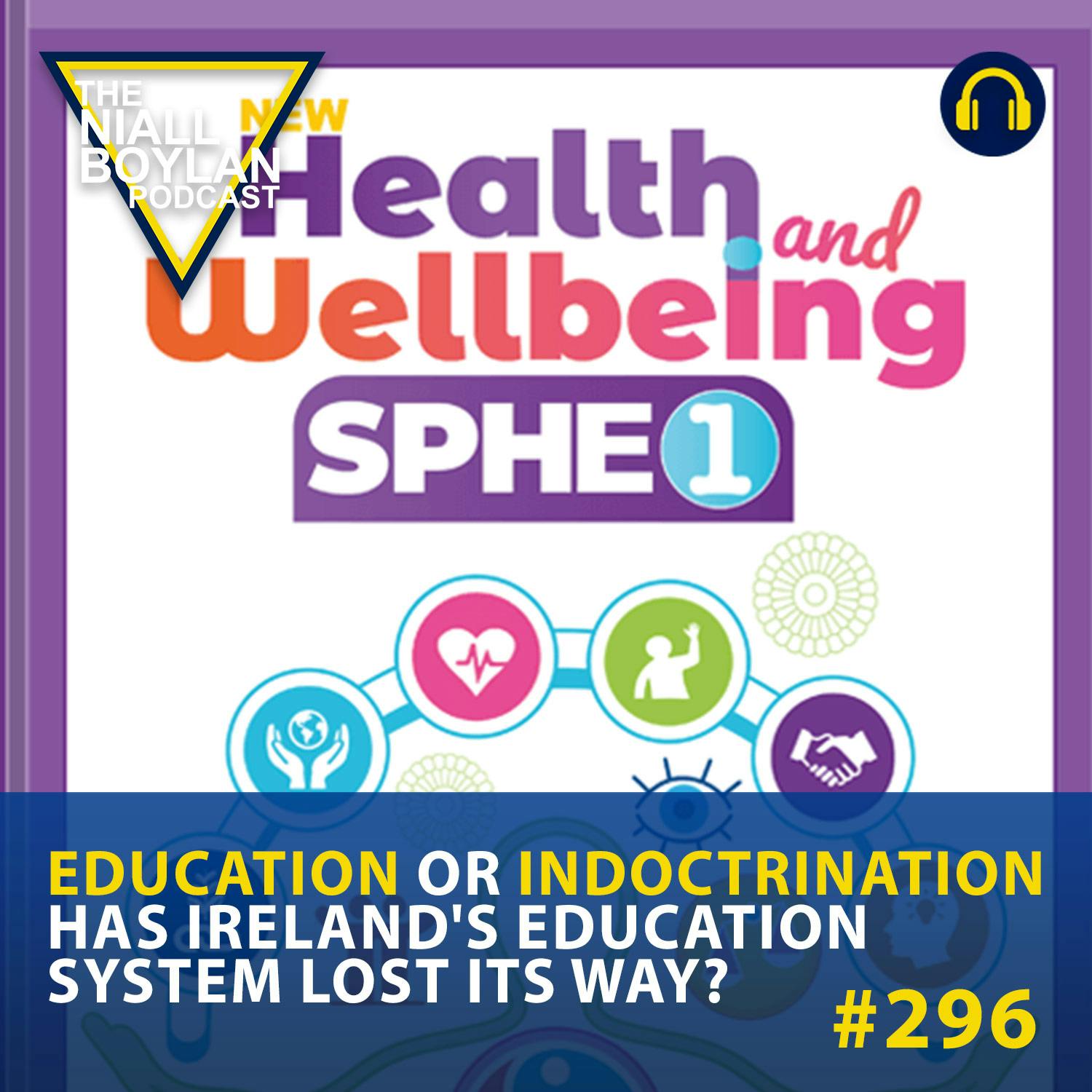
Ep 296#296 Education or Indoctrination Has Irelands Education System Lost Its Way?
In this episode, Niall questions Who should be responsible for teaching children about sex—parents or the government? With guest Jana Lunden, they explore whether Ireland’s education system has become a pipeline for ideology and moral degradation.Some callers strongly believe it’s the parents' responsibility to teach their children about sex. They argue that parents know their children best and should have the freedom to align these discussions with their personal values. In their view, when the government steps in, it risks imposing ideologies that might conflict with family beliefs. For these callers, schools should stick to the biological aspects, while the more nuanced moral discussions should remain within the family.On the other hand, other callers feel that the government has a duty to ensure all children receive accurate, unbiased information. Not all parents are comfortable or equipped to handle these conversations, which can leave children uninformed and at risk of making poor decisions. Schools, they argue, provide a standardized, safe environment for these discussions, which ensures that every child receives the knowledge they need.Niall wraps up by highlighting the tension between parental rights and government responsibility, acknowledging that both sides raise important points about the role of education in shaping young minds.

Ep 295#295 Cry Me a River Schofield’s Redemption Bid
In this episode, Niall asks, Does Philip Schofield deserve a second chance? After the airing of his new TV show, many have voiced concerns that Schofield used it as a platform for sympathy, particularly considering his affair and the controversial relationship with an underage boy. The public remains divided on whether he deserves redemption.Some callers feel strongly that he does not. They argue that the affair and the questionable relationship are too serious to overlook. Schofield betrayed his family and the public, and using a TV show to seek sympathy feels like an attempt to avoid accountability. To them, his actions went beyond personal mistakes, involving power dynamics and ethical lines that shouldn’t be crossed. They believe a second chance isn’t warranted because he hasn’t truly faced the consequences of his actions.Others believe everyone deserves a second chance, including Schofield. While they don’t excuse his actions, they argue that he’s already suffered the loss of his career and public reputation. If he’s remorseful and willing to change, why shouldn’t he be allowed to rebuild his life? These callers highlight that nobody is perfect, and holding one mistake over someone’s head forever doesn’t allow room for growth or redemption.Niall wraps up by exploring the complexities of forgiveness and public judgment, acknowledging how the issue has sparked heated debate.

Ep 294#294 Pay or Stay? Should Grown Kids Chip In or Chill Out?
In this episode, Niall asks, Should parents expect financial contributions from their 18-year-old kids once they start earning, or is it a parent’s duty to support them no matter what? The conversation began after a caller shared that he would never ask his son for money, even once he starts working, arguing that children are always their parents’ responsibility.Some callers think grown kids should contribute once they start earning. For them, it’s about teaching responsibility and preparing young adults for the financial realities of life. Asking for a small contribution towards household expenses can help them understand that nothing is free, and it’s a valuable lesson in budgeting and managing money. Many parents who ask their children to chip in believe it’s a way of preparing them for independence when they eventually move out. It’s not about being unfair; it’s about helping them grow into responsible adults.Meanwhile, other callers feel that parents should never ask their kids for money. They argue that if you bring a child into the world, it’s your responsibility to support them until they’re fully on their feet. These callers believe that young adults should be saving for their future instead of contributing to household bills. For them, the early stages of employment should be a time for young people to establish themselves financially, without the added pressure of paying for their keep at home.Niall wraps up the episode by acknowledging both perspectives, noting the balance between fostering financial independence and continuing to support young adults as they begin their working lives. The debate highlights how different families approach responsibility, money, and the path to adulthood.

Ep 293#293 Generation Child Free Is No Kids the New Normal?
In this episode, Niall explores the growing trend of choosing a child-free life and asks, Is it a selfish decision, or simply a personal choice for happiness and freedom? The discussion is sparked by a listener whose daughter recently revealed she doesn't want to have children because they would "get in the way" of her life. The mother is disappointed and feels her daughter’s decision is selfish.Some callers agree with the mother, believing that choosing not to have children for the sake of lifestyle convenience is selfish. They argue that parenthood is about making sacrifices and contributing to the next generation, which is part of life’s larger purpose. To them, family is a fundamental value, and rejecting the opportunity to have children can feel like dismissing a core aspect of life. They see this choice as prioritizing personal desires over the greater responsibility of nurturing the future.Other callers strongly feel that the decision to be child-free is a deeply personal one, and labeling it selfish is unfair. For many, parenthood simply isn’t something they feel called to, and they believe it's better to acknowledge that than to have children out of obligation. In today’s fast-paced, demanding world, balancing a career, personal happiness, and family can be overwhelming. These callers argue that choosing to remain child-free allows individuals to live authentically and pursue what brings them fulfillment. It’s about carving out the life that feels right, rather than conforming to societal expectations.Niall wraps up the episode by highlighting the deeply personal nature of this decision, noting that while family and legacy are important to some, others may find happiness in different ways. The child-free choice reflects a broader shift in societal values and expectations, leaving space for diverse perspectives on what it means to lead a fulfilling life.

Ep 292#292 Paws for Thought Should Staffordshire Bull Terriers Be Banned?
In this episode, Niall raises the question: Should Staffordshire Bull Terriers be banned? The discussion follows an alarming incident where a listener, a delivery driver, was attacked by two Staffordshire bull terriers over the weekend. The listener argues that these dogs should be added to the list of breeds banned under new dangerous dog laws. But is the breed itself the issue, or should we be looking at the behavior of their owners?Some callers are in full support of a ban. They believe Staffordshire bull terriers are inherently dangerous, citing a history of aggressive incidents involving the breed. For these callers, the risk of severe attacks is too high to ignore, and they argue that it’s not just about bad owners anymore—certain breeds pose a greater danger than others. They emphasize that these dogs can inflict serious harm, and banning them is a necessary step to protect the public from future attacks.On the other hand, other callers firmly believe that the breed itself isn’t the problem—it’s how the dogs are raised. They argue that plenty of Staffordshire bull terriers are loving, loyal pets that have never shown any signs of aggression. The issue, they say, lies with irresponsible owners who don’t train or handle their dogs properly. Banning the breed would unfairly punish responsible owners and wouldn’t address the root cause of dangerous dog behavior. Instead, they suggest stricter regulations on dog ownership and better enforcement of existing laws.Niall wraps up the episode by acknowledging the strong opinions on both sides of the debate. He points out that while the risk of dangerous dogs is a serious concern, it’s important to weigh the impact on responsible owners and the broader issue of accountability in dog ownership. Ultimately, the question of whether to ban certain breeds remains a complex and highly emotional issue.

Ep 291#291 Till Debt Do Us Part Should He Walk Away?
In this episode, Niall explores the question: Can financial issues justify walking away from a marriage? The discussion stems from an email sent by a listener who’s feeling trapped by his wife’s spending habits. Despite earning a good salary, he’s struggling to keep up with the costs of his wife’s lifestyle. Weekly hair appointments, gym memberships, frequent shopping trips, and regular outings with friends have left him feeling financially drained. He’s tried talking to her, but she dismisses his concerns, saying that her spending is her way of being ‘paid’ for staying at home with their three young children. With no intention of ever returning to work, and her resistance to budgeting, the listener feels controlled and stuck in a situation where he can barely keep up with their expenses.Callers share their views, with some encouraging the husband to stay and work on the relationship. They suggest that the couple may need to address deeper issues such as emotional stress or boredom, which could be driving the wife’s excessive spending. These callers argue that marriage is a partnership, and financial difficulties are a common hurdle that can be managed through clearer communication and setting boundaries. Many recommend seeking a financial advisor or therapist to help them get back on track, emphasizing that it’s possible to find a solution without ending the marriage, especially if other aspects of the relationship are strong.On the other side, some callers believe the situation is more serious and that the husband should consider leaving if the wife refuses to change. They highlight the importance of respect and partnership in a marriage, stressing that her dismissive attitude toward his financial concerns is a red flag. For these callers, financial irresponsibility can be a dealbreaker, especially when it shows no signs of improvement. They argue that if repeated attempts to address the issue have failed, he should consider whether he wants to continue living under this pressure or if it’s time to cut his losses and move on.Niall wraps up the episode by reflecting on the different perspectives shared. He acknowledges the complexity of the issue, suggesting that financial strain can be a significant source of tension in any marriage. Ultimately, he emphasizes the need for honest conversations and mutual respect in handling money matters, while noting that every situation is different, and the path forward depends on the couple’s willingness to work together.

Ep 290#290 Besties or Boundaries: Can Men and Women Just Be Friends?
In this episode, Niall dives into a conversation inspired by a listener’s email about whether men and women can truly be just friends. The listener, a married woman, explains her concern about her husband’s growing closeness to a female colleague at work. Their friendship has evolved beyond professional boundaries, with frequent phone calls, shared lunches, and even emotional support outside of work hours. This has left the wife feeling anxious, especially as the two are scheduled to attend a work seminar together in London. She’s unsure whether her worries are valid or if she’s overreacting.Some callers believe the wife’s concerns are completely justified. They argue that emotional intimacy between men and women can blur the lines, particularly when one or both parties are in a committed relationship. These callers suggest that emotional connections often lead to deeper feelings, even if nothing physical happens at first. They stress that the wife’s instincts should not be ignored and that boundaries need to be set to protect the marriage. For them, a close friendship between a married man and another woman, especially when it crosses from professional to personal, can be a slippery slope.On the other hand, other callers are adamant that men and women can maintain purely platonic friendships. They emphasize the importance of trust in a marriage and argue that if the husband is being open about his relationship with his colleague, there’s no reason for the wife to feel suspicious. These callers share their own experiences of having close friends of the opposite sex without any romantic complications. They believe that as long as communication between spouses remains honest, there’s no harm in fostering friendships outside the marriage, regardless of gender.Niall wraps up the discussion by acknowledging the complexity of the issue. He emphasizes that each relationship is different, and the key to navigating these situations is clear communication and setting boundaries that work for both partners. While some may find comfort in trusting their partner’s friendships, others may need reassurance and clarity about where the line is drawn.Date:9/25/2024
Ep 289#289 Love Across the Ages or Just Outrageous?
In this episode, Niall asks the question: Is a 15-year age gap in a teenage relationship a sign of genuine love or potential manipulation? The discussion kicks off with a listener’s email expressing deep concern over her 17-year-old son dating a 32-year-old divorced woman with a child. She fears that her son, still in his Leaving Cert year, might be taken advantage of by someone much older, while her husband and older son think she’s overreacting.Niall opens the lines to callers, and opinions are divided. Some believe that love knows no age and that as long as both parties are consenting, it’s their business. They argue that if the relationship is healthy, age shouldn’t matter, and we shouldn't jump to conclusions about manipulation.Others feel that the age gap is too concerning, particularly given the difference in life stages and maturity. Many question whether the younger person could be easily influenced or manipulated, even unintentionally, and whether this relationship could have long-term negative effects.Join Niall as he navigates this heated debate and explores whether love really can bridge the gap, or if such relationships raise red flags
Ep 288#288 The Right To Die: Mercy or Madness?
In this episode, Niall tackles a deeply controversial question: Should people have the right to end their own lives? With the UK preparing for a possible vote on assisted suicide before Christmas, and similar discussions emerging in Ireland, the debate over "assisted dying" is intensifying. Supporters argue it offers dignity and relief for terminally ill patients, while opponents warn of potential abuses and the moral risks of legalizing euthanasia.Niall opens up the lines to hear from our listeners. Some callers believe that people should have the right to die with dignity, sharing personal stories like a mother who endured unbearable pain from terminal cancer. They argue that medical advancements allow for a compassionate and painless end, giving individuals control over their suffering and offering a dignified choice.Other callers, however, voice concern over the risks of assisted suicide being misused, particularly for vulnerable populations such as the elderly or disabled. They fear that legalizing it could create pressure on those who feel like a burden. They advocate for improved palliative care instead, highlighting the sanctity of life and the dangers of crossing a line that might become a slippery slope.Niall wraps up the episode by reflecting on both sides of the debate, leaving listeners with the thought-provoking question: Is the right to die an act of mercy or a dangerous step toward devaluing life?

Still Too Sexy: Right Said Fred’s Bold Stand
bonusIn this episode of the Niall Boylan podcast, Richard and Fred Fairbrass of Right Said Fred reflect on their journey from global pop icons to politically outspoken figures. Known for their massive '90s hit "I'm Too Sexy," the brothers reminisce about their unexpected rise to stardom and how their music has transcended generations—thanks in part to artists like Drake, Taylor Swift, and Beyoncé, who have all sampled their work.The conversation takes a deeper, more controversial turn as the Fairbrass brothers open up about the significant backlash they’ve faced for their outspoken political views. According to Fred and Richard, their public stance on issues like COVID-19, government overreach, and societal control has cost them over 100 show cancellations and even a film project. The duo believes that simply questioning mainstream narratives has made them targets of "cancel culture."One of the more provocative moments comes when they discuss Keir Starmer and the current political climate in the UK. Richard Fairbrass doesn’t mince words, suggesting that both Starmer and Prime Minister Rishi Sunak are part of a larger global agenda, linking them to organizations like the World Economic Forum. According to them, both leaders are more interested in appeasing international elites than addressing the needs of their own citizens.The brothers also dive into American politics, expressing a mix of admiration and concern over Donald Trump. They even touch on the unsettling idea of a potential assassination attempt, highlighting how polarizing the former president remains. For Richard and Fred, Trump’s appeal lies in his willingness to challenge the establishment—something they relate to given their own battles with mainstream media and public perception.A recurring theme in the conversation is the notion that what was once dismissed as "conspiracy theory" is now becoming more accepted. Richard and Fred recall how, years ago, ideas like a cashless society or the manipulation of the food supply were laughed off, but now, many of those theories seem to be gaining traction. They point to figures like David Icke, whose views were once ridiculed but are now being reconsidered in a new light.Throughout the episode, the Fairbrass brothers don't shy away from voicing their skepticism about government narratives, societal shifts, and the role of media in shaping public opinion. Whether discussing their music or their more controversial opinions, Richard and Fred remain unapologetically themselves, offering listeners a candid and, at times, confrontational take on the world today.This episode is not just a trip down memory lane with one of pop music’s most recognizable acts, but a bold and unfiltered commentary on politics, society, and the personal costs of speaking out.
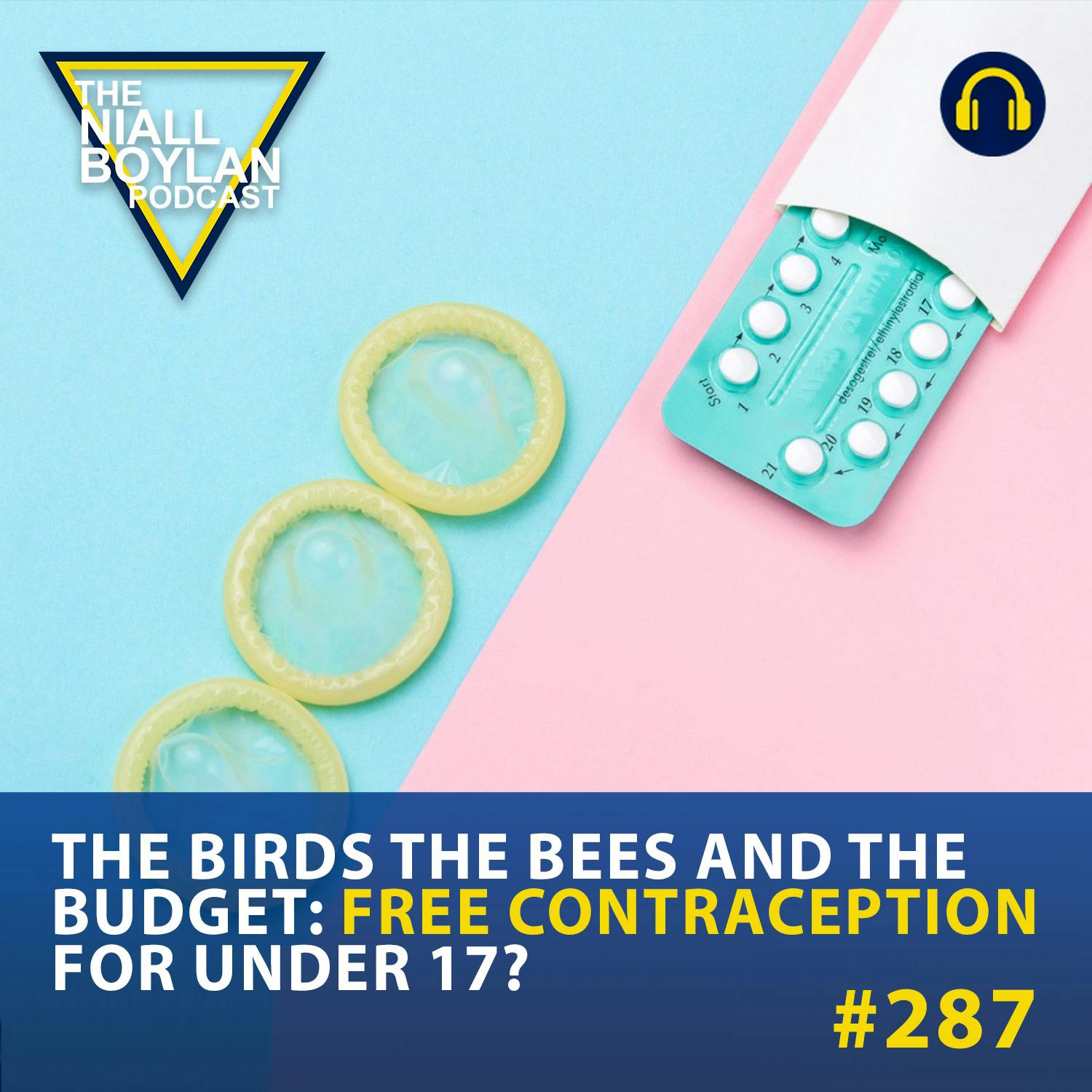
Ep 287#287 The Birds, the Bees, and the Budget: Free Contraception For Under 17?
In this episode, Niall is asking, has the State crossed the line offering free contraception to under-17s? The debate stems from the news that Health Minister Stephen Donnelly is pushing to expand free contraception to 16-year-olds as part of Budget 2025. Currently, free contraception is available for women aged 17-35, but extending it to under-16s has sparked concerns about mixed messages from the government, especially given that the age of consent in Ireland is 17. Some argue it will encourage underage sexual activity, while others see it as necessary harm reduction.Some callers think this is absolutely crossing a line. Providing free contraception to girls under 16 sends the wrong message. They argue these kids aren’t emotionally ready for sexual relationships, and by giving them contraception, the government is implicitly endorsing the behavior. These callers feel the focus should be on education and understanding the risks and consequences of sexual activity, not making it easier for teens to engage in it. To them, this initiative sends a dangerously confusing message about consent and responsibility.While other callers feel teens are already having sex, and it’s time to face that reality. Providing contraception to under-16s is about harm reduction, not permission. These callers argue that it’s better to ensure young people are safe and protected rather than dealing with more teenage pregnancies or sexually transmitted diseases. They agree that education should be a crucial part of this initiative but feel denying contraception won’t stop teens from being sexually active—it will just make them more vulnerable.As Niall concludes, he reflects on the complex nature of the debate. While it's clear that there are strong feelings on both sides, the challenge remains in finding a balance between protecting young people and addressing the realities they face. Ultimately, it’s about whether the government’s role should be focused on harm reduction or enforcing moral guidelines. What’s clear is that the issue of free contraception for under-17s taps into deeper concerns about education, responsibility, and the evolving nature of parenting and state intervention in Ireland.

Ep 286#286 A Choice Between Love and Legacy
In this episode, Niall asks, "Is it selfish to leave your partner for the chance of parenthood?" The discussion is sparked by an emotional email from a listener who faces a heartbreaking decision. After ten years with his wife and a tragic miscarriage, the listener is grappling with the fact that they cannot have biological children together. His wife has come to terms with this reality, even suggesting adoption, but he can't shake the longing for a biological family. Now, he wonders if leaving his wife to pursue this dream is the right thing to do, even though he still loves her deeply. Is it unreasonable to prioritize the dream of parenthood over a long-standing relationship?Some callers think he should stay with his wife. They highlight the deep love and bond he shares with her, suggesting that there are other ways to build a family, such as fostering or adoption, and that leaving could lead to regret. They emphasize the importance of the relationship he has and encourage him to focus on what they’ve built together, exploring alternative paths to parenthood instead of walking away.While other callers feel that if having biological children is truly his dream, it might be best to leave. They argue that both partners deserve happiness, and staying in a relationship where one person harbors resentment could cause long-term harm. For them, it’s not selfish to want children, but they advise handling the situation with empathy and care for both himself and his wife.
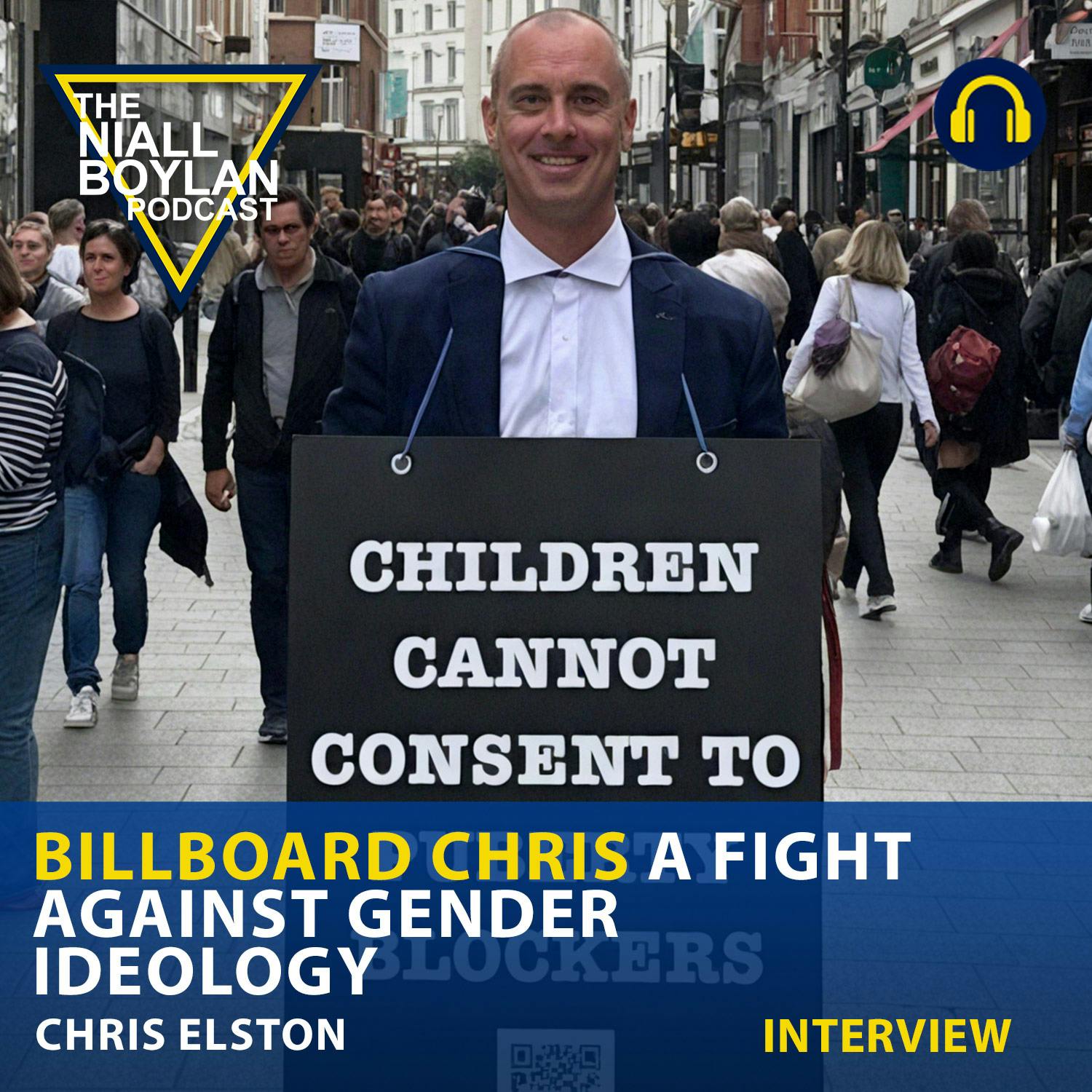
Billboard Chris A Fight Against Gender Ideology
bonusIn this episode, Niall Boylan speaks with Chris Elston, also known as "Billboard Chris," about his mission to challenge the growing use of puberty blockers and gender transition procedures in children. Chris, who left his career as a financial advisor to pursue full-time activism, describes his work as a personal crusade to protect children from irreversible medical decisions. "I’m a dad of two girls, and I’m not going to send my girls into a world that doesn’t know what a woman is," he states, explaining the core of his campaign.Chris recounts his journey from being a regular citizen to an activist on the streets, often carrying signs and billboards that proclaim messages like "Children cannot consent to puberty blockers." Despite his peaceful approach, Chris has been met with hostility, including being assaulted. He recalls a recent encounter in Montreal where he was attacked by six individuals, leading to a broken arm. Yet, he remains unshaken: "If taking a punch to the face helps start a million more conversations, I’ll take it any day."Niall and Chris discuss the political and legal hurdles Chris has faced, including a significant incident in Australia where one of his social media posts was removed by the government. The post criticized a public official involved in drafting trans healthcare policies for children, and while the Australian government ordered the post to be taken down, Elon Musk intervened to keep it visible outside Australia. "They tried to silence me, but they just ended up amplifying my message," Chris notes, seeing the controversy as further proof of the importance of free speech in this debate.Chris also sheds light on his advocacy work at international forums, such as the United Nations Human Rights Council, where he recently spoke out against gender ideology. He explains that his activism focuses on educating the public, especially parents, about the risks associated with puberty blockers and surgeries for minors. "What are we doing, telling kids they’re born in the wrong body?" Chris asks, stressing the long-term consequences of these treatments.The episode further explores Chris’s interactions with political leaders, including his behind-the-scenes influence on gender policy in various countries. He expresses optimism about the growing pushback against gender ideology, especially from parents and political figures who are starting to question the ethics of these medical procedures. "The more people learn, the more they realize how wrong this is," he says, confident that public sentiment is shifting in his favor.In this thought-provoking episode, Chris’s candid reflections on activism, free speech, and children’s rights challenge listeners to engage with one of the most contentious debates of our time. Whether you agree with him or not, Chris’s steadfast commitment to his cause ensures that this conversation is both engaging and impactful.

Ep 285#285 Meeting My Father Before It's Too Late
In this episode, Niall discusses the emotional dilemma of whether the truth about a secret child should always be revealed, no matter the consequences. The conversation stems from an email sent in by a listener in her mid-30s, who recently discovered the identity of her biological father through a DNA website. Her father, now in his 80s and a well-known businessman, has no idea she exists. The listener is torn about whether to reach out before it's too late, as his wife has passed, but his children have previously blocked her attempts at contact.Callers weigh in on both sides. Some believe it’s best to leave the past alone, especially given the father’s age and the potential for emotional upheaval. They argue that opening this door could cause unnecessary pain and disruption, especially since the daughter has already been blocked once. It might not go as hoped, and it could bring more harm than closure.On the other hand, others feel the father has a right to know about his daughter, and she deserves the chance to meet him. They suggest that while the situation may be difficult, it’s better to take the opportunity now rather than live with regret. Even if the father is shocked, the chance for connection and closure might outweigh the risks.Niall reflects on the importance of balancing personal desires with potential consequences. The decision is deeply personal, but listeners are reminded that time is of the essence in situations like this. Only the listener can decide what feels right for her future.

Ep 284#284 No Regrets from O'Gorman—Who’s Got Your Vote?
In this episode, Niall asks the big question: With Roderic O’Gorman and the rest of the government showing no regrets about the recent surge in migration, who’s got your vote? Many feel that Sinn Féin wouldn’t have done much differently, while the independents seem to lack enough influence. As the next election looms, Niall explores who the public is turning to and why.Callers express growing frustration with the mainstream political parties. Some are fed up with Fine Gael and Fianna Fáil, claiming they no longer listen to the concerns of the people, and Sinn Féin is not seen as a real alternative. Many callers are throwing their support behind independents, arguing they are the only politicians still representing regular citizens and not bound by the agenda of the bigger parties. There’s a sense that the political system needs a fresh perspective, and that the independents could bring about meaningful change.On the other hand, some remain skeptical of the independents, questioning whether they have enough power to make a real difference. They express frustration with the political deadlock, but others are unsure who could truly steer the country in a better direction.Niall wraps up by reflecting on the deep sense of dissatisfaction many voters are feeling. With the big parties struggling to inspire confidence, the upcoming election could see more support for independents, but will they have the influence needed to enact real change? Only time will tell.

Ep 283#283 No Passport, No Problem: Do We Serve Lunch or Justice?
In this episode, Niall asks a controversial question: Should Ireland serve lunch to asylum seekers arriving without passports, or should it send them back immediately? The debate stems from a recent case at Shannon Airport where two Chinese nationals were found without proper documentation after disembarking a Ryanair flight from Spain. The two men were found hiding in the toilets and later claimed asylum, but with no identification and conflicting stories, the question of how to handle such cases has divided opinion. Is Ireland too lenient, or are we upholding our compassionate reputation?Some callers believe this is a clear-cut issue of security and law. They argue that anyone arriving without proper documentation, especially while trying to evade detection by hiding, should be sent back to their country of departure without delay. They see this as a matter of national security and fairness to those who follow the legal process. For them, accommodating these individuals sends the wrong message and encourages people to bypass the system.Other callers feel that Ireland must lead with compassion. They argue that we don’t know the full story behind these men’s actions and that claiming asylum should give them the right to be heard, regardless of their documentation. These callers believe that we should provide basic needs, such as accommodation and food, while their cases are properly investigated, maintaining Ireland's long-standing tradition of empathy toward those in need.Niall closes the episode by acknowledging the tension between national security and human compassion. While the rules are in place for a reason, it’s also important to remember that each asylum case is unique, and striking a balance between upholding the law and treating people with humanity is key.
Ep 282#282 In Sickness and in Health: How Much is Too Much?
In this episode, Niall discusses a deeply emotional and complex question: Should you stand by a partner during a mental health crisis, or is there a point where it's okay to walk away? The conversation stems from an email sent by a listener named Katie, whose husband, Liam, was diagnosed with bipolar disorder two years ago. Katie describes how his mental health struggles have drastically changed their relationship. While she loves him deeply, the emotional toll of supporting him through his highs and lows is starting to overwhelm her. She wonders if it’s selfish to consider walking away or if it’s possible to find a balance between supporting him and maintaining her own well-being.Some callers believe that marriage vows include standing by your partner through sickness and health, and mental illness should be no exception. They argue that true love means finding ways to support your partner, even during the most difficult times. With the right boundaries, self-care, and professional help, they believe Katie can manage both her husband’s needs and her own mental health, and that leaving would be abandoning him during his most vulnerable time.Other callers, however, feel that while supporting a partner with mental illness is important, there’s a limit to how much one person can take. They argue that Katie's own mental health matters just as much, and if she’s feeling overwhelmed or unsafe, it’s okay to step away. Sometimes, the best thing for both partners is to create space, and leaving doesn’t mean she doesn't care—it simply means prioritizing her own well-being. They emphasize that it’s okay to acknowledge when a relationship is no longer healthy, even if mental illness is involved.Niall wraps up the episode by acknowledging the emotional weight of this topic, emphasizing that there are no easy answers. While supporting a partner through mental health challenges is important, it’s also crucial for individuals to take care of their own well-being. He encourages listeners to find a balance between empathy for their partner’s struggles and maintaining their own mental health, suggesting that there’s no shame in seeking outside help or taking time for oneself.
Ep 281#281 Juvenile Justice: Should Parents Be Legally Responsible?
In this episode, Niall explores whether parents should be held legally responsible for crimes committed by their under-18 children. With teenage crime on the rise, some believe parents should face legal consequences for failing to guide or discipline their children, while others argue that even the best parents can’t always control the actions of their kids. Is it fair to hold parents accountable, or is juvenile crime a more complex issue that can’t be pinned on parenting alone?Some callers argue that holding parents accountable is essential, as children’s behavior often reflects the environment they’re raised in. These callers feel that if parents are more aware of the potential consequences for their child's actions, they may be more diligent in preventing bad behavior. They suggest that parental responsibility could deter crime by encouraging stronger involvement and discipline in the home.Other callers believe it’s unfair to blame parents entirely. They emphasize that many factors influence a child's behavior, and even in loving, attentive households, teenagers can make poor choices. These callers stress that sometimes kids are simply influenced by peers or external pressures that parents cannot control, and punishing the parents in such cases wouldn’t address the root causes of juvenile crime.Niall wraps up by acknowledging that while parental involvement is crucial, the issue of juvenile crime is multifaceted. He points out that many factors contribute to teenage behavior, and holding parents accountable may not always be the right solution. He invites listeners to reflect on whether legal responsibility should lie with the parents or if the focus should be on addressing broader societal influences.

Ep 280#280 Is Playing the UKs National Anthem in Ireland Considered Disrespectful?
In this episode, Niall dives into the controversy surrounding the playing of the UK's national anthem, "God Save The King," at the Aviva Stadium. Many Irish fans responded by booing, raising the question of whether it is time for Ireland to move past historical grievances or if this reaction reflects the continued significance of the nation's past with British rule. Should playing the anthem be seen as an attempt at modern diplomacy, or is it a symbol of oppression that still triggers deep emotions?Some callers feel that booing the anthem is unnecessary and reflects outdated grudges. They argue that Ireland should move forward and build stronger relationships with the UK. For them, sports are an arena where respect for all nations should prevail, and continuing to hold onto historical bitterness only fuels division. These callers suggest that the gesture of respect, even for an anthem tied to a difficult past, is a step toward maturity and reconciliation.Other callers believe that the reaction is understandable and reflects unresolved trauma. They argue that "God Save The King" serves as a painful reminder of British oppression and that the anthem symbolizes centuries of suffering for many Irish people. In their view, it's not about disrespecting modern relations but about acknowledging the lingering impact of colonization, which makes it difficult to simply "move on." For these callers, the boos represent a collective refusal to let history be dismissed or forgotten.Niall wraps up the discussion by acknowledging the complexity of the issue. While some believe respect and moving forward are essential for diplomacy and unity, others feel that the emotional weight of history cannot be ignored. He reflects on the challenge of balancing historical memory with progress and asks whether it’s possible to honor both the past and the future in how we handle national symbols like anthems.

Ep 279#279 Dog Dilemma: Baby on the Way, Staffy Here to Stay?
In this episode, Niall explores the concern of having a dog, specifically a staffy, around a newborn baby. A listener, who is due to give birth in two months, has written in about her frustration with her husband’s refusal to rehome their dog. She believes it’s too risky to have the dog around their baby. Is she being unreasonable, or is her concern valid?Some callers agree with the mother-to-be, stating that a dog, especially a breed like a staffy, poses a potential risk around a newborn. They argue that no matter how well-trained the dog is, you can never fully trust an animal in such a delicate situation. Rehoming the dog may be a difficult decision, but prioritising the baby's safety should come first.Other callers feel that with the right preparation, there’s no need to rehome the dog. They believe it’s all about proper training, supervision, and setting clear boundaries for the dog. Staffies are known to be loving and loyal, and there’s no reason they can’t coexist peacefully with a baby if handled responsibly. They argue that the dog is part of the family, and rehoming the pet out of fear would be unnecessary and traumatic for both the dog and the owners.

Ep 278#278 Corporal Punishment Compensation?
In this episode, Niall tackles the sensitive issue of whether there should be compensation for all victims of physical abuse in Irish schools before corporal punishment was criminalised. With a new report highlighting the extent of sexual abuse by religious orders in schools and ongoing calls for redress, Niall asks whether victims of physical abuse deserve similar recognition and compensation for the trauma they endured. Should justice for these victims include financial restitution for the suffering caused by past abusive practices?Some callers strongly believe that compensation should be provided for all physical abuse victims. They argue that abuse is unacceptable regardless of when it occurred, and those who suffered deserve recognition and redress. These victims have carried emotional and psychological scars for years, often without any support or acknowledgment from society. Providing compensation would be a crucial step in recognising the pain these individuals endured and offering them some form of justice and closure.On the other hand, some callers feel that compensation is not the best solution. They worry about the practicalities and implications of offering financial compensation for abuse that occurred in a different era, with different societal norms. They suggest that the focus should be on education, counselling, and providing support services to help victims heal, rather than monetary payments. These callers believe that it's more important to ensure such abuses never happen again and to invest in mental health resources for those affected.Niall concludes the discussion by reflecting on the different viewpoints shared. He acknowledges the importance of addressing past abuses while balancing the need for practical solutions that offer real support and healing for victims.

Irish Culture Under Fire in School Curriculum Controversy. With Niamh Uí Bhriain
bonusIn this podcast, Niall interviews Niamh Uí Bhriain about a controversial SPHE (Social, Personal, and Health Education) book being used in Irish schools. The conversation revolves around accusations that the book mocks traditional Irish culture, portraying an Irish family as backward, insular, and narrow-minded compared to more modern, diverse families depicted as progressive and inclusive. This portrayal has sparked outrage among parents, teachers, and politicians, with many calling for the book to be withdrawn.Niamh and Niall discuss how the book's representation of traditional Irish cultural elements, such as GAA, Irish music, and family businesses, is framed negatively, implying that these traditions are outdated and inferior. The book's narrative is accused of promoting critical race theory by suggesting that Irish culture is less valuable than more cosmopolitan and diverse lifestyles. Niamh notes that the book's controversial chapter is absent from the Irish-language version, which she finds indicative of a deliberate inconsistency.The podcast also touches on the inclusion of gender ideology in the SPHE curriculum, with both Niamh and Niall expressing concerns about teaching students that gender identity is fluid and not inherently tied to biological sex. They argue that this approach is confusing for children and lacks scientific grounding.Public reaction has been significant, with multiple senators and TDs supporting calls to remove the book from schools. Niamh mentions that many teachers are uncomfortable with the material and some have refused to teach it, highlighting a growing discontent within the educational community.Social media's role in bringing attention to this issue is also discussed, with Niall and Niamh emphasizing the importance of platforms like Twitter for free speech and for disseminating information that might otherwise be suppressed by mainstream media. They express concerns about potential government efforts to limit such platforms, which they believe are crucial for public discourse and accountability.This episode raises important questions about cultural representation in education, the role of political correctness, and the impact of these educational practices on national identity and cultural values in Ireland.
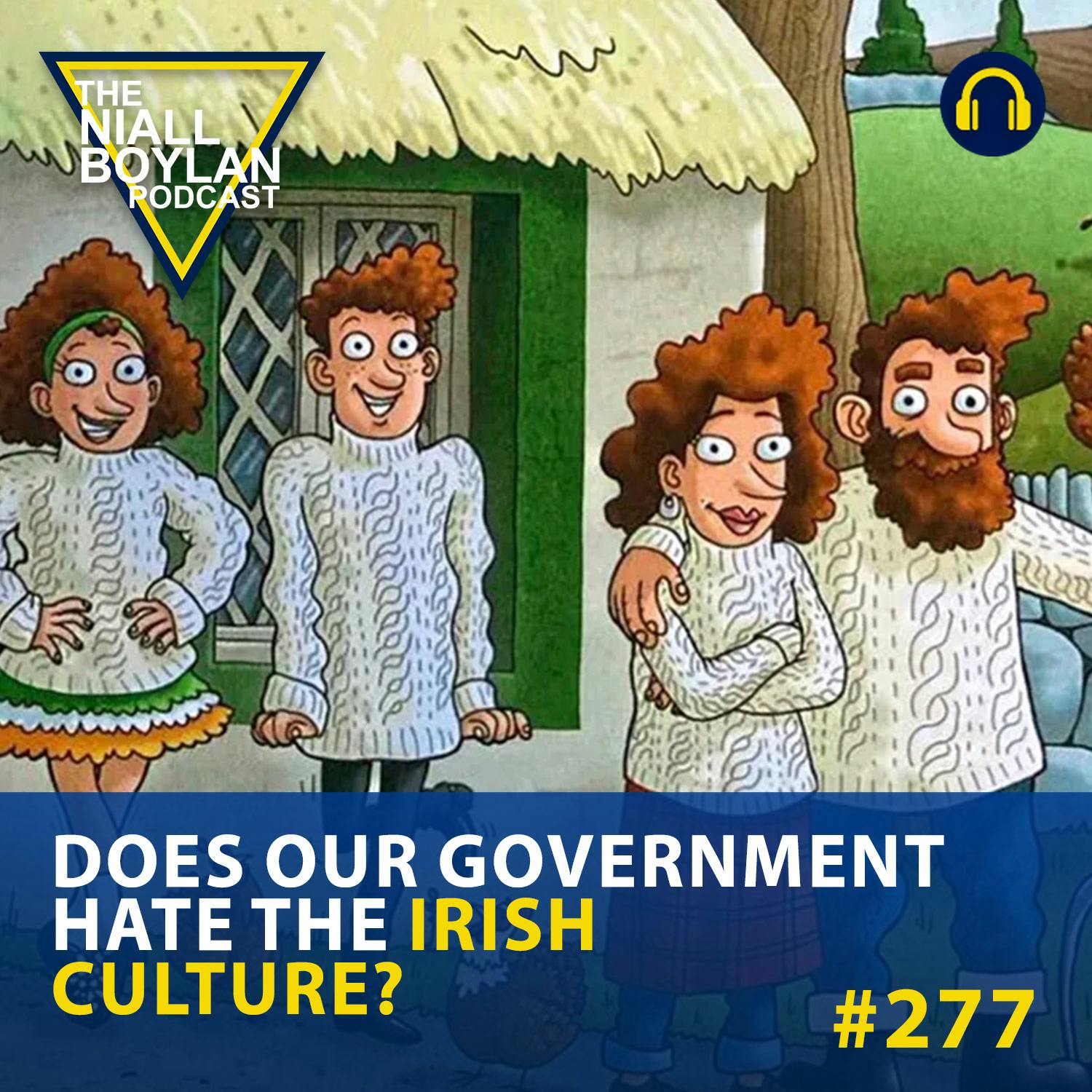
Ep 277#277 Does Our Government Hate The Irish Culture?
In this episode, Niall explores the question, "Does Our Government Hate The Irish Culture?" sparked by the controversy surrounding the SPHE schoolbook used in this year’s curriculum. Critics argue that the book, which seemingly portrays traditional Irish families negatively, is part of a broader attempt to undermine Irish culture. The discussion highlights concerns from TDs, parents, and teachers who believe the curriculum paints a biased picture, favoring a global identity over traditional Irish values. The debate delves into whether this reflects a governmental push against Irish cultural pride.Some callers feel that the government is indeed turning its back on Irish culture. They argue that allowing such a depiction in educational materials suggests a disregard for what makes Ireland unique. The portrayal of Irish families as narrow-minded and intolerant, simply for enjoying traditional activities like GAA and Irish music, feels like an attack on national identity. They believe this is part of a broader agenda to dilute Irish culture and replace it with a more global, less distinctive identity. These callers insist that it’s time to stand up for Irish traditions and demand respect and recognition.Niall wraps up by considering both sides of the debate, emphasizing the importance of balancing cultural pride with openness to diversity. He suggests that the conversation around the SPHE book is a reflection of deeper concerns about cultural preservation and the role of education in shaping national

Ep 276#276 Should Smoking Be Banned In Beer Gardens And All Outdoor Public Places?
In today’s episode, Niall dives into the proposed UK laws banning smoking in outdoor spaces and asks, should Ireland follow suit? He speaks with Adrian Cummins from the Restaurant Association and Paul Tryvaud of Tryvaud’s Restaurant in Killarney to explore how this potential ban could impact the hospitality industry.The UK government, led by Sir Keir Starmer, is considering tougher outdoor smoking rules to reduce preventable deaths linked to tobacco. While health experts welcome the move, concerns are emerging from ministers and business owners about its effect on pubs and restaurants.We also hear a range of opinions from callers—some arguing it’s a case of nanny state laws, while others support the ban for public health reasons. Tune in for a lively discussion on this controversial issue.

Ep 275#275 Should Irish Be Compulsory For All Students Regardless Of Nationality?
In this episode, Niall explores the debate around whether the Irish language should be compulsory for all students, regardless of their nationality. The discussion was sparked by the Taoiseach's comments suggesting that fewer students are choosing Irish for the Leaving Certificate because many come from families around the world and may not be in a position to take mandatory Irish classes. Should the Irish language be a compulsory part of education for everyone living in Ireland, or should it be optional?Some callers believe that Irish should indeed be compulsory for all students, regardless of their background. They argue that the Irish language is a vital part of Ireland’s heritage and cultural identity. By making it mandatory, students from diverse backgrounds can connect with the country's history and traditions, fostering a greater sense of unity and community. Supporters feel that maintaining Irish as a compulsory subject helps preserve a unique aspect of Irish identity, which is important for both Irish nationals and those who choose to live in Ireland.While other callers feel that Irish should not be compulsory for all students. They argue that the language is not widely used in everyday life, and enforcing it on all students is impractical and may be seen as unnecessary. These callers believe that educational efforts should focus more on subjects that offer practical value in today’s world, like computer science, mathematics, and modern foreign languages that could open up global opportunities. Making Irish optional would allow students to focus on skills that are more relevant to their future careers, while still offering the language as a choice for those genuinely interested in it.Niall concludes the episode by acknowledging the passionate arguments on both sides of the debate, highlighting the balance between preserving cultural heritage and adapting to the practical needs of a modern, diverse society. He suggests that finding a middle ground might be the key to addressing this issue effectively.

Ep 274#274 Is It Time To Ban Drinking Alcohol On Planes And In Airports?
In this episode, Niall asks the question: Is it time to ban drinking alcohol on planes and in airports? This debate has been sparked by recent comments from Ryanair's chief executive, Michael O'Leary, who called for alcohol limits to tackle a rise in disorderly and violent behavior during flights. O'Leary suggests restricting passengers to two drinks per journey to help manage the issue, citing increasing incidents of aggressive behavior linked to alcohol consumption, especially on flights to popular "party destinations."Some callers agree that banning alcohol on planes and in airports is a necessary step. They argue that the rise in violent and disruptive behavior due to alcohol is putting passengers and crew at risk. They believe that air travel should prioritize safety, and removing alcohol from the equation would help ensure a more peaceful flying experience. They’ve witnessed firsthand the negative impact of drinking during flights and feel that strict measures are needed to protect everyone on board.While other callers feel banning alcohol outright is too extreme. They believe people should be able to enjoy a drink responsibly while traveling, as it can be a part of the experience and help calm nerves for anxious flyers. Instead of a complete ban, they suggest better enforcement of current rules, setting drink limits, and improving staff training to handle intoxicated passengers. Most travelers know how to manage their drinking, and punishing everyone for the actions of a few is unfair.Niall wraps up the discussion by acknowledging both sides of the argument, emphasizing the importance of balancing safety and personal freedoms. He suggests that while stricter measures may be necessary, a complete ban might not be the best solution, and that further discussions and creative solutions are needed to address this growing concern.
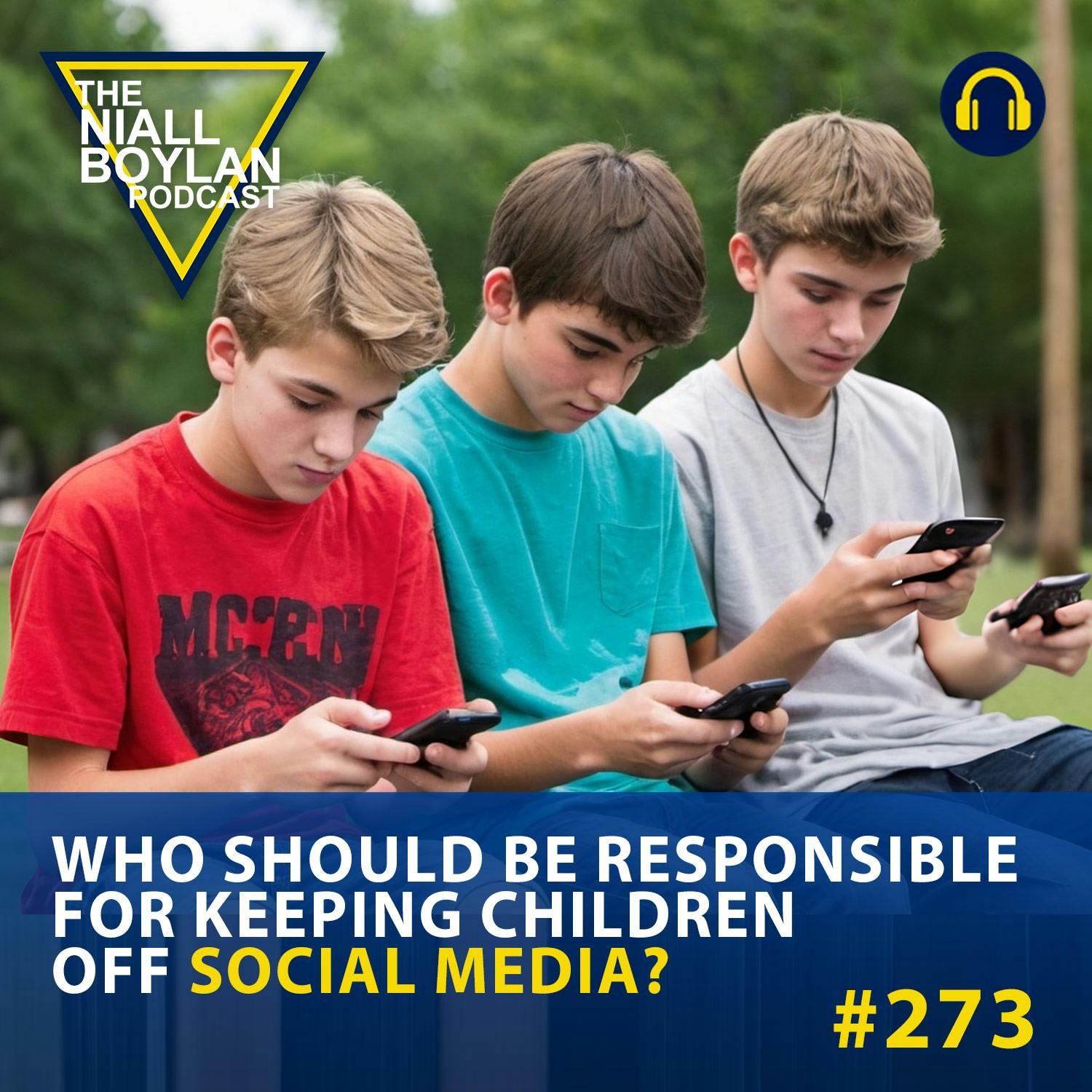
Ep 273#273 Who Should Be Responsible For Keeping Children Off Social Media?
In this episode, Niall asks the pressing question: Who should be responsible for keeping children off social media? With the Health Minister proposing to challenge social media companies to limit access for under-16s, the debate continues over whether this responsibility should fall on the government, tech companies, or parents.Some callers argue that it’s primarily the parents' responsibility. They believe that parents are in the best position to monitor and manage their children's online activities. Relying on the government or tech companies to police kids' online behavior is not practical or effective. Parents should set clear rules, actively engage in their children's digital lives, and educate them about the risks associated with social media. Personal responsibility is key, and parents need to step up to protect their kids.Meanwhile, other callers feel that government intervention is necessary. They argue that tech companies prioritize profits over child safety and cannot be trusted to self-regulate. Therefore, strong legislation is needed to enforce age restrictions and protect children from harmful content and online predators. Given the increasing links between social media use and mental health issues among youth, it’s crucial for the government to establish strict regulations. Tech companies should also be held accountable for ensuring their platforms are safe for younger users.Niall wraps up the discussion by highlighting the need for a balanced approach, where parents, the government, and tech companies each play a role in safeguarding children online. He acknowledges the challenges of monitoring children's social media use in a digital age and emphasizes the importance of collaboration to create a safer online environment for the younger generation.

Ep 272#272 Should There Be Any Restrictions On Speech?
In this episode, Niall asks the complex question surrounding freedom of speech, especially in light of Telegram CEO Pavel Durov's arrest and the increasing scrutiny on platforms like X (formerly Twitter) by governments. With accusations that Telegram facilitates criminal activities due to its commitment to user privacy and encryption, the debate arises: Should there be any restrictions on speech, or is free speech an absolute right?Some callers argue that there must be restrictions on speech, particularly on digital platforms. They emphasize that unchecked freedom can lead to the spread of dangerous misinformation, incitement of violence, and the proliferation of illegal activities, such as terrorism and cyberbullying. They believe that while free speech is crucial, it should not come at the expense of public safety. With the rapid spread of content on social media, sensible regulations are needed to prevent the harm that unchecked speech can cause.On the other hand, other callers believe that free speech should remain absolute, without any government-imposed restrictions. They caution that any form of regulation can lead to a slippery slope where governments misuse power to silence dissent and control narratives. They argue that free speech is essential for democracy, as it allows people to express their opinions, even if those opinions are controversial or offensive. Restricting speech, in their view, is a threat to individual liberties and the right to challenge those in power.Niall concludes the discussion by acknowledging the challenging balance between protecting free speech and ensuring public safety. He highlights the importance of finding a middle ground that respects individual rights while addressing the potential dangers of unrestricted speech on powerful digital platforms. As the debate continues, Niall encourages listeners to consider the implications of both sides of the argument and reflect on how freedom of expression should be managed in a modern, interconnected world.
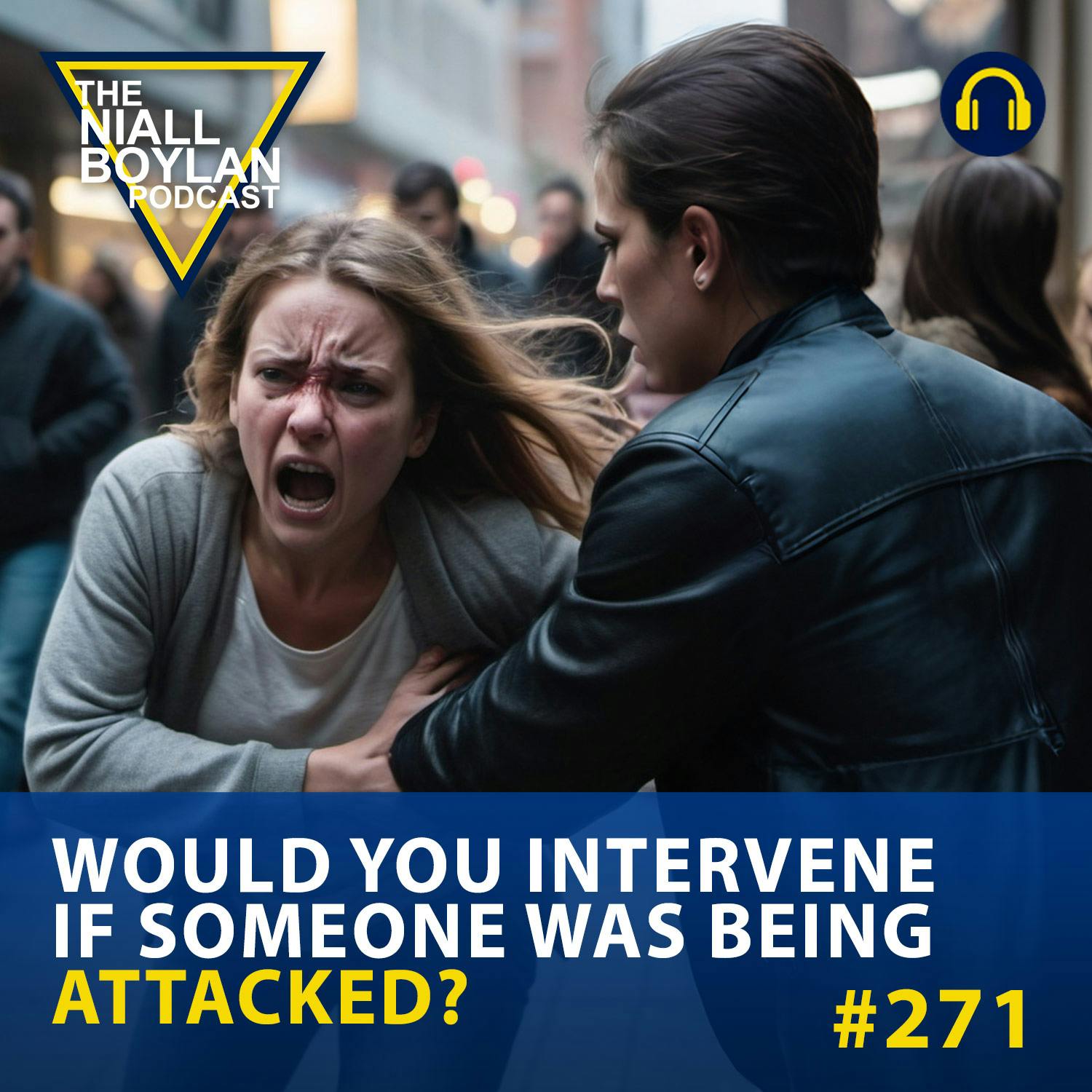
Ep 271#271 Would You Intervene If Someone was Being Attacked?
In this episode, Niall asks the crucial question: Would you intervene if you saw someone being attacked? With the increasing reports of violence, it's a situation more people may find themselves in, and the responses are divided.Some callers believe it's essential to step in and help. They argue that as human beings, we have a responsibility to protect one another and stop violence when we see it happening. They express that standing by and doing nothing would be a failure of basic human decency, and even if it means putting oneself at risk, the safety of others should come first.While other callers feel that intervening is too dangerous. They point out that you never know if the attacker might be armed or how the situation could escalate. They argue that it's better to call the authorities immediately and let trained professionals handle the situation. They emphasize the importance of self-preservation, saying that taking action could result in serious injury or even death.Niall wraps up the discussion by acknowledging the bravery it takes to intervene in such situations and the genuine fear that holds others back. He emphasizes the importance of assessing each situation carefully and reminds listeners that while our instincts may drive us to act, safety must always be a priority. The conversation leaves listeners with a lot to consider about their own potential actions in a crisis.

Ep 270#270 Is It Time To Scrap School Uniforms?
In this episode, Niall asks whether it's time to scrap school uniforms, as many parents express frustration over the rising costs of back-to-school expenses. The debate centers on whether uniforms are an unnecessary financial burden or a valuable tool for promoting equality among students.Some callers believe that school uniforms are outdated and too expensive, arguing that allowing kids to wear their own clothes would ease the financial strain on families and give students the freedom to express themselves. On the other hand, others feel that uniforms play a crucial role in reducing bullying, promoting unity, and ensuring that all students feel a sense of belonging, regardless of their background. They argue that while uniforms can be costly, the benefits of maintaining equality and discipline in schools outweigh the expenses.Niall wraps up by weighing the pros and cons of school uniforms and considering whether it's time for schools to adopt a more flexible approach.
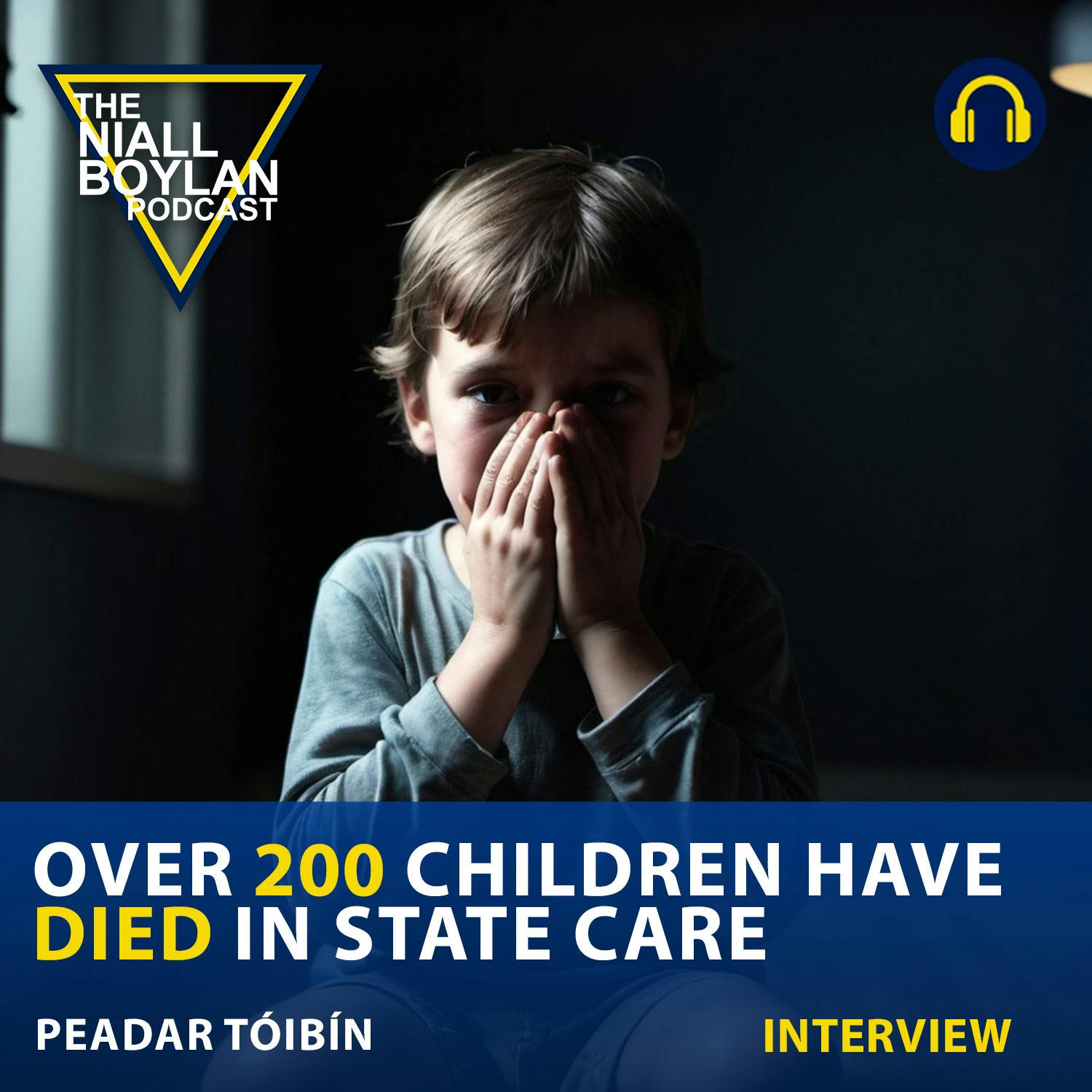
Over 200 Children Have Died In State Care (With Peadar Tóibín)
bonusIn this episode of the Niall Boylan Podcast, Niall is joined by Peadar Tóibín, leader of the Aontú party, to discuss critical issues surrounding the Irish care system, particularly its failings in protecting the country's most vulnerable children. The conversation begins with a deep dive into alarming findings from Freedom of Information documents, revealing the state's struggling child care system, including shocking statistics about the number of children referred to TUSLA, the Irish Child and Family Agency, and the rising concerns over unregulated emergency accommodations.Peadar highlights the harrowing truth that over 200 children known to state services have died in the last decade, some through tragic circumstances like murder, suicide, and drug overdoses. He sheds light on the grim reality of children going missing from state care, some falling prey to sexual exploitation by organized gangs. The discussion also covers the failures of the government, particularly the Green Party, in addressing these critical issues, with Peadar calling for the resignation of the Minister for Children, Roderic O'Gorman, due to his perceived lack of interest and action in resolving these grave matters.The episode also touches on broader societal issues, including the impact of COVID-19 on family dynamics and the rise of referrals to TUSLA, as well as the ongoing debates around gender ideology within the health service, where Peadar criticizes the HSE's (Health Service Executive) policies on gender identity, arguing that they undermine the essential focus on women's health.This episode is a must-listen for anyone interested in child welfare, government accountability, and the intersection of politics and social issues in Ireland. Peadar Tóibín's insights provide a sobering look at the current state of affairs and the urgent need for reform.
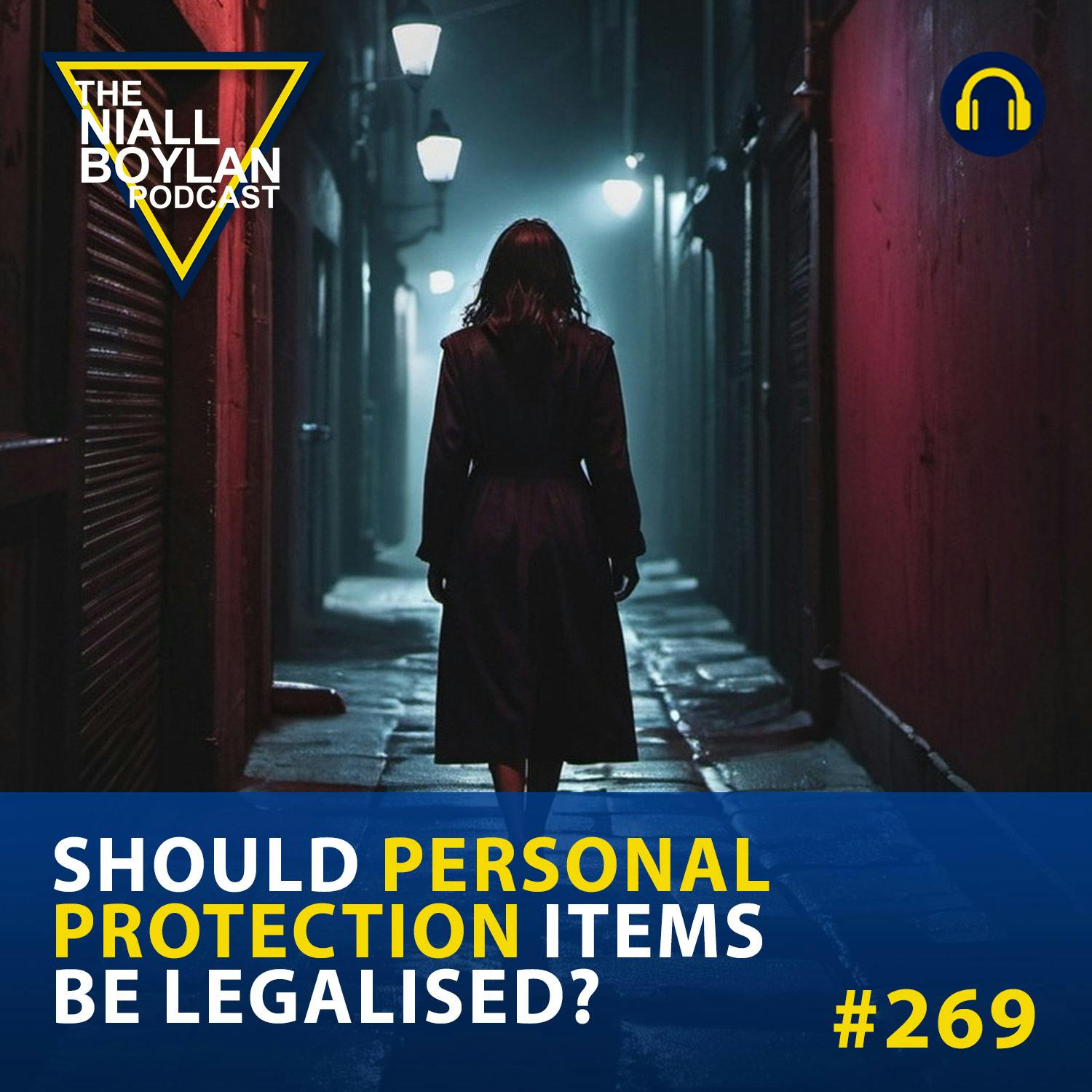
Ep 269#269 Should Personal Protection Items Be Legalised?
In this episode, Niall asks whether personal protection items, such as pepper spray, should be made legal in Ireland, especially as concerns grow over street safety, particularly for women. Senator Keogan's recent proposal has sparked debate: should individuals have the right to carry such items for self-defense?Some callers argue against legalizing personal protection items, fearing that they could be misused or escalate dangerous situations. They believe the focus should instead be on improving street safety through increased policing, better lighting, and community initiatives. Others feel strongly that allowing people, particularly women, to carry items like pepper spray is a necessary step in empowering them to protect themselves when they feel vulnerable. They argue that while authorities play a role in safety, individuals should also have the means to defend themselves if needed.Niall wraps up by considering the potential benefits and risks of legalizing personal protection items, and whether this move would truly make Ireland's streets safer.
Ep 268#268 Immigration And Housing Chaos: How Would You Fix The Problems?
In this episode, Niall explores the pressing issues of immigration and housing in Ireland, asking listeners how they would solve these intertwined crises. While it's easy to point out the problems, Niall challenges listeners to propose real solutions.Some callers suggest that stricter immigration controls are necessary to alleviate the pressure on housing and social services. They believe that by ensuring those who enter the country can contribute meaningfully, we can focus resources more effectively. Others propose a significant overhaul of the planning and housing system, emphasizing the need for the government to invest in affordable housing and streamline the planning process to avoid unnecessary delays. Some believe repurposing vacant buildings and utilizing state-owned land could provide immediate relief to the housing shortage, while a more rigorous system for processing asylum seekers would ensure that only those in genuine need receive support.Niall wraps up by considering these potential solutions and reflecting on the practicality and impact they could have on Ireland's future.
Ep 267#267 Thornton Hall: Out Of Sight Out Of Mind?
In this episode, Niall discusses the controversial plan to use larger, remote reception centers, like Thornton Hall, to accommodate the growing number of refugees in Ireland. As the nation grapples with the influx, questions arise about the feasibility and morality of placing these centers far from urban areas.Some callers argue that it doesn’t matter where these centers are located because the country simply doesn’t have the resources to handle more refugees. They believe that the focus should be on solving domestic issues, such as the housing crisis and overburdened healthcare system, before taking on additional responsibilities.Other callers see the idea of placing centers in remote areas like Thornton Hall as a practical solution. They argue that it helps alleviate the pressure on already overcrowded cities and allows for a more manageable approach to accommodating refugees without causing significant disruption to local communities.Niall wraps up by reflecting on whether this "out of sight, out of mind" strategy is truly sustainable or just a temporary fix for a growing problem.
Ep 266#266 Swearing in Public: Should It Cost You a F***ing Fortune?
In this episode, Niall discusses a controversial new rule from Thanet District Council, which imposes a £100 fine for swearing in public. The measure has sparked heated debate, with some seeing it as a necessary step to curb antisocial behavior, while others argue it’s an infringement on free speech and an unrealistic, overly strict enforcement.Some callers believe the fine is an overreach and could easily be abused, stifling free speech and creating more issues than it solves. They argue that people should have the freedom to express themselves, even if that includes swearing, as long as it’s not directed at others in an abusive manner.On the other hand, other callers support the fine, viewing it as a positive move to maintain public decency and ensure that public spaces are enjoyable and safe for everyone, especially families. They argue that curbing public swearing is a step toward improving the overall atmosphere in communities.Niall wraps up by reflecting on the balance between maintaining public order and protecting individual freedoms, and whether this new rule is the right approach to achieving that balance.

Ep 265#265 Same Sex Schools Vs Mixed Schools Which Is Better?
In this episode, Niall explores the debate over whether same-sex or mixed schools provide a better educational experience for students. The discussion is sparked by recent comments from Higher Education Minister Patrick O'Donovan, who advocates for a co-educational learning model to promote integration and reduce gender-based violence.Some callers argue that mixed schools better prepare students for real-life situations where men and women must work together. They believe that co-ed environments foster better communication, understanding, and healthier relationships between genders, which can help reduce aggression and promote respect.On the other hand, some callers believe that single-sex schools offer a more focused academic environment, free from the distractions that can arise in mixed settings. They argue that single-sex schools can cater to the different learning styles of boys and girls, leading to better academic outcomes, particularly in subjects where gender stereotypes might otherwise limit participation.Niall wraps up by considering the various perspectives, emphasizing the importance of finding the right educational environment for each student while also reflecting on the broader societal implications of this debate.

Ep 264#264 Are Bad Laws Made To Be Broken?
In this episode, Niall asks, "Are Bad Laws Made To Be Broken?" This discussion is sparked by the case of Brendan McDonagh, a father facing possible imprisonment for building a small log cabin on his family's land after being denied state housing assistance. Despite his attempts to follow regulations, Brendan’s home is set to be demolished by October 1st due to lack of planning permission, a move that could leave his family homeless.Some callers believe that laws should serve the people, and when they fail to do so, as in Brendan's case, they might deserve to be challenged. They argue that Brendan is simply trying to provide a safe home for his family on his own land and that laws preventing this are outdated and unjust. They see his actions as a form of protest against an unfair system.Other callers feel that laws are in place for important reasons, such as ensuring safety and protecting the environment. They argue that while Brendan’s situation is unfortunate, everyone needs to follow the rules to maintain order and fairness. They suggest that changing the law through legal channels is the appropriate way to address such issues, rather than breaking it.Niall wraps up by emphasizing the importance of this debate in the context of Ireland's housing crisis, questioning whether the enforcement of such laws is truly serving the public good or if it’s time to reconsider how these regulations are applied in extraordinary circumstances.

Ireland’s Housing Hypocrisy: A Father Facing Prison for Building a Home
bonusIn this emotionally charged episode of The Niall Boylan Podcast, we explore the heartbreaking story of Brendan McDonagh, a father of two facing the possibility of imprisonment simply for trying to provide a home for his family. Brendan’s struggle highlights the deep hypocrisy and unfairness within the Irish housing system.Brendan, a hardworking man, built a modest log cabin on his own land—land that has been in his family since 1952—because he had no other options. Despite the severe housing crisis, Brendan was denied any assistance from the government, and his attempts to secure planning permission were consistently refused. As a result, Brendan now faces the threat of jail time if he doesn’t demolish the only home his children have ever known.Adding to the injustice, just up the road from Brendan’s property, a refugee center was opened under emergency legislation, allowing hundreds of people to be housed without the need for planning permission. The proximity of this center, only a stone’s throw away from Brendan’s home, underscores the stark double standards in how the government treats its own citizens compared to those seeking asylum.Niall passionately discusses the injustice Brendan and his family are enduring, the impact on their mental health, and the broader implications of a system that seems to prioritize bureaucracy over basic human compassion. Brendan’s story is not just a personal tragedy but a symbol of the broader housing crisis gripping Ireland.Listeners are urged to support Brendan by signing a petition to prevent his imprisonment and to stand against a system that punishes those who are simply trying to care for their families. This episode is a powerful call to action, exposing the harsh realities of Ireland’s housing policies and the devastating effects they have on ordinary people.This episode is a must-listen for anyone concerned about justice, fairness, and the state of housing in Ireland today.

Ep 263#263 Is Boxing A Female Sport?
In this episode, Niall asks, "Is Boxing A Female Sport?" This topic arises in light of Kellie Harrington winning her second gold medal. A listener's message sparked the discussion: a mother expressed concern about her 8-year-old daughter wanting to join a boxing club, calling female boxing barbaric.Some callers think boxing is a fantastic sport for anyone, regardless of gender. It teaches discipline, confidence, and fitness. Kellie Harrington is a great role model for young girls, showing that they can excel in what was traditionally seen as a male-dominated sport. If an 8-year-old girl is interested in boxing, she should be encouraged to pursue her passion.Others feel boxing is too violent for young girls. They believe there are plenty of other sports that teach discipline and fitness without the risk of getting hurt. The potential for injury and the aggressive nature of boxing are concerns, and they suggest encouraging girls to participate in safer, less combative sports.Niall wraps up the discussion by emphasizing the importance of considering both perspectives. While recognizing the achievements of female boxers and the benefits of the sport, he also highlights the need to evaluate the risks involved, especially for young children.