The Niall Boylan Podcast (They Told Me To Shut Up)
1,000 episodes — Page 15 of 20

Ep 217#217 The Rwanda Bill What Effect Will It Have On Ireland?
In this episode, Niall looks into the potential impact of the Rwanda bill on Ireland. The controversial UK legislation aims to deter asylum seekers by sending them to Rwanda. Tánaiste Micheál Martin suggests that the policy is already driving asylum seekers across the Border from Northern Ireland to the Republic.Some callers think Ireland has become a dumping ground for immigrants, and the Rwanda bill will only exacerbate the problem. We've already taken in too many immigrants, and our country is struggling to cope. There's a real risk that crime rates will increase and tensions will rise if we continue to accept more immigrants. We need to put the needs of our own citizens first and focus on addressing the issues we're facing at home before we consider taking in more immigrants. Ireland is already struggling to accommodate the immigrants we have, and we simply don't have the resources or infrastructure to take in more. Our social services are overstretched, and there's a risk that our communities will suffer as a result. We need to prioritize the needs of our own citizens before considering taking in more immigrants.Others believe that the Rwanda bill is a necessary step to address illegal immigration. They argue that Ireland cannot continue to absorb large numbers of asylum seekers without facing serious social and economic consequences. The government needs to take action to protect our borders and ensure the safety and security of our citizens. While it's important to show compassion for those in need, we cannot ignore the impact that uncontrolled immigration is having on our country. The Rwanda bill may be controversial, but it's necessary to protect Ireland's interests and ensure that our immigration system is fair and effective.Niall wraps up the discussion, urging listeners to consider the implications of the Rwanda bill and the impact it may have on Ireland.

Rwanda Bill: The UK Are Shipping Their Problem Onto Ireland With Paul Turner
UK Immigration Barrister, Paul Turner Niall was told today that 'If we become a transit country for migrants... then the numbers I don't believe will go down.' UK Immigration Barrister, Paul Turner, on the whether the Prime Minister is celebrating Rwanda plan success too early or not.Paul went on to tell Niall Boylan that he has heard that legal representatives for illegal migrants in the UK are telling their clients to go to Ireland to avid deportation.This spells disaster for Ireland and controlling immigration.

Ep 216#216 Has The Government Lost Control Of Immigration?
In this episode, Niall looks into Helen McEntee's proposed immigration legislation and discusses the alarming 50% drop in Irish staycations. The burning question of the day: Has the government lost control?Some callers are not convinced that Helen McEntee's proposed immigration legislation is the right approach. Instead of focusing on stricter enforcement, we should be looking for ways to improve our immigration system and make it more efficient and effective. This means investing in resources and infrastructure to process applications more quickly and fairly. We should also be exploring ways to integrate immigrants into our society and economy, rather than just keeping them out.Callers also believe the 50% drop in Irish staycations is a clear sign that the government needs to take action. People are clearly choosing to holiday abroad instead of staying in Ireland, and that's a problem. We need to make sure that our tourism industry is competitive and attractive to both domestic and international visitors. This means investing in infrastructure, promoting local attractions, and ensuring that prices are reasonable. The government needs to step up and support the tourism sector before it's too late.Niall wraps up the discussion, urging the government to address these pressing issues and regain control.

Ep 215What's Happening At Newtownmountkennedy Part 2
In this episode, Niall discusses the events that unfolded at the protest in Newtown Mount Kennedy, where journalist Fatima Gunning from Gript Media was pepper-sprayed, and members of the public were manhandled by the gardaí when the riot squad was called in. Minister of Justice Helen McEntee and Taoiseach Simon Harris back Garda handling of protests at the site intended for use as accommodation for IP applicants.The discussion delves into the responses from both the police and the protesters. Niall also explores the broader context of public dissatisfaction with Irish immigration policy, drawing attention to the significant social tensions surrounding the issue. The episode offers a critical look at the state of democracy in Ireland and the increasing divide between the government and the people.Niall concludes by highlighting the urgent need for dialogue and understanding between the government and the public. He emphasizes the importance of addressing public dissatisfaction with immigration policies and calls for a more transparent and accountable approach from authorities.
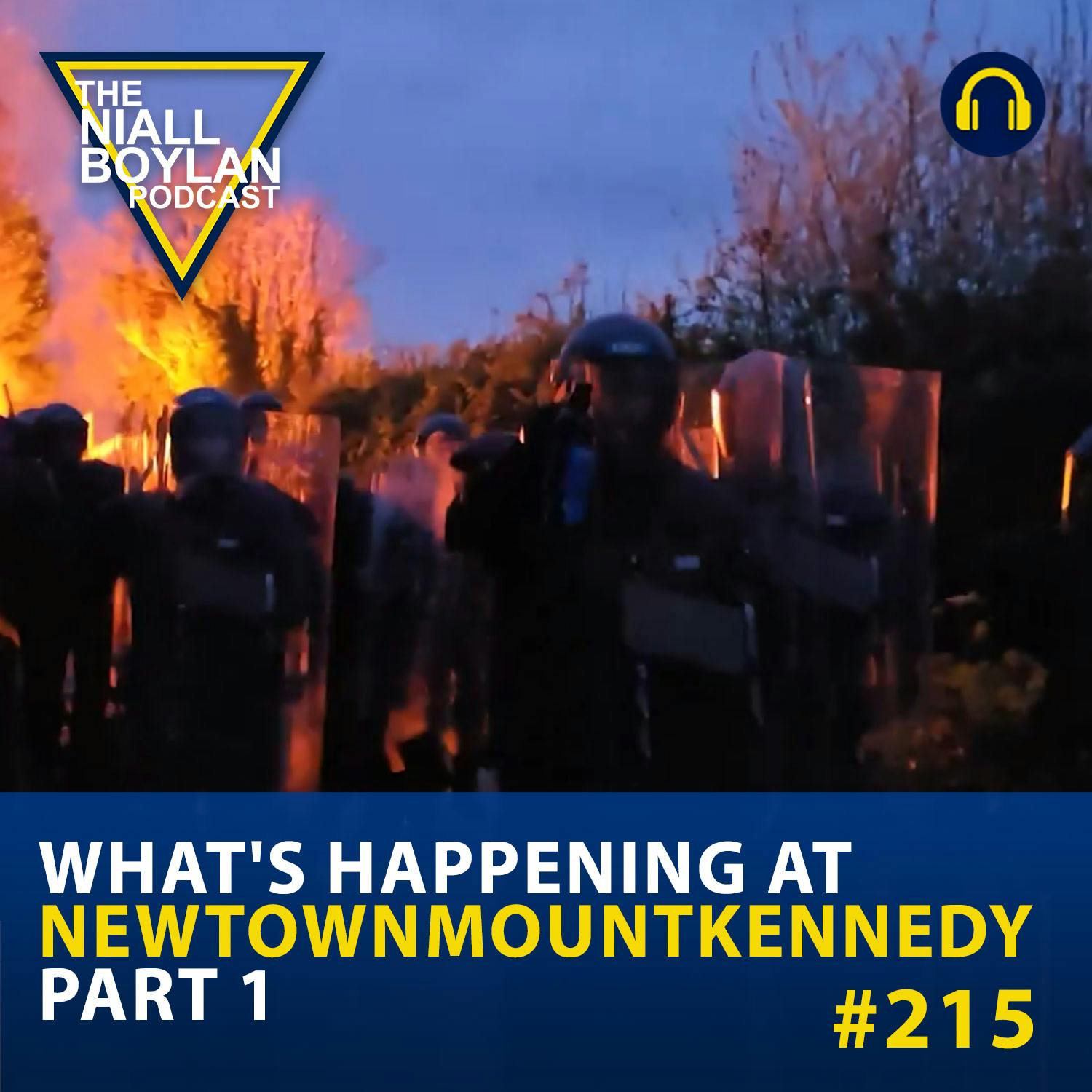
Ep 215#215 What's Happening At Newtownmountkennedy Part 1
In this episode, Niall discusses the events that unfolded at the protest in Newtown Mount Kennedy, where journalist Fatima Gunning from Gript Media was pepper-sprayed, and members of the public were manhandled by the gardaí when the riot squad was called in. Minister of Justice Helen McEntee and Taoiseach Simon Harris back Garda handling of protests at the site intended for use as accommodation for IP applicants.The discussion delves into the responses from both the police and the protesters. Niall also explores the broader context of public dissatisfaction with Irish immigration policy, drawing attention to the significant social tensions surrounding the issue. The episode offers a critical look at the state of democracy in Ireland and the increasing divide between the government and the people.Niall concludes by highlighting the urgent need for dialogue and understanding between the government and the public. He emphasizes the importance of addressing public dissatisfaction with immigration policies and calls for a more transparent and accountable approach from authorities.
Ep 214#214 Does voting for change really make a difference to the outcome?
As you all know Niall Boylan is running for the EU lections in Dublin and today hes asking does voting for a change really work.In democracies globally, a growing number of voters are losing faith in electoral processes. Numerous individuals express frustration, feeling their voices go unheard. Some are gravitating towards political factions with radical populist agendas. This discontent among voters could stem from worsening living standards in Western nations, particularly the steady decline of manufacturing jobs and escalating inequality.These trends contribute to a diminishing trust in democratic institutions. Additionally, the proliferation of mobile internet has played a role, enabling the dissemination of misinformation and bolstering populist movements. Furthermore, it's plausible that elections fall short in delivering the economic improvements voters seek, leading many to question the true impact of electoral participation on their well-being.

Ep 213#213 Would You Let A homeless Stranger Live In Your Home?
In this episode, Niall delves into the question: Would You Allow A Homeless Stranger To Live In Your Home? The topic arises as homelessness continues to increase in Ireland, with many families currently experiencing homelessness. The Irish government has asked citizens to take in Ukrainian migrants into their homes but has not made the same request to help its own citizens who are homeless.Some callers believe that while they sympathize with the plight of homeless individuals, letting a homeless stranger live in their home is not the solution. While it's crucial to address homelessness through systemic changes and increased support services, inviting a stranger into their home poses potential risks to their safety and security. Other ways to support homeless individuals include donating to shelters, volunteering, or advocating for policy changes.Others express that they would indeed let a homeless stranger live in their home. As believers in compassion and helping those in need, they couldn't turn a blind eye to someone who is homeless and in need of shelter. Everyone deserves a safe place to call home, and if they have the means to provide that, they would do so without hesitation. By opening up their home to a homeless stranger, they can make a meaningful difference in someone's life and contribute to addressing the homelessness crisis in their community.The debate about whether to let a homeless stranger live in one's home reflects the complexity of the homelessness crisis. While some are hesitant due to safety concerns, others believe in the importance of compassion and helping those in need. As we continue to grapple with this issue, it's essential to explore various ways to address homelessness and support those who are most vulnerable in our society.
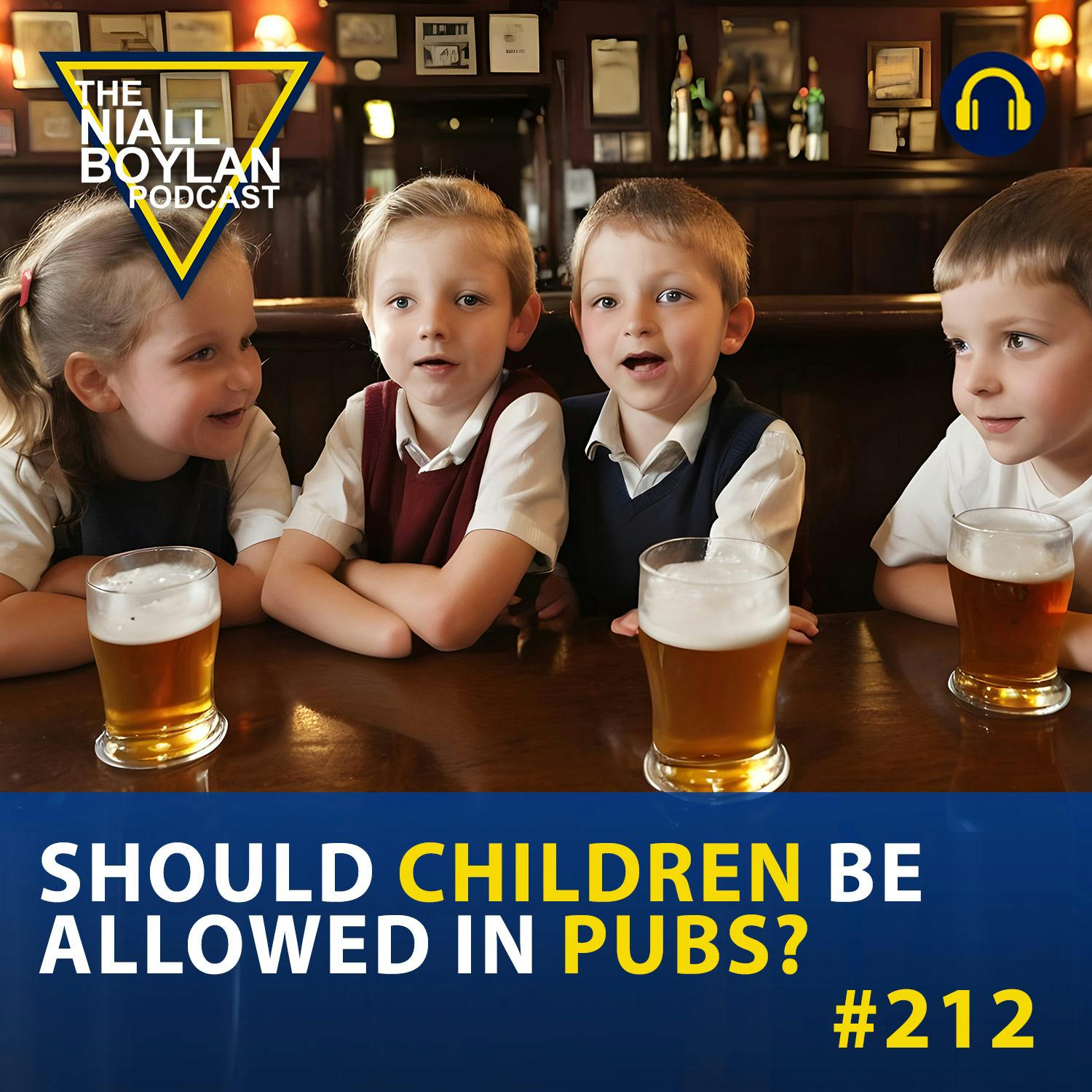
Ep 212#212 Should Children Be Allowed In Pubs?
In this episode, Niall discusses the controversial topic of whether children should be allowed in pubs. The discussion was sparked by a UK pub landlord's decision to make his pub a child-free zone.The Lower Red Lion pub in St Albans gained attention after a sign advertising it as "dog-friendly, child-free" went viral. While the pub received messages of support from both the local community and internationally, the policy also sparked debate online.The pub's landlord, David Worcester, defended the policy, stating that he aims to create an environment where his customers can relax without disruption. However, the decision has divided opinions, with some arguing that pubs should be adult-oriented spaces, while others believe that children should be allowed to accompany their families.As Niall opens up the lines to callers, listeners share their views on whether children should be allowed in pubs and how pub owners can strike a balance between catering to adults and families.Some callers think children should not be allowed in pubs. Pubs are adult-oriented establishments where people go to relax, socialize, and enjoy alcoholic beverages. Allowing children in pubs can disrupt the atmosphere and make other patrons uncomfortable. Furthermore, pubs are not suitable environments for children, as they are often crowded, noisy, and may contain hazards such as hot drinks and alcohol. By maintaining a child-free policy, pub owners can ensure that their establishment remains a welcoming space for adults to enjoy without disruption.Others argue that children should be allowed in pubs. Pubs are community spaces where people of all ages should be able to gather and socialize. Banning children from pubs can be exclusionary and unfair to families who may want to enjoy a meal or drink together. Furthermore, children can learn valuable social skills by interacting with adults in a variety of settings, including pubs. Instead of excluding children, pub owners should strive to create a family-friendly atmosphere where everyone feels welcome.The discussion about whether children should be allowed in pubs is ongoing and reflects the diverse opinions within our communities. While some believe that pubs should remain adult-oriented spaces, others argue that families should be able to enjoy these establishments together. As pub owners navigate this issue, it's essential to consider the preferences of their customers and find a balance that works for everyone.
Ep 211#211 Is Living On Welfare A lifestyle Choice?
In this episode, Niall opens a controversial topic of welfare reform sparked by recent announcements from the Prime Minister. Rishi Sunak outlined plans to reform the welfare system, emphasizing that unemployment support should be a safety net, not a lifestyle choice.The proposed reforms include removing benefits for those who refuse job offers after 12 months, tightening the work capability assessment, and reviewing eligibility criteria for benefits such as Personal Independence Payment (PIP).The Prime Minister's announcement has ignited debate, with some arguing that living on welfare should not be a lifestyle choice. They believe that the proposed reforms will incentivize work and reduce long-term dependency on welfare, ultimately benefiting individuals and the economy.However, others argue that welfare benefits are essential for those facing circumstances beyond their control, such as illness, disability, or unemployment. They warn that the proposed reforms risk pushing vulnerable individuals further into poverty and hardship.As Niall opens up the lines to callers, listeners weigh in on whether living on welfare is a lifestyle choice and whether the proposed reforms are the right approach to tackling welfare dependency.
Ep 211#210 EU Migration Pact: Are We Losing Our Sovereignty?
In this thought-provoking episode, Niall delves into the contentious issue of the EU Migration Pact and its implications for national sovereignty.As the European Union grapples with the complexities of migration, questions arise about the balance between collective responsibility and individual sovereignty. The EU Migration Pact, designed to streamline migration policies and address the challenges of asylum seekers, has sparked debate about the extent to which member states are willing to cede control over their borders and immigration procedures.Some callers express concerns that the pact represents a significant erosion of national sovereignty. They argue that by centralizing migration policies and imposing quotas on member states, the EU undermines their ability to make independent decisions about immigration. For these callers, preserving sovereignty is paramount, even in the face of shared migration challenges.Conversely, other callers highlight the benefits of collective action on migration within the EU. They argue that cooperation and solidarity among member states are essential for effectively managing migration flows and addressing humanitarian crises. While acknowledging the importance of sovereignty, these callers emphasize the need for a coordinated approach to migration that balances national interests with broader European values.In wrapping up the discussion, Niall reflects on the diverse perspectives shared by callers and the complex nature of sovereignty in the context of migration policy. As the EU continues to navigate these challenges, the balance between sovereignty and cooperation remains a central issue for member states to consider.

Ep 210The Documents the Goverment did not want you to see
Niall spoke to Gary Kavanagh from Gript media about documents provided to Gript under FOI show that senior officials in the Department of Justice believed that amending Article 41 of the Constitution to include non-marital families, as proposed by the Government in a recent referendum, would undermine, or even outright destroy, the ability of the State to operate an effective immigration system.One email seen by Gript shows senior officials in the Department being told that “The State has been able to maintain an immigration system so far precisely because Article 41 is applied to a small, tightly-defined group of people. The State will not be able to regulate immigration if this protection is applied any more widely.”In the last referendum the Government attempted to expand the definition of family in Article 41 to include non-marital families which were based on “durable relationships.” Read the full story here: https://gript.ie/revealed-the-documents-the-state-didnt-want-you-to-see-before-the-referendums/
Ep 209#209 Abortion Legislation: Should The 3 Day Wait Period Be Removed?
In this episode, Niall tackles the contentious issue of abortion legislation, specifically focusing on the debate surrounding the removal of the three-day wait period. The discussion was ignited by recent parliamentary discussions wherein the Taoiseach addressed concerns regarding abortion care in Ireland.Currently, individuals seeking abortion services in Ireland must adhere to a mandatory three-day wait period following their initial consultation. Proponents of removing this wait period argue that it creates unnecessary barriers for individuals seeking timely healthcare. They emphasize the importance of respecting autonomy and allowing informed decisions about reproductive health to be made without undue delay.Conversely, opponents of removing the wait period assert that it plays a crucial role in ensuring individuals have adequate time to consider their options and make well-informed choices. They argue that abortion is a significant medical procedure with ethical and moral dimensions, and rushing the decision-making process could have serious consequences.As Niall opens the lines to callers, a lively exchange of perspectives ensues. Some callers advocate strongly for the removal of the wait period, highlighting the importance of accessible and timely abortion care. Others express reservations, emphasizing the need for thoughtful consideration and informed decision-making.In concluding the discussion, Niall reflects on the diversity of opinions presented by callers, acknowledging the complexity of the issue and the necessity for careful deliberation in shaping abortion legislation.Join Niall as he navigates this challenging topic, exploring issues of reproductive rights, healthcare access, and ethical considerations surrounding abortion legislation.

Ep 208#208 Should we remove religion from schools?
In this episode, Niall explores the contentious topic of whether religious instruction, including communion and confirmation, should be completely removed from schools. Delving into the complexities of secularism versus religious influence in education, Niall navigates through contrasting perspectives on the matter.In the United States, the separation of church and state is upheld, prohibiting the teaching of religion in public schools to comply with the First Amendment. Meanwhile, in Ireland, Catholicism has traditionally played a significant role in education, sparking debates about the appropriateness of religious teachings in modern society.Some argue for the complete removal of religion from schools, advocating for a secular learning environment that promotes inclusivity and critical thinking. On the other hand, proponents of religious education highlight its cultural significance and moral teachings, emphasizing the value it brings to students' understanding of the world.As callers voice their opinions, passionate arguments emerge on both sides of the debate. Some believe that religious teachings have no place in a modern educational system, while others defend the importance of preserving religious traditions within schools.In wrapping up the discussion, Niall reflects on the diverse viewpoints shared by callers, underscoring the need for nuanced dialogue and consideration of the role of religion in shaping educational practices.Join Niall in this thought-provoking exploration of faith, tradition, and the evolving landscape of education.
Ep 207#207 Should A Juveniles Record Be Wiped Clean At 18?
In this episode, Niall explores the question of whether juvenile records should be automatically wiped clean at the age of 18. Drawing from the provisions of the Criminal Justice (Spent Convictions and Certain Disclosures) Act 2016 in Ireland, Niall delves into the complexities surrounding this issue.Niall opens the lines to callers, inviting listeners to share their perspectives. Some callers advocate for wiping juvenile records clean at 18, emphasizing the importance of giving young offenders a fresh start as they enter adulthood. They argue that retaining juvenile records could unfairly stigmatize individuals and hinder their opportunities for rehabilitation.On the other hand, some callers express reservations about automatically clearing juvenile records at 18. They raise concerns about accountability and the potential consequences of erasing records for serious offenses committed during adolescence. While acknowledging the need for rehabilitation, they suggest that certain offenses may warrant continued disclosure of juvenile records.Throughout the episode, Niall navigates the diverse viewpoints presented by callers. In wrapping up the discussion, he reflects on the insights shared and underscores the importance of finding a balanced approach to addressing juvenile records.
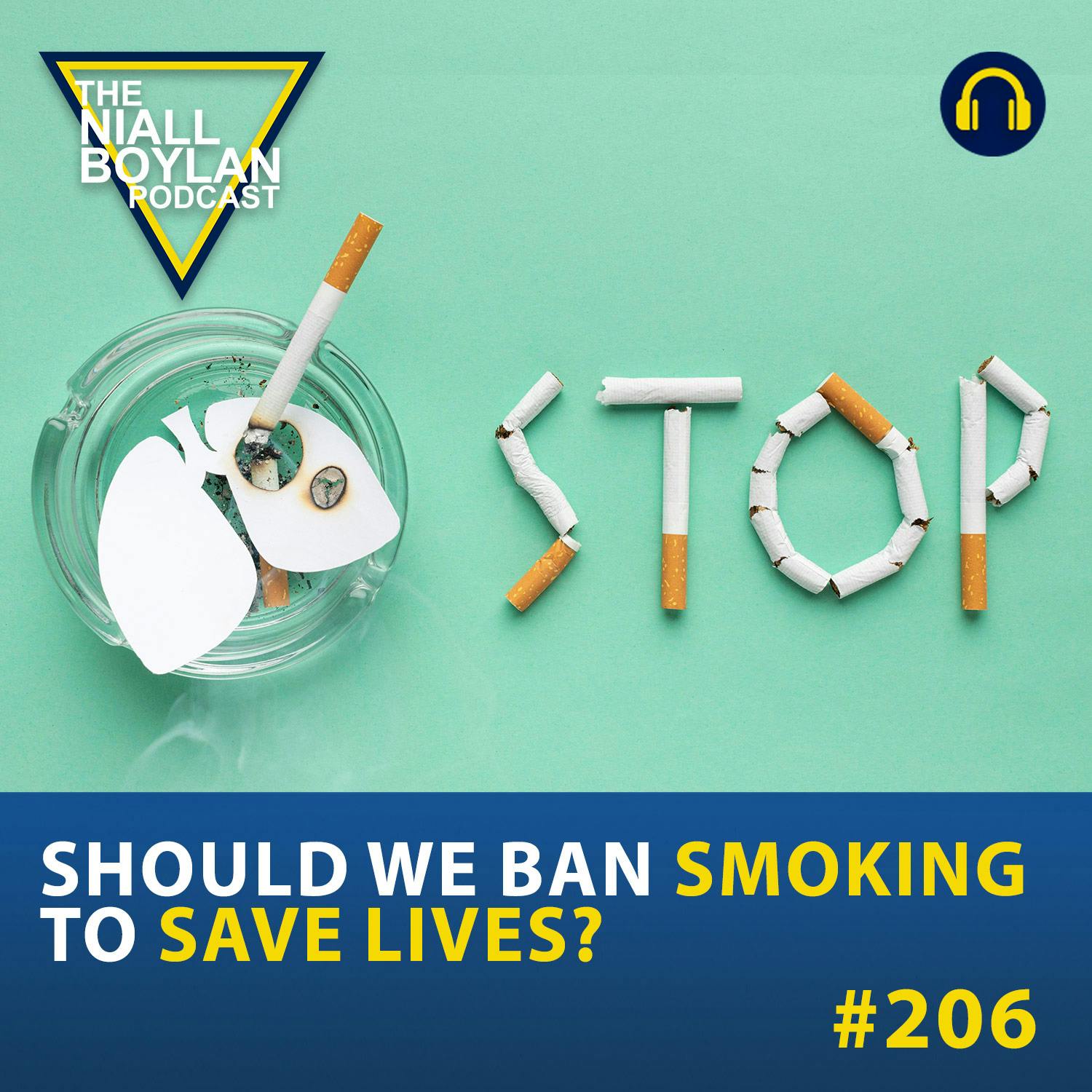
Ep 206#206 Should we ban smoking to save lives?
In this episode, Niall explores the contentious issue of whether smoking should be banned to save lives. With smoking being a leading cause of preventable death worldwide, the debate over implementing a smoking ban has garnered significant attention.Niall opens the lines to callers, inviting listeners to share their perspectives on the topic. Some callers advocate strongly for a smoking ban, citing the devastating health effects of tobacco use and the need to protect public health. They argue that banning smoking would not only save lives but also reduce healthcare costs and create a healthier environment for everyone.Conversely, other callers express reservations about implementing a smoking ban, suggesting that prohibition may not be the most effective solution. They raise concerns about the potential for unintended consequences, such as the rise of black market activity, and emphasize the importance of respecting individual freedoms and personal responsibility.Throughout the episode, Niall navigates the diverse viewpoints with empathy and encourages listeners to consider the complexities of the issue. In wrapping up the discussion, he reflects on the insights shared by callers and underscores the importance of ongoing dialogue and consideration when addressing public health challenges.

Ep 205#205 EU Migration Pact: Losing Control On Immigration Laws
In this episode, Niall explores the controversial EU Migration Pact and its potential ramifications for immigration laws. The pact, officially titled The New Pact on Migration and Asylum, has sparked intense debate among EU member states, policymakers, and advocacy groups.The show script provides context on the background and key provisions of the pact, highlighting its objectives to address migration challenges while balancing the interests of member states. However, concerns have been raised about the pact's impact on sovereignty, national security, and human rights.Niall opens up the lines to callers, inviting listeners to share their perspectives on the EU Migration Pact. Some callers express deep concerns about the pact, arguing that it could undermine national sovereignty and lead to human rights abuses, particularly in relation to border management and asylum procedures. They emphasize the importance of safeguarding national interests and maintaining control over immigration policies.Throughout the episode, Niall navigates the diverse viewpoints with sensitivity and encourages listeners to critically analyze the implications of the EU Migration Pact on immigration laws and human rights.In wrapping up the discussion, Niall reflects on the insights shared by callers and underscores the importance of ongoing dialogue and scrutiny on complex issues such as immigration policy within the EU.
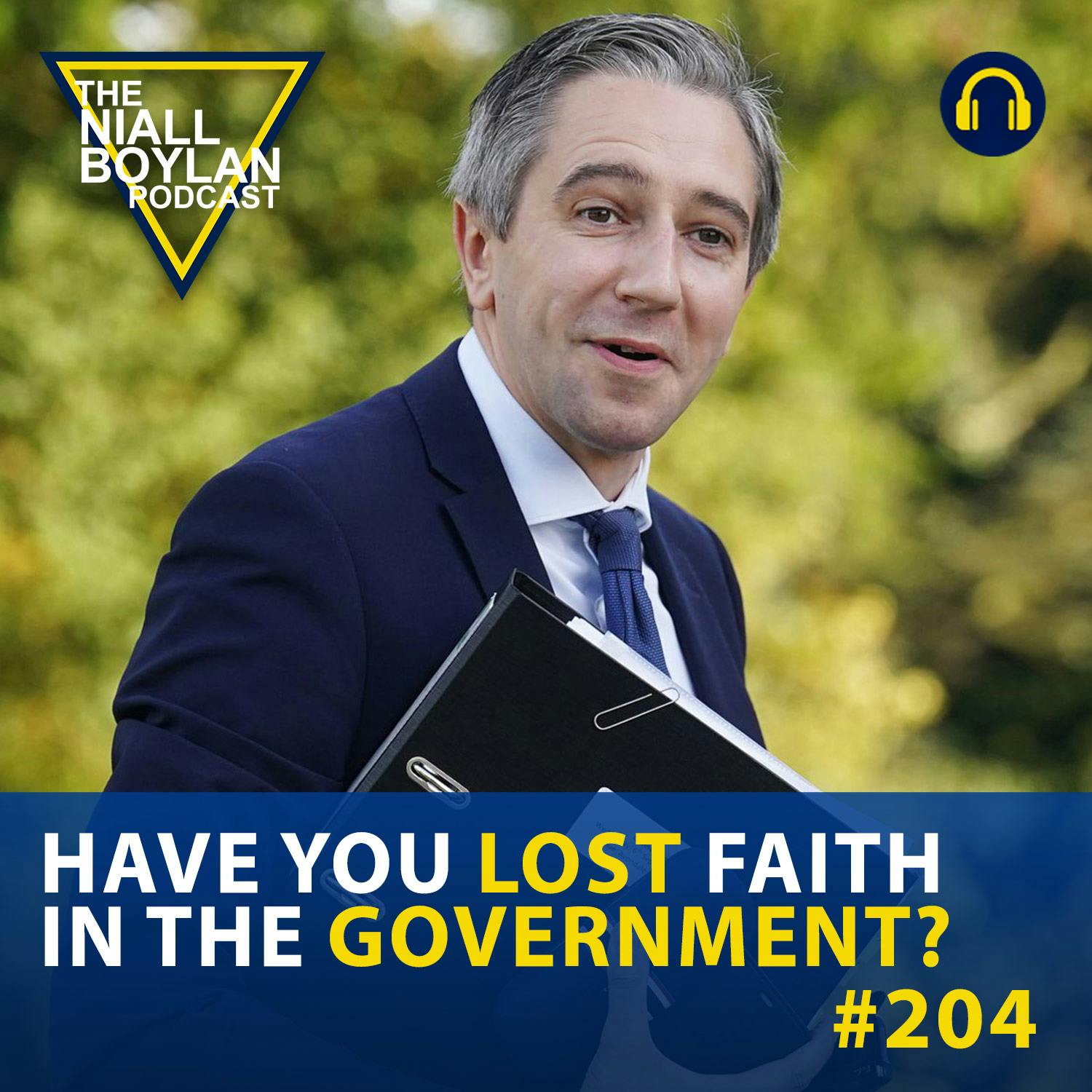
Ep 204#204 Have You Lost Faith In The Government?
In this episode, Niall explores the pressing question: Have You Lost Faith in the Government? Recent events and public sentiment indicate a growing dissatisfaction with the current administration, prompting a critical examination of trust and confidence in governmental leadership.Drawing from past discussions and prevailing public opinions, it's evident that many Irish citizens harbor deep reservations about the government's performance and decisions. From controversies surrounding healthcare policies to concerns about transparency and accountability, there's a palpable sense of disillusionment among the populace.Moreover, the impending election of Simon Harris as Taoiseach seems to exacerbate existing discontent. Despite his political stature, Harris faces widespread criticism and skepticism from the public, further eroding trust in the government's ability to address pressing issues effectively.As Niall opens up the lines to callers, listeners are invited to share their perspectives on the state of governance in Ireland. Some may express their loss of faith in the government, citing a lack of responsiveness to citizen needs and failure to deliver on promises. Others may voice concerns about the leadership transition and its implications for the country's future trajectory.Throughout the discussion, Niall navigates the complexities of public opinion with empathy and insight, probing the underlying factors contributing to the erosion of trust in governmental institutions.In the face of mounting dissatisfaction and uncertainty, it's crucial to confront these challenges head-on and seek avenues for rebuilding trust and fostering greater accountability in governance.As the episode draws to a close, Niall reflects on the diverse perspectives shared by callers and emphasizes the importance of ongoing dialogue and engagement in shaping the future of governance in Ireland. Despite the current climate of skepticism, there remains hope for positive change and renewed faith in the government's ability to serve the interests of the people.

Ep 203#203 Should Dublin Prioritise Public Transport Over Cars In The City Centre?
In this episode, Niall explores the contentious issue of whether Dublin should prioritize public transport over cars in the city center. The discussion stems from a recent proposal by Dublin City Council and the National Transport Authority to significantly reduce car traffic in the city center, reallocating road space to prioritize public transport, cycling, and walking.According to a report from Dublin City Council, there is overwhelming support for the plan among the public, including a majority of motorists. However, concerns have been raised about the potential impact on accessibility, particularly for older individuals and those living outside the city center.Niall opens the lines to callers, prompting a spirited debate on the topic. Some callers endorse the proposal, citing benefits such as reduced congestion, improved air quality, and a more pedestrian-friendly urban environment. They argue that prioritizing public transport aligns with sustainability goals and promotes healthier modes of transportation.On the other hand, dissenting callers express reservations about the plan, emphasizing the importance of maintaining accessibility for motorists, especially those dependent on cars for work or essential services. They caution against overlooking the needs of all road users and advocate for a balanced approach to urban mobility.Throughout the episode, Niall facilitates a nuanced discussion, encouraging listeners to consider the implications of prioritizing public transport over cars in Dublin's city center. By exploring diverse perspectives, the episode aims to shed light on this complex and timely issue facing urban planners and policymakers.In wrapping up the discussion, Niall reflects on the insights shared by callers and emphasizes the importance of thoughtful consideration and robust debate on such complex urban planning issues.

Ep 202#202 Would You Agree With A Compulsory National DNA Database?
In this episode, Niall explores the contentious issue of whether a compulsory national DNA database should be instituted. Drawing from recent reports and expert opinions, Niall presents arguments both for and against the implementation of such a database.Referencing a report from the oversight body for the DNA database, chaired by Judge Catherine A Murphy, Niall underscores the database's crucial role in supporting the criminal justice system. Concerns are raised regarding the strain on resources at Forensic Science Ireland (FSI) due to increasing demand and a backlog of DNA samples, particularly from prisoners.Niall invites callers to share their perspectives, sparking a dynamic discussion on the topic. Some callers advocate strongly for a compulsory national DNA database, citing its potential to bolster law enforcement efforts, expedite crime-solving processes, and enhance public safety. They argue that DNA evidence is a formidable tool for identifying suspects and preventing wrongful convictions, ultimately advancing the cause of justice.On the other hand, opposing callers voice staunch reservations about the proposal. They express concerns about privacy infringement, governmental overreach, and ethical considerations. Mandating DNA submissions, they argue, encroaches upon individual liberties and raises significant questions about data privacy and potential misuse by authorities. These callers stress the importance of safeguarding civil liberties and exploring alternative approaches to enhancing law enforcement capabilities.Throughout the episode, Niall facilitates a balanced exchange of viewpoints, encouraging listeners to critically assess the implications of a compulsory national DNA database on societal values, privacy rights, and the pursuit of justice.In concluding the discussion, Niall reflects on the diverse perspectives shared by callers and underscores the need for thoughtful deliberation and robust debate on complex societal issues.

Ultrasound 'paramount' Before Abortion Says Expert With Niamh Uí Bhriain
bonusIn this compelling interview, Niall engages in a thought-provoking discussion with Niamh Uí Bhriain, Editor at Gript Media, about a recent article she authored regarding a concerning abortion scandal in Ireland.The article sheds light on a shocking case uncovered by Gript, where a woman's life was endangered due to the failure to provide ultrasounds before prescribing abortion pills. Medical experts have warned that this practice, which neglects to screen for ectopic pregnancies, could lead to maternal deaths. Despite the gravity of the situation, there has been a conspicuous absence of media coverage and accountability from government officials.Niamh elaborates on the critical importance of ultrasounds in assessing pregnancy and ruling out ectopic pregnancies, emphasizing that this essential medical procedure should not be overlooked in abortion care. She highlights the government's refusal to include an ultrasound provision in abortion legislation, citing political motivations that prioritize ideology over women's health and safety.Throughout the interview, Niall and Niamh delve into the broader implications of this alarming case, discussing media bias, political resistance to change, and the urgent need for transparency and accountability in abortion provision. They also explore the role of alternative media outlets like Gript in uncovering stories that mainstream media often overlooks.As the conversation unfolds, Niall guides the discussion with insightful questions, allowing listeners to gain deeper insights into the complexities surrounding abortion policy and healthcare practices in Ireland.In concluding the interview, Niall reflects on the significance of investigative journalism in exposing critical issues and advocating for change. He encourages listeners to remain vigilant and engaged in advocating for women's health and safety in abortion care.

Fired Over Trans Pronouns With Kevin Lister
bonusJoin us for a thought-provoking discussion with Kevin Lister, a former teacher whose career took an unexpected turn due to his stance on gender identity issues in the classroom. In this podcast episode, Kevin shares his experiences and insights into the challenges of navigating the educational landscape amidst the growing influence of gender ideology.Kevin provides a candid account of his teaching approach, emphasizing his commitment to maintaining professionalism and respecting student confidentiality. He discusses his reluctance to adhere to compelled speech regarding gender pronouns, citing concerns about freedom of expression and ideological imposition.The conversation delves into the legal ramifications of Kevin's dismissal and his ongoing efforts to challenge the decisions made by regulatory bodies. Through his involvement with the Bad Law Project, Kevin highlights the potential violations of educational standards and the broader implications for academic freedom.Drawing parallels with historical religious indoctrination, Kevin explores the societal shifts in belief systems and the complexities of identity formation, particularly among young people. He reflects on the emotional toll of losing his teaching career and expresses empathy for students navigating issues of gender identity.Despite facing criticism and harassment, Kevin remains steadfast in his beliefs and advocates for open dialogue and critical thinking in educational settings. This podcast offers a nuanced perspective on the intersection of education, ideology, and individual rights in contemporary society.Tune in to gain valuable insights into the evolving discourse surrounding gender identity in education and the challenges faced by those who dare to question the status quo.
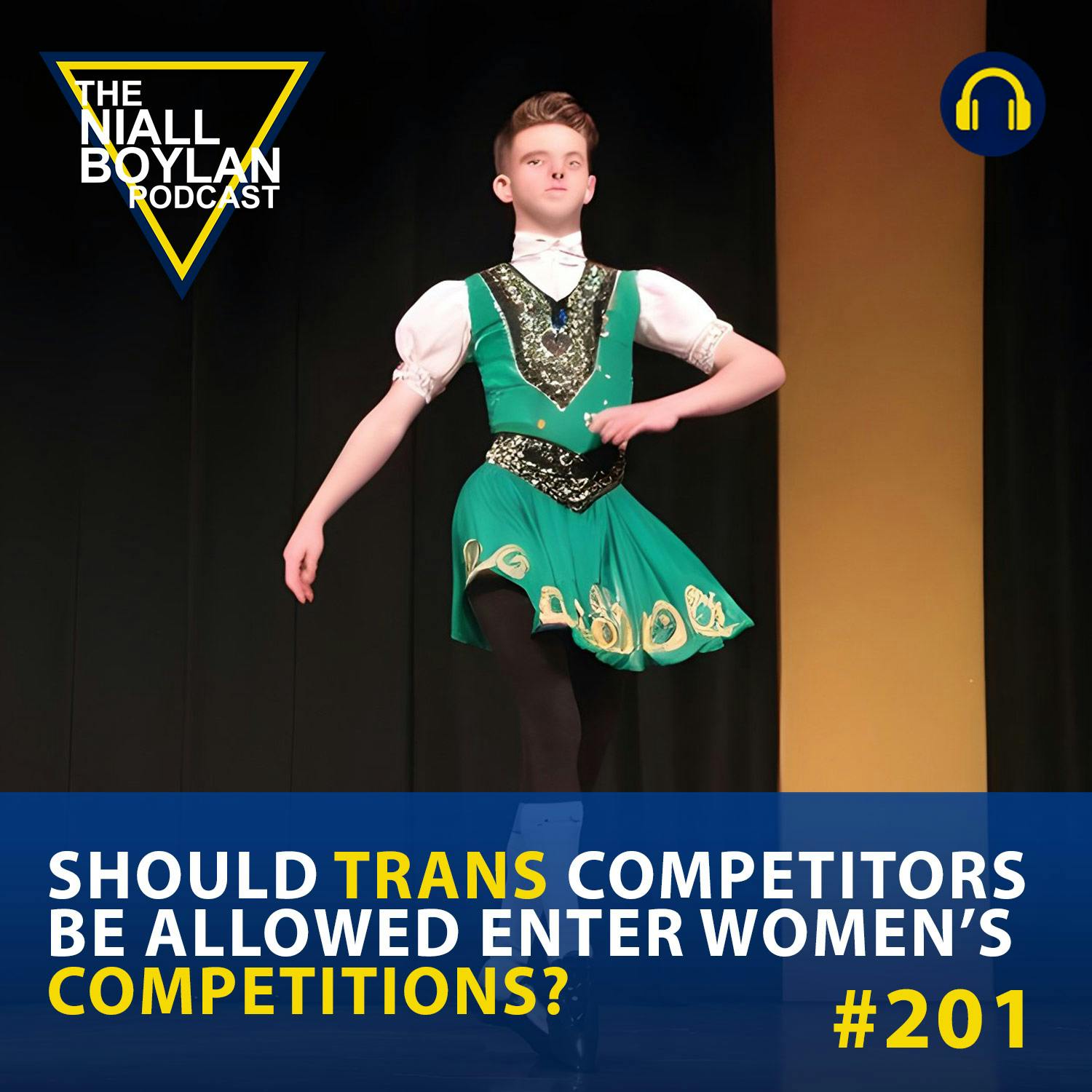
Ep 201#201 Should Trans Competitors be allowed Enter Women Competitions?
In this episode, Niall tackles the contentious issue of whether transgender competitors should be permitted to enter women's competitions. The discussion stems from a recent incident at the World Irish Dancing Championships where a biologically male dancer won a medal that would have otherwise gone to a female competitor.The situation has sparked significant debate, with many expressing concerns about fairness and the integrity of women's sports. Critics argue that allowing transgender competitors to participate could provide them with physiological advantages, potentially disadvantaging biological female athletes and disrupting the level playing field.On the other hand, proponents of inclusion emphasize the importance of respecting gender identity and creating inclusive spaces in sports. They argue that denying transgender individuals the opportunity to compete based on their gender identity is discriminatory and unfair.Throughout the episode, Niall opens up the lines to callers who share their diverse perspectives on the issue. Some callers strongly oppose allowing transgender competitors in women's competitions, citing concerns about fairness and biological differences. Others advocate for inclusivity, arguing that transgender athletes should be allowed to compete as long as they meet the same eligibility criteria as other competitors.As the discussion unfolds, Niall navigates the complexities of the topic with sensitivity and impartiality, acknowledging the validity of different viewpoints. In wrapping up, he encourages listeners to continue engaging in constructive dialogue and emphasizes the importance of promoting diversity and inclusivity in sports.

Ep 200#200 Should There be A Rent Freeze On Property In Ireland?
In this episode, Niall explores the debate surrounding the implementation of a rent freeze on property in Ireland. The conversation stems from recent developments in Scotland, where rent cap measures are set to expire, prompting discussions about their potential extension.In Ireland, legislation currently limits residential rent increases to 2 percent in designated rent pressure zones (RPZs). However, the efficacy of these regulations is questioned, with concerns raised about their unintended consequences, such as stagnation in rental markets and reduced incentives for property investment.The pressing issue of homelessness in Ireland, reaching record levels, underscores the urgency of addressing housing affordability and security. Charities and opposition parties have advocated for measures like rent freezes and eviction bans to alleviate the housing crisis and provide stability for tenants. However, some argue that such interventions could have negative effects on the overall housing market, potentially exacerbating supply shortages and discouraging property investment.Niall opens the lines to callers, inviting diverse perspectives on the topic and exploring the complexities of balancing tenant protection with market dynamics and housing affordability.

Ep 198#198 Should We Extend Bar Opening Times?
In this episode, Niall discusses the proposal to extend bar opening times in Ireland, prompted by an upcoming legislative overhaul of the country's licensing laws. The proposed Sale of Alcohol Bill 2023 aims to modernize existing regulations, allowing for later nightclub hours and permanent changes to outdoor seating rules.Some callers express strong support for extending bar opening times, citing outdated licensing laws and the potential economic and social benefits. They argue that modernizing regulations will enhance nightlife opportunities, boost tourism, and stimulate economic activity. With appropriate safety measures in place, extending opening hours can provide greater flexibility for businesses and patrons.Conversely, other callers voice concerns about the potential negative consequences of extending bar opening times. They worry about increased alcohol consumption, public intoxication, and disturbances, which could strain law enforcement and impact community well-being. Instead, they advocate for promoting responsible drinking and investing in alternative forms of entertainment.Throughout the discussion, Niall navigates diverse viewpoints, considering the balance between economic opportunities and public health and safety concerns associated with extending bar opening times.Niall wraps up the discussion, acknowledging the complexities of the issue and the need for careful consideration of both the potential benefits and drawbacks of extending bar opening times.

Ep 199#199 Homeless Or Dump The Dog?
In this emotionally charged episode, Niall delves into the heart-wrenching dilemma faced by a listener: whether to abandon their beloved dog in exchange for council housing. The listener, who has been on the housing list for seven years, finally received an offer for a new home, but pets are not allowed in the area. With three young children and a cherished Staffie named Mazie, the decision weighs heavily on their conscience.Many callers sympathize with the listener's predicament, acknowledging the difficult choice between housing stability and pet companionship. While the emotional bond with Mazie is undeniable, callers stress the importance of prioritizing the well-being of the children and seizing the opportunity for a safer and happier home environment. Organizations like Dogs Trust and RSPCA offer reassurance that Mazie can find a loving new family, alleviating concerns about her welfare.However, other callers advocate for exploring alternative solutions that allow the family to keep Mazie. They suggest discussing exceptions with the council or seeking pet-friendly accommodations to avoid parting ways with the beloved dog. The emotional toll on the family, especially the children, is a crucial factor to consider in making this difficult decision.Throughout the episode, Niall navigates the complexities of the situation with empathy and understanding, acknowledging the listener's anguish and offering support in navigating this heart-wrenching decision.Niall wraps up the discussion, emphasizing the importance of considering all options and prioritizing the well-being of both the family and their cherished pet.
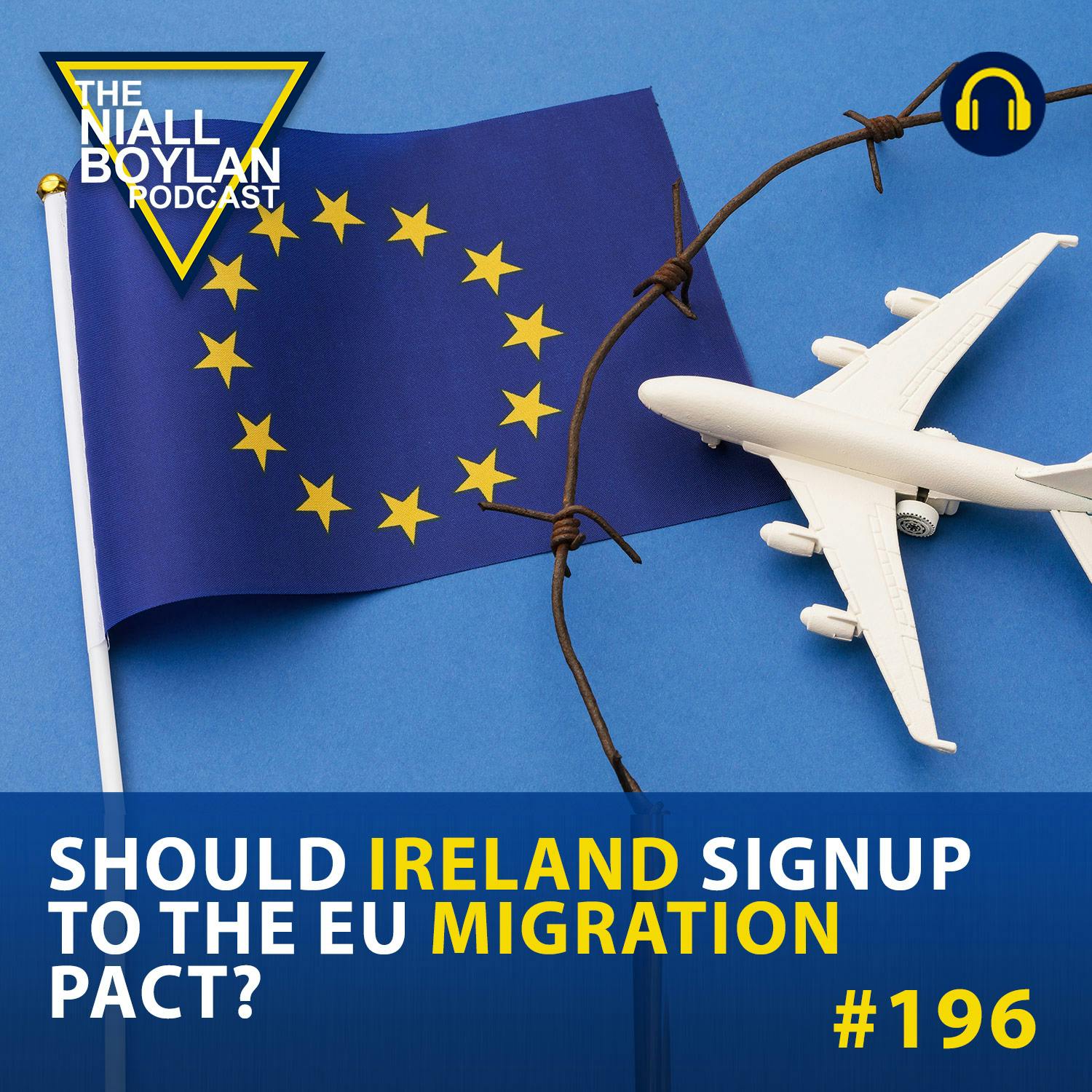
Ep 196#196 Should Ireland Signup To The EU Migration Pact?
In this episode, Niall explores the question of whether Ireland should opt into the EU Migration Pact. The proposed pact allows member states the option of paying a monetary contribution to the EU rather than accepting migrants. Justice Minister Helen McEntee seeks government approval for Ireland's participation, emphasizing the potential benefits of more effective processing of applications and enhanced security measures.Some callers advocate for Ireland to sign up to the EU Migration Pact, viewing it as a proactive step towards addressing migration challenges collectively at the European level. They highlight the structured framework it offers for managing migration and the potential for more efficient asylum application processing.Conversely, other callers vehemently oppose Ireland's participation in the pact, citing concerns about the strain it could place on resources and the potential impact on Irish citizens. They argue that Ireland should prioritize addressing the needs of its own citizens before taking on additional migration commitments, expressing worries about potential fines and the strain on resources.As the discussion unfolds, Niall navigates through these differing perspectives, weighing the potential benefits and drawbacks of Ireland signing up to the EU Migration Pact and considering its implications for the country's migration policies and resources.

Ep 197#197 Would You Stop Using Your Car To Save The Planet?
In this episode, Niall explores whether individuals would consider abandoning car usage to contribute to environmental conservation, prompted by an illuminating article discussing the Government's draft transport strategy. The strategy suggests introducing congestion charges and phasing out diesel rebates to promote more sustainable transportation practices.Some callers express support for the proposed measures, highlighting the urgent need to address traffic congestion and emissions for environmental preservation. They point to the success of congestion charges in other cities and advocate for incentivizing carpooling, car-sharing, and alternative transportation methods. These callers view the draft transport strategy as a positive step toward establishing a cleaner and more efficient transport system.Conversely, other callers vehemently oppose implementing congestion charges and phasing out diesel rebates, viewing them as additional financial burdens on already-struggling households and businesses. They criticize the government for imposing more taxes and charges on ordinary citizens without adequately addressing the underlying causes of congestion and pollution. These callers propose alternative approaches to reducing emissions and enhancing public transport infrastructure without penalizing motorists.Throughout the discussion, Niall navigates diverse viewpoints, considering the potential implications of the draft transport strategy on both environmental sustainability and socioeconomic factors.

Ep 195#195 Should Alcohol Be Served On Planes? Alcohol Planes
In this episode, Niall delves into the contentious issue of whether alcohol should be served on airplanes, sparked by a listener's harrowing experience during a recent flight. The listener describes a distressing incident involving intoxicated passengers, highlighting concerns about safety and disruptive behavior on flights.Some callers strongly advocate for banning alcohol on flights altogether. They argue that incidents like the one described by the listener demonstrate the dangers of allowing alcohol consumption in such confined spaces. Banning alcohol would prioritize the safety and comfort of all passengers, especially families with young children, and prevent disruptive behavior from occurring during flights.Conversely, other callers express reservations about implementing a blanket ban on alcohol. While acknowledging the concerning incident described by the listener, they argue that most passengers consume alcohol responsibly during flights. Banning alcohol would inconvenience passengers who enjoy a drink in moderation and may not effectively address the root causes of disruptive behavior. Instead, they suggest focusing on stricter regulations and enforcement measures to manage alcohol consumption and address disruptive incidents as they arise.As the discussion unfolds, Niall navigates through these differing perspectives, weighing the pros and cons of serving alcohol on flights and considering alternative solutions to ensure the safety and comfort of all passengers.

Ep 194#194 Do You Support Inclusive Sex Education In Schools?
In this episode, Niall explores the topic of inclusive sex education in schools, prompted by proposed changes to the primary school curriculum that aim to teach relationships and sex education at an earlier stage.Niall presents contrasting viewpoints on the matter from the draft curriculum and various advocacy groups. The proposed curriculum emphasizes teaching about human development, sexuality, and consent in a holistic manner, with a focus on fostering empathy, inclusivity, and social justice. Additionally, it includes topics such as LGBTQ+ identities, gender, and strategies for managing emotions and recognizing signs of abusive relationships.Some callers express strong support for inclusive sex education in schools, emphasizing the importance of providing children with accurate and age-appropriate information about relationships and sexuality. They argue that such education promotes understanding, acceptance, and respect for diversity from a young age, ultimately contributing to a more inclusive and tolerant society.Conversely, other callers voice opposition to the idea, expressing concerns about the appropriateness of discussing sensitive topics like LGBTQ+ identities and gender in schools. They argue that these discussions should be left to parents and may conflict with the values and beliefs of some families. Additionally, they emphasize the importance of prioritizing academic subjects in schools.As the discussion unfolds, Niall navigates through these differing perspectives, highlighting the complexities and implications of inclusive sex education in schools.
Ep 193#193 Do We Need Laws to Stop Offensive Speech?
In this episode, Niall delves into the contentious debate over whether laws should be enacted to prevent people from posting and saying offensive things. The discussion stems from a call by a senior Fine Gael TD to abandon hate speech legislation and move the party away from "left-wing" policies.Niall opens the lines to callers, revealing contrasting views on the matter. Some argue in favor of implementing laws to curb hate speech, emphasizing the importance of protecting minority groups from discrimination and promoting inclusivity in society. They believe such laws are necessary to prevent the spread of harmful rhetoric and uphold fundamental human rights.Conversely, other callers express reservations about the idea of legislating against offensive speech. While acknowledging the harms of hate speech, they raise concerns about the potential infringement on freedom of expression and the subjective nature of defining hate speech. They advocate for alternative approaches such as education and dialogue to address offensive speech without resorting to legal restrictions.As the discussion unfolds, Niall navigates through these divergent perspectives, highlighting the complexities surrounding the issue of regulating offensive speech in a democratic society.Date:3/25/2024

Ep 192#192 Would You Object To A Refugee Centre In Your Area?
In this episode, Niall explores the topic of whether individuals would oppose the establishment of a refugee center in their local area, sparked by recent protests in Coolock. Over 1,000 people gathered to express concerns about a disused warehouse potentially housing up to 500 asylum seekers.Niall opens the lines to callers, revealing a spectrum of viewpoints. Some express empathy and support for hosting a refugee center, citing humanitarian obligations and solidarity with those fleeing adversity. They view it as a moral imperative to provide sanctuary and assistance to refugees in need.Conversely, other callers voice objections and reservations about having a refugee center nearby. Their concerns revolve around safety and resource allocation, fearing strain on local resources and potential impacts on community well-being. While acknowledging the importance of aiding refugees, they stress the need for careful planning and consideration of existing challenges.As the discussion unfolds, Niall provides insights into the diverse perspectives shared by callers, highlighting the complexities surrounding the issue of hosting refugee centers in local communities.
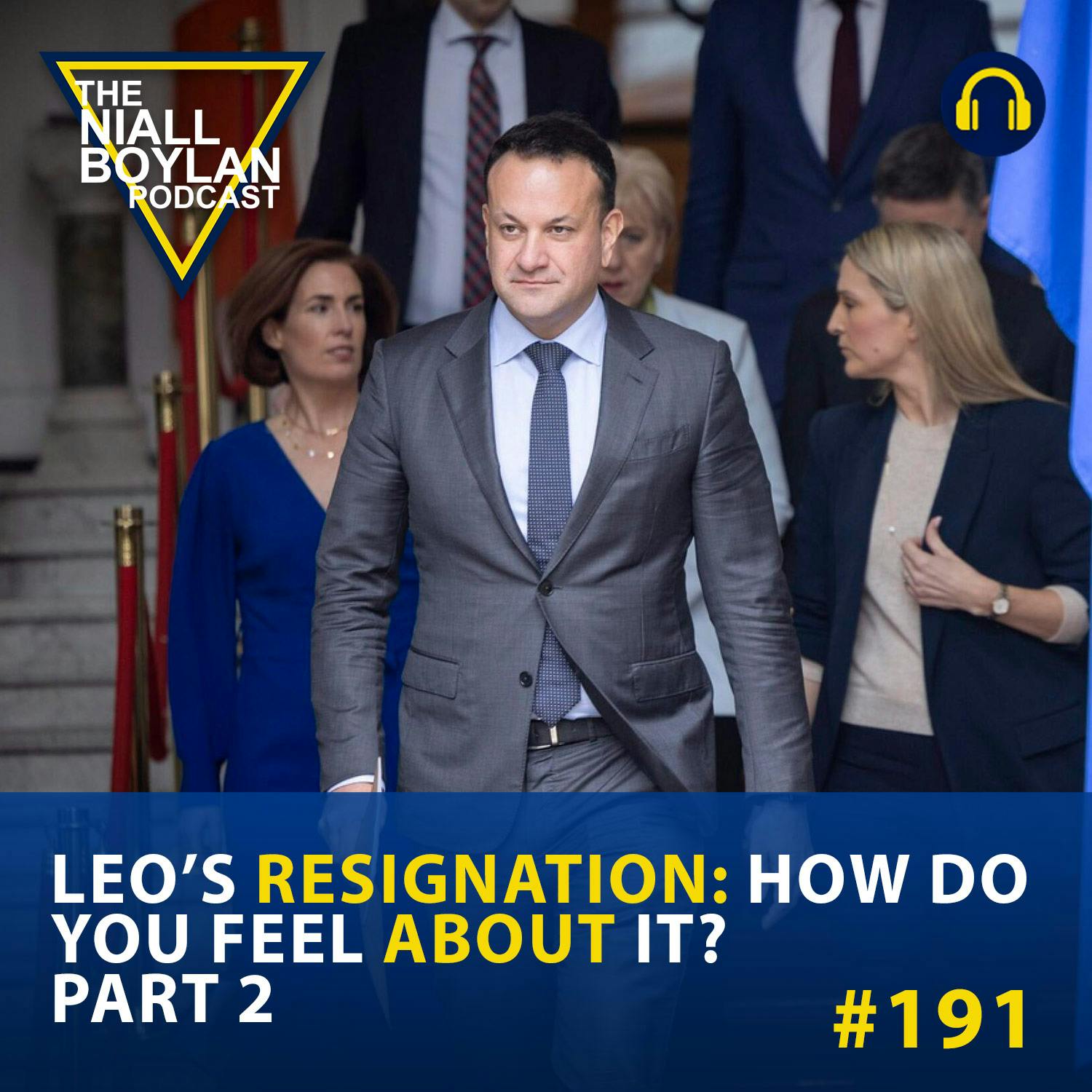
Ep 191#191 Leo Varadkars Resignation: How Do You Feel About It? Part 2
In this episode, Niall explores the reactions following Leo Varadkar's unexpected resignation as Taoiseach and leader of Fine Gael, citing personal and political reasons. Varadkar's tenure has been marked by a mix of achievements and challenges, as outlined in his farewell address outside Government Buildings in Dublin. He highlighted milestones such as steering Ireland through economic crises, managing the COVID-19 pandemic, and advocating for social reforms, but also acknowledged persistent issues like housing shortages and healthcare shortcomings.Varadkar's resignation has prompted a diverse array of reactions from callers. Some express jubilation at his departure, citing dissatisfaction with his leadership style and handling of various crises during his tenure. They view his resignation as a long-awaited relief and an opportunity for positive change in Irish politics. These callers critique Varadkar's policies, which they perceive as favoring the wealthy and powerful while neglecting the needs of ordinary citizens.For instance, one caller voices frustration over Varadkar's failure to address housing shortages effectively, leading to skyrocketing rents and homelessness. They argue that his government prioritized the interests of developers and landlords over those of renters and homeowners struggling to afford adequate housing. Another caller criticizes Varadkar's handling of healthcare, citing long waiting lists, overcrowded hospitals, and underfunded services as evidence of systemic failures under his leadership. They assert that Varadkar's resignation offers an opportunity for a new government to prioritize public health and well-being over profit-driven healthcare policies.Conversely, a minority of callers express sadness over Varadkar's resignation, acknowledging his efforts to address important issues such as healthcare, housing, and climate change. Despite his imperfections, they believe Varadkar provided stability during challenging times, such as the COVID-19 pandemic and Brexit. These callers emphasize the complexities of leadership and express hope that his successor can build upon his accomplishments while addressing ongoing challenges.As Niall navigates through these contrasting perspectives, he provides insights into the legacy of Varadkar's leadership and its impact on Ireland's future direction. In the wrap-up, he reflects on the key points raised by callers and offers insights into the public sentiment surrounding Varadkar's departure.
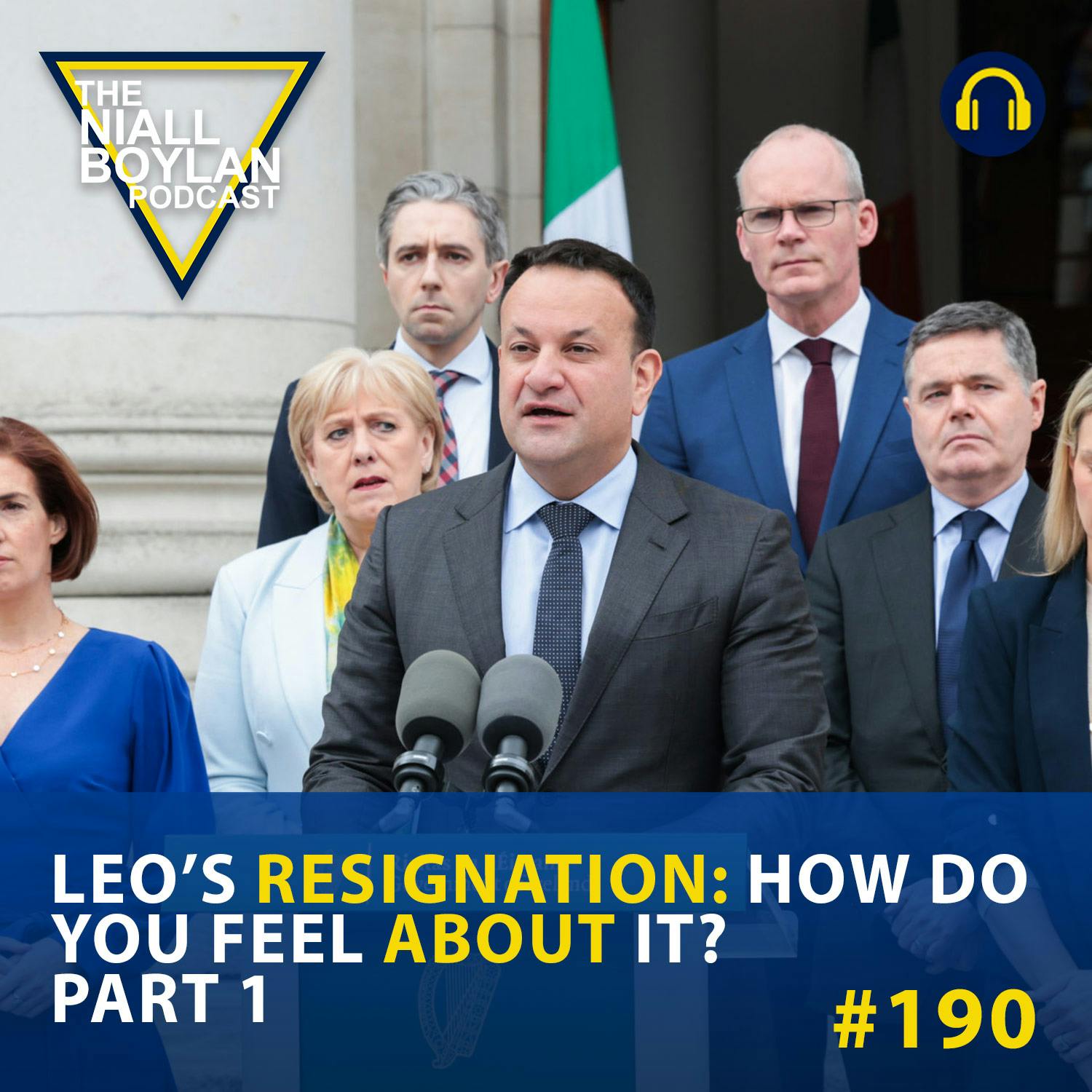
Ep 190#190 Leo Varadkars Resignation: How Do You Feel About It? Part 1
In this episode, Niall explores the reactions following Leo Varadkar's unexpected resignation as Taoiseach and leader of Fine Gael, citing personal and political reasons. Varadkar's tenure has been marked by a mix of achievements and challenges, as outlined in his farewell address outside Government Buildings in Dublin. He highlighted milestones such as steering Ireland through economic crises, managing the COVID-19 pandemic, and advocating for social reforms, but also acknowledged persistent issues like housing shortages and healthcare shortcomings.Varadkar's resignation has prompted a diverse array of reactions from callers. Some express jubilation at his departure, citing dissatisfaction with his leadership style and handling of various crises during his tenure. They view his resignation as a long-awaited relief and an opportunity for positive change in Irish politics. These callers critique Varadkar's policies, which they perceive as favoring the wealthy and powerful while neglecting the needs of ordinary citizens.For instance, one caller voices frustration over Varadkar's failure to address housing shortages effectively, leading to skyrocketing rents and homelessness. They argue that his government prioritized the interests of developers and landlords over those of renters and homeowners struggling to afford adequate housing. Another caller criticizes Varadkar's handling of healthcare, citing long waiting lists, overcrowded hospitals, and underfunded services as evidence of systemic failures under his leadership. They assert that Varadkar's resignation offers an opportunity for a new government to prioritize public health and well-being over profit-driven healthcare policies.Conversely, a minority of callers express sadness over Varadkar's resignation, acknowledging his efforts to address important issues such as healthcare, housing, and climate change. Despite his imperfections, they believe Varadkar provided stability during challenging times, such as the COVID-19 pandemic and Brexit. These callers emphasize the complexities of leadership and express hope that his successor can build upon his accomplishments while addressing ongoing challenges.As Niall navigates through these contrasting perspectives, he provides insights into the legacy of Varadkar's leadership and its impact on Ireland's future direction. In the wrap-up, he reflects on the key points raised by callers and offers insights into the public sentiment surrounding Varadkar's departure.
Ep 188#188 Challenging Censorship: Is Free Speech Absolute?
In this episode, Niall tackles the contentious question: Is Free Speech An Absolute? Recent developments in Ireland and Scotland regarding hate speech legislation have ignited fervent debate over the boundaries of free expression. Elon Musk's stance on free speech contrasts sharply with proposed hate speech laws, sparking discussions about the government's role in regulating speech.Some callers advocate for reasonable limits on free speech to prevent harm and discrimination. They argue that while free speech is essential, it should not extend to inciting violence or spreading hatred against protected groups. Hate speech laws, if carefully crafted, can foster a more inclusive society while preserving the right to expression.Others vehemently defend free speech as an absolute right, cautioning against the perils of censorship and government overreach. They contend that while hate speech is abhorrent, curtailing free expression sets a dangerous precedent and undermines democracy. Instead, they propose addressing harmful speech through existing laws without compromising fundamental freedoms.As the discussion unfolds, Niall navigates through contrasting viewpoints, highlighting the complexities of balancing free speech with the need to protect vulnerable communities. In the wrap-up, he reflects on the key arguments presented by callers and provides insights into the ongoing debate surrounding speech regulation.Date:3/20/2024

Ep 189#189 Is It Irresponsible to Have Children You Cannot Afford?
In this episode, Niall tackles the contentious question: Is It Irresponsible to Have Children You Cannot Afford? As Ireland, like many nations, grapples with declining birth rates, the affordability of raising children emerges as a critical issue. With the average cost of raising a child soaring, many prospective parents face tough choices about family planning.Drawing from a diverse array of perspectives, callers weigh in on the debate. Some assert that bringing children into the world without financial stability is irresponsible, emphasizing the importance of providing for their basic needs and securing their future opportunities. Others challenge this notion, arguing that parenthood encompasses more than just financial means, and unforeseen circumstances can impact financial stability.The discussion delves into the complexities of parenthood, exploring the balance between financial readiness and the emotional fulfillment of raising a family. As callers share their personal experiences and beliefs, Niall navigates through the nuanced arguments, highlighting the challenges and ethical considerations at play.In the wrap-up, Niall reflects on the key insights shared by callers, offering thought-provoking commentary on the broader implications of the issue. With no easy answers, the debate on responsible parenthood continues to provoke introspection and societal dialogue.Date:3/20/2024
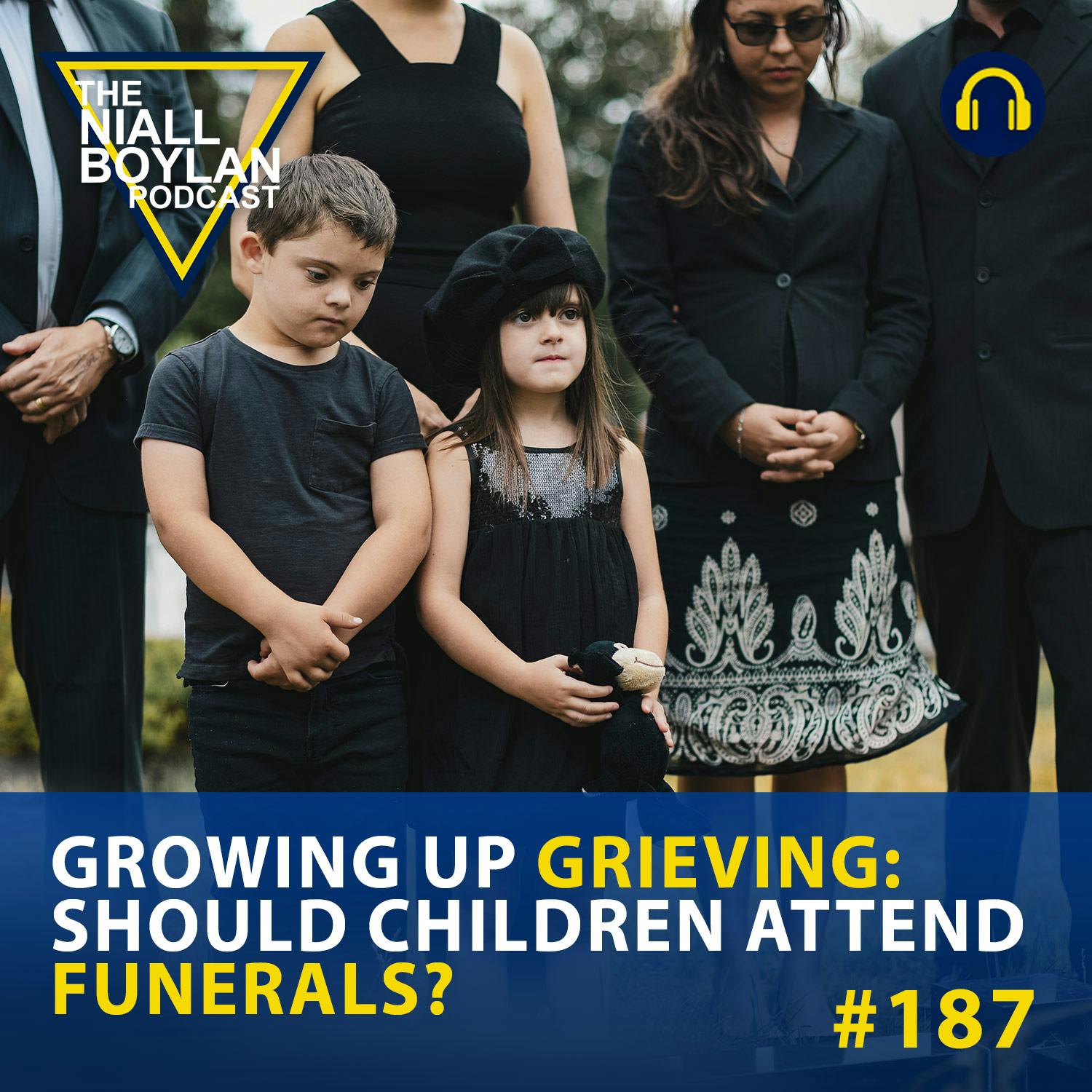
Ep 187#187 Growing Up Grieving: Should Children Attend Funerals?
In this emotionally charged episode, Niall delves into the heart-wrenching question: Should Children Attend Funerals? The topic stems from a poignant email shared by a listener, shedding light on the profound dilemma faced by a grieving family.The email recounts the listener's struggle after her husband's mother unexpectedly passed away, leaving them grappling with the decision of whether to bring their young children, aged 4 and 6, to the funeral. Despite her husband's insistence, the listener opted to shield their children from viewing their deceased grandmother in the open casket, citing her own traumatic experience as a child attending a funeral.As Niall opens up the lines to callers, the discussion unfolds with contrasting viewpoints. Some callers echo the listener's sentiments, advocating for children's participation in funeral rites to foster understanding and closure. They emphasize the importance of teaching children about life and loss in a compassionate manner.Conversely, others express reservations about exposing children to the solemnity of funerals, especially when faced with the sight of a deceased loved one. They stress the potential emotional distress and trauma it may inflict on young minds, urging for alternative ways for children to bid farewell.Throughout the episode, Niall navigates the nuances of grief and parenting, offering empathy and guidance to callers grappling with this sensitive issue. In the wrap-up, he reflects on the poignant insights shared and provides solace to listeners seeking clarity amid their emotional turmoil.
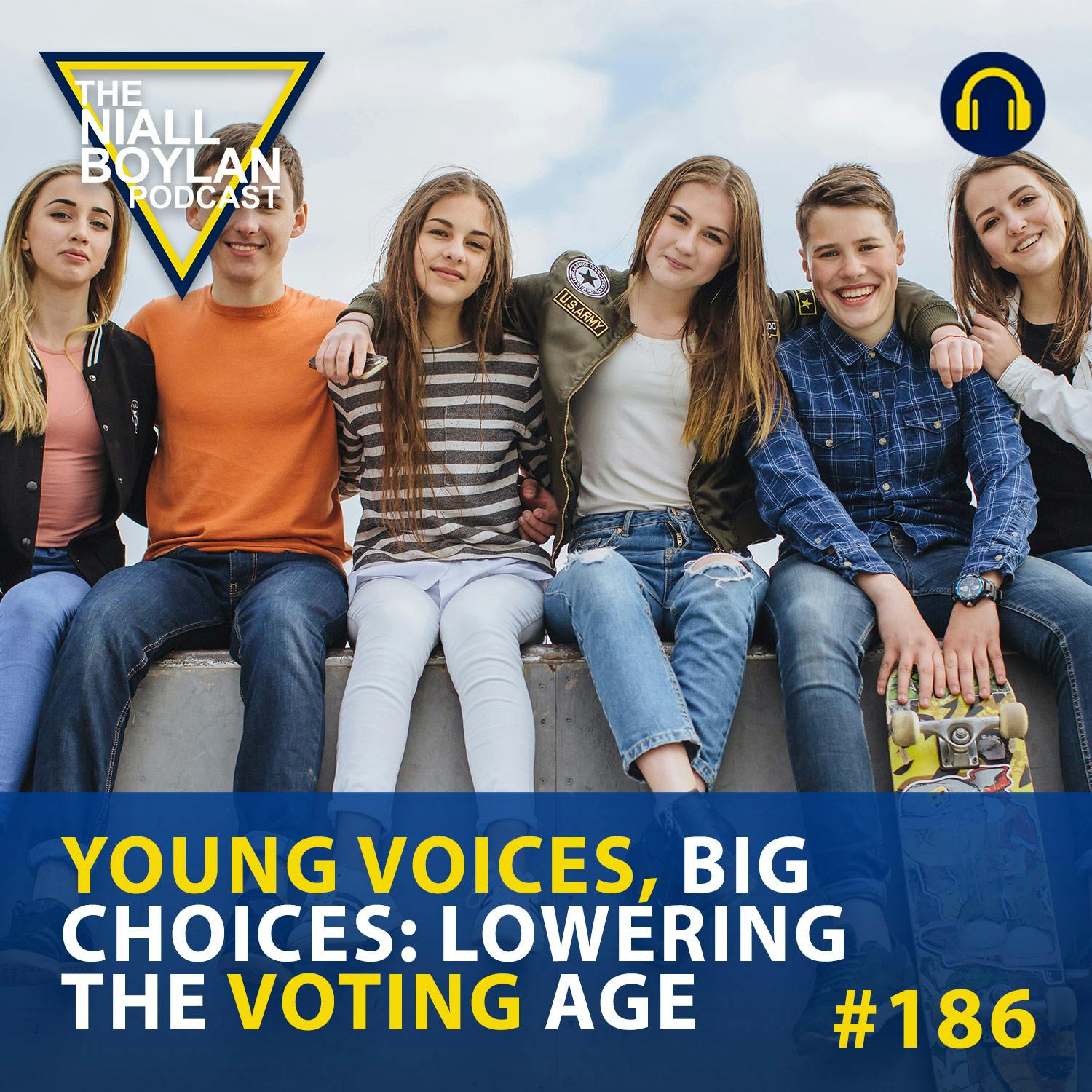
Ep 186#186 Young Voices, Big Choices: Lowering the Voting Age
In this episode, Niall dives into the contentious debate: Should We Lower The Age Of Voting? A Fine Gael Senator recently stirred the pot, suggesting that 16-year-olds should have the right to vote, arguing that politically-minded youth feel ignored by the establishment. But is 16 too young? Are they mature enough to influence their own future through voting? The discussion heats up as callers share contrasting views.Some callers passionately support lowering the voting age to 16. They argue that many young people at that age are politically aware and engaged, citing issues like climate change and education as areas where their voices should be heard. They believe granting voting rights empowers them as active participants in democracy, fostering civic engagement from a young age.Others vehemently oppose the idea. They express concerns about the maturity and informed decision-making capabilities of teenagers, suggesting that voting rights should remain with more mature individuals. While acknowledging that some 16-year-olds may be politically aware, they argue that many are not yet equipped to make informed decisions about complex issues with far-reaching implications.As the discussion unfolds, Niall navigates through these divergent perspectives, highlighting the complexities and implications of lowering the voting age. In the wrap-up, he reflects on the key points raised by callers and provides insights into the ongoing debate surrounding youth participation in democracy.

Ep 185#185 Tent City Tension: Do You Have Sympathy?
In this episode, Niall delves into a controversial topic surrounding the treatment of asylum seekers in Dublin. The recent clearing of a makeshift migrant camp near Mount Street ahead of St. Patrick’s Day has sparked outrage and debate.The government's decision to relocate around 200 asylum seekers to another camp near the Dublin mountains has been criticized as a cynical ploy. Activists argue that moving these men from one tent city to another, without adequate facilities, is dehumanizing and reflects poorly on society's treatment of vulnerable individuals.As Niall opens up the lines to callers, opinions are divided.Some callers express deep sympathy for the men, emphasizing their vulnerable situation and the need for humane treatment. They highlight the challenges faced by asylum seekers, including the hardships they endured in their home countries and the difficulties they encounter in seeking safety and security. These callers advocate for providing dignified accommodations and support services to asylum seekers, arguing that it is a moral imperative for society to show compassion and empathy towards those in need.On the other hand, some callers express less sympathy for the men. They acknowledge the challenges faced by asylum seekers but question their actions and decisions. These callers suggest that the asylum seekers should have followed proper procedures and accepted the temporary accommodations offered to them. They raise concerns about the strain on resources and the need to prioritize assistance for homeless individuals within Ireland. These callers advocate for accountability and cooperation from asylum seekers in order to find mutually beneficial solutions to their situations.The discussion prompts reflection on the broader issues surrounding asylum seekers' rights and the responsibility of society to provide dignified and compassionate support to those in need.The debate over the treatment of asylum seekers underscores the complexity of immigration policy and the challenges of providing adequate support to vulnerable populations. While opinions may differ, it's crucial to prioritize compassion, empathy, and respect for human dignity in these discussions. Regardless of differing viewpoints, it's essential to work towards solutions that uphold the rights and well-being of asylum seekers and foster a more inclusive and supportive society.

Ep 184#184 Climate Classroom: Education or Indoctrination?
In this episode, Niall delves into the contentious debate surrounding the role of education in shaping students' views on climate change. The discussion centers on a draft Leaving Cert specification on "climate action," which proposes teaching students how to "effectively organize" around climate issues and study the "tactics" of "activists," including "direct action" and "civil disobedience."The proposed plan, drafted by the National Council for Curriculum (NCCA), aims to prepare students to respond to "sustainability challenges, including the climate crisis." It encourages students to examine their role as global citizens and explore the drivers of environmental injustice. However, some argue that teaching tactics of activism may veer into indoctrination territory.As Niall opens up the lines to callers, opinions vary. Some believe that educating students about climate action and sustainable development is essential for preparing them to address the challenges of the future. Others express concerns that teaching activism tactics could promote a specific agenda and stifle independent thought.Ultimately, the discussion raises important questions about the balance between education and indoctrination in shaping students' perspectives on climate change.The debate over teaching climate action in schools highlights the complexities of balancing education and indoctrination. While it's important to equip students with the knowledge and skills to address environmental challenges, there are concerns about promoting specific activist tactics in the classroom.As we navigate this debate, it's crucial to foster open-mindedness, critical thinking, and respectful dialogue among students, ensuring they have the tools to make informed decisions about complex issues like climate change.

Ep 183#183 Bringing The Monster-In-Law On Holidays
In this episode, Niall tackles the question: Would You Bring Your Mother-in-law on holidays? It all started with an email from a listener who can't stand his mother-in-law, especially due to her knack for ruining family events with her excessive drinking, including their own wedding. Despite the listener's objections, his wife insists on inviting her mom along on their family holiday.Some callers argue for family togetherness, suggesting that enduring challenging family dynamics can strengthen bonds and create cherished memories. They advise addressing issues with the mother-in-law and seeing the holiday as an opportunity to mend fences.On the flip side, other callers stress the importance of respecting the husband's boundaries. They believe that unilaterally inviting the mother-in-law disregards his concerns and undermines his authority. They push for finding a compromise that respects everyone's needs and preferences.As the chat goes on, Niall shares tips on navigating tricky family situations, offering advice on how to communicate effectively and resolve conflicts in relationships.

Ep 182#182 Would You Steal To Provide For Your Family?
In this episode, Niall tackles a difficult question: Would you steal to provide for your family? The discussion stems from an email sent in by a listener working in a low-paying job at a warehouse, where he's tempted to participate in package theft to make ends meet. With no guests, Niall opens the lines to callers to weigh in on this moral dilemma.Some callers empathize with the listener's plight, acknowledging the desperation that can drive someone to consider theft. They emphasize the importance of survival and suggest exploring alternative avenues of assistance before resorting to stealing.On the other hand, other callers firmly assert that stealing is never justified, regardless of the circumstances. They advocate for upholding ethical principles and seeking legal alternatives for assistance, such as community resources or government programs.As the discussion unfolds, Niall navigates the complexities of morality, survival, and societal norms in the face of financial hardship.Join the conversation as listeners share their perspectives and insights on this challenging ethical dilemma.
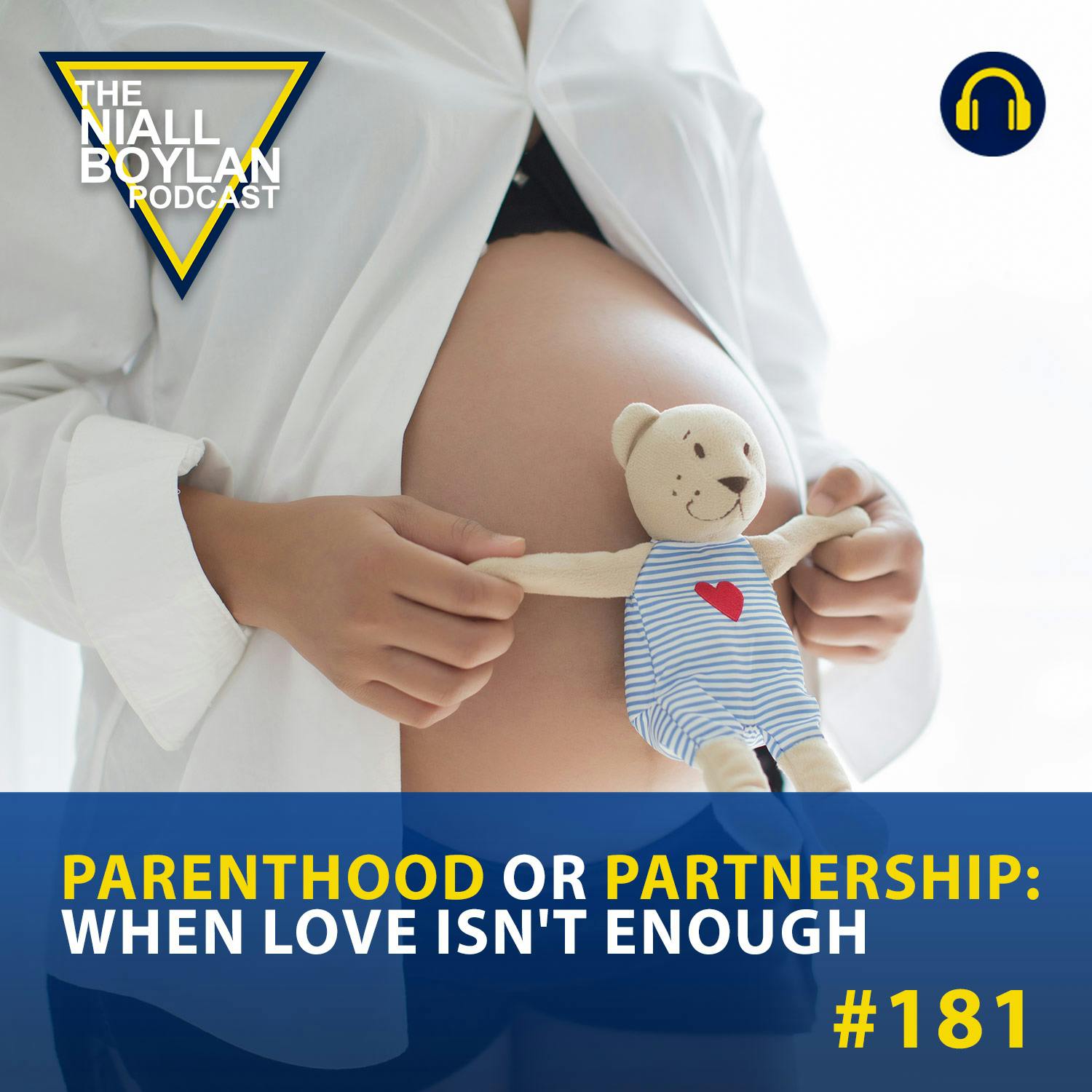
Ep 181#181 Parenthood or Partnership: When Love Isn't Enough
In this episode, Niall explores a story he encountered online, sparking a profound discussion on the complexities of marriage and the desire for children. The story revolves around a couple's journey through infertility, culminating in a heartfelt dilemma: should one partner leave the marriage due to the inability to conceive?The story, shared online, narrates the couple's dream of starting a family shattered by multiple miscarriages and a subsequent medical diagnosis confirming the wife's inability to conceive. Despite their initial optimism and resilience, the weight of infertility takes a toll on their relationship, leaving the husband torn between his desire for biological children and his commitment to his wife.Drawing from this emotional narrative, Niall opens the lines to callers, inviting them to weigh in on the moral and emotional intricacies at play. Some callers advocate for unwavering support and commitment within marriage, proposing alternative paths such as adoption or surrogacy. Conversely, others suggest prioritizing individual happiness, particularly if biological children are deemed essential for personal fulfillment.As emotions run high, Niall fosters a respectful dialogue, guiding listeners through nuanced perspectives and ethical considerations. Throughout the episode, themes of love, sacrifice, and the pursuit of happiness intersect, illuminating the profound impact of parenthood aspirations on marital bonds.In concluding the discussion, Niall underscores the importance of empathy and communication in navigating such sensitive challenges, urging listeners to approach marital decisions with compassion and understanding.

Ep 180#180 Do You Agree With The New E.U Digital Identity Wallet?
In this episode, Niall explores the recent approval of the European Union's legislation to provide digital ID wallets to its residents, sparking a debate on the merits and concerns surrounding this initiative.Niall highlights key aspects of the EU Digital Identity Framework, emphasizing its aim to offer residents free digital ID wallets, providing full control over personal data and ensuring privacy and security. The legislation also introduces open-source technology and safeguards civil rights, promoting inclusivity and transparency.As Niall opens the phone lines to callers, opinions diverge on whether listeners agree with the new EU Digital Identity program. Some express support, viewing it as a positive step towards enhancing privacy and security in the digital realm. They commend the EU's efforts to empower citizens and address concerns related to commercial software. Conversely, others voice reservations, citing potential privacy and security risks associated with government-controlled digital identities. They call for more transparency and oversight to mitigate these concerns.In wrapping up the discussion, Niall acknowledges the complexity of the issue and encourages continued dialogue to ensure that the EU Digital Identity initiative strikes the right balance between privacy, security, and individual empowerment.
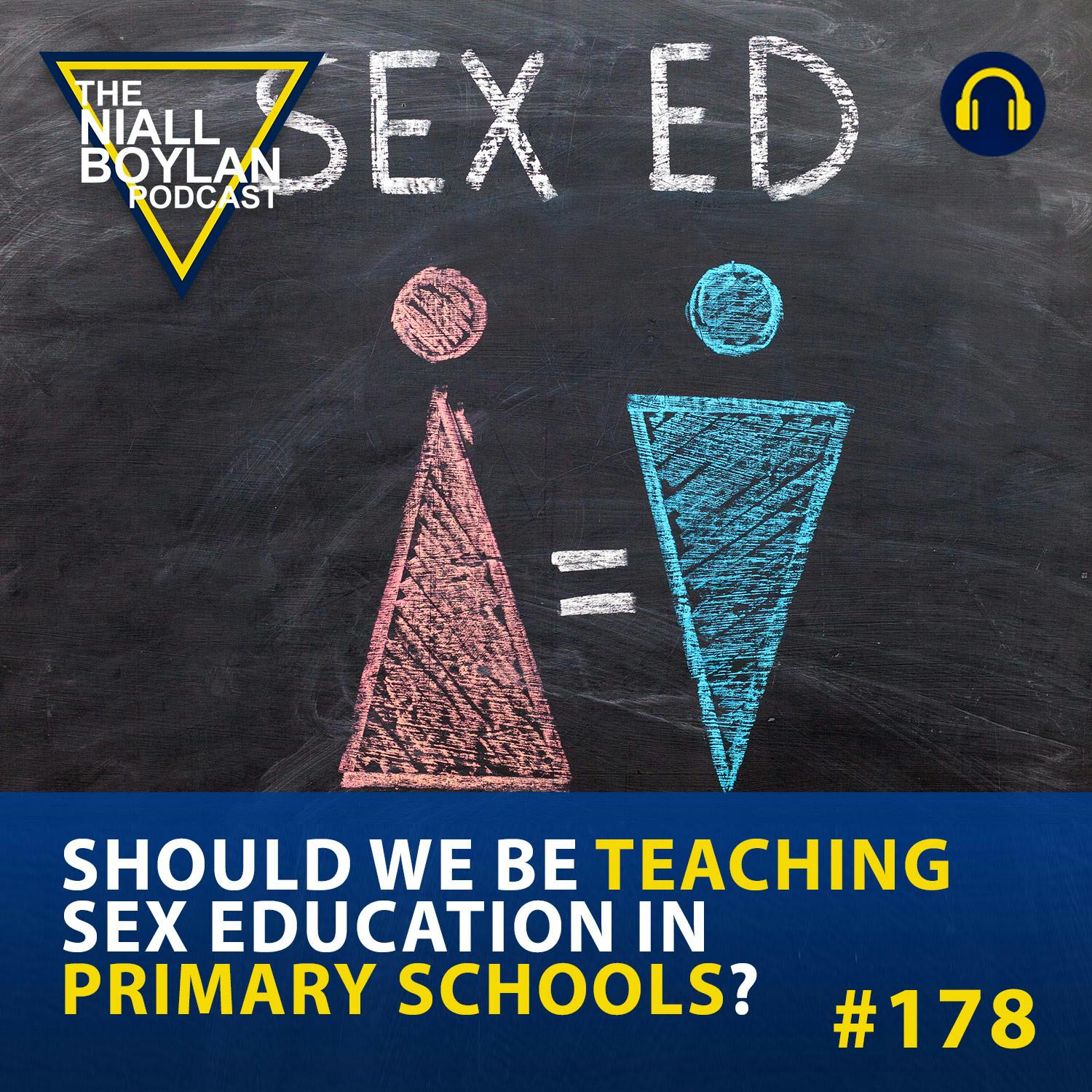
Ep 178#178 Should We Be Teaching Sex Education In Primary Schools?
In this episode, Niall explores a contentious issue: whether sex education should be integrated into the primary school curriculum. The discussion stems from proposed changes to the primary-level curriculum, including introducing lessons on sex, consent, and relationships at an earlier age.Drawing from a script provided by Newstalk, Niall highlights the rationale behind the proposed overhaul, emphasizing the need to adapt to societal changes and equip children with essential knowledge and skills for navigating the complexities of the modern world. The draft curriculum aims to provide a balanced and inclusive understanding of human development and sexuality, addressing topics such as consent, digital wellbeing, and diversity of family structures.As Niall opens the lines to callers, opinions diverge on the appropriateness of teaching sex education in primary schools. Some callers advocate strongly for comprehensive sex education, citing the importance of providing accurate information in a supportive environment to help children make informed decisions. Others express reservations, arguing that primary schools may not be the appropriate setting for such discussions and that parents should take the lead in addressing these topics at home.The debate touches on broader issues related to education, parental involvement, and the evolving role of schools in shaping children's understanding of relationships and sexuality. Niall navigates through the contrasting perspectives, inviting listeners to reflect on the implications of integrating sex education into the primary school curriculum.In conclusion, Niall wraps up the discussion, leaving listeners with lingering questions about the balance between academic instruction and holistic development in the primary education system.

Ep 179#179 Has The Arse Fallen Out Of The E.V Market?
In this episode, Niall explores the current state of the electric vehicle (EV) market and whether the initial excitement surrounding EVs has diminished over time. The discussion is sparked by recent data indicating significant depreciation in the value of electric vehicles compared to traditional petrol cars.Referencing insights from choosemycar.com, Niall delves into the reasons behind the depreciation of EVs, including market adjustments, initial purchase prices, and concerns about battery longevity and replacement costs. The data reveals alarming figures, with certain EV models experiencing depreciation rates as high as 67% within a short timeframe.Joining the conversation is Nadia Adan, founder of Ashford Motors and a prominent figure on TikTok, who sheds light on the challenges faced by dealerships in the EV market, such as reluctance to accept EVs as trade-ins due to their depreciating value.As Niall opens the phone lines to listeners, opinions vary on whether individuals would still consider purchasing an electric vehicle given the reported depreciation. Some callers emphasize the environmental benefits of EVs and their potential to contribute to sustainable transportation solutions. Others express reservations, citing concerns about long-term affordability and reliability.In conclusion, Niall summarizes the discussion, recognizing the multifaceted nature of the EV market and urging listeners to carefully weigh the pros and cons before making a decision.

Ep 176#176 Do You Have Sympathy For Homeless Migrants?
In this episode, Niall explores a contentious question: Do You Have Sympathy For Homeless Migrants? Recent events outside the International Protection Office in Dublin have highlighted the challenges faced by asylum seekers left without adequate shelter, particularly in harsh weather conditions. Despite efforts by authorities to provide emergency beds, many migrants find themselves back in tents after just one night, while hundreds remain on waiting lists for accommodation.Niall opens up the lines to callers, igniting a passionate debate about the allocation of resources and the prioritization of support. Some callers express empathy for homeless migrants, advocating for compassionate treatment and immediate assistance. However, a significant portion of the discussion centers on the view that resources should prioritize addressing homelessness among Irish citizens first. Callers voice concerns about limited resources, existing challenges within local communities, and the need to ensure that Irish citizens are not overlooked in favor of migrants.Join the conversation as Niall navigates through these complex and sensitive issues, exploring differing perspectives on humanitarianism, immigration policy, and societal responsibilities.

Ep 177#177 My Son Is A Drug Dealer Should I report Him?
In this episode, Niall addresses a challenging dilemma posed by a listener: whether to report their own child for dealing drugs. The email recounts a parent's shocking discovery of drugs hidden in their son's room, sparking intense debate within the family about the appropriate course of action.The situation becomes increasingly tense as the parents confront their son, who vehemently denies any wrongdoing and pleads for the return of the drugs to avoid potential danger. While one parent advocates for involving the authorities to address the serious legal and safety implications, the other is hesitant, fearing the irreparable damage it could inflict on their relationship with their child.As Niall opens the lines to callers, opinions diverge on the best course of action. Some argue for the necessity of reporting the child to prevent further harm and uphold the law, while others advocate for exploring alternative interventions before resorting to legal measures.Listeners grapple with the complexities of familial loyalty, tough love, and the ethical responsibility to uphold societal norms. Each perspective offers valuable insights into the delicate balance between parental duty and compassion for a struggling child caught in the throes of addiction and criminal activity.In the end, Niall wraps up the discussion, leaving listeners to ponder the profound moral implications of the choices faced by the parent in this heart-wrenching scenario.

What Is The Role Of The Electoral Commission? (With Brenda Power)
bonusIn this insightful interview, Niall engages in a dialogue with Brenda Power, a prominent figure in Irish journalism and broadcasting, to dissect the role of the Electoral Commission in shaping the democratic process in Ireland. The conversation delves into the ongoing controversy surrounding Senator Sharon Keogan's referendum posters, which have been flagged by the Electoral Commission for factual misrepresentation.Senator Keogan's campaign posters, featuring the slogan "Vote No: Don't Force Mothers Out To Work," have ignited a debate ahead of the upcoming referendums on March 8th. The proposed constitutional changes aim to redefine the concept of family and recognize caregiving within families. However, the Electoral Commission, chaired by Ms. Justice Marie Baker, has refuted the claim made on the posters, stating that there is no provision in the proposed amendments to force women into specific roles.During the interview, Brenda Power shares her perspectives on the broader implications of the Electoral Commission's role in ensuring transparency and accuracy in political campaigns. She raises concerns about the funding sources behind the Yes campaign, suggesting a need for greater scrutiny of NGOs financed by taxpayers that support political initiatives.Tune in as Niall and Brenda dissect the intricacies of electoral campaigning, the responsibilities of the Electoral Commission, and the importance of upholding truth and integrity in the democratic process.
Ep 174#174 Cúpla Focail: Is The Irish Language Worth The Money We spend On it?
In this episode, Niall delves into a contentious topic: the allocation of resources to the Irish language. The discussion centers on whether the significant financial investment in promoting and preserving the Irish language is justified, given the relatively low number of fluent speakers outside of the education system.Niall begins by presenting data that highlights the decline of Irish language usage, both within the Gaeltacht areas and among the general population. He references recent remarks by broadcaster Ivan Yates, sparking debate about the value of investing in the Irish language.The episode explores the various ways in which public funds are allocated to support the Irish language, including grants for Gaeltacht areas, translation services, educational initiatives, and cultural programs. Niall emphasizes the substantial financial commitment, estimated to exceed a billion euros annually, prompting questions about the effectiveness and efficiency of such spending.Listeners weigh in on the discussion, offering contrasting perspectives on the matter. Some callers advocate for continued investment in the Irish language, emphasizing its cultural and historical significance as an integral part of Ireland's identity. They argue that preserving the language is essential for maintaining our unique heritage and fostering a sense of pride and belonging among Irish citizens.Conversely, other callers express skepticism about the cost-effectiveness of investing in the Irish language, particularly in light of competing priorities such as healthcare, housing, and education. They question the practical benefits of allocating substantial resources to a language that is not widely spoken outside of educational settings.As the discussion unfolds, Niall facilitates a respectful exchange of viewpoints, providing commentary on the diverse range of perspectives expressed by callers. He encourages listeners to consider the broader implications of resource allocation and to reflect on the role of the Irish language in contemporary Irish society.In the wrap-up, Niall reflects on the complexity of the issue and acknowledges the importance of ongoing dialogue and debate surrounding the Irish language and its place in Irish society.

Ep 175#175 We Pretend to Care About Animals But Porky Tastes Good. Are We Hypocrites?
In this thought-provoking episode, Niall delves into the contentious topic of animal welfare and the perceived hypocrisy of meat consumption. The discussion is prompted by a message from a vegan listener who challenges the inconsistency of loving pets while consuming animals as food.Niall begins by presenting findings from a survey commissioned by Future Normal and The Vegan Society, revealing that nearly half of meat-eaters in Britain feel hypocritical for loving certain animals, such as dogs, while consuming others, such as pigs. The survey highlights the internal conflict experienced by many individuals who grapple with guilt and contradictory values regarding animal welfare.Listeners weigh in on the debate, offering diverse perspectives on the ethical implications of meat consumption and animal care. Some callers argue that consuming meat while claiming to care about animals constitutes hypocrisy, emphasizing the need for individuals to align their actions with their professed values. They advocate for transitioning to a cruelty-free lifestyle and adopting ethical dietary choices that prioritize animal welfare.Conversely, other callers push back against the notion of labeling meat-eaters as hypocrites, asserting that loving pets and consuming meat are not mutually exclusive behaviors. They contend that many meat-eaters genuinely care about animal welfare and support humane farming practices, challenging the oversimplification of complex dietary choices.As the discussion unfolds, Niall facilitates a respectful exchange of viewpoints, encouraging listeners to reflect on their own attitudes towards animal welfare and dietary habits.In the wrap-up, Niall reflects on the nuanced nature of the debate, acknowledging the challenges inherent in reconciling personal values with societal norms and cultural practices. He emphasizes the importance of continued dialogue and introspection in addressing issues related to animal welfare and ethical consumption.