
The History of Egypt Podcast
436 episodes — Page 1 of 9
Egyptology Today (with Ask Historians Podcast)
245: Revenge of the Seth (The 19th Dynasty Falls)
244: B(a)y Your Command
243: Kingmakers & Criminals
242: The Year of Two Pharaohs (Sety II vs Amenmesse)
The Egyptian Crusade with Dr. Thomas Smith
241: Annihilation of the Wicked
240: Merneptah vs the Sea Peoples (and Odysseus, and the Hittites)
239: A Pyramid of Corpses
238: Merneptah Seizes Canaan (feat. A Tribe Called Israel)
The Odyssey (2026) First Impressions
Preserving Howard Carter & Tutankhamun (An Appeal from The Griffith Institute)
237: Drinking with Khonsu / The Dream Book
Was Pharaoh literally a god? Listener Questions 1
Ramesses Eternal with Prof. Peter Brand
236: Legends of Ramesses "the Great"
235: Ramesses the Great God
234: Destroying Amarna / Splitting Heirs
233: Friendship in Dark Times (The Bronze Age Collapse Begins?)
The 100 Children of Ramesses II with Prof. Peter Brand
Come visit the Great Pyramid! Tour to Egypt 2027 January Announcement
232: Real Housewives of Per-Ramesses with Prof. Peter Brand
231: The Hittite Queen of Egypt
Introducing Voices of Ancient Egypt with Dr. Melinda Nelson-Hurst
The Grand Egyptian Museum is Open... Now What?
In this mini episode, I explain the history and significance of the new complex (why does Egypt need a billion-dollar museum?) and discuss what will happen to Cairo's other major institutions. We also have an episode about the lesser-known "gems" of the GEM. See that and the video version of this episode at my YouTube channel: Dominic Perry Ancient Egypt https://www.youtube.com/@dominicperryae Learn more about your ad choices. Visit megaphone.fm/adchoices

Khaemwaset Forever with Dr. Campbell Price
Campbell Price is Curator of Egypt & Sudan at Manchester Museum. Enthusiasts will know him from the books Ancient Egypt in 50 Discoveries and Golden Mummies of Egypt. Interpreting Identities from the Graeco-Roman Period. You may have seen or heard him on History Hit’s The Ancients, a variety of documentaries, and this podcast! Today, Campbell joins the show once more to talk about KHA-EM-WASET. The fourth son of Ramesses II, renowned priest and conservator of ancient monuments... and fairytale hero in later ages. Campbell Price: Academia.edu. Liverpool University. Ancient Egypt in 50 Discoveries (2025) via Egypt Exploration Society. Golden Mummies of Egypt: Interpreting Identities from the Graeco-Roman Period (2023) via Google Books. Dr. Price’s non-Egyptology reading recommendation: Lucy Fulford, The Exiled (2024) https://www.hachette.co.uk/titles/lucy-fulford/the-exiled/9781399711210 Music by Keith Zizza, used with artist's permission. Learn more about your ad choices. Visit megaphone.fm/adchoices

Introducing Lost Roman Heroes (Feed Swap)
This week we’re sharing a special episode from Lost Roman Heroes, recently named a “must-listen history podcast” by Amazon Music and named one of the "Best Ancient History Podcasts" in Find that Pod! Hosted by Matteo and Matthew Storm, a father-son duo, Lost Roman Heroes brings to life the forgotten figures who helped shape ancient Rome—rebels, generals, philosophers, and outcasts. Each episode blends narrative, analysis, and just enough humor to make these stories feel vivid, human, and surprisingly relevant. Like today’s episode – where we’re sharing one of their favorite lost Roman characters – Belisarius. Part 1 of a multipart series, we’ll hear why this guy is a one-named mystery, worshipped in the ancient world, but forgotten today. When you meet Belisarius in this episode, he is not yet the legend he becomes. He’s simply a Thracian boy that makes his way to Constantinople, enters Justinian’s bodyguard and in a heartbeat is a 28 year old Magister Militum Per Orientem, leading an invasion fleet to Carthage, to punish the Vandals for their mortal insult to Roman honor. For more episodes like this, and to hear the rest of the series on Belisarius, make sure to follow Lost Roman Heroes, on Apple Podcasts, Spotify, or wherever you get your podcasts. And tell them we sent you. Learn more about your ad choices. Visit megaphone.fm/adchoices
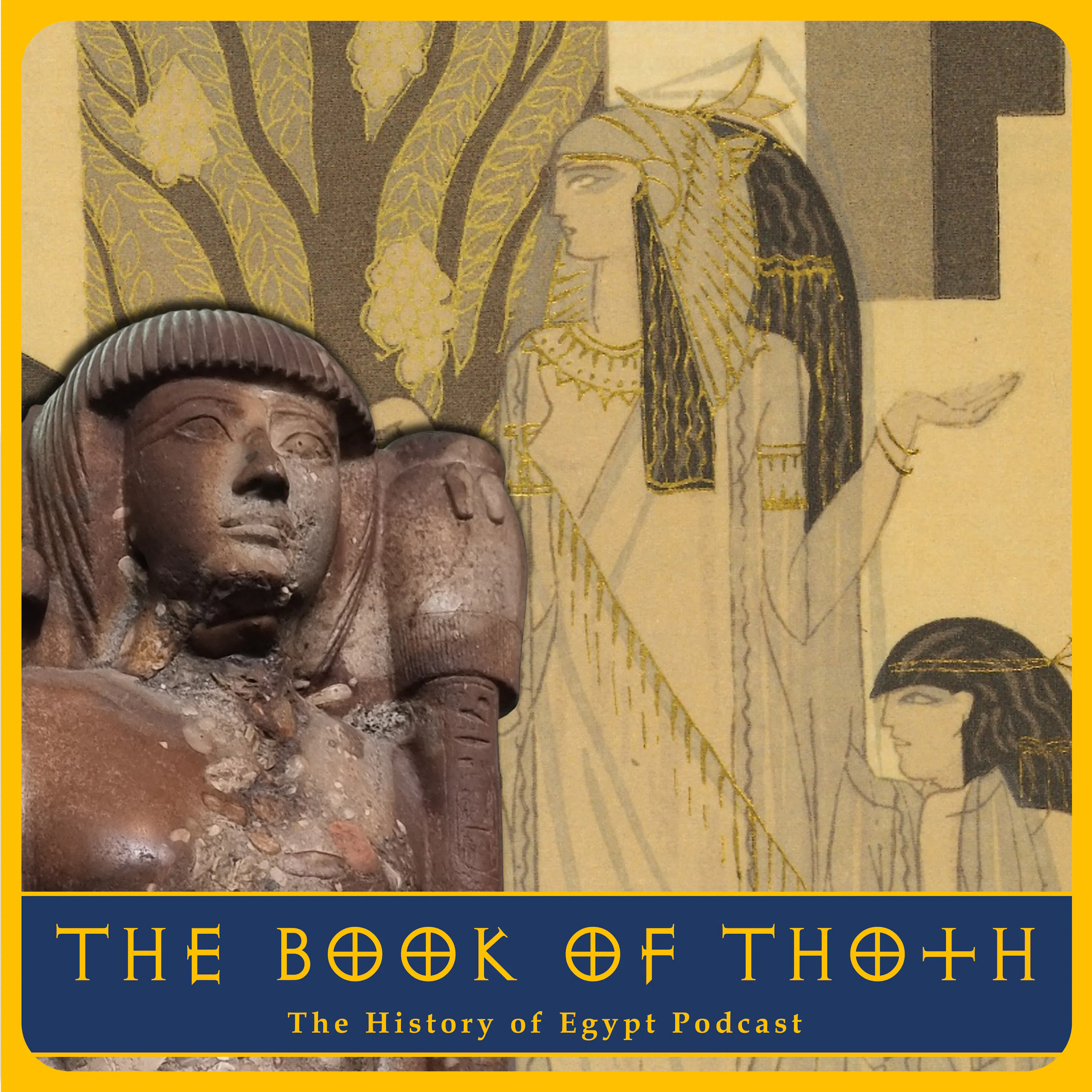
230: Khaemwaset & the Book of Thoth
The prince Kha-em-Waset (lived c.1260 BCE) was a learned man, and an accomplished priest. Centuries after his death, storytellers remembered the prince as a sage and magician. They told tales of his adventures, including one where Khaemwaset stole a magical book, belonging to the great god Djehuty/Thoth. In a tale of gothic horror, the prince must wrangle with the consequences of his greed... CONTENT WARNING: Story contains themes of suicide, murder, and sexual horror. Please listen with discretion. Music: Matt Uelman, "Tristram;" Keith Zizza, "Dissatisfaction," "Memories of Thebes," and "Beloved of Ma'at;" Ray Noble & His Orchestra, "Midnight with the Stars and You (Instrumental);" TableTop Audio "The Mummy's Tomb." Logo image: Statue of Khaemwaset from Asyut, now in British Museum (photo Dominic Perry); painting of Tabubue, by M. Lalau (1932). The Tale of Khaemwaset and the Book of Thoth: Griffith, F. L. (1900). Stories of the high priests of Memphis: The Sethon of Herodotus and the Demotic tales of Khamuas. Available at Internet Archive. Lichtheim, M. (1980). Ancient Egyptian Literature Volume III: The Late Period, 125—151. Ritner, R. K. (2003b). The Romance of Setna Khaemuas and the Mummies (Setna I). In W. K. Simpson (Ed.), The Literature of Ancient Egypt: An Anthology of Stories, Instructions, Stelae, Autobiographies, and Poetry (3rd ed., pp. 453--469). Vinson, S. (2018). The Craft of a Good scribe: History, Narrative and Meaning in the First tale of Setne Khaemwas. Learn more about your ad choices. Visit megaphone.fm/adchoices
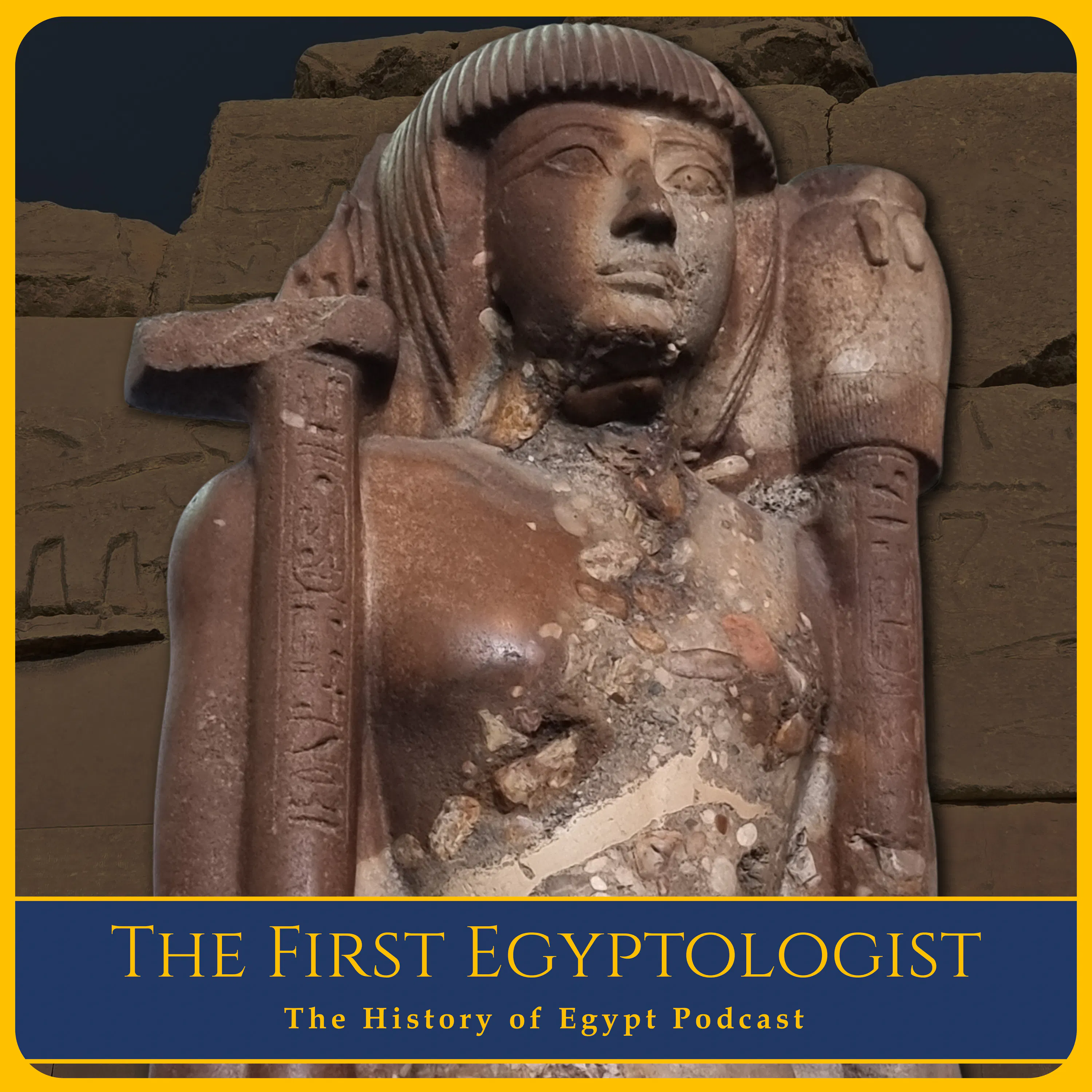
229: The First Egyptologist? Khaemwaset & the Apis Bulls
In 1263 BCE, priests announced the death of the APIS BULL. Sacred to Ptah, the bull dwelled in the temple at Men-nefer (Memphis). Now, in year 30 of Ramesses II, the King's son KHA-EM-WASET would lead the funerary processions. Shortly after, the prince inaugurated the first phase of a now famous monument. The Lesser Vaults of the SERAPEUM begin to take shape. The prince also starts a project for which he is renowned: the preservation and restoration of old monuments. These acts have earned him the moniker "the first Egyptologist." Logo: Statue of Khaemwaset from Asyut, now in the British Museum (Photo Dominic Perry). Music: Keith Zizza www.keithzizza.net, used with artist's permission. Learn more about your ad choices. Visit megaphone.fm/adchoices

228: Three Funerals & a Sed Festival
Loss and rejuvenation. Ramesses third decade in power was a time of death. The King's Great Wife Nefertari passed around year 25. Almost simultaneously, his mother Tuya, his second wife Iset-Nofret, and his eldest son Amun-her-khopeshef all passed to the west. We meet these figures, explore their tombs (including the amazing KV5), and trace their surprising legacies. Then, we recount the big event: in Year 30, Ramesses celebrated the first of his jubilees. A magnificent Sed Festival took place in Memphis... Logo image: gold bead of Iset-Nofret (Metropolitan Museum of Art, public domain). Music by Keith Zizza https://www.keithzizza.net/, used with artist's permission. Learn more about your ad choices. Visit megaphone.fm/adchoices

227: The One Where Iset Poisons Ra
What is the true name of god? Once upon a time, Ra ruled the earth directly. But the great goddess Iset/Isis desired to know his private name, the one hidden from all outsiders. A name that, if known, would grant the knower magical power over the sun god. To gain the knowledge she desired, Iset concocted a daring plan... The Story of Iset and the Secret Name of Ra University College London. Isis and the Name of Ra. https://www.ucl.ac.uk/museums-static/digitalegypt//literature/isisandra.html Hieroglyph version: Museo Egizio Turin. Papyrus Turin 1993. https://collezionepapiri.museoegizio.it/en-GB/document/185/ (recto). Borghouts, J. F. (1978). Ancient Egyptian Magical Texts, pp. 51—55. Ritner, R. K. (2003). The Legend of Isis and the Name of Re (P. Turin 1993). In W. W. Hallo & K. L. Younger (Eds.), The Context of Scripture (pp. 33--34). Rowe, A. (1996). The Secret Name of Ra. Learn more about your ad choices. Visit megaphone.fm/adchoices

226: Nefertari's Tomb and Book of the Dead
The tomb of Queen Nefertari is one of the masterpieces of New Kingdom funerary monuments. The tomb is stunningly preserved, with an array of exquisite images, evocative texts (from the Book of the Dead), and traces of her burial goods. In this episode we explore the sepulchre, its decoration, and its conservation in the modern era. Music: Ihab Mahna and Luke Chaos. Learn more about your ad choices. Visit megaphone.fm/adchoices

225: Nefertari Beloved of Mut
Around 1300 BCE, King Sety I selected a group of "beauties" for his son, to marry and produce children. One of these was Nefertari (Nefret-Iry, "She Has Become Beautiful"). A girl of unknown origins (but some tantalising possibilites) who would rise to the rank of King's Chief/Great Wife. Nefertari is world-famous, especially for her monuments. But the Queen herself is remarkably shadowy. We go in search of her tale... Music: Ancient Lyric (intro) & Keith Zizza (outro). Logo image: Nefertari and Ise/Isis, from the Queen's tomb QV66. Photo by Edward Hutt. Learn more about your ad choices. Visit megaphone.fm/adchoices

Abu Simbel: Nefertari's Temple & Ramesses' Nubian Empire
Livestream recording about the Abu Simbel Temples, with a particular focus on Nefertari's monument (Part 1) and the political-religious context of Ramesses' Nubian monuments (Part 2). We also have a fun epilogue about some Greek mercenaries... Video versions available on the History of Egypt Podcast YouTube channel. Part 1 (Nefertari) https://youtu.be/B5FLkAtPpdM Part 2 (Religious/Political Context) https://youtu.be/D7ZTYFOtrA4 Learn more about your ad choices. Visit megaphone.fm/adchoices

Dinosaurs of Egypt (2026 Revised Edition)
In the Cretaceous Period (c.100 million years ago) Egypt and North Africa were radically different environments. With vast tidal flats and mangroves, and a shallow sea, the continent fostered numerous animal and plant species. Creatures like Paralititan (sauropods); the sprinting Deltadromeus; the infamous Spinosaurus; and the newcomer Tameryraptor. These have been preserved in the fossil record from Egypt and other countries in North Africa. Today, we meet some of the inhabitants of this ancient landscape… Logo image: Spinosaurus aegyptiacus, by Paleogeeksquared, via Wikimedia. Animals mentioned in this episode: Paralititan: https://en.wikipedia.org/wiki/Paralititan Deltadromeus: https://en.wikipedia.org/wiki/Deltadromeus Mawsonia: https://en.wikipedia.org/wiki/Mawsonia_(fish) Leptostomia: https://en.wikipedia.org/wiki/Leptostomia Spinosaurus: https://en.wikipedia.org/wiki/Spinosaurus Tameryraptor: https://en.wikipedia.org/wiki/Tameryraptor Select references: Dal Sasso, C., Maganuco, S., & Iurino, D. (2014). Update on the internal structure of the snout of Spinosaurus aegyptiacus. Second North African Vertebrate Palaeontology Congress, Ouarzazate. Darwish, M. H., & Attia, Y. (2007). Plant impressions from the mangrove-dinosaur Unit of the Upper Cretaceous Bahariya Formation of Egypt. Taeckholmia, 27, 105--125. Hone, D., & Holtz Jr, T. R. (2021). Evaluating the ecology of Spinosaurus: Shoreline generalist or aquatic pursuit specialist? Palaeontologia Electronica, 24(1), 1–28. https://doi.org/10.26879/1110 Hone, D., & Witton, M. P. (2025). Spinosaur Tales: The Biology and Ecology of the Spinosaurs. Ibrahim, N., Sereno, P. C., Dal Sasso, C., Maganuco, S., Fabbri, M., Martill, D. M., Zouhri, S., Myhrvold, N., & Iurino, D. A. (2014). Semiaquatic adaptations in a giant predatory dinosaur. Science, 345(6204), 1613--1616. https://doi.org/10.1126/science.1258750 Roach, J. (2001, May 31). “Tidal Giant” Roamed Coastal Swamps of Ancient Africa. National Geographic News. https://web.archive.org/web/20010605022420/http://news.nationalgeographic.com/news/2001/05/0531_tidaldinosaur.html Sereno, P. C., Myhrvold, N., Henderson, D. M., Fish, F. E., Vidal, D., Baumgart, S. L., Keillor, T. M., Formoso, K. K., & Conroy, L. L. (2022). Spinosaurus is not an aquatic dinosaur. eLife, 11, e80092. https://doi.org/10.7554/eLife.80092 Smith, J. B., Lamanna, M. C., Lacovara, K. J., Dodson, P., Smith, J. R., Poole, J. C., Giegengack, R., & Attia, Y. (2001). A Giant Sauropod Dinosaur from an Upper Cretaceous Mangrove Deposit in Egypt. Science, 292(5522), 1704--1706. https://doi.org/10.1126/science.1060561 Learn more about your ad choices. Visit megaphone.fm/adchoices

The Egyptian Book of Gates (Complete)
The New Kingdom "Book of Gates" explores Ra's journey through the Duat (Underworld). Passing the western horizon at sunset, Ra sails through the land of the dead. His journey is beset by dangerous creatures, and Ra himself experiences a kind of death at the darkest time of night. Fortunately, Heis not alone. Guided and assisted by friends, the lord of light journeys deep into the night. Hour by hour, he traverses the realm of Osiris, moving towards his own rebirth... This is a compilation of previously released material (episodes 175 & 176). First known appearance: KV57 the royal tomb of Horemheb (c.1305 BCE). Website: www.egyptianhistorypodcast.com. Support the show via Patreon www.patreon.com/egyptpodcast. Make a one-time donation via PayPal payments. Source: KV57, the tomb of Horemheb; KV17, tomb of Sety I, and others. Music intro, interludes, and outro: Luke Chaos. Adapted from original compositions by Gorillaz, from the album "Demon Days." Modern Book of Gates Translations: J. C. Darnell and C. Manassa Darnell, The Ancient Egyptian Netherworld Books (2018). E. Hornung, The Egyptian Book of Gates, trans. T. Abt (2014). DON'T use Budge. His version is over 100 years out-of-date on language and scholarly understanding of Egyptian religion. Learn more about your ad choices. Visit megaphone.fm/adchoices

News from the Field (2025-2026 Part 1)
The winter 2025/26 excavation season is underway, and lots of news is coming forth already. Let's explore the major finds! Chapters: The GEM is open 00:30. Scans at Menkaura's pyramid: 04:12. Discovery at Tanis: 07:31. Alexandria ship: 08:49. Amarna Plague? 10:39. Thera Tempest? 12:41. Karnak Re-Dated: 14:43. New Temple Discovery: 16:05. Sources: Menkaura pyramid scans: https://www.sciencedirect.com/science/article/pii/S096386952500012X Tanis discovery: https://english.ahram.org.eg/NewsContent/9/40/557221/Antiquities/Ancient-Egypt/-royal-ushabti-figurines-unearthed-in-Nile-Delta-T.aspx Alexandria ship: https://www.franckgoddio.org/shipwreck-k1/ Amarna plague: https://www.journals.uchicago.edu/doi/10.1086/736705 Thera Eruption and Tempest Stela: https://journals.plos.org/plosone/article?id=10.1371/journal.pone.0330702 Karnak re-dated: https://www.cambridge.org/core/journals/antiquity/article/conceptual-origins-and-geomorphic-evolution-of-the-temple-of-amunra-at-karnak-luxor-egypt/12B8A406D84C46F89CDDD7A3DCDF297D Niuserra Valley Temple: https://english.ahram.org.eg/News/558520.aspx Learn more about your ad choices. Visit megaphone.fm/adchoices
Thanks for listening (End-of-Year Wrap-up 2025)
A quick message to say thanks for listening in 2025, and what's coming up on the podcast... Learn more about your ad choices. Visit megaphone.fm/adchoices

Egyptology & Podcasting: Interview with Science Factory (Preview)
I recently did an interview with the Science Factory YouTube channel. This is a short preview of the conversation. Find the full video at the Science Factory on YouTube https://www.youtube.com/watch?v=_K731D4bfMw and on their podcast Learn more about your ad choices. Visit megaphone.fm/adchoices
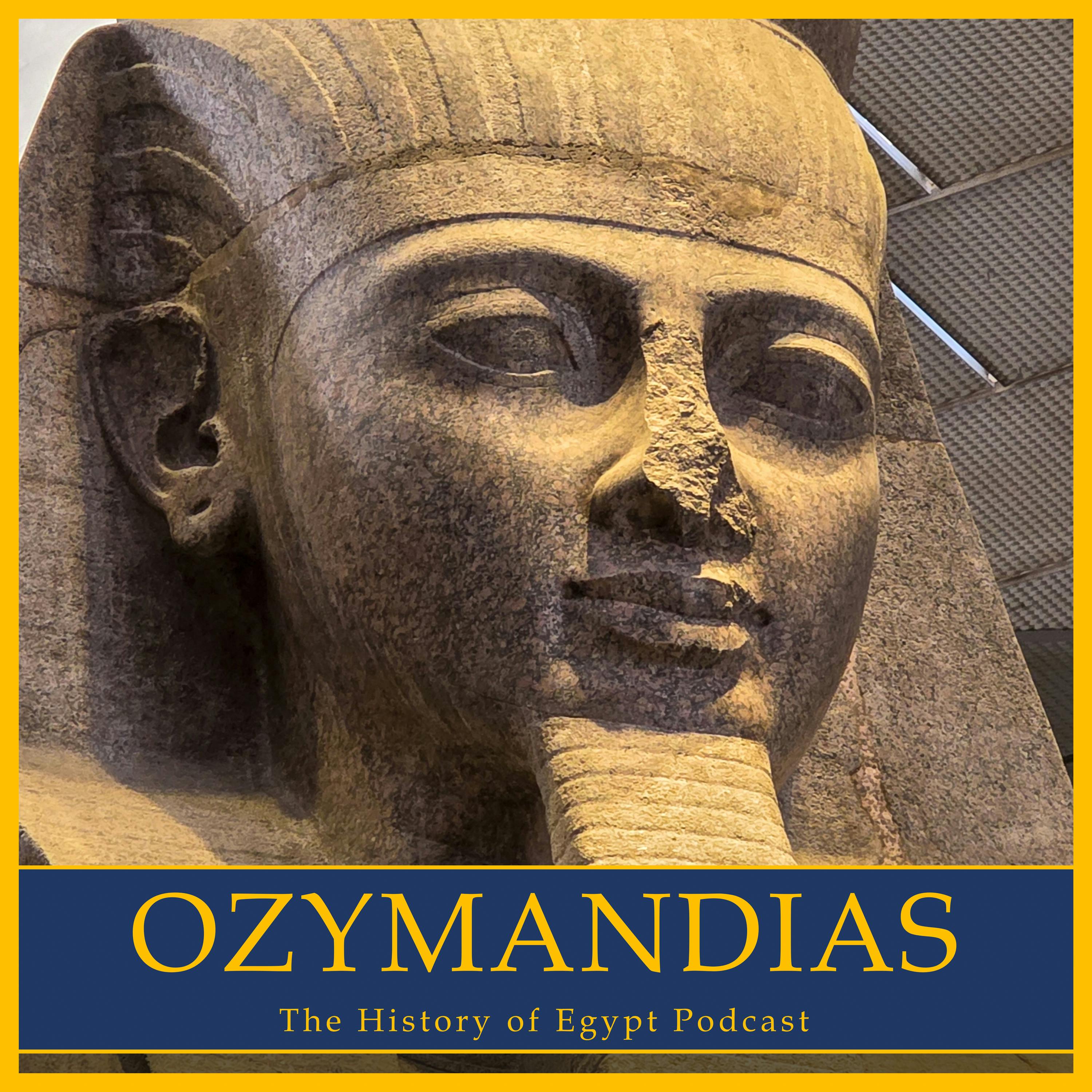
224: Ozymandias (or, Shadow of the Colossus)
Divine intermediaries. Ramesses II commissioned many statues, some of which are among the largest ever quarried. From the halls of the Grand Egyptian Museum, to the bedrock of Aswan, we follow the King's development of a remarkable project. Colossal statues of the king, bearing distinct names and even their own priests, provided Ramesses' subjects with new intercessors between their world and the gods... Logo: The statue "Ramesses, Beloved of Ptah," from the Grand Egyptian Museum. Learn more about your ad choices. Visit megaphone.fm/adchoices

223: Ramesses & Hattusili Best Friends Forever
Egyptian-Hittite Diplomacy. In the aftermath of the Treaty, Ramesses II and Hattusili III got down to business establishing their brotherhood. From prospective summits in Canaan, to fabulous gift-exchanges by Nefertari and a prince, the Egyptian and Hittite courts negotiated their new bonds. Alas, things weren't always rosy, and the issue of Urhi-Teshub caused great friction between the two Kings. Finally, we meet the man who shuttled back-and-forth between these kingdoms, delivering the goods: the Egyptian royal messenger Netjerwymes aka Pirikhnawa gets a look in... Logo image: Hititte drinking vessel in the shape of a fist. Silver, 15th--13th Centuries BCE. Boston Museum of Fine Arts https://collections.mfa.org/objects/322343/drinking-vessel-in-the-shape-of-a-fist Music: Luke Chaos. Learn more about your ad choices. Visit megaphone.fm/adchoices

Let's visit Egypt? Tour 2026 November, "Roaming with Ramesses"
In November of 2026, I’d like to take you on a tour I’m calling “Roaming with Ramesses.” Themed around the 19th Dynasty, and the days of the Ramessid pharaohs, we’ll explore multiple sites across northern and southern Egypt. The tour is organised by my long-time collaborators, Ancient World Tours. They’ve been in the business for over 30 years, and every tour we’ve run has been a marvel of smooth sailing and general delights. So, we're in good hands. Tour costs, details, and sign-up form at https://www.ancient.co.uk/holiday/roaming-with-ramesses/ Password ROAMING Learn more about your ad choices. Visit megaphone.fm/adchoices

Ramesses II War and Peace with Prof. Peter Brand
The ultimate pharaoh makes the ultimate agreement. In this interview, Prof. Peter Brand offers us his insights on the cultures of Egypt and Hatti around the time of the Year 21 Treaty. From the background details of diplomatic correspondence, to the larger context of empires at war, we deep-dive the history of this important treaty. Learn more about Prof. Peter Brand's work at https://memphis.academia.edu/PeterBrand. Find Prof. Brand's book Ramesses II, Egypt's UIltimate Pharaoh via Lockwood Press and all good retailers. Learn more about your ad choices. Visit megaphone.fm/adchoices
222: Peace Sells... But Who's Buying? The Egyptian-Hittite Treaty
The Egyptian-Hittite Treaty. In regnal year 21 (c.1272 BCE), Ramesses II announced a treaty with Hattusili III. The two kings united in "peace and brotherhood, forever," and agreed to a raft of provisions regarding their territories, vassals, rules-of-succession, and more. As the first (surviving) treaty between the two Great Powers, the year 21 agreement is a landmark in the history of diplomacy. We explore the text and its impact... Music: Luke Chaos. Learn more about your ad choices. Visit megaphone.fm/adchoices
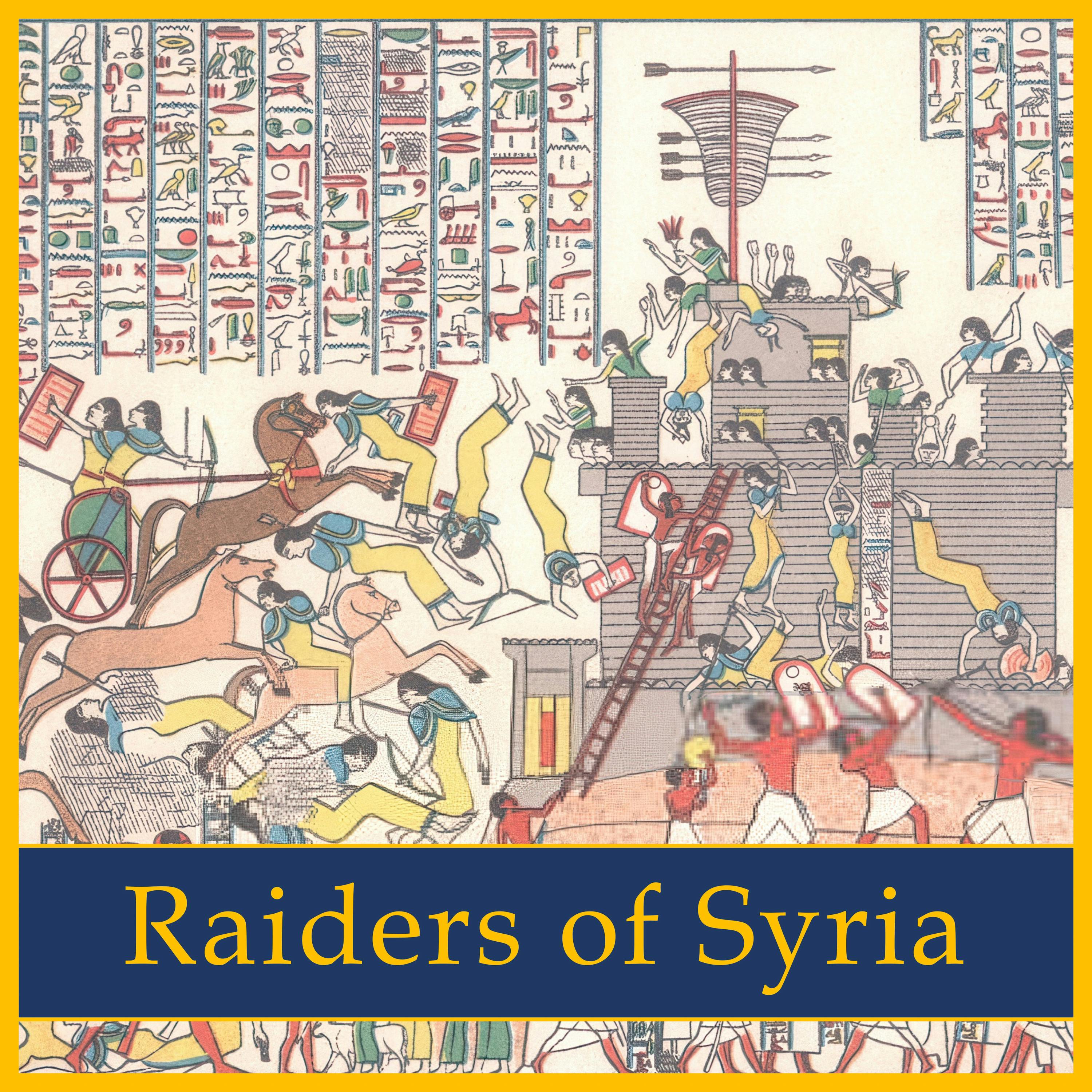
221: Ramesses II Raiders of Syria
The later wars of Ramesses II (Years 8 to 15). Following Kadesh, Ramesses led or despatched further campaigns into Canaan and Syria. These battles are documented on his temple walls, preserving some details of the geopolitical situation. From the death of a rival, to the plundering of Syria's heartland, we go in search of these "lost campaigns." Music: Ancient Lyric and Luke Chaos. Logo image: Ramesses II attacks Dapur (Wikimedia public domain). Learn more about your ad choices. Visit megaphone.fm/adchoices

220: Ramesses II Dead Sea to Galilee
Moves and counter-moves. In the aftermath of Kadesh, Muwattalli (King of Hatti) seems to consoldiated hold over Syria. Border territories like Amurru fell to Hittite influence. At home, Ramesses spent at least one year regrouping before launching his reponse. Soon, pharaonic armies were marching into northern Canaan (around Galilee) and east, into Moab (Mwibw). The pharaoh's imperial authority had taken a beating; it was time to assert his strength. The History of Egypt Podcast: Website: www.egyptianhistorypodcast.com. Support the show via Patreon www.patreon.com/egyptpodcast. Make a one-time donation via PayPal payments https://www.paypal.com/ncp/payment/BHC6MGDBC6SXU. We have merch! Browse our designs at Dashery by TeePublic https://egyptpodcast.dashery.com/ . Learn more about your ad choices. Visit megaphone.fm/adchoices

219: Abu Simbel, Ramesses' Great Temple
Holy mountain. Around 1286 BCE, builders started work at Abu Simbel. Sacred to a local form of Horus, this sandstone mountain would become one of the most famous monuments in the Nile Valley. It was called the “House of Ramesses, Beloved of Amun,” and provided a home for dozens of deities. Within, sunlight illuminated its sanctuary on certain days, and the King could honour himself in a “Temple of Millions of Years.” Thanks to some lesser-known records, we explore the function and creation of this renowned shrine, and try to answer some nagging questions... I’ll do a Livestream about Abu Simbel soon. Subscribe to my YouTube channel to learn more https://www.youtube.com/@dominicperryae Epilogue: Around 593 BCE, soldiers of Psamtik II (or Psammetichus) marched to war in Nubia. Along the way, they visited Abu Simbel... Music by Luke Chaos. Learn more about your ad choices. Visit megaphone.fm/adchoices
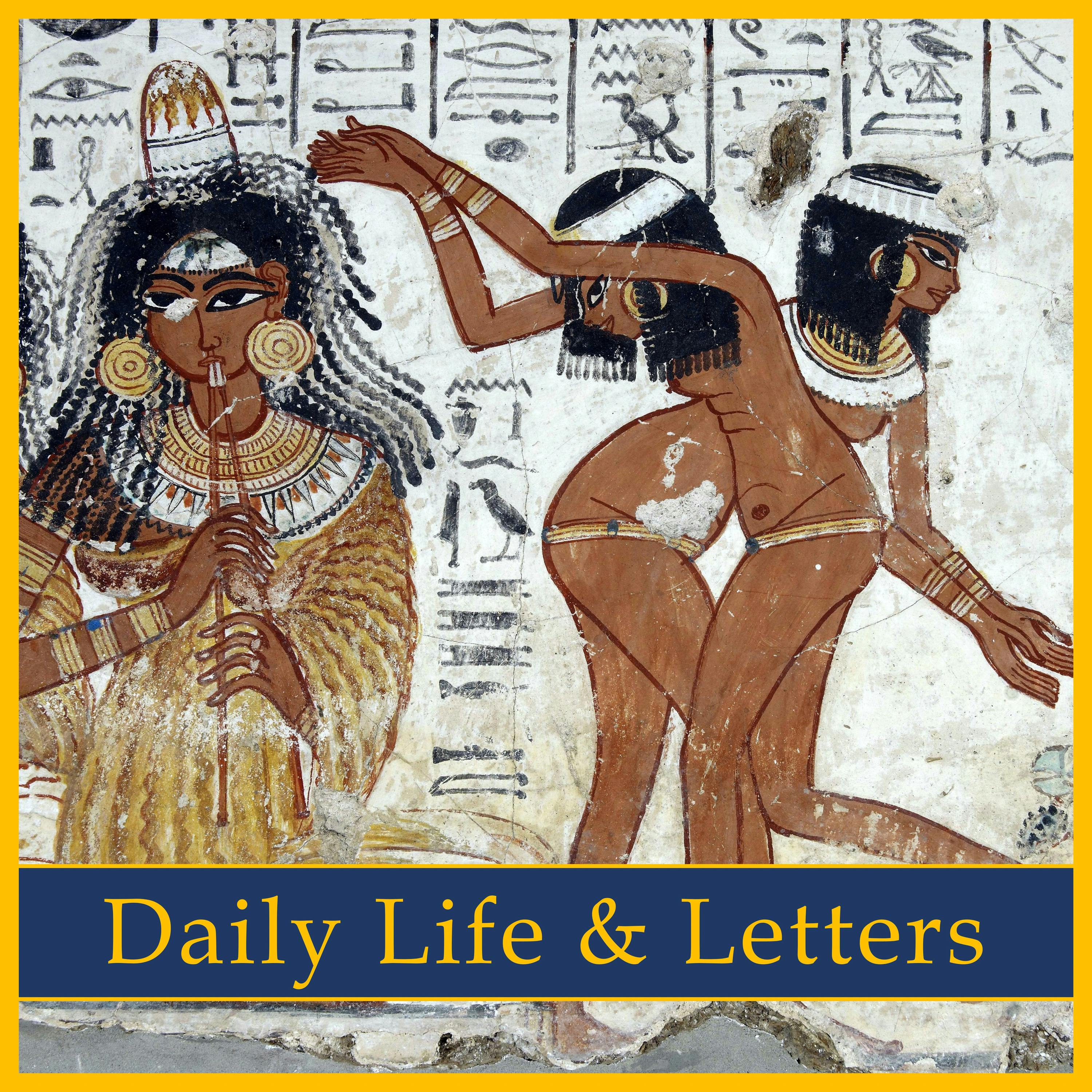
218: Give Me Back My Donkey! and Other Tales
Daily Life in Ramessid Egypt (Part 1). Starting around 1300 BCE, the (surviving) corpus of written documents from Egypt begins to increase dramatically. It's not clear why, but papyrus and ostraca are far more abundant for this era than anything before. Thanks to these records, we get many glimpses of daily life and personal concerns, from the society of the time; and we can enjoy some Small Stories of life in Ramessid Egypt. Logo image: Dancers and musicians from the 18th Dynasty tomb of Neb-Amun, now in the British Museum (via Wikimedia Commons public domain). The dancers wear "string" garments that may be the ruwedj referenced by Ise in her letter to her sister. The History of Egypt Podcast: Website: www.egyptianhistorypodcast.com. Support the show via Patreon www.patreon.com/egyptpodcast. Make a one-time donation via PayPal payments https://www.paypal.com/ncp/payment/BHC6MGDBC6SXU. We have merch! Browse our designs at Dashery by TeePublic https://egyptpodcast.dashery.com/ Learn more about your ad choices. Visit megaphone.fm/adchoices

217: The Art of Kadesh (Livestream)
Our final part of the Kadesh story is Ramesses' art. Wall carvings, on major temples, present the pharaohs' summary of Kadesh and the conflict. They include many fun details, including enemy combatants, and comparing some scenes with artefacts allows us to imagine aspects of the ancient battle. Video version available on my YouTube channel https://www.youtube.com/@dominicperryae under "Live." Direct link here https://youtube.com/live/mos4jf6oVbk. Learn more about your ad choices. Visit megaphone.fm/adchoices

Ancient Historical Fiction with Dr. Colleen Darnell
My guest today is Dr. Colleen Darnell, who will speak to us about New Kingdom literature (featuring rulers like Ramesses, Thutmose III, Seqenenra, and more). It’s a fun discussion, ranging from the calamitous death of Seqenenra Tao, to the triumphs of Thutmose III and Ramesses II, to the divine glamour of chariots, and how pharaohs became literary "heroes." Dr. Colleen Darnell's website: https://www.colleendarnell.com/ Online classes about ancient Egyptian history and culture: https://www.colleendarnell.com/classes Dr. Colleen Darnell at Academia.edu: https://yale.academia.edu/ColleenManassaDarnell Learn more about your ad choices. Visit megaphone.fm/adchoices