
The Healthy Compulsive Project
122 episodes — Page 3 of 3
Ep 22Ep. 22: Managing Holiday Expectations, and Carl Jung Analyzes Ebenezer Scrooge
Holidays can bring out the best and the worst in us. For people with obsessive-compulsive tendencies holiday expectations can elicit more control and perfectionism, blocking the joy we hope for, and inviting the disappointments we dread. But some give up hope completely, wish for nothing, and just try to get through the season with as little psychological damage as possible. We explore all these possibilities, and we listen in as Ebenezer Scrooge consults psychiatrist Carl Jung to try to understand his frightening dreams about Christmas past, present and future.
Ep 21Ep. 21: The Compulsive Server-Friend: People Pleaser or Well-Rounded Helper?
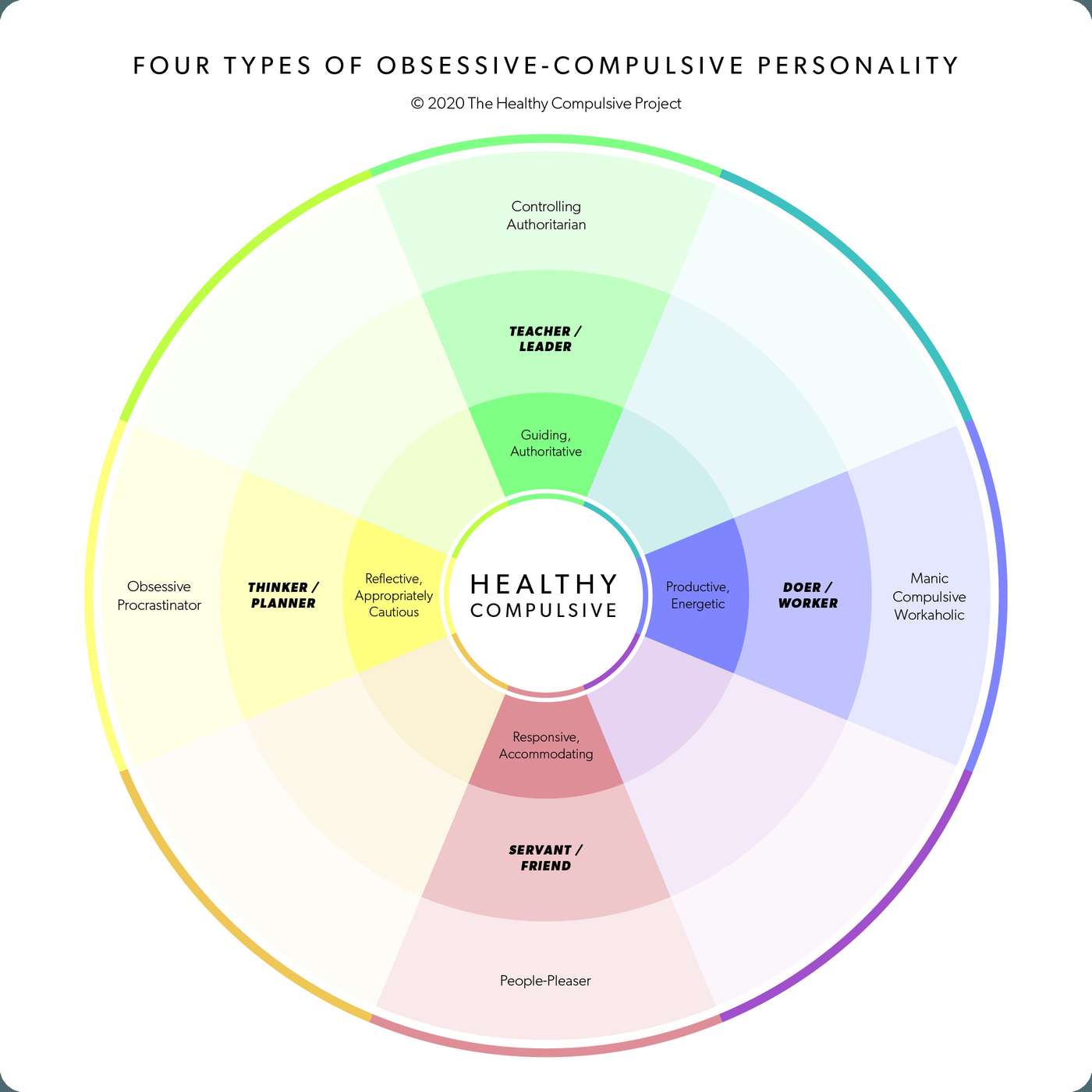
The 3rd type of obsessive-compulsive personality is the Server-Friend, who can become either wonderful companions, or people pleasers who lose their true self. Their suffering is not always seen, but it's real. We look at the stories of two examples, one unbalanced, the other very well balanced.
Ep 20Ep. 20: Delaying Gratification: The Good, The Bad and The Downright Destructive
Delaying gratification may get you what you want. But used too frequently it can erode the capacity for pleasure, mastery and meaning. And invite suffering. This episode explores what happens when delaying gratification becomes chronic, and we re-wire our brain so that fulfillment is no longer possible. Two stories, one playful, the other painfully serious, illustrate the the dangers of delaying gratification.
Ep 19Ep. 19: The Compulsive Worker-Doer: Destined for Burnout or Fulfillment?
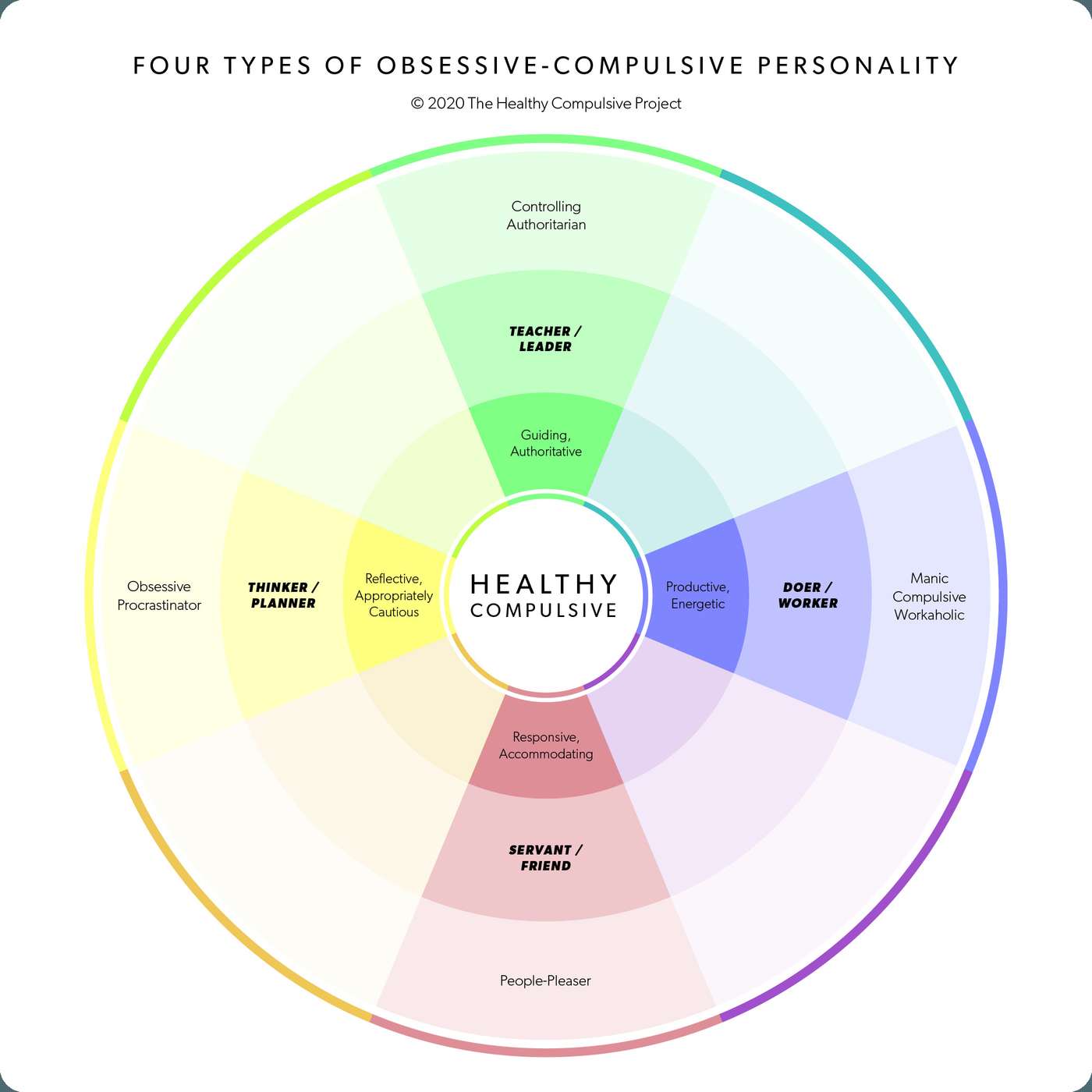
One type of obsessive-compulsive personality, the Worker-Doer, can experience fulfillment or burnout, depending on how well they balance it with other aspects of the compulsive personality. This episodes contains descriptions of the personality type, strengths and weaknesses, stories about it from myth and legend, and suggestions about how to integrate it with other aspects of the personality.
Ep 18Ep. 18: Can Someone With OCPD Change?
OCPD is reputed to be resistant to change, yet there is abundant evidence that with help and motivation, many can alter their behavior to live in a more well-adapted and fulfilling way. Key is working with the personality traits and enlisting them in the process of change.
Ep 17Ep. 17: The Compulsive Teacher-Leader: Bully or Mentor?
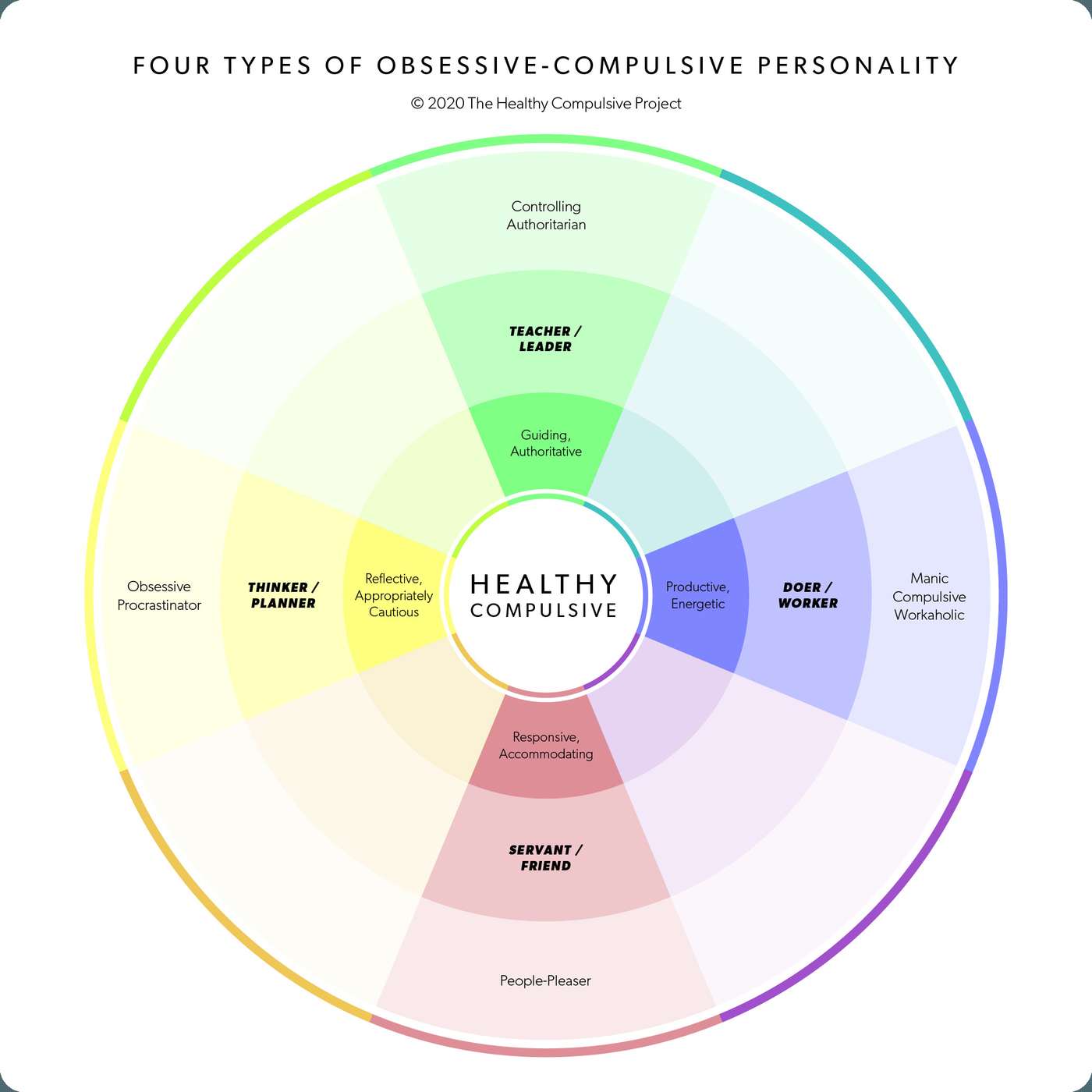
This is the first of four episodes describing the four different types of obsessive-compulsive personality, and the possible benefits and pitfalls of each. Some obsessive-compulsives are natural leaders, teachers & mentors. But too often these capacities are used as a bully might--hurting rather than helping.

Ep 16Ep. 16: What Is Shame and What Is the Best Way to Deal With It?
What is Shame? An inaccurate & debilitating interpretation of our limitations as humans. Trying to avoid it with perfection makes it worse. In this episode we distinguish shame from guilt and and explore how to override it.

Ep 15Ep. 15: Closed: The True Cost of Not Being Open to Our Experience
If we aren't open to experience we miss chances to connect, explore, and learn. Quickly rejecting anything "not just right" costs us enriching experiences. We explore the concepts of Not Just Right Experience, and Openness to Experience as investigated in the Five-Factor Model of personality.
Ep 14Ep. 14: What Exactly Do They Want From You? How The Demand Sensitivity Lens Mucks Up Our Livess
Demand sensitivity is a lens which distorts our sense of what others want from us. This lens misinterprets the most benign hopes for us as demands, and we sacrifice out own needs to meet what we mistakenly think are the expectations of others.
Ep 13Ep. 13: The Ten Commandments of the Obsessive-Compulsive Personality
In this episode of the The Healthy Compulsive Podcast we explore the relations between ideals, rules and commandments. People with Obsessive-Compulisve Personality may try to remedy insecurity by becoming overly conscientious. They may convert ideals into commandments, and good guidelines become rigid & destructive.
Ep 12Ep. 12: How Do I Know if I Have OCPD? And So What If I Do?
Understanding whether you have OCPD can be helpful not only in managing your symptoms, but also finding meaning in your personality. It's also helpful to distinguish between obsessive and compulsive, and obsessions and compulsions.
Ep 11Ep. 11: Who's in Charge? You or Your Inflated Rogue Ego?
Your ego may not be serving you well. But it's not about being egotistical. It's about whether it supports a balanced personality, or insists on control & order.
Ep 10Ep. 10: The Difference Between Narcissistic and Obsessive-Compulsive Personalities
Narcissistic and obsessive-compulsive personalities may similar at first glance, but a closer look reveals differences, with implications for treatment and relationships.
Ep 9Ep. 9: If Your Partner Has Threatened to Divorce You
The question you really need to ask yourself when you partner has threatened to divorce you, is not just whether you are ready to divorce, or what you will do to keep your partner. It's also about what you would want to change for your own well-being.
Ep 8Ep. 8: Four Types of Compulsive Personality
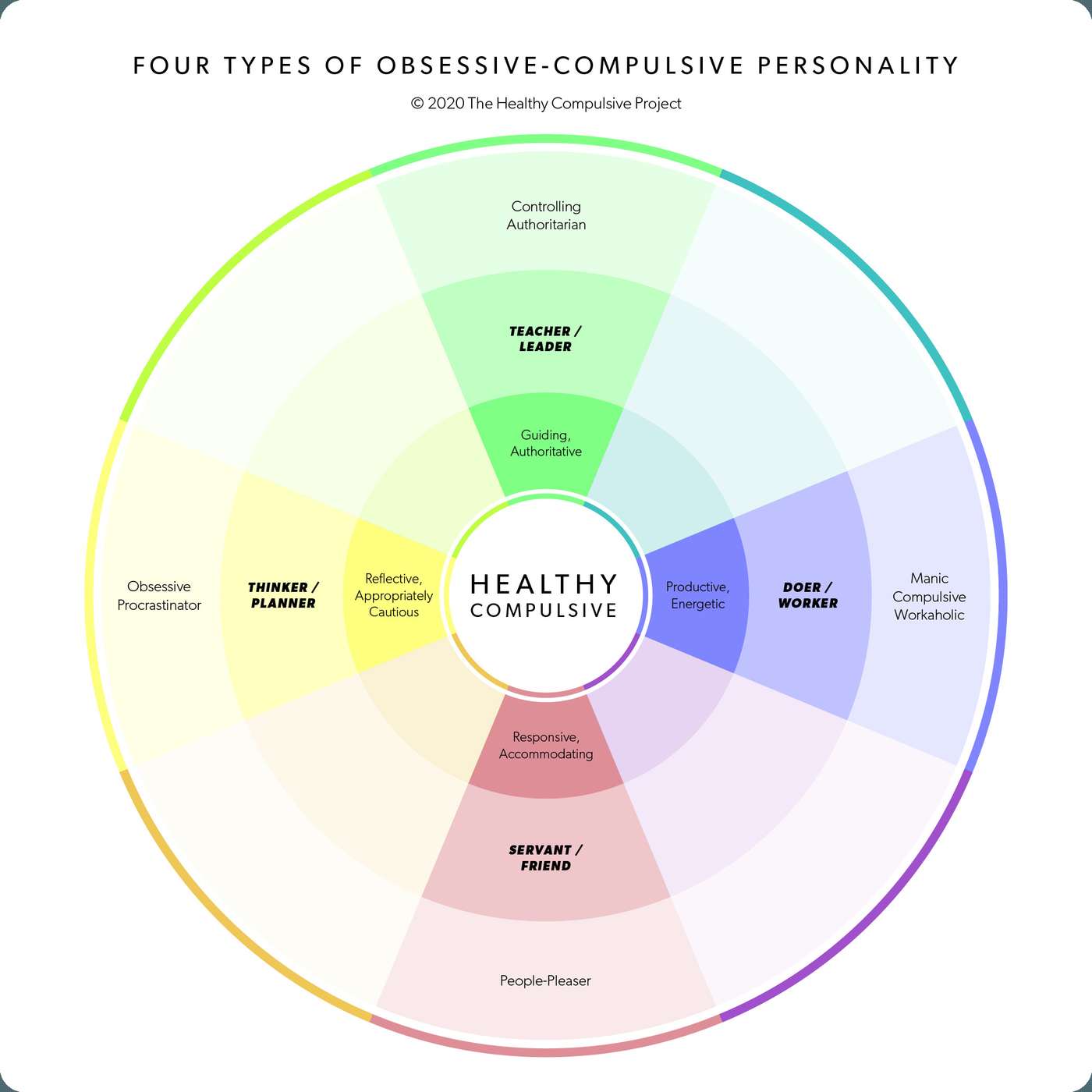
People with obsessive-compulsive personality are not all alike. Four typical types are leaders, workers, servers, and thinkers. Each type has healthy and unhealthy potential. Developing each of these rather than relying on just one type helps us to live healthier, more balanced lives.
Ep 7Ep. 7: How to Stop Obsessing and Survive Your Vacation
Vacationing can be a trial for perfectionists, obsessive-compulsives, and Type A personalities. Things rarely go according to plan, and the struggle to let go can be difficult. This episode includes two blog posts: A Short Guide to Vacationing for Workaholics, Compulsives, and Type A’s, and There Will Be Roosters: A Personal Story about Obsessing.
Ep 6Ep. 6. What Inspiration Can Do for Us and Why We Won't Let It
When cultivating the potential of the obsessive-compulsive personality, an essential ingredient is inspiration. But too often, the frozen version of the obsessive-compulsive personality won't let in the very thing we need.
Ep 5Ep. 5: The Difference Between OCD and OCPD
You may not have OCD after all. More than twice as many people have OCPD (obsessive-compulsive personality disorder) than OCD (obsessive-compulsive disorder). And most of them don’t know it. Many people with OCPD, and many clinicians as well, are unaware of the condition and how it differs from OCD. This episode clarifies the differences and offers an example. Click here for the written version on the Healthy Compulsive Blog. TranscriptYour colleague Mitch works very late hours, insists on perfection in team documents, and can get pretty bent out of shape at meetings, letting people know exactly how they should be doing things. He needs to have things a certain way and his anxiety is palpable if he doesn't.You might think to yourself, "He's kind of crazy!" but you're not sure exactly what kind of crazy he is. You might think, "Maybe he has OCD." But you'd be wrong if you did.Mitch has a condition that most people aren’t awareof, the psychiatric diagnosis known as Obsessive-Compulsive Personality Disorder (OCPD).OCPD is different from the more well-known (OCD) Obsessive-compulsive disorder). Most people, including many clinicians, don't know the difference between OCD and OCPD, so too often it's not recognized as a mental illness. And that's really unfortunate because those with OCPD can make themselves--and everyone around them--really miserable.And it doesn't have to be that way.OCPD is treatable, but it needs to be identified as different from OCD--and acknowledged--before work can begin.About 2.3% of the population meet the full criteria for OCD, while estimates for those meeting criteria for OCPD is between 3 and 8%. So, if we split the difference, at least twice as many people actually have OCPD as have OCD. Even some clinicians are not aware of OCPD, and are therefore not able to make a differential diagnosis. This means there are a lot of people running around out there with OCPD who think they have OCD.So what is the difference between OCD and OCPD?What is OCD?OCD is a type of anxiety disorder which has specific, limited, effects on a person’s behavior and thinking. It leads to specific obsessions and compulsions: rituals, checking, and cleaning. In some cases it puts serious constraints on the individual. Sufferers can get lost in cleaning or rituals (compulsions) at the expense of all other areas of their lives. Intrusive thoughts (obsessions) can be violent and extremely disturbing.What is OCPD?In contrast, compulsive personality affects a person’s entire character. For better or worse.People can have an obsessive-compulsive personality style but not have the disorder. At their best, people with a compulsive style are creative, productive and reliable. In fact you can be compulsive and live quite well on the healthy end of the spectrum. That’s the whole point of this blog.But at its worst the compulsive personality drifts into the personality disorder, (OCPD). People with this condition are rigid, over-controlling, and perfectionistic. They have difficulty tolerating situations that they find to be unorganized or unethical. They lack flexibility. They have difficulty delegating, sometimes hoard, and are often needlessly frugal. They are all work and no play. They neglect or boss their partners.But to keep it simple, today I’m just going to compare OCD with OCPD, the unhealthy version of compulsive personality.What is the Difference Between OCD and OCPDHere is a chart outlining the differences. Some individuals have both OCD and OCPD, and there is some overlap, but these are still distinct conditions. Variations occur of course, but these are the traits that typically describe the two conditions: | OCD | OCPD | Anxiety Disorder | Personality Disorder | Do not like their symptoms | Take pride in their personality | Have specific obsessions and compulsions | Entire personality is affected | Motivated by need to prevent catastrophes | Motivated by perfectionism and conscientiousness | Willingly seek professional help | Resist seeking professional help | Seek help for relief from symptoms | Seek help mostly to salvage relationships or to get relief from depression | Spend time on compulsive rituals (e.g. cleaning & checking) | Spend time on work projects and planning | Symptoms are generally maladaptive (except hygiene) | Traits may be adaptive if used consciously | Emotions are not necessarily suppressed | Emotions are controlled and gratification is delayed | Often feel insecure in regard to others | May become domineeringWhile both conditions have a genetic component, the biological origins for OCD appear to be more significant than those for OCPD, which might explain why OCD responds more to medication than OCPD does. Medicatio...
Ep 4Ep. 4: For Partners of People with Obsessive-Compulsive Personality (OCPD)
People with obsessive-compulsive personalities can make committed and reliable partners, or they can destroy relationships with their insistence on telling the other how to live. This episode is for partners of people with obsessive-compulsive personality disorder (OCPD), with suggestions for how to get along with the OCPD partner and make the best of what can be a trying relationship. The episode concludes with a section on how some partners with OCPD engage in moral gaslighting, making their partner feel there is something weak, lazy or unethical about them. Click here for the written version of How to Get Along with an OCPD Partner. Click here for the written version of Moral Gaslighting. TranscriptHow to Get Along With a Partner With OCPD (Compulsive Personality)June 20, 2018 Posted by Gary Trosclair 121 CommentsA partner with OCPD (obsessive compulsive personality disorder), can be really difficult to live with. They usually aren’t aware how extreme their rigidity has become and are often convinced that they’re right all the time. Their perfectionistic, controlling and workaholic tendencies can leave you feeling criticized, run-down, and abandoned.But with intention on their part and support from others, people with compulsive tendencies can change and become great partners—loyal, hard-working, dependable, and conscientious.For those of you who want to try to work out their relationship, I’ll suggest seven steps to help you and your partner deal with the challenge. None of my suggestions are intended to blame or hold the partner responsible for the situation.Before I go through these seven suggestions in more detail, here are two key ideas to keep in mind as you consider them:Appeal to the part of your partner that really wants to do the right thing. That’s at the core of the compulsive personality, however skewed it might have become. Their rules were originally meant to protect people, but they’ve put the cart before the horse. Once they recognize that nurturing their relationship is also the “right thing” to do, they can channel their energy into the project. This appeals to those with compulsive personality, and can help them move to the healthier end of the spectrum.Still, you’ll need to sort out what is and is not within your control. In very severe cases of OCPD there may be little you can do to help them change other than urge them to get professional help. And you should not tolerate abuse of any sort. But in all cases you’ll need to focus on what you can do to improve not only your relationship, but also your own life, rather than waiting for your partner to change. As we’ll see below, this can actually help your partner change.(I am adding a note here almost 5 years after originally posting this. Crucial to understanding your partner and your situation is to understand what type of OCPD you are dealing with. They are not all the same: very different types of people can all meet the criteria for OCPD. In brief, these are leaders or bosses, workers or workaholics, servers or people-pleasers, and thinkers or obsessers. Some of them are harder to deal with, and some of them are more likely to change. Your compulsive partner may be very different from someone else’s compulsive partner. This is particularly important to be aware of if you decide to give advice to others. Please read my post about the different sorts of compulsives from May, 2020, here.)Contents1. Foster Communication With Your Partner with OCPD2. See the Intentions Beneath the Surface3. Appreciate the Good4. Encourage Your Partner with OCPD to Get Help5. Avoid the Division of Labor6. Set Boundaries7. Create Your Own Support System1. Foster Communication With Your Partner with OCPDCompulsives don’t always communicate well. They’re often too busy fixing the world to bother saying what they feel, and their behavior implies that they feel indifferent or critical. Worse, since they’ve spent much of their life “doing” rather than feeling, they may know very little about what they actually feel. None of this means they don’t care; it means that they’re consumed with getting things done—ironically, maybe even getting things done for you.None of this justifies bad behavior, but don’t assume that they don’t care or that they can read your mind. If you do, it will just make matters worse. You can break this cycle by starting with curiosity: “Do you know how that makes me feel? Did you mean to make me feel bad?”Strike while the iron is cold. If your partner is reactive or over-sensitive, it’s best not to try to have a discussion when they’re upset. Their rigidity and perfectionism probably get worse when they’re under pressure. Tell them you want to work it out with them when they feel calmer. Find a time when they’re less upset to engage. There will never be a perfect time, but if they’re overwhelmed with fear or anger, they may not be able to communicate well. If you can ask them about their intentions when they’re calm, you might be able t
Ep 3Ep. 3: OCPD (Obsessive-Compulsive Personality) and Depression
This episode explores the link between unhealthy compulsivity and depression in three parts: understanding what depression may be trying to tell us, how the negativity bias protects us and makes us miserable at the same time, and why compulsives get stuck on the hedonic treadmill. Click here for the written version. TranscriptWhy Compulsive People Get Depressed Part 1: The Missed Potential of Low Mood Constance was meticulous in everything she did. She was famous, and at times infamous, for accuracy at her job, for her fastidiousness in her home, and for her painstaking protocol when running the PTA. Her friends and colleagues said that while she was really well-intentioned, her standards were just too high and she was way too controlling. “You need to let go” everyone told her. But she was determined to get everything just right. And when a big project didn’t go her way, she found herself falling into into a funk. She couldn’t care anymore. It felt like the drive that had throttled her through life so far was missing in action. But since we’re all very enlightened and tend to think that depression is nothing more than a pathological state these days, it didn’t occur to her that perhaps the depression was telling her something, and that it was telling her that walking away from unrealistic expectations just might be a healthy reaction. Not only did she miss the message, she interpreted it in a way that made her more depressed. She thought there was something wrong with her. This is the first in a short series about the reasons that compulsive people get depressed. People who meet the full criteria for obsessive-compulsive personality disorder (OCPD), and those who have just a few compulsive personality traits, are both especially susceptible to depression, and it’s important to untangle the depression from the personality. Otherwise they can each make the other worse. Being compulsive can make us depressed, and sometimes we try to cure or cover the depression by being more compulsive. Not a good idea.Bringing awareness to the possible function of depression is particularly important for people who are compulsive because they often endure their suffering in the territory of “high-functioning depression”–hidden from all, but painful nevertheless.These posts will offer a very different way to understand depression, and offer suggestions to help you break the cycle that can occur between compulsive personality and depression. However, I also want to make clear that if you’re suffering from a serious depression you should consult a mental health professional for help through psychotherapy, medication or both.ContentsThe Potential Purpose and Value of DepressionThe Evolutionary Benefits of DepressionJung: Depression is the Unconscious Trying To Balance UsAnd Now–The RealityWhat happened to chemical imbalances?The TakeawayThe Potential Purpose and Value of DepressionDepression sometimes has a purpose. Especially if you’re compulsive or driven, it can be nature’s way of slowing you down when you’re racing too far and too fast in one direction. Correctly understood, it has potential value.While there is much to support this idea of depression having purpose, in this post I’ll be drawing on two particular and very different sources to support it: psychologist and mood researcher Jonathan Rottenberg at the University of South Florida, and early twentieth century groundbreaking psychiatrist, Carl Jung.Rottenberg has experienced major depression himself, and he’s published a book about the science of low mood: The Depths: The Evolutionary Origins of the Depression Epidemic. He shares reams of data to back up the idea that there have been evolutionary benefits for low mood. Rottenberg questions the way depression is usually understood. He asks: Why is it that we’ve invested such huge resources in treating depression, but so many people are still so depressed?Jung didn’t have the data at his disposal that Rottenberg did, but he still somehow understood, 100 years before, that if we look for the potential purpose in “mental illness” we can contend with it in a more holistic and effective way.Both urge us to stop pathologizing depression and start listening to what it’s trying to tell us. It’s not a defect, it’s a message.The Evolutionary Benefits of DepressionRottenberg’s basic argument is that low mood has had evolutionary benefits that have helped us to survive and develop, so it’s been pretty deeply engrained in us. Here are a few of the benefits:It discourages destructive conflict and sensitizes us to social risk. This was really important in the conditions in which we evolved: bands of 75 people struggling for survival. The better you get along, the more likely you are to survive because you can cooperate in collecting food, and in warding off intruders, those nasty, rule-breaking goons who hadn’t bothered filling out the paperwork to join the United Nations.It discourages wasteful effort. When you hit a wall, when pe
Ep 2Ep. 2: Introducing The Healthy Compulsive Project Podcast
Introducing The Healthy Compulsive Project Podcast, offering information, insights, and inspiration to optimize the obsessive-compulsive personality. From clinical, personal and Jungian perspectives, help with depth and a light touch for OCPD, perfectionists, control freaks and micro-managers. Transcript:Wait, The Healthy Compulsive? Isn’t that an oxymoron?Not in my book. And I’ll tell you how I got there.Five years ago I launched The Healthy Compulsive Project, starting with a blog, and later adding a book. Today I'm launching a podcast, an OCPD podcast, but for many more than just those with OCPD. The goal of the Project has been to help people with obsessive, compulsive, perfectionistic, micro-managing and type A personalities live healthier and more fulfilling lives, lives that are better not despite their compulsive tendencies, but because of them.The audience for the Project includes people with Obsessive-compulsive personality disorder—OCPD, and those who might just have a few of the personality traits and don’t meet the full criteria for the personality disorder. It’s not intended for people with OCD, Obsessive-compulsive disorder, which is a different condition, with different implications for treatment. I’ll explain the differences later.The obsessive-compulsive personality type has much to offer. Harness the drive at the root of it and you’ve got direction, energy and purpose.The word compulsive derives from the words compelled and driven. And that’s not always bad. Lots of good has come out of having an inner drive that’s hard to resist.But I’m not Pollyannaish about this either. When hijacked by anxiety and insecurity, this energy can lead to a really lousy life: depression, rigidity, chronic irritability, work addiction, and paralyzing perfectionism. And it can destroy relationships.Healthy and unhealthy compulsiveness are like water and ice. It’s the same material. But, one flows freely and the other’s frozen stiff. All the insistence and determination characteristic of compulsives can be used constructively or destructively.To move toward the healthier end of the compulsive spectrum takes the willingness to face uncomfortable feelings and to forgo the security of overdoing everything with planning, control and perfectionism.You may notice that I’m lopping together the terms compulsive, obsessive, perfectionistic and Type A. While there are differences between them, there is more overlap than distinction. In the great battle between specificity and efficiency, I’m going to side with efficiency on this one, referring to the lot of them as compulsives, rather than listing everyone that my comments might apply to each time.I’ll explain the differences in future episodes, but for now I’ll say that a common denominator is that they all feel compelled to bring order to what they experience as chaos—for worse and better. And within the obsessive-compulsive personality there are four subtypes. I’ll also explain those later, but for now we can describe them briefly as leader, worker, server, and thinker.The New OCPD PodcastGetting back to The Healthy Compulsive Project I began five years ago…Reactions to the book and the blog have been gratifying and encouraging. It seems that they’ve helped lots of folks look at their condition in a very different way, and to behave in ways that leave them less depressed. It’s also helped some of their loved ones feel less oppressed. Many people who’ve been diagnosed with obsessive-compulsive personality disorder have found hope in the perspective that I’ve outlined, helping them to shake the impression that having a personality disorder meant they were doomed to a lifetime of misery.But a number of readers have suggested that, given how busy they are, and how much being efficient means to them, it would be easier if they could listen to the blog, rather than reading it. So, starting today, the Healthy Compulsive Project will also include a podcast. The content in the recorded podcast will be virtually the same as that in the written blog. This way you can listen to it while you drive to your job, walk your mongrel, cook your red beans and rice, and tackle other mindless projects so that you feel like you’re being more productive.The blog has over 80 written entries at this point, with one or two new posts coming out each month. I’ll continue to post new, written blogs. The podcasts will include the recorded version of new blog posts, along with recordings of older blog posts.Some episodes will be like an audio magazine—several articles addressing a central theme. Others will include only one blog article.Upcoming themes in the podcast will include:• Origins of the compulsive personality• Psychotherapy treatment• Work• Relationships and Parenting• Perfectionism and Control• Shame and guilt• Archetypes and Carl Jung• Depression and Anxiety• Mindfulness MeditationOne bummer about podcasts is that you can’t hyperlink. I like to hyperlink in the blog so that you know tha
Ep 1Ep. 1: The Healthy Compulsive Project | Trailer
trailerControl freaks and perfectionists unite! Anyone who’s ever been known to overwork, overplan, overcontrol or overanalyze is welcome here, where the obsessive-compulsive personality is explored and harnessed to deliver what it was originally meant to deliver. Join psychotherapist, Jungian psychoanalyst and author Gary Trosclair as he delves into the pitfalls and potential of the driven personality with an informative, positive, and often playful approach to this sometimes-vexing character style.