The Food Chain
556 episodes — Page 5 of 12
Food for mood
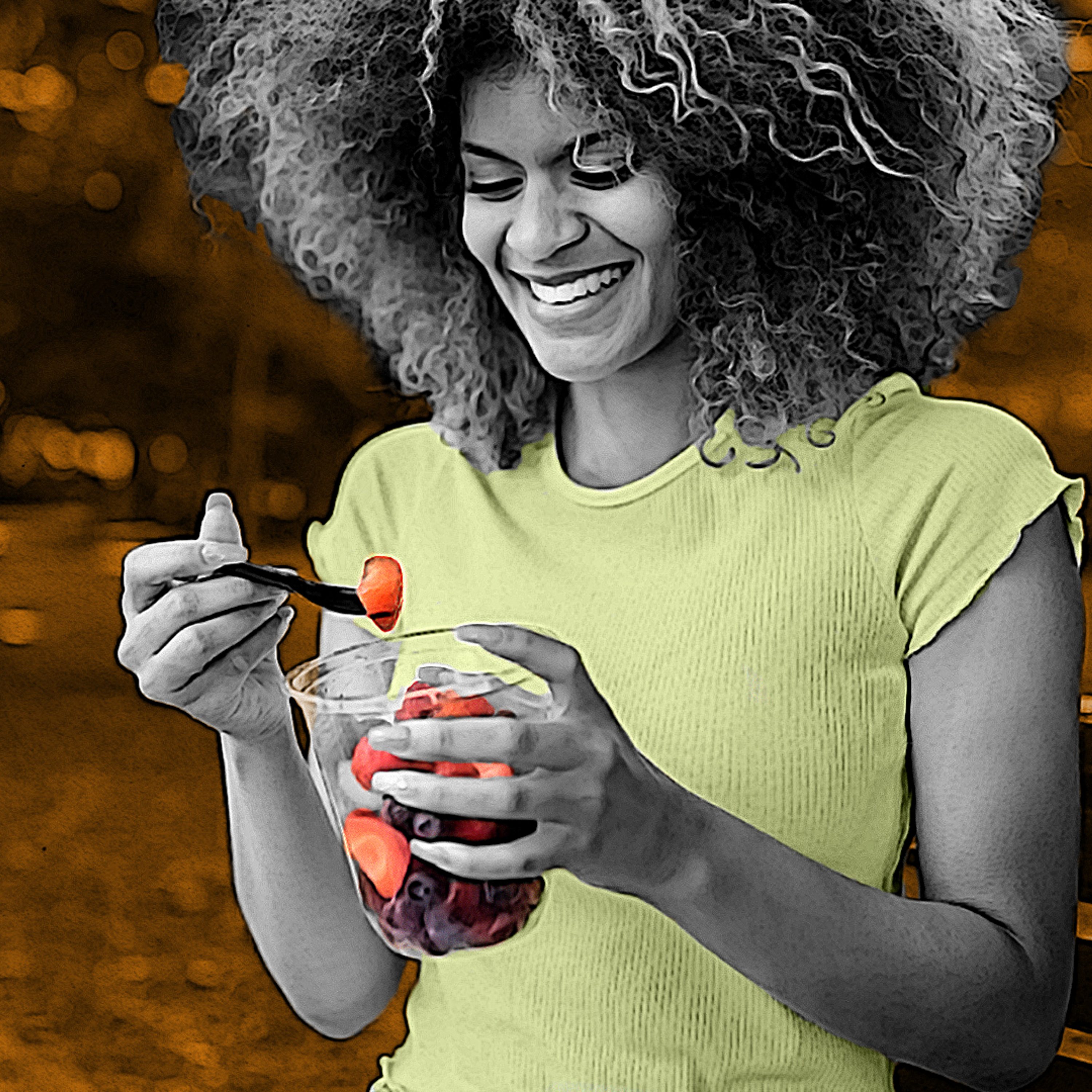
Mental health is a hugely complex issue with many causes. There’s no simple answer, then, when it comes to therapies for conditions like anxiety and depression. But a growing body of research is now supporting a connection between nutrition and mental health - that what you eat can have a role to play in reducing symptoms of depression and anxiety. It’s an emerging field, but dietary recommendations for patients are already being made in clinical settings. Jordan Dunbar explores the scientific evidence for this, and what a ‘happier diet’ might look like. He speaks to Professor Felice Jacka, Director of the Food and Mood Centre at Deakin University in Australia; US psychiatrist Dr Emily Deans; UK-based chef, Daniel Edwards, and nutritionist Dr Nada Benajiba, who’s based in Saudi Arabia. If you've been affected by the content of this programme, information and support is available via the BBC Action Line. Go to https://www.bbc.co.uk/actionline If you would like to get in touch with the show, please email: [email protected] (Picture: Woman holding a pot of mixed berries. Credit: Getty/BBC)Producer: Elisabeth Mahy
The flavourists
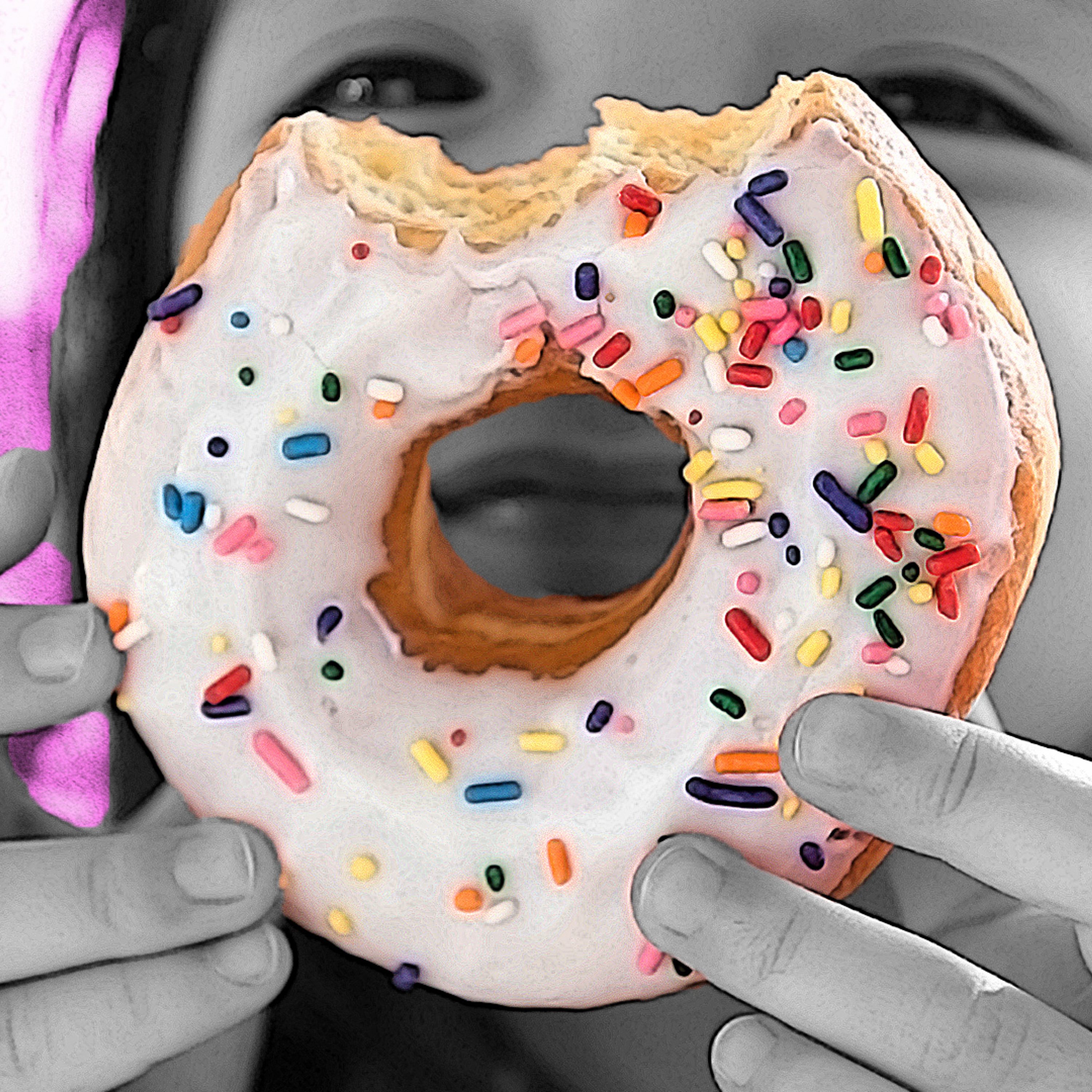
Meet the flavourists – the people who bring together art and science to create the flavours in our food. Each crisp, soft drink, or toothpaste flavour has been concocted by someone in a lab who has spent years studying why things taste good. In this programme, Ruth Alexander visits the International Flavour Research Centre at the University of Nottingham in the UK, where flavour chemist Professor Ian Fisk demonstrates machines that can act as an artificial nose and tongue. Historian Dr Nadia Berenstein explains how this profession began and evolved alongside the boom in consumer goods in the 20th century. And we meet a master flavourist at the top of their field – Yukiko Ando Ovesen from Japan, who works for the international flavour and fragrance firm, Firmenich. Presented by Ruth Alexander Produced by Beatrice Pickup (Image: girl eating doughnut with brightly coloured sprinkles. Credit: Getty/BBC)
Inside food safety scares
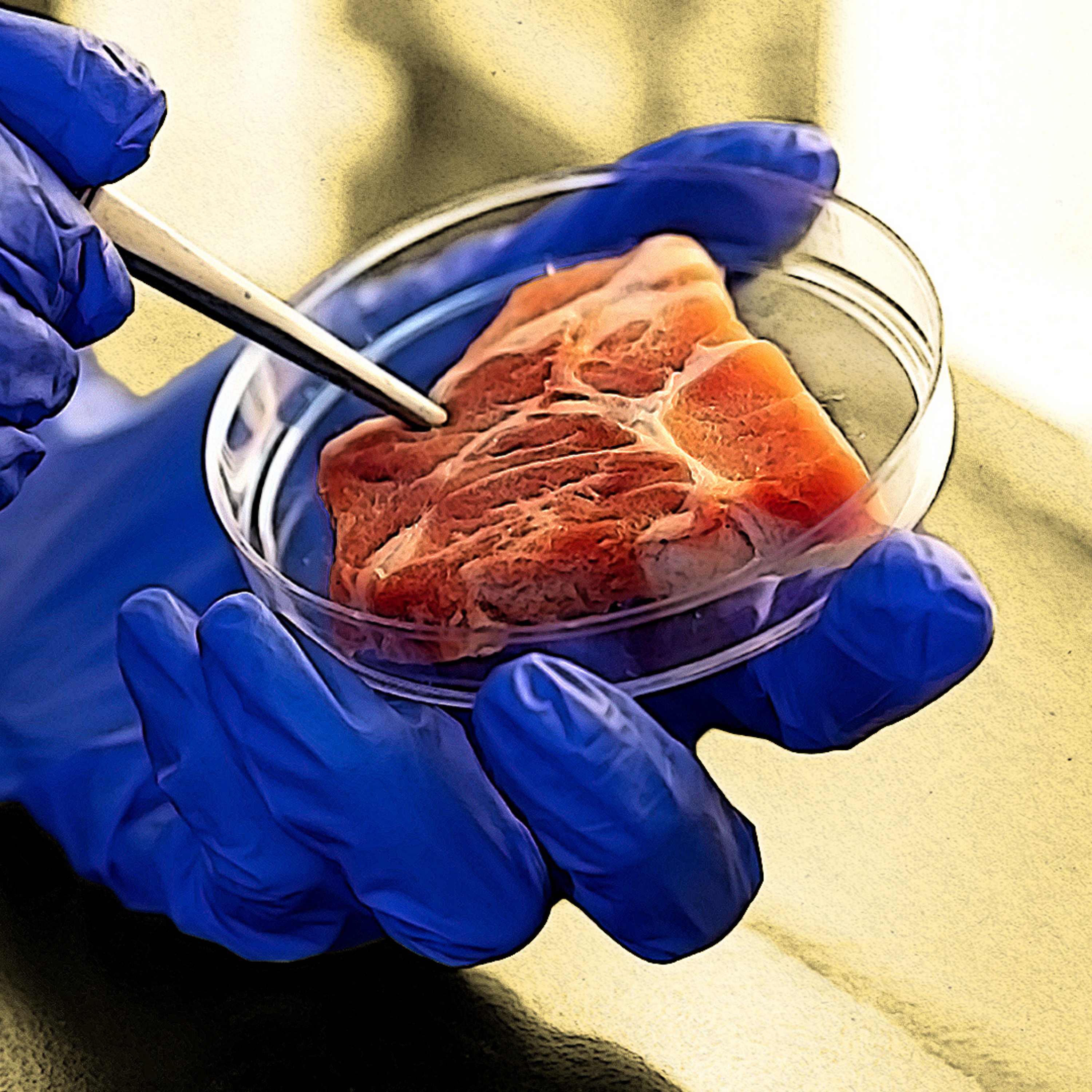
Food contamination is a serious public health problem around the world. The World Health Organisation estimates that 600 million – almost 1 in 10 people in the world – fall ill after eating contaminated food and 420,000 die every year. In this episode, Ruth Alexander speaks to some of the people whose lives have been shaped by serious food safety breaches and how they are working to ensure food safety and strengthen our food systems. She speaks to US food policy campaigner, Darin Detwiler, whose son Riley died following an E. coli outbreak in 1993, food safety consultant Lone Jespersen, and Tina Potter, head of incidents at the Food Standards Agency for England, Wales and Northern Ireland.If you would like to get in touch with the show, please email: [email protected](Picture: Scientist inspecting meat sample in laboratory. Credit: Getty/BBC)Producer: Elisabeth Mahy
Tomorrow’s food crops
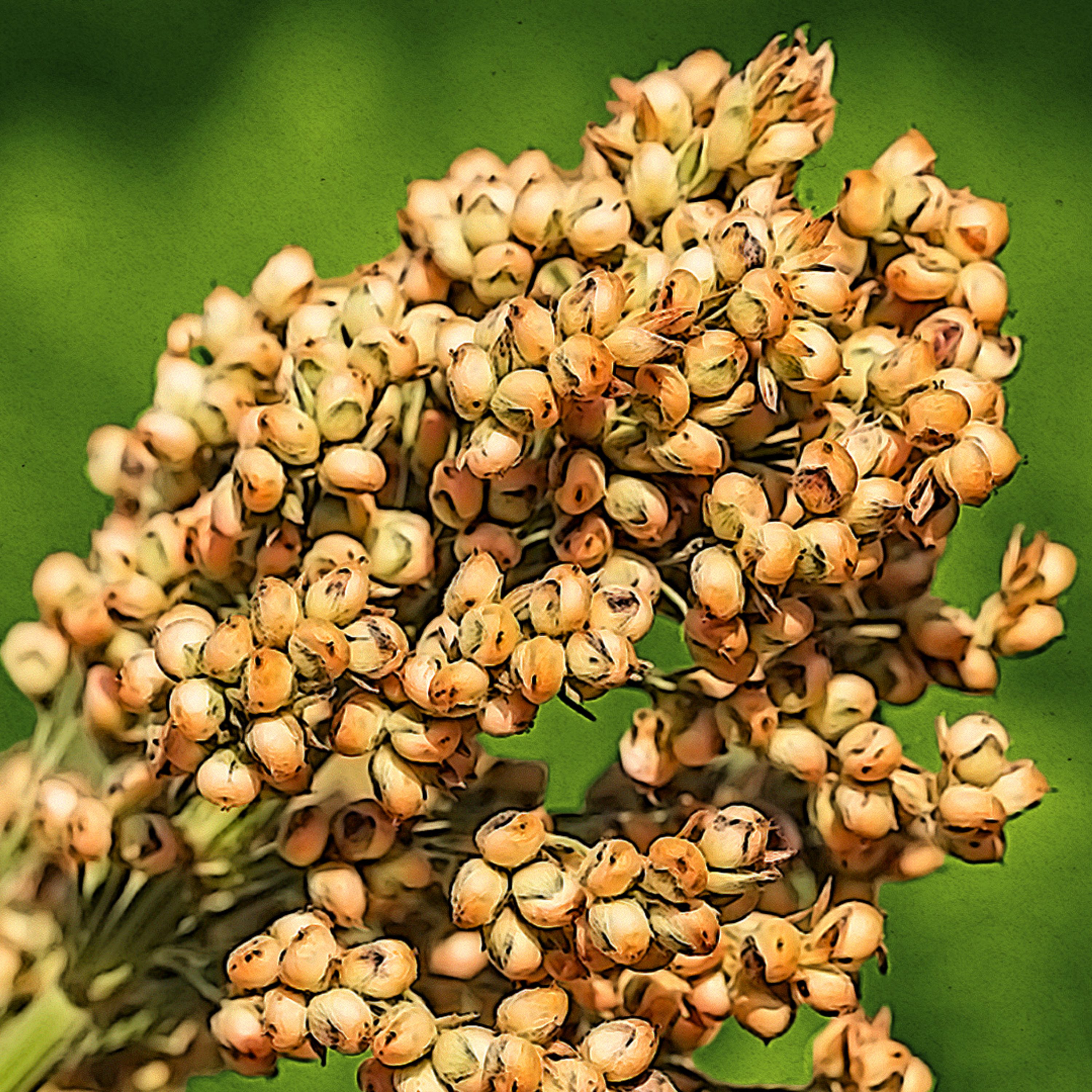
Climate change means that, in many parts of the world, the way we farm is no longer working. We need a larger, more diverse range of crops that perform even when the rains don’t come or, as can also be the case, when too much rain comes. Currently, just 15 crops make up 90% of our energy intake, according to the United Nations’ Food and Agriculture Organization. In this programme, we’re meeting people who are trying to develop food crops that might thrive in our changing world. Ruth Alexander visits the Millennium Seed Bank ran by the Royal Botanic Gardens Kew in the UK, where Dr Chris Cockel explains their work collecting and storing seeds from the wild relatives of our staple crops. Tessa Peters, Director of Crop Stewardship at The Land Institute in Kansas, US, makes the case for creating perennial versions of our crops, in order to preserve soil health. And Dr Rebbie Harawa, regional director, Eastern and Southern Africa at the International Crops Research Institute for the Semi Arid-Tropics talks about why a currently underutilised crop – millet – could be help struggling farmers in dry areas. Picture: Close up of millet growing in a field; Credit: BBC/Getty
Running a restaurant with your relatives
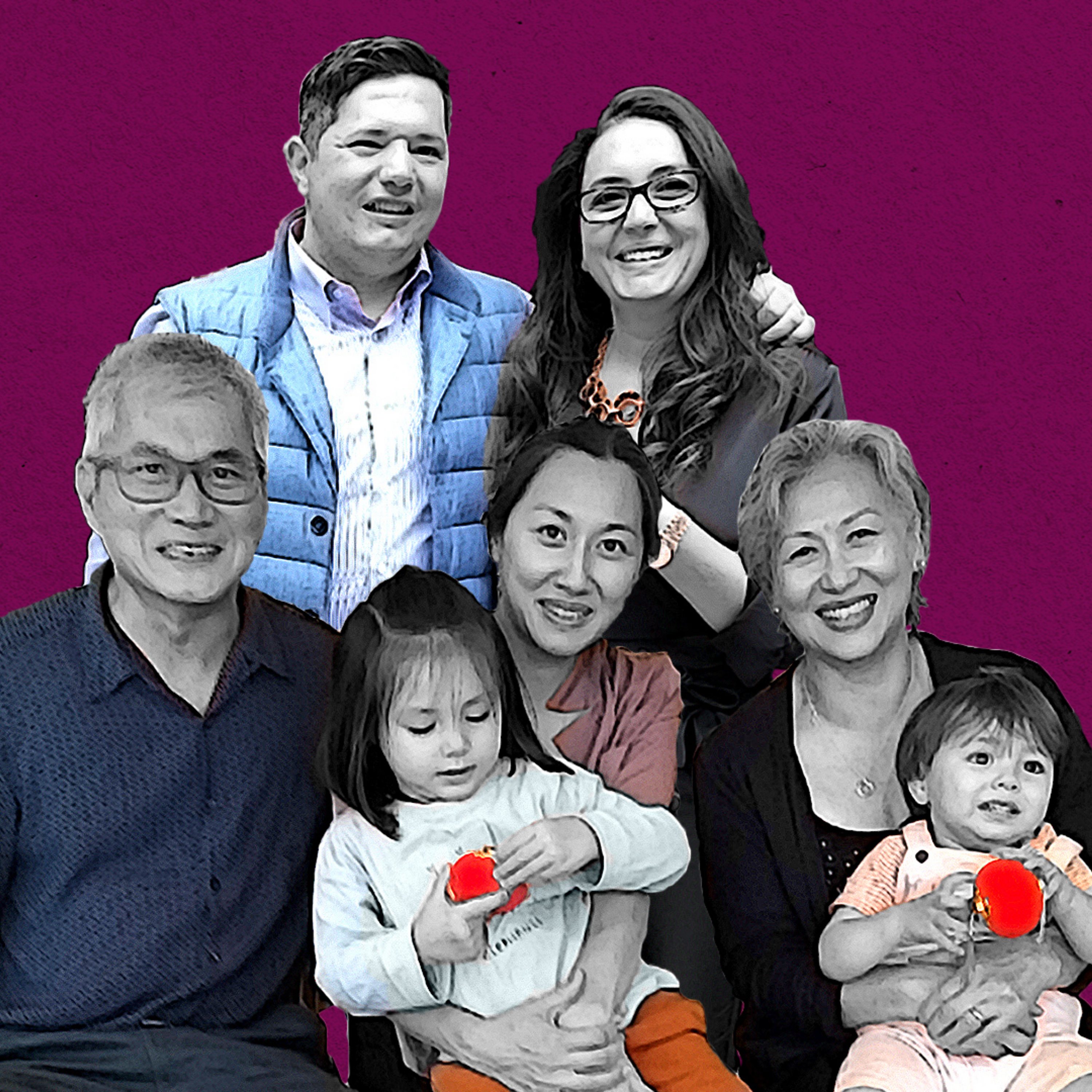
Running a restaurant is hard enough, but what if there’s family involved? In this episode, Felicity Hannah explores the highs and the lows of family-run eateries; their history, food culture, family dynamics and how they deal with the cut and thrust of business. She heads to Liverpool in the UK, to Europe’s oldest Chinatown, where she meets Terry and Theresa Lim, the owners of the city’s oldest Chinese restaurant. And she pays a visit to a local Italian establishment, to meet brother and sister Paolo and Maria Cillo who, with their other siblings and extended family, are building a burgeoning family food empire in the city. It’s an interesting time for these two restaurants. Italian and Chinese are two of the most exported cuisines in the world, but with growing competition from other popular food cultures, as well as global economic challenges, how are they adapting to changing times? If you would like to get in touch with the show, please email: [email protected](Picture: Paolo and Maria Cillo, and Terry and Theresa Lim with their daughter and two grandchildren. Credit: BBC)
Liquid gold: The price of cooking oil
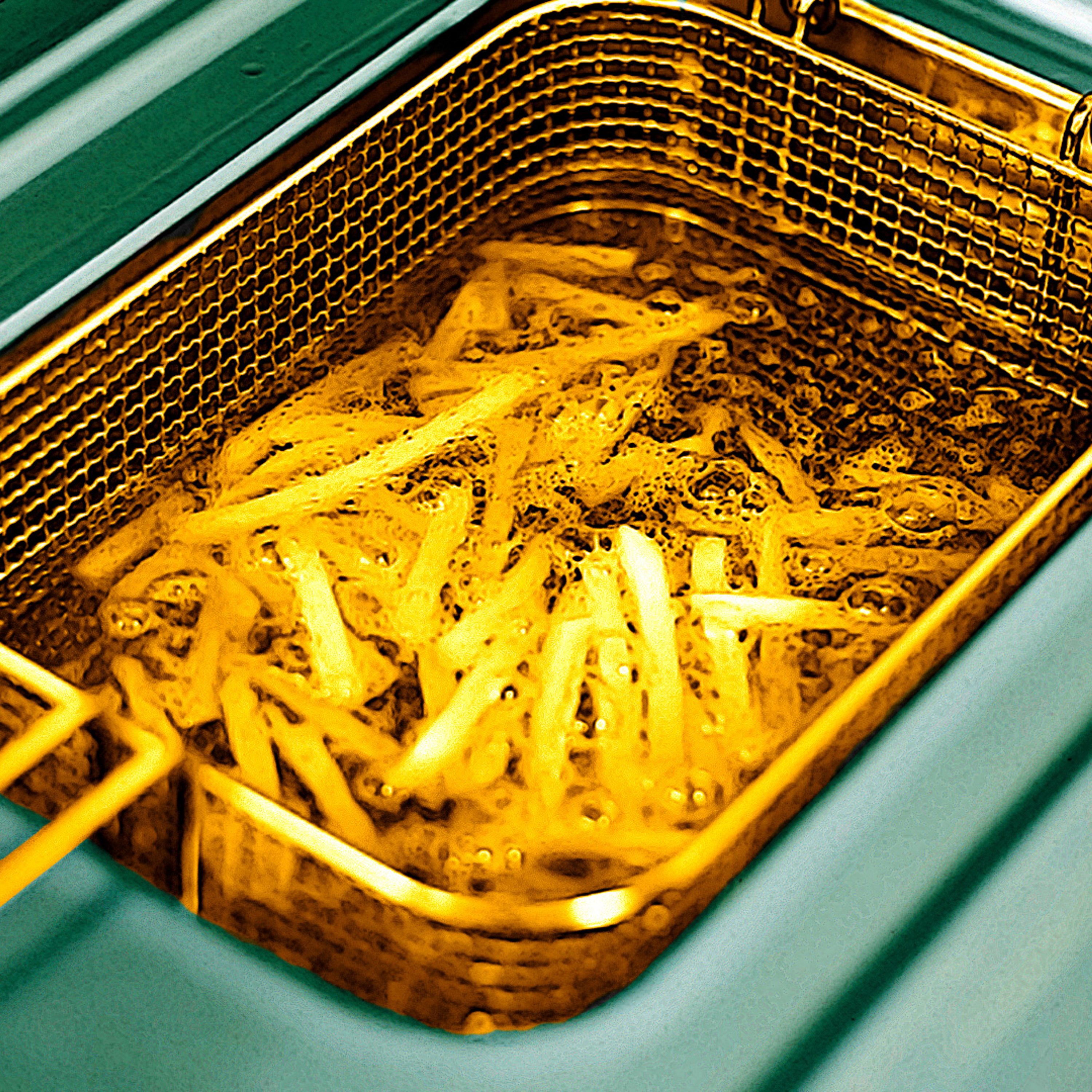
Vegetable oil is one of many foods that has seen big price rises in the last year. Not only is it used for cooking and frying, but it’s also in many processed foods such as ready meals, sauces and even desserts. Ukraine and Russia represent the majority of the world’s sunflower oil production, whilst unpredictable weather, poor harvests and lack of labour have led to higher prices in palm, soybean and rape seed oil at the same time. In this programme we hear from food businesses struggling with the price of oil, starting with street food traders in Delhi, India. Felicity Hannah is joined by Kathryn Robinson, Head of Development at FBDC, a UK based company that helps food businesses reformulate their recipes; David Laborde, a French analyst at the International Food Policy Research Institute based in Washington DC, and David Wagner, Executive Chef at the City Line Bar and Grill Restaurant in Albany, New York. Presented by Felicity Hannah. Produced by Beatrice Pickup. Additional reporting by Anish Ahluwalia. (Image: chips cooking in oil in a deep fat fryer. Credit: Getty)
What can we do about drought?
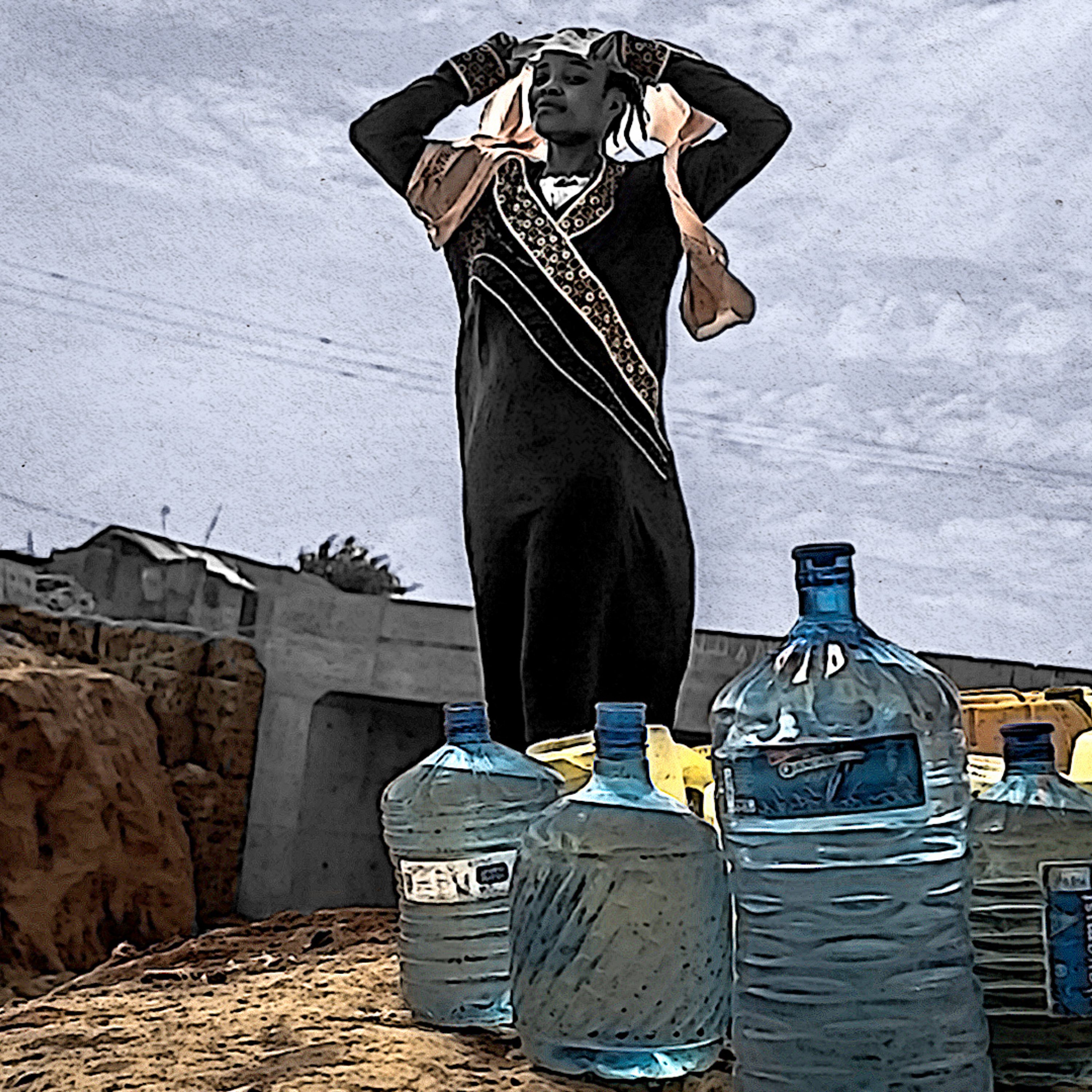
Water shortages are getting worse with climate change. In the Horn of Africa, long periods without a rainy season have created a dire situation. The World Food Programme says up to 20 million people in Kenya, Ethiopia and Somalia could be pushed into hunger by the end of the year. Somalia, which has already witnessed decades of conflict, extreme weather and disease outbreaks, is being particularly hard-hit. Experts believe droughts will become more frequent, longer and more intense, so what can be done to reduce their impact and the damage they inflict? Could there be a global solution to this global problem? Ruth Alexander speaks to Michael Dunford, the United Nations World Food Programme’s regional director for East Africa; Dr Balgis Osman-Elasha, a climate change and green growth expert and regional co-ordinator for the African Development Bank, in Tunisia; and emeritus professor at the University of Nebraska Lincoln, Donald Wilhite, who founded the National Drought Mitigation Center in the United States. If you would like to get in touch with the show, please email: [email protected] (Picture: A woman standing next to her water containers and bottles of water. Credit: Getty/BBC)Producer: Elisabeth Mahy
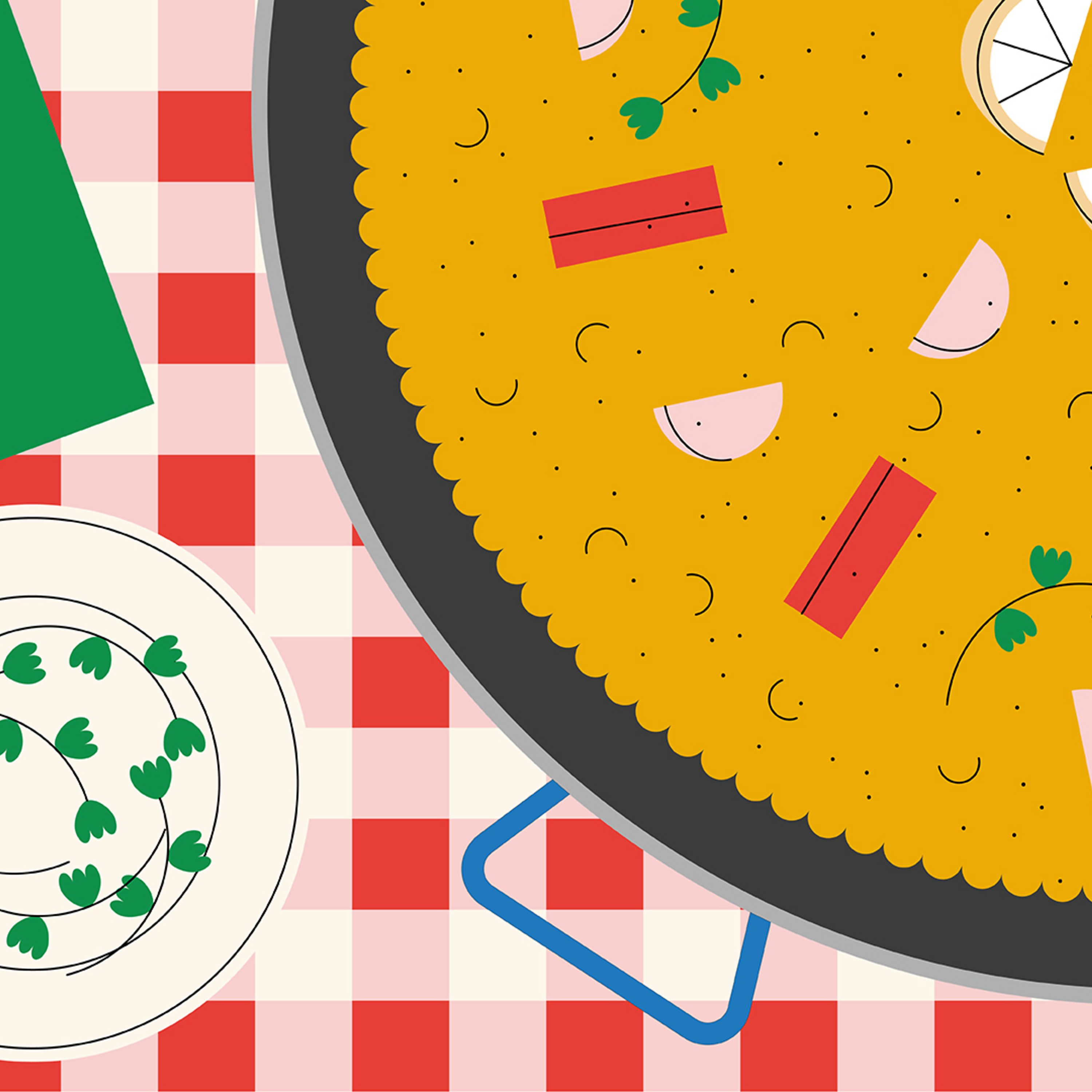
The food illustrators
Meet the artists tasked with creating pictures that look good enough to eat. If it wasn’t for them, you might not have bought that particular tin of tomatoes or that bottle of wine. Enya Todd, a Chinese illustrator living in the UK, and Rocío Egío, a Spanish illustrator living in Switzerland tell Ruth Alexander how they translate a love of food into irresistible images on a page; while award-winning British botanical illustrator Bridget Gillespie reveals the ups and downs of capturing every exact detail of a fruit or vegetable. Just don’t ask her to paint you a strawberry. Presented by Ruth Alexander Produced by Beatrice Pickup(Picture: an illustration of a dish of paella on a tablecloth, designed by contributor Rocío Egío. Credit: Paella by Rocío Egío)

Fuelling a female footballer
Good quality nutrition is key to sporting success. But while plenty of research exists on the impact of nutrition on performance, most of it has been done on male athletes. That’s despite female athletes now making up nearly 50% of participants in professional sport. In the case of female footballers, research shows they could be consuming only half the carbohydrates they need. Not eating enough – or under-fuelling – as it’s known in footballing circles – is thought to be endemic in the women’s game. Experts believe much of that is down to a lack of available information. As the Women's Euros 2022 tournament raises the profile of women's football around the world, Ruth Alexander explores what it takes to fuel a female footballer and how focusing on the particular nutritional needs of sportswomen could make a huge difference to performance. She speaks to professional footballer, Ode Fulutudilu, a forward for the South Africa women’s national team, Aimee O’Keefe, performance nutritionist at Manchester United Women, Dr José Areta, lecturer in sports nutrition at Liverpool John Moore’s University in the UK, and Abbie Smith-Ryan, exercise physiologist and sports nutrition researcher at the University of North Carolina in the US. If you would like to get in touch with the show, please email: [email protected] (Picture: Two women playing football in an arena. Credit: Getty Images/BBC) Producer: Elisabeth MahyThe deadline for nominations for the award referenced at the end of this podcast has been extended to 23:00 GMT on Thursday 18th August 2022. *Page updated 28 July 2022 due to entry window extension.
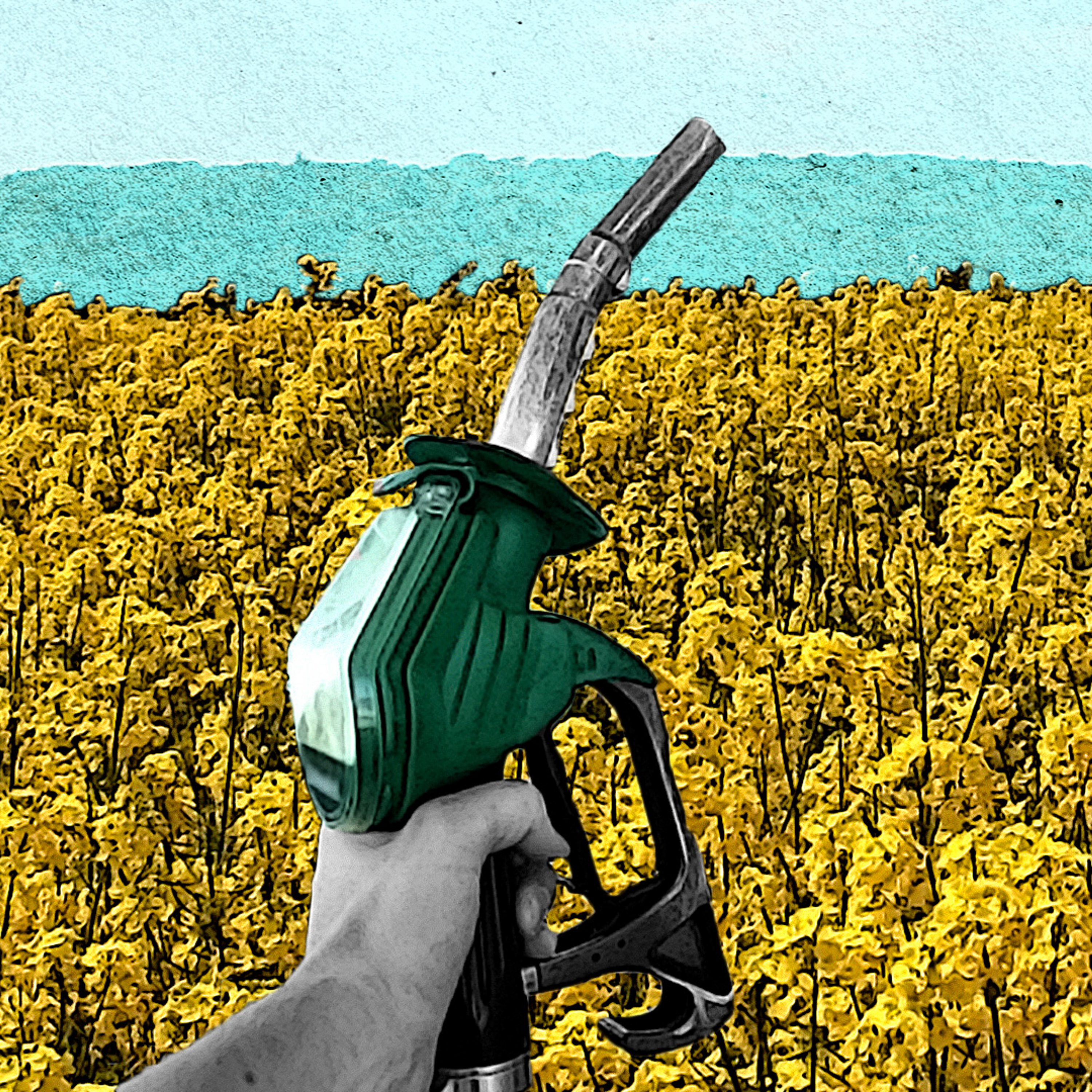
Why use food for fuel?
Biofuels are a way to make our cars, lorries and even planes run on renewable fuel. They’re often made from food crops. Globally 7% of cereal crops and 15% of vegetable oil crops are used to make biofuel – according to data from the Organisation for Economic Co-operation and Development (OECD) and the United Nation’s Food and Agriculture Organization (FAO). As pressure on food prices and supply chains increase, some people are questioning why we turn food into fuel. In this programme we’ll be looking at the history of biofuels, why food crops have been used, and what alternatives may exist. Joining us are Daniel Kammen, Professor of Energy at University of California, Berkeley, who is currently serving as a senior advisor for energy and innovation in the Biden administration in the United States; Bernardo Gradin, the founder and CEO of Gran Bio, a company that produces biofuel made from sugar cane waste in Brazil; and Sailaja Nori, Chief Scientific Officer at Sea6 Energy, a company investigating the possibilities of biofuel made from seaweed in India and Indonesia. If you would like to get in touch with the show, please email: [email protected] Presented by Ruth Alexander. Produced by Beatrice Pickup. Additional reporting by Ashish Shama.The deadline for nominations for the award referenced at the end of this podcast has been extended to 23:00 GMT on Thursday 18th August 2022. *Page updated 28 July 2022 due to entry window extension. (Image: Field of rapeseed crops behind picture of fuel nozzle. Rapeseed image credit: BBC. Fuel nozzle credit: Matthew Fearn/PA)
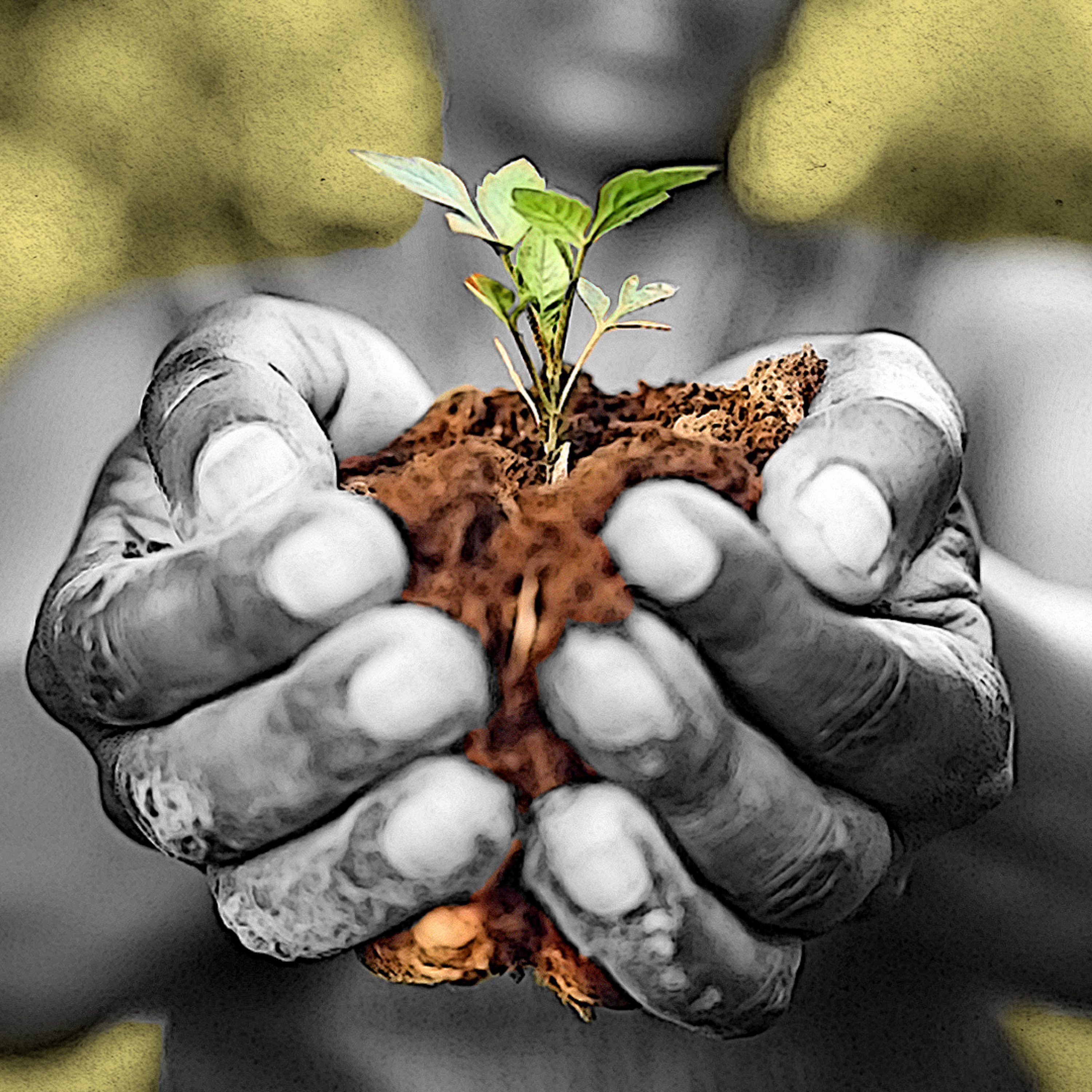
In search of a food champion
From tackling poverty and hunger, to maggot farming, to harnessing the power of seaweed - since 2017, The Food Chain has been celebrating and rewarding innovation in food. This year, as part of the BBC Food and Farming Awards, we're looking for a new champion who is trying to change the way we deal with our food. With the launch of our 2022 award, Ruth Alexander catches up with two previous winners, school meals project the Akshaya Patra Foundation, and Gabriella D’Cruz, marine conservationist, to find out how their work has progressed and how they are navigating huge global challenges like climate change, the Covid-19 pandemic and rising food prices. Do you know a remarkable person aged 18-30 who’s challenging the way we think about food? Nominate them for our Global Youth Champion Award 2022.Find out more and read our terms and privacy notice here: bbc.com/foodchain The deadline for nominations has been extended to 23:00 GMT on Thursday, 18th August 2022. *Page updated 28 July 2022 due to entry window extension If you would like to get in touch with the show, please email: [email protected] Picture: Woman holding a plant growing in soil (Credit: Getty/BBC) Producer: Elisabeth Mahy
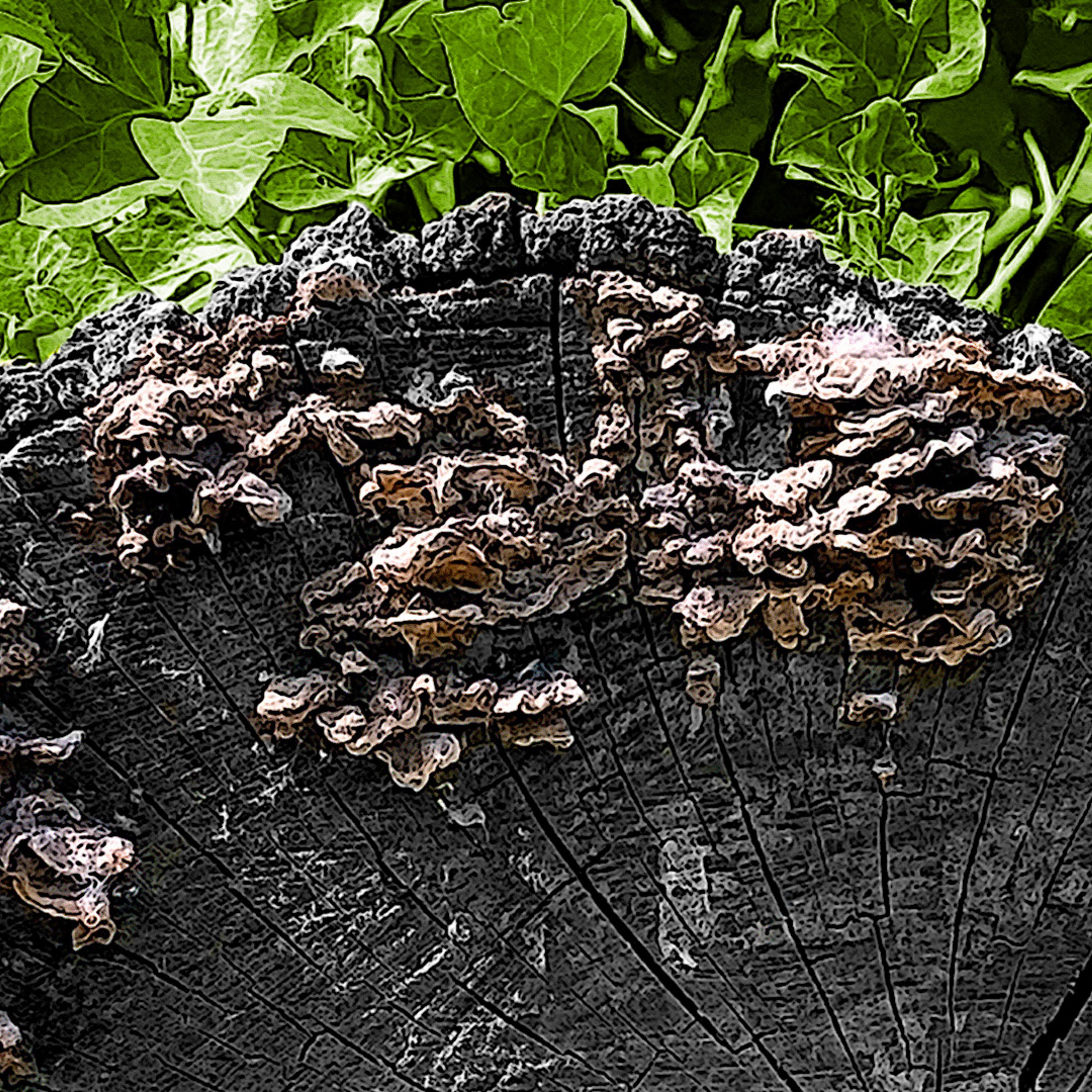
The fungi kingdom
It’s not just fauna and flora, there’s a third, much overlooked kingdom of life – fungi. Fungi are essential for plant and soil health, and therefore our own survival. It’s not just the mushrooms that we eat, in this programme we celebrate fungi in all its forms. Fungi already play important roles in our food production and medicine, scientists are now investigating fungi based solutions for environmental pollution and waste disposal. We’re joined by biologist Merlin Sheldrake in the United Kingdom, author of ‘Entangled Life’, Giuliana Furci, mycologist and founder of the Fungi Foundation, the world’s first non-governmental organisation for the protection of fungi, based in Chile and Danielle Stevenson, a mycologist looking at soil toxicity in the United States. (Picture: fungi growing on a log. Credit: BBC)Presented by Ruth Alexander. Produced by Beatrice Pickup.
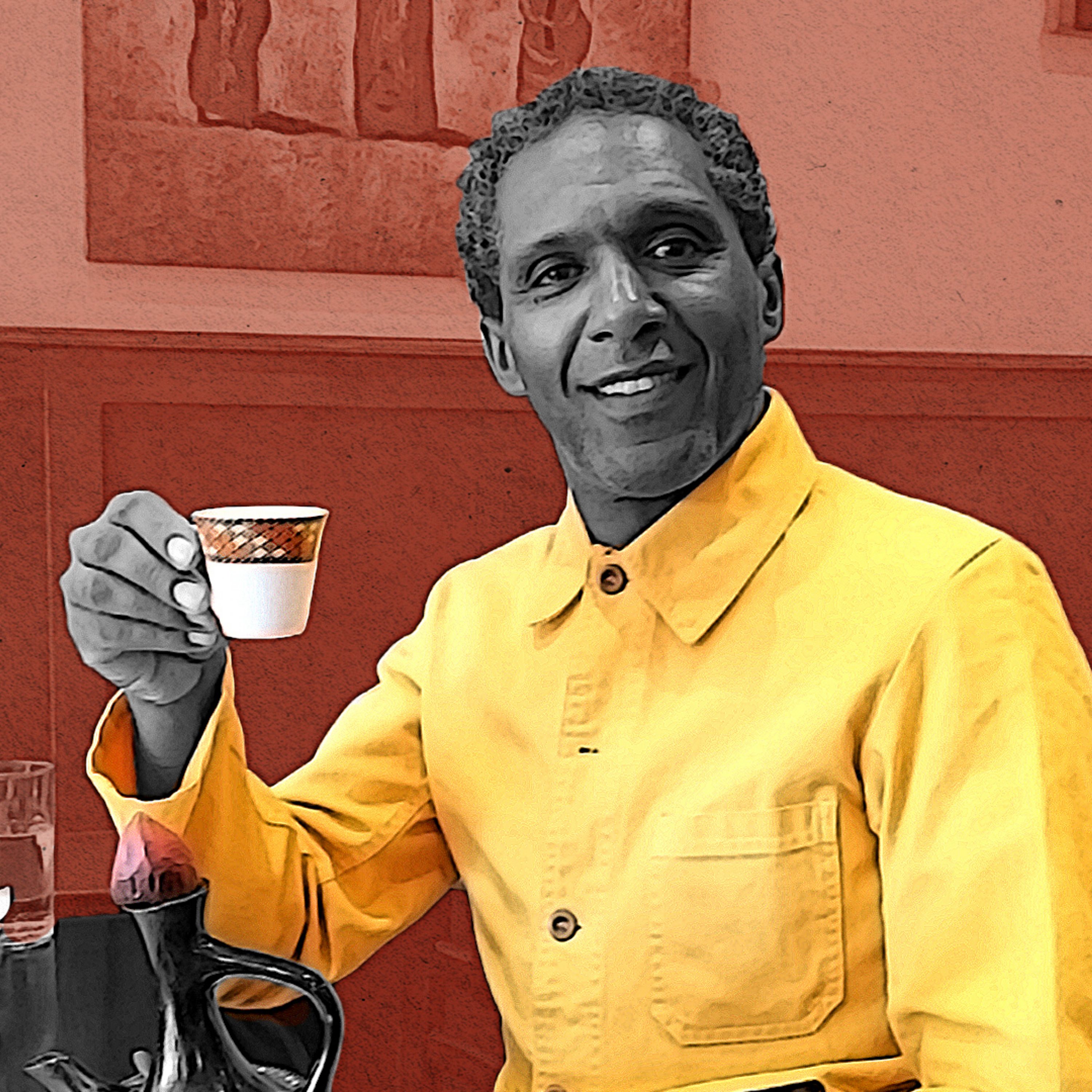
Lemn Sissay: My life in five dishes
The internationally acclaimed poet and playwright Lemn Sissay OBE shares the story of his life by recalling five memorable dishes. His is an extraordinary story of family, and identity, lost and found. Born to an Ethiopian mother in the north of England and quickly placed into long-term foster care, Lemn was, for years, deprived of any knowledge of his heritage. His traumatic upbringing and subsequent search for his family and identity have informed much of his award-winning writing. In this programme, he tells Ruth Alexander about five memorable dishes that act as “positioning points” in his life to date. If you would like to get in touch with the show, please email: [email protected] (Picture: Lemn Sissay holding a cup of coffee. Credit: BBC) Producer: Elisabeth Mahy Researcher: Siobhan O’Connell
Menopause and diet
The menopause can cause all sorts of changes in your body – weight gain, hot flushes, sleeplessness and joint pain amongst others. Can what you eat help ease these symptoms? Officially a woman has reached menopause after 12 months without a period, however the transition itself can take years. Many women are prescribed hormone replacement therapy to tackle some of these symptoms, but lifestyle changes can also be helpful. In this programme we’re joined by three women who have experienced menopause and found some benefits in food. Elizabeth Ward is a registered dietitian based in the United States. She co-wrote a book called ‘The Menopause Diet Plan, A Natural Guide to Managing Hormones, Health and Happiness’. Fiona Staunton is a trained chef in Dublin, Ireland, who offers menopause cookery courses called ‘Fiona’s Food For Life’. Sue Mbaya is a Zimbabwean living in Ethiopia, she works in policy and governance, and presents the podcast ‘Pause for Menopause’. (Picture: woman using hand held fan. Credit: Getty/BBC) Produced by Beatrice Pickup. Presented by Ruth Alexander.
What's up with airline food?
Aeroplane food doesn’t have the greatest reputation. Though it might be easy to blame an airline for serving lacklustre meals, the problem is more complex. Ruth Alexander discovers how the physics of flying wreaks havoc on our senses, the extraordinary lengths airlines have gone to try to dress up their food offering, and what it’s like to be the one serving you at your seat. And, she asks, will it ever be possible for all passengers to enjoy a tasty and nourishing meal in the air? Culinary historian, Richard Foss, chef-patron of Kitchen Theory, Jozef Youssef, and flight attendant, Kaylie Kay, join her for the ride. If you would like to get in touch with the show, please email: [email protected](Picture: Child wearing headphones, eating food on board a plane. Credit: Getty/BBC)Producer: Elisabeth Mahy
The recipe translators
Many chefs reach global status, with international demand for their latest book. Spare a thought for the translators, tasked with making their recipes accessible across barriers of language, culture and cuisine. Translating a recipe isn’t as simple as getting the dictionary out, you need to understand the different terminology and ingredients used in each country, whilst staying true to the original dish. We speak to Rosa Llopis, a Spanish translator who specialises in gastronomy and has translated a number of cookbooks. Cristina Cigognini is an Italian translator who usually specialises in literary translation of novels, but brought her skills to two cook books published by the chef Yotam Ottolenghi. Nawal Nasrallah is an Iraqi living in the US who translates medieval Arabic food texts, bringing those historic recipes to new audiences. If you would like to get in touch with the show, please email [email protected]. Presented by Ruth Alexander. Produced by Beatrice Pickup.
Shop like the Queen
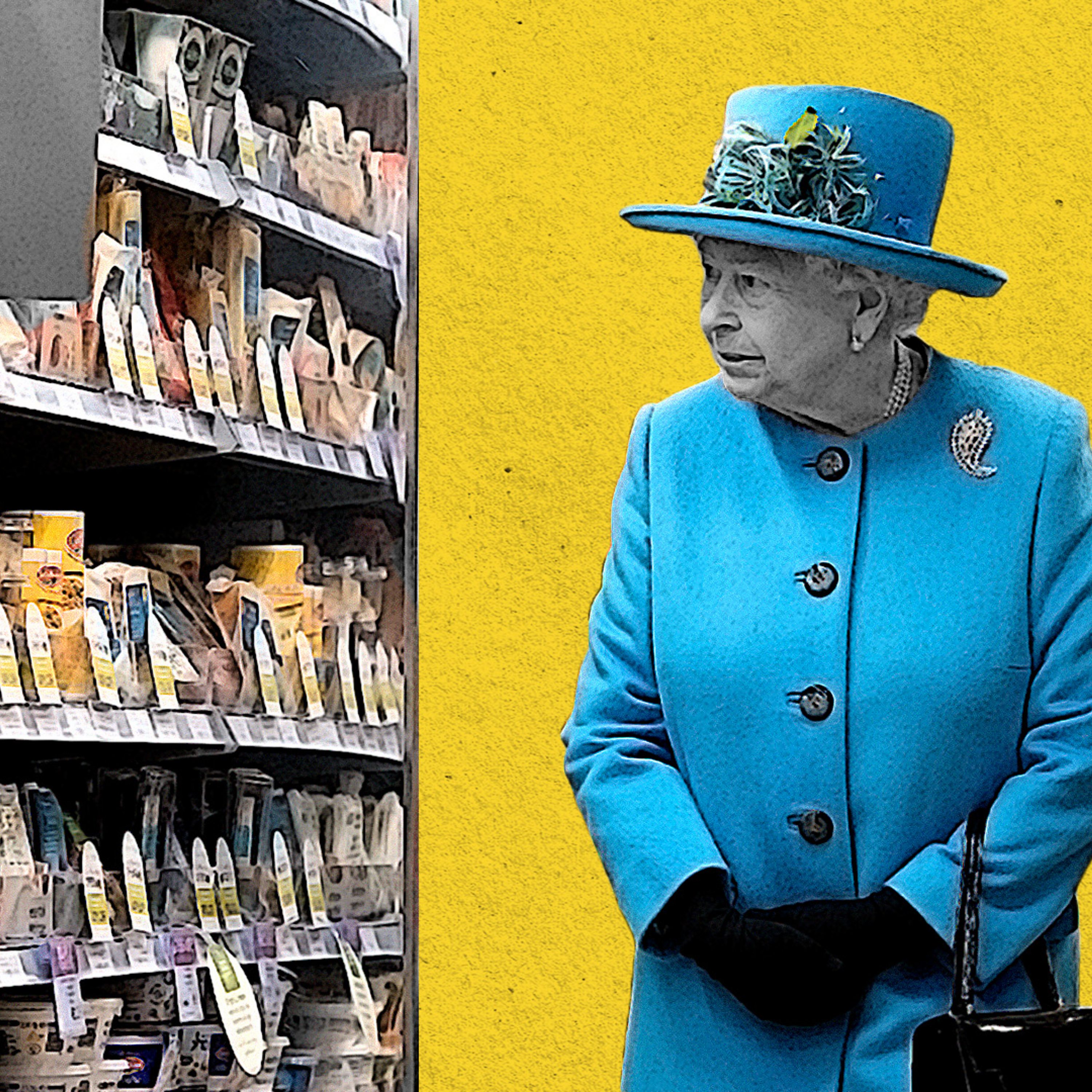
As Her Majesty Queen Elizabeth II marks 70 years on the throne, we find out how you get a royal warrant. It’s an official seal of approval granted to the suppliers of goods and services to the Royal household. In London we visit one of Britain’s oldest cheese shops, Paxton & Whitfield, established in 1797. Managing director James Rutter tells us about the royal warrants the business has held since Queen Victoria was on the throne. We also visit Windsor, home to Windsor Castle one of the Queen’s many properties and Windsor & Eton brewery, which was awarded a royal warrant in 2018. Owner Will Calvert tells us what it takes to get this royal recognition. Royal Warrant holders can’t tell you much about what the royal household buys or likes, we try to fill in the gaps with royal and social historian Caroline Aston, features writer for Majesty Magazine. If you would like to get in touch with the show, please email: [email protected] Presented by Ruth Alexander. Produced by Beatrice Pickup.
Feeding the imagination
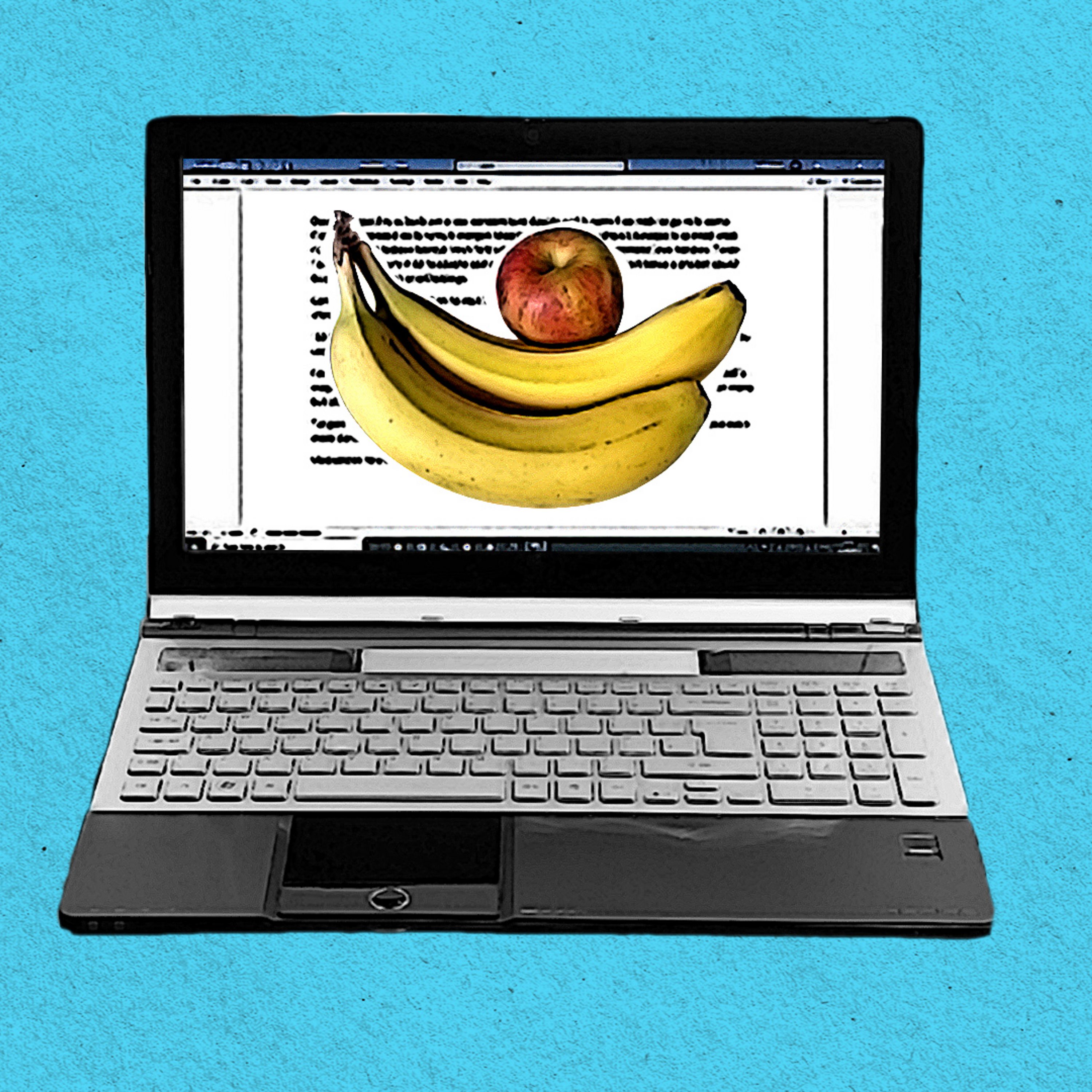
What do writers eat to stoke their creative fires? George Orwell is said to have had a penchant for plum pudding, while Agatha Christie was partial to sipping cream while at the typewriter. Food is fuel for an author but also serves as inspiration; often finding its way on to the page. In this episode of The Food Chain, Ruth Alexander speaks to novelists Avni Doshi and Abi Dare about their relationship with food and drink and how that influences their writing. If you would like to get in touch with the show, please email: [email protected](Picture: Image of an apple and two bananas on a laptop screen. Credit: Getty/BBC)Producer: Elisabeth Mahy
How a stoma changed my life
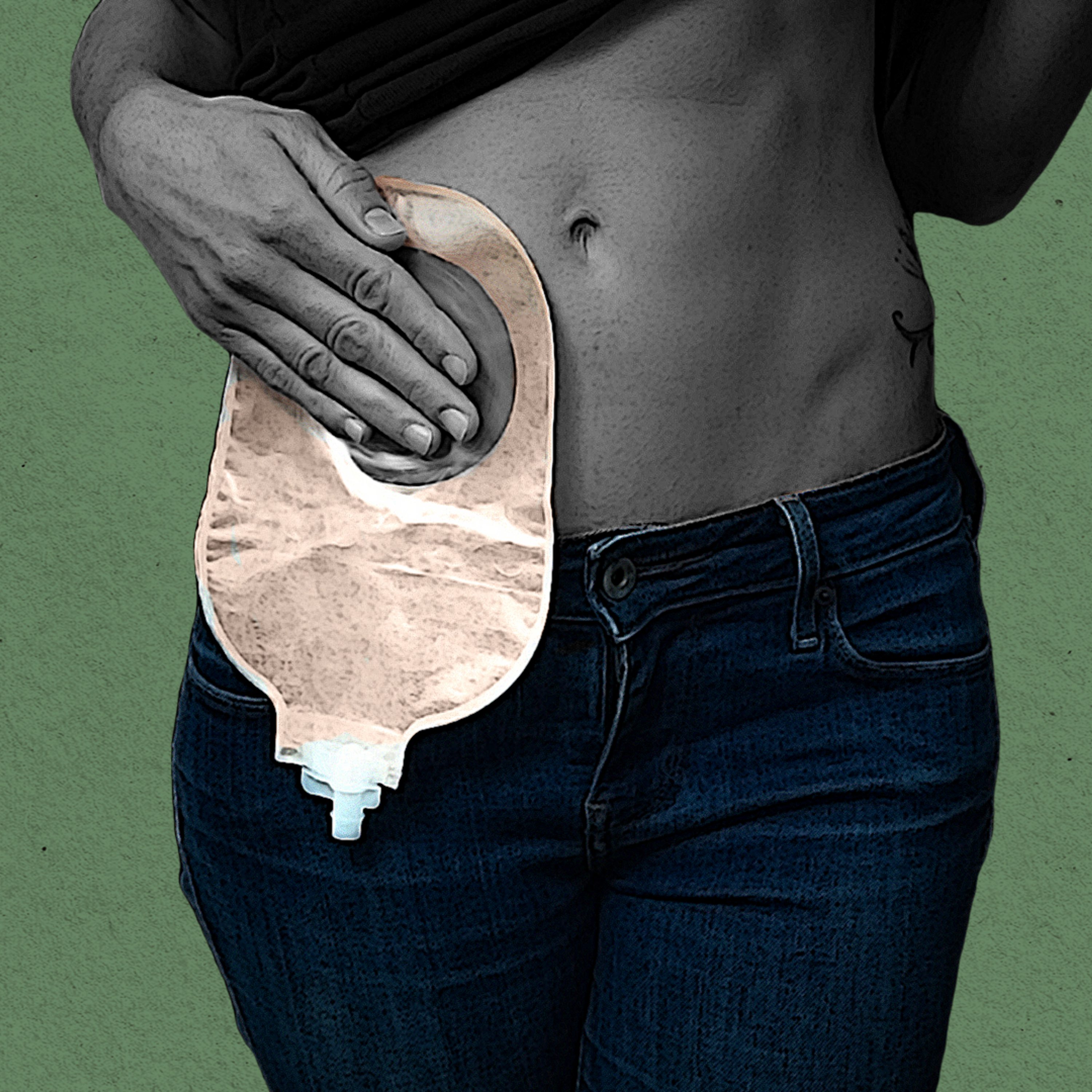
Thinking about how food passes through your body may not be something that crosses your mind, but for people who have had stoma surgery, they’re aware of it at every meal. Tamasin Ford explores what it’s like to live with a stoma bag and how it redefines your relationship with food. We speak to three women who have had lifesaving operations to have a stoma bag fitted. The surgery tends to involve either the small or large intestine, with a stoma creating an opening on the skin of the abdomen to bypass the normal digestion process. Instead digested content is diverted to a pouch, worn on the outside of your body. We find out how they learned to eat again after having surgery, what they're doing to fight the stigma around stomas, and how they’re embracing their new lives with stoma bags. Joining us are Aisha Islam in Saudi Arabia, Alisa Kuivasto in Finland and Gill Castle in the United Kingdom. If you would like to get in touch with the show, please email: [email protected] (Picture: Woman with stoma bag. Credit: Getty/BBC) Producer: Sarah Stolarz Presenter: Tamasin Ford
The problem with wheat
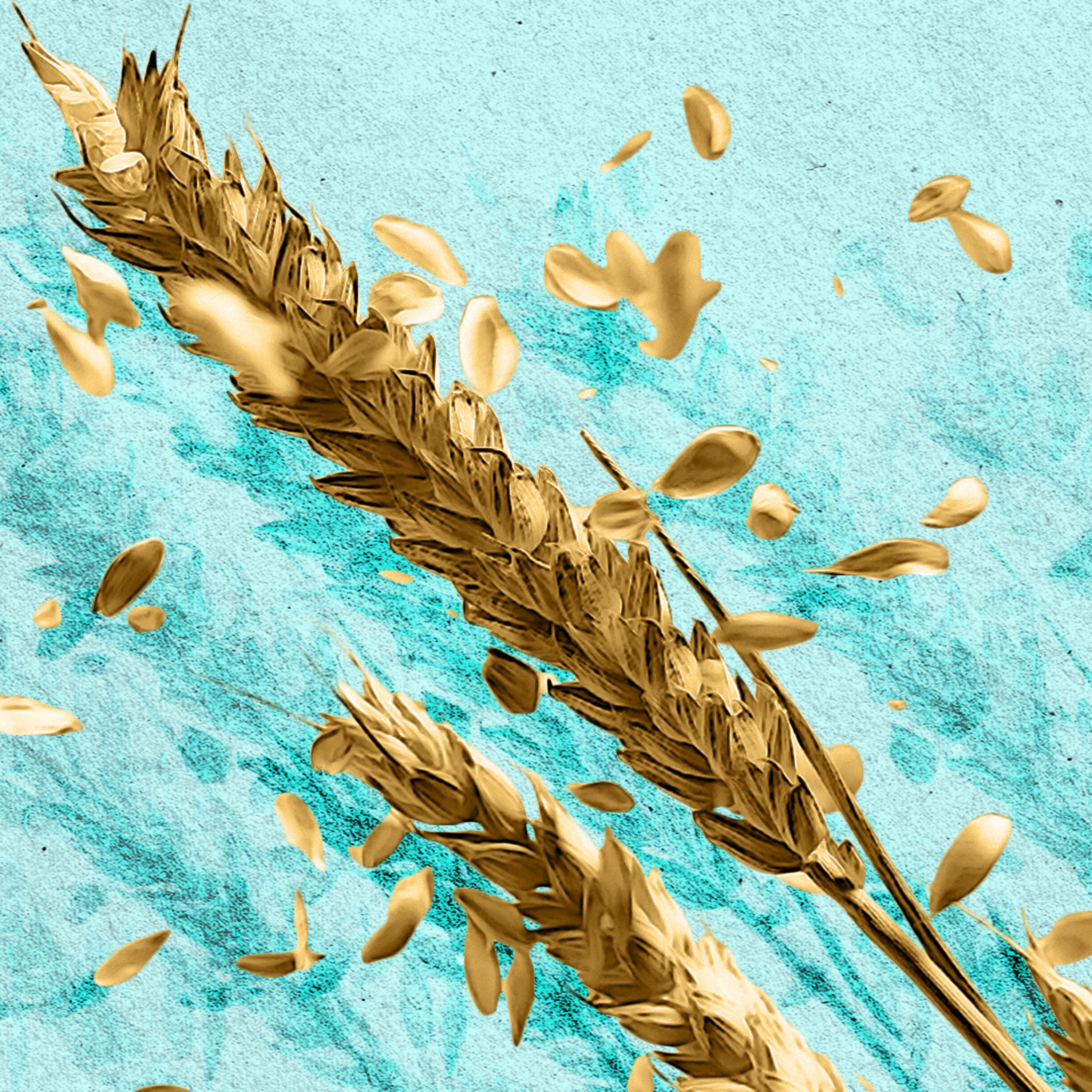
Wheat is one of the most important grains worldwide: you’ll find it in bread, biscuits, pasta, sauces, sweets and more besides. Indeed, take wheat products off supermarket shelves and they would look rather bare. But recent global events – not least the war in Ukraine - have caused crop prices to soar. Ruth Alexander charts how a humble grass grown in the Fertile Crescent became a commodity traded worldwide, and she explores whether we have become too reliant on this “mega crop” for our food supplies – and what alternatives there might be. She talks to Cathy Zabinski, professor of plant and soil ecology at Montana State University, US; Frank Uekotter, professor of environmental humanities at the University of Birmingham, UK; and Augustine Sensie Bangura, CEO of Sierra Agri Foods, Sierra Leone.If you would like to get in touch with the show, please email: [email protected](Picture: An ear of wheat blowing in the wind. Credit: Getty Images/BBC)
The hot sauce sensations
Hot sauce can inspire fervent passion in its devotees. It’s a global obsession that translates to billions of dollars of sales a year. But with so many on the market, how do you create a taste that becomes a global hit? In this programme, Ruth Alexander explores the origin stories of two iconic brands – Sriracha and Lao Gan Ma. How did these sauces - born in humble circumstances in Vietnam and China in the 1980s - come to sit on dining tables around the world today? We explore their extraordinary stories and ask what their popularity tell us about changing global tastes. If you would like to get in touch with the show, please email: [email protected] (Picture: Large red chilli. Credit: Getty/BBC) Producer: Sarah Stolarz Contributors Stephanie Li, blogger and YouTuber at ‘Chinese Cooking Demystified’ Andrea Nguyen, cookbook author and publisher of Vietworldkitchen.com
The cost of 'getting ripped'
The man with carefully sculpted six-pack is everywhere: in Hollywood action films, on magazine front covers, in your social media feed, on dating apps. And so are the online ads telling you how to get the look. But what does it really take to get a washboard stomach? This week, Ruth Alexander hears from three men about the reality of getting ‘ripped’ and how much of it is down to what you eat. They reveal how deeply the experience can affect your relationship with food, your loved ones and yourself (Picture: Male torso ripped in half. Credit: Getty/BBC) If you would like to get in touch with the show, please email: [email protected] Producer: Sarah Stolarz Contributors: Graham Isador, writer Florian Gaffet, massage therapist Matthew Todd, author ‘Straight Jacket: Overcoming Society’s Legacy of Gay Shame’
How to date a carnivore
Can the love of eating meat ever get in the way of a relationship? You may have heard the phrase ‘the way to someone’s heart is through their stomach’, but what happens if the foods they eat are wildly different from yours? Tamasin Ford explores what it’s like to date a carnivore. Not just someone who eats meat, but someone who loves meat. Someone who has been brought up to eat meat in every meal. We speak to two couples whose diets can sometimes be the source of their most heated arguments to find out how they navigate meal times and social events. Can tolerance win out over frustration? If you would like to get in touch with the show, please email: [email protected] (Picture: Steak on a plate. Credit: Getty/BBC) Producer: Sarah Stolarz Contributors: Barbara Friend Molly Savard Charlie Pears-Wallace Joe Deeney
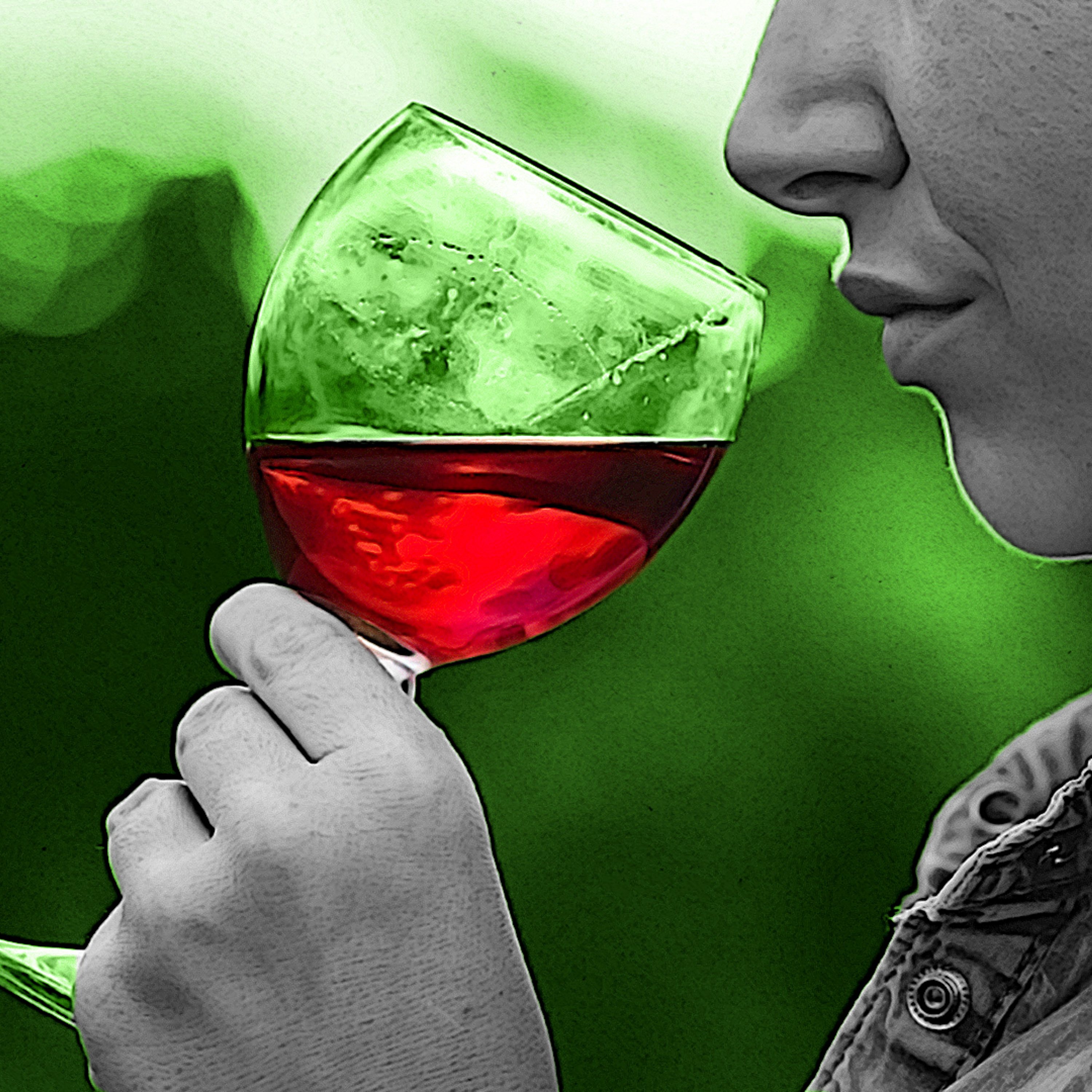
Tasting climate change
Wine producers say a warming planet can be detected in the glass. The owners of long-established vineyards are having to adapt their methods to preserve the taste of their wines, but experts say change is inevitable and already tangible. Ruth Alexander finds out how climate change is challenging some of the world’s most famous wine regions, while providing opportunities for new producers emerging in the most unlikely places. If you would like to get in touch with the show, please email: [email protected](Picture: woman holding a glass of wine. Credit: Getty/BBC)Contributors: Sally Evans, Chateau George 7, Bordeaux, FranceDr Greg Jones, wine climatologist and CEO of Abacela vineyards and winery in Oregon, United States Bjorn Bergum, Slinde Vineyard, Sognefjord, Norway
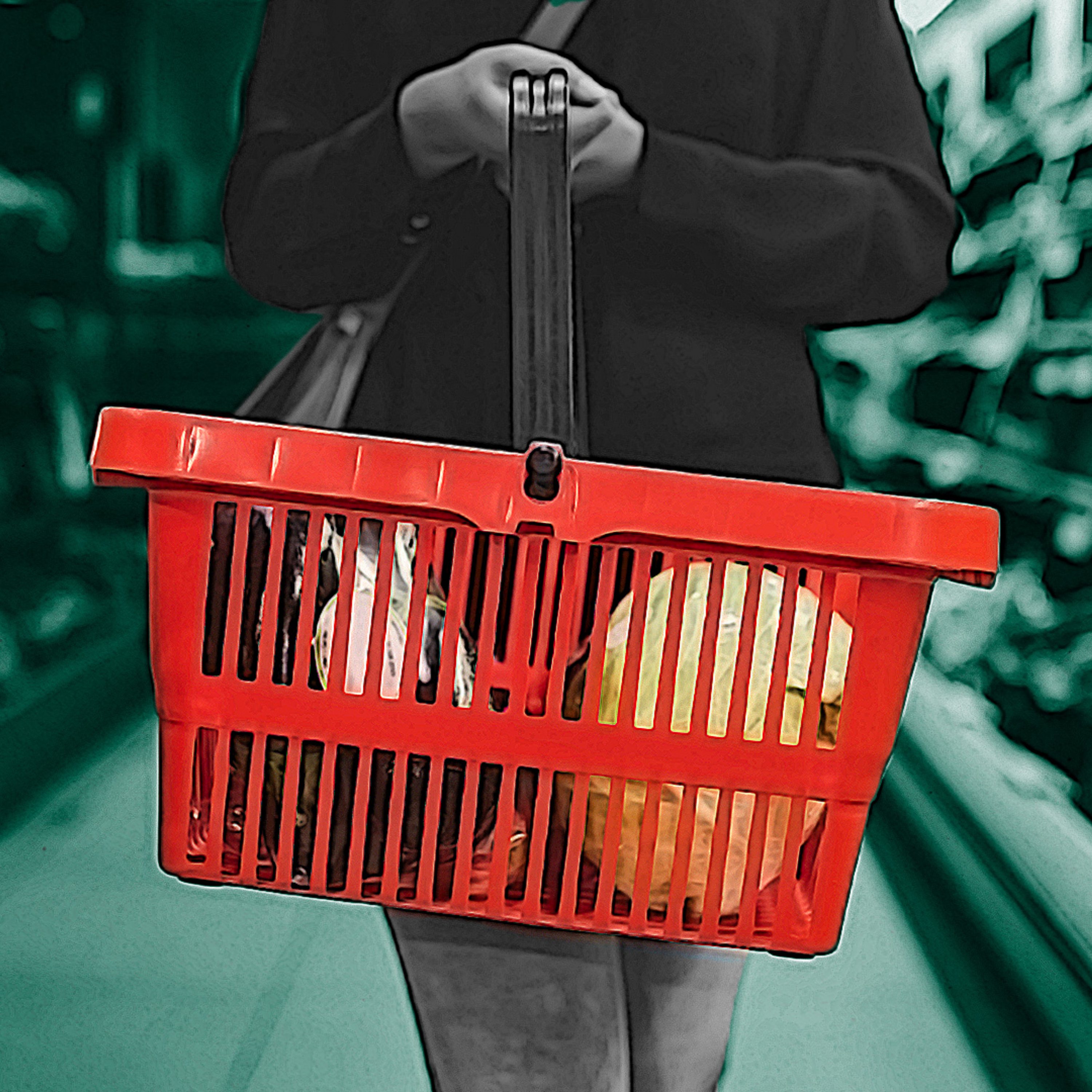
Food poverty in a rich country
As food prices are rising around the world, along with the cost of energy, even people living in some of the world’s wealthiest countries are struggling to manage. In this episode, three UK citizens discuss how difficult it can be to feed a family on a low income. Single parents Sue and Dominic tell of how they have had to skips meals themselves to ensure their children are fed, and how food insecurity has at times left them with feelings of shame. And Kayleigh Maughan, the founder of the charity End Holiday Hunger, explains how the donations she relies on to make up the food parcels she sends to families in need are dwindling as supermarkets and households feel the pressure of the rising cost of living. If you would like to get in touch with the show, please email: [email protected](Picture: hand holding a shopping basket. Credit: Getty/BBC) Contributors: Sue Stalker Dominic Watters Kayleigh Maughan
Food in the metaverse
Imagine a world where going out for dinner virtually - from the comfort of your own sofa - becomes the norm. Whether it sounds appealing or dystopian - there are restaurants, chefs and gamers already out there experimenting with food in virtual worlds. Tamasin Ford speaks to the developer of a ‘foodverse’ that will feature everything from virtual dining and cookbook signing experiences to food-based virtual games and we hear from a large US restaurant chain on why they are playing with their customers in the metaverse. But what does a future of virtual worlds mean for the food industry? Will it be a niche pursuit or an invaluable tool? And could it threaten the existence of restaurants in the real world? (Picture: person wearing VR headset. Credit: Getty/BBC) If you would like to get in touch with the show, please email: [email protected] Contributors: Supreet Raju: Co-Founder of OneRare Tressie Lieberman: Vice President of Digital Marketing at Chipotle Michelle Evans: Global Lead of Retail and Digital Consumer Insights at Euromonitor International.
A Ukrainian kitchen in London
Chef Olia Hercules invites us into her London home to reflect on her country’s rich culinary heritage and the power of food in even the darkest of times. She opens her well-stocked kitchen cupboards and fridge to reveal the varied flavours, colours and scents of a cuisine she says is often wrongly dismissed as being ‘beige’ or boring. Ruth Alexander joins Olia and her Russian friend and fellow food writer, Alissa Timoshkina, to discuss the close ties between their nation’s traditional dishes, and the importance of the two women’s own personal friendship. The conversation was recorded on Tuesday 8 March; 12 days into the Russian invasion of Ukraine. If you would like to get in touch with the show, please email [email protected] (Picture: Olia Hercules and Alissa Timoshkina. Credit: BBC) Producer: Sarah Stolarz
An invisible crime
Slipping drugs or extra alcohol into someone’s drink is a crime, but one that is under-reported and little understood. It’s often thought to take place in bars and nightclubs, but as Ruth Alexander discovers from people who’ve been targeted, it can happen to anyone, at any time. Campaigners explain why myths and misconceptions around drink spiking persist, and we ask what could be done to move the crime out of the shadows and into the open. (Picture: hand holding glass of water. Credit: Getty/BBC) If you would like to get in touch with the show, please email: [email protected] Producer: Elisabeth Mahy Contributors: Clara George, Miss United Kingdom, and campaigner against drink spiking Dr Lata Gautam, associate professor in forensic science, Anglia Ruskin University, UK Dawn Dines, CEO and founder of Stamp Out Spiking
The recipe collectors
What is a recipe? A simple question... with many answers. It could be a set of instructions on how to make a dish – but also so much more. Recipes can reveal how we lived in the past, and how we are living today. They are part of our sense of identity, belonging and loss and they are portals we can use to travel to different cultures. This week, Ruth Alexander speaks to three recipe collectors in India, Ghana and the USA to find out why they are preserving their nation’s recipes. What can you learn by documenting these culinary guides? How do you even capture a recipe that has never been written down? And what is at stake if they are lost? (Picture: Cookbook with utensils. Credit: Getty/BBC) If you would like to get in touch with the show please email [email protected] Contributors: Abena Offeh-Gyimah, writer and food entrepreneur, Ghana Megan Elias, cultural historian and director of the Gastronomy programme at University of Boston, USA Muskaan Pal, co-founder, Indian Community Cookbook Project at Flame University in Pune, India
The online food fighters
Social media is full of fake news about food. Fad diets, cure-all superfoods, demonised ingredients, made-up health scares – you’re never more than a few clicks away from unreliable nutritional information. In this episode, Ruth Alexander meets two people trying to take on those who peddle the food myths. What is it like getting into an online food fight; can an individual ever hope to change people’s minds; and why would anyone even try? (Picture: Hand holding cream pie on man's face. Credit: Getty/BBC) Producer: Sarah Stolarz Contributors: Dr Joshua Wolrich, NHS doctor, nutritionist and author Erin aka Food Science Babe, chemical engineer and food scientist
The constipation taboo
It’s estimated that as many as 1 in 7 adults are suffering from constipation at any one time. And yet, talking about the problem is taboo. Ruth Alexander is joined by two experts who want us to be more open about the condition. They say our reluctance to talk about constipation is having an impact on our well-being and creating a costly burden on health services. Find out why a balanced and varied diet will help many people avoid the problem, but not all; and why prunes – a famous remedy – can actually make it worse. Plus, a historian traces how we came to be so reticent about our toilet habits; and how constipation may have had a decisive role at numerous turning points in history. If you would like to get in touch with the show please email [email protected] (Picture: Closed airplane toilet door. Credit: Getty/BBC) Contributors: Anton Emmanuel, University College Hospital London and the National Hospital for Neurology and NeurosurgeryLouise Foxcroft, medical historian and author Miguel Toribio-Mateas, School of Applied Sciences at London South Bank University.
The sisters who can 'taste' words
Imagine being able to ‘taste’ every word that comes out of your mouth. Everything you or someone else says provoking something in your brain to kick your taste buds into action. It sounds incredulous, but for a tiny proportion of the world’s population, that is their reality. It’s a neurological phenomenon called synaesthesia, where two or more senses merge. Tamasin Ford meets two sisters from Glasgow, Scotland, who have had the condition for as long as they can remember. They share what it’s like to live with this explosion of taste at every waking moment. But how and why does it happen? We try to unpick the science behind it and take a look at what synaesthesia could tell us about how we experience taste and flavour. If you would like to get in touch with the show, please email [email protected] (Picture: Keyboard letters in a soup bowl. Credit:Getty/BBC) Contributors:Julie McDowall and Jennifer McCready Guy Leschziner, author and Professor of neurology and sleep medicine at King's College London.
Cancer, food and me
Can you imagine suddenly finding that it hurts to eat? Or that when you take a bite of your favourite meal you feel nothing? In this episode, we’re talking about something that isn’t much talked about: what happens to your relationship with food when you’ve got cancer. Ruth Alexander is joined by three women who want you to know about a side effect of treatment that they weren’t fully prepared for - the loss of their sense of taste. They share how what is a relatively minor detail, given a devastating diagnosis, nevertheless had a huge effect on their everyday routine, their interactions with family and friends, their sense of self. Hear how they learned to cope and how, out of the depths of this distressing experience, came a new appreciation of the everyday. If you would like to get in touch with the show, please email [email protected] (Picture: Grapefruit with pills coming out of it. Credit: Getty/BBC) Producer: Sarah Stolarz Contributors: Heather McCollum Semira Oguntoyinbo Angharad Underwood
How not to feed a dog
How do you feed a dog? The answer may be more fraught than you had imagined. Should you give them ‘dog food’? Is it a step too far to feed them at the table? And can man’s best friend thrive on a vegetarian diet? we bring together three dog-loving experts from the UK, India and the USA to analyse what dog feeding reveals about our relationship with animals and even our own relationship with food. Be prepared to hear some surprises, some empowering advice and maybe some uncomfortable home truths. And even if you don’t have a dog, you may get some ideas that you can apply to your own life. If you would like to get in touch with the show please email [email protected](Picture: dogs licks lips. Credit: Getty/BBC)Presenter: Ruth Alexander Producer: Sarah Stolarz Contributors: Shirin Merchant, dog trainer and behaviourist in Mumbai, India Louise Glazebrook, dog trainer and behaviourist in London, UK Marc Bekoff, professor emeritus of ecology and evolutionary biology at the University of Colorado Boulder, USA
Sleep, eat, repeat?
A lack of sleep might leave us tired, but it can also have a major impact on what we eat, and our health. Ruth Alexander explores the surprising relationship between diet and a poor night’s rest, and learns that it’s not just what we’re eating, but when: we hear about the perils of consuming calories late into the evening or, even worse, overnight. But it’s not all bad news: there’s growing research into the idea that we might be able to improve our sleep quality by tweaking our diets. If you would like to get in touch with the show please email [email protected]: Simon Tulett Contributors: Tania Whalen, fire brigade despatcher, Melbourne, Australia; Matthew Walker, University of California, Berkeley, USA; Maxine Bonham, Monash University, Melbourne, Australia; Marie-Pierre St-Onge, Columbia University Irving Medical Center, New York, USA.(Picture: A young girl asleep on a plate of spaghetti. Credit: Getty Images/BBC)
So, you think you can quit caffeine?
Caffeine is a key ingredient in some of our favourite foods and drinks, but it’s also a mind-altering drug that can be very tricky to quit. Tamasin Ford meets three people who’ve tried to cut caffeine out of their lives by eliminating some of its main sources from their diets - coffee, tea and chocolate. We hear about some uncomfortable withdrawal symptoms, social awkwardness, and the struggle to adapt to life without a caffeine high. How long did they stay caffeine-free? If you would like to get in touch with the show please email [email protected]: Simon Tulett and Sarah StolarzContributors: Petteri Rantamäki, business software professional, Helsinki, Finland; Abigail James, aesthetician and author, London, UK; John Horgan, science journalist, New York, USA.(Picture: A young woman holding a cup of coffee. Credit: Getty Images/BBC)
The Food Chain unwrapped
In this final episode of 2021, we're revisiting some of the most powerful food stories from the pandemic. Following widespread restaurant closures and labour shortages across the hospitality sector, we catch up with a New York chef who is forging a new path. And what about those people who thanks to Covid-19 can’t even smell or taste their food anymore? We’ll be finding out whether this leading symptom of the virus is now better understood. Plus, how is one of the world’s newest emojis – the arepa flatbread - faring, one year on? (Picture: Drawing of sweet being unwrapped. Credit: BBC/Getty) If you would like to get in touch with the show, please email [email protected] Contributors: Amanda Cohen, Chef and owner, Dirt Candy restaurant New York Chrissi Kelly, founder, smell and taste loss charity AbScent Sebastian Delmont, software developer and co-creator of the arepa emoji
Why I chose to live on rations
World War Two rationing imposed severe restrictions on food, so why would anyone voluntarily go back to it? Ruth Alexander meets three women who chose to adopt the diet endured in 1940s and 1950s Britain, one of them for an entire year. We hear how such scarcity inspired creativity, a reverence for the ingenuity of wartime cooks, and an enduring change of perspective on the responsibility of the 21st century food consumer. If you would like to get in touch with the show please email [email protected]: Simon TulettContributors: Karen Burns-Booth, food writer - www.lavenderandlovage.com/category/recipes/general-recipes/wartime-recipes Claud Fullwood, author of The Rations Challenge: Forty Days of Feasting in a Wartime Kitchen Carolyn Ekins, blogger - https://the1940sexperiment.com(Picture: Basket of food rations on display at the Imperial War Museum, London, in 2011. Credit: Paul Kerley/BBC)
An alternative Christmas
What dish says Christmas to you - roast turkey, goat? Carp perhaps? What about fried chicken? In Japan nothing says ‘festive family food’ more than a bucket of KFC fried chicken. And if you’re Jewish and from the US, a Christmas meal will almost certainly mean a trip to Chinatown. Ruth Alexander unearths the origin stories of these two unlikely, but incredibly popular, - alternative Christmas food traditions, and finds out how food can help give you a sense of belonging, even if celebrating Christmas isn’t for you. (Picture: Bucket of fried chicken and bowl of Chinese food. Credit: Getty/BBC) If you would like to get in touch with the show please email [email protected] Contributors: Nina Li Coomes, writer based in Chicago, USA Rabbi Joshua Plaut, author ‘A Kosher Christmas: ‘Tis the Season to be Kosher’. Producers: Sarah Stolarz and Simon Tulett
(Film) Set menu
Catering on film and TV sets is notorious for being one of the toughest jobs in the hospitality industry. Imagine feeding hundreds of people in a different location every day, running your kitchen in some of the world’s most remote places, and accommodating the varied diets of the planet’s biggest stars. Tamasin Ford speaks to three caterers to find out what it takes to succeed in Hollywood, Bollywood, and the world of reality TV, and finds out how vital food can be to the success of a shoot. If you would like to get in touch with the show please email [email protected]: Simon TulettContributors:Sid Ghai, director of Ghai Caterers Ltd, London; Antonia Crowley, executive chef and event stylist at Flying Trestles, Auckland; Wayne Brown, co-founder of Red Radish, London.(Picture: A stack of pizza boxes next to a film director's chair. Credit: Getty Images/BBC)
How rationing changed me
Rationing looms large in the memories of a generation who lived through World War Two. Basic groceries were limited and getting enough food on the table became a daily challenge that went on long after the last bombs fell. Ruth Alexander brings together a German and an English woman, who grew up on opposite sides of the world’s deadliest ever conflict, to share their recollections of wartime eating. What was it like struggling to find food, how did they adapt, and how has it changed their approach to food forever? (Picture: Ingeborg Schreib-Wywiorski and Beryl Kingston, Credit: BBC) If you would like to get in touch with the show, please email [email protected] Contributors: Ingeborg Schreib-Wywiorski and Beryl Kingston. Presenter: Ruth Alexander Producer: Sarah Stolarz
Gabriella D'Cruz: Global Youth Champion
Gabriella D’Cruz, from Goa, wants to improve diets, transform livelihoods, and protect the planet using an often-overlooked marine vegetable - seaweed.Ruth Alexander speaks to the 29-year-old about her big plans for the underwater crop, and her hope that it could bring lasting economic and environmental change to India’s coastal communities. Gabriella’s passion and her project’s potential saw her chosen by a panel of international judges as the winner of The Food Chain Global Youth Champion Award 2021.If you would like to get in touch with the show please email [email protected]: Simon TulettContributors:Gabriella D'Cruz, founder of The Good Ocean; Ismahane Elouafi, chief scientist at the Food and Agriculture Organisation of the United Nations.(Picture: Gabriella D'Cruz in the sea holding a basket of seaweed. Credit: Gabriella D'Cruz/BBC)
How a new cuisine is born
How is a new cuisine created? Ruth Alexander explores two unique cuisines in South Africa and the USA: ‘Cape-Malay’- a 300-year old tradition born out of colonialism and slavery that unites Indonesian and Dutch tastes; and ‘Viet-Cajun’ - a more recent phenomenon that has seen the Vietnamese diaspora experimenting with Cajun flavours in Texas. We explore how history’s darkest episodes can lead to some of the most captivating flavour combinations and ask why some people will cringe at the term ‘fusion food’. (Picture: Pot lid being opened. Credit: Getty/BBC)If you would like to get in touch with the show please email [email protected]:Cass Abrahams: Chef and Author, Cape Town, South Africa Mai Pham: Food writer, Houston, USA
How to cope with cooking burnout
Throughout the coronavirus pandemic some people discovered a solace and comfort in cooking, but for many others the opposite was true - the joy they had once felt in the kitchen evaporated.Tamasin Ford speaks to three formerly passionate cooks to find out what it’s like to lose the love of the thing you enjoy doing the most.What’s really behind their ‘cooking burnout’, how have they tried to reignite that spark, and has this experience changed their relationship with food for good?If you would like to get in touch with the show please email [email protected]: Simon TulettContributors: Helen Rosner, food correspondent for The New Yorker, New York, USA; Yamini Pustake Bhalerao, author and ideas editor at shethepeople.tv, Pune, India; Wayne Barnard, chef and ambassador for The Burnt Chef Project, Cardiff, Wales.(Picture: A woman making cookies. Credit: Getty Images/BBC)
One small change
The pressure to tackle climate change by altering what we eat is huge, and it can be a daunting prospect. But you don’t have to go vegan, shop 100 per cent local, or start your own allotment to make a difference. This week, as world leaders gather for a key climate conference in Glasgow, we’re asking you what small changes you’ve made to your everyday food habits to make them a little bit greener. Plus, Tamasin Ford hears from a chef in Nigeria about the special role he thinks the professionals have to play, and we ask for one life-changing piece of advice from an expert and writer on food waste.(Picture: Hand reaches for apple, Credit: Getty/BBC)If you would like to get in touch with the show please email [email protected]:Michael Elégbèdé: chef, ÌTÀN Restaurant and Test Kitchen in Ikoyi, Nigeria Tamar Adler: author ‘An Everlasting Meal’, New York, USAAnd Food Chain listeners:Annabell Randles: London, UK Mike Hoey: Berkely, California Simone Osman: Maputo, Mozambique Yael Straver Laris: Geneva, Switzerland Kate Minogue: Lewes, UK Karine Young: Cape Town, South Africa Jeremy Okware, Uganda Rebecca Neo: Singapore
A farmer's nightmare
The UK food industry relies on foreign workers, but what happens when they stop coming? A combination of COVID-19 and Brexit has led to fewer workers available to pick, process and transport food. For some farmers it has led to heartbreaking dilemmas. Tamasin Ford speaks to two pig farmers who face having to kill thousands of healthy pigs, and a salad farmer who has seen millions of lettuce heads rot in his fields.(Picture: farmer in field, Credit: Getty/BBC)If you would like to get in touch with the show, please email [email protected]: Vicky Morgan, pig farmer, Pockthorpe Hall Farm, East Yorkshire, UK Kate Morgan, pig farmer, Pockthorpe Hall Farm, East Yorkshire, UK Nick Ottewell, Farming and Commercial Director at LJ Betts Ltd, Kent, England
Last orders: Why I quit hospitality
The hospitality industry is facing a staffing crisis, but why have thousands of chefs and waiters quit, and why now?Tamasin Ford speaks to three former restaurant and bar workers to find out why the coronavirus pandemic prompted them to leave, and what they're doing instead. We find out what, if anything, might tempt them back - higher pay, more sociable hours, or better work culture, maybe kinder customers? And we ask whether Covid-19 might really be the moment for industry reform.If you would like to get in touch with the show please email [email protected]: Simon TulettContributors: Adam Reiner, New York; Melissa Sosa, Miami; Renée Harper, Phoenix.(Picture: Upset waitress leaning on a bar. Credit: Getty Images/BBC)
The drinking experiment
Alcohol is part of the fabric of life in many cultures. It’s associated with socialising, dating, networking, even commiserating . But what happens if you take it away? Tamasin Ford brings together three people who decided to give up alcohol in a drinking culture. We ask them why and how they did it. What effect did it have on their lives professionally, socially, physically and emotionally? And would they ever want to drink again?If you Would like to get in touch with the show please email [email protected] you have found any of the issues raised in this programme upsetting and are looking for further information or support - please visit BBC Action Line by clicking on the link below.Contributors: Annie Grace - Author and founder This Naked Mind Colorado, USA Andy Ramage - Performance coach, Essex, UK Kate Gunn - Author 'The Accidental Soberista' Whitlow, Ireland(Picture: Hand on empty bottle. Credit: Getty Images/BBC)
The bug business
Insects are cheap, packed full of nutrients, and farming them for food could help save the planet. Convincing more people to eat them, though, remains a big challenge.Tamasin Ford speaks to three insect entrepreneurs trying to persuade the squeamish, especially in Europe and North America, to overcome their fears of crickets, worms, and spiders, and instead see them as a tasty, sustainable, alternative source of protein.We also hear that it’s not just the ‘yuck factor’ holding this fledgling industry back - should governments, chefs, and climate campaigners be doing more to support it?If you would like to get in touch with the show, please email [email protected]: Simon TulettContributors:Joseph Yoon, chef and executive director of Brooklyn Bugs; Marjolaine Blouzard, former co-owner of Bugs Cafe; Andy Holcroft, founding director of Grub Kitchen and Bug Farm Foods.(Picture: A dish of peas, carrots and worms prepared by chef David Faure. Credit: Didier Baverel/Getty Images/BBC)
Cooking by computer
From bread making to Thai cuisine, cookery classes have become a popular way for people to learn new culinary skills and meet people. But coronavirus lockdowns suddenly brought these businesses to a standstill. Rory Cellan-Jones hears from three cooks, who quickly pivoted to virtual cooking classes to survive. Could they get over the technical challenges, and can you really teach someone to cook through a computer?(Picture: mother and child on a virtual cooking course. Credit: Getty Images/BBC)Contributors:Fayruza Abrahams, Taste Malay Rawan Al Waada, Rebels in the Kitchen Sue Hudson, Bread Workshops