The Food Chain
561 episodes — Page 4 of 12
Can you eat your way to 100?
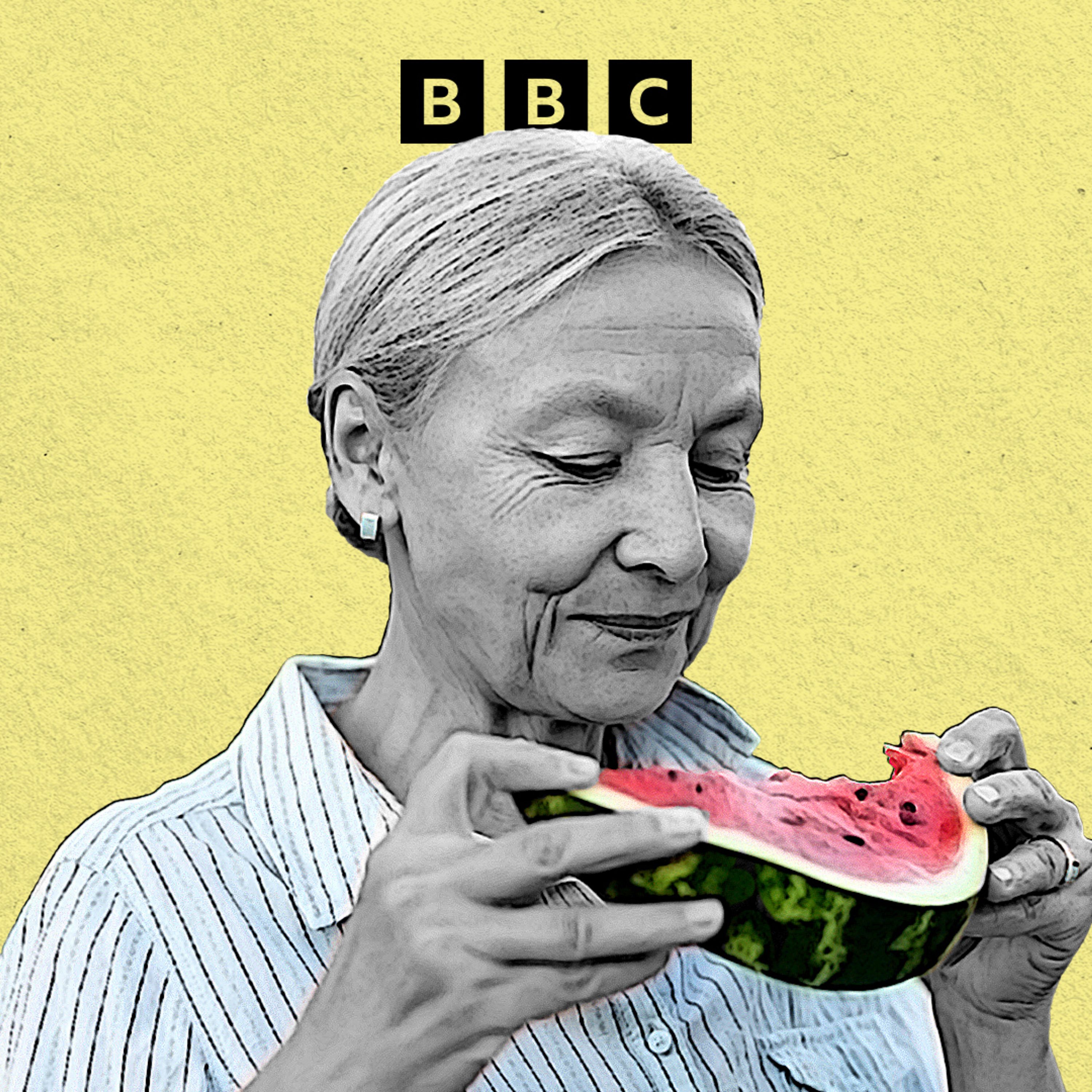
What if you could reach a great age through your dietary choices? Imagine – that the food you eat has a direct effect on how long you live. An appealing concept, but can it be backed up by research? In this programme, Ruth Alexander explores the dietary habits of centenarians, to find out if there are any similarities in what they eat and whether their diets have had a bearing on their longevity. She speaks to 100-year-old Betty Webb, to find out how much food has played a role in reaching a century, and discovers more about “Blue Zones” – geographical areas where some researchers claim people live longer than average lifespans. If you would like to get in touch with the show, please email: [email protected] (Picture: An older woman holding a slice of watermelon. Credit: Getty Images/BBC) Producer: Elisabeth Mahy
Bonnie Garmus: My life in five dishes
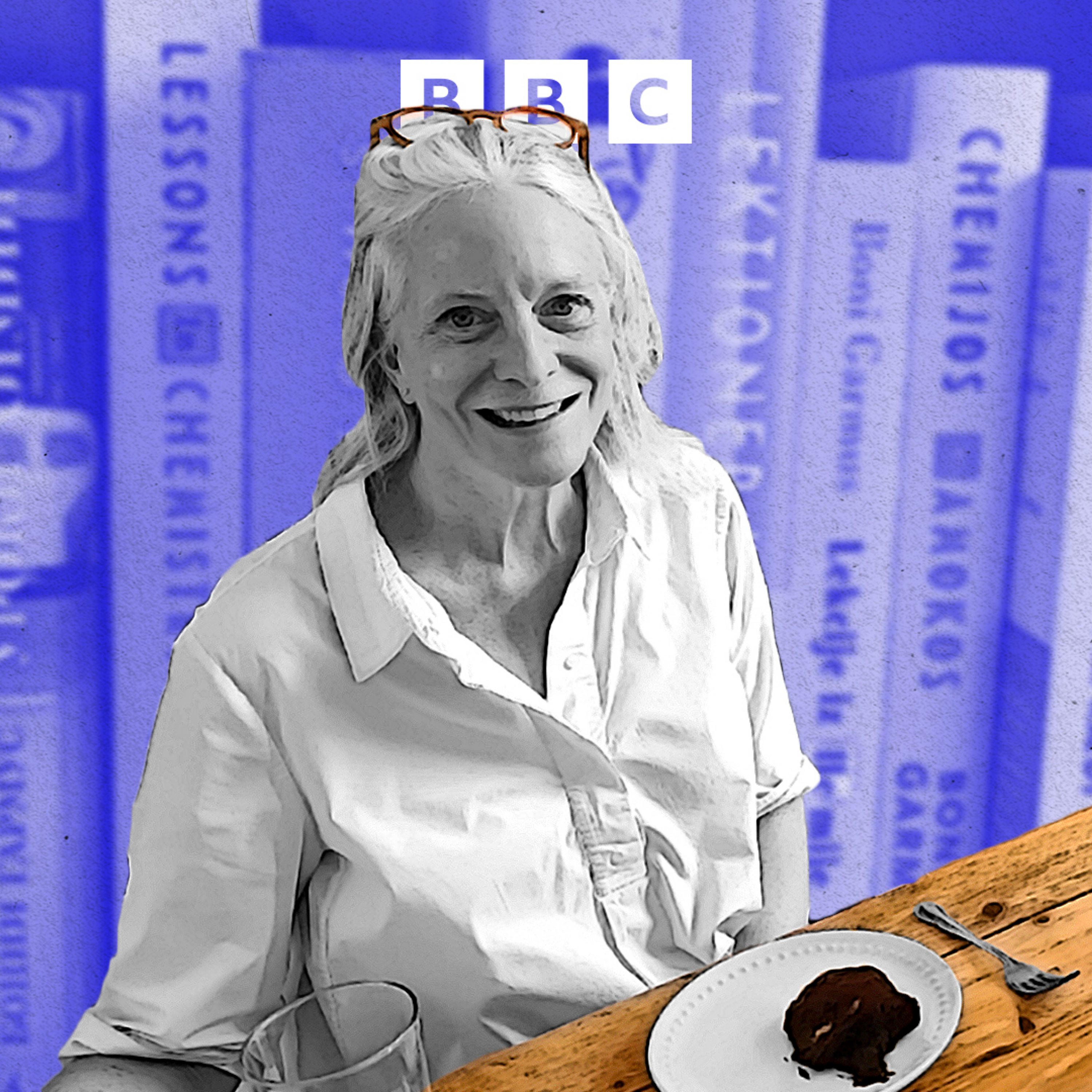
Bonnie Garmus, author of the bestselling novel Lessons in Chemistry, shares the story of her life through five dishes. Ruth Alexander meets Bonnie in her London home, to talk about the food influences in her debut novel about a female chemist turned TV cookery show host in the 1950s and 60s. She’ll hear about Bonnie’s childhood growing up in California, her own personal experiences of sexism in the workplace, the adoption of her Chinese daughters and her relationship with her husband David. Bonnie will bake a dish that features in her novel, ‘desperation brownies’. If you would like to get in touch with the show, please email: [email protected] Presented by Ruth Alexander. Produced by Beatrice Pickup. (Image: Bonnie Garmus in her London home with a brownie that she has baked. Credit: BBC)
What's in a national dish?
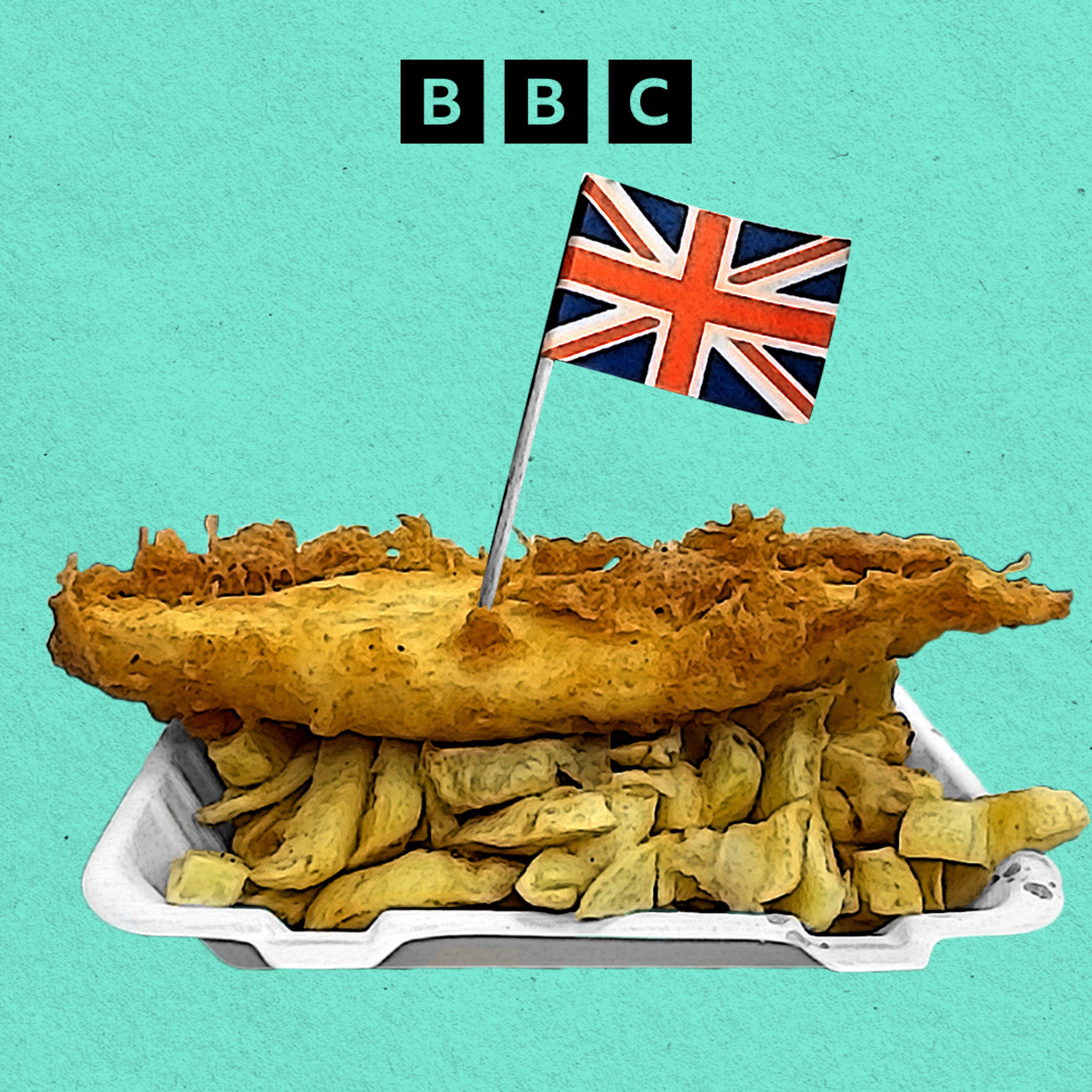
Many dishes have become famous national symbols both at home and abroad, for example Italian pizza, or British fish and chips. Whilst such dishes can create a sense of unity and identity, they can also be used to fuel nationalism, or to push a political agenda. In this edition of The Food Chain, Izzy Greenfield hears the stories behind some of the most famous national foods, some based more on myth or marketing than historical fact. She speaks to Anya Von Bremzen, author of 'National Dish', in which Anya investigates the origins of foods such as Italian pizza, Japanese noodles, Spanish tapas and Mexican tortillas. The Secretary of the Convention for the Safeguarding of Intangible Cultural Heritage at UNESCO, Tim Curtis, explains why some dishes are recognised for the community practices that surround them. Andrew Crook, President of the National Federation of Fish Fryers in the UK, and food historian Professor Panikos Panayi from DeMontfort University in Leicester, England, explain the complex history behind fish and chips.If you would like to get in touch with the programme, email [email protected] by Izzy Greenfield. Produced by Beatrice Pickup.(Image:takeaway fish and chips with a union jack flag on a cocktail stick. Credit: BBC)
The taste test
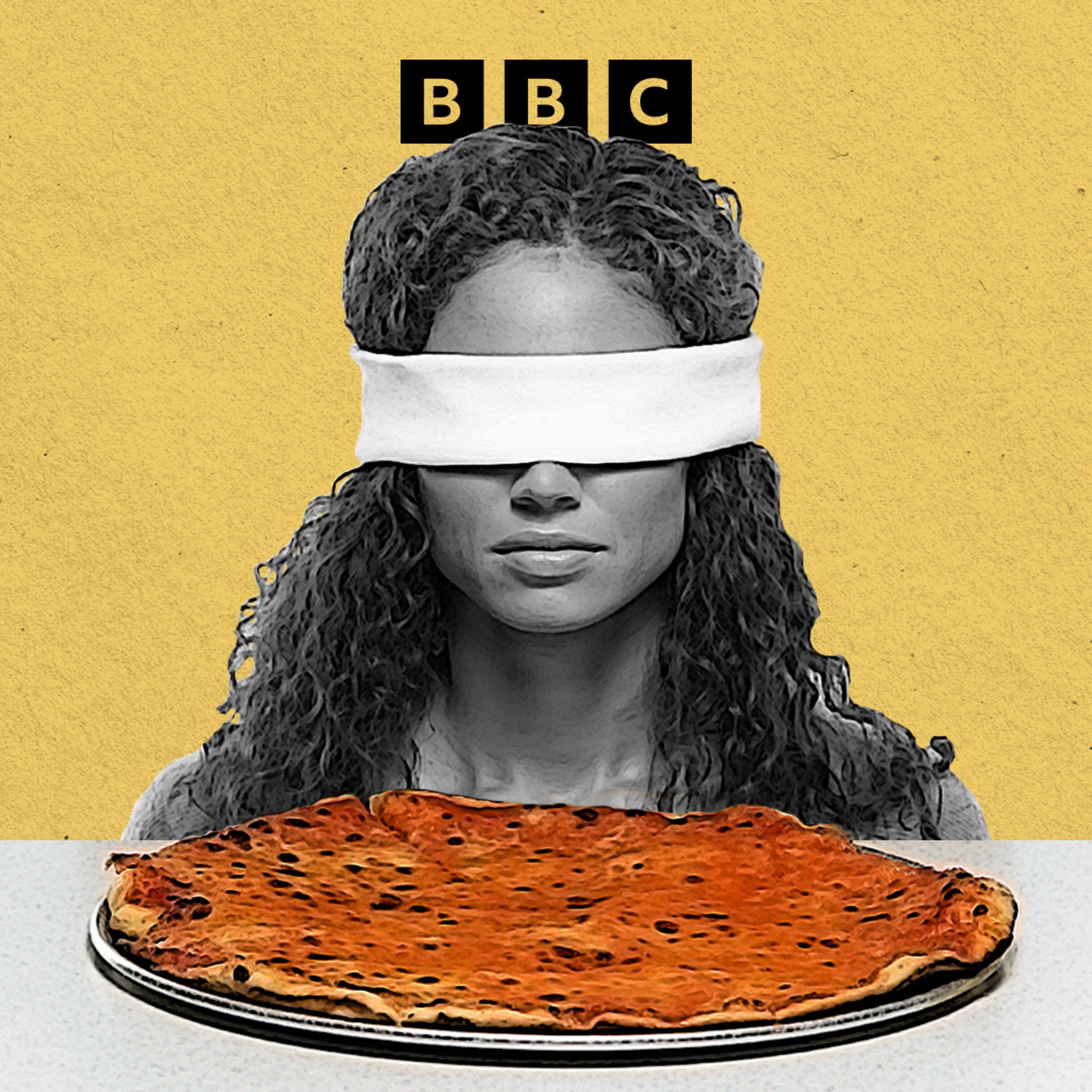
Consumers have the buying power but how much are they considered when a brand decides to make a change? In this edition of The Food Chain Ruth Alexander takes a look at what goes into developing some of the products we know and love. We travel to the northwest of England to a consumer taste testing facility, Wirral Sensory Services. Such businesses would have been few and far between just decades ago but now they’re a big part of the research process when brands look to launch new products or make changes to existing ones. Consumer expert Dr Sara Jaeger tells us about the benefits and the limitations of these tests and business consultant Samuel West talks us through some of the most well know failures in food. If you would like to get in touch with the show, please email: [email protected] Presenter: Ruth Alexander Producer: Hannah Mullane (Image: a woman blindfolded, sat in front of a pizza. Credit: Getty Images/BBC)
The art of food diplomacy
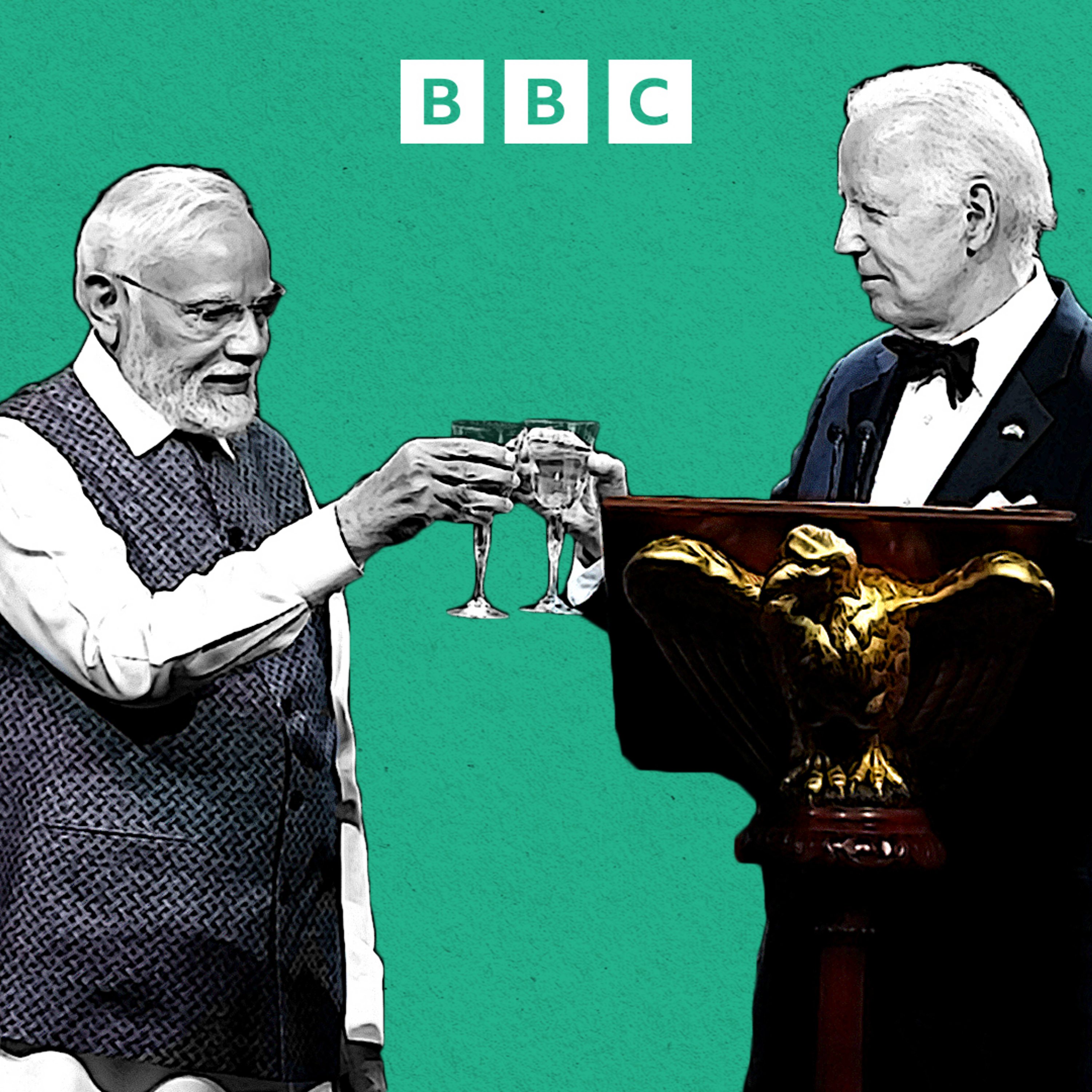
As India welcomes the world’s biggest economies for the G20 meeting this September, we look at the role that food might play in top level discussions. Food diplomacy is increasingly seen as a form of ‘soft power’ that can help build bridges and find common ground. In this programme Devina Gupta speaks to chef Arun Sundaraj, who is leading the catering teams at the Taj Palace Hotel in Delhi which is hosting many of the G20 delegates. She visits the Colombian embassy in London to hear from the country’s ambassador about the role food played during vital peace negotiations between the Colombian government and the Revolutionary Armed Forces of Colombia, known as FARC. Devina also travels to Glasgow in Scotland to share a plate of haggis with Scotland’s national chef, Gary Maclean and Lauren Bernstein, founder and CEO of The Culinary Diplomacy Project in the United States, explains why governments are looking to hire culinary experts to aid in diplomacy. Presented by Devina Gupta. Produced by Rumella Dasgupta. (Image: Indian Prime Minister Narendra Modi and US President Joe Biden raise two wine glasses in a toast. Credit: Getty Images/ The Washington Post/ BBC).
Feeding baby
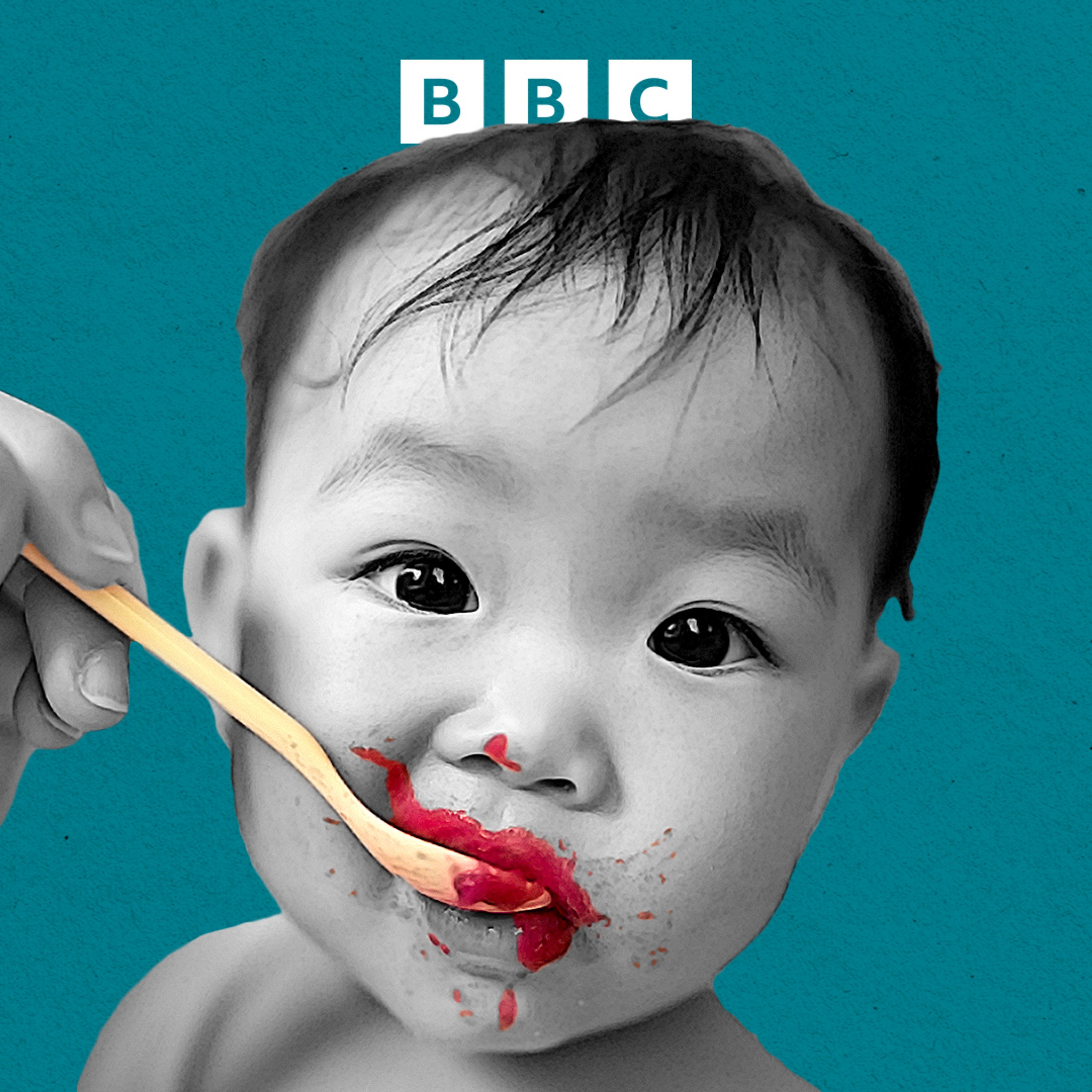
Weaning refers to the process of introducing your baby to solid foods, alongside breast milk or formula. In the UK, the NHS suggests this normally happens at around six months old. In this programme Rick Kelsey starts the weaning journey with his baby boy Albie, and finds out about some of the different approaches including ‘spoon fed’ and ‘baby led’ weaning. He also gets advice on how to deal with allergies and choking. Rick Kelsey is joined by Katie Shelton from ‘Scrummy Tummies’, Dr Sarika Kapoor who posts online as ‘The Weaning GP’, and Rachel Childs, nutritionist at First Steps Nutrition Trust, a public health charity in the UK. Produced and presented by Rick Kelsey. You can contact the programme by emailing [email protected] (Image: a baby being spoon fed, with food around its mouth. Credit: Getty Images/ BBC)This edition was updated on 02/10/2023.

Stop chewing like that!
Imagine not being able to sit and eat at the dinner table with your family without feeling furious. The little-known condition of Misophonia, often called “sound rage”, is a lower tolerance to certain sounds. Although sufferers can react to several types of repetitive noises, many are particularly triggered by eating sounds. Misophonia has not been classified as a clinical disorder, and there have only been a few studies into it, which means many doctors have never heard of the condition. In this programme, Ruth Alexander meets three people with Misophonia who are trying to raise awareness: Dr Jane Gregory, a doctoral research fellow at Oxford University; Adeel Ahmad, the host of a misophonia-themed podcast in the US, and Olana Tansley-Hancock, a clinical researcher based in the UK.If you would like to get in touch with the programme, email [email protected](Image: Young man and woman next to each other, woman biting into apple. Credit: Getty Images/BBC)Produced by Julia Paul
Banh mi: A sandwich with a story
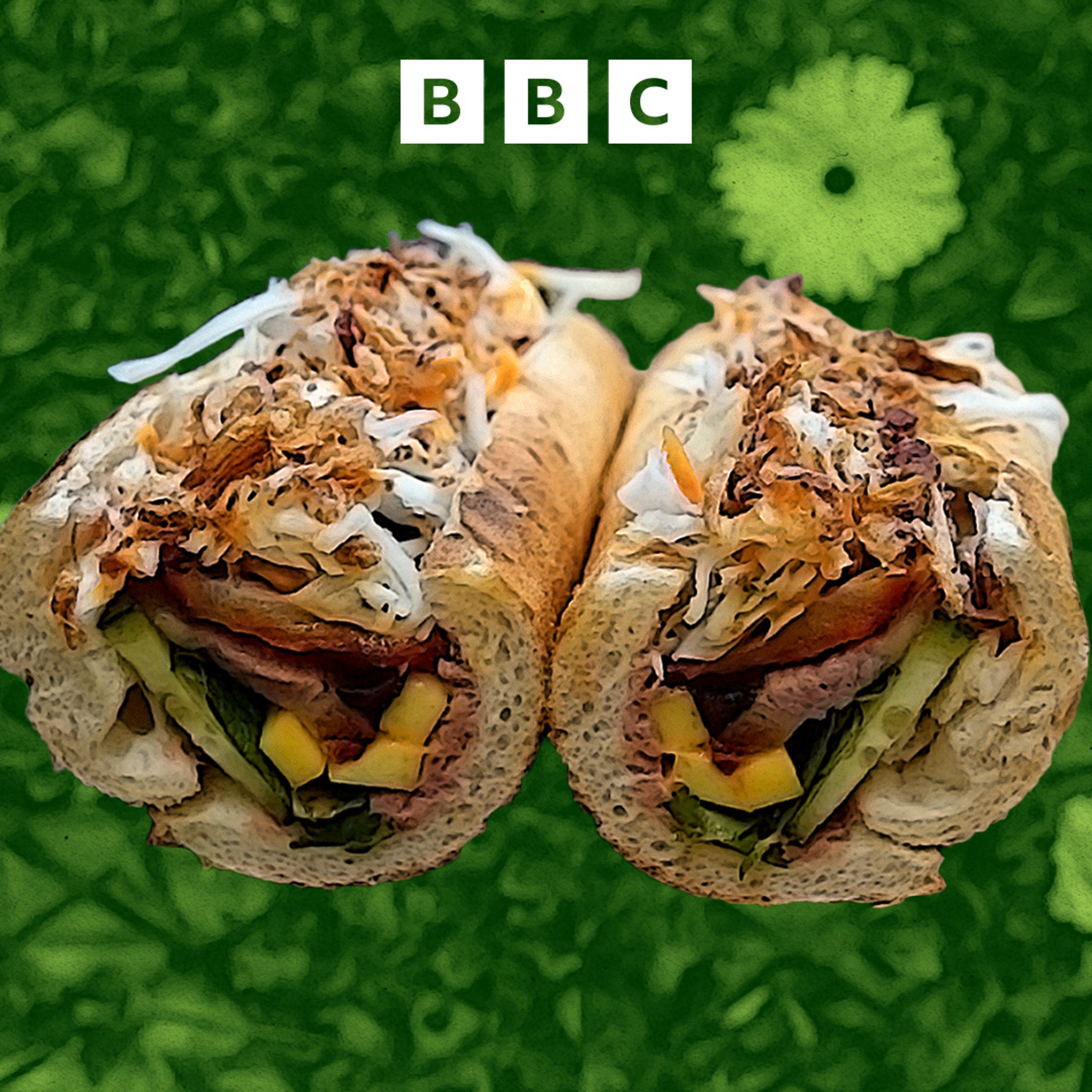
The banh mi is a staple street food in Vietnam and increasingly popular around the world. But how did it come to be a global sensation? In this edition of The Food Chain, Ruth Alexander discovers how the signature sandwich - invented during the French occupation of Vietnam in the 1950s - went on to become popular around the world after the end of the Vietnam war. Ruth explores the traces of French history and politics found in the sandwich ingredients with former French diplomat to Vietnam Dr Bertrand Hartingh; and she discovers how it’s made at Manchester restaurant, Pho Cue. And as Dr Quan Tran of Yale University explains, it's a tale of ingenuity, adaptation and family love. If you would like to get in touch with the show, please email: [email protected] (Picture: A banh mi sandwich)Presenter: Ruth Alexander Producers: Sam Clack and Rumella Dasgupta
The Little Italy story
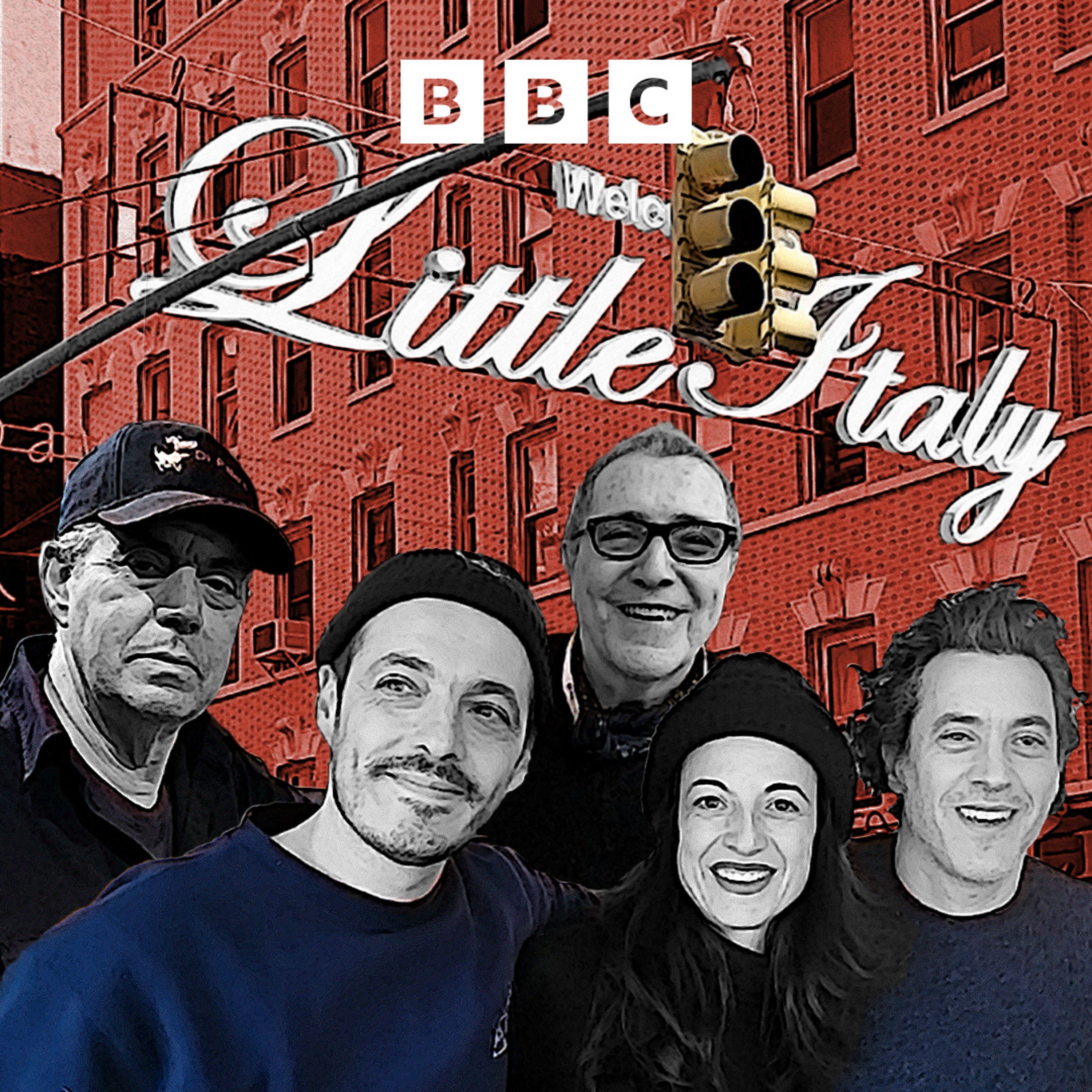
Italian food is one of the most popular cuisines in the world, but how did it first make its way out of Italy? In this edition of The Food Chain, Ruth Alexander uncovers stories of migration, food culture and legacy in the Italian diaspora. Academic Donna Gabaccia explains why millions of Italians left their home country in the 1800s, creating new communities around the world that came to be known as ‘Little Italy’. Ruth visits one of them, in London’s Clerkenwell, to discover its history and how a delicatessen founded in the late 1800s – still busy today – sparked a love for Italian cuisine. We hear from an Italian restaurant owner in Buenos Aires, whose Genoese ancestors put their stamp on the local food scene more than 90 years ago.And reporter Kizzy Cox takes a trip around some eateries in the world-famous Little Italy in New York City to see how the local community is moving with the times. If you would like to get in touch with the show, please email: [email protected] (Picture: Five contributors in the programme, from left to right: Lou di Palo, Luca Fadda, Hugo Banchero, Giorgia Fadda and Nico Paganelli, in front of a Little Italy sign. Credit: Getty Images/BBC)Presenter: Ruth Alexander Producer: Elisabeth Mahy Reporter: Kizzy Cox Additional production: Veronica Smink and Matías Zibell Garcia
This kid cooks
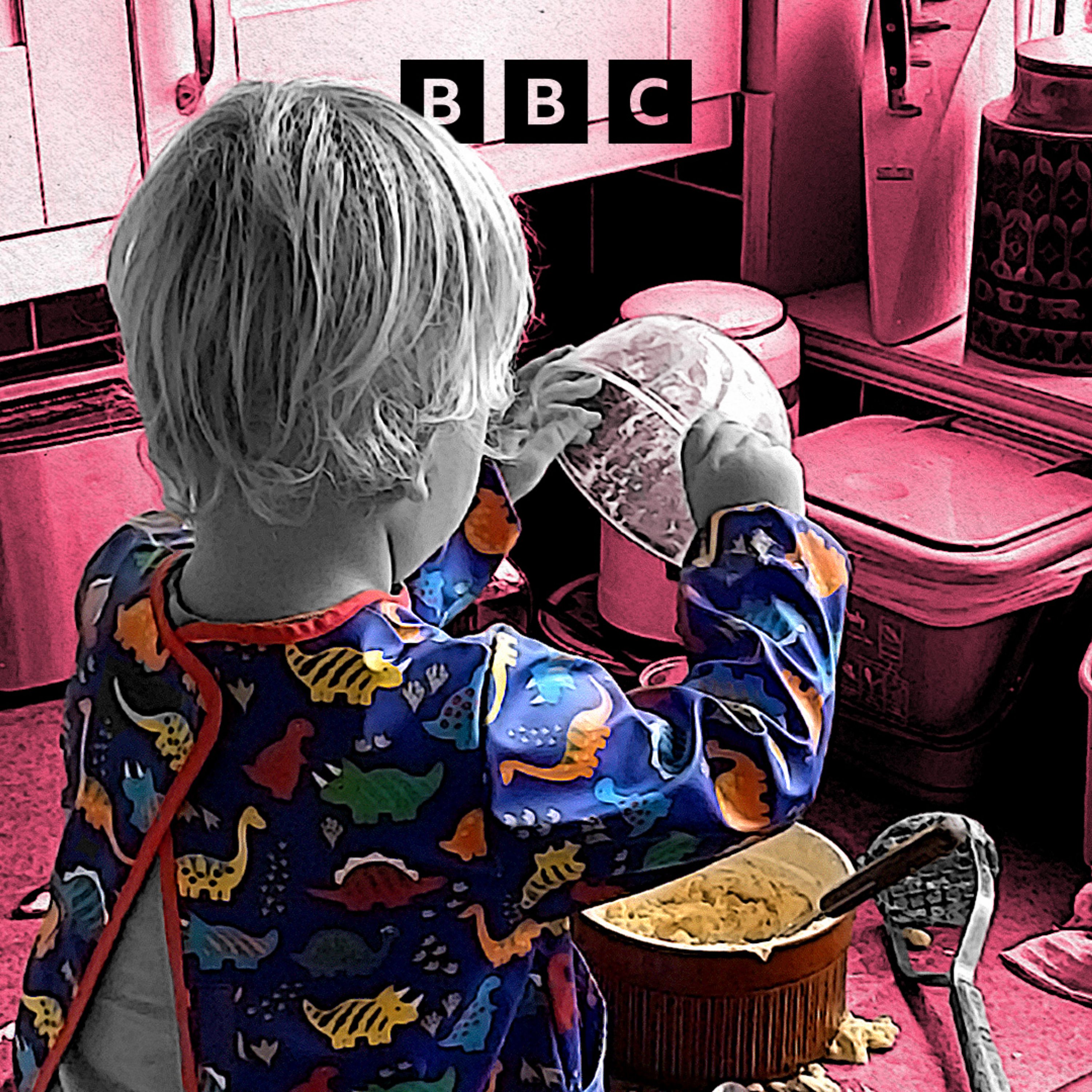
At what age should you start teaching children to cook, and why should you? In this programme, Ruth Alexander meets children and young people who are talented in the kitchen, making the case for why it might be worth the time and the mess to trust them to make dinner. We travel to the north-west of England to Sefton Carers Centre to meet Paige Jones, aged nine, who cares and cooks for her mum, Rachel, who has a health condition. Food writer Jenny Chandler, who has authored two cookbooks for children, gives Ruth some tips about how she can get her three-year-old son engaged in the kitchen. And Ruth meets the young cooking enthusiasts sharing their skills with others: Keffa Liona in Nairobi, Kenya, makes cooking videos with his younger brother, Kisali, which they post online; and Julian Frederick in Texas, United States, is - aged 15 - the CEO of Stepstool Chef, which provides video tutorials presented by children for children. Presented by Ruth Alexander Produced by Beatrice Pickup(Image: Child stood on a stool in a kitchen, making houmous.)
Immersive dining
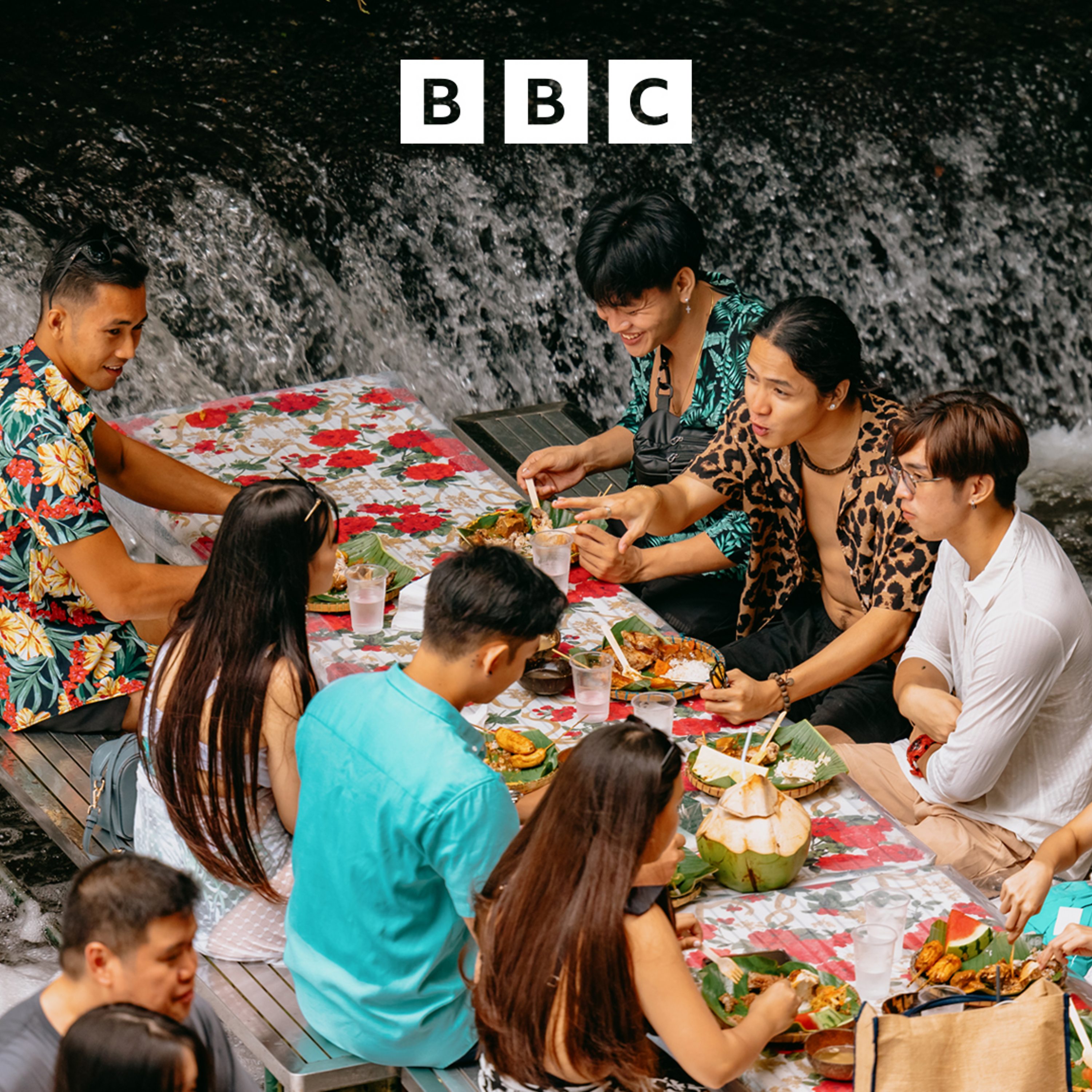
Immersive dining has become something of a culinary craze in recent years. As well as serving food, restaurants are providing multi-sensory experiences for customers; transforming their dining spaces into places where people can escape. In this edition of The Food Chain, we take a look at immersive dining establishments around the world, exploring why customers are increasingly choosing to be entertained while they eat, and asking – is this dining trend a bit of a fad, or is it the future of eating out? If you would like to get in touch with the show, please email: [email protected] (Picture: Diners eating at tables surrounded by flowing water, at Labassin Waterfall restaurant in the Philippines) Presenter: Izzy Greenfield Producer: Elisabeth Mahy
Africa's forgotten foods
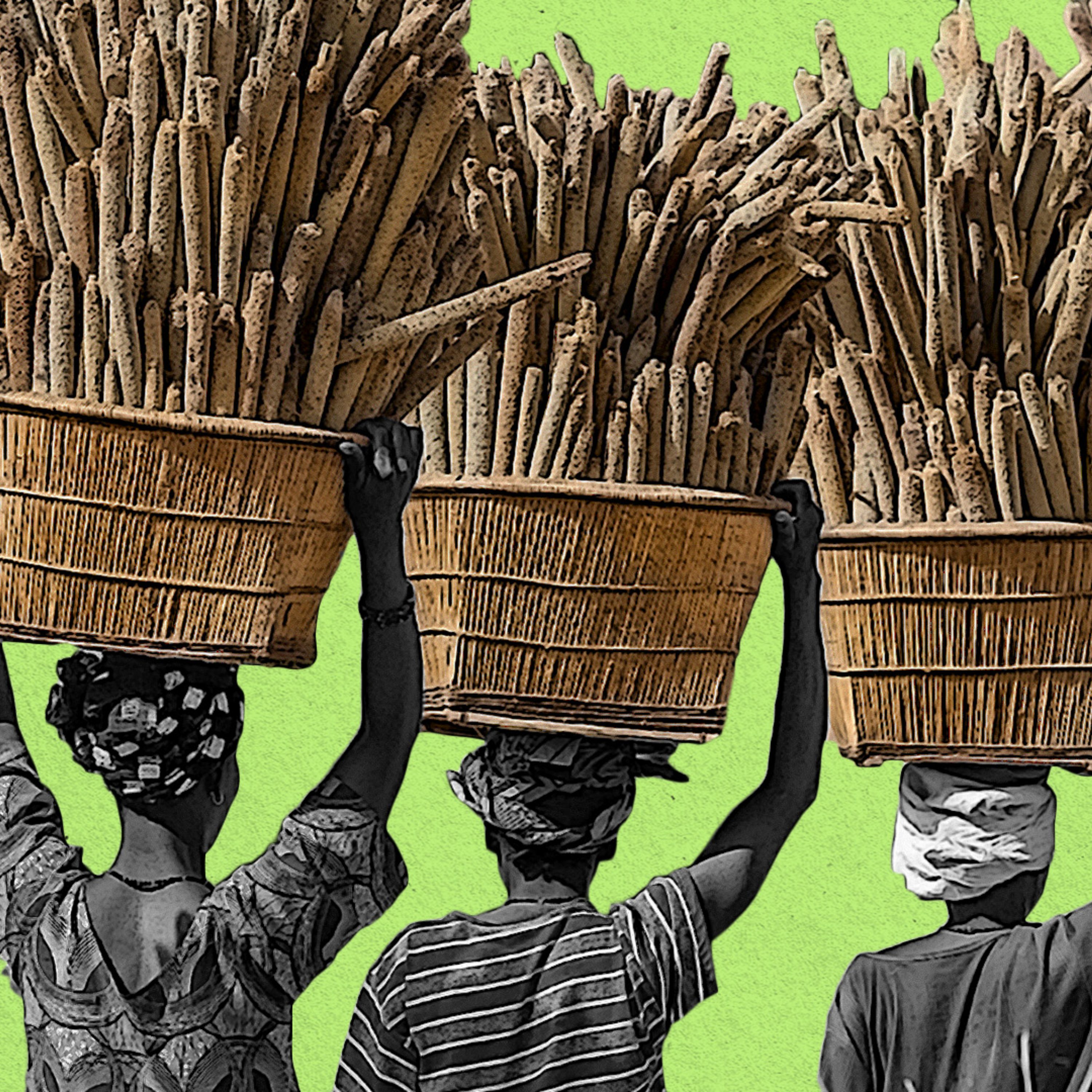
The African continent is seeing one of the fastest rates of urbanisation in the world. As people move to cities, and lifestyles change, so do diets. Many indigenous ingredients and dishes become hard to source and prepare. Others become associated with rural or village ways of life and are no longer seen as sufficiently aspirational. In this programme, Michael Kaloki finds out about traditional dishes at risk of being forgotten. He cooks with his Aunty Naomi to learn about dishes from his own Kamba tribe in Kenya. He also visits Dr Kathleen Anangwe, Lecturer in the Department of Sociology, Social Work and African Women Studies at the University of Nairobi, as she prepares a traditional dish from her own tribe, the Luhya in Western Kenya. He speaks to chef Selassie Atadika, who is showcasing indigenous ingredients and methods of cooking in her pop-up nomadic dinners in Accra, Ghana. If you'd like to contact the programme email - [email protected] Presented by Michael Kaloki. Produced by Beatrice Pickup. (Image: women transporting millet in baskets on their head. Credit: Getty Images/BBC)
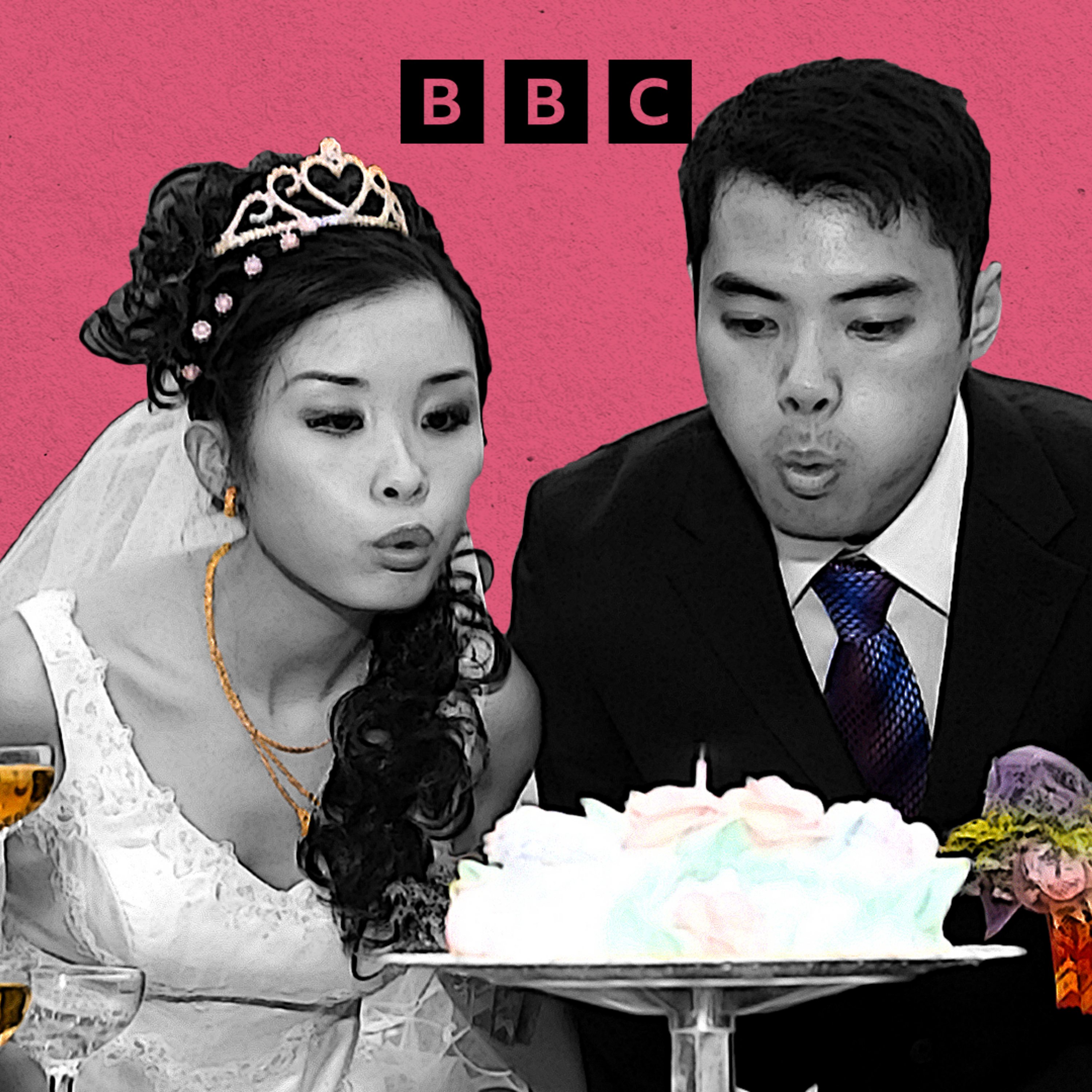
What the wedding caterer is really thinking
Going to a wedding this year? Spare a thought for the caterers - expected to put on ever-more elaborate feasts in ever-more challenging conditions. In this episode, three wedding caterers - in India, the US and the UK - share anecdotes about demanding guests, make-shift hillside kitchens and emergency trips to hospital. Warning: if you’re a bride- or groom-to-be, this programme might just give you a case of the jitters. You can share your tales of wedding banquet triumphs and disasters by emailing [email protected] (Picture: Bride and groom blowing out a candle on a cake. Credit: Getty Images/BBC) Presenter: Ruth Alexander Producer: Elisabeth Mahy
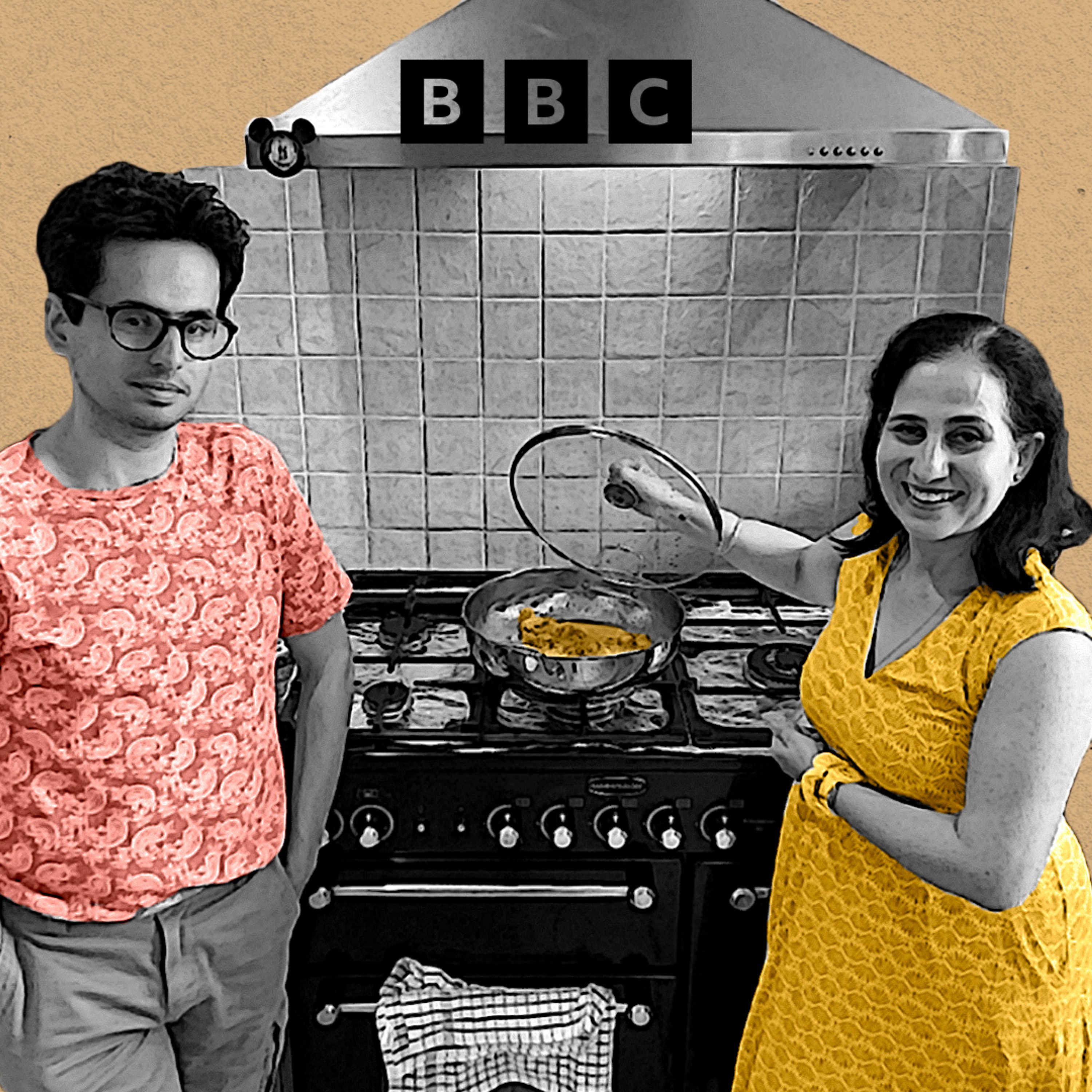
How I learnt to cook
Out of necessity, in adversity, or for the fun of it - how, and why did you learn to cook? Ruth Alexander hears the stories behind people’s kitchen skills - the highs, the lows, the challenges overcome, and the connections made – and discovers there’s often more than just dinner at stake. Growing up in Germany to Japanese parents, chef Nina Matsunaga remembers having to step up to the stove when her mother was taken ill; the eldest of three boys in Cameroon, Timah Julius Nyambod made breakfast and dinner for his brothers while his mother worked as a food vendor; Janet Pollock describes teaching herself to cook as a young child inspired by cookery shows in Nashville, USA; and Rahul Raina is holding on to his Kashmiri heritage in Oxford, England, thanks to the recipes and know-how of his mother and grandmother. You can contact the programme by emailing – [email protected] Presented by Ruth Alexander Produced by Beatrice Pickup and Rumella Dasgupta (Image: Rahul Raina cooking chicken yakhni, a Kashmiri dish, with his mother Sunanda Dhar. Credit: BBC)

How did salt get so gourmet?
Salt has been a staple ingredient in cooking and preserving food for thousands of years. It adds flavour to food, preserves it, and keeps our bodies functioning. In recent years, gourmet brands have emerged and some consumers have been willing to pay higher prices for rock and sea salts. Ruth Alexander finds out how this trend started and asks whether there’s anything special about speciality salts. She speaks to Jess Lea-Wilson, Ronan Burns and Rob Jardine about how Halen Mon seasalt is made in Anglesey, Wales; Craig Cormack, ‘The Salt Chef’, about the salt tasting sessions he runs in South Africa; and Rajesh Shah of Vikas Center for Development about how technology is improving conditions and profits for salt workers in the Indian state of Gujarat.If you would like to get in touch with the programme, email [email protected]. Presented by Ruth Alexander. Produced by Julia Paul.(Image: a spoonful of salt. Credit: Getty Images/BBC)
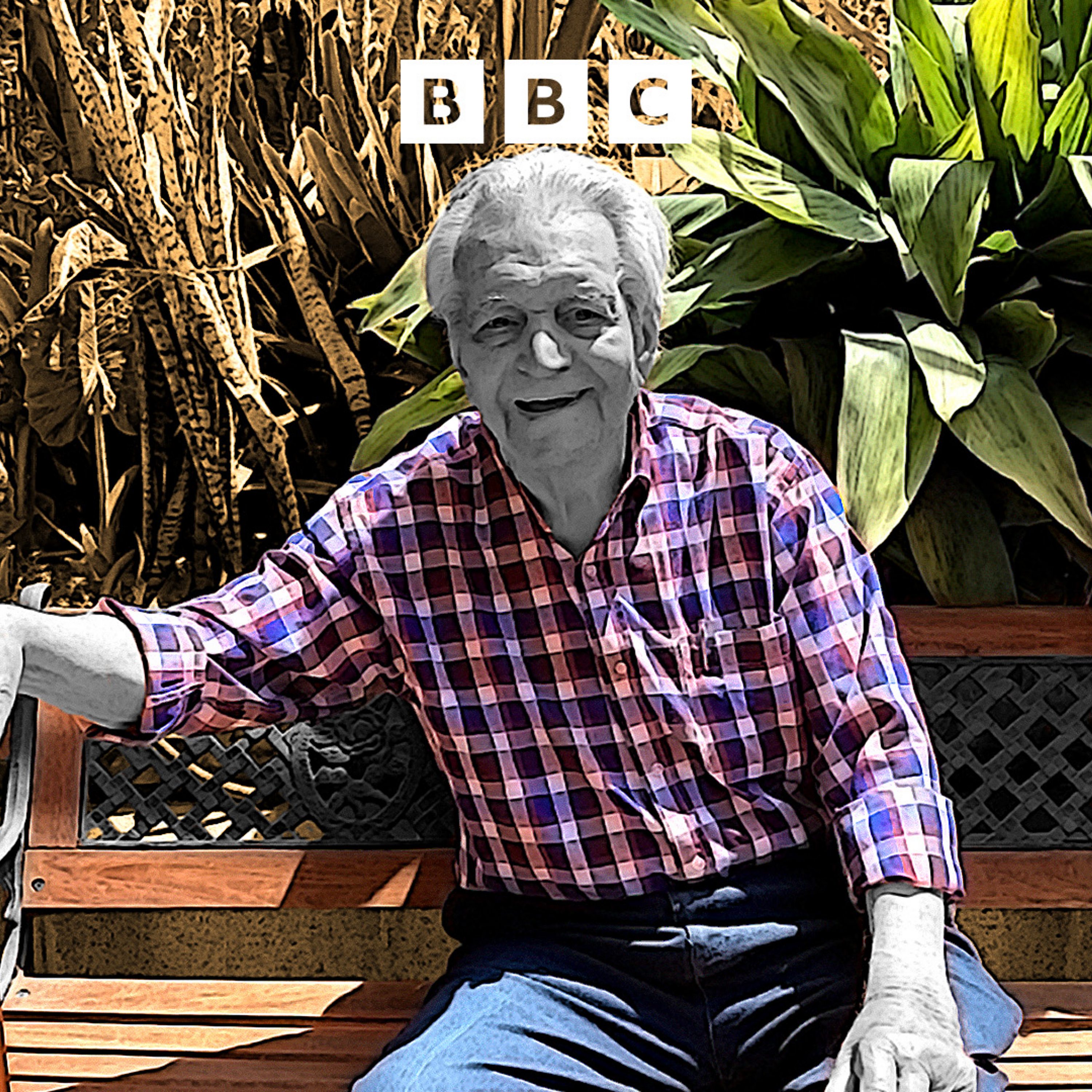
Can you feed a city from its rooftops?
Could our office, apartment and public buildings also be farms? In this programme, Ruth Alexander meets the pioneers of rooftop farming, turning concrete into green spaces where fruit and vegetables are grown. We find out about the logistics, the challenges, and whether it has the potential to feed city populations. In Barcelona, Spain, she meets Joan Carulla, who recently celebrated his 100th birthday. Joan has been tending his private rooftop vegetable garden for fifty years with the help of his son, Toni. They’re joined by friend and fellow rooftop gardener, Robert Strauss. Ruth speaks to Kotchakorn Voraakhom, a landscape architect in Bangkok, Thailand. She designed a farm on the roof of a university in 2019, the largest in Asia at that time. And Mohamed Hage, co-founder and CEO of Lufa Farms in Montreal, Canada explains how they are farming rooftops on a commercial scale. To date the company has four rooftop greenhouses and an indoor farm, which produces enough food to feed about 2 per cent of the city’s population. Presented by Ruth Alexander. Produced by Beatrice Pickup. (Image: Joan Carulla sat on a bench in his rooftop garden in Barcelona, Spain. Credit: BBC)
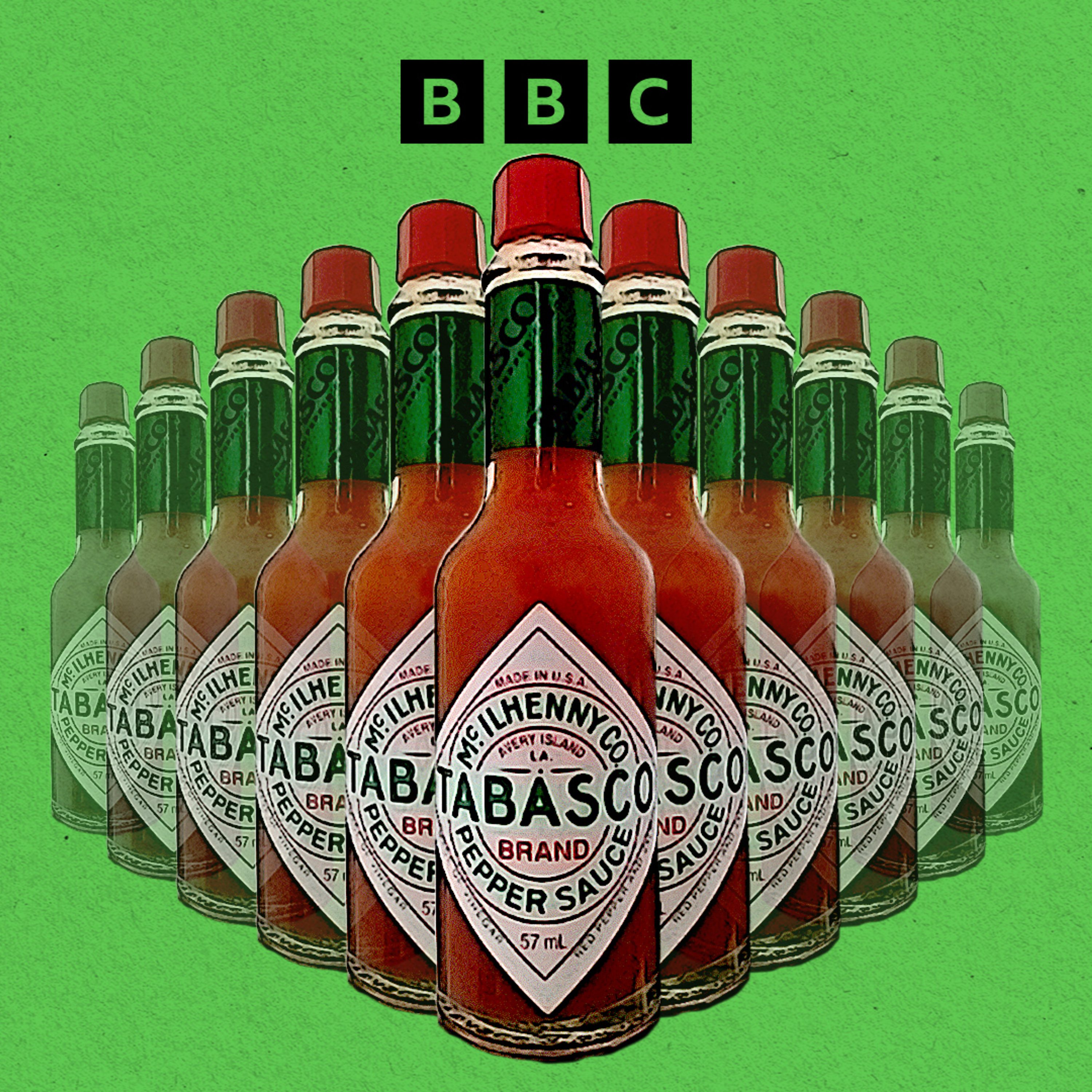
The power of heritage brands
Tabasco sauce, Lea and Perrins, Angostura Bitters. Those are a few of a very select number of sauces, condiments and tipples that have weathered changing tastes and trends over the years, even outliving their founders.How do some brands manage to survive for 100, 150 or 200 years?In this programme, David Reid lifts the lid on some of these store cupboard stalwarts to reveal the secrets of their longevity, heritage appeal, and what happens when a company tries to ‘tweak’ a winning recipe.If you’d like to contact the programme you can email – [email protected](Picture: Tabasco sauce bottles) Presented and produced by David Reid

How did TV cooking competitions get so big?
Television cookery competitions are big business – drawing audiences in their millions over multiple series. How did they become such a successful format? In this programme we go behind the scenes with competitors and judges. Ruth Alexander speaks to chef Simon Wood, who won the BBC’s 'Masterchef' in 2015 and today runs two restaurants of his own in the United Kingdom; New York based chef Marcus Samuelsson, who has both competed in and appeared as a judge in multiple different shows including 'Top Chef', 'Iron Chef' and 'Chopped'; and food writer Gail Simmons, judge on 'Top Chef' in the United States for all twenty seasons to date. Tasha Oren is Associate Professor and Director of the Film and Media Studies Programe at Tufts University in Massachusetts, United States. She describes how food television has evolved over decades. And Ruth speaks to World Service listeners Mutinkhe Kaunda in Zambia and Andrew Laverghetta in the US about what they look for in a TV cooking competition. Clips from 'Iron Chef Japan' used courtesy of Fuji Television Network, Inc. If you’d like to contact the programme you can email – [email protected] Presented by Ruth Alexander. Produced by Beatrice Pickup. (Image: a hand holding up a trophy. Credit: Getty Images/BBC)
Let’s take a lunch break!
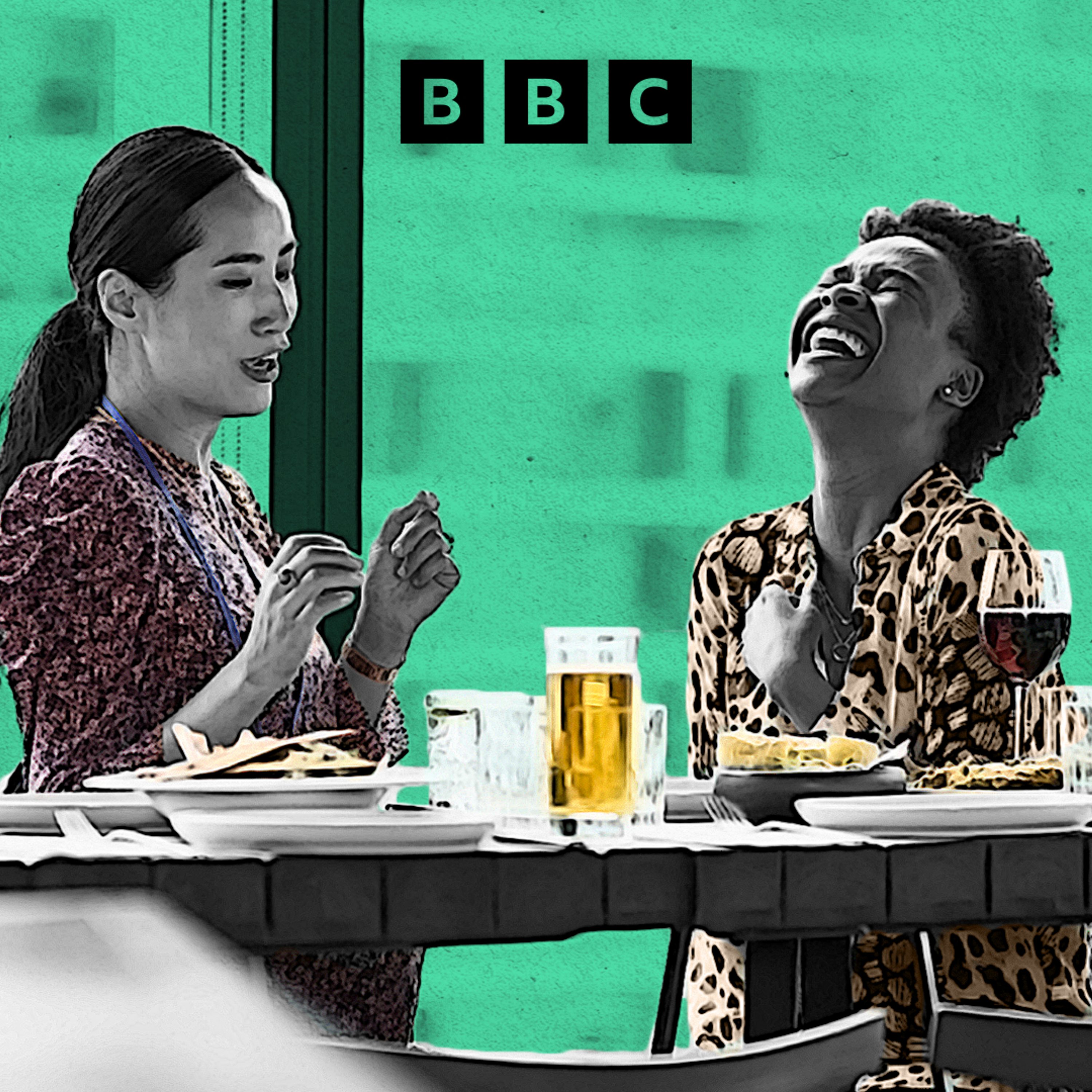
A lunch break can tell you quite a lot about a country’s work culture; ranging from two-hour, luxuriant pauses in some parts of the world, to a couple of minutes, snack-in-hand at a desk, in others. For decades, people have built up camaraderie by meeting informally and in person, but technology and the pandemic have changed that. In this programme, Ruth Alexander goes in search of the meaning and purpose of the lunch break; from power lunches in the heady world of international finance, to a simple snack and a chat with a colleague, and asks, what do we stand to lose if we don’t take a proper break? If you would like to get in touch with the show, please email: [email protected] (Picture: Two female colleagues, laughing over a meal. Credit: Getty Images/BBC)Producer: Elisabeth Mahy
Teaching tomorrow's chefs
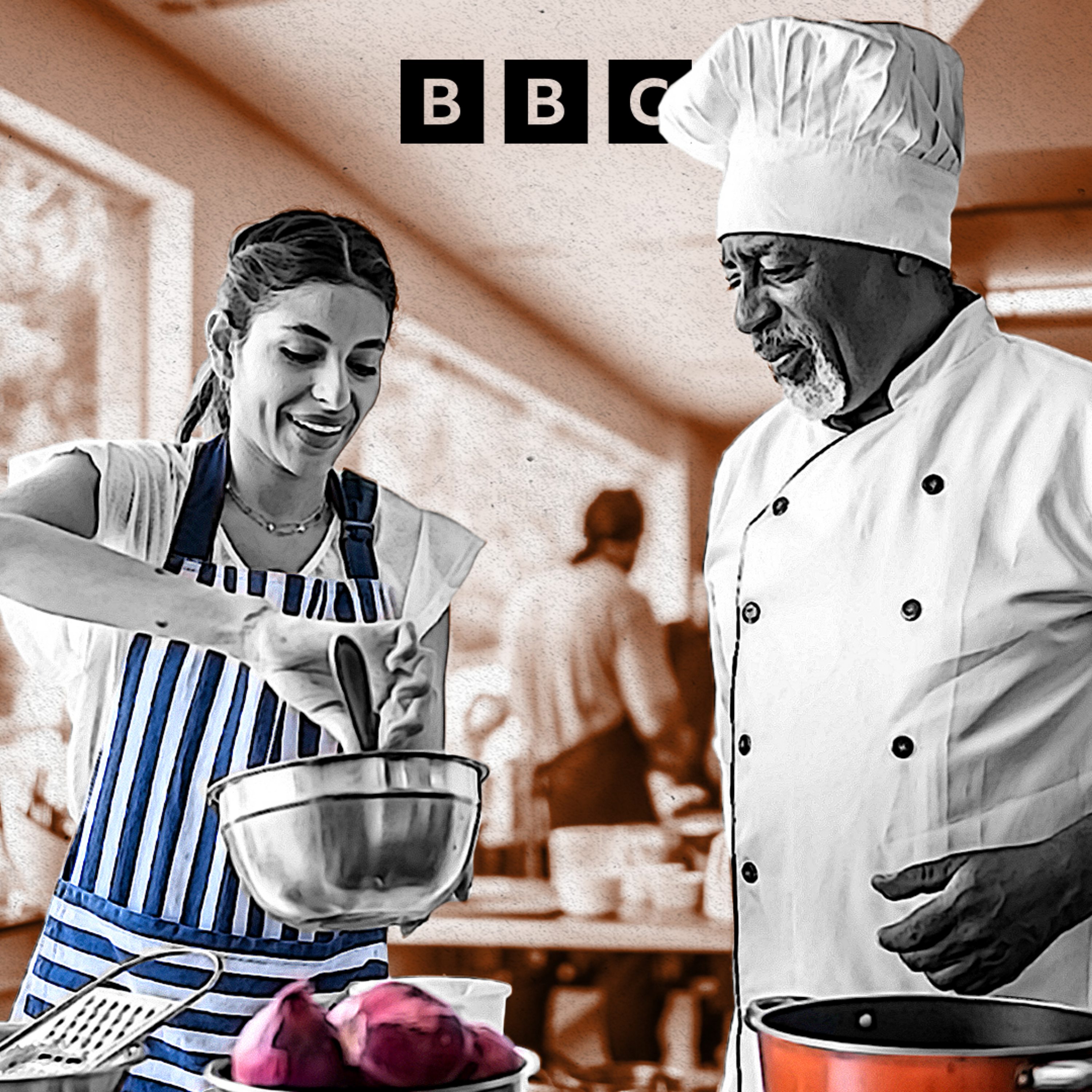
Why go to culinary school when you could learn on the job? Three trained chefs-turned teachers make the case for learning the basics and getting a qualification that could open doors in a competitive world. In this programme Ruth Alexander hears what it takes to be a great culinary teacher. She speaks to Gary Maclean, Executive Chef at City of Glasgow College in the UK, he’s Scotland’s national chef and won the BBC’s Masterchef the Professionals in 2016; Suzanne Storms, Assistant Professor at the Technological and Higher Education Institute of Hong Kong where she manages the culinary arts and management degree; and Alexandra Didier, Chef Instructor at Le Cordon Bleu Paris. If you’d like to contact the programme you can email us – [email protected] Presented by Ruth Alexander. Produced by Beatrice Pickup. (Image: a chef instructs a student in a kitchen classroom. Credit: Getty Images/BBC)
Is the food you’re eating what you think it is?
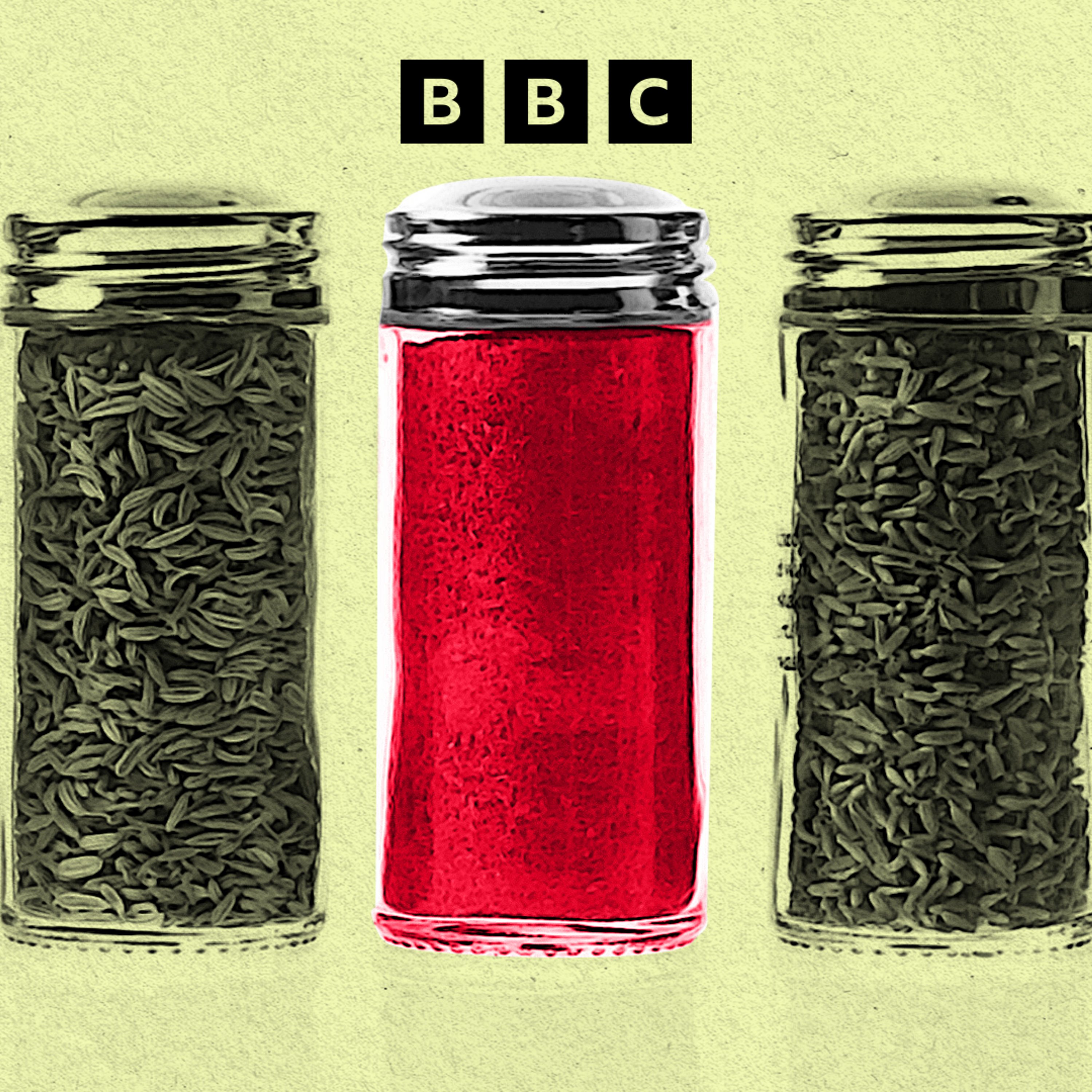
How can you be sure you’re eating what you think you’re eating? In most cases, food fraud won’t make you ill, but you won’t be getting quite what you’re paying for. In this programme, Ruth Alexander hears why high food prices and the war in Ukraine mean food fraud is more likely to happen. She visits a laboratory in Belfast in Northern Ireland, where food products are analysed to sort what’s real and what’s fake, and she speaks to a food fraud investigator who tells us just how difficult it is to stop the criminals. And we hear from a spice market in Delhi where vendors and shoppers tell us how they try to avoid fake products. If you would like to get in touch with the show, please email: [email protected] Producer: Elisabeth Mahy(Image: A row of jars of spices, but the one in the middle is highlighted. Credit: Getty Images/BBC)

Should we farm octopus?
The world’s first octopus farm is being planned by a Spanish seafood multinational. The intelligent creatures are difficult to rear in captivity, but numerous companies around the world have been trying and Nueva Pescanova has announced it’s close to making an octopus farm a reality. Scientists and animal welfare groups have objected to the plans. Nueva Pescanova says the company’s priority is to guarantee animal welfare by applying to the cultivation process the conditions of the species in the wild. Ruth Alexander finds out more about both sides of the debate with the BBC’s Environment and Rural Affairs correspondent, Claire Marshall, who has been closely following the story from the beginning. She speaks to Dr Heather Browning, Lecturer in Philosophy at Southampton University in the UK and former zoo-keeper, about the capacity of octopuses to experience feelings; and how we form our opinions about what we should and shouldn’t farm. And she finds out why octopus is central to Japanese cuisine with food writer and host of Japan Eats! podcast, Akiko Katayama. Presented by Ruth Alexander. Produced by Beatrice Pickup. (Image: an octopus with curling tentacles. Credit: Getty Images/BBC)
A dish fit for the King
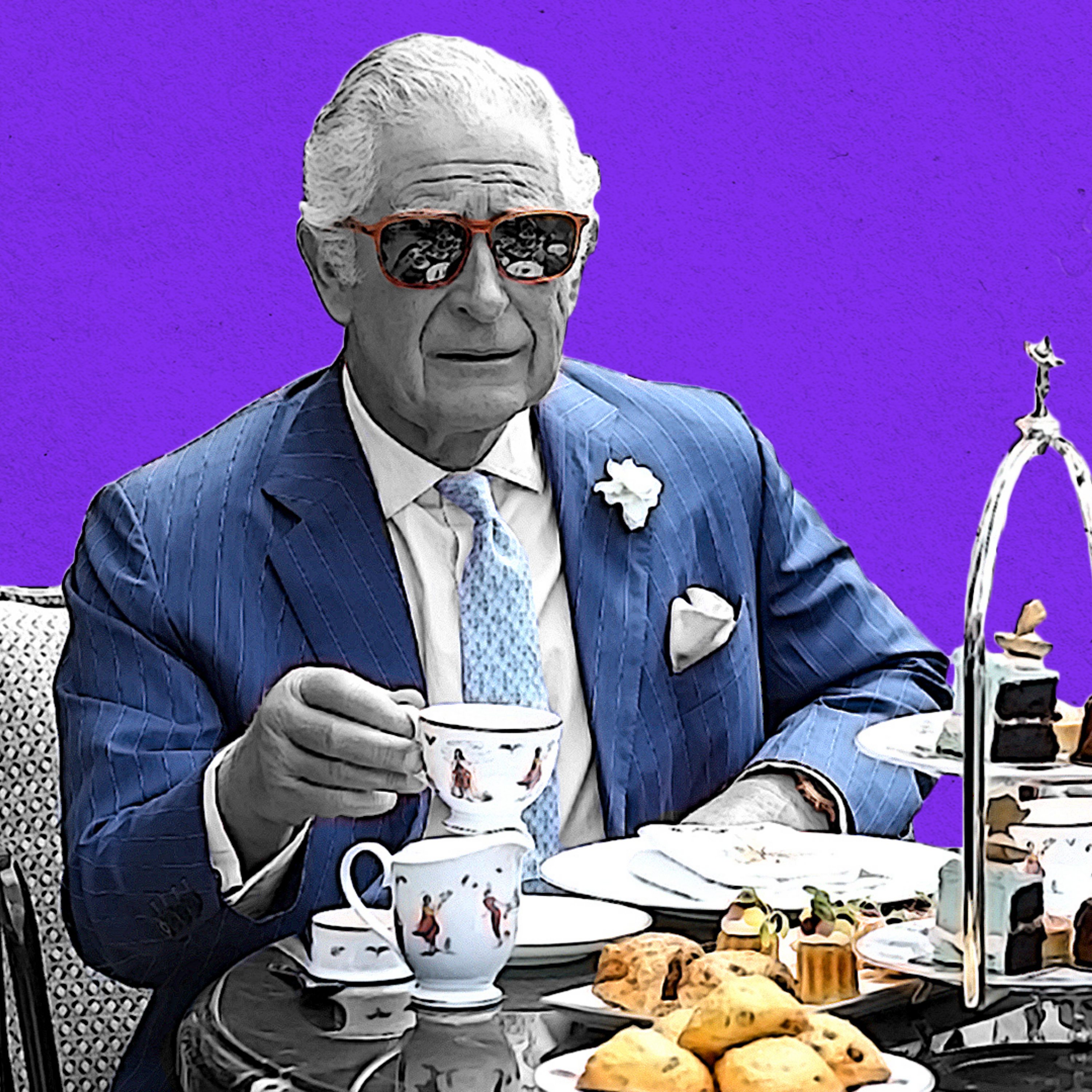
The crowning of a British monarch calls for an official dish. In 1953, for the coronation of Queen Elizabeth II, it was a curry and mayonnaise chicken dish. This time around, King Charles III has selected a quiche - the principle of the shareable tart being to inspire the public to join in a celebratory lunch. It may sound fairly simple, but as Ruth Alexander discovers in this programme, a lot lies behind the commemorative dish. Ruth asks why the new King wants his crowning moment to be marked with home-baking, what opportunities royal-inspired food offers, and what the monarch’s culinary choice might tell us about this moment in time. She visits a farm shop in Warwickshire, in the British Midlands, where owner Michelle Edkins has been baking and serving up a spread of dishes to mark the big occasion. Muhammed Ali, the owner of an Indian restaurant in the neighbouring county of Staffordshire, tells Ruth about a new Coronation-themed curry he’s put on his menu to capture the moment. Food historian, Dr Rachel Rich, puts the official quiche into historical context. And Dame Prue Leith, South African-British celebrity cook and judge, gives her verdict on the dish and considers whether its simplicity and choice of ingredients signal something about the new monarch. If you would like to get in touch with the show, please email: [email protected] (Picture: King Charles III having tea. Credit: Getty Images/BBC)Producer: Elisabeth Mahy
The growth of GM food
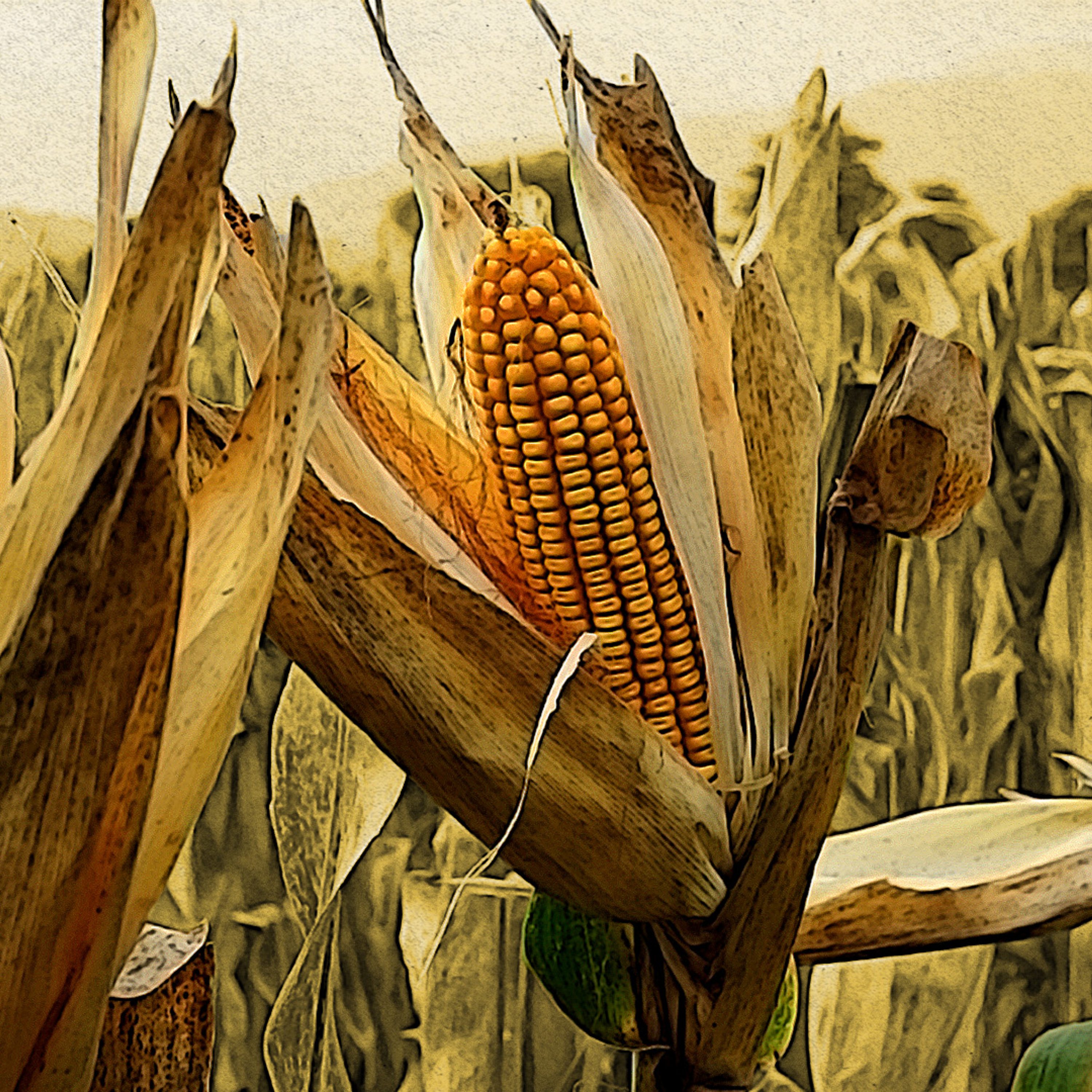
Genetically-modified food has long been a subject of debate. It was first introduced to market in the United States in the mid 90s. Since then, some governments have approved the cultivation and sale of GM food, whilst others have had bans in place. In this programme, we look at attempts by India and Kenya to approve genetically-modified food crops, and ask if lessons can be learnt from the United States where GM foods have been consumed for decades. Today there are lots of different genetic-engineering techniques in use. Generally, genetic modification refers to organisms created with particular characteristics, using some genetic material from a different organism. Ruth Alexander is joined by Devina Gupta, from Business Daily on the BBC World Service, who can explain the latest developments in India, where the government wants farmers to plant genetically-modified mustard. Ruth also speaks to Roy Mugiira, chief executive of the National Bio Safety Authority Kenya, the government appointed regulator for GM products. In Kenya, the government has lifted a 10-year ban on GM, and approved the use of GM maize, a staple crop. And Professor Jennifer Kuzma, co-director of the Genetic Engineering and Society Center at North Carolina State University, talks about how labelling can help give consumers choice over whether they eat GM. Presented by Ruth Alexander. Produced by Beatrice Pickup. (Image: field of corn. Credit: Getty Images/BBC)
How AI could design our diets
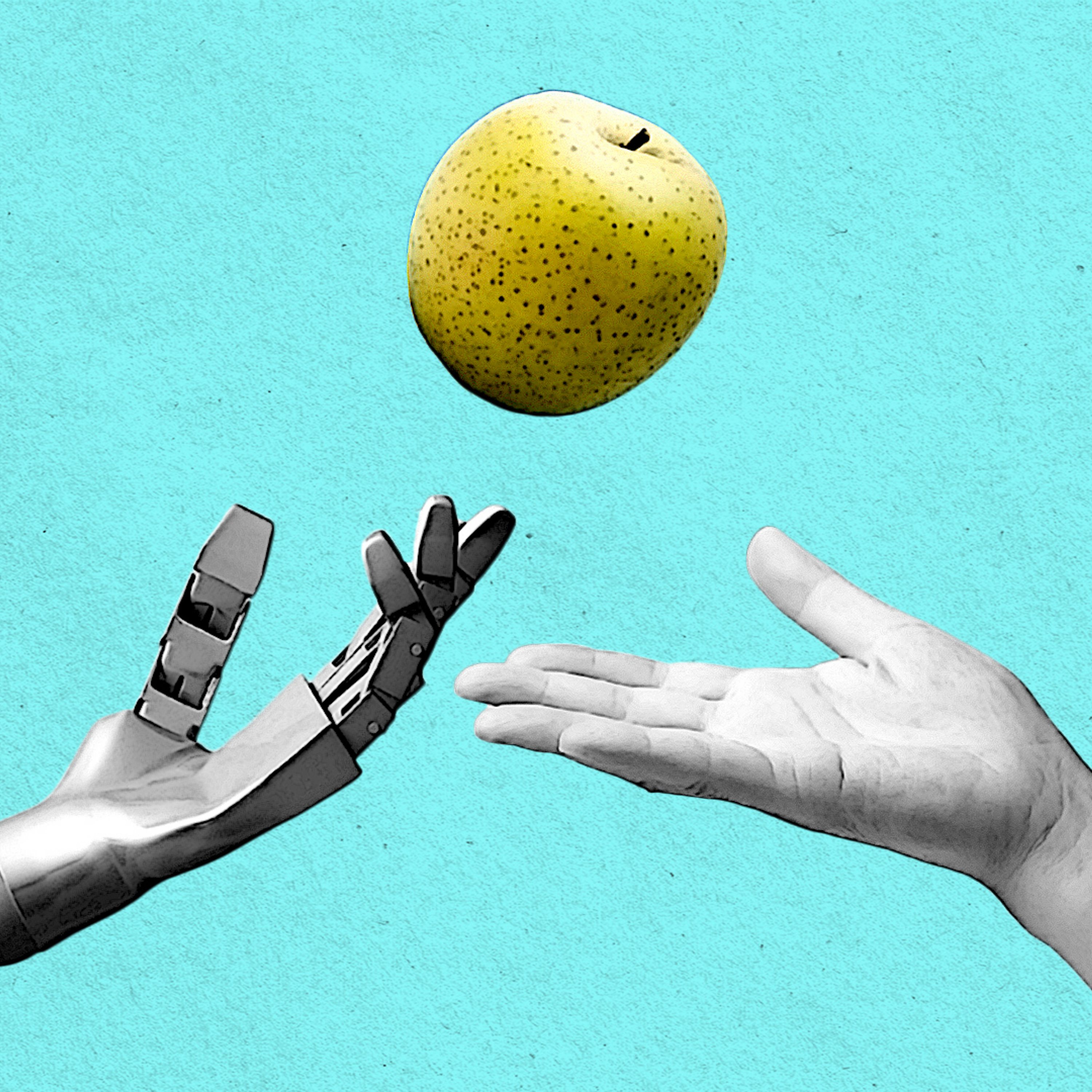
Every day, humans make multiple choices about what to eat. Some of those decisions will be better for our health than others - but what if we allowed a machine to decide for us? In this programme, Adam Shaw explores what would happen if we let artificial intelligence (AI) design our diets and whether that might improve our health. Adam visits a laboratory in the UK to meet AI researcher Dr James Neil, from the Centre for Nutrition Education & Lifestyle Management, whose company is developing machine-learning systems to create personalised diets. He speaks to dietician Pennie McCoy, to find out how a digital therapist called ‘Hope’ is learning to help Australians stay on track with their weight-loss goals. Dr Mariette Abrahams, dietician and CEO of Qina, a company in Portugal which offers strategic advice on the personalised nutritional market, tells Adam about the potential and the pitfalls of the new tools. And Dr Eric Topol, professor of molecular medicine and executive vice president of Scripps Research in the US, considers whether AI-driven diets will be used for a small group of people, or whether the technology could fundamentally change everyone’s approach to food. If you would like to get in touch with the show, please email: [email protected] (Picture: A robot hand and a human hand both reaching out to grab an apple. Credit: Getty Images/BBC)Presenter: Adam Shaw Producer: Elisabeth Mahy
Is this the end of the British caff?
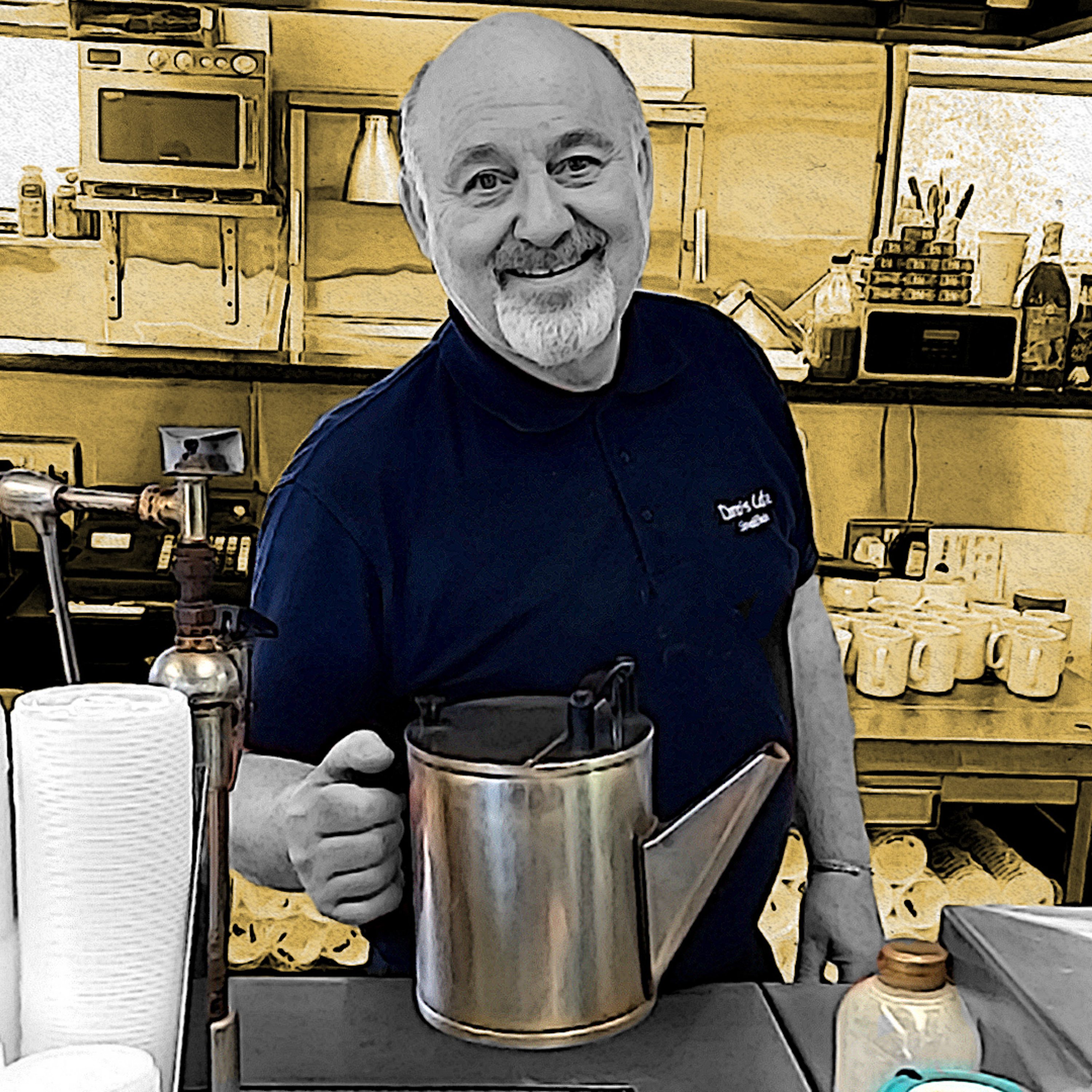
The British "caff" - slang for café, and home of the breakfast fry up, or "full english" - is under threat. Many have closed, struggling to compete with changing tastes and the success of chains. Many of Britain’s historic caffs opened in the 1940s and 50s, run by Italian migrants. Some of these original caffs are still trading, run by second and third generation Italian families. In this programme Ruth Alexander hears stories of the famous caffs that have closed for good, and goes in search of caffs still going. She’s joined by actor Michael Simkins, who has relied on hearty caff fare during a 40-year career in the theatres of London’s West End, and meets actor and director Mark Gatiss, who is finding it increasingly hard to find a good cup of tea in the capital. Ruth visits cafes that have been operating for decades – Bar Bruno in Soho, and Dino’s Café in east London, to learn exactly what their customers love so much about the traditional British caff. Restaurant sector consultant James Hacon describes the changes seen in the hospitality industry in the last twenty years, and why caffs now face such stiff competition.If you would like to get in touch with the programme, email - [email protected]. Presented by Ruth Alexander. Produced by Beatrice Pickup. (Image: Ernie Fiori proprietor of Dino’s Café at New Spitalfields Market, East London, holding up his tea pot. Credit: BBC)
Can small farms feed the world?
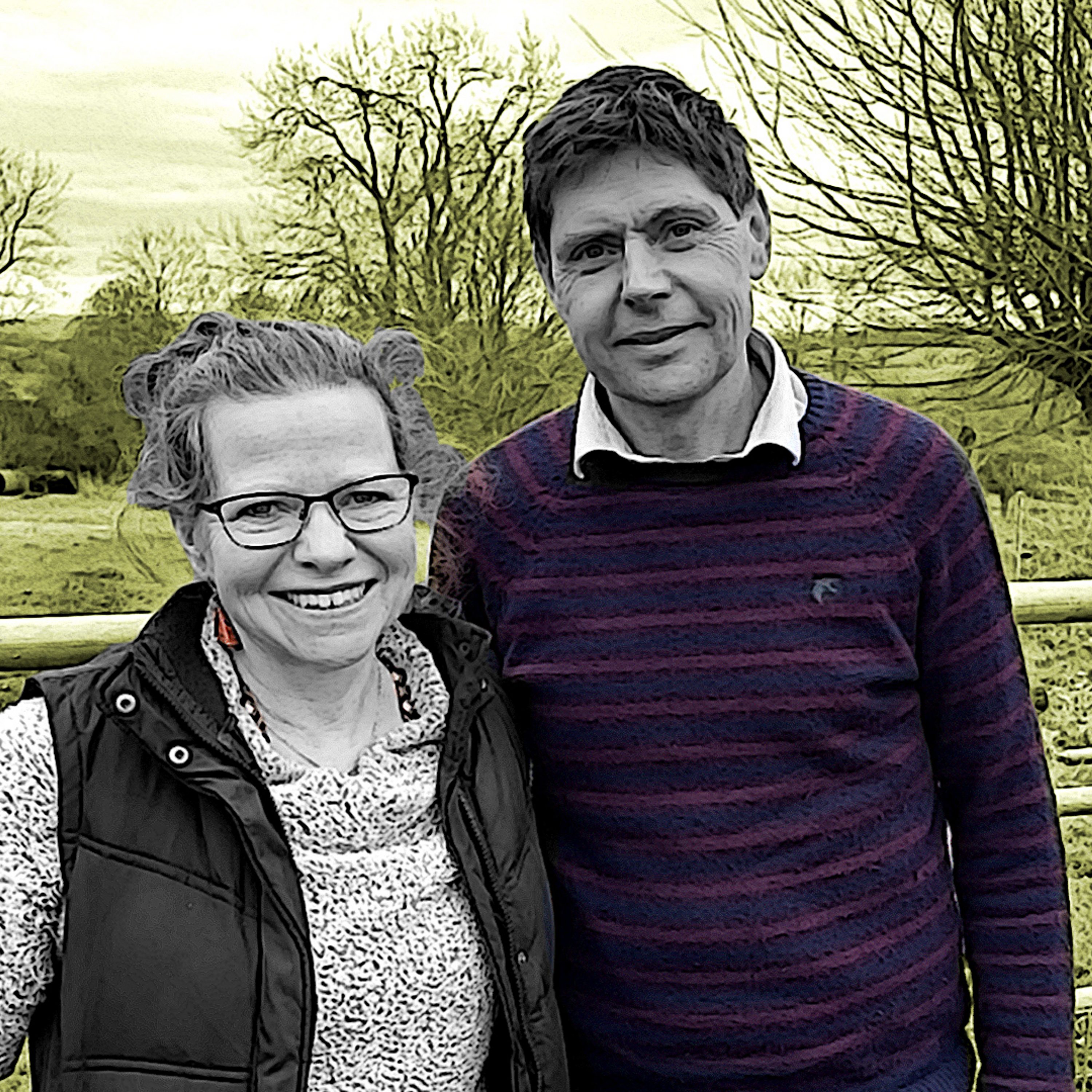
What’s the best way to produce affordable food, that’s good for the planet, and can feed us all? Is it even possible to have all three? In this programme, Grace Livingstone visits small and large farms in England and Argentina. She hears the case made for organic farming, and asks if it’s feasible for organic farms to produce enough food to feed a country. At a larger farm, she hears about why farmers rely on fertilisers and herbicides to produce large volumes of affordable food. Is it possible to farm in a way that increases biodiversity and protects the environment, whilst also remaining competitive? And what can we do as consumers to encourage and support greener farming? (Picture: Farmers Lizzie and Rob Walrond standing by a farm gate)Presented and produced by Grace Livingstone

Bringing dark kitchens into the light
Dark kitchens are the multi-block commercial units allowing virtual brands and events companies to prepare and deliver food. They’ve got a mysterious reputation, sometimes also called ghost kitchens, so The Food Chain wanted to see how they have expanded since the start of the Covid-19 pandemic. In this episode, presenter Rick Kelsey speaks to chefs who buy a place in them, and to the owners who build them. Gini and Eccie Newton run Karma Kitchen, one of the fastest growing dark kitchens in Europe. They describe how much it costs to move in, how the model has changed, and respond to the restrictions put in by local governments on the kitchens in Barcelona, France and the Netherlands. Peter Cook is someone who knows the owners of the biggest dark kitchens in the world. He has recently returned from Amsterdam where he ran the Ghost Kitchen conference, and explains how PR around the kitchens is improving as they become more open spaces. And Yousif Kurdi runs Your Kitchen across the Netherlands, including in Amsterdam. He tells Rick how working with the locals is always good for business.(Picture: A woman packing a paper delivery bag. Credit: Getty Images/BBC)Presented and produced by Rick Kelsey
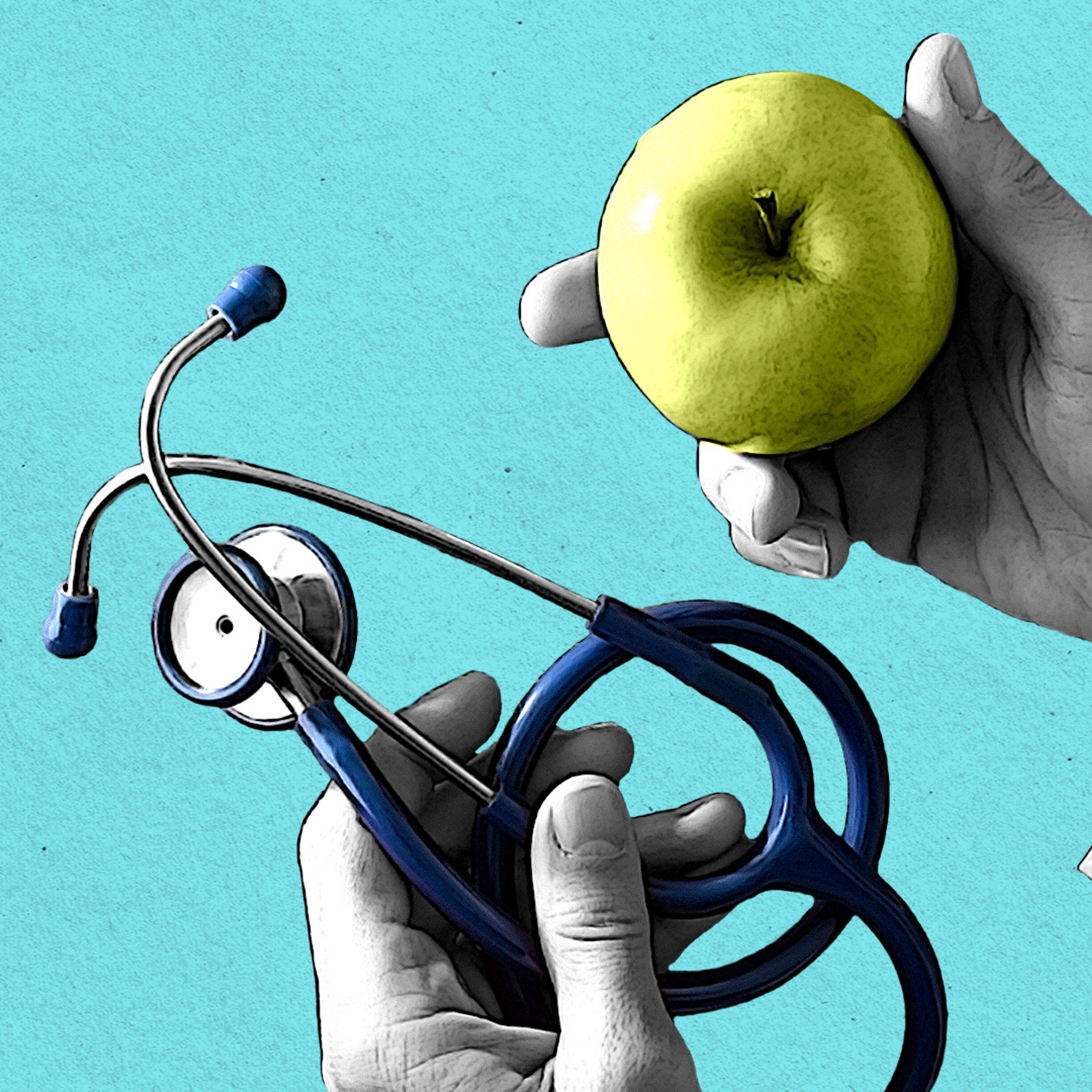
What do medics really eat?
Long days, unsociable hours, a hectic and pressurised workload – the working environment for health care staff is full of challenges. Maintaining a healthy diet in those conditions is tough. Two shift workers talk honestly about what they eat on the job, and get advice from a dietician. Ruth Alexander speaks to Scott Christmas, who’s on his eighth year of overnight shifts, to Tom Gibbons, a paramedic, and to Dr Linia Patel, dietician and performance nutritionist. If you would like to get in touch with the show, please email: [email protected](Picture: A pair of hands holding a stethoscope and an apple. Credit: Getty Images/BBC)Producer: Elisabeth Mahy
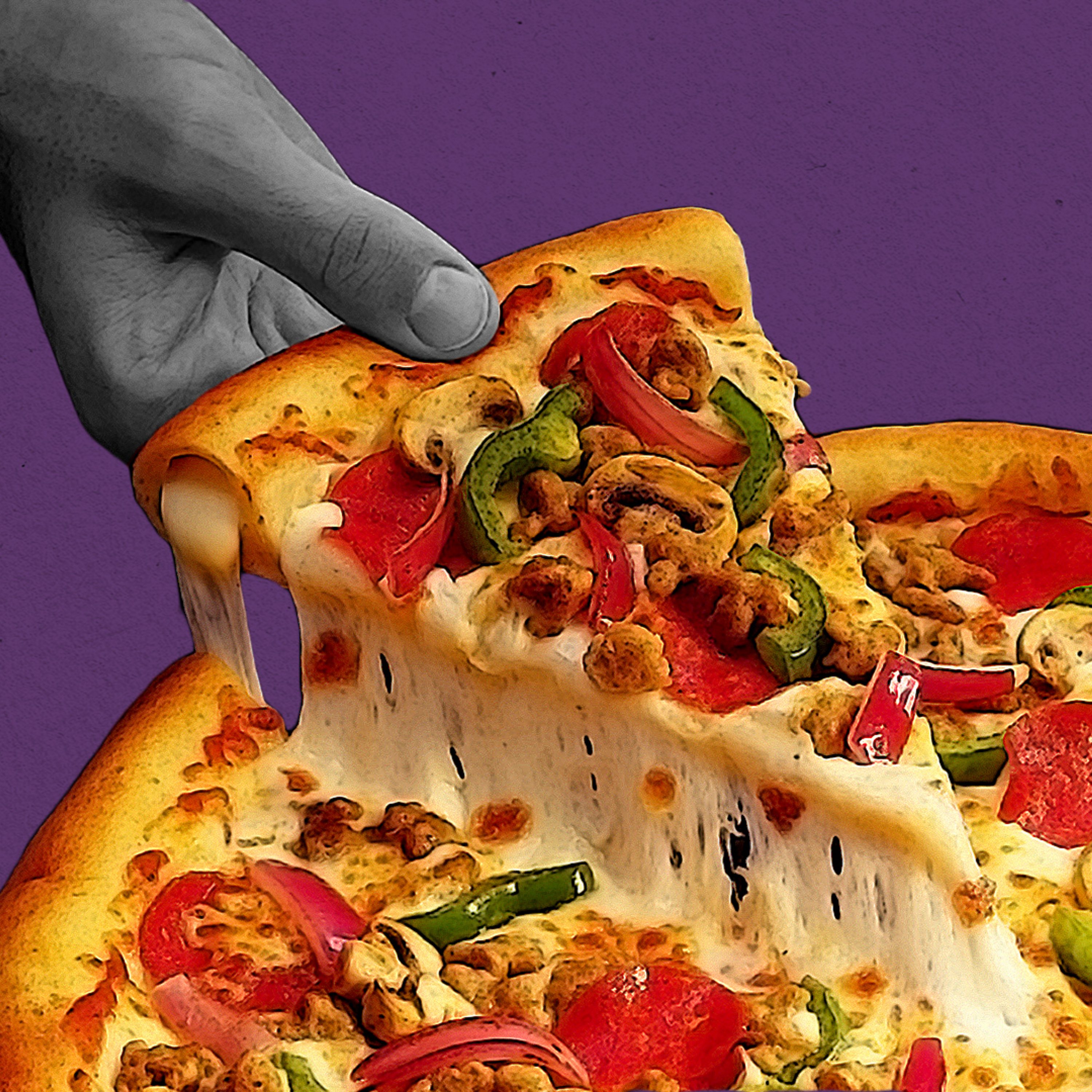
How to photograph food
Anyone who has taken a photo of their plate in a restaurant knows how hard it is to make food look good on camera. An industry is dedicated to advertising food products on TV, online and in print. What does it take to make a burger look delicious, desirable and realistic? And, most importantly, is any of the food in adverts real? In this programme, Ruth Alexander meets a food stylist, a food photographer, and a director of food commercials, who share their industry’s tips and tricks. She’s joined by stylist Claire Ferrandi Smythe in Johannesburg, South Africa, photographer Sue Atkinson in London, United Kingdom and food commercials director Steve Giralt in New York, United States, who has made a name for himself with flying food and robots. If you would like to get in touch with the show, please email: [email protected] Presented by Ruth Alexander. Produced by Beatrice Pickup. (Image: A hand lifting a slice from a pizza with cheese, peppers, mushrooms and meat. Credit: Getty Images/BBC)
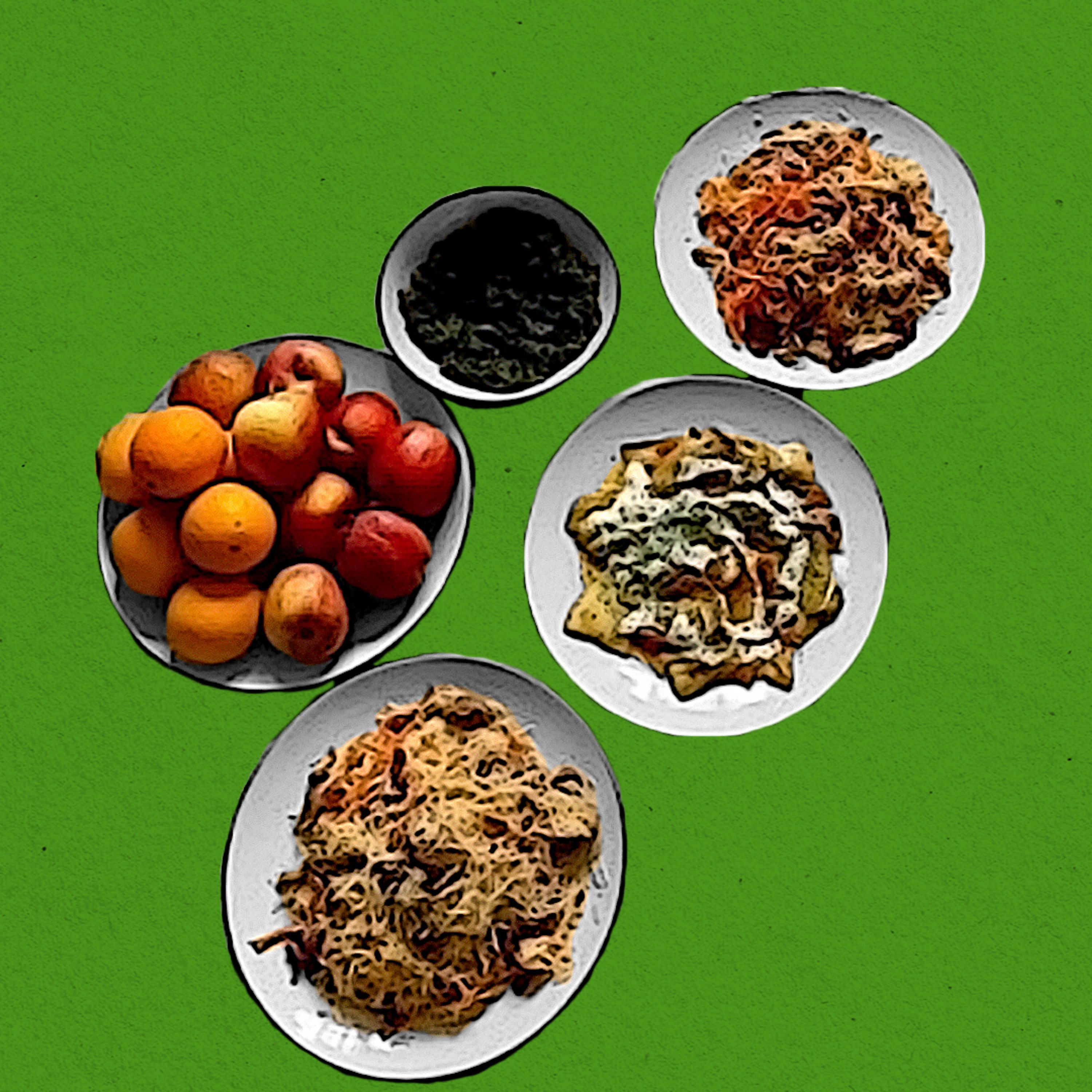
A taste of home
Facing the trauma of having to abandon your home because of war or climate change, how do you find solace in food that is no longer your own? There are 10 million registered refugees in the world – probably many more - who are living this reality. In this episode, Ruth Alexander speaks to two families – one Afghan, one Ukrainian - who know what it’s like to lose their food; and to Allison Oman Lawi, deputy director of nutrition at the World Food Programme. If you would like to get in touch with the show, please email: [email protected] Presented by Ruth Alexander. Produced by Rumella Dasgupta. (Image: a selection of dishes enjoyed by an Afghan family living in the UK. Credit: BBC)
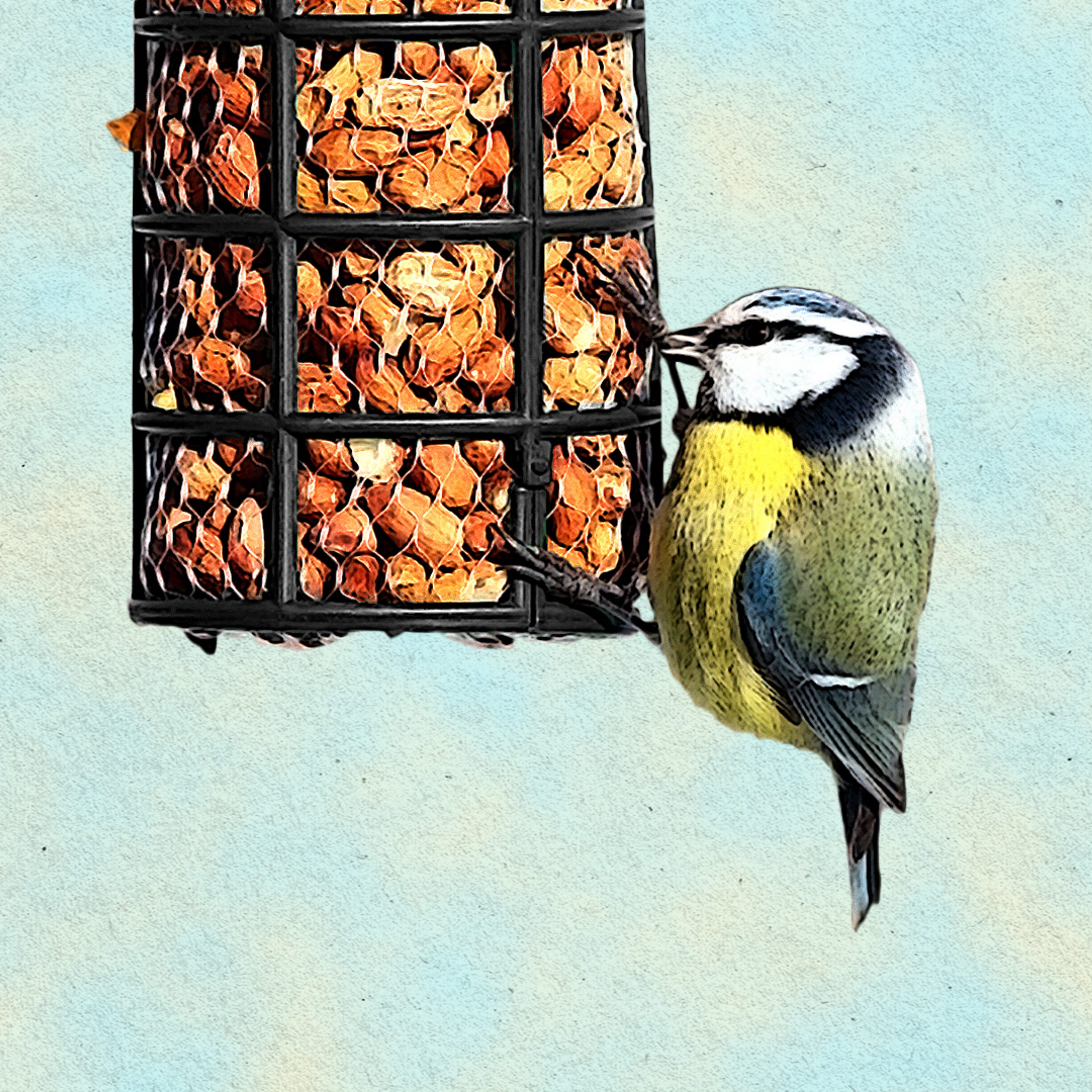
The joy of feeding birds
Humans have been accidentally feeding wild birds for millennia; any leftover food scraps to be scooped up by opportunistic, feathered friends. The deliberate feeding of birds, however - placing seeds out on a feeder in the garden, taking crumbs to a nearby park or lake – is a more recent, cultural phenomenon. In some countries, it has deep significance and one of the most popular ways humans interact with wild animals – and it’s big business. In other places, it’s practically unheard of. So, why do humans feed wild birds? In this programme, Ruth Alexander delves into the many aspects of this human-animal interaction and asks the question; who’s benefiting more, the birds or us? Ruth speaks to urban ecologist, Dr Darryl Jones, in Kuala Lumpur, Malaysia, and to keen bird feeders Dan DeBaun, in Minnesota, US; Fung Sing Wong in Singapore; Bylgja Valtýsdóttir in Reykjavík, Iceland; and Antony Tiernan, in Surrey, UK. If you would like to get in touch with the show, please email: [email protected] (Picture: Blue tit on garden feeder. Credit: Getty Images/BBC)Producer: Elisabeth Mahy
Feeding the VIPs
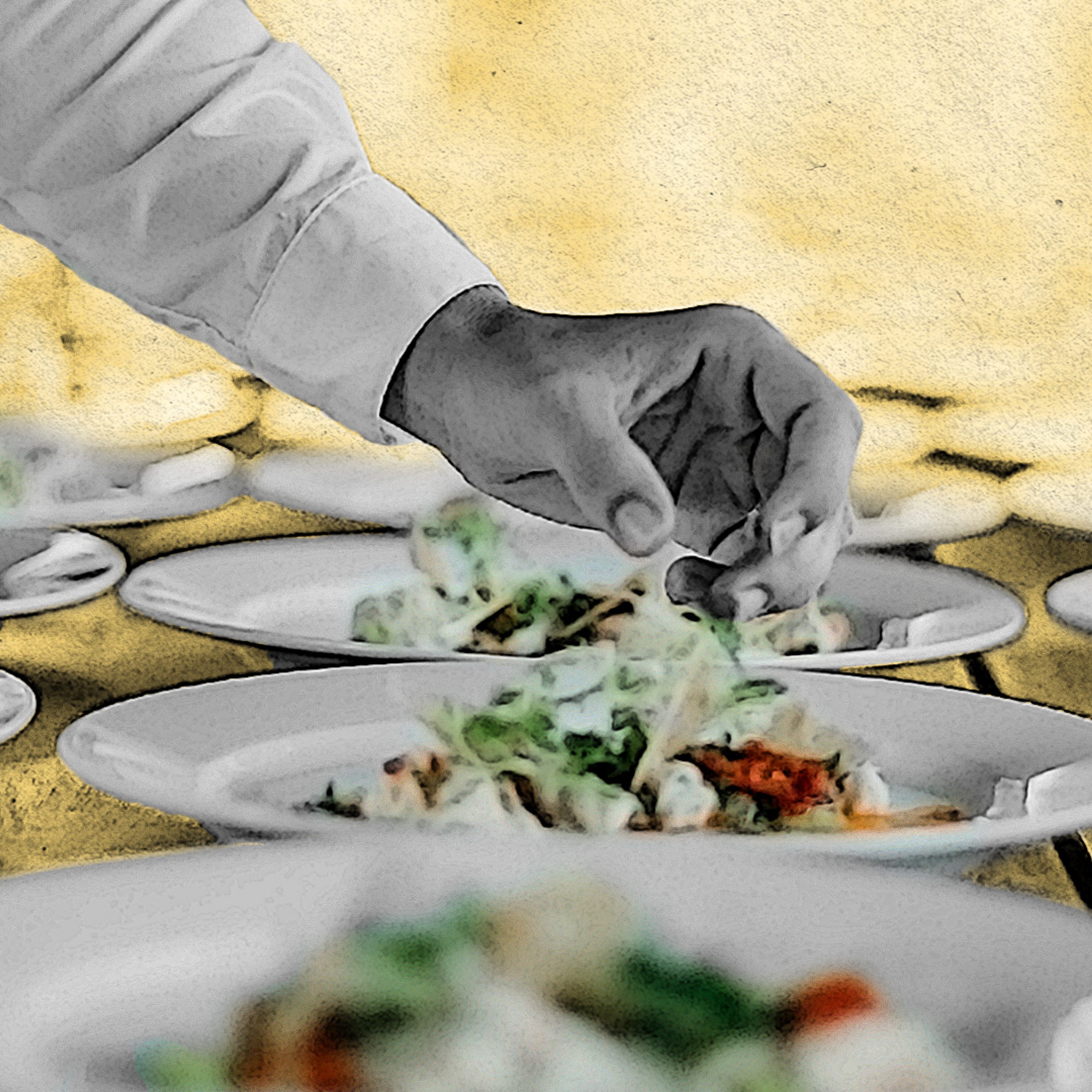
How do you make Michelin Star-level food, for hundreds of people, in a kitchen you just built in someone’s garden, and with no access to cooking gas? That’s just a typical scenario facing chefs in the world of high end mass catering. In this episode, we hear from John Downey, the Catering Manager at the Web Summit tech conference, on the pressures of feeding high profile figures, and VIPs who've spent $26,000 on a ticket. We also hear from Matt and Ted Lee, authors of the book Hot Box: Inside catering, the food world's riskiest business. They tell us about the stresses and often extraordinary challenges of providing high end food, at scale, at some of the USA’s most fancy weddings and galas.Presenter: Marie Keyworth Producer: Sarah Treanor(Picture: A chef's hand, putting the final touches to some dishes. Credit: Getty Images/BBC)
The growth of food banks in Africa
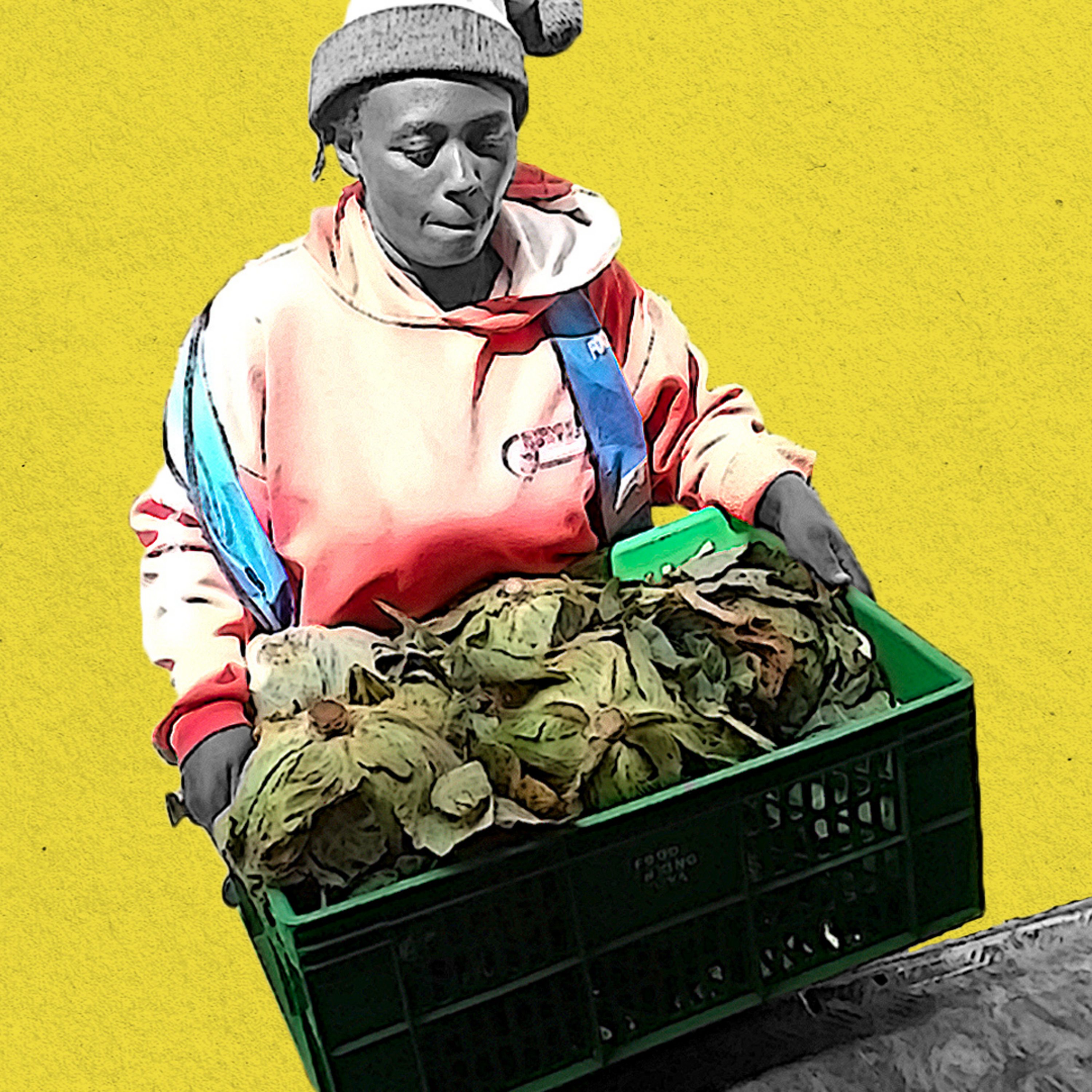
Food banks have operated for decades in North America and Europe. They are generally operated as non profits, connecting food businesses that have waste with individuals, families and charities that need food. In 2006 there was just one African food bank in Egypt. A second opened in South Africa in 2009. Today there are around twenty five across the continent. In this programme we look at how African countries have adapted food banks to their needs, and hear how they address criticisms that the food bank model itself is flawed when it comes to addressing food poverty. We ask Nairobi based reporter Michael Kaloki to spend a day with Food Banking Kenya, and its founder and CEO John Gathungu. Michael visits their warehouse storage, meets small holder farmers donating surplus food, and speaks to women living in some of Nairobi’s informal settlements that rely on food donations. Ruth Alexander speaks to Elijah Addo, who founded one of Africa’s first food banks in 2015, Food for All Africa in Ghana. Gaby Kafarhire at The Global FoodBanking Network, based in Chicago in the United States, talks about the particular challenges African food banks face. And researcher Gareth Haysom at the African Centre for Cities at the University of Cape Town shares his concerns about the current system. Presented by Ruth Alexander. Produced by Beatrice Pickup. Additional reporting by Michael Kaloki in Nairobi. (Image: a food bank worker lifting a crate of vegetables onto a truck. Credit: BBC)
What's the best pasta shape?
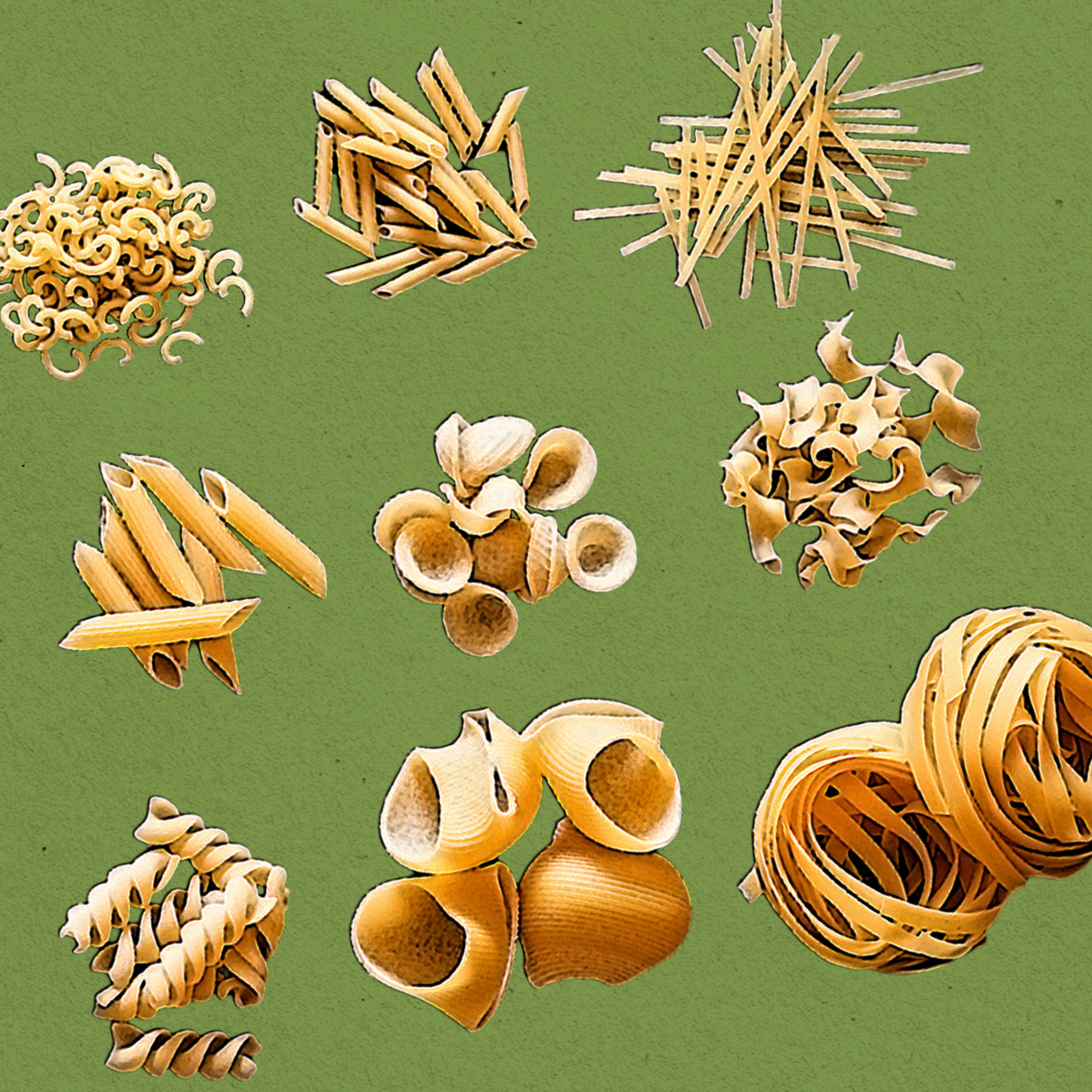
Spaghetti, penne, farfalle, gnocchi, lasagna – just a few of the 300-plus shapes of pasta in existence. And there are some very strong opinions about them. This Italian staple is one of the world’s most popular foods and one of the most versatile. In this programme, Ruth Alexander delves into the history, culture and passions of pasta-making to ask a controversial question – what is the best pasta shape? She speaks to restaurateur Elisa Cavigliasso and chef Giulia Martinelli, from The Pasta Factory in Manchester, UK; pasta historian Luca Cesari, in Bologna, Italy; pasta shape inventor and host of the Sporkful podcast, Dan Pashman, in New York; and Andrea Butti, co-owner of Dominioni Pasta, a pasta machine manufacturer near Como, Italy. If you would like to get in touch with the show, please email: [email protected](Picture: Nine small piles of different pasta shapes. Credit: Getty Images/BBC)Producer: Elisabeth Mahy
What's the big deal about fine dining?
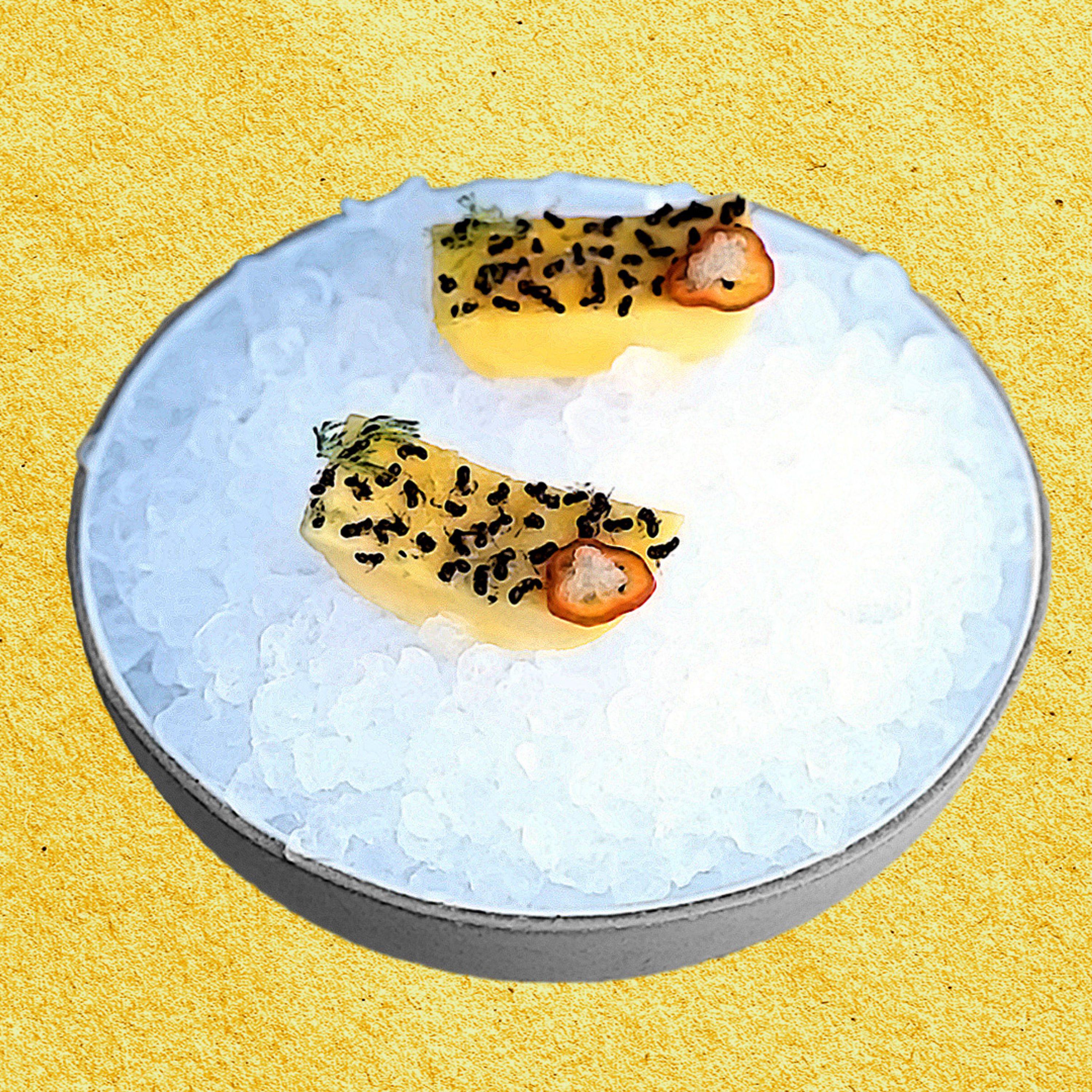
Noma – considered by some to be the ‘world’s best restaurant’ - has announced it will close in 2024. The news has prompted headlines around the world and a renewed discussion about the culture of fine dining, and whether it is sustainable as a business model. In this programme, Ruth Alexander asks ‘what’s the big deal about fine dining?’. Is it an industry that exists only for the very wealthy, or do its innovations and trends affect how we all eat? Ruth is joined by Pete Wells, restaurant critic for The New York Times, who ate at Noma in Copenhagen in 2018. Food historian Dr Rachel Rich at Leeds Beckett University in the UK talks about the history of fine dining, and the celebrity chefs of the 19th century. Chef Sarah Francis knows what it is like to be at the top of your game but want to do something different – in 2018 she and her partner gave back the Michelin star awarded to their restaurant The Checkers in Wales. And BBC World Service listeners and self-confessed ‘foodies’, Casey Griffiths in the UK and Pamela Garelick in Greece, tell Ruth about their best and worst fine dining experiences. Presented by Ruth Alexander. Produced by Beatrice Pickup.
Why can’t my child swallow?
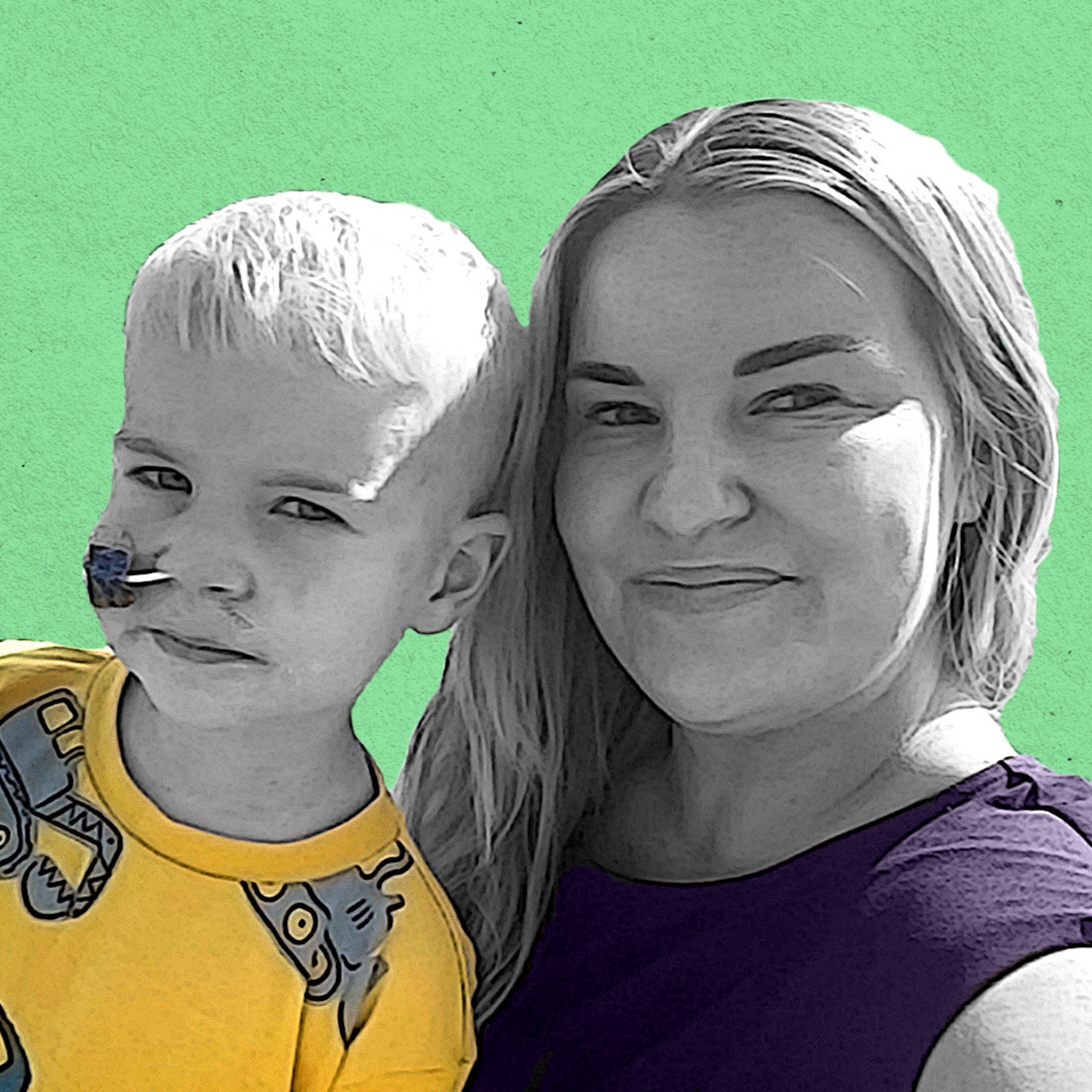
To feed a child is fundamental to a parent, it’s instinct. But what if your baby can’t swallow?After receiving lots of emails to a programme we made on dysphagia – or swallowing difficulties – we were asked to explore the condition as it affects children.In this edition, Ruth Alexander speaks to parents Kelly Rose, in the UK, and Melanie and Sean Hoffman in Canada, about how they manage their children's conditions and their relationship with food; and to a doctor, Professor Hamdy El-Hakim, who is on a mission to ensure dysphagia is better understood. And we hear from the children themselves. Three-year-old Bodhi and five-year-old Ophelia share their thoughts about food.If you would like to get in touch with the show, please email: [email protected](Picture: Bodhi and his mother Kelly Rose. Credit: Kelly Rose/BBC)Producer: Elisabeth Mahy

The ghost writers
Who wrote the cook books on your kitchen shelves? For many celebrity chefs, a cook book, or several, is an obvious way to extend their brand. But if they don’t have the time or the skills to write one, they may hire a ghost writer or co-author to work with them. It’s not just writing, the work can involve project management, recipe testing, meeting deadlines and handling some big egos. Sometimes writers are credited on the cover of the book, sometimes in the introduction, sometimes not at all. In this programme Ruth Alexander meets two people who have worked as ghost writers on cookbooks. JJ Goode lives in New York in the United States; he’s credited on the cover of many celeb chef cookbooks, and recently won a prestigious James Beard award for the book he wrote with Gregory Gourdet, ‘Everyone’s Table: Global Recipes for Modern Health’. Signe Johansen is a Norwegian American trained chef and food writer living in London; she worked as a ghost writer on cookbooks early in her career before publishing her own, such as ‘Solo: The Joy of Cooking for One’. Presented by Ruth Alexander. Produced by Beatrice Pickup. (Image: ghostly-looking open book. Credit: Getty Images/BBC)
The opera singer's diet
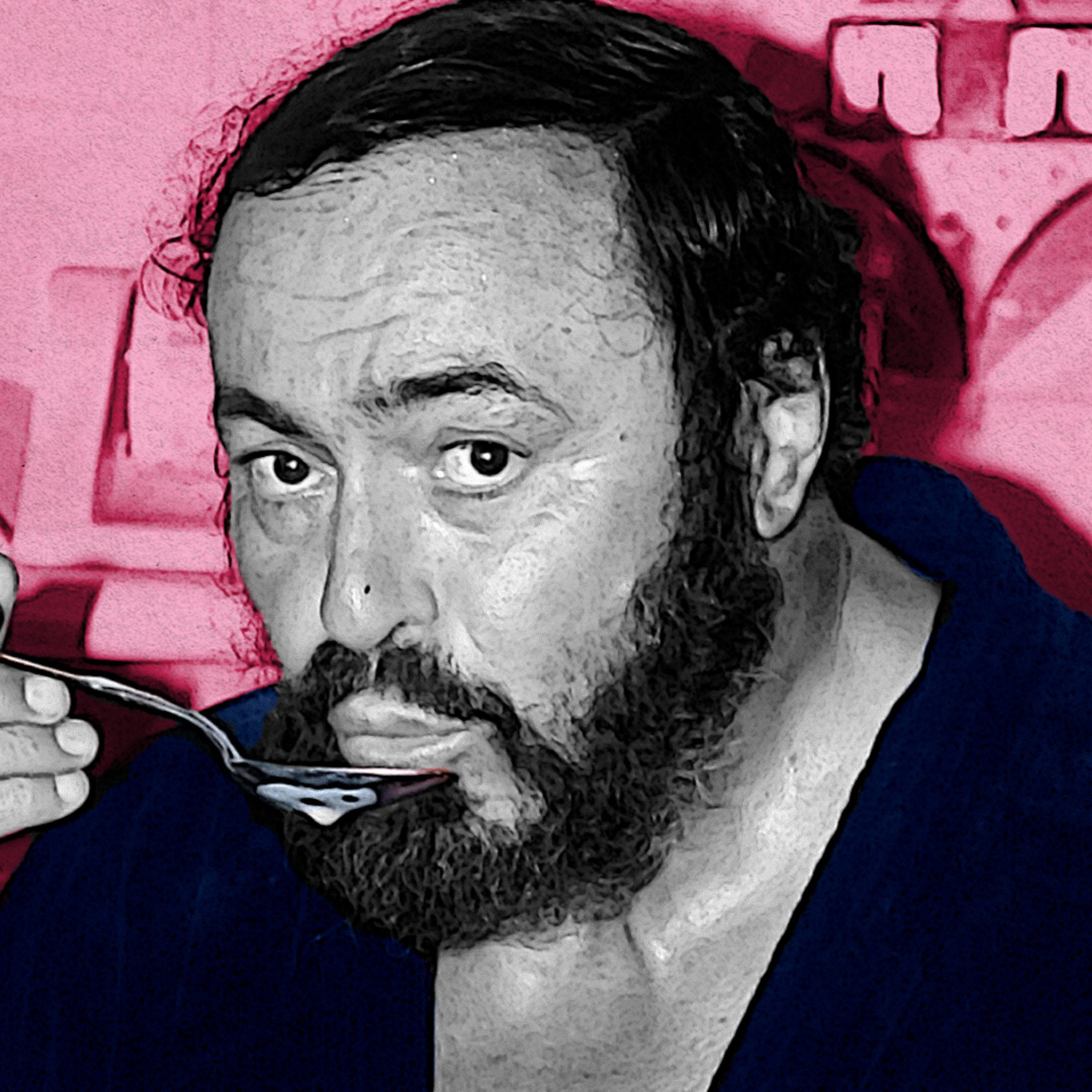
Opera is viewed as something of an endurance sport in the musical world. Hours spent on stage, in costume, doing a very physical job far away from home comforts can take its toll on the body if it’s not adequately fuelled. As Ruth Alexander discovers in this programme, diet is of paramount importance to a professional singer. Sopranos Rachel Nicholls and Lucy Schaufer, and Fred Plotkin - opera and food writer and friend of Luciano Pavarotti – share the secrets of the relationship between singing and sustenance, and what foods can help achieve a star performance. If you would like to get in touch with the show, please email: [email protected] piece of music at the start and end of this programme is If Music be the Food of Love, by Henry Purcell. Performed by Rachel Nicholls.(Picture: Pavarotti eating from a spoon. Credit: Getty Images/BBC)Producer: Elisabeth Mahy
Chefs who changed course
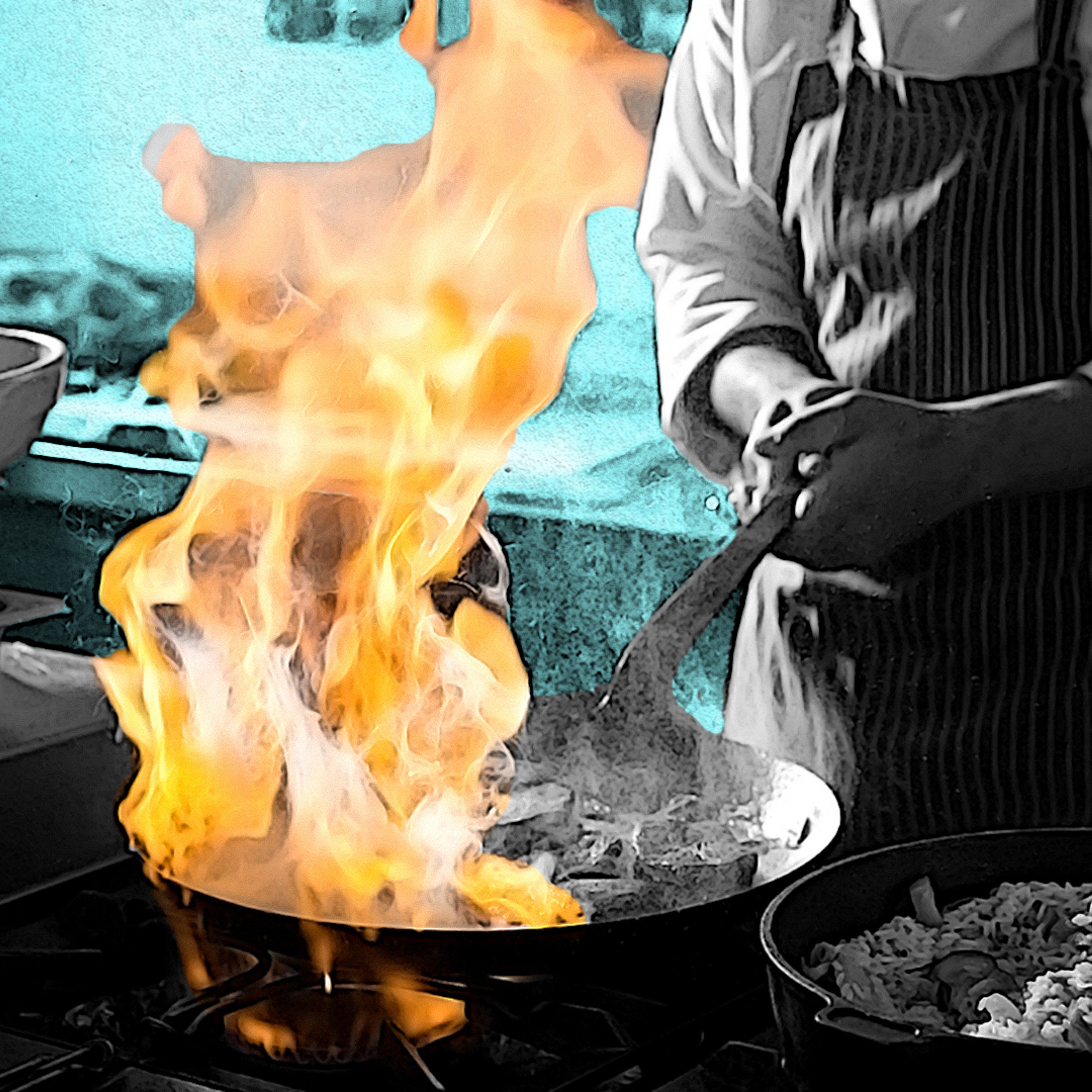
Working as a chef can be creative and rewarding when people love your food, but it can also be demanding, requiring long and antisocial hours. In this programme we hear about the highs and lows of working in some of the world’s best kitchens, and why it ultimately isn’t right for everyone. Ruth Alexander speaks to three chefs who chose to leave the profession. Former head chef Philip Barantini in the UK is now a TV and film director, his film Boiling Point, released in 2021 is about a chef struggling to run a successful restaurant. Genevieve Yam left behind Michelin starred restaurants in New York to become a food writer, she’s currently culinary editor at the website Serious Eats. Riley Redfern was a pastry chef in Michelin starred restaurants in San Francisco and New York, having lost her job in the pandemic, today she has a new career as a software developer. If you’ve been affected by any of the issues raised in this programme, such as alcohol and drug dependance, you can access support via the BBC Action Line page - https://www.bbc.co.uk/actionline/ Excerpts from Boiling Point used courtesy of Vertigo Releasing. Presented by Ruth Alexander. Produced by Beatrice Pickup. (Image: chef cooking with open flame in frying pan in a professional kitchen. Credit: Getty Images/BBC)
Cooking with love
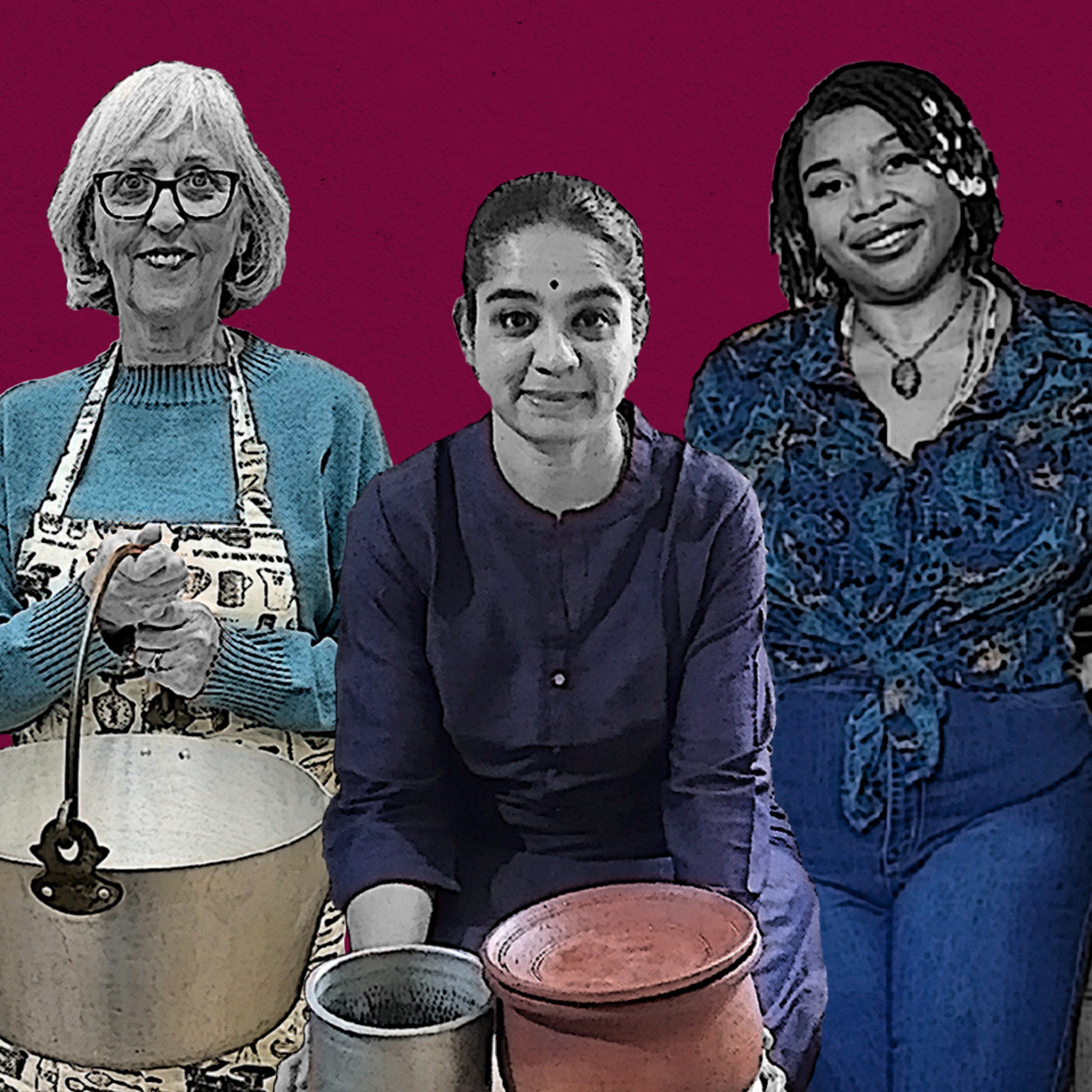
Why hold on to an old clay pot, a worn-out metal spoon, or a plain glass bowl? Earlier this year, we made a programme celebrating old and cherished cookware and received a huge response from World Service listeners. So, in this edition, Ruth Alexander hears your stories of the poignance that can be found in the most unassuming kitchen utensil, and explores a few other tales we’ve uncovered of cooking with love. If you would like to get in touch with the show, please email: [email protected]: Elisabeth Mahy Researcher: Siobhan O'Connell
A Ukrainian table at Christmas
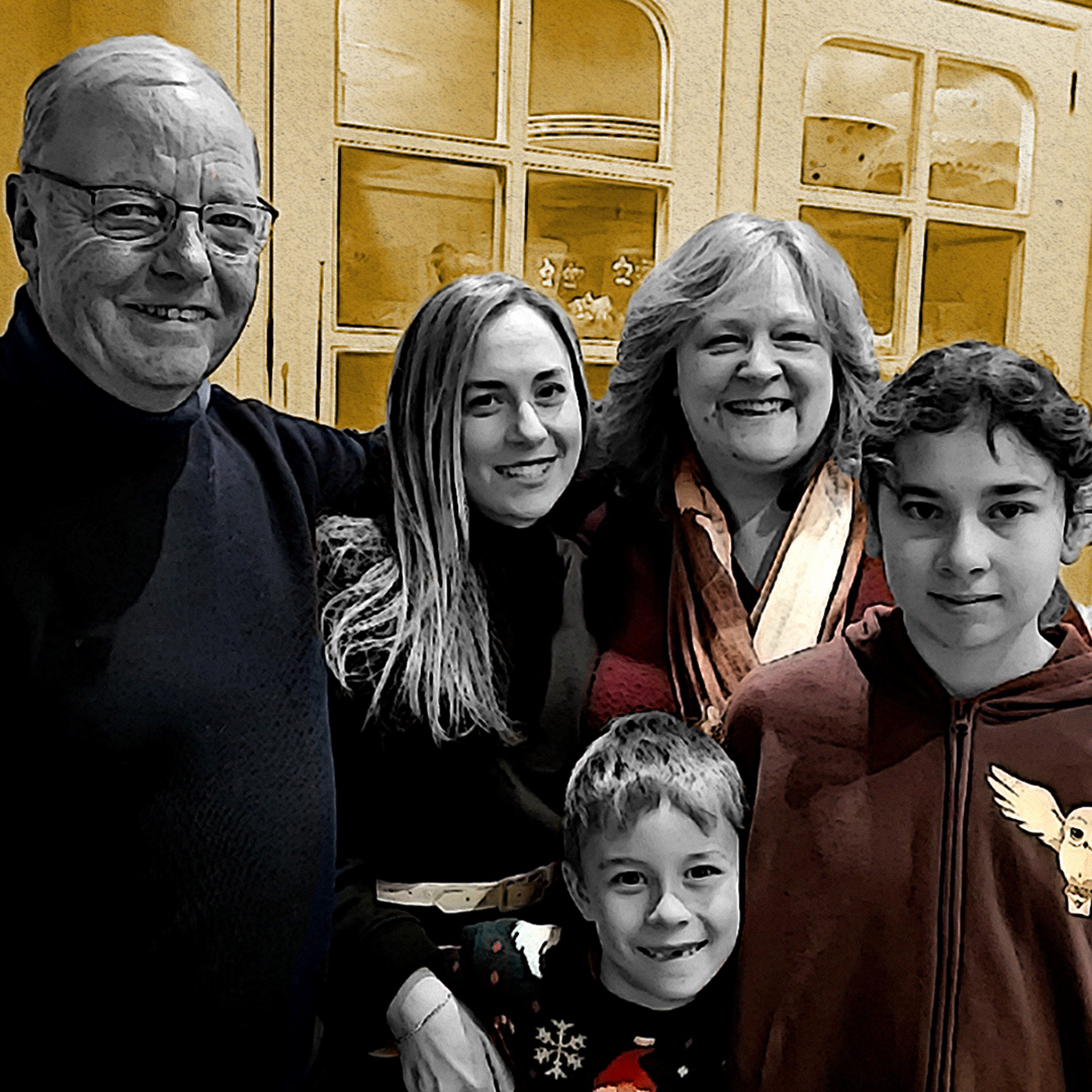
Ukrainian cookbook writer Olia Hercules reflects on why it's important to mark this festive season, and the traditional dishes she’ll be serving at the Christmas table in London this year. Ruth Alexander speaks to Olia and her Russian born friend and fellow food writer, Alissa Timoshkina, to discuss how these food traditions have developed and how relatives and friends will be marking Christmas in the war-torn country, ten months on from Russia’s invasion. Ruth also sits down with a Ukrainian family of refugees and their British hosts in Blackburn in the North of England to find out what will be on their Christmas table this year, and what it’s like to be separated from loved ones at this time. For Mariya Dmytrenko and her children, Krystina and Artem, and their hosts Brian and Julie Lamb, food has provided opportunities to bond and learn about each other’s cultures as they share a home. If you would like to get in touch with the show, please email: [email protected] Presented by Ruth Alexander Produced by Beatrice Pickup (Image: Mariya Dmytrenko and her children Krystina and Artem in Brian and Julie Lamb’s kitchen in Blackburn England. Credit: BBC)
Hard to swallow
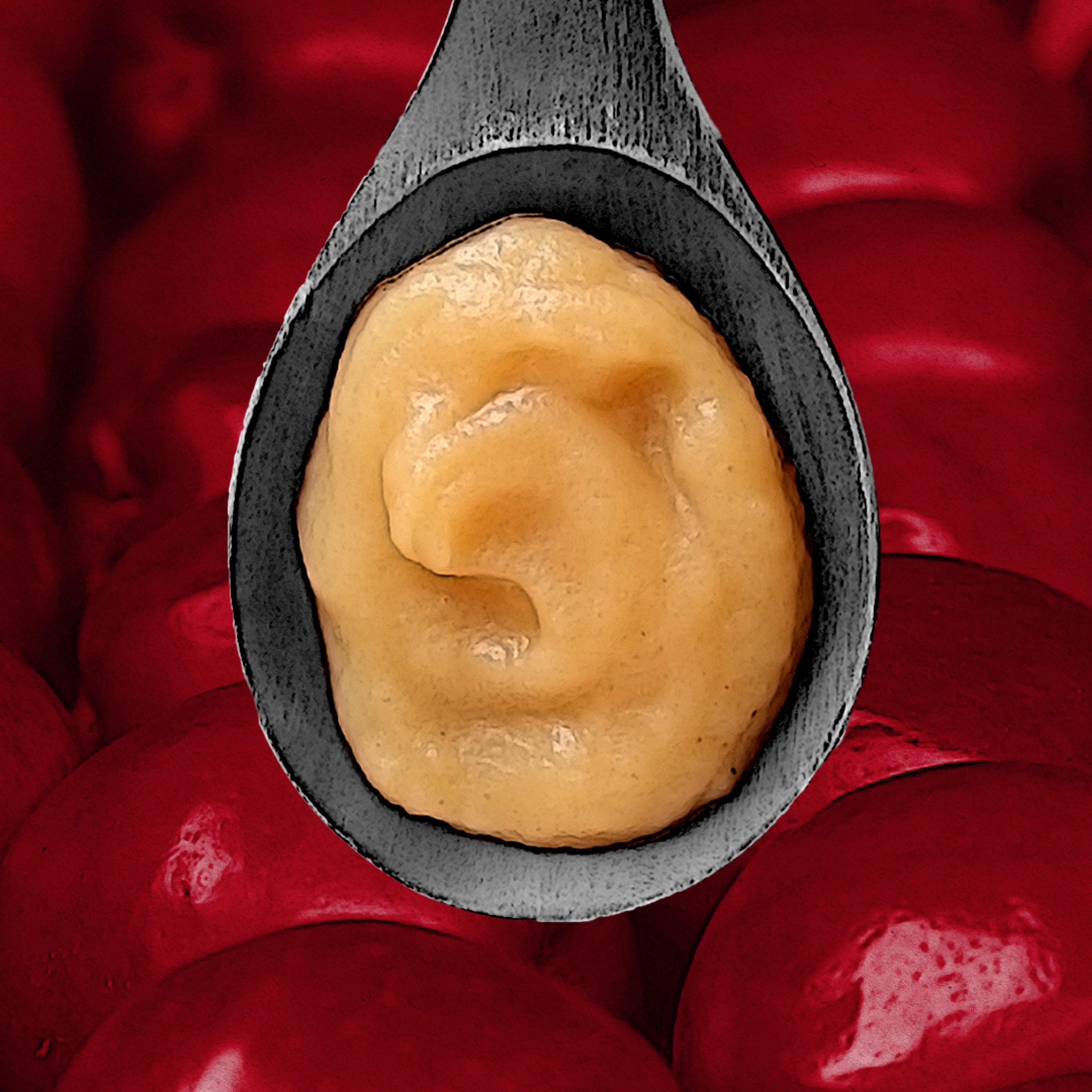
Can you imagine what you would miss if you lost the ability to eat? Swallowing is something most of us take for granted, but around 8% of the general population are believed to experience some difficulty swallowing – known as dysphagia. In this programme, Ruth Alexander talks to one of the estimated hundreds of millions of people who have struggled with swallowing food and drink, and to those who are trying to make the condition better understood. She speaks to California-based Sonia Blue, who lost the ability to swallow after having surgery; chef Niamh Condon, in Cork, Ireland; and Professor Bronwyn Hemsley, head of speech pathology at the University of Technology Sydney, Australia. Always seek advice from a qualified health care professional with any questions you may have regarding a medical condition. If you would like to get in touch with the show, please email: [email protected](Picture: Pureed apple on a spoon. Credit: Getty Images/BBC)Producer: Elisabeth Mahy

Why does Africa import a lot of food?
2022 has seen record food prices. Many African countries have been badly hit because they import their staples – wheat, rice and oil. A lack of infrastructure and capacity in some countries means that food grown in Africa is often not processed into packaged food products, instead those items are imported from outside of the continent. In this programme we speak to two women who run food businesses in Zambia and Ghana, to talk about the impact of rising food costs, and whether this year’s food crisis could be the impetus for Africa to be more self-sufficient. Ruth Alexander is joined by Monica Musonda, founder and CEO of Java Foods, which manufactures fortified noodles and cereal products in Zambia and Yvette Ansah who owns two restaurants, Café Kwae and Kwae Terrace in Accra, Ghana, BBC West Africa business reporter Nkechi Ogbonna joins from Nigeria, Africa’s biggest economy by gross domestic product to talk about the impact of rising food costs there. Presented by Ruth Alexander. Produced by Beatrice Pickup. (Image: aerial view of a large ship transporting rice, unloading cargo onto smaller ships. Credit: Getty/BBC)
Eggonomics
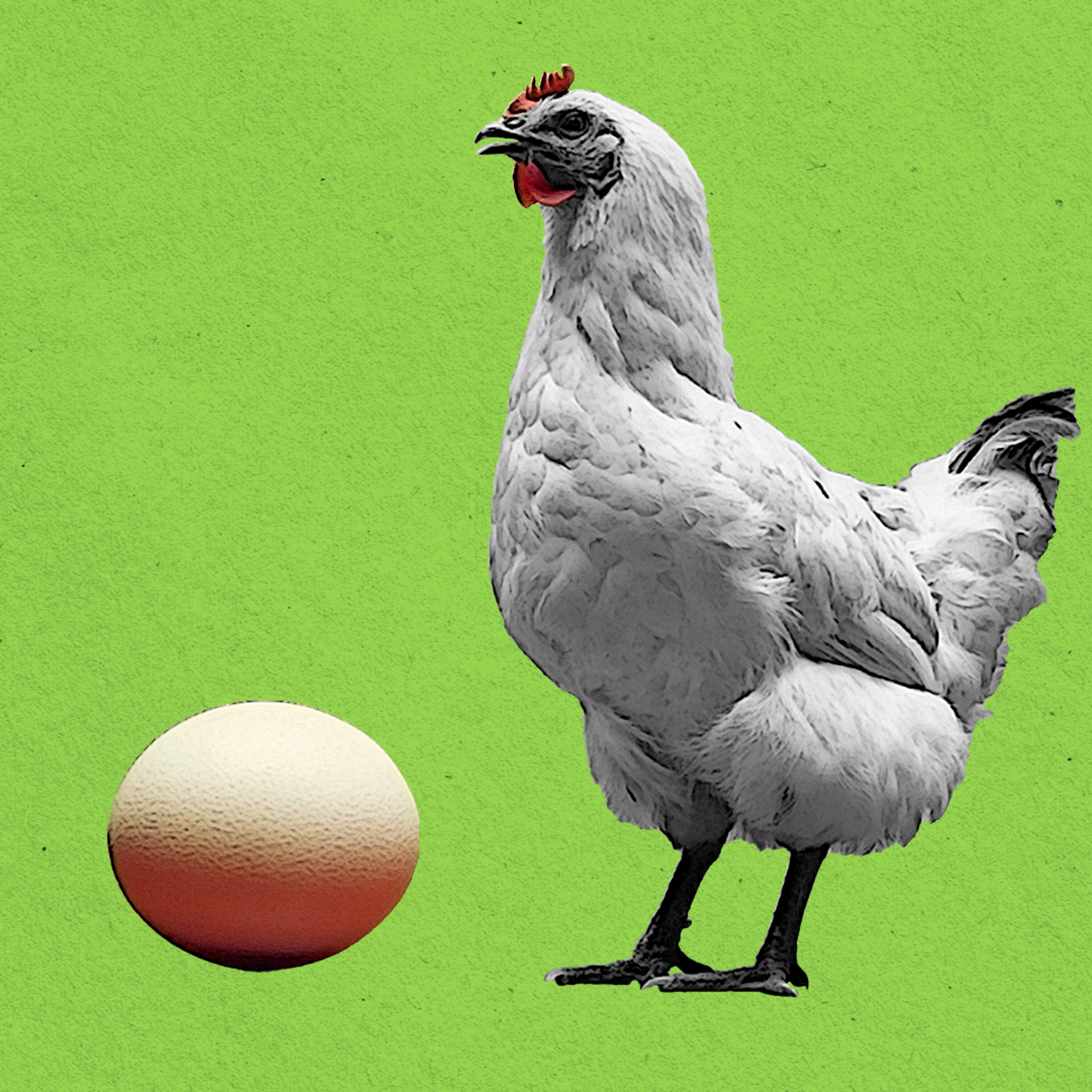
Eggs – a nutritious and affordable source of protein. Or they were. The cost of a box of eggs has been rocketing around the world. And in some places, where it’s long been common to start the day on an egg – supplies are under pressure. In this programme, Ruth Alexander explores the challenges egg producers are facing - including what can be done about the seemingly ever-present threat of avian influenza. She speaks to Amanda Mdodana, a poultry farmer in Mpumalanga, South Africa; Phillip Crawley, a poultry farmer in Leicestershire, UK; Mark Jacob, poultry and egg economist in Arkansas, US; and Professor Munir Iqbal, head of the Avian Influenza Virus group at the Pirbright Institute, UK. If you would like to get in touch with the show, please email: [email protected](Picture: A chicken standing next to an egg. Credit: Getty/BBC)Producer: Elisabeth Mahy
Samuel Ikua: Global Youth Champion 2022
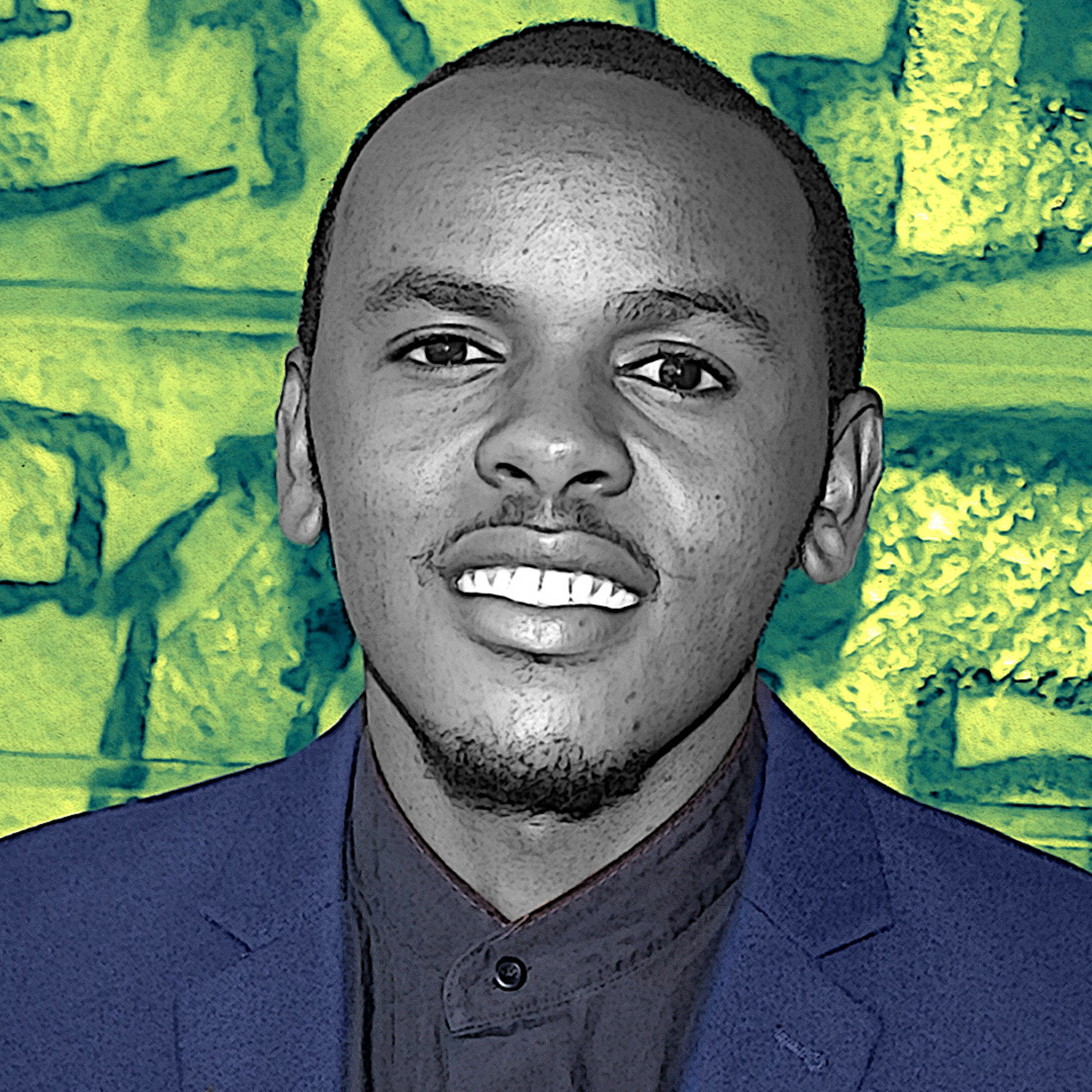
Samuel Ikua is championing urban farming in his city, Nairobi in Kenya. Samuel undertook an urban farming course in 2015, run by a local NGO called the Mazingira Institute. Seven years later Samuel is the project coordinator at the institute, training other members of his community in urban farming skills. In this programme Ruth Alexander hears about the challenges Samuel faces, a lack of space and land, and local attitudes to farming in a big city. Samuel’s commitment to food security in Nairobi saw him chosen by a panel of international judges as the winner of The Food Chain Global Youth Champion Award 2022. If you would like to get in touch with the show, please email: [email protected] Presented by Ruth Alexander. Produced by Beatrice Pickup. Additional reporting by Michael Kaloki in Nairobi.(Image: Sameul Ikua. Credit: Timothy Ivusah/ BBC)
Food as rehabilitation
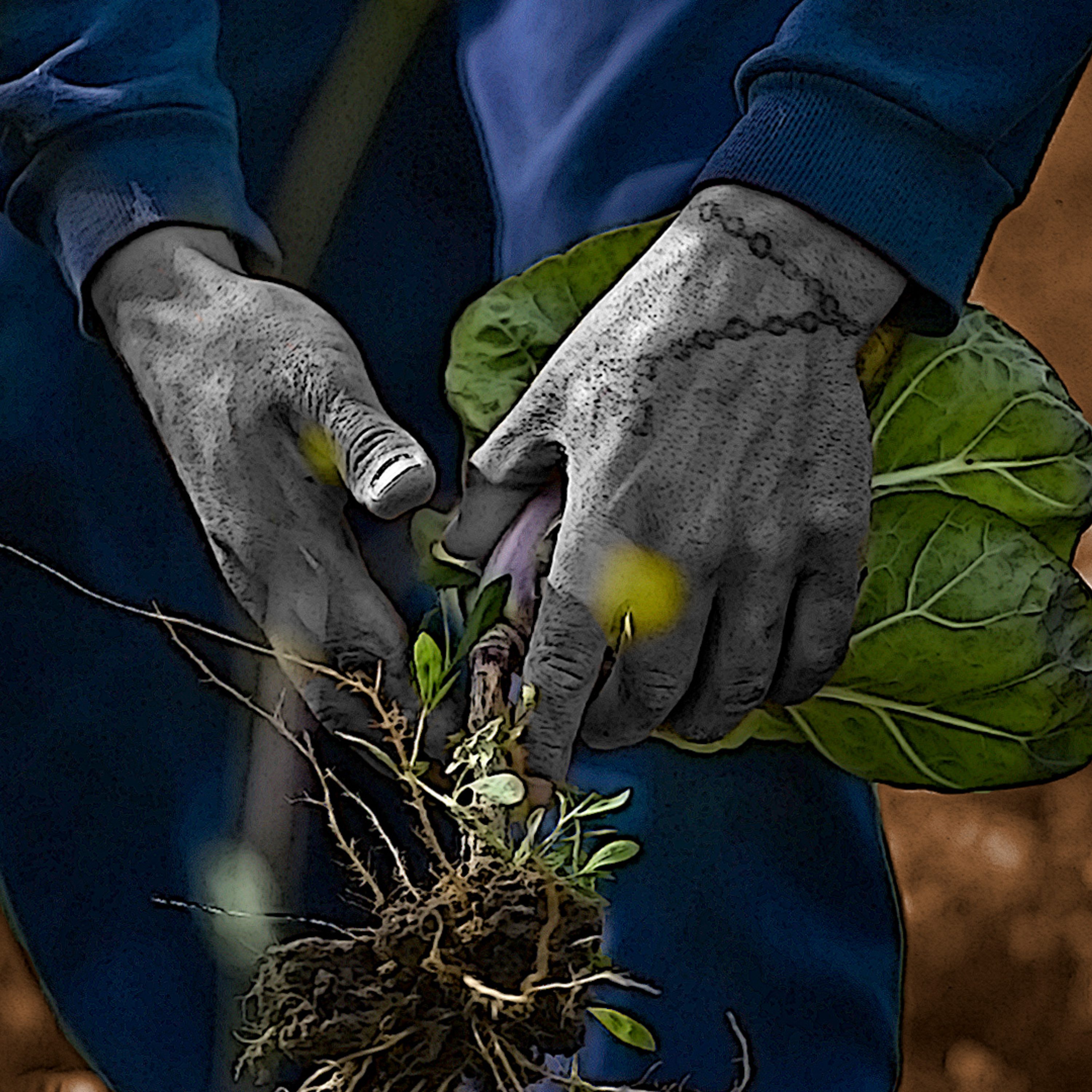
Food behind bars is not intended to be a Michelin-starred affair. But prison food reformers claim some of it is so bad that it could be hampering the rehabilitation of inmates. Nutritious and tasty meals, they argue, can improve the physical and mental health of those serving prison sentences and therefore cut reoffending rates. And food skills; like cookery, baking and farming, could help in the rehabilitation process too. In this programme, Ruth Alexander speaks to three people with detailed knowledge of food in prison environments to explore the good, the bad and the ugly of eating in incarceration, and the power of food. Ruth speaks to Alex Busansky, head of research centre Impact Justice; Lucy Vincent, founder of the charity Food Behind Bars; and ex-offender, now consultant on prison reform, Sophie Barton-Hawkins. If you would like to get in touch with the show, please email: [email protected] (Picture: Prisoner harvests a cabbage grown on prison land. Credit: Getty/BBC)Producer: Elisabeth Mahy
Eating With Our Ears: The Sound of Food
How does sound influence the way we eat, drink and taste? We discover our hearing makes a bigger contribution to flavour than we think. Mike Johnson explores the concept of 'sonic seasoning' - the idea that different sounds can accentuate the sweetness, bitterness or spiciness of food. Chef Jozef Youssef, founder of the multi-sensory dining experience Kitchen Theory, serves up a musical food experiment, and Charles Spence, professor of experimental psychology at Oxford University, gives his track recommendations.From the crunch of a crisp to the background music in a restaurant, we examine the science that links our ears and taste buds with a journey into the brain flavour network.Plus, how the food and drink industry is cashing in on the selling power of sound - we speak to branding expert Martin Lindstrom about his painstaking work with some of the world's biggest fizzy drink manufacturers.Also, could the concept of sonic seasoning be used in the battle against diabetes and obesity?(Photo: Apple and headphones. Credit: LdF, Thinkstock. Soundscapes credit: Condiment Junkie)

Island diets
In this programme we explore the realities of island diets. Ruth Alexander hears how diets are changing, and what this means for population health. Indigenous diets were limited to what grew in the native soil or could be raised or caught in the limited space available. Today imported, often processed foods are becoming increasingly popular. We start in the Faroe Islands, in the North Atlantic Ocean between Iceland and the United Kingdom. Traditionally the Faroese diet is protein heavy, fermented wind dried lamb is a staple and the poor soil makes growing a wide range of vegetables challenging. Reporter Tim Ecott travelled to the Faroe Islands for this programme to report on how diets there have changed. We then look South to the Pacific Islands, starting with the coral atoll nation of Kiribati. The coral ground makes it difficult to grow food to supplement the diet of seafood. Ruth speaks to dietitian and public health nutritionist Dr Libby Swanepoel from the Australian Centre for Pacific Islands Research based at the University of the Sunshine Coast, Libby makes the case for seaweed cultivation to supplement diets and incomes. In contrast the nation of Fiji in the Pacific Ocean has volcanic soils, and an array of fruit and vegetables can be grown. Despite this communities have increasingly turned to imported processed foods, contributing to a health crisis. Sashi Kiran, founder of FRIEND Fiji - the Foundation for Rural Integrated Enterprises and Development – talks about how this can be addressed. Presented by Ruth Alexander. Produced by Beatrice Pickup. (Image: part of the Kiribati island nation, palm tree covered island surrounded by blue sea. Credit: Getty/BBC)
The buffet business
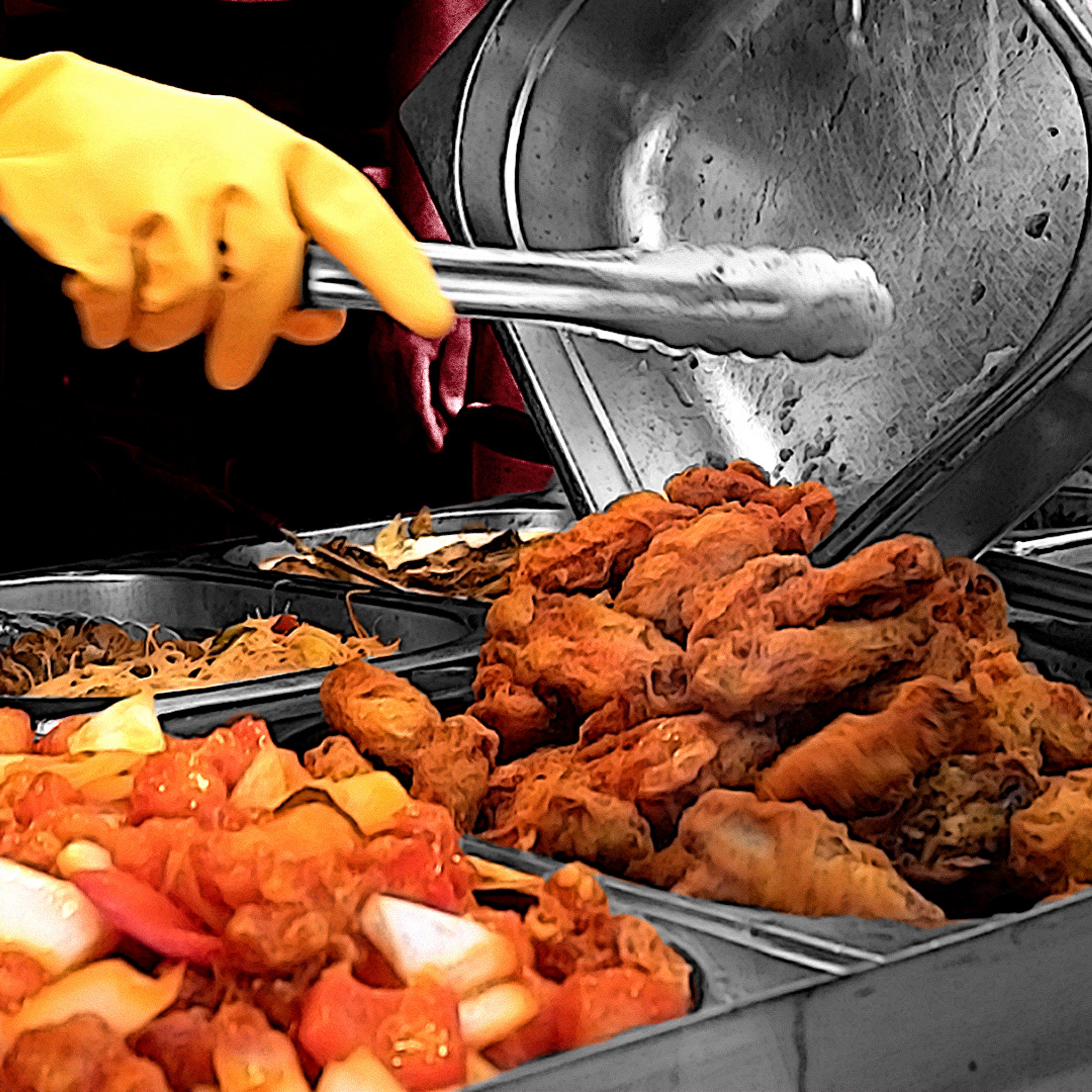
All-you-can-eat restaurants are popular, as are high-end buffets at big weddings and posh hotels. But what’s the trick to making money out of them, and what happens to the leftovers? Ruth Alexander finds out the tricks of the trade with John Wood of catering software company Kitchen Cut, Sandeep Sreedharan of Goa, and Michael Brown of Cosmo, in Manchester, UK. If you would like to get in touch with the show, please email: [email protected] (Picture: Hands of someone serving out chicken at a buffet. Credit: Getty/BBC)Producer: Elisabeth Mahy