The growth of GM food
Governments in India and Kenya want their citizens to eat genetically modified food.
The Food Chain · BBC World Service
Audio is streamed directly from the publisher (open.live.bbc.co.uk) as published in their RSS feed. Play Podcasts does not host this file. Rights-holders can request removal through the copyright & takedown page.
Show Notes
Genetically-modified food has long been a subject of debate. It was first introduced to market in the United States in the mid 90s.
Since then, some governments have approved the cultivation and sale of GM food, whilst others have had bans in place.
In this programme, we look at attempts by India and Kenya to approve genetically-modified food crops, and ask if lessons can be learnt from the United States where GM foods have been consumed for decades.
Today there are lots of different genetic-engineering techniques in use. Generally, genetic modification refers to organisms created with particular characteristics, using some genetic material from a different organism.
Ruth Alexander is joined by Devina Gupta, from Business Daily on the BBC World Service, who can explain the latest developments in India, where the government wants farmers to plant genetically-modified mustard.
Ruth also speaks to Roy Mugiira, chief executive of the National Bio Safety Authority Kenya, the government appointed regulator for GM products. In Kenya, the government has lifted a 10-year ban on GM, and approved the use of GM maize, a staple crop.
And Professor Jennifer Kuzma, co-director of the Genetic Engineering and Society Center at North Carolina State University, talks about how labelling can help give consumers choice over whether they eat GM.
Presented by Ruth Alexander.
Produced by Beatrice Pickup.
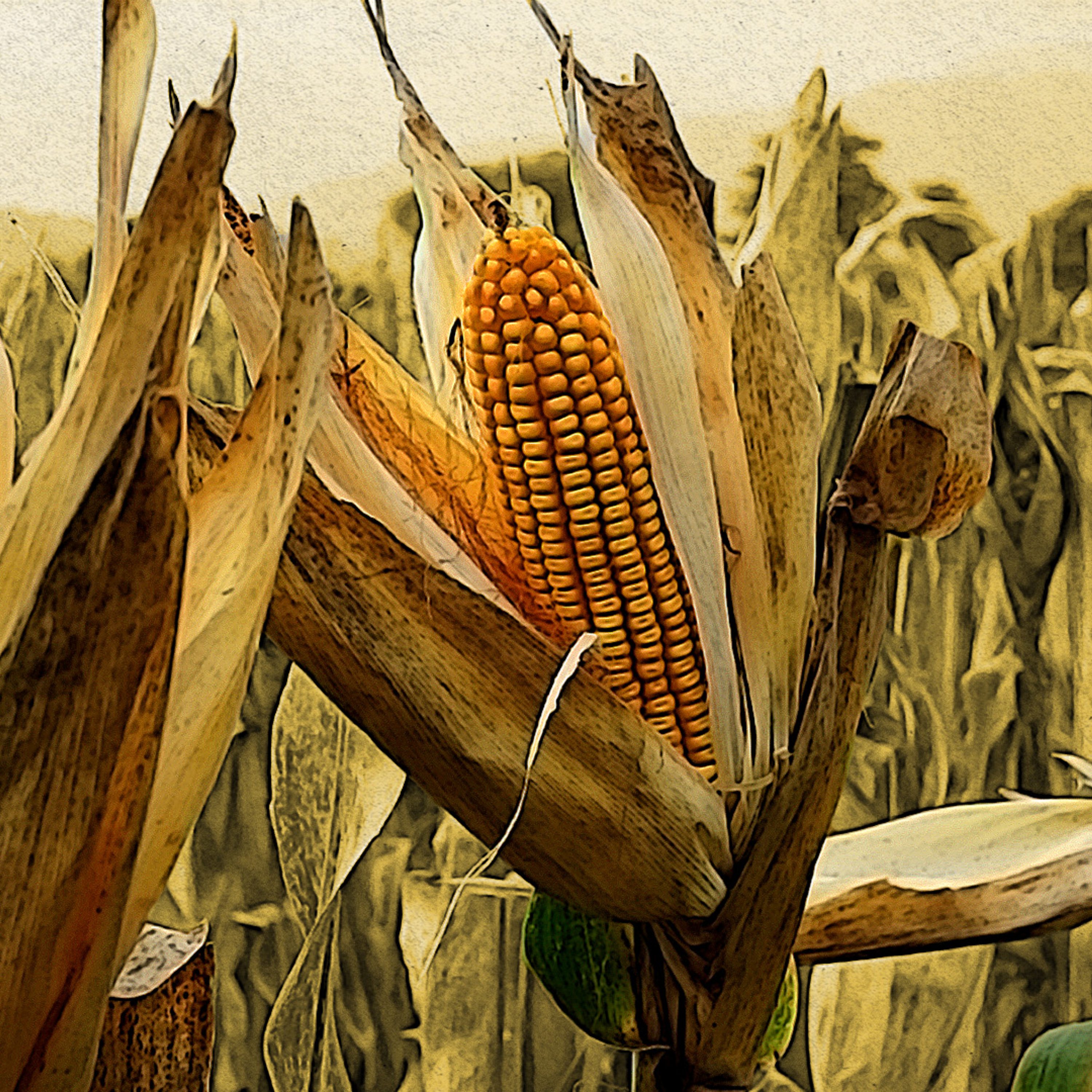
(Image: field of corn. Credit: Getty Images/BBC)