The Essay
1,128 episodes — Page 15 of 23
Colin Thubron
Five writers recall a night they spent somewhere out of the ordinary.Colin Thubron is the first to report back. Thirty years ago he was in a Chinese town, unknown to the rest of the world. His time here was haunted by memories of a merciless leader, whose bed he will sleep in for one night only. One night is enough though ...Producer Duncan Minshull.
Skin
In this series of essays, five writers talk about what black and white evokes for them. Beginning with something quite tangible, each piece unfolds to tell a story that is deeply personal and also far-reaching.Poet and writer Salena Godden talks about her relationship with her skin and a particular line from a Leonard Cohen songProduced in Bristol by Siobhan Maguire.
Black and White: Messrs Smith and Carlos and Norman
In this series of essays, five writers talk about what black and white evokes for them. Lindsay Johns looks to a black & white photo at his desk for inspiration. The picture of athletes Tommie Smith, John Carlos and Peter Norman on the Olympic podium in 1968 reveals ideas that are central to his writing. Lindsay is a writer, broadcaster and Head of Arts and Culture at Policy Exchange.
Black and White: Yin and Yang
In this series of essays, five writers talk about what black and white evokes for them. Writer and filmmaker Xiaolu Guo remembers the lessons she learned from her father as a young girl growing up in Zhejiang province, eastern China. They have stayed with her through her adult life, guiding creative endeavours and personal development, shaping the way that she understands the world.
Black and White: Words on the Page
Five writers talk about what black and white evokes for them. Glyn Maxwell looks at the words on his page and thinks about whether we've all become too black and white, too binary in our digital lives. It's possible that we lost something valuable in the spectrum of grays afforded by analogue.
Black and White: Parental Advisory Explicit Lyrics
In this series of essays, five writers talk about what black and white evokes for them. Beginning with something quite tangible, each piece unfolds to tell a story that is deeply personal and also far-reaching.Broadcaster and GP Farrah Jarral talks about what it means to be fluent in something you don't understand. It all starts with the little sticker that decorated the covers of her teenage CD collection.
The Essay - Gun Culture -The Howth Mauser
Heather Jones explores the deadly symbolism of the Howth Mauser
The Essay - Gun Culture - Sniper
Nicholas Rankin explores the emergence of the deadly 'force reducer' that is the sniper
The Essay: Gun Culture: Pistols At Dawn
John Gallagher duels with the noisy story of guns 300 years ago
The Essay: Gun Culture: Gotham's Gun Baron
Brian DeLay reveals the life & arms deals of the most dangerous man you've never heard of
Taking Aim - Renaissance-style
Catherine Fletcher unveils handguns' explosive Renaissance origin
Billy Liar
Simon Heffer continues his highly-authored and deeply-informed exploration of British cinema by viewing five New Wave or so-called "Kitchen Sink" films of the late 1950s and 1960s.5.Billy LiarKeith Waterhouse's novel about Billy Fisher was turned into a film, starring Tom Courtenay, in 1963. The story of Billy's real life in a semi somewhere in the West Riding, and his vividly imagined alternative life in Ambrosia, lived to the accompaniment of a brass band, was unlike any film that had come before, but was it tragedy or comedy? Simon Heffer ends his account of the New Wave with this highly contentious film. Producer: Beaty Rubens.
This Sporting Life
Simon Heffer continues his highly-authored and deeply-informed exploration of British cinema by viewing five New Wave or so-called "Kitchen Sink" films of the late 1950s and 1960s. 4.This Sporting LifeSimon Heffer examines the powerful film version of how David Storey's novel about Frank Machin, a talented rugby league player, hungry for success and love.
The Loneliness of the Long Distance Runner
Simon Heffer continues his highly-authored and passionate exploration of British cinema by viewing five New Wave or so-called "Kitchen Sink" films of the late 1950s and 1960s. Having explored the stereotyping of working class characters in his previous series of Essays on British film, Simon Heffer turns his gaze upon the films written and directed by a new generation of grammar school-educated young men, whose gritty depiction of the lives of ordinary working men and women was to shock and delight the cinema-going public in the 1960s.3.The Loneliness of the Long Distance RunnerSimon Heffer examines a second Alan Sillitoe novel, this time turned into a cinematic masterpiece by Tony Richardson: the story of Colin Smith, a boy whose chance to escape borstal and, possibly, to improve his life chances, depends on his talent as a cross-country runner. Producer: Beaty Rubens.
Saturday Night and Sunday Morning
Simon Heffer continues his highly-authored and deeply-informed exploration of British cinema by viewing five New Wave or so-called "Kitchen Sink" films of the late 1950s and 1960s. Having explored the stereotyping of working class characters in his previous series of Essays on British film, Simon Heffer turns his gaze upon the films written and directed by a new generation of grammar school-educated young men, whose gritty depiction of the lives of ordinary working men and women was to shock and delight the cinema-going public in the 1960s.2.Saturday Night and Sunday Morning Simon Heffer reveals how Alan Sillitoe's novel was turned into a stunning film, directed by Karel Reisz, produced by Tony Richardson, and starring Albert Finney as Arthur Seaton, the anti-hero whose motto is "Don't Let the bastards grind you down". Producer: Beaty Rubens.
Room at the Top
Simon Heffer continues his highly-authored and deeply-informed exploration of British cinema by viewing five New Wave or so-called "Kitchen Sink" films of the late 1950s and 1960s. 1.Room at the TopHaving explored the stereotyping of working class characters in his previous series of Essays on British film, Simon Heffer turns his gaze upon the films written and directed by a new generation of grammar school-educated young men, whose gritty depiction of the lives of ordinary working men and women was to shock and delight the cinema-going public. John Braine's novel, Room at the Top, was a literary sensation when it was published in 1957 and caused further shock waves when it was released as a film two years later, starring Laurence Harvey as the determined Joe Lampton, determined to marry a rich man's daughter and live in the "Top" district of town. Producer : Beaty Rubens.
Cornerstones: Chalk
Poet Alyson Hallett is drawn to chalk landscapes and the large horse at Westbury in Wilts
Cornerstones: Fire Rocks
Novelist Sarah Moss discusses basalt and dolerite, the fire rocks that underpin castles.
Cornerstones:Coal
Writer Paul Evans traces a family line back through Shropshire's seams of coal.
Cornerstones:Millstone
Derbyshire poet and climber Helen Mort visits Stanage Edge, famed for its millstone grit.
Cornerstones: Quartz
Linda Cracknell reflects on the appeal of the quartz on Ben Lawers, her local Munro.
Bethany Bell
Breaking Free - the minds that changed music.In The Essay this week, personal reflections on the revolutionary music and ideas of the Second Viennese School as they searched for an antidote to all the certainties and expectations of the past, and cast music on a new path of dissonance and discovery, shocking audiences then and now.Bethany Bell is a BBC foreign correspondent and has lived in Vienna for more than 15 years. In tonight's Essay Bethany remembers living in Mödling, a town near Vienna where Schoenberg lived and where on walks with Berg and Webern he devised his radical ideas for music.
Tom McKinney
Breaking Free - the minds that changed music. In The Essay this week, personal reflections on the revolutionary music and ideas of the Second Viennese School as they searched for an antidote to all the certainties and expectations of the past, and cast music on a new path of dissonance and discovery, shocking audiences then and now.Musician and broadcaster Tom McKinney recalls his "first contact" with the music of Webern - his Five Pieces for Orchestra, Op.5, and then taking part in a transformative performance of the same work as a professional musician.
Gillian Moore
Breaking Free - the minds that changed music.In The Essay this week, personal reflections on the revolutionary music and ideas of the Second Viennese School as they searched for an antidote to all the certainties and expectations of the past, and cast music on a new path of dissonance and discovery, shocking audiences then and now.Tonight's essayist is Gillian Moore, Director of Music at Southbank Centre in London. She talks about Alban Berg's relationships with key women in his life, including his final operatic creation "Lulu".
Stephen Johnson
Breaking Free - the minds that changed musicIn The Essay this week, personal reflections on the revolutionary music and ideas of the Second Viennese School as they searched for an antidote to all the certainties and expectations of the past, and cast music on a new path of dissonance and discovery, shocking audiences then and now.Tonight's essayist is broadcaster and journalist Stephen Johnson who has chosen Schoenberg's Second String Quartet as his touchstone - a work that defines Schoenberg's movement away from traditional tonality and embraces the dissonance.
Sarah Walker
Breaking Free - the minds that changed music.In The Essay this week, personal reflections on the revolutionary music and ideas of the Second Viennese School as they searched for an antidote to all the certainties and expectations of the past, and cast music on a new path of dissonance and discovery, shocking audiences then and now.Tonight's essayist is Radio 3 presenter and pianist Sarah Walker who describes the experience of learning and performing Schoenberg's Suite for piano (Op.25) for her MA recital.
The Further Realm: Episode 5
Novelist Andrew Martin has long been interested in ghosts and their stories, and he gives them much thought over five essays.5. It goes without saying that Halloween and Christmas are resonant times for the Undead. Prepare to hear about the best ... or should that be the worst?Producer Duncan Minshull.
The Further Realm: Episode 4
Novelist Andrew Martin has long been interested in ghosts and their stories, and he gives them much thought over five essays.4. Stories, novels, films.. but the author's favourite source for things unreal and unsettling is a huge tome called 'Phantasms of the Living', which he now celebrates..Producer Duncan Minshull.
The Further Realm: Episode 3
Novelist Andrew Martin has long been interested in ghosts and their stories. He gives them much thought over five essays.3. The ghosts of Medieval times were 'solid' and had a moral purpose. Modern sightings were ephemeral, transluscent, and now 'doubt' crept in...Producer Duncan Minshull.
The Further Realm: Episode 2
Novelist Andrew Martin has long been interested in ghosts and their stories. He gives them much thought over five essays:2. 'Britain is a ghostly nation', he reckons. And most of them came from the north. And their heyday was a hundred years ago. And just what is The Society of Psychical Research?Producer Duncan Minshull.
The Further Realm: Episode 1
Novelist Andrew Martin has long been interested in ghosts and their stories, and he gives them much thought over five essays.1. In his first essay, he asks if he actually believes in ghosts. Well, he certainly relishes the 'fear' and 'beauty' that comes from ghostly narratives. 'Have you ever seen a ghost?' is the first question he must address, and of course there is no clear cut answer to this...Producer Duncan Minshull.
Time
"It sounds such a simple business.. 'I changed my mind.' Subject, verb, object - a clear, clean action..."In five essays, the acclaimed author asks whether his point of view has changed through the years. Referring to historical characters and scenes from his own life, he now thinks about the vagaries of time, beginning with a visit to the barbers on the eve of his 70th birthday.Producer Duncan Minshull.
Books
"It sounds such a simple business.. 'I changed my mind.' Subject, verb, object - a clear, clean action..."In five essays, the acclaimed author asks whether his point of view has changed over the years. Referring to historical characters and scenes from his own life , he now explores his tastes in literature. He has remained firm in admiration of some authors, others have caused indecision and a change of heart even.Producer Duncan Minshull.
Politics
"It sounds such a simple business.. 'I changed my mind.' Subject, verb, object - a clear, clean action..."In five essays, the acclaimed author asks whether his point of view has changed over the years. Referring to historical characters and scenes from his own life, he first cites John Maynard Keynes and Francis Picabia. Then, what is the role of memory in all this?Producer Duncan Minshull.
Words
"It sounds such a simple business.. 'I changed my mind.' Subject, verb, object - a clear, clean action..."In five essays, the acclaimed author asks whether his point of view has changed over the years. Referring to historical characters and scenes from his own life, he now thinks about a lifetime's use of words. He has his favourites, such as 'decimated' and 'indifference'. But have things stayed the same with words ?Producer Duncan Minshull.
Memory
As part of Radio 3's 70th celebrations, Julian Barnes - also 70 this year - on why and how he alters his views. Today a word about vacillation, uncertainty and of course - memory."It sounds such a simple business.. 'I changed my mind.' Subject, verb, object - a clear, clean action..."In five essays, the acclaimed author asks whether his point of view has changed over the years. Referring to historical characters and scenes from his own life, he first cites John Maynard Keynes and Francis Picabia. Then, what is the role of memory in all this?Producer Duncan Minshull.
Dear Agatha Christie...
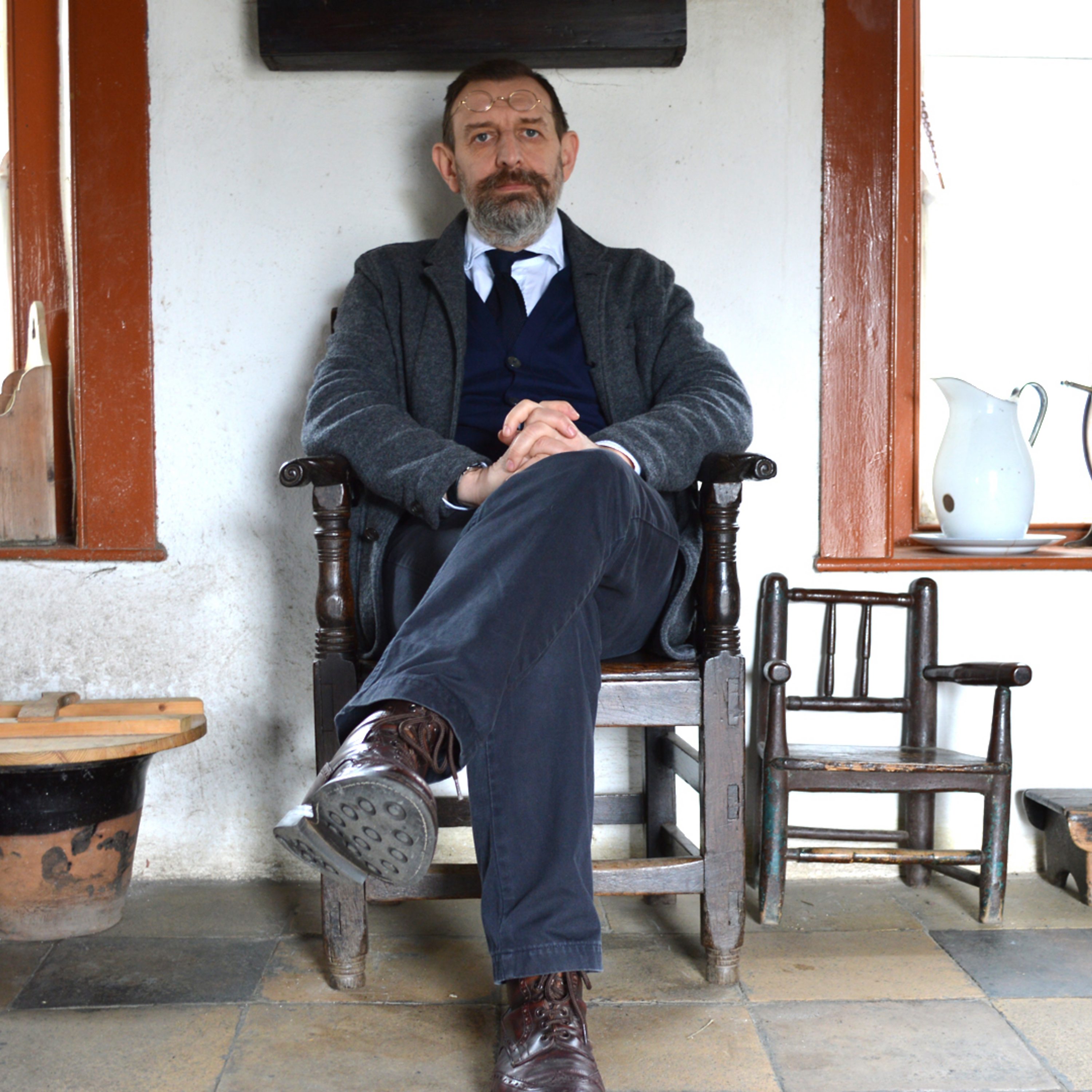
'Dear Geoffrey Chaucer, Can I call you Geoff..?' In a series of imaginary correspondences, novelist Ian Sansom is writing letters to five of literary history's most celebrated figures and interrogating them about their art.'Oh Agatha Christie, Please - do tell - what is the secret of your success?'As his correspondence unfolds, queries are raised and jealousies revealed.'Dear Virginia Woolf, Please accept my apologies. For a long time I thought you represented everything that's wrong with literature...'How exactly does George Eliot do it? And why does she keep ignoring Ian's letters?'Dear George Eliot, You are simply so far out of my league as a correspondent that it is embarrassing even to put pen to paper and to address you directly.In his on-going epistolary quest, Ian attempts to find out everything you wanted to know about some of our best-loved writers but just were too afraid to ask.Producer: Conor Garrett.
Dear Virginia Woolf...
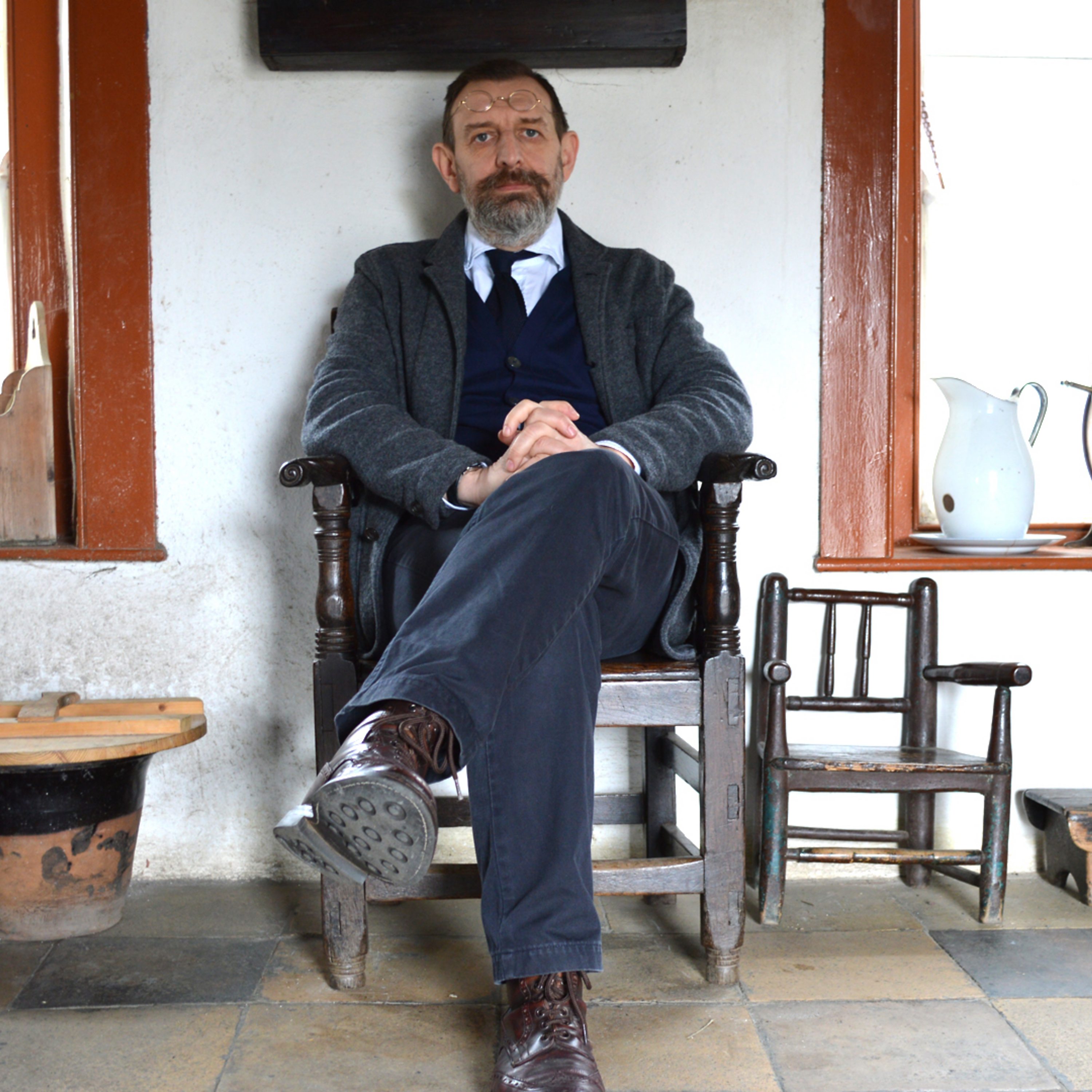
'Dear Geoffrey Chaucer, Can I call you Geoff..?' In a series of imaginary correspondences, novelist Ian Sansom is writing letters to five of literary history's most celebrated figures and interrogating them about their art.'Oh Agatha Christie, Please - do tell - what is the secret of your success?'As his correspondence unfolds, queries are raised and jealousies revealed.'Dear Virginia Woolf, Please accept my apologies. For a long time I thought you represented everything that's wrong with literature...'How exactly does George Eliot do it? And why does she keep ignoring Ian's letters?'Dear George Eliot, You are simply so far out of my league as a correspondent that it is embarrassing even to put pen to paper and to address you directly.In his on-going epistolary quest, Ian attempts to find out everything you wanted to know about some of our best-loved writers but just were too afraid to ask.Producer: Conor Garrett.
Dear George Eliot...
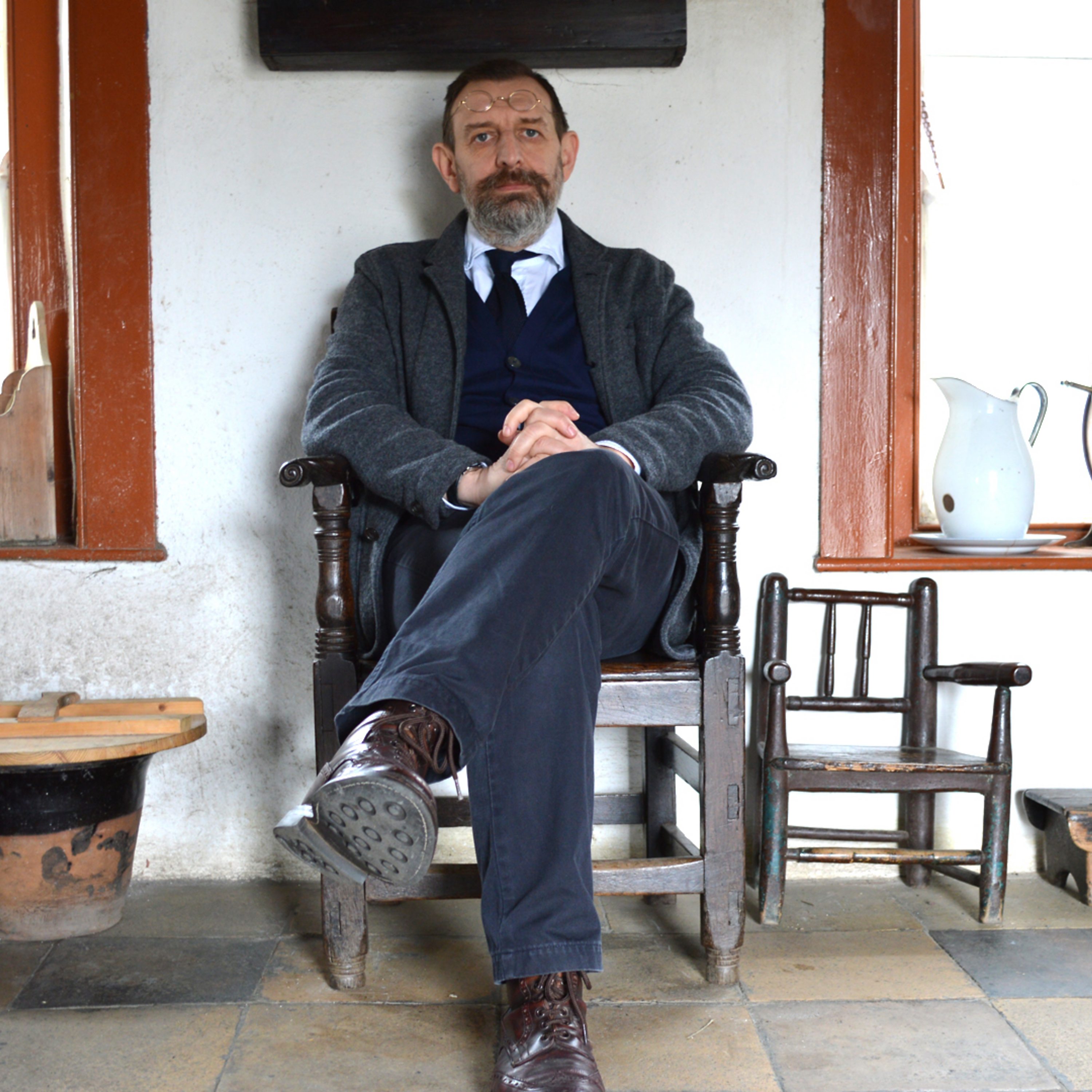
'Dear Geoffrey Chaucer, Can I call you Geoff..?' In a series of imaginary correspondences, novelist Ian Sansom is writing letters to five of literary history's most celebrated figures and interrogating them about their art.'Oh Agatha Christie, Please - do tell - what is the secret of your success?'As his correspondence unfolds, queries are raised and jealousies revealed.'Dear Virginia Woolf, Please accept my apologies. For a long time I thought you represented everything that's wrong with literature...'How exactly does George Eliot do it? And why does she keep ignoring Ian's letters?'Dear George Eliot, You are simply so far out of my league as a correspondent that it is embarrassing even to put pen to paper and to address you directly.In his on-going epistolary quest, Ian attempts to find out everything you wanted to know about some of our best-loved writers but just were too afraid to ask.Producer: Conor Garrett.
Dear Jonathan Swift...
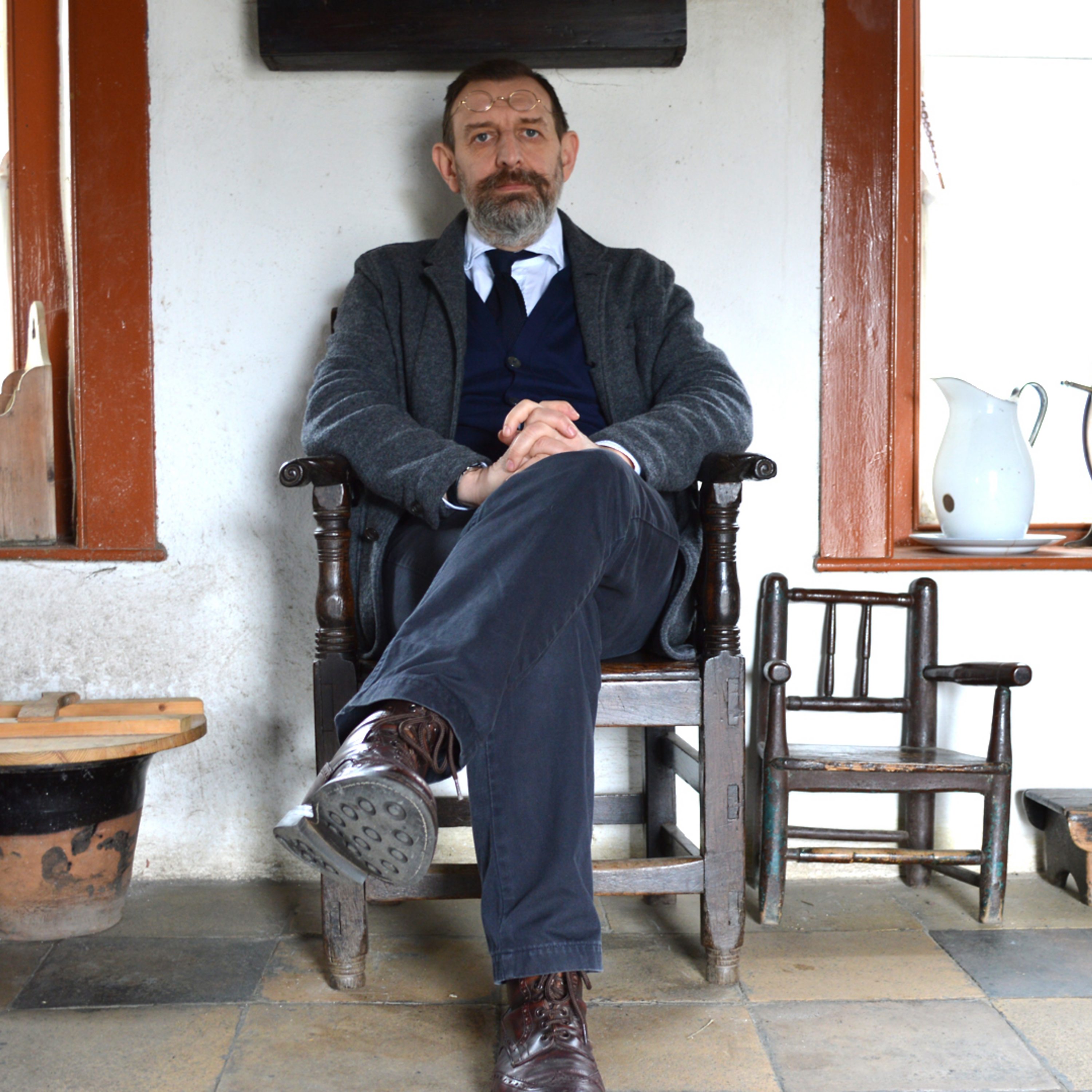
'Dear Geoffrey Chaucer, Can I call you Geoff..?' In a series of imaginary correspondences, novelist Ian Sansom writes letters to five of literary history's most celebrated figures and interrogates them about their art.'Oh Agatha Christie, Please - do tell - what is the secret of your success?'As his correspondence unfolds, queries are raised, jealousies revealed, concerns aired. 'Dear Virginia Woolf, Please accept my apologies. For a long time I thought you represented everything that's wrong with literature...'How exactly does George Eliot do it? Why is it so difficult? And what's that Jonathan Swift just called him? Producer: Conor Garrett.
Dear Geoffrey Chaucer...
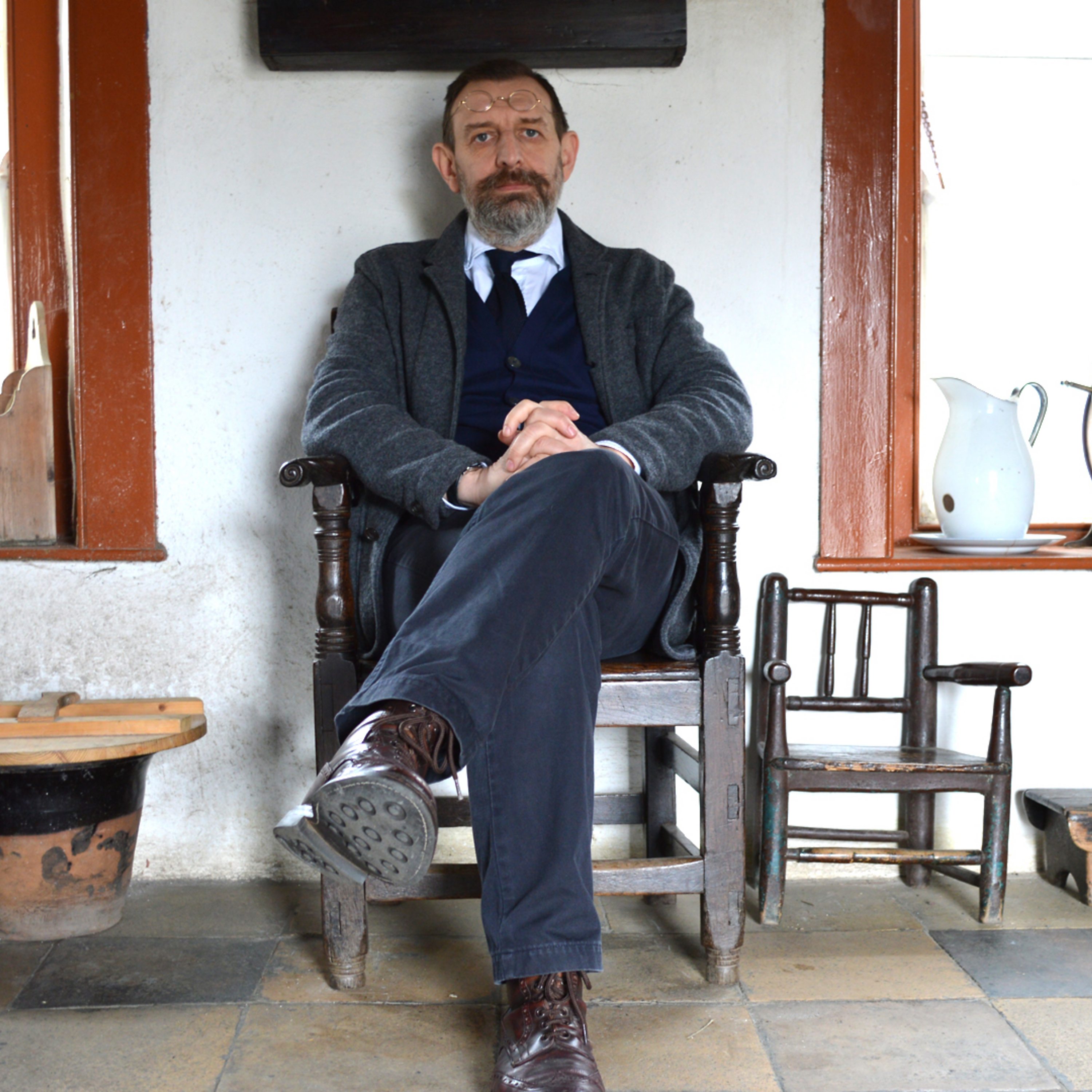
'Dear Geoffrey Chaucer, Can I call you Geoff..?' In a series of imaginary correspondences, novelist Ian Sansom is writing letters to five of literary history's most celebrated figures and interrogating them about their art.'Oh Agatha Christie, Please - do tell - what is the secret of your success?'As his correspondence unfolds, queries are raised and jealousies revealed.'Dear Virginia Woolf, Please accept my apologies. For a long time I thought you represented everything that's wrong with literature...'How exactly does George Eliot do it? And why does she keep ignoring Ian's letters?'Dear George Eliot, You are simply so far out of my league as a correspondent that it is embarrassing even to put pen to paper and to address you directly.In his on-going epistolary quest, Ian attempts to find out everything you wanted to know about some of our best-loved writers but just were too afraid to ask.Producer: Conor Garrett.
Sir Richard Eyre
Film and theatre director Sir Richard Eyre describes how he was inspired by "The People's War" by Angus Calder. This social history of the Second World War relives the experience of ordinary citizens during the conflict: "their endurance and patience and their cowardice, complaints, and selfishness, as much as their heroism and humanity." It provided Eyre with a vision - albeit unfulfilled - of social justice, which was in sight during the social revolution of wartime. "So I return to this book, this litany of courage and misery and endurance and hardship - the only book I return to constantly and obsessively - for solace." Producer: Smita Patel.
Tacita Dean
The artist Tacita Dean describes how "Fires" by Marguerite Yourcenar changed her life and art. She discovered the book of prose poems as an undergraduate. "Somehow, her pithy and uncompromising language appealed to me, and my own love tragedy," she says. Yourcenar's work helped her find her voice as a feminist, writer and film-maker. "She gave a female voice to my passionate and romantic younger self who was trying to find an artistic context for the desire I had to reach out and touch the classical past."Producer: Smita Patel.
Ben Anderson
Ben Anderson, correspondent with Vice News, on how "The Autobiography of Malcolm X" led him to become a journalist. He discovered the book, ghost-written by Alex Haley, as "a skinny white kid living in Bedford". Yet the story of the American firebrand for the cause of black power became his touchstone. He was inspired by the way Malcolm X devoured every possible book while in prison. "Suddenly a fire was lit inside me. I had a path to follow," Anderson says. And Malcolm X's urge to see the world for himself was another source of inspiration. "This basic approach of just getting there and witnessing has become my job," he says. Malcolm X's " constant search, his relentless curiosity, his willingness to face unpleasant facts and reinvent himself, set an example that I?ve tried to follow ever since." Producer: Smita Patel.
Pauline Black
Pauline Black, the singer who found fame with the ska band The Selecter, on how Harper Lee's "To Kill A Mockingbird" helped her understand her place as a black girl adopted by a white family. She both identified with Scout, the tomboyish main character, while it was the first book she read in which the black characters "shared a dignity and gravitas". It allowed her to understand the racial tensions and hypocrisy which surrounded her childhood. "This novel gave the little black girl that timidly lingered inside me the security to come out and fight against racial injustice with my chosen profession, music." Producer: Smita Patel.
David Simon
David Simon, the author and creator of the TV series "The Wire", describes how "Let Us Now Praise Famous Men" by James Agee and Walker Evans changed his work as a journalist. The celebrated work capturing the lives of ordinary people during the depression made him realise the importance of sharing "the simple, raw vulnerability" of lived experience. "Page after page was fully ripe with the delicate work of a thinking journalist who knows with all moral certitude that he is approaching and attempting to capture the love, fear and sadness of real lives." Producer: Smita Patel.
Novelist Kit de Waal reflects on the architecture of the prison where she worked.
Novelist Kit de Waal reflects on the architecture of Winson Green Prison, in Birmingham, where she worked. This week's Essays are part of the 70th birthday celebrations of the Third Programme: the network discussed architecture from its earliest days, covering both new initiatives and historic buildings, most notably in talks by Nikolaus Pevsner. Producer Clare Walker.
Queensferry Crossing, Scotland
Author Dr Gavin Francis passes the new Queensferry Crossing every morning on his way to work. When it is finished in May 2017, it will be the largest balanced cantilever ever built. Gavin believes it is the most impressive structure under construction in these islands today. This week's Essays are part of the 70th birthday celebrations of the Third Programme: the network discussed architecture from its earliest days, covering both new initiatives and historic buildings, most notably in talks by Nikolaus Pevsner. Producer Clare Walker.
Chesterfield's Crooked Spire, Derbyshire
Poet Helen Mort can see Chesterfield's Crooked Spire Church - The Church of St Mary's and All Saints - from the window of her house. She explains why it has inspired her since childhood. This week's Essays are part of the 70th birthday celebrations of the Third Programme: the network discussed architecture from its earliest days, covering both new initiatives and historic buildings, most notably in talks by Nikolaus Pevsner. Producer Clare Walker.
Impington College, Cambridge
British Painter Humphrey Ocean RA introduces us to Impington College, the only building the Bauhaus architect Walter Gropius built in Britain. Humphrey believes it accidentally became the template for the proliferation of the kind of brave, new, post-war architecture he grew up with. This week's Essays are part of the 70th birthday celebrations of the Third Programme: the network discussed architecture from its earliest days, covering both new initiatives and historic buildings, most notably in talks by Nikolaus Pevsner. Producer Clare Walker.