The Economy, Stupid
263 episodes — Page 2 of 6
Australia's 2035 Climate Target: Economic Hit or Miss?
Is the government's "responsible" approach sensible politics, or a missed economic opportunity?
When Trade Wars Hit Home
From postage costs to small business exports, new US trade barriers are disrupting daily life. How bad will it get?
The Economy is Growing - But Will You Be Better Off?
The latest economic figures show Australia's GDP climbing, but does that translate into more money in your pocket or a better life?
Can We Really Trust the Banks Again?
After the Royal Commission exposed widespread misconduct, how did the banks pull off their reputation revival - and can we really trust them?
Why Has Australia's Economic Progress Stalled?
For decades, life in Australia seemed to move in one direction - forward. But now the promise of progress feels less certain.
Who Should Pay More Tax in Australia?
Treasury has warned that Australia’s tax base is shrinking - and without reform, wage earners will carry more of the burden. So, who should pay more tax: workers, wealthy retirees, or big business?
How $1 Billion in Retirement Savings Vanished
This week on The Economy, Stupid: the biggest superannuation scandal in Australian history — and who should have stopped it.
Inflation is down, so why is uncertainty rising?
Australians are still in work, and inflation is coming down, yet economic uncertainty is far higher now that it was during the peak of COVID.So why are so many of us feeling uneasy?
The End of Cash?
If you're not carrying any hard cash on you right now, you're not alone - and that might be a problem.This week we look at Australia’s crumbling cash system: why it’s costing millions to keep it alive, who’s footing the bill, and how close we really are to the end of cash.
What's With Trump and Tariffs?
In 2017, Donald Trump reportedly scrawled “trade is bad” in the margins of a speech — a blunt rejection of economic orthodoxy that has transformed global politics. Economists tend to see international trade as good for everyone - a rising tide that lifts all boats. So why do so many voters, in the U.S. and elsewhere, feel like they’re being left behind?
A divided RBA
This week the Reserve Bank kept interest rates on hold, that was a shock for the industry, but the most surprising thing? For the first time, they told us the board didn’t agree. Six said hold, three said cut. Why does that matter? Because we know the room is divided and that changes everything. Guests:Nicki Hutley - Senior economist and chief economist at all manner of financial institutionsMichael Pascoe - Writes for Michael West Media. Get in touch: We read all of your emails, and appreciate each one. Please keep them coming [email protected] or use the #PeterMartinEconomy on Instagram to get our attention.

Won't Somebody Think of the Millionaires?
What if you could earn over $1 million and pay nothing in tax? Turns out some Australians already do. Is it time to rethink the rules?
How To Fix Tax?
If you could fix the tax system, how would you do it? The Treasurer is looking for ideas, and on Radio National's The Economy, Stupid, we have them. Guests:Miranda Stewart - Director of Tax Law at the University of Melbourne Law SchoolBen Phillips - Principal Research Fellow at the ANU Centre for Social Research and MethodsGet in touch: We read all of your emails, and appreciate each one. Please keep them coming [email protected] or use the #PeterMartinEconomy on Instagram to get our attention.

Can We Build It? Embracing Abundance
Treasurer Jim Chalmers thinks Ezra Klein's book, Abundance, is a ripper. Building things directly and sweeping away red tape could soon be part of a productivity measure. An investment arm of the United Arab Emirates wants to buy Australia's Santos. Should the Treasurer impose conditions on approving Australia's biggest-ever resource takeover? Plus, a 'GST Guarantee' for the West. What’s wrong with doling out the revenue from Australia's resources on the basis of need? Guests:Matt McKenzie - Resources writer for the West Australian Megan Flamer - Senior Industry Fellow at RMIT Univesrity Get in touch: We read all of your emails, and appreciate each one. Please keep them coming [email protected] or use the #PeterMartinEconomy on Instagram to get our attention.
Productivity, Climate and a Room Full of Ideas
From Hawke’s 1983 economic summit to Rudd’s 2020 vision, big gatherings have sometimes sparked big reforms. Now Anthony Albanese wants to try again - this time to tackle Australia’s stagnating productivity. Within months, the Australian government will have to present the United Nations climate convention with an updated target for 2035. How are we doing with the target we’ve got? Guests:Michael Janda - ABC News Business EditorBen Potter - Contributing Editor at The EnergyGet in touch: We read all of your emails, and appreciate each one. Please keep them coming [email protected] or use the #PeterMartinEconomy on Instagram to get our attention.
Wages are up, GDP growth is down, what’s going on
This week we heard GDP growth has dropped, yet we’ve just given ourselves a pay rise. Does it really matter if the economy isn’t growing as much as we would like and is GDP the best measure anyway? What will this mean for inflation? This week we give the economy a health check and look at what this all means for the future of jobs.
How to spot the tricks suppliers use to stop us getting a better deal
This week, the chair of the Australian Energy Regulator, Claire Savage, advised us to “shop around” for a better deal as energy prices are set to rise by almost ten per cent, in some places. But how easy is it to shop around? And what happens when supplies don’t make it an even playing field for consumers?
Rates are falling. Inflation is steady. So what now?
The Reserve Bank has cut interest rates. Inflation is under control, unemployment is low, and the forecasts say ‘steady as she goes.’ What do we do when everything works out the way we’ve planned? Guests:Myriam Robin - Senior Writer for the Australian Financial ReviewTom Crowley - ABC federal political reporter and previously an economist with the federal treasuryGet in touch: We read all of your emails, and appreciate each one. Please keep them coming [email protected] or use the #PeterMartinEconomy on Instagram to get our attention.

Is monopsony worse than monopoly?
Welcome to the world of monopsony - where sellers, not buyers, get the raw deal.So, how does this impact me as a consumer?Then, the link between productivity and a pay increase. Guests:Emilia Terzon - ABC national business reporterMatthew McKenzie - Energy and economics reporter with the West Australian Get in touch: We read all of your emails, and appreciate each one. Please keep them coming [email protected] or use the #PeterMartinEconomy on Instagram to get our attention.
Reform ready: What Albanese could do now
With a strong second-term mandate, Prime Minister Anthony Albanese has a rare chance to drive real change. From tax to housing to climate policy, the moment is ripe for long-term reform that could shape Australia’s future for decades. But where to begin? Plus, listener Alex challenges the narrative around government debt and household budgets. Guests:Aruna Sathanapally - Chief executive, and economic prosperity director, of the Grattan InstituteMichael Janda - ABC News Business EditorGet in touch: We read all of your emails, and appreciate each one. Please keep them coming [email protected] or use the #PeterMartinEconomy on Instagram to get our attention.Listen to the full interview with Ken Henry on the Joseph Walker podcast: https://josephnoelwalker.com/ken-henry-aus-policy-series/

Inflation is down so why do we keep going on about the price of eggs?
Australia’s inflation rate is now firmly in the RBA’s target band, but groceries, rent, and daily essentials still feel painfully expensive. Why is there a disconnect between the data and what we think is our lived reality? The Opposition leader, Peter Dutton, says he wants to cut Australia’s permanent migration program. Is such a cut possible? And could it stem the total net overseas migration?And, costings. We spend $9 million a year on the Parliamentary Budget Office. Shouldn't we get its insights before we vote? Guests:Megan Flamer - Innovation specialist with Monash Business School Brendan Coates - Housing and Economic Security Program director at the Grattan InstituteGet in touch: We read all of your emails, and appreciate each one. Please keep them coming [email protected] or use the #PeterMartinEconomy on Instagram to get our attention.
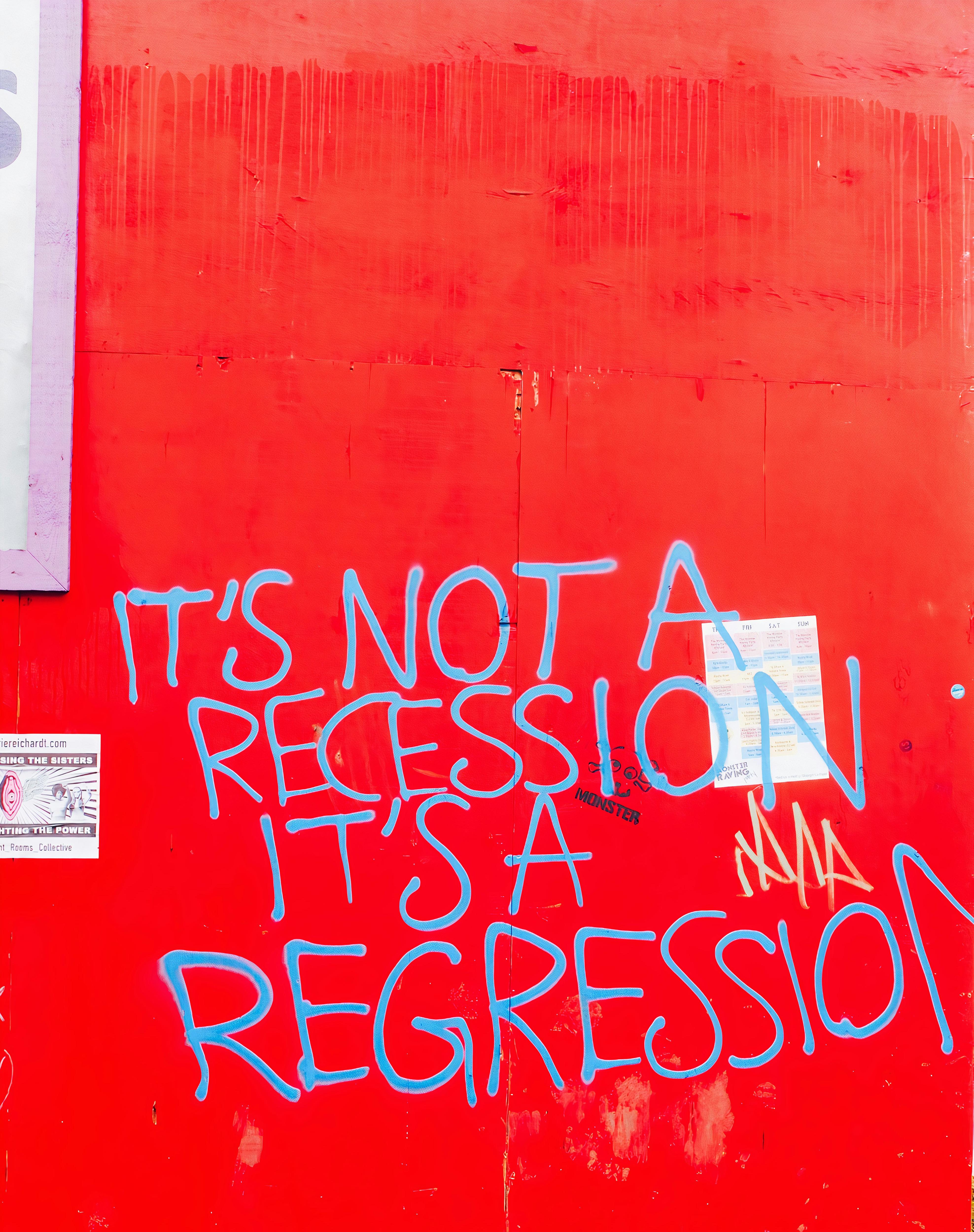
What exactly is a recession?
It's more than job losses. It's dreams deferred and careers that never get off the ground. Why do the scars last a lifetime?Then, why does the Justice Department want to break up Google? Plus, penalty rates are under the spotlight again, but do they really cost the economy jobs? Guests:Dan Ziffer - ABC national business reporter Rachel Clayton - Business reporterGet in touch: We read all of your emails, and appreciate each one. Please keep them coming [email protected] or use the #PeterMartinEconomy on Instagram to get our attention.
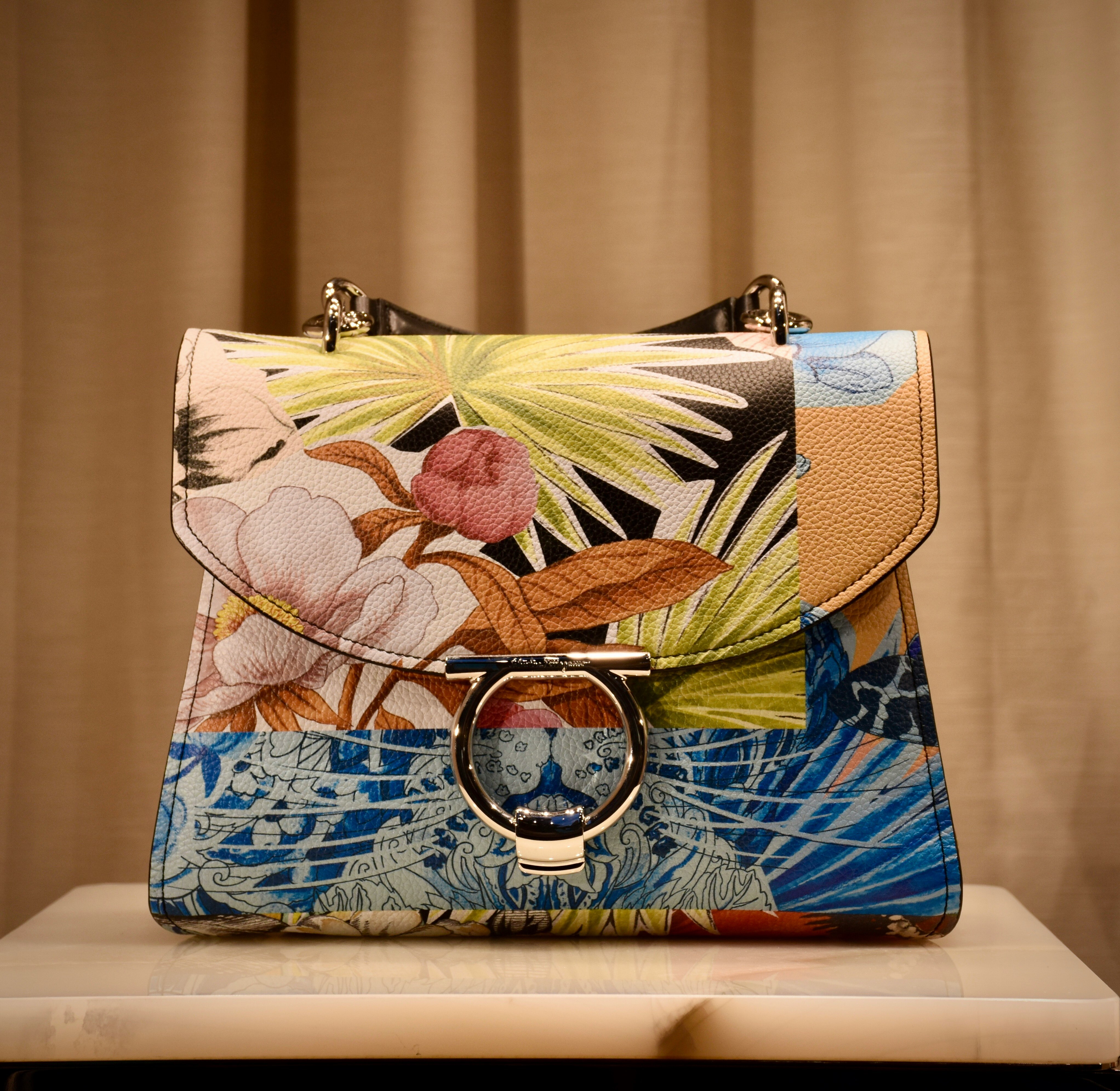
TikTok vs Louis Vuitton: How China's revenge tariffs are crashing the luxury market
What do luxury handbags and kids’ colouring books have in common? They're both caught up in the latest economic crossfire. Then, we unpack the economic chaos of an election campaign full of promises, including a $1,000 no-questions-asked tax deduction. Plus, Australia’s very own Future Fund fantasies: who's really winning, and are you one of them?Guests:Megan Flamer - Innovation specialist with Monash Business School Emilia Terzon - ABC national business reporterGet in touch: We read all of your emails, and appreciate each one. Please keep them coming [email protected] or use the #PeterMartinEconomy on Instagram to get our attention.
Has Trump put my financial future at risk?
Super falling. Mortgage stress rising. Retirement plans, once solid, now blurred by uncertainty. There is an anxiety currently shaking Australian financial confidence. We unpack what Trump's latest tariffs mean for your financial future, and how to steady the ship in turbulent times.Guests:Nicki Hutley - Independent economistMichael Janda - ABC Business editor Get in touch: We read all of your emails, and appreciate each one. Please keep them coming [email protected] or use the #PeterMartinEconomy on Instagram to get our attention.

Liberation Day fallout: How Trump's tariffs will hit Australia
President Trump is promising more than the world has ever seen. What impact will the US tariff move have on Australian producers, businesses, shoppers, and the broader economic landscape?
The election budget: would you rather a cut in tax (albeit small) or a year of cheaper petrol?
The budget week that began with an unexpected tax cut has evolved into a debate about what we pay at the pump. What's better for you in the long run?
Australians spend more on beer than power – so why do electricity bills hurt more?
Electricity makes up a smaller slice of household spending than beer or takeaway – yet power bills spark outrage like nothing else. With prices set to jump 30%, is the government trapped in an endless cycle of rebates? Plus, a restaurant collapse leaves workers unpaid, exposing a major flaw in Australia’s wage safety net. Meanwhile, cash is dying, and the Reserve Bank says it might not last another decade. Will you still be using it in 10 years? Emilia Terzon - ABC national business reporter James Eyres - Banking and payments writer, the Australian Financial Review, Get in touch:We read all of your emails, and appreciate each one. Please keep them coming [email protected] or use the #PeterMartinEconomy on Instagram to get our attention.

A changed world: What's Australia's new reality in Trump's economic gamble?
The US and Australian markets are in freefall, and now we face steep tariffs on steel and aluminium. That’s right, no special treatment for us down under!

Cyclone Alfred could boost the next GDP figure. Here’s why the numbers don’t add up
Why destruction isn't counted against GDP, but the replacement is.
A deal with god: is super annuity the answer?
Your super is funding U.S roads and data centres. Is it simply, too big for Australia?
The RBA’s rate cut: a quick fix or a band-aid? How it affects you and why there might not be more to come
The RBA dropped interest rates this week - smart move? Or is the RBA kicking the financial can down the road? Plus, the South Australian government has forced the Whyalla Steelworks into administration. Then, the economic fallout of the family trust trial.
Tariff whiplash and Australia's inflation dragon
Tariffs are on the rise — so what does this mean for ultra-cheap sites like Temu? Then, is Elon Musk behind the recent slump in electric car sales? Plus, the question of whether Australia has slain the inflation dragon remains on the table.
How much would a tariff war hurt, really?
Trump's tariffs are here, but do those voting for them really understand how they work? Plus, the housing market is cooling down, but should we take it further and push prices down even more? And, we’re taxing tobacco heavily, but surprisingly, the tax revenue is dropping. Turns out, it’s not because people are quitting. Could we be facing a self-defeating tax?Taj Pabari - social entrepreneur and author of Young, Dumb and Financially Independent: What school didn't teach you about money.Emilia Terzon - ABC national business reporter.Get in touch:We'd love to hear from you! Email us at [email protected]
Is a rate cut (finally) on the cards?
With inflation down and right within the Reserve Bank's target band, is there any reason why we shouldn't now expect a cut in interest rates? Plus, a deep dive into DeepSeek, the Chinese AI firm that shook the US stock market this week; and the economics of the Australian Open - turns out there's more than a Grand Slam title at stake. Guests:Myriam Robin - Senior writer with the Australian Financial Review.Isaac Gross - former Reserve Bank economist, now lecturer in economics at Monash University.Get in touch:We'd love to hear from you! Email us at [email protected]
Trump is back: Here's what it means for you (and your wallet)
With Donald Trump back in the White House, it's boom time for billionaires and tech bros. How much will these changes trickle down to Australia? Plus, you’ve probably noticed those fees racking up, every time you tap your debit card. A push is now on to ban them, but this might have some unexpected - and expensive - consequences. Guests:Megan Flamer - Innovation and organisational development specialist with Monash Business School (and founder of Excited Adults)Michael Janda - ABC News Business Editor.Get in touch:We'd love to hear from you! Email us at [email protected]
INTRODUCING — The Economy Stupid
The Economy, Stupid is your weekly guide to the world of business, economics and finance. Every Thursday, economist Peter Martin is joined by a team of sharp young thinkers for a fresh conversation about the financial stories making headlines and how they might affect you.
The High Costs of Losing Sleep
Australians have a sleeping problem. The most conservative estimates show one in 10 have a sleep disorder, which is having an impact on their safety, wellbeing and productivity.This ends up costing almost a $1 billion a week. And that’s not all. The total cost of inadequate sleep is thought to be as high as $75 billion a year.We’re not alone either. International research shows places like the US, the UK and Europe are facing similar problems, with similar costs.Guests:Shanthakumar Rajaratnam, Chair of the Sleep Health FoundationProfessor Ron Grunstein, The Woolcock Institute Wendy Troxel, The Rand CorporationZafina Ademi, Professor of Health Economics, Monash UniversityPresenter: Richard AedyProducer: Whitney Fitzsimons This program was first broadcast on 9th May, 2024
Story of Human Progress Through Six Materials
Journalist Ed Conway went on a journey to discover where the things we use in everyday life come from. He narrowed that search down to six vital materials: sand, salt, iron, copper, oil and lithium. These materials, he says, are like a gateway allowing us to see the spectrum of different things around us that really do matter. These materials from the ground that have enabled us to connect with each other, to provide energy and make machines. Guest: Ed Conway, Economics and Data Editor of Sky News and columnist for The Times and Sunday Times. He is the author of: Material World: a substantial story of our past and future published by Penguin.Credits: Presenter: Richard AedyProducer: Kate MacDonaldThis program was first broadcast on 15th February, 2024

The end of 'The Money'
After nine terrific years explaining how the economy and everything in it works, Richard Aedy looks back at the highlights of the decade as well as Australia's economic future with Danielle Wood, Chair of the Productivity Commission. Guest - Danielle Wood, Chair of the Productivity Commission

Why the NDIS is not enough
The NDIS is vitally important, but because it was not designed to do everything, there are many areas where disabled Australians need more philanthropic support, assistance for those who want to start their own businesses or enjoy easeful, diverse travel experiences.A story for IDPWD (International Day of People with a Disability) 3rd December Guests:Simon Darcy, Professor of Management, UTS Business SchoolEmma Dawson, Executive Director of PerCapitaKirsty Nowlan, Executive Director of The Achieve FoundationLorna Hallahan, Associate Professor at Flinders Uni and non-executive board member of The Achieve Foundation

Dangerous Mondays and Black Fridays
Not many of us care for Mondays, and statistically it really is the most dangerous day of the week as opposed to Black Friday where the biggest danger is watching your money disappear.Guest:Fleur Brown from the Australian Retailer's AssociationMilad Hagani from the University of NSWAlso, why are we not spending more on upskilling and training our workforce?Andrew Barker Head of Research at CEDA
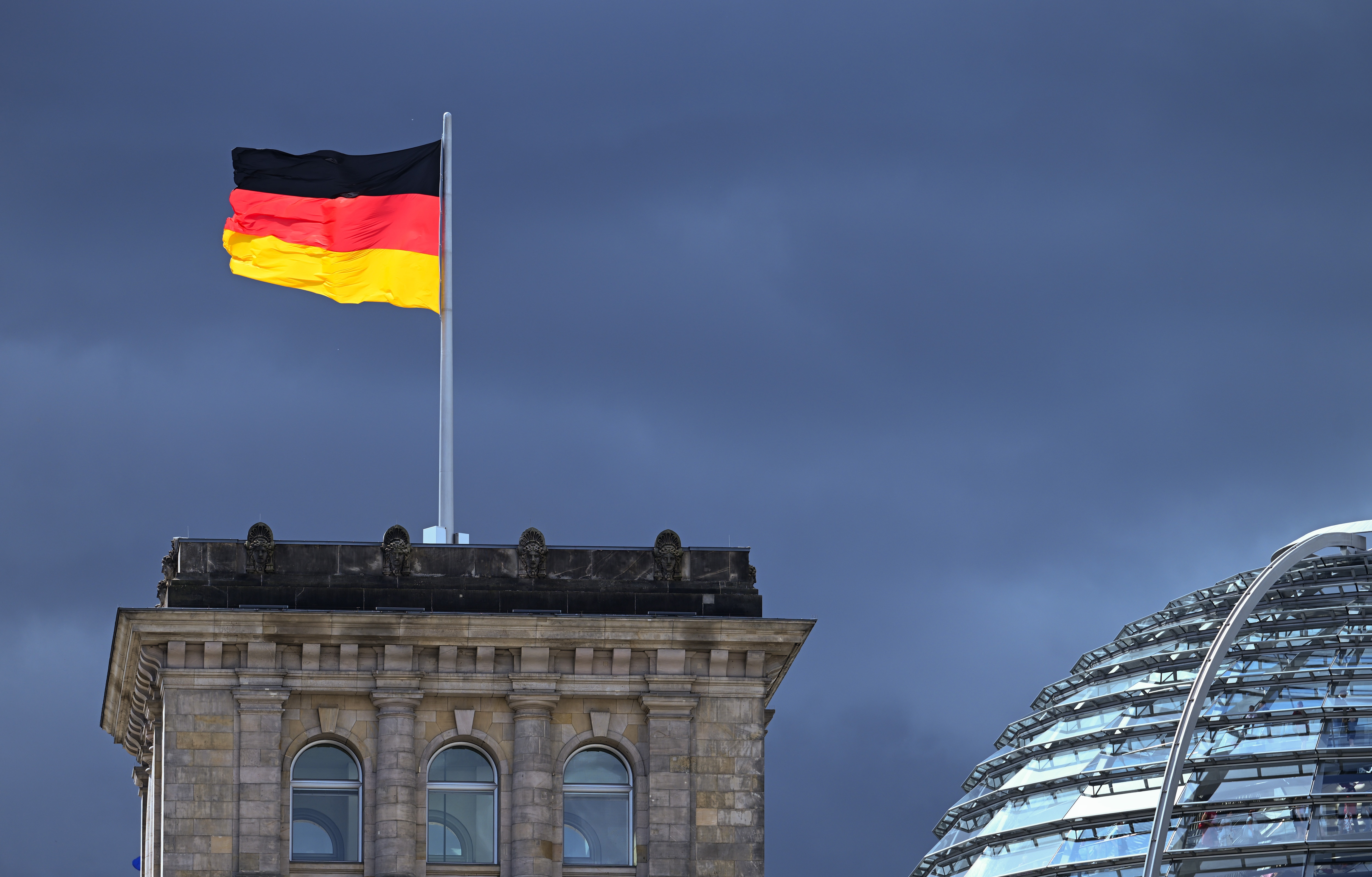
Is Germany's economic power under threat?
Germany's economic dominance as Europe's biggest economy is in danger. A new book argues that the weaknesses have been brewing for decades, leaving Germany over-reliant on Russian gas, too focused on old industries and unable to adapt to the digital realities of the 21st century. Guest: Wolfgang Munchau, former Financial Times associate editor, and author of Kaput: The End of the German Miracle, outlines the myriad economic problems and a possible way out. Kaput will be published by Allen and Unwin on February 4, 2025And the Federal Government has decided to mandate keeping cash available for essential business, but this will come at a cost to small business.Guest: Steve Worthington, Professor at Swinburne University of Technology
Trumpenomics 2.0
Donald Trump's economic agenda is clear: less taxation and regulation; more tariffs. But some of his programs will require a lot of money, which means America will need to borrow more. Those borrowings and the impact of tariffs will affect small, open trading economies, like Australia.GuestsProfessor Susan Stone, Credit Union SA Chair of Economics, University of South AustraliaWin-Li Toh, Principal, Taylor Fry

Should dental care be part of Medicare?
Australians fork out much more on dental care than any other kind of health care. Which is why increasingly, people are delaying or skipping dental care, and 27% of kids aged between 5 and 10 had untreated decayed or missing teeth. So should, or could dental care be brought under the Medicare umbrella, and what might this cost? Guests:Peter Breadon, Program Director for Health and Aged Care at the Grattan InstituteDr Angie Nisson, Board Member of the Australia Dental Association and Clinical Director of Oral Health in Northern NSWDr Elizabeth Deveny, CEO of the Consumers Health Forum of Australia

As America goes to the polls, the economy is doing well, but people aren't feeling it
One of the factors determining how people vote is the economy, and while America's is doing incredibly well right now, consumer confidence has slumped and most Americans are not feeling at all happy. Guests: Betsey Stevenson, Professor of Economics and Public Policy at the University of MichiganRobert Armstrong, US Financial commentator at the Financial TimesChristopher Rugaber, covers the US economy and Federal Reserve for Associated Press

The true cost of AI
There's a seismic change heading our way that will drive up electricity and water usage and it has to do with the uptake of generative AI, including Chat GPT. Giant tech companies are investing in nuclear power for their AI-fuelled race, however data centres also need clean, drinking-quality water. Guests:Ben Geman, energy reporter at Axios.com and the author of the daily Axios Generate newsletter, covering the world of energy business and politics.David Berreby, science writer based in New YorkGordon Noble, Research Director, Institute for Sustainable Futures, University of Technology Sydney

Can we afford weight-loss drugs for all?
Obesity and associated health problems cause a significant burden on health systems, but should weight-loss drugs be offered under our PBS just for weight loss? In Britain, there is to be a trial of the weight loss drug Mounjaro, that will also seek to measure the economic impact of those benefits. Britain's Health Minister argues that weight loss drugs will be '"life-changing, help them get back to work and ease the demands on our NHS". Guests:Dr Norman Swan, co-presenter of ABC Radio National's Health Report, and the podcast 'What's That Rash?'Jonathan Karnon, Professor of Health Economics at Flinders UniversityNial Wheate, Pharmaceutical Chemist and Professor of Academic Excellence at Macquarie University And the Albanese Government this week announced a crack down on unfair and excessive card surcharges, promising to get a better deal for Australians and small business. The declining use of cash and the rise of electronic payments means more Australians are getting hit by often hidden surcharges. Guest:Brad Kelly, Co-founder of the Independent Payment Forum
The global weapons industry and what it's worth
The continuing wars in Ukraine and the Middle East have horrified the world with the loss of life and devastation, raising the question, what's the cost of weaponry? World military expenditure surpassed $US2.44 trillion for the first time in 2022. Latest available figures show at $US916 billion, the US spends the most and it's also the world's largest exporter of weapons. Also US spending on Israel's military operations and related US operations in the Middle East this year total $22.76 billion, and that is only a partial figure. So how are some of these sums broken down?Guests:William Halsortung, Senior Research Fellow at the Quincy Institute for Responsible Statecraft, and author of Prophets of War: Lockheed Martin and the Making of the Military Industrial ComplexSiemon Wezeman, Senior Researcher in SIPRI's Arms Transfers Program. (Stockholm's International Peace Research Institute)Dr Marcus Hellyer, Head of Research at Strategic Analysis Australia

How religions work as businesses - an economic analysis
In a new economic analysis of religions, Paul Seabright argues that religions are not the antithesis of economics, instead he likens them to competing businesses, attracting people by providing services such as community and a greater sense of meaning in life. The Divine Economy, published by Princeton University PressGuest:Paul Seabright, teaches economics at the Toulouse School of Economics. Prior to that he was a Fellow of All Souls College at the University of Oxford.

Each time you tap, you pay a little extra, and it all adds up
Australian's love affair with paying by card - and not cash - has now surpassed 90% of transactions. And each time we tap our card, the merchant incurs a cost that's passed onto you, the customer, to the tune of billions of dollars a year.So who gets the money? As part of a Review of Retail Payments Regulation, the RBA is expecting the industry - the banks, card companies and payment terminal companies - to cut processing costs by using what's called 'least cost routing'.Brad Kelly, Managing Director of Consulting Company, Payment ServicesWes Lambert, CEO of the Australian Restaurant and Cafe AssociationThe ACCC is seeking significant penalties for Coles and Woolworths in the Federal Court, alleging they systematically misled customers with their 'Prices Drop' and 'Down Down' claims. Neil Rechlin, Partner at NextGen Group