The Economy, Stupid
263 episodes — Page 3 of 6

Should ASIC be split to ensure better corporate regulation?
The recent Senate Economics Reference Committee chaired by Andrew Bragg, delivered an extremely critical report on the performance of the corporate regulator, ASIC. It was recommended that the Australian Securities and Investments Commission be split into two bodies to address a perceived lack of competence.Guests:Andy Schmulow, Associate Professor in the School of Law at the University of WollongongDr Jason Harris, Professor of Corporate Law, Interim Deputy Dean and Interim Deputy Head of School at the University of Sydney Law SchoolWhat's our environment worth? In 2025, the ABS will release its first set of national data to measure the value of our ecosystems, across terrestrial, freshwater and marine realms. Guest: Penny Johnson, Head of the Centre of Environmental Accounts at the Australian Bureau of Statistics

Is the Reserve Bank doing a good enough job?
Treasurer Jim Chalmers recently said that 'high interest rates had smashed the economy'. And the Albanese Government has been set on driving through changes recommended in last year's independent review of the RBA - the biggest overhaul of the Reserve Bank in decades. But after the LNP withdrew its support for reform, Labour is now looking to the Greens. So how will we know whether the RBA is doing a good job or not? Guests: John Simon, former Head of Economic Research at the Reserve Bank, now Adjunct Professor at Macquarie UniversityJohn Quiggan, VC Senior Fellow in Economics at the University of QueenslandAnd how much pocket money are children getting these days? Guest: Matthew Bowen, Head of Consumer and Marketing Insights, ING Bank of Australia

Will the escalating cost of media sports rights change what we can watch?
Free to air TV was once the only place to watch your favourite football match, but that could change as streaming services and tech companies now compete for sports media rights. Sports bodies sell their rights to broadcasters, who then sell advertising slots or subscriptions, so the clubs and athletes get paid. While this mostly remains the case in Australia, the global value of these rights will this year surpass $US 60 billion with Amazon Prime, NBC and ESPN joining up for the rights to both men's and women's basketball. Guests: Minal Modha, Head of Sport at research firm, Ampere AnalysisBen Strauss, Sports and Media Reporter at The Washington PostDavid Rowe, Emeritus Professor of Cultural Research at the University of Western SydneyTim Burrowes, publisher of the media and marketing industry newsletter, Unmade.

Today's money is mobile and digital. So how might it evolve?
We're almost a quarter of the way into the 21st Century and already it's clear money has changed. It's increasingly mobile. It's (relatively) cheap and more and more digital. Economist Richard Holden is charting the changes. Guest: Richard Holden, Professor of Economics at the University of NSW Business SchoolAuthor of "Money in the 21st Century; Cheap, Mobile, and Digital' published by University of California Press.
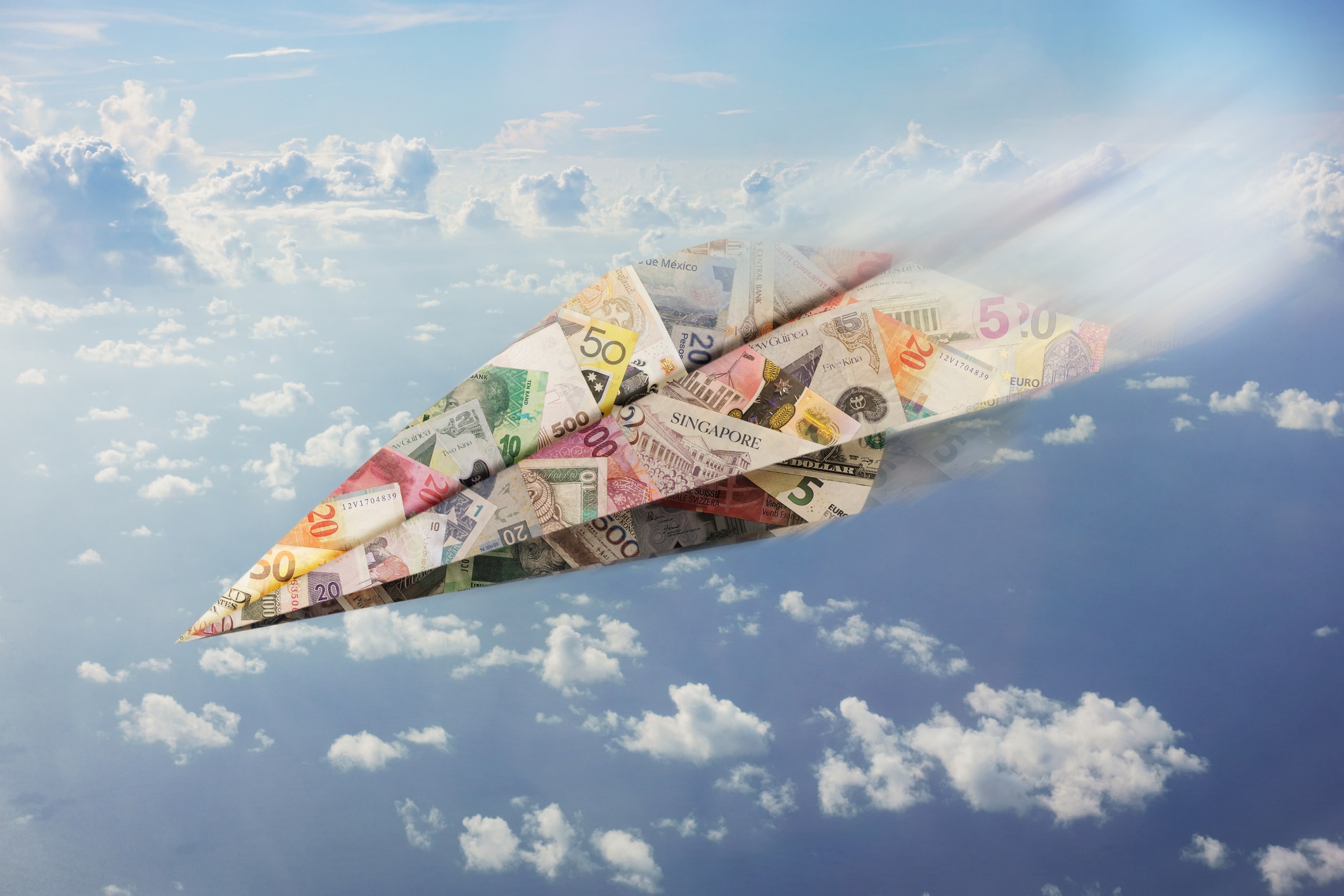
The Cost of Loyalty Programs
It is a bird? Is it a plane? Well, yes, it is a plane, but it's also something much more.We all know that airlines fly passengers and freight around the country and the world. But they're also like banks, and data collecting businesses. And that's because of the growing importance of their frequent flyer programs. Though you no longer need to fly to gain points. As customers we're not sure what these points are worth. But to the airlines, loyalty programs are so lucrative that they are a core part of their business.Guests:Katharine Kemp, Associate Professor at UNSW Law and JusticeDaniel Sciberras, Editor in Chief at Point HacksGanesh Sitaraman, Professor of Law at Vanderbilt University and author of Why flying is miserable and how to fix it, published by Columbia Global Reports Leona Tam, Professor at UTS Business School.This program is repeated from March, 2024
The global race to the moon is on again
During RN's Science Week we focus on the business of space and the new global race to put people on the Moon. The space economy is predicted to be worth $US1.8 trillion in ten years time and one of the first steps is the construction of a Lunar Gateway, serving as a pathway to Mars.So what are the likely benefits for us on earth from this re-energised space race? Peggy Hollinger, Space Industry Editor for the Financial TimesProfessor Anna Moore, Director of the ANU's Institute for SpaceRyan Brukardt, Senior Partner in Global Management Consulting at McKinsey and Co
The Olympics are amazing, but what do they cost?
The Paris Olympics were designed to be 'infrastructure light' to avoid outlandish construction costs, yet the overspend is estimated at $US1 billion. Since the 2016 Rio Olympics' budget overrun by 352 per cent, many cities withdrew their bids in the face of strong public opposition. So should Olympic Games be held in one permanent location every four years? And how are plans for Brisbane's 2032 Olympic Games progressing? Andrew Zimbalist, Professor of Economics at Smith College, Massachusetts. Author of Circus Maximus and Boston Olympics: How and Why Smart Cities Are Passing on the TorchMichael Bleby, Deputy Property Editor at the Australian Financial Review

Do CEOs deserve their huge salaries?
How have CEO bonuses reached such stratospheric levels? What do chief executives have to do to get them and how does getting them influence how they run the business?Researchers have found that CEO bonuses can lead to some sneaky corporate behaviour. And the incentives often don’t align the interests of the boss and the shareholders.Anna Bedford, Associate Professor at UTSGeoff Martin, Professor of Strategy at Melbourne Business SchoolDr Rebecca Bachmann, Lecturer, Department of Account and Corporate Governance, Macquarie University Ed Johns, Executive Manager, Australian Council of Superannuation Investors
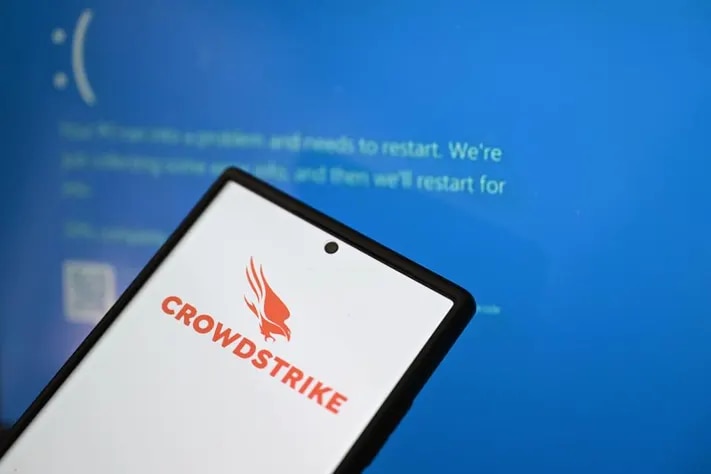
What have we learned from Crowdstrike's billion dollar IT outage?
What does the Crowdstrike outage have to teach us about risk management and relying on cyber?
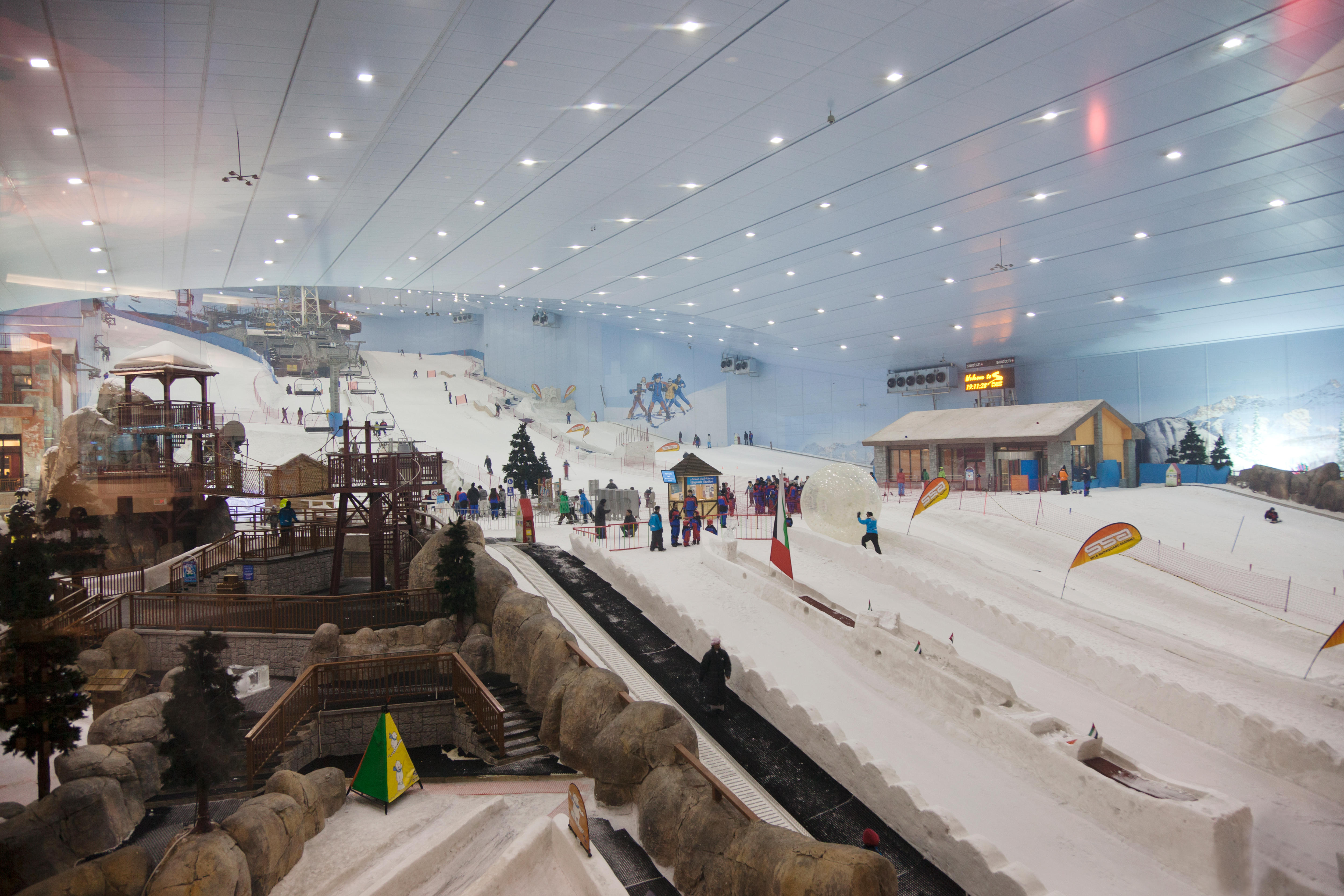
Our love affair with shopping malls
Shopping malls are very big business globally and Australia's no different, with the twelve largest centres earning over $1 billion annually. Initially designed in the 1960s to accommodate hundreds of cars, targeting the suburban housewife, today they come in all sizes - from the big guns, to mini guns - and are much more responsive to diverse cultural needs, changing consumer trends, and the latest in entertainment.
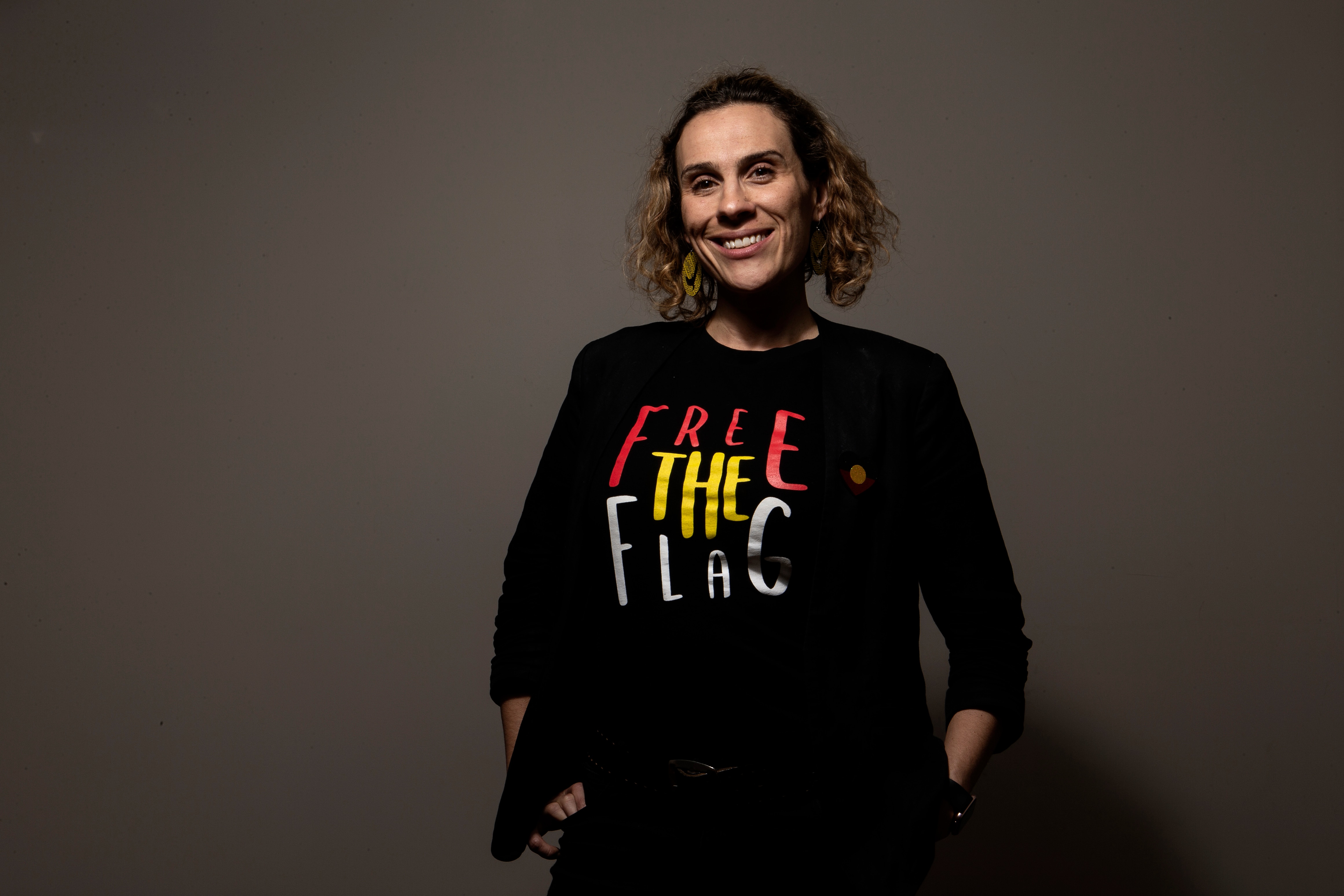
Indigenous business and housing ownership is on the up
Indigenous business and home ownership is on an upward trajectory. The role played by Indigenous owned and operated businesses in Australia's economy has expanded, contributing over $16 billion to the economy, and over $4.2 billion in wages. And Indigenous Business Australia has helped tens of thousands purchase their own home. No mean feat during this cost of living crisis.Laura Thompson, Co-Founder, Clothing the GapMichelle Evans, Director of the Dilin Duwa Centre for Indigenous Business Leadership at Melbourne University and Melbourne Business School Kelly Keane, Associate Director, Indigenous Business Australia
How do people plan to use extra money from Stage III tax cuts?
This week, everyone who's got a job will have more money in their pocket, thanks to the introduction of the Stage III tax cuts? So how do people plan to use the extra money? And is it good policy? In addition, hundreds of tariffs on imports will also be cut, a decision that economists love and applaud. GuestsKristen Sobeck, Research Fellow, Tax and Transfer Policy Institute, ANUMatthew Bowen, Head of Consumer and Market Insights, ING Bank AustraliaAlex Robson, Deputy Chair, Productivity Commission
Immigration: Costs and benefits
If we reduce the number of immigrants will that reduce pressure on infrastructure and the cost of housing? The short answer is yes, but it will cost us in other ways. So how should we choose our skilled immigrants and help them make the biggest contribution? GuestsDiana Mousina: Deputy Chief Economist, AMP.Brendan Coates: Economic Policy Program Director, Grattan institute. Cassandra Windsor: Chief Economist, CEDA ( Committee for Economic Development of Australia)Tim Harrison: CEO of Ararat Rural City Council, Victoria.
High-tech laundering - how crims use technology to make dirty money clean
Making bucket loads of money from crime is one thing but what do you then do with it all? Investigative journalist Geoff White explains how big time crims are making their dirty money clean. Guest: Geoff White, author of Rinsed: From Cartels to Crypto, How the Tech Industry Washes Money for the World’s Deadliest Crooks.
The coffee paradox
Coffee prices have climbed on commodity markets but not so much in cafes. Why is that?

Low or No Alcohol: The Economics of Moderation
People are drinking less alcohol, especially Millennials and Gen Z. And the drinks industry has noticed.Low-alc and no-alc drinks make up a tiny fraction of the market. But it’s growing at 7 percent a year. And, as more of us either moderate our drinking or stop altogether, the future for these drinks look bright.But the way they’re advertised, marketed and packaged makes them look very like alcoholic drinks and there’s some concern they may act as a gateway to alcohol.Guests:Simon Strachan, CEO, DrinkwiseElfrun von Koeller, Managing Director & Partner, Boston Consulting GroupAndy Miller, CEO, Heaps NormalDr Ashlea Bartram, Senior Research Fellow, National Centre for Education and Training on Addiction, Flinders University

The TikTok Economy
TikTok, the phone app that sends a stream of viral videos to every user, is in trouble in the United States. The company must either change its Chinese ownership, or leave the American market.In response, TikTok is underlining its economic contribution, in Australia and elsewhere. So how much difference does it make?Guests:Dr Joanne Gray, Lecturer in Digital Cultures, University of SydneyAriana Hendry, Co-founder, BeysisKristian Kolding, Head of Consulting, Oxford Economics AustraliaProfessor Vili Lehdonvirta, Oxford Internet Institute, Oxford University

Diamond Disruption: Lab Grown vs Mined, which gem would you choose?
As they say a “diamond is forever”. But does it matter if that diamond is grown in a lab or mined from the Earth? Especially if they both are chemically, physically, and optically identical.And given that cost of living pressures are colliding with consumers’ desire to not compromise on size or quality, more and more Australians can see the logic behind lab grown gems. In America, lab-grown may have peaked.Guests:Cormac Kinney, Founder & CEO, Diamond StandardPaul Zimnisky, Leading Global Diamond Industry AnalystTalitha Cummins, Founder, the Cut JewelleryEloise Sohier, Customer, The Cut Jewellery
Marking the Treasurer’s work: Three leading economists discuss the federal budget.
This year’s Budget tries to do several things at once. In the short term it offers cost-of-living relief but tries not to contribute to inflation. In the longer term it departs from decades of economic orthodoxy by picking industries to invest in. Specifically, green hydrogen and critical minerals. But will it work? And how responsible is it? Three of the country’s leading economists offer their views.Guests:Shane Oliver, Chief Economist, AMPRichard Holden, Professor of Economics, UNSW Business SchoolLuci Ellis, Chief Economist, Westpac Banking Group
The Sleepless Economy: The High Costs of Losing Shut Eye
Australians have a sleeping problem. The most conservative estimates show one in 10 have a sleep disorder, which is having an impact on their safety, wellbeing and productivity.This ends up costing almost a $1 billion a week. And that’s not all. The total cost of inadequate sleep is thought to be as high as $75 billion a year.We’re not alone either. International research shows places like the US, the UK and Europe are facing similar problems, with similar costs.Guests:Shanthakumar Rajaratnam, Chair of the Sleep Health FoundationProfessor Ron Grunstein, The Woolcock Institute Wendy Troxel, The Rand CorporationZafina Ademi, Professor of Health Economics, Monash University

Global Growth: The Benefits vs The Consequences
You don’t need to be paying too much attention to be aware that economic growth matters.Growth is central to economics. And growth of the last 60 years has delivered. We’ve seen a rise in prosperity, and developments in health and education.But the pursuit of growth has also had consequences.In his new book Growth: A Reckoning, Daniel Susskind explores the tension between the positives and negatives created by the pursuit of growth.Guest:Daniel Susskind, Research Professor in Economics at King’s College London

All By Myself: The Economics of Loneliness.
Research shows loneliness costs the Australian economy $2.7 billion per year or $1565 per person.The World Health Organisation has also declared loneliness to be a global health concern. And it’s estimated loneliness has an equivalent health impact on the body to smoking 15 cigarettes a day.Before the pandemic older Australians were found to be the loneliest in the nation. But now the data now shows this has shifted and younger Australians are the feeling the effects of being alone and isolated.Technology has allowed us to be more connected than before, but has all this left us lonelier than ever?Guests:Andrew Dempster, Principal Director & Leader of the National Mental Health Advisory Business, KPMGRoger Wilkins, Professorial Fellow at Melbourne Institute of Applied Economic and Social Research, and Co-Director of the HILDA SurveyLiesel Sharabi, from the Hugh Downs School of Human Communication at Arizona State University.Lixia Qu, Senior Research Fellow at the Australian Institute of Family Studies.

Hackenomics
The growth of cyber-crime is considered to be the biggest challenge facing Australian businesses.Collectively cyber-attacks cost the economy $42 billion dollars last year, with ransomware the most disruptive type of hack, costing $3 billion.So what is the government doing? And what can organisations do, both to lower their risk of attack, and if the hackers succeed in accessing their systems?GuestsNick Espinosa, Chief Security Fanatic, Security FanaticsDr Jay Jeong, Senior Research Fellow, University of MelbourneDr David Tuffley, Senior Lecturer in Cyber Security, Griffith UniversityDavid Cullen, National Director of Advocacy, CISO LensAbi Bradshaw, Head of the Australian Signals Directorates Cyber Security Centre

Puffed out: The Costs of Vaping
New research suggests that the increase in vaping across Australia will cost the health system an extra $180 million each year and that’s a conservative figure.Vaping has been framed as a way to stop smoking tobacco, however it can also be a gateway to taking it up. It’s estimated that 13 per cent of people who vape transition to cigarettes.The Australian government has called vapes a public health menace and introduced restrictive anti-vaping policies. But are these policies intended to drive positive change giving rise to a dangerous black-market?Guests:Professor Louisa Collins, QIMR Berghofer Medical Research InstituteDr James Martin, Senior Lecturer in Criminology, Deakin UniversityBecky Freeman, Associate Professor of Public Health, Sydney University
The Economics of Daylight Saving: It’s All In The Timing
Twice a year most Australians are made to deliberately mess with our body clocks. When we go into daylight saving and when we come out.Many of us love the longer summer evenings. What we don’t love is the sleep adjustment that makes us feel tired, fuzzy and out of sorts.There are plenty of arguments about whether daylight saving is a good or bad thing.So in this episode we look at the costs and benefits and whether it’s time to rethink the concept.Guests:Dr Thomas Sigler, Associate Professor, University of QueenslandAllison Schrager, Economist & Senior Fellow at the Manhattan InstituteDr Yevgeny Mugerman, Senior Lecturer, Bar-Ilan UniversityDr Jayanta Sarkar, Associate Professor, Queensland University of Technology

Choconomics: The Rising Cost Of Chocolate
As we head into Easter you may have noticed the price of your seasonal sweet treats like chocolate bunnies and eggs are a bit higher than last year.The main reason is the price of cocoa beans or actually, the price of cocoa futures. They’ve skyrocketed by more than 100% in 2024 alone and tripled over the past year.But why is that and will we be prepared to keep paying higher prices for the sweet stuff?GuestsTina Angelidis: Co-Owner, Adora ChocolatesPia Piggott: Associate Analyst, RabobankProfessor John Dumay: Accounting & Finance, Macquarie Business SchoolPaul Zahra: CEO, Australian Retailers Association Check out the Chocolate Scorecard: https://www.chocolatescorecard.com/

Inheritocracy: The lasting generational advantages of home ownership
In the country’s most expensive housing markets, family help and the ‘bank of mum and dad’ is increasingly necessary for younger people to buy homes. But could this entrench and perpetuate lasting advantage for those already part of the property-owning class?GuestsDr Julia Cook: Senior lecturer, Sociology, University of NewcastleDr Laurence Troy: Senior lecturer in Urbanism, University of SydneyDr Monique McKenzie: Post doctoral research associate, University of SydneySophie Renton: Managing Director at social research firm, McCrindle.

Sharing the Benefits of Innovation
Innovation sparks thoughts of tech giants, inventions and Silicon Valley. While those companies in Cupertino may be good at generating extreme wealth, they’re not so good at spreading it across the communities they benefit from.Other places do better, particularly Switzerland, Sweden and Austria. What can we learn from them?Guest:Neil Lee, Author, Innovation For The Masses: How To Share The Benefits Of The High-Tech Economy
The Cost of Wage Theft
Wage theft costs Australia’s workforce at least a billion dollars a year.Some industries, like retail, hospitality and horticulture are renowned for it. But the practice is widespread across many sectors. There’s been wage theft cases against franchises like 7 Eleven and Bakers Delight, institutions like universities and the ABC, and corporate giants like Coles and the Commonwealth Bank.So which workers are most vulnerable and what can be done to protect them?Guests:Giuseppe Carabetta, Associate Professor of Workplace and Business Law at the University of Technology, Sydney Business School.Rebecca Thistleton, Executive Director, McKell Institute Victoria.Stephen Clibborn, Associate Professor in the Discipline of Work and Organisational Studies, University of Sydney Business School.Paula McDonald, Professor of Work and Organisation, Queensland University of Technology

Market Concentration of the Beer Industry
The market concentration of the beer industry.

The Economic Cost of Illiteracy
Illiteracy is costing the Australian economy billions.It won't cost much to fix the problem in our schools, just a commitment.

A material world
How would we survive the world today if we didn't have our phones?
The Cost of Loyalty Programs
How airlines have transitioned to financial institutions and data gathering businesses that just happen to have planes.
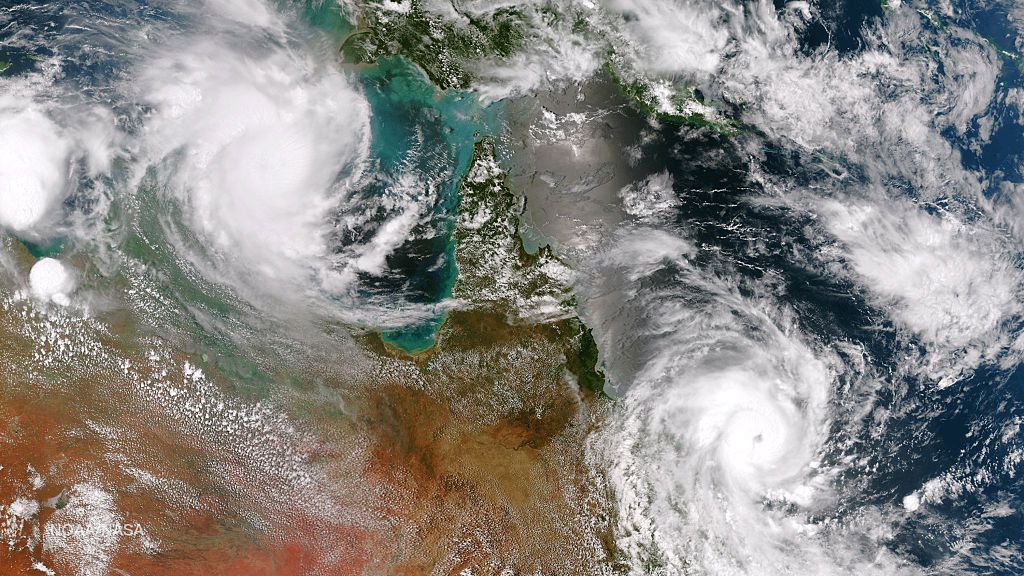
Climate Change Costs
The rising cost of extreme weather events and climate change.

Supermarket prices
The Money looks at the accusation that the major supermarkets are price gouging, something the Federal Government is investigating.
Influence of the consulting industry and the long view
Mariana Mazzucato and the influence of the big consulting firms and why the long term really matters.
Different generations talking about future generations
Sophie Howe and Alison Pennington, women from different generations but with the same goal to improve the living conditions of younger and future generations.
Subscriptions, drip pricing and the cost of returning online shopping
Pay attention to what you're subscribing to, what you're buying and the cost of online returns.
The cost of tertiary education
As the number of students attending university has grown so has their debt and while the HECS / HELP system has worked well in the past - does it now need reform?
The cost of live music
Taylor Swift is on track to make over $US1 billion from her world tour. Here’s how she (and other superstars) make so much.

Presentenomics
The economics of present giving.

PNG and the IMF and, the future of cities
Disagreement between PNG and the IMF and why our future depends on how we shape our cities.
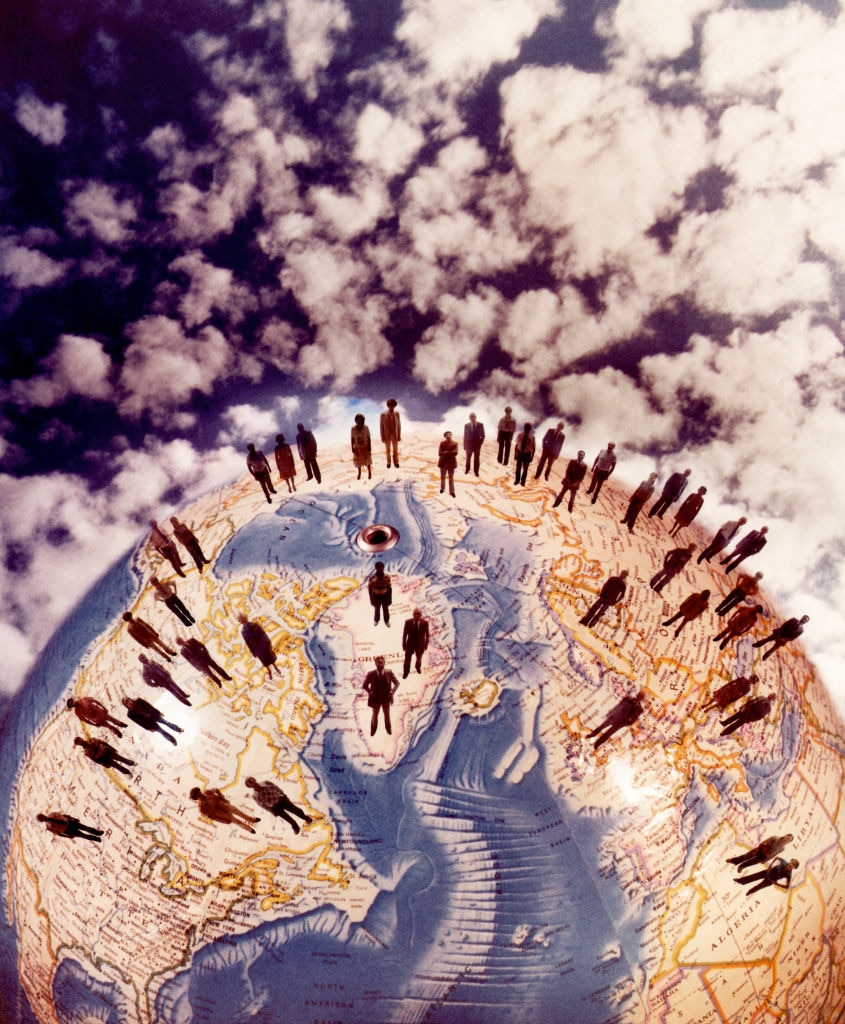
Moves to make the RBA independent and The World Ahead report
Making the RBA independent from the government and The World Ahead report.
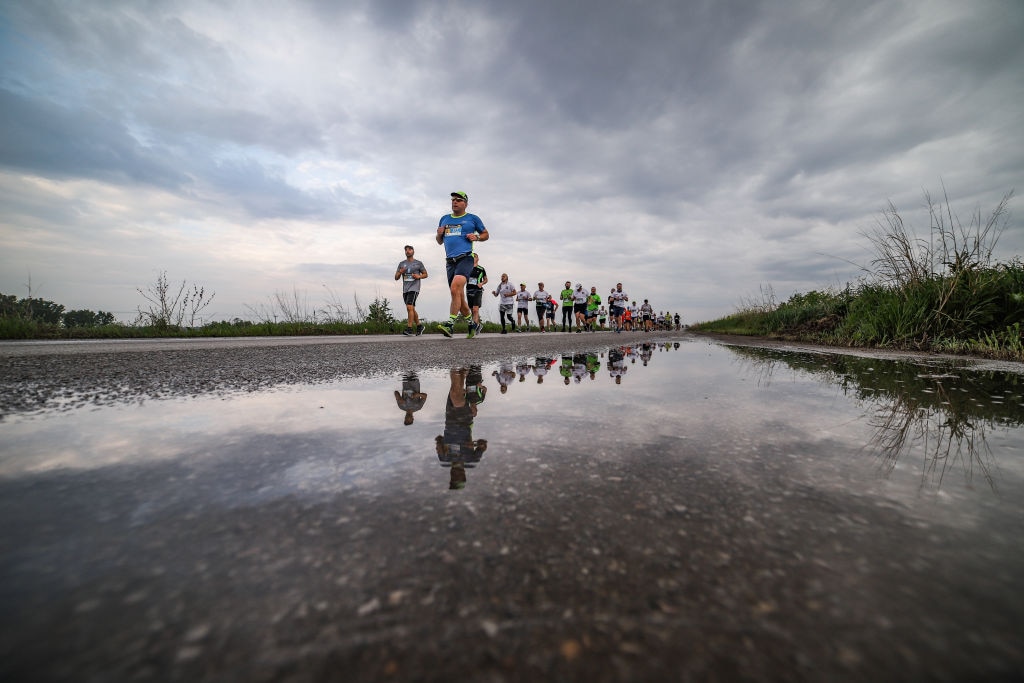
Improving competition both in Australia and within the EU and what shoppers want
Improving competition both in Australia and within the EU and what shoppers want from their main street.

The economies of Gaza and Israel and the new Chair of the Productivity Commission
The economic relationship between Gaza and Israel and the new Chair of the Productivity Commission, Danielle Wood.
Headwinds and interest rates; consultancy companies and changes in the CPI
Making sense of what is influencing inflation, consultancy competition and changes in the CPI.
Superannuation funds; interest rate decisions and business expenses
Assistant Treasurer Stephen Jones on what super funds need to do; what will the RBA do about interest rates and a cautionary tale about business expenses.
Reporting ESG, global tax evasion and road charges
It's a numbers game when it comes to reporting ESG and paying taxes, or not. And how do you better charge for road usage.
The economic crises that shaped globalisation. Beyond the now: The case for long term thinking.
What we learn from seven economic crashes. Why we should expand our horizons and embraced the long view.
Inheritocracy: The lasting generational advantages of home ownership
Are we returning to the days of the landed gentry when property is increasingly concentrated in families that can afford it?