The Economy, Stupid
263 episodes — Page 5 of 6
Economic implications of the Chinese Communist Party Congress
The wider implications for the global economy coming out of the Chinese Communist Party Congress.
How much tax is enough?
The taxing question of how much tax we should be paying and what type of tax. And book publishing, how is the industry adapting to increased paper prices and supply and issues.
How copper may be the roadblock for a greener global economy
Why aren't the banks passing on higher savings rates; copper demand and supply rates are problematic for a greener economy and sovereign capabilities.
Beyond GDP
Measuring the health of an economy and of a nation, what are the variables that should be included, beyond GDP?
The big business of online sports betting
The big business of sports betting and all that it involves.
The value of the British monarchy and streaming services
What economic value does the British monarch bring to the UK economy and the complexities of streaming services
Deciphering the Reserve Bank's language; China's economy and the bank of mum and dad
What is the RBA Governor Philip Lowe actually saying? What's happening within the Chinese economy and the bank of mum and dad.
The Job Summit: changing jobs and the care economy; and financial stress despite low unemployment
Changing jobs can help improve wages but there needs to be better support in place to help people make the leap. Better support with increased wages and better working conditions will also be discussed for those, mainly women, working in the care economy. And why are we still so financially and mentally stressed with the re-opening of the economy and record high employment levels?
Andrew Leigh on a more dynamic economy; Europe's drought economies; inflationary psychology
Labor MP Andrew Leigh discusses why Australia's productivity has slowed down and most importantly how we can reignite the economy.
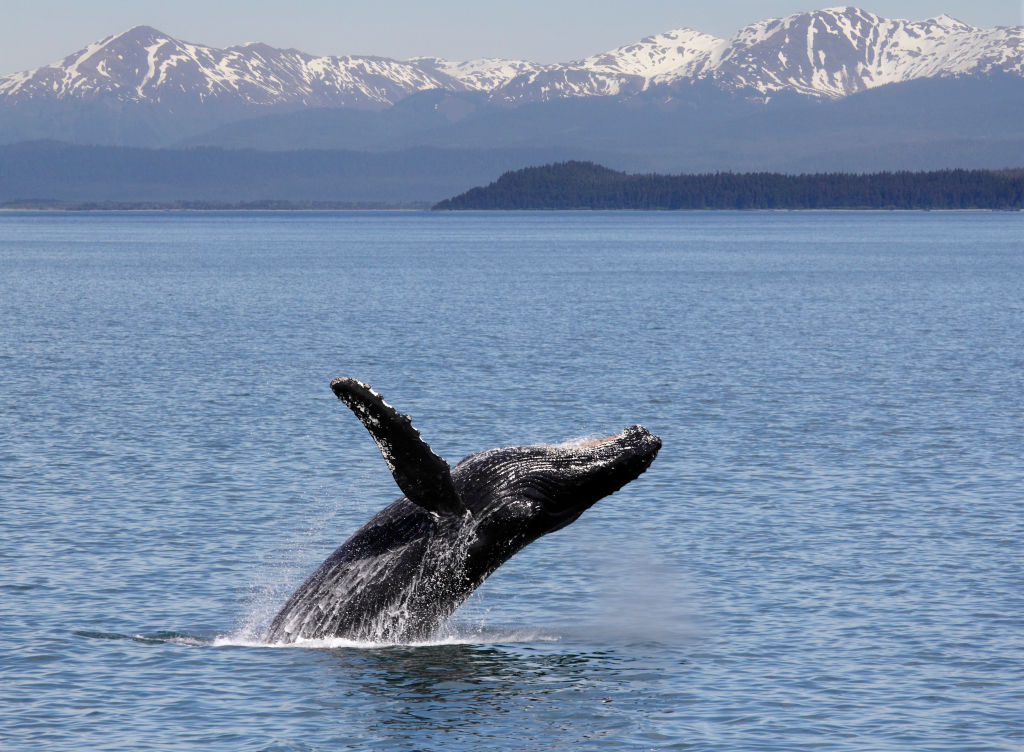
ALP changes to the safeguard mechanism; repairing the environment from the Black Summer Fires; and Green Capitalism
The Albanese Government has released a discussion paper outlining changes to the safeguard mechanism ensuring high industrial polluters decarbonise to levels set. Hugh Grossman from RepuTex Energy explains what this means. Meanwhile the University of Queensland in conjunction with the WWF-Australia have put a dollar figure on how much funding is needed to repair the damage to habitat caused by the Black Summer Fires. Dr Michelle Ward breaks down the numbers. And green capitalism. Adrienne Buller discusses why acting on climate change through the prism of capital markets does not work in her book, The Value of a Whale.
Getting digital with the RBA; CPI data; and simplifying the WTO
With the increasing popularity of digital currencies, the RBA is exploring its own central bank digital currency. The Deputy Governor of the RBA Michele Bullock, explains how it might work. To assist in preparing for increases in inflation, the ABS will release monthly CPI indicators. Australia's Statistician Dr David Gruen talks through the advantages. And how to improve trade between countries. Economist at the ANU Andrew Stoeckel discusses what steps we should take.
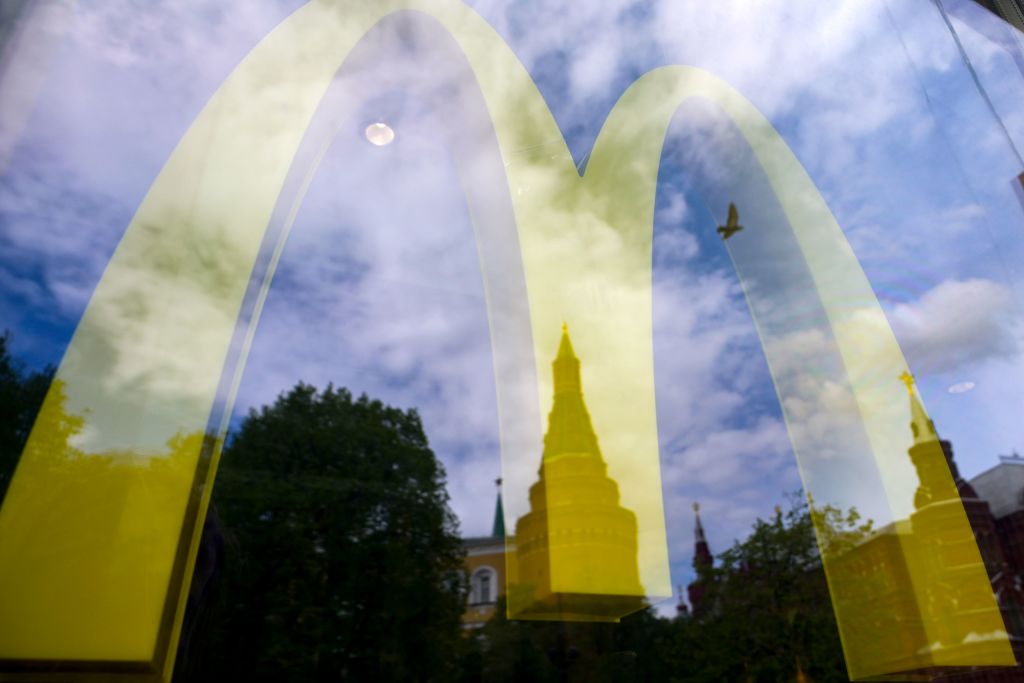
Comparisons with New Zealand's interest rates; Warwick McKibbin on the RBA and targeting inflation and Russia's economy
New Zealand is not only two hours ahead of the east cost of Australia, it's also seven months ahead of us when it comes to increasing interest rates. Can we learn anything from their experience? ANZ economist Madeline Dunk talks about the Demand across the ditch report. Meanwhile economist and former RBA board member Warwick McKibbin discusses the RBA's pursuit of its inflation target and whether there's a better way? And the Russian economy. Some commentators say sanctions and the exit of global businesses has not had the desired effect. Yale University's Steven Tian uses comprehensive data to argue it's having a devasting effect.
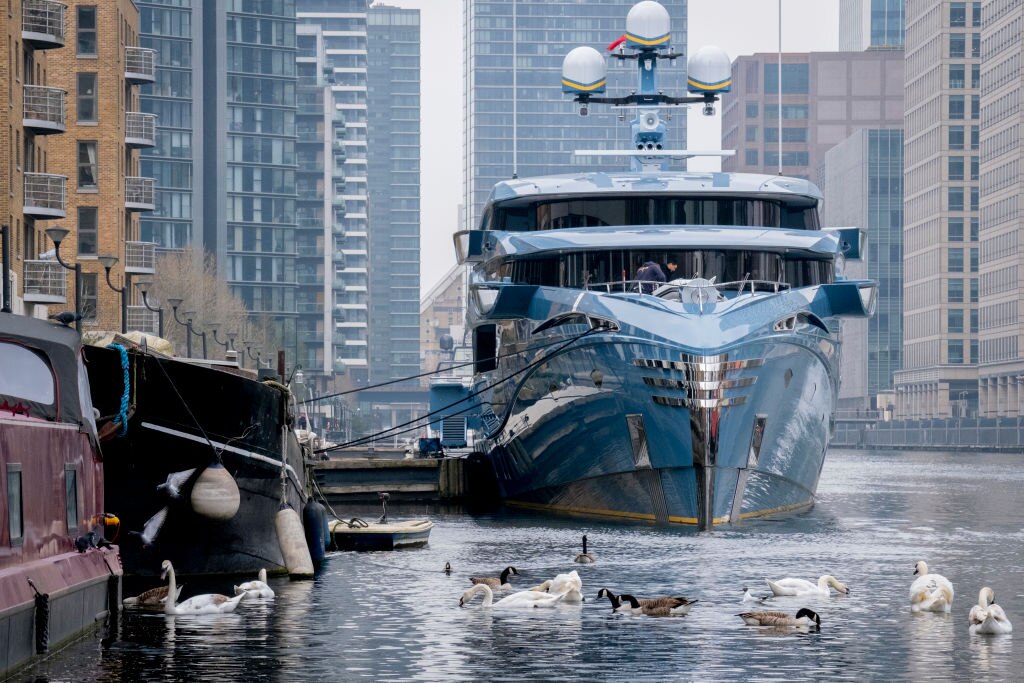
Economy update, the cost of FMD and corruption with the enablers
Treasurer Jim Chalmers delivered his 'confronting' statement on the economy and budget outlook at Parliament today. Economist Danielle Wood from the Grattan Institute provides her analysis. On top of these economy woes is a potential outbreak of foot and mouth disease. A worse case scenario estimates a cost of eighty billion dollars over ten years. That doesn't include the costs to tourism or mental health but it does put into perspective why we spend so much on biosecurity measures. The University of New England's Susie Hester explains. And the enablers. An estimated two trillion US dollars of illicit funds, stolen by corrupt officials and transnational organised crime, flows into the West's capital markets every year. So how does it get there? Frank Vogl exposes who the enablers are and what can be done to stop them.
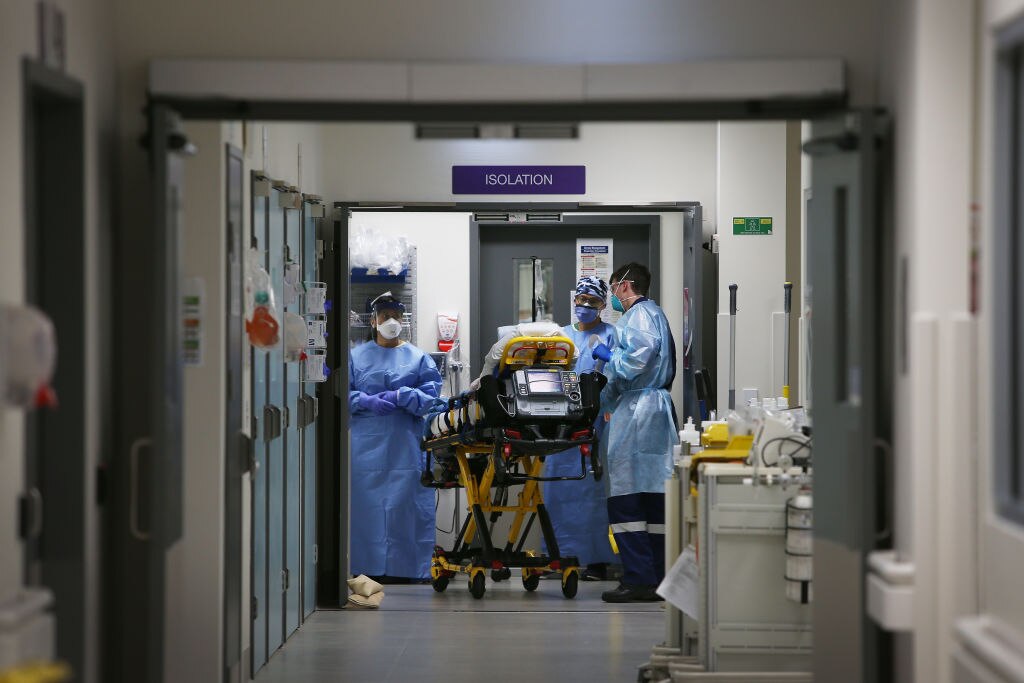
How to solve our health crisis and labour factors involved in WFH
Health staff across Australia have been telling us for years, there's a crisis within our health system, particularly with our public hospitals. It does have a lot to do with our funding model but there are also problems outside the hospital system that need attention. Jennifer Doggett from the Centre for Health Policy Development explains. And the debate about working from home continues with disparities between what employers and employees want. Some interesting studies in the US have highlighted how it is affecting the labour force but also, inflation. Ragan Petrie, an applied microeconomist who holds positions in Australia and US, discusses these findings.

Wellbeing budget, gig agreement and multinationals
Federal Treasurer Jim Chalmers plans to introduce a Wellbeing Budget, based on New Zealand's experience. Suzi Morrissey, from the Wellbeing Economy Alliance Aotearoa, explains what this entails. Caleb Goods from the University of Western Australia discusses what the agreement between food delivery company Uber and the Transport Workers Union means to gig workers and how a new Federal Government might drive some of these changes? And multinationals. They are a large part of the Australian economy and landscape and according to Professor Simon Ville from the University of Wollongong, a historical perspective is important for shaping today's policies. His analysis is included in the book Lessons from History.
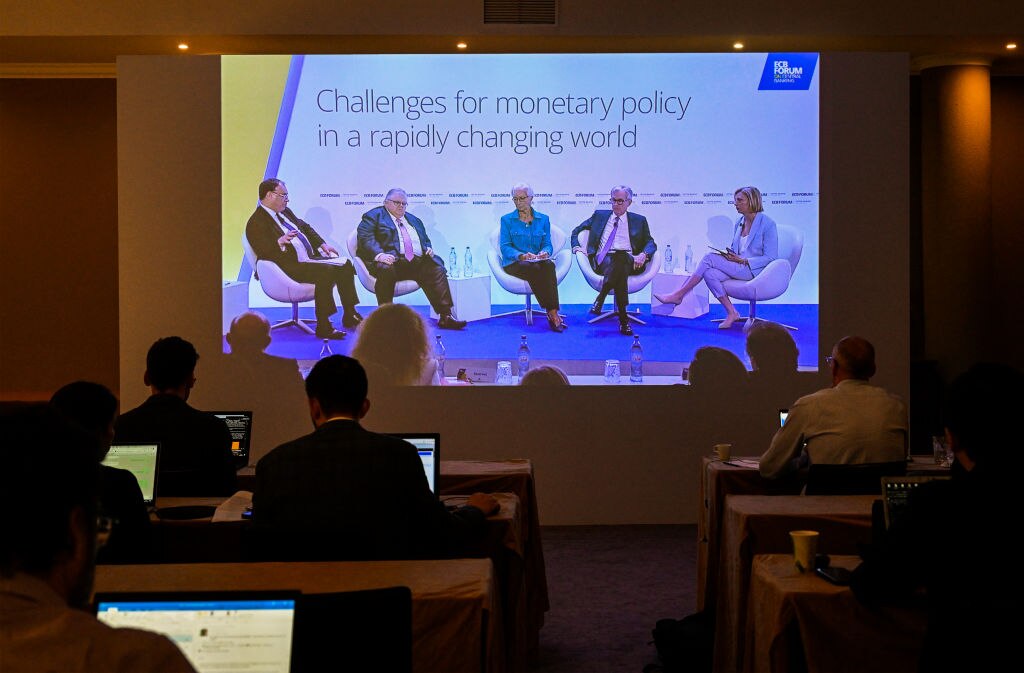
The limitations of central banks and living and developing on floodplains
Interest rates are on the rise not just here in Australia but in other parts of the globe as central banks and governments grapple with rising inflation. But what can central banks actually achieve? Former deputy governor of the Bank of England and now chair of NatWest Group, Sir Howard Davies discusses. And just as interest rates keep rising so do water levels. The Nepean-Hawkesbury valley is once again flooded. Dr Brian Cook from the University of Melbourne explains how among other factors, massive changes to land use and economic forces have disrupted the peak flows of our river systems. So what to do?
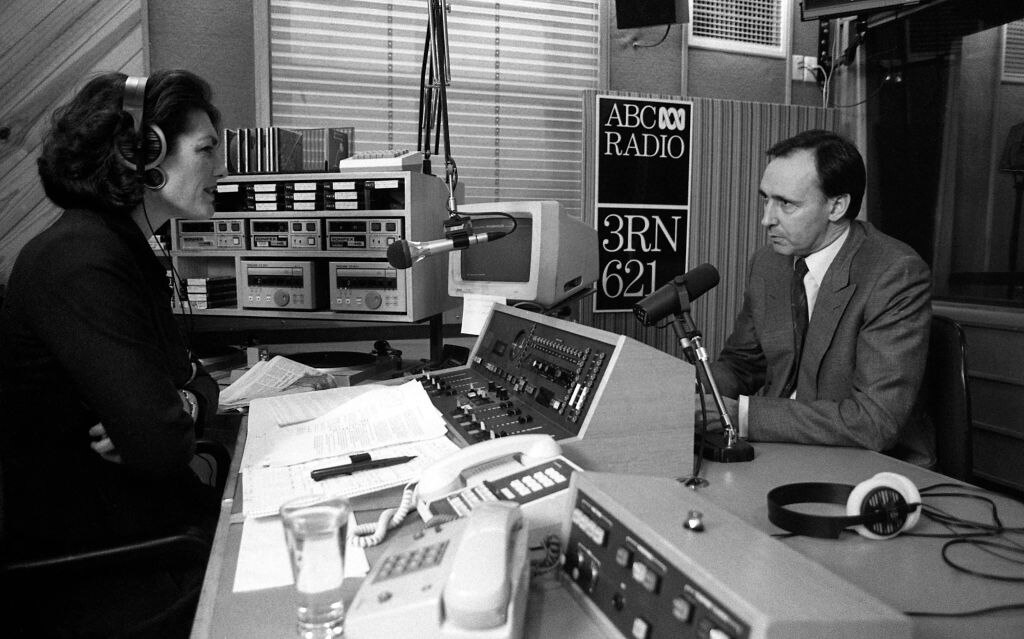
Thirty years of superannuation and from free to fair markets
In 1992, the Keating Government passed the Superannuation Guarantee Act insuring at the time retirement savings to seventy two percent of workers. Thirty years on, as the super guarantee is about to increase, is it still the best way to ensure sufficient retirement income for all? Brendan Coates from the Grattan Institute discusses the pros and the cons. And how to twin efficiency and equity. Professor of Law Rosalind Dixon and Professor of Economics Richard Holden have proposed in their book reforms on how to make economies fairer through liberalism democracy. And you'll be surprised to know that Australia has many of the frameworks required.

Energy and capacity mechanisms; the RBA interest rates and jobs and insurance companies and online data
Energy capacity mechanisms, what are they and what are the concerns about them and why is the Australia's Institute Polly Hemming slightly optimistic about Australia's future climate and energy policies? Jobs, jobs, jobs and 270,00 missing ones. Economist Isaac Gross with the ALP's Andrew Leigh have analysed the RBA's use of interest rates over the last twenty years. This monetary tool hasn't always worked as it should. And we all know big brother is watching what we're doing online. But how does this affect the insurance products, policies and costs that are being offered to us? Zofia Bednarz from the University of Sydney's Law School discusses why it needs to be considered and better regulated.

Consumer sentiment, the cost of gun violence in the US and the price of vegetables
Interest rates are rising and not just in Australia. So how do people feel about the economy and their own financial situation? Bill Evans, Chief Economist at Westpac, talks about consumer sentiment. The tragedy of gun violence in the US is impossible to measure, but what about the economic cost? Ted Miller from the Pacific Institute for Research and Evaluation has been crunching the data with a price tag of $557 billion based on 2019 figures. And what factors are contributing to the skyrocketing prices of our daily greens? Supply chain expert, Flavio Macau from the Edith Cowan University's School of Business and Law helps us digest why certain vegetables have become top shelf expensive.
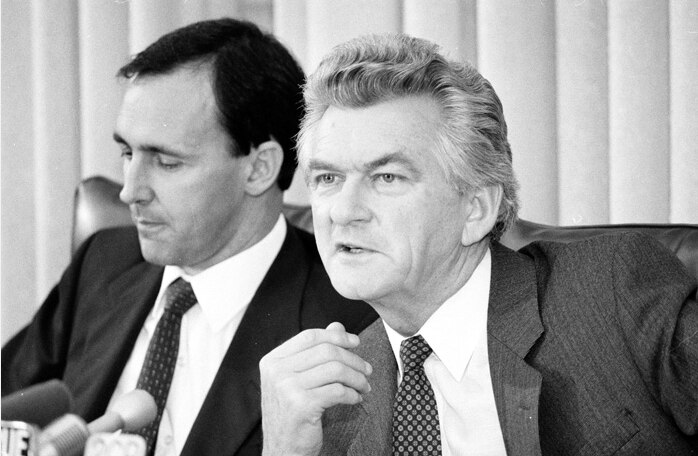
Energy costs, monetary policy and who is the better economic manager
The Grattan Institute's director of energy, Tony Wood, provides his analysis of this week's energy minister's meeting and why an integrated energy and climate change policy is critical.
RBA review; infrastructure spend and improving public service delivery
Twelve of Australia's prominent economists penned an open letter to the new Treasurer Jim Chalmers about what they want to see in the promised review of the Reserve Bank of Australia. Renee Fry-McKibbin, Professor of Economics at the ANU's Crawford School of Public policy and interim director explains why this review is so important to get right.
A new government and a new approach to climate and industrial relations and a re-set on global trade
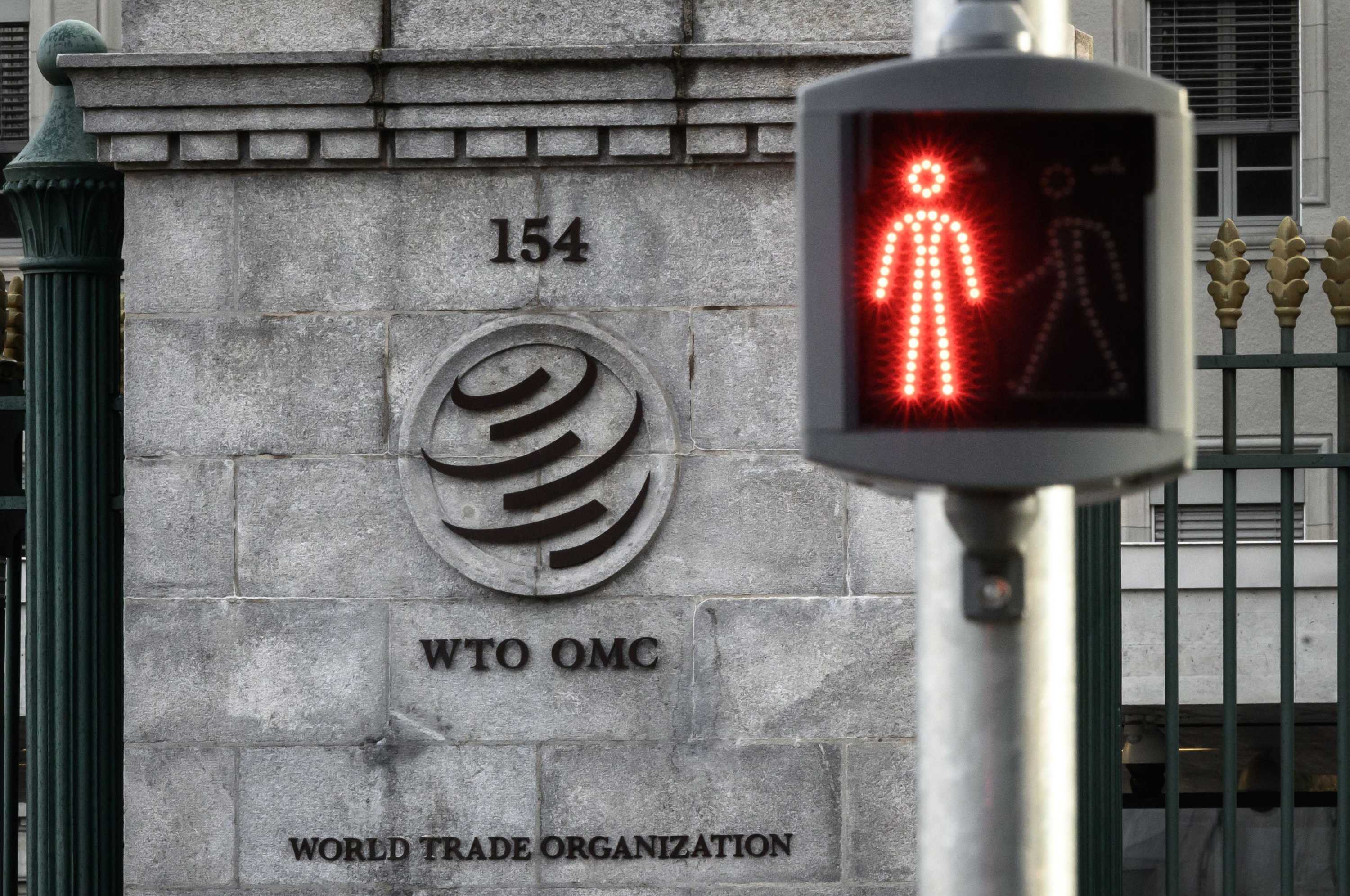
We have a new government so where does it stand on the big issues like climate and industrial relations? Anna Skarbek, CEO of Climateworks Centre discusses the targets and policies but also how much more needs to be done and Andrew Stewart, Professor of Law at the University of Adelaide talks through the challenges the government has with rejuvenating enterprise bargaining mechanisms for pay rises as well as other policy commitments. And have we reached the limits of global trade liberalisation? The Financial Times, global business columnist, Rana Foroohar explores what might come next and whether we need to fix the WTO.
Federal election and what isn't being discussed and red book, blue book
It has been a very long election campaign so is it possible there are areas that haven't been discussed by the major political parties? Richard Holden, Professor of Economics at the University of New South Wales Business School and Danielle Wood, economist and CEO of the Grattan Institute reflect on the policies and economics that have been forgotten.
The global economy; the deficit issue and what can be done about manufacturing
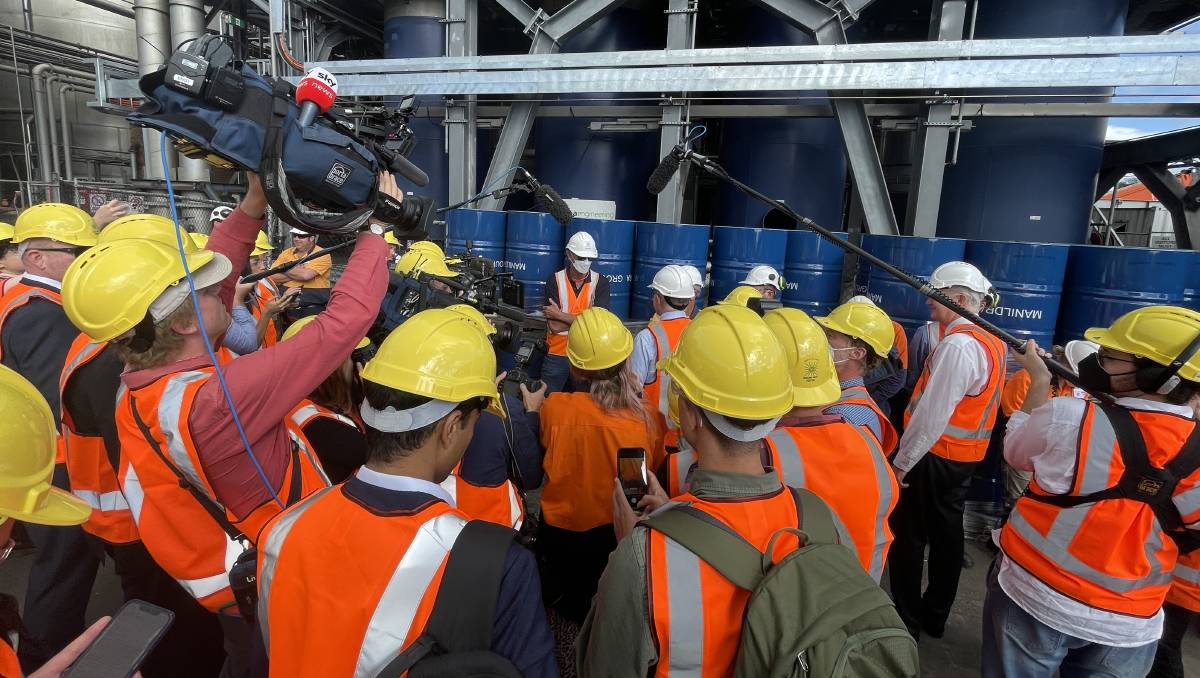
How do you know when we're in a global recession? Well, there's no precise rule but the economies of China, US and Europe are all facing challenges and uncertainties making forecasting difficult. And as Harvard Professor of Economics Kenneth Rogoff, says, we'll know when we are in one. And this doesn't bode well for Australia where long term forecasts are showing budget deficits. With election spending promises, neither side of politics is mentioning major reform that most economists know is a major requirement. The ABC's financial journalist and editor in chief of the Eureka Report Alan Kohler discusses. And manufacturing. We've all seen the images of Scott Morrison and Anthony Albanese in high viz, but what are they planning and is it enough? Jesse Adams Stein, senior lecturer and ARC DECRA fellow at the UTS School of Design talks through the possibilities.

Interest rates; unemployment stats and global military spend
In the wake of this weeks RBA increase in interest rates, how difficult is it to forecast in uncertain times? Former economist at the RBA and lecturer at Monash University, Isaac Gross discusses indicators and predictions. How can it be that the number of people receiving unemployment benefits is higher than the number of unemployed? Why are some people receiving benefits exempt from looking for work? Professor Peter Whiteford from the Crawford School of Public Policy at the ANU talks through these conundrums. And what's the correlation between military spend and economic growth? It's complicated as Simon Rabinovitch, The Economist's US economics editor explains.

Inflation and the RBA, foreign aid and the PRRT
Inflation, interest rates and the RBA. Warren Hogan economic advisor to Judo Bank provides his prediction of when rates will go up and by how much as well as what are the key questions for a forthcoming review of the RBA. As the Solomon Islands and China deal continues to dominate the election campaign what are the differences in each party's approach to foreign aid and is it economically viable? Stephen Howes, professor of economics at the Crawford School of Public Policy at the ANU discusses. Over ninety billion dollars in revenue could be collected from offshore gas projects if changes to the petroleum resource rent tax (PRRT) are made according to a recent Greens policy. So what is the PRRT, why hasn't it worked and why hasn't the Coalition or the ALP in the past done anything about it? Diane Kraal, senior lecturer at the Monash University's Business School explains.
NDIS costings, predicting elections and defaulting on foreign debt Russia and Sri Lanka
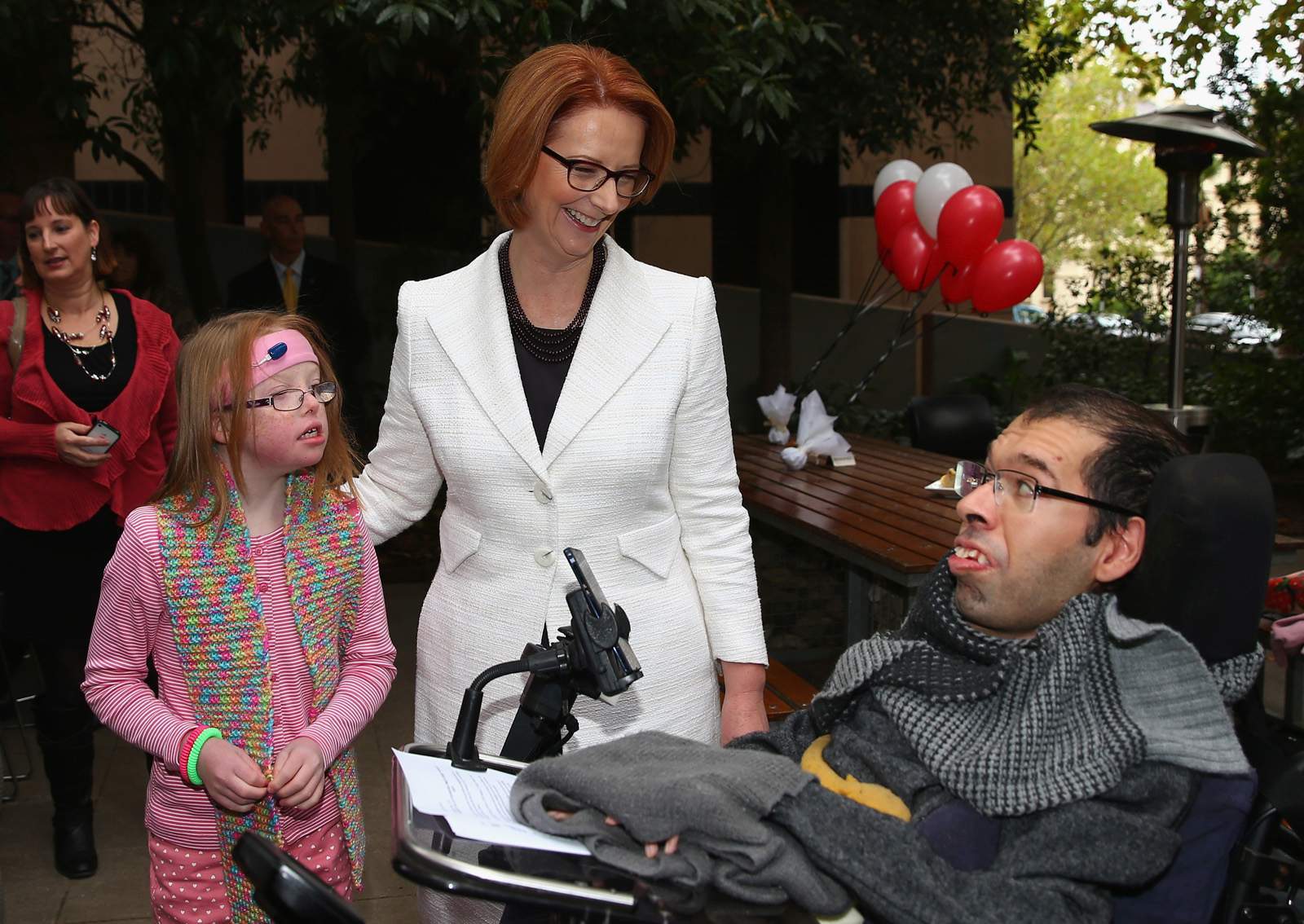
The funding of the National Disability Insurance Scheme has always been a contentious issue between the ALP and the Coalition. Economist Dr Angela Jackson from Impact Economics and Policy outlines why the costs are so high and how to make it more sustainable. What can economic modelling tell us about who will win the Federal Election? Economist Hamish Greenop-Roberts from the University of Queensland, has studied past elections to determine which economic figures are the best indicators for a win. And what does it mean for a country to default? Eliza Wu, Sydney University's associate professor of finance discusses the consequences of defaulting and what will happen with Russia, and PhD candidate Nimna Prematilaka from the University of Melbourne shares her insights on the economic crisis facing Sri Lanka.
What's the youth unemployment figure? political party spend and the cost of rebuilding Ukraine
There's been a lot of noise around the unemployment figure of 4 percent, but that's not the only figure we should be concerned about with youth unemployment currently at 9.3 percent. How this figure can be improved is explained by Eliza Littleton, research economist at The Australian Institute and co-author of the report Youth unemployment and the pandemic . In the 2019 federal election, political parties collectively spent $433 million. We won't know the figure for this election until next February and even then, we won't know where some of this money came from. Kate Griffiths,deputy director of the Grattan Institute's budgets and government program discusses why greater transparency is needed. And as the destruction of Ukraine continues from Russian forces, estimates of the cost of reconstruction has already began. Christian Odendahl, European economics editor at The Economist explains where the money will come from and the reforms required to rebuild Ukraine.
The cost of Australian elections; the French election and the growth of venture capital
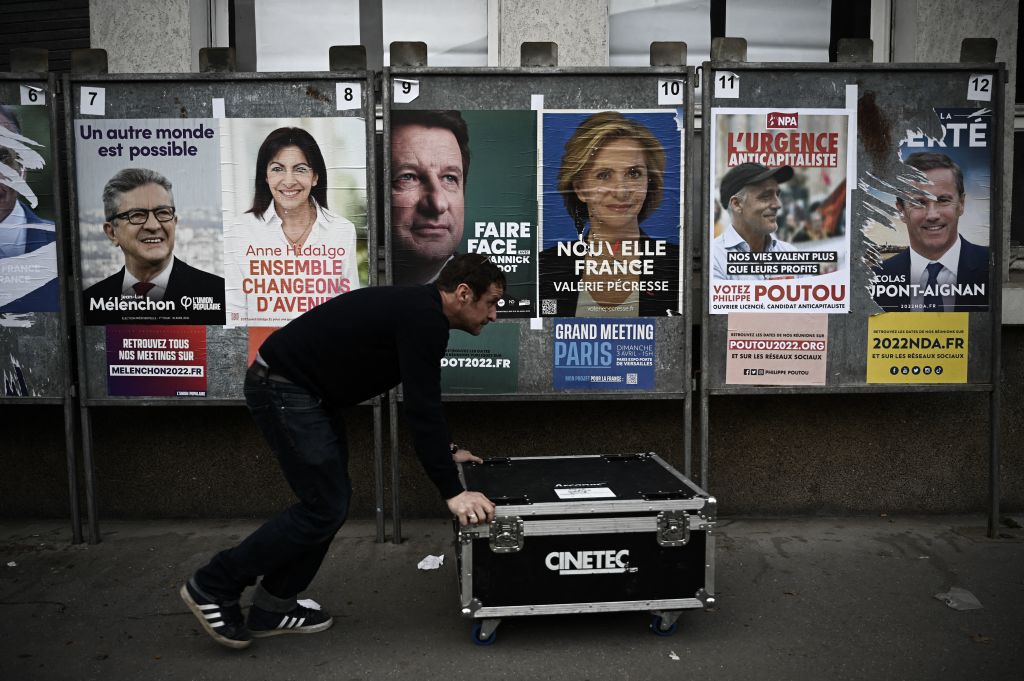
As we all await for the Prime Minister to announce the date for the 2022 Federal Election, the Australian Electoral Commission began preparing for it the day after the last election in 2019. What is involved and what is the cost of running an election across the nation? The AEC's spokesperson, Evan Ekin-Smyth explains. And the French head to the polls this weekend in the first round of Presidential elections. In the last few weeks, polling shows a close contest with purchasing power as a number one issue, but there are other factors at play with a result that not only affects France but the EU as well. Lionel Page, Professor of Economics at the University of Queensland, discusses. And venture capital: Sebastian Mallaby, the Paul A Volcker senior fellow for international economics at the Council on Foreign Relations, charts the history and the impact of this once risky venture.

Did the Budget deliver?
The Money continues with the Federal Budget analyses but with a difference. Four younger economists, including three recipients of the Economic Society of Australia's Young Economist award, discuss how the budget stacks up when applying their specialist lens.
What do you want from the budget?
If you could nominate what you wanted from next week's federal budget, what would it be? Join us on The Money as four people representing different parts of Australian life - the community, small business, employers and those under housing stress - answer this question. Cassandra Goldie, CEO of Australian Council of Social Services; Alexi Boyd, CEO of the Council of Small Business Organisations Australia; Innes Willox, Chief Executive at Australian Industry Group and Kate Colvin spokesperson for the Everybody's Home Campaign.
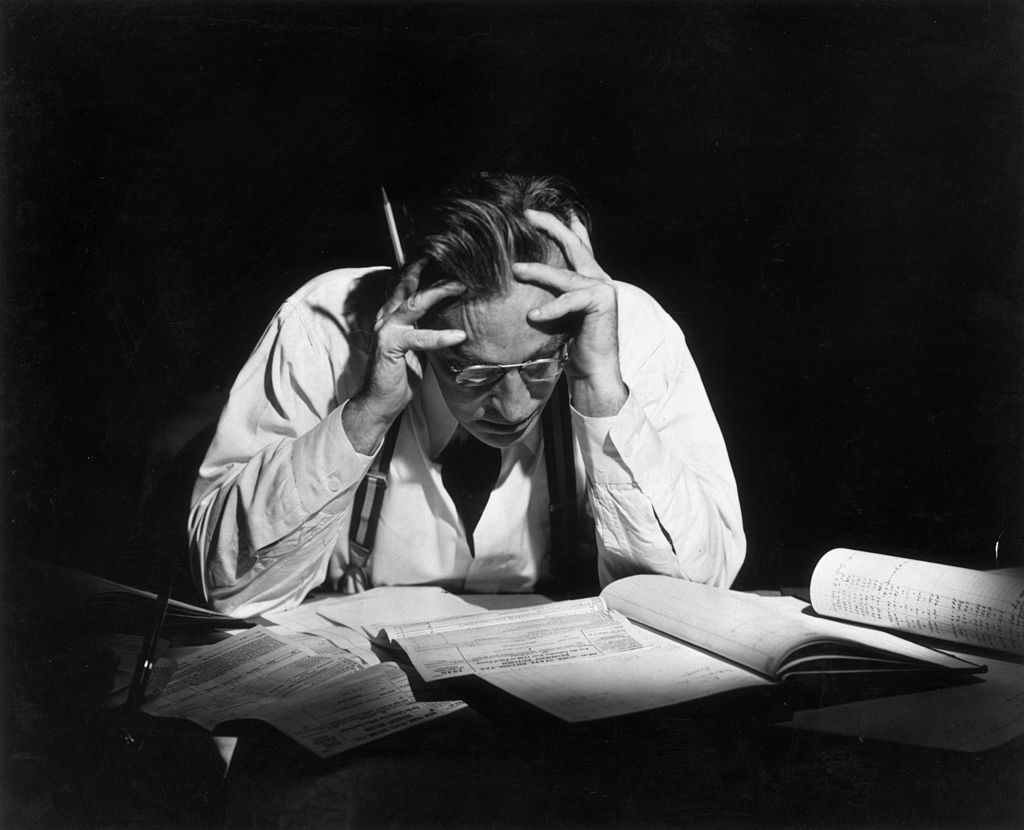
Inflationary factors and the need for tax reform
Inflation is on the rise, driven by supply shocks. Does the Reserve Bank of Australia need to do something about it? Sean Langcake, head of macroeconomic forecasting at BIS Oxford Economics explains.
Underinsurance, oil and gas and Britain's kleptocracy problem
Insurance premiums are increasing with the frequency of climate induced natural disasters. The government is planning a reinsurance pool of $10 billion in the hope of making premiums cheaper. But this may not work as Antonia Settle from the Melbourne Institute of Applied Economics and Social Research explains.
The cost of increasing climate disasters and the economic warfare against Russia
This week as severe flooding causes havoc in south east Queensland and parts of NSW, two important, relevant reports were released. One by the Insurance Council of Australia outlining what the Federal and State Governments need to invest to protect against the cost of increasing climate disasters and one by the Intergovernmental Panel on Climate Change with a very grim outlook for Australia if emissions aren't cut dramatically. Nicki Hutley, independent economist and Economist with the Climate Council untangles the numbers and considers what we're facing with these current floods.
Economic benefits of improved parental leave and Spotify, where does the money go?
Does extending parental leave entitlements present a greater cost to the Australian economy or a benefit? The answer from economists and gender equality groups seem to agree, it is beneficial for all. Both socially and economically. These benefits extend to unpaid work at home. This does make sense when you listen to economist Jessica Mizrahi, Director at Accenture Australia and Vice President of the Economic Society of NSW and Mary Wooldridge, Director of the Workplace Gender Equality Agency. We also hear from Hugh Sinclair, a senior finance manager with property group Stockland, who took his full parental leave entitlement when his second child was born. He compares the experience and the benefits from when he took two weeks leave and twenty weeks leave.
Cybersecurity a top concern for CEOs; how to increase productivity and a book about money
It has been a bumpy few years with the pandemic and businesses have had to make huge adjustments. So how are they feeling about the future? Jeremy Thorpe, chief economist of PwC Australia shares the results of their annual survey of CEOs and explains why cybersecurity is the number one risk, as well as why businesses are focussing on the US and New Zealand.
How wages actually increase; the finances of aged care and the importance of economic history
Economist Jim Stanford argues supply and demand will not increase wages. What is needed is the political will and policies to lift wages, structures and institutions and an expanding public sector.
Economic Weapons
How globalisation has altered the effectiveness of economic sanctions.
Stephen Duckett and aged care
What needs to be done to improve the care in aged care.
Sarah Hunter's analysis of the RBA Governor's speech
Predictions and expectations abound from the Reserve Bank of Australia chief's speech this week.
RBA predictions; aged care and Economic Weapons
The economic lessons from the film Don't Look Up
What can the satirical film about a comet hurtling to earth teach us about economics?
What vaccine nationalism is costing the global economy
The inequality of COVID-19 vaccinations is having a devasting affect on many developing countries. It is also costing the global economy in its trillions.
Sorting through economic indicators to determine where we are going and how has vaccine nationalism affected the global economy
How to decipher recent economic indicators
What do the recent economic indicators tell us about the state of our economy?
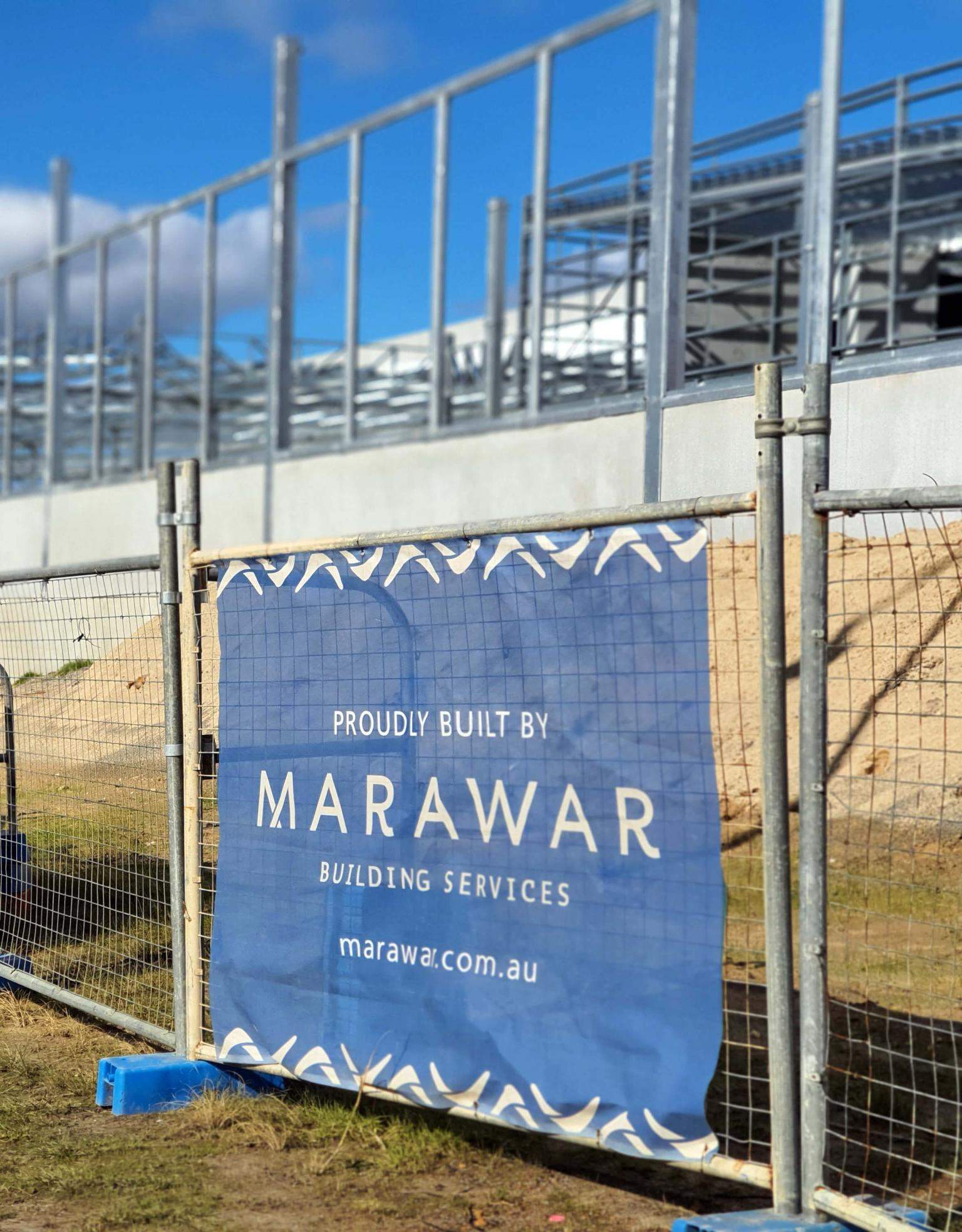
Indigenous business sector worth billions
Meet an award winning, Aboriginal-owned construction and maintenance services business that’s part of the booming $4.8 billion Indigenous business sector. How the Nobel economics prize winners better estimated the effects of immigration and the minimum wage. Plus, the retail sector takes trust extremely seriously and is thinking about it in increasingly sophisticated ways.Guests: Gerard Matera, Director, building services company MarawarProfessor Michelle Evans, University of Melbourne Indigenous Business Research GroupProfessor Richard Holden, Future Fellow, UNSW Business SchoolProfessor Michael Roseman, Director, Centre for Future Enterprise, QUT

The Taliban economy
With tax income from lucrative trade routes and finance from countries such as China or Pakistan, how insulated are the Taliban from the western threat of sanctions and the freeze of international funds? Plus, opportunities for Australia's critical materials sector.Guests:David Mansfield, independent consultant, author of A State Built on Sand: How opium undermined Afghanistan @mansfieldintincJeffrey Wilson, Research Director, Perth USAsia Centre
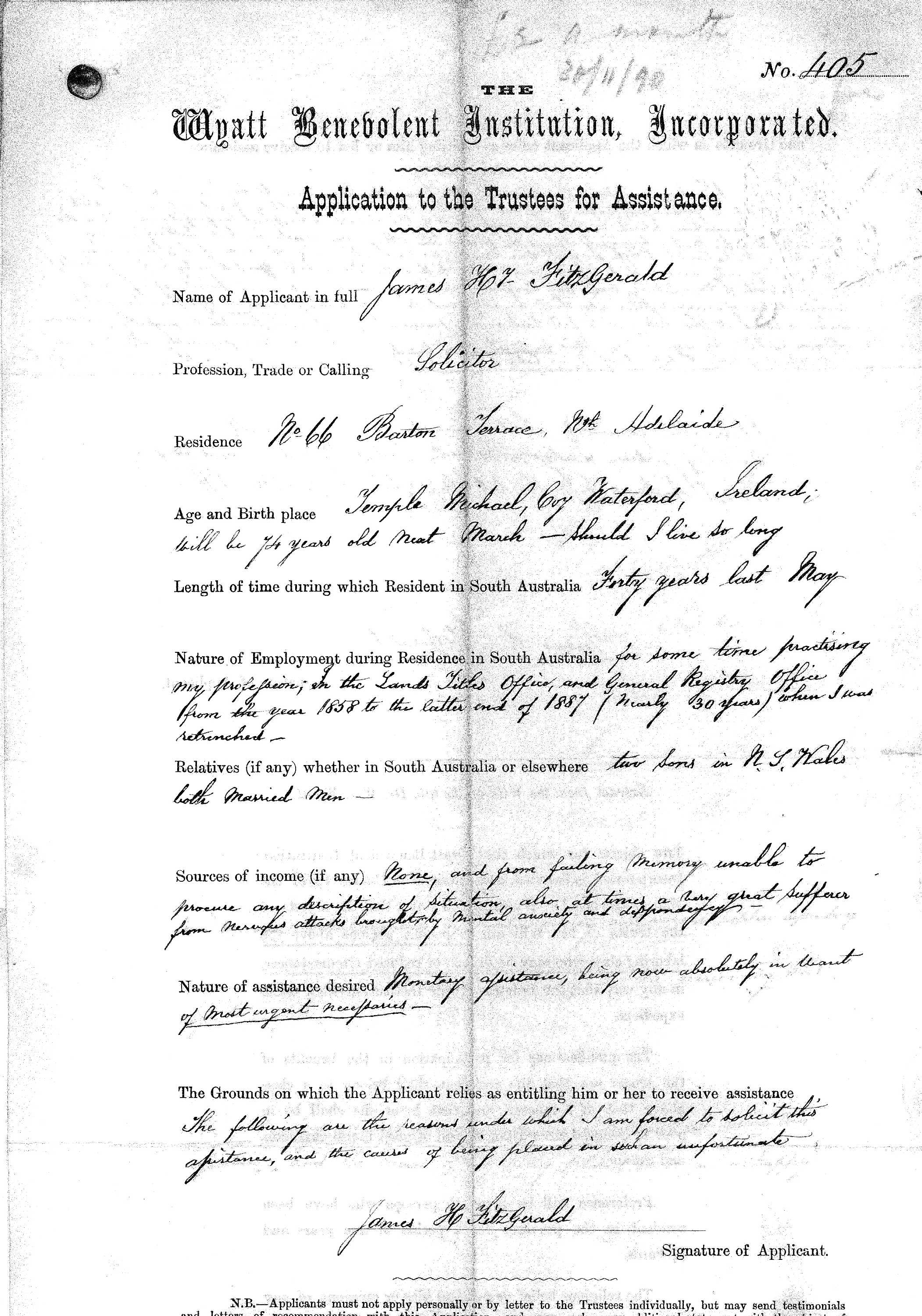
Reflections on poverty in SA, and what's cuckoo smurfing?
Cuckoo smurfing — what it is, how to spot it, how to make sure it doesn't happen to you. An Australian philanthropic foundation marks 135 years of helping people in need. What has changed in that time? Plus, Australian researchers find that business leaders are more optimistic about their company's profit outlook when the sun is shiningGuests:Marcus Erikson, Director of Intelligence, AUSTRACStacey Thomas CEO, The Wyatt TrustAmanuel Elias, Alfred Deakin Institute, Deakin University
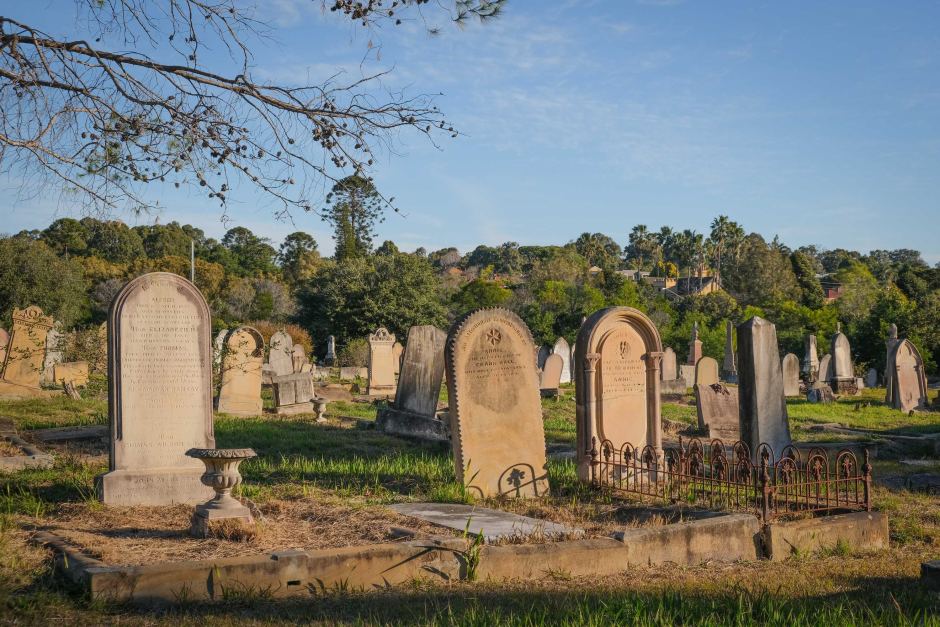
Estate duties: a good but unpopular tax
A blast from the past offers a possible answer to growing wealth inequality. Three economists put the case for the resurrection of inheritance taxes. Plus, how social change happens.GuestsSaul Eslake, Independent economistIan Raspin, Managing Director, BNR PartnersDanielle Wood, Chief Executive, Grattan InstituteDamon Centola, author of Change: How to make big things happen
China's 2021 economy and Mariana Mazzucato's mission
The pandemic and subsequent economic crisis have shown how government is crucial for getting things done – like rolling out a vaccine or throwing the economy a lifeline. But what if the state aspired to do a lot more? Economist Mariana Mazzucato thinks that states need to rediscover grand ambition and in-house expertise to solve climate change and inequality. Plus, a look at the ups and downs of China's economy in 2021.Guests: Professor Mariana Mazzucato, Director, Institute for Innovation and Public Purpose, University College London. Author of Mission Economy: A Moonshot Guide to Changing Capitalism (First broadcast 18/03/2021)Professor Jane Golley, Director, Australian Centre on China in the World, ANU