The Dr. Westin Childs Podcast
387 episodes — Page 7 of 8
#39 How to Calculate Optimal Reference Ranges for Free T3 and Free T4
There is a big difference between optimal thyroid lab tests and normal lab tests. The reference range for your lab tests includes both healthy and unhealthy people that you are compared to. By creating a tighter reference range for your lab tests you can ensure that you are being compared to only healthy people. In this video, I go over 2 examples of how to calculate this reference range for both Free T3 and free T4 and show you exactly how to do it. Free T3 example: You generally want your free T3 in the top 30% of the reference range in order to be optimal: Reference range = 1.7 to 3.7 Step #1. Find the spread between the range by subtracting the top end of the range from the bottom end. In this case, it’s 3.7 and 1.7. So, 3.7 minus 1.7 equals 2.0. This number represents the total range between the top and bottom end of the reference range. This range is often very large and so it’s important to find out where you fall within it. Step #2. Multiply the spread by the percentage value that you are looking to obtain. So if you want to find the top 30% of the reference range you would multiply 2.0 by 0.7 (which is 70% of that total value). In this case you will get a value of 1.4. Step #3. Add 1.4 to the low end of the range. In this case that will be 1.7 + 1.4 which equals 3.1. You know have your new “tighter” range which is 3.1 to 3.7. Step #4. Compare your results to this new reference range that you’ve now created. Free T4 Example: You want your free T4 in the top 50% of the reference range in order to be ‘optimal’. Reference range - 0.89 to 1.76 ng/dL. Step #1. Find the spread: 1.76 minus 0.89 = 0.87 Step #2. Multiply the spread by 0.5 (50%). 0.87 x 0.5 = 0.435. Step #3. Add 0.435 to the low end of the reference range. 0.89 + 0.435 = 1.325. Step #4. New optimal range = 1.3 - 1.76. Now compare your result to this range. Recommended thyroid supplements to enhance thyroid function: - For thyroid hormone production and conversion: https://www.restartmed.com/product/thyroid-adrenal-reset-complex/ + https://www.restartmed.com/product/t3-conversion-booster/ - For hair loss: https://www.restartmed.com/product/thyroid-hair-regrowth-complex/ - For weight management: https://www.restartmed.com/product/gut-bomb-350-billion/ + https://www.restartmed.com/product/functional-fuel-complete/ - For gut health: https://www.restartmed.com/product/ultra-biotic-x100/ - For energy and adrenal health: https://www.restartmed.com/product/thyroid-adrenal-reset-complex/ + https://www.restartmed.com/product/power-b-complex/ I'm Dr. Westin Childs and I focus on thyroid health, hormone balance, and weight loss. I write about thyroid disorders, weight loss, insulin resistance, estrogen/progesterone balance on my blog. I truly believe that hormone balance is the key to managing your weight, your mood and your quality of life which is why I'm so passionate about it. If you enjoyed this video please subscribe on youtube or leave a comment on my podcast here: https://itunes.apple.com/us/podcast/dr-westin-childs-podcast-thyroid-weight-loss-hormones/id1141207688?mt=2 This video is not intended to be used as medical advice. If you have questions about your health please consult your physician or primary care provider. Dr. Westin Childs goes to great lengths to produce high-quality content but this is NOT a substitute for medical care.
#38 Is Synthroid Gluten-Free?
Is Synthroid Gluten-free? The answer is yes, based on a recent study which looked at all of the ingredients. But why is this important? It has to do with the fact that most hypothyroid patients suffer from Hashimoto's thyroiditis which is an autoimmune condition of the thyroid gland. And about 5% of people with Hashimoto's also suffer from Celiac disease which is an autoimmune disease to gluten. That means that roughly 1 in 20 people with Hashimoto's will also not tolerate gluten. This study showed that the concentration of gluten in Synthroid was less than 3 parts per million which are below the acceptable amount of gluten in food products to be labeled as gluten-free. But just because it is gluten-free doesn't mean you won't potentially react when taking it. Synthroid still contains other inactive ingredients including aluminum, lactose, and other dyes and coloring agents which can all cause reactions. The best thing to do if you believe that you are reacting to these ingredients is to switch to a cleaner thyroid medication such as Tirosint. Tirosint has 3 inactive ingredients and 1 active ingredient making it the cleanest T4 medication. This study Recommended thyroid supplements to enhance thyroid function: - For thyroid hormone production and conversion: https://www.restartmed.com/product/thyroid-adrenal-reset-complex/ + https://www.restartmed.com/product/t3-conversion-booster/ - For hair loss: https://www.restartmed.com/product/thyroid-hair-regrowth-complex/ - For weight management: https://www.restartmed.com/product/gut-bomb-350-billion/ + https://www.restartmed.com/product/functional-fuel-complete/ - For gut health: https://www.restartmed.com/product/ultra-biotic-x100/ - For energy and adrenal health: https://www.restartmed.com/product/thyroid-adrenal-reset-complex/ + https://www.restartmed.com/product/power-b-complex/ I'm Dr. Westin Childs and I focus on thyroid health, hormone balance, and weight loss. I write about thyroid disorders, weight loss, insulin resistance, estrogen/progesterone balance on my blog. I truly believe that hormone balance is the key to managing your weight, your mood and your quality of life which is why I'm so passionate about it. If you enjoyed this video please subscribe on youtube or leave a comment on my podcast here: https://itunes.apple.com/us/podcast/dr-westin-childs-podcast-thyroid-weight-loss-hormones/id1141207688?mt=2 This video is not intended to be used as medical advice. If you have questions about your health please consult your physician or primary care provider. Dr. Westin Childs goes to great lengths to produce high-quality content but this is NOT a substitute for medical care.
#37 Why Thyroidectomy Patients Need T3
This video is all about why thyroidectomy patients need T3 thyroid medication. Thyroidectomy is a procedure in which your thyroid gland is completely removed. After you undergo this procedure you will be required to take thyroid medication for life. One problem that thyroidectomy patients face is persistent symptoms such as weight gain, brain fog, constipation, and fatigue after their procedure and even after taking thyroid medication. In this video, I highlight the importance of taking thyroid medication in this subgroup of patients and why the standard approach of using levothyroxine is not sufficient. There are new studies which show that approximately up to 20% of patients who don't have their thyroid is not able to achieve normal free T3 or free T4 levels by taking thyroid medication alone. And this makes sense considering that we know the thyroid produces both T4 and T3 when it is working. So why then do we only provide the body with T4 medication after it has been removed? Doctors believe that giving the body T4 is sufficient because they feel that the body will be able to activate T4 on its own. This study shows that this may not be the case for roughly 1 in 5 thyroidectomy patients. The net result is that you may need to take T3 medication in addition to your T4 medication if you want to normalize thyroid function. Recommended thyroid supplements to enhance thyroid function: - For thyroid hormone production and conversion: https://www.restartmed.com/product/thyroid-adrenal-reset-complex/ + https://www.restartmed.com/product/t3-conversion-booster/ - For hair loss: https://www.restartmed.com/product/thyroid-hair-regrowth-complex/ - For weight management: https://www.restartmed.com/product/gut-bomb-350-billion/ + https://www.restartmed.com/product/functional-fuel-complete/ - For gut health: https://www.restartmed.com/product/ultra-biotic-x100/ - For energy and adrenal health: https://www.restartmed.com/product/thyroid-adrenal-reset-complex/ + https://www.restartmed.com/product/power-b-complex/ I'm Dr. Westin Childs and I focus on thyroid health, hormone balance, and weight loss. I write about thyroid disorders, weight loss, insulin resistance, estrogen/progesterone balance on my blog. I truly believe that hormone balance is the key to managing your weight, your mood and your quality of life which is why I'm so passionate about it. You can find more general information on my site here: https://www.restartmed.com/ If you enjoyed this video please subscribe on youtube or leave a comment on my podcast here: https://itunes.apple.com/us/podcast/dr-westin-childs-podcast-thyroid-weight-loss-hormones/id1141207688?mt=2 This video is not intended to be used as medical advice. If you have questions about your health please consult your physician or primary care provider. Dr. Westin Childs goes to great lengths to produce high-quality content but this is NOT a substitute for medical care.
#36 Thyroid Storm Symptoms - How to Prevent and Treat this Condition
Today is all about the condition known as Thyroid Storm. But what exactly is a thyroid storm? It's best understood as a condition that results from hyperthyroidism but it's unique in that it is considered a medical emergency. A medical emergency is any condition which must be treated as soon as possible or it may lead to death in the person experiencing it. Thyroid storm is most commonly caused by the same conditions that cause hyperthyroidism, the most common being Graves' disease. But, it can also arise spontaneously in patients who have hyperthyroidism but also experience a dramatic illness or condition. Conditions such as having a heart attack, going into DKA, or becoming pregnant have all been known to trigger thyroid storm. The symptoms of thyroid storm include: - Fever (or thermoregulatory dysfunction) - Rapid heart rate (tachycardia) - The rapid development of heart conditions such as heart failure, heart attack or atrial fibrillation - Swelling or edema of the extremities - Neurological dysfunction ranging from agitation to seizures or coma - Gastrointestinal issues ranging from diarrhea to jaundice or liver failure This condition can be prevented in most cases with the proper treatment of conditions that cause hyperthyroidism. The treatment for this condition includes the 5 B's: #1. Block Synthesis (Use antithyroid drugs such as Methimazole or PTU which prevent your body from making more thyroid hormone). #2. Block release (Using high doses of iodine can prevent your thyroid gland from releasing more thyroid hormone through the Wolff-Chaikoff effect). #3. Block T4 to T3 conversion (By using high doses steroids or PTU. These medications prevent your body from "activating" thyroid hormone). #4. Beta-blockers (10) (Beta blockers are medications which can slow down the cellular effects of thyroid hormone and reduce heart rate and tremors). #5. Block gastrointestinal circulation (Using binders such as cholestyramine prevent your own body from activating and reabsorbing thyroid hormone). Thyroid storm has a mortality rate of about 10-20% so it is considered a very serious medical condition that must be treated as soon as possible. Recommended thyroid supplements to enhance thyroid function: - For thyroid hormone production and conversion: https://www.restartmed.com/product/th... + https://www.restartmed.com/product/t3... - For hair loss: https://www.restartmed.com/product/th... - For weight management: https://www.restartmed.com/product/gu... + https://www.restartmed.com/product/fu... - For gut health: https://www.restartmed.com/product/ul... - For energy and adrenal health: https://www.restartmed.com/product/th... + https://www.restartmed.com/product/po... I'm Dr. Westin Childs and I focus on thyroid health, hormone balance, and weight loss. I write about thyroid disorders, weight loss, insulin resistance, estrogen/progesterone balance on my blog. I truly believe that hormone balance is the key to managing your weight, your mood and your quality of life which is why I'm so passionate about it. You can learn more about high-quality supplements that I create (and personally use) here: https://www.restartmed.com/shop/ You can find more general information on my site here: https://www.restartmed.com/ If you enjoyed this video please subscribe on youtube or leave a comment on my podcast here: https://itunes.apple.com/us/podcast/d... This video is not intended to be used as medical advice. If you have questions about your health please consult your physician or primary care provider. Dr. Westin Childs goes to great lengths to produce high-quality content but this is NOT a substitute for medical care.
#35 5 Reasons You Can’t Lose Weight
In this video, we will discuss the 5 main reasons that you can't lose weight even if you are eating healthy and exercising regularly. It may surprise you that this combination does not work for everyone! In fact, there are many people who will need to do more than just eat healthily and exercise in order to lose weight. The top 5 reasons you can't lose weight: #1. Your metabolism is damaged What do I mean? Your metabolism is best understood as the total amount of calories that you burn every day, but what you may not realize is that this value can change. Certain things that you can do can impact your metabolism: - How much food you eat - How much you exercise - Your muscle mass - Your hormones - Dieting damages your metabolism If your metabolism is damaged then you will burn fewer calories and it won't matter how much you exercise. #2. Your thyroid Low thyroid function is linked to weight loss resistance in two important ways. As thyroid function decreases you may start to gain weight but also once you start gaining weight your thyroid will become sluggish in the process. In addition, your thyroid helps to control your metabolism. So low thyroid function may cause a sluggish metabolism. You can test for thyroid dysfunction by looking at your free thyroid hormones. #3. Your age Your age is important because as you age you may start to experience a decline in specific hormones. Men will undergo andropause (which is a reduction in testosterone). Women will undergo menopause (which is a reduction in both estrogen and progesterone). In addition, both genders tend to lose muscle mass which will drive down metabolism and lead to weight gain. Weight loss is always more difficult as you age but it can be made easier with HRT #4. Insulin resistance Insulin is a hormone secreted by your pancreas in response to the consumption of carbohydrates and sugars. High insulin blocks a hormone known as hormone-sensitive lipase which makes tapping into your fat storage more difficult. #5. Stress Stress will negatively impact cortisol, your sleep, your appetite and your recovery time Consider stress the bane of your existence when trying to lose weight. You must manage stress if you want to lose weight. High stress = cravings for more carbohydrates. High stress = reduced sleep. High stress = reduced exercise capacity and so on. You can combat stress by utilizing meditation and certain adrenal supplements. I'm Dr. Westin Childs and I focus on thyroid health, hormone balance, and weight loss. I write about thyroid disorders, weight loss, insulin resistance, estrogen/progesterone balance on my blog. I truly believe that hormone balance is the key to managing your weight, your mood and your quality of life which is why I'm so passionate about it. You can learn more about high-quality supplements that I create (and personally use) here: https://www.restartmed.com/shop/ You can find more general information on my site here: https://www.restartmed.com/ If you enjoyed this video please subscribe on youtube or leave a comment on my podcast here: https://itunes.apple.com/us/podcast/dr-westin-childs-podcast-thyroid-weight-loss-hormones/id1141207688?mt=2 This video is not intended to be used as medical advice. If you have questions about your health please consult your physician or primary care provider. Dr. Westin Childs goes to great lengths to produce high-quality content but this is NOT a substitute for medical care. Do you have any topics or video ideas? Please say so in the comments below!
#34 Hypothyroidism vs Hyperthyroidism: The Primary Difference, Lab Tests, Symptoms & More
What's the difference between hypothyroidism and hyperthyroidism? These conditions represent polar opposites and it's important to realize this. Hyperthyroidism is a condition which results in too much thyroid hormone while hypothyroidism is a condition which results in too little thyroid hormone. Each medical condition presents differently in both symptoms and lab tests. Learn the difference below: Lab tests in hypothyroid patients: - TSH - The TSH is usually high in hypothyroidism. - Free T3 - Free T3 is usually low. - Free T4 - Free T4 is usually low. - Thyroid antibodies - Not always positive but Anti TPO antibodies and Thyroglobulin antibodies may be positive. Symptoms of hypothyroidism: - Weight gain - Fatigue - Constipation - Cold intolerance - Low body temperature - Chronic pain or joint pain - Depression Conditions that cause hypothyroidism: - Hashimoto's thyroiditis - Thyroidectomy - Radioactive iodine ablation - Pituitary damage or tumors - Congenital problems - Pregnancy Lab tests in hyperthyroid patients: - TSH - The TSH is usually very low in hyperthyroidism. - Free T3 - Free T3 is usually elevated. - Free T4 - Free T4 is either normal or low. - Thyroid antibodies - Thyroid antibodies such as thyroid stimulating immunoglobulin may be elevated. Symptoms of hyperthyroidism: - Heat intolerance - Weight loss - Rapid heart rate - Insomnia - Anxiety - Heart palpitations - Diarrhea Conditions that cause hyperthyroidism: - Graves' disease - Toxic multinodular goiter - Thyroiditis - Certain tumors Other questions answered in this video include: Can hyperthyroidism and hypothyroidism exist at the same time? The answer is no, but it is possible to have medical conditions that cause both hyperthyroidism and hypothyroidism and which alter between the two conditions. In addition, it is possible to have too much thyroid hormone in certain tissues while others may not have enough. This can result in symptoms such as heart palpitations while you still have cold intolerance and weight gain. I'm Dr. Westin Childs and I focus on thyroid health, hormone balance, and weight loss. I write about thyroid disorders, weight loss, insulin resistance, estrogen/progesterone balance on my blog. I truly believe that hormone balance is the key to managing your weight, your mood and your quality of life which is why I'm so passionate about it. You can learn more about high-quality supplements that I create (and personally use) here: https://www.restartmed.com/shop/ You can find more general information on my site here: https://www.restartmed.com/ If you enjoyed this video please subscribe on youtube or leave a comment on my podcast here: https://itunes.apple.com/us/podcast/dr-westin-childs-podcast-thyroid-weight-loss-hormones/id1141207688?mt=2 This video is not intended to be used as medical advice. If you have questions about your health please consult your physician or primary care provider. Dr. Westin Childs goes to great lengths to produce high-quality content but this is NOT a substitute for medical care. Do you have any topics or video ideas? Please say so in the comments below!
#33 Thyroid Cancer Treatment: Thyroidectomy vs RAI vs TSH Suppression
This video is all thyroid cancer treatments including what treatments are available if you have thyroid cancer, the consequences of these therapies on your life, and we'll also discuss some important factors which help determine your prognosis. It's important to realize, though, that the majority of thyroid cancer cases are caused by the least aggressive form of thyroid cancer. This, combined with the fact that the most common therapy to treat thyroid cancer is the removal of the thyroid gland has helped increase the 5-year survival rate of thyroid cancer to around 97 to 98%. When it comes to thyroid cancer you may not have a choice as to which therapy is ideal for you, but it still helps to understand each treatment and how it impacts your body. Treatment options available for thyroid cancer include: #1. Surgery: - By surgery, I am referring to a procedure known as a complete thyroidectomy. This surgery results in the entire removal of your thyroid gland (well close to the entire amount) and it is the most common treatment for thyroid cancer. Removing your thyroid, though, can sometimes cause side effects afterward such as weight gain or fatigue if you are not dosed appropriately. #2. Radioactive iodine ablation: - Radioactive iodine is sometimes combined with a thyroidectomy to help kill off any tissue which is left over after your surgery. Radioactive iodine is a procedure which specifically targets and destroys thyroid gland tissue. It's helpful to use in conjunction with surgery because sometimes thyroid gland tissue can exist outside of the normal anatomy. Using RAI can help kill off extra tissue especially if cancer has spread. #3. Chemotherapy and radiation: - Chemotherapy isn't used very often for thyroid cancer because most cancers can be treated with surgery and with RAI. But, some cases of aggressive thyroid cancer may require the use of chemotherapy and radiation therapy. #4. TSH Suppression: - Lastly, another technique used to treat thyroid cancer is the use of TSH suppressive therapy. The goal here is to take high enough doses of thyroid hormone to suppress the natural production of TSH or thyroid stimulating hormone. This hormone is stimulating to thyroid gland tissue and can theoretically stimulate thyroid cancer cells as well. You can suppress the normal production of TSH by taking high doses of thyroid medication and this is sometimes used for patients after surgery. Each person is different so the exact treatments that you need for your cancer will depend on the type of cancer you have, how aggressive it is, the stage at which it was diagnosed, your age and other important factors. I'm Dr. Westin Childs and I focus on thyroid health, hormone balance, and weight loss. I write about thyroid disorders, weight loss, insulin resistance, estrogen/progesterone balance on my blog. I truly believe that hormone balance is the key to managing your weight, your mood and your quality of life which is why I'm so passionate about it. You can learn more about high-quality supplements that I create (and personally use) here: https://www.restartmed.com/shop/ You can find more general information on my site here: https://www.restartmed.com/ If you enjoyed this video please subscribe on youtube or leave a comment on my podcast here: https://itunes.apple.com/us/podcast/dr-westin-childs-podcast-thyroid-weight-loss-hormones/id1141207688?mt=2 This video is not intended to be used as medical advice. If you have questions about your health please consult your physician or primary care provider. Dr. Westin Childs goes to great lengths to produce high-quality content but this is NOT a substitute for medical care. Do you have any topics or video ideas? Please say so in the comments below!
#32 5 Benefits of Guggul & Guggulsterone: Weight Loss, Thyroid Function & More
This video is all about the benefits of using a botanical known as guggul. Guggul also referred to as guggul extract or guggulsterone, are all variations of the same main ingredient which is guggul. Guggul is acquired from tree sap found in India and commonly used in Ayurvedic medicine. The reason I want to focus on guggul today is that it can potentially benefit several important systems in the body including your thyroid function. Guggul has been shown to impact the following systems in the body: - Liver - Thyroid - Heart - Cholesterol - Intestinal Tract - And many more Guggul has been studied in both humans and in animals but the results look very promising. Usually, when a supplement or nutrient works on several different systems it's because it impacts cellular factors which then have an impact on many different systems in the body. This is probably how guggul works. Today we are going to focus on 5 main benefits: #1. Ability to impact thyroid function. - Guggul seems to have the ability to improve free thyroid hormone levels by acting as a thyroid stimulant. It probably also helps improve free T3 levels by inhibiting other factors which block T4 to T3 conversion. #2. Potential to help with weight loss. - Guggul has been shown to help certain people lose up to 2-4 pounds. While it isn't necessarily a significant amount, it can certainly be helpful, especially in those people who also have other conditions such as thyroid disease. I don't recommend you use guggul primarily for weight loss, but it can potentially be added as an augmentative therapy. #3. Potential to reduce inflammation. - Guggul can help reduce inflammation by inhibiting NF-Kb which is implicated in the pathogenesis of certain autoimmune diseases. #4. Potential to improve cholesterol. - Guggul helps your body limit cholesterol by reducing inflammation and also by increasing the excretion or metabolism of cholesterol. It's probably not ideal to use by itself for cholesterol but it can be used with other therapies as well. #5. Potential to fight acne. - Guggul has also been shown to help with cystic or nodular acne which can be very difficult to treat. This is probably through its ability to reduce inflammation. Recommended thyroid supplements to enhance thyroid function: - For thyroid hormone production and conversion: https://www.restartmed.com/product/thyroid-adrenal-reset-complex/ + https://www.restartmed.com/product/t3-conversion-booster/ - For hair loss: https://www.restartmed.com/product/thyroid-hair-regrowth-complex/ - For weight management: https://www.restartmed.com/product/gut-bomb-350-billion/ + https://www.restartmed.com/product/functional-fuel-complete/ - For gut health: https://www.restartmed.com/product/ultra-biotic-x100/ - For energy and adrenal health: https://www.restartmed.com/product/thyroid-adrenal-reset-complex/ + https://www.restartmed.com/product/power-b-complex/ You can learn more about high-quality supplements that I create (and personally use) here: https://www.restartmed.com/shop/ You can find more general information on my site here: https://www.restartmed.com/ This video is not intended to be used as medical advice. If you have questions about your health please consult your physician or primary care provider. Dr. Westin Childs goes to great lengths to produce high-quality content but this is NOT a substitute for medical care. Do you have any topics or video ideas? Please say so in the comments below!
#31 Side Effects of Stopping Thyroid Medication Abruptly (& Why you Shouldn't do it)
This video will discuss the side effects of stopping thyroid medication abruptly. Is it safe to stop taking your thyroid medication? The answer is no for several reasons which I will explain here. But first, we need to talk about why you are taking thyroid medication, to begin with. Thyroid medication is prescribed to those people who are deficient in thyroid hormone (meaning their body isn't producing enough). So if you were to stop taking your thyroid medication then your body would revert back to whatever it was capable of producing before you started taking thyroid medication. This process usually results in certain symptoms including: - Hair loss - Weight gain - Depression - Increased pain - Increased fatigue - And other symptoms of hypothyroidism But why do you experience these symptoms? These 4 reasons will help you understand why you will most likely feel worse if you do: #1. Your body may be reliant upon thyroid medication. If you've had your thyroid removed or if it's been destroyed by radioactive iodine then you may not be able to produce thyroid hormone on your own. In this case, you will be required to take thyroid hormone. #2. Your HPT axis may be blunted. Taking thyroid medication blunts the normal HPT axis in your body and it can take weeks to months for this system to recover. During this period you will most likely feel very poorly. #3. Your body may not be able to produce thyroid hormone by itself. Conditions such as Hashimoto's damage the thyroid gland and even though you may be able to produce some thyroid hormone you may not be able to produce enough to sustain yourself. #4. Thyroid supplements do not replace thyroid medication. Lastly, you want to make sure that you use supplements to compliment your medication but not to replace it. Supplements can help improve natural conversion and production of thyroid hormone but they aren't as powerful as thyroid medications. Recommended thyroid supplements to enhance thyroid function: - For thyroid hormone production and conversion: https://www.restartmed.com/product/thyroid-adrenal-reset-complex/ + https://www.restartmed.com/product/t3-conversion-booster/ - For hair loss: https://www.restartmed.com/product/thyroid-hair-regrowth-complex/ - For weight management: https://www.restartmed.com/product/gut-bomb-350-billion/ + https://www.restartmed.com/product/functional-fuel-complete/ - For gut health: https://www.restartmed.com/product/ultra-biotic-x100/ - For energy and adrenal health: https://www.restartmed.com/product/thyroid-adrenal-reset-complex/ + https://www.restartmed.com/product/power-b-complex/ I'm Dr. Westin Childs and I focus on thyroid health, hormone balance, and weight loss. I write about thyroid disorders, weight loss, insulin resistance, estrogen/progesterone balance on my blog. I truly believe that hormone balance is the key to managing your weight, your mood and your quality of life which is why I'm so passionate about it. You can learn more about high-quality supplements that I create (and personally use) here: https://www.restartmed.com/shop/ You can find more general information on my site here: https://www.restartmed.com/ If you enjoyed this video please subscribe on youtube or leave a comment on my podcast here: https://itunes.apple.com/us/podcast/dr-westin-childs-podcast-thyroid-weight-loss-hormones/id1141207688?mt=2 This video is not intended to be used as medical advice. If you have questions about your health please consult your physician or primary care provider. Dr. Westin Childs goes to great lengths to produce high-quality content but this is NOT a substitute for medical care. Do you have any topics or video ideas? Please say so in the comments below!
#30 Menopause Weight Gain: What Causes it & How to Prevent it
Why do menopause and weight gain go hand in hand? On average women entering menopause gain around 15-20 pounds without changing their diet or exercise routine. Why do women gain weight without making any of these changes? The answer has to do with how menopause impacts the body but especially how it impacts your hormone system and how they impact your metabolism and body weight. There are several factors that come together to trigger weight gain in menopause women: #1. Genetic factors. You don't have control over your genetics but you can control your environment which impacts your genetics. #2. Hormone changes. This is perhaps the most important section because your hormones influence your metabolism and other hormone systems such as your thyroid. Menopause is associated with a rapid and abrupt decline in estrogen and progesterone. Testosterone follows closely behind these two hormones as well. It is the change in these hormones which triggers the symptoms associated with menopause and many of the other problems. #3. External variables. Lastly, other variables such as the amount that you exercise, the food that you eat, your medical conditions and the medications you are taking all play a role. If you are not eating healthy prior to menopause then you will probably gain more weight than most women. On the flip side, if you go into menopause eating a healthy diet then you have a better chance of reducing the amount that you gain during the menopause transition. So how can you treat the weight gain? The best way is to focus on the variables which cause the weight gain, to begin with. That means focusing on normalizing your hormones with the use of bio-identical hormones and by addressing your diet, exercise routine and so on. I'm Dr. Westin Childs and I focus on thyroid health, hormone balance, and weight loss. I write about thyroid disorders, weight loss, insulin resistance, estrogen/progesterone balance on my blog. I truly believe that hormone balance is the key to managing your weight, your mood and your quality of life which is why I'm so passionate about it. I take a personalized/functional medicine approach to management of conditions. I'm not accepting patients but you can learn more and get plenty of information on my blog! You can learn more about high-quality supplements that I create (and personally use) here: https://www.restartmed.com/shop/ You can find more general information on my site here: https://www.restartmed.com/ If you enjoyed this video please subscribe on youtube or leave a comment on my podcast here: https://itunes.apple.com/us/podcast/dr-westin-childs-podcast-thyroid-weight-loss-hormones/id1141207688?mt=2 This video is not intended to be used as medical advice. If you have questions about your health please consult your physician or primary care provider. Dr. Westin Childs goes to great lengths to produce high-quality content but this is NOT a substitute for medical care. Do you have any topics or video ideas? Please say so in the comments below!
#29 Low TSH: 3 Causes and What it Means if you are Hypothyroid
Today we are talking about what to do if you have a low TSH, what it means for your body, what causes it and what to do. There are 3 main causes of a low TSH that you should know about: 1. Thyroid medication (You are taking too much) → Common 2. Hyperthyroidism (Your body is producing too much) → Common 3. Pituitary/Hypothalamic dysfunction (Your body can’t make it) → Not very common We are going to focus on the first one today, meaning what happens if you have a low TSH due to taking thyroid medication, but you should realize that there are other causes of a low TSH. So, how does the TSH work in your body? TSH is produced by the pituitary gland and its job is to tell your thyroid to produce thyroid hormone. It's called thyroid stimulating hormone for a reason because it stimulates your thyroid gland to produce T4 and T3. A low TSH means that your body is sending the signal to produce less thyroid hormone from your thyroid gland. This can be because you are taking thyroid medication or because your body is producing too much thyroid hormone on its own. Lastly, it could be because your body isn't capable of producing TSH because of damage to the pituitary gland. The most common concern I see among thyroid patients has to do with having a low or normal TSH but still remaining symptomatic so, to help understand this dilemma, I've created 3 questions that we need to answer: #1. Question: How can you have a low TSH while taking thyroid medication but still feel poorly? This has to do with the fact that it's possible to have a low TSH but still have low free T3 and T4 hormones in the body. Studies have shown that simply taking T4 medication is not enough to normalize free thyroid hormone levels even though it may normalize the serum TSH. #2. Question: Can you have a low TSH and not be hyperthyroid? Yes! Hyperthyroidism caused by your own body producing too much thyroid hormone is not the same thing as taking too much thyroid medication (although it can be). There are instances where you can take enough thyroid hormone to suppress or lower the TSH but still have low free thyroid hormone levels. #3. Question: What should you do if you have a low TSH, take thyroid medication and feel poorly? The best thing to do is to look beyond the TSH and look into other lab tests including free T3, Free T4 and Total T3. The combination of these lab tests will help you understand more of what is happening in your body. Hey guys! I'm Dr. Westin Childs and I focus on thyroid health, hormone balance, and weight loss. I write about thyroid disorders, weight loss, insulin resistance, estrogen/progesterone balance on my blog. I truly believe that hormone balance is the key to managing your weight, your mood and your quality of life which is why I'm so passionate about it. I take a personalized/functional medicine approach to management of conditions. I'm not accepting patients but you can learn more and get plenty of information on my blog! You can learn more about high-quality supplements that I create (and personally use) here: https://www.restartmed.com/shop/ More information, including links to literary studies, in the video and the full blog post, can be found here: https://www.restartmed.com/low-tsh/ You can find more general information on my site here: https://www.restartmed.com/ If you enjoyed this video please subscribe on youtube or leave a comment on my podcast here: https://itunes.apple.com/us/podcast/dr-westin-childs-podcast-thyroid-weight-loss-hormones/id1141207688?mt=2 This video is not intended to be used as medical advice. If you have questions about your health please consult your physician or primary care provider. Dr. Westin Childs goes to great lengths to produce high-quality content but this is NOT a substitute for medical care. Do you have any topics or video ideas? Please say so in the comments below!
#28 Why Calorie Restriction Does Not Lead to Long Lasting Weight Loss
Today is all about caloric restriction and why this type of dieting doesn't lead to long-lasting weight loss. Calorie restriction causes certain changes in the body which lead to an energy deficit and a reduction in body mass. People generally only think of calorie restriction in this way and they believe that by reducing their calories they will be able to lose weight and keep it off. The problem and the reason it doesn't work is that you need to be looking beyond these two changes and you need to see how these changes affect other systems in the body. The reduction in body weight and energy deficit from calorie restriction result in a change known as metabolic adaptation. This adaptation is the response your body uses to increase appetite and slow down your metabolism. As your metabolism slows, you gain back the weight you lost and you increase the amount of food that you consume. But the problem is that this damage to your metabolism persists for years, even after you stop your diet. This response is why it is felt that around 99% of all calorie restricted diets fail and it is the main reason you always regain your weight back after your diet. Dieting has an impact on your resting energy expenditure and it tends to lower this value. You can break down your metabolism in the following ways: - 70% = resting energy expenditure (your metabolism or BMR) - 15% = non-exercise activity thermogenesis - 10% = thermic effect of food - 5% = exercise activity thermogenesis (the number of calories that you burn from exercise) When you damage your metabolism you damage your resting energy expenditure which accounts for 70% of your total calorie burn! No matter how much you exercise, you will never be able to make up for this damage. All of these reasons together explain why calorie-restricted diets are doomed to fail. Hey guys! I'm Dr. Westin Childs and I focus on thyroid health, hormone balance, and weight loss. I write about thyroid disorders, weight loss, insulin resistance, estrogen/progesterone balance on my blog. I truly believe that hormone balance is the key to managing your weight, your mood and your quality of life which is why I'm so passionate about it. I take a personalized/functional medicine approach to management of conditions. I'm not accepting patients but you can learn more and get plenty of information on my blog! You can learn more about high-quality supplements that I create (and personally use) here: https://www.restartmed.com/shop/ You can find more general information on my site here: https://www.restartmed.com/ If you enjoyed this video please subscribe on youtube or leave a comment on my podcast here: https://itunes.apple.com/us/podcast/dr-westin-childs-podcast-thyroid-weight-loss-hormones/id1141207688?mt=2 This video is not intended to be used as medical advice. If you have questions about your health please consult your physician or primary care provider. Dr. Westin Childs goes to great lengths to produce high-quality content but this is NOT a substitute for medical care. Do you have any topics or video ideas? Please say so in the comments below!
#27 10 Important Tips for Taking Synthroid: Dosing, Side Effects, T3 Medications & More
Today is all about Synthroid. If you take this medication then you'll want to learn more about these 10 tips and tricks that you can use to help feel better. Synthroid is one of the most common thyroid medications used to treat hypothyroidism but it's not without problems. These tips are designed to help you find your optimal dose, help you understand if you are absorbing Synthroid, help you figure out if you need a new medication and more. 10 Tips to know when taking Synthroid: #1. Peripheral T4 to T3 conversion First off, you need to understand that Synthroid contains the inactive thyroid hormone T4. This means that in order for thyroid hormone to be utilized in your body it must first be activated through peripheral thyroid conversion. Several factors including genetics, inflammation, nutrient deficiencies and so on can impact this process. There are situations in which you may be taking enough Synthroid but your body is not able to activate it. #2. Absorption of Synthroid In order for your body to use Synthroid, it must also be absorbed in your intestinal tract! Several medications, supplements, and even foods can impact how much you absorb. Do your best to take Synthroid away from supplements such as Calcium and Iron which can limit absorption. #3. Are supplements helping or hurting you? Some supplements can decrease absorption but there are others that can help. The use of Selenium and Zinc can help your body activate Synthroid after it is absorbed. #4. The time of day that you take Synthroid Synthroid can be safely taken in the morning but it can also be taken at night. Studies have shown that patients who take it in the evening actually have higher free T4 and free T3! #5. Levothyroxine vs Synthroid: Are they the same? Levothyroxine and Synthroid both contain the same active ingredient but they are not considered bio-equivalents. Some patients do better on Synthroid over Levothyroxine so switching which one you take can impact how you feel. #6. Tirosint Tirosint is another T4 only medication but it is unique because it has the fewest inactive ingredients. Tirosint is more expensive than Synthroid but it can be used in cases where you may be reacting to fillers or dyes in Synthroid. #7. Dosage In order for Synthroid to work properly you must be getting an adequate dose. You can ensure that you get a high enough dose by following all of the thyroid lab tests (more info below). #8. Switching to NDT or T3 medication Your thyroid naturally produces both T4 and T3 but Synthroid only has T4. In some cases, you may need to switch medications or add T3 in order to feel better. #9. The full thyroid lab panel While monitoring your dose you need to be looking at more than just the TSH. If you take Synthroid you should be looking at the following tests: - TSH - Free T3 - Total T3 - Free T4 - Reverse T3 These tests will give you an idea as to how your body is utilizing Synthroid. #10. Synthroid side effects Lastly, make sure that you watch our for the side effects of Synthroid which include: - Weight gain - Hair loss - Heart palpitations - Rashes - Headaches - Insomnia - Hot flashes - Changes in menstrual cycle Any of these side effects may indicate you need to switch medications! You can learn more about high-quality supplements that I create (and personally use) here: https://www.restartmed.com/shop/ More information, including links to literary studies, in the video and the full blog post, can be found here: https://www.restartmed.com/synthroid/
#26 Selenium Deficiency Symptoms & Early Warning Signs (+ What to do Next)
This video is all about selenium deficiency, how it presents, what to do about it and how to know if you are overdosing on selenium supplements. First off: Why is selenium important? Selenium plays an important role in regulating several key enzymes in your body. These enzymes control the production of thyroid hormones, glutathione, and even your metabolism. If you don't have enough selenium in your body then these enzymes may not function properly which may cause certain and specific symptoms. The warning signs of selenium deficiency include: 1. Hair loss - Selenium (along with other nutrients) helps your hair grow. A lack of selenium may trigger hair loss or alopecia. Just realize that other nutrients, including iron, are also important for hair growth so not all causes of hair loss are necessarily caused by selenium deficiency. 2. Thyroid dysfunction - Selenium forms the backbone of a group of enzymes known as the deiodinases. These enzymes help to metabolize and either activate or inactive thyroid hormone in your body. A lack of selenium may impact these enzymes and lead to problems such as hypothyroidism. 3. Weakened immune system - Selenium plays an important role in immune system regulation and helps to prevent you from getting sick and developing autoimmune disease. A lack of selenium may predispose you to develop an autoimmune disease such as Hashimoto's thyroiditis (or others) and can even be used to help treat these diseases. 4. Fatigue - It's not clear exactly how selenium deficiency causes fatigue but it may have to do with how it influences both your thyroid and your mitochondria. We do know, however, that some groups of patients benefit from increased energy when using selenium. 5. Low serum thyroid lab tests - This is an extension of #2. Selenium deficiency can impact the absolute levels of thyroid hormone (especially T3) in your body and this can be measured through routine thyroid lab tests. 6. Iron dysregulation - Selenium impacts how your body regulates and metabolizes iron and a deficiency has been associated with both low and high iron levels. 7. Other mineral deficiencies - Selenium deficiency can exacerbate other minerals and may lead to other symptoms. It's probably more likely that whatever condition caused low selenium in your body also is leading to other deficiencies in minerals such as magnesium, calcium, iron, zinc, and copper. Just be sure to look for these minerals if you have low selenium as well! 8. Muscle pain - With low selenium, you may also develop muscle pain or fatigue. This is because selenium helps produce energy and low energy (or ATP) may predispose you to develop muscle pain. If you have any of these symptoms then you can use selenium supplements to help treat your deficiency. Using around 50 to 150mcg per day of Selenium is a safe dose. The maximum dose you should use would be up to 400mcg per day. Most people are fine on lower doses as long as they actively try to consume other foods high in selenium as well. Signs of selenium overdose or toxicity may include: - Worsening hair loss - Brittle fingernails or fingernail damage - Nausea or vomiting - Memory difficulties If you experience any of these symptoms then that may be a sign you are taking too much. You can cut back on your dose to help reduce the symptoms or even skip a few days. You can learn more about high-quality supplements that I create (and personally use) here: https://www.restartmed.com/shop/ More information, including links to literary studies, in the video and the full blog post, can be found here: https://www.restartmed.com/selenium-deficiency/
#25 Thyroid Cancer Symptoms & Early Warning Signs
This video is all about thyroid cancer symptoms and early warning signs you may have cancer. This is a topic worth discussing because many people who believe they have thyroid cancer probably don't. The good news is that even though thyroid cancer is fairly common, it has a great survival rate with a 5-year survival rate of around 98%. So, even if you do have thyroid cancer, it's one of the better types of cancers to have. An interesting fact about thyroid cancer is that it typically does NOT cause any symptoms. In fact, most people who are diagnosed with thyroid cancer present to their doctor with a normal exam and without any symptoms. In some cases, however, if your cancer is sufficiently large then it may cause problems to nearby structures in your neck. Your neck is a tight place which means that if anything grows in that area it may push on or bump into other structures which may result in symptoms. With that in mind, if your cancer is large enough it may present with the following symptoms: - Compression of the esophagus or trachea - Difficulty swallowing - - Swelling or enlargement of the neck (bulge in the neck) - Changes to speech including hoarseness - Enlargement of lymph nodes in the neck - Symptoms of thyroid goiter - Pain in the neck, especially around the thyroid gland - Constant non-productive cough It's important to note that in the majority of cases thyroid cancer will not cause problems with the production of thyroid hormone (but you should still have it tested to be sure). Some other conditions may mimic thyroid cancer and you want to watch out for these as well. They include: - Thyroid Nodules - Thyroid Cysts - Goiter - Hashimoto's thyroiditis These can be differentiated from thyroid cancer with an ultrasound test and certain blood markers. If you suspect that you have thyroid cancer then your next steps should be: - Complete history and physical exam - Thyroid function lab tests (if you have symptoms such as fatigue, etc.) - Thyroid ultrasound - Biopsy (if necessary) - Iodine testing - Other blood tests such as inflammatory markers These steps will help differentiate between thyroid cancer and the other conditions listed above. Hey guys! I'm Dr. Westin Childs and I focus on thyroid health, hormone balance, and weight loss. I write about thyroid disorders, weight loss, insulin resistance, estrogen/progesterone balance on my blog. I truly believe that hormone balance is the key to managing your weight, your mood and your quality of life which is why I'm so passionate about it. I take a personalized/functional medicine approach to management of conditions. I'm not accepting patients but you can learn more and get plenty of information on my blog! You can learn more about high-quality supplements that I create (and personally use) here: https://www.restartmed.com/shop/ More information, including links to literary studies, in the video and the full blog post, can be found here: https://www.restartmed.com/goitrogens/ You can find more general information on my site here: https://www.restartmed.com/ If you enjoyed this video please subscribe on youtube or leave a comment on my podcast here: https://itunes.apple.com/us/podcast/dr-westin-childs-podcast-thyroid-weight-loss-hormones/id1141207688?mt=2 This video is not intended to be used as medical advice. If you have questions about your health please consult your physician or primary care provider. Dr. Westin Childs goes to great lengths to produce high-quality content but this is NOT a substitute for medical care. Do you have any topics or video ideas? Please say so in the comments below!
TBS #24 Bad Genes that Impact Thyroid Function
Today is episode #24 and it's all about bad genes and how they impact your thyroid function. There are certain genetic changes, known as single nucleotide polymorphisms or SNP's for short, which can slightly impact certain enzymes in your body. These genes are very important when it comes to your thyroid because they can impact a set of enzymes known as the deiodinases. These deiodinases are responsible for activating or inactivating thyroid hormone at the cellular level. And they can be impacted by factors such as your genes, medical conditions, medications, and so on. There are 3 major deiodinase enzymes: - D1 - You can consider this an activating enzyme and it is responsible for 30% of T3 in the body. - D2 - You can consider this an activating enzyme and it is responsible for 70% of T3 in the body. - D3 - You can consider this an inactivating enzyme which takes T4 and turns it into reverse T3 or rT3. Certain SNP's impact the function of these enzymes which create conditions in which you may not be able to convert T4 to T3 very well. DIO2 SNP's and DIO2 SNP's can both impact how your body tolerates certain medications. You can test for the presence of these enzymes which can help guide your treatment and help you understand which thyroid medication you should be on. Hey guys! I'm Dr. Westin Childs and I focus on thyroid health, hormone balance, and weight loss. I write about thyroid disorders, weight loss, insulin resistance, estrogen/progesterone balance on my blog. I truly believe that hormone balance is the key to managing your weight, your mood and your quality of life which is why I'm so passionate about it. I take a personalized/functional medicine approach to management of conditions. I'm not accepting patients but you can learn more and get plenty of information on my blog! You can learn more about high-quality supplements that I create (and personally use) here: https://www.restartmed.com/shop/ You can find more general information on my site here: https://www.restartmed.com/ If you enjoyed this video please subscribe on youtube or leave a comment on my podcast here: https://itunes.apple.com/us/podcast/dr-westin-childs-podcast-thyroid-weight-loss-hormones/id1141207688?mt=2 This video is not intended to be used as medical advice. If you have questions about your health please consult your physician or primary care provider. Dr. Westin Childs goes to great lengths to produce high-quality content but this is NOT a substitute for medical care. Do you have any topics or video ideas? Please say so in the comments below!
(TBS #23) 5 Things You Can Do to Boost Your Thyroid Today
Today is lesson #23 and we are talking about how to boost your thyroid function and what you can do today. Why would you want to boost your thyroid function, to begin with? For starters, your thyroid helps regulate your metabolism, controls your mood and helps regulate other hormones in your body. Those with thyroid issues often suffer from depression, anxiety, weight gain, and so on. The struggle, when it comes to your thyroid, is that it can be difficult to get proper treatment, especially when using thyroid medication. But don't worry! You can use some tips to help improve your thyroid. #1. Take your thyroid medication at night - Taking your thyroid medication at night may improve how well your body can absorb your medication and has been shown to increase free T3 levels in some people. This simple change may improve your thyroid! #2. Take thyroid enhancing supplements - Supplements like Zinc and Selenium are required for thyroid function and conversion and many people are deficient. By taking these supplements you can provide your body with the precursors it needs to produce thyroid on its own. #3. Check your ferritin - Ferritin is a marker for how much iron your body has. Low ferritin usually indicates low iron and iron is also required for your thyroid to function. Low iron may exacerbate hypothyroid symptoms. You can have low iron with normal red blood cells so make sure you check your ferritin! #4. Manage your stress - Stress can negatively impact your TRH which can suppress your body's ability to produce TSH. This may result in hypothyroid symptoms. You can treat stress with daily practices such as yoga and medication or with supplements such as adaptogens. #5. Diet and exercise - Eating a healthy diet (and exercising regularly) can help reduce inflammation which may improve thyroid conversion. Look for a change in your lifestyle, not necssarily a "diet". This will give you the best results. Hey guys! I'm Dr. Westin Childs and I focus on thyroid health, hormone balance, and weight loss. I write about thyroid disorders, weight loss, insulin resistance, estrogen/progesterone balance on my blog. I truly believe that hormone balance is the key to managing your weight, your mood and your quality of life which is why I'm so passionate about it. I take a personalized/functional medicine approach to management of conditions. I'm not accepting patients but you can learn more and get plenty of information on my blog! You can learn more about high-quality supplements that I create (and personally use) here: https://www.restartmed.com/shop/ More information, including links to literary studies, in the video and the full blog post, can be found here: https://www.restartmed.com/goitrogens/ You can find more general information on my site here: https://www.restartmed.com/ If you enjoyed this video please subscribe on youtube or leave a comment on my podcast here: https://itunes.apple.com/us/podcast/dr-westin-childs-podcast-thyroid-weight-loss-hormones/id1141207688?mt=2 This video is not intended to be used as medical advice. If you have questions about your health please consult your physician or primary care provider. Dr. Westin Childs goes to great lengths to produce high-quality content but this is NOT a substitute for medical care. Do you have any topics or video ideas? Please say so in the comments below!
(TBS #22) Adding T3 to your T4 medication (+ Signs you may need it)
Today is episode #22 and it's all about adding T3 to your T4 medication. Most patients take a thyroid medication which contains T4 only thyroid hormone such as Levothyroxine or Synthroid. The problem with these medications is that they contain the inactive thyroid hormone T4 and they are not necessarily active unless your body can activate them. You can add T3 to your current medication to fight this problem because it is the active thyroid hormone. Studies have shown that adding T3 medication to existing T4 doses result in increased weight loss, better patient satisfaction and a better quality of life. How do you know if you need it? Most people who have low T3 tend to experience these signs: - Low body temperature - Persistent hypothyroid symptoms - Difficulty losing weight - Other hormone problems - Normal TSH but low free thyroid hormones All of these may be signs that you can benefit from using T3 medication. T3 can be safely added to your T4 dose. When adding T3 to T4 you want to try and keep your TSH in the low (but not suppressed) range while keeping your free T3 in the high-normal range. Not everyone will need T3, though! Some people react negatively to it and may benefit from using NDT instead of T3 medications. Hey guys! I'm Dr. Westin Childs and I focus on thyroid health, hormone balance, and weight loss. I write about thyroid disorders, weight loss, insulin resistance, estrogen/progesterone balance on my blog. I truly believe that hormone balance is the key to managing your weight, your mood and your quality of life which is why I'm so passionate about it. I take a personalized/functional medicine approach to management of conditions. I'm not accepting patients but you can learn more and get plenty of information on my blog! You can learn more about high-quality supplements that I create (and personally use) here: https://www.restartmed.com/shop/ More information, including links to literary studies, in the video and the full blog post, can be found here: https://www.restartmed.com/goitrogens/ You can find more general information on my site here: https://www.restartmed.com/ If you enjoyed this video please subscribe on youtube or leave a comment on my podcast here: https://itunes.apple.com/us/podcast/dr-westin-childs-podcast-thyroid-weight-loss-hormones/id1141207688?mt=2 This video is not intended to be used as medical advice. If you have questions about your health please consult your physician or primary care provider. Dr. Westin Childs goes to great lengths to produce high-quality content but this is NOT a substitute for medical care. Do you have any topics or video ideas? Please say so in the comments below!
(TBS #21) Is HCG Safe to Use For Weight Loss?
Today is episode #21 and it's all about Hcg the hormone and Hcg for weight loss. We will be discussing whether or not it's safe to use Hcg for weight loss and how I generally recommend people use it for best results. First off, what is hcg? Hcg, also known as human chorionic gonadotropin, is a hormone which is predominately secreted during pregnancy to help protect the fetus and help promote pregnancy. Hcg has been used, in conjunction with a calorie restricted diet, to help with weight loss. The problem is that, using it this way, many people experience negative side effects such as thyroid problems, hair loss and so on. So, is hcg actually dangerous? The answer is probably not. If it were dangerous then your body wouldn't naturally produce it during pregnancy in high amounts. Hcg as a hormone can actually help your body in several ways (when not combined with a calorie restricted diet) including: - Help regulate your appetite - Help regulate sex hormones - Help increase testosterone - Help support thyroid function The best way to use HCG is to combine it with a normal and healthy diet such as the ketogenic diet or paleo diet and with intermittent fasting (if you prefer). By doing this, you can obtain all of the benefits of HCG without the downsides of a calorie-restricted diet. Hey guys! I'm Dr. Westin Childs and I focus on thyroid health, hormone balance, and weight loss. I write about thyroid disorders, weight loss, insulin resistance, estrogen/progesterone balance on my blog. I truly believe that hormone balance is the key to managing your weight, your mood and your quality of life which is why I'm so passionate about it. I take a personalized/functional medicine approach to management of conditions. I'm not accepting patients but you can learn more and get plenty of information on my blog! You can learn more about high-quality supplements that I create (and personally use) here: https://www.restartmed.com/shop/ More information, including links to literary studies, in the video and the full blog post, can be found here: https://www.restartmed.com/goitrogens/ You can find more general information on my site here: https://www.restartmed.com/ If you enjoyed this video please subscribe on youtube or leave a comment on my podcast here: https://itunes.apple.com/us/podcast/dr-westin-childs-podcast-thyroid-weight-loss-hormones/id1141207688?mt=2 This video is not intended to be used as medical advice. If you have questions about your health please consult your physician or primary care provider. Dr. Westin Childs goes to great lengths to produce high-quality content but this is NOT a substitute for medical care. Do you have any topics or video ideas? Please say so in the comments below!
(TBS #20) Should You Start Supplementing with Selenium For Your Thyroid?
Today is episode #20 and it's all about supplementing with Selenium and how it may boost your thyroid. Selenium is a nutrient which is involved in several key proteins in your body. As it relates to your thyroid, selenium helps your body produce thyroid hormone and protect it from cell damage. Many people with hypothyroidism may have sub-optimal selenium levels which may impact how they feel and contribute to hypothyroid symptoms. Deficiency is common due to nutrient depletion and also from behaviors which can increase metabolism which cause your body to burn through your stores more quickly. Symptoms of deficiency include: - Thyroid dysfunction - Hair loss - Weakened immune system - Muscle pain - Fatigue - Slow metabolism - Other nutrient deficiencies As humans we need at least 50-70mcg of selenium each day but if you have thyroid disease you may benefit from using 50mcg to 200mcg per day in supplement form. Look for supplements which contain selenomethionine and do not exceed doses of 400mcg per day. I recommend a supplement such as this which also contains other thyroid nutrients such as zinc, iron and Vitamin E: https://www.restartmed.com/product/t3-conversion-booster/ Hey guys! I'm Dr. Westin Childs and I focus on thyroid health, hormone balance, and weight loss. I write about thyroid disorders, weight loss, insulin resistance, estrogen/progesterone balance on my blog. I truly believe that hormone balance is the key to managing your weight, your mood and your quality of life which is why I'm so passionate about it. I take a personalized/functional medicine approach to management of conditions. I'm not accepting patients but you can learn more and get plenty of information on my blog! You can learn more about high-quality supplements that I create (and personally use) here: https://www.restartmed.com/shop/ More information, including links to literary studies, in the video and the full blog post, can be found here: https://www.restartmed.com/goitrogens/ You can find more general information on my site here: https://www.restartmed.com/ If you enjoyed this video please subscribe on youtube or leave a comment on my podcast here: https://itunes.apple.com/us/podcast/dr-westin-childs-podcast-thyroid-weight-loss-hormones/id1141207688?mt=2 This video is not intended to be used as medical advice. If you have questions about your health please consult your physician or primary care provider. Dr. Westin Childs goes to great lengths to produce high-quality content but this is NOT a substitute for medical care. Do you have any topics or video ideas? Please say so in the comments below!
(TBS #19) 5 Causes of Low TRH & How it Impacts Thyroid Function
Today is episode #19 and it's all about TRH and TSH and how these two hormones impact thyroid function. You're probably already familiar with TSH which stands for thyroid stimulating hormone. TRH stands for thyrotropic releasing hormone and it is secreted by the hypothalamus. The job of TRH is to stimulate the pituitary gland to produce TSH which then acts on your thyroid gland to produce thyroid hormone. Problems with TRH may result in decreased TSH production which may cause falsely low levels of TSH and thyroid hormone in the body. The problem here is that with dysregulated TRH you still have the symptoms of hypothyroidism even though your TSH and free thyroid hormone levels look "normal". This means many people with TRH related issues may be misdiagnosed as "normal" even though they really do have thyroid problems. So what causes TRH dysfunction? I've listed 5 of the major causes below and you will find that they are quite common: #1. High stress or high cortisol. - Highly stressful situations can damage your hypothalamus and reduce the amount of TRH that your body is able to produce. #2. Dieting, Calorie restriction, and starvation. - If you restrict your calories you may damage your metabolism, thyroid, and hypothalamus in the process. Dieting for as few as 21 consecutive days may cause this problem. #3. Leptin resistance. - Leptin resistance is a hormone imbalance which "tricks" your brain into thinking you are in a state of starvation when you have extra fat on your body. It does this by interfering with your hypothalamus. #4. Inflammation. - Inflammation from any cause may negatively impact thyroid function from both the conversion standpoint and hypothalamic standpoint. #5. Prescription medications. - Prescription medications such as cortisol can suppress TRH and TSH in your brain and impact thyroid function. You can check for TRH levels with a simple serum test and this may help you figure out what is actually happening in your body. Hey guys! I'm Dr. Westin Childs and I focus on thyroid health, hormone balance, and weight loss. I write about thyroid disorders, weight loss, insulin resistance, estrogen/progesterone balance on my blog. I truly believe that hormone balance is the key to managing your weight, your mood and your quality of life which is why I'm so passionate about it. I take a personalized/functional medicine approach to management of conditions. I'm not accepting patients but you can learn more and get plenty of information on my blog! You can learn more about high-quality supplements that I create (and personally use) here: https://www.restartmed.com/shop/ More information, including links to literary studies, in the video and the full blog post, can be found here: https://www.restartmed.com/goitrogens/ You can find more general information on my site here: https://www.restartmed.com/ If you enjoyed this video please subscribe on youtube or leave a comment on my podcast here: https://itunes.apple.com/us/podcast/dr-westin-childs-podcast-thyroid-weight-loss-hormones/id1141207688?mt=2 This video is not intended to be used as medical advice. If you have questions about your health please consult your physician or primary care provider. Dr. Westin Childs goes to great lengths to produce high-quality content but this is NOT a substitute for medical care. Do you have any topics or video ideas? Please say so in the comments below!
(TBS #18) Does L-Tyrosine Actually Help Adrenal & Thyroid Function?
Today is lesson #18 and it's all about L-tyrosine supplementation! Does L-tyrosine help improve your thyroid function? Can taking it improve your adrenal function? Should you actually take it? We are going to explore all of these questions. L-tyrosine is a synthetic version of a protein known as tyrosine which can be taken as a supplement. Tyrosine is a protein in your body, created from phenylalanine, which your body uses to create several important hormones including melanin, epinephrine, and thyroxine (T4). Low levels of tyrosine can be seen in people who exhaust tyrosine stores in the body from stress and also from poor diet or a protein depleted diet. Low levels may then result in diminished thyroid and adrenal hormone and thus certain symptoms. But does taking tyrosine actually improve your symptoms? The answer is maybe. Tyrosine supplementation can be used to improve thyroid hormone (provided you have normal iodine levels) and works in many people with hypothyroidism. L-tyrosine levels have been shown to be reduced in people with hypothyroidism and taking thyroid hormone has also been shown to increase metabolism of this protein. Those with hypothyroidism may have two reasons for having low levels in their body. In adrenal health, chronic and prolonged stress may result in diminished tyrosine stores as your body struggles to produce more and more stress hormones. Many studies have shown that supplementing with L-tyrosine may help provide your body with adrenal hormone precursors which can help increase your stress response and even help with symptoms such as depression. Using as little as 50 to 500mg per day can help reduce the symptoms of Tyrosine deficiency and may be helpful in people who have adrenal fatigue and hypothyroidism. For the most benefit, L-tyrosine should be used with other nutrients to help with your thyroid and with your adrenals. Combining it with supplements such as zinc, selenium, guggul and adrenal adaptogens may improve your response. I use 175mg of Tyrosine in my thyroid adrenal reset complex which I find to be sufficient for most people. You can learn more about that supplement here: https://www.restartmed.com/product/thyroid-adrenal-reset-complex/ Hey guys! I'm Dr. Westin Childs and I focus on thyroid health, hormone balance, and weight loss. I write about thyroid disorders, weight loss, insulin resistance, estrogen/progesterone balance on my blog. I truly believe that hormone balance is the key to managing your weight, your mood and your quality of life which is why I'm so passionate about it. I take a personalized/functional medicine approach to management of conditions. I'm not accepting patients but you can learn more and get plenty of information on my blog! You can learn more about high-quality supplements that I create (and personally use) here: https://www.restartmed.com/shop/ More information, including links to literary studies, in the video and the full blog post, can be found here: https://www.restartmed.com/goitrogens/ You can find more general information on my site here: https://www.restartmed.com/ If you enjoyed this video please subscribe on youtube or leave a comment on my podcast here: https://itunes.apple.com/us/podcast/dr-westin-childs-podcast-thyroid-weight-loss-hormones/id1141207688?mt=2 This video is not intended to be used as medical advice. If you have questions about your health please consult your physician or primary care provider. Dr. Westin Childs goes to great lengths to produce high-quality content but this is NOT a substitute for medical care. Do you have any topics or video ideas? Please say so in the comments below!
(TBS #17) What’s the Best Way to Take your Thyroid Medication? AM vs PM? Split Dosing?
Today is lesson #17 and it's all about the best way to take thyroid medication. Should you take your thyroid medication in the morning? Should you take it in the evening? Should you split your dose? Should you take it on an empty stomach? All of these questions and more will be answered. First off... why does it matter when or how you take your thyroid medication? The first thing you should know is that in order for thyroid hormone to be activated it MUST be absorbed by your body. If it isn't absorbed then you won't feel better. When you take it or how you take it may alter how much is absorbed which may impact how you feel. What time of day that you take your medication matters: Newer studies have shown that taking your thyroid medication in the evening may actually help increase free thyroid hormone levels. This is felt to be because the GI tract is more active during the morning which means that you may not absorb as much of it at that time. In addition, many people drink coffee and caffeine in the morning which activates your GI tract. Should you take it with or without meals? Taking thyroid hormone with meals may result in decreased absorption of your medication as your body competes with food and energy for absorption. To avoid this you should take your thyroid medication on an empty stomach. You can pretty much avoid this issue entirely by taking your thyroid medication in the evening because most people don't eat right before bed! What about supplements? There are a range of supplements which also interfere with how well your body can absorb your medication. These supplements include: - Iron - Calcium - Sucralfate - Acid blockers - Caffeine - Iodine - Fiber If you take your thyroid medication with these supplements then the amount that you absorb may be reduced! And, lastly, should you split your dose throughout the day? You don't necessarily have to do this but you may find an improvement in your symptoms by doing so. Splitting your dose may look like this: Instead of taking 100mcg of T4 in the morning you may want to take 50mcg in the morning and 50 in the evening. Some people feel better by doing this. Hey guys! I'm Dr. Westin Childs and I focus on thyroid health, hormone balance, and weight loss. I write about thyroid disorders, weight loss, insulin resistance, estrogen/progesterone balance on my blog. I truly believe that hormone balance is the key to managing your weight, your mood and your quality of life which is why I'm so passionate about it. I take a personalized/functional medicine approach to management of conditions. I'm not accepting patients but you can learn more and get plenty of information on my blog! You can learn more about high-quality supplements that I create (and personally use) here: https://www.restartmed.com/shop/ More information, including links to literary studies, in the video and the full blog post, can be found here: https://www.restartmed.com/medications-thyroid-problems/ You can find more general information on my site here: https://www.restartmed.com/ If you enjoyed this video please subscribe on youtube or leave a comment on my podcast here: https://itunes.apple.com/us/podcast/dr-westin-childs-podcast-thyroid-weight-loss-hormones/id1141207688?mt=2 This video is not intended to be used as medical advice. If you have questions about your health please consult your physician or primary care provider. Dr. Westin Childs goes to great lengths to produce high-quality content but this is NOT a substitute for medical care. Do you have any topics or video ideas? Please say so in the comments below!
(TBS #16) Is Salivary Cortisol Testing Worth the Money? 5 Important Things to Know
Today is episode #16 and it's all about salivary cortisol testing! Should you get this test? Should you save your money? Is it actually useful? Let's talk about these questions. The main reason that most people get salivary cortisol testing is that they believe they have a condition known as adrenal fatigue but all other tests have come up as negative (usually serum cortisol). Does that mean that getting the salivary cortisol test is worth the money? I don't think so and here are 5 reasons why: #1. The results of your test don't necessarily change your treatment. Whether you have high or low cortisol the treatment is almost always the same. Focus on sleeping more, reducing your stress, eating a healthy diet and taking adrenal supplements. #2. Treatment is often cheaper than testing. The salivary cortisol test can run anywhere from $150 to $300 and insurance typically doesn't cover it. You can usually get supplements for a fraction of that price and eating a healthy diet, getting more sleep and exercising more shouldn't break the bank. #3. You can still get valuable information with a serum cortisol test. This test shouldn't be overlooked and it can still give you value. When you look at it through the lens of what is "optimal" vs what is "normal" you can actually determine if your cortisol is dysregulated. #4. Serum cortisol is covered by insurance. Whenever possible it's a good idea to use your insurance to cover your costs! Salivary cortisol is NOT covered by insurance but serum cortisol usually is. #5. Both glandulars and adaptogens can treat high or low cortisol. Whether your cortisol is high, or low, adrenal adaptogens can help to normalize it. These supplements have been shown in studies to help lower your cortisol if it is high or to help increase it if it is low. Hey guys! I'm Dr. Westin Childs and I focus on thyroid health, hormone balance, and weight loss. I write about thyroid disorders, weight loss, insulin resistance, estrogen/progesterone balance on my blog. I truly believe that hormone balance is the key to managing your weight, your mood and your quality of life which is why I'm so passionate about it. I take a personalized/functional medicine approach to management of conditions. I'm not accepting patients but you can learn more and get plenty of information on my blog! You can learn more about high-quality supplements that I create (and personally use) here: https://www.restartmed.com/shop/ More information, including links to literary studies, in the video and the full blog post, can be found here: https://www.restartmed.com/salivary-cortisol-testing/ You can find more general information on my site here: https://www.restartmed.com/ If you enjoyed this video please subscribe on youtube or leave a comment on my podcast here: https://itunes.apple.com/us/podcast/dr-westin-childs-podcast-thyroid-weight-loss-hormones/id1141207688?mt=2 This video is not intended to be used as medical advice. If you have questions about your health please consult your physician or primary care provider. Dr. Westin Childs goes to great lengths to produce high-quality content but this is NOT a substitute for medical care. Do you have any topics or video ideas? Please say so in the comments below!
(TBS #15) Why Does Hypothyroidism (& Hashimoto’s) Cause Hair Loss?
Today is all about your thyroid and hair loss. Hashimoto's and hypothyroidism often result in hair loss in many patients which can be a big struggle. Finding the cause of hair loss in your situation is incredibly important and can help you regrow your hair. I've created 4 main categories that lead to hair loss in thyroid patients that need to be evaluated in each case of hair loss: #1. Your thyroid medication dose. If your medication is too high or too high it may result in hair loss. Most people suffer from an insufficient dose or lower than normal free T3 levels which lead to hair loss. But some patients may have a suppressed TSH and high free T3 which can also contribute to hair loss. It's important to make sure your dose is in that Goldilocks range. #2. Your iron (or other nutrients) levels. Perhaps one of the most important factors for hair growth is your ferritin or iron level. Thyroid patients are at increased risk for iron deficiency (low ferritin) which will make growing your hair back impossible. Make sure to check your ferritin and ensure it is in the optimal range (40-60). #3. Your thyroid medication itself. One of the most frustrating things for patients to learn is that their thyroid medication itself can lead to hair loss. This is usually the result of inactive dyes or fillers inside of the medication. You can fight this problem by simply switching to a different medication inside the same class (switch it with a "cleaner" version). #4. Testosterone and androgen levels. High testosterone (or high androgen) can lead to hair loss as well in hypothyroid patients. Low thyroid hormone can dysregulate testosterone metabolism and lead to high levels of DHT. You can fight this by taking certain supplements to help force testosterone conversion away from DHT. Hey guys! I'm Dr. Westin Childs and I focus on thyroid health, hormone balance, and weight loss. I write about thyroid disorders, weight loss, insulin resistance, estrogen/progesterone balance on my blog. I truly believe that hormone balance is the key to managing your weight, your mood and your quality of life which is why I'm so passionate about it. I take a personalized/functional medicine approach to management of conditions. I'm not accepting patients but you can learn more and get plenty of information on my blog! You can learn more about high-quality supplements that I create (and personally use) here: https://www.restartmed.com/shop/ More information, including links to literary studies, in the video and the full blog post, can be found here: https://www.restartmed.com/product/thyroid-hair-regrowth-complex/ You can find more general information on my site here: https://www.restartmed.com/ If you enjoyed this video please subscribe on youtube or leave a comment on my podcast here: https://itunes.apple.com/us/podcast/dr-westin-childs-podcast-thyroid-weight-loss-hormones/id1141207688?mt=2 This video is not intended to be used as medical advice. If you have questions about your health please consult your physician or primary care provider. Dr. Westin Childs goes to great lengths to produce high-quality content but this is NOT a substitute for medical care. Do you have any topics or video ideas? Please say so in the comments below!
(TBS #14) Is it Safe to Exercise When you have Thyroid Problems?
Today is all about exercising when you have thyroid problems. First, you need to understand how exercise impacts calorie burn in your body. There are 2 main ways that your body burns calories... The first is through your metabolism (of which about 60% is controlled by your thyroid) which accounts for around 70% of total calories burned and the other 30% is controlled through other activities such as exercise. Factors that influence your metabolism include your resting heart rate, thinking, breathing, sleeping and so on. Factors that you can control include the amount that you exercise and how active you are throughout the day. In many cases, patients accidentally damage their metabolism by overexercising which can cause issues to their thyroid. This means you have to be careful when you exercise because it causes stress to your body. This stress, if excessive, can also cause damage to other hormones such as cortisol. The proper amount of exercise can help increase your metabolism by increasing muscle mass and the number of calories that you burn each day. But how much is enough? The amount that you will need to exercise will vary and will be different from other people but you will want to combine both low-intensity exercises which high-intensity interval training. Starting off slow, and listening to your body, is critical if you want to feel better and improve thyroid function. Exercising helps you lose weight by altering your hormones (and this is more important than its ability to increase the amount of calories that you burn). Hey guys! I'm Dr. Westin Childs and I focus on thyroid health, hormone balance, and weight loss. I write about thyroid disorders, weight loss, insulin resistance, estrogen/progesterone balance on my blog. I truly believe that hormone balance is the key to managing your weight, your mood and your quality of life which is why I'm so passionate about it. I take a personalized/functional medicine approach to management of conditions. I'm not accepting patients but you can learn more and get plenty of information on my blog! You can learn more about high-quality supplements that I create (and personally use) here: https://www.restartmed.com/shop/ More information, including links to literary studies, in the video and the full blog post, can be found here: https://www.restartmed.com/diet-low-carbohydrate-high-fat/#tab-con-10 You can find more general information on my site here: https://www.restartmed.com/ If you enjoyed this video please subscribe on youtube or leave a comment on my podcast here: https://itunes.apple.com/us/podcast/dr-westin-childs-podcast-thyroid-weight-loss-hormones/id1141207688?mt=2 This video is not intended to be used as medical advice. If you have questions about your health please consult your physician or primary care provider. Dr. Westin Childs goes to great lengths to produce high-quality content but this is NOT a substitute for medical care. Do you have any topics or video ideas? Please say so in the comments below!
(TBS #13) Optimal vs Normal Ranges for Thyroid Lab Tests Explained
This is lesson #13 and today is all about Optimal vs Normal ranges for thyroid lab tests. You can find the link to the complete article here as referenced in the video: https://www.restartmed.com/normal-thyroid-levels/ What is the difference between optimal and normal ranges when it comes to your thyroid? Normal refers to the standard reference range that the laboratory company creates based on the population. These ranges are generated from thousands of people of various ages and health status. If you look at the average person in our country you will notice that they are most likely NOT healthy and therefore not someone that you want to be compared against. Optimal, on the other hand, refers to the range that a normal healthy adult would be in assuming they have no medical or metabolic conditions. You want to compare yourself to this standard and NOT the normal standard. Looking at your labs in this way will provide you with 2 separate ranges, one that is broader (the reference range) and one that is more narrow (the optimal range). This video outlines the optimal ranges for all thyroid lab tests including: TSH, free t3, free t4, reverse t3 and thyroid antibodies. Hey guys! I'm Dr. Westin Childs and I focus on thyroid health, hormone balance, and weight loss. I write about thyroid disorders, weight loss, insulin resistance, estrogen/progesterone balance on my blog. I truly believe that hormone balance is the key to managing your weight, your mood and your quality of life which is why I'm so passionate about it. I take a personalized/functional medicine approach to management of conditions. I'm not accepting patients but you can learn more and get plenty of information on my blog! You can learn more about high-quality supplements that I create (and personally use) here: https://www.restartmed.com/shop/ You can find more general information on my site here: https://www.restartmed.com/ If you enjoyed this video please subscribe on youtube or leave a comment on my podcast here: https://itunes.apple.com/us/podcast/dr-westin-childs-podcast-thyroid-weight-loss-hormones/id1141207688?mt=2 This video is not intended to be used as medical advice. If you have questions about your health please consult your physician or primary care provider. Dr. Westin Childs goes to great lengths to produce high-quality content but this is NOT a substitute for medical care. Do you have any topics or video ideas? Please say so in the comments below!
(TBS #12) What Actually Causes Thyroid Disease? Thyroid Dysfunction vs Hypothyroidism
Today is lesson #12 and it's all about what causes thyroid disease. Why does it matter what causes thyroid disease? If you can find the cause you can better target your treatment. Most doctors are only concerned with lab tests and not the causes of those problems, which means you may be unnecessarily treated for something that could be reversible. Thyroid Dysfunction vs Hypothyroidism: What's the difference? Thyroid dysfunction = thyroid hormone is not working properly at the cellular level but your body can still produce it. These are the top causes of thyroid dysfunction (remember they may be reversible): #1. Obesity - Just being overweight is enough to put strain on your thyroid (even as little as 10 pounds) #2. Calorie restriction or diets - as little as 1,200 calories per day x21 days #3. Nutrient deficiencies - Such as zinc, selenium and iodine - these are all required for your body to convert T4 into T3 #4. Insulin resistance/Leptin resistance - $5. Chronic illness & Infections - High blood pressure, chronic back pain, fibromyalgia, high cholesterol, heart disease and so on #6. Prescription medications - Beta blockers, diabetic mes, anti seizure meds, narcotics, antidepressants, heart medications and more (these are common medications!) #7. Inflammatory states - gut dysfunction, yeast or fungal overgrowth syndromes Thyroid dysfunction should be differentiated from hypothyroidism: Hypothyroidism = Your body is not producing ENOUGH thyroid hormone. The top causes of hypothyroidism include: #1. Hashimoto’s thyroiditis = probably main cause (triggers include stress, infections, gut dysfunction, etc. - see other video) #2. Treatment for hyperthyroidism - Thyroidectomy and RAI #3. Pituitary issues/hypothalamic issues - extreme stress, prolactinoma, trauma #4. Iodine deficiency #6. Pregnancy & Lactation = increased demand on thyroid hormone #7. Congenital = being born with issues How should you focus your treatment? Remember that thyroid dysfunction is usually reversible while hypothyroidism may or may not be. Both conditions may present with similar lab results (high TSH, low free t3, low free t4, high reverse T3) which can make diagnosis difficult. And both may benefit from thyroid medication (though those with thyroid dysfunction tend to only need it temporarily). Hey guys! I'm Dr. Westin Childs and I focus on thyroid health, hormone balance, and weight loss. I write about thyroid disorders, weight loss, insulin resistance, estrogen/progesterone balance on my blog. I truly believe that hormone balance is the key to managing your weight, your mood and your quality of life which is why I'm so passionate about it. I take a personalized/functional medicine approach to management of conditions. I'm not accepting patients but you can learn more and get plenty of information on my blog! You can learn more about high-quality supplements that I create (and personally use) here: https://www.restartmed.com/shop/ You can find more general information on my site here: https://www.restartmed.com/ If you enjoyed this video please subscribe on youtube or leave a comment on my podcast here: https://itunes.apple.com/us/podcast/dr-westin-childs-podcast-thyroid-weight-loss-hormones/id1141207688?mt=2 This video is not intended to be used as medical advice. If you have questions about your health please consult your physician or primary care provider. Dr. Westin Childs goes to great lengths to produce high-quality content but this is NOT a substitute for medical care. Do you have any topics or video ideas? Please say so in the comments below!
(TBS #11) Thyroid Lab Patterns Explained: Hi TSH, lo T3, lo T4 & More
This is episode #11 in my thyroid video series and today is all about thyroid lab patterns! Lab patterns can give you important insight as to how your thyroid gland is functioning and they can be very confusing, especially for patients. In this video I go over 6 lab patterns which tend to be the most "confusing" because they may seem "normal" even though you may experience hypothyroid symptoms. 1. High TSH, normal T4, normal T3 = This is the pattern we've been discussing in this post and will usually present with hypothyroid symptoms. 2. High TSH, normal T4, low T3 = This pattern may be an indication that you are having issues with thyroid conversion and most often presents with hypothyroid symptoms. 3. Normal TSH, low T4, low T3 = This pattern is usually what is seen in those with chronic illness and in those who are taking multiple medications. If you have this pattern you will most likely be symptomatic. 4. Normal TSH, normal T4, low T3 = This pattern may be consistent with low T3 syndrome or euthyroid sick syndrome and may present with hypothyroid symptoms but not always. 5. Normal TSH, normal T4, normal T3, positive thyroid antibodies = This is a classic presentation for early Hashimoto's and most patients with this pattern will be symptomatic. If you are symptomatic this is a valid reason to consider a trial of thyroid medication even though your lab tests are "normal". 6. Normal TSH, normal T4, normal T3, high reverse T3 = This pattern is most often seen immediately after calorie restriction or after dieting and weight loss. This pattern usually indicates an adaptive response from your body and one that shows your metabolism will be slowing over the next few months (not ideal for weight loss). Hey guys! I'm Dr. Westin Childs and I focus on thyroid health, hormone balance, and weight loss. I write about thyroid disorders, weight loss, insulin resistance, estrogen/progesterone balance on my blog. I truly believe that hormone balance is the key to managing your weight, your mood and your quality of life which is why I'm so passionate about it. I take a personalized/functional medicine approach to management of conditions. I'm not accepting patients but you can learn more and get plenty of information on my blog! You can learn more about high-quality supplements that I create (and personally use) here: https://www.restartmed.com/shop/ More information, including links to literary studies, in the video and the full blog post, can be found here: https://www.restartmed.com/goitrogens/ You can find more general information on my site here: https://www.restartmed.com/ If you enjoyed this video please subscribe on youtube or leave a comment on my podcast here: https://itunes.apple.com/us/podcast/dr-westin-childs-podcast-thyroid-weight-loss-hormones/id1141207688?mt=2 This video is not intended to be used as medical advice. If you have questions about your health please consult your physician or primary care provider. Dr. Westin Childs goes to great lengths to produce high-quality content but this is NOT a substitute for medical care. Do you have any topics or video ideas? Please say so in the comments below!
(TBS #10) Hashimoto's Thyroiditis for Beginners + Treatment Options!
Today is lesson #10 in my thyroid beginner series and it's all about Hashimoto's thyroiditis. This lesson is designed for those who are recently diagnosed and for those who want a basic overview of the disease! Hashimoto's thyroiditis is an autoimmune disease which means that your body is attacking itself. This will eventually result in the entire destruction of your thyroid gland (if left untreated). But what causes hashimoto's? Hashimoto's is triggered by the following factors: + Stress, usually extreme (death of a family member, taking care of a dying family member, losing a job, divorce, etc.) + Infections, especially viral tend to trigger autoimmunity + Increased intestinal permeability + Genetic predisposition + High iodine intake + Environmental toxins + Food allergies, overgrowth syndromes and so on Hashimoto's is different from hypothyroidism because it is a CAUSE of hypothyroidism (but not the only cause). Patients with Hashimoto's also have an increased risk for developing certain conditions such as iron deficiency and low stomach acid. How is it treated? + Conventional approach = “Wait and see” + Integrative approach = - Dietary changes (find food allergies and eliminate them) - Supplements (find nutrient deficiencies and replace them) - Hormones (treat if sub-optimal based on more advanced thyroid testing like free t3/totalT3, etc.) - LDN if necessary - Addressing GI function (overgrowth syndromes and so on) Hey guys! I'm Dr. Westin Childs and I focus on thyroid health, hormone balance, and weight loss. I write about thyroid disorders, weight loss, insulin resistance, estrogen/progesterone balance on my blog. I truly believe that hormone balance is the key to managing your weight, your mood and your quality of life which is why I'm so passionate about it. I take a personalized/functional medicine approach to management of conditions. I'm not accepting patients but you can learn more and get plenty of information on my blog! You can learn more about high-quality supplements that I create (and personally use) here: https://www.restartmed.com/shop/ More information, including links to literary studies, in the video and the full blog post, can be found here: https://www.restartmed.com/hashimotos-thyroiditis/ You can find more general information on my site here: https://www.restartmed.com/ If you enjoyed this video please subscribe on youtube or leave a comment on my podcast here: https://itunes.apple.com/us/podcast/dr-westin-childs-podcast-thyroid-weight-loss-hormones/id1141207688?mt=2 This video is not intended to be used as medical advice. If you have questions about your health please consult your physician or primary care provider. Dr. Westin Childs goes to great lengths to produce high-quality content but this is NOT a substitute for medical care. Do you have any topics or video ideas? Please say so in the comments below!
(TBS #9) Is NDT (Natural Desiccated Thyroid) the Best Thyroid Medication?
This is lesson #9 in my thyroid beginner series and today it's all about NDT or natural desiccated thyroid! So what is NDT? Stands for Natural Desiccated Thyroid. This thyroid medication is porcine-derived which means it comes from the thyroid gland of pigs. It contains both the active T3 thyroid hormone and the inactive thyroid hormone T4. The ratio of T4 to T3 is around 76% T4 to 23% T3 which is roughly similar to the same amount that your thyroid gland produces naturally of 80:20. NDT is felt to be safer and more natural than other synthetic hormones such as Synthroid or Levothyroxine and other people believe it's the best thyroid medication. But is that actually true? There may be some truth to it, but your main goal should be to always find the best thyroid medication for YOU. Some of the problems with NDT include: - Many people take too much thyroid hormone which may cause issues - Dosing is static which means you can’t tweak the T4 and T3 concentrations. - May lead to variations in free T3 & Free T4 levels. - Symptoms arise from the use of T3 which can be difficult to manage in some patients. - May be hard to break down for some patients in the intestines due to fillers or dyes. - May lead to immunogenic reaction (may not be ideal for patients with Hashimoto’s) So with that in mind, who should use NDT? I've come up with a quick list below: - Those who have failed T4 medication. - Those with low free T3 levels (usually need a T3 medication). - Those who are post-thyroidectomy. This isn't an all-inclusive list but it should really help to get you started and determine if NDT is right for you! Hey guys! I'm Dr. Westin Childs and I focus on thyroid health, hormone balance, and weight loss. I write about thyroid disorders, weight loss, insulin resistance, estrogen/progesterone balance on my blog. I truly believe that hormone balance is the key to managing your weight, your mood and your quality of life which is why I'm so passionate about it. I take a personalized/functional medicine approach to management of conditions. I'm not accepting patients but you can learn more and get plenty of information on my blog! You can learn more about high-quality supplements that I create (and personally use) here: https://www.restartmed.com/shop/ You can find more general information on my site here: https://www.restartmed.com/ If you enjoyed this video please subscribe on youtube or leave a comment on my podcast here: https://itunes.apple.com/us/podcast/dr-westin-childs-podcast-thyroid-weight-loss-hormones/id1141207688?mt=2 This video is not intended to be used as medical advice. If you have questions about your health please consult your physician or primary care provider. Dr. Westin Childs goes to great lengths to produce high-quality content but this is NOT a substitute for medical care. Do you have any topics or video ideas? Please say so in the comments below!
(TBS #8) Do T4 Medications Actually Work? Who Should Use Them & Who Shouldn't
This is video#8 in my thyroid beginner series and it's all about T4 thyroid medication. T4 thyroid medications like Synthroid, Levothyroxine and Tirosint are among the most commonly prescribed thyroid medications but they don't always work. But why don't they work? Doctors make the assumption that your body will be able to convert T4 into T3 (to activate the hormone) at 100% efficiency. The problem is that we know, through genetic studies, that up to 15% of people struggle with this process. Some people have SNP's which alter the function of deiodinase enzymes and therefore reduce this conversion process. So why do Doctors still use them? Because T4 medications have a long half-life and are considered to be very safe (fewer side effects) when compared to other medications. In addition, many doctors aren't comfortable or familiar with other thyroid medications. Is all hope lost? No, because you can still use some strategies to improve thyroid function in your body even if you are taking thyroid medication. Use these 3 tips: #1. Switch to a different type or brand of T4 medication. Switch from Synthroid to levothyroxine or from levothyroxine to Synthroid and so forth. #2. Use thyroid medication in doses of 50mcg increments. The 50mcg tablet has fewer dyes and fillers when compared to other dosages of these medicines. #3. Consider taking your thyroid medication at night. Taking your thyroid medication at night may increase your free thyroid hormones and help you feel better! Hey guys! I'm Dr. Westin Childs and I focus on thyroid health, hormone balance, and weight loss. I write about thyroid disorders, weight loss, insulin resistance, estrogen/progesterone balance on my blog. I truly believe that hormone balance is the key to managing your weight, your mood and your quality of life which is why I'm so passionate about it. I take a personalized/functional medicine approach to management of conditions. I'm not accepting patients but you can learn more and get plenty of information on my blog! You can learn more about high-quality supplements that I create (and personally use) here: https://www.restartmed.com/shop/ You can find more general information on my site here: https://www.restartmed.com/ If you enjoyed this video please subscribe on youtube or leave a comment on my podcast here: https://itunes.apple.com/us/podcast/dr-westin-childs-podcast-thyroid-weight-loss-hormones/id1141207688?mt=2 This video is not intended to be used as medical advice. If you have questions about your health please consult your physician or primary care provider. Dr. Westin Childs goes to great lengths to produce high-quality content but this is NOT a substitute for medical care. Do you have any topics or video ideas? Please say so in the comments below!
(TBS #7) Reverse T3: The Thyroid Lab Test You’re Missing
This is lesson #7 in the thyroid beginner series and it's all about the thyroid lab test known as reverse T3. Reverse T3 is a routine thyroid lab test that can be ordered by your doctor which is incredibly sensitive at identifying thyroid dysfunction. Compared to almost all other thyroid lab tests, reverse T3 becomes abnormal the soonest in thyroid disease which makes it very sensitive at identifying early thyroid dysfunction. Reverse T3 is created by the thyroid conversion process in which your body takes T4 and turns it into this inactive thyroid metabolite. As your body creates reverse T3 it necessarily reduces the amount of T3 that it creates (a very bad thing!). As reverse T3 increases, it will compete with T3 for cellular binding which will reduce thyroid function in your body. When testing for reverse T3 make sure that your level is less than 15 as higher levels are often associated with thyroid dysfunction and other symptoms. Hey guys! I'm Dr. Westin Childs and I focus on thyroid health, hormone balance, and weight loss. I write about thyroid disorders, weight loss, insulin resistance, estrogen/progesterone balance on my blog. I truly believe that hormone balance is the key to managing your weight, your mood and your quality of life which is why I'm so passionate about it. I take a personalized/functional medicine approach to management of conditions. I'm not accepting patients but you can learn more and get plenty of information on my blog! You can learn more about high-quality supplements that I create (and personally use) here: https://www.restartmed.com/shop/ You can find more general information on my site here: https://www.restartmed.com/ If you enjoyed this video please subscribe on youtube or leave a comment on my podcast here: https://itunes.apple.com/us/podcast/dr-westin-childs-podcast-thyroid-weight-loss-hormones/id1141207688?mt=2 This video is not intended to be used as medical advice. If you have questions about your health please consult your physician or primary care provider. Dr. Westin Childs goes to great lengths to produce high-quality content but this is NOT a substitute for medical care. Do you have any topics or video ideas? Please say so in the comments below!
(TBS #6) The Thyroid Weight Gain Paradox & Why You Can't Lose Weight
This lesson is all about what thyroid function and weight gain and what I call the thyroid weight gain paradox. The paradox is easily explained in this way: We know that hypothyroidism leads to weight gain but why doesn't taking thyroid medication lead to weight loss? At least in the majority of the cases. You have to accept that we either don't treat thyroid patients correctly or that hypothyroidism doesn't lead to weight gain, you can't have it both ways. This video outlines how and why thyroid patients tend to gain weight which is primarily about hormones and not calories. Calories are important insofar as they impact hormone function but it is hormone function that drives the weight! You'll also learn the most common hormone imbalances in thyroid patients that lead to weight gain (insulin, leptin and sex hormones) and how to avoid getting "thyroid tunnel vision". Hey guys! I'm Dr. Westin Childs and I focus on thyroid health, hormone balance, and weight loss. I write about thyroid disorders, weight loss, insulin resistance, estrogen/progesterone balance on my blog. I truly believe that hormone balance is the key to managing your weight, your mood and your quality of life which is why I'm so passionate about it. I take a personalized/functional medicine approach to management of conditions. I'm not accepting patients but you can learn more and get plenty of information on my blog! You can learn more about high-quality supplements that I create (and personally use) here: https://www.restartmed.com/shop/ More information, including links to literary studies, in the video and the full blog post, can be found here: https://www.restartmed.com/goitrogens/ You can find more general information on my site here: https://www.restartmed.com/ If you enjoyed this video please subscribe on youtube or leave a comment on my podcast here: https://itunes.apple.com/us/podcast/dr-westin-childs-podcast-thyroid-weight-loss-hormones/id1141207688?mt=2 This video is not intended to be used as medical advice. If you have questions about your health please consult your physician or primary care provider. Dr. Westin Childs goes to great lengths to produce high-quality content but this is NOT a substitute for medical care. Do you have any topics or video ideas? Please say so in the comments below!
(Thyroid Beginner Series #5) T4 to T3 Conversion: Factors That Decrease Thyroid Function
This is video #5 in my thyroid beginner series and today is all about T4 to T3 conversion. The process by which your body creates T3 is perhaps one of the most important functions to understand. Why? Because it is within your power (through your actions) to improve this process. You will learn about what blunts or reduces T4 to T3 conversion and how to improve this conversion process. We'll also discuss how you can bypass this conversion process with the use of certain medications. Hey guys! I'm Dr. Westin Childs and I focus on thyroid health, hormone balance, and weight loss. I write about thyroid disorders, weight loss, insulin resistance, estrogen/progesterone balance on my blog. I truly believe that hormone balance is the key to managing your weight, your mood and your quality of life which is why I'm so passionate about it. I take a personalized/functional medicine approach to management of conditions. I'm not accepting patients but you can learn more and get plenty of information on my blog! You can learn more about high-quality supplements that I create (and personally use) here: https://www.restartmed.com/shop/ More information, including links to literary studies, in the video and the full blog post, can be found here: https://www.restartmed.com/goitrogens/ You can find more general information on my site here: https://www.restartmed.com/ If you enjoyed this video please subscribe on youtube or leave a comment on my podcast here: https://itunes.apple.com/us/podcast/dr-westin-childs-podcast-thyroid-weight-loss-hormones/id1141207688?mt=2 This video is not intended to be used as medical advice. If you have questions about your health please consult your physician or primary care provider. Dr. Westin Childs goes to great lengths to produce high-quality content but this is NOT a substitute for medical care. Do you have any topics or video ideas? Please say so in the comments below!
(Thyroid Beginner Series #4) T3 Basics: The Test, The Medication, The Hormone
This is episode #4 in my thyroid beginner series and today is all about T3. T3 is actually a name for 3 different things: a medication, a hormone produced by your thyroid gland and a test which you can order. T3 is the most powerful thyroid hormone in your body and the hormone that does all of the heavy lifting when it comes to thyroid function. Your body naturally produces 80% T4 and 20% T3 but it also converts T4 into the active thyroid hormone T3. Whenever you take thyroid medication your T3 should increase. In addition, you can use medications (like liothyronine and cytomel) to help increase T3 if necessary. Lastly, testing for T3 can help you determine if your T3 is "optimal". Hey guys! I'm Dr. Westin Childs and I focus on thyroid health, hormone balance, and weight loss. I write about thyroid disorders, weight loss, insulin resistance, estrogen/progesterone balance on my blog. I truly believe that hormone balance is the key to managing your weight, your mood and your quality of life which is why I'm so passionate about it. I take a personalized/functional medicine approach to management of conditions. I'm not accepting patients but you can learn more and get plenty of information on my blog! You can learn more about high-quality supplements that I create (and personally use) here: https://www.restartmed.com/shop/ You can find more general information on my site here: https://www.restartmed.com/ If you enjoyed this video please subscribe on youtube or leave a comment on my podcast here: https://itunes.apple.com/us/podcast/d... This video is not intended to be used as medical advice. If you have questions about your health please consult your physician or primary care provider. Dr. Westin Childs goes to great lengths to produce high-quality content but this is NOT a substitute for medical care. Do you have any topics or video ideas? Please say so in the comments below!
Thyroid Beginner Series #3: T4 Basics - the Test, the Medication and the Hormone
Thyroid Beginner series #3! This video will walk you through the basics of T4. T4 is 3 things in one. It's a medication, it's a hormone and it's a lab test. Medications that contain T4 include levothyroxine, Synthroid, and Tirosint. You can test for T4 by checking your free T4 levels in the blood. The T4 hormone, under normal conditions, is secreted by your thyroid gland and 80% of all thyroid hormone you produce naturally is T4. T4 is, therefore, the most abundant thyroid hormone that your body produces which makes it critical to understand! Hey guys! I'm Dr. Westin Childs and I focus on thyroid health, hormone balance, and weight loss. I write about thyroid disorders, weight loss, insulin resistance, estrogen/progesterone balance on my blog. I truly believe that hormone balance is the key to managing your weight, your mood and your quality of life which is why I'm so passionate about it. I take a personalized/functional medicine approach to management of conditions. I'm not accepting patients but you can learn more and get plenty of information on my blog! You can learn more about high-quality supplements that I create (and personally use) here: https://www.restartmed.com/shop/ More information, including links to literary studies, in the video and the full blog post, can be found here: https://www.restartmed.com/goitrogens/ You can find more general information on my site here: https://www.restartmed.com/ If you enjoyed this video please subscribe on youtube or leave a comment on my podcast here: https://itunes.apple.com/us/podcast/d... This video is not intended to be used as medical advice. If you have questions about your health please consult your physician or primary care provider. Dr. Westin Childs goes to great lengths to produce high-quality content but this is NOT a substitute for medical care. Do you have any topics or video ideas? Please say so in the comments below!
Thyroid Beginner series #2 Why is there so much controversy surrounding Thyroid Treatment?
Why is there so much controversy surrounding thyroid treatment? In this video, I discuss the conventional approach to thyroid management as well as the integrative approach and how they differ. You will find if you have thyroid disease, that you may hear conflicting information about how your thyroid should or shouldn't be treated. Don't let this information confuse you! If you are symptomatic, struggle losing weight, can't find relief with T4 thyroid medication or anything similar then the integrative approach may be beneficial for you. Hey guys! I'm Dr. Westin Childs and I focus on thyroid health, hormone balance, and weight loss. I write about thyroid disorders, weight loss, insulin resistance, estrogen/progesterone balance on my blog. I truly believe that hormone balance is the key to managing your weight, your mood and your quality of life which is why I'm so passionate about it. I take a personalized/functional medicine approach to management of conditions. I'm not accepting patients but you can learn more and get plenty of information on my blog! You can learn more about high-quality supplements that I create (and personally use) here: https://www.restartmed.com/shop/ You can find more general information on my site here: https://www.restartmed.com/ If you enjoyed this video please subscribe on youtube or leave a comment on my podcast here: https://itunes.apple.com/us/podcast/d... This video is not intended to be used as medical advice. If you have questions about your health please consult your physician or primary care provider. Dr. Westin Childs goes to great lengths to produce high-quality content but this is NOT a substitute for medical care. Do you have any topics or video ideas? Please say so in the comments below!
Thyroid Beginner series #1 - What Does Your Thyroid do & Why is it so Important?
This is video #1 in my thyroid beginner series. This series includes videos which are only 5-10 minutes in length and designed to get you up to date on thyroid basics. Video #1 in this series focuses on what your thyroid does and the basics of how it actually works. Your thyroid is influenced by signals from the brain which tell your body to produce thyroid hormone which then acts on your cells. Anything which interferes with this process will results in decreased thyroid hormone and symptoms that you will experience! Thyroid beginner series includes: 1. What Does your thyroid do & Why is it so important? 2. Why is there so much controversy about thyroid treatment? 3. T4 (Thyroxine) Basics 4. T3 (Triiodothyronine) Basics 5. T4 to T3 conversion and why it’s important 6. The thyroid obesity myth 7. Reverse T3 Basics 8. Levothyroxine, Synthroid & Tirosint 9. NDT (Nature Throid, WP Thyroid & Armour Thyroid) 10. Hashimoto’s Thyroiditis 11. Causes of Thyroid Disease 12. Hypothyroidism vs hyperthyroidism Hey guys! I'm Dr. Westin Childs and I focus on thyroid health, hormone balance, and weight loss. I write about thyroid disorders, weight loss, insulin resistance, estrogen/progesterone balance on my blog. I truly believe that hormone balance is the key to managing your weight, your mood and your quality of life which is why I'm so passionate about it. I take a personalized/functional medicine approach to management of conditions. I'm not accepting patients but you can learn more and get plenty of information on my blog! You can learn more about high-quality supplements that I create (and personally use) here: https://www.restartmed.com/shop/ You can find more general information on my site here: https://www.restartmed.com/ If you enjoyed this video please subscribe on youtube or leave a comment on my podcast here: https://itunes.apple.com/us/podcast/d... This video is not intended to be used as medical advice. If you have questions about your health please consult your physician or primary care provider. Dr. Westin Childs goes to great lengths to produce high-quality content but this is NOT a substitute for medical care. Do you have any topics or video ideas? Please say so in the comments below!
Q & A #3: Nature throid dosing, Side Effects, Transitioning from T4 and more
This question and answer will focus on a blog post about natur ethroid. Naturethroid is an NDT medication which contains T4 + T3 thyroid hormones. Many people believe NDT is one of the best medications, and this video addresses some of the issues that people have when starting this medication. Questions include: - How to deal with hair loss on naturethroid - How to transition from T4 to NDT - How to deal with side effects from NDT - And more... Hey guys! I'm Dr. Westin Childs and I focus on thyroid health, hormone balance, and weight loss. I write about thyroid disorders, weight loss, insulin resistance, estrogen/progesterone balance on my blog. I truly believe that hormone balance is the key to managing your weight, your mood and your quality of life which is why I'm so passionate about it. I take a personalized/functional medicine approach to management of conditions. I'm not accepting patients but you can learn more and get plenty of information on my blog! You can learn more about high-quality supplements that I create (and personally use) here: https://www.restartmed.com/shop/ More information, including links to literary studies, in the video and the full blog post, can be found here: https://www.restartmed.com/naturethroid/ You can find more general information on my site here: https://www.restartmed.com/ If you enjoyed this video please subscribe on youtube or leave a comment on my podcast here: https://itunes.apple.com/us/podcast/dr-westin-childs-podcast-thyroid-weight-loss-hormones/id1141207688?mt=2 This video is not intended to be used as medical advice. If you have questions about your health please consult your physician or primary care provider. Dr. Westin Childs goes to great lengths to produce high-quality content but this is NOT a substitute for medical care. Do you have any topics or video ideas? Please say so in the comments below!
Q and A #2: Low T4, Low T3, Suppressed TSH, High T4 & More
Hey everyone! This is Q & A #2 in my series. Thanks to all those who left comments and questions. I will send out another email for you to leave comments on another post and go over new questions next week. Questions this week included: - What to do after thyroidectomy - What to do about normal TSH and low T4 - What happens when T4 is high - How to add T3 to your medications - & More If you have any questions please leave them on the blog or on this video. I generally check blog questions more frequently. Hey guys! I'm Dr. Westin Childs and I focus on thyroid health, hormone balance, and weight loss. I write about thyroid disorders, weight loss, insulin resistance, estrogen/progesterone balance on my blog. I truly believe that hormone balance is the key to managing your weight, your mood and your quality of life which is why I'm so passionate about it. I take a personalized/functional medicine approach to management of conditions. I'm not accepting patients but you can learn more and get plenty of information on my blog! You can learn more about high-quality supplements that I create (and personally use) here: https://www.restartmed.com/shop/ More information, including links to literary studies, in the video and the full blog post, can be found here: https://www.restartmed.com/low-t4/ You can find more general information on my site here: https://www.restartmed.com/ If you enjoyed this video please subscribe on youtube or leave a comment on my podcast here: https://itunes.apple.com/us/podcast/dr-westin-childs-podcast-thyroid-weight-loss-hormones/id1141207688?mt=2 This video is not intended to be used as medical advice. If you have questions about your health please consult your physician or primary care provider. Dr. Westin Childs goes to great lengths to produce high-quality content but this is NOT a substitute for medical care. Do you have any topics or video ideas? Please say so in the comments below!
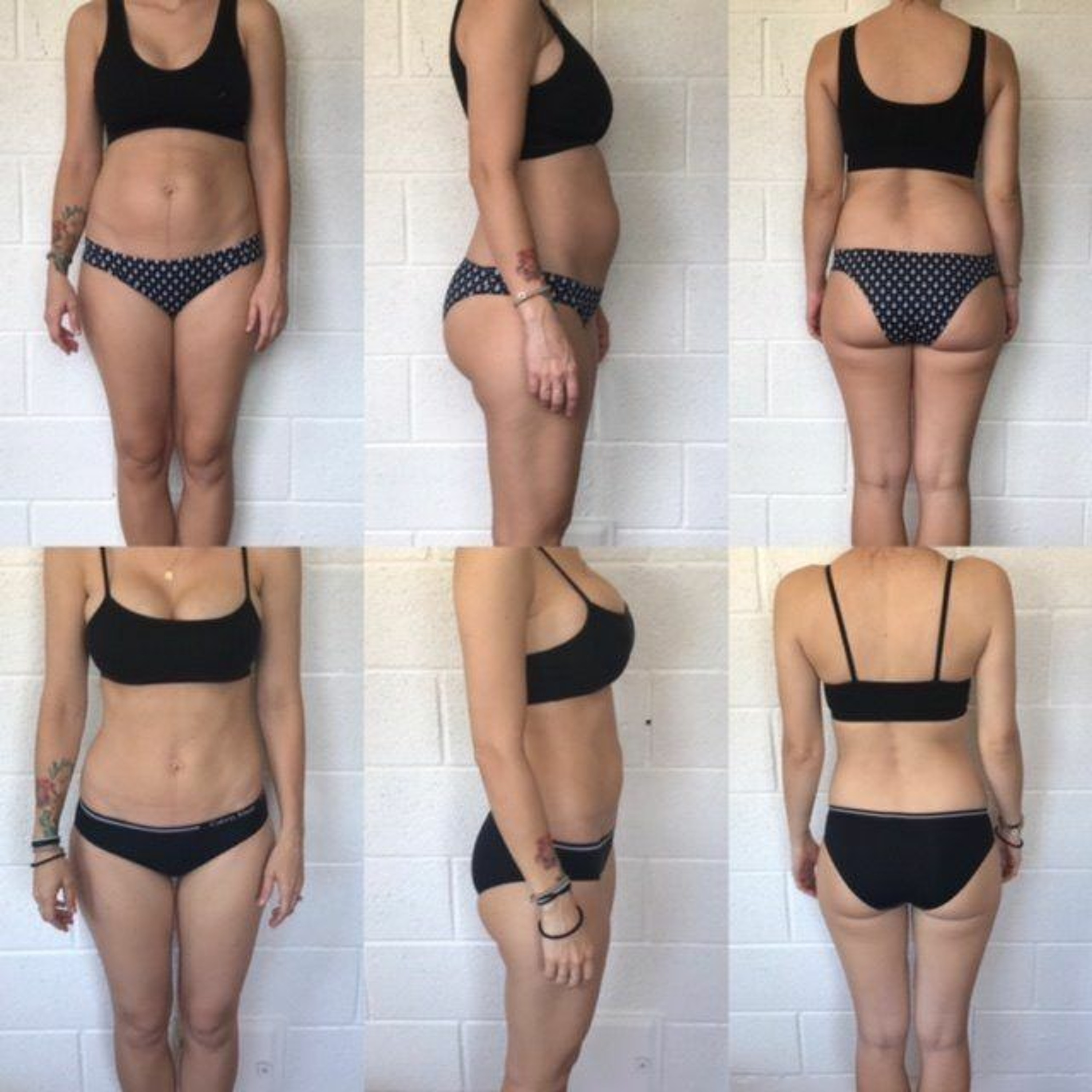
Postpartum Weight Loss Case Study + Treatment Tips
Why do so many women struggle with weight loss in the postpartum period? Much of the reason has to do with hormone imbalances that may occur as a result of pregnancy. Pregnancy is a time of great hormone flux which can exacerbate conditions such as thyroid disease, insulin resistance and estrogen dominance. Losing weight in the postpartum period is about finding out about these hormone imbalances and then treating them. This case study, with before and after pictures, will walk you through diet tips, exercise, supplements and hormones that you can take to help with weight loss in the postpartum period. Hey guys! I'm Dr. Westin Childs and I focus on thyroid health, hormone balance, and weight loss. I write about thyroid disorders, weight loss, insulin resistance, estrogen/progesterone balance on my blog. I truly believe that hormone balance is the key to managing your weight, your mood and your quality of life which is why I'm so passionate about it. I take a personalized/functional medicine approach to management of conditions. I'm not accepting patients but you can learn more and get plenty of information on my blog! You can learn more about high-quality supplements that I create (and personally use) here: https://www.restartmed.com/shop/ More information, including links to literary studies, in the video and the full blog post, can be found here: https://www.restartmed.com/postpartum... You can find more general information on my site here: https://www.restartmed.com/ If you enjoyed this video please subscribe on youtube or leave a comment on my podcast here: https://itunes.apple.com/us/podcast/d... This video is not intended to be used as medical advice. If you have questions about your health please consult your physician or primary care provider. Dr. Westin Childs goes to great lengths to produce high-quality content but this is NOT a substitute for medical care. Do you have any topics or video ideas? Please say so in the comments below!
Q and A (#1) Common Thyroid Weight issues, Male vs Female weight loss, Normal Labs & More
This is the first in a (hopeful) long of Q and A videos. These questions come from real people on my blog who are struggling with real problems. I know that many of you have the SAME issues because I see the same comments posted each and every day. If you guys like it let me know and if you want to have your questions featured then leave them below or leave them on my blog. I plan to take questions from the blog and answer them here each week. If you want to have your question answered try to keep the question relatively brief (small paragraph) so that it's easy for everyone to stay on track and understand what is going on. Hopefully, some of the tips and tricks I talk about here will be helpful to your situation! Hey guys! I'm Dr. Westin Childs and I focus on thyroid health, hormone balance, and weight loss. I write about thyroid disorders, weight loss, insulin resistance, estrogen/progesterone balance on my blog. I truly believe that hormone balance is the key to managing your weight, your mood and your quality of life which is why I'm so passionate about it. I take a personalized/functional medicine approach to management of conditions. I'm not accepting patients but you can learn more and get plenty of information on my blog! You can learn more about high-quality supplements that I create (and personally use) here: https://www.restartmed.com/shop/ More information, including links to literary studies, in the video and the full blog post, can be found here: https://www.restartmed.com/levothyrox... You can find more general information on my site here: https://www.restartmed.com/ If you enjoyed this video please subscribe on youtube or leave a comment on my podcast here: https://itunes.apple.com/us/podcast/d... This video is not intended to be used as medical advice. If you have questions about your health please consult your physician or primary care provider. Dr. Westin Childs goes to great lengths to produce high-quality content but this is NOT a substitute for medical care. Do you have any topics or video ideas? Please say so in the comments below!
Euthyroid Sick Syndrome, Low T3 & “Normal Thyroid Labs” Explained
Euthyroid sick syndrome is a condition which causes thyroid dysfunction due to illness or chronic stress. This stress can either be from an acute source (such as illness) or from a chronic source (such as chronic illness or stress). Euthyroid sick syndrome may result in certain lab changes to your thyroid such as low t3, low t4 and high reverse T3. This condition can be missed because the TSH is often normal or even low due to HPT suppression from the disease. Learn more about identifying and treating this condition in this video. Hey guys! I'm Dr. Westin Childs and I focus on thyroid health, hormone balance, and weight loss. I write about thyroid disorders, weight loss, insulin resistance, estrogen/progesterone balance on my blog. I truly believe that hormone balance is the key to managing your weight, your mood and your quality of life which is why I'm so passionate about it. I take a personalized/functional medicine approach to management of conditions. I'm not accepting patients but you can learn more and get plenty of information on my blog! You can learn more about high-quality supplements that I create (and personally use) here: https://www.restartmed.com/shop/ More information, including links to literary studies, in the video and the full blog post, can be found here: https://www.restartmed.com/euthyroid-sick-syndrome/ You can find more general information on my site here: https://www.restartmed.com/ If you enjoyed this video please subscribe on youtube or leave a comment on my podcast here: https://itunes.apple.com/us/podcast/dr-westin-childs-podcast-thyroid-weight-loss-hormones/id1141207688?mt=2 This video is not intended to be used as medical advice. If you have questions about your health please consult your physician or primary care provider. Dr. Westin Childs goes to great lengths to produce high-quality content but this is NOT a substitute for medical care. Do you have any topics or video ideas? Please say so in the comments below!
Low Estrogen Symptoms Checklist + Treatment Guide
This video will teach you everything you need to know about low estrogen (for both young and older women). Estrogen is a critical sex hormone found in both men and women. When we talk about estrogen we are almost always referring to estradiol (the most powerful estrogen). This hormone helps regulate important functions in the body such as your weight, how much fat you store (and where), heart disease, bone density, mood and so on. Low levels of estrogen can cause serious and significant symptoms which need to be identified and treated as soon as possible. Testing for low estrogen is easy (compared to high estrogen) and should always be accompanied by progesterone and sex hormone binding globulin. This video also discusses the causes and treatments of low estrogen! Hey guys! I'm Dr. Westin Childs and I focus on thyroid health, hormone balance, and weight loss. I write about thyroid disorders, weight loss, insulin resistance, estrogen/progesterone balance on my blog. I truly believe that hormone balance is the key to managing your weight, your mood and your quality of life which is why I'm so passionate about it. I take a personalized/functional medicine approach to management of conditions. I'm not accepting patients but you can learn more and get plenty of information on my blog! You can learn more about high-quality supplements that I create (and personally use) here: https://www.restartmed.com/shop/ More information, including links to literary studies, in the video and the full blog post, can be found here: https://www.restartmed.com/low-estrog... You can find more general information on my site here: https://www.restartmed.com/ If you enjoyed this video please subscribe on youtube or leave a comment on my podcast here: https://itunes.apple.com/us/podcast/d... This video is not intended to be used as medical advice. If you have questions about your health please consult your physician or primary care provider. Dr. Westin Childs goes to great lengths to produce high-quality content but this is NOT a substitute for medical care. Do you have any topics or video ideas? Please say so in the comments below!
What is LDN (Low dose naltrexone) & Does it Actually Work?
Today we are going to talk about LDN or low dose naltrexone. This medication is often prescribed to treat medications such as weight loss, autoimmune disease and chronic pain. But does it actually work? Will taking LDN actually help you lose weight? Will it help you reduce your antibodies or improve your thyroid function? Will it actually take away your pain? I discuss all of these questions in this video and I talk about how often it works for my patients. The good news is that LDN has few side effects, so even if it doesn't work it may be beneficial for certain people. Hey guys! I'm Dr. Westin Childs and I focus on thyroid health, hormone balance, and weight loss. I write about thyroid disorders, weight loss, insulin resistance, estrogen/progesterone balance on my blog. I truly believe that hormone balance is the key to managing your weight, your mood and your quality of life which is why I'm so passionate about it. I take a personalized/functional medicine approach to management of conditions. I'm not accepting patients but you can learn more and get plenty of information on my blog! You can learn more about high-quality supplements that I create (and personally use) here: https://www.restartmed.com/shop/ More information, including links to literary studies, in the video and the full blog post, can be found here: https://www.restartmed.com/ldn/ You can find more general information on my site here: https://www.restartmed.com/ If you enjoyed this video please subscribe on youtube or leave a comment on my podcast here: https://itunes.apple.com/us/podcast/d... This video is not intended to be used as medical advice. If you have questions about your health please consult your physician or primary care provider. Dr. Westin Childs goes to great lengths to produce high-quality content but this is NOT a substitute for medical care. Do you have any topics or video ideas? Please say so in the comments below!
Tips & Tricks to Help Stop PCOS Hair Loss
PCOS, at the heart, is really a hormone disease. The manifestations, including hair loss, associated with PCOS stem from these imbalances. Women with PCOS tend to have estrogen:progesterone ratio problems, an increased risk of thyroid disease as well as high testosterone and DHEA. All of these imbalances can lead to hair loss in women with PCOS. Learn tips and tricks to help treat these imbalances. You'll also learn the role of certain nutrients in hair regrowth and how to replete these nutrients to improve the overall quality and texture of your hair. Hey guys! I'm Dr. Westin Childs and I focus on thyroid health, hormone balance, and weight loss. I write about thyroid disorders, weight loss, insulin resistance, estrogen/progesterone balance on my blog. I truly believe that hormone balance is the key to managing your weight, your mood and your quality of life which is why I'm so passionate about it. I take a personalized/functional medicine approach to management of conditions. I'm not accepting patients but you can learn more and get plenty of information on my blog! You can learn more about high-quality supplements that I create (and personally use) here: https://www.restartmed.com/shop/ More information, including links to literary studies, in the video and the full blog post, can be found here: https://www.restartmed.com/pcos-hair-loss/ You can find more general information on my site here: https://www.restartmed.com/ If you enjoyed this video please subscribe on youtube or leave a comment on my podcast here: https://itunes.apple.com/us/podcast/dr-westin-childs-podcast-thyroid-weight-loss-hormones/id1141207688?mt=2 This video is not intended to be used as medical advice. If you have questions about your health please consult your physician or primary care provider. Dr. Westin Childs goes to great lengths to produce high-quality content but this is NOT a substitute for medical care. Do you have any topics or video ideas? Please say so in the comments below!
Warnings Signs & Symptoms of Iodine Deficiency
Iodine deficiency is more and more common even in iodine-replete areas such as the United States. The only way for humans to get iodine is through their diet and unless you are eating sea vegetables or kelp frequently you are probably not getting enough. Iodine deficiency manifests as hypothyroid symptoms, goiter formation, pregnancy-related problems and more. Learn more about how to know if you are getting enough iodine, how to supplement with iodine, how iodine deficiency affects your thyroid gland and the benefits of iodine deficiency in this video. Hey guys! I'm Dr. Westin Childs and I focus on thyroid health, hormone balance, and weight loss. I write about thyroid disorders, weight loss, insulin resistance, estrogen/progesterone balance on my blog. I truly believe that hormone balance is the key to managing your weight, your mood and your quality of life which is why I'm so passionate about it. I take a personalized/functional medicine approach to management of conditions. I'm not accepting patients but you can learn more and get plenty of information on my blog! You can learn more about high-quality supplements that I create (and personally use) here: https://www.restartmed.com/shop/ More information, including links to literary studies, in the video and the full blog post, can be found here: https://www.restartmed.com/iodine-def... You can find more general information on my site here: https://www.restartmed.com/ If you enjoyed this video please subscribe on youtube or leave a comment on my podcast here: https://itunes.apple.com/us/podcast/d... This video is not intended to be used as medical advice. If you have questions about your health please consult your physician or primary care provider. Dr. Westin Childs goes to great lengths to produce high-quality content but this is NOT a substitute for medical care. Do you have any topics or video ideas? Please say so in the comments below!
Connecting Hypothyroidism and Depression + How to Treat it
There is a known connection between hypothyroidism and depression. If you are suffering from depression and you have thyroid disease then you need to learn more about this connection. T3 can be added to your thyroid medication regimen to help reduce the symptoms of depression. Some conditions such as the DIO2 polymorphism can reduce how much T3 is produced in neurological tissues. Hashimoto's can cause depression secondary to antibody levels themselves but also due to thyroid glandular damage. Learn how to manage these conditions, how to treat depression and more in this video. Hey guys! I'm Dr. Westin Childs and I focus on thyroid health, hormone balance, and weight loss. I write about thyroid disorders, weight loss, insulin resistance, estrogen/progesterone balance on my blog. I truly believe that hormone balance is the key to managing your weight, your mood and your quality of life which is why I'm so passionate about it. I take a personalized/functional medicine approach to management of conditions. I'm not accepting patients but you can learn more and get plenty of information on my blog! You can learn more about high-quality supplements that I create (and personally use) here: https://www.restartmed.com/shop/ More information, including links to literary studies, in the video and the full blog post, can be found here: https://www.restartmed.com/hypothyroi... You can find more general information on my site here: https://www.restartmed.com/ If you enjoyed this video please subscribe on youtube or leave a comment on my podcast here: https://itunes.apple.com/us/podcast/d... This video is not intended to be used as medical advice. If you have questions about your health please consult your physician or primary care provider. Dr. Westin Childs goes to great lengths to produce high-quality content but this is NOT a substitute for medical care. Do you have any topics or video ideas? Please say so in the comments below!
T4 and T3 Thyroid Hormones Explained
Your thyroid produces T4 and T3 thyroid hormones, but each is different in how it works and functions. Understanding how these hormones function will help you understand how your thyroid works and if you are taking the right medication, T3 is the most powerful thyroid hormone and it is known as triiodothyronine, but the majority of hypothyroid patients take a medication known as Thyroxine which contains T4 only thyroid hormone. In order for T4 to become activated, it must be converted to T3 through various enzymes in the body. Learn more about how these hormones function, how they convert and what kind of problems can cause this conversion process to slow. Hey guys! I'm Dr. Westin Childs and I focus on thyroid health, hormone balance, and weight loss. I write about thyroid disorders, weight loss, insulin resistance, estrogen/progesterone balance on my blog. I truly believe that hormone balance is the key to managing your weight, your mood and your quality of life which is why I'm so passionate about it. I take a personalized/functional medicine approach to management of conditions. I'm not accepting patients but you can learn more and get plenty of information on my blog! You can learn more about high-quality supplements that I create (and personally use) here: https://www.restartmed.com/shop/ More information, including links to literary studies, in the video and the full blog post, can be found here: https://www.restartmed.com/goitrogens/ You can find more general information on my site here: https://www.restartmed.com/ If you enjoyed this video please subscribe on youtube or leave a comment on my podcast here: https://itunes.apple.com/us/podcast/dr-westin-childs-podcast-thyroid-weight-loss-hormones/id1141207688?mt=2 This video is not intended to be used as medical advice. If you have questions about your health please consult your physician or primary care provider. Dr. Westin Childs goes to great lengths to produce high-quality content but this is NOT a substitute for medical care. Do you have any topics or video ideas? Please say so in the comments below!