
The Dr Louise Newson Podcast
354 episodes — Page 4 of 8

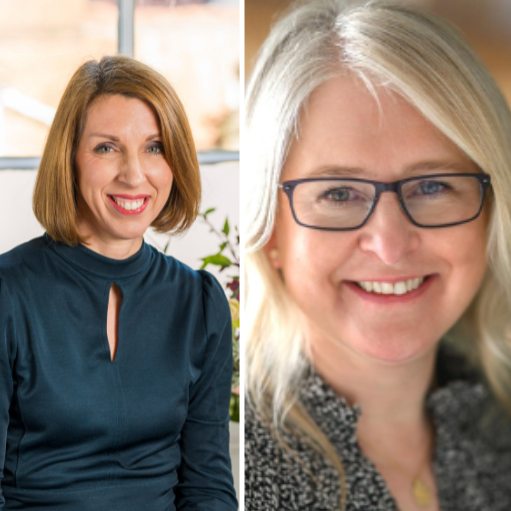
205 - Author Joanne Harris: ending the invisibility of menopausal women
Bestselling author of Chocolat Joanne Harris joins Dr Louise Newson to talk about her latest book, Broken Light. Broken Light’s protagonist is Bernie, a 49-year-old who has given her life to her family and friends, and feels invisible. But Bernie finds her supernatural powers as she reaches the menopause, which becomes a metaphor for the anger of women in later life who are too often silenced in art and reality. In this episode, Joanne talks about her own menopause experience, and her and Dr Louise discuss their work in ensuring the voices of women are heard as they get older – and the progress that still needs to be made. Joanne’s four reasons to read her new novel: Menopause is a universal experience that needs to be understood. The way women feel shapes our world and shouldn’t be ignored Because if you are a woman you will experience the menopause If you are man, menopause will also be part of your experience at some point, and you need to be informed Because it is a fun read! Click here to find out more about Joanne Harris, and follow her on Twitter at @Joannechocolat
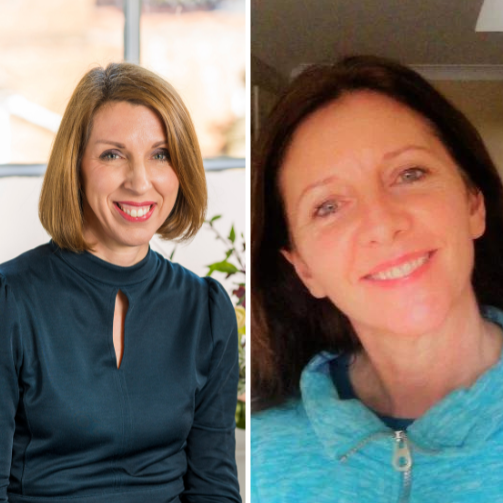
204 - Hormonal changes and mental health: maternal mental health awareness
Advisory: this podcast contains themes of mental health and suicide. Earlier this month Maternal Mental Health Awareness Week was marked across the UK. In this week’s episode Emma Hammond, an employment lawyer specialising in advising women who have experienced discrimination due to the menopause, generously shares her own story. After a traumatic birth with her first child, Emma developed serious symptoms, including psychosis and not sleeping or eating, that ultimately led to medication and hospitalisation. While she wanted a second child, her periods stopped and she was told she was perimenopausal – but an unexpected development took place soon after she was admitted to a mental health hospital. Here she and Dr Louise talk about the powerful role of hormones in women during pregnancy, birth and perimenopause, and how hormones can be overlooked by healthcare professionals caring for women struggling with their mental health. This podcast follows an earlier episode with Emma where she talked about her career, and offered advice on menopause in the workplace. Emma’s three tips: See your GP promptly if you are struggling with your mental health and don’t think you can fix everything yourself Be honest and open with your family and friends about what you are going through so that they can support you Think about life changes and holistic approaches as well as hormonal treatments or medication. Read more about Emma here. Contact the Samaritans for 24-hour, confidential support by calling 116 123.
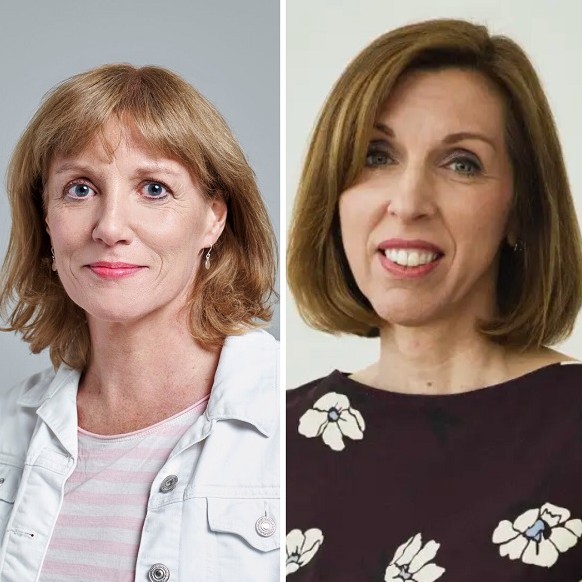
203 - Nursing and the menopause: International Nurses Day special episode
In a special episode on the eve of International Nurses Day, this week’s guest is Sue Thomas, an advanced nurse practitioner with an interest in menopause who works alongside Dr Louise at Newson Health Menopause and Wellbeing Centre. They discuss Sue’s 30-year nursing career, including her work in cardiovascular disease prevention, and talk about the vital role nurses play in raising awareness and treating women during the perimenopause and menopause. And with figures showing nine out of ten UK nurses are women, and more than half aged over 41, Sue and Dr Louise discuss the impact of the perimenopause and menopause on the nursing profession, with Sue sharing her own menopause experience and the barriers she faced when trying to access HRT. Sue’s three take home tips for fellow nurses and healthcare professionals are: Look for more education about the menopause, such as the free Confidence in the Menopause course If you are struggling with menopause yourself, be open with colleagues and line managers – we need to look after each other Let’s make the menopause a positive thing. Click here to read an advice article by Sue for healthcare professionals on coping with menopause in the workplace.
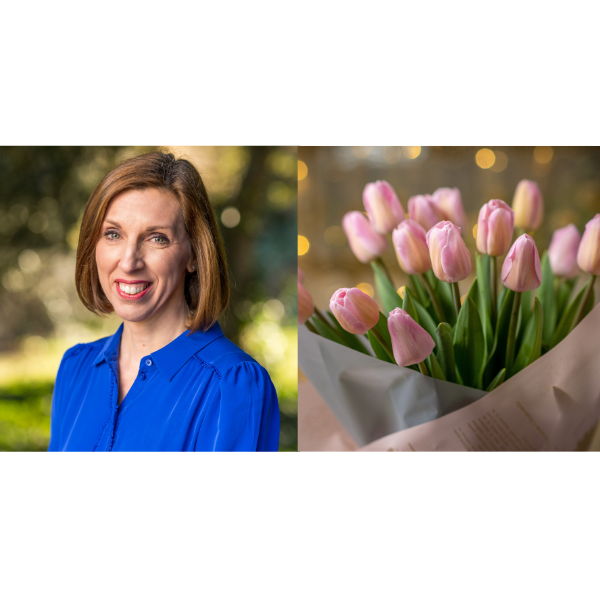
202 - What does the future hold for menopause and HRT? With menopause activist Kate Muir
Making a welcome return to the podcast is menopause activist, author and documentary maker Kate Muir. Kate is the author of Everything You Need to Know About the Menopause (but were too afraid to ask) and the producer behind Davina McCall’s two award-winning menopause documentaries; her third documentary, investigating the contraceptive pill, is currently in production. This week, after more than 200 episodes of the Dr Louise Newson Podcast, Kate is the one asking the questions. She asks Dr Louise about her hopes for HRT and menopause care over the next decade, and about the importance of hormones for healthy ageing and prevention of future disease. They also discuss barriers to accessing HRT, the so-called natural approach to the menopause and tackle claims the menopause is being over-medicalised. And in place of the usual top three tips, Dr Louise shares the four things in her handbag that she can’t live without. For more about Kate visit her website Follow Kate on Twitter @muirkate and Instagram @muirka Kate Muir photo credit: Suki Dhanda

201 - More than skin deep: menopause, skin and HRT doses with Dr Andrew Weber
Dr Andrew Weber is Medical Director of the Bodyvie Medi-Clinic in London and has more than 40 years of experience as a GP and 25 years specialising in advanced medical aesthetics and cosmetic procedures. In this episode, Dr Weber and Dr Louise Newson discuss the impact of the perimenopause and menopause on the skin and throughout the body, the importance of hormones and benefits of HRT, and why it is crucial healthcare professionals listen to their patients. The episode also covers how HRT has advanced and the importance of individualising treatment to find the right dose – Dr Weber likens HRT to buying a bespoke, made to measure Savile Row suit, rather than an off-the-peg outfit. For more about Dr Andrew Weber and the Bodyvie Medi-Clinic visit bodyvie.com Follow Dr Andrew Weber on Twitter at @drandrewweber

200 - Osteoporosis: how to protect your bones during menopause and beyond
Bone density for women can plummet around the time of the perimenopause and menopause. An estimated one in two women over 50 (and who do not take HRT) worldwide will develop osteoporosis. This puts women at high risk of bone fractures, which can have a major impact on health and wellbeing. Here Chicago-based Dr Kristi DeSapri, who specialises in bone health, joins Dr Louise Newson to talk about what can increase the risk of your bones becoming weak, the role of hormonal changes in this and what to do about it. Hear what the latest research says about the valuable role that HRT can play in protecting bones to keep you fit and strong in the future. Dr DeSapri shares her top three tips for listeners worried about their bone health: Find out how healthy your bones are and whether you could be at risk of fractures. This could include booking a bone density scan, or completing free online assessments and taking that information to your doctor Increasing evidence suggests HRT can help protect bone health, so consider this treatment option to keep your bones strong Find out about the importance of bone health so that you can be your own advocate - make sure you have the right information to make the right decisions. You can follow Dr DeSapri on Instagram @boneandbodywh. Her website is www.boneandbodywh.com

199 - Rosacea and menopause: what’s the link?
Consultant Dermatologist Dr Sajjad Rajpar makes a welcome return to the podcast this week to talk about the chronic skin condition rosacea, and how it can be impacted by the perimenopause and menopause. In a special episode to mark Rosacea Awareness Month, Dr Louise and Dr Sajjad discuss the physical and psychological effects of rosacea, as well as offering practical advice on avoiding triggers, and treatment strategies. Dr Sajjad’s top three tops if you have or suspect you have rosacea: Really look at your skincare routine and strip it right back to a gentle non-foaming cleanser and a light moisturiser containing ceramides. Sunlight can be a trigger for rosacea, so block out the sun as much as you can. Consider talking to your GP about trying active topical ingredients such as azelaic acid, metronidazole and ivermectin, because they can be a real game changer. For more information about Dr Sajjad, visit www.midlandskin.co.uk

198 - Joe Wicks: how to exercise and stay active during the menopause
Joe Wicks really needs no introduction: he’s a fitness coach, presenter and bestselling author who kept the nation moving during the COVID-19 lockdowns. Joe is also one of the expert contributors in Dr Louise Newson’s new book, The Definitive Guide to the Perimenopause and Menopause. In this episode, Joe and Dr Louise discuss the importance of keeping active, and finding the motivation and time to exercise during the perimenopause and menopause. Joe offers tips on setting achievable goals, plus beneficial exercises, and they talk about how replacing hormones with HRT will help ease symptoms so women can also better focus on exercise and nutrition. Joe’s top three tips if you are struggling with motivation to exercise: Prioritise your sleep: see sleep as an investment to give you more energy to work out Work out in the morning: working out earlier can be transformative to how you take on stress at work, and for your relationships too Prep like a boss: meal prepping on a weekend will protect you against fast foods and convenience foods during the week. Follow Joe Wicks on Instagram @thebodycoach Find out more about the Body Coach app on Instagram @bodycoachapp and online at www.thebodycoach.com
197 - The problem with medicalising the menopause without HRT
Advisory: this podcast contains themes of mental health and suicide. In this episode, Jo shares a moving account of her menopause experience before finding the right treatment for her. Struggling with numerous symptoms including vertigo, dry mouth and eyes, joint pain and vaginal dryness, Jo went from not visiting her GP for six years to monthly appointments. After being prescribed a cocktail of medication and spending thousands of pounds on dental treatment to no avail, Jo felt she was never going to get better. She talks to Dr Louise about the effect of low hormones, and the transformative impact finding the right dose and type of HRT had on her mental and physical health. Jo’s three top tips: Download a period tracker, such as the balance menopause support app, to track your periods. This will help you notice any changes and identify any patterns of other symptoms occurring. Educate yourself: try to read as much as possible about the menopause so that you can understand what's happening with your body. Reach out to friends: by being honest and saying how you're feeling, you can help others to open up too.

196 - Introducing The Definitive Guide to the Perimenopause and the Menopause with Kat Keogh
In this episode, Dr Louise is joined by Kat Keogh to talk about Dr Louise’s new book, The Definitive Guide to the Perimenopause and Menopause. Packed with advice and information from leading experts, it is the definitive, accessible and evidence-based guide to help you navigate your perimenopause and menopause. It covers key facts about hormones, family histories, the complete guide to HRT, libidos, mental and physical health, how menopause affects careers and relationships and so much more. Kat, who works at Newson Health, shares her top three reasons to buy The Definitive Guide to the Perimenopause and Menopause: It gives clear, practical advice on talking about the menopause with your children. If you’re starting, at any age, to feel like your hormones are off balance, buy this book to find out everything you need to know about the role of hormones in your health and how to manage that. If you’re struggling and alone with the perimenopause or menopause, turn to this book for reassurance, support, knowledge and to be empowered. Order your copy here

195 - Health risks and treatment of surgical menopause with Dr Walter Rocca
Dr Walter Rocca is a neurologist from the Mayo Clinic in Minnesota, USA, where he studies common neurological diseases as well as the aging processes between men and women. He has a particular focus on estrogen and the effects of menopause on health risks. In this episode, Dr Rocca explains how sex hormones have a much greater role in many of the body’s functions than simply regulating the menstrual cycle and reproduction. He explains why it’s so important to treat women with hormone replacement after bilateral oophorectomy with or without hysterectomy or early menopause, especially younger women. Dr Rocca’s three take home messages: The ovaries are a tremendously important organ for healthy functioning of our heart, brain, bones, kidneys, lungs and more. For healthcare professionals: be very careful when thinking about removing the ovaries and/or the uterus, unless there is a very clear clinical indication. The longer-term harmful effects of these surgeries are greater than the apparent short-term benefit to symptoms. If a woman has a high genetic risk of ovarian cancer (>40% risk level), removal of the ovaries is appropriate, but she should be given estrogen therapy afterwards as the risk associated with this treatment is very low (including for BRCA carriers). If a natural menopause occurs early or prematurely, these women should also be offered estrogen therapy, unless there is a specific contraindication. More about Dr Walter Rocca
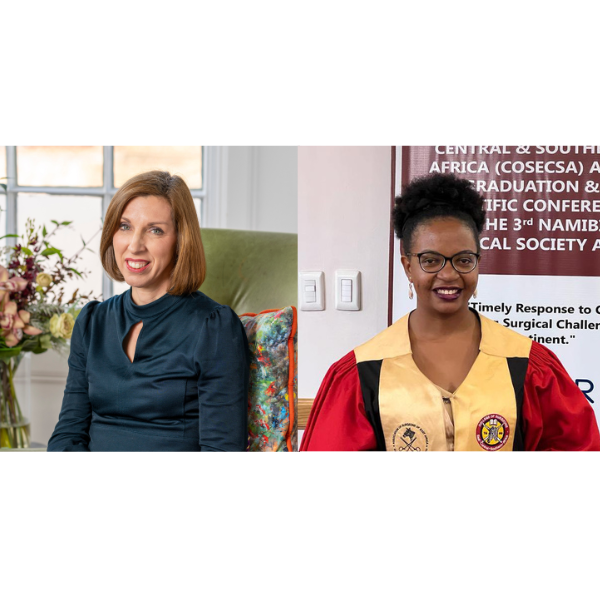
194 - Transforming women’s urological health in Uganda
Dr Namugga Martha Monicah is one of four female urologists in Uganda. She recently completed the Fellowship of the College of Surgeons (FCS) exam at the College of Surgeons East and Central and Southern Africa (COSECSA) exams, finishing top of her class. She was supported with a sponsorship from Newson Health. This episode of the podcast, released on the eve of International Women’s Day which this year centres around equity for all, looks at women’s health and access to care in Africa. Dr Monicah tells Dr Louise Newson about the barriers to women’s health in Africa, the shame surrounding it and the international support making a difference. She also addresses the stigma around the menopause and the need to move past a ‘suffer in silence’ approach. Guest’s three tips: Anyone in the world who listens to the podcast, know that there is somewhere where menopause doesn’t have to be taken on humbly and that something can be done to improve your quality of life. To the African girl child, know that despite all the challenges, the hurdles, you can still do it, you can still emerge victorious. In whatever small way, any individual can do something to improve the life of another. For more about Dr Namugga Martha Monciah, visit https://www.baus.org.uk/professionals/urolink/urolink_home.aspx.
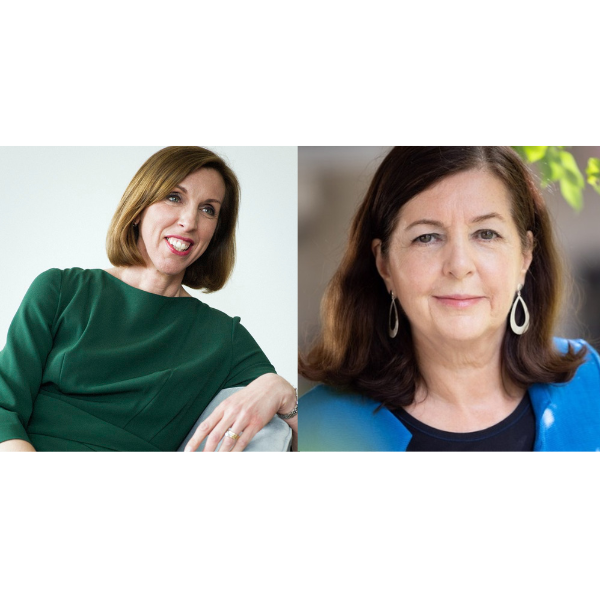
193 - Taking control of your menopause with Dorothy Byrne
Dorothy Byrne returns to the podcast this week to discuss her previous role as former Head of News and Current Affairs for Channel 4 television and the commissioning of and reaction to the menopause documentaries. She also updates us on her new role as president of Murray Edwards College, Cambridge University – one of only two higher education institutions in the UK for women only – and how she hopes to inspire young women especially in the fields of medicine and science. During the conversation, Dorothy shares some of her experiences of how a menopausal lack of sleep affected her at work, why she continues to take HRT in her 70s, and the ongoing systemic gender discrimination in medicine and the workplace. Dorothy’s advice to women who are struggling to get menopause treatment: Go to your doctor and ask for accurate, up to date information about HRT, and if they are not able to provide this, ask to see another doctor Don't think you just have to put up with your symptoms Don't be embarrassed by anything related to the menopause. If something’s going on ‘down below’, find out what the cause of it is, it may well be the menopause and there are effective treatments available.
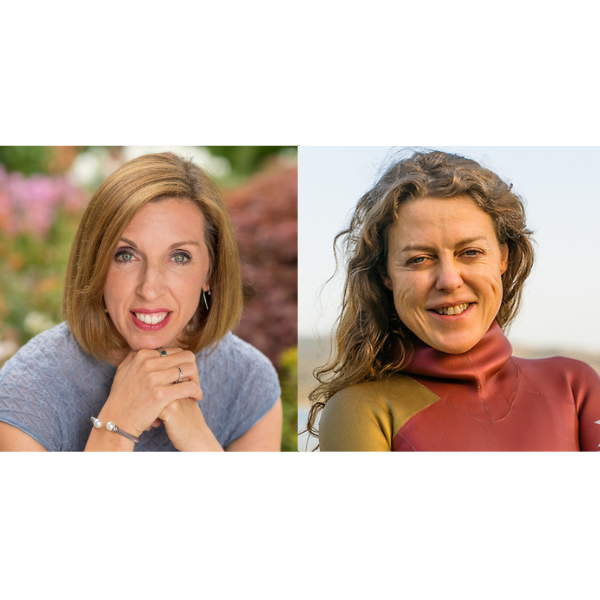
192 - Freediving at 50 with world record holder Nina McGowan
Nina McGowan is a visual artist and Bikram yoga practitioner from Ireland who discovered freediving while on holiday in Egypt when she was in her mid-forties. Shortly after she turned 50, Nina secured a world record dive of 43 metres that involved holding her breath for 2 minutes and ten seconds. In this episode, Nina explains how her yoga practice helps her free diving and she outlines the benefits of eating well, sleeping well and clearing your mind to focus on your breath. Nina also shares some of her own personal experience with her hormone journey and seeking out the right support. Nina’s three priorities for a positive lifestyle change: Prioritise your sleep and protect that space Make any diet changes slowly and one at a time Have faith in yourself to take a step into the unknown and a bridge will appear across the chasm. Follow Nina on Instagram

191 - Workplace menopause advice from lawyer Emma Hammond
Emma Hammond is a lawyer with gunnercooke LLP specialising in employment law. Often assuming the role of Investigating or Grievance Officer, Emma leads enquiries into complex bullying, harassment and discrimination complaints for individuals and organisations. Emma has an interest in mental health and its impact on the workplace and she incorporates as much pro bono work into her practice as possible, specialising in advising women who have suffered discrimination due to the menopause. In this episode, Emma chats to Dr Louise Newson about the effects of the menopause at work, the intricacies of legal protections for women suffering professionally because of menopausal symptoms, and they discuss some positive examples of working in a menopause confident organisation. Read more about Emma Hammond here.
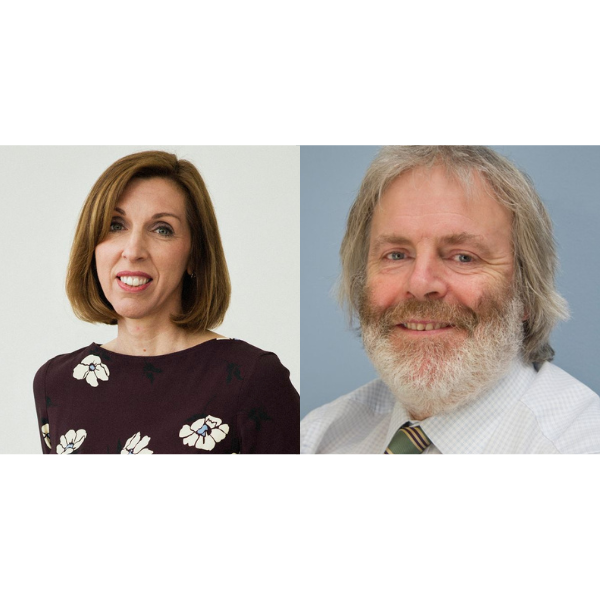
190 - Supporting women after breast cancer with Dr Tony Branson
Breast cancer specialist, Dr Tony Branson returns to the Dr Louise Newson podcast two years since his first appearance. Tony is a Consultant Clinical Oncologist at the Northern Centre for Cancer Care, based at the Freeman Hospital in Newcastle upon Tyne. In this episode the experts discuss the current situations women can find themselves in when having treatments for breast cancer and experiencing the onset of menopausal symptoms. Tony supports the women he sees through some challenging decisions around managing the risk of cancer recurrence while for some, treating menopausal symptoms with HRT to improve the quality of their lives.
189 - Joeli Brearley from Pregnant Then Screwed
Two important issues for women come together in this episode of the Dr Louise Newson Podcast featuring guest Joeli Brearley. Joeli founded the charity Pregnant Then Screwed after she was fired from her job the day after telling her employers she was pregnant. Joeli wanted to create a space for others to share their stories of discrimination at work, which quickly grew into Pregnant Then Screwed, a charity dedicated to ending the motherhood penalty and campaigning for change. Joeli shares a personal story of her own changing hormones in her late 30s; she recounts her struggle to be listened to by healthcare professionals and to find the right treatment for her symptoms that were exacerbated by progesterone intolerance. Joeli’s three tips for women who think they might be perimenopausal: Talk to other women, it’s a great way to find out really useful information Keep going and don’t give up. Trust in yourself and how you know you’re feeling. Keep pushing for what you feel you need. If you don’t feel well and feel like you’re going mad after having the Mirena coil fitted, tell your healthcare professional. You could have a sensitivity to the progestogen in it and there may be a better alternative method for you. For more about Joeli’s work and her books, visit pregnantthenscrewed.com Follow Pregnant Then Screwed on Instagram or Twitter.

188 - The importance of breathing efficiently with Dr Louise Oliver
Dr Louise Oliver, a GP and functional breathing practitioner and therapeutic life coach, joins Dr Louise Newson as a guest on the podcast this week. Louise Oliver has had a special interest in women’s health and menopause for many years and now incorporates her skills as a functional breathing practitioner to raise awareness of how breathing is altered by hormones, how this can lead to symptoms of inefficient breathing and how to improve the connection between our brain, body and breath. Louise’s three tips to breathe more efficiently: Be aware that your hormones affect the way you breathe and how you breathe affects your health and wellbeing. Learn more about breathing. The book ‘Breath’ by James Nestor and all Patrick McKeown books and podcasts are excellent. Assess your breathing efficiency by observing your breathing at different times over the next week and see whether it matches the description of effective breathing as discussed. Improve your breathing efficiency by learning the techniques and dedicating some time over a number of weeks and months to adjust your breathing style until it becomes more natural for you. For more about Dr Louise Oliver, visit her website. The video link mentioned in the episode from Mr Vik Veer, ENT consultant, to improve snoring and sleep apnoea can be found here. Louise is on Instagram as @drlouiseolivertlc and on Facebook here.
187 - My experience of long COVID and changing hormones with Dr Marianne Tinkler
Dr Marianne Tinkler is a respiratory consultant from Swindon. In March 2020, Marianne contracted Covid-19 and had to take a month off work with a severe cough and extreme fatigue. She returned to frontline work on the wards at the height of the pandemic but found it difficult due to ongoing symptoms of tiredness, breathlessness, a racing heart rate and significant brain fog. Later that year, when long COVID became more recognised and Marianne was continuing to experience severe symptoms, she was encouraged to take an extended break from work, and this gave her time to reflect on her hormonal journey as well as learning how to navigate life with long COVID. In this episode, the experts discuss the relationship between long COVID and the perimenopause/ menopause, the barriers to accessing treatment and some of the benefits of diet, movement and HRT for those suffering with long COVID. Marianne’s advice if you have long COVID: Pace yourself carefully and don't ‘push through’. Track your symptoms on the balance app and consider HRT if you think some of your symptoms may be due to perimenopause or menopause – even if you think you’re ‘too young’. Look at your diet and activity levels and eat foods that are good for your gut microbiome. Try and get outside every day, even if your energy levels will only allow you to sit on a bench.
186 - Bleeding on HRT with Consultant Gynaecologist Mr Osama Naji
Mr Osama Naji is a consultant gynaecologist at Guy’s and St Thomas’ hospital in London and he leads the busy department of women’s cancer diagnostics at Guy’s Cancer Centre. Mr Naji specialises in early detection of pre-cancerous conditions and is an international expert in advanced gynaecological scanning, contributing significantly to scientific research in women’s gynaecological health. In this episode, the experts discuss the complexity and influence of the menstrual cycle, bleeding on HRT and when it should be investigated further, and the safety of HRT with regard to gynaecological cancers. Mr Naji’s three take home messages are: The workforce of women is needed now more than ever, therefore we must invest in women’s health and wellbeing and paramount to this is education about HRT. Endometrial cancer is on the rise but can usually be detected at an early stage and treated very effectively through raising awareness, identifying the causes, managing risk factors and engaging and empowering the patient. HRT is the very last item on the list of risk factors for endometrial cancer, therefore believe and trust the patient on whether the bleeding is abnormal for them and work through the management process using a shared decision-making approach. For more information on Mr Osama Naji, visit www.rylonclinic.com
185 - Exploring experiences of menopausal women after breast cancer, with Dr Sarah Ball
GP and menopause specialist, Dr Sarah Ball, makes a record fifth appearance on the podcast this week to discuss her work exploring experiences of menopause care in women who have had breast cancer. The experts discuss findings from a recent survey carried out by Sarah and the Newson Health team to highlight how things have improved in recent years and identify some of the ongoing needs. You can read more about Sarah’s survey and other recent menopause research carried out by Newson Health here. Follow Dr Sarah Ball on social media on Instagram and Twitter. View the breast cancer booklet here.
184 - Reflections on 2022 with Dr Rebecca Lewis
Clinical Director of Newson Health, Dr Rebecca Lewis, returns to the podcast this week for a special end of year episode with Dr Louise Newson. The business partners and friends reflect on some of the positives over the last 12 months and discuss the continued challenges in trying to help more women with their experience of perimenopause and menopause. Rebecca’s three hopes for 2023: Testosterone needs to be licensed for women (and not just for low libido) Treatment for significant and severe menopausal symptoms in the workplace to help keep women in work Education about the perimenopause and menopause reaching out to other medical specialties so more healthcare professionals understand how it affects the patients they see. Follow Rebecca on Instagram at @dr.rebecca.lewis
183 - Urinary tract infections in women with Professor Chris Harding
Professor Chris Harding is a Consultant Urologist working at the Freeman Hospital in Newcastle upon Tyne and at Newcastle University. He has a particular interest in bladder dysfunction, continence and urinary tract infections (UTIs). In recent years, his research has focused on non-antibiotic treatments for recurrent UTIs and developing targeted treatments for specific patient groups. In this episode, Professor Chris talks to Dr Louise about the challenges of diagnosing UTIs accurately, the severe impact recurrent UTIs can have on your life, how antibiotics can be used appropriately, and how to prevent UTIs occurring. The experts share some of their plans to study the effects of systemic HRT and vaginal hormone treatments on UTIs in women. Chris’s advice if you have recurrent UTIs: You don’t need to put up with UTIs in the perimenopause and menopause; there are many proven treatments available Acknowledge that current tests for UTIs are not 100% accurate. If you think you have a UTI, you probably have, even if your test was negative - the diagnosis can always be questioned Discuss with your doctor how you can prevent infections if you have had 2 episodes within 6 months, or 3 within a year Hormone replacement, particularly vaginal treatments, are significantly protective and preventative against UTIs. Follow Prof Chris Harding on social media at @chrisharding123

182 - Mental illness and the role of estradiol with psychiatrist Professor Jayashri Kulkarni
This episode contains reference to suicide Professor Jayashri Kulkarni is a psychiatrist working in Melbourne, Australia, specialising in women’s mental health and researching the role of estradiol in mental illnesses such as schizophrenia and depression. She founded and directs the Monash Alfred Psychiatry Research Centre, a large clinical research group in Melbourne. In 2022, Professor Kulkarni launched and directs HER Centre Australia – a Monash University Centre delivering Health, Education and Research in women’s mental health - dedicated to improving the quality of care for women with mental illnesses by developing specific treatments tailored to suit women’s needs. In this episode, the experts discuss the different ways estradiol influences brain health and function, what this means for healthy brain aging and longevity, and they share some of their experiences when helping women with mental health changes during the perimenopause and menopause. Prof. Kulkarni’s tips for women experiencing mental health changes: Trust your instinct – you know you best. If you think it might be hormones, help is available. Look at your background history. If you had premenstrual mood changes or postnatal depression in the past, this may mean you are particularly sensitive to hormonal changes. Early life trauma (e.g. neglect or emotional/physical/sexual abuse) can disrupt hormone signals and brain chemistry and this may make you more vulnerable to mental illness. Whatever your past history, there is help available in the form of HRT. See your local healthcare provider or a menopause specialist if needed. You can find the Meno-D questionnaire here. This tool identifies the specific mood changes that are more typically present in perimenopause and menopause related depression. For more information on Professor Kulkarni’s work and research, visit www.maprc.org.au

181 - Supporting women’s hormone journey with Dr Samantha Newman
Dr Samantha Newman is a British doctor working in Hawkes Bay, New Zealand. After training in obstetrics and gynaecology, a moving encounter with a patient led her to re-train as a GP and develop an interest in supporting women’s health and wellbeing. Samantha’s clinic, FemaleGP, was established in 2016 to improve access to focused healthcare for women including gynaecological and sexual health and treatments for perimenopause and menopause. In this episode, the experts discuss shared decision making with their patients, symptom improvements with HRT, and supporting women to ‘listen’ to their hormones. Samantha also shares some of her experiences working with women from the Māori community and culture. Dr Samantha’s three tips: See your hormones as a journey and not as separate, distinct phases of life. Find support along the way – wherever in the journey you find yourself. For healthcare providers: see your patients as a whole person and as part of their families and find out their true thoughts and desires. Be honest with your patients and encourage them to be honest with you. If they haven’t taken your advice, revisit things and find out what didn’t align with their values rather than viewing it as a negative. For more information about Samantha’s work, visit www.femalegp.co.nz Follow Samantha on social media at https://www.facebook.com/FemaleGP and https://www.linkedin.com/in/samantha-newman-34223b230

180 - Improving menopause care in Hong Kong with Dr Laurena Law
Dr Laurena Law is a general practitioner working in Hong Kong who has a special interest in nutrition and lifestyle medicine to improve healthy aging and prevent chronic illness. When Laurena gained personal experience of perimenopause and saw the impact it was having on her own life, she decided to learn more about hormone health and evidence-based treatments for the menopause so she could help herself and her patients. In this episode, Louise and Laurena discuss cultural differences and similarities between British and Chinese approaches to menopause from both an individual and healthcare perspective. Laurena emphasises the importance of educating women so they know how to recognise their perimenopause or menopause and to empower them to make their own health needs a priority. She educates healthcare professionals in Hong Kong and further afield to ask women the right questions in consultations and to know how to prescribe body identical HRT. Dr Laurena’s three tips for women: Complete a menopause symptom questionnaire and repeat it every few months. This can form the basis of a conversation with your healthcare provider Find a healthcare provider that is educated and updated in menopause care Find a support group of women also going through the menopause to talk about the problems and challenges you’re going through – you’re not alone.

179 - Advancing menopause care after breast cancer with Dr Sarah Glynne
GP and menopause specialist, Dr Sarah Glynne, joins Dr Louise Newson on the podcast this week to discuss menopause care after breast cancer. The experts share more about the breast cancer steering group established as part of the Newson Health Menopause Society that is working towards producing a consensus statement to support clinicians and improve the quality of life for menopausal women who have had breast cancer. Dr Sarah Glynne discusses the importance of individualising the risk-benefit ratio for every woman when making decisions around treating the cancer and weighing this up with treating menopausal symptoms. Sarah emphasises the importance of talking through the implications of each of these considerations using a shared decision making process. Sarah’s three tips for women after breast cancer: Understand the risks and benefits of the drugs used to treat your breast cancer and what this means for you personally. Ask your oncologist for more information about your own breast cancer, if you are not sure. You can then use the PREDICT tool online for understanding more about your own cancer risks and what additional benefits any treatments may offer. Read about non-hormonal options to help your menopause symptoms and cancer recovery such as diet, yoga, or acupuncture. Try various approaches to find the ones that may bring some benefit to you. Vaginal moisturisers and lubricants may also help and these do not contain hormones, and there are other medications your GP may be able to prescribe for some of your symptoms such as hot flushes. If your menopause symptoms are severe and your quality of life is suffering, ask your clinician to explain the risks for you regarding your cancer prognosis if you decide to take HRT, versus the risks to your quality of life and long-term health if you choose not to take HRT. If you have genitourinary symptoms of soreness and dryness, vaginal hormones are very safe for improving these symptoms. Read information on the balance website and the book ‘Oestrogen Matters’ by Avrum Bluming, and make a choice that is right for you through discussion with your clinician using a shared decision making process.
178 - My story of ‘treatment resistant depression’, ketamine and HRT
In this episode, Sam shares her moving account of the journey she has been on for the last five years when, after a miscarriage and losing her father, things started to unravel and her mental health suffered. A difficult few years followed spent navigating depression, trialling several antidepressants and anti-anxiety medications, and seeking help from psychiatrists to try and understand what was going on. At the time, Sam believed she was years away from becoming menopausal and through her own research sought treatment privately in the form of ketamine due to her desperation to feel better and function again. Through learning more about hormones and their effects on the brain and mental health, Sam has recently begun to take HRT and feels she has started on a more positive path to health and stability. Sam’s three tips for those struggling with mental health: Try and be assessed by a menopause specialist before accepting a diagnosis, medication or treatment from a psychiatrist – it may save you a lot of unnecessary suffering. If you do start taking HRT, be patient. It can take time and the dose and type may need tweaking before you feel the beneficial effects. Become as well informed as you can about your hormones and the menopause from good sources online. And talk to other women – you’re not alone.
177 - Families, relationships and the power of connection with Julia Samuel
Human beings are hard wired to adapt to unexpected life events but how do we manage this process alongside our natural need to control? Psychotherapist, Julia Samuel MBE has been interested in this question throughout her 30 year career supporting families with grief and bereavement. Julia founded the charity Child Bereavement UK and has worked extensively with families in the NHS and private sector as well as writing books on grief, family, and change. In this episode, the experts discuss human nature and our response to adverse life events and times of transition. Julia speaks of the importance of love and connection with others and about the impact menopause can have on relationships, family life and work. Julia’s tips for helping your relationship: Be aware of how you’re communicating in your relationship and look at what has changed Try and form a regular habit like going for a walk together to talk and listen to each other and make time to reflect Be aware of your own inner critical voices and turn down the volume on those. Turn up the volume of self-compassionate voices and practice being kinder to yourself Remember connection with others is key throughout our lives For more information about Julia Samuel and her books, visit juliasamuel.co.uk For support and information if you have experienced the loss of a child or care for a grieving child, visit www.childbereavementuk.org

176 - Introducing new Chief Medical Director, Dr Magnus Harrison
Newson Health has recently appointed a Chief Medical Director to ultimately help more women improve their health. In this episode, Dr Magnus Harrison shares a whistlestop tour through his professional life so far as a Consultant in Emergency Medicine via New Zealand, Australia, and Manchester and his experiences in leadership at Stoke on Trent in the wake of the Mid Staffordshire NHS Trust’s ‘adverse mortality’ investigation. Via Harvard, USA and India, Magnus then oversaw the merger of Burton upon Trent and Derby NHS Trusts before the hardest time of his career to date – the COVID 19 pandemic where 8 staff members from his organisation lost their lives. Magnus discusses with Louise what he hopes to bring to the medical leadership and management of Newson Health and the key values that underpin his mission. Magnus’s aims for his leadership at Newson Health: I will be humble and led by professional curiosity to learn how to help more women I aspire to be a compassionate leader, will listen to understand, empathise and ask how I can help Kindness is essential and should underpin all that we do.
175 - Mood, mental health and hormones with Dr Clair Crockett
The focus of this year’s World Menopause Day is cognition and mood. In this episode, Dr Louise Newson talks to Dr Clair Crockett, a GP and menopause specialist with an interest in mood, mental health and hormones. Clair’s interest in the topic stems from her own experience of escalating anxiety, low mood and intrusive thoughts in the premenstrual phase of her cycle during her mid-to-late 30s. Through her own research, she looked for ways to help her symptoms including through lifestyle changes, supplements and antidepressants. While these all helped some aspects of her mental health, it wasn’t until she began taking HRT that the premenstrual mental health symptoms eased. The experts discuss the importance of considering hormones when helping women experiencing mental health problems and outline some of the ways they are working to improve education about menopause and mental health amongst healthcare professionals. Clair’s tips to women with mental health symptoms in perimenopause and menopause: Track your symptoms and periods, the balance app is a good way to do this. This will make it easier to relay to your healthcare professional when you see them. Ask who has an interest in women’s health in your GP practice so you can see the most appropriate person. Tackling mental health in perimenopause and menopause is multi-faceted, it can take a while to get it right through a combination of taking HRT, your food choices, exercise, and doing work that inspires you. Make peace with your body image and don’t let it stop your progress. If you’d like to read more about Clair’s personal experience of mental health and hormones, you can read her story here.
174 - World Menopause Day Special with Dr Louise Newson
On World Menopause Day, Dr Louise Newson has recorded this special edition of her podcast on her own. She describes her medical career to date and her reasons for doing what she is doing. She discusses her interest as an undergraduate and postgraduate and also talks about her lack of menopause training during this time. Louise has a medical degree and also a degree in pathology which is even more relevant when thinking about the menopause as a systemic condition in which the low hormones, especially estradiol, affect all the cells and organs in the body. During this podcast she talks openly about her reasons for setting up a private menopause clinic and how the clinic has enabled her to finance the free balance menopause app and also the free Confidence in the Menopause education programme for healthcare professionals. She clearly states this is the beginning of her journey and she has much more work to do. It will be very interesting to watch and see how the next year unfolds for menopausal women. Her three take-home tips are Work as a team - communicate with others and share your knowledge and experience Ensure information you receive is evidence based - there is plenty of really good quality information both on the free balance app and the balance-menopause.com website Be positive – working together to make a change will enable women to have better future health

173 - The challenges of accessing menopause treatment as a young woman
In this episode, Georgina talks openly about her struggles to get a diagnosis for her erratic periods since she was 15. In her early 20s, her concerns around fertility were brushed off and she acknowledges she didn’t have the strength and resolve to pursue the issue. Georgina then began to experience low mood, muscle fatigue, joint pains, hot flushes and night sweats. When her mental health dipped further, this became the tipping point and with the help of a supportive mother, Georgina pushed for a formal diagnosis and treatment for her debilitating symptoms. Dr Louise Newson explains the impact of premature ovarian insufficiency and the risk a lack of hormones presents to your future health. Georgina shares the struggle she went through to access the right type and dose of HRT and reminds others to advocate for yourself to get the right help. Georgina’s three tips to young women: Talk openly with other women about periods, sex and vaginal dryness to understand what is and isn’t common Do your own research about your symptoms and the menopause to get enough knowledge to advocate for yourself Be patient with your HRT and give it time to work

172 - Learning to make empowered choices after cancer with Dani Binnington
Dani Binnington was diagnosed with breast cancer as a young mum at 33. For the next few years her life did not feel under her own control amidst countless medical appointments, treatments and surgeries. After discovering she carried the genetic BRCA1 mutation, Dani chose to have a double mastectomy and at 39 she opted to have both her ovaries removed as several family members had died from ovarian cancer. Previously a jewellery designer, Dani then embarked on a change of direction towards yoga and healthy living, and she now offers programmes for women on menopause after cancer. Dani is on a mission to empower women to learn about their choices, seek out specialist menopause care and her goal is for every women to have the conversations with healthcare professionals that they deserve. Dani’s tips for women after cancer: Talk about it with the right group of people that understand what you’re going through Make time for yourself to check and understand your symptoms Continue conversations with your healthcare team and ask for specialist menopause care Learn all your treatment options, including hormonal and non-hormonal treatments, complementary therapies, lifestyle management, and how to avoid triggers. Don’t sit back, show up for yourself and be empowered. Be active in your own recovery. Visit Dani’s website at www.healthywholeme.com And follow her on social media at: www.instagram.com/healthywholeme/ www.facebook.com/healthywholeme The Menopause And Cancer podcast: Listen here on Apple https://podcasts.apple.com/gb/podcast/the-menopause-and-cancer-podcast/id1631842514 Listen here on Spotify https://open.spotify.com/show/3OhAwupemqzdI6sCXCZLSX?si=DsriNnCXSIee6i10Cd4kww
171 - Finding hope with hormones after 20 years of struggling with my mental health
Content warning: This episode contains discussion of suicide Vanessa had always suffered with PMS and struggled with her mood and emotions after the birth of each of her children. After her fourth child was born, Vanessa’s mental health took a severe turn and she became suicidal. When her husband intervened and insisted she received specialist care, a psychiatrist realised how unwell Vanessa was and this was the beginning of an eighteen year journey of taking medication and receiving mental health support, including spells of inpatient care. It was all Vanessa could do to wake up every day and look after her children. Vanessa had wondered whether her mood was linked to her hormones as she would have 2 good weeks in every month before two bad weeks would inevitably creep in. In more recent years, friends persuaded her to see a menopause specialist and begin topping up her declining hormones and, as Vanessa explains, this has been lifechanging. Vanessa’s advice: You may not be well enough to go and ask for help yourself, allow family and friends to support you with this. Don’t always accept everything you’re told by healthcare professionals, challenge thoughts and negative attitudes towards mental health and the link with hormones. We develop lots of coping strategies to mask how we are really feeling. Don’t carry on hiding how you really are, speak to someone. Help is available if you are struggling. Please contact the Samaritans by phone on 116 123, download the Samaritans Self-Help app or email [email protected]
170 - Recognising and reversing osteoporosis with Dr Taher Mahmud
Dr Taher Mahmud is a rheumatologist from London who has the ambitious plan of eradicating the bone weakening disease osteoporosis by 2040. Osteoporosis is a common disease, particularly for women around the time of the menopause, but with the right nutrition, exercise and hormone supplementation it is possible to prevent loss of bone tissue and even reverse osteoporosis if it has developed. The experts discuss this worldwide preventable problem and some common misconceptions about bones. The discussion covers the challenges of current healthcare systems in getting accurate information about your bone health and the importance of raising awareness of how preventable osteoporosis is to all individuals. Dr Mahmud’s tips: Take time for yourself, think about your body and your health and value it It is easy to diagnose osteoporosis and treat it, however… It is far better to learn about your bone health and do what you can to prevent osteoporosis To learn more about your own risk of osteoporosis, visit www.sticksandstones.org.uk Dr Mahmud is based at the London Osteoporosis Clinic, for more information visit www.londonosteoporosisclinic.com

169 - The unfair choice for elite female athletes with Janet Birkmyre
Janet Birkmyre began her career racing as a track cyclist in her mid-30s and won her first elite medal at the age of 40. She went on to win three elite National Championship titles and multiple masters World and European titles. Now at 55, Janet is continuing to improve her times and fitness, and she is a champion of women continuing to enjoy and excel at sport at any age. In this episode, the conversation covers Janet’s experience of perimenopause and menopause and taking HRT. As an elite athlete however, there are sanctions for Janet if she takes testosterone replacement as there are currently no exemptions to the regulations for therapeutic use in women, only for men. Janet shares her frustration at the unfair choice imposed on her of continuing with the sport she loves and excels in or replacing her low testosterone levels to help with her ongoing menopausal symptoms. Janet’s three positive steps to improve health through exercise: Enjoy being active – make it fun Exercise with a friend – you will motivate and encourage each other Don’t be self-conscious or compare yourself with others – we come in all wonderful shapes and sizes. So whatever you look like, whatever you’re wearing, be active and enjoy it! Follow Janet on Instagram @janbirkmyre_torq_track_cycling

168 - The facts and fiction about menopausal skin with Dr Sajjad Rajpar
Dermatologist, Dr Sajjad Rajpar makes his third visit to the podcast this week to separate the facts from the fiction about skin changes in perimenopause and menopause and debunk some of the messaging around recent skin products marketed for menopause. Dr Rajpar explains the importance of estrogen for skin and how HRT can prevent and heal damage to skin tissue such as leg ulcers, for example. The experts discuss the negative impact of skin product marketing on initially younger women and now menopausal women, and unpick some perceptions about what a ‘menopausal’ face cream will and won’t do for your skin. Dr Rajpar’s three tips for problematic skin: For dry and irritable skin, avoid foaming and detergent based cleansers and use very gentle cleansing products or even a moisturising lotion to wash with. They may not lather or bubble but they do adequately remove dirt from your skin. Use a good moisturiser once or twice a day, consider a lotion in the day as it is lighter and use a cream at night. There are creams containing active ingredients that don’t have to rob the bank. Look for ingredients like retinol, vitamin C, and sunscreen. You can visit Dr Rajpar’s website here www.midlandskin.co.uk and follow him on social media @dr.rajpar_dermatologist on Instagram.
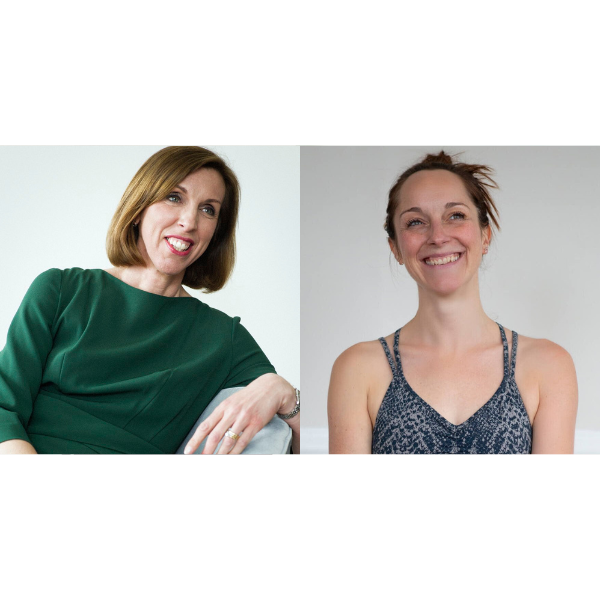
167 - The benefits of yoga (revisited) with Lucy Holtom
This week offers a chance to revisit a previous podcast conversation – or perhaps hear it for the first time. Lucy Holtom is an experienced Ashtanga yoga practitioner who has a particular passion for helping with women throughout all cycles of life whether it’s to help manage the fluctuation of hormones during menstruation, postnatal recovery, or perimenopause and postmenopause. In this episode, Lucy and Louise discuss the different types of yoga, individual practices and the benefits they can bring. Lucy explains how her interest and experience in well woman yoga evolved and how she supports women in the perimenopause and menopause. Lucy’s 3 tips for those interested in trying yoga for the first time: If you want to try a class, look for recommendations from others and chat to different teachers to find what’s right for you. Wear comfortable clothing – you don’t need to spend money on new yoga outfits, just wear whatever you can move freely in. Go with an open mind and enjoy! Visit Lucy’s website at www.livingyouryoga.co.uk Follow Lucy on Instagram @xxlivingyouryogaxx This podcast episode was first released in October 2019

166 - Researching suicide in perimenopause and menopause with Dr Pooja Saini
Advisory: we would like to apologise for the sound quality in this episode, which was due to technical issues experienced during recording. Dr Pooja Saini is a Chartered Psychologist and Reader in suicide and self-harm prevention based at Liverpool John Moores University. Her work has a particular focus in suicide prevention in primary care and developing community-based interventions for high-risk groups. Since connecting, Louise and Pooja have been discussing the impact of perimenopause and menopause on mood, mental health and suicide and the many research gaps and unanswered questions in this space. In this episode, Pooja explains more about what is known and unknown regarding the effect of hormones on suicidal thoughts and outlines the research plan for a PhD funded by Newson Health Research and Education. Pooja’s tips for those with suicidal thoughts: Early intervention is key; seek help as soon as you feel you are not yourself Change your habits to do more of what you really enjoy Talk to your loved ones, family and friends. Don’t try and hide or mask it. If you need support, you can call the Samaritans on 116 123 for free from any phone or email them at [email protected] Pooja's Social Channels Twitter Work Website Reference for BMJ article discussed: McCarthy M, Saini P, Nathan R, McIntyre J. Improve coding practices for patients in suicidal crisis. BMJ. 2021 Oct 15;375:n2480. doi: 10.1136/bmj.n2480. PMID: 34654729.
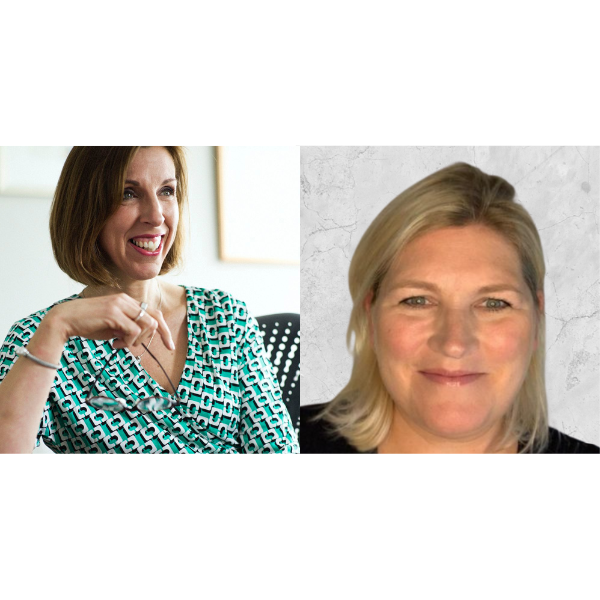
165 - When menopausal symptoms persist, with Dr Anna Chiles
Dr Anna Chiles is a GP and works in an NHS practice in Gloucestershire and at Newson Health as a menopause specialist. In this episode, the experts discuss the range of symptoms that can occur in the perimenopause and menopause and the impact of these on daily life, and they highlight what can be done for women when symptoms persist for many years. Anna’s 3 tips for women who have struggled with symptoms for many years: It’s never too late to start HRT and have that discussion with your health practitioner. If you choose to try it, you don’t have to continue with it if you don’t like it. You don’t have to stop taking HRT when you reach a certain age It’s so important to keep active, for your independence, your balance, joints, and muscle strength. This goes hand in hand with hormone replacement.
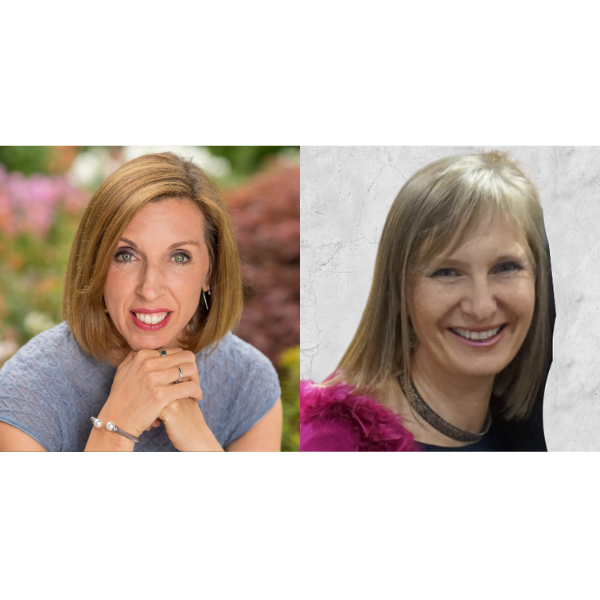
164 - When ADHD collides with perimenopause with Margaret Reed Roberts
Margaret Reed Roberts is an experienced social worker and educator who noticed a change in how she felt in her late 40s. Along with more obvious symptoms of perimenopause, such as hot flushes and migraines, there came a deterioration in her cognition – she struggled to initiate, plan and complete daily tasks and the mental load became unmanageable. A friend suggested there may be more than perimenopause going on and questioned if Margaret was neurodivergent. In this honest and insightful conversation, Margaret shares of the ‘relief and grief’ of being diagnosed with ADHD as an adult and the impact she now understands ADHD has on her daily activity, home life and relationships. Margaret’s three tips for those who have ADHD or think they might have it: (provided after the conversation) Be informed. Knowledge is a game changer. You feel more confident when you understand and are better able to advocate for yourself. Challenge others where necessary, using your acquired knowledge and pass that information on. Don’t be alone; join support groups, talk to empathetic friends and family. Tell your story. You and your story are valuable, not everyone will listen or care, but the more we talk, the more we break taboos and stigma. Follow Margaret on Facebook Twitter: @geordiereed
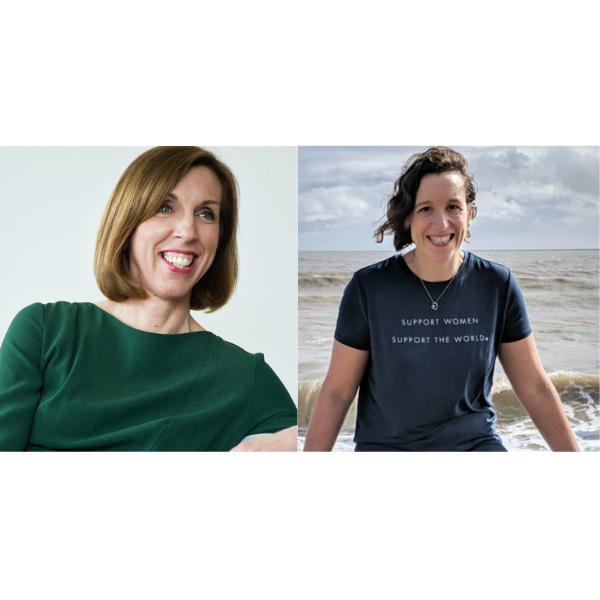
163 - When night sweats are not the menopause with Dr Susanna Crowe
Susie Crowe is a consultant obstetrician and gynaecologist who is passionate about advocating for and empowering women to understand their bodies and supporting them to make choices about their medical care and their lifestyle. In the midst of the pandemic, Susie noticed fatigue creeping in and put it down to burnout from her busy job. When she began having night sweats and saw her doctor, the menopause was the initial diagnosis suspected but there were no other symptoms of perimenopause occurring. Susie became more unwell and after months of having normal blood tests, further investigations revealed that she had non-Hodgkin lymphoma – a type of blood cancer. In this episode, the experts discuss women’s experiences of sudden onset menopause after treatments for cancer and the benefits and safety of HRT. Susie’s advice to healthcare professionals: Listen to your patients as they know their bodies best Have empathy for a women’s menopausal symptoms (as they may be worse than those from the cancer or side effects from treatments) and she may feel very vulnerable Prioritise personalisation and choice by providing the right information and encouraging your patient to make their own decision based on what’s important to them and their life. Follow Susie on social media: Twitter @susannacrowe Instagram @theholisticobgyn

162 - Divorce, perimenopause and menopause with Farhana Shahzady
Farhana is an accredited family law specialist and mediator working with Family Law Partners in London. During her 20-year career, Farhana often noticed an unspoken element at play when helping women through divorce, but it wasn’t until she identified perimenopause within her peer group and those close to her that she appreciated the extent of the problem and was able to professionally decipher the impact of menopause on relationship breakdown. Farhana launched the Family Law Menopause Project to see whether any other colleagues in family law were factoring in this important element and to raise awareness of perimenopause and menopause when it comes to family cases dealing with divorce, splitting the assets, children issues or domestic abuse. Farhana’s tips for family lawyers: Listen, enquire, and communicate. Look for cues and don’t be afraid to ask questions If you think a client is experiencing peri/menopausal symptoms affecting their relationships and wellbeing, invite them to see their doctor Factor the menopause into your cases. Pick a family process that suits the client, for example arbitration or mediation, and be sympathetic. Visit Farhana’s family law practice at www.familylawpartners.co.uk Follow Farhana on Twitter at @ShahzadyLaw @LawMenopause or lawmenopause on Instagram
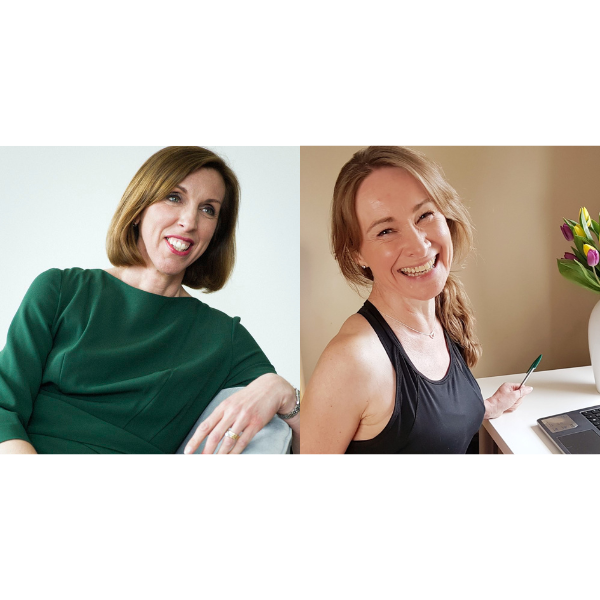
161 - Jill’s experience of heart attacks and hormones
Until a few years ago, Jill was in denial about her age, the menopause and what that meant for her future health. She had worked for 30 years as a fitness instructor and sports massage therapist; she was incredibly fit and had never given her heart health a moment’s thought. This abruptly changed in 2021 when Jill had sudden and severe pains in her chest and after some doubt and misdiagnoses by the medical team in A and E, she was found to have had at least one significant heart attack, possibly more. Since then, Jill has had ongoing intermittent chest pain, especially when having hot flushes, and she realised her continued cardiac symptoms were potentially linked to her changing hormones. Dr Louise Newson explains the link with estrogen deficiency and cardiac symptoms, and the increased risk of heart attacks after menopause. Together they discuss gender bias in heart research, the difficulties diagnosing heart attacks in women, the possible reasons for poorer outcomes compared to men and the cardiovascular benefits of HRT. Jill’s 3 tips to women if worried about your heart: Listen to your body, you know it best Do your own research, such as balance-menopause.com, Blood Pressure UK, British Heart Foundation websites Have someone with you at appointments, or over the phone if not in person If you know there’s something wrong with your heart, ask for a troponin blood test You can read Jill’s story here

160 - Thinking hormones in psychiatric consultations with Dr Devika Patel
Dr Devika Patel joins Dr Louise Newson in this episode of the podcast to share how a chance encounter when overhearing an educational webinar on the menopause was a light bulb moment for her practice as a psychiatrist. Devika takes us through her journey of how this knowledge from learning about menopause has transformed the psychiatric care she now offers to her patients. Devika’s 3 tips for those with mental health challenges who are in perimenopause/menopause: Don’t forget the important lifestyle changes (healthy diet, exercise, reduce stress, improve sleep and have meaningful connections with others) apply to mental health just as they do with menopause. When seeking help, go with your own data to your healthcare appointment. Track your moods with your cycle and really make any links clear to your clinician. If you don’t feel your healthcare professional is the right match for you, see someone else and advocate for yourself. Website/socials details – Instagram @drdevikapatel Twitter @drdevikapatel Podcast: “Our Extraordinary Stories with Dr Devika Patel”

159 - Raising awareness of HRT in the community in Ireland with Pharmacist, Victoria Jones
Victoria Jones is a community pharmacist at Bonnybrook Pharmacy in Coolock, Dublin. She received very little education on the menopause when training and became more interested in hormone health after her sister experienced severe symptoms at 40 and began taking HRT. The dramatic return of her sister’s health and wellbeing prompted Victoria to move away from running a chain of pharmacies to set up her own independent pharmacy with a focus on women’s health. When Victoria experienced her own perimenopause and she saw the profound benefits of HRT for herself, her passion escalated and Victoria now takes a very active role in raising awareness in her community with the public and local healthcare professionals, and in educating others through her social media. Victoria’s advice to women: Ask your pharmacist if they’ve done any training on the menopause and if not, mention the resources available such as on balance website and the Confidence in the Menopause course on fourteenfish.com. Find the right pharmacist for you. Don’t be fobbed off by healthcare professionals, if you aren’t listened to the first time, go in more empowered with information the next time. Ask for a specific clinical reason why they will not prescribe HRT, and ask them to write it down for you. Your pharmacist can explain how and when to take your HRT medication if your doctor wasn’t sure, or you didn’t have time to discuss thing fully. Your pharmacist can also help with information on improving health through lifestyle measures such as nutrition and exercise. Victoria’s pharmacy website is www.BonnybrookPharmacy.ie Follow Victoria on Instagram and Facebook @The_menopause_pharmacist

158 - Pushing against social and political constraints on women’s health with Dr Heather Hirsch
Dr Heather Hirsch makes a welcomed return to the podcast this week. Heather is an internal medicine physician, specialising in women’s health and menopause care at the Brigham and Women’s Hospital in Boston Massachusetts, USA. Her clinical work and research centres on inequalities or unanswered questions in the field of women’s health, specifically in menopause education. In this episode the menopause experts discuss the bigger picture of menopause care as a gender issue, women’s role in society and in the workplace, perceptions of women’s suffering and the menopause as a medical specialty. Louise and Heather share the challenges they each continue to face to educate and inform the public and healthcare professionals on the perimenopause and menopause and the benefits and safety of HRT. Heather’s 3 tips: Know what’s going on in your body by keeping a journal and tracking your symptoms. I recommend the free balance app to my patients for this. List your own priorities and what matters most to you, whether that is your sexual health, your hair or skin, your sleep and so on. Understand the three strands of menopause management: lifestyle changes, non-hormonal treatments and HRT, and know the pros and cons for all to realise what choices are best for you. Follow Heather at: Instagram @hormone.health.doc Website: heatherhirschmd.com YouTube: Health by Heather Hirsch Podcast: Women’s Health by Heather Hirsch

157 - Science based weight reduction that lasts with Dr Saira Hameed
Dr Saira Hameed is a consultant endocrinologist working at the Imperial Weight Centre and at Imperial College London. Her work focusses on researching the drivers for appetite, obesity, and regulation of body weight to develop science-based interventions that help people manage their weight and lead healthier lives. In this episode the experts discuss the impact of obesity on individuals’ health, on the NHS and wider society, and the science behind sugar, fats, and processed foods. Dr Hameed’s book, ‘The Full Diet’, explains the weight loss programme that is used in the NHS by clinicians and patients and was developed and trialled at Imperial College. Saira’s 3 tips: Short term – do everything you can to remove ultra-processed foods from your environment Medium term – look at all the factors that contribute to your weight such as your stress levels, sleep, activity levels and seek to address those too Longer term – be your own biggest fan. Feeling good about yourself will have a positive ripple effect on other areas of your life. ‘The Full Diet’ book is available now and published by Michael Joseph. Find her on her social channels on Instagram https://www.instagram.com/drsairahameed/ and Facebook https://www.facebook.com/thefulldietbook
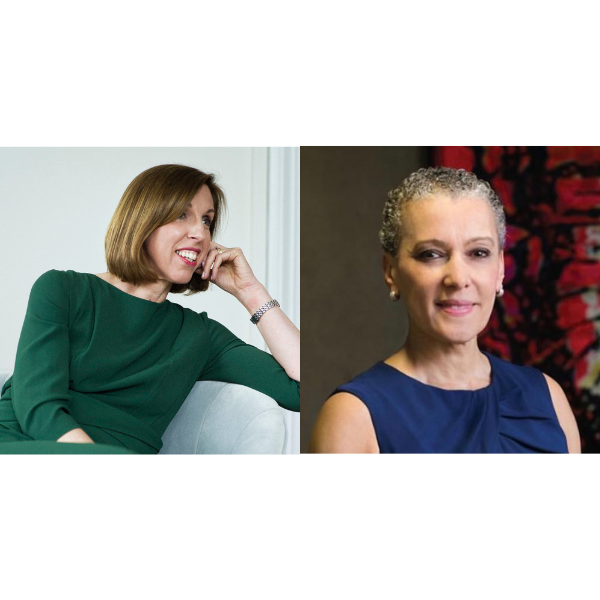
156 - Educating women, improving access to treatment and influencing those in power with Dr Sharon Malone
Dr Sharon Malone is an eminent American physician who has worked as an obstetrician and gynaecologist for over 30 years in Washington DC. After 15 years of working mostly as an obstetrician, Sharon changed to specialise in menopause care around the time of her own perimenopause. She is passionate about educating women to understand their own hormone journey and empower them with evidence based information about hormone treatments. The experts discuss the challenges of influencing and persuading medical colleagues on the benefits of hormone replacement, the importance of patient choice and agency, and the lack of menopause research and need for government funding. Dr Malone’s advice to women: Find your community of women who will support you and understand what you’re going through Be active, keep exercising regularly Maintain a healthy diet and eating habits; processed foods negatively affect so many aspects of your health To read or listen to Dr Malone’s Washington Post op ed, visit https://www.washingtonpost.com/opinions/2022/04/28/menopause-hormone-therapy-nih-went-wrong/ Dr Malone is the Chief Medical Officer at US based menopause company Alloy, to find out more visit www.myalloy.com