
The Dr Louise Newson Podcast
354 episodes — Page 3 of 8
255 - Mental health issues and hormones: introducing Newson Health’s psychiatrist Dr Louisa James
This week on the podcast Dr Louise is joined by a new colleague, Dr Louisa James, a psychiatrist who has recently joined the team at Newson Health. Dr Louisa’s personal experience of the menopause prompted her to learn more about the impact of hormones, and incorporate her knowledge in her role as an NHS consultant psychiatrist in a home treatment service. Here she discusses the importance, and power, of asking patients about their hormones during a psychiatric appointment. Finally, Dr Louisa shares her tips for thinking about your hormones alongside your mental health: 1.Consider whether this feels different to any previous episodes of depression you may have experienced or if your symptoms are fluctuating. Some women have suicidal thoughts or are depressed at certain times of the month. Track your symptoms and look at the fluctuations. Your history can affect your menopause. If you’ve had an episode of postnatal depression or PMDD, then you're more likely to experience mental health difficulties in the perimenopause. How do you feel about your life? Lack of joy rather than a sadness, the emotional lability, is often greater with a hormonal mental health problem whereas irritability, rage and impulsiveness can be greater with mental health problems. Dr Louisa James is now offering consultations to existing Newson Health patients. Click here for details.

254 - Dr Louise’s new paperback book: what’s new and who’s it for?
This week is a celebration of Dr Louise Newson’s new paperback book, a revised and updated version of the bestselling The Definitive Guide to the Perimenopause & Menopause. Dr Louise is joined by Kat Keogh, who worked on the book with her and is the head of editorial at Newson Health and across the balance website and app. Here Kat turns the tables and asks Dr Louise the questions, discovering why the subject of HRT doses warranted more attention in the book, the importance of hearing directly from women experiencing the menopause as well as experts in their fields, plus how Louise felt sharing her personal experiences. Finally, Dr Louise shares three reasons she thinks people should buy the book: The bright yellow cover is uplifting, and when you’re happier you’re healthier. It’s packed with information so you’ll learn something that will either help you or a loved one. Increasing awareness of hormones, perimenopause, menopause, plus PMS and PMDD will help women feel less lonely, more included and more listened to. Pre-order the paperback book here Click here to find out more about Newson Health.
253 - Coping with the perimenopause when you’re a carer
This week on the podcast, Dr Louise is joined by Tova Gillespie, a working single parent to two daughters, one of whom has severe disabilities and complex medical needs. Here she talks about the challenges of being perimenopausal while being a carer and how it’s easy to not recognise or understand your symptoms. Louise and Tova discuss how it’s easy for your own needs to end up at the bottom of the to-do list when you’re a carer or have a busy family life, and Tova shares three tips for anyone who may not be looking after themselves: Learn to ask for and accept help. People want to help, but very often they don't know how to offer it and our usual response can be ‘no, I don't need anything’. Instead, say straight out: ‘Please do my washing up. Or I have five loads of clean laundry that needs sorting. Or can you bring over some food?’ Anything really. If your health isn't what it should be, go to your GP. When you ring your GP, ask for an appointment to talk about perimenopause and hormones. They’ll know from the get go what it is you're after and if they have anyone in the clinic with an interest in that area, they’ll put you in with that person. Try to see the good every day. I do gratitude journalling, where I write down a minimum of three positive things that have happened that day, and they're not big. It could be the sun is shining. It could be the taste of that first sip of coffee in the morning. I train myself to look for the positive because it's so easy to get overwhelmed in the bad stuff. Learn more about Tova on her YouTube channel. Or follow her on Instagram @parentXP Click here to find out more about Newson Health.

252 - Bryony Gordon: mental health, hormones and witchy magic
This week on the podcast, journalist Bryony Gordon, bestselling author of several books including her latest, Mad Woman, explains how the perimenopause caused her to reconsider her mental health. Was her experience of OCD affected by her hormones and what would society look like if women’s health was taken more seriously? Bryony shares her belief that there’s a 'witchy magic' to menopause and that the issues it brings are the ones that you need to deal with and there is power in doing so. Finally, Bryony shares three bits of advice to any woman being dismissed with 'it’s just your hormones': Don’t dismiss yourself. Don’t discount your point of view or feelings just because they are yours. Maybe sometimes you're right, maybe sometimes you're wrong - that's OK. It's OK sometimes to be bad. We all are. It’s just society wants us to live as women in a way that isn't very human. Confidence is a trick. No one has confidence. I don't have confidence. I just have a will and a desperation not to spend the rest of my life hating on myself because it's such a waste of energy. Follow Bryony on Instagram @bryonygordon her community organisation @Mental Health Mates Click here to find out more about Newson Health.
251 - Kate Muir: everything you need to know about hormones but were afraid to ask
This week, Dr Louise is once again joined by journalist and activist Kate Muir, who made the Davina McCall documentary Sex, Myths and the Menopause. In Kate’s new book, Everything You Need to Know About the Pill (but were too afraid to ask), she turns her attention to the hormones commonly used in the contraceptive pill. Kate shares personal stories of how women have been negatively affected by synthetic hormones and uncovers the bad science and patriarchy that have had such an impact on women’s health. She also offers hope that women have options and can demand change. Finally, Kate shares three things every women should know about hormones and the pill: Progestins are not all the same. Some of them are androgenic and some of them are oestrogenic, and they have very different effects. So, women can be on the wrong pill for them. You can always take a pill holiday. There's nothing wrong with taking a few months off and seeing how you feel. And you may be a different person, or there may be other reasons for why you are in that state of mental health. There needs to be more research into every bit of what synthetic hormones do in our bodies, and particularly in our minds. You can follow Kate on Instagram at @muirka and on @pillscandal Click here to find out more about Newson Health.
250 - Testosterone: the missing piece of the jigsaw?
This week we mark 250 episodes of the Dr Louise Newson Podcast! And joining Dr Louise this week is Anita Nicholson, a nurse practitioner and menopause expert at Age Management Center in the US, where she aims to help patients lead the best quality of life for as long as they can. Here, Dr Louise and Anita compare notes on the attitudes towards testosterone in the UK and the US, share their clinical experience of the benefits it can provide women, particularly in restoring their zest for life. Finally, Anita shares three things she thinks could make a huge difference to women's health: Women need to educate themselves. They have to be their own advocate. I would love for hormones to become available and affordable. In the US, we don't even have vaginal oestrogen covered by some insurance here, never mind over-the-counter access. More education of healthcare providers. So have a fellowship in menopause. Let's start very early with med students and nurse practitioner students so they understand that menopause and sexual medicine is very important for our life span and our health span. You can follow Anita on Instagram @menopause_agewellfnp and the Age Management Center on Facebook /AgeManagementCenter and YouTube /@agemanagementcenter. Click here for more information about Newson Health

249 - Dr Mary Claire Haver: on a mission to demystify menopause
In this week’s podcast Dr Louise is joined by Dr Mary Claire Haver, an obstetrics and gynaecology doctor and a menopause specialist in the US. Dr Louise and Dr Mary Claire discuss the challenges of ensuring all women have access to evidence-based information and treatment, and their hopes for change. Dr Mary Claire shares her three tips to help menopausal women improve their health: Really focus on your nutrition. Make sure you're getting adequate fibre in your diet every day. Fibre-rich goods are good for you gut microbiome, help you stay full for longer, and are good sources of vitamins, minerals and nutrients. Limit added sugars – those that are added in cooking and processing - to less than 25g per day. Women who do that consistently have less visceral fat. Visceral fat is tied to increased risk of chronic inflammatory diseases. Don't just focus on cardio for your movement. You really need to keep your muscles strong so at least two days a week pick up some weights. Multiple studies in menopausal women show much better outcomes for osteoporosis with resistance training. You can follow Dr Mary Claire on Instagram at @drmaryclaire Click here to find out more about Newson Health Pre-order the revised and updated paperback edition of Dr Louise’s Sunday Times bestseller The Definitive Guide to the Perimenopause and Menopause here References to studies discussed in this week's episode J Gen Intern Med 2006; 21:363–6 J Gen Intern Med 2004;19:791–804 Am J Med 2009;122:1016 – 22 JAMA 2004; 291:2243 – 52 Int J Cardiol 2010;138:25 – 31 Urology 2024; Jan 29:S0090-4295(24)00006-2
248 - The menopause brain: why it might be feeling strange and what you can do about it
The Dr Louise Newson Podcast is celebrating two huge milestones this week: not only is the podcast five years old, we’ve hit six million downloads since Dr Louise started her podcast back in March 2019! Making a welcome return to the podcast this week is world-renowned neuroscientist Dr Lisa Mosconi, PhD. Her new book, The Menopause Brain is released on 21 March and in it Dr Lisa shares some of the fascinating changes that occur to the brain during menopause. In this episode, Dr Lisa explains how our understanding of the importance of hormones’ role in the brain is relatively new – man was walking on the moon almost 30 years before scientists realised that the hormones that play an important part in ovarian function also have a fundamental role in the brain. She explains that she wrote her book to empower women with the information they need to navigate the menopause – by understanding why your brain might feel foggy and the science behind it, she hopes to reassure and enlighten. You can follow Dr Lisa Mosconi on Instagram @dr_mosconi Click here to find out more about Newson Health
247 - Addiction and menopause
Joining Dr Louise on this week’s podcast is Alex Newman, a substance misuse therapist with a special interest in the menopause. Alex’s passion is supporting women who are self-medicating menopausal symptoms with alcohol and drugs – a recent survey by Newson Health of nearly 1,200 women found some were spending nearly £3,000 a year on alcohol and over-the-counter medication in a bid to cope with menopause-related symptoms. The pair discuss the relationship between substance misuse and menopause, and crucially, strategies on how to get help for yourself or a loved one. Follow Alex on Instagram @alexnewmantherapy or email [email protected]. Click here to find out more about Newson Health
246 - Postnatal depression, PMDD and menopause: Wendy’s hormone journey
Content advisory: this episode contains themes of suicide and self-harm Joining Dr Louise on this week’s podcast is Wendy Barker. Wendy experienced postnatal depression after the birth of her first child in the late 80s and was later diagnosed with premenstrual dysphoric disorder (PMDD), a very severe form of premenstrual syndrome. ‘For probably three weeks of the month, I was like a coiled spring,’ Wendy recalls. ‘And the only way that I would get anything sort of relief from that would be to either rage, scream, shout, and then there'd be the tears. And then I would think that's it until it starts all over again.’ Wendy movingly describes the impact of PMDD on her physical and mental health and her relationship with her family, her fight for a diagnosis and ongoing access to treatment, plus her advice for others in similar situations. You can find more information about PMDD in Dr Louise’s book, the Definitive Guide to the Perimenopause and Menopause. And you can listen back to episode 216 of the podcast with Dr Hannah Ward on progesterone, PMDD, postnatal depression and menopause. Click here for more information on Newson Health. Contact the Samaritans for 24-hour, confidential support by calling 116 123 or email [email protected]
245 - How medicine has failed women, with author Elinor Cleghorn
This week Dr Louise is joined by feminist cultural historian Dr Elinor Cleghorn, author of Unwell Women, which unpacks the roots of the misunderstanding, mystification and misdiagnosis of women’s bodies, illness and pain. From the ‘wandering womb’ of ancient Greece to today’s shifting understanding of hormones, menstruation and menopause, Unwell Women is the story of women who have suffered, challenged and rewritten medical misogyny. Elinor tells Dr Louise how the book draws on her own experience of being dismissed by doctors for years before finally being diagnosed with systemic lupus, an autoimmune condition which is nine times more prevalent among women than men. In the episode, Dr Louise and Elinor discuss how women’s health, including menopause, has been viewed through the ages, and the misconceptions that need to be consigned to the history books once and for all. Follow Dr Elinor on Instagram @elinorcleghorn Click here to find out more about Newson Health

244 - Hot flush drug fezolinetant
On this week’s podcast, Dr Louise is joined by Dr Ashley Winter, a urologist and sexual medicine specialist, and Dr Sarah Glynne, a GP and menopause specialist who is a member of the research team at Newson Health and chairs a working party that promotes access to evidence-based menopause care for patients with breast cancer. They discuss Fezolinetant – brand name Veoza – a new drug recently approved in the UK and other countries to treat moderate to severe hot flushes in menopausal women aged 45 to 60 years. You can read an article about fezolinetant on the balance website here. Related articles Lederman S., Ottery F.D., Cano A., Santoro N., Shapiro M., Stute P., et al. (2023) 'Fezolinetant for treatment of moderate-to-severe vasomotor symptoms associated with menopause (SKYLIGHT 1): a phase 3 randomised controlled study', Lancet, 401(10382):1091-102. doi.org/10.1016/S0140-6736(23)00085-5 Johnson K.A., Martin N., Nappi R.E., Neal-Perry G., Shapiro M., Stute P., et al. (2023), 'Efficacy and safety of fezolinetant in moderate to severe vasomotor symptoms associated with menopause: a Phase 3 RCT', J Clin Endocrinol Metab, 108(8):1981-97. Doi:10.1210/clinem/dgad058 Douxfils J., Beaudart C., Dogne J.M. (2023), 'Risk of neoplasm with the neurokinin 3 receptor antagonist fezolinetant', Lancet, 402(10413):1623-5. doi.org/10.1016/S0140-6736(23)01634-3 Follow Dr Ashley Winter on X and Instagram @ashleygwinter Follow Dr Sarah Glynne on Instagram @sarahglynne Click here to find out more about Newson Health
243 - Contraception during perimenopause: HRT, the pill and the Mirena coil
In this episode, Dr Louise is joined by Dr Clair Crockett, a GP and menopause specialist at Newson Health. Dr Clair has completed diplomas in Obstetrics and Gynaecology, and Sexual and Reproductive Health, and fits coils and implants. Here, she discusses some of the challenges for perimenopausal and menopausal women when it comes to contraception, and the importance of individualisation. She gives an insight into the hormones used in the contraceptive pill and HRT and shares how the Mirena coil can be transformative for some women. Finally, Dr Clair suggests three things to consider about contraception: Spend some time gathering information, talking to other women about their experiences with contraception and considering what your priorities are. Your healthcare professional can also help you make your decision. Remember that side effects of contraception are quite unusual but that if something doesn’t work for you, you can change your mind. It’s OK to take time to find the best contraception for you. Some forms of contraception may mask perimenopausal symptoms so if you’re not sure if this is happening to you, track your symptoms and how you are feeling so you can get guidance from your healthcare professional. Click here to find out more about coil fitting services at Newson Health
242 - Sex, hormones and the menopause
With Valentine’s Day just around the corner, this week’s podcast looks at how menopause can affect sex and intimacy. Joining Dr Louise is US-based Dr Kelly Casperson, urologic surgeon, author, and sex educator with expertise in hormones and pelvic health, whose passion is empowering women to embrace their best love lives. They talk about how genitourinary symptoms, such as recurrent UTIs, can impact sex, why communication is crucial and the importance of education in helping women make informed decisions about their treatment and health. Follow Dr Kelly on Instagram @kellycaspersonmd and listen to her podcast here Click here to find out more about Newson Health
241 - Women, ADHD and hormones
Advisory: this podcast includes themes of mental health and suicide. Do you find yourself easily distracted, with your attention rapidly shifting between different things? If so, you could be one of the legion of women who are under-diagnosed for attention deficit hyperactivity disorder (ADHD). Here, Australia-based psychiatrist and ADHD expert Dr David Chapman joins Dr Louise to discuss what ADHD is, how it affects women and the impact that female hormones – which have a powerful role in the brain – can have on symptoms. He talks about how ADHD symptoms can worsen for women just before their periods and around their perimenopause, and sets out the common treatment options, including increasingly the role of HRT and the Pill, and how lifestyle changes such as mindfulness can help women affected by ADHD. Dr Louise and Dr David also discuss how symptoms may only need treating if they are having an impact on a women’s life. Download balance’s ADHD and menopause booklet here. Click here for more about Newson Health. Contact the Samaritans for 24-hour, confidential support by calling 116 123 or email [email protected]

240 - Creating long-lasting food habits for better health
On this week’s podcast Dr Louise is joined by Dr Rupy Aujla, founder of The Doctor’s Kitchen, which aims to inspire and educate about the joy of food and the medicinal effects of eating well. Dr Rupy shares his thoughts on how to best enjoy a healthy and fulfilling diet and looks at some of the challenges food can bring during the perimenopause and menopause, but also how it can be a time to rethink and set new nutrition habits. While the new year is often a time to set goals or resolutions, Dr Rupy believes that consistency is the key to success and it can come through small steps, such as simply adding on vegetable to every single meal. Finally, Dr Rupy shares his three top tips for healthy eating: Master one meal that you’re proud of and make it a solid base to then adapt, add twists with different vegetables, flavour bases, herbs, etc. If you have a child who doesn't like a particular ingredient, don't force it because that will introduce animosity towards that ingredient. When they're older, they may have developed different taste buds that allow them to appreciate it better. Aim for 90/10 because you probably will get to 80/20. And if you do have a cheeky take out, indulge, allow yourself to indulge without any guilt, particularly as it pertains to food, and then make yourself a pact to get back on it the following day. Follow Dr Rupy on socials @doctors_kitchen Click here for more on Newson Health
239 - Challenging NICE's draft menopause guidance
On this week’s podcast, Dr Louise is joined by Dr Peter Greenhouse, a menopause specialist with 40 years’ experience in women’s sexual healthcare who is actively involved in postgraduate lecturing. He has recently spoken out about NICE’s draft menopause guideline update, and tells Dr Louise it contains inappropriate and inaccurate statements, particularly concerning HRT and breast cancer safety, and ignores the cardioprotective effect of HRT when it’s started within 10 years of the menopausal transition. Dr Peter challenges NICE’s stance on HRT for primary prevention and proposes a pre-emptive approach that could help reduce the amount of other medications GPs are prescribing menopausal women. Finally, he shares his belief that women should be able to take as much HRT for as long as they need to. You can read about Newson Health’s response to the NICE draft guideline consultation here. Follow Dr Peter Greenhouse on X @GreenhousePeter You can read Roger Lobo's paper, Back to the Future, which is referred to in the podcast, here. Click here for more on Newson Health

238 - New Year, new mindset – why movement matters more than exercise
This week Dr Louise is joined by Dr Hussain Al-Zubaidi, our brand-new fitness and longevity coach on the balance app. Dr Hussain is a GP who runs an NHS-based fitness and lifestyle clinic that helps patients to eat better, move more and connect with their community. Dr Hussain is a long-distance triathlete but he hasn’t always been fit – a shock medical appointment prompted him into action after years of inertia and slowly but steadily he lost 24 kilos. Here Dr Hussain shares what he’s learnt, including shifting your mindset from thinking about exercise as an obligation to choosing which movements you enjoy, be it a walk with friends or dancing. He explains why menopause can pose a challenge but also an opportunity to figure out what positive steps you can take for a healthier, happier you. Finally, Dr Hussain shares three things you can do in this new year to improve your quality of life and longevity: Get a partner in crime – someone who can support you. Without my wife, I wouldn't have made these changes. Try to control the cues in your life - we all have cues that trigger behaviours that we're not happy with. You might need to change your evening routine, for example. Harness self-belief. It really matters and is so powerful. You can access Dr Hussain’s new content on the balance app, and follow him on Instagram @irondoctorhaz. Click here for more about Newson Health
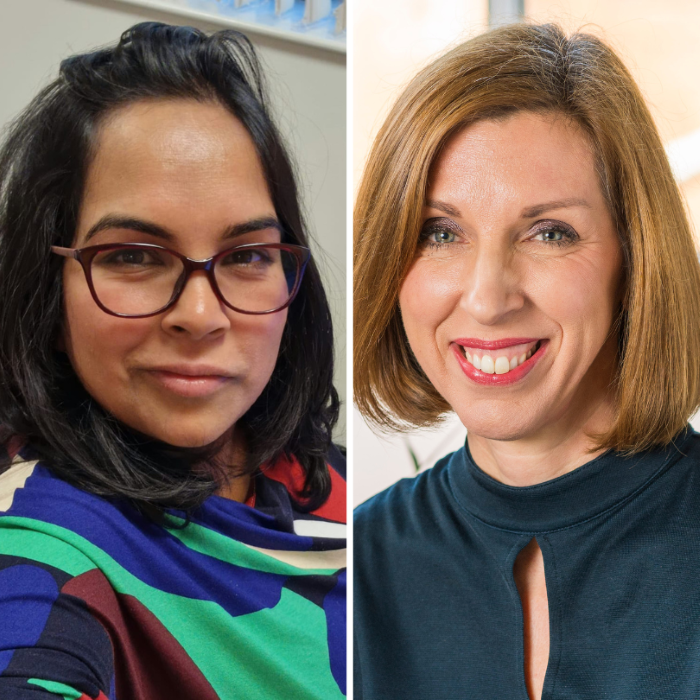
237 - The juggling act: how to navigate menopause and midlife
Menopause often happens at a time when you are juggling a career, relationships and caring responsibilities. Here Dr Nadira Awal, a GP and menopause specialist, joins Dr Louise to discuss her work in raising awareness of the menopause and the importance of partners and families understanding what their loved on is going through. Dr Nadira’s personal experience of the menopause helped drive her passion for educating and supporting other women, especially those in ethnic minority communities who may not feel able to speak openly about it. She talks about increased health risks owing to genetics, particularly with diabetes and increased blood pressure, and the challenge of treating a woman’s symptoms holistically in a ten-minute GP appointment. Follow Dr Nadira on Instagram @pauseandcohealthcare and on Facebook at Pause and Co Healthcare. Click here for more about Newson Health
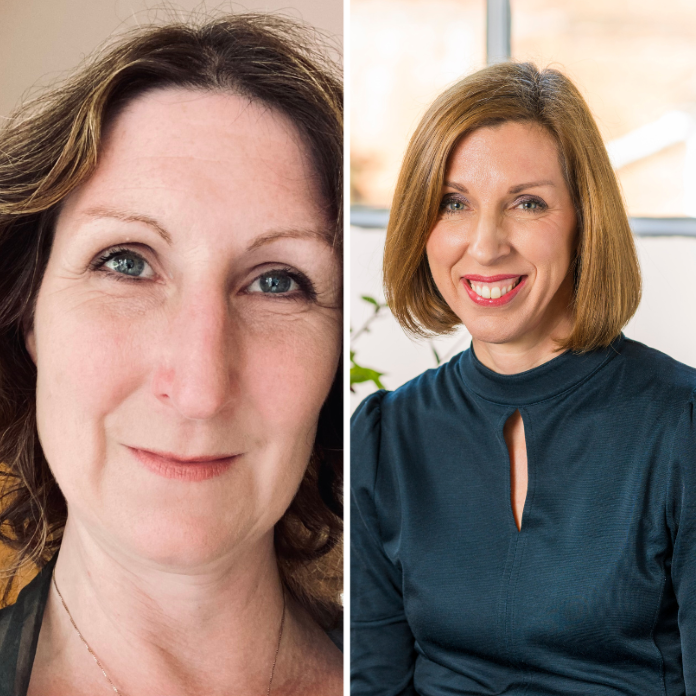
236 - Menopause in overlooked communities
This week Dr Louise is joined by Dr Ruth Beesley, a GP who works in central Peterborough and who specialises in working with the homeless, those with alcohol or drug addictions and vulnerable women who engage in sex work. Dr Ruth talks about the challenges vulnerable groups of women face and how their trauma can act as a barrier to accessing the healthcare they need, both in general and for the menopause. Passionate about reducing health inequalities, Dr Ruth tells us about her outreach clinic and a new mobile bus clinic, both of which allow her to reach more women. Finally, Dr Ruth shares her learnings on working with hard-to-reach groups and reflects on the three things that have made her job so rewarding: Giving women the confidence to believe that they and their health really matters. Listening and seeing people's story – people are more than just a set of symptoms, they are a whole person. Being part of someone's life at some of their most vulnerable times, and they share some of that vulnerability with you, is a huge privilege as a doctor. Click here to find out more about Newson Health Group
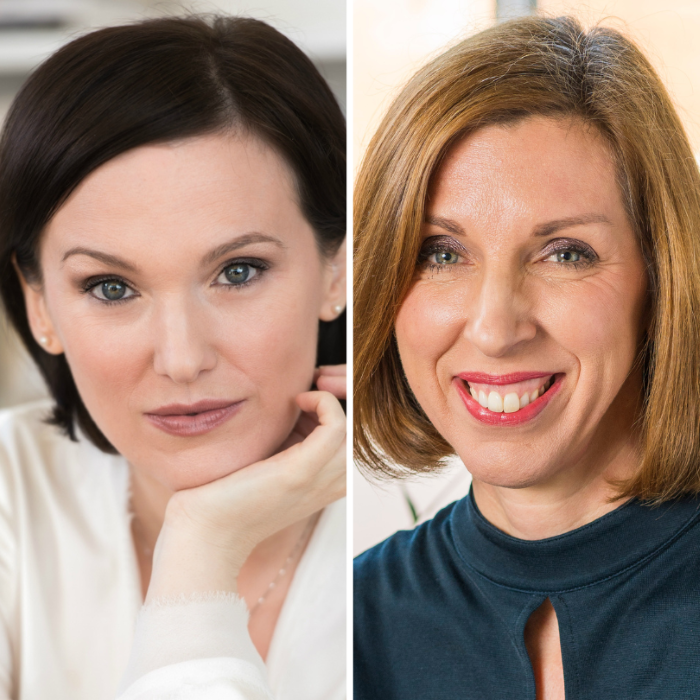
235 - Menopause and brain health: what’s the link?
In this episode Dr Louise is joined by world-renowned neuroscientist Dr Lisa Mosconi, PhD. Dr Lisa is Director of the Alzheimer’s Prevention Clinic and Women’s Brain Initiative at Weill Cornell Medicine in New York and author of bestsellers The XX Brain and Brain Food. Dr Lisa was studying nuclear medicine and neuroscience when her grandmother and her grandmother’s three sisters all developed Alzheimer's. Dr Lisa became interested in the cause of Alzheimer’s and why women are more susceptible. Her research has shown that, rather than a disease of old age, it starts in midlife and menopause potentially plays a part. Dr Lisa discusses her most recent paper, which found that women who took hormones in midlife to treat their menopause symptoms were less likely to develop dementia than those who hadn’t taken oestrogen. Finally, Dr Lisa shares three things to consider about female hormones: Oestrogen, and oestradiol in particular, is the master regulator of women's brains. It really is like saying that oestrogen is to your brain what fuel is for an engine. It keeps your brain running. Endogenous oestrogen (produced within your body) is different from exogenous oestrogen (synthetic). The bioidentical oestradiol is probably the best one to use because it really maps on the same circuits for your own endogenous oestrogen. I would love for all women to be able to make an informed decision about whether or not hormone therapy is a viable option for them. Many women who are eligible for HRT do not go on HRT out of fear and the fear comes from outdated information, mislabelling on some of the packages. Follow Dr Lisa on Instagram @dr_mosconi Click here to find out more about Newson Health
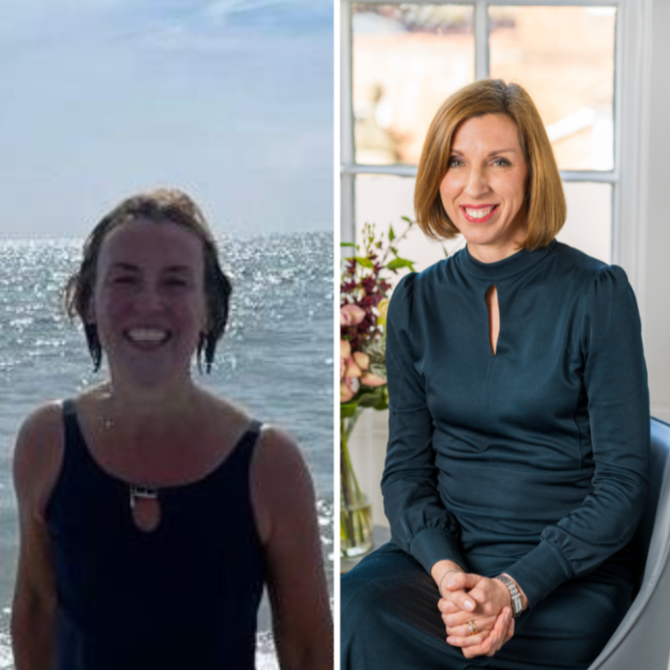
234 - Breast cancer treatment and HRT
Content advisory: this podcast contains themes of mental health and suicide. Dr Louise is joined by her patient Trudie Jennings in this episode to talk about the complexities around HRT during and after treatment for breast cancer. Trudie describes how she started HRT to successfully manage crippling anxiety and other menopause symptoms and a few months later she was diagnosed with an aggressive breast cancer. NICE guidance states women should stop taking systemic HRT if they are diagnosed with breast cancer. However, after careful discussion with her cancer doctor and nurse, Trudie decided to continue with HRT during her treatment as, for her, the menopause symptoms were more challenging than her cancer treatment. Trudie and Dr Louise discuss shared decision making and informed consent, and how important it is for women with and after breast cancer to be fully informed about potential risks, benefits and uncertainties about HRT following a breast cancer diagnosis so they can make the best decision that is right for them. Trudie’s three tips for women who have had breast cancer and are struggling with their menopause: Know that as a patient you do have choices about whether to start or continue HRT after breast cancer treatment. Speak to your doctors and nurses and be informed so that you can make the right, personalised, decision for yourself. Trudie has found her healthcare professionals in cancer care open and helpful when discussing her need for HRT. You know your own body best, so listen to your body to get the treatment that will be best support you. Contact the Samaritans for 24-hour, confidential support by calling 116 123 or email [email protected] Click here to find out more about Newson Health

233 - Gaslighting of genitourinary symptoms of the menopause
This week on the podcast Dr Louise speaks to Dr Ashley Winter, a urologist and sexual medicine specialist, based in Los Angeles. Dr Ashley has seen the transformative effects of vaginal hormones on women – not only those who are menopausal, but also women who experience cyclical symptoms of bladder pain, UTIs and painful sex. She shares her frustration on the situation in the US, where inaccurate and harmful warnings are included in every oestrogen product available, and her hopes of dispelling the fearmongering by talking, looking at the evidence and sharing her clinical experience. Finally, Dr Ashley gives three reasons why women should use vaginal hormones: It's extraordinarily safe. No risk of any cancer or blood clots, 100% safe. It can prevent you from needing so many other unnecessary treatments that don't address root causes, and so you will probably save money. It is not just a vaginal treatment. It is a bladder treatment, a urethral treatment, a vulva treatment. The medication acts locally, but acts locally throughout the pelvis. Follow Ashley on X and Instagram @ashleygwinter
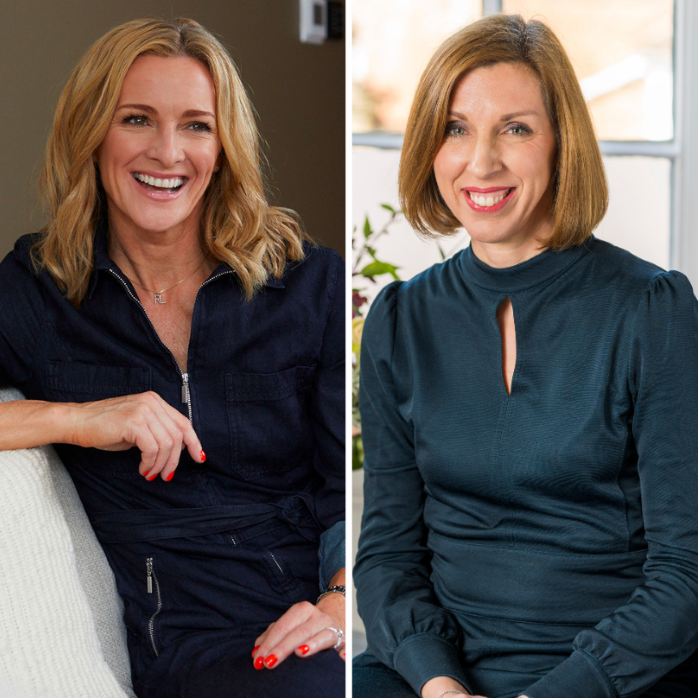
232 - Gabby Logan: the power of exercising in midlife
This week Dr Louise is joined by broadcaster and former international gymnast, Gabby Logan. Gabby is the host of her own successful podcast The Mid Point where she speaks about midlife challenges, and here she shares her own experiences of the menopause. Gabby reflects on the impact of the menstrual cycle on female athletes and the positive impact of speaking about it and increasing awareness. She shares how exercise is helping her to forge and cement friendships and make time for herself, and how HRT helped her to rekindle her vigour for exercise. Finally, Gabby shares three reasons why we should all be exercising, regardless of our age: It’s future proofing. I want to be active in my 80s, playing golf, going for long walks and getting myself out of a chair without it being a kind of a national incident. So I’m doing things now that are going to help empower me. It’s good for your mental health. In my 20s, I realised somehow that exercise was good for me mentally. I knew that going for a run was about clearing my brain, getting back on track if I'd had a wobbly day or starting the day well. That feeling has grown and I know exercise is vital for mental health. It’s about balance. Think 80/20. If you are going to fall off, have a glass of wine or a gin and tonic at the weekends, don't feel bad about it. The exercise I'm doing will hopefully help to negate some of the toxins I might occasionally put inside me. Follow Gabby on Instagram @gabbylogan
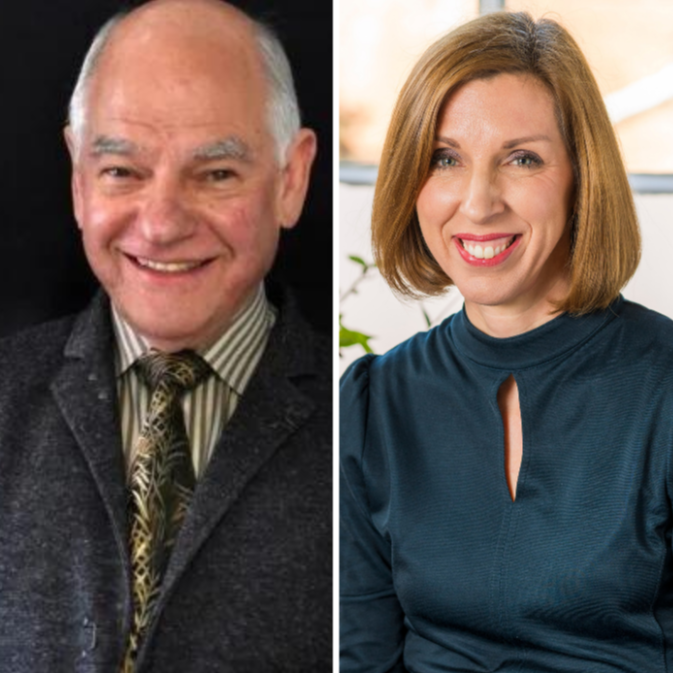
231 - Getting to the truth around HRT and breast cancer with Dr Avrum Bluming
Leading US oncologist Dr Avrum Bluming joins Dr Louise Newson to talk about the crucial role of oestrogen in women’s health. Despite HRT’s proven benefits in protecting against heart disease, bone fracture and cognitive decline, many women still avoid it over breast cancer fears. It’s been more than 20 years since media headlines about a study called the Women’s Health Initiative linked HRT to an increased risk of breast cancer. In this podcast, Dr Bluming says that in fact we now know oestrogen alone decreases the risk of breast cancer development by 23% and risk of death from breast cancer by 40%. He also disputes the findings of the WHI study that combined progesterone and oestrogen HRT leads to a small increase in breast cancer cases. ‘It is very upsetting when such an influential study continues to misquote their own data,’ says Dr Bluming, who has spent 25 years studying the benefits and risks of HRT in breast cancer survivors. Dr Bluming points out that oestrogen used to be a treatment for breast cancer before chemotherapy was developed, and that rates of breast cancer increase as we age, despite the fact our oestrogen levels fall as we get older. You can read about Dr Bluming's latest paper here, and listen to an earlier podcast Dr Newson and Dr Bluming recorded here.
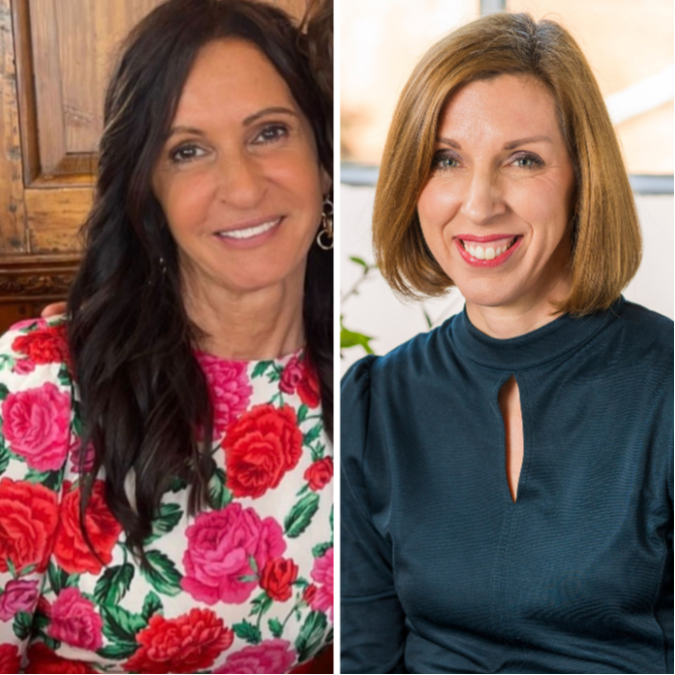
230 - Confronting my menopause fears
Raquela Mosquera joins Dr Louise Newson in this episode to talk about the turmoil, anxiety and unexplained bleeding she went through during her menopause. Raquela is the mum of Joe Wicks, the fitness coach who kept the country moving during lockdown and who has also appeared on Dr Louise’s podcast. Joe put Raquela in touch with Dr Louise after she confided her worries over her symptoms. The anxiety, brain fog and isolation led to Raquela leaving the job she loved, but adjusting her HRT has transformed her life. Listen to Raquela and Dr Louise share tips about how to get the right HRT dose and type to suit you to get the maximum benefit. Raquela’s three tips: Educate yourself on the symptoms of the menopause and right down all your symptoms before seeing your GP, including when these symptoms started and what can make them worse. Be a menopause warrior. Chat about your experience to friends and family to reduce the stigma around the menopause. Don’t be scared of HRT. Go to your GP and talk about whether it could work for you before making any decisions. Listen to Dr Louise’s podcast with Joe Wicks here
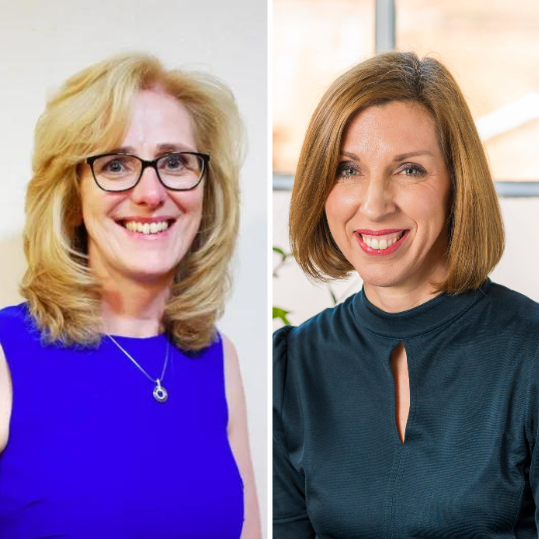
229 - Testosterone: beyond libido
Testosterone is an important sex hormone for both men and women (although women have much lower levels) produced by your ovaries and adrenal glands and declines during the menopause. When it comes to menopause, testosterone is a hormone that can be misunderstood, and many women struggle to access testosterone treatment on the NHS. Here Dr Louise and her Newson Health colleague, GP and Menopause Specialist Dr Catherine Coward, talk about how it can be a valuable addition to HRT for women around the menopause and beyond. NICE menopause guidance recommends testosterone can be beneficial for women experiencing low libido where HRT alone hasn’t helped. Yet Dr Louise and Dr Catherine talk how in their clinical experience, testosterone benefits can extend beyond sex drive-related symptoms, with patients reporting improvements including having more energy, and reduced brain fog and anxiety. Click here for more about Dr Catherine.

228 - Exercise ‘snacks’ and menopause with Lavina Mehta MBE
Personal trainer, wellness coach and mum-of-three Lavina Mehta MBE joins Dr Louise in this week’s episode to share her advice on boosting your activity levels during the perimenopause and menopause. As a British Asian, Lavina is passionate about ensuring her message of the benefits of exercise reaches all communities, and highlights how exercise can treat, prevent and reduce the risks of chronic diseases like Alzheimer’s, diabetes and heart disease. Lavina encourages busy women to begin ‘exercise snacks’, which are short bursts of activity that can be slotted into full days. Finally, Lavina shares her three easy wins to improve future health: Start strength training and prioritise building your muscle mass over losing weight. Start off small with exercise ‘snacks’, which means adding little bite-sized chunks of exercise throughout your day. It all counts and it is never too late to start. Keep talking, keep learning, keep educating yourself and keep sharing your journey with everyone around you. For more about Lavina, visit her website and follow her on Instagram @feelgoodwithlavina, plus feel good workouts and exercise snacks on her YouTube channel @feelgoodwithlavina.
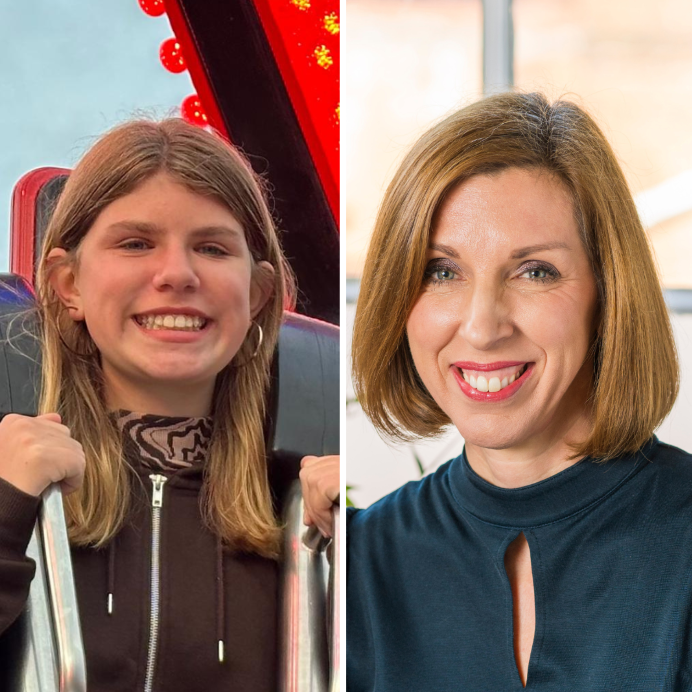
227 - Children and the menopause: the importance of talking
In this episode, Dr Louise speaks to the youngest of her three daughters, Lucy, about all things menopause. Lucy, 12, recalls making her mother an HRT tote bag when she was six, plus hiding in her room when there were arguments at home, when Dr Louise was struggling with her symptoms. Lucy shares her experience of having her mum in the public eye, gives Dr Louise sage advice for dealing with bullies and offers her views on why menopausal women need help to remain in the workplace. In a survey conducted for her book, Dr Louise discovered 75% of women had never discussed menopause in their home when they were growing up. Barriers included a lack of knowledge, embarrassment, lack of communication, being short on time and feelings of shame around the topic. While Lucy has had lots of conversations about the menopause at home, she reveals that school education on the subject was limited. But conversations with children about the menopause are important as they can help normalise it. This World Menopause Month, help us start the most menopause conversations – ever. Everyone’s menopause is individual and to help others understand and manage their menopause, we must break taboos, educate and start the conversation. How to get involved Have a conversation about the menopause Log your conversation on the balance app or website Share that you’ve got involved by tagging us on social media, using the hashtag #PauseToTalk
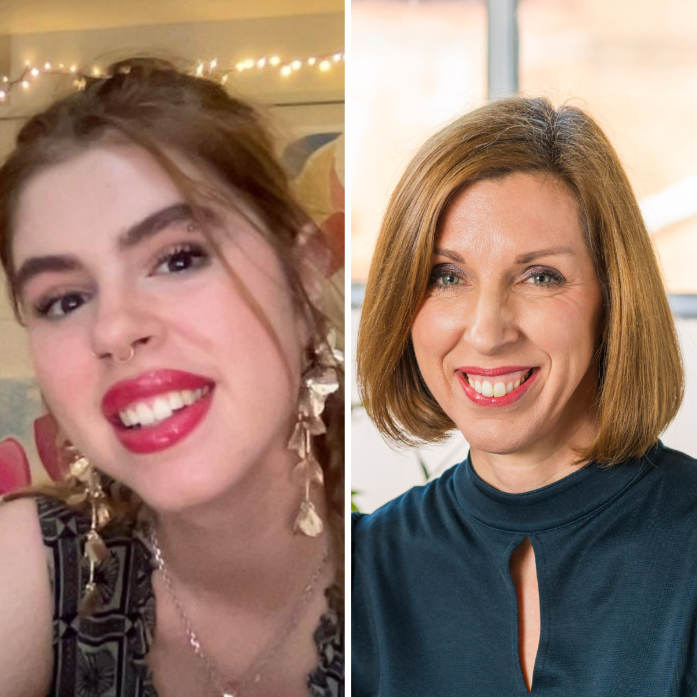
226 - From PMS to menopause: why we need to talk about hormones
Content advisory: this podcast episode contains themes of mental health and suicide* It’s a family affair on this week’s podcast as Dr Louise is joined by her eldest daughter Jessica for a special episode on the eve of World Menopause Day. Jessica talks frankly about the impact of PMS and coping with hormone changes with migraine, as well as the strategies that helped her. Mother and daughter also discuss the importance of demystifying menopause and hormone changes through honest conversations between families, friends – and even complete strangers. This World Menopause Month, help us start the most menopause conversations – ever. Everyone’s menopause is individual and to help others understand and manage their menopause, we must break taboos, educate and start the conversation. How to get involved Have a conversation about the menopause Log your conversation on the balance website Share that you’ve got involved by tagging us on social media, using the hashtag #PauseToTalk *Contact the Samaritans for 24-hour, confidential support by calling 116 123 or email [email protected]
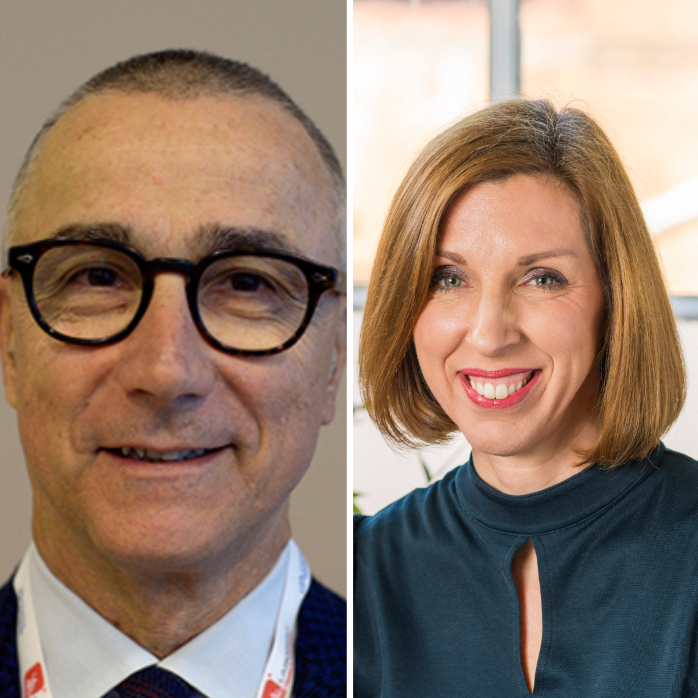
225 - Cardiovascular disease, osteoporosis and HRT
This week, Dr Louise speaks to Italian Menopause Society president Dr Marco Gambacciani. Early in his career Dr Marco specialised in reproductive endocrinology. He became interested in the occurrence of cardiovascular disease and osteoporosis during the menopause, and his menopause clinic was the first in Italy to have a bone density scanner. On a personal level, Dr Marco saw the devastating effects of osteoporosis first-hand after his grandmother was diagnosed with the condition. Dr Marco also shares his frustrations on the lack of understanding of how hormones can affect women’s cardiovascular health. On a more hopeful note, he is urging the Italian government to make menopause clinics available all over Italy. Finally, Dr Marco shares the three reasons why he believes women should consider HRT when they're younger: To improve quality of life. By reducing menopause symptoms, you improve quality of life and you help prevent chronic diseases. To help improve your performance at work – why should a woman have to lose opportunities just because she's having flushes or not sleeping well? It’s important for women to maintain the possibility of an enjoyable sex life – low oestrogen levels can lead to low sexual desire or painful sex. Follow Dr Marco on Instagram @m.gambacciani This World Menopause Month, help us start the most menopause conversations – ever. Everyone’s menopause is individual and to help others understand and manage their menopause, we must break taboos, educate and start the conversation. How to get involved Have a conversation about the menopause Log your conversation on the balance website Share that you’ve got involved by tagging us on social media, using the hashtag #PauseToTalk
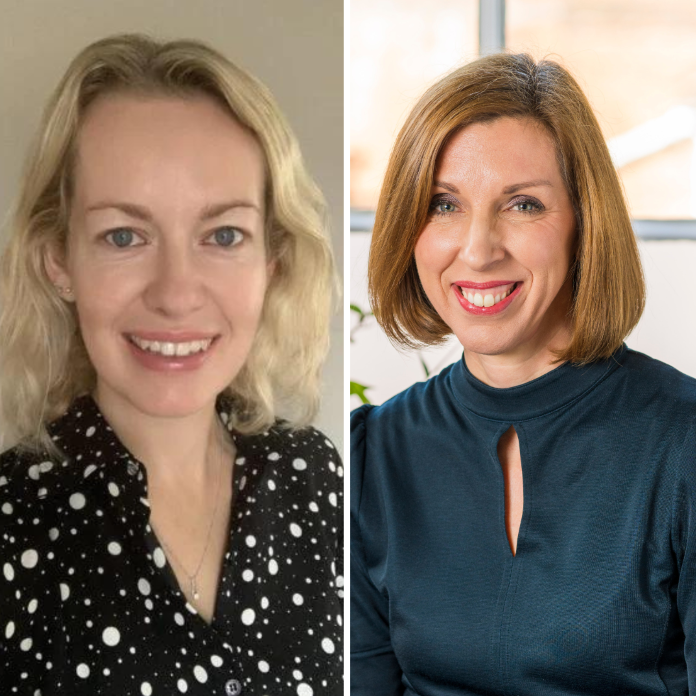
224 Confidence in the Menopause: introducing our revamped course
October marks World Menopause Month, and on this week’s podcast, Dr Louise is joined by Newson Health colleague Dr Penny Ward to talk about the relaunch of our Confidence in the Menopause. Confidence in the Menopause is a CPD-accredited online course from Newson Health which is designed to increase your knowledge of, and confidence in, managing all aspects of the perimenopause and menopause. The course contains free and subscriber-only modules and is designed not only for those working in healthcare: it’s for everyone. We’ve included tailored information for non-healthcare professionals, whether you are a woman looking for information to help you make the right decisions and get the most out of their healthcare consultations, or a partner, friend or colleague who simply wants to know more. Dr Penny’s top three reasons for completing Confidence in the Menopause: It will give you an understanding what is inevitably going to happen to your own body or a loved one's body if you're a partner, friend or colleague. You will be able to appreciate the wide variety of symptoms that women can experience whilst undergoing hormonal changes. It’s an opportunity to listen to the presentations, particularly the one that is dispelling the myths about the menopause and HRT to understand exactly what's gone before us. Find out more about Confidence in the Menopause here This World Menopause Month, help us start the most menopause conversations - ever. Everyone’s menopause is individual and to help others understand and manage their menopause, we must break taboos, educate and start the conversation. How to get involved Have a conversation about the menopause Log your conversation on the balance website Share that you’ve got involved by tagging us on social media, using the hashtag #PauseToTalk
223 - OCD, depression and the menopause
Content advisory: this podcast contains themes of mental health and suicide. On this week’s episode of the Dr Louise Newson Podcast, Anna Geldard shares her story of how her mental health was severely affected by menopause. Anna tells Dr Louise how therapy and medication had helped her successfully manage her obsessive compulsive disorder (OCD) and mild depression symptoms for over a decade. But out of the blue, Anna’s symptoms returned and quickly spiralled. Anna was admitted to hospital, on six psychiatric drugs but still didn’t feel better. Thankfully, after learning about the impact of hormones on mental health and being prescribed HRT, things changed for the better. Anna’s top three tips: 1. Have more open conversations, starting from at home with the kids. This will filter through society, making menopause less of an unspoken thing and more of a just another thing about the body. 2. Make sure your resources are evidence based. There's a lot of information on social media, so just make sure that whoever you're listening to is appropriately qualified. 3. Advocate for yourself. If your symptoms are hormone related and you're being told you're too young or whatever, try again and don't just give up at that first hurdle. Anna is on Instagram @Hormones.on.her_mind. Find out more about OCD through charities OCD-UK and OCD Action. Contact the Samaritans for 24-hour, confidential support by calling 116 123 or email [email protected]
222 - Empowering women unheard during menopause
In this week’s podcast, food writer, author and award-winning entrepreneur Freda Shafi talks about her work raising awareness of menopause, and recording the experiences in the Pakistani community in West Yorkshire. Freda shares her own menopause story, and she and Dr Louise discuss key barriers women face accessing care, and ways to improve knowledge to empower women to advocate for themselves. ‘I'm a South Asian woman, I'm a Pakistani, I'm a British Pakistani woman, and I know I represent a certain demographic,’ says Freda. ‘I feel as though I can reach many women through the fact that I am from the community. That may be platforms for women like myself who are able to cascade that information and let that reverberate across those communities.’ Freda’s top three tips: Help represent your community to spread awareness of menopause symptoms, treatments and services and help tackle the stigma that still surrounds this area. Get a second opinion if you don’t feel your healthcare professional has given you the right diagnosis. Explore the materials that are out there, including the balance app, so that you’re informed when you see your doctor. Boost training in the menopause for community leaders so that they can signpost women to local services that can help support them. Follow Freda on Instagram @fredishafi_spiceitup

221 - Emma Kennedy: the menopause, the speculum and me
Bestselling author, screenwriter and TV presenter Emma Kennedy joins Dr Louise Newson in this episode to talk candidly about her menopause experience. Emma describes how she thought she had got through her menopause when terrifying heart palpitations and anxiety struck. After always being fearful of HRT due to a strong family history of breast cancer, a careful and detailed discussion with a GP around the risks and benefits led to her starting a low dose of hormones. ‘It's the first time I've ever cried in front of a doctor,’ she says. ‘Ever, ever. I felt that terrible. [But] Just that tiny amount of estrogen and the heart palpitations stopped in 48 hours and they haven't come back. It's like a miracle.’ Dr Louise and Emma talk about the importance of a personalised discussion between a doctor and a patient to assess whether and what type of HRT may be the right choice. Emma also talks about the lifestyle changes she has made to reduce breast cancer risk and help control menopausal symptoms. Emma, who wrote the bestselling The Tent, The Bucket and Me, also talks about her frustration with the pain and discomfort women are often expected to put up with during routine procedures. She gives a stirring call to action for the speculum – the device used in many intimate procedures – to be, at the very least, radically improved. For more about Emma visit her website and you can follow her on Instagram @emma67 or Threads @emmak67.
220 - Hormones, HRT and advocating for yourself
In this podcast, Jill Chmielewski, a nurse, educator and women’s advocate, talks about her mission to guide midlife women to greater wellbeing. Dr Louise and Jill discuss the powerful and poorly understood role of hormones in women’s health throughout their life, HRT and the importance of women advocating strongly for their own needs. Jill advises women should prepare well in advance for the menopause, as hormonal changes can begin earlier than you may expect. Jill’s three top tips: Educate yourself on the role of hormones and the impact these can have on your health, so that you are informed. Start thinking about your menopause early – and probably earlier than you may expect. You may notice hormonal changes in your thirties, so be prepared and plan which healthcare professional may provide the support that you need to manage your perimenopause and menopause journey. Embrace patient power – act as your own advocate and be persistent with your healthcare professionals about what you need. This includes if you are on HRT, as you may still benefit from tweaks to your current regime. For more about Jill visit her website here and you can follow Jill on Instagram @jill.chmielewski.

219 - Mental health and the perimenopause
Content advisory: this podcast contains themes of mental health and suicide. Joining Dr Louise on the podcast this week are Lynsey and her husband Kieran. In this episode, Lynsey movingly describes a rapid deterioration in her mental health during the perimenopause which saw her sectioned under the Mental Health Act. ‘I just felt desperate that this was a new version of me and I couldn't work out why,’ she recalls. Lynsey and Kieran, who is a GP, speak to Dr Louise about the need for greater understanding of how hormonal changes during the perimenopause and menopause can impact on mental health, coupled with improved access to HRT. Contact the Samaritans for 24-hour, confidential support by calling 116 123 or email [email protected]

218 - Tamsen Fadal: Speaking out about the menopause
On this week’s podcast, Dr Louise is joined by award-winning US broadcast journalist, podcast host and menopause campaigner Tamsen Fadal. Tamsen describes how she didn’t recognise she was menopausal after suffering from hot flushes, brain fog and heart palpitations, as she believed she was still having periods. This prompted her to find out more and support other women along the way, including spreading awareness via the #MenopauseTok campaign on social media. Dr Louise and Tamsen discuss the impact of menopause on careers, barriers to accessing treatment, the importance of being informed – and the growing voice of menopausal women on social media. Here are Tamsen’s top three tips: Listen to yourself and your body and don’t miss signs that could be the perimenopause by putting them down to being busy or stressed. Try and carve out time just for yourself, even when things are really busy. Find your people: surround yourself with a community to support you through the perimenopause, menopause and beyond. Follow Tamsen on Instagram @tamsenfadal and Tiktok @tamsenfadal. Tamsen photo credit: Jenny Moloney
217 - Menopause and the brain: why we need to bridge the gender gap in research
Regular listeners will know there is much more to the menopause than hot flushes – but how do hormone changes affect your memory, mood and cognition? This week Dr Louise is joined by Dr Dan Reisel, Specialist Registrar in gynaecology at University College London and Newson Health Clinical Research Lead, to take a closer look at the relationship between hormones and brain health. Dr Dan says awareness is improving, but researchers must up their game when it comes to studying the female brain. While mood and memory symptoms are common in menopause, too often, studies focus on male brains as they don’t want to deal with the complexity of female sex hormones, he adds. Dr Dan’s three take home tips: 1. If you’re going through the perimenopause or menopause and struggling with symptoms, don’t just accept how you feel. Seek out options for treatment such as HRT that can improve your symptoms. 2. Become an advocate for better care for women going through the menopause – speak to your friends, healthcare professionals and colleagues about your experiences. 3. If you are offered the chance to take part in research seize that opportunity to make your voice heard and improve the experience for women in the future. You can follow Dr Dan on Twitter at @danreisel
216 - All about progesterone: PMS, PMDD, postnatal depression and menopause
Progesterone is a hormone produced after ovulation and dominates the second half of your menstrual cycle. It balances the effects of oestrogen, supports the body during pregnancy and is known as the relaxing hormone. But how can progesterone impact your mental health in the run up to periods, after childbirth and during the perimenopause and menopause? Joining Dr Louise this week is Newson Health GP and Menopause Specialist Dr Hannah Ward, whose interest in the menopause and HRT was ignited following her own hormonal struggles after the birth of her children. Here, Dr Hannah shares her personal experiences of progesterone treatment, and takes us through the key differences between body identical progesterone and synthetic progestogens.
215 - More than ‘a little vaginal dryness’: how vaginal hormones can transform lives
Are you experiencing symptoms like burning and itching around your vulva and vagina, or painful sex? Or perhaps you have the urge to wee more often or are plagued by recurrent urinary tract infections? Joining Dr Louise this week is trailblazing US urologist and sexual health doctor Dr Rachel Rubin, to address these common menopause symptoms and the relief vaginal hormones – often used alongside systemic HRT – can bring. Dr Rachel explains why we need to stop using terms like vaginal dryness and vaginal atrophy, which hugely downplay the impact of declining hormones on your whole genitourinary system. ‘When we say women have vaginal dryness, we minimise their symptoms, we minimise that it's no big deal, that you can just use a little lubricant, a little moisturiser,’ says Dr Rachel. Plus, Dr Rachel and Dr Louise also discuss DHEA – a hormone treatment which converts to estrogen and testosterone in the vagina – and the benefits this can bring to women struggling with genitourinary syndrome of the menopause (GSM), again often alongside systemic HRT. Dr Rachel’s three tips if you are struggling with GSM: Know that if you have any symptoms that affect your vagina, vulva or urinary system and you’re over the age of 45, you deserve a vaginal hormone product. Talk to your healthcare professional about access to this treatment that can prevent urinary tract infections, decrease your frequency and urgency of needing to urinate, decrease your pain in intercourse and lead to better lubrication, arousal and orgasm. Keep using your localised hormone replacement: it is a safe product, so can be used long term to sustain the benefits. Click here to visit Dr Rachel’s website, and follow her on Instagram @drrachelrubin.
214 - Dry eyes and menopause: what’s the link?
Noticed that your eyes are feeling drier, grittier or even more watery lately? It could be dry eye syndrome. July marks Dry Eye Awareness Month, and what you may not know is dry eyes can be a hidden symptom of menopause. In fact, one in four of the nearly 6,000 women surveyed ahead of the release of Dr Louise’s book, the Definitive Guide to the Perimenopause and Menopause, said they experienced dry eyes during the menopause. Joining Dr Louise on this week’s podcast is Maria McGoldrick, a clinical performance consultant for Specsavers who is based in Scotland. Maria, who is an optometrist with 13 years’ experience, gives us the lowdown on the typical symptoms of dry eyes and treatments that can help. Maria’s top three tips to optimise your eye health: Have a regular eye test, ideally once every two years. If you suspect you may have dry eyes, make an appointment with an optometrist so this can be assessed and a treatment plan devised. If you are perimenopausal or menopausal and have an eye appointment coming up, mention this to your optometrist. This will help them support you and make the right treatment plan for you.
213 - Lorraine Candy: how to make your midlife magnificent
Podcaster, author and journalist Lorraine Candy returns to the podcast this week to talk about thriving in midlife and the importance of sharing menopause knowledge and spreading awareness. Lorraine is co-host of the popular podcast series Postcards from Midlife, which often looks at the Generation X experience of the perimenopause and menopause. In this episode, she joins Dr Louise to discuss her new book What’s Wrong With Me? 101 Things Midlife Women Need to Know, which is a compelling and reassuring account of how to live a magnificent midlife. The book draws on many women’s experiences to look at the emotional side of midlife and how our identity as women can change during this time. Lorraine shares three reasons you should buy her new book: It will make you laugh – which is always important. It is packed full of expert advice that can support you to change your life in midlife. Find out more about the emotional changes and impact of midlife, looking at how your identity can change in your 40s and 50s. Click here for more details on Lorraine’s new book. You can access the Podcasts from Midlife podcast here and follow her on Twitter and Instagram.
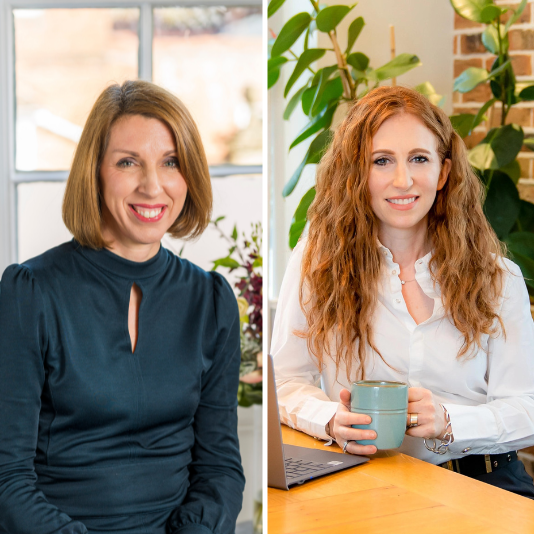
212 - How to thrive at work during the menopause
This episode looks at how hormone changes impact women in the workplace and in their personal lives – and why do many women put their own needs last? Dr Louise is joined by Dr Claire Kaye, an executive career coach and former GP specialising in perimenopause and menopause in the workplace. Dr Claire explains how career coaching can help bring about clarity and focus, particularly when you’re dealing with physical and psychological symptoms during the perimenopause and menopause. And both Dr Claire and Dr Louise offer advice on how to navigate these changes and overcome negative emotions to prioritise your own health and wellbeing. Dr Claire’s top three tips for building self-esteem: Recognise what it is that you’re feeling, take a few minutes to work out what it is that’s an issue for you at the time and label it Ask yourself ‘what might help here?’ or ‘who might help here?’ Pick one really simple thing that will help and feels really comfortable: and do it. You can follow Dr Claire on Instagram @drclairekayecoaching, LinkedIn @drclairekaye or visit her website here.

211 - Melasma: keeping hyperpigmentation at bay in the summer
Consultant dermatologist Dr Sajjad Rajpar returns to the podcast this week for a special summer episode about melasma, a condition that leads to darkening or brown patches developing on the skin. Up to 85% of those affected by melasma are women – and there is a connection between this condition and female hormones. Dr Sajjad and Dr Louise delve into what is known about this chronic complex condition, why it is crucial to protect your skin from the sun and the wide range of treatment options available, including topical treatments and laser therapy. Dr Sajjad’s three top tips on what to do if you suspect you have melasma, plus advice on self-management: Educate yourself on how to tell the difference between melasma and freckles – look at the areas of the face where it occurs. Family history and background may mean you are more susceptible. Sun protection is crucial in managing melasma. This means being really disciplined with using sunscreen, and seeking out a tinted version that will block visible as well as ultraviolet light. There are a wide range of active skin ingredients that can help with melasma; Dr Sajjad suggests starting with azelaic acid or arbutin to treat your condition. For more information about Dr Sajjad, visit www.midlandskin.co.uk
210 - What is the right dose of HRT for you? Hormones and premature ovarian insufficiency
How do you work out what the right dose of HRT is for you and balance the benefits with any potential risks? In this episode, Dr Louise talks about HRT doses with Corinna Bordoli, who began experiencing menopausal symptoms when she was just 10 years old. Corinna shares her experience of premature ovarian insufficiency (POI) – menopause before the age of 40 – and of the challenges she faced in getting a prescription for a higher dose of estrogen to help both her symptoms and future health. Dr Louise and Corinna discuss why hormone needs and absorption can vary from woman to woman, particularly for those with POI. Corinna’s three tips for those who may suspect they have POI: 1. Keep track of your perimenopausal and menopausal symptoms so that you have evidence when you go to see your doctor. 2. If you are diagnosed with POI make sure you seek out a specialist in the condition to get the best care. 3. If you have POI, find a community of other people with similar experiences for support, such as through the Daisy Network. Sharing your story and hearing other people’s stories can make a huge difference and be healing. Find out more about the charity the Daisy Network mentioned in the podcast here, or on Twitter @thedaisynet.
209 - Learning disabilities and the menopause
On this week’s episode of the Dr Louise Newson podcast, Dr Louise welcomes Sharon Saunders. Sharon is a menopausal woman with learning disabilities and is a wheelchair user. During the episode, Sharon talks about when she first learned about the menopause from her mum, and her menopause symptoms, including joint aches and pains and headaches. She describes how these symptoms make her feel and the impact on her daily life, and Dr Louise and Sharon also talk about treatment options. Finally, Sharon offers some important advice to other women with learning disabilities who are going through the perimenopause and menopause: speak up about how you are feeling, and don’t give up. Sharon is supported by Dimensions, a not-for-profit organisations supporting people with learning disabilities, autism, behaviours of distress and those with complex health needs. Click here for more information more about Dimension or on Twitter @DimensionsUK. And click here for an easy read booklet on the perimenopause and menopause by balance and Dimensions.
208 - Ultra-processed food unwrapped with Henry Dimbleby
Henry Dimbleby, co-founder of Leon, food campaigner and writer, joins the podcast this week to talk about the dangers of a diet high in ultra-processed foods – that is, foods with a long list of ingredients such as preservatives and emulsifiers not typically found in home cooking. While convenient, ultra-processed foods such as breakfast cereals and mass-produced breads do not fill us up, encourage us to eat more and contribute to weight gain, Henry says. ‘Food is by far the biggest thing making us sick,’ he says. In this episode, Henry talks to Dr Louise about breaking the ultra-processed food cycle, ignoring calories and eating more food cooked from scratch. They also discuss his new book Ravenous, which looks at how to eat in a way that is better for you and the planet. Henry’s three tips: Exercise has huge benefits for your health, so find an enjoyable form. Don’t think about it as being for weight loss, but for other health benefits. Cook from scratch as much as you can and include lots of fibrous green veg and pulses in your dishes. Try and reduce ultra-processed, plastic-wrapped food packed with mystery ingredients in your diet. Getting rid of breakfast cereals is a good place to start. Find out more about Henry’s work here and follow him on Twitter @HenryDimbleby
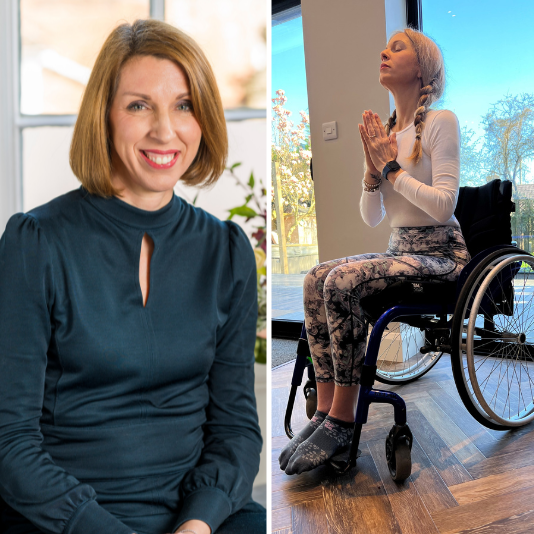
207 - Managing menopause while living with physical disabilities
Laura Bibby joins Dr Louise to share her experience of managing the perimenopause shortly after a life-changing spinal cord injury. A senior nurse and an ambulatory wheelchair user, Laura shares her struggles to have urinary symptoms, crippling anxiety and joint pain recognised as being due to her perimenopause, and not just attributed to her injury. In an empowering conversation, Laura and Dr Louise discuss the importance of persistence, and speaking out to help women with disabilities overcome barriers preventing them getting the menopause care and treatment they deserve. Laura’s three tips: Be persistent – If something doesn’t feel right with your health, keep pushing and seeking for the right treatment. Even if a healthcare professional dismisses your request, keep going and explore other options Speak up and don’t feel ashamed. Menopause affects everyone Normalise conversations around women’s health, don’t have them in secret. Discuss periods and the menopause openly so that it is easier to go and ask for help when needed Follow Laura on Instagram @blue__brick_disability and you can read more about her story in this article on the balance website.

206 - Utrogestan supply issues: what it means and alternatives available
The supply of HRT medication Utrogestan is being restricted by the UK government because of shortages amid increase demand. Pharmacies will only dispense two months’ worth of Utrogestan 100mg capsules per prescription to help ensure continued access for women. In this special episode, Newson Health pharmacist prescriber and menopause specialist Faiza Kennedy joins Dr Louise to talk about the restrictions, and where and how to seek advice and help. They talk about the importance of taking a progesterone as part of your HRT regime if you still have a womb, as well as alternatives to Utrogestan, including progesterone in pessary form, the Mirena coil and combined forms of HRT containing both estrogen and progesterone. Faiza’s top three tips: Only order the amount of Utrogestan you need to help everyone get through the shortfall Be organised about ordering your HRT prescriptions. Do it about two weeks before you run out so you have time in case you have any difficulties getting your supply or need to seek an alternative Reach out for help if you are struggling with your supply Click here for a balance article for more information about the current Utrogestan supply restrictions, plus alternatives. You can read more about Faiza here.