
The Dr Louise Newson Podcast
354 episodes — Page 7 of 8
055 - Exercise & the Menopause - Janette Cardy & Dr Louise Newson
In this podcast, Dr Louise Newson is joined by online personal trainer, life coach and corporate wellbeing trainer Janette Cardy. Janette is a GB athlete and founder of Janette Cardy Fitness and she chats to Dr Newson about the physical and mental effects of exercise. Dr Newson and Janette also discuss how to find the right exercise programme for you and they share some helpful tips on how to build regular exercise into your daily life. Janette Cardy's Three Take Home Tips: Get support - find a trainer, a coach or someone who can help guide you in the right way. Don't be persuaded to do exercise that you don't want to do. If you don't enjoy it, you won't stick to it. Find something that you love! Remember that there is no right or wrong! It doesn't matter if you go the wrong way or can't get in the same positions as others - it's your journey so enjoy it. Find Janette on Instagram: @janettecardyfitness Facebook: @JanetteCardyFitness www.janettecardyfitness.co.uk
054 - The Basics About HRT - Dr Rebecca Lewis & Dr Louise Newson
In this podcast, Dr Louise Newson chats to friend and colleague, Dr Rebecca Lewis and together they talk all about hormone replacement therapy (HRT). They discuss the different types and ways of taking HRT, as well as the advantages of various preparations and different types of progestogens. Dr Newson and Dr Lewis also detail the numerous benefits of taking HRT and the possible risks. It is very important that women receive individualised care and treatment regarding their perimenopause and menopause and that they receive the right dose and type of HRT for them. Many women often find they have to try several different doses before they optimise how they are feeling. Dr Rebecca Lewis' Three Take Home Tips: HRT will help your systemic symptoms. HRT will help improve your future health. There is no time limit on how long you can take HRT. Find Dr Rebecca Lewis on Instagram: @dr.rebecca.lewis Get more information about Menopause & HRT in this booklet from Newson Health. Click here to learn the facts about HRT and uncover common myths.
053 - The costs of the menopause - Professor Philip Sarrel & Dr Louise Newson
In this podcast, Dr Louise Newson talks to Professor Philip Sarrel, Professor of Gynaecology, Obstetrics and Reproductive Sciences and also Professor of Psychiatry at Yale University. Dr Newson and Prof Sarrel discuss the importance of hormone replacement, not only to improve symptoms but also for disease prevention as Prof Sarrel talks about the increased risk of heart disease in women who have had an early menopause. He is the Founder and President of the Advancing Health After Hysterectomy (AHAH) Foundation, an organisation that focuses on educating women who have had a hysterectomy by age 60, a total of 15 million women in the USA! In the 1990s, around 80% of women received HRT following a hysterectomy and now the figure is around 15%. Yet women who have had a hysterectomy in the past and take HRT actually have a lower future risk of developing breast cancer. Professor Sarrel talks to Dr Newson about how many studies, including WHI (Women's Health Initiative), have found that taking HRT can control debilitating symptoms including hot flushes, sleep disturbance and fatigue, and reduces the risk of developing conditions such as osteoporosis, atherosclerosis and heart attacks, and vaginal atrophy and sexual dysfunction. Professor Sarrel talks about menopausal symptoms being the “canary in the coal mine” as ignoring symptoms leads to an increased risk of many diseases including heart disease and osteoporosis. The financial costs of these diseases is huge and a new article in the Menopause Journal has reported consequent medical expenditures for five of the diseases which reduced when women age 50 to 59 take HRT - coronary heart disease (CHD), breast cancer, bowel cancer, hip fracture, and stroke. When the costs for all of these conditions have been added together the expenditure consequences for untreated vasomotor symptoms in the USA in a single year is estimated in billions of dollars. In addition, around 20% of Medicare dollars in the USA is spent on Alzheimer’s disease – which is more common in menopausal women. Find out more about Professor Sarrel's research here. Professor Philip Sarrel's Three Take Home Tips: Take charge of your menopause! Improve your knowledge and learn from reliable sources. Ask yourself about any symptoms you are experiencing – make a diary and record any symptoms. Find a healthcare professional who is knowledgeable who can really help you. It's okay to get a second or even third opinion.
052 - The Benefits of Body Identical Progesterone - Professor James Simon & Dr Louise Newson
In this podcast, Dr Louise Newson is speaking to Professor Jim Simon, a Clinical Professor of Obstetrics and Gynaecology and Reproductive Endocrinology at George Washington University in Washington DC. Dr Newson and Professor Simon talk about the Women’s Health Initiative (WHI) study and more specifically about the different types of progestogens and progesterone. He clearly describes and explains how body identical progesterone is the safest to take as well as the benefits women often experience when taking body identical progesterone. Jim also explores and explains the evidence regarding the reported risks of breast cancer with HRT and he and Dr Newson also talk about how important it is that women receive the best care and treatment during their menopausal years. Professor Jim Simon's Three Take Home Tips: Listen to your own body - it will tell you the truth! Address each of your symptoms with a healthcare profession and know your treatment options. Your symptoms are not 'a right of passage' that you have to put up with. You are likely to live a very long life, take the big picture into account and try to practice preventive medicine. Remember that whatever you decide on with your healthcare professional, doesn't have to be for the rest of your life. Make the best choice for you today and live it out until things change - you can always make a different choice if it's warranted tomorrow. Find out more about Professor Simon by visiting his website here. Find Professor Simon on Facebook: @IntimMedicine Twitter: @IntimMedicine Instagram: @menopause.whisperer
051 - Breast Cancer & Menopause - Dr Tony Branson & Dr Louise Newson
In this podcast, Dr Louise Newson talks to Dr Tony Branson, a consultant oncologist who specialises in giving cancer treatments to women. Dr Branson and Dr Newson discuss the menopause in women who have had breast cancer in the past and the various ways of managing symptoms. Some women also experience menopausal symptoms as a result of their hormone treatment and Dr Branson shares some advice on how to manage this. This podcast also covers what risk means regarding taking HRT with a history of breast cancer and reasons why some women still choose to take HRT despite having breast cancer in their family or having had it themselves in the past. Dr Tony Branson's Three Take Home Tips: Whoever you see (hopefully a specialist) make sure to ask about your options. You may be able to stop your hormone treatment for a short time and see how you are. If that helps and you are considering HRT - find someone that will have a reasonable discussion with you about the relative risks and benefits, instead of just saying "no you can't!" Don't take no for an answer! Be clear with your healthcare professional about what really matters to YOU.
050 - Empowering Women to Receive the Right Menopause Advice - Liz Earle MBE & Dr Louise Newson
In the 50th episode of the Newson Health podcast series, Dr Louise Newson chats to Liz Earle MBE about how they first met and the work they have done together. Liz is very open and candid about her own menopause experience and admits how little she knew about the perimenopause and menopause before meeting Dr Newson. She is now a great advocate for women receiving evidence-based menopause advice and treatment. Liz and Dr Newson also discuss ways that women can become more empowered and receive the right advice and treatment. Liz works tirelessly to help women to improve their knowledge and is always campaigning for improved menopause care in the future. Liz Earle's Three Take Home Tips: Knowledge is power! Take a look on menopausedoctor.co.uk and if you are experiencing menopausal symptoms then fill out the Menopause Symptom Questionnaire - you can then print it off and take it to your GP. Go to your appointment armed with knowledge, be secure in that knowledge and understand that you may even know more than your GP about the menopause. Don't be afraid to ask for a second or even third opinion. It's your body and your life, don't give up if you don't get the right help straight away.
049 - Anti-ageing, Hormones & Healthy Living - John Stirling & Dr Louise Newson
In this podcast, Dr Louise Newson chats to John Stirling, the technical director of Bionutri. John speaks openly about his experience with immunotherapy treatments for his melanoma that was diagnosed when he was in his 20s. This experience started his real interest into disease prevention and healthy living. He is currently writing a book about anti-ageing and talks openly about different ways of slowing the ageing process. Many of these methods include reducing inflammation in the body and improving health. Dr Newson and John talk about the important role diet, exercise, supplements and hormones have when it comes to improving our future health. John Stirling's Three Take Home Tips for Disease Prevention and Anti-Ageing: Stress can be a huge factor - manage your stress and find time every day to have some quiet time to yourself. Don't over-complicate your diet, keep it simple but nutrient rich and don't overeat. Get moving! Gentle exercise such as a daily walk can be very beneficial.
048 - Newson Health in the North - Dr Zoe Hodson & Dr Louise Newson
In this podcast, Dr Louise Newson is joined by Dr Zoe Hodson who is the lead doctor at the North West branch of Newson Health. Zoe has worked as a GP and GP trainer for over 15 years and has encountered many hurdles when trying to deliver menopause care; from lack of training as an undergraduate and postgraduate to being told that there wasn't any funding for a GP led menopause clinic in her area. Dr Newson and Zoe discuss many of the frustrations that GPs and their patients face as well as the work that is being done by Newson Health in areas such as GP education and the provision of evidence based, accessible information for women throughout the world. The team here at Newson Health believe that menopause consultations should be based on shared decision making and they discuss the importance of women and doctors being able to fully understand the long term health benefits and improved quality of life that HRT and holistic menopausal care can deliver. Dr Zoe Hodson's Three Take Home Tips: Read or listen to as much evidence-based information as you can about the menopause before booking an appointment with your healthcare provider. Share a symptom checker with anyone who will listen - we have to start joining the dots and this is a cheap, easily accessible way to start. Gather your soapboxes! We need everyone to be sharing and signposting to correct, evidence based information. Find out more about Dr Zoe Hodson and our new North West clinic in this video.
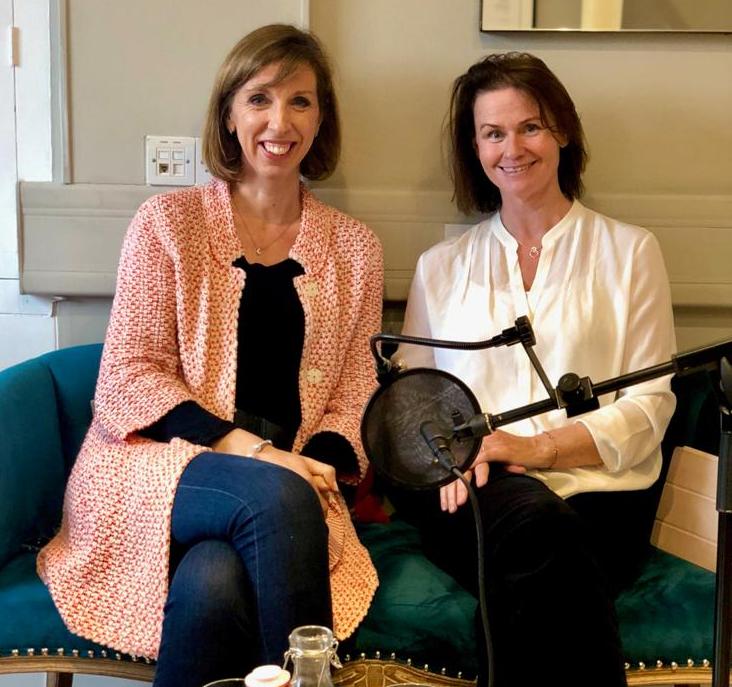
047 - Fermented Foods & Gut Health - Emma Ellice-Flint & Dr Louise Newson
In this podcast, Dr Louise Newson talks to Emma Ellice-Flint, a very knowledgeable nutritionist, all about fermented foods. Emma takes it right back to basics and explains the importance of good gut health and how eating and drinking fermented products can be beneficial for our gut microbes as well as our overall health. Emma and Dr Newson also discuss sauerkraut, kefir and the variety of different ways we can boost our gut microbes - as well as the ways our gut health can worsen due to our diets. Emma's Three Take Home Tips for better gut health: Buy some kefir, try having two tablespoons a day. It's a great place to start! Bring as much fibre-rich food as you can into your diet - but introduce it slowly. Don't be put off by how overwhelming it can seem! Simple, small changes can vastly improve your gut health. https://emmasnutrition.com/ https://www.instagram.com/emmas_nutrition/
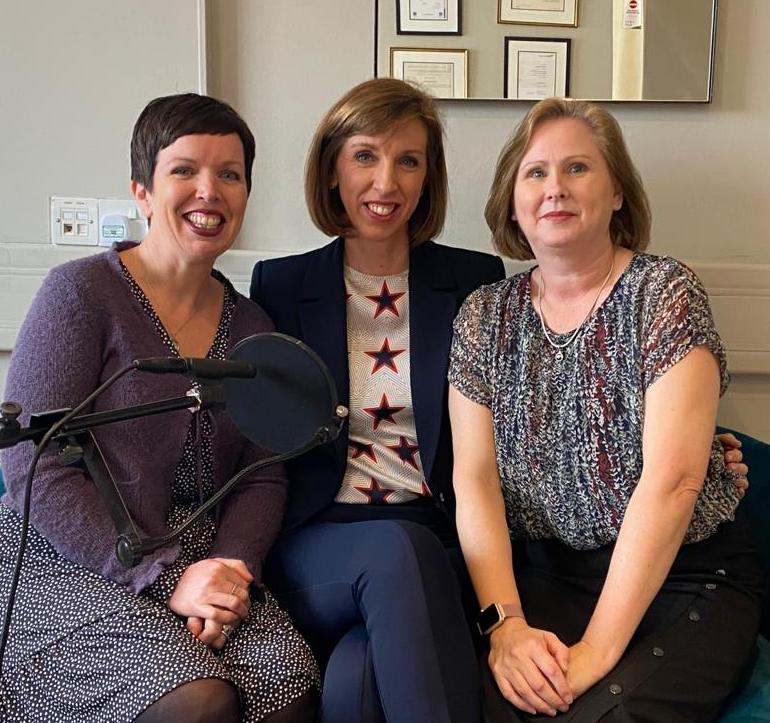
046 - Menopause Education for Nurses - Mandy Garland, Sharon Hartmann & Dr Louise Newson
In this episode, Dr Louise Newson is joined by Advanced Nurse Practitioner, Mandy Garland and Specialist Nurse, Sharon Hartmann - together they discuss nurse education for menopause and HRT in primary care. Both Mandy and Sharon chose to develop their own skills and knowledge in menopause by completing the accredited training through the British Menopause Society. They are currently waiting to submit their final log book; following an intensive 2 years of study, specialist visits and practical assessments. In this podcast, Dr Newson chats to Mandy and Sharon about how they have used evidence based practice to develop a pathway of care, offering patients at their busy NHS surgery a holistic service founded on NICE guidance; such as initiating and reviewing a patient’s use of HRT. This has been particularly challenging due to the lack of funding their surgery receives for management of the menopause. Mandy and Sharon hope that the long term benefits will be evident, with the improved quality of life women experience when on appropriately prescribed HRT, and that nurses all over the UK will receive the same opportunity to study at a higher level. Mandy Garland, Advanced Nurse Practitioner, Menopause Specialist and Nurse Prescriber - @garland_mandy Sharon Hartmann, Specialist Nurse: Integrated Sexual Health, Menopause Specialist and Nurse Prescriber - @hartmann_sharon Mandy and Sharon's Three Take Home Tips for nurses who want to gain a better menopause education: Menopause is a complex, in-depth subject and should be seen as a Holistic Medicine. During your training, find a like-minded nurse or professional that you can work with and study alongside. Attend as many clinics as you can within the local area and work with your local pharmacy.
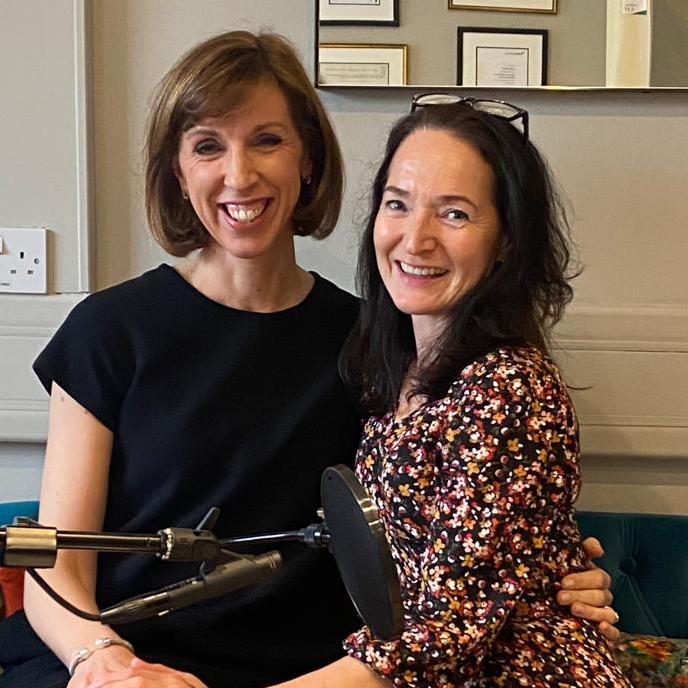
045 - Menopause Yoga - Petra Coveney & Dr Louise Newson
In this podcast, Dr Louise Newson is joined by Petra Coveney, Founder of Menopause Yoga - the UK’s first specialist style of yoga to support women going through the menopause. Petra, who is a member of the British Menopause Society (BMS) for health practitioners and a senior yoga teacher and trainer, developed Menopause Yoga to meet the physical and emotional needs of women going through menopause. Last year, due to demand from women and yoga teachers, she launched the world’s first Menopause Yoga Teacher Training course at Newson Health, which is accredited by the UK’s main governing bodies the British Wheel of Yoga and Yoga Alliance Professionals. Her aim is to train a yoga teacher in every town so that women across the country can practice locally where they live. The course has drawn teachers from all over the world, many of whom have trained at Newson Health. In April 2020, she piloted the first online Menopause Yoga classes and in May she is launching the first online Teacher Training course, which includes Dr Louise Newson as a Guest Speaker. Dr Newson’s book on the Menopause is a core course reading text. In this podcast, Dr Newson and Petra discuss: Petra’s own menopause journey, What inspired her to develop Menopause Yoga, Combining western medical science with eastern Indian Ayurveda and Traditional Chinese Medicine, The Chinese concept of post menopause as a woman’s ‘Second Spring.’ How yoga, breathwork and meditation can support women to transition positively through menopause, How to reduce stress levels, master your hot flushes and change your perception of menopause. Why it is important to educate women about the menopause, to feel empowered and embrace post menopause. Petra Coveney's Three Take Home Tips: Stressful thoughts exacerbate all menopause symptoms. Learn simple breathing exercises to calm your mind and tap into your parasympathetic nervous system that helps you to Rest & Digest. Writing a daily journal will help you to release negative, stressful thoughts and recognise which foods, drinks, activities, thoughts, etc trigger your menopause symptoms. Every woman is unique. Gaining insights into your triggers will aid your self-growth. Nourish & Nurture yourself. Eat well, Sleep well. Pamper yourself. Petra will be returning to Newson Health later in the year to run women’s workshops here at Newson Health. You can find out more on her website: www.menopause-yoga.com Instagram: @Menopause_Yoga
044 - Gransnet & the Menopause - Cari Rosen & Dr Louise Newson
In this podcast, Dr Louise Newson chats to Cari Rosen; author, writer and editor of Gransnet.com. Gransnet was set up following the success of Mumsnet. Gransnet has 320k users, bringing in 3 million page views a month. Many perimenopausal and menopausal women feel socially isolated and alone when they experience symptoms that often they don't even realise are related to their reducing hormone levels. It can be very useful to share symptoms and also discuss experiences with other women. Increasingly, women are turning to platforms such as Gransnet where they can be frank and open with people they don't know and seek out support at various times of the day and night. In this podcast, Dr Newson and Cari discuss the various ways women can support each other during the perimenopause and menopause, as well as dispelling some myths about the menopause and HRT along the way. www.gransnet.com Cari Rosen's Three Take Home Tips and reasons to visit Gransnet: Know you're not alone - there is always someone to talk to. Share your experiences. It can be so helpful to talk to someone who has gone through something similar and come out the other side. If you are feeling frustrated, it's good to share those frustrations with others that aren't your nearest and dearest.
043 - Changing the Language Around Menopause and Midlife - Lorraine Candy & Dr Louise Newson
In this podcast, Dr Louise Newson is joined (virtually!) by Lorraine Candy - co-founder of the podcast series 'Postcards from Midlife'. Lorraine and Dr Newson chat about the stigma surrounding the word “menopause” and how we need to work together in order to break that down and really empower women so they can receive the correct help and treatment. They also discuss menopausal symptoms such as anxiety and fatigue and how they can have a massive, negative impact on women's lives if left untreated. Dr Newson and Lorraine also talk about how important it is for women to receive the right dose and type of HRT. Many women wrongly think that HRT is a single treatment, whereas in fact, there are different hormones available and also different doses. The importance of exercise, nutrition and wellbeing is also discussed. Lorraine also talks very openly about her own experience and how she struggled for several years before receiving the right help. www.postcardsfrommidlife.com Follow Lorraine on Instagram: @sundaytimeslorraine @postcardsfrommidlife Lorraine Candy's Three Take Home Tips: Feel your power - you have lived an amazing life and have an enormous amount of experience. Don't let that inner voice tell you you don't have the confidence. Arm yourself with information before any visits. Seek out the facts and write them down so you don't forget. Talk to your friends, family and other women about what you're going through. Let's spread the word!
042 - The Big M - Kate Irvine & Dr Louise Newson
In this podcast, Dr Louise Newson is joined by Kate Irvine and together they discuss Kate's online perimenopause and menopause survey, The Big M. Kate began her survey as a way to find out how women really feel about the perimenopause and menopause, including which aspects of the Big M women find the most difficult, whether they felt they could discuss it with anyone and whether they had any help getting through it. Kate hopes to be able to use the information given to help other women in the future. Kate also intends to compile the detailed responses into a book which helps women to feel better about what they are going through, she and Dr Newson discuss how the idea for the book came about, and how Kate hopes it will work. During this podcast, Dr Newson and Kate touch on several different topics which the survey highlighted, such as realising you are perimenopausal, how helpful GPs can be (or otherwise), women leaving the workforce because of their symptoms, the over-prescribing of anti-depressants and symptoms such as vaginal atrophy. Ultimately they agreed that talking is vital and makes you feel better, and Kate hopes that (if published!) reading her book will be like having a chat with friends about a common issue. The survey is still open for responses, or if you just want to email her about any aspect of your menopause experience you can reach her at: [email protected] Kate Irvine's Three Take Home Tips: Don't feel alone! Don't be frightened to talk about it - communicate with your friends. Look for helpful evidence-based advice such as the resources on menopausedoctor.co.uk and the British Menopause Society website If your GP hasn't been the most helpful, look for a doctor that specialises in the menopause. They should be better informed.
041 - You Are Feeling Sleeeepy - Kathryn Pinkham & Dr Louise Newson
In this podcast, Dr Louise Newson is joined by Kathryn Pinkham, Founder of The Insomnia Clinic, the UK’s largest insomnia service. Kathryn, along with her team at The Insomnia Clinic, help people who suffer with poor sleep and insomnia using NHS recommended techniques. Cognitive Behavioural Therapy for insomnia is a structured programme which helps people to identify and change unhelpful behaviours and thoughts which maintain poor sleep. In this podcast, Dr Newson and Kathryn discuss: Why sleep is important but how putting too much pressure on sleep can cause us to get even less How sleep hygiene can make a sleep issue worse for poor sleepers The cycle of insomnia and how to break it Tips to strengthen your sleep drive to fall asleep faster and wake less but also how to improve quality of sleep The importance of managing anxiety in boosting energy levels Techniques to manage anxiety Kathryn Pinkham's Three Take Home Tips to Aid Sleep: Shorten your time in bed - go to bed later and get up earlier. Even if it's just by half an hour. Set your alarm and then turn it over. When you wake up in the night, resist the urge to look at the clock. Spend time managing your worries and anxieties instead of focusing on your lack of sleep. If you focus on lowering your stress levels then your sleep should improve too. https://www.instagram.com/theinsomniaclinic
040 - ’Supporting Your Immunity’ - Emma Ellice-Flint & Dr Louise Newson
In this week's podcast, Dr Newson is joined by Emma Ellice-Flint, a clinical nutritionist and former chef. Emma works alongside Dr Newson at her clinic, Newson Health Menopause and Wellbeing Centre and treats patients with all conditions, but digestive wellness and hormone balance are topics close to her heart. In light of the outbreak of Coronavirus, Emma chats to Dr Newson about the different things we can do to help support our immunity and keep our bodies healthy. Emma describes the certain foods, drinks and nutrients that are beneficial for our overall health as well as those that can strengthen our immune systems. Emma has also written this informative article explaining how we can all adopt immunity boosting changes and habits. Emma Ellice-Flint's Three Take Home Tips for Staying Healthy: Rice is a family favourite! For a healthier alternative, try swapping it out for brown rice instead Broccoli, cabbage, garlic and onions are prebiotic, immune boosting vegetables and are great if you can eat them everyday Wherever possible, try and keep up your exercise during this time - in any shape or form! Website: www.emmasnutrition.com Instagram: @emmas_nutrition Facebook: @emmasnutrition
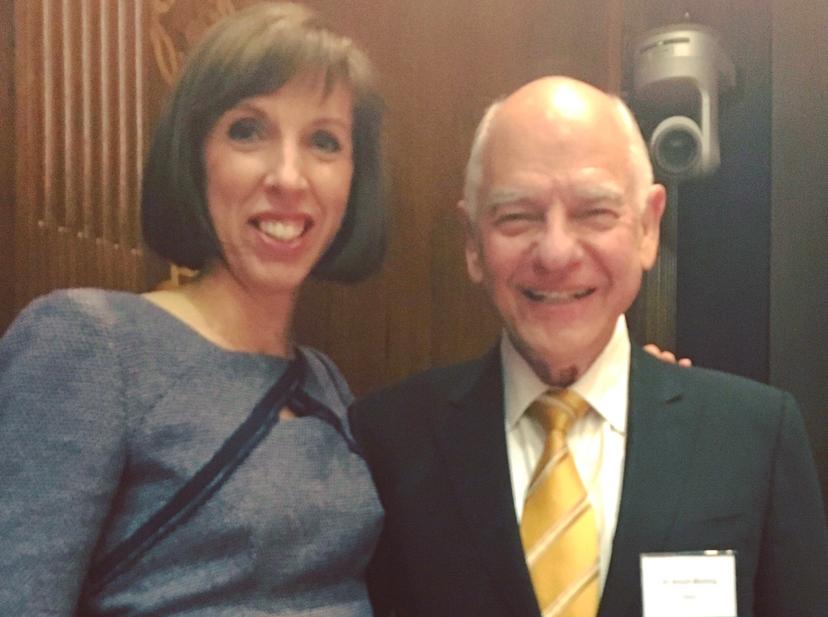
039 - Oestrogen Matters - Dr Avrum Bluming & Dr Louise Newson
Avrum Bluming was a clinical professor of medical oncology at the University of Southern California and spent four years as a senior investigator for the National Cancer Institute. For more than two decades he has been studying the benefits and risks of hormone replacement therapy administered to women with a history of breast cancer. He is also the co-author of the book “Oestrogen Matters”. In this podcast, Dr Newson talks to Avrum about the numerous health benefits of oestrogen in women, including reducing future risk of heart disease, osteoporosis and dementia. It is a very sobering thought that as many women die from osteoporosis as breast cancer, yet so many women are denied oestrogen in HRT for the wrong reasons. Avrum's wife was diagnosed with breast cancer many years ago and he talks about treatments for breast cancer which can lead to an early menopause. https://estrogenmatters.com Avrum Bluming's Three Take Home Tips About HRT: If every woman in the US started HRT, the median life expectancy of women would extend by 3.3 years If you ever hear "If you must take hormones, then take the smallest dose possible for the shortest period of time" - there is no scientific support for this! Women can take HRT for as long as they need. Some of the benefits of HRT, particularly for your bones, last as long as you continue to take it. If you stop taking the hormones, bone degeneration occurs at an accelerated pace.
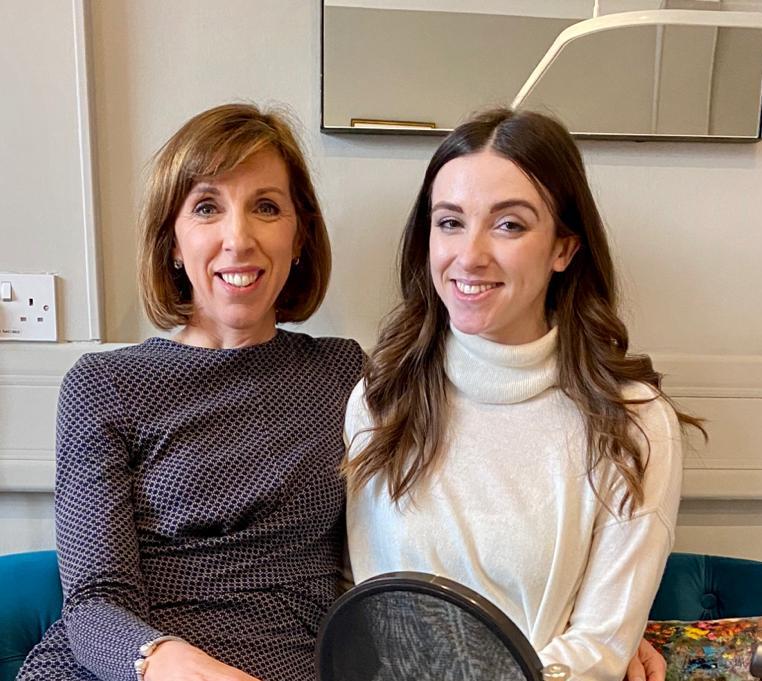
038 - Research on Testosterone & Menopause - Lauren Redfern & Dr Louise Newson
In this week's podcast, Dr Newson is joined by Lauren Redfern, a researcher who has been exploring the experiences of women using testosterone as part of their HRT treatment. Lauren has been spending time at Newson Health Menopause and Wellbeing Centre over the past year observing many different aspects of women’s care; from the moment they make contact with the team right through to their consultation. She is interested in hearing stories from women first hand about their treatment journey and is particularly interested in the gendered aspects of hormonal care. Lauren hopes that her work will provide insight into the realities facing women negotiating menopausal care in the UK today; something that she feels is currently vastly underrepresented in both social and public health research. If you would like to know more about Lauren’s research you can visit her website www.laurenredfernwrites.com or follow her on Instagram @laurenredfernwrites where she posts about everything from the history of hormones to updates on her research. Lauren's Top Three Facts about Testosterone and Menopause care: Time is an underestimated benefit in healthcare. Women need longer than 10 minutes to adequately explain their symptoms to a doctor. Menopause isn't just hot flushes and something to "get through" - the symptoms can have a massive impact on a woman's life. Testosterone is not just the male hormone, it is essential for re-balancing female systems, just as it is for men. Newson Health Research & Education
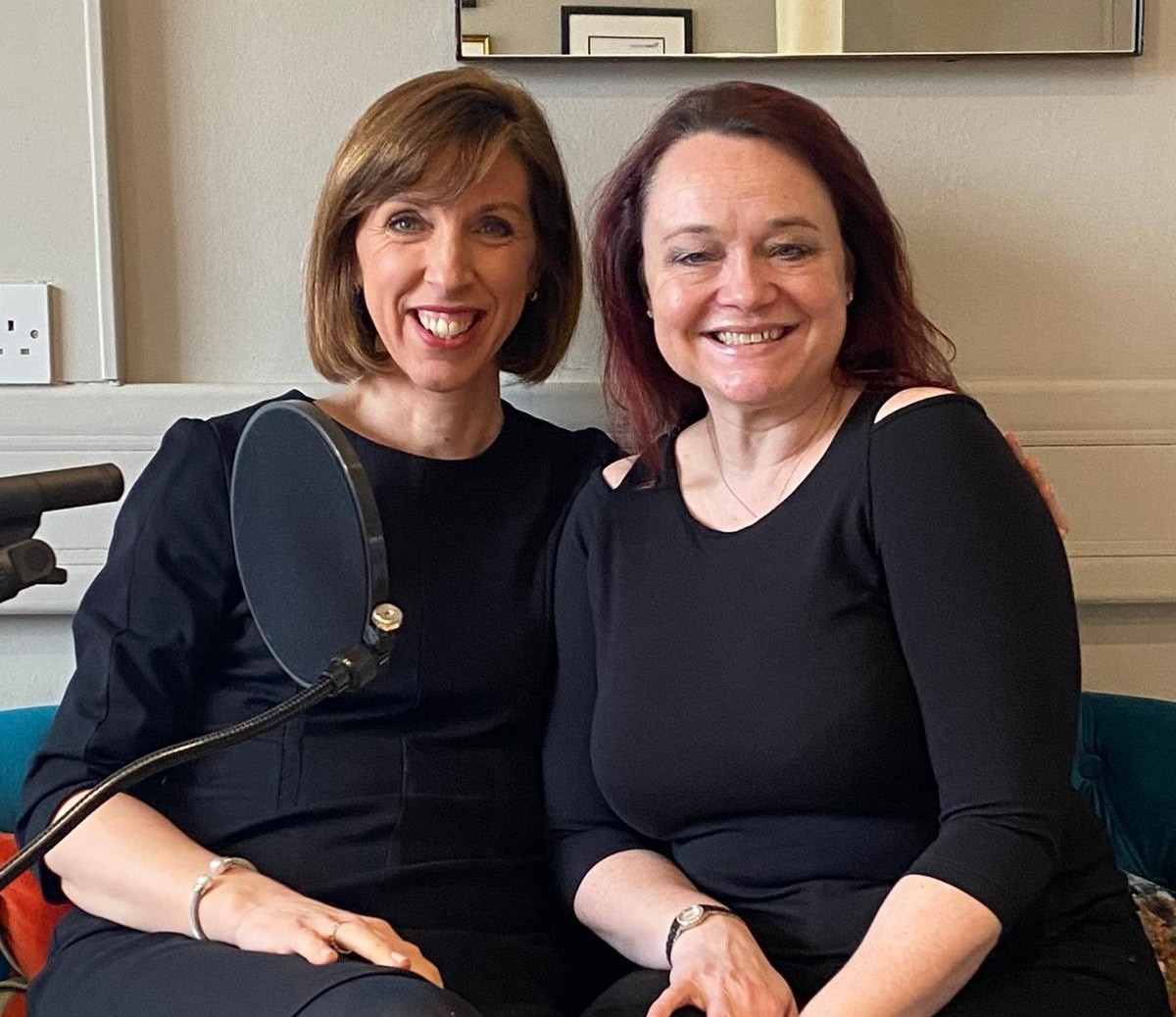
037 - Ageing Well, Menopause and Yoga - Claudia Brown & Dr Louise Newson
In this episode, Dr Louise Newson is joined by yoga teacher, Claudia Brown who runs workshops at Newson Health Menopause and Wellbeing Centre. Claudia is an Om Yoga magazine columnist and runs classes, workshops and retreats in the West Midlands. She also works with professional footballers, teaching yoga at Doncaster Rovers Football Club! Together, Dr Newson and Claudia discuss ageing well and the menopause, demystifying meditation, how yoga is more than physical postures and why everyone should give it a try. Claudia's Top Three Tips for beginning your yoga journey: Just do it! Don't be afraid to start, ask for recommendations and try different classes to find the right teacher. Don't get caught up in buying the right outfit or equipment. You can practice yoga in just about anything! Don't talk yourself out of it because of your body size - it isn't relevant to your strength or how your body moves. You will always be among friends in a yoga studio. www.yogabyclaudia.com Twitter – yogabyclaudia Instgram – yogabyclaudia Facebook - https://www.facebook.com/yogabyclaudiauk/ To find out more about Claudia's yoga workshops at Newson Health, or to book your place, click here.
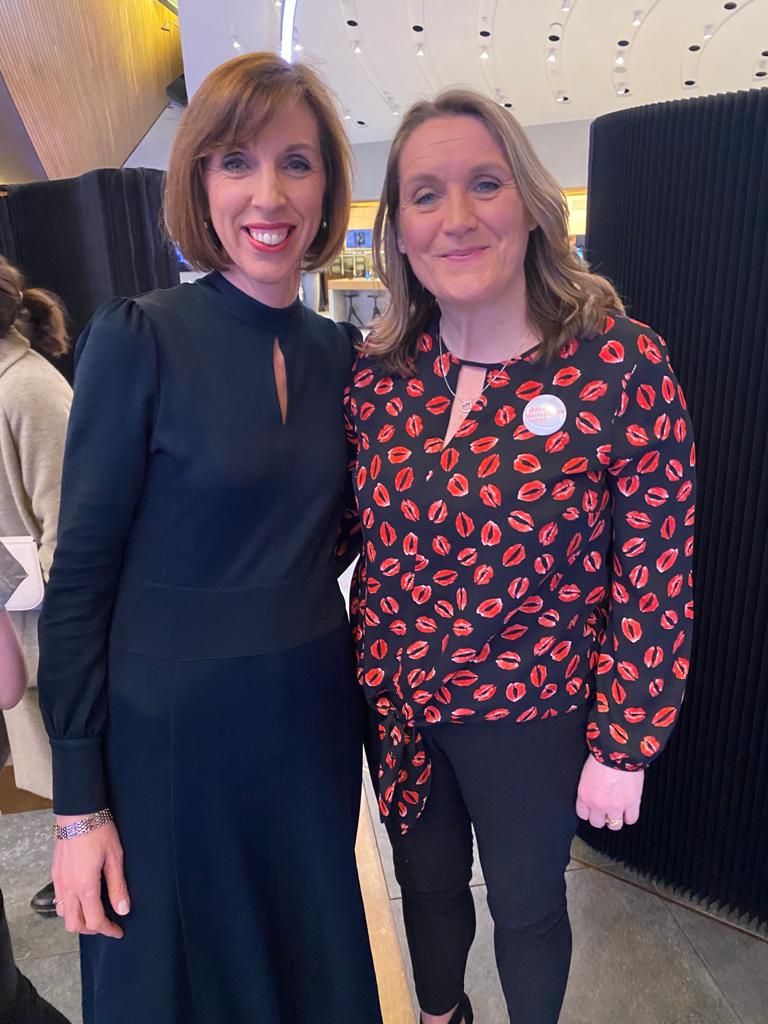
036 - Sex and the Menopause - Samantha Evans & Dr Louise Newson
In this week's podcast, Dr Newson talks openly and candidly to Samantha Evans about sexual problems and the menopause. Sam Evans is a sexual health and pleasure expert, with a nursing background. She is also co-owner of the company www.jodivine.com Together, Sam and Dr Newson discuss the various ways in which libido and sexual difficulties can arise during the menopause. There are various treatments depending on the underlying cause and these are explored in detail in this episode. Too many women are not experiencing the right help and advice to improve their sexual relationships with their partner and clearly this needs to change. Samantha Evans' Top Three Tips for sexual wellbeing during the menopause: Talk to your partner about your symptoms - communication is key! Invest in a good sexual lubricant and/or vaginal moisturiser. Don't forget to check the ingredients. Invest in a simple sex toy, maintain the intimacy with your partner and have fun!
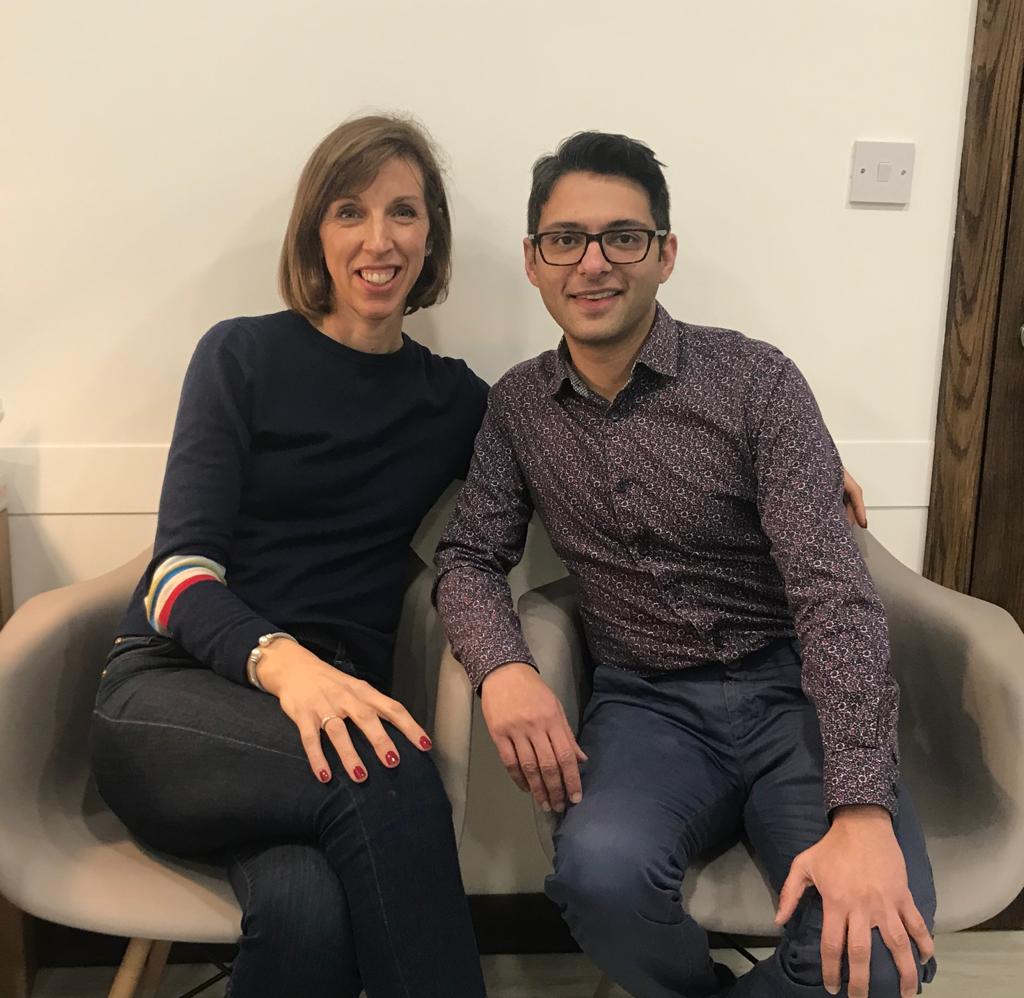
035 - Hair Loss and Hormones - Dr Sajjad Rajpar & Dr Louise Newson
In this week's podcast, Dr Newson is speaking with consultant dermatologist, Dr Sajjad Rajpar all about hair. Hair changes can be very common during the perimenopause and menopause. Dr Rajpar eloquently explains how our hormones are important with respect to hair growth and also hair texture. They discuss in detail reasons why women experience hair loss and the importance of having a holistic consultation to explore reasons why hair changes. Dr Rajpar talks about the different treatment options and provides some simple advice which will help us all regarding our hair. Find out more about Dr Sajjad Rajpar here: https://belgraviadermatology.co.uk/ Dr Rajpar's Three Take Home Tips to help reduce hair loss: Avoid any tight hairstyles. If you can leave your hair down, it will help. Think about the health of your scalp too, it may be drier due to low oestrogen levels during the perimenopause and menopause. If you are suffering with brittle hair then by sensible with heat and styling tools.
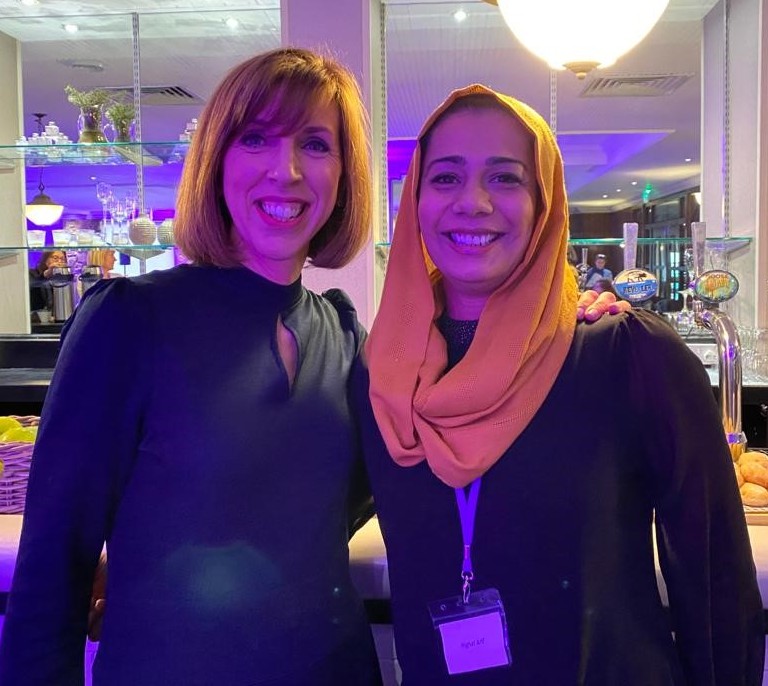
034 - Menopause Taboo in Women from Different Ethnic Groups - Dr Nighat Arif & Dr Louise Newson
Dr Nighat Arif is a GP with a specialist interest in women’s health, based in Buckinghamshire. In this week's podcast, Dr Nighat Arif talks openly with Dr Newson about her work educating and empowering women from different ethnic groups about the menopause. Many women from ethnic minorities think the menopause is a condition that only affects Caucasian women or it is a western phenomenon. However, it is well known that many women are experiencing symptoms such as pains in their bodies, “head to toe pain”, low mood and anxiety which are being misdiagnosed and inappropriately managed as these symptoms are not being linked to the menopause. Although language is often a barrier to consultations with a healthcare professional, there are also many cultural differences that need to be explored. Many women’s health issues, including the menopause, are kept “under the veil” and not spoken about. In this episode, Dr Newson and Dr Arif also talk about other taboo subjects such as vaginal dryness, painful intercourse and how that affects marital relationships in a conservative community. Dr Nighat Arif offers three take home tips in Punjabi to help break down barriers and empower women from South Asian Communities to not accept their menopausal symptoms and suffer in silence. Dr Nighat Arif's Three Top Tips: For all women, please keep a symptom diary. No symptom is silly and this is useful to your doctor during the 10-minute consultation. Never deny yourself treatment, there are always risks and benefits to every treatment and only your health and wellbeing will suffer if you don't seek help. Don't suffer in silence!
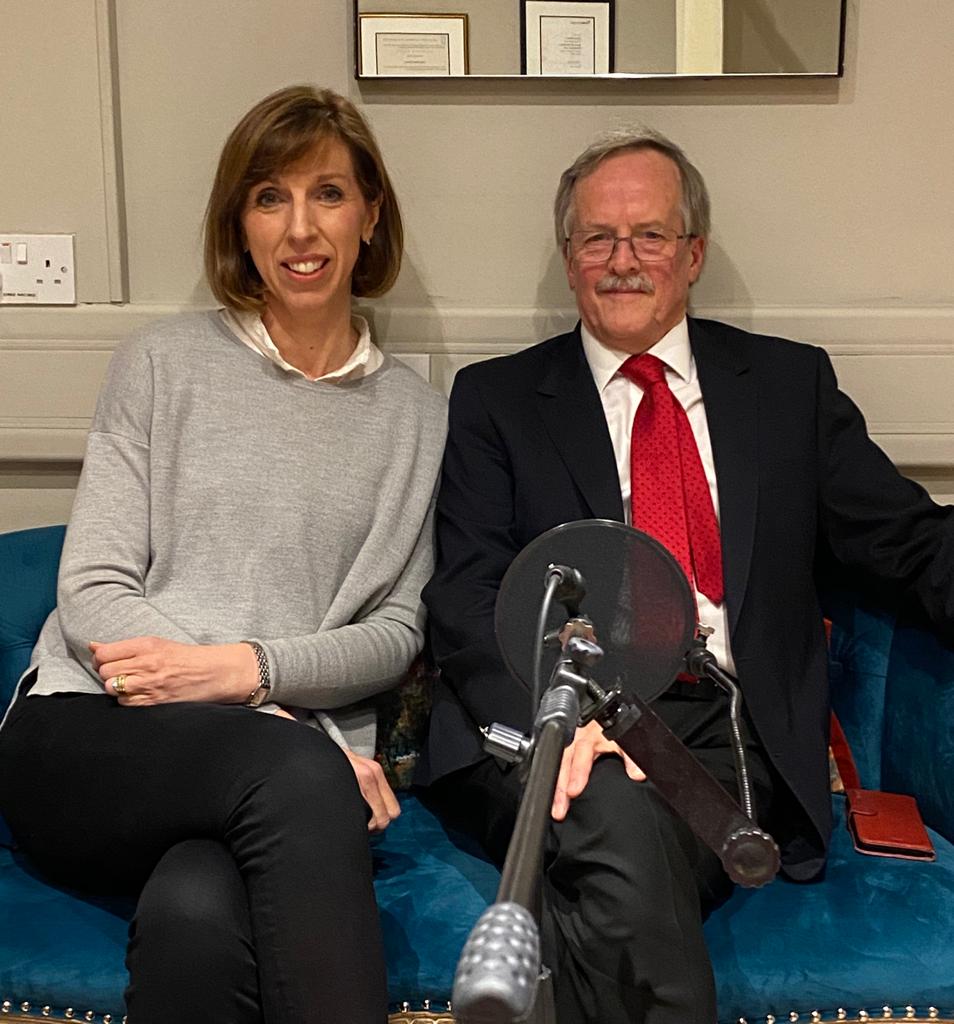
033 - Bone Health, Osteoporosis & the Menopause - Professor David Reid & Dr Louise Newson
In this week's podcast, Dr Newson is joined by Professor David Reid, Consultant Rheumatologist and Osteoporosis Specialist at the University of Aberdeen. Professor Reid is also the Senior Medical Adviser and Fundraising Ambassador for the Royal Osteoporosis Bone Research Academy. Bone density reduces as our hormone levels lower, as a result of the perimenopause and menopause. Around one in three menopausal women will have a osteoporotic hip fracture so it is essential we are all thinking about ways of improving bone density and reducing future risk of developing osteoporosis. In this episode, Dr Newson and Professor Reid talk about what osteoporosis is, how to diagnose it and also ways of increasing our bone density. Professor David Reid's Three Top Tips for Bone Health: For people in their 20s and 30s, don't worry too much about your bone health - take plenty of exercise and eat well, this is the best way to prevent any future problems. For women going through the menopause, now is the time to start thinking about your bones. Take preventative measures such as reducing your alcohol intake and stop smoking. Consider a DEXA scan to measure your bone density. For elderly people, try regular weight bearing exercise and get the required amount of Vitamin D and Calcium, be careful to ensure your home is safe from trip hazards that can result in fractures.
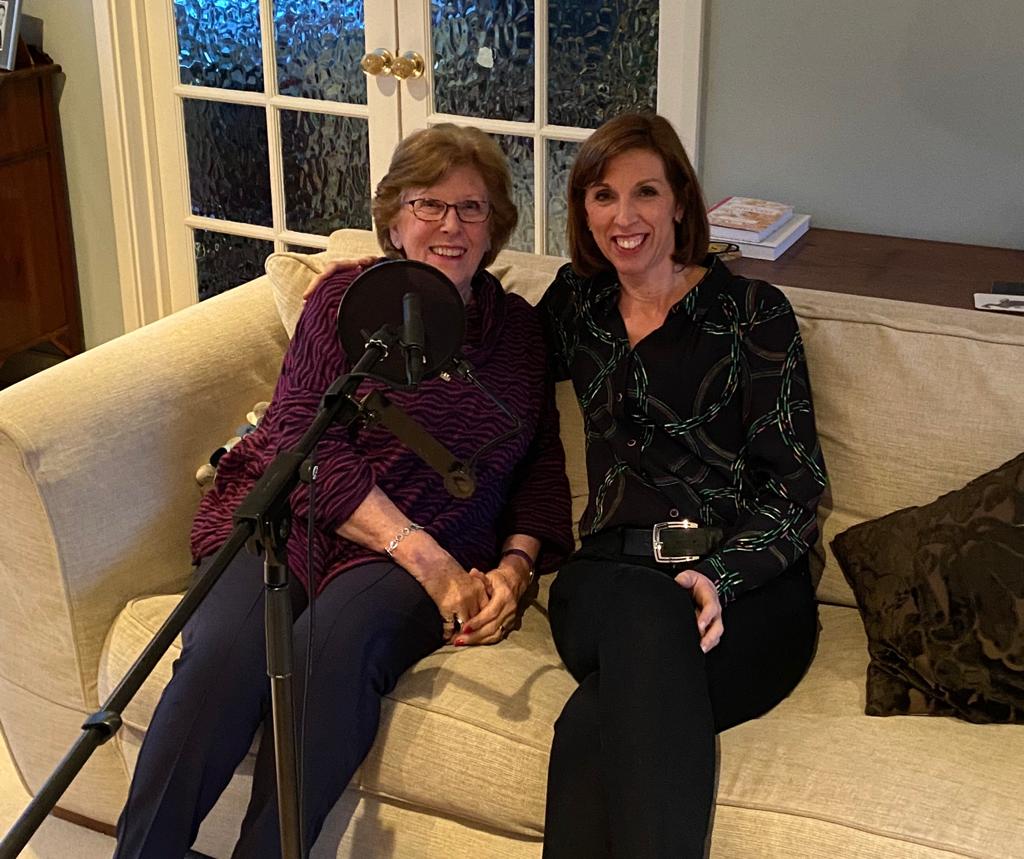
032 - Taking HRT Forever - Ann Newson & Dr Louise Newson
In this week's podcast, Dr Louise Newson has an open discussion with her mother, Ann Newson, about her personal views regarding taking HRT. Over 30 years ago, Ann was experiencing symptoms of severe fatigue which were negatively affecting her ability at work, prompting her GP to give her a prescription for HRT. Ann was then told that she was going through “The Change” but had no idea what that meant! The menopause was never spoken about at that time and she was given no information about it. However, taking HRT gave Ann her life back and her energy levels vastly improved. Fast forward to today and Ann is delighted to have learnt so much about the menopause from her daughter, Louise. In this episode, Ann also explains how many of her friends have developed breast cancer over the years despite none of them taking HRT. She strongly feels that women should be given a choice regarding hormone therapy and how she plans to stay on her HRT forever! Ann Newson's Three Take Home Tips: Carry on! If you're happy with your HRT then you don't have to stop taking it If you are feeling low, don't think that you're not menopausal just because you aren't experiencing hot flushes and night sweats. Don't be frightened of HRT, it can be life-changing!
031 - Pelvic Floor Health - Jane Simpson & Dr Louise Newson
This week, Dr Newson is joined by Jane Simpson, a continence nurse specialist who works from The London Clinic in Harley Street. In this episode, Jane and Dr Newson discuss all aspects of pelvic floor health relating to the menopause, including stress incontinence, an overactive bladder (key in the door syndrome!), vaginal dryness/atrophy, pelvic organ prolapse, constipation and the bowels and last but not least the pelvic floor and how menopause can affect our sex lives. You can find Jane at www.thepelvicfloorbible.com and on Instagram @jane_thepelvicfloorbible. Jane's Three Take Home Tips for pelvic Floor Health: Make sure you are exercising the correct muscles Once you're sure that you are, make sure you do it regularly If you are unsure or think there could be a problem, then please seek help!
030 - Early Menopause and POI - Dr Sarah Ball and Dr Louise Newson
In this week's podcast, Dr Louise Newson is joined by Dr Sarah Ball, a GP with a special interest in the menopause. Together, they talk all about early menopause and Premature Ovarian Insufficiency (POI) which affects women under 45 years. In the UK, around one in 100 women under 40 experience an early menopause yet many of these women are not diagnosed nor do they receive evidence-based advice and treatment. It is essential that these women receive replacement hormones at least until the age of 51 (the average age of the menopause) unless there are medical contra-indications to taking hormones. Dr Newson and Dr Ball discuss the health risks of untreated early menopause and POI and also the different ways in which women can receive individualised help and treatment. Dr Sarah Ball's Three Take Home Tips: Early menopause is a different experience - it is essential to replace your hormones Your fertility still does need to be considered Don't feel isolated! Find some support, there are others out there experiencing the same thing. Click here to watch Dr Louise Newson discuss early menopause and POI.
029 - Life after Breast Cancer - Kirsty Lang and Dr Louise Newson
In this week's podcast, Dr Louise Newson is speaking to journalist Kirsty Lang about her experience with Breast Cancer and how life has been since her recovery. Together, they discuss the treatment that Kirsty received and the side-effects that she experienced from some of the medication, particularly those that blocked the effects of estrogen in her body. Kirsty talks openly about her menopausal symptoms relating to vaginal dryness and reduced libido and Dr Newson explains the effective treatment options available for these symptoms. They also talk about the differences between information given to men who have prostate cancer and women who have breast cancer. Men are usually given far more information than women, especially regarding the sexual problems that can arise during cancer treatment, and clearly this needs to change. Click here to listen to Kirsty Lang talk about breast cancer in Liz Earle's weekly podcast. Kirsty's Three Take Home Tips for dealing with menopause after cancer: Try local vaginal oestrogen for vaginal dryness If you are struggling massively, go to your GP/surgeon/oncologist and don't be afraid to ask for help Don't feel like you have to struggle just because you've survived breast cancer. It's not true, there is help out there for you!
028 - Menopause and Friendship - Kate Parr & Dr Louise Newson
In this week's podcast, Dr Louise Newson is talking with one of her closest friends, Kate Parr, about her reasons for setting up Newson Health Menopause and Wellbeing Centre. Kate encouraged Dr Newson to start educating women about the perimenopause and menopause by hosting a lunch in her house a few years ago, to which many of their friends were invited. Both ladies were really surprised with how eager women were to learn about menopause and how little they knew about something that they will all experience. This inspired Louise to continue to educate and empower women with the right knowledge, so that they can make evidence-based decisions regarding their future health during their menopause. In this episode, Louise and Kate also discuss why talking about menopause to our friends and families is so important. Kate Parr's Three Take Home Tips: Be informed! Find out everything you can about the menopause, from reliable sources. Talk to your girlfriends and support each other. Mothers - talk to your sons and daughters about how you are feeling. Educate them so that, in the future, they know what to expect and know that it's okay to talk about it.
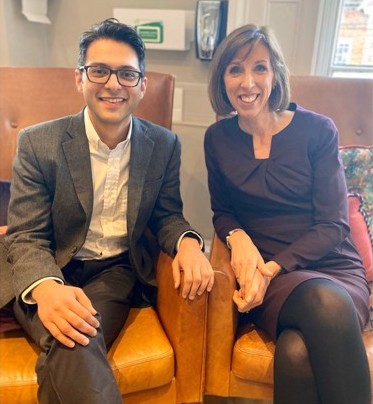
027 - Menopause and the Skin - Dr Sajjad Rajpar and Dr Louise Newson
In this week's podcast, Dr Louise Newson is talking to leading consultant dermatologist Dr Sajjad Rajpar. Together, they discuss all about the skin and how it can change during the perimenopause and menopause. The low hormone levels that occur during the perimenopause and menopause often have a negative effect on the collagen in the skin, which can lead to changes in appearance and elasticity. As well as this, skin concerns such as dryness and acne are a common occurrence during this time of our lives. Dr Newson and Dr Rajpar also discuss HRT and the effectiveness of giving oestrogen through the skin as a patch or gel. More information about Dr Rajpar, including his serum, is available here: https://belgraviadermatology.co.uk/ Dr Rajpar's Three Take Home Tips for Healthy Skin: Avoid soap and use gentle cleanser, moisturise twice daily. Be sensible with the sun - wear factor 50. Stop smoking! Nicotine can have a very negative effect on your skin.
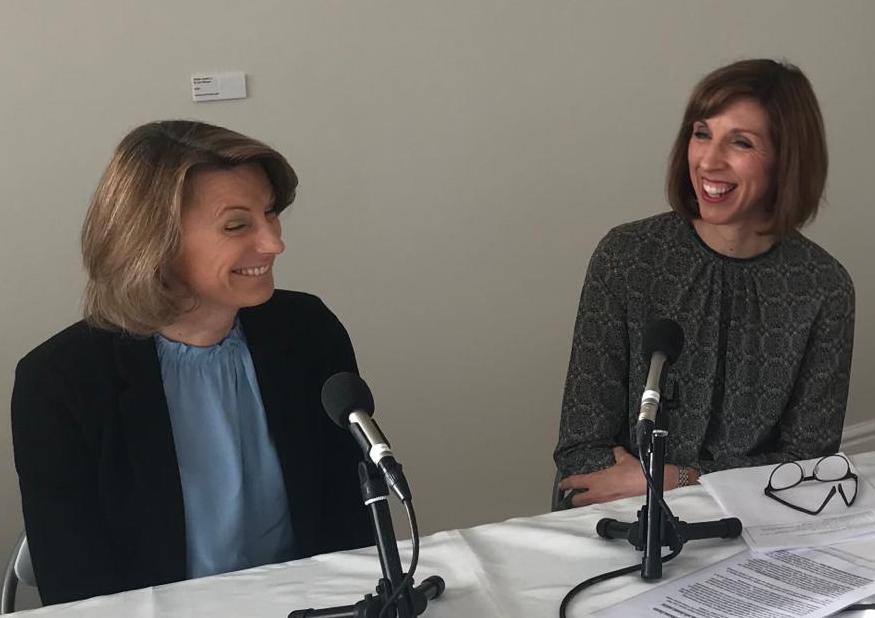
026 - Surgical Menopause - Dr Rebecca Lewis & Dr Louise Newson
In this week's episode, Dr Louise Newson chats to her good friend, Dr Rebecca Lewis, who is also a clinical director at Newson Health Menopause and Wellbeing Centre. Together they discuss surgical menopause. Surgical menopause can often be very different to a natural menopause because it happens very suddenly. Women who have their ovaries removed during an operation are plunged into the menopause straight away. In addition, women who have a hysterectomy without their ovaries being removed still have a higher risk of an early menopause. Dr Newson and Dr Lewis discuss the most effective ways of treating surgical menopause. Dr Lewis' Three Take Home Tips: Think about menopause before your surgery - be aware of the symptoms you may experience. Discuss HRT with your surgeon before surgery. Have a solution and treatment plan in place before the operation.
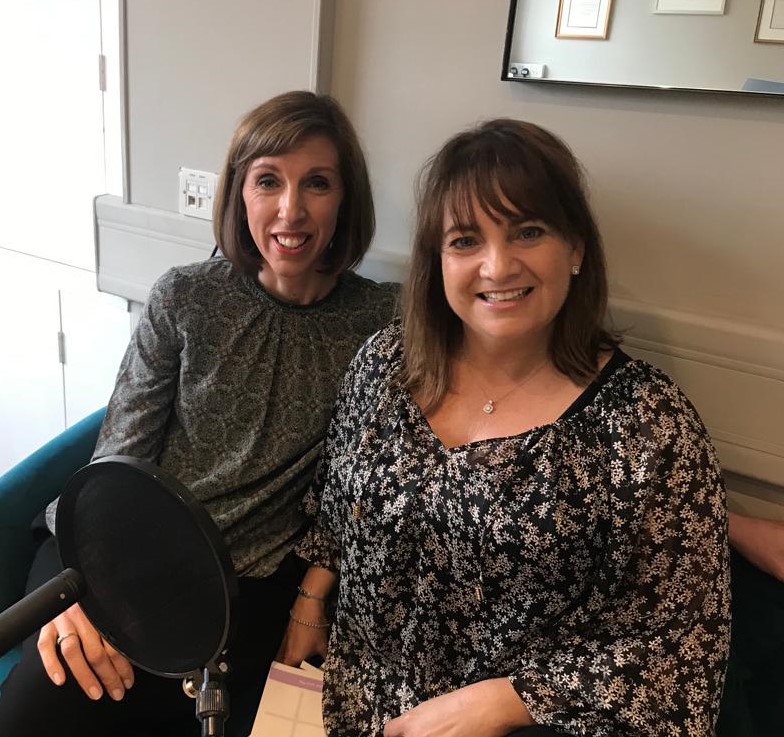
025 - Missing my Perimenopause - Katie Taylor & Dr Louise Newson
In this week's episode, Dr Newson chats to Katie Taylor. From the age of 43 Katie suffered for four years with debilitating perimenopausal symptoms, which had been misdiagnosed as depression by her doctor. It was only when her father, a breast cancer professor, suggested that he thought her symptoms were more likely to be hormonal, did she finally get the right diagnosis from her gynaecologist. Within a month of being on the right treatment (HRT) and off the antidepressants, she felt like her old self again. It was her anger and frustration at having wasted so many years of precious life, that led her to set up an online virtual coffee shop: The Latte Lounge (Top Tips For Women Over 40), to share her experience with others. Katie and Dr Newson discuss how commonly women are misdiagnosed and then are not receiving the right treatment for their symptoms. www.lattelounge.co Katie Taylor's Three Take Home Tips: Print off this symptom checklist and the NICE menopause guidelines and go to your doctor feeling empowered and armed with information. Know that HRT should be the first-line treatment, not just anti-depressants. Remember you're not alone! Join the Latte Lounge or Menopause Support and talk to like-minded women.
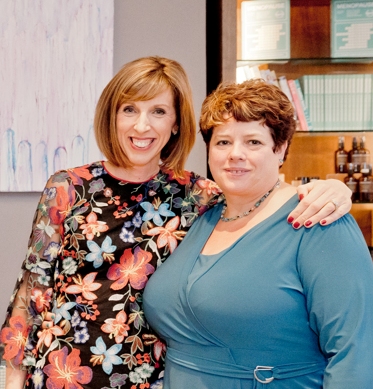
024 - Menopause & West Midlands Police - Yvonne Bruton & Dr Louise Newson
In this episode, Dr Louise Newson chats to Yvonne Bruton, a chief inspector at West Midlands Police who currently heads up the Violence Reduction Unit. Yvonne is also the chair of her Women in Policing association. Dr Newson and Yvonne have worked closely in the past and shared a journey over the last few years; Dr Newson has shared her passion and expertise and Yvonne has shared the problems that are experienced, not only by women in the workplace, but also by trying to design organisational responses to these within a challenging working environment! Policing is about improving people’s lives and protecting them from harm – but they need to look after the workforce to enable them to get out there and do that. Dr Newson has helped support and champion the work that West Midlands Police have been doing with menopause in the workplace and in this podcast they discuss Yvonne's inspirational work and how other organisation's can follow their lead. Yvonne's Three Take Home Tips for Menopause Support at Work: Find someone to talk to - that could be a colleague experiencing similar problems or a peer support group. Find an organisational advocate within your workplace. Don't be afraid to make noise!
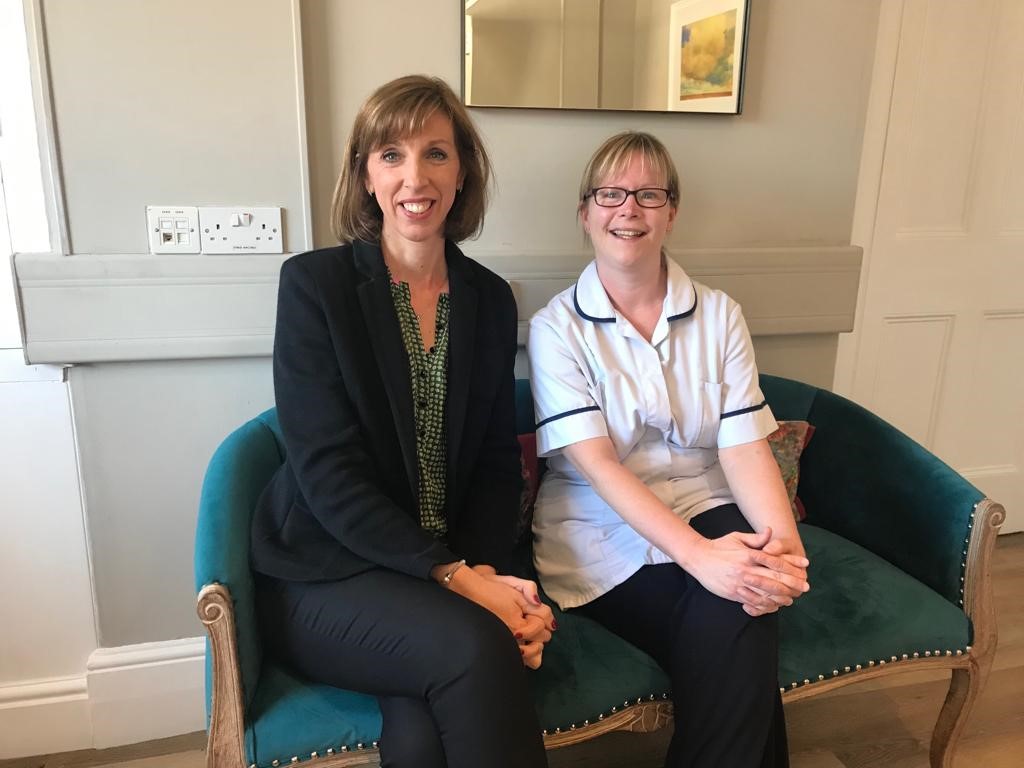
023 - Menopause & the Pelvic Floor - Nicola Mulkeen & Dr Louise Newson
In this podcast, Dr Newson is speaking with Nicola Mulkeen, a very experienced and knowledgeable pelvic floor physiotherapist. Together they discuss what exactly the pelvic floor muscles are and what they do in our bodies. Nicola talks about the importance of regular pelvic floor exercises and how to perform them. Dr Newson also asks Nicola about different types of urinary incontinence and how women experiencing symptoms should be receiving the right help and treatment. Find out more about Nicola here: https://www.newsonhealth.co.uk/holistic-therapies/physiotherapy Nicola Mulkeen's Three Take Home Tips for Pelvic Floor Health: Don't suffer in silence - get a referral from your GP if you have any concerns. Prevention is better than reacting to symptoms once they occur, so it's always a good time to start thinking about your pelvic floor health. Don't be embarrassed to talk about bladder and bowel problems or sexual health.
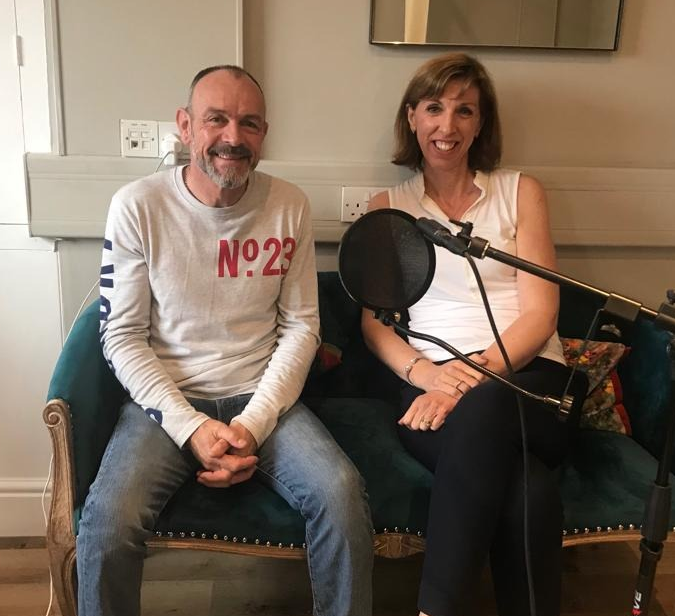
022 - Menopause for Partners - Leigh Goulding & Dr Louise Newson
Partners of menopausal women are often neglected. In this podcast, Dr Louise Newson talks to Leigh, a partner of one of her patients who vividly describes how worried he was when he saw the changes in his wife and had no idea what was going on. They discuss potential ways of improving education to men and partners. It is really important that partners are involved and understand potential symptoms. Partners can often have a pivotal role in diagnosing the perimenopause and menopause and can help seek the right advice and treatment. Click here to take a look at this booklet, created by Dr Newson, which is a helpful guide specially created for partners to help a loved one manage the menopause: https://bit.ly/2NJkNXs Leigh Goulding's Three Take Home Tips for partners: Hold your tongue - any arguments you may be having may simply be due to perimenopaue and menopause. Do your research and make sure to check the sources of whatever you read. "Happy wife, happy life!"
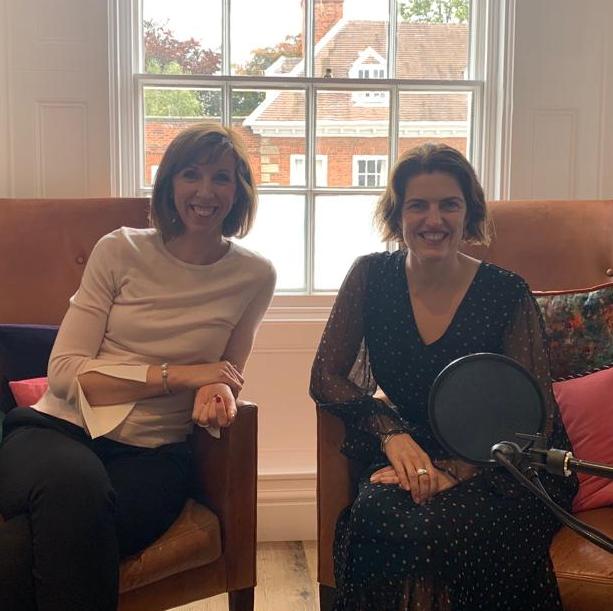
021 - MPowered Women - Saska Graville & Dr Louise Newson
In this episode, Dr Newson chats to Saska Graville, co founder of Mpoweredwomen.net; a community of doctors, wellbeing experts and brilliant women, to power you through menopause. Despite a career in women’s magazines, including being the deputy editor of Red, Saska had no idea that anxiety and loss of confidence were classic perimenopause symptoms. Hot flushes were the extent of her knowledge, and she’d never had one. She blamed her anxiety and loss of confidence in her late 40s on a career change. MPowered Women ensures that no woman has to struggle and be uninformed about what the hell is going on with her physical and mental health, and what she can do about it. With no subject off limits, MPowered Women has her back. www.mpoweredwomen.net Saska Graville's Three take Home Tips: Don't panic! Don't believe the headlines - search for factual, evidence-based advice. Take someone with you to your doctor's appointment if you're feeling nervous, and before you visit, look at the Menopause Doctor website and arm yourself with information and advice. Also, visit the Menopause Support website and download the 'Ten things your GP should know about the menopause'.
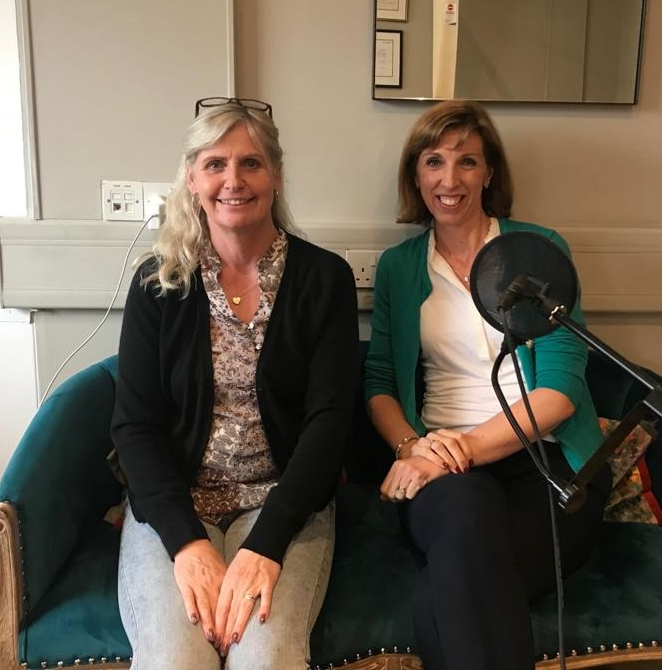
020 - Menopause and Antidepressants - Kim Goulding & Dr Louise Newson
Kim Goulding is one of Dr Newson's patients here at Newson Health. In today's episode, Kim talks about her own experience with the menopause how she was offered antidepressants. She has always been the driving force behind her family and became socially withdrawn and very low in her mood. She had no idea initially what was happening to her and her life had really changed. She talks to Dr Newson about how she tried to receive the right treatment and her experience taking HRT. Kim's Three Take Home Tips: It can be difficult when struggling with severe symptoms, but go and find the right help. If your GP can't help you then go private if you can. Women should not have to pay for good quality menopause care, but getting the right treatment is priceless! Get informed and search for evidence-based resources, such as menopausedoctor.co.uk.
019 - What is Perimenopause? - Sheona Khan & Dr Louise Newson
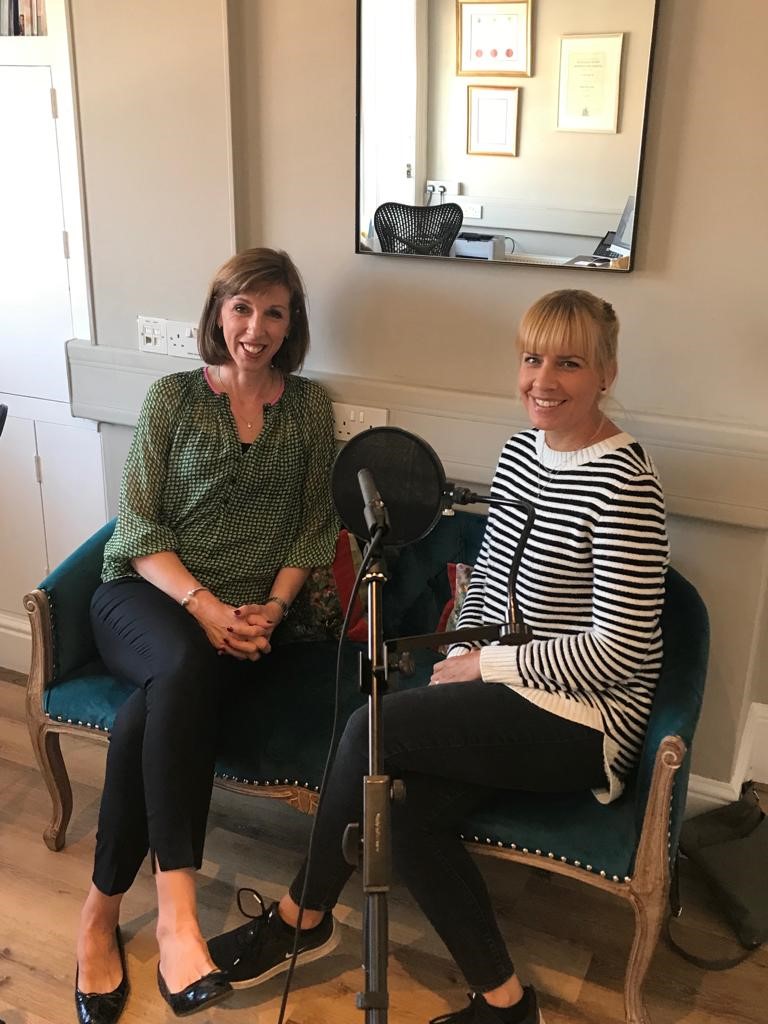
Sheona Khan is a medical writer who has been working closely with Dr Newson for several months. In this weeks episode, Dr Newson and Sheona have an open discussion with about how much she has learnt regarding the perimenopause and how little she knew about it until recently. They discuss ways of improving knowledge for women about the perimenopause and the menopause and also the importance of women receiving evidence based and non-biased information. Sheona asks Dr Newson questions about changing hormones, making a diagnosis and HRT and Dr Newson explains why she feels that younger women should be equipped with the right information regarding their future hormone health. Sheona Khan's Three Take Home Tips about Perimenopause: Talk about it - make those conversations happen. You could be going through the same thing as a friend! If you are in your 40s and are experiencing tiredness, forgetfulness or stress - don't dismiss it, start thinking about your hormones. Don't wait for your symptoms to get really bad before you consider HRT. The earlier you start replacing your hormones, the better!
018 - Low Testosterone in Men - Professor Geoffrey Hackett & Dr Louise Newson
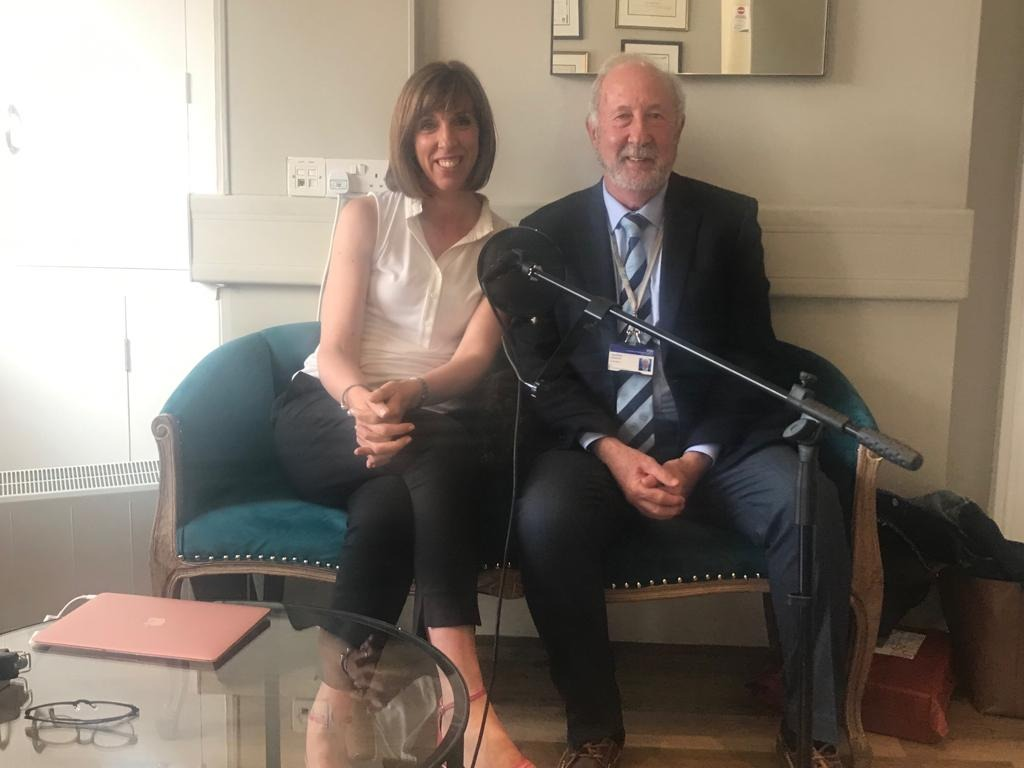
Professor Geoffrey Hackett works as a consultant in Urology and Sexual Medicine. He is a prolific writer and educator about men's health and has a particular interest in low testosterone in men. In this episode, Dr Newson and Professor Hackett talk about how having a low testosterone level can affect men, how common it is and how men can receive help and treatment. Around 20% of men in the UK have low testosterone at some time in their life but few of these men are being diagnosed and treated. This is due to lack of awareness by patients and doctors, especially as symptoms are vague and often subject to incorrect diagnosis. Erectile problems can be a sign of cardiovascular disease so it is really important that men have the appropriate tests and receive the best treatment to improve their future health. Professor Geoffrey Hackett's Three take Home Tips: Having erections and sexual activity is great for men's health. Regular sex can reduce the risk of heart failure and can prolong life. The quality of sex can matter more than the quantity. Erectile dysfunction is down to heart problems until proven otherwise. Don't just put it down to stress, age etc.
017 - The Benefits of Yoga - Lucy Holtom & Dr Louise Newson
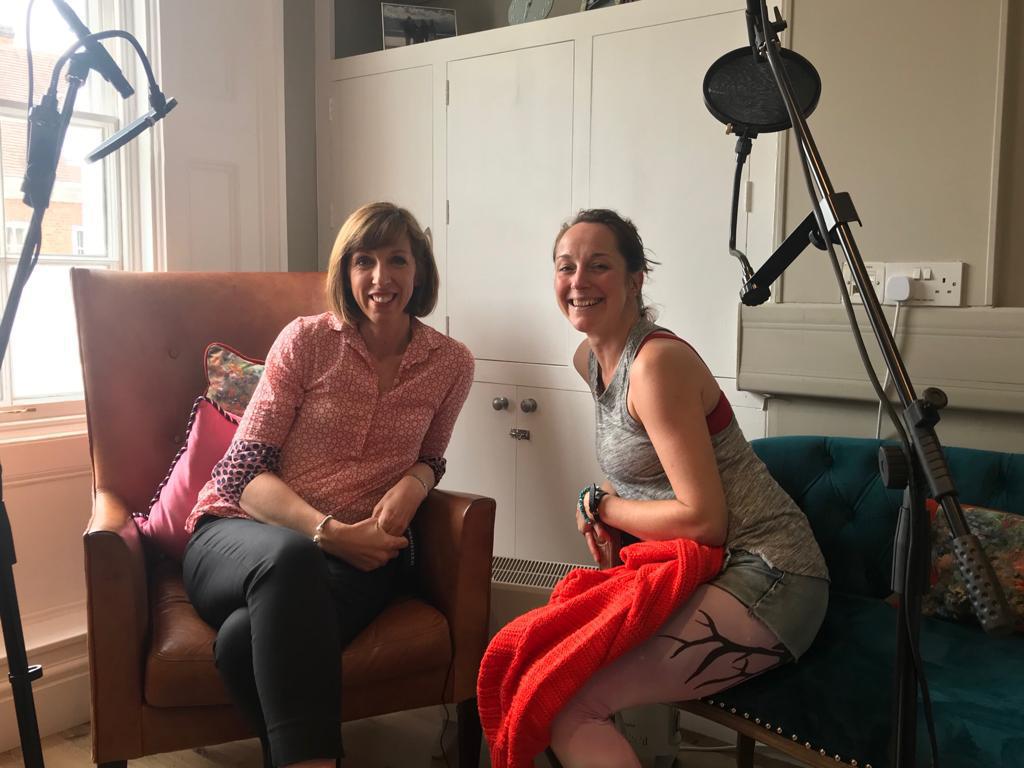
Lucy Holtom is a yoga teacher who works closely with Dr Newson here at Newson Health Menopause and Wellbeing Centre. Lucy runs 'Living Your Yoga' and her classes encourage attendees to take time to connect with their inner world through ancient Yogic practices. These practices include co-ordinating the breath with movement; attention to alignment; seeking focus and balance; and finding comfort in challenging the body to open and release the accumulation of tension from life’s day-to-day habits. In this episode, Lucy talks to Dr Newson all about how yoga can nourish, restore and release physical, mental and emotional constraints, whilst building inner strength and confidence. www.livingyouryoga.co.uk Lucy's Three Take Home Tips for Yoga Beginners: If you want to try a class, look for recommendations from others and chat to different teachers to find what's right for you. Wear comfortable clothing - you don't need to spend money on new yoga outfits, just wear whatever you can move freely in. Go with an open mind and enjoy!
016 - The Importance of a Plant-Based Diet - Edward Joy & Dr Louise Newson
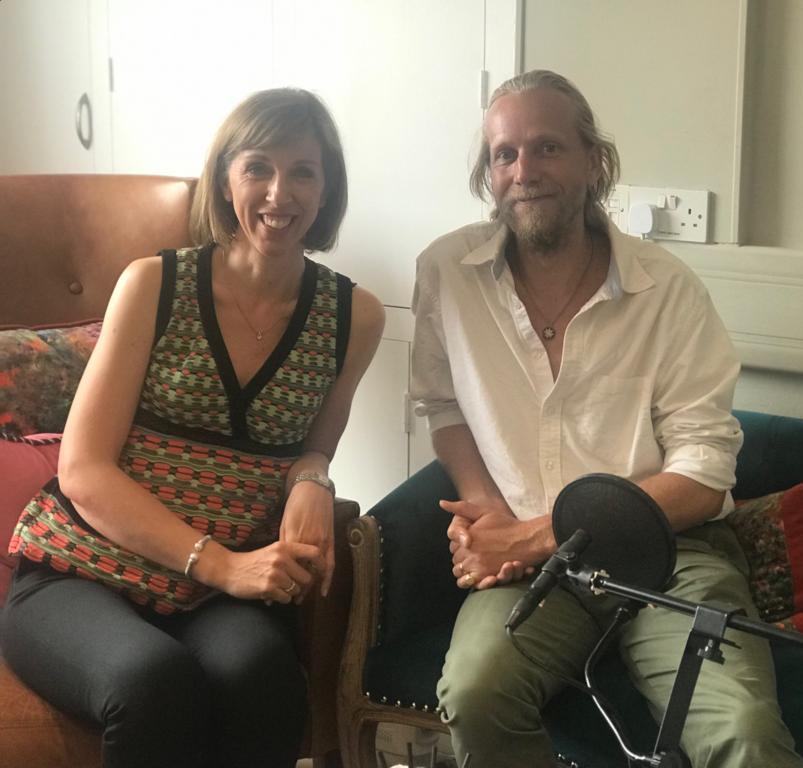
Edward Joy has over 20 years’ experience as a complimentary healthcare practitioner, as an ethnobotanist Edward spends much of his time studying the components of plants in an aim to understand their nutritional benefits but he also adopts naturopathy into his practice. Edward contributes regularly to articles for Only Natural and Holistic Therapist magazines. His informal lectures and herb walks are attended by health professionals in the UK and throughout Europe from Ireland to Italy. For the past 12 years Edward has worked closely with the Naturopathic Supplements Company, Bionutri, where his work includes procurement and product development. Working with an ingredient is one thing, ensuring the ingredient has benefit is Edward’s particular point of interest. In an informal conversation with Dr Louise Newson, Edward Joy discusses the way herbs influence our health, particularly when integrated into the diet. Edward Joy's Three Take Home Tips: When it comes to the menopause, don't deny it. Don't look for foods and herbs that can 'turn back the clock', look for ways to support and facilitate this time in your life. Think about supplements but do your research and look for the best quality. Be true to yourself! Be honest about your diet and nutrition and the areas you might be able to improve.
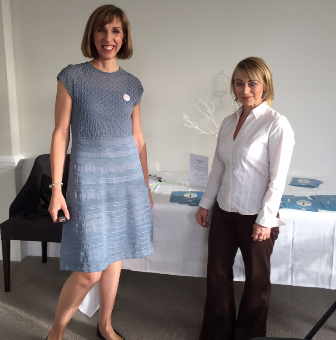
015 - Menopause and Nursing - Diane Porterfield & Dr Louise Newson
Diane Porterfield-Bourne is a Nurse Practitioner with over 30 years nursing experience. She runs www.bourne2care.co.uk and provides menopause education talks in the workplace and through organised events. She is committed to raising menopause awareness and feels very passionately about women's health and how menopause can affect women physically and emotionally. In this episode, Diane talks to Dr Newson all about her work as well as the ways she works with menopausal women from different ethnic minorities. Diane Porterfield-Bourne's Three Take Home Tips: Read up on the menopause and discover how it may affect you. Talk to your GP and arm yourself with the correct, evidence-based information. Be open and honest with your families. Explain how you are feeling so they can support you.
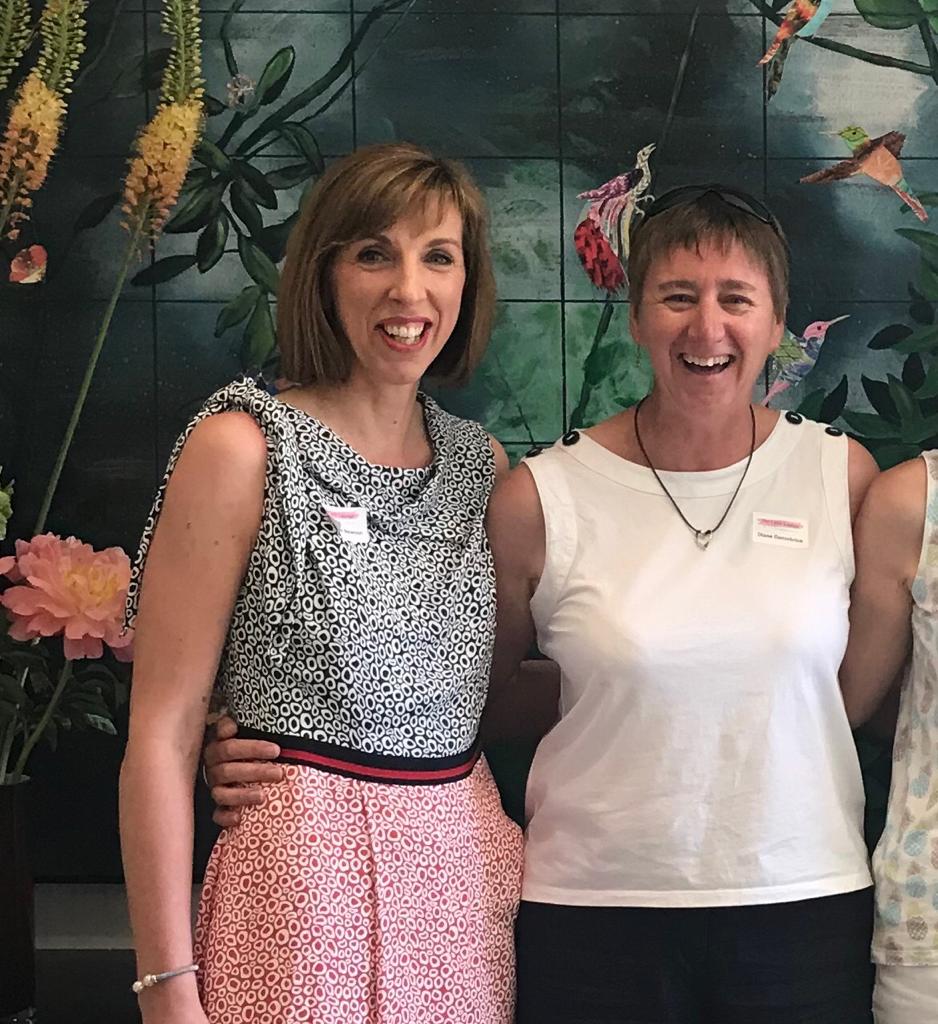
014 - Getting the right menopause information - Diane Danzebrink & Dr Louise Newson
In this episode, Dr Louise Newson talks with Diane Danzebrink, both very passionate campaigners on the subject of improving menopause education for women. The two experts discuss the current HRT shortages and media reports following the recent HRT scare and give women the real facts, talking about their grave concerns that women are going to be denied HRT by their doctors for the wrong reasons and how women need to be given the right information to challenge this. Diane Danzebrink's Three Take Home Tips: Don't panic! Don't believe the headlines - go find factual evidence-based advice Take someone with you to your doctor's appointment if you're feeling nervous, and before you visit, look at the Menopause Doctor website for information, visit the Menopause Support website and download the 'Ten things your GP should know about the menopause'
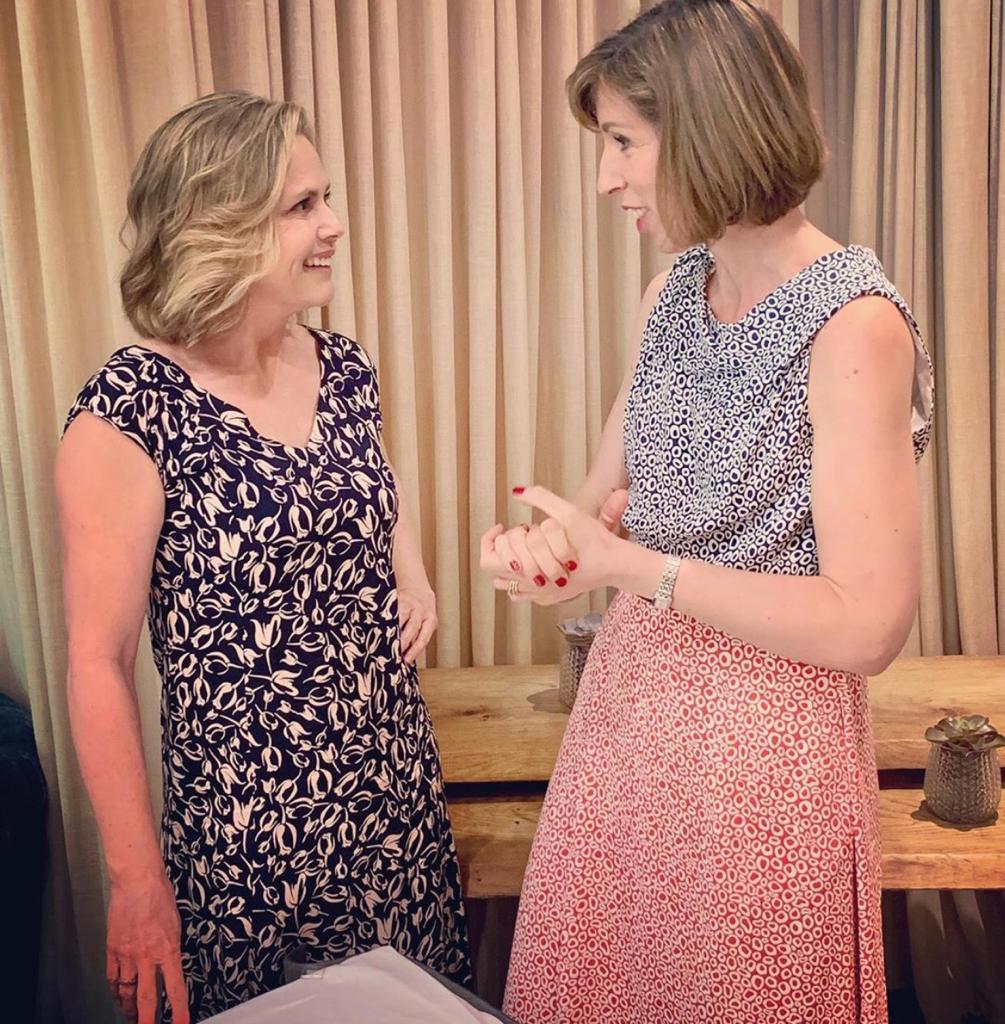
013 - HRT and Breast Cancer - Liz Earle MBE & Dr Louise Newson
In this episode, Dr Newson is joined by Liz Earle MBE and together they discuss the recent research that was published in the Lancet, concerning the link between HRT and breast cancer. They talk about what this research means to women and discuss other evidence regarding the benefits of taking HRT. www.lizearlewellbeing.com Liz Earle's Three Take Home Tips about HRT: Don't believe everything you see in the headlines - do your research and don't panic! Read up on the subject and listen to experts. Look at all of your symptoms - menopause is so much more than hot flushes and it doesn't need to affect your quality of life.
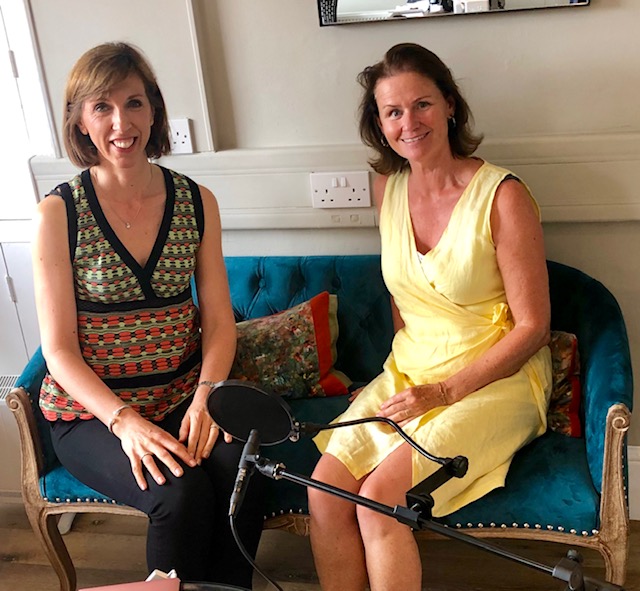
012 - Gut Matters - Emma Ellice-Flint & Dr Louise Newson
In this episode Dr Newson and qualified nutritionist and chef Emma Ellice-Flint, talk about gut matters, microbiome research and what foods can make a difference to the gut and whole body health. Topics discussed include: Control how you feel through what you eat, bidirectional communication to/from gut and the brain. The time it takes to make a change to your gut microbiome through what you eat. Fecal transplants, what it is and some recent research. Different types of prebiotics and probiotics and what they are, including kefir, kombucha, sauerkraut, kimchi. Getting variety into everyday eating, making vegetables the center of your dish. Which good fats to especially eat - extra virgin olive oil, nuts and seeds, avocado, seafood. Digestion and the anticipation of eating on digestion. Fasting and ways of doing it. Variety - pushing out your food choices to include more varieties of fruit and vegetables. Individual - what suits one person may not suit another, learn to understand what works best for you. Sleep - good habits around sleep and what you might be able to improve to have a better night's sleep. Read more about Emma on her website here and follow Emma on Instagram and Facebook. Read about Emma’s cookbooks here. Emma's Three take Home Tips for Gut Health: Variety is important! Especially when it comes to vegetables - try to mix it up and try new things. We are all individual and what works for one person when it comes to weight loss, bloating, hormone balance etc might be different for another. Find out how your body works! Sleep is so important. We make better food choices when we are well rested.
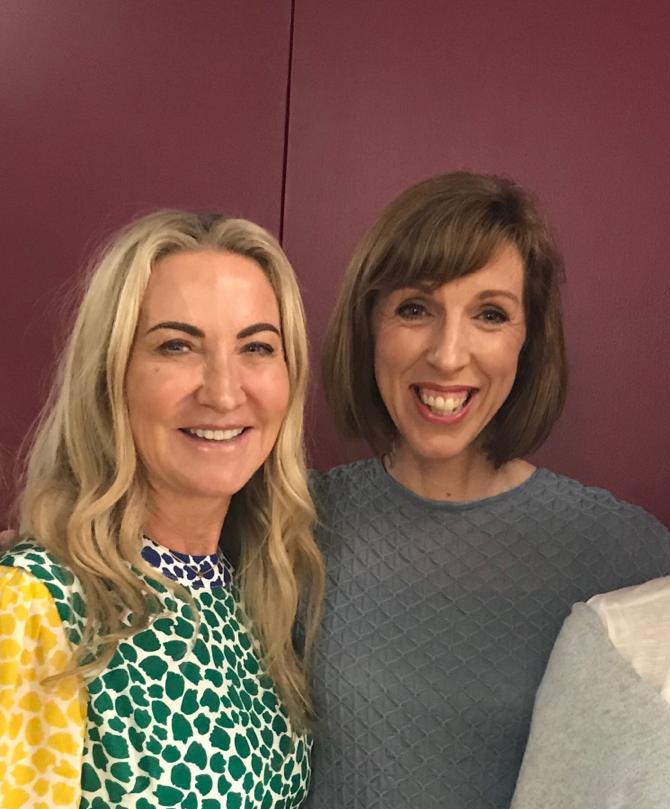
010 - MegsMenopause - Meg Mathews & Dr Louise Newson
In this episode, Dr Newson is joined by former music industry PR guru Meg Mathews. Together, they discuss Meg's reasons for creating her website, MegsMenopause, and why she has worked so hard to improve menopause education for women. Meg talks very openly about her dreadful menopause experience and how she had no idea what was happening to her - as indeed so many women don't. Thankfully she is so much better now, taking the right dose and type of HRT. Meg works tirelessly to educate women (and men) about the menopause and how it can affect their lives. In this podcast, Dr Newson and Meg discuss the different ways women can receive the right help and advice. Meg's Three Take Home Tips: Share with your family! Your symptoms may also affect those closest to you so it could be helpful to share how you are feeling and why. If you have an inkling of any menopausal symptoms, fill out this questionnaire - if you have 5 or more symptoms then you may want to go and see your GP. Self love! Things can feel so overwhelming during the menopause so take time for yourself and put yourself first. www.megsmenopause.com
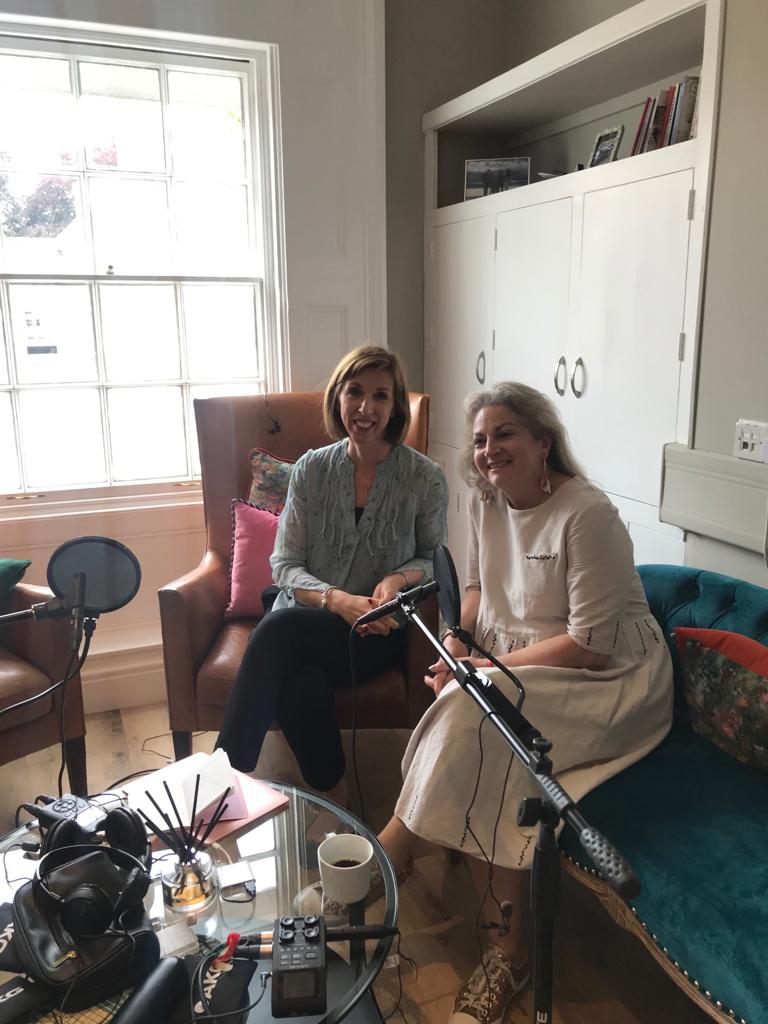
009 - Gynaecologial Cancers & Eve Appeal - Athena Lamnisos & Dr Louise Newson
Athena Lamnisos is the Chief Executive of the Eve Appeal which the only UK national charity raising awareness and funding research into the five gynaecological cancers – womb, ovarian, cervical, vulval and vaginal. In this episode Dr Louise Newson and Athena talk about the importance of diagnosing these cancers early which leads to better outcomes for women. Many women are ignoring signs of potential cancer such as vaginal bleeding due to fear or denial which needs to change. Athena talks about ways the charity is working to improve early detection of cancers and also with the research they are involved in and the discussion also includes managing menopause in women who have had treatment for their cancer and how important it is for them to receive the right treatment and advice. Athena's Three Take Home Tips for Understanding your Gynae Health: You need to know your menstrual health and cycle and know what's normal for you. If you no longer have periods, you need to know when your last one was. We need to break down the stigma and taboo around gynaecological health. Learn and use the correct terminology for your body parts so you can describe any symptoms properly. Know your body! Have a look at your vulva and know what is normal for you. This will help so much should you have to explain anything to a medical professional. https://eveappeal.org.uk/
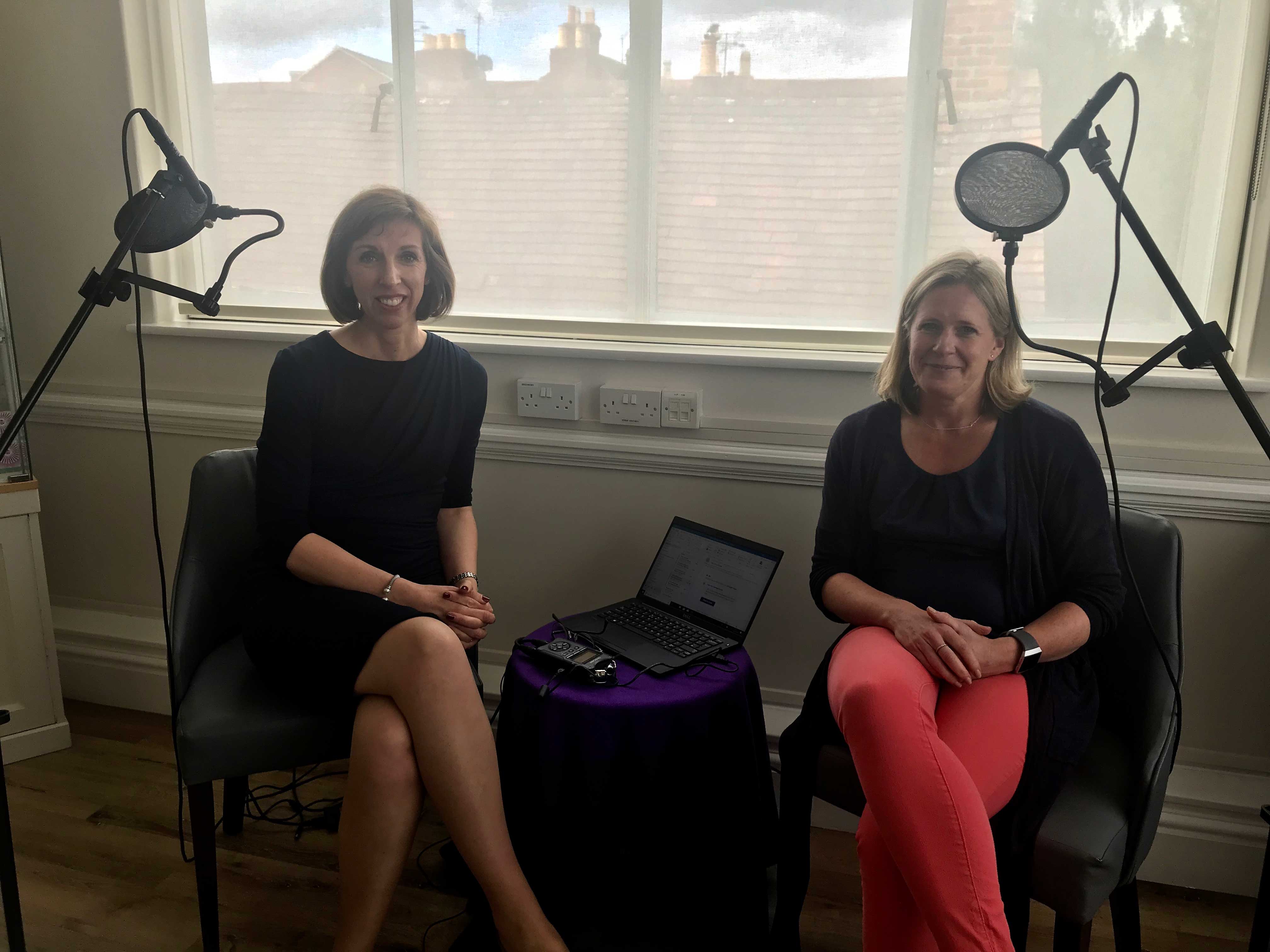
008 - Migraines & Menopause - GP & Menopause Expert Dr Sarah Ball & Dr Louise Newson
Migraines and worsening headaches can be a very common symptom of the perimenopause and menopause. In this podcast, Dr Louise Newson speaks with Dr Sarah Ball who explains why this can occur and ways of managing migraines for women who have changing hormone levels. Many women wrongly believe they cannot take HRT if they have a history of migraine, so this myth is discussed and the correct advice given. In addition to taking HRT, there are numerous lifestyle measures that can improve migraines which are also discussed. Dr Sarah Ball's Three Take Home Tips About Menopause and Migraines: Look back at your reproductive cycle as a whole, particularly when your periods first began and when on different contraceptives. Are there any patterns? Keep a headache diary - this can be so helpful! Always look at your lifestyle first as there are lots of helpful changes that can be made. However, don't forget to consider your hormones as this could well be the source of the problem. Learn more about Dr Sarah Ball
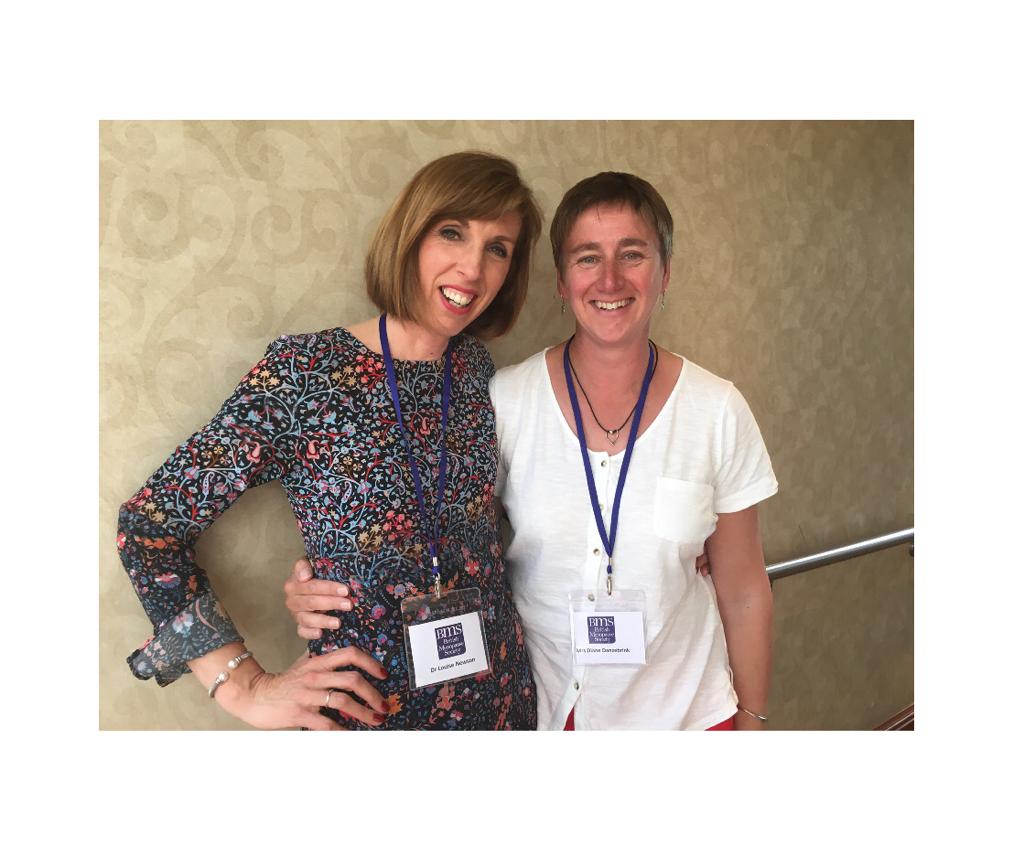
007 - Campaigning for improved menopause care - Diane Danzebrink & Dr Louise Newson
Diane Danzebrink is a psychotherapist, menopause expert, wellbeing consultant and also a great friend of Dr Newson. She is tirelessly campaigning for improved care and support for menopausal women having personally had a dreadful experience of the menopause after an operation to remove her ovaries to the extent she became suicidal. Diane always promised her husband that if she ever improved then she would campaign and fight so that other women do not suffer in the way she did. In this episode, Dr Louise Newson and Diane discuss the #makemenopausematter campaign Diane has introduced, which now has an impressive 27,000 votes. The aims of this campaign are to improve menopause education amongst doctors and to raise awareness of the menopause within the workplace. The third aim of the campaign has been achieved – which is discussed in this podcast! Dr Newson and Diane also talk openly about the challenges they are experiencing in improving menopause care and education globally. Diane's Three Take Home Tips for Getting the Right Menopause Care: If you are in your early 40s, educate yourself and get a general understanding of what menopause is and what it might bring. Menopause does not have to be negative! This time in your life should be for reflecting on your life and re-setting your goals for the future. If you're listening and are currently going through the perimenopause or menopause, you are not alone! There are places, such as Menopause Support, where you can talk to like-minded women and get support. There are also so many resources such as menopausedoctor.co.uk where you can find evidence-based advice. Visit the Menopause Support website here
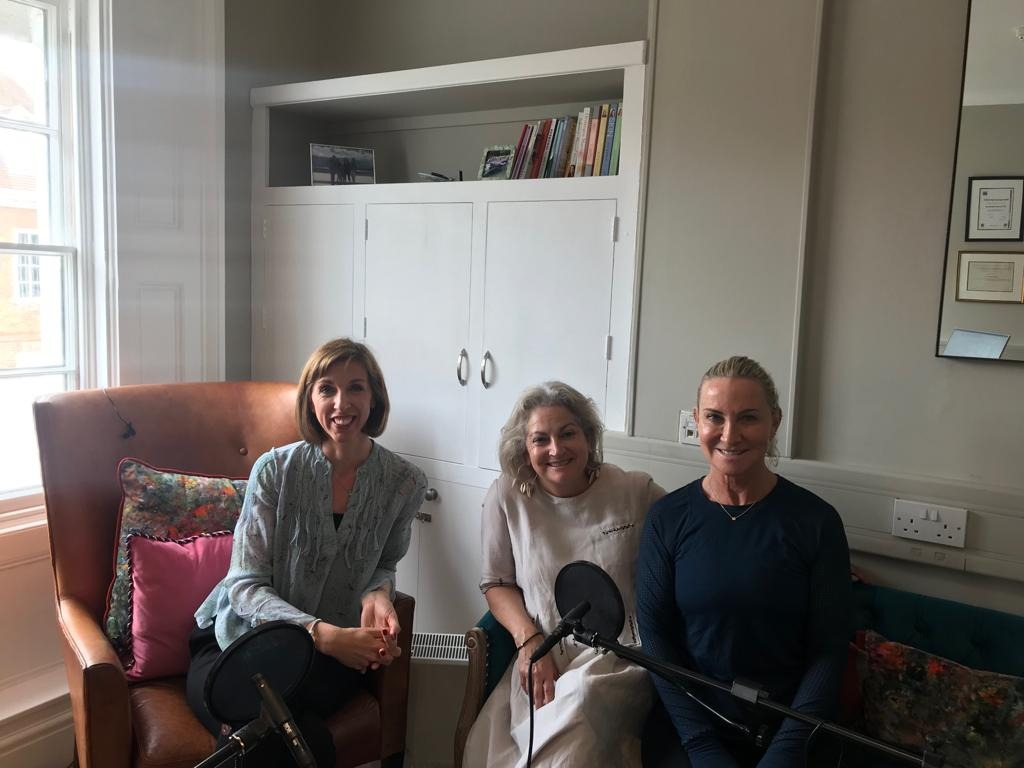
006 - Importance of discussing menopause early - Meg Mathews, Athena Lamnisos & Dr Louise Newson
Dr Newson talks with Meg Mathews & Athena Lamnisos, CEO of charity Eve Appeal, about best times to discuss menopause with women & children. Menopause being on the curriculum has had a mixed response, but as it can cause many different symptoms, which can go unrecognised for years, it’s essential we start the conversation early so children can recognise potential symptoms in themselves & others & become aware of the health risks of the menopause & optimise health. The Eve Appeal Meg's Menopause
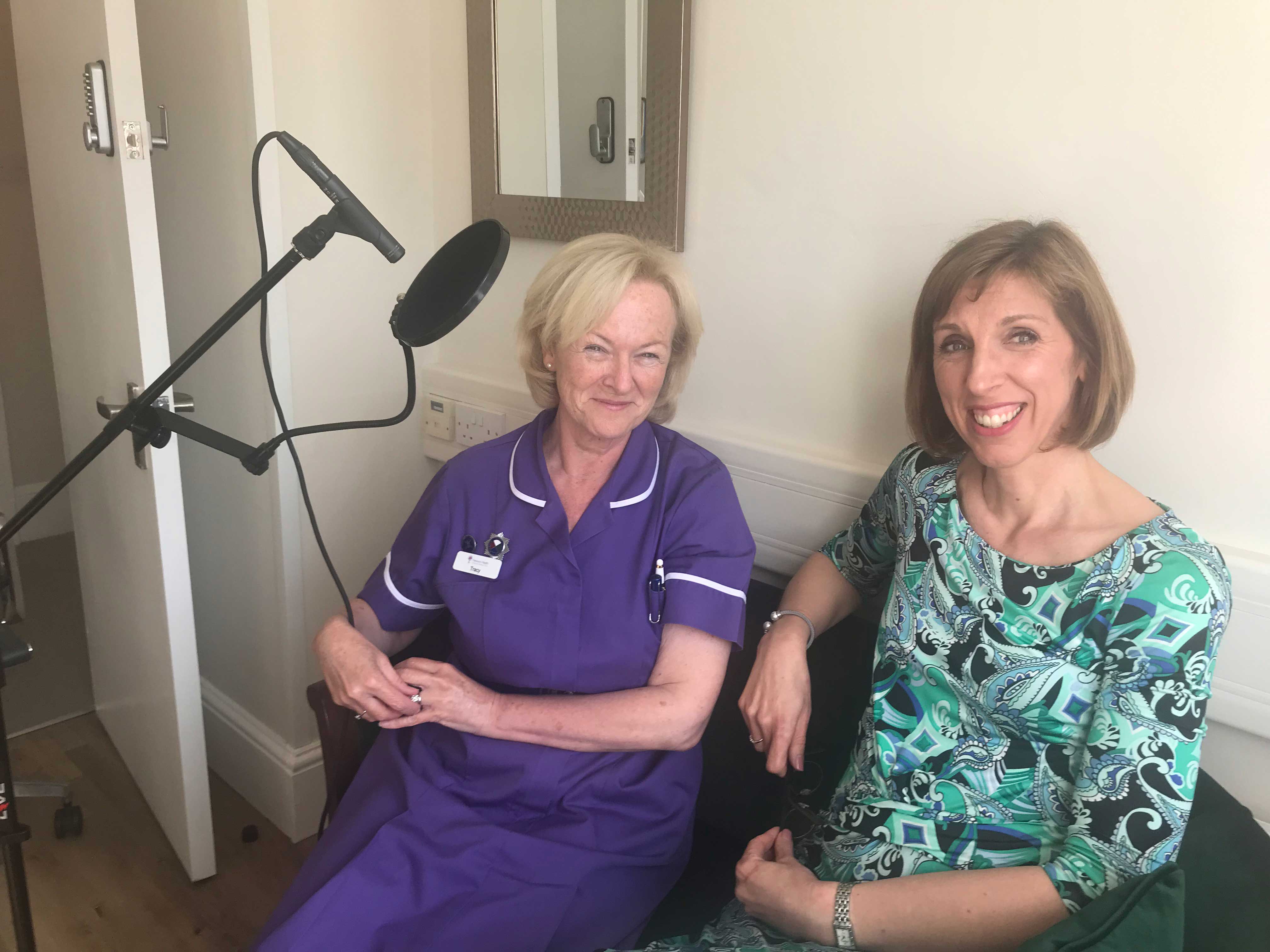
005 - Comparing hormones in menopausal women to teenagers - Nurse Tracy Rutter & Dr Louise Newson
Dr Louise Newson discusses changing hormones with Nurse Tracy Rutter, who has had an interesting & varied career as an army nurse & a school nurse. Tracy talks about changing hormones in adolescent girls & comparisons with changing hormone levels in perimenopausal and menopausal women, her own experience of surgical menopause, how balancing her hormones really improved the quality of her life & her experience of working in the Menopause and Wellbeing Centre. Tracy's Three Take Home Tips: Don't put yourself on the back burner any more! Be brave and seek the right advice and treatment. That 'me time' is really important - remember to take care of yourself. Start keeping a diary to record your symptoms and how you are feeling. It can be helpful for your own mind and also when you visit your GP. Learn more about Nurse Tracy Rutter