The Doctor's Kitchen Podcast
434 episodes — Page 1 of 9
How to lower inflammation from morning to evening | Dr Jenna Macciochi
Professor shares 8 foods to lower inflammation and help you age slower | Professor Robert Thomas
Obesity professor explains 5 reasons why calories don't count and what to focus on instead | Professor Giles Yeo
The 3 macronutrients of happiness and how to build them into your life | Professor Arthur Brooks
A nutritionist’s guide to 30g of protein and over 10g of fibre in every meal | Dominique Ludwig
4 ways your thoughts affect your metabolism, gut and longevity | Sarah Ann Macklin
5 signs of low fibre and how to eat 30g a day without getting bloated | Dr Emily Leeming
5 foods to lose fat, regulate your appetite and improve your metabolism without counting calories | Dr Federica Amati
4 ways to ease bloating, constipation and improve your gut health beyond diet | Dr Rabia Topan
Think clearer and feel calmer with these 7 food strategies from neuroscientist Dr Miguel Toribio-Mateas
7 Health benefits of fibremaxxing and how to build a high fibre diet | Dr Karan Rajan
What to do when you feel overwhelmed and can't switch off | Dr Julie Smith
5 Gut health habits that improve eczema, acne and psoriasis | Farzanah Nasser
Can ayurveda improve your health with food, herbs and daily routines? | Dr Vijay Murthy
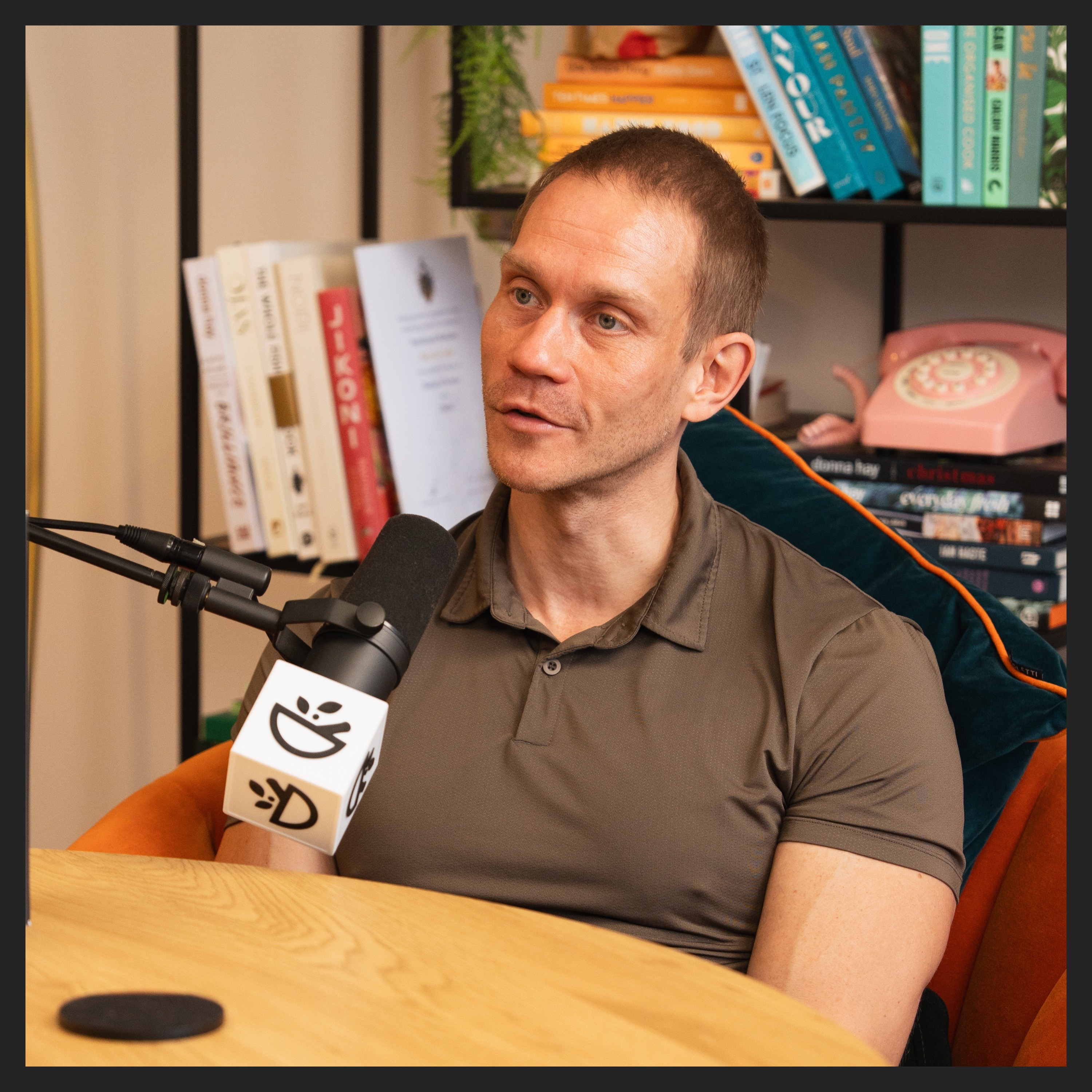
7 Habits a neuroscientist swears by to keep your mind sharp at any age | Dr Tommy Wood
One of the biggest myths about brain health is that decline is inevitable as we get older. That at some point our memory fades, our thinking slows down, and there’s not much we can do about it.My guest today argues the opposite.Dr Tommy Wood is a neuroscientist, Professor at the University of Washington, and performance consultant to world-class athletes.He’s published more than 100 scientific papers and has lectured all over the world on brain health, metabolism, physical activity and human performance.He’s also the author of the brilliant new book The Stimulated Mind: Future-Proof Your Brain from Dementia and Stay Sharp at Any Age (Harmony, March 2026).It’s a really practical conversation about small, everyday habits that can keep your mind 🧠 sharper for longer, without needing extreme diets or stacks of nootropics.He walks us through 3 powerful levers to sharpen your mind:How to stimulate it with specific exercises and mental challengesHow to supply it with key nutrientsAnd how to support it by changing your perspective on stress and sleepI’ve already changed a few simple things in my daily routine, and I’ve been sharing it with friends and family because this is something that really matters to most of us: keeping our minds sharp through life. I hope you find this conversation as useful and motivating as I did.If you want specific recipes and meal ideas, we have a whole brain‑healthy collection on the Doctor’s Kitchen app and website to help you put these principles into practice straight away.🎬 Watch the podcast on YouTube here📱 Download The Doctor’s Kitchen app🌐 View full show notes, including guest details, on our website☕️ Try Exhale Coffee here🥗 Join the newsletter and receive a 7 day meal plan📷 Follow on Instagram Hosted on Acast. See acast.com/privacy for more information.
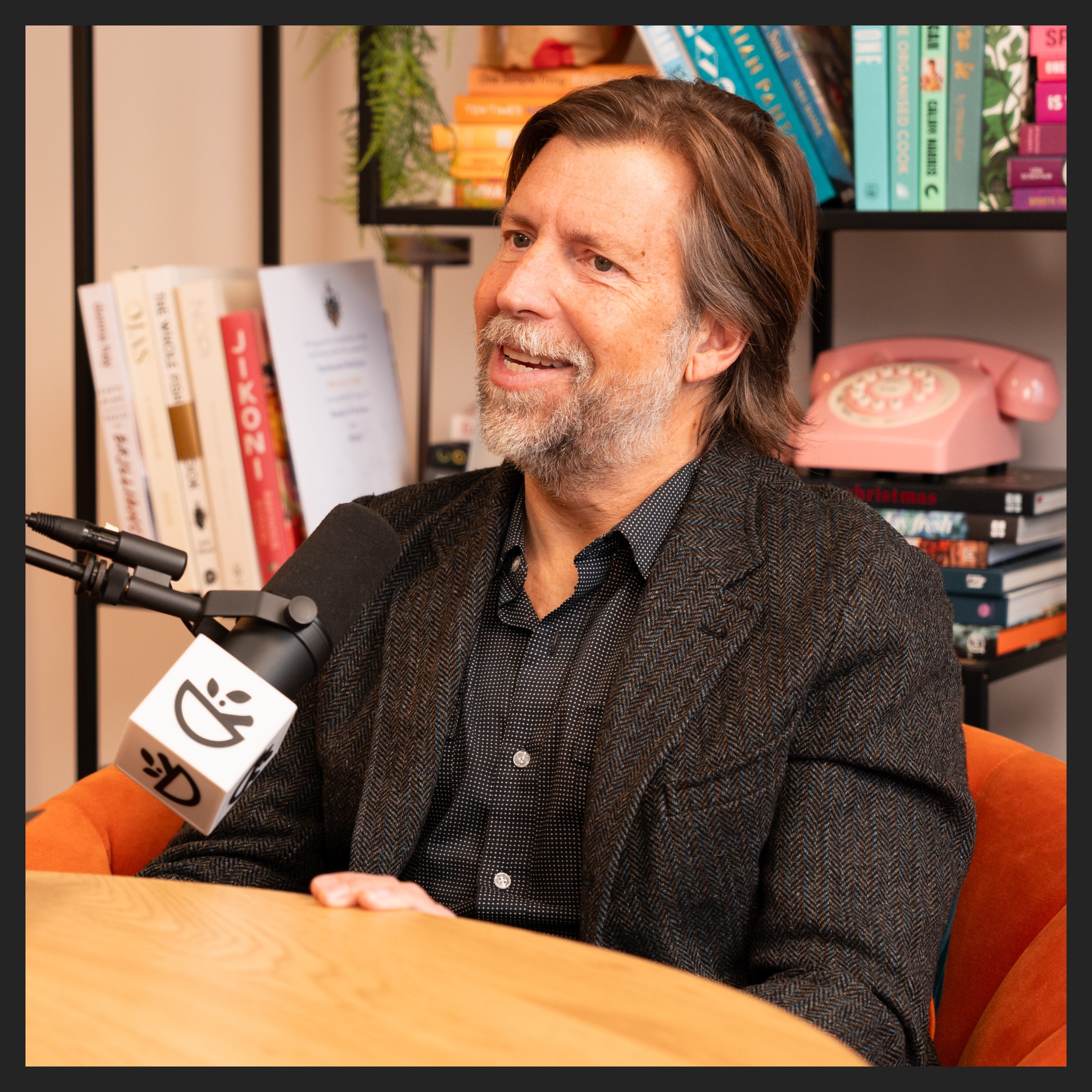
How to use your breath to sleep better, stress less and live longer | James Nestor
We breathe over 20,000 times a day. Those breaths do far more than just keep us alive. They shape your sleep, your focus, your energy, even your blood pressure and long-term risk of disease.That’s over 20,000 opportunities to support your health, every single day.The challenge is that modern life makes it harder to breathe well. We sit hunched over laptops, we’re constantly switched on, we chew softer foods, and many of us mouth-breathe, especially at night. My guest today is on a mission to improve our health through our breath.James Nestor is an award-winning science journalist and author of the bestseller “Breath”. He’s travelled the world to understand how our breathing has changed, and most importantly, what simple, practical steps we can take to improve it.This episode genuinely shifted things for my team and me. I hope it inspires you to make a few small changes too. And if you know a committed mouth breather, send it their way.We cover:The risks of mouth breathing and James’ 10-day experimentWhy nasal breathing makes such a differenceTips for a blocked nose or deviated septumHow to train your diaphragm for easier breathingWhy softer modern diets can affect your airwaysWhether “mewing” is worth tryingEasy breathing habits you can start today🎬 Watch the podcast on YouTube here📱 Download The Doctor’s Kitchen app🌐 View full show notes, including guest details, on our website☕️ Try Exhale Coffee here🥗 Join the newsletter and receive a 7 day meal plan📷 Follow on Instagram Hosted on Acast. See acast.com/privacy for more information.
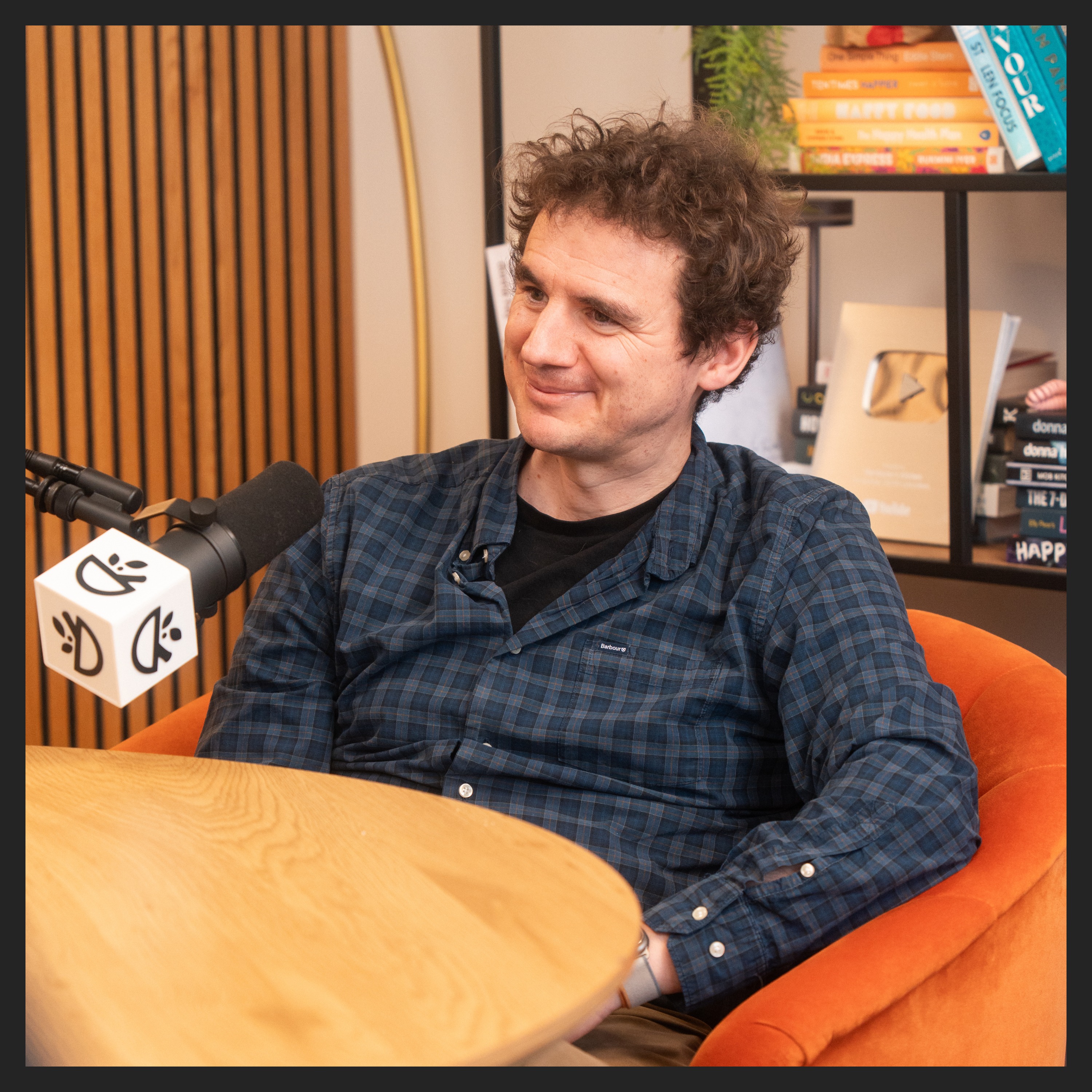
#337 Why Mould Harms Your Health and How to Protect Yourself | Dr Peter Cook PhD
I talk a lot about what we eat for our health. But what about the air we breathe at home?If you or your kids have asthma, constant sniffles, a lingering cough, sinus issues, or you’ve noticed damp patches and that musty smell, this episode could change how you think about your home.As a new dad, I'm personally really interested in how our home environment shapes early immune development. This conversation made me think differently about ventilation, condensation and what really matters.My guest is Dr Peter Cook, a Wellcome Trust Sir Henry Dale Fellow at the MRC Centre for Medical Mycology at the University of Exeter. His research looks at how airborne fungal spores interact with the immune system and drive allergic and asthmatic disease, an area that has been surprisingly neglected.In this episode, we go into:What mould actually is and when it becomes a problemWhat is a safe level of mould?How mould exposure can trigger asthma and allergic diseaseWho’s most at riskWhether mould testing kits are worth your moneyIf dehumidifiers and air purifiers actually workPractical steps you can take this week to reduce your exposure and protect your health🎬 Watch the podcast on YouTube here📱 Download The Doctor’s Kitchen app🌐 View full show notes, including guest details, on our website☕️ Try Exhale Coffee here🥗 Join the newsletter and receive a 7 day meal plan📷 Follow on Instagram Hosted on Acast. See acast.com/privacy for more information.

#336 Whether Antidepressants Actually Work and the Myth of Serotonin Imbalance | Professor Joanna Moncrieff
Today we’re having an uncomfortable but very necessary conversation about antidepressants and the theory that these drugs work for those with depression by correcting imbalanced chemicals in their brain.Our guest to discuss this topic is Joanna Moncrieff, a Professor of Psychiatry at University College London, and works as a consultant psychiatrist in the NHS. She is author of numerous scientific papers including a major review that showed there was little evidence to support the idea that depression is caused by a serotonin abnormality. Her most recent book "Chemically Imbalanced: the making and unmaking of the serotonin myth” is what we’re going to be discussing today.This was a complete eye opener for me. For years I believed in the pharmaceutical washed message that antidepressants worked because of a genuine brain chemical imbalance that we corrected with medications. This is not proven.Today we’ll discuss over-use and misrepresentation of psychiatric drugs in the public sphere, the changing philosophy of mental health and how we got to a point where over 8 million people in the UK use antidepressants.We discuss what serotonin is, how we measure it in the body, why the imbalance theory is inconclusive, whether antidepressants have good evidence that they work and their many side effects.I want to make it clear that this episode is not meant to shame or belittle anyone on medications for mental health, but provide accurate information about how we can safely treat these problems and offer informed consent weighing up the pros and cons of medications like antidepressants. The use of these medications has well recognised withdrawal and dependency effects and should not be stopped without strict supervision of your medical practitioner. We’ve also linked to the Maudsley deprescribing guidelines here in the show notes for practitioners educating themselves on how to do this with their patients.Chemically Imbalanced BookWebsite: https://joannamoncrieff.com/🎬 Watch the podcast on YouTube here📱 Download The Doctor’s Kitchen app🌐 View full show notes, including guest details, on our website☕️ Try Exhale Coffee here🥗 Join the newsletter and receive a 7 day meal plan📷 Follow on Instagram Hosted on Acast. See acast.com/privacy for more information.

#335 Saliva Tests, Poop Cameras, Digital Coaches and What the Future of Health Looks Like with Lara Lewington
Even though I’m a skeptic I love health tech. I wear a wearable, I play with red light therapy gadgets and I monitor my bloods more regularly than a lot of my peers. Rather than being overwhelmed with the data, I thrive in it, and I’m able to reasonably weigh up the information from all these inputs because of my experience of being a medical doctor for over 15 years.But with so much health tech interest, the landscape has become confusing and it can be hard to separate health from hype.So we’re chatting to Lara Lewington today who’s covered some of the world’s greatest innovations, presenting the BBC’s flagship technology show, Click and many more. She’s explored Artificial Intelligence in health, the use of home hormone testing and whether there are any devices that can actually help us meditate better.This is a super fun episode where we discuss what tech is available today that can help us eat, sleep and exercise better as well as stress less and prevent disease. I learnt both about the world of breath testing to guide our food choices, an app to help you with jet lag, as well as the potential for intelligent and personalised cancer screening.Hacking Humanity dives into this and a lot more, which is available in all good bookstores.Some of the products discussed include:WhoopOuraOmedDexcom and Abbot CGMsTimeshifter AppEli HealthBrainPatch AIGrail TestingTruecheckEzra🎬 Watch the podcast on YouTube here📱 Download The Doctor’s Kitchen app🌐 View full show notes, including guest details, on our website☕️ Try Exhale Coffee here🥗 Join the newsletter and receive a 7 day meal plan📷 Follow on Instagram Hosted on Acast. See acast.com/privacy for more information.
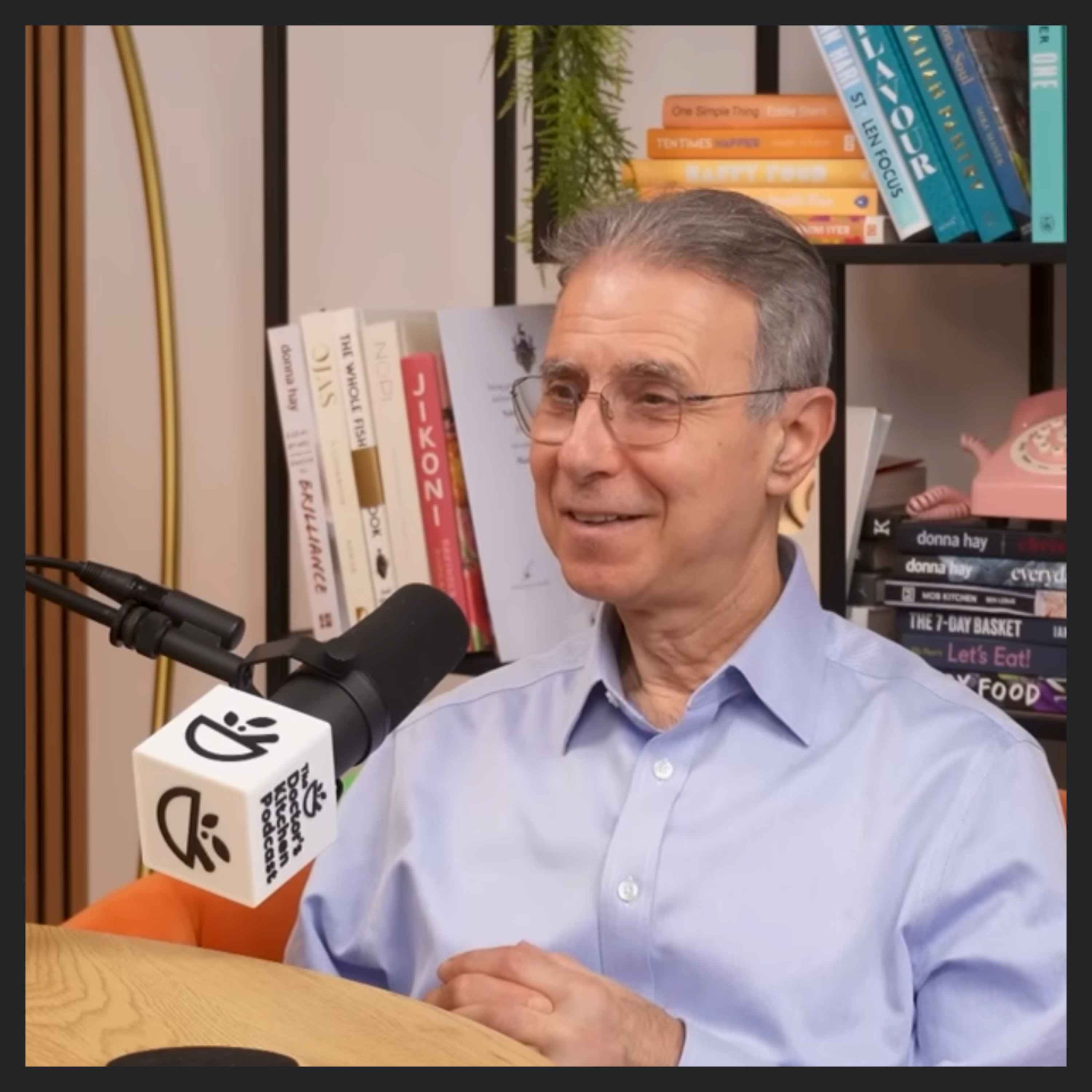
#334 The One Pesticide Everyone is Exposed To and Why It Should Be Banned | Prof Michael Antoniou
Glyphosate is the world’s most widely used weedkiller. It’s found on farms, in parks, and in over 50% of UK urine samples. Today you’re going to find out more about its impact on human health and why it should be banned, from Professor Michael Antoniou.Professor Michael Antoniou is a molecular geneticist and gene engineering expert at King’s College London, whose research explores how agricultural chemicals like glyphosate affect our bodies, our microbiome, and our long-term health.We discuss: 🌿 What glyphosate actually is and how it works by blocking a crucial enzyme in plants and microbes. ⚗️ Why it was deemed safe and why new evidence suggests we may have underestimated its risks. 🧠 The latest research linking glyphosate exposure to gut microbiome disruption, liver disease, and cancer. 🥦 Which foods carry the highest residues and whether washing, peeling, or buying organic makes a real difference. 🧬 How chronic exposure builds up in the body and what steps you can take to reduce your exposure today.Professor implores everyone to support the PAN movement to prevent glyphosate use in towns and across the UK food supply. You can check out the link to help create pesticide free towns here. https://pan-uk.eaction.org.uk/pesticide-free-towns🎬 Watch the podcast on YouTube here📱 Download The Doctor’s Kitchen app🌐 View full show notes, including guest details, on our website☕️ Try Exhale Coffee here🥗 Join the newsletter and receive a 7 day meal plan📷 Follow on Instagram Hosted on Acast. See acast.com/privacy for more information.
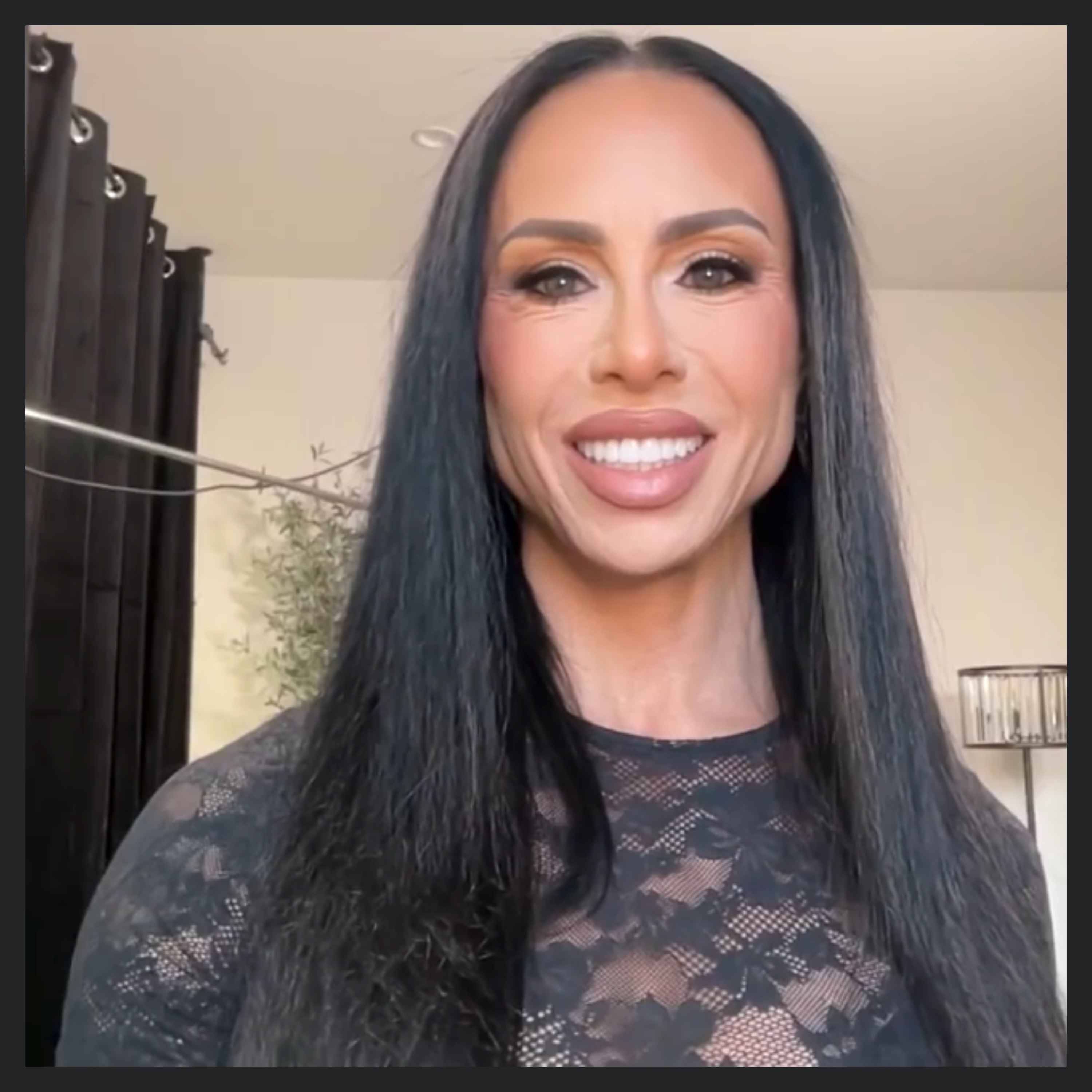
#333 Why Muscle Is the Organ of Longevity with Dr Gabrielle Lyon
We’ve long been told that health starts in the gut, but what if the key to ageing well begins with your muscles?This week I’m joined by Dr Gabrielle Lyon, physician, author of Forever Strong, and founder of the muscle-centric medicine movement. Gabrielle’s work reframes how we think about muscle not just for strength or aesthetics, but as a powerful metabolic and endocrine organ that drives longevity, energy, and resilience.In this episode we discuss: 💥 Why muscle is the foundation for metabolic health 🥩 How much protein you really need and how to get it right 🏋️ How good muscle health impacts, inflammation and brain function 🧘♀️ The mindset shifts that make new habits actually stick and why we need to think about “standards” rather than goalsWhether you’re in your 30s trying to stay active, or in your 60s building strength for life Gabrielle is going to get you pumped about getting pumped! After recording this pod I wanted to run to the gym and start working out with those kettle bells! Dr Lyon's new book - The Forever Strong Playbook - is released on 27th January 2026.🎬 Watch the podcast on YouTube here📱 Download The Doctor’s Kitchen app🌐 View full show notes, including guest details, on our website☕️ Try Exhale Coffee here🥗 Join the newsletter and receive a 7 day meal plan📷 Follow on Instagram Hosted on Acast. See acast.com/privacy for more information.
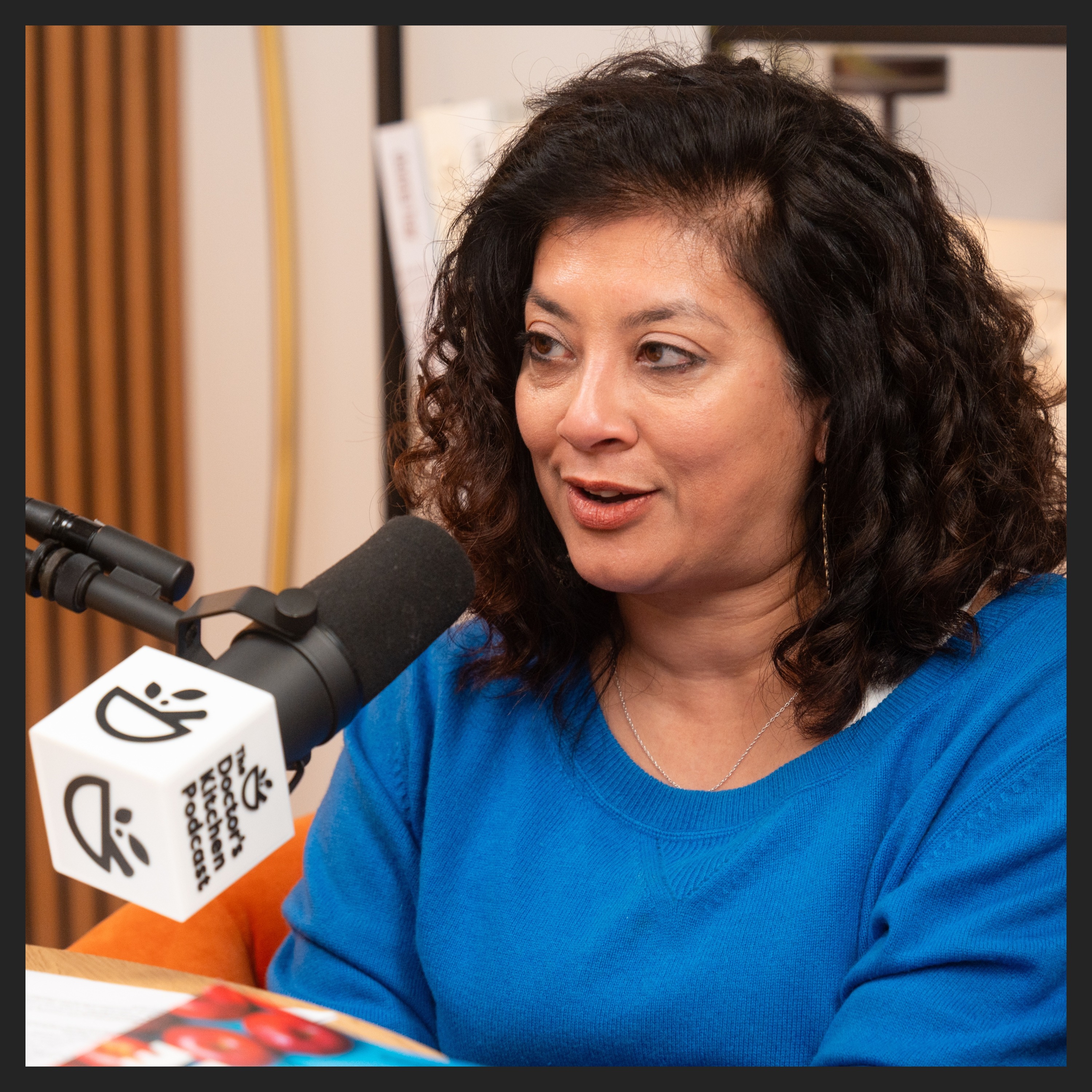
#332 How Eating Local, Organic food Is Best for Environmental Health | Mallika Basu
What we eat isn’t just about taste or health, it’s shaped by a powerful global system that connects farmers, supermarkets, climate, and culture.This week I’m joined by Mallika Basu, food writer, consultant and author of the new book ‘In Good Taste’, to unpack how our everyday food choices link to much bigger issues from biodiversity loss to culture, inequality and the economy.But this is a conversation about sustainable eating from a food lover's perspective.You’re going to find out …🐟 Why I may have to adjust my fish eating habits to avoid or reduce salmon 🍅 How traditional diets are climate friendly, and delicious! 🌱 Whether regen and organic farming is worth itThis is a conversation about how we can all influence the future of food through our choices and our love of cooking.🎬 Watch the podcast on YouTube here📱 Download The Doctor’s Kitchen app🌐 View full show notes, including guest details, on our website☕️ Try Exhale Coffee here🥗 Join the newsletter and receive a 7 day meal plan📷 Follow on Instagram Hosted on Acast. See acast.com/privacy for more information.
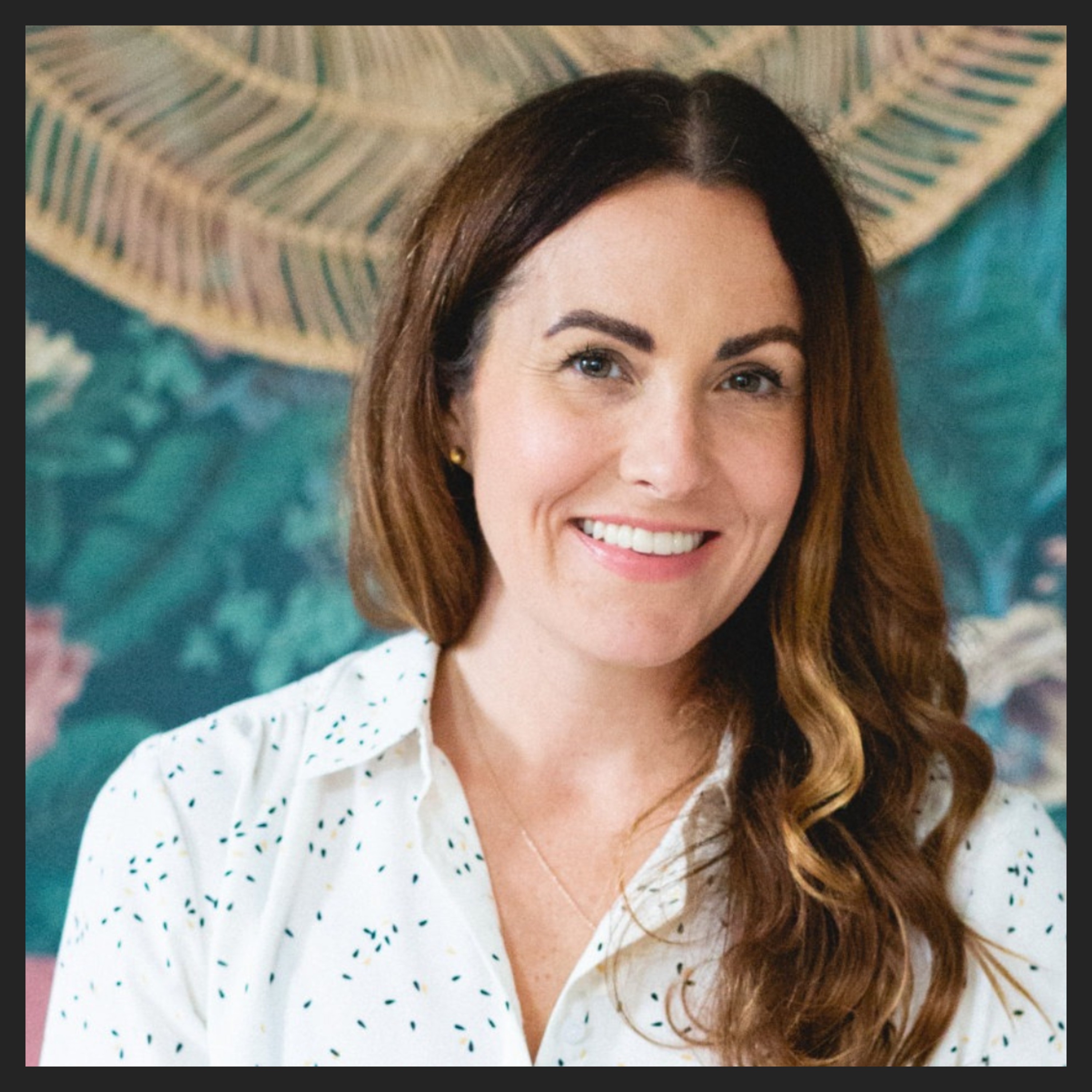
#331 Should We Avoid Fluoride and Is Mouthtaping Actually Worth It? | Dr Staci Whitman
Your mouth isn’t separate from the rest of your body, it’s a key part of your airway, your microbiome, and even your inflammation levels. In this episode, I’m joined by Dr Staci Whitman, functional dentist, to explore the everyday habits and products that can make a real difference to oral and whole-body health.We talk through mouth taping and why nasal breathing matters for oral health, sleep quality, and overall physiology. Who should avoid mouth taping, and safer options.How chronic mouth breathing affects dry mouth and the oral microbiome, gum health, cavities, bad breath, airway, sleep, and long-term facial/jaw development (especially in kids).Ancestral diets and how that plays a role in jaw development, and the dental impact of modern snack foods. Plus nutrients for dental health like vitamin D, K2, Calcium and vitamin C.And controversially we talk through fluoride in our water and toothpaste. What fluoride is used for and what the controversy tends to be about, and practical oral-health “non-negotiables” that matter alongside fluoride.Dr. Staci Whitman is a board-certified functional and integrative dentist specialising in the oral-systemic connection, how the mouth links to the gut, brain, hormones, and airway health. She’s the founder of Bloom Kids (a leading functional paediatric dental practice), co-founder of the Institute for Functional Dentistry, and co-founder of Fygg, a microbiome-friendly oral care line.🎬 Watch the podcast on YouTube here📱 Download The Doctor’s Kitchen app🌐 View full show notes, including guest details, on our website☕️ Try Exhale Coffee here🥗 Join the newsletter and receive a 7 day meal plan📷 Follow on Instagram Hosted on Acast. See acast.com/privacy for more information.
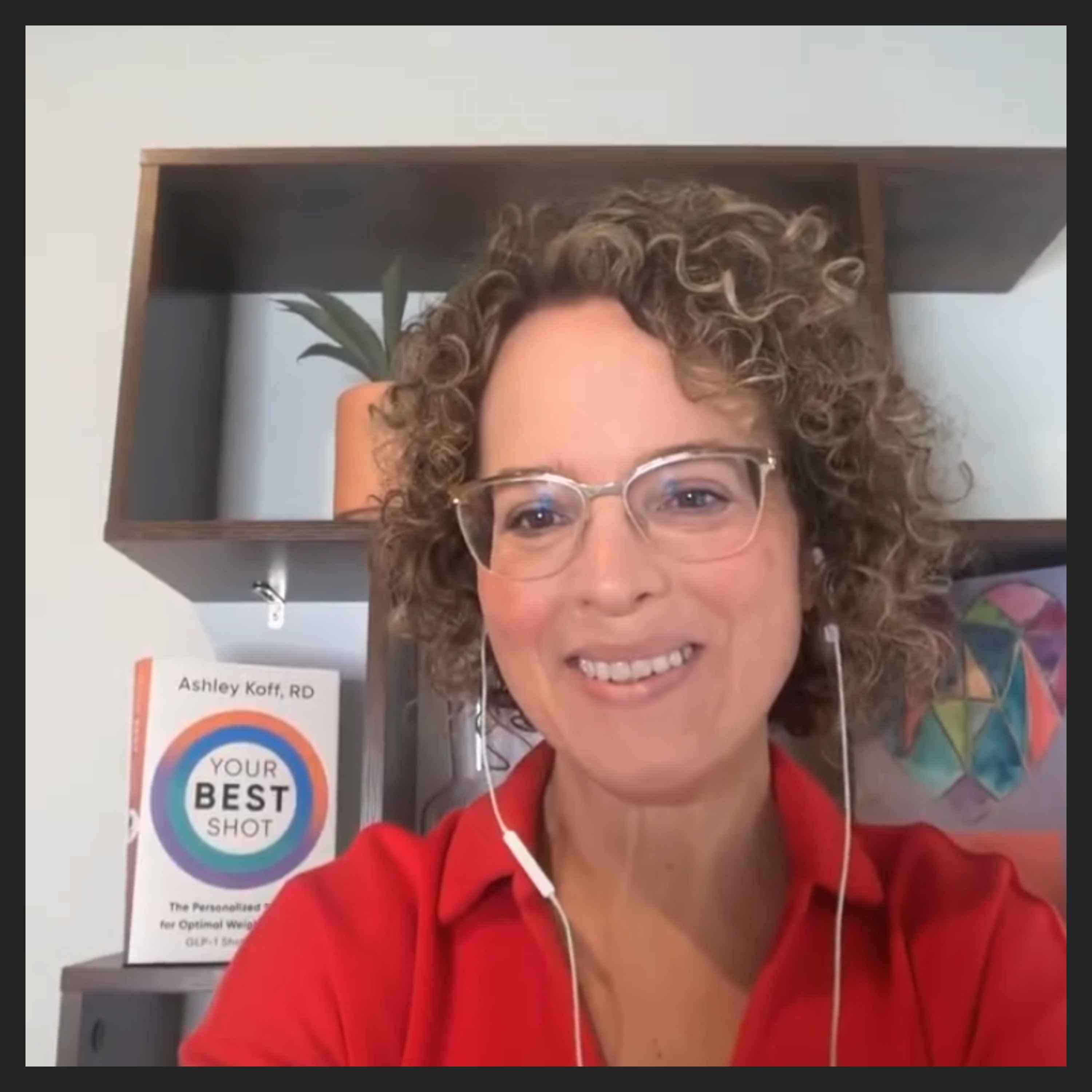
#330 GLP-1s. Everything You Need to Know | Ashley Koff, RD
I don’t think GLP-1 meds are the answer for everyone, but I also don’t think they’re the villain of the story. For many people they can be genuinely life-changing, when they’re used with the right support. So this episode is for anyone who’s made that decision (or is seriously considering it) and wants to do it safely, sustainably, and with as much information as possible. -I can’t stop you from taking these medications, but I can help you be informed: what to ask, what to monitor, what to eat, and how to protect your muscle, gut, and long-term health along the way.Today’s episode is all about one of the biggest health conversations happening right now: GLP-1 medications.I’m joined by Ashley Koff, RD, to give you the straight dope on what’s really going on beneath the surface: why so many of us are struggling with food noise, why some people never reach that “80% full” feeling, and what it means when your metabolic switches (the appetite and satiety systems that should be working in the background) aren’t firing properly.We break down GLP-1s, starting with what happens in an optimally functioning body: the roles of hormones like GLP-1, GIP, PYY and CCK, and how they influence hunger, fullness, blood sugar, and cravings. We also talk through what side effects might be telling you, what to monitor if you do choose medication, and whether supplements have a role — including the so-called “GLP-1 boosters” you’ll see everywhere.Most importantly, this episode is for anyone who wants lasting fat loss and better metabolic health, with or without drugs.Ashley Koff is a registered dietitian and founder of the Better Nutrition Program, and she trains clinicians as course director for UC Irvine’s Integrative & Functional Medicine Fellowship. She’s also the author of the upcoming book ‘Your Best Shot’.🎬 Watch the podcast on YouTube here📱 Download The Doctor’s Kitchen app🌐 View full show notes, including guest details, on our website☕️ Try Exhale Coffee here🥗 Join the newsletter and receive a 7 day meal plan📷 Follow on Instagram Hosted on Acast. See acast.com/privacy for more information.
#329 Is My Wife’s 10-step Morning Wellness Routine Worth It?
I’m seeing “perfect” wellness routines everywhere! Red light masks, infrared saunas, ice baths, supplements lined up on the kitchen counter, breathwork, journaling, grounding mats… the list goes on.And yes, my wife has been trying most of them.So today, we’re doing something a bit different. We’re recreating those little “sofa consults” we have at home. We’ll be casually watching TV, and out of nowhere she pauses the show, turns to me dead seriously, and hits me with a question like…“Babe… what are your thoughts on grounding mats?”So the format is simple: she’s going to take us through her wellness routine from morning to night, and after each bit she’ll ask me what I think.I’ll give it a verdict, the why behind it, and a quick takeaway you can actually use, so you can make a choice as to whether you want it in your routine or not.If you liked this episode let me know by leaving a comment on Spotify, or shooting us a message on instagram. I’ll be watching out for them! 🎬 Watch the podcast on YouTube here📱 Download The Doctor’s Kitchen app🌐 View full show notes, including guest details, on our website☕️ Try Exhale Coffee here🥗 Join the newsletter and receive a 7 day meal plan📷 Follow on Instagram Hosted on Acast. See acast.com/privacy for more information.
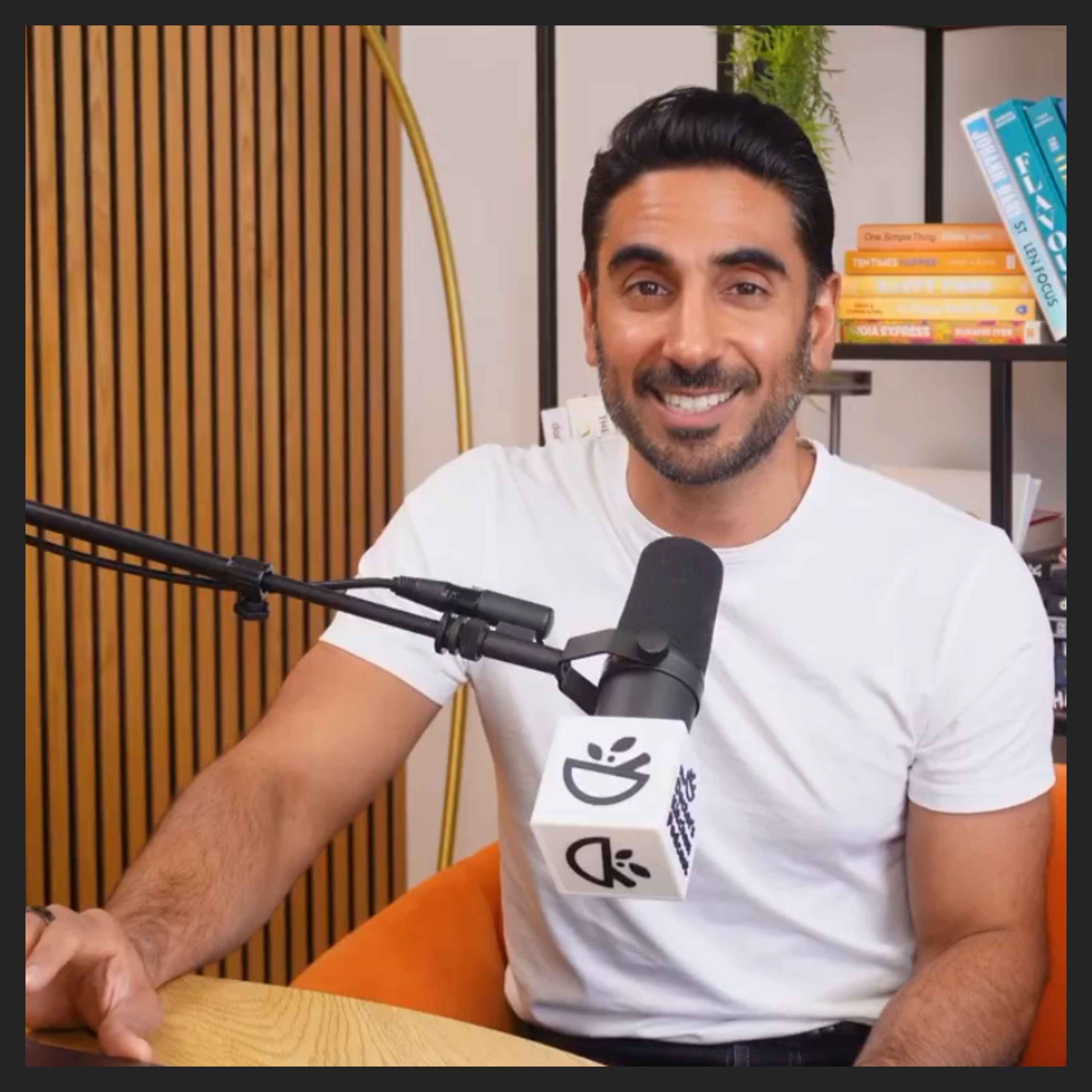
#328 5 things I changed this year because of the podcast | Dr Rupy Aujla
In 2025 we’ve had world experts come into the DK studio, meet the team, sit right here in this room and let me tease their brains, challenge their ideas and help us bring you the most up-to-date, practical advice out there.These guests changed the way I personally eat, the way I move, the way I recover, the way I think and even the way I structure my day.So in today’s episode, I want to share the 5 health habits I changed this year because of this very podcast you're listening to, because I’m on this journey with you.I’ll talk about my changing perspectives on:Red Meat and whether you can safely eat it regularly or not?How to consume more variety of fibreWhy movement snacking is just as important as structured workoutsIf sauna is worth it and what an evidence based protocol looks likeHow to reduce screen time and improve your dopamine levels🎬 Watch the podcast on YouTube here📱 Download The Doctor’s Kitchen app🌐 View full show notes, including guest details, on our website☕️ Try Exhale Coffee here🥗 Join the newsletter and receive a 7 day meal plan📷 Follow on Instagram Hosted on Acast. See acast.com/privacy for more information.
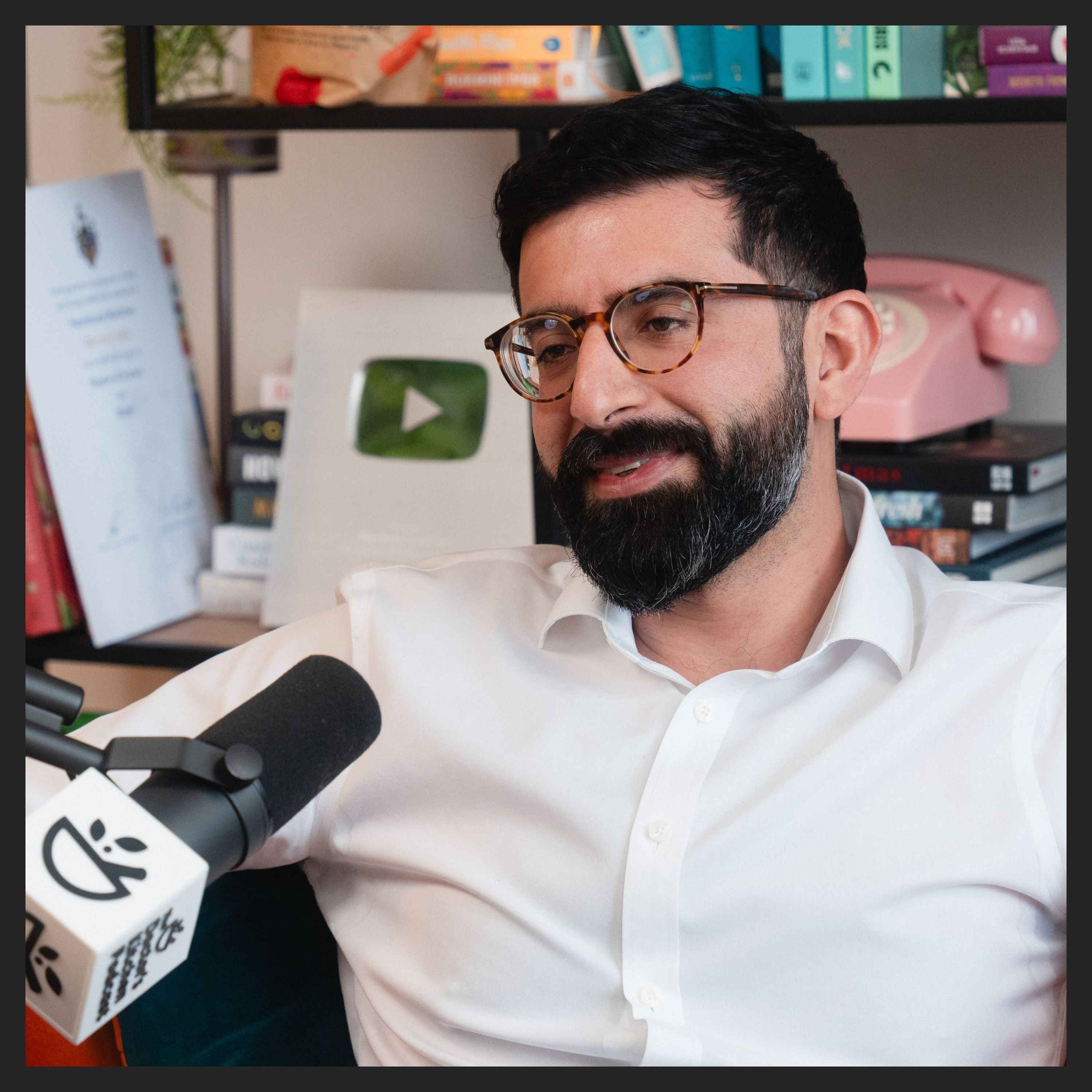
#327 Constipation 101: Everything You Need to Know About Keeping Your Digestive System Working with a Gastroenterologist | Consultant Dr Angad Dhillon
Constipation might not sound like the most glamorous topic, but it’s one of the most common and overlooked health issues in the UK. Around 1 in 7 adults and up to 1 in 3 children experience it, and it’s responsible for thousands of hospital admissions every year.This week I’m joined by Dr Angad Dhillon, Consultant Gastroenterologist and accredited Bowel Cancer Screening endoscopist at Lewisham and Greenwich NHS Trust. With advanced training from St Mark’s Hospital, one of the world’s leading centres for intestinal disorders, Dr Dhillon specialises in complex endoscopy, bowel health, and digestive wellbeing. He also happens to be my best friend from medical school who I’ve literally known over 2 decades!We talk about lesser known constipation strategies, what functional constipation means, how it can be related to other medical issues and what you should be optimising before you reach for a laxative, medications or supplements.Today we explore: 💬 What “normal” bowel habits look like and whether the bristol stool chart is useful 🥦 How to approach constipation with a dietary approach 🧘♂️ Why pooping posture, breathing, and stress matter for gut health 🌙 The link between sleep, circadian rhythm, and digestion ⚠️ Red flags that mean it’s time to speak to your doctorDr Dhillon's research work can be found here and give him a follow on social media @the_gut_doctor🎬 Watch the podcast on YouTube here📱 Download The Doctor’s Kitchen app🌐 View full show notes, including guest details, on our website☕️ Try Exhale Coffee here🥗 Join the newsletter and receive a 7 day meal plan📷 Follow on Instagram Hosted on Acast. See acast.com/privacy for more information.
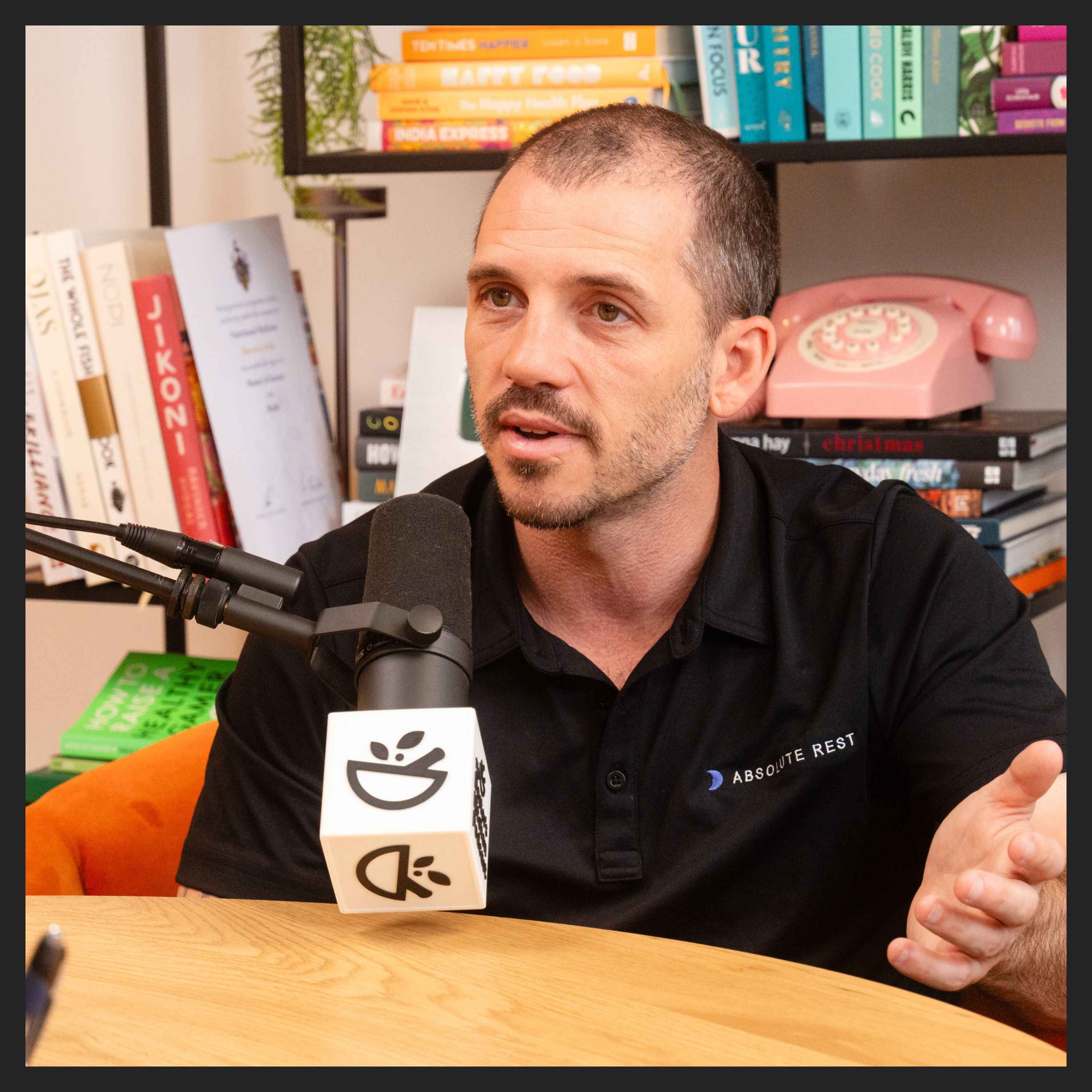
#326 The Most Powerful Drug on the Planet (Exercise) and How to Use It Daily | with Professor Andy Galpin, PhD
If exercise were a pill, it would be the most powerful drug on the planet. It protects the brain, lowers the risk of heart disease and Alzheimer’s, reduces stress, boosts energy… and yet, most of us still struggle to fit it in.Today, we’re putting together a practical, evidence-based guide to exercise for everyone. If you’re a busy parent or professional who struggles to find the time to move, we’ll show you the minimum that makes the biggest difference. If you’re older and thinking about healthy ageing, we’ll talk about protecting bone, muscle and independence as well as how to approach going to an intimidating weight section of a gym for the first time.For teens and young people, we’ll cover how movement shapes brain health and sets you up for life. And if you’re already into fitness, we’ll dive into how to break plateaus, track progress, and optimise performance. This episode will show you exactly how to move for a longer, healthier life.Today I’m joined by Dr Andy Galpin, one of the world’s leading human performance scientists and the person I wish I’d had on speed dial when I first started trying to figure out how to train smart, not just hard.Andy is a Professor at Parker University and Executive Director of the Human Performance Center. He holds a PhD in Human Bioenergetics, has published over 100 peer-reviewed papers, and has worked with some of the most elite athletes on the planet — from Olympic gold medallists to world champions across the UFC, MLB, NBA, NFL, PGA, and military special forces.He’s also the co-founder of several innovative companies, including Absolute Rest, Vitality Blueprint, and BioMolecular Athlete, all dedicated to improving human health, performance, and recovery.Think of this episode like a session with Andy … but for all of us! By the end, you’ll have a clear, evidence-based understanding of how to use exercise to support your health at any stage of life. Whether you’re a busy parent, professional, or already fit and active, Andy helps us understand what most people are missing from their training and how to fill those gaps.We cover: 💪 The exercise priorities for each stage of life, from teenagers to older adults 🧬 How to personalise training using intensity, timing, and recovery data 🦴 Why bone health matters more than you think and what to do about it ⚡ The key markers for long-term fitness and how to track real progressMy hope is that this is one of those conversations that reframes how you think about movement not just for performance, but for longevity, energy, and quality of life.🎬 Watch the podcast on YouTube here📱 Download The Doctor’s Kitchen app🌐 View full show notes, including guest details, on our website☕️ Try Exhale Coffee here🥗 Join the newsletter and receive a 7 day meal plan📷 Follow on Instagram Hosted on Acast. See acast.com/privacy for more information.
#325 10 Anti-Inflammatory Foods to Feel Better, Support Your Gut and Cut Your Risk of Disease | Dr Rupy Aujla
Since writing about inflammation in Eat to Beat Illness and my last book Healthy High Protein, I’ve become fascinated by how this one process connects so many of the health issues I’ve seen in thousands of patients over my career.On the one hand, inflammation is brilliant, it helps us fight infections, repair injuries, and clear out damaged or cancerous cells. But when it doesn’t switch off or is constantly triggered, it becomes a slow burn in the background, driving heart disease, cancer, dementia, and even daily struggles like joint pain, gut problems, poor sleep, skin issues, and fatigue.The good news? Food gives us a direct way to influence it. Every time we sit down to eat, we can either fan the flames or gently cool them.In this episode, we explore: 🧬 What inflammation actually is (and the early warning signs of too much) 🥗 The science and benefits of an anti-inflammatory diet 🥑 My top 10 anti-inflammatory foods you can start eating today 🥩 Controversial takes on meat, dairy, and foods to limit 📊 How we measure inflammation, including our new “inflammation score” on the appThis is your practical guide to cooling chronic inflammation and protecting your long-term health, starting with what’s on your plate.🎬 Watch the podcast on YouTube here📱 Download The Doctor’s Kitchen App - Special Black Friday Offer🌐 View full show notes, including guest details, on our website☕️ Try Exhale Coffee here🥗 Join the newsletter and receive a 7 day meal plan📷 Follow on Instagram Hosted on Acast. See acast.com/privacy for more information.

#324 Can Multivitamins Help Treat Depression, Anxiety and Prevent Mental Health Issues? | Professor Julia Rucklidge
Coming into this podcast my opinion was that multivitamins are just not worth it. Whether that’s for general wellbeing, cardiovascular health, sleep and especially mental health, I just was not convinced that they did anything at all.But I specifically wanted to speak with Professor Julia Rucklidge, clinical psychologist and Director of the Mental Health and Nutrition Research Lab at the University of Canterbury, because she has a very different opinion.Julia’s groundbreaking research and viral TED Talk have transformed how psychiatrists and mental health practitioners think about nutrition and mental illness, especially the potential of broad-spectrum micronutrients to support mood, focus, and resilience.We explore: 💊 Why “no single ingredient solutions” matter, and when multivitamins might actually help 🧬 How stress, inflammation, and modern farming have changed our nutrient needs🧠 The mechanisms linking nutrients, mitochondria, and neurotransmitters to mood and cognition👩🔬 The evidence for micronutrients in ADHD, PMS, Depression and Anxiety🥗 How to choose quality supplements and avoid the hypeIf you’ve ever wondered whether taking a daily multivitamin is worth it or how food and nutrients impact the brain, this episode will challenge your assumptions and expand your understanding of nutrition for mental wellbeing.Julia has made me reconsider my personal perspectives on multivitamins, and I’m excited to dive deeper into this topic on future podcasts and with our internal research team.🎬 Watch the podcast on YouTube here📱 Download The Doctor’s Kitchen app🌐 View full show notes, including guest details, on our website☕️ Try Exhale Coffee here🥗 Join the newsletter and receive a 7 day meal plan📷 Follow on Instagram Hosted on Acast. See acast.com/privacy for more information.
#323 Microplastics, Pollution and Your Body: What You Need to Know | Dr. Stephanie Wright
How much plastic are we actually absorbing and what’s it doing to our health?In this eye-opening episode, I’m joined by Dr. Stephanie Wright, one of the UK’s leading scientists in microplastic research, to explore what happens when plastic pollution doesn’t just affect the environment, but our bodies too.We dive into: 🧪 What are micro- and nanoplastics, and how are they getting into our lungs, gut, and even blood? 🌍 The biggest sources of exposure in modern life from tires to tap water and food packaging to clothes as well as the city air I’m breathing in right now 🧬 How plastic particles could be contributing to chronic inflammation, hormone disruption, and affecting fertility 🧼 Whether we can actually detox or eliminate plastics from our body naturally and how the liver, fibre, and exercise may play a role 🔍 What we know so far about plastics and brain health, cancer, immunity, dementia, and morePlus, we cover simple, science-backed strategies to help reduce your exposure from filters and cooking swaps to smarter shopping and clothing choices.Dr Stephanie Wright is an Associate Professor in Environmental Toxicology in the Environmental Research Group at Imperial College London. She received a Ph.D. in Biosciences at the University of Exeter (2015), then completed 2 fellowships at King's College London. She has 15 years’ experience in microplastic research and lead the Microplastics Team. She’s also participated in microplastic working groups for the World Health Organisation and the European Commission.🎬 Watch the podcast on YouTube here📱 Download The Doctor’s Kitchen app🌐 View full show notes, including guest details, on our website☕️ Try Exhale Coffee here🥗 Join the newsletter and receive a 7 day meal plan📷 Follow on Instagram Hosted on Acast. See acast.com/privacy for more information.
#322 Neurologist Explains How to Protect Your Brain by improving Metabolic Health | Dr Shahrukh Mallik
When we think about brain health, most of us jump straight to memory, dementia, or even Alzheimer’s. But what if the real starting point is our metabolism?In this episode, I’m joined by Dr Shahrukh Mallik, Consultant Neurologist, to explore how conditions like insulin resistance, type 2 diabetes, and chronic inflammation don’t just affect the body, they directly impact the brain.We dive into: ⚡ Why people with type 2 diabetes have up to a 50% higher risk of developing Alzheimer’s 🧬 Why the brain is more vulnerable than we think 🔗 How poor metabolic health links to dementia, stroke, migraines, depression, and more 🥗 Practical, evidence-based steps to protect your brain through food and movementDr. Shahrukh Mallik gained his primary medical qualification from the University of London.He is a specialist in Neurology, having trained at the John Radcliffe Hospital in Oxford, and the National Hospital for Neurology and Neurosurgery, Queen Square, London.He has an MSc in Clinical Neurology and a PhD in Imaging in Multiple Sclerosis, both from the Institute of Neurology, Queen Square, UCL.He also has a specialist interest in Public Health, Nutritional Physiology, and the science and practice of Longevity and Optimisation of Metabolic Health, one of the few Neurologists in the world with such an interest.🎬 Watch the podcast on YouTube here📱 Download The Doctor’s Kitchen app🌐 View full show notes, including guest details, on our website☕️ Try Exhale Coffee here🥗 Join the newsletter and receive a 7 day meal plan📷 Follow on Instagram Hosted on Acast. See acast.com/privacy for more information.
#321 The Ayurvedic Psychiatrist Who’s Helping Millions Break Free from Internet Addiction | Dr Alok Kanojia
Why is it so hard to put our phones down even when we know they’re making us anxious? Today we’re going to unpack the neurochemistry of why we get hooked on devices and games, and how to reclaim our mental wellbeing from somebody who’s helping millions of people do this everyday. This week I’m joined by Dr. Alok Kanojia, Harvard-trained psychiatrist and co-founder of Healthy Gamer, to discuss digital devices, the science behind dopamine loops and how to develop a healthy relationship with our phones and more.We explore:📲 The brain circuits behind digital addiction (dopamine, the hippocampus, nucleus accumbens + more)⚠️ Signs your online use is tipping from healthy to harmful👨👩👧 Parenting in the digital age how to set boundaries without battles🧘 The surprising role of Vedic philosophy, meditation, and yoga in rewiring the brain🔑 Dr. K’s top tools for building a healthy, long-term relationship with technologyIf you’ve ever asked yourself “Am I addicted to my phone?” or struggled with screen time limits, this conversation blends science, psychiatry, and ancient wisdom to give you practical strategies for balance.We also take a massive tangent at the end of this podcast to talk about his spiritual side, the vedic teaching around personality traits and how Alok balances his beliefs about other worlds with a purely science informed approach. This is something I’m personally very interested in and while it’s a slight departure from the rigorous evidence based medicine approach we usually maintain on the DK podcast, I wanted to share this personal perspective with you all.Check out more from Dr.K https://www.healthygamer.gg/🎬 Watch the podcast on YouTube here📱 Download The Doctor’s Kitchen app🌐 View full show notes, including guest details, on our website☕️ Try Exhale Coffee here🥗 Join the newsletter and receive a 7 day meal plan📷 Follow on Instagram Hosted on Acast. See acast.com/privacy for more information.
#320 Back Pain Myths, Facts & Everyday Fixes with Consultant Spinal Neurosurgeon Mr Anthony Ghosh
Back pain is one of the most common health issues worldwide yet it’s still surrounded by confusion, fear, and myths. In this episode, I sit down with Anthony Ghosh, Consultant Spinal Neurosurgeon, educator and founder of Spine MDT Clinic to separate fact from fiction and give you a practical toolkit for a healthier spine.What I love about Anthony’s approach is that he created SpineMDT, a modern, multidisciplinary spine care service, that works alongside physiotherapists, osteopaths and chiropractitioners to deliver holistic care to his patients, many of whom he believes would NOT benefit from spinal surgery.We cover: 💡 Myth-busting: running, lifting weights, posture, mattresses, and more 🧠 What’s really happening when you get back pain and when to seek help 🏋️ The most effective exercises (including the McGill Big 3) for strength and recovery 🛏️ Sleep positions, pillows, shoes and desk-friendly tips to protect your back 🔬 Why surgery often isn’t the quick fix people expect and when it truly changes livesIf you’ve ever wondered whether cracking your back is dangerous, if a herniated disc can heal, or what the best daily routine for back health looks like, this episode has the answers.He’s also a strong advocate for educating patients and challenging outdated ideas about spine health, a message he regularly shares on his growing YouTube channel, Spine MDT and in clinical practice.🎬 Watch the podcast on YouTube here📱 Download The Doctor’s Kitchen app🌐 View full show notes, including guest details, on our website☕️ Try Exhale Coffee here🥗 Join the newsletter and receive a 7 day meal plan📷 Follow on Instagram Hosted on Acast. See acast.com/privacy for more information.
#319 “Do I Have Heart Disease Despite a Perfect Plant Based Diet?” | Simon Hill
Today we’re talking about Simon Hill’s personal experience with CVD, what prompted him to have early screening for heart disease and what his results have shown. Which is quite surprising.Simon has early signs of heart disease and now he has a decision to make around whether he embarks on early drug treatment or delays treatment to watch how it evolves. As many of us become more pragmatic about health screening, it’s a situation that a lot of us will find ourselves in. Especially with the rise in popularity of full body scans.We also have a discussion around fats, the types of fats in the diet and how one may choose to lower their cholesterol with diet and lifestyle.We go on a virtual trip to the supermarket with Simon and discuss the framework for how to choose fats. The things you need to ask yourself about consuming fats, including the dose and what you’re eating it with.Simon Hill, a physiotherapist and nutrition scientist, is dedicated to simplifying health and nutrition information. He began his career interested in the physiology and anatomy related to optimal athletic performance. Then, encouraged by his Dad's heart attack, he turned his attention to nutrition's role in preventing disease and optimising health. Concerned about misleading wellness industry trends, he completed a Master of Science in Human Nutrition at Deakin University.🎬 Watch the podcast on YouTube here📱 Download The Doctor’s Kitchen app🌐 View full show notes, including guest details, on our website☕️ Try Exhale Coffee here🥗 Join the newsletter and receive a 7 day meal plan📷 Follow on Instagram Hosted on Acast. See acast.com/privacy for more information.

#318 Neuroscientist Reveals How Intuition, Purpose and Spiritual Health Can Heal | Dr Tara Swart
“In order to have maximum wellbeing, it’s not enough to sleep, eat well and exercise, you also need to have a purpose, including one that transcends yourself”This conversation is so important for me personally as I navigate the complex relationship between two parts of my brain. The rational, data driven skeptical side that is unwilling to accept anything without complete proof; and the spiritual side that is inexplicably drawn to certain things and leans into a belief that we are connected to the universe in ways we cannot explain.Tara and I have known each other for a few years, but as you can tell on this podcast we’re quite close. She unfortunately lost her partner 4 years ago to cancer, which she describes in detail in her latest book. But after his death she began to experience what she intuitively believed were signs from her partner. Highly improbable coincidences, chance happenings and events that were simply impossible to ignore.At first, this led her down a path of first questioning her mental state, but using her experience as a medical doctor and neuroscientist she began to explore the science of consciousness and explored the possibility of trusting her instincts and intuition of what she believes to be true.According to Tara, these strange nudges and connections with people who have died are not random, and it’s time we took them seriously.We explore what we’ve lost in our modern lives, how our brain filters reality and what we might be missing, how to sharpen your intuition so you can spot the signs around you and finding purpose, meaning and connection in your own life.We explore ancient practices like drumming, humming and vows of silence, as well as spending as much time in nature to connect with the wider universe and tap into our instincts, to live happier and more enriched lives.We explore the science of terminal lucidity, near death experiences, the art of noticing and what they can teach us about life after death and why leading a spiritual life can be so healthful and healing.🎬 Watch the podcast on YouTube here📱 Download The Doctor’s Kitchen app🌐 View full show notes, including guest details, on our website☕️ Try Exhale Coffee here🥗 Join the newsletter and receive a 7 day meal plan📷 Follow on Instagram Hosted on Acast. See acast.com/privacy for more information.
#317 How to Support Muscle Health for Longevity and Improving Metabolism | Dr. Gabrielle Lyon
In this episode, we’re cutting through the noise around strength, longevity, and weight loss with Dr. Gabrielle Lyon, a physician and founder of the muscle-centric medicine movement.If you’ve ever wondered how to train for long-term health, this is your practical, science-backed guide. We dive into why building and maintaining muscle is essential not just for performance or appearance but for your metabolic health, brain function, immune system, and resilience as you age.We cover: 💪 Why muscle is the organ of longevity and how it protects against chronic disease 🥗 What a muscle-centric plate looks like 🧠 How muscle influences your mood, memory, and brain health 🏋️♀️ The minimum effective dose of resistance training for busy livesPlus, Dr. Lyon answers your biggest questions about GLP-1s, sarcopenia, protein, supplements, and how men and women should train differently as they age.If you’re in your 30s, 40s, or beyond and haven’t prioritised muscle this conversation might just change your health trajectory.Dr. Gabrielle Lyon is an accomplished physician and the New York Times bestselling author of FOREVER STRONG: A New, Science-Based Strategy for Aging Well. Dr. Lyon's educational and research background includes dual clinical fellowships in geriatrics and nutritional sciences at Washington University, along with undergraduate training in nutritional sciences at the University of Illinois. A highly sought-after educator and consultant, she is an authority in the practical application of protein types and levels for health, performance, aging, and disease prevention. You can find out more from Dr Lyon here at https://drgabriellelyon.com/🎬 Watch the podcast on YouTube here📱 Download The Doctor’s Kitchen app🌐 View full show notes, including guest details, on our website☕️ Try Exhale Coffee here🥗 Join the newsletter and receive a 7 day meal plan📷 Follow on Instagram Hosted on Acast. See acast.com/privacy for more information.
#316 5 Steps to Cut Down on Sugar for Better Energy, Lower Inflammation and Healthier Ageing | Dr Rupy Aujla
If you’re often tired, struggling with dips in concentration, mood swings, or just not feeling your best your sugar intake might be playing a bigger role than you realise.Cutting down on sugar isn’t just about reducing your risk of diabetes or heart disease later in life. It can transform how you feel today with more energy, sharper focus, lower inflammation, and a body that’s set up to age well.In this episode, I go deeper than the usual “sugar is bad” conversation. We cover: 🔎 The hidden sources of sugar (even in so-called “healthy” diets) 🧠 Why reducing sugar really matters for your brain and body ❓ Is sugar addictive and are some types actually better than others? 🚨 Hidden signs your body is getting too much sugar ✅ My 5 practical steps to cut down without giving up everything you loveIf you’ve ever wanted a clear, no-nonsense guide to lowering sugar for better health, this is it.🎬 Watch the podcast on YouTube here📱 Download The Doctor’s Kitchen app🌐 View full show notes, including guest details, on our website☕️ Try Exhale Coffee here🥗 Join the newsletter and receive a 7 day meal plan📷 Follow on Instagram Hosted on Acast. See acast.com/privacy for more information.
#315 How to Heal the Modern Brain with Food, Grounding and Gratitude | Dr Drew Ramsey MD
What if there were chemicals in the air and energy charges in the ground that benefit your brain for better clarity and protection against mental illness? This is what today’s guest has written about in his research and why his prescriptions for better mental health include nature, food, movement, and gratitude.In this episode I’m joined by Dr. Drew Ramsey, board-certified psychiatrist, author, and pioneer in nutritional psychiatry, to talk about how we can strengthen our mental fitness in today’s world.We explore: 🌳 Why modern city living takes a toll on the brain and how green spaces restore it 🥦 The power of food and myokines from exercise to fight inflammation 🙏 Simple grounding practices, purpose, and gratitude as medicine for the mind 🌄 Drew’s personal journey moving to the mountains and finding balance with his familyDr. Ramsey shares practical, science-backed tools for building resilience, protecting your mental health, and reconnecting with what matters most.Learn how to start your own “outdoor prescription” and build lasting mental fitness for the modern brain.DREW RAMSEY, MD is a board-certified psychiatrist, author, and leading voice in Nutritional Psychiatry and integrative mental health. He is a Fellow of the American Psychiatric Association and the founder of the Brain Food Clinic and Spruce Mental Health. For twenty years, he served as an assistant clinical professor of psychiatry at Columbia University, where he taught and supervised psychotherapy and nutritional psychiatry.🎬 Watch the podcast on YouTube here📱 Download The Doctor’s Kitchen app🌐 View full show notes, including guest details, on our website☕️ Try Exhale Coffee here🥗 Join the newsletter and receive a 7 day meal plan📷 Follow on Instagram Hosted on Acast. See acast.com/privacy for more information.
#314 5 Ways to Fight Inflammation and Heal Your Gut with Dr Will Bulsiewicz
Today I’m speaking with world-leading gastroenterologist Dr Will Bulsiewicz about how to heal your gut and keep it working at its best. We get into what inflammation really is, why it matters, and how the food you eat can help you find the right balance.In this episode…What inflammation actually is and why it’s more than just a buzzwordThe hidden signs of inflammation that most people don’t connect with their gutWhat is “leaky gut”How modern life drives chronic inflammation and what you can do about itWhy fibre is the cornerstone of gut health and how to add it sensiblyThe power of short-chain fatty acids like butyrate to heal the gut and calm inflammationHow sugar, salt and fat fuel inflammationSupplements vs whole foods for gut health and when fibre supplements may helpHow much fibre you really need each day and how to increase it without discomfortSimple, practical food swaps and recipes Dr B uses himself (including chia seed bread!)Dr. Will Bulsiewicz, or "Dr. B," is a celebrated gastroenterologist and gut health expert, founder of popular microbiome nutrition company 38TERA, the New York Times bestselling author of two books, the U.S. Medical Director for ZOE and Adjunct Assistant Professor at Emory School of Medicine. He is a champion for preventing and reversing disease through microbiome optimisation and shares his expertise via social media and at theguthealthmd.com.I’m super excited about his next book coming out in January 2026, Plant-Powered Plus!🎬 Watch the podcast on YouTube here📱 Download The Doctor’s Kitchen app🌐 View full show notes, including guest details, on our website☕️ Try Exhale Coffee here🥗 Join the newsletter and receive a 7 day meal plan📷 Follow on Instagram Hosted on Acast. See acast.com/privacy for more information.
#313 How Creatine, Omega 3, Vitamin D and Specific Exercises Can Protect Your Brain | Dr Louisa Nicola
Dementia is a disease of lifestyle. That’s what my guest Dr Louisa believes, and it’s her mission to get everyone up to speed on the science so we can delay or entirely prevent dementia around the globe.Today we’re diving into supplements like creatine, omega 3 and vitamin D as they relate to brain health optimisation and prevention of one of the biggest killers in the UK, Dementia. I now personally take these supplements regularly as part of my daily routine and while I don’t necessarily feel immediate benefits, the research is solid enough for me to make this decision.Dr Louisa specialises in neurophysiology, Alzheimer’s disease prevention, and the science of brain optimisation. Her mission is to live in a world where Alzheimer’s no longer exists. Louisa graduated from the University of Sydney Medical School, where her doctoral focus in neurophysiology spotlighted lifestyle interventions and neurodegeneration. After relocating to New York, she advanced her research career by working alongside world-class neurosurgeons, contributing to clinical investigations in cranioplasty and post-neurosurgical outcomes, with a particular emphasis on the role of exercise and nutrition in recovery and brain health.A trusted advisor to high-performing athletes and healthcare professionals, Louisa translates complex neuroscience into actionable strategies for longevity, brain health, and performance. 🎬 Watch the podcast on YouTube here📱 Download The Doctor’s Kitchen app🌐 View full show notes, including guest details, on our website☕️ Try Exhale Coffee here🥗 Join the newsletter and receive a 7 day meal plan📷 Follow on Instagram Hosted on Acast. See acast.com/privacy for more information.
#312 Professor Shares 6 Longevity Nutrients to Preserve Your Strength and Help You Age Better | Professor Ailsa Welch
🎙️ In today’s episode, I’m joined by Professor Ailsa Welch, a leading expert in nutritional epidemiology at the University of East Anglia. We explore the silent yet powerful changes that begin in midlife how aging affects our muscles, bones, and metabolism, and why prevention in your 40s, 50s and 60s is key. From sarcopenia and osteoporosis to frailty and fracture risk, we unpack how these conditions interact with one another, and what the latest science says about maintaining strength and vitality as we age.We discuss ..How muscle and bone structure evolve with ageThe role of skeletal muscle in metabolising carbs, fats, and proteinKey mechanisms of aging:Chronic low-grade inflammationOxidative stressMitochondrial declineThe impact of diet on these processes, including nutrients like:Magnesium 🧂Vitamin C & E 🍊Carotenoids 🥕Protein 🥩Calcium, B12, Iron & Vitamin D💡 Most importantly, we offer practical, evidence-based advice for people in midlife and beyond: what to eat, how to move, and what to look out for when it comes to micronutrient deficiencies and supplementation.Professor Ailsa Welch led the development of dietary assessment methods for the EPIC-Study (European Prospective Investigations into Cancer and Nutrition) between 1993 & 2007. She has more than 23,000 citations!🎬 Watch the podcast on YouTube here📱 Download The Doctor’s Kitchen app🌐 View full show notes, including guest details, on our website☕️ Try Exhale Coffee here🥗 Join the newsletter and receive a 7 day meal plan📷 Follow on Instagram Hosted on Acast. See acast.com/privacy for more information.
#311 The Most Nutrient-Dense Food You Can Eat. Sprouts | Doug Evans
You may have heard of the liver king, but today we have the sprout king on the show. Doug Evans is the Founder and CEO of The Sprouting Company. He was a former paratrooper in the U.S. Army’s 82nd Airborne Division and an early pioneer in the natural food industry, he authored the national bestseller The Sprout Book, and he now lives in Wonder Valley Hot Springs in Southern CaliforniaDoug is on a mission to make sprouting mainstream. After learning about sprouts as the most nutritious food on the planet, he wants everyone to get as excited about sprouting as he is.This is a fun episode where we break down a little bit about the science but also the joy around creating your own food on a counter top with the most potent ingredient we have access to. The seed.Unlocking the benefits of seeds via sprouting has been a game changer for me and my health. I use lentil, mung bean, broccoli and sunflower sprouts weekly in my meals and whenever I share them online, I always get asked about where they come from. I spoke about how to sprout in my first cook book, but now you can sprout your own using handy tools like Doug's Sprouting jars (that you can see for yourself on YouTube). You can find them in health food stores, but they’re so easy to make yourself at home, giving you access to nature's true multivitamin!🎬 Watch the podcast on YouTube here📱 Download The Doctor’s Kitchen app🌐 View full show notes, including guest details, on our website☕️ Try Exhale Coffee here🥗 Join the newsletter and receive a 7 day meal plan📷 Follow on Instagram Hosted on Acast. See acast.com/privacy for more information.

#310 The 4 Pillars of Longevity, How to Prevent Ageing and Heal | Dr Darshan Shah
Longevity is exploding in popularity. On my recent trip to LA it’s very apparent that bio hacking has morphed into a genuine branch of medicine that legitimate medical researchers and doctors are practicing. One of those people at the forefront is Dr Darshan Shah, a board certified surgeon who has performed over 20,000 surgical operations, including trauma and complex reconstructive procedures. As a Longevity Medicine specialist, he has advised thousands of patients on how to optimize their well-being and extend their healthspan and lifespan.Dr. Shah earned his medical degree at the age of 21, becoming one of the youngest doctors in the United States. He continued his training at the Mayo Clinic, has authored numerous papers and patented medical devices. Dr. Shah’s belief in continual education and self-improvement has earned him alumni status at Harvard Business School, Singularity University, and other prestigious institutions.Today I sat down with Darshan at one of his Next Health Clinic branches in West Hollywood to discuss the 4 pillars of longevity, which are …Lifestyle Medicine - diet, sleep and exerciseFunctional Medicine - detoxification, emotional health, hormones, inflammationPreventative Medicine - screening for heart health, brain health and cancerLongevity medicine - peptides, supplements, IVs and more🎬 Watch the podcast on YouTube here📱 Download The Doctor’s Kitchen app🌐 View full show notes, including guest details, on our website☕️ Try Exhale Coffee here🥗 Join the newsletter and receive a 7 day meal plan📷 Follow on Instagram Hosted on Acast. See acast.com/privacy for more information.
#309 5 Ancient Practices to Help You Feel & Function Better | Dr Rupy Aujla
Could modern life be a little too comfortable for our ancient bodies? This week, I’m exploring the idea that our 21st-century lifestyle might be mismatched with what our biology evolved for and how reintroducing a few ancient challenges could help you feel sharper, calmer, and more resilient.Without going full caveman, there are a few mild and ‘natural’ stressors that may have benefits to our bodies and considering how comfortable our lives are today, would require us to purposely reintroduce.I dive into:🍽️ Why mild hunger and thirst may be benefit; Not every craving needs a snack—your stress hormones might thank you.🌿 How plant “toxins” are misunderstood heroes;From broccoli to turmeric, these phytochemicals can trigger powerful cell protection pathways.🔥❄️ Whether saunas & cold plunges are worth the hype; How short exposures to heat or cold, separately, might boost metabolism, improve circulation, and even support brain health.Today’s episode was influenced by the conversation I had with Dr Leo Pruimboom about the science of ‘intermittent living’. The benefit of these challenges isn’t in the challenge itself, it’s in the recovery. And fasting, movement, temperature, and more mirror the environments we evolved in.To enjoy the benefits of these, I don’t think it requires a complete lifestyle overhaul, I see these as gentle nudges to remind your body what it was built for. The key is dose. Not too much, not too little. Remember, this isn’t a one-size-fits-all formula. It’s a curious invitation to explore how mild, short-term stressors can unlock long-term health. These aren’t replacements for healthy habits, just small extras that might make a big difference.This area of research is still evolving. Not all ancient humans lived the same way. There wasn’t one perfect lifestyle. And while the theory behind intermittent living is fascinating, it’s not a prescription.Think of it as adding a few evolutionary ingredients back into your modern life!🎬 Watch the podcast on YouTube here📱 Download The Doctor’s Kitchen app🌐 View full show notes, including guest details, on our website☕️ Try Exhale Coffee here🥗 Join the newsletter and receive a 7 day meal plan📷 Follow on Instagram Hosted on Acast. See acast.com/privacy for more information.
#308 5 Nutrition Controversies Debated: Seed Oils, Beef Tallow, Raw Milk, Eggs, and Soy | Max Lugavere
Nutrition today is noisy. If you spend five minutes on Instagram or YouTube, you’ll see someone telling you that seed oils are poison, soy will mess up your hormones or butter in your coffee will make you live forever.The truth is, fear sells really well. But real life is usually a bit more simple and a lot more nuanced.So, how do we make sense of all this in our day-to-day lives? That’s what we’re tackling today. I’ve got Max Lugavere with me. He’s a health and science journalist and New York Times best-selling author on a crusade to help you live longer and feel better.We don’t agree on everything, which is exactly why this will be a good one to listen to. We’re going to unpack some of the biggest myths that confuse people right now, where these ideas come from, what current research actually shows and what both of us think is a reasonable middle ground.If you’ve ever stood in the oil aisle wondering if sunflower oil is going to kill you or if you should swap it for beef tallow, stick around. Let’s get into it.🎬 Watch the podcast on YouTube here📱 Download The Doctor’s Kitchen app🌐 View full show notes, including guest details, on our website☕️ Try Exhale Coffee here🥗 Join the newsletter and receive a 7 day meal plan📷 Follow on Instagram Hosted on Acast. See acast.com/privacy for more information.
#307 How to Eat for Night Shifts and the Science of Shifting Your Body Clock to Support Your Health
This episode is for anyone whose life doesn’t always follow a perfect routine. Shift workers, new parents, students, frequent flyers... basically, all of us at some point. 💤🌍✈️If you’ve ever felt out of sync, foggy, tired at odd hours, or struggled with digestion or mood your circadian rhythm might be to blame. Today I dive into …🧠 How your body clock governs everything; From digestion, hormones, and metabolism to brain performance, mood, and sleep quality, your circadian rhythm is your internal conductor.💡 Why modern life throws us off; Artificial light at night, late-night meals, inconsistent sleep and screen time.🌙 Simple, practical tips for shift workers🕐 When to sleep🍽️ What to eat (and when)🌞 How to recover and realign when your schedule gets messy🥦 Nutrition strategies to support your rhythm; Learn how to time meals, caffeine, and light exposure to protect your energy, digestion, and mental clarity even during chaotic weeks.We can’t always control our schedule but we can work with our biology, not against it.🎬 Watch the podcast on YouTube here📱 Download The Doctor’s Kitchen app🌐 View full show notes, including guest details, on our website☕️ Try Exhale Coffee here🥗 Join the newsletter and receive a 7 day meal plan📷 Follow on Instagram Hosted on Acast. See acast.com/privacy for more information.
#306 How to Use Fasting, Cold and Effort to Counteract the Effects of Modern Life | Dr Leo Pruimboom PhD
“You can take a human out of being in nature, but you can’t take nature out of the human being” This is the statement I pose to Dr Leo right at the beginning of our chat today, and I think it encapsulates the essence of our conversation.Today we’re going to discuss the comfort crisis and the importance of ‘ancient stressors’ to support modern health.To give some context to this discussion, it seems like we’ve made life easier than ever. Meals on demand, warmth at the press of a button, and barely a reason to move. But this relentless convenience could be silently eroding our health. In this episode, we ask the provocative question: Has modern comfort become our newest disease? In other words, our biology still expects challenge. When we remove all friction from daily life, we also remove the very triggers that kept us metabolically flexible, mentally sharp, and emotionally resilient.From fasting and thirst to cold plunges and plant toxins, we explore the science of intermittent living, the idea that reintroducing short bursts of ancient stressors might act like a vaccine against the chronic diseases of modern life.We unpack:Why stress isn’t always the enemy but a tool, when used wiselyHow ancient triggers like hunger, cold, and heat can reboot resilienceWhat it means to recover well, and how purpose, stillness, and nature complete the cycleWhether biomarkers like CRP or HRV really change with these practicesHow to start your own intermittent living journey safely and simplyDr Leo Pruimboom is a physiologist, medical biochemist, who has dedicated hislife to the development of PNI as a clinical science converting a translationalmedical science into a solution focused discipline in which the body is considereda complete interconnected soma in which everything is everywhere at the sametime. In 1987 he established the European Academy of CPNI and collaborated withmultiple international Universities. Today, Pruimboom Institute holds 10 differentCampuses worldwide to provide specialised CPNI training to medical professionalsand other healthcare practitioners.Throughout his career, Dr Pruimboom has helped thousands of patients fromaround the world and has become an internationally recognised researcher andlecturer. 🎬 Watch the podcast on YouTube here📱 Download The Doctor’s Kitchen app🌐 View full show notes, including guest details, on our website☕️ Try Exhale Coffee here🥗 Join the newsletter and receive a 7 day meal plan📷 Follow on Instagram Hosted on Acast. See acast.com/privacy for more information.
#305 How to Choose the Right Probiotic for You and How They Work | Dr. Megan Rossi PhD
Let’s unpack the world of probiotics. What they are, how they work, and who might actually benefit from taking them.Today you’ll learn about the science behind probiotic strains, explore whether fermented foods like kefir and kimchi are enough, and discuss when probiotics may help with issues like IBS, supporting our immune health, or even preventing antibiotic related side effects.To help us with this complicated topic, we have Dr Megan Rossi on the show today. She’s the founder of The Gut Health Doctor®, and is one of the most influential gut health specialists internationally, and a leading Research Fellow at King’s College London. She’s a registered dietitian and nutritionist but Dr Megan has an award-winning PhD in Probiotics.She is also the founder of the gut health food brand, Bio&Me, and she has launched a targeted range of clinically-proven live bacteria supplements, SMART STRAINS®.Dr Megan also shares how to navigate the supplement aisle with confidence, what to look for on a label (such as the Genus, Species and Strain), and how probiotics compare to other foods with probiotic-like effects and other foundational gut health habits like fibre and plant diversity.There is no financial affiliation of any kind with Doctor’s Kitchen and Dr Megan’s brand of probiotics.🎬 Watch the podcast on YouTube here📱 Download The Doctor’s Kitchen app🌐 View full show notes, including guest details, on our website☕️ Try Exhale Coffee here🥗 Join the newsletter and receive a 7 day meal plan📷 Follow on Instagram Hosted on Acast. See acast.com/privacy for more information.
#304 Is Red Meat Actually That Unhealthy? with Dr Kevin Maki PhD
If you ordered a steak at a restaurant are you essentially ordering a heart attack or a nutrient-rich whole food?Few foods spark more debate than red meat. It’s been blamed for heart disease, cancer and diabetes, but some people praise it for being high in iron, zinc, vitamin B12 and quality protein. So, if you add red meat to your plate is it helpful or harmful?Whether you eat meat or avoid it, I think you’ll find today’s conversation cuts through the noise of social media and clears up a lot of confusion in the nutrition space. I wanted to disentangle the obvious issues surrounding environmental concerns of eating animal products from today's discussion, and simply talk through the data as we have it. It’s given me a lot to think about when it comes to recommendations for people, as well as how concerned I would be about red meat consumption overall.Today we’re chatting with researcher and academic Dr. Kevin Maki, PhD, who specialises in clinical studies on nutrition, metabolism, and chronic disease risk factors. He's also an Adjunct Professor at Indiana University School of Public Health, a Master and Past President of the National Lipid Association, and a Fellow of the American Heart Association and The Obesity Society. Dr. Maki has participated in over 300 clinical trials and published more than 250 scientific papers, books and book chapters.You’re going to learn about:Whether red meat is actually unhealthier than poultryWhat red meat really does to your cholesterol, your blood pressure and your long-term health riskWhether red meat is a source of unhealthy fatsTypes of red meat and which ones are less healthy than othersHow much red meat you can safely consumeWe also talk about seed oils, plus high protein diets and their relationship to kidney disease, longevity and diabetes risk.The 4 big takeaways I got from this episode were:Moderate amounts (50g per day) of unprocessed lean red meat in the diet is fineDiet quality and the addition of whole unprocessed foods is more importantHigh Protein is very important in middle aged and older adultsBeware of the 4 white poisons: Sugar, Salt, Saturated Fat and refined Starches🎬 Watch the podcast on YouTube here📱 Download The Doctor’s Kitchen app🌐 View full show notes, including guest details, on our website☕️ Try Exhale Coffee here🥗 Join the newsletter and receive a 7 day meal plan📷 Follow on Instagram Hosted on Acast. See acast.com/privacy for more information.