The Briefing Room
396 episodes — Page 6 of 8
Can the NHS recover from coronavirus?
The pandemic will impact the way healthcare is delivered for years to come. At the same time as preparing for a possible second wave, the NHS also has to work its way through a backlog of delayed appointments and treatments. Waiting lists could top 10 million people this year.David Aaronvicth asks the experts what Covid-19 has done to healthcare in the UK and how can it recover:Journalist Chris Cook specialises in the public sector and is an editor and partner at Tortoise Media Rachel Schraer is a health reporter for BBC News Dr Jennifer Dixon is the chief executive of the Health Foundation Professor Carol Propper is a health economist at Imperial College London and President of The Royal Economics Society Nigel Edwards is chief executive of the Nuffield Trust an independent health think tank.Producers: Kirsteen Knight, Beth Sagar Fenton, Joe Kent Studio manager: Neva Missirian Editor: Jasper Corbett.
The Leicester lockdown
In Germany fences have gone up to keep people in their homes and stop the spread of Coronavirus, while some people in Melbourne are being threatened with fines or imprisonment for travelling to other states. Could that happen in the UK?The new lockdown in Leicester is likely to be the first of many, so how should local lockdowns work and when should they be introduced? David Aaronovitch asks the experts:Amy Orton – local democracy reporter at the Leicester Mercury/ Leicestershire Online Dr Nathalie MacDermott – Kings College London Damien McGuinness – the BBC’s Berlin correspondent Alex Thomas – Programme director, The Institute for Government Greg Fell - The Association of Directors of Public Health/ Sheffield City Council Director of Public Health Dr Jilly Gibson-Miller – health psychologist at the University of Sheffield Producers: Kirsteen Knight, Beth Sagar-Fenton, Joe Kent Editor: Jasper Corbett.
Can Britain avoid mass-unemployment?
The Bank of England says unemployment could approach 10 per cent this year and as the Coronavirus Job Retention Scheme is wound down, many economists are warning it could go even higher. With more than a quarter of the UK workforce already on furlough, what can be done to make sure they have jobs to go back to? David Aaronovitch examines the government’s options and hears who is most vulnerable. Contributors:Melanie Simms, Professor of Work and Employment at the University of GlasgowLaura Gardiner, Research Director at The Resolution FoundationAlan Manning, Professor of Economics at the London School of Economics Tony Wilson, Director of the Institute for Employment Studies Producers: Beth Sagar-Fenton, Kirsteen Knight and Joe Kent. Editor: Jasper Corbett.
China and the Pandemic
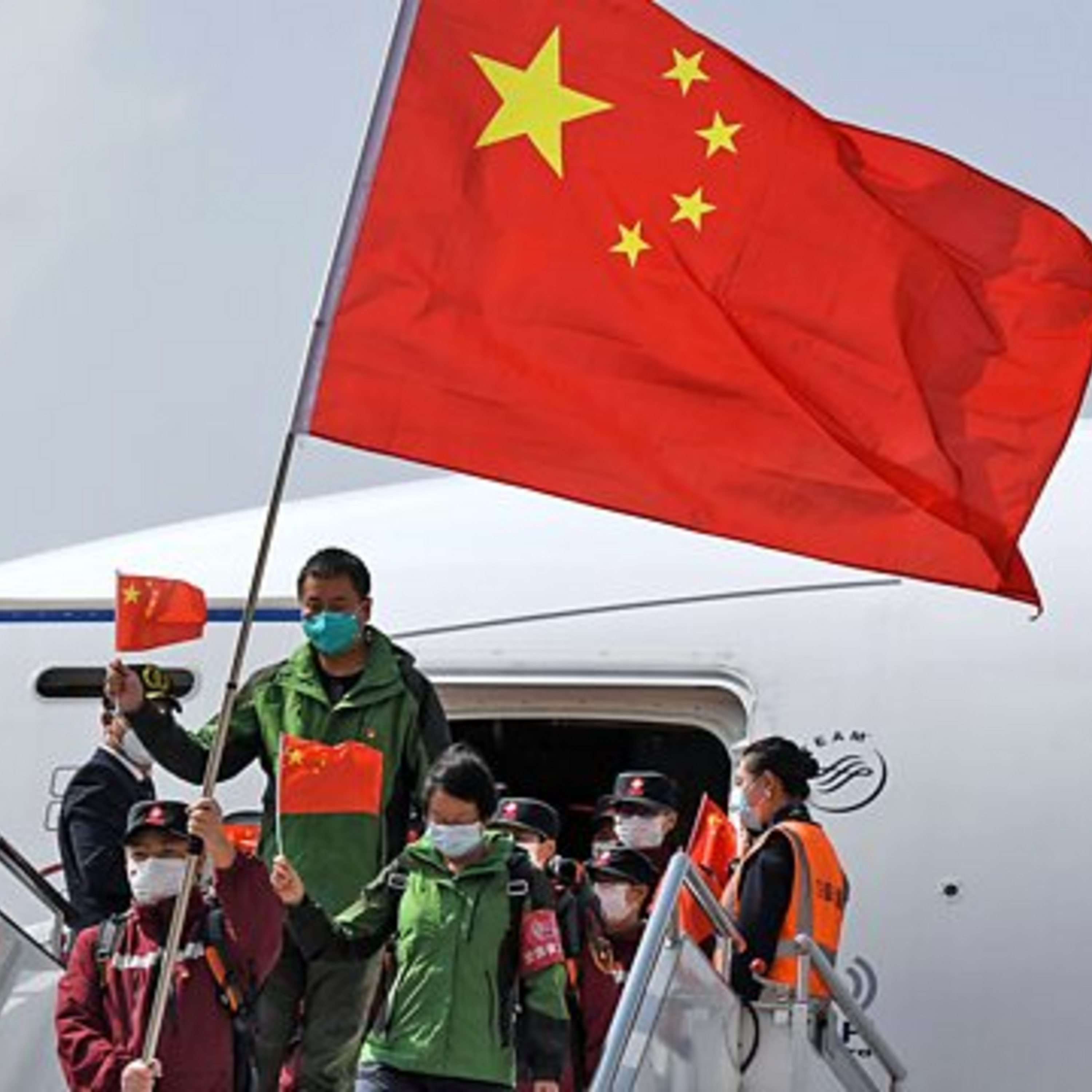
How have China's relations with other countries changed since the arrival of the virus? The US and China have been facing each other off for years, but increasingly other nations are questioning the benefits that China's growing dominance has brought. David Aaronovitch explores how that is being viewed within China itself. Has trust in the communist regime declined or are nationalistic attitudes strengthening? And what changes might this bring to global power dynamics in the future? Contributors: Professor Niall Ferguson of Stanford University, Rafaello Pantucci from RUSI, Yu Jie from Chatham House, economist and author Dr Linda Yueh and Professor Steve Tsang from SOAS. Producers: Kirsteen Knight, Sally Abrahams and Rosamund Jones. Editor: Jasper Corbett.
Coronavirus and the economy
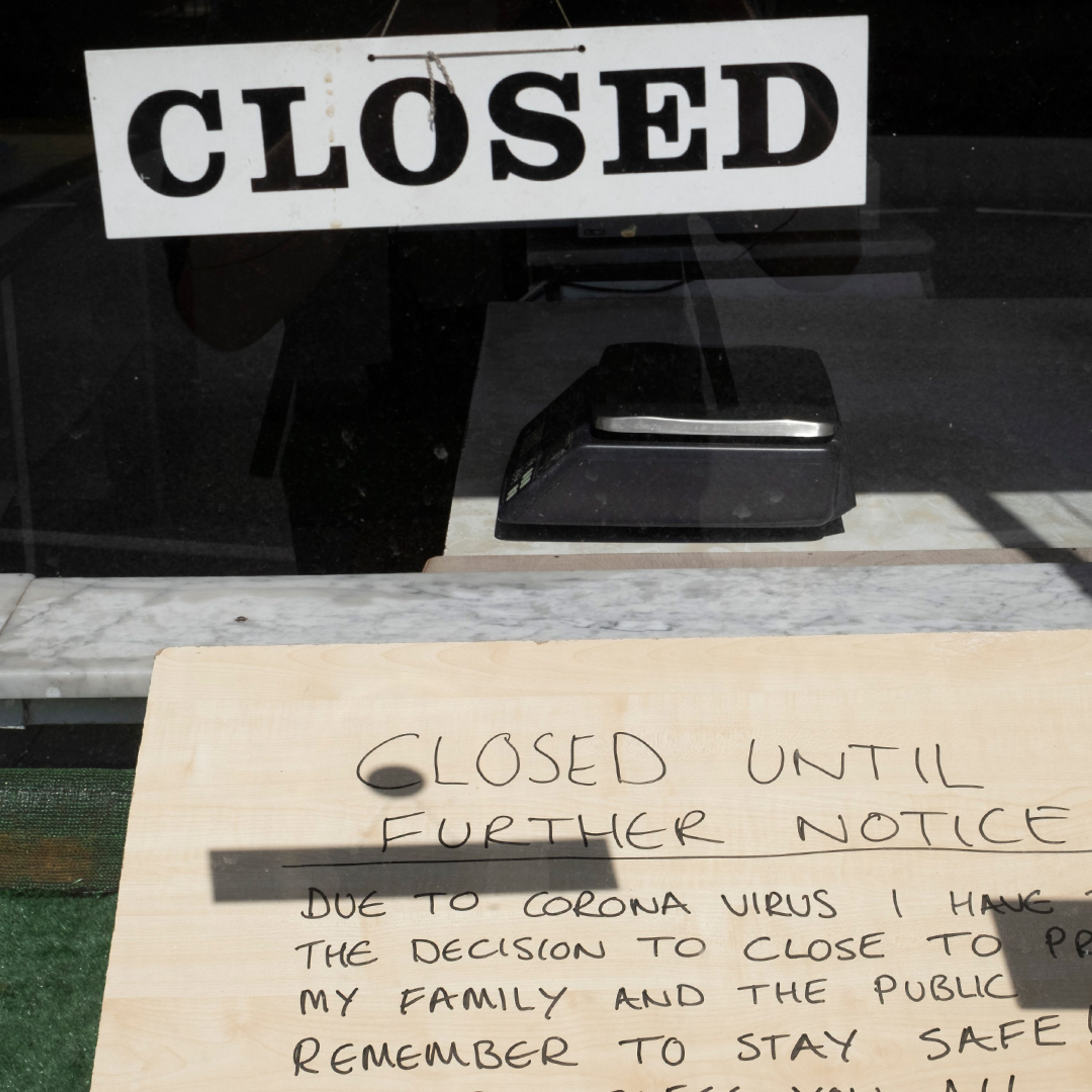
What damage are the pandemic and lockdown doing to the economy and what could happen next? David Aaronovitch explores the economic impact of physical distancing on business, whether our fast expanding national debt is sustainable and the threat posed by declining consumer confidence on our economic recovery. Does history offer a guide as to how and when people should return to work and government support be turned off? And what will our economy look like when the lockdown is eased? Contributors:Faisal Islam, BBC Economics EditorKate Nicholls, chief executive of UKHospitalityJeffrey Frankel, Professor of Capital Formation and Growth at Harvard UniversityProfessor Jagjit Chadha, Director of The National Institute of Economic and Social Research Stephanie Flanders, senior executive editor at Bloomberg and head of Bloomberg EconomicsProducers: Luke Radcliff, Sally Abrahams and Rosamund Jones. Editor: Jasper Corbett
Covid-19 and the Care Sector
Have the mounting deaths exposed cracks in the way we deliver care to some of our most vulnerable people? David Aaronovitch looks at how the system is structured and funded. and why it sometimes struggles to gain the political attention it needs. This is a sector in which people have called for reform has for decades but very little has been delivered. How have other countries care systems coped during the pandemic and what lessons could we learn? Contributors: Alison Holt, BBC Social Affairs CorrespondentWilliam Laing, Chairman of Laing Buisson Jill Manthorpe, Professor of Social Work at King's College London Adelina Comas-Herrera, researcher at the London School of EconomicsNatasha Curry, Acting Deputy Director of Policy, Nuffield TrustProducers: Luke Radcliff, Sally Abrahams and Rosamund Jones Editor: Jasper Corbett
Easing the lockdown
Some countries have opened schools, hairdressers and small non-food shops. David Aaronovitch asks what has guided those tentative first steps and whether the lockdown can be eased safely. What have we learnt about the behaviour and epidemiology of the virus and how might that inform decisions in the UK? He also quizzes experts about how long it could take to end the lockdown fully, and whether some form of social distancing could be in place for many months to come. Contributors: Dr Nathalie MacDermott, Imperial College LondonDr Michael Tildesley, Warwick UniversityProf Hans Joern Kolmos, University of Southern DenmarkProf Martin McKee, The London School of Hygiene and Tropical MedicineNgaire Woods, Blavatnik School of Government and Professor of Global Economic Governance at Oxford UniversityProducers: Kirsteen Knight, Darin Graham and Rosamund Jones Editor: Jasper Corbett
The psychological impact of the coronavirus pandemic
What do we know about how we are coping with the pandemic crisis? David Aaronovitch looks at the impact the three month lockdown has had on people in China and asks how different groups in the UK - just three weeks in - are faring. What are the particular difficulties faced by the most vulnerable and those who have been advised to self isolate, maybe for many months, during the pandemic? He asks what strategies can be put in place to reduce mental hardship now and in the coming weeks. And when normality resumes, how changed might we be? Contributors: Dr George Hu, Shanghai United Family Pudong HospitalHelen Westerman, ChildlineProf Bobby Duffy, King's College LondonProf Stephen Reicher, University of St AndrewsProf Neil Greenberg, King's College London.Producers: Kirsteen Knight, Darin Graham and Rosamund Jones. Editor: Jasper Corbett.
The Inequalities of Lockdown
What effect is the lockdown having across the country and population? David Aaronovitch examines which jobs have been lost, whose health is more at risk and whose education is most likely to suffer. Is the lockdown likely to increase inequality? And if it does, how might a government reverse that trend once normal life is resumed? Contributors: Professor Angus Deaton from Princeton University, Professor Simon Burgess from Bristol University, Xiaowei Xu from the Institute for Fiscal Studies, Paul Swinney from the Centre for Cities and Miatta Fahnbulleh from the New Economics Foundation. Producers: Kirsteen Knight, Darin Graham and Rosamund Jones. Editor: Jasper Corbett
Covid-19: What Next?
Why have some countries run mass-testing operations when others, including the UK, have not? David Aaronovitch examines how South Korea and Germany have approached the coronavirus pandemic and what they have learned from the data they've gathered. He also looks at how the hunt for a vaccine is progressing and who is in the race, as well as the role existing anti-viral drugs might play in reducing the threat posed by Covid-19. Contributors:Professor Devi Sridhar, Chair of Global Public Health, University of EdinburghDr Jerome Kim, Director General of the International Vaccine InstituteDr Philipp Zanger, Head of the Institute of Hygiene, Infection Control and Prevention at the Rhineland-Palatinate Agency for Consumer and Public ProtectionProfessor Adrian Hill, Director of the Jenner InstituteProfessor Johan Neyts, virologist, University of Leuven, Belgium. Producers: Kirsteen Knight, Darin Graham & Rosamund Jones Editor: Jasper Corbett
UK fishing and Brexit
The UK fishing industry will be central to EU trade negotiations, starting soon. David Aaronovitch explores why a sector, which contributes very little to the overall economy, has gained such political and cultural importance. He asks why there is such a mismatch between the kind of fish we catch and the kind of fish we eat. When did cod become so central to our diets? With his guests, he also traces the industry's relationship with the EU down the decades. To what extent did the imposition of EU quotas reduce the amount of fish UK boats catch? And should fishing now expect a 'Brexit bounce'? Contributors: Hazel Curtis, director of Seafish Nick Fisher, fisherman and authorJohn Lichfield, journalistDr Jill Wakefield, University of Warwick. Dr Bryce Stewart, University of York Producers: Kirsteen Knight, Jordan Dunbar and Rosamund Jones. Editor: Penny Murphy.
Sinn Féin's rise
Sinn Féin's historic result in the Irish election has the potential to change the face of Irish politics - dominated for the past hundred years by the two main parties, Fine Gael and Fianna Fáil. So what lies behind the rise of Sinn Féin? And to what extent has it put its past association with violent republicanism behind it? David Aaronovitch is joined by guests including: Naomi O'Leary correspondent at Politico Europe Brian Feeney, historian and author Professor Roy Foster, professor of history at Oxford University. Dr Margaret O'Callaghan, political analyst at Queens University, Belfast Dr Theresa Reidy, political scientist at University College CorkProducer: Jordan Dunbar Editor: Jasper Corbett -
Treating Terror
In recent months convicted terrorists just released from prison have launched knife attacks which have maimed and killed - the latest one on Streatham High Street in South London. Both attackers were shot dead by police officers. David Aaronovitch asks why events like these are happening, and whether we are releasing convicted terrorists too early. The government is promising swift action, but will the proposed changes make us safer? He asks what we know about the success of de-radicalisation programmes in our prisons and whether there are lessons we should be learning from other countries. Contributors: Nazir Afzal, former Chief ProsecutorAndrew Silke, Professor of Terrorism, Risk and Resilience at the Cranfield Forensic InstituteLord David Anderson QC, former Independent Reviewer of Terrorism Legislation in the United KingdomDominic Casciani, BBC Home Affairs CorrespondentProducers: Rosamund Jones, Kirsteen Knight, Jordan Dunbar and Tom Wright Editor: Jasper Corbett
How to do a trade deal
For the first time in decades the UK will now negotiate its own trade deals. David Aaronovitch explores our options and likely outcomes.Free trade deals can take years and require hundreds of highly skilled staff in what are described as the biggest games of poker you can play.Former US trade negotiators reveal a world of bluffs, plays and tapped phone calls.How should the UK should play its hand with the US, EU and rest of the world as we exit the European Union?There are losers in every trade deal, how prepared is the UK to cope with that?Contributors: Soumaya Keynes, trade and globalisation editor, The EconomistCharles Grant, Centre for European Reform Ron Sorini, Sorini, Samet and AssociatesWendy Cutler, Asia Society Policy Institute Roderick Abbot, former senior trade official with the European Commission and trade negotiatorProduced by Rosamund Jones, Kirsteen Knight and Jordan Dunbar Editor: Jasper Corbett
How dangerous is the coronavirus?
What lessons do previous pandemics provide about how we should treat the new coronavirus? David Aaronovitch tracks the disease's origins in China, explores its spread. He considers how dangerous this virus is and asks how prepared we are for an outbreak in the UK. Contributors:Howard Zhang, editor of the BBC’s China serviceDr Nathalie McDermott, Imperial College, LondonJohn Oxford, Professor of Virology, Queen Mary’s College, LondonDr Josie Golding, Epidemic Preparedness and Response Programme at The Wellcome Trust.Producers: Rosamund Jones, Kirsteen Knight and Jordan Dunbar Editor: Jasper Corbett
Powering Up The North
The government wants an infrastructure revolution in the north of England. David Aaronovitch looks at whether improving transport networks could reduce economic differences between the north and south. He talks to experts about how the Treasury judges whether a project value for money. And he considers which projects might be the best ones to pursue and whether we have the necessary skills to deliver them. ContributorsGeraldine Scott, The Yorkshire PostAlasdair Reisner, Civil Engineering Contractors Association (CECA)Dr Marianne Sensier, University of ManchesterTom Forth, Open Data Institute, LeedsPaul Swinney, The Centre for Cities Producers: Rosamund Jones, Jordan Dunbar, Kirsteen Knight Editor: Jasper Corbett
Iran's Revenge
The killing of General Soleimani by the United States has led to uproar in Iran. Massive crowds have accompanied his coffin through the streets and he is now hailed as a martyr. Retaliation has started with a missile attack against US airbases in Iraq, led by The Revolutionary Guard (IRGC). David Aaronovitch examines the history and political clout of one of the most feared military organisations in the world. The IRGC's sphere of influence spreads deep into Iranian society and abroad too. What role will it play in what happens next and what impact will recent events have on US and Iranian foreign policy? Contributors: Ambassador Barbara Leaf, former US ambassador to the UAE and senior fellow at The Washington Institute for Near East PolicyAniseh Bassiri Tabrizi, research fellow at The Royal United Services Institute (RUSI) Ali Alfoneh, senior fellow at the Arab Gulf States Institute, Washington DCAzadeh Moaveni, senior analyst at the International Crisis GroupMehrzad Boroujerdi, Director of the School of Public and International Affairs, Virginia Tech. Producers: Rosamund Jones, Jordan Dunbar and Kirsteen Knight Editor: Jasper Corbett
News Review of the Year 2019
A look back at some of the big stories that hit the headlines in 2019. Jonny Dymond is joined by: Jennifer Williams of the Manchester Evening News Rory Sutherland of the Spectator and Ogilvy Group Helen Lewis of The Atlantic.
How Do We Get Brexit Done?
'Get Brexit Done' was the slogan that helped lead the Tories to an election victory - but how will that be achieved? It's the pressing task now facing government, but what might Brexit actually look like and how long could it take? David Aaronovitch considers the political and economic pros and cons of the different kinds of trading arrangements the UK and EU might end up with. Are the UK and EU both clear about their priorities and what might cause them to shift? And if we do sort out a trade deal, will Brexit be done or is there more to come? Contributors: Jill Rutter, UK in a Changing Europe Mujtaba Rahman, Eurasia GroupDavid Henig, UK Trade Policy ProjectKatya Adler, BBC Europe Editor Peter Foster, Europe Editor of the Daily TelegraphProducer: Rosamund Jones Editor: Jasper Corbett
Middle East Youthquake
A wave of protests are sweeping through Iran, Iraq and Lebanon. Retribution in Iraq and Iran has been swift and savage, and hundreds of young people have been killed - but what lies behind the unrest? David Aaronovitch explores the common themes - unemployment, crony sectarianism, corruption and hopelessness. These were the issues that led countless thousands onto the streets in many middle eastern countries during the Arab Spring ten years ago. What lessons have governments and protesters learnt since then? The young people are hoping for sustained political and economic change this time. What chance is there of that happening? CONTRIBUTORS: Jeremy Bowen, BBC Middle East EditorDr Lena Khatib, Head of the Middle East and North Africa Programme at Chatham HouseMichael Safi, International Correspondent, The GuardianPesha Magid, Journalist Lizzie Porter, Journalist Producer: Rosamund Jones Editor: Jasper Corbett
Malta: Shady People in a Sunny Place
The island of Malta is the European Union's smallest state. Yet it is giving Brussels one of its biggest headaches. After the very public blowing up in her car of an investigative journalist in 2017, the slow investigation into her death took a dramatic turn earlier this week with the sudden resignation of the prime minister. Some of his closest associates have also gone.But what are the reasons for this development? Why has Malta become the centre of such attention and scrutiny after centuries of relative obscurity? What do its travails tell us about modern European economies and the rule of law? And why does the European Union seem to struggle at ensuring political accountability among its member states?David Aaronovitch invites us into The Briefing Room to discover the answers.Editor Jasper Corbett
General Election Promises: Tax and Spend?
Politicians are busy making big electoral promises. Some of them are to be funded by taxing wealthier people. But will the next chancellor be able to get the money they need from high earners, or will they need to find new ways of funding their ambitions? David Aaronovitch discovers, with his guests, what wealth consists of and who today has the means to contribute more to the UK tax kitty and how they could pay it. How many are there of them? And, importantly, are they the people we think they are? Might we be surprised to discover who qualifies as wealthy?CONTRIBUTORS:Torsten Bell, chief executive of the Resolution Foundation, an independent think-tank that focuses on the living standards of those people on low and middle incomes.John Whiting, CBE, former tax director of the Office of Tax SimplificationPat Thane, Visiting Professor in History at Birkbeck, University of London and an expert on ageing, the welfare state and pensionsMerryn Somerset Webb, editor-in-chief of the personal finance magazine, MoneyWeek, and a columnist for the money section of FT Weekend.Producer Simon Coates Editor Jasper Corbett
Brexit: a pivotal week?
MPs voted in favour of the government's Brexit deal but then rejected the PM's plan to fast-track a bill through Parliament to implement it. Opposition to the deal is still strong in some quarters. Northern Ireland’s DUP withdrew its support for because it would lead to a customs border in the Irish Sea. The Scottish and Welsh governments believe it could undermine the powers of their devolved legislatures.So what could this deal mean for the future of the United Kingdom? And what might it mean for the future relationship between the UK and the EU? And could Brexit still be derailed by groups which are implacably opposed to it? David Aaronovitch is joined by: Jill Rutter - Senior Research Fellow, UK in a Changing Europe Rob Ford - Professor of Politics, University of Manchester Sam Lowe - Senior research fellow, Centre for European Reform Alison Young - Professor of Public Law, University of Cambridge Sam McBride - Political editor at The Belfast News LetterProducer: Serena Tarling Editor: Jasper Corbett
Turkey, Syria and the Kurds
Donald Trump’s recent announcement that he was withdrawing the remaining US troops in northern Syria sent shockwaves across the security establishment, and caught allies in the region off guard.Turkey moved swiftly to launch an offensive against Kurdish forces across the border. What does President Erdogan want to achieve? And where does this leave the political map of the region and the fight against the Islamic State group?David Aaronovitch speaks to guests about the phone call that started it off and what could happen next.GUESTSEric Schmitt - senior writer covering terrorism and national security issues for The New York Times and co-author of Counterstrike Dr Amanda Sloat - senior fellow at The Brookings Institution and former Deputy Assistant Secretary for Southern Europe and Eastern Mediterranean Affairs at the State Department Charles Lister - senior fellow at the Middle East Institute and author of The Syrian Jihad: Al Qaeda, the Islamic State and the Evolution of an Insurgency Lina Khatib - Head of the Middle East and North Africa Programme at Chatham House Seth Frantzman - Middle East affairs analyst for the Jerusalem Post and the author of After Isis: America, Iran and the struggle for the Middle East (September 2019).Producer: Serena Tarling Editor: Jasper Corbett
Climate change and meat: what's the beef?
Would cutting back on meat consumption help tackle climate change? What impact would this have on individuals, governments and businesses? Livestock farming accounts for at least 14.5% of all human emissions - with beef making up the highest proportion of this. Meat free burgers are now available at fast food restaurants across the western world; veganism is on the rise, as is flexitarianism - a largely vegetable-based diet supplemented occasionally with meat. But how far can these eating trends help to reduce carbon emissions?David Aaronovitch is joined by: Dr Hannah Richie - Head of Research at Our world in data, University of Oxford Tim Searchinger - Senior Fellow, World Resources Institute and Princeton University Professor Louise Fresco - President of the Wageningen University Laura Wellesley - Research fellow in the Energy, Environment and Resources Department at Chatham House Toby Park - Head of Energy and Sustainability, Behavioural Insights TeamProducer: Serena Tarling Editor: Jasper Corbett
Trump, Ukraine and impeachment
What's the Trump impeachment inquiry about? The White House is in damage limitation mode following a whistleblower complaint that revealed details about a phone call between President Trump and Ukraine's president, Volodymyr Zelensky. The whistleblower expressed an 'urgent concern' that Mr Trump had used his office to pressure a foreign power to damage a political rival and leading Democratic presidential candidate, Joe Biden.Now the Democrats have launched a formal impeachment inquiry into what went on. Where might this end up and what does it mean for American politics? David Aaronovitch is briefed on the wider context to this story and how the case will likely be built both for and against Donald Trump. He also asks how significant this moment is likely to be in US history? GUESTS:Josh Gerstein, Senior Legal Affairs Contributor, Politico Jonah Fisher, BBC correspondent in Kiev Leslie Vinjamuri, Head of US and Americas programme at Chatham House Elaine Kamarck, Senior Fellow in the Governance Studies program at the Brookings Institution Amy Jeffress, former federal prosecutor and partner at Arnold and Porter law firmProducer: Serena Tarling Editor: Jasper Corbett
Britain’s constitutional dilemma: who now runs the country?
The Supreme Court has ruled that Boris Johnson's decision to prorogue Parliament was unlawful, turning a page on the country’s constitution. The Supreme Court president Lady Hale said "the effect on the fundamentals of democracy was extreme." The Prime Minister responded that he "strongly disagrees" with the ruling but will "respect" it. So is British democracy at a crossroads? In an extended edition of the Briefing Room, David Aaronovitch asks who is running Britain and is it now time to have a written constitution.CONTRIBUTORS:Alison Young, Professor of Public Law, University of Cambridge.Philip Norton, Professor of Government, and Director of the Centre for Legislative Studies, University of HullDavid Allen Green, contributing editor to the Financial Times and lawyer at Preiskel & CoMichael Keating, Director of the Centre on Constitutional Change at Edinburgh University and Professor of Politics, at the University of Aberdeen. Meg Russell, Director of the Constitution Unit at University College London, Senior Fellow at the UK in a Changing EuropeMurray Hunt, Director of the Bingham Centre for the Rule of LawProducer: Neil Koenig Editor: Jasper Corbett
What are the Risks of Vaping?
Seven recent deaths in America have been linked to the use of electronic cigarettes. The federal government and some states have made moves to ban the use of the products - other countries, such as India, are following. But some experts believe that vaping has a useful role to play in helping people to give up smoking. In this week's programme David Aaronovitch asks why have e-cigarettes become so popular, and what are the risks of using them?CONTRIBUTORSTom Novotny, Professor of Epidemiology and Biostatistics, San Diego State UniversityHannah Kuchler, US Pharma and Biotech Correspondent, The Financial TimesLinda Bauld, Professor of Health Policy, the University of EdinburghLion Shahab, Associate Professor in Health Psychology, University College London.Producer Neil Koenig Editor Jasper Corbett
The Battle for Britain
It’s been another extraordinary week of politics. Parliament is closed, but a general election is on the horizon. What strategy should the party leaders follow to come out victorious? David Aaronovitch slips into character to seek advice as to how Boris Johnson, Jeremy Corbyn, Jo Swinson, Nigel Farage and Nicola Sturgeon should play the coming weeks and months. Guests: David Cowling, political analyst and expert in voting patterns Rosie Campbell, Professor of Politics at King’s College London Rob Ford, Professor of Political Science at Manchester University
The United Kingdom, Brexit and its History
In a momentous week for British politics, David Aaronovitch presents a special hour-long edition of The Briefing Room in which he asks whether the United Kingdom's history might help us to understand better the political storms buffeting the country. What has the debate over Brexit done to Britain’s political parties and its parliamentary system, what does Brexit mean for the future of the union, what does it tell us about Britain’s place in the world and what has it revealed about the state of the country and the public’s faith in government as its provider and protector?Joining David Aaronovitch are: Margaret MacMillan, Professor of History at Oxford University Anne Deighton, Emeritus Professor of History at Wolfson College Mary Daly, Emiritus Professor of Modern Irish History at University College Dublin Lord Lexden, the official historian of the Conservative Party Professor Ian McLean, Senior Research Fellow in Politics at Nuffield College Oxford Alwyn Turner, social historian. Producer Neil Koenig Editor Jasper Corbett
Has Narendra Modi changed India?
It's the world's biggest organised event: 900 million eligible voters across India have been to the polls in the last six weeks after five years of Narendra Modi's BJP government.Narendra Modi's ambition was to project India as a global economic power, clamping down on corruption and burnishing its national security credentials. How far has he achieved this? And to what extent should India's non-Hindus be concerned about Narendra Modi's brand of Hindu nationalism? David Aaronovitch speaks to experts to find out.GUESTS:Dr S Y Quraishi - Former Chief Election Commissioner Soutik Biswas - India correspondent for BBC news online Kunal Sen - Director, Professor of Development Economics, University of Manchester Ambassador Nirupama Rao - India’s foreign secretary 2009-11; former ambassador to the US, China and Sri Lanka James Crabtree - India expert at Lee Kuan Yew School of Public Policy in Singapore and author of The Billionaire Raj
Could the United States and Iran go to war?
The British Foreign Secretary has warned of the danger of Iran and the United States stumbling into a war by accident. And the signs are ominous: the US accelerated the deployment of an aircraft carrier and B52 bombers to the Persian Gulf and all non-essential staff are being withdrawn from the US Embassy in Baghdad. US National Security Adviser John Bolton said any attack by Iran on America or its allies would be met with what he called unrelenting force. So what's the risk of a war breaking out? David Aaronovitch is joined by: Ali Vaez of the International Crisis Group Kori Schake of the International Institute for Strategic Studies Aniseh Barissi Tabrizi of the Royal United Services Institute Robert Cooper, former EU diplomat. Barbara Leaf, former US diplomat and State Department official
Should vaccinations be compulsory?
With measles infections on the rise in the UK, should vaccinations be made compulsory?Measles is an ‘entirely preventable’ disease, says the UN – and for a while the UK and other developed countries had prevented it. But during the first three months of this year, the World Health Organisation reported 112,000 cases of measles. Over the same time last year it was 28,000In the UK we once again have outbreaks of measles and a falling vaccination rate. David Aaronovitch asks how much this matters and whether, as the Health Secretary has said recently, we should rule nothing out, even including compulsory vaccination.CONTRIBUTORSGareth Williams, Emeritus Professor of Medicine at the University of Bristol and author of Angel of Death: The Story of SmallpoxProfessor Heidi Larson, director of The Vaccine Confidence Project at the London School of Hygiene and Tropical MedicineHugh Whittall, director of The Nuffield Council on Bioethics Dr Stephen John, Hatton Lecturer in the Philosophy of Public Health at the University of CambridgeProducers: Richard Fenton-Smith & Serena Tarling Researcher: Kirsteen Knight Editor: Jasper Corbett
Does the UK have an opioid problem?
Prescriptions for opioid painkillers have increased by 60 per cent in the UK during the last decade, and the number of codeine-related deaths in England and Wales has more than doubled. The government is now planning to put prominent warnings about the dangers of addiction on the packaging of opioid medicines, to protect people from 'the darker side of painkillers' - as Secretary of State for Health Matt Hancock put it. This is an effort to avoid the situation in the United States where 130 people die every day from opioid-related drug overdoses, which has prompted President Donald Trump to declare a national health emergency.But are we really on the precipice of our own epidemic? David Aaronovitch asks how the situation got so out of control in the USA and whether the UK should do more to regulate painkillers containing opioids. CONTRIBUTORS Sam Quinones, journalist and author of 'Dreamland: The True Tale of America's Opiate Epidemic'. Dr Raeford Brown, former chair of the FDA's Anesthetic and Analgesic Drug Products Advisory Committee Dr Luke Mordecai, consultant anaesthetist at University College Hospital, with research focus on opiate use and complex pain Professor Leslie Colvin, chair of pain medicine, University of DundeeDr Emily Finch, consultant addiction psychiatrist at the South London and Maudsley NHS TrustProducers: Serena Tarling & Richard Fenton-Smith Researcher: Kirsteen KnightDetails of organisations offering information and support with addiction are available at bbc.co.uk/actionline, or you can call for free at any time to hear recorded information on 08000 155 947.
What drives religious intolerance?
Is religious intolerance on the rise, and if so, what is behind it?In Sri Lanka this week, people claiming to be acting out of religious belief killed more than 350 people, mostly of a different faith – in this case Christians. Religious intolerance is a theme which has surfaced in the news with some frequency in recent years – be it the persecution of the Rohingya in Myanmar, the Yazidis in Iraq, the Uighurs in China or numerous blasphemy trials in Pakistan. On this week's programme, David Aaronovitch asks whether religious intolerance – be it intolerance of religions, or by religions - is actually on the rise.If so, who is leading this – governments? Nationalist political movements? Or the faithful themselves? CONTRIBUTORS:Alan Keenan, senior analyst at the International Crisis GroupAlan Cooperman, Director of Religion research, Pew Research CentreKaren Armstrong, author of The Lost Art of Scripture: Rescuing the Sacred TextsOliver McTernan, founder of the conflict resolution organisation, Forward ThinkingRobin Gill, Emeritus Professor of Applied Theology at the University of Kent
What's in the Mueller report?
The investigation has taken nearly two years, cost tens of millions of dollars, and led to dozens of criminal charges. Now, a redacted version of Robert Mueller’s report into whether Russia interfered in the 2016 US Presidential election is going to be delivered to Congress. This week David Aaronovitch and his guests in the Briefing Room examine what’s in the report, and what does it all mean - especially for Donald Trump and his prospects for winning a second presidential term next year.Contributors: Katie Benner, Justice Department reporter, New York Times Dr Leslie Vinjamuri, Head of the US and the Americas Programme, Chatham House Shira Scheindlin, former United States District Judge Larry Sabato, Professor of Politics at the University of Virginia
What Next For Europe?
David Aaronovich examines the likely lasting impact of the UK's decision to quit the European Union - not on Britain but on mainland Europe. The European Union is struggling to reconcile competing views of the economy, of national identity and of ideology. As populist political parties play an increasing role in the governance of member states, some expert Euro-watchers give their views of the divisions and the chances of them being reconciled. Might the EU "widen" its reach to new countries? Or deepen" the binds between member countries? Or is it time to concede that voters across the Continent prefer sovereignty to be exercised within national states. Presenter: David Aaronovich Producer: Sally Abrahams Researcher: Kirsteen Knight Editor: Andrew Smith
How divided are we?
As the Brexit negotiations rumble on Britain appears more divided than ever. This week David Aaronovitch and his guests ask how deep is that division and what it would take to unify the country?Contributors: Professor Sara Hobolt, London School of Economics Professor Sir John Curtice, University of Strathclyde Margaret MacMillan, emeritus Professor of International History at Oxford University Deborah Mattinson, Founder, BritainThinks Paula Surridge, Senior Lecturer, University of Bristol
Britain's Future
With the route of the UK’s departure from the European Union still unclear, this week David Aaronovitch looks at Britain’s place in the world and assesses what lies ahead in the next stage of negotiations with the EU. Joining David in the Briefing Room are: Ngaire Woods, Dean of the Blavatnik School of Government at Oxford University, Sam Lowe, Senior Research Fellow at the Centre for European Reform, Meg Russell, Director of the Constitutional Unit at University College London and Stefanie Bolzen, London Correspondent of German newspaper, Welt.Producer: Jim Frank Editor: Jasper Corbett
Should we worry about Huawei?
The boss of Chinese telecoms giant, Huawei, says his company would never spy on behalf of the Chinese state. But some experts think it would be a mistake for Britain to involve the company in the development of the 5G network. What's the relationship between Huawei and the government in Beijing, is the company a reliable partner and what should Britain do? David Aaronovitch is joined by: Dr Linda Yueh, Economist at the University of Oxford and author of 'The Great Economists'. Wanyuan Song, BBC Journalist Jan-Peter Kleinhans, Project Director IoT-Security at Stiftung Neue Verantwortung Professor Steve Tsang, Director of the China Institute, the School of Oriental and African Studies Charlie Parton, Senior Associate Fellow, Royal United Services Institute Emily Taylor, Editor, Chatham House's Journal of Cyber Policy Dr Tim Stevens, Lecturer in Global Security, King's College London
Should we scrap GCSEs?
The Conservative chairman of the Education Select Committee called GCSEs 'pointless' and said they should be abolished. David Aaronovitch asks if it is time for the exam system in England, Wales and Northern Ireland to be completely overhauled. GUESTS Sandra Leaton Gray Associate Professor in Education at University College London’s Institute of Education Laura McInerney, former editor of Schools Week and education writer Andreas Schleicher, Director for Education and Skills at the Organisation for Economic Co-operation and Development Sir Mike Tomlinson, former Chief Inspector for Ofsted Lord Baker, former Education Secretary who brought in GCSEs Peter Mandler, cultural historian at Cambridge University
Britain's car-making future under threat
The Japanese car maker Nissan has announced its next generation of SUVs will be made, not in Sunderland as planned, but in Japan. Jaguar Land Rover has announced big losses and Honda has announced job cuts at its plant in Swindon. David Aaronovitch and guest discuss why the car industry is facing such uncertain times and if it will ever recover. Guests: Professor David Bailey, Aston Business School Dan Coffey, Leeds University Business School Professor Matthias Holweg, Said Business School, Oxford University Catherine Faiers, Operations Director, Autotrader Peter Campbell, Global Motor Industry Correspondent, The Financial Times Ian Henry, Managing Director, AutoAnalysis
Why are so many people sleeping rough in Britain?
New figures show a slight decline in people sleeping rough in England. But since 2010 the trend has been upwards. Why? And what can be done about it?David Aaronovitch talks to guests about the drivers that lead people to sleep rough, and how the UK is dealing with the problem now. GUESTSRisha Lancaster - Co-Founder of Coffee4Craig in Manchester and a volunteer at a night shelter Michael Buchanan - BBC Social Affairs Correspondent Louise Casey - Head of the government's Rough Sleepers Unit from 1999 - 2003 Nicholas Pleace - Director of Centre for Housing Policy at the University of York Jon Sparks - CEO of homeless charity, Crisis
Brexit and Ireland: What's at stake?
What is at stake for Northern Ireland and the Irish Republic in terms of security, the economy and the politics, as Britain prepares to leave the EU. David Aaronovitch and guests discuss. GUESTSPeter Taylor - BBC journalist who has covered Northern Ireland for nearly five decades. John Campbell - BBC Northern Ireland’s Economics & Business Editor Dr Katy Hayward - Political Sociologist at Queen's University, Belfast Dr Margaret O'Callaghan - Political Analyst at Queen's University, Belfast Dr Etain Tannam - Expert in Irish diplomacy and cross-border co-operation, Trinity College, Dublin
Is Britain’s political system broken?
There is little or no consensus in Westminster about what kind of Brexit, if any, MPs want. The government's plan was defeated by a whopping 232 votes. And Labour's vote of confidence in the government was then defeated. Brexit has stretched the British parliamentary system to its limits. David Aaronovitch and guests examine Britain's constitutional crisis and ask if the current political system is irretrievably broken. GUESTS Katy Balls - Deputy Political Editor of The Spectator Sam McBride - Political Editor of The Belfast Newsletter Alison Young - Professor of Public Law at the University of Cambridge Robert Hazell - Professor of Government and the Constitution at University College, London
Universal Credit: What's gone wrong and can it be fixed?
Work and Pensions Secretary, Amber Rudd, this week announced that the next stage of the Universal Credit roll-out is to be scaled back amid concerns about the controversial new benefits system. So what were the origins of the Universal Credit policy and can its flaws be fixed?CONTRIBUTORSRoy Sainsbury - Professor of Social Policy at the University of YorkBaroness Philippa Stroud - former government advisor and CEO of the Legatum InstituteKayley Hignell - Head of Policy for Family, Welfare and Work at Citizens AdviceFran Bennett - Senior Research Fellow at the Department for Social Policy and Intervention at Oxford UniversityTorsten Bell - Director of the Resolution FoundationDeven Ghelani - Founder of Policy in Practice
Climate Change: is time running out?
In October, the IPCC, the UN body that reports on climate change, issued a stark warning. It said that if the world wanted to avoid catastrophic environmental damage, we needed to reduce carbon emissions by almost half in the next 12 years. So what needs to be done now if that target is to be reached? What's the position in China, the world's largest emitter of carbon dioxide? And how important is the stated intention of President Trump to withdraw the United States from the Paris Agreement on greenhouse gas emissions? We hear from, among others, Professor Lord Nicholas Stern, the author of the seminal Stern Review in 2006.
Brexit: Where Next?
Theresa May has been back in Brussels to attend a meeting of EU leaders, a day after surviving a leadership challenge at home. Her mission: to try to extract some form of concession from the other 27 EU member states that might persuade MPs in Westminster to support the withdrawal agreement the UK has concluded with the EU. Few commentators give her much chance of success. It still seems likely that when the deal is finally voted on by Parliament, it will be rejected. So what would happen then? Would the UK be heading for the EU exit door with no-deal? Might there be a vote of confidence that could lead to a general election? Could MPs from both main parties form a temporary government of national unity? Or might the Prime Minister accede to demands for a new referendum? With the historian Peter Hennessy, Jill Rutter of the Institute For Government, Agata Gostynska-Jakubowska of the Centre for European Reform and Meg Russell from University College London.
Les Gilets Jaunes
In France a wave of protests has brought the country to a standstill in recent weeks. The original cause of the anger - the government's plan to raise the rate of tax on diesel - has now disappeared. President Macron responded this week to the mood in the country by withdrawing the tax, due to be introduced next year. The question now is whether that will temper the anger of the Gilets Jaunes, the protesters who take their name from the hi-viz vest that every French driver must carry with them in their vehicle. The protesters form an amorphous movement without leaders and their demands are many and various. President Macron is being criticised as much for his style and tactics as his policy. Where does France go from here? With Sophie Pedder of The Economist, the geographer Christophe Guilluy, the pollster Bruno Jeanbart, the writer Jane Weston-Vauclair and Professor Philippe Marliere of University College London.
Deal or no deal?
Theresa May is urging her MPs to accept the deal she has struck with Brussels on the UK's withdrawal from the EU. The trouble is that few in Westminster believe this is a vote she can win and Brussels has said no further negotiations are possible. With the vote due on December the 11th the Prime Minister has less than two weeks to get MPs to change their minds. If Parliament does reject the deal, does that mean a no-deal in March next year? If not, how can no-deal be avoided. Contributors: Tim Durrant, Senior Researcher at The Institute for Government Alex Barker, Brussels Bureau Chief of The Financial Times Patrick Smyth, Europe Editor of The Irish Times Professor Meg Russell, Director of the Constitution Unit at University College London