
The Big Story
511 episodes — Page 7 of 11
Ep 660What is the Reason Behind Resurgence of COVID-19 Cases in Pune?
Amid a surge of new COVID-19 infections across the country, Maharashtra is in the headlines again, a state that faced the brunt of COVID cases in 2020 and on 18 March, reported 25,833 new cases – the biggest ever one-day spike in the state. And one city is holding the torch for being the national COVID hotspot again – Pune, where every third case in the state has been recorded. It is also the home of Serum Institute of India, the manufacturer of Covishield, one of the two vaccines approved for emergency use in India. Pune district reported 2,612 new COVID cases on 17 March and has reported a 10 times rise in daily cases, compared to case figures of 31 January. While case fatalities are not high when compared to past figures and surges, the larger question is, what is triggering this sudden surge of cases in the city? Is it the reluctance of Puneites to follow COVID-19 appropriate behavior or are we seeing the rise of new COVID variants? Host and Producer: Himmat Shaligram Guest: Dr Varsha Dange, Nodal Medical Officer for Pimpri Chinchwad Municipal Corporation. Editor: Shelly Walia Music: Big Bang Fuzz Listen to The Big Story podcast on: Apple: https://apple.co/2AYdLIl Saavn: http://bit.ly/2oix78C Google Podcasts: http://bit.ly/2ntMV7S Spotify: https://spoti.fi/2IyLAUQ Deezer: http://bit.ly/2Vrf5Ng Castbox: http://bit.ly/2VqZ9ur Learn more about your ad choices. Visit megaphone.fm/adchoices
Ep 659Bitcoin is Booming But Will The Govt Ban Cryptocurrency?
India today has over 75 lakh cryptocurrency investors who’ve collectively poured in over Rs 10,000 crore into Bitcoins, Ethereum and the likes. Amid the boom in cryptocurrencies like Bitcoin, a long shadow of uncertainty looms large over India’s crypto future. Bitcoin has soared a staggering 900% over the past year as retail investors piled into online crypto trading during the pandemic. A single Bitcoin that stood at Rs 3.9 lakh on 17 March 2020 is now at Rs 41 lakh exactly a year later. However, the cheer around a Bitcoin boom has been tempered by speculation of an impending prohibition on Bitcoin and other private currencies. While a Reuters report citing government sources has stated that the pending cryptocurrency Bill may put a complete ban on and criminalise trading as well as possession, Union Finance Minister Nirmala Sitharaman has indicated that the government may take a “calibrated approach” and leave a window open for experiments in cryptocurrency and blockchain technology. There has been considerable fear, uncertainty and doubts within the cryptocurrency ecosystem in India and the recent reports and comments from the government still leaves several questions unanswered. The Quint spoke with Ajeet Khurana, former CEO, Zebpay, and angel investor, about the prevailing mood among investors, the future of cryptocurrency in India, the government’s concerns with cryptocurrency and what happens if the Centre brings a bill to ban it in India? Learn more about your ad choices. Visit megaphone.fm/adchoices

Ep 658Should India be Concerned About European Nations Halting AstraZeneca Vaccine?
The AstraZeneca- Oxford university COVID-19 vaccine has been paused by a number of countries in Europe after reports of blood clotting and Deep Vein Thrombosis in some participants arose. Countries including France Germany, Italy, Spain, Portugal and Norway have put a halt on the rollout of the innoculation programme for now and are examining the cases that have occurred. While they carry out assessments, the World Health Organisation as well as the European Union’s vaccine regulator have played down the issue for now. They have highlighted two important points. One, there is no indication that the vaccine is linked to an increased risk of blood clots. Two, the number of cases in vaccinated people was no higher than in the general population. In India, the Serum Institute of India is manufacturing the Oxford-AstraZeneca vaccine as Covishield and 1.5 crore doses have already been administered. At a time when COVID-19 cases have seen a spike across India and Europe and the vaccination process is underway, a number of key questions have emerged. Why has this become an issue in the EU? Should India, which manufactures the same vaccine, be worried? The Quint spoke with Dr Rahul Bhargava, Director and Head, Haematology and Bone Marrow Transplant at Fortis Memorial Research Institute, Gurugram Learn more about your ad choices. Visit megaphone.fm/adchoices
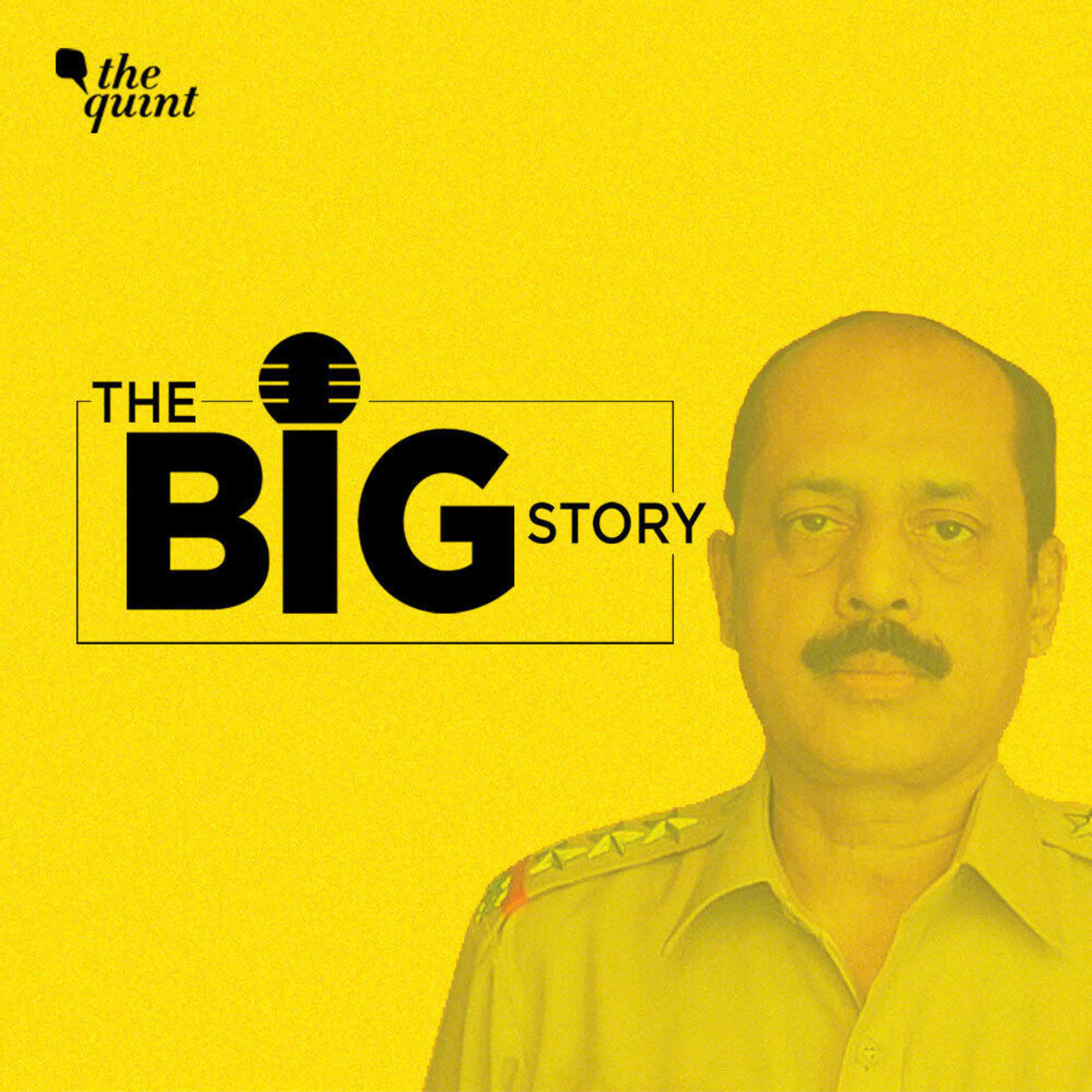
Ep 657Will Mumbai Cop Sachin Vaze's Arrest & Suspension Intensify Maharashtra's Political Storm?
High profile Mumbai Police officer Sachin Vaze was suspended from service on Monday, 15 March as the investigation into the death of businessman Mansukh Hiren is carried out. Vaze, who is no stranger to media attention, has come under the spotlight once again as he finds himself at the centre of growing storm involving a bomb scare outside the residence of India’s richest man, a murder mystery and an intensifying political crossfire. The explosive-laden car that was found outside Antilla – the Ambani residence – belonged to Hiren, whose family has accused Vaze of murder. As Vaze was arrested and now suspended, his proximity to the ruling-Shiv Sena has contributed to the increasingly bitter political fight between the ruling Uddhav Thackeray-led Maha Vikas Aghadi government and the BJP-led Opposition. With new developments almost daily and a barrage of allegations and counter-allegations, several larger questions have come up. Could Vaze be involved in a conspiracy to kill Mansukh Hiren? Is the NCP-Shiv Sena-Congress coalition on the backfoot? How is the Opposition approaching this issue? And What happens next? Host and Producer: Sushovan Sircar Guest: Ritvick Bhalekar Paradub: Shankaransh Shrivastava Editor: Shelly Walia Music: Big Bang Fuzz Listen to The Big Story podcast on: Apple: https://apple.co/2AYdLIl Saavn: http://bit.ly/2oix78C Google Podcasts: http://bit.ly/2ntMV7S Spotify: https://spoti.fi/2IyLAUQ Deezer: http://bit.ly/2Vrf5Ng Castbox: http://bit.ly/2VqZ9ur Learn more about your ad choices. Visit megaphone.fm/adchoices
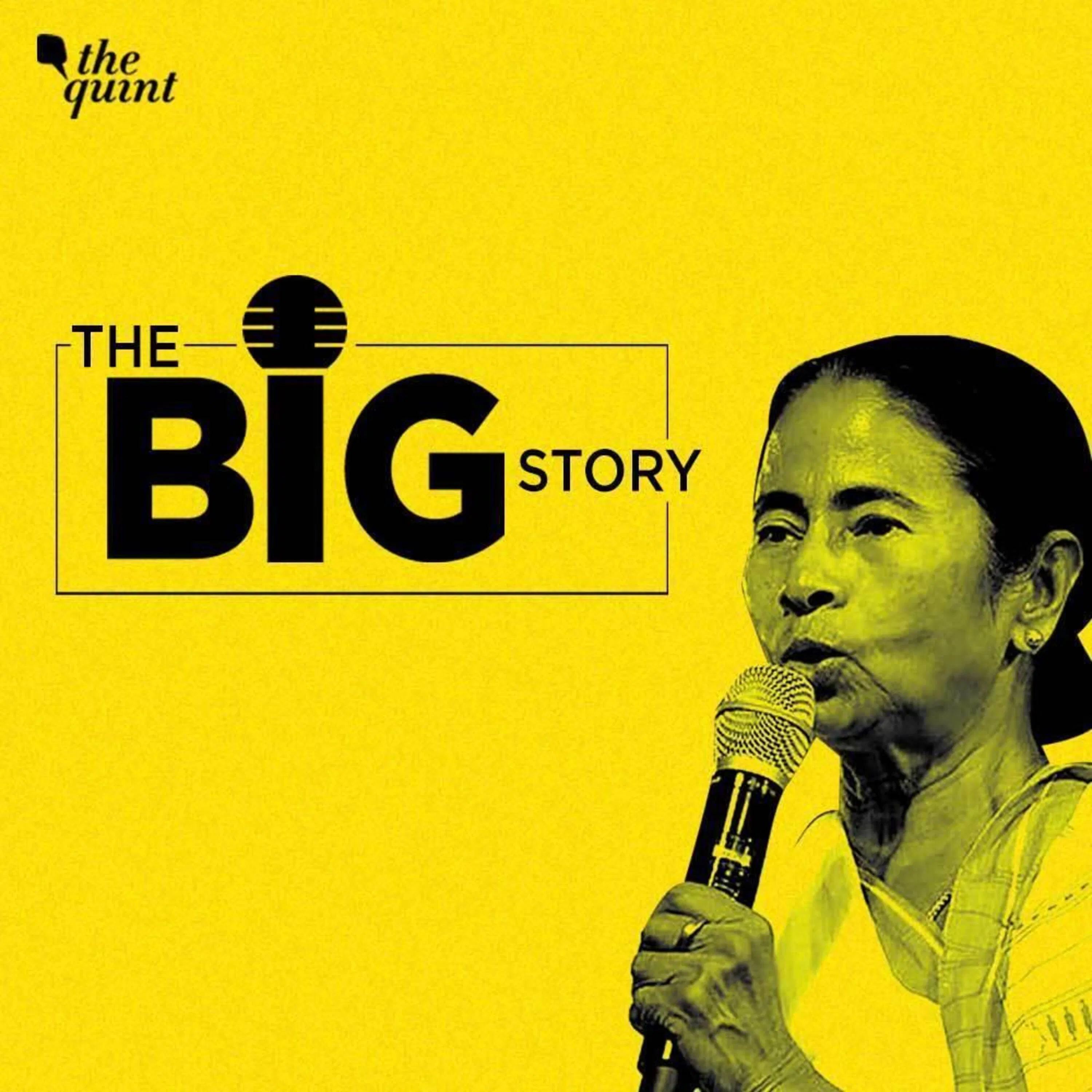
Ep 656Does Mamta Banerjee’s Injury Change the Narrative of WB Election?
Trinamool Congress supremo and West Bengal Chief Minister Mamata Banerjee on 10 March, was allegedly attacked in Nandigram, a few hours after filling her nomination in the seat which propelled her to power in 2011. The CM, who is currently being treated for injuries sustained to her head, shoulder leg, and ankle at state-run SSKM hospital, stated the alleged attack is a conspiracy against her and that she was pushed by four to five people. While police investigations are underway to uncover what exactly led to the CM’s injuries, with the state heading into elections soon, social media was flooded with opinions about the incident, ranging from condemning the attack to dubbing it as a well-scripted drama. The incident has also left the Opposition on how to react. While many political figures such as Delhi CM Arvind Kejriwal and Rajasthan CM Ashok Gehlot have come forward to condemn the purported attack and expressed solidarity with Mamta Banerjee, the BJP has come out swinging in attack formation by calling it a drama. And the Congress seems to be in two minds, with some leaders condemning the attack and others like Adhir Ranjan Chowdhury accusing Banerjee of seeking “public sympathy”. So in today’s episode, we will try to breakdown how the incident took place with a ground report from Nandigram, what the people of Nandigram think about the attack, what does the CM’s injury mean for the TMC campaign, and if the narrative of the contentious West Bengal election have changed? Host and Producer: Himmat Shaligram Guest: Ishradita Lahiri, Senior Correspondent, The Quint and Aditya Menon, Political Editor for The Quint Editor: Shelly Walia Music: Big Bang Fuzz Listen to The Big Story podcast on: Apple: https://apple.co/2AYdLIl Saavn: http://bit.ly/2oix78C Google Podcasts: http://bit.ly/2ntMV7S Spotify: https://spoti.fi/2IyLAUQ Deezer: http://bit.ly/2Vrf5Ng Castbox: http://bit.ly/2VqZ9ur Learn more about your ad choices. Visit megaphone.fm/adchoices
Ep 655How Do the New IT Rules 2021 Regulate Digital News Publishers?
The Centre on 25 February announced drastic changes and new rules for social media companies and also a new code of ethics for OTT streaming platforms like Netflix, Amazon Prime, Hotstar. And this code of ethics was also extended to digital news media organisations, like The Quint, The Wire, Livelaw and also applies to individual creators like Faye D'souza, Dhruv Rathee who create content on current affairs. In a 30-page document, titled ‘Information Technology (Guidelines for Intermediaries and Digital Media Ethics Code) Rules, 2021’, the Centre has placed strict guidelines and regulations on online platforms and has also proposed a new grievance redressal mechanism for regulation of all online media. Describing the rules as a “soft touch mechanism”, and are aimed to “empower users”, Union Electronics & IT Minister Ravi Shankar Prasad on 25 Febraury said that these new rules will be implemented in three months. However, a closer look at the rules uncovers that they don’t really empower users and are creating tighter control and placing wide-ranging obligations on online platforms. In this episode, we are going to breakdown how these new rules are extended to digital news publications and regulate their functioning, and the two petitions filed by two news media organizations-namely, the Foundation of Independent Journalists and LiveLaw India, a legal media portal. The ‘Tandav’ of 13 FIRs: Discussing Aparna Purohit’s SC Hearing Creative Liberty Vs Regulation: Tandav Web Show Revives Old Debate Host and Producer: Himmat Shaligram Guest: Karan Tripathi, Legal Consultant for The Quint Editor: Shelly Walia Music: Big Bang Fuzz Listen to The Big Story podcast on: Apple: https://apple.co/2AYdLIl Saavn: http://bit.ly/2oix78C Google Podcasts: http://bit.ly/2ntMV7S Spotify: https://spoti.fi/2IyLAUQ Deezer: http://bit.ly/2Vrf5Ng Castbox: http://bit.ly/2VqZ9ur Learn more about your ad choices. Visit megaphone.fm/adchoices
Ep 654Why Has Uttarakhand Witnessed So Many Chief Ministers?
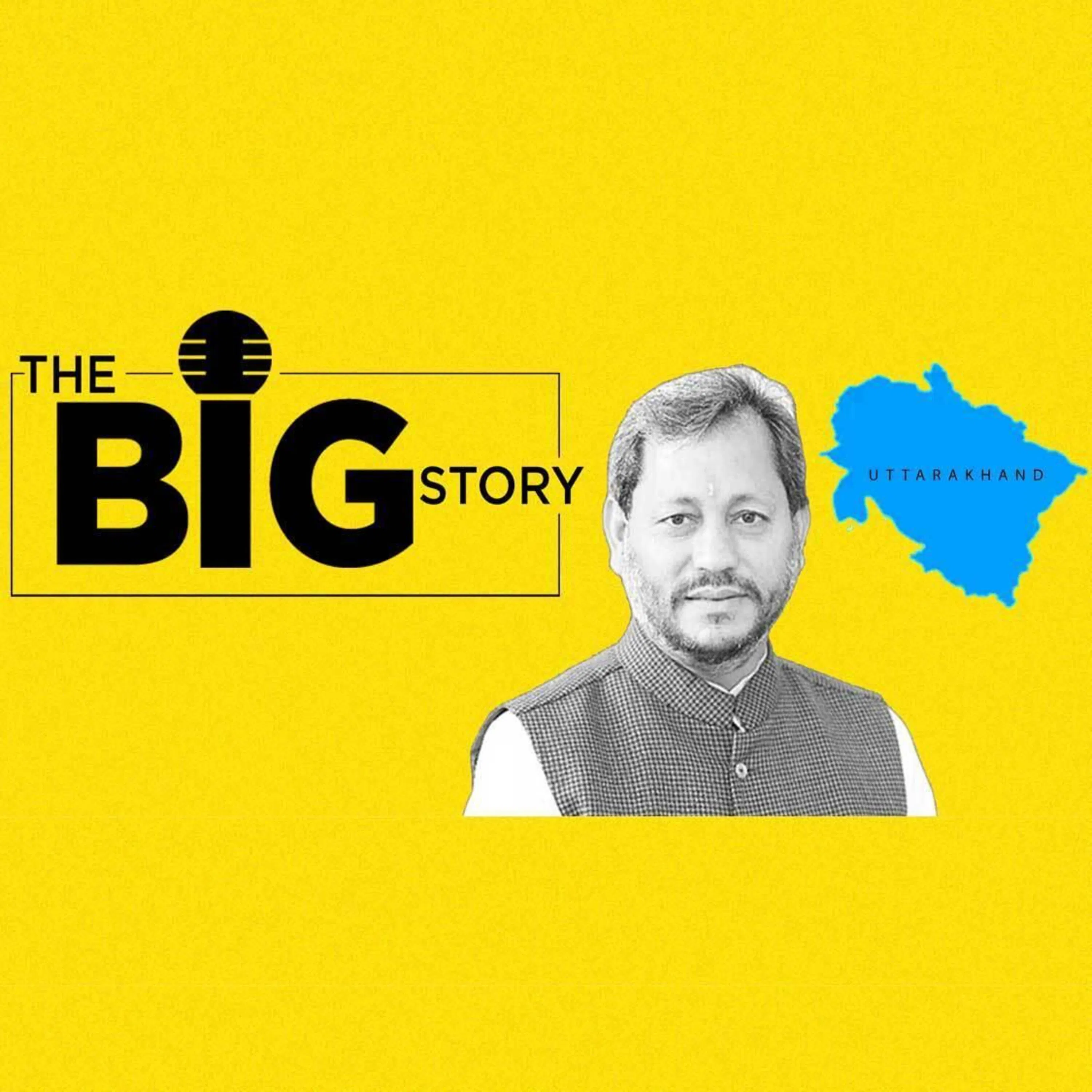
Just days shorts of realising four years in power, Trivendra Singh Rawat submitted his resignation as chief minister of Uttarakhand to Governor Baby Rani Maurya on 9 March. Speaking to the media after submitting his resignation, he said his party had given him the golden opportunity to serve as chief minister of Uttarakhand. He said, “I come from humble beginnings, from a small village and the family of a soldier. No one could have imagined I would get the opportunity to serve as chief minister of the state for four years.” And in a surprise move on 10 March, BJP’s state legislative party chose Garhwal MP Tirath Singh Rawat as the new CM, a name that was not among those being discussed for the post. Trivendra Rawat, who was handpicked by the BJP party leadership in 2017 following the election win, had the cloud of resignation looming over him for the past few days as many state leaders had been objecting to his style of chief ministership. Concealed divisions were formed within the party and ultimately, MLAs voiced their dismay in Delhi, some even threatening to resign. While the resignation may not come as a surprise given the resentment against him within the party, plucking a chief minister just a year before Assembly elections does signal that the BJP is reassessing its campaign strategy. In today’s episode, we will analyse the state’s political history, what reasons may have led to the resignation of Trivendra Singh Rawat and what’s in store for the new CM as the countdown for 2022 elections begin. Host and Producer: Himmat Shaligram Guest: Aditya Menon, Political Editor at The Quint. Editor: Shelly Walia Music: Big Bang Fuzz Listen to The Big Story podcast on: Apple: https://apple.co/2AYdLIl Saavn: http://bit.ly/2oix78C Google Podcasts: http://bit.ly/2ntMV7S Spotify: https://spoti.fi/2IyLAUQ Deezer: http://bit.ly/2Vrf5Ng Castbox: http://bit.ly/2VqZ9ur Learn more about your ad choices. Visit megaphone.fm/adchoices
Ep 653TN Elections: DMK-Cong, AMMK-AIMIM In Awkward Huddle Over Alliance Talks
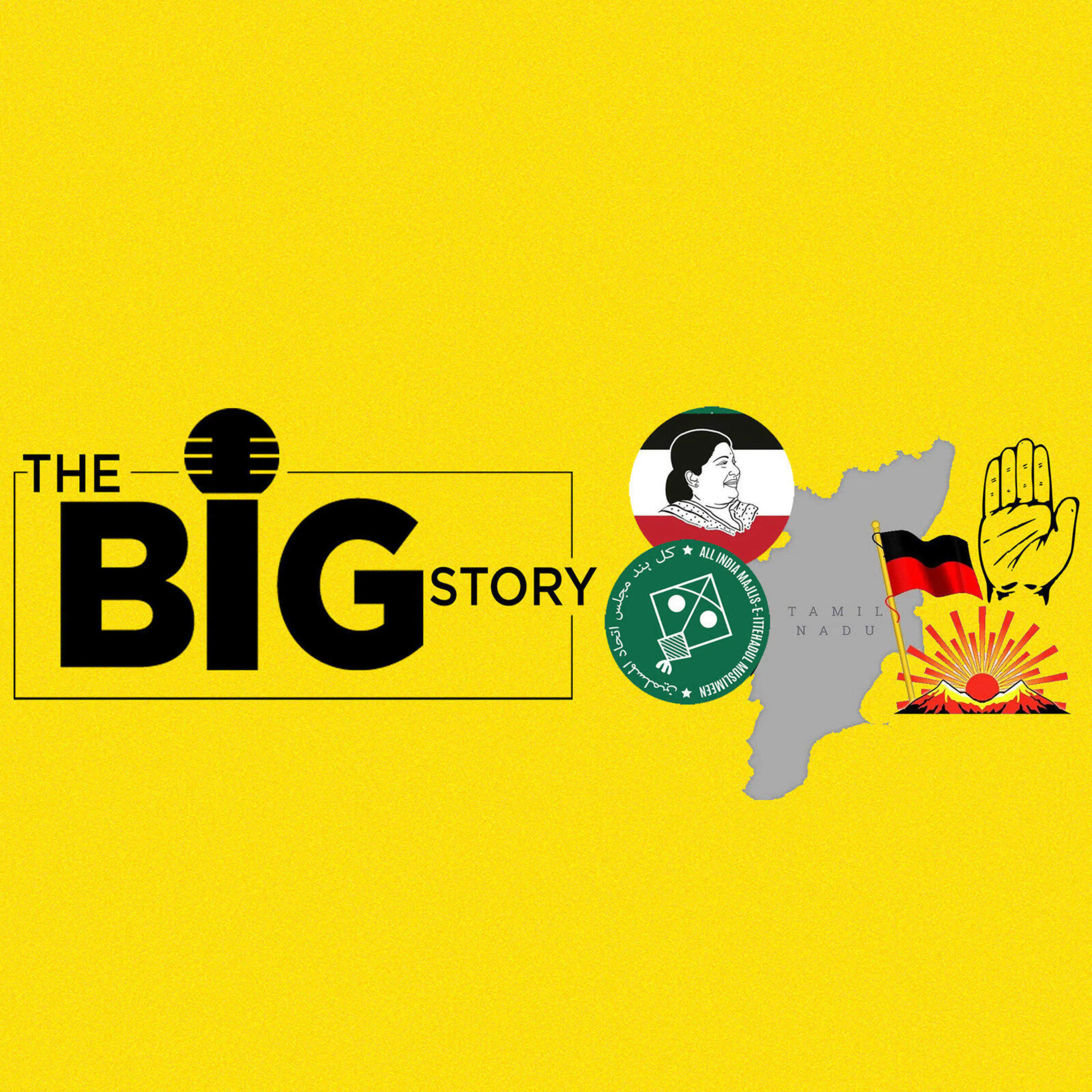
VK Sasikala’s sudden decision to step away from politics on 3 March, which rattled both the ruling AIADMK and other political parties in Tamil Nadu, seems to have no visible impact as such on her nephew, TTV Dhinakaran, the leader for the AMMK, who on 8 March announced a new ally in its folds-Asaduddin Owaisi’s AIMIM. Speaking to reporters on Monday, Mr Dhinakaran stated that “nothing could stop him” and is hoping to cause a dent in the AIADMK vote bank with the new AIMIM alliance. While the ruling AIADMK has allied with the BJP and PMK and there seem to be no visible signs of a tussle in the partnership, the same cannot be said for the DMK and its strongest ally, the Indian National Congress. Tough negotiations between the DMK and the Congress have been consistent since the seat-sharing talks began in late February 2021, with DMK not budging away from their goal to contest in 180 out 234 seats in the assembly polls and providing their allies with the minority vote count. According to media reports, the talks even escalated to the extent of the Tamil Nadu Congress chief KS Alagiri breaking down during a meeting of the party’s state executive committee because the DMK is not respecting the Congress party and its position in the state enough. So in today’s episode, we will focus on the two alliances-which is the AMMK and AIMIM and DMK-Congress and their internal dynamics, what is their campaign strategy, and what does the road ahead look like in the state assembly polls. Host and Producer: Himmat Shaligram Guest: Sumanth Raman, senior journalist and political analyst and Nikhila Henry, South Bureau Chief for The Quint Editor: Shelly Walia Music: Big Bang Fuzz Listen to The Big Story podcast on: Apple: https://apple.co/2AYdLIl Saavn: http://bit.ly/2oix78C Google Podcasts: http://bit.ly/2ntMV7S Spotify: https://spoti.fi/2IyLAUQ Deezer: http://bit.ly/2Vrf5Ng Castbox: http://bit.ly/2VqZ9ur Learn more about your ad choices. Visit megaphone.fm/adchoices
Ep 652Women’s Day 2021: Reflecting on the Past Year Through Stories
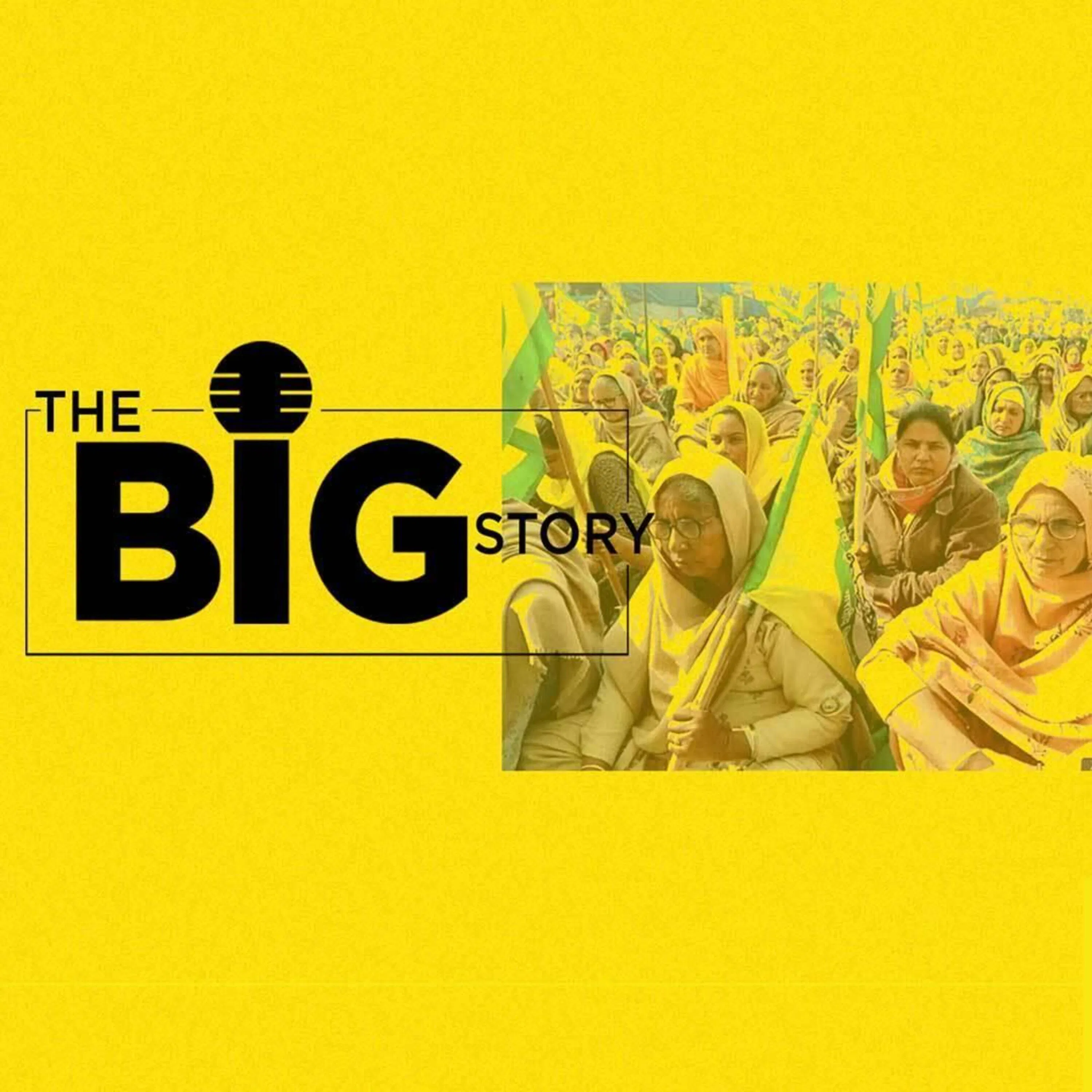
A focal point in the women’s right movement is International Women’s Day, a day which has served both as a day of protest in some of parts of the world and a celebration in others. This past year we have seen the crucial leadership roles that women have played in the ongoing farmers agitation at the borders of the capital, which recently crossed its 100-day mark. We also witnessed the landmark Priya Ramani verdict, which scored a victory for the #MeToo movement in India and the workplace rights for women. As part of The Quint’s Women’s Day 2021 coverage, in a special series called “Her Pandemic Diary”, we asked women to take a pause and reflect on their journey this past year, which both anecdotal accounts and research shows women are among those 'worst affected' by the 'new normal.' So for today’s special episode, instead of trying to understand what this day means for women, we are going to try and take a look at where women stand in India by giving a platform to them to speak about their daily lives, their struggles and also highlight the landmark judgments passed in the last year. Under One Roof But Isolated From Kids – A Doctor’s Pandemic Diary ‘My Mother was Upset, Father Embarrassed’, Ghazala Wahab Recalls Host and Producer: Himmat Shaligram Editor: Shelly Walia Music: Big Bang Fuzz Listen to The Big Story podcast on: Apple: https://apple.co/2AYdLIl Saavn: http://bit.ly/2oix78C Google Podcasts: http://bit.ly/2ntMV7S Spotify: https://spoti.fi/2IyLAUQ Deezer: http://bit.ly/2Vrf5Ng Castbox: http://bit.ly/2VqZ9ur Learn more about your ad choices. Visit megaphone.fm/adchoices
Ep 651The 'Tandav' of 13 FIRs: Discussing Aparna Purohit's SC Hearing
Amazon Prime's Tandav, a nine-episode political thriller, began streaming online in mid January and ever since its release, it has received backlash from different parts of the country, especially in the form of 13 FIR’s filed against Aparna Purohit, Amazon Prime Video's India creative head, the creators of the show and the cast. The Supreme Court on 5 March granted interim protection from arrest to Aparna Purohit, stating that she will not be arrested provided she cooperates with the investigation. But earlier on 25 February, an Allahabad High Court single-judge bench rejected the anticipatory bail plea filed by Purohit for allegedly “promoting religious enmity” through the show and further stating in its 20-page order that and I quote “the conduct of the applicant shows that she has scant respect for the law of the land and her conduct further disentitles her to any relief from this court." So for today’ episode, we will go through what the entire Tandav case is about, what the Allahabad High Court judgement said, what the SC ruling was today and whats next for the case. Host and Producer: Himmat Shaligram Guest: Karan Tripathi, Legal Consultant for The Quint Editor: Shelly Walia Music: Big Bang Fuzz Listen to The Big Story podcast on: Apple: https://apple.co/2AYdLIl Saavn: http://bit.ly/2oix78C Google Podcasts: http://bit.ly/2ntMV7S Spotify: https://spoti.fi/2IyLAUQ Deezer: http://bit.ly/2Vrf5Ng Castbox: http://bit.ly/2VqZ9ur Learn more about your ad choices. Visit megaphone.fm/adchoices
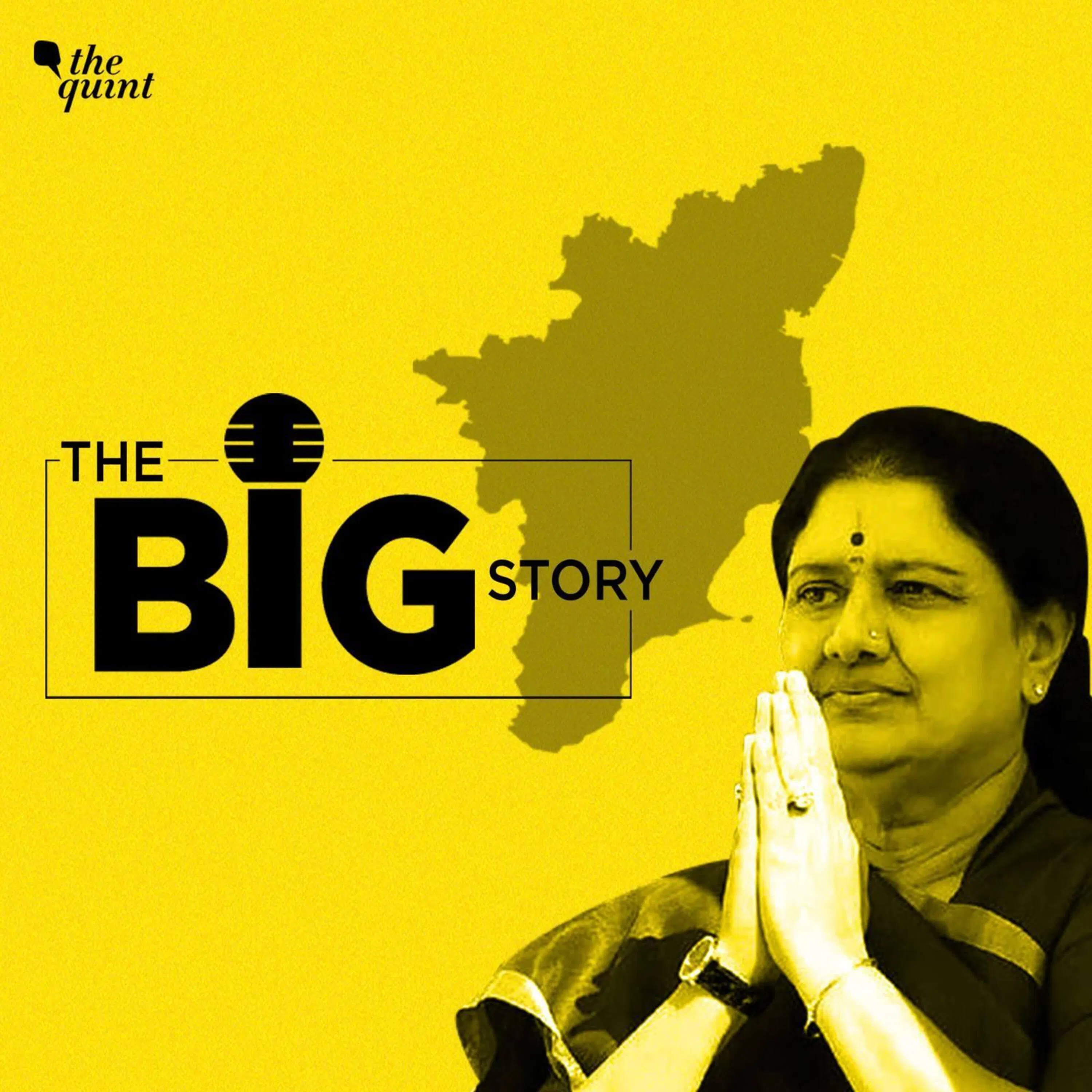
Ep 650Decoding VK Sasikala’s Political Saga, and Her Exit from Politics
In what can be called as a major plot twist in Tamil Nadu politics, ousted former chief of ruling AIADMK VK Sasikala, who was released from Bengaluru jail on 27 January and was widely expected to take control of her party, the AMMK and contest the upcoming Assembly elections in Tamil Nadu, announced that she would be stepping aside from politics and public light on 3 March. In a press release issued last evening Sasikala, the closest aide of the late former Chief Minister Jayalalithaa, asked supporters of AIADMK to stand united and fight against the DMK in the Assembly elections, slated to take place on 6 April. In her statement she said and I quote “all true followers of Jayalalithaa need to act with wisdom to ensure the DMK, that ‘Amma' identified as our common enemy, is kept out of power.” While her exit may help the AIAMDK in the polls, it has certainly given a jolt to her nephew TTV Dhinakaran, whose party AMMK is also contesting in the elections. The surprise move comes as the central leadership of the BJP - which is allied with the AIADMK in the poll bound state- has been mounting pressure on the AIADMK to work with Sasikala and the AMMK. So in today’s episode we will discuss in detail who Sasikala is , her exit from politics, what it means for the AIAMDK, the AMMK and how will this move affect the upcoming elections? Host and Producer: Himmat Shaligram Guest: Sumanth Raman, Senior Journalist and Political Analyst and Nikhila Henry, South Bureau Chief for The Quint. Editor: Shelly Walia Music: Big Bang Fuzz Listen to The Big Story podcast on: Apple: https://apple.co/2AYdLIl Saavn: http://bit.ly/2oix78C Google Podcasts: http://bit.ly/2ntMV7S Spotify: https://spoti.fi/2IyLAUQ Deezer: http://bit.ly/2Vrf5Ng Castbox: http://bit.ly/2VqZ9ur Learn more about your ad choices. Visit megaphone.fm/adchoices
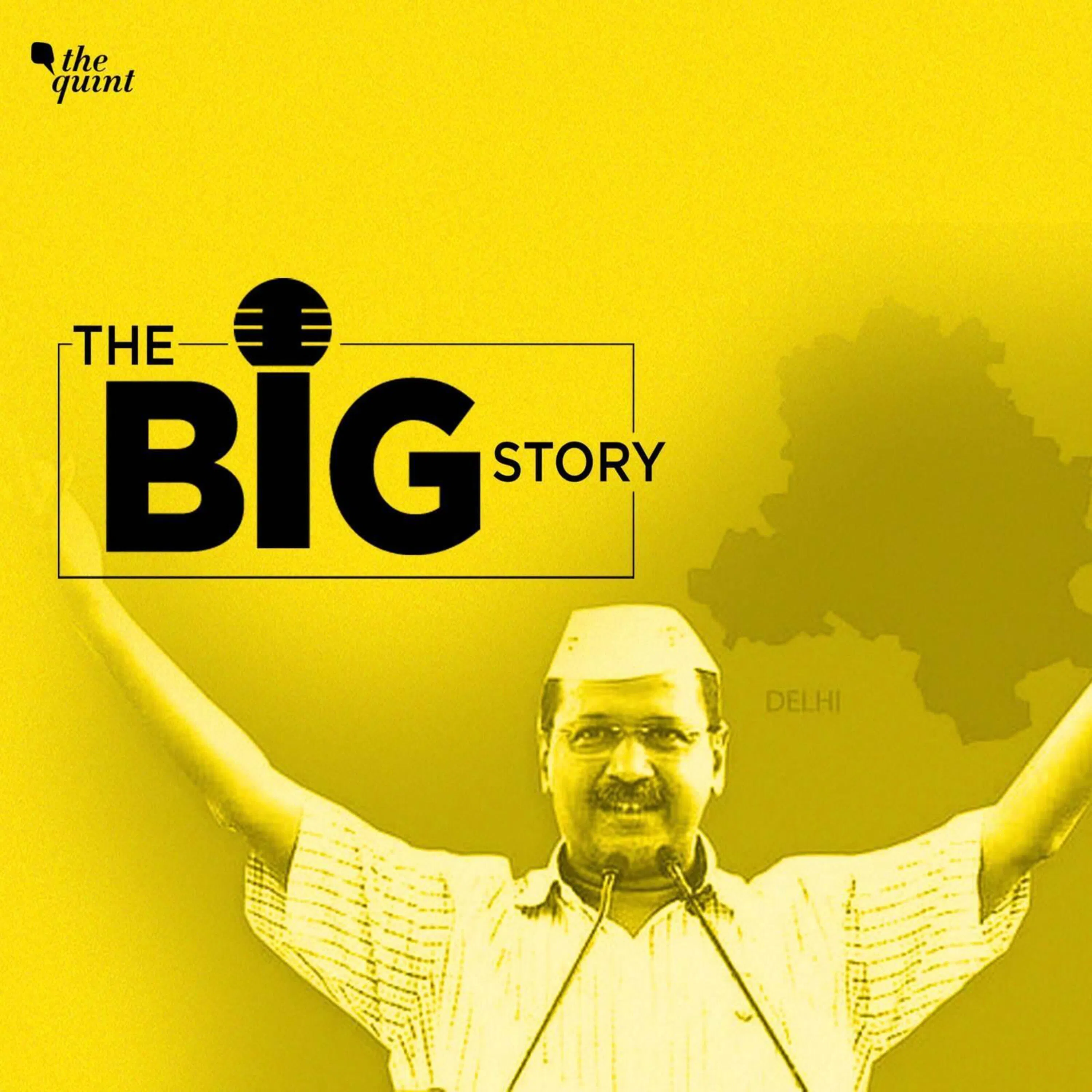
Ep 649How Significant is AAP’s Victory in Delhi Municipality Bypolls?
The Aam Aadmi Party’s victory parade has slid into another week of celebrations as the party won four of the five wards on Wednesday, 3 March, in the Delhi Municipal bypolls. The Congress secured the remaining one ward, while the Bharatiya Janata Party drew a blank. The ruling party won from Kalyan Puri and Trilokpuri in the East Delhi Municipal Corporation and Rohini-C and Shalimar Bagh in the North Delhi Municipal Corporation. BJP’s loss at the Shalimar Bagh seat came as a surprise to many, since it is considered a stronghold of the party. Delhi Chief Minister and AAP National Convenor Arvind Kejriwal congratulated his party for the win in a tweet stating that "the people of Delhi have once again voted in the name of work. The public has been upset with the 15 years of misrule of the BJP in the MCD. The people want to establish Aam Aadmi Party's rule in the MCD as well." For a party which has had an arguably lukewarm stance against political issues in the past, it has now achieved success beyond its home turf, in Goa and most recently in Gujarat and also publicly stated aspirations to contest in the Northeast, which does bring up the question on where AAP stands in terms of its ambition to become a national party. So, in today’s episode, we will breakdown AAP’s win the Delhi MCD elections. How worrying is AAP’s win for the BJP? And, can the AAP model of governance resonate across the country in the coming state elections? Host and Producer: Himmat Shaligram Guest: Aditya Menon, Political Editor for The Quint Editor: Shelly Walia Music: Big Bang Fuzz Listen to The Big Story podcast on: Apple: https://apple.co/2AYdLIl Saavn: http://bit.ly/2oix78C Google Podcasts: http://bit.ly/2ntMV7S Spotify: https://spoti.fi/2IyLAUQ Deezer: http://bit.ly/2Vrf5Ng Castbox: http://bit.ly/2VqZ9ur Learn more about your ad choices. Visit megaphone.fm/adchoices
Ep 648Was China Behind Mumbai’s Power Failure in October 2020?
Amidst arguably tense border situations between India and China, a recent study by a US company, named Recorded Future, published on 1 March claimed that last year's massive power outage in Mumbai, which grounded the entire city for nearly 24 hours in October amid the pandemic, was a result of an alleged cyber attack by a Chinese state backed hacking group. This story was first reported by The New York Times on 1 March. According to the study, Recorded Future observed an increase in targeted cyber intrusion from mid-2020, by Chinese state sponsored groups on critical Indian civil infrastructures organisations. While the report has given evidence of the Chinese malware intrusions in India, it has stated the link between the power outage and the intrusions remains “unsubstantiated”. While the Centre has stated that there has been no evidence of a possible Chinese involvement, the Maharashtra government has launched an inquiry into the issue. China, on the other hand, has denied the comments of it trying to bully India and have stated that such claims were “irresponsible”. How vulnerable is India's critical infrastructure to cyber attacks from foreign threat actors? And what would be the perceived benefit of attacking India’s civil infrastructure? Host and Producer: Himmat Shaligram Guest: Jayadeva Ranade, President of the Centre for China Analysis and Strategy and Mr Vineet Kumar, President of the Cyber Peace Foundation. Editor: Shelly Walia Music: Big Bang Fuzz Listen to The Big Story podcast on: Apple: https://apple.co/2AYdLIl Saavn: http://bit.ly/2oix78C Google Podcasts: http://bit.ly/2ntMV7S Spotify: https://spoti.fi/2IyLAUQ Deezer: http://bit.ly/2Vrf5Ng Castbox: http://bit.ly/2VqZ9ur Learn more about your ad choices. Visit megaphone.fm/adchoices

Ep 647Decoding India’s COVID Variants and Surge with Dr RR Gangakhedkar
The two big headlines on 1 March 2021 were first, that the Indian government began its second phase of vaccinations against COVID-19 with people above the age of 60 years and those above 45 with comorbidities who are now eligible to get the vaccine The second headline, and the more worrying one, is the slow and steady resurgence of COVID-19 cases across six states in India over just the last two weeks, raising concerns of a possible new wave. India on 1 March reported 15,150 new COVID-19 cases and 106 deaths in the last 24 hours, raising the active cases number to 1,68,627. Maharashtra, the state which has reported the highest new cases so far, is slowly inching back to its worst phases of cases last year. The state reported 8,293 new COVID-19 cases in the last 24 hours, more than half of the total cases reported nationally. In previous episodes, we have discussed in detail with experts on the spike in cases in Maharashtra and also how to register for vaccinations in the second phase. For today’s episode, we had the opportunity to speak to Dr RR Gangakhedkar, who is former head of Epidemiology and Communicable diseases and was the face of the Indian Council of Medical Research (ICMR) in the initial months of the pandemic on what is causing the rise in cases in India, about the new indigenous variants discovered and how concerned should we be. Answering Your Questions About India’s Phase 2 COVID Vaccine Plan What Has Led to Spike in COVID-19 Cases in Maharashtra? Host: Vaishali Sood Guest: Dr RR Gangakhedkar, former Head of Epidemiology and Communicable Diseases at Indian Council of Medical Research (ICMR). Producer: Himmat Shaligram Editor: Shelly Walia Music: Big Bang Fuzz Listen to The Big Story podcast on: Apple: https://apple.co/2AYdLIl Saavn: http://bit.ly/2oix78C Google Podcasts: http://bit.ly/2ntMV7S Spotify: https://spoti.fi/2IyLAUQ Deezer: http://bit.ly/2Vrf5Ng Castbox: http://bit.ly/2VqZ9ur Learn more about your ad choices. Visit megaphone.fm/adchoices
Ep 646‘Against Indian Ethos’: Centre Opposes Same-Sex Marriages in HC
Only a biological man and a biological woman, in other words, a husband and a wife, make a family. That was the crux of the Centre's response to petitions seeking recognition and registration of same-sex marriages under the Hindu Marriage Act, the Special Marriage Act, and the Foreign Marriage Act. On 25 February, as the Centre opposed the pleas, it said: “Living together as partners and having sexual relationship with same sex individual is not comparable with Indian family unit concept of a husband, wife and children, which necessarily presuppose a biological man as 'husband', a biological woman as 'wife' and children born out of union.” And finally, any judicial interference would cause and I quote, “a complete havoc with the delicate balance of personal laws in the country”. With the matter now listed for 20 April, let's take a step back to understand who are the petitioners in the case, what are they demanding, what are the arguments made by Solicitor General Tushar Mehta, and why some of the arguments do not hold for the LGBTQI+ community. And to discuss all this, in today’s episode you will hear from Akshat Agrawal, a research fellow at the Vidhi Centre for Legal Policy, Anjali Gopalan, Human Rights Activist, and Director of The Naz Foundation, and Karan Tripathi, Legal Consultant for The Quint. Host and Producer: Himmat Shaligram Guest: Akshat Agrawal, Research Fellow at the Vidhi Centre for Legal Policy, Anjali Gopalan, Human Rights Activist and Director of The Naz Foundation, and Karan Tripathi, Legal Consultant for The Quint. Editor: Shelly Walia Music: Big Bang Fuzz Listen to The Big Story podcast on: Apple: https://apple.co/2AYdLIl Saavn: http://bit.ly/2oix78C Google Podcasts: http://bit.ly/2ntMV7S Spotify: https://spoti.fi/2IyLAUQ Deezer: http://bit.ly/2Vrf5Ng Castbox: http://bit.ly/2VqZ9ur Learn more about your ad choices. Visit megaphone.fm/adchoices

Ep 645Answering Your Questions About India’s Phase 2 COVID Vaccine Plan
India is all set to begin the second phase of COVID-19 vaccinations from 1 March and people above 60 years of age and those above 45 with co-morbidities are now eligible to get the vaccine. India will also become perhaps the largest country to allow vaccines to be purchased at private hospitals. According to an announcement made by Union Minister Prakash Javdekar on 24 February, the second phase will also include the involvement of the private sector. There are certain co-morbidities classifications under which the over-45 age group are eligible, and the final list is yet to released by the Health Ministry. It is important to note that the second phase will have a self-registration step where vaccine beneficiaries will be required to download the Co-WIN 2.0 app and register for the vaccination. However, there are several media reports which have stated that on-site registration at the centers will also be available. Undoubtedly, there are several questions regarding how the vaccine registration will work, and what documents are required. Can one just walk in and register for a vaccine or how much will it cost? So to dispel the rumors regarding the second phase of vaccination, in today’s episode we spoke with Dr RS Sharma, who is the Chairman of the Empowered Panel for COVID-19 Vaccination in India, and also the man behind setting up the entire digital infrastructure for vaccine drive. Host and Producer: Himmat Shaligram Guest: Dr RS Sharma, Chairman of the Empowered Panel for COVID-19 Vaccination in India. Editor: Shelly Walia Music: Big Bang Fuzz Listen to The Big Story podcast on: Apple: https://apple.co/2AYdLIl Saavn: http://bit.ly/2oix78C Google Podcasts: http://bit.ly/2ntMV7S Spotify: https://spoti.fi/2IyLAUQ Deezer: http://bit.ly/2Vrf5Ng Castbox: http://bit.ly/2VqZ9ur Learn more about your ad choices. Visit megaphone.fm/adchoices
Ep 644What Led to Aam Aadmi Party’s Surat Win in Gujarat Civic Polls?
The Bhartiya Janta Party on 23 February put up its best performance in the two decades by sweeping all six municipal corporations in the Gujarat Urban local body elections. The ruling party won comfortable majorities in Ahmedabad, Surat, Vadodara, Rajkot, Jamnagar and Bhavnagar corporations. And the numbers speak for themselves. BJP improved on its 2015 tally of 389 seats out of total of 572 to as many as 483 out of 576 this time. However, on the other end, the Congress party took a nosedive in this election, from 174 seats in 2015 to just 55 in 2021. While the BJP did cement its domination in urban Gujarat, what gave a jolt to both the BJP and Congress was the performance by the Aam Aadmi Party (AAP) who won 27 seats in Surat, a number so staggering for the debutant party that it even led to BJP Gujarat President CR Patil terming AAP’s victory as a “nail in the golden plate”. Delhi Chief Minister and AAP chief Arvind Kejriwal congratulated the people of Gujarat on Twitter for “the beginning of a new politics”, and is also expected to arrive in Surat to participate in a victory rally on 26 February. In today’s episode, we will go through what was exactly at stake in this election, what led to AAP making in-roads in Gujarat and how important is their win? and does the Congress loss mean an end of a support in the state? Host and Producer: Himmat Shaligram Guest: Aditya Menon, Political Editor for The Quint Editor: Shelly Walia Music: Big Bang Fuzz Listen to The Big Story podcast on: Apple: https://apple.co/2AYdLIl Saavn: http://bit.ly/2oix78C Google Podcasts: http://bit.ly/2ntMV7S Spotify: https://spoti.fi/2IyLAUQ Deezer: http://bit.ly/2Vrf5Ng Castbox: http://bit.ly/2VqZ9ur Learn more about your ad choices. Visit megaphone.fm/adchoices

Ep 643‘Not One Iota of Evidence’: Disha Ravi Gets Bail in ‘Toolkit’ Case
Delhi’s Patiala Court on Tuesday, 23 February, granted bail to Bangalore-based climate activist Disha Ravi, who was arrested on 14 February in connection with a toolkit on the farmers' protest that was tweeted by Swedish activist Greta Thunberg. In his order granting bail, Additional Sessions Judge Dharmender Rana said, “Considering the scanty and sketchy investigation, I do not find any palpable reason to breach the rule of bail for a 22-year-old girl who has absolutely no criminal antecedents.” Ravi has been directed to furnish two sureties of Rs 1 lakh each for her release, responding to which her lawyer Siddharth Agarwal argued that her family was in no position to pay as much. However, the court denied this request. Ravi has also been directed to cooperate with the ongoing Delhi Police investigation and not leave the country. Ravi was also produced before a magistrate in the same court for remand hearings. Upon being told that Judge Rana had granted her bail, the magistrate said that he will dispose of the matter. As per the Delhi Police, Ravi edited the ‘toolkit’ containing ‘anti-India content at the behest of pro-Khalistani organisations,’ which sought to trigger violence amid the farmers' protests. However, Judge Rana in his bail order noted the Bombay High Court ruling which previously held that, “conspiracy cannot be proved merely on the basis of inferences. The inferences have to be backed by evidence.” And that the lack of evidence by the prosecution is what was highlighted by Judge Rana in his bail order as well. In today’s episode, we will tackle the big questions: What were the claims in Delhi Police’s FIR? How did Judge Rana respond to the key contentions of the parties and where does the case stand right now? Host and Producer: Himmat Shaligram Guest: Vakasha Sachdev, Legal Editor, The Quint Editor: Shelly Walia Music: Big Bang Fuzz Listen to The Big Story podcast on: Apple: https://apple.co/2AYdLIl Saavn: http://bit.ly/2oix78C Google Podcasts: http://bit.ly/2ntMV7S Spotify: https://spoti.fi/2IyLAUQ Deezer: http://bit.ly/2Vrf5Ng Castbox: http://bit.ly/2VqZ9ur Learn more about your ad choices. Visit megaphone.fm/adchoices
Ep 642What Has Led to Spike in COVID-19 Cases in Maharashtra?
Stopping just short of a lockdown, Maharashtra Chief Minister Uddhav Thackeray on Sunday, 21 February announced a slew of new rules given the consistent rise of COVID-19 cases in the state. The state has been consistently reporting cases over 6,000 for the past three days and recorded 6,971 new cases on Sunday -- the highest one-day spike in last 121 days since 23 October when the state clocked 7,347 cases. Issuing an ultimatum to people in his 30-minute address on Twitter on 21 February, CM Thackeray warned them of a lockdown if COVID-19 protocols were not followed. “It all depends on you, whether you want a lockdown or you are ready to follow the norms to avoid it,” he said in his address. As of now, districts such as Amravati, Akola, Yavatmal, Pune, Nashik, Parbhani have restricted movement of the people. Amravati city has been placed under lockdown for a week starting 22 February with only essential services allowed to function during the lockdown. The state government has also banned all political, religious and social gatherings in the state and Pune district administration has also imposed a curfew and announced closure of schools, colleges and private coaching classes till 28 February. What has caused this sudden spike in cases in Maharashtra? Is this spike an indication of a second wave? Does this indicate a new COVID-19 variant? And are the current vaccines available in India, Covishield and Covaxin, effective on the new variants? Host and Producer: Himmat Shaligram Guest: Dr Subhash Salunke, Technical Advisor on COVID-19 to Maharashtra government. Editor: Shelly Walia Music: Big Bang Fuzz Listen to The Big Story podcast on: Apple: https://apple.co/2AYdLIl Saavn: http://bit.ly/2oix78C Google Podcasts: http://bit.ly/2ntMV7S Spotify: https://spoti.fi/2IyLAUQ Deezer: http://bit.ly/2Vrf5Ng Castbox: http://bit.ly/2VqZ9ur Learn more about your ad choices. Visit megaphone.fm/adchoices

Ep 641Why Did Facebook Ban News Content in Australia Amid a Pandemic?
If you are a Facebook user in Australia, you may have woken up to a very different news feed on 18 February. And don’t worry, your account was not hacked. The social media giant took the nuclear option in response to the Australian government’s proposed law that would require big tech platforms like Facebook and Google to reach commercial agreements and strike revenue deals with news outlets whose content drives traffic on these platforms. And in the early hours of 18 February, Facebook actually followed through on its earlier threat that it will ban all news websites and also the option for users to share news links. But the move inadvertently also resulted banning Facebook pages of government health departments, fire and rescue, Suicide Prevention Australia, charities and somehow, Facebook’s own official page as well. And this is a cause of concern because Australia is actually a few days away from a national COVID-19 vaccine rollout. However, executives at Facebook were quick to realise of this fumble and apologised for the error. But, according to Facebook, the pages of government departments will take at least a week to come back. In today’s episode, we will go through why Facebook has banned news in the middle of a pandemic. Will misinformation and conspiracy theories fill the void that news outlets left and what does this step mean for other countries like India? Host and Producer: Himmat Shaligram Guest: Udhbhav Tiwari, Policy Advisor at Mozilla Editor: Shelly Walia Music: Big Bang Fuzz Listen to The Big Story podcast on: Apple: https://apple.co/2AYdLIl Saavn: http://bit.ly/2oix78C Google Podcasts: http://bit.ly/2ntMV7S Spotify: https://spoti.fi/2IyLAUQ Deezer: http://bit.ly/2Vrf5Ng Castbox: http://bit.ly/2VqZ9ur Learn more about your ad choices. Visit megaphone.fm/adchoices
Ep 640Do Punjab Civil Poll Results Project What the State Thinks of BJP?
In the backdrop of the farmer's agitation at the borders of the capital, the Congress party made a clean sweep in Punjab’s seven of the eight municipal corporation elections on 17 February which are Hoshiarpur, Kapurthala, Abohar, Pathankot, Batala, Bathinda, and now Mohali as well, which went into a re-poll and the Congress emerged victorious there on 18 February when the results were declared. In the final count, the Congress won 1,399 of the 2,165 wards in municipal councils and 271 of the 350 municipal corporation seats. The most stunning victory came from Bathinda, where the Congress party is set to elect a mayor for the first time in 53 years, a city which has been the bastion of the Shiromani Akali Dal. On the other side, the BJP had a disappointing day since it is considered as an urban party in Punjab but came in with only 38 seats in the municipal wards and 20 of the municipal corporation seats. BJP's defeat in the elections does send a clear message to the Centre from the people of Punjab in the context of farms laws and the handling of ongoing farmers protest. The rest of the seats were won by the SAD which trailed at 289 and 33, and the Aam Aadmi Party at 57 and 9, respectively. How important is this victory is for the Congress, how big was the defeat for the BJP, and does this shed any light on the 2022 Assembly polls? Host and Producer: Himmat Shaligram Guest: Aditya Menon, Political Editor at The Quint Editor: Shelly Walia Music: Big Bang Fuzz Listen to The Big Story podcast on: Apple: https://apple.co/2AYdLIl Saavn: http://bit.ly/2oix78C Google Podcasts: http://bit.ly/2ntMV7S Spotify: https://spoti.fi/2IyLAUQ Deezer: http://bit.ly/2Vrf5Ng Castbox: http://bit.ly/2VqZ9ur Learn more about your ad choices. Visit megaphone.fm/adchoices
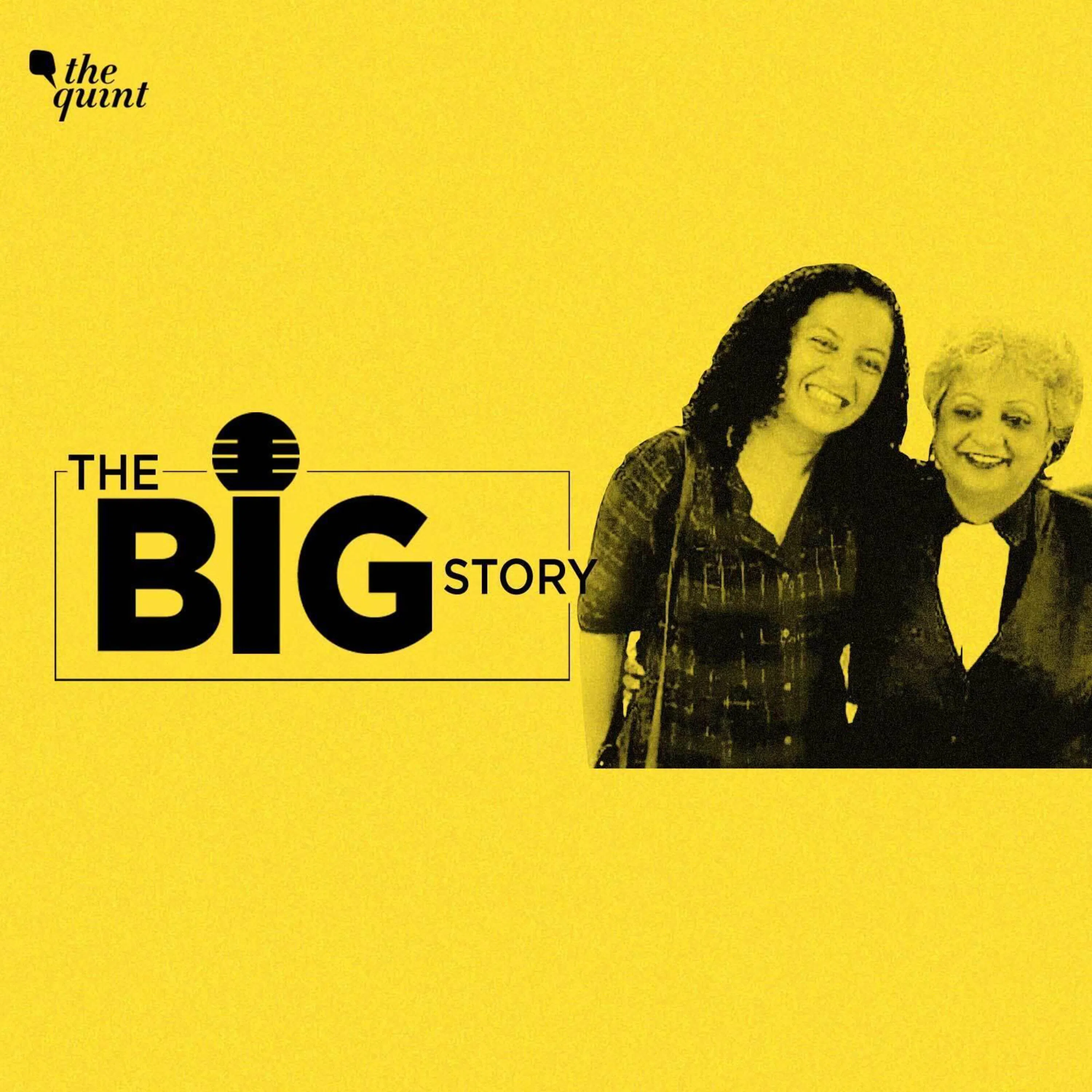
Ep 639#MeToo: MJ Akbar Loses Defamation Case Against Priya Ramani
Following a trial which lasted almost two years and became one of India’s most high-profile cases arising out of the #MeToo movement, a Delhi trial court on Wednesday, 17 February acquitted journalist Priya Ramani in the criminal defamation case filed against her by former Union Minister MJ Akbar. In the criminal defamation suit, Akbar had claimed that an article by Ramani, written for Vogue in 2017 amid the #MeToo movement, and a subsequent tweet about him in 2018 when the movement was sweeping India, caused damage to his “stellar reputation”. Ramani had contested these claims pleading truth, good faith, public interest and public good as her defences in the defamation trial – and as the court pronounced its verdict on 17 February, it observed that these defences raised by her were justified in light of systemic abuse of women at the workplace. The acquittal order was scheduled to be pronounced by Additional Chief Metropolitan Magistrate Ravindra Kumar Pandey at 2 pm. However, the parties were asked to reconvene in 30 minutess by the judge to make some minor corrections to the verdict. When the court reconvened, Judge Pandey noted the following in the order: “Right of reputation can't be protected at the cost of right to dignity” The judge also noted that a man of "stellar reputation" can also be a sexual harasser and that “the Indian Constitution allows a woman to put forward her grievance before any forum, and at any time, even after decades.” What does this victory mean? What next for MJ Akbar? Producer and Host: Himmat Shaligram Guest: Priya Ramani, the defendant in the case and a senior journalist, Vakasha Sachdev, Legal Editor for The Quint and Karan Tripathi, Legal Consultant for The Quint Editor: Shelly Walia Music: Big Bang Fuzz Listen to The Big Story podcast on: Apple: https://apple.co/2AYdLIl Saavn: http://bit.ly/2oix78C Google Podcasts: http://bit.ly/2ntMV7S Spotify: https://spoti.fi/2IyLAUQ Deezer: http://bit.ly/2Vrf5Ng Castbox: http://bit.ly/2VqZ9ur Learn more about your ad choices. Visit megaphone.fm/adchoices
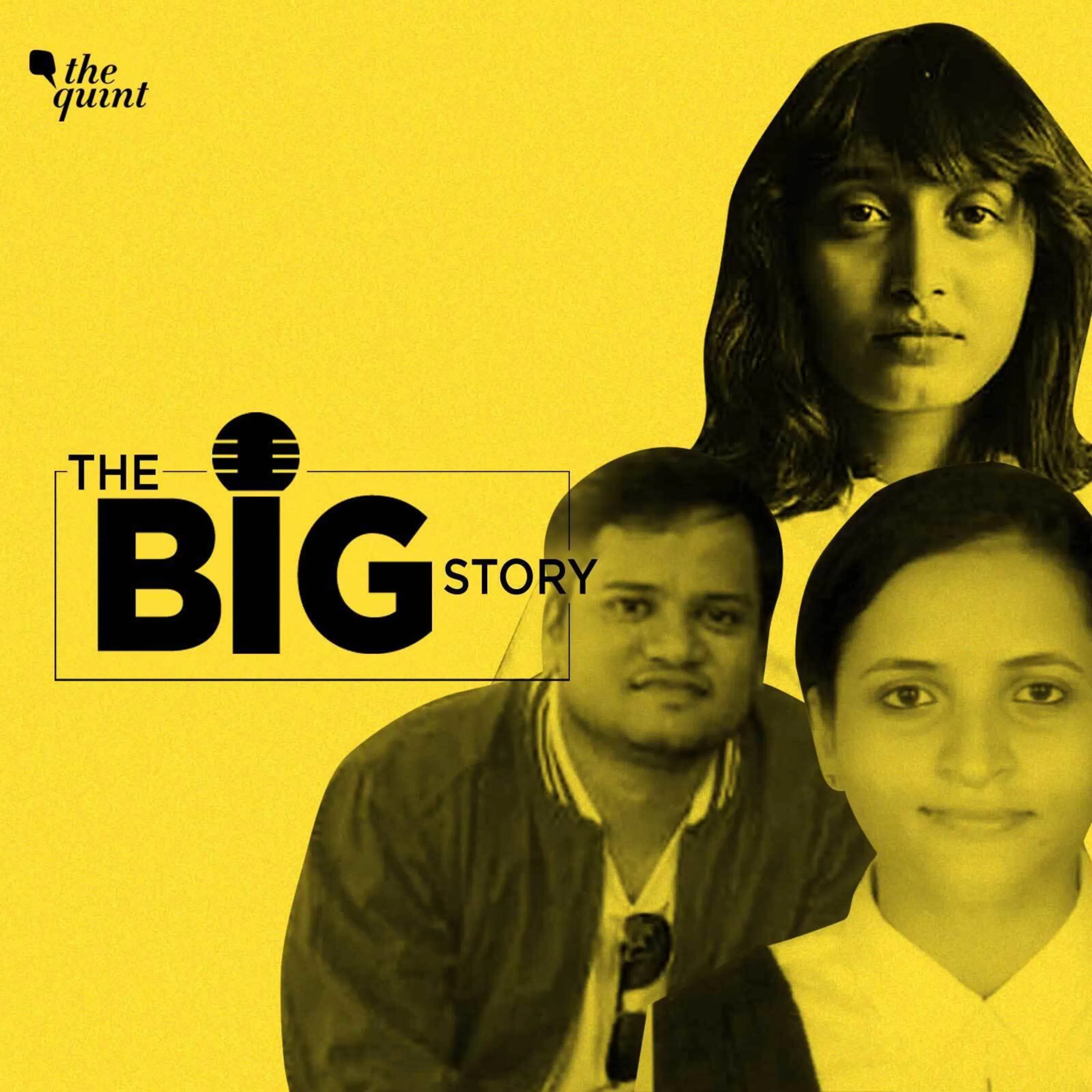
Ep 638Toolkit Controversy: Who Are Nikita Jacob and Shantanu Muluk?
A day after Delhi Police arrested Bengaluru-based climate activist Disha Ravi on charges of sedition for having allegedly edited a toolkit which Swedish environmental activist Greta Thunberg shared on Twitter, two more activists came under the spotlight –– Nikita Jacob and Shantanu Muluk. Who are they and what is the police alleging? Nikita Jacob is a practicing lawyer in the Bombay High Court and Shantanu Muluk is an environmentalist who had quit his aerospace engineering job around six months back, to focus on the parched regions of Vidarbha and Marathwada. From the press conference held on 15 February, we know that the Delhi Police had named the three accused –– Disha Ravi, Nikita Jacob and Shantanu –– as the editors and creators of the toolkit who laid out an “action plan” for 26 January. Their aim? To create misinformation and disaffection against the lawfully enacted government. The police further revealed that a Zoom meeting took place on 11 January, attended by Jacob and Shantanu, and organised by the Poetic Justice foundation, which the police deems as a pro-Khalistani organisation, in which ‘the modalities of the Global Day of Action were worked out’. In her defence, Nikita Jacob has stated that the toolkit was simply an information pack, that her intent was never to incite violence and there was nothing illegal in what she did. Shantanu Muluk, who was granted transit anticipatory bail on 16 February after a Delhi court issued a non-bailable warrant against him, had said in his bail plea before the Bombay High Court: "...Vendetta has trickled down from politics to the house of a common man making a mockery of the rights and principles enshrined in the Constitution of India. That such vendetta, which is the dark face of authoritarianism, is the real ‘toolkit’ for devastation of not only of democracy but also basic human rights.” Naturally, the statements of the police and the accused contrast... so in this episode we are going to try and see where the law stands on toolkits and sedition, and how the law should treat Shantanu and Nikita Jacob's case. Producer and Host: Himmat Shaligram Guest: Vakasha Sachdev, Legal Editor for The Quint Editor: Shelly Walia Music: Big Bang Fuzz Listen to The Big Story podcast on: Apple: https://apple.co/2AYdLIl Saavn: http://bit.ly/2oix78C Google Podcasts: http://bit.ly/2ntMV7S Spotify: https://spoti.fi/2IyLAUQ Deezer: http://bit.ly/2Vrf5Ng Castbox: http://bit.ly/2VqZ9ur Learn more about your ad choices. Visit megaphone.fm/adchoices
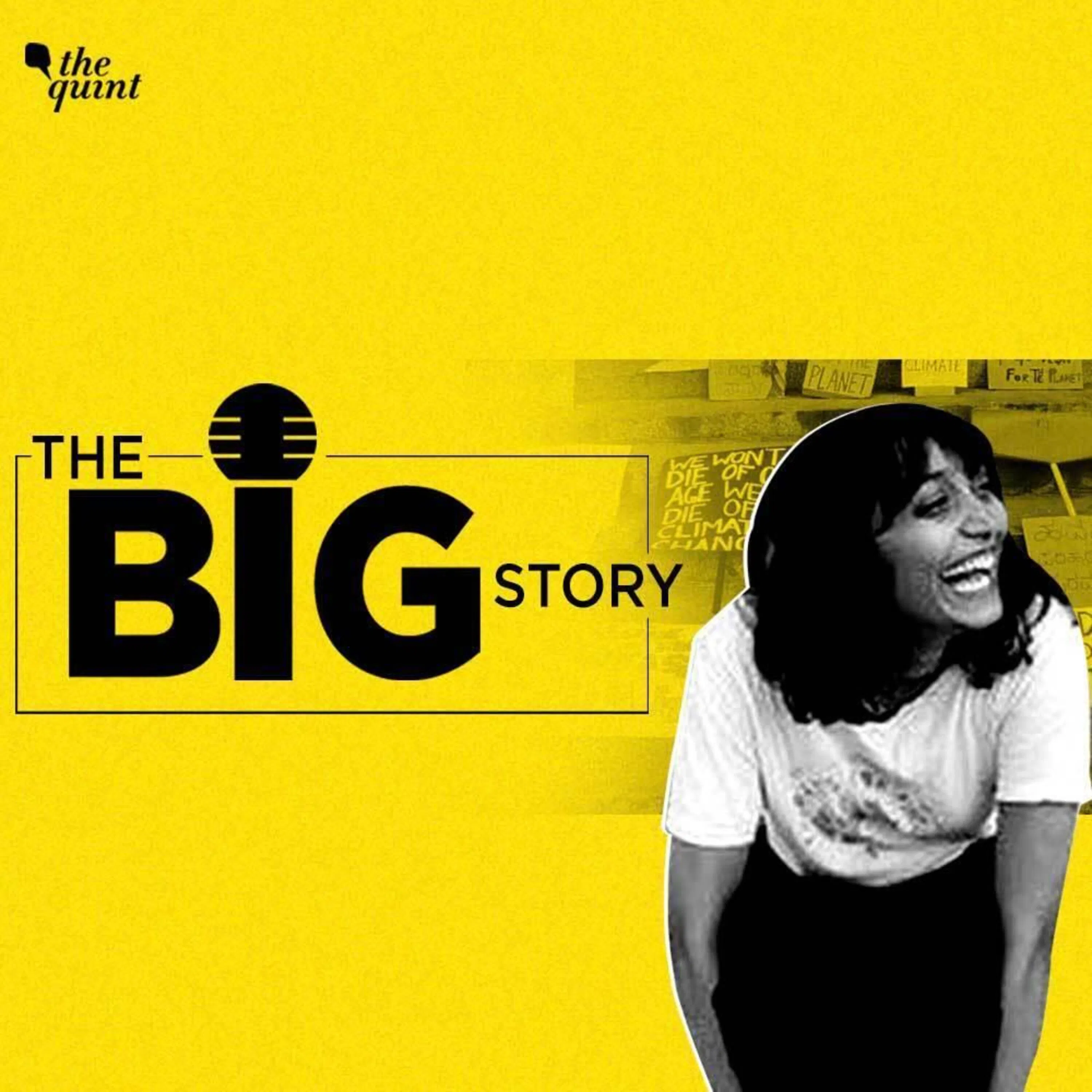
Ep 637What Does Disha Ravi's Arrest Mean for the Future of Activism?
In a move that has triggered anger and disbelief in equal parts across social media by legal experts, the opposition parties, climate activists and even the Samyukt Kisan Morcha, Delhi Police on 13 February arrested 21-year-old climate activist Disha Ravi from her Bengaluru residence on charges of creating and sharing a toolkit on the farmers’ protest that was posted by international climate activist Greta Thunberg. Disha Ravi’s arrest marks the first arrest in an FIR filed by the cybercrime unit of the Delhi Police, which was registered against the creators of the ‘toolkit’ on 4 February. Delhi Police’s statement claimed that Ravi was a ‘co-conspirator’ in the toolkit's formulation –– and ‘in this process’ collaborated with ‘pro-Khalistani Poetic Justice Foundation to spread disaffection against the Indian State’. Ravi has denied being part of any conspiracy and said that she didn't create the toolkit and just made two edits to it. She was produced before a magistrate in Delhi on Sunday, 14 February, who remanded her to five days police custody. Disha Ravi’s case raises questions on the legality of her arrest – and the process which the Delhi police followed – over and above questions about whether the offences that she and others are accused of are even made out. Producer and Host: Himmat Shaligram Guest: Dr NC Asthana, a retired IPS officer and the former DGP Kerala, and Rebecca John, a senior law advocate Editor: Shelly Walia Music: Big Bang Fuzz Listen to The Big Story podcast on: Apple: https://apple.co/2AYdLIl Saavn: http://bit.ly/2oix78C Google Podcasts: http://bit.ly/2ntMV7S Spotify: https://spoti.fi/2IyLAUQ Deezer: http://bit.ly/2Vrf5Ng Castbox: http://bit.ly/2VqZ9ur Learn more about your ad choices. Visit megaphone.fm/adchoices

Ep 636Does Disengagement Mean an End to Hostile India-China Relations?
In a major breakthrough in talks to resolve the standoff between Indian and Chinese armed forces at the Line of Actual Control (LAC) in eastern Ladakh, China’s Defence Ministry and Indian Defence Minister Rajnath Singh on 10 and 11 February respectively announced that Indian and Chinese troops on the southern and northern shores of Pangong Tso lake have begun a phased, coordinated and verified disengagement. The consensus was reached during the ninth round of previously held military commander-level talks. According to the agreement, both forces will move back to their traditional bases on the north bank of Pangong Tso. Significantly, both sides will stop patrolling to the extent of their respective claims in the area. The development comes after months of stand-offs between India and China at the LAC, during which a violent face-off last year between the two sides at the Galwan Valley led to the death of 20 Indian soldiers and an undisclosed number of Chinese troops. The last standoff between the two Asian giants was in late August 2020 when India occupied certain peaks on the south bank, which were previously unoccupied by either side. Does this disengagement mean an end to the hostile environment in relations between the two countries? or is it just another addition to a long list of landmark standoffs that are yet to be negotiated? Producer and Host: Himmat Shaligram Guest: Former Army Commander Lieutenant General AK Singh, also served as the Governor of Andaman and Nicobar Islands and Puducherry and Manoj Joshi, senior journalist and a Distinguished Fellow at the Observer Research Foundation Editor: Shelly Walia Music: Big Bang Fuzz Listen to The Big Story podcast on: Apple: https://apple.co/2AYdLIl Saavn: http://bit.ly/2oix78C Google Podcasts: http://bit.ly/2ntMV7S Spotify: https://spoti.fi/2IyLAUQ Deezer: http://bit.ly/2Vrf5Ng Castbox: http://bit.ly/2VqZ9ur Learn more about your ad choices. Visit megaphone.fm/adchoices

Ep 635Did Bharat Biotech Follow Covaxin Clinical Protocols in Bhopal?
On 3 January 2021, Covaxin became India's first indigenously produced vaccine against the novel coronavirus to get 'emergency approval in public health interest in clinical trial mode.’ The vaccine is jointly made by Bharat Biotech, Indian Council of Medical Research and National Institute of Virology. However, its approval raised many questions, especially since phase 3 clinical trials were still ongoing and no efficacy data had been published. Several media outlets in January 2021 reported on the vaccine’s clinical trial at People’s Hospital Bhopal, one of the several sites where phase 3 trials are taking place. The reports pointed to how poor people were lured without any understanding that they were taking part in a vaccine trail and not a vaccination drive. There has been one death and several participants have reported illnesses at this site. Why are there fears of ethical breaches in the clinical trail and what does it mean for Covaxin? Producer and Host: Himmat Shaligram Guest: Priyanka Pulla, freelance science journalist Editor: Shelly Walia Music: Big Bang Fuzz Listen to The Big Story podcast on: Apple: https://apple.co/2AYdLIl Saavn: http://bit.ly/2oix78C Google Podcasts: http://bit.ly/2ntMV7S Spotify: https://spoti.fi/2IyLAUQ Deezer: http://bit.ly/2Vrf5Ng Castbox: http://bit.ly/2VqZ9ur Learn more about your ad choices. Visit megaphone.fm/adchoices

Ep 634Ghulam Nabi Azad Exit From Rajya Sabha: What Next for Congress?
After almost half a century of service in Indian politics, outgoing Leader of Opposition in the Rajya Sabha and veteran Congress parliamentarian Ghulam Nabi Azad signed off from the upper house on 9 February. While Mr Azad's touching speech left Rajya Sabha members emotional, a teary-eyed Prime Minister Narendra Modi said Mr Azad’s replacement will have a tough time filling his shoes. A Congress loyalist from the start since he was a block committee chairman at 24, Mr Azad has been a close confidante of the Gandhi’s, and in the recent days even a critic of the Congress' lack of leadership. In the shadows of lingering leadership crisis, his exit from the Rajya Sabha signifies a big change for the Congress party. What does this mean for the Congress? Is there any possibility of a comeback? If not, who are the frontrunners who can take up the mantle? Producer and Host: Himmat Shaligram Guest: Senior journalist and political commentators Arati Jerath and Javed Ansari. Editor: Shelly Walia Music: Big Bang Fuzz Listen to The Big Story podcast on: Apple: https://apple.co/2AYdLIl Saavn: http://bit.ly/2oix78C Google Podcasts: http://bit.ly/2ntMV7S Spotify: https://spoti.fi/2IyLAUQ Deezer: http://bit.ly/2Vrf5Ng Castbox: http://bit.ly/2VqZ9ur Learn more about your ad choices. Visit megaphone.fm/adchoices

Ep 633How Prepared is the Department of Telecommunication to Rollout 5G?
Laidback, insufficient, and unprepared are just some of the words used in a report by the Parliamentary Committee of IT to describe the efforts of the Union Communications Ministry's in rolling out 5G technology. 5G trials in India are set to launch in March. But the 125-page report, titled “India’s Preparedness for 5G”, released on 8 February and prepared by a 31-member committee comprising members across party lines, from both Houses of Parliament, concluded that India has not gone beyond the initial stages of preparation as compared to other countries, so much so that, India may actually “miss the 5G bus.” The Committee also states that its concerns for 5G deployment are enhanced by the fact that previous network technologies like 2G, 3G, and 4G were all deployed later in India when compared to the rest of the world. The Committee has raised several issues with the DoT’s current preparedness on 5G, one of the biggest being the unit price of spectrum, which is in the range of 3-70 times more when compared to other countries. While some countries like the US, UK, Australia have already introduced 5G services, India is running behind all other players. Where does India stand in 5G deployment, what are the obstacles, and by when should we expect it in India? Producer and Host: Himmat Shaligram Guest: Sanjay Kapoor, former CEO of Bharti Airtel India. Editor: Shelly Walia Music: Big Bang Fuzz Listen to The Big Story podcast on: Apple: https://apple.co/2AYdLIl Saavn: http://bit.ly/2oix78C Google Podcasts: http://bit.ly/2ntMV7S Spotify: https://spoti.fi/2IyLAUQ Deezer: http://bit.ly/2Vrf5Ng Castbox: http://bit.ly/2VqZ9ur Learn more about your ad choices. Visit megaphone.fm/adchoices
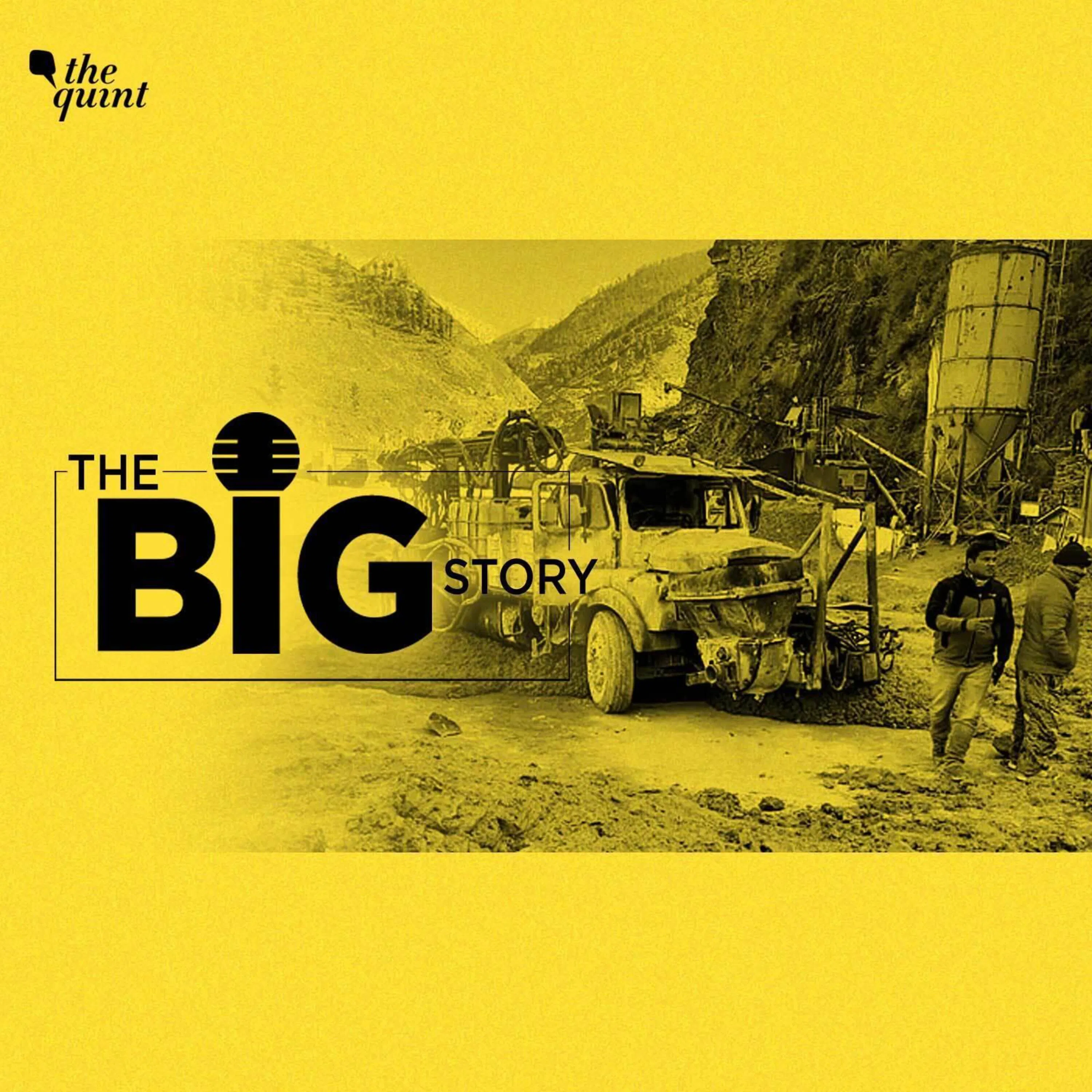
Ep 632Uttarakhand Glacier Break: Climate Change or Human Development?
Is it a landslide or a glacial burst or a man-made disaster that triggered the sudden flash floods in Uttarakhand's Chamoli district? It is yet to be ascertained as to what exactly caused the disaster that led to the death of at least 19 people, while around 200 others are reported missing as of Monday, 8 February. All hands are on the deck to rescue those who are feared to be trapped in the Tapovan tunnel - the ITBP, the Indian Army, the IAF, the NDRF and the NCMC have been deployed for the search and rescue operations. The death toll is expected to rise as bodies of the labourers working in the flood path are still being recovered. At least two under-construction hydro power projects in Chamoli district were severely impacted by the flood, with fatalities reported among personnel deployed at these sites. Several other projects on the Alaknanda and Bhagirathi river basins in northwestern Uttarakhand have also been impacted by the flood. While the central government has stated that the a landslide at a high altitude caused the flash flood, several experts have pointed their fingers towards developmental projects like hydro plants, which may be causing harm to the ecology of the Uttarakhand region. What led to this disaster? Could it have been caused by climate change or human interventions? Producer and Host: Himmat Shaligram Guests: Dr Anjal Prakash, Research Director and Adjunct Associate Professor, ISB Hyderabad Dr Farooq Azam, Assistant Professor, Glaciology & Hydrology, IIT Indore and Bahar Dutt, award winning environment journalist Editor: Shelly Walia Music: Big Bang Fuzz Listen to The Big Story podcast on: Apple: https://apple.co/2AYdLIl Saavn: http://bit.ly/2oix78C Google Podcasts: http://bit.ly/2ntMV7S Spotify: https://spoti.fi/2IyLAUQ Deezer: http://bit.ly/2Vrf5Ng Castbox: http://bit.ly/2VqZ9ur Learn more about your ad choices. Visit megaphone.fm/adchoices
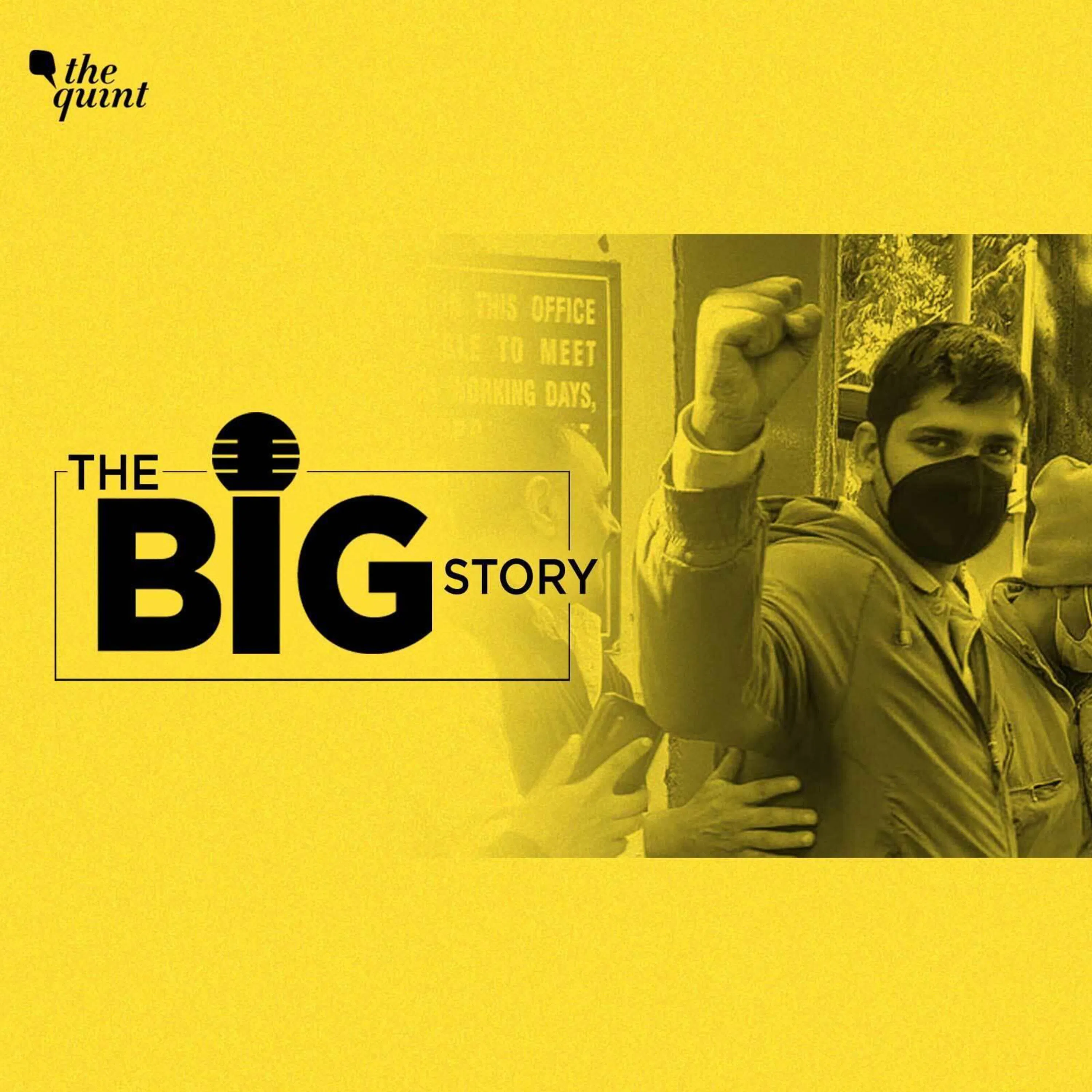
Ep 631Is the Press Free in India to Report on Farmers Protest?
While barricades are being put up in a bid to crackdown on farmers' protest, simultaneously there have been FIRs and cases of sedition against several journalists over their reportage of the protest. Since the incident of the Red Fort violence, over the past couple of weeks, Rajdeep Sardesai, Mrinal Pande, Zafar Agha, Paresh Nath, Anant Nath, Vinod K Hose had cases against them for allegedly misreporting the events and promoting disharmony. In a separate instance, freelance journalist Mandeep Punia who's a contributor to the caravan, was arrested while reporting at the Singhu border for allegedly misbehaving with the police. While visuals of the police manhandling him at the protest site went viral, prompting the media fraternity to demand for his release, Mr Punia was kept in judicial custody for 14 days without being allowed to see his lawyer until he received his bail on 3 February. After his release, Mr Punia alleged that he was falsely accused of assaulting the police, and was given a brutal treatment in custody. As these kind of incidents have been spiking over the last few years, India has also been sliding down the ladder of the world press freedom index. In 2020, india ranked 142nd out of 180 countries. Is India turning hostile towards free press? What challenges are journalists facing on the ground from the state? Big Story Episode on blockades at farmers protest sites in Delhi: Are Blockades at Farmer Protest Sites Needed and Legal? Producer and Host: Himmat Shaligram Guests: Mandeep Punia, a freelance journalist and contributor to The Caravan and Patricia Mukhim, a veteran journalist and Editor of The Shillong Times Editor: Shelly Walia Music: Big Bang Fuzz Listen to The Big Story podcast on: Apple: https://apple.co/2AYdLIl Saavn: http://bit.ly/2oix78C Google Podcasts: http://bit.ly/2ntMV7S Spotify: https://spoti.fi/2IyLAUQ Deezer: http://bit.ly/2Vrf5Ng Castbox: http://bit.ly/2VqZ9ur Learn more about your ad choices. Visit megaphone.fm/adchoices
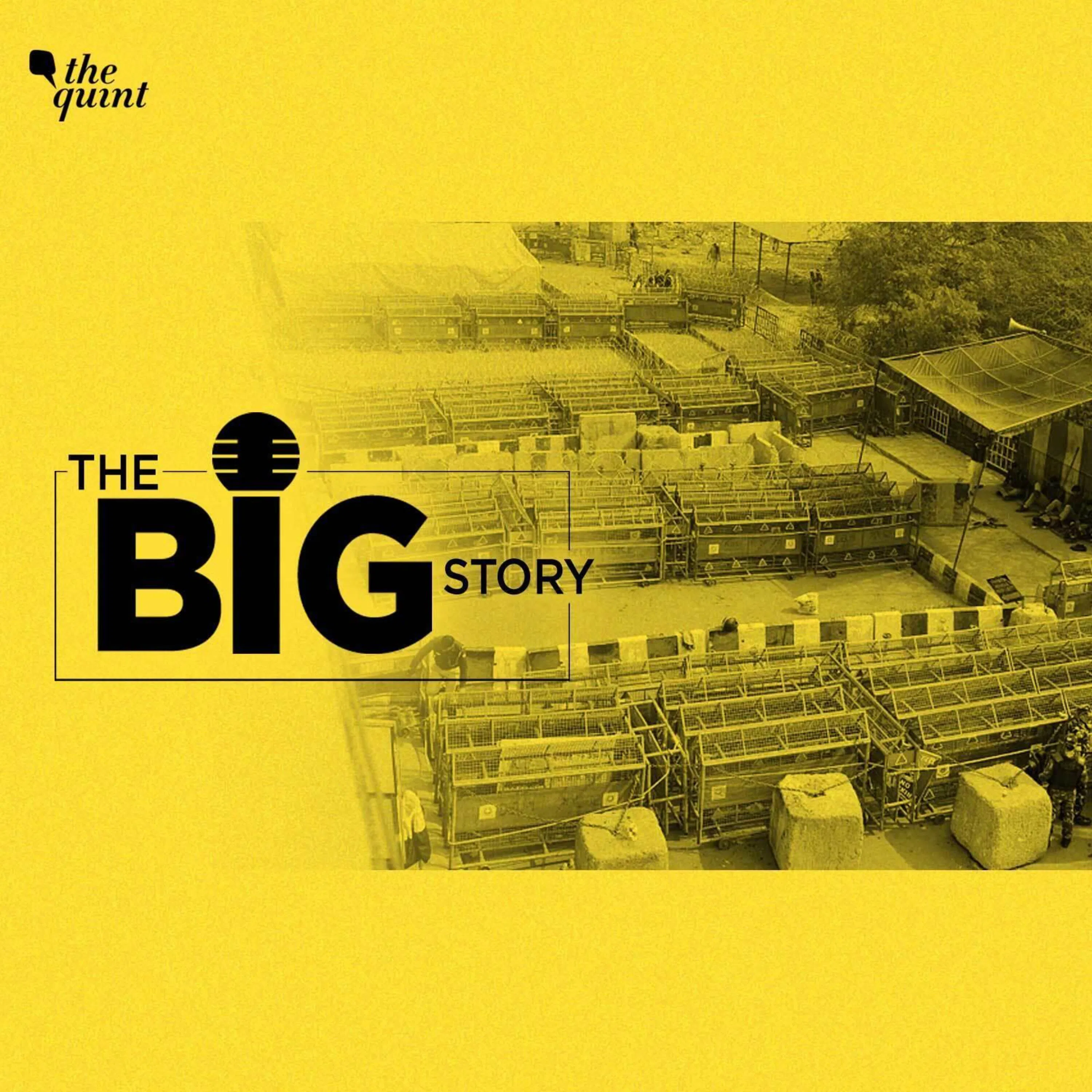
Ep 630Are Blockades at Farmer Protest Sites Needed and Legal?
Unlike the regular mobile barricades set up by the police to restrict foot traffic, vehicle movement, the police blockades at Ghazipur, Singhu and Tikri, where scores of farmers are currently protesting, are more permanent in nature. Apart from the internet shutdown that was imposed after the Red Ford violence, video footage and photographs from these areas now show cement walls being constructed, spike wire on top of steel obstacles, iron nails bolted to the road to prevent advancement. But the barricading has also led to larger consequences. It has been reported that these barricades have cut off farmers access to water and sanitation facilities, which they had access to previously. But is this level of blockade legal? Do they violate any human rights law? Are barricades of this scale necessary and what do the farmers feel about them? Producer and Host: Himmat Shaligram Guests: Dr N C Asthana, who is a retired Indian Police Service officer, Vakasha Sachdev, The Quint’s Legal Editor, Shadab Moizee, Senior Correspondent for Quint Hindi And voice of protesters from Ghazipur. Editor: Shelly Walia Music: Big Bang Fuzz Listen to The Big Story podcast on: Apple: https://apple.co/2AYdLIl Saavn: http://bit.ly/2oix78C Google Podcasts: http://bit.ly/2ntMV7S Spotify: https://spoti.fi/2IyLAUQ Deezer: http://bit.ly/2Vrf5Ng Castbox: http://bit.ly/2VqZ9ur Learn more about your ad choices. Visit megaphone.fm/adchoices
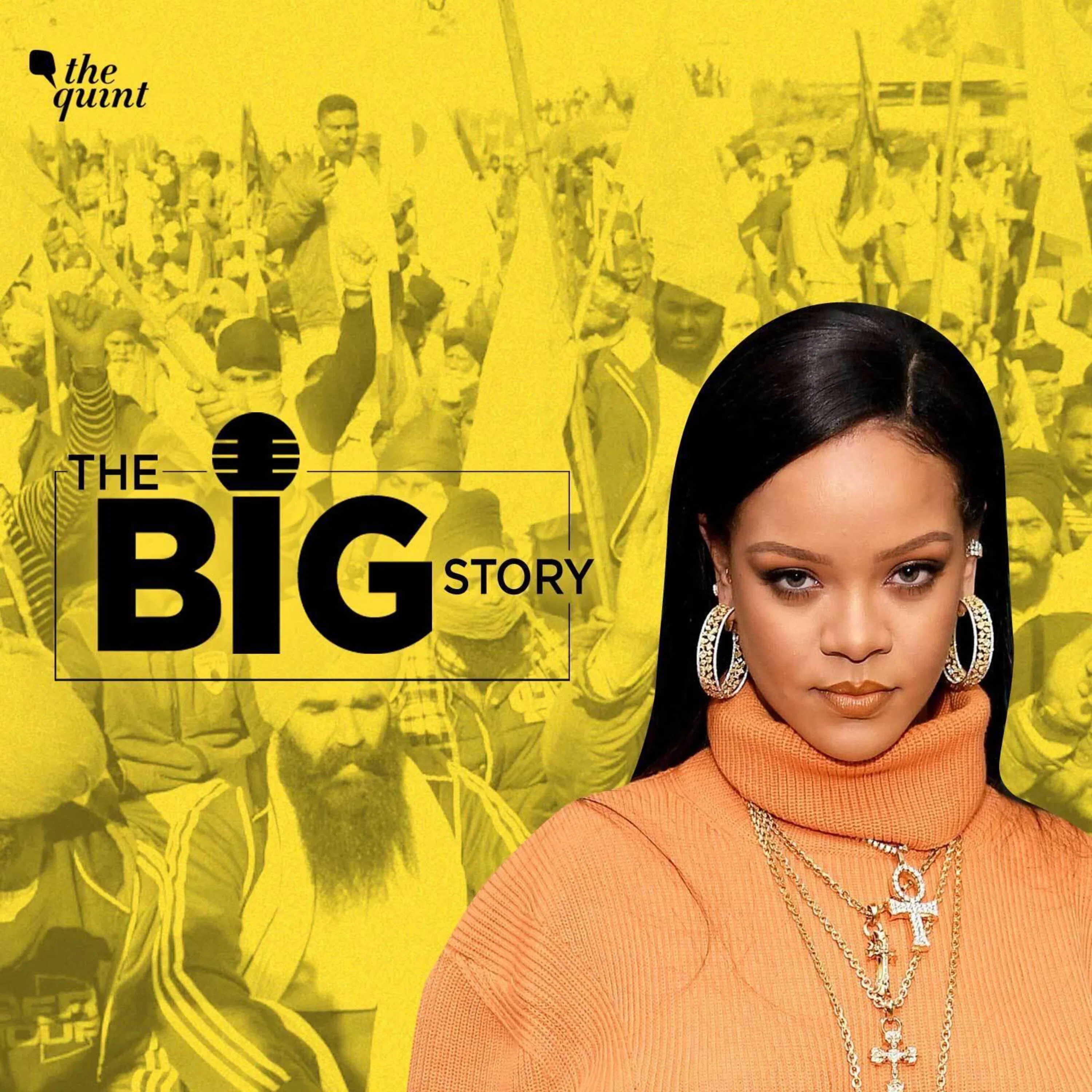
Ep 629Will Rihanna’s Tweet Become a Turning Point for Farmers’ Protest?
Just as farmers have been accusing the Centre of harassing them in a bid to shutdown their protest, the whole movement against the centre's controversial farm laws got a fresh impetus as it gained an overwhelming international attention. On 2 February, when Singer and actor Rihanna shared a report by CNN on the internet blockade imposed around Delhi, on her Twitter asking her 100 million strong followers “Why aren’t we talking about this?! #FarmersProtest” — barely hours within posting the tweet, a huge amount of global support came pouring in from international icons, journalists, activists, advocacy groups and legislators too. Rihanna's tweet is perhaps not all that suprising since she has frequently spoke up about human rights issues such as Black Lives Matter and even the recent coup in Myanmar. But immediately after Rihanna's tweet, teen environmental activist Greta Thunberg also tweeted saying, "We stand in solidarity with the #FarmersProtest in India." British MP Claudia Webbe retweeted Rihanna's post and wrote: "Solidarity to the Indian Farmers. Thank you Rihanna. In an era where political leadership is lacking we are grateful for others stepping forward." US Vice President Kamala Harris's niece Meena Harris wrote, “It's no coincidence that the world's oldest democracy was attacked not even a month ago, and as we speak, the most populous democracy is under assault. This is related. We all should be outraged by India's internet shutdowns and paramilitary violence against farmer protesters." Is this renewed international support going to be a significant turning point in the farmers' protest? Tune in to The Big Story! Producer and Host: Shorbori Purkayastha Guests: Vishnu Prakash, former High Commissioner to Canada, Ambassador to South Korea and Official Spokesperson of the Ministry of External Affairs Nilanjan Mukhopadhyay, Senior Journalist Sayani Gupta, Bollywood Actor Editor: Shelly Walia Music: Big Bang Fuzz Listen to The Big Story podcast on: Apple: https://apple.co/2AYdLIl Saavn: http://bit.ly/2oix78C Google Podcasts: http://bit.ly/2ntMV7S Spotify: https://spoti.fi/2IyLAUQ Deezer: http://bit.ly/2Vrf5Ng Castbox: http://bit.ly/2VqZ9ur Learn more about your ad choices. Visit megaphone.fm/adchoices

Ep 628Union Budget 2021: Breaking Down the Numbers For Key Sectors
On 1 February, Finance Minister Nirmala Sitharaman tabled the Union Budget for the next financial year on the back of several challenges thrown up by the pandemic. In response, Indian stock markets zoomed over 2300 points on the day and even extended their rally today. But how did everyday people and experts view the Budget? According to a Budget opinion poll by CVoter conducted on 2 February, 36.4 percent respondents said the Centre delivered "worse than expected" in the Budget. The survey also states that 25.1 percent people felt that the Budget was "better than expected" and 27.6 percent people said it was "just as expected". Experts noted the budget as bold, transparent, and a big gamble on growth revival. Among key highlights were a sharp rise in fiscal deficit, emphasis on capital expenditure, privatisation of public sector banks and primary focus on the health and wellness sector. However, digging deeper into the numbers, we noticed there's more than meets the eye. References: The Big Story episode on the health budget: Health Budget Increased by 137 Percent But Enough for Recovery? Producer and Host: Himmat Shaligram Guests: Dr Rathin Roy, leading economist and Director of the National Institute of Public Finance and Policy, Sanjay Pugalia, Editorial Director for The Quint, and Saurabh Mukherjee, Founder of Marcellus Investment Managers. Editor: Shelly Walia Music: Big Bang Fuzz Listen to The Big Story podcast on: Apple: https://apple.co/2AYdLIl Saavn: http://bit.ly/2oix78C Google Podcasts: http://bit.ly/2ntMV7S Spotify: https://spoti.fi/2IyLAUQ Deezer: http://bit.ly/2Vrf5Ng Castbox: http://bit.ly/2VqZ9ur Learn more about your ad choices. Visit megaphone.fm/adchoices

Ep 627Health Budget Increased by 137 Percent But Enough for Recovery?
In the shadow of the coronavirus pandemic, Finance Minister Nirmala Sitharaman gave a fresh impetus to the Indian healthcare sector as she tabled the Union Budget 2021 on 1 February. The very first item on her checklist, the health budget –– with a total outlay of Rs 2.24 lakh crore –– witnessed a nearly 137 percent jump from last year. The finance minister said that the fight against coronavirus will continue well into 2021, as she identified "health and well-being" as one of the six pillars of the Budget. Apart from healthcare, the Budget gave major emphasis to infrastructure and agriculture sectors. Amid chants to 'repeal the farm laws' that has caused countrywide protests for more than two months now, Sitharaman said her government was "committed to the welfare of farmers.” Talking of infrastructure, the government announced investments in highways, roads, and metros in four states where Assembly elections are due soon –– Kerala, Tamil Nadu, Assam, and West Bengal. Besides, a host of announcements were made on the divestment front, including the government's decision to privatise two public sector banks and one general insurance company. Though the Budget has been received favourably by the stock market, with some saying "no bad news is good news", let's dissect some of the highlights – health, agriculture and infrastructure. Does the health budget have enough financing needed for vaccine distribution? How will the new budget allocations for poll-bound states play out for the BJP? What about India's farmers? Producer and Host: Himmat Shaligram Guests: Dr Amir Ullah Khan, who is Development and Trade Economist, and also an Advisor to the Bill and Melina Gates Foundation, Aditya Menon, The Quint's political editor and Kiran Vissa of the Rythu Swarajya Vedika. Editor: Shelly Walia Music: Big Bang Fuzz Listen to The Big Story podcast on: Apple: https://apple.co/2AYdLIl Saavn: http://bit.ly/2oix78C Google Podcasts: http://bit.ly/2ntMV7S Spotify: https://spoti.fi/2IyLAUQ Deezer: http://bit.ly/2Vrf5Ng Castbox: http://bit.ly/2VqZ9ur Learn more about your ad choices. Visit megaphone.fm/adchoices
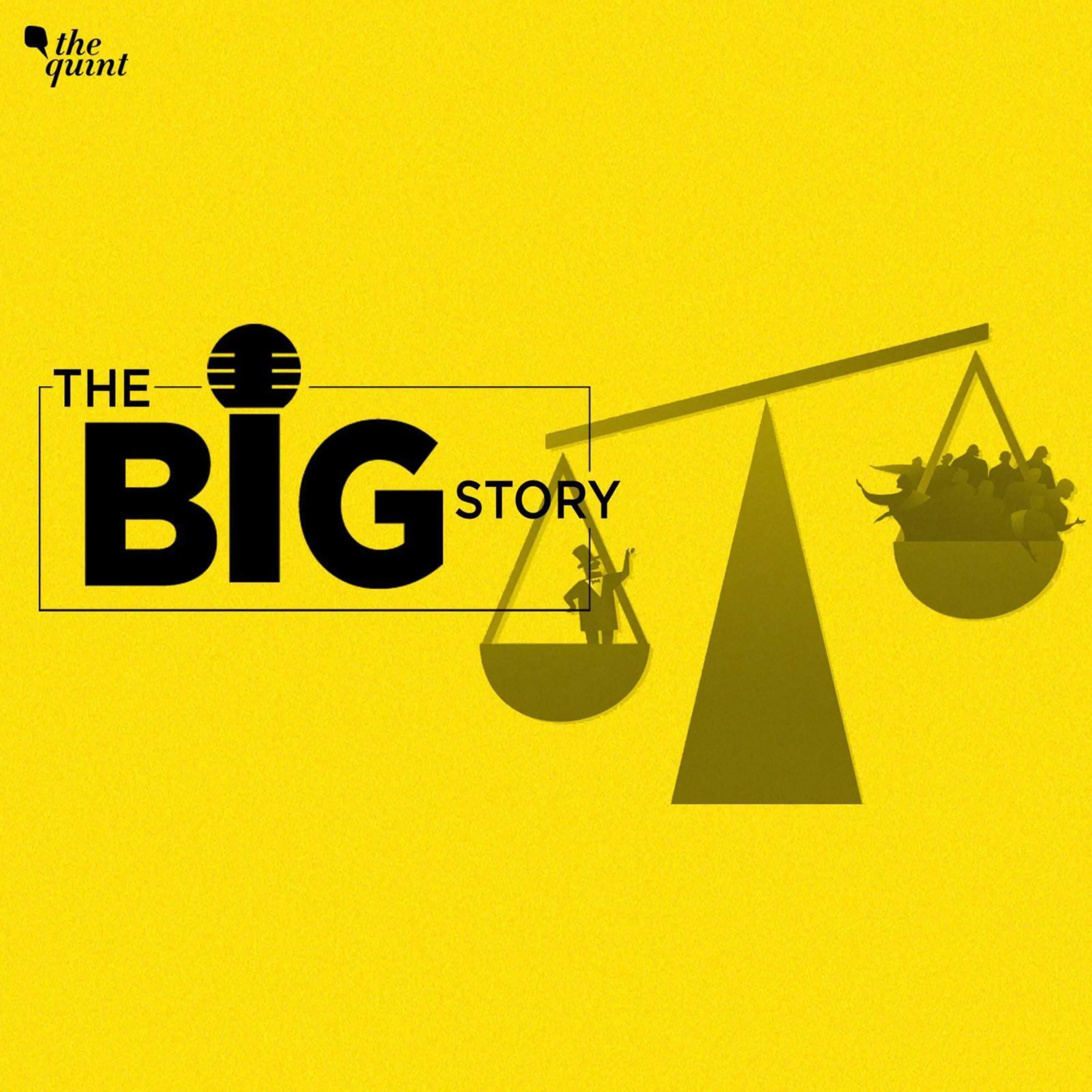
Ep 626Indian Billionaires Recovered All Their Lost Wealth During Lockdown But How?
With the entire country in a lockdown since March, with malls, offices, schools shut, salaries being slashes, people being fired from their jobs, migrants walking back home for want of employment and food, it felt like we are all in this pandemic together. However, a recent report by Oxfam states that India’s wealthiest escaped the worst of the pandemic and actually got richer in the lockdown! Sample this: India’s top 100 billionaires have seen their fortunes increase by Rs 12,97,822 crores since March, enough to give every one in India's 138 million-strong population a cheque of Rs 94,045. The pandemic has pinched more than just the pockets of many Indians. It has also revealed glaring cracks in our health care system, the access to education, the digital divide and most importantly, how the pandemic has NOT impacted us equally. So how did billionaires continue to get richer during a pandemic? And how has income inequality aggravated the general state of inequality in India and is a reform of our tax code the answer? References: Oxfam India Virus Inequality Report 2021 Big Story Episodes on Covid-19 Impact on Education in India: Part 1: Should India Reopen Schools or Provide Equitable Education First? Part 2: Prolonged Shutdown of Schools Affecting Students' Health as Well? Producer and Host: Himmat Shaligram Guests: Amitabh Behar, Chief Executive Officer, Oxfam India Editor: Shelly Walia Music: Big Bang Fuzz Listen to The Big Story podcast on: Apple: https://apple.co/2AYdLIl Saavn: http://bit.ly/2oix78C Google Podcasts: http://bit.ly/2ntMV7S Spotify: https://spoti.fi/2IyLAUQ Deezer: http://bit.ly/2Vrf5Ng Castbox: http://bit.ly/2VqZ9ur Learn more about your ad choices. Visit megaphone.fm/adchoices
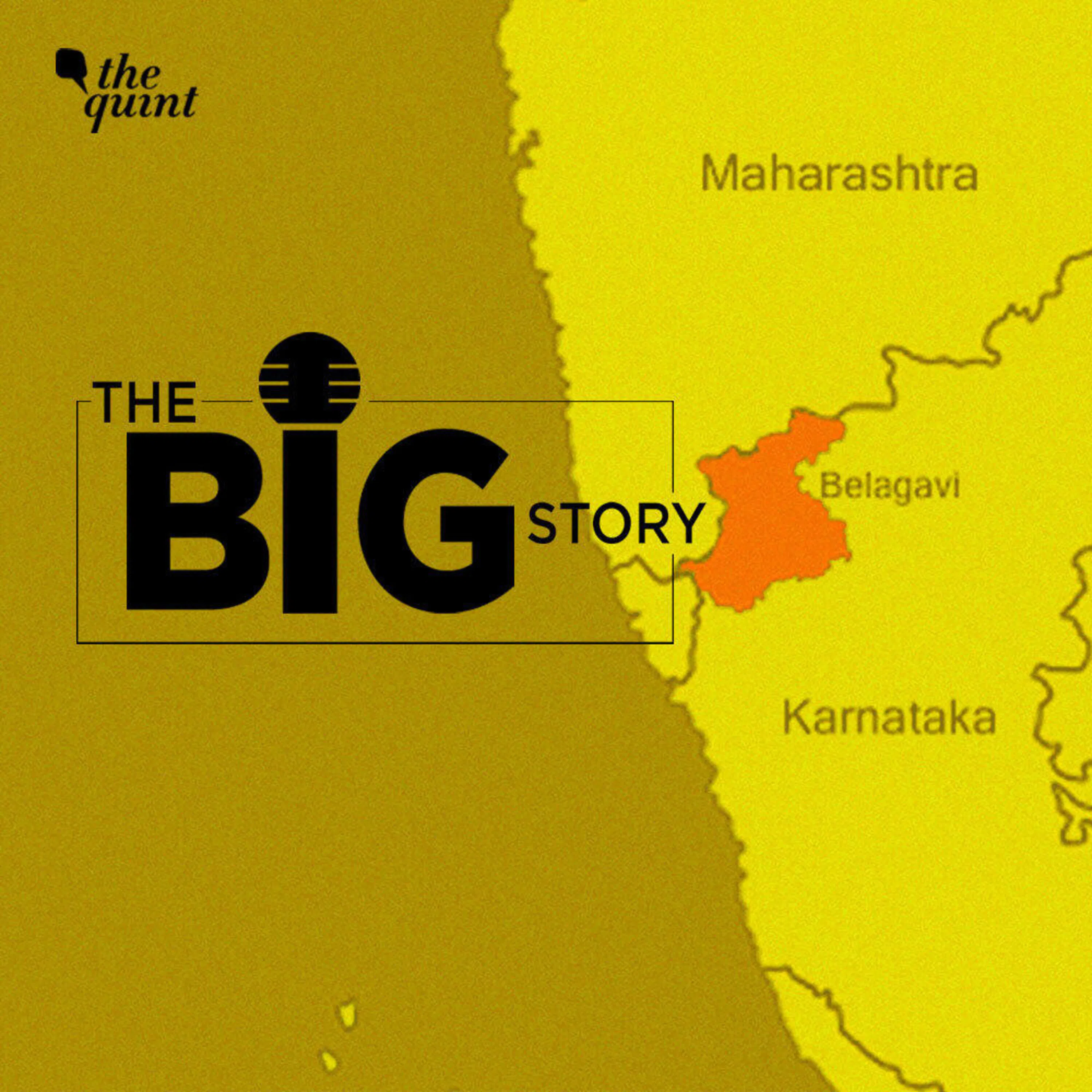
Ep 625Why Are Karnataka and Maharashtra Still Fighting Over Belgaum?
A decades-old border dispute between Maharashtra and Karnataka has caught fire again, with Maharashtra Chief Minister Uddhav Thackeray staking claims to some long-disputed territories between the states. Maharashtra, for the last 60 years or so, has been laying its claim on areas such as Belagavi, Karwar, Nippani, Vijayapura, Dharwad and Uttara-Kannada – that are currently a part of Karnataka, arguing that Marathi-speaking regions should come under Maharashtra. And recently, in a public book launch event on 27 January, as CM Thackeray revived the state governments agenda asking for the disputed areas to be made into a union territory until the problems are resolved, Karnataka Deputy Chief Minister Lakshman Savadi spat back at him saying that Mumbai should be made into a Union Territory. While Thackeray accused the Karnataka government of deliberately changing Belgaum's name to Belagavi... even threatening to take the matter to court, Savadi condemned the statements made by Shiv Sena top brass and said that Marathi people in Belgaum are like all Kannadigas in the state. So, what is the Belgaum land dispute all about and what is fuelling it all these decades? Host: Himmat Shaligram Guests: Deepak Pawar, Editor for the book "Maharashtra-Karnataka Border Dispute: Struggle and Pledge" Producer: Himmat Shaligram Music: Big Bang Fuzz Listen to The Big Story podcast on: Apple: https://apple.co/2AYdLIl Saavn: http://bit.ly/2oix78C Google Podcasts: http://bit.ly/2ntMV7S Spotify: https://spoti.fi/2IyLAUQ Deezer: http://bit.ly/2Vrf5Ng Learn more about your ad choices. Visit megaphone.fm/adchoices
Ep 624What’s Next for the Farmers Protest After Violence in Delhi?
Just a day after mayhem broke out in Delhi as protesters and the Delhi Police clashed with each other during the Farmers' Tractor Rally on Republic Day, on 27 January Two farmers unions — the Bharatiya Kisan Union (Bhanu) and Rashtriya Kisan Mazdoor Sangathan withdrew their participation from the farmers protests. Amidst a tense atmosphere at the Delhi border areas where farmers have been camping for two months, Bhanu Pratap Singh, president of Bharatiya Kisan Union (Bhanu) said he was deeply pained by the violent sights. As the Delhi Police registered 25 FIRs, some other interesting details have come up over the role of actor Deep Sidhu and gangster-turned-activist Lakha Sidhana who have been accused of provoking the Red Fort violence. But what is the situation at the Delhi borders and what do farmers have to say about the clashes? Host: Himmat Shaligram Guests: Asmita Nandy, Correspondent for The Quint Producer: Himmat Shaligram Music: Big Bang Fuzz Listen to The Big Story podcast on: Apple: https://apple.co/2AYdLIl Saavn: http://bit.ly/2oix78C Google Podcasts: http://bit.ly/2ntMV7S Spotify: https://spoti.fi/2IyLAUQ Deezer: http://bit.ly/2Vrf5Ng Learn more about your ad choices. Visit megaphone.fm/adchoices
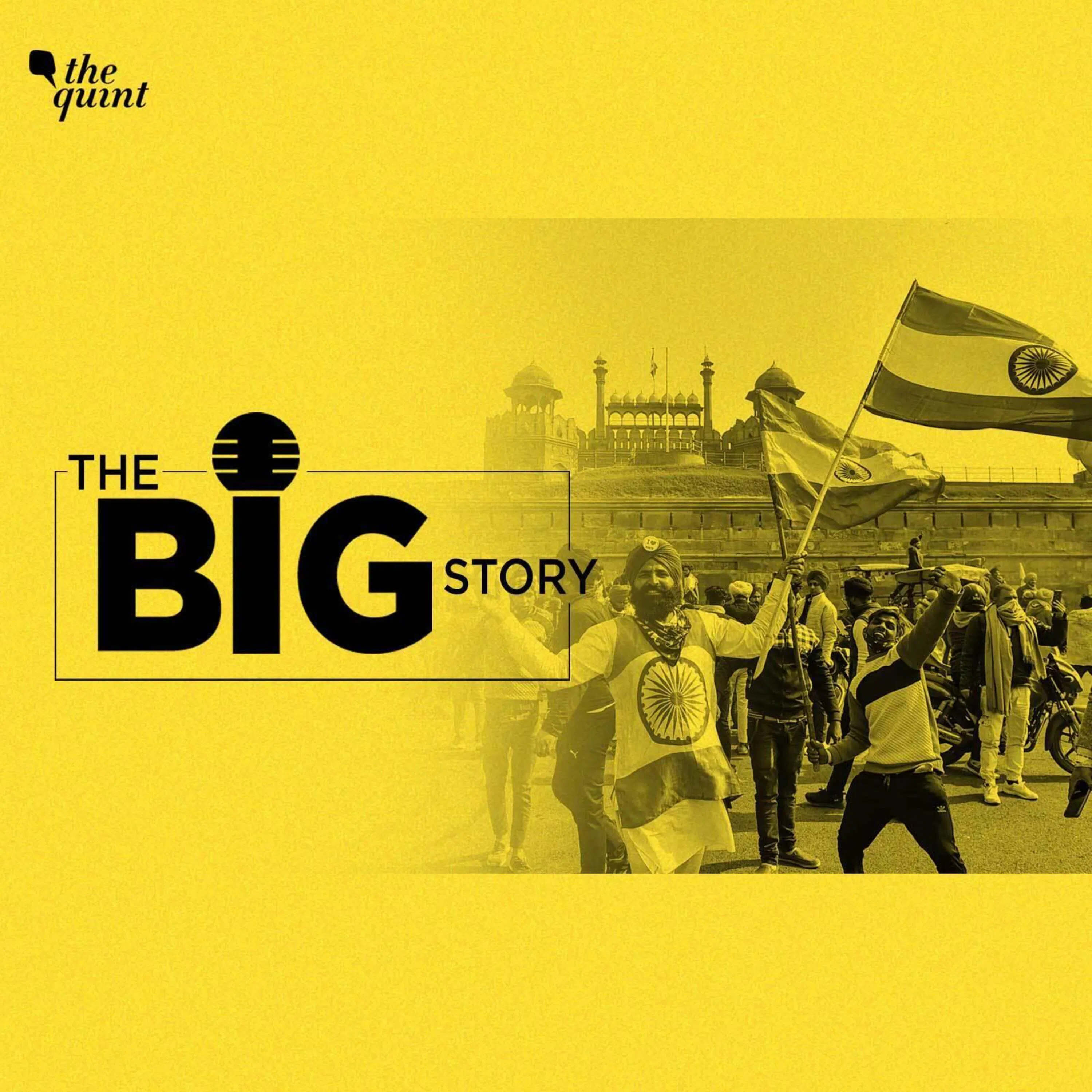
Ep 623Farmers Protest Turns Violent in Delhi, What Went Wrong?
Tear gas shells, lathi charges, stone pelting and one death, what was supposed to be peaceful show of protest by the farmers on Republic Day, turned into a day of violence, rioting and damage to public property. Which begs the questions, if everything was planned, what went wrong? In a severe deviation from pre-designated routes, which were agreed upon in advance by the Delhi Police and farmer leaders, protesting farmers reached Delhi’s Indraprastha, ITO and other parts of Central Delhi after breaking barricades at the Ghazipur and Tikri borders early morning. The farmers were then subjected to tear gas-shellings and lathi-charges by the Delhi police, even as farmer leader Rakesh Tikait told the media that the rallies are being undertaken “peacefully.” Farmer protestors also reached and entered the Red Fort and waived flags from the ramparts of the fort. So what exactly happened? How did this tractor rally, which was always meant to be peaceful and travel on designated routes reach the Red Fort? Host: Himmat Shaligram Guests: Anthony Rozario, Senior Correspondent, The Quint Shadab Moizee, Senior Correspondent, Quint Hindi Nishtha Gautam, Opinions Editor, The Quint Producer: Himmat Shaligram Music: Big Bang Fuzz Listen to The Big Story podcast on: Apple: https://apple.co/2AYdLIl Saavn: http://bit.ly/2oix78C Google Podcasts: http://bit.ly/2ntMV7S Spotify: https://spoti.fi/2IyLAUQ Deezer: http://bit.ly/2Vrf5Ng Learn more about your ad choices. Visit megaphone.fm/adchoices

Ep 622Why The Bombay High Court’s Reading of POCSO Act is Problematic
Does groping a minor's breasts over her clothes make it any lesser an offence than groping her without clothes? In a controversial ruling on 24th January, the Bombay High Court said that groping a minor's breast without skin-to-skin touch doesn't fall under the definition of ‘sexual assault’ under the Protection of Children from Sexual Offences Act also known as the POCSO act. While acknowledging that such an act INDEED IS AN OFFENCE, a sitting judge of the Nagpur bench said it only amounts to molestation under the Indian Penal Code. These observations came in a hearing of an appeal filed by a man against his conviction under POCSO charges by a sessions court after he was accused of groping a minor's breasts. Now sexual assault under POSCO is a graver offence than outraging a woman’s modesty under Section 354 of the IPC, but while observing that there was no “specific detail” as to whether the minor’s top was removed and whether there was any skin-to-skin contact or not, Justice Puspha Ganediwala of the Bombay High Court acquitted the appellant off POCSO saying that stringent punishments require stronger allegations and proof. Although the court upheld the conviction of the appellant under Section 354, the ruling almost immediately drew a lot of outrage on social media from celebrities and other citizens alike. While some pointed to the irony in the fact that the judgment came on the same day that is observed as the National Girl Child's Day, others are questioning if it's a fair deduction of the law. Doesn't drawing distinction between the gravity of groping a minor's breast with clothes and without clothes defeat the whole intention of the POCSO act? Host and Producer: Shorbori Purkayastha Guests: Seema Misra, a lawyer practising in the district and high court who's appeared in PoCso-related cases for both victim and accused Producer: Shelly Walia Music: Big Bang Fuzz Listen to The Big Story podcast on: Apple: https://apple.co/2AYdLIl Saavn: http://bit.ly/2oix78C Google Podcasts: http://bit.ly/2ntMV7S Spotify: https://spoti.fi/2IyLAUQ Deezer: http://bit.ly/2Vrf5Ng Learn more about your ad choices. Visit megaphone.fm/adchoices
Ep 621Will The Absence of CM Face Hurt BJP's Prospects in WB Polls?
Massive road shows, sloganeering, and defections — West Bengal's politics is getting more and more competitive by the day, ahead of the upcoming state elections. In yet another concern for the TMC, another heavyweight — former West Bengal Forest Minister Rajib Banerjee exited from the party on 22 January. He's the third minister to resign from the state in just the last one month. Although he did not cite any specific reason behind his actions, he told reporters that he was hurt when he learnt that he had lost his portfolio as Minister for Irrigation and was instead appointed as Minister for Forests. While TMC is witnessing a massive exodus from the party just months before the elections, the BJP is hoping to turn it into an opportunity for them to make gains in the state. Although the BJP says it'll wipe out TMC in 2021, there are several internal issues that the BJP still needs to iron out first, mainly the big question: who will be their CM face? While the top brass has shied away from naming their CM candidate insisting that their decision will only be announced after they bag the majority, who are the current prospects for CM? And why is the party unwilling to take chances with announcing a CM candidate yet? Host: Himmat Shaligram Guests: Aditya Menon, Political Editor, The Quint Ishradita Lahiri, Senior Correspondent, The Quint Producer: Himmat Shaligram Music: Big Bang Fuzz Listen to The Big Story podcast on: Apple: https://apple.co/2AYdLIl Saavn: http://bit.ly/2oix78C Google Podcasts: http://bit.ly/2ntMV7S Spotify: https://spoti.fi/2IyLAUQ Deezer: http://bit.ly/2Vrf5Ng Learn more about your ad choices. Visit megaphone.fm/adchoices

Ep 620What Policy Changes Are Expected Under President Biden?
After one of the most hostile transfers of power ever witnessed in USA, Joseph Biden was sworn in as the 46th President of the country. The pandemic meant that the usual crowd of citizens at the inauguration was rather restricted this year. The swearing in ceremony of Biden and Kamala Harris took place before a thinly-populated masked gathering of Senators, Congressmen and former Presidents. But the stunning visuals of the field of flags at the National Mall to represent American citizens, the heartfelt performances by JLo, Lady Gaga, Amanda Gorman and Katy Perry more than made up for this modest ceremony that took place just two weeks after US Capitol's disconcerting siege by pro-Trump insurrectionists. And all eyes were on Biden as he took oath, with the message of Democracy's victory. Evoking Abraham Lincolns's words – “My whole soul is in this”– he vowed to bring all America together. But as difficult as it was for Biden to take office with Trump trying every trick to forestall his inauguration, the path ahead of him is going to be equally daunting if not more, as he inherits a nation ravaged by the COVID-19 pandemic, deep political hostility and racial inequality. While the Biden admin wasted no time after the inauguration and went onto signing a flurry of executive orders to reverse some of Trump's decisions, including one to re-enter the Paris Climate Accord, what will the first 100 days of the Biden government look like? What kind of reconfiguration of policies are we likely to see in the US? Is Biden likely to take the United States to the Obama era? Or will he carve out his own niche? Tune in we to The Big Story where we speak to Akshobh Girdhardas, a journalist based in Washington DC who writes on geopolitics, business, tech and sports. Producer and Host: Shorbori Purkayastha Guests: Akshobh Girdhardas, Washington DC-based who writes on geopolitics, business, tech and sports Editor: Riniki Sanyal References: Covid relief, economic stimulus, immigration: What to expect in Biden's first 100 days 10 Challenges Biden Faces in Righting the Economy What to Expect in Biden’s First 100 Days in Foreign Policy Biden changes America in an instant -- but tougher challenges loom Music: Big Bang Fuzz Listen to The Big Story podcast on: Apple: https://apple.co/2AYdLIl Saavn: http://bit.ly/2oix78C Google Podcasts: http://bit.ly/2ntMV7S Spotify: https://spoti.fi/2IyLAUQ Deezer: http://bit.ly/2Vrf5Ng Learn more about your ad choices. Visit megaphone.fm/adchoices
Ep 619Creative Liberty Vs Regulation: Tandav Web Show Revives Old Debate
Just 24 hours after premiering on 15 January, Amazon Prime’s original web series —Tandav landed straight into a controversy. After a fuming Twitterati demanded a ban on the show over the depiction of Hindu gods claiming that it hurts Hindu sentiments, the makers of the show are now looking at 4 police cases. The cases include FIRs filed against 96 people associated with the show alleging that the web series is “provoking communal disharmony and hurts the sentiments of Hindus.” Outrage over the series - expressed forcefully by BJP leaders- has also led to Mumbai Police increasing security outside two of Amazon India's office in the city and the residence of Saif Ali Khan, the lead actor in the show. But even after an apology issued by creators of the show, there is now a team of four police personnel in Mumbai from Lucknow for investigation following the registration of a case against the makers at the Hazratganj police station. What kind of questions does the whole backlash against the show raise about self-regulation and censorship in the digital content space? Tune in to The Big Story! Host: Himmat Shaligram Guests: Udhbhav Tiwari, Public Policy Advisor at Mozilla Producer: Himmat Shaligram Music: Big Bang Fuzz Listen to The Big Story podcast on: Apple: https://apple.co/2AYdLIl Saavn: http://bit.ly/2oix78C Google Podcasts: http://bit.ly/2ntMV7S Spotify: https://spoti.fi/2IyLAUQ Deezer: http://bit.ly/2Vrf5Ng Learn more about your ad choices. Visit megaphone.fm/adchoices
Ep 618India’s Border-Gavaskar Win Can Rekindle Interest in Test Series’
Ricky Ponting said that the Indian cricket team wouldn’t be able pick up at the Border-Gavaskar test series after the Adelaide loss against Australia. Michael Vaughan said India was going to get hammered. Michael Clarke said India was going to be in deep trouble without Virat Kohli. But in the face of all the odds, India won the highly coveted Border-Gavaskar trophy and how! Despite broken bones and some top players missing in the test series, India scripted history with a three-wicket win in the fourth and final Test against Australia thereby clinching the Border-Gavaskar series 2-1. And also broke a number of records on the way. Why is this win historic for India? What makes it so special? How can this game change India’s team? Tune in to The Big Story! Pre Host: Himmat Shaligram Guests: Ayaz Memon, sports Journalist and co-host of The Quint's Aussie Challenge Podcast. Chandresh Narayanan, sports journalist. Producer: Himmat Shaligram Music: Big Bang Fuzz Listen to The Big Story podcast on: Apple: https://apple.co/2AYdLIl Saavn: http://bit.ly/2oix78C Google Podcasts: http://bit.ly/2ntMV7S Spotify: https://spoti.fi/2IyLAUQ Deezer: http://bit.ly/2Vrf5Ng Learn more about your ad choices. Visit megaphone.fm/adchoices
Ep 617What Does Faruqui’s Arrest Say About State of India’s Policing?
Stand-up comedian Munawar Faruqi has been in jail for more than two weeks. Why? Did he crack a wrong joke? Well, as the top cop of Madhya Pradesh says "it doesn't matter". Munawar was arrested along with four others by Indore police midway during a show held at a cafe in Indore, on the basis of a complaint filed by a fringe right wing group's leader for allegedly making objectionable remarks against Hindu gods and Home Minister Amit Shah. But is there any evidence of him insulting Hindu sentiments or Amit Shah? As Indore East Superintendent of Police Vijay Khatri justified, they wanted to catch Mr Faruqui in action based on "oral evidence" from his rehearsal that was overheard by the complainant. Khatri indicated that Faruqi was arrested for the jokes he intended to make, rather than what he actually said in his comedy set. But strangely even as many people criticised the arbitrary nature of his arrest, Mr Faruqui's legal ordeals are far from over. Although Faruqui is looking to getting an bail hearing in Indore, it's the UP Police is all prepared to re-arrest him in connection to a case against him from May 2020. While some say India can't take a joke anymore, others have criticised the police for Munawar's arrest saying that he's behind bars for being a Muslim. But what does this indicate about the state of policing in the country? References: Wit as a Political Weapon: Satirists and Censors Host: Shorbori Purkayastha Guests: Shreyas Manohar, Comedian Agrima Joshua, Stand-up Comedian Vakasha Sachdev, Legal Editor, the Quint Producer: Shorbori Purkayastha Music: Big Bang Fuzz Listen to The Big Story podcast on: Apple: https://apple.co/2AYdLIl Saavn: http://bit.ly/2oix78C Google Podcasts: http://bit.ly/2ntMV7S Spotify: https://spoti.fi/2IyLAUQ Deezer: http://bit.ly/2Vrf5Ng Learn more about your ad choices. Visit megaphone.fm/adchoices
Ep 616Should I Take The Vaccine if I Had COVID? All Your Queries Answered
Oh 16 January, India is rolling out one of the biggest vaccination programmes in the world. 2 crores health workers and frontline workers will be vaccinated over the next several weeks. And by 30 July, the government aims to vaccinate 30 crore people. This is a milestone in India’s fight against the COVID pandemic and our readers and listeners have sent us their questions about the vaccines and the whole process involved. And to answer some of these questions we’ve invited Dr Shahid Jameel who’s a virologist and the Director of the Trivedi School of Biosciences at Ashoka University, to join us in this podcast. Tune in! Host: Vaishali Sood Guests: Dr Shahid Jameel, Virologist and Director of Trivedi School of Biosciences at Ashoka University Producer: Shorbori Purkayastha Music: Big Bang Fuzz Listen to The Big Story podcast on: Apple: https://apple.co/2AYdLIl Saavn: http://bit.ly/2oix78C Google Podcasts: http://bit.ly/2ntMV7S Spotify: https://spoti.fi/2IyLAUQ Deezer: http://bit.ly/2Vrf5Ng Learn more about your ad choices. Visit megaphone.fm/adchoices
Ep 615How The Special Marriage Act Judgment Sends A Message to The State
Amid reports of rampant harassment and arrests of interfaith couples over anti-love jihad legislations, came an important judgment from the Allahabad High Court, which allows interfaith couples to have a safer registration of their marriages under the Special Marriage Act. On 14 January, a single-judge bench of Justice Vivek Chaudhary held that there is no need to mandatorily publish notices for marriages under the Special Marriage Act as is currently required. The court observed that such mandatory notices invade the fundamental rights of liberty and privacy and also affect a couple's freedom to marry a person of their choice, due to interference from state and non-state actors. What this judgment does, is uphold right to privacy and individual autonomy by leaving it up to the couple if they want to request a marriage officer to publish the notice of their union or to not publish it. This, coming at a time when fringe right-wing mobs and even the police have started interfering in unions of interfaith couples in states like Uttar Pradesh, makes it a significant judgment. While this is legal pushback against interference in interfaith marriages under Special Marriage Act, will this be able make a change on the ground as well? And can this judgment in anyway be able to challenge love jihad ordinances? Producer and Host: Shorbori Purkayastha Guests: Vrinda Grover, Lawyer & Human Rights Activist Editor: Shelly Walia Music: Big Bang Fuzz Listen to The Big Story podcast on: Apple: https://apple.co/2AYdLIl Saavn: http://bit.ly/2oix78C Google Podcasts: http://bit.ly/2ntMV7S Spotify: https://spoti.fi/2IyLAUQ Deezer: http://bit.ly/2Vrf5Ng Learn more about your ad choices. Visit megaphone.fm/adchoices

Ep 614What Challenges is India’s Covid Immunisation Drive Likely to Face?
Vaccination drives, that are taking place across the world, are giving some hope that perhaps we'll overcome the COVID pandemic soon. As India prepares for what is being touted as a historic immunisation drive, it is the efficacy of the inoculation programme that will rebuild confidence among people, but what kind of challenges are likely to come up along the way? The country's first vaccination drive, that is set to commence on 16 January, aims to immunise three crore healthcare workers. But given the uncertain circumstances, and the absence of a detailed data before the emergency approval of Covishield and Covaxin, can the government implement a successful vaccination programme? Tune in! Producer and Host: Shorbori Purkayastha Guests: JVR Prasad Rao, Former Union Health Secretary and Prof. NK Ganguly, Former Director-General of the ICMR Editor: Shelly Walia Music: Big Bang Fuzz Listen to The Big Story podcast on: Apple: https://apple.co/2AYdLIl Saavn: http://bit.ly/2oix78C Google Podcasts: http://bit.ly/2ntMV7S Spotify: https://spoti.fi/2IyLAUQ Deezer: http://bit.ly/2Vrf5Ng Learn more about your ad choices. Visit megaphone.fm/adchoices

Ep 613SC Stays Farm Laws But What Does it Mean for Ongoing Protests?
Months after the three contentious farm laws were passed by the Centre, the Supreme Court decided to step in and stayed the implementation of all the three laws until further notice on 12 January. But what does this mean for the ongoing farmers' protest? As the Centre failed to find a breakthrough so far in this problem, the top Court also announced its decision on constituting an expert committee which will talk to relevant stakeholders regarding the farmers’ concerns. This development comes just a day after CJI SA Bobde expressed extreme disappointment with the centre's approach on the ongoing farmers' protest saying that the court doesn't understand "why there should be insistence on implementation of the laws at all costs". While some BJP leaders like Haryana Chief Minister Manohar Lal Khattar have welcomed this decision, what do farmers have to say about this order? Tune in! Producer and Host: Shorbori Purkayastha Editor: Shelly Walia Music: Big Bang Fuzz Listen to The Big Story podcast on: Apple: https://apple.co/2AYdLIl Saavn: http://bit.ly/2oix78C Google Podcasts: http://bit.ly/2ntMV7S Spotify: https://spoti.fi/2IyLAUQ Deezer: http://bit.ly/2Vrf5Ng Learn more about your ad choices. Visit megaphone.fm/adchoices

Ep 612WhatsApp Privacy Update: Unpacking the Core Concerns & Alternatives at Hand
What's up with WhatsApp? WhatsApp’s update to its privacy policy has been causing a great deal of concern, confusion and cacophony among users since its release on 4 January. The in-app notification alerts users that they have time till 8 February to accept the terms or risk having their accounts rendered inactive. WhatsApp’s coercive ultimatum has only added to user dilemma about staying on in a potentially less secure app but one that has all their friends, family and work contacts. So, how much of a threat to our privacy is the new update? What kind of data would be shared with Facebook? Does one continue to stay on WhatsApp? Or should one migrate to a different platform? The Quint spoke with Anivar Aravind, a senior software engineer and public interest technologist who has been a vocal proponent of open software digital rights. He explains the core issues at hand and what’s exactly at stake. Learn more about your ad choices. Visit megaphone.fm/adchoices

Ep 611‘Cow Science’ Exam Study Material Not So Scientific After all?
The government wants to hold a countrywide free online test to pique people's interests in the desi cow. But it's the study material that's piquing all the interest instead. “Indian cows are hygienic, hardy and clever enough not to sit at dirty places." “Jersey cows are lazy and not as emotive." “Indian cows have traces of gold in their milk." “Panchgavya is a panacea for health and wellness." These are some lines from the syllabus for the Kamdhenu Gau-Vigyan Prachar-Prasar Examination. 'Gau Vigyan' literally translated means cow science, but in its scientific pursuit of the value of Indian cows, the Rashtriya Kamdhenu Aayog — which is the government body behind this exam, seems to have provided many dubious observations with little evidence. While the exam will be held free of cost on 25 February, for anybody who is interested, in this episode we fact-check a few excerpts from the study material. Producer and Host: Shorbori Purkayastha Guest: Aniket Sule, Associate Professor at The Homi Bhabha Centre for Science Education Editor: Shelly Walia Music: Big Bang Fuzz Listen to The Big Story podcast on: Apple: https://apple.co/2AYdLIl Saavn: http://bit.ly/2oix78C Google Podcasts: http://bit.ly/2ntMV7S Spotify: https://spoti.fi/2IyLAUQ Deezer: http://bit.ly/2Vrf5Ng Learn more about your ad choices. Visit megaphone.fm/adchoices