
The Big Story
511 episodes — Page 10 of 11

Ep 510MS Dhoni: The Ever Elusive Man Behind The Legendary Cricketer
MS Dhoni ended one of the most illustrious and successful cricket careers of our generation. “Pal do pal meri hasti hai, pal do pal meri jawani hai,” recites Amitabh Bachchan in the song Dhoni has chosen to bid us farewell with, nearly 400 days since we saw him walk back to the pavilion, wearing the Indian jersey, at the ICC World Cup semi-final. But the 16 years he served Indian cricket was anything but ‘pal do pal’… specially in the history books as he finishes off as India’s most successful captain. His accolades are there for all to see, how much do we know about the man himself? He’s had the spotlight on him through his career, yet he’s always managed to remain in the shadows and not many people have been successful in breaking through that barrier of Mahi's privacy. From avoiding even carrying a phone to being unreachable during important announcements (including the birth of his daughter Ziva) — there are many stories of how captain cool has always been hard to track down and how he kept people on their toes about his next move. And in this episode we dig into some of these anecdotal stories around this legend. Producer and Host: Shorbori Purkayastha Guest: Rajdeep Sardesai, author of Democracy's XI: The Great Indian Cricket Story Amrit Mathur, senior cricket writer, former GM of the BCCI and Manager of the Indian Cricket Team Chandresh Narayanan, Senior cricket writer and ex-Media Officer for ICC Editor: Shelly Walia Music: Big Bang Fuzz Listen to The Big Story podcast on: Apple: https://apple.co/2AYdLIl Saavn: http://bit.ly/2oix78C Google Podcasts: http://bit.ly/2ntMV7S Spotify: https://spoti.fi/2IyLAUQ Deezer: http://bit.ly/2Vrf5Ng Castbox: http://bit.ly/2VqZ9ur Learn more about your ad choices. Visit megaphone.fm/adchoices
Ep 509Why Jamia, JNU, AMU Topping Govt Rankings is a Big Moment of Vindication For Them
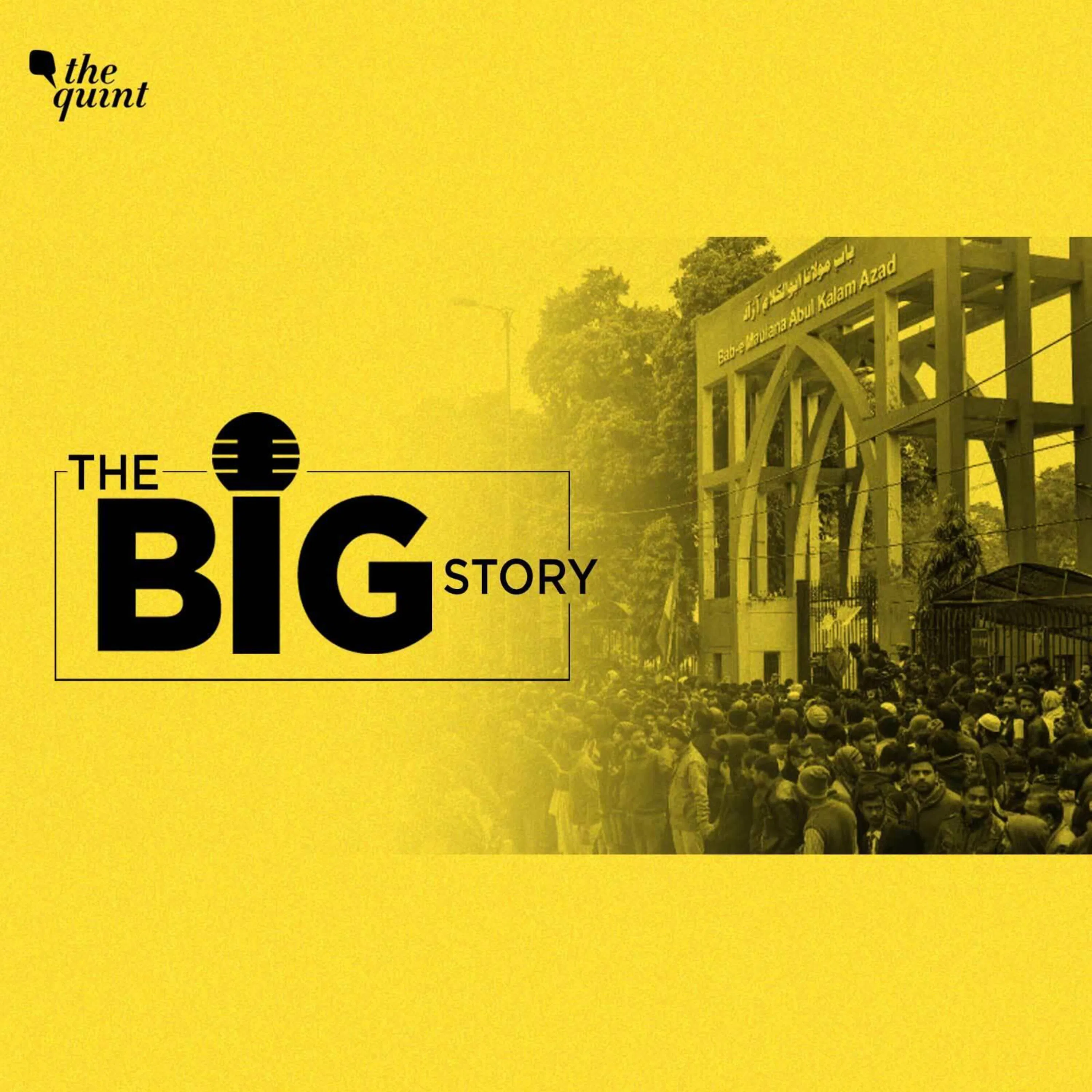
Over the last year Jamia Millia Islamia University, Jawaharlal Nehru University and Aligarh Muslim University have been in the news more than they would’ve perhaps liked to. The three universities, battered by police action, media attacks and a perception battle, today stand officially among three of the best Central universities in all of India. The Union Ministry of Education in its latest ranking of Central universities has placed Jamia in first place with a score of 90, while JNU has come third with 83 and AMU fourth at 82. The ranking is based on a tri-party evaluation signed between the university and the Ministry of Educationand the University Grants Commission. What made these three universities stand out in the evaluation? Do students feel vindicated? The Quint spoke with several students across campuses to find out what they make of the rankings and what they have to say about a trying year for their Alma Mater Producer and Host: Sushovan Sircar Editor: Shelly Walia Music: Big Bang Fuzz Listen to The Big Story podcast on: Apple: https://apple.co/2AYdLIl Saavn: http://bit.ly/2oix78C Google Podcasts: http://bit.ly/2ntMV7S Spotify: https://spoti.fi/2IyLAUQ Deezer: http://bit.ly/2Vrf5Ng Castbox: http://bit.ly/2VqZ9ur Learn more about your ad choices. Visit megaphone.fm/adchoices
Ep 508Bengaluru Violence: What Happened Exactly?
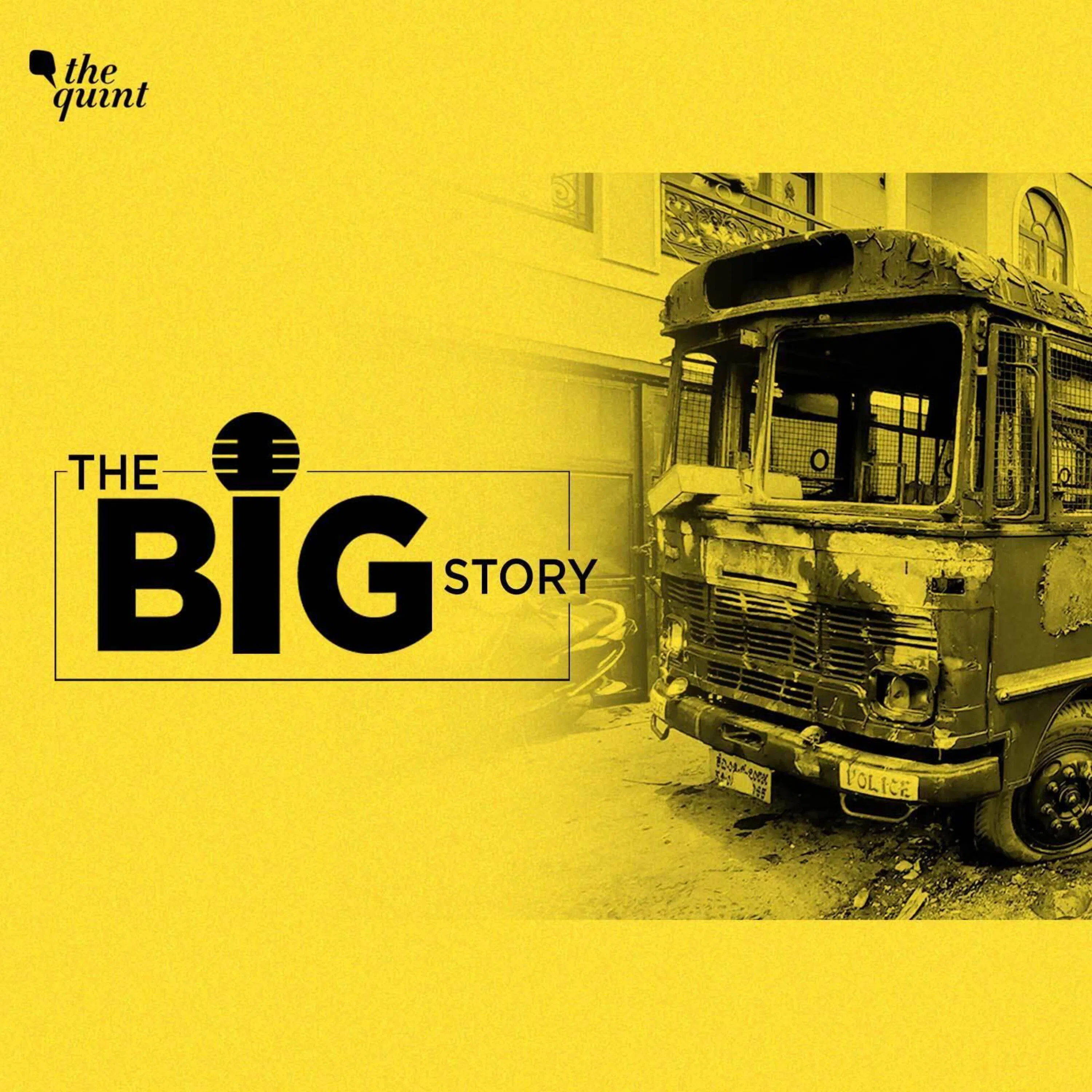
Bengaluru is still recovering from the bloody violence that rocked the city on the night of 11 August. Three people were killed after the police opened fire at a violent mob in East Bengaluru on Tuesday night. Police said it resorted to firing after the mob went on a rampage, attacking a police station and an MLA’s residence. The next day, the charred wall of the police station and the metallic stench of torched vehicles filled the morning air, drawing curtains on the violence that erupted in Bengaluru the night before. An uneasy calm hung heavy in the neighbourhoods. Apart from the occasional peep through the curtains, residents of East Bengaluru’s DJ Halli locked themselves at home on Wednesday. More than 100 men from these houses were now in police custody. So, what happened exactly? The violence began on Tuesday night in DJ Halli and Kaval Byrasandra areas and spilled over to KJ Halli, after a Facebook post by a relative of Congress MLA Akhanda Srinivas Murthy, reportedly insulting Prophet Mohammed, created outrage. To get the complete sequence of events and get a clear picture of how exactly the mob build up happened, how the anger simmered to a point of violence and what the police did, my colleague Arun Dev joins me today from Bengaluru. Producer and Host: Sushovan Sircar Editor: Shelly Walia Guest: Arun Dev, The Quint Music: Big Bang Fuzz Listen to The Big Story podcast on: Apple: https://apple.co/2AYdLIl Saavn: http://bit.ly/2oix78C Google Podcasts: http://bit.ly/2ntMV7S Spotify: https://spoti.fi/2IyLAUQ Deezer: http://bit.ly/2Vrf5Ng Castbox: http://bit.ly/2VqZ9ur Learn more about your ad choices. Visit megaphone.fm/adchoices
Ep 507What Kamala Harris as Joe Biden's VP Running Mate Would Mean for Indo-US Ties
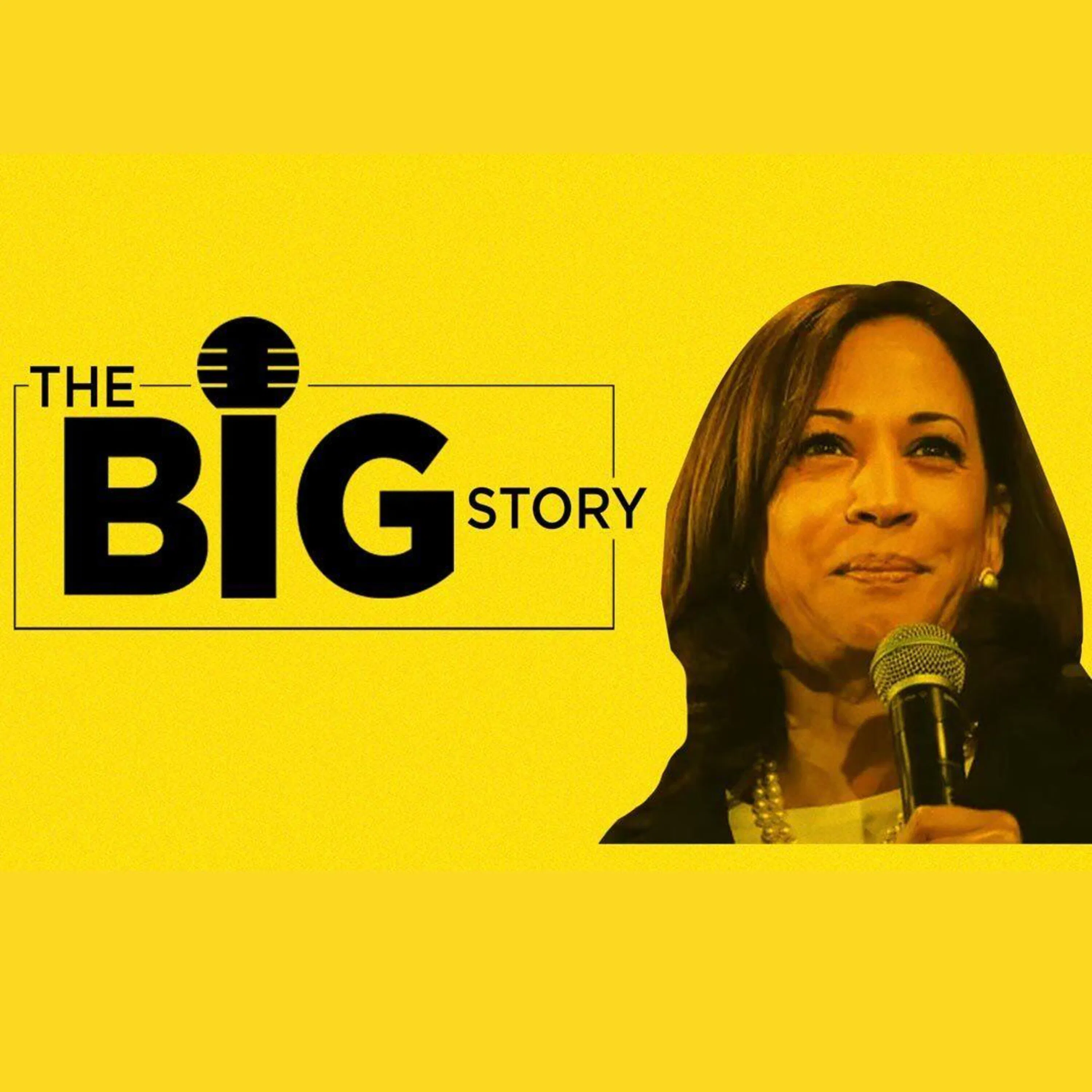
Biden-Harris 2020 is now official. In the early hours of Wednesday, 12 August, Democratic Presidential nominee Joe Biden announced California Senator Kamala Harris as his running mate for the upcoming US Presidential elections on 3 November. Kamala who? Why does this name ring a bell? 55-year-old Kamala Harris was born in California to an Indian mother, Shyamala Gopalan, a breast cancer scientist and a Jamaican father who taught at Stanford University. Among the rising stars in the Democratic party, she had announced in January 2019 that she was running for President. After a year-long spirited fight against heavyweights Bernie Sanders and Joe Biden, she dropped out in December. However, since stepping down, Harris has been a vocal supporter of Biden’s bid for nomination as the Democratic candidate and a prominent advocate of racial-justice legislation after the death of George Floyd in late May. There is no denying that Harris selection is symbolically loaded for a county torn by racial injustice and the pandemic. But, what message exactly does her nomination send out? What are the political and electoral implications of picking a woman of colour? Can she take on Trump? And Will she be able to swing the Indian American vote? To help us better navigate the nuances of Kamala Harris as a potential Vice President of the United States and answer our questions, I’m joined today by international affairs expert Harsh V Pant who heads the strategic studies program at Observer Research Foundation. Producer and Host: Sushovan Sircar Editor: Shelly Walia Guest: Harsh V Pant, Director, Strategic Affairs, Observer Research Foundation Music: Big Bang Fuzz Listen to The Big Story podcast on: Apple: https://apple.co/2AYdLIl Saavn: http://bit.ly/2oix78C Google Podcasts: http://bit.ly/2ntMV7S Spotify: https://spoti.fi/2IyLAUQ Deezer: http://bit.ly/2Vrf5Ng Castbox: http://bit.ly/2VqZ9ur Learn more about your ad choices. Visit megaphone.fm/adchoices
Ep 506As Sachin Pilot Returns to Congress, Who is the Biggest Winner of the Political Drama?
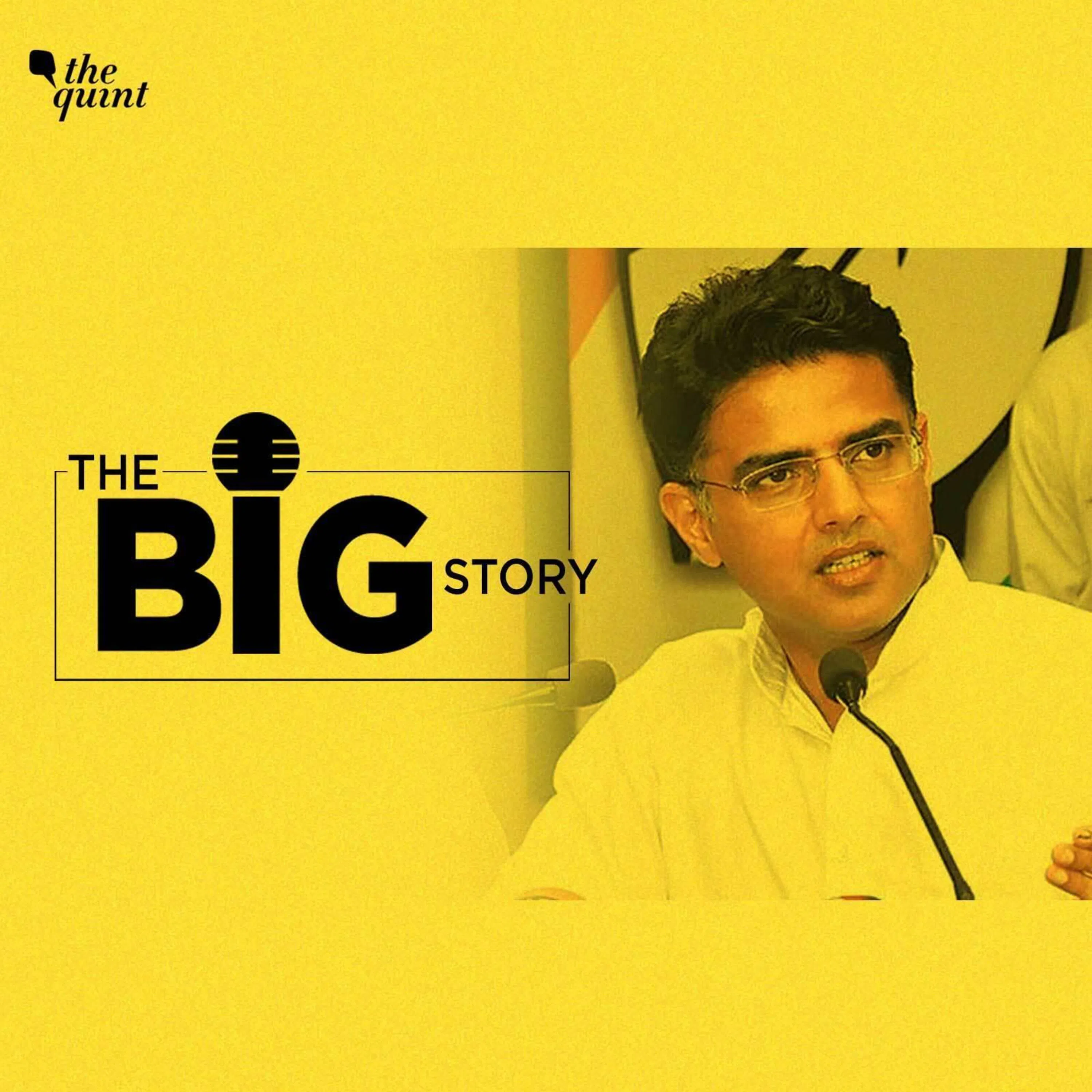
Sachin Pilot is back in the Congress party fold. Pilot’s short lived rebellion, which took shape on 11 July, concluded with a tweet at 1am on 11 August. In his tweet he thanked Congress interim president Sonia Gandhi, as well as Rahul Gandhi and Priyanka Gandhi Vadra for “noting & addressing our grievances.” Earlier on Monday, Pilot had met former Congress President Rahul Gandhi and party General Secretary Priyanka Gandhi Vadra at Rahul's Tughlak Road residence. Soon after the meeting, the Congress party put out a statement saying: “They have had a frank, open and conclusive discussion. Shri Sachin Pilot has committed to working in the interest of the Congress party and the Congress government in Rajasthan.” While Pilot’s short lived rebellion may appear to be a closed chapter in Rajasthan politics, several key questions around Pilot’s return require a deeper probe. Why and how did he return to the Congress? How does one assess Rajasthan CM Ashok Gehlot’s handling of the political crisis? What role did Rahul Gandhi and Priyanka Vadra play? And can one say the BJP’s Rajasthan edition of ‘Operation Kamal’ to topple the Congress government has ended in failure? The thirty days between Sachin Pilot landing in Delhi from Jaipur with 19 MLAs and his patch up with Congress, witnessed high drama that unfolded with dozens of twists and turns. The Rajasthan assembly speaker, the governor, the high court, the supreme court all became the unwitting cast of a political crisis that kept the state on the brink and nearly toppled its elected government. The only predictable part of the unpredictable twists was MLAs being lodged in 5-star resorts, far away from their elected constituencies. We are joined today by The Quint’s political editor Aditya Menon who will guide us through the political rollercoaster. Learn more about your ad choices. Visit megaphone.fm/adchoices
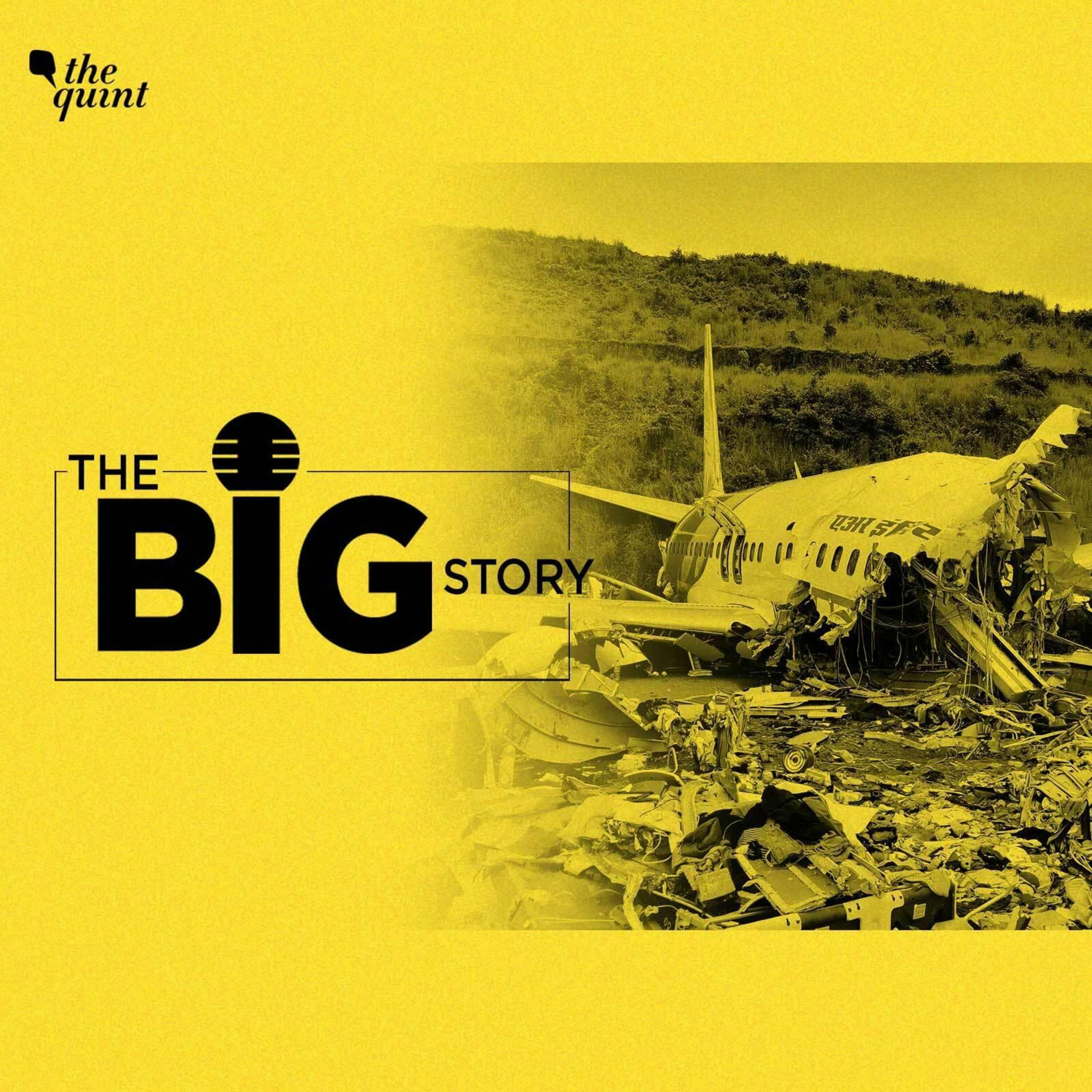
Ep 505Kerala Plane Crash: A Pilot's Perspective on Risks, Tabletop Airports & Landing in Rain
At around 7:40 PM on 7 August, Air-India Express flight IX-1344 with 190 passengers on board from Dubai to Kozhikode skidded off the runway of Karipur International Airport, Kerala. Soon after, visuals of the wreckage filled television and social media. The mangled remains of an aircraft split in two as it continued to rain . A chaotic scene ensued with people rushing to help, hours taken to evacuate everyone. An unforeseen tragedy in which 18 people lost their lives, including the pilots – captain Deepak Sathe and co-pilot Akhilesh Kumar, was compounded by the fact that the passengers on board were returning home in a special flight arranged to bring back Indians stranded in other countries due to the COVID-19 pandemic. As the Boeing-737 aircraft touched down upon Indian soil amid heavy rainfall, it overshot the tabletop runway and fell 35 feet down the slope. As the investigation is underway into the how and why of the accident, the quint spoke with a former Indian Air Force fighter pilot, Group Captain Somala Srinivas, to get a pilot’s perspective on a number of important questions: Are tabletop runways dangerous? How does rain complicate landing? The decisions a pilot must make in adverse conditions and how an investigation into an incident like this is carried out. Producer and Host: Sushovan Sircar Editor: Shelly Walia Guest: Group Captain (retd) Somala Srinivas Music: Big Bang Fuzz Listen to The Big Story podcast on: Apple: https://apple.co/2AYdLIl Saavn: http://bit.ly/2oix78C Google Podcasts: http://bit.ly/2ntMV7S Spotify: https://spoti.fi/2IyLAUQ Deezer: http://bit.ly/2Vrf5Ng Castbox: http://bit.ly/2VqZ9ur Learn more about your ad choices. Visit megaphone.fm/adchoices

Ep 504After Beirut, Must Chennai Worry About Ammonium Nitrate Stockpile?
A consignment of 740 tonnes of ammonium nitrate that has been lying in a Chennai customs warehouse for around five years is raising some red flags just days after Beirut's catastrophic blast. On 4 August, an estimated 2,750-tonnes of ammonium nitrate, that had been stored reportedly for over six years in a port warehouse in Beirut, without the proper safety protocols, rocked Lebanon's capital, leading to the tragic loss of over a 100 lives and injured over 5,000 people, not including those who are feared to be still buried under the rubble. Video footage from the scene of the explosion show a thick cloud of smoke as the blast obliterated the warehouse where the chemical was stored, destroyed entire districts in the capital, and flattened buildings leaving a crater approximately 140 metres wide. And that's what's raising the alarms about the ammonium nitrate stockpile near Chennai, a city home to around 70 lakh people. In a tweet on 6 August, PMK leader S Ramadoss said, "There is a risk of a similar explosion due to ammonium nitrate in the Chennai warehouse. To prevent this, the ammonium nitrate should be safely disposed of and used for other purposes such as composting!" What can cause ammonium nitrate explosions? Are there any reasons for Chennai to be alarmed? Tune in to The Big Story! Producer and Host: Shorbori Purkayastha Editor: Shelly Walia Reporting: Smitha TK Music: Big Bang Fuzz Listen to The Big Story podcast on: Apple: https://apple.co/2AYdLIl Saavn: http://bit.ly/2oix78C Google Podcasts: http://bit.ly/2ntMV7S Spotify: https://spoti.fi/2IyLAUQ Deezer: http://bit.ly/2Vrf5Ng Castbox: http://bit.ly/2VqZ9ur Learn more about your ad choices. Visit megaphone.fm/adchoices
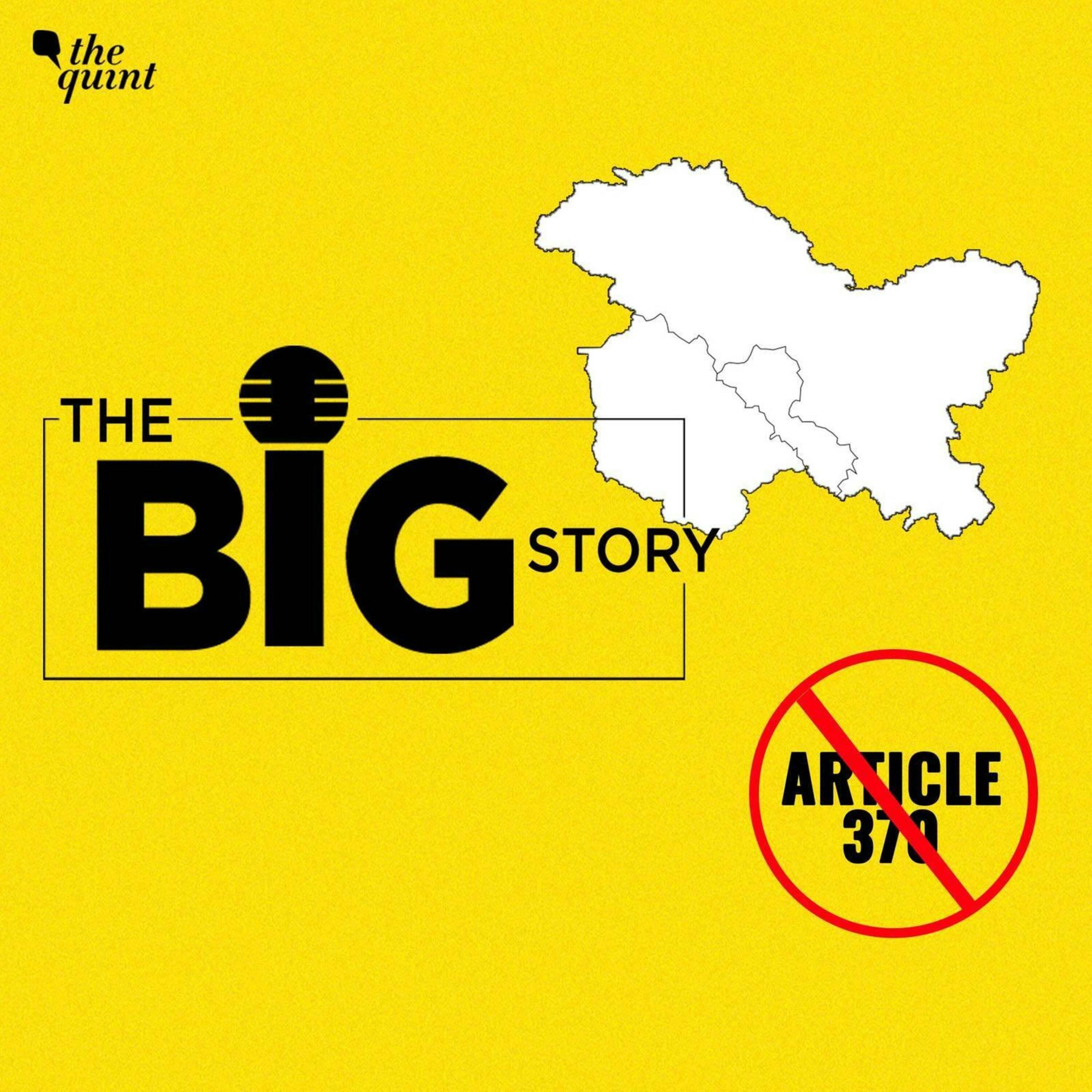
Ep 503Kashmir Better or Worse After 1 Yr of Abrogation of Article 370?
While most of India fixated on the Ram Mandir foundation-laying ceremony in Uttar Pradesh, on 5 August, in Kashmir it was a quiet day with a curfew and deserted streets. Last year on this day Article 370 was revoked, stripping Jammu and Kashmir of its autonomy, and bifurcating the erstwhile state into union territories — Ladakh and Jammu Kashmir. The decision was met by protests despite the security clampdown. Thousands of activists were picked up from their residences and detained in the next few days, opposition leaders were also put under detention. And this year there were heavy barricades around Srinagar, shops and other establishments remained shut amid a heavy deployment of security forces in anticipation of a "Black Day" protest. Due to this decision, for the first time after 70 years, all the 890 Central laws and the Indian Constitution became applicable in Kashmir. But were Kashmiris able to enjoy the same rights and privileges enjoyed by the rest of India since the abrogation of Article 370? Tune in to The Big Story! Also listen to: 1 Yr Post Abrogation of Article 370: ‘India Left Kashmir Behind’ Producer and Host: Shorbori Purkayastha Editor: Shelly Walia Music: Big Bang Fuzz References: J&K one year later: Not quite a success (Part II) Modi govt promised J&K 50,000 jobs after Article 370 move, only 4,300 posts filled so far Jammu and Kashmir: The Impact of Lockdowns on Human Rights Listen to The Big Story podcast on: Apple: https://apple.co/2AYdLIl Saavn: http://bit.ly/2oix78C Google Podcasts: http://bit.ly/2ntMV7S Spotify: https://spoti.fi/2IyLAUQ Deezer: http://bit.ly/2Vrf5Ng Castbox: http://bit.ly/2VqZ9ur Learn more about your ad choices. Visit megaphone.fm/adchoices
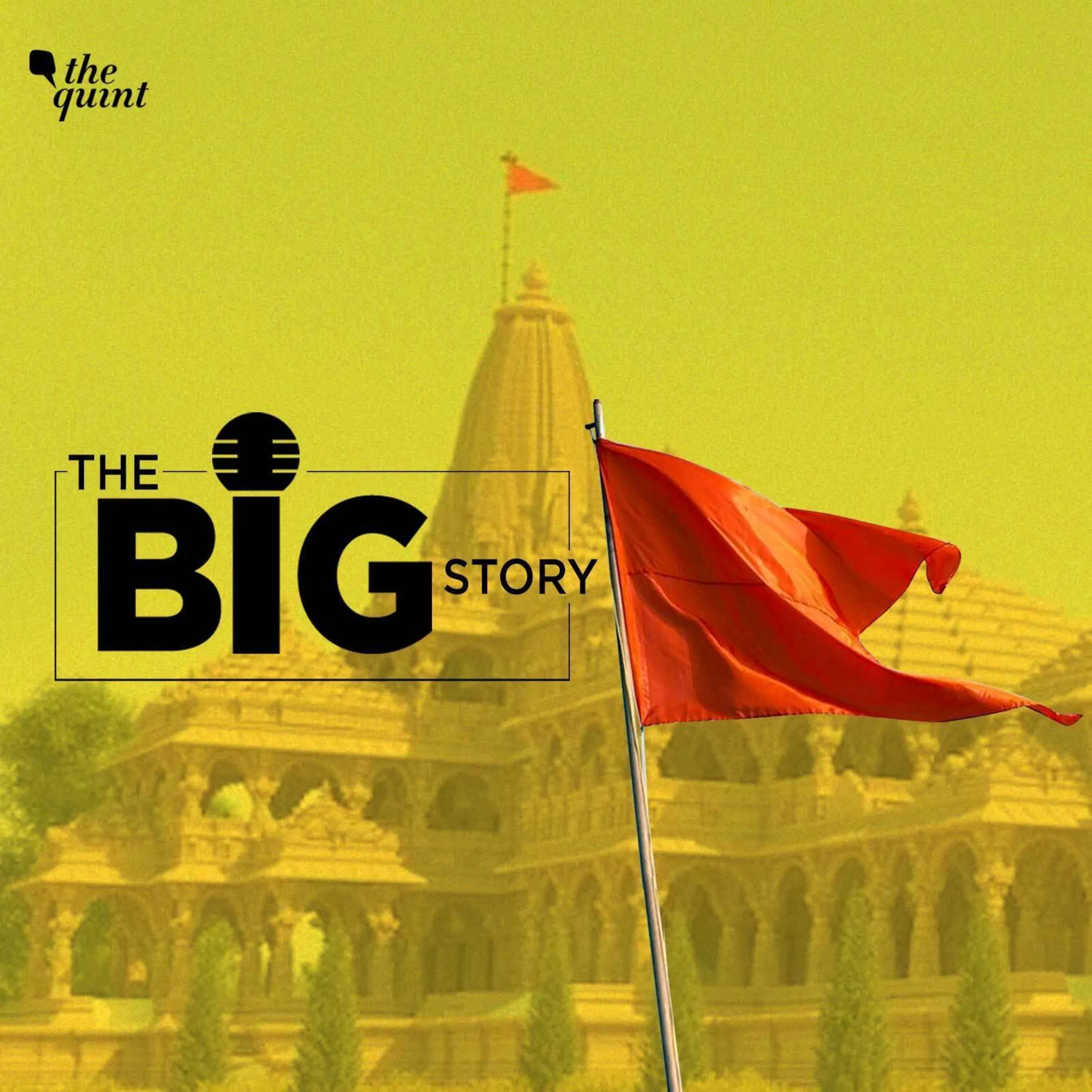
Ep 502What Message Does Ram Temple Construction Send to Secular India?
The foundation has been officially laid for the construction of a Ram temple, 28 years after the Babri Masjid was demolished. And all eyes were on Ayodhya, on 5th August, as the Ram Mandir trust conducted the bhoomi poojan or the foundation-laying ceremony, in the presence of Prime Minister Narendra Modi and around 170 other spiritual and political leaders. With this, the BJP's promise towards its Hindu voter base of a Ram Temple in Ayodhya – the mythical birth place of Ram – is a step closer to fulfillment. At the ceremony, PM Modi likened the Ram Janmabhoomi movement to India's independence struggle, saying that the temple construction is the symbol of centuries of sacrifices. But historically, the pitch for a Ram temple has precariously balanced itself on Hindu nationalism — a pitch that we've seen grown louder in the recent years. How much is the Ram temple construction going to change the political paradigm of India in the coming years? What symbolic message does this grand socio-political project send to the secular India? Producer and Host: Shorbori Purkayastha Guest: Pragya Tiwari, Journalist Aditya Menon, Political Editor, The Quint Editor: Shelly Walia Music: Big Bang Fuzz Listen to The Big Story podcast on: Apple: https://apple.co/2AYdLIl Saavn: http://bit.ly/2oix78C Google Podcasts: http://bit.ly/2ntMV7S Spotify: https://spoti.fi/2IyLAUQ Deezer: http://bit.ly/2Vrf5Ng Castbox: http://bit.ly/2VqZ9ur Learn more about your ad choices. Visit megaphone.fm/adchoices
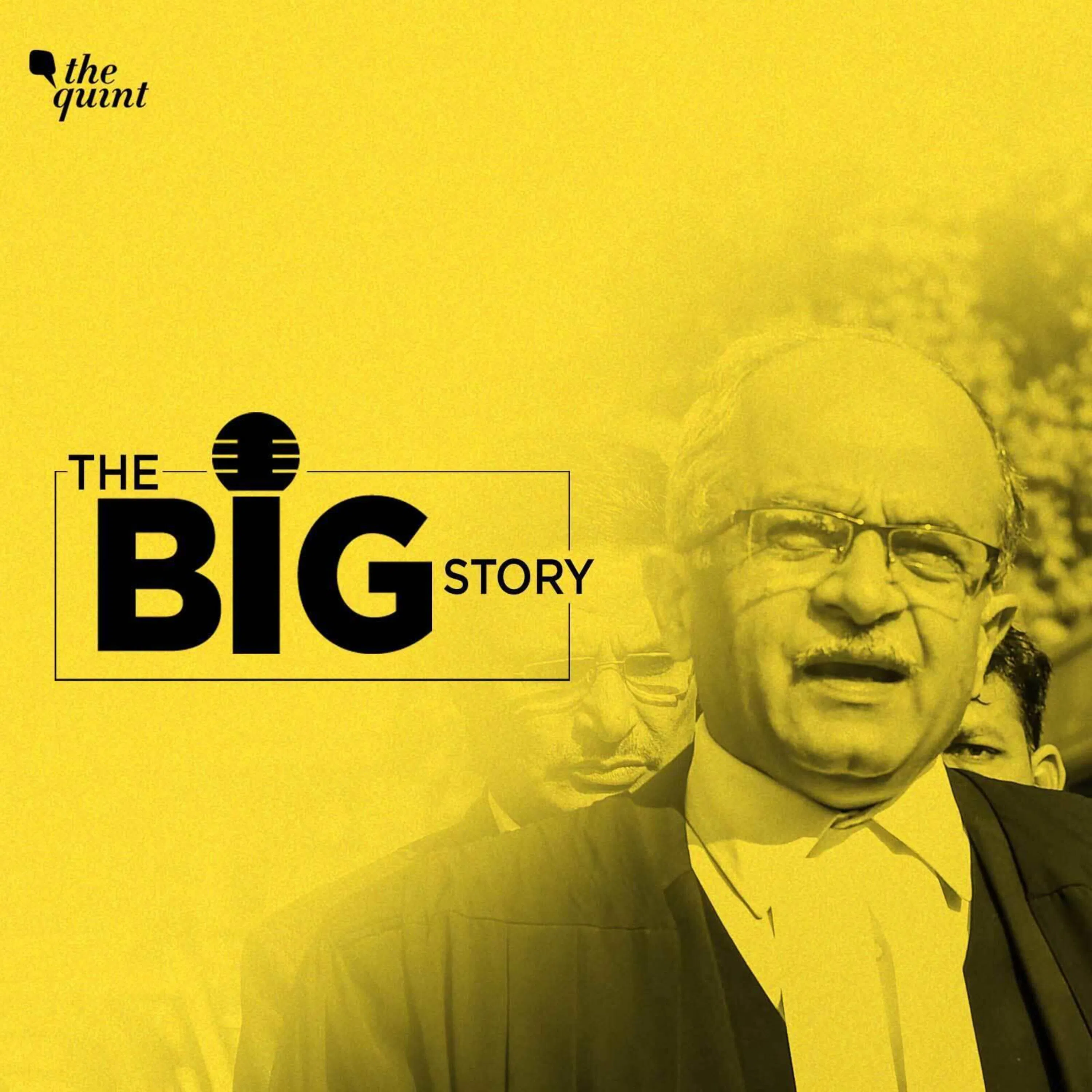
Ep 501Prashant Bhushan Case: Time to Revisit ‘Contempt of Court’ Clause?
Can a bona fide critical opinion about the country's highest court amount to contempt of court? How should the Supreme Court react to criticisms against itself? Is it time to revisit the contempt of courts clause? Does it go against the freedom of speech under Article 19 of the Constitution? The Supreme Court's suo moto contempt petition against advocate Prashant Bhushan over some of his tweets has raised a lot of such debates and questions. Even the legal fraternity is divided on it. At least 10 retired judges including Jasti Chelameshwar, AP Shah, Madan B Lokur are in solidarity with Bhushan on this. Is it an archaic law? What kind of arguments are being made? What kind of criticism is it drawing? Tune in to The Big Story! Producer and Host: Shorbori Purkayastha Guest: Vakasha Sachdev, Legal Editor, The Quint Editor: Shelly Walia Music: Big Bang Fuzz Listen to The Big Story podcast on: Apple: https://apple.co/2AYdLIl Saavn: http://bit.ly/2oix78C Google Podcasts: http://bit.ly/2ntMV7S Spotify: https://spoti.fi/2IyLAUQ Deezer: http://bit.ly/2Vrf5Ng Castbox: http://bit.ly/2VqZ9ur Learn more about your ad choices. Visit megaphone.fm/adchoices
Ep 5001 Yr Post Abrogation of Article 370: ‘India Left Kashmir Behind’
One year of continuous curbs and restrictions, one year of deprivation of 4G internet services, one year of being left behind the rest of India. On 5 August, 2020, it'll be one year since the unilateral decision to abrogate Article 370 in Kashmir stripped it of its statehood. While the centre had assured that the decision would bring an economic boom and development, the story on ground is far from it. Information has been scarce, school attendance has been scant, businesses are failing thanks to the doubled restrictions from the pandemic, and a mental health crisis and hopelessness is taking a toll on Kashmir's citizens. In this episode of The Big Story, the people of Kashmir talk about how the year round restrictions have affected their minds, lives and livelihoods. Tune in! Producer and Host: Shorbori Purkayastha Interviews: Syed Shahriyar Editor: Shelly Walia Music: Big Bang Fuzz Listen to The Big Story podcast on: Apple: https://apple.co/2AYdLIl Saavn: http://bit.ly/2oix78C Google Podcasts: http://bit.ly/2ntMV7S Spotify: https://spoti.fi/2IyLAUQ Deezer: http://bit.ly/2Vrf5Ng Castbox: http://bit.ly/2VqZ9ur Learn more about your ad choices. Visit megaphone.fm/adchoices
Ep 499Part 2: Hits and Misses of NEP Reforms for Higher Education
Indian education is going to see some sweeping changes being made to its current structure thanks to the New Education Policy or the NEP 2020. For schools, the NEP aims to move away from the idea of rote learning and high stakes board exams and focus more on an experiential and skill based learning. For higher education it’s almost a comprehensive revamp of the current structure that includes dismantling regulators of higher education such as the UGC, AICTE and NCTE and bringing back the four-year multidisciplinary undergraduate programme. But the NEP is only a broad vision, it's a long term plan that will easily take the next couple of decades if not more to implement. The Ministry of Education has set itself a deadline to bring all these suggested changes by 2040 but, in the meantime, it's going through some scrutiny. While the general perception has been positive, it's worth breaking down the NEP to see its hits and misses. What does the NEP do for public education? What can the re-introduction of FYUP mean for students? And are the policies advancing towards privatisation of higher education? Tune in to The Big Story! Also Listen to: Part 1: Do NEP Reforms Fix The Gaps in Current School Education? Producer and Host: Shorbori Purkayastha Guests: Professor Rajib Ray, President of DUTA Ashish Dhawan the Founder and Chairman, Central Square Foundation and Founding Member, Ashoka University Editor: Shelly Walia Music: Big Bang Fuzz Listen to The Big Story podcast on: Apple: https://apple.co/2AYdLIl Saavn: http://bit.ly/2oix78C Google Podcasts: http://bit.ly/2ntMV7S Spotify: https://spoti.fi/2IyLAUQ Deezer: http://bit.ly/2Vrf5Ng Castbox: http://bit.ly/2VqZ9ur Learn more about your ad choices. Visit megaphone.fm/adchoices
Ep 498Part 1: Do NEP Reforms Fix The Gaps in Current School Education?
Along with renaming the Ministry of Human Resource Development (MHRD) as the Ministry of Education, the Union government unveiled the new education policy 2020. The announcements are plenty –– Mphil is scrapped, four year undergraduate programme is back, vocational training is mandated in schools, teaching in mother tongue or regional languages is advised at school levels, board exams played down, and more. 34 years after the National Education Policy was formulated in 1986, these are the first major reforms that it's going through. From an overall perspective, the new policy, announced by the Modi government on 29 July, aims to overhaul the Indian education system with an emphasis on access to education, attempt to move away from rote learning, reforms at all levels from school to higher education, and reducing the number of regulators of higher education. But as we drown under all the information of the myriad changes that are being suggested – the devil is in the detail. How is the New Education Policy being received? Does it address the gaps in the current education system? Producer and Host: Shorbori Purkayastha Guests: Anjela Taneja, Campaign Lead Inequality Education and Health at Oxfam India Ashish Dhawan the Founder and Chairman, Central Square Foundation and Founding Member, Ashoka University. Editor: Shelly Walia Music: Big Bang Fuzz Listen to The Big Story podcast on: Apple: https://apple.co/2AYdLIl Saavn: http://bit.ly/2oix78C Google Podcasts: http://bit.ly/2ntMV7S Spotify: https://spoti.fi/2IyLAUQ Deezer: http://bit.ly/2Vrf5Ng Castbox: http://bit.ly/2VqZ9ur Learn more about your ad choices. Visit megaphone.fm/adchoices
Ep 497What Does the Arrival of Rafale Jets Mean for the IAF?
Almost twenty years after the discussion on procuring Rafale jets had first begun, the much awaited first batch of Rafale fighter jets is finally here in India. The jets flew out from the Merignac air base in the French port city of Bordeaux, took a one pit stop at the Al Dhafra air base in the United Arab Emirates after covering a distance of nearly 7,000 km, and landed at the Ambala air base on 29 July, to be inducted into the Indian Air Force. As experts believes, the induction of these jets in IAF is a game changer for India. But why exactly is it important for the IAF? With simmering tensions at the border, are these jets likely to be deployed in Ladakh? Producer and Host: Shorbori Purkayastha Editor: Shelly Walia Music: Big Bang Fuzz Listen to The Big Story podcast on: Apple: https://apple.co/2AYdLIl Saavn: http://bit.ly/2oix78C Google Podcasts: http://bit.ly/2ntMV7S Spotify: https://spoti.fi/2IyLAUQ Deezer: http://bit.ly/2Vrf5Ng Castbox: http://bit.ly/2VqZ9ur Learn more about your ad choices. Visit megaphone.fm/adchoices
Ep 496Delhi COVID Turnaround: Cases Dip in July But is The Worst Over?
With a relatively low number of case growth in July, Delhi's COVID data is finally starting to reflect a declining trend. After recording at least 2,000 new cases almost everyday in June, the number of fresh cases in the capital dipped below the 1,000th mark in July, the lowest being 613 new cases on 26th June which was a 62 day low! Compared to the the last month, when Delhi was spiralling out of control, even overtaking Mumbai's total caseload at a point in time, all numbers from this month in the capital is showing a remarkable improvement. Along with the dip in number of cases, the case growth rate has slumped to 1.7 percent as per reports, the recovery rate is at 88 percent from what government data shows and Delhi Chief Minister Arvind Kejriwal has also said that the positivity rate has slipped. Although the Delhi government credits the ramped up testing strategy for its road to recovery, experts are looking at these impressive developments with a slight amount of skepticism. While the number of cases have visibly dropped in the city, this also interestingly coincides with the Delhi government using more rapid antigen tests which have a high rate of false negative results. So, are we looking at a genuine turnaround or is it Delhi’s testing strategy? What is the situation in hospitals looking like? Producer and Host: Shorbori Purkayastha Guests: Dr Sumit Ray, Critical Care Specialist Dr Shahid Jameel, Virologist Editor: Shelly Walia Music: Big Bang Fuzz Listen to The Big Story podcast on: Apple: https://apple.co/2AYdLIl Saavn: http://bit.ly/2oix78C Google Podcasts: http://bit.ly/2ntMV7S Spotify: https://spoti.fi/2IyLAUQ Deezer: http://bit.ly/2Vrf5Ng Castbox: http://bit.ly/2VqZ9ur Learn more about your ad choices. Visit megaphone.fm/adchoices
Ep 495Amitabh Bachchan Talks on Mental Health: How COVID Isolation Affects Patients?
How can social and physical isolation impact our mental healths? As mental health experts have warned from the start of the pandemic, a lack of communication with friends and family, losing social ties, physical distancing, isolation — all the new norms of surviving today – is coming at a huge psychological cost. In India where conversations on mental health still remain quite tight-lipped, Amitabh Bachchan, who's been admitted in Mumbai's Nanavati Hospital since 11 July after he was tested positive for the novel coronavirus, opened up about his struggle with his mental health during quarantine. In his personal blog, he opened up about how it feels to "not see another human for weeks" because of the isolation. He wrote, “There is one note of matter that seems trivial but it is a factor... the mental conditions and the effects of the disease... clinically, medically all that is known to be effective, yet very little is known that remains hidden unseen and not visible... matters of the mind often are not... The mental state sparks from the stark reality that the COVID-19 patient, put in hospitalised isolation, never gets to see another human... for weeks.” While different people react differently to testing positive and the isolation period that follows, loneliness, fear and anxiety are something that a lot of people are struggling to cope with as they remain cooped up in either hospitals or in their residences. It's imperative to understand then – how can someone help themselves mentally during isolation and what can isolation mean for them? Producer and Host: Shorbori Purkayastha Editor: Shelly Walia Music: Big Bang Fuzz Listen to The Big Story podcast on: Apple: https://apple.co/2AYdLIl Saavn: http://bit.ly/2oix78C Google Podcasts: http://bit.ly/2ntMV7S Spotify: https://spoti.fi/2IyLAUQ Deezer: http://bit.ly/2Vrf5Ng Castbox: http://bit.ly/2VqZ9ur Learn more about your ad choices. Visit megaphone.fm/adchoices
Ep 494Why Did FridaysForFuture Group Led by School Students Send A Barrage of Emails to Javadekar?
While Greta Thunberg, a Swedish teen activist, has been celebrated worldwide for her bold movement on climate change, in India an anti-terrorism law was "erroneously" used against students to shut down an online movement on the environment. The website for the India arm of Fridays For Future or FFF which is the international environmental movement led by Thunberg was blocked. Two notices were sent, first under UAPA on 8 July, and then under the IT Act on 12 July, to the domain hosts alleging depiction of "objectionable contents and unlawful activities or terrorist act". And why? Because the portal was allegedly used to send a barrage of emails to environment minister Prakash Javadekar’s email address against a proposed change in the environment laws, known as the Draft Environment Impact Assessment or EIA, 2020. Behind those emails are a bunch of school students who received the notice from the Delhi Police’s cyber crime unit, accusing them of challenging the ‘sovereignty and integrity of India’. After word got out on social media, on 24 July, the Delhi Police claimed the UAPA charges were a "clerical error" and that the charges under the IT Act were also withdrawn. A little while after, the website also appeared to have been restored. Clerical error or not, what message does it send on censorship and muzzling dissent? Producer and Host: Shorbori Purkayastha Guests: Bahar Dutt, Environment Journalist Bhavreen Kandhari, Environmentalist Advocate Abhinav Sekhri Manju Menon, Senior Fellow, Centre for Policy Research M Yuvan, Writer & Environmental educator Editor: Shelly Walia Music: Big Bang Fuzz Listen to The Big Story podcast on: Apple: https://apple.co/2AYdLIl Saavn: http://bit.ly/2oix78C Google Podcasts: http://bit.ly/2ntMV7S Spotify: https://spoti.fi/2IyLAUQ Deezer: http://bit.ly/2Vrf5Ng Castbox: http://bit.ly/2VqZ9ur Learn more about your ad choices. Visit megaphone.fm/adchoices
Ep 493Varavara Rao Bail Plea: COVID No Exception for Political Inmates?
Should we be looking at heath conditions or the gravity of offense for prisoners seeking interim bail on health grounds in view of the pandemic? Questions on whether it's right or wrong to keep vulnerable undertrial prisoners in jail have come up with the case of 79-year-old Telugu poet Varavara Rao who's been imprisoned since the last two years over his alleged involvement in the Bhima Koregaon case. Rao had filed for an interim bail citing his frail health and susceptibility to Covid-19 in March, but a special NIA court rejected the plea. The court rejected it again for the second time in June. And then on 16 July, Rao tested positive for COVID-19. But the NIA which is probing his case not only opposed the bail plea in the Bombay High Court, they also called it a "ruse" and accused him of taking "undue benefit" of COVID-19. This despite the SC order on decongesting jails. Is it ethical for an for undertrial to be refused bail on health grounds in this situation? What did Supreme Court say about releasing undertrial prisoners to decongest jails and and why are people like Rao made to be an exception? Producer and Host: Shorbori Purkayastha Guests: Vakasha Sachdev, Legal Editor, The Quint Editor: Shelly Walia Music: Big Bang Fuzz Listen to The Big Story podcast on: Apple: https://apple.co/2AYdLIl Saavn: http://bit.ly/2oix78C Google Podcasts: http://bit.ly/2ntMV7S Spotify: https://spoti.fi/2IyLAUQ Deezer: http://bit.ly/2Vrf5Ng Castbox: http://bit.ly/2VqZ9ur Learn more about your ad choices. Visit megaphone.fm/adchoices

Ep 492UGC Vs Students: Why Mandatory Final-Sem Exams Have Sparked a Row?
Exams have become a source of anxiety, stress and confusion for final year college students in India. Weeks after #StudentsLivesMatter trended on Twitter, over 30 students from across the country including a COVID+ student moved the Supreme Court against the guidelines by the University Grants Commission (UGC) that mandated the conducting of the final semester or final year examinations by 30 September. How do we conduct exams without risking exposure? How do we wrap the academic year without exams when educational institutions have been for 5 months? The pandemic has presented these challenges before academic institutions, students, their parents and teachers. Initially several states had decided to cancel the final-year exams in light of the pandemic, but the UGC guidelines from 7 July that directed an offline-online hybrid mode of exams for final years may force colleges to revisit that decision. But is it a sound decision to make at such a time where students' careers are hanging by a thread? Could there have been an alternative solution to this? Producer and Host: Shorbori Purkayastha Guests: Advocate Anubha Sahai, India Wide Parents Association, Debaditya Bhattacharya, Assistant Professor of English, Kazi Nazrul University Editor: Shelly Walia Music: Big Bang Fuzz Listen to The Big Story podcast on: Apple: https://apple.co/2AYdLIl Saavn: http://bit.ly/2oix78C Google Podcasts: http://bit.ly/2ntMV7S Spotify: https://spoti.fi/2IyLAUQ Deezer: http://bit.ly/2Vrf5Ng Castbox: http://bit.ly/2VqZ9ur Learn more about your ad choices. Visit megaphone.fm/adchoices
Ep 491A Few Good Results But How Long Before a COVID-19 Vaccine?
As the coronavirus infections shoot up to 14.6 million worldwide, we finally have some hopeful news on vaccines! COVID-19 vaccine trials by Oxford University in the UK, by CanSino in China, BioNTech from Germany, and several others have shown positive results in their clinical trials. More than 150 countries India included are in a hunt to find a vaccination at the earliest to be able curb the soaring infection rates, and as of now these candidates are ahead of that race. The Oxford-AstraZeneca study which is effectively in the first spot right now has been showing promising results from the start. The preliminary data from their early trials show that the vaccine not only appears to be safe but it’s also giving a double protection with anti-bodies and killer T cells. While the others — the Chinese vaccine being developed by CanSino and studies from Germany's BioNtech which are also moving in an equal pace, have induced safe and significant immune responses. So, with a handful of vaccine yielding positive results, how much longer before a vaccine comes to our rescue? Tune in to The Big Story! References: Coronavirus: Oxford vaccine triggers immune response Oxford immunologist on coronavirus vaccine: our early results look highly promising Producer and Host: Shorbori Purkayastha Guest: Vaishali Sood, Editor, Quint Fit Editor: Shelly Walia Music: Big Bang Fuzz Listen to The Big Story podcast on: Apple: https://apple.co/2AYdLIl Saavn: http://bit.ly/2oix78C Google Podcasts: http://bit.ly/2ntMV7S Spotify: https://spoti.fi/2IyLAUQ Deezer: http://bit.ly/2Vrf5Ng Castbox: http://bit.ly/2VqZ9ur Learn more about your ad choices. Visit megaphone.fm/adchoices

Ep 490As Rains Wreak Havoc in Delhi, Is Urban Flooding Being Normalised?
Intense water-logging, a sinkhole, one dead and several rendered homeless — that sums up this Sunday in the national capital Delhi after several parts of the city received mild to heavy rainfall over the weekend. While the monsoons brought about a much needed respite from the high summer temperatures and air pollution, within a few hours of the rain, on 19 July, hell broke lose in the slum area of Anna Nagar located near the ITO area, in Central Delhi, where a road caved in and led to the collapse of at least 10 adjacent houses. Though the devastation was seemingly worst in the Anna Nagar area, there are videos and images from others parts of the city showing roads and vehicles submerged in water, and rainwater gushing into some people's homes – a reminder that water-clogging during monsoons in Delhi is an annual deja vu. So, what goes wrong every year? Why has urban flooding become normalised in highly urbanised cities like Delhi and even Mumbai? What is the drainage plan in Delhi and where is the city failing to check its water-logging problem? Producer and Host: Shorbori Purkayastha Guest: Prof Rabidyuti Biswas, School of Planning & Architecture Editor: Shelly Walia Music: Big Bang Fuzz Listen to The Big Story podcast on: Apple: https://apple.co/2AYdLIl Saavn: http://bit.ly/2oix78C Google Podcasts: http://bit.ly/2ntMV7S Spotify: https://spoti.fi/2IyLAUQ Deezer: http://bit.ly/2Vrf5Ng Castbox: http://bit.ly/2VqZ9ur Learn more about your ad choices. Visit megaphone.fm/adchoices

Ep 489What Does 1 Million Infections Mean for Densely Populated India?
Almost five and a half months after India reported its first case of coronavirus from Kerala on 30th January, the country has now crossed a dreaded milestone. India reported more than a million COVID-19 infections on 16 July, that have cost 25,000 lives so far, including that of doctors and health workers. This also came with the biggest single-day spike in the number of cases yet. From a few thousand cases before the lockdown, the infection rate has been soaring to almost a 30,000 spike on some days, since the unlocking of commercial activities and relaxation of restrictions, making India the third worst hit country in no time, behind the United States and Brazil. While the Centre on different occasions has claimed that India has flattened the Covid-19 curve to a great extent, that is still largely being disputed by experts. But what does touching a million infection mean for a tightly populated country like India? Tune in to The Big Story! Producer and Host: Shorbori Purkayastha Editor: Shelly Walia Music: Big Bang Fuzz Listen to The Big Story podcast on: Apple: https://apple.co/2AYdLIl Saavn: http://bit.ly/2oix78C Google Podcasts: http://bit.ly/2ntMV7S Spotify: https://spoti.fi/2IyLAUQ Deezer: http://bit.ly/2Vrf5Ng Castbox: http://bit.ly/2VqZ9ur Learn more about your ad choices. Visit megaphone.fm/adchoices
Ep 488Guna Incident: Why Do We Need Land Rights for Dalit Empowerment?
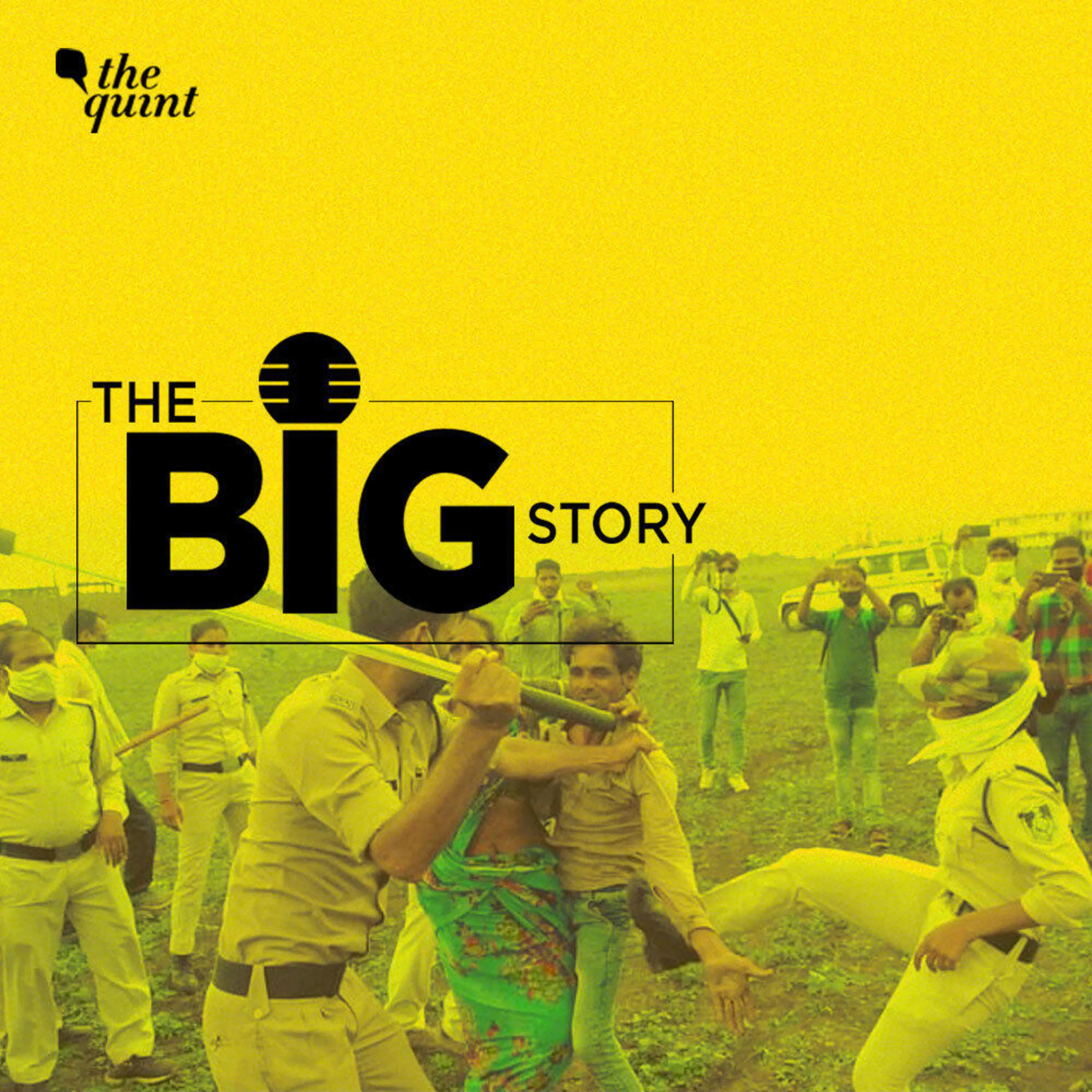
Assaulted by the police for allegedly farming on government land, then illegally charged with attempt to suicide after consuming pesticide in anguish and a debt of Rs 3 lakhs — this incident around a Dalit couple from Madhya Pradesh is like the story of many others. In some disturbing visuals, Ramkumar Ahirwar and Savitri Devi a Dalit couple from Guna district in Madhya Pradesh were seen getting gheraoed by the district police. They are seen getting kicked, getting lathi-charged from all sides, getting dragged on the ground. And all this in a bid to evict them from a piece of “government-owned land”. But what happened in Guna with this Dalit couple, has been the case with many others evictions from cities and towns where Dalits or landless labourers and farmers were caught between the insensitivity displayed by government authorities and their own lack of privilege. What kind of a commentary does it present on the lack of social security for the landless underprivileged classes and castes? And why do we need to talk about land and property inclusivity along with rights empowerment? Tune in to The Big Story! Also Watch: Day 3 - Charcha 2020 on The Quint | Empowering Dalits through Land Producer and Host: Shorbori Purkayastha Editor: Shelly Walia Music: Big Bang Fuzz Listen to The Big Story podcast on: Apple: https://apple.co/2AYdLIl Saavn: http://bit.ly/2oix78C Google Podcasts: http://bit.ly/2ntMV7S Spotify: https://spoti.fi/2IyLAUQ Deezer: http://bit.ly/2Vrf5Ng Castbox: http://bit.ly/2VqZ9ur Learn more about your ad choices. Visit megaphone.fm/adchoices
Ep 487As CBSE Marks Soar, Delhi University Says Cut-Offs To Be Higher
Schools teach us about the decimal system but it is during college admissions that many of us learn about the importance of each decimal place. One decimal point could very well be the difference between securing admission to a college of one’s choice and being left out. Cut off lists in colleges across India illustrate that the gap between a 97.0 percent and a 96.5 is often a chasm too wide to leap across. The CBSE results that were declared on 13 July have witnessed a meteoric rise in the number of students who have scored about 90 percent. The first list of cut offs, however, may soon diminish the jubilation of many of the 1, 57, 934 CBSE board students who have secured above 90 percent as colleges have indicated that the cut-offs are going to be higher. Today, we explore Delhi University’s approach to the upcoming admission season and speak with college principals, administrators and students seeking admission to find out what the cut offs are going to be like and whether there is a need for a re-evaluation of the scoring and admission process. Producer and Host: Sushovan Sircar Guests: Dr Bijaylaxmi Nanda, principal, Miranda College; Prof Shobha Bagai, dean of admissions, DU; and Tanvi Madan, student Editor: Shelly Walia Music: Big Bang Fuzz Listen to The Big Story podcast on: Apple: https://apple.co/2AYdLIl Saavn: http://bit.ly/2oix78C Google Podcasts: http://bit.ly/2ntMV7S Spotify: https://spoti.fi/2IyLAUQ Deezer: http://bit.ly/2Vrf5Ng Castbox: http://bit.ly/2VqZ9ur Learn more about your ad choices. Visit megaphone.fm/adchoices
Ep 486Rajasthan Crisis: With Pilot Out, Is Reconciliation Off the Table?
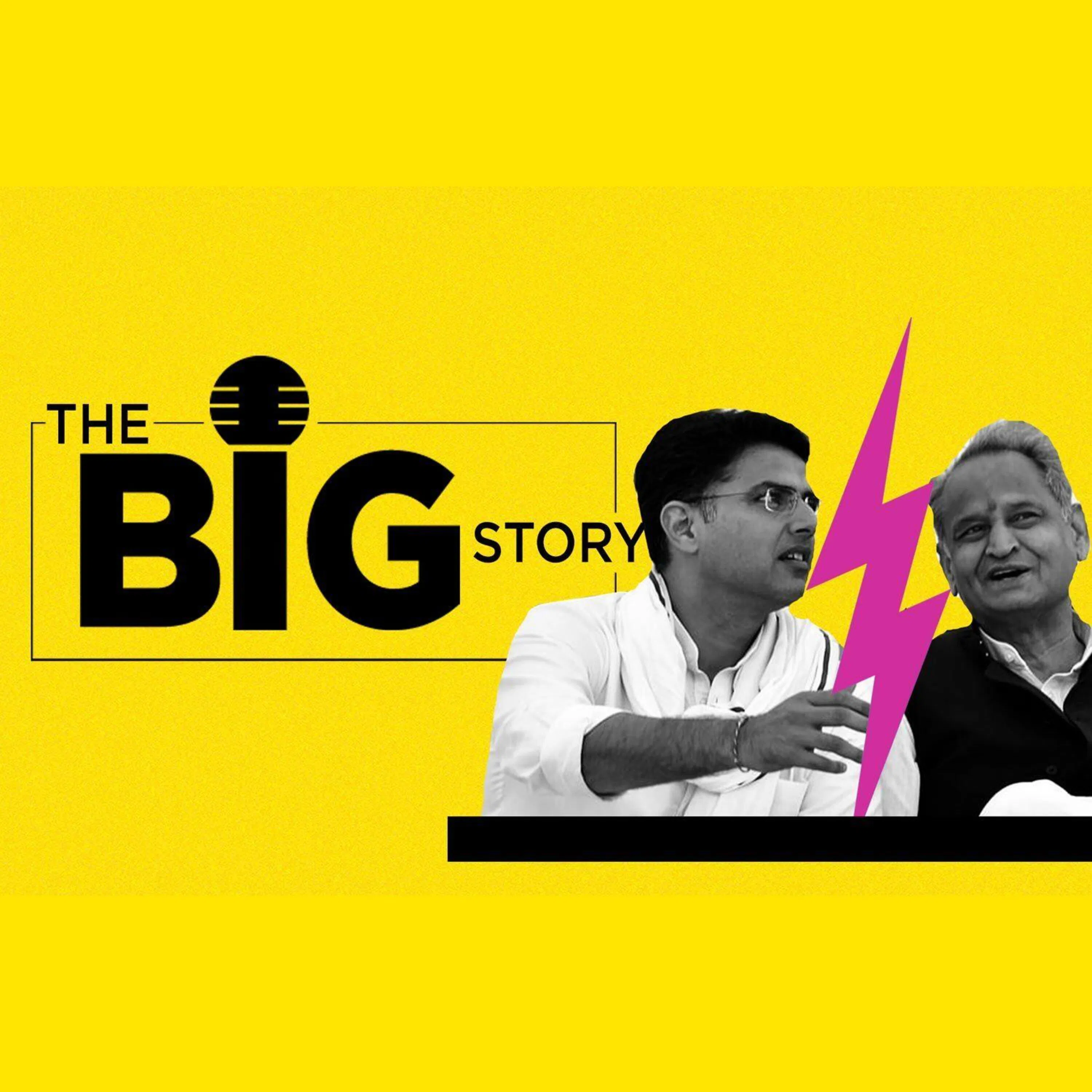
Sachin Pilot skipped the second Congress Legislature Party (CLP) meeting, even as the Congress decided to remove him from the posts of the Deputy Chief Minister of Rajasthan and the Rajasthan Congress chief. At least 102 Congress MLAs from the state demanded action against Pilot. The CLP also passed a resolution supporting Chief Minister Ashok Gehlot, and recommended "strong disciplinary action against any Congress MLA or office-bearer who weakens the party." As the internal conflict within Congress shows no signs of ebbing, MLAs are being shifted to resorts. While Gehlot's supporters were shifted to Fairmont Hotel in Jaipur, the Pilot camp released a video showing around 15 MLAs sitting together at an undisclosed location. It is said that top Congress leaders including Priyanka Gandhi, P Chidambaram and Rahul Gandhi all have been trying to get in touch with Pilot, but the crisis is stuck at stalemate. Was Congress' amends too little too late for Pilot? Is reconciliation off the table now? Producer and Host: Shorbori Purkayastha Guest: Aditya Menon, Political Editor, The Quint Editor: Shelly Walia Music: Big Bang Fuzz Listen to The Big Story podcast on: Apple: https://apple.co/2AYdLIl Saavn: http://bit.ly/2oix78C Google Podcasts: http://bit.ly/2ntMV7S Spotify: https://spoti.fi/2IyLAUQ Deezer: http://bit.ly/2Vrf5Ng Castbox: http://bit.ly/2VqZ9ur Learn more about your ad choices. Visit megaphone.fm/adchoices
Ep 485Will Rajasthan Govt Withstand Gehlot vs Pilot Crisis or Collapse?
It's a power tussle between the old and the new in Rajasthan, and the bone of contention is the seat of the Chief Minister. After almost two years of a simmering internal rift in the Congress's Rajasthan unit between the current Chief Minister Ashok Gehlot and Deputy CM Sachin Pilot over the post, the feud has come out in the open over the weekend. Pilot who has been camping in Delhi after an open revolt against Gehlot, skipped a legislative meeting on Monday that had mandated the presence of all members. He also claimed to have the support of 30 MLAs which if true could reduce the Gehlot-led government into the minority. On the other hand, as many as 100 MLAs arrived at Chief Minister Ashok Gehlot’s residence on Monday to prove the government’s majority. The two leaders had been at loggerheads since 2018, after Gehlot got a third shot at being the Chief Minister of the state even as Pilot hoped it would be his turn, but what aggravated the political differences between the two now? Will Rajasthan see a repetition of what happened in Madhya Pradesh with the Kamal Nath-led Congress government? Will the Gehlot government be able to withstand this crisis or will Sachin Pilot bring down it down? Producer and Host: Shorbori Purkayastha Editor: Shelly Walia Music: Big Bang Fuzz Listen to The Big Story podcast on: Apple: https://apple.co/2AYdLIl Saavn: http://bit.ly/2oix78C Google Podcasts: http://bit.ly/2ntMV7S Spotify: https://spoti.fi/2IyLAUQ Deezer: http://bit.ly/2Vrf5Ng Castbox: http://bit.ly/2VqZ9ur Learn more about your ad choices. Visit megaphone.fm/adchoices
Ep 484Covid Restricts Birth Control Access: Family Planning Crisis in The Making?
The COVID-19 pandemic is prompting a much deeper crisis on the world's population than we can tell. While the focus largely stays on rebuilding the economy and controlling the surging cases of coronavirus, a lot of other issues faced by vulnerable groups are being neglected. Gender-based violence is on the rise, and sexual and reproductive health services have taken a back seat. What does it mean for reproductive health issues to be sidelined in this pandemic? On the occasion of World Population Day which is observed on 11 July every year, the United Nations Population Fund or the UNFPA estimated that 47 million women in low and middle income countries may not have had access to safe contraceptives, and there could be 7 million unintended pregnancies at the least. Among them are millions of Indians who lost their access to contraceptive options the minute the lockdown began. Supply chains around the world have been disrupted and a lot of work done by sterilisation service providers in India have been reversed in just the last few months. If we can't visibly see the adverse impacts of this crisis on India's population right now, we're likely to see them soon in the form of millions of unwanted pregnancies in the country, millions of unsafe abortions, not to mention maternity deaths. So why is it so important to talk about reproductive rights in relation to family planning and population growth? What are the policy asks to mitigate the negative impacts of the lockdown on India's population? Also Listen to: Locked Down, Locked in: Women Caught Between COVID-19 & Domestic Abuse Producer and Host: Shorbori Purkayastha Guests: Dr Nupur Gupta, Gynaecologist, Fortis Hospital VS Chandrashekhar, Chief Executive Officer, FRHS India and CAG member of Pratigya Campaign for Gender Equality and Safe Abortion Dr.] Sanghamitra Singh, Sr Manager of Knowledge Management & Partnerships, Population Foundation of India Editor: Shelly Walia Music: Big Bang Fuzz Listen to The Big Story podcast on: Apple: https://apple.co/2AYdLIl Saavn: http://bit.ly/2oix78C Google Podcasts: http://bit.ly/2ntMV7S Spotify: https://spoti.fi/2IyLAUQ Deezer: http://bit.ly/2Vrf5Ng Castbox: http://bit.ly/2VqZ9ur Learn more about your ad choices. Visit megaphone.fm/adchoices

Ep 483US F-1 Visa Rules a Message That Foreign Students Are Dispensable?
Between the pandemic and the Trump administration's new policy for F-1 student visas, foreign students in the US are in a pickle. The policy doesn’t not allow foreign students to remain in the country if all of their classes are moved online in the fall season. They are now left with these three choices: transfer to alternative programs with in-person classes, or return home or, be deported and also potentially banned from entering the US in the future. Among those million international students who are going to be impacted by this move are at least 2,00,000 Indian students who are currently pursuing higher education in the US. Two days after the announcement was made, Harvard and MIT universities jumped to students' rescue and sued the Immigration and Customs Enforcement (ICE) and the Department of Homeland Security (DHS) terming it a “bad and illegal policy”. But if the lawsuit fails and the policy stays in place, what kind of adverse impact can it have on students and their education in the current situation? Tune in! Producer and Host: Shorbori Purkayastha Guests: Deep Pal, a Non-Resident Fellow at the National Bureau of Asian Research Jaskirat Panjrath, Student, Parsons School of Design Rayn Samson, Student, Reed College Asvatha Babu, Student, American University Editor: Shelly Walia Music: Big Bang Fuzz Listen to The Big Story podcast on: Apple: https://apple.co/2AYdLIl Saavn: http://bit.ly/2oix78C Google Podcasts: http://bit.ly/2ntMV7S Spotify: https://spoti.fi/2IyLAUQ Deezer: http://bit.ly/2Vrf5Ng Castbox: http://bit.ly/2VqZ9ur Learn more about your ad choices. Visit megaphone.fm/adchoices
Ep 482CBSE Syllabus Cut An Academic or Political Decision?
Chapters on federalism, nationalism and secularism have come under the axe as the Ministry of Human Resource Development decided to unburden CBSE students between classes 9-12. The pandemic-mandated restrictions on educational institutions have eaten up into the academic year, raising a lot of problems for students and teachers alike over e-classes, exams and syllabus. And on July 8, Ramesh Pokhriyal Nishank, the HRD minister, announced a 30 percent reduction of the CBSE course load in view of the prevailing "extraordinary situation". Although 24 hours later CBSE clarified that the reduction of syllabus was only for Board exams, the choice of the omitted portions especially from the social and political science syllabi are raising eyebrows. These include some key chapters on Democratic Rights, Democracy and Diversity, Gender, Religion and Caste, Popular Struggles and Movements, to name a few but was it a good decision to remove such crucial chapters that educates students on the constitutional structure of India? Tune in to The Big Story! Producer and Host: Shorbori Purkayastha Guests: Ambarish Rai, Right to Education Forum Professor Suhas Palshikar, Indian Academic and Political Scientist Sukhdeo Thorat, Former Chairman of UGC Aditya Menon, Political Editor, The Quint Editor: Shelly Walia Music: Big Bang Fuzz Listen to The Big Story podcast on: Apple: https://apple.co/2AYdLIl Saavn: http://bit.ly/2oix78C Google Podcasts: http://bit.ly/2ntMV7S Spotify: https://spoti.fi/2IyLAUQ Deezer: http://bit.ly/2Vrf5Ng Castbox: http://bit.ly/2VqZ9ur Learn more about your ad choices. Visit megaphone.fm/adchoices
Ep 481India-China Begin Pullback: Finally The End to Months-Long Border Tensions?
The initial disengagement talks between India and China ended in bloody clashes and the deaths of 20 Indian soldiers, the second attempt led to new PLA encroachments and now a third try is showing the first signs of reduction of the biggest standoff between the countries since 1962 along the LAC . On 6 July, troops of both armies stepped back one to two kilometres from where they had clashed on 15 June at the Galwan Valley. All tents have been also packed up, and troops and materials have been taken back in vehicles. But the MEA and the Chinese Foreign Ministry's statements seem to have conflicting tones. In an official statement, the MEA said, “both sides have agreed to ensure complete disengagement and de-escalation from the India-China border areas for full restoration of peace and tranquillity”. While the Chinese Foreign ministry also put out a similar statement, it did so without any mention of the word ‘de-escalation'. Rather, it asserted its sovereignty over the Galwan valley. What do we make of New Delhi and Beijing's contrasting statements? Tune in to The Big Story! Producer and Host: Shorbori Purkayastha Guests: Manoj Kewalramani, Fellow of China Studies, Takshashila Institution Manoj Joshi a Distinguished Fellow at the Observer Research Foundation Editor: Shelly Walia Music: Big Bang Fuzz Listen to The Big Story podcast on: Apple: https://apple.co/2AYdLIl Saavn: http://bit.ly/2oix78C Google Podcasts: http://bit.ly/2ntMV7S Spotify: https://spoti.fi/2IyLAUQ Deezer: http://bit.ly/2Vrf5Ng Castbox: http://bit.ly/2VqZ9ur Learn more about your ad choices. Visit megaphone.fm/adchoices
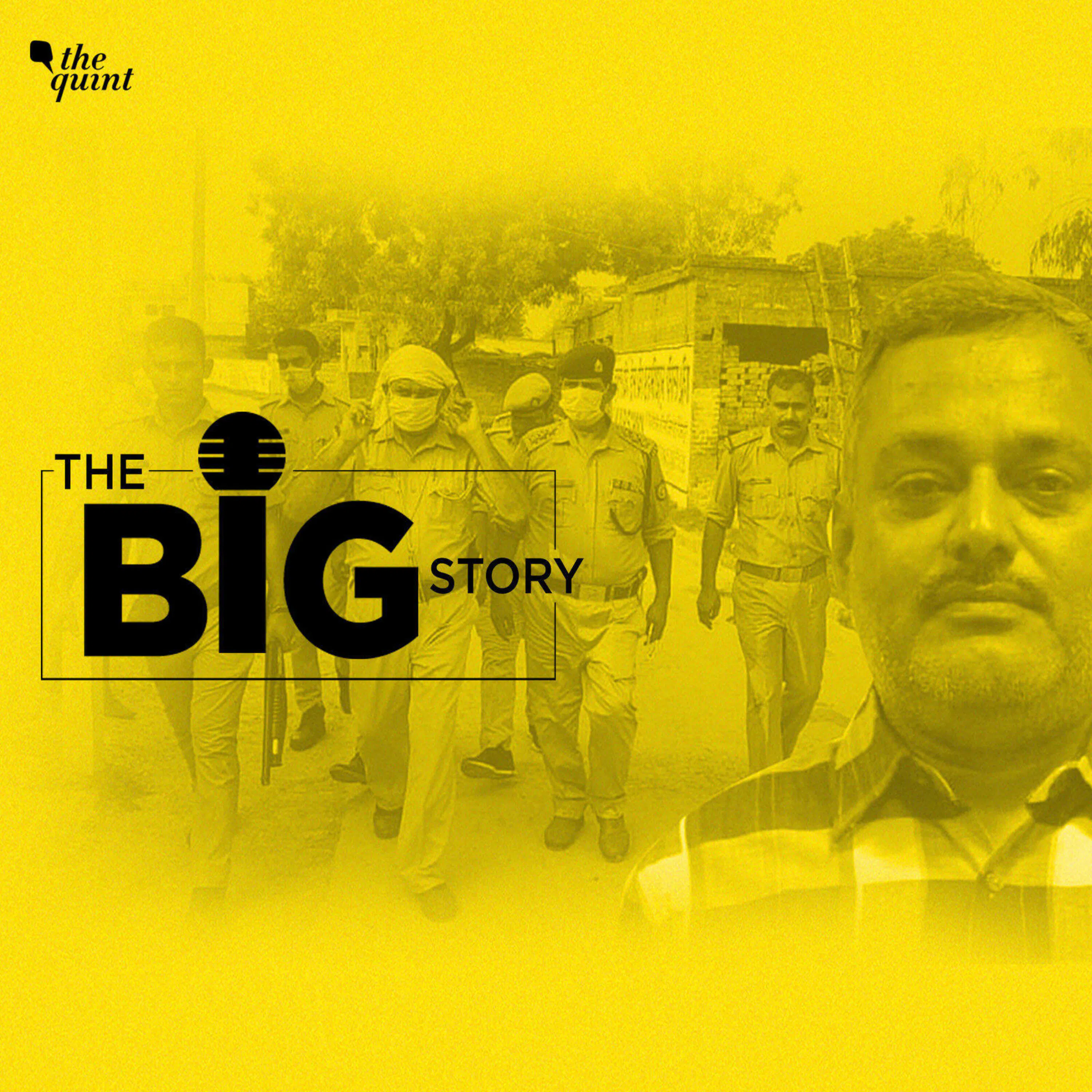
Ep 480‘Khadi, Khaki & Underworld’ Nexus Behind Vikas Dubey’s Brazen Attack in Kanpur?
Vikas Dubey, a history-sheeter with up to 60 criminal cases against him, escapes from his hideout as his goons kill eight Uttar Pradesh police personnel in Bikru village in rural Kanpur. After the incident, the police suspends Station Officer Vinay Tiwari, for his alleged role in tipping-off Dubey. His aide Daya Shankar Agnihotri, who is arrested in the encounter, tells the police that Dubey had purportedly received a phone call, and so before the cops could reach Bikru village to raid his hideout and arrest him, he allegedly called around his men. The police are then ambushed by the goons who are expecting them and the whole encounter turns into a blood bath. This incident from 2 July sounds like a movie plot, but in fact it's the other way round. Movies are inspired from this kind of reality in the state of Uttar Pradesh where the nexus between crime and politics runs thicker than blood. What is responsible for such daring acts of crimes in the state? Why hasn’t Uttar Pradesh been able to root out notorious criminals like Dubey? Tune in to The Big Story! Producer and Host: Shorbori Purkayastha Guest: Vikram Singh, Retired IPS Officer, Ex-DGP UP Research: Shadab Moizee Editor: Shelly Walia Music: Big Bang Fuzz Listen to The Big Story podcast on: Apple: https://apple.co/2AYdLIl Saavn: http://bit.ly/2oix78C Google Podcasts: http://bit.ly/2ntMV7S Spotify: https://spoti.fi/2IyLAUQ Deezer: http://bit.ly/2Vrf5Ng Learn more about your ad choices. Visit megaphone.fm/adchoices
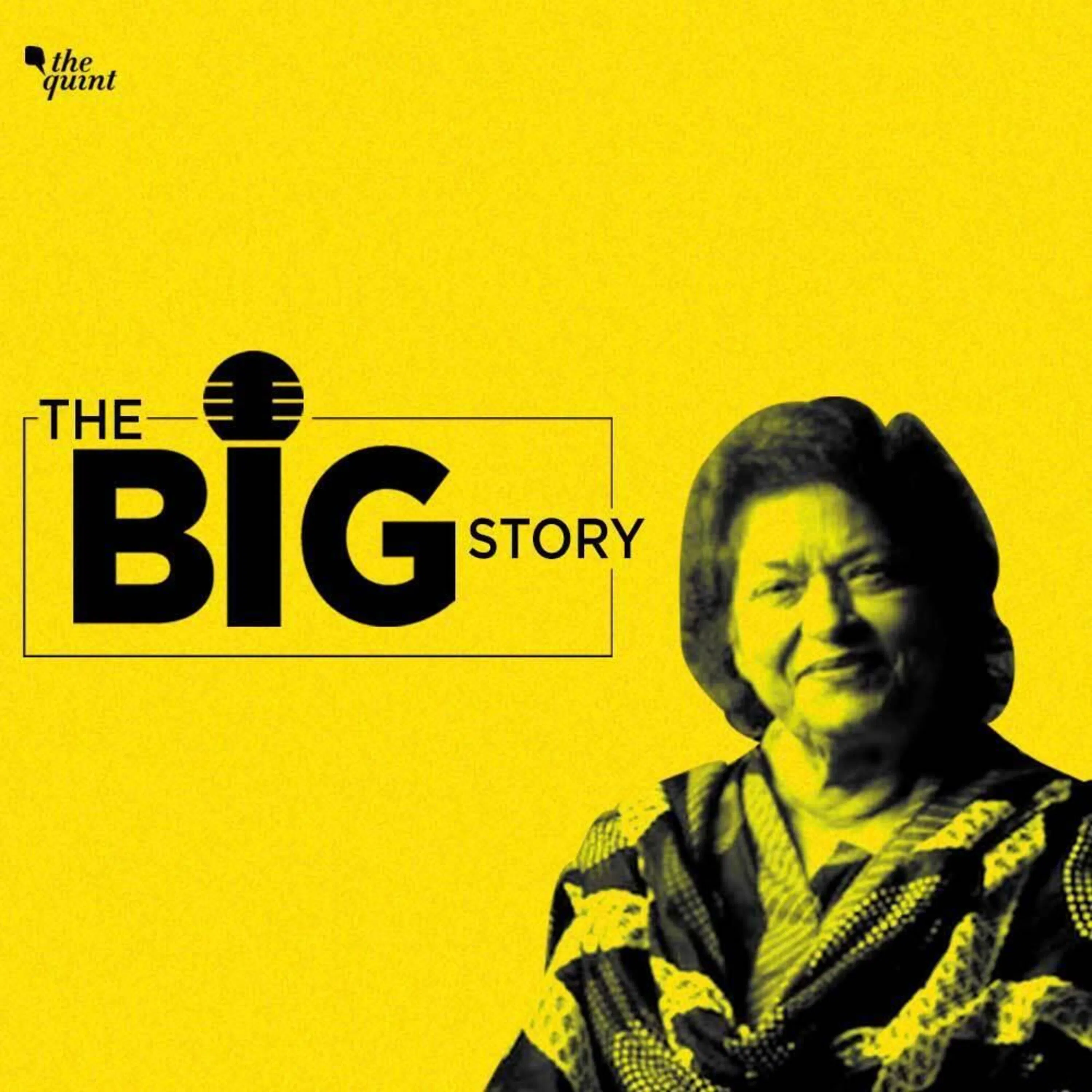
Ep 479Saroj Khan's Journey From Marrying at 13 to "Masterji" of Bollywood
IMDB will tell you Saroj Khan has been a part of 308 films and over 2,000 songs. What it, perhaps, doesn’t reveal is her role as an unbroken link in Hindi cinema’s evolution for 50 long years. From Kalpana in 1960 to Kalank in 2019, the story of Saroj Khan’s journey in cinema is, perhaps, the story of the Hindi film industry itself. Ek, Do, Teen, Dil Dhak Dhak Karne Laga, Choli ke Peeche kya hai, Hawa Hawaai, Tanha Tanha, Nimbooda Nimbooda, Ye Ishq Haaye, are just a handful of examples when songs have been remembered as much for their choreography as for their lyrics or music. Saroj Khan made a name for herself in more ways than one in an often ruthless industry. Film maker Kunal Kohli, who worked with her in film like Hum Tum and Fanaa , recalls how she may have been Saroj Khan to the world but the industry addressed her by a different name – Masterji. “Humaare pyaare masterji” carried the weight of respect which took Saroj Khan decades to garner because when she started off, the ‘Masterjis’ in the industry were all men. Producer and Host: Sushovan Sircar Editor: Shelly Walia Music: Big Bang Fuzz Listen to The Big Story podcast on: Apple: https://apple.co/2AYdLIl Saavn: http://bit.ly/2oix78C Google Podcasts: http://bit.ly/2ntMV7S Spotify: https://spoti.fi/2IyLAUQ Deezer: http://bit.ly/2Vrf5Ng Learn more about your ad choices. Visit megaphone.fm/adchoices
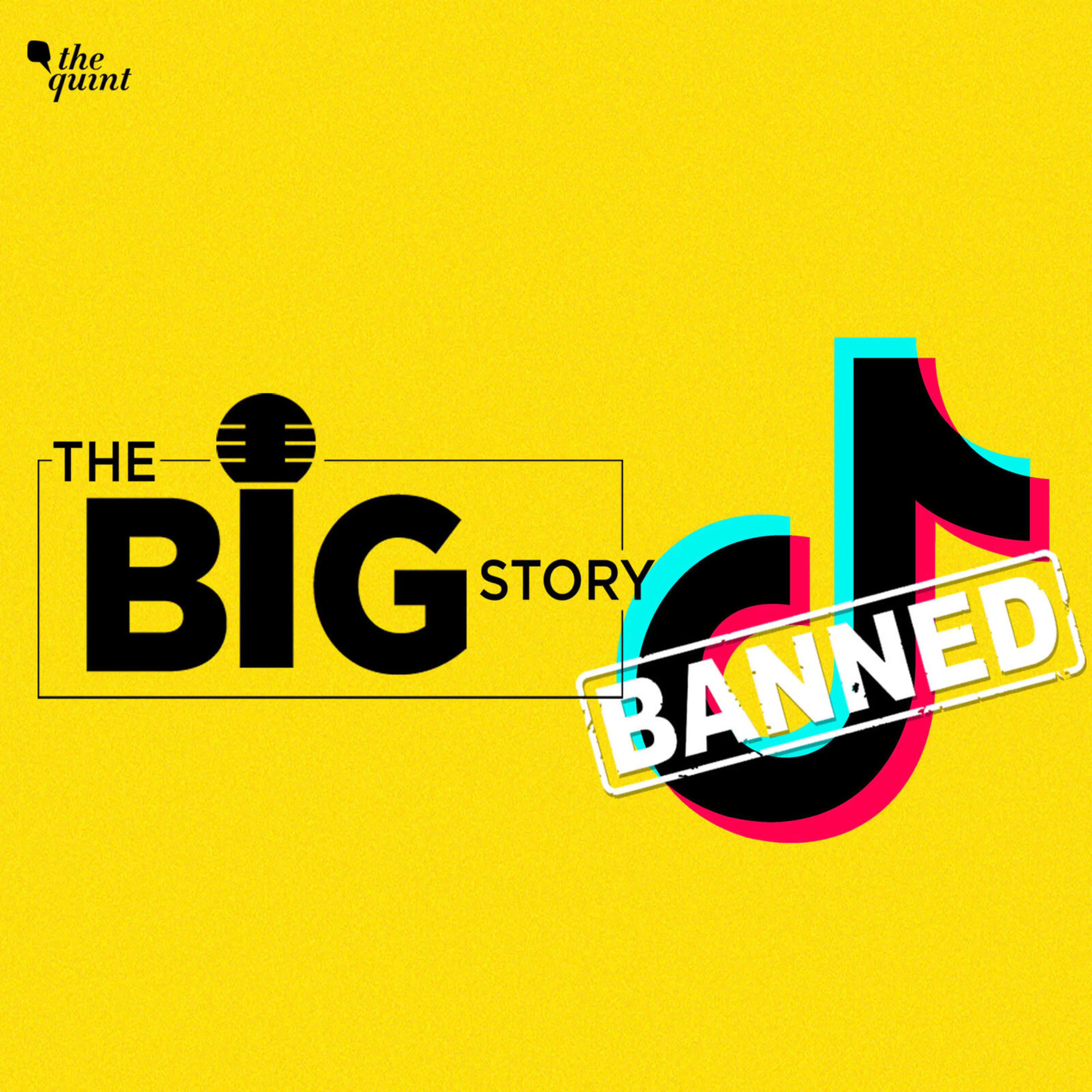
Ep 478TikTok Ban: A Loss of Expression for Millions of Indian Users
In the crossfire between India and China, the TikTok verse is the hapless victim. Many call it cringe, but for millions of internet users in India, TikTok was a freedom of expression. So, when the ban on the 59 Chinese apps was announced, TikTok being one of those hugely popular apps on the ban list , it was a melancholic moment for the app's users who have been making and consuming content since its launch in India in 2017. With 119 million active users in India, Tik Tok has a lot to lose monetarily if the ban stays permanently. Chinese company ByteDance – the parent company of the TikTok and Helo apps – has already estimated a loss of up to $6 billion from this ban, and perhaps that's why some are lauding it as India's "digital strike" against Chinese aggression at the LAC. But for TikTokers, this verse had this unusual quality of being both a creative outlet, and a safe space where India's marginalised sections from rural and urban spaces could express themselves. In this podcast we'll look at the evolution of TikTok in India and what roles it played for India's youth and we'll also hear from TikTokers about what the ban on this platform means for them. Tune in to The Big Story! Producer and Host: Shorbori Purkayastha Editor: Shelly Walia Music: Big Bang Fuzz Listen to The Big Story podcast on: Apple: https://apple.co/2AYdLIl Saavn: http://bit.ly/2oix78C Google Podcasts: http://bit.ly/2ntMV7S Spotify: https://spoti.fi/2IyLAUQ Deezer: http://bit.ly/2Vrf5Ng Learn more about your ad choices. Visit megaphone.fm/adchoices
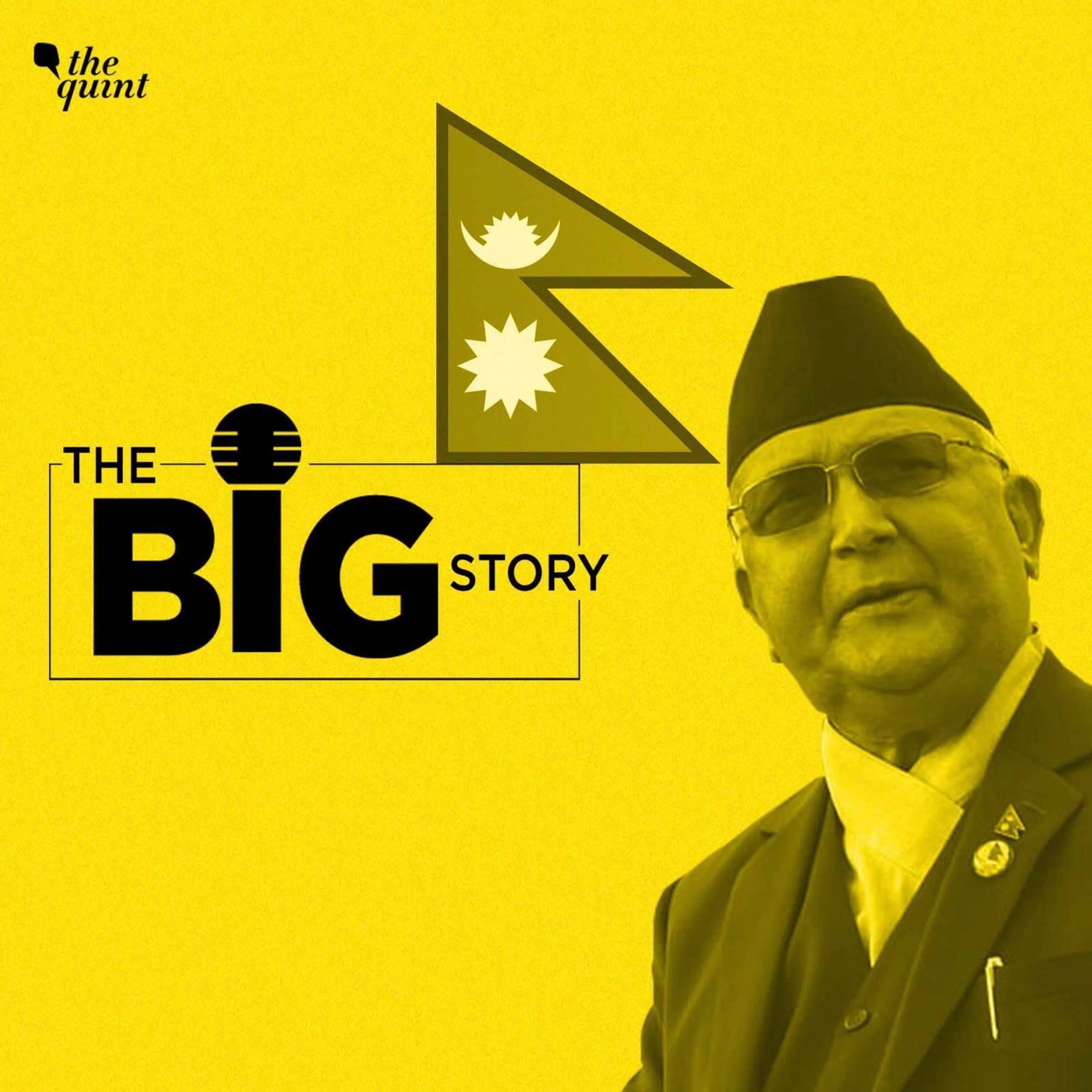
Ep 477How Did Nepal PM Oli’s Anti-India Stance Backfire Against Him?
Nepal's Prime Minister KP Sharma Oli's anti-India pitch has turned the tables against him. From having the political support to redraw Nepal's map to include territories within India, Oli is now facing hostilities from senior members of the ruling Nepal Communist Party (NCP) who are pressing for his resignation over his unfounded charges against India. The anti-India remarks in concern were made while addressing a meeting in Kathmandu on 28 June where PM Oli had accused Nepalese leaders and India of colluding in a conspiracy to topple him for publishing the country’s new map that depicts Lipulekh, Kalapani and Limpiyadhura as part of Nepalese territory. He had alleged that there have been various kinds of activities in "embassies and hotels" to remove him from power. But this didn't go down well with senior communist leaders like Former Nepal PM Prachanda who hit back saying that PM Oli should resign on moral grounds for making such "undiplomatic and nonpolitical remarks". So, how did PM Oli's anti-India stance backfire against him? Reference: Oli might have avoided the Standing Committee so far but he can’t keep putting it off forever, say party leaders Producer and Host: Shorbori Purkayastha Guests: Bharat Bhushan, Senior Journalist Akanshka Shah, Delhi-based Nepali journalist Editor: Shelly Walia Music: Big Bang Fuzz Listen to The Big Story podcast on: Apple: https://apple.co/2AYdLIl Saavn: http://bit.ly/2oix78C Google Podcasts: http://bit.ly/2ntMV7S Spotify: https://spoti.fi/2IyLAUQ Deezer: http://bit.ly/2Vrf5Ng Learn more about your ad choices. Visit megaphone.fm/adchoices
Ep 476Chinese Apps Banned: Has India Been Able to Teach China a Lesson?
From a standoff at the LAC, the geopolitical conflict between India and China has found a new turf: technology. While Chinese troops continue to camp in the Galwan valley, the Indian government announced a ban on 59 Chinese-owned apps, including the hugely popular TikTok, UC Browser, WeChat and Cam Scanner. Union Minister Ravi Shankar Prasad said in his tweet said that ban was enforced for the “safety, security, defence, sovereignty and integrity of India and to protect data and privacy” of Indians. But at a time when the boycott China pitch has been getting heightened, even though the statement itself doesn't name China, this move is widely being interpreted as a response to the stand-off along the LAC. Some reports are calling it India's “digital air strike,” but what is the impact of this move? Is it a security move or a political one? Are there violations of legal procedures in this order? Tune in to The Big Story! Producer and Host: Shorbori Purkayastha Editor: Shelly Walia Reporting: Sushovan Sircar Music: Big Bang Fuzz Listen to The Big Story podcast on: Apple: https://apple.co/2AYdLIl Saavn: http://bit.ly/2oix78C Google Podcasts: http://bit.ly/2ntMV7S Spotify: https://spoti.fi/2IyLAUQ Deezer: http://bit.ly/2Vrf5Ng Learn more about your ad choices. Visit megaphone.fm/adchoices
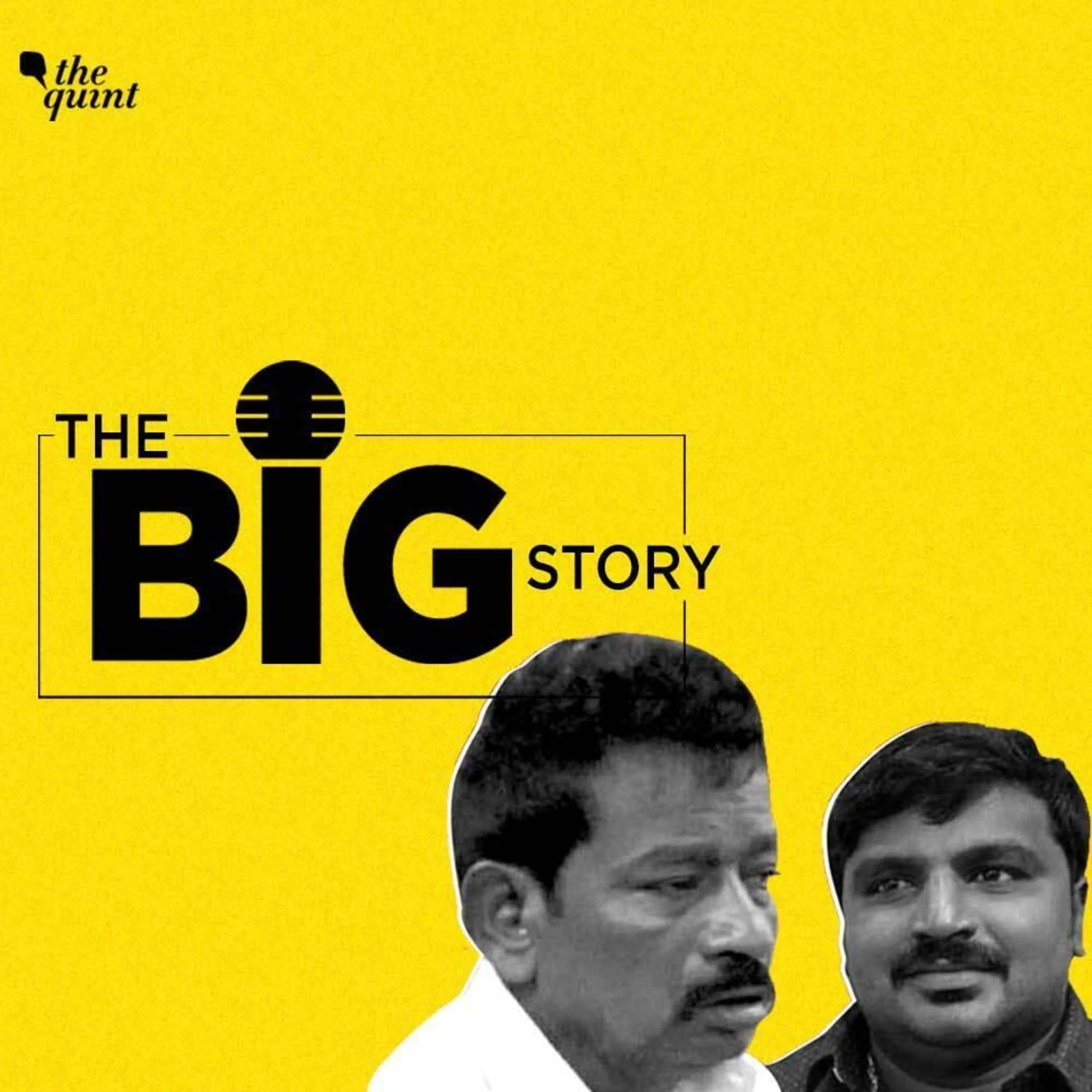
Ep 475Jeyaraj-Beniks Case: How Lockdown Violations Turned to Custodial Deaths
At a time when George Floyd's death in the US has triggered a global outcry against police brutalities, India reported what is possibly one of the worst incidents of police brutality in the lockdown from the state of Tamil Nadu. In a twisted case, two ordinary people Jeyaraj and his son Beniks from Thoothukudi district who owned a mobile store were allegedly tortured and killed in police custody over a minor violation: keeping their mobile store open 15 minutes beyond the lockdown curfew timings in the state. After spending three days in lockup, Beniks died at the Kovilpatti Government Hospital from severe chest pain, and within hours of his death Jeyaraj breathed his last too at the same hospital. But between the allegations and the police's FIR, there are a lot of conflicting details and unanswered questions. What do we know about the events that led to the twin deaths in police custody? Why is it raising human rights concerns and protests against police's high handedness in the country? Tune in to The Big Story! Reference: UNITED NGO CAMPAIGN AGAINST TORTURE TNM investigation: Sathankulam cops have a history of custodial violence Producer and Host: Shorbori Purkayastha Guests: Sanjoy Hazarika, International Director of Commonwealth Human Rights Initiative Reporting: Smitha TK, Senior Correspondent, Chennai Editor: Shelly Walia Music: Big Bang Fuzz Listen to The Big Story podcast on: Apple: https://apple.co/2AYdLIl Saavn: http://bit.ly/2oix78C Google Podcasts: http://bit.ly/2ntMV7S Spotify: https://spoti.fi/2IyLAUQ Deezer: http://bit.ly/2Vrf5Ng Learn more about your ad choices. Visit megaphone.fm/adchoices

Ep 474Is Dropping The Word “Fair” Enough to Fight Fair & Lovely Biases?
After 4 decades of promoting the idea of beauty and fairness, "Fair & Lovely" has finally decided to drop the word "Fair" from its product. The Anglo-Dutch conglomerate, Hindustan Unilever said that it will rename its skin-lightening products to make it more "inclusive and diverse" and that they are "committed to a skin care portfolio that's inclusive of all skin tones, celebrating the diversity of beauty." With recent protests against racial injustice in USA triggering fresh debates on social media against colourism, brands like Unilever that have been promoting fairness in South Asian, Middle Eastern and African markets have found themselves under scrutiny yet again. In response to the George Floyd protests, last week US multinational company Johnson and Johnson had announced it would no longer be producing or selling two of its products, Neutrogena Fine Fairness and Clean & Clear Fairness lines, both very popular in India and other Asian countries, following which "Fair & Lovely" also decided to take a progressive step. But is changing the name of a product enough to counter ingrained standards of beauty, racism and colourism? Reference: The No. 1 thing Indians want in a cream: For it to lighten their skin Why HUL might not withdraw Fair & Lovely — nearly Rs 4,100 crore annual revenue from India alone Producer and Host: Shorbori Purkayastha Guests: Kavitha Emmanuel, Founder of the NGO, Women of Worth Singer Shilpa Rao Editor: Shelly Walia Music: Big Bang Fuzz Listen to The Big Story podcast on: Apple: https://apple.co/2AYdLIl Saavn: http://bit.ly/2oix78C Google Podcasts: http://bit.ly/2ntMV7S Spotify: https://spoti.fi/2IyLAUQ Deezer: http://bit.ly/2Vrf5Ng Learn more about your ad choices. Visit megaphone.fm/adchoices

Ep 473CBSE and ICSE Scrap Board Exams: What’s Next for Students?
Ending the suspense for school-going students, the MHRD and the Central Board of Secondary Education informed the Supreme Court that the Xth and XIIth board exams scheduled between 1-15 July stand cancelled due to the coronavirus pandemic in the country. While for class 10 student, exams have completely been cancelled, class 12 students will be given an option between appearing in exams when the “conditions are conducive” or assessment based on the last three exams. An order from Supreme Court is expected on 26 June, at 10.30 am after the government files a detailed affidavit on the assessment scheme for the exams but what are the reactions to this decision? And what's next for students? Tune in to The Big Story! Producer and Host: Shorbori Purkayastha Guests: Col (Retd) Amit Bathla, Petitioner, Ameeta Mulla Wattal, Principal of Springdales School, Pusa Road Jayeeta, College Dekho Editor: Shelly Walia Music: Big Bang Fuzz Listen to The Big Story podcast on: Apple: https://apple.co/2AYdLIl Saavn: http://bit.ly/2oix78C Google Podcasts: http://bit.ly/2ntMV7S Spotify: https://spoti.fi/2IyLAUQ Deezer: http://bit.ly/2Vrf5Ng Learn more about your ad choices. Visit megaphone.fm/adchoices

Ep 472Patanjali’s 100% COVID Cure – Tall Claim But Where’s the Evidence?
At a time when the world is anxiously waiting for a coronavirus vaccine, Patanjali has claimed to have already found an ayurvedic wonder drug. It's not an immunity booster Baba Ramdev said, but a "100 percent cure." From testing the drug on less than 100 patients at clinical trials, Patanjali skipped publishing the details of the study and straight away jumped to launch ‘Coronil and Swasari’ on 23 June, as the first ayurvedic treatment for the virus. Barely hours after the launch, the ayurvedic company and its founders found themselves in a hot mess when the AYUSH ministry asked them to “stop advertising/publicising” the drug until their claims are checked by the government. While the sale of its product is currently on hold, there seems to be lot of scientific and procedural gaps with Patanjali’s drugs and the trials. So, what do we know about ‘Coronil’ and its trials? Tune in to The Big Story! Producer and Host: Shorbori Purkayastha Guests: Dr SP Kalantri, Director Professor of Medicine at MGIMS and Medical Superintendent of Kasturba Hospital Anant Bhan, Adjunct Professor and Researcher in Bioethics at Yenepoya University Editor: Shelly Walia Also Listen to: Can We be Optimistic About the Potential COVID-19 Cures Yet? Reference: Many links missing in Patanjali’s claims of COVID-19 drugs Music: Big Bang Fuzz Listen to The Big Story podcast on: Apple: https://apple.co/2AYdLIl Saavn: http://bit.ly/2oix78C Google Podcasts: http://bit.ly/2ntMV7S Spotify: https://spoti.fi/2IyLAUQ Deezer: http://bit.ly/2Vrf5Ng Learn more about your ad choices. Visit megaphone.fm/adchoices

Ep 471Can We be Optimistic About the Potential COVID-19 Cures Yet?
The COVID-19 pandemic has gotten the global scientific community to swing into action to find an urgent cure. With the infection numbers reaching 8 million worldwide, several researches, studies and trials are being carried out simultaneously to urgently look into the effects of anti-viral drugs, steroids and repurposed drugs on COVID-19 patients. In just over the last month, there have been a few developments. An old, cheap, anti-inflammatory drug dexamethasone has recently been touted as a treatment for COVID-19 to reduce mortality. Even the WHO, on 23 June, has asked to ramp up the production of this widely used steroid, after clinical trials found it to have life-saving potential for critically-ill coronavirus patients in the UK. Another drug, Remdesivir, initially developed by Gilead Sciences to work against Ebola, has demonstrated faster recovery among COVID-19 patients. It has now been launched into production by the drugmaker Cipla under its brand name Cipremi. And Glenmark Pharmaceuticals has also launched anti-viral drug Favipiravir for the treatment of mild-to-moderate COVID-19 cases after receiving ‘restricted emergency’ approval from the Drug Controller General of India to manufacture and market the medicine. But how optimistic are doctors and experts about these developments? Tune in to The Big Story! Producer and Host: Shorbori Purkayastha Guest: Dr Sumit Ray, Critical Care Specialist in Delhi-NRC Editor: Shelly Walia Music: Big Bang Fuzz Listen to The Big Story podcast on: Apple: https://apple.co/2AYdLIl Saavn: http://bit.ly/2oix78C Google Podcasts: http://bit.ly/2ntMV7S Spotify: https://spoti.fi/2IyLAUQ Deezer: http://bit.ly/2Vrf5Ng Learn more about your ad choices. Visit megaphone.fm/adchoices
Ep 470Now Second Worst-Hit State, What is Delhi’s New Action Plan to Tackle Covid?
After three consecutive days of reporting the highest peaks in fresh cases, Delhi overtook Tamil Nadu on 21 June, Sunday to become the second-worst coronavirus affected state in the country. In just the past one week between 15 - 21 June, the capital reported more than 18,000 new cases of infections. Apart from the number of infections, what have also made the situation in Delhi quite concerning is firstly a high growth rate of infection, and secondly the spike in the number of deaths. A number of meetings have taken place between the centre and state to revamp Delhi’s COVID-19 planning after the Supreme Court criticized Delhi and some other states earlier this month over their handling of the pandemic. But why is Delhi faring so badly in tackling the crisis? What are the new strategies ahead? Tune in to The Big Story! Producer and Host: Shorbori Purkayastha Guest: Dr Sumit Ray, Critical Care Specialist in Delhi-NRC Editor: Shelly Walia Also Listen to: Part 1: What’s the Reason Behind Dearth of Hospital Beds in Delhi? Music: Big Bang Fuzz Listen to The Big Story podcast on: Apple: https://apple.co/2AYdLIl Saavn: http://bit.ly/2oix78C Google Podcasts: http://bit.ly/2ntMV7S Spotify: https://spoti.fi/2IyLAUQ Deezer: http://bit.ly/2Vrf5Ng Learn more about your ad choices. Visit megaphone.fm/adchoices

Ep 469Can India Really Afford to Boycott Chinese Goods?
Ban Chinese food, ban Chinese products, delete Chinese apps — in the wake of the death of 20 soldiers at the LAC in Galwan Valley, the anti-China sentiment is viral once again. Protests by traders bodies and common citizens have been raging with a call to boycott Chinese products to show solidarity with the army. Some citizens have gone over the top to teach China a lesson by breaking their Made in China appliances like TV sets, some are burning Chinese President Xi Jinping's effigies, while some others are asking for a ban on import and trading of Chinese products. Although India and China have been engaged in a face-off since May that took a deadly turn, unseen in close to close to five decades, how practical is it to boycott Chinese goods in India? Tune in to The Big Story! Producer and Host: Shorbori Purkayastha Guests: Jayati Ghosh, Chairperson of the Centre for Economic Studies and Planning at the Jawaharlal Nehru University Editor: Shelly Walia References: ‘My next phone will be made in India’: Some IAS officers call for boycott of Chinese goods Following Money: China Inc's Growing Stake on China-India Relations US surpasses China to become India's top trading partner Music: Big Bang Fuzz Listen to The Big Story podcast on: Apple: https://apple.co/2AYdLIl Saavn: http://bit.ly/2oix78C Google Podcasts: http://bit.ly/2ntMV7S Spotify: https://spoti.fi/2IyLAUQ Deezer: http://bit.ly/2Vrf5Ng Castbox: http://bit.ly/2VqZ9ur Learn more about your ad choices. Visit megaphone.fm/adchoices
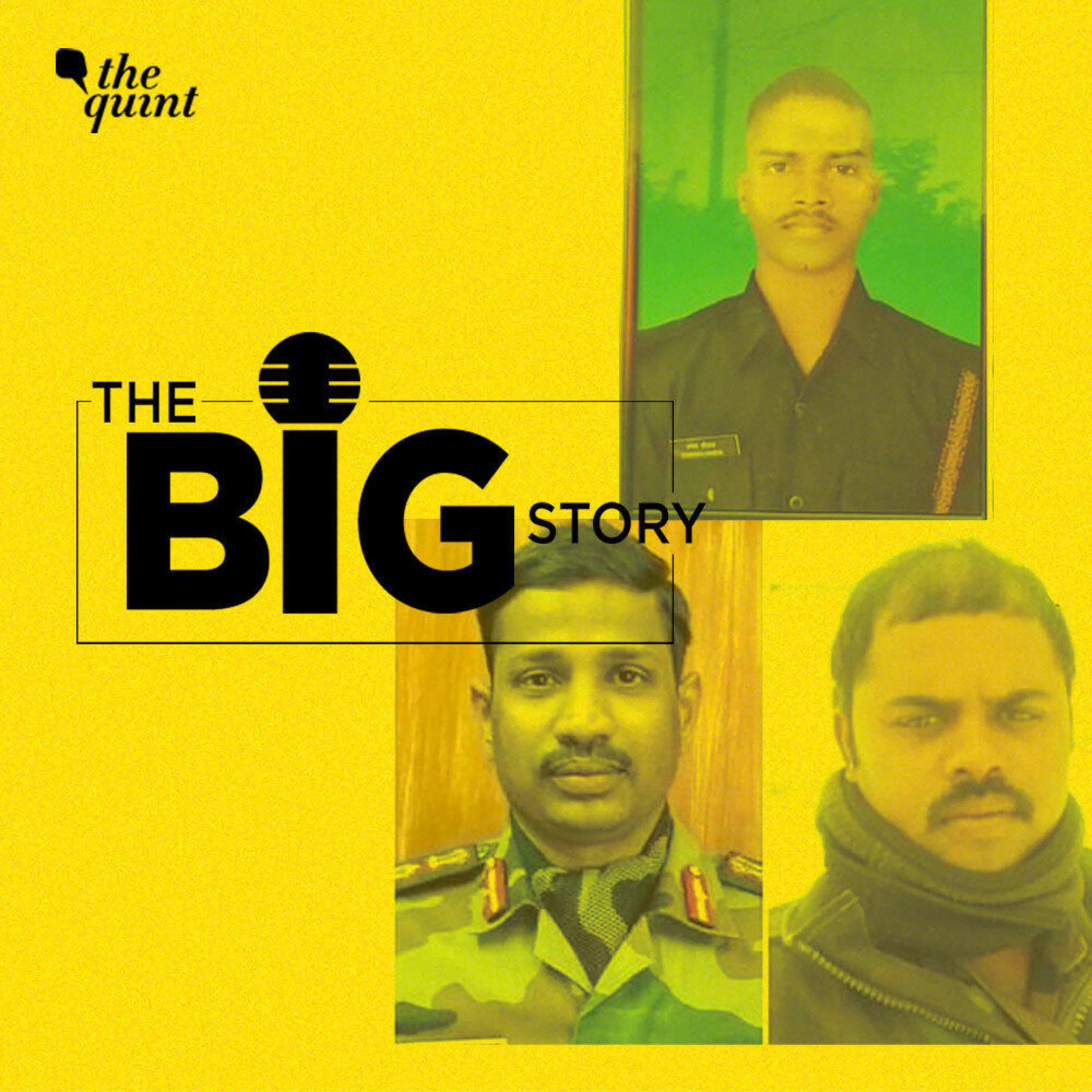
Ep 468Indo-China Clashes: Who Are The Bravehearts Who Lost Thier Lives?
The 20 Indian soldiers who lost their lives in clashes with Chinese soldiers at the LAC hailed from various parts of the country. As per the details shared by the Army, five soldiers were from Bihar, four from Punjab, two each from Odisha, Jharkhand and West Bengal and one each from Chhattisgarh, Himachal Pradesh, Madhya Pradesh, Tamil Nadu and Telangana. A lot has been talked about diplomatic and military strategies since the India-China border tensions took a lethal turn, but who are the 20 soldiers who lost their lives in the violent face-off with the People's Liberation Army while defending the LAC at the Himalayan border? In this podcast we'll bring to you stories of some of India’s bravehearts. Producer and Host: Shorbori Purkayastha Editor: Shelly Walia Music: Big Bang Fuzz Listen to The Big Story podcast on: Apple: https://apple.co/2AYdLIl Saavn: http://bit.ly/2oix78C Google Podcasts: http://bit.ly/2ntMV7S Spotify: https://spoti.fi/2IyLAUQ Deezer: http://bit.ly/2Vrf5Ng Castbox: http://bit.ly/2VqZ9ur Learn more about your ad choices. Visit megaphone.fm/adchoices
Ep 467As China Raises Stakes, Will Pakistan Take Advantage Of the Situation?
As the de-escalation process was reportedly underway, border tensions between India and China spiked after the worst clash in almost five decades in Ladakh's Galwan valley, which is in the edge of the disputed Aksai Chin area, controlled by China but claimed by both countries. More details have been emerging from the incident a day after it first got reported. Initially, India’s military said only three Indian troops had been killed in the clash. But late on 16 June, a military spokesman said that 17 other Indian soldiers had succumbed to the injuries sustained in the clash, raising the death toll to 20. Indian news agency ANI reported that Indian intercepts revealed 43 Chinese soldiers had been killed or seriously injured although Chinese media did not reveal the number of casualties on its side. But as the Indian troops were involved in the violent face off, in a significant development in Pakistan, all services chiefs made a "rare" visit to the ISI headquarters together for a briefing on national security. What could Pakistan possibly be up to at a point where India is engaged with China at the LAC? Is India prepared to deal with both fronts opening up? Producer and Host: Shorbori Purkayastha Guests: (Retired) Lt Gen AK Singh Manoj Kewalramani, Fellow of China Studies at The Takshashila Institution Manoj Joshi, Distinguished Fellow at the Observer Research Foundation Editor: Shelly Walia References: Services chiefs attend rare briefing at ISI headquarters Music: Big Bang Fuzz Listen to The Big Story podcast on: Apple: https://apple.co/2AYdLIl Saavn: http://bit.ly/2oix78C Google Podcasts: http://bit.ly/2ntMV7S Spotify: https://spoti.fi/2IyLAUQ Deezer: http://bit.ly/2Vrf5Ng Castbox: http://bit.ly/2VqZ9ur Learn more about your ad choices. Visit megaphone.fm/adchoices
Ep 466What Flared Up Indo-China Tensions Again After Peace Talks?
In the first loss of lives in perhaps 45 years at the disputed Indo-China border, the Indian Army lost a commanding officer and two soldiers in "a violent face-off" with Chinese soldiers in the Galwan Valley on the night of 15 June. The Army's statement on 16 June said that there were casualties on both sides although the Chinese government hasn't declared official numbers yet. But all this comes barely days after Indian Army Chief Gen MM Naravane said that both sides had begun disengaging in a phased manner along the LAC. Are things ratcheting up at the border in Eastern Ladakh? What should the Indian side keep in mind at this fragile juncture ? Tune in to The Big Story! Producer and Host: Shorbori Purkayastha Editor: Shelly Walia Music: Big Bang Fuzz Listen to The Big Story podcast on: Apple: https://apple.co/2AYdLIl Saavn: http://bit.ly/2oix78C Google Podcasts: http://bit.ly/2ntMV7S Spotify: https://spoti.fi/2IyLAUQ Deezer: http://bit.ly/2Vrf5Ng Castbox: http://bit.ly/2VqZ9ur Learn more about your ad choices. Visit megaphone.fm/adchoices
Ep 465Sushant Singh Rajput's Death & Media's Irresponsible Attitude Towards Mental Health
(If you are suicidal or know anyone in distress, reach out to the numbers of local emergency services, helplines, and mental health NGOs here.) 2019 had been a milestone year for actor Sushant Singh Rajput. He managed to attain the notoriously elusive sweet spot of critical acclaim and commercial success. While Sonchiriya received enormous praise from critics, Chichhore emerged as one of the biggest hits at the box office. In Chhichhore, Sushant played a middle-aged father to a teenage son battling a failed suicide attempt. The film’s success ensured a brief engagement in the press and social media on issues such as mental health, anxiety and depression. Nine months after the film, on 14 June, news of actor Sushant Singh Rajput’s death has once again catapulted mental health into living room conversations, social media posts and news debates. The incident, however, has turned the lens also at those covering the actor’s death. Not just suicides, the media’s approach, understanding and handling of issues related to mental health have long been problematic. Where exactly do the problems lie? How can one identify these problems and how can we move towards empathetic, sensitive and responsible media coverage? Dr Soumitra Pathare, Consultant psychiatrist and Director of Centre for Mental Health, Law and Policy at ILS Pune spoke with The Quint and explained how media's insenstivie reporting can be culpable in complicating mental health issues in society. Music: Big Bang Fuzz Listen to The Big Story podcast on: Apple: https://apple.co/2AYdLIl Saavn: http://bit.ly/2oix78C Google Podcasts: http://bit.ly/2ntMV7S Spotify: https://spoti.fi/2IyLAUQ Deezer: http://bit.ly/2Vrf5Ng Castbox: http://bit.ly/2VqZ9ur Learn more about your ad choices. Visit megaphone.fm/adchoices
Ep 464Delhi Riots Investigation: Gaps Between Police Claims & Facts?
Over the past few weeks, the Delhi Police have been filing charge sheets in a number of cases related to Delhi riots that had taken place late in February. According to police records, 751 cases were filed related to the violence that happened in waves over three days in certain areas of North East Delhi that ended up killing 53 people. At the core of these charge sheets is a common theory of the riots being a planned conspiracy in the follow up of the NRC-CAA protests. While one charge sheet alleges a plot to carry out a "big blast" during US President Donald Trump's visit in February, another attempt to draw links between the Tablighi Jamaat. Some others claim women's activist group Pinjra Tod was involved, while some accuse suspended AAP councillor Tahir Hussain of playing a role the riots. But interestingly, certain details in some of the charge sheets don't add up. Tune in to The Big Story where we breakdown the details of the charge sheets filed over Delhi Riots. Producer and Host: Shorbori Purkayastha Reporting: Aishwarya Iyer & Aditya Menon Editor: Shelly Walia References: Delhi Riots: Is Trump Visit a Hole in Police’s Conspiracy Theory? IB Officer Ankit Sharma’s Death: Inside Delhi Police Charge Sheet ‘Police Charge Sheet Not Proof of Guilt’: Tahir Hussain’s Lawyer New Charge Sheet Links Tablighi Jamaat & Deoband to Delhi Riots Music: Big Bang Fuzz Listen to The Big Story podcast on: Apple: https://apple.co/2AYdLIl Saavn: http://bit.ly/2oix78C Google Podcasts: http://bit.ly/2ntMV7S Spotify: https://spoti.fi/2IyLAUQ Deezer: http://bit.ly/2Vrf5Ng Castbox: http://bit.ly/2VqZ9ur Learn more about your ad choices. Visit megaphone.fm/adchoices
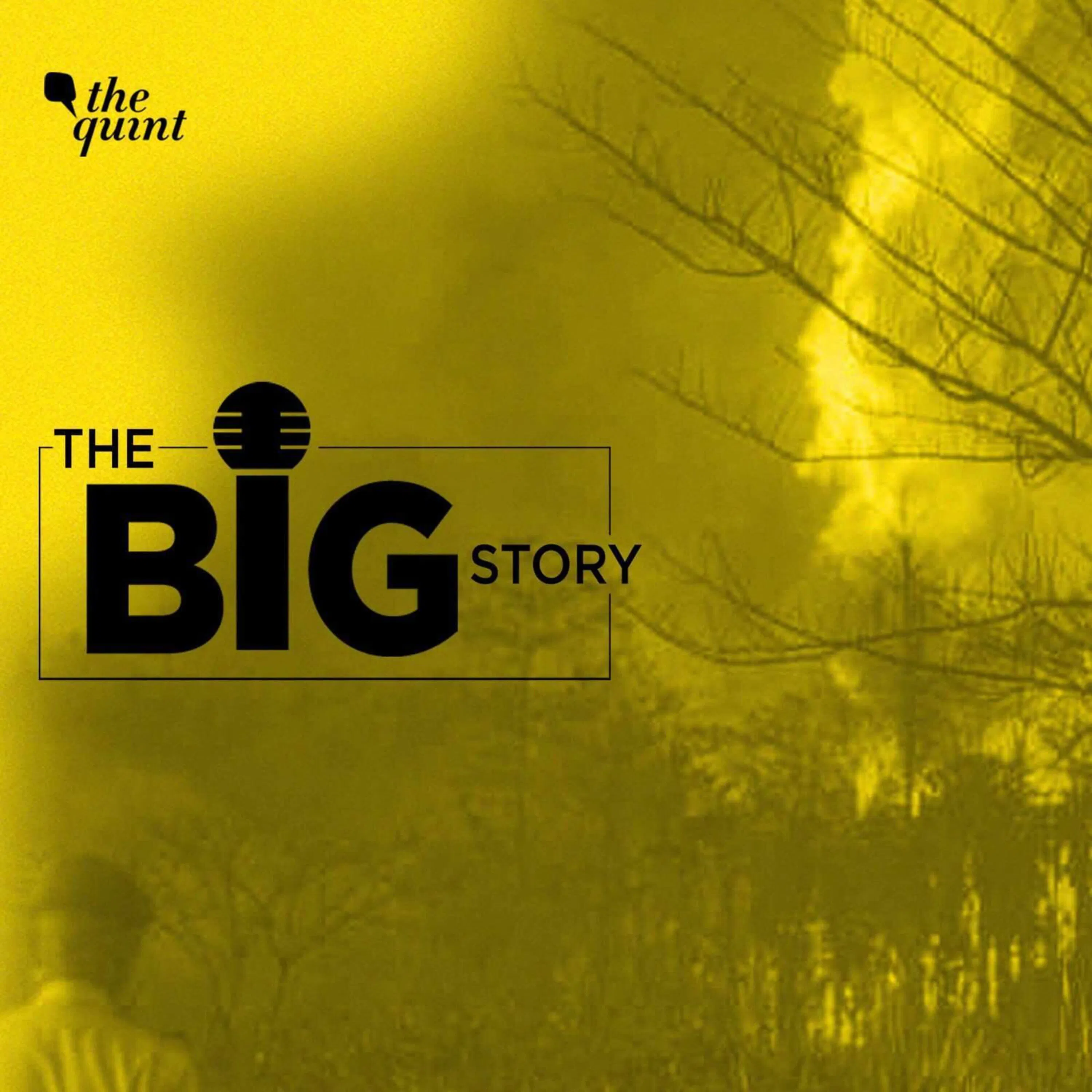
Ep 463How a 14-Day Gas Leak Wreaked Ecological Havoc in Assam’s Baghjan
Less than a month after an industrial disaster cost 12 lives in Vishakhapatnam, yet another toxic gas leak this time in Assam triggered a massive fire and extensive ecological damage. After 14 days of continuous gas leak in an oil well, the Baghjan oil field in Upper Assam’s Tinsukia district burst into flames on 9th June with the fire going so high that the thick cloud of smoke could be spotted from a distance of 30 kms from the site. A day later on 11th June, bodies of two firefighters who died fighting the massive blaze were recovered from a pond that they had jumped into as the fire engulfed the oil field. Thousands of locals had to be evacuated to relief centres, at least 30 houses that were close to the oil field were gutted in the fire and this incident also cost an enormous loss to the biodiversity of the area. But what events led to such a disaster in the Oil India Limited-operated Baghjan gas field? Why did the gas leak go on for two weeks? What is being done to control the disaster? And what kind of ecological damage are we looking at? Tune in to The Big Story! Producer and Host: Shorbori Purkayastha Guest: Rituraj Phukan, Rituraj Phukan Editor: Shelly Walia Reference: How Oil Spill Damaged Assam's Ecological Zones Fire at oil well after gas leak threatens life, livelihood and biodiversity in Assam Music: Big Bang Fuzz Listen to The Big Story podcast on: Apple: https://apple.co/2AYdLIl Saavn: http://bit.ly/2oix78C Google Podcasts: http://bit.ly/2ntMV7S Spotify: https://spoti.fi/2IyLAUQ Deezer: http://bit.ly/2Vrf5Ng Castbox: http://bit.ly/2VqZ9ur Learn more about your ad choices. Visit megaphone.fm/adchoices
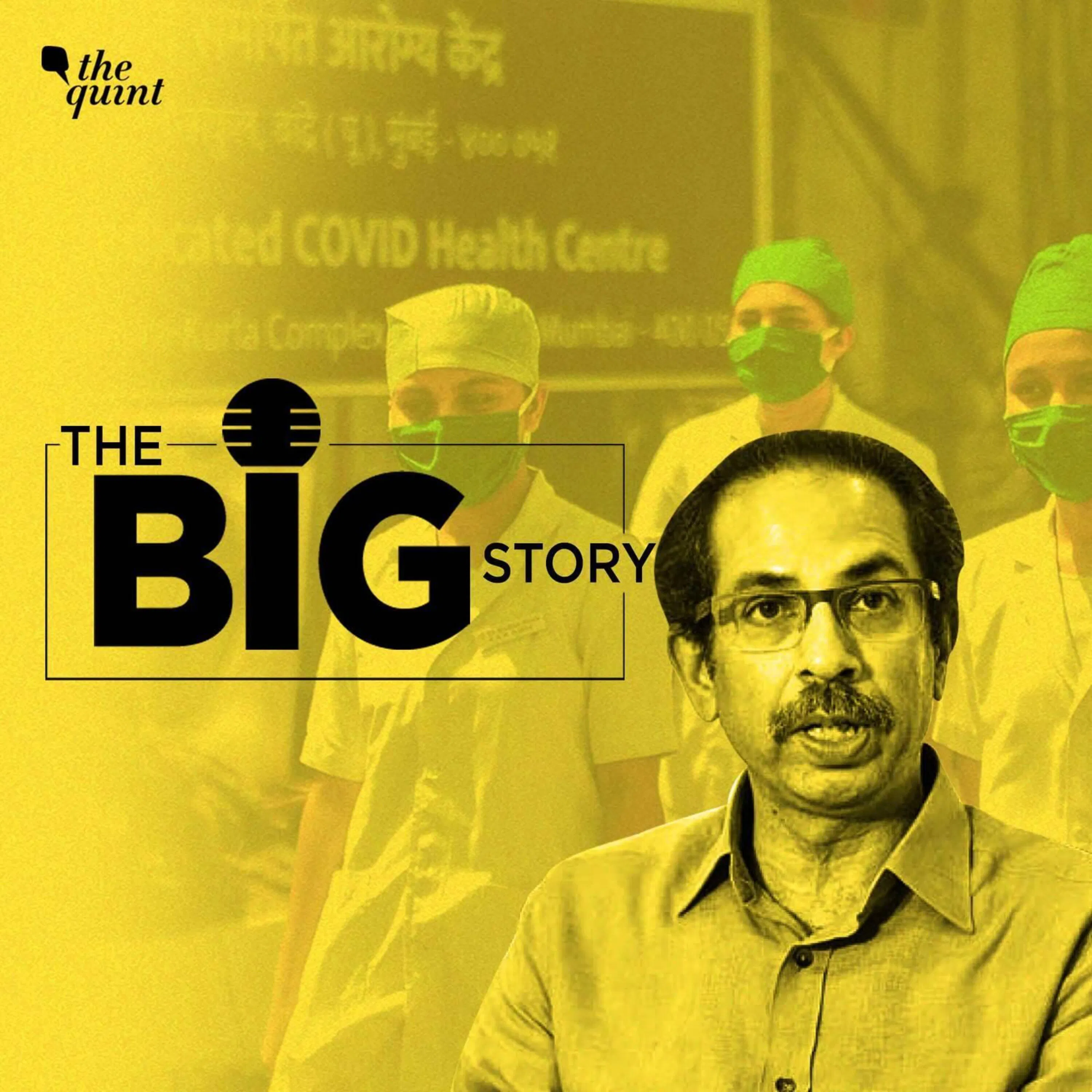
Ep 462Part 2: With 99% ICU Beds Taken, Mumbai is Facing a Serious Crisis
Mumbai a coronavirus hotspot with over 51,000 confirmed cases is struggling to provide beds for its patients. If the good news is that the city’s case growth rate dipped and now stands at 2.93 percent, the bad news is the BMC data that indicates that almost 99 percent of the ICU beds in Mumbai are occupied. While the opposition parties have raised an alarm about the severe shortage of beds in Mumbai, the state government has alleged that the opposition is politicizing the pandemic. But there's no denying that there are in fact a lot of complaints coming from citizens about not finding a hospital bed for patients. With an surge of cases, a shortage of medical staff, packed wards — why is Mumbai's health infrastructure failing so badly at this moment of need? Tune in to The Big Story! Producer and Host: Shorbori Purkayastha Guest: Dr Ravidra Maske from Sangharsh Nagar, Mumbai Vaishali Sood, Editor, Quint Fit Editor: Shelly Walia Also listen to: Part 1: What’s the Reason Behind Hospital Bed Crunch in Delhi? Reference: Mumbai: 99% ICU beds occupied in city Cyclone Nisarga empties out jumbo BKC hospital; all 242 Covid-19 patients sent to NSCI dome Music: Big Bang Fuzz Listen to The Big Story podcast on: Apple: https://apple.co/2AYdLIl Saavn: http://bit.ly/2oix78C Google Podcasts: http://bit.ly/2ntMV7S Spotify: https://spoti.fi/2IyLAUQ Deezer: http://bit.ly/2Vrf5Ng Castbox: http://bit.ly/2VqZ9ur Learn more about your ad choices. Visit megaphone.fm/adchoices
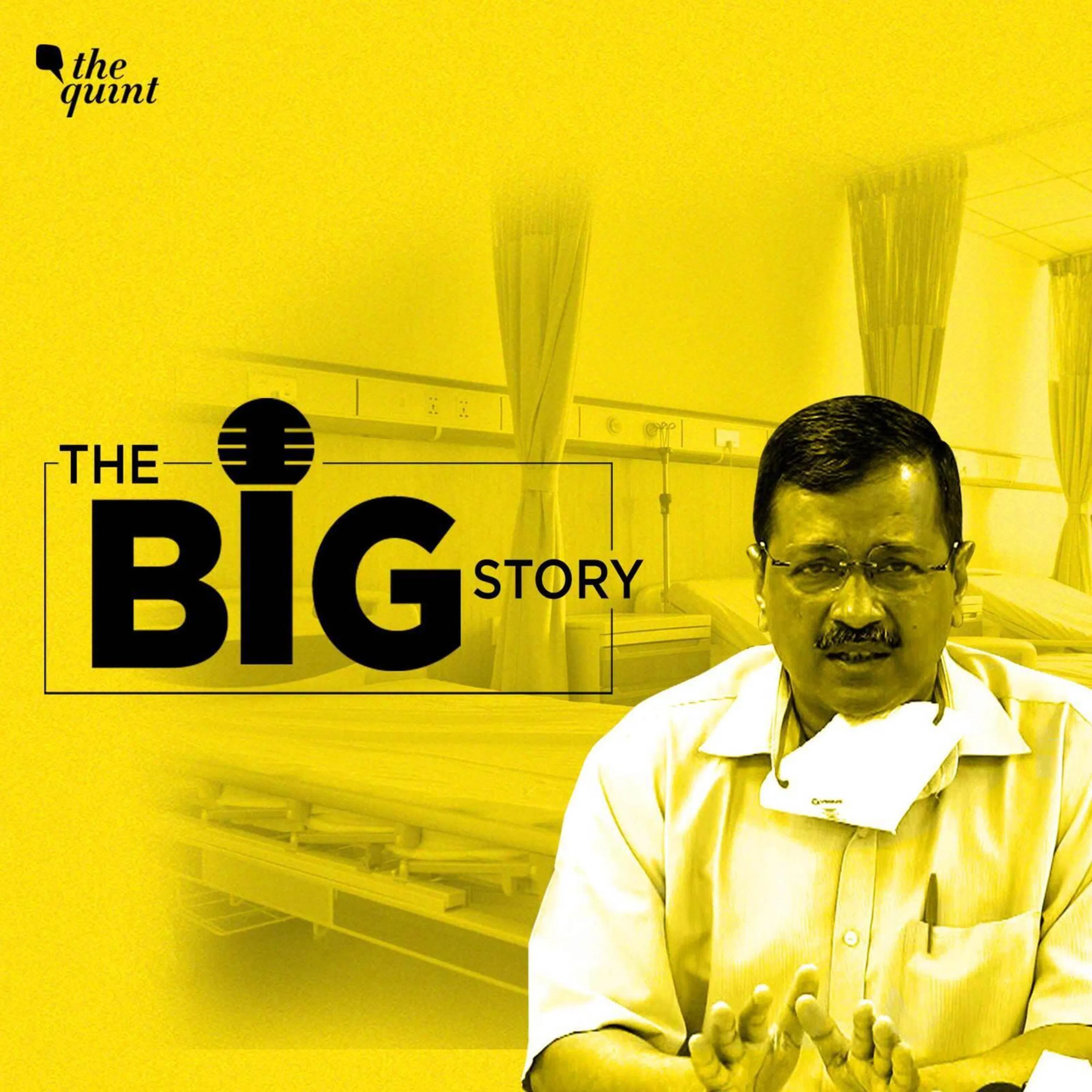
Ep 461Part 1: What’s the Reason Behind Dearth of Hospital Beds in Delhi?
Social media platforms like Twitter are abuzz with multiple incidents of coronavirus positive patients, or people with other ailments, or even expecting women having to run between pillar to post, shuttling from one hospital to another only to be told that there is no availability of beds, or even ambulances. On 4th June, a Delhi-based twitter user by the name of Amandeep had tweeted, “My dad is having high fever. We need to shift him to a hospital. I am standing outside LNJP Delhi & they are not taking him in. He is having coronavirus, high fever and breathing problems. He won’t survive without help. Pls help. (sic)” This is not a lone incident of a patient not finding a hospital bed in Delhi. There are many such accounts from Mumbai, too. While the total tally in Mumbai have crossed over 50,000 cases, in Delhi it’s close to touching the 30 thousandth mark. So, how has the pandemic has affected India’s two biggest and crowded cities – Delhi and Mumbai – the national capital and the financial capital? How prepared are the health sectors in these states in terms of hospital beds, ventilators and other facilities? Have the infrastructures come under pressure with the rising number of cases? In this two-part podcast, we deep dive into a city-wise case study. Tune into the first part of The Big Story where we look at the situation in Delhi! Producer and Host: Shorbori Purkayastha Guest: Vaishali Sood, Editor, Quint Fit Editor: Shelly Walia Music: Big Bang Fuzz Listen to The Big Story podcast on: Apple: https://apple.co/2AYdLIl Saavn: http://bit.ly/2oix78C Google Podcasts: http://bit.ly/2ntMV7S Spotify: https://spoti.fi/2IyLAUQ Deezer: http://bit.ly/2Vrf5Ng Castbox: http://bit.ly/2VqZ9ur Learn more about your ad choices. Visit megaphone.fm/adchoices