
The Big Story
511 episodes — Page 6 of 11
Ep 710Phase 3 Vaccination Rollout: Why Did Govt Open Vaccines for 18-44 Group Without Adequate Doses?
It's been a month since India rolled out Phase 3 of the COVID vaccination strategy. The announcement to start vaccinating citizens between 18-44 years of age from 1 May, along with senior citizens and health workers and those with co-morbidities had come at a very crucial time in April, when India's COVID-19 cases were spiking by close to 4 lakh cases on some days. That made it imperative to vaccinate as many people as possible. Yet, our vaccination process has been marred with contentious decisions that have slowed down the process significantly in Phase 3. From announcing a vaccination drive without procuring enough vaccine doses, to practicing "vaccine diplomacy" even in the middle of the second wave, to shifting the burden of Phase 3 vaccination on the already-burdened states — now we're looking at an acute shortage of vaccine doses in the country that are forcing states to halt vaccine drives. But why did we arrive at this point? Why did the government open up vaccinations for all citizens above 18, if we didn't have enough doses? And how is that decision impacting the Phase 3 vaccine drive? Tune in! Producer and Host: Shorbori Purkayastha Guests: Dr Anant Bhan, Public Health Expert and Adjunct Professor & Researcher in Bioethics at Mangaluru’s Yenepoya University Kapil Sibal, Former Union Minister and Senior Congress Leader Editor: Shelly Walia Music: Big Bang Fuzz References: India exported millions of vaccine doses during its own Covid emergency National Co-Win Statistics Cumulative Covid Vaccination Coverage Report 31st May 2021 Covid-19: Cost of vaccinating the 18-44 population Listen to The Big Story podcast on: Apple: https://apple.co/2AYdLIl Saavn: http://bit.ly/2oix78C Google Podcasts: http://bit.ly/2ntMV7S Spotify: https://spoti.fi/2IyLAUQ Deezer: http://bit.ly/2Vrf5Ng Learn more about your ad choices. Visit megaphone.fm/adchoices
Ep 709What Is the True Scale of COVID-19 Pandemic in India?
How many people have died due to COVID-19 in India? The official figures as of Friday, 28 May, stand at 3,18,895 but a New York Times report has ruffled feathers by suggesting that this number grossly under-represents the true state of the pandemic in India. The report from Tuesday, 25 May, studied three national serosurveys conducted in India over the course of the pandemic. The first survey was conducted from 11 May to 3 June. The second from 18 August to 20 September and the last from 18 December to 6 January. From those numbers which NYT deduced, almost half of India’s population, which is 68.32 crore people, may have contracted COVID in the past year, a number which is a far cry from the 27.5 crore that the Centre is reporting. The question of the total death count due to COVID has emerged again, as rural India is starting to show a spike in cases. Even as there is an enormous scarcity of medical resources, from hospital beds to oxygen to testing kits. If accurate data is scarce and difficult to access from metro cities, it is almost non-existent in rural India, where the situation is dire. So, do we have the true picture of India’s pandemic situation? Support The Quint's independent journalism. Become a member now: https://bit.ly/2KzaT9R References: New York Times: Just How Big Could India’s True Covid Toll Be? Also Read: Killed by COVID or Govt Apathy? Lack of PHCs & Oxygen in Rural UP Pandemic, Poverty, Rituals, Rumours: Why Ganga Flooded With Bodies As India Crosses 2 Lakh Deaths, Are Deaths Being Underreported? Host and Producer: Himmat Shaligram Guest: Dr Murad Banaji, a mathematician at the University of Middlesex and The Quint’s correspondents Himanshi Dahiya and Asmita Nandy. Editor: Shelly Walia Music: Big Bang Fuzz Listen to The Big Story podcast on: Apple: https://apple.co/2AYdLIl Saavn: http://bit.ly/2oix78C Google Podcasts: http://bit.ly/2ntMV7S Spotify: https://spoti.fi/2IyLAUQ Deezer: http://bit.ly/2Vrf5Ng Castbox: http://bit.ly/2VqZ9ur Learn more about your ad choices. Visit megaphone.fm/adchoices

Ep 708WhatsApp Vs Centre: How Can “Traceability” Endanger User Privacy?
On a day the Centre's new IT rules for digital media platforms was supposed to come to effect, WhatsApp took the Centre to the Delhi High Court saying that its new rules would compel the messaging platform to violate the end-to-end encryption protection that it has set for its users. The new IT rules or the intermediary rules have been effective from 26 May onwards for social media platforms, which have more than 50 lakh users such as Facebook, WhatsApp, Instagram and Twitter. Two of the rules that the government has mandated for social media platforms is firstly the appointment of grievance officers as a part of a grievance redressal mechanism and secondly, to enable ‘traceability’. Traceability is basically the government asking social media platforms to trace the origin of a particular piece of information and it's this mandate that WhatsApp is opposing. The petition that was filed by the company on 25 May – which was the deadline to comply with the new rules, invoked the historic 2017 Supreme Court verdict on the right to privacy to argue that the Centre's traceability requirement is unconstitutional and against the fundamental right to privacy as upheld in the Puttaswamy judgment. Furthering that argument, WhatsApp even asked the high court to declare the said provision as a violation of privacy rights and block any potential cases of criminal liability against its employees over non-compliance. But how exactly can ‘traceability’ impact WhatsApp users? What would be at stake if WhatsApp loses this lawsuit? Producer and Host: Shorbori Purkayastha Guests: Apar Gupta, Lawyer and Executive Director of the Internet Freedom Foundation Mishi Choudhary, Lawyer and the Legal Director and founder of the Software Freedom Law Center Editor: Shelly Walia References: What is traceability and why does WhatsApp oppose it? Why India wants to track WhatsApp messages Music: Big Bang Fuzz Listen to The Big Story podcast on: Apple: https://apple.co/2AYdLIl Saavn: http://bit.ly/2oix78C Google Podcasts: http://bit.ly/2ntMV7S Spotify: https://spoti.fi/2IyLAUQ Deezer: http://bit.ly/2Vrf5Ng Learn more about your ad choices. Visit megaphone.fm/adchoices
Ep 707From Coronil to O2 Shortages: Analysing Baba Ramdev’s COVID Claims
Yoga guru Baba Ramdev has once again angered the healthcare community with his comments on COVID. While previously, he peddled Patanjali's herbal concoction Coronil to be a "100 percent cure" without any scientific basis. Now, he has offended allopathic doctors across India with unscientific claims, mockery, and insensitivity while downplaying the severity of the pandemic. While families of patients and doctors condemned him for his insensitivity, a couple of weeks later another video emerged where he's seen blaming allopathic doctors for not being able to come up with a cure for COVID, and blaming them for the deaths in the country. While he was forced to withdraw his comments, as both the Indian Medical Association and the health ministry pulled him up for it, the damage has already been done. On 26 May, the Uttarakhand IMA sent a Rs 1,000 crore defamation notice to him, stating that if he doesn’t post a video countering the statements given by him and tender a written apology within the next 15 days, then a sum of Rs 1,000 crore will be demanded from him. For today’s episode, we will analyse the claims that Baba Ramdev has made in the past and how the Centre has been dealing with this problem of rumour-mongering during this pandemic? You will also hear from allopathic doctors about what they think about Ramdev’s claims. Host and Producer: Himmat Shaligram Guest: Dr Abhishek Tandon, a Senior Resident Academic at AIIMS Jodhpur, Dr Harjit Singh Batti, the former president of AIIMS Resident Doctors’ Association, Dr Suvrankar Dutta, a radiology resident at AIIMS Delhi and Dr Faiz Abbas Abidi, a junior doctor in Lucknow. Editor: Shelly Walia Music: Big Bang Fuzz Listen to The Big Story podcast on: Apple: https://apple.co/2AYdLIl Saavn: http://bit.ly/2oix78C Google Podcasts: http://bit.ly/2ntMV7S Spotify: https://spoti.fi/2IyLAUQ Deezer: http://bit.ly/2Vrf5Ng Castbox: http://bit.ly/2VqZ9ur Learn more about your ad choices. Visit megaphone.fm/adchoices
Ep 706Praful Patel’s Lakshadweep Policies: Developmental or Arbitrary?
The idyllic islands of Lakshadweep are brimming with a deep resentment against their administrator Praful Patel. Other than the fact that Patel's decision to ease Covid norms has been blamed for a massive Covid spike in the islands, there's also a sense of disquiet amongst Lakshadweep's inhabitants over a slew of new policies that have been introduced by Patel since his appointment five months back. Some of the new contentious policies that are being criticised to be "undemocratic and anti-people" include a ban on beef in the Muslim majority archipelago, a preventive detention law that makes provisions for detention without a warrant for upto a year and the draft panchayat notification, which proposes that anybody with more than two children can be disqualified from contesting the panchayat polls. While in the political front, several Rajya Sabha MPs and opposition leaders have written to President Kovid criticising Patel's "autocratic style" and urging the President of India to recall Patel along with his proposals, on social media platforms, #SaveLakshadweep has been trending as thousands of citizens have been trying to draw attention to what's happening in the islands. Although Patel says that it's all in the name of development, can his policies adversely impact the economic and the socio-cultural fabric of these islands as people are complaining? Are the objections raised against his proposals justified? Producer and Host: Shorbori Purkayastha Guests: Wajahat Habibullah, Retired IAS officer, former Administrator of Lakshadweep, First Chief Information Commissioner of India and the former chairperson of the National Commission for Minorities Nilanjan Mukhopadhyay, Senior Journalist and Author Sabith Jesri, Native of Lakshadweep Editor: Shelly Walia Music: Big Bang Fuzz Listen to The Big Story podcast on: Apple: https://apple.co/2AYdLIl Saavn: http://bit.ly/2oix78C Google Podcasts: http://bit.ly/2ntMV7S Spotify: https://spoti.fi/2IyLAUQ Deezer: http://bit.ly/2Vrf5Ng Learn more about your ad choices. Visit megaphone.fm/adchoices
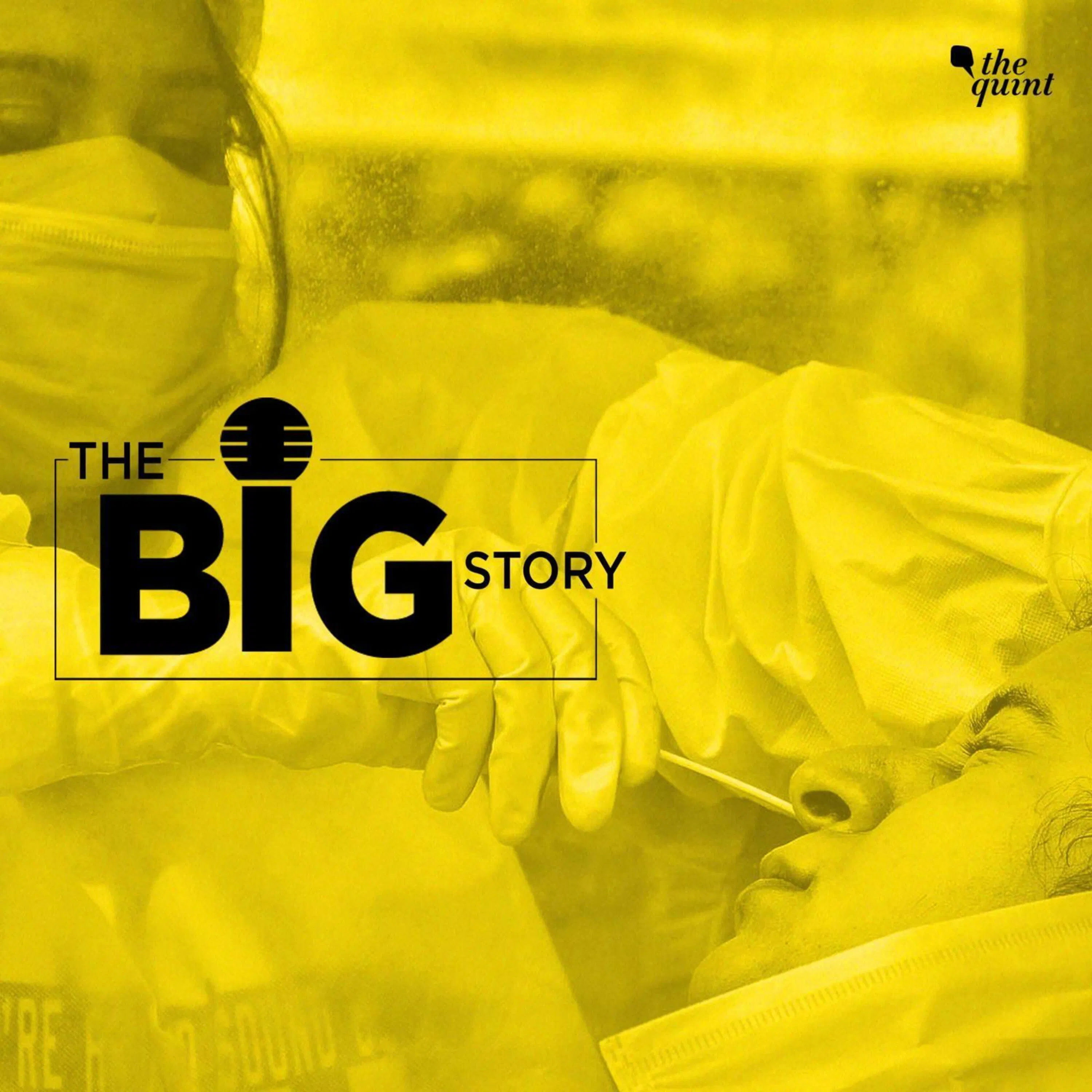
Ep 705Is India Testing Enough in the Second Covid Wave?
“Testing, vigorous testing is the key to defeating the pandemic” – that was the World Health Organisation's motto as half the globe was wading in the dark when the COVID pandemic broke out in 2020. Yet, a year later, it seems that India's testing hasn't been able to keep up with the second wave of COVID. In the first wave, India managed to dramatically amplify its daily tests from some 38,000 tests at the beginning of June 2020 to at least 10 lakh daily tests by August. Comparatively, during the second wave, when the country has been adding one or two lakh cases daily, we've conducted less than 20 lakh tests a day for the majority of April and May. But insufficient testing could have some serious ramifications. Firstly, given that the majority of India's population remains unvaccinated, there's but one way to keep the infection in check – testing, tracing and isolating. Secondly, as case rates appeared to be stabilising in some parts of the country, recently the Ministry of Health and Family Welfare informed that the positivity rate in 382 out of the 741 districts in the country, is still over 10 per cent. What this high positivity rate could indicate, according to experts, is that either the number of tests that are coming back positive is too high, or that the number of total tests being conducted is too low. Obviously, there’s no knowing how many people are COVID-positive at a given time, but a higher positivity rate indicates a higher transmission of the virus. And if we're not testing enough, we may not be able to detect new cases of community transmission. So, can we even get the full picture of what is happening in the country, or be able to bring down the second surge successfully if we don't test sufficiently? Considering that epidemiologists are saying that newer waves are inevitable, in what ways could India strengthen its testing strategy, so that the infrastructure doesn't get overwhelmed in the coming waves? Producer and Host: Shorbori Purkayastha Guests: Sarang Deo, Professor of Operations Management at the Indian School of Business and Executive Director-Max Institute of Healthcare Management, Prof NK Ganguly, the former Director-General of the Indian Council of Medical Research, Manisha Bhinge, the Managing Director of Health Initiative at The Rockefeller Foundation Editor: Shelly Walia Music: Big Bang Fuzz References: Coronavirus (COVID-19) Testing Listen to The Big Story podcast on: Apple: https://apple.co/2AYdLIl Saavn: http://bit.ly/2oix78C Google Podcasts: http://bit.ly/2ntMV7S Spotify: https://spoti.fi/2IyLAUQ Deezer: http://bit.ly/2Vrf5Ng Learn more about your ad choices. Visit megaphone.fm/adchoices

Ep 704How Do We Prepare for the Next Wave of COVID-19?
India is yet to recover from the severe second wave of COVID-19. We're still facing shortages of oxygen and vaccine, amid growing concern over black fungus cases. But there's already an alarm for an impending third wave of the virus. COVID has been with us for over a year now and almost every state in India has witnessed its own wave — while Maharashtra is experiencing its third wave this year and Delhi is in its fourth. But as the virus continues to mutate, many experts have opined that a third wave will arrive soon. However, its timeline and strength are still speculative. Even the Centre’s Principal Scientific Advisor Dr K Vijay Raghavan stated on 5 May that a third wave is inevitable but later modified his remarks, saying that it can be avoided if India takes strong measures. Which prompts the question — how can we prepare to tackle the next wave of the virus? What lessons have we learnt from the second wave and what steps can the Centre take to weaken the impact of the next surge? Host and Producer: Himmat Shaligram Guest: Dr Rakesh Mishra, the Former Director of Council of Scientific and Industrial Research and an Advisor to CEBM, and Dr Giridhar R Babu a Professor of Life-course Epidemiology at the Public Health Foundation of India. Editor: Shelly Walia References: Lack of Tests & Ventilators: How Rural India Is Facing COVID Surge Music: Big Bang Fuzz Listen to The Big Story podcast on: Apple: https://apple.co/2AYdLIl Saavn: http://bit.ly/2oix78C Google Podcasts: http://bit.ly/2ntMV7S Spotify: https://spoti.fi/2IyLAUQ Deezer: http://bit.ly/2Vrf5Ng Castbox: http://bit.ly/2VqZ9ur Learn more about your ad choices. Visit megaphone.fm/adchoices
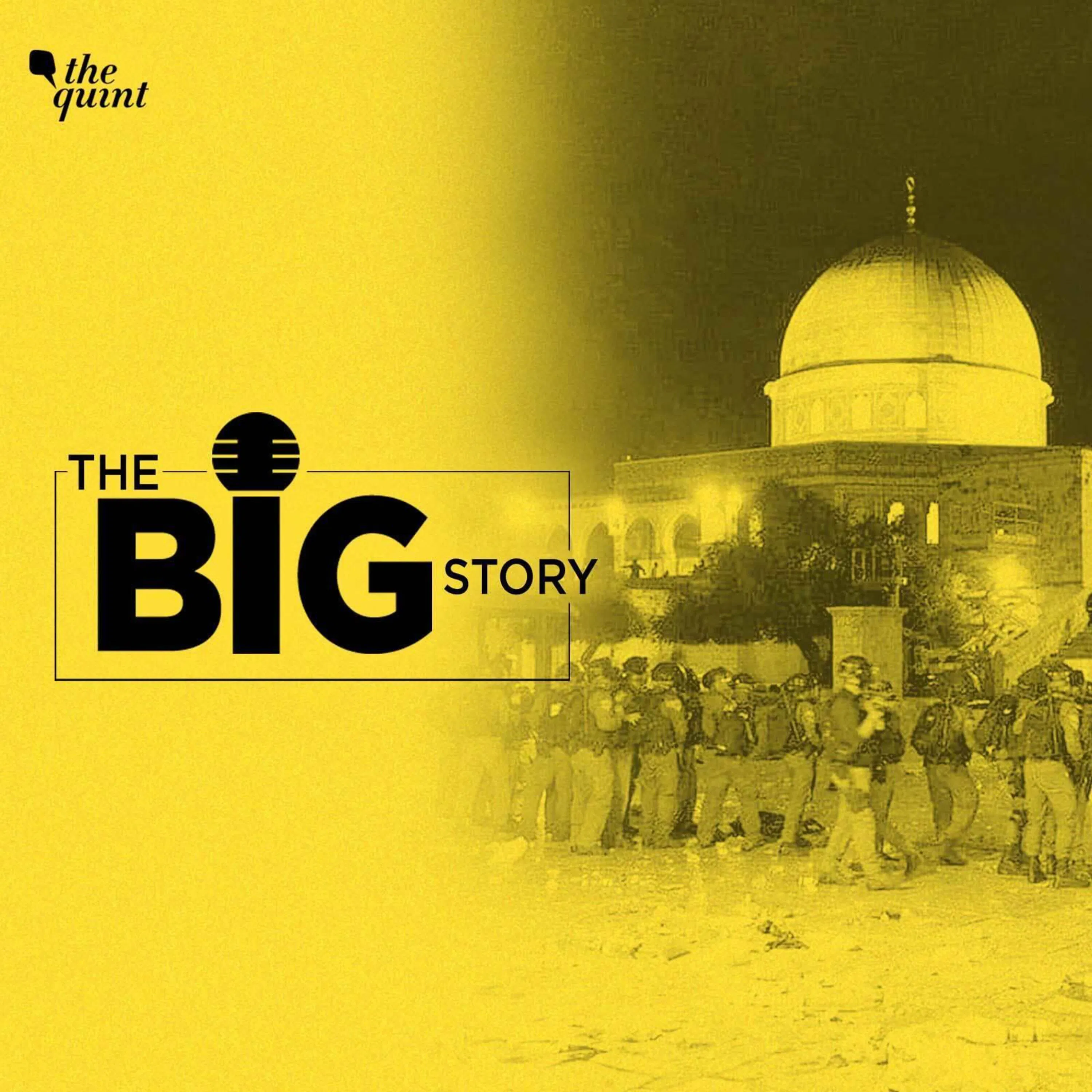
Ep 703How Sheikh Jarrah Evictions Exploded into Recent Israel-Palestine Unrest
https://embeds.audioboom.com/posts/7870502/embed/v4" style="background-color:transparent; display:block; padding: 0; max-width:700px;" frameborder="0" allowtransparency="allowtransparency" scrolling="no" title="Audioboom player" allow="autoplay"> Embed Script The tension in Gaza between Israel and Palestinian militant group, Hamas, is in its second week now. More than 200 people have lost their lives, including children and women, and over a thousand have been injured. Although international pressure is mounting on Israel (even from the US government) for a ceasefire, Israeli Prime Minister Benjamin Netanyahu has made no indication of backing off. Instead, he's made suggestions about conquering the Gaza strip. In a briefing with a minister he said, "You can either conquer them, and that’s always an open possibility, or you can deter them, and we are engaged right now in forceful deterrence, but I have to say we don’t rule out anything. There are only two ways that you can deal with them (Hamas)." The recent firing, as we know, had begun after brewing tension between Israelis and Palestinians in the Sheikh Jarrah neighbourhood of East Jerusalem, which built up to violent attacks by Israeli forces at the Al-Aqsa Mosque during the Holy month of Ramzan, on 7 May. Horrifying video footage of that day from inside the Mosque showed Israeli troops firing stun grenades, rubber bullets, and tear gas at people who were praying inside. From that day onwards, matters only worsened. By 10 May, exchanges of fire had begun, as Hamas fired rockets into Israel from Gaza and Israel countered that with airstrikes. One of those airstrikes even flattened a whole building that held the offices of a few media houses like AP and Al Jazeera. Although this won't be the first instance of violence in that region, many say this is the worst unrest since 2014. But is Israel's recent military action really just about self-defence as it claims? How does US' support for Israel augments this ongoing issue and most importantly what can be the way forward? Tune in! Producer and Host: Shorbori Purkayastha Guest: Mike Cushman, Membership Secretary for Jewish Voice for Labour & Chairperson of the group Free Speech on Israel Editor: Shelly Walia Music: Big Bang Fuzz Listen to The Big Story podcast on: Apple: https://apple.co/2AYdLIl Saavn: http://bit.ly/2oix78C Google Podcasts: http://bit.ly/2ntMV7S Spotify: https://spoti.fi/2IyLAUQ Deezer: http://bit.ly/2Vrf5Ng Learn more about your ad choices. Visit megaphone.fm/adchoices
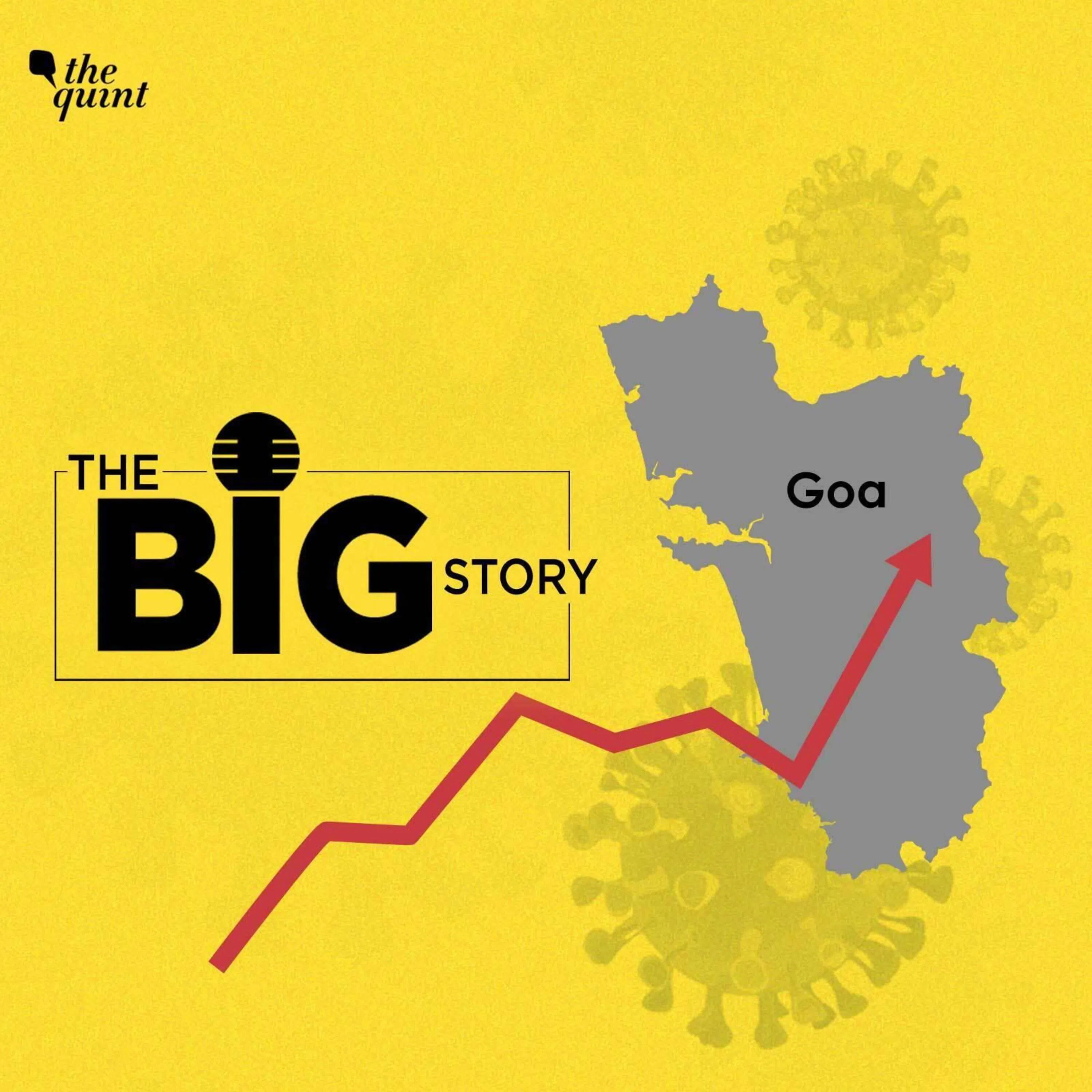
Ep 702Is Govt Failure Behind Goa’s Spike in Cases and Oxygen Shortage?
A coastal state famous for its beaches, floating casinos, crowds of tourists and a mix bag of international cuisine and culture, Goa is currently facing a deadly spike in COVID cases which is ripping apart the entire state. While it's been racking up more than 3,000 cases every day since the uptick began in April, on 14 May, the state hit a record high positivity rate of 51.4%, the highest in the country. For a small state, with a population of 1.5 million, the sudden spike in cases mean that healthcare facilities are beyond overwhelmed. While the total cases as of 19 May is at 23,956, Goa has less than 2,300 hospitals beds and only 26 hospitals. According to govt data, Goa along with Delhi have reported the highest deaths per one lakh population. In fact in Goa, several of the deaths have come from its biggest covid centre which is the Goa Medical College and Hospital (GMCH). This 1,200 bed hospital has reported more than 75 deaths between 10-13 May. With less than 1 lakh people being completely vaccinated in the state since inoculations began in January 2021, a ten-fold rise in COVID cases just within a month and reports of oxygen shortages in hospitals, how did Goa arrive at this terrible crisis? Who is to blame for Goa’s condition? In this episode, we will try to bring out the ground reality of healthcare facilities and analyse the actions taken by the state government on the crisis. Host and Producer: Himmat Shaligram Guest: Dr Lenny Da Costa, a resident geriatrics physician and functional medicine expert in Goa, Sujay Gupta, a senior journalist and a consulting editor for the Herald in Goa and Shruti Chaturvedi, an entrepreneur and the founding member of the COVID Goa Care volunteer group. Editor: Shelly Walia Also Read: How Goa’s COVID Positivity Rate Shot to the Highest in India 75+ Dead at Goa Govt Hospital: ‘Oxygen Issue Flagged for Days’ Music: Big Bang Fuzz Listen to The Big Story podcast on: Apple: https://apple.co/2AYdLIl Saavn: http://bit.ly/2oix78C Google Podcasts: http://bit.ly/2ntMV7S Spotify: https://spoti.fi/2IyLAUQ Deezer: http://bit.ly/2Vrf5Ng Castbox: http://bit.ly/2VqZ9ur Learn more about your ad choices. Visit megaphone.fm/adchoices
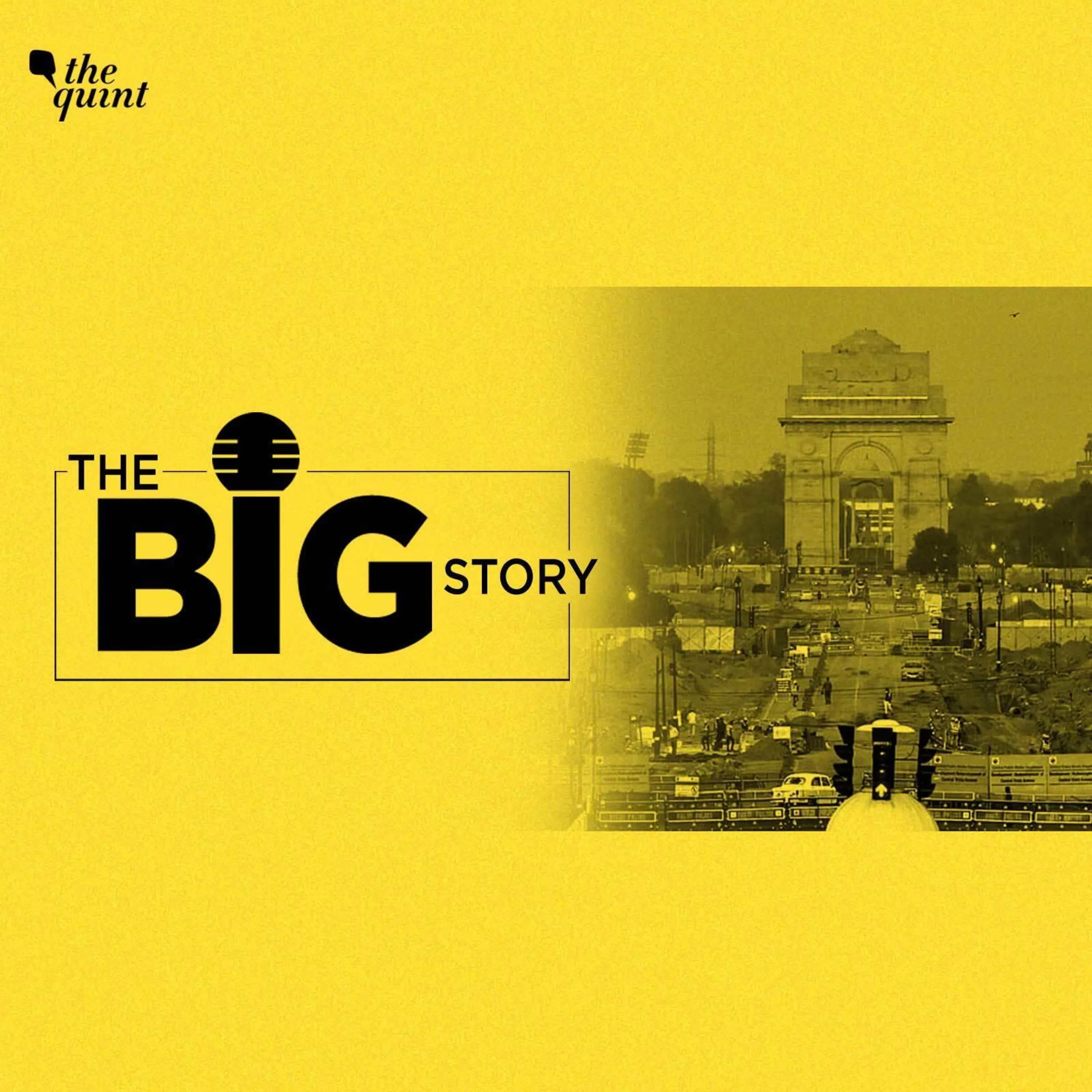
Ep 701Why Controversy Around the Central Vista Project Refuses to Die
Defying all criticisms, construction work for the controversial Central Vista Re-development project has been going on in Delhi through the thick of the pandemic. This 2.8-billion-rupee worth project which has been touted by critics as the Modi government's "vanity project”, is going on under what the government has defined as "essential services". The project involves construction of a new parliament and revamping the North and South blocks of Lutyens Delhi which requires tearing down some iconic government buildings that form a part of Delhi's historical narrative. While initial legal battles to stop this project was unsuccessful as the Supreme Court gave its green signal, now there is another petition that is being heard at the Delhi High Court that seeks to temporarily halt the construction activities owing to the pandemic. The Centre it seems had been continuing the construction work through Delhi's lockdown period, on the condition that all labourers are staying on-site. However, a ground report by The Quint that was brought on record at the High Court as well, found out that there are several construction workers in fact, who stay off site and travel to work every day. Although the petitioners have raised concerns over the impact of this move on the construction workers and Delhi's Covid situation, the Centre has called the PIL a "facade" and an attempt to stall the project. Even as the Delhi High Court order is pending, let's deep dive into what makes the government's ambitious project a contentious one, and what concerns and objections do historians and conservationists have around it. Producer and Host: Shorbori Purkayastha Guest: AGK Menon, Architect, Urban planner and Conservation consultant Reporter: Asmita Nandy Editor: Shelly Walia Also check out: Poor Working Conditions at Central Vista, But ‘No Photos Allowed’ Why is Govt’s Ambitious Central Vista Project Facing Objections? Music: Big Bang Fuzz Listen to The Big Story podcast on: Apple: https://apple.co/2AYdLIl Saavn: http://bit.ly/2oix78C Google Podcasts: http://bit.ly/2ntMV7S Spotify: https://spoti.fi/2IyLAUQ Deezer: http://bit.ly/2Vrf5Ng Learn more about your ad choices. Visit megaphone.fm/adchoices

Ep 700Lack of Tests & Ventilators: How Rural India is Facing Covid Surge
Covid infections are now spreading fast into India's rural areas where 65 percent of the country's population live. And India's rivers are witness to the kind of devastation the infection is bringing to India's hinterland. A mass pile of shallow graves were found along river banks in Uttar Pradesh's Unnao district. Dead bodies have been floating up in rivers flowing through Bihar’s Buxar district and Ballia and Ghazipur districts in Uttar Pradesh over a reported shortage of firewood as the number of Covid-related deaths are on the rise. In fact, Hindi daily Dainik Bhaskar has reported that over 2,000 bodies were found floating or buried along Ganga in UP in a 1,140 km stretch. Even though officials in some districts have claimed the dead bodies don’t belong to locals, this is certainly an indication of Covid is ravaging the countryside. Although the number of covid cases maybe showing a decline in some of the worst-affected cities, numbers from rural areas are indicating a spike in cases. In India's top hot spot, Maharashtra, for instance, where the situation appears to be stabilising in cities like Mumbai, reports say that at least 32% of the state’s daily cases are now coming from the rural or the peri-urban pockets — from districts like Akola which has over 6,000 positive patients, or Washim which has over 4,000 patients or Gondia which reported a death toll of 631 patients as of 16 May. If you look elsewhere at other high-risk states like Punjab, Uttar Pradesh, Madhya Pradesh, Bihar and Rajasthan — the rural districts of all these states are also grappling with high infection and mortality rates currently. There there are several factors contributing to the worsening situation. Reluctance over testing, lack of awareness of Covid norms, migration from urban areas to rural villages, insufficient and inaccessible healthcare facilities — a dangerous combination of all these factors is leading upto an emerging covid crisis in the rural areas now. And to understand the magnitude of this crisis, for this episode, we got in touch with three Covid volunteers who explain how the situation is on ground and the delicate state of healthcare in some of India's rural areas. Tune in! If you wish to help rural India combat the Covid surge, please consider supporting Covid relief work. Click here to donate to the Manjhi Foundation. Host and Producer: Shorbori Purkayastha Guest: Harshit from UP's Sitapur district, Somu Anand from Bihar's Saharsa District Seema Buckshee who's coordinating relief work to rural areas from Mumbai Editor: Shelly Walia References: UP में गंगा किनारे के 27 जिलों से ग्राउंड रिपोर्ट:1140 किमी में 2 हजार से ज्यादा शव; कानपुर, उन्नाव, गाजीपुर और बलिया में हालात सबसे ज्यादा खराब As cities ‘stabilise’ in Maharashtra, Covid cases & toll in peri-urban, rural areas a concern Cases decline in cities but no relief in rural areas of region More than half of India’s April COVID-19 deaths were in rural districts Not a single rural healthcare centre in 15 states meets govt’s minimum quality standards Rural Health Statistics - People's Archive of Rural India COVID-19: Challenges and its consequences for rural health care in India What Explains COVID Disaster in Rural India? How Can We Fix This? Music: Big Bang Fuzz Listen to The Big Story podcast on: Apple: https://apple.co/2AYdLIl Saavn: http://bit.ly/2oix78C Google Podcasts: http://bit.ly/2ntMV7S Spotify: https://spoti.fi/2IyLAUQ Deezer: http://bit.ly/2Vrf5Ng Castbox: http://bit.ly/2VqZ9ur Learn more about your ad choices. Visit megaphone.fm/adchoices
Ep 699Covishield Dosage Gap: Based on Science or Vaccine Shortage?
Just seven weeks after it directed state governments to increase the gap between two doses of Covishield vaccines to 6-8 weeks, on 13 May the Union Health Ministry once again announced a further extension of the gap to 12-16 weeks, citing “real-world evidence” in the United Kingdom on vaccine efficacy. This recommendation was made by the National Expert Group on Vaccine Administration for Covishield only. However, the decision comes at a time when the country is facing a severe shortage of vaccines, specifically Covishield which has been used to inoculate the majority of the population so far, the change in vaccine dosage policy has raised a lot of curiosity, with many many wondering if the decision is based on scientific data or is it to cover up the vaccine shortage in the country. Host and Producer: Himmat Shaligram Guest: Dr Swapneil Parikh, a clinical researcher at Kastruba Hospital for Infectious Diseases, and Dr Chandrakant Lahariya, a vaccines, public policy and health systems expert. Editor: Shelly Walia Music: Big Bang Fuzz Listen to The Big Story podcast on: Apple: https://apple.co/2AYdLIl Saavn: http://bit.ly/2oix78C Google Podcasts: http://bit.ly/2ntMV7S Spotify: https://spoti.fi/2IyLAUQ Deezer: http://bit.ly/2Vrf5Ng Castbox: http://bit.ly/2VqZ9ur Learn more about your ad choices. Visit megaphone.fm/adchoices
Ep 698Pune Private Hospitals Left in Blindspot on COVID Vaccine Procurement, Supply
Amid an acute COVID vaccine shortage, the Centre on 1 May opened up vaccinations for all citizens above 18 years of age. However, it also passed the impetus of administering and procuring vaccines directly from the manufacturers on state governments and private hospitals. With depleting stocks, the 18-44 age group in India is struggling to book appointments for vaccination since several states have shutdown their vaccine centres temporarily for the want of enough doses. Private hospitals too which are supposed to lend their hands in this process have faced the brunt of this new policy, as they were left without any guidance on how to procure vaccines. So how is the vaccination process going? How are hospitals managing to get vaccines? In this podcast, we look at Pune, the home to Serum Institute of India and one of the worst-hit districts in India is dealing with vaccine supply and shortages post 1 May. Host and Producer: Himmat Shaligram Guest: Dr Vaishali Jadhav, Assistant Medical Chief for Pune Municipal Corporation (PMC), Dr Amita Phadnis, paediatrician and the owner of Oyster and Pearl Hospital Group and Dr Sunil Agarwal, cardiologist and owner of Om Hospital, Pune. Paradub: Shorbori Purkayastha Editor: Shelly Walia Music: Big Bang Fuzz Listen to The Big Story podcast on: Apple: https://apple.co/2AYdLIl Saavn: http://bit.ly/2oix78C Google Podcasts: http://bit.ly/2ntMV7S Spotify: https://spoti.fi/2IyLAUQ Deezer: http://bit.ly/2Vrf5Ng Castbox: http://bit.ly/2VqZ9ur Learn more about your ad choices. Visit megaphone.fm/adchoices
Ep 697Does Dip in Delhi’s Positivity Rate Mean We’ve Passed the Peak?
At last there seems to be a hint of a decline in India’s Covid cases. Although the country logged over 3,20,000 cases on 11 May, this is the third consecutive dip in active cases in the overall tally. The overall dip is also coinciding with a drop in cases and positivity rate in two of the worst affected places in the country — Delhi and Maharashtra. While Delhi reported 12,481 fresh infections on 12 May, the positivity rate has come down further below to 17.76 percent on the same day (which is the lowest that we’ve seen since mid-April). In Maharashtra as well, the daily positivity rate has dropped below 20 percent for the third consecutive day even as the state reported a little less than 50,000 cases on 12 May. The state's active cases have also fallen below six lakhs. Does this suggest that the worst is over? Have we passed the peak or is there more to it? In this podcast we keep the focus of our analysis on the capital — Delhi, while looking at some of the upcoming trends in smaller states. Tune in! Host and Producer: Shorbori Purkayastha Guests: Dr Mathew Varghese, Public health expert and Orthopaedic surgeon at St Stephens Hospital in Delhi, Dr Murad Banaji, Mathematician at Middlesex University with an interest in disease modelling Vaishali Sood, the Editor of Quint Fit Editor: Shelly Walia References: In Charts: Delhi Positivity Rate Below 20, Still a Long Way to Go Hitting the heartland: Covid cases surge in small towns and villages Dr Bhramar Mukherjee Tweet As deaths go up 10 fold, worrying signs from smaller states Music: Big Bang Fuzz Listen to The Big Story podcast on: Apple: https://apple.co/2AYdLIl Saavn: http://bit.ly/2oix78C Google Podcasts: http://bit.ly/2ntMV7S Spotify: https://spoti.fi/2IyLAUQ Deezer: http://bit.ly/2Vrf5Ng Castbox: http://bit.ly/2VqZ9ur Learn more about your ad choices. Visit megaphone.fm/adchoices

Ep 696COVID-19: When Will Delhi’s Oxygen Shortage Crisis End?
Since 18 April, when the oxygen supply crisis began in Delhi, hospitals have been sending out SOS calls on a daily basis, with many reporting less than 24 hours of oxygen left. Three weeks later, on 11 May, the crisis still exists. The Corona Dashboard, a centralised platform created by the Aam Aadmi Party-led Delhi government just a week ago, lists out 201 central government, Delhi government and private hospitals. As of 5 pm, on 11 May, less than 1/3 of these hospitals had more than one day of oxygen supply in stock. The rest are staring at just hours of oxygen supply, which is dwindling by the minute. Even though the highest legal body in the land, the Supreme Court, on 7 May, directed the Centre to supply the required 700 metric tons of medical oxygen to Delhi every day till further orders, the capital continues to struggle as supply from the Centre is inconsistent. And the requirement has now risen to 976 tones per day, according to the Delhi government. Despite orders from the Supreme Court and the Delhi High Court on supplying the required medical oxygen, why is our capital still gasping for breath? When will the oxygen shortage end? What are the bottlenecks in the oxygen procurements process? Host and Producer: Himmat Shaligram Guest: AAP MLA Raghav Chadha Editor: Shelly Walia Reporter: Asmita Nandy Music: Big Bang Fuzz Listen to The Big Story podcast on: Apple: https://apple.co/2AYdLIl Saavn: http://bit.ly/2oix78C Google Podcasts: http://bit.ly/2ntMV7S Spotify: https://spoti.fi/2IyLAUQ Deezer: http://bit.ly/2Vrf5Ng Castbox: http://bit.ly/2VqZ9ur Learn more about your ad choices. Visit megaphone.fm/adchoices
Ep 695What is Causing Black Fungal Infection in Certain Covid Survivors?
Over the past few days, we’ve been reading a lot of reports of a rare but fatal fungal infection that is being detected amongst Covid survivors and recovering Covid patients. Mucormycosis or the Black Fungal infection is said to spread rapidly through the sinuses and lungs leading to a loss of eye sight and in certain instances even affecting brain functions. Sri Ganga Ram Hospital in Delhi reported at least six cases of the Black Fungal infection on 6 May. Two days later on 8 May, Maharashtra reported that 200 such patients were being treated in the state, amongst whom at least 8 people have lost their lives. In Gujarat which has at least 100 reported cases of mucormycosis as of now, the state government has announced separate wards in Covid hospitals to treat such patients. While this sudden upsurge in cases of the infection is raising alarms, doctors say that it's not a new infection at all. Although it’s not a very commonly occurring one, black fungal infections have been detected amongst immunodeficient patients mostly but what seems to be triggering this infection amongst certain Covid survivors now, is an injudicious or perhaps untimely use of steroids that are being used to treat coronavirus. How exactly are steroids causing this infection? Which Covid patients are vulnerable and what symptoms do we need to watch out for in recovering Covid patients? Host and Producer: Shorbori Purkayastha Guest: Dr Aparna Mahajan, ENT Consultant at Fortis Hospital, Faridabad Editor: Shelly Walia Music: Big Bang Fuzz Listen to The Big Story podcast on: Apple: https://apple.co/2AYdLIl Saavn: http://bit.ly/2oix78C Google Podcasts: http://bit.ly/2ntMV7S Spotify: https://spoti.fi/2IyLAUQ Deezer: http://bit.ly/2Vrf5Ng Learn more about your ad choices. Visit megaphone.fm/adchoices
Ep 694What Are the Implications of SC’s Ruling on Maratha Reservation?
"Data and facts which have been collected by the Gaikwad Commission ...indicate that Marathas are neither socially nor educationally backward" That was just one of the views expressed by a five-judge constitution bench of the Supreme Court on 5 May when it struck down the Maharashtra State Reservation for Socially and Educationally Backward Classes Act of 2018, also known as SEBC, which extended reservations to the Maratha community in public education and employment in excess of the ceiling limit of 50% fixed by the apex court. The Devendra Fadnavis government in 2018 had approved a 16% reservation for Marathas in jobs and education after statewide protests...that ended up increasing the 50% cap on reservation that was set by the Supreme Court, that's how the matter landed up there. The Maratha community which constitutes 32 percent of the Maharashtra’s population has historically been a socially and politically dominant class with 12 of the 18 Chief Ministers of the state coming from the community, and over 60% of all the members of Legislative Assemblies of Maharashtra have been Marathas since 1962. Which prompts the question, why is this community seeking reservation in the first place? The Supreme Court’s quashing of the Maratha reservation quota, also casts a shadow on the Uddhav Thackeray administration, since the Maratha community vote swung the votes for the NCP party in the 2019 Assembly Elections. Not just that, the Supreme Court also may have led itself to muddled waters as it not only challenged past rulings on the excess reservation but whether it has the power to set any limit on reservations in India? To unpack all of these issues, for today’s episode, I spoke with Member of Parliament Chhatrapati Sambhaji Raje, who is one of the leaders for the demand of Maratha reservation, and with Smruti Koppikar, a Mumbai-based senior journalist and columnist. Host and Producer: Himmat Shaligram Guest: Chhatrapati Sambhaji Raje, Member of Parliament from Kolhapur and Smruti Koppikar, Mumbai-based senior journalist and columnist. Editor: Shelly Walia Music: Big Bang Fuzz Listen to The Big Story podcast on: Apple: https://apple.co/2AYdLIl Saavn: http://bit.ly/2oix78C Google Podcasts: http://bit.ly/2ntMV7S Spotify: https://spoti.fi/2IyLAUQ Deezer: http://bit.ly/2Vrf5Ng Castbox: http://bit.ly/2VqZ9ur Learn more about your ad choices. Visit megaphone.fm/adchoices
Ep 693US Backs COVID Vaccines Patent Waiver, What Next for Jab Equality?
Extraordinary times call for extraordinary measures, and the US government backing a waiver on COVID-19 vaccine patents is just one of those crucial decisions that was much needed in this pandemic. As it is, low- and middle-income (LMIC) countries, like India, are facing a vaccine shortage without having vaccinated even 10 percent of the population, which makes it so utterly important to ramp up vaccine production across the world. The proposal was first floated by a group of LMICs, led by India and South Africa, at the World Trade Organisation in October 2020. They argued that such a move could speed up vaccine production, which in turn could accelerate inoculation drives. In this, they had the support of several advocacy groups, and even the WHO as well that believe that a pandemic is not the time for vaccine monopolies and profits. Although the US and other wealthy countries had strongly opposed the move for long to protect intellectual property rights, looking at gravity of the pandemic, the Biden administration has now decided to support a temporary waiver. But hold on! While that's certainly a good start, there's still a long way to go before we can actually see results of this decision. The US giving the green signal is a big move, but now it will have to negotiate at the WTO and secure a consensus from all 164 members, including the UK, the EU countries, Canada, Japan, Brazil, and all others that had blocked the waiver. So what kind of roadblocks are expected on the way? If the US does manage to clear the path, what happens next? What would a patent waiver entail for COVID vaccine manufacturers and why are pharma companies opposed to the move? And most importantly, what can a complete waiver mean for India? Tune in! Host and Producer: Shorbori Purkayastha Guest: Leena Menghaney, a lawyer who has worked extensively on public health and works with Access Campaign at Médecins Sans Frontières (MSF) Achal Prabhala, Coordinator of the Access IBSA project Amitabh Behar, Chief Executive Officer of Oxfam India Editor: Shelly Walia Music: Big Bang Fuzz Listen to The Big Story podcast on: Apple: https://apple.co/2AYdLIl Saavn: http://bit.ly/2oix78C Google Podcasts: http://bit.ly/2ntMV7S Spotify: https://spoti.fi/2IyLAUQ Deezer: http://bit.ly/2Vrf5Ng Castbox: http://bit.ly/2VqZ9ur Learn more about your ad choices. Visit megaphone.fm/adchoices

Ep 692Explained: How Has the 2nd COVID Wave Impacted the Indian Economy?
The scale of devastation brought on by the second wave of COVID-19 is indeterminable, as the current infectious strain of the virus continues to snuff out lives, upend healthcare systems, and weaken the economy. Though the Indian government has denied the possibility of a complete nationwide lockdown, multiple states are extending curfews and existing restrictions to curb the spread of the virus. Majority of the states are allowing only essential services to operate, and requesting companies to opt for remote working, as result of which some industries like retail are already incurring massive losses. The economy is witnessing a contraction on the back of weak economic indicators in response to local restrictions. Data from the Confederation of All India Traders (CAIT) testifies to this. CAIT’s research estimates that retail traders across the country have suffered business losses to the tune of Rs 3.5 lakh crore, while wholesale traders have faced losses worth Rs 1.5 lakh crore. The unemployment rate in India has also taken a hit, with Centre for Monitoring Indian Economy reporting on 4 May that the second wave has left as many as 72.5 lakh people jobless in India in the month of April. In today’s episode, we will unpack how the Indian economy is faring amid the raging second wave, how severe has the impact been compared to last year, and whether it could have been avoided. Host and Producer: Himmat Shaligram Guest: Pallavi Nahata, Associate Editor-Economy, Bloomberg Quint, Sonal Varma, Chief Economist, Nomura and Dr K Srinath Reddy, President of the Public Health Foundation of India. Editor: Shelly Walia Music: Big Bang Fuzz Listen to The Big Story podcast on: Apple: https://apple.co/2AYdLIl Saavn: http://bit.ly/2oix78C Google Podcasts: http://bit.ly/2ntMV7S Spotify: https://spoti.fi/2IyLAUQ Deezer: http://bit.ly/2Vrf5Ng Castbox: http://bit.ly/2VqZ9ur Learn more about your ad choices. Visit megaphone.fm/adchoices

Ep 691What Do The Appearance of New Variants of Covid Mean for Us?
Now that the adrenaline rush around the state election results has waned, a quick reminder that the country is still struggling with the second surge of covid without any respite. India’s cases reported a dip for the third consecutive day, however the country still logged in 3.57 lakh new cases of coronavirus on 4 May, taking the cumulative tally in the country to over 2 crore cases. But the dip cannot a reason to be hopeful yet, as it has not been ascertained if it has to do with low infections or low testing. While governments say that the infection is coming down in certain states such as Maharashtra, Delhi, Uttar Pradesh and Punjab, most experts argue that it is the lack of testing and underreporting of deaths and infections that has projected the dip. Despite this alarming situation in the country that necessitates urgent vaccination for the masses, the wait for vaccine shots is stretching out longer yet, as the vaccine stock in the country is all spent up. While states are unable to kickstart mass immunisation right away, Serum Institute's CEO Adar Poonawalla himself said that the vaccine shortage is expected go on till July. But as India struggles to control the second wave, what do the appearance of new variants in the country mean? Are the new variants behind this surge? Are more and more variants likely to pop up so long the infections aren't under control? And at a time when our vaccine stocks are running dry, what kind of a vaccination strategy could we adapt to? Tune in to The Big Story! Host and Producer: Shorbori Purkayastha Guest: Dr Gagandeep Kang, Professor of Microbiology at Christian Medical College, Vellore Editor: Shelly Walia Music: Big Bang Fuzz Listen to The Big Story podcast on: Apple: https://apple.co/2AYdLIl Saavn: http://bit.ly/2oix78C Google Podcasts: http://bit.ly/2ntMV7S Spotify: https://spoti.fi/2IyLAUQ Deezer: http://bit.ly/2Vrf5Ng Castbox: http://bit.ly/2VqZ9ur Learn more about your ad choices. Visit megaphone.fm/adchoices
Ep 690Bengal Results a Decisive Defeat for Modi-Shah Brand of Politics
One of the most aggressively fought election battles finally came to a close on 2 May, with a sweeping victory for the Trinamool Congress in the West Bengal Assembly polls. The party is back to power for the third time in a row with an absolute majority, although party supremo Mamata Banerjee herself lost the prestige battle over the Nandigram seat to her former aide, Suvendhu Adhikari who had switched over to the BJP. Counting of votes took place in there other states and a UT as well. Assam, where the BJP became the only non-Congress party to secure a consecutive second term in the state, Tamil Nadu where the DMK wrested power from the AIADMK after 10 years, and Stalin is all set to become first time Chief Minister after waiting for decades, Kerala – where the Pinarayi Vijayan-led LDF's level-headed handling of the Covid crisis brought them back to power for a second consecutive term — a feat that no party has been able to manage in Kerala in the last 40 years And of course the Union territory of Puducherry – where the NDA managed to usurp the last hold of the Congress in the south. Yet, amidst all these states, it was the West Bengal results that grabbed the most attention, where the BJP's defeat has come as quite a shock to the party leadership. A far cry from Modi-Shah's prediction of 200 seats, the party managed only 77 seats in the Assembly, although that is much more than the three seats they had bagged in the 2016 elections. But more than an electoral defeat for the BJP, the West Bengal results are being seen as a striking blow to the BJP's brand of politics. Despite the numerous defections of TMC heavyweights into the BJP, despite the blatant polarisation of Hindus and Muslims in the election rallies, despite a strong line-up of BJP campaigners to take on Mamata Banerjee with taunts and jibes, didi seems to have reserved Bengal for "bangla'r meye" and thwart the BJP's ambitions in the state. But what is it that worked in the favour of TMC? How did Mamata Banerjee lead her party to such a phenomenal victory despite her incumbency? What does the election results mean for Bengal and what is the message for the BJP here? Tune in! Host and Producer: Shorbori Purkayastha Guest: Aditya Menon, Political Editor, The Quint Editor: Shelly Walia Music: Big Bang Fuzz Listen to The Big Story podcast on: Apple: https://apple.co/2AYdLIl Saavn: http://bit.ly/2oix78C Google Podcasts: http://bit.ly/2ntMV7S Spotify: https://spoti.fi/2IyLAUQ Deezer: http://bit.ly/2Vrf5Ng Castbox: http://bit.ly/2VqZ9ur Learn more about your ad choices. Visit megaphone.fm/adchoices

Ep 689‘Set Your House in Order’: How Courts Responded to COVID 2nd Wave
'SET YOUR HOUSE IN ORDER’ ‘WHAT ABSOLUTE NONSENSE IS GOING ON HERE’ ‘ENOUGH IS ENOUGH’ These are just some of the observations in a long list of scathing criticism on the governments’ handling of the second wave of the COVID pandemic by some of the highest authorities in the country – the Indian high courts. High courts from all four corners of the country and more have transformed into effective watchdogs in these uncertain times and have come down heavily on their respective state governments, the Election Commission and even the Centre over the “shoddy management” of the COVID crisis the country is currently going through. In this episode, we will go through the major observations and comments made by the Indian high courts during the second wave of the pandemic and their significance. Host and Producer: Himmat Shaligram Guest: Karan Tripathi, Legal Consultant Editor: Shelly Walia Music: Big Bang Fuzz Listen to The Big Story podcast on: Apple: https://apple.co/2AYdLIl Saavn: http://bit.ly/2oix78C Google Podcasts: http://bit.ly/2ntMV7S Spotify: https://spoti.fi/2IyLAUQ Deezer: http://bit.ly/2Vrf5Ng Castbox: http://bit.ly/2VqZ9ur Learn more about your ad choices. Visit megaphone.fm/adchoices
Ep 688Assembly Elections 2021: Decoding Exit Polls of All Five States
With West Bengal ending its last phase of polling on 29 April, the much-awaited exit polls of poll-bound states, namely Tamil Nadu, Kerala, Assam, and Puducherry now released. This election, all eyes are on the 294-seat West Bengal Assembly, where a fierce battle between Mamata Banerjee’s ruling Trinamool Congress and its main challenger BJP has been taking place for the past few months. In today’s episode, we will be going through various exit polls mainly the Times Now/ABP CVoter and Republic-CNX polls to understand where each party stands in the poll-bound states. Host and Producer: Himmat Shaligram Guest: Aditya Menon, Political Editor, The Quint Editor: Shelly Walia Music: Big Bang Fuzz Listen to The Big Story podcast on: Apple: https://apple.co/2AYdLIl Saavn: http://bit.ly/2oix78C Google Podcasts: http://bit.ly/2ntMV7S Spotify: https://spoti.fi/2IyLAUQ Deezer: http://bit.ly/2Vrf5Ng Castbox: http://bit.ly/2VqZ9ur Learn more about your ad choices. Visit megaphone.fm/adchoices
Ep 687As India Crosses 2 Lakh Deaths, Are Deaths Being Underreported?
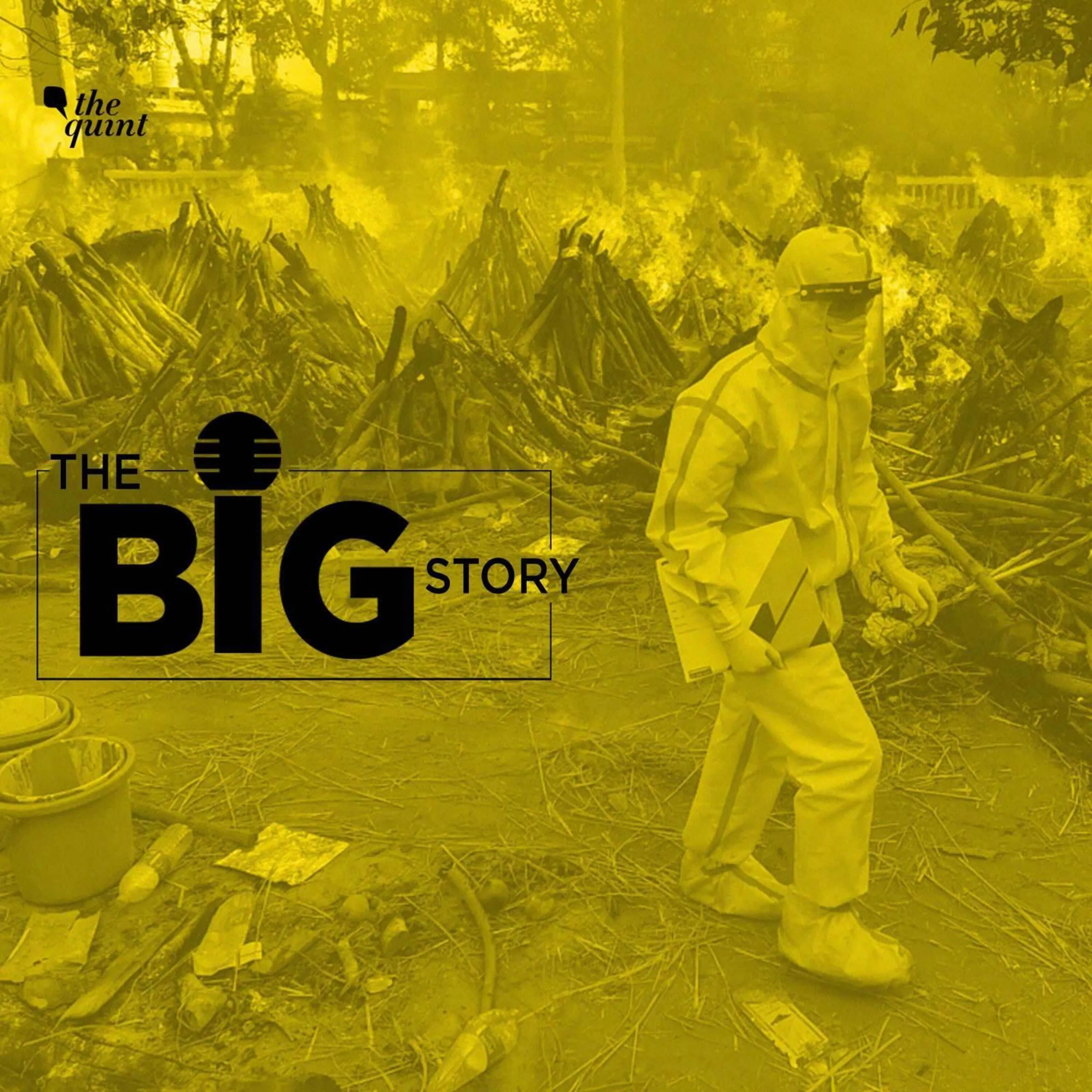
On 28 April India officially crossed a grim landmark of 2 lakh deaths from COVID-19. However, we may have reached this number a lot earlier than it was announced. The alarming spike in daily cases and fatalities has not only highlighted the weak health infrastructure in the country but also led to long waiting periods at crematoriums in Delhi, Gujarat, Uttar Pradesh, and several other states. According to the World Health Organization, a death should be recorded as a COVID death if the disease is assumed to have caused or contributed to it, even if the person had a pre-existing medical condition or comorbidities. However, there have been reasons to speculate that multiple states have been grossly undercounting COVID deaths. In today’s episode, we will go through several news reports and The Quint’s on-ground coverage on the ground reality at crematoriums that suggest a discrepancy in COVID death toll figures in India. Host and Producer: Himmat Shaligram Guest: Poonam Agarwal, The Quint’s Investigations Editor, and Ritvick Bhalekar, The Quint’s Senior Correspondent in Mumbai. Editor: Shelly Walia Music: Big Bang Fuzz Listen to The Big Story podcast on: Apple: https://apple.co/2AYdLIl Saavn: http://bit.ly/2oix78C Google Podcasts: http://bit.ly/2ntMV7S Spotify: https://spoti.fi/2IyLAUQ Deezer: http://bit.ly/2Vrf5Ng Castbox: http://bit.ly/2VqZ9ur Learn more about your ad choices. Visit megaphone.fm/adchoices
Ep 686Did the Centre Use Accurate Data for Post Vaccine Infection Numbers?
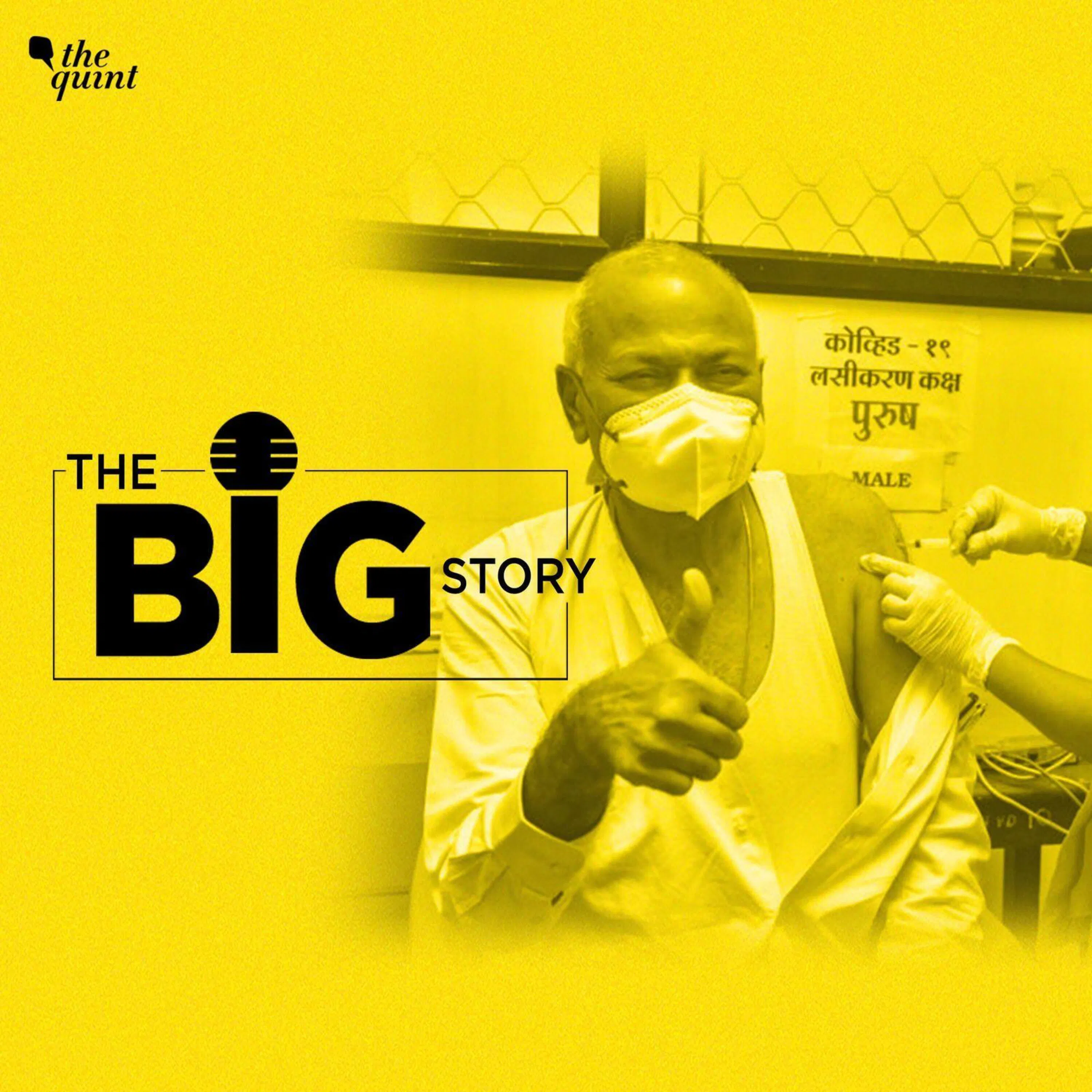
We've heard of people getting reinfected with COVID after their first vaccine jab, and in some cases, especially among doctors, after two jabs. These, if cause can be clearly established, are called breakthrough infections. In a press conference on 21 April, the Health Ministry and Indian Council of Medical Research stated that only two-four people in every 10,000 vaccinated against COVID-19 are reinfected with the virus. A slide, with two rows and five columns, showed that out of the 93,56,436 people who have been vaccinated with Covaxin, 4,208 have been reinfected after the first dose, and 695 after the second dose. In the case of Covishield, with over 10 crore people having been vaccinated, 17,145 had reinfections after the first dose and the number came down to 5,014 after the second dose. The numbers seemed promising. But how realistic were they? what was the methodology of collecting this data? What time period did the data cover? As India witnesses a rampant second wave of COVID infections and with phase 4 of inoculations starting on 1 May for everyone above the age of 18, it's important to note how effective these vaccines actually are in curbing the severity of Covid-19, especially the new variants. Host and Producer: Himmat Shaligram Guest: Priyanka Pulla, Freelance science journalists, Ameya Paleja, freelance science writer, and Dr Gangandeep Kang, a renowned virologist with CMC Vellore. Editor: Shelly Walia Music: Big Bang Fuzz Listen to The Big Story podcast on: Apple: https://apple.co/2AYdLIl Saavn: http://bit.ly/2oix78C Google Podcasts: http://bit.ly/2ntMV7S Spotify: https://spoti.fi/2IyLAUQ Deezer: http://bit.ly/2Vrf5Ng Castbox: http://bit.ly/2VqZ9ur Learn more about your ad choices. Visit megaphone.fm/adchoices

Ep 685One Nation, Different Pricing: Problems With Phase 3 Vaccination
One nation, but different prices for the same COVID-19 vaccine shot and a whole lot of confusion. Ahead of the rolling out of Phase 3 of India's immunisation strategy, a big debate has erupted over the different price categories set for the centre, the state and private hospitals, for the same Covishield and Covaxin shots. Even as the country is facing a vaccine shortage, the government has now allowed both the vaccine manufacturers to release 50 percent of their production into the open market and sell it to states and private hospitals, at a pre-decided cost. And so, Serum Institute that manufactures Covishield, has decided to sell vaccine shots at ₹400 per dose to states and ₹600 per dose to private hospitals. While Covaxin's manufacturer, Bharat Biotech will be selling one dose for ₹600 to the states and ₹1,200 per dose to private hospitals. And all the while the Centre will be buying the exact same shots for Rs 150. But the one question that many people are asking is why the different pricing for the same dose? Given that the need of the hour is to vaccinate, with limited doses, differential pricing and a great deal of power for private players, there are lot of concerns about how successful this vaccine strategy will be. So, what are the criticisms around this vaccine strategy? And what would make for a better plan? Host and Producer: Shorbori Purkayastha Guests: Praveen Chakravarty, Political economist and Senior Congress Member Anjela Taneja, Inequality Campaign Lead at Oxfam India Editor: Shelly Walia Music: Big Bang Fuzz Listen to The Big Story podcast on: Apple: https://apple.co/2AYdLIl Saavn: http://bit.ly/2oix78C Google Podcasts: http://bit.ly/2ntMV7S Spotify: https://spoti.fi/2IyLAUQ Deezer: http://bit.ly/2Vrf5Ng Castbox: http://bit.ly/2VqZ9ur Learn more about your ad choices. Visit megaphone.fm/adchoices
Ep 684What Kind of a Legacy is CJI Bobde Leaving Behind?
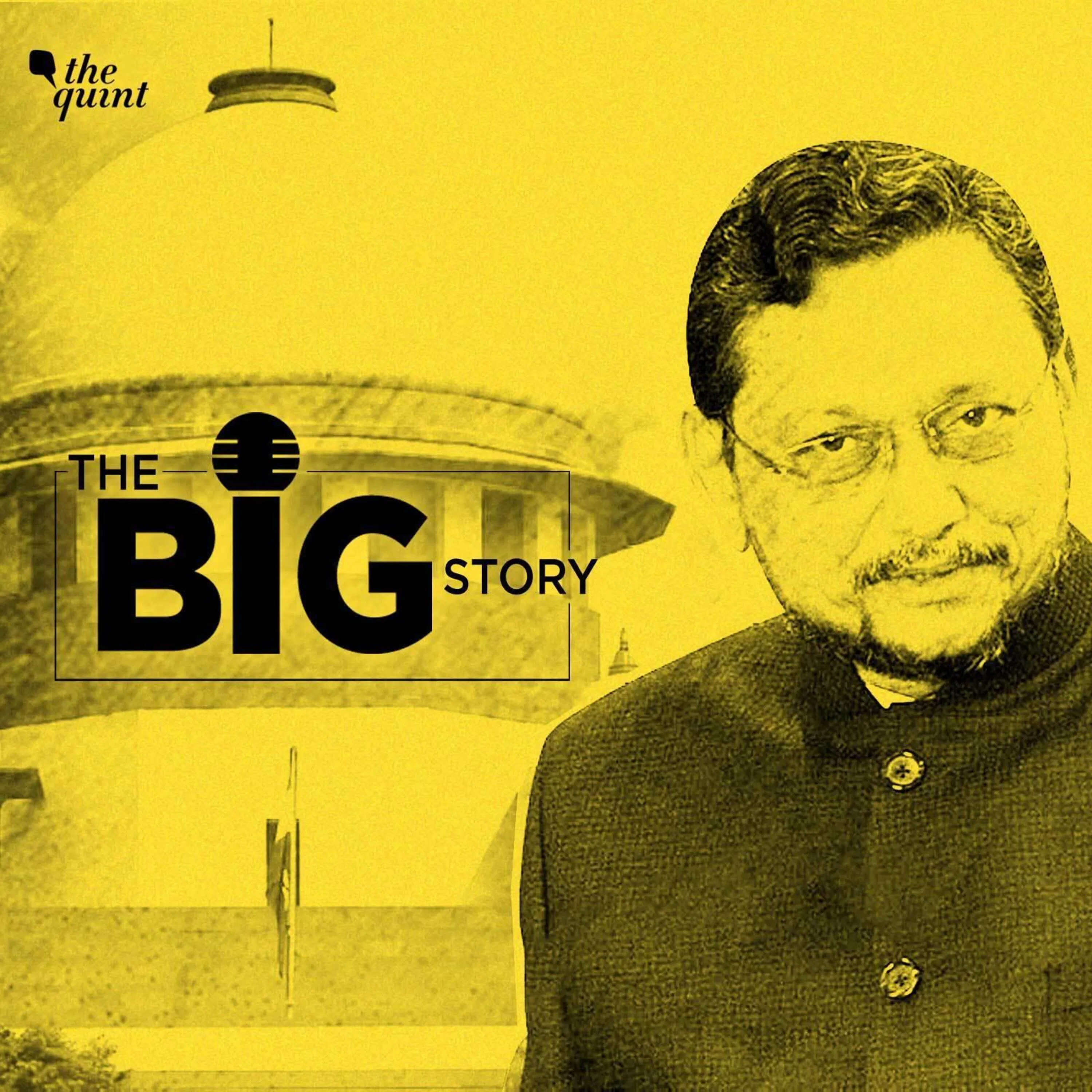
The 47th Chief Justice of India, Sharad Arvind Bobde demitted office on April 23rd. Under his tenure India witnessed some critical moments, such as the first wave of the coronavirus pandemic, followed by the migrant crisis, the ongoing farmers' protest, and now an even more infectious second wave where there seems to be a severe shortage of crucial medical supplies. But how did the Supreme Court fare in this moment of extreme crisis under his leadership? What kind of a legacy is CJI Bobde leaving behind? One marked with controversies and criticisms for sure, if not for consequential judgments. He was recently quoted saying, “Let justice be done though heavens may fall”, but could he dispense justice in the way it was expected of the CJI and the Supreme Court? As he sets off to retire, let's take a look at the highlights of CJI Bobde's tenure. Tune in! Host and Producer: Shorbori Purkayastha Guests: Vakasha Sachdev, Legal Editor Editor: Shelly Walia Music: Big Bang Fuzz Listen to The Big Story podcast on: Apple: https://apple.co/2AYdLIl Saavn: http://bit.ly/2oix78C Google Podcasts: http://bit.ly/2ntMV7S Spotify: https://spoti.fi/2IyLAUQ Deezer: http://bit.ly/2Vrf5Ng Castbox: http://bit.ly/2VqZ9ur Learn more about your ad choices. Visit megaphone.fm/adchoices
Ep 683Delhi Oxygen Crisis: What’s Triggering it and What Can Help Now
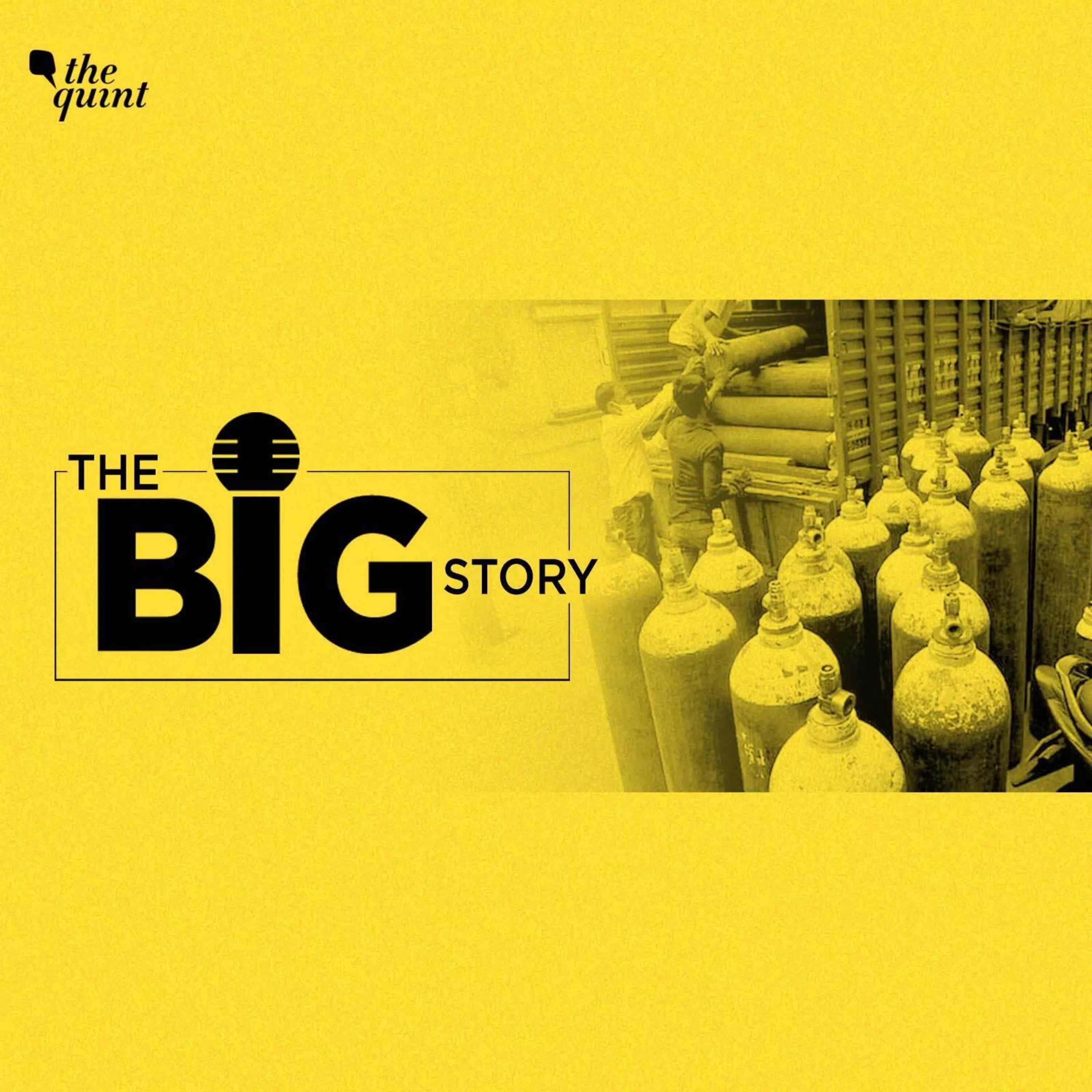
Delhi's COVID hospitals have been gasping for oxygen! Some have enough to last 3 hours, some have two hours, some even less than that for critical patients who are depending on this life saving oxygen. As Delhi reports 24,638 new cases and 249 deaths on 22 April, unequal demand and supply of oxygen has made this a coveted medical essential. Although there hasn't been any largescale disaster so far, due to last minute interventions, the city is standing on the very edge of this crisis with more and more Delhi hospitals running severely low of oxygen everyday. On 21 April, for instance state Health Minister Satyendra Jain had to appeal to the Centre on Twitter, to help with oxygen provisions, claiming that GTB hospital had only a few hours' worth of supply left. The arrival of an oxygen tanker just at the nick of time averted a crisis. The same day another hospital, Ganga Ram Hospital where 120 patients on ICU beds was also almost out of oxygen, gain it was a last minute oxygen supply that prevented a crisis from spiralling out. What has been also choking the supply in the city is the politics around oxygen between states amid in crisis. While the Delhi government has claimed that oxygen tankers coming into the city were blocked Haryana and UP, Haryana Health Minister Anil Vij on 21 April counter-accused Delhi of "looting" the state's oxygen supply. But it's only after the Delhi High court took up an urgent hearing on 21 April, and directed the Centre to ensure oxygen supply, did the MHA put out an order on 22 April, saying that no restrictions can be imposed on movement of oxygen between states. Why is the capital facing such a terrible oxygen crisis? What strategies have implemented for oxygen supply to meet the current high demand?Tune in! Host and Producer: Shorbori Purkayastha Guests: Subhas Chander, Manufacturer of medical gases including oxygen and Anant Bhan, Public Health Expert Editor: Shelly Walia Music: Big Bang Fuzz Listen to The Big Story podcast on: Apple: https://apple.co/2AYdLIl Saavn: http://bit.ly/2oix78C Google Podcasts: http://bit.ly/2ntMV7S Spotify: https://spoti.fi/2IyLAUQ Deezer: http://bit.ly/2Vrf5Ng Castbox: http://bit.ly/2VqZ9ur Learn more about your ad choices. Visit megaphone.fm/adchoices
Ep 682Despite a Year’s Prep, Why Are We Facing a 2nd Covid Crisis?
As India recorded yet another biggest daily spike of 2.95 lakh new cases and 2,093 deaths in a single day over 20th April, Prime Minister Narendra Modi held a virtual address taking stock of the crisis that has come with the second wave of coronavirus. In his speech, PM Modi spoke of measures to assure availability of oxygen to meet the increasing demands in hospitals. He also talked about Phase 3 of India’s vaccination strategy which will not only open up vaccines to all citizens above 18 years of age from 1 May, but also have vaccines available in the open market as well. While he advised people to exercise caution and adhere to pandemic protocols to avoid lockdowns, he urged states to consider lockdowns as only the last resort. But at a time when the second wave appears to be tearing apart our health infrastructure there's a lot to address such as...what led to such a crippling crisis even after a year of the public healthcare system fighting the virus? With less than 10 percent of the population being vaccinated with one dose, are we on the right track with our vaccination process? And finally, with most of the states imposing some amount of restrictions on movement, will migrant workers be impacted yet again? Host and Producer: Shorbori Purkayastha Guests: Anjela Taneja, Inequality Campaign Lead at Oxfam India Editor: Shelly Walia Music: Big Bang Fuzz Listen to The Big Story podcast on: Apple: https://apple.co/2AYdLIl Saavn: http://bit.ly/2oix78C Google Podcasts: http://bit.ly/2ntMV7S Spotify: https://spoti.fi/2IyLAUQ Deezer: http://bit.ly/2Vrf5Ng Castbox: http://bit.ly/2VqZ9ur Learn more about your ad choices. Visit megaphone.fm/adchoices

Ep 681What Does Brazil’s Report on Covaxin’s Safety Mean for India?
Recently on March 30, Brazil’s drug regulator ANVISA had rejected Bharat Biotech’s application for supplying Covaxin in the country. They claimed Bharat Biotech, the Hyderabad-based pharma company that is manufacturing this indigenous vaccine in India, has not taken adequate measures to completely kill or inactivate the virus. They also alleged a few other problems with the vaccine such as the possibility of variations in the potency and antigen quantity in the vaccine doses. All of which lack of a guarantee in how safe Covaxin is. And so Brazil decided to not go ahead and buy the 20 million Covaxin doses that it was planning to get until Bharat Biotech fixes these problems. But these irregularities that ANVISA is pointing out...why did the CDSCO not raise them before and also after these matters came to light why has it not taken any action? Also read: Brazil’s Report on Bharat Biotech Plant: Why is the CDSCO Silent? Host and Producer: Shorbori Purkayastha Guests: Priyanka Pulla, Bangalore-based science journalist Editor: Shelly Walia Music: Big Bang Fuzz Listen to The Big Story podcast on: Apple: https://apple.co/2AYdLIl Saavn: http://bit.ly/2oix78C Google Podcasts: http://bit.ly/2ntMV7S Spotify: https://spoti.fi/2IyLAUQ Deezer: http://bit.ly/2Vrf5Ng Castbox: http://bit.ly/2VqZ9ur Learn more about your ad choices. Visit megaphone.fm/adchoices
Ep 680Covid Cases More Infectious Now? Understanding India’s Second Wave
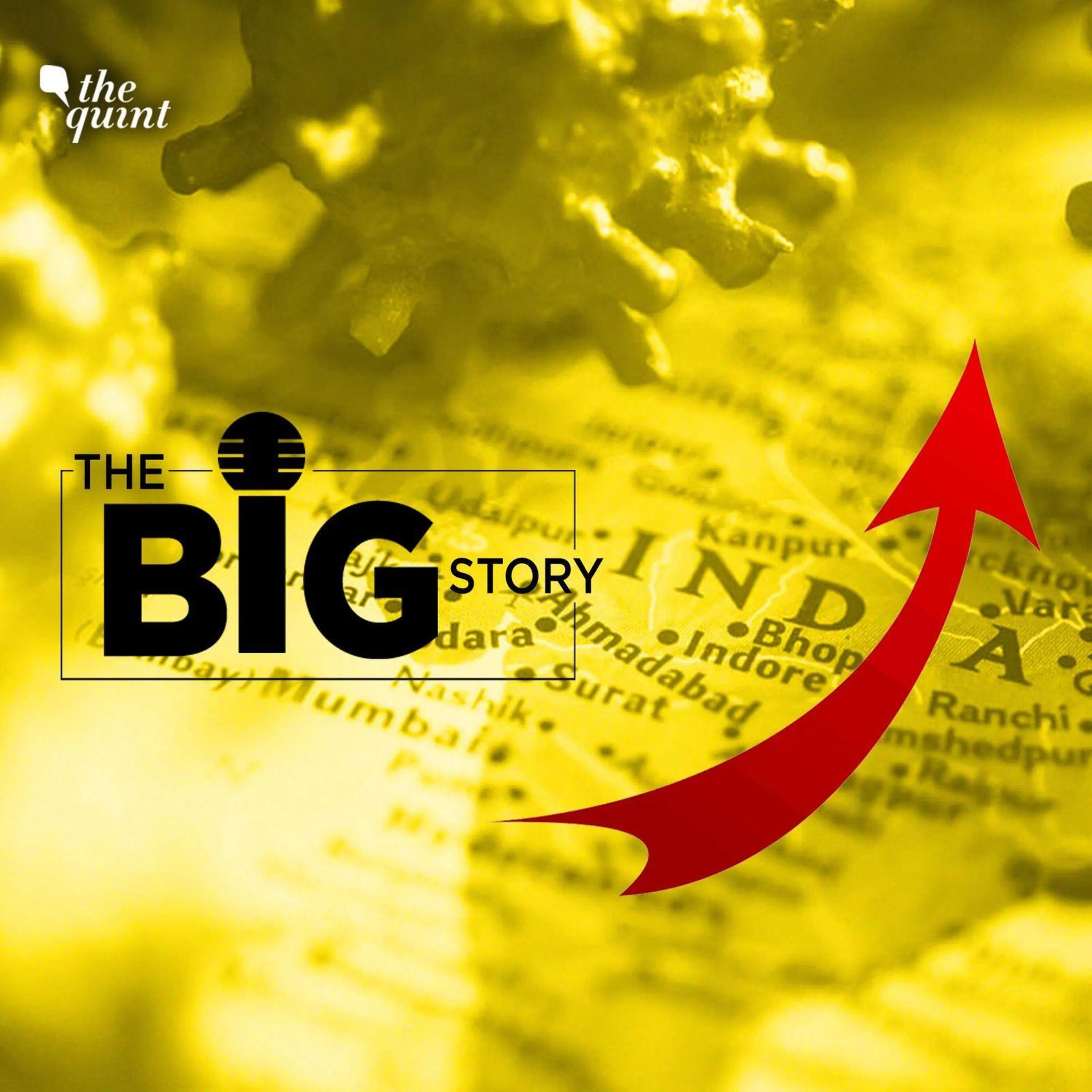
A second wave of Covid-19 across India and a lot of unanswered questions... How is this wave different from the first? Is it more infectious? Is it more serious? Are there newer symptoms? And when can we expect this wave to peak or stabilise? With states struggling to manage a visible shortage of oxygen supply, Remdesevir, and hospital beds – the situation is grim to say the least all around the country yet again. Certainly, in a country as large as India, the pandemic wasn't expected to simply vanish away even as the positivity rate, the caseload, the fatality rate, all of that had dipped for a short period by the end of 2020. But with COVID cases shooting up the way it is now, the second wave is appearing more concerning than the first. Host and Producer: Shorbori Purkayastha Guests: Dr Aviral Roy, Critical Care Specialist of COVID ward at Kolkata's Medica Super-specialty Hospital Dr Murad Banaji, a mathematician at Middlesex University Editor: Shelly Walia Music: Big Bang Fuzz Listen to The Big Story podcast on: Apple: https://apple.co/2AYdLIl Saavn: http://bit.ly/2oix78C Google Podcasts: http://bit.ly/2ntMV7S Spotify: https://spoti.fi/2IyLAUQ Deezer: http://bit.ly/2Vrf5Ng Castbox: http://bit.ly/2VqZ9ur Learn more about your ad choices. Visit megaphone.fm/adchoices
Ep 679Should You Be Concerned About the Blood Clots from Covishield ?
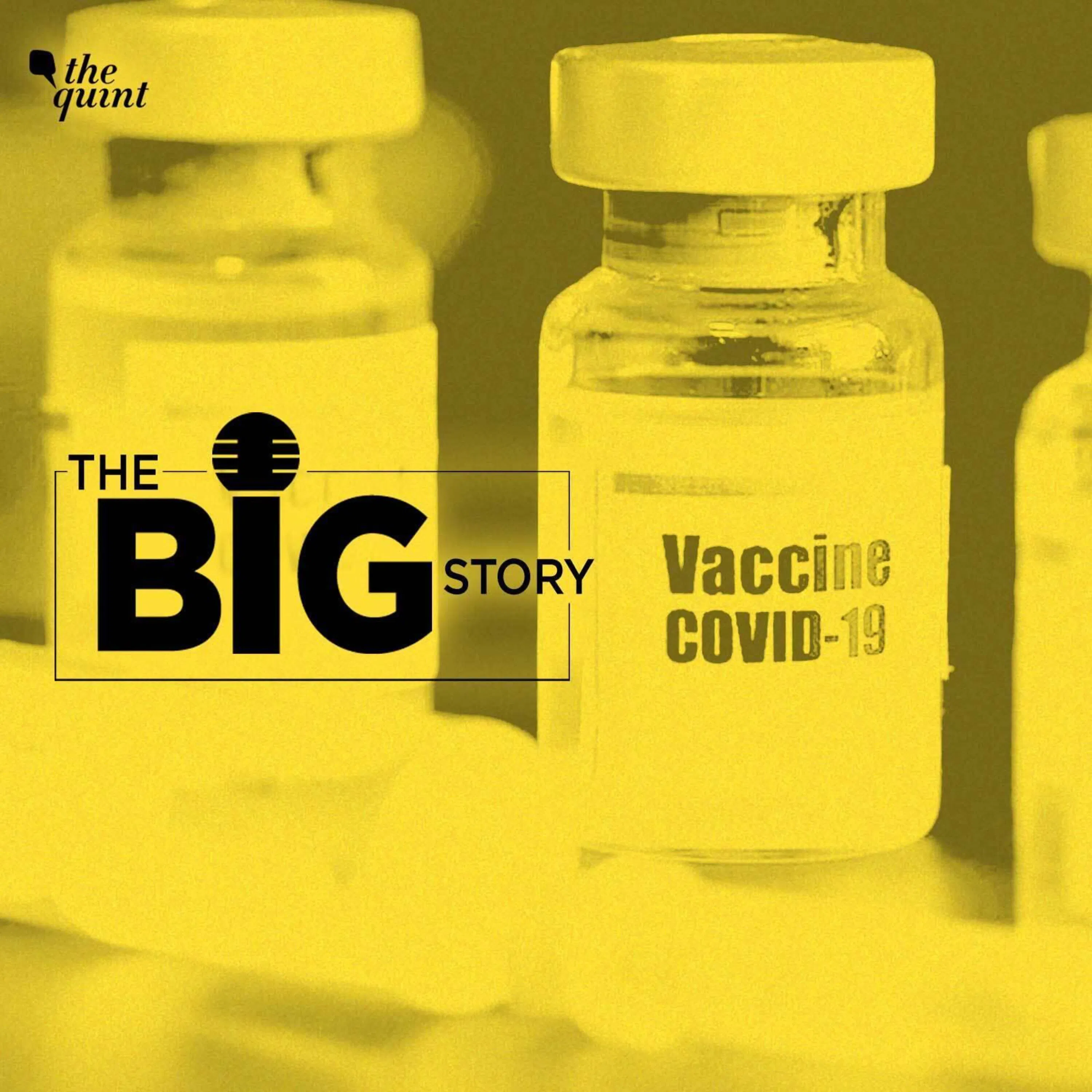
The Astra Zeneca vaccine, which is known as Covishield, has been deployed against Covid-19 in at least 115 countries for several months now. However, the vaccine has now come under the scanner after several European countries and Australia reported rare blood-clotting disorders associated with its administration, which has now resulted in several countries like Denmark, temporarily suspending its use. And the Astra Zeneca vaccine is not alone in reporting such types of rare blood clots. The single-shot Johnson and Johnson vaccine, which works similar to Astra Zeneca as a viral vector vaccine, has also been paused by the Centre for Disease Control and FDA in the US after six cases of rare blood clot-related disorders were reported. The stakes are enormous, especially for a country like India where 90% of the inoculations are done with Covishield, and with the country reporting more than a lakh case every day for the past week, public trust in the vaccine is more important than ever. So for today’s episode, we will go through the complications with the Astra Zeneca vaccine, what caused the suspension of the Johnson and Johnson vaccine and how significant are these concerns. Host and Producer: Himmat Shaligram Guest: Dr K Srinath Reddy, President of the Public Health Foundation of India. Editor: Shelly Walia Music: Big Bang Fuzz Listen to The Big Story podcast on: Apple: https://apple.co/2AYdLIl Saavn: http://bit.ly/2oix78C Google Podcasts: http://bit.ly/2ntMV7S Spotify: https://spoti.fi/2IyLAUQ Deezer: http://bit.ly/2Vrf5Ng Castbox: http://bit.ly/2VqZ9ur Learn more about your ad choices. Visit megaphone.fm/adchoices
Ep 678CBSE Class 10 Board Cancelled, 12 Postponed: What do Student Feel?
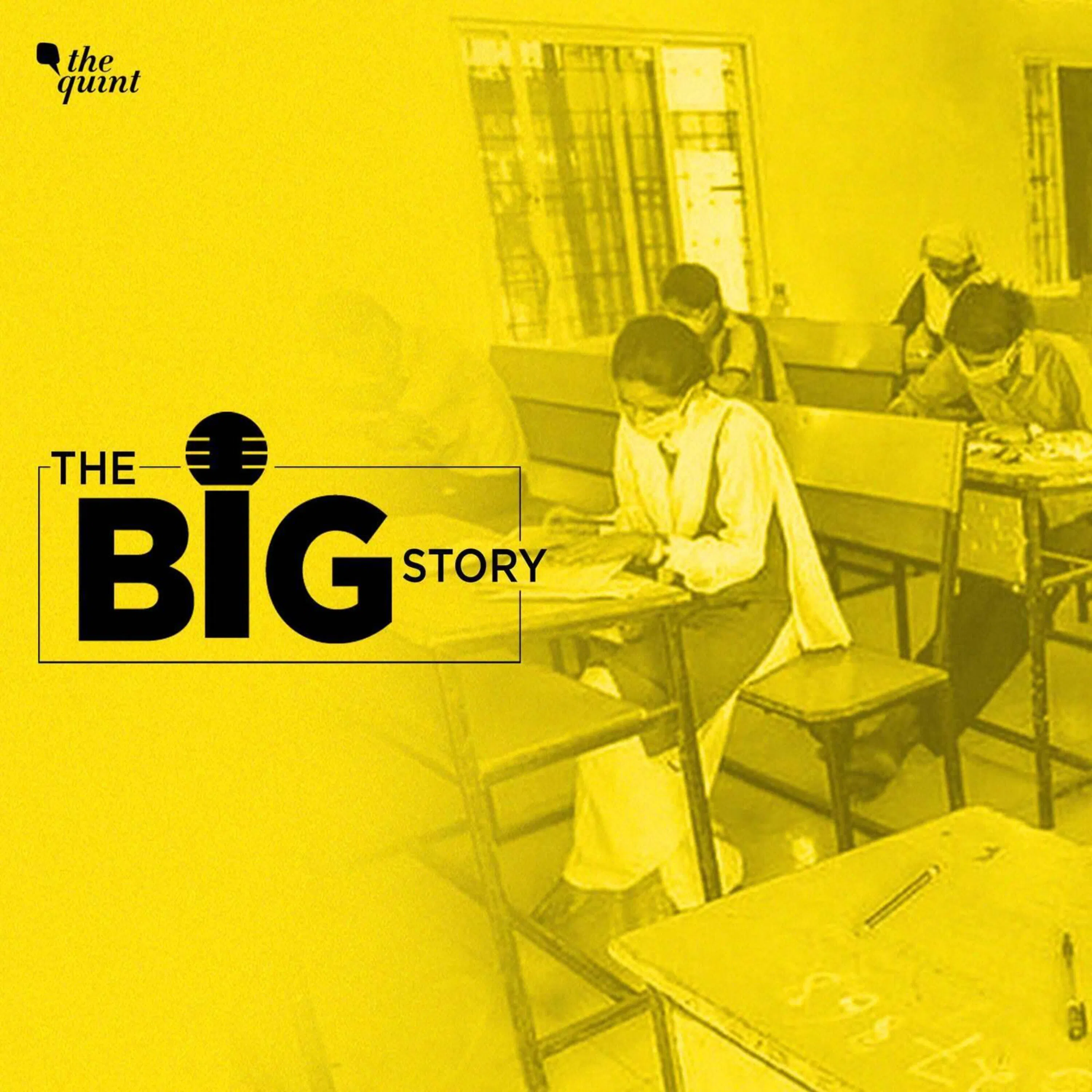
Anika and Ria are among the lakhs of students affected by the CBSE's decision on 14 April to cancel CBSE class 10 exams and postpone CBSE class 12 exams, respectively. Amid a constant sea of #CancelBoardExams on social media and amid a surge of COVID-19 cases in India, these decisions were taken at the highest level between Prime Minister Narendra Modi and top Education Ministry officials. Not only students, the announcement has also been well received by schools. In this episode, you will hear from students and several school principals on what impact the change in exam schedule will have on students and what students should do during this time. If you are a student or parent tuning in, stay put. There is a lot of useful advice for you in this episode, from both teachers and students. Host and Producer: Himmat Shaligram Editor: Shelly Walia Music: Big Bang Fuzz Listen to The Big Story podcast on: Apple: https://apple.co/2AYdLIl Saavn: http://bit.ly/2oix78C Google Podcasts: http://bit.ly/2ntMV7S Spotify: https://spoti.fi/2IyLAUQ Deezer: http://bit.ly/2Vrf5Ng Castbox: http://bit.ly/2VqZ9ur Learn more about your ad choices. Visit megaphone.fm/adchoices

Ep 677What Does Sputnik V Approval Signify for India's Vaccination Drive?
As India battles another record spike in infections, with over 1.8 lakh new COVID cases on 13 April, we finally also received some good news. After a long wait, on 12 April, Russia's Sputnik V becomes the third vaccine to be green lit for emergency use in India. The Sputnik V approval comes after the Centre finally eased the path for vaccines from pharmaceutical companies, that are approved in US, UK and European countries, to seek approvals in India. Sputnik V is also one of only three clinically tested vaccines in the world (including Pfizer and Moderna) with an efficacy of 91.6 per cent as per The Lancet’s findings. But, on the side of the world, another popular vaccine is now being temporarily paused. The vaccine in question is the single shot Johnson and Johnson vaccine after multiple cases of severe blood clots were reported on 13 April. In today’s episode, we will go through the efficacy data on Sputnik V, its dosage and its possible roll out time in India and also when we can see other vaccines like Pfizer, Moderna and Johnson and Johnson in India. Host and Producer: Himmat Shaligram Guest: Vaishali Sood, Editor, Health Editor, The Quint Editor: Shelly Walia Music: Big Bang Fuzz Listen to The Big Story podcast on: Apple: https://apple.co/2AYdLIl Saavn: http://bit.ly/2oix78C Google Podcasts: http://bit.ly/2ntMV7S Spotify: https://spoti.fi/2IyLAUQ Deezer: http://bit.ly/2Vrf5Ng Castbox: http://bit.ly/2VqZ9ur Learn more about your ad choices. Visit megaphone.fm/adchoices
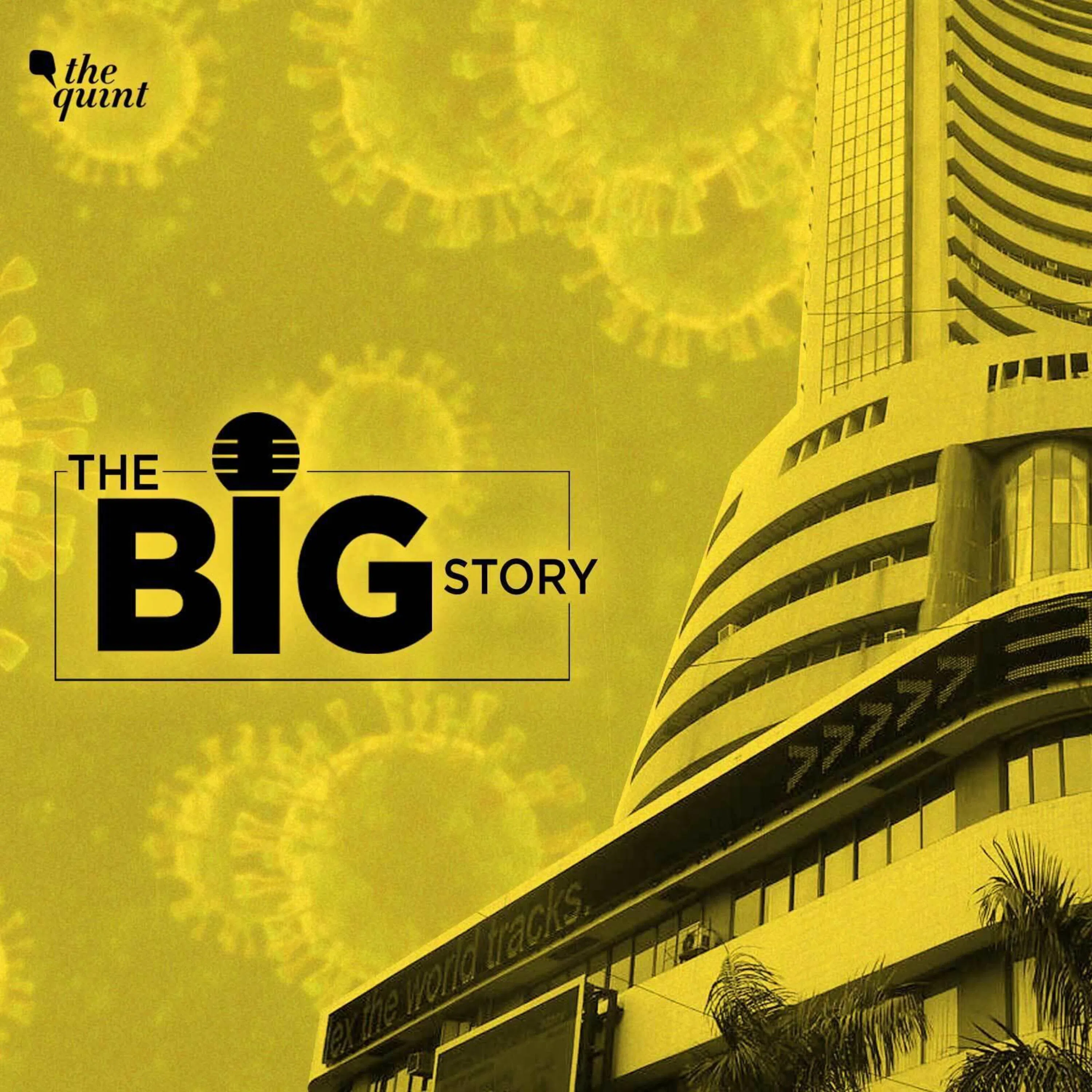
Ep 676Should the Retail Investor be Worried About the Second COVID Wave?
The second wave of COVID-19 cases in India has brought back fears of a pause in economic recovery, with Dalal Street taking a hit as investor sentiment dipped. On 12 April, Sensex lost over 4,400 points from a record high of 52,516 on 16 February. Nifty, on the other hand, fell below the 14,600 against a record high of 15,431. Investors are spooked over the fact that the states impacted by the second wave contribute significantly to India’s GDP. Maharashtra, the worst hit state contributes 13.7 percent, Karnataka (8 percent), Gujarat (7.8 percent), Rajasthan (4.9 percent), Madhya Pradesh (4.2 percent) and Punjab (2.7 percent). What is more worrisome is that it took just 47 days for India to cross the 1,00,000 daily Covid cases mark, compared to the first wave that took us 102 days to reach the peak. The Indian market has been witnessing strong bouts of volatility since the beginning of March when the cases started spiking again. So should the individual investor be worried about the money they have parked with rising cases or is this just another opportunity to buy low and sell high? Host and Producer: Himmat Shaligram Guest: Niraj Shah, Markets Editor, Bloomberg Quiint Editor: Shelly Walia Music: Big Bang Fuzz Listen to The Big Story podcast on: Apple: https://apple.co/2AYdLIl Saavn: http://bit.ly/2oix78C Google Podcasts: http://bit.ly/2ntMV7S Spotify: https://spoti.fi/2IyLAUQ Deezer: http://bit.ly/2Vrf5Ng Castbox: http://bit.ly/2VqZ9ur Learn more about your ad choices. Visit megaphone.fm/adchoices

Ep 675Has India’s COVID Strategy Resulted in a Global Vaccine Shortage?
If you didn’t know already, India is breaking world records every day. And no, these are not records that should be celebrated. After reporting 1.52 lakh fresh COVID cases on 10 April, India recorded 1.7 lakh the very next day. And with looming lockdowns in states likes Maharashtra and even in the capital, we are going to continue to see a spike in cases for the next few weeks. The only weapon we have been equipped with so far against this raging virus for the past few months is vaccines. India started its vaccinations drive in January this year and our journey was steadily picking up pace and going smoothly. However, just 3 months into inoculations, that journey has ran into trouble. Multiple states have reported shortages of Oxford-AstraZeneca’s Covishield vaccine. And that's because we have a third of humanity depending on only a single manufacturer for a vaccine - the Serum Institute of India in Pune. However, the Centre has dismissed the SOSes from states and has stated that there is no vaccine shortage. But it has also gone a step ahead and halted exports of Covishield to other countries. A behavior that is now being termed "vaccine nationalism". So what is the issue that we are facing? Because if there is no shortage, the Centre is knocking vaccination drives of dozens of countries off course. The central narrative underpinning the problems that we are witnessing right now is regarding the notoriously complex problem of vaccine manufacturing and distribution and the relationship between pharmaceutical companies, a country, and its citizens. My guests for today’s podcast are Achal Prabhala, the coordinator of the AccessIBSA project, which campaigns for access to medicines in India, Brazil, and South Africa, and Leena Menghaney, an Indian lawyer who has worked for two decades on pharmaceutical law and policy. Host and Producer: Himmat Shaligram Guest: Achal Prabhala, the coordinator of the AccessIBSA project and Leena Menghaney, an Indian lawyer who has worked for two decades on pharmaceutical law and policy. Editor: Shelly Walia Music: Big Bang Fuzz Listen to The Big Story podcast on: Apple: https://apple.co/2AYdLIl Saavn: http://bit.ly/2oix78C Google Podcasts: http://bit.ly/2ntMV7S Spotify: https://spoti.fi/2IyLAUQ Deezer: http://bit.ly/2Vrf5Ng Castbox: http://bit.ly/2VqZ9ur Learn more about your ad choices. Visit megaphone.fm/adchoices
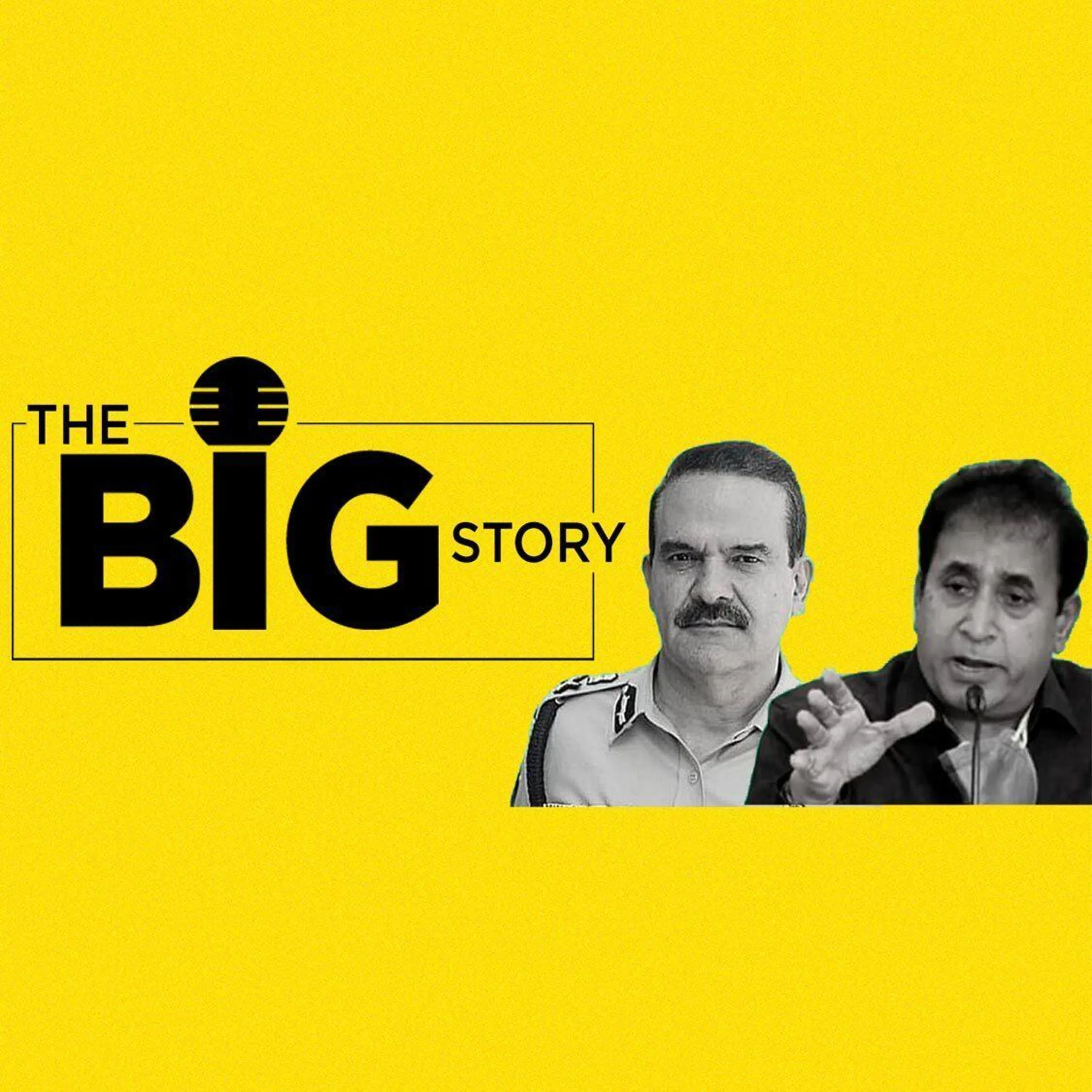
Ep 674What Lessons Are There to be Learned From Param Bir-Vaze Case?
In what may be called as a major setback for the Maharashtra government and its former home minster Anil Deshmukh, the Supreme Court on 8 April dismissed the state government's pleas challenging the Bombay high court order directing a CBI probe against him. The probe was ordered by the High Court into allegations of corruption, extortion and political overreach levelled against Deshmukh by former Mumbai police commissioner Param Bir Singh. However, in another twist in the Ambani Bomb scare case, just days after Deshmukh’s resignation, a letter written by arrested assistant police inspector Sachin Waze also made similar allegations against him. In the letter, Waze not only accused Deshmukh of pressuring him to extort money from variuos sources, he also accused Transport Minister Anil Parab and an alleged close aide of Deputy CM Ajit Pawar of malpractices. The CBI is now conducting a preliminary investigation into the allegations against Deshmukh. However, there still are a lot of questions, the answers to which are still in the grey. Today’s guest is former Mumbai police commissioner Julio Riberio and in his interview with The Quint, he raised some very important questions for Param Bir singh, the CBI and the Maharashtra government, which will also be the focus of today’s episode. Host: Eshwar Ranjana Guest:Julio Riberio, former Mumbai Police Commissioner. Producer: Himmat Shaligram Editor: Shelly Walia Music: Big Bang Fuzz Listen to The Big Story podcast on: Apple: https://apple.co/2AYdLIl Saavn: http://bit.ly/2oix78C Google Podcasts: http://bit.ly/2ntMV7S Spotify: https://spoti.fi/2IyLAUQ Deezer: http://bit.ly/2Vrf5Ng Castbox: http://bit.ly/2VqZ9ur Learn more about your ad choices. Visit megaphone.fm/adchoices

Ep 673Are Indian States Facing a Shortage of COVID-19 Vaccines?
Just three months after it rolled out its first phase of COVID-19 vaccinations, India hit another grim milestone on 7 April as it registered over 1lakh 15 thousand fresh cases of COVID-19. However, several states are reportedly staring at another point of concern- a COVID vaccine shortage. At least six states, namely Andhra Pradesh, Chhattisgarh, Haryana, Odhisha, Telangana, and Maharashtra have reported shortages of the Covidshield vaccine, which is one of two COVID vaccines approved by the Ministry of Health. The hardest-hit state-Maharashtra-has vaccine stocks only for 3 days according to state health minister Rajesh Tope. The reported shortage of vaccines has also resulted in COVID hotspots, such as Pune to shut over 100 vaccination centers. Mr Tope further stated that he has requested the Centre for additional vaccines. However, the Centre has hit back on Maharashtra’s SOS on vaccines. In an interview with NDTV on 7 April, Union Health Minister Harsh Vardhan slammed what he called "deplorable attempts by some state governments to distract attention from their failures and spread panic among the people” and that they are no vaccine shortages in India. Now, there are obvious contradictory statements. So, what is the ground reality in the affected states? Tune in! ‘We Called 12 Hospitals in Ghaziabad, They’ve Run Out of Vaccines’ Host and Producer: Himmat Shaligram Guest: Dr Varsha Dange, Medical Officer, Pimpri Chinchwad Municipal Corporation and Dr Subhash Salunkhe, Technical Advisor on COVID-19 to Maharashtra government. Editor: Shelly Walia Music: Big Bang Fuzz Listen to The Big Story podcast on: Apple: https://apple.co/2AYdLIl Saavn: http://bit.ly/2oix78C Google Podcasts: http://bit.ly/2ntMV7S Spotify: https://spoti.fi/2IyLAUQ Deezer: http://bit.ly/2Vrf5Ng Castbox: http://bit.ly/2VqZ9ur Learn more about your ad choices. Visit megaphone.fm/adchoices

Ep 672A Timeline of the Controversial Ishrat Jahan Encounter Case
A special Central Bureau of Investigation (CBI) court last month discharged GL Singhal, Tarun Barot, and ASI Anaju Chaudhary – the last of the three police officers who faced charges in the alleged fake encounter case of 19-year-old Ishrat Jahan and three men. Ishrat Jahan, Pranesh Pillai, and two alleged Pakistani men, Jishan Johar and Amjad Ali Rana, were gunned down at dawn on 15 June 2004 by the crime branch of the Ahmedabad Police, led by the then Deputy Commissioner of Police DG Vanzara, who is now retired. It has been 17 years since 19-year-old Ishrat Jahan was killed, and her controversial death has made headlines ever since. Several doubts regarding her death and the encounter have been raised multiple times, from different investigating agencies. But with charges dropped against the seven policemen, one of them now dead, who were accused of murder, kidnapping, criminal conspiracy, and several other offences in the case, this may be the end of the road for the alleged fake encounter case. Who was Jahan and why was her encounter controversial? As I try and answer these questions in today’s episode, I will narrate the facts and figures of the case, what the probe by the CBI revealed, and where does it stand at the moment. For today’s episode, my guest is Kingshuk Nag, a senior journalist who was the resident editor of the Ahmedabad edition of the Times of India when the incident took place. Host and Producer: Himmat Shaligram Guest: Kingshuk Nag, Senior Journalist. Editor: Shelly Walia Music: Big Bang Fuzz Listen to The Big Story podcast on: Apple: https://apple.co/2AYdLIl Saavn: http://bit.ly/2oix78C Google Podcasts: http://bit.ly/2ntMV7S Spotify: https://spoti.fi/2IyLAUQ Deezer: http://bit.ly/2Vrf5Ng Castbox: http://bit.ly/2VqZ9ur Learn more about your ad choices. Visit megaphone.fm/adchoices
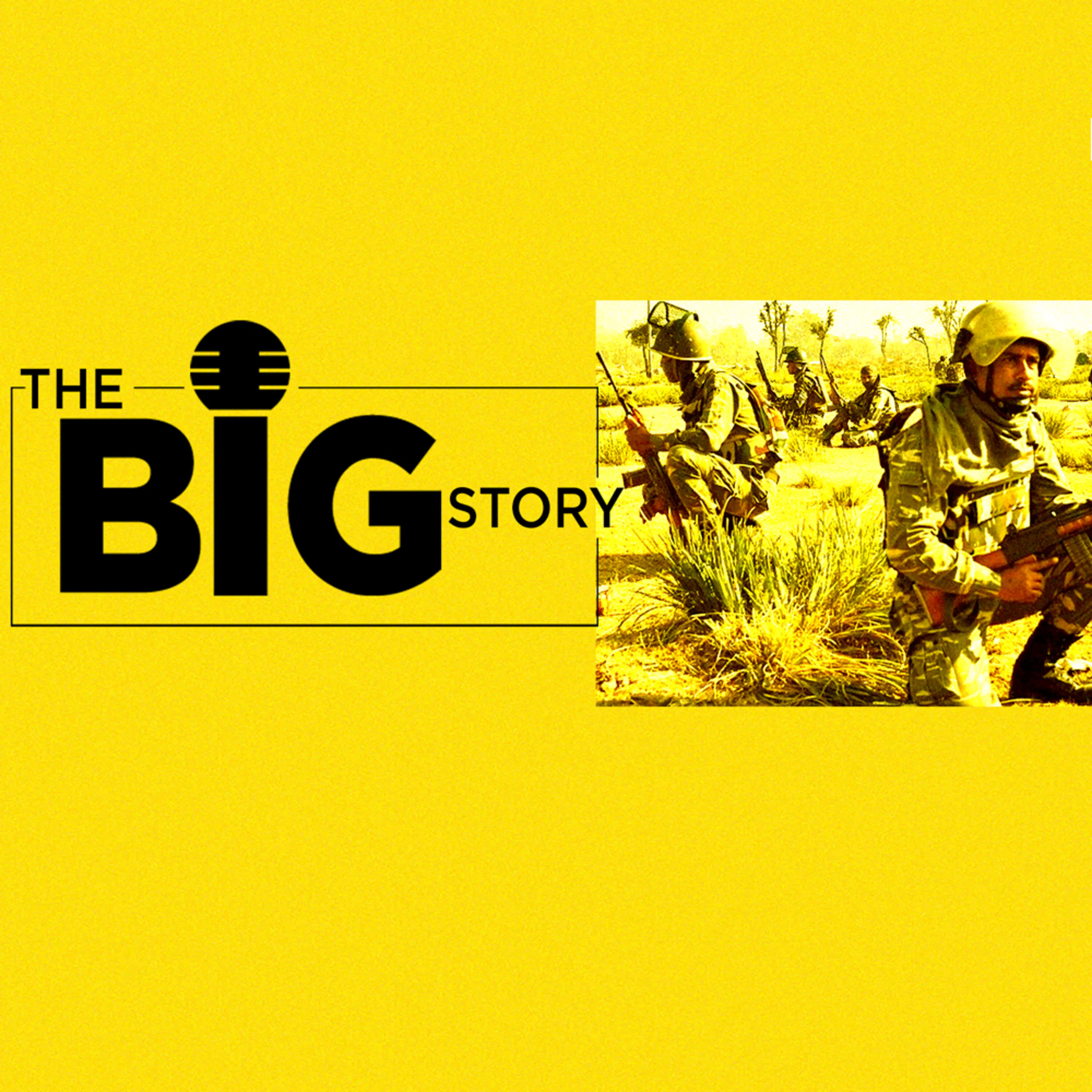
Ep 671Chhattisgarh Maoist Attack: What Led to Death of 22 Jawans?
What has been labeled as the worst Naxal attack in four years, as many as 22 security forces personnel were killed and 31 others were injured on 3 April in an encounter with armed Maoists in a forest along the border between Bijapur and Sukma districts in Chhattisgarh. Bodies of 17 security personnel have so far been recovered from Bijapur. Out of the total 22 deaths, eight were from the Central Reserve Police Force (CRPF), eight from the District Reserve Guard (DRG) and six from the Special Task Force (STF). Out of the 31 injured personnel, 16 belong to the CRPF. The CRPF has also announced than one constable, Rakeshwar Singh Manhas, of the elite CoBRA unit of the CRPF, was missing. However, according to media reports, the jawan is being held captive by the Maoists. This was no tiny operation. A contingent of 1,500 troops had launched a search and destroy operation along the border of Bijapur and Sukma, after getting inputs about Naxal presence in the area. The contingent was ambushed by a group of around 400 Maoists, possibly led by wanted leader Madvi Hidma of the People’s Liberation Guerrilla Army. However, questions are now been raised if there was an intelligence or an operational failure after a report from the Indian Express quoted several police personnel who were involved in the gun-battle said there were blindsided by the naxals. So in today’s episode we will try to ascertain what kind of intelligence in required to mount a security force like the one in Bijapur, the misconceptions about the Naxals and the fundamentals of battling the group. Host and Producer: Himmat Shaligram Guest: Dr NC Asthana, a retired IPS officer, who has been DGP Kerala and a long-time ADG CRPF and BSF. Editor: Shelly Walia Music: Big Bang Fuzz Listen to The Big Story podcast on: Apple: https://apple.co/2AYdLIl Saavn: http://bit.ly/2oix78C Google Podcasts: http://bit.ly/2ntMV7S Spotify: https://spoti.fi/2IyLAUQ Deezer: http://bit.ly/2Vrf5Ng Castbox: http://bit.ly/2VqZ9ur Learn more about your ad choices. Visit megaphone.fm/adchoices

Ep 670Part 2: Ground Reality in Myanmar From Voices Against the Coup
The Myanmar military seized power of the government in a coup on 1 February 20201. The country has since been immersed in a civil disobedience movement. Since February, over 520 civilians have lost their lives in their fight against the military. The military stated that the November 2020 elections, which were won by the country’s de-facto leader Aung Suu Kyi and her party the National League of Democracy were fraudulent. However, this assertion has been dismissed by the election commission of the country. This episode is part 2 of The Big Story’s coverage on the military coup in Myanmar. In part 1, we discussed the political history and narratives of the country, with veteran diplomat and former Indian Ambassador to Myanmar, Mr Vivek Katju. You can find the link to that episode in our show notes. In today’s episode, you will be hearing voices from two young men, namely Alex and Jeremaih from Myanmar, describing the on-ground reality of their respective cities, the actions taken by the military and what they want the world to know. Part 1: What Led to the End of Democracy in Myanmar? Host and Producer: Himmat Shaligram Editor: Shelly Walia Music: Big Bang Fuzz Listen to The Big Story podcast on: Apple: https://apple.co/2AYdLIl Saavn: http://bit.ly/2oix78C Google Podcasts: http://bit.ly/2ntMV7S Spotify: https://spoti.fi/2IyLAUQ Deezer: http://bit.ly/2Vrf5Ng Castbox: http://bit.ly/2VqZ9ur Learn more about your ad choices. Visit megaphone.fm/adchoices
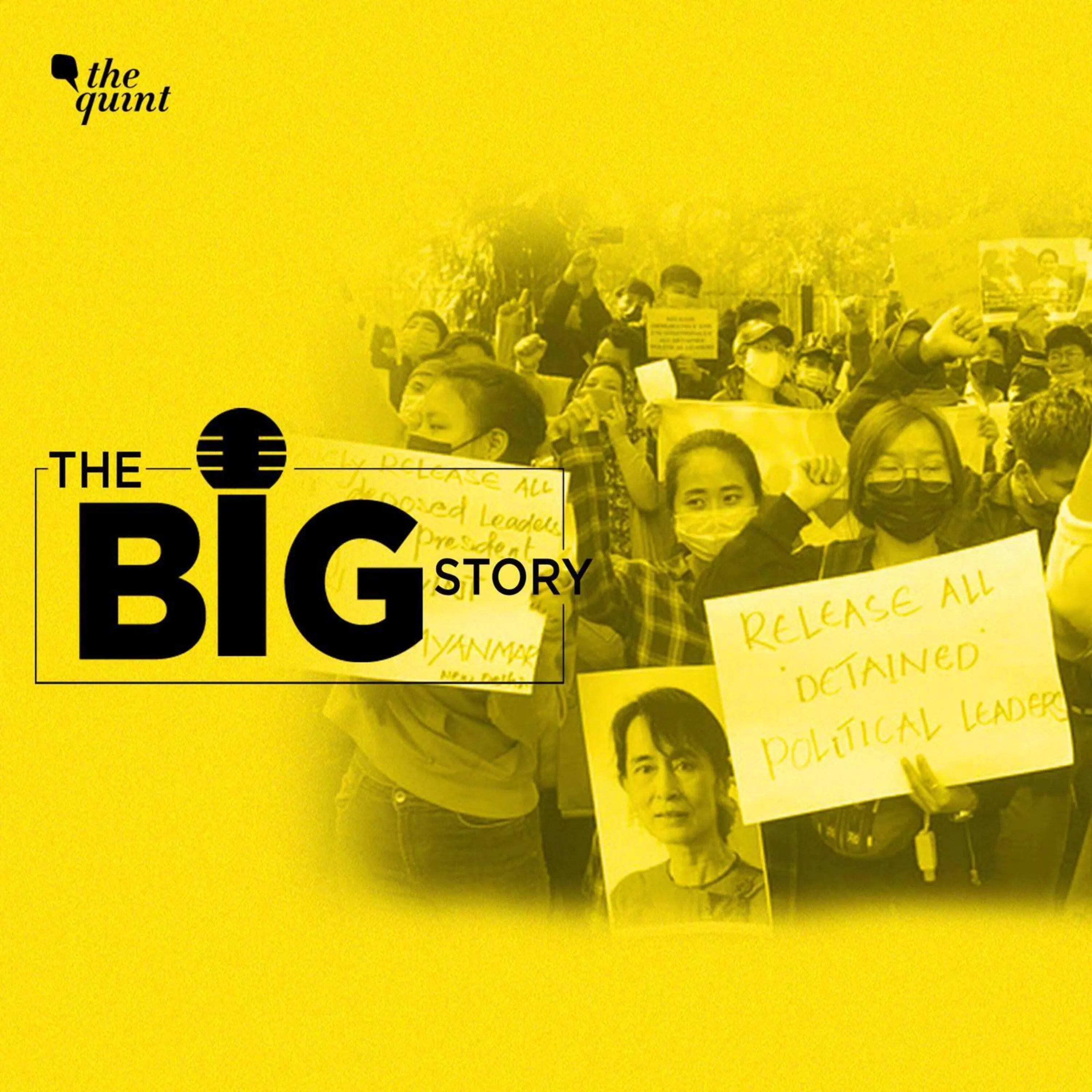
Ep 669Part 1: What Led to the End of Democracy in Myanmar?
It’s been 2 months since history repeated itself in Myanmar, where on 1 February, its de facto leader Aung San Suu Kyi was detained along with other leaders following a military coup in the country. At least 521 civilians have been killed in two months of protests against the junta and 141 of them took place on 27 March, which was the bloodiest day of the unrest according to the Assistance Association for Political Prisoners. The military seized power saying that the November 2020 elections won by Suu Kyi’s party were fraudulent, an assertion which has been dismissed by the election commission. The National League of Democracy or NLD, which Suu Kyi’s leads, won in the November elections with a tally of 396 seats out 498. It’s important to note that Myanmar is not new to military takeovers. The country was immersed in a military dictatorship from 1962 to 2010 and the military had a tight grip over its citizens through torture and mass killings. An entire generation of Myanmar has suffered in silence at the hands of the country’s military. And given that an entire new generation has now tasted democracy, the world is now watching how the military is taking back control of the country and tossing aside a government that won a massive popular mandate only a few months ago. In this two-part special episode, we are going to first hear from veteran diplomat and the former Indian Ambassador to Myanmar Vivak Katju to understand the complexities of Myanmar, its history, and what led to the coup. In the second part, you will hear from voices in Myanmar about what the ground reality is, what measures have been taken by the military and what do the people of Myanmar want. Host and Producer: Himmat Shaligram Guest: Viviek Katju, veteran diplomat and former Indian Ambassador to Myanmar Editor: Shelly Walia Music: Big Bang Fuzz Listen to The Big Story podcast on: Apple: https://apple.co/2AYdLIl Saavn: http://bit.ly/2oix78C Google Podcasts: http://bit.ly/2ntMV7S Spotify: https://spoti.fi/2IyLAUQ Deezer: http://bit.ly/2Vrf5Ng Castbox: http://bit.ly/2VqZ9ur Learn more about your ad choices. Visit megaphone.fm/adchoices

Ep 668What We Know So Far About the Origin of COVID-19 and New Mutations
The Indian government warned in a statement on 30 March that the COVID-19 situation in India is going from 'bad to worse,' and is a risk to the entire country. India on 31 March, reported 53,480 new cases, taking the tally in the country to 1,21,49,335. The death toll increased by 354 to 1,62,468. While new variants are emerging across the world, the most recently in Israel, there is also news on the origin of the virus. The World Health Organisation on 30 March released a joint WHO-China study on the origins of COVID-19 and stated that the virus most like spread from bats to humans. However, the agencies own chief, Dr Tedros Adhanom Ghebreyesus, and 14 other countries have raised concerns over the report and have demanded further investigation into a theory the outbreak was the result of a laboratory leak. As COVID-19 gathers steam once more in India, making its presence felt in Maharashtra, Punjab and now even Delhi, the health ministry on 24 March announced that genome sequencing by the Indian SARS-CoV-2 Consortium on Genomics (INSACOG) has shown variants of concern (VOCs) and a novel double mutant variant in India. In today’s episode, we will analyse the findings of the WHO report and also the variants of concern as this “second wave” gains speed in India. Host and Producer: Himmat Shaligram Guest: Dr Shahid Jameel, Virologist and Director of the Trivedi School of Biosciences at Ashoka University Editor: Shelly Walia Music: Big Bang Fuzz Listen to The Big Story podcast on: Apple: https://apple.co/2AYdLIl Saavn: http://bit.ly/2oix78C Google Podcasts: http://bit.ly/2ntMV7S Spotify: https://spoti.fi/2IyLAUQ Deezer: http://bit.ly/2Vrf5Ng Castbox: http://bit.ly/2VqZ9ur Learn more about your ad choices. Visit megaphone.fm/adchoices
Ep 667Understanding Kerala Politics Ahead of the Assembly Elections 2021
With just five days left for Kerala to head to its first and only phase of Assembly polls, the complexity and significance of this state election are not understood by many. Today's episode intends to eradicate this confusion. For the past four decades, Kerala has witnessed only anti-incumbency when it comes to its government. The baton was passed since 1982 between the Communist Party of India (Marxist) or CPI(M)- which leads the Left Democratic Front (LDF) and the Congress led United Democratic Front (UDF) And Kerala is not completely unique in this. Its neighbour, Tamil Nadu, had the same trend for 32 years until former Chief Minister Jayalalithaa broke the trend in 2016 by winning consecutive elections. Rajasthan too has been alternatively electing Congress and Bharatiya Janata Party governments since 1993. But, what makes Kerala different, is that even though the CPI (M) and the Congress are the major parties in the two fronts, both hold a combined vote share of just over 50 percent. And this is due to multiple alliances these parties have. Alliances matter a lot in Kerala and unlike in Tamil Nadu, where the two major parties DMK and AIADMK perform better than their alliance partners, both the CPI(M) and the Congress in Kerala are equally vulnerable to losing against smaller allies as well. And Kerala is seeing another trend right now. Surveys have projected that the current Chief Minister Pinarayi Vijayan of the LDF, may just come back to power in the forthcoming election on 6 April. Host and Producer: Himmat Shaligram Guest: KP Sethunath, senior journalist and former bureau chief of Deccan Chronicle. Editor: Shelly Walia Music: Big Bang Fuzz Listen to The Big Story podcast on: Apple: https://apple.co/2AYdLIl Saavn: http://bit.ly/2oix78C Google Podcasts: http://bit.ly/2ntMV7S Spotify: https://spoti.fi/2IyLAUQ Deezer: http://bit.ly/2Vrf5Ng Castbox: http://bit.ly/2VqZ9ur Learn more about your ad choices. Visit megaphone.fm/adchoices
Ep 666Assembly Elections 2021: What’s at Stake in West Bengal and Assam?
Two of the key electoral battles in India will be fought in West Bengal and Assam, which are set to go for its first phase of voting from 27 March. The Bharatiya Janta Party is facing tough battles from its opposition in the TMC in Bengal and the Congress in Assam. With phase 1 polling starting in both states tomorrow, in today’s episode, we will go through the latest political developments in each state, how each side is faring on the main issues and what the voters have said so far. Host and Producer: Himmat Shaligram Guest: Arati R Jerath, senior journalist and political commentator and Aditya Menon, Political Editor at The Quint. Editor: Shelly Walia Music: Big Bang Fuzz Listen to The Big Story podcast on: Apple: https://apple.co/2AYdLIl Saavn: http://bit.ly/2oix78C Google Podcasts: http://bit.ly/2ntMV7S Spotify: https://spoti.fi/2IyLAUQ Deezer: http://bit.ly/2Vrf5Ng Castbox: http://bit.ly/2VqZ9ur Learn more about your ad choices. Visit megaphone.fm/adchoices
Ep 665Here’s How the NCT Bill 2021 Infringes on Rights of Delhi Citizens
At a time in India, when a human rights watchdog has downgraded our country as only “partly free”, the recent amendments to the National Capital Territory of Delhi Act or NCT, may just rub more salt in our wounds being a called “electoral autocracy”. The NCT Bill, 2021, introduced in the Lok Sabha last week and passed by the Rajya Sabha today, unilaterally gives discretionary powers to the Lieutenant Governor of Delhi on everyday actions and dilutes the powers of the elected Delhi government. The amendment will now force the Delhi government to take the advice of the L-G before implementing any Cabinet decision on matters that are within its jurisdiction. However, the NCT Bill does more than just give powers to the L-G. It also completely upends a 2018 Supreme Court judgment, which addressed this very power tussle between the Union of India and the Delhi government. Soon after the passage of the amendment bill in the Rajya Sabha, Delhi Chief Minister Arvind Kejriwal tweeted saying that it was a "sad day" for democracy and stressed that his struggle to restore power back to the people would continue. In today’s episode, we will go through what exactly led to the tussle between the two sides, what the Supreme Court 2018 judgment was and what do the new amendments state? Host and Producer: Himmat Shaligram Guest: Indira Jaising, noted human rights lawyers and senior advocate at the Supreme Court of India. Editor: Shelly Walia Music: Big Bang Fuzz Listen to The Big Story podcast on: Apple: https://apple.co/2AYdLIl Saavn: http://bit.ly/2oix78C Google Podcasts: http://bit.ly/2ntMV7S Spotify: https://spoti.fi/2IyLAUQ Deezer: http://bit.ly/2Vrf5Ng Castbox: http://bit.ly/2VqZ9ur Learn more about your ad choices. Visit megaphone.fm/adchoices
Ep 664‘Indo-Pak Peace’: Fantasy or a Long-Drawn Out Argument?
In a rare conciliatory note to India on 19 March, Pakistan’s Army Chief General Qamar Javed Bajwa called for the arch-rivals to “bury the past” and move towards cooperation. The note comes after a surprise joint statement issued by the two neighbours on 25 February, where each side recommitted to a ceasefire along the Line of Control and other disputed sections of the border. In response to Gen Bajwa’s speech, Prime Minister Narendra Modi wrote to Pakistani Prime Minister Imran Khan on 22 March, extending greetings on Pakistan Day, stating that India desires “cordial relations” with its neighbour in an environment “devoid of terror and hostility”. However, there are signs of the India-Pakistan relationship thawing, with the two governments even agreeing to cooperate on healthcare under the aegis of the South Asian Association for Regional Cooperation, the Centre recently allowing Prime Minister Imran Khan's special aircraft to use India’s airspace while flying to Sri Lanka for a visit, and the Indus Commissioners of India and Pakistan meeting for the first time in over two years on 23 March. It is important to note that these are small steps, and brokering long-lasting peace between any two countries is long term process and there are several factors other than just talks which incapsulate the doctrine of peace. The recent engagements between the old neighbours do raise the following questions- could the recent dialogues be a prelude to peace talks between the two countries, and what role do external powers, if any, have played in prompting these talks. Host and Producer: Himmat Shaligram Guest: Vivek Katju, former Secretary (West), Ministry of External Affairs, and Smita Sharma, independent senior journalist and contributing editor at India Ahead. Editor: Shelly Walia Music: Big Bang Fuzz Listen to The Big Story podcast on: Apple: https://apple.co/2AYdLIl Saavn: http://bit.ly/2oix78C Google Podcasts: http://bit.ly/2ntMV7S Spotify: https://spoti.fi/2IyLAUQ Deezer: http://bit.ly/2Vrf5Ng Castbox: http://bit.ly/2VqZ9ur Learn more about your ad choices. Visit megaphone.fm/adchoices
Ep 663A Year Since Janata Curfew, How Close is the Pandemic’s End?
Its been a year since India went into a complete lockdown to combat COVID-19. Lakhs of Indian’s since have lost their lives, their loved ones, health, social circles and we all lost our daily routine. It's been a year of exercising at home, dining tables becoming the new classroom and workstations, and adopting new terms like “social distancing” and “herd immunity” in our vocabulary. Though the lockdown was taken as a public health measure, it also showed us the reality of our public healthcare system and the growing inequalities in India, with the exodus of thousands of migrant workers walking hundreds of kilometers back home, local businesses and industries shutting down, and billionaires still managing to increase their wealth during all the turmoil. As we still assess whether the lockdown was a success or failure a year after its announcement, the COVID-19 threat is far from over as India is witnessing a steady uptick of cases across the country in just the last 2 weeks, indicating, that we are in fact in a “second wave”. A total of 40,715 fresh cases were reported in the last 24 hours across the country to add to the tally of 1,16,86,796. It has been a year of calculated risk for many thus it is critical to look at not just what the lockdown did to prevent the spread of COVID-19 but also evaluate where we went wrong. Host and Producer: Himmat Shaligram Guest: Dr K Srinath Reddy, President of the Public Health Foundation of India. Editor: Shelly Walia Music: Big Bang Fuzz Listen to The Big Story podcast on: Apple: https://apple.co/2AYdLIl Saavn: http://bit.ly/2oix78C Google Podcasts: http://bit.ly/2ntMV7S Spotify: https://spoti.fi/2IyLAUQ Deezer: http://bit.ly/2Vrf5Ng Castbox: http://bit.ly/2VqZ9ur Learn more about your ad choices. Visit megaphone.fm/adchoices
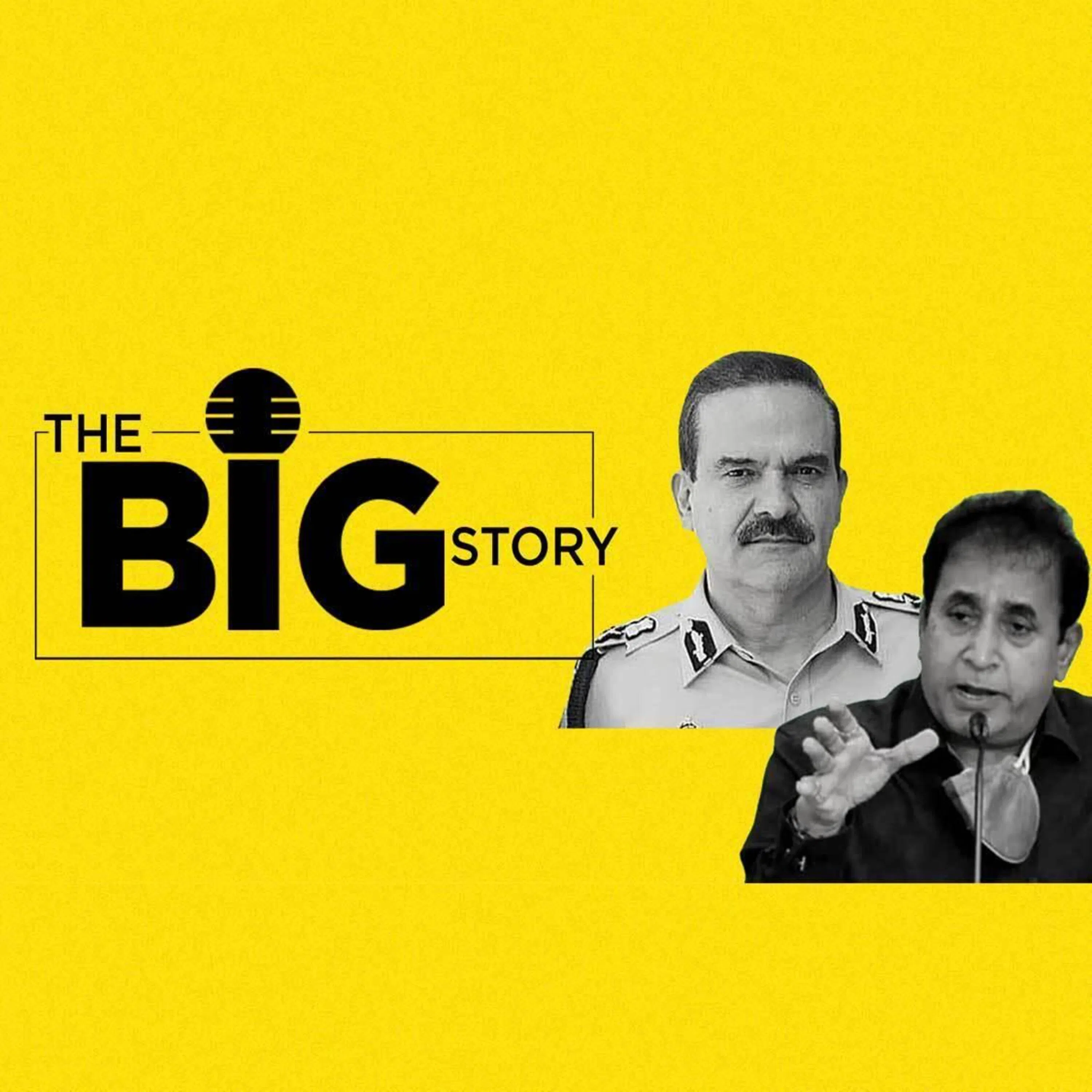
Ep 662What Does Param Bir Singh’s Letter Signify for Ambani-SUV Case?
In a new twist in the Ambani-SUV case, former Mumbai Police Commissioner Param Bir Singh, in an unsigned letter released on 20 March. accused Maharashtra Home Minister Anil Deshmukh of extortion, political overreach, and interference. In this eight-page letter, written to Maharashtra Chief Minister Uddhav Thackeray and Governor Bhagat Singh Koshyari, Singh claimed that Deshmukh had directed suspended API Sachin Vaze to “collect Rs 100 crore every month from bars, restaurants, and other establishments.” Deshmukh, on his part, refuted Singh’s allegation and has stated that Singh made the false allegations in a bid to protect himself from further legal action, in connection with the case. And speaking of legal action, Singh on 22 March filed a petition before the Supreme Court about his transfer to the home guard department, saying it was done in a “arbitrary and illegal” manner and “without the completion of the minimum fixed tenure of two years”. Singhs letter has become a crucial development in the Ambani-SUV case as it raises several doubts on Sachin Waze’s credibility as a cop and also his connection to the suspicious death of Manush Hiren, whose car was allegedly used to plant the explosive substance. The political fallout from the letter has also become, according to the Shiva Sena, a “matter of prestige” for the party-led government. So in today’s episode, we will go through the developments in the case, specifically to what Singh’s letter states, the political reactions from the Shiv Sena and the BJP on the same, and what does it all equate to for the Ambani-SUV case. Host and Producer: Himmat Shaligram Guest: Ritvick Bhalekar, Senior Correspondent, Quint Hindi. Editor: Shelly Walia Music: Big Bang Fuzz Listen to The Big Story podcast on: Apple: https://apple.co/2AYdLIl Saavn: http://bit.ly/2oix78C Google Podcasts: http://bit.ly/2ntMV7S Spotify: https://spoti.fi/2IyLAUQ Deezer: http://bit.ly/2Vrf5Ng Castbox: http://bit.ly/2VqZ9ur Learn more about your ad choices. Visit megaphone.fm/adchoices
Ep 661Does India Need to Reconsider it Approach to Foreign Critics?
On the eve of US Secretary of Defence Lloyd J. Austin visit to India, the Chairman of US Senate Foreign Relations Committee (SRFC) Bob Menendez urged Secretary Austin to raise concerns about India’s “deteriorating situation of democracy” Secretary Austin’s visit, which started on 19 March, is the maiden visit by a high-ranking member of President Joe Biden administration and is expected to meet Defence Minister Rajnath Singh, External Affairs Minister S Jaishankar and other senior national officials. In this letter to Austin, Menendez noted “getting the US-India partnership right is critical to addressing 21st-century challenges, and that includes urging the Indian government to uphold democratic values and human rights.” The criticism is certainly not the latest comment on India’s democracy, the most recent coming from a US-based human rights watchdog Freedom House which slated India from “Free” to “Partly Free” in its annual report on global political rights and liberties. The Centre termed the Freedom House report as “misleading, incorrect, and misplaced.” Minister Jaishankar further slammed the report and called out the outlets for their “hypocrisy” The letter from the Senate Foreign Relations Committee, which is a very influential government body on US foreign policy, does raise questions on how the Centre should handle criticism from external bodies and governments and where its response is warranted. Host and Producer: Himmat Shaligram Guest: Vivek Katju, former Secretary (West, Ministry of External Affairs Editor: Shelly Walia Music: Big Bang Fuzz Listen to The Big Story podcast on: Apple: https://apple.co/2AYdLIl Saavn: http://bit.ly/2oix78C Google Podcasts: http://bit.ly/2ntMV7S Spotify: https://spoti.fi/2IyLAUQ Deezer: http://bit.ly/2Vrf5Ng Castbox: http://bit.ly/2VqZ9ur Learn more about your ad choices. Visit megaphone.fm/adchoices