
The Big Story
511 episodes — Page 4 of 11

Ep 810Is Bail in the Aryan Khan Drug Case Being Unreasonably Denied?
In a detailed judgment, a special NDPS court denied bail to Aryan Khan, son of Bollywood superstar Shah Rukh Khan, on grounds of him knowing others travelling with him carrying drugs and that this amounted to “conscious possession”. The NDPS court in its judgment stated that WhatsApp chats indicate Aryan Khan was involved in “illicit drug activities for narcotic substances on a regular basis”. But it's important to point out that no drugs were found in possession of Khan when he was arrested and that WhatsApp chats the NCB provided as evidence are messages like “let's have a blast”. An outpour of support came for SRK and his family ever since Aryan Khan’s arrest and especially after the recent bail denial, with many on social media alleging “police harassment”. But why was bail denied by the special NDPS court, given the lack of evidence against Khan provided by the NCB, even after two weeks of custody? Why is it so hard to get bail under the NDPS Act? Is this really a case of police harassment or is bail being unreasonably denied? To analyse the latest developments in the Aryan Khan drugs case, we spoke with The Quint’s Legal Editor Vakasha Sachdev and Dr NC Asthana, who is the former DGP of Kerala, and ADG BSF/CRPF. Tune in! Host and Producer: Himmat Shaligram Guest: Vakasha Sachdev, The Quint's Legal Editor and Dr NC Asthana, former DGP of Kerala, and ADG BSF/CRPF. Editor: Shelly Walia Music: Big Bang Fuzz Listen to The Big Story podcast on: Apple: https://apple.co/2AYdLIl Saavn: http://bit.ly/2oix78C Google Podcasts: http://bit.ly/2ntMV7S Spotify: https://spoti.fi/2IyLAUQ Deezer: http://bit.ly/2Vrf5Ng Castbox: http://bit.ly/2VqZ9ur Learn more about your ad choices. Visit megaphone.fm/adchoices
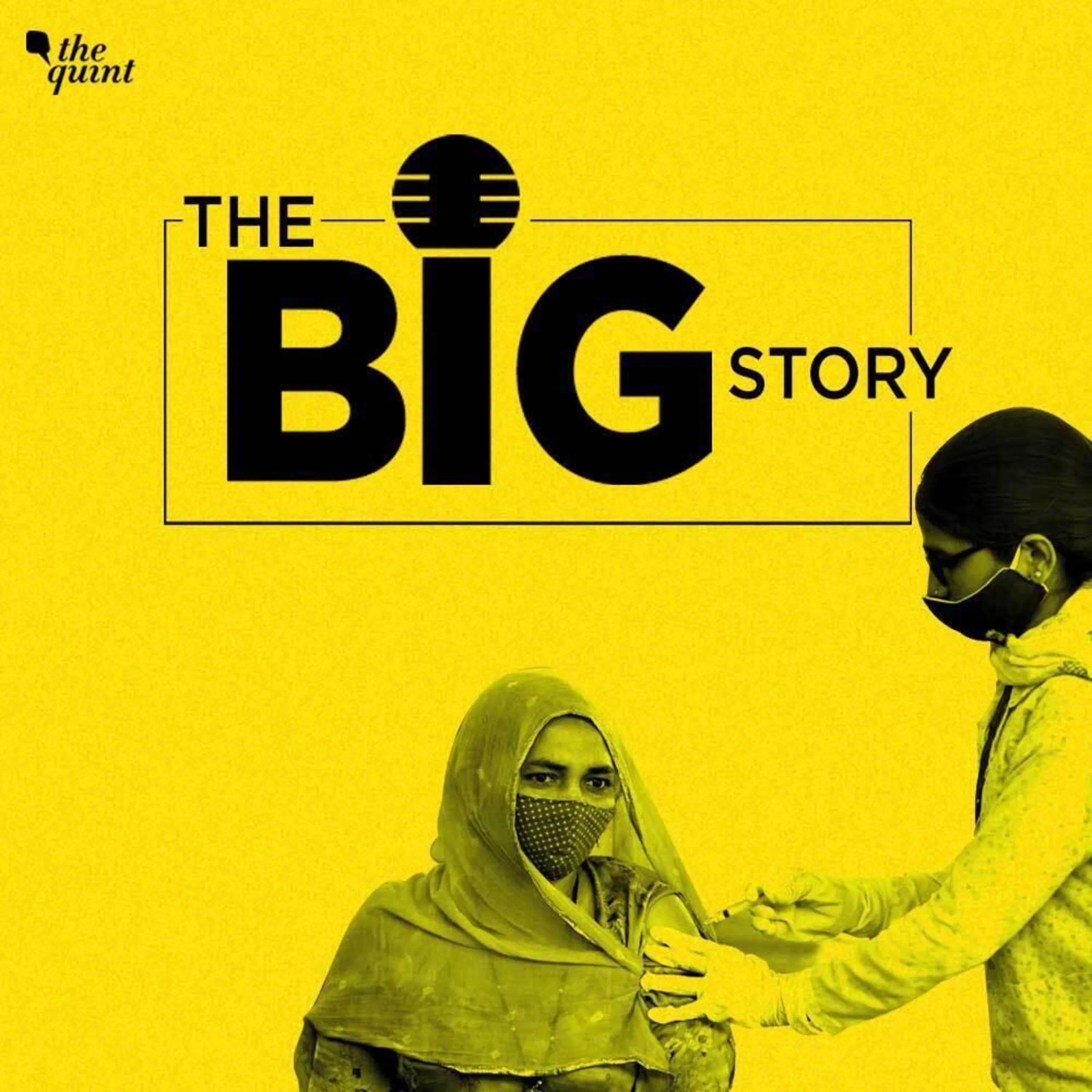
Ep 809One Billion COVID Doses Later, Is India on Track to Fully Vaccinate All Adults?
India administered its 1 billionth dose of the COVID-19 vaccine on Thursday, 21 October, passing a major milestone for a country where, just a few months ago, the Delta variant of the virus ripped through. The occasion was met with a lot of song and dance, with the Centre launching a new song and an audiovisual film to mark the landmark event. Along with that, the largest national flag, weighing 1,400 kg will be hoisted at the Red Fort. Soon after the country hit the milestone, PM Modi paid a visit to Delhi’s Dr Ram Manohar Lohia hospital to interact with health workers and vaccine beneficiaries. And given the hurdles that India faced in the initial days – from vaccine shortages, vaccine distribution problems to states and the deadly second wave that crippled our health care system for nearly three months – hitting one billion doses is no small achievement. But as India celebrates this major milestone, it's also important to remember that millions of people are still waiting to receive the vaccine and according to official figures, we have only fully vaccinated 30 percent of our nearly 1.4 billion population. And this statistic does not include children under 18, who make up nearly 40 percent of the population. Even though 74 percent of the population is vaccinated with one dose, the issue of vaccine hesitancy still exists, with at least 10 percent of the population according to a recent survey not planning on taking the vaccine at all. The Center also announced earlier in May that India’s adult vaccine drive will be completed before December 2021. But are we on track to meet that target? What hurdles is India currently facing in our vaccination drive, and nine months later, what lessons have we learned from them? Host and Producer: Himmat Shaligram Guest: Anjela Taneja, who is the Inequality Campaign Lead at Oxfam India and Dr Chandrakant Lahariya, an epidemiologist and a public policy expert. Editor: Shelly Walia Music: Big Bang Fuzz Listen to The Big Story podcast on: Apple: https://apple.co/2AYdLIl Saavn: http://bit.ly/2oix78C Google Podcasts: http://bit.ly/2ntMV7S Spotify: https://spoti.fi/2IyLAUQ Deezer: http://bit.ly/2Vrf5Ng Castbox: http://bit.ly/2VqZ9ur Learn more about your ad choices. Visit megaphone.fm/adchoices

Ep 808Is Boycotting the India-Pakistan T20 World Series Match the Best Option?
Ahead of the highly anticipated India-Pakistan T20 World Cup series match, a growing chorus of fans in India are urging the men-in-blue to boycott the match with their historic arch-rivals. The call for the boycott comes at the heels of targeted killings of civilians and deaths of Indian Army personnel in Jammu and Kashmir over the past few weeks where 11 civilians were gunned down. The uproar by fans reached to such an extent that on 19 October, the hashtag #BoycottPakistan started trending on social media. Though several politicians, including Union Minister Giriraj Singh stating that playing the match should be reconsidered given the current relations with the country, some in the sports industry like badminton legend Prakash Padukone feels that sports should not be mixed with politics. So what should the Indian teams play be here? And is boycotting a cricket match the best option in our hands? Host and Producer: Himmat Shaligram Guest: Ayaz Memon, renowned sports writer and journalist. Editor: Shelly Walia Music: Big Bang Fuzz Listen to The Big Story podcast on: Apple: https://apple.co/2AYdLIl Saavn: http://bit.ly/2oix78C Google Podcasts: http://bit.ly/2ntMV7S Spotify: https://spoti.fi/2IyLAUQ Deezer: http://bit.ly/2Vrf5Ng Castbox: http://bit.ly/2VqZ9ur Learn more about your ad choices. Visit megaphone.fm/adchoices

Ep 807'We Are Living in Fear': Kashmir Migrant Workers Speak on Targeted Killings
Targeted killing of migrant workers in Kashmir is triggering fear and anxiety across the valley, with hundreds now fleeing the region. Since 1 October, a total of eleven people have been the victim of targeted killings. After a spate of attacks in the region between 5-10 October, where at least seven civilians were killed, four more civilians-all of them migrant workers-were gunned down by militants between 16-17 October. Arbind Kumar Shah from Bihar’s Banka village and Sageer Ahmad from Saharanpur, Uttar Pradesh were gunned down in Srinagar and Pulwama respectively on 16 October. And just a day later, Raja Reshi Dev and Joginder Reshi Dev lost their lives after gunmen barged inside their rented rooms and opened fire at them in the Wanpoh area of Kulgam. Along with Raja and Joginder, the militants reportedly also shot and injured Chun Chun Reshi. All three belonged to Bihar and had moved to Kashmir for work. A terror outfit which calls itself the United Liberation Front has claimed responsibility for the attacks in Wanpoh while another outfit, The Resistance Front claimed that attacks in Srinagar last week. Kashmir has been a source of employment for lakhs of migrant workers for years, with close to 3-4 lakh labourers reportedly travelling to the Valley every year for work due to lack of employment in their state. From Arbind Kumar to Joginder Reshi Dev to Sageer Ahmad, all of them were the sole breadwinners for their families. In an earlier episode, we took a deep dive into why these killings are happening and the larger agenda behind them. You can find a link to that episode in our show notes. In today’s episode, we bring you voices of the migrant workers in Kashmir and family members of the migrant workers killed in the attacks. We also speak with Shakir Mir, a freelance Srinagar based journalist to understand the ground reality of Srinagar. Host and Producer: Himmat Shaligram Guest: Shakir Mir, a freelance Srinagar based journalist Editor: Shelly Walia Music: Big Bang Fuzz Also check out: What is the Intent of Terror Groups Behind Recent Civilian Killings in J&K? Listen to The Big Story podcast on: Apple: https://apple.co/2AYdLIl Saavn: http://bit.ly/2oix78C Google Podcasts: http://bit.ly/2ntMV7S Spotify: https://spoti.fi/2IyLAUQ Deezer: http://bit.ly/2Vrf5Ng Castbox: http://bit.ly/2VqZ9ur Learn more about your ad choices. Visit megaphone.fm/adchoices

Ep 806Kerala Flash Floods: Localised Phenomenon or Another Climate Change Warning?
Heavy rains and flash floods have lashed southern and central parts of Kerala since 14 October, resulting in at least 25 deaths and many more feared missing. This untimely havoc on the state has devastated districts across the state, with landslides and flash floods sweeping away houses and buildings. In one instance, rescue teams in Kerala’s Idukki district, while rummaging through debris, found the bodies of a mother and her son hugging each other. In another instance, three generations in a family of six were washed away in Kottayam district. Though the rain has reduced and a fresh spell is expected from Wednesday, 20 October, what has puzzled many experts is why such an extreme weather event took place in October, a time where monsoons in southwestern India have historically retreated. And no prizes for guessing why, it is all pointing to climate change. The India Meteorological Department (IMD) has stated that a low-pressure system in the Arabian Sea is the reason but the recurrent nature of this kind of extreme rain event in Kerala has led to many experts pointing towards climate change as the reason. So, are more extreme weather events expected in Kerala’s future? What systems need to be in place to detect this kind of event, and what lessons have the Kerala government learned from previous extreme weather events? Tune in! Host and Producer: Himmat Shaligram Guest: Anjal Prakash, Research Director and Associate Professor at Bharti Institute of Public Policy at Indian School of Business and an IPCC author, and KA Shaji, a senior Kerala-based environment journalist. Editor: Shelly Walia Music: Big Bang Fuzz Listen to The Big Story podcast on: Apple: https://apple.co/2AYdLIl Saavn: http://bit.ly/2oix78C Google Podcasts: http://bit.ly/2ntMV7S Spotify: https://spoti.fi/2IyLAUQ Deezer: http://bit.ly/2Vrf5Ng Castbox: http://bit.ly/2VqZ9ur Learn more about your ad choices. Visit megaphone.fm/adchoices

Ep 805What Does Tata Sons Need Do To Make Air India Profitable Again?
In a major step towards privatisation of State assets, the Union governement was finally able to sell Air India after trying for 20 years. Tata Sons, the original owners, took full control of the 'maharaja of the skies', as Air India is known, with its winning bid of Rs 18,000 crore, of which Rs 15,300 will go into financing the airline's debt and the rest as an upfront cash payment. For the Tata’s, purchasing Air India is both an emotional and a long-term bet. At one end, they have regained control of one of the company's first major projects, started by JRD Tata way back in the 1930s and on the other, it's a re-entry into the competitive Indian airline industry and rebranding Air India with the Tata business values will be a big financial challenge. How big exactly? According to a Hindu report, Tata could be looking at forking out an additional Rs 24,000 crore for just covering the operation and terminal services costs. And this is not counting the additional expenses of wages, pensions, and rebranding. So Tata’s upcoming journey with Air India is certainly a long-haul flight. In today’s episode, we discuss the challenges that Tata Sons may face with Air India, the current competition in the industry, and what it must do to make the airline fly high again. Host and Producer: Himmat Shaligram Guest: Jitender Bhargava, the former Executive Director of Air India and author of “The Descent of Air India”. Editor: Shelly Walia Music: Big Bang Fuzz Listen to The Big Story podcast on: Apple: https://apple.co/2AYdLIl Saavn: http://bit.ly/2oix78C Google Podcasts: http://bit.ly/2ntMV7S Spotify: https://spoti.fi/2IyLAUQ Deezer: http://bit.ly/2Vrf5Ng Castbox: http://bit.ly/2VqZ9ur Learn more about your ad choices. Visit megaphone.fm/adchoices

Ep 804How Safe in Bharat Biotech's Covaxin for Vaccinating Children?
In big news in India’s vaccination drive, the Subject Expert Committee (SEC) recommended to the Drug Controller General of India (DCGI) to grant emergency use authorisation for Bharat Biotech’s Covaxin for children as young as two years. On 12 October, the expert panel in a statement said that “after detailed deliberation, the committee recommended for grant of market authorisation of the vaccine for the age group of 2 to 17 years for restricted use in an emergency.” This announcement makes Covaxin the second vaccine after Zydus Cadila’s ZyCoV-D DNA based vaccine, to be approved for vaccinating those under the age of 18, and the first vaccine in the world to be approved for children below the age of 12. Though DCGI has not given the formal nod yet, the lack of publicly available data regarding the clinical trials and the fact that Covaxin has still not been approved by the World Health Organisation has raised some concerns with health experts on how effective the vaccine will be on children. What also does not help Bharat Biotech’s case is its previous lack of transparency about the conduct of Covaxin clinical trials in adults and how it reported adverse side effects. And this brings up the pertinent questions on every parents mind-how safe is Covaxin for children? How many doses should be administered? And do children already affected with COVID-19 need the vaccine? Host and Producer: Himmat Shaligram Guest: Dr Gagandeep Kang, a renowned virologist with CMC Vellore and a member of the National Technical Advisory Group on Immunisation (NTAGI) Editor: Shelly Walia Music: Big Bang Fuzz Listen to The Big Story podcast on: Apple: https://apple.co/2AYdLIl Saavn: http://bit.ly/2oix78C Google Podcasts: http://bit.ly/2ntMV7S Spotify: https://spoti.fi/2IyLAUQ Deezer: http://bit.ly/2Vrf5Ng Castbox: http://bit.ly/2VqZ9ur To help us answer these questions, for today’s episode we spoke to Dr Gagandeep Kang, a renowned virologist with CMC Vellore and a member of the COVID-19 World Group the National Technical Advisory Group on Immunisation. Learn more about your ad choices. Visit megaphone.fm/adchoices
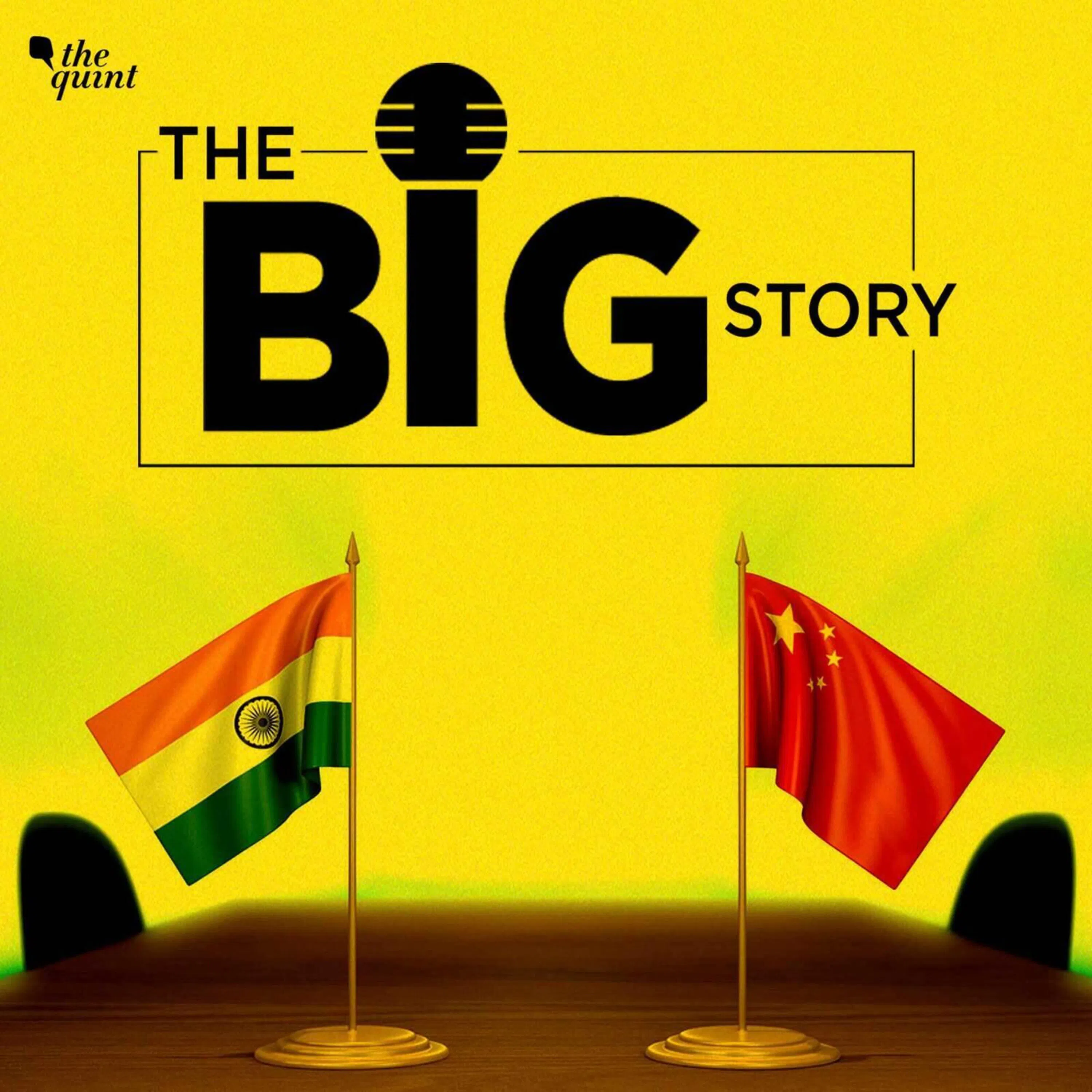
Ep 803Where do India-China Relations Stand After Failed Corp Commander Talks?
Seventeen months after the Galwan Valley standoff, India-China relations have moved from a deadlock to now a breakdown as the 13th round of Corps Commanders talks failed to reach any agreement. On 11 October, after India-China met at the Moldo border for the talks, both blamed each other for the failure to conclude the disputed Hot Springs area and exchanged sharp words in their statements. The Indian Army squarely blamed China in their statement, which said that “the Chinese side was not agreeable and also could not provide any forward-looking proposals”. In response, China criticised India, saying that “instead of misjudging the situation, the Indian side should cherish the hard-won situation in China-India border areas.” Ahead of the 13th round of talks, Indian and Chinese PLA forces had also been facing off at the tense border, with the latter intruding the LAC as recently as 28 September in the Tawang sector in Arunachal Pradesh with reportedly over 150 troops. But with the talks now reaching a stalemate over the Hot Springs area and both sides refusing to disengage troops, where do India-China border talks stand? Should we expect a more militarised LAC in the coming winter months? And what should India’s strategy be now to counter China’s growing assertiveness in the region? Host and Producer: Himmat Shaligram Guest: Srikanth Kondapalli, Professor in Chinese studies at Jawaharlal Nehru University Editor: Shelly Walia Music: Big Bang Fuzz Listen to The Big Story podcast on: Apple: https://apple.co/2AYdLIl Saavn: http://bit.ly/2oix78C Google Podcasts: http://bit.ly/2ntMV7S Spotify: https://spoti.fi/2IyLAUQ Deezer: http://bit.ly/2Vrf5Ng Castbox: http://bit.ly/2VqZ9ur Learn more about your ad choices. Visit megaphone.fm/adchoices

Ep 802What is the Intent of Terror Groups Behind Recent Civilian Killings in J&K?
Since 5 October, seven civilians—Satinder Kour, Deepak Chand, Majid Ahmad Gojri, Mohammad Shafi Dar, Virendar Paswan, Mohammad Shafi Lone and ML Bindroo—were all killed in separate incidents in Srinagar and Bandipore. This year, according to The Indian Express, at least 28 civilians have been killed in Kashmir till 7 October. Some victims from the recent killings also belonged to religious minority groups. So far, a terror outfit that calls itself “The Resistance Front” (TRF) has claimed responsibility for the attacks. However, no suspects have been apprehended yet by the J&K police. But the question which looms in the air is what is the intent behind these killings? Is it to instil fear in the community or is there a larger agenda behind it? And what does the spike in killings speak of the functioning of the J&K security forces? For this, for today's episode, we spoke with political commentator and author Varad Sharma and former GoC of Srinagar based 15 Core Lt Gen Syed Ata Hasnain. Host and Producer: Himmat Shaligram Guest: Varad Sharma, political commentator and author and Lt Gen Syed Ata Hasnain, former GoC of Srinagar based 15 Core. Editor: Shelly Walia Music: Big Bang Fuzz Listen to The Big Story podcast on: Apple: https://apple.co/2AYdLIl Saavn: http://bit.ly/2oix78C Google Podcasts: http://bit.ly/2ntMV7S Spotify: https://spoti.fi/2IyLAUQ Deezer: http://bit.ly/2Vrf5Ng Castbox: http://bit.ly/2VqZ9ur Learn more about your ad choices. Visit megaphone.fm/adchoices

Ep 801Will Facebook's Whistleblower Leaks Lead to More Regulation?
You may think that it’s been an unsteady week for Facebook, with all its platforms like Facebook, WhatsApp and Instagram going dark for six hours on 4 October, affecting billions around the globe. But, this wasn’t the worst thing to happen to Facebook this week. Based on a trove of over 10,000 documents provided by a whistleblower, The Wall Street Journal over the past few weeks revealed that Facebook fully understands how its products influence and harm society. And just a day after the outage, the crisis deepened after the whistleblower, Frances Haugen, a former Facebook employee, came forward and testified before the US Congress and gave lawmakers a candid view on how the company functions and its efforts to keep people hooked on the platform despite knowing its ill effects. For example, in an internal study by Facebook, the company knew the negative impact Instagram has on teenage girls, how certain algorithms designed to make the platform a healthier place were actually having the opposite effect and the fact that Facebook senior management, including CEO Mark Zuckerberg, knew all of this. In this episode, we break down what exactly was revealed by the whistleblower, its impact and also answering the bigger question-whats next for Facebook? Are more stringent regulations in its future? and what would they be? Host and Producer: Himmat Shaligram Guest: Apar Gupta, Executive Director of the Internet Freedom Foundation. Editor: Shelly Walia Music: Big Bang Fuzz Listen to The Big Story podcast on: Apple: https://apple.co/2AYdLIl Saavn: http://bit.ly/2oix78C Google Podcasts: http://bit.ly/2ntMV7S Spotify: https://spoti.fi/2IyLAUQ Deezer: http://bit.ly/2Vrf5Ng Castbox: http://bit.ly/2VqZ9ur Learn more about your ad choices. Visit megaphone.fm/adchoices

Ep 800World's First Malaria Vaccine 'Mosquirix' - Why is it a Breakthrough?
Malaria has been prevalent long enough for it to be able to make it to a Bollywood song. But we finally have a breakthrough to be able to prevent this infectious parasitic disease, that has caused lakhs and lakhs of deaths worldwide, year after year. On 6 October, the World Health Organisation recommended the world's first malaria vaccine — Mosquirix that has been developed by British pharmaceutical GlaxoSmithKline in 1987, for malaria prevention in children living in regions with moderate to high transmission of this disease. Children under five, it has been found out, are the most susceptible to malaria. In 2019, they accounted for 67 percent (274 000) of all malaria deaths worldwide. The WHO's recommendation for administering Mosquirix to children is based on the data of an ongoing pilot programme in Ghana, Kenya and Malawi that has been able to provide more than 2.3 million doses to over 8,00,000 children, since 2019. The efficacy of the vaccine has been proven to be around 40 percent so basically it can prevent four out of ten cases of malaria. Sure, that's not foolproof but experts have a reason to believe that it is a remarkable development. The pilot drive found out that the vaccine is safe, it's cost effective, it improves health and can saves lives with good and equitable coverage that can be assured through routine immunization. And, most importantly, this vaccine was found to be able to prevent three out ten cases of severe malaria. But how does Mosquirix work? Why did it take so long to develop this vaccine? What will be the impact of scientific development in developing countries in Africa and also India where malaria infections are prevalent? Tune in! Host and Producer: Shorbori Purkayastha Guest: Dr Ambarish Dutta, Associate Professor of epidemiology at the Indian Institute of Public Health, Bhubaneswar Editor: Vaishali Sood Music: Big Bang Fuzz References: WHO Approves World’s First Malaria Vaccine: All You Need To Know Listen to The Big Story podcast on: Apple: https://apple.co/2AYdLIl Saavn: http://bit.ly/2oix78C Google Podcasts: http://bit.ly/2ntMV7S Spotify: https://spoti.fi/2IyLAUQ Deezer: http://bit.ly/2Vrf5Ng Castbox: http://bit.ly/2VqZ9ur Learn more about your ad choices. Visit megaphone.fm/adchoices

Ep 799How Will India's Coal Shortage Crisis Affect the End Consumer?
Coal, which is used to produce almost 70 percent of electricity in India, is alarmingly depleting in the country, with stockpiles plunging to their lowest record since 2018 and may only last three more days according to the power ministry. As of 4 October, out of the 104 thermal power plants in India, 16 plants which bring in the significant chunk of the power generation capacity have zero days of stocks. Forty-five of these plants report stocks only for the next couple of days. And with half the countries coal plants on high alert, India is reportedly staring at crisis which could go on for as long as six months according to the power minister. In an interview with The Indian Express, Power Minister Raj Kumar Singh was quoted saying that it is a “touch and go” situation for the next few weeks. This shortage also comes at a time when the global prices of coal and natural gas, which is predominantly used to power industrial factories and also heat homes, is at a multi-year high. This increase in price has been attributed to several countries coming out of the depths of the pandemic and thus the demand of electricity increasing. With India stepping into the festival month of October and winters just around the corner, what will be the impact of this shortage on the end consumer? Does this mean an increase in your electricity bills or more than usual power cuts in the coming months? Host and Producer: Himmat Shaligram Guest: Narendra Taneja, a leading energy expert and the chairman of Independent Energy Policy Institute. Editor: Shelly Walia Music: Big Bang Fuzz Listen to The Big Story podcast on: Apple: https://apple.co/2AYdLIl Saavn: http://bit.ly/2oix78C Google Podcasts: http://bit.ly/2ntMV7S Spotify: https://spoti.fi/2IyLAUQ Deezer: http://bit.ly/2Vrf5Ng Castbox: http://bit.ly/2VqZ9ur Learn more about your ad choices. Visit megaphone.fm/adchoices

Ep 798Aryan Khan Case: How Legally Sound Are the Charges Invoked by the NCB?
A high-profile drug bust case from Mumbai has been grabbing headlines since the weekend and raking up the hotly pursued pitch of "bollywood drug nexus". Part of the reason for this enormous attention is because it involves Bollywood superstar Shah Rukh Khan’s 23-year-old son Aryan Khan, who was arrested with seven others by the Narcotics Control Bureau after they allegedly uncovered cocaine, charas, MDMA, and ecstasy from the accused from a Goa-bound cruise ship. Though no drugs were found on Aryan Khan, he has not been granted bail since the NCB claimed that it has recovered “shocking and incrementing evidence” on his phone. The NCB sought for custody for Khan and others till 11 October but it was only granted till 7 October by a magistrate's court in Mumbai. While many TV news channels have given it “Bollywood drug nexus” or the “international drug racket” spin, an angle that amply discussed during the Sushant Sing Rajput case in 2020, what do we know so far about the case? How legally sound are the charges against the accused in this case, and why is this case making all headlines across the country? To discuss the developments in the case, for this episode we spoke with former DGP of Kerala and author Dr NC Asthana and Vakasha Sachdev, The Quint’s Legal Editor. Tune in! Host and Producer: Himmat Shaligram Guest: Dr NC Asthana, former DGP of Kerala and Vakasha Sachdev, The Quint’s Legal Editor. Editor: Shelly Walia Music: Big Bang Fuzz Listen to The Big Story podcast on: Apple: https://apple.co/2AYdLIl Saavn: http://bit.ly/2oix78C Google Podcasts: http://bit.ly/2ntMV7S Spotify: https://spoti.fi/2IyLAUQ Deezer: http://bit.ly/2Vrf5Ng Castbox: http://bit.ly/2VqZ9ur Learn more about your ad choices. Visit megaphone.fm/adchoices

Ep 797Why Did the UP Govt Prevent Opposition Leaders From Visiting Lakhimpur Kheri?
The farmers' protests in Uttar Pradesh’s Lakhimpur Kheri district on 3 October took a grim turn as at least eight people were killed, including four farmers, after a vehicle part of a ministerial convoy allegedly ploughed through the crowd. The vehicle, according to several media reports and farmer statements, was part of a convoy in which the Union minister of state Ajay Misra’s son, Ashish Misra, was part of and the SUV he was allegedly driving ran over three farmers. In the horrific violence that followed the incident, four BJP workers – who were part of the minister’s convoy – were killed. The angry farmers also reportedly vandalised and set fire to the convoy vehicles. Meanwhile, the incident also kicked up a political storm with the UP Police stopping and detaining opposition party leaders like Congress’ Priyanka Gandhi and Samajwadi Party leader Akhilesh Yadav from visiting the site. The state government also prohibited Punjab and Chhattisgarh chief ministers from landing in Lucknow after both expressed that they want to pay a visit to the kin of the deceased farmers. So what exactly happened in Lakhimpur Kheri which has warranted such a strong reaction from the UP government? Host and Producer: Himmat Shaligram Guest: Aditya Menon, The Quint’s Political Editor. Editor: Shelly Walia Music: Big Bang Fuzz Listen to The Big Story podcast on: Apple: https://apple.co/2AYdLIl Saavn: http://bit.ly/2oix78C Google Podcasts: http://bit.ly/2ntMV7S Spotify: https://spoti.fi/2IyLAUQ Deezer: http://bit.ly/2Vrf5Ng Castbox: http://bit.ly/2VqZ9ur Learn more about your ad choices. Visit megaphone.fm/adchoices

Ep 796Ambani Bomb Scare: What Explains Param Bir Singh's Sudden Disappearance?
Once the top cop in the Mumbai Police, Param Bir Singh now has a lookout notice issued against him for allegedly being on the run and reportedly even leaving the country. The recent development in the extortion case connected with the Antilia bomb scare incident comes after Maharashtra Home Minister Dilip Walse Patil on 30 September said that the state government is on the lookout for Singh and that they are working with the Centre to find him. Singh, who has multiple corruption allegations, has been summoned on several occasions by the National Investigation Agency, the Central Bureau of Investigations and several Mumbai police stations for warrants against him. However, he has not turned up for a single one. But the big question is- how is it possible that a serving Mumbai Police senior official can just disappear without anyone's notice? And what does it speak about the governmental agencies handling the investigation? Host and Producer: Himmat Shaligram Guest: Sujata Anandan, senior journalist and Vakasha Sachdev, The Quint's Legal Editor. Editor: Shelly Walia Music: Big Bang Fuzz Listen to The Big Story podcast on: Apple: https://apple.co/2AYdLIl Saavn: http://bit.ly/2oix78C Google Podcasts: http://bit.ly/2ntMV7S Spotify: https://spoti.fi/2IyLAUQ Deezer: http://bit.ly/2Vrf5Ng Castbox: http://bit.ly/2VqZ9ur Learn more about your ad choices. Visit megaphone.fm/adchoices

Ep 795What Explains the Political Crisis in Congress Party State Units?
The ongoing political crisis in Punjab Congress has drawn concern from across the Grand Old Party, pertinently on the functioning of its leadership. Just two days after the surprise resignation of Navjot Singh Sidhu, G-23 members voiced their anger on the leadership vacuum at the helm of the party, with senior leaders like Kapil Sibal stating that they are not blind supporters of the party and definitely not Ji Huzoor-23. To add to the list of worries, the party is also witnessing an exodus of veteran leaders from key bastions of Goa and Punjab just months away from the 2022 elections. Although at the same time, the party has been making some strides in inducting fresh young faces in Kanhaniya Kumar and Jignesh Mevani, the lack of confidence in the party’s high command can be seen across the country. In our previous episode, we took a deep dive into what led to Sidhu’s resignation and its political impact on the Punjab Congress. In today’s episode, we take a macro view of the crisis in the Congress party, the role of new inductees, and what the party needs to do to right their ship. Host and Producer: Himmat Shaligram Guest: Anita Katyal, Senior Journalist Editor: Shelly Walia Music: Big Bang Fuzz Listen to The Big Story podcast on: Apple: https://apple.co/2AYdLIl Saavn: http://bit.ly/2oix78C Google Podcasts: http://bit.ly/2ntMV7S Spotify: https://spoti.fi/2IyLAUQ Deezer: http://bit.ly/2Vrf5Ng Castbox: http://bit.ly/2VqZ9ur Learn more about your ad choices. Visit megaphone.fm/adchoices

Ep 794The Twists and Turns in Congress Party as Navjot Singh Sidhu Resigns
Punjab Congress seems to have descended deeper into chaos after the surprise resignation of the state Congress committee chief Navjot Singh Sidhu, which came just two days after a new state Cabinet was announced. In his resignation letter, which was posted on his Twitter profile on 28 September, he said that “the collapse of a man’s character stems from the compromise corner” and that he can never compromise on the state’s future and welfare. In a video posted on 29 September, Sidhu hinted that it was the inclusion of certain politicians in the new Cabinet which led to his resignation. To add further insult to injury, none of his Cabinet recommendations were considered for the Cabinet. His resignation also comes 10 days after the ouster of Captain Amarinder Singh from the chief minister's office, a change that Sidhu spearheaded since he took on the role of Punjab Pradesh Congress Committee chief in July. Amarinder Singh has also been opposing Sidhu being the CM face in upcoming polls tooth and nail and now with news of him meeting Union Home Minister Amit Shah at at the latter's residence, there is a lot of curiosity around the possibility of Singh joining the Bharatiya Janata Party. And with taunts coming in from the BJP and AAP quarters on the Congress party's failure in Punjab and the Congress’s G-23 leader Kapil Sibal also raising pointed questions on who is making the calls at the top, the party is left trying to douse fires in all corners of its house. The million dollar question on everyone's mind is, What is really happening in the Congress party? Why is the party high command unable to helm this ship? To discuss Sidhu’s resignations, its political impact and the Congress party, I am joined today by Aditya Menon, The Quint’s Political Editor. Host and Producer: Himmat Shaligram Guest: Aditya Menon, The Quint’s Political Editor. Editor: Shelly Walia Music: Big Bang Fuzz Listen to The Big Story podcast on: Apple: https://apple.co/2AYdLIl Saavn: http://bit.ly/2oix78C Google Podcasts: http://bit.ly/2ntMV7S Spotify: https://spoti.fi/2IyLAUQ Deezer: http://bit.ly/2Vrf5Ng Castbox: http://bit.ly/2VqZ9ur Learn more about your ad choices. Visit megaphone.fm/adchoices

Ep 793Why is Centre Pushing For National Health ID, Despite the Privacy Concerns?
How much is too much when it comes to data collection? The age old debate on data privacy has been stirred again with Prime Minister Narendra Modi launching the Ayushman Bharat Digital Mission on 28 September. Under this, every Indian citizen will be provided with a health ID, which will record every health related activity of a person, be it a visit to your local pharmacy or to the hospital for a consultation. At present, the health ID project has been rolled out in a pilot phase to all six Union territories and according to official figures, more than 1 lakh health IDs have been created. The Center has clarified that, at the moment, it is voluntary to get a health ID. But the project, even when it was introduced last year in 2020, faced flak from health, technology and privacy experts since it abysmally failed to address some key data privacy norms in the realms of consent, security and privacy, the latter being the most pertinent given the fact that India does not yet have a data protection bill. And another crucial point raised on the issue is whether India actually requires a digital health ID system at this point, given the gaps in primary and tertiary health care across India and the digital divide between urban and rural India. So, why is Centre adamant on pushing this plan when the issue of personal privacy and the gaps in the country's public health infrastructure still persist? To understand this better, we spoke with Srinivas Kodali, an independent researcher at the Free Software Movement of India. Tune in! Host and Producer: Himmat Shaligram Guest: Srinivas Kodali, an independent researcher at the Free Software Movement of India Editor: Shelly Walia Music: Big Bang Fuzz Listen to The Big Story podcast on: Apple: https://apple.co/2AYdLIl Saavn: http://bit.ly/2oix78C Google Podcasts: http://bit.ly/2ntMV7S Spotify: https://spoti.fi/2IyLAUQ Deezer: http://bit.ly/2Vrf5Ng Castbox: http://bit.ly/2VqZ9ur Learn more about your ad choices. Visit megaphone.fm/adchoices
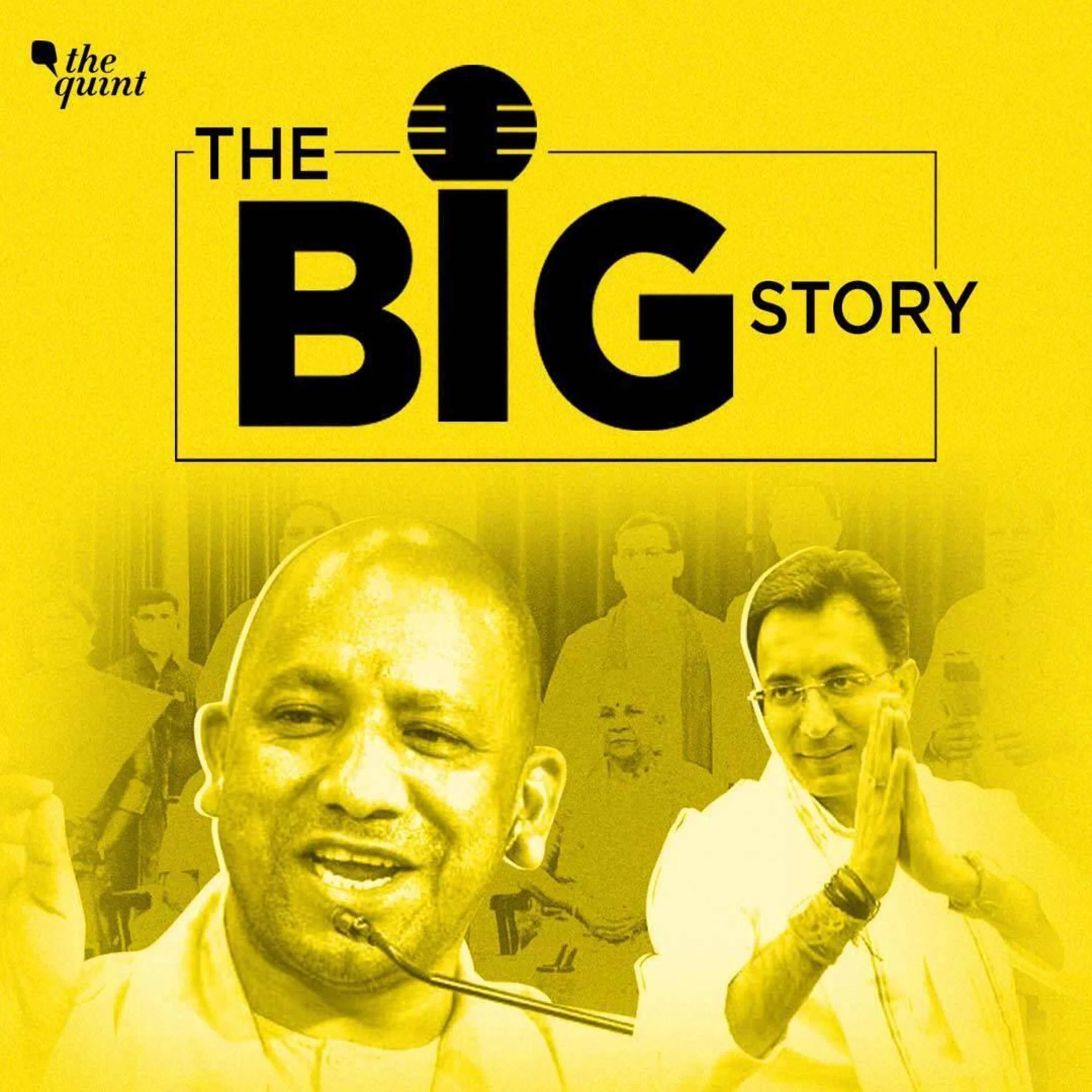
Ep 792Decoding Yogi Adityanath's Cabinet Social Engineering Move Ahead of Polls
With less than six months for Uttar Pradesh to head to polls, the Bhartiya Janta Party seems to be checking all the boxes in its state Cabinet to ensure a victory. On Sunday, 26 September, UP Chief Minister Yogi Adityanath expanded his Cabinet with seven new faces, with the most prominent being that of former Congress leader Jitin Prasada, who was given a Cabinet berth. The UP Cabinet has now been stretched to 60, the maximum allowed constitutionally. Prasada, who jumped ship from the grand old party earlier this year in June, will reportedly help consolidate the Brahmin vote bank for the BJP. Aside from Prasada, Sunday’s Cabinet expansion also included Chhatarpal Gangwar, Paltu Ram, Sangeeta Balwant, Sanjeev Kumar, Dinesh Khatik and Dharam Veer Prajapati, who belong to the OBC, SC and ST community, and will all join as ministers of state. The new Cabinet also signals a clear exercise of social engineering, with the BJP trying to woo the Brahmin vote with the inclusion of Prasada and giving more representation to Dalits and OBC’s in the UP Cabinet. It also mirrors the same social engineering tactics made in the recent Union Cabinet reshuffle in July. But the big question is whether this social engineering – just months away from elections – work in the BJP’s favour? Host and Producer: Himmat Shaligram Guest: Amitabh Tiwari, Political Analyst. Editor: Shelly Walia Music: Big Bang Fuzz Listen to The Big Story podcast on: Apple: https://apple.co/2AYdLIl Saavn: http://bit.ly/2oix78C Google Podcasts: http://bit.ly/2ntMV7S Spotify: https://spoti.fi/2IyLAUQ Deezer: http://bit.ly/2Vrf5Ng Castbox: http://bit.ly/2VqZ9ur Learn more about your ad choices. Visit megaphone.fm/adchoices
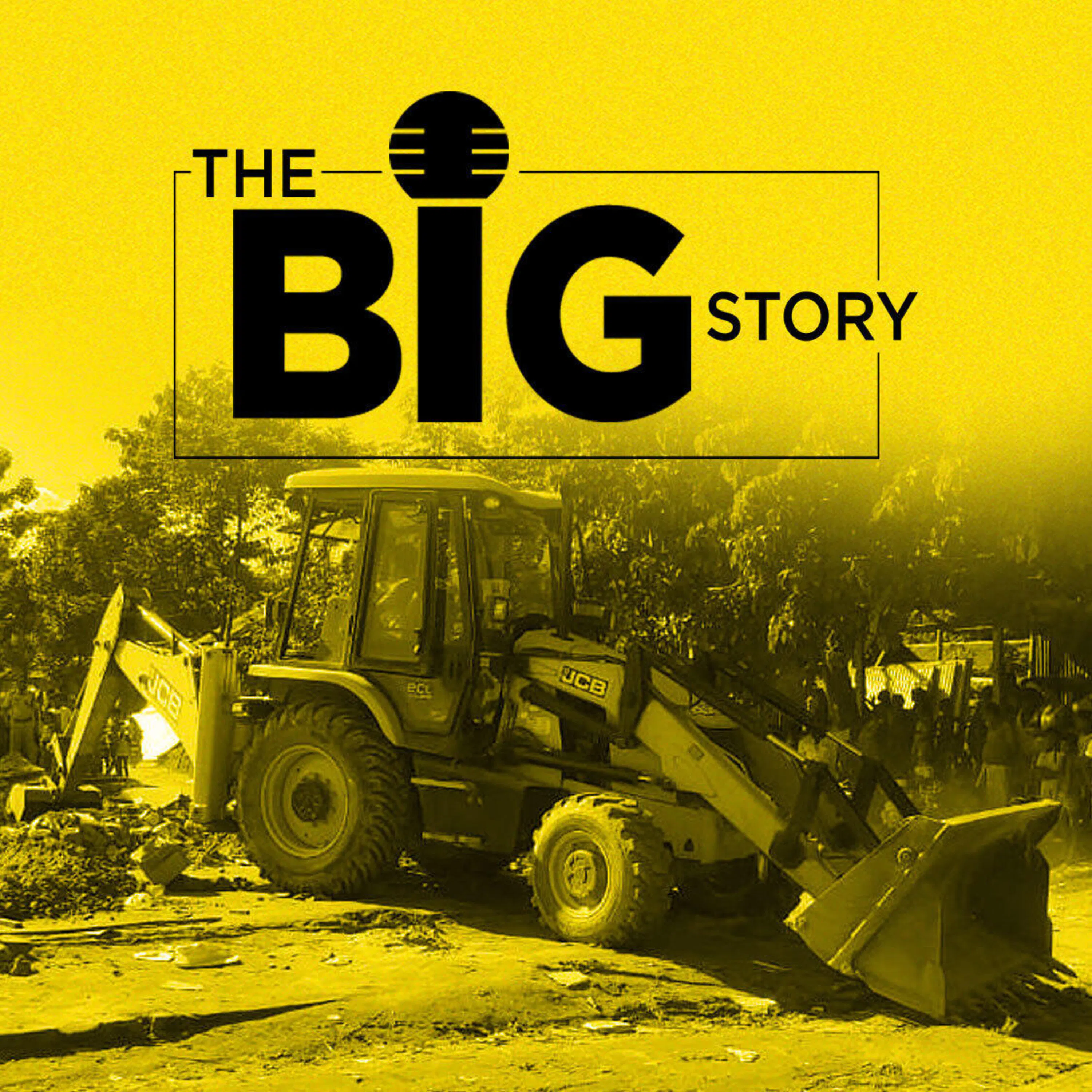
Ep 791What Does Assam Evictions Say About Lack of Social Security for the Landless?
In a very shocking and saddening incident from Assam, at least two people were reported dead in police firing and nine injured, after violent clashes broke out on 23 September, during an eviction drive in Darrang district. Disturbing videos of the clashes between the locals and police from the eviction drive that have surfaced online, give a glimpse into unrestrained police brutality. One particular video that has drawn a lot of anger, shows policemen firing at the residents of Sipajhar area, when a lone local charges at them with a stick. And, in this mayhem he is then seen being thrashed brutally by the police even as his body lies motionless. While this incident of violence has drawn a lot of reprobation from ordinary citizens, activists, and politicians alike, the eviction drive itself is also raising a lot of questions. Over the past few months, the Assam government has embarked on an anti-encroachment drive that has rendered hundreds of people from socially and economically marginalised communities homeless. But unlike the previous eviction drives, the recent one that began from 20 September, is seen to be a far bigger exercise to clear 4,500 bighas of encroached land that according to the Assam Chief Minister, Himanta Biswa Sarma's own tweet, has left people from 800 households homeless. This raises several questions: Firstly, with a large number of the displaced families being Muslims of Bengali origins, is the Assam government's anti-encroachment drive likely to heighten polarisation in the state? Secondly, with a recent analytical report from the Housing and Land Rights Network (HLRN) also pointing out that nearly 21 people were evicted every hour in the pandemic months between March 2020 and July 2021, what kind of a commentary do these evictions from Assam and other parts of India present on the lack of social security for the landless? How do these acts affect lives and livelihoods of marginalised people? Thirdly, how should authorities go about evictions without impinging on the dignity of living? What are the safeguards required to ensure that such drives don't leave people with nowhere to go? Tune in! Producer and Host: Shorbori Purkayastha Guests: Suraj Gogoi, PhD scholar of Sociology at the National University of Singapore; Manish, Lawyer and Researcher at the Centre for Policy Research; Mukta Joshi, Legal Associate at Land Conflict Watch Editor: Shelly Walia Music: Big Bang Fuzz Listen to The Big Story podcast on: Apple: https://apple.co/2AYdLIl Saavn: http://bit.ly/2oix78C Google Podcasts: http://bit.ly/2ntMV7S Spotify: https://spoti.fi/2IyLAUQ Deezer: http://bit.ly/2Vrf5Ng Learn more about your ad choices. Visit megaphone.fm/adchoices
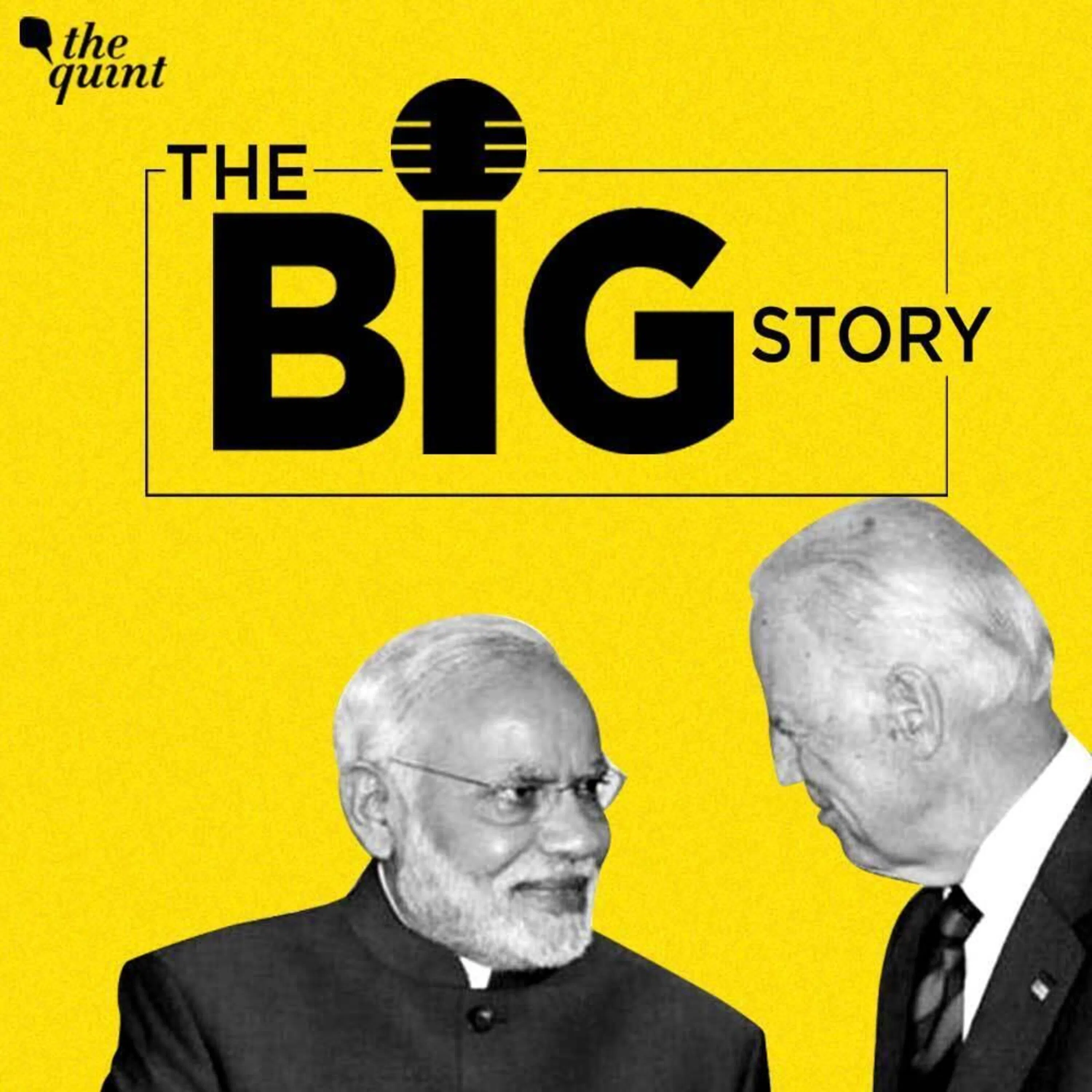
Ep 790What to Expect from QUAD as PM Narendra Modi Visits the US
From being the first speaker at the 76th United Nations (UN) General Assembly to holding meetings with CEOs of big companies, and scheduled bilateral discussions, Prime Minister Narendra Modi’s three-day US visit is jam-packed. However, this visit also comes in the backdrop of an array of geopolitical developments – from the fallout in Afghanistan to the recent strategic alignments between the US and Australia and uncertainties of the COVID-19 pandemic. Pertinent to this visit will be the first in-person leaders' meeting of the Quad – an alliance between India, US, Australia, and Japan – on 24 September. The group, which has only met sporadically since it was formed in 2007, is officially committed to a shared vision “for an Indo-Pacific region that is free, open, resilient and inclusive” by strengthening its relations on supply chain, communications, technology and climate chance projects. However, its recent revival in 2017 and again in 2021 is seen to be largely due to the growing assertion of China in the Indo-Pacific region and all four countries have their respective motivations to dilute China’s military presence in the region. And now, given the geopolitical flux in the region with the fallout in Afghanistan and India’s sour relations with China post Galwan Valley clashes, what is expected out of the Quad summit? And what role can India play in it? Host and Producer: Himmat Shaligram Guest: Akshobh Giridharadas, a US based journalist and Manoj Joshi, a distinguished fellow at the Observer Research Foundation. Editor: Shelly Walia Music: Big Bang Fuzz Listen to The Big Story podcast on: Apple: https://apple.co/2AYdLIl Saavn: http://bit.ly/2oix78C Google Podcasts: http://bit.ly/2ntMV7S Spotify: https://spoti.fi/2IyLAUQ Deezer: http://bit.ly/2Vrf5Ng Castbox: http://bit.ly/2VqZ9ur Learn more about your ad choices. Visit megaphone.fm/adchoices

Ep 789Why Is the UK Government Hesitant To Recognise Vaccines Jabs from India?
Following a massive backlash from India over its “racist” and "discriminatory" travel restrictions, the United Kingdom (UK) finally recognised Covishield in its list of approved COVID-19 vaccines on Wednesday, 22 September. The new travel policy in the UK, which is set to kick in from 4 October, had left many Indians confused as it required even the fully vaccinated travellers to undergo COVID-19 tests before departure and after arrival, and a mandatory 10-day quarantine when they land in the UK. What further infuriated people was the fact that the rules were different for other travellers who have been inoculated with vaccines such as Pfizer, Moderna, and Johnson and Johnson. Pertinently, what is puzzling about the refusal was that Vaxzevria, the UK version of the Oxford-AstraZeneca vaccine, which is branded as Covishield in India, are the same vaccine, to the extent where India even exported 5 million doses of Covishield to UK to help with their vaccine rollout earlier this year. But even though the UK government has now recognised Covishield, according to the new rules, there is no respite to Indian travellers since they would still have to undergo all the COVID-19 tests and even the 10-day quarantine. So what is making the UK government refuse the authenticity of the Indian shot? What are their concerns? And what steps can the union government take to rectify this issue? To understand this, for today’s episode we spoke with health journalist Divya Rajagopal and former Indian ambassador Anil Tringunayat. Tune in! Host and Producer: Himmat Shaligram Guest: Divya Rajagopal, senior health journalist and former Indian ambassador Anil Tringunayat. Editor: Shelly Walia Music: Big Bang Fuzz Listen to The Big Story podcast on: Apple: https://apple.co/2AYdLIl Saavn: http://bit.ly/2oix78C Google Podcasts: http://bit.ly/2ntMV7S Spotify: https://spoti.fi/2IyLAUQ Deezer: http://bit.ly/2Vrf5Ng Castbox: http://bit.ly/2VqZ9ur Learn more about your ad choices. Visit megaphone.fm/adchoices

Ep 788With Defections & Dissension, Why is Bengal BJP Seeming Directionless?
All's not looking well for the BJP in West Bengal. Amid a spate of defections of BJP leaders to the Trinamool Congress, the party's state chief Dilip Ghosh was shifted to the post of the national vice-president, well before his term was due to end. In his stead, Sukanta Majumdar, a relatively lesser-known first-time MP, has been appointed as the chief of BJP in Bengal, at a time when the party seems to be facing a very serious organisational crisis at the state level. While there have been complaints about Ghosh's leadership, especially since the BJP faced a humiliating defeat in the state assembly polls unlike its expectations, the change of guard is also believed to have been spurred by a series of desertions from the party that has exposed a chink in its armour. Ever since their electoral defeat in the state, the BJP has been struggling to keep its party together in West Bengal, with reports of infighting and defections. Over the past few months, four party MLAs, who were former TMC leaders, have gone back to the TMC – Mukul Roy being one of the prominent faces among them. But after Roy's 'ghar wapsi,' former Union minister and two-time Asansol MP Babul Supriyo switching to the TMC was perhaps a bigger blow to the BJP. Now, with murmurs of more possible defections, will the reshuffling in the state leadership be able arrest the niggling problems within the party? What will be the task ahead for Sukanta Majumdar, the new state unit chief? Why is the party seeming so directionless and imploding with dissension in West Bengal? Tune in! Producer and Host: Shorbori Purkayastha Guests: Ishadrita Lahiri, Kolkata Correspondent, The Quint Nilanjan Mukhopadhyay, Senior Journalist Editor: Shelly Walia Music: Big Bang Fuzz References: BJP MLA Count Down By 6 Since Bengal Polls: Why Is It Failing To Retain Leaders? Listen to The Big Story podcast on: Apple: https://apple.co/2AYdLIl Saavn: http://bit.ly/2oix78C Google Podcasts: http://bit.ly/2ntMV7S Spotify: https://spoti.fi/2IyLAUQ Deezer: http://bit.ly/2Vrf5Ng Learn more about your ad choices. Visit megaphone.fm/adchoices

Ep 787Does the Change of Guard in Punjab Signal a Congress Party Makeover?
The political corridors in Punjab were bustling over the last two days, with the resignation of one of its oldest guards Captain Amarinder Singh on 18 September and, just 24 hours later, the surprise pick of Dalit Sikh Charanjit Singh Channi as the new chief minister. The Captain’s resignation comes after months of infighting, public insults and bitter jabs between him and his political arch-rival Navjot Singh Sidhu, who had been gunning for the Captain’s ouster for the better part of this year. However, the final straw towards the Captain’s resignation fell after a faction of MLAs wrote a letter to the Congress high command, voicing a change in leadership and a lack of confidence in him, resulting in the former CM’s public statement that he “feels humiliated” and resigning from his post. The change in guard in Punjab also comes just four months before the state heads to polls. So what are the tasks ahead the new CM? Will he be able to bring the divided party together? What lies next for Amarinder Singh and most importantly, is this signalling a change in the functioning of the Grand Old Party? To analyse these questions, for this episode, we spoke with Host and Producer: Himmat Shaligram Guest: Aditya Menon, The Quint’s Political Editor. Editor: Shelly Walia Music: Big Bang Fuzz Listen to The Big Story podcast on: Apple: https://apple.co/2AYdLIl Saavn: http://bit.ly/2oix78C Google Podcasts: http://bit.ly/2ntMV7S Spotify: https://spoti.fi/2IyLAUQ Deezer: http://bit.ly/2Vrf5Ng Castbox: http://bit.ly/2VqZ9ur Learn more about your ad choices. Visit megaphone.fm/adchoices
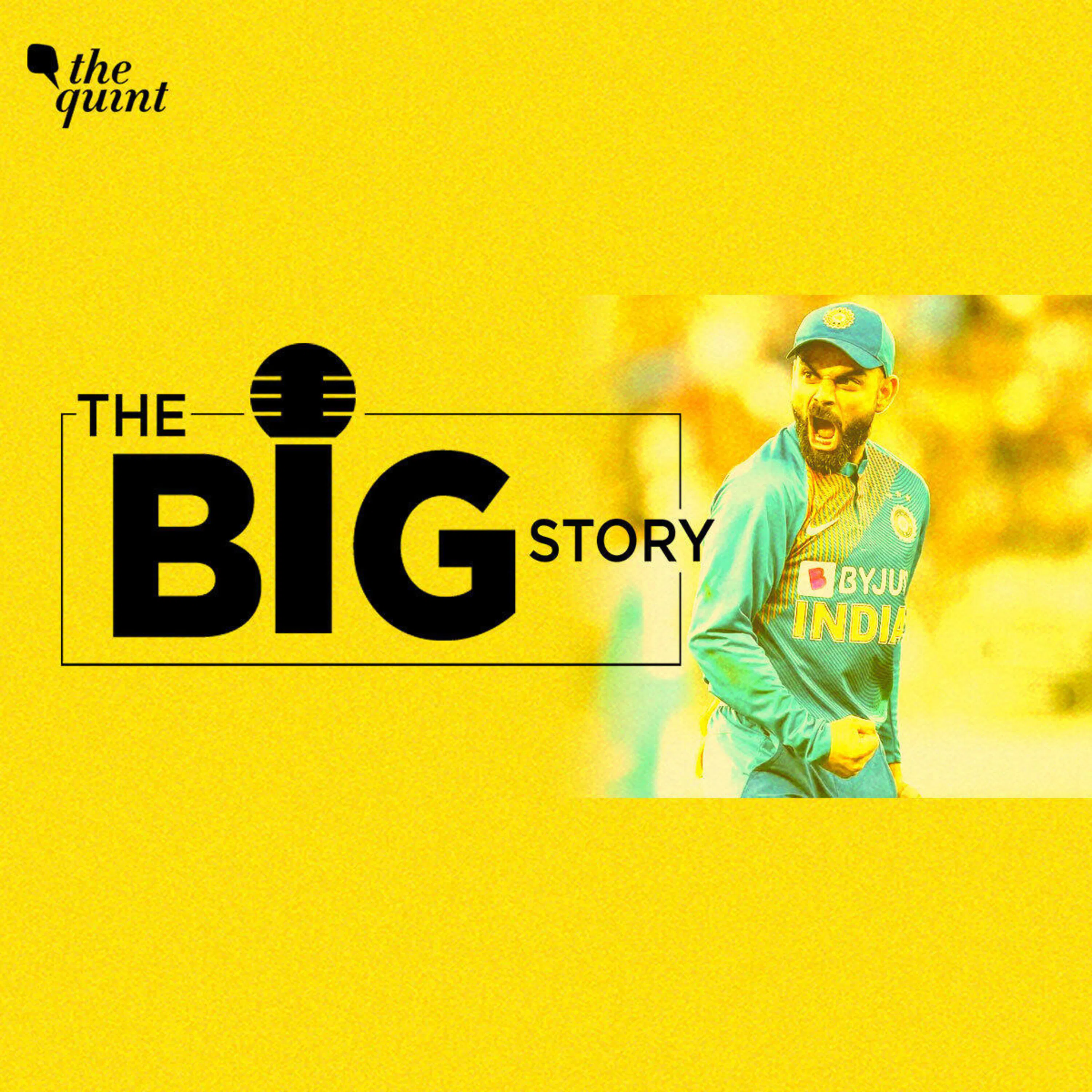
Ep 786Virat Kohli Renouncing T20 Captaincy A Good Call? What's The 'Road Map' Ahead?
Putting an end to all speculation in recent days, Virat Kohli stunned the cricketing family when he announced that he will be stepping down as the captain of the Indian men's T20 team after the 2021 T20 World Cup, which will be held in UAE and Oman in October-November. He will, however, continue to lead India in Tests and ODIs. Under his captaincy, India has won 27 out of 45 matches including some unforgettable series wins in South Africa, England, and Australia. But as shocking as this news is to Indian cricket lovers, many believe that the decision to relinquish the T20 captaincy came at an apt moment, with pressures increasingly mounting on the skipper. While Kohli wrote about his immense workload as the captain of all three formats — Tests, ODI and T20 and the need for space to be able to lead the Indian cricket team, the team's less-than-adequate performance at ICC events has also been a cause of concern. So, all in all, was it a good call on Kohli's part? What does this mean for Virat the cricketer in T20s for India and what next for India in T20s in terms of its team selection? In this episode, we speak to senior sports journalist Ayaz Memon. Tune in! Producer and Host: Shorbori Purkayastha Guests: Ayaz Memon, Indian Sports Writer and Journalist Editor: Mendra Dorjey Music: Big Bang Fuzz Listen to The Big Story podcast on: Apple: https://apple.co/2AYdLIl Saavn: http://bit.ly/2oix78C Google Podcasts: http://bit.ly/2ntMV7S Spotify: https://spoti.fi/2IyLAUQ Deezer: http://bit.ly/2Vrf5Ng Learn more about your ad choices. Visit megaphone.fm/adchoices

Ep 785Telecom Reforms: How Realistic Will the Impact be on Vodafone Idea?
In a significant move on 15 September, the Centre top-uped the telcos by a providing a four year moratorium on their due payment as part of its latests reforms. The move comes as a big relief to the financialLY starved industry, especially to Vodafone Idea and Bharti Airtel which are two of the hardest hit telcos. In short, these reforms provide the telcos four more year to pay their adjusted gross revenue (AGR) and spectrum dues and will kick in from 1 October. While the telcos will also have to pay interest on the four year deferral of payments, they have the option to convert the due amount into equity at the end of four years. But even though many experts have welcomed the reforms, the question which still looms in the air is if this is enough to help Vodafone Idea survive, which just six weeks ago was on the brink of collapse due to the burden of its exposure to the market. Host and Producer: Himmat Shaligram Guest: Sanjay Kapoor, former Bharti Airtel CEO Editor: Shelly Walia Music: Big Bang Fuzz Listen to The Big Story podcast on: Apple: https://apple.co/2AYdLIl Saavn: http://bit.ly/2oix78C Google Podcasts: http://bit.ly/2ntMV7S Spotify: https://spoti.fi/2IyLAUQ Deezer: http://bit.ly/2Vrf5Ng Castbox: http://bit.ly/2VqZ9ur Learn more about your ad choices. Visit megaphone.fm/adchoices

Ep 784Why is Kerala Catholic Bishop Passing Remarks Against Muslims?
At a time when polarisation between the Hindu and Muslim communities across India has increased, a Catholic bishop in Kerala has set off a new controversy by alleging that Muslim communities are waging a “narcotics jihad”. On 9 September, Bishop Mar Joseph Kallarangatt of the Pala, Kottayam district alleged that the Muslim community is endangering youth belonging to other religions, especially the Christian youth, by luring them into Islam using drugs. These drugs, according to the Bishop, are allegedly used in ice cream parlours, juice corners, and hotels, which are run by “hardcore jihadist” and that drugs are being used as a “weapon to spoil non-Muslims”. Not surprisingly, the comments also set off alarm bells across the Christian community in the state, with other bishops and nuns, several Islamist groups, Kerala Chief Minister Pinarayi Vijayan, and the Leader of the Opposition VD Satheesan condemning the Bishop’s comments. However, the Catholic Church along with the influential Nair Service Society community and the Bhartiya Janta Party, who has been trying to make inroads in the state, has come out in full public support of the Bishop's comments. The Kerala unit of the BJP also went a step further and wrote to Home Minister Amit Shah, seeking a law to deal with “narco-terrorist and love jihad”. But why is a Catholic Bishop in Kerala triggering a war of words against another minority community in the state? What is it about the Muslim community that is making the Catholic Church anxious? And is this the first time this has happened? Host and Producer: Himmat Shaligram Guest: KA Shaji, senior journalist based in Kerala. Editor: Shelly Walia Also check out: Kerala Bishop & ‘Narcotics Jihad’: Demographic Fear Pushing Christians to BJP? Music: Big Bang Fuzz Listen to The Big Story podcast on: Apple: https://apple.co/2AYdLIl Saavn: http://bit.ly/2oix78C Google Podcasts: http://bit.ly/2ntMV7S Spotify: https://spoti.fi/2IyLAUQ Deezer: http://bit.ly/2Vrf5Ng Castbox: http://bit.ly/2VqZ9ur Learn more about your ad choices. Visit megaphone.fm/adchoices

Ep 783Why Does Tamil Nadu Want Permanent NEET Exemption for its Medical Aspirants?
Five months after coming to power, Tamil Nadu Chief Minister MK Stalin fulfilled one of DMK’s crucial election promises and passed a bill to do away with the common entrance exam for the state's medical aspirants. The Tamil Nadu Admission to Undergraduate Medical Degree Courses Bill which was passed on 13 September, seeks to exempt medical admissions to undergraduate courses in medicine, dentistry and homeopathy based on the National Eligibility cum Entrance Test or the NEET exam. Since this common entrance test was made mandatory in 2017, we have read several reports of student suicides across Tamil Nadu. In fact, the day before that the state adopted the bill, a 19-year-old NEET aspirant Dhanush was found dead in Salem hours before he was supposed to sit for his third NEET attempt. As per reports, it is suspected that he took his own life fearing that he may not be able to clear the entrance test for admissions yet again. Another student was found dead on 14 September at her home in Thuvarankurichi, two days after writing the NEET exam. According to reports, her parents said that she was unhappy with how the exam went. While such cases of student suicides has been triggering an outcry over the entrance exam in the state, the passage of the bill means that now all medical admissions in the state will be based on Class 12 marks instead of a common entrance exam. But there's still one last hurdle to cross. This Bill is effectively challenging a central legislation, so it can't just come into effect without the Presidential assent. But will the DMK be successful in persuading its case? Why does the state government want a permanent exemption from NEET? How does it impact Tamil Nadu's medical aspirants? Tune in! Producer and Host: Shorbori Purkayastha Guests: Dr K R Malathi, Educationist Prince Gajendra Babu, Educationist Editor: Shelly Walia Music: Big Bang Fuzz References: Explained: Why Did Tamil Nadu Assembly Pass Bill Exempting the State from NEET? Listen to The Big Story podcast on: Apple: https://apple.co/2AYdLIl Saavn: http://bit.ly/2oix78C Google Podcasts: http://bit.ly/2ntMV7S Spotify: https://spoti.fi/2IyLAUQ Deezer: http://bit.ly/2Vrf5Ng Learn more about your ad choices. Visit megaphone.fm/adchoices

Ep 782Why Was Bhupendra Patel Picked Over Other Contenders As New Gujarat CM?
It’s been an interesting weekend in Gujarat for political observers. In a surprising twist, BJP leader Bhupendra Patel was named as the new Gujarat Chief Minister just a day after his predecessor Vijay Rupani resigned from the post. Patel, who’s a first-time MLA from Gujarat’s Ghatlodiya seat took his oath as the CM in the presence of Home Minister Amit Shah on 13 September, while Rupani is a fresh addition to the string of BJP Chief Minister who have resigned over the past few months. After tendering in his resignation, Rupani told the media that it is in the nature of the BJP to change the roles of karyakartas depending on the need of the party, but what are the possible needs that triggered such a decision in Gujarat? The change of guards that comes a year ahead of the state assembly elections is also raising speculations around why the party high command overlooked Gujarat Deputy CM Nitin Patel and Union Minister for Health Mansukh Mandaviya who were believed to be the frontrunners for the post, only to pick a lesser-known leader like Bhupendra Patel as the CM? What purpose does it serve for the BJP? Tune in to The Big Story! Producer and Host: Shorbori Purkayastha Guests: Mahesh Langa, Senior Assistant Editor at The Hindu in Gujarat Editor: Shelly Walia Music: Big Bang Fuzz Listen to The Big Story podcast on: Apple: https://apple.co/2AYdLIl Saavn: http://bit.ly/2oix78C Google Podcasts: http://bit.ly/2ntMV7S Spotify: https://spoti.fi/2IyLAUQ Deezer: http://bit.ly/2Vrf5Ng Learn more about your ad choices. Visit megaphone.fm/adchoices

Ep 781'Bizarre, Unreal and Astonishing': Journalists, Politicians Recall 9/11 Attacks
September 11 2001. There was so much destruction, loss and despair that even 20 years later, it is hard to comprehend the magnitude of its impact. What has been described as the largest military attack ever to hit the United States, everything from books, TV shows, movies, news reports have tried to capture the scale of the tragedy which took place. On that horrific day, four commercial flights travelling to California were hijacked by 19 al-Qaeda terrorists. What transpired in the less than an hour was a devastating hit on the symbols of America’s military might, intelligence. political power and its financial centre. The attacks resulted in nearly 3,000 deaths, over 25,000 injuries, long term health effects, a global recession, a fundamental shift in US foreign and security policy, and a 20 year forever war in Afghanistan, which set the country in an unfathomable future where now a terrorist organisation is running it. On the 20th anniversary of the 9/11 attack, we bring you first hand accounts of three people who covered and responded to the attacks. Host and Producer: Himmat Shaligram Guest: Maya Mirchandani, the former senior foreign affairs editor at NDTV, Sudheendra Kulkarni, aide to former Prime Minister Atal Bihari Vajpayee and Sanjay Pugalia, Editorial Director at The Quint. Editor: Shelly Walia Music: Big Bang Fuzz Listen to The Big Story podcast on: Apple: https://apple.co/2AYdLIl Saavn: http://bit.ly/2oix78C Google Podcasts: http://bit.ly/2ntMV7S Spotify: https://spoti.fi/2IyLAUQ Deezer: http://bit.ly/2Vrf5Ng Castbox: http://bit.ly/2VqZ9ur Learn more about your ad choices. Visit megaphone.fm/adchoices

Ep 780Afghanistan: Decoding the New Taliban 'Caretaker' Government and Leaders
Three weeks after the Taliban captured Afghanistan, they announced their new acting government who will be running the country, which will be now known as the Islamic Emirate of Afghanistan. However, the announcement also rang alarm bells around the world as the Cabinet was far from “inclusive” and “representative” as the Taliban earlier asserted. With no women in the Cabinet and the presence of only three minorities, the entire Cabinet comprises Taliban leaders and loyalists – some of whom are global terrorists and are listed on the US and UN watch list – and include members of the islamic terrorist mafia the Haqqani network. The inclusion of the Haqqani network also indicates that Pakistan played a role in handpicking the Cabinet members since the country has been home to the terror mafia for at least the past four decades and shares close ties with the Pakistan’s Inter-Services Intelligence (ISI). In today’s episode, we discuss the portfolios of the new Taliban government, the involvement of Pakistan and how should India, which has engaged with Afghanistan closely for the past two decades, and the world engage with the new regime. For this, we spoke with former Indian ambassador to Afghanistan and Secretary [West] of the Ministry of External Affairs, Vivek Katju. Host and Producer: Himmat Shaligram Guest: Vivek Katju, former Indian ambassador to Afghanistan and Secretary [West] of the Ministry of External Affairs Editor: Shelly Walia Also check out: The Fall of Panjshir Valley and the Implications it Holds for India Music: Big Bang Fuzz Listen to The Big Story podcast on: Apple: https://apple.co/2AYdLIl Saavn: http://bit.ly/2oix78C Google Podcasts: http://bit.ly/2ntMV7S Spotify: https://spoti.fi/2IyLAUQ Deezer: http://bit.ly/2Vrf5Ng Castbox: http://bit.ly/2VqZ9ur Learn more about your ad choices. Visit megaphone.fm/adchoices
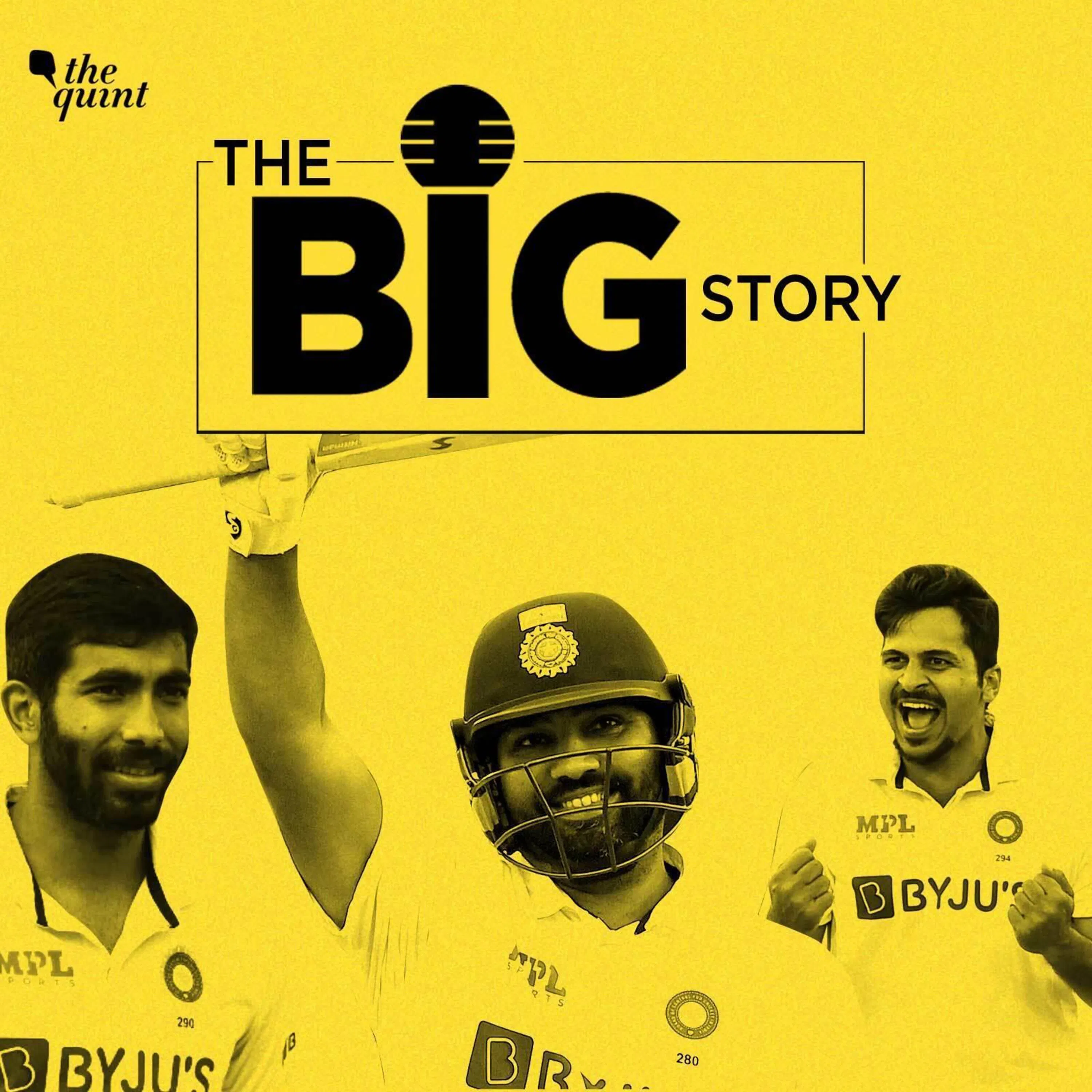
Ep 779What Makes India's Test Victory Against England At The Oval Such a Momentous One
'One of the three best bowling performances as captain' is how Virat Kohli described India's big win over England at the Oval on 6 September, which was also India's first Test win at the venue in 50 years. That victory now also helps Virat and his team go into the fifth and final Test at Manchester with a 2-1 series lead. While England had started off the fourth Test on a good note, it was Rohit Sharma's century and then Rishabh Pant and Shardul Thakur's fifties that helped India get back into the match. They set England a 368-run target and then once Jasprit Bumrah was given the ball in the second session on Day 5, India sailed to a big victory. Goes without saying that this match has turned out to be one of the legendary ones for India for several reasons. But in this episode Indian sports writer and journalist Ayaz Memon takes us through the significance of this win for the Indian cricket team, what are the striking aspects with this team that has come up, and what is the likely way ahead? Tune in! Producer and Host: Shorbori Purkayastha Guests: Ayaz Memon, Indian Sports Writer and Journalist Editor: Mendra Dorjey Music: Big Bang Fuzz Listen to The Big Story podcast on: Apple: https://apple.co/2AYdLIl Saavn: http://bit.ly/2oix78C Google Podcasts: http://bit.ly/2ntMV7S Spotify: https://spoti.fi/2IyLAUQ Deezer: http://bit.ly/2Vrf5Ng Learn more about your ad choices. Visit megaphone.fm/adchoices
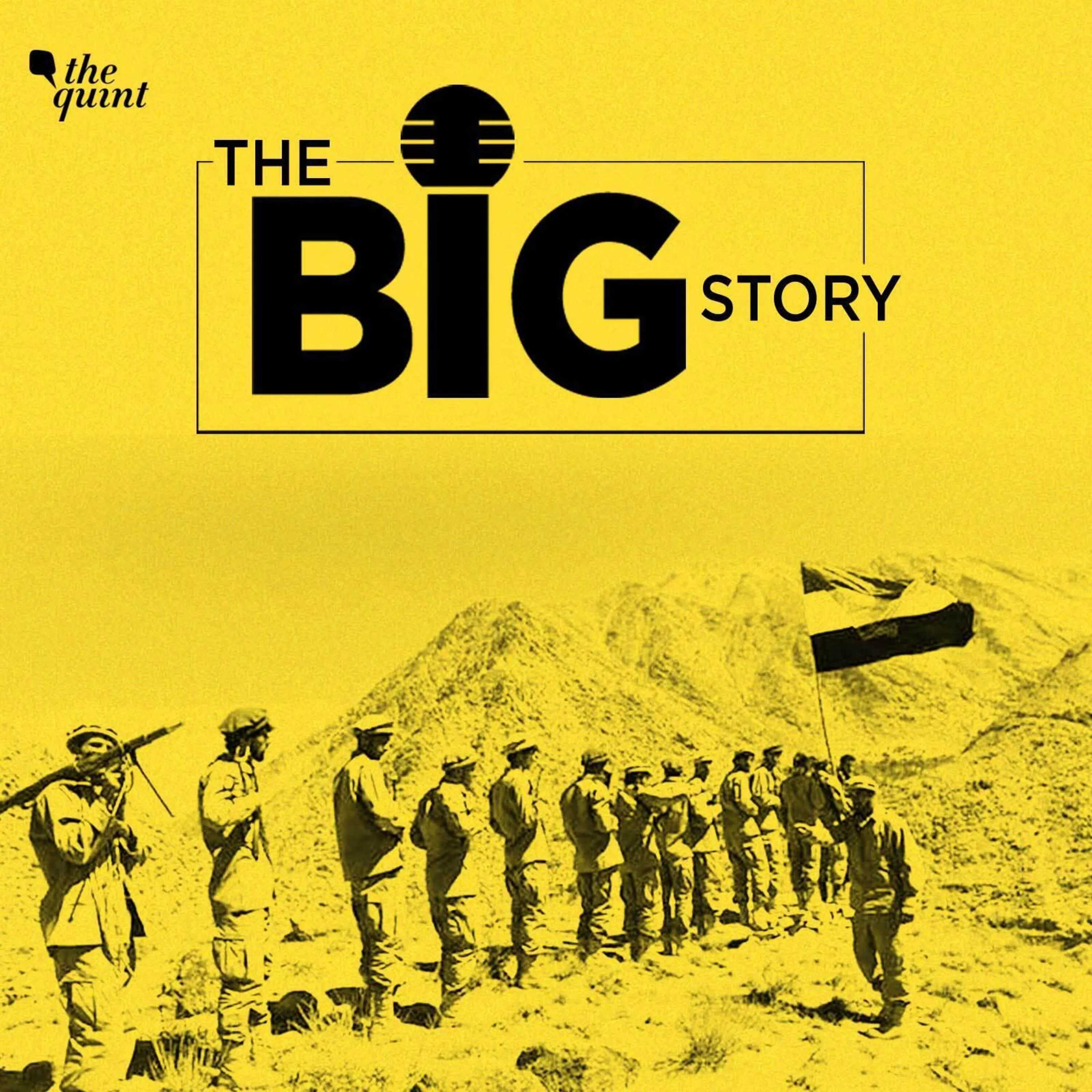
Ep 778The Fall of Panjshir Valley and the Implications it Holds for India
Panjshir Valley of northeastern Afghanistan, the last stronghold of anti-Taliban resistance forces in the country has fallen, according to claims made by the Taliban. The valley has historically been the bastion of resistance forces in Afghanistan and has never been captured by any invading force — be it the Soviet Union or the Taliban of the ’90s. But with the US forces having completely withdrawn from the region, no international support in sight, and with little to no resistance to the Taliban, the valley fell after days of clashes between the Nationall Resistance Front and Taliban. However, the fall of Panjshir may also translate for a setback for India as well, given that Pakistan has been a safe heaven for the Taliban for decades and has always looked at Afghanistan to further their strategic depth towards India. In this episode, we will discuss what led to the fall of Panjshir valley to the Taliban, the significance of this takeover and what implications may it hold for India. For this, we spoke with former Indian ambassador to Jordan, Libya and Malta, Anil Trigunayat and senior journalist and author David Devadas. Host and Producer: Himmat Shaligram Guest: Former Indian ambassador to Jordan, Libya and Malta, Anil Trigunayat and senior journalist and author of 'The Story of Kashmir' and 'The Generation of Rage in Kashmir' (OUP, 2018), David Devadas. Editor: Shelly Walia Music: Big Bang Fuzz Listen to The Big Story podcast on: Apple: https://apple.co/2AYdLIl Saavn: http://bit.ly/2oix78C Google Podcasts: http://bit.ly/2ntMV7S Spotify: https://spoti.fi/2IyLAUQ Deezer: http://bit.ly/2Vrf5Ng Castbox: http://bit.ly/2VqZ9ur Learn more about your ad choices. Visit megaphone.fm/adchoices
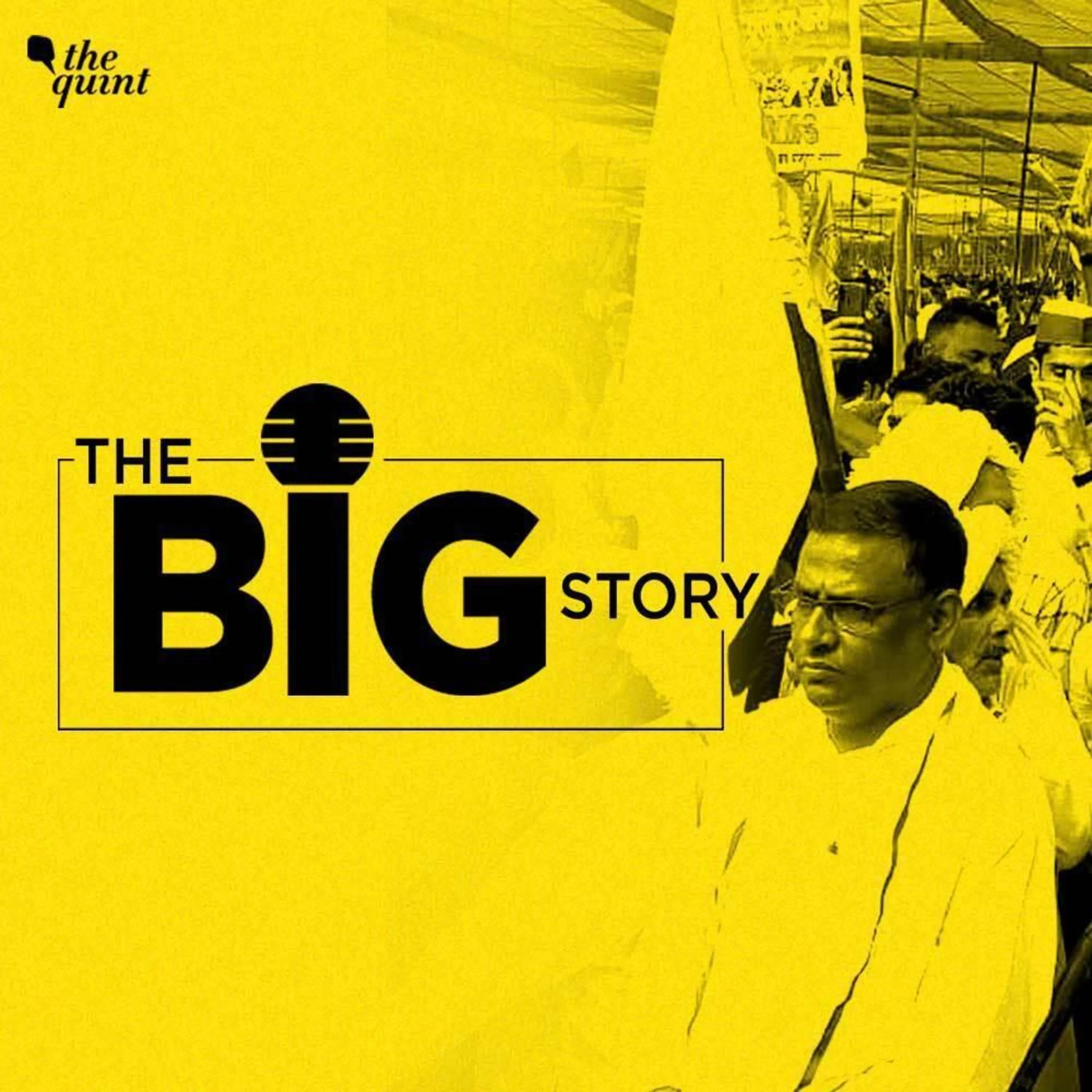
Ep 777How Can The Muzaffarnagar Kisan Mahapanchayat Impact UP Polls?
With only months to go for the crucial Uttar Pradesh state assembly elections, the ongoing farmers' movement gained a fresh impetus as lakhs of farmers gathered in Western UP's Muzaffarnagar district in a formidable show of strength. Seething with anger against the government, they said they are here fighting to “save the nation”. The kisan mahapanchayat as it has been termed, was called on 5 September, by the Samyukt Kisan Morcha (SKM), an umbrella body of 40 farmer unions that has been spearheading the farmers' protest for the last nine months over the three contentious farm laws passed by the Centre. Despite several hundred deaths during the course of the protest, farmers have made it clear that they won't budge until all the three laws are repealed and a legal guarantee is provided for MSP. But as the logjam with the government continues, the kisan mahapanchayat comes bearing political implications, as farmer leaders have now also vowed to take on the BJP and oust the Yogi Adityanath government from the state. “We have kicked off ‘Mission UP and Uttarakhand’ from this stage. We will not let BJP win the elections," a statement by the SKM read. The choice of venue for this mammoth gathering also holds vital importance, as the deadly Muzaffarnagar riots of 2013 was seen to be a turning point that helped the BJP make inroads UP and eventually win the 2014 state elections. But raising chants of "Har Har Mahadev" and "Allah Hu Akbar" from the podium, BKU leader Rakesh Tikait said that farmers wouldn't be polarised over communal politics, as he pledged to unite farmers of all creeds and oppose the BJP. Although Tikait didn't indicate any plans of joining electoral politics, what kind of an impact and what scale of an impact is the farmers' movement likely to make in the UP polls? Will the combination of Jaat and Muslim voters change things for the BJP? In this episode you will hear voices of farmers from ground zero. We also spoke to Ranjan Pandey, an independent journalist and co-author of Battleground U.P.: Politics in the Land of Ram. Tune in to The Big Story! Producer and Host: Shorbori Purkayastha Guests: Rajan Pandey, an independent journalist, Co-author of Battleground U.P.: Politics in the Land of Ram Editor: Shelly Walia Music: Big Bang Fuzz Listen to The Big Story podcast on: Apple: https://apple.co/2AYdLIl Saavn: http://bit.ly/2oix78C Google Podcasts: http://bit.ly/2ntMV7S Spotify: https://spoti.fi/2IyLAUQ Deezer: http://bit.ly/2Vrf5Ng Learn more about your ad choices. Visit megaphone.fm/adchoices

Ep 776What Lies Ahead for Hurriyat After Separatist Leader Geelani's Demise?
Syed Ali Shah Geelani, the 92-year-old veteran Hurriyat leader, who guided the separatist movement in Kashmir, passed away late on 1 September at his Srinagar residence. Though he tendered his resignation from the Hurriyat Conference almost 15 months ago and has been in house dentition for more than a decade, his death brought a near-total blackout of communication services in the valley, an overnight curfew, and the presence of hundreds of security personnel on the streets of Srinagar. A teacher-turned-separatist, Geelani’s political career spanned over six decades, rallying around a single unwavering agenda of merging Jammu and Kashmir with Pakistan. Apart from his hardline views, he commanded a large support group, especially among the valley’s youth. However, his departure has now left his party the Tehreek-e-Hurriyat, without a captain and with Centre also considering a ban on the Hurriyat faction, the party is left at a crossroads on what lies in their future. In today’s podcast, we discuss how Geelani shaped Kashmir politics over the years and what his death means for the future of the Hurriyat. Host and Producer: Himmat Shaligram Guest: Shakir Mir, Srinagar based freelance journalist. Editor: Shelly Walia Music: Big Bang Fuzz Listen to The Big Story podcast on: Apple: https://apple.co/2AYdLIl Saavn: http://bit.ly/2oix78C Google Podcasts: http://bit.ly/2ntMV7S Spotify: https://spoti.fi/2IyLAUQ Deezer: http://bit.ly/2Vrf5Ng Castbox: http://bit.ly/2VqZ9ur Learn more about your ad choices. Visit megaphone.fm/adchoices
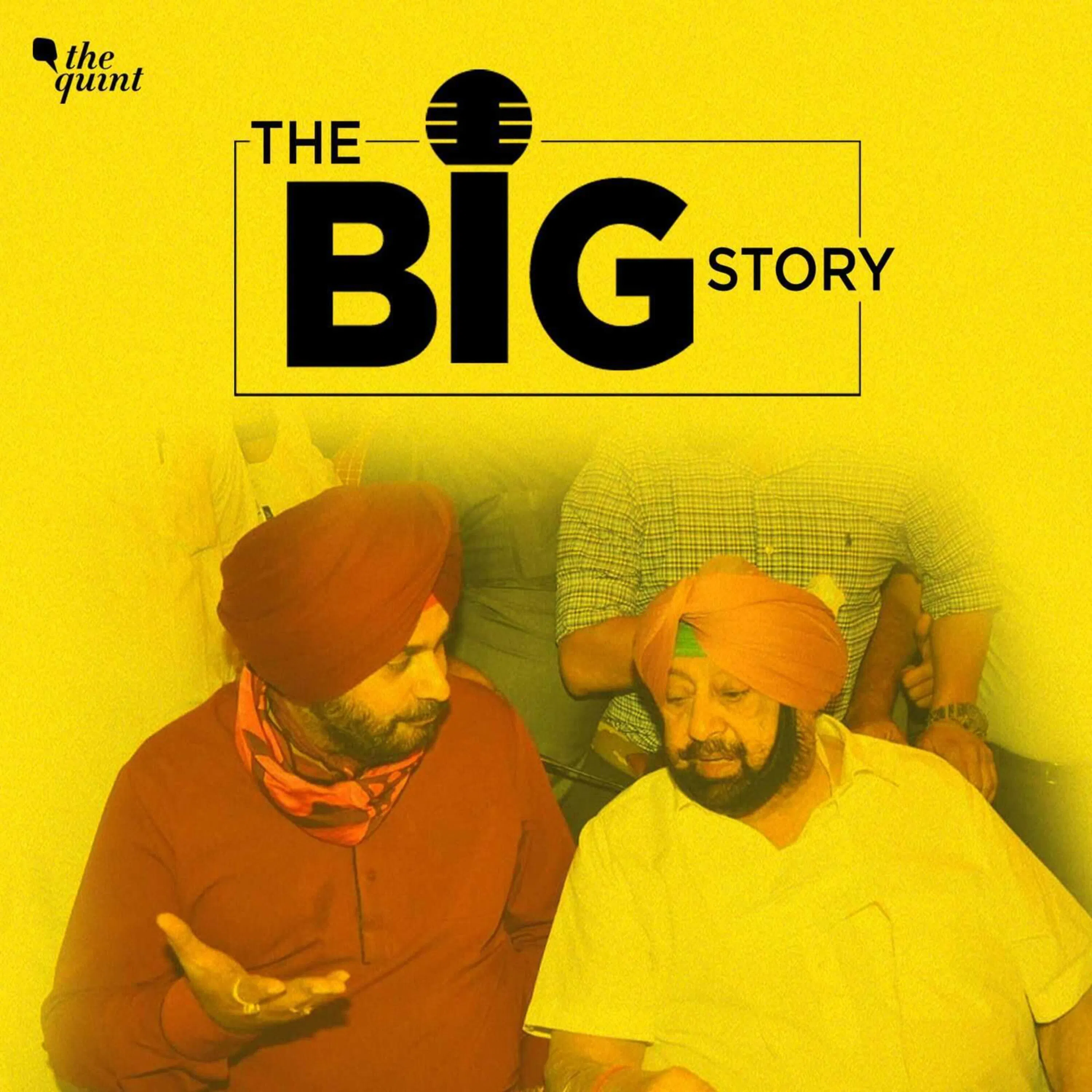
Ep 775Capt Amarinder Vs Sidhu: Where Punjab Congress Infighting Headed To?
As Punjab nears its election season, the chasm in Congress between Capt Amarinder Singh and Navjot Singh Sidhu is only deepening with both factions once again publicly lambasting each other. Barely a month after Sidhu was made Punjab Pradesh Congress Committee Chief in order to broker peace in the leadership tussle within the party, far from yielding a truce, the infighting keeps bubbling over. While the Chief Minister criticised Sidhu and his "advisors" over their unsavoury comments on Kashmir and Pakistan, on the other side in the Sidhu faction, twenty-three Punjab Congress MLAs including four state ministers once again expressed the lack of faith in Capt Amarinder Singh's leadership. In a bid to douse the rivalry between the party chief and the Chief Minister, Congress' Punjab in-charge Harish Rawat met both the leaders on 31 August. While Rawat is said to have spoken to Amarinder Singh about placating the rebels, the message on the state's leadership is that the party high command is not looking to replace the chief minister ahead of the upcoming elections. But can a truce be achieved? Where is this political tug of war possibly headed to and what lead to this fresh infighting? Tune in to The Big Story! Producer and Host: Shorbori Purkayastha Guests: Aditya Menon, Political Editor, The Quint Editor: Shelly Walia Also check out: What’s Behind Growing Dissent Against CM Amarinder in Punjab Cong? Music: Big Bang Fuzz Listen to The Big Story podcast on: Apple: https://apple.co/2AYdLIl Saavn: http://bit.ly/2oix78C Google Podcasts: http://bit.ly/2ntMV7S Spotify: https://spoti.fi/2IyLAUQ Deezer: http://bit.ly/2Vrf5Ng Learn more about your ad choices. Visit megaphone.fm/adchoices

Ep 774As US Exits Kabul, Are Leaders Signalling Diplomatic Acceptance of Taliban?
After a frantic scramble, the last evacuation flight carrying Americans left from Kabul before the 31 August deadline set by US President Joe Biden. And so, the US’ longest war against terror officially came to an end. Hours after a C-17 military aircraft airlifted the last US soldiers, Taliban fighters took charge of the Kabul airport. Shots were fired into the sky, to celebrate their victory and a "free and sovereign" Afghanistan. Taliban leaders were seen inspecting the airport, flanked by the elite Badri unit, posing for photographs brandishing US rifles and flying the group's white flag. In a press address, General Kenneth McKenzie said while the military evacuation is complete, the diplomatic mission to ensure that additional US citizens and eligible Afghans who want to leave continues. But as this new chapter begins for the country, the mood is grim for thousands of common Afghans who fear losing their basic rights and freedom under the Taliban. While on one hand, the Taliban has been trying to seek international recognition and presenting a moderation of their views, on the other hand, there have been reportage of the Taliban going back to their old ways. In fact, just days after Taliban spokesperson Zabihullah Mujahid confirmed that music will be banned in public spaces as it was in the previous regime, a popular folk singer by the name of Fawad Andarabi was dragged out his house and shot by a Taliban fighter. Amid this atmosphere of fear, the UN has passed a resolution which requires the Taliban to keep their commitment to allow safe passage for eligible Afghans out of the country, but can international leaders hold the Taliban responsible to their commitments? Producer and Host: Shorbori Purkayastha Guests: Manoj Joshi, Distinguished Fellow, Observer Research Foundation Editor: Shelly Walia Also check out: How 20 Years of US' "War Against Terror" Started & Ended With Taliban Rule in Afghanistan Music: Big Bang Fuzz Listen to The Big Story podcast on: Apple: https://apple.co/2AYdLIl Saavn: http://bit.ly/2oix78C Google Podcasts: http://bit.ly/2ntMV7S Spotify: https://spoti.fi/2IyLAUQ Deezer: http://bit.ly/2Vrf5Ng Learn more about your ad choices. Visit megaphone.fm/adchoices

Ep 773Kabul Bombings: What Kind of Future is Afghanistan Headed Towards?
The twin suicide attacks in Kabul in the early hours of Friday, 27 August, have been as the deadliest day for US troops in Afghanistan in more than a decade.The bombings claimed the lives of at least 95 Afghan civilians, 13 US troops and injured dozens more. The first attack was reported at Abbey Gate, which is one of the entrances to the Kabul airport and the other at Baron Hotel, which has served as a bunker for evacuees, diplomats and civilians before they head to the airport for boarding the evacuation flights. The attack was claimed by the ISIL offshoot in Afghanistan, known as ISIS-K which reportedly singled out supporters and affiliates of the US Army. The group has been blamed for some of the worst attacks in the country since its formation in 2015. However, ISIS-K is not only a threat to the population of Afghanistan but also to the Taliban, who they have reportedly accused of abandoning principles of Jihad and favouring a peace settlement. These bombings in Kabul now pose a series of pressing questions on future of Afghanistan and its repercussions on the Biden administration: What precedent do the recent attacks set for Biden? How will the Taliban vs ISIS-K rivalry play out with the US out of the picture, and more importantly , what kind of future is Afghanistan headed towards? To answer these questions, for today’s episode, we spoke with Ajay Sahni, the Executive Director at the Institute for Conflict Management and South Asia Terrorism Portal. Host and Producer: Himmat Shaligram Guest: Ajay Sahni, the Executive Director at the Institute for Conflict Management and South Asia Terrorism Portal. Editor: Shelly Walia Also check out: How 20 Years of US' "War Against Terror" Started & Ended With Taliban Rule in Afghanistan Will the Humanitarian Disaster in Afghanistan Define Biden's Legacy? Why Taliban's Pledges for Women's Rights Fail to Inspire Trust Among Afghan Women How Will the Taliban Rule Bring a Shift in Geopolitics in South Asia? Exploring the Ground Reality in Afghanistan vs the Taliban's Claims Music: Big Bang Fuzz Listen to The Big Story podcast on: Apple: https://apple.co/2AYdLIl Saavn: http://bit.ly/2oix78C Google Podcasts: http://bit.ly/2ntMV7S Spotify: https://spoti.fi/2IyLAUQ Deezer: http://bit.ly/2Vrf5Ng Castbox: http://bit.ly/2VqZ9ur Learn more about your ad choices. Visit megaphone.fm/adchoices
Ep 772COVID-19: Is India Entering the Endemic Stage?
For much of 2021, we have only heard about prediction of the next wave of COVID-19, about new variants like Delta and Delta Plus, and rising number of cases. But for the first time, we have received news that India may be in the final stages of this pandemic. In an interview with The Wire on 25 August, the World Health Organization's top scientist Dr Soumya Swaminathan said that India could have reached some stage endemicity. Essentially, an endemic is defined as a stage in the pandemic when the virus is only present in small areas of the population and the rate of infection within that population is predictable. Some examples of endemic diseases are chicken pox, malaria, and even the common cold. In the interview, Dr Swaminathan stated that it is likely that the current stage of COVID cases may continue with a few local surges and COVID may transform as an endemic by the end of 2022. However, she pointed out that vaccinations and COVID-appropriate behaviour will be essential components to facilitate this transformation. So how close is India to enter the COVID endemic stage and what would that future look like? Will masks no longer be a part of society, will there be no future waves or variants? To answer these questions, for today’s episode, we spoke to Gautam Menon, a Professor at the Departments of Physics and Biology at Ashoka University. Host and Producer: Himmat Shaligram Guest: Gautam Menon, a Professor at the Departments of Physics and Biology at Ashoka University. Editor: Shelly Walia Music: Big Bang Fuzz Listen to The Big Story podcast on: Apple: https://apple.co/2AYdLIl Saavn: http://bit.ly/2oix78C Google Podcasts: http://bit.ly/2ntMV7S Spotify: https://spoti.fi/2IyLAUQ Deezer: http://bit.ly/2Vrf5Ng Castbox: http://bit.ly/2VqZ9ur Learn more about your ad choices. Visit megaphone.fm/adchoices
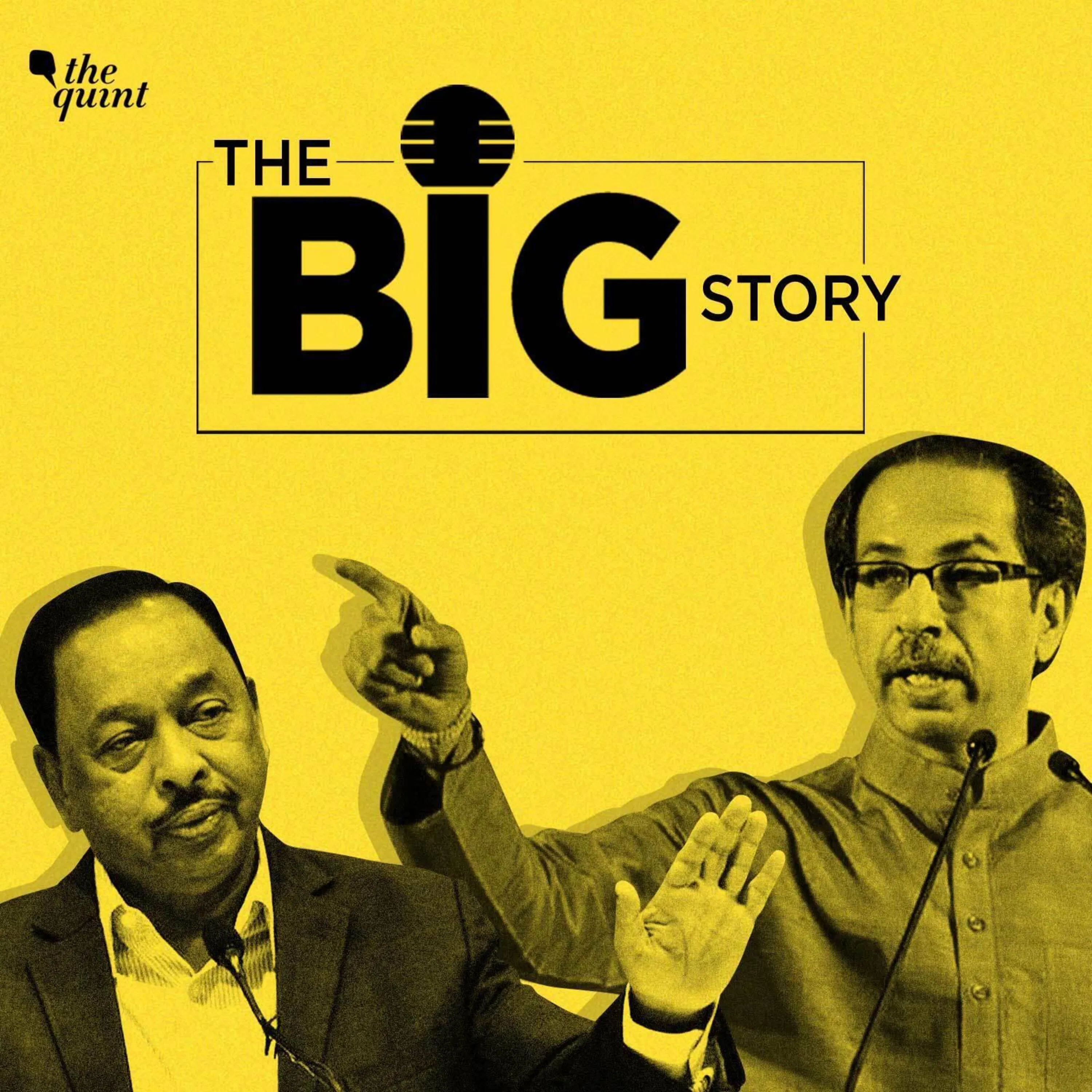
Ep 771Why is Shiv Sena Agitated Over Narayan Rane's Remark on Thackeray?
The decade's long feud between Narayan Rane and Uddhav Thackeray has reached a new low with the former, a Union minister, being arrested for his remarks against Thackeray. In one of his address to the media on Monday, 23 August, Rane had alleged that Thackeray had forgotten the year of India's Independence during his 15 August address to the state and had to check the same with his aides during his speech. He added that if he was present there, he would have given Thackeray a "tight slap". And swiftly he was arrested by Nashik police, on Tuesday, 24 August. His comments resulted not just in his arrest but also violent clashes between Shiv Sena and BJP workers, large protests and vandalism in several cities across Maharashtra. In one visual captured on social media, a Shiv Sena worker can be seen pelting stones at the BJP office in Nashik. But the arrest also comes just a few months ahead of the Maharashtra municipal corporation elections, where the MVA and the BJP are expected to battle it out in key constituencies like Mumbai and Thane. In a bid to regain political control of the state, the BJP has positioned Rane in Maharashtra to take on the MVA. But why was the Shiv Sena up in arms about Rane’s comments? What caused the bitter feud between Rane and Thackeray? And where is it headed? To discuss this, for today’s episode, we spoke with senior journalist and author Sujata Anandan. Host and Producer: Himmat Shaligram Guest: Sujata Anandan, senior journalist and author of `Hindu Hriday Samrat: How the Shiv Sena changed Mumbai forever', 'Maharashtra Maximus: The state, its people & politics' Editor: Shelly Walia Music: Big Bang Fuzz Listen to The Big Story podcast on: Apple: https://apple.co/2AYdLIl Saavn: http://bit.ly/2oix78C Google Podcasts: http://bit.ly/2ntMV7S Spotify: https://spoti.fi/2IyLAUQ Deezer: http://bit.ly/2Vrf5Ng Castbox: http://bit.ly/2VqZ9ur Learn more about your ad choices. Visit megaphone.fm/adchoices
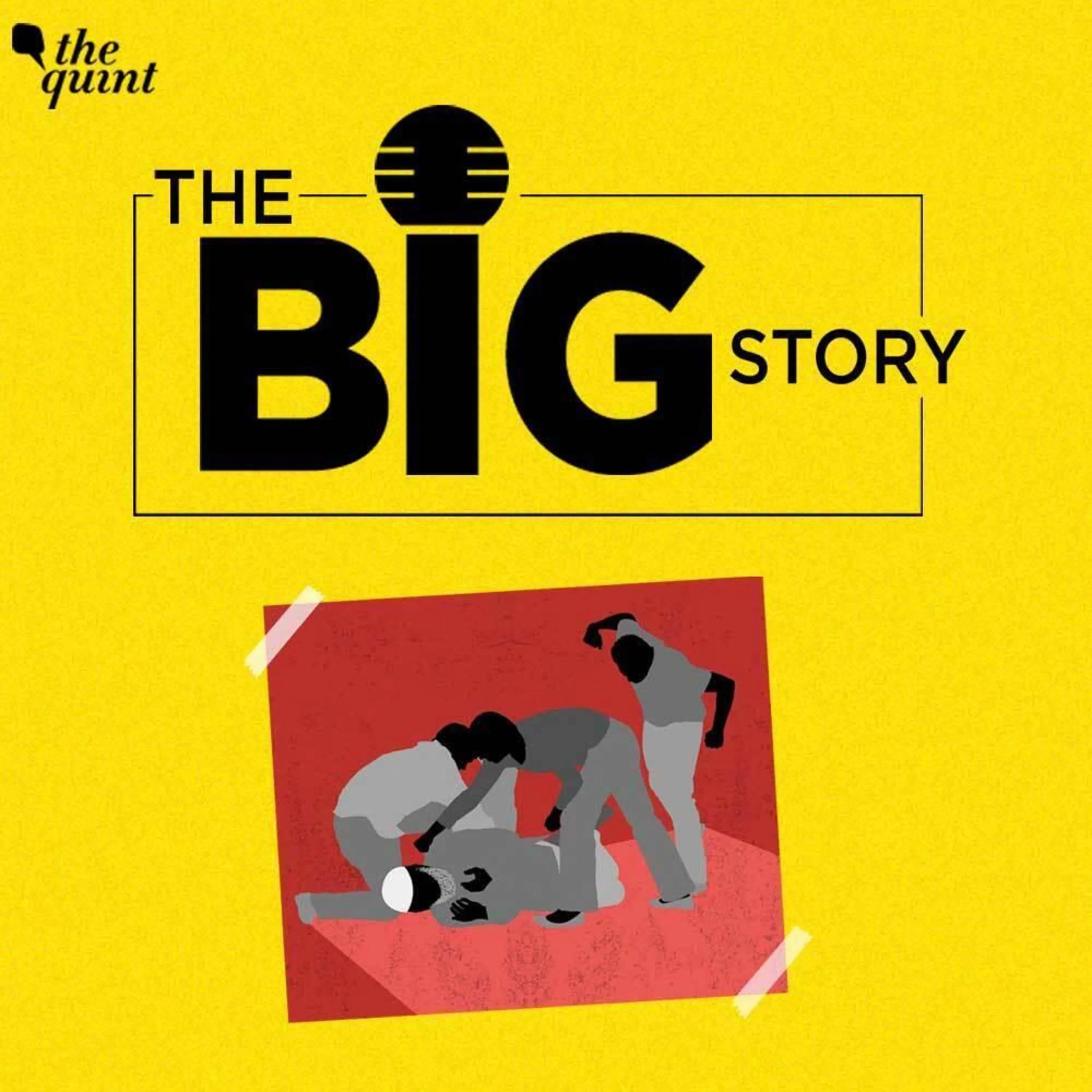
Ep 770Decoding the Rise in Cases of Economic Boycott of Muslim Vendors
In a video that went viral on social media on Sunday, 22 August, a Muslim man named Tasleem Ali, who sells bangles, was brutally beaten up and allegedly robbed by a group of men in Madhya Pradesh’s Indore. In the video, he can be seen being repeatedly slapped and threatened. The mob is also using derogatory words and is asking him not to sell in a “Hindu area”. Just two days before the incident in Indore, a similar incident occured, also captured on video, in Rajasthan’s Ajmer, where a Muslim man who apparently came to beg alms was assaulted by another man. In the video, the assailant can be heard telling the beggar to “go back to Pakistan”. And in another similar incident in Kanpur, a Muslim e-rickshaw driver was thrashed by a mob and allegedly forced to chant ‘Jai Shri Ram’ while being paraded through a crowd. Though incidents like the one in Indore, Ajmer, and Kanpur may seem isolated, they are actually part of a larger campaign for the economic boycott of Muslim vendors in the country. In this episode, we will analyse how these hate crimes are part of a larger campaign scripted not just by local Hindu activists but by religious leaders and politicians as well. Host and Producer: Himmat Shaligram Guest: Mohammed Asif Khan, an activist who documents hate crimes against Muslims and Abhilash Mallik, a fact-checker for WebQoof — The Quint’s fact-checking initiative. Editor: Shelly Walia Music: Big Bang Fuzz Listen to The Big Story podcast on: Apple: https://apple.co/2AYdLIl Saavn: http://bit.ly/2oix78C Google Podcasts: http://bit.ly/2ntMV7S Spotify: https://spoti.fi/2IyLAUQ Deezer: http://bit.ly/2Vrf5Ng Castbox: http://bit.ly/2VqZ9ur Learn more about your ad choices. Visit megaphone.fm/adchoices
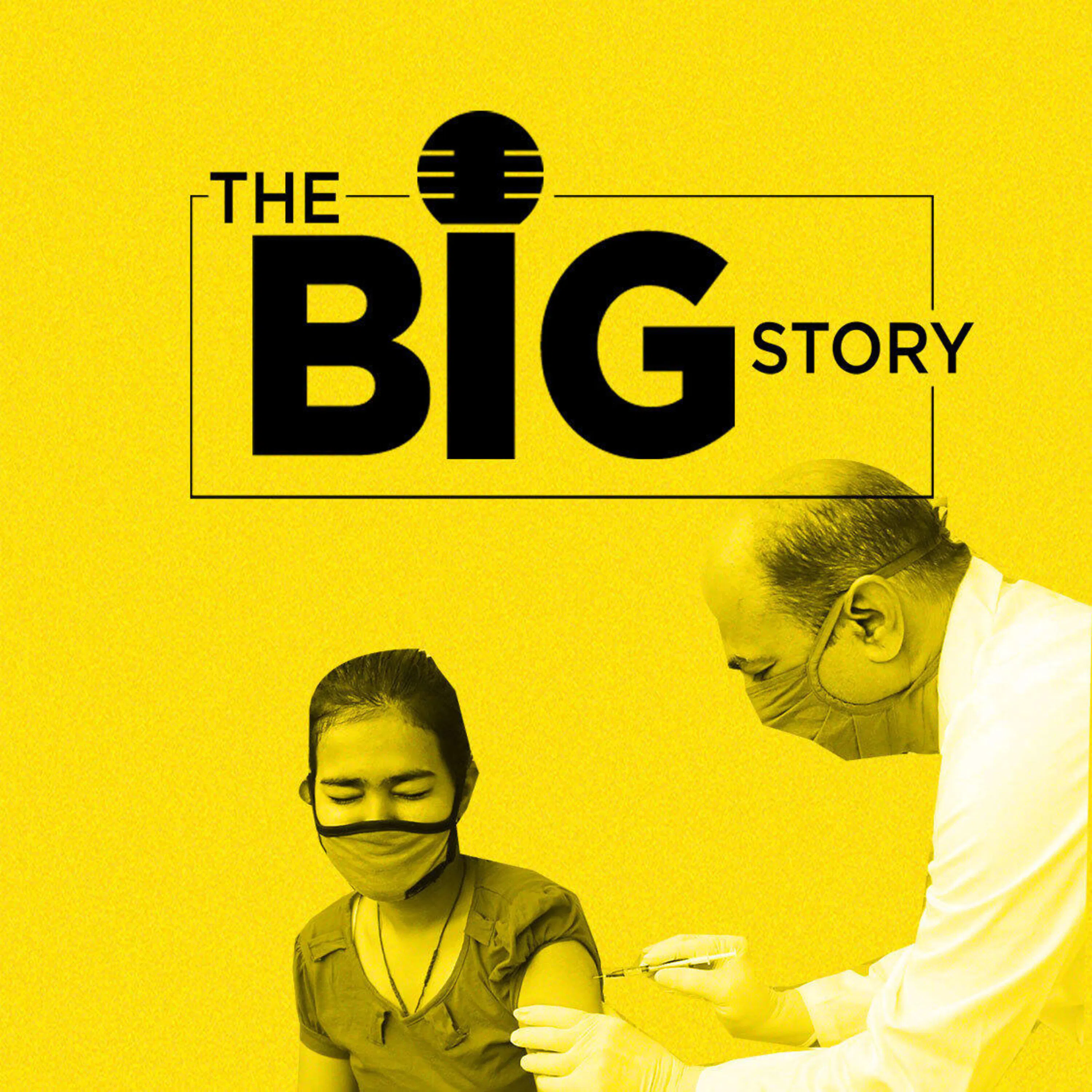
Ep 769Will Zydus Cadila’s COVID Jab for Kids Pave the Way for Reopening Schools?
India cast a wider net with its vaccination programme, as it gave its emergency approval for the first covid vaccine for children in the country. Recently on 20 August, Zydus Cadila's covid vaccine got a green signal from the DGCI, as it was found to be safe for both adults and children aged between 12-18. This is said to be the world’s first DNA based COVID-19 vaccine and unlike the other vaccines, this one will be administered in three doses. For close to 18 months now, schools have remained shut as children form a bulk of the unvaccinated and vulnerable population in the country. But will Zydus Cadila's approval be able to pave the way for reopening schools? Host and Producer: Himmat Shaligram Guest: Dr Chandrakant Lahariya, epidemiologist and public health expert Editor: Shelly Walia Music: Big Bang Fuzz Listen to The Big Story podcast on: Apple: https://apple.co/2AYdLIl Saavn: http://bit.ly/2oix78C Google Podcasts: http://bit.ly/2ntMV7S Spotify: https://spoti.fi/2IyLAUQ Deezer: http://bit.ly/2Vrf5Ng Castbox: http://bit.ly/2VqZ9ur Learn more about your ad choices. Visit megaphone.fm/adchoices
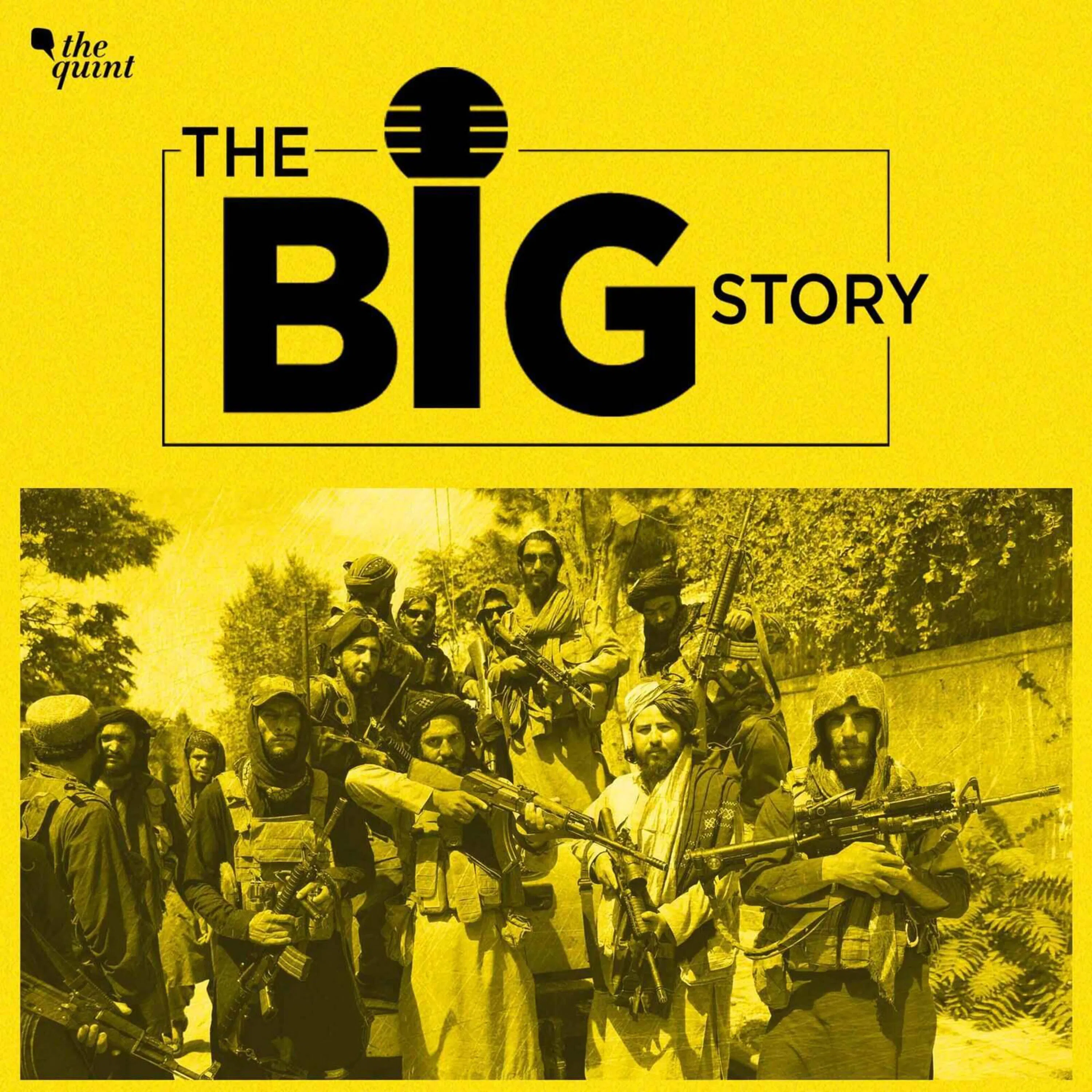
Ep 768Exploring the Ground Reality in Afghanistan vs the Taliban's Claims
Kabul is seeing spurts of new defiance against the Taliban’s takeover of Afghanistan, with protests erupting across the country on Thursday, 19 August, when the country celebrated its 'Independence Day'. Videos and images from Kabul showed men and women waving the red, green, and black of Afghanistan and chanting “our flag, our pride”, and “God is great.” Though the Taliban have stated that it has moderated its stance but on Thursday, with open gunfire aimed at the protesters on the streets, shooting near the airport, and a confirmation that Sharia will return, the gap between their words and the ground reality was revealed. In fact, throughout this week, the world witnessed reports of Taliban fighters brutally beating up Afghanis, assaulting foreign journalists, and preventing people from travelling to the airport. With mounting fears of what kind of government the Taliban will establish in the days to come, there are also concerns regarding an economic downturn with the US freezing Afghanistan’s foreign reserves and the IMF cutting off access to loans and resources. The harrowing developments over the past week beg the following questions: Where is Afghanistan headed and what is the ground reality outside Kabul where the eyes of international media don’t reach? To understand this, we spoke with Frud Bezhan, an Afghan journalist with Radio Free Europe/ Radio Liberty who has extensively covered Afghanistan and the Taliban insurgency. Producer and Host: Himmat Shaligram Guests: Frud Bezhan, an Afghan journalist with Radio Free Europe/ Radio Liberty who has extensively covered Afghanistan and the Taliban insurgency. Editor: Shelly Walia Also check out: How 20 Years of US' "War Against Terror" Started & Ended With Taliban Rule in Afghanistan Will the Humanitarian Disaster in Afghanistan Define Biden's Legacy? Why Taliban's Pledges for Women's Rights Fail to Inspire Trust Among Afghan Women How Will the Taliban Rule Bring a Shift in Geopolitics in South Asia? Music: Big Bang Fuzz Listen to The Big Story podcast on: Apple: https://apple.co/2AYdLIl Saavn: http://bit.ly/2oix78C Google Podcasts: http://bit.ly/2ntMV7S Spotify: https://spoti.fi/2IyLAUQ Deezer: http://bit.ly/2Vrf5Ng Learn more about your ad choices. Visit megaphone.fm/adchoices

Ep 767How Will the Taliban Rule Bring a Shift in Geopolitics in South Asia?
The Taliban’s takeover of in Afghanistan is likely to shift the geopolitical script of the world, with its immediate implications falling on its immediate neighbours India, China and Pakistan. Pakistan has been long been accused of arming, training and giving shelter to the Taliban and Pakistan Prime Minister Imran Khan this week said that the Taliban have “broken the shackles of slavery”, which has both raised eyebrows and may also be interpreted as the countries support to them. While China has publicly stated that it is willing to develop “friendly relations” with the Taliban, India, on the other hand, which has poured billions in trade in Afghanistan for, welfare and economic schemes, has remained mum on the entire issue. The only clear response came on 19 August when External Affairs Minister Jaishankar stated that India’s approach towards Afghanistan will be “guided by its relationship with the Afghan people.” Experts have pointed out that India has placed itself in a tight spot since it has not engaged with the group in the past and has largely condoned it. And with China and Pakistan—with whom India has unsolved border tensions—willing to engage with the Taliban, how will it impact India’s regional identity? Has India missed the bus when it comes to engaging with the Taliban? For today’s episode, we will discuss the geopolitical implication of Taliban entrance in the region and its implication on India. For this, we spoke with Anil Trigunayat, former Indian envoy to Jordan, Libya and Malta. Producer and Host: Himmat Shaligram Guests: Anil Trigunayat, former Indian envoy to Jordan, Libya and Malta. Editor: Shelly Walia Also check out: How 20 Years of US' "War Against Terror" Started & Ended With Taliban Rule in Afghanistan Will the Humanitarian Disaster in Afghanistan Define Biden's Legacy? Why Taliban's Pledges for Women's Rights Fail to Inspire Trust Among Afghan Women Music: Big Bang Fuzz Listen to The Big Story podcast on: Apple: https://apple.co/2AYdLIl Saavn: http://bit.ly/2oix78C Google Podcasts: http://bit.ly/2ntMV7S Spotify: https://spoti.fi/2IyLAUQ Deezer: http://bit.ly/2Vrf5Ng Learn more about your ad choices. Visit megaphone.fm/adchoices
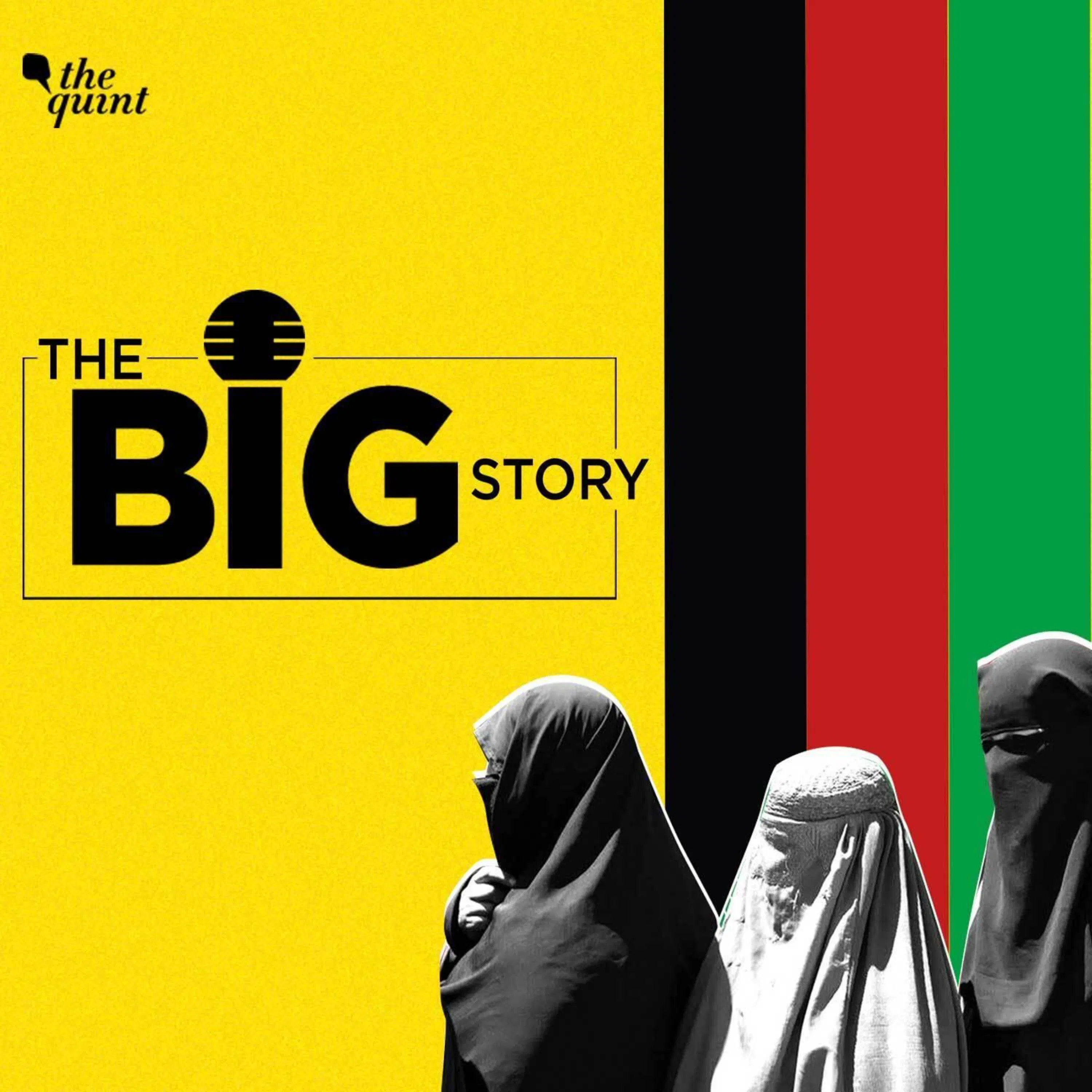
Ep 766Why Taliban's Pledges for Women's Rights Fail to Inspire Trust Among Afghan Women
How will the lives of millions of Afghan women change now that the Taliban has taken control of their country? What will happen to their freedom? As the Taliban goes onto establishing their rule in Afghanistan, the futures of Afghan women and young girls stand at a very precarious position. They are petrified that those dark ages from the older Taliban regime might return once again. They're worried that school, college, jobs, the freedom to be as they will — all of that may soon be snatched away from them. Even though in their first press conference since the capture of Kabul, Taliban spokesperson Zabihullah Mujahid said they would honour women's rights going forward, there's an ambiguous caveat there that evokes distrust. The Taliban have made it clear that women can exercise their right within the framework of the Islamic code. The deep skepticism around their promises isn't unfounded given their tainted past, when they had banned education for women and girls, forbidden them to step outside without a male escort, cut off their access to employment, forced them to wear full body coverings – failing to do which extreme punishments awaited women such as lashings and even being stoned to death in some instances. So, can the Taliban really be trusted? With reports coming up of Afghan women being let off their banking jobs, women journalists being taken off air, is it likely that the Taliban will gradually go back to their old ways? In this episode we bring you voices of Afghan women. Producer and Host: Shorbori Purkayastha Guests: Kriti Shah, Associate Fellow in the Department of Strategic Studies at the Observer Research Foundation Editor: Shelly Walia Also check out: How 20 Years of US' "War Against Terror" Started & Ended With Taliban Rule in Afghanistan Will the Humanitarian Disaster in Afghanistan Define Biden's Legacy? Music: Big Bang Fuzz Listen to The Big Story podcast on: Apple: https://apple.co/2AYdLIl Saavn: http://bit.ly/2oix78C Google Podcasts: http://bit.ly/2ntMV7S Spotify: https://spoti.fi/2IyLAUQ Deezer: http://bit.ly/2Vrf5Ng Learn more about your ad choices. Visit megaphone.fm/adchoices

Ep 765Will the Humanitarian Disaster in Afghanistan Define Biden's Legacy?
US President Joe Biden has found himself engulfed in a political storm, as a catastrophe unfolds in Afghanistan in front of our very eyes. As Afghan nationals are distraught anticipating the return of the dark ages that Afghanistan was shrouded in during the last Taliban rule, Biden is being confronted with the harsh reality of the human suffering that his decision to withdraw US troops from the country, has led to. While some are calling it his 'Saigon moment', dodging accusations of a messy exit from Afghanistan, Biden reiterated once again that he stood by his decision. In his first address from the White House since the Taliban recaptured Afghanistan, he said that the blame for the fall of the country, lay squarely on the Afghan government who couldn't eradicate corruption, and their military who couldn't stand up to the terrorist fighters without the US backing them. Yet, Biden's words have failed to soothe his critics who believe that his actions have not only tarnished America's political integrity, but it's also making people question what America's commitment to democracy really means. With criticisms mounting over this decision, will the Afghan crisis end up defining Biden's legacy? Throughout this week, over multiple episodes of our daily news podcast, we will try to breakdown the several aspects of the fall of Afghanistan and the many implications of this humanitarian disaster. In the previous episode of The Big Story, we broke down how the Taliban withstood 20 years of US-led military offensive against them and came back to power once again. In this episode, we will look at the implications of the Afghan crisis for Biden. Was there any scope to avoid this political and humanitarian wreck? And will the decision to abandon Afghanistan undermine the US’ position internationally? Producer and Host: Shorbori Purkayastha Guests: Dr Georg Löfflmann, Visiting Research Fellow in International Security at the University of Warwick Seema Sirohi, Senior Washington-based journalist and columnist for The Economic Times Editor: Shelly Walia Also check out: How 20 Years of US' "War Against Terror" Started & Ended With Taliban Rule in Afghanistan Music: Big Bang Fuzz Listen to The Big Story podcast on: Apple: https://apple.co/2AYdLIl Saavn: http://bit.ly/2oix78C Google Podcasts: http://bit.ly/2ntMV7S Spotify: https://spoti.fi/2IyLAUQ Deezer: http://bit.ly/2Vrf5Ng Learn more about your ad choices. Visit megaphone.fm/adchoices
Ep 764How 20 Years of US' "War Against Terror" Started & Ended With Taliban Rule in Afghanistan
The world has been watching as a major humanitarian crisis erupted in the war-torn country of Afghanistan. Prompted by US President Joe Biden's decision to pull US troops out of the Afghan soil, Taliban terrorists took over the country swiftly with little to no resistance and returned to power. What was left behind was a hapless people unsure of where their futures lie and scared of what comes with the Taliban regime which is known for its extremities. In what will perhaps remain to be a defining image of the tragedy that befell Afghanistan, photos and video footage showed hundreds of Afghan nationals streaming into Kabul and thronging around the Kabul airport, in a bid to escape the country. But with no way out, some of them were simply clinging onto flights without hopes of ever fleeing. And amid this reign of chaos and fear, Taliban insurgents have been taking control of province after province in the past week, until they finally marched into the capital Kabul — the last major seat of the Afghan government — and claimed victory. Barely hours after President Ashraf Ghani fled the country, the Taliban also seized the presidential palace, and brandishing guns, they declared that the "war is over". Indeed, the war against terror that had started 20 years back with the US sending its troops to the country to topple the Taliban regime, ended in the same way that it had started — with the Taliban rule. And, just like that in a matter of a few months, Afghanistan's political and social future went through what can only be described as a tectonic shift. But how did Taliban insurgency withstand 20 years of military offensive led by Western allies and capture Afghanistan once again? Is the decision to withdraw US troops going to define Biden's legacy? What is the fate of the people and women especially who are trying to escape the Taliban rule? Over the new few episodes of our daily news podcast, we will try to unravel the nuances of what led to the fall of Afghanistan and the many implications of this political catastrophe. In this episode, we will look at what happened in the last 20 years that ultimately led to the Taliban marking the end of the US-army era in the country. Did the US lose narrative of the battle against the Taliban and Al Qaeda forces? Was it really invested in the peace process? And how did the Afghan forces fall to the Taliban forces so quickly? Producer and Host: Shorbori Purkayastha Guests: Kriti Shah, Associate Fellow in the Department of Strategic Studies, Observer Research Foundation Anil Trigunayat, former Indian Envoy to Jordan, Libya and Malta Editor: Shelly Walia Music: Big Bang Fuzz Listen to The Big Story podcast on: Apple: https://apple.co/2AYdLIl Saavn: http://bit.ly/2oix78C Google Podcasts: http://bit.ly/2ntMV7S Spotify: https://spoti.fi/2IyLAUQ Deezer: http://bit.ly/2Vrf5Ng Learn more about your ad choices. Visit megaphone.fm/adchoices

Ep 763Caste Census: Politically Threatening or a Logistical Hurdle?
In a show of rare unity amid the ruckus in Parliament over Pegasus and farm laws, the Constitution (127th Amendment) Bill was passed unanimously on 10 August. The bill, which comes as a corrective measure for the 102 Amendment of 2018, restores the powers of state governments to make their own lists for the Socially and Educationally Backward Classes (SEBC) or OBC’s. However, amid the debate on the OBC bill, the BJP was left red-faced after one of its own MPs Sanghmitra Maurya from UP’s Badaun seat, raised the need for a caste-based census. In her speech, she stated that 'even cattle have been counted in several states but not backward classes'. The MP’s statements put the BJP in an uncomfortable spot since it came just a few days after Union Minister of State for Home Affairs Nityanand Rai stated outright in Lok Sabha on 20 July that the upcoming census will not enumerate caste wise population other SCs and STs. To make matters worse for the BJP in the run up to the Uttar Pradesh elections, NDA allies JD(U in Bihar), and Apna Dal in Uttar Pradesh, have demanded a caste based census as well. So why is the Modi government hesitating to conduct a census exercise which may benefit the large number of government-backed national schemes that are aimed to benefit the OBCs? Is it politically threatening or is it a logistical hurdle? Host and Producer: Himmat Shaligram Guest: Sudha Pai, political scientist and former professor at the Jawaharlal Nehru University. Editor: Shelly Walia Music: Big Bang Fuzz Listen to The Big Story podcast on: Apple: https://apple.co/2AYdLIl Saavn: http://bit.ly/2oix78C Google Podcasts: http://bit.ly/2ntMV7S Spotify: https://spoti.fi/2IyLAUQ Deezer: http://bit.ly/2Vrf5Ng Castbox: http://bit.ly/2VqZ9ur Learn more about your ad choices. Visit megaphone.fm/adchoices
Ep 762Monsoon Session 2021 A Breakdown of Parliamentary Democracy?
The Monsoon session came to a dramatic end with both houses of the Parliament getting adjourned two days before its scheduled conclusion, amid accusations against the Opposition of stalling the functioning of the Parliament. Undoubtedly, the Pegasus snooping scandal took a centre stage, as the Opposition accused the Centre of diluting discussions on pertinent questions. But even as they demanded answers, the government made it clear that they were unwilling to discuss this, with Union minister Prahlad Joshi even calling Pegasus a 'non-issue'. A few other matters such as those around Covid-19 management in the second wave, fuel price and hikes and demands to roll back farm laws also led to political deadlocks in the parliament. But despite numerous disruptions, the Rajya Sabha passed 19 bills. While it is important to look at what bills were passed, it is also important to note how the bills were passed, as many of them such as The General Insurance Business (Nationalisation) Amendment Bill or the Tribunals Reforms Bill, were passed without adequate discussions. In fact, the GIC bill touted to be an “anti-people” bill by the Opposition, which aims to allow privatisation of state-run general insurance companies, was passed by a voice vote in the Rajya Sabha amid shocking scenes as Opposition MPs climbed tables and tussled with Marshals who formed a human chain around the well. And, as the tempestuous session came to an abrupt ending, Vice President Venkaiah Nadu broke down while delivering a speech, lamenting that the 'sacrilege of the temple of democracy' by the Opposition gave him a 'sleepless night'. But the Opposition parties are taking a united front and have decided to take out a march to protest against 'the stifling of their voices in Parliament'. Political disagreements, debating and walkouts have always been a part of India's parliamentary democracy, but lately are we seeing a breakdown of the ethos of that democracy? Producer and Host: Shorbori Purkayastha Guests: Chakshu Roy, Head of Legislative and Civic engagement, PRS Legislative Research Editor: Shelly Walia Music: Big Bang Fuzz Listen to The Big Story podcast on: Apple: https://apple.co/2AYdLIl Saavn: http://bit.ly/2oix78C Google Podcasts: http://bit.ly/2ntMV7S Spotify: https://spoti.fi/2IyLAUQ Deezer: http://bit.ly/2Vrf5Ng Learn more about your ad choices. Visit megaphone.fm/adchoices
Ep 761What Do We Know About Jantar Mantar & Hajj Protests So Far?
Two back-to-back protests in Delhi informed by strong anti-Muslim sentiments are triggering fresh concerns about the weakened state of India's secular fabric. The first protest took place in Dwarka Sector 22, where the construction of a Hajj House for Muslim pilgrims is set to take place. A large group of residents from the neighbourhood area and Khaps from nearby villages had gathered at the site of the prospective Hajj House, on 6 August, chanting "Jai Shri Ram" and "Hindu Ekta" to oppose its construction. While some protesters said they feared that the Hajj House itself would become "another Tablighi Jamaat", some other claimed that constructing the Hajj House would lead to clashes, riots, and a law-and-order problem. But the second and doubly concerning rally took place in the heart of Delhi — at Jantar Mantar, just two days after the Dwarka gathering, where in a protest against "colonial era laws", some especially violent and inflammatory slogans were raised against the Muslim community. Purported video clips from the gathering showed protestors raising slogans that threaten to kill Muslims, which have been drawing massive outrage over the past few days. This led the police to take action two days after the slogans were raised and arrest five people, including a Supreme Court lawyer and former Delhi BJP spokesperson Ashwini Upadhyay who had organised the event. However Upadhyay was granted bail a day later on 11 August. Tune in to The Big Story where we talk about these incidents and what we know about them so far. Producer and Host: Shorbori Purkayastha Guests: Aishwarya Iyer, Principal Correspondent at The Quint Abhilash Mallick who's a Fact-Checker for Webqoof - The Quint's fact-checking initiative Anmol Pritam, Reporter with National Dastak Editor: Shelly Walia Music: Big Bang Fuzz Listen to The Big Story podcast on: Apple: https://apple.co/2AYdLIl Saavn: http://bit.ly/2oix78C Google Podcasts: http://bit.ly/2ntMV7S Spotify: https://spoti.fi/2IyLAUQ Deezer: http://bit.ly/2Vrf5Ng Learn more about your ad choices. Visit megaphone.fm/adchoices