The Automotive Leaders Podcast
195 episodes — Page 1 of 4
Why Automotive Leaders Must Break Rules
Quality Over Quantity: A Quick Check-In from Jan
China Speed Isn't New: What a 1993 Binder Says About Automotive Culture
Automotive Procurement's Power Problem: What Other Industries Do Better
Why Chinese OEMs Move Faster: Ramiro Gutierrez on Value, Software, and Automotive Leadership
How Ford Is Breaking Command and Control on the Factory Floor
250th Anniversary Episode, a Personal Perspective
Jim Voss on Building a Culture That Wins (The Tenneco Way, Part 2)
The Man, The Mess, and The Moment: How Jim Voss Began Tenneco's Transformation
Closing Season 7 and Preparing for What’s Next
2026 Working Relations Index — The First Time in 26 Years All Six OEMs Moved Up
The CEO Whisperer: What Automotive Leaders Need Most Right Now
Lincoln’s Reinvention: Joaquin Nuño-Whelan on Leadership, Luxury, and Legacy Transformation
Is USMCA at Risk? Colin Bird Breaks Down What Happens Next
S7 Ep 180It's Q2: Are You Ready to Blow Up Your Playbook?
Q1 was a wild ride. Tariffs. Geopolitical shocks. Supply chain chaos. And now Q2 is here, and the question no one's asking out loud is: are you walking into your quarterly review meetings with the same playbook you've always used?Are you making decisions the same way? Operating the same way? Thinking the same way?Because if you are, this episode is for you.In this solo episode, Jan Griffiths lays out five things every automotive leader needs to confront as we head into Q2 2026. This is not a pep talk. This is a reality check.The ground is shifting. Trade agreements are uncertain. Chinese competitors are moving faster than ever. And the old playbook, the one built on certainty, hierarchy, and control, is a liability.Jan covers the five forces shaping Q2 2026 and what you need to do about them: from the geopolitical storm still raging, to the reinvention mandate, to why trust is a P&L lever, not a soft skill. She also shares a personal update on her new role as Executive Advisor with Seraph, a global manufacturing and operations consulting firm.If you're heading into Q2 with the same mindset as Q1, this episode will challenge you to change that, now!Themes Discussed in this EpisodeThe geopolitical storm: tariffs, the Iran conflict, global oil crisis, chip shortages, and USMCA renegotiationWhy resilience without reinvention is just enduranceThe reinvention mandate: speed, process destruction, and AI as an accelerator, not a crutchTrust and transparency as competitive weapons, not cultural nice-to-havesWhy command-and-control leadership is a speed killer and authentic leaders are winningOver-customization and why stopping it could be the fastest path to speed and cost reductionThe WRI scorecard: OEMs will be judged on supplier relationships in MayJan's new Executive Advisor role with SeraphThree actions you can take this week to start Q2 differently🎥 Watch the full episode on YouTube:https://www.youtube.com/@jangriffithsautomotiveleadersAbout Your Host – Jan GriffithsJan Griffiths is the champion for culture change and the host of the Automotive Leaders Podcast. A former automotive executive with a rebellious spirit, Jan is known for challenging outdated norms and inspiring leaders to ditch command and control. She brings honesty, energy, and courage to every conversation, proving that authentic, human-centered leadership is the future of the automotive industry.Mentioned in this episodeListen to the Auto Supply Chain Champions Podcast powered by QADThe Automotive Leaders Podcast with Lori Lancaster, Vice Chairwoman at Emotiv MobilityThe North American Automotive Industry's Road to Resilience McKinsey reportGM and Ford should reconsider parts consolidation by John McElroyEpisode Highlights[00:01:26] Q2 Is Here. Now What?: The rules have changed permanently. Stop waiting for certainty. Clarity is not coming[00:02:20] The Geopolitical Storm: Tariffs, the Supreme Court EPA decision fallout, an Iran conflict, a global oil crisis, a looming chip shortage, and USMCA renegotiation in July.Jan also flags Canada allowing 49,000 Chinese OEM vehicles into the country, and what that means when they start crossing into the US.Upcoming guest: Colin Bird, Consul General for Canada, will join the podcast to discuss USMCA. Submit your questions to Jan on LinkedIn.[00:07:05] The Reinvention Mandate: Tear apart your processes and target a 50% reduction in cycle time. Chinese OEMs already launch vehicles in half the time legacy OEMs can. Jan references Terry Woychowski at Caresoft for the data and points to QAD’s framing, systems of record to systems of action, as the right mindset for agentic AI.[00:11:10] Trust and Transparency: Trust is a P&L lever. Approval processes built on decades of mistrust are killing speed. The WRI scorecard drops in May and will show which OEMs are walking the talk with suppliers and which ones aren’t.[00:14:35] Authentic Leaders Are Winning: Command and control is too slow. Jan references Lori Lancaster, Vice Chair at Emotive Mobility, on leaders who wait too long to ask for help. When people hide problems instead of raising them, it's a speed killer. Culture is the operating system.[00:16:50] Stop Customizing What Nobody Cares About: The McKinsey North American Automotive Road to Resilience report and Terry Woychowski at Caresoft make the case: the industry agonizes over components consumers don’t care about. Chinese OEMs don’t. Jan previews an upcoming conversation with the President of Horse North America on shared component strategy.[00:18:30] Personal Update: Jan has taken on an Executive Advisor role with Seraph, a global manufacturing and operations consulting firm focused on supply chain and operational improvement. She also shares an update on the Automotive Leaders YouTube channel.[00:20:15] Closing: Three Things You Can Do This WeekIdentify one decision that can be pushed downstream and push it down todayName one process that slows you down and kill itHave an honest executive-level
S7 Ep 179Why Reinvention Is Critical for Automotive Suppliers Right Now
Reinvention in the automotive industry is no longer optional. It is survival. In this episode, Jan Griffiths sits down with Lori Lancaster, Vice Chair of Emotiv Mobility, to break down what reinvention really looks like when you are living it, not talking about it from a distance. The old playbook is cracking, and incremental improvement will not get us where we need to go. Yet many leaders are still holding on, waiting for direction instead of stepping up to create it.Lori did not wait. She made the decision to step back from the EV hype, resist the pressure to go all in, and focus instead on the real constraint holding the industry back. Infrastructure. That shift required courage. It meant challenging conventional thinking and refusing to follow the herd. Instead of chasing what everyone else was doing, she looked at where the real opportunity was and made a strategic move to meet it.That decision led to a bold reinvention of the business. By taking core automotive manufacturing capabilities such as process discipline, scale, and precision, Lori and her team expanded into energy and transformer production while exploring emerging mobility spaces like eVTOL. This was not diversification for the sake of it. It was a deliberate move to stabilize the business, reduce reliance on automotive cycles, and position the company for what comes next.But reinvention is not just about strategy. It is about leadership. Lori grounds her approach in servant leadership, accountability, and clarity of purpose. She makes it clear that transformation only works when people understand the why, when they are engaged in the journey, and when leaders create an environment of trust. Without that foundation, even the best strategy will fail.The message is simple and direct. If you are waiting for certainty, you are already behind. If you are waiting for direction, you have missed the point. Reinvention belongs to leaders who are willing to see what is coming, make the hard calls, and move forward without a safety net.Themes Discussed in this EpisodeReinvention as a survival strategyWhy incremental improvement is no longer enoughBreaking free from OEM dependency and legacy thinkingThe real barrier to EV adoption: infrastructure, not vehiclesDiversification beyond automotive to stabilize volatilityTranslating automotive manufacturing discipline into new industriesLeadership courage in high-risk, uncertain decisionsServant leadership vs command-and-control in transformationAccountability through clarity of purpose and shared visionCulture as the foundation for successful reinvention🎥 Watch the full episode on YouTube:https://www.youtube.com/@jangriffithsautomotiveleadersThis episode is sponsored by Lockton, click here to learn moreFeatured Guest: Lori LancasterLori is a seasoned automotive and advanced manufacturing executive known for leading organizations through complex industry change. Over the course of her career, she has overseen large-scale operations supporting major OEMs, helping guide companies through supply chain disruption, operational transformation, and the shift toward electrified mobility.She began her career as a critical care nurse at Massachusetts General Hospital, an experience that shaped her leadership style and approach to decision-making in fast-moving, high-pressure environments.About Your Host – Jan GriffithsJan Griffiths is the champion for culture change and the host of the Automotive Leaders Podcast. A former automotive executive with a rebellious spirit, Jan is known for challenging outdated norms and inspiring leaders to ditch command and control. She brings honesty, energy, and courage to every conversation, proving that authentic, human-centered leadership is the future of the automotive industry.Mentioned in this episodeDakkotaeVTOL (Electric Vertical Take-Off and Landing)Episode Highlights[01:26] Reinvention is survival, not strategy: Jan opens with a hard truth. The legacy automotive model is breaking, and incremental improvement is no longer enough to compete.[02:36] Defining leadership: servant, not command-and-control: Lori shares her leadership philosophy. Lead by example. Serve the team. Hold people accountable without losing trust.[03:47] Challenging old-school leadership norms: Jan calls out the industry’s past. Command-and-control once ruled. Lori explains how she chose a different path and why it works.[04:18] Engagement and buy-in drive accountability: Lori breaks down the real meaning of accountability. It starts with listening, aligning on vision, and helping people understand the why.[06:00] The industry’s biggest trap: incremental thinking: Jan challenges the status quo. Automotive is great at small improvements, but that mindset is now holding companies back.[07:18] From healthcare to automotive: A powerful personal reinvention. Lori shares how starting in healthcare shaped her ability to lead in high-pressure environments.[09:11] Building Emotiv Mobility: The strategy comes to li
S7 Ep 178Policy, Power, and the Future of Automotive Manufacturing with Congresswoman Haley Stevens
If you had told Jan a year ago she would bring a member of Congress onto this show, she would have said you were crazy.But this isn’t about politics.It’s about survival.It’s about supply chains, tariffs, China, semiconductors, and the reality that policy decisions now move faster than most production lines.In this episode of the Automotive Leaders Podcast, Jan Griffiths sits down with Congresswoman Haley Stevens, often called the “manufacturing geek,” for a direct conversation about industrial policy, public-private partnership, national security, and what automotive leaders should expect from Washington.Whether we like it or not, policy volatility is now a leadership variable.Themes Discussed in this EpisodeWhy Manufacturing Mondays keep policymakers grounded in shop-floor realityLessons from the 2008–2009 auto rescue and bipartisan public-private partnershipThe Chips and Science Act and reshoring semiconductor productionChina’s 95% dominance in rare earth processing and why it mattersCritical minerals, battery recycling, and national competitivenessTariff volatility and the cost of policy uncertaintyUSMCA review, Canada relationships, and North American stabilityThe Chinese OEM threat and rule-based trade enforcementWhat automotive leaders can expect from policymakers moving forward🎥 Watch the full episode on YouTube:https://www.youtube.com/@jangriffithsautomotiveleadersThis episode is sponsored by Lockton, click here to learn moreFeatured Guest: Congresswoman Haley StevensCongresswoman Haley Stevens is a Michigan native who served as Chief of Staff on President Obama’s auto rescue team, helping save 200,000 Michigan jobs. Elected to Congress in 2018, she flipped a Republican-held seat and has since championed Michigan’s manufacturing and auto industries. She has introduced legislation to strengthen domestic supply chains, counter China’s influence in critical minerals and auto production, and push back against tariffs impacting Michigan families. Stevens has been recognized as one of the most effective Democrats in Congress, particularly on science and technology issues, and is currently running to be Michigan’s next U.S. Senator.About Your Host – Jan GriffithsJan Griffiths is the champion for culture change and the host of the Automotive Leaders Podcast. A former automotive executive with a rebellious spirit, Jan is known for challenging outdated norms and inspiring leaders to ditch command and control. She brings honesty, energy, and courage to every conversation, proving that authentic, human-centered leadership is the future of the automotive industry.Mentioned in this episodeCirba SolutionsEpisode Highlights[01:26] Why Jan Brought a Policymaker Onto the Show: Policy now shapes daily decisions in automotive. Jan explains why Washington can no longer be ignored.[04:09] Nearly 200 Manufacturing Mondays Visits: Haley Stevens shares how nearly 200 shop floor visits keep her grounded in real manufacturing issues.[07:03] Inside the Auto Task Force During GM’s Bankruptcy: A firsthand look at the bipartisan effort to stabilize GM and protect American jobs during the crisis.[10:03] Chips and Reshoring Strategy: From pandemic shortages to the CHIPS Act, rebuilding semiconductor strength became a national priority.[11:14] China’s 95% Control of Critical Minerals: China dominates processing and refining. Stevens calls it a supply chain and national security risk.[14:17] USMCA and Canada Trade Tensions: Uncertainty around trade agreements creates instability for manufacturers across North America.[15:20] 55 Tariff Announcements in 100 Days: Volatility is the real problem. Constant tariff changes leave suppliers scrambling.[16:57] The Chinese OEM Threat: Chinese automakers are expanding globally. The competitive pressure is real, even if we do not see it yet.[18:26] What Leaders Should Expect from Policymakers: Leaders need steady voices who understand the supply chain and fight for fair competition.Top Quotes[07:53] Haley Stevens: “We were caught holding the bag and we needed to act.”[10:03] Haley Stevens: “They're doing 95% of that processing and refining, we've seeded an industry to them.”[00:15:20] Haley Stevens: “When you mention the White House tab that's open, 55 tariffs announcements in the first a hundred days, and then many more from that. I mean, manufacturers didn't know which way is up.”[00:18:37] Haley Stevens: “Well, look, I think we need reasonable policy makers who actually have an understanding of the industries and the jobs that they are lawmaking around.”[00:19:20] Jan Griffiths: “I would agree. It's the volatility that kills us. Tariffs are here. They're a reality, whether we like it or not, it's part of the administration moving forward. They're here, but it's the way that they're administered that we have a problem with.”The automotive industry does not operate in a vacuum.Trade policy, tariffs, semiconductor access, critical minerals, and global competition now shape execution decisions da
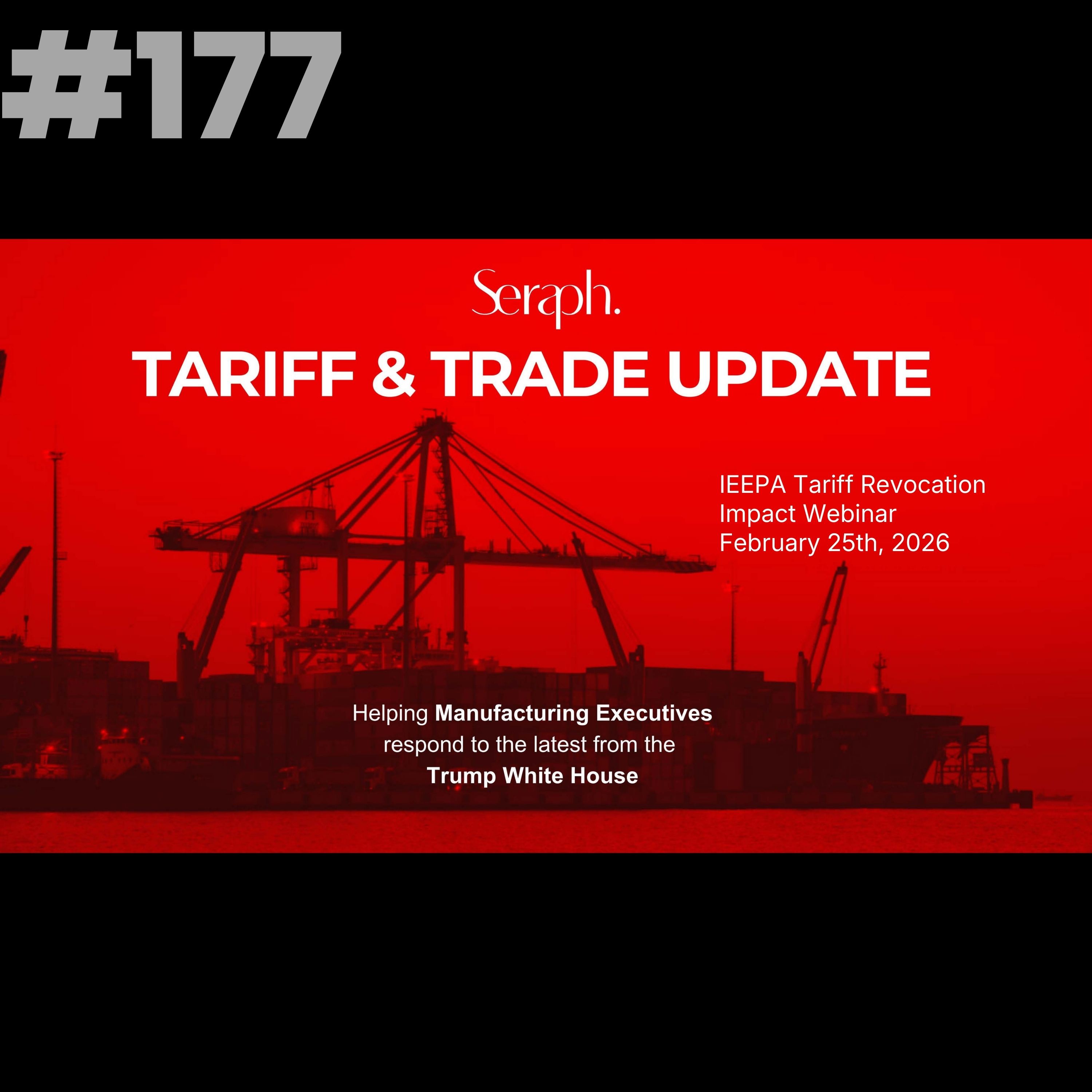
S7 Ep 177IEEPA Struck Down — Why the Tariff Pressure Remains
Download the full webinar slides hereSpecial Audio from the February 20th Seraph WebinarTariffs were struck down.So why does the pressure still feel the same?If the Supreme Court ruled against IEEPA, why aren’t costs meaningfully lower?This special episode is different.It is the full audio recording from the February 20th Seraph IEEPA Tariff Revocation Impact Webinar, led by Ambrose Conroy, CEO of Seraph.In this episode of the Automotive Leaders Podcast, Jan Griffiths joins Ambrose and Harrison Catlin as they break down what the Supreme Court decision actually changed and what it didn’t.Headlines suggested relief. But Section 122 tariffs were implemented almost immediately. Effective rates dropped briefly, then climbed back up — not fully to prior IEEPA levels, but still materially impactful.This conversation goes beyond policy.It is about enterprise risk, supply chain resilience, and what leaders must do next.Themes Discussed in this EpisodeWhat the Supreme Court ruling actually changedHow Section 122 partially restored tariff levelsThe three critical dates: entry date, liquidation date, protest windowHow Post Summary Corrections (PSC) impact refund strategyOEM debit risk and cascading supply chain pressureWhy geopolitics — not just tariffs — is the real long-term riskThe July 2026 convergence: Section 122 expiration and USMCA negotiationsUsing AI and prediction markets to anticipate legal outcomesWhy reshoring must continue regardless of short-term tariff shiftsFeatured Guest:Ambrose Conroy is the Founder and CEO of Seraph, a global operational excellence and manufacturing strategy firm. He advises CEOs, boards, and private equity leaders on supply chain restructuring, footprint acceleration, and industrial resilience in volatile geopolitical environments.Ambrose is known for his reality-first perspective on manufacturing strategy and for translating global uncertainty into decisive operational action.About Your Host – Jan GriffithsJan Griffiths is a champion for culture transformation and the host of the Automotive Leaders Podcast. A former automotive executive with a rebellious spirit, Jan is known for challenging outdated norms and inspiring leaders to ditch command and control. She brings honesty, energy, and courage to every conversation, proving that authentic, human-centered leadership is the future of the automotive industry.Episode Highlights[01:05] Supreme Court strikes down IEEPA tariffs[02:00] Section 122 implemented and effective rates climb back[06:07] What tools remain available to the administration[11:55] Refund mechanics: entry date, liquidation date, PSC filings[14:46] OEM debit risk and supply chain tension[18:08] China, Taiwan, and geopolitical escalation[25:47] July 2026 - Section 122 expiration meets USMCA negotiations[30:00] AI and prediction markets used to model the ruling[32:00] Why tariffs are likely here to stayTop Quotes[11:38] Ambrose: “ Tariffs are a core tenet.”[17:23] Ambrose: “ Pre-COVID supply chain was, was a function that was seen as supportive. Now it's so core, and it's so critical, and it's so impactful so many times because everything is so fragile since we've sought the lowest cost and lowest price and not necessarily taken into account true resiliency. “[27:43] Jan: “Get your arms around the data, get visibility all the way through the supply chain. And make sure that you know those dates, the entry date and the liquidation date, and that you've got the right team of people around you with the right set of expertise.”[26:34] Ambrose: “ The only thing that it is clear to me if you if you want to sell a product in the United States, make it in the United States, source it in the United States.”If this episode resonated, share it with a fellow automotive leader and subscribe to The Automotive Leaders Podcast, where we’re shaping the future of authentic leadership in the automotive industry.This podcast episode is also available on YouTube. Check out our YouTube channel at JangriffithsautomotiveleadersSend us your feedback or questions — email Jan at [email protected].
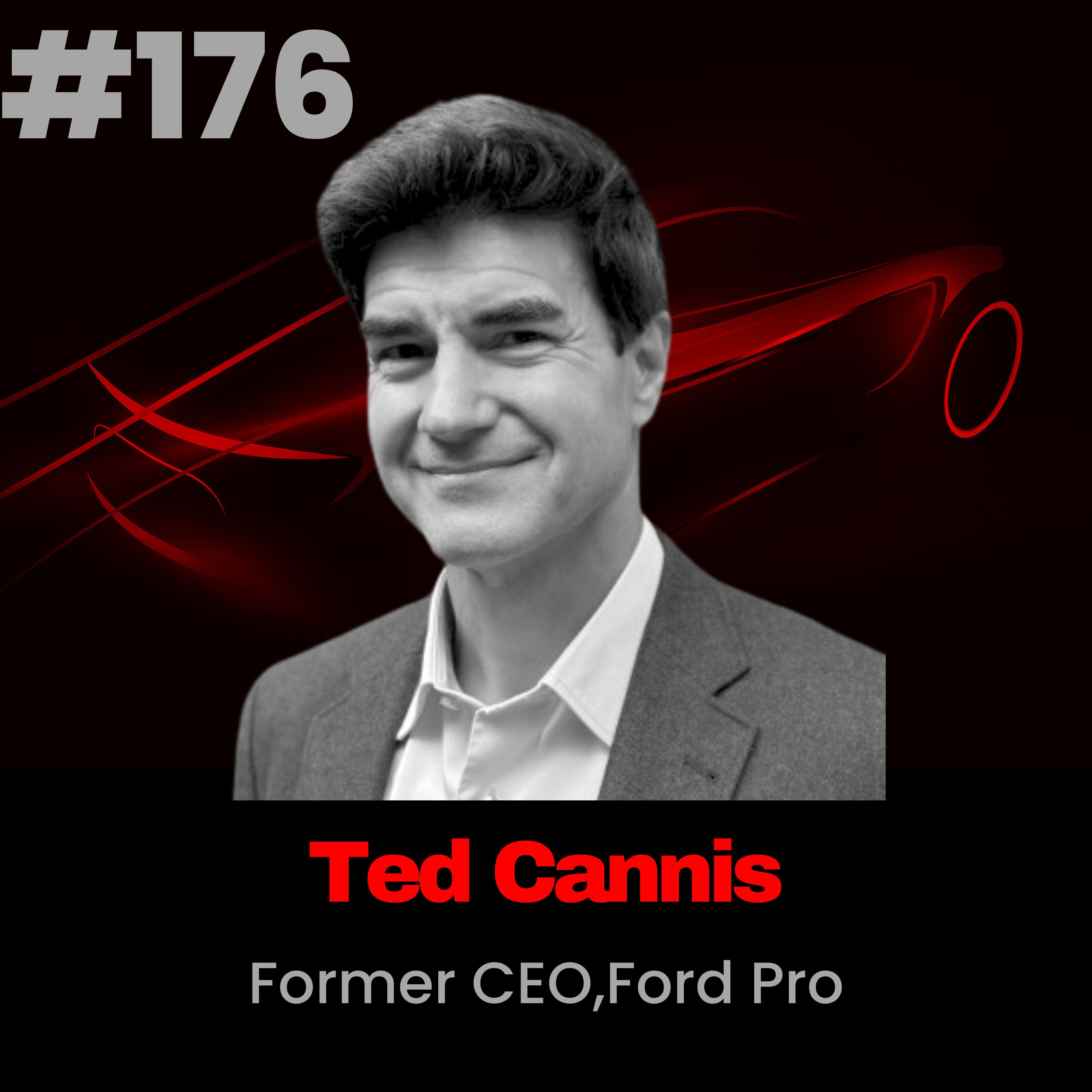
S7 Ep 176Building a $67B Auto Business Within Constraints: The Leadership Behind 230% Growth
This conversation goes straight at the tension every legacy leader feels but rarely names.How do you build something new inside a company designed for stability?How do you move fast inside a system built to control risk?How do you create urgency without burning out your team?In this episode of the Automotive Leaders Podcast, Jan Griffiths sits down with Ted Cannis, former CEO of Ford Pro and longtime executive at Ford Motor Company.Ted didn’t just grow revenue. He helped build an integrated ecosystem of vehicles, software, charging, service, and financing. But this conversation isn’t about the numbers. It’s about the leadership and culture required to produce them.Ted shares what it really takes to drive change inside a legacy organization. Why data is your most powerful ally. Why shared metrics matter more than motivation. Why speed is a discipline. And why every bold initiative faces what he calls “status quo snapback.”He also makes a surprising admission. He’s a self-confessed micromanager. And that opens up one of the most honest leadership moments we’ve had on the show.This episode is about disciplined change.Not hype. Not slogans. Not transformation theater.Real leadership inside real constraints.Themes Discussed in this EpisodeWhy building inside constraints sharpens leadershipThe power of going to the gemba instead of managing from the conference roomUsing data to win enterprise-level changeHow shared metrics break down silosWhy speed requires preparation, not chaosThe danger of “sketchy scoping” in big strategic betsWhat “status quo snapback” looks like inside legacy organizationsCan micromanagement and authentic leadership coexist?Watch the full episode on YouTube - click hereThis episode is sponsored by Lockton, click here to learn moreFeatured Guest - Ted CannisTed Cannis is the former CEO of Ford Pro, where he scaled the business to $67B in revenue and $9B EBIT by integrating commercial vehicles, SaaS, charging, service, and financing into one global ecosystem.Across a 30+ year career at Ford Motor Company, Ted led global electrification strategy, investor relations, and international operations. He is known for combining operational discipline with enterprise-level vision and has been featured in CNBC, The Wall Street Journal, and Forbes.Today, he serves as a strategic advisor and board-level collaborator across mobility, energy, and technology ventures.About Your Host – Jan GriffithsJan Griffiths is the champion for culture change and the host of the Automotive Leaders Podcast. A former automotive executive with a rebellious spirit, Jan is known for challenging outdated norms and inspiring leaders to ditch command and control. She brings honesty, energy, and courage to every conversation, proving that authentic, human-centered leadership is the future of the automotive industry.Episode Highlights[02:47] “Build within constraints” — Ted’s leadership mindset[06:17] Why going to the gemba is a strategic investment, not a luxury[12:16] Using hard data to sell change across the enterprise[15:43] Speed, impatience, and seizing decision windows[19:04] The Culture Change Hub — leaders, teams, rituals, rules, metrics, stories[22:18] Why C-suite sponsorship is non-negotiable[26:23] Pivoting fast when the plan breaks[28:24] “Status quo snapback” and how initiatives quietly die[30:39] Vision and ownership as the core of authentic leadership[32:46] The micromanagement confessionTop Quotes[02:48] Ted: “I build within constraints. Set a vision of where you want to go and be pragmatic about how you get there.”[07:25] Ted: “You can’t be blind. You have to go and see.”[14:14] Jan: “Speed is everything. The way we make decisions, how we make decisions, and the speed of those decisions.”[22:49] Ted: “If you really want change in a large company or a small one, it needs to come from the top.”[28:44] Ted: “The most exciting days for the project are the day it's announced. That is the high. It never gets any better.”[31:59] Ted: “You have to own the pivot. No matter what.”If this episode resonated, share it with a fellow automotive leader and subscribe to The Automotive Leaders Podcast, where we’re shaping the future of authentic leadership in the automotive industry.This podcast episode is also available on YouTube. Check out our YouTube channel at JangriffithsautomotiveleadersSend us your feedback or questions — email Jan at [email protected].
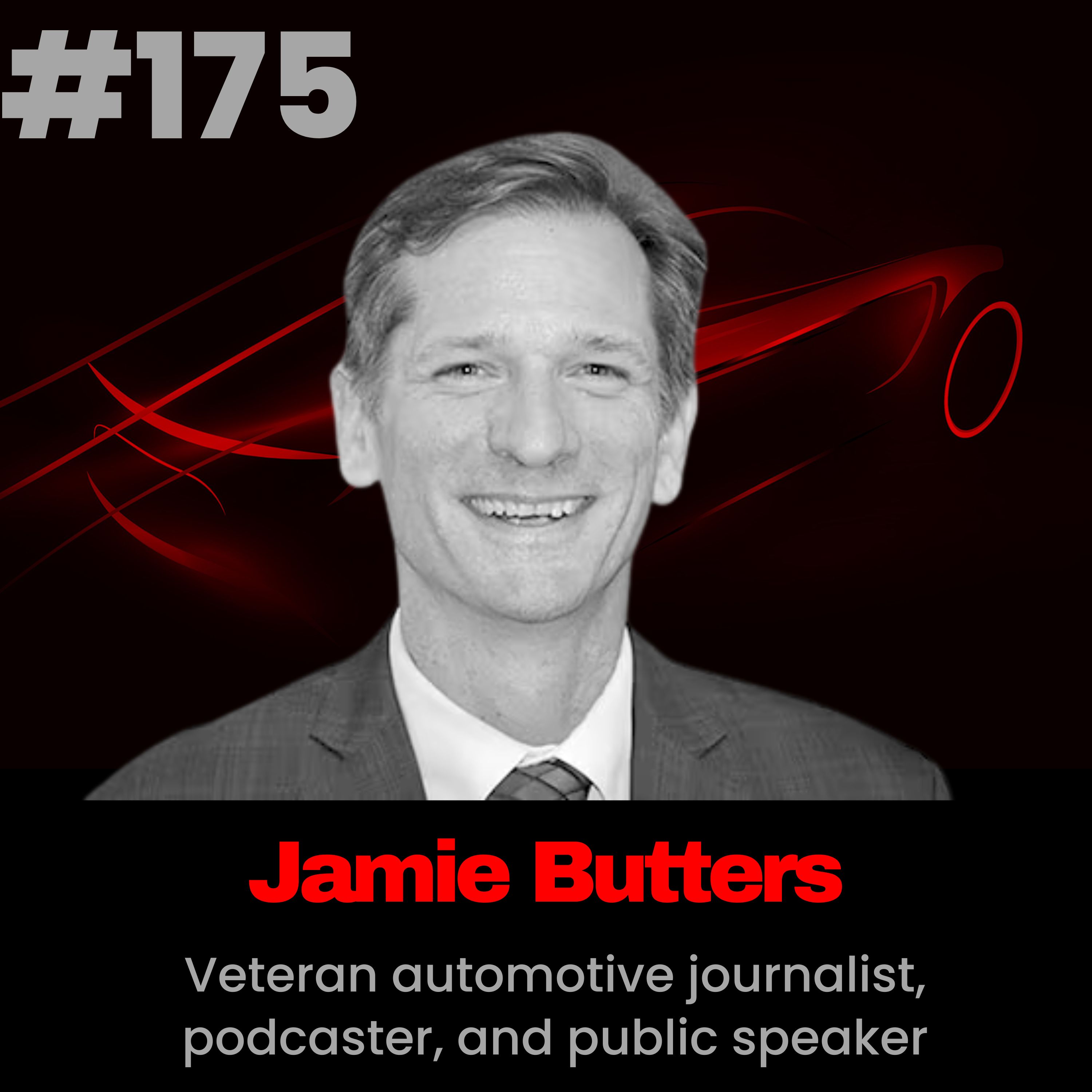
S7 Ep 175Reality Check 2026: Speed, China, AI, and the Hard Truths Automotive Leaders Can’t Ignore
This conversation doesn’t sugarcoat anything. The auto industry is under real pressure, and leaders can’t afford denial or delay.In this episode of the Automotive Leaders Podcast, Jan Griffiths sits down with Jamie Butters, now an independent journalist, speaker, emcee, and content creator who has spent decades reporting from every corner of the automotive ecosystem.Jamie brings a clear, grounded view of where the industry stands at the start of 2026. China’s competitive advantage is no longer theoretical. Affordability is becoming an existential issue. Tariffs and geopolitics are injecting uncertainty that freezes investment. AI is everywhere, but leaders still struggle to separate real value from noise.They unpack why legacy automotive culture slows decision-making, how bespoke thinking drives unnecessary cost, and why speed is now a leadership requirement, not a nice-to-have. The conversation also digs into Tesla’s influence on manufacturing thinking, the future of dealer AI tools, and what’s at stake as the UAW heads into a pivotal leadership year.This episode is about reality. Not hype. Not fear. Just the hard truths automotive leaders need to face if they want to compete, adapt, and lead with courage.Themes Discussed in this EpisodeWhy China’s scale and speed threaten global incumbentsHow affordability became automotive’s silent crisisWhere AI delivers value and where it quietly creates wasteThe cultural cost of bespoke thinking in legacy organizationsTariffs, uncertainty, and their chilling effect on investmentWhat UAW leadership changes could mean for competitivenessWhy speed of decision-making is now a core leadership skillWatch the full video on YouTube - click hereThis episode is sponsored by Lockton, click here to learn moreFeatured GuestJamie Butters is an independent automotive journalist, speaker, emcee, and content creator. He previously served as Executive Editor and Chief Content Officer at Automotive News, Detroit bureau chief for The Wall Street Journal, and automotive editor at Bloomberg. Jamie is known for connecting the dots early, telling the truth plainly, and translating complex industry dynamics into language leaders can actually use.About Your Host – Jan GriffithsJan Griffiths is a champion for culture transformation and the host of the Automotive Leaders Podcast. A former automotive executive with a rebellious spirit, Jan is known for challenging outdated norms and inspiring leaders to ditch command and control. She brings honesty, energy, and courage to every conversation, proving that authentic, human-centered leadership is the future of the automotive industry.Mentioned in this EpisodeAutomotive NewsBloombergThe Wall Street JournalUSMCAUHY RFQ white paperEpisode Highlights[02:08] Jamie’s move to independence and why now is the right moment[04:51] Why China’s competitive threat feels distant in Detroit but isn’t[07:47] Affordability, regulation, and how the industry boxed itself in[13:29] The hidden cost of bespoke thinking in the supply base[17:20] Tesla’s influence on China’s manufacturing mindset[18:30] Using AI where customers don’t see it but value it[25:03] Tariffs, uncertainty, and frozen investment[31:03] What’s at stake in the next UAW leadership cycle[36:18] Why speed of decision-making defines modern leadershipTop Quotes[05:24] Jamie: “It's a real challenge when you're competing with players in an economy that is not a capitalist market economy. They have different motivators; they have different factors that determine who survives. And so, it's a really asymmetric competition. ”[08:24] Jamie: “ They really never made money on small cars. Being able to focus on the bigger ones, it's more profitable, it's less good for the environment, and it does make it harder for low to middle-income people to buy a new vehicle. ”[14:54] Jan: “If you change the process but you’re still feeding it with legacy thinking, what have you really achieved?”[18:50] Jamie: “You should focus where you have the most cost and where the consumer doesn’t really know or care how you get it done.”[25:17] Jamie: “Just having those threats continue to come really paralyzes investment.”[36:14] Jan: “Speed is everything. The way we make decisions, how we make decisions, the speed of those decisions.”If this episode resonated, share it with a fellow automotive leader and subscribe to The Automotive Leaders Podcast, where we’re shaping the future of authentic leadership in the automotive industry.This podcast episode is also available on YouTube. Check out our YouTube channel at JangriffithsautomotiveleadersSend us your feedback or questions — email Jan at [email protected].
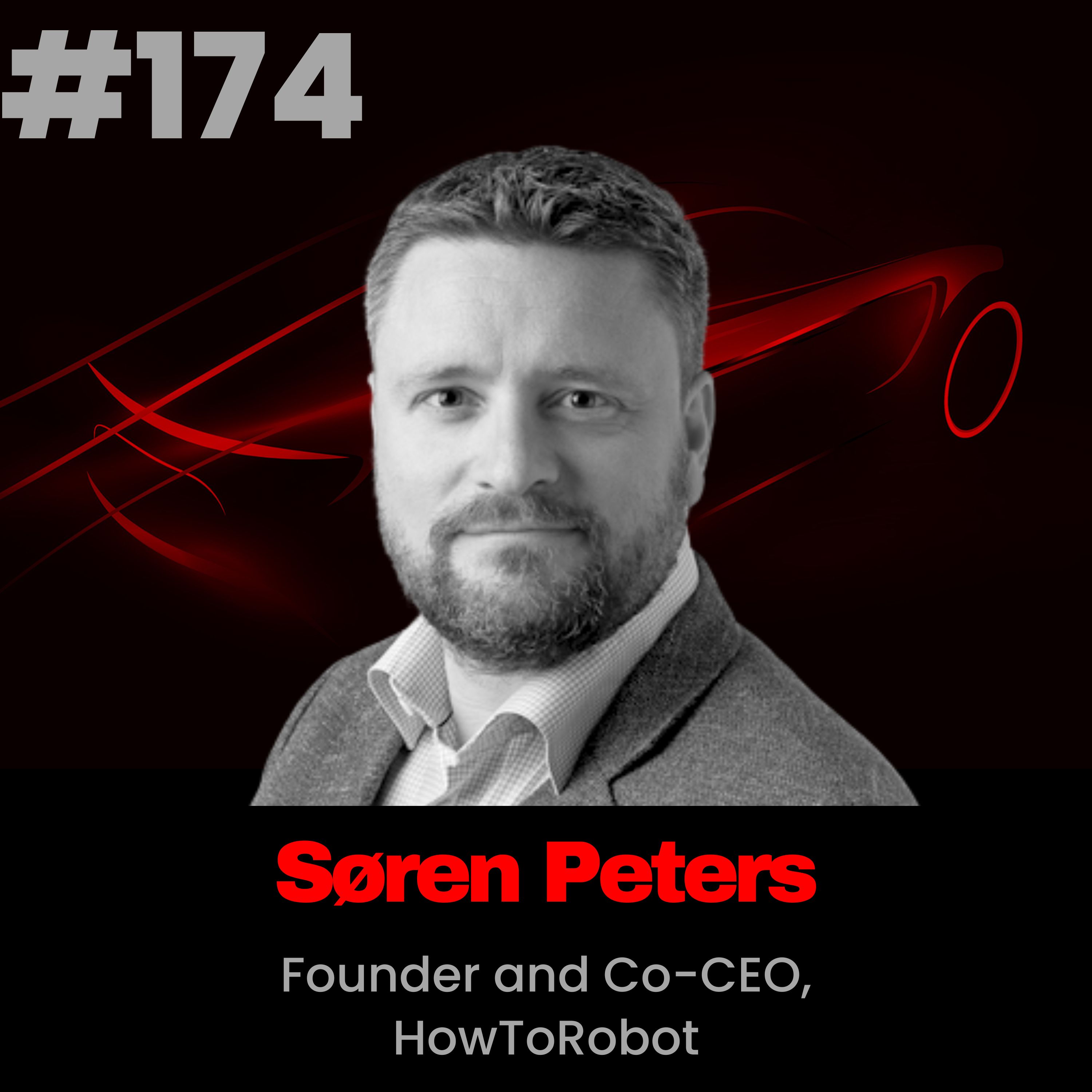
S6 Ep 174Why Automation Fails in Manufacturing and the Leadership Shift Required to Fix It
Re-industrializing America sounds bold. Necessary. Inevitable.But on factory floors across the country, automation keeps stalling before it ever delivers real value.Robots sit unused. Projects drag on for years. Leaders know automation is essential, yet decisions stall, risks get avoided, and the same problems repeat. This episode goes straight to the heart of why.Jan Griffiths is joined by Søren Peters, CEO of HowToRobot, a global marketplace helping manufacturers source and implement robotics more effectively. Søren has spent decades leading digital transformation and operational change, giving him a front-row seat to why automation struggles inside real plants, not PowerPoint decks.This conversation moves past hype. It tackles the real blockers: fear-based leadership, siloed decision-making, short-term contracts, poor education, and a complete lack of ownership once robots hit the shop floor. Automation doesn’t fail because the technology isn’t ready. It fails because organizations aren’t.Søren challenges leaders to rethink how they assess risk, train their workforce, and take responsibility for change. Buying a robot isn’t a technology decision. It’s a leadership decision. And without courage, clarity, and accountability, even the smartest automation strategy will collapse.If the automotive industry is serious about rebuilding manufacturing capacity, closing labor gaps, and preparing for an AI-enabled future, leaders must stop waiting for certainty and start owning the change.Themes DiscussedWhy automation failures are leadership failures, not technology failuresThe risk-avoidance mindset is slowing manufacturing transformationHow siloed decision-making kills automation on the shop floorWhy education matters beyond engineers and integratorsThe hidden impact of short-term supplier contracts on ROIWhat successful automation leaders do differentlyWhy ownership and courage matter more than toolWatch the full video on YouTube - click hereThis episode is sponsored by Lockton, click here to learn moreFeatured GuestSøren Peters is the CEO of HowToRobot, a global industrial robot marketplace that helps manufacturers find, evaluate, and implement automation solutions more effectively. He has spent over two decades leading companies through digital transformation, outsourcing, and large-scale operational change across Europe and the United States. Søren brings a pragmatic, leadership-first perspective to automation, grounded in what actually works inside manufacturing plants.About Your Host – Jan GriffithsJan Griffiths is a champion for culture change and the host of the Automotive Leaders Podcast. A former automotive executive with a rebellious spirit, Jan is known for challenging outdated norms and inspiring leaders to ditch command and control. She is the author of AutoCulture 2.0 and the co-host of the Auto Supply Chain Prophets podcast. Jan brings honesty, energy, and courage to every conversation, proving that authentic, human-centered leadership is the future of the automotive industry.Mentioned in this EpisodeHowToRobotUHY RFQ white paperEpisode Highlights[02:55] Re-industrialization sounds great until automation decisions stall for years[04:12] Why factories don’t need humanoids, they need basics that work[06:35] The real reason companies delay buying robots for a decade[09:10] Fear, risk, and leadership paralysis inside manufacturing[12:58] Why training only engineers guarantees automation failure[14:41] Robots are workers, and leaders must manage them as such[18:04] Short-term contracts destroy long-term automation ROI[19:52] Financing, trust, and the reality of buying unfamiliar technology[21:21] What the DNA of a successful automation leader really looks likeTop Quotes[11:20] Soren Peters: “I think it’s leadership. And I think those who want to be the one who takes the torch and says, I will take the risk. I will bear the burden.”[14:52] Soren Peters: “A robot is a worker in a sense, and it comes with different ROIs, it comes with different behaviors.”[15:15] Soren Peters: “And a robot also has a sick day. But we are also saying to everybody, a robot never gets sick — and it’s not, well, but it does.”[25:48] Jan Griffiths: “The tech mindset is let’s get this technology and play with it. Let’s break it. Let’s break it. Let’s iterate it.”If this episode resonated, share it with a fellow automotive leader and subscribe to The Automotive Leaders Podcast, where we’re shaping the future of authentic leadership in the automotive industry.This podcast episode is also available on YouTube. Check out our YouTube channel at JangriffithsautomotiveleadersSend us your feedback or questions — email Jan at [email protected].
S6 Ep 173Leadership After the Storm: What 2025 Taught Us and How to Lead in 2026
2025 didn’t just challenge the automotive industry.It exposed it.Tariffs that shifted overnight. Another chip crisis. A sudden rethink on EVs. Then Ford dropped the bomb: nearly $20 billion in charges as it pivoted away from EVs, stranding capital across the supply chain. And on top of it all, AI is moving faster than most leaders can keep up with.In this solo episode, Jan Griffiths presses pause on the noise and calls it what it really was: feedback.Not chaos.A signal.2025 showed us exactly where legacy leadership breaks under pressure. Command-and-control slowed decision-making. Rigid processes collapsed under uncertainty. And waiting for perfect data became a competitive disadvantage.As we step into 2026, Jan lays out what leadership must become if this industry wants to survive, not just react. She challenges leaders to stop pretending they have all the answers and start learning out loud. To trade certainty for curiosity. Ego for humility. Silos for systems thinking.AI is not the threat. Speed is the reality. And culture is still the differentiator.This episode is a direct, honest conversation with leaders who feel the weight of what’s coming and know the old playbook won’t get them there. Jan breaks down the five leadership categories that will define success in 2026 and beyond, and why standing still is no longer an option.If 2025 cracked the foundation, 2026 is the year leaders decide whether to rebuild or repeat the same mistakes.Watch the full video on YouTube - click hereThis episode is sponsored by Lockton, click here to learn more Themes DiscussedWhy 2025 wasn’t chaos, but critical feedback for automotive leadersThe leadership behaviors that failed under pressureLearning out loud instead of waiting for perfect answersIntellectual humility as a competitive advantageWhy speed now matters more than certaintyHow AI is forcing a shift away from rigid org chartsThe leadership mindset required to win in 2026About Your Host – Jan GriffithsJan Griffiths is a champion for culture change and the host of the Automotive Leaders Podcast. A former automotive executive with a rebellious spirit, Jan is known for challenging outdated norms and inspiring leaders to ditch command and control. She is the author of AutoCulture 2.0 and the co-host of the Auto Supply Chain Prophets podcast. Jan brings honesty, energy, and courage to every conversation, proving that authentic, human-centered leadership is the future of the automotive industry.Mentioned in this EpisodeAI‑Era Leadership Self‑Assessment Episode Highlights[01:26] Reflecting on 2025: Challenges and Lessons[04:32] Leadership Traits for 2026[04:45] Mindset and Intellectual Humility[06:03] Systems Thinking and Bias Awareness[07:20] AI and Business Processes[08:27] Leadership Styles in the Age of AI[09:47] Decision Making and Accountability[11:26] Trust, Culture, and Empowerment[14:51] Humanity and Empathy in LeadershipIf this episode resonated, share it with a fellow automotive leader and subscribe to The Automotive Leaders Podcast, where we’re shaping the future of authentic leadership in the automotive industry.This podcast episode is also available on YouTube. Check out our YouTube channel at JangriffithsautomotiveleadersSend us your feedback or questions — email Jan at [email protected].
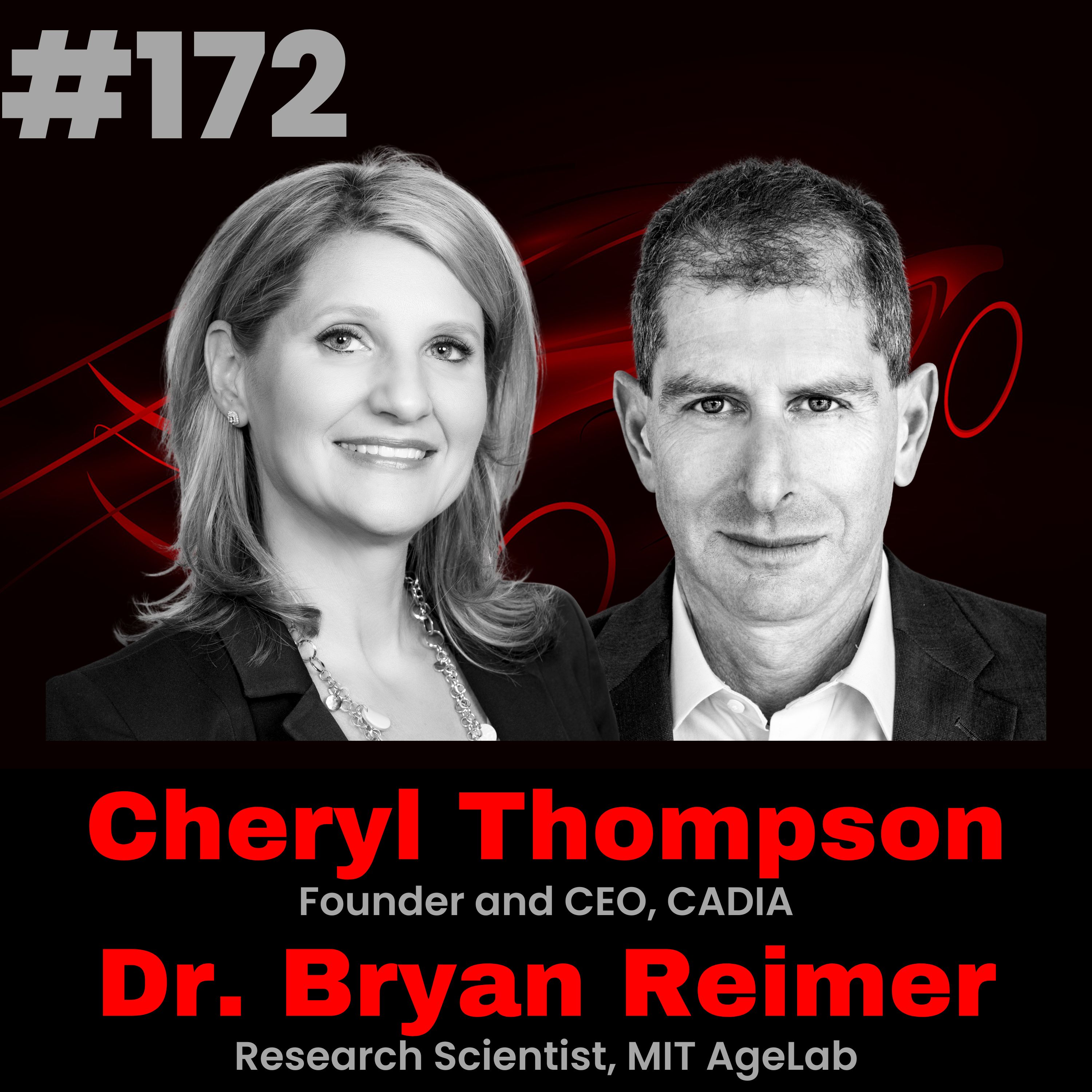
S6 Ep 172AI, Trust, and the Human Shift: What Automotive Leaders Must Do Next
Sometimes a conversation hits so deeply that it demands a part two , and that’s exactly what happened after our episode with MIT’s Dr. Bryan Reimer. The response was immediate, and the very first message came from CADIA CEO Cheryl Thompson, who had been quietly diving deep into AI for months. Her reaction captured what so many leaders are feeling right now: excitement, overwhelm, fear, and possibility all at once.This episode brings Cheryl and Bryan together to talk about what AI is really doing inside companies — not the hype, but the human impact. The emotional truth? AI is forcing us to look hard at our culture, our trust levels, and our willingness to unlearn the habits that hold us back. That’s where transformation starts.Cheryl shares how AI has changed the way she works, creates, leads, and even manages her daily life. But she’s honest about the trap many leaders fall into: using AI to produce more… instead of stepping back to breathe, think, and lead. Bryan brings the research lens, grounding the conversation in what AI can do, what it can’t, and how leaders must shift from delegation to collaboration if they want AI to be truly useful.Together they unpack psychological safety, generational differences, the rise of agentic AI, and the cultural tension AI exposes inside legacy automotive. And they remind us that AI will not replace leaders — but leaders who use AI well will absolutely outpace those who don’t.This isn’t a conversation about technology. It’s a conversation about courage, trust, and the future of leadership in an industry that desperately needs to move faster while staying true to its values. Themes Discussed in This EpisodeHow trust and culture determine whether AI succeeds or stallsWhy leaders must collaborate with AI instead of delegating blindlyWhat the Wow, Whoa, Grow framework reveals about human behaviorHow generational differences shape AI adoption and comfort levelsWhy AI in automotive demands unlearning old processes, not just adding toolsThe risk of locking down AI too tightly — and the risk of letting it run wildHow small businesses and startups are using AI to outrun traditional OEMsWatch the Full Video on YouTube - click hereThis episode is sponsored by Lockton, click here to learn moreFeatured GuestsCheryl Thompson, CEO, CADIACheryl leads the CADIA: Culture Evolved, where she equips organizations to build equitable, high-performing cultures. A former manufacturing engineering leader in the automotive industry, Cheryl is known for her human-centered approach to leadership, her commitment to psychological safety, and her skillful integration of AI into learning and development. She helps teams work smarter, remove friction, and accelerate change by pairing technology with deep emotional awareness.Dr. Bryan Reimer, Research Scientist, MITDr. Bryan Reimer is a Research Scientist at the MIT Center for Transportation & Logistics and a founding member of the MIT AgeLab. His work examines how humans and automation interact in real-world conditions, including driving, attention, decision-making, and safety. He leads three major academic–industry consortia focused on human-centered vehicle technology and is the author of How to Make AI Useful, a practical guide for leaders navigating AI’s cultural and operational impact.About Your Host – Jan GriffithsJan Griffiths is a champion for culture transformation and the host of the Automotive Leaders Podcast. A former automotive executive with a rebellious spirit, Jan is known for challenging outdated norms and inspiring leaders to ditch command and control. She brings honesty, energy, and courage to every conversation, proving that authentic, human-centered leadership is the future of the automotive industry.Mentioned in This EpisodeHow to Make AI Useful by Dr. Bryan ReimerCADIAMcKinsey research on the “second muscle” of leadershipEpisode Highlights[02:35] Cheryl’s AI “wow” moment: Enthusiasm turns into overload, forcing her to reset and take the lead back from the tool.[04:06] Bryan on LLMs: Useful copilots, not autopilots — and only one part of a much larger AI ecosystem.[07:18] Human in the Loop: Cheryl and Bryan break down why AI must be viewed as an opinion, not a fact.[11:14] Next-level use cases: Cheryl explains how to move beyond meeting summaries into real business transformation.[14:00] Leaders must stop throwing AI to IT: AI adoption requires business alignment, courage, and clarity.[16:33] Culture and unlearning: Why legacy processes slow AI more than technology does.[20:52] Generational differences: Gen X trusts AI most; boomers the least; Gen Z remains skeptical.[23:03] The collaboration equation: Neural activity drops when we delegate to AI — but rises when we collaborate with it.[32:18] Capturing knowledge before it walks out the door: AI as a tool for organizational memory.[34:29] Final advice: Leaders must experiment, question, and use AI to learn faster than the pace of change.Top Quotes“AI won’t replace us, but lea
S6 Ep 171AI Is About to Change Everything… But Not the Way You Think
AI dominates every conversation in the automotive industry, but very few companies know how to make it truly useful. That focus on real value is what led MIT research scientist Dr. Bryan Reimer to write How to Make AI Useful.The idea began casually over dinner in Lisbon, when someone asked him what he really thought about AI. Bryan didn’t dive into predictions about machines taking over. He focused on something more practical: how AI only matters when it’s built with people in mind.He breaks AI down into three realities: the excitement of what it could do, the fear that follows when we realize what it might do, and the long, steady work required to make it truly valuable.AI can automate the basics and even create new content, but its real strength is amplifying human skill, not replacing it. The goal isn’t an autopilot workforce. It’s a copilot.That means the fear that AI will take jobs is misplaced. AI changes work; it doesn’t erase it. Just as assisted driving has changed how we drive, rather than removing the driver, AI will shift roles and demand new skills.Bryan points out that layoffs blamed on AI are often just business decisions wearing a convenient mask. The real question is how companies use AI to make work better rather than cheaper.To do that, leaders in automotive need to unlearn old habits. Years of rigid processes, slow decision-making, and fear of change make it hard for AI to deliver value.He argues that useful AI requires trust and transparency. It’s hard for any organization to move forward when fear, hidden approvals, and layers of bureaucracy control decisions. If employees can’t be trusted to make decisions, AI won’t save them. The real challenge is cultural, not technical.Bryan expands the conversation globally. Japan is embracing robotics as companions, while Europe is focusing heavily on privacy. Culture shapes how AI grows, and automotive companies need to pay attention to what consumers value, not just what tech can do.He connects this to China as well. China’s speed is not about dumping features into cars. It’s about building products people can afford and use. If Western brands only chase faster or cheaper without real value, they will lose.AI becomes useful when companies start small, test real-world problems, and continually improve the tool until it actually helps people do their work. That progress may cost more in the beginning, but better safety features, more accurate data, and enhanced customer experiences rarely come from shortcuts. The goal is not to replace people. It’s to build technology that helps them perform at a higher level.Watch the Full Video on YouTube - click hereThis episode is sponsored by Lockton, click here to learn moreThemes discussed in this episode:How AI becomes useful only when it is designed to support human judgment instead of replacing workersWhy the “Wow, Whoa, and Grow” framework helps companies move beyond AI hype and build tools that solve real problemsHow assisted driving proves that advanced technology still depends on human responsibility and oversight to deliver safe, reliable resultsThe importance of unlearning outdated processes before applying AI to existing workflows in automotiveWhy a lack of trust inside automotive organizations slows down AI adoption more than the technology itselfLessons from China’s speed in product development and why Western automakers should prioritize value and accessibility over rushed innovationWhat automotive leaders can learn from the pharmaceutical model of testing, releasing, and improving technology through data-driven updates over timeWhy leaders should start small, run narrow pilots, and scale only after AI tools prove measurable value for customers and business resultsFeatured guest: Dr. Bryan ReimerWhat he does: Dr. Bryan Reimer is a Research Scientist at the MIT Center for Transportation & Logistics and a key member of the MIT AgeLab. His work focuses on how drivers behave in an increasingly automated world, using a combination of psychology, big data, and real-world testing to study attention, distraction, and human interaction with vehicle technology. He leads three major academic-industry consortia that are developing new tools to measure driver attention, evaluate how people use advanced driving systems, and improve in-vehicle information design, thereby guiding automakers and policymakers toward safer, human-centered mobility solutions.Mentioned in this episode:MIT Center for Transportation & LogisticsMIT AgeLabMIT AVT | Advanced Vehicle Technology ConsortiumAI Sweden | National center for applied AIAutomotive Suppliers and the Revenue Acquisition Process – Then and Now: 2025 UpdateHow to Make AI Useful: Moving beyond the hype to real progress in business, society, and lifeEpisode Highlights:[03:04] Lisbon, Wine, and a Big Question: A casual dinner in Portugal, fueled by a few glasses of wine, led to a book built around a simple idea: AI only matters when it helps real people, not j
S6 Ep 170Inside Panasonic’s Gigafactory: No Blame, Big Results
Inside Panasonic’s gigafactories in Nevada and Kansas, machines never stop running. Every second, 70 batteries roll off the line, powered by thousands of people working 24/7. At the center of it all is Allan Swan, a Scotsman who left aerospace to lead one of the most ambitious manufacturing operations in America.Allan begins by explaining what a gigafactory really is and what it takes to manage a workforce of almost 8,000 people while producing billions of batteries a year. At Panasonic, Allan flipped the hierarchy, putting his name at the bottom of the org chart to remind everyone that leaders exist to serve their people. For him, leadership isn’t about hitting KPIs; it’s about getting the people side right first. When communication is clear and employees have what they need to do their jobs, the results follow naturally.He shares how Panasonic built a no-blame culture, where problems are met with curiosity rather than fear. Through a system called CIG — Control, Influence, and Gravity — issues are quickly directed to the people who can resolve them, with no hierarchy or politics in the way. One of his favorite examples is the “door story,” where a small request from a team led to significant changes in trust and teamwork across the plant.Allan also explains how recognition helps maintain high morale in an environment that never stops. Teams celebrate wins every day through thank-you cards, high-five points, and open conversations that connect everyone to the company’s mission. The focus isn’t just on electrification and sustainability, but on providing people with meaningful work that can change their lives.Allan’s approach to leadership is anything but distant. He spends time on the factory floor every day, talking with teams, asking questions, and seeing problems firsthand. For him, leadership means being present and approachable, not hiding behind emails or titles. In the end, Allan’s message to other leaders is simple: real change doesn’t come from massive initiatives or slogans. It begins with small, consistent actions that show people that you care. Fix one problem. Listen to one person. Keep showing up. That’s how culture and performance grow together.Watch the full video on YouTube - click hereThis episode is sponsored by Lockton, click here to learn moreThemes discussed in this episode:The shift from aerospace to EV manufacturing and what it taught Allan Swan about leadershipThe evolution of leadership from command-and-control to people-first management in large-scale manufacturingHow Panasonic’s gigafactories produce 70 batteries every second with a people-driven approachWhy focusing on people before KPIs drives long-term performance across Panasonic’s gigafactoriesHow Panasonic’s Control, Influence, and Gravity (CIG) system helps teams escalate issues and make faster decisionsHow recognition programs such as “Did You Win Today?” and “High-Five Points” help sustain motivation in 24/7 production environmentsThe value of hiring people for energy and mindset rather than industry experience in a new manufacturing sectorHow daily visibility and “gemba walks” keep leaders connected to people and grounded in real operations Featured guest: Allan SwanWhat he does: Allan Swan leads Panasonic Energy’s battery manufacturing operations in the United States, overseeing the company’s gigafactories in Sparks, Nevada, and De Soto, Kansas. Under his leadership, Panasonic has grown into the leading global producer of cylindrical lithium-ion batteries, powering much of today’s electric vehicle industry. With a focus on people, innovation, and performance, Allan has helped transform the Nevada facility from a startup into a world-class smart factory producing over two billion cells each year. His work drives Panasonic’s mission to advance clean energy, create thousands of American jobs, and build a more sustainable future.On Leadership: “We've got one job as leaders, that's to make sure our people have got the right tools to do their job. They're accountable for doing the job. We are accountable to make sure they've got the right tools to do their job. And that's what we hone in on every single day. And by doing that, we created a really amazing culture that, quite frankly, KPIs are irrelevant because you just keep blowing past them all the time. And everybody wins.”Episode Highlights:[07:18] People Before Numbers: Success isn’t measured by spreadsheets but by how well leaders equip and support their people to win every day.[11:44] Resilience Through No Blame: Of the 21 traits of authentic leadership, Allan connects most with resilience, built through a no-blame culture where people feel safe to make mistakes, learn fast, and keep moving forward.[17:33] Wrong Question, Right Answer: Instead of playing pricing games, Allan builds trust with EV customers by focusing on transparency; aligning cost curves, solving gaps together, and keeping speed at the center of every partnership.[21:03] Mindset Over Resume: Allan sha
S6 Ep 169How Kim Less Leads and Elevates Nissan Aftersales Across the Americas
When people in the automotive world talk about leaders who bring out the best in others, Kim Less's name always surfaces. As Vice President of aftersales for Nissan Americas, she leads a team of more than 1,600 people in the U.S., Canada, Mexico, and South America.Her leadership philosophy? Constant gentle pressure. The phrase, which came from Danny Meyer, perfectly captures how Kim shows up daily. To her, "constant" means persistence and accountability. "Gentle" means having your team's back while guiding them toward growth. And "pressure" is the drive to win, move with urgency, and deliver. Together, they form the balance she strives for: leading with calm confidence but never without expectation.At Nissan, Kim has spent years redefining what aftersales means inside the organization. For her, aftersales isn't an "afterthought," it's the engine that fuels brand loyalty and future sales. Leading across multiple countries means managing different cultures, languages, and expectations. Kim talks about how she's brought the entire Americas region together as one unified team. She does that by traveling to meet teams in person and building relationships and credibility. Over time, those consistent actions turned into a shared culture built on mutual respect and accountability.As the automotive industry evolves, Nissan is focused on simplifying its processes to make quicker decisions. Kim recalls working with the dealer advisory board to streamline 60 dealer-facing programs; removing or simplifying two-thirds to sharpen focus on what truly matters. To her, simplification isn't about doing less; it's about removing distractions so teams can move faster and stay focused on impact.She ties that same thinking to the importance of trust inside organizations. Once people trust each other and the data and systems they rely on, they no longer waste time validating every decision. That's when speed naturally follows. She also reflects on the personal side of leadership and the lessons from finding balance. Earlier in her career, while raising twins, she often hesitated to step away from work for family events. Over time, she learned that setting boundaries wasn't a weakness but a necessity. Now, she mentors others, urging them to "own their calendar," set limits, and protect their well-being. It's advice she lives by and passes down to emerging leaders who often feel pressured to choose between career and personal life.Watch the Full Video on YouTube - click hereThis episode is sponsored by Lockton, click here to learn moreThemes discussed in this episode:How Kim Less applies “constant gentle pressure” to balance accountability, empathy, and performance in leading Nissan Aftersales AmericasThe leadership lessons Kim Less learned from Saturn and GM that shaped her people-first approach at NissanWhy calm leadership and consistency drive stronger team alignment across multiple cultures and regions in the AmericasThe business case for aftersales as a core growth engine that strengthens brand loyalty and customer lifetime valueThe transformation of Nissan’s Aftersales organization through simplification, streamlined programs, and faster decision-makingThe process of uniting 1,600 employees across North and South America under one shared vision and operating modelThe importance of visiting markets and building relationships in person to earn credibility and alignmentHow setting boundaries, owning your calendar, and leading with authenticity sustain energy and focus in high-pressure rolesFeatured guest: Kim LessWhat she does: As Vice President of Aftersales for Nissan Americas, Kim Less leads the organization’s mission to strengthen customer satisfaction, brand loyalty, and profitability across North and South America. Since her appointment in 2022, she has guided aftersales strategy, dealer operations, and parts logistics with a focus on delivering exceptional ownership experiences. With more than 30 years in global supply chain, manufacturing, engineering, and aftersales, Kim combines operational expertise with a people-first leadership style that’s earned her wide respect across the industry.Episode Highlights:[03:34] Constant. Gentle. Pressure.: Kim shares the simple philosophy that defines her leadership: steady persistence, genuine care, and the right kind of pressure to keep her team moving forward together.[07:07] Where It All Began: Kim reflects on her early years at Saturn and GM, where hands-on experience and teamwork shaped the foundation of how she leads today.[08:29] Leading with Energy: Among the 21 traits of Authentic Leaders, Positive energy, Kim says, can change the tone of a room, lift people through chaos, and turn tough moments into opportunities for progress.[12:14] Rethinking Aftersales: Aftersales isn’t an afterthought — it’s the engine of brand loyalty and future sales, turning every service visit into a lasting customer relationship.[17:49] One Team, One Vision: Bringing together diverse teams across t
S6 Ep 168Built by People: The Cultural Transformation Behind Cooper Standard’s Global Success
How does a 65-year-old automotive supplier reinvent itself for the future? That’s the question Jeff Edwards, Chairman and CEO of Cooper Standard, answers in this episode. With 22,000 employees across 20 countries, Cooper Standard is navigating one of the fastest periods of change in its history; not by clinging to the past, but by transforming how it leads, operates, and builds culture.Jeff explains that the company’s strength begins with its people. Of the ~22,000 employees, 18,000 work in plants every day. They are the heartbeat of the business, and their mindset defines how the company performs. Culture once lived within HR, but today, that’s no longer the case. And at Cooper Standard, every leader owns it. The values and purpose that guide the business aren’t just words in a handbook; they shape decisions, behavior, and priorities across the organization. Jeff reinforces them in quarterly meetings with employees worldwide, making sure new hires understand how the company operates and what it stands for.Jeff explains how Cooper Standard continues to invest in better tools and infrastructure to support faster, more informed decisions — and sees AI as a future opportunity to help teams work smarter.However, Jeff points out that no system works without the right mindset. Change only happens when people are willing to adopt new ways of working together.Jeff also describes how Cooper Standard restructured its organization two years ago into three business units: Fluids, Sealing, and Industrial Specialty. Each has its own president who is responsible for performance. The new setup flattened decision-making and pushed authority closer to the work.Instead of questioning the change, employees embraced it. They wanted to understand how it would improve them, not why it was happening. That response, Jeff says, is the product of a healthy culture built on trust and shared purpose.The conversation closes where every great company story should — with its people. At Cooper Standard, leadership isn’t a title or a process; it’s the daily act of listening, learning, and helping others grow. Decisions are made through conversation, not command. Ideas come from every corner of the company, shaped by the experience of those who build, design, and lead on the floor each day. That shared approach to leadership is what keeps Cooper Standard moving; steady, united, and ready for whatever the next chapter demands.Watch the full video on YouTube - click hereThis episode is sponsored by Lockton, click here to learn moreThemes discussed in this episode:The transformation of Cooper Standard from a legacy automotive supplier into a future-focused global manufacturerThe link between company culture and faster decision-making in today’s competitive automotive industryHow Cooper Standard is strengthening its digital infrastructure to improve decision-making speedThe structural transformation that created three focused business units and improved Cooper Standard’s responsiveness to customersWhy collaboration and teamwork between leaders and teams matter more than hierarchy in a modern organizationThe importance of maintaining zero-incident safety standards as a reflection of company culture and care for employeesThe connection between trust, open communication, and long-term success in a global automotive supply chainFeatured guest: Jeff EdwardsWhat he does: Jeff Edwards, Chairman and CEO of Cooper Standard, brings nearly four decades of experience in the automotive industry. Since joining the company as CEO and Board member in 2012, and later assuming the role of Chairman in 2013, he has focused on driving long-term value through culture, innovation, and results. Before Cooper Standard, he spent 28 years at Johnson Controls, where he rose through a series of leadership roles to become Corporate Vice President and Group Vice President and General Manager of the Automotive Experience Asia Group. He also serves on the Board of Directors of Standex International Corp., contributing to its Compensation and Nominating & Corporate Governance Committees.On Leadership: “When you're responsible for as many folks as our plant managers are, you find that courage to act or courage to not act is the way you ultimately define success. So, it isn't always about the decision you made. You may decide to not do something and that might be the best one you've ever made. I think, to be willing to open up and think differently and listen for answers around the world, at least within the automotive industry, is important.”Episode Highlights:[02:23] Built by People, Not Walls: Culture isn’t defined by logos or buildings—it’s shaped every day by the 18,000 people on the plant floor who own problems, fix them, and keep getting better.[03:39] From Command to Connection: Leadership at Cooper Standard starts on the shop floor, where accountability, collaboration, and shared purpose have replaced the old command-and-control mindset.[05:36] Culture Isn’t an HR Pro
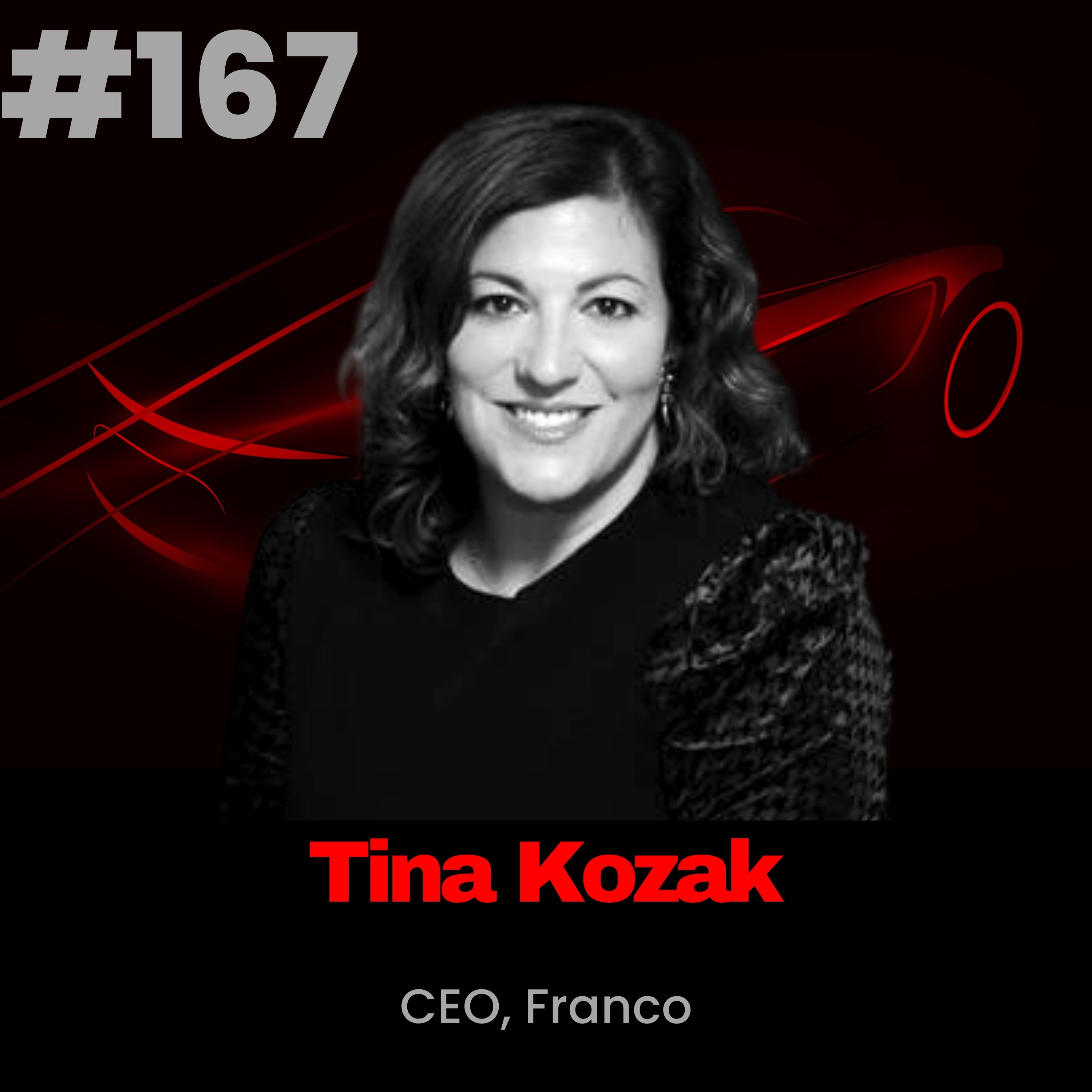
S6 Ep 167Beyond PR: Why Employees Are the Most Important Audience You Have
Why do so many companies spend millions shaping their external image while missing the most important audience: their own people? That’s the question Jan Griffiths brings to Tina Kozak, CEO of Franco, in this episode of the Automotive Leaders Podcast. Together, they explain why internal communication is often overlooked, and what leaders can do to fix it.Tina talks about her “head and heart” style of leadership, which balances business strategy with empathy and emotional intelligence. She shares how mentors and coaches shaped that approach and how it helped her lead Franco through a recent acquisition. While the finance team handled the numbers, she put her energy into people, making sure employees and clients felt supported through the change.In legacy industries like automotive, employees are still too often seen as replaceable. Tina challenges that thinking, arguing that leaders earn loyalty when they consistently support their people, not just when business is booming.Technology and AI are also discussed. Tina shares examples of how Franco uses tools like generative AI to make communication easier and more accessible for employees. Jan connects it to her passion for internal podcasts, especially when paired with AI translation, to give shop-floor workers a direct line to leadership in their own language. Both agree that leaders often underestimate how much their words and actions ripple through employees’ lives, far beyond the workplace.Jan admits she used to see communications as nothing more than “corporate messaging.” She even remembers being afraid to post on LinkedIn without approval; a fear that silenced genuine voices and wasted a chance to connect.Tina builds on this, explaining how employees can be a company’s greatest ambassadors if supported with the right tools and freedom. Authentic advocacy, she says, is far more powerful than polished ads.Tina closes with practical advice: start with empathy. Instead of only pushing out the messages leadership wants to deliver, consider what employees want and need to know. Ask questions, listen carefully, and act on the patterns you hear. That, she argues, is how internal communication shifts from a one-way broadcast to a true partnership.Watch the Full Video on YouTube - click hereThis episode is sponsored by Lockton, click here to learn moreThemes discussed in this episode:The “head and heart” leadership style that balances strategy with empathy and emotional intelligenceLessons from mentors and coaches that shaped Tina Kozak’s leadership approach in the automotive industryHow focusing on people, not just numbers, made Franco’s acquisition successfulWhy legacy industries like automotive struggle with internal communication and employee connectionHow consistent communication builds trust, loyalty, and long-term employee engagementThe role of technology and AI in simplifying and improving employee communicationThe missed opportunity when leaders dismiss communications as “corporate messaging”How employee advocacy strengthens culture and why authentic voices beat polished campaignsFeatured guest: Tina KozakWhat she does: As CEO and majority shareholder of Detroit-based Franco, Tina Kozak leads one of the region’s top integrated communications agencies. She combines strategic insight with a human-centric approach she calls “Head and Heart” leadership, guiding her team and clients with equal focus on results and empathy. Under her leadership, Franco has grown rapidly, expanding from a traditional PR firm into a full-service agency delivering communications strategy, change management, and internal communications support across industries.On Leadership: I am a head and heart leader. I got here because I've studied, I'm smart and intellectual, I know business strategy, I'm curious, and I'm a good listener. But the heart piece is equally, and sometimes, more important. I mean, the emotional intelligence and sort of that human-centric view of business. So, I take a very integrated look at my leadership and my responsibilities as a leader and think about it as the head and the heart. Mentioned in this Episode:Automotive Suppliers and the Revenue Acquisition Process – Then and Now: 2025 Update Episode Highlights:[02:25] Head and Heart: Tina describes herself as a “head and heart” leader—grounded in strategy and intellect but driven just as much by empathy, curiosity, and the human side of business.[05:00] Shaped by Mentors: From a tough-but-nurturing journalist to a coach who pushed her to define her values, Tina’s leadership journey was built on guidance that made her own style possible.[08:04] Heart First, Vision Clear: When asked which of the 21 traits stand out, Tina points to two: leading with heart and always casting a vision. For her, it’s not enough to have purpose—you have to communicate it in a way that connects everyone who matters.[08:49] People Over Paper: Tina explains why Franco’s acquisition worked by focusing less on spreadsheets and more on peop
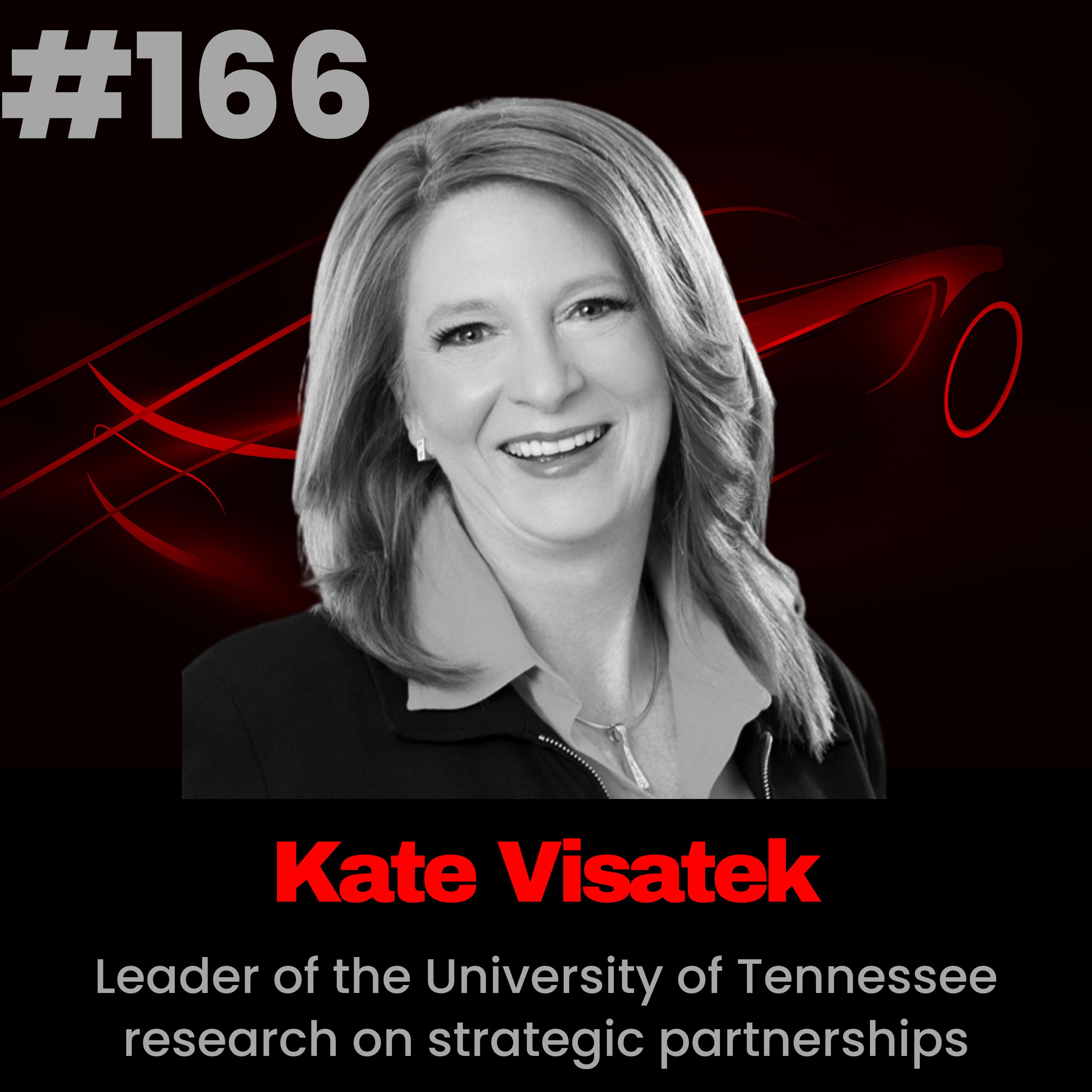
S6 Ep 166From Power to Partnership: Why Automakers Have to Reinvent How They Do Business
Ford just made waves with news of a $30,000 EV pickup built on a universal platform. It promises fewer parts, lower costs, and faster assembly. But Jan Griffiths asks a bigger question: if automakers can reinvent the product, why not reinvent the way business gets done?That’s where Kate Vitasek comes in. As the creator of the Vested Methodology, Kate has spent more than 20 years studying how companies negotiate. She joins Jan to unpack how the old “win at all costs” mindset still lingers in the industry and why it’s holding leaders back.Kate walks through the history: the 80s and 90s were all about leverage and power. The 90s brought interest-based bargaining, which used data instead of bravado. More recently, companies are experimenting with collaboration, where both sides actually work together to solve problems and create value.But change doesn’t come easy. Short-term wins might seem like progress, but they often backfire. Kate describes this as “shading,” when the other side feels mistreated and resists or retaliates. She uses examples from union negotiations, supplier relationships, and even global trade disputes to show how this cycle keeps repeating.Collaboration offers a different path. Instead of focusing only on price or concessions, it creates agreements that match intent with execution, protect both parties, and provide space for innovation.Kate explains how her Vested framework turns adversarial supplier or union relationships into productive, long-term partnerships built on trust and results. Still, consistency is key: you can’t have one division trying to collaborate while another sticks to power plays.Jan ties this back to leadership. Command-and-control might have worked decades ago, but it doesn’t inspire people now. Negotiation that depends on control and bravado is outdated in the face of current challenges. Leaders who show up with openness, clarity, and a willingness to co-create solutions will succeed.And the advice for leaders listening? Start small. You don’t need to change everything overnight. Pilot a collaborative negotiation on one deal, measure the results, and use that success to expand the approach. Watch the full video on YouTube - click hereThis episode is sponsored by Lockton, click here to learn moreThemes discussed in this episode:The shift from power-based negotiation to collaborative partnerships in the automotive industryThe evolution of negotiation models from the 1980s to today’s business environmentThe role of trust, transparency, and shared outcomes in strengthening supplier relationshipsWhy authentic leadership aligns with collaboration better than command-and-control managementHow adversarial union negotiations can transform into long-term, cooperative agreementsThe connection between cultural consistency and successful collaborative business modelsWhy outdated power tactics undermine innovation and efficiency in global supply chainsHow the Vested Methodology creates sustainable value for both buyers and suppliersFeatured guest: Kate VisatekWhat she does: Kate is a recognized authority on strategic partnerships and the creator of the Vested® business model, a framework that helps organizations move from “what’s in it for me” to “what’s in it for we.” An accomplished author of seven books and a faculty member at the University of Tennessee, she combines award-winning research with real-world experience from companies like P&G and Microsoft to show leaders how to build collaborative, innovative, and sustainable business relationships.Mentioned in this episode:Getting to We: Negotiating Agreements for Highly Collaborative RelationshipsA New Approach to Contracts by David Frydlinger, Oliver Hart, and Kate VitasekWhat Is Vested?Collaborative Contracting CourseVested Executive Education CourseAutomotive Suppliers and the Revenue Acquisition Process – Then and Now: 2025 UpdateEpisode Highlights:[04:30] From Power to Partnership: Negotiation has evolved from leverage and bravado in the 80s to today’s growing shift toward collaboration and shared value.[10:31] The Illusion of Short-Term Wins: Power-based negotiation might deliver quick gains, but it breeds resentment and retaliation. Kate explains how this “shading” effect, seen in cases like GM’s bankruptcy talks, shows why leaders must shift toward long-term collaboration.[13:17] Collaboration Isn’t Slower: Power-based negotiations drag on with endless trade-offs, while collaborative deals set clear principles from the start. Kate explains how the Vested Methodology not only delivers better results in the same timeframe but can even turn toxic, adversarial relationships into trusting, long-term partnerships.[17:56] Power’s Hidden Costs: Monopoly deals may lower prices upfront, but they trigger retaliation and rising long-term costs. Kate explains why leaders need clear strategies and collaborative processes to break out of this cycle.[20:56] Ego Kills Deals: Lack of trust can be fixed with education, but ego is har

S6 Ep 165Liderazgo, Cultura y la Incertidumbre que Enfrentan los CEO de la Industria Automotriz
This episode is also available in English - click hereLa carrera de Tony Trecapelli en la industria automotriz comenzó en Saturn, donde pudo ver, de primera mano, cómo podía ser la cultura centrada en personas. Se confiaba en los empleados, se fomentaba la colaboración y los líderes trataban a la fuerza de trabajo como compañeros. Ese ambiente formó su perspectiva desde el principio. Cuando después entró a GM, sintió un ambiente muy diferente. Las decisiones se tomaban arriba y se esperaba que las personas siguieran las órdenes sin cuestionarlas. Ver ambas caras de la industria le permitió a Tony decidir qué tipo de líder quería ser. En vez de imponer y controlar, se comprometió a liderar dando entrenamiento y apoyo.Ahora, como presidente y CEO de Gemini Group, Tony aplica esas lecciones todos los días. Nos habla sobre cómo crear un ambiente de trabajo donde las personas pueden intentar, cometer errores y aprender sin miedo a ser castigados. Desde su punto de vista, así es cómo se crea resiliencia: no evitando los riesgos, sino enfrentando los retos y adaptándose juntos.Tony también reflexiona sobre las raíces de Gemini: un pueblo pequeño en Michigan. Es un lugar donde la gente se conoce, las relaciones importan y la compañía se esfuerza en mantener ese espíritu vivo incluso mientras opera a nivel global. Describe cómo esos valores influencian a diario la toma de decisiones y ayudan a estabilizar la organización en una industria impredecible.La conversación aborda la realidad de ser un proveedor de segundo nivel. Tony comparte cómo los aranceles, las transiciones de vehículos, EV e híbridos y la competencia global crean en conjunto incertidumbre constante. En vez de fingir tener todas las respuestas, se enfoca en ser transparente y abierto con su equipo, asegurándose de comprender los retos y sentirse conectado con la misión más importante.Tony también se abre a un nivel más personal. Nos platica sobre qué lo motiva como líder, las rutinas que lo preparan para el día y las maneras en las que recarga sus baterías fuera del trabajo.El episodio cierra con preguntas y respuestas de la audiencia en vivo, dándole a Tony la oportunidad de responder directamente preguntas sobre el futuro de Gemini, su estilo de liderazgo y las lecciones que lo formaron. Los oyentes obtendrán de esta conversación más que una historia sobre la trayectoria de un líder; encontrarán un vistazo honesto al liderazgo en la industria automotriz hoy en día. El mensaje de Tony es muy directo: el liderazgo se trata de poner primero a las personas y la cultura es lo que lleva a las compañías a través del cambio.Los temas que se tratan en este episodio:Las lecciones de liderazgo que Tony Trecapelli tomó de la cultura colaborativa de Saturn y aplicó en su carreraLa diferencia entre liderazgo de servicio y los estilos de comando y control de las organizaciones automotricesPor qué Tony lidera al Gemini Group con una mentalidad de coach, que anima a mejorar a través de los erroresLas realidades y los retos diarios de los proveedores de segundo nivel en la volátil cadena de suministro automotrizEl impacto de los aranceles, las transiciones EV y la incertidumbre política sobre las decisiones comerciales para los proveedoresCómo han moldeado el enfoque de liderazgo de Tony sus mentores, sus hábitos personales y valoresPor qué la transparencia y la comunicación clara son esenciales para fomentar la confianza durante periodos de cambioInvitado Especial: Tony Trecapelli A qué se dedica: Anthony A. Trecapelli es el CEO de Gemini Group, dirige las operaciones a lo largo de 18 sedes y más de 1,400 empleados. Se unió a la compañía en 2013, trayendo consigo más de tres décadas de experiencia en la industria automotriz.Su participación en el sector va más allá de Gemini. Anthony forma parte del Consejo Asesor de Ingeniería de Manufactura de Ferris State y de la Junta de la GLBMA en la Universidad Estatal del Valle de Saginaw. También es miembro de la Asociación de Proveedores de Equipos Originales (OEM), contribuyendo con conversaciones más profundas que moldean la industria.La formación académica de Anthony incluye una licenciatura en Administración de Empresas de la Universidad de Phoenix, una maestría en Operaciones de Manufactura de la Universidad de Kettering y un certificado en Sistemas de Manufactura Flexible Lean.Fuera de sus roles profesionales, ha dedicado tiempo al trabajo voluntario con grupos como SAE Wheels in Motion, Rochester Community Schools y Oakland Township Fire & Rescue, lo que refleja su compromiso con la comunidad y la industria.Sobre el Liderazgo: “¿Quién soy como líder? Sin importar cuánto intente ser otra cosa, soy coach y sirvo. Me encanta dar entrenamiento. Me encanta ayudar a las personas a convertirse en algo que nunca imaginaron que podrían ser. Me encanta servir a los demás. Me encanta servir a mi familia y a la comunidad. Y lo he hecho. Eso es lo que me impulsa. Si no tuviera gente a qui

S6 Ep 164Leadership, Culture, and Navigating Uncertainty as a CEO in the Auto Industry
This episode is sponsored by Lockton, click here to learn more This episode is available in Spanish - click hereWatch the full video on YouTube - click hereTony Trecapelli's career in automotive began at Saturn, where he saw firsthand what a people-centered culture could look like. Employees were trusted, collaboration was encouraged, and leaders treated the workforce as partners. That environment shaped his perspective early on. When he later moved into GM, the environment felt very different. Decisions came from the top, and people were expected to follow orders without question. Seeing both sides of the industry gave Tony a clear choice about the kind of leader he wanted to be. Instead of command and control, he committed to leading through coaching and support.Now, as President and CEO of Gemini Group, Tony applies those lessons every day. He talks about creating a workplace where people can try, make mistakes, and learn without fear of punishment. In his view, that's how resilience is built — not by avoiding risk, but by facing challenges and adapting together.Tony also reflects on Gemini's small-town Michigan roots. It's a place where people know each other, relationships matter, and the company works hard to keep that spirit alive even as it operates globally. He describes how those values influence daily decisions and help steady the organization in an unpredictable industry.The conversation turns to the realities of being a tier two supplier. Tony shares how tariffs, EV and hybrid transitions, and global competition create constant uncertainty. Instead of pretending to have all the answers, he focuses on being transparent and open with his team, making sure they understand the challenges and feel connected to the bigger mission.Tony also opens up on a more personal level. He talks about what fuels his drive as a leader, the routines that set the tone for his day, and the ways he steps back to recharge outside of work.The episode closes with a live audience Q&A, giving Tony the chance to respond directly to questions about Gemini's future, his leadership style, and the lessons that shaped him. What listeners get from this conversation is more than a story about one leader's journey; it's an honest look at leadership in automotive today. Tony's message is straightforward: leadership is about people first, and culture is what carries a company through change.Themes discussed in this episode:The leadership lessons Tony Trecapelli carried from Saturn’s collaborative culture into his careerThe difference between servant leadership and command-and-control styles in automotive organizationsWhy Tony leads Gemini Group with a coaching mindset that encourages growth through mistakesThe daily realities and challenges tier two suppliers face in a volatile automotive supply chainThe impact of tariffs, EV transitions, and political uncertainty on business decisions for suppliersThe role of mentors, personal habits, and values in shaping Tony’s leadership approachWhy transparency and clear communication are essential for building trust during times of changeFeatured guest: Tony Trecapelli What he does: Anthony A. Trecapelli is the CEO of Gemini Group, where he leads operations across 18 locations and more than 1,400 employees. He joined the company in 2013, bringing with him over three decades of experience in the automotive industry.His involvement in the field extends beyond Gemini. Anthony serves on the Ferris State Manufacturing Engineering Advisory Board and the GLBMA Board at Saginaw Valley State University. He is also a member of the Original Equipment Suppliers Association, contributing to broader conversations shaping the industry.Anthony’s academic background includes a bachelor’s degree in Business Management from the University of Phoenix, a master’s in Manufacturing Operations from Kettering University, and a certificate in Lean Flexible Manufacturing Systems.Outside of his professional roles, he has dedicated time to volunteer work with groups such as SAE Wheels in Motion, Rochester Community Schools, and Oakland Township Fire & Rescue, reflecting his commitment to community and industry.On Leadership: “Who am I as a leader? No matter how hard I try to be something else at times, I'm a coach and I'm a servant. I love coaching. I love to help people become something they never thought they could be. I love to serve. I love to serve others. I love to serve my family. I love to serve the community—and I have. That's what turns my wheels. If I didn't have people to serve, I would not be the person who's sitting here in front of you today. That's for sure.”Mentioned in this episode:Leading Through Change: The Culture Shift Automotive Leaders Need to Compete Today with Terry WoychowskiAutomotive Suppliers and the Revenue Acquisition Process – Then and Now: 2025 UpdateEpisode Highlights:[03:34] Built on Saturn’s Culture: Tony reflects on how his time at Saturn shaped his ide
S6 Ep 163Why Leaders Must Press Pause
Sometimes the best leadership lesson comes from pressing pause. That's why Jan Griffiths has decided to step away from the usual guest interviews to share something personal: she's taking a break. Not a long one, just enough to recharge and remind us all that rest isn't weakness; it's strength. Leaders set the tone, and showing it's okay to step back is an important aspect of the role.But this isn't a goodbye. Jan gives a sneak peek at what's coming next. She is preparing for a September 12th webinar showcasing AI-powered podcast translation, technology that allows leaders to communicate with employees in multiple languages while keeping their voices intact. It's a breakthrough for reaching shopfloor workers who often get left out of corporate communication.She also teases upcoming guests and topics: Tina Kozak, CEO of Franco, will dive deep into internal communications; a CEO of a tier two supplier will shed light on tariffs and nearshoring challenges; and negotiation expert Kate Vitasek will explore deal-making styles in today's volatile trade climate.The message is simple yet impactful: Take the break you need, mark your calendar for the webinar, and stay tuned for conversations designed to advance the auto industry.Themes discussed in this episode:The importance of taking short breaks to recharge as a leaderIntroducing AI-powered podcast translation for multilingual communicationClosing communication gaps with shop floor employees who lack email accessUpcoming guest: Tina Kozak, CEO of Franco, on strategic internal communicationExploring the tier two supplier perspective on tariffs and nearshoring pressuresFuture episode with Kate Vitasek on negotiation styles and collaborative agreementsYour HostJan Griffiths is the architect of cultural change in the automotive industry. As the President & Founder of Gravitas Detroit, Jan brings a wealth of expertise and a passion for transforming company cultures. Additionally, she is the host of the Automotive Leaders Podcast, where she shares insightful conversations with industry visionaries. Jan is also the author of AutoCulture 2.0, a groundbreaking book that challenges the traditional leadership model prevalent in the automotive world. With her extensive experience and commitment to fostering positive change, Jan is at the forefront of revolutionizing the automotive landscape. Reach out to her at [email protected] in this episode:Reaching Every Worker with AI-Powered Internal Podcasts WebinarEpisodes with Kate Vitasek: Stellantis US Crisis: Leadership Failure Demands a New Strategy & Transforming UAW Strike Negotiations for a Win-Win Outcome21 Traits of Authentic Leadership PDF
S6 Ep 162Still Leading Like It's 1995? Your Outdated Leadership Is Slowing Down the Auto Industry
This episode is sponsored by Lockton, click here to learn more Watch the full video on YouTube - Click hereIf you’re still leading like it’s 1995, or worse, 1985, you’re holding this industry back. We’ve spent decades obsessing over products and systems, yet barely stopped to ask ourselves: What kind of leaders are we? That’s the question Jan wants you to sit with. Because if we don’t change how we lead, the rest doesn’t matter. The truth is, the Command-and-control style is still prevalent today, especially in moments of uncertainty. Too many leaders retreat into control when what’s really needed is trust and empowerment. That reaction is driving away the very talent the industry needs to stay competitive. The solution? Building a culture where people can make decisions, collaborate across silos, and adapt quickly. But it’s not just about shifting behavior—it’s also about how leaders communicate change.. When rolling out new tech, leaders need to involve people. Otherwise, the change will fail, not because of the tool but because the people weren’t part of the journey.That’s when Jan introduces the idea of the leadership statement. This is about sitting down, reflecting on your values, thinking about the leaders who shaped you, and being honest about the kind of leader you want to be. We’re so used to asking our teams for commitment. What if, instead, you asked yourself what you are committing to them? What are you promising as their leader?Jan shares an example from Goodyear CEO Mark Stewart. His leadership commitment? “I’m in 1000%.” He didn’t just say it; he moved to Ohio to back it up. That’s what authentic leadership looks like.The clock’s ticking. Chinese OEMs are gaining ground, and the window to evolve is closing fast. If we don’t change our leadership and culture now, no amount of AI, tech, or process improvement will save us.It starts with you. The way you lead, the culture you create, and the commitments you’re willing to make.Themes discussed in this episode:Why the automotive industry can’t compete globally with 1990s leadership modelsHow to evaluate and improve your leadership style to match today’s industry needsWhy trust and empowerment are key to keeping young talent in automotiveWhy building a strong leadership culture is critical to EV and supply chain transformationHow automotive leaders fall into micromanagement during crisis—and how to break the habitThe importance of writing a real, personal leadership commitmentWhy Chinese automakers are taking the lead in the global market and what legacy OEMs must do to catch upYour HostJan Griffiths is the architect of cultural change in the automotive industry. As the President & Founder of Gravitas Detroit, Jan brings a wealth of expertise and a passion for transforming company cultures. Additionally, she is the host of the Automotive Leaders Podcast, where she shares insightful conversations with industry visionaries. Jan is also the author of AutoCulture 2.0, a groundbreaking book that challenges the traditional leadership model prevalent in the automotive world. With her extensive experience and commitment to fostering positive change, Jan is at the forefront of revolutionizing the automotive landscape. Reach out to her at [email protected] in this episode:Stop Leading Automotive Like It’s 1995Leading Through Change: The Culture Shift Automotive Leaders Need to Compete Today with Terry WoychowskiMeet Stephen M. R. Covey, Global authority on trust, leadership, and culture. New York Times best-selling authorReviving an Icon: Leadership, Innovation, and the New Goodyear Mindset with Mark StewartMeet Jesse Jacoby, Change Leadership Guru21 Traits of Authentic Leadership PDFAutomotive Suppliers and the Revenue Acquisition Process – Then and Now: 2025 Update
S6 Ep 161The Weight of Leadership: The True Cost of Poor Leadership in the Automotive Industry
This episode is sponsored by Lockton, click here to learn more Watch the full video on YouTube - click hereJay Butler doesn't just understand troubled operations. He's worked through them at every level. From the production lines of Nissan and Mercedes-Benz and now as a consultant for distressed plants, he has seen what causes operations to fall apart. And the biggest problems don't come from the floor. They come from leadership.Jay starts by sharing how poor leadership decisions create ripple effects that reach all the way to the floor. Holiday shifts that never end. Supervisors are stretched too thin. People burned out from six- and seven-day workweeks, year after year.Operational pressure doesn't just hit the floor; it follows people home. When that pressure builds up for long enough, performance drops, and culture breaks. Jay doesn't blame the people doing the work; he points the finger at the decisions being made at the top.But Jay doesn't frame this as a call for soft leadership. In fact, he's clear: being a good leader means setting expectations, being consistent, and holding people accountable. What doesn't work is enforcing rules that no one follows or only applying them when convenient.You can't expect consistent performance if you don't hold people accountable—or worse, if leadership doesn't model the behavior themselves.Jay recalls workers raising grandkids, struggling to keep up, and barely making it through the week. Leaders might not think that's their responsibility, but Jay argues otherwise. If your policies at work make someone's home life harder, you're responsible for that too.They also revisit accountability, but in a different light. Jan mentions a recent interview with Brad Ring at Webasto, who swapped the word "accountability" for "promise." It's a simple change, but it changes everything. "I promise to get this done" hits differently than "you'll be held accountable."They also talk about tariffs. Jay explains how one political post or policy change can throw an entire manufacturing plan off course. He's seen companies scrap full strategies mid-meeting because of a headline. That level of volatility demands preparation. You can't move production in a week, especially in automotive, but you can plan.This episode is a reminder that the weight of leadership isn't just about decisions. It's about owning your impact. As Jay puts it, you influence more than just metrics—you influence whether someone gets to go home proud or completely drained. That's where operational transformation begins. Not with new systems. Not with floor-level changes. But with better leadership.Themes discussed in this episode:How poor leadership creates burnout and operational breakdowns in manufacturingWhy holding employees accountable without clear standards creates chaos and mistrustWhy operational breakdowns often stem from leadership gaps, not workforce performanceHow Gen Z workers are reshaping expectations for culture in manufacturing plantsHow inconsistent enforcement of rules weakens trust and team accountabilityWhy companies must address culture and accountability before fixing production issuesWhat leaders must do to prepare for tariff changes and global trade uncertaintyFeatured guest: Jay ButlerWhat he does: Jay is the VP of Client Development at Seraph, where he leads management and leadership training, quality improvement, strategic planning, and product development. He is also a John Maxwell Team Certified Coach and Speaker, employing his leadership expertise to support management and client operations on the floor. On Leadership: “You can be a strong leader but still show empathy for people. And I think the article that I posted on LinkedIn, where I talked about the fact that we were not only responsible for the performance of the organization, but also for the health and welfare of the people we lead. I think it's so important for leaders to understand that you really are responsible for both. And if you're not prepared as a leader to carry that burden and that weight, then maybe you probably shouldn't be a leader in that organization.”Mentioned in this episode:The Weight of Leadership: Beyond Strategy and PerformanceTransforming Webasto: Why Legacy Automotive Companies Must Rethink Leadership & Culture to Stay Competitive with Brad RingAutomotive Suppliers and the Revenue Acquisition Process – Then and Now: 2025 UpdateEpisode Highlights:[02:05] Bad Leadership Travels Home: A struggling plant doesn’t just show in KPIs—it shows on the faces of exhausted workers carrying stress from the floor into their homes.[03:47] KPIs Don’t Hug Back: You can chase metrics all day, but when leadership cuts corners and burns people out, it’s the frontline workers and their families who pay the price.[05:31] Tough, Not Toxic: You don’t have to choose between high standards and human decency—real leadership means setting clear expectations, holding people accountable, and still showing empathy wit
S6 Ep 160Transforming Webasto: Why Legacy Automotive Companies Must Rethink Leadership & Culture to Stay Competitive
This episode is sponsored by Lockton, click here to learn more Watch the full video on YouTube - click hereWebasto is a legacy company with roots going back to 1901, but staying competitive in today’s automotive industry requires more than history. It also means challenging long-standing norms without discarding the company’s strengths. To understand how a company like that evolves, we sat down with Brad Ring, President and CEO of Webasto Americas. Brad Ring describes his leadership style as grounded in authenticity, humility, and care for people. At the core of his approach is a belief that when leaders genuinely care about people, people care about the work.Brad shares how his leadership approach evolved, not from leadership training, but from watching the people around him. One of his earliest influences was Jim Hall, who showed him early on that real leadership starts with connection. It isn’t about hierarchy or image, it’s about showing up as a real person.Webasto is proud of its German heritage, known for its engineering discipline, and carries a cultural weight that doesn’t shift easily. But Brad didn’t try to fight that. He kept what worked: the care for people, the pride in product quality, and the strong family feel. Then, he started adding what was missing: a performance-driven mindset and a culture that encourages collaboration.One of the most practical changes was in language. Words like “accountable” and “responsible” had become unclear. So Brad introduced “promise.” Promises, he says, create emotional accountability and human connection in a way that traditional “responsibility” never could.Even during restructuring, Brad stays focused on values. Some decisions are hard, he says, but how you carry them out, humanely and with accountability, matters just as much as the decisions themselves. That’s what keeps the culture intact even during tough transitions.Brad sees trust as the core of his leadership, both in business and personal relationships. It’s not just a value; it’s how things get done.He believes trust is built through consistent, everyday actions. Once it’s there, it speeds up decisions, reduces wasted effort, and creates a safe space for risk and learning.Outside the office, Brad’s passion for cycling and wake surfing offers a glimpse into how he finds balance. His morning routine might not follow what you think, but it works for him. And that’s part of his larger point: leadership doesn’t come from mimicking others. It comes from knowing who you are and staying grounded, even when the world tells you to act otherwise.Themes discussed in this episode:The challenge of transforming a 120-year-old automotive company for today’s marketWhy command-and-control leadership fails in modern manufacturing environmentsBuilding organizational trust to accelerate decision-making and performanceWhy legacy culture must evolve to stay competitive with fast-moving OEMsAdvancing gender diversity and inclusion in automotive leadership rolesThe importance of creating a culture where mistakes lead to growthWhy leadership works best when you're true to yourselfFeatured guest: Brad RingWhat he does: Brad Ring is the President and CEO of Webasto Region Americas, overseeing operations across the United States and Mexico. He joined Webasto in May 2023, bringing over 30 years of global automotive experience.Throughout his career, Ring has held leadership roles in the United Kingdom, Mexico, and China, with a strong track record in driving business growth, leading operational turnarounds, building high-performance teams, and strengthening customer relationships. Before joining Webasto, he served as President of Faurecia Clean Mobility North America, a division of Forvia.Ring holds a Bachelor of Science in Mechanical Engineering from Kettering University and an MBA from the University of Toledo. He also serves on the MEMA Original Equipment Board of Directors and is a member of the Board of Trustees for the National MS Society.On Leadership: “The way that leadership comes for me is to be myself, trying to be present, comfortable in my own skin, approaching people in an authentic way. For me, that manifests itself as someone who drives for results in a meaningful way, but in a balanced share. Caring about people and caring about their lives and how they interact. And I think sometimes this can be perceived as weak, to be caring, in some companies. So, I want to also enforce like there's no weakness. We still demand good results. We're still critical of our performance. We still have high standards. However, we do that and I do that, by also being, I would say, humble, by introducing a personal vulnerability.”Mentioned in this episode:Hadi Awada's Journey to Transforming Workplace CultureAutomotive Suppliers and the Revenue Acquisition Process – Then and Now: 2025 UpdateEpisode Highlights:[02:39] Messy on Purpose: Brad redefines leadership at Webasto by tossing out control and embracing speed, cando

S6 Ep 159Leading Through Change: The Culture Shift Automotive Leaders Need to Compete Today
This episode is sponsored by Lockton, click here to learn more Watch the full video on YouTube - click hereNo one would try to stream a 4K video on a '95 Windows computer—but in the auto industry, we're still trying to lead today's transformation with leadership models built decades ago.That's the hard truth Jan puts on the table in this conversation with Terry Woychowski, President of Caresoft and former GM executive. Together, they unpack what's holding the industry back—and it's not a shortage of technology or talent. It's the culture. It's the leadership.Terry walks through real examples of how legacy systems get in the way—from product specs that haven't been questioned in decades to organizational structures that reward risk avoidance over innovation. He compares that with how Chinese OEMs are approaching development differently. They make faster decisions, rely less on in-house development, and focus on speed and learning rather than perfection. They're not immune to fear, he says, but they don't let it dictate the pace of progress.But this isn't just a teardown of bad habits. Terry zooms in on what good leadership looks like today. It's not command-and-control. It's mission-first, culturally aware, and brutally honest. It's being willing to get "dragged across the hone"—his metaphor for the painful but necessary growth process. Because leaders who avoid discomfort? They stay dull.There's also accountability. Terry learned it early, growing up on a dairy farm, where cows—and their mess—don't wait for permission. You get the job done, period. That same mindset carried him through the plant floor at GM, where he once let loose in a way he thought would end his career, only to be welcomed with applause. Not because he lost his temper, but because he finally spoke the language of the plant.Jan and Terry talk honestly about the cultural gaps that legacy auto still hasn't closed. Technology? Finance? Those are solvable. However, if the leadership culture stays frozen in time, no investment will be enough.In the end, one thing is clear: you can't lead the future of automotive using the same culture that got you here. If the industry wants to survive the disruption ahead, it needs leaders willing to question everything, especially the way things have always been done.Themes discussed in this episode:The need to replace outdated leadership models to compete in the EV eraThe culture gap between Chinese OEMs and traditional automakersWhy true leaders embrace discomfort—and what happens when they don’tThe cultural transformation needed to support EV and software-defined vehicle innovationThe importance of fast decision-making in today’s global auto marketWhy cultural alignment matters more than strategy when leading changeWhy the auto industry needs focused leadership amid rising global competitionFeatured guest: Terry WoychowskiWhat he does: Terry J. Woychowski is the President of Caresoft Global, a leading automotive engineering, benchmarking, and consulting firm. At Caresoft, he has played a pivotal role in driving strategic growth, developing next-generation solutions, and mentoring the global leadership team.Terry brings over four decades of automotive experience, including a distinguished career at General Motors, where he held senior leadership roles such as Global Vice President of Program Management and Quality & Vehicle Launch. Notably, he served 12 years as Full-Size Truck Vehicle Chief Engineer. After retiring from GM, he joined American Axle and Manufacturing as SVP of Engineering and Quality.He is a graduate of Michigan Technological University and serves on several boards, including MTU’s Board of Trustees and the Rackham Foundation, where he is a lifetime trustee.On Leadership: “I would say, the foundation of my leadership hasn’t changed at all. I believe that leadership is based on a hunger—a hunger for things to be better than they are. A vision that this would be better. And I think a leader needs to be hungry. If you're not hungry and not making things change, you're not leading. And so, there's got to be that hunger to say, "Yeah, we're here. But this isn't good enough. This won't last. It should be like this." That hunger's been an element of my leadership, and wherever I've been,1 that's been true.”Mentioned in this episode:A Monkey with a Dart Could Do Better?Automotive Suppliers and the Revenue Acquisition Process – Then and Now: 2025 UpdateEpisode Highlights:[03:10] Change Is the Job Description: Leadership isn’t just about keeping things running—it’s about driving bold, necessary change when the industry demands it.[05:12] Comfort Doesn’t Build Leaders: Too many leaders are promoted for past performance, not future vision—and without the right mindset for change, they stall progress where bold leadership is needed most.[10:09] No Ego, Just Execution: Unlike legacy automakers, Chinese OEMs decide quickly, skip the ego, and improve fast by learning from others instead of re

S6 Ep 158Why Elon Musk’s Leadership Approach Needs a Serious Rethink
This episode is sponsored by Lockton, click here to learn more Watch the full video on YouTube - click hereElon Musk did what most thought was impossible. He built a mission-driven brand that captured global attention, made electric vehicles desirable, and forced legacy automakers to rethink everything. But lately, his leadership has taken a turn—and it’s raising serious questions. The mission hasn’t changed, but the behavior around it has.In this special solo episode, Jan Griffiths lays out five leadership lessons for Elon—not out of criticism, but from a deep respect for what he’s accomplished and a firm belief in what the industry still needs from him.She starts with mission. Tesla’s purpose has united people around the world. But when Elon supports people who oppose that mission, it creates confusion. You can’t promote a cause while backing those who go against it.Then comes culture. Elon’s ability to identify problems and push for solutions is extraordinary, but intensity without empathy creates fear, which kills creativity. If the goal is innovation, leaders must build environments where people feel safe to contribute and not scared to fail.Jan then challenges the idea of leading by example. Sleeping on the factory floor shows commitment, but expecting others to follow that model isn’t sustainable. Real modeling means setting a standard not just in work ethic but also in behavior and how you show up in moments of crisis.Micromanagement is next. Being able to solve problems doesn’t mean owning every decision. The more decisions a leader owns, the fewer their teams can make. Jan warns that this behavior ultimately traps leaders in a loop where nothing moves without them.Finally: identity. Without knowing who you are as a leader, everything else starts to fall apart. Jan points to tools like the 21 Traits of Authentic Leadership and Doug Conant’s leadership blueprint to help any leader build that internal alignment.Elon has done what few believed possible. But the chaos, political noise, and online disputes only adds friction at a time when the real threat is global. The industry doesn’t need noise. It needs the focused, driven leader who started it all.Themes discussed in this episode:The disconnect between Tesla’s mission and Elon Musk’s public alignmentsThe impact of fear-based leadership culture on innovation and employee engagementHow micromanagement affects team performance and company growthThe cultural transformation needed to support EV and software-defined vehicle innovationHow a CEO’s behavior sets the tone for company cultureThe importance of psychological safety in building high-performing teamsHow public distractions and controversy weaken brand focusWhy the auto industry needs focused leadership amid rising global competitionYour HostJan Griffiths is the architect of cultural change in the automotive industry. As the President & Founder of Gravitas Detroit, Jan brings a wealth of expertise and a passion for transforming company cultures. Additionally, she is the host of the Automotive Leaders Podcast, where she shares insightful conversations with industry visionaries. Jan is also the author of AutoCulture 2.0, a groundbreaking book that challenges the traditional leadership model prevalent in the automotive world. With her extensive experience and commitment to fostering positive change, Jan is at the forefront of revolutionizing the automotive landscape. Reach out to her at [email protected] in this episode:Download the 21 Traits of Authentic Leadership PDF for FREEThe Blueprint: 6 Practical Steps to Lift Your Leadership to New HeightsAutomotive Suppliers and the Revenue Acquisition Process – Then and Now: 2025 Update

S6 Ep 157Why Authentic Leadership Matters Most in Times of Crisis
This episode is sponsored by Lockton, click here to learn more Watch the full video on YouTube - click hereAs the auto industry faces a new wave of uncertainty—tariffs shifting daily, global instability, and mounting supply chain questions—leaders are under pressure to act fast. For many, that means retreating into old habits, tightening control, and centralizing decisions. But Jan challenges leaders to do the opposite.She knows it's tempting. In a crisis, the structure feels safe. But Jan argues that the real power lies in authentic leadership—especially now. That means staying true to your values, trusting your people, and letting go of micromanagement.Just look at General Motors. While the industry expected GM to return to its old ways during the crisis, it didn't. Instead, the company focused on stronger supplier relationships and open communication. It worked. GM earned its highest supplier trust score in 25 years.Then there's Stellantis. After years under Carlos Tavares' top-down approach, leadership is shifting. Antonio Filosa is already building relationships—with suppliers, dealers, and unions. It's a clear sign that even the biggest players are moving toward people-first leadership.Jan's message is clear: the future of leadership in this industry isn't about control—it's about connection. If you're leading a team right now, take this moment to ask yourself: Are you leading with fear or with trust?Because in the end, how you lead through the crisis will define what kind of organization—and culture—you build coming out of it.Themes discussed in this episode:Why crises often push leaders back into command-and-control—and why that’s a mistakeWhy command-and-control leadership is failing in today’s rapidly changing auto industryHow authentic leadership creates faster, more sustainable results during uncertaintyThe importance of trusting your team instead of micromanaging themThe hard truth about outdated leadership models and why they hold companies backHow General Motors improved supplier relationships by leaning into empowerment and transparencyHow Stellantis is moving away from fear-based leadership with new CEO Antonio FilosaYour HostJan Griffiths is the architect of cultural change in the automotive industry. As the President & Founder of Gravitas Detroit, Jan brings a wealth of expertise and a passion for transforming company cultures. Additionally, she is the host of the Automotive Leaders Podcast, where she shares insightful conversations with industry visionaries. Jan is also the author of AutoCulture 2.0, a groundbreaking book that challenges the traditional leadership model prevalent in the automotive world. With her extensive experience and commitment to fostering positive change, Jan is at the forefront of revolutionizing the automotive landscape. Reach out to her at [email protected] in this episode:2025 Working Relations Index® Study2025 WRI Results: Toyota Soars, Honda and GM Improve, Others DeclineAutomotive Suppliers and the Revenue Acquisition Process – Then and Now: 2025 Update
S6 Ep 1562025 WRI Results: Toyota Soars, Honda and GM Improve, Others Decline
This episode is sponsored by Lockton, click here to learn more Watch the full video on YouTube - click hereSeason 6 opens with a deep dive into the 2025 Working Relations Index (WRI)—and the numbers are telling. Toyota, Honda, and GM continue to rise, while Ford and Stellantis slide further down. The gap between the top and bottom OEMs? The largest since 2008.Jan brings together Dave Andrea and Dr. Angela Johnson from Plante Moran, along with returning guest Sig Huber, to explain what’s behind the scores and what they mean for supplier relationships in today’s automotive world.Toyota didn’t just maintain its lead; it widened it. The difference? Consistency, buyer accessibility, and a move to streamline supplier systems into a single platform. Suppliers asked for more visibility, and Toyota delivered.GM, after several senior leadership changes, continues to show steady progress. A renewed focus on transparency, buyer empowerment, and cross-functional alignment is changing how suppliers experience the company. And it’s working.On the other hand, Ford’s story is death by a thousand cuts. There was no single failure—just a build-up of delays, unclear communications, and internal silos that made it hard for suppliers to get what they needed.Stellantis, still at the bottom, might be in the early stages of a turnaround. Leaders like Marlo Vitous and Antonio Filosa are more visible, engaged, and pushing for change, and suppliers are noticing. One of the biggest takeaways? Empowerment at the buyer level. Toyota’s edge comes from enabling people on the ground to make decisions. GM is starting to adopt that mindset. Ford and Stellantis are still catching up. Suppliers want faster answers, stronger advocacy, and relationships built on trust—not red tape.And yes—getting buyers back in the office made a difference, too. Suppliers responded positively to buyers being on-site and re-engaging face-to-face. One team even linked their score improvement directly to getting buyers back in three days a week.They end the episode with a reminder of why the WRI matters. Good supplier relationships lead to better outcomes. In the top 3 OEMs, there’s a same-year correlation between WRI scores and financial results. The message to OEMs is that relationships drive performance, and the numbers prove it.Themes discussed in this episode:Understanding the significance of the Automotive OEM-Supplier Working Relations Index (WRI) Study as a tool for assessing industry performance and supplier relationsThe growing gap between top and bottom OEMs in supplier trust, with the widest WRI spread since 2008The influence of leadership changes, such as Vice Presidents of Purchasing, on supplier relations and organizational performanceHow unpredictability and organizational complexity continue to hurt Stellantis' supplier relationsHow Toyota’s long-term mindset and consistent buyer behavior keep it on top of supplier rankingsThe importance of trust and collaboration between OEMs and suppliers in navigating future challengesThe direct impact of empowered buyers on supplier trust and decision-making speedThe proven connection between high WRI scores and same-year OEM financial performanceFeatured guest: Dave AndreaWhat he does: Dave Andrea is a principal at Plante Moran and leads the firm’s Working Relations Index® (WRI) practice, helping OEMs and suppliers improve their relationships and performance. With over 30 years in the automotive industry, he supports clients with strategic insights into supply base management, mobility trends, and global trade planning. Known for his ability to connect the dots between public policy and business strategy, Dave provides research-backed guidance that empowers clients to navigate change and make informed decisions.Featured guest: Dr. Angela JohnsonWhat she does: Dr. Angela Johnson leads supplier relations analytics at Plante Moran, where she manages the Working Relations Index® survey and helps OEMs and suppliers build stronger, more collaborative partnerships. With a Ph.D. focused on OEM-supplier dynamics and over 30 years of experience in engineering, purchasing, and data strategy, Angela bridges corporate practice with academic insight to deliver fresh, actionable solutions across the automotive supply chain.Featured guests: Sig HuberWhat he does: Sig Huber is the Chief Commercial Officer at Elm Analytics, where he leverages over 25 years of experience in supplier risk management to support the automotive industry. He previously led global supplier risk efforts at both Fiat Chrysler (now Stellantis) and Toyota, guiding teams across North America, China, Italy, and Brazil. Sig played a key role during Chrysler’s bankruptcy, working closely with the Obama Automotive Task Force and the US Treasury to stabilize the supply base. He also served as a turnaround and strategy advisor at Riveron and currently sits on the board of a major Tier 1 supplier. A licensed attorney, Sig brings legal and operational insight
S5 Ep 155Season 5 Recap: Key Conversations Driving the Automotive Industry Forward
This episode is sponsored by Lockton, click here to learn more Season Five of the Automotive Leaders Podcast comes to a close, and with it, a year of powerful conversations that challenged the way we think about leadership in the automotive industry.This season wasn’t just about bringing guests to the mic—it was about tackling real-world issues. From supplier risk and global tariffs to leadership challenges inside some of the industry’s biggest names, every episode added a new layer to understanding where the automotive world is headed.Jan also took the podcast further than ever before, introducing translated episodes in Spanish and Ukrainian to reach a broader, more diverse audience. Live recordings from the Detroit Auto Show and the MEMA Annual Conference added fresh perspectives straight from the heart of the industry.We even ventured into academia, with conversations featuring the president of Kettering University and students from Wayne State University, offering a glimpse into the future of the workforce.With Season Six already in motion and a major episode on the Working Relations Index dropping on May 22nd, the journey continues. And if this season proved anything, it’s that authentic leadership starts with honest conversations—and those are far from over.Themes discussed in this episode:The growing need for authentic leadership in the automotive industrySupplier risk and resilience in a challenging global marketThe impact of tariffs on suppliers and trade dynamicsHow OEM-supplier relationships shape the future of the industryInsights from academia on preparing the next generation of industry leadersHow emerging platforms like TikTok are influencing the industry narrative.Leadership lessons shared by top executives across the automotive sectorWhat to expect from the upcoming Working Relations Index dataYour HostJan Griffiths is the architect of cultural change in the automotive industry. As the President & Founder of Gravitas Detroit, Jan brings a wealth of expertise and a passion for transforming company cultures. Additionally, she is the host of the Automotive Leaders Podcast, where she shares insightful conversations with industry visionaries. Jan is also the author of AutoCulture 2.0, a groundbreaking book that challenges the traditional leadership model prevalent in the automotive world. With her extensive experience and commitment to fostering positive change, Jan is at the forefront of revolutionizing the automotive landscape. Reach out to her at [email protected] in this episode:The Gap and The Gain: The High Achievers' Guide to Happiness, Confidence, and SuccessWhy Automotive Leaders Need Emotional Intelligence with Daniel GolemanInevitable EV Disruption: Mike Colias on Auto Industry’s FutureThe Leadership Formula for TE Connectivity's E-Mobility Success with Qiong SunTikTok Meets Auto: Ahmed Iqbal's Inspiring Leadership JourneyMeet the Leader Behind the Next Iconic Car CompanyBreaking Barriers: From Humble Beginnings to Industry LeaderDriving Culture Change in the Automotive Industry with Jon HusbyHadi Awada's Journey to Transforming Workplace CultureBehind Martinrea’s Strength: Pat D’Eramo’s No-Fear, People-first LeadershipReviving an Icon: Leadership, Innovation, and the New Goodyear MindsetLiberation Day: The Day the US Tariff Bomb Hit the Auto IndustryAuto Industry Under Pressure: Breaking Down the New TariffsCustoms vs. C-Suite: The Disconnect That’s Hurting Trade Compliance StrategyThe Kettering Model: Bridging Academia and Industry for Automotive’s Next LeadersGen Z Perspectives on Authentic Leadership in the Automotive IndustryAutomotive Suppliers and the Revenue Acquisition Process – Then and Now: 2025 UpdateDownload the 21 Traits of Authentic Leadership PDF for FREEGet your copy of AutoCulture 2.0: Leading with Gravitas

S5 Ep 154Reviving an Icon: Leadership, Innovation, and the New Goodyear Mindset
This episode is sponsored by Lockton, click here to learn more Watch the full video on YouTube - click hereHow do you transform a brand that's been part of American history for 125 years, without losing the DNA that made it legendary?In this episode, Goodyear CEO and President Mark Stewart joins Jan Griffiths to share how he is breathing new life into one of the world's most iconic brands — and why the real transformation is not just about technology, but rather about leadership, culture, and people.He reflects on his early days supervising third shifts in hot, unforgiving plants and how those moments shaped his belief that leadership isn't about barking orders—it's about building real accountability, setting clear targets, and creating an environment where people can do their best work without fear.Inside Goodyear, the transformation touches everything: leadership behaviors, operational models, and even the story the brand tells the world. Mark talks about honoring Goodyear's pioneering legacy — like the iconic Goodyear Blimp, now celebrating 100 years — while recognizing that past success can breed conservatism if left unchecked.At the core of all this change is a new way of thinking about partnerships. Mark discusses the shift from traditional supplier hierarchies to real, transparent collaborations — where information is shared, problems are solved together, and the success of one depends on the success of all.Beyond strategy, Mark shows what leadership looks like at a human level. From walking factory floors to learn how tires are made firsthand to personally rallying 68,000 associates around a simple, bold vision — to be number one in tires and service — he demonstrates that leadership today isn't about commanding from the top. It's about committing yourself fully to the people you serve.Mark shares glimpses of life outside the boardroom—from hiking with his Labradors in Akron's Metro Parks to binge-watching White Lotus to plotting a summer trip across Europe to see Robbie Williams live.These moments aren't distractions from leadership; they're reminders that authenticity—showing up fully human—is part of what makes great leadership real.Themes discussed in this episode:Why legacy companies must unlearn traditional business practices to survive industry disruptionHow EV tire technology and connected mobility are reshaping Goodyear’s product strategyRevitalizing a legacy automotive brand: How Goodyear is transforming after 125 yearsBuilding supplier collaboration models for the future of the automotive supply chainMaking accountability and measurable KPIs the foundation of leadership transformationEmbedding innovation across all departments, not just R&D, to stay competitiveWhy reconnecting leadership with shop floor operations drives meaningful cultural changeHow Goodyear is rallying 68,000 global employees around a bold new vision for growthFeatured guest: Mark StewartWhat he does: Mark is the Chief Executive Officer and President of The Goodyear Tire & Rubber Company, joining the company and its Board of Directors in January 2024. Previously, he held leadership roles at Stellantis, Amazon, and ZF TRW Automotive, overseeing global operations, EV transformations, and advanced technological innovations. Known for championing diversity and economic equality, Mark has been recognized with awards such as the COO of the Year by the National Minority Supplier Development Council. With a strong academic foundation in engineering and business, he has led initiatives across industries and geographies, earning a reputation as a transformative leader. Originally from Madison, Alabama, he is also a former board member of the Auto Alliance.On Leadership: “I’m the same person day in and day out. What you see is what you get, right? And one of the things for me, I'm very much a participative leader, but very much about transparency, right? Overcommunication is my style, not just because I'm from the south and like to talk a lot, Jan, but it really is about us making sure that we've got very clear KPIs that we're marching to, that we're tracking ourselves to them, and holding ourselves accountable to them. And in the meantime, having a lot of fun with the people 'cause at the end of the day, it's all about our people.”Mentioned in this episode:Goodyear And ZF Collaborate to Improve Vehicle Motion Control With Tire IntelligenceGoodyear Tires-as-a-ServiceAutomotive Suppliers and the Revenue Acquisition Process – Then and Now: 2025 UpdateEpisode Highlights:[02:29] Leading Loud and Clear: Clear goals, open communication, and a people-first spirit shape Mark Stewart’s leadership every step of the way.[03:05] Breaking the Old Mold: Raised on command-and-control, Mark Stewart chose a different path: servant leadership and human connection.[07:30] Legacy Isn’t Enough: Mark Stewart shares how Goodyear is preserving its iconic DNA while shedding old habits, speeding up its culture, and telling the world a new story.[10
S5 Ep 153Behind Martinrea’s Strength: Pat D’Eramo’s No-Fear, People-first Leadership
This episode is sponsored by Lockton, click here to learn more Watch the full video on YouTube - click hereWhen Pat D'Eramo entered the auto industry four decades ago, leadership looked very different. Power meant control. Leaders gave orders, and people followed—or else. But even back then, Pat knew there had to be a better way.That mindset was reinforced early in his career, thanks to a unique experience at Saturn. Unlike the traditional plants of the time, Saturn was built on collaboration. And it showed Pat what leadership could look like when people are trusted, not micromanaged. One mentor in particular left a mark—showing Pat the value of coaching, not commanding.That experience shaped everything that followed.Now CEO of Martinrea International, Pat leads with that same belief: give people room to grow, back them up when things go wrong, and never punish someone for trying to do the right thing. He talks openly in this episode about moments where he could've fired someone—but chose not to. Because if they've learned from it, they come back stronger. And strong people build strong companies.That philosophy was put to the test during the toughest times: COVID shutdowns, supply chain breakdowns, EV delays, and now tariffs. Instead of reacting with fear, Pat leaned into the structure—clear goals, tight alignment, and regular check-ins across teams. That's how Martinrea stayed focused while the industry shifted around them.But Pat isn't just focused on one company. He's looking at the industry as a whole—and doesn't sugarcoat it. China's ahead. North America isn't ready to build a car from scratch. And government policy? It's a mess. But he offers a way forward: unified action across the USMCA, strategic investment, and—above all—a culture that supports innovation—not fear.But Pat isn't all business. Jan takes a moment to explore the personal side—his favorite bands, his go-to shows, and even his love for sci-fi audiobooks during long drives. It's a reminder that leadership isn't just what you do at work—it's how you carry yourself through everything.Themes discussed in this episode:Why empathetic leadership drives long-term success in automotiveCreating a culture where mistakes lead to growth, not terminationBuilding a resilient culture through crises like COVID, EV delays, and tariffsWhy treating people with respect is the foundation of organizational performanceNorth America’s EV supply chain crisis and what’s fueling the breakdownWhy North America can’t build a car alone—and what needs to changeThe leadership traits needed to lead through uncertainty and drive transformation in the auto industry.Featured guest: Pat D’EramoWhat he does: Pat D’Eramo is the CEO of Martinrea International and a member of its Board of Directors. He brings over four decades of experience in the automotive industry, with deep expertise in metal forming and parts manufacturing. Before joining Martinrea, Pat served as President of Dana Corporation’s Commercial Vehicle Technology group, where he led global operations across the Americas, Europe, India, Australia, and China. Since 2014, he has overseen Martinrea’s global operations, including manufacturing, engineering, purchasing, logistics, sales, and business development—playing a key role in the company’s continued growth and performance.Metioned in this episode:Automotive Suppliers and the Revenue Acquisition Process – Then and Now: 2025 UpdateEpisode Highlights:[01:55] How I Lead: Pat shares the kind of leadership that gets people to take risks, own the plan, and show up stronger—because they know you’ll stand with them.[04:09] Built Different from Day One: Early in his career, Pat got a front-row seat to collaborative leadership at Saturn—an experience that shaped his people-first approach while the rest of the industry stuck to command and control.[08:35] Building Strong Leaders: Pat shares why he doesn’t fire people for one mistake—and how those moments often lead to the strongest leaders in the company.[15:01] More Than Just Posters: At Martinrea, values like respect and “leave it better” aren’t just words on a wall—they’re lived every day, from the shop floor to the boardroom.[17:32] What China Got Right: Pat explains how Martinrea led through crisis after crisis—then calls out the uncomfortable truth: China’s winning because they plan long-term, and we don’t.[28:22] Not the Boss, the Guide: After narrowing down 21 leadership traits, Pat lands on the one that defines his style—and it’s all about supporting others, not commanding them.[30:25] Pat Off the Clock: From classic rock to sci-fi and action series, this quick dive into Pat’s personal side reminds us that even CEOs need great music, movies, and a good book on the road.Top Quotes:[03:05] Pat: “I always tell people a bad decision is better than no decision 'cause at least we learn something. I acknowledge, and to an extent, almost encourage some level of mistakes, because people learn from mistakes. Just don't si

S5 Ep 152Liberation Day: The Day the US Tariff Bomb Hit the Auto Industry
This episode is sponsored by Lockton, click here to learn more Watch the full video on YouTube - click hereIt was 6 PM on April 2nd in Detroit, and the news just dropped—a sweeping new tariff announcement from Trump had thrown the automotive industry into chaos. In this episode, Jan Griffiths sits down with Sig Huber, Chief Commercial Officer at Elm Analytics, to understand what this moment means.Sig, no stranger to disruption — from 9/11 to the Chrysler bankruptcy — doesn’t mince words: this isn’t a storm that will pass. This is a structural shift. One that reshapes global supply chains, tests the financial resilience of suppliers, and threatens the already fragile foundation of North American manufacturing. He calls it Liberation Day — a moment that might free the US from offshore dependencies but at a massive cost.Together, they unpack how this announcement differs from past crises. This time, there’s no clear playbook. Unlike a chip shortage or a single-supplier failure, this change has tentacles across the globe — from engineering talent and manufacturing capacity to logistics infrastructure and even small businesses.They talked about stacked tariffs and how they could make it nearly impossible for small—to mid-sized suppliers to survive. With supplier margins already in the red, the clock is ticking. Letters are flying from Tier 1s to OEMs. Some suppliers are refusing to ship without cost coverage. And production schedules are about to get very bumpy.It’s a high-stakes moment for OEMs, too. While the UAW backs the move and underutilized plants offer some capacity, the timeline to bring new plants online spans 4–5 years. Trump might promise reshoring, but the reality is more complicated.So, where do we go from here? Jan and Sig spotlight the one path forward: collaboration, trust, and transparency. Leaders must act now to understand their extended supply chains — not just their direct suppliers — and make the financial health of every tier a strategic priority.This is the wake-up call. This is the moment when leadership—real leadership—will determine who survives and who doesn’t.Themes discussed in this episode:The sudden impact of new U.S. tariffs on the entire auto supply chainWhy this moment marks a structural shift—not just another industry crisisThe risk of widespread production disruption if suppliers stop shipping partsWhy trade policy decisions today could weaken the US auto industry tomorrowHow stacked tariffs make it nearly impossible for small suppliers to surviveWhy collaboration, trust, and transparency are now non-negotiableThe urgent need for OEMs and suppliers to understand their full supply chainWhy this could be a defining moment for leadership across the auto industryFeatured guest: Sig HuberWhat he does: Sig Huber is the Chief Commercial Officer at Elm Analytics, where he leverages over 25 years of experience in supplier risk management to support the automotive industry. He previously led global supplier risk efforts at both Fiat Chrysler (now Stellantis) and Toyota, guiding teams across North America, China, Italy, and Brazil. Sig played a key role during Chrysler’s bankruptcy, working closely with the Obama Automotive Task Force and the US Treasury to stabilize the supply base. He also served as a turnaround and strategy advisor at Riveron and currently sits on the board of a major Tier 1 supplier. A licensed attorney, Sig brings legal and operational insight to his work and is a recognized voice in the media on supply chain disruptions.Mentioned in this episode:Automotive Suppliers and the Revenue Acquisition Process – Then and Now: 2025 UpdateEpisode Highlights:[02:14] This Is Bigger Than Bankruptcy: Sig’s seen a lot—9/11, COVID, and even Chrysler’s collapse. But this? It’s a structural shift with no clear path forward, and the auto industry isn’t ready.[07:06 New Plant? Not So Fast: Some plants may have open capacity, but it's limited—and building a new plant is a long, complex process that won’t solve today’s problems.[10:10] No Parts, No Cars: Suppliers can’t absorb the tariffs—and without OEM support, they’ll stop shipping, setting the stage for disrupted production and a spike in prices.[11:28] The Supply Base Is on the Brink: Tier Ones are pushing back, red-rated suppliers are bleeding cash, and even a modest cost increase could trigger a wave of shutdowns.[14:01] Stacked Tariffs, Sinking Suppliers: When steel, electronics, and EU parts all carry separate tariffs, small suppliers can’t absorb the cost—and many won’t be able to keep producing.[15:53] Know Your Supply Chain: Many companies still don’t know where their parts really come from—and this moment is forcing them to find out.[19:27] This One’s Different: Rising costs, volume drops, currency risks, credit pressure, and talent shortages—this isn’t just another crisis—it’s a complex, long-term shift that will test every part of the automotive supply chain.Top Quotes:[03:29] Sig: “I would say it's comparable to the env

S5 Ep 151La Industria Automotriz bajo Presión: Desglosando los nuevos aranceles
This episode is the Spanish version of episode #150¿Qué acaba de suceder?Esa es la pregunta que todos se hacen en la industria automotriz después del sorprendente anuncio de la nueva administración: un arrasador arancel del 25% sobre los vehículos importados y las autopartes clave. Para encontrarle más sentido a todo, Jan Griffiths le da la bienvenida a Glenn Stevens Jr., director ejecutivo de MichAuto. Juntos, desglosan las implicaciones para los fabricantes, el empleo en los Estados Unidos y la producción futura de vehículos en América.Aunque las intenciones detrás de la política suenen bien, más empleos para los estadounidenses y fronteras más seguras, la realidad es un poco más complicada. Glenn explica que la industria automotriz previó que algunos cambios se aproximaban, pero no con tanta velocidad ni a esta magnitud. Y ahora, las compañías se están esforzando por comprender en qué aplica, en qué no aplica y cómo los afecta al final de cuentas.Analizan uno por uno los detalles del cambio de política: el arancel ahora afecta no solo a los vehículos importados, sino también a partes clave como motores y componentes eléctricos. Glenn aclara cómo los productos que cumplen con los criterios USMCA podrían tener un respiro, pero solo por ahora.Y no es solo una cuestión del costo, sino también del momento. Las estrategias de suministro y fabricación se han ido diseñando durante décadas y no se pueden rehacer de la noche a la mañana. Y aunque la idea de restablecimiento suena patriótica, Glenn y Jan advierten la necesidad de evitar que la nostalgia sea la que impulse las estrategias.Profundizan en los riesgos de debilitar las colaboraciones en USMCA y lo que esto podría significar para la competencia a lo largo de la región, en especial con los fabricantes chinos como BYD, que están avanzando rápidamente, dominando el mercado.Hablan sobre "el apilamiento de aranceles," la confusión sobre quién es el que paga y las tensiones que surgen entre los fabricantes OEM y los proveedores. Algunos OEM se están ofreciendo para colaborar mientras que otros, no mucho.A pesar de todo, Glenn nos recuerda una verdad poderosa: la industria automotriz es resiliente. Desde la escasez de chips hasta las crisis financieras, ha pasado las pruebas y se ha fortalecido.Este episodio no trata solamente sobre aranceles. Trata sobre cómo los líderes surgen en momentos de incertidumbre. Y es un recordatorio de que los que escuchan, colaboran y se adaptan serán los que abrirán el camino para salir adelante.Los temas que se tratan en este episodio:El impacto real a nivel mundial de los repentinos aranceles en la industria automotriz en los Estados UnidosLa idea errónea de que los aranceles crearán automáticamente más trabajos para los estadounidensesEl impacto masivo de los nuevos aranceles sobre los vehículos importados y las autopartesPor qué las decisiones sobre políticas comerciales actuales podrían debilitar la industria automotriz en el futuroLa necesidad urgente de transparencia a lo largo de la cadena de suministro y la toma de decisiones basada en datosComo la aplicación de aranceles podría incrementar significativamente el costo a lo largo de la cadena de suministroEl riesgo de dañar las relaciones entre los fabricantes OEM y sus proveedores debido a la presión por los costosInvitado Especial: Glenn StevensA qué se dedica: Glenn es el director ejecutivo de MichAuto y VP de las iniciativas Automotive and Mobility en la cámara regional de Detroit. En este rol, brinda dirección estratégica y liderazgo para promover, retener y desarrollar la industria automotriz y móvil de Michigan. Glenn también dirige esfuerzos estratégicos para recabar fondos y trabaja estrechamente con inversionistas para fortalecer la participación y retención. Con más de 30 años de experiencia en administración, estrategia y operaciones en varias industrias, incluyendo la automotriz, siderúrgica y equipamiento de capital, nos da una perspectiva amplia y una visión profunda de la industria.Puntos Destacables del Episodio:[02:12] No son “buenas” noticias— Son simplemente noticias: El nuevo arancel de 25% suena como una victoria, pero la manera cómo se está aplicando ha preocupado a la industria automotriz por la incertidumbre sobre qué sucederá ahora.[03:38] No es solo para los carros: La tarifa del 25% no aplica únicamente a los vehículos, ahora también afecta a los motores, a las cadenas cinemáticas y más, a menos que acaten las reglas de USMCA.[07:26] Los aranceles no se acaban en la frontera: Los altos costos de importación afligirán a toda la cadena de suministro ahogando a los proveedores pequeños, amenazando la producción de vehículos.[09:36] No se hace en un día: Décadas de suministro global no pueden rehacerse de la noche a la mañana, en especial cuando la tecnología, el talento y la capacidad, sencillamente no están aquí.[11:45] La nostalgia no es una estrategia: Desear que los buenos tiempos del pasado regresen no va a traer de vuelta la fabricación

S5 Ep 150Auto Industry Under Pressure: Breaking Down the New Tariffs
This episode is sponsored by Lockton, click here to learn more Watch the full video on YouTube - click hereWhat just happened?That's the question hanging over the automotive industry after the new administration's surprise announcement: a sweeping 25% tariff on imported vehicles and key auto parts. To help make sense of it all, Jan Griffiths welcomes Glenn Stevens Jr., Executive Director of MichAuto. Together, they break down what this means for manufacturers, U.S. jobs, and the future of vehicle production in America.While the intent behind the policy might sound great—more American jobs, stronger borders—the reality is a bit messier. Glenn explains that the auto industry saw changes coming, but not this fast or this broadly. And now, companies are scrambling to make sense of what applies, what doesn't, and how it impacts the bottom line.They walk through the details of the policy shift: the tariff now hits not just imported vehicles but key parts like engines and electrical components. Glenn clarifies how USMCA-compliant products might catch a break—but only for now.It's not just about cost. It's about timing. Sourcing and manufacturing strategies built over decades can't be reworked overnight. And while the idea of reshoring sounds patriotic, Glenn and Jan warn against letting nostalgia drive strategy.They dig into the risk of weakening USMCA partnerships and what that could mean for competitiveness across the region—especially with Chinese automakers like BYD moving fast and taking over the market.There's talk of "tariff stacking," confusion about who pays, and rising tensions between OEMs and suppliers. Some OEMs are stepping up to collaborate. Others? Not so much.Through it all, Glenn reminds us of one powerful truth: the auto industry is resilient. From chip shortages to financial meltdowns, it's been tested before and has come out stronger.This episode isn't just about tariffs. It's about how leaders show up in moments of uncertainty. And it's a reminder that the ones who listen, collaborate, and adapt will be the ones who lead the way forward.Themes discussed in this episode:The real-world impact of sudden tariffs on the U.S. auto industryThe misconception that tariffs automatically lead to more American jobsThe massive impact of new tariffs on imported vehicles and auto partsWhy trade policy decisions today could weaken the US auto industry tomorrowThe urgent need for supply chain transparency and data-driven decision-makingHow tariff stacking could significantly increase costs across the supply chainThe risk of damaging OEM-supplier relationships under cost pressureFeatured guest: Glenn StevensWhat he does: Glenn is the Executive Director of MichAuto and VP of Automotive and Mobility Initiatives at the Detroit Regional Chamber. In this role, he provides strategic direction and leadership to promote, retain, and grow Michigan’s automotive and mobility industries. Glenn also leads strategic fundraising efforts and works closely with investors to strengthen engagement and retention. With over 30 years of experience in management, strategy, and operations across multiple industries—including automotive, steel, and capital equipment—he brings a broad perspective and deep industry insight to the role.Mentioned in this episode:Automotive Suppliers and the Revenue Acquisition Process – Then and Now: 2025 UpdateEpisode Highlights:[02:12] It’s Not “Good” News—It’s Just News: Description: The new 25% tariff sounds like a win, but the way it’s being done has the auto industry worried about what comes next.[03:38] It’s Not Just the Cars: The 25% tariff doesn’t stop at vehicles—it now hits engines, powertrains, and more unless you’re playing by USMCA rules.[07:26] Tariffs Don’t Stop at the Border: Higher import costs are set to ripple through the supply chain, squeezing small suppliers and threatening vehicle production.[09:36] Not Made in a Day: Decades of global sourcing can’t be undone overnight—especially when the tech, talent, and capacity just aren’t here.[11:45] Nostalgia Isn’t a Strategy: Wishing for the good old days won’t bring back U.S. manufacturing—especially without a clear, modern strategy to compete globally.[13:56] The Cost of Going It Alone: When tariffs raise costs across the US, Mexico, and Canada, the whole region loses its competitive edge in the global auto game.[15:05] While We Tariff, BYD Builds: As China’s BYD scales fast and innovates even faster, the U.S. auto industry risks falling behind—distracted by politics instead of focused on reinvention.[17:13] The Hidden Cost No One's Ready For: With copper, wire harnesses, and border crossings all in the mix, products may face multiple tariffs multiple times—and it’s the supply base and consumers who’ll feel it.[19:47] Strained Supply, Strained Relationships: As costs climb, tensions between OEMs and suppliers could rise, too—putting a fragile but critical partnership to the test.[20:40] Contract or Collaboration? With tensions risin

S5 Ep 149Customs vs. C-Suite: The Disconnect That’s Hurting Trade Compliance Strategy
This episode is sponsored by Lockton, click here to learn more Watch the full video on YouTube - click hereTrade compliance might not be the most thrilling topic—until it starts costing your company millions. That’s exactly what’s happening as tariffs shift overnight, companies scramble for answers, and supply chain leaders face an avalanche of confusion. Most executives don’t want to deal with customs and compliance, and they didn’t have to for years. But now, it’s no longer a back-office function—it’s a front-and-center leadership challenge.That’s where Jenae Ciecko, President and CEO of Copper Hill, comes in. With over 20 years in trade management, Jenae has seen it all—the confusion, the panic, the miscommunication—and she joins Jan Griffiths to talk about it.Who owns trade compliance—finance, legal, or supply chain? Turns out, there’s no clear answer. And that’s part of the problem. Many don’t fully understand how trade compliance works. The moment new policies take effect, it’s not just about paying up—it’s about strategy, communication, and risk management.What if a company just refuses to pay the tariffs? The answer? Not an option. Unlike supplier disputes or delayed payments, customs will always collect their money. The real challenge is who absorbs the cost.Leaders and compliance teams speak different languages. The C-suite demands quick, clear answers, while compliance teams live in details. The result? Misinformation, missed opportunities, and costly mistakes.Jenae emphasizes the importance of bridging this gap, ensuring executives ask the right questions, and creating a culture where compliance isn’t just a burden—it’s a strategic advantage.Through it all, one truth remains: leadership is tested in moments of uncertainty. Those who thrive in this unpredictable era will be the ones who stay calm, communicate clearly, and prepare in advance.Because when tariffs hit, the best leaders don’t just react—they take control.Themes discussed in this episode:The growing disconnect between C-suite leadership and trade compliance teamsHow sudden tariff changes disrupt automotive supply chains and financial planningThe role of customs brokers in managing trade compliance and tariff administrationHow automotive leaders can proactively mitigate tariff impacts and compliance issuesThe challenge of adapting to ever-changing trade policies and government regulationsWhy communication gaps between executives and compliance teams lead to a costly mistakeThe impact of tariffs on cash flow, profitability, and long-term business strategyFeatured guest: Jenae CiekoWhat she does: Jenae Cieko is the President and CEO of Copper Hill Inc., a company specializing in customs and trade management solutions. With over 20 years of experience, she helps businesses navigate complex trade regulations, mitigate risks, and optimize compliance strategies. A licensed Customs Broker, Jenae has a strong background in centralizing compliance efforts, a skill she honed as Customs Compliance Manager at Magna. Her leadership at Copper Hill is driven by a commitment to simplifying trade management and ensuring companies stay ahead in an ever-changing regulatory landscape.Episode Highlights:[03:34] Who Owns Trade Compliance? Trade compliance doesn’t sit neatly in one department—sometimes it's finance, sometimes it's legal, and sometimes it’s just a wild game of hot potato. With tariffs shaking up the industry, companies are scrambling to figure out who's really in charge.[05:19] Tariffs at Lightning Speed: When a tariff change drops, there’s no grace period—customs brokers update the system instantly, and businesses are left scrambling to keep up. In the auto industry, where precision is everything, reacting overnight isn't just tough—it’s nearly impossible.[09:02] C-Suite vs. Compliance: Executives want quick answers, compliance teams deal in details, and somewhere in between, critical information gets lost. Closing this communication gap isn’t just helpful—it’s the difference between strategic decisions and costly missteps.[11:43] The Blind Spot You Can’t Afford: Tariffs aren’t just a financial hit—they’re exposing blind spots in supply chain visibility and trade compliance. Leaders need to ask the right questions, understand the full scope, and stop treating compliance as an afterthought.[15:32] Dodging Tariffs? Not an Option: Skipping out on tariffs isn’t a choice—Customs always gets paid. The real challenge is navigating who absorbs the cost and how to track it without breaking contracts.[16:53] Leading Through Disruption: The best leaders stay calm, communicate clearly, and bridge the gap between strategy and compliance—because panic won’t pay the tariffs.Top Quotes:[04:30] Jenae: “It's just getting a lot more focus. I mean 25% on anything; margins are tight in automotive; you know that as well as anyone. And so, there's certainly just a kind of hysteria, a little bit right now, and we're just working like listening to what the cust
S5 Ep 148Leadership through Tariff Chaos and Embracing Autoculture 2.0
This episode is sponsored by Lockton, click here to learn more The auto industry is holding its breath. A 25% tariff on goods from Mexico and Canada is about to take effect, and the ripple effects will be massive. Suppliers are drawing a hard line—either OEMs accept the costs, or shipments stop. The chaos is real. It’s a high-stakes moment, but Jan Griffiths knows this isn’t just about economics—it’s about leadership.In this solo episode, Jan challenges leaders to ask themselves: How will you show up in the face of uncertainty? Will you default to command and control, tightening your grip out of fear? Or will you lead with authenticity, staying calm, and instilling confidence in your team? This moment will test leaders across the industry, and the choices they make now will define the road ahead.But this episode isn’t just about leadership in crisis—it’s about transformation. One year ago, Jan launched AutoCulture 2.0, a book that champions the very leadership transformation the industry needs right now. To mark the occasion, she read its introduction and first two chapters, sharing a powerful message: the industry’s biggest shift isn’t just about EVs, software, or supply chains—it’s about culture.She takes us back to her early days, from a farm in Wales to the factory floors of the U.S., where she learned firsthand how rigid hierarchies and outdated leadership styles hold companies back. Through stories of culture clashes, gender biases, and relentless perseverance, Jan lays the foundation for a new leadership model—one built on trust, inspiration, and the courage to break the mold.Hold on tight. The road ahead is uncertain, but the auto industry will always find a way through. The real question is: what kind of leader will you be when it does?Themes discussed in this episode:The impact of 25% tariffs on the automotive supply chain and how suppliers are respondingWhy command-and-control leadership is failing in today’s rapidly changing auto industryHow trust and inspire leadership is the key to thriving in the modern automotive worldThe cultural transformation needed to support EV and software-defined vehicle innovationThe hard truth about outdated leadership models and why they hold companies backJan Griffiths’ journey from a Welsh farm to the automotive C-suite—and what leaders can learn from itWhy authentic leadership, not just technological advancements, will define the future of the auto industryYour HostJan Griffiths is the architect of cultural change in the automotive industry. As the President & Founder of Gravitas Detroit, Jan brings a wealth of expertise and a passion for transforming company cultures. Additionally, she is the host of the Automotive Leaders Podcast, where she shares insightful conversations with industry visionaries. Jan is also the author of AutoCulture 2.0, a groundbreaking book that challenges the traditional leadership model prevalent in the automotive world. With her extensive experience and commitment to fostering positive change, Jan is at the forefront of revolutionizing the automotive landscape. Reach out to her at [email protected] in this episode:Auto Revolutions: John McElroy & Jason Stein on Shaping Industry CultureTrust & Inspire: How Truly Great Leaders Unleash Greatness in OthersThe 7 Habits of Highly Effective People: Powerful Lessons in Personal ChangeThe Determinants of Trust in Supplier-Automaker Relationships in the U.S., Japan, and KoreaDownload the 21 Traits of Authentic Leadership PDF for FREEGet your copy of AutoCulture 2.0: Leading with GravitasEpisode Highlights:[05:11] Autoculture 2.0 Introduction[11:23] Chapter One[26:06] Chapter Two
S5 Ep 147The Kettering Model: Bridging Academia and Industry for Automotive’s Next Leaders
This episode is sponsored by Lockton, click here to learn more Watch the full video on YouTube - click hereDr. Robert McMahan, President of Kettering University, started out as a kid with binoculars, staring up at the stars, fascinated by the unknown. Now, he's shaping the next generation of leaders who will drive innovation in the auto industry before they even step foot into the workforce. For Dr. McMahan, leadership isn't about power—it's about unlocking the potential of those around you. He believes a true leader creates an environment where people thrive, where great ideas don't just exist but move forward.Too often, companies think they've built a culture of leadership because they've put values on a poster in a conference room, but when you ask employees what those values are, they can't tell you. Dr. McMahan is determined to change that. At Kettering, leadership is modeled, not just taught. Leaders must make tough decisions, but transparency matters—helping people understand why decisions happen so they feel connected to the bigger picture.Kettering isn't your typical university. It operates on a co-op model, where students spend half their time in class and the other half working in the industry. This hands-on approach means graduates don't just have theoretical knowledge—they have actual experience solving problems inside organizations.This model benefits students and keeps the university ahead of industry trends. Students rotate between school and work, bringing back insights about what's happening. That constant feedback loop helps Kettering adapt its curriculum to match the industry's ever-changing needs, making it one of the most future-focused universities in the country. But who is McMahan outside of work? He is a Joni Mitchell fan, an aerobatic pilot (not a great one, he admits), and a lifelong astrophysics nerd—he even had a poster of an astrophysicist on his wall in college. More importantly, he's the kind of university president who walks the halls, buys students coffee, and keeps the conversation going. Because leadership isn't just about decisions—it's about connection. Themes discussed in this episode:The role of education in shaping future automotive leadersWhy the auto industry must shift from command-and-control to authentic leadershipThe key to building an organization with values that drive real cultural changeHow Kettering’s co-op model gives students real-world experience before graduationHow future automotive careers will evolve and why students must adapt nowThe disconnect between academic learning and corporate expectations—and how to fix itThe power of real-time industry feedback in keeping STEM education future-readyFeatured guest: Robert McMahanWhat he does: Dr. Robert K. McMahan is the seventh President of Kettering University, where he has led a decade of transformation, strengthening its reputation as a leader in STEM and business education. With a background spanning academia, government, and venture capital, he has been instrumental in shaping innovation policy, technology investment, and engineering education. His career includes roles as a physics professor, science advisor to North Carolina’s governor, and senior strategist at In-Q-Tel. A recognized thought leader, he has contributed to groundbreaking astrophysics research and holds multiple patents, making a lasting impact on both education and technology development.On Leadership: “I've always believed that leadership is really about facilitating the success of others. And you hear people say that sometimes it even sounds cliché, but it really is true. It's about unlocking the potential of the people that you work with because none of us is an island, and it's one of the things that we like to teach students here about leadership and about working in organizations. You can have the best idea in the world, and you can be the most inventive and creative person, but if you can't work with others if you don't know how to mobilize an organization and move an idea through that organization to create winners along the way to get ownership, you will be alone and you won't be successful no matter how good your ideas are.”Episode Highlights:[04:52] Leadership Isn’t About You: Forget the spotlight—real leadership is about creating the conditions for people to thrive. Dr. McMahan shares why the true mark of a leader is the success that follows them.[07:20] Start with Actions, Not Words: Students see through empty talk—so if you want to teach leadership, you have to live it. Dr. McMahan explains why the best way to shape future leaders is by modeling the values you expect.[09:36] Values That Stick, Not Collect Dust: If your values need a flowchart, you’re doing it wrong. Dr. McMahan explains why the best organizations boil their purpose down to a simple, undeniable driving force—one that people actually remember and live by.[14:06] Lead Loud Enough for Them to Hear: Students don’t learn leadership th

S5 Ep 146Inevitable EV Disruption: Mike Colias on Auto Industry’s Future
This episode is sponsored by Lockton, click here to learn more Watch the full video on YouTube - click hereThe auto industry is at a crossroads. Legacy automakers have poured billions into electric vehicles but are still trying to catch up. Why? Because breaking free from the systems built for gas-powered cars isn't easy.In this episode, Mike Colias, the Wall Street Journal's deputy bureau chief for autos, joins Jan Griffiths to talk about the messy reality of the EV transition. Drawing from his book Inevitable: Inside the Messy, Unstoppable Transition to Electric Vehicles, they dive into why legacy automakers continue to struggle, what's really slowing things down, and how culture—not just technology—is the real battle.In 2022, Ford executives gathered in a nearly empty warehouse, staring at two cars: a Mustang Mach-E and a Tesla Model 3. It wasn't just a teardown—it was an autopsy. As they examined the differences, it became clear: Tesla was years ahead in design efficiency, cost-cutting, and scale, while Ford's EV was still burdened by old-school engineering.This wasn't just a Ford problem—it was an industry-wide issue. GM had glimpses of an EV future with the Volt, but its rigid structure forced compromises. Meanwhile, Tesla and Chinese automakers moved fast, unburdened by legacy processes and cultures resistant to change.But the real problem isn't just technology—it's culture. The systems that perfected combustion engine manufacturing are now roadblocks to innovation in the EV era, and the old ways of working simply don't translate to EV success.So, what happens next? With China producing high-quality, affordable EVs at an unprecedented pace and global competition intensifying, automakers can't afford to cling to the past. The shift to EVs is inevitable—but will legacy automakers evolve fast enough to stay in the race?Listen now to get the inside story on the biggest transformation in automotive history!Themes discussed in this episode:The messy and expensive reality of the EV transition for legacy automakersWhy the shift to EVs is inevitable, despite industry resistanceWhy traditional car companies struggle to match Tesla’s speed and efficiencyHow legacy automakers' old ways of working are slowing down EV progressHow Chinese automakers are producing cheaper, high-quality EVs at scaleThe growing threat of Chinese EVs and what it means for U.S. automakersHow leadership decisions at Ford, GM, and others shape the future of EVsFeatured guest: Mike ColiasWhat he does: Mike is the deputy bureau chief for autos at The Wall Street Journal, covering the auto industry’s shift to EVs, self-driving cars, and emerging technologies. Based in Detroit, he writes and edits stories on Ford, GM, and the challenges facing legacy automakers as they navigate change.He’s also the author of Inevitable: Inside the Messy, Unstoppable Transition to Electric Vehicles (2025), a book that examines the EV transition and what it means for all of us.Before WSJ, Mike covered GM at Automotive News and reported on healthcare at Crain’s Chicago Business and The Associated Press.Mentioned in this episode:Inevitable: Inside the Messy, Unstoppable Transition to Electric VehiclesMeet Dr. Andy Palmer, former COO of Nissan and CEO of Aston MartinEpisode Highlights:[03:20] Telling the EV Story No One Else Did: Industry news is often just scattered soundbites, but Mike saw the bigger picture—a once-in-a-century disruption that needed to be told as a story, not just headlines.[05:11] Ford’s Wake-Up Call: When Jim Farley ordered a side-by-side teardown of Ford’s Mustang Mach-E and Tesla’s Model 3, the results were sobering—too many bolts, too much wiring, and a clear reminder that Tesla was playing a different game.[08:18] Tesla Proved Them Wrong—Again and Again: Legacy automakers laughed at Tesla, doubted its ability to build cars, then dismissed its ability to scale—until it did both and left them scrambling to catch up.[11:03] The Chevy Volt That Could Have Been: GM had the vision for an iconic EV, but corporate compromises turned a sleek prototype into just another car—while Tesla, unburdened by legacy systems, built a sleek, head-turning EV that redefined the market.[13:00] Why Legacy Auto Struggles to Innovate: GM’s century-old playbook was built for gas cars, not EVs—forcing the Volt into a system designed for cost-cutting, while Tesla had the freedom to reinvent from scratch.[14:57] Tech Won’t Fix What Culture Holds Back: Automakers love to talk about EVs and innovation, but real transformation depends on breaking old habits, not just building new tech—something even skunkworks teams struggle to escape.[18:51] Can VW and Rivian Find the Right Balance? Volkswagen has scale, Rivian has the brand—if they can blend legacy expertise with startup agility, it might be exactly what’s needed to push through this messy EV transition.[20:43] The Right Culture Isn’t One-Size-Fits-All: Dr. Andy Palmer believes leaders shouldn’t choose between lega

S5 Ep 145The Leadership Formula for TE Connectivity's E-Mobility Success with Qiong Sun
This episode is sponsored by Lockton, click here to learn more Watch the full video on YouTube - click hereIn this episode of The Automotive Leaders Podcast, Jan Griffiths interviews Qiong Sun, Vice President and General Manager of TE Connectivity's Global Automotive E-Mobility business, to learn what it takes to lead a technology company during this transformative period in the automotive industry.From the very start, you can see Qiong's passion for technology and leadership come through. She shares how her engineering background shaped her leadership style, which is rooted in problem-solving and optimization. For Qiong, leadership isn't just about managing teams; it's about building a shared vision, aligning strategies, and inspiring people with purpose—a must for engaging today's workforce.Qiong explores the wave of innovation reshaping the automotive industry—from electrification to AI—and the challenges that come with it. She explains that collaboration is the key to staying ahead, whether it’s partnering with tech companies, governments, or consumers to create smarter, faster solutions.Qiong also talks about how the relationship between suppliers and OEMs is changing. They're no longer just filling orders; they're stepping up as innovation partners, helping OEMs navigate the complexities of new technologies. She shares how TE Connectivity is here to support both traditional and up-and-coming automakers by offering solutions that fit their specific needs.Resilience has been a big part of Qiong's leadership journey. She recalls the early days of her career when she tested safety systems in harsh conditions and earned the trust of her team through perseverance.Now, she fosters that same resilience in her team, building a culture where mistakes are seen as opportunities for growth and innovation thrives without fear of failure.Her advice for leaders? "Believe in what you're doing." She encourages everyone to embrace collaboration and tap into the industry's strengths—its talent, resources, and expertise. Whether working with established automakers or new players, the key to progress is pushing each other and working together.Themes discussed in this episode:The rise of disruptive technologies like electrification, connectivity, and software-defined vehicles reshaping the auto industryWhy speed and agility are the key to staying competitive in the automotive industryWhy traditional automotive processes no longer work for today’s fast development cyclesHow collaboration is the key to managing fast-changing requirements and shorter product cyclesThe importance of building partnerships with non-traditional players, such as governments, tech companies, and infrastructure providersThe evolving role of suppliers as innovation partners driving transformationHow teamwork between legacy automakers and new players drives faster innovation and progressFeatured guest: Qiong SunWhat she does: Qiong Sun is the Vice President and General Manager of the Global Automotive E-Mobility Business at TE Connectivity, where she leads strategy, product management, technology development, and market delivery for high-voltage solutions in the electric vehicle market. With a passion for innovation, 30 years of experience in transportation, and a diverse industry consulting background, she drives the commercialization of cutting-edge technologies to advance vehicle electrification, energy storage, and active safety systems, making a significant impact on the industry.On Leadership: “I always believe that you have to have a vision, you have to have a strategy that is clear to all the people working with you on your team, your customers, your suppliers. When you have a common goal, you can put the plan together. This is how you bring people along, especially with the nowadays generation, a newer generation. They do not just go to work for a job and get the pay. They also want to have a purpose. And this is the purpose that we need as a leader: bring everybody together.”Mentioned in this episode:Collaborating with Giants: HAAS Alert's Successful Startup with StellantisCombined Charging System (CCS) StandardNorth American Charging SystemThe Infinite GameGet to know TE ConnectivityEpisode Highlights:[02:24] From Engineer to Leader: Qiong talks about how her engineering background shapes her leadership, using clear strategies and shared purpose to bring teams together and inspire a generation that values more than just a paycheck.[00:00] Breaking Free from Legacy: The auto industry is merging traditional methods with software-driven agility by embracing collaboration, modular design, and parallel development to tackle rapid innovation cycles and meet fast-changing market demands.[00:00] From Order Takers to Innovation Partners: Shifting from simply following OEM directives to actively helping them scale and simplify new technologies, suppliers are redefining their role in driving the future of the automotive industry.[23:12] Got to Hav