
TED Talks News and Politics
177 episodes — Page 1 of 4
What happens to gas stations when the world goes electric? | Emily Grubert
When the world goes fully electric, what happens to the cars, tools and livelihoods that rely on fossil fuels? Civil engineer and environmental sociologist Emily Grubert visualizes what a clean energy future will look like, outlining the considerations everyone needs to undertake now as the critical, decades-long transition begins.
The clean energy hub of the future | Rebekah Shirley
Why aren't more people investing in Africa's green energy? Environmental researcher Rebekah Shirley outlines the continent's immense potential for renewable power and calls for collaborative international investment -- and partnership -- in Africa's climate future. "Let's cut past the talk and focus on unleashing the avalanche of a clean energy future that Africa is ready to deliver," says Shirley.
A creative approach to community climate action | Xavier Cortada
When he learned of the threat that rising sea levels posed to his coastal hometown of Miami, Florida, eco-artist Xavier Cortada founded a movement around beautifully designed elevation markers highlighting the risk of flood damage. The collaborative art project quickly mobilized action -- and excited some controversy. Watch as Cortada offers a creative vision of community organizing inspired by art that engages, educates and empowers.
The fight for freedom in Iran and Ukraine | Christiane Amanpour
Neutrality isn't an option when it comes to the fight for personal and political freedom, says world-trotting journalist Christiane Amanpour. Offering context on some of the most significant stories impacting the world today, Amanpour details her experience covering the women-led protests ignited by the death of Mahsa Amini in Iran and shares insights on the war against totalitarianism in Ukraine, revealing realities missing from global reporting. (This conversation, hosted by TED current affairs curator Whitney Pennington Rodgers, was part of an exclusive TED Membership event on November 21, 2022. Visit ted.com/membership to become a TED Member.)
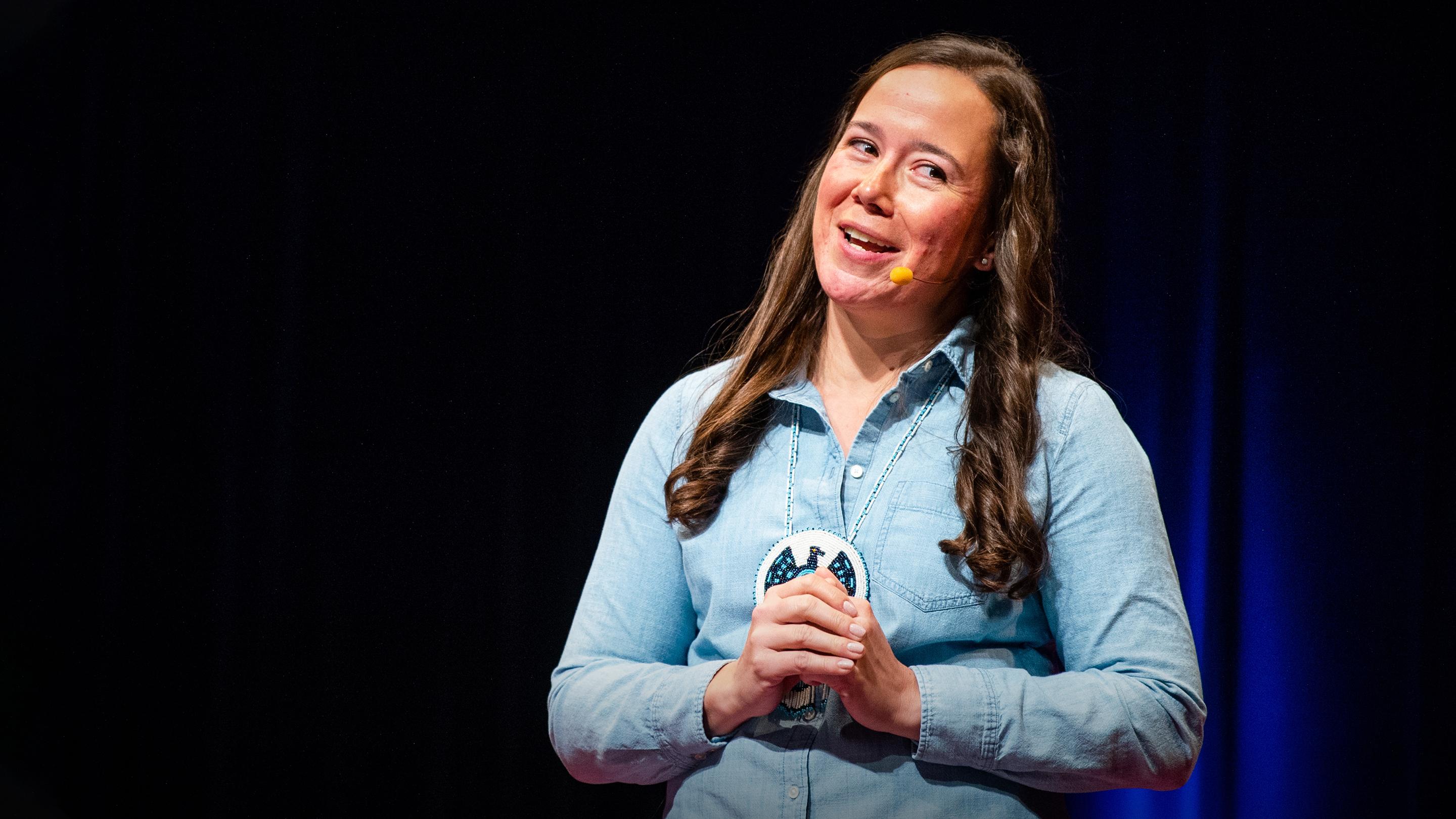
Whose land are you on? What to know about the Indigenous Land Back movement | Lindsey Schneider
Land thrives in Indigenous hands, and there are real, tangible ways you can help return what was stolen by colonizers from tribes across North America. Indigenous scholar Lindsey Schneider addresses the ill-gotten legacy of settler colonialism with an introduction to the Land Back movement: the push to return stewardship of the Earth to its rightful guardians and restore balance to ecosystems for generations to come.
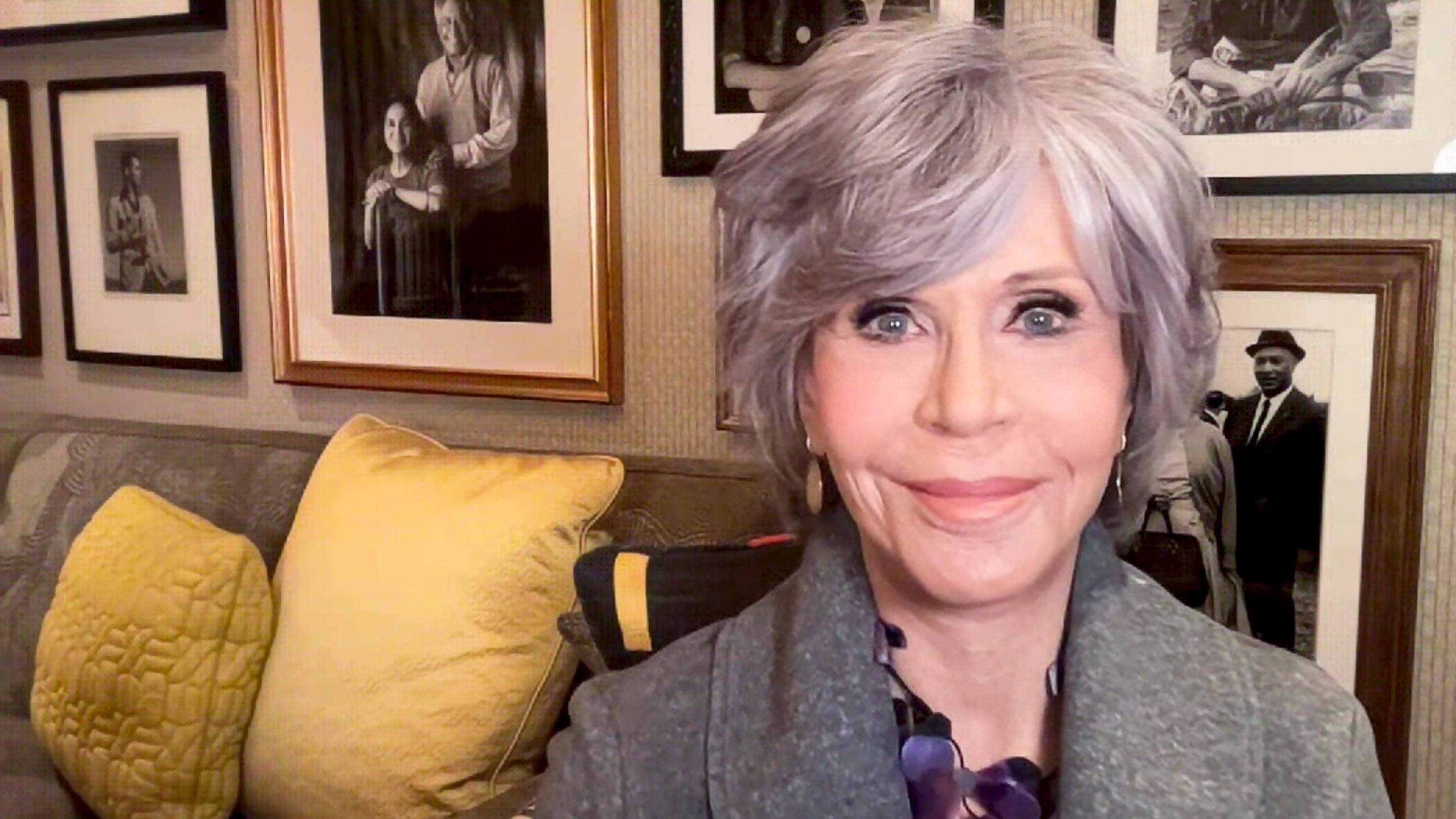
How to transform your climate concern into action | Jane Fonda
Actor and activist Jane Fonda discusses her frontline work fighting for climate action, including recent efforts to support climate-minded candidates running for office in the US and to break the fossil fuel industry's stranglehold on the country's government. Hear why she decided to bring her climate activism into the electoral arena after decades of marching, protesting and civil disobedience -- and how anybody can join in and stand up for change. (This conversation, hosted by TEDWomen Editorial Director Pat Mitchell, was recorded on October 26, 2022.)
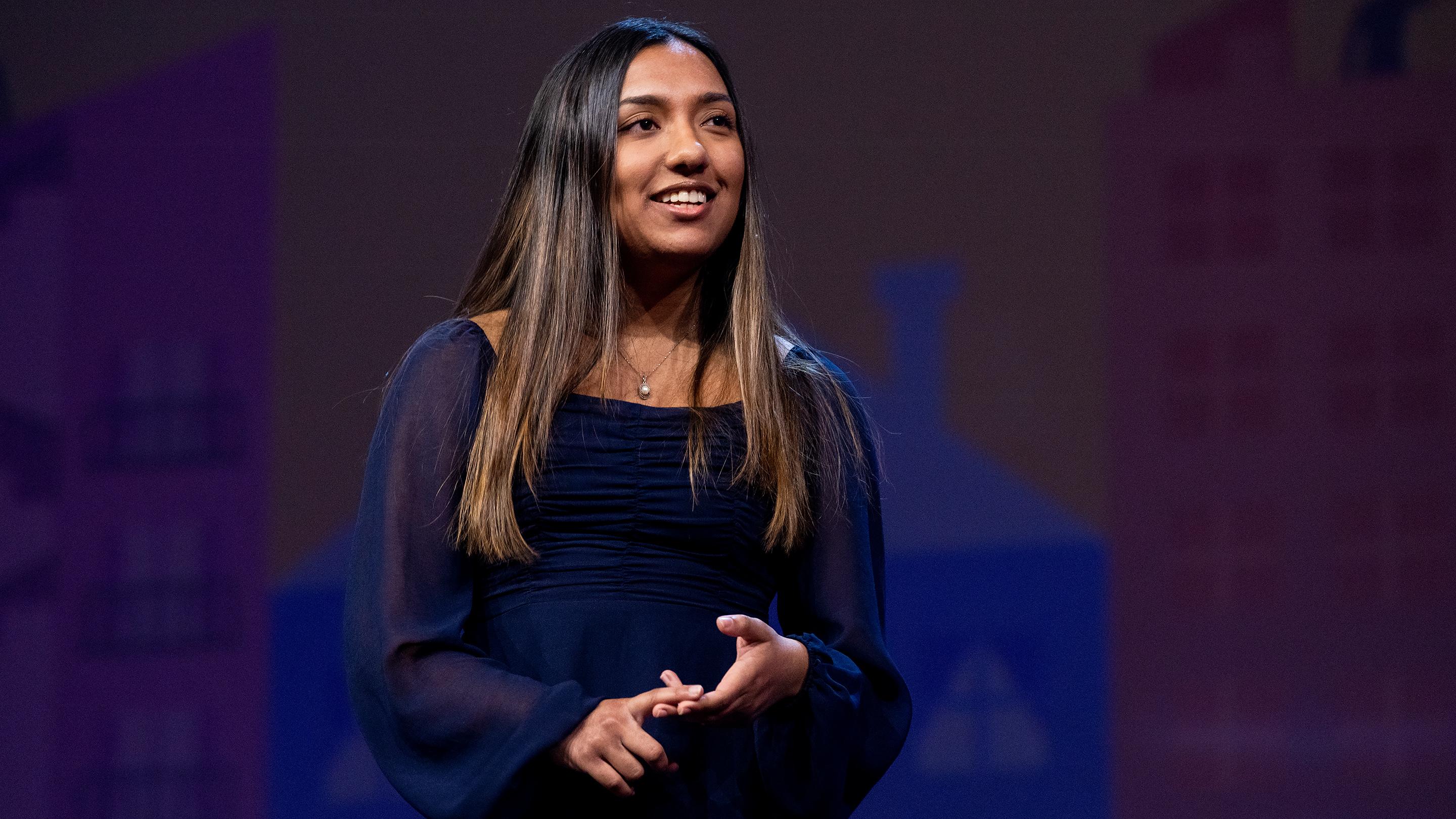
What you can learn from people who disagree with you | Shreya Joshi
Youth leader Shreya Joshi diagnoses a key source of political polarization in the US and shows why having "uncomfortable conversations" with people you disagree with is crucial to bridging the divide. "When we are able to recognize what unites us, it becomes so much easier to have conversations about what divides us," she says.
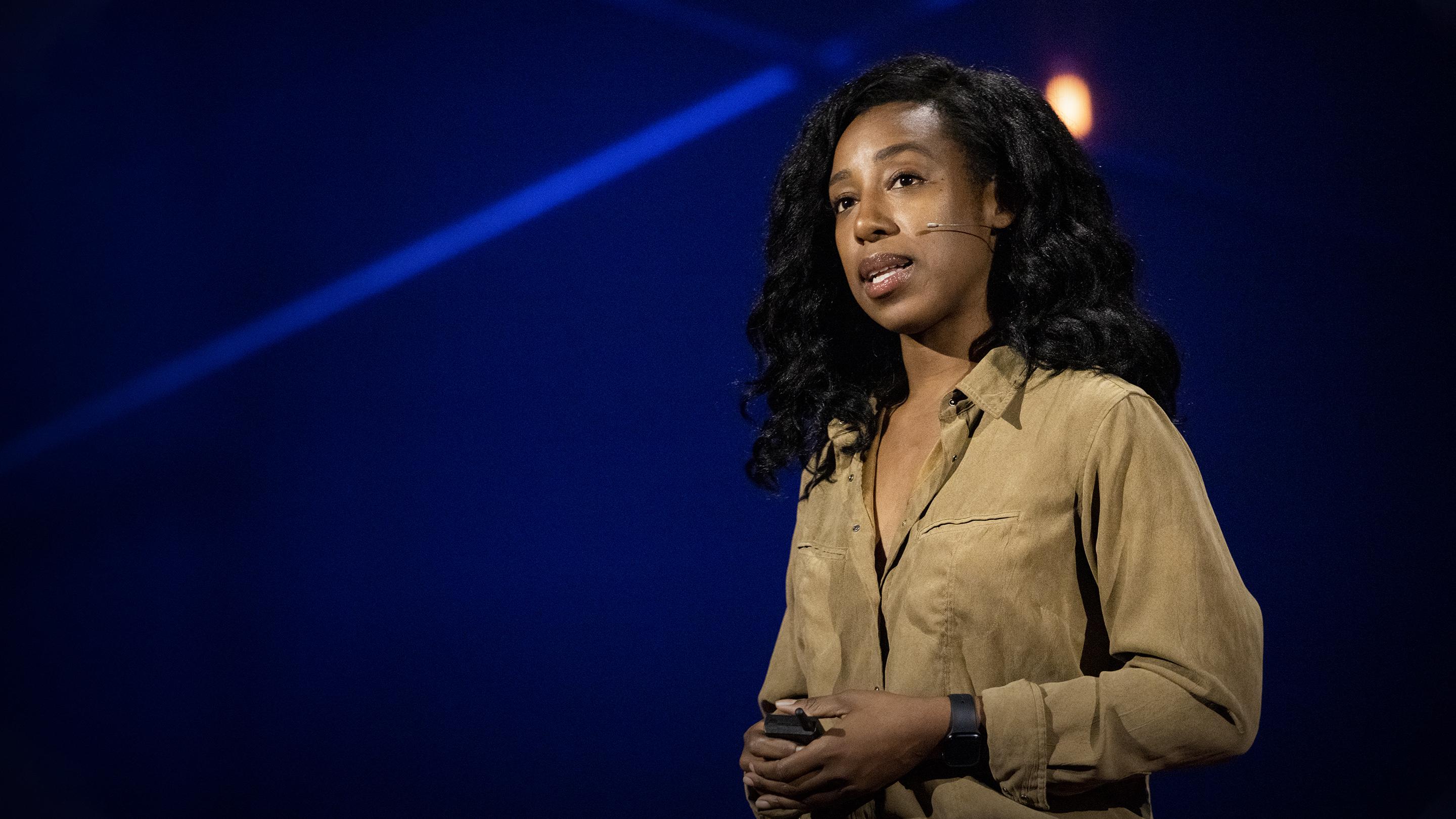
How to revitalize a neighborhood -- without gentrification | Bree Jones
The housing market can be vexing: while some neighborhoods get ridiculously expensive and price out longtime residents, others have historic homes sitting vacant without demand. Equitable housing developer and TED Fellow Bree Jones shares how she found a way to revitalize neighborhoods experiencing hyper-vacancy while preventing gentrification -- supporting home buyers and transforming communities along the way.
What capitalism gets right -- and governments get wrong | Katherine Mangu-Ward
Is capitalism a good thing? Journalist Katherine Mangu-Ward makes the case that "weirdos" left alone to innovate and explore far-out ideas in a free market system are our best hope for the future. She asks us to reconsider our qualms about capitalism, failure and corporate death, analyzing the recent history of General Motors and Facebook to illustrate why we're better off with a lot less government intervention.
The US can move past immigration prisons -- and towards justice | César Cuauhtémoc García Hernández
Imagine seeking safety abroad and instead being detained and forced to defend yourself in a high-stakes legal battle — alone. Law professor César Cuauhtémoc García Hernández explains how the asylum process in the US became warped into what we know today and poses a question that could lead the country out of its labyrinthian policies: In place of investing in more steel doors and barbed wire, what if immigration law was infused with support and justice?
The actual cost of preventing climate breakdown | Yuval Noah Harari
Nobody really knows how much it would cost to avoid the worst impacts of climate change. Yet historian Yuval Noah Harari's analysis, based on the work of scientists and economists, indicates that humanity might avert catastrophe by investing the equivalent of just two percent of global GDP into climate solutions. He makes the case that preventing ecological cataclysm will not require the major global disruptions many fear and explains that we already have the resources we need -- it's just a matter of shifting our priorities.
How labor unions shape society | Margaret Levi
The weekend. Social Security. Health insurance. What do these things have in common? They all exist thanks to the advocacy of labor unions. Political economist Margaret Levi explains how these organizations forge equality and protect worker rights, calling for a 21st-century revival of the labor movement in order to build a more equitable future.
An election redesign to restore trust in US democracy | Tiana Epps-Johnson
Election infrastructure in the United States is crumbling, says technologist Tiana Epps-Johnson, and, even worse, election officials are increasingly being attacked simply for doing their jobs. How can the country rebuild trust in its local and national elections? Epps-Johnson describes how the US Alliance for Election Excellence, a nonpartisan collaborative of election officials, technologists, designers and other experts, is working across all 50 states to improve the performance of systems serving 240 million voters, ensuring everyone has access to a fair, trustworthy and modern democratic process. (This ambitious plan is a part of the Audacious Project, TED's initiative to inspire and fund global change. If you want to hear even more about Epps-Johnson's work, stick around after the talk on the "TED Talks Daily" podcast, where she digs deeper into her ideas.)
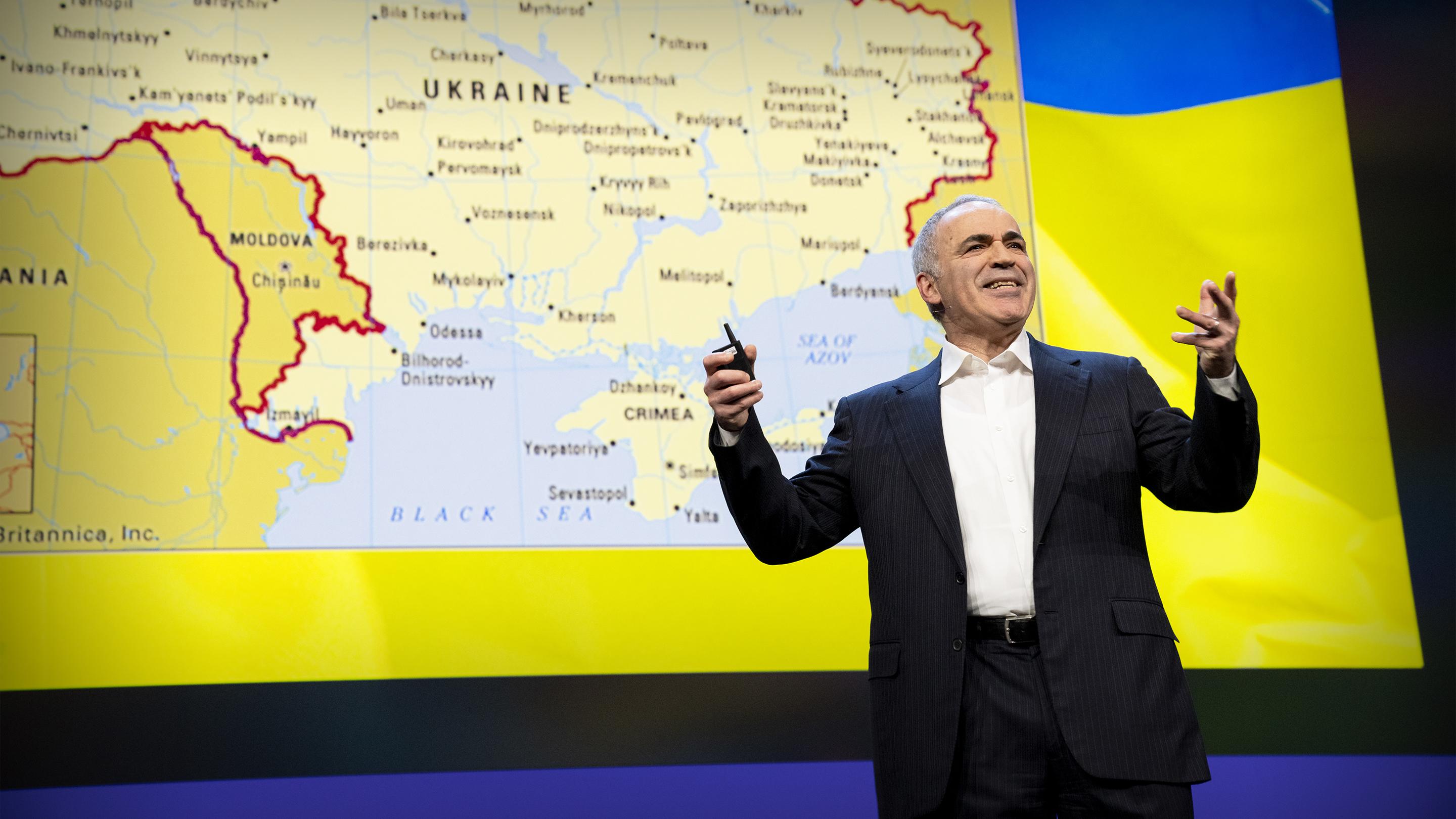
Stand with Ukraine in the fight against evil | Garry Kasparov
Ukraine is on the front line of a war between freedom and tyranny, says chess grandmaster and human rights advocate Garry Kasparov. In this blistering call to action, he traces Vladimir Putin's rise to power and details his own path from chess world champion to pro-democracy activist in Russia. His message is a challenge to global leaders to rise in support of Ukraine -- and to choose life and love over death and hatred. "The price of stopping a dictator always goes up with every delay and every hesitation," he says. "Meeting evil halfway is still a victory for evil."
War in Ukraine — and what it means for the world order | Ian Bremmer
Russia's invasion of Ukraine has created previously unthinkable changes in geopolitics, seemingly overnight. In this vital conversation, political analyst Ian Bremmer takes a closer look at the global implications of the war, including NATO and the EU's renewed sense of purpose, the spiral of escalation, energy politics and the significant, potentially permanent shifts in the world order. (This talk and conversation, hosted by TED global curator Bruno Giussani, was part of a TED Membership event on March 10, 2022. Visit ted.com/membership to become a TED Member.)
How to share public money fairly | Maja Bosnic
"We have the right to demand budgets to be equitable, to be fair," says economist Maja Bosnic. One way to get there is to make them gender-responsive. With examples from the nearly 80 countries around the world already factoring gender into public finance decisions, she shares how budgets that actively account for gender don't just lead to equality -- they're also more efficient and effective.
The war in Ukraine could change everything | Yuval Noah Harari
Concerned about the war Ukraine? You're not alone. Historian Yuval Noah Harari provides important context on the Russian invasion, including Ukraine's long history of resistance, the specter of nuclear war and his view of why, even if Putin wins all the military battles, he's already lost the war. (This conversation, hosted by TED global curator Bruno Giussani, was part of a TED Membership event on March 1, 2022. Visit ted.com/membership to become a TED Member.)
The counterintuitive psychology of insurance | Orit Tykocinski
The real reason you buy insurance may have as much to do with pleasing your psyche as it does protecting your wallet. Behavioral psychologist Orit Tykocinski explores the connection between insurance and the reality-distorting risks of "magical thinking" that may make you reconsider your own rationale.
A different understanding of American patriotism | Deval Patrick
American democracy cannot be great until it is good, says lawyer, Harvard professor and former governor of Massachusetts Deval Patrick. A self-identified patriot, Patrick stands behind the fundamental values and civic ideals that he believes make the US unique -- and outlines how the country has strayed from those same edicts. Calling for a collective patriotism free from cynicism and fatalism, Patrick underlines the urgency to reset national aspirations in order to save democracy.
Use your voice, vote and wallet for climate action | Halla Tómasdóttir
Recently back from the COP26 UN climate conference in Scotland, former Icelandic presidential candidate Halla Tómasdóttir sums up the outcomes of the gathering, the progress she saw and the work that's left to be done this way: "The most difficult work of our lifetimes has to happen in the next few years." In conversation with TEDWomen curator Pat Mitchell, Tómasdóttir urges us all to recognize our power and to use our voice, vote and wallet to catalyze meaningful climate action.

Dear world leaders, these are our climate demands | Xiye Bastida, Shiv Soin and Latif Nasser
Investing in green energy, holding large corporations accountable for their pollution, stopping pipeline and oil extraction initiatives -- these are non-negotiable actions to protect the planet, but they are still just the bare minimum, say climate activists Xiye Bastida and Shiv Soin. In conversation with radio researcher Latif Nasser, Bastida and Soin share their list of six crucial climate demands for world leaders -- and discuss how we all can get involved. (This segment was part of TED's Countdown Global Livestream on October 30, 2021.)
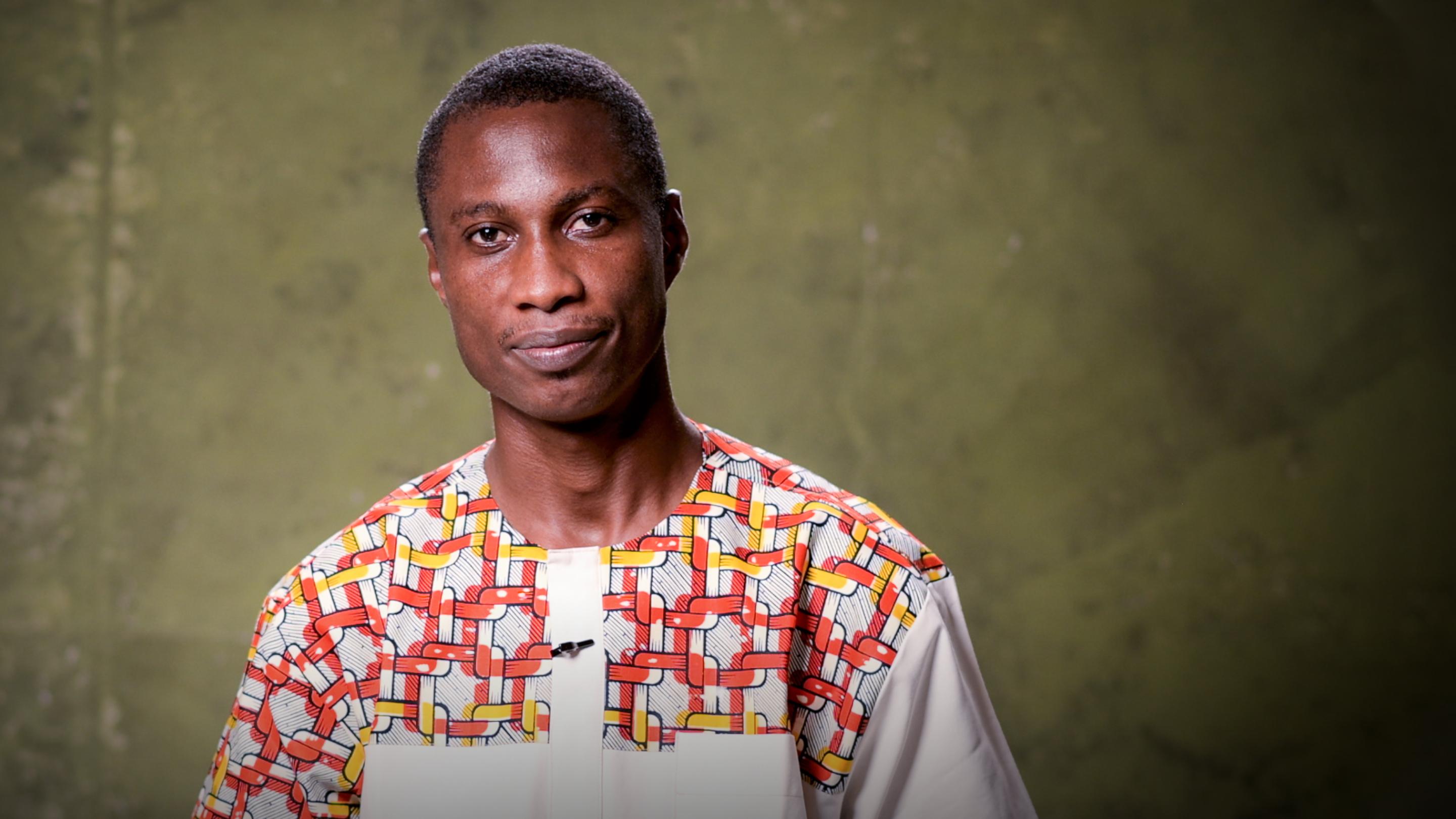
A vision for sustainable energy in Africa | Chibeze Ezekiel
Africa needs new energy sources to fuel its development, but the continent should invest in renewable energy instead of cheap, polluting alternatives like coal, says climate inclusion activist Chibeze Ezekiel. He tells the story of how he worked with local communities in Ghana to halt the construction of the country's first coal power plant -- and encouraged the government to prioritize investments in renewable energy instead. "Development and clean, breathable air should not be mutually exclusive," Ezekiel says.

What to expect from COP26 | Countdown Summit
The closing session of the TED Countdown Summit in Edinburgh on Friday, October 15, 2021 started with a discussion about the upcoming United Nations climate conference, COP26, which will take place in Glasgow from October 31-November 12, 2021. The discussion -- featuring Patricia Espinosa, Executive Secretary of the UN Framework Convention on Climate Change (UNFCCC); Laurence Tubiana, CEO of the European Climate Foundation; and Gonzalo Muñoz, the UN's High Level Climate Action Champion for COP25 -- touched on how the process works and what we can expect from this crucial global gathering.
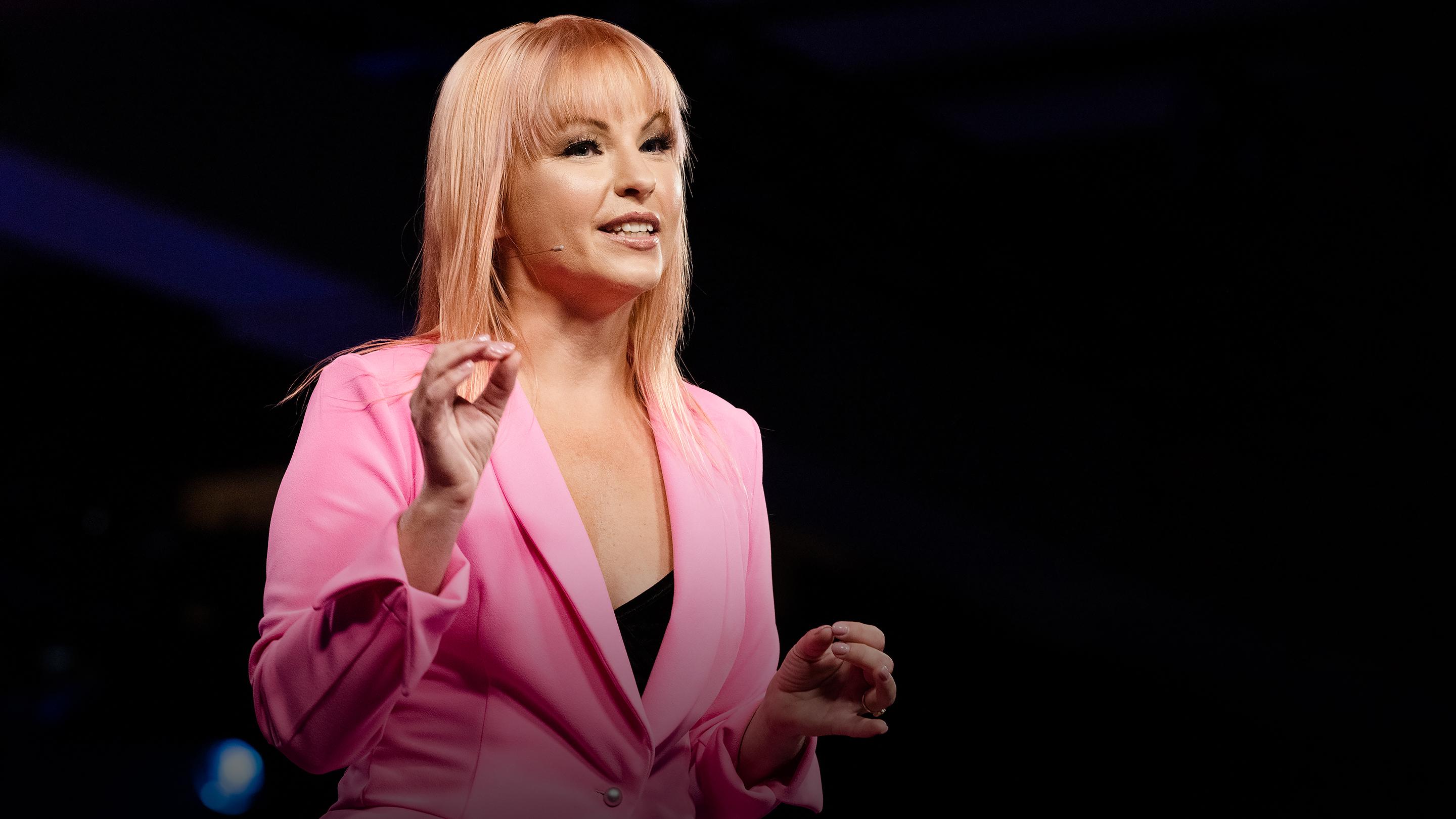
Why the passport needs an upgrade | Karoli Hindriks
It's time to give paper passports a digital upgrade, says entrepreneur Karoli Hindriks. Looking to Estonia's technology-driven government for inspiration, she envisions a world where immigration is no longer hindered by bureaucracy and needless repetition. Travel with her to a future beyond borders where universal digital passports replace paper ones -- and where outdated systems stop wasting our time and money.
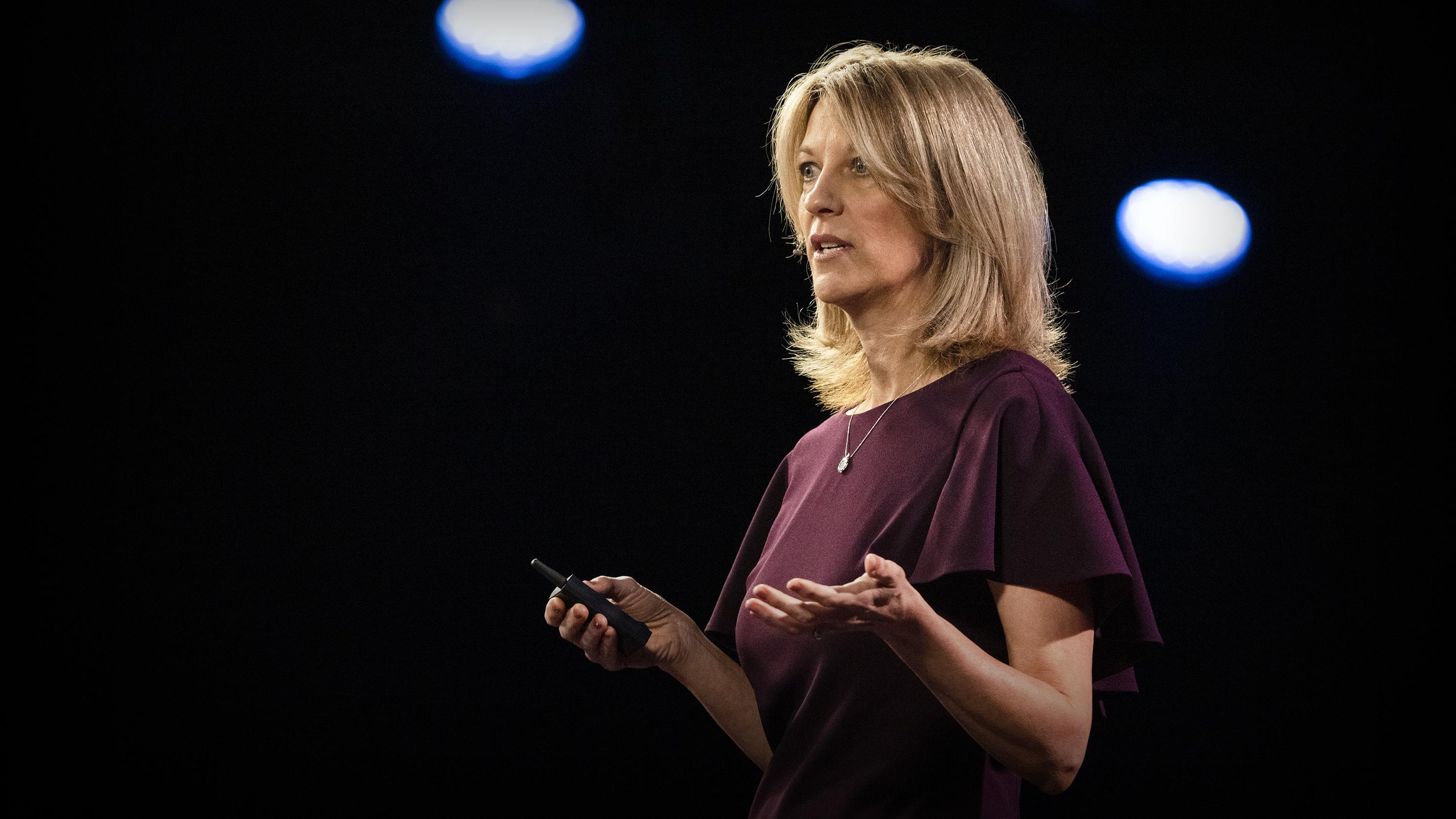
The big myth of government deficits | Stephanie Kelton
Government deficits have gotten a bad rap, says economist Stephanie Kelton. In this groundbreaking talk, she makes the case to stop looking at government spending as a path towards frightening piles of debt, but rather as a financial contribution to the things that matter -- like health care, education, infrastructure and beyond. "We have the resources we need to begin repairing our broken systems," Kelton says. "But we have to believe it's possible."
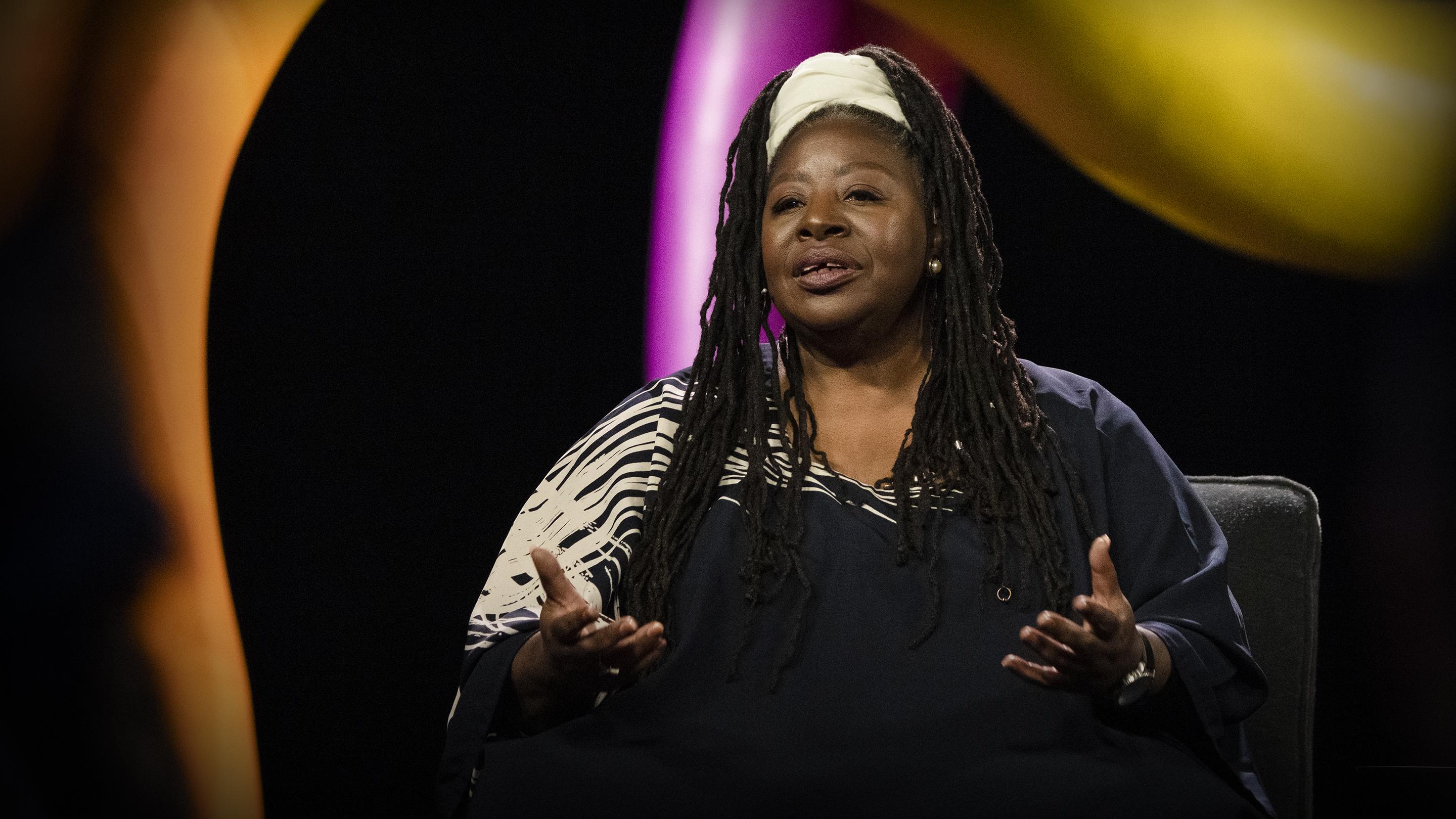
Don't call people out -- call them in | Loretta J. Ross
We live in a call-out culture, says activist and scholar Loretta J. Ross. You're probably familiar with it: the public shaming and blaming, on social media and in real life, of people who may have done wrong and are being held accountable. In this bold, actionable talk, Ross gives us a toolkit for starting productive conversations instead of fights -- what she calls a "call-in culture" -- and shares strategies that help challenge wrongdoing while still creating space for growth, forgiveness and maybe even an unexpected friend. "Fighting hate should be fun," Ross says. "It's being a hater that sucks."
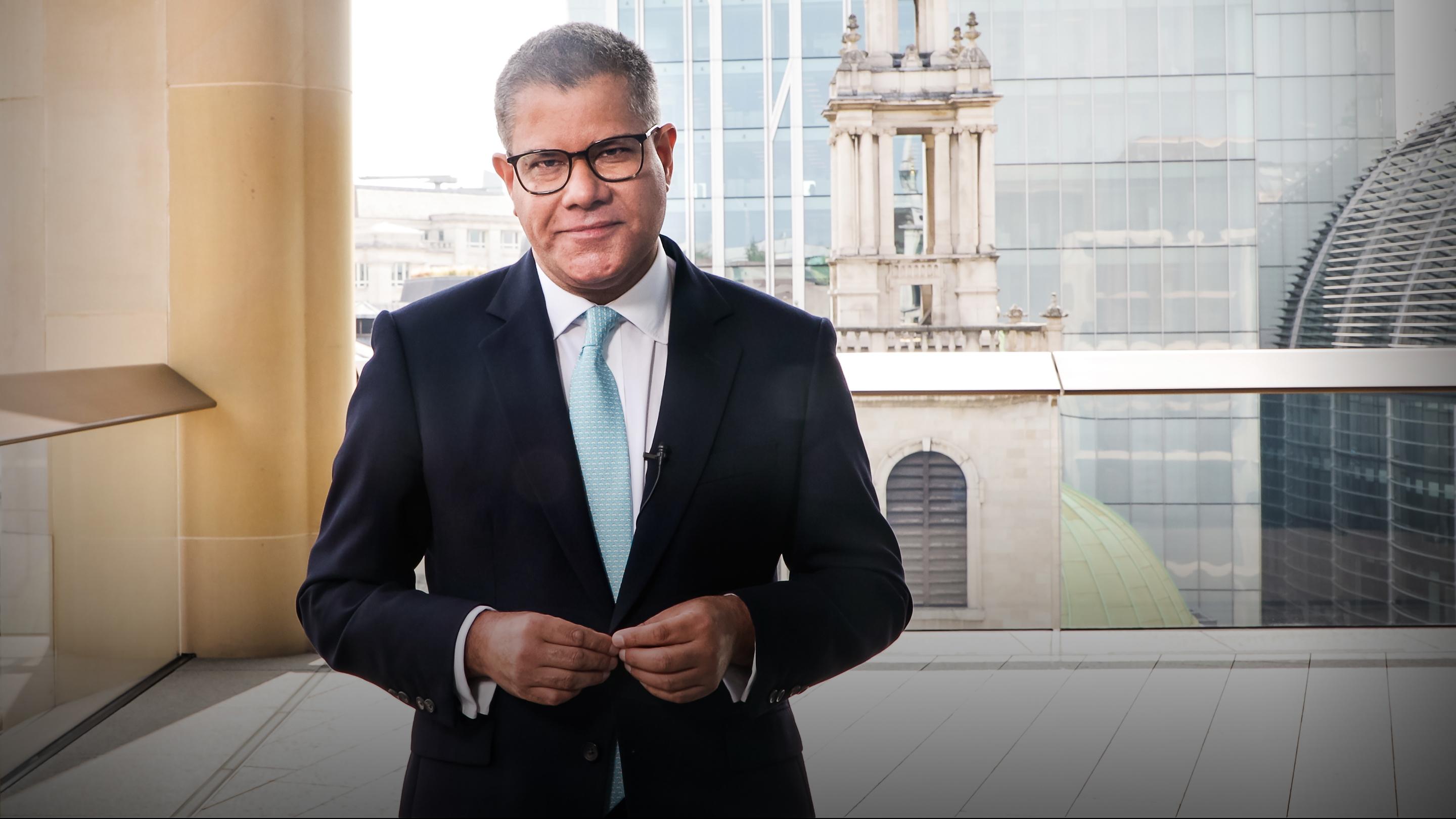
Why COP26 is our best chance for a greener future | Alok Sharma
Something powerful is happening around the world. The issue of climate change has moved from the margins to the mainstream, says Alok Sharma, the President-Designate of COP26, the United Nations climate conference set to take place in November 2021 in Glasgow, Scotland. He unpacks what this shift means for the world economy and the accelerating "green industrial revolution" -- and lays out the urgent actions that need to happen in order to limit global temperature rise.
How marijuana reform could repair, reclaim and restore communities | Khadijah Tribble
The war on drugs in the United States undid much of the progress of the Civil Rights Movement -- and today, it continues to derail millions within marginalized communities with arrests, convictions and incarcerations for marijuana possession. As more states move to legalize cannabis, social entrepreneur and activist Khadijah Tribble calls for equitable reform that centers on the casualties of the war and its insidious policies and paves a path toward restorative justice.
Who makes judges? | Jessica Kerr
What qualifies someone to become a judge? The answer is surprisingly vague and even taboo to discuss. Lawyer Jessica Kerr sifts through the murky, mysterious process that sits at the center of the Commonwealth judicial system in countries like Australia -- and makes the case for "judge school," a legal education better fit to bring justice, legitimacy and public trust to any court.
An app that empowers people to solve their legal problems | Rohan Pavuluri
If you can't afford an attorney, one will be appointed for you, right? Not in US civil court. From high legal fees to confusing paperwork and expensive lawyers, it can be difficult to settle civil matters. Entrepreneur and TED Fellow Rohan Pavuluri is working to streamline cumbersome legal processes with an app that empowers people to solve their own legal problems.
US politics isn't broken. It's fixed | Katherine M. Gehl
The "broken" US political system is actually working exactly as designed, says business leader and activist Katherine Gehl. Examining the system through a nonpartisan lens, she makes the case for voting innovations, already implemented in parts of the country, that give citizens more choice and incentivize politicians to work towards progress and solutions instead of just reelection.
An election system that puts voters (not politicians) first | Amber McReynolds
From hours-long lines and limited polling locations to confusing and discriminatory registration policies, why is it so hard to vote in the US? Voting rights expert Amber McReynolds offers a proven alternative: a new process, already happening in parts of the country, that could bring accountability, transparency and equity to the outdated and sputtering system that American democracy currently relies on.
How to have constructive conversations | Julia Dhar
"We need to figure out how we go into conversations not looking for the victory, but the progress," says world debate champion Julia Dhar. In this practical talk, she shares three essential features of productive disagreements grounded in curiosity and purpose. The end result? Constructive conversations that sharpen your argument and strengthen your relationships.
How compassion could save your strained relationships | Betty Hart
When personal relationships and ideological differences collide, the result can lead to strained relations -- or even years of silence and distance. Actor Betty Hart offers an alternative to cold shoulders and haughty hellos: compassion, and a chance for growth and change instead of losing important time with loved ones.
3 ways to upgrade democracy for the 21st century | Max Rashbrooke
Democracy needs an update -- one that respects and engages citizens by involving them in everyday political decisions, says writer and researcher Max Rashbrooke. He outlines three global success stories that could help move democratic systems forward and protect society against the new challenges this century is already bringing.

How the new generation of Latinx voters could change US elections | María Teresa Kumar
A historic number of Latinx voters participated in the 2020 US presidential election, including a record number of young people casting their ballots for the first time. Civic leader María Teresa Kumar takes a look at the issues closest to youth Latinx voters, including health care, climate equity and racial justice, and considers how this growing demographic could shape American politics for decades to come. Stay tuned for a Q&A with TEDx learning specialist Bianca DeJesus on why the US has a unique opportunity to harness its diversity and define the 21st century.
Climate change is becoming a problem you can taste | Amanda Little
Our food systems have not been designed to adapt to major disruptions like climate change, says environmental journalist Amanda Little. In this eye-opening talk, she shows how the climate crisis could devastate our food supply -- and introduces us to the farmers, entrepreneurs and engineers who are radically rethinking what we grow and how we eat, combining traditional agriculture with state-of-the-art technology to create a robust, resilient and sustainable food future.
What if a US presidential candidate refuses to concede after an election? | Van Jones
If the 2020 US presidential election is close, the race could drag on in the courts and halls of Congress long after ballots are cast, says lawyer and political commentator Van Jones. Explaining why the customary concession speech is one of the most important safeguards for democracy, Jones exposes shocking legal loopholes that could enable a candidate to grab power even if they lose both the popular vote and the electoral college -- and shares what ordinary citizens can do if there's no peaceful transfer of power.
Europe's plan to become the first carbon-neutral continent | Ursula von der Leyen
With the ambitious goal of becoming the first carbon-neutral continent by 2050, the European Union has committed to creating a greener world for future generations. In this bold talk, Ursula von der Leyen, President of the European Commission, details the challenges and opportunities that come with transitioning an entire continent to clean energy -- and shows why fixing climate change calls for everyone to take action.
Racism thrives on silence -- speak up! | Dexter Dias
Racism thrives on your silence and apathy, says human rights lawyer Dexter Dias. Telling the story of a harrowing UK court case that spotlights the corrosive effects of injustice, Dias urges us all to speak out and expose toxic myths about race -- in order to allow hope, change and justice to flourish.
The psychological traits that shape your political beliefs | Dannagal G. Young
Social psychologist Dannagal G. Young breaks down the link between our psychology and politics, showing how personality types largely fall into people who prioritize openness and flexibility (liberals) and those who prefer order and certainty (conservatives). Hear why both sets of traits are crucial to any society -- and how our differences are being dangerously exploited to divide us. What if things weren't that way?
How do daily habits lead to political violence? | Christiane-Marie Abu Sarah
What drives someone to commit politically motivated violence? The unsettling answer lies in daily habits. Behavioral historian Christiane-Marie Abu Sarah shares startling insights into how seemingly mundane choices can breed polarization that lead to extreme, even deadly, actions -- and explains how to identify and bypass these behaviors in order to rediscover common ground.
The alliances needed to rebuild the developing world | Achim Steiner
Developing countries need strong alliances between the public and private sectors to rebuild after COVID-19, says Achim Steiner, administrator for the United Nations Development Programme (UNDP). From building virus tracking systems to supporting clean energy projects and expanding health care, hear how the UNDP is creating partnerships between states and the financial, communications, technology and insurance sectors to rebuild stronger, greener economies post-pandemic. (This virtual conversation, hosted by political commentator Sally Kohn and TED global curator Bruno Giussani, was recorded June 8, 2020.)
The ACLU's call to defund the police | Anthony D. Romero
"We need to defund the budgets of police departments. It's the only way we're going to take power back," says Anthony D. Romero, executive director of the American Civil Liberties Union (ACLU). Calling for allies to get involved in the efforts to dismantle systemic racism, Romero explains why police reform isn't enough anymore -- and shows why it's time to take money from militarized law enforcement and reinvest it in the community. (This video, excerpted from a panel discussion featuring Dr. Phillip Atiba Goff, Rashad Robinson and Dr. Bernice King, was recorded June 3, 2020. Watch the full discussion at go.ted.com/endingracism)

How to rebuild the global economy | Kristalina Georgieva
The coronavirus pandemic shattered the global economy. To put the pieces back together, we need to make sure money is going to the countries that need it the most -- and that we rebuild financial systems that are resilient to shocks, says Kristalina Georgieva, managing director of the International Monetary Fund. She takes us inside the massive economic stimulus efforts leading the world toward recovery and renewal and discusses what it will take for countries to emerge from this "great transformation" even stronger than before. (This virtual conversation, hosted by head of TED Chris Anderson and current affairs curator Whitney Pennington Rodgers, was recorded on May 18, 2020.)
Restoring human dignity at the US southern border | Norma Pimentel
After seeing the conditions in which children were held at a detention center on the US-Mexico border, Sister Norma Pimentel established a humanitarian respite center in Texas where people can get clean clothing, a warm shower and a hot meal. In this powerful talk, Sister Pimentel discusses her lifelong work restoring human dignity at the border -- and calls on us all to put aside prejudice and lead with compassion.
The US is addicted to incarceration. Here's how to break the cycle | Robin Steinberg and Manoush Zomorodi
Nearly half a million people in the US are in jail right now without being convicted of a crime, simply because they can't come up with the money to pay cash bail. To try and fix this system, public defender and activist Robin Steinberg asked a straightforward question: What if we paid bail for them? In conversation with TED Radio Hour host Manoush Zomorodi, Steinberg shares how her nonprofit The Bail Project -- which uses a revolving fund to post bail for those who can't afford it -- is scaling up their efforts across the country and rolling out a new community-based model to fight mass incarceration. (This ambitious plan is part of the Audacious Project, TED's initiative to inspire and fund global change.)
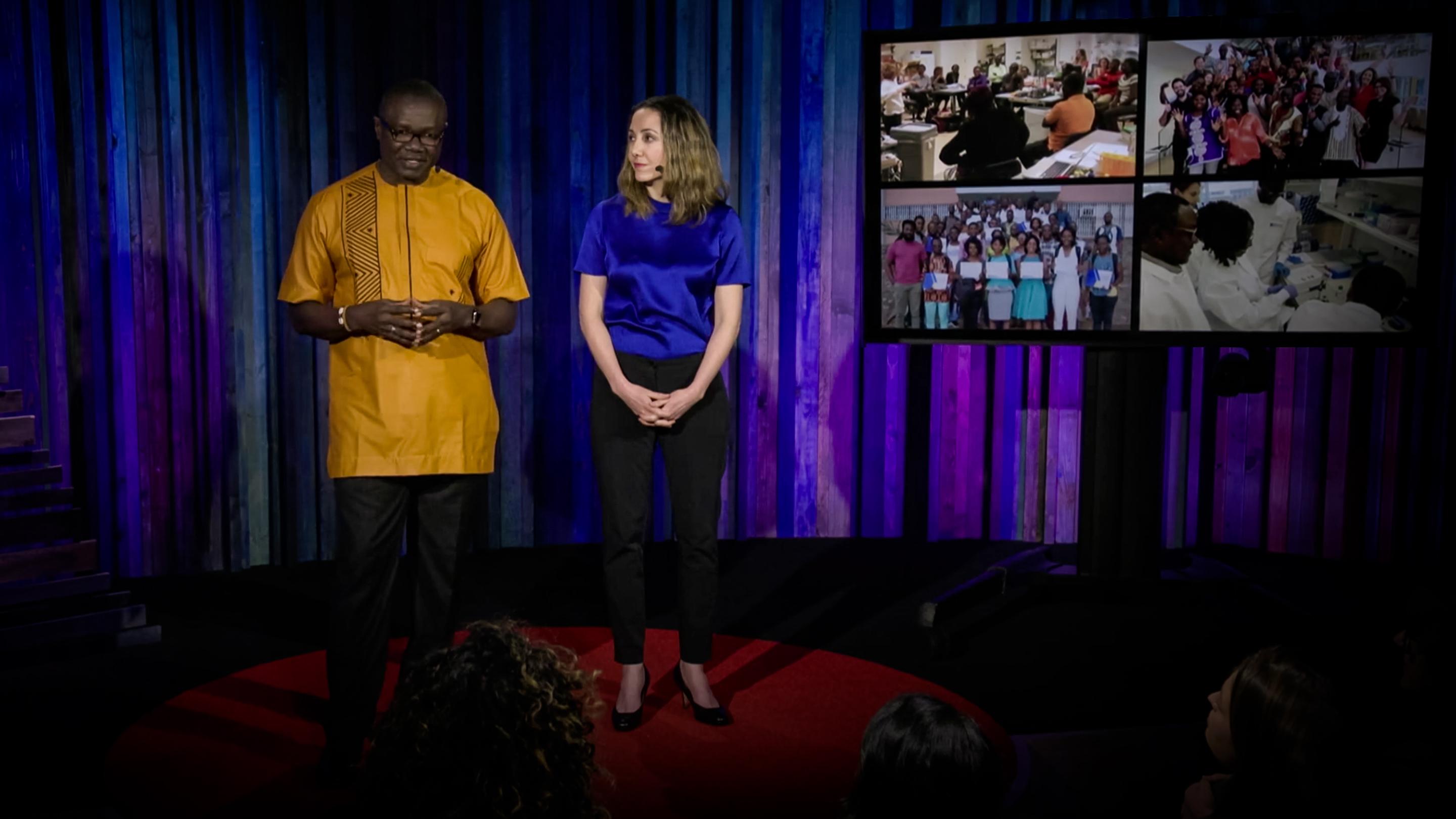
A virus detection network to stop the next pandemic | Pardis Sabeti and Christian Happi
How can we stop the next pandemic before it starts? Disease researchers Pardis Sabeti and Christian Happi introduce Sentinel, an early warning system that detects and tracks viral threats in real time -- and could help stop them before they spread. Learn more about the cutting-edge technology that powers the system and how the Sentinel team is helping scientists and health workers during the coronavirus pandemic. (This ambitious plan is part of the Audacious Project, TED's initiative to inspire and fund global change.)
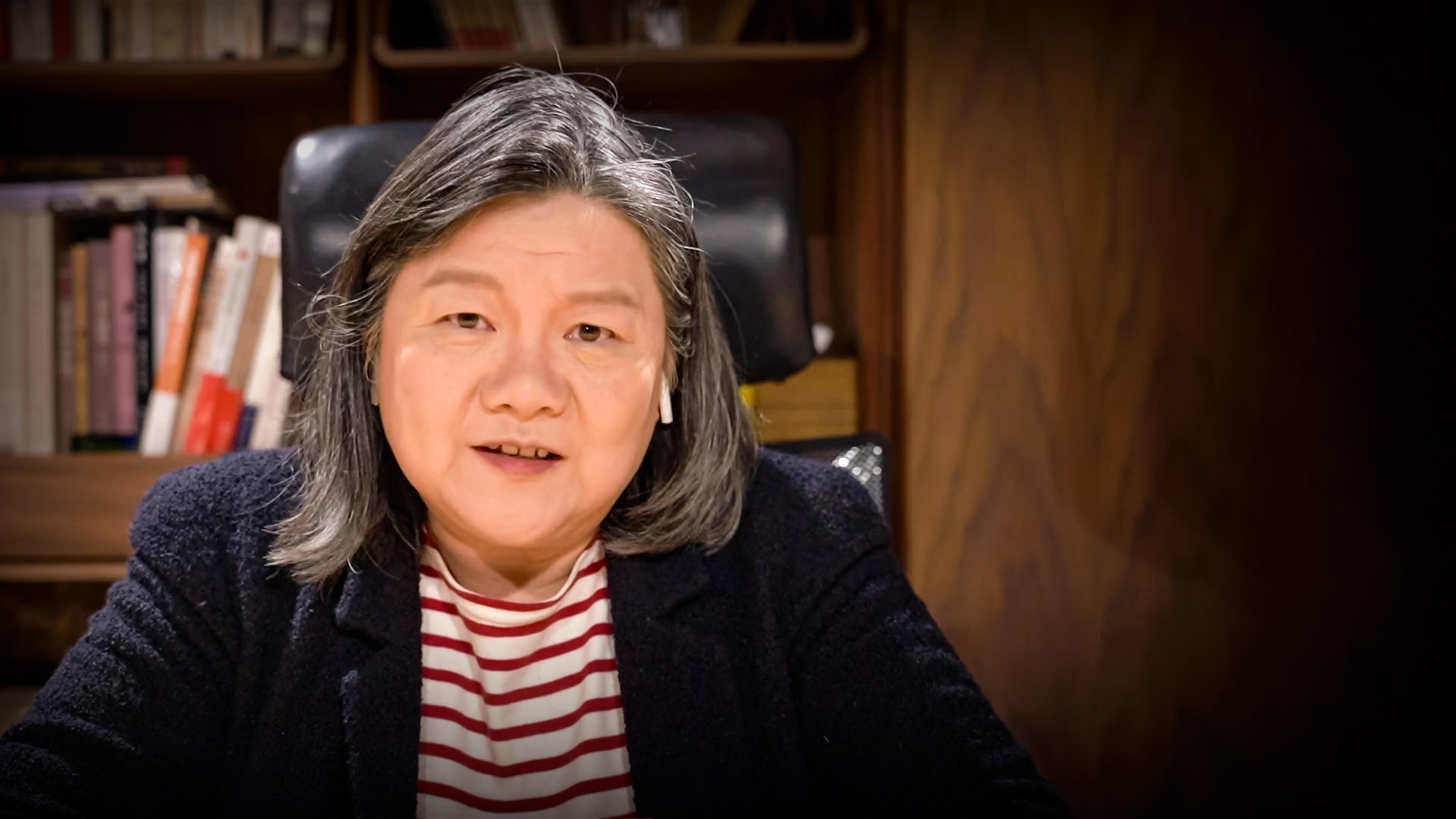
How American and Chinese values shaped the coronavirus response | Huang Hung
To combat COVID-19, countries have enforced city-wide shutdowns, stay-at-home orders and mask mandates -- but the reaction (and adherence) to these rules has differed markedly in the East and West. In conversation with TED's head of curation Helen Walters, writer and publisher Huang Hung sheds light on how Chinese and American cultural values shaped their responses to the outbreak -- and provides perspective on why everyone needs to come together to end the pandemic. (Recorded April 16, 2020)
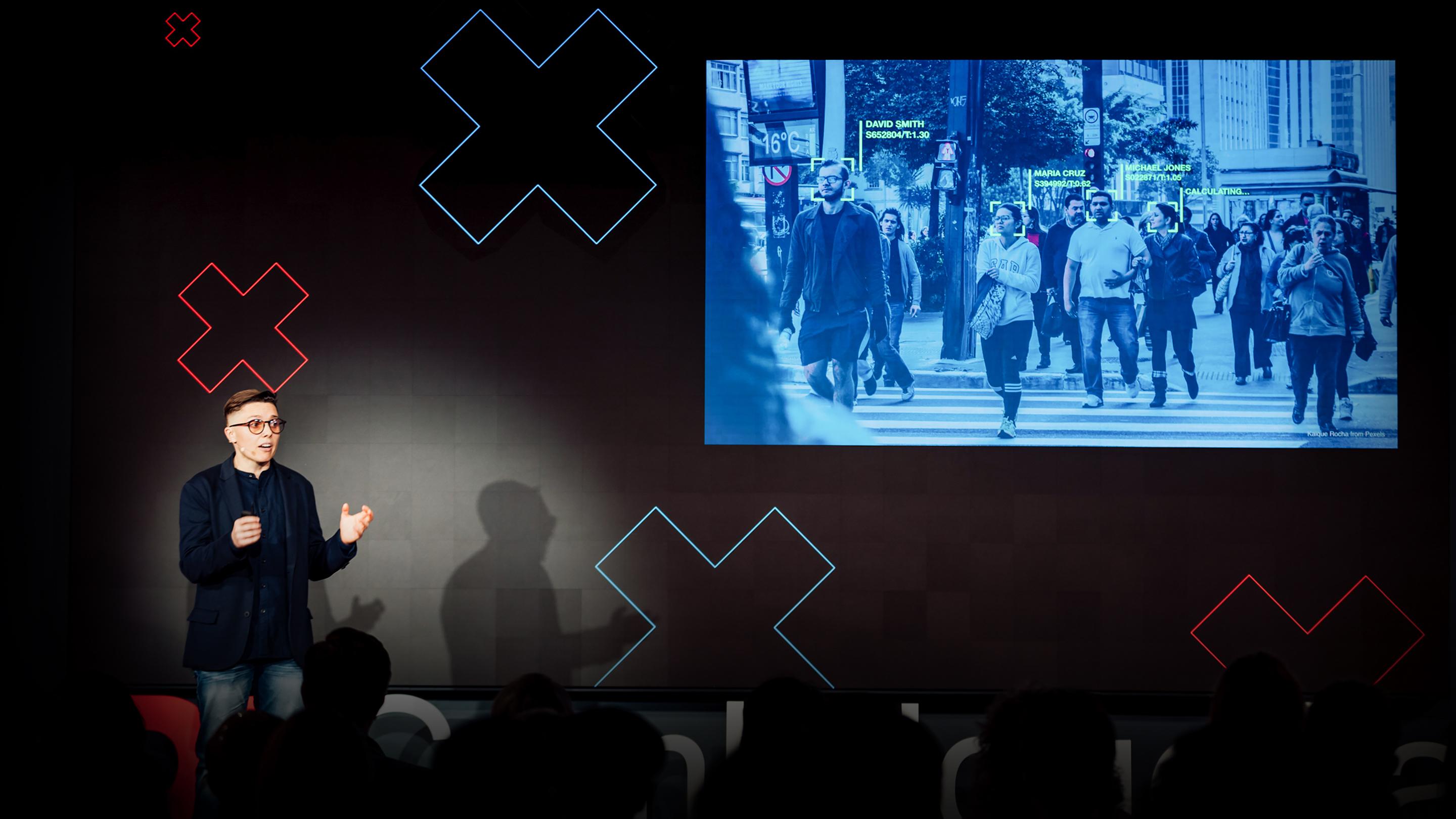
What you need to know about face surveillance | Kade Crockford
Privacy isn't dead, but face surveillance technology might kill it, says civil rights advocate Kade Crockford. In an eye-opening talk, Kade outlines the startling reasons why this invasive technology -- powered by often-flawed facial recognition databases that track people without their knowledge -- poses unprecedented threats to your fundamental rights. Learn what can be done to ban government use before it's too late.