
TED Talks News and Politics
177 episodes — Page 3 of 4
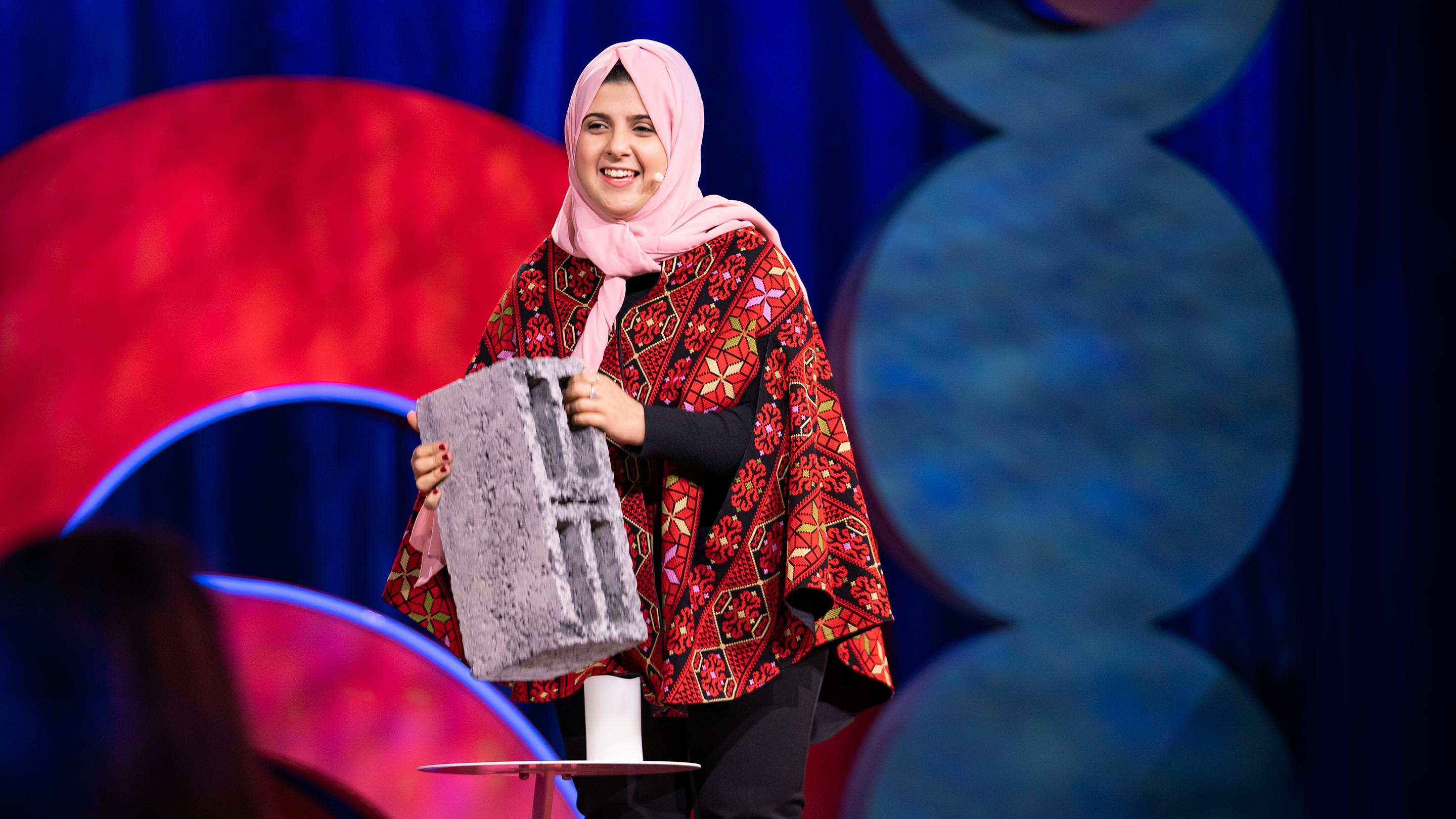
How I'm making bricks out of ashes and rubble in Gaza | Majd Mashharawi
Majd Mashharawi was walking through her war-torn neighborhood in Gaza when an idea flashed in her mind: What if she could take the rubble and transform it into building materials? See how she designed a brick made out of ashes that's helping people rebuild their homes -- and learn about her new project: bringing solar-powered energy to families living in darkness.
Is your country at risk of becoming a dictatorship? Here's how to know | Farida Nabourema
Farida Nabourema has dedicated her life to fighting the military regime in Togo, Africa's oldest autocracy. She's learned two truths along the way: no country is destined to be oppressed -- and no country is immune to dictatorship. But how can you tell if you're at risk before it happens? In a stirring talk, Nabourema shares the four key signs of a dictatorship, along with the secret to defiance for those living within an oppressive system.
A juror's reflections on the death penalty | Lindy Lou Isonhood
Lindy Lou Isonhood grew up in a town where the death penalty was a fact of life, part of the unspoken culture. But after she served as a juror in a capital murder trial -- and voted "yes" to sentencing a guilty man to death -- something inside her changed. In this engaging and personal talk, Isonhood reflects on the question she's been asking herself in the 25 years since the trial: Am I a murderer?

An architect's subversive reimagining of the US-Mexico border wall | Ronald Rael
What is a border? It's a line on a map, a place where cultures mix and merge in beautiful, sometimes violent and occasionally ridiculous ways. And a border wall? An overly simplistic response to that complexity, says architect Ronald Rael. In a moving, visual talk, Rael reimagines the physical barrier that divides the United States and Mexico -- sharing satirical, serious works of art inspired by the borderlands and showing us the border we don't see in the news. "There are not two sides defined by a wall. This is one landscape, divided," Rael says.
How women in Pakistan are creating political change | Shad Begum
Activist Shad Begum has spent her life empowering women to live up to their full potential. In a personal talk, she shares her determined struggle to improve the lives of women in her deeply religious and conservative community in northwest Pakistan -- and calls for women around the world to find their political voice. "We must stand up for our own rights -- and not wait for someone else to come and help us," Begum says.
What's needed to bring the US voting system into the 21st century | Tiana Epps-Johnson
The American election system is complicated, to say the least -- but voting is one of the most tangible ways that each of us can shape our communities. How can we make the system more modern, inclusive and secure? Civic engagement champion Tiana Epps-Johnson shares what's needed to bring voting in the US into the 21st century -- and to get every person to the polls.

The political progress women have made -- and what's next | Cecile Richards
Women have made enormous progress over the last century -- challenging the status quo, busting old taboos and changing business from the inside out. But when it comes to political representation, there's still a long way to go, says activist Cecile Richards. In this visionary talk, Richards calls for a global political revolution for women's equality and offers her ideas for how we can build it.
3 questions to ask yourself about everything you do | Stacey Abrams
How you respond to setbacks is what defines your character, says Stacey Abrams, the first Black woman in the history of the United States to be nominated by a major party for governor. In an electrifying talk, she shares the lessons she learned from her campaign for governor of Georgia -- and some advice on how to change the world. "Be aggressive about your ambition," Abrams says.
Is civility a sham? | Teresa Bejan
What exactly is civility, and what does it require? In a talk packed with historical insights, political theorist Teresa Bejan explains how civility has been used as both the foundation of tolerant societies and as a way for political partisans to silence and dismiss opposing views. Bejan suggests that we should instead try for "mere civility": the virtue of being able to disagree fundamentally with others without destroying the possibility of a common life tomorrow. (This talk contains mature language.)
What to trust in a "post-truth" world | Alex Edmans
Only if you are truly open to the possibility of being wrong can you ever learn, says researcher Alex Edmans. In an insightful talk, he explores how confirmation bias -- the tendency to only accept information that supports your personal beliefs -- can lead you astray on social media, in politics and beyond, and offers three practical tools for finding evidence you can actually trust. (Hint: appoint someone to be the devil's advocate in your life.)
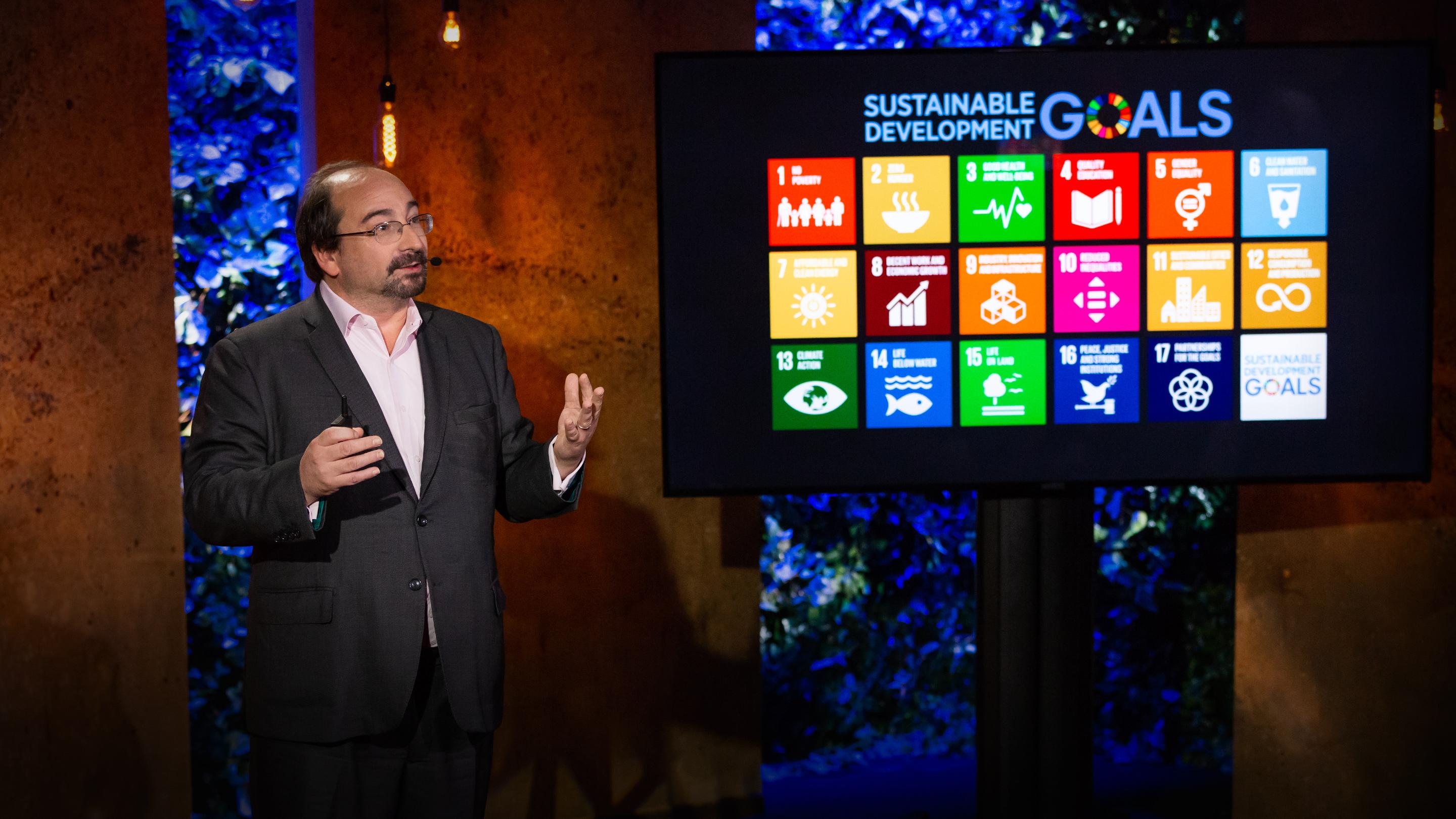
The global goals we've made progress on -- and the ones we haven't | Michael Green
"We are living in a world that is tantalizingly close to ensuring that no one need die of hunger or malaria or diarrhea," says economist Michael Green. To help spur progress, back in 2015 the United Nations drew up a set of 17 goals around important factors like health, education and equality. In this data-packed talk, Green shares his analysis on the steps each country has (or hasn't) made toward these Sustainable Development Goals -- and offers new ideas on what needs to change so we can achieve them.
Is war between China and the US inevitable? | Graham Allison
Taking lessons from a historical pattern called "Thucydides's Trap," political scientist Graham Allison shows why a rising China and a dominant United States could be headed towards a violent collision no one wants -- and how we can summon the common sense and courage to avoid it.
How whistle-blowers shape history | Kelly Richmond Pope
Fraud researcher and documentary filmmaker Kelly Richmond Pope shares lessons from some of the most high-profile whistle-blowers of the past, explaining how they've shared information that has shaped society -- and why they need our trust and protection.
How police and the public can create safer neighborhoods together | Tracie Keesee
We all want to be safe, and our safety is intertwined, says Tracie Keesee, cofounder of the Center for Policing Equity. Sharing lessons she's learned from 25 years as a police officer, Keesee reflects on the public safety challenges faced by both the police and local neighborhoods, especially in the African American community, as well as the opportunities we all have to preserve dignity and guarantee justice. "We must move forward together. There's no more us versus them," Keesee says.
Did the global response to 9/11 make us safer? | Benedetta Berti
If we want sustainable, long-term security to be the norm in the world, it's time to radically rethink how we can achieve it, says TED Fellow and conflict researcher Benedetta Berti. In an eye-opening talk, Berti explains how building a safer world has a lot less to do with crushing enemies on the battlefield and a lot more to do with protecting civilians -- no matter where they're from or where they live.
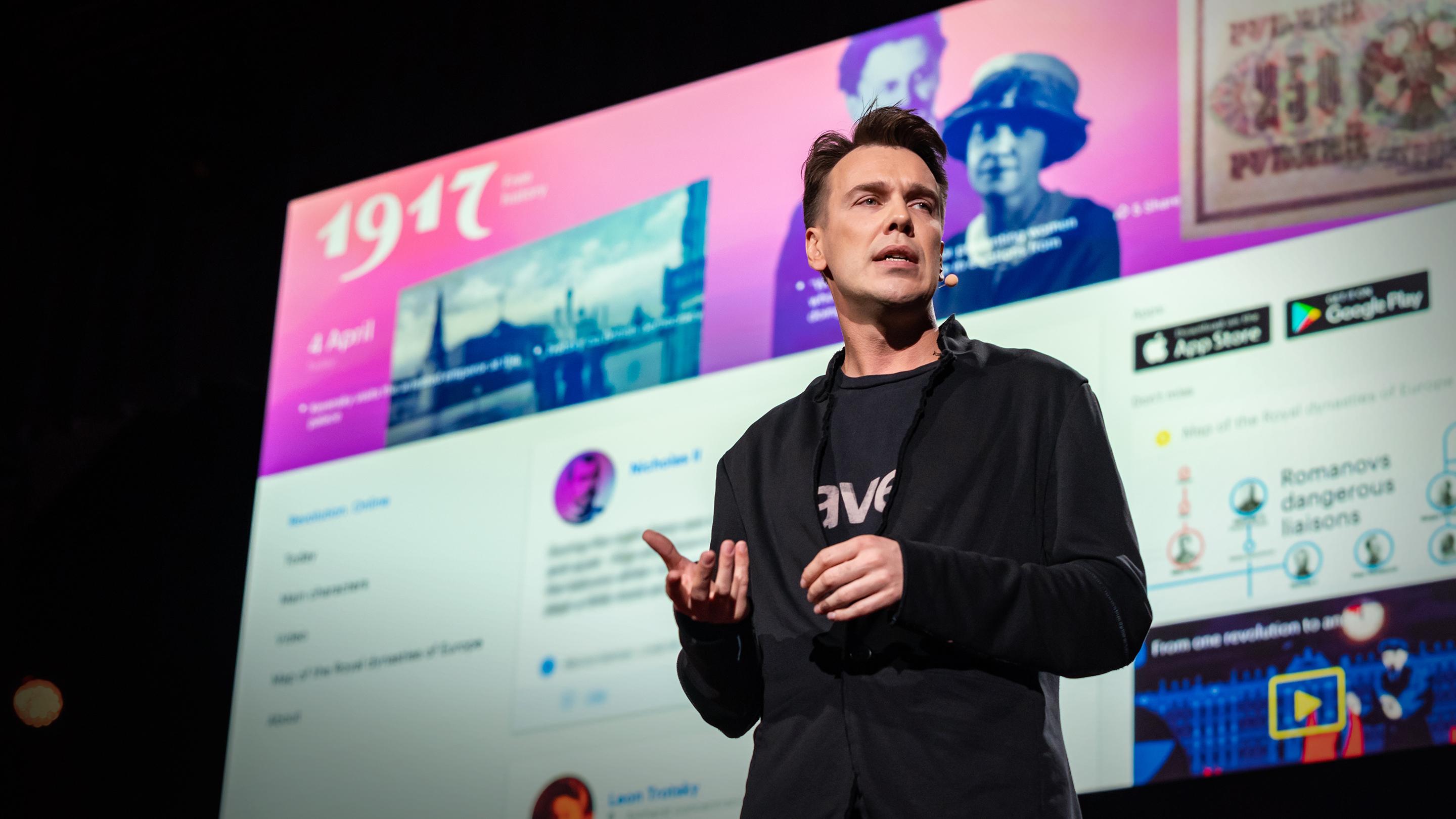
What the Russian Revolution would have looked like on social media | Mikhail Zygar
History is written by the victors, as the saying goes -- but what would it look like if it was written by everyone? Journalist and TED Fellow Mikhail Zygar is on a mission to show us with Project1917, a "social network for dead people" that posts the real diaries and letters of more than 3,000 people who lived during the Russian Revolution. By showing the daily thoughts of the likes of Lenin, Trotsky and many less celebrated figures, the project sheds new light on history as it once was -- and as it could have been. Learn more about this digital retelling of the past as well as Zygar's latest project about the transformative year of 1968.
Why teens confess to crimes they didn't commit | Lindsay Malloy
Why do juveniles falsely confess to crimes? What makes them more vulnerable than adults to this shocking, counterintuitive phenomenon? Through the lens of Brendan Dassey's interrogation and confession (as featured in Netflix's "Making a Murderer" documentary), developmental psychology professor and researcher Lindsay Malloy breaks down the science underlying false confessions and calls for change in the way kids are treated by a legal system designed for adults.
What if we replaced politicians with randomly selected people? | Brett Hennig
If you think democracy is broken, here's an idea: let's replace politicians with randomly selected people. Author and activist Brett Hennig presents a compelling case for sortition democracy, or random selection of government officials -- a system with roots in ancient Athens that taps into the wisdom of the crowd and entrusts ordinary people with making balanced decisions for the greater good of everyone. Sound crazy? Learn more about how it could work to create a world free of partisan politics.
What it's like to be the child of immigrants | Michael Rain
Michael Rain is on a mission to tell the stories of first-generation immigrants, who have strong ties both to the countries they grew up in and their countries of origin. In a personal talk, he breaks down the mischaracterizations and limited narratives of immigrants and shares the stories of the worlds they belong to. "We're walking melting pots of culture," Rain says. "If something in that pot smells new or different to you, don't turn up your nose. Ask us to share."
How Baltimore called a ceasefire | Erricka Bridgeford
In one day, in one city, in one neighborhood -- what if everyone put their guns down? Erricka Bridgeford is a peacemaker who wants to stop the murders and violence in her hometown of Baltimore. So she helped organize the Baltimore Ceasefire, a grassroots campaign to keep the peace. In a passionate, personal talk, Bridgeford tells the story of the Ceasefire movement and their bigger vision for zero murders in Baltimore.

It's time for the law to protect victims of gender violence | Laura L. Dunn
To make accountability the norm after gender violence in the United States, we need to change tactics, says victims' rights attorney and TED Fellow Laura L. Dunn. Instead of going institution by institution, fighting for reform, we need to go to the Constitution and finally pass the Equal Rights Amendment, which would require states to address gender inequality and violence. By ushering in sweeping change, Dunn says, "our legal system can become a system of justice, and #MeToo can finally become 'no more.'"
Is the world getting better or worse? A look at the numbers | Steven Pinker
Was 2017 really the "worst year ever," as some would have us believe? In his analysis of recent data on homicide, war, poverty, pollution and more, psychologist Steven Pinker finds that we're doing better now in every one of them when compared with 30 years ago. But progress isn't inevitable, and it doesn't mean everything gets better for everyone all the time, Pinker says. Instead, progress is problem-solving, and we should look at things like climate change and nuclear war as problems to be solved, not apocalypses in waiting. "We will never have a perfect world, and it would be dangerous to seek one," he says. "But there's no limit to the betterments we can attain if we continue to apply knowledge to enhance human flourishing."
A woman's fury holds lifetimes of wisdom | Tracee Ellis Ross
The global collection of women's experiences can no longer be ignored, says actress and activist Tracee Ellis Ross. In a candid, fearless talk, she delivers invitations to a better future to both men and women.
War and what comes after | Clemantine Wamariya
Clemantine Wamariya was six years old when the Rwandan Civil War forced her and her sister to flee their home in Kigali, leaving their parents and everything they knew behind. In this deeply personal talk, she tells the story of how she became a refugee, living in camps in seven countries over the next six years -- and how she's tried to make sense of what came after.
A Parkland teacher's homework for us all | Diane Wolk-Rogers
Diane Wolk-Rogers teaches history at Marjory Stoneman Douglas High School in Parkland, Florida, site of a horrific school shooting on Valentine's Day 2018. How can we end this senseless violence? In a stirring talk, Wolk-Rogers offers three ways Americans can move forward to create more safety and responsibility around guns -- and invites people to come up with their own answers, too. Above all, she asks us to take a cue from the student activists at her school, survivors whose work for change has moved millions to action. "They shouldn't have to do this on their own," Wolk-Rogers says. "They're asking you to get involved."
What's missing in the global debate over refugees | Yasin Kakande
In the ongoing debate over refugees, we hear from everyone -- from politicians who pledge border controls to citizens who fear they'll lose their jobs -- everyone, that is, except migrants themselves. Why are they coming? Journalist and TED Fellow Yasin Kakande explains what compelled him and many others to flee their homelands, urging a more open discussion and a new perspective. Because humanity's story, he reminds us, is a story of migration: "There are no restrictions that could ever be so rigorous to stop the wave of migration that has determined our human history," he says.
What if we ended the injustice of bail? | Robin Steinberg
On any given night, more than 450,000 people in the United States are locked up in jail simply because they don't have enough money to pay bail. The sums in question are often around $500: easy for some to pay, impossible for others. This has real human consequences -- people lose jobs, homes and lives, and it drives racial disparities in the legal system. Robin Steinberg has a bold idea to change this. In this powerful talk, she outlines the plan for The Bail Project -- an unprecedented national revolving bail fund to fight mass incarceration. (This ambitious idea is part of the Audacious Project, TED's initiative to inspire and fund global change.)
My descent into America's neo-Nazi movement -- and how I got out | Christian Picciolini
At 14, Christian Picciolini went from naïve teenager to white supremacist -- and soon, the leader of the first neo-Nazi skinhead gang in the United States. How was he radicalized, and how did he ultimately get out of the movement? In this courageous talk, Picciolini shares the surprising and counterintuitive solution to hate in all forms.
The human stories behind mass incarceration | Eve Abrams
The United States locks up more people than any other country in the world, says documentarian Eve Abrams, and somewhere between one and four percent of those in prison are likely innocent. That's 87,000 brothers, sisters, mothers and fathers -- predominantly African American -- unnecessarily separated from their families, their lives and dreams put on hold. Using audio from her interviews with incarcerated people and their families, Abrams shares touching stories of those impacted by mass incarceration and calls on us all to take a stand and ensure that the justice system works for everyone.
How shocking events can spark positive change | Naomi Klein
Things are pretty shocking out there right now -- record-breaking storms, deadly terror attacks, thousands of migrants disappearing beneath the waves and openly supremacist movements rising. Are we responding with the urgency that these overlapping crises demand from us? Journalist and activist Naomi Klein studies how governments use large-scale shocks to push societies backward. She shares a few propositions from "The Leap" -- a manifesto she wrote alongside indigenous elders, climate change activists, union leaders and others from different backgrounds -- which envisions a world after we've already made the transition to a clean economy and a much fairer society. "The shocking events that fill us with dread today can transform us, and they can transform the world for the better," Klein says. "But first we need to picture the world that we're fighting for. And we have to dream it up together."
Refugees want empowerment, not handouts | Robert Hakiza
The prevailing image of where refugees live is of temporary camps in isolated areas -- but in reality, nearly 60 percent of them worldwide end up in urban areas. TED Fellow Robert Hakiza takes us inside the lives of urban refugees -- and shows us how organizations like the one that he started can provide them with the skills they need to ultimately become self-sufficient.
Capitalism isn't an ideology -- it's an operating system | Bhu Srinivasan
Bhu Srinivasan researches the intersection of capitalism and technological progress. Instead of thinking about capitalism as a firm, unchanging ideology, he suggests that we should think of it as an operating system -- one that needs upgrades to keep up with innovation, like the impending take-off of drone delivery services. Learn more about the past and future of the free market (and a potential coming identity crisis for the United States' version of capitalism) with this quick, forward-thinking talk.
3 lessons of revolutionary love in a time of rage | Valarie Kaur
What's the antidote to rising nationalism, polarization and hate? In this inspiring, poetic talk, Valarie Kaur asks us to reclaim love as a revolutionary act. As she journeys from the birthing room to tragic sites of bloodshed, Kaur shows us how the choice to love can be a force for justice.
How protest is redefining democracy around the world | Zachariah Mampilly
The democratic process is messy, complicated and often inefficient -- but across Africa, activists are redefining democracy by putting protest at its center. In an illuminating talk, political scientist Zachariah Mampilly gives us a primer on the current wave of protests reshaping countries like Tunisia, Malawi and Zimbabwe -- and explains how this form of political dissension expands our political imaginations beyond what we're told is possible.
From death row to law graduate | Peter Ouko
Peter Ouko spent 18 years in Kamiti Prison in Kenya, sometimes locked up in a cell with 13 other grown men for 23 and a half hours a day. In a moving talk, he tells the story of how he was freed -- and his current mission with the African Prisons Project: to set up the first law school behind bars and empower people in prison to drive positive change.
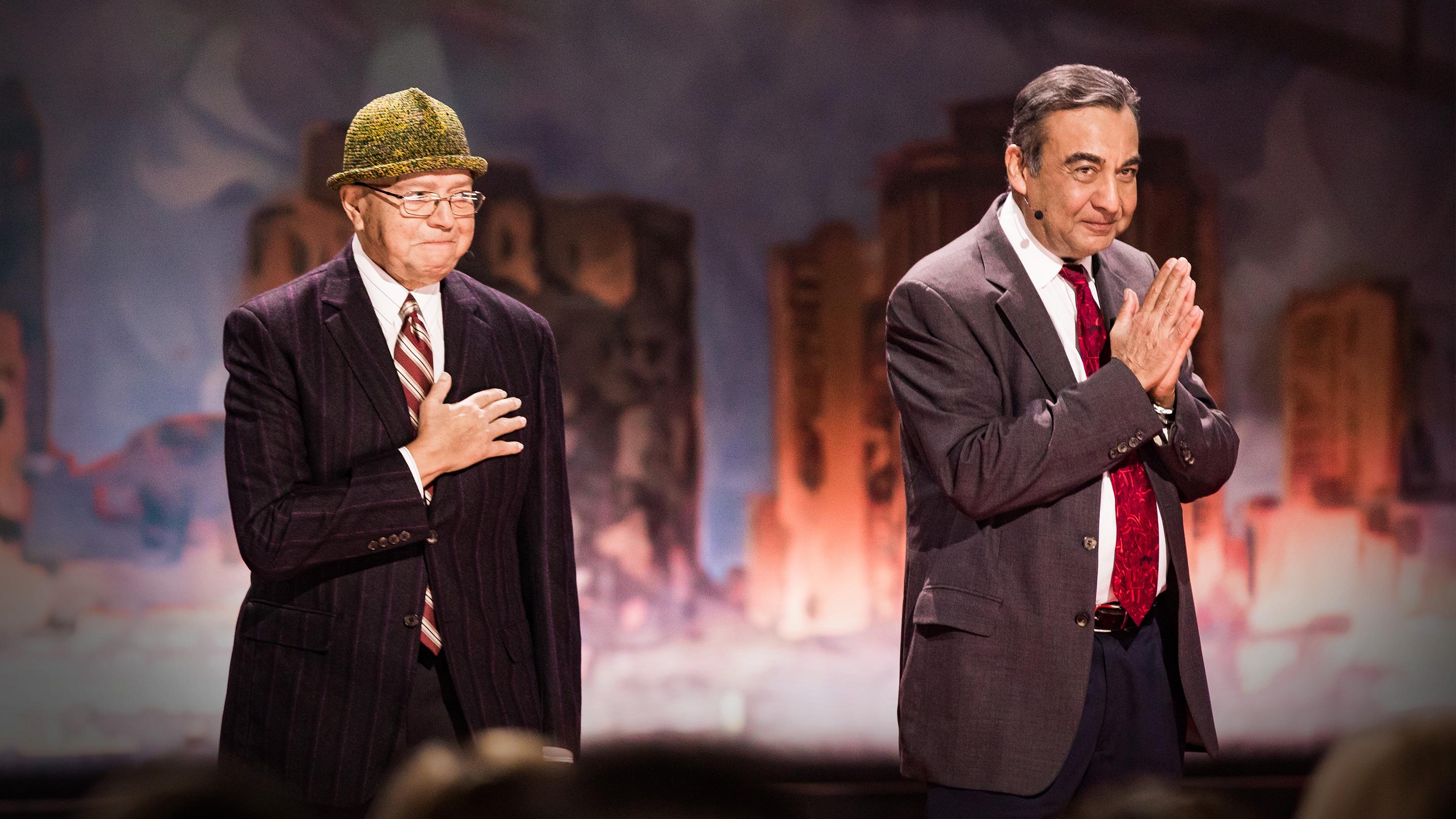
What comes after tragedy? Forgiveness | Azim Khamisa and Ples Felix
On one awful night in 1995, Ples Felix's 14-year-old grandson murdered Azim Khamisa's son in a gang initiation fueled by drugs, alcohol and a false sense of belonging. The deadly encounter sent Khamisa and Felix down paths of deep meditation, to forgive and to be forgiven -- and in an act of bravery and reconciliation, the two men met and forged a lasting bond. Together, they've used their story as an outline for a better, more merciful society, where victims of tragedy can grow and heal. Prepare to be moved by their unimaginable story. "Peace is possible," Khamisa says. "How do I know that? Because I am at peace."

American bipartisan politics can be saved -- here's how | Bob Inglis
Former Republican member of the U.S. Congress Bob Inglis shares an optimistic message about how conservatives can lead on climate change and other pressing problems -- and how free enterprise (and working together across ideologies) hold the solutions. "The United States was not built by those who waited and wished to look behind them," Inglis says. "Lead now ... Tell the American people that we still have moon shots in us."
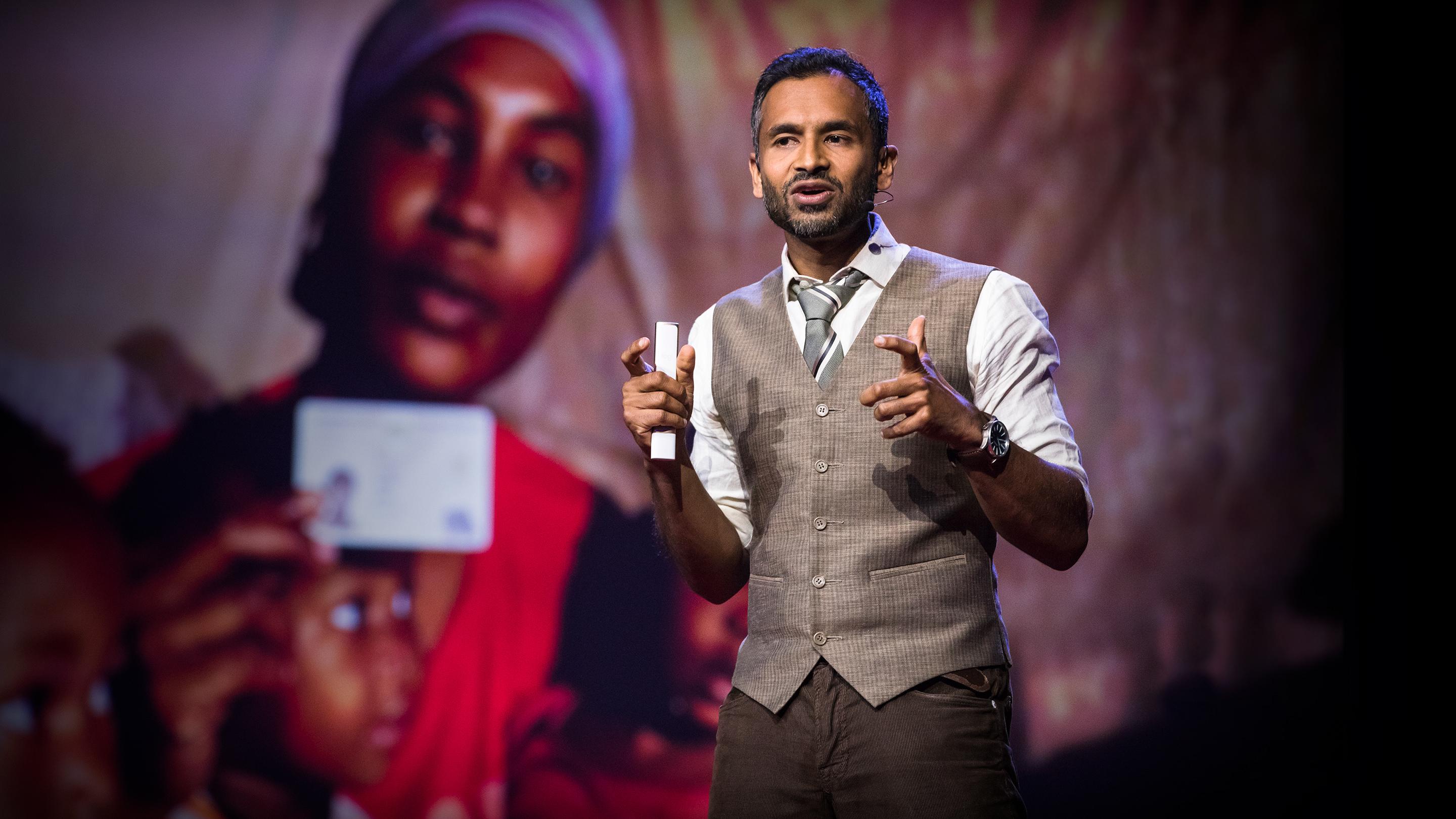
How to put the power of law in people's hands | Vivek Maru
What can you do when the wheels of justice don't turn fast enough? Or when they don't turn at all? Vivek Maru is working to transform the relationship between people and law, turning law from an abstraction or threat into something that everyone can understand, use and shape. Instead of relying solely on lawyers, Maru started a global network of community paralegals, or barefoot lawyers, who serve in their own communities and break the law down into simple terms to help people find solutions. Learn more about how this innovative approach to using the law is helping socially excluded people claim their rights. "A little bit of legal empowerment can go a long way," Maru says.
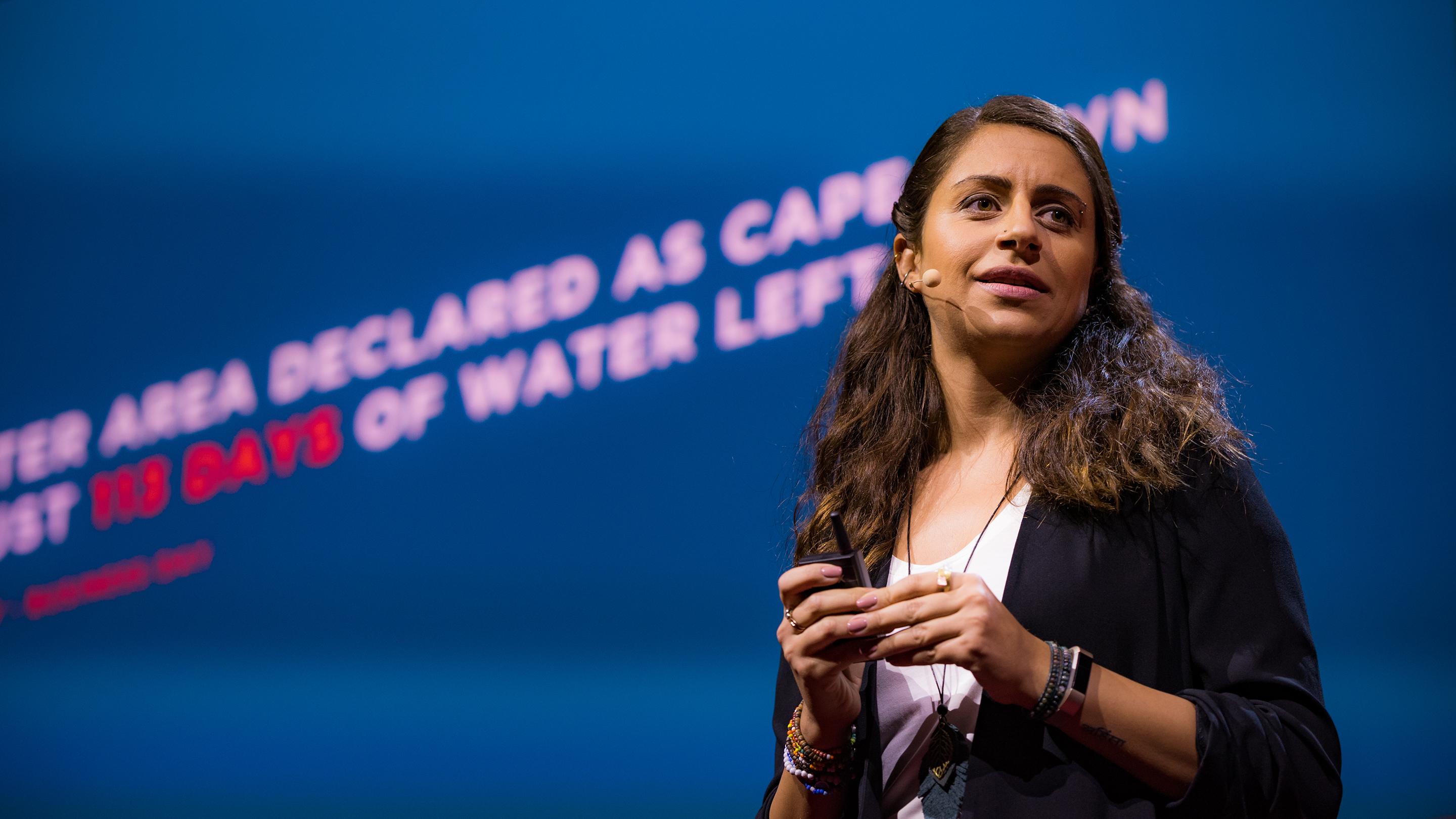
3 thoughtful ways to conserve water | Lana Mazahreh
According to the UN, nearly one in three people worldwide live in a country facing a water crisis, and less than five percent of the world lives in a country that has more water today than it did 20 years ago. Lana Mazahreh grew up in Jordan, a state that has experienced absolute water scarcity since 1973, where she learned how to conserve water as soon as she was old enough to learn how to write her name. In this practical talk, she shares three lessons from water-poor countries on how to save water and address what's fast becoming a global crisis.
How adoption worked for me | Christopher Ategeka
Talent is universal, but opportunity isn't, says TED Fellow Christopher Ategeka. In this charming, hopeful talk, Ategeka tells his story of being orphaned at a young age -- and how being adopted gave him the chance to experience a new culture, acquire an education and live up to his full potential. "We may not be able to solve the bigotry and the racism of this world today," Ategeka says, "But certainly we can raise children to create a positive, inclusive, connected world full of empathy, love and compassion."
A Republican mayor's plan to replace partisanship with policy | G.T. Bynum
Conventional wisdom says that to win an election, you need to play to your constituencies' basest, most divisive instincts. But as a candidate for mayor of Tulsa, Oklahoma, G.T. Bynum decided to skip the smear campaigns, tell voters what he wanted to accomplish and give them ways to measure his success -- and it led him to win the election. In a hopeful, funny talk, Bynum shares how he's tackling his city's most pressing issues and says that we need to set aside philosophical disagreements and focus on the aspirations that unite us.

Activism needs introverts | Sarah Corbett
For the introverts among us, traditional forms activism like marches, protests and door-to-door canvassing can be intimidating and stressful. Take it from Sarah Corbett, a former professional campaigner and self-proclaimed introvert. She introduces us to "craftivism," a quieter form of activism that uses handicrafts as a way to get people to slow down and think deeply about the issues they're facing, all while engaging the public more gently. Who says an embroidered handkerchief can't change the world?
How to transform apocalypse fatigue into action on global warming | Per Espen Stoknes
The biggest obstacle to dealing with climate disruptions lies between your ears, says psychologist and economist Per Espen Stoknes. He's spent years studying the defenses we use to avoid thinking about the demise of our planet -- and figuring out a new way of talking about global warming that keeps us from shutting down. Step away from the doomsday narratives and learn how to make caring for the earth feel personable, do-able and empowering with this fun, informative talk.
What I learned serving time for a crime I didn't commit | Teresa Njoroge
In 2011, Teresa Njoroge was convicted of a financial crime she didn't commit -- the result of a long string of false accusations, increasing bribe attempts and the corrupt justice system in her home in Kenya. Once incarcerated, she discovered that most of the women and girls locked up with her were also victims of the same broken system, caught in a revolving door of life in and out of prison due to poor education and lack of economic opportunity. Now free and cleared by the courts of appeal, Njoroge shares how she's giving women in prison the skills, tools and support they need to break the cycle of poverty and crime and build a better life.
How judges can show respect | Victoria Pratt
In halls of justice around the world, how can we ensure everyone is treated with dignity and respect? A pioneering judge in New Jersey, Victoria Pratt shares her principles of "procedural justice" -- four simple, thoughtful steps that redefined the everyday business of her courtroom in Newark, changing lives along the way. "When the court behaves differently, naturally people respond differently," Pratt says. "We want people to enter our halls of justice ... and know that justice will be served there."
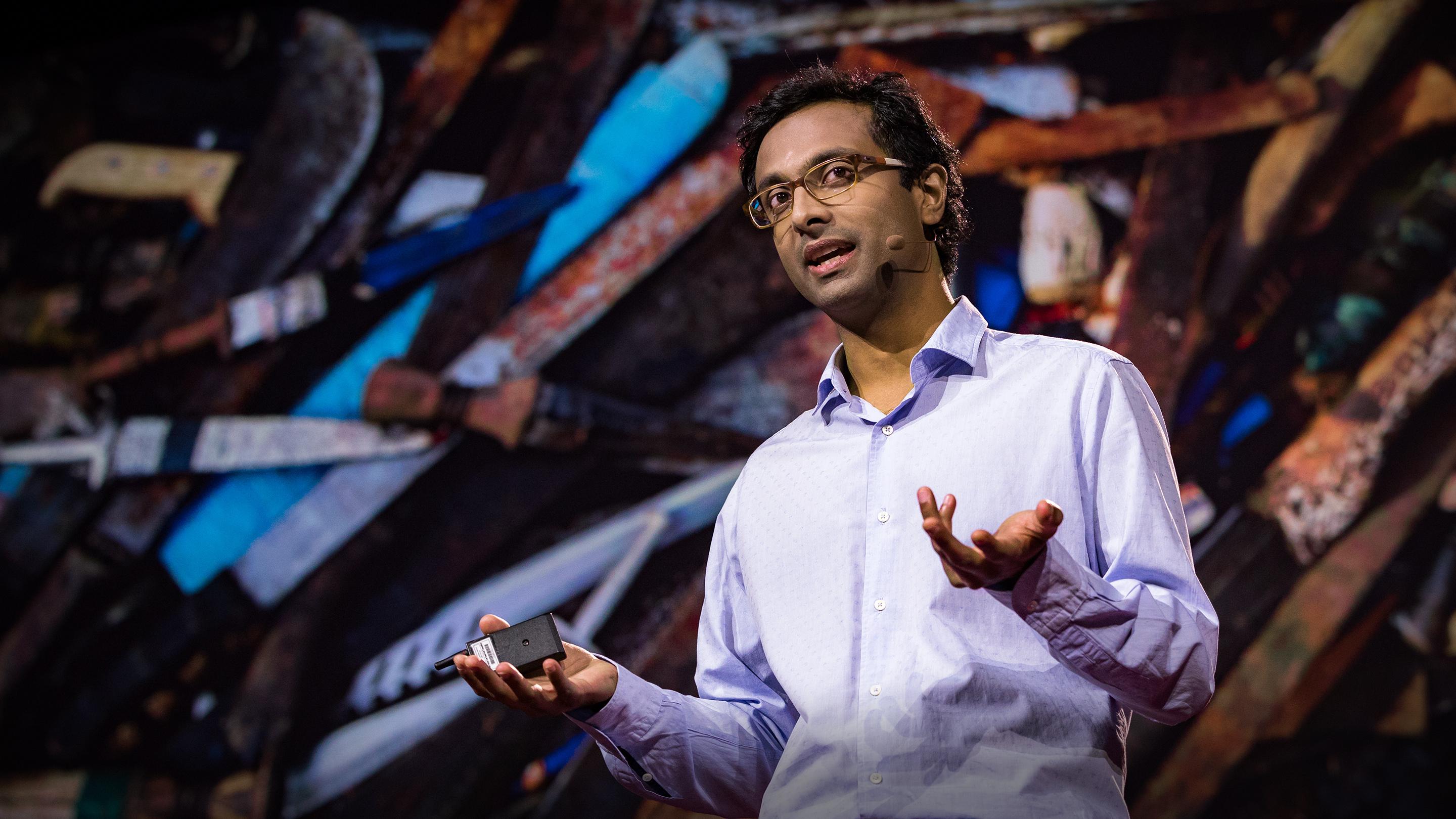
Why I risked my life to expose a government massacre | Anjan Sundaram
A war zone can pass for a mostly peaceful place when no one is watching, says investigative journalist and TED Fellow Anjan Sundaram. In this short, incisive talk, he takes us inside the conflict in the Central African Republic, where he saw the methodical preparation for ethnic cleansing, and shares a lesson about why it's important to bear witness to other people's suffering. "Ignored people in all our communities tell us something important about who we are," Sundaram says. "A witness can become precious, and their gaze most necessary, when violence passes silently, unseen and unheard."
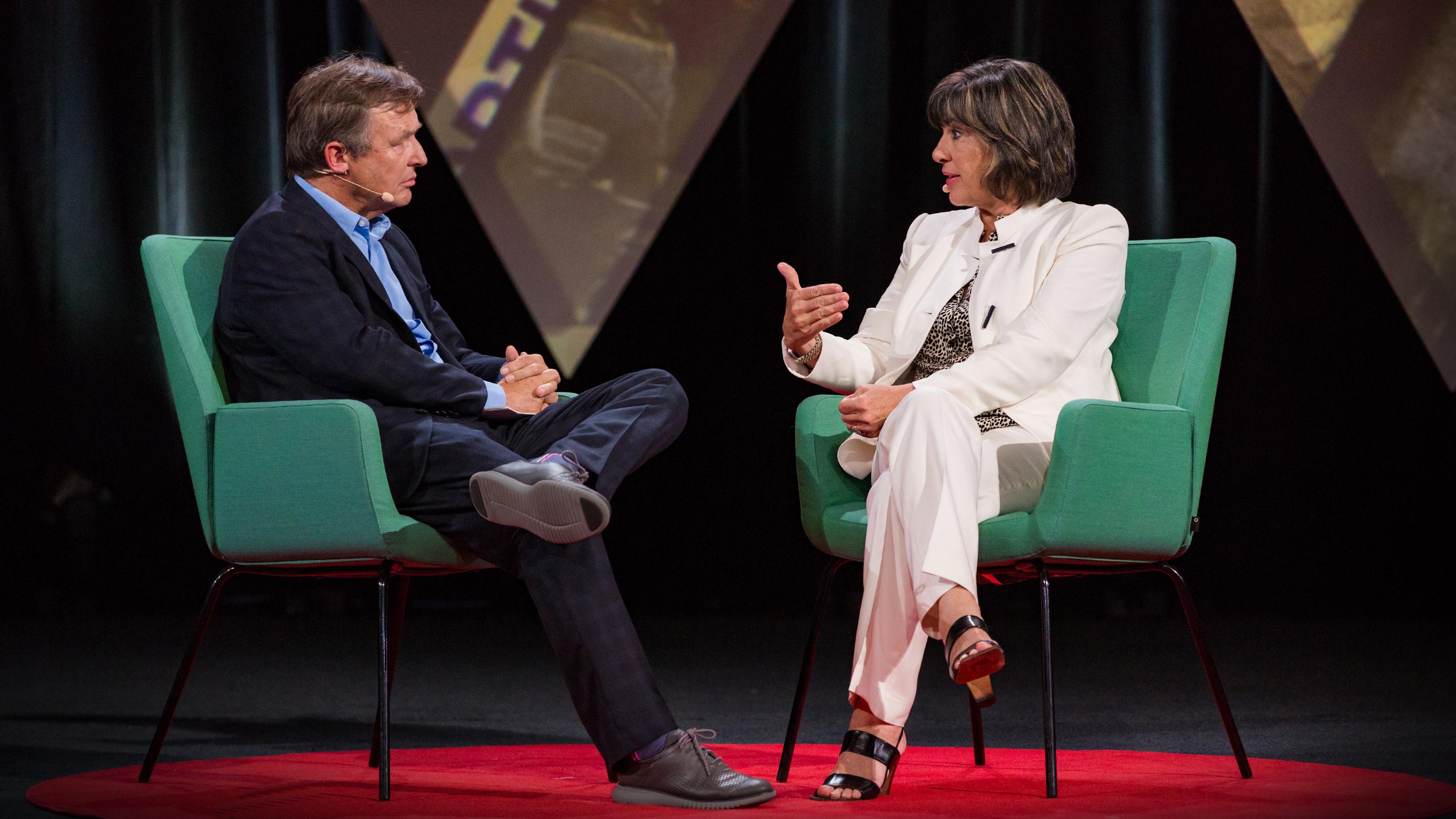
How to seek truth in the era of fake news | Christiane Amanpour
Known worldwide for her courage and clarity, Christiane Amanpour has spent the past three decades interviewing business, cultural and political leaders who have shaped history. In conversation with TED Curator Chris Anderson, Amanpour discusses fake news, objectivity in journalism, the leadership vacuum in global politics and more, sharing her wisdom along the way. "Be careful where you get information from," she says. "Unless we are all engaged as global citizens who appreciate the truth, who understand science, empirical evidence and facts, then we are going to be wandering around -- to a potential catastrophe."
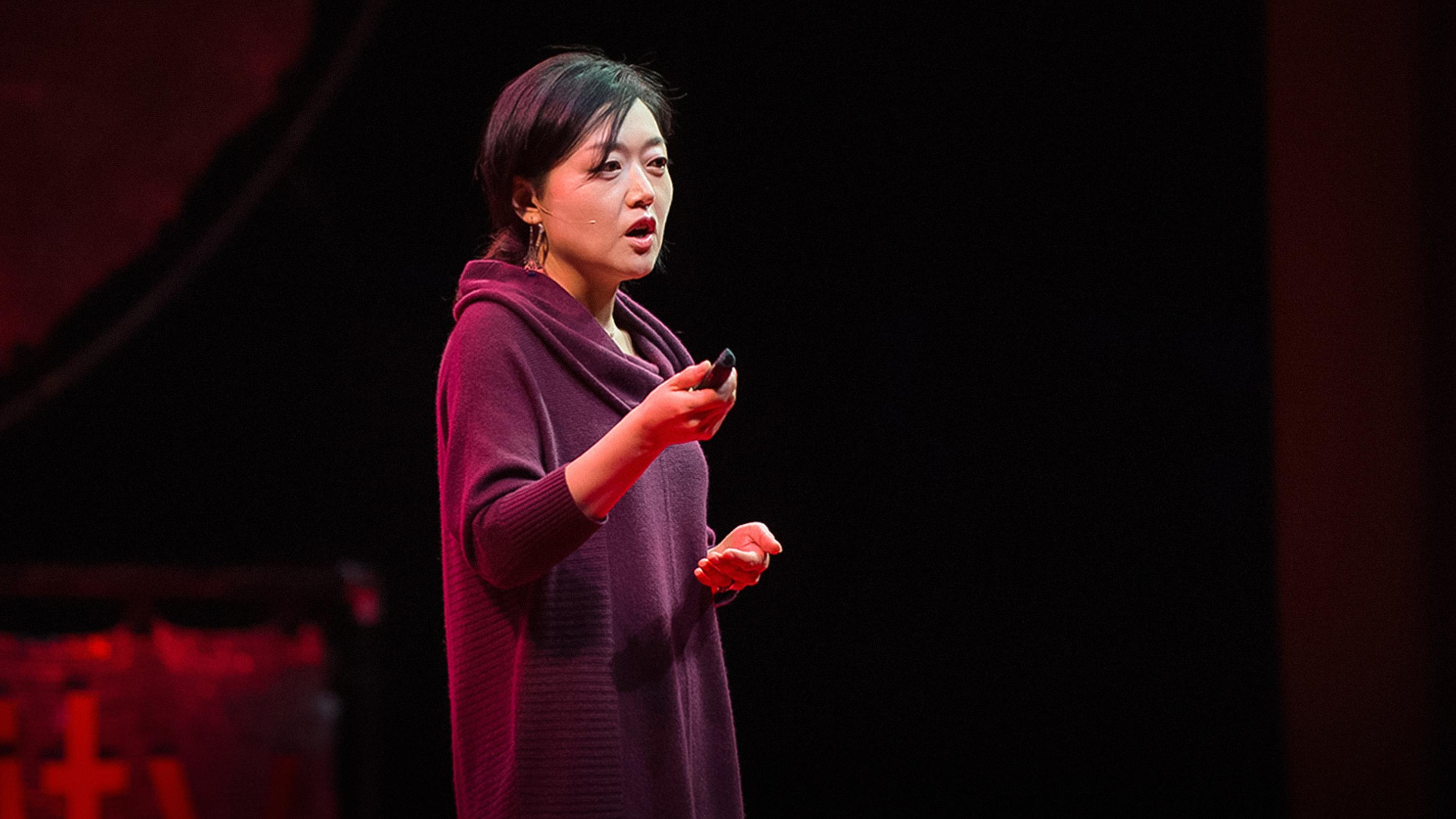
What I learned as a prisoner in North Korea | Euna Lee
In March 2009, North Korean soldiers captured journalist Euna Lee and her colleague Laura Ling while they were shooting a documentary on the border with China. The courts sentenced them to 12 years of hard labor, but American diplomats eventually negotiated their release. In this surprising, deeply human talk, Lee shares her experience living as the enemy in a detention center for 140 days -- and the tiny gestures of humanity from her guards that sustained her.
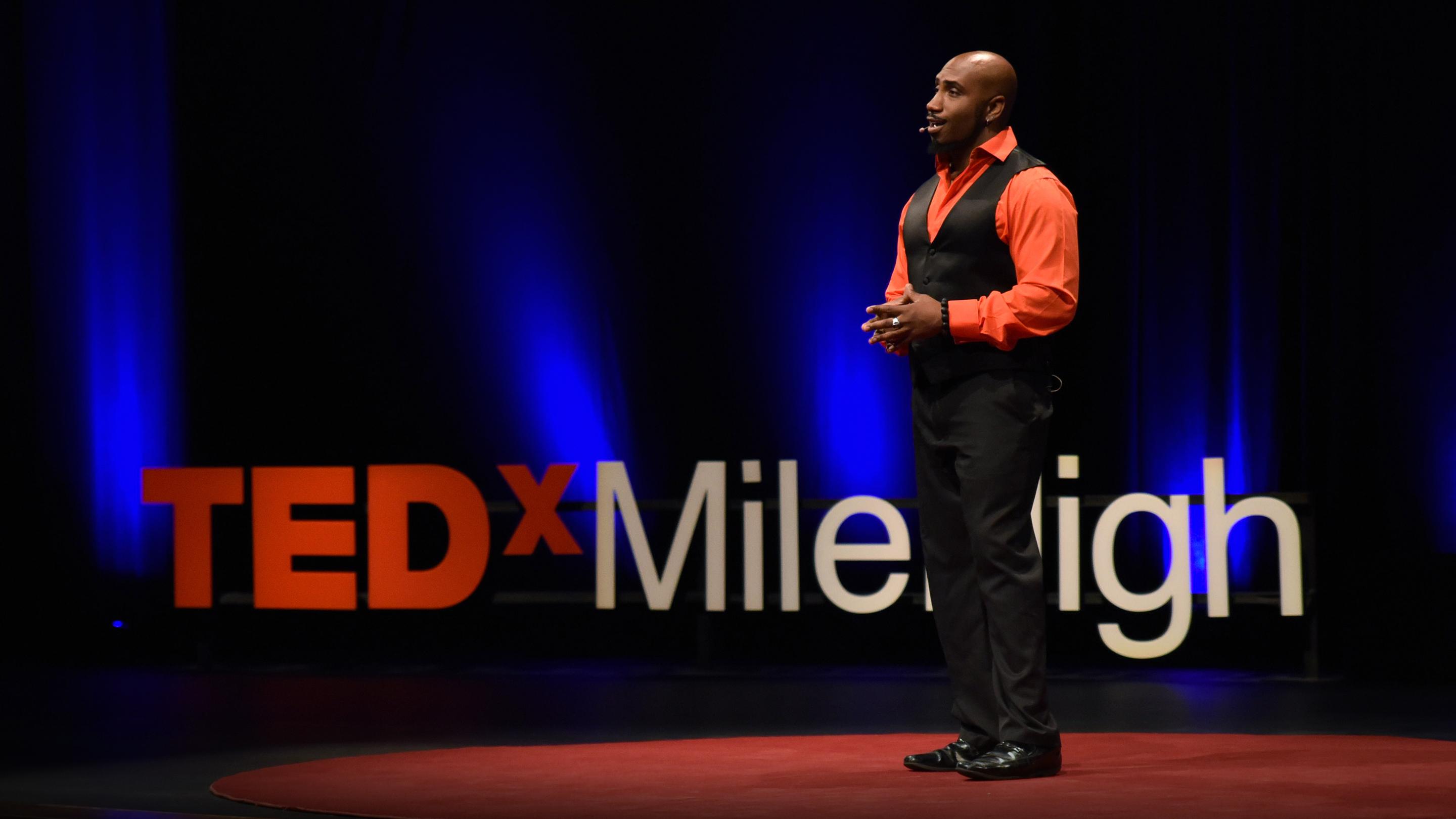
A Black man goes undercover in the alt-right | Theo E.J. Wilson
In an unmissable talk about race and politics in America, Theo E.J. Wilson tells the story of becoming Lucius25, white supremacist lurker, and the unexpected compassion and surprising perspective he found from engaging with people he disagrees with. He encourages us to let go of fear, embrace curiosity and have courageous conversations with people who think differently from us. "Conversations stop violence, conversations start countries and build bridges," he says.
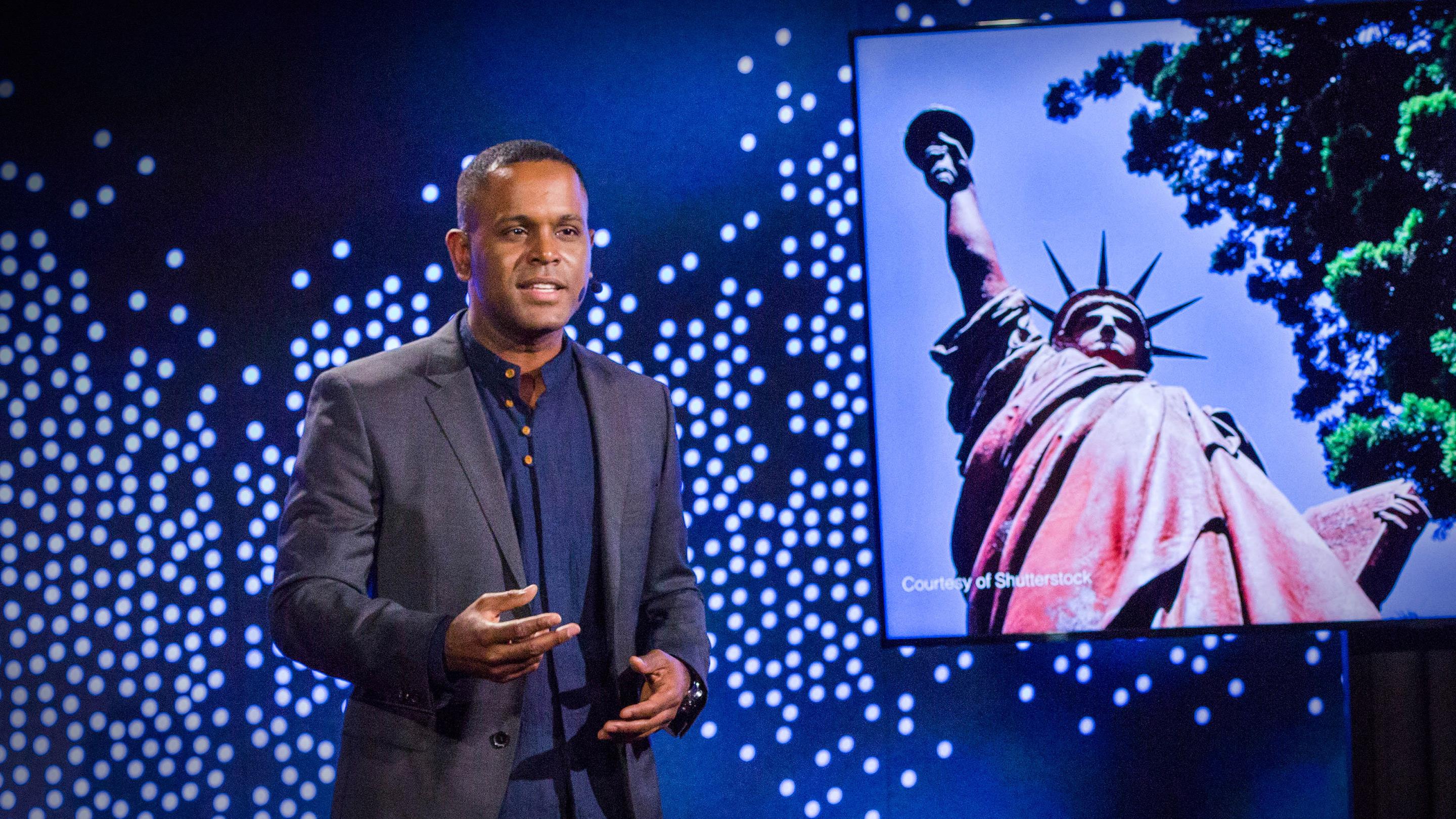
What we're missing in the debate about immigration | Duarte Geraldino
Between 2008 and 2016, the United States deported more than three million people. What happens to those left behind? Journalist Duarte Geraldino picks up the story of deportation where the state leaves off. Learn more about the wider impact of forced removal as Geraldino explains how the sudden absence of a mother, a local business owner or a high school student ripples outward and wreaks havoc on the relationships that hold our communities together.